Engaging Ideas for the L2 Classroom
Brent A. Jones, Ed.D.
Konan University, Hirao School of Management
Abstract
The word “Engagement” appears often in educational literature, and learner engagement is seen as
an important precursor for deeper levels of learning. However, it is often unclear in this literature
what exactly is meant by Engagement. Intuitively, as a teacher, I feel that I can recognize engagement
or disengagement in my own learners when I see it. However, I am less sure of exactly where this
recognition comes from, and wonder how well my perceptions align with learner realities. This
workshop style presentation outlines an investigation into Engagement as an educational construct in
EFL contexts and instructional practices that promote engagement in university EFL classes.
Participants will go away with a set of resources for further exploring the theory and practice of
learner engagement.
1. Defining Engagement - Share your definitions of motivation and engagement.
Motivation _____________________________________________________________________
Engagement ____________________________________________________________________
2. Dimensions of Engagement - What are the three most commonly identified dimensions or types of
engagement? What are some other dimensions/types that are mentioned in the literature?
____________________ ____________________ ____________________
3. Theoretical Framework - What are the three basic psychological needs described in SDT?
____________________ ____________________ ____________________
4. Findings - What are some of the instructional strategies, teacher characteristics and contextual
features that were found to influence learner engagement in this study?
Instructional Strategies -
Teacher Characteristics -
Contextual Features -
4. Pedagogical Implications - What are three of the strategies or activities described that you might
use in your own classroom? What adjustments might you make?
Strategy/Activity (1)
Adjustment -
Strategy/Activity (2)
Adjustment -
Strategy/Activity (3)
Adjustment -
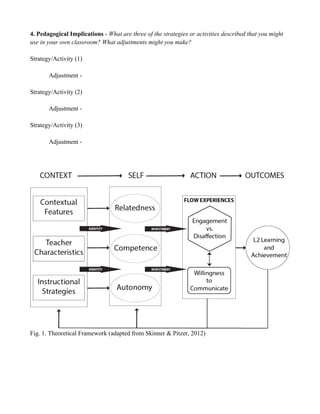
Fig. 1. Theoretical Framework (adapted from Skinner & Pitzer, 2012)
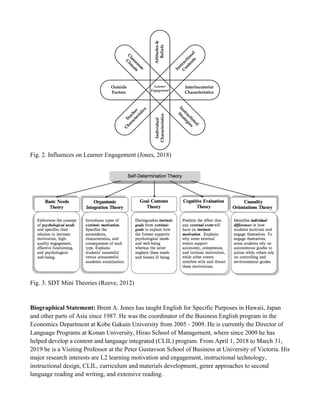
Fig. 2. Influences on Learner Engagement (Jones, 2018)
Fig. 3. SDT Mini Theories (Reeve, 2012)
Biographical Statement: Brent A. Jones has taught English for Specific Purposes in Hawaii, Japan
and other parts of Asia since 1987. He was the coordinator of the Business English program in the
Economics Department at Kobe Gakuin University from 2005 - 2009. He is currently the Director of
Language Programs at Konan University, Hirao School of Management, where since 2009 he has
helped develop a content and language integrated (CLIL) program. From April 1, 2018 to March 31,
2019 he is a Visiting Professor at the Peter Gustavson School of Business at University of Victoria. His
major research interests are L2 learning motivation and engagement, instructional technology,
instructional design, CLIL, curriculum and materials development, genre approaches to second
language reading and writing, and extensive reading.
References
Boo, Z., Dörnyei, Z., & Ryan, S. (2015). L2 motivation research 2005-2014: Understanding a
publication surge and a changing landscape. System, 55, 145-157.
Egbert, J. (2003). A study of flow theory in the foreign language classroom. The Modern
Language Journal, 87, 499-518.
Fredericks, J. A., Blumenfeld, P. C. & Paris, A. H. (2004). School engagement: Potential of the
concept, state of the evidence. Review of Educational Research, 74(1), 59-109.
Lambert, C., Philp, J., & Nakamura, S. (2016). Learner-generated content and engagement in second
language task performance. Language Teaching Research, 21(6), 665-680.
Osterman, G. L. (2014). Experiences of Japanese university students' willingness to speak English in
class: A multiple case study. SAGE Open, 4(3), 1-13.
Reeve, J. (2012). A self-determination theory perspective on student engagement. In S. L.
Christenson, A. Reschly, & C. Wylie (Eds.), Handbook of research on student engagement (pp.
149-172) New York: Springer.
Reschly, A. L., & Christenson, S. L. (2012). Jingle, jangle, and conceptual haziness: Evolution and
future directions of the engagement construct. In S. Christenson, A. Reschly, & C. Wylie (Eds.),
Handbook of research on student engagement (pp. 3-19) New York: Springer.
Ryan, R. & Deci, E. (2017). Self-determination theory. Basic psychological needs in motivation,
development, and wellness. New York: The Guilford Press.
Ryan, S. (2008). The ideal L2 selves of Japanese learners of English (Unpublished doctoral
dissertation). University of Nottingham, Nottingham, United Kingdom.
Skinner, E. A., & Pitzer, J. R. (2012). Developmental dynamics of student engagement, coping, and
everyday resilience. In S. Christenson, A. Reschly, & C. Wylie (Eds.), Handbook of research on
student engagement (pp. 21-44) New York: Springer.
Smith, M. K., Jones, F. H. M., Gilbert, S. L., & Wieman, C. E. (2013). The classroom observation
protocol for undergraduate STEM (COPUS): A new instrument to characterize university STEM
classroom practices. CBE-Life Sciences Education, 12(4), 618-627.
Yashima, T., Zenuk-Nishide, L. & Shimizu, K. (2004). The influence of attitudes and affect on
willingness to communicate and second language communication. Language Learning, 54(1). 119-
152.

Handout - Engaging Ideas for the L2 Classroom

  • 1.
    Engaging Ideas forthe L2 Classroom Brent A. Jones, Ed.D. Konan University, Hirao School of Management Abstract The word “Engagement” appears often in educational literature, and learner engagement is seen as an important precursor for deeper levels of learning. However, it is often unclear in this literature what exactly is meant by Engagement. Intuitively, as a teacher, I feel that I can recognize engagement or disengagement in my own learners when I see it. However, I am less sure of exactly where this recognition comes from, and wonder how well my perceptions align with learner realities. This workshop style presentation outlines an investigation into Engagement as an educational construct in EFL contexts and instructional practices that promote engagement in university EFL classes. Participants will go away with a set of resources for further exploring the theory and practice of learner engagement. 1. Defining Engagement - Share your definitions of motivation and engagement. Motivation _____________________________________________________________________ Engagement ____________________________________________________________________ 2. Dimensions of Engagement - What are the three most commonly identified dimensions or types of engagement? What are some other dimensions/types that are mentioned in the literature? ____________________ ____________________ ____________________ 3. Theoretical Framework - What are the three basic psychological needs described in SDT? ____________________ ____________________ ____________________ 4. Findings - What are some of the instructional strategies, teacher characteristics and contextual features that were found to influence learner engagement in this study? Instructional Strategies - Teacher Characteristics - Contextual Features -
  • 2.
    4. Pedagogical Implications- What are three of the strategies or activities described that you might use in your own classroom? What adjustments might you make? Strategy/Activity (1) Adjustment - Strategy/Activity (2) Adjustment - Strategy/Activity (3) Adjustment - Fig. 1. Theoretical Framework (adapted from Skinner & Pitzer, 2012)
  • 3.
    Fig. 2. Influenceson Learner Engagement (Jones, 2018) Fig. 3. SDT Mini Theories (Reeve, 2012) Biographical Statement: Brent A. Jones has taught English for Specific Purposes in Hawaii, Japan and other parts of Asia since 1987. He was the coordinator of the Business English program in the Economics Department at Kobe Gakuin University from 2005 - 2009. He is currently the Director of Language Programs at Konan University, Hirao School of Management, where since 2009 he has helped develop a content and language integrated (CLIL) program. From April 1, 2018 to March 31, 2019 he is a Visiting Professor at the Peter Gustavson School of Business at University of Victoria. His major research interests are L2 learning motivation and engagement, instructional technology, instructional design, CLIL, curriculum and materials development, genre approaches to second language reading and writing, and extensive reading.
  • 4.
    References Boo, Z., Dörnyei,Z., & Ryan, S. (2015). L2 motivation research 2005-2014: Understanding a publication surge and a changing landscape. System, 55, 145-157. Egbert, J. (2003). A study of flow theory in the foreign language classroom. The Modern Language Journal, 87, 499-518. Fredericks, J. A., Blumenfeld, P. C. & Paris, A. H. (2004). School engagement: Potential of the concept, state of the evidence. Review of Educational Research, 74(1), 59-109. Lambert, C., Philp, J., & Nakamura, S. (2016). Learner-generated content and engagement in second language task performance. Language Teaching Research, 21(6), 665-680. Osterman, G. L. (2014). Experiences of Japanese university students' willingness to speak English in class: A multiple case study. SAGE Open, 4(3), 1-13. Reeve, J. (2012). A self-determination theory perspective on student engagement. In S. L. Christenson, A. Reschly, & C. Wylie (Eds.), Handbook of research on student engagement (pp. 149-172) New York: Springer. Reschly, A. L., & Christenson, S. L. (2012). Jingle, jangle, and conceptual haziness: Evolution and future directions of the engagement construct. In S. Christenson, A. Reschly, & C. Wylie (Eds.), Handbook of research on student engagement (pp. 3-19) New York: Springer. Ryan, R. & Deci, E. (2017). Self-determination theory. Basic psychological needs in motivation, development, and wellness. New York: The Guilford Press. Ryan, S. (2008). The ideal L2 selves of Japanese learners of English (Unpublished doctoral dissertation). University of Nottingham, Nottingham, United Kingdom. Skinner, E. A., & Pitzer, J. R. (2012). Developmental dynamics of student engagement, coping, and everyday resilience. In S. Christenson, A. Reschly, & C. Wylie (Eds.), Handbook of research on student engagement (pp. 21-44) New York: Springer. Smith, M. K., Jones, F. H. M., Gilbert, S. L., & Wieman, C. E. (2013). The classroom observation protocol for undergraduate STEM (COPUS): A new instrument to characterize university STEM classroom practices. CBE-Life Sciences Education, 12(4), 618-627. Yashima, T., Zenuk-Nishide, L. & Shimizu, K. (2004). The influence of attitudes and affect on willingness to communicate and second language communication. Language Learning, 54(1). 119- 152.