“In fact, without visualization, students
cannot comprehend, and reading cannot
be said to be reading.”

        Reading is Seeing, Jeffrey Wilhelm
Handmade Thinking:
    Drawing Out Reading


          Laurence Musgrove
            Professor and Chair
Department of English and Modern Languages
         Angelo State University
ZZZ
BORING!
?
Me !
Me !
WHY?
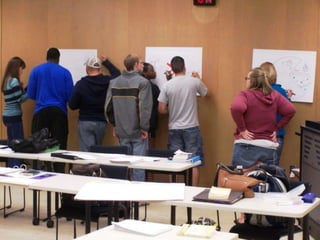
   Drawing with guided practice and
 choice in visual formats can increase
reading engagement, comprehension,
  as well as creative problem-solving
          and critical thinking.
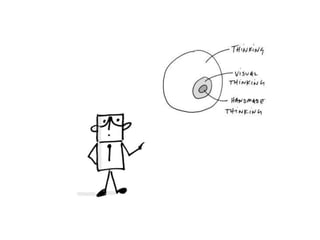
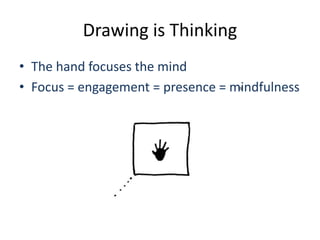
Drawing is Thinking
• The hand focuses the mind
• Focus = engagement = presence = mindfulness
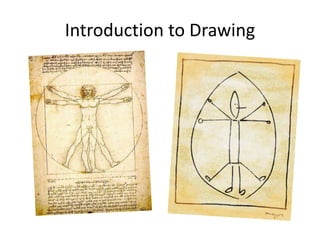
Introduction to Drawing
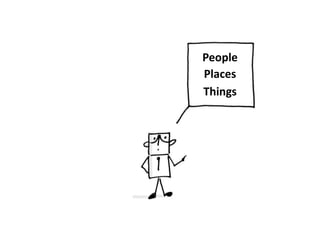
People
Places
Things
Twos
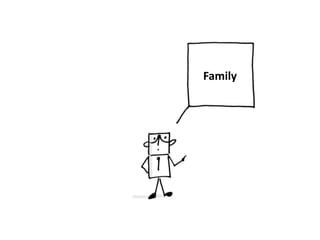
Family
Amount
Action
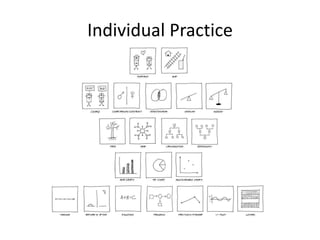
Individual Practice
TAKE AWAY
   Drawing with guided practice and
 choice in visual formats can increase
reading engagement, comprehension,
  as well as creative problem-solving
          and critical thinking.
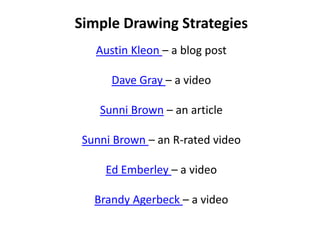
Simple Drawing Strategies
   Austin Kleon – a blog post

      Dave Gray – a video

    Sunni Brown – an article

 Sunni Brown – an R-rated video

     Ed Emberley – a video

   Brandy Agerbeck – a video

Handmade Thinking Class Presentation

  • 1.
    “In fact, withoutvisualization, students cannot comprehend, and reading cannot be said to be reading.” Reading is Seeing, Jeffrey Wilhelm
  • 2.
    Handmade Thinking: Drawing Out Reading Laurence Musgrove Professor and Chair Department of English and Modern Languages Angelo State University
  • 5.
  • 6.
  • 7.
  • 9.
  • 12.
    WHY? Drawing with guided practice and choice in visual formats can increase reading engagement, comprehension, as well as creative problem-solving and critical thinking.
  • 16.
    Drawing is Thinking •The hand focuses the mind • Focus = engagement = presence = mindfulness
  • 18.
  • 20.
  • 23.
  • 29.
  • 34.
  • 38.
  • 96.
  • 97.
    TAKE AWAY Drawing with guided practice and choice in visual formats can increase reading engagement, comprehension, as well as creative problem-solving and critical thinking.
  • 98.
    Simple Drawing Strategies Austin Kleon – a blog post Dave Gray – a video Sunni Brown – an article Sunni Brown – an R-rated video Ed Emberley – a video Brandy Agerbeck – a video

Editor's Notes

  • #5 I’m interested in two problems I’ve encounteredin the English classroom. And when I say the English classroom, I mean any class, writing, literature, undergraduate, and graduate.
  • #6 Students don’t read what I assign them to read.
  • #7 Students don’t read what I assign them in a critical way
  • #8 How can we create more engaged and critical readers?
  • #9 Some teachers give pop quizzes.
  • #10 Some teachers give participation grades.
  • #11 Some teachershave students write daily responses about what they read. I do this.
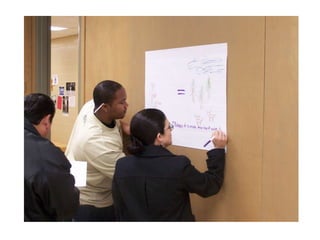
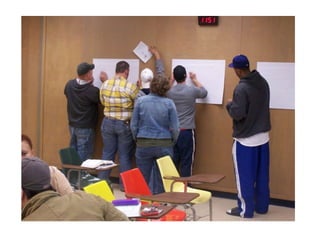
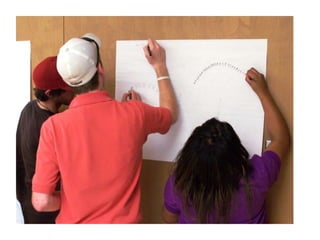
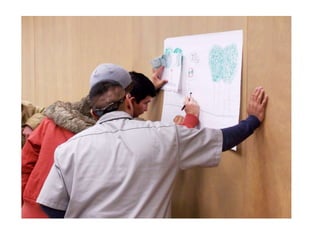
  • #12 Some teachers have students draw their responses. I also do this.
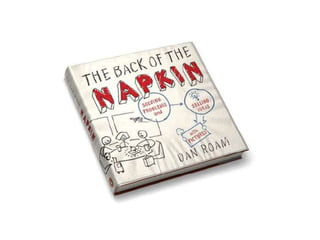
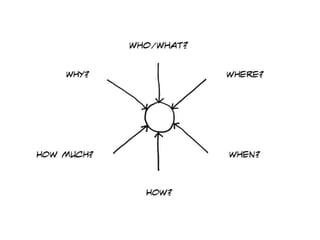
  • #14 My ideas about using “handmade thinking” in English began after I read Dan Roam’s The Back of the Napkin. Dan Roam argues that drawing can be a powerful tool for problem-solving and presenting one’s ideas to others.
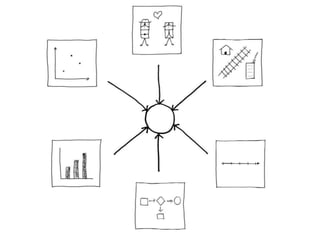
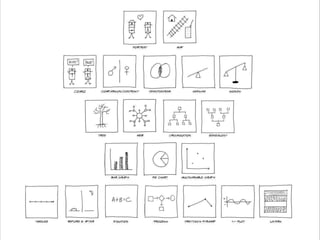
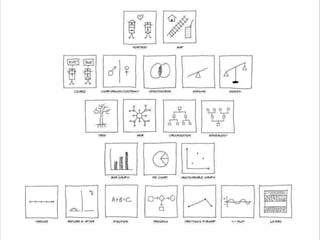
  • #20 Here they are in five groups.
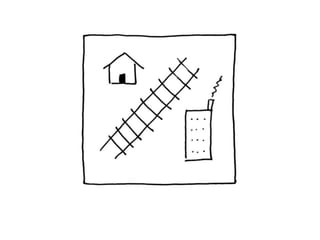
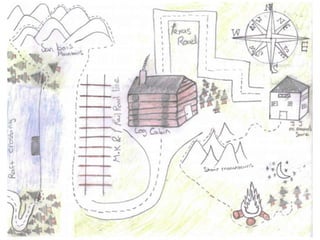
  • #21 The first group included those similar to Dan Roam’s portraits and maps. We could also think of these as the “noun” group.
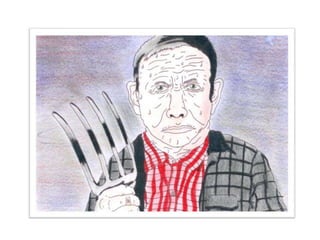
  • #22 Portraits
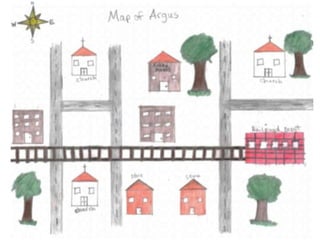
  • #23 Maps
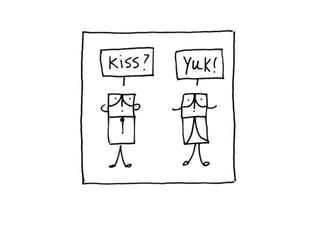
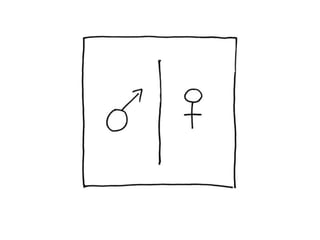
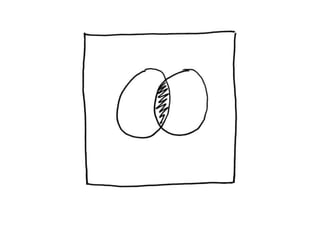
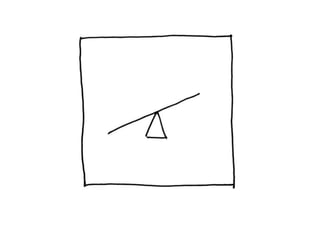
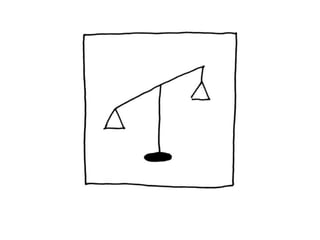
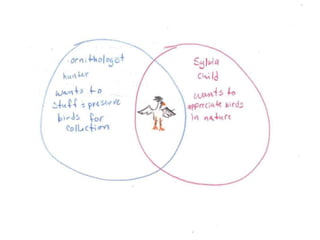
  • #24 The next group includes images in pairs.
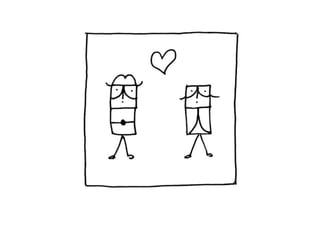
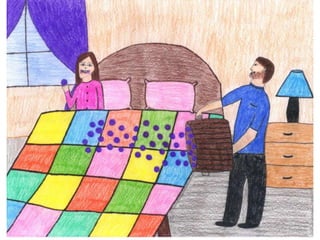
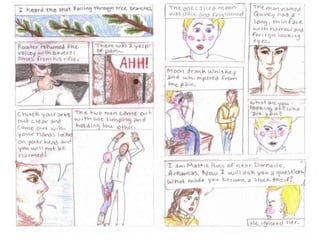
  • #25 This a comic panel with two people in dialogue.
  • #26 Comparison/contrast
  • #27 Venn diagram
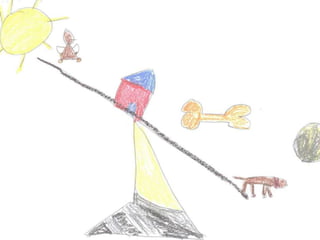
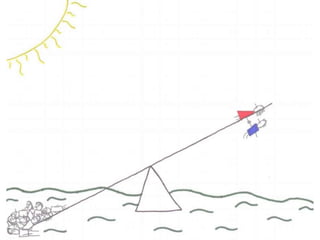
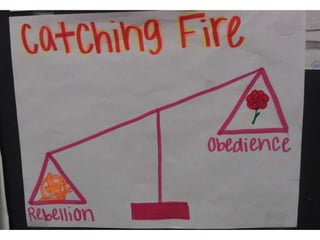
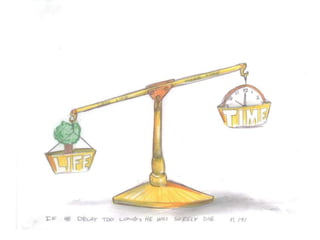
  • #28 Seesaw
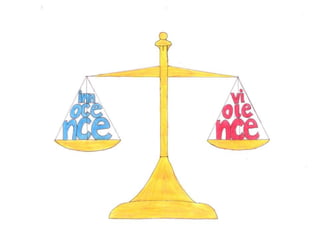
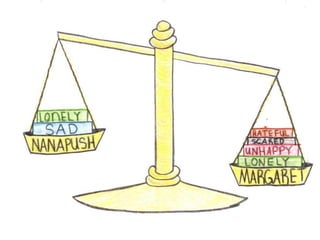
  • #29 Scales
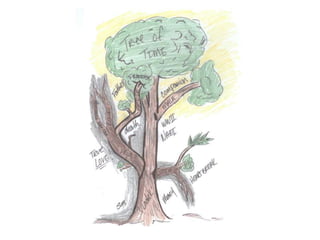
  • #30 Some images indicate the growth of and relationship between ideas.
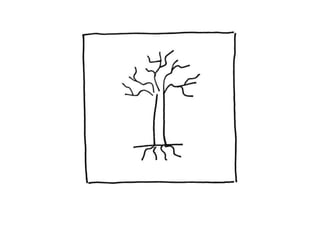
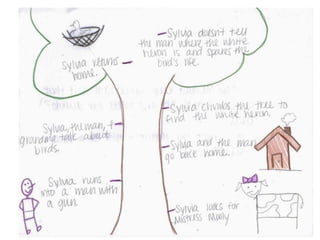
  • #31 Like a tree.
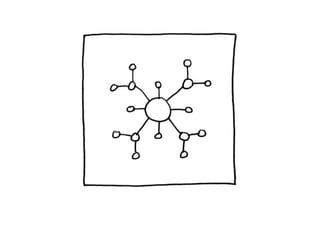
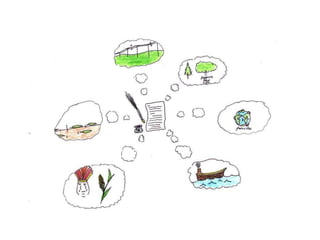
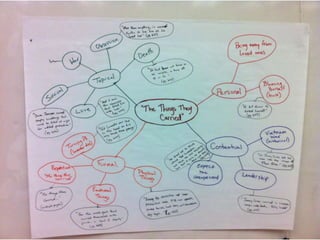
  • #32 The common web for brainstorming and mindmapping.
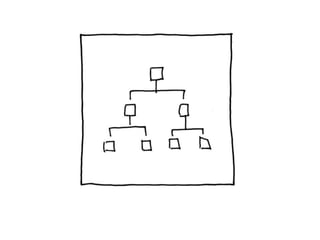
  • #33 The organizational chart.
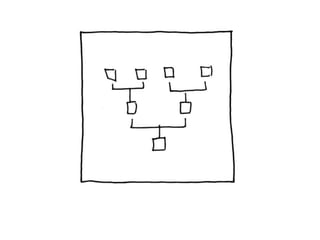
  • #34 Which becomes a genealogical chart if you flip it.
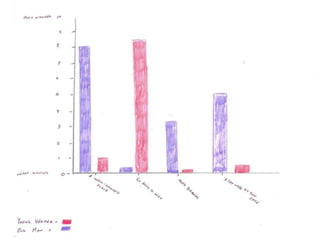
  • #35 There are images that show, like Dan Roam says, quantities or how much.
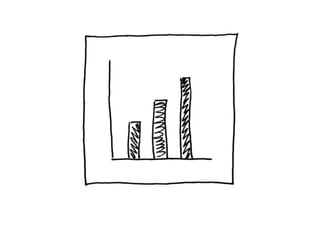
  • #36 Bar charts
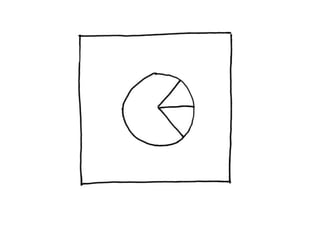
  • #37 Pie charts
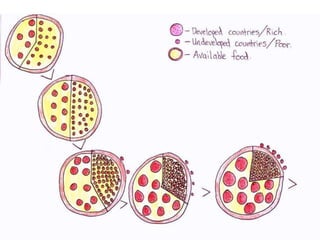
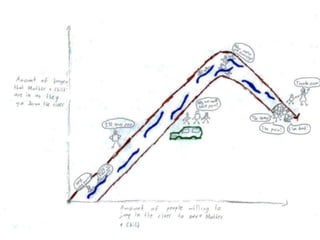
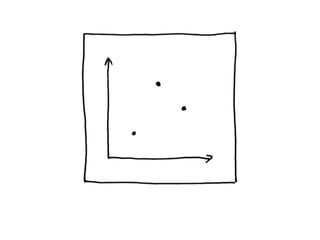
  • #38 And multivariable charts. Roam puts this in the “why?” category.
  • #39 And finally, some images show a progression over time.
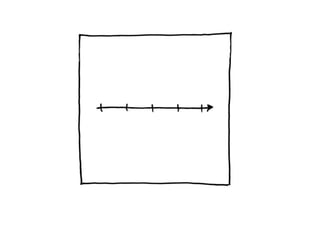
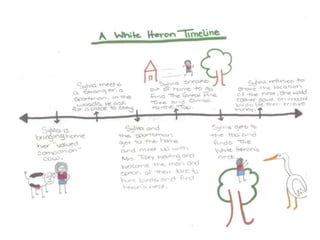
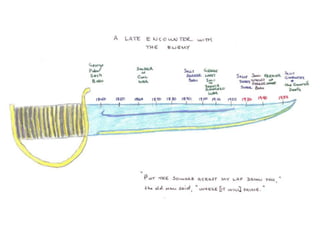
  • #40 Timeline
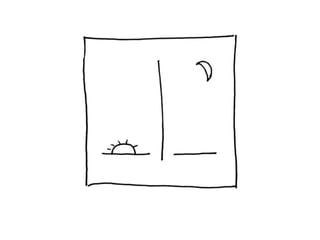
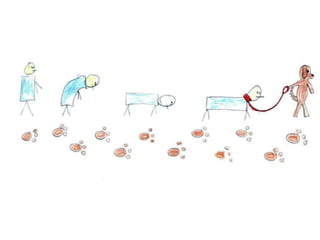
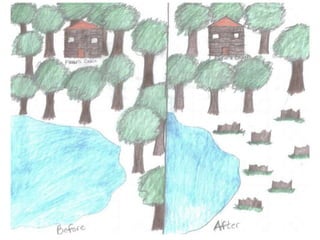
  • #41 Before and after. Also, could fit in the “pairs” category.
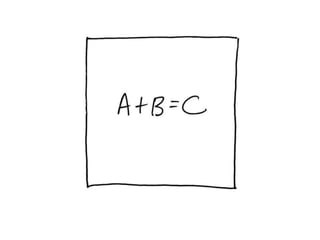
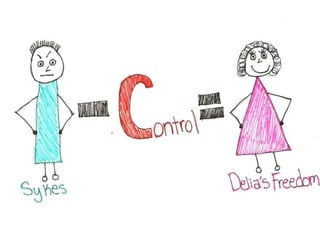
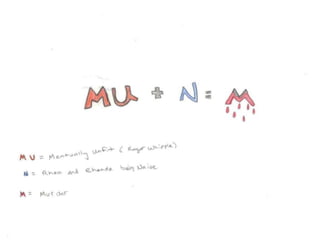
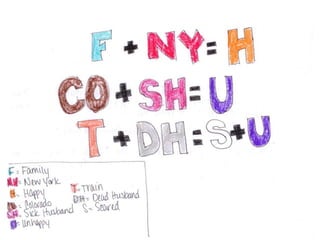
  • #42 The equation.
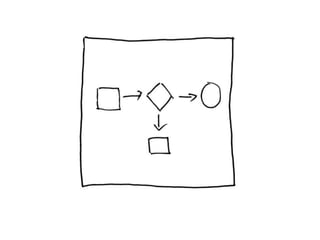
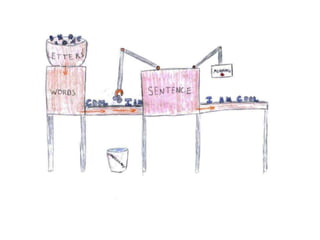
  • #43 A flow chart.
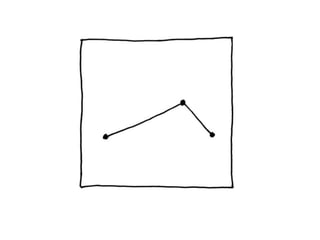
  • #44 Freytag’s pyramid plot line
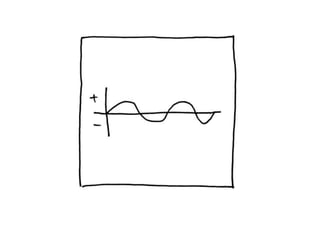
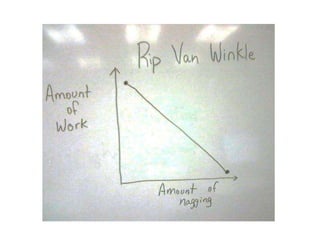
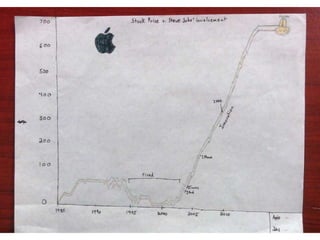
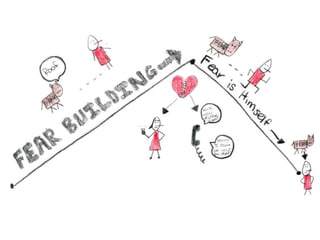
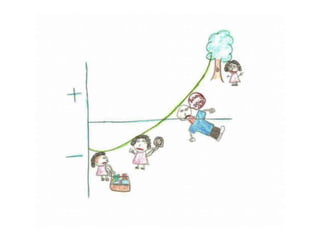
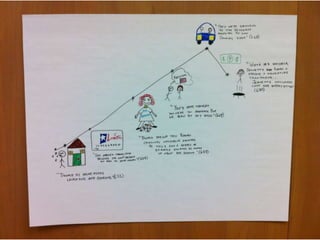
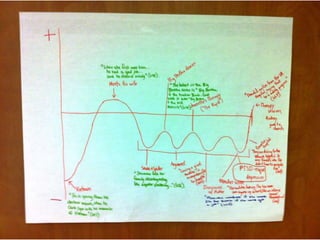
  • #45 This is another multivariable chart or +/- plot line that shows progression up and down and left to right. I learned about this from my friend Austin Kleon who learned it from Kurt Vonnegut’s book Palm Sunday. I don’t know where Kurt Vonnegut learned it.
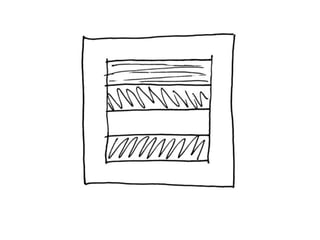
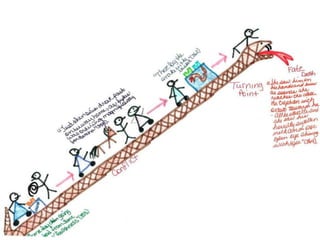
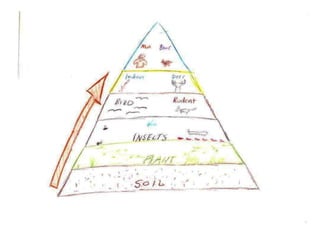
  • #46 This image is sediment, layers moving from bottom to top.
  • #47 Here they are again.
  • #49 Mary Karr’s CHERRY
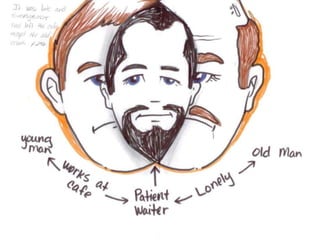
  • #53 “A Clean Well-Lighted Place” by Ernest Hemingway
  • #62 Thoreau’s JOURNALS
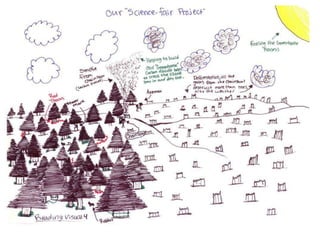
  • #64 from “The Population Bomb” by Paul Ehrlich
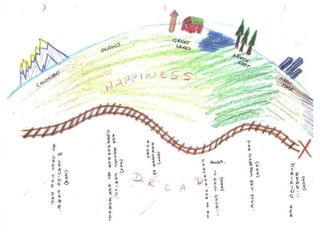
  • #72 from THE END OF NATURE by Bill McKibben
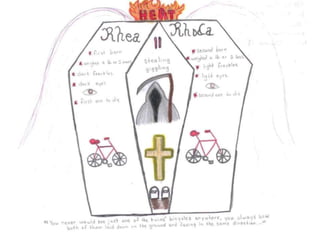
  • #76 “Heat” by Joyce Carol Oates
  • #77 “The Journey” by Edith Wharton
  • #84 “A Journey” by Edith Wharton
  • #86 from SAND COUNTY ALMANAC by Aldo Leopold