ode
All
Images
Videos
Short videos
News
Forums
Web
Books
Maps
Flights
Finance
undefined
undefined
undefined
21 sites
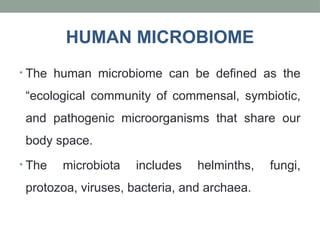
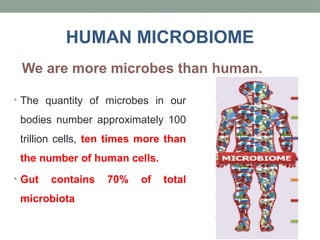
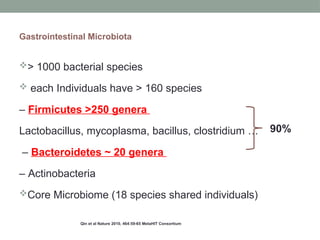
The gut microbiome refers to the trillions of microorganisms—including bacteria, fungi, viruses, and parasites—that reside in the human digestive tract, primarily the large intestine. Often described as a "supporting organ," it contains over 1,000 species of bacteria and expresses roughly 150 times more genes than the human genome.
Is our gut microbiome stable or ever-changing? - Gut ...
Why Your Gut Microbiome Matters More Than You Think
Why Your Gut Microbiome Matters More Than You Think
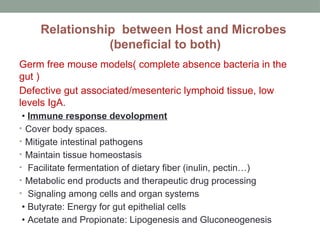
Core Functions
The gut microbiome is essential for survival, performing tasks the human body cannot do alone:
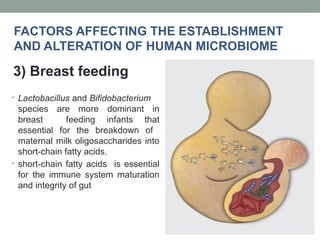
Digestion and Nutrition: Breaks down complex carbohydrates and fibers into short-chain fatty acids (SCFAs) like butyrate, which provide energy for colon cells and help regulate metabolism. It also synthesizes essential vitamins, including K, B12, folate, and riboflavin.
Immune System Support: Roughly 70–80% of the body's immune cells are located in the gut. Microbes "train" these cells to distinguish between harmless compounds and dangerous pathogens.
Pathogen Protection: Beneficial microbes physically occupy space and consume nutrients, preventing harmful bacteria from colonizing the intestinal wall—a process called colonization resistance.
Gut-Brain Axis: Microbes produce neurotransmitters (e.g., 95% of the body's serotonin is made in the gut) and signal the brain through the vagus nerve, influencing mood, anxiety, and cognitive function.
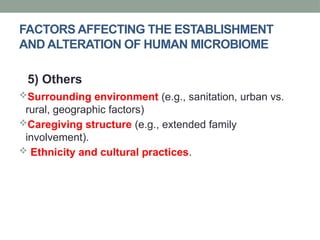
Factors Influencing the Microbiome
An individual's microbiome is unique and shaped by several factors throughout life:
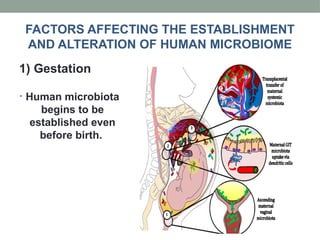
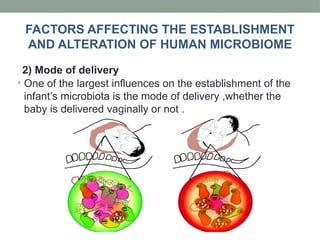
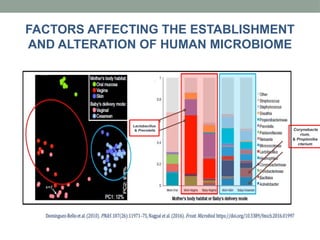
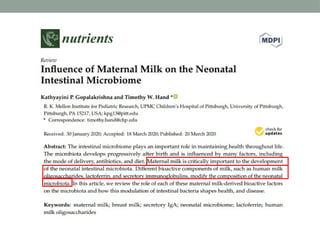
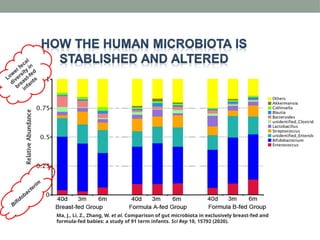
Early Life: Initial colonization occurs at birth (influenced by delivery method) and through breastfeeding.
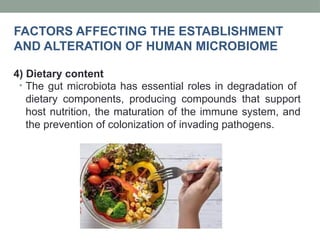
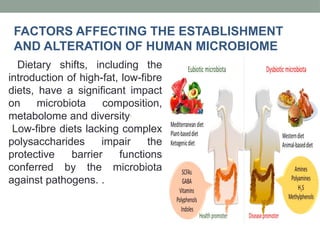
Diet: A high-fiber, plant-rich diet promotes diversity, while diets high in sugar and processed fats can favor harmful species.
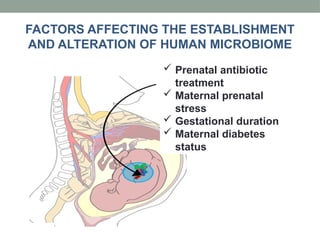
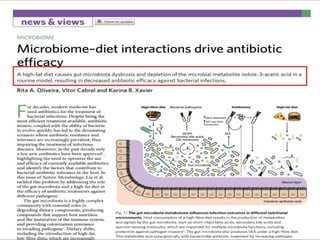
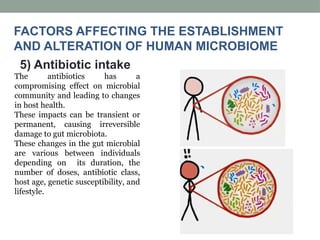
Medications: Antibiotics can significantly reduce microbial diversity and disrupt the balance for weeks or months.
Lifestyle: Regular exercise, adequate sleep, and exposure to nature or pets are linked to a healthier, more diverse microbiome.
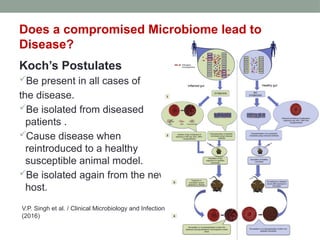
Dysbiosis and Health Conditions
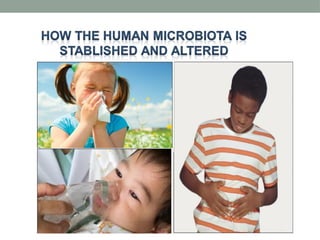
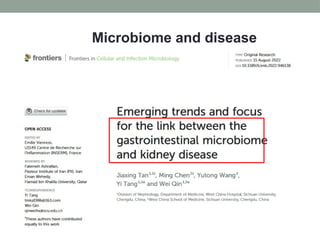
Dysbiosis is an imbalance where harmful bacteria outnumber beneficial ones. It has been linked to numerous conditions, though researchers are still determining if it is a cause or a consequence:
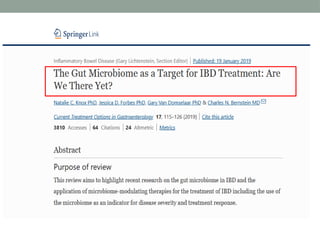
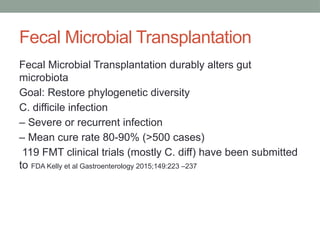
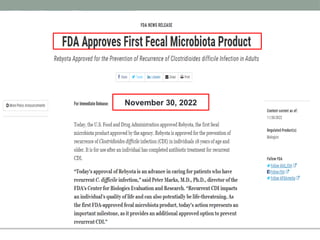
Digestive Disorders: IBS, IBD (Crohn’s and ulcerative colitis), and C. difficile infections.
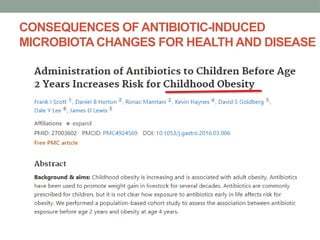
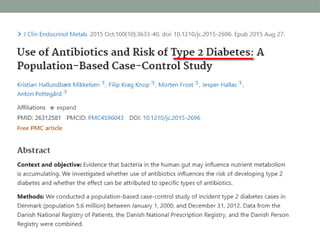
Metabolic Issues: Obesity, Type 2 diabetes, and non-alcoholic fatty liver disease (NAFLD).
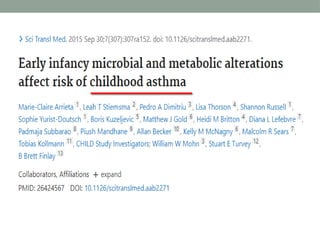
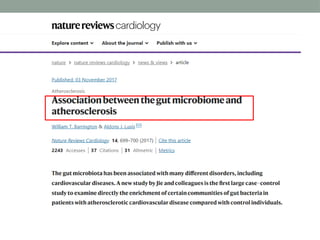
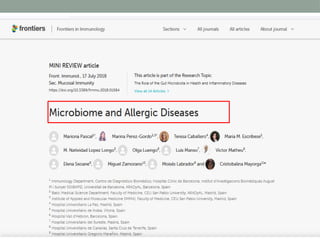
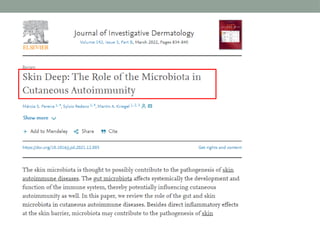
Systemic Diseases: Heart disease (via TMAO production), asthma, allergies, and certain autoimmune conditions.
Mental Health: Depression, anxiety, and potentially neurodegenerative diseases like Alzheimer's.
Ways to Support Gut Health
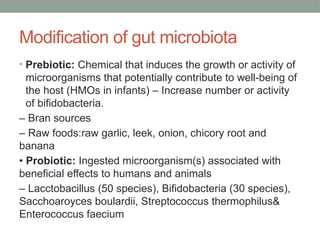
Eat Fiber: Aim for a variety of plant foods (vegetables, fruits, legumes, and whole grains).
Incorporate Prebiotics: Foods like garlic, onions, bananas, and oats act as fuel f





![CTEV [ clubfoot] DR ARUN LAL ,DR MOHAMED ASHRAF travancore medical college k...](https://cdn.slidesharecdn.com/ss_thumbnails/ctevclubfootdrarunlaldrmohamedashraftravancoremedicalcollegekollamkeralaindia-260208063247-18fc466c-thumbnail.jpg?width=640&height=640&fit=bounds)


![PERI-PROSTHETIC FRACTURE NAIL-PLATE CONSTRUCT [NPC].pptx](https://cdn.slidesharecdn.com/ss_thumbnails/drarunkumardrmohamedashrafperiprostheticfrasturenail-plateconstructnpc-260209164459-7e9d15a1-thumbnail.jpg?width=640&height=640&fit=bounds)


