Gazeta Global is a periodic newsletter published by ASQ. Gazeta Global is distributed via email as a link to the PDF
newsletter housed within the My ASQ (members only) area of www.asq.org. Gazeta Global is an exclusive benefit of ASQ
members outside the United States. Please visit the website at: www.asq.org/members/news/newsletters/gazeta/index.html.
GAZETA GLOBAL
DoE in Action
Six Sigma reduces manufacturer’s rework, rate of nonconformities
by Kenneth Quirós and Karen Arce
We were challenged to help a Bridgestone tire manufacturing facility use Six Sigma to
address its struggles with two nonconformities on the same product. The challenge was to
find the combination of factors that simultaneously minimized the rate of produced scrap
and rework—the former having a higher parts-per-million rate of occurrence than the latter.
The manufacturer, according to its total quality management policies, ensures that
100% defect-free products are sent to the market, and thus, the policy expects a zero
defect production process. The rate of nonconformities is internally called virgin out
ratio (VOR). The goal for the process we analyzed is to have a VOR of less than 1%.
Prior to initiating the project, the VOR was 3.2%.
The project was developed by applying Six Sigma to product-design improvements,
including define, measure, analyze, design and validate. Quality tools also were used,
such as a Pareto chart; input, process and output (IPO) map; cause and effect matrix;
failure mode and effects analysis (FMEA); capability study; chi-square table; binary
logistic regression and design of experiments (DoE).
Creating a solution model was an important contribution to the project because it
enabled us to replicate the improvements to other products that presented the same
issues. Six Sigma is a powerful, well-structured method that enables organizations to
achieve highly challenging goals. Its success is based on providing tools to analyze pro-
cesses and find solutions to improve them.
If the solution to the problem is unknown, Six Sigma acts as a learning tool, promoting
team members to think differently and make decisions based on proven facts with sta-
tistical support—not just intuition.
Define and measure phases
In the project’s define and measure phases, arguments were presented to define the
problem, understand the current state and plot the desired metrics. Pareto analysis
identified the family of tires with the largest VOR.
Volume 37, Issue 2
In This Issue:
DoE in Action 	 1
No Surprises	 5
Start Talking	 10
People
Spotlight on Global
Member Leaders	 15
Of Interest
Athens Hosts 59th EOQ Congress	 17
November Marks World
Quality Month	 17
Participate in the Global State of
Quality Research Survey	 18
ASQ Fellow Recognized for
Expanding on Joseph M. Juran’s
Quality Concepts 	 18
2
“The rework
exceeded the
tire-production
cycle time
by 200%.”
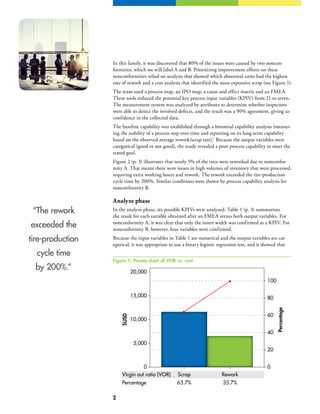
In this family, it was discovered that 80% of the issues were caused by two noncon-
formities, which we will label A and B. Prioritizing improvement efforts on these
nonconformities relied on analysis that showed which abnormal units had the highest
rate of rework and a cost analysis that identified the most expensive scrap (see Figure 1).
The team used a process map, an IPO map, a cause and effect matrix and an FMEA.
These tools reduced the potential key process input variables (KPIV) from 21 to seven.
The measurement system was analyzed by attributes to determine whether inspectors
were able to detect the involved defects, and the result was a 90% agreement, giving us
confidence in the collected data.
The baseline capability was established through a binomial capability analysis (measur-
ing the stability of a process step over time and reporting on its long-term capability
based on the observed average rework/scrap rate).1
Because the output variables were
categorical (good or not good), the study revealed a poor process capability to meet the
stated goal.
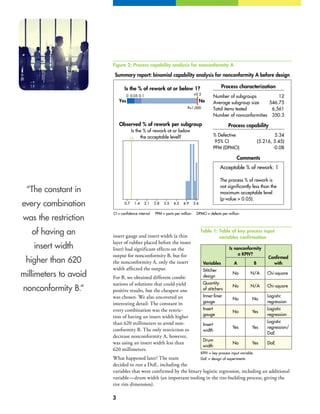
Figure 2 (p. 3) illustrates that nearly 5% of the tires were reworked due to nonconfor-
mity A. That meant there were issues in high volumes of inventory that were processed,
requiring extra working hours and rework. The rework exceeded the tire-production
cycle time by 200%. Similar conditions were shown by process capability analysis for
nonconformity B.
Analyze phase
In the analyze phase, six possible KPIVs were analyzed. Table 1 (p. 3) summarizes
the result for each variable obtained after an FMEA versus both output variables. For
nonconformity A, it was clear that only the insert width was confirmed as a KPIV. For
nonconformity B, however, four variables were confirmed.
Because the input variables in Table 1 are numerical and the output variables are cat-
egorical, it was appropriate to use a binary logistic regression test, and it showed that
Percentage
Percentage
$USD
Virgin out ratio (VOR)
0 0
20
40
60
80
100
5,000
10,000
15,000
20,000
Scrap
63.7%
Rework
35.7%
Figure 1: Pareto chart of VOR vs. cost
3
“The constant in
every combination
was the restriction
of having an
insert width
higher than 620
millimeters to avoid
nonconformity B.”
insert gauge and insert width (a thin
layer of rubber placed before the inner
liner) had significant effects on the
output for nonconformity B, but for
the nonconformity A, only the insert
width affected the output.
For B, we obtained different combi-
nations of solutions that could yield
positive results, but the cheapest one
was chosen. We also uncovered an
interesting detail: The constant in
every combination was the restric-
tion of having an insert width higher
than 620 millimeters to avoid non-
conformity B. The only restriction to
decrease nonconformity A, however,
was using an insert width less than
620 millimeters.
What happened later? The team
decided to run a DoE, including the
variables that were confirmed by the binary logistic regression, including an additional
variable—drum width (an important tooling in the tire-building process, giving the
tire rim dimension).
Number of subgroups
Average subgroup size
Total items tested
Number of nonconformities
% Defective
 95% CI
PPM (DPMO)
12
546.75
6,561
350.3
Yes No
5.34
(5.216, 5.45)
-0.08
Comments
Process capabilityObserved % of rework per subgroup
Is the % of rework at or below
the acceptable level?
Is the % of rework at or below 1? Process characterization
Acceptable % of rework: 1
The process % of rework is
not significantly less than the
maximum acceptable level
(p-value > 0.05).
0.7
0 0.05 0.1 >0.5
P=1,000
1.4 2.1 2.8 3.5 4.2 4.9 5.6
1%
Summary report: binomial capability analysis for nonconformity A before design
CI = confidence interval PPM = parts per million DPMO = defects per million
Figure 2: Process capability analysis for nonconformity A
Variables
Is nonconformity
a KPIV?
Confirmed
withA B
Stitcher
design
No N/A Chi-square
Quantity
of stitchers
No N/A Chi-square
Inner-liner
gauge
No No
Logistic
regression
Insert
gauge
No Yes
Logistic
regression
Insert
width
Yes Yes
Logistic
regression/
DoE
Drum
width
No Yes DoE
KPIV = key process input variable 
DoE = design of experiments
Table 1: Table of key process input
variables confirmation
4
It is important to note that prior to executing the DoE, the data were converted from
categorical to numerical by using the Freeman-Tukey transformation (adjusting data
to their distribution similar to a typical distribution).2
After that step, a three-factors,
two-levels, full factorial design was developed.
The results
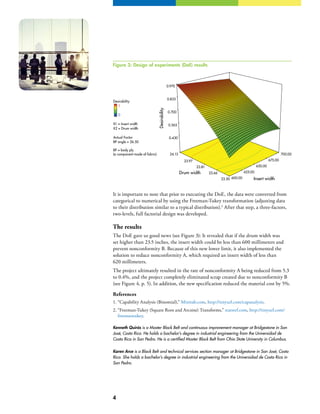
The DoE gave us good news (see Figure 3): It revealed that if the drum width was
set higher than 23.5 inches, the insert width could be less than 600 millimeters and
prevent nonconformity B. Because of this new lower limit, it also implemented the
solution to reduce nonconformity A, which required an insert width of less than
620 millimeters.
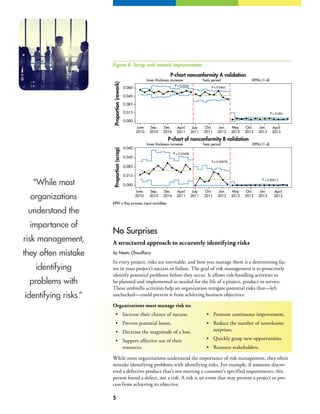
The project ultimately resulted in the rate of nonconformity A being reduced from 5.3
to 0.4%, and the project completely eliminated scrap created due to nonconformity B
(see Figure 4, p. 5). In addition, the new specification reduced the material cost by 5%.
References
1.	“Capability Analysis (Binomial),” Minitab.com, http://tinyurl.com/capanalysis.
2.	“Freeman-Tukey (Square Root and Arcsine) Transforms,” statsref.com, http://tinyurl.com/
freemantukey.
Kenneth Quirós is a Master Black Belt and continuous improvement manager at Bridgestone in San
José, Costa Rica. He holds a bachelor’s degree in industrial engineering from the Universidad de
Costa Rica in San Pedro. He is a certified Master Black Belt from Ohio State University in Columbus.
Karen Arce is a Black Belt and technical services section manager at Bridgestone in San José, Costa
Rica. She holds a bachelor’s degree in industrial engineering from the Universidad de Costa Rica in
San Pedro.
Desirability
X1 = Insert width
X2 = Drum width
Actual Factor
600.00
625.00
650.00
675.00
700.00
23.50
23.66
23.81
23.97
24.13
0.430
0.565
0.700
0.835
0.970
Desirability
Insert width
Drum width
1
0
BP angle = 26.50
BP = body ply
(a component made of fabric)
Figure 3: Design of experiments (DoE) results
5
No Surprises
A structured approach to accurately identifying risks
by Neetu Choudhary
In every project, risks are inevitable, and how you manage them is a determining fac-
tor in your project’s success or failure. The goal of risk management is to proactively
identify potential problems before they occur. It allows risk-handling activities to
be planned and implemented as needed for the life of a project, product or service.
These umbrella activities help an organization mitigate potential risks that—left
unchecked—could prevent it from achieving business objectives.
Organizations must manage risk to:
•	 Increase their chance of success.
•	 Prevent potential losses.
•	 Decrease the magnitude of a loss.
•	 Support effective use of their
resources.
•	 Promote continuous improvement.
•	 Reduce the number of unwelcome
surprises.
•	 Quickly grasp new opportunities.
•	 Reassure stakeholders.
While most organizations understand the importance of risk management, they often
mistake identifying problems with identifying risks. For example, if someone discov-
ered a defective product that’s not meeting a customer’s specified requirements, this
person found a defect, not a risk. A risk is an event that may prevent a project or pro-
cess from achieving its objective.
“While most
organizations
understand the
importance of
risk management,
they often mistake
identifying
problems with
identifying risks.”
KPIV = Key process input variables
P-chart of nonconformity B validation
P-chart nonconformity A validation
June
2010
Inner thickness increase Tests period KPIVs (1-4)
Sep.
2010
Dec.
2010
April
2011
July
2011
Oct.
2011
Jan.
2012
May
2012
Oct.
2012
Jan.
2013
April
2013
June
2010
Sep.
2010
Dec.
2010
April
2011
July
2011
Oct.
2011
Jan.
2012
May
2012
Oct.
2012
Jan.
2013
April
2013
Proportion(scrap)Proportion(rework)
0.060
0.045
0.083
0.015
0.000
0.060
0.045
0.083
0.015
0.000
P = 0.004
_
P = 0.0534
_
P = 0.02408
_
_
P = 0.00978
_
_
P = 0.0465
P = 0.00012
Figure 4: Scrap and rework improvements
6
Risk identification is the first and most critical step in risk management. Incorrectly
identifying risks can result in costly project failures.
For example, a project risk could be an unrealistic schedule that’s only possible in
a best-case scenario. The project manager, however, identified the risk as a lack of
employee capabilities. To mitigate the risk, in this case, additional training sessions—
which consume time and resources—were administered to employees, but a more
accurate solution would have been to revise or negotiate the schedule with the customer
and management.
Another example of a project risk is requirements that continuously change after being
initially established. The risk was incorrectly identified as: No change manager was
in place to oversee adjustments to the requirements. The solution was to appoint a
change manager, but a more effective approach would have been to apply the agile
development method (a project management technique that uses an incremental,
iterative workflow to better respond to unpredictable changes) to prevent frequent
requirement updates.1
To avoid these types of missteps, I created a structured approach for accurately iden-
tifying risks. Combining this approach with quality tools allows organizations to
anticipate potential issues and efficiently resolve them before a project begins.
Customer requirements
A project starts with gathering customer requirements and specifications. Identifying
project risks goes along with identifying these requirements. A project will have asso-
ciated risks from the start. Managing risk is as important as managing the project or
designing the product. It begins the moment the project starts, and it continues until
the project’s end or even after its go-live date.
Your customer—which could be internal or external—may have requirements that
are unrealistic; new and unfamiliar; vague; unclear; too brief; requiring new, untested
technology; or involving expertise outside the organization’s capabilities.
An unrealistic requirement is a major risk because it’s setting the project up for failure.
Vague requirements are risks because they may lead to an overlapping scope (goals,
tasks and deadlines) or put a project out of scope.
7
“Develop an
understanding of
what’s critical to
quality (CTQ) from
the voice of the
customer (VOC).”
Using new technology is a risk because the organization will lack technical experi-
ence, and it’s unknown whether the technology can be supported. New and unfamiliar
requirements also are risks for organizations because they lack experience and past data
to reference the project’s expectations.
To identify risks in the customer’s requirements, an organization must use its capabili-
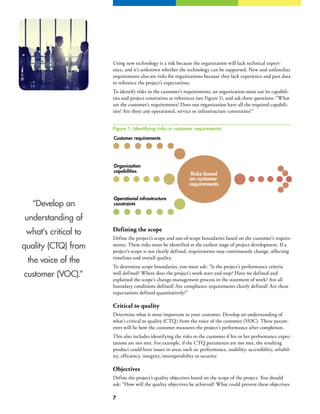
ties and project constraints as references (see Figure 1), and ask three questions: “What
are the customer’s requirements? Does our organization have all the required capabili-
ties? Are there any operational, service or infrastructure constraints?”
Defining the scope
Define the project’s scope and out-of-scope boundaries based on the customer’s require-
ments. These risks must be identified at the earliest stage of project development. If a
project’s scope is not clearly defined, requirements may continuously change, affecting
timelines and overall quality.
To determine scope boundaries, you must ask: “Is the project’s performance criteria
well defined? Where does the project’s work start and stop? Have we defined and
explained the scope’s change management process in the statement of work? Are all
boundary conditions defined? Are compliance requirements clearly defined? Are these
expectations defined quantitatively?”
Critical to quality
Determine what is most important to your customer. Develop an understanding of
what’s critical to quality (CTQ) from the voice of the customer (VOC). These param-
eters will be how the customer measures the project’s performance after completion.
This also includes identifying the risks to the customer if his or her performance expec-
tations are not met. For example, if the CTQ parameters are not met, the resulting
product could have issues in areas such as: performance, usability, accessibility, reliabil-
ity, efficiency, integrity, interoperability or security.
Objectives
Define the project’s quality objectives based on the scope of the project. You should
ask: “How will the quality objectives be achieved? What could prevent these objectives
Risks based
on customer
requirements
Customer requirements
Organization
capabilities
Operational infrastructure
constraints
Figure 1: Identifying risks in customer requirements
8
“You should
determine whether
your organization
has the required
infrastructure and
capability to deliver
on the customer’s
expectation that
was defined in
the scope.”
from being achieved? What happens if the objectives are not achieved? Will there be
consequences such as penalties, over-budget expenditures, a dip in customer satisfac-
tion or a loss in market share?”
For example, one CTQ parameter could be maintaining a high level of service avail-
ability, and a project quality objective could be achieving 99.99% uptime of the
application and servers.
You should determine whether your organization has the required infrastructure and
capability to deliver on the customer’s expectation that was defined in the scope. Ask
yourself: “How realistic are the project quality objectives? What if they’re not achieved
as agreed upon?”
Success factors
After the CTQ parameters and project and quality objectives are defined, the next step
is to identify critical-to-success factors (CSF). To fulfill the customer’s expectations,
these factors must meet requirements. If CSFs are absent or don’t meet the customer’s
standards, it may cause a project failure; thus, risk identification is crucial in this step.
CSFs include considerations such as: ensuring your infrastructure is capable of delivering
on customer expectations and the CSFs are available when the project needs them in the
required quantity. CSFs, for example, could be a server with a particular configuration—
a high level of test effectiveness and a capable support team that’s consistently available.
Managing imperfection
No project is perfect, and to some degree, it will rely on assumptions, dependencies and
constraints, which are potential sources of risk.
•	 Assumption: This may be a risk that’s represented as a what-if question such as,
“What if this assumption does not come true?”
•	 Dependencies: When factors are dependent on one another, they cause risk. If
there is a dependency of factor X on factor Y, some of the risk associated with Y is
inherited by X. For example, a project could depend on the availability of an active
directory server (authenticates and authorizes users and computers on a network)
by a certain date. What if the delivery of these servers is delayed? This is a risk.
•	 Constraints: If project constraints are present, do they restrict you from achiev-
ing the project’s objectives? These also may affect CTQ parameters or CSFs.
Planning
Develop a project plan and work-breakdown structure (WBS). In project management,
a critical path is considered a sequence of project network activities that add up to the
longest overall duration.
Activities or tasks that fall on the critical path are vital for project success, and if they’re
delayed, the entire project is delayed. A project plan and WBS are used to identify sources
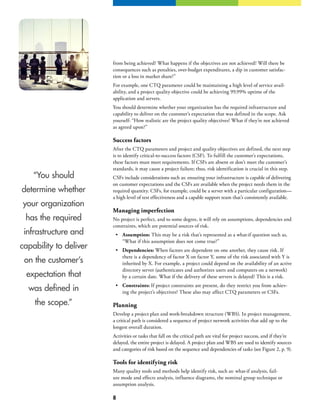
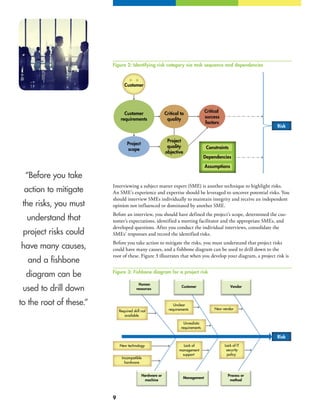
and categories of risk based on the sequence and dependencies of tasks (see Figure 2, p. 9).
Tools for identifying risk
Many quality tools and methods help identify risk, such as: what-if analysis, fail-
ure mode and effects analysis, influence diagrams, the nominal group technique or
assumption analysis.
9
“Before you take
action to mitigate
the risks, you must
understand that
project risks could
have many causes,
and a fishbone
diagram can be
used to drill down
to the root of these.”
Interviewing a subject matter expert (SME) is another technique to highlight risks.
An SME’s experience and expertise should be leveraged to uncover potential risks. You
should interview SMEs individually to maintain integrity and receive an independent
opinion not influenced or dominated by another SME.
Before an interview, you should have defined the project’s scope, determined the cus-
tomer’s expectations, identified a meeting facilitator and the appropriate SMEs, and
developed questions. After you conduct the individual interviews, consolidate the
SMEs’ responses and record the identified risks.
Before you take action to mitigate the risks, you must understand that project risks
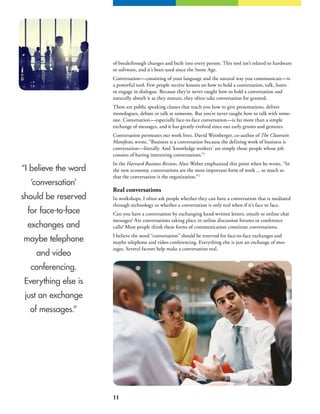
could have many causes, and a fishbone diagram can be used to drill down to the
root of these. Figure 3 illustrates that when you develop your diagram, a project risk is
Customer
requirements
Project
scope Constraints
Dependencies
Assumptions
Project
quality
objective
Customer
Critical to
quality
Critical
success
factors
Risk
Figure 2: Identifying risk category via task sequence and dependencies
Risk
Human
resources
Customer Vendor
New technology Lack of
management
support
Incompatible
hardware
Unclear
requirementsRequired skill not
available
Unrealistic
requirements
New vendor
Lack of IT
security
policy
Hardware or
machine
Management
Process or
method
Figure 3: Fishbone diagram for a project risk
10
represented as an effect, and its possible primary causes are drawn as branches (bones).
A risk could stem from causes such as the customer, human resources or hardware.
Under each cause, the team must brainstorm what can go wrong and what aspects of
that cause could hinder the project’s success. For example, the team might ask, “What
are CSFs related to human resources, a vendor or the project’s hardware?” These sub-
causes are added as branches under the primary causes. Teams continue this process,
adding more branches until the root causes are revealed.
While most risk identification happens before the start of a project, recording les-
sons learned and identified risks after a project is complete helps reveal risks in future
projects. Learning from past projects is an intellectual asset for organizations. A
learning database should be maintained as a reference for other projects and to avoid
repeating mistakes.
You also should maintain a risk database to
refer to previous projects for the risk identi-
fication. When referring to these databases
for risk identification, the relevance of
a project’s context must be considered.
Lessons learned from projects and risks
that were identified should be regularly
added to the databases (see Figure 4).
A structured approach to finding risks
before they become issues and developing
your base of knowledge after each project
leads to more efficient projects with fewer
unpleasant surprises for you and your cus-
tomers. Managing risk is essential for project
success, and accurately identifying risk is
what makes risk management possible.
Reference
1.	“Agile Methodology,” http://agilemethodology.org.
Bibliography
“CMMI for Development, Version 1.3,” Software Engineering Institute, November 2010,
pp. 349-262.
Neetu Choudhary is ASQ’s United Arab Emirates communication lead in Dubai. She holds a master’s
degree in computer application from the Technological University of Madhya Pradesh, India. She is
an ASQ-certified Six Sigma Black Belt and an ASQ member.
Start Talking
Conversational leadership culture improves
problem solving, knowledge sharing
by David Gurteen
Organizations are always looking for the next transformative tool that can bring posi-
tive change. Too often, they look to new technologies and overlook a tool that’s capable
Refer to
learning
and risk
databases
Identify
risks
Manage
risks
Execute
project
Contribute
information
to the
databases
Figure 4: Role of a learning and
risk database
11
of breakthrough changes and built into every person. This tool isn’t related to hardware
or software, and it’s been used since the Stone Age.
Conversation—consisting of your language and the natural way you communicate—is
a powerful tool. Few people receive lessons on how to hold a conversation, talk, listen
or engage in dialogue. Because they’re never taught how to hold a conversation and
naturally absorb it as they mature, they often take conversation for granted.
There are public speaking classes that teach you how to give presentations, deliver
monologues, debate or talk at someone. But you’re never taught how to talk with some-
one. Conversation—especially face-to-face conversation—is far more than a simple
exchange of messages, and it has greatly evolved since our early grunts and gestures.
Conversation permeates our work lives. David Weinberger, co-author of The Cluetrain
Manifesto, wrote, “Business is a conversation because the defining work of business is
conversation—literally. And ‘knowledge workers’ are simply those people whose job
consists of having interesting conversations.”1
In the Harvard Business Review, Alan Weber emphasized this point when he wrote, “In
the new economy, conversations are the most important form of work ... so much so
that the conversation is the organization.”2
Real conversations
In workshops, I often ask people whether they can have a conversation that is mediated
through technology or whether a conversation is only real when if it’s face to face.
Can you have a conversation by exchanging hand-written letters, emails or online chat
messages? Are conversations taking place in online discussion forums or conference
calls? Most people think these forms of communication constitute conversations.
I believe the word “conversation” should be reserved for face-to-face exchanges and
maybe telephone and video conferencing. Everything else is just an exchange of mes-
sages. Several factors help make a conversation real.
“I believe the word
‘conversation’
should be reserved
for face-to-face
exchanges and
maybe telephone
and video
conferencing.
Everything else is
just an exchange
of messages.”
12
“It is through
conversation that
knowledge flows
directly from
person to person,
information is
shared, learning
takes place and
relationships
are built.”
For something to be a true conversation, it must be a real-time exchange. You must
not be able to edit an utterance, delete it or take it back in any way. You must have little
or no time to reflect on it before sending it. It must be real-time speech that’s spontane-
ous, dynamic and emergent—not planned or structured.
It must be an in-person conversation. The other person must be physically present—
not in virtual form. Even in real-time phone calls or video chat, information is lost
without body language, utterances, gestures, background ambiance and a focus on
one another.
There is a limit to how many people can simultaneously engage in a single
conversation. Research shows that anything more than six people stops being a
conversation,3
and it becomes a series of statements made by each person. This leads
to people talking at each other rather than with one another. With a smaller group,
everyone can talk.
A vital element of a good conversation is broad, equal talking time among participants.
Good conversations are fast paced with little time to reflect or plan your response. That
may seem like a negative aspect, but when people are deeply engaged in a conversa-
tion, they are more likely to speak openly and truthfully. Even periods of silence do not
mean people have nothing to say. They’re reflecting.
When the above criteria are met, an argument or a debate does not constitute a
conversation. Theodore Zeldin, author of Conversation, wrote, “The kind of conversa-
tion I like is one in which you are prepared to emerge a slightly different person.”4
He is talking about a learning conversation and dialogue: These happen when each
person tries to make sense of an issue, actively works to understand the meaning the
other person is conveying and is prepared to change their views. They are listening not
with the intent to reply, but with the intent to understand and help the other partici-
pants articulate their thoughts.
Other forms of communication have their purpose and place. They’re still seen as
forms of conversation and always will be. The type of conversation I described above,
however, is rare and has more potential to change the way people interact and relate to
one another, and this affects our business lives, personal lives and world.
David Bohm, author of On Dialogue, summed it up nicely: “Suppose we were able to
share meanings freely without a compulsive urge to impose our view or conform to
those of others and without distortion and self-deception. Would this not constitute a
real revolution in culture?”5
Organizational conversation
Organizational conversation is the myriad conversations that take place on a minute-
to-minute basis every day in an organization. They take place in formal settings, such
as meeting rooms, but usually, the most important conversations are the informal ones
that take place in the corridors, at the water cooler or in the café.
It is through conversation that knowledge flows directly from person to person, infor-
mation is shared, learning takes place and relationships are built. It also stimulates
creativity, breaks down departmental silos and builds trust, motivation, commitment,
engagement and accountability.
Conversation is the lifeblood of an organization, helping us make better sense of our
world, leading to better decision making and stimulating creativity and innovation.
13
The power of conversation
Conversation is a powerful and adaptable human technology. It can be used purpose-
fully in ways such as:
•	 Improving understanding.
•	 Building relationships.
•	 Transforming leadership.
•	 Spurring action and innovation.
•	 	Finding opportunities.
•	 Exploring possibilities.
•	 Finding problems and solving them.
•	 Identifying risks.
•	 Sharing knowledge.
•	 Giving people a voice.
•	 Improving engagement.
•	 Generating ideas.
If you are about to start a new project, it makes sense to have a conversation with a
project leader who has run similar projects in the past. Or if you just gave a presenta-
tion, have a conversation with someone you trust to gain feedback. To share knowledge
on a topic, bring people together for a conversation about their experiences and to
break down departmental silos. Conversation is the only solution.
The knowledge café
The knowledge café is a simple and flexible conversational tool I use to bring people
together for a conversation on a topic of mutual interest. The goals can include bringing out
the group’s collective knowledge, learning from each other, gaining a deeper understanding
of a topic, connecting people or improving interpersonal relationships and engagement.
An effective knowledge café adheres to a number of design principles for a relaxed,
informal environment that’s conducive to dialogue and learning. The process and the
principles behind it are at the heart of creating a conversational organization.
Conversational leadership
Conversational leadership is a work atmosphere where everyone in an organization,
especially management, understands the transformative power of conversation and
takes a conversational approach to the way they work and interact with people.
Managers will purposefully nurture and stimulate the natural conversations happening
in the organization. They’ll identify needed conversations and what questions can trig-
ger them, and design the processes to convene and host them. Conversational tools and
techniques can include:
•	 Anecdote circles—These use a narrative technique to elicit experiences rather
than judgment and opinion.
•	 Knowledge cafés—They create open and creative conversations on a topic of
mutual interest. They allow participants to share collective knowledge, ideas and
insights, and provide a deeper understanding of the subject.
•	 After-action reviews—A team can use these to capture lessons learned from a
past event.
•	 Peer assists—Individuals come together to share experiences, insights and knowl-
edge on an identified challenge or problem.
•	 Storytelling—This is the age-old practice that helps people share knowledge with
context and emotion.
“Conversational
leadership is a
work atmosphere
where everyone in
an organization,
especially
management,
understands the
transformative
power of
conversation
and takes a
conversational
approach to the
way they work
and interact
with people.”
14
“Conversations
uncover common
problems,
threats, risks, new
opportunities and
potential new
ways of improving
the way you
work together.”
•	 Communities of practice—Groups of people who share a passion for some-
thing—such as a part of their job or a hobby—regularly interact to learn how to
do it better.
•	 Randomized coffee trials—Two people in an organization are randomly paired
and given time to meet, have coffee and talk about whatever they wish.
Becoming conversational leaders
Anyone in an organization can become a conversational leader, and the higher you are in
the hierarchy, the greater your affect will be on the organization.
There is no prescriptive approach, and it depends on who you are, where you are, your
existing knowledge and skills, where you want to go, the timing and your organiza-
tion’s culture.
Regardless of your position and level within an organization, start talking with more peo-
ple about issues that matter. Conversations uncover common problems, threats, risks, new
opportunities and potential new ways of improving the way you work together.
A good way to start is by asking yourself:
•	 Who should I be talking with?
•	 What questions should we explore together?
•	 How do we convene these conversations?
•	 What conversational skills do we need to develop?
•	 What conversational tools do we need to learn about?
•	 How do we make the time to have these conversations?
•	 What is the one new conversation I could initiate today?
Actions flow naturally from conversations. When you see a common problem, great
opportunity, potential to cut costs or way to work more effectively, it’s almost impos-
sible not to take action. Rather than viewing talking as a distraction, start by talking
and recognizing it as a vital part of your work.
References
1.	Rick Levine, Christopher Locke, Doc Searls and David Weinberger, The Cluetrain Manifesto,
Basic Books, 2009.
2.	Alan Weber, “What’s So New About the New Economy?” Harvard Business Review,
February 1993.
3.	Nicolas Fay, Simon Garrod and Jean Carletta, “Group Discussion as Interactive Dialogue
or as Serial Monologue: The Influence of Group Size,” Psychological Science, Vol. 11,
No. 6, 2000.
4.	Theodore Zeldin, Conversation: How Talk Can Change Our Lives, Hidden Spring, 2000.
5.	David Bohm, On Dialogue, Routledge, 1996.
David Gurteen is CEO of Gurteen Knowledge in Fleet, England. He holds a bachelor’s degree in
applied physics from Coventry University in England. Gurteen led a discussion on conversational
leadership for ASQ’s United Arab Emirates local member community last March.
15
PEOPLE
Spotlight on Global Member Leaders
Georgios Zampetas
ASQ member since 2004, chair of the Greece Local
Member Community (LMC).
How do you contribute to quality?
As an ASQ-certified Six Sigma Black Belt, I’ve imple-
mented lean Six Sigma initiatives in several organizations
and believe the method fits with any organization if it’s
appropriately carried out. To encourage the use of lean Six
Sigma in Greece, I participate in conferences and events,
presenting the concept and case studies. I also am a lecturer
for post-graduate students at the University of Piraeus in
Greece. I discuss how to implement lean Six Sigma in ser-
vice and industrial environments.
I began my career more than 20 years ago as a software programmer and analyst. I’ve
since implemented quality initiatives in many organizations, and I’ve served as a European
Foundation of Quality Management Award lead assessor. These experiences gave me
insights into some of the most successful implementations of improvement methods.
What do you hope to accomplish during your time as a member leader?
I was honored to be the first elected chair of ASQ’s Greece LMC—this member com-
munity was formed during a tough time for the country. The financial crisis in Greece
has added new tasks and duties to the quality movement. The Greek economy must
quickly become more competitive, and quality will play an important role in reaching
that goal. Quality initiatives will be difficult to undertake—because the crisis has cre-
ated new issues and obstacles for all Greek citizens and organizations.
The Greece LMC will try to intervene in this situation, and our LMC leadership team
has a lot of work ahead of it. Last June, we organized our first conference in Athens.
We analyzed the problems and opportunities that the crisis has created for the quality
movement, and it was a successful event. As ASQ’s Greece LMC chair, I’ll keep pro-
moting ASQ as the most valuable organization in the global quality field.
Victoria Tsolidou
ASQ member since 2014, vice chair of the Greece LMC.
How do you contribute to quality?
As a lean Six Sigma Master Black Belt, I focus on actions
and carry myself with responsibility and accountability. I
have a passion for quality and strive to bring out the best
in my peers. I believe the race for quality has no finish line,
and I work toward exemplifying these core values every day.
Learning, teaching and walking the talk continue to stoke
my passion for quality.
Georgios Zampetas
Victoria Tsolidou
“The Greek
economy must
quickly become
more competitive,
and quality will
play an important
role in reaching
that goal.”
16
“I focus on customer
processes because
quality gives
organizations
a competitive
advantage by
delivering products
that function well
and continuously
improve to
surprise and
delight customers.”
What do you hope to accomplish during your time as a member leader?
My goal as vice chair of ASQ Greece’s LMC is to raise awareness about ASQ
activities and build a vision for the future that the leadership team and local ASQ
members can get behind. I’ll focus on three areas: communication, engagement
and collaboration.
Our primary goals are to retain Greece’s current members and recruit new members
by promoting the benefits of ASQ membership and establishing ties with professional
associations in Greece. As a new leader, I will assist with communication strategies
related to external communities and internal members.
Jorge Román
ASQ senior member and member since 2007, ASQ country
counselor for Chile.
How do you contribute to quality?
I contribute by building long-term relationships as a qual-
ity practitioner and teacher at the school of business and
economics at the University of Chile in Santiago. I pro-
vide an academic viewpoint and experiences from various
industries, such as copper mining, retail, banking, local
government and manufacturing. I’ve been a quality pro-
fessional for more than 17 years, and I’ve taught for more
than 10 years on topics related to continuous improve-
ment. I focus on customer processes because quality gives organizations a competitive
advantage by delivering products that function well and continuously improve to
surprise and delight customers.
What do you hope to accomplish during your time as a member leader?
Getting people to work together isn’t easy. There’s a tendency to skip the basics of team
building and rush to start achieving our goals, but our actions in the first few months
can have a major effect on whether the ASQ Chile team ultimately delivers results.
As a country counselor, one of my first priorities is to meet our community members
and to encourage them to get to know one another. We’re currently encouraging under-
graduate and graduate college students to get involved with ASQ Chile’s activities, such
as conferences, workshops and webinars.
ASQ Chile’s LMC was created two years ago. One of my most important tasks is to
set ambitious yet achievable goals with my team’s input. I will clearly define what ASQ
Chile is working toward and how we expect to get there. By setting these goals early,
the group’s decision making will be clear and efficient.
Jorge Román
17
OF INTEREST
Athens Hosts 59th EOQ Congress
by Andrew Baines, managing director, ASQ Global
The 59th European Organization for Quality (EOQ) Congress was held in June in
Athens, Greece. The overall theme was that quality is a philosophy and a mindset.
Keynote speakers presented on topics such as: ethical components in quality manage-
ment; how competencies and certification for quality managers must evolve because
of the development of ISO 9001; the Fukushima nuclear power plant accident
and our lessons for higher quality service; and how quality management applies to
educational systems.
John Pearson of Shazam Entertainment gave an excellent talk on culture of quality,
outlining the brand values that underpin Virgin Radio. Jo Fairley—co-founder of
Green  Blacks and owner of Judges Bakery—gave a keynote address titled, “Why
Quality is Good Business—From a Portobello Bedroom to a Global Ethical Brand:
The Success Story of Green  Black’s Organic Chocolate.” It offered entertaining
insight into growing a successful business while sticking to firm values and beliefs.
Greg Watson, an ASQ fellow and past ASQ president, also was a keynote speaker and
presented on using quality as a philosophy and mindset. Several ASQ country coun-
selors and members—Willy Vandenbrande (Belgium), Roland Jahnke (Germany) and
Annabelle Palladas (Greece)—were speakers for parallel sessions.
Uwe Schweigert, CEO of Bosch in Germany, was presented the EOQ Quality Leader
Award, which is given annually to an organizational leader whose leadership success-
fully moved the organization through change and quality improvement processes.
He was recognized for his achievements in the automotive supply industry and suc-
cessfully leading a worldwide production network with 15 international production
locations.
The congress closed with the passing of the flag to Finland, which will host the
2016 EOQ Congress on June 1-2 in Helsinki.
November Marks World Quality Month
This year’s World Quality Month will be held in November. This event cel-
ebrates and raises awareness of quality and quality professionals worldwide. Visit
worldqualitymonth.org for more information on the event, including a downloadable
toolkit with posters, ads and other information available in five languages (Chinese,
English, Spanish, Arabic and Portuguese).
You also can submit your quality-themed events and success stories to the site and
access knowledge resources, videos and more. The site will be updated regularly in the
weeks leading to and throughout November.
18
Editor
Tyler Gaskill
Contributing Editors
Mark Edmund
Amanda Hankel
Production Administrator
Cathy Milquet
Digital Production Specialist
Julie Wagner
Editorial Contributions
and Feedback
Submit case studies or international
quality-related articles you would
like considered for publication
to tgaskill@asq.org.
Submissions should be in Microsoft
Word or plain text format with a
word count limit of 800. Include
your name, contact information with
country name and a brief author
biography.
Reprints and Permissions
For all permissions and reprints
please contact tgaskill@asq.org.
©2015 by ASQ
Participate in the Global State
of Quality Research Survey
ASQ is continuing its Global State of Quality Research
with the next iteration of the project, designed to
provide organizations with the relevant and updated
information needed to incorporate quality systems into
business strategies.
Your participation in the research effort will lead to a
better understanding of quality strengths and oppor-
tunities worldwide and provide a holistic view of the Global State of Quality. Visit
apqc.org/asq_gsq_2_survey to participate in the research.
The Global State of Quality 2 Research will provide benchmark data to help quality
professionals and leaders compare and improve their quality and continuous improve-
ment programs. It also will expand on the themes and topics identified in the 2013
study, such as quality in business strategy, barriers and challenges to quality, and the
role of the customer in quality and operations.
ASQ will conduct the research in partnership with the American Productivity and
Quality Center (APQC)—an internationally recognized resource for process and perfor-
mance improvement. The quantitative and qualitative data will be revealed at the ASQ
World Conference on Quality and Improvement in May 2016 in Milwaukee, WI, USA.
ASQ members will have access to the final research report as well as all spotlight reports.
For more information, or to access the 2013 reports, visit globalstateofquality.org.
ASQ Fellow Recognized for Expanding on
Joseph M. Juran’s Quality Concepts
Mohamed Zairi, an ASQ fellow and E.L.
Grant medalist, was recognized in May
at an event—Celebrating the Concept of
Organizational Excellence and Its Impact on
People’s Happiness—hosted by the Dubai
Government Excellence Program (DGEP)
in the United Arab Emirates. The DGEP
presented Zairi a plaque in celebration of his
work in publishing 50 books covering vari-
ous aspects of organizational excellence.
He also was recognized for developing a
new management concept—excellence tetralogy—that was a continuation of Joseph
M. Juran’s trilogy, a philosophy that promotes applying total quality management
(TQM) to an organization’s internal capabilities. Excellence tetralogy focuses on build-
ing an organization’s external capabilities of sustaining itself and growth.
Zairi is executive chairman for the European Center for Best Practice Management
and the Zairi Institute. He also served 10 years as the Juran chair in TQM for Juran
Global. For more information about the excellence tetralogy concept, watch this video
at http://tinyurl.com/excellencetetralogy.
Mohamed Zairi (right) accepts the Distinctive
Achievement Recognition Plaque

gg_fall_15

  • 1.
    Gazeta Global isa periodic newsletter published by ASQ. Gazeta Global is distributed via email as a link to the PDF newsletter housed within the My ASQ (members only) area of www.asq.org. Gazeta Global is an exclusive benefit of ASQ members outside the United States. Please visit the website at: www.asq.org/members/news/newsletters/gazeta/index.html. GAZETA GLOBAL DoE in Action Six Sigma reduces manufacturer’s rework, rate of nonconformities by Kenneth Quirós and Karen Arce We were challenged to help a Bridgestone tire manufacturing facility use Six Sigma to address its struggles with two nonconformities on the same product. The challenge was to find the combination of factors that simultaneously minimized the rate of produced scrap and rework—the former having a higher parts-per-million rate of occurrence than the latter. The manufacturer, according to its total quality management policies, ensures that 100% defect-free products are sent to the market, and thus, the policy expects a zero defect production process. The rate of nonconformities is internally called virgin out ratio (VOR). The goal for the process we analyzed is to have a VOR of less than 1%. Prior to initiating the project, the VOR was 3.2%. The project was developed by applying Six Sigma to product-design improvements, including define, measure, analyze, design and validate. Quality tools also were used, such as a Pareto chart; input, process and output (IPO) map; cause and effect matrix; failure mode and effects analysis (FMEA); capability study; chi-square table; binary logistic regression and design of experiments (DoE). Creating a solution model was an important contribution to the project because it enabled us to replicate the improvements to other products that presented the same issues. Six Sigma is a powerful, well-structured method that enables organizations to achieve highly challenging goals. Its success is based on providing tools to analyze pro- cesses and find solutions to improve them. If the solution to the problem is unknown, Six Sigma acts as a learning tool, promoting team members to think differently and make decisions based on proven facts with sta- tistical support—not just intuition. Define and measure phases In the project’s define and measure phases, arguments were presented to define the problem, understand the current state and plot the desired metrics. Pareto analysis identified the family of tires with the largest VOR. Volume 37, Issue 2 In This Issue: DoE in Action 1 No Surprises 5 Start Talking 10 People Spotlight on Global Member Leaders 15 Of Interest Athens Hosts 59th EOQ Congress 17 November Marks World Quality Month 17 Participate in the Global State of Quality Research Survey 18 ASQ Fellow Recognized for Expanding on Joseph M. Juran’s Quality Concepts 18
  • 2.
    2 “The rework exceeded the tire-production cycle time by 200%.” Inthis family, it was discovered that 80% of the issues were caused by two noncon- formities, which we will label A and B. Prioritizing improvement efforts on these nonconformities relied on analysis that showed which abnormal units had the highest rate of rework and a cost analysis that identified the most expensive scrap (see Figure 1). The team used a process map, an IPO map, a cause and effect matrix and an FMEA. These tools reduced the potential key process input variables (KPIV) from 21 to seven. The measurement system was analyzed by attributes to determine whether inspectors were able to detect the involved defects, and the result was a 90% agreement, giving us confidence in the collected data. The baseline capability was established through a binomial capability analysis (measur- ing the stability of a process step over time and reporting on its long-term capability based on the observed average rework/scrap rate).1 Because the output variables were categorical (good or not good), the study revealed a poor process capability to meet the stated goal. Figure 2 (p. 3) illustrates that nearly 5% of the tires were reworked due to nonconfor- mity A. That meant there were issues in high volumes of inventory that were processed, requiring extra working hours and rework. The rework exceeded the tire-production cycle time by 200%. Similar conditions were shown by process capability analysis for nonconformity B. Analyze phase In the analyze phase, six possible KPIVs were analyzed. Table 1 (p. 3) summarizes the result for each variable obtained after an FMEA versus both output variables. For nonconformity A, it was clear that only the insert width was confirmed as a KPIV. For nonconformity B, however, four variables were confirmed. Because the input variables in Table 1 are numerical and the output variables are cat- egorical, it was appropriate to use a binary logistic regression test, and it showed that Percentage Percentage $USD Virgin out ratio (VOR) 0 0 20 40 60 80 100 5,000 10,000 15,000 20,000 Scrap 63.7% Rework 35.7% Figure 1: Pareto chart of VOR vs. cost
  • 3.
    3 “The constant in everycombination was the restriction of having an insert width higher than 620 millimeters to avoid nonconformity B.” insert gauge and insert width (a thin layer of rubber placed before the inner liner) had significant effects on the output for nonconformity B, but for the nonconformity A, only the insert width affected the output. For B, we obtained different combi- nations of solutions that could yield positive results, but the cheapest one was chosen. We also uncovered an interesting detail: The constant in every combination was the restric- tion of having an insert width higher than 620 millimeters to avoid non- conformity B. The only restriction to decrease nonconformity A, however, was using an insert width less than 620 millimeters. What happened later? The team decided to run a DoE, including the variables that were confirmed by the binary logistic regression, including an additional variable—drum width (an important tooling in the tire-building process, giving the tire rim dimension). Number of subgroups Average subgroup size Total items tested Number of nonconformities % Defective  95% CI PPM (DPMO) 12 546.75 6,561 350.3 Yes No 5.34 (5.216, 5.45) -0.08 Comments Process capabilityObserved % of rework per subgroup Is the % of rework at or below the acceptable level? Is the % of rework at or below 1? Process characterization Acceptable % of rework: 1 The process % of rework is not significantly less than the maximum acceptable level (p-value > 0.05). 0.7 0 0.05 0.1 >0.5 P=1,000 1.4 2.1 2.8 3.5 4.2 4.9 5.6 1% Summary report: binomial capability analysis for nonconformity A before design CI = confidence interval PPM = parts per million DPMO = defects per million Figure 2: Process capability analysis for nonconformity A Variables Is nonconformity a KPIV? Confirmed withA B Stitcher design No N/A Chi-square Quantity of stitchers No N/A Chi-square Inner-liner gauge No No Logistic regression Insert gauge No Yes Logistic regression Insert width Yes Yes Logistic regression/ DoE Drum width No Yes DoE KPIV = key process input variable  DoE = design of experiments Table 1: Table of key process input variables confirmation
  • 4.
    4 It is importantto note that prior to executing the DoE, the data were converted from categorical to numerical by using the Freeman-Tukey transformation (adjusting data to their distribution similar to a typical distribution).2 After that step, a three-factors, two-levels, full factorial design was developed. The results The DoE gave us good news (see Figure 3): It revealed that if the drum width was set higher than 23.5 inches, the insert width could be less than 600 millimeters and prevent nonconformity B. Because of this new lower limit, it also implemented the solution to reduce nonconformity A, which required an insert width of less than 620 millimeters. The project ultimately resulted in the rate of nonconformity A being reduced from 5.3 to 0.4%, and the project completely eliminated scrap created due to nonconformity B (see Figure 4, p. 5). In addition, the new specification reduced the material cost by 5%. References 1. “Capability Analysis (Binomial),” Minitab.com, http://tinyurl.com/capanalysis. 2. “Freeman-Tukey (Square Root and Arcsine) Transforms,” statsref.com, http://tinyurl.com/ freemantukey. Kenneth Quirós is a Master Black Belt and continuous improvement manager at Bridgestone in San José, Costa Rica. He holds a bachelor’s degree in industrial engineering from the Universidad de Costa Rica in San Pedro. He is a certified Master Black Belt from Ohio State University in Columbus. Karen Arce is a Black Belt and technical services section manager at Bridgestone in San José, Costa Rica. She holds a bachelor’s degree in industrial engineering from the Universidad de Costa Rica in San Pedro. Desirability X1 = Insert width X2 = Drum width Actual Factor 600.00 625.00 650.00 675.00 700.00 23.50 23.66 23.81 23.97 24.13 0.430 0.565 0.700 0.835 0.970 Desirability Insert width Drum width 1 0 BP angle = 26.50 BP = body ply (a component made of fabric) Figure 3: Design of experiments (DoE) results
  • 5.
    5 No Surprises A structuredapproach to accurately identifying risks by Neetu Choudhary In every project, risks are inevitable, and how you manage them is a determining fac- tor in your project’s success or failure. The goal of risk management is to proactively identify potential problems before they occur. It allows risk-handling activities to be planned and implemented as needed for the life of a project, product or service. These umbrella activities help an organization mitigate potential risks that—left unchecked—could prevent it from achieving business objectives. Organizations must manage risk to: • Increase their chance of success. • Prevent potential losses. • Decrease the magnitude of a loss. • Support effective use of their resources. • Promote continuous improvement. • Reduce the number of unwelcome surprises. • Quickly grasp new opportunities. • Reassure stakeholders. While most organizations understand the importance of risk management, they often mistake identifying problems with identifying risks. For example, if someone discov- ered a defective product that’s not meeting a customer’s specified requirements, this person found a defect, not a risk. A risk is an event that may prevent a project or pro- cess from achieving its objective. “While most organizations understand the importance of risk management, they often mistake identifying problems with identifying risks.” KPIV = Key process input variables P-chart of nonconformity B validation P-chart nonconformity A validation June 2010 Inner thickness increase Tests period KPIVs (1-4) Inner thickness increase Tests period KPIVs (1-4) Sep. 2010 Dec. 2010 April 2011 July 2011 Oct. 2011 Jan. 2012 May 2012 Oct. 2012 Jan. 2013 April 2013 June 2010 Sep. 2010 Dec. 2010 April 2011 July 2011 Oct. 2011 Jan. 2012 May 2012 Oct. 2012 Jan. 2013 April 2013 Proportion(scrap)Proportion(rework) 0.060 0.045 0.083 0.015 0.000 0.060 0.045 0.083 0.015 0.000 P = 0.004 _ P = 0.0534 _ P = 0.02408 _ _ P = 0.00978 _ _ P = 0.0465 P = 0.00012 Figure 4: Scrap and rework improvements
  • 6.
    6 Risk identification isthe first and most critical step in risk management. Incorrectly identifying risks can result in costly project failures. For example, a project risk could be an unrealistic schedule that’s only possible in a best-case scenario. The project manager, however, identified the risk as a lack of employee capabilities. To mitigate the risk, in this case, additional training sessions— which consume time and resources—were administered to employees, but a more accurate solution would have been to revise or negotiate the schedule with the customer and management. Another example of a project risk is requirements that continuously change after being initially established. The risk was incorrectly identified as: No change manager was in place to oversee adjustments to the requirements. The solution was to appoint a change manager, but a more effective approach would have been to apply the agile development method (a project management technique that uses an incremental, iterative workflow to better respond to unpredictable changes) to prevent frequent requirement updates.1 To avoid these types of missteps, I created a structured approach for accurately iden- tifying risks. Combining this approach with quality tools allows organizations to anticipate potential issues and efficiently resolve them before a project begins. Customer requirements A project starts with gathering customer requirements and specifications. Identifying project risks goes along with identifying these requirements. A project will have asso- ciated risks from the start. Managing risk is as important as managing the project or designing the product. It begins the moment the project starts, and it continues until the project’s end or even after its go-live date. Your customer—which could be internal or external—may have requirements that are unrealistic; new and unfamiliar; vague; unclear; too brief; requiring new, untested technology; or involving expertise outside the organization’s capabilities. An unrealistic requirement is a major risk because it’s setting the project up for failure. Vague requirements are risks because they may lead to an overlapping scope (goals, tasks and deadlines) or put a project out of scope.
  • 7.
    7 “Develop an understanding of what’scritical to quality (CTQ) from the voice of the customer (VOC).” Using new technology is a risk because the organization will lack technical experi- ence, and it’s unknown whether the technology can be supported. New and unfamiliar requirements also are risks for organizations because they lack experience and past data to reference the project’s expectations. To identify risks in the customer’s requirements, an organization must use its capabili- ties and project constraints as references (see Figure 1), and ask three questions: “What are the customer’s requirements? Does our organization have all the required capabili- ties? Are there any operational, service or infrastructure constraints?” Defining the scope Define the project’s scope and out-of-scope boundaries based on the customer’s require- ments. These risks must be identified at the earliest stage of project development. If a project’s scope is not clearly defined, requirements may continuously change, affecting timelines and overall quality. To determine scope boundaries, you must ask: “Is the project’s performance criteria well defined? Where does the project’s work start and stop? Have we defined and explained the scope’s change management process in the statement of work? Are all boundary conditions defined? Are compliance requirements clearly defined? Are these expectations defined quantitatively?” Critical to quality Determine what is most important to your customer. Develop an understanding of what’s critical to quality (CTQ) from the voice of the customer (VOC). These param- eters will be how the customer measures the project’s performance after completion. This also includes identifying the risks to the customer if his or her performance expec- tations are not met. For example, if the CTQ parameters are not met, the resulting product could have issues in areas such as: performance, usability, accessibility, reliabil- ity, efficiency, integrity, interoperability or security. Objectives Define the project’s quality objectives based on the scope of the project. You should ask: “How will the quality objectives be achieved? What could prevent these objectives Risks based on customer requirements Customer requirements Organization capabilities Operational infrastructure constraints Figure 1: Identifying risks in customer requirements
  • 8.
    8 “You should determine whether yourorganization has the required infrastructure and capability to deliver on the customer’s expectation that was defined in the scope.” from being achieved? What happens if the objectives are not achieved? Will there be consequences such as penalties, over-budget expenditures, a dip in customer satisfac- tion or a loss in market share?” For example, one CTQ parameter could be maintaining a high level of service avail- ability, and a project quality objective could be achieving 99.99% uptime of the application and servers. You should determine whether your organization has the required infrastructure and capability to deliver on the customer’s expectation that was defined in the scope. Ask yourself: “How realistic are the project quality objectives? What if they’re not achieved as agreed upon?” Success factors After the CTQ parameters and project and quality objectives are defined, the next step is to identify critical-to-success factors (CSF). To fulfill the customer’s expectations, these factors must meet requirements. If CSFs are absent or don’t meet the customer’s standards, it may cause a project failure; thus, risk identification is crucial in this step. CSFs include considerations such as: ensuring your infrastructure is capable of delivering on customer expectations and the CSFs are available when the project needs them in the required quantity. CSFs, for example, could be a server with a particular configuration— a high level of test effectiveness and a capable support team that’s consistently available. Managing imperfection No project is perfect, and to some degree, it will rely on assumptions, dependencies and constraints, which are potential sources of risk. • Assumption: This may be a risk that’s represented as a what-if question such as, “What if this assumption does not come true?” • Dependencies: When factors are dependent on one another, they cause risk. If there is a dependency of factor X on factor Y, some of the risk associated with Y is inherited by X. For example, a project could depend on the availability of an active directory server (authenticates and authorizes users and computers on a network) by a certain date. What if the delivery of these servers is delayed? This is a risk. • Constraints: If project constraints are present, do they restrict you from achiev- ing the project’s objectives? These also may affect CTQ parameters or CSFs. Planning Develop a project plan and work-breakdown structure (WBS). In project management, a critical path is considered a sequence of project network activities that add up to the longest overall duration. Activities or tasks that fall on the critical path are vital for project success, and if they’re delayed, the entire project is delayed. A project plan and WBS are used to identify sources and categories of risk based on the sequence and dependencies of tasks (see Figure 2, p. 9). Tools for identifying risk Many quality tools and methods help identify risk, such as: what-if analysis, fail- ure mode and effects analysis, influence diagrams, the nominal group technique or assumption analysis.
  • 9.
    9 “Before you take actionto mitigate the risks, you must understand that project risks could have many causes, and a fishbone diagram can be used to drill down to the root of these.” Interviewing a subject matter expert (SME) is another technique to highlight risks. An SME’s experience and expertise should be leveraged to uncover potential risks. You should interview SMEs individually to maintain integrity and receive an independent opinion not influenced or dominated by another SME. Before an interview, you should have defined the project’s scope, determined the cus- tomer’s expectations, identified a meeting facilitator and the appropriate SMEs, and developed questions. After you conduct the individual interviews, consolidate the SMEs’ responses and record the identified risks. Before you take action to mitigate the risks, you must understand that project risks could have many causes, and a fishbone diagram can be used to drill down to the root of these. Figure 3 illustrates that when you develop your diagram, a project risk is Customer requirements Project scope Constraints Dependencies Assumptions Project quality objective Customer Critical to quality Critical success factors Risk Figure 2: Identifying risk category via task sequence and dependencies Risk Human resources Customer Vendor New technology Lack of management support Incompatible hardware Unclear requirementsRequired skill not available Unrealistic requirements New vendor Lack of IT security policy Hardware or machine Management Process or method Figure 3: Fishbone diagram for a project risk
  • 10.
    10 represented as aneffect, and its possible primary causes are drawn as branches (bones). A risk could stem from causes such as the customer, human resources or hardware. Under each cause, the team must brainstorm what can go wrong and what aspects of that cause could hinder the project’s success. For example, the team might ask, “What are CSFs related to human resources, a vendor or the project’s hardware?” These sub- causes are added as branches under the primary causes. Teams continue this process, adding more branches until the root causes are revealed. While most risk identification happens before the start of a project, recording les- sons learned and identified risks after a project is complete helps reveal risks in future projects. Learning from past projects is an intellectual asset for organizations. A learning database should be maintained as a reference for other projects and to avoid repeating mistakes. You also should maintain a risk database to refer to previous projects for the risk identi- fication. When referring to these databases for risk identification, the relevance of a project’s context must be considered. Lessons learned from projects and risks that were identified should be regularly added to the databases (see Figure 4). A structured approach to finding risks before they become issues and developing your base of knowledge after each project leads to more efficient projects with fewer unpleasant surprises for you and your cus- tomers. Managing risk is essential for project success, and accurately identifying risk is what makes risk management possible. Reference 1. “Agile Methodology,” http://agilemethodology.org. Bibliography “CMMI for Development, Version 1.3,” Software Engineering Institute, November 2010, pp. 349-262. Neetu Choudhary is ASQ’s United Arab Emirates communication lead in Dubai. She holds a master’s degree in computer application from the Technological University of Madhya Pradesh, India. She is an ASQ-certified Six Sigma Black Belt and an ASQ member. Start Talking Conversational leadership culture improves problem solving, knowledge sharing by David Gurteen Organizations are always looking for the next transformative tool that can bring posi- tive change. Too often, they look to new technologies and overlook a tool that’s capable Refer to learning and risk databases Identify risks Manage risks Execute project Contribute information to the databases Figure 4: Role of a learning and risk database
  • 11.
    11 of breakthrough changesand built into every person. This tool isn’t related to hardware or software, and it’s been used since the Stone Age. Conversation—consisting of your language and the natural way you communicate—is a powerful tool. Few people receive lessons on how to hold a conversation, talk, listen or engage in dialogue. Because they’re never taught how to hold a conversation and naturally absorb it as they mature, they often take conversation for granted. There are public speaking classes that teach you how to give presentations, deliver monologues, debate or talk at someone. But you’re never taught how to talk with some- one. Conversation—especially face-to-face conversation—is far more than a simple exchange of messages, and it has greatly evolved since our early grunts and gestures. Conversation permeates our work lives. David Weinberger, co-author of The Cluetrain Manifesto, wrote, “Business is a conversation because the defining work of business is conversation—literally. And ‘knowledge workers’ are simply those people whose job consists of having interesting conversations.”1 In the Harvard Business Review, Alan Weber emphasized this point when he wrote, “In the new economy, conversations are the most important form of work ... so much so that the conversation is the organization.”2 Real conversations In workshops, I often ask people whether they can have a conversation that is mediated through technology or whether a conversation is only real when if it’s face to face. Can you have a conversation by exchanging hand-written letters, emails or online chat messages? Are conversations taking place in online discussion forums or conference calls? Most people think these forms of communication constitute conversations. I believe the word “conversation” should be reserved for face-to-face exchanges and maybe telephone and video conferencing. Everything else is just an exchange of mes- sages. Several factors help make a conversation real. “I believe the word ‘conversation’ should be reserved for face-to-face exchanges and maybe telephone and video conferencing. Everything else is just an exchange of messages.”
  • 12.
    12 “It is through conversationthat knowledge flows directly from person to person, information is shared, learning takes place and relationships are built.” For something to be a true conversation, it must be a real-time exchange. You must not be able to edit an utterance, delete it or take it back in any way. You must have little or no time to reflect on it before sending it. It must be real-time speech that’s spontane- ous, dynamic and emergent—not planned or structured. It must be an in-person conversation. The other person must be physically present— not in virtual form. Even in real-time phone calls or video chat, information is lost without body language, utterances, gestures, background ambiance and a focus on one another. There is a limit to how many people can simultaneously engage in a single conversation. Research shows that anything more than six people stops being a conversation,3 and it becomes a series of statements made by each person. This leads to people talking at each other rather than with one another. With a smaller group, everyone can talk. A vital element of a good conversation is broad, equal talking time among participants. Good conversations are fast paced with little time to reflect or plan your response. That may seem like a negative aspect, but when people are deeply engaged in a conversa- tion, they are more likely to speak openly and truthfully. Even periods of silence do not mean people have nothing to say. They’re reflecting. When the above criteria are met, an argument or a debate does not constitute a conversation. Theodore Zeldin, author of Conversation, wrote, “The kind of conversa- tion I like is one in which you are prepared to emerge a slightly different person.”4 He is talking about a learning conversation and dialogue: These happen when each person tries to make sense of an issue, actively works to understand the meaning the other person is conveying and is prepared to change their views. They are listening not with the intent to reply, but with the intent to understand and help the other partici- pants articulate their thoughts. Other forms of communication have their purpose and place. They’re still seen as forms of conversation and always will be. The type of conversation I described above, however, is rare and has more potential to change the way people interact and relate to one another, and this affects our business lives, personal lives and world. David Bohm, author of On Dialogue, summed it up nicely: “Suppose we were able to share meanings freely without a compulsive urge to impose our view or conform to those of others and without distortion and self-deception. Would this not constitute a real revolution in culture?”5 Organizational conversation Organizational conversation is the myriad conversations that take place on a minute- to-minute basis every day in an organization. They take place in formal settings, such as meeting rooms, but usually, the most important conversations are the informal ones that take place in the corridors, at the water cooler or in the café. It is through conversation that knowledge flows directly from person to person, infor- mation is shared, learning takes place and relationships are built. It also stimulates creativity, breaks down departmental silos and builds trust, motivation, commitment, engagement and accountability. Conversation is the lifeblood of an organization, helping us make better sense of our world, leading to better decision making and stimulating creativity and innovation.
  • 13.
    13 The power ofconversation Conversation is a powerful and adaptable human technology. It can be used purpose- fully in ways such as: • Improving understanding. • Building relationships. • Transforming leadership. • Spurring action and innovation. • Finding opportunities. • Exploring possibilities. • Finding problems and solving them. • Identifying risks. • Sharing knowledge. • Giving people a voice. • Improving engagement. • Generating ideas. If you are about to start a new project, it makes sense to have a conversation with a project leader who has run similar projects in the past. Or if you just gave a presenta- tion, have a conversation with someone you trust to gain feedback. To share knowledge on a topic, bring people together for a conversation about their experiences and to break down departmental silos. Conversation is the only solution. The knowledge café The knowledge café is a simple and flexible conversational tool I use to bring people together for a conversation on a topic of mutual interest. The goals can include bringing out the group’s collective knowledge, learning from each other, gaining a deeper understanding of a topic, connecting people or improving interpersonal relationships and engagement. An effective knowledge café adheres to a number of design principles for a relaxed, informal environment that’s conducive to dialogue and learning. The process and the principles behind it are at the heart of creating a conversational organization. Conversational leadership Conversational leadership is a work atmosphere where everyone in an organization, especially management, understands the transformative power of conversation and takes a conversational approach to the way they work and interact with people. Managers will purposefully nurture and stimulate the natural conversations happening in the organization. They’ll identify needed conversations and what questions can trig- ger them, and design the processes to convene and host them. Conversational tools and techniques can include: • Anecdote circles—These use a narrative technique to elicit experiences rather than judgment and opinion. • Knowledge cafés—They create open and creative conversations on a topic of mutual interest. They allow participants to share collective knowledge, ideas and insights, and provide a deeper understanding of the subject. • After-action reviews—A team can use these to capture lessons learned from a past event. • Peer assists—Individuals come together to share experiences, insights and knowl- edge on an identified challenge or problem. • Storytelling—This is the age-old practice that helps people share knowledge with context and emotion. “Conversational leadership is a work atmosphere where everyone in an organization, especially management, understands the transformative power of conversation and takes a conversational approach to the way they work and interact with people.”
  • 14.
    14 “Conversations uncover common problems, threats, risks,new opportunities and potential new ways of improving the way you work together.” • Communities of practice—Groups of people who share a passion for some- thing—such as a part of their job or a hobby—regularly interact to learn how to do it better. • Randomized coffee trials—Two people in an organization are randomly paired and given time to meet, have coffee and talk about whatever they wish. Becoming conversational leaders Anyone in an organization can become a conversational leader, and the higher you are in the hierarchy, the greater your affect will be on the organization. There is no prescriptive approach, and it depends on who you are, where you are, your existing knowledge and skills, where you want to go, the timing and your organiza- tion’s culture. Regardless of your position and level within an organization, start talking with more peo- ple about issues that matter. Conversations uncover common problems, threats, risks, new opportunities and potential new ways of improving the way you work together. A good way to start is by asking yourself: • Who should I be talking with? • What questions should we explore together? • How do we convene these conversations? • What conversational skills do we need to develop? • What conversational tools do we need to learn about? • How do we make the time to have these conversations? • What is the one new conversation I could initiate today? Actions flow naturally from conversations. When you see a common problem, great opportunity, potential to cut costs or way to work more effectively, it’s almost impos- sible not to take action. Rather than viewing talking as a distraction, start by talking and recognizing it as a vital part of your work. References 1. Rick Levine, Christopher Locke, Doc Searls and David Weinberger, The Cluetrain Manifesto, Basic Books, 2009. 2. Alan Weber, “What’s So New About the New Economy?” Harvard Business Review, February 1993. 3. Nicolas Fay, Simon Garrod and Jean Carletta, “Group Discussion as Interactive Dialogue or as Serial Monologue: The Influence of Group Size,” Psychological Science, Vol. 11, No. 6, 2000. 4. Theodore Zeldin, Conversation: How Talk Can Change Our Lives, Hidden Spring, 2000. 5. David Bohm, On Dialogue, Routledge, 1996. David Gurteen is CEO of Gurteen Knowledge in Fleet, England. He holds a bachelor’s degree in applied physics from Coventry University in England. Gurteen led a discussion on conversational leadership for ASQ’s United Arab Emirates local member community last March.
  • 15.
    15 PEOPLE Spotlight on GlobalMember Leaders Georgios Zampetas ASQ member since 2004, chair of the Greece Local Member Community (LMC). How do you contribute to quality? As an ASQ-certified Six Sigma Black Belt, I’ve imple- mented lean Six Sigma initiatives in several organizations and believe the method fits with any organization if it’s appropriately carried out. To encourage the use of lean Six Sigma in Greece, I participate in conferences and events, presenting the concept and case studies. I also am a lecturer for post-graduate students at the University of Piraeus in Greece. I discuss how to implement lean Six Sigma in ser- vice and industrial environments. I began my career more than 20 years ago as a software programmer and analyst. I’ve since implemented quality initiatives in many organizations, and I’ve served as a European Foundation of Quality Management Award lead assessor. These experiences gave me insights into some of the most successful implementations of improvement methods. What do you hope to accomplish during your time as a member leader? I was honored to be the first elected chair of ASQ’s Greece LMC—this member com- munity was formed during a tough time for the country. The financial crisis in Greece has added new tasks and duties to the quality movement. The Greek economy must quickly become more competitive, and quality will play an important role in reaching that goal. Quality initiatives will be difficult to undertake—because the crisis has cre- ated new issues and obstacles for all Greek citizens and organizations. The Greece LMC will try to intervene in this situation, and our LMC leadership team has a lot of work ahead of it. Last June, we organized our first conference in Athens. We analyzed the problems and opportunities that the crisis has created for the quality movement, and it was a successful event. As ASQ’s Greece LMC chair, I’ll keep pro- moting ASQ as the most valuable organization in the global quality field. Victoria Tsolidou ASQ member since 2014, vice chair of the Greece LMC. How do you contribute to quality? As a lean Six Sigma Master Black Belt, I focus on actions and carry myself with responsibility and accountability. I have a passion for quality and strive to bring out the best in my peers. I believe the race for quality has no finish line, and I work toward exemplifying these core values every day. Learning, teaching and walking the talk continue to stoke my passion for quality. Georgios Zampetas Victoria Tsolidou “The Greek economy must quickly become more competitive, and quality will play an important role in reaching that goal.”
  • 16.
    16 “I focus oncustomer processes because quality gives organizations a competitive advantage by delivering products that function well and continuously improve to surprise and delight customers.” What do you hope to accomplish during your time as a member leader? My goal as vice chair of ASQ Greece’s LMC is to raise awareness about ASQ activities and build a vision for the future that the leadership team and local ASQ members can get behind. I’ll focus on three areas: communication, engagement and collaboration. Our primary goals are to retain Greece’s current members and recruit new members by promoting the benefits of ASQ membership and establishing ties with professional associations in Greece. As a new leader, I will assist with communication strategies related to external communities and internal members. Jorge Román ASQ senior member and member since 2007, ASQ country counselor for Chile. How do you contribute to quality? I contribute by building long-term relationships as a qual- ity practitioner and teacher at the school of business and economics at the University of Chile in Santiago. I pro- vide an academic viewpoint and experiences from various industries, such as copper mining, retail, banking, local government and manufacturing. I’ve been a quality pro- fessional for more than 17 years, and I’ve taught for more than 10 years on topics related to continuous improve- ment. I focus on customer processes because quality gives organizations a competitive advantage by delivering products that function well and continuously improve to surprise and delight customers. What do you hope to accomplish during your time as a member leader? Getting people to work together isn’t easy. There’s a tendency to skip the basics of team building and rush to start achieving our goals, but our actions in the first few months can have a major effect on whether the ASQ Chile team ultimately delivers results. As a country counselor, one of my first priorities is to meet our community members and to encourage them to get to know one another. We’re currently encouraging under- graduate and graduate college students to get involved with ASQ Chile’s activities, such as conferences, workshops and webinars. ASQ Chile’s LMC was created two years ago. One of my most important tasks is to set ambitious yet achievable goals with my team’s input. I will clearly define what ASQ Chile is working toward and how we expect to get there. By setting these goals early, the group’s decision making will be clear and efficient. Jorge Román
  • 17.
    17 OF INTEREST Athens Hosts59th EOQ Congress by Andrew Baines, managing director, ASQ Global The 59th European Organization for Quality (EOQ) Congress was held in June in Athens, Greece. The overall theme was that quality is a philosophy and a mindset. Keynote speakers presented on topics such as: ethical components in quality manage- ment; how competencies and certification for quality managers must evolve because of the development of ISO 9001; the Fukushima nuclear power plant accident and our lessons for higher quality service; and how quality management applies to educational systems. John Pearson of Shazam Entertainment gave an excellent talk on culture of quality, outlining the brand values that underpin Virgin Radio. Jo Fairley—co-founder of Green Blacks and owner of Judges Bakery—gave a keynote address titled, “Why Quality is Good Business—From a Portobello Bedroom to a Global Ethical Brand: The Success Story of Green Black’s Organic Chocolate.” It offered entertaining insight into growing a successful business while sticking to firm values and beliefs. Greg Watson, an ASQ fellow and past ASQ president, also was a keynote speaker and presented on using quality as a philosophy and mindset. Several ASQ country coun- selors and members—Willy Vandenbrande (Belgium), Roland Jahnke (Germany) and Annabelle Palladas (Greece)—were speakers for parallel sessions. Uwe Schweigert, CEO of Bosch in Germany, was presented the EOQ Quality Leader Award, which is given annually to an organizational leader whose leadership success- fully moved the organization through change and quality improvement processes. He was recognized for his achievements in the automotive supply industry and suc- cessfully leading a worldwide production network with 15 international production locations. The congress closed with the passing of the flag to Finland, which will host the 2016 EOQ Congress on June 1-2 in Helsinki. November Marks World Quality Month This year’s World Quality Month will be held in November. This event cel- ebrates and raises awareness of quality and quality professionals worldwide. Visit worldqualitymonth.org for more information on the event, including a downloadable toolkit with posters, ads and other information available in five languages (Chinese, English, Spanish, Arabic and Portuguese). You also can submit your quality-themed events and success stories to the site and access knowledge resources, videos and more. The site will be updated regularly in the weeks leading to and throughout November.
  • 18.
    18 Editor Tyler Gaskill Contributing Editors MarkEdmund Amanda Hankel Production Administrator Cathy Milquet Digital Production Specialist Julie Wagner Editorial Contributions and Feedback Submit case studies or international quality-related articles you would like considered for publication to tgaskill@asq.org. Submissions should be in Microsoft Word or plain text format with a word count limit of 800. Include your name, contact information with country name and a brief author biography. Reprints and Permissions For all permissions and reprints please contact tgaskill@asq.org. ©2015 by ASQ Participate in the Global State of Quality Research Survey ASQ is continuing its Global State of Quality Research with the next iteration of the project, designed to provide organizations with the relevant and updated information needed to incorporate quality systems into business strategies. Your participation in the research effort will lead to a better understanding of quality strengths and oppor- tunities worldwide and provide a holistic view of the Global State of Quality. Visit apqc.org/asq_gsq_2_survey to participate in the research. The Global State of Quality 2 Research will provide benchmark data to help quality professionals and leaders compare and improve their quality and continuous improve- ment programs. It also will expand on the themes and topics identified in the 2013 study, such as quality in business strategy, barriers and challenges to quality, and the role of the customer in quality and operations. ASQ will conduct the research in partnership with the American Productivity and Quality Center (APQC)—an internationally recognized resource for process and perfor- mance improvement. The quantitative and qualitative data will be revealed at the ASQ World Conference on Quality and Improvement in May 2016 in Milwaukee, WI, USA. ASQ members will have access to the final research report as well as all spotlight reports. For more information, or to access the 2013 reports, visit globalstateofquality.org. ASQ Fellow Recognized for Expanding on Joseph M. Juran’s Quality Concepts Mohamed Zairi, an ASQ fellow and E.L. Grant medalist, was recognized in May at an event—Celebrating the Concept of Organizational Excellence and Its Impact on People’s Happiness—hosted by the Dubai Government Excellence Program (DGEP) in the United Arab Emirates. The DGEP presented Zairi a plaque in celebration of his work in publishing 50 books covering vari- ous aspects of organizational excellence. He also was recognized for developing a new management concept—excellence tetralogy—that was a continuation of Joseph M. Juran’s trilogy, a philosophy that promotes applying total quality management (TQM) to an organization’s internal capabilities. Excellence tetralogy focuses on build- ing an organization’s external capabilities of sustaining itself and growth. Zairi is executive chairman for the European Center for Best Practice Management and the Zairi Institute. He also served 10 years as the Juran chair in TQM for Juran Global. For more information about the excellence tetralogy concept, watch this video at http://tinyurl.com/excellencetetralogy. Mohamed Zairi (right) accepts the Distinctive Achievement Recognition Plaque