Course : GEC 1 – Understanding the Self
Department : Education Department
Topic : THE SPIRITUAL SELF
___________________________________________________________________________________________
Objectives:
1. Differentiate spirituality from religiosity.
2. Identify various religious practices and beliefs.
3. Describe the self in relation with religious beliefs.
4. Explain ways of finding the meaning of life.
Introduction
The spiritual self is one of the four constituents of the “self” according to William James in his book, The
principles of Psychology in 1890. The spiritual self is the most intimate version of the self because of the
satisfaction experienced when thinking of one’s ability to argue and discriminate, of one’s moral sensibility and
conscience, and our unconquerable will is purer than all other sentiments of satisfaction. (Green,1997)
The ability to use moral sensibility and conscience may be seen through the expressions of religion, its
beliefs and practices. In the same manner, cultural rituals and ceremonies are some manifestations what people
believe in. Moreover, seeking the meaning of life is journey that the spirit is on.
The Inner Soul
This section discusses the nature of spirituality, how it is different from religiosity, the factors that
shape one’s spirituality, and its impact on oneself.
● Spirituality
o The concept of the “whole person” is usually associated with the idea of human
beings as having physical and psychological aspects. However, there is a third
aspect of being human that is as important as the 2 precedents: the spiritual
aspect.
o Highlighting the mind-body-spirit connection, the spiritual self is an ongoing,
personal life journey, contextualized by the belief in a higher being, culture,
relationships, nature, and the discovery of meaning in one’s life.
o There are several definitions that have been formulated regarding spirituality.
▪ Puchalski (2014), spirituality is the aspect of the self that is associated to
an individual’s process of seeking and expressing meaning and how he or
she is connected to the self, to others, to the moment and to everything
else that composes his/her environment, including the sacred and
significant.
▪ Beauregard and O’Leary (2007), spirituality is any experience that is
thought to bring the experiencer in contact with the divine; it is not just
any experience that feels meaningful.
▪ Sinnott (2002), spirituality is also posited as the individual’s personal
relation to the sacred or transcendent, a relation that then informs other
relationships and the meaning of one’s own life.
▪ Myers and his colleagues (2000), spirituality is the “personal and private
beliefs that transcend the material aspects of life and give a deep sense of
wholeness, connectedness, and openness to the infinite.”
o What do these definitions have in common with regard to spirituality?
▪ Spirituality talks about meaning and purpose that go beyond the physical
realities of life. Going through development, people are inevitably
programmed to make realizations about life, and those insights are not
always about observable phenomena or environmental experiences.
▪ Spirituality is focused on a person’s connections to different aspects of
his/her existence: to other people, to nature, and to sacredness and
divinity. In the pursuit of and applying meaning to one’s life, relationships
are created and sustained not only with people but with other life forms or
with a higher being.
▪ Spirituality talks about the sacred and transcendent. It is a general belief
that in this vast universe, there is a force higher than the self.
o However, people are not born with innate spirituality. It is something acquired as
a result of various personal, social, and environmental factors present throughout
one’s lifetime. In this regard, spirituality is related to religiosity, which is often
used interchangeably with the former. There are, however, distinct differences
between the 2.
 Religiosity is defined as the adherence to a belief system and practices associated
with a tradition in which there is agreement about what is believed and practiced.
It is a formal attachment to the set of beliefs, values, and practices of a particular
religious sect. It includes specific practices, proscriptions (what should not be
done and avoided), and participation in a specific community that shares the same
beliefs and practices.
o However, as one grows older, he/she begins to form questions that are rooted in
religious orientations, slowly making realizations and insights until his/her search
for meaning and transcendence goes beyond his/her religious orientation.
o There are distinctions between religiosity and spirituality:
▪ If religiosity is communal, then spirituality is individual.
▪ In religiosity, beliefs and practices are within religious groups, and
religious commitment, conservatism, and skepticism are manifested.
Spiritual attributes include the need for spiritual quest, ecumenical
worldviews, compassion, service, and inner peace.
▪ A person can possess spirituality even his/she does not subscribe to any
religion. Spiritual models are present everywhere. They function for
respondents as exemplars or spiritual qualities, such as compassion, self-control, or
faith. Thus, a person can be spiritual without being religious.
o What does spirituality bring to one’s life? For many people, the search for
sacredness and transcendence can bring positive consequences to life. A spiritual
person finds contentment and serenity in his/her life circumstances. Through
spirituality, questions such as “am I a good person?” and “how can I live my life
to the fullest?” are answered. Most importantly, spirituality allows one to become
resilient amidst challenges and roadblocks that occur in daily life.
o How is spirituality enhanced? The best way of enhancing spirituality lies within
the self. Constant reflection and meditation of life choices and decisions,
developing empathy and compassion toward other people, and having faith in a
higher being can enhance spiritual intelligence. It is not about finding meaning in life, but
rather, how meaning is applied to life.
Some World Religious Beliefs and Practices
Religion Beliefs Customs and Practices
Buddhism Buddhism believes that in life, there are
suffering, pain, and frustrations. When
people suffer, they want to experience the
goodness of life and avoid disappointments.
It becomes a habit known as the reactive
cycle of wanting and hating, like and dislike,
and craving and aversion. This reactive cycle
can be broken through the practice of
meditation, acquiring more wisdom and
deeper understanding, and acceptance of
things as they are.
- Believe in non-violence principle
There are two types of meditation practices:
Samantha – practiced as mindfulness of breathing
and development of loving-kindness ( Metta
Bhavana),
Vipassana – aim at developing insight into reality.
Acquiring wisdom is by studying Buddha’s
teaching, the Dharma.
Some of the major celebrations are Parinirvana
Day in February; Buddha Day (Wesak) in May;
Padmasambhava Day in October; and Sangha Day
in November.
Christianity Christians believe in Trinitarian God. One
God in three personas: God the Father
(Creator), God the Son (Savior), and God the
Holy Spirit (Sustainer). Eternal life after
death will be achieved through faith in Jesus
Christ. Jesus Christ died on the Cross for the
sin of the humanity but resurrected from the
death, so that anyone who believes in Him
will be saved and have eternal life. The Holy
Bible is the selection of books, which is
divided in two, the Old Testament and New
Testament.
Sacraments of Baptism and Communion are
practiced by Christian churches. The Sacrament of
Baptism symbolizes the birth in the Christian
World, while the Sacrament of Communion is an
act of remembrance of Jesus Christ’s sacrificial
love. Jesus Christ teaching is unconditional love
that is expressed in loving the poor, oppressed,
and the outcast of the society.
Christmas and Resurrection (Easter) are the two
major celebrations in Christianity. Christmas, on
December 25, commemorates the birth of Jesus
Christ while Resurrection Sunday (depends on the
lunar calendar, sometime in March or April)
celebrates the resurrection of Jesus Christ from
death.
Hinduism It covers a wide range of traditional beliefs
and religious groups; thus, there is no single
founder or leader. Hindus believe that
existence is a cycle of birth, death, and
rebirth governed by Karma. Karma is a
concept where the reincarnated life will
depend on how the past life is spent. Hindus
believe that the soul passes through a cycle
of successive lives and its next incarnation is
always dependent on how the previous life
was lived. Vedas are the sacred scriptures of
Hindus. Mahabharata and Ramayana are the
two other important texts.
Diwali and Navrati are the most celebrated
festivals of the Hindus. Diwali is the festival of
lights which celebrates the triumph of good over
evil and Navrati, the festival of nine nights, which
celebrates the goddess Durga for killing the
demon, Mahishasura. Hindus have set dates to
honor particular manifestations of God.
Islam Muslims believe in Allah, their “One God”.
They believe in the unity and universality of
God. Muslims also have a strong sense of
community or “ummah” and an awareness
of their solidarity with all Muslims
worldwide. Islam means “willing submission
to God.” They believe that Mohammed is
the last and final prophet sent by God.
Muslims believe in the 5 pillars of Islam, which are
the foundation of Muslim life.
1. 1.Shahadah- statement of faith: “ There is no God
but the one true God and Mohammed is his
messenger.”
2. 2.Salat –the prayer that is practiced 5x a day
3. 3.Zakat- the monetary offering for the benefit of
the poor. It is 2.5% of a Muslim’s asset.
Mohammed was born in Mecca in 570 CE
and received revelations from God through
the Angel Gabriel over a period of 23 years.
Their holy book is called Quran, which was
taught to be recited in Arabic because any
translation is seen as inadequate.
4. 4.Hajj- yearly pilgrimage to Mecca. Muslims who
can afford are asked to do the pilgrimage at least
once in their lifetime.
5. 5.Sawm- the fasting. Muslims do fasting, from
food, drink, and sexual act during the celebration
of Ramadan. It is the 9th
month of the Islamic lunar
calendar. The fast is from dawn to sunset. Two of
the major festival in Islam are Eidul-Fitr
(celebration at the end of Ramadan)and Eidul-
Adha ( celebration within the completion of the
Hajj.
Juddaism The Jews believe in the God of Abraham, the
same God that liberated the Hebrew slaves
from Egypt to Canaan, the Promised Land
through the leadership of Mosses and later,
Joshua. The Jews believe in the coming of
Messiah, the Savior. The sacred scripture of
the Jews is called the Torah or the Law. It is
the guide of the Jewish living.
There are 5 major festivals observed by the Jews:
1.Rosh Hashanah- the New Year
2.Yom Kippur- the Day of Atonement
3.Pesach- Passover
4. Shavuot- Pentecost
5. Sukkot –Tabernacles. The Jewish Sabbath
begins on Friday evening at sunset and is an
important time when families gather for the
Shabbat meal.
Religious beliefs, rituals, practices, and customs are all part of the expression of the spiritual self. What
to believe and how to manifest the belief is entirely dependent on the individual, to the self.
Ritual is the performance of ceremonial acts prescribed by a tradition or sacred law (Britannica 2017).
Ritual is a specific, observable mode of behavior exhibited by all known societies. It is thus possible to view
ritual as a way or defining or describing humans.
o There are three fundamental characteristics of rituals according to Penner ((Britannica
2017). These are:
 A feeling or emotion of respect, awe, fascination, or dread in relation to the
sacred
 Dependence upon a belief system that is usually expressed in the language of
myth
 Is symbolic in relation to its reference.
Connections with Nature
This section discusses the natural affinity people have with nature and similar constructs, the
factors that contribute to such connections, how these relations to nature are manifested, and how
they can be enhanced in the context of one’s spirituality.
● The Self and the Natural Environment
o The spiritual self is not only tied in one’s connection with a higher being and other
people; it is also related to how people relates to nature.
o Religiosity aside, a significant number of people have made a serious
commitment to nature by taking care of animals, pledging advocacy for
environmental issues, and practicing daily behaviors that manifest a growing
concern for the world. These are embodied in the concepts of affinity with
nature and ecopsychology.
● Affinity with Nature and Ecopsychology
o Affinity with nature can be defined as the ties that bind people and nature
together. It can also mean nature connectedness, defined as the extent to which
individuals include nature as part of their identity. If people feel that they are one
with nature, then destroying it can mean self-destruction and vice versa.
o Ecopsychology shares many similarities with the concept of having affinity with
nature. It is concerned with the fundamental interconnections between humans
and the natural world through a phenomenological and sensorial link, and the
integration of practices based on the notion that direct contact with the natural
world has healing potential.
o While it is fairly obvious that both concepts focus on the connection of man to
nature, their distinction lies on the nature of the connection they are referring to.
▪ Affinity with nature highlights the emotional connection with nature,
anchored on positive affective experiences and authentic love for nature.
▪ Ecopsychology is based on a transpersonal and philosophical relationship
with nature, highlighting beliefs and practices that promote and enhance
ecological, personal, and community sustainability.
o How can affinity with nature and ecopsychology be developed?
▪ Just like other aspects of self, these are brought about by experiences with
nature and observations about the environment.
▪ Locations also account for the environmental values and attitudes an
individual has; individuals living in rural areas are more likely to be
mindful of the environment, compared to urban residents.
o How are connections with nature established and improved?
▪ It is not enough that one simply conforms to what society says about
taking care of the environment. Developing an open mind and adopting a
philosophical perspective that advocates for environmental protection and
sustainability is important.
▪ The emergence of technology has hampered people’s engagement with
outside activities. It is important to go out, explore the world, immerse
oneself in the beauty of nature, and foster ecologically healthy lifestyles.
▪ While not all people are meant for being active environmental advocates,
incremental behaviors toward protecting the environment can go a long
way. In taking care of nature, an individual also takes care of
himself/herself, thus contributing to optimal, healthy development.
Discovering Life’s Meaning
This section highlights the concept of well-being and life satisfaction particularly their aspects,
what they mean to an individual, the factors that contribute to them, and their consequences to
daily living. This section also discusses the significance of well-being and life satisfaction in today’s challenging
times.
● Well-being and Life Satisfaction
o Human beings are naturally inclined to assess their life, reflect on the choice
they have made, evaluate the consequences of such choice, and learn lessons
from various experiences.
o Well-being and life satisfaction are interchangeably used but there is a thin line
that distinguishes one from the other.
▪ Well-being, being intrinsic in nature, is an inner, personal construct,
associate with self-esteem, and self-understanding. It is how good one
feels about himself/herself.
▪ Life satisfaction is also intrinsic but in this case, it is the general
attitude towards life. When well-being and life satisfaction are present,
happiness naturally flow.
o However, in some cases, happiness is generally regarded as the emotional result
of life satisfaction. Happiness can be subjective and temporal while life
satisfaction is more encompassing.
o Life satisfaction can refer to the desire to change one’s life, satisfaction with the
past, satisfaction with the future, and significant other’s views of one’s life. It is
also associated with quality of life.
o How well-being and life satisfaction achieved? Research has cited many factors
that influence how they can be achieved.
▪ Personal factors such as personality (such as openness to experience
and extraversion), cognition, physical health, and vigor have been
associated with well-being and life satisfaction.
▪ Environmental conditions contribute to individual life satisfaction.
▪ Socio-economic status, home and social environment,
interpersonal relationships, and education also influence one’s
well-being and life satisfaction.
o Engaging in forward thinking (enabling forethought and planning) and
becoming community oriented are only some of the things that can be done to
enhance the over-all quality of life. However, well-being and life satisfaction are
highly personal and relative. Similar to personal meanings attributed to and
generated in daily life, how one feels about himself/herself and the life he/she
lives is dependent on how he/she defines a meaningful life.
o What are the characteristics of people who have a high level of well-being and
life satisfaction? Literature has posited a variety of qualities associate to such
individuals:
▪ Effective self-perception. Being able to change their attitude about
themselves and engage in self-monitoring to minimize negative
attitudes.
▪ Realistic self-esteem and self-acceptance. Self-valuation and self-respect.
▪ Control of behavior. Behavior awareness and regulation.
▪ True perception of the world. Harboring healthy perceptions of
their environment and place within it.
▪ Sustaining relationships and affection. Manifesting empathy and
sharing of positive emotions with others.
▪ Self-direction and productivity. Making sure their goals and behaviors
are aligned to their core values and conscious beliefs of themselves.
o Within the context of spirituality, being cognizant of one’s purpose in life,
accepting limitations and celebrating strengths, enabling love and concern for
others, and engaging in behaviors that embody all these will lead one to have
well-being and life satisfaction.
References:
Alata et al. (2018). Understanding the Self 1st Edition. Manila: Rex Book Store Inc.
Classics in the History of Psychology - An internet resource developed by Christopher D. Green. Accessed on
November 10. 2022
https://psychclassics.yorku.ca/James/Principles/prin10.htm
What Is the Spiritual Self in Understanding the Self?by Thomson Dablemond |, 2019. Accessed on November
10. 2022
What Is the Spiritual Self in Understanding the Self? (weddingincana.com)
Name_______________________________________ Course and Year_________
Subject & Class Schedule_____________ Date______________
Activity #7
A. Art Recall
1. Recall: When was the first time you realized that there is a higher being than yourself?
What made you believe that there is a higher being?
2. Draw: Make a poster about the instance or situation that made you believe in the existence
of higher being. You can use a bond paper for your drawing.
3. Show: Have a Classroom Gallery Walk showcasing the poster that you and your classmates
have made. Observe similarities and differences in each other’s experiences, expressed in
the artworks.
B. Analysis:
1. From the posters that you see, what commonalities and differences did you observe?
2. How did these experiences affect your belief in the higher being?
3. Do you consider having a spiritual self? Why or why not?
C. Application and Assessment
Make a Reflection Paper on Viktor Frankl’s sources of the meaning of life by visiting the link below.
https://www.themarginalian.org/2013/03/26/viktor-frankl-mans-search-for-meaning/#:~:text=For
%20Frankl%2C%20meaning%20came%20from,physical%20person%20of%20the%20beloved.
GEC-1-Activity-7-2.docxxxxxxxxxxxxxxxxxx

GEC-1-Activity-7-2.docxxxxxxxxxxxxxxxxxx

  • 1.
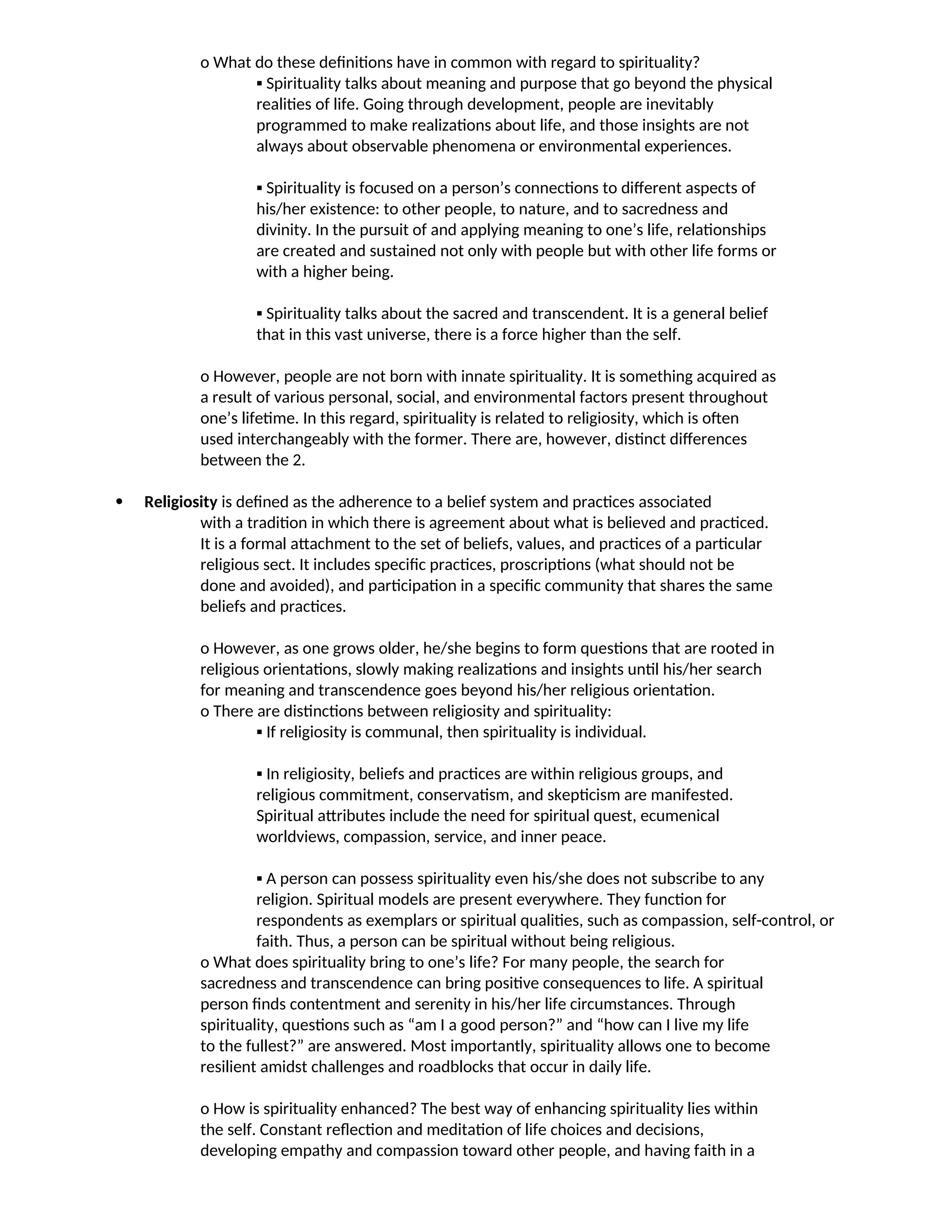
    Course : GEC1 – Understanding the Self Department : Education Department Topic : THE SPIRITUAL SELF ___________________________________________________________________________________________ Objectives: 1. Differentiate spirituality from religiosity. 2. Identify various religious practices and beliefs. 3. Describe the self in relation with religious beliefs. 4. Explain ways of finding the meaning of life. Introduction The spiritual self is one of the four constituents of the “self” according to William James in his book, The principles of Psychology in 1890. The spiritual self is the most intimate version of the self because of the satisfaction experienced when thinking of one’s ability to argue and discriminate, of one’s moral sensibility and conscience, and our unconquerable will is purer than all other sentiments of satisfaction. (Green,1997) The ability to use moral sensibility and conscience may be seen through the expressions of religion, its beliefs and practices. In the same manner, cultural rituals and ceremonies are some manifestations what people believe in. Moreover, seeking the meaning of life is journey that the spirit is on. The Inner Soul This section discusses the nature of spirituality, how it is different from religiosity, the factors that shape one’s spirituality, and its impact on oneself. ● Spirituality o The concept of the “whole person” is usually associated with the idea of human beings as having physical and psychological aspects. However, there is a third aspect of being human that is as important as the 2 precedents: the spiritual aspect. o Highlighting the mind-body-spirit connection, the spiritual self is an ongoing, personal life journey, contextualized by the belief in a higher being, culture, relationships, nature, and the discovery of meaning in one’s life. o There are several definitions that have been formulated regarding spirituality. ▪ Puchalski (2014), spirituality is the aspect of the self that is associated to an individual’s process of seeking and expressing meaning and how he or she is connected to the self, to others, to the moment and to everything else that composes his/her environment, including the sacred and significant. ▪ Beauregard and O’Leary (2007), spirituality is any experience that is thought to bring the experiencer in contact with the divine; it is not just any experience that feels meaningful. ▪ Sinnott (2002), spirituality is also posited as the individual’s personal relation to the sacred or transcendent, a relation that then informs other relationships and the meaning of one’s own life. ▪ Myers and his colleagues (2000), spirituality is the “personal and private beliefs that transcend the material aspects of life and give a deep sense of wholeness, connectedness, and openness to the infinite.”
  • 2.
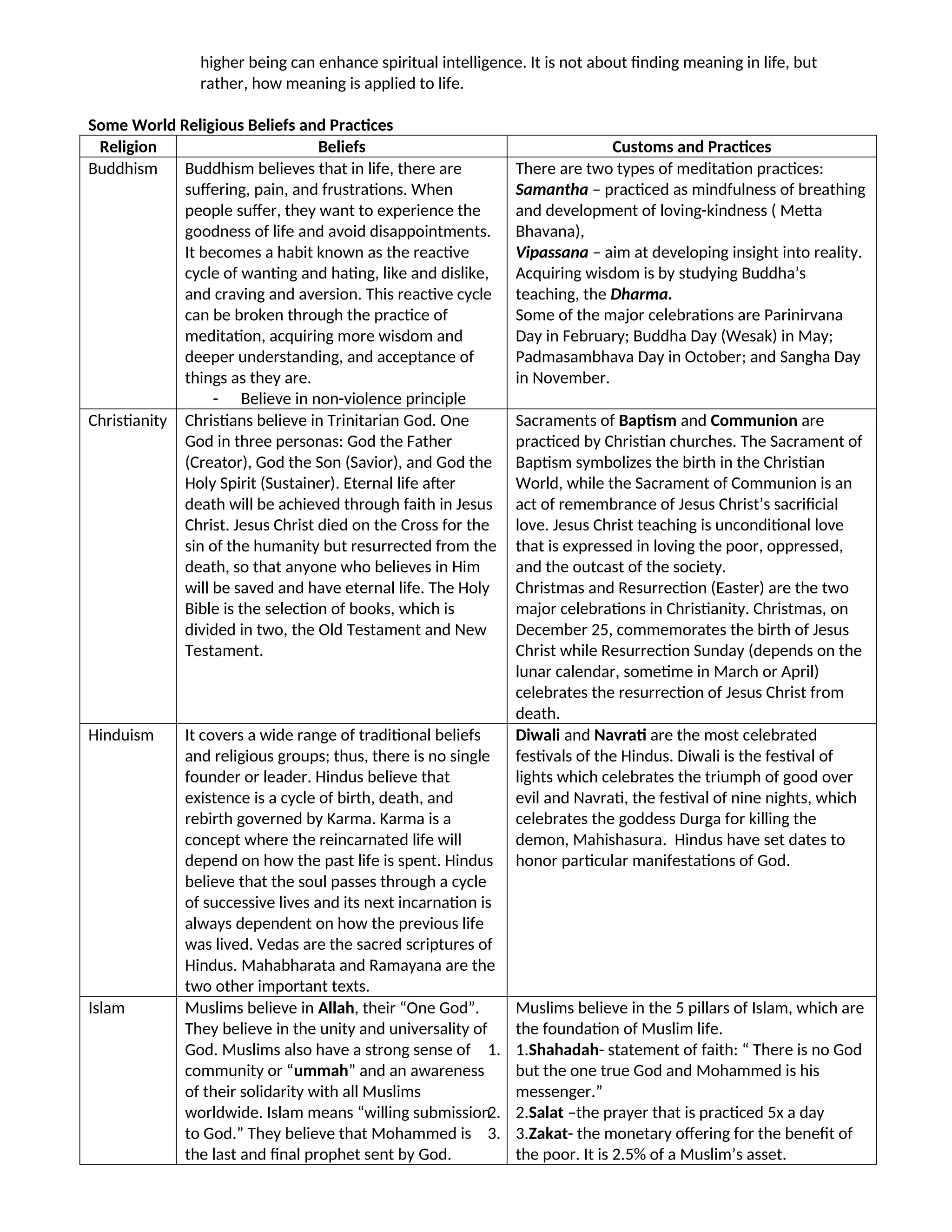
    o What dothese definitions have in common with regard to spirituality? ▪ Spirituality talks about meaning and purpose that go beyond the physical realities of life. Going through development, people are inevitably programmed to make realizations about life, and those insights are not always about observable phenomena or environmental experiences. ▪ Spirituality is focused on a person’s connections to different aspects of his/her existence: to other people, to nature, and to sacredness and divinity. In the pursuit of and applying meaning to one’s life, relationships are created and sustained not only with people but with other life forms or with a higher being. ▪ Spirituality talks about the sacred and transcendent. It is a general belief that in this vast universe, there is a force higher than the self. o However, people are not born with innate spirituality. It is something acquired as a result of various personal, social, and environmental factors present throughout one’s lifetime. In this regard, spirituality is related to religiosity, which is often used interchangeably with the former. There are, however, distinct differences between the 2.  Religiosity is defined as the adherence to a belief system and practices associated with a tradition in which there is agreement about what is believed and practiced. It is a formal attachment to the set of beliefs, values, and practices of a particular religious sect. It includes specific practices, proscriptions (what should not be done and avoided), and participation in a specific community that shares the same beliefs and practices. o However, as one grows older, he/she begins to form questions that are rooted in religious orientations, slowly making realizations and insights until his/her search for meaning and transcendence goes beyond his/her religious orientation. o There are distinctions between religiosity and spirituality: ▪ If religiosity is communal, then spirituality is individual. ▪ In religiosity, beliefs and practices are within religious groups, and religious commitment, conservatism, and skepticism are manifested. Spiritual attributes include the need for spiritual quest, ecumenical worldviews, compassion, service, and inner peace. ▪ A person can possess spirituality even his/she does not subscribe to any religion. Spiritual models are present everywhere. They function for respondents as exemplars or spiritual qualities, such as compassion, self-control, or faith. Thus, a person can be spiritual without being religious. o What does spirituality bring to one’s life? For many people, the search for sacredness and transcendence can bring positive consequences to life. A spiritual person finds contentment and serenity in his/her life circumstances. Through spirituality, questions such as “am I a good person?” and “how can I live my life to the fullest?” are answered. Most importantly, spirituality allows one to become resilient amidst challenges and roadblocks that occur in daily life. o How is spirituality enhanced? The best way of enhancing spirituality lies within the self. Constant reflection and meditation of life choices and decisions, developing empathy and compassion toward other people, and having faith in a
  • 3.
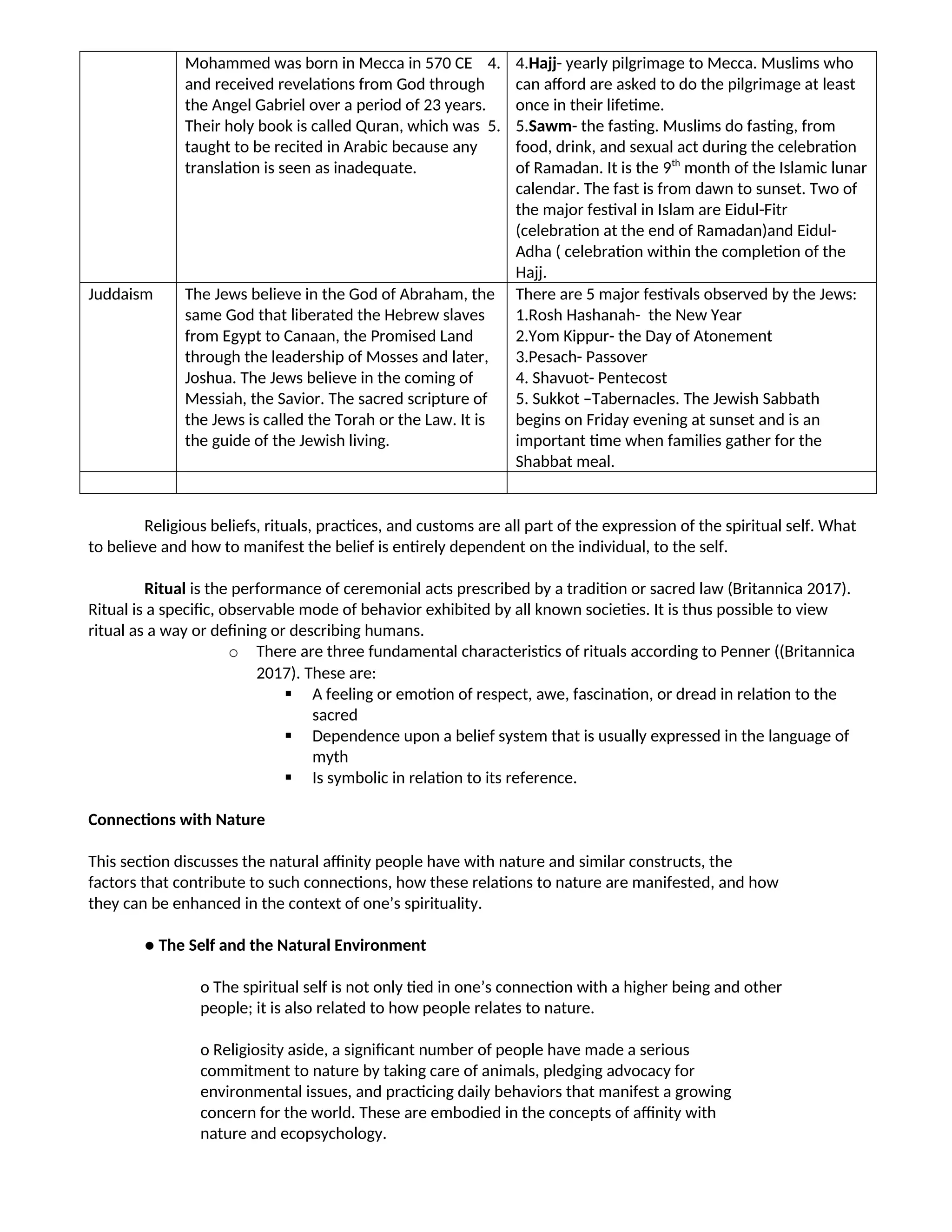
    higher being canenhance spiritual intelligence. It is not about finding meaning in life, but rather, how meaning is applied to life. Some World Religious Beliefs and Practices Religion Beliefs Customs and Practices Buddhism Buddhism believes that in life, there are suffering, pain, and frustrations. When people suffer, they want to experience the goodness of life and avoid disappointments. It becomes a habit known as the reactive cycle of wanting and hating, like and dislike, and craving and aversion. This reactive cycle can be broken through the practice of meditation, acquiring more wisdom and deeper understanding, and acceptance of things as they are. - Believe in non-violence principle There are two types of meditation practices: Samantha – practiced as mindfulness of breathing and development of loving-kindness ( Metta Bhavana), Vipassana – aim at developing insight into reality. Acquiring wisdom is by studying Buddha’s teaching, the Dharma. Some of the major celebrations are Parinirvana Day in February; Buddha Day (Wesak) in May; Padmasambhava Day in October; and Sangha Day in November. Christianity Christians believe in Trinitarian God. One God in three personas: God the Father (Creator), God the Son (Savior), and God the Holy Spirit (Sustainer). Eternal life after death will be achieved through faith in Jesus Christ. Jesus Christ died on the Cross for the sin of the humanity but resurrected from the death, so that anyone who believes in Him will be saved and have eternal life. The Holy Bible is the selection of books, which is divided in two, the Old Testament and New Testament. Sacraments of Baptism and Communion are practiced by Christian churches. The Sacrament of Baptism symbolizes the birth in the Christian World, while the Sacrament of Communion is an act of remembrance of Jesus Christ’s sacrificial love. Jesus Christ teaching is unconditional love that is expressed in loving the poor, oppressed, and the outcast of the society. Christmas and Resurrection (Easter) are the two major celebrations in Christianity. Christmas, on December 25, commemorates the birth of Jesus Christ while Resurrection Sunday (depends on the lunar calendar, sometime in March or April) celebrates the resurrection of Jesus Christ from death. Hinduism It covers a wide range of traditional beliefs and religious groups; thus, there is no single founder or leader. Hindus believe that existence is a cycle of birth, death, and rebirth governed by Karma. Karma is a concept where the reincarnated life will depend on how the past life is spent. Hindus believe that the soul passes through a cycle of successive lives and its next incarnation is always dependent on how the previous life was lived. Vedas are the sacred scriptures of Hindus. Mahabharata and Ramayana are the two other important texts. Diwali and Navrati are the most celebrated festivals of the Hindus. Diwali is the festival of lights which celebrates the triumph of good over evil and Navrati, the festival of nine nights, which celebrates the goddess Durga for killing the demon, Mahishasura. Hindus have set dates to honor particular manifestations of God. Islam Muslims believe in Allah, their “One God”. They believe in the unity and universality of God. Muslims also have a strong sense of community or “ummah” and an awareness of their solidarity with all Muslims worldwide. Islam means “willing submission to God.” They believe that Mohammed is the last and final prophet sent by God. Muslims believe in the 5 pillars of Islam, which are the foundation of Muslim life. 1. 1.Shahadah- statement of faith: “ There is no God but the one true God and Mohammed is his messenger.” 2. 2.Salat –the prayer that is practiced 5x a day 3. 3.Zakat- the monetary offering for the benefit of the poor. It is 2.5% of a Muslim’s asset.
  • 4.
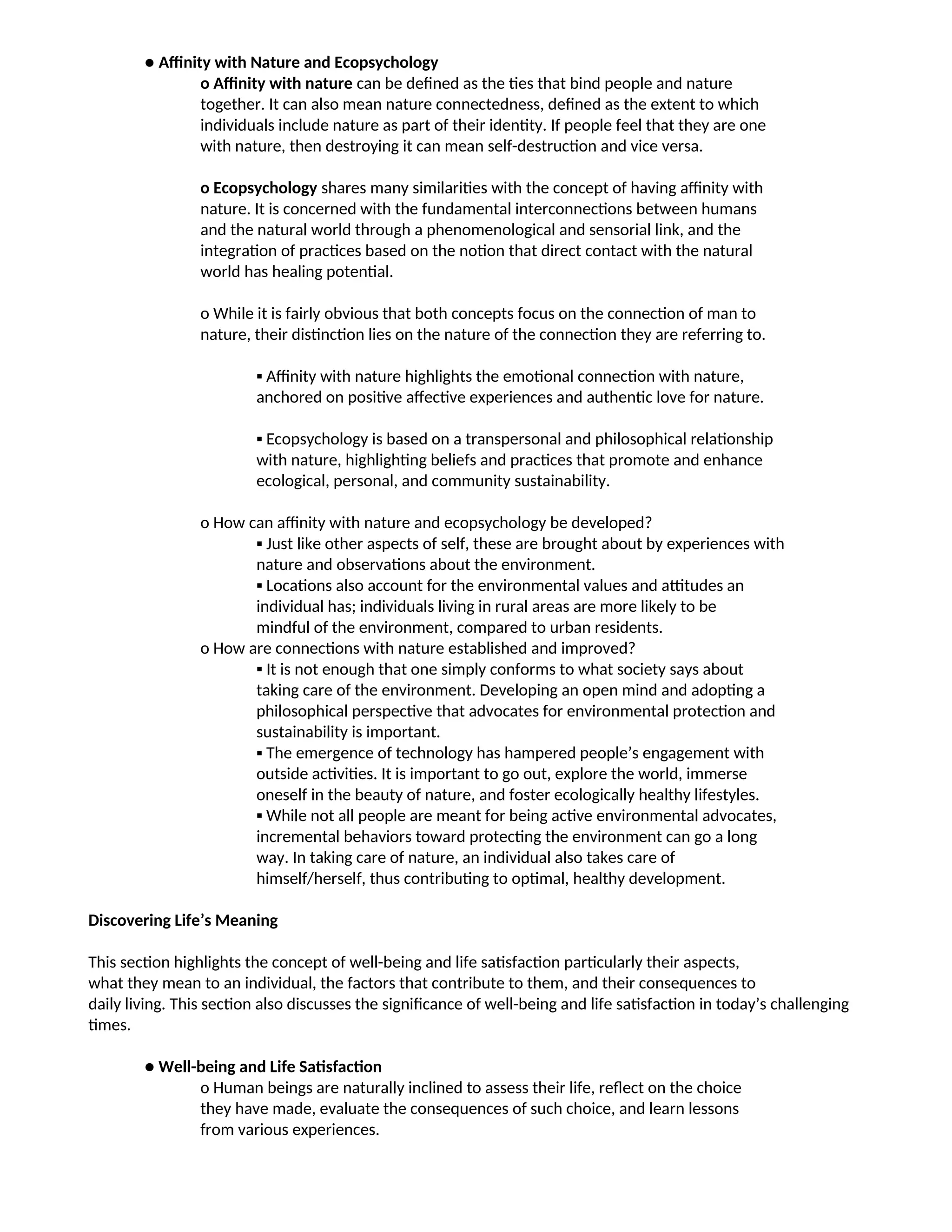
    Mohammed was bornin Mecca in 570 CE and received revelations from God through the Angel Gabriel over a period of 23 years. Their holy book is called Quran, which was taught to be recited in Arabic because any translation is seen as inadequate. 4. 4.Hajj- yearly pilgrimage to Mecca. Muslims who can afford are asked to do the pilgrimage at least once in their lifetime. 5. 5.Sawm- the fasting. Muslims do fasting, from food, drink, and sexual act during the celebration of Ramadan. It is the 9th month of the Islamic lunar calendar. The fast is from dawn to sunset. Two of the major festival in Islam are Eidul-Fitr (celebration at the end of Ramadan)and Eidul- Adha ( celebration within the completion of the Hajj. Juddaism The Jews believe in the God of Abraham, the same God that liberated the Hebrew slaves from Egypt to Canaan, the Promised Land through the leadership of Mosses and later, Joshua. The Jews believe in the coming of Messiah, the Savior. The sacred scripture of the Jews is called the Torah or the Law. It is the guide of the Jewish living. There are 5 major festivals observed by the Jews: 1.Rosh Hashanah- the New Year 2.Yom Kippur- the Day of Atonement 3.Pesach- Passover 4. Shavuot- Pentecost 5. Sukkot –Tabernacles. The Jewish Sabbath begins on Friday evening at sunset and is an important time when families gather for the Shabbat meal. Religious beliefs, rituals, practices, and customs are all part of the expression of the spiritual self. What to believe and how to manifest the belief is entirely dependent on the individual, to the self. Ritual is the performance of ceremonial acts prescribed by a tradition or sacred law (Britannica 2017). Ritual is a specific, observable mode of behavior exhibited by all known societies. It is thus possible to view ritual as a way or defining or describing humans. o There are three fundamental characteristics of rituals according to Penner ((Britannica 2017). These are:  A feeling or emotion of respect, awe, fascination, or dread in relation to the sacred  Dependence upon a belief system that is usually expressed in the language of myth  Is symbolic in relation to its reference. Connections with Nature This section discusses the natural affinity people have with nature and similar constructs, the factors that contribute to such connections, how these relations to nature are manifested, and how they can be enhanced in the context of one’s spirituality. ● The Self and the Natural Environment o The spiritual self is not only tied in one’s connection with a higher being and other people; it is also related to how people relates to nature. o Religiosity aside, a significant number of people have made a serious commitment to nature by taking care of animals, pledging advocacy for environmental issues, and practicing daily behaviors that manifest a growing concern for the world. These are embodied in the concepts of affinity with nature and ecopsychology.
  • 5.
    ● Affinity withNature and Ecopsychology o Affinity with nature can be defined as the ties that bind people and nature together. It can also mean nature connectedness, defined as the extent to which individuals include nature as part of their identity. If people feel that they are one with nature, then destroying it can mean self-destruction and vice versa. o Ecopsychology shares many similarities with the concept of having affinity with nature. It is concerned with the fundamental interconnections between humans and the natural world through a phenomenological and sensorial link, and the integration of practices based on the notion that direct contact with the natural world has healing potential. o While it is fairly obvious that both concepts focus on the connection of man to nature, their distinction lies on the nature of the connection they are referring to. ▪ Affinity with nature highlights the emotional connection with nature, anchored on positive affective experiences and authentic love for nature. ▪ Ecopsychology is based on a transpersonal and philosophical relationship with nature, highlighting beliefs and practices that promote and enhance ecological, personal, and community sustainability. o How can affinity with nature and ecopsychology be developed? ▪ Just like other aspects of self, these are brought about by experiences with nature and observations about the environment. ▪ Locations also account for the environmental values and attitudes an individual has; individuals living in rural areas are more likely to be mindful of the environment, compared to urban residents. o How are connections with nature established and improved? ▪ It is not enough that one simply conforms to what society says about taking care of the environment. Developing an open mind and adopting a philosophical perspective that advocates for environmental protection and sustainability is important. ▪ The emergence of technology has hampered people’s engagement with outside activities. It is important to go out, explore the world, immerse oneself in the beauty of nature, and foster ecologically healthy lifestyles. ▪ While not all people are meant for being active environmental advocates, incremental behaviors toward protecting the environment can go a long way. In taking care of nature, an individual also takes care of himself/herself, thus contributing to optimal, healthy development. Discovering Life’s Meaning This section highlights the concept of well-being and life satisfaction particularly their aspects, what they mean to an individual, the factors that contribute to them, and their consequences to daily living. This section also discusses the significance of well-being and life satisfaction in today’s challenging times. ● Well-being and Life Satisfaction o Human beings are naturally inclined to assess their life, reflect on the choice they have made, evaluate the consequences of such choice, and learn lessons from various experiences.
  • 6.
    o Well-being andlife satisfaction are interchangeably used but there is a thin line that distinguishes one from the other. ▪ Well-being, being intrinsic in nature, is an inner, personal construct, associate with self-esteem, and self-understanding. It is how good one feels about himself/herself. ▪ Life satisfaction is also intrinsic but in this case, it is the general attitude towards life. When well-being and life satisfaction are present, happiness naturally flow. o However, in some cases, happiness is generally regarded as the emotional result of life satisfaction. Happiness can be subjective and temporal while life satisfaction is more encompassing. o Life satisfaction can refer to the desire to change one’s life, satisfaction with the past, satisfaction with the future, and significant other’s views of one’s life. It is also associated with quality of life. o How well-being and life satisfaction achieved? Research has cited many factors that influence how they can be achieved. ▪ Personal factors such as personality (such as openness to experience and extraversion), cognition, physical health, and vigor have been associated with well-being and life satisfaction. ▪ Environmental conditions contribute to individual life satisfaction. ▪ Socio-economic status, home and social environment, interpersonal relationships, and education also influence one’s well-being and life satisfaction. o Engaging in forward thinking (enabling forethought and planning) and becoming community oriented are only some of the things that can be done to enhance the over-all quality of life. However, well-being and life satisfaction are highly personal and relative. Similar to personal meanings attributed to and generated in daily life, how one feels about himself/herself and the life he/she lives is dependent on how he/she defines a meaningful life. o What are the characteristics of people who have a high level of well-being and life satisfaction? Literature has posited a variety of qualities associate to such individuals: ▪ Effective self-perception. Being able to change their attitude about themselves and engage in self-monitoring to minimize negative attitudes. ▪ Realistic self-esteem and self-acceptance. Self-valuation and self-respect. ▪ Control of behavior. Behavior awareness and regulation. ▪ True perception of the world. Harboring healthy perceptions of their environment and place within it. ▪ Sustaining relationships and affection. Manifesting empathy and sharing of positive emotions with others.
  • 7.
    ▪ Self-direction andproductivity. Making sure their goals and behaviors are aligned to their core values and conscious beliefs of themselves. o Within the context of spirituality, being cognizant of one’s purpose in life, accepting limitations and celebrating strengths, enabling love and concern for others, and engaging in behaviors that embody all these will lead one to have well-being and life satisfaction. References: Alata et al. (2018). Understanding the Self 1st Edition. Manila: Rex Book Store Inc. Classics in the History of Psychology - An internet resource developed by Christopher D. Green. Accessed on November 10. 2022 https://psychclassics.yorku.ca/James/Principles/prin10.htm What Is the Spiritual Self in Understanding the Self?by Thomson Dablemond |, 2019. Accessed on November 10. 2022 What Is the Spiritual Self in Understanding the Self? (weddingincana.com) Name_______________________________________ Course and Year_________ Subject & Class Schedule_____________ Date______________ Activity #7 A. Art Recall 1. Recall: When was the first time you realized that there is a higher being than yourself? What made you believe that there is a higher being? 2. Draw: Make a poster about the instance or situation that made you believe in the existence of higher being. You can use a bond paper for your drawing. 3. Show: Have a Classroom Gallery Walk showcasing the poster that you and your classmates have made. Observe similarities and differences in each other’s experiences, expressed in the artworks. B. Analysis: 1. From the posters that you see, what commonalities and differences did you observe? 2. How did these experiences affect your belief in the higher being? 3. Do you consider having a spiritual self? Why or why not? C. Application and Assessment Make a Reflection Paper on Viktor Frankl’s sources of the meaning of life by visiting the link below. https://www.themarginalian.org/2013/03/26/viktor-frankl-mans-search-for-meaning/#:~:text=For %20Frankl%2C%20meaning%20came%20from,physical%20person%20of%20the%20beloved.