

WE ADVANCE URBAN
INNOVATION, TO
GROW UK
COMPANIES, TO
MAKE CITIES BETTER
MISSION
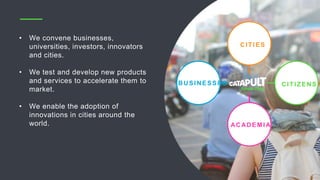
• We convene businesses,
universities, investors, innovators
and cities.
• We test and develop new products
and services to accelerate them to
market.
• We enable the adoption of
innovations in cities around the
world.
CITIES
BUSINESSES
ACADEM IA
CITIZENS
innovations in cities around the world.
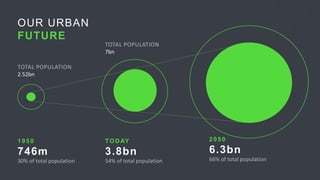
OUR URBAN
FUTURE
1 9 5 0
746m
30% of total population
TOD AY
3.8bn
54% of total population
2 0 5 0
6.3bn
66% of total population
TOTAL POPULATION
2.52bn
TOTAL POPULATION
7bn
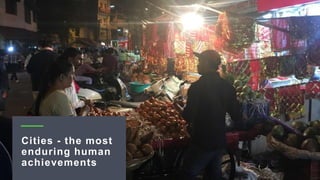
Cities - the most
enduring human
achievements
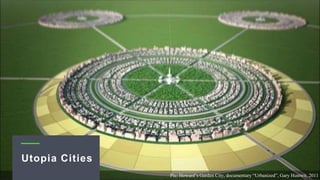
Pic: Howard’s Garden City, documentary “Urbanized”, Gary Hustwit, 2011
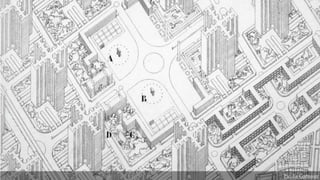
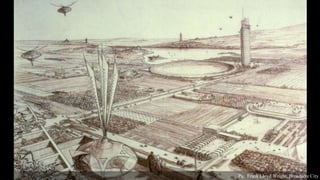
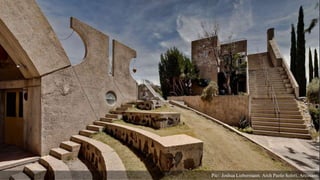
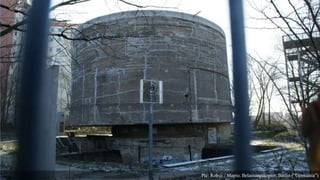
Utopia Cities
Pic: Le Corbusier
Pic: Frank Lloyd Wright, Broadacre City
Pic: Joshua Liebermann. Arch Paolo Soleri, Arcosanti
Pic: Rob@ / Mapio. Belastungskopter, Berlin (“Germania”)
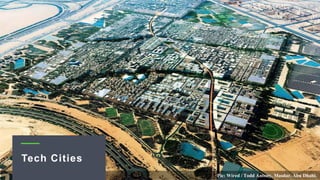
Pic: Wired / Todd Antony. Masdar, Abu Dhabi.
Tech Cities
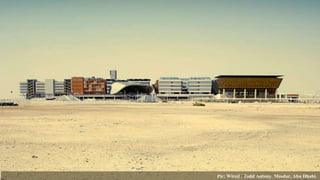
Pic: Wired / Todd Antony. Masdar, Abu Dhabi.
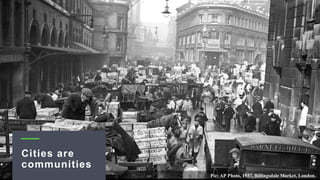
Pic: AP Photo, 1937. Billingsdale Market, London.
Cities are
communities
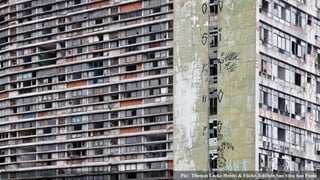
Pic: Thomas Locke Hobbs & Flickr. Edificio Sao Vito, Sao Paolo
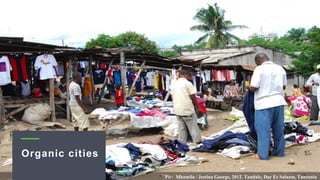
Pic: Mhamila / Jestina George, 2012. Tandale, Dar Es Salaam, Tanzania
Organic cities
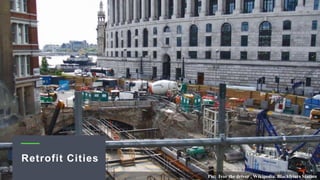
Pic: Ivor the driver , Wikipedia. Blackfriars Station
Retrofit Cities
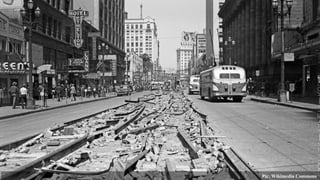
Pic: Wikimedia Commons
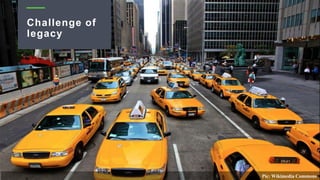
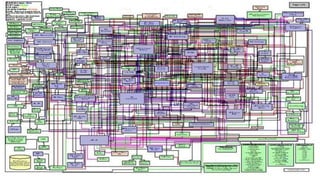
Challenge of
legacy
Pic: Wikimedia Commons
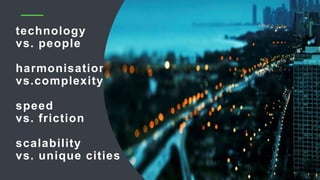
technology
vs. people
harmonisation
vs.complexity
speed
vs. friction
scalability
vs. unique cities
Open Cities
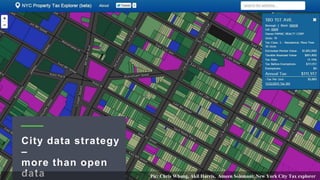
City data strategy
–
more than open
data Pic: Chris Whong, Akil Harris, Ameen Solemani; New York City Tax explorer
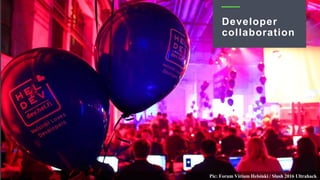
Pic: Forum Virium Helsinki / Slush 2016 Ultrahack
Developer
collaboration
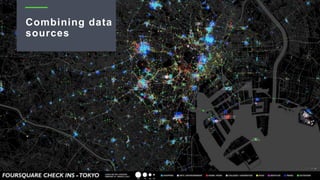
Combining data
sources
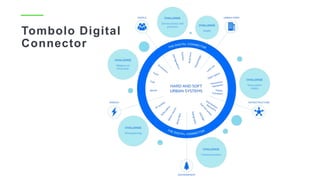
Tombolo Digital
Connector
Data
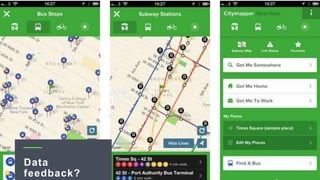
feedback?
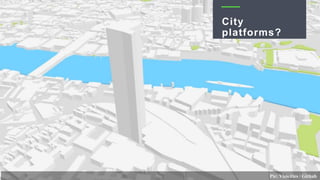
Pic: Vizicities / Github
City
platforms?
Compromised
security?
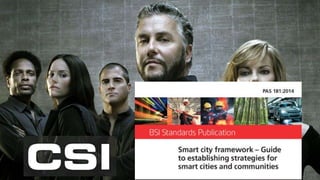
Smart City
standards?
Building the
future cities
market
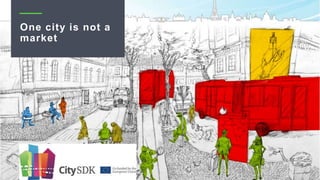
One city is not a
market
oascities.org
Working with
people
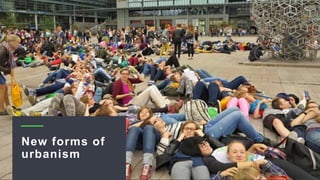
New forms of
urbanism
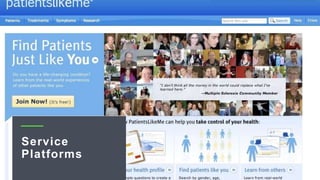
Service
Platforms
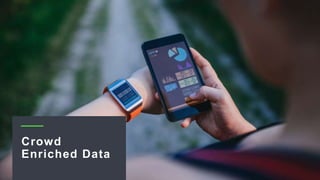
Crowd
Enriched Data
World Bank
worldbank.org/ict
August 2011
September 2011
World Bank
worldbank.org/ict
Encourage
experimentatio
n
Urban Living
Labs of different
sizes
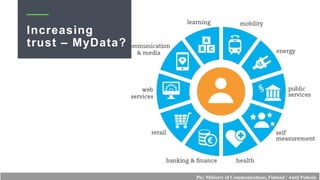
Increasing
trust – MyData?
Pic: Ministry of Communications, Finland / Antti Poikola
What next?
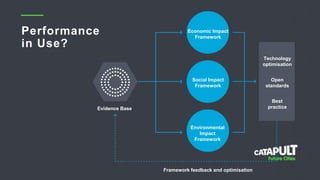
Performance
in Use?
Economic Impact
Framework
Social Impact
Framework
Environmental
Impact
Framework
Evidence Base
Framework feedback and optimisation
Technology
optimisation
Open
standards
Best
practice
Thank you
@Elukkae
www.futurecities.catapult.org.uk @futurecitiescat

Future Cities Catapult city harmonisation 5-16

Editor's Notes

  • #3 We convene businesses, universities, investors, innovators and cities, so that they can work together to solve real city problems. Across our network of collaborating cities we test and develop new products and services to accelerate them to market. And by demonstrating performance-in-use and building investment cases we enable the adoption of innovations in cities around the world.
  • #5 The world is urbanising rapidly. By 2050, 70 percent of people in the world will live in cities. But much of our urban infrastructure is already running at full capacity and ageing populations, shifting economies and changing climates are all set to stretch it further.   There’s a huge opportunity to use innovative technologies and processes to solve the problem. The global integrated cities solutions market is valued at $325 billion by 2030 and there’s an estimated global infrastructure investment of $40 trillion required over the next 20 years
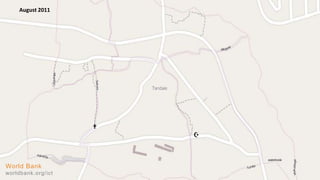
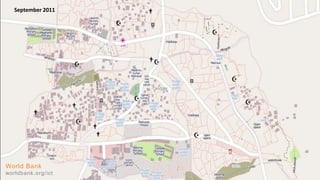
  • #43 Complex Problems are Related to poverty and have Multiple faces Tandale, Ilala, 200 000 people, centre of logistics delivery point for fresh foods in Dar Raining – flooding – ditches/drains don’t work – leads to food shortage, business loss, also health through public toilets and waterpoints Water points in Tandale, middle of Dar, are next to the public toilets where one leak can cause diseases for people Multiple issues together, interconnected, link with various policies, link with various stakeholders, link with attitudes Technology role
  • #44 Tandale after one month in map We know where the houses are, waterpoints and toilets are, we know where the drainage systems are (next to houses). We can also start have idea how housing progress and can update maps Technology can help us. Sustainability requires coordination of different policies (urban, health, enterprise), actors (municipal authorities, informal village authorities, businesses, people) and mindsets (if we are visible we pay taxes but require services) Mapped by 15 students in 30 days under guidance of NGO with cost less than 50k USD. Do things differently