How to evaluate the feasibility of
a CTO PCI
Evald Høj Christiansen
Aarhus University Hospital
Denmark
PCI department
Aarhus University Hospital, Skejby ● Denmark evald.christiansen@dadlnet.dk
Feasibility
• The patient
• The anatomy
• The operator
• The equipment
The Patient
• Dual access possible?
• Kidney function: GFRx5 = maximum total contrast
• Tolerate a long procedure?
• Tolerate ACT > 300 sec
• BMI: < 6Gy < 12Gy = stop
Important anatomical considerations
• The proximal CTO cap
• CTO length
• Side branch at a distal cap
• Distal landing zone
• Interventional collaterals
Good quality coronary angiogram
• Wide field of view
• Long runs
• Avoidance of panning
• Dual injections
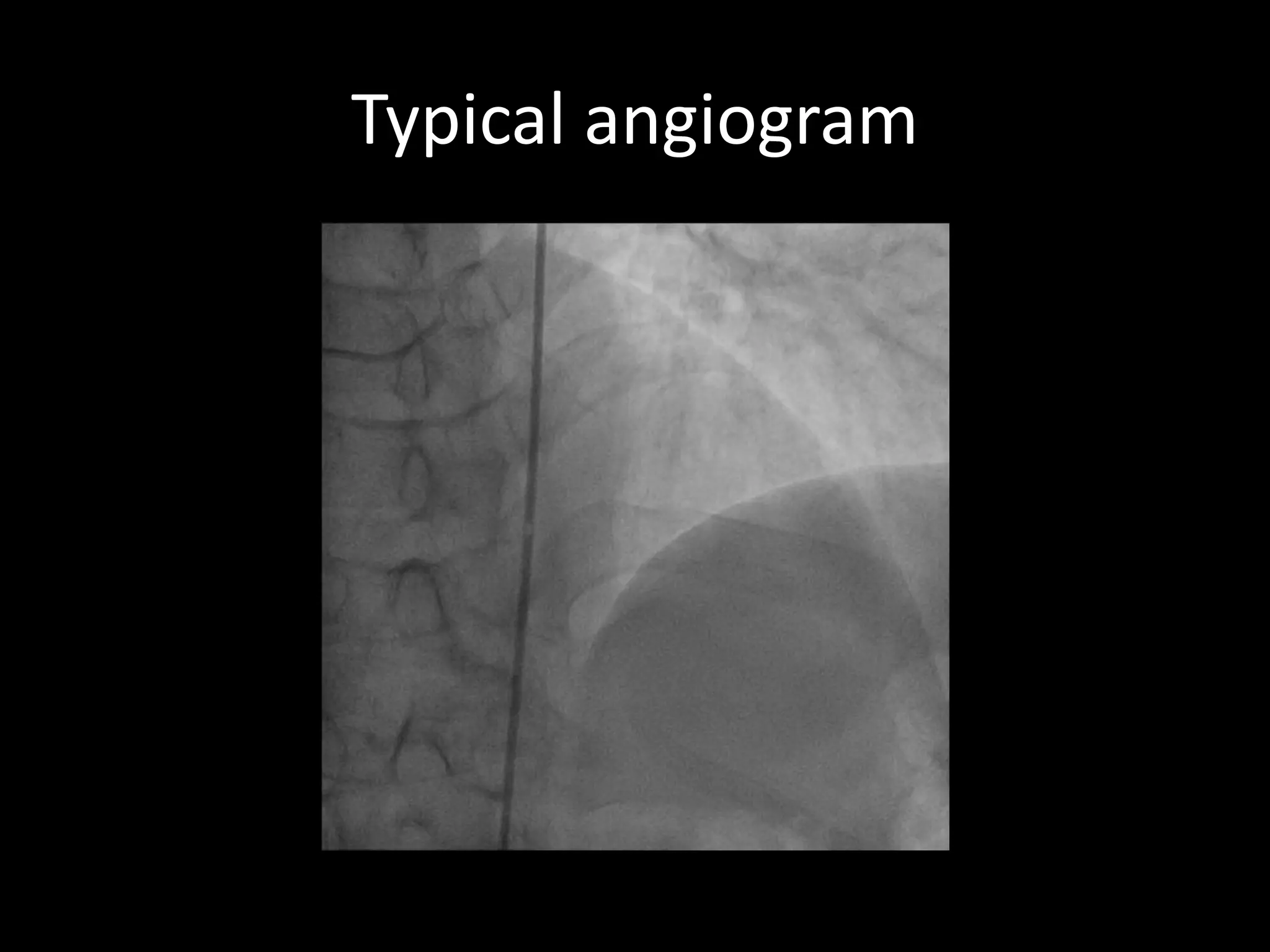
Typical angiogram
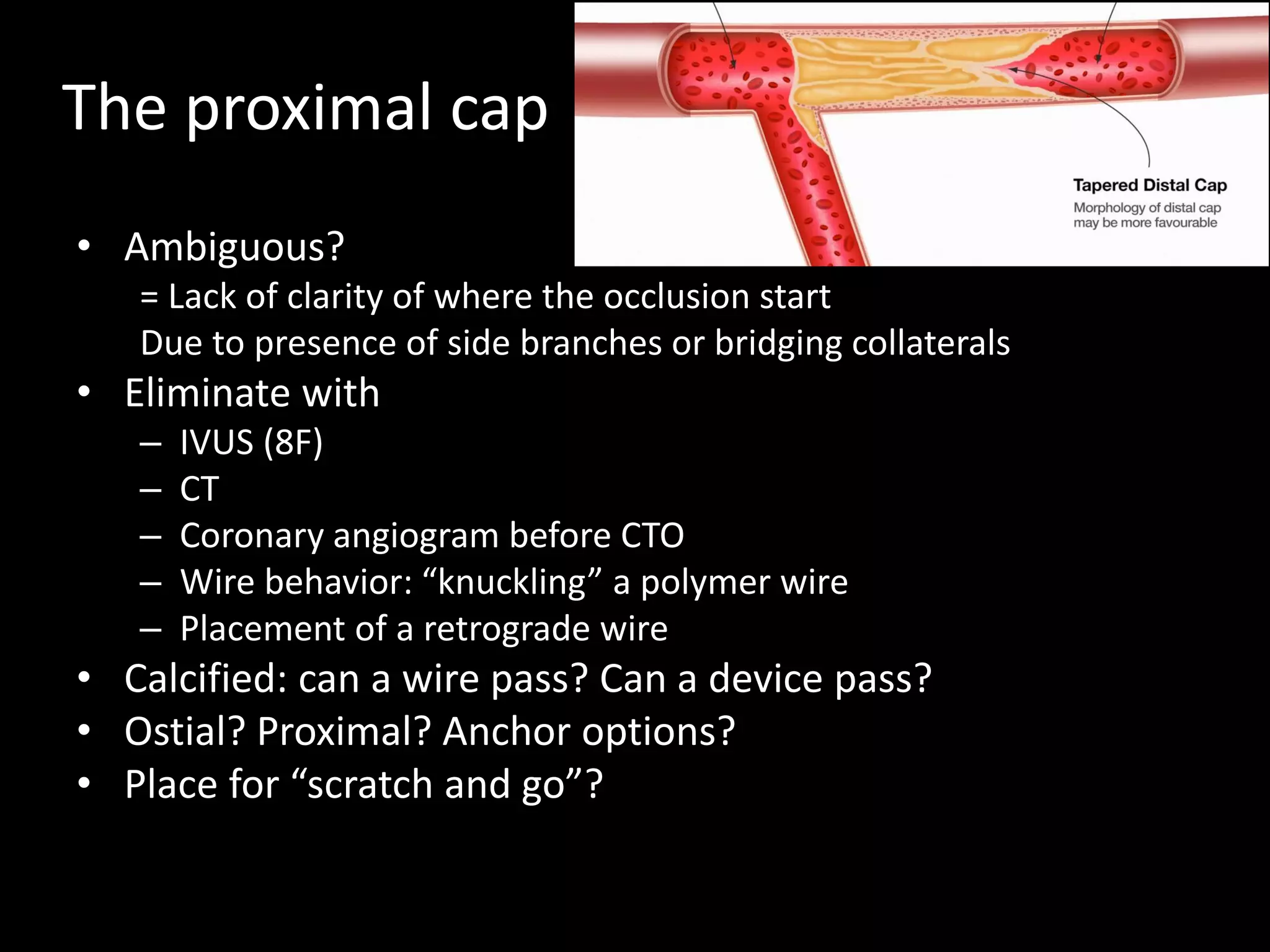
The proximal cap
• Ambiguous?
= Lack of clarity of where the occlusion start
Due to presence of side branches or bridging collaterals
• Eliminate with
– IVUS (8F)
– CT
– Coronary angiogram before CTO
– Wire behavior: “knuckling” a polymer wire
– Placement of a retrograde wire
• Calcified: can a wire pass? Can a device pass?
• Ostial? Proximal? Anchor options?
• Place for “scratch and go”?
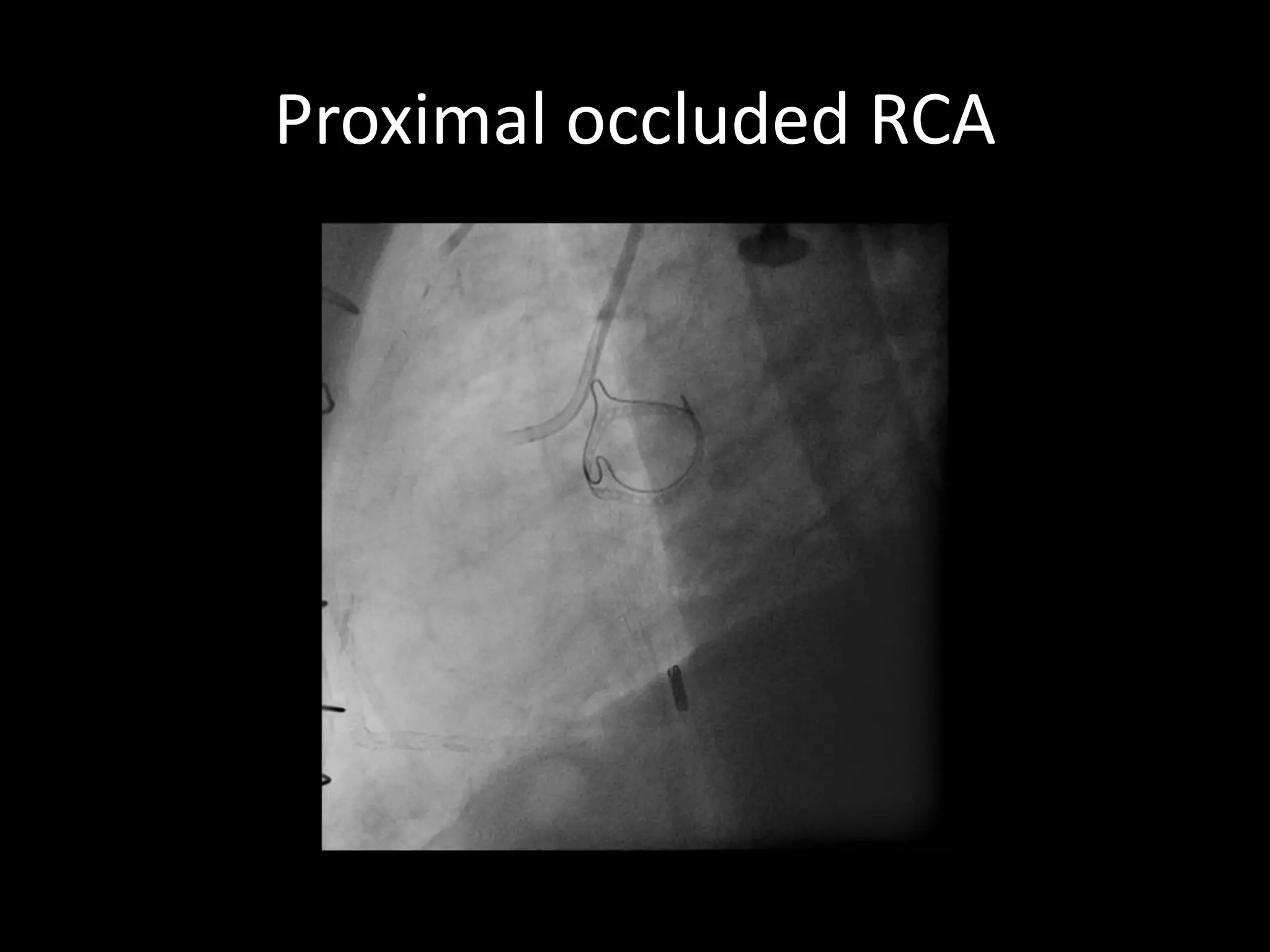
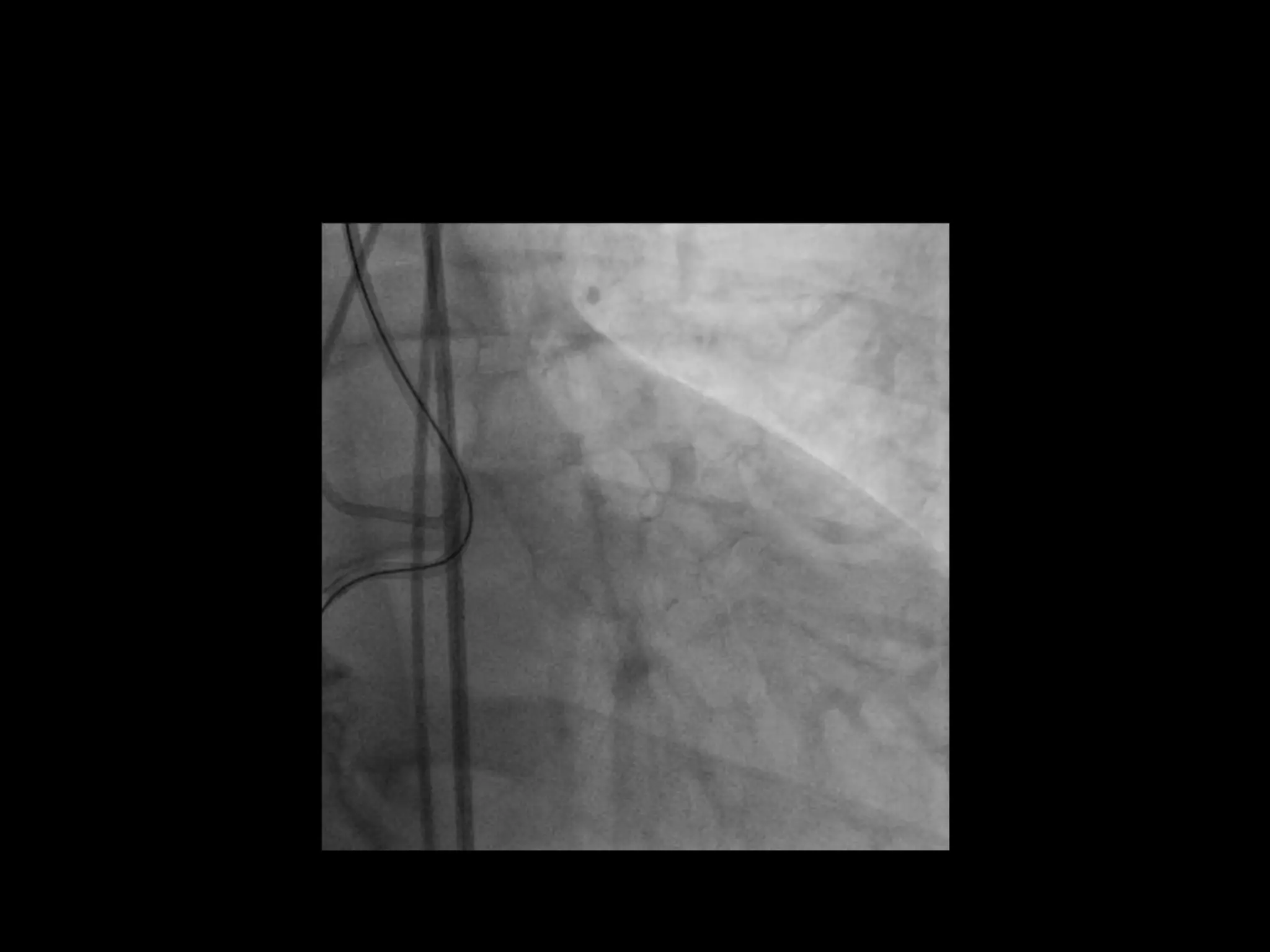
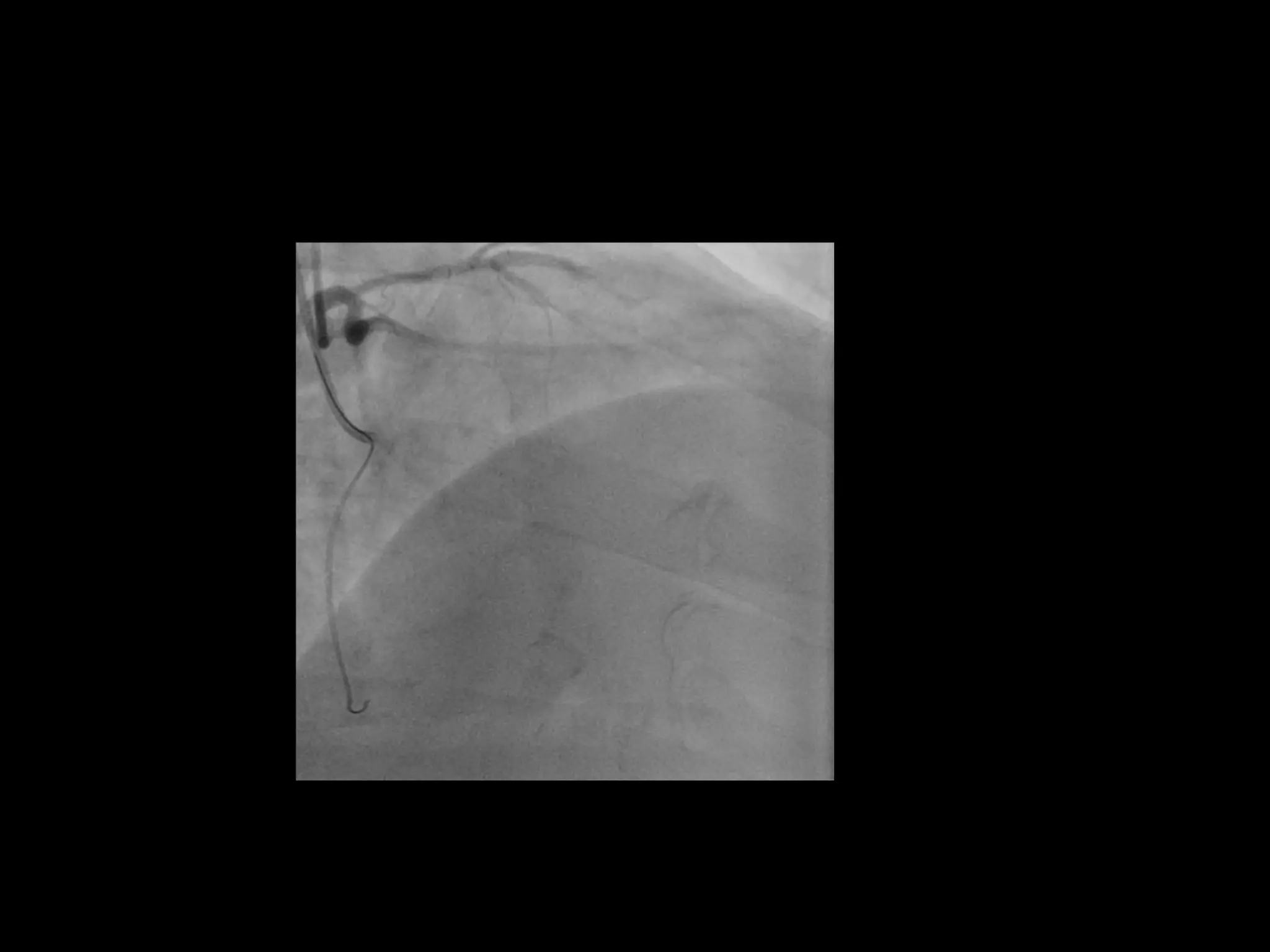
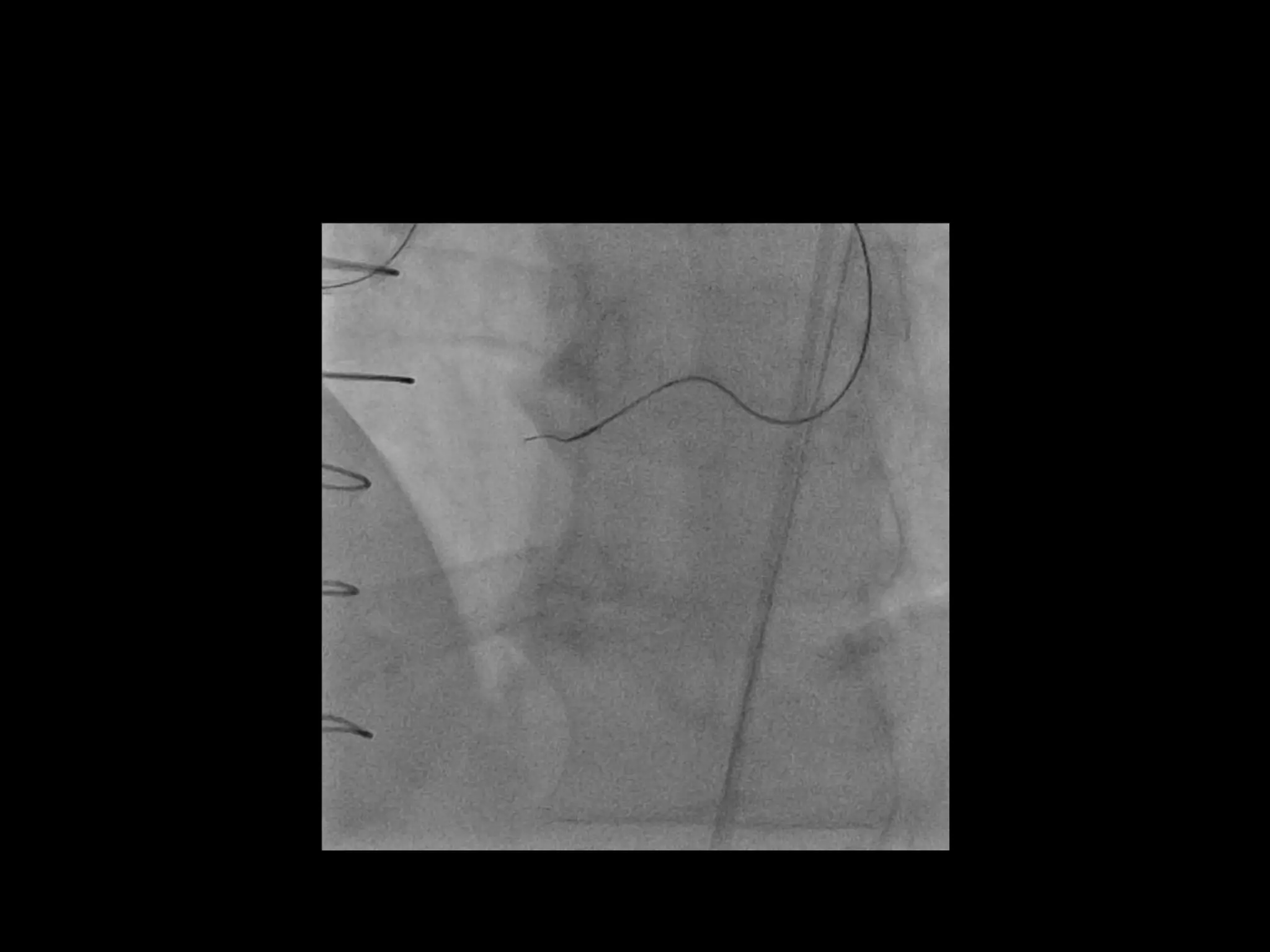
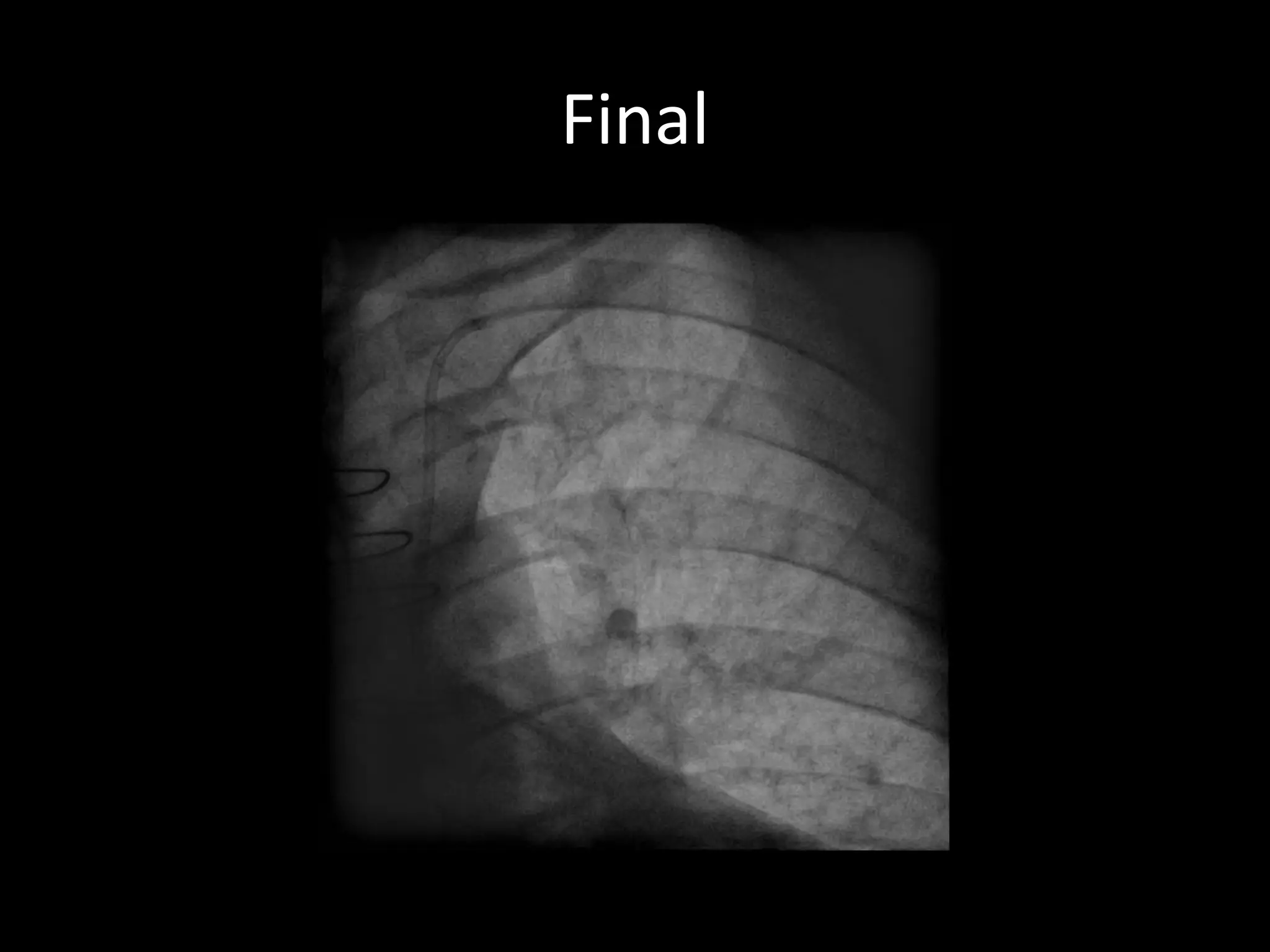
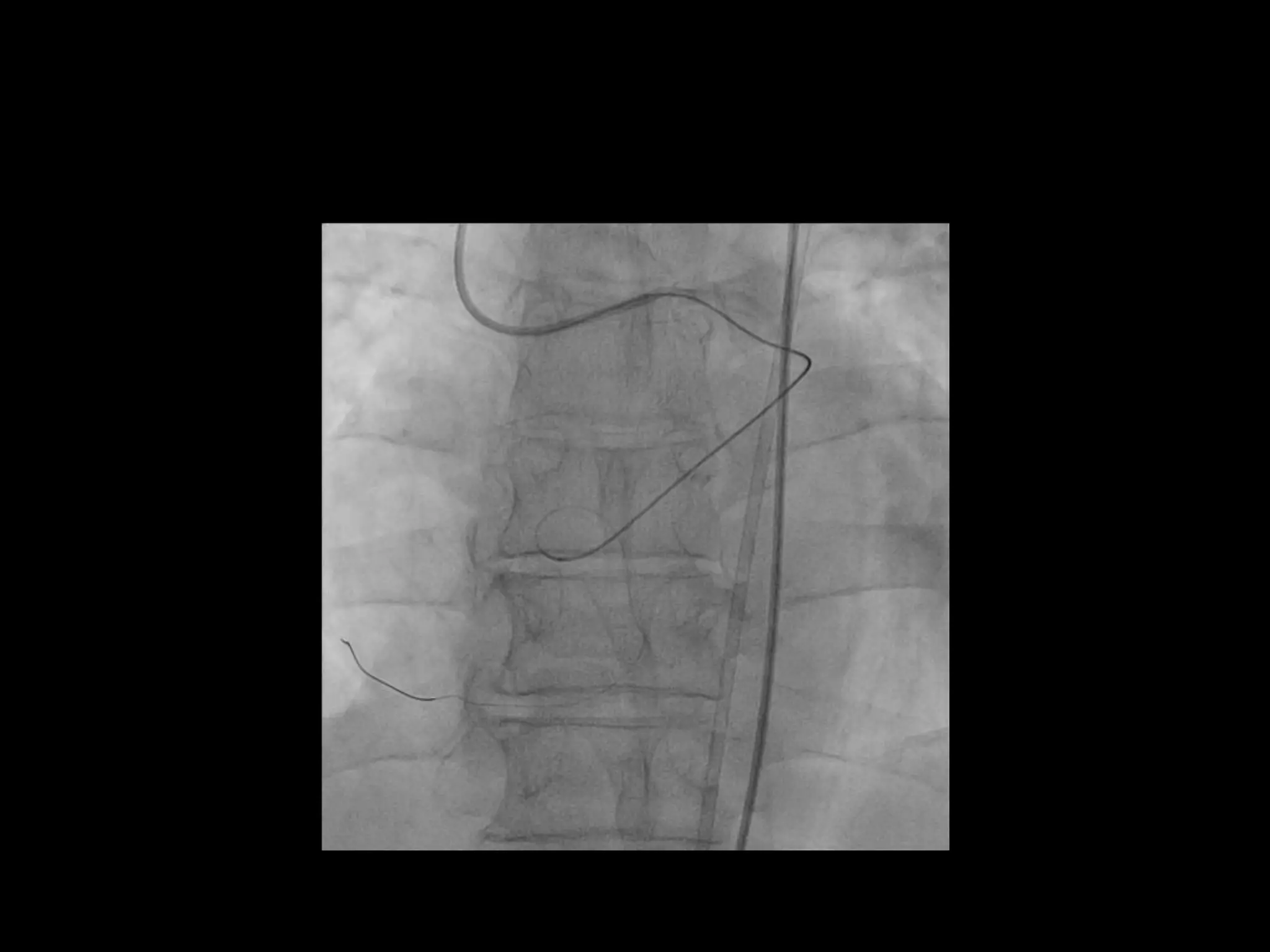
Proximal occluded RCA
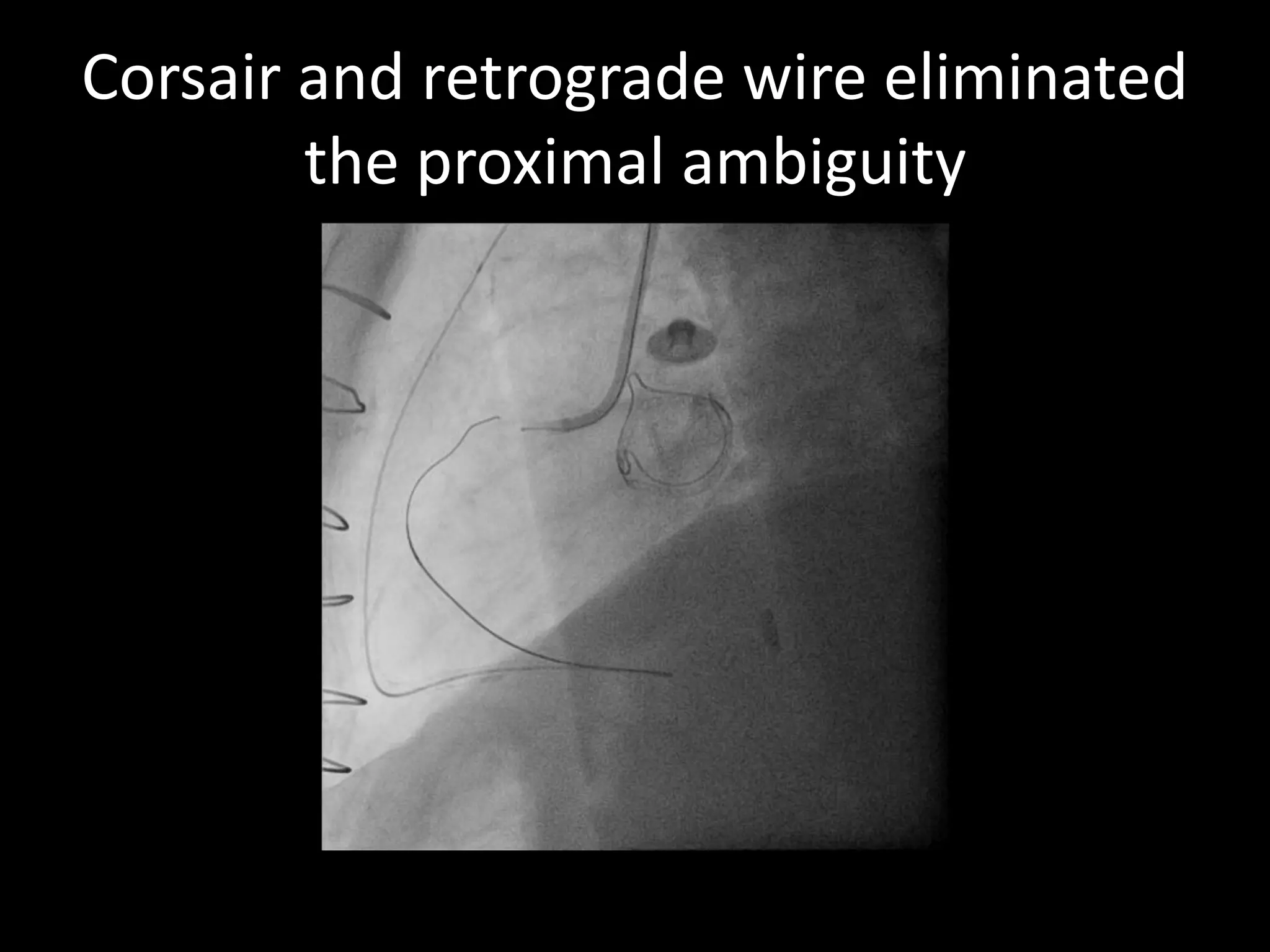
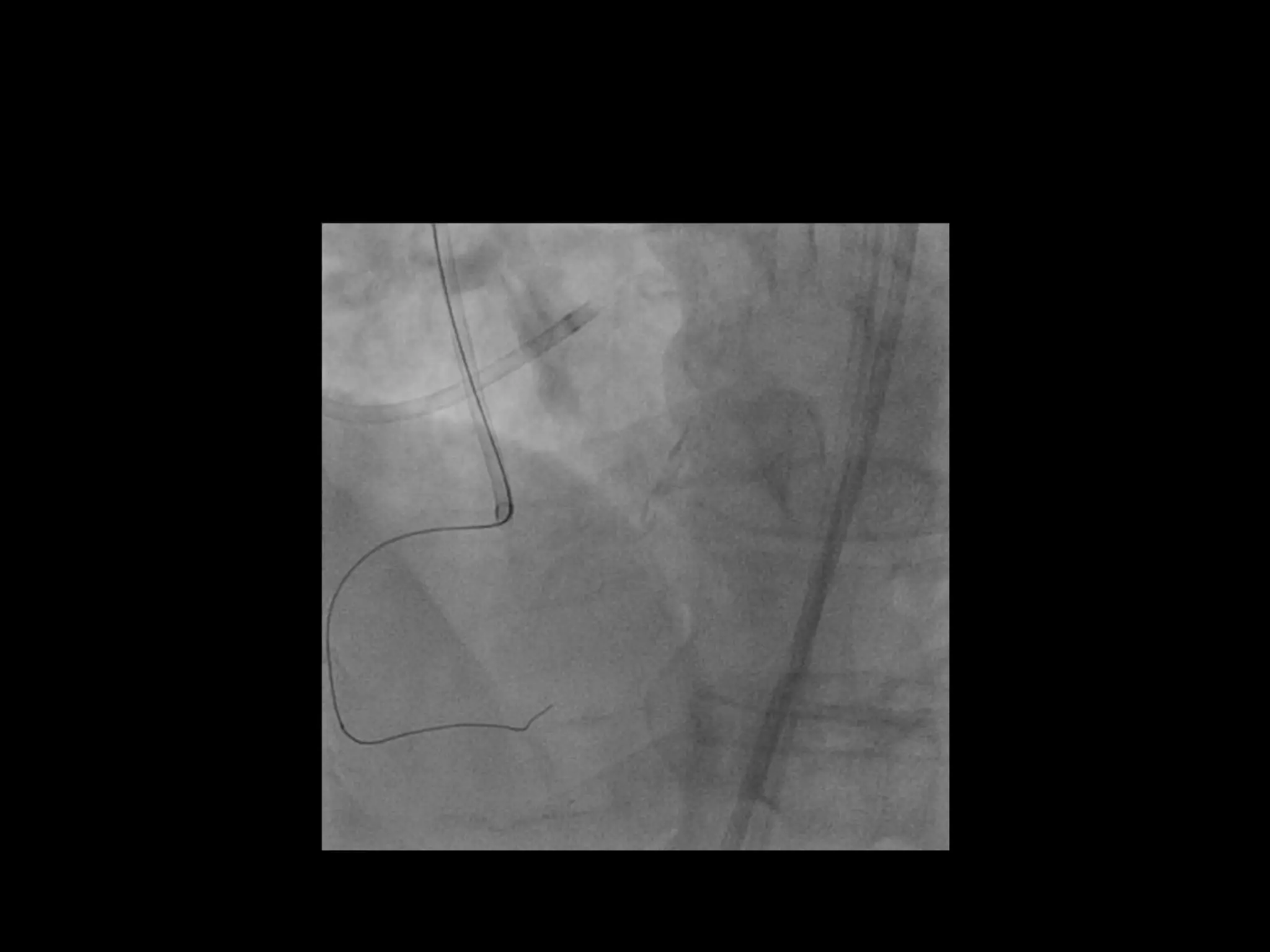
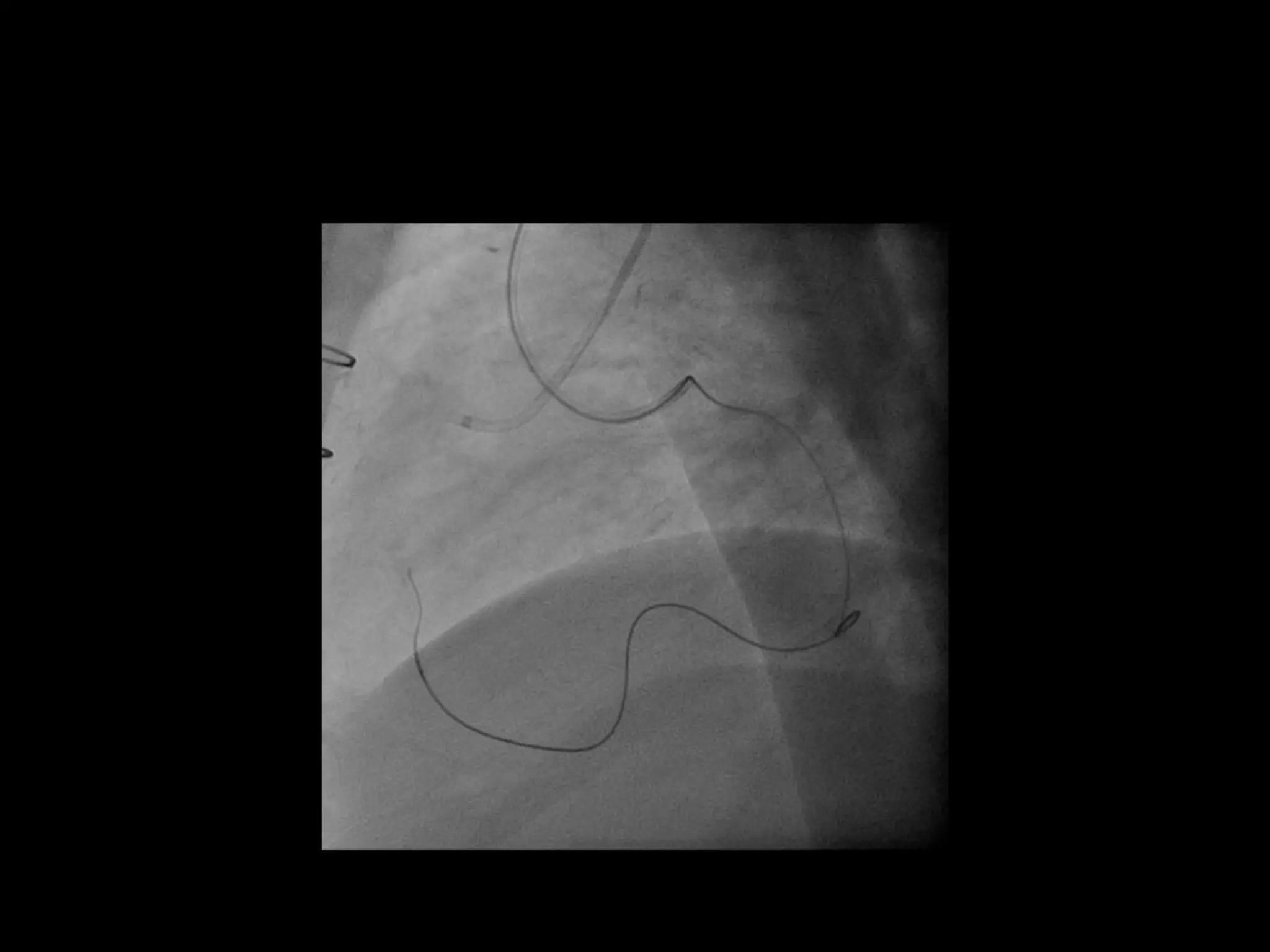
Corsair and retrograde wire eliminated
the proximal ambiguity
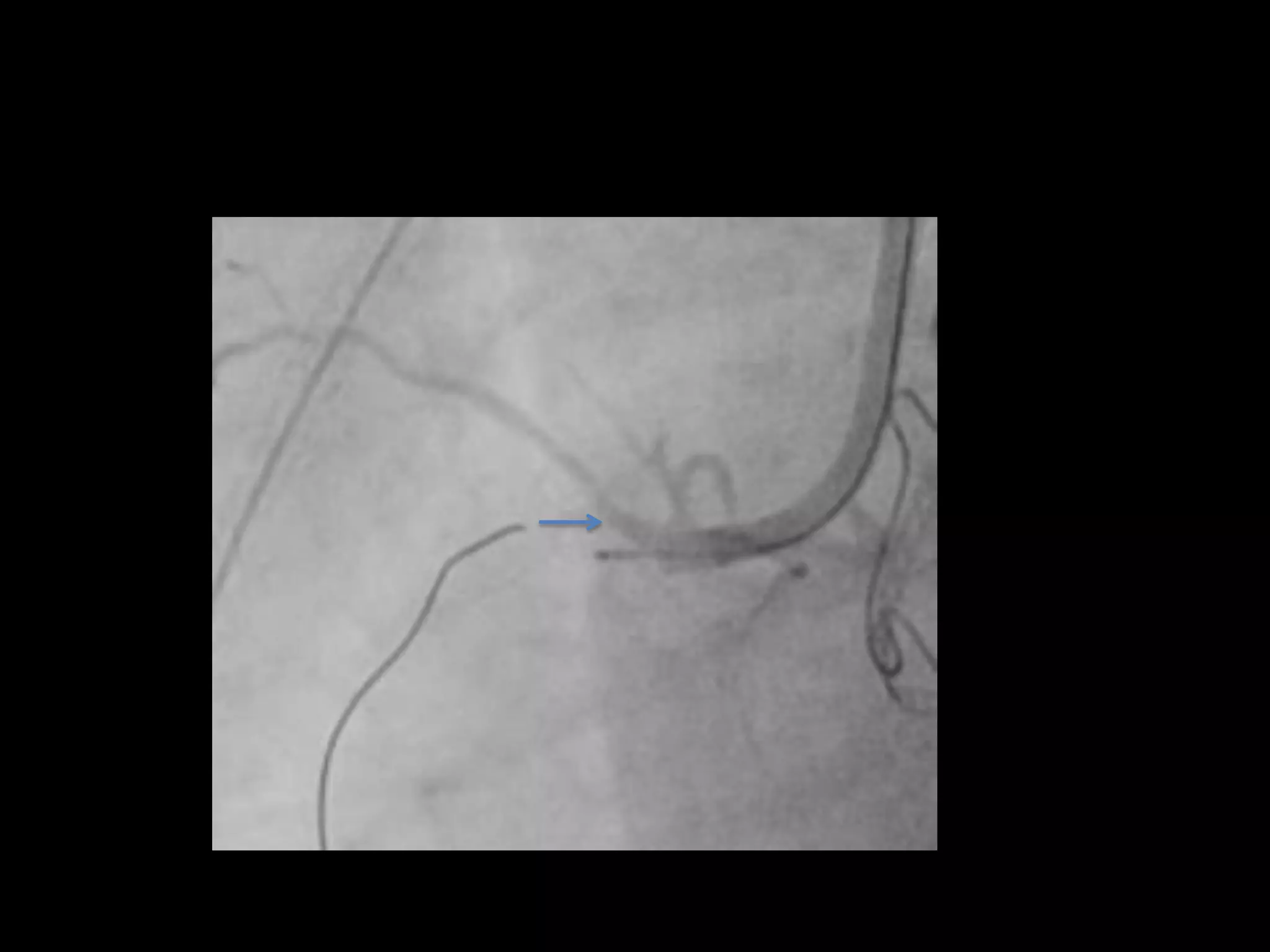
Probable location of prox. cap
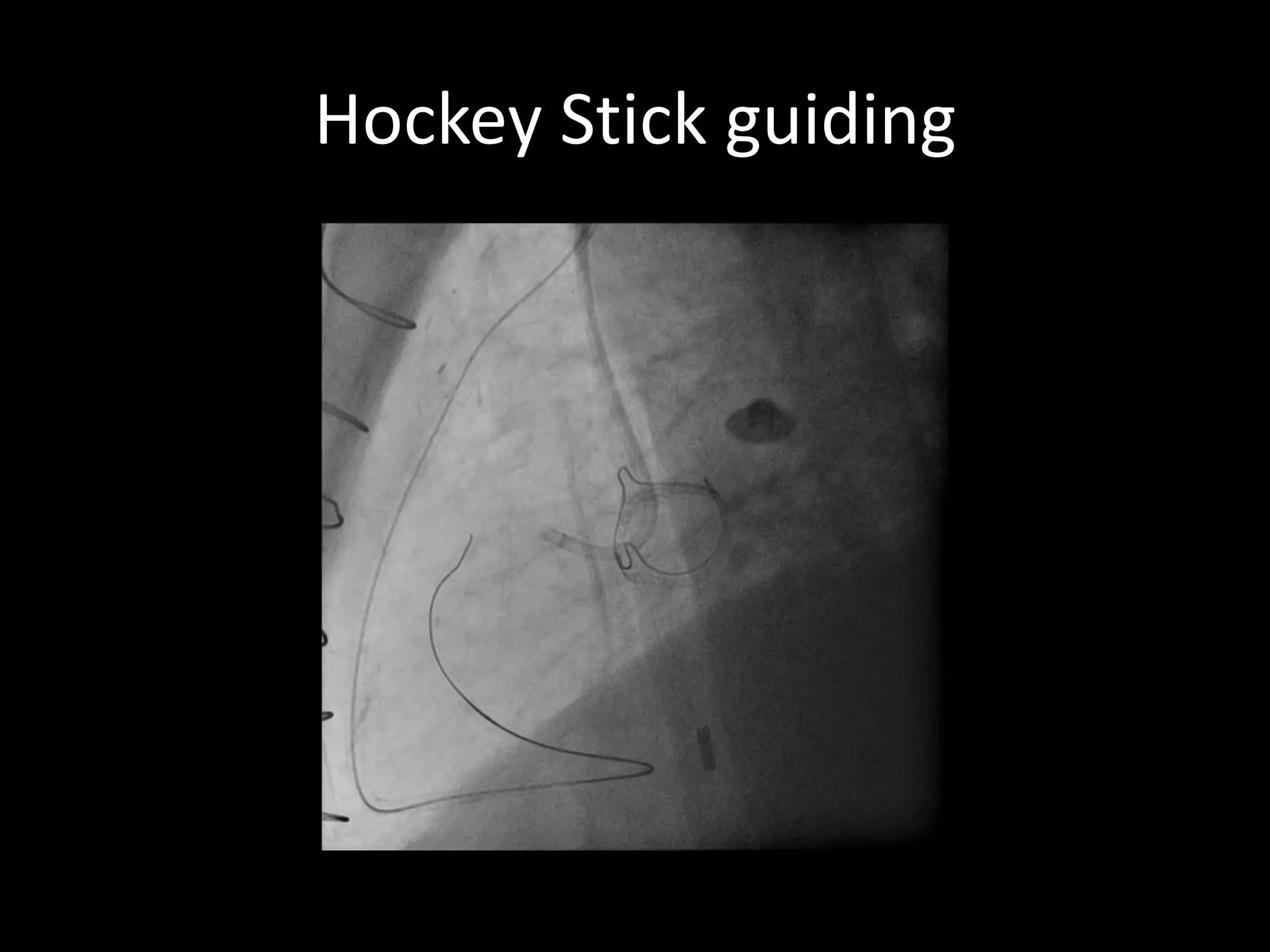
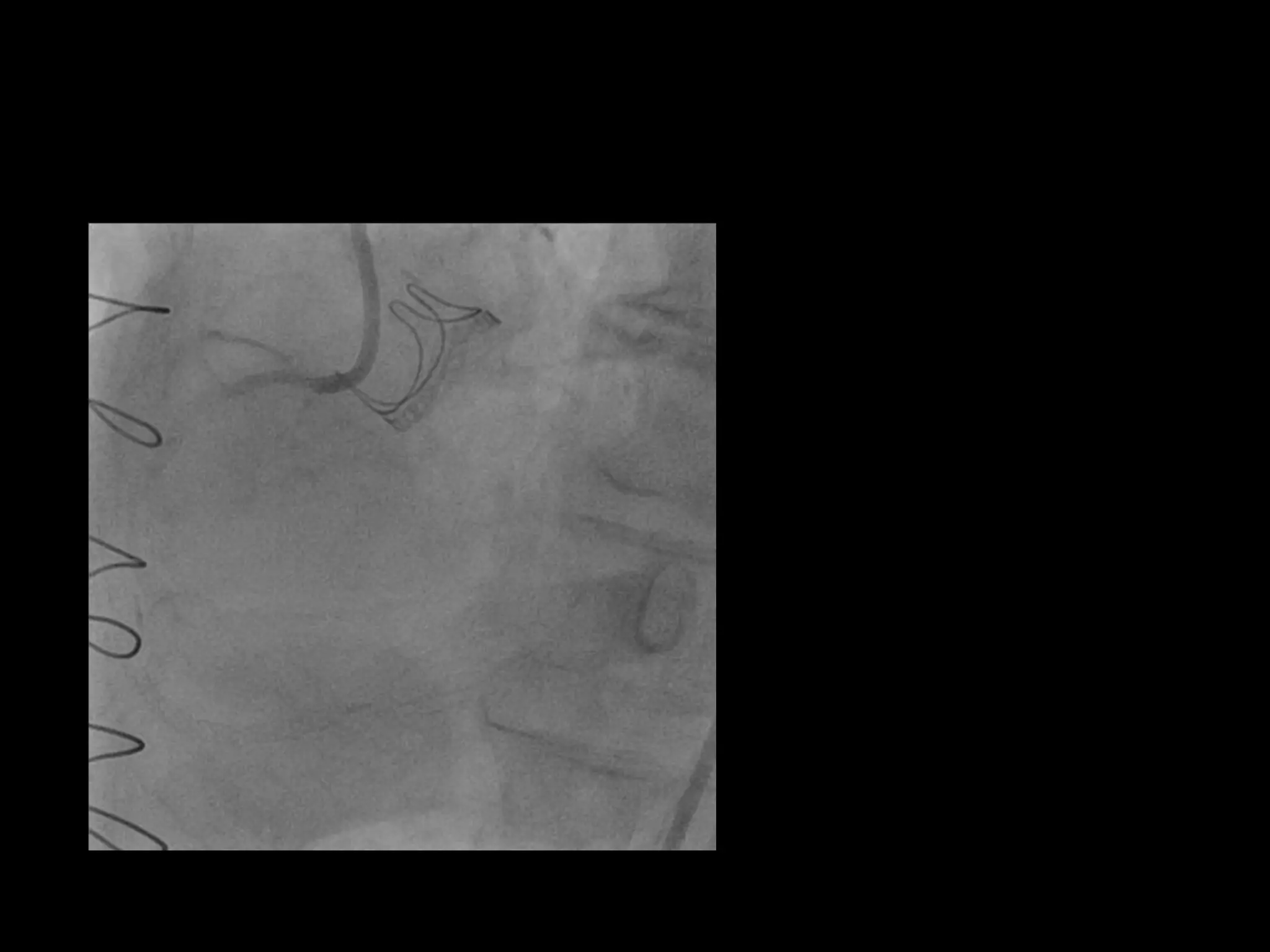
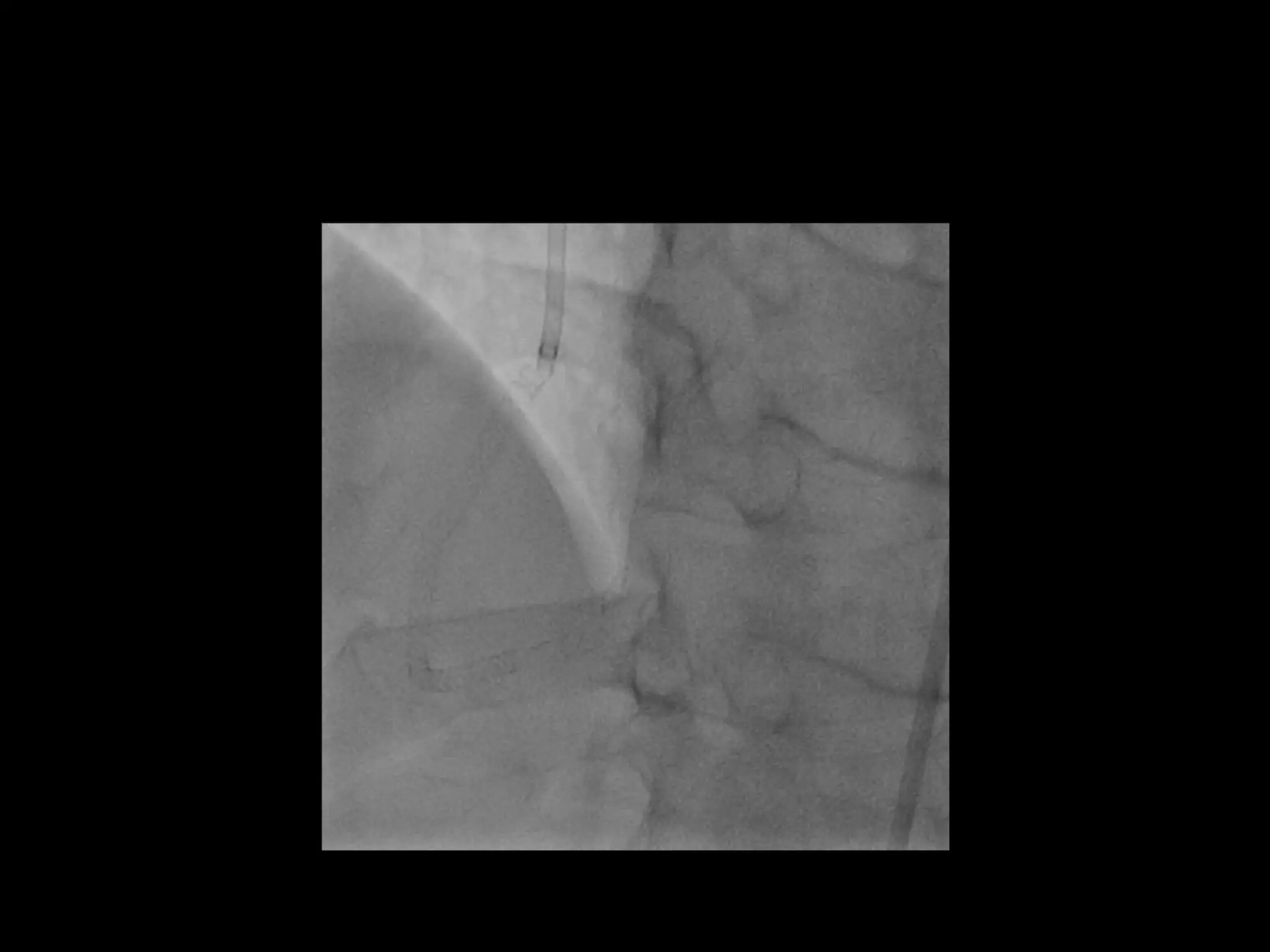
Hockey Stick guiding
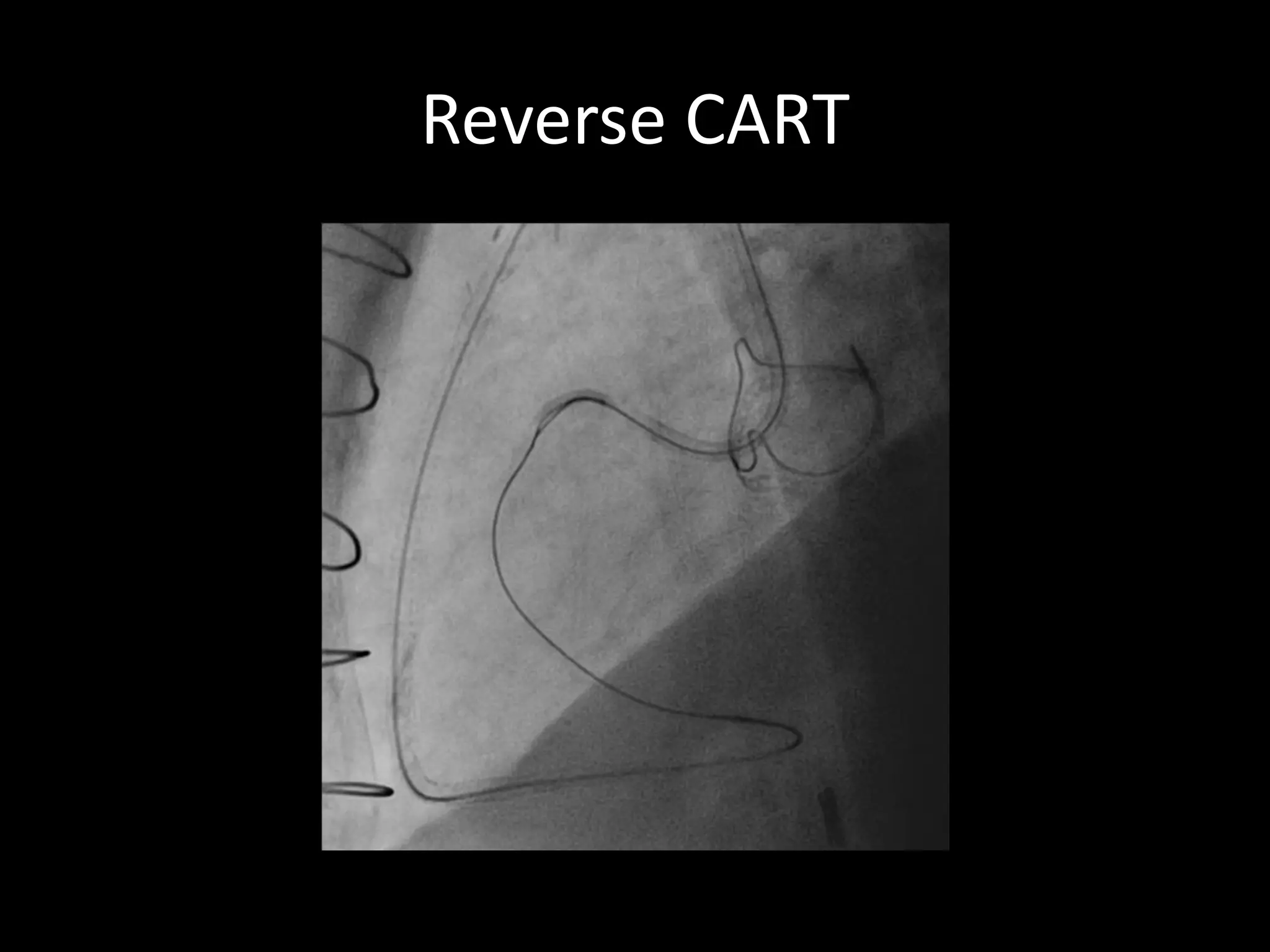
Reverse CART
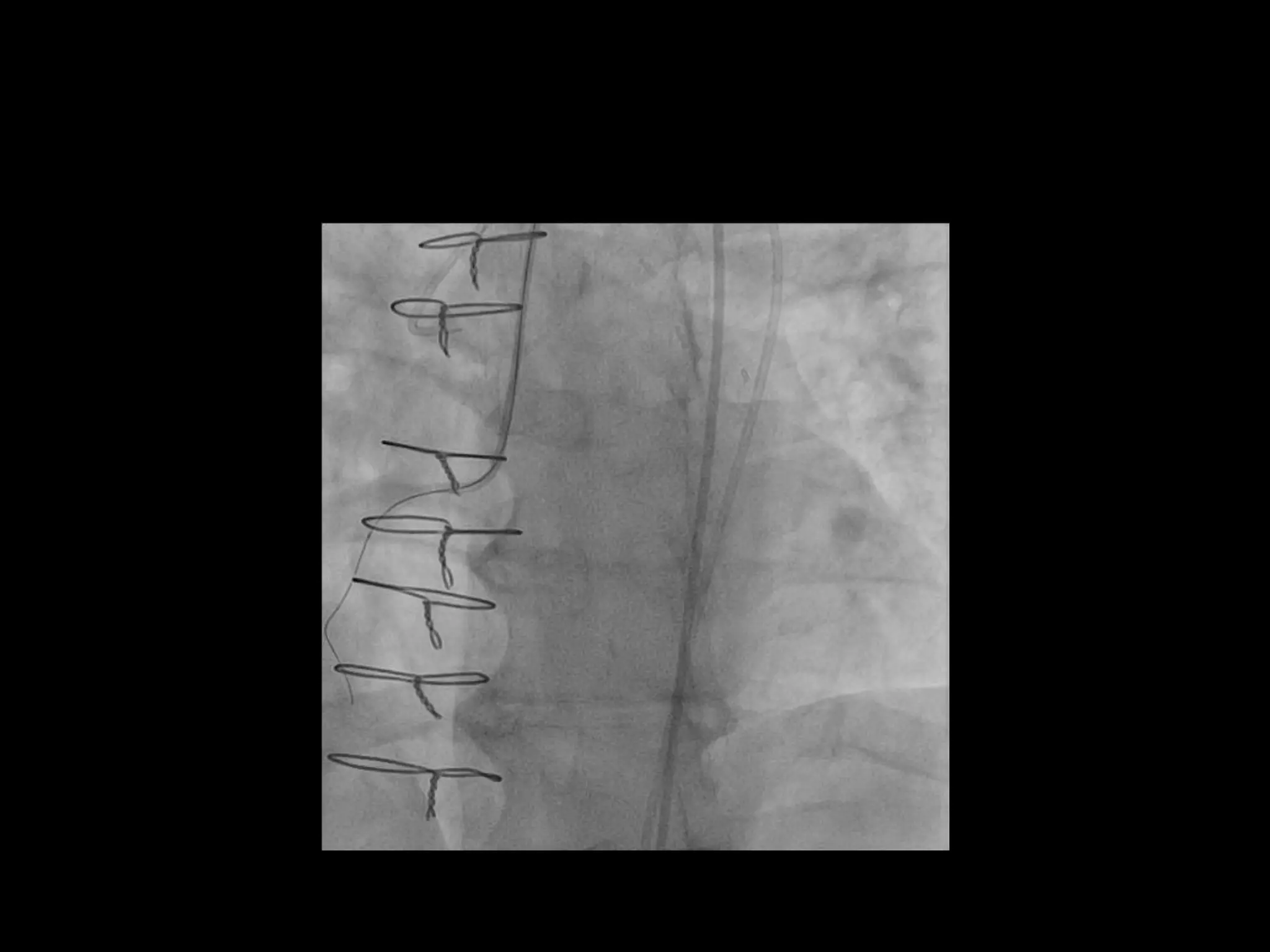
Final
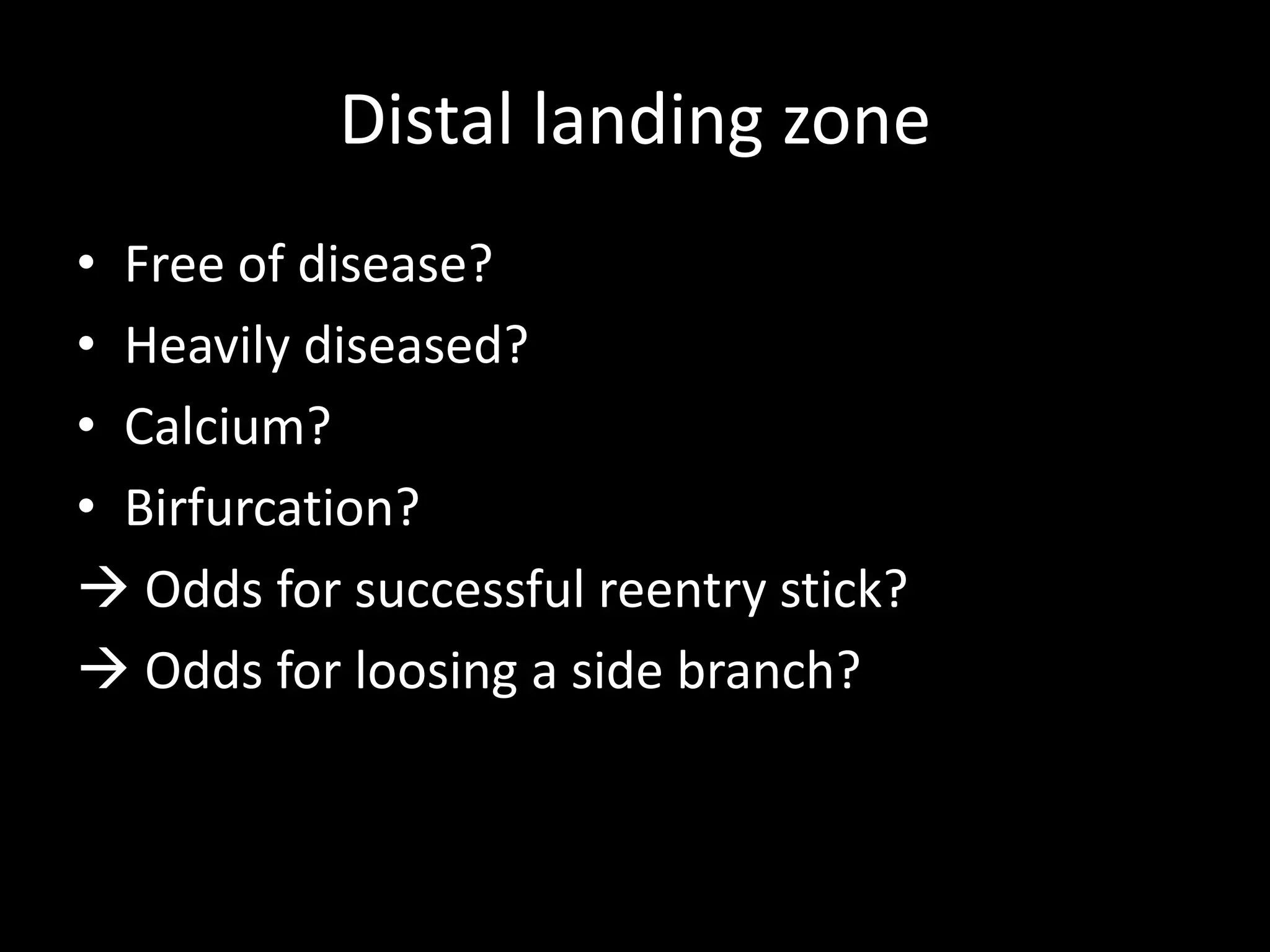
Distal landing zone
• Free of disease?
• Heavily diseased?
• Calcium?
• Birfurcation?
 Odds for successful reentry stick?
 Odds for loosing a side branch?
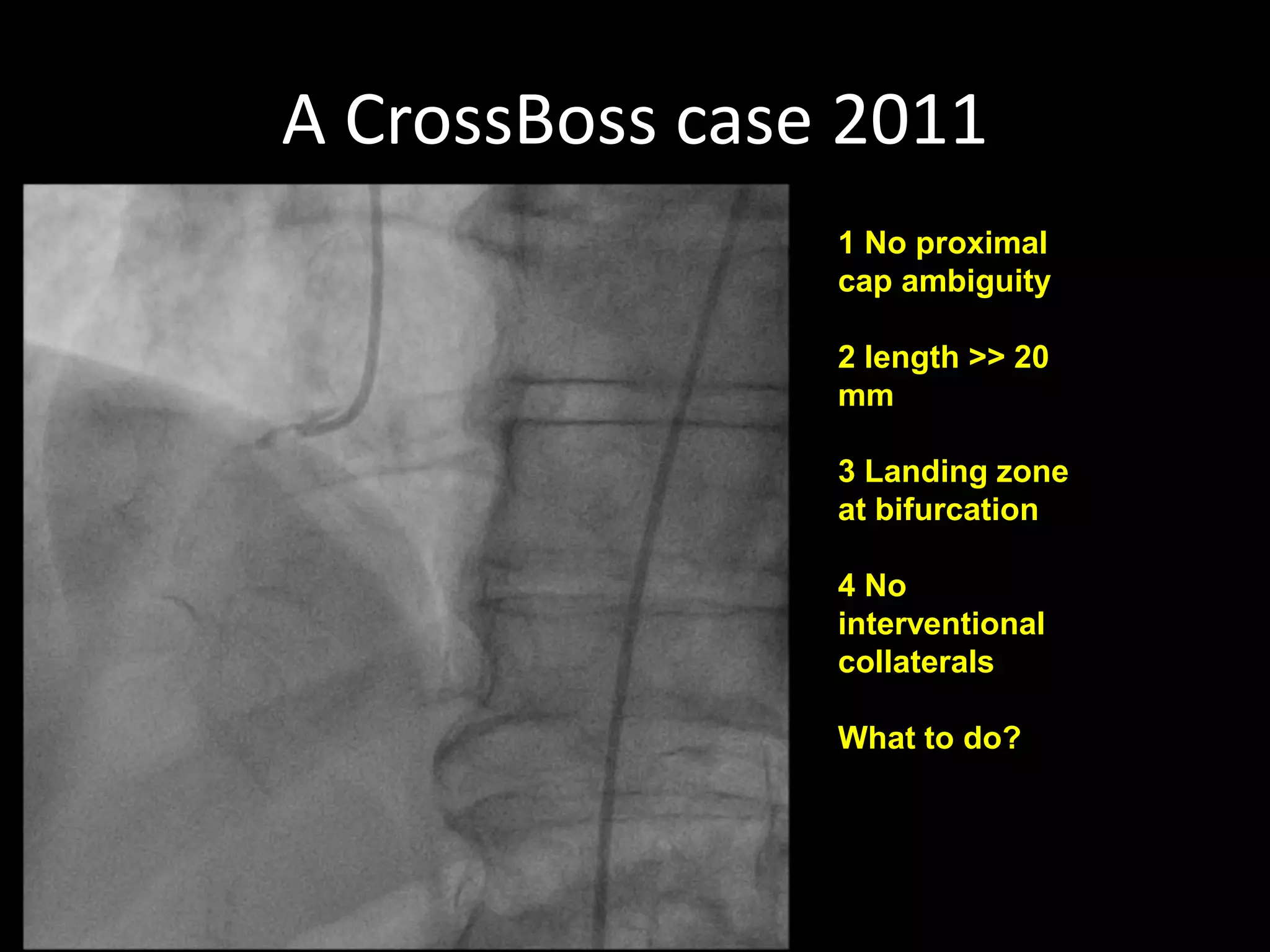
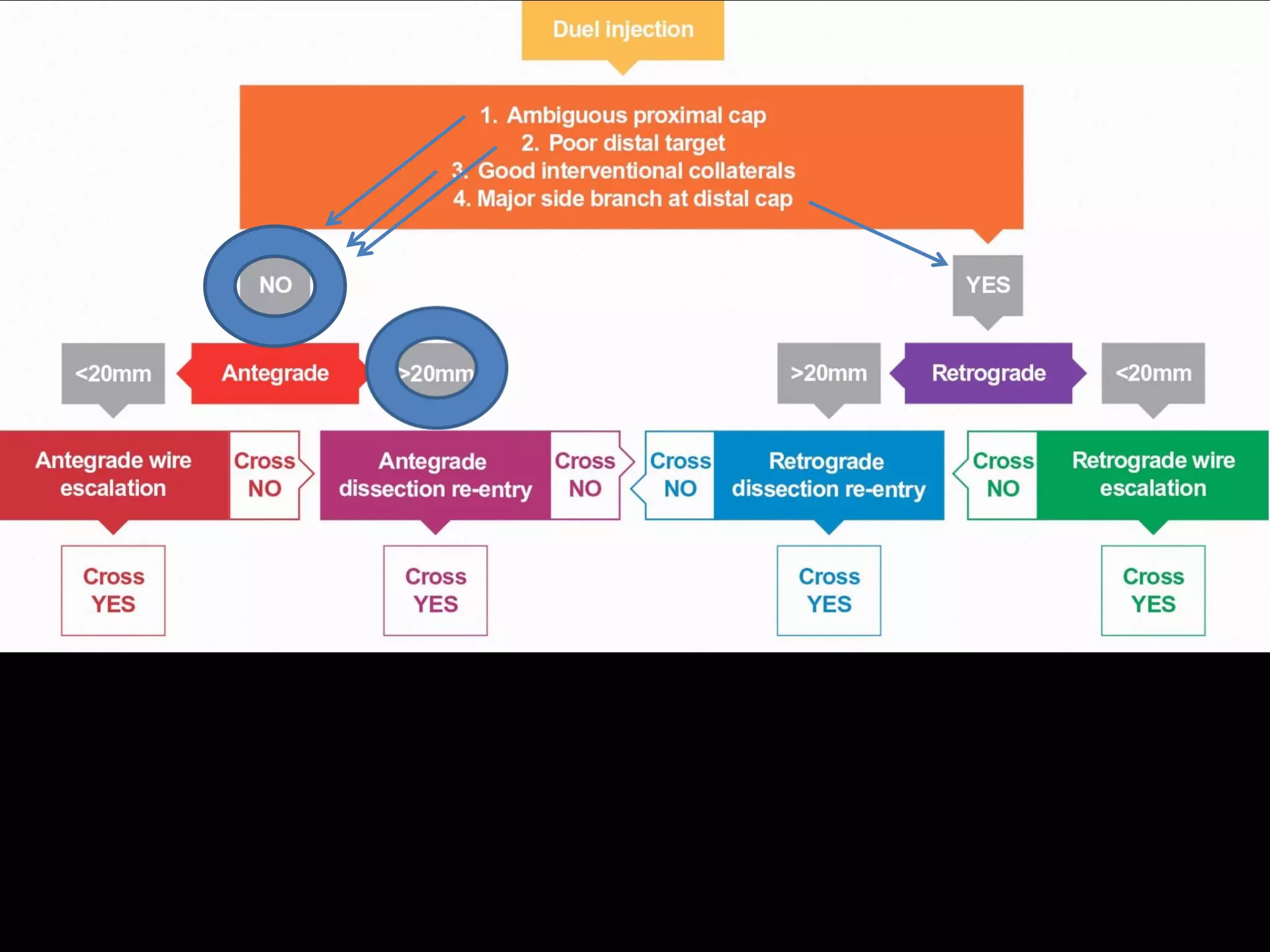
1 No proximal
cap ambiguity
2 length >> 20
mm
3 Landing zone
at bifurcation
4 No
interventional
collaterals
What to do?
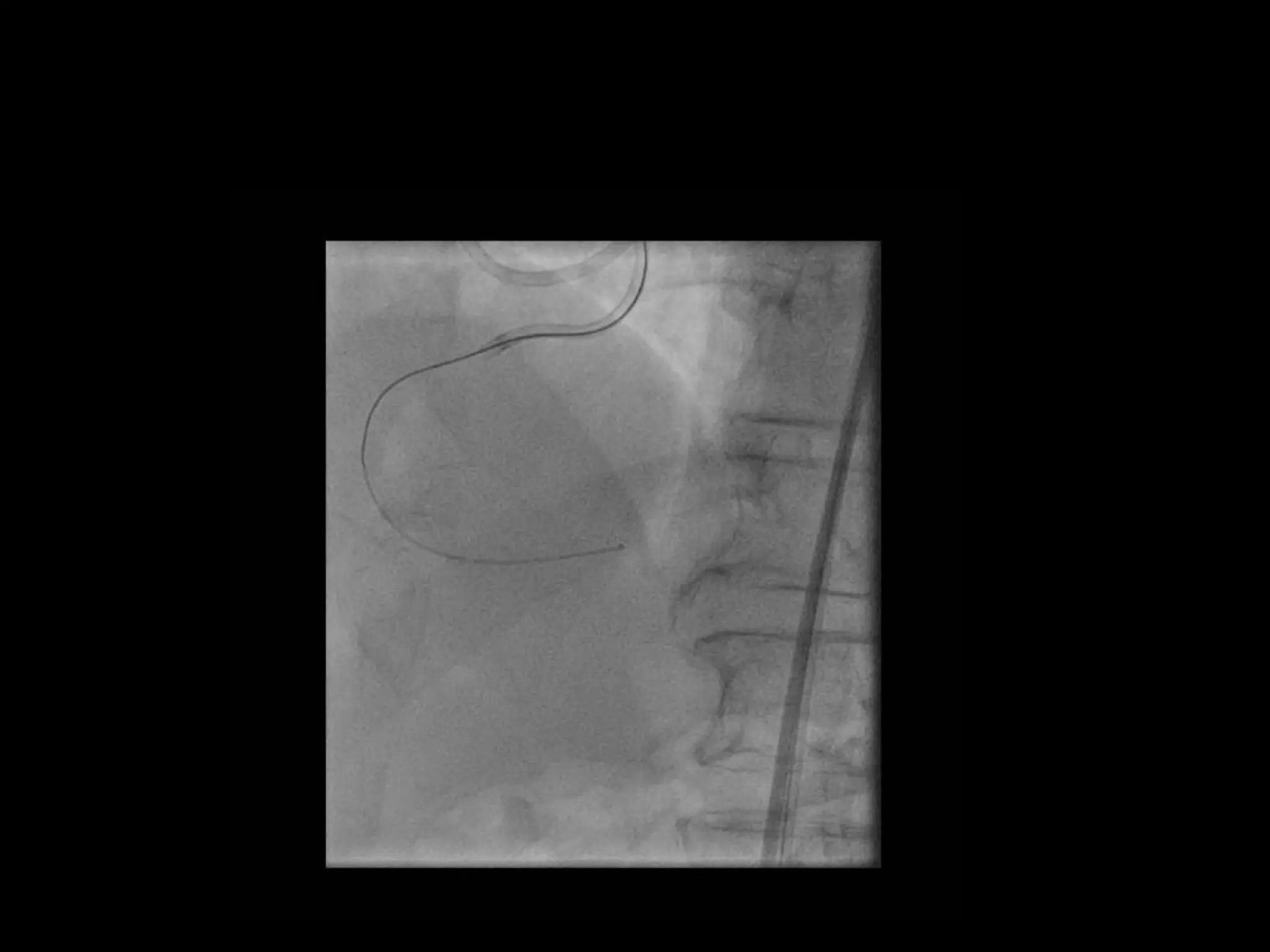
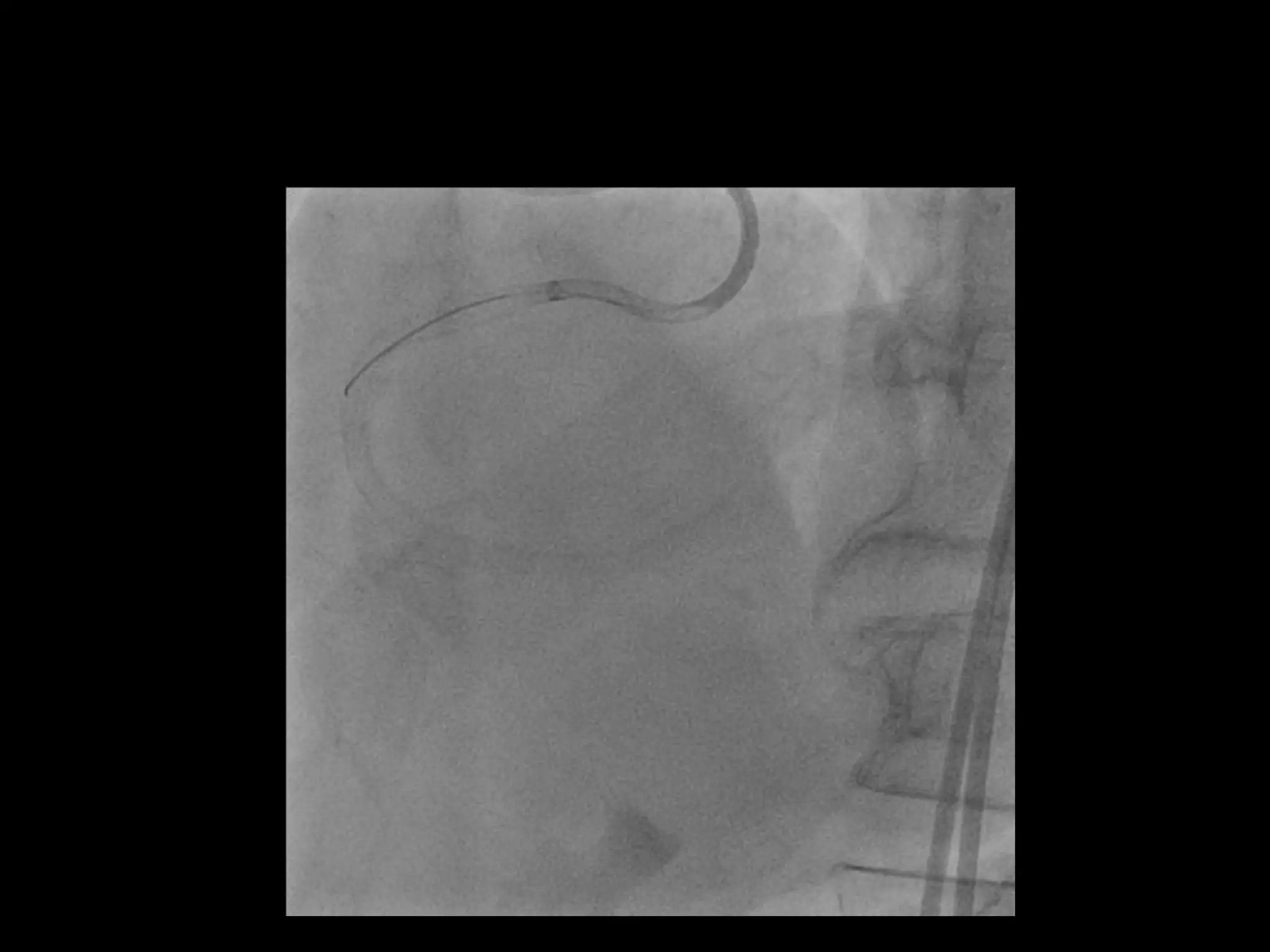
A CrossBoss case 2011
No symptoms
We decided to do
nothing
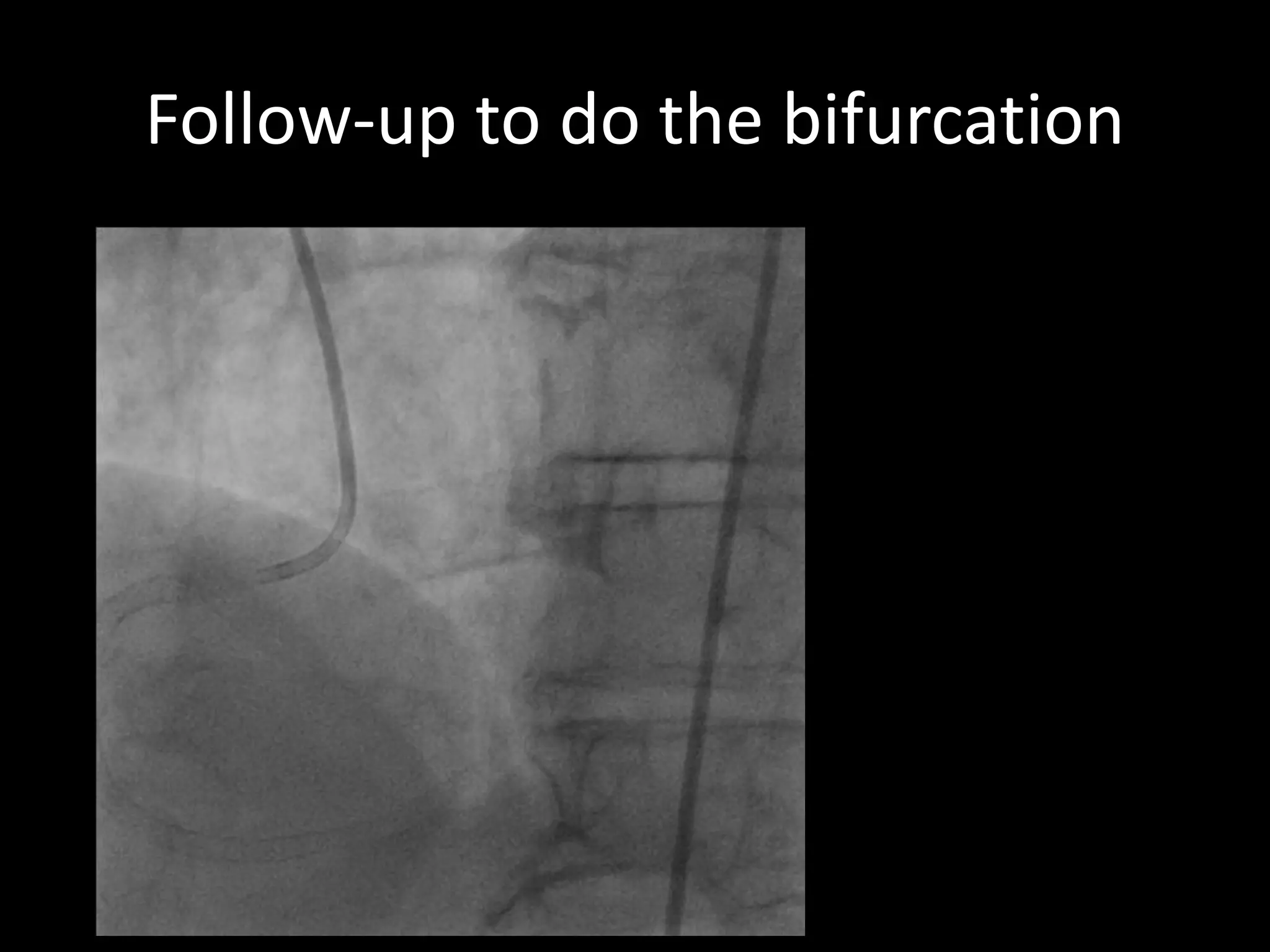
Follow-up to do the bifurcation
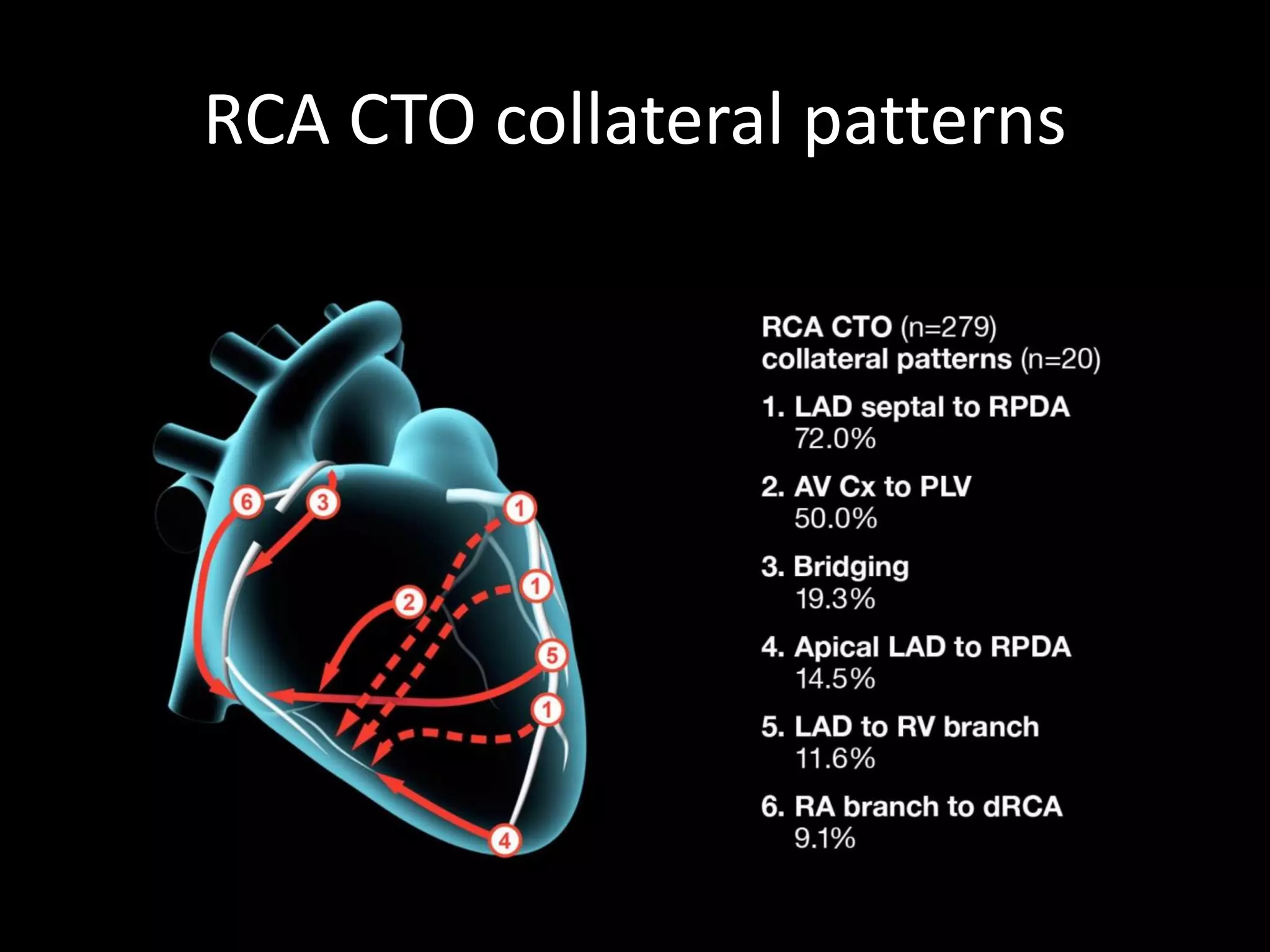
RCA CTO collateral patterns
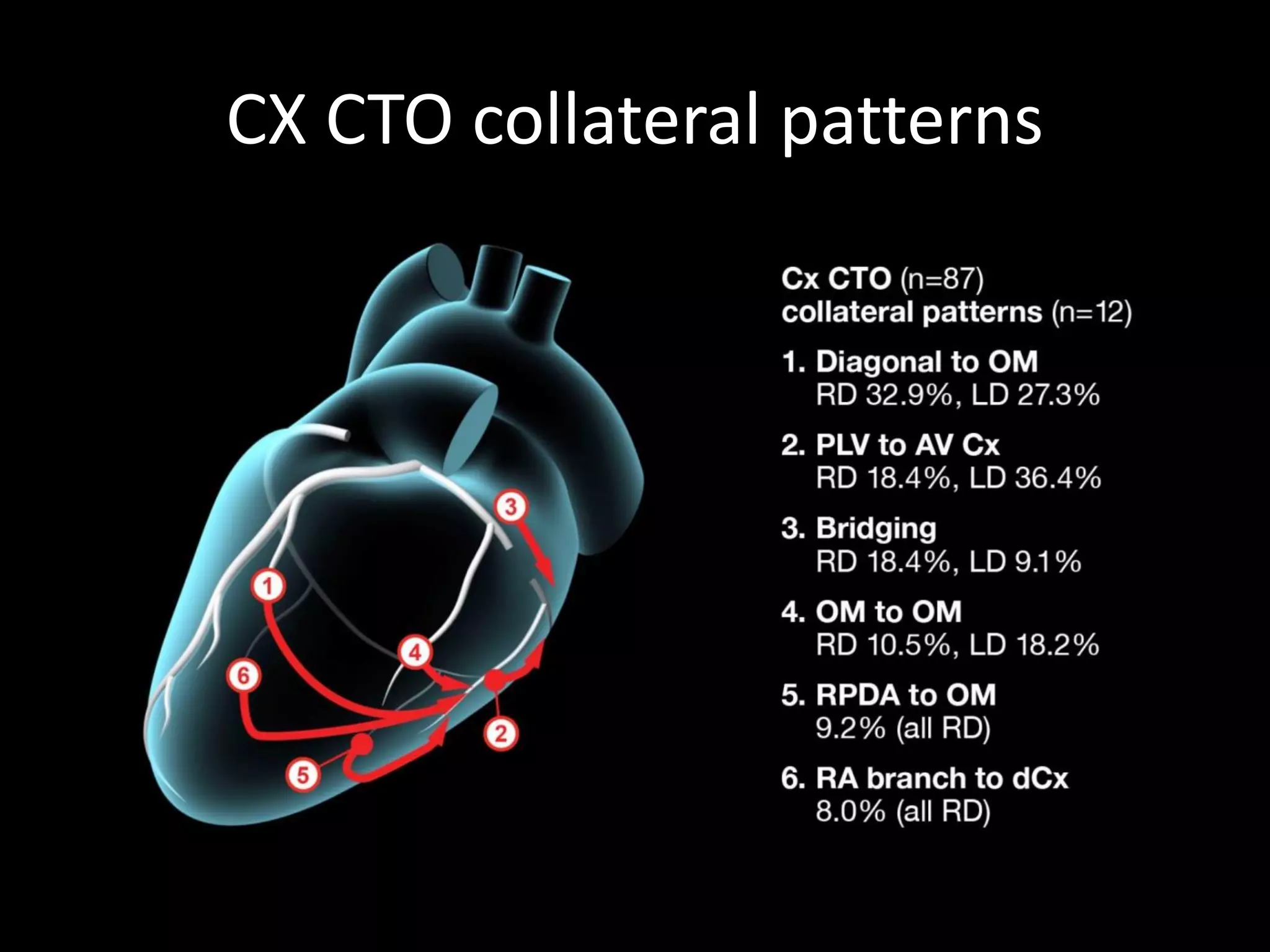
CX CTO collateral patterns
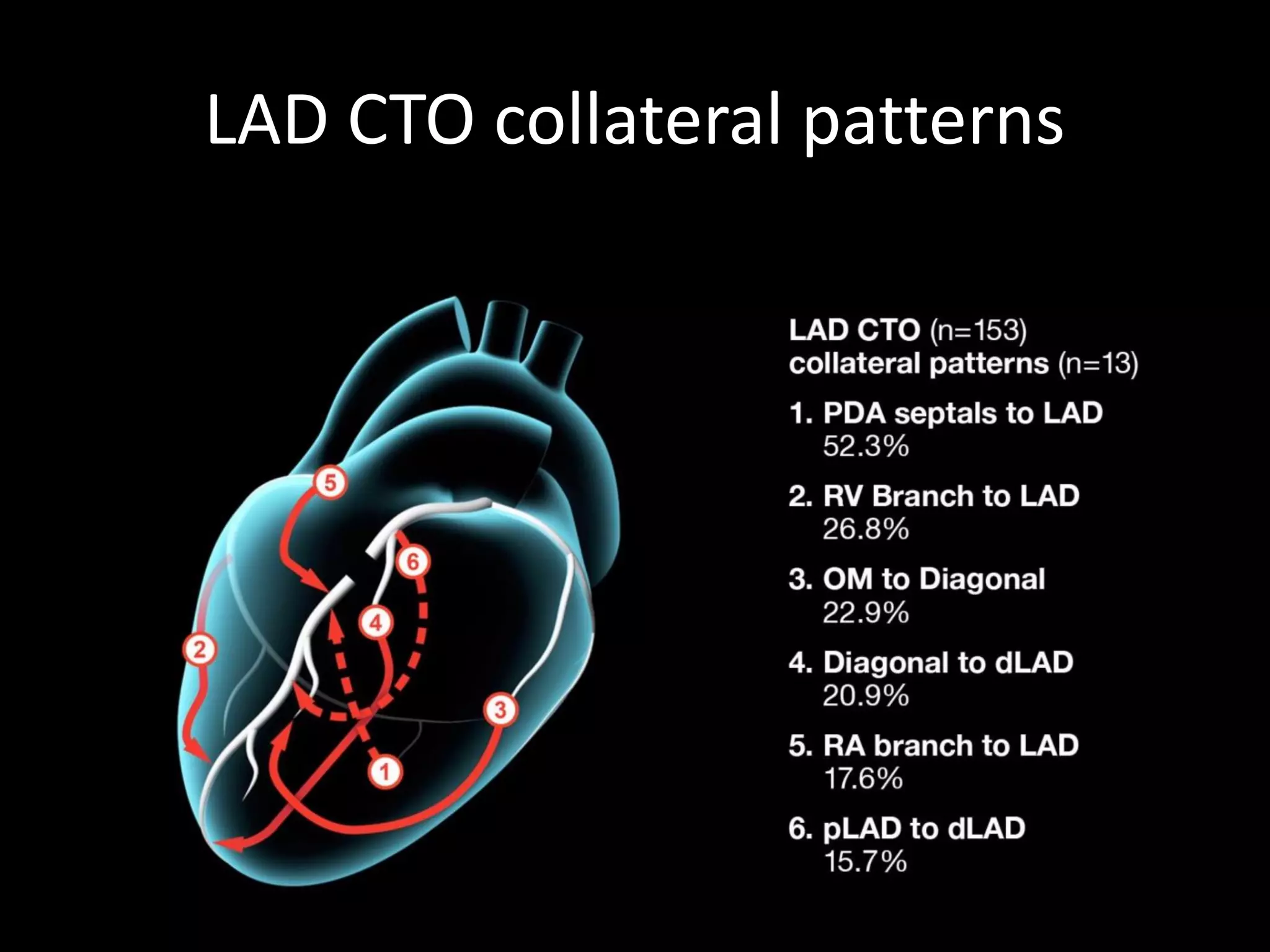
LAD CTO collateral patterns
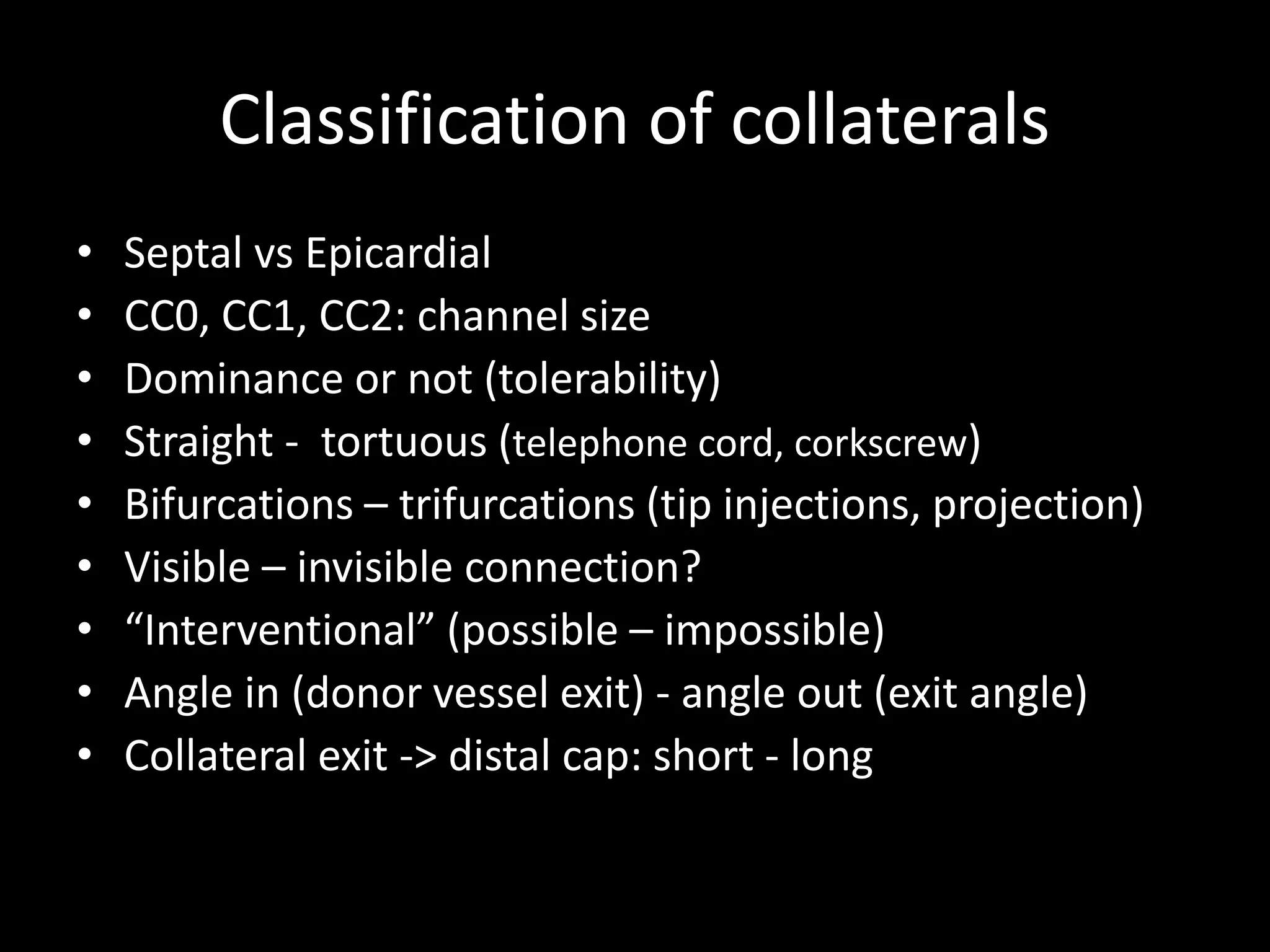
Classification of collaterals
• Septal vs Epicardial
• CC0, CC1, CC2: channel size
• Dominance or not (tolerability)
• Straight - tortuous (telephone cord, corkscrew)
• Bifurcations – trifurcations (tip injections, projection)
• Visible – invisible connection?
• “Interventional” (possible – impossible)
• Angle in (donor vessel exit) - angle out (exit angle)
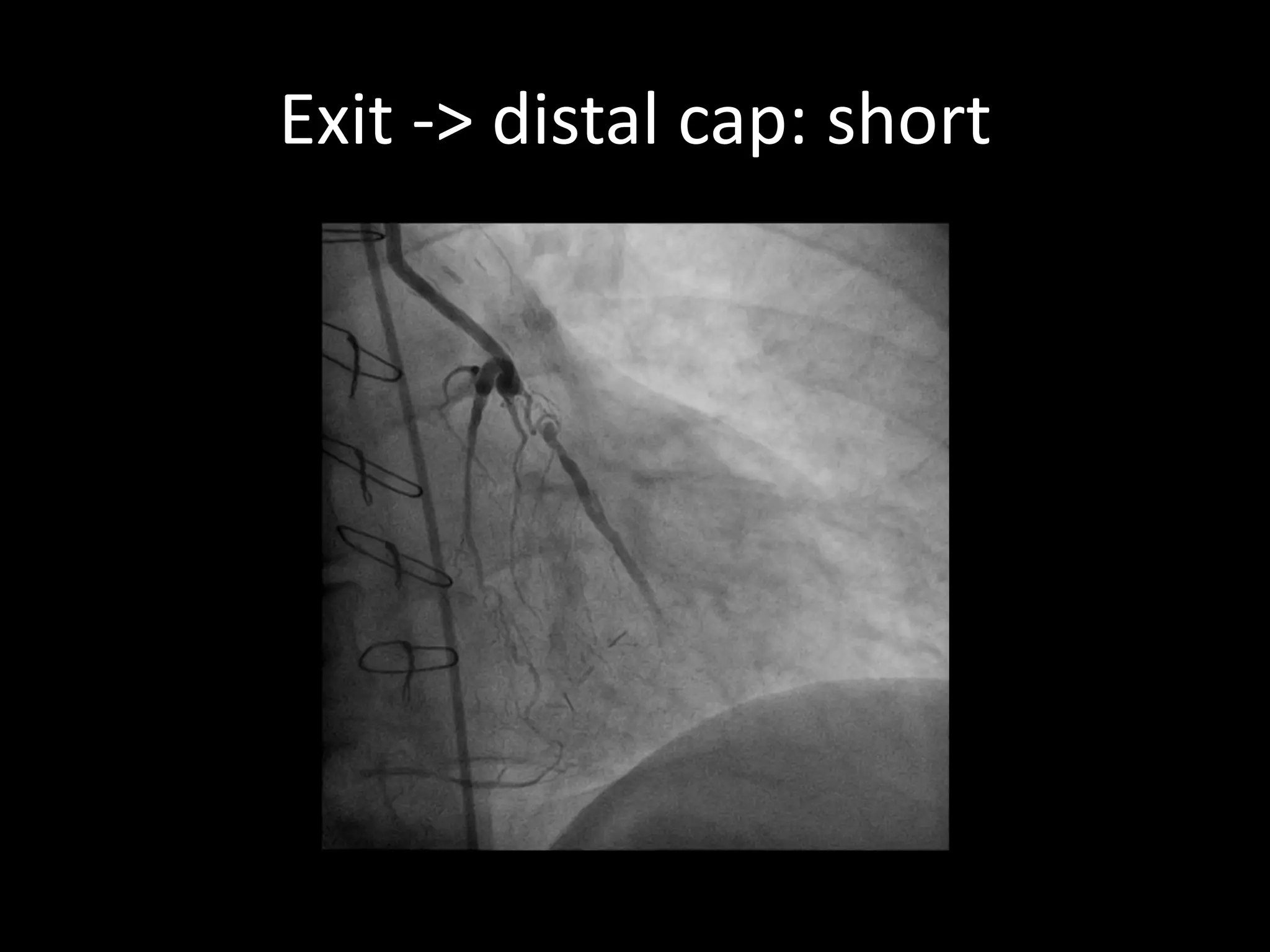
• Collateral exit -> distal cap: short - long
Exit -> distal cap: short
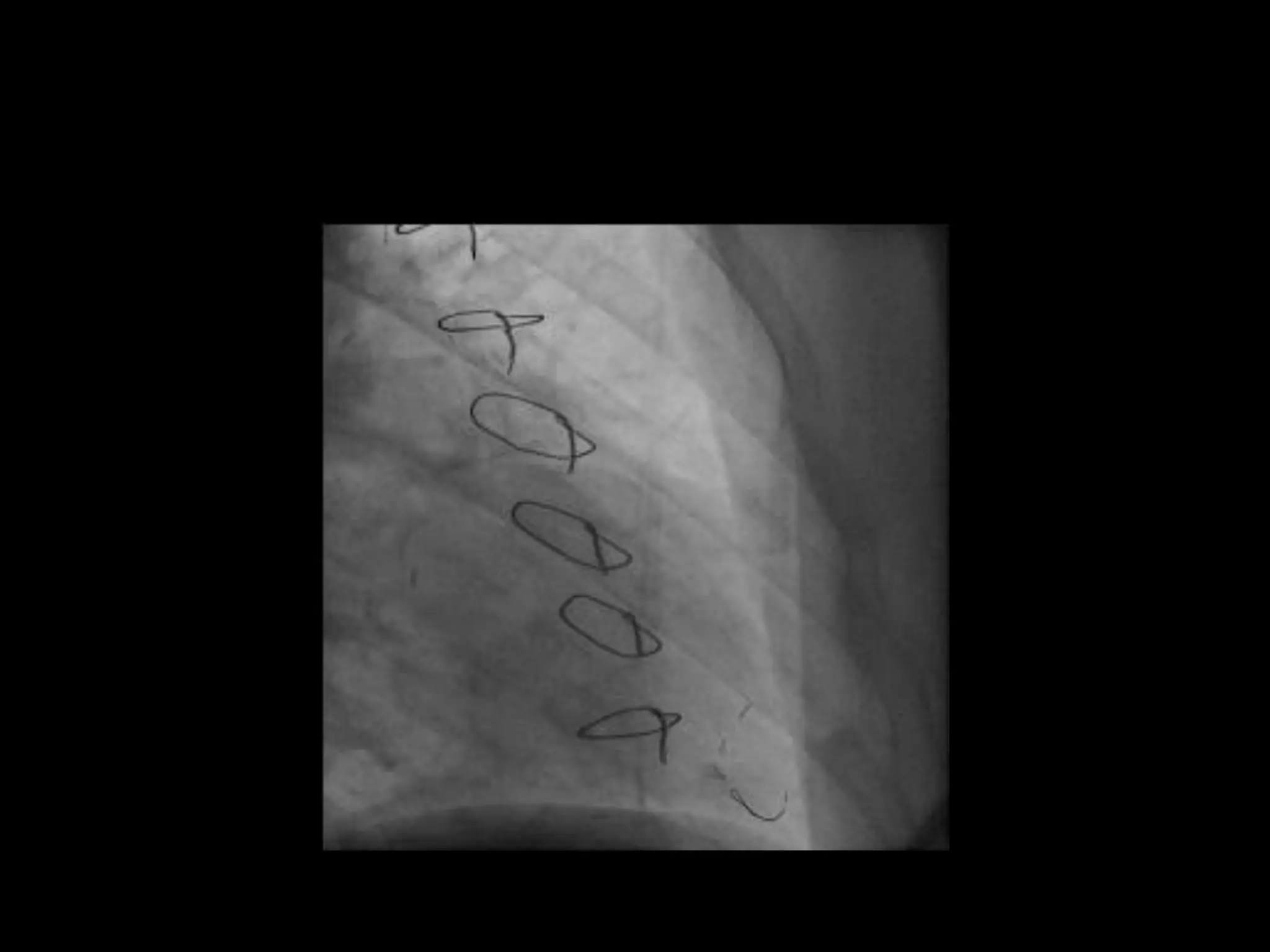
After Balloon
Final
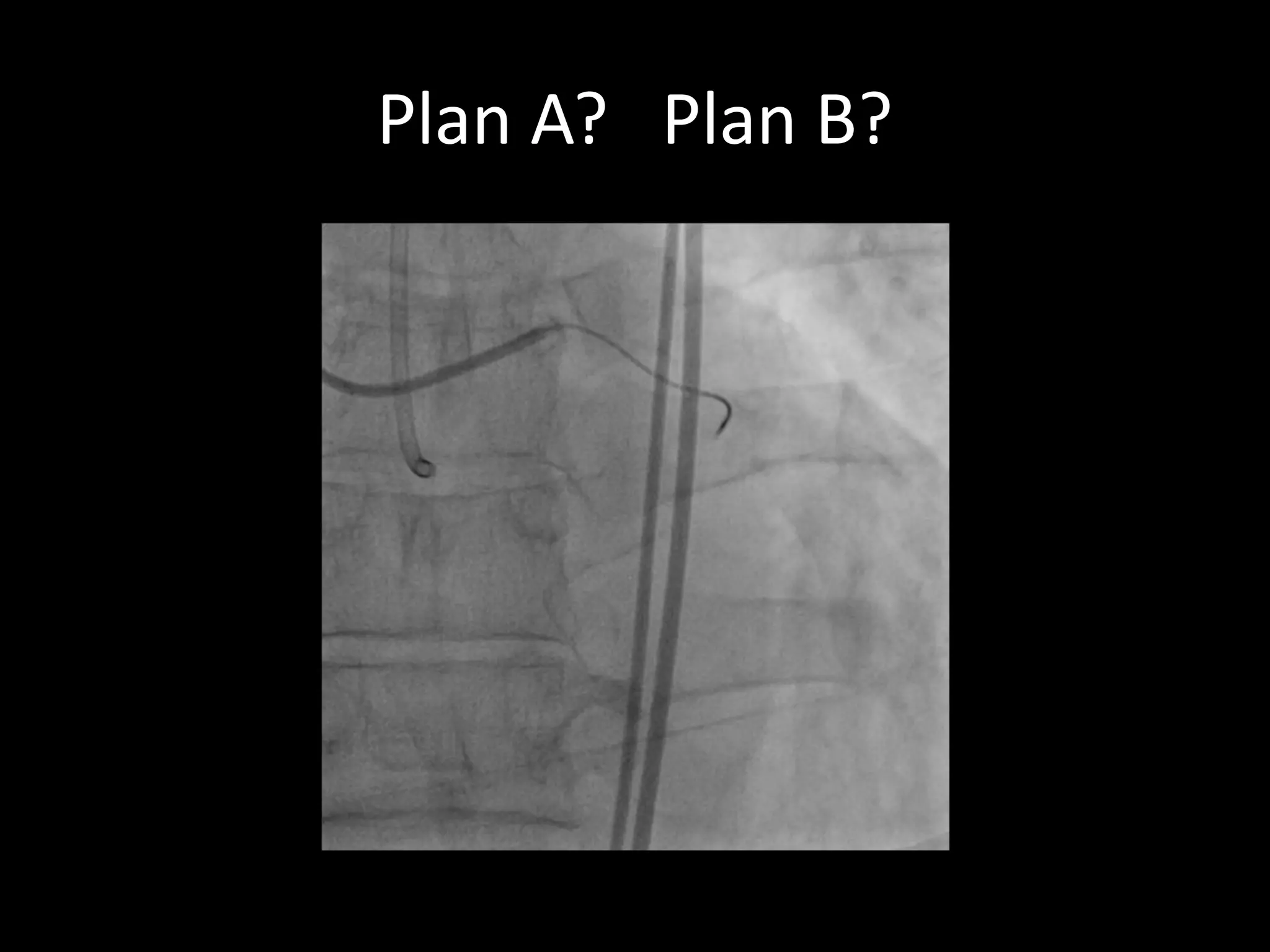
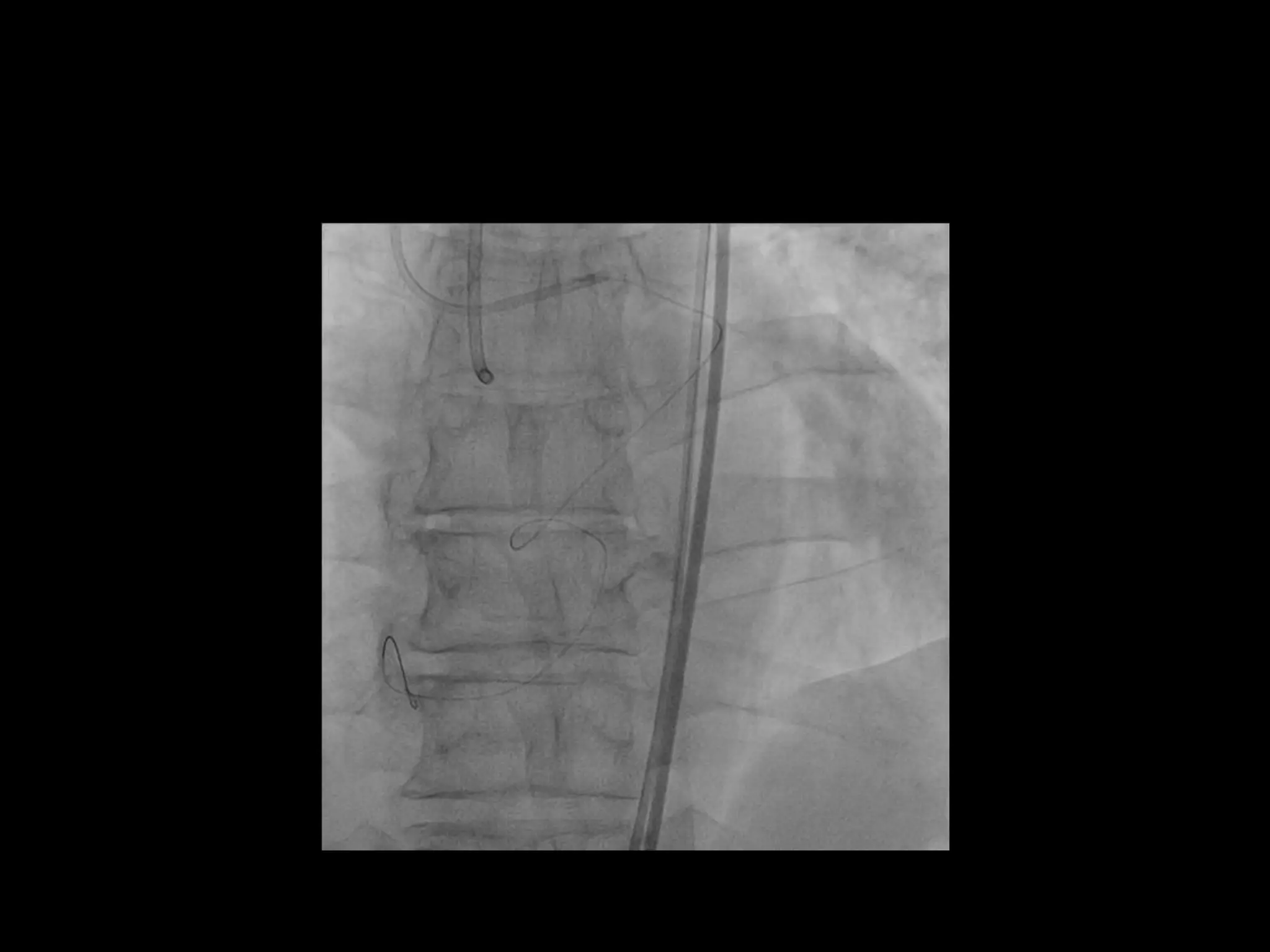
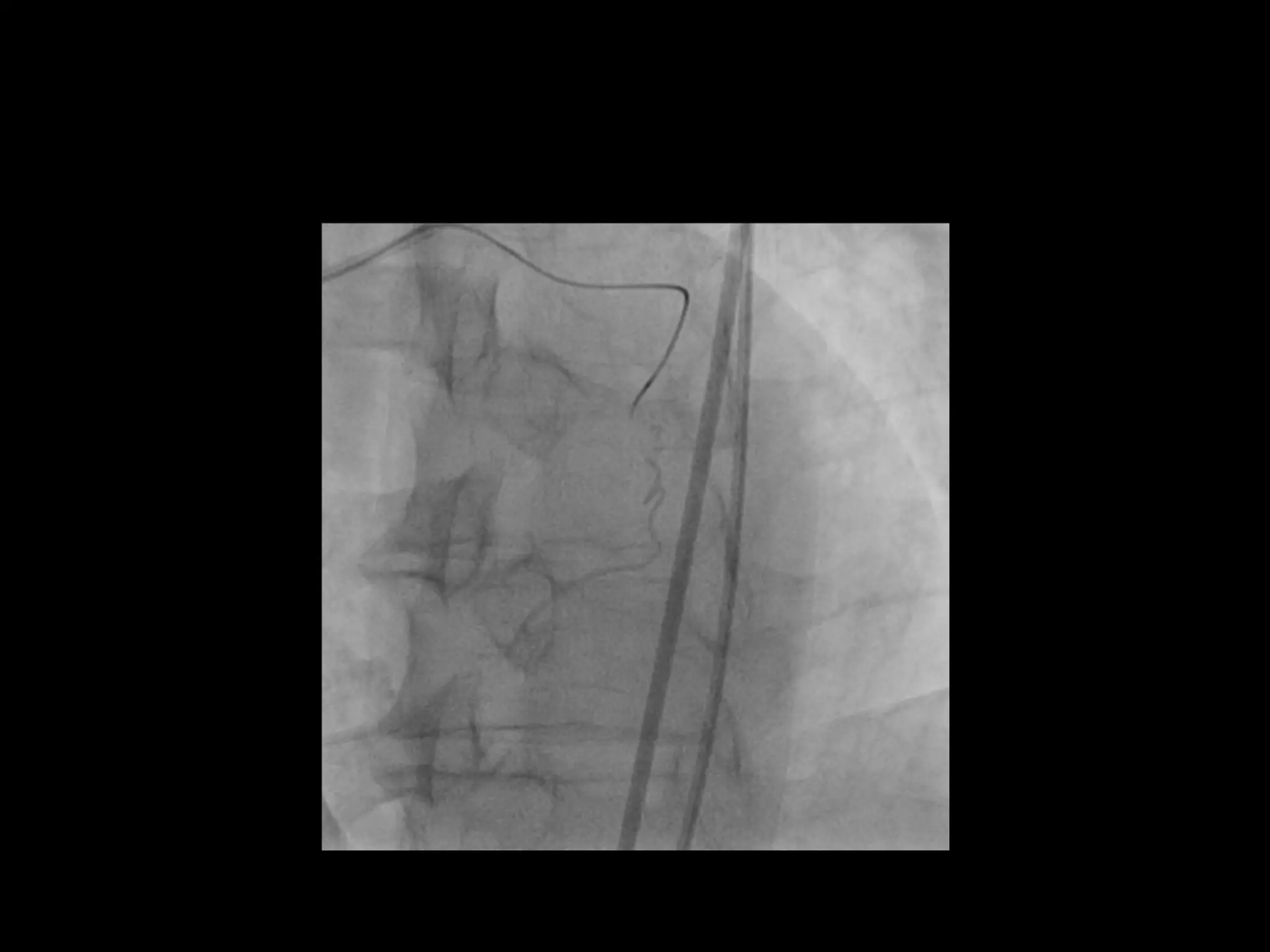
Plan A? Plan B?
Conclusions
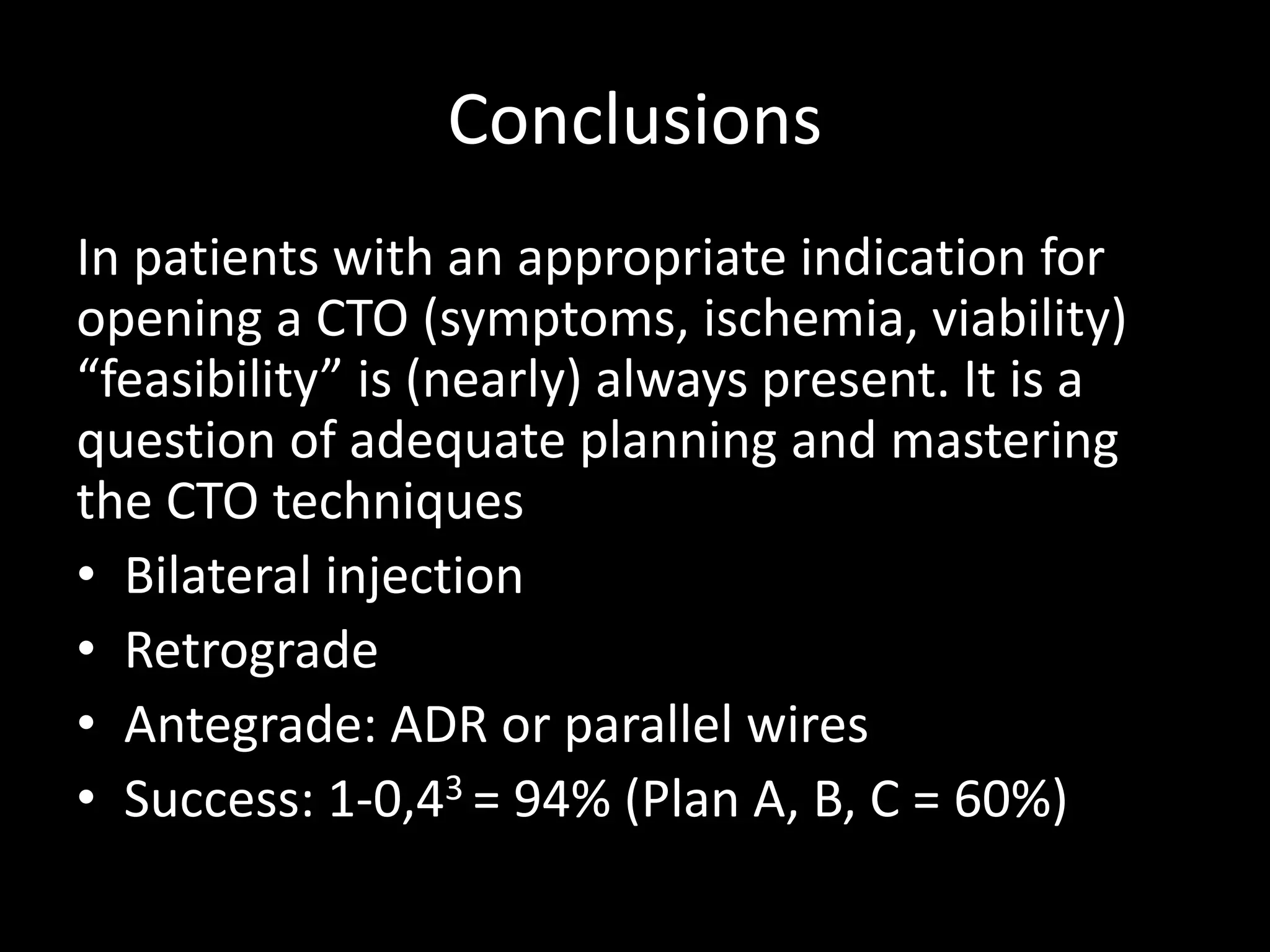
In patients with an appropriate indication for
opening a CTO (symptoms, ischemia, viability)
“feasibility” is (nearly) always present. It is a
question of adequate planning and mastering
the CTO techniques
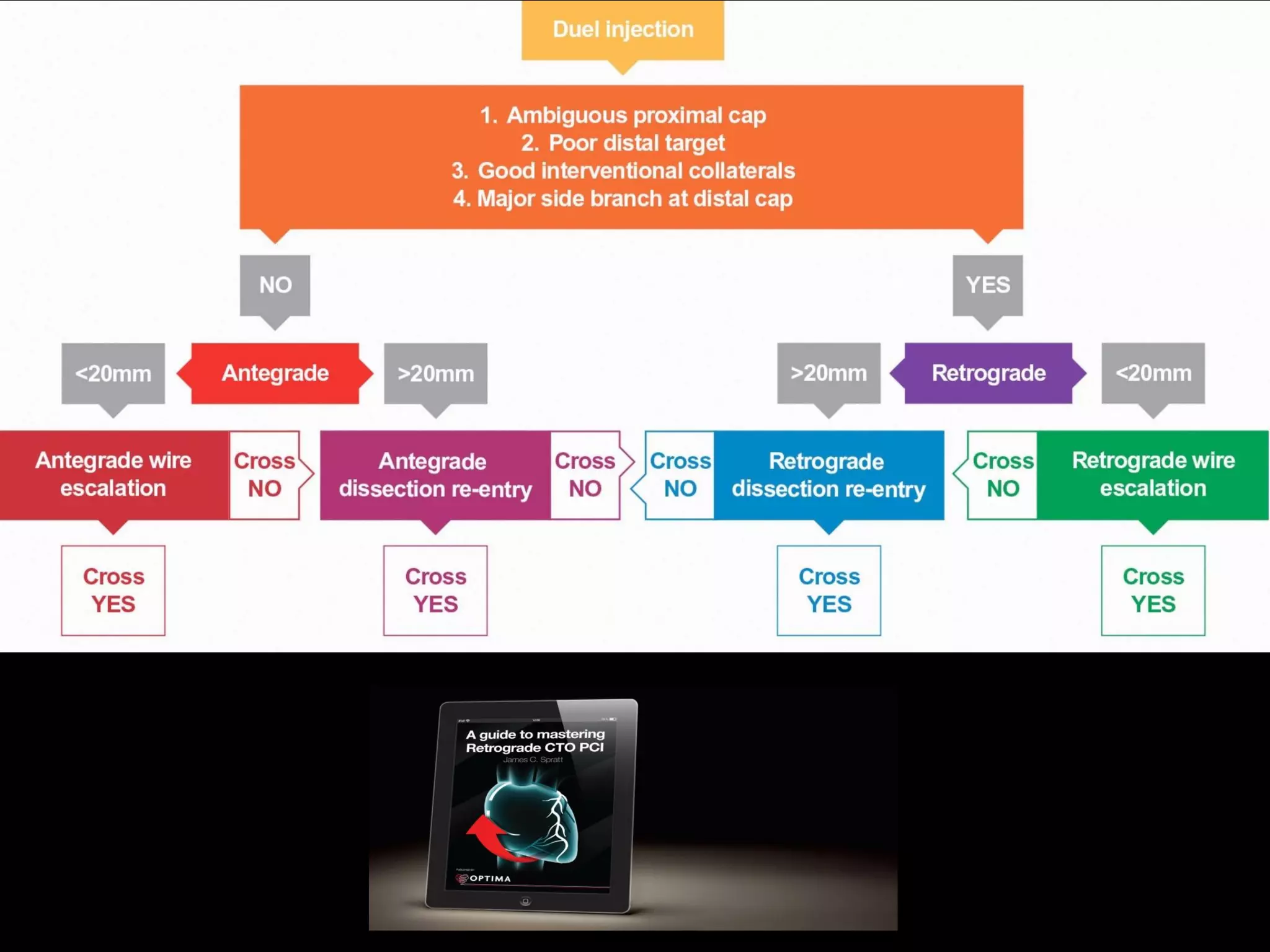
• Bilateral injection
• Retrograde
• Antegrade: ADR or parallel wires
• Success: 1-0,43 = 94% (Plan A, B, C = 60%)

Friday 0905 – christiansen – feasibility of a cto pci

  • 1.
    How to evaluatethe feasibility of a CTO PCI Evald Høj Christiansen Aarhus University Hospital Denmark PCI department Aarhus University Hospital, Skejby ● Denmark evald.christiansen@dadlnet.dk
  • 2.
    Feasibility • The patient •The anatomy • The operator • The equipment
  • 3.
    The Patient • Dualaccess possible? • Kidney function: GFRx5 = maximum total contrast • Tolerate a long procedure? • Tolerate ACT > 300 sec • BMI: < 6Gy < 12Gy = stop
  • 4.
    Important anatomical considerations •The proximal CTO cap • CTO length • Side branch at a distal cap • Distal landing zone • Interventional collaterals
  • 6.
    Good quality coronaryangiogram • Wide field of view • Long runs • Avoidance of panning • Dual injections
  • 7.
  • 8.
    The proximal cap •Ambiguous? = Lack of clarity of where the occlusion start Due to presence of side branches or bridging collaterals • Eliminate with – IVUS (8F) – CT – Coronary angiogram before CTO – Wire behavior: “knuckling” a polymer wire – Placement of a retrograde wire • Calcified: can a wire pass? Can a device pass? • Ostial? Proximal? Anchor options? • Place for “scratch and go”?
  • 9.
  • 10.
    Corsair and retrogradewire eliminated the proximal ambiguity
  • 11.
  • 12.
  • 13.
  • 14.
  • 15.
    Distal landing zone •Free of disease? • Heavily diseased? • Calcium? • Birfurcation?  Odds for successful reentry stick?  Odds for loosing a side branch?
  • 16.
    1 No proximal capambiguity 2 length >> 20 mm 3 Landing zone at bifurcation 4 No interventional collaterals What to do? A CrossBoss case 2011
  • 20.
    No symptoms We decidedto do nothing Follow-up to do the bifurcation
  • 21.
  • 22.
  • 23.
  • 24.
    Classification of collaterals •Septal vs Epicardial • CC0, CC1, CC2: channel size • Dominance or not (tolerability) • Straight - tortuous (telephone cord, corkscrew) • Bifurcations – trifurcations (tip injections, projection) • Visible – invisible connection? • “Interventional” (possible – impossible) • Angle in (donor vessel exit) - angle out (exit angle) • Collateral exit -> distal cap: short - long
  • 31.
    Exit -> distalcap: short
  • 32.
  • 33.
  • 34.
  • 39.
    Conclusions In patients withan appropriate indication for opening a CTO (symptoms, ischemia, viability) “feasibility” is (nearly) always present. It is a question of adequate planning and mastering the CTO techniques • Bilateral injection • Retrograde • Antegrade: ADR or parallel wires • Success: 1-0,43 = 94% (Plan A, B, C = 60%)