…thoughts…A project by Anastasia Miles HND2
This project began as a look at dreams and nightmares but has evolved into a glimpse at the thoughts that crowd in our heads.  Some conscious.  Some not.My influences have been as diverse as current music videos with their surreal imagery and the first photograms created at the birth of photography.What follows is a series of images and books that inspired my final print.
INFLUENCES
1.Photography
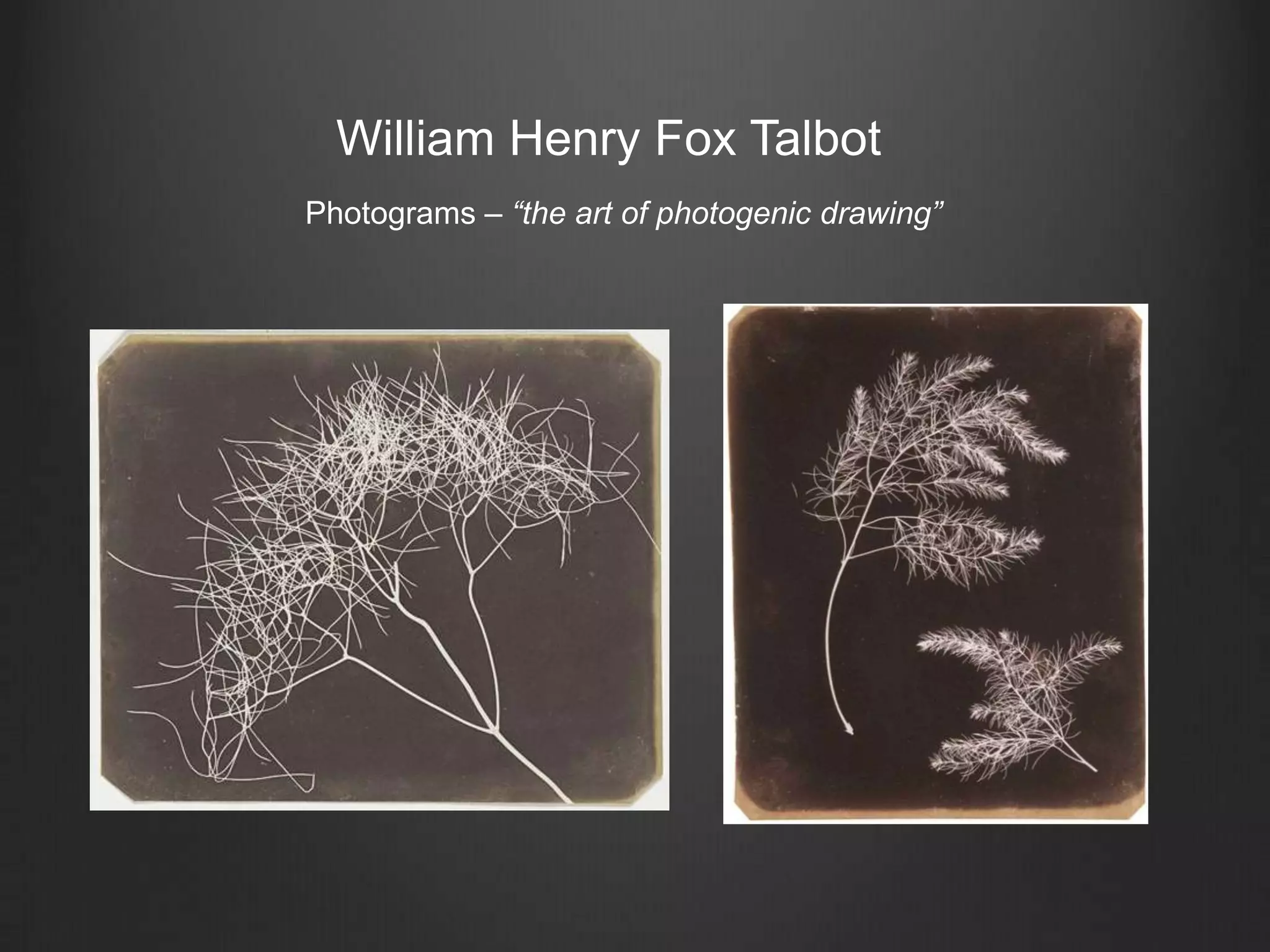
William Henry Fox TalbotPhotograms – “the art of photogenic drawing”
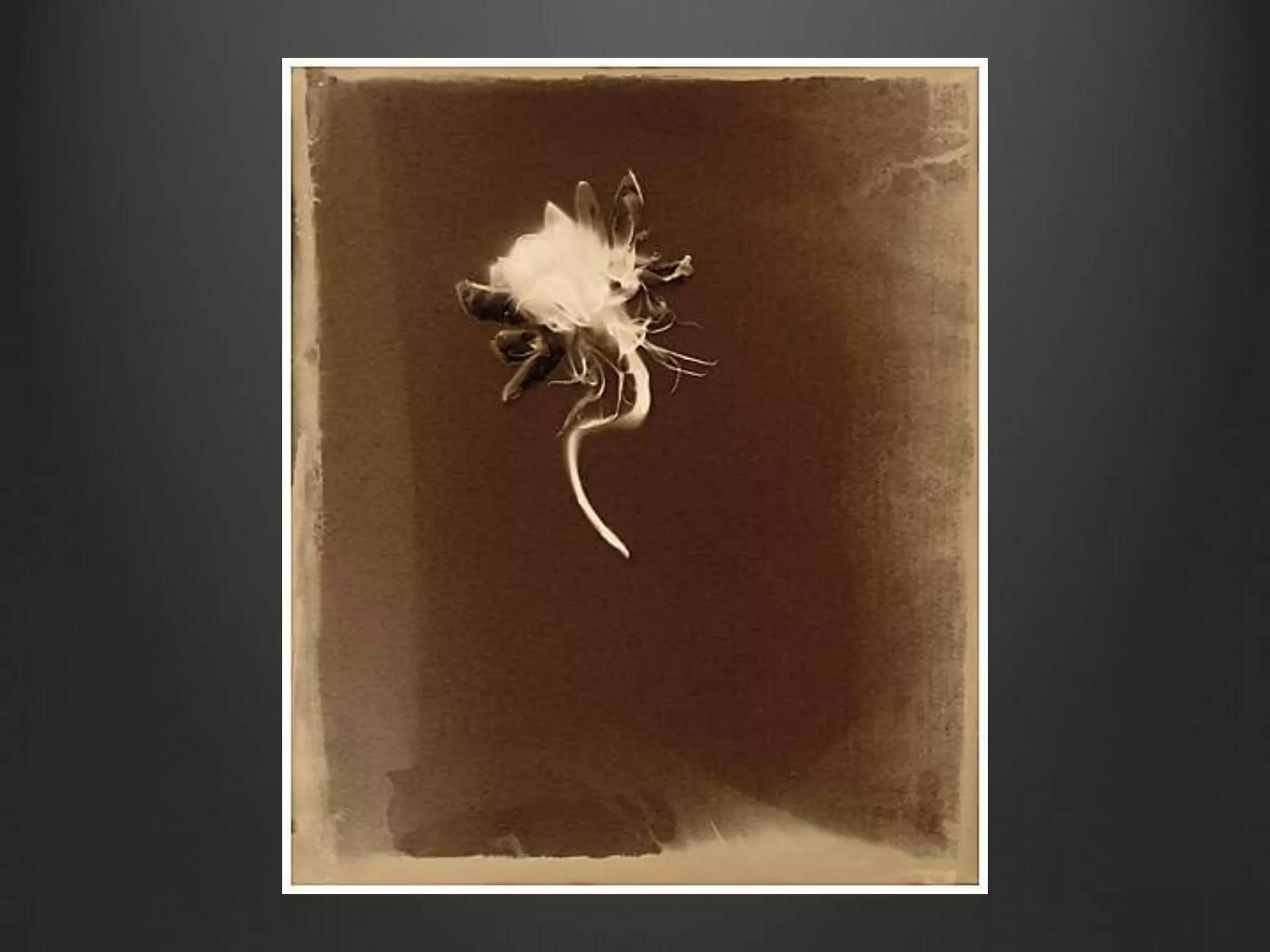
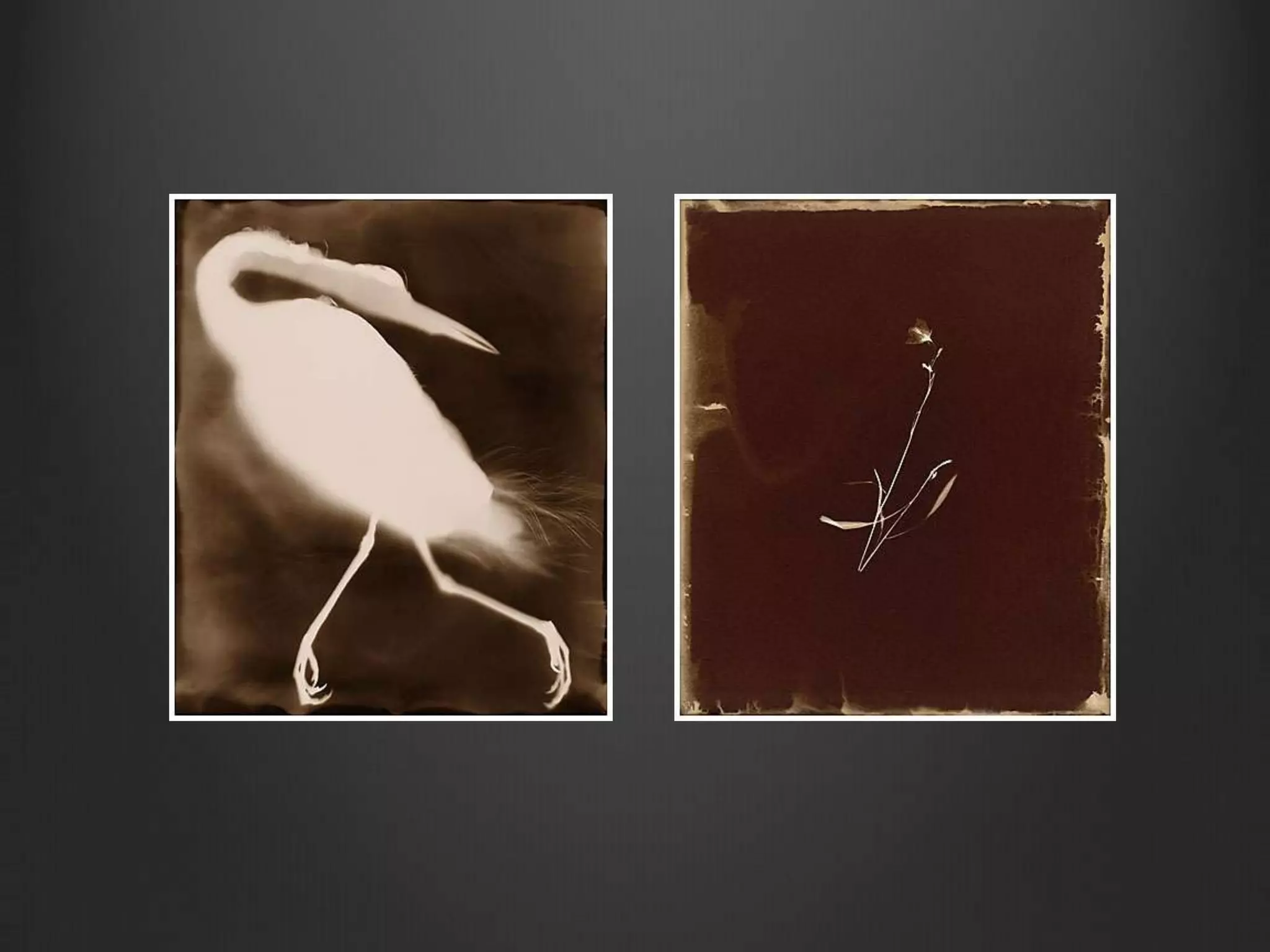
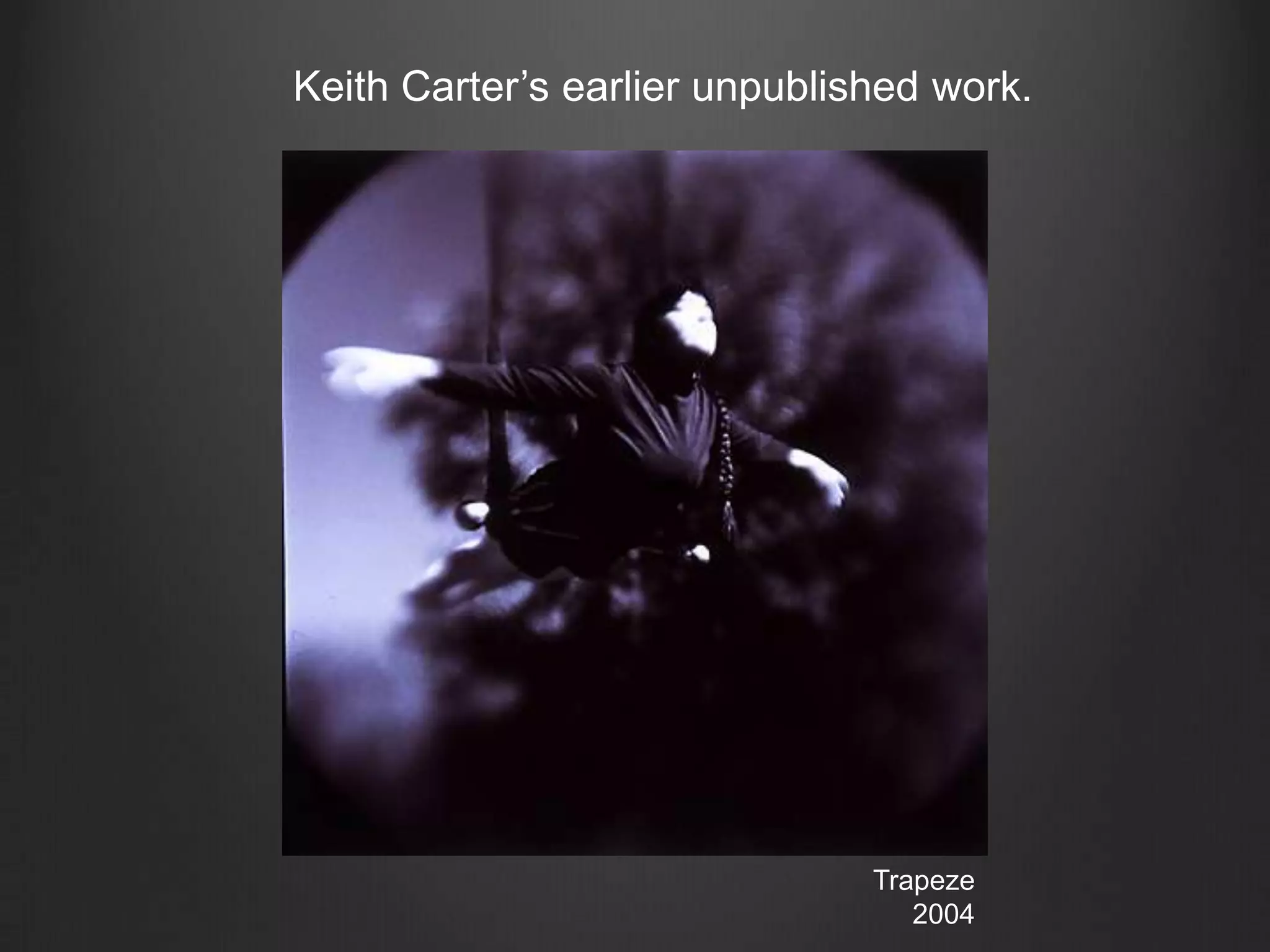
Keith CarterTalbot’s Shadow (2007)“This series was inspired by my admiration for the work of William Henry Fox Talbot, who invented the positive/negative process from which modern photography is descended. Some of Talbot's earliest experiments involved placing objects (such as a leaf or a fragment of lace) on a piece of sensitized paper and exposing it to sunlight. He called these images "shadow pictures". I have attempted to blend this elegant 19th century process with 21st century techniques.” Keith Carter
Keith Carter’s earlier unpublished work.Trapeze 2004
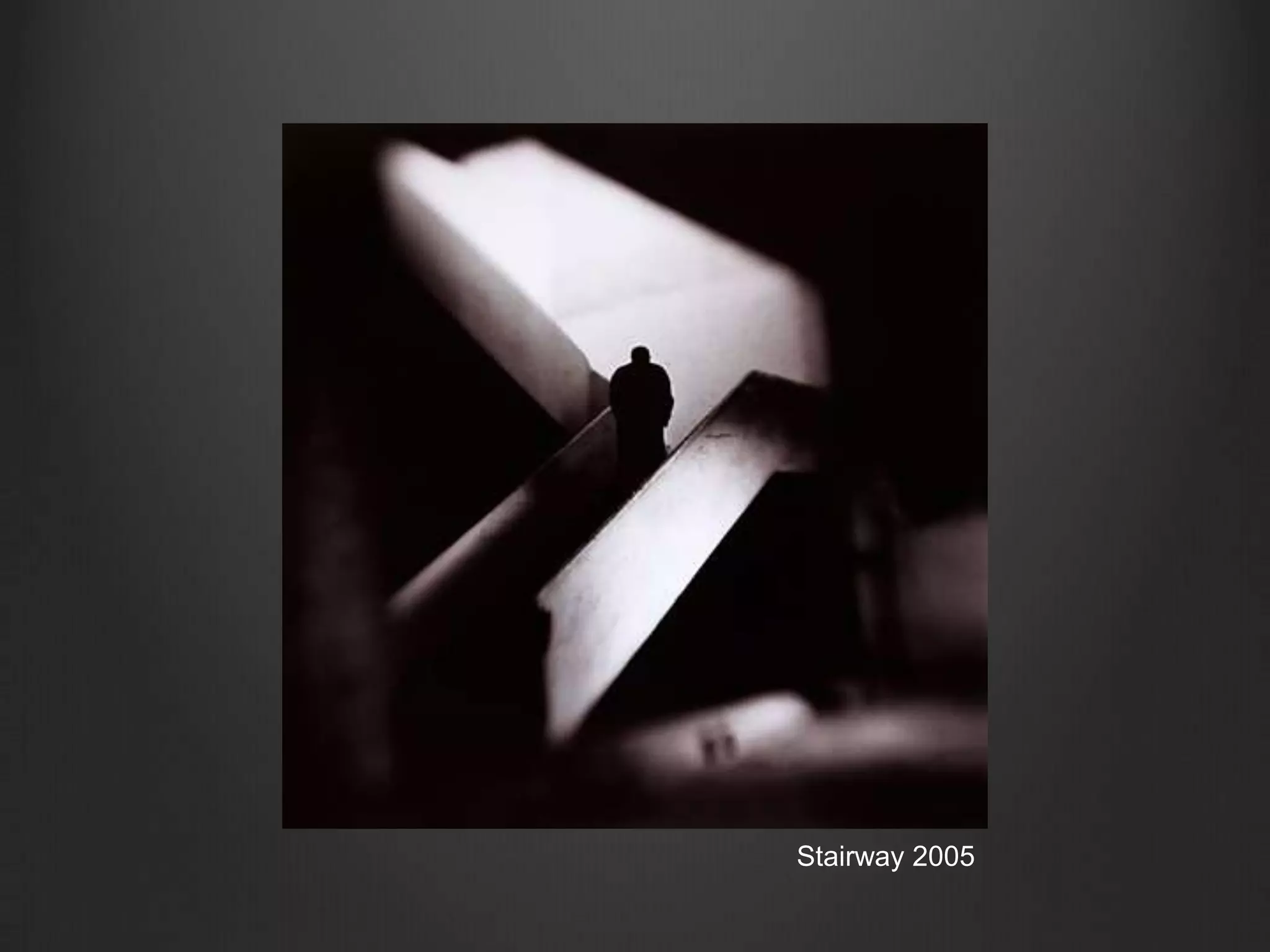
Stairway 2005
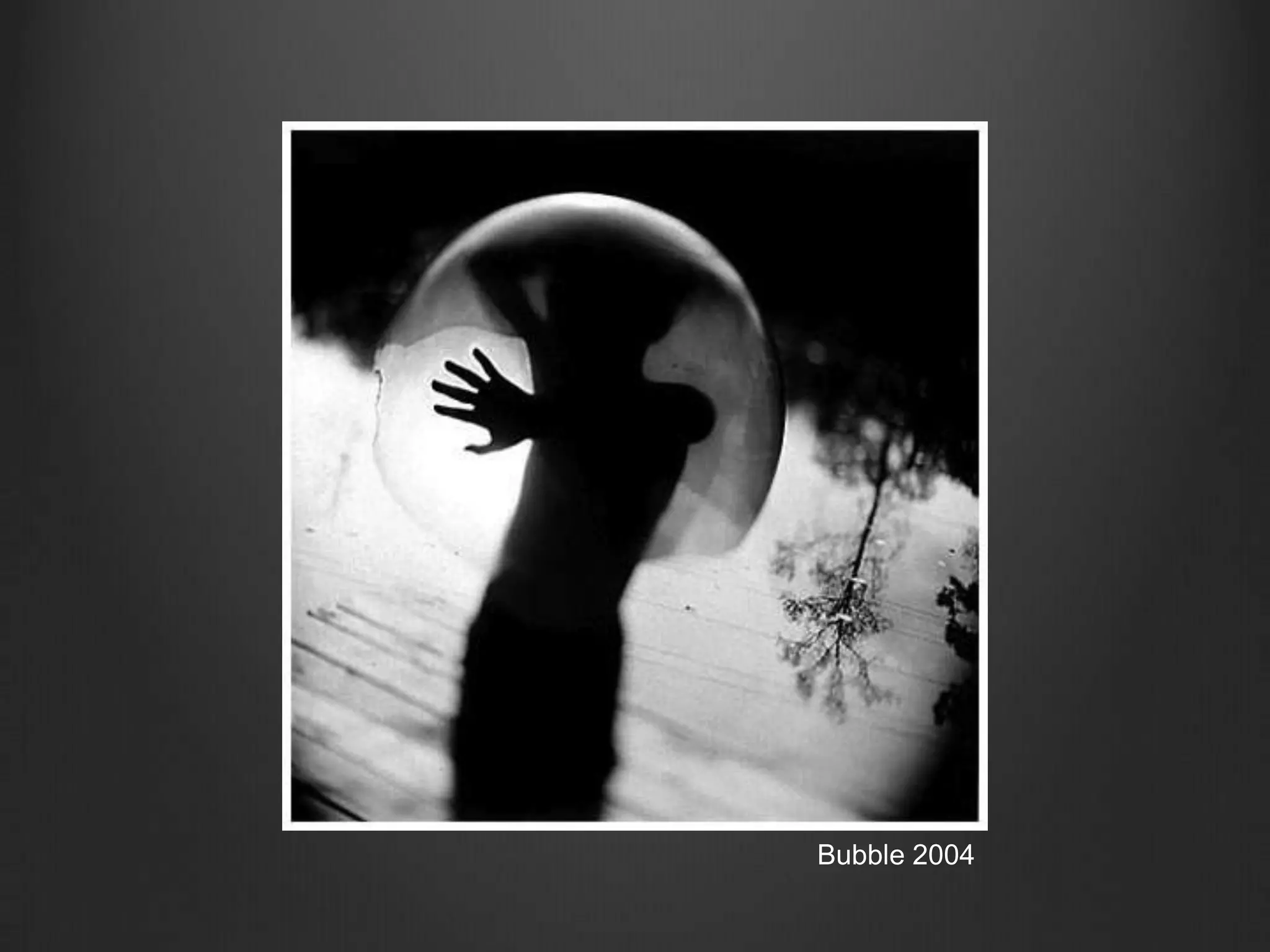
Bubble 2004
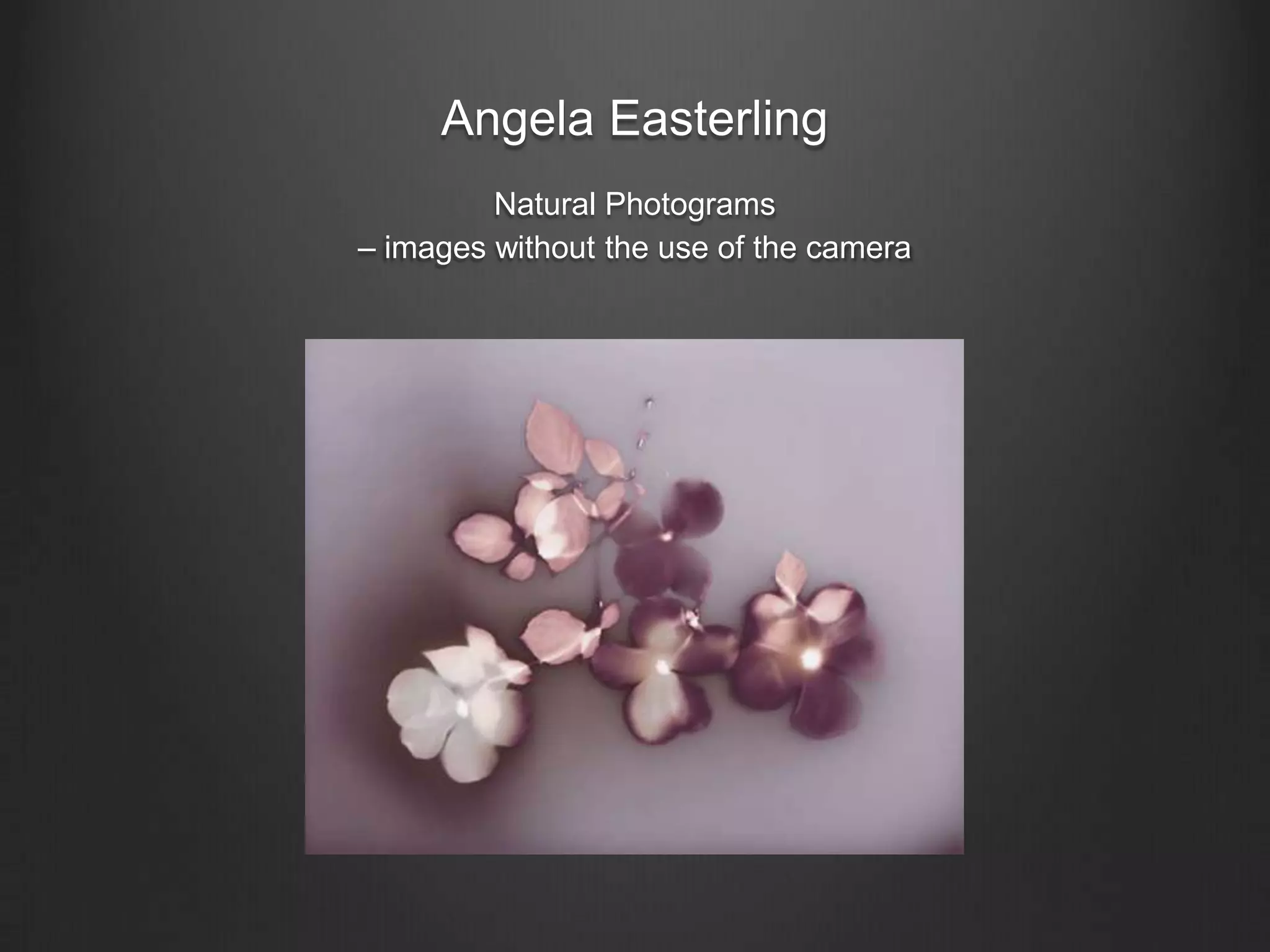
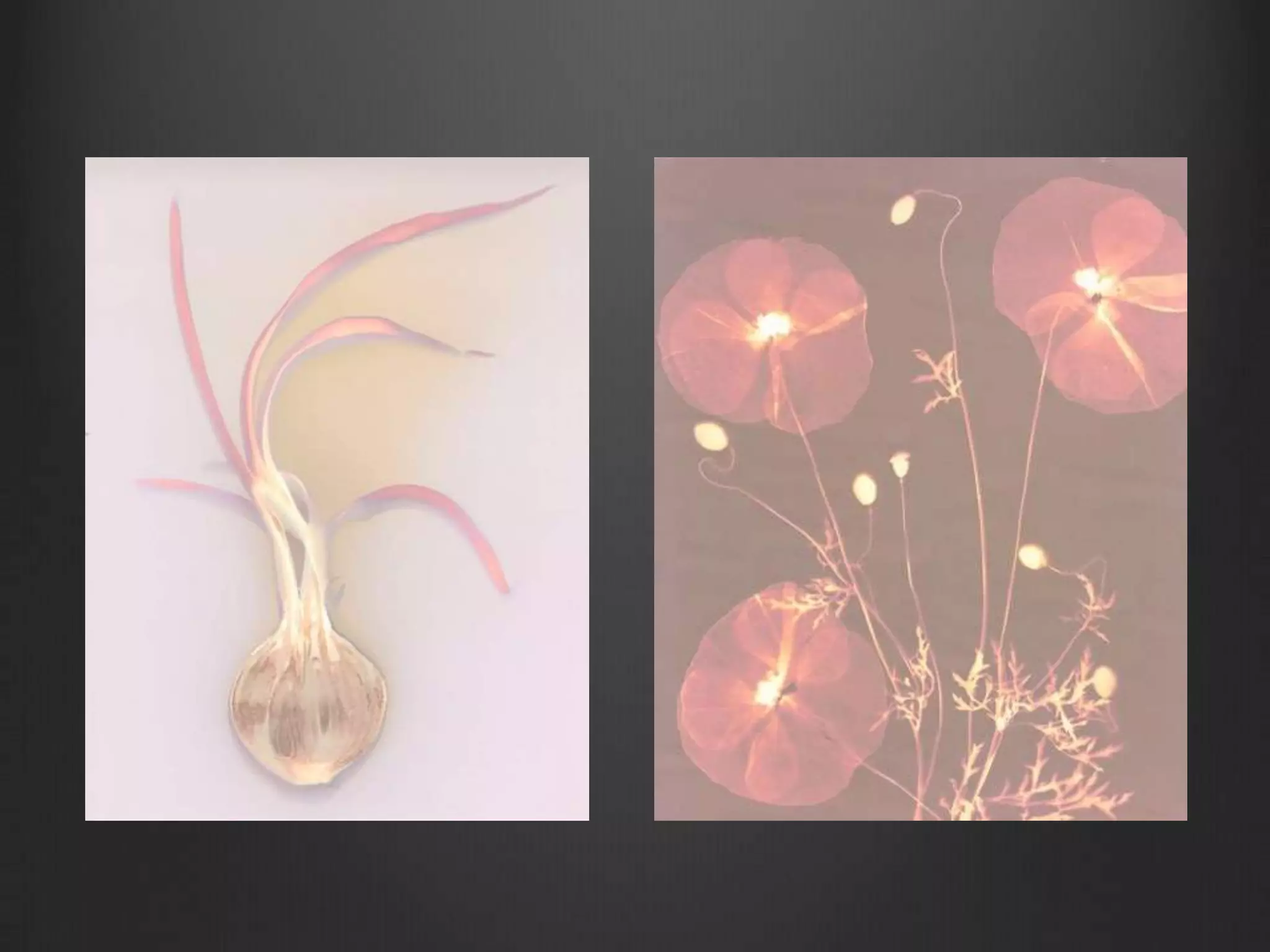
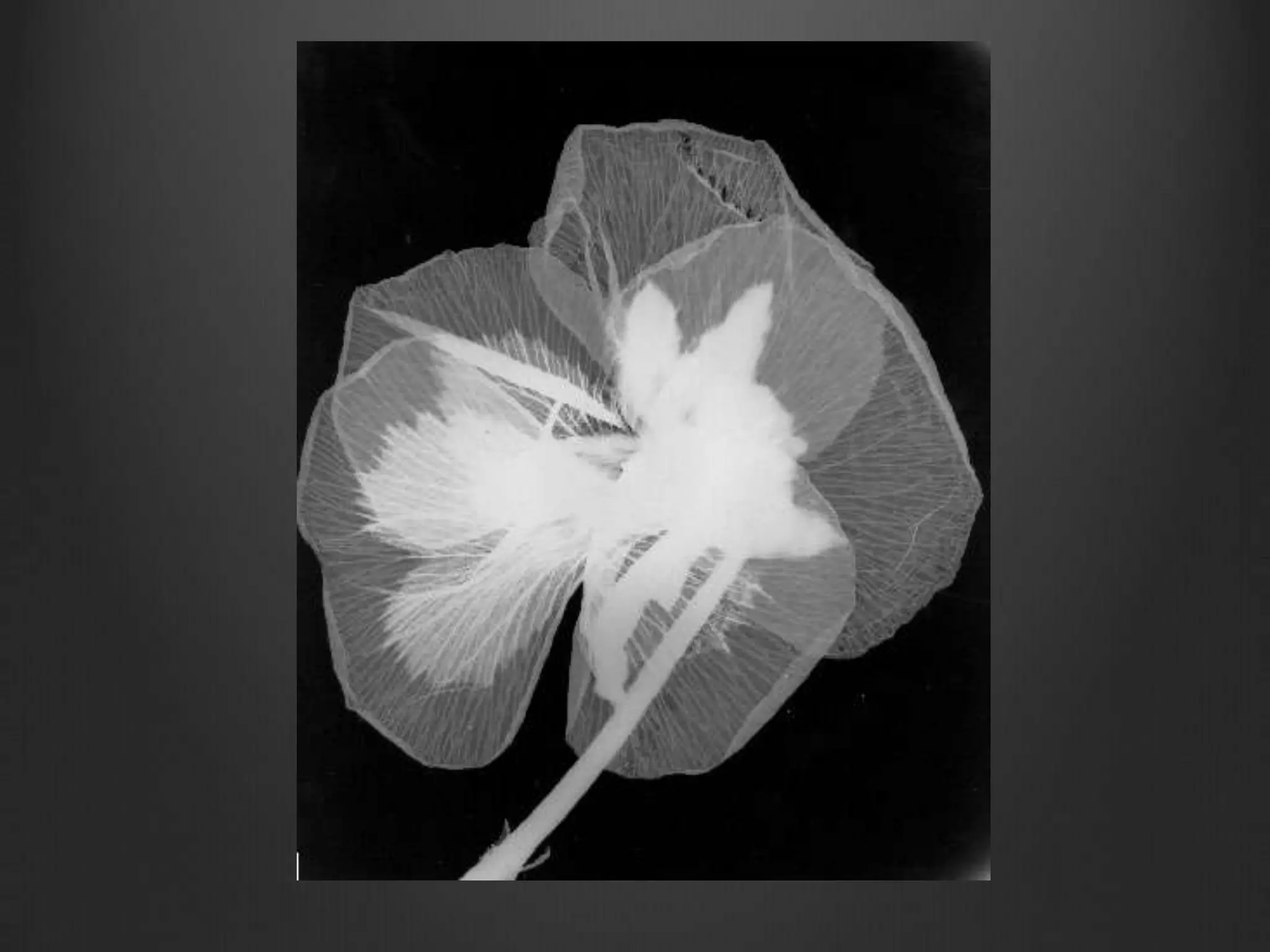
Angela EasterlingNatural Photograms – images without the use of the camera
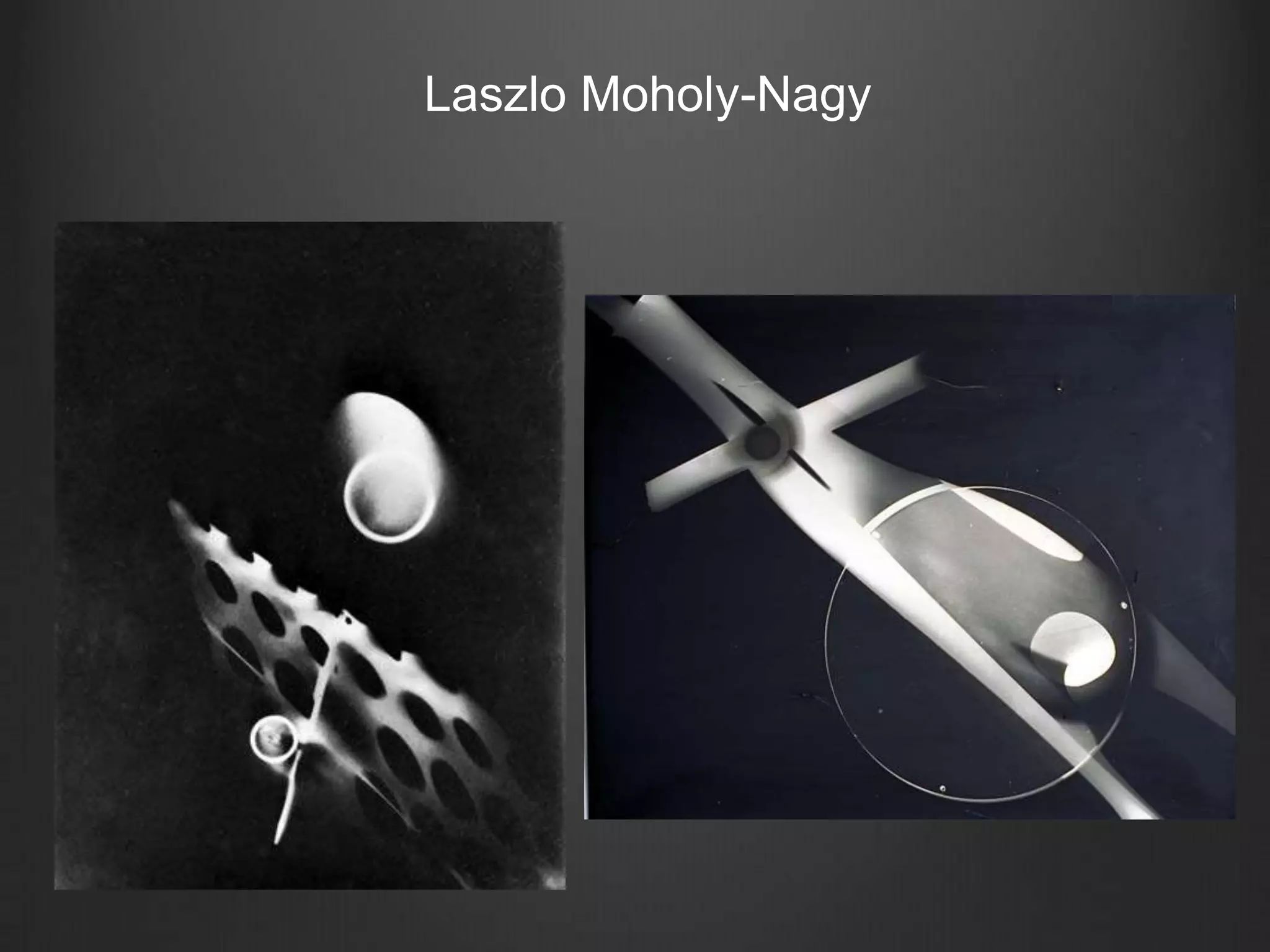
Laszlo Moholy-Nagy
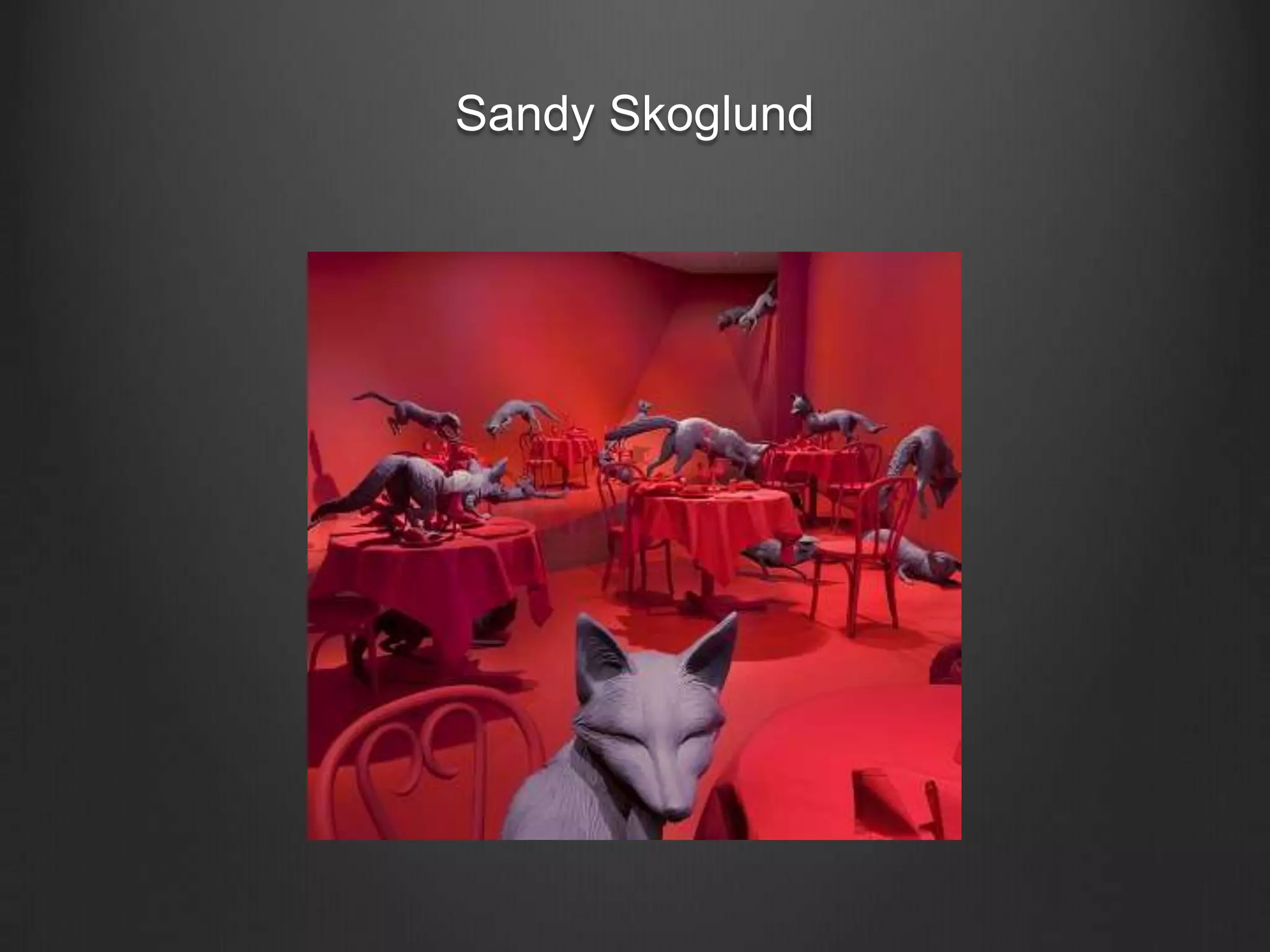
Sandy Skoglund
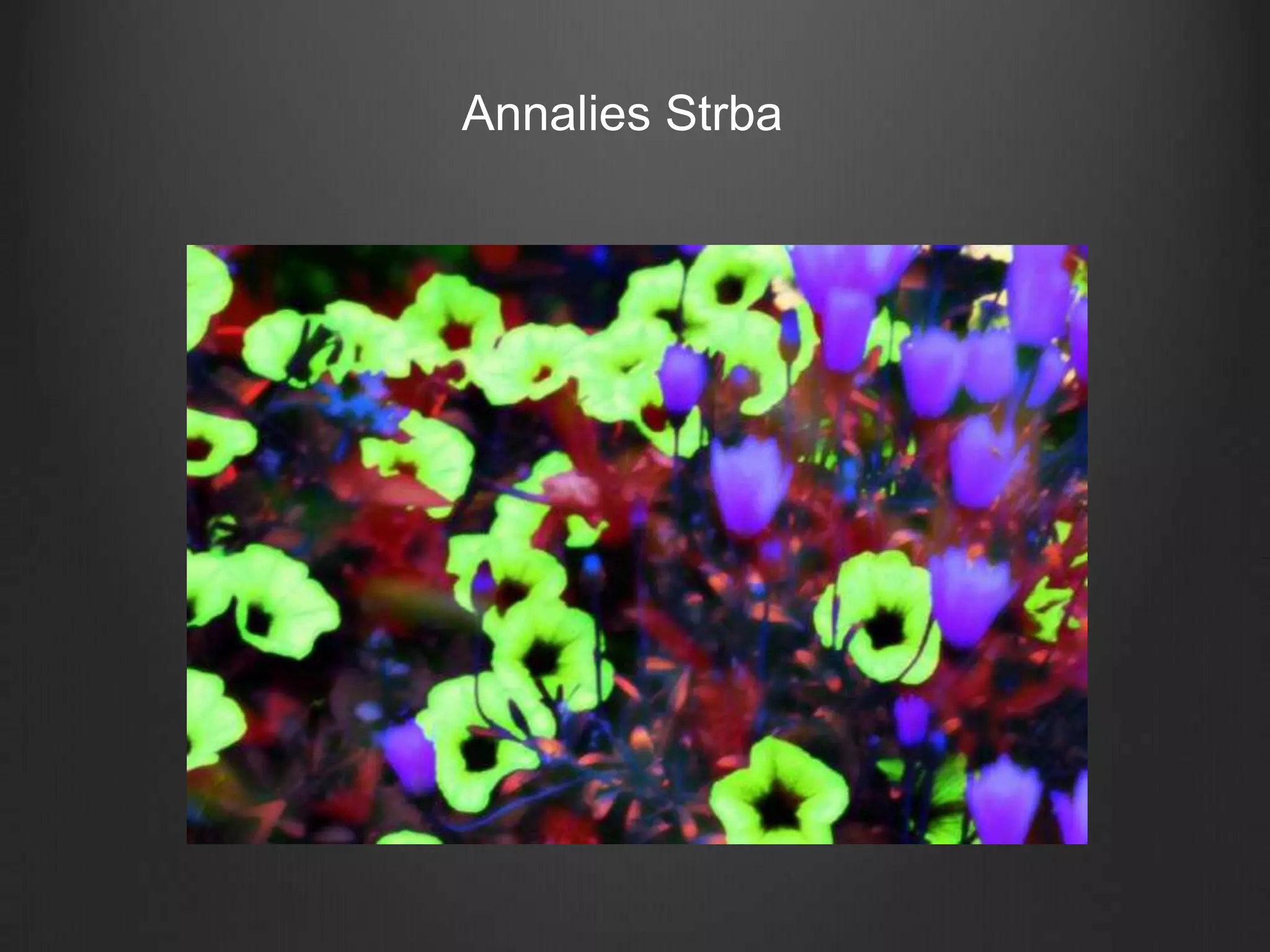
AnnaliesStrba
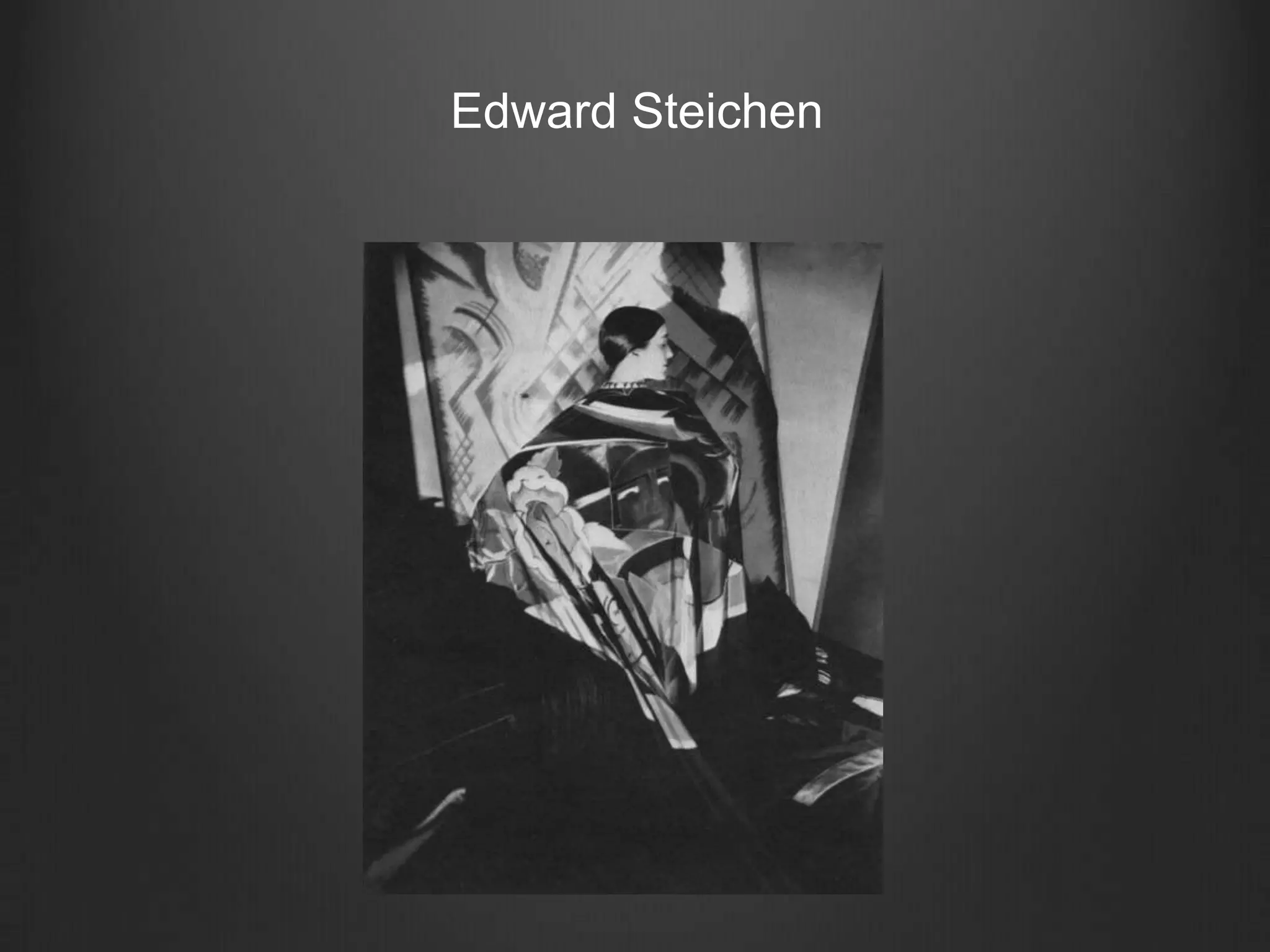
Edward Steichen
2. Film and Music Videos
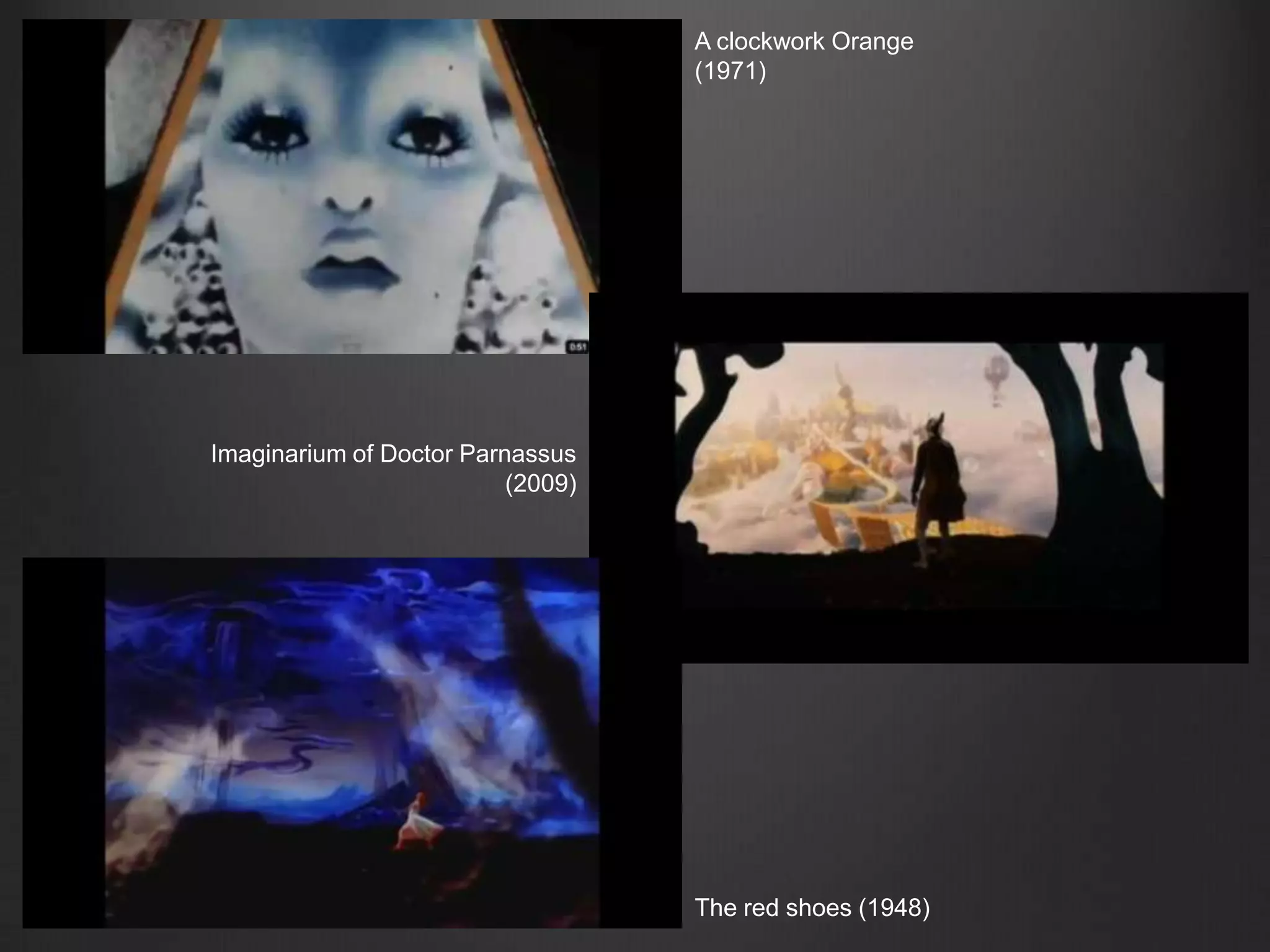
A clockwork Orange (1971)Imaginarium of Doctor Parnassus (2009)The red shoes (1948)
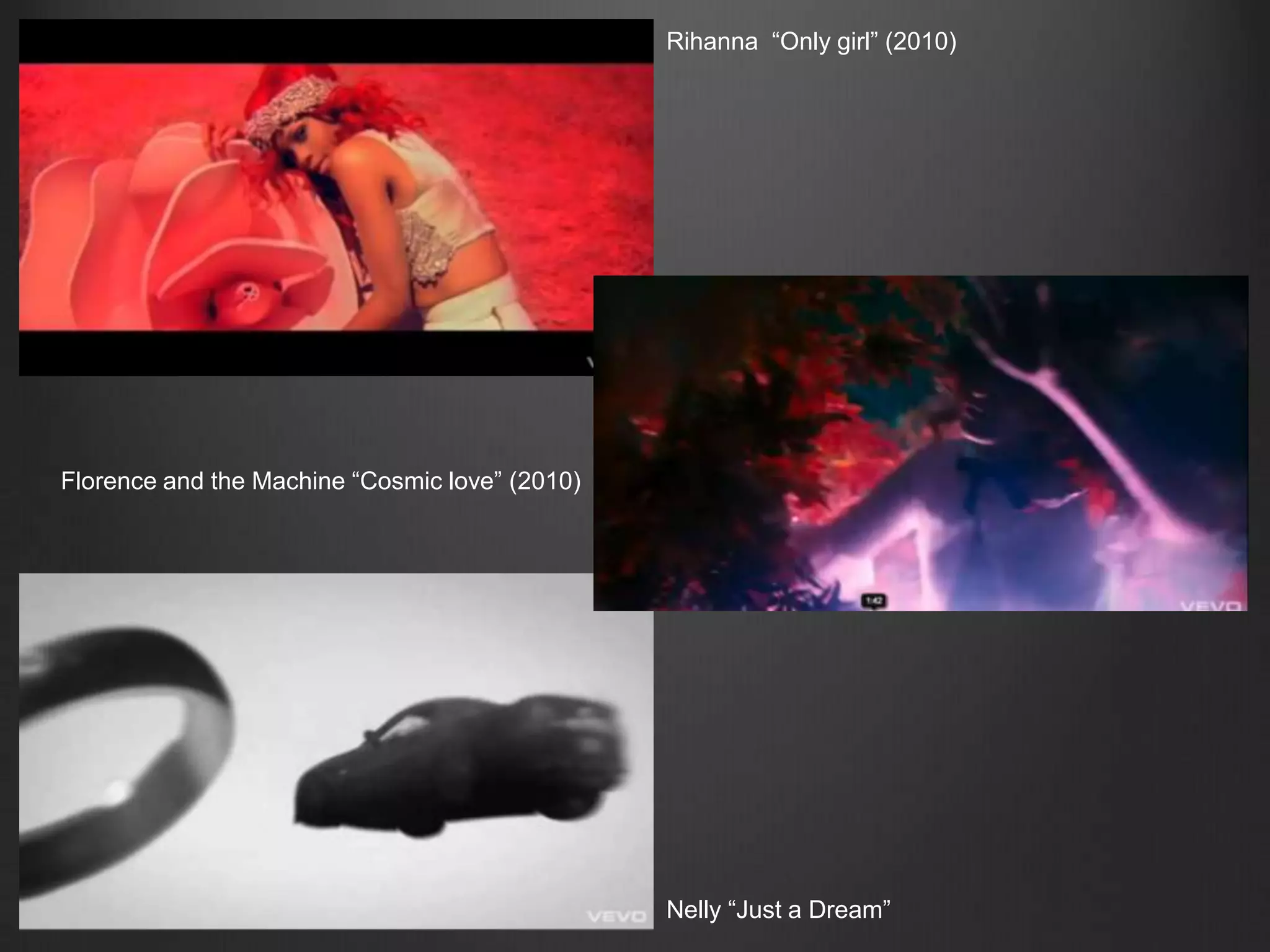
Rihanna  “Only girl” (2010)Florence and the Machine “Cosmic love” (2010)Nelly “Just a Dream”
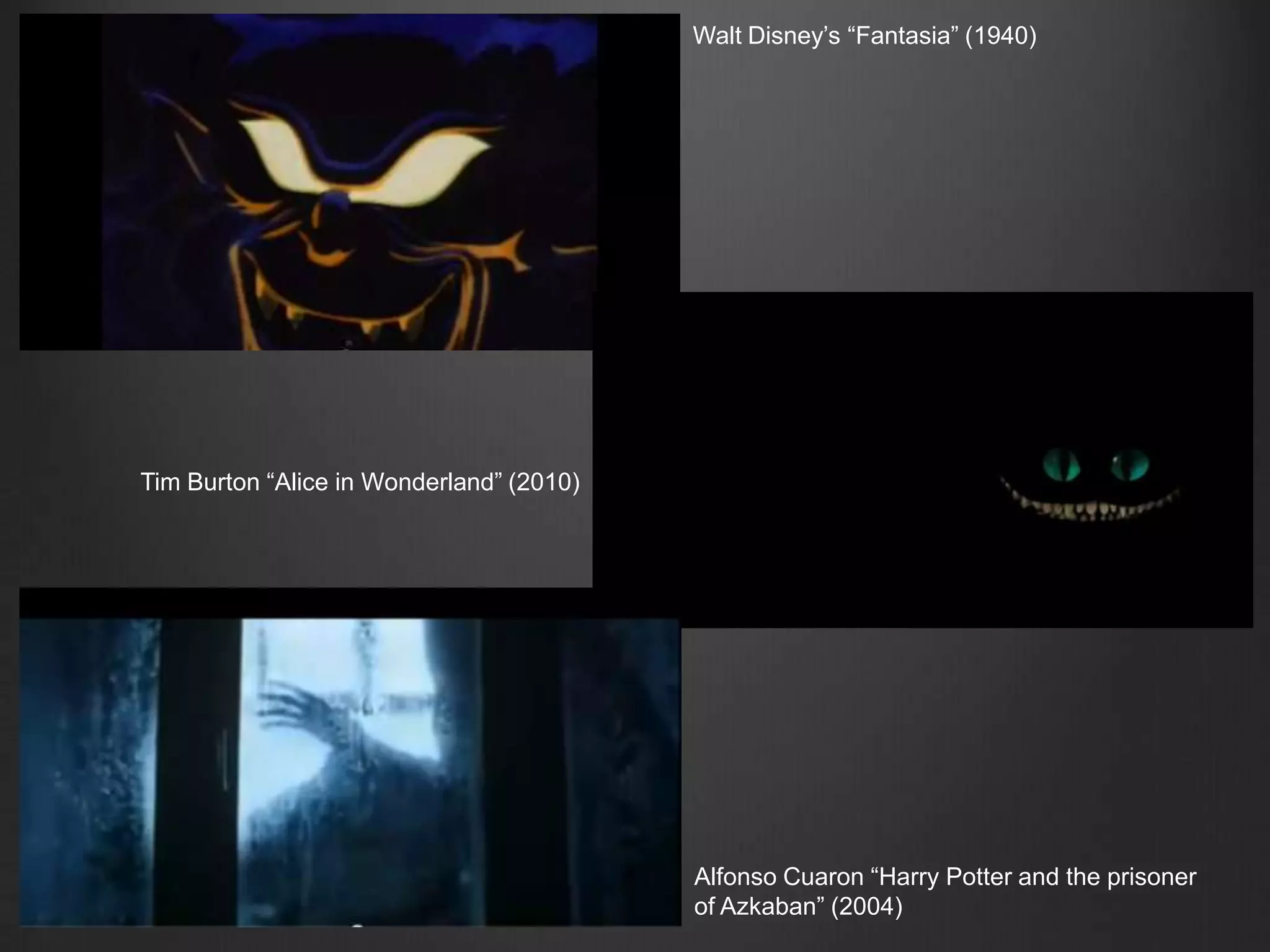
Walt Disney’s “Fantasia” (1940)Tim Burton “Alice in Wonderland” (2010)Alfonso Cuaron “Harry Potter and the prisoner of Azkaban” (2004)
3. Literature and Art
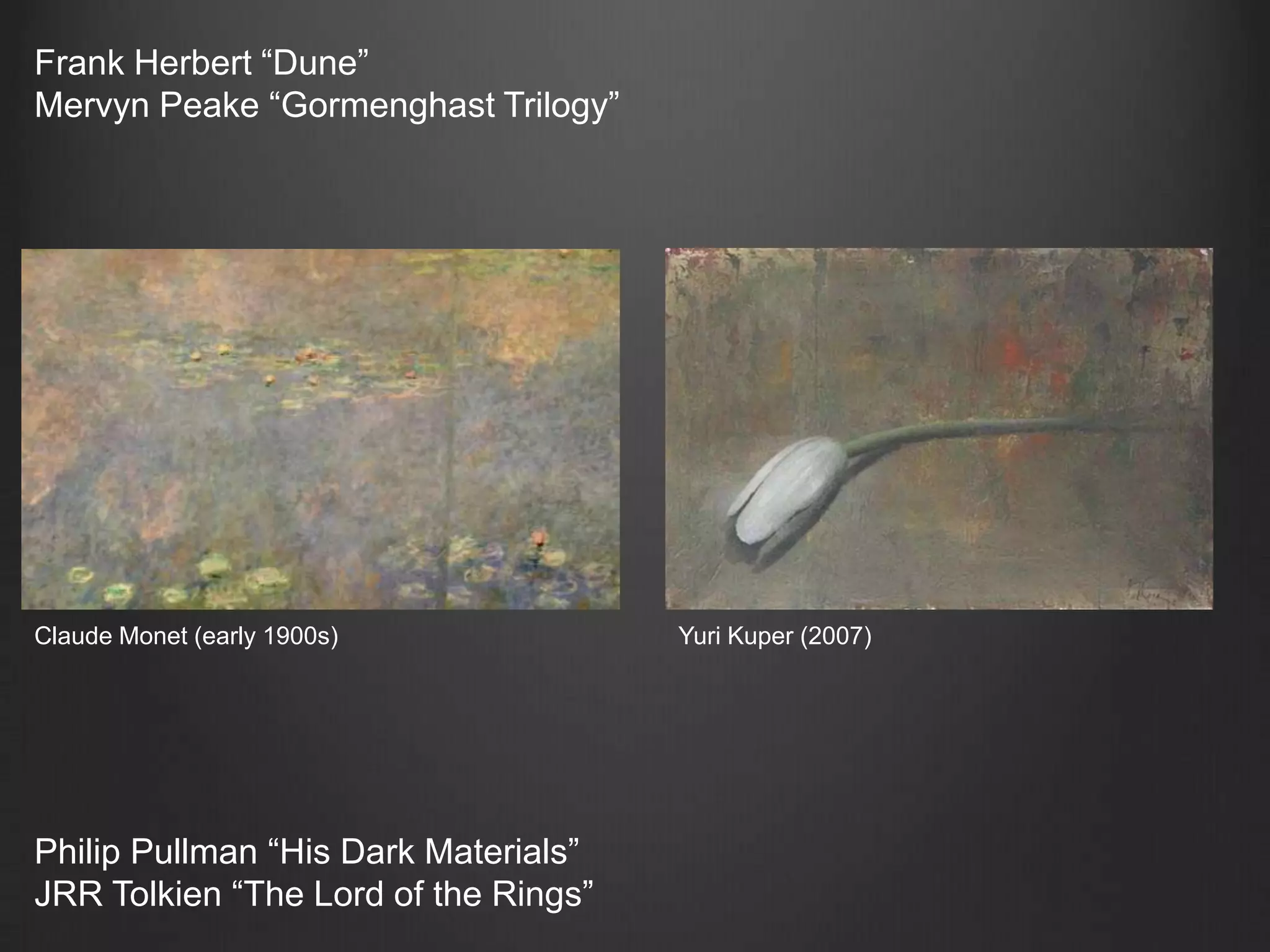
Frank Herbert “Dune”MervynPeake “Gormenghast Trilogy”Claude Monet (early 1900s)Yuri Kuper (2007)Philip Pullman “His Dark Materials”JRR Tolkien “The Lord of the Rings”
Theoretical considerations
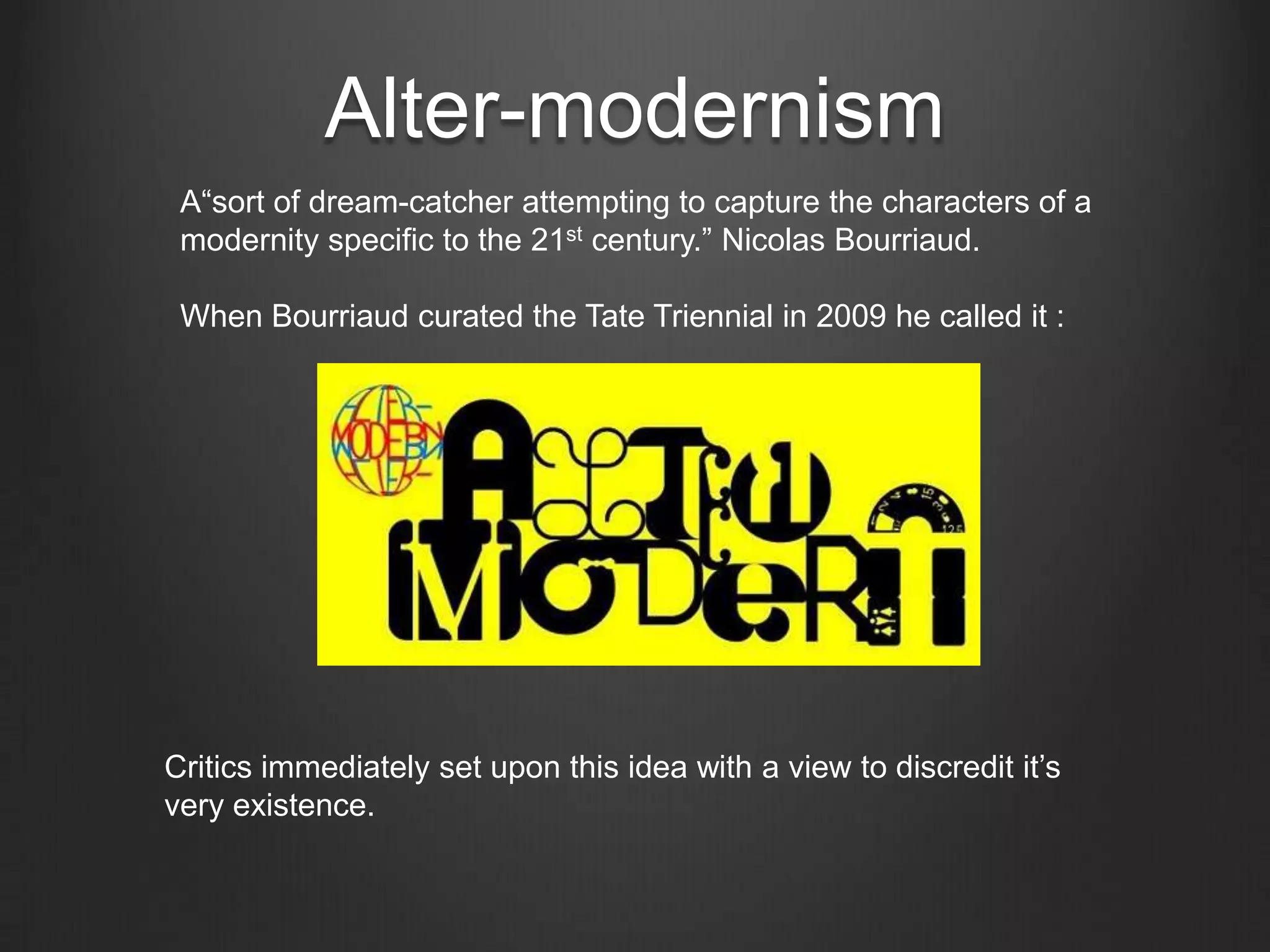
Alter-modernismA“sort of dream-catcher attempting to capture the characters of a modernity specific to the 21st century.” Nicolas Bourriaud.When Bourriaud curated the Tate Triennial in 2009 he called it :Critics immediately set upon this idea with a view to discredit it’s very existence.
Nicolas Bourriaud – Altermodern manifesto:“We are entering the era of universal subtitling, of generalised dubbing. Today's art explores the bonds that text and image weave between themselves. Artists traverse a cultural landscape saturated with signs, creating new pathways between multiple formats of expression and communication.

The artist becomes "homo viator", the prototype of the contemporary traveller whose passage through signs and formats refers to a contemporary experience of mobility, travel and transpassing. This evolution can be seen in the way works are made: a new type of form is appearing, the journey-form, made of lines drawn both in space and time, materialising trajectories rather than destinations. The form of the work expresses a course, a wandering, rather than a fixed space-time.”
My work relates to alter-modernist ideas by blending old and new, conventional and bizarre, comprehensible and impossible.  Contradictions.  Old methods - photograms, old style traditional lith printing, hand tinting; and modern – digital negatives and manipulation.  The cameras used to produce the final image range from a 1954 Zeiss Ikonta to the latest Canon 7D.  There are traditional elements in the subject matter – a figure, a moon, a flower – but they are presented in the non-standard format of a long strip image complete with sproket holes.  There are weird elements too – elvish writing, strange gold bugs and thistle blooming on a dead twig unplanted in the ground. The traditional blended with unconventional. There is a QR code which introduces a self-conscious and self –referential aspect into the work – QR codes were designed to be photographed. Which is how you got to this presentation in the first place.
In the centre is a strip of negatives with exposed sproketholes - except that it is a digital negative created entirely in Photoshop.  The final image represents the phantoms that come into our minds in our half-awake moments – the worries of the day and memories of the past.  None are clear or make sense.  They do not present answers – they ask questions.    The images are fused together into a single stream, unbounded by the edges of the film negative (hence the exposed sproket holes and the floating framing).  Individually they make sense – together they are odd.  A rose bigger than the moon, colours in a black and white photograph but ones that are barely perceptible.  Real images recorded on a negative (background clouds) and fake images superimposed at the printing stage.  Reality blurred with lithprinting,the edge taken off it – and fake images crystal clear in the final print.  Eyes that watch and see all this – but are not human.Thank you for visiting!

FMP powerpoint

  • 1.
    …thoughts…A project byAnastasia Miles HND2
  • 2.
    This project beganas a look at dreams and nightmares but has evolved into a glimpse at the thoughts that crowd in our heads. Some conscious. Some not.My influences have been as diverse as current music videos with their surreal imagery and the first photograms created at the birth of photography.What follows is a series of images and books that inspired my final print.
  • 3.
  • 4.
  • 5.
    William Henry FoxTalbotPhotograms – “the art of photogenic drawing”
  • 6.
    Keith CarterTalbot’s Shadow(2007)“This series was inspired by my admiration for the work of William Henry Fox Talbot, who invented the positive/negative process from which modern photography is descended. Some of Talbot's earliest experiments involved placing objects (such as a leaf or a fragment of lace) on a piece of sensitized paper and exposing it to sunlight. He called these images "shadow pictures". I have attempted to blend this elegant 19th century process with 21st century techniques.” Keith Carter
  • 9.
    Keith Carter’s earlierunpublished work.Trapeze 2004
  • 10.
  • 11.
  • 12.
    Angela EasterlingNatural Photograms– images without the use of the camera
  • 15.
  • 16.
  • 17.
  • 18.
  • 19.
    2. Film andMusic Videos
  • 20.
    A clockwork Orange(1971)Imaginarium of Doctor Parnassus (2009)The red shoes (1948)
  • 21.
    Rihanna “Onlygirl” (2010)Florence and the Machine “Cosmic love” (2010)Nelly “Just a Dream”
  • 22.
    Walt Disney’s “Fantasia”(1940)Tim Burton “Alice in Wonderland” (2010)Alfonso Cuaron “Harry Potter and the prisoner of Azkaban” (2004)
  • 23.
  • 24.
    Frank Herbert “Dune”MervynPeake“Gormenghast Trilogy”Claude Monet (early 1900s)Yuri Kuper (2007)Philip Pullman “His Dark Materials”JRR Tolkien “The Lord of the Rings”
  • 25.
  • 26.
    Alter-modernismA“sort of dream-catcherattempting to capture the characters of a modernity specific to the 21st century.” Nicolas Bourriaud.When Bourriaud curated the Tate Triennial in 2009 he called it :Critics immediately set upon this idea with a view to discredit it’s very existence.
  • 27.
    Nicolas Bourriaud –Altermodern manifesto:“We are entering the era of universal subtitling, of generalised dubbing. Today's art explores the bonds that text and image weave between themselves. Artists traverse a cultural landscape saturated with signs, creating new pathways between multiple formats of expression and communication.

The artist becomes "homo viator", the prototype of the contemporary traveller whose passage through signs and formats refers to a contemporary experience of mobility, travel and transpassing. This evolution can be seen in the way works are made: a new type of form is appearing, the journey-form, made of lines drawn both in space and time, materialising trajectories rather than destinations. The form of the work expresses a course, a wandering, rather than a fixed space-time.”
  • 28.
    My work relatesto alter-modernist ideas by blending old and new, conventional and bizarre, comprehensible and impossible. Contradictions. Old methods - photograms, old style traditional lith printing, hand tinting; and modern – digital negatives and manipulation. The cameras used to produce the final image range from a 1954 Zeiss Ikonta to the latest Canon 7D. There are traditional elements in the subject matter – a figure, a moon, a flower – but they are presented in the non-standard format of a long strip image complete with sproket holes. There are weird elements too – elvish writing, strange gold bugs and thistle blooming on a dead twig unplanted in the ground. The traditional blended with unconventional. There is a QR code which introduces a self-conscious and self –referential aspect into the work – QR codes were designed to be photographed. Which is how you got to this presentation in the first place.
  • 29.
    In the centreis a strip of negatives with exposed sproketholes - except that it is a digital negative created entirely in Photoshop. The final image represents the phantoms that come into our minds in our half-awake moments – the worries of the day and memories of the past. None are clear or make sense. They do not present answers – they ask questions. The images are fused together into a single stream, unbounded by the edges of the film negative (hence the exposed sproket holes and the floating framing). Individually they make sense – together they are odd. A rose bigger than the moon, colours in a black and white photograph but ones that are barely perceptible. Real images recorded on a negative (background clouds) and fake images superimposed at the printing stage. Reality blurred with lithprinting,the edge taken off it – and fake images crystal clear in the final print. Eyes that watch and see all this – but are not human.Thank you for visiting!