Student Leadership Conference 2014:
GLOBAL AWARENESS ADVOCACY FAIR
 The Fair actualizes the global perspective 9th
Grade has been learning all year. Our
curriculum has been geared toward an
understanding of various cultures and
religions in our global world in an attempt to
foster more awareness, empathy and
understanding about the expanded world in
which we now live.
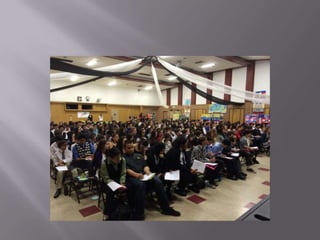
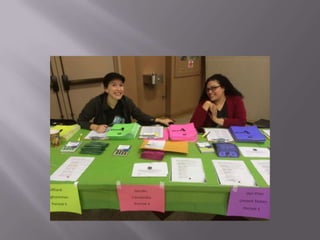
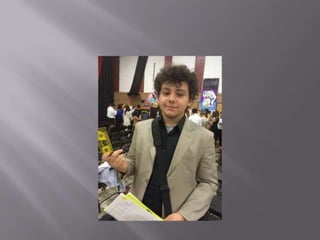
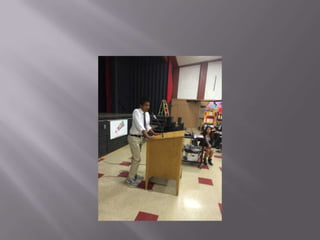
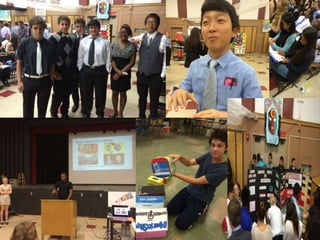
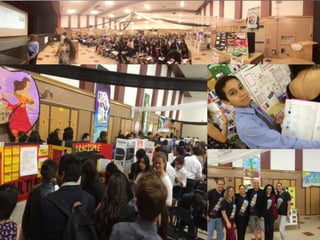
 The Global Awareness Advocacy Fair gave
students a first hand experience of
representing an assigned country, requiring
them to have a working knowledge of that
country, its issues and the non-
profits/charities that address those issues.On
this special day they became Advocates for a
cause. They took notes about each of the
countries and their issues. They dressed
professionally and presented themselves with
dignity and maturity.
What’s a Global Awareness Advocacy Fair?
POLITICAL
 type of government
 monarchy, oligarchy
 democracy, authoritarian
 centralized, decentralized
 military: armies, weapons
 defense, protection vs. conquest, expansion
 treaties, diplomacy
 legal system
 laws and rights
 judges, police, patrol
 Transition of power:
 -colonial experience
 -political upheaval
 -significant historical events
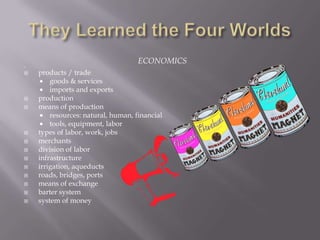
ECONOMICS

 products / trade
 goods & services
 imports and exports
 production
 means of production
 resources: natural, human, financial
 tools, equipment, labor
 types of labor, work, jobs
 merchants
 division of labor
 infrastructure
 irrigation, aqueducts
 roads, bridges, ports
 means of exchange
 barter system
 system of money

 class
 upper
 ruling class
 elite class
 middle
 common class
 working class
 lower
 peasants
 slaves

 status / position
 mobility
 privilege

nomadic v. sedentary
rural v. urban
hierarchical v. communal
integrated v. segregated
role of women
education (literacy level)
equity & access
news; distribution of information;
role of the media
physical features
topography
vegetation
climate
natural resources
water
minerals
rich soil
- arable land
trees (lumber)
trade routes
rivers, straits
mountain passes
territory, borders, political
boundaries
Religion & Belief Systems
SOCIAL
CULTURE
 customs
 language
 literature
 the arts —
 visual art for social activism,
 architecture
 Diversity
 (how culturally people adapt to their environment)
They Learned the Four Worlds
 Students made MLA style note cards and gave
class speeches on their issue facing their
country.
 They Researched NGOs that are working to
eradicate or help your particular issue.
 GROUPS had workshopped during our 3 Two
hour block XDAY’s
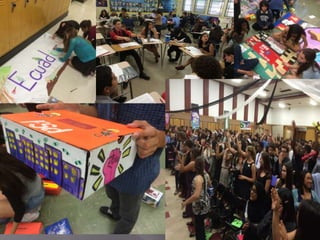
 Students Made:
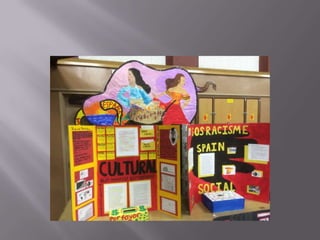
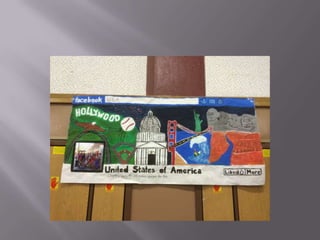
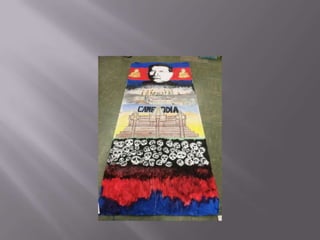
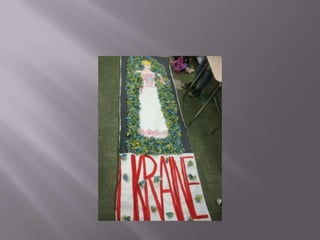
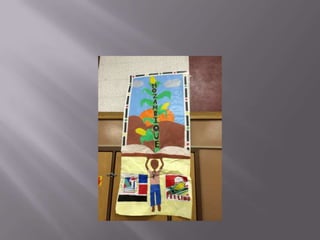
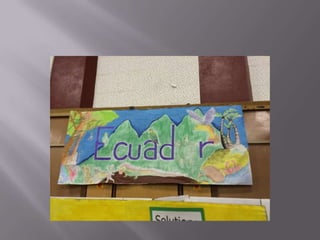
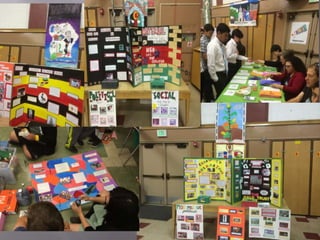
 1. Country Banner
 2. Tri-fold boards (4) (one tri-fold board for
each world groups)
 3. Finalized country Power Points sectioned
into geography and the 4 worlds
 4. Worked on Science Posters of their Worlds
DURING THE FAIR STUDENTS VISITED COUNTRIES AND
TOOK OBSERVATION NOTES
 A. VISITING COUNTRIES
 During the Global Awareness Advocacy Fair there were
COREBUCKS collection boxes at each country’s booth. They put
COREBUCKS into the boxes of the causes they valued most
during the fair.
 B. NOTES
 POWER POINTS: During the power point presentations they took
notes on the most important aspects of each of the other countries
while they present.
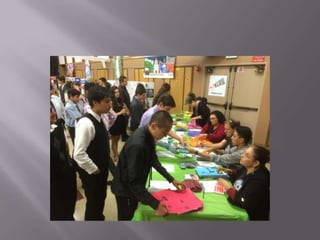
 FAIR: During the actual Global Awareness Advocacy Fair
students explored the different Issues/NGOs, collected a sticker
proving they visited each booth and looked at each of the four tri-
boards
 C. PROCESSING THE FAIR
 1. Students gathered inEnglish classes and
meet infour worlds group.
 2. They established in each group what
Issues/NGOs during the fair resonated with
them and why.
 3. They presented their reasons for their choices
to the class and had discussion.
 REFLECTION AND EVALUATION HOMEWORK
 Students reflected about their experiences during the Global
Awareness Advocacy Fair and made suggestions for the next year.
 Using their notes from the fair, they chose three issues that
affected them the most and explained why. These are the
activities they reflected on from the year.
 Learned the Four Worlds Framework
 Watched the films Life & Debt and Flow
 Participated in the Country Power point Project
 Researched and wrote note-cards in English and Science
 Shared research speeches with the class
 Researched NGOs
 Made NGO Tri-Boards, boxes and banners
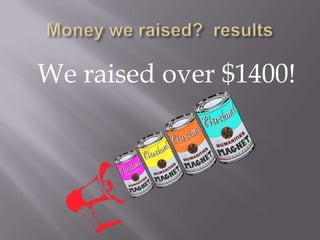
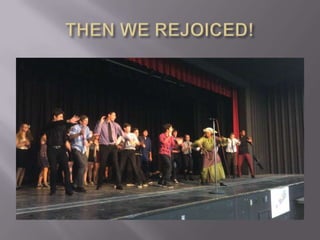
We raised over $1400!
Global Awareness Advocacy Fair

Global Awareness Advocacy Fair

  • 1.
    Student Leadership Conference2014: GLOBAL AWARENESS ADVOCACY FAIR
  • 3.
     The Fairactualizes the global perspective 9th Grade has been learning all year. Our curriculum has been geared toward an understanding of various cultures and religions in our global world in an attempt to foster more awareness, empathy and understanding about the expanded world in which we now live.
  • 5.
     The GlobalAwareness Advocacy Fair gave students a first hand experience of representing an assigned country, requiring them to have a working knowledge of that country, its issues and the non- profits/charities that address those issues.On this special day they became Advocates for a cause. They took notes about each of the countries and their issues. They dressed professionally and presented themselves with dignity and maturity. What’s a Global Awareness Advocacy Fair?
  • 7.
    POLITICAL  type ofgovernment  monarchy, oligarchy  democracy, authoritarian  centralized, decentralized  military: armies, weapons  defense, protection vs. conquest, expansion  treaties, diplomacy  legal system  laws and rights  judges, police, patrol  Transition of power:  -colonial experience  -political upheaval  -significant historical events
  • 9.
    ECONOMICS   products /trade  goods & services  imports and exports  production  means of production  resources: natural, human, financial  tools, equipment, labor  types of labor, work, jobs  merchants  division of labor  infrastructure  irrigation, aqueducts  roads, bridges, ports  means of exchange  barter system  system of money
  • 11.
      class  upper ruling class  elite class  middle  common class  working class  lower  peasants  slaves   status / position  mobility  privilege  nomadic v. sedentary rural v. urban hierarchical v. communal integrated v. segregated role of women education (literacy level) equity & access news; distribution of information; role of the media physical features topography vegetation climate natural resources water minerals rich soil - arable land trees (lumber) trade routes rivers, straits mountain passes territory, borders, political boundaries Religion & Belief Systems SOCIAL
  • 13.
    CULTURE  customs  language literature  the arts —  visual art for social activism,  architecture  Diversity  (how culturally people adapt to their environment) They Learned the Four Worlds
  • 15.
     Students madeMLA style note cards and gave class speeches on their issue facing their country.  They Researched NGOs that are working to eradicate or help your particular issue.
  • 17.
     GROUPS hadworkshopped during our 3 Two hour block XDAY’s  Students Made:  1. Country Banner  2. Tri-fold boards (4) (one tri-fold board for each world groups)  3. Finalized country Power Points sectioned into geography and the 4 worlds  4. Worked on Science Posters of their Worlds
  • 19.
    DURING THE FAIRSTUDENTS VISITED COUNTRIES AND TOOK OBSERVATION NOTES  A. VISITING COUNTRIES  During the Global Awareness Advocacy Fair there were COREBUCKS collection boxes at each country’s booth. They put COREBUCKS into the boxes of the causes they valued most during the fair.  B. NOTES  POWER POINTS: During the power point presentations they took notes on the most important aspects of each of the other countries while they present.  FAIR: During the actual Global Awareness Advocacy Fair students explored the different Issues/NGOs, collected a sticker proving they visited each booth and looked at each of the four tri- boards
  • 21.
     C. PROCESSINGTHE FAIR  1. Students gathered inEnglish classes and meet infour worlds group.  2. They established in each group what Issues/NGOs during the fair resonated with them and why.  3. They presented their reasons for their choices to the class and had discussion.
  • 23.
     REFLECTION ANDEVALUATION HOMEWORK  Students reflected about their experiences during the Global Awareness Advocacy Fair and made suggestions for the next year.  Using their notes from the fair, they chose three issues that affected them the most and explained why. These are the activities they reflected on from the year.  Learned the Four Worlds Framework  Watched the films Life & Debt and Flow  Participated in the Country Power point Project  Researched and wrote note-cards in English and Science  Shared research speeches with the class  Researched NGOs  Made NGO Tri-Boards, boxes and banners
  • 25.