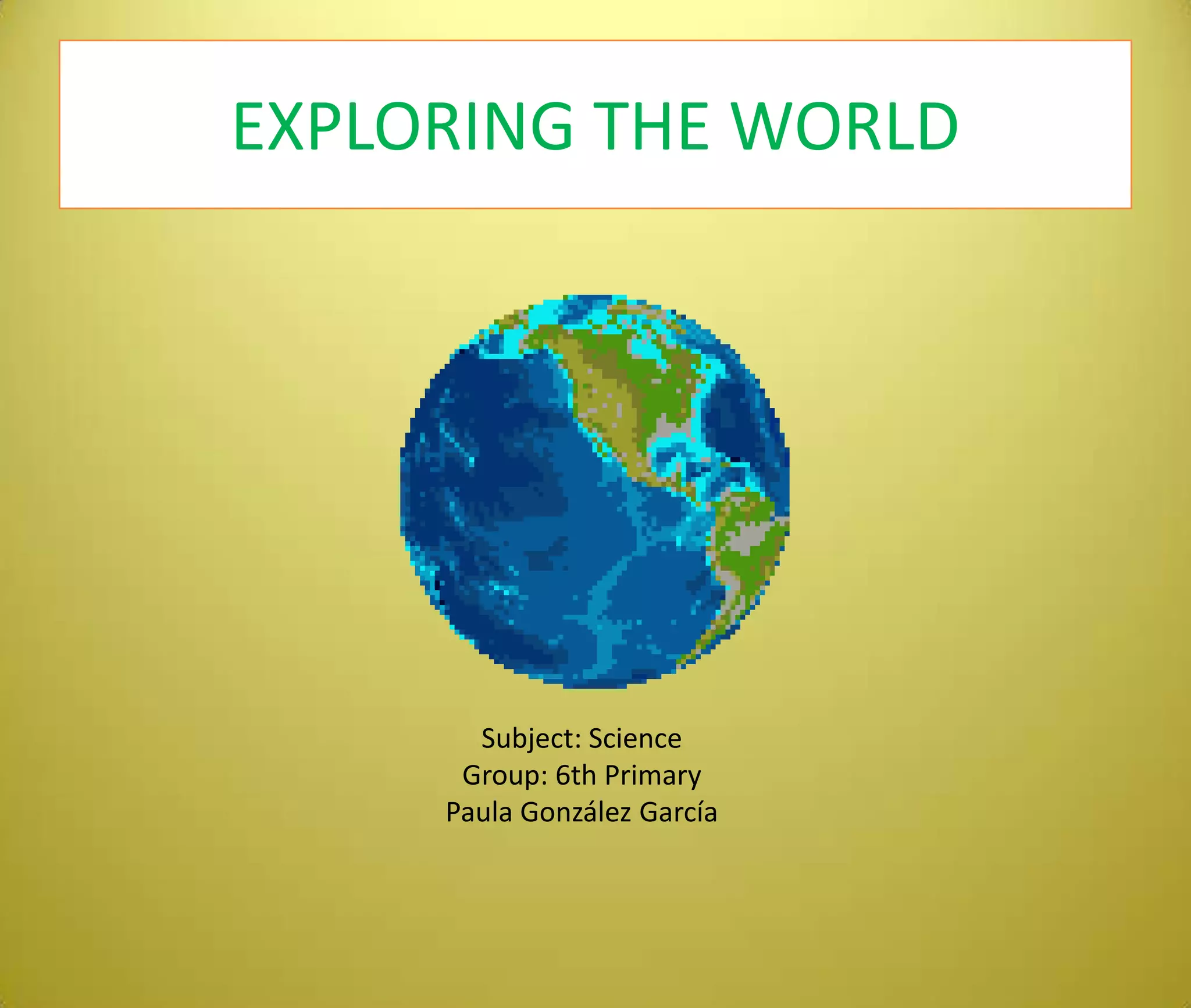
EXPLORING THE WORLDSubject: ScienceGroup: 6th PrimaryPaula González García
EXPLORING THE WORLDINTRODUCTIONDo youknowthatthewhaleisthebiggestmammal? Do youknowthename of thehighestmountain? Or Do youknowwhowalkedonthemoonfor 2 hours and a half?Well, you can seethatthere are  incrediblefactsyoudon’tknowabout, so in this webquest you are goingto: MakeaninvestigationTest yourclassmatesImproveyourEnglish!!So….Let’smake a competition!!!Group: 6th PrimarySubject: ScienceStudents: 20 (10 pairs)
TASKToknow more aboutyourplanet, thisistheactivityyou are goingtomake: A TRIVIA QUESTIONNAIRE!!Butwhat do youhaveto do exactly?Work in pairsYouhavetomake 10 questionsaboutNature, thecity, Science, Incrediblefacts, Importantpeople…usingthe webs thatyouwillsee in theResources page (page 4)Presentation: use a Power Point withtext and images ( includethequestion and theanswer)Whenyoufinish, we’llmake a quiz show whereyouwillhaveto test yourclassmates. Take note of howmanycorrectanswerstheygive. At theend, we’llseewhichteamknows more aboutourplanet. Whentheothergroupsaskyouthequestions, writethequestionsthat are differentfromyours, so at theendwewillhave a greatnumber of differentTriviaquestions.Time: 4 hours (1.30 hour: readthetask , look forinformation and writethequestions and answers in thenotebook; 1.30 hour: prepare thePowerpointpresentation; 1 hour: thecompetition!!!)
PROCESSSTEPS TO FOLLOW:THE QUESTIONS: VisitthedifferentwebsitesontheResources page and write in thenotebookthequestionsyouwanttoask (Don’tforgettheanswers!) Theinformationonthewebsite can be in Spanish, so tomakethequestionyouhavetotranslateit. Thequestions can be of differenttypes: 			Yes/No questions: IsthePacificthesmallestOcean? Yes itis/ No itisn’tWh-questions: usingwhat , when, who, which, howtall…Multiplechoice: Yougive 3 or 4 possibleanswers3.           Ifyouwrite more than 10 questions, chooseonly 10!!4.           Checkthemeaning of thewordsthatyoudon’tknowonthedictionarywebpagesthatappearontheResources page.5.           Ask theteacherifyouhavedoubts!! 6.          Whenyouhavethe 10 questions (and answers), asktheteachertocheckthem.7.          Now, prepare thePowerpointpresentation. THE POWER POINT PRESENTATION:Simple and attractive.Don’t show theanswerwiththequestion (Rermember, 1st thequestion!!!. Theanswer comes later!!)You can use images, but use simple images (they can befun!)Whenyoufinish, ckeckthepresentation!!THE CONTESTIn turns, eachgroupasksthequestionstotheothergroups. You are in pairs, so 1 personasksthequestions and theotherwritesthenumber of  correctanswers.Remember, whenyou are sittingonthechairs, writethequestionsyoudon’thave!!At theend, wewillhavetwothings: 				 A lot of informationaboutourplanet and……A winner!!!!!!!!!!!
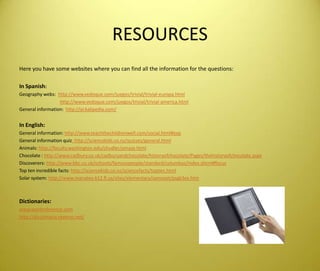
RESOURCESHereyouhavesomewebsiteswhereyou can findalltheinformationforthequestions: In Spanish: Geography webs:  http://www.vedoque.com/juegos/trivial/trivial-europa.htmlhttp://www.vedoque.com/juegos/trivial/trivial-america.htmlGeneral information:  http://ar.kalipedia.com/In English: General information: http://www.teachthechildrenwell.com/social.html#expGeneral informationquiz: http://sciencekids.co.nz/quizzes/general.htmlAnimals: http://faculty.washington.edu/chudler/amaze.htmlChocolate : http://www.cadbury.co.uk/cadburyandchocolate/historyofchocolate/Pages/thehistoryofchocolate.aspxDiscoverers: http://www.bbc.co.uk/schools/famouspeople/standard/columbus/index.shtml#focusTop ten incrediblefacts: http://sciencekids.co.nz/sciencefacts/topten.htmlSolar system: http://www.manatee.k12.fl.us/sites/elementary/samoset/psgk3ex.htmDictionaries:                                                                        www.wordreference.comhttp://diccionario.reverso.net/
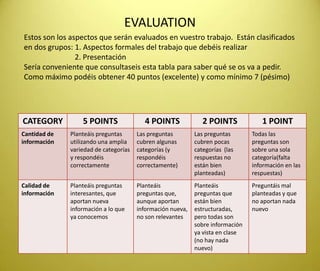
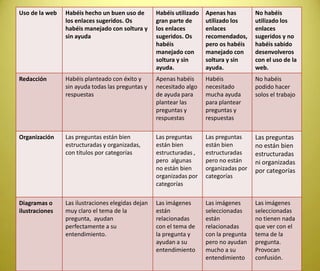
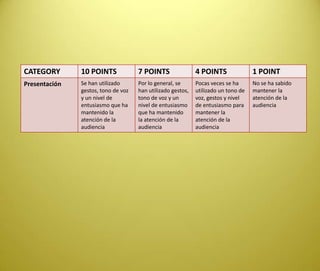
EVALUATIONEstos son los aspectos que serán evaluados en vuestro trabajo.  Están clasificados en dos grupos: 1. Aspectos formales del trabajo que debéis realizar         2. PresentaciónSería conveniente que consultaseis esta tabla para saber qué se os va a pedir. Como máximo podéis obtener 40 puntos (excelente) y como mínimo 7(pésimo)
CONCLUSIONCon esta webquest se ha pretendido que indagaseis y aprendieseis un poco más sobre cuestiones sobre: Geografía			Mundo animal			Descubridores			El Sistema Solar			Hechos sorprendentesTodos estos contenidos están adaptados al nivel lingüístico de la clase, pues no sólo hemos trabajado contenidos específicos del área de Conocimiento de Medio, sino también aspectos lingüísticos del área de Inglés.                            (Bilingüismo)Además, hemos estado trabajando en parejas utilizando las nuevas tecnologías, con lo que se ha podido poner en práctica estrategias de: búsqueda y colaboración, de negociación para llegar a acuerdos, de resolución de dudas dentro del propio grupopresentación de trabajo en públicoEn definitiva, habéis aprendido a ser más tolerantes con las opiniones de los demás, a organizar y distribuir el trabajo en parejas y a utilizar de modo satisfactorio las nuevas tecnologías.

Exploring the world

  • 1.
    EXPLORING THE WORLDSubject:ScienceGroup: 6th PrimaryPaula González García
  • 2.
    EXPLORING THE WORLDINTRODUCTIONDoyouknowthatthewhaleisthebiggestmammal? Do youknowthename of thehighestmountain? Or Do youknowwhowalkedonthemoonfor 2 hours and a half?Well, you can seethatthere are incrediblefactsyoudon’tknowabout, so in this webquest you are goingto: MakeaninvestigationTest yourclassmatesImproveyourEnglish!!So….Let’smake a competition!!!Group: 6th PrimarySubject: ScienceStudents: 20 (10 pairs)
  • 3.
    TASKToknow more aboutyourplanet,thisistheactivityyou are goingtomake: A TRIVIA QUESTIONNAIRE!!Butwhat do youhaveto do exactly?Work in pairsYouhavetomake 10 questionsaboutNature, thecity, Science, Incrediblefacts, Importantpeople…usingthe webs thatyouwillsee in theResources page (page 4)Presentation: use a Power Point withtext and images ( includethequestion and theanswer)Whenyoufinish, we’llmake a quiz show whereyouwillhaveto test yourclassmates. Take note of howmanycorrectanswerstheygive. At theend, we’llseewhichteamknows more aboutourplanet. Whentheothergroupsaskyouthequestions, writethequestionsthat are differentfromyours, so at theendwewillhave a greatnumber of differentTriviaquestions.Time: 4 hours (1.30 hour: readthetask , look forinformation and writethequestions and answers in thenotebook; 1.30 hour: prepare thePowerpointpresentation; 1 hour: thecompetition!!!)
  • 4.
    PROCESSSTEPS TO FOLLOW:THEQUESTIONS: VisitthedifferentwebsitesontheResources page and write in thenotebookthequestionsyouwanttoask (Don’tforgettheanswers!) Theinformationonthewebsite can be in Spanish, so tomakethequestionyouhavetotranslateit. Thequestions can be of differenttypes: Yes/No questions: IsthePacificthesmallestOcean? Yes itis/ No itisn’tWh-questions: usingwhat , when, who, which, howtall…Multiplechoice: Yougive 3 or 4 possibleanswers3. Ifyouwrite more than 10 questions, chooseonly 10!!4. Checkthemeaning of thewordsthatyoudon’tknowonthedictionarywebpagesthatappearontheResources page.5. Ask theteacherifyouhavedoubts!! 6. Whenyouhavethe 10 questions (and answers), asktheteachertocheckthem.7. Now, prepare thePowerpointpresentation. THE POWER POINT PRESENTATION:Simple and attractive.Don’t show theanswerwiththequestion (Rermember, 1st thequestion!!!. Theanswer comes later!!)You can use images, but use simple images (they can befun!)Whenyoufinish, ckeckthepresentation!!THE CONTESTIn turns, eachgroupasksthequestionstotheothergroups. You are in pairs, so 1 personasksthequestions and theotherwritesthenumber of correctanswers.Remember, whenyou are sittingonthechairs, writethequestionsyoudon’thave!!At theend, wewillhavetwothings: A lot of informationaboutourplanet and……A winner!!!!!!!!!!!
  • 5.
    RESOURCESHereyouhavesomewebsiteswhereyou can findalltheinformationforthequestions:In Spanish: Geography webs: http://www.vedoque.com/juegos/trivial/trivial-europa.htmlhttp://www.vedoque.com/juegos/trivial/trivial-america.htmlGeneral information: http://ar.kalipedia.com/In English: General information: http://www.teachthechildrenwell.com/social.html#expGeneral informationquiz: http://sciencekids.co.nz/quizzes/general.htmlAnimals: http://faculty.washington.edu/chudler/amaze.htmlChocolate : http://www.cadbury.co.uk/cadburyandchocolate/historyofchocolate/Pages/thehistoryofchocolate.aspxDiscoverers: http://www.bbc.co.uk/schools/famouspeople/standard/columbus/index.shtml#focusTop ten incrediblefacts: http://sciencekids.co.nz/sciencefacts/topten.htmlSolar system: http://www.manatee.k12.fl.us/sites/elementary/samoset/psgk3ex.htmDictionaries: www.wordreference.comhttp://diccionario.reverso.net/
  • 6.
    EVALUATIONEstos son losaspectos que serán evaluados en vuestro trabajo. Están clasificados en dos grupos: 1. Aspectos formales del trabajo que debéis realizar 2. PresentaciónSería conveniente que consultaseis esta tabla para saber qué se os va a pedir. Como máximo podéis obtener 40 puntos (excelente) y como mínimo 7(pésimo)
  • 9.
    CONCLUSIONCon esta webquestse ha pretendido que indagaseis y aprendieseis un poco más sobre cuestiones sobre: Geografía Mundo animal Descubridores El Sistema Solar Hechos sorprendentesTodos estos contenidos están adaptados al nivel lingüístico de la clase, pues no sólo hemos trabajado contenidos específicos del área de Conocimiento de Medio, sino también aspectos lingüísticos del área de Inglés. (Bilingüismo)Además, hemos estado trabajando en parejas utilizando las nuevas tecnologías, con lo que se ha podido poner en práctica estrategias de: búsqueda y colaboración, de negociación para llegar a acuerdos, de resolución de dudas dentro del propio grupopresentación de trabajo en públicoEn definitiva, habéis aprendido a ser más tolerantes con las opiniones de los demás, a organizar y distribuir el trabajo en parejas y a utilizar de modo satisfactorio las nuevas tecnologías.