My Busy SUMR
                   By Egor Buharin


Mentored by Matthew D McHugh, PhD, JD, MPH, RN, CRNP
Interesting Situation


∗ Continuation of former research and new projects

∗ October, 2010 – Center for Health Outcomes and
  Policy Research (CHOPR)

∗ Flurry of projects
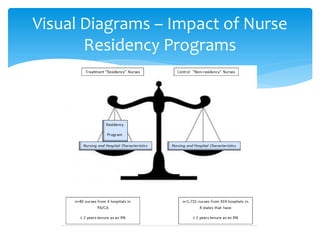
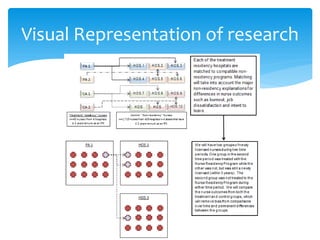
Visual Diagrams – Impact of Nurse
       Residency Programs
Visual Representation of research
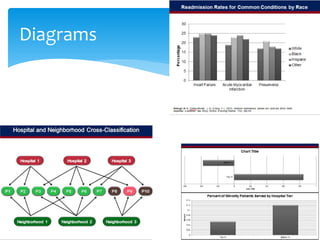
Diagrams
Projects


∗ End-of-Life Care: statistical programming

∗ California’s Nurse-to-Patient Mandate

∗ United Arab Emirates – several thousand nurse and
  patient surveys.
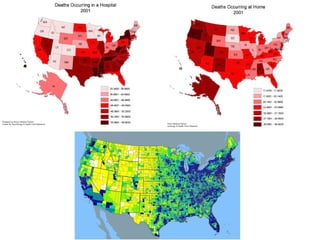
End of Life
             ∗ Set the scene.

             ∗ 2,423,995 people died in the U.S. Of these, estimated that 765,651 died in the
               hospital – 32 percent (2007)
               ∗ Among the elderly, 31 percent of deaths occurred in the hospital
               ∗ Approximately 75% of 65+ people have at least one chronic condition

             ∗ Chronically ill patients often spend their last days in a hospital – society

             ∗ 50 percent of the conscious patients who die in the hospital have moderate-to-
               severe pain at least half the time. – New England Journal of Medicine

             ∗ Passive euthanasia – legal

             ∗ Hospice
•   The Costs of End-of-Life Hospitalizations, 2007 - Yafu Zhao, M.S. and William Encinosa, Ph.D
•   AHRQ - Preventing Disability in the Elderly With Chronic Disease
+50,000,000 observation
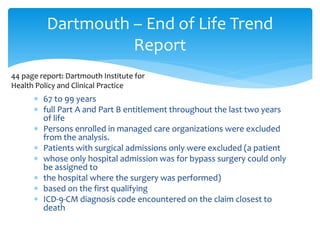
Dartmouth – End of Life Trend
                    Report
44 page report: Dartmouth Institute for
Health Policy and Clinical Practice
      ∗ 67 to 99 years
      ∗ full Part A and Part B entitlement throughout the last two years
        of life
      ∗ Persons enrolled in managed care organizations were excluded
        from the analysis.
      ∗ Patients with surgical admissions only were excluded (a patient
      ∗ whose only hospital admission was for bypass surgery could only
        be assigned to
      ∗ the hospital where the surgery was performed)
      ∗ based on the first qualifying
      ∗ ICD-9-CM diagnosis code encountered on the claim closest to
        death
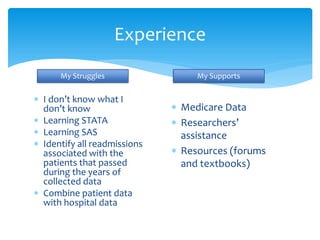
Experience
      My Struggles                 My Supports

∗ I don’t know what I
  don’t know                  ∗ Medicare Data
∗ Learning STATA              ∗ Researchers’
∗ Learning SAS                  assistance
∗ Identify all readmissions
  associated with the         ∗ Resources (forums
  patients that passed          and textbooks)
  during the years of
  collected data
∗ Combine patient data
  with hospital data
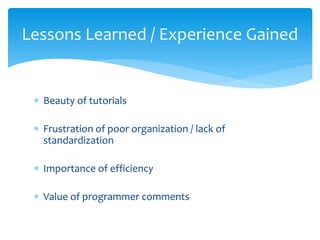
Lessons Learned / Experience Gained


 ∗ Beauty of tutorials

 ∗ Frustration of poor organization / lack of
   standardization

 ∗ Importance of efficiency

 ∗ Value of programmer comments
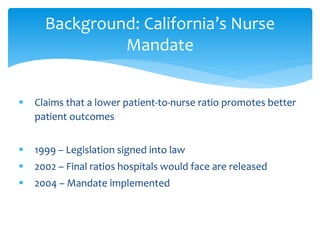
Background: California’s Nurse
               Mandate


   Claims that a lower patient-to-nurse ratio promotes better
    patient outcomes


   1999 – Legislation signed into law
   2002 – Final ratios hospitals would face are released
   2004 – Mandate implemented
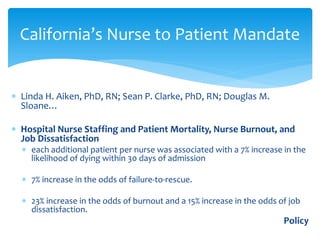
California’s Nurse to Patient Mandate


∗ Linda H. Aiken, PhD, RN; Sean P. Clarke, PhD, RN; Douglas M.
  Sloane…

∗ Hospital Nurse Staffing and Patient Mortality, Nurse Burnout, and
  Job Dissatisfaction
  ∗ each additional patient per nurse was associated with a 7% increase in the
    likelihood of dying within 30 days of admission

  ∗ 7% increase in the odds of failure-to-rescue.

  ∗ 23% increase in the odds of burnout and a 15% increase in the odds of job
    dissatisfaction.
                                                                        Policy
Propelled Research: 2056


∗ Magnet Hospitals

∗ Hospital or department closings (not significant)

∗ Public reporting: Nurse to Patient Ratios – increased
  competitiveness among hospitals

∗ Lower percentage of skilled nurses (BSN trained): paper
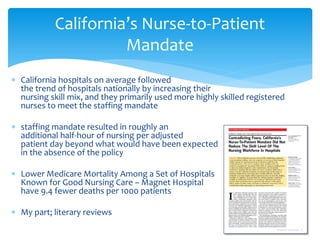
California’s Nurse-to-Patient
                     Mandate
∗ California hospitals on average followed
  the trend of hospitals nationally by increasing their
  nursing skill mix, and they primarily used more highly skilled registered
  nurses to meet the staffing mandate

∗ staffing mandate resulted in roughly an
  additional half-hour of nursing per adjusted
  patient day beyond what would have been expected
  in the absence of the policy

∗ Lower Medicare Mortality Among a Set of Hospitals
  Known for Good Nursing Care – Magnet Hospital
  have 9.4 fewer deaths per 1000 patients

∗ My part; literary reviews
Tremendous Gain


∗ Inside the head of a researcher

∗ Discuss inherent problems

∗ Search for solutions

∗ Be part of the developmental processes
United Arab Emirates

∗ Established as a country in 1973

∗ 30% of world’s cranes in Dubai – 2008

∗ The UAE is classified as a high-income developing economy by
  the International Monetary Fund.

∗ A high per-capita nominal GDP of US$47,407 for the last fiscal
  year.
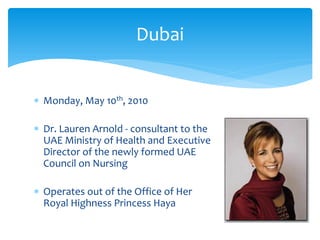
Dubai


∗ Monday, May 10th, 2010

∗ Dr. Lauren Arnold - consultant to the
  UAE Ministry of Health and Executive
  Director of the newly formed UAE
  Council on Nursing

∗ Operates out of the Office of Her
  Royal Highness Princess Haya
∗ Ghada Sherry. Ghada is Head of practice Development Section,
  Federal Department of Nursing, Ministry of Health
∗ Deputy Minister
∗ Dr. Fatima Rafai, Chief Nurse of UAE
∗ Dr. Linda Aiken
∗ Dr. Hanif Al Qassimi, Minister of Health for United Arab Emirates
∗ Dr. Lauren Arnold
The Surveys


∗ 30 general hospitals of over 100 beds in the UAE

∗ EU research protocol surveying nurses and patients

∗ Grant from Emirates Foundation and the Ministry

∗ Nursing survey - 8 pages, 15 questions each.
Intent


∗ Use empirical data to sculpt a modern healthcare
  system

∗ Very malleable – as oppose to the healthcare system
  of the United States

∗ Create a international model
Coding


∗ First – skim through packets searching for excessive
  mistakes.

∗ Interesting findings from first glance: Nurses were
  eager to vent.

∗ Physical and verbal abuse from patients, patients’
  families, and superiors – Very Dissatisfied
Technical Lessons


∗ Properly construct survey
  ∗ Typos
  ∗ Leave no room to wiggle
  ∗ BASIC


∗ Importance of automated coding
  ∗ Countless work-hours
  ∗ Time consuming labor
Appreciation


∗ Matthew D McHugh, PhD, JD, MPH, RN, CRNP

∗ All personnel and faculty that make SUMR possible

∗ SUMR Scholars

Evaluating the Difference in Outcomes

  • 1.
    My Busy SUMR By Egor Buharin Mentored by Matthew D McHugh, PhD, JD, MPH, RN, CRNP
  • 2.
    Interesting Situation ∗ Continuationof former research and new projects ∗ October, 2010 – Center for Health Outcomes and Policy Research (CHOPR) ∗ Flurry of projects
  • 3.
    Visual Diagrams –Impact of Nurse Residency Programs
  • 4.
  • 5.
  • 6.
    Projects ∗ End-of-Life Care:statistical programming ∗ California’s Nurse-to-Patient Mandate ∗ United Arab Emirates – several thousand nurse and patient surveys.
  • 7.
    End of Life ∗ Set the scene. ∗ 2,423,995 people died in the U.S. Of these, estimated that 765,651 died in the hospital – 32 percent (2007) ∗ Among the elderly, 31 percent of deaths occurred in the hospital ∗ Approximately 75% of 65+ people have at least one chronic condition ∗ Chronically ill patients often spend their last days in a hospital – society ∗ 50 percent of the conscious patients who die in the hospital have moderate-to- severe pain at least half the time. – New England Journal of Medicine ∗ Passive euthanasia – legal ∗ Hospice • The Costs of End-of-Life Hospitalizations, 2007 - Yafu Zhao, M.S. and William Encinosa, Ph.D • AHRQ - Preventing Disability in the Elderly With Chronic Disease
  • 9.
  • 10.
    Dartmouth – Endof Life Trend Report 44 page report: Dartmouth Institute for Health Policy and Clinical Practice ∗ 67 to 99 years ∗ full Part A and Part B entitlement throughout the last two years of life ∗ Persons enrolled in managed care organizations were excluded from the analysis. ∗ Patients with surgical admissions only were excluded (a patient ∗ whose only hospital admission was for bypass surgery could only be assigned to ∗ the hospital where the surgery was performed) ∗ based on the first qualifying ∗ ICD-9-CM diagnosis code encountered on the claim closest to death
  • 11.
    Experience My Struggles My Supports ∗ I don’t know what I don’t know ∗ Medicare Data ∗ Learning STATA ∗ Researchers’ ∗ Learning SAS assistance ∗ Identify all readmissions associated with the ∗ Resources (forums patients that passed and textbooks) during the years of collected data ∗ Combine patient data with hospital data
  • 12.
    Lessons Learned /Experience Gained ∗ Beauty of tutorials ∗ Frustration of poor organization / lack of standardization ∗ Importance of efficiency ∗ Value of programmer comments
  • 13.
    Background: California’s Nurse Mandate  Claims that a lower patient-to-nurse ratio promotes better patient outcomes  1999 – Legislation signed into law  2002 – Final ratios hospitals would face are released  2004 – Mandate implemented
  • 14.
    California’s Nurse toPatient Mandate ∗ Linda H. Aiken, PhD, RN; Sean P. Clarke, PhD, RN; Douglas M. Sloane… ∗ Hospital Nurse Staffing and Patient Mortality, Nurse Burnout, and Job Dissatisfaction ∗ each additional patient per nurse was associated with a 7% increase in the likelihood of dying within 30 days of admission ∗ 7% increase in the odds of failure-to-rescue. ∗ 23% increase in the odds of burnout and a 15% increase in the odds of job dissatisfaction. Policy
  • 15.
    Propelled Research: 2056 ∗Magnet Hospitals ∗ Hospital or department closings (not significant) ∗ Public reporting: Nurse to Patient Ratios – increased competitiveness among hospitals ∗ Lower percentage of skilled nurses (BSN trained): paper
  • 16.
    California’s Nurse-to-Patient Mandate ∗ California hospitals on average followed the trend of hospitals nationally by increasing their nursing skill mix, and they primarily used more highly skilled registered nurses to meet the staffing mandate ∗ staffing mandate resulted in roughly an additional half-hour of nursing per adjusted patient day beyond what would have been expected in the absence of the policy ∗ Lower Medicare Mortality Among a Set of Hospitals Known for Good Nursing Care – Magnet Hospital have 9.4 fewer deaths per 1000 patients ∗ My part; literary reviews
  • 17.
    Tremendous Gain ∗ Insidethe head of a researcher ∗ Discuss inherent problems ∗ Search for solutions ∗ Be part of the developmental processes
  • 18.
    United Arab Emirates ∗Established as a country in 1973 ∗ 30% of world’s cranes in Dubai – 2008 ∗ The UAE is classified as a high-income developing economy by the International Monetary Fund. ∗ A high per-capita nominal GDP of US$47,407 for the last fiscal year.
  • 19.
    Dubai ∗ Monday, May10th, 2010 ∗ Dr. Lauren Arnold - consultant to the UAE Ministry of Health and Executive Director of the newly formed UAE Council on Nursing ∗ Operates out of the Office of Her Royal Highness Princess Haya
  • 20.
    ∗ Ghada Sherry.Ghada is Head of practice Development Section, Federal Department of Nursing, Ministry of Health ∗ Deputy Minister ∗ Dr. Fatima Rafai, Chief Nurse of UAE ∗ Dr. Linda Aiken ∗ Dr. Hanif Al Qassimi, Minister of Health for United Arab Emirates ∗ Dr. Lauren Arnold
  • 21.
    The Surveys ∗ 30general hospitals of over 100 beds in the UAE ∗ EU research protocol surveying nurses and patients ∗ Grant from Emirates Foundation and the Ministry ∗ Nursing survey - 8 pages, 15 questions each.
  • 22.
    Intent ∗ Use empiricaldata to sculpt a modern healthcare system ∗ Very malleable – as oppose to the healthcare system of the United States ∗ Create a international model
  • 23.
    Coding ∗ First –skim through packets searching for excessive mistakes. ∗ Interesting findings from first glance: Nurses were eager to vent. ∗ Physical and verbal abuse from patients, patients’ families, and superiors – Very Dissatisfied
  • 24.
    Technical Lessons ∗ Properlyconstruct survey ∗ Typos ∗ Leave no room to wiggle ∗ BASIC ∗ Importance of automated coding ∗ Countless work-hours ∗ Time consuming labor
  • 25.
    Appreciation ∗ Matthew DMcHugh, PhD, JD, MPH, RN, CRNP ∗ All personnel and faculty that make SUMR possible ∗ SUMR Scholars