Product Design
 Improvement
Maria Conchitina T. Bandong, M.D.


                                    S
Product Design

S Process of creating a new product to be sold
  by a business to its customers
S Efficient and effective generation &
  development of ideas through a process that
  leads to new products
S Combination of art, science & technology
Product Design Process


S 1. Analysis
    - Team starts committing to the project
    - “everyone in the team begins research”
    - Gathering of materials:
      statistics, questionnaires, articles
Product Design Process


S 2. Concept
  - key issues are defined
  - Creation of objectives
  - New design
Product Design Process

S 3. Synthesis
  - ideate: brainstorming of different ideas
  - select: narrowing of ideas to select a few; begins to
    outline plan
  - Implement: prototypes are built; products become
    actual object
  - Evaluate: product is tested & improvements are
    made
S “Things should be made as simple as
  possible, but no simpler”……Albert Einstein
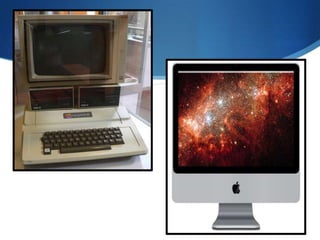
Steve Jobs & John Ive
Principles of Product Design


S 1. Do Something Well, not Different

- “If you are trying to do something better, then you are
  not focused on the customer & you’ll miss the possibility
  of making your business great”
Principles of Product Design


S 2. Focus on the Idea
  - Ideas are the basis of products and services
Principles of Product Design

S 3. Remember the What If

- “What if we do this, combine it with that, would that
  be useful?

- Do not respond only to individual problems

- Always look at the possibilities
Principles of Product Design


S 4. Put in the TIME

- Months & months & months

- PERSEVERANCE
Pillars of Design Philosophy


S 1. CRAFT, Above All

- Level of detail is important

- Impression

- Quality has to be carried all the way through
Pillars of Design Philosophy


S 2. Empathy

- Intimate connection with feelings of the
  customers… (Markulla)
Pillars of Design Philosophy


S 3. Focus

- “In order to do a good job of those things that
we decide to do, we must eliminate all of the
unimportant opportunities”…Markulla
Pillars of Design Philosophy


S 4. Impute

- People form an opinion about a company or
  product based on the signals that it conveys
- “People DO judge a book by its cover”
Pillars of Design Philosophy


S 5. Friendliness

- Make the design friendly especially for
  novice consumers
Pillars of Design Philosophy


S 6. Finding Simplicity for the Future in
  Metaphors from the Past
Apple’s Design
          Leadership Principles

S 1. Love Beauty & Be Passionately Committed to it.

S 2. Create Products that Look, Act, & Feel Like No One
  Else.

S 3. Be Relentless in Perfecting the Ideal.

S 4. Analyze What’s Possible in the world of Technology
  & Design.
Apple’s Design
        Leadership Principles

S 5. Consider the Trends of Framing what’s Emerging -
  & be there in Front.

S 6. Simple can look simple, but be Complex to get
  there.

S 7. To Lead, it’s a matter of being in Front. To be
  there, you’ll be risking everything that you stand for.

S 8. Design Strategy is how it Works.
Apple’s Design
       Leadership Principles

S 9. Design Strategy is how it Works.

S 10. Know Who you are designing for.

S 11. Only the Best. All Ways.

S 12. Failure is the Best way to Learn.
S References:

1. Wikipedia

2. Inc. Techtown/Eric Sherman

3. www.nbcnews.com

Entrep SR Product Design Improvement

  • 1.
    Product Design Improvement MariaConchitina T. Bandong, M.D. S
  • 2.
    Product Design S Processof creating a new product to be sold by a business to its customers S Efficient and effective generation & development of ideas through a process that leads to new products S Combination of art, science & technology
  • 3.
    Product Design Process S1. Analysis - Team starts committing to the project - “everyone in the team begins research” - Gathering of materials: statistics, questionnaires, articles
  • 4.
    Product Design Process S2. Concept - key issues are defined - Creation of objectives - New design
  • 5.
    Product Design Process S3. Synthesis - ideate: brainstorming of different ideas - select: narrowing of ideas to select a few; begins to outline plan - Implement: prototypes are built; products become actual object - Evaluate: product is tested & improvements are made
  • 6.
    S “Things shouldbe made as simple as possible, but no simpler”……Albert Einstein
  • 7.
    Steve Jobs &John Ive
  • 8.
    Principles of ProductDesign S 1. Do Something Well, not Different - “If you are trying to do something better, then you are not focused on the customer & you’ll miss the possibility of making your business great”
  • 9.
    Principles of ProductDesign S 2. Focus on the Idea - Ideas are the basis of products and services
  • 10.
    Principles of ProductDesign S 3. Remember the What If - “What if we do this, combine it with that, would that be useful? - Do not respond only to individual problems - Always look at the possibilities
  • 11.
    Principles of ProductDesign S 4. Put in the TIME - Months & months & months - PERSEVERANCE
  • 13.
    Pillars of DesignPhilosophy S 1. CRAFT, Above All - Level of detail is important - Impression - Quality has to be carried all the way through
  • 14.
    Pillars of DesignPhilosophy S 2. Empathy - Intimate connection with feelings of the customers… (Markulla)
  • 15.
    Pillars of DesignPhilosophy S 3. Focus - “In order to do a good job of those things that we decide to do, we must eliminate all of the unimportant opportunities”…Markulla
  • 16.
    Pillars of DesignPhilosophy S 4. Impute - People form an opinion about a company or product based on the signals that it conveys - “People DO judge a book by its cover”
  • 17.
    Pillars of DesignPhilosophy S 5. Friendliness - Make the design friendly especially for novice consumers
  • 18.
    Pillars of DesignPhilosophy S 6. Finding Simplicity for the Future in Metaphors from the Past
  • 19.
    Apple’s Design Leadership Principles S 1. Love Beauty & Be Passionately Committed to it. S 2. Create Products that Look, Act, & Feel Like No One Else. S 3. Be Relentless in Perfecting the Ideal. S 4. Analyze What’s Possible in the world of Technology & Design.
  • 20.
    Apple’s Design Leadership Principles S 5. Consider the Trends of Framing what’s Emerging - & be there in Front. S 6. Simple can look simple, but be Complex to get there. S 7. To Lead, it’s a matter of being in Front. To be there, you’ll be risking everything that you stand for. S 8. Design Strategy is how it Works.
  • 21.
    Apple’s Design Leadership Principles S 9. Design Strategy is how it Works. S 10. Know Who you are designing for. S 11. Only the Best. All Ways. S 12. Failure is the Best way to Learn.
  • 22.
    S References: 1. Wikipedia 2.Inc. Techtown/Eric Sherman 3. www.nbcnews.com