1
Introduction
Hop (Humulus lupulus L.) is a hardy, climbing,
herbaceous perennial that is used principally as a
bittering and flavoring agent in beer. Hop also can be
used as a landscape ornamental, feed supplement in
livestock production, a preservative, and for medicinal
purposes. Although commercial hop production is
largely restricted to between the 35th and 55th degree
latitudes, the plant is adaptable to a wide variety of
climatic conditions and can be successfully grown over a
much wider area.
Growing your own hops for brewing or ornamental
purposes can be quite satisfying. The plants are large
and attractive, work well for providing a natural look to
arbors and archways, and the cones produce pleasing
flavors and aromas for beer brewing. Consistently
producing healthy hop plants with good cone yields is a
bit of an art, but with experience, it is a process that can
be mastered easily.
Brooke Getty, graduate research assistant, Department of
Crop and Soil Science; Shaun Townsend, assistant professor,
Department of Crop and Soil Science; and Amy Jo Detweiler,
Extension horticulturist and associate professor, Department
of Horticulture; all of Oregon State University.
EM 9115 • July 2015
Biology 	
Hop is rhizomatous, meaning the plant has
underground stems that have the ability to produce
additional roots and shoots. The root system consists of a
large taproot and small lateral roots.
Hop plants are dioecious—meaning male and female
flowers are produced on separate plants. Female plants
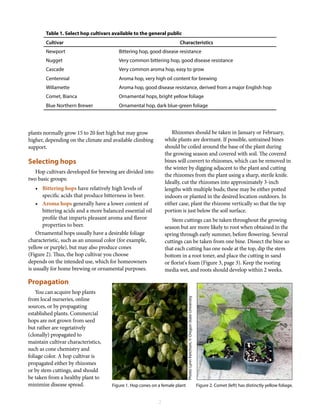
(Figure 1, page 2) produce the “cones” (mature flowers
that form on lateral branches during the summer). The
female plants are the type normally available for purchase
(Table 1, page 2). Specialized glands within the cones
produce a yellow, resinous substance called lupulin,
which is a complex mixture of chemical components.
Hop stems are called bines (not vines) because they
climb by wrapping around a supporting structure in a
clockwise direction and cling to the surface using stiff,
hooked hairs. Stems are hexagonally shaped. The stem
margin may have purple, red, or green stripes. Hop
Growing Hops in
the Home Garden
B. Getty, S. Townsend, and A. J. Detweiler
Photo:AmyJoDetweiler,©OregonStateUniversity
2
plants normally grow 15 to 20 feet high but may grow
higher, depending on the climate and available climbing
support.
Selecting hops
Hop cultivars developed for brewing are divided into
two basic groups:
•	 Bittering hops have relatively high levels of
specific acids that produce bitterness in beer.
•	 Aroma hops generally have a lower content of
bittering acids and a more balanced essential oil
profile that imparts pleasant aroma and flavor
properties to beer.
Ornamental hops usually have a desirable foliage
characteristic, such as an unusual color (for example,
yellow or purple), but may also produce cones
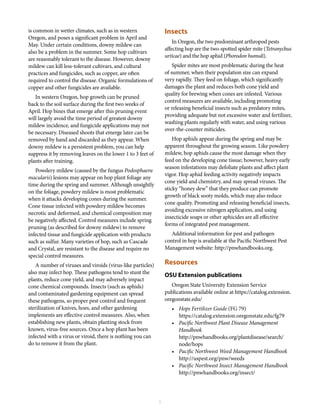
(Figure 2). Thus, the hop cultivar you choose
depends on the intended use, which for homeowners
is usually for home brewing or ornamental purposes.
Table 1. Select hop cultivars available to the general public
Cultivar Characteristics
Newport Bittering hop, good disease resistance
Nugget Very common bittering hop, good disease resistance
Cascade Very common aroma hop, easy to grow
Centennial Aroma hop, very high oil content for brewing
Willamette Aroma hop, good disease resistance, derived from a major English hop
Comet, Bianca Ornamental hops, bright yellow foliage
Blue Northern Brewer Ornamental hop, dark blue-green foliage
Rhizomes should be taken in January or February,
while plants are dormant. If possible, untrained bines
should be coiled around the base of the plant during
the growing season and covered with soil. The covered
bines will convert to rhizomes, which can be removed in
the winter by digging adjacent to the plant and cutting
the rhizomes from the plant using a sharp, sterile knife.
Ideally, cut the rhizomes into approximately 3-inch
lengths with multiple buds; these may be either potted
indoors or planted in the desired location outdoors. In
either case, plant the rhizome vertically so that the top
portion is just below the soil surface.
Stem cuttings can be taken throughout the growing
season but are more likely to root when obtained in the
spring through early summer, before flowering. Several
cuttings can be taken from one bine. Dissect the bine so
that each cutting has one node at the top, dip the stem
bottom in a root toner, and place the cutting in sand
or florist's foam (Figure 3, page 3). Keep the rooting
media wet, and roots should develop within 2 weeks.
Propagation
You can acquire hop plants
from local nurseries, online
sources, or by propagating
established plants. Commercial
hops are not grown from seed
but rather are vegetatively
(clonally) propagated to
maintain cultivar characteristics,
such as cone chemistry and
foliage color. A hop cultivar is
propagated either by rhizomes
or by stem cuttings, and should
be taken from a healthy plant to
minimize disease spread. Figure 1. Hop cones on a female plant Figure 2. Comet (left) has distinctly yellow foliage.
Photo:LynnKetchum,©OregonStateUniversity
3
Once roots are well formed, transplant the cutting into
a pot with soil and fertilize with a basic fertilizer such as
16-16-16.
Establishment and care
Ideally, hops should be planted in a well-drained site,
preferably a sandy- or silt-loam soil. Choose a growing
site that receives considerable sunshine and is away
from shade-sensitive plants. If planting two or more
hop plants side by side, allow 24 to 36 inches of spacing
between plants.
Once the threat of a killing frost has passed in the
spring, transplant the hops into the desired outdoor site.
To minimize transplant shock, move the plants outdoors
into a partially shaded area several days prior to
transplanting. Dig a planting area that is approximately
twice the width of the planting container and to the
same depth. Remove the hop plant and place it in the
center of the hole so that it is even with the soil level.
Backfill the area with soil, and water thoroughly. Sites
with sandy soil may require an amendment to help
retain moisture (e.g., compost) whereas clay type soils
may need an amendment to improve aeration (e.g.,
coconut coir). Initially, provide consistent watering
while being careful to not overwater because hops do not
like to have “wet feet.”
After establishment, provide a climbing support, such
as a pole or trellis, at the planting site. Commercial hops
are produced on an 18- to 20-foot trellis, but a 14- to
15-foot trellis is sufficient for home use. Shorter heights
are fine if maximum cone production is not desired.
The plants may look weak the first week or so after
planting, but they should begin growing rapidly within
a few weeks. The focus in the first year of planting is
root establishment and not cone production, thus it
may be beneficial to limit the plant's ability to climb
during establishment by supplying only a 4-foot stake or
bamboo pole.
Be careful not to remove foliage during the first
year because the plants require as much leaf material as
possible to develop and store carbohydrates in the root
system for the following year's growth. Plants usually
reach full production in their second or third growing
season.
Training hops	
As soil temperatures warm in the spring, hop bines
will begin to emerge and spread out along the ground.
At this point, climbing support should be placed near
the plant.
Once bines are approximately 3 feet in length, wrap
several bines clockwise around the climbing support
to train the bines (Figure 4, page 4). Unused bines may
be covered with soil to form rhizomes, removed with a
knife (mature plants only), or left as groundcover. If left
as groundcover, be aware that bines will attempt to climb
on whatever they contact, including other plants.
Fertilization
Plants may be fertilized during spring and early
summer, but fertilizer is not typically required after
mid-July. Nitrogen is usually the limiting nutrient for
adequate hop growth. You can apply nitrogen as urea
(46-0-0) or in combination with other nutrients such as
a 16-16-16 fertilizer. An easy way to fertilize individual
hop plants is to sprinkle a tablespoon of either 46-0-0 or
16-16-16 fertilizer near the plant every two weeks from
April through mid-July.
Figure 3. A hop bine (left) may be dissected into several cuttings each with one node and leaf (middle) and planted
in florist's foam (right) or sand for rooting.
4
Irrigation
Hop plants require consistent
moisture throughout the growing
season. Be careful not to over-
saturate the soil, or nutrients
may leach into groundwater. You
can let the soil dry out slightly
between waterings. Hop plants
grow very rapidly during the heat
of summer, so it is important to
deliver consistent, even moisture
to prevent drought stress. A hop
plant may require several gallons
of water per day during summer.
Ideally, water plants either with
a drip system, by hand at the
Remove mature cones from the plant and dry them
in a shady location in trays with a mesh bottom to allow
moisture to escape. Forcing warm air through the trays
will speed the drying process, but do not use a heat
source above 140°F because some of the oil components
will be lost. Cone quality will likely be better when
drying temperature is 125°F or less.
Once the cones are dry, seal them in plastic bags and
remove as much air as possible to minimize chemical
degradation. Ideally, the cones should be refrigerated
or placed in a freezer to further minimize chemical
degradation and preserve their brewing value.
Diseases
Downy and powdery mildews are two common
diseases affecting hops (Figure 6). Downy mildew (caused
by the fungus-like organism Pseudoperonospora humuli)
Figure 4. Training a hop bine Figure 5. Mature hop cone
base of the plant, or with microsprays (in sandy soils).
This minimizes wet foliage, which can lead to disease
problems.
Harvesting and storage
In both western and central Oregon, hops
typically mature between August 15 and September
15, depending on the cultivar and growing season
conditions. Hop cones harvested for beer brewing can
be used fresh after picking, or dried and sealed in an
airtight container under refrigeration for later use. To
determine if a plant is ready for harvest, examine several
cones in the upper part of the canopy. Mature cones will
have a dry, papery feel, and the lupulin inside of the cone
will be golden yellow and have a pleasant “hoppy”
aroma (Figure 5). Immature cones will feel soft and
vegetative, and the lupulin will be pale yellow with a
mild vegetative aroma.
Figure 6. Downy mildew (left) and powdery mildew (right) in hops
Photo:StephenAusmus,©USDA
5
is common in wetter climates, such as in western
Oregon, and poses a significant problem in April and
May. Under certain conditions, downy mildew can
also be a problem in the summer. Some hop cultivars
are reasonably tolerant to the disease. However, downy
mildew can kill less-tolerant cultivars, and cultural
practices and fungicides, such as copper, are often
required to control the disease. Organic formulations of
copper and other fungicides are available.
In western Oregon, hop growth can be pruned
back to the soil surface during the first two weeks of
April. Hop bines that emerge after this pruning event
will largely avoid the time period of greatest downy
mildew incidence, and fungicide applications may not
be necessary. Diseased shoots that emerge later can be
removed by hand and discarded as they appear. When
downy mildew is a persistent problem, you can help
suppress it by removing leaves on the lower 1 to 3 feet of
plants after training.
Powdery mildew (caused by the fungus Podosphaera
macularis) lesions may appear on hop plant foliage any
time during the spring and summer. Although unsightly
on the foliage, powdery mildew is most problematic
when it attacks developing cones during the summer.
Cone tissue infected with powdery mildew becomes
necrotic and deformed, and chemical composition may
be negatively affected. Control measures include spring
pruning (as described for downy mildew) to remove
infected tissue and fungicide application with products
such as sulfur. Many varieties of hop, such as Cascade
and Crystal, are resistant to the disease and require no
special control measures.
A number of viruses and viroids (virus-like particles)
also may infect hop. These pathogens tend to stunt the
plants, reduce cone yield, and may adversely impact
cone chemical compounds. Insects (such as aphids)
and contaminated gardening equipment can spread
these pathogens, so proper pest control and frequent
sterilization of knives, hoes, and other gardening
implements are effective control measures. Also, when
establishing new plants, obtain planting stock from
known, virus-free sources. Once a hop plant has been
infected with a virus or viroid, there is nothing you can
do to remove it from the plant.
Insects
In Oregon, the two predominant arthropod pests
affecting hop are the two-spotted spider mite (Tetranychus
urticae) and the hop aphid (Phorodon humuli).
Spider mites are most problematic during the heat
of summer, when their population size can expand
very rapidly. They feed on foliage, which significantly
damages the plant and reduces both cone yield and
quality for brewing when cones are infested. Various
control measures are available, including promoting
or releasing beneficial insects such as predatory mites,
providing adequate but not excessive water and fertilizer,
washing plants regularly with water, and using various
over-the-counter miticides.
Hop aphids appear during the spring and may be
apparent throughout the growing season. Like powdery
mildew, hop aphids cause the most damage when they
feed on the developing cone tissue; however, heavy early
season infestations may defoliate plants and affect plant
vigor. Hop aphid feeding activity negatively impacts
cone yield and chemistry, and may spread viruses. The
sticky “honey dew” that they produce can promote
growth of black sooty molds, which may also reduce
cone quality. Promoting and releasing beneficial insects,
avoiding excessive nitrogen application, and using
insecticide soaps or other aphicides are all effective
forms of integrated pest management.
Additional information for pest and pathogen
control in hop is available at the Pacific Northwest Pest
Management website: http://pnwhandbooks.org.
Resources
OSU Extension publications
Oregon State University Extension Service
publications available online at https://catalog.extension.
oregonstate.edu/
•	 Hops Fertilizer Guide (FG 79)
https://catalog.extension.oregonstate.edu/fg79
•	 Pacific Northwest Plant Disease Management
Handbook
http://pnwhandbooks.org/plantdisease/search/
node/hops
•	 Pacific Northwest Weed Management Handbook
http://uspest.org/pnw/weeds
•	 Pacific Northwest Insect Management Handbook
http://pnwhandbooks.org/insect/
6
© 2015 Published and distributed in furtherance of the Acts of Congress of May 8 and June 30, 1914, by the Oregon State University Extension Service, Washington
State University Extension, University of Idaho Extension, and the U.S. Department of Agriculture cooperating. The three participating Extension services offer edu-
cational programs, activities, and materials without discrimination based on age, color, disability, familial or parental status, gender identity or expression, genetic
information, marital status, national origin, political beliefs, race, religion, reprisal, sex, sexual orientation, veteran’s status, or because all or a part of an individual's
income is derived from any public assistance program. The Oregon State University Extension Service, Washington State University Extension, and University of Idaho
Extension are an AA/EOE/Veterans/Disabled.
Published July 2015.
All photos by Shaun Townsend, © Oregon State University, unless otherwise indicated.
Other resources
Production
•	 Hops: Organic Production. By George Kuepper
and Katherine L. Adam
https://attra.ncat.org/attra-pub/summaries/sum-
mary.php?pub=87
•	 USDA Named Hop Variety Descriptions
http://www.freshops.com/hops/
usda-named-hop-variety-descriptions
•	 Small Scale and Organic Hops Production.
By Rebecca Kneen
http://www.crannogales.com/HopsManual.pdf
Pest management
•	 Compendium of Hop Diseases and Pests. Edited
by Walter Mahaffee, Sarah Pethybridge, and
David Gent
http://www.apsnet.org/apsstore/shopapspress/
Pages/43764.aspx
•	 Field Guide for Integrated Pest Management
in Hops. By David Gent, James Barbour, Amy
Dreves, David James, Robert Parker, and
Douglas Walsh
http://www.usahops.org/userfiles/file/
Research%20Reports%20&%20Presentations/
HopPocketGuideFINAL%5B1%5D.pdf
General information
•	 Oregon Hop Commission
http://www.oregonhops.org/
•	 American Hop Museum
(some information on varieties)
http://www.americanhopmuseum.org/
•	 USA Hops: Hop Growers of America
http://www.usahops.org
•	 Hopunion of Washington and Oregon
www.hopunion.com
•	 Hop Research Council
http://www.hopresearchcouncil.org/

em9115

  • 1.
    1 Introduction Hop (Humulus lupulusL.) is a hardy, climbing, herbaceous perennial that is used principally as a bittering and flavoring agent in beer. Hop also can be used as a landscape ornamental, feed supplement in livestock production, a preservative, and for medicinal purposes. Although commercial hop production is largely restricted to between the 35th and 55th degree latitudes, the plant is adaptable to a wide variety of climatic conditions and can be successfully grown over a much wider area. Growing your own hops for brewing or ornamental purposes can be quite satisfying. The plants are large and attractive, work well for providing a natural look to arbors and archways, and the cones produce pleasing flavors and aromas for beer brewing. Consistently producing healthy hop plants with good cone yields is a bit of an art, but with experience, it is a process that can be mastered easily. Brooke Getty, graduate research assistant, Department of Crop and Soil Science; Shaun Townsend, assistant professor, Department of Crop and Soil Science; and Amy Jo Detweiler, Extension horticulturist and associate professor, Department of Horticulture; all of Oregon State University. EM 9115 • July 2015 Biology Hop is rhizomatous, meaning the plant has underground stems that have the ability to produce additional roots and shoots. The root system consists of a large taproot and small lateral roots. Hop plants are dioecious—meaning male and female flowers are produced on separate plants. Female plants (Figure 1, page 2) produce the “cones” (mature flowers that form on lateral branches during the summer). The female plants are the type normally available for purchase (Table 1, page 2). Specialized glands within the cones produce a yellow, resinous substance called lupulin, which is a complex mixture of chemical components. Hop stems are called bines (not vines) because they climb by wrapping around a supporting structure in a clockwise direction and cling to the surface using stiff, hooked hairs. Stems are hexagonally shaped. The stem margin may have purple, red, or green stripes. Hop Growing Hops in the Home Garden B. Getty, S. Townsend, and A. J. Detweiler Photo:AmyJoDetweiler,©OregonStateUniversity
  • 2.
    2 plants normally grow15 to 20 feet high but may grow higher, depending on the climate and available climbing support. Selecting hops Hop cultivars developed for brewing are divided into two basic groups: • Bittering hops have relatively high levels of specific acids that produce bitterness in beer. • Aroma hops generally have a lower content of bittering acids and a more balanced essential oil profile that imparts pleasant aroma and flavor properties to beer. Ornamental hops usually have a desirable foliage characteristic, such as an unusual color (for example, yellow or purple), but may also produce cones (Figure 2). Thus, the hop cultivar you choose depends on the intended use, which for homeowners is usually for home brewing or ornamental purposes. Table 1. Select hop cultivars available to the general public Cultivar Characteristics Newport Bittering hop, good disease resistance Nugget Very common bittering hop, good disease resistance Cascade Very common aroma hop, easy to grow Centennial Aroma hop, very high oil content for brewing Willamette Aroma hop, good disease resistance, derived from a major English hop Comet, Bianca Ornamental hops, bright yellow foliage Blue Northern Brewer Ornamental hop, dark blue-green foliage Rhizomes should be taken in January or February, while plants are dormant. If possible, untrained bines should be coiled around the base of the plant during the growing season and covered with soil. The covered bines will convert to rhizomes, which can be removed in the winter by digging adjacent to the plant and cutting the rhizomes from the plant using a sharp, sterile knife. Ideally, cut the rhizomes into approximately 3-inch lengths with multiple buds; these may be either potted indoors or planted in the desired location outdoors. In either case, plant the rhizome vertically so that the top portion is just below the soil surface. Stem cuttings can be taken throughout the growing season but are more likely to root when obtained in the spring through early summer, before flowering. Several cuttings can be taken from one bine. Dissect the bine so that each cutting has one node at the top, dip the stem bottom in a root toner, and place the cutting in sand or florist's foam (Figure 3, page 3). Keep the rooting media wet, and roots should develop within 2 weeks. Propagation You can acquire hop plants from local nurseries, online sources, or by propagating established plants. Commercial hops are not grown from seed but rather are vegetatively (clonally) propagated to maintain cultivar characteristics, such as cone chemistry and foliage color. A hop cultivar is propagated either by rhizomes or by stem cuttings, and should be taken from a healthy plant to minimize disease spread. Figure 1. Hop cones on a female plant Figure 2. Comet (left) has distinctly yellow foliage. Photo:LynnKetchum,©OregonStateUniversity
  • 3.
    3 Once roots arewell formed, transplant the cutting into a pot with soil and fertilize with a basic fertilizer such as 16-16-16. Establishment and care Ideally, hops should be planted in a well-drained site, preferably a sandy- or silt-loam soil. Choose a growing site that receives considerable sunshine and is away from shade-sensitive plants. If planting two or more hop plants side by side, allow 24 to 36 inches of spacing between plants. Once the threat of a killing frost has passed in the spring, transplant the hops into the desired outdoor site. To minimize transplant shock, move the plants outdoors into a partially shaded area several days prior to transplanting. Dig a planting area that is approximately twice the width of the planting container and to the same depth. Remove the hop plant and place it in the center of the hole so that it is even with the soil level. Backfill the area with soil, and water thoroughly. Sites with sandy soil may require an amendment to help retain moisture (e.g., compost) whereas clay type soils may need an amendment to improve aeration (e.g., coconut coir). Initially, provide consistent watering while being careful to not overwater because hops do not like to have “wet feet.” After establishment, provide a climbing support, such as a pole or trellis, at the planting site. Commercial hops are produced on an 18- to 20-foot trellis, but a 14- to 15-foot trellis is sufficient for home use. Shorter heights are fine if maximum cone production is not desired. The plants may look weak the first week or so after planting, but they should begin growing rapidly within a few weeks. The focus in the first year of planting is root establishment and not cone production, thus it may be beneficial to limit the plant's ability to climb during establishment by supplying only a 4-foot stake or bamboo pole. Be careful not to remove foliage during the first year because the plants require as much leaf material as possible to develop and store carbohydrates in the root system for the following year's growth. Plants usually reach full production in their second or third growing season. Training hops As soil temperatures warm in the spring, hop bines will begin to emerge and spread out along the ground. At this point, climbing support should be placed near the plant. Once bines are approximately 3 feet in length, wrap several bines clockwise around the climbing support to train the bines (Figure 4, page 4). Unused bines may be covered with soil to form rhizomes, removed with a knife (mature plants only), or left as groundcover. If left as groundcover, be aware that bines will attempt to climb on whatever they contact, including other plants. Fertilization Plants may be fertilized during spring and early summer, but fertilizer is not typically required after mid-July. Nitrogen is usually the limiting nutrient for adequate hop growth. You can apply nitrogen as urea (46-0-0) or in combination with other nutrients such as a 16-16-16 fertilizer. An easy way to fertilize individual hop plants is to sprinkle a tablespoon of either 46-0-0 or 16-16-16 fertilizer near the plant every two weeks from April through mid-July. Figure 3. A hop bine (left) may be dissected into several cuttings each with one node and leaf (middle) and planted in florist's foam (right) or sand for rooting.
  • 4.
    4 Irrigation Hop plants requireconsistent moisture throughout the growing season. Be careful not to over- saturate the soil, or nutrients may leach into groundwater. You can let the soil dry out slightly between waterings. Hop plants grow very rapidly during the heat of summer, so it is important to deliver consistent, even moisture to prevent drought stress. A hop plant may require several gallons of water per day during summer. Ideally, water plants either with a drip system, by hand at the Remove mature cones from the plant and dry them in a shady location in trays with a mesh bottom to allow moisture to escape. Forcing warm air through the trays will speed the drying process, but do not use a heat source above 140°F because some of the oil components will be lost. Cone quality will likely be better when drying temperature is 125°F or less. Once the cones are dry, seal them in plastic bags and remove as much air as possible to minimize chemical degradation. Ideally, the cones should be refrigerated or placed in a freezer to further minimize chemical degradation and preserve their brewing value. Diseases Downy and powdery mildews are two common diseases affecting hops (Figure 6). Downy mildew (caused by the fungus-like organism Pseudoperonospora humuli) Figure 4. Training a hop bine Figure 5. Mature hop cone base of the plant, or with microsprays (in sandy soils). This minimizes wet foliage, which can lead to disease problems. Harvesting and storage In both western and central Oregon, hops typically mature between August 15 and September 15, depending on the cultivar and growing season conditions. Hop cones harvested for beer brewing can be used fresh after picking, or dried and sealed in an airtight container under refrigeration for later use. To determine if a plant is ready for harvest, examine several cones in the upper part of the canopy. Mature cones will have a dry, papery feel, and the lupulin inside of the cone will be golden yellow and have a pleasant “hoppy” aroma (Figure 5). Immature cones will feel soft and vegetative, and the lupulin will be pale yellow with a mild vegetative aroma. Figure 6. Downy mildew (left) and powdery mildew (right) in hops Photo:StephenAusmus,©USDA
  • 5.
    5 is common inwetter climates, such as in western Oregon, and poses a significant problem in April and May. Under certain conditions, downy mildew can also be a problem in the summer. Some hop cultivars are reasonably tolerant to the disease. However, downy mildew can kill less-tolerant cultivars, and cultural practices and fungicides, such as copper, are often required to control the disease. Organic formulations of copper and other fungicides are available. In western Oregon, hop growth can be pruned back to the soil surface during the first two weeks of April. Hop bines that emerge after this pruning event will largely avoid the time period of greatest downy mildew incidence, and fungicide applications may not be necessary. Diseased shoots that emerge later can be removed by hand and discarded as they appear. When downy mildew is a persistent problem, you can help suppress it by removing leaves on the lower 1 to 3 feet of plants after training. Powdery mildew (caused by the fungus Podosphaera macularis) lesions may appear on hop plant foliage any time during the spring and summer. Although unsightly on the foliage, powdery mildew is most problematic when it attacks developing cones during the summer. Cone tissue infected with powdery mildew becomes necrotic and deformed, and chemical composition may be negatively affected. Control measures include spring pruning (as described for downy mildew) to remove infected tissue and fungicide application with products such as sulfur. Many varieties of hop, such as Cascade and Crystal, are resistant to the disease and require no special control measures. A number of viruses and viroids (virus-like particles) also may infect hop. These pathogens tend to stunt the plants, reduce cone yield, and may adversely impact cone chemical compounds. Insects (such as aphids) and contaminated gardening equipment can spread these pathogens, so proper pest control and frequent sterilization of knives, hoes, and other gardening implements are effective control measures. Also, when establishing new plants, obtain planting stock from known, virus-free sources. Once a hop plant has been infected with a virus or viroid, there is nothing you can do to remove it from the plant. Insects In Oregon, the two predominant arthropod pests affecting hop are the two-spotted spider mite (Tetranychus urticae) and the hop aphid (Phorodon humuli). Spider mites are most problematic during the heat of summer, when their population size can expand very rapidly. They feed on foliage, which significantly damages the plant and reduces both cone yield and quality for brewing when cones are infested. Various control measures are available, including promoting or releasing beneficial insects such as predatory mites, providing adequate but not excessive water and fertilizer, washing plants regularly with water, and using various over-the-counter miticides. Hop aphids appear during the spring and may be apparent throughout the growing season. Like powdery mildew, hop aphids cause the most damage when they feed on the developing cone tissue; however, heavy early season infestations may defoliate plants and affect plant vigor. Hop aphid feeding activity negatively impacts cone yield and chemistry, and may spread viruses. The sticky “honey dew” that they produce can promote growth of black sooty molds, which may also reduce cone quality. Promoting and releasing beneficial insects, avoiding excessive nitrogen application, and using insecticide soaps or other aphicides are all effective forms of integrated pest management. Additional information for pest and pathogen control in hop is available at the Pacific Northwest Pest Management website: http://pnwhandbooks.org. Resources OSU Extension publications Oregon State University Extension Service publications available online at https://catalog.extension. oregonstate.edu/ • Hops Fertilizer Guide (FG 79) https://catalog.extension.oregonstate.edu/fg79 • Pacific Northwest Plant Disease Management Handbook http://pnwhandbooks.org/plantdisease/search/ node/hops • Pacific Northwest Weed Management Handbook http://uspest.org/pnw/weeds • Pacific Northwest Insect Management Handbook http://pnwhandbooks.org/insect/
  • 6.
    6 © 2015 Publishedand distributed in furtherance of the Acts of Congress of May 8 and June 30, 1914, by the Oregon State University Extension Service, Washington State University Extension, University of Idaho Extension, and the U.S. Department of Agriculture cooperating. The three participating Extension services offer edu- cational programs, activities, and materials without discrimination based on age, color, disability, familial or parental status, gender identity or expression, genetic information, marital status, national origin, political beliefs, race, religion, reprisal, sex, sexual orientation, veteran’s status, or because all or a part of an individual's income is derived from any public assistance program. The Oregon State University Extension Service, Washington State University Extension, and University of Idaho Extension are an AA/EOE/Veterans/Disabled. Published July 2015. All photos by Shaun Townsend, © Oregon State University, unless otherwise indicated. Other resources Production • Hops: Organic Production. By George Kuepper and Katherine L. Adam https://attra.ncat.org/attra-pub/summaries/sum- mary.php?pub=87 • USDA Named Hop Variety Descriptions http://www.freshops.com/hops/ usda-named-hop-variety-descriptions • Small Scale and Organic Hops Production. By Rebecca Kneen http://www.crannogales.com/HopsManual.pdf Pest management • Compendium of Hop Diseases and Pests. Edited by Walter Mahaffee, Sarah Pethybridge, and David Gent http://www.apsnet.org/apsstore/shopapspress/ Pages/43764.aspx • Field Guide for Integrated Pest Management in Hops. By David Gent, James Barbour, Amy Dreves, David James, Robert Parker, and Douglas Walsh http://www.usahops.org/userfiles/file/ Research%20Reports%20&%20Presentations/ HopPocketGuideFINAL%5B1%5D.pdf General information • Oregon Hop Commission http://www.oregonhops.org/ • American Hop Museum (some information on varieties) http://www.americanhopmuseum.org/ • USA Hops: Hop Growers of America http://www.usahops.org • Hopunion of Washington and Oregon www.hopunion.com • Hop Research Council http://www.hopresearchcouncil.org/