LIVING AND
NONLIVING
THINGS
WHAT ARE LIVING AND
NON LIVING THINGS?
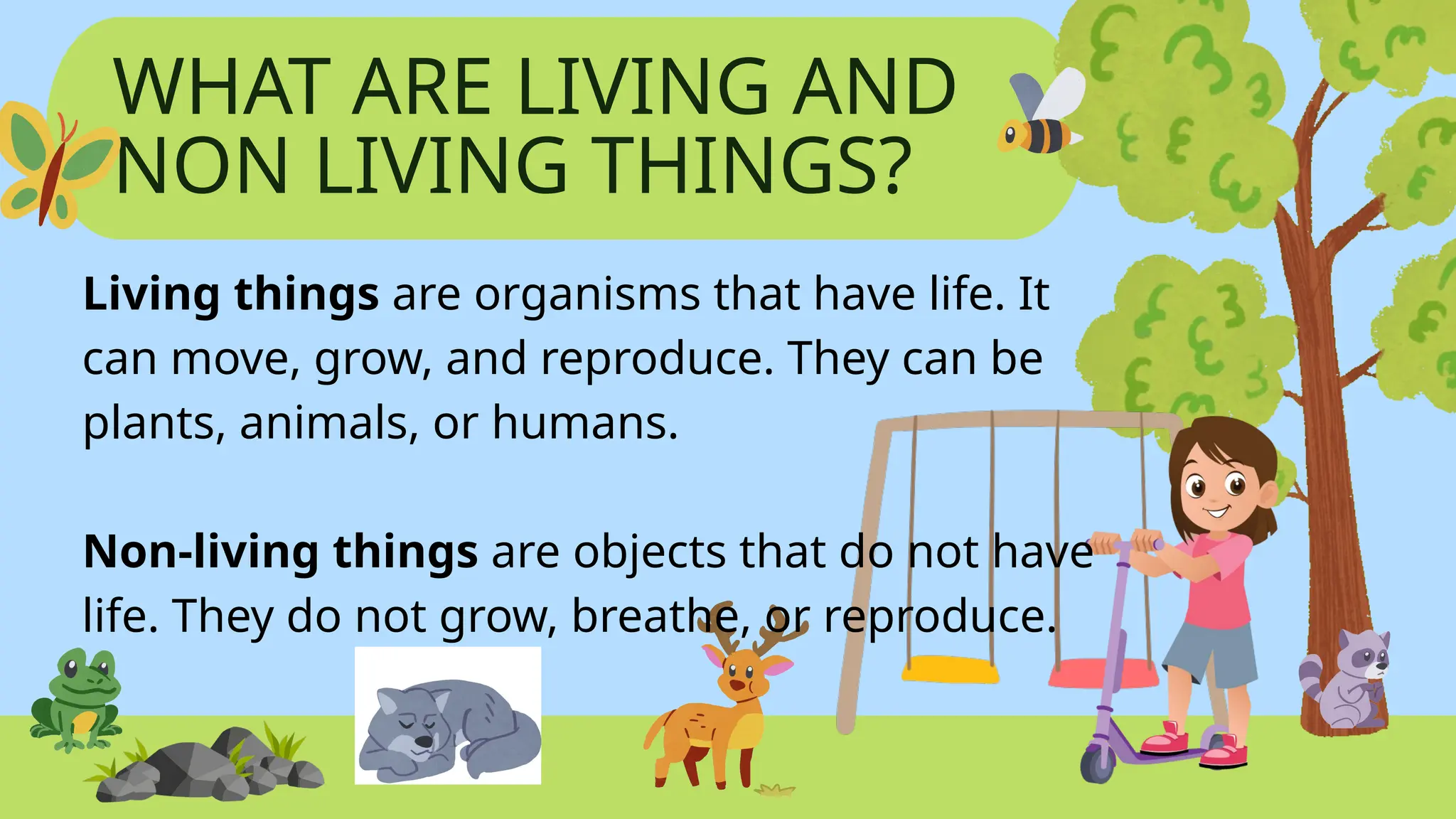
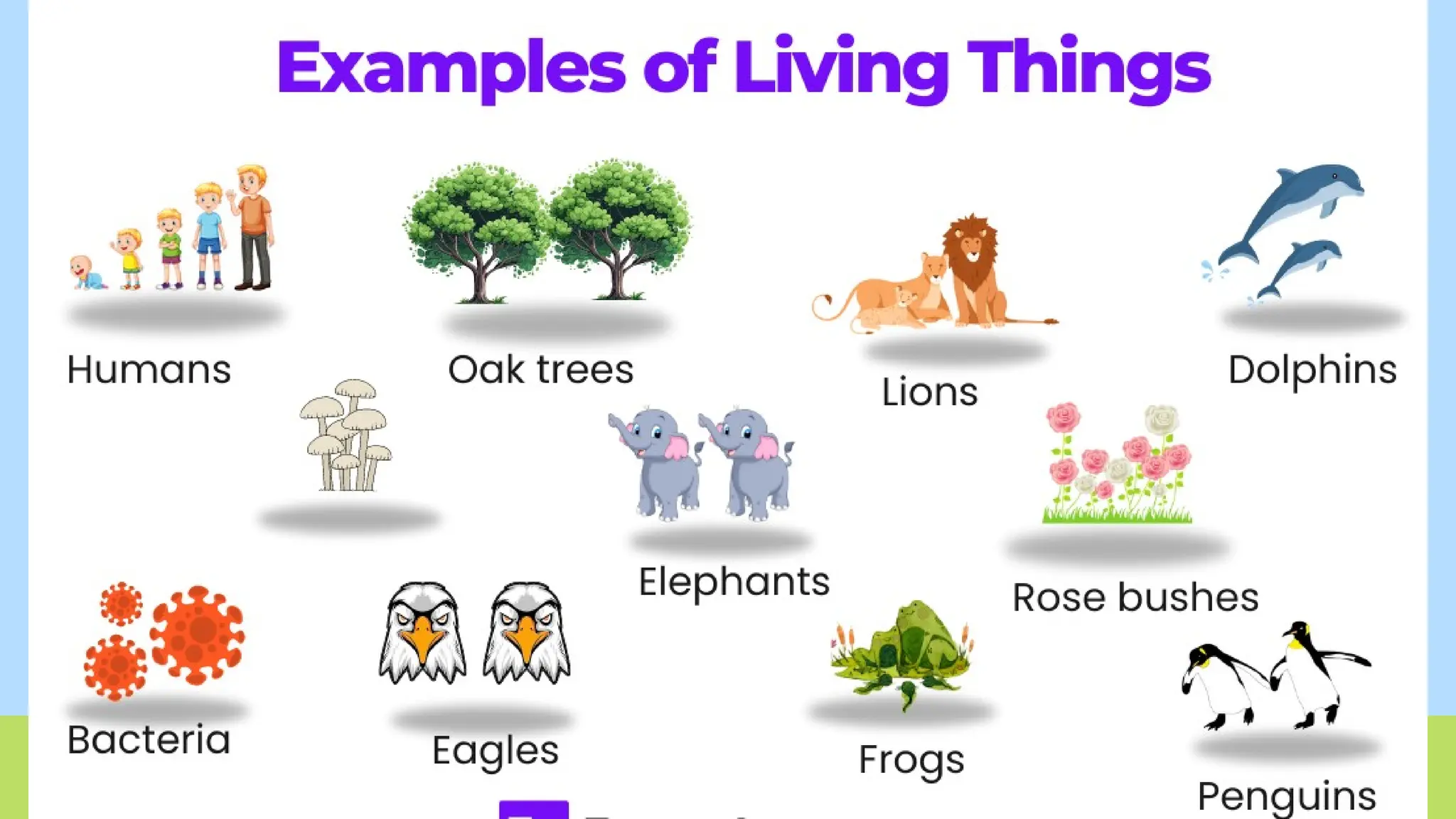
Living things are organisms that have life. It
can move, grow, and reproduce. They can be
plants, animals, or humans.
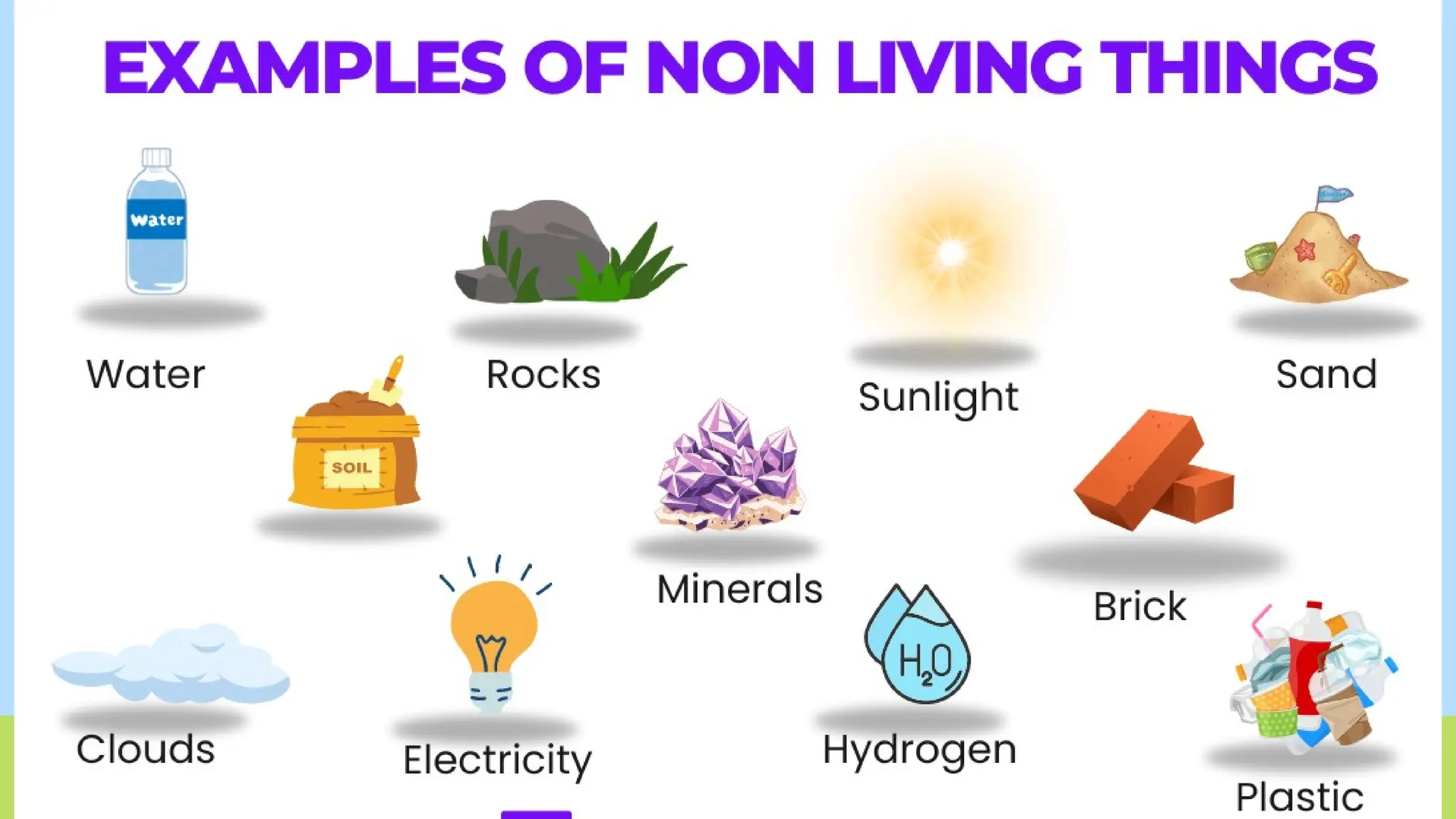
Non-living things are objects that do not have
life. They do not grow, breathe, or reproduce.
CHARACTERISTICS OF LIVING THINGS
Movement - Living things can
move. Animals run, birds fly,
and even plants can move their
leaves toward the sun.
Growth - Living things grow
over time. For example, a baby
grows into an adult, and a seed
grows into a tree.
CHARACTERISTICS OF LIVING THINGS
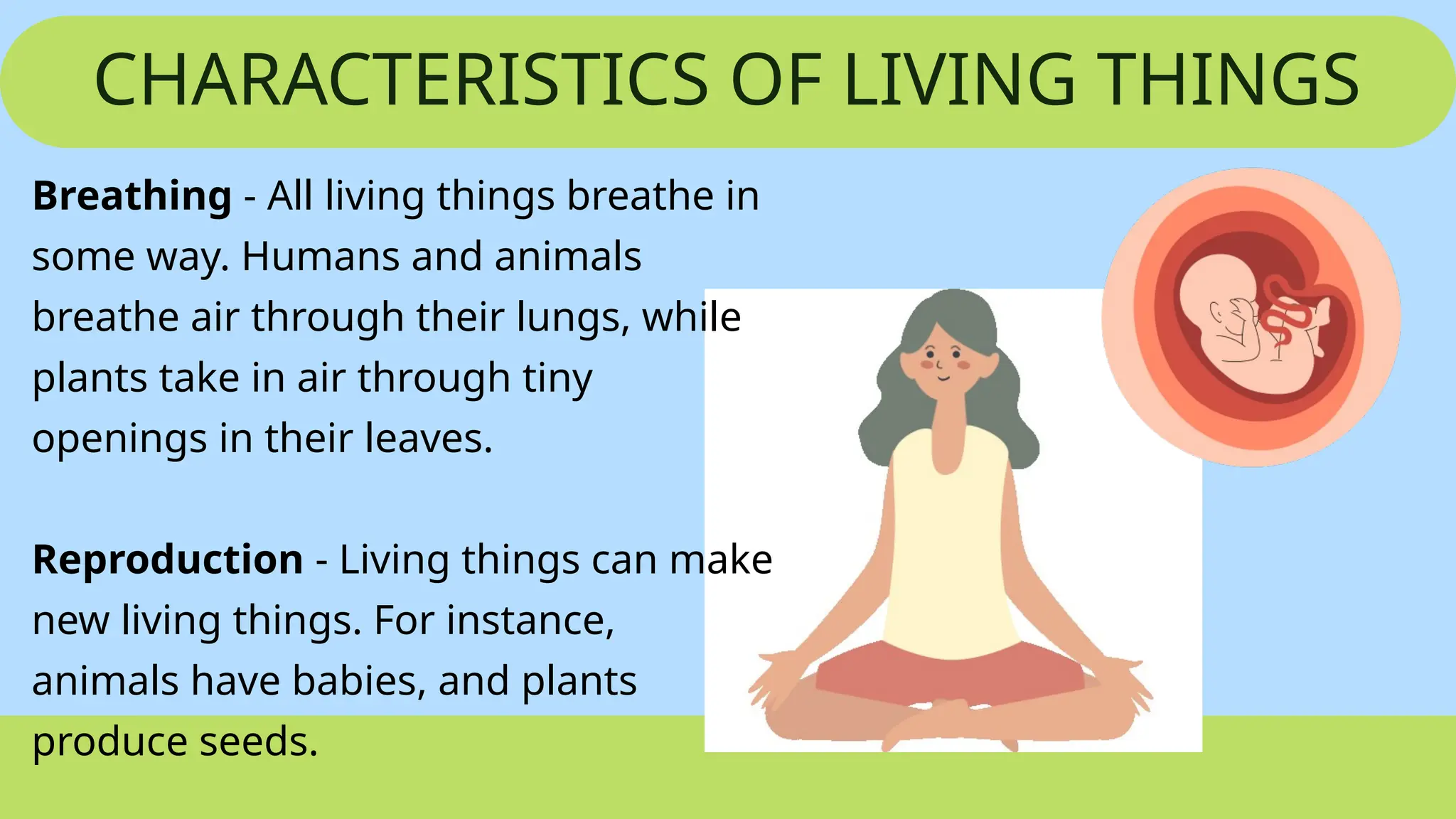
Breathing - All living things breathe in
some way. Humans and animals
breathe air through their lungs, while
plants take in air through tiny
openings in their leaves.
Reproduction - Living things can make
new living things. For instance,
animals have babies, and plants
produce seeds.
CHARACTERISTICS OF LIVING THINGS
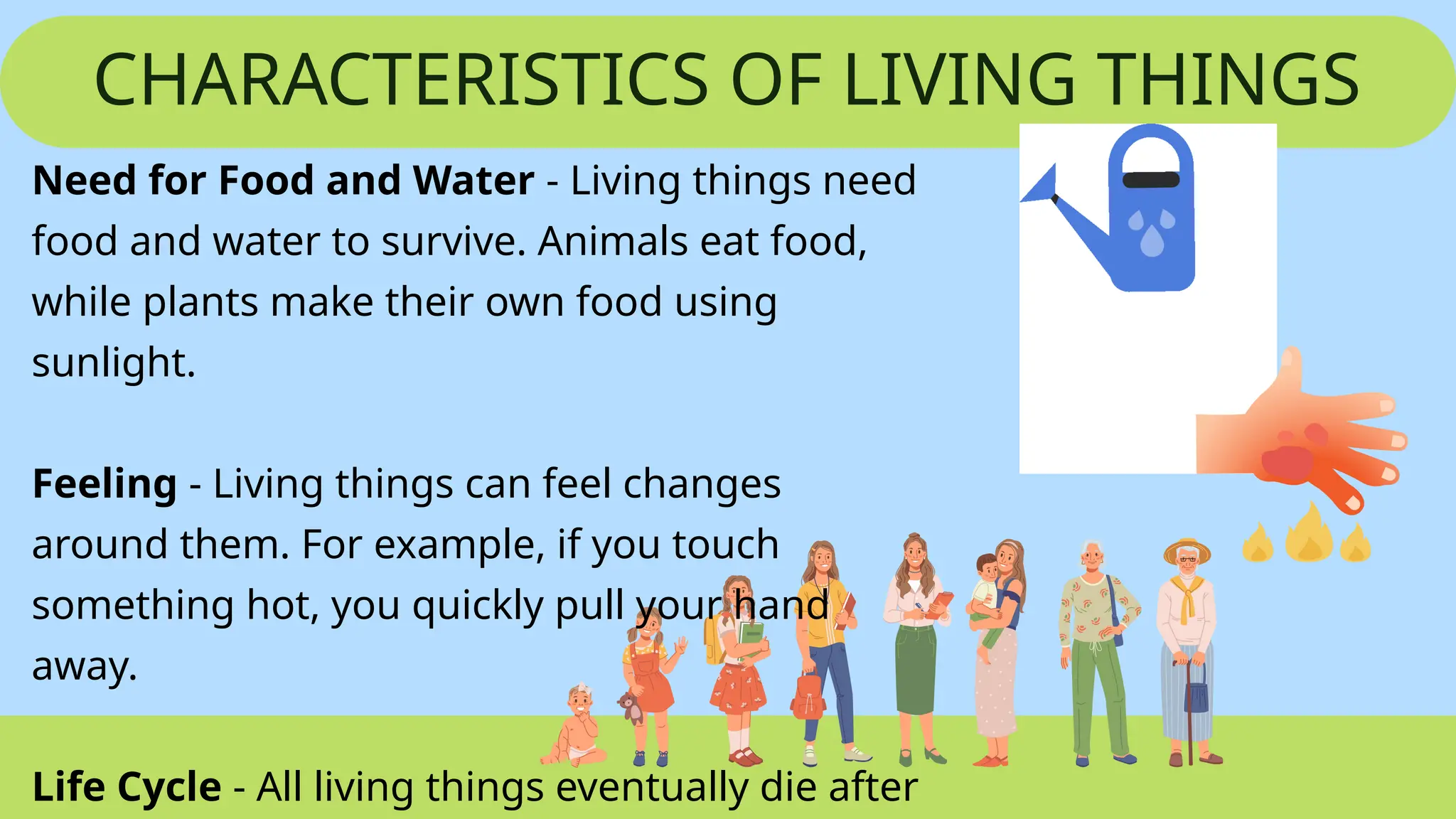
Need for Food and Water - Living things need
food and water to survive. Animals eat food,
while plants make their own food using
sunlight.
Feeling - Living things can feel changes
around them. For example, if you touch
something hot, you quickly pull your hand
away.
Life Cycle - All living things eventually die after
CHARACTERISTICS OF NON-LIVING THINGS
No Movement - Non-living things do not move on their own.
No Growth - They do not grow or change over time.
No Breathing - Non-living things do not breathe.
No Reproduction - They cannot make new non-living things.
Do Not Need Food or Water - Non-living things do not need
anything to survive.
Do Not Feel - They do not have senses to feel changes around them.
Do Not Die - Non-living things don’t die; they can break or get
damaged.
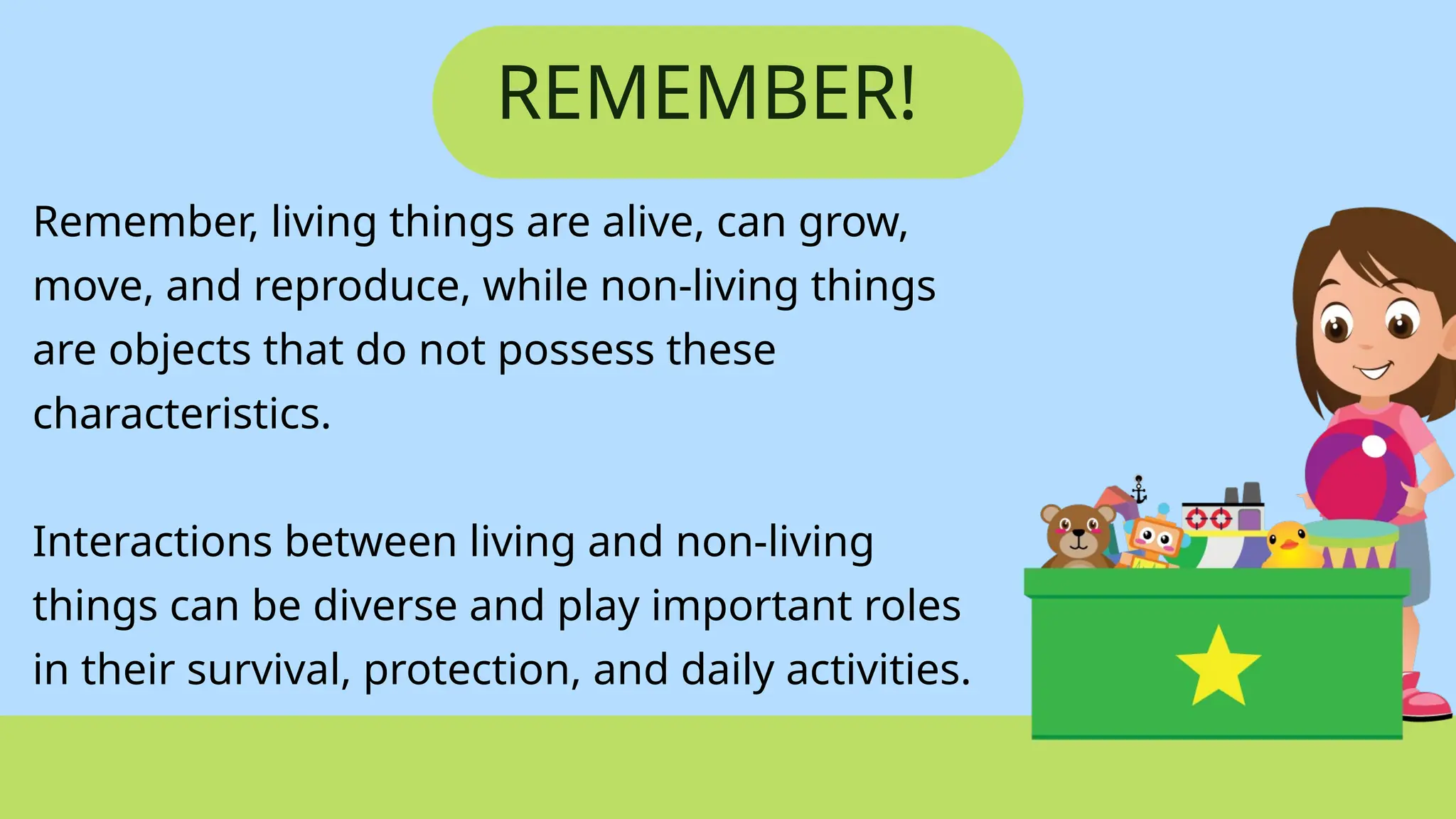
REMEMBER!
Remember, living things are alive, can grow,
move, and reproduce, while non-living things
are objects that do not possess these
characteristics.
Interactions between living and non-living
things can be diverse and play important roles
in their survival, protection, and daily activities.
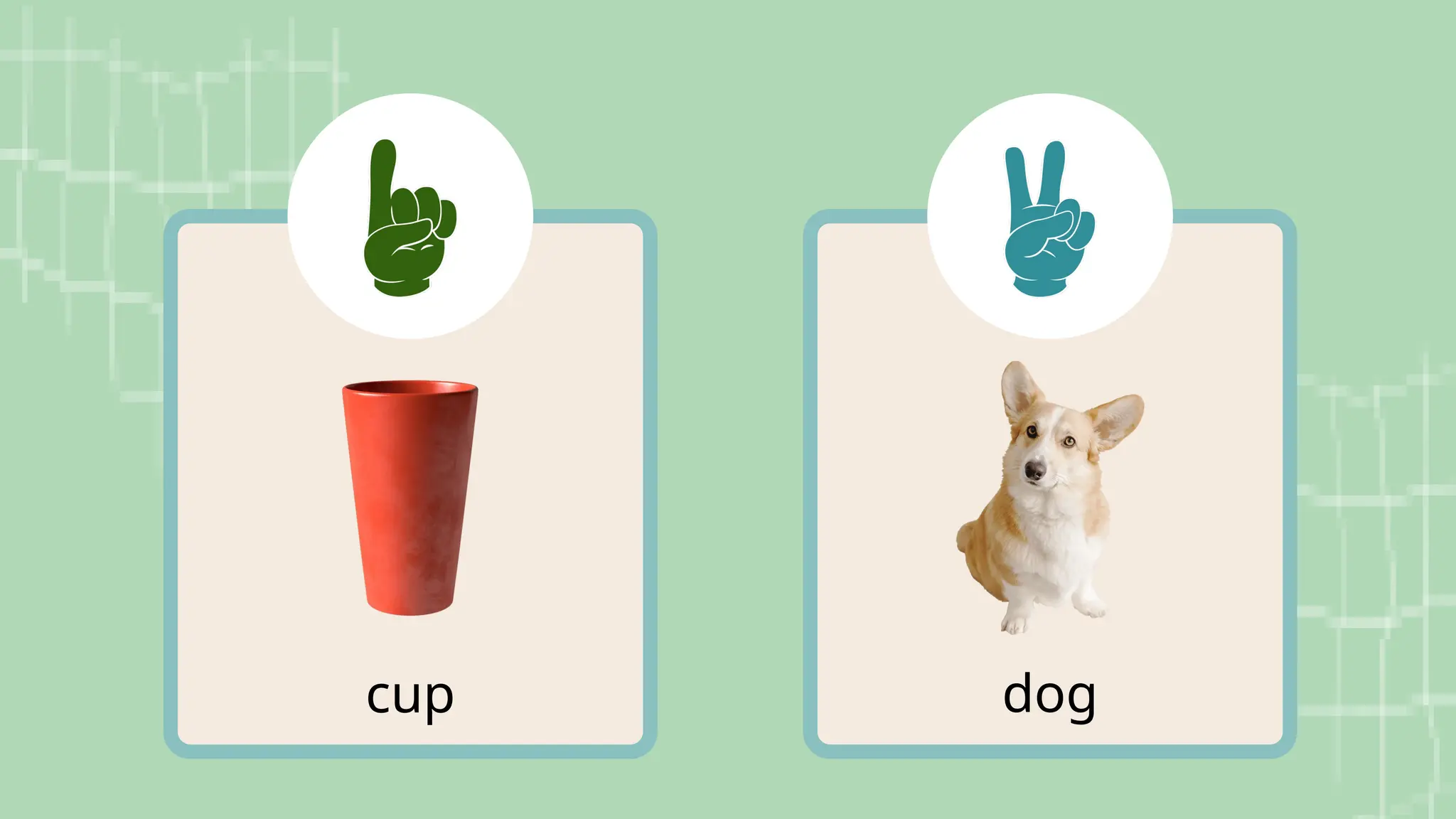
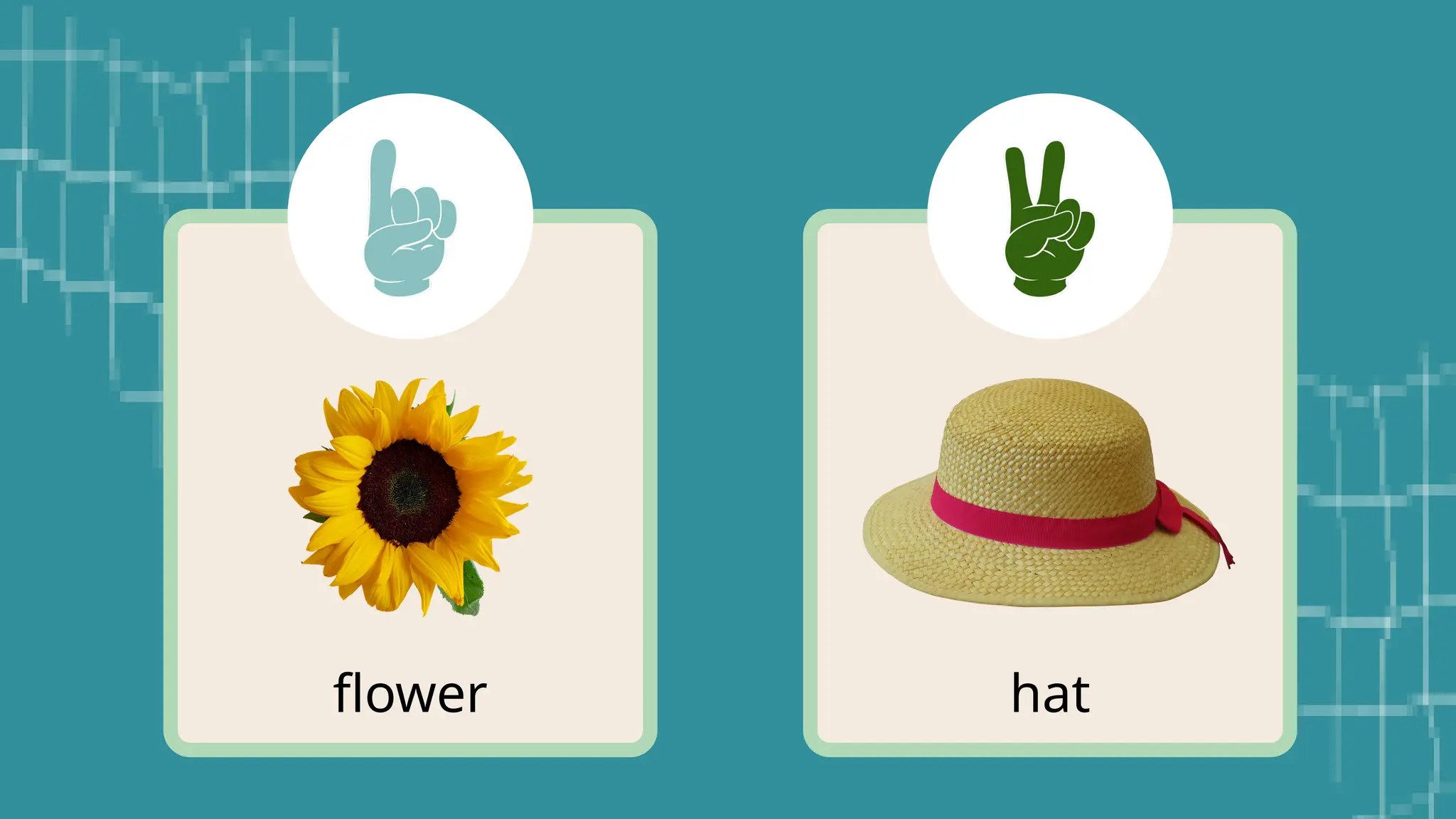
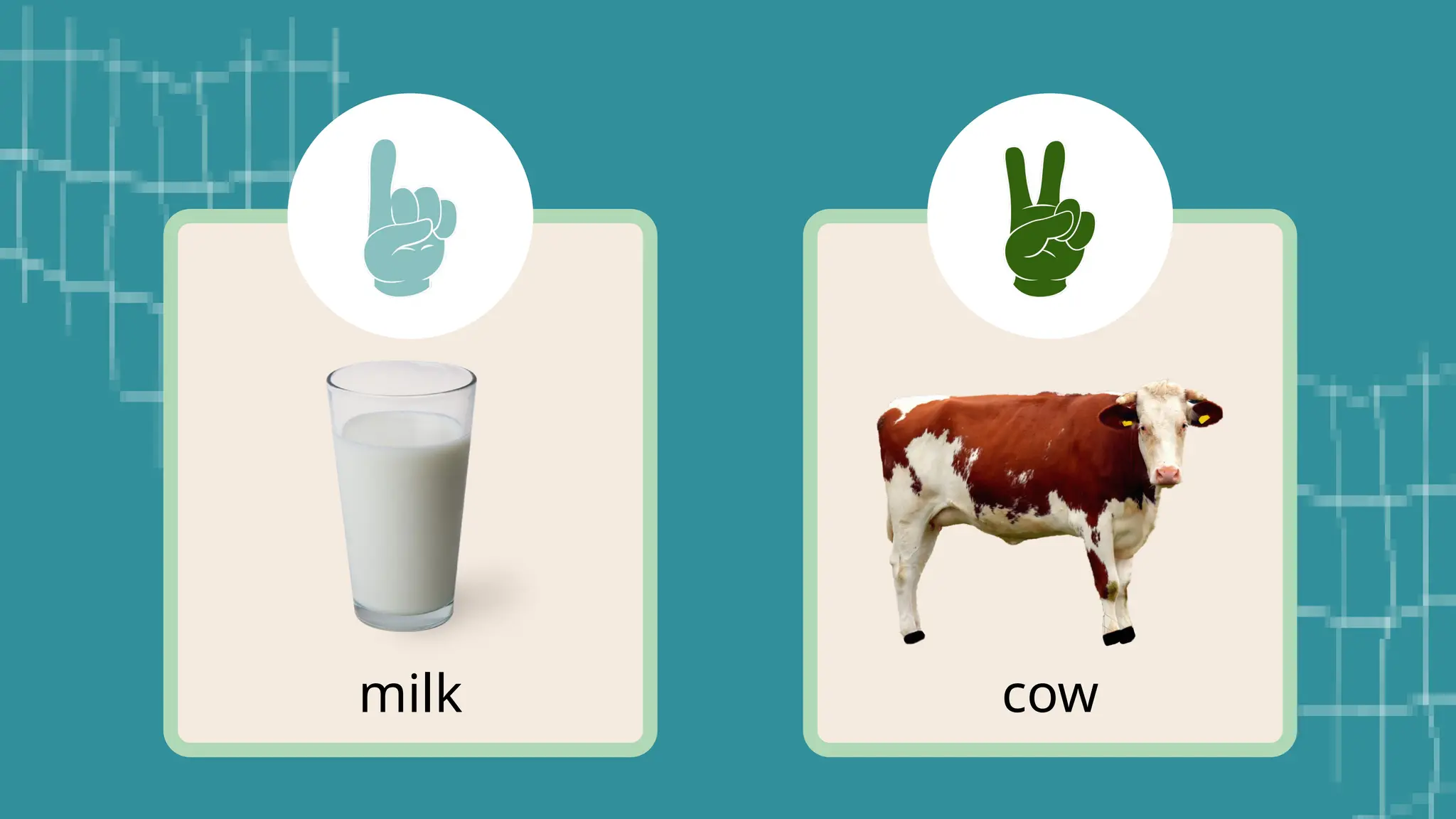
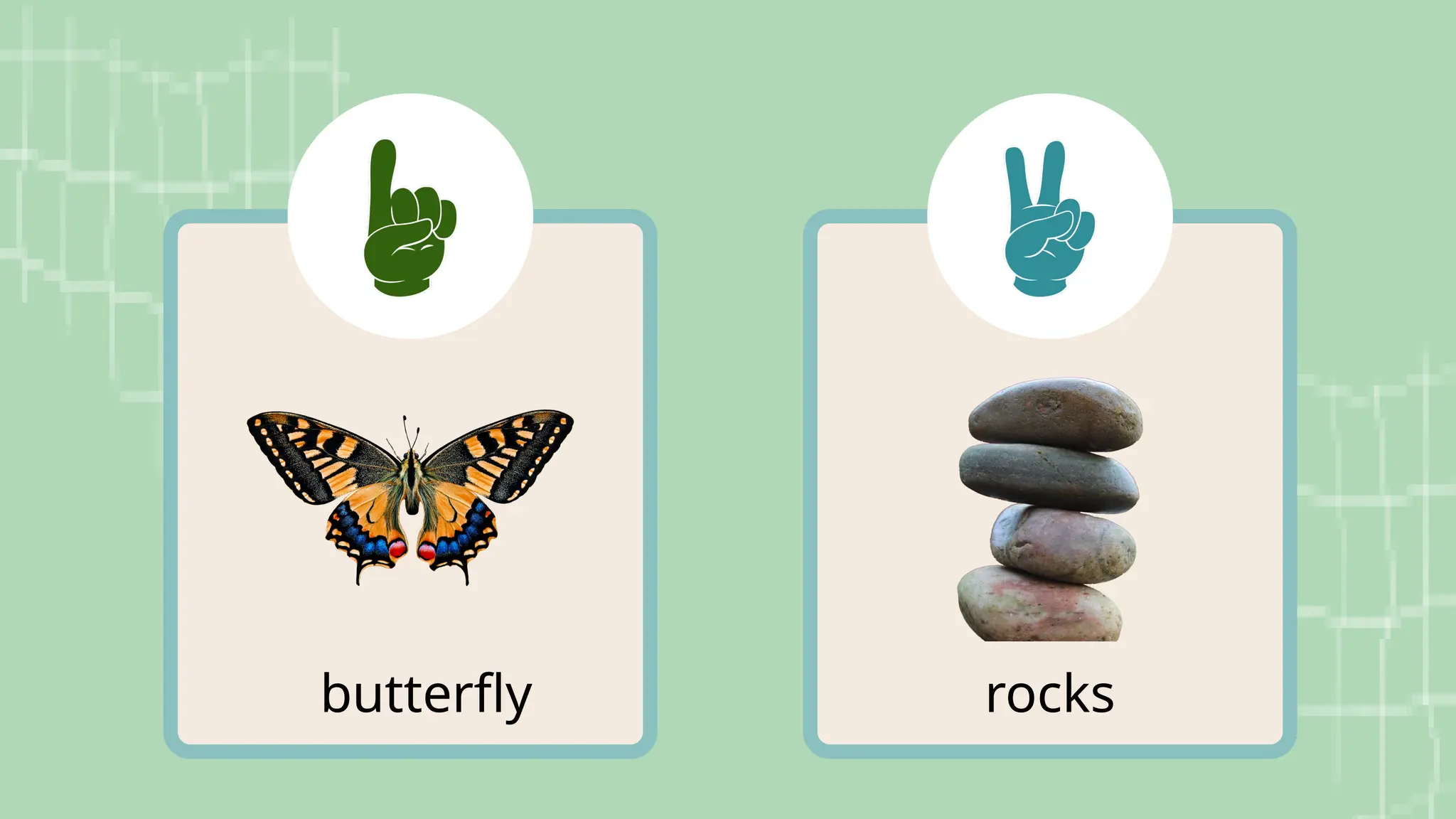
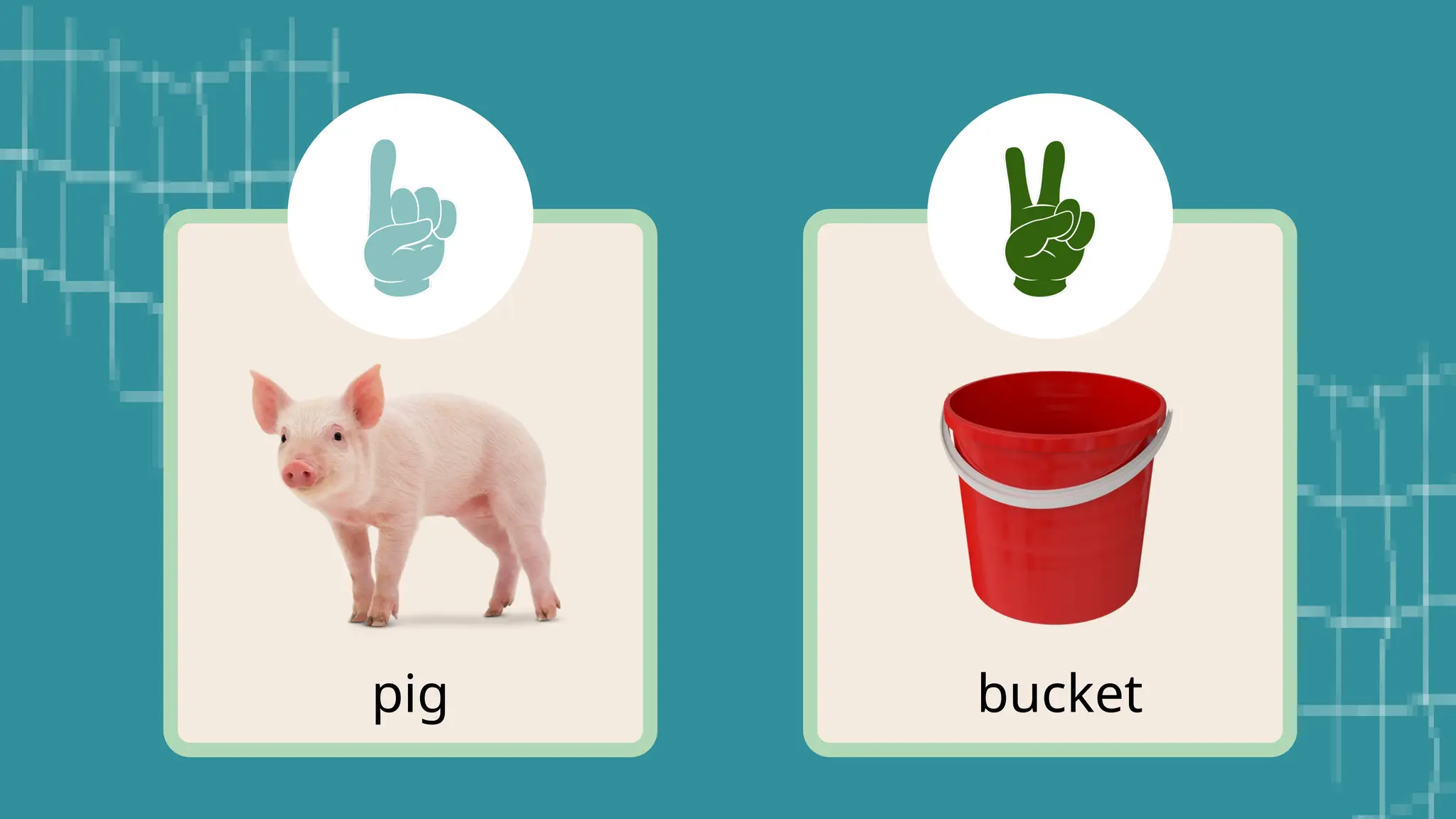
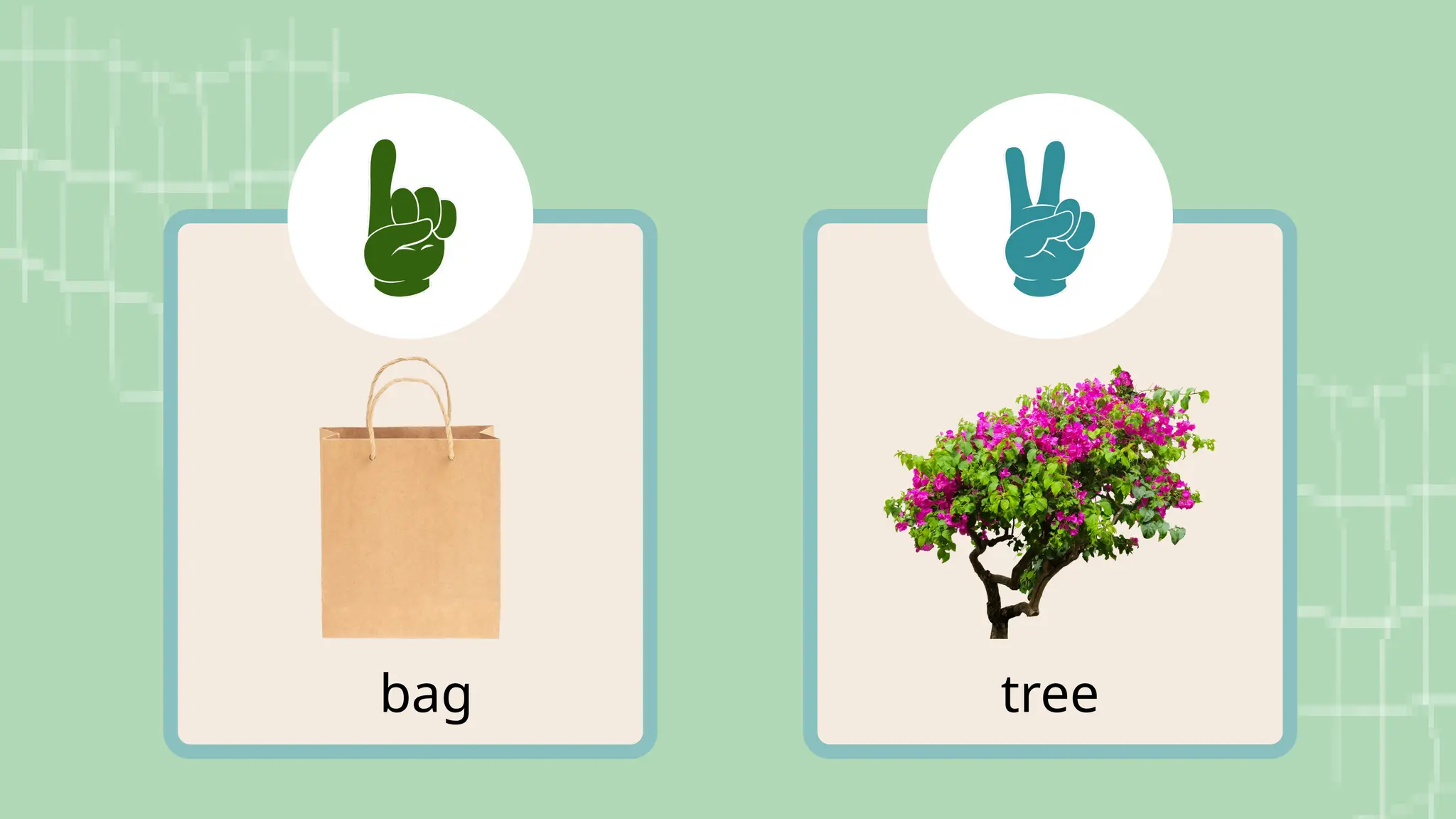
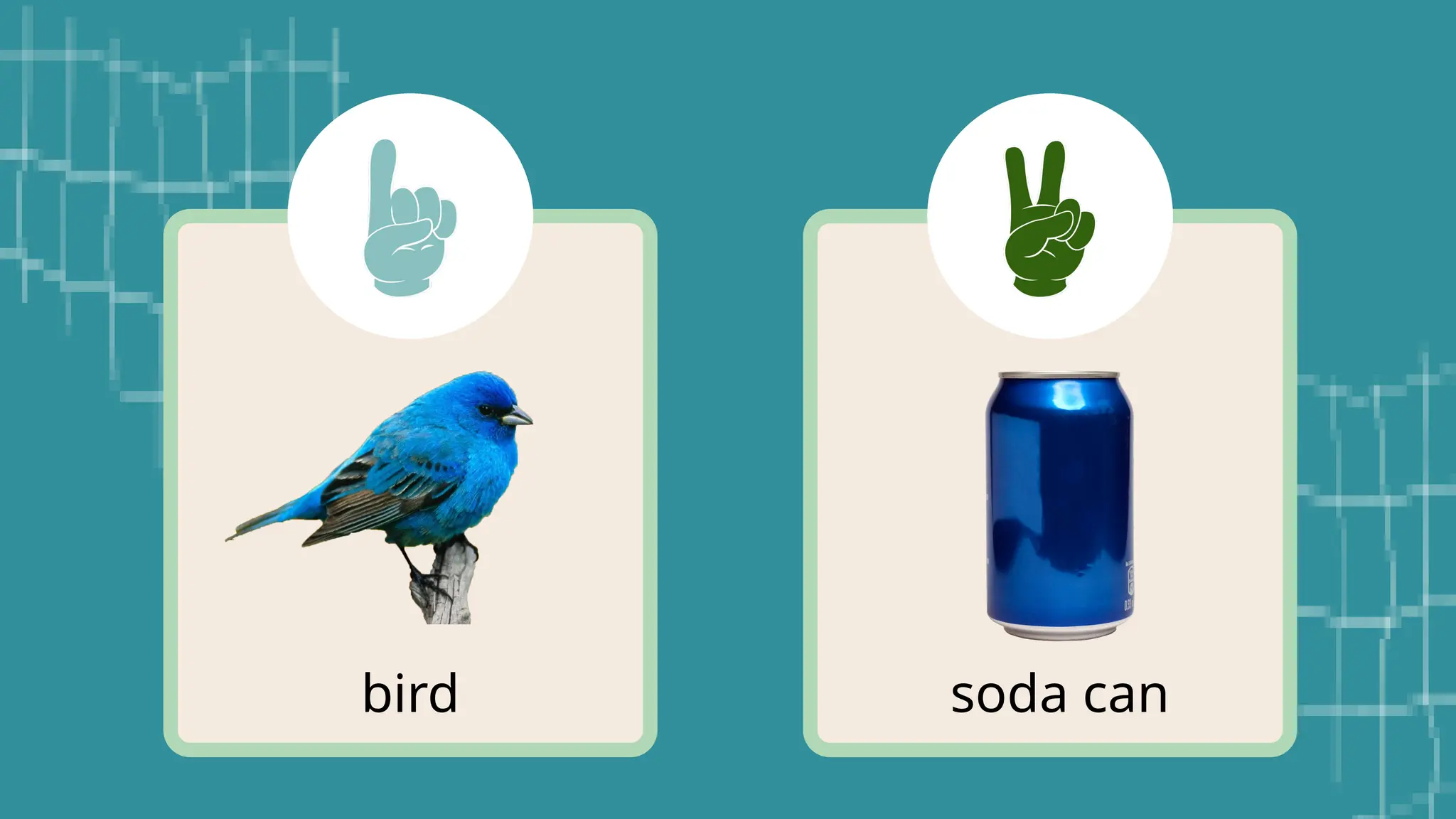
Find the Living Things
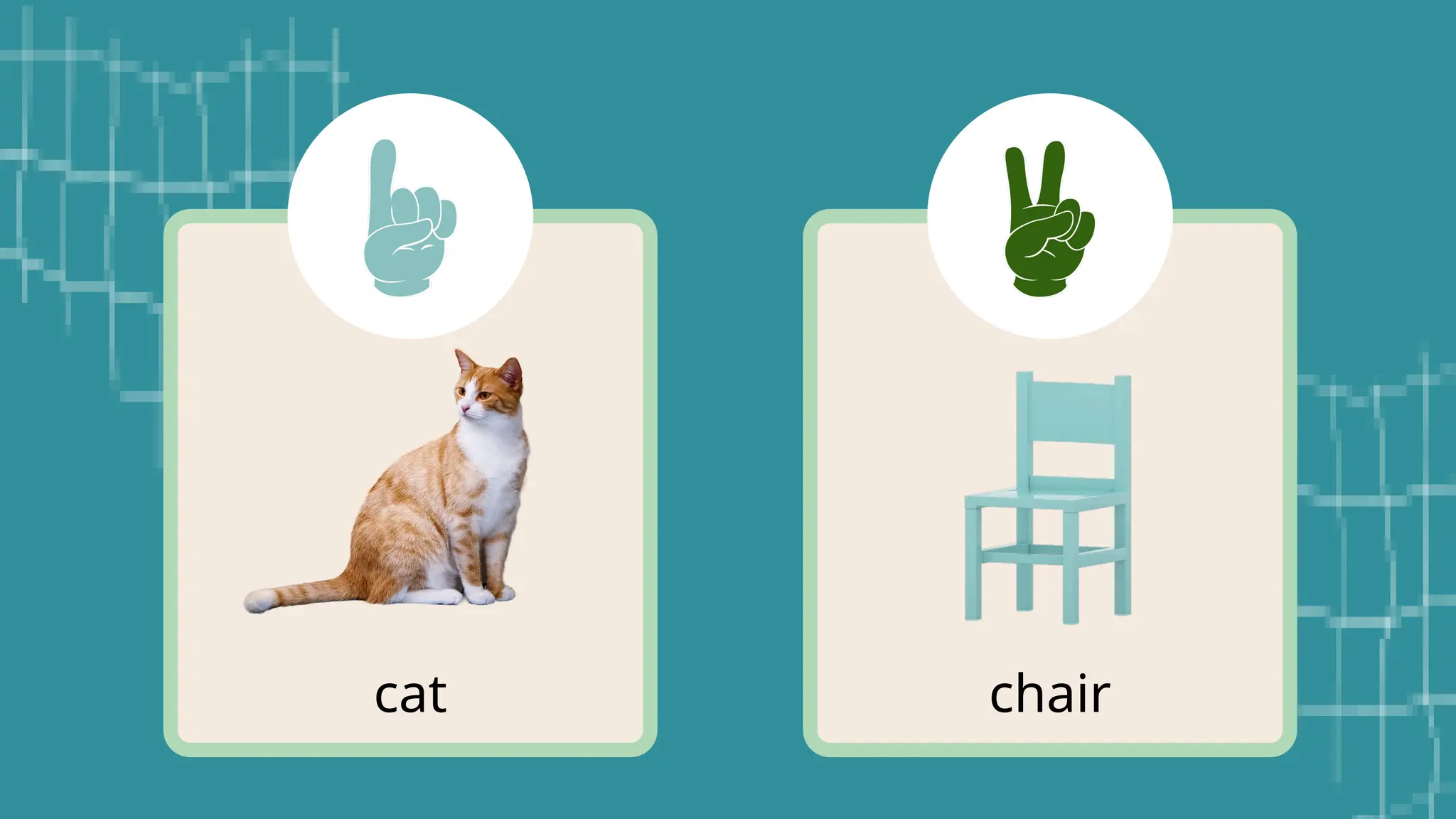
Directions
On the next slide, you will see two
different pictures with a hand
signal above each picture. Make
the hand signal for the picture
that is a living thing.
cat chair
dog
cup
flower hat
milk cow
rocks
butterfly
pig bucket
tree
bag
bird soda can
ACTIVITY TIME!
“DRAW IT!”
• Draw one example of a living thing and one
example of a non-living thing.
• Label your drawings with the names of the
items and write one sentence explaining why
each one is living or non-living.

Ecosystem and Biomes - Earth and Life Science

  • 3.
  • 4.
    WHAT ARE LIVINGAND NON LIVING THINGS? Living things are organisms that have life. It can move, grow, and reproduce. They can be plants, animals, or humans. Non-living things are objects that do not have life. They do not grow, breathe, or reproduce.
  • 5.
    CHARACTERISTICS OF LIVINGTHINGS Movement - Living things can move. Animals run, birds fly, and even plants can move their leaves toward the sun. Growth - Living things grow over time. For example, a baby grows into an adult, and a seed grows into a tree.
  • 6.
    CHARACTERISTICS OF LIVINGTHINGS Breathing - All living things breathe in some way. Humans and animals breathe air through their lungs, while plants take in air through tiny openings in their leaves. Reproduction - Living things can make new living things. For instance, animals have babies, and plants produce seeds.
  • 7.
    CHARACTERISTICS OF LIVINGTHINGS Need for Food and Water - Living things need food and water to survive. Animals eat food, while plants make their own food using sunlight. Feeling - Living things can feel changes around them. For example, if you touch something hot, you quickly pull your hand away. Life Cycle - All living things eventually die after
  • 9.
    CHARACTERISTICS OF NON-LIVINGTHINGS No Movement - Non-living things do not move on their own. No Growth - They do not grow or change over time. No Breathing - Non-living things do not breathe. No Reproduction - They cannot make new non-living things. Do Not Need Food or Water - Non-living things do not need anything to survive. Do Not Feel - They do not have senses to feel changes around them. Do Not Die - Non-living things don’t die; they can break or get damaged.
  • 11.
    REMEMBER! Remember, living thingsare alive, can grow, move, and reproduce, while non-living things are objects that do not possess these characteristics. Interactions between living and non-living things can be diverse and play important roles in their survival, protection, and daily activities.
  • 12.
  • 13.
    Directions On the nextslide, you will see two different pictures with a hand signal above each picture. Make the hand signal for the picture that is a living thing.
  • 14.
  • 15.
  • 16.
  • 17.
  • 18.
  • 19.
  • 20.
  • 21.
  • 23.
    ACTIVITY TIME! “DRAW IT!” •Draw one example of a living thing and one example of a non-living thing. • Label your drawings with the names of the items and write one sentence explaining why each one is living or non-living.