Engaging Millennial LearnersMark ClementeNational Institute of Aerospace
Hot Listhttp://www.kn.att.com/wired/fil/pages/listnasamatbj.htmlhttp://tinyurl.com/yz24fmqSlide Share
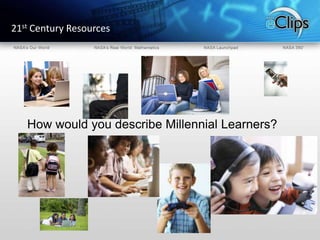
21st Century ResourcesHow would you describe Millennial Learners?
Did You Know?What surprises you?
Our WorldGrades K-5 	Compare the natural world with the designed world, illustrating the unique contributions of scientists and engineersThe Sun – A Real Star
REAL WORLDGrades 6-8			See mathematics in actionMonitoring Earth’s Energy Budget with CERES
LAUNCHPADGrades 9-12	Ignite interest in science and engineering through NASA innovationsTransits
NASA 360 General Public	Get an inside look at NASA’s current research and projects through this magazine style program
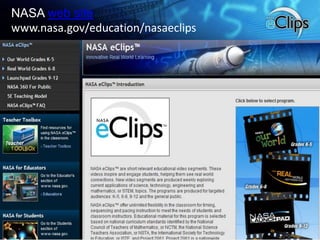
NASA web sitewww.nasa.gov/education/nasaeclips
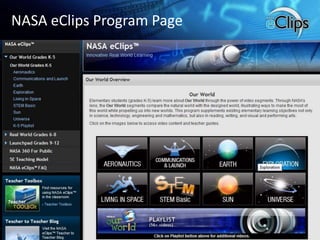
NASA eClips Program Page
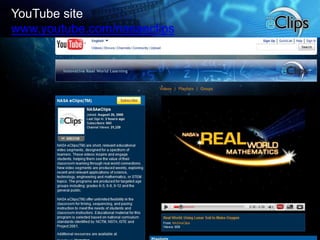
YouTube sitewww.youtube.com/nasaeclips
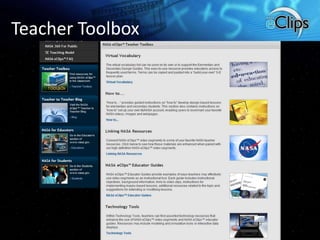
Teacher Toolbox
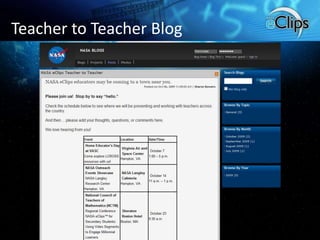
Teacher to Teacher Blog
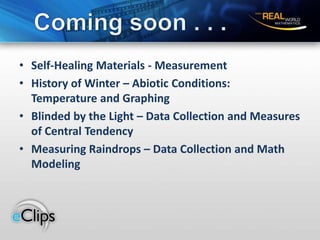
Self-Healing Materials - MeasurementHistory of Winter – Abiotic Conditions:  Temperature and GraphingBlinded by the Light – Data Collection and Measures of Central TendencyMeasuring Raindrops – Data Collection and Math ModelingComing soon . . .
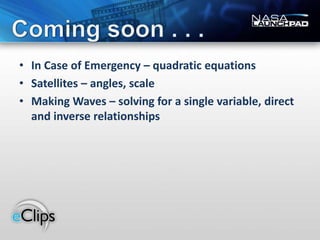
In Case of Emergency – quadratic equationsSatellites – angles, scaleMaking Waves – solving for a single variable, direct and inverse relationshipsComing soon . . .
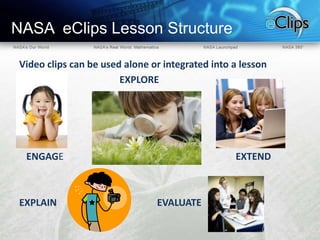
NASA  eClipsLesson StructureVideo clips can be used alone or integrated into a lessonEXPLORE   ENGAGE                                                                        EXTENDEXPLAIN                                          EVALUATE
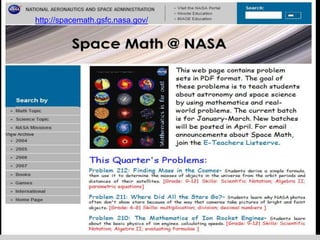
http://spacemath.gsfc.nasa.gov/
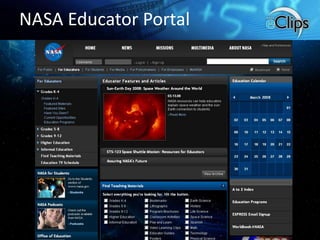
NASA Educator Portal
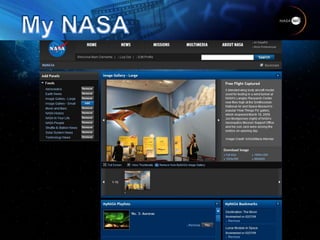
My NASA
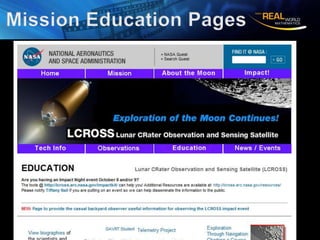
Mission Education Pages
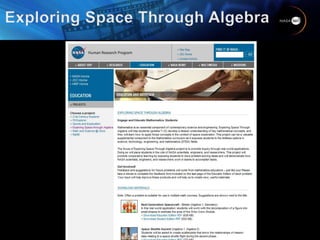
    www.nasa.govExploring Space Through Algebra
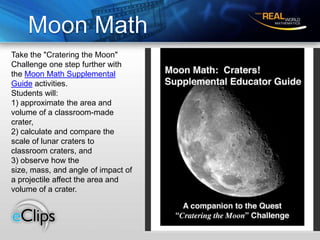
Moon MathTake the "Cratering the Moon" Challenge one step further with the Moon Math Supplemental Guide activities. Students will: 1) approximate the area and volume of a classroom-made crater, 2) calculate and compare thescale of lunar craters to classroom craters, and 3) observe how the size, mass, and angle of impact of a projectile affect the area andvolume of a crater.
Star CountScientific protocol to gather and record data about stars …
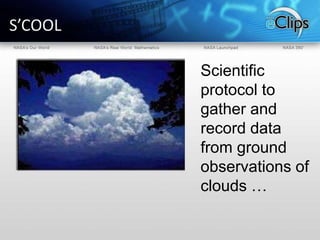
S’COOLScientific protocol to gather and record data from ground observations of clouds …
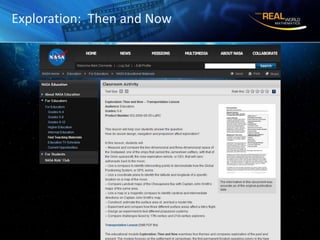
Exploration:  Then and Now
The journey begins now …             are your students ready?Needed:  21st Explorers
Backup Slides
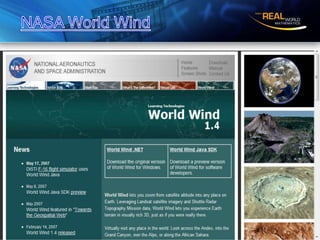
NASA World Wind
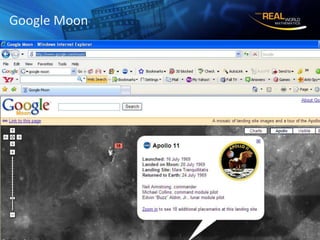
Google Moon
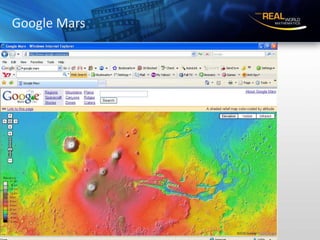
Google Mars
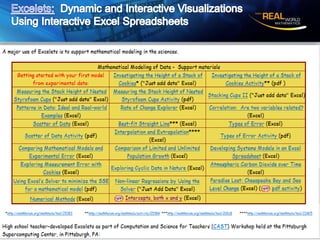
Excelets:  Dynamic and Interactive Visualizations  Using Interactive Excel Spreadsheets 
www.animoto.com
Internet  Archives
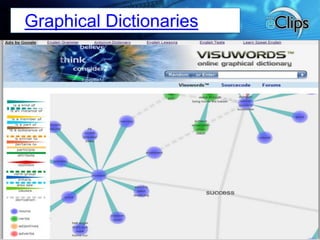
Graphical Dictionaries
Student Outcomes21st Century Professional Development
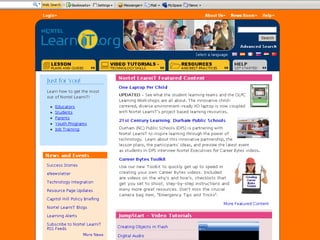
Nortel LearniT
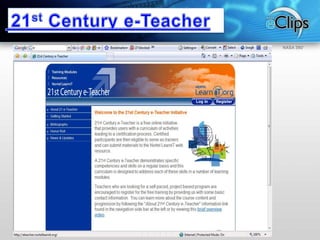
 21st Century e-Teacher
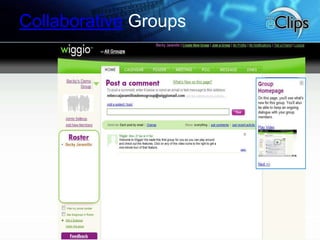
Collaborative Groups

eClips NCTM Boston Secondary

Editor's Notes

  • #17 NASA eClips are designed to ENGAGE students; NASA eClips help students EXPLORE new topics on their own. NASA eClips segments help students EXTEND what they learned.Students can design their own video segments modeled after the NASA eClips to demonstrate or EXPLAIN their understanding of concepts taught in the classroom. Teachers can EVALUATE students through video productions, journaling or small group discussions on topics learned.
  • #40 Get urleteacher.nortellearnit.org