PARAPHRASING
AND
SUMMARIZING
What is
paraphrasing?
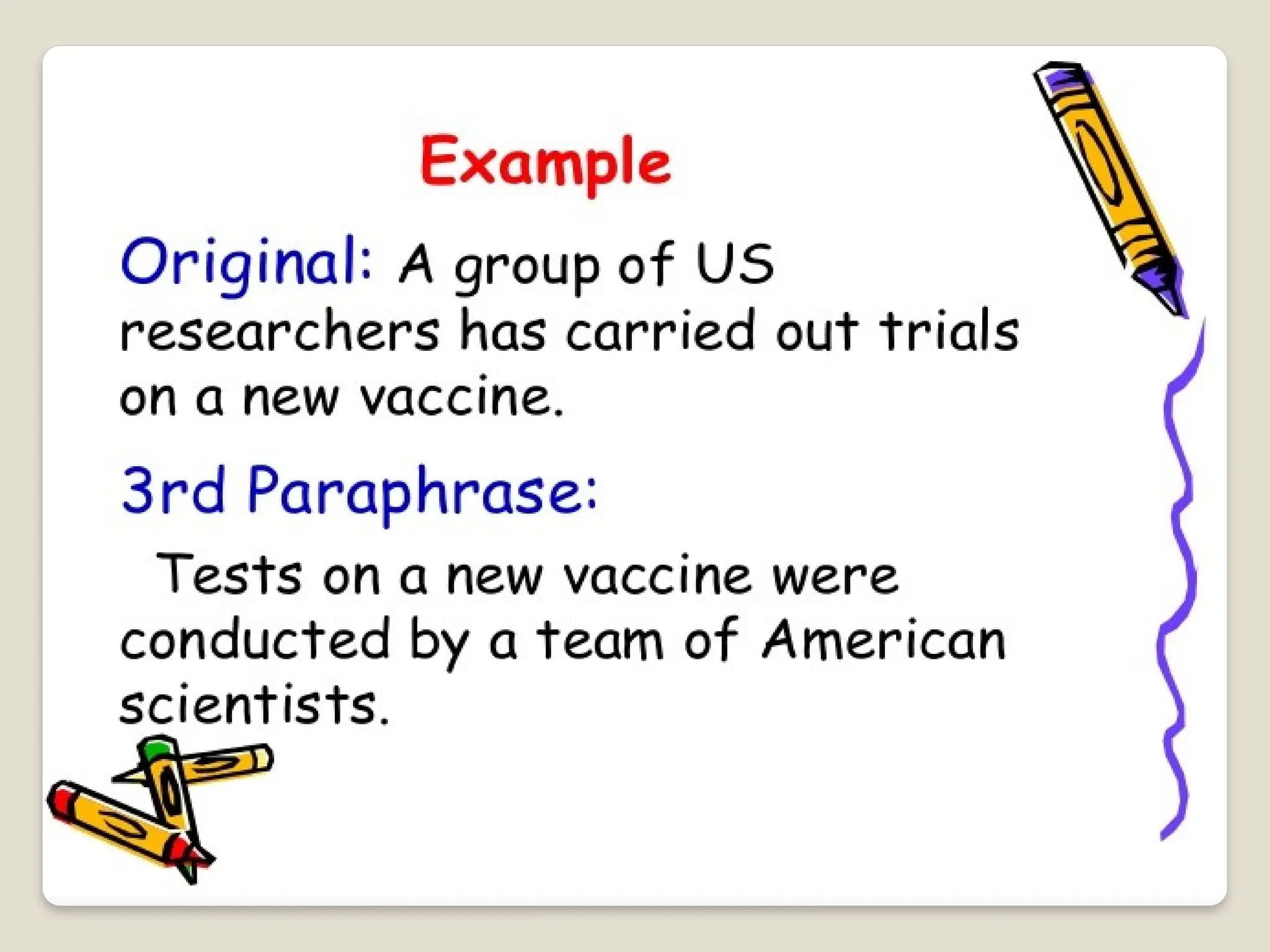
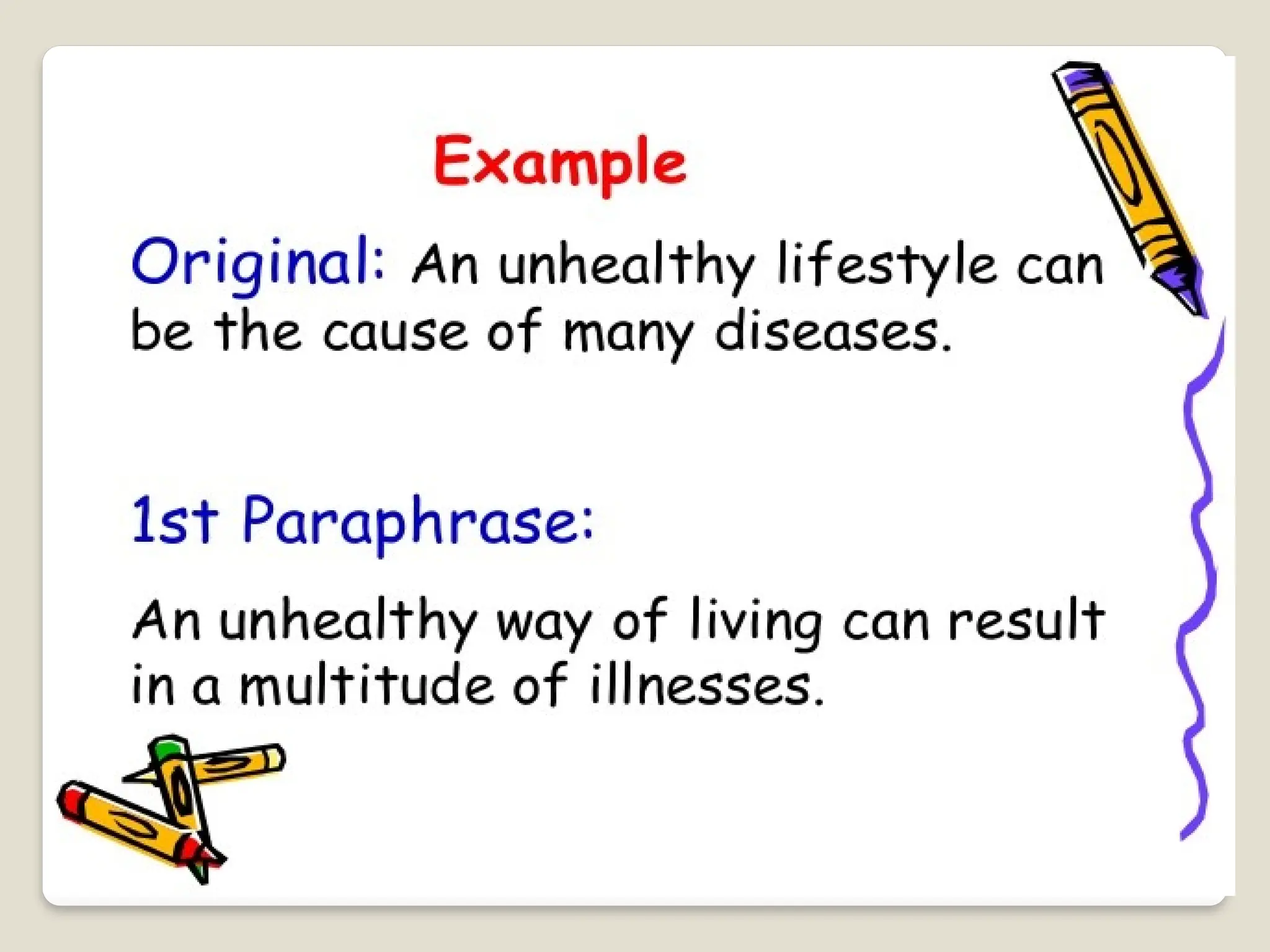
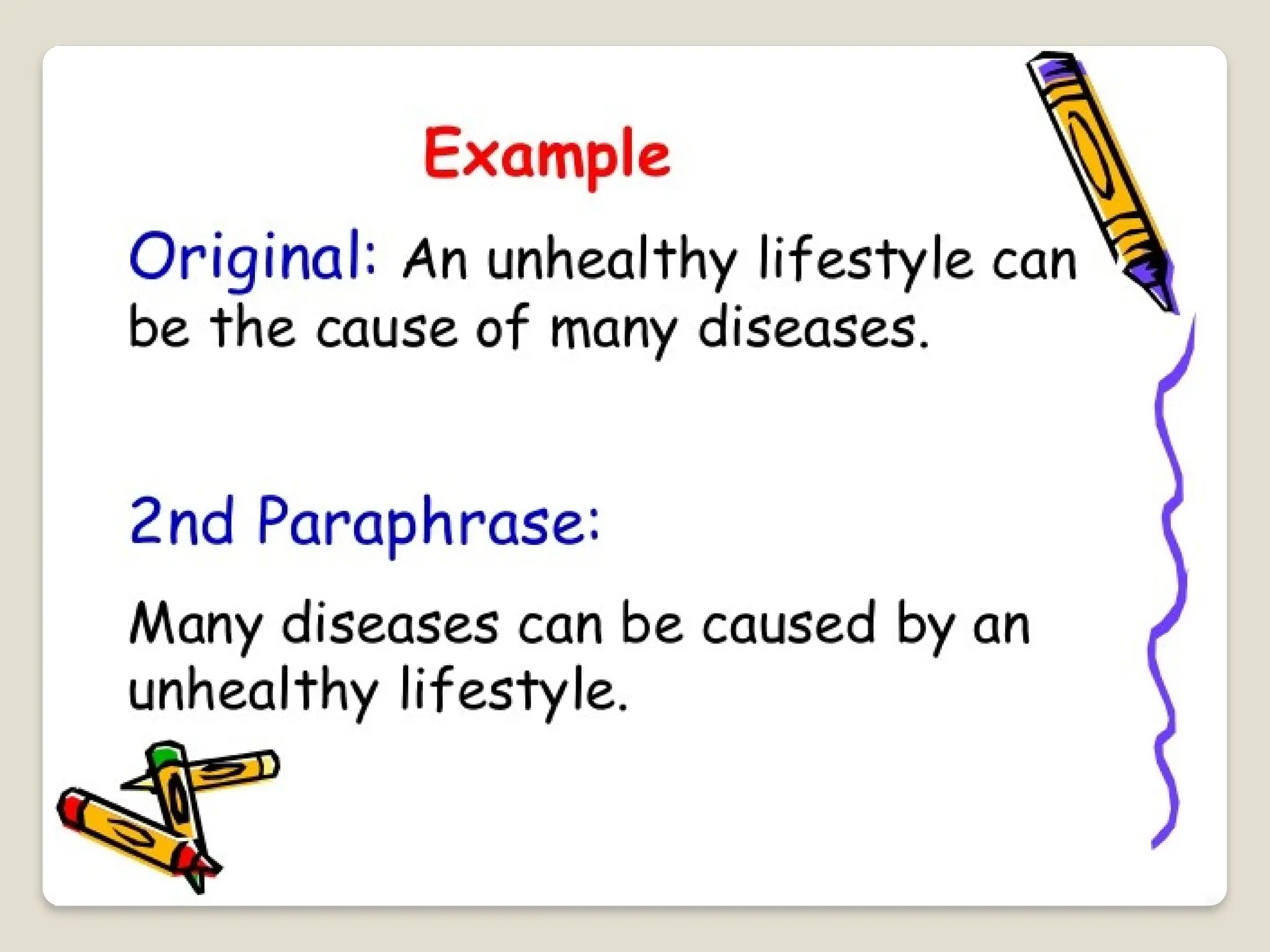
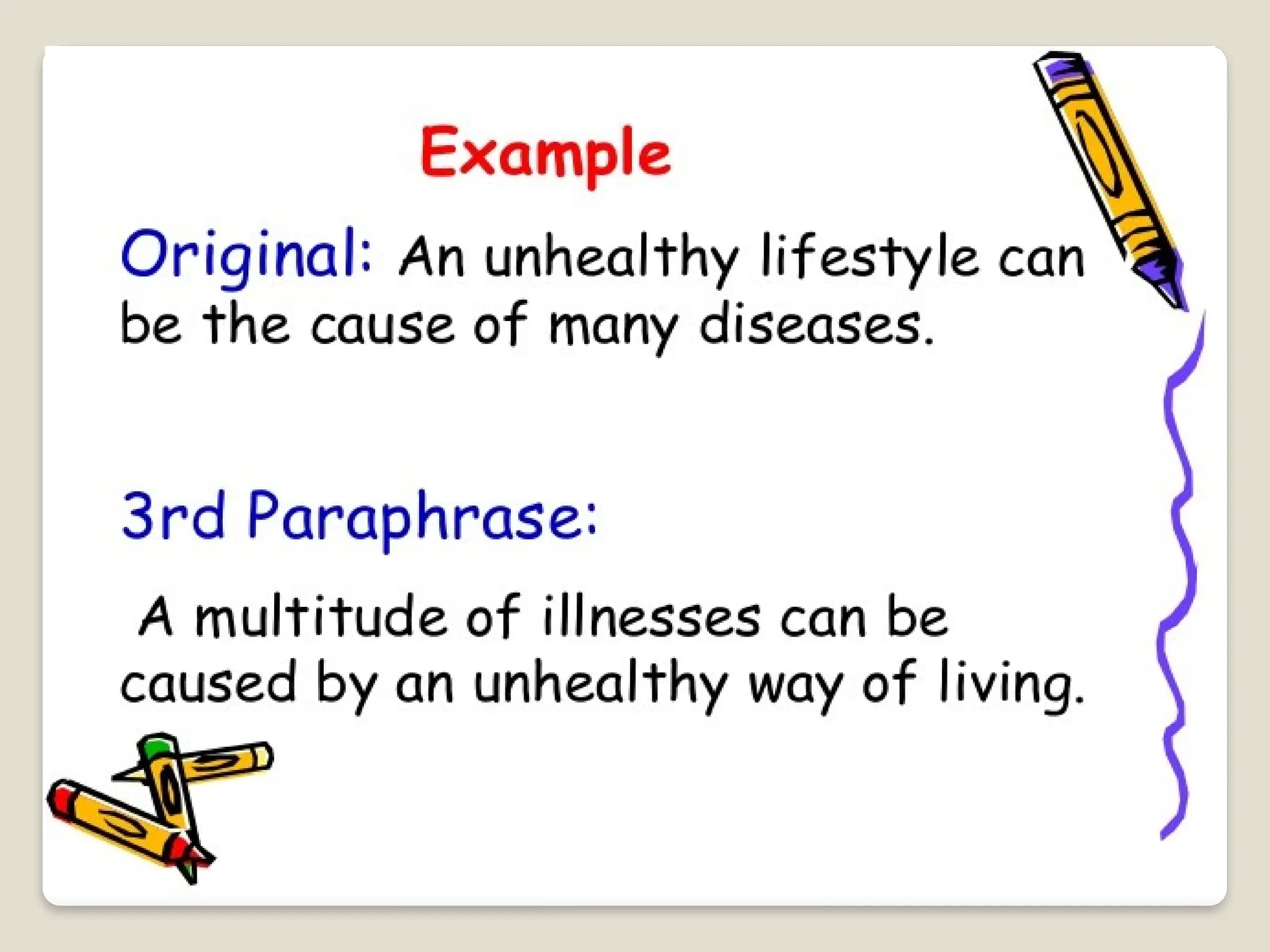
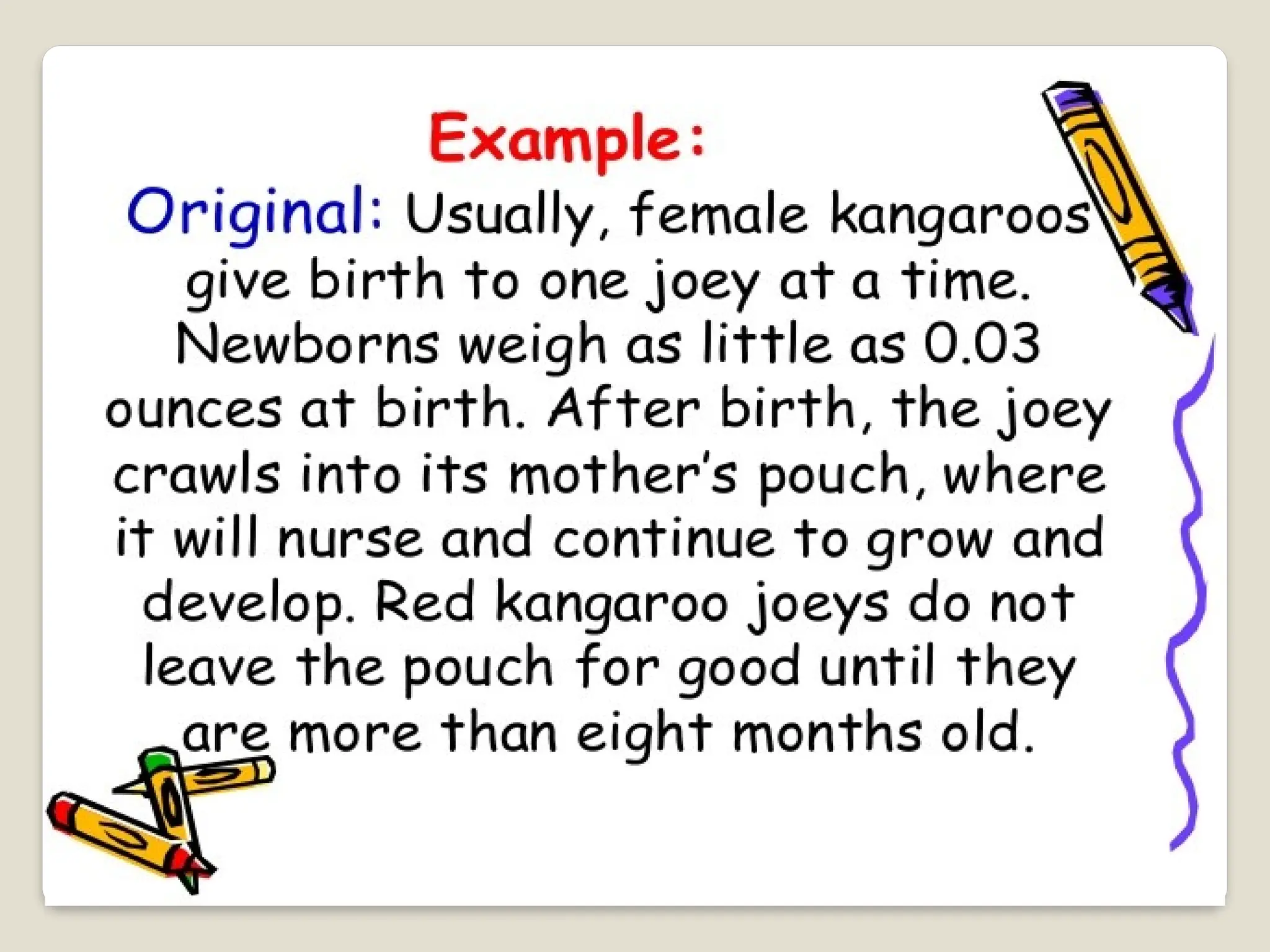
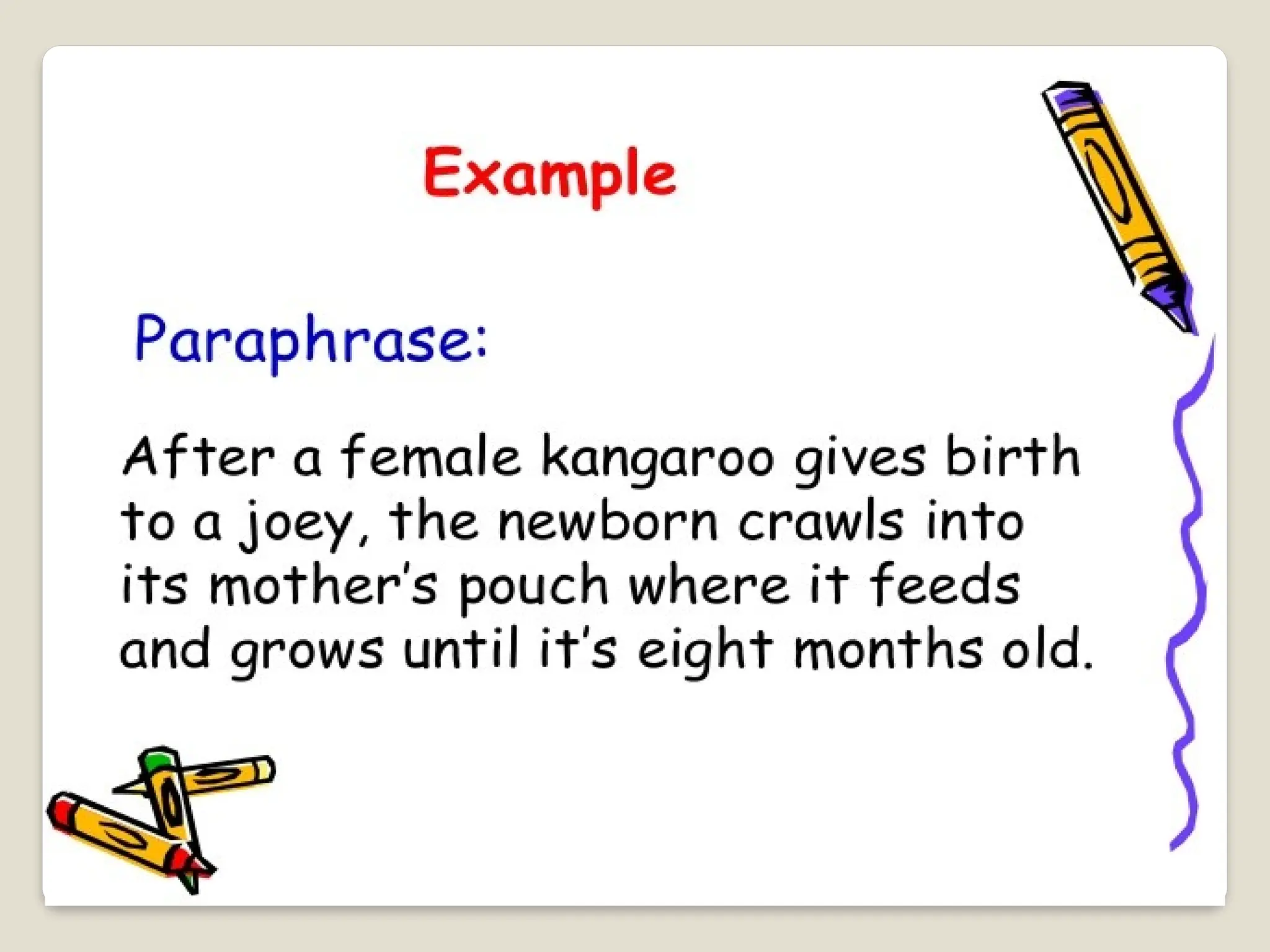
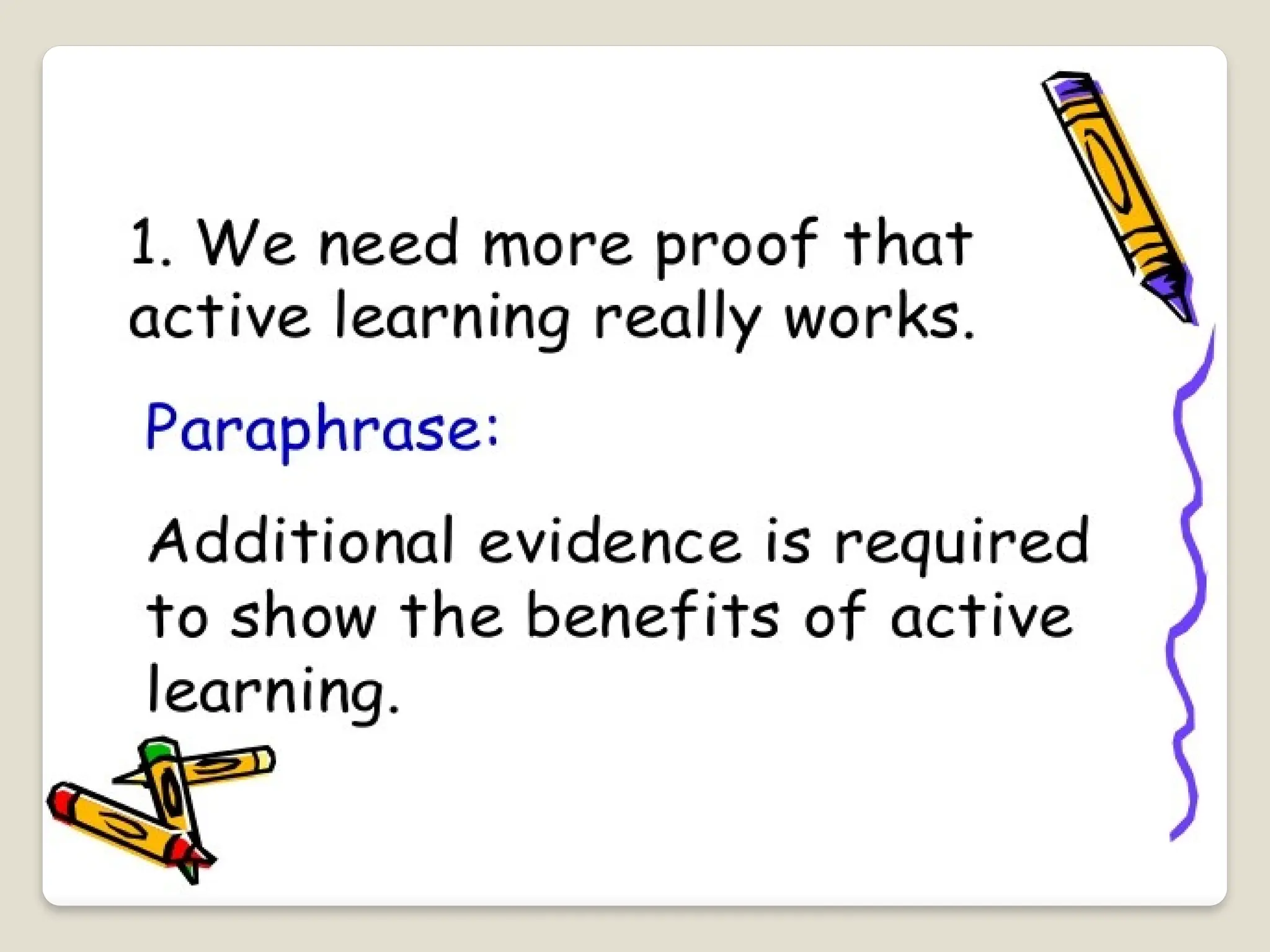
Paraphrasing is
restating text
giving the
meaning in other
form.
Steps
in
PARAPHRASING
1. Repeatedly read
the passage to be
paraphrased until
you have
completely
understood what it
says.
2. Do not look at
the passage while
you are writing
your paraphrase.
3. After writing your
paraphrase, read the
original passage once
again to check if you were
able to accurately capture
its meaning. By doing this,
you will avoid misquoting
your source.
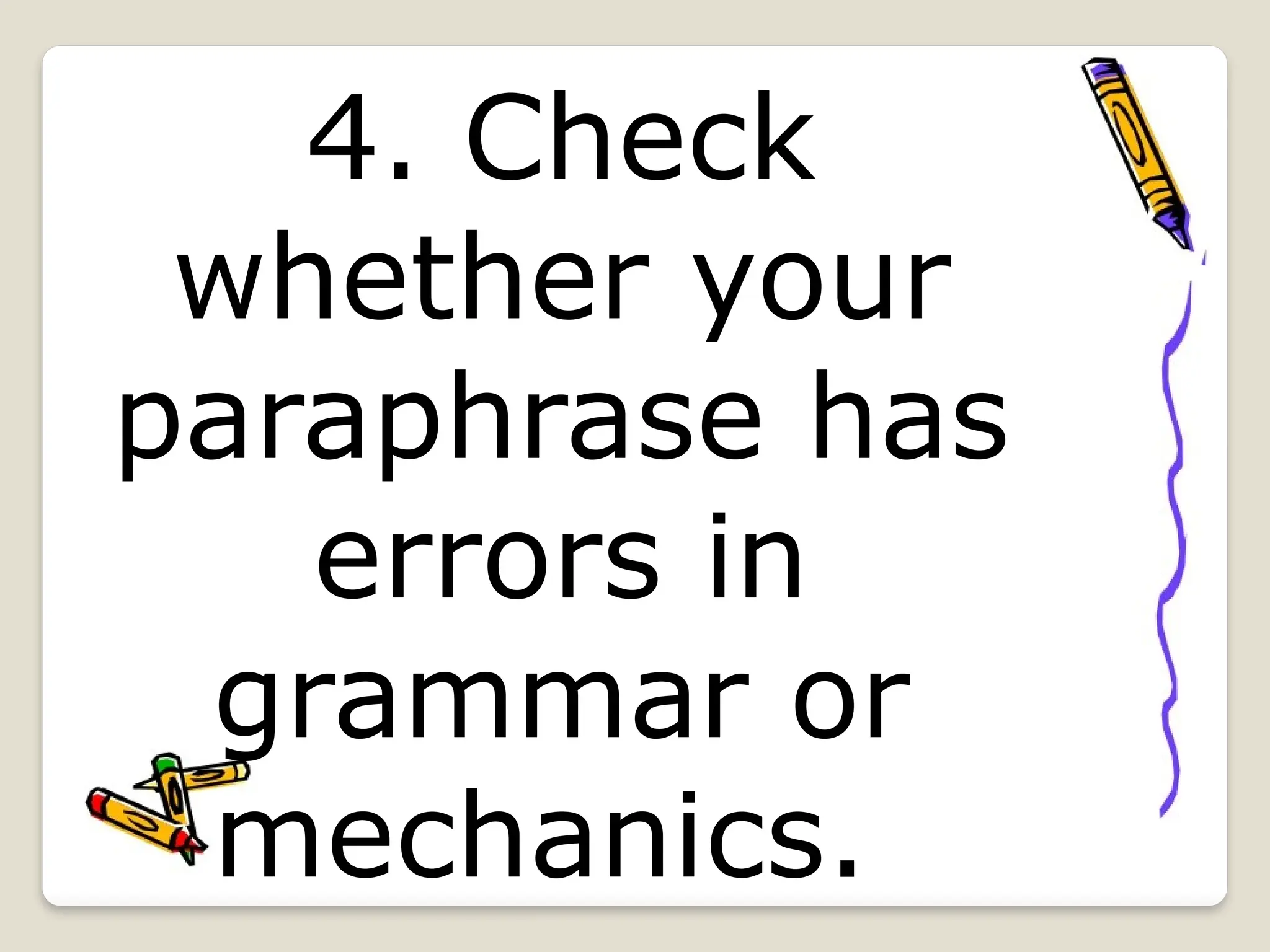
4. Check
whether your
paraphrase has
errors in
grammar or
mechanics.
5. Always
cite your
choice.
Remember:
A paraphrase
must also be
attributed to the
original source.
A paraphrase
includes both
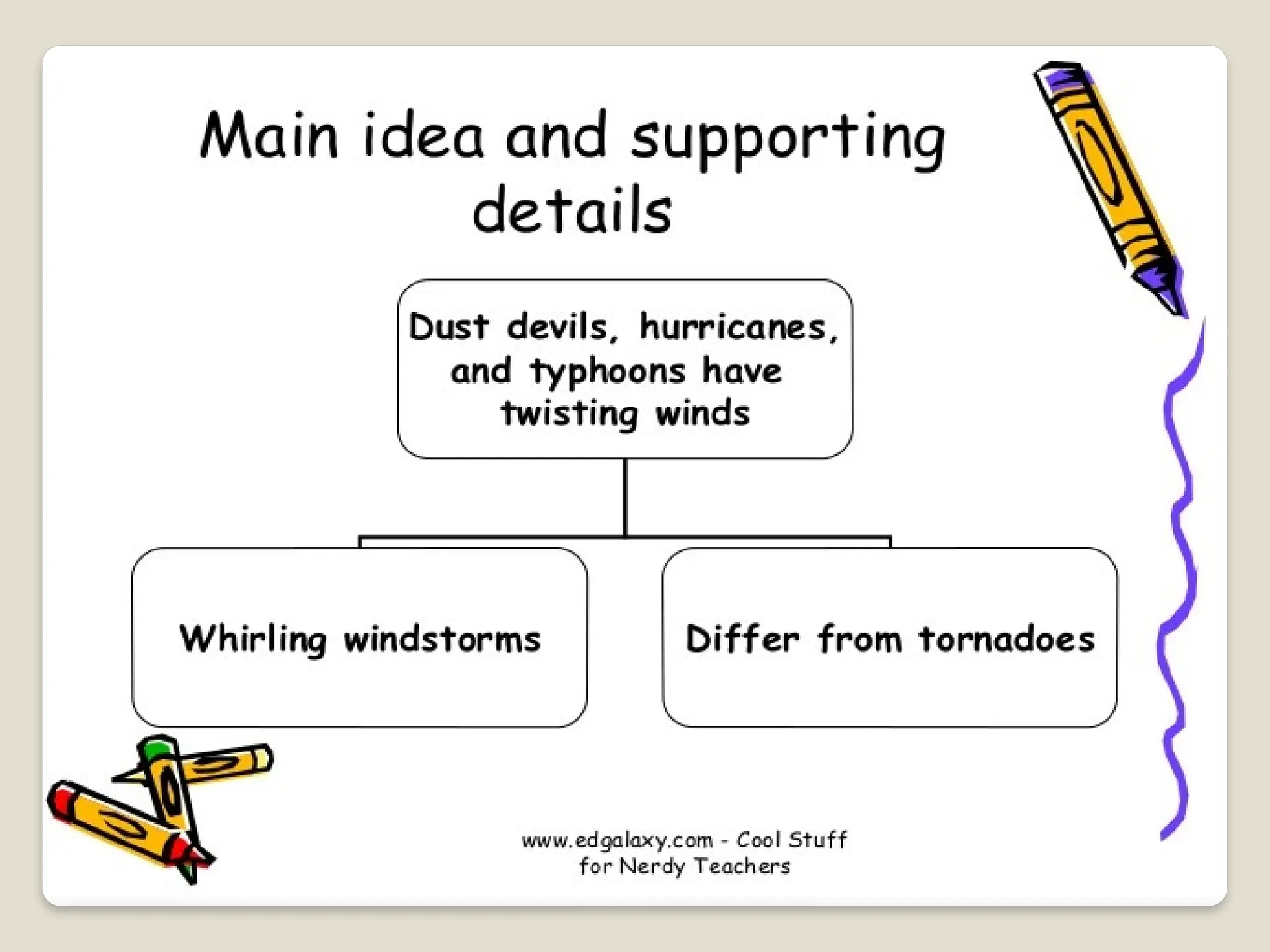
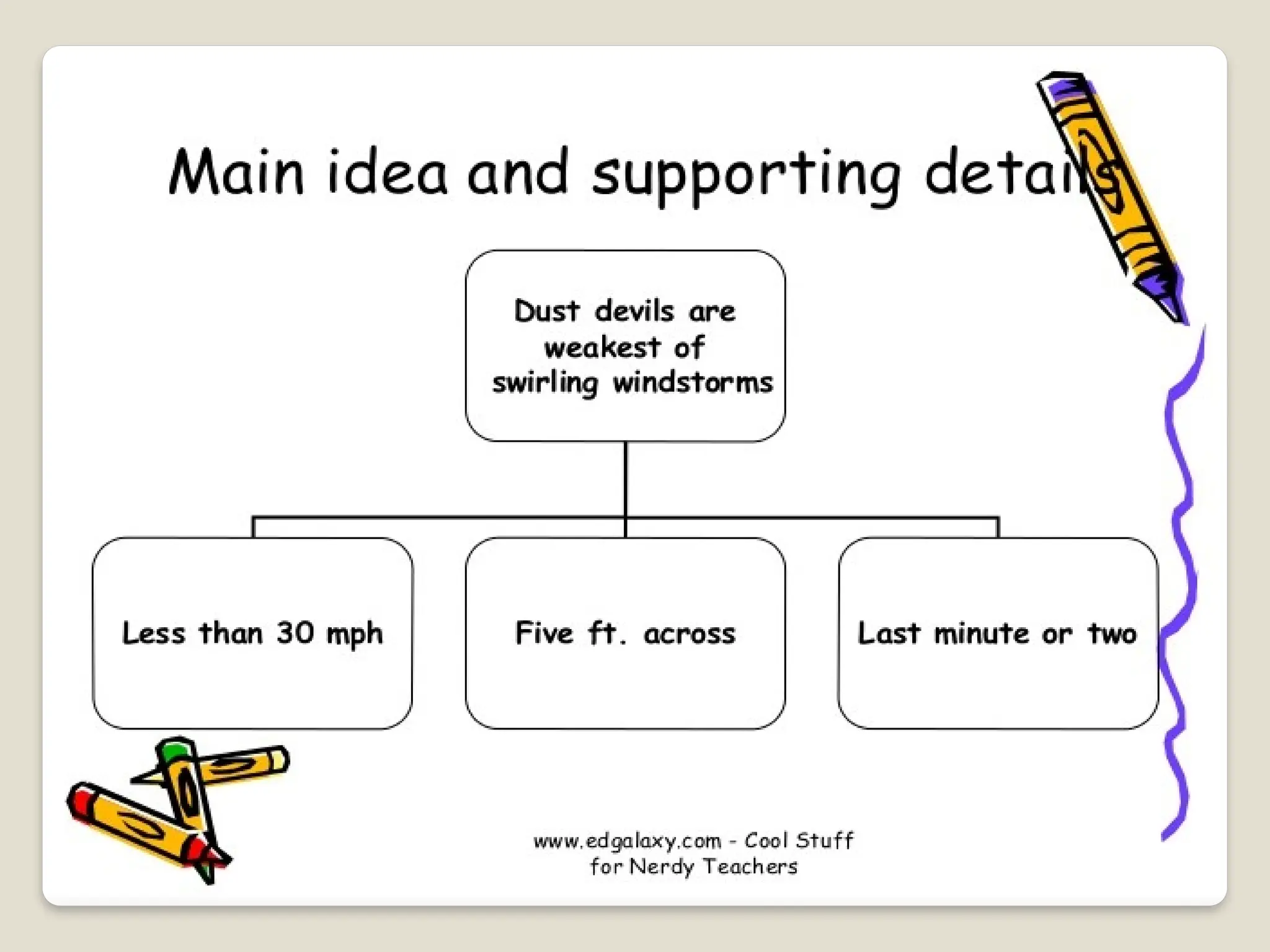
the main idea
and minor
details from the
text.
What
is
SUMMARIZING?
SUMMARIZING
refers to
providing an
abridged version
of the narrative.
SUMMARIZING
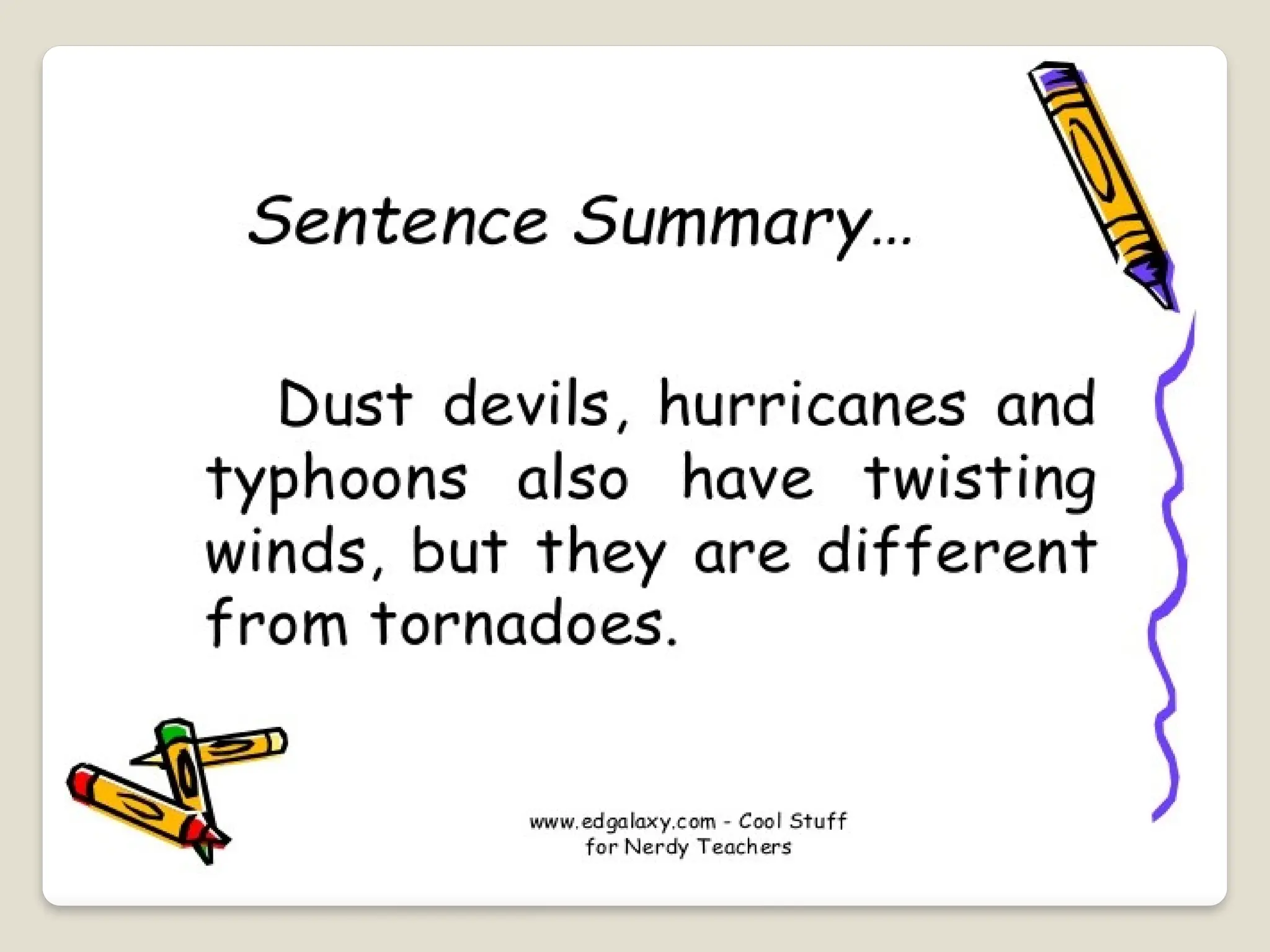
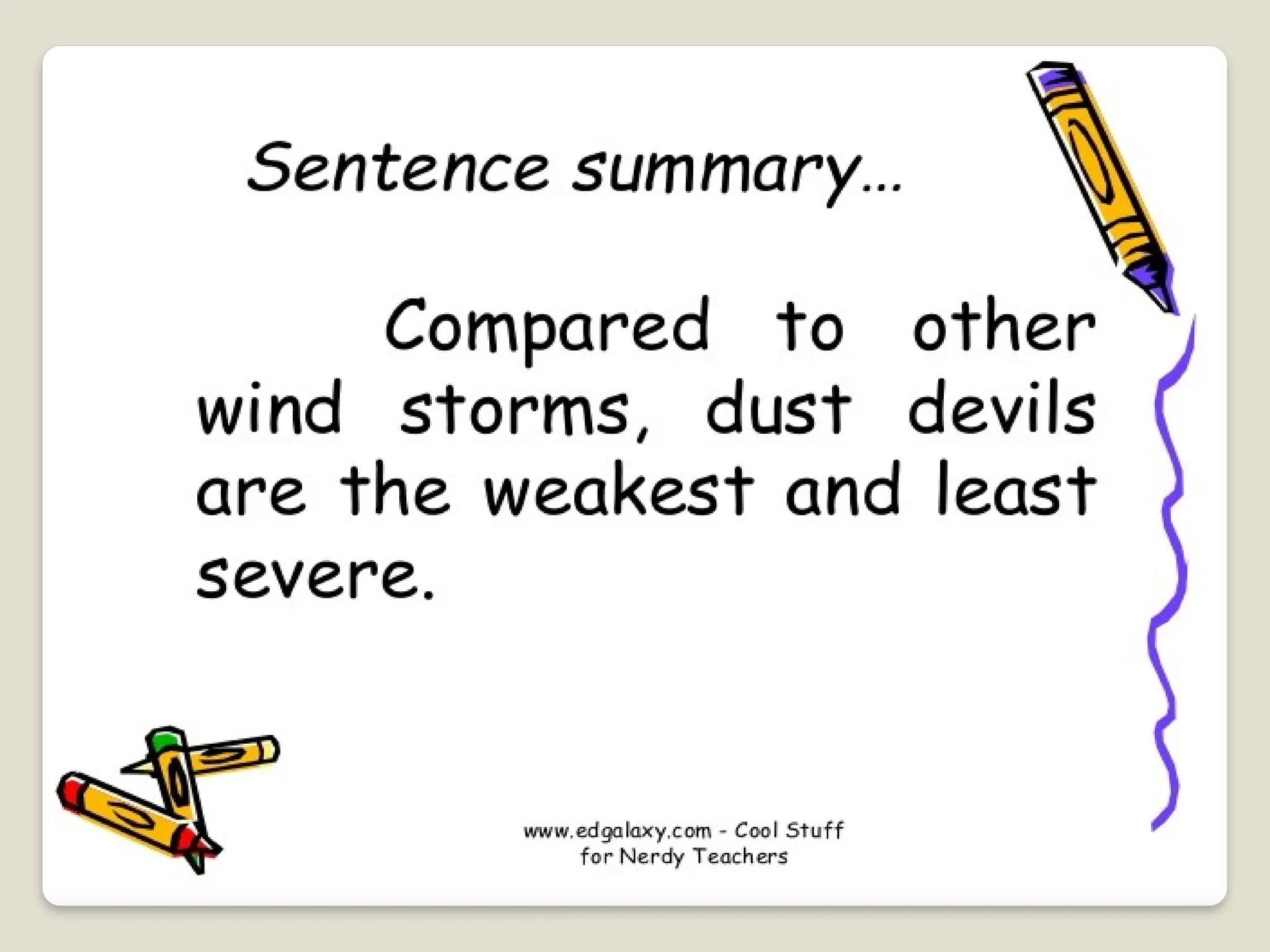
or a precis is a
synopsis or
diggest of the
essence of an
entire text.
Some helpful
tips in
summarizing:
1. Read the text
you are about to
summarize over
and over again.
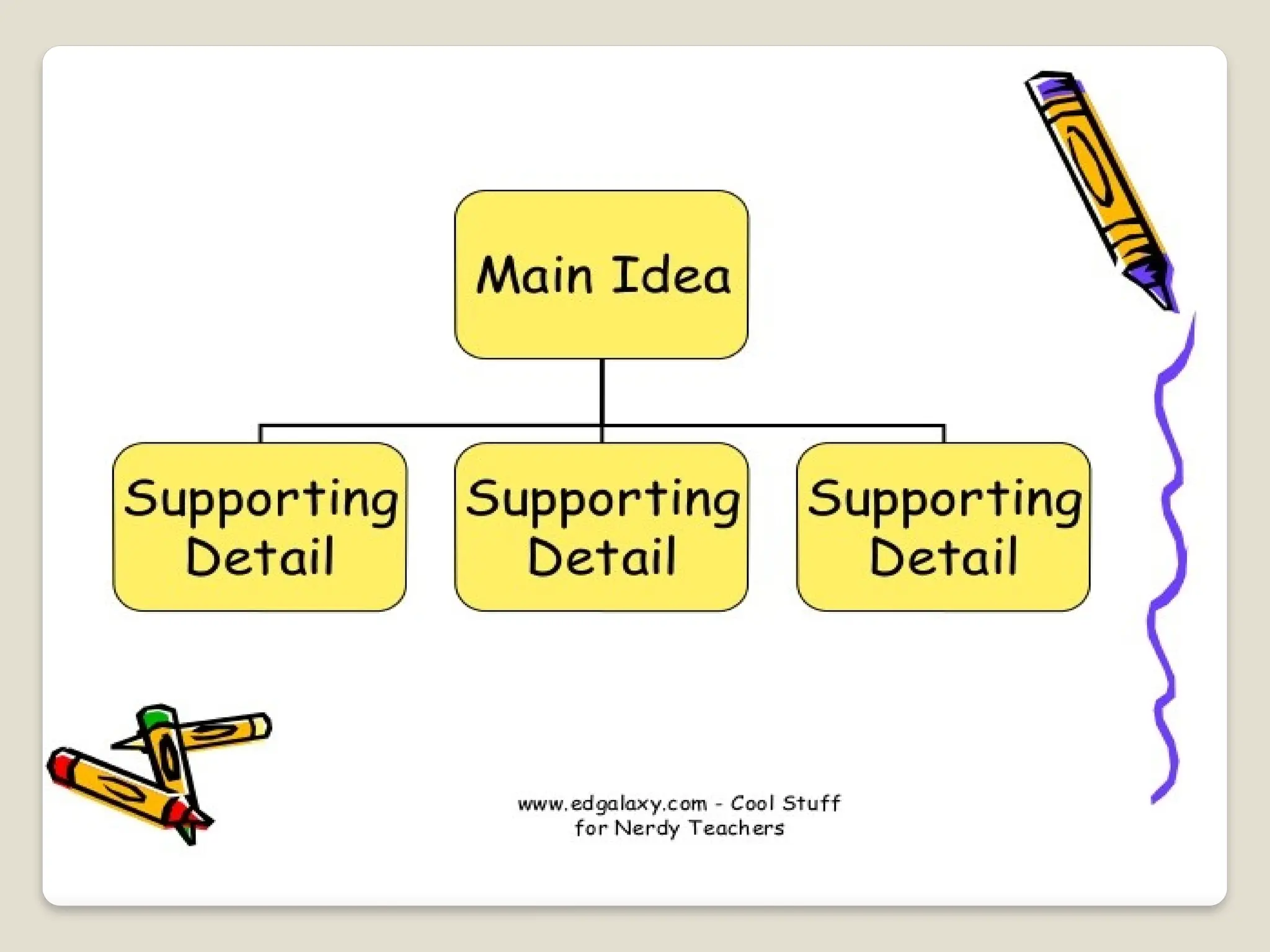
2. Identify the
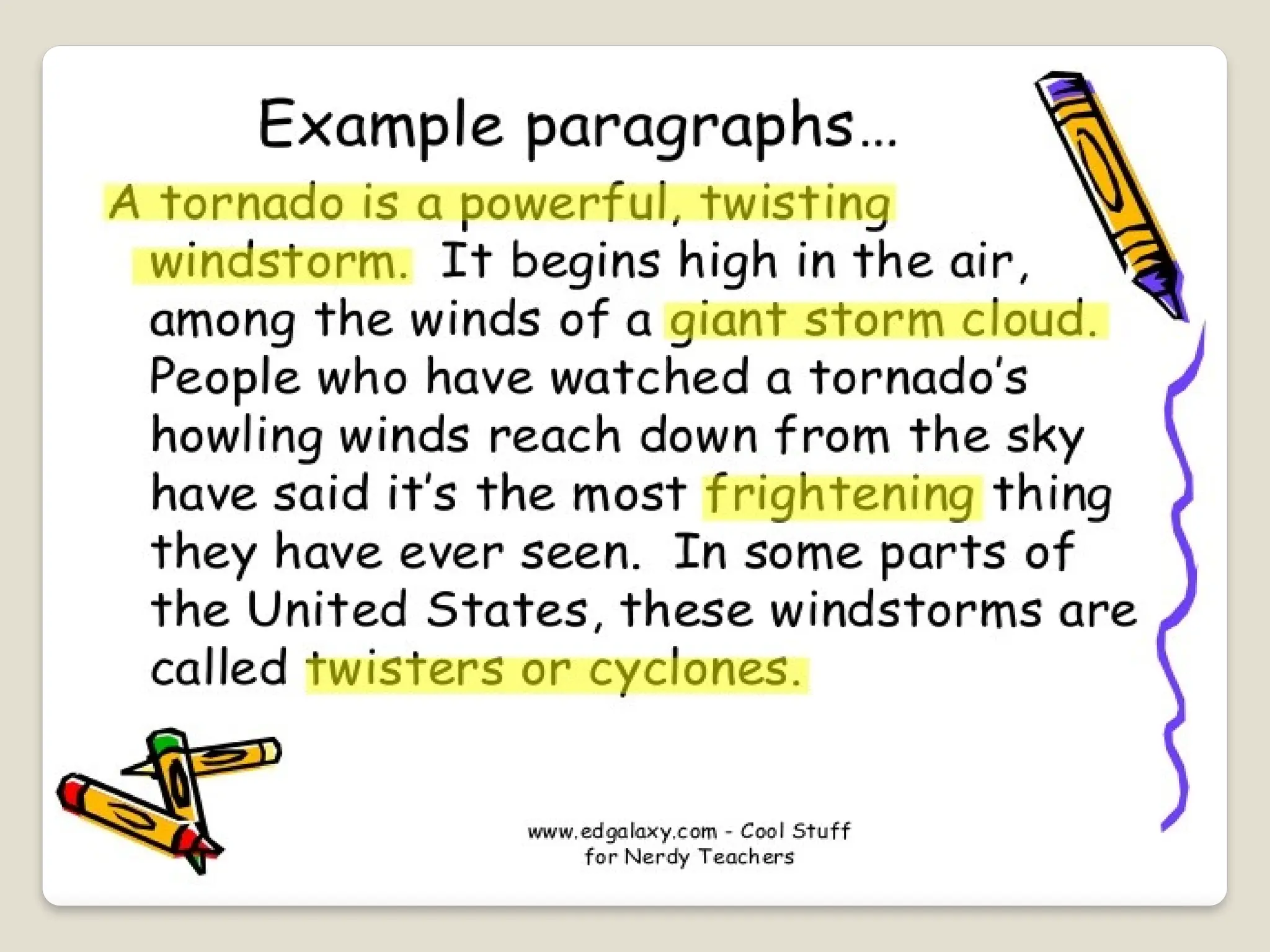
main idea of the
text you are
planning to
summarize.
3. Put your feet
into your
readers’ shoes.
4. Ensure a
smooth flow of
ideas.
5. Limit your
summary to a
few
sentences.
6. Do not
forget to
proofread your
work.
Let’s talk about
PLAGIARISM!!!
Plagiarism is an
act of presenting
the words, ideas,
sounds, or the
creative expression
of others as you
own.
Types
of
PLAGIARISM
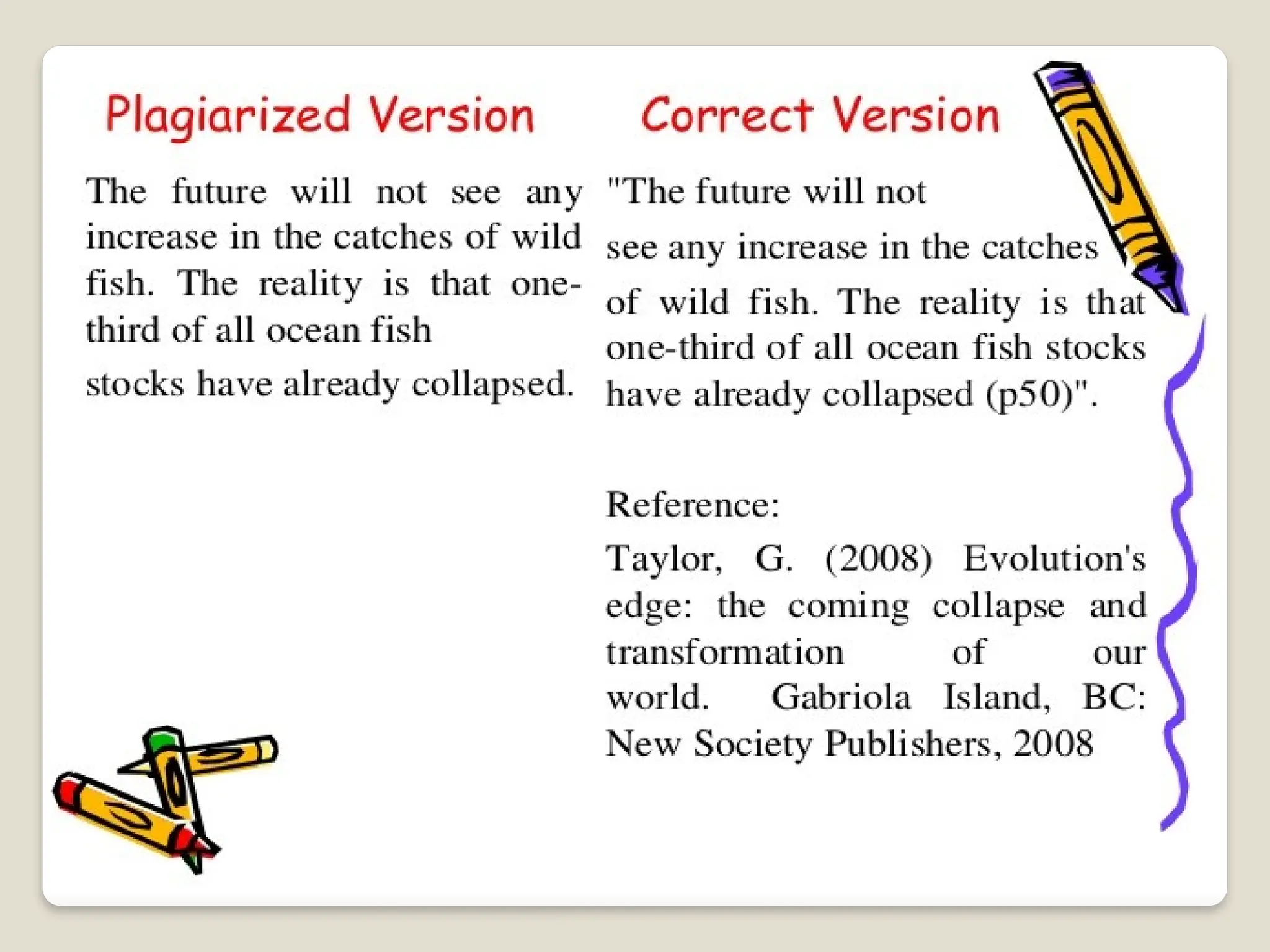
1.Word-for-word
(Verbatim
Plagiarism)
-known as cut-and-
paste plagiarism
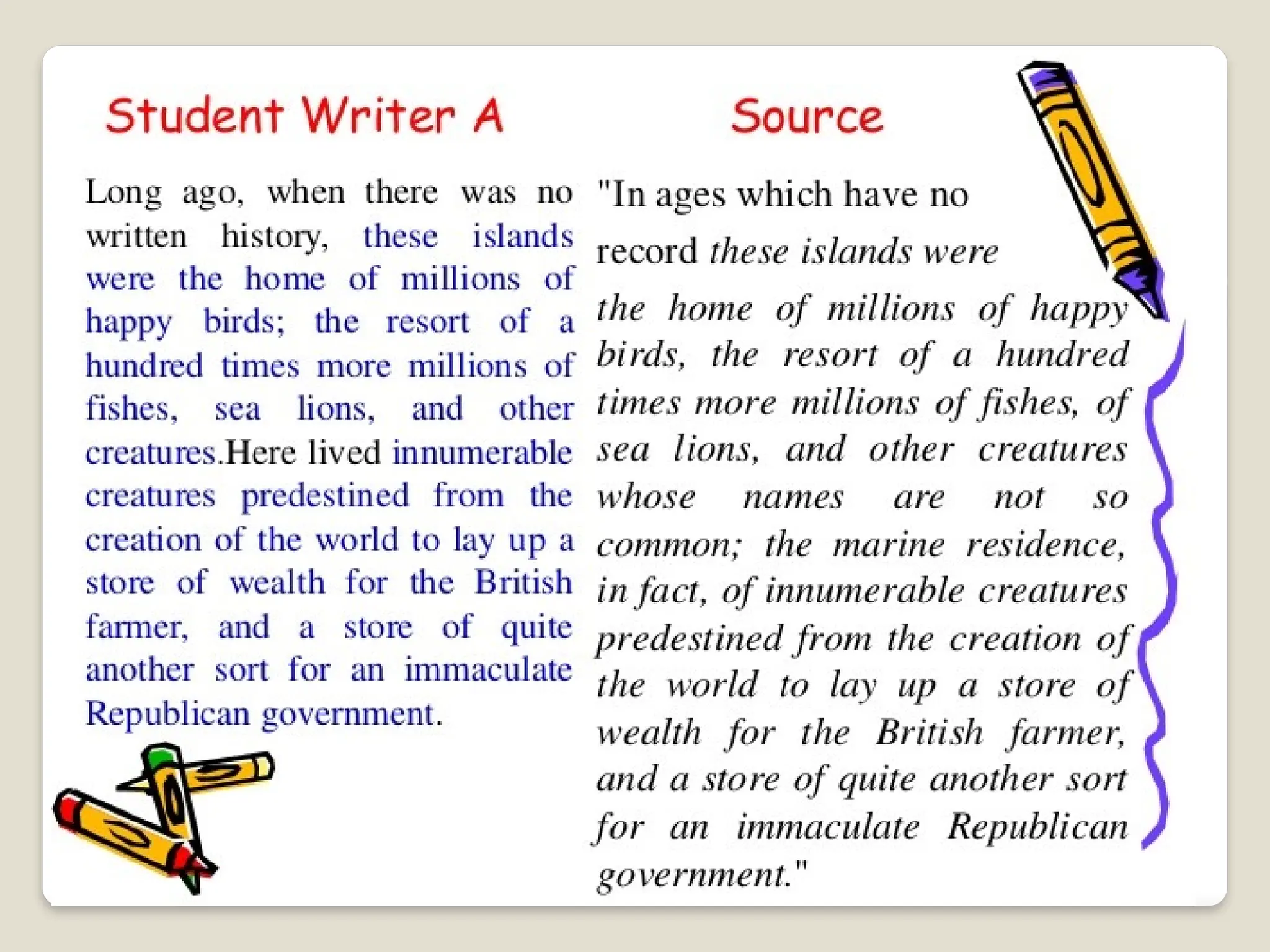
2. Word order
Plagiarism
-happens when a writer
changes some of the
words of another author
to make the work look
as if it were his own
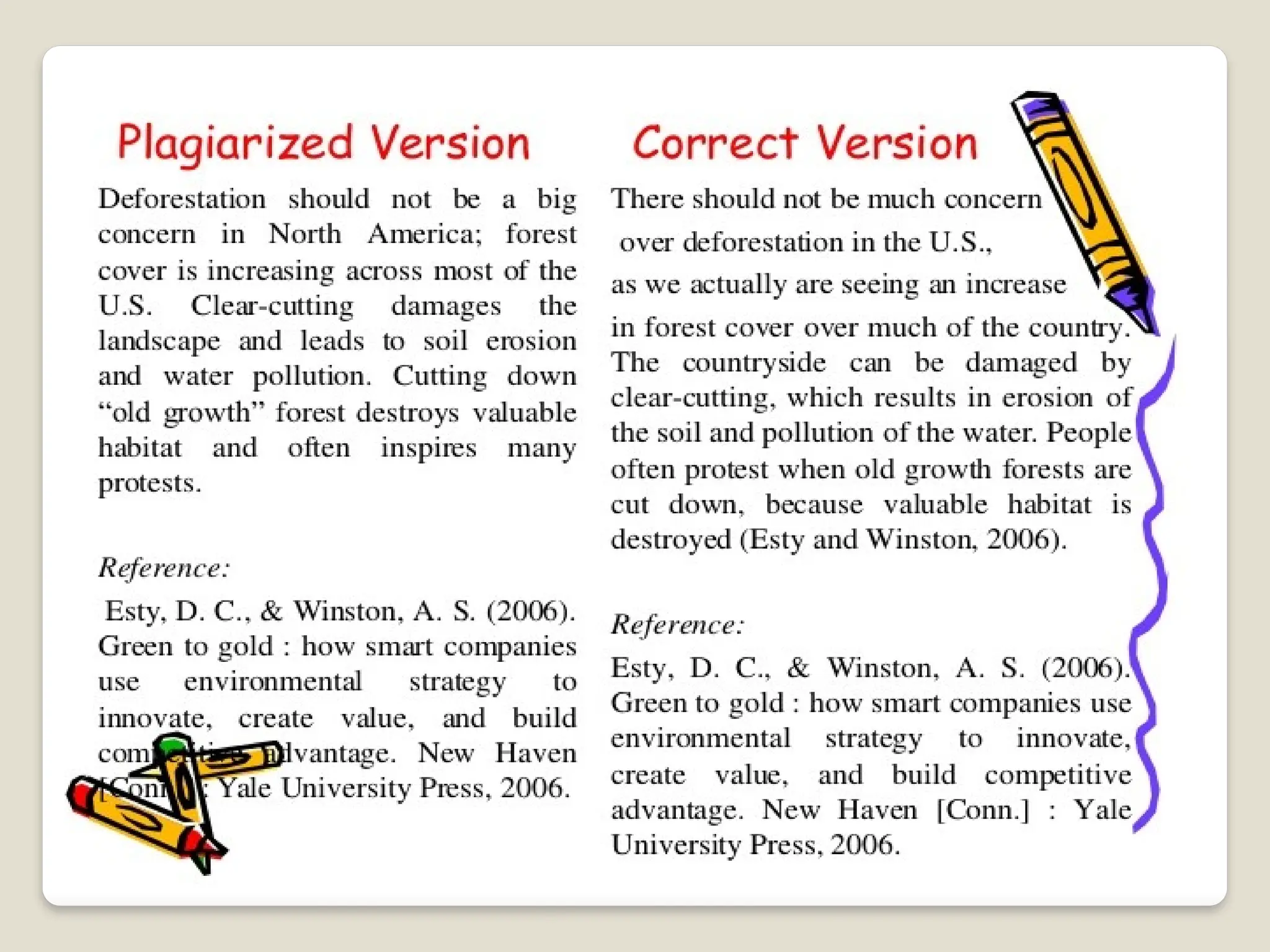
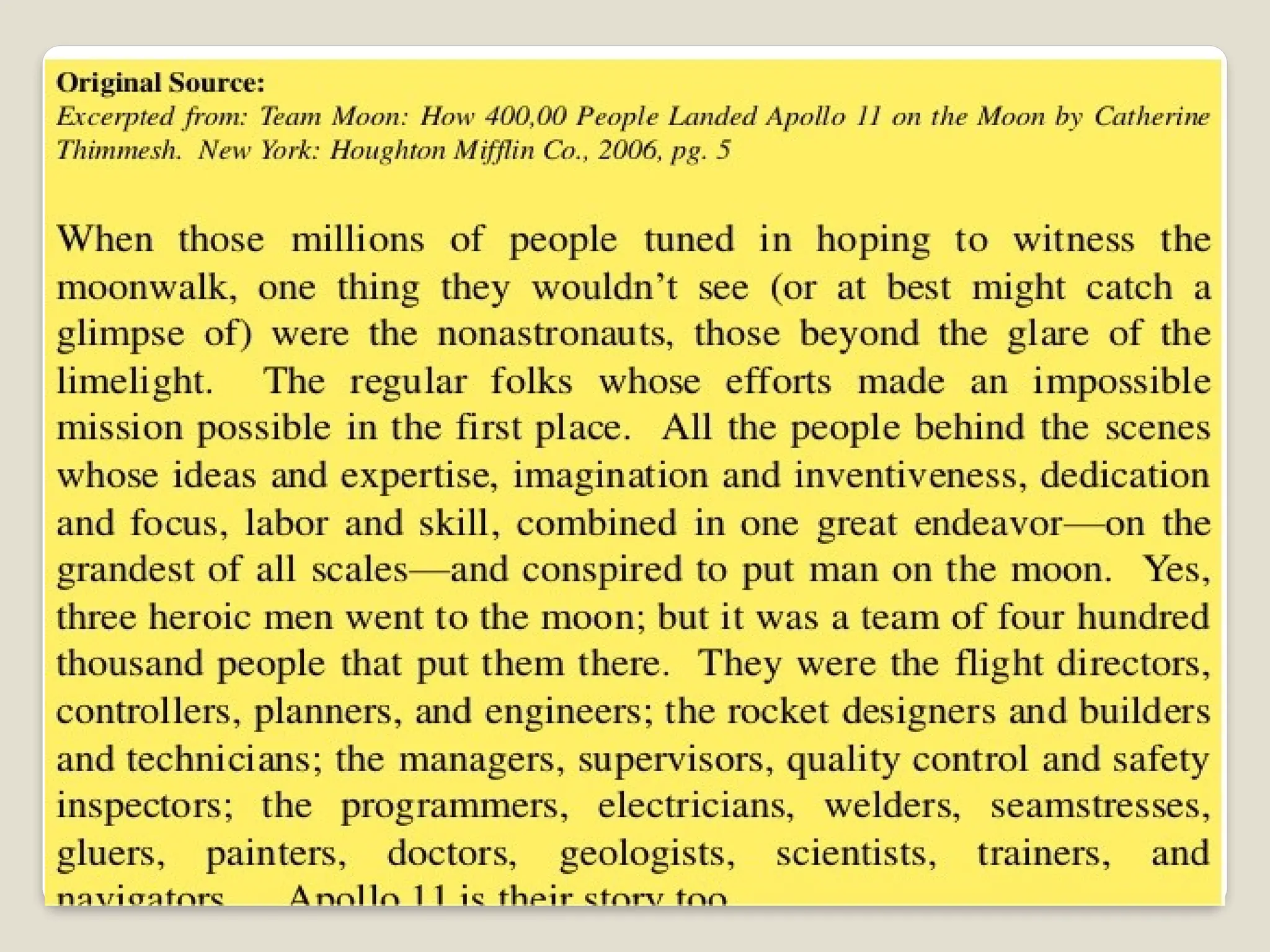
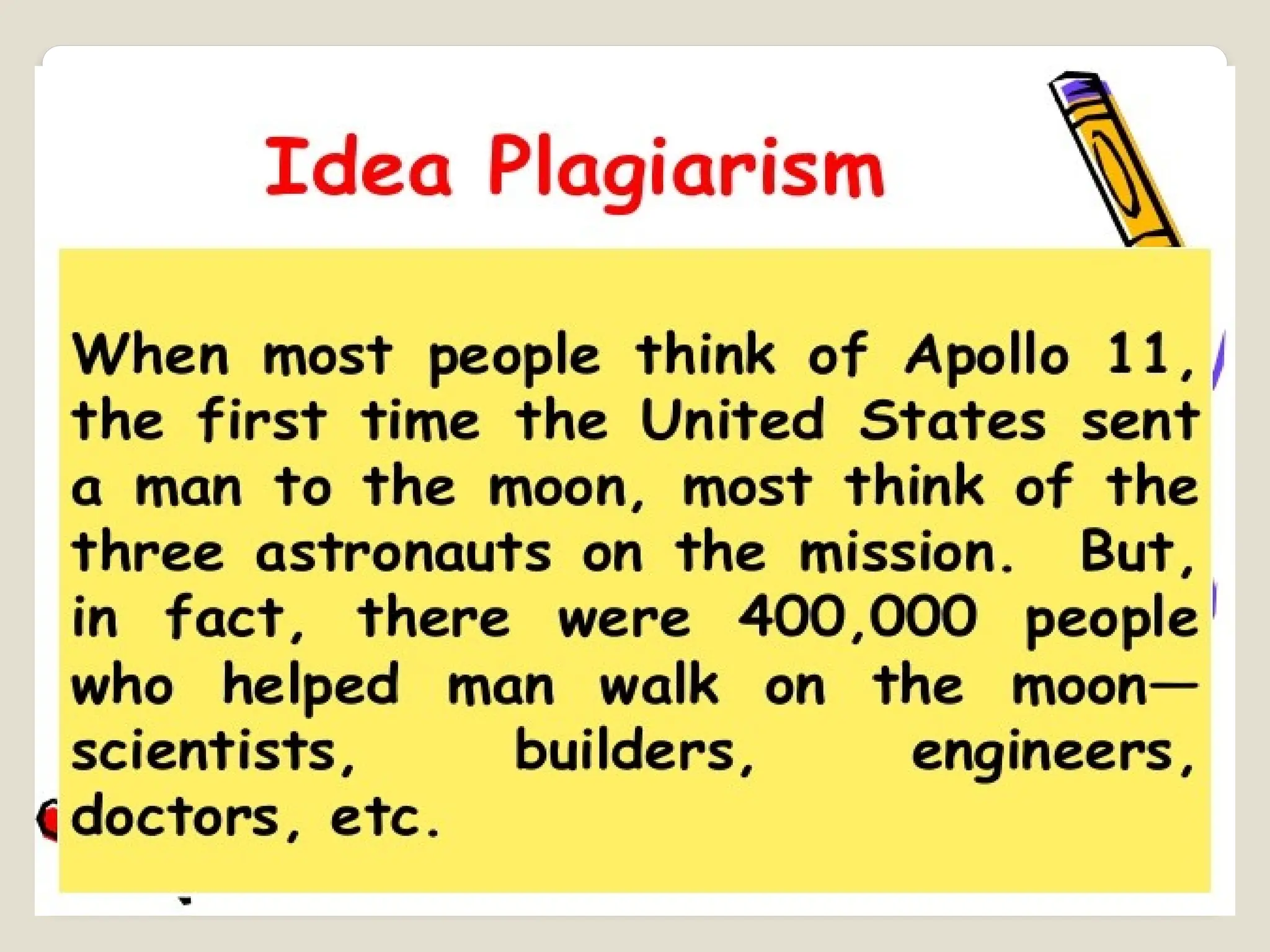
3. Idea Plagiarism
-happens when a
writer paraphrases the
passage and includes
it as his own without
giving proper
attribution
EAPP-Lesson3-Summarizing-and-Paraphrasing.pptx

EAPP-Lesson3-Summarizing-and-Paraphrasing.pptx