Cross-boundary Groundwater
Management: Effects of Extraction
and Open Pit Mining on Rode Beek /
Saeffeler Bach
Eric Castenmiller
Province of Limburg
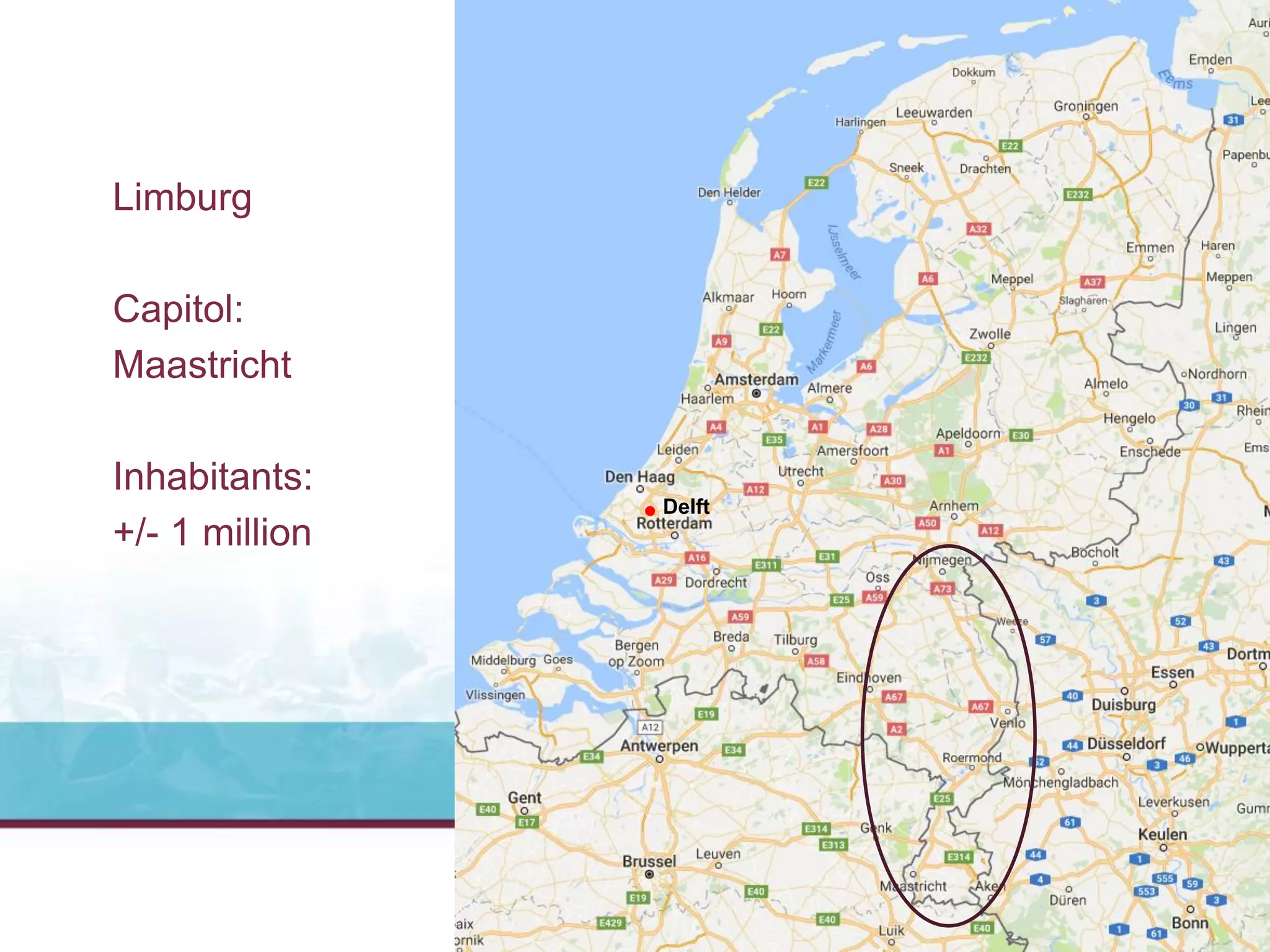
Limburg
Capitol:
Maastricht
Inhabitants:
+/- 1 million
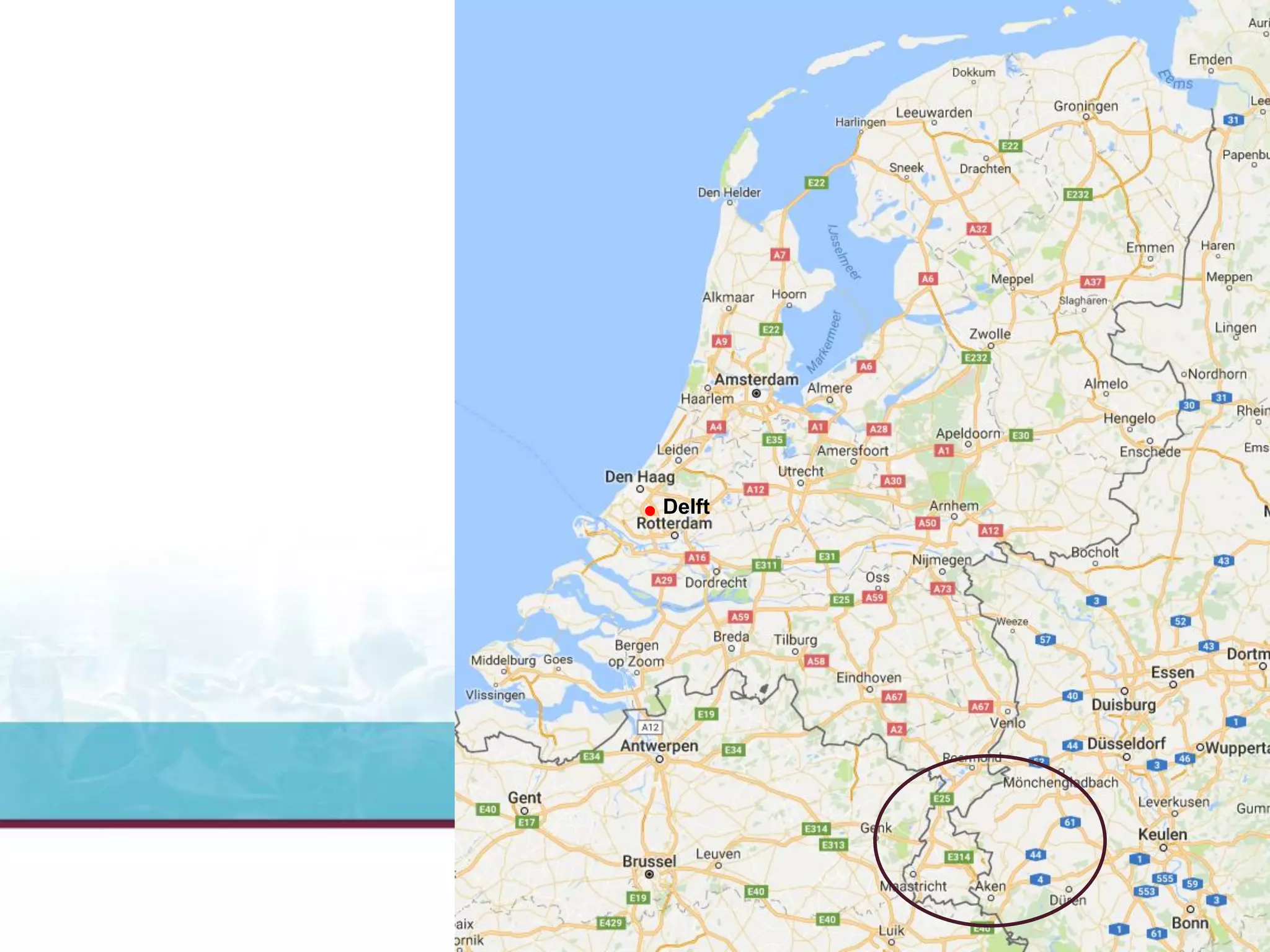
Delft
Delft
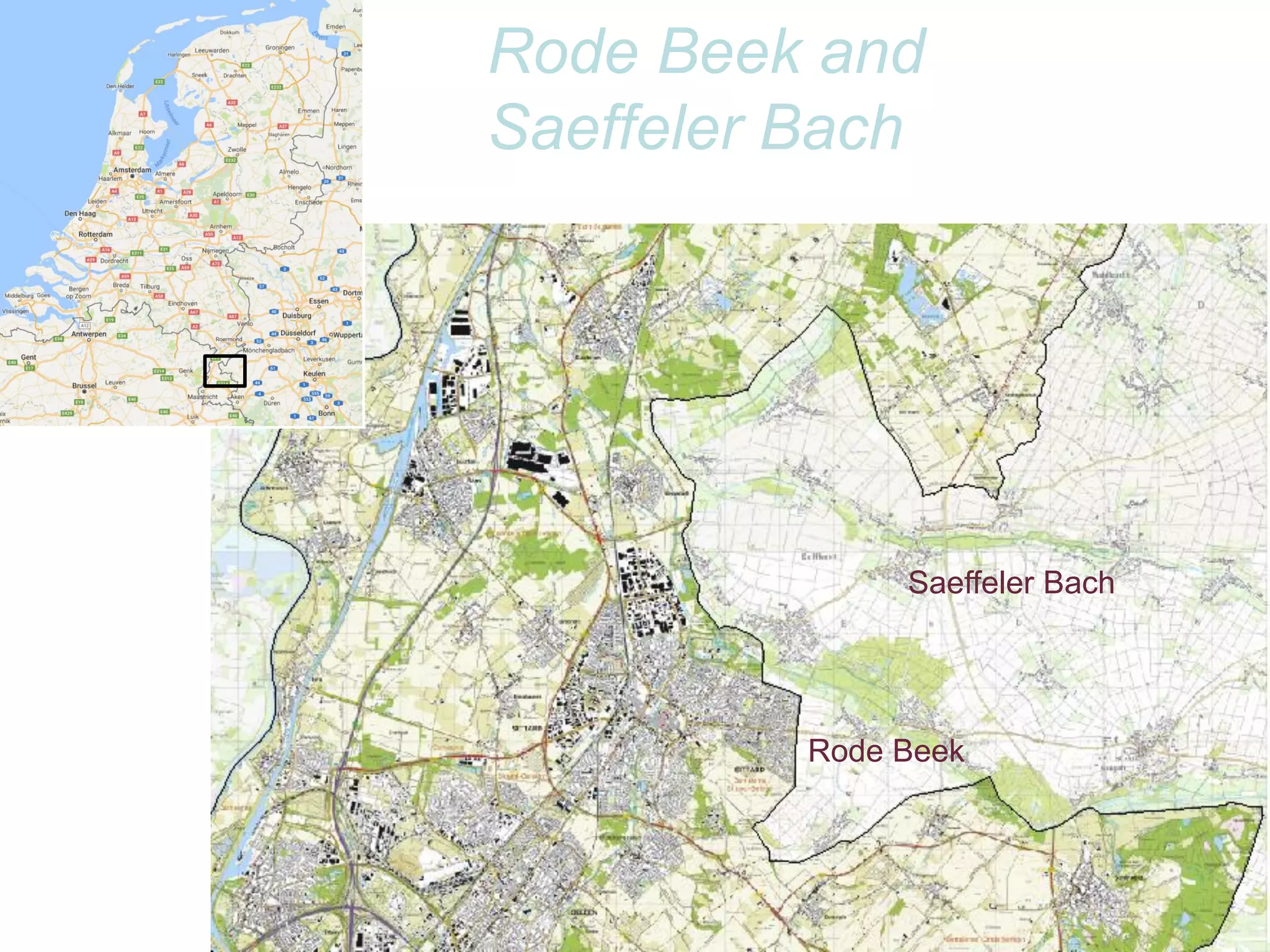
Rode Beek and
Saeffeler Bach
Rode Beek
Saeffeler Bach
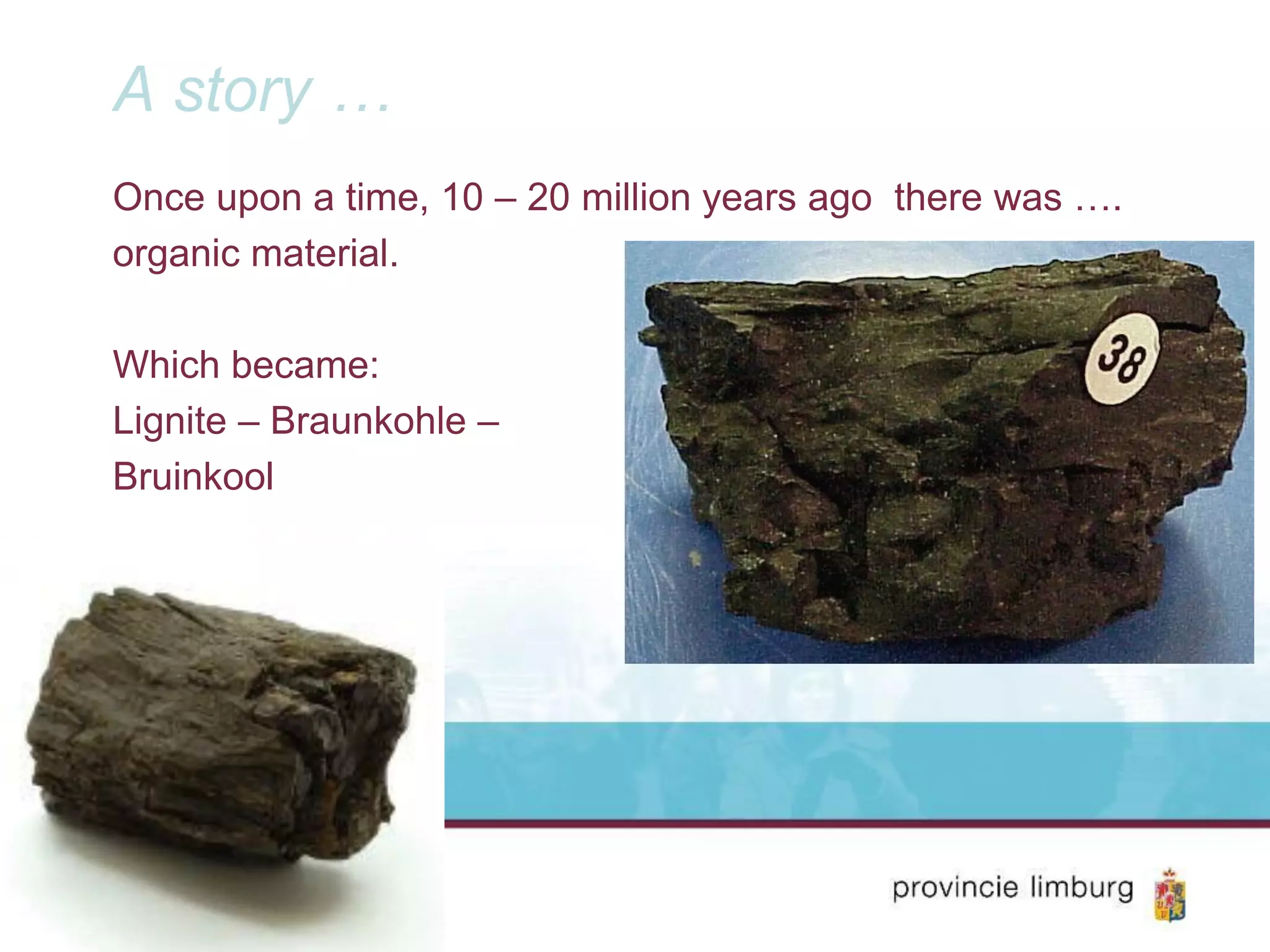
A story …
Once upon a time, 10 – 20 million years ago there was ….
organic material.
Which became:
Lignite – Braunkohle –
Bruinkool
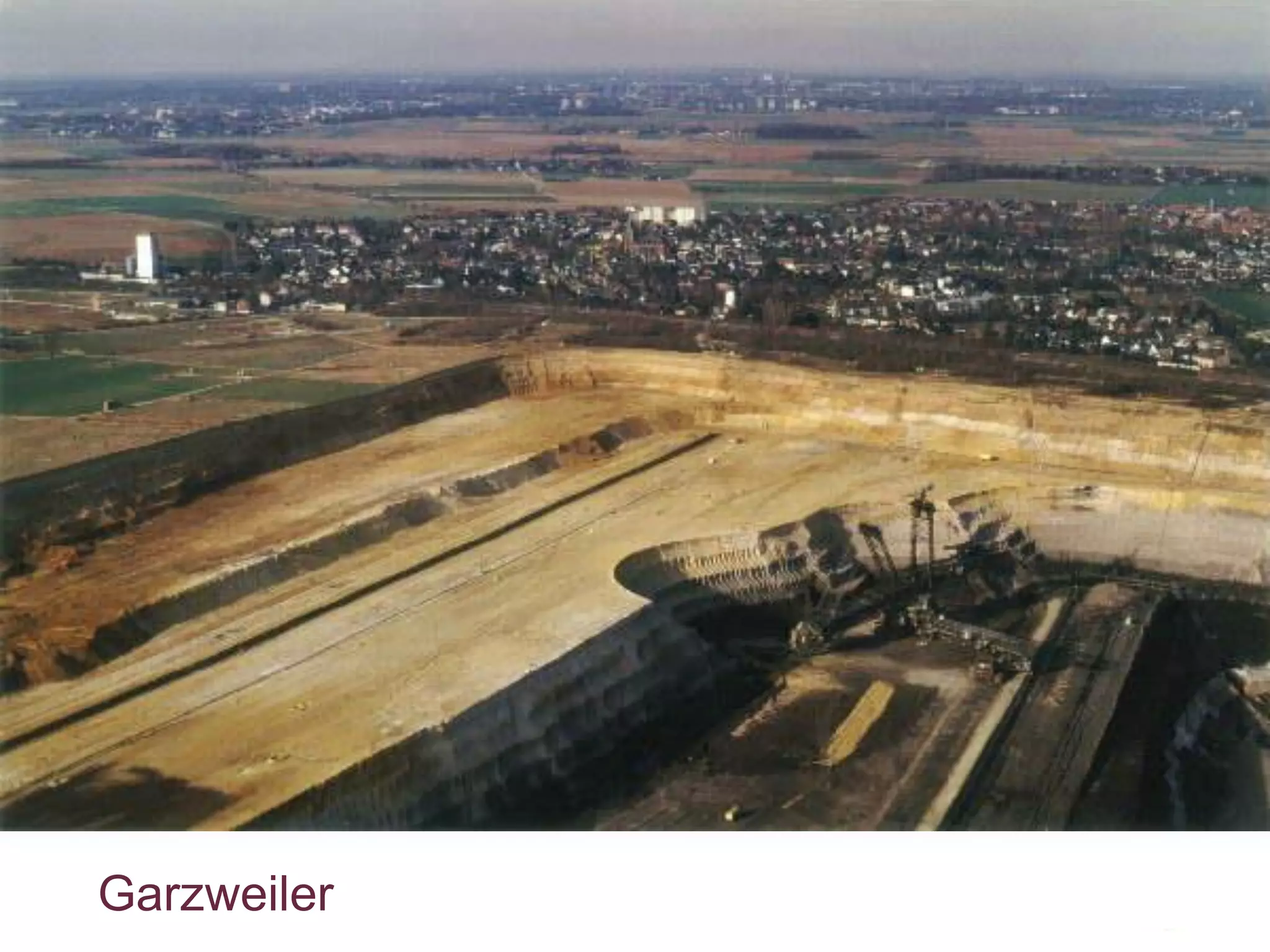
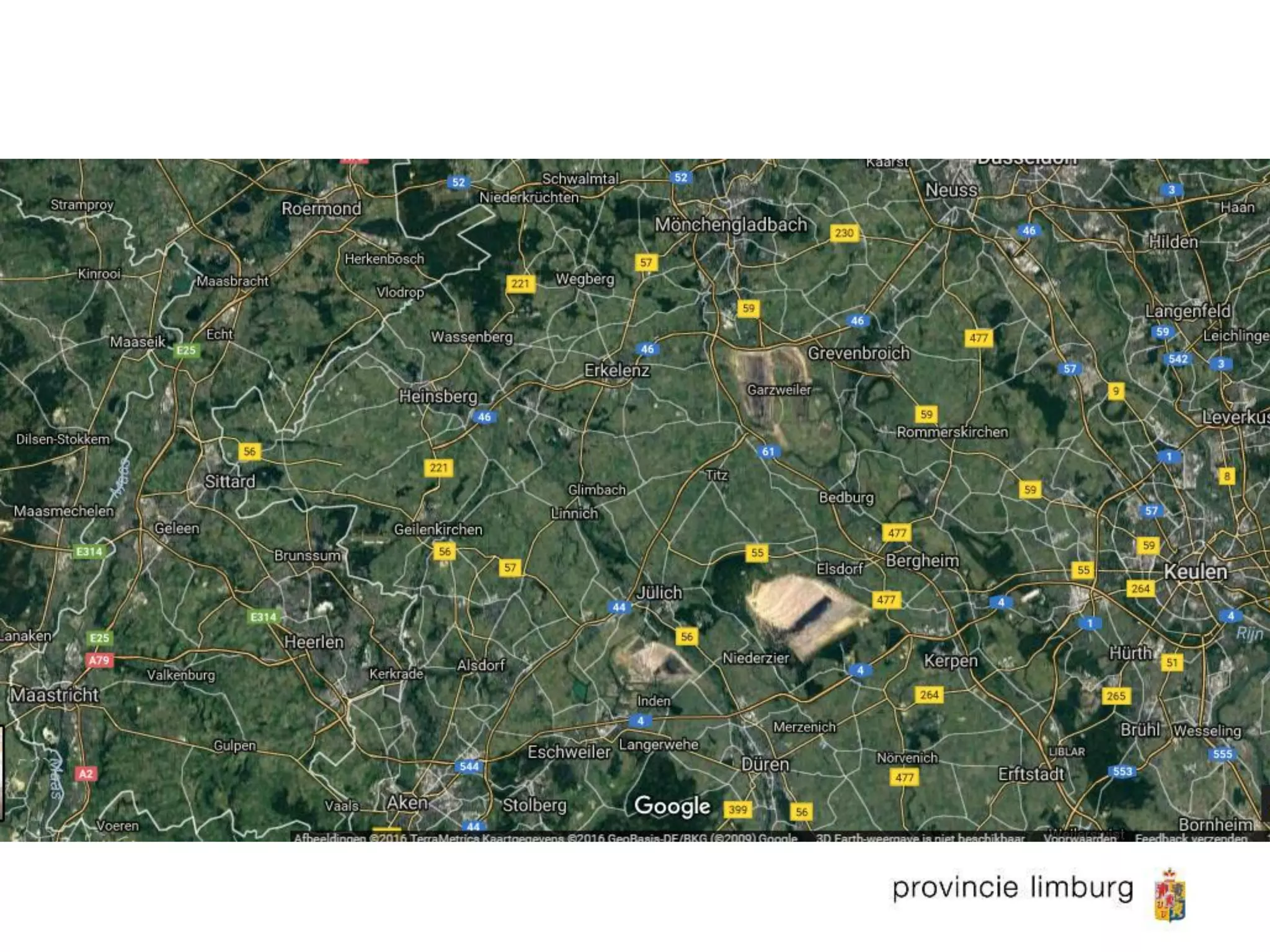
Garzweiler
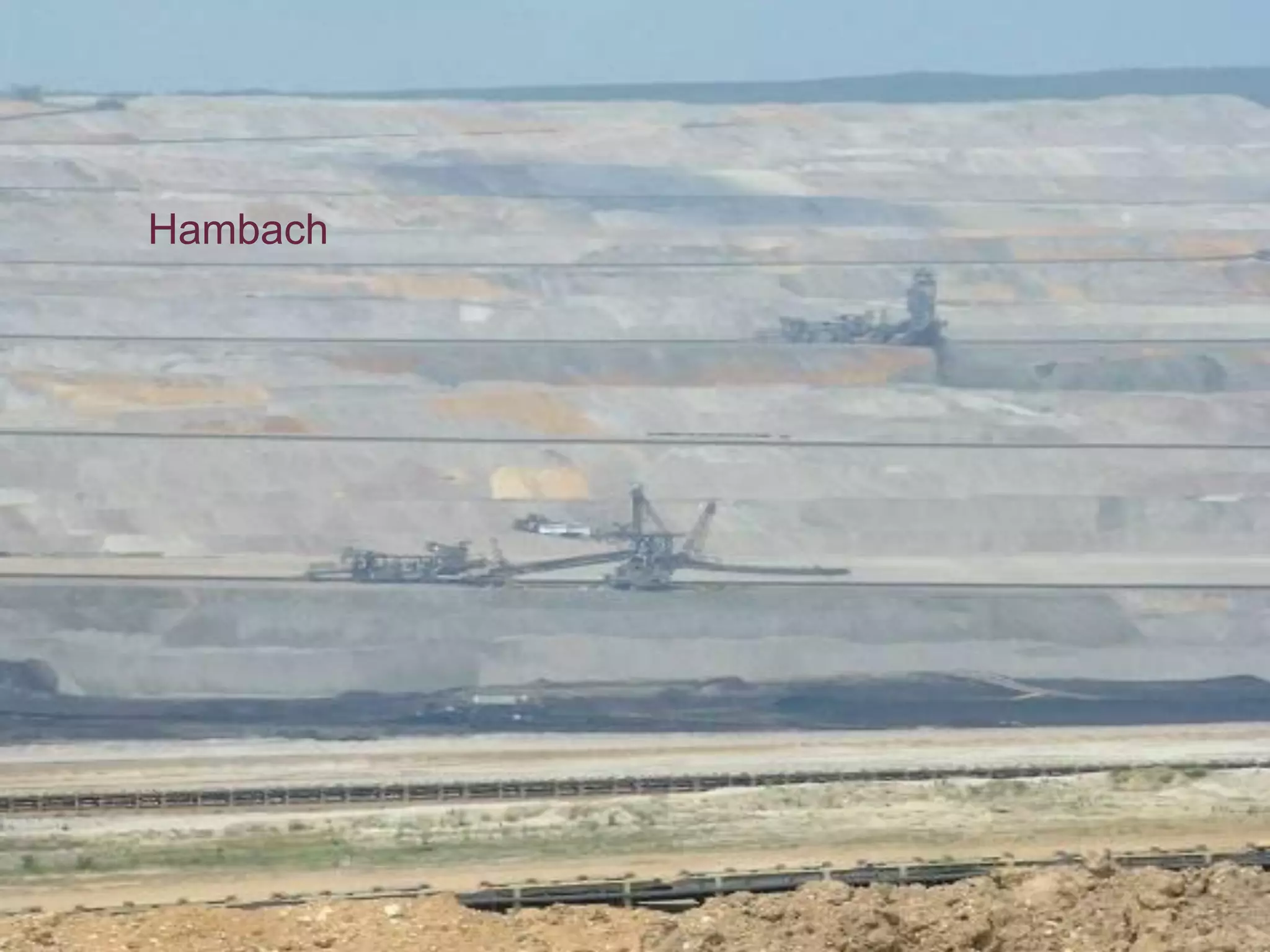
Hambach
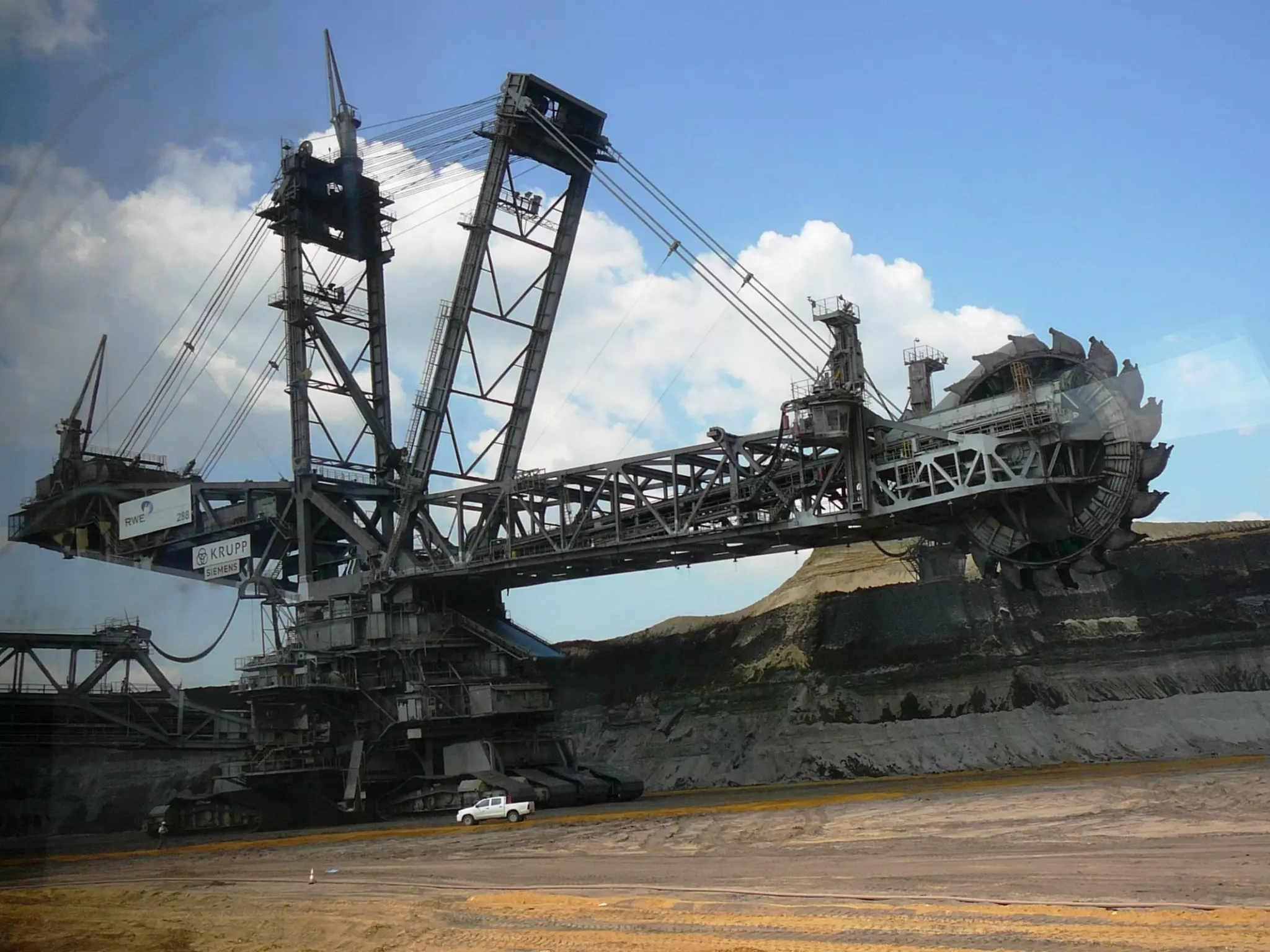
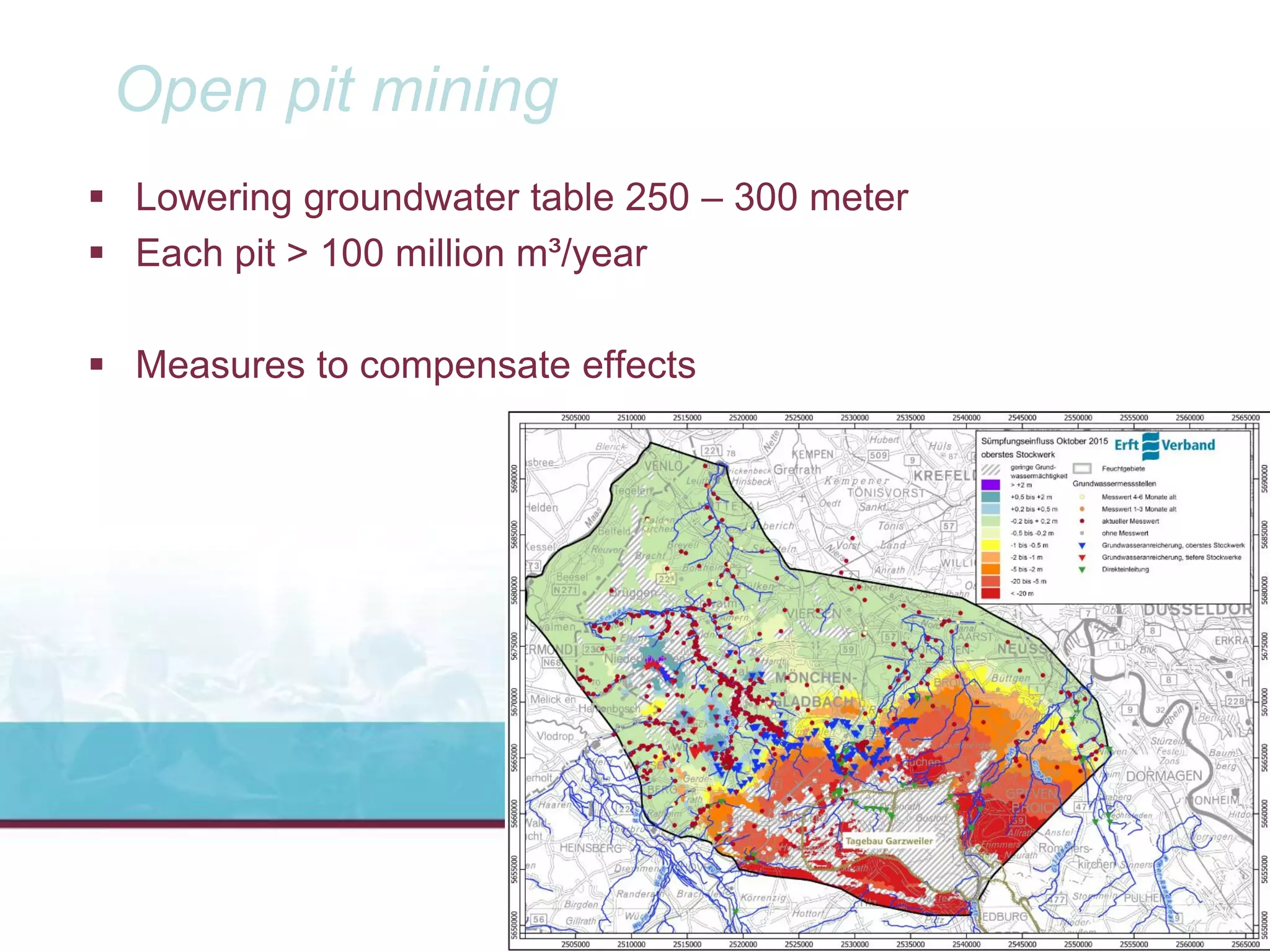
Open pit mining
 Lowering groundwater table 250 – 300 meter
 Each pit > 100 million m³/year
 Measures to compensate effects
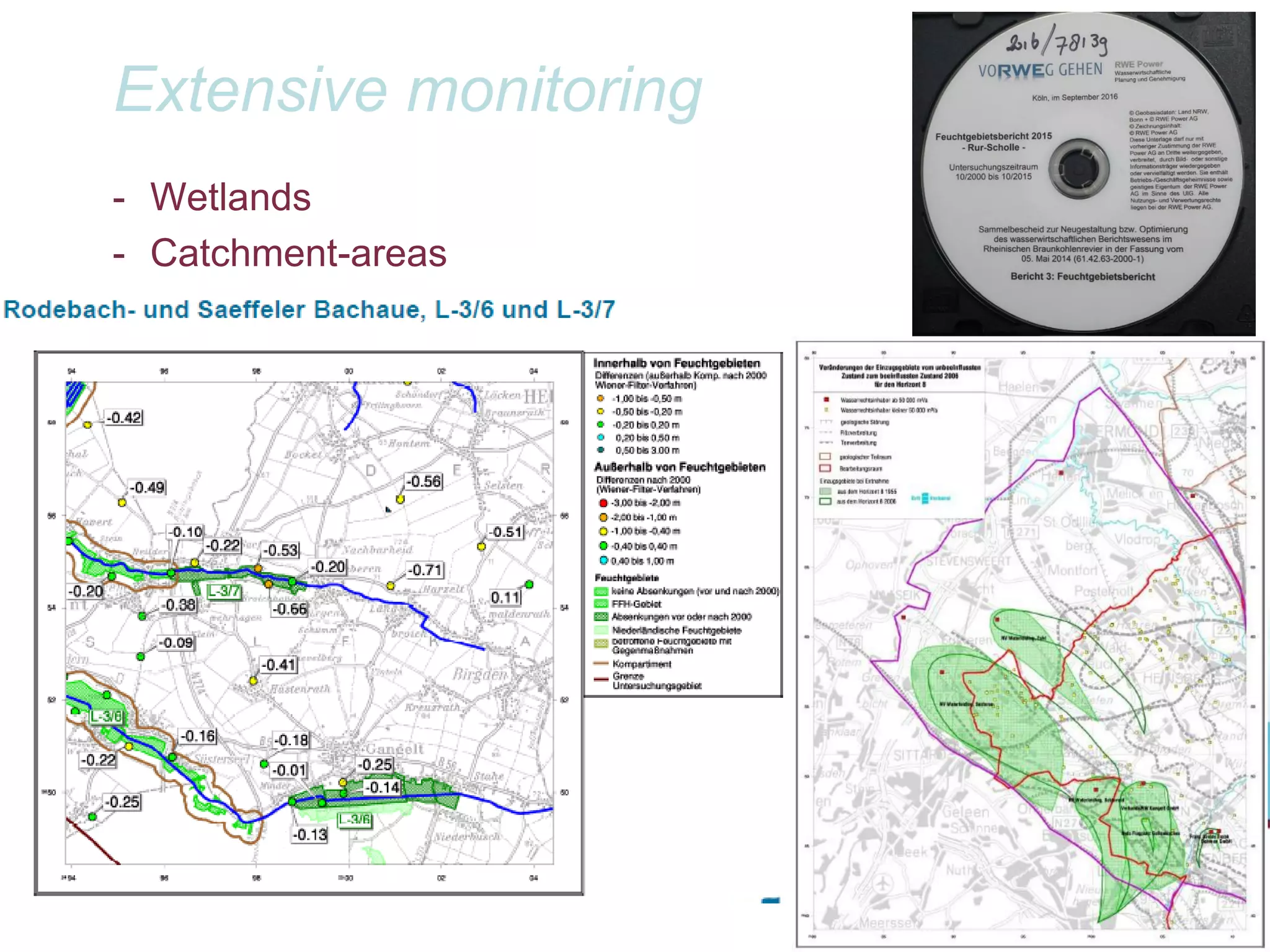
Extensive monitoring
- Wetlands
- Catchment-areas
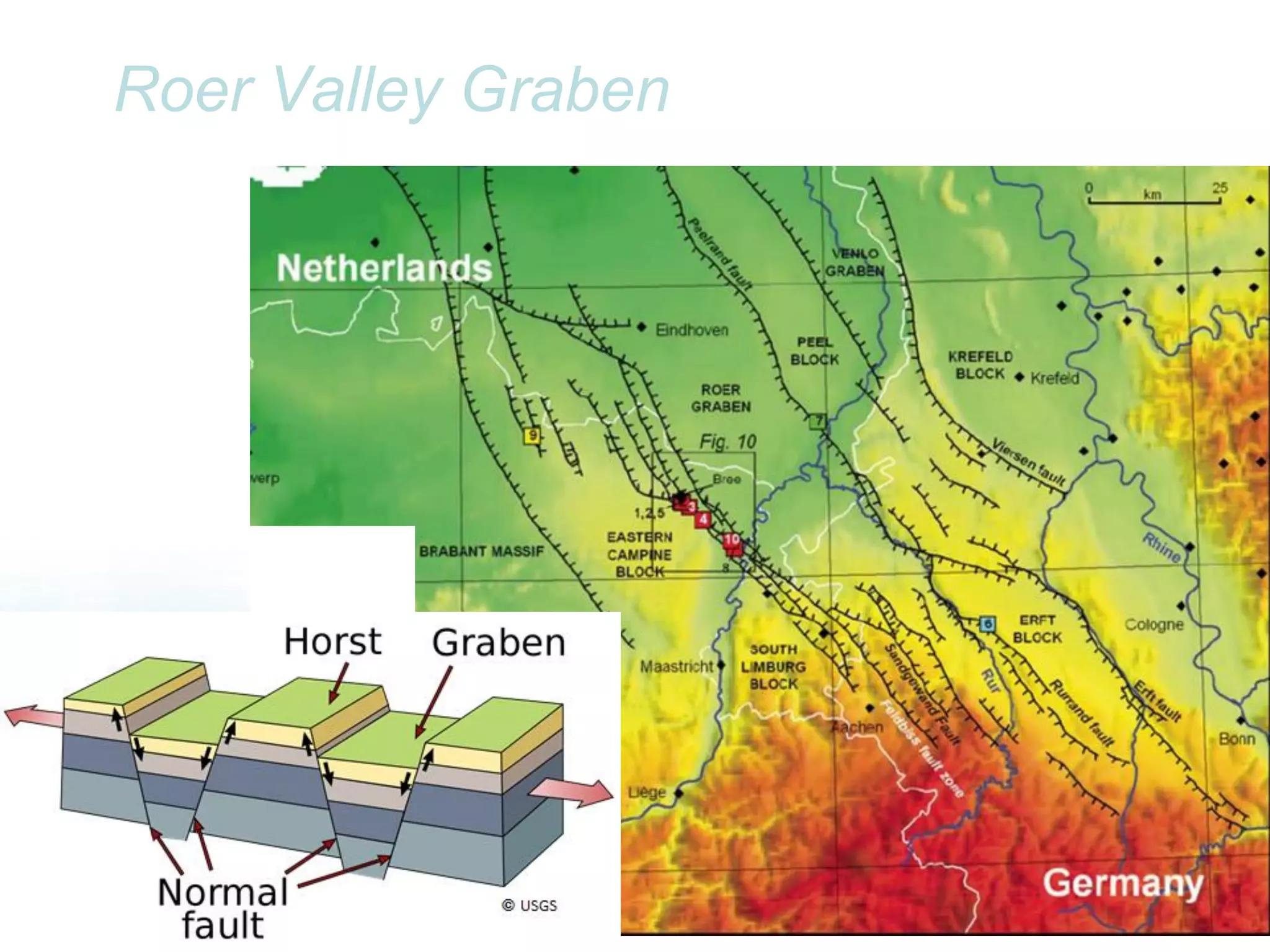
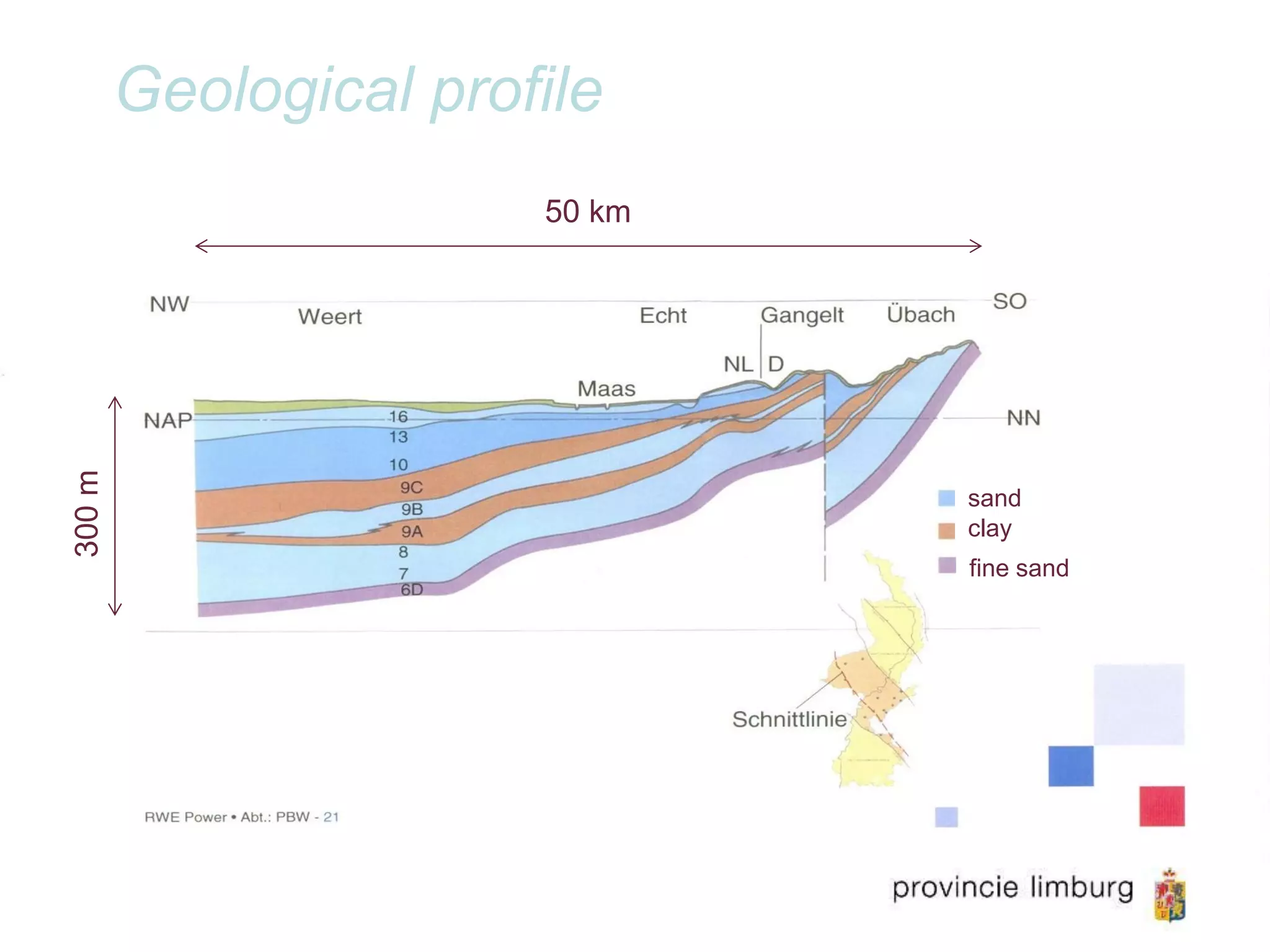
Roer Valley Graben
Geological profile
clay
fine sand
sand
50 km
300m
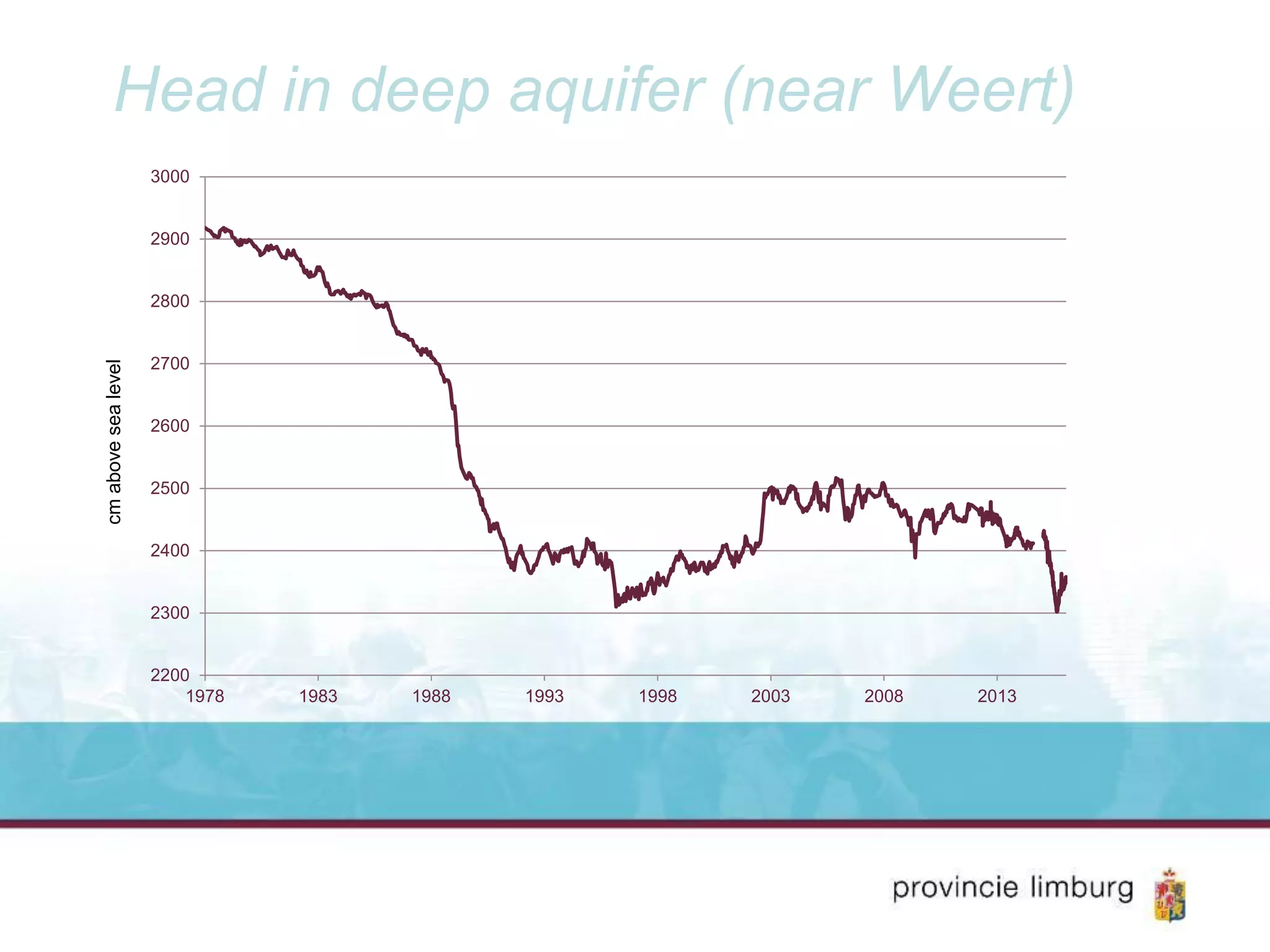
Head in deep aquifer (near Weert)
2200
2300
2400
2500
2600
2700
2800
2900
3000
1978 1983 1988 1993 1998 2003 2008 2013
cmabovesealevel
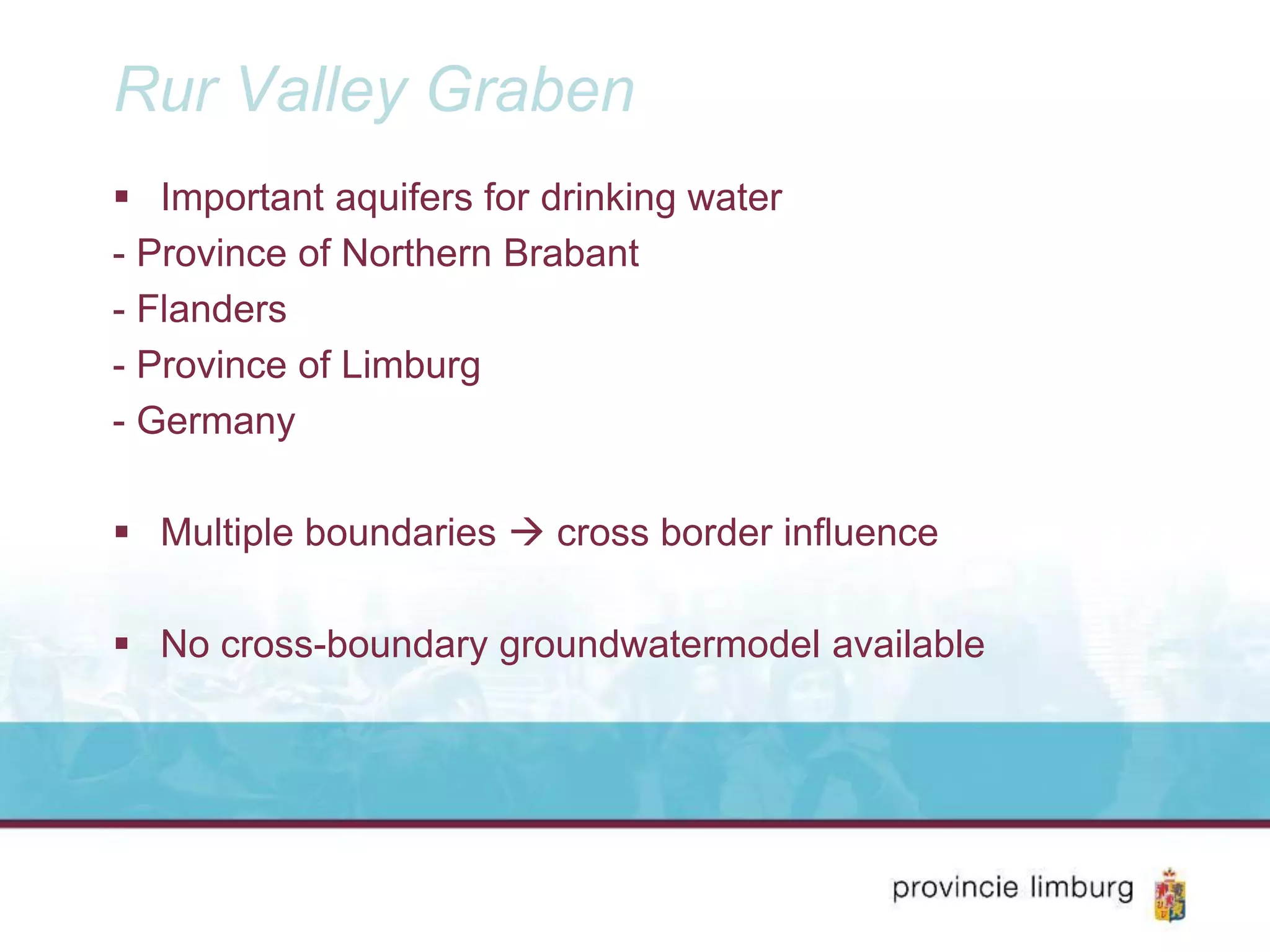
Rur Valley Graben
 Important aquifers for drinking water
- Province of Northern Brabant
- Flanders
- Province of Limburg
- Germany
 Multiple boundaries  cross border influence
 No cross-boundary groundwatermodel available
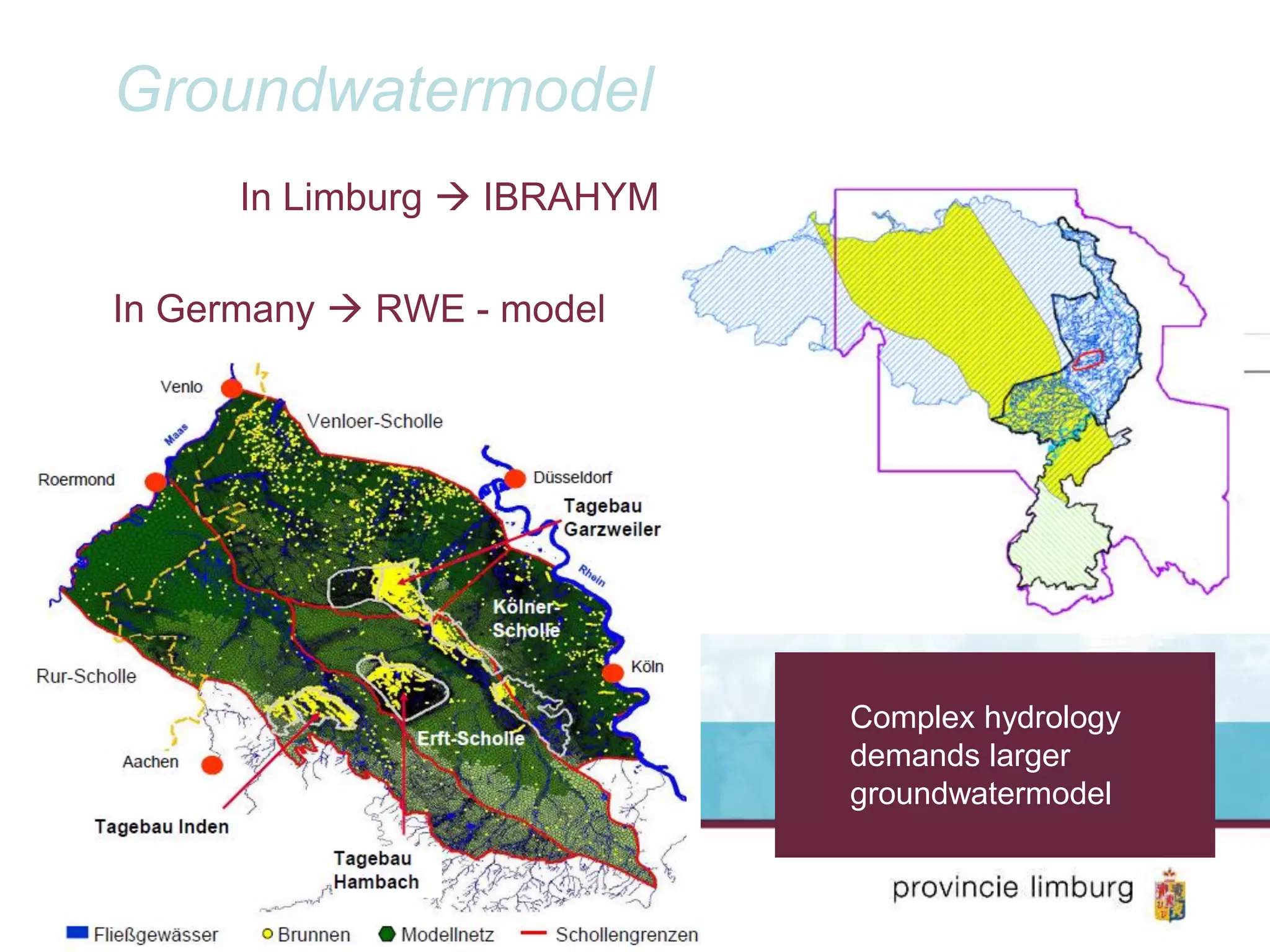
Groundwatermodel
In Limburg  IBRAHYM
In Germany  RWE - model
to small
no real cross-border calibration
Complex hydrology
demands larger
groundwatermodel
Objectives
 Groundwatermodel of the relevant area
 All relevant parties agree on the quality of the new model +
the result of the calculations
 Run scenario’s to:
- Understand what causes lower groundwaterlevels or -heads
- What measures are possible and effective
 No hidden agenda  political, high economical stakes
Participants
Challenges
 Cross border geology - tuning
 Expansion of aquifers and aquitards
 Collecting data groundwater extractions  border conditions
for pit instead of extractions
 Units  m/s or m/day
 Permeability of faults
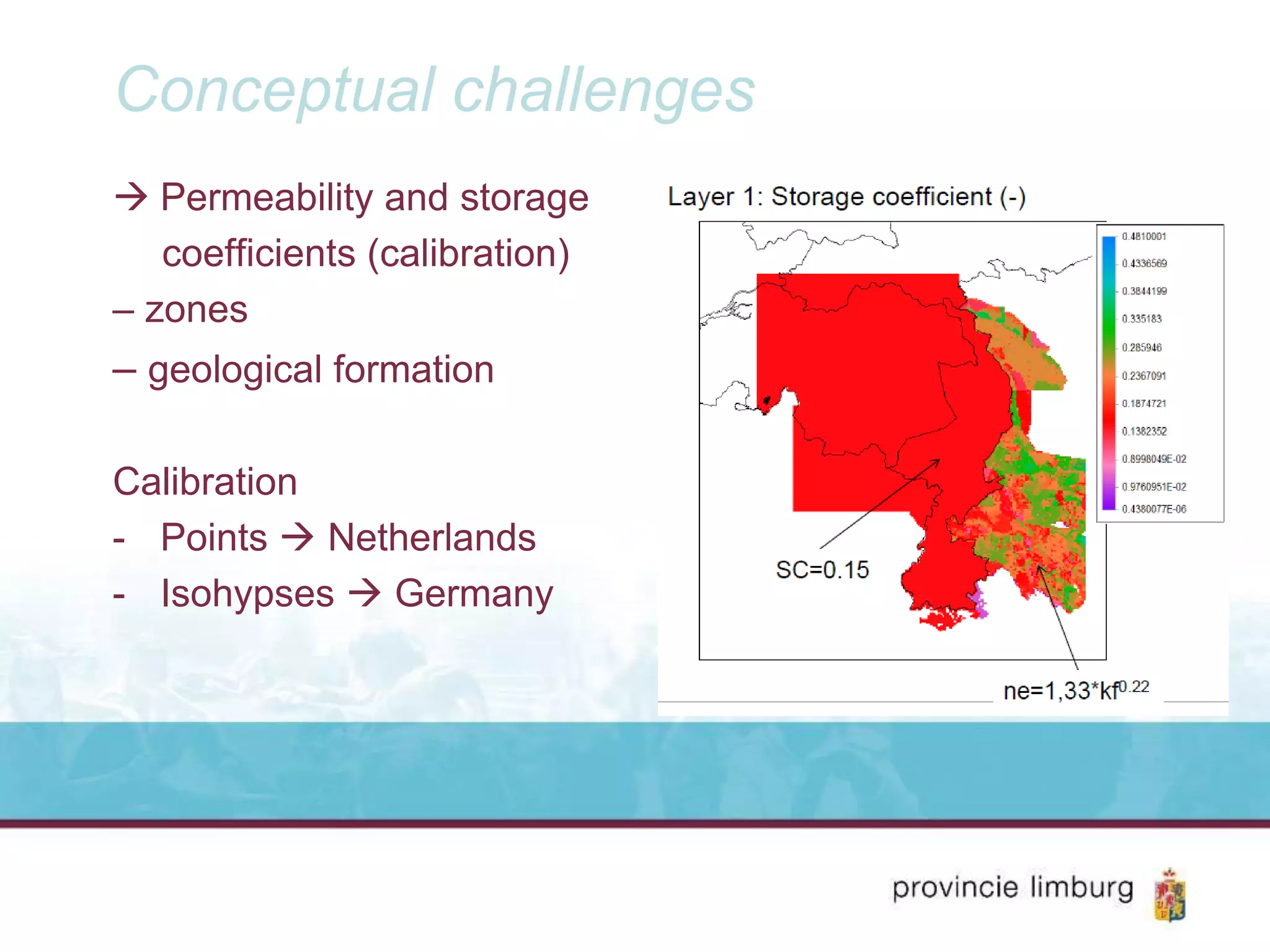
Conceptual challenges
 Permeability and storage
coefficients (calibration)
– zones
– geological formation
Calibration
- Points  Netherlands
- Isohypses  Germany
Calibration in progress
 Check for:
- waterbalance (flow over faults)
- heads and isohypses
 One iteration cycle takes 13 - 15 hours
 Results (preliminary): trend is good, differences between
calculated and measured head
 Finished this month
Next steps
1 Agreement on:
- usefulness of the model  specialists
- scenarios and the results
- conclusions
- measures  politicians
2 Political support
Next steps
 Expansion to Flanders and Province of Northern Brabant
 Technical and political
 Real cross border water management in line with the
European Water Framework Directive
and than, hopefully, …….
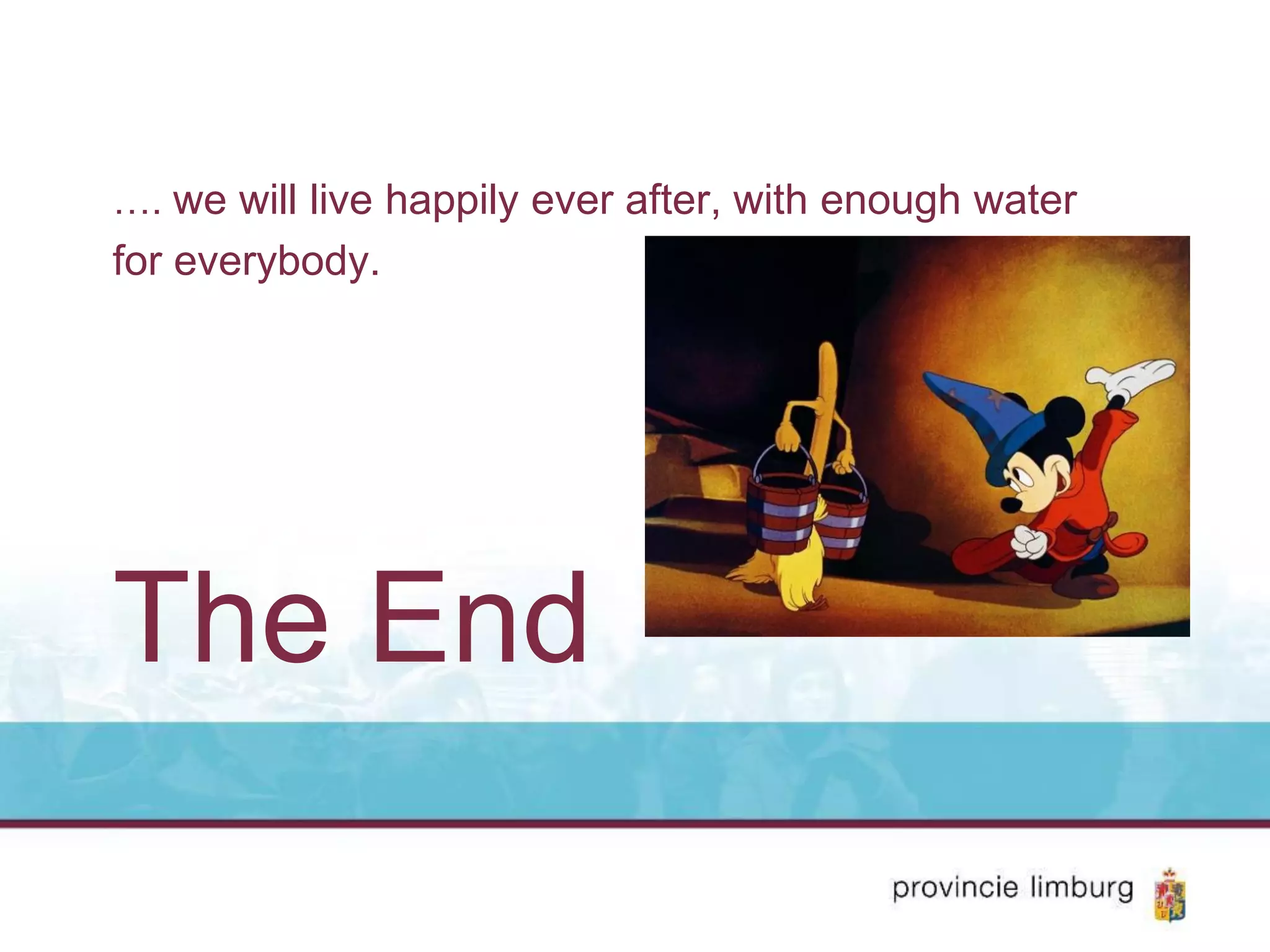
…. we will live happily ever after, with enough water
for everybody.
The End
DSD-INT 2016 Effects of Extraction and Open Pit Mining on Rode Beek  Saeffeler Bach - Castenmiller

DSD-INT 2016 Effects of Extraction and Open Pit Mining on Rode Beek Saeffeler Bach - Castenmiller

  • 1.
    Cross-boundary Groundwater Management: Effectsof Extraction and Open Pit Mining on Rode Beek / Saeffeler Bach Eric Castenmiller Province of Limburg
  • 2.
  • 3.
  • 4.
    Rode Beek and SaeffelerBach Rode Beek Saeffeler Bach
  • 5.
    A story … Onceupon a time, 10 – 20 million years ago there was …. organic material. Which became: Lignite – Braunkohle – Bruinkool
  • 6.
  • 7.
  • 10.
    Open pit mining Lowering groundwater table 250 – 300 meter  Each pit > 100 million m³/year  Measures to compensate effects
  • 11.
  • 12.
  • 13.
  • 14.
    Head in deepaquifer (near Weert) 2200 2300 2400 2500 2600 2700 2800 2900 3000 1978 1983 1988 1993 1998 2003 2008 2013 cmabovesealevel
  • 15.
    Rur Valley Graben Important aquifers for drinking water - Province of Northern Brabant - Flanders - Province of Limburg - Germany  Multiple boundaries  cross border influence  No cross-boundary groundwatermodel available
  • 16.
    Groundwatermodel In Limburg IBRAHYM In Germany  RWE - model to small no real cross-border calibration Complex hydrology demands larger groundwatermodel
  • 17.
    Objectives  Groundwatermodel ofthe relevant area  All relevant parties agree on the quality of the new model + the result of the calculations  Run scenario’s to: - Understand what causes lower groundwaterlevels or -heads - What measures are possible and effective  No hidden agenda  political, high economical stakes
  • 18.
  • 19.
    Challenges  Cross bordergeology - tuning  Expansion of aquifers and aquitards  Collecting data groundwater extractions  border conditions for pit instead of extractions  Units  m/s or m/day  Permeability of faults
  • 20.
    Conceptual challenges  Permeabilityand storage coefficients (calibration) – zones – geological formation Calibration - Points  Netherlands - Isohypses  Germany
  • 21.
    Calibration in progress Check for: - waterbalance (flow over faults) - heads and isohypses  One iteration cycle takes 13 - 15 hours  Results (preliminary): trend is good, differences between calculated and measured head  Finished this month
  • 22.
    Next steps 1 Agreementon: - usefulness of the model  specialists - scenarios and the results - conclusions - measures  politicians 2 Political support
  • 23.
    Next steps  Expansionto Flanders and Province of Northern Brabant  Technical and political  Real cross border water management in line with the European Water Framework Directive and than, hopefully, …….
  • 24.
    …. we willlive happily ever after, with enough water for everybody. The End