Drug Abuse And 
Addition 
Presented by- 
Abhishek Amola (121235) 
Ashish Barthwal (121247) 
Ankit Sharma (121250) 
Adarsh Kaushal (121256)
What is a Drug? 
 A drug is any chemical you take that has biological effects 
on your body. 
 In pharmacology, a drug is “a chemical substance used in 
the treatment, cure or prevention of a disease.” 
 Recreational drugs are chemical substances that affect 
the central nervous system. These are generally used for 
pleasure.
Drug Abuse 
 Drug Abuse is repetitive and willful use of a drug in which 
the user consumes the substance in amounts or with 
methods which are harmful to themselves or others. 
 the purpose of drug abuse is pleasure, ecstasy and 
euphoria. 
 Drug misuse is the improper use of medications for purely 
therapeutic gains but does not include the improper use 
of drugs taken for pleasure.
Drug Addiction 
 Drug addiction, also called substance use disorder, is a 
dependence on a legal or illegal drug or medication. 
 It occurs over a span of time and results in the user's 
inability to survive and cope without its usage or effects. 
 Drug abuse is more of a short term abuse of a particular 
drug. The user is able to cope without it. If the usage 
persists and the person loses the capacity to survive without 
that drug, then they're considered an addict.
Types of Drugs 
 Stimulants 
Stimulants act on the central nervous system and speed you 
up. These increase the body's state of arousal by increasing 
the activity of the brain. Examples include cocaine, ecstasy 
(which is also a hallucinogen), meth, caffeine and nicotine. 
 Depressants 
Depressants are chemicals that slow down the central 
nervous system and suppress brain activity causing relief. 
The most common depressants are alcohol and cannabis 
(marijuana/hashish).
 Opiates 
Types of Drugs 
Opiate drugs provide pain relief, euphoria, sedation and 
in increasing doses induce coma. Examples include heroin, 
morphine, opium, methadone and pethidine. 
 Hallucinogens 
Hallucinogens cause changes in a person's perception of 
reality. These include cannabis, LSD, ecstasy and psilocybin 
(magic mushrooms).
Why Do People take Drugs? 
 To fit in 
 To escape or relax 
 To relieve boredom 
 To seem grown up 
 To rebel 
 To experiment
Facts and Figures 
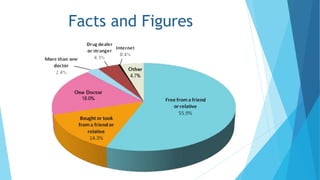
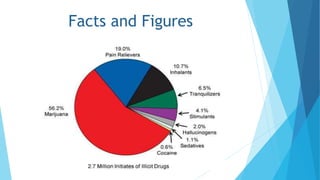
 Recent estimates are that, 155 to 250 million people, or 
3.5% to 5.7% of the world's population aged 15-64, used 
psychoactive substances, such as cannabis, 
amphetamines(meth), cocaine, opioids, and non-prescribed 
psychoactive prescription medication. 
 Globally, cannabis is the most commonly used (129-190 
million people), followed by amphetamine(meth) type 
stimulants, then cocaine and opioids. 
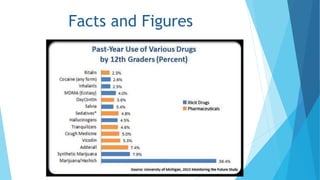
 In 2013, more high school seniors regularly used marijuana 
than cigarettes as 22.7% smoked pot in the last month, 
compared to 16.3% who smoked cigarettes.
Facts and Figures
Facts and Figures
Facts and Figures
Effects of various drugs 
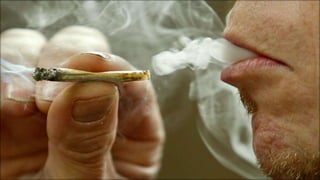
 Most widely used illegal substance in the world 
 Easy to produce 
 Marijuana, hashish and skunk are produced from Cannabis 
 The immediate effects of taking marijuana include rapid 
heart beat, disorientation, lack of physical coordination, 
often followed by depression or sleepiness. Some users 
suffer panic attacks or anxiety. 
 a single cannabis joint could cause as much damage to the 
lungs as up to five regular cigarettes smoked one after 
another
Effects of various drugs 
Cocaine 
 90% of the World Cocaine comes from South America 
 Cocaine increases nerves stimulation in the brain 
 Puts access strain on heart 
 Makes you confident and wide awake 
Krokodil (desomorphine) 
 Organic solvents such as gasoline, paint thinner, or lighter fluid, 
iodine, hydrochloric acid, and red phosphorus (from matches) are 
used in homemade synthesis. 
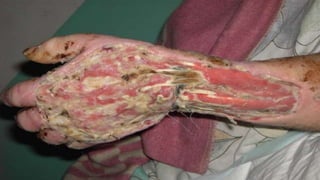
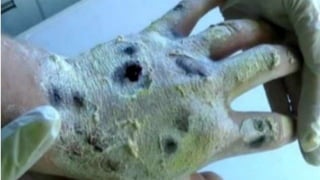
 Those who inject these caustic agents into their veins can 
develop extreme skin ulcerations and infections
Prevention 
 Don’t Be Afraid to Say No 
 Connect With Your Friends and Avoid Negative Peer Pressure 
 Make Connections With Your Parents or Other Adults 
 Enjoy Life and Do What You Love - Don’t Add Alcohol and 
Drugs 
 Follow the Family Rules About Alcohol and Drugs 
 Get Educated About Alcohol and Drugs 
 Be a Role Model and Set a Positive Example 
 Speak Out/Speak Up/Take Control 
 Get Help
Treatment of Drug Addiction 
 Addiction is a treatable disease. Research in the science of 
addiction and the treatment has led to the development of 
evidence-based interventions that help people stop abusing 
drugs and resume productive lives. 
 Research shows that combining treatment medications (where 
available) with behavioral therapy is the best way to ensure 
success for most patients. 
 When patients first stop using drugs, they can experience a 
variety of physical and emotional symptoms, including 
depression, anxiety, and other mood disorders, as well as 
restlessness or sleeplessness. Medications are designed to 
reduce these symptoms.
Treatment of Drug Addiction 
 Behavioral treatments help engage people in substance 
use disorder treatment, modifying their attitudes and 
behaviors related to drug use and increasing their life 
skills to handle stressful circumstances and environmental 
cues that may trigger intense craving for drugs and 
prompt another cycle of compulsive use. 
 Behavioral therapies can also enhance the effectiveness of 
medications and help people remain in treatment longer.
Punjab, the drug capital of the country? 
 75 percent of Punjab’s youth is hooked to drug abuse, a 
figure the state government itself submitted to the 
Punjab and Haryana High Court in 2009. 
 One out of every three college students in the state is on 
drugs. 
 In Doaba, Majha and Malwa — regions particularly affected 
— almost every third family has at least one addict. 
 Every kind of drug is readily available here. From smack, 
heroin and synthetic drugs to over-the-counter drugs like 
Buprenorphine, Parvon Spas, Codex syrup and spurious 
Coaxil and Phenarimine injections.
Punjab, the drug capital of the country? 
 This is a state where 30 percent of all jail inmates have 
been arrested under the Narcotic Drugs and Psychotropic 
Substances Act 
 DGP has kicked up a political storm by saying it is 
impossible for him to control the flow of drugs into his 
prisons. 
 In Tarn Taran region of Punjab, 65-year-old Gian Singh lost 
his son and daughter-in-law four years back. 27-year-old 
Baljinder was a drug addict and got AIDS after using 
infected needles.
Punjab, the drug capital of the country? 
 Then his wife got infected from him. They left behind a 7- 
year-old daughter. 
 Gian Singh's other two sons are also addicts. He himself is 
the only bread winner in the family. "I cry very often. I am 
very sad. I feel like dying," laments Gian Singh. 
 Drugs have claimed over 20 lives in this region in the last 
six months. As heroin, opium and charas are very 
expensive, youngsters are switching to medicinal drugs, 
which are easily available at a chemist shop in Tarn Taran.

Drug abuse and addition

  • 1.
    Drug Abuse And Addition Presented by- Abhishek Amola (121235) Ashish Barthwal (121247) Ankit Sharma (121250) Adarsh Kaushal (121256)
  • 2.
    What is aDrug?  A drug is any chemical you take that has biological effects on your body.  In pharmacology, a drug is “a chemical substance used in the treatment, cure or prevention of a disease.”  Recreational drugs are chemical substances that affect the central nervous system. These are generally used for pleasure.
  • 3.
    Drug Abuse Drug Abuse is repetitive and willful use of a drug in which the user consumes the substance in amounts or with methods which are harmful to themselves or others.  the purpose of drug abuse is pleasure, ecstasy and euphoria.  Drug misuse is the improper use of medications for purely therapeutic gains but does not include the improper use of drugs taken for pleasure.
  • 4.
    Drug Addiction Drug addiction, also called substance use disorder, is a dependence on a legal or illegal drug or medication.  It occurs over a span of time and results in the user's inability to survive and cope without its usage or effects.  Drug abuse is more of a short term abuse of a particular drug. The user is able to cope without it. If the usage persists and the person loses the capacity to survive without that drug, then they're considered an addict.
  • 5.
    Types of Drugs  Stimulants Stimulants act on the central nervous system and speed you up. These increase the body's state of arousal by increasing the activity of the brain. Examples include cocaine, ecstasy (which is also a hallucinogen), meth, caffeine and nicotine.  Depressants Depressants are chemicals that slow down the central nervous system and suppress brain activity causing relief. The most common depressants are alcohol and cannabis (marijuana/hashish).
  • 6.
     Opiates Typesof Drugs Opiate drugs provide pain relief, euphoria, sedation and in increasing doses induce coma. Examples include heroin, morphine, opium, methadone and pethidine.  Hallucinogens Hallucinogens cause changes in a person's perception of reality. These include cannabis, LSD, ecstasy and psilocybin (magic mushrooms).
  • 7.
    Why Do Peopletake Drugs?  To fit in  To escape or relax  To relieve boredom  To seem grown up  To rebel  To experiment
  • 8.
    Facts and Figures  Recent estimates are that, 155 to 250 million people, or 3.5% to 5.7% of the world's population aged 15-64, used psychoactive substances, such as cannabis, amphetamines(meth), cocaine, opioids, and non-prescribed psychoactive prescription medication.  Globally, cannabis is the most commonly used (129-190 million people), followed by amphetamine(meth) type stimulants, then cocaine and opioids.  In 2013, more high school seniors regularly used marijuana than cigarettes as 22.7% smoked pot in the last month, compared to 16.3% who smoked cigarettes.
  • 9.
  • 10.
  • 11.
  • 12.
    Effects of variousdrugs  Most widely used illegal substance in the world  Easy to produce  Marijuana, hashish and skunk are produced from Cannabis  The immediate effects of taking marijuana include rapid heart beat, disorientation, lack of physical coordination, often followed by depression or sleepiness. Some users suffer panic attacks or anxiety.  a single cannabis joint could cause as much damage to the lungs as up to five regular cigarettes smoked one after another
  • 14.
    Effects of variousdrugs Cocaine  90% of the World Cocaine comes from South America  Cocaine increases nerves stimulation in the brain  Puts access strain on heart  Makes you confident and wide awake Krokodil (desomorphine)  Organic solvents such as gasoline, paint thinner, or lighter fluid, iodine, hydrochloric acid, and red phosphorus (from matches) are used in homemade synthesis.  Those who inject these caustic agents into their veins can develop extreme skin ulcerations and infections
  • 17.
    Prevention  Don’tBe Afraid to Say No  Connect With Your Friends and Avoid Negative Peer Pressure  Make Connections With Your Parents or Other Adults  Enjoy Life and Do What You Love - Don’t Add Alcohol and Drugs  Follow the Family Rules About Alcohol and Drugs  Get Educated About Alcohol and Drugs  Be a Role Model and Set a Positive Example  Speak Out/Speak Up/Take Control  Get Help
  • 18.
    Treatment of DrugAddiction  Addiction is a treatable disease. Research in the science of addiction and the treatment has led to the development of evidence-based interventions that help people stop abusing drugs and resume productive lives.  Research shows that combining treatment medications (where available) with behavioral therapy is the best way to ensure success for most patients.  When patients first stop using drugs, they can experience a variety of physical and emotional symptoms, including depression, anxiety, and other mood disorders, as well as restlessness or sleeplessness. Medications are designed to reduce these symptoms.
  • 19.
    Treatment of DrugAddiction  Behavioral treatments help engage people in substance use disorder treatment, modifying their attitudes and behaviors related to drug use and increasing their life skills to handle stressful circumstances and environmental cues that may trigger intense craving for drugs and prompt another cycle of compulsive use.  Behavioral therapies can also enhance the effectiveness of medications and help people remain in treatment longer.
  • 20.
    Punjab, the drugcapital of the country?  75 percent of Punjab’s youth is hooked to drug abuse, a figure the state government itself submitted to the Punjab and Haryana High Court in 2009.  One out of every three college students in the state is on drugs.  In Doaba, Majha and Malwa — regions particularly affected — almost every third family has at least one addict.  Every kind of drug is readily available here. From smack, heroin and synthetic drugs to over-the-counter drugs like Buprenorphine, Parvon Spas, Codex syrup and spurious Coaxil and Phenarimine injections.
  • 21.
    Punjab, the drugcapital of the country?  This is a state where 30 percent of all jail inmates have been arrested under the Narcotic Drugs and Psychotropic Substances Act  DGP has kicked up a political storm by saying it is impossible for him to control the flow of drugs into his prisons.  In Tarn Taran region of Punjab, 65-year-old Gian Singh lost his son and daughter-in-law four years back. 27-year-old Baljinder was a drug addict and got AIDS after using infected needles.
  • 22.
    Punjab, the drugcapital of the country?  Then his wife got infected from him. They left behind a 7- year-old daughter.  Gian Singh's other two sons are also addicts. He himself is the only bread winner in the family. "I cry very often. I am very sad. I feel like dying," laments Gian Singh.  Drugs have claimed over 20 lives in this region in the last six months. As heroin, opium and charas are very expensive, youngsters are switching to medicinal drugs, which are easily available at a chemist shop in Tarn Taran.