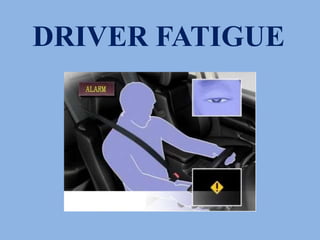
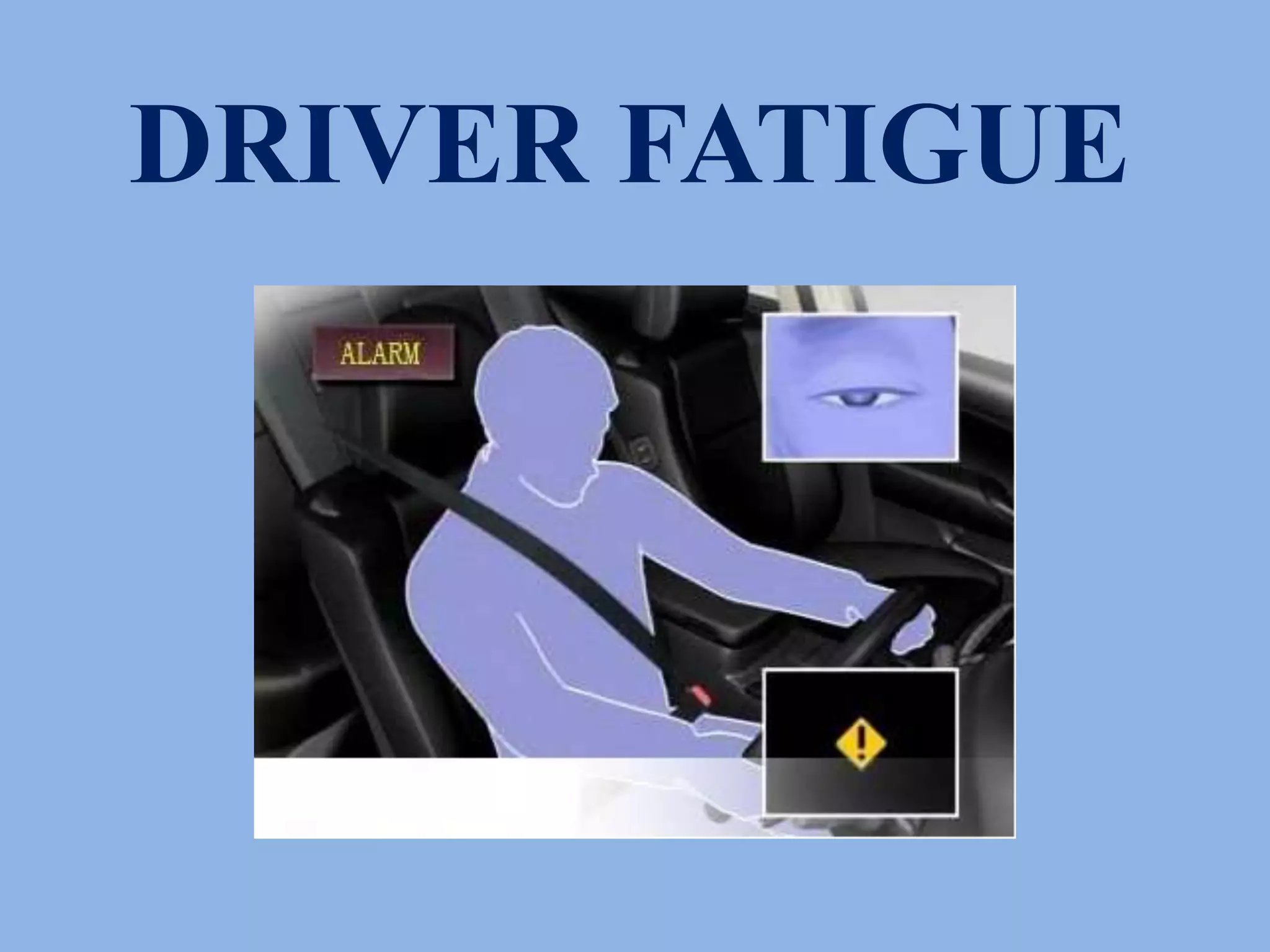
DRIVER FATIGUE
RESULTS
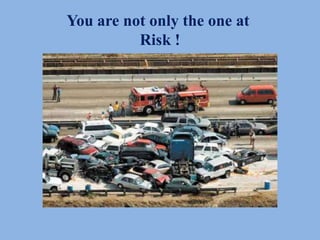
You are not only the one at
          Risk !
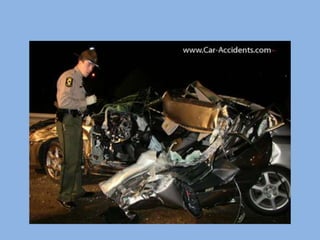
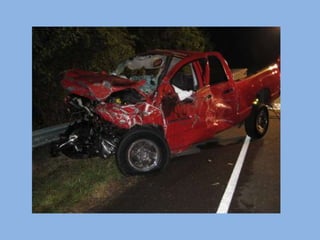
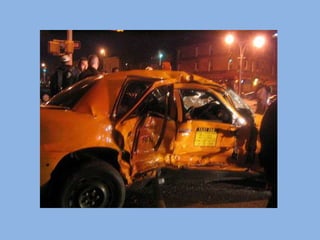
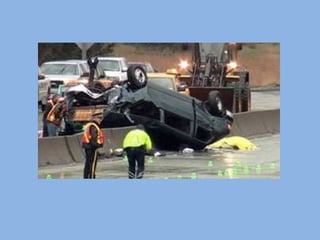
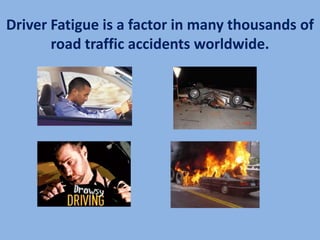
Driver Fatigue is a factor in many thousands of
       road traffic accidents worldwide.
Human beings need sleep! Sleep is not a matter of
   choice it is essential and inevitable. The longer a
   person remains awake or suffers from reduced or
 interrupted sleep, the greater the need to fall asleep
and the more difficult it will be to resist falling asleep.
  Eventually sleep will overcome the strongest efforts
              and intentions to stay awake.
A lack of sleep or an extended driving shift is as
    dangerous as alcohol and will cause slower
     reactions, reduced vigilance, alertness and
concentration. It will also affect our decision making
          and information processing skills
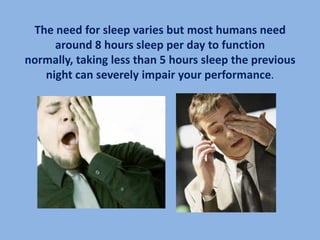
The need for sleep varies but most humans need
     around 8 hours sleep per day to function
normally, taking less than 5 hours sleep the previous
   night can severely impair your performance.
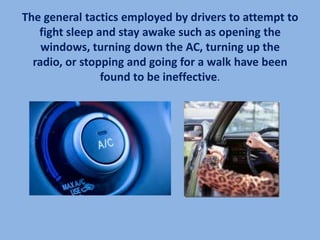
The general tactics employed by drivers to attempt to
   fight sleep and stay awake such as opening the
    windows, turning down the AC, turning up the
  radio, or stopping and going for a walk have been
                found to be ineffective.
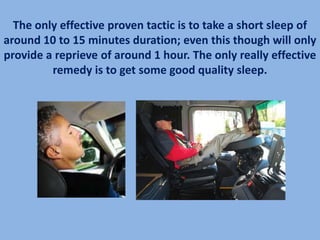
The only effective proven tactic is to take a short sleep of
around 10 to 15 minutes duration; even this though will only
provide a reprieve of around 1 hour. The only really effective
         remedy is to get some good quality sleep.
How do you recognize driver fatigue?
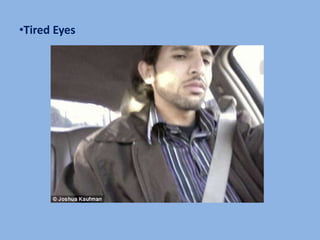
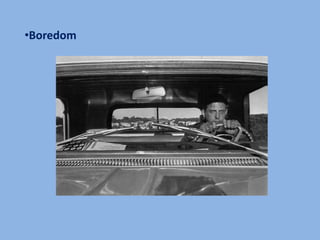
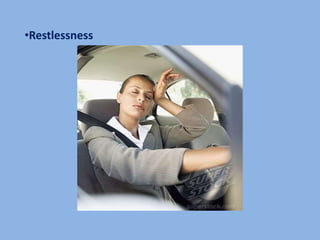
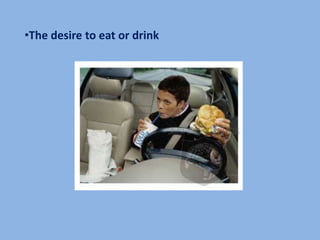
A number of symptoms can suggest driver fatigue, including:
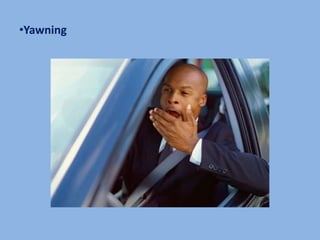
•Yawning
•Tired Eyes
•Boredom
•Restlessness
•Aching
•The desire to eat or drink
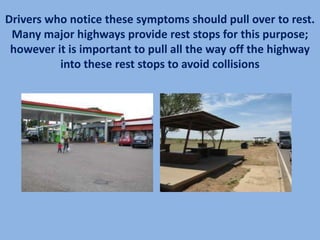
Drivers who notice these symptoms should pull over to rest.
 Many major highways provide rest stops for this purpose;
 however it is important to pull all the way off the highway
          into these rest stops to avoid collisions
What can you do if you feel sleepy during a journey?
Most drivers are aware when they feel tired but some
 make the decision to continue, thinking they will get
to their next destination and sleep, many do not make
 it to their next destination or they are involved in an
                   accident on the way.
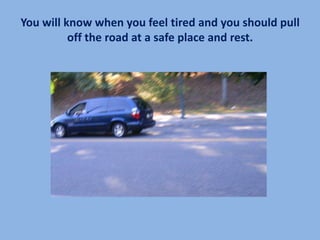
You will know when you feel tired and you should pull
          off the road at a safe place and rest.
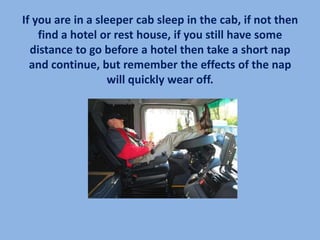
If you are in a sleeper cab sleep in the cab, if not then
    find a hotel or rest house, if you still have some
  distance to go before a hotel then take a short nap
  and continue, but remember the effects of the nap
                   will quickly wear off.
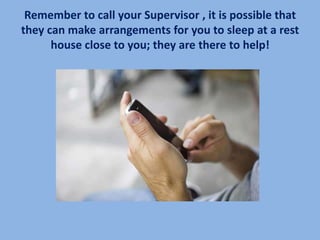
Remember to call your Supervisor , it is possible that
they can make arrangements for you to sleep at a rest
      house close to you; they are there to help!
What can you do to avoid feeling sleepy during a
                   journey?
•Make sure you get a good night’s sleep before setting off on a long journey and if
your trip is over several nights ensure that you get a good night’s sleep whilst you are
out
•You should also be required to take a rest for a
minimum of 1 hour after every 4 hours of driving for
heavy vehicles and a 15 minute break every 2 hours
for light vehicles.
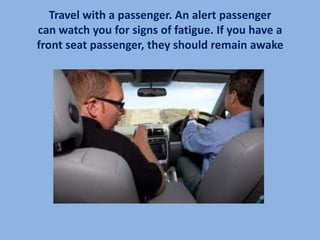
Travel with a passenger. An alert passenger
can watch you for signs of fatigue. If you have a
front seat passenger, they should remain awake
Remember you are your own supervisor when driving
and your safety, as well as that of other road users, is
     in your hands. Please be a responsible and
                 professional driver.


                   Prepared By:
                   Muhammad Talha Tariq
Driver Fatigue

Driver Fatigue

  • 1.
  • 2.
  • 9.
    You are notonly the one at Risk !
  • 10.
    Driver Fatigue isa factor in many thousands of road traffic accidents worldwide.
  • 11.
    Human beings needsleep! Sleep is not a matter of choice it is essential and inevitable. The longer a person remains awake or suffers from reduced or interrupted sleep, the greater the need to fall asleep and the more difficult it will be to resist falling asleep. Eventually sleep will overcome the strongest efforts and intentions to stay awake.
  • 12.
    A lack ofsleep or an extended driving shift is as dangerous as alcohol and will cause slower reactions, reduced vigilance, alertness and concentration. It will also affect our decision making and information processing skills
  • 13.
    The need forsleep varies but most humans need around 8 hours sleep per day to function normally, taking less than 5 hours sleep the previous night can severely impair your performance.
  • 14.
    The general tacticsemployed by drivers to attempt to fight sleep and stay awake such as opening the windows, turning down the AC, turning up the radio, or stopping and going for a walk have been found to be ineffective.
  • 15.
    The only effectiveproven tactic is to take a short sleep of around 10 to 15 minutes duration; even this though will only provide a reprieve of around 1 hour. The only really effective remedy is to get some good quality sleep.
  • 16.
    How do yourecognize driver fatigue?
  • 17.
    A number ofsymptoms can suggest driver fatigue, including:
  • 18.
  • 19.
  • 20.
  • 21.
  • 22.
  • 23.
    •The desire toeat or drink
  • 24.
    Drivers who noticethese symptoms should pull over to rest. Many major highways provide rest stops for this purpose; however it is important to pull all the way off the highway into these rest stops to avoid collisions
  • 25.
    What can youdo if you feel sleepy during a journey?
  • 26.
    Most drivers areaware when they feel tired but some make the decision to continue, thinking they will get to their next destination and sleep, many do not make it to their next destination or they are involved in an accident on the way.
  • 27.
    You will knowwhen you feel tired and you should pull off the road at a safe place and rest.
  • 28.
    If you arein a sleeper cab sleep in the cab, if not then find a hotel or rest house, if you still have some distance to go before a hotel then take a short nap and continue, but remember the effects of the nap will quickly wear off.
  • 29.
    Remember to callyour Supervisor , it is possible that they can make arrangements for you to sleep at a rest house close to you; they are there to help!
  • 30.
    What can youdo to avoid feeling sleepy during a journey?
  • 31.
    •Make sure youget a good night’s sleep before setting off on a long journey and if your trip is over several nights ensure that you get a good night’s sleep whilst you are out
  • 32.
    •You should alsobe required to take a rest for a minimum of 1 hour after every 4 hours of driving for heavy vehicles and a 15 minute break every 2 hours for light vehicles.
  • 33.
    Travel with apassenger. An alert passenger can watch you for signs of fatigue. If you have a front seat passenger, they should remain awake
  • 34.
    Remember you areyour own supervisor when driving and your safety, as well as that of other road users, is in your hands. Please be a responsible and professional driver. Prepared By: Muhammad Talha Tariq