Ryan Thornburg
University of North Carolina
• What are they?
• How do I get them?
• What do I do with them?
“all
documents, papers, letters, maps,
 books, photographs, films, sound
recordings, magnetic or other
tapes, electronic data-processing
records, artifacts, or other
documentary material, regardless
of physical form or
characteristics”
“Persons requesting copies of public records may
elect to obtain them in any and all media in which
the public agency is capable of providing them. No
request for copies of public records in a particular
medium shall be denied on the grounds that the
custodian has made or prefers to make the public
records available in another medium.”
“No request to inspect, examine, or obtain copies of
public records shall be denied on the grounds that
confidential information is commingled with the
requested nonconfidential information. If it is
necessary to separate confidential from
nonconfidential information in order to permit the
inspection, examination, or copying of the public
records, the public agency shall bear the cost of
such separation.”
“Nothing in this section shall … require a public
agency to respond to a request for a copy of a public
record by creating or compiling a record that does
not exist. … Nothing in this section shall be
construed to require a public agency to put into
electronic medium a record that is not kept in
electronic medium.”
1. Complete
All public data is made
available. Public data is data that is not
subject to valid privacy, security or privilege
limitations.
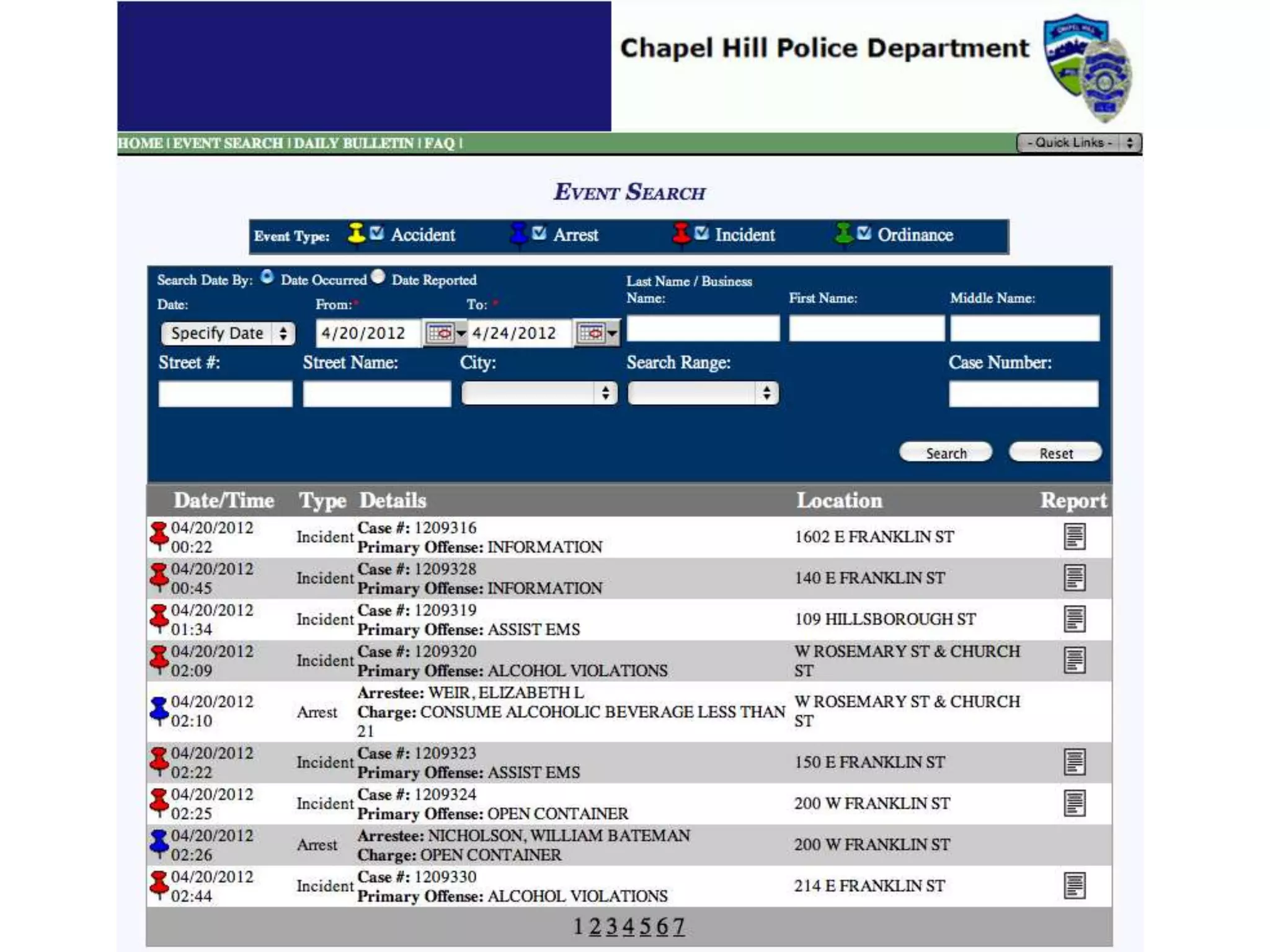
• Time
• Date
• Location
• Nature of a violation
• Name of a person arrested,
  charged, or indicted.
• Sex of a person arrested,
  charged, or indicted.
• Age of a person
  arrested, charged, or indicted
• Address of a person
  arrested, charged, or indicted
• Employment of a person
  arrested, charged, or indicted
• Whether the arrest involved
  resistance
• Whether the arrest involved
  possession or use of weapons
• Whether the arrest involved
  pursuit
• Description of any items seized in
  connection with the arrest
• Name of complaining witness
• Sex of complaining witness
• Age of complaining witness
• Address of a complaining witness
   • EXCEPT …
• if release of the information is
  reasonably likely to pose a threat to
  the mental health, physical health,
  or personal safety of the
  complaining witness or materially
  compromise a continuing or future
  criminal investigation or criminal
  intelligence operation. (You can
  appeal)
• if it will jeopardize the right of the
  State to prosecute a defendant or
  the right of a defendant to receive a
  fair trial or will undermine an
  ongoing or future investigation
  (police must first get a court order)
“The use of a public record in
connection with a criminal
investigation or the gathering of
criminal intelligence shall not
affect its status as a public
record.”
2. Primary
Data is as collected at the source, with the
highest possible level of granularity, not in
aggregate or modified forms.
3. Timely
Data is made available as quickly as
necessary to preserve the value of the data.

4. Accessible
Data is available to the widest range of users
for the widest range of purposes.
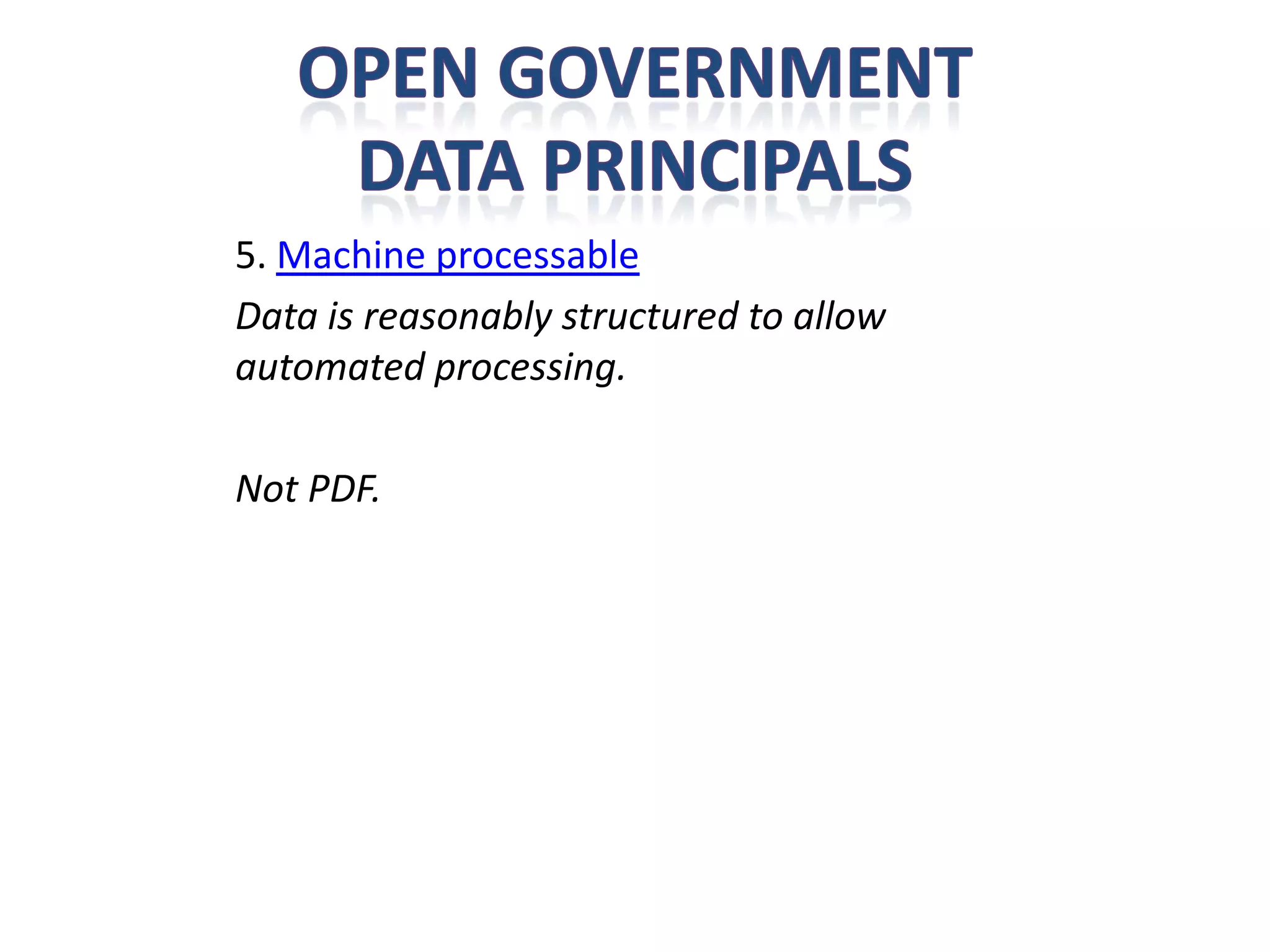
5. Machine processable
Data is reasonably structured to allow
automated processing.

Not PDF.
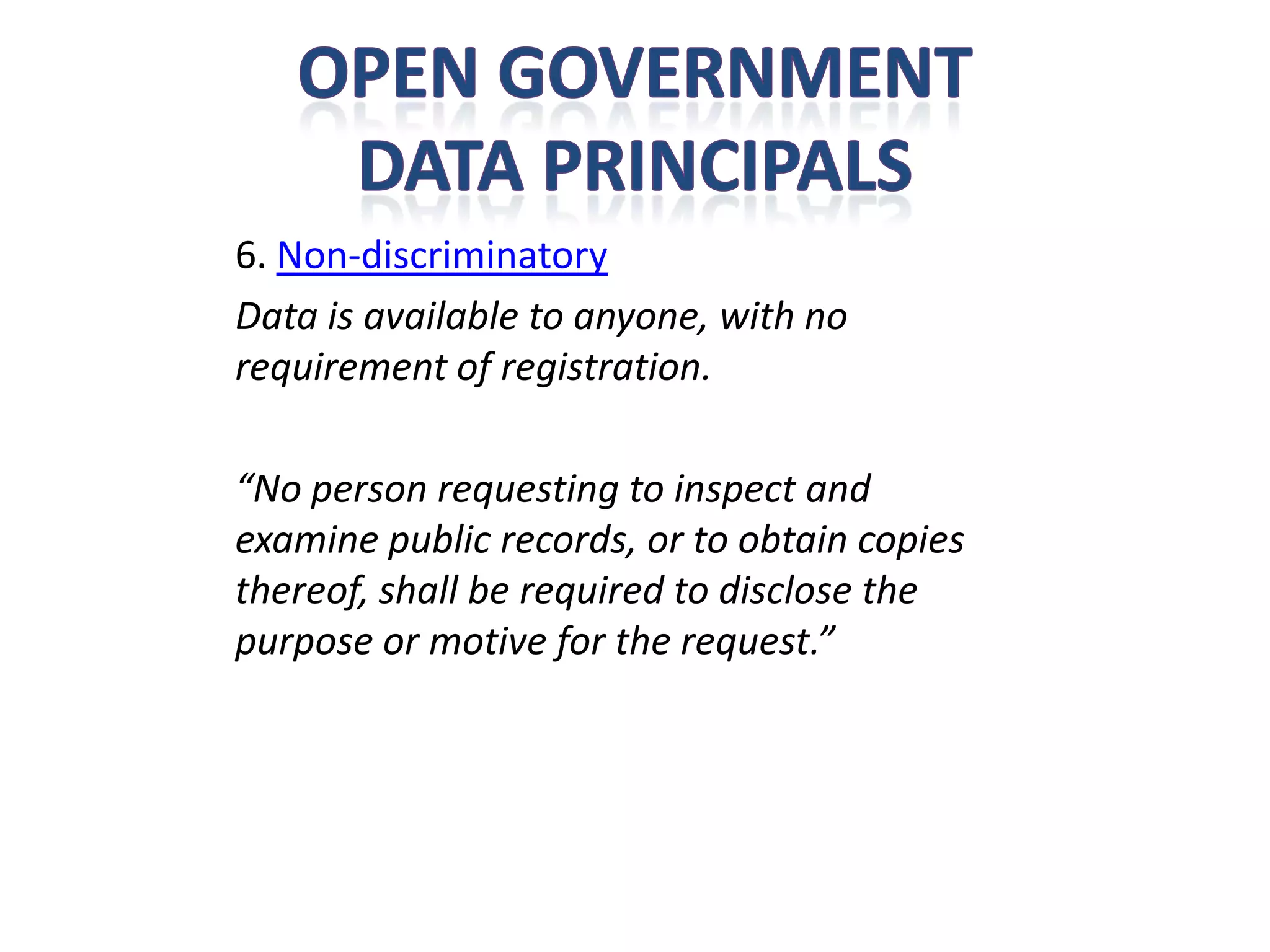
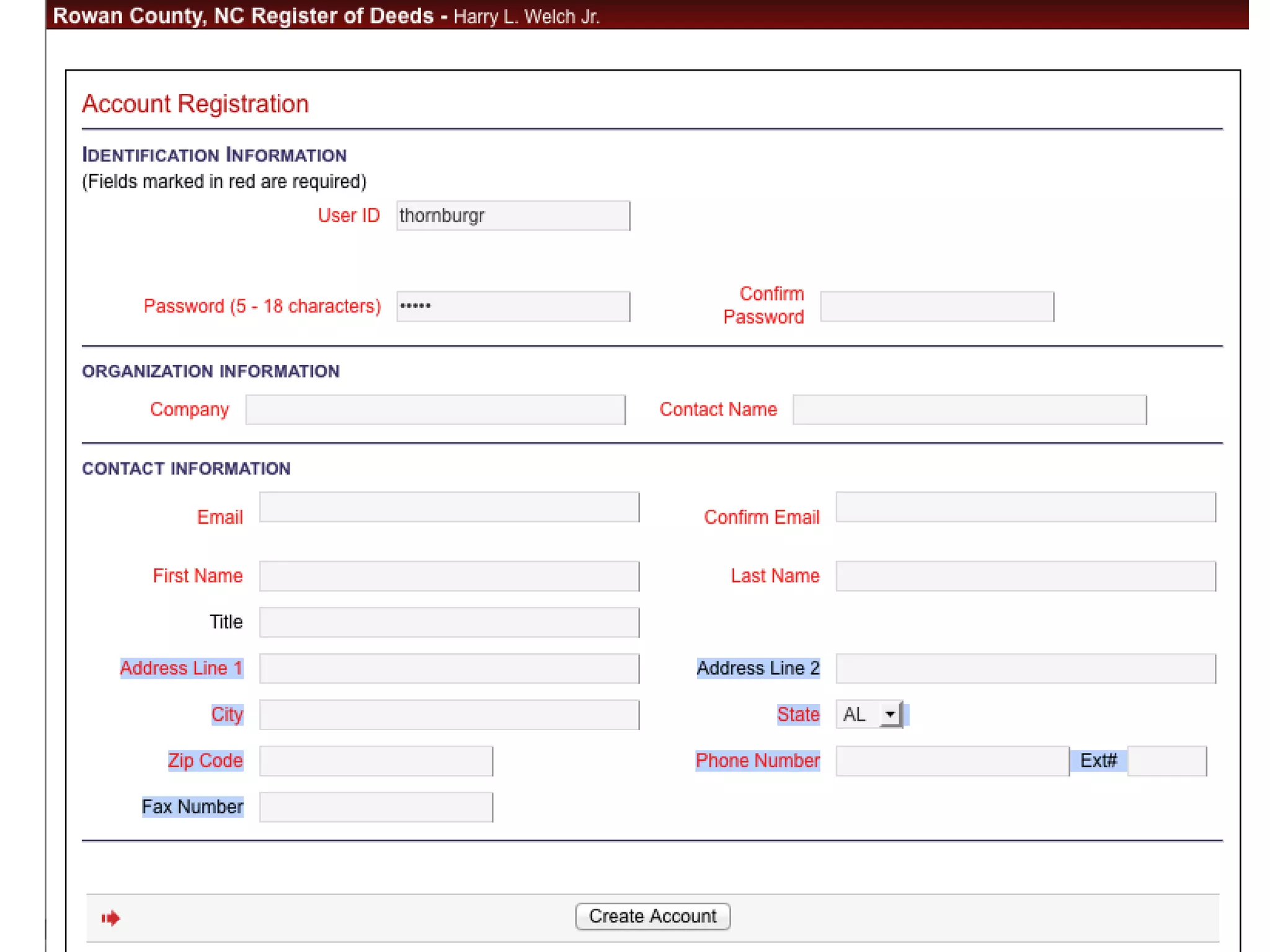
6. Non-discriminatory
Data is available to anyone, with no
requirement of registration.

“No person requesting to inspect and
examine public records, or to obtain copies
thereof, shall be required to disclose the
purpose or motive for the request.”
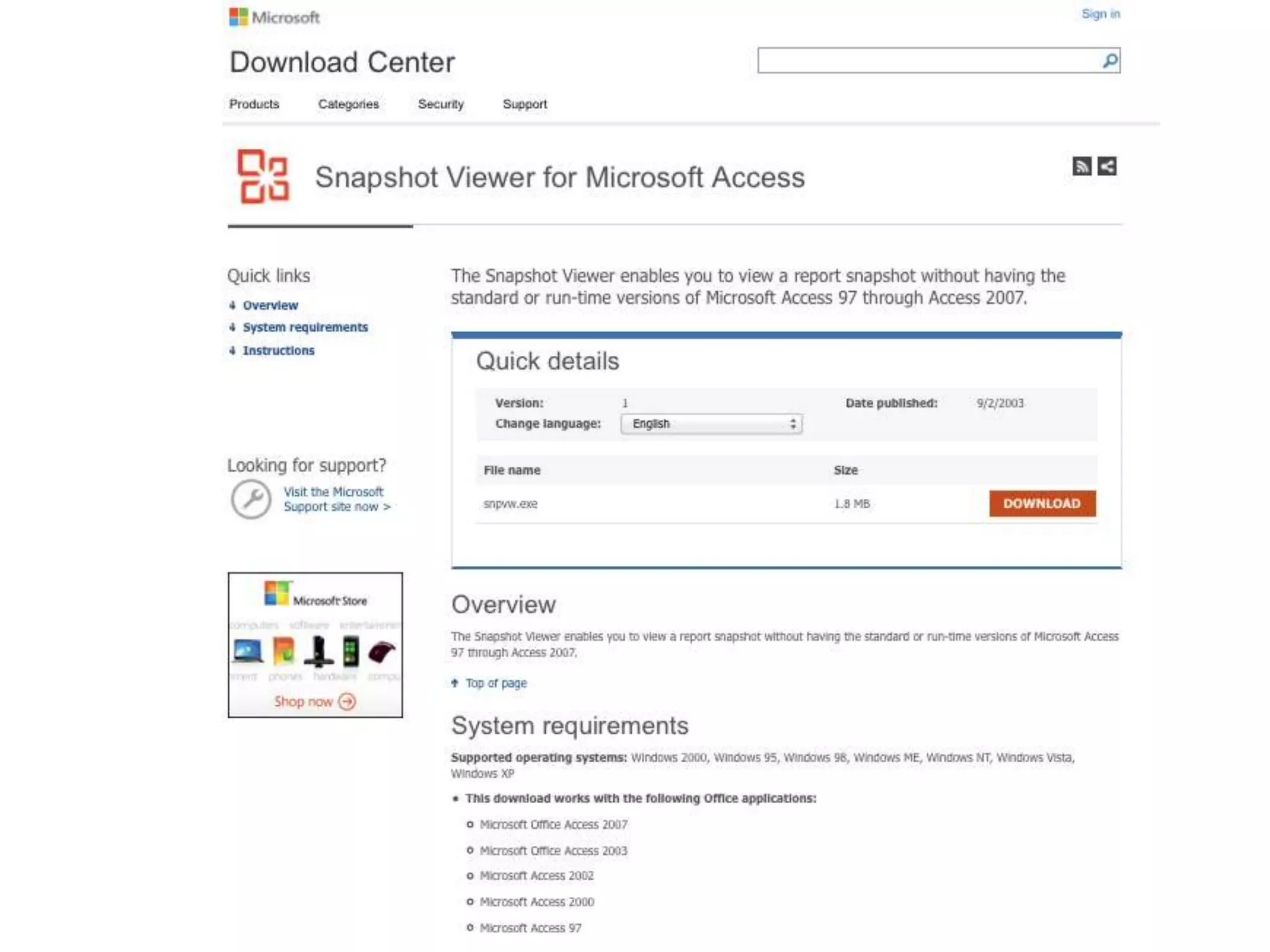
7. Non-proprietary
Data is available in a format over which no
entity has exclusive control.
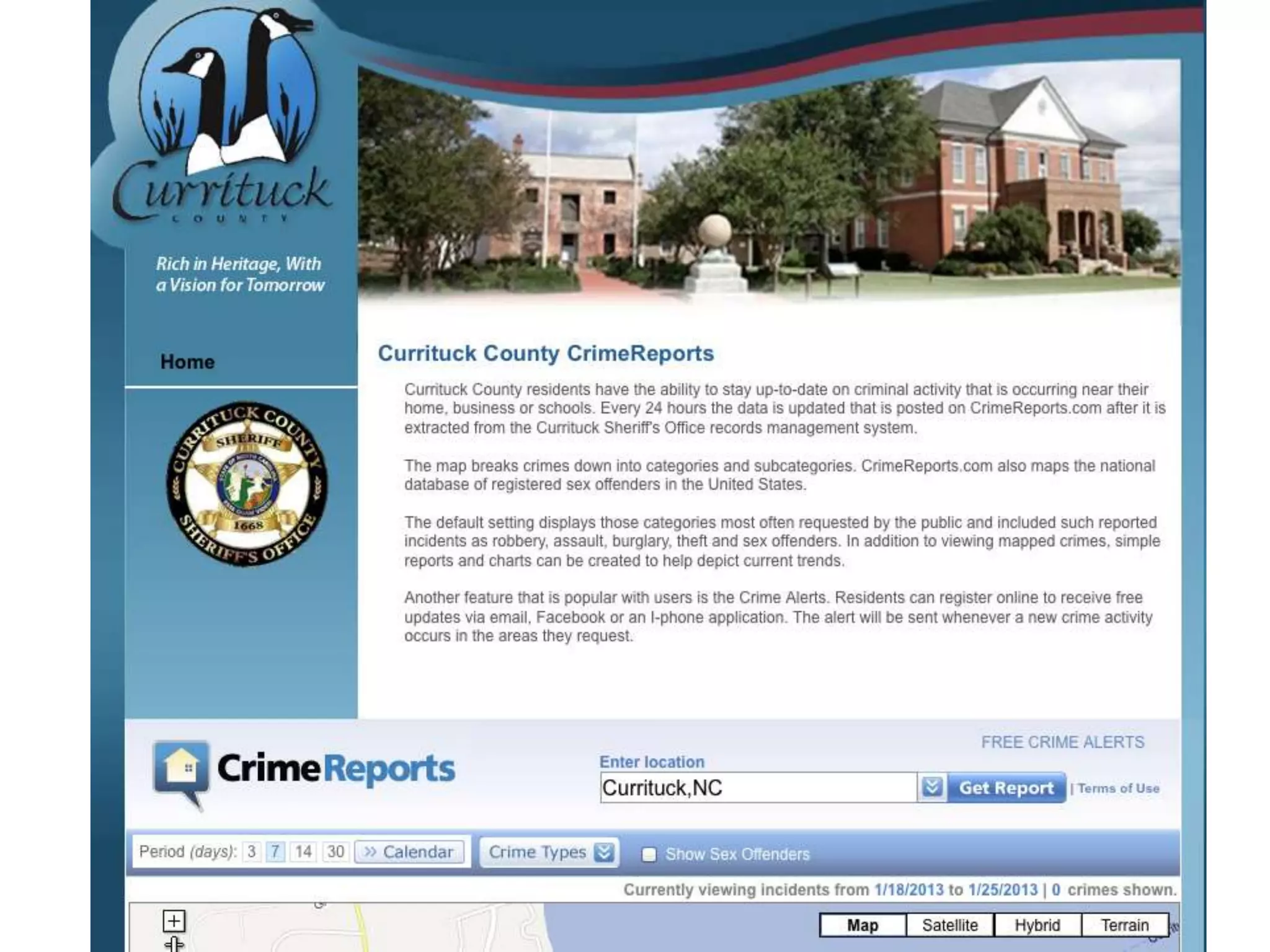
8. License-free
Data is not subject to any copyright, patent,
trademark or trade secret regulation.
Reasonable privacy, security and privilege
restrictions may be allowed.
•   Request
•   Download
•   Scrape
•   API
• Know the ‘Custodian’
• Know the Name of the Paper
• Know the Fields You Want
Every public agency shall create an index of computer
databases compiled or created (after 1998)
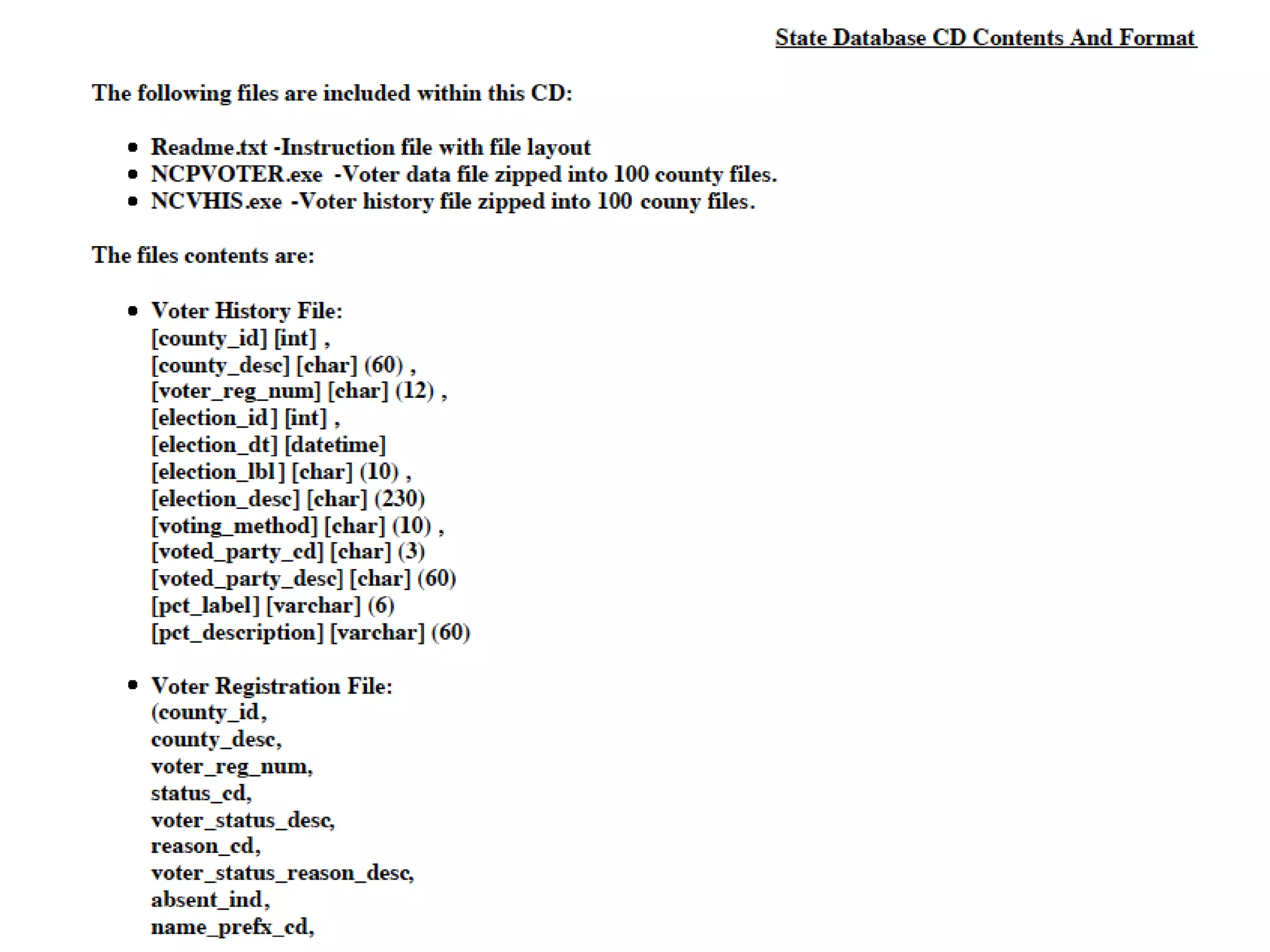
•   list of the data fields
•   description of the format or record layout
•   frequency with which the database is updated
•   list of any data fields to which public access is restricted
•   description of each form in which the database can be
    copied using the agency's computer facilities
•   a schedule of fees for the production of copies in each
    available form


(Database = “data or documents residing in a
database management program or spreadsheet
software”)
“Pursuant to the state open records act, N.C. General
Statute 132-1 to 132-10, I am requesting access to or copies
of information contained in the [name of
database], specifically the following fields: …
“I request that the data be made available in the [filetype]
format and copied onto either a CD-ROM or portable USB
disk that I will provide.
“If our request is denied in whole or part, I ask that you
justify all deletions by reference to the specific exemptions
of the act. We will also expect you to release all segregable
portions of otherwise exempt material.
“This material will be used in the preparation of news
articles. As such, I ask that you waive all fees in the public
interest. However, I am willing to pay up to $500 in your
agency’s direct costs for search and copy. Please contact me
if this amount is insufficient.”
• Reply: “as prompt as possible”
• Copies: “as soon as reasonably
  possible”
• Denials: Should be in writing,
  citing specific statutory
  reasons.
Costs:
• “extensive use of information technology
  resources or extensive clerical or
  supervisory assistance”
• “producing the record in the medium
  requested results in a greater use of
  information technology resources than
  that established by the agency for
  reproduction of the volume of information
  requested "
Costs:
• “a special service charge, which shall be
  reasonable and shall be based on the
  actual cost incurred for such extensive use
  of information technology resources or
  the labor costs of the personnel providing
  the services, or for a greater use of
  information technology resources that is
  actually incurred by the agency or
  attributable to the agency”

Digital Public Records

  • 1.
  • 2.
    • What arethey? • How do I get them? • What do I do with them?
  • 3.
    “all documents, papers, letters,maps, books, photographs, films, sound recordings, magnetic or other tapes, electronic data-processing records, artifacts, or other documentary material, regardless of physical form or characteristics”
  • 4.
    “Persons requesting copiesof public records may elect to obtain them in any and all media in which the public agency is capable of providing them. No request for copies of public records in a particular medium shall be denied on the grounds that the custodian has made or prefers to make the public records available in another medium.”
  • 5.
    “No request toinspect, examine, or obtain copies of public records shall be denied on the grounds that confidential information is commingled with the requested nonconfidential information. If it is necessary to separate confidential from nonconfidential information in order to permit the inspection, examination, or copying of the public records, the public agency shall bear the cost of such separation.”
  • 6.
    “Nothing in thissection shall … require a public agency to respond to a request for a copy of a public record by creating or compiling a record that does not exist. … Nothing in this section shall be construed to require a public agency to put into electronic medium a record that is not kept in electronic medium.”
  • 9.
    1. Complete All publicdata is made available. Public data is data that is not subject to valid privacy, security or privilege limitations.
  • 13.
    • Time • Date •Location • Nature of a violation • Name of a person arrested, charged, or indicted. • Sex of a person arrested, charged, or indicted.
  • 14.
    • Age ofa person arrested, charged, or indicted • Address of a person arrested, charged, or indicted • Employment of a person arrested, charged, or indicted • Whether the arrest involved resistance • Whether the arrest involved possession or use of weapons
  • 15.
    • Whether thearrest involved pursuit • Description of any items seized in connection with the arrest • Name of complaining witness • Sex of complaining witness • Age of complaining witness • Address of a complaining witness • EXCEPT …
  • 16.
    • if releaseof the information is reasonably likely to pose a threat to the mental health, physical health, or personal safety of the complaining witness or materially compromise a continuing or future criminal investigation or criminal intelligence operation. (You can appeal)
  • 17.
    • if itwill jeopardize the right of the State to prosecute a defendant or the right of a defendant to receive a fair trial or will undermine an ongoing or future investigation (police must first get a court order)
  • 18.
    “The use ofa public record in connection with a criminal investigation or the gathering of criminal intelligence shall not affect its status as a public record.”
  • 19.
    2. Primary Data isas collected at the source, with the highest possible level of granularity, not in aggregate or modified forms.
  • 24.
    3. Timely Data ismade available as quickly as necessary to preserve the value of the data. 4. Accessible Data is available to the widest range of users for the widest range of purposes.
  • 26.
    5. Machine processable Datais reasonably structured to allow automated processing. Not PDF.
  • 27.
    6. Non-discriminatory Data isavailable to anyone, with no requirement of registration. “No person requesting to inspect and examine public records, or to obtain copies thereof, shall be required to disclose the purpose or motive for the request.”
  • 29.
    7. Non-proprietary Data isavailable in a format over which no entity has exclusive control.
  • 31.
    8. License-free Data isnot subject to any copyright, patent, trademark or trade secret regulation. Reasonable privacy, security and privilege restrictions may be allowed.
  • 35.
    Request • Download • Scrape • API
  • 36.
    • Know the‘Custodian’ • Know the Name of the Paper • Know the Fields You Want
  • 37.
    Every public agencyshall create an index of computer databases compiled or created (after 1998) • list of the data fields • description of the format or record layout • frequency with which the database is updated • list of any data fields to which public access is restricted • description of each form in which the database can be copied using the agency's computer facilities • a schedule of fees for the production of copies in each available form (Database = “data or documents residing in a database management program or spreadsheet software”)
  • 38.
    “Pursuant to thestate open records act, N.C. General Statute 132-1 to 132-10, I am requesting access to or copies of information contained in the [name of database], specifically the following fields: … “I request that the data be made available in the [filetype] format and copied onto either a CD-ROM or portable USB disk that I will provide. “If our request is denied in whole or part, I ask that you justify all deletions by reference to the specific exemptions of the act. We will also expect you to release all segregable portions of otherwise exempt material. “This material will be used in the preparation of news articles. As such, I ask that you waive all fees in the public interest. However, I am willing to pay up to $500 in your agency’s direct costs for search and copy. Please contact me if this amount is insufficient.”
  • 39.
    • Reply: “asprompt as possible” • Copies: “as soon as reasonably possible” • Denials: Should be in writing, citing specific statutory reasons.
  • 40.
    Costs: • “extensive useof information technology resources or extensive clerical or supervisory assistance” • “producing the record in the medium requested results in a greater use of information technology resources than that established by the agency for reproduction of the volume of information requested "
  • 41.
    Costs: • “a specialservice charge, which shall be reasonable and shall be based on the actual cost incurred for such extensive use of information technology resources or the labor costs of the personnel providing the services, or for a greater use of information technology resources that is actually incurred by the agency or attributable to the agency”

Editor's Notes

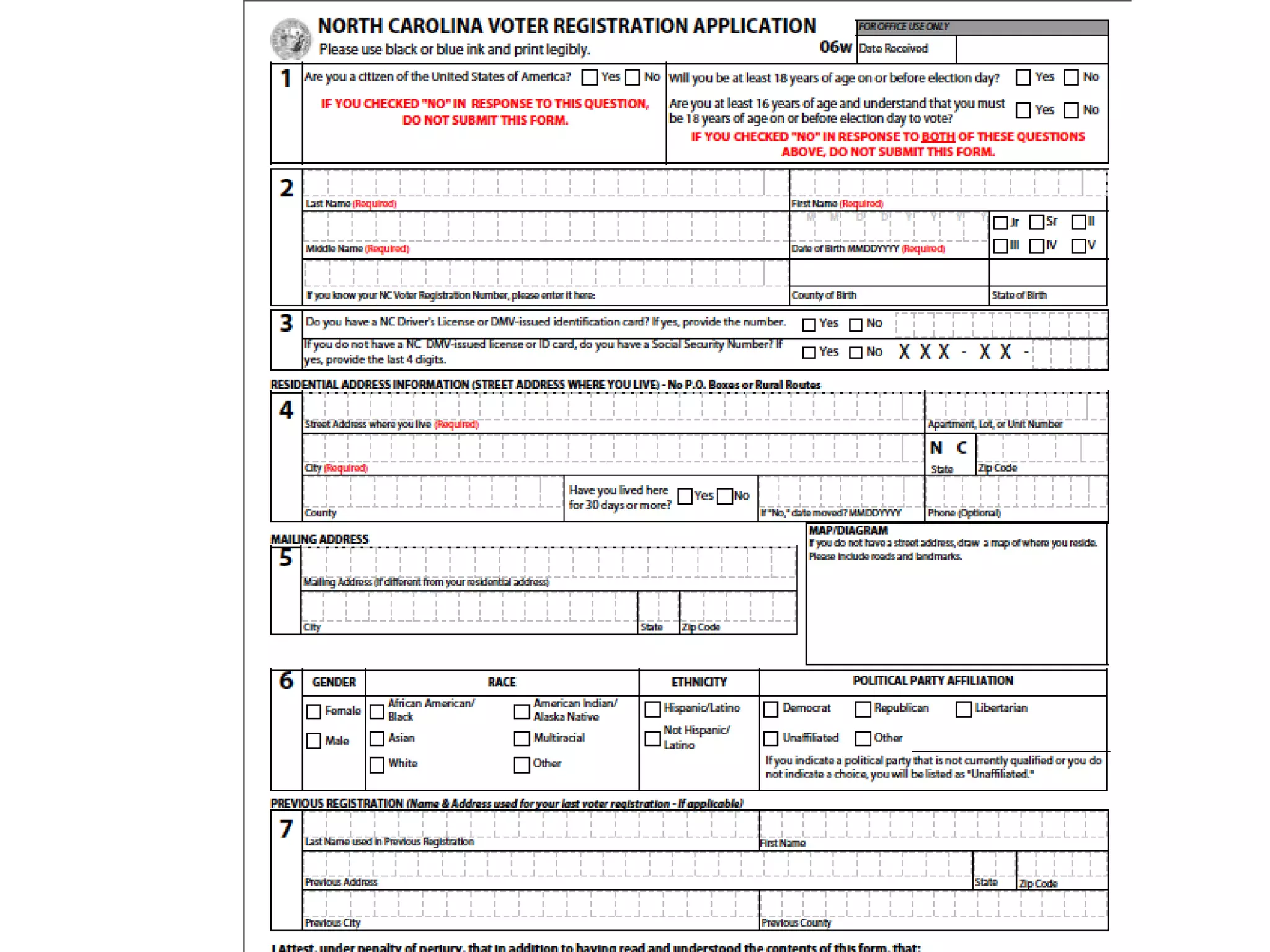
  • #11 Also NC Voter Data… show the form….