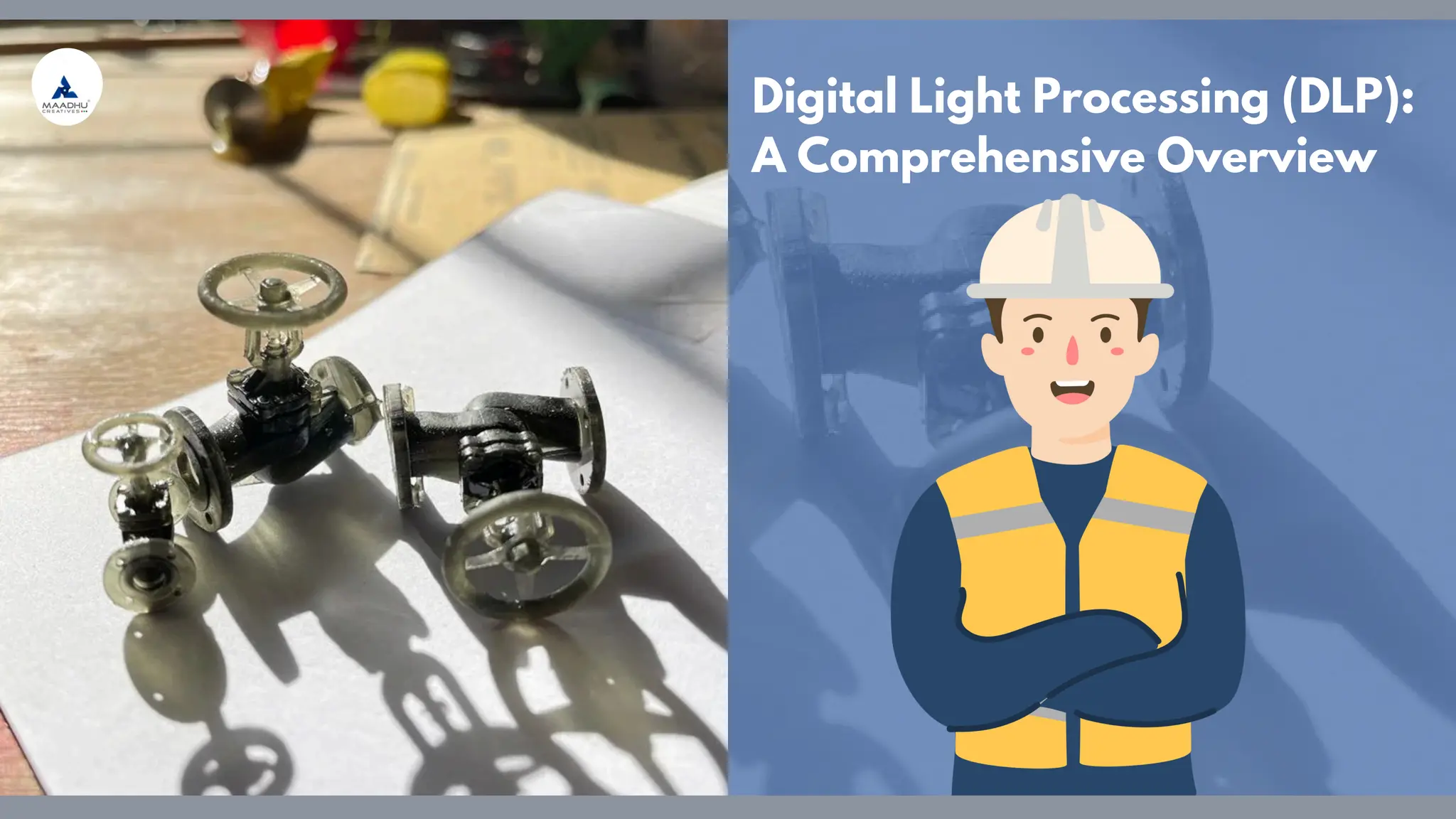
Digital Light Processing (DLP):
A Comprehensive Overview
Digital Light Processing (DLP) has revolutionized various industries with its
advanced imaging technology. Initially developed for projectors, Digital Light
Processing (DLP) has expanded into numerous applications, including cinema, 3D
printing, and architectural visualization. This blog will provide a thorough
overview of what DLP is, its applications in architecture, its numerous benefits,
and some frequently asked questions.
Digital Light Processing is a technology that uses a digital micromirror device
(DMD) to project images. The DMD is composed of thousands or even millions of
tiny mirrors that can tilt to reflect light toward or away from the projection
surface. Each mirror corresponds to a pixel in the image, enabling the creation
of high-resolution visuals.
What is Digital Light Processing (DLP)?
The technology was developed by Texas Instruments in the late 1980s. DLP
systems work by shining light, often from a lamp or LED, through a color wheel
or using separate light sources to create different colors. As the mirrors tilt at
rapid speeds, they combine to form a complete image, providing vibrant colors
and sharp details. This ability to manipulate light makes DLP a powerful tool for
both static and dynamic presentations.
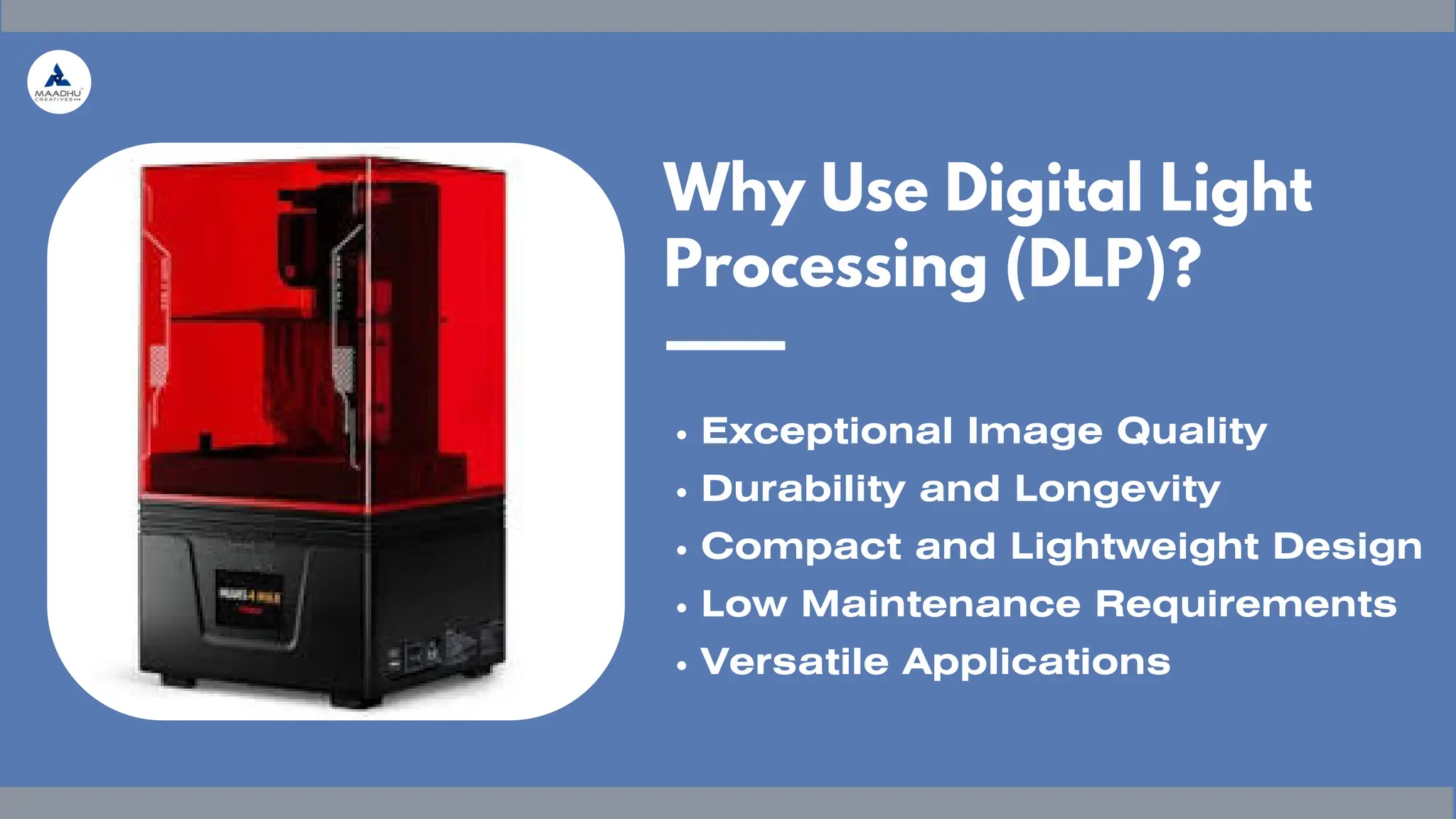
Why Use Digital Light
Processing (DLP)?
Exceptional Image Quality
Durability and Longevity
Compact and Lightweight Design
Low Maintenance Requirements
Versatile Applications
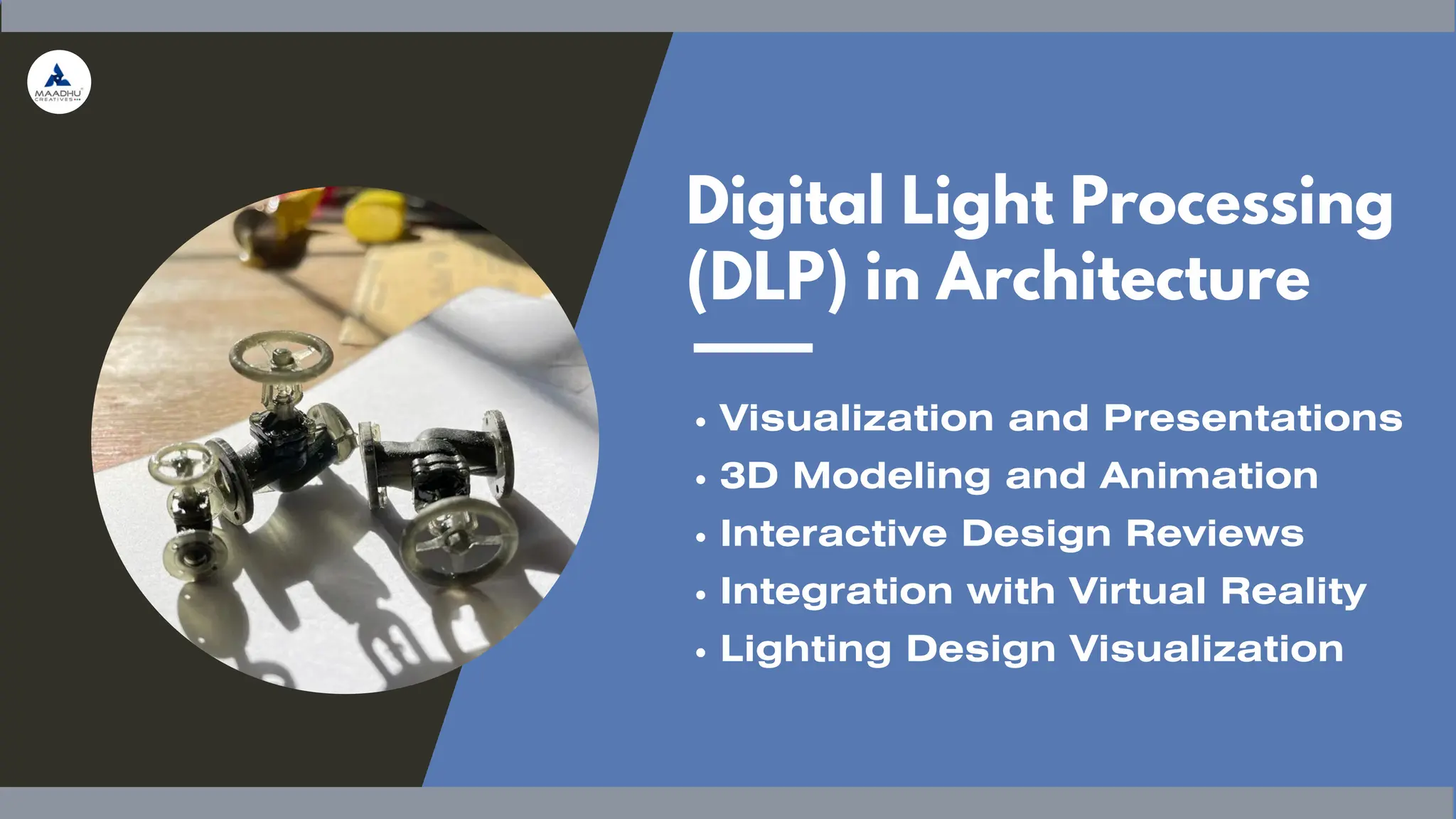
Digital Light Processing
(DLP) in Architecture
Visualization and Presentations
3D Modeling and Animation
Interactive Design Reviews
Integration with Virtual Reality
Lighting Design Visualization
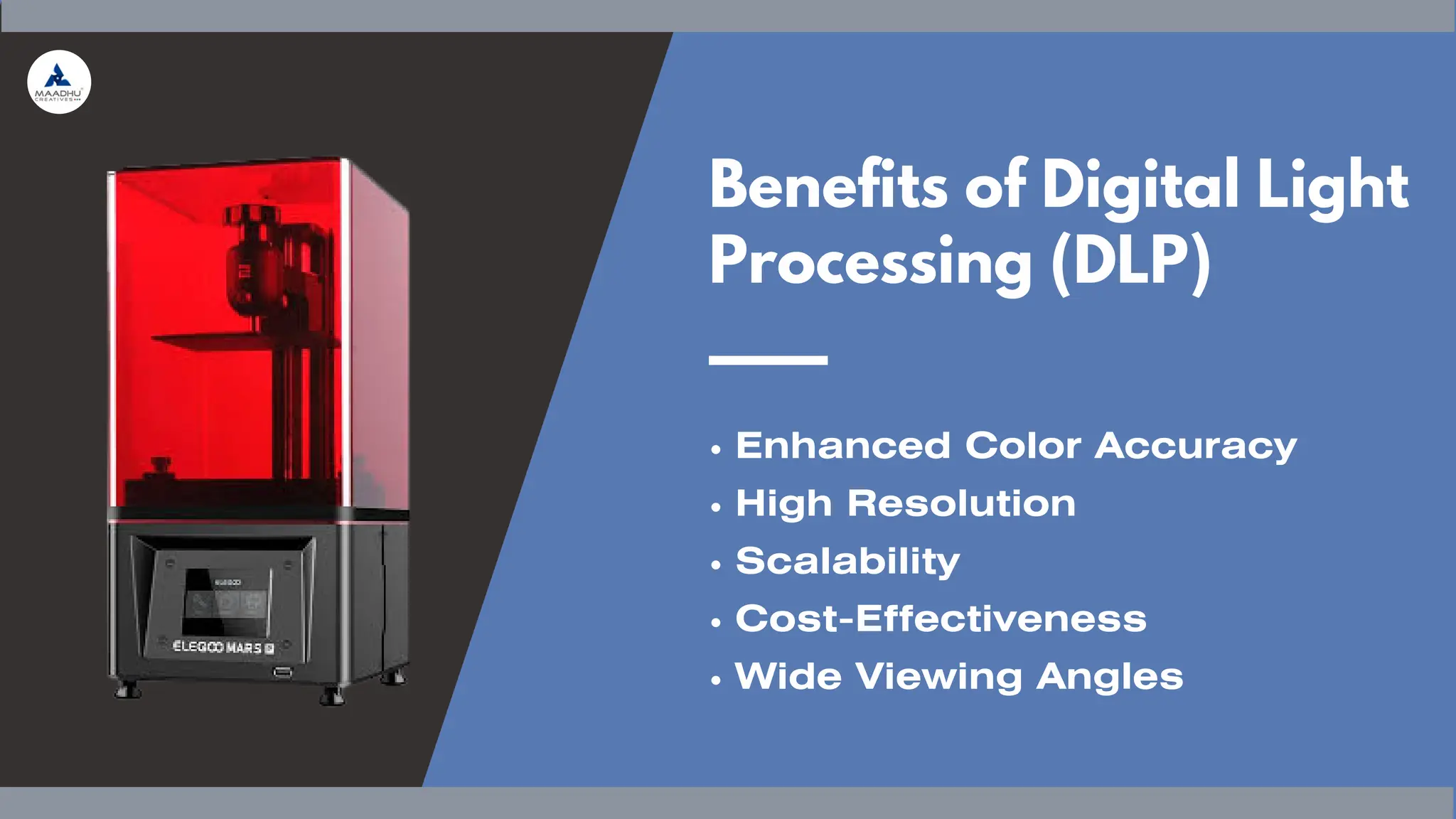
Benefits of Digital Light
Processing (DLP)
Enhanced Color Accuracy
High Resolution
Scalability
Cost-Effectiveness
Wide Viewing Angles
Digital light processing has emerged as a transformative technology across
multiple industries, particularly architecture. Its ability to deliver high-quality
images, durability, and versatility makes it an invaluable tool for professionals
seeking to enhance their design processes. As technology continues to advance, the
potential applications of Digital Light Processing (DLP) are likely to expand,
solidifying its role in modern visualization and design practices. Whether for
presenting architectural concepts, creating immersive experiences, or enhancing
communication, DLP technology remains at the forefront of innovation, driving
creativity and collaboration in architecture and beyond.
Conclusion
In a world where visual communication is paramount, DLP
technology stands out as a vital asset. It empowers architects
and designers to bring their visions to life, fostering
understanding and collaboration among clients, stakeholders,
and team members. As we look to the future, the integration of
DLP into architectural practice will undoubtedly continue to
evolve, further enhancing the way we visualize and interact
with our built environment.
96648 83746 info@maadhucreatives.com
Click the link to
visit our website
and explore our
services.
www.maadhucreatives.com
Block No.2, Nagarwal Compound, Carter Road No. 1,
opp. Jain Upashray, Madhukunj Society, Dattapada,
Borivali East, Mumbai, Maharashtra 400066
www.maadhucreatives.com

Digital Light Processing (DLP) A Comprehensive Overview

  • 1.
    Digital Light Processing(DLP): A Comprehensive Overview
  • 2.
    Digital Light Processing(DLP) has revolutionized various industries with its advanced imaging technology. Initially developed for projectors, Digital Light Processing (DLP) has expanded into numerous applications, including cinema, 3D printing, and architectural visualization. This blog will provide a thorough overview of what DLP is, its applications in architecture, its numerous benefits, and some frequently asked questions.
  • 3.
    Digital Light Processingis a technology that uses a digital micromirror device (DMD) to project images. The DMD is composed of thousands or even millions of tiny mirrors that can tilt to reflect light toward or away from the projection surface. Each mirror corresponds to a pixel in the image, enabling the creation of high-resolution visuals. What is Digital Light Processing (DLP)?
  • 4.
    The technology wasdeveloped by Texas Instruments in the late 1980s. DLP systems work by shining light, often from a lamp or LED, through a color wheel or using separate light sources to create different colors. As the mirrors tilt at rapid speeds, they combine to form a complete image, providing vibrant colors and sharp details. This ability to manipulate light makes DLP a powerful tool for both static and dynamic presentations.
  • 5.
    Why Use DigitalLight Processing (DLP)? Exceptional Image Quality Durability and Longevity Compact and Lightweight Design Low Maintenance Requirements Versatile Applications
  • 6.
    Digital Light Processing (DLP)in Architecture Visualization and Presentations 3D Modeling and Animation Interactive Design Reviews Integration with Virtual Reality Lighting Design Visualization
  • 7.
    Benefits of DigitalLight Processing (DLP) Enhanced Color Accuracy High Resolution Scalability Cost-Effectiveness Wide Viewing Angles
  • 8.
    Digital light processinghas emerged as a transformative technology across multiple industries, particularly architecture. Its ability to deliver high-quality images, durability, and versatility makes it an invaluable tool for professionals seeking to enhance their design processes. As technology continues to advance, the potential applications of Digital Light Processing (DLP) are likely to expand, solidifying its role in modern visualization and design practices. Whether for presenting architectural concepts, creating immersive experiences, or enhancing communication, DLP technology remains at the forefront of innovation, driving creativity and collaboration in architecture and beyond. Conclusion
  • 9.
    In a worldwhere visual communication is paramount, DLP technology stands out as a vital asset. It empowers architects and designers to bring their visions to life, fostering understanding and collaboration among clients, stakeholders, and team members. As we look to the future, the integration of DLP into architectural practice will undoubtedly continue to evolve, further enhancing the way we visualize and interact with our built environment.
  • 10.
    96648 83746 info@maadhucreatives.com Clickthe link to visit our website and explore our services. www.maadhucreatives.com Block No.2, Nagarwal Compound, Carter Road No. 1, opp. Jain Upashray, Madhukunj Society, Dattapada, Borivali East, Mumbai, Maharashtra 400066 www.maadhucreatives.com