Cultural Challenges in Global
            Agile
    Agile India Conference 2010
       Raghuram Bharathan
BACKGROUND
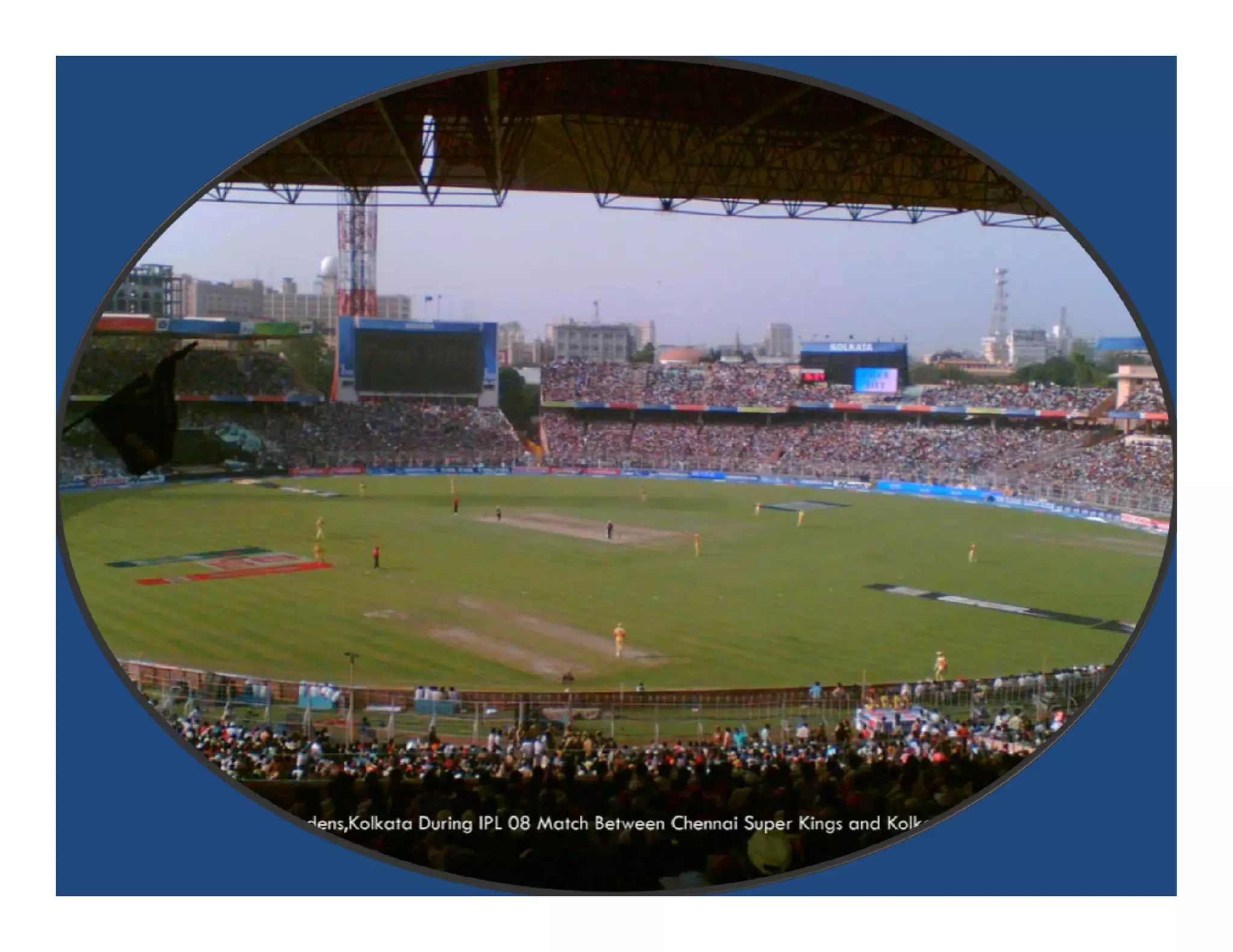
Playground
• Co-development
    – Different time zones
    – Different teams
•   2 week iterations
•   Separate QA team
•   Remote Product Owner
•   QA inline with iteration
•   Common toolset
Rules of the game
• Meetings
  – Pre-planning and Planning
  – Demo and Retro
  – Standups
  – Conference calls
• Work
  – User stories
  – Bugs from released stories
Players
• Customer team
  – Average 10+ years experience
  – Similar experience levels
• Offshore team
  – Different experience levels - 0 to 10
  – Different cultural backgrounds
  – Most with no agile experience
THE CHALLENGES
Why IT industry?
Why IT industry?
•   High-paying
•   Opportunities
•   Overseas exposure
•   Glamorous
•   Air-conditioned work, 5 day week
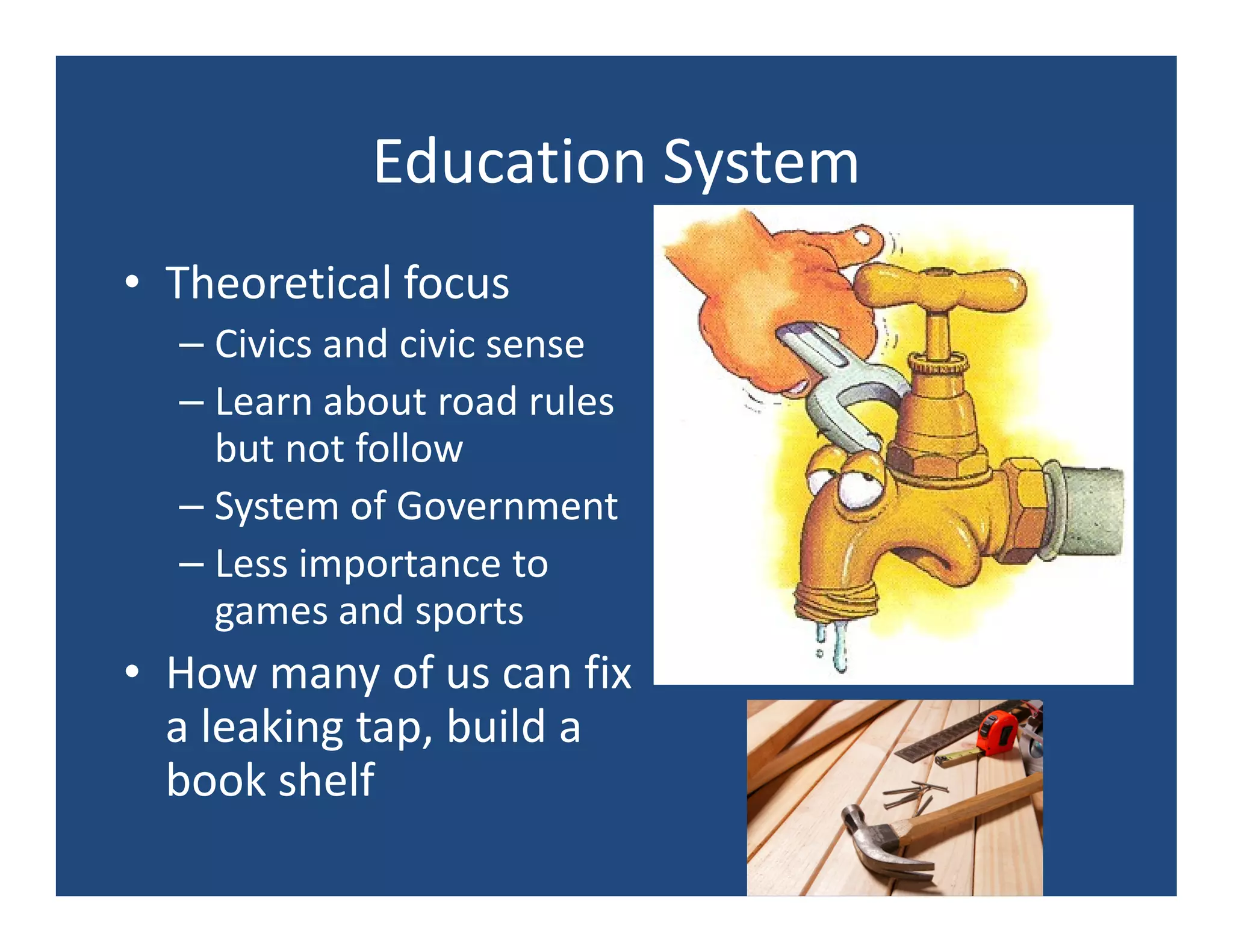
Education System
• Theoretical focus
  – Civics and civic sense
  – Learn about road rules
    but not follow
  – System of Government
  – Less importance to
    games and sports
• How many of us can fix
  a leaking tap, build a
  book shelf
Programming
• Focus on quantity – number of languages
• Learn through a set of programs
  – Sort a list of numbers
  – Binary search
  – Matrix multiplication
  – Doubly linked list
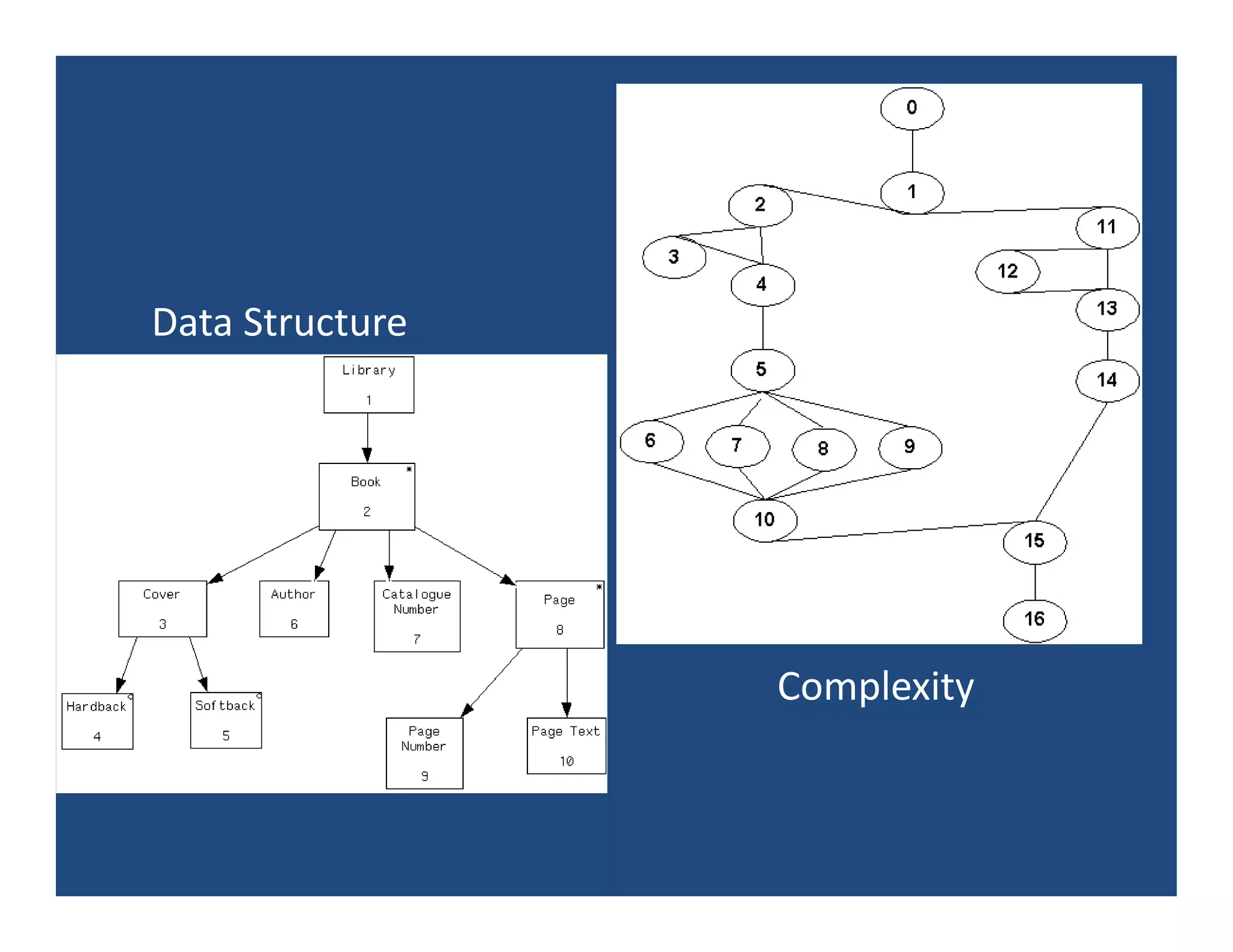
Data Structure


                 Complexity
Programming
• Less focus on design and implementation
  – Performance, scalability and reliability
  – Testability
  – Coding standards
  – Best practices of programming
How it affects
• Doing it right the first time
• Test First/ Test Driven Development
• Writing clean code (free of violations)
IT/Service Mindset
•   Somehow solve a problem
•   Means are not important or relevant
•   Deadline driven
•   Quantity rather than quality
•   Applicable for only one situation
Contrasting Product Mindset
•   Hardware, OS, browser independence
•   Design for change
•   Logging
•   Installation and deployment strategy
•   Upgrade strategy
•   Service packs and hotfixes
How it affects
• Designing for change
• Thinking beyond specific problem
• Looking at the bigger picture
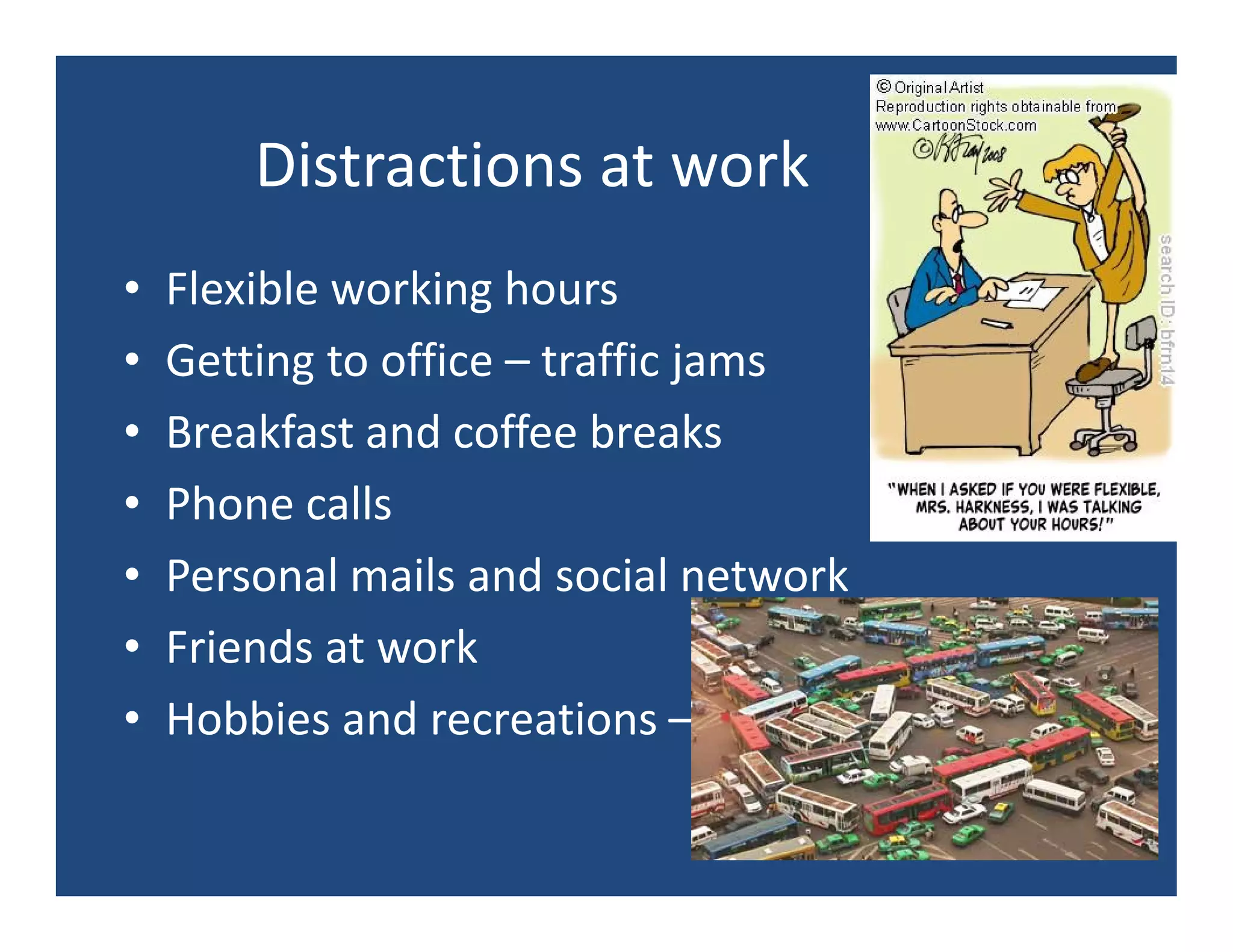
Distractions at work
•   Flexible working hours
•   Getting to office – traffic jams
•   Breakfast and coffee breaks
•   Phone calls
•   Personal mails and social network
•   Friends at work
•   Hobbies and recreations – lack of
How it affects
•   Sticking to estimated time
•   Working to compensate for lost time
•   Dependant team members and delays
•   Dependant groups – QA, schedule
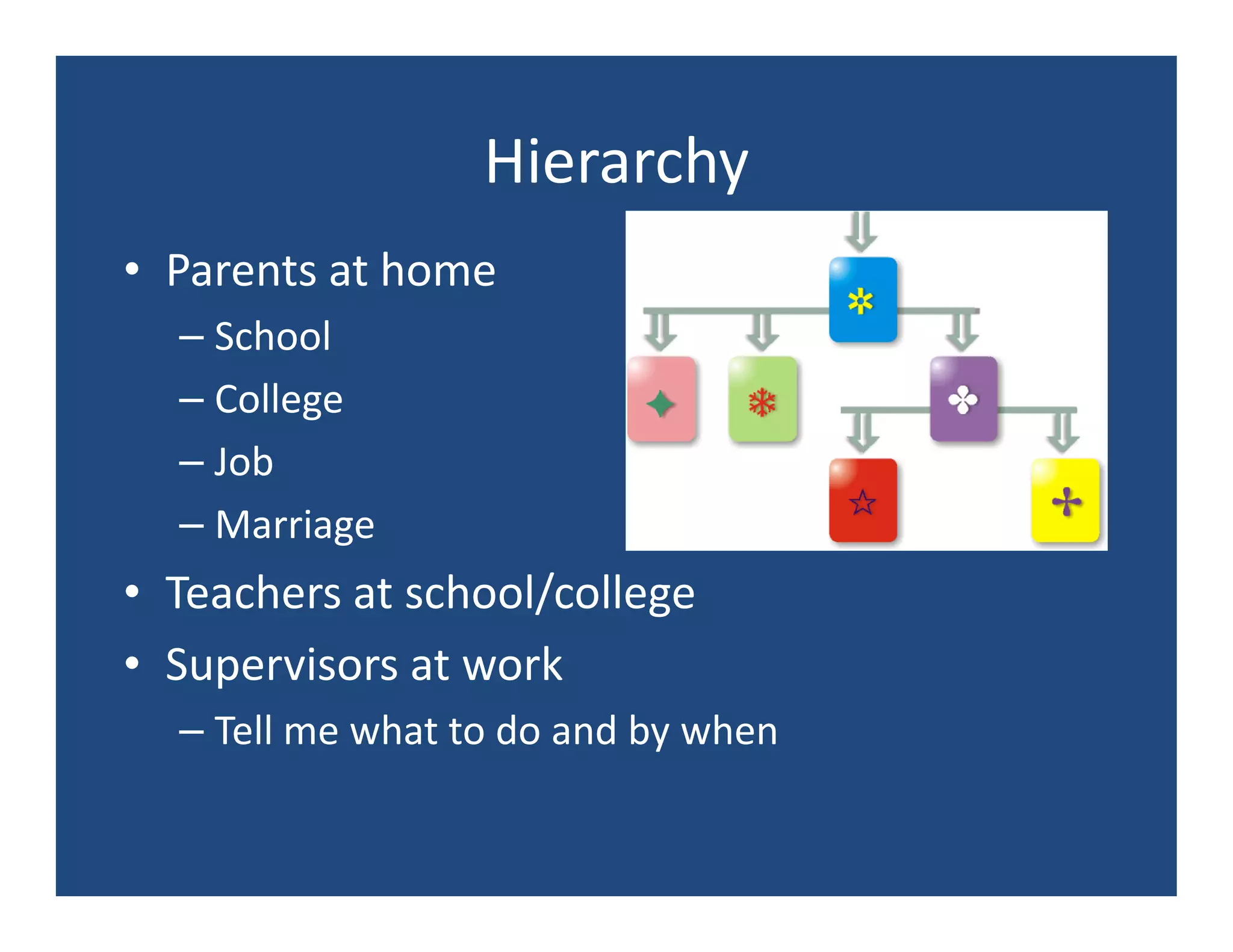
Hierarchy
• Parents at home
  – School
  – College
  – Job
  – Marriage
• Teachers at school/college
• Supervisors at work
  – Tell me what to do and by when
How it affects
•   Commitment
•   Estimation
•   Ownership
•   Proactiveness
Resume fattening
• Number of different technologies
• Number of projects
• Jack of all arts
  – Master of none?
• Superficial/Shallow knowledge
• Disinterest in specialization
How it affects
• Working in a time-boxed environment
  – Sticking to estimates
  – Overcoming technical challenges
  – Writing optimized code
  – Using appropriate library features
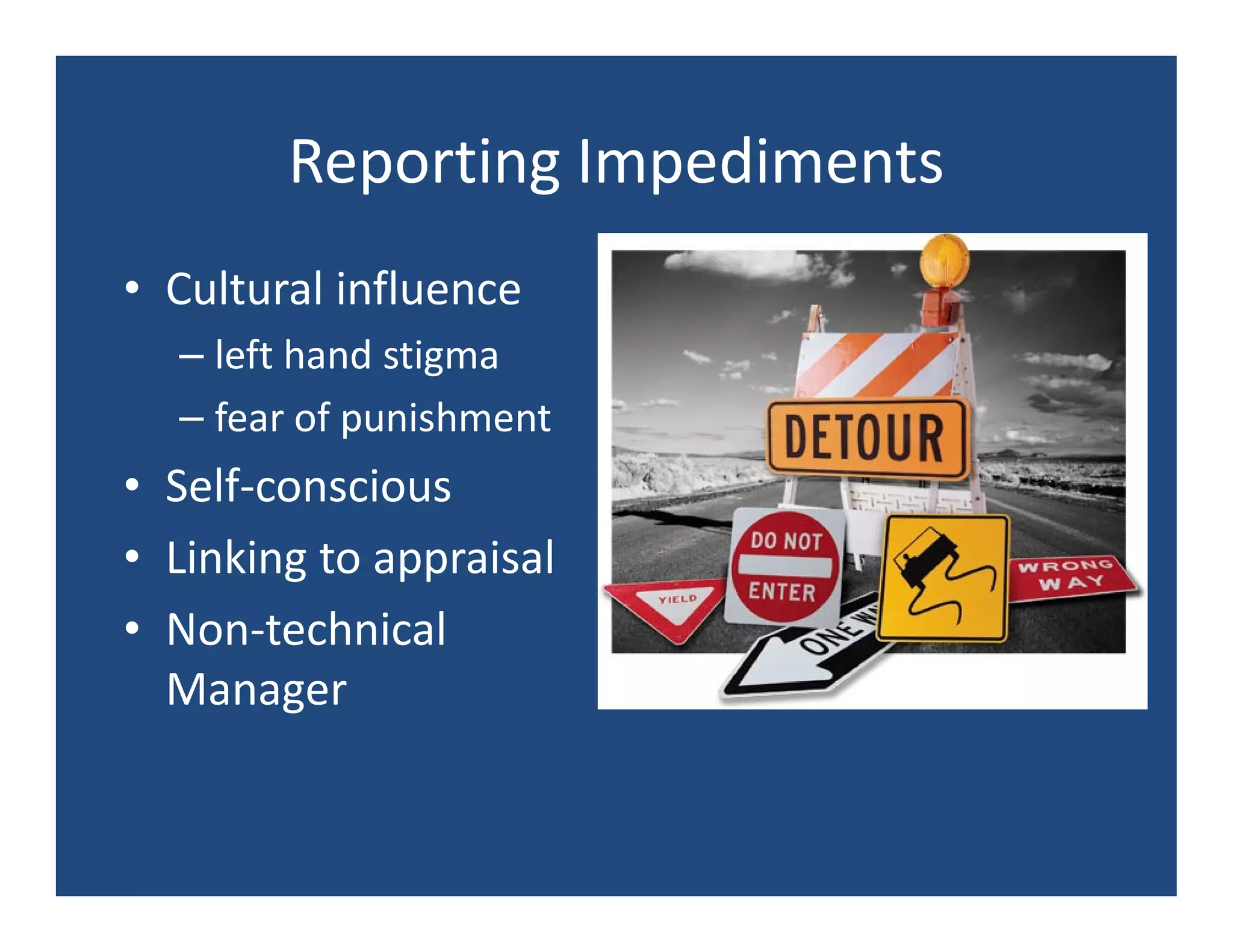
Reporting Impediments
• Cultural influence
  – left hand stigma
  – fear of punishment
• Self-conscious
• Linking to appraisal
• Non-technical
  Manager
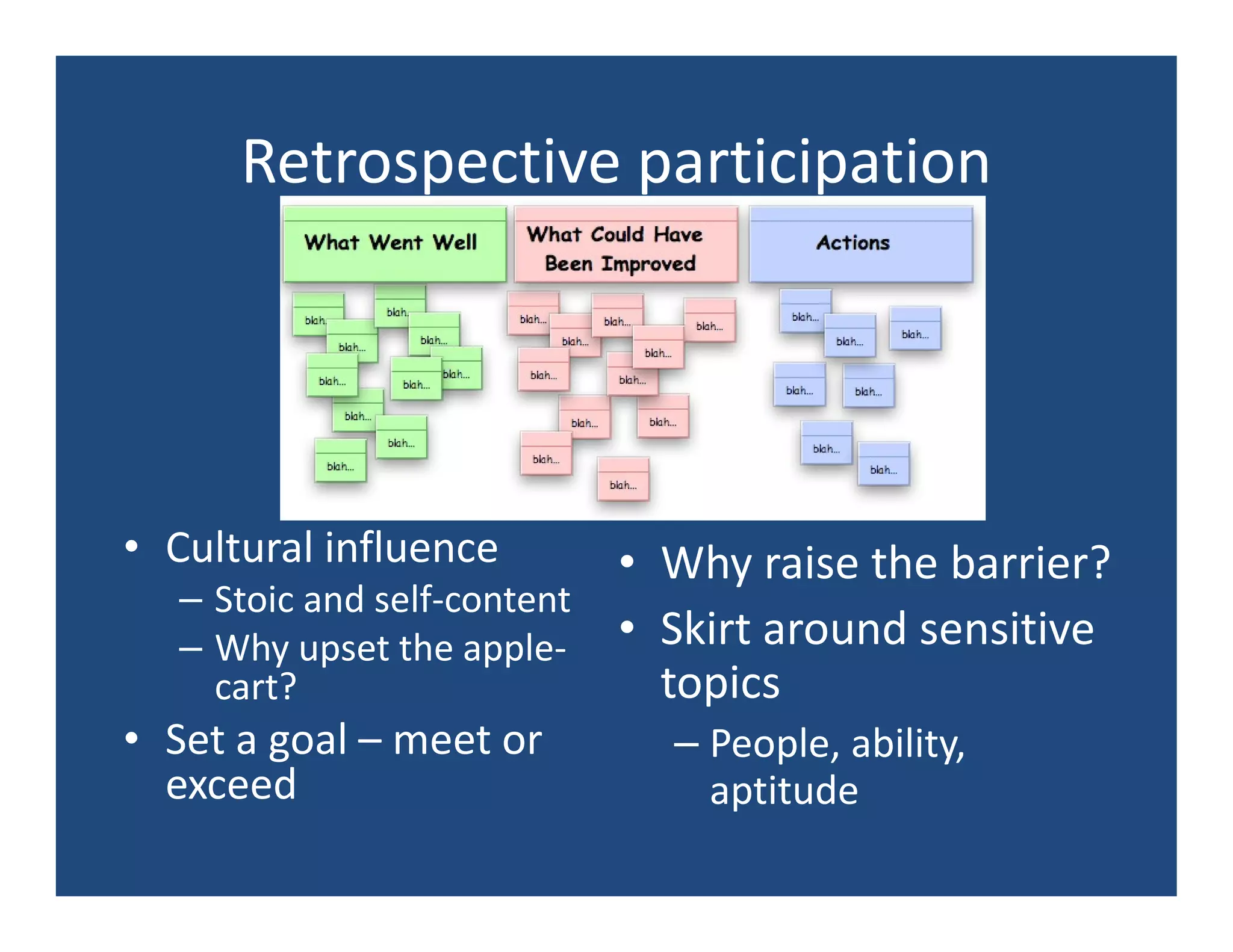
Retrospective participation


• Cultural influence       • Why raise the barrier?
  – Stoic and self-content
  – Why upset the apple- • Skirt around sensitive
    cart?                    topics
• Set a goal – meet or      – People, ability,
  exceed                      aptitude
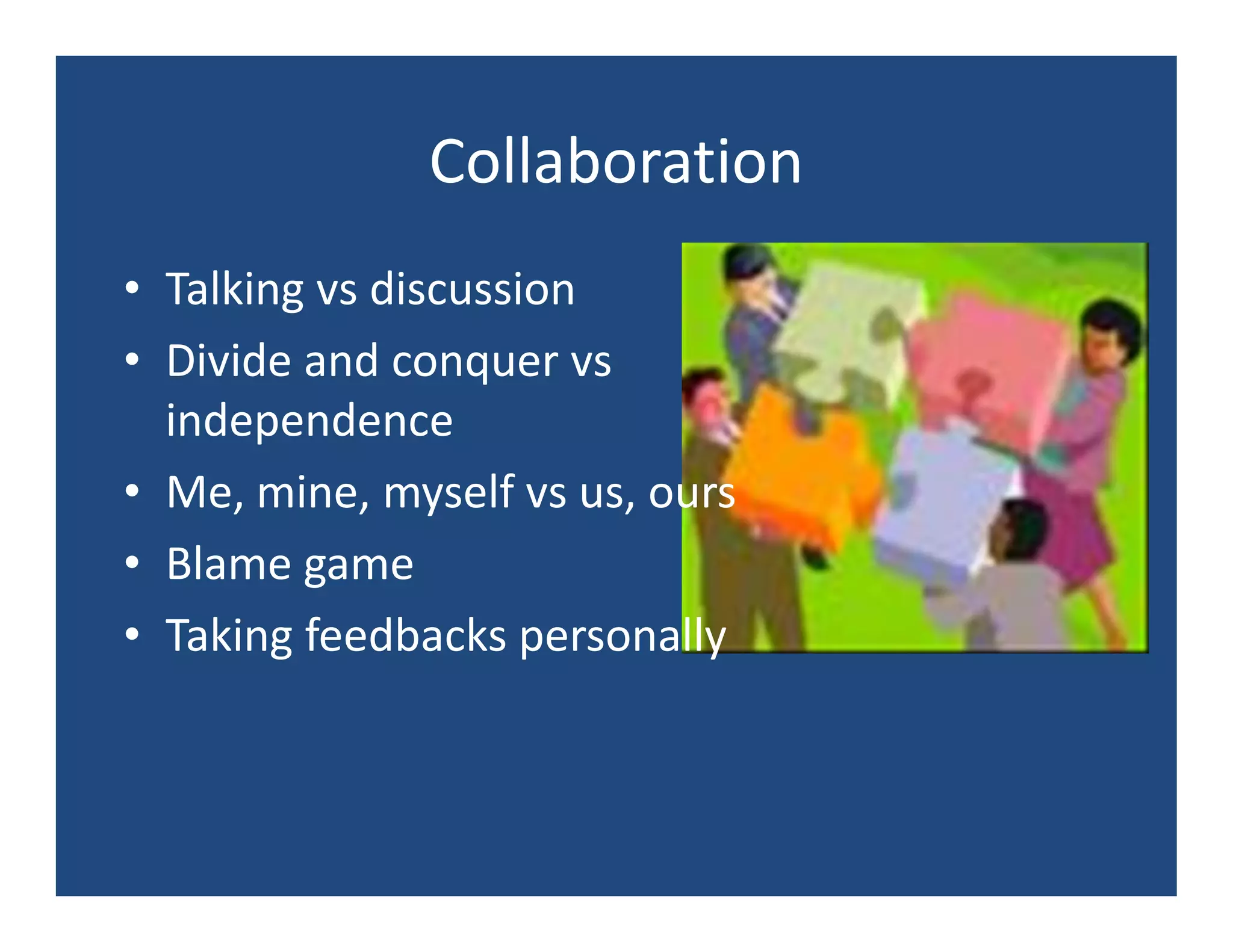
Collaboration
• Talking vs discussion
• Divide and conquer vs
  independence
• Me, mine, myself vs us, ours
• Blame game
• Taking feedbacks personally
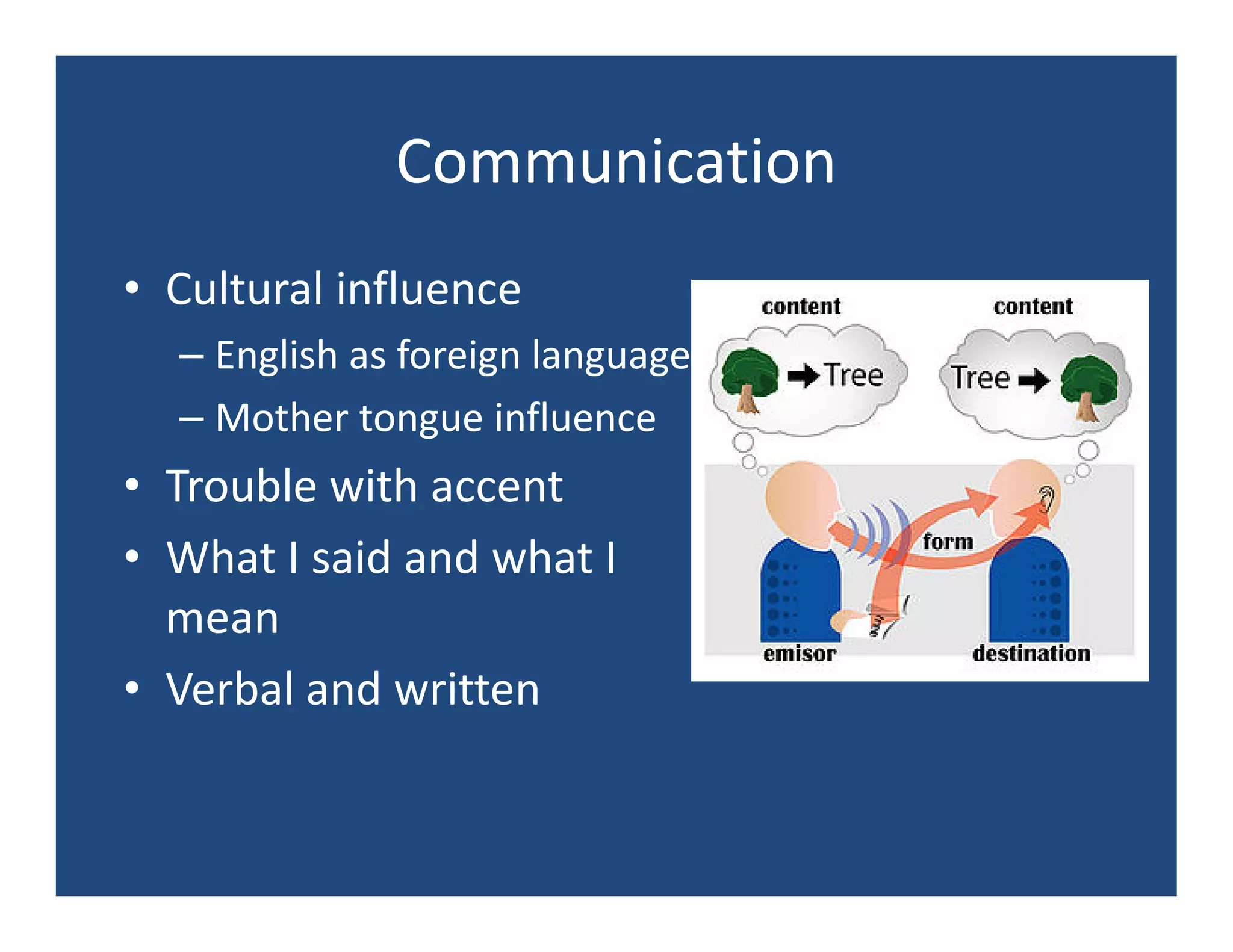
Communication
• Cultural influence
  – English as foreign language
  – Mother tongue influence
• Trouble with accent
• What I said and what I
  mean
• Verbal and written
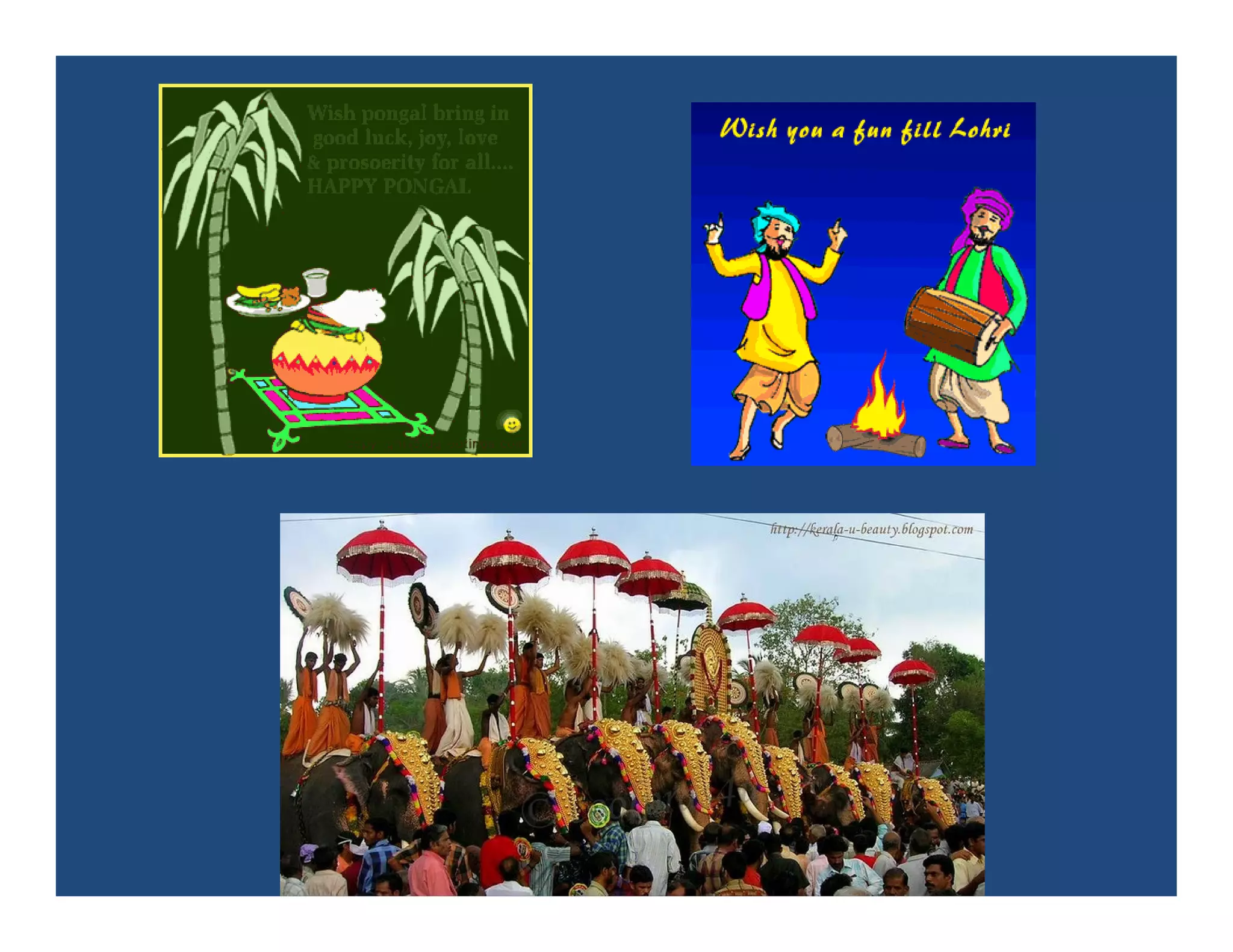
Holidays
• Cultural influence
  – Away from family
  – Going home for festivals
• Multitude of festivals
• Regional and religious
• 2 week iterations and holidays
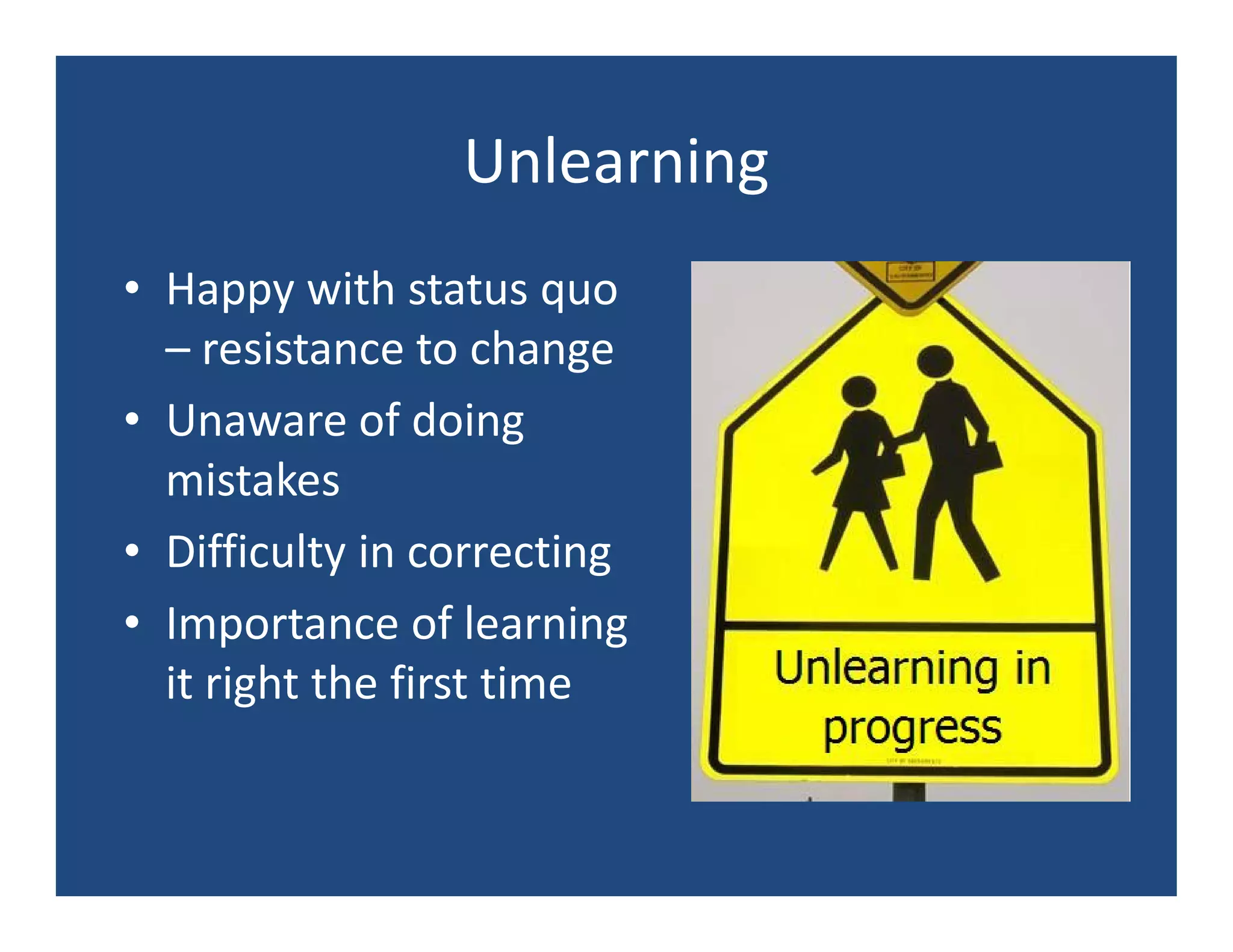
Unlearning
• Happy with status quo
  – resistance to change
• Unaware of doing
  mistakes
• Difficulty in correcting
• Importance of learning
  it right the first time
Tools of trade
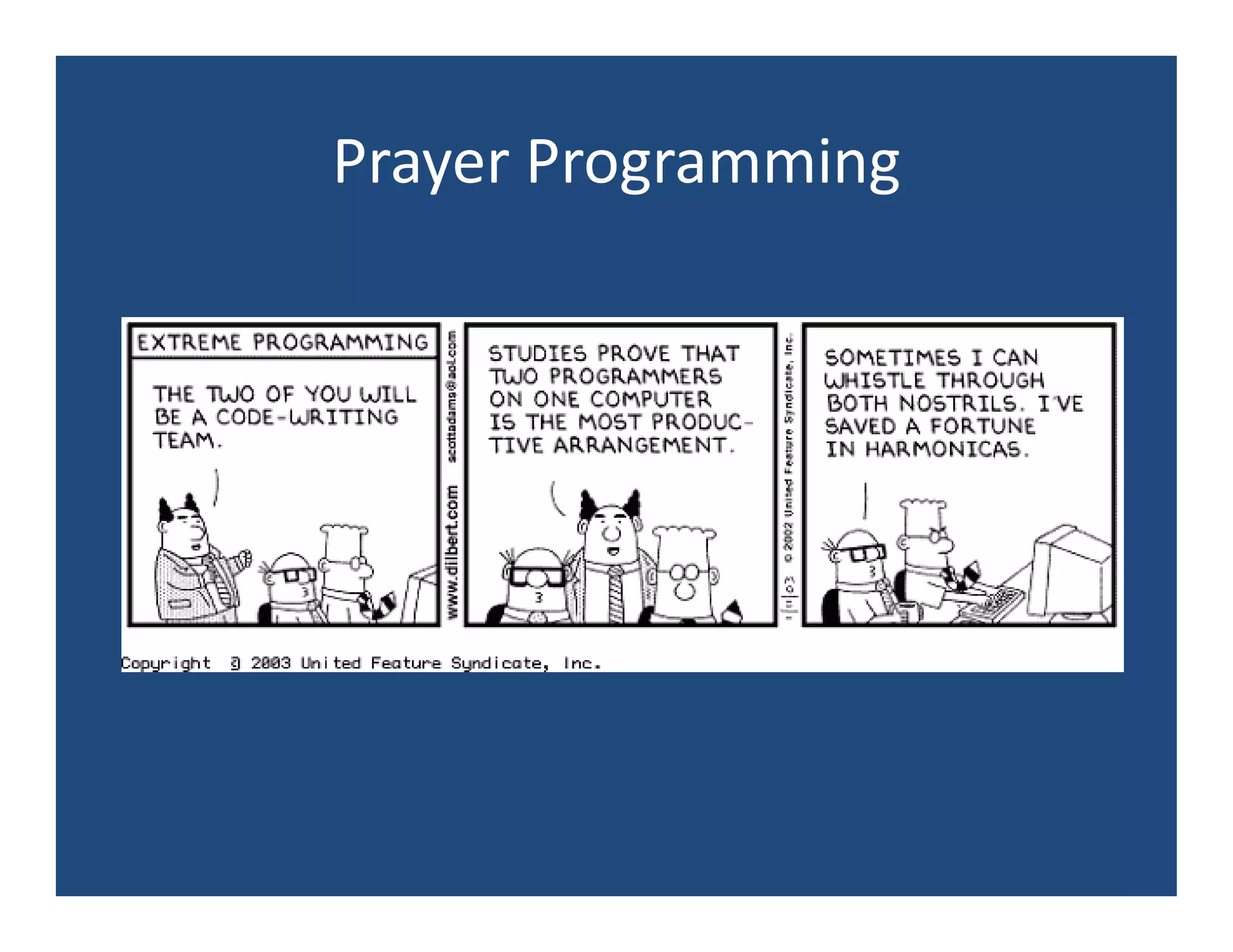
Prayer Programming
Pat on the back
OVERCOMING CHALLENGES
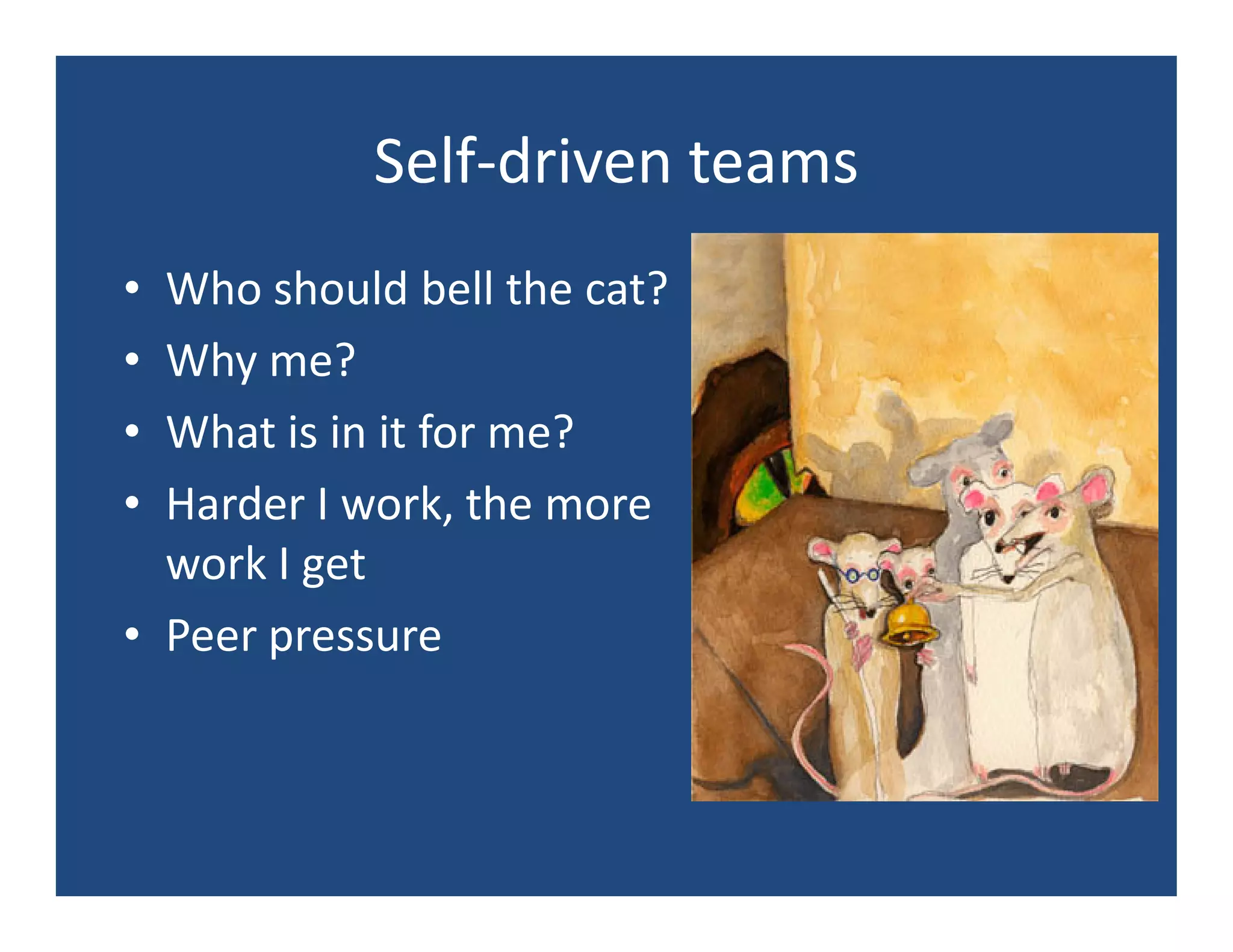
Self-driven teams
• Who should bell the cat?
• Why me?
• What is in it for me?
• Harder I work, the more
  work I get
• Peer pressure
Chief Programmer model
• Create specializations amongst team members
• Break stories into tasks
  – Specialized team member picks tasks
• Less self-driven and more ability-driven
• Leads as Chief Programmers
  – interact with customer
  – coach and mentor team
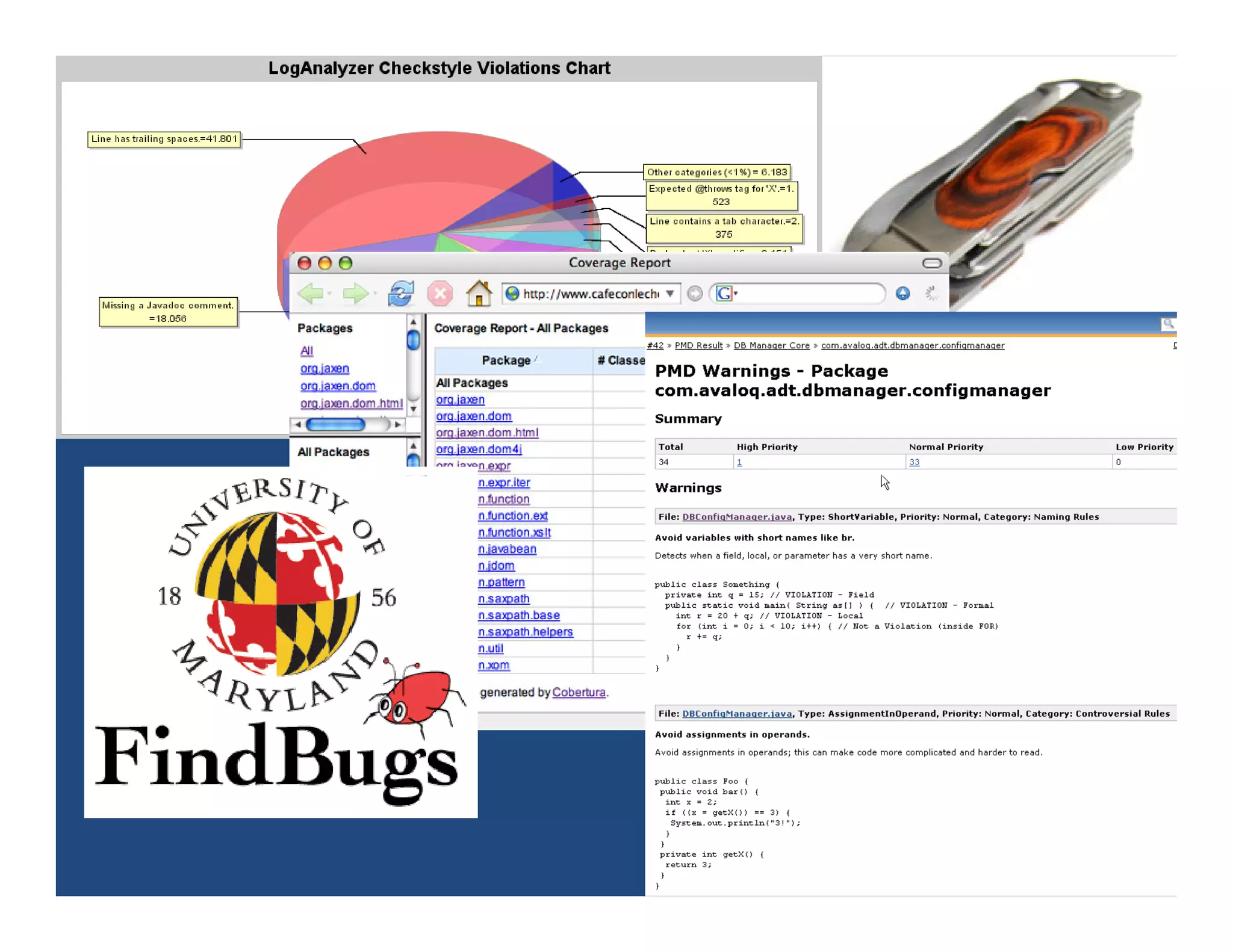
Tool-driven approach
• Minimize the human factor
• Tools
  – to flag style violations
  – to identify lack of code coverage
  – to flag incorrect coding practices
  – to run for each check-in and identify issues at the
    earliest
  – consistent across local and remote teams
Overcoming distractions

•   Core business hours
•   Blocking of social networking at work
•   Co-location – low cubicle walls
•   Manager co-located with team
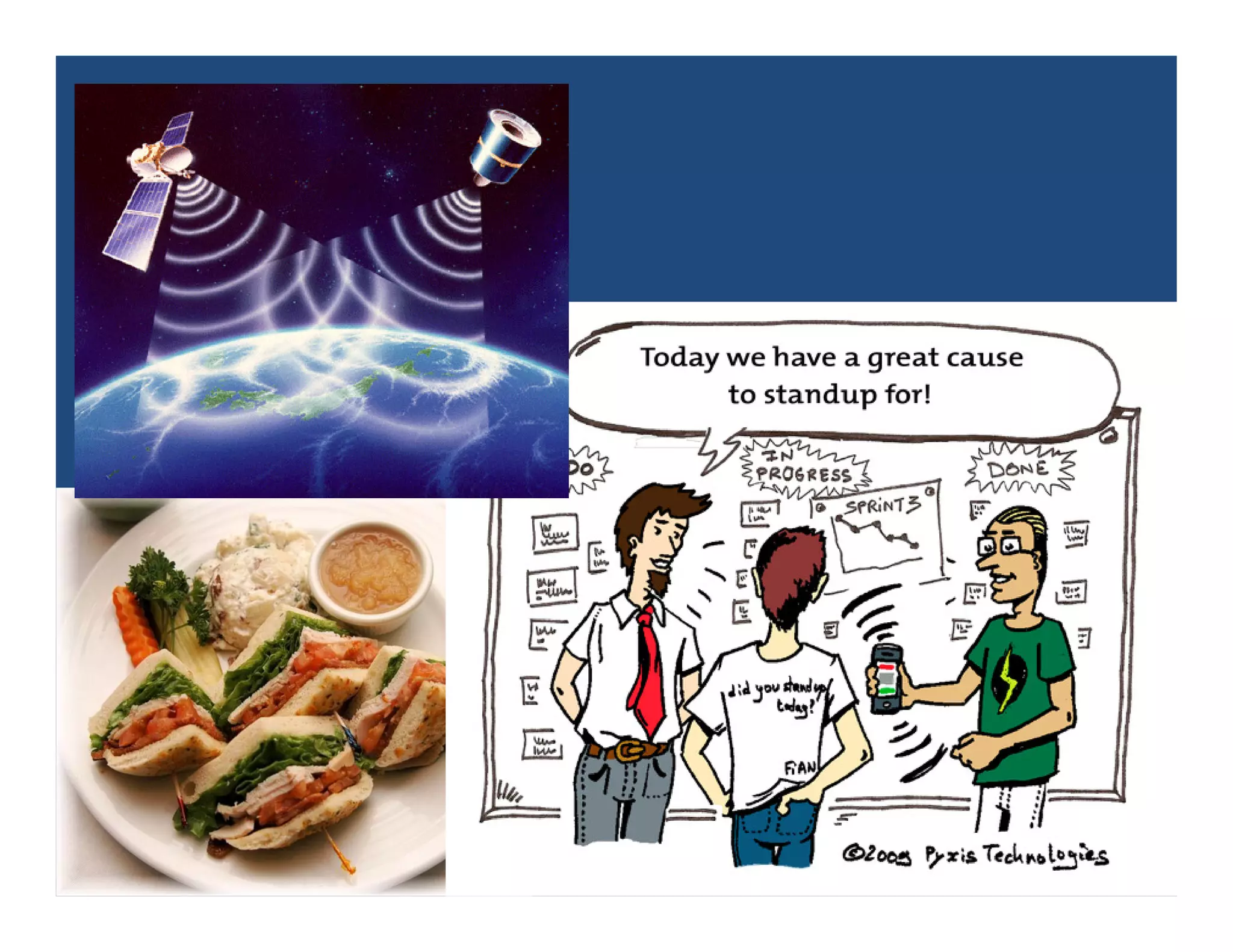
Tracking
• Variant of Pomodoro technique – pre-lunch
  and post-lunch (3 hour slots)
• Stand ups before start of work and post-lunch
• Individual follow-ups and reminders
• Proxy updates
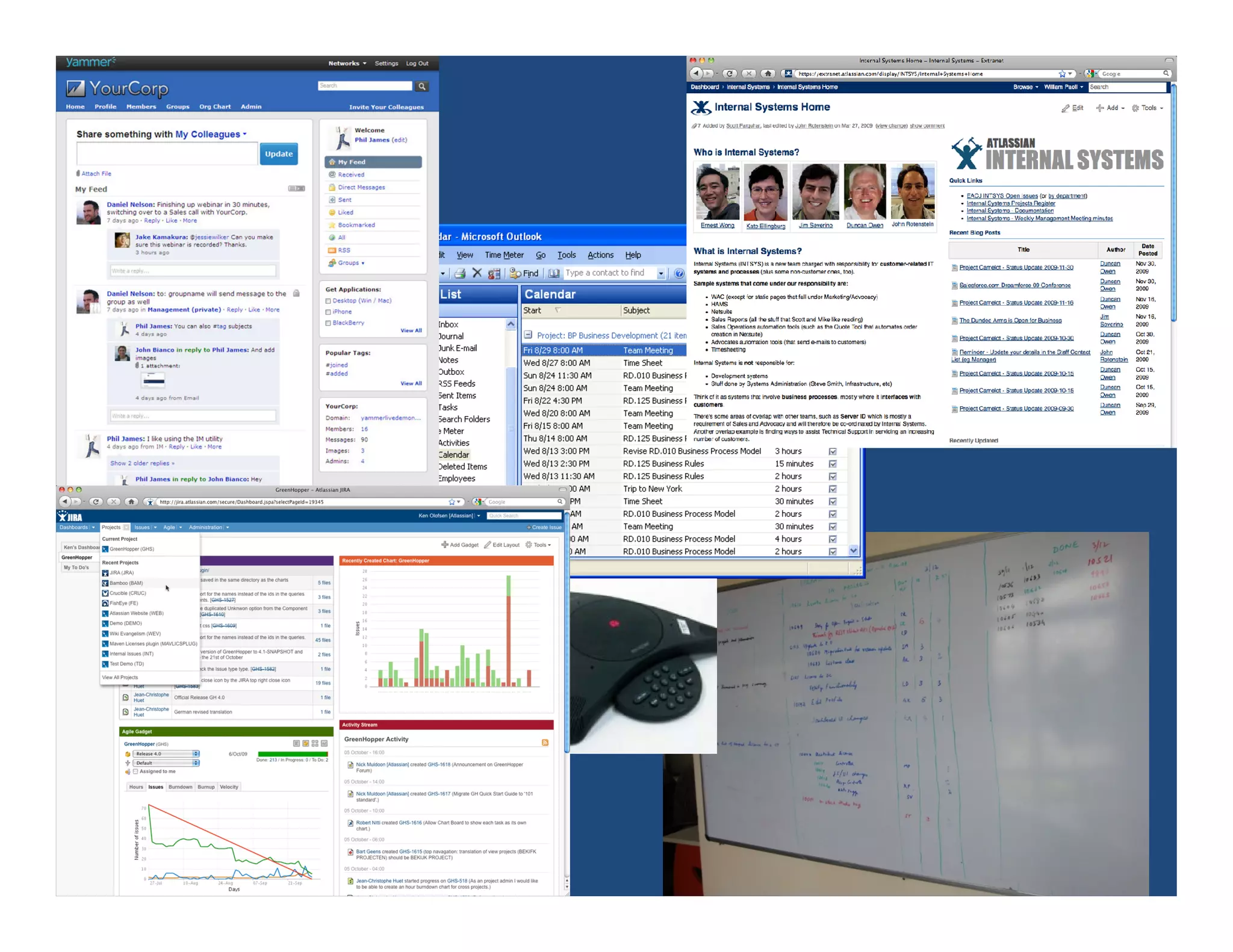
Communication Channels
• Multiple channels
  – Wiki, Issue tracking system, email, instant
    messaging
  – Regular teleconferences
  – Large whiteboard with visible status
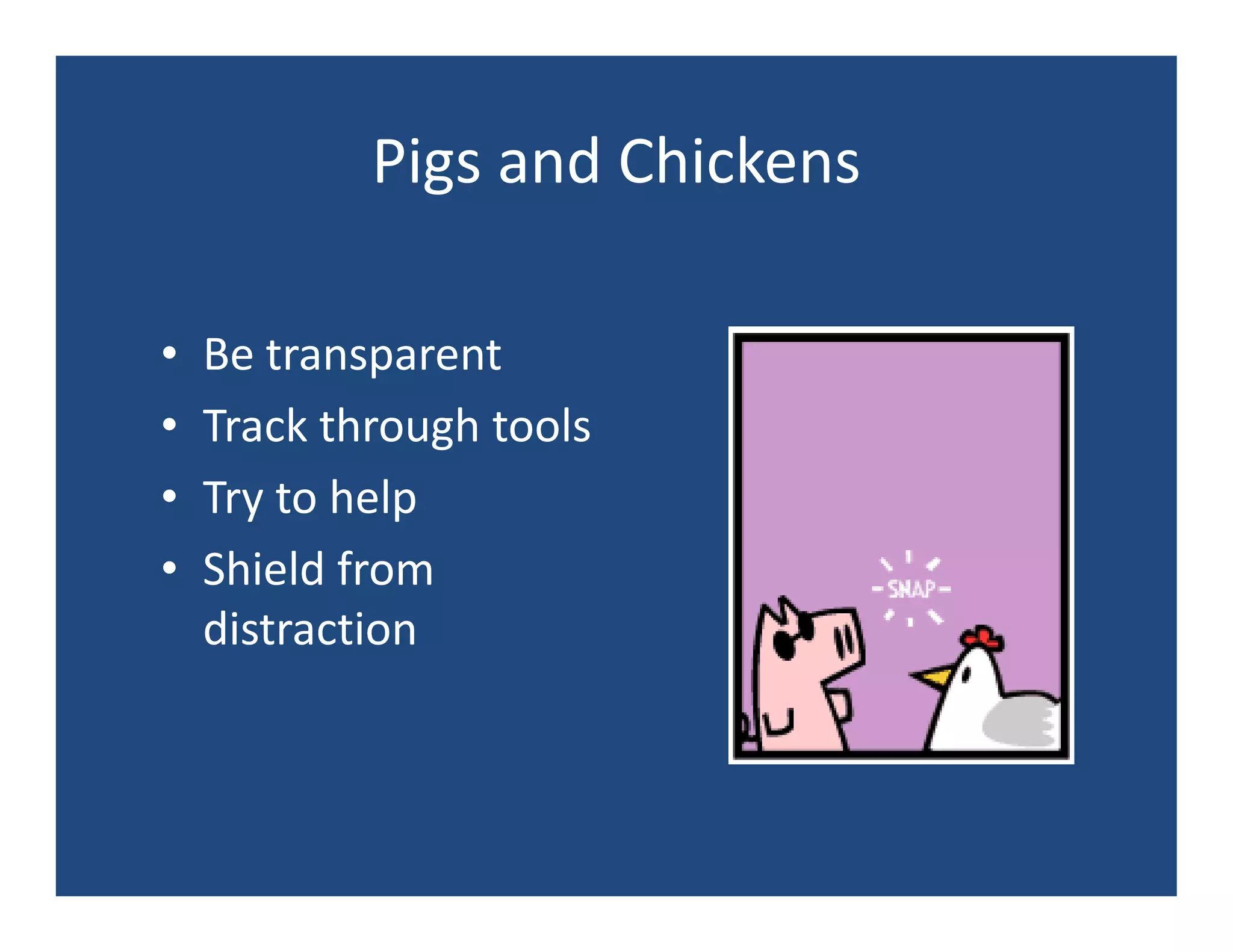
Pigs and Chickens

•   Be transparent
•   Track through tools
•   Try to help
•   Shield from
    distraction
* of the iteration
Summary
•   Agile is here to stay
•   Brings issues to surface rapidly
•   Focuses on continuous improvement
•   Need to work hard to stay afloat
•   Survival of the fittest
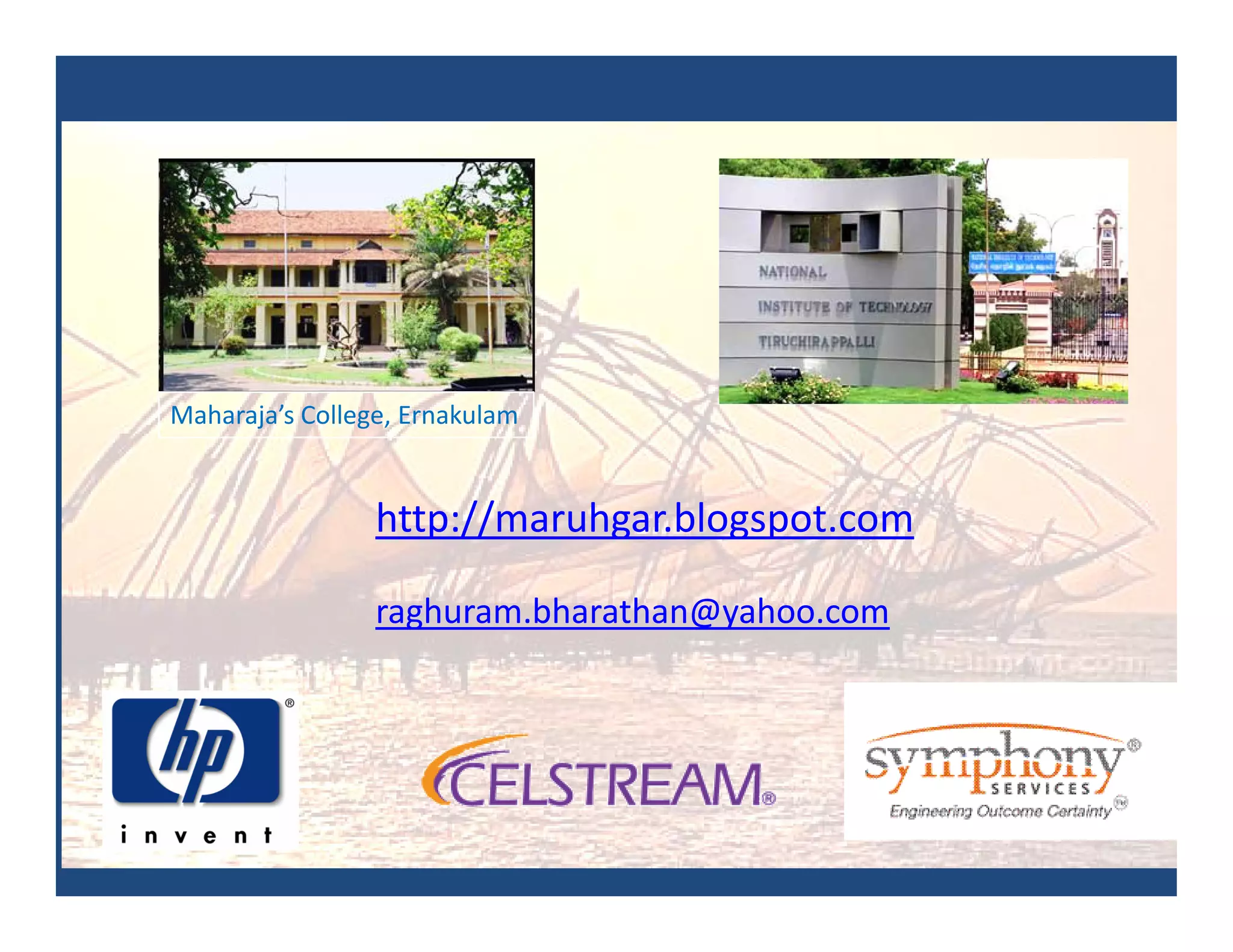
Maharaja’s College, Ernakulam


                 http://maruhgar.blogspot.com

                 raghuram.bharathan@yahoo.com
Cultural Challenges In Global Agile

Cultural Challenges In Global Agile

  • 1.
    Cultural Challenges inGlobal Agile Agile India Conference 2010 Raghuram Bharathan
  • 3.
  • 5.
    Playground • Co-development – Different time zones – Different teams • 2 week iterations • Separate QA team • Remote Product Owner • QA inline with iteration • Common toolset
  • 6.
    Rules of thegame • Meetings – Pre-planning and Planning – Demo and Retro – Standups – Conference calls • Work – User stories – Bugs from released stories
  • 8.
    Players • Customer team – Average 10+ years experience – Similar experience levels • Offshore team – Different experience levels - 0 to 10 – Different cultural backgrounds – Most with no agile experience
  • 9.
  • 10.
  • 11.
    Why IT industry? • High-paying • Opportunities • Overseas exposure • Glamorous • Air-conditioned work, 5 day week
  • 12.
    Education System • Theoreticalfocus – Civics and civic sense – Learn about road rules but not follow – System of Government – Less importance to games and sports • How many of us can fix a leaking tap, build a book shelf
  • 13.
    Programming • Focus onquantity – number of languages • Learn through a set of programs – Sort a list of numbers – Binary search – Matrix multiplication – Doubly linked list
  • 14.
    Data Structure Complexity
  • 15.
    Programming • Less focuson design and implementation – Performance, scalability and reliability – Testability – Coding standards – Best practices of programming
  • 16.
    How it affects •Doing it right the first time • Test First/ Test Driven Development • Writing clean code (free of violations)
  • 18.
    IT/Service Mindset • Somehow solve a problem • Means are not important or relevant • Deadline driven • Quantity rather than quality • Applicable for only one situation
  • 19.
    Contrasting Product Mindset • Hardware, OS, browser independence • Design for change • Logging • Installation and deployment strategy • Upgrade strategy • Service packs and hotfixes
  • 20.
    How it affects •Designing for change • Thinking beyond specific problem • Looking at the bigger picture
  • 21.
    Distractions at work • Flexible working hours • Getting to office – traffic jams • Breakfast and coffee breaks • Phone calls • Personal mails and social network • Friends at work • Hobbies and recreations – lack of
  • 22.
    How it affects • Sticking to estimated time • Working to compensate for lost time • Dependant team members and delays • Dependant groups – QA, schedule
  • 23.
    Hierarchy • Parents athome – School – College – Job – Marriage • Teachers at school/college • Supervisors at work – Tell me what to do and by when
  • 24.
    How it affects • Commitment • Estimation • Ownership • Proactiveness
  • 25.
    Resume fattening • Numberof different technologies • Number of projects • Jack of all arts – Master of none? • Superficial/Shallow knowledge • Disinterest in specialization
  • 26.
    How it affects •Working in a time-boxed environment – Sticking to estimates – Overcoming technical challenges – Writing optimized code – Using appropriate library features
  • 27.
    Reporting Impediments • Culturalinfluence – left hand stigma – fear of punishment • Self-conscious • Linking to appraisal • Non-technical Manager
  • 28.
    Retrospective participation • Culturalinfluence • Why raise the barrier? – Stoic and self-content – Why upset the apple- • Skirt around sensitive cart? topics • Set a goal – meet or – People, ability, exceed aptitude
  • 29.
    Collaboration • Talking vsdiscussion • Divide and conquer vs independence • Me, mine, myself vs us, ours • Blame game • Taking feedbacks personally
  • 30.
    Communication • Cultural influence – English as foreign language – Mother tongue influence • Trouble with accent • What I said and what I mean • Verbal and written
  • 32.
    Holidays • Cultural influence – Away from family – Going home for festivals • Multitude of festivals • Regional and religious • 2 week iterations and holidays
  • 33.
    Unlearning • Happy withstatus quo – resistance to change • Unaware of doing mistakes • Difficulty in correcting • Importance of learning it right the first time
  • 34.
  • 35.
  • 36.
  • 37.
  • 38.
    Self-driven teams • Whoshould bell the cat? • Why me? • What is in it for me? • Harder I work, the more work I get • Peer pressure
  • 39.
    Chief Programmer model •Create specializations amongst team members • Break stories into tasks – Specialized team member picks tasks • Less self-driven and more ability-driven • Leads as Chief Programmers – interact with customer – coach and mentor team
  • 41.
    Tool-driven approach • Minimizethe human factor • Tools – to flag style violations – to identify lack of code coverage – to flag incorrect coding practices – to run for each check-in and identify issues at the earliest – consistent across local and remote teams
  • 43.
    Overcoming distractions • Core business hours • Blocking of social networking at work • Co-location – low cubicle walls • Manager co-located with team
  • 45.
    Tracking • Variant ofPomodoro technique – pre-lunch and post-lunch (3 hour slots) • Stand ups before start of work and post-lunch • Individual follow-ups and reminders • Proxy updates
  • 47.
    Communication Channels • Multiplechannels – Wiki, Issue tracking system, email, instant messaging – Regular teleconferences – Large whiteboard with visible status
  • 48.
    Pigs and Chickens • Be transparent • Track through tools • Try to help • Shield from distraction
  • 49.
    * of theiteration
  • 50.
    Summary • Agile is here to stay • Brings issues to surface rapidly • Focuses on continuous improvement • Need to work hard to stay afloat • Survival of the fittest
  • 51.
    Maharaja’s College, Ernakulam http://maruhgar.blogspot.com raghuram.bharathan@yahoo.com