CRYPTOCURRENCY
CRYPTOCURRENCY
• Cryptocurrency is a digitised asset spread through multiple
computers in a shared network
• The decentralised nature of this network shields them from any
control from government regulatory bodies
• There is no physical coin or bill unless you use a service that
allows you to cash in cryptocurrency for a physical token
• There are more than 4,000 cryptocurrencies in existence as of
January 2021
SOME OF THE CRYPTOCURRENCIES
• Litecoin
• Peercoin
• Namecoin
• Ethereum
• Bitcoin and more…
CRYPTOCURRENCY VALUES IN RUPEES
• 1 Litecoin = ₹11,647.30
• 1 Peercoin = ₹74.44
• 1 Namecoin = ₹116.57
• 1 Ethereum = ₹1,66,272.59
• 1 Bitcoin = ₹26,62,054.94
• The Supply of Bitcoin Is Limited to 21 Million
HISTORY
• Many investors consider bitcoin to be the original
cryptocurrency
• Founded in 2009 by a programmer (or, possibly, a
group of programmers) under the pseudonym Satoshi
Nakamoto
• Bitcoin ushered in a new age of blockchain technology
and decentralized digital currencies
BLOCKCHAIN TECHNOLOGY
• Blockchain is Secured and Protected with highly
Cryptographic Encryption, that provide very high level
of Encryption
• Blockchain is essentially a digital ledger of
transactions that is duplicated and distributed across
the entire network of computer systems on the
blockchain
DIGITAL LEDGER
• Blockchain is essentially a digital ledger of
transactions that is duplicated and distributed across
the entire network of computer systems on the
blockchain
• Blockchain is a type of DLT in which transactions are
recorded with an immutable cryptographic signature
called a hash
BLOCKCHAIN MINING
• Blockchain mining is used to secure and verify bitcoin
transactions
• Mining involves Blockchain miners who add bitcoin
transaction data to Bitcoin’s global public ledger of past
transactions
Peer to Peer Transactions
• A peer-to-peer money transfer uses a website or app to
transfer funds from one person to another over the
internet or mobile networks
REQUIREMENTS AS PER COMPUTER EXPERTS
• Absence of any centralised authority and is maintained
through distributed networks
• The system maintains records of cryptocurrency units
and who owns them
• The system decides whether new units can be created
and in case it does, decided the origin and the
ownership terms
CONTINUED…
• Ownership of cryptocurrency units can be proved
exclusively cryptographically
• The system allows transactions to be performed in
which ownership of the cryptographic units is changed
ADVANTAGES
• Funds transfer between two parties will be easy
without the need of third party like credit/debit cards
or banks
• It is a cheaper alternative compared to other online
transactions
• Payments are safe and secured and offer an
unprecedented level of anonymity
CONTINUED…
• Modern cryptocurrency systems come with a user
“wallet” or account address which is accessible only by
a public key and pirate key. The private key is only
know to the owner of the wallet
• Funds transfer are completed with minimal processing
fees
DISADVANTAGES
• The almost hidden nature of cryptocurrency
transactions makes them easy to be the focus of
illegal activities such as money laundering, tax-
evasion and possibly even terror-financing
• Payments are not irreversible
• Cryptocurrencies are not accepted everywhere and
have limited value elsewhere
CONTINUED…
• There is concern that cryptocurrencies like Bitcoin are not
rooted in any material goods
• Some research, however, has identified that the cost of
producing a Bitcoin, which requires an increasingly large
amount of energy, is directly related to its market price
• Require high level system
• Carbon emissions
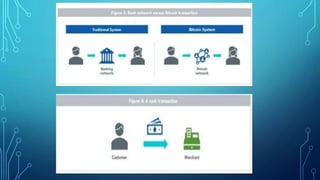
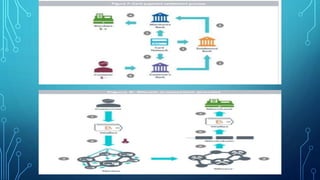
DIFF BTW BITCOIN & TRADITIONAL
PAYMENT
BITCOIN LEGALISED COUNTRY
• El Salvador became the first country in the world to
officially classify Bitcoin as a legal currency
• Tradition Economy of El-Salvador is begging for US doller
inflation
• It receives huge remittance from it’s diasphora, 20% GDP
dependence on it’s remittence
• By adopting the bitcoin, Govt of El-Salvador is looking to
bring down the transaction cost when it sending
remittence back home
“
”
யாதனின் யாதனின் நீங்கியான் ந ாதல்
அதனின் அதனின் இலன்
எந்த எந்தப் ப ாருள்களின் நேல் விருப் ம் இல்லாதவனாய் விலகுகிறாநனா
அவன் அந்த அந்த ப ாருள்களால் துன் ப் டோட்டான்.
Whatever thing, a man has renounced, by that thing; he cannot
suffer pain.
THANKS FOR WATCHING
SUBSCRIBE FOR MORE VIDEOS

Cryptocurrency

  • 1.
  • 2.
    CRYPTOCURRENCY • Cryptocurrency isa digitised asset spread through multiple computers in a shared network • The decentralised nature of this network shields them from any control from government regulatory bodies • There is no physical coin or bill unless you use a service that allows you to cash in cryptocurrency for a physical token • There are more than 4,000 cryptocurrencies in existence as of January 2021
  • 3.
    SOME OF THECRYPTOCURRENCIES • Litecoin • Peercoin • Namecoin • Ethereum • Bitcoin and more…
  • 4.
    CRYPTOCURRENCY VALUES INRUPEES • 1 Litecoin = ₹11,647.30 • 1 Peercoin = ₹74.44 • 1 Namecoin = ₹116.57 • 1 Ethereum = ₹1,66,272.59 • 1 Bitcoin = ₹26,62,054.94 • The Supply of Bitcoin Is Limited to 21 Million
  • 5.
    HISTORY • Many investorsconsider bitcoin to be the original cryptocurrency • Founded in 2009 by a programmer (or, possibly, a group of programmers) under the pseudonym Satoshi Nakamoto • Bitcoin ushered in a new age of blockchain technology and decentralized digital currencies
  • 6.
    BLOCKCHAIN TECHNOLOGY • Blockchainis Secured and Protected with highly Cryptographic Encryption, that provide very high level of Encryption • Blockchain is essentially a digital ledger of transactions that is duplicated and distributed across the entire network of computer systems on the blockchain
  • 7.
    DIGITAL LEDGER • Blockchainis essentially a digital ledger of transactions that is duplicated and distributed across the entire network of computer systems on the blockchain • Blockchain is a type of DLT in which transactions are recorded with an immutable cryptographic signature called a hash
  • 8.
    BLOCKCHAIN MINING • Blockchainmining is used to secure and verify bitcoin transactions • Mining involves Blockchain miners who add bitcoin transaction data to Bitcoin’s global public ledger of past transactions Peer to Peer Transactions • A peer-to-peer money transfer uses a website or app to transfer funds from one person to another over the internet or mobile networks
  • 9.
    REQUIREMENTS AS PERCOMPUTER EXPERTS • Absence of any centralised authority and is maintained through distributed networks • The system maintains records of cryptocurrency units and who owns them • The system decides whether new units can be created and in case it does, decided the origin and the ownership terms
  • 10.
    CONTINUED… • Ownership ofcryptocurrency units can be proved exclusively cryptographically • The system allows transactions to be performed in which ownership of the cryptographic units is changed
  • 11.
    ADVANTAGES • Funds transferbetween two parties will be easy without the need of third party like credit/debit cards or banks • It is a cheaper alternative compared to other online transactions • Payments are safe and secured and offer an unprecedented level of anonymity
  • 12.
    CONTINUED… • Modern cryptocurrencysystems come with a user “wallet” or account address which is accessible only by a public key and pirate key. The private key is only know to the owner of the wallet • Funds transfer are completed with minimal processing fees
  • 13.
    DISADVANTAGES • The almosthidden nature of cryptocurrency transactions makes them easy to be the focus of illegal activities such as money laundering, tax- evasion and possibly even terror-financing • Payments are not irreversible • Cryptocurrencies are not accepted everywhere and have limited value elsewhere
  • 14.
    CONTINUED… • There isconcern that cryptocurrencies like Bitcoin are not rooted in any material goods • Some research, however, has identified that the cost of producing a Bitcoin, which requires an increasingly large amount of energy, is directly related to its market price • Require high level system • Carbon emissions
  • 15.
    DIFF BTW BITCOIN& TRADITIONAL PAYMENT
  • 19.
    BITCOIN LEGALISED COUNTRY •El Salvador became the first country in the world to officially classify Bitcoin as a legal currency • Tradition Economy of El-Salvador is begging for US doller inflation • It receives huge remittance from it’s diasphora, 20% GDP dependence on it’s remittence • By adopting the bitcoin, Govt of El-Salvador is looking to bring down the transaction cost when it sending remittence back home
  • 20.
    “ ” யாதனின் யாதனின் நீங்கியான்ந ாதல் அதனின் அதனின் இலன் எந்த எந்தப் ப ாருள்களின் நேல் விருப் ம் இல்லாதவனாய் விலகுகிறாநனா அவன் அந்த அந்த ப ாருள்களால் துன் ப் டோட்டான். Whatever thing, a man has renounced, by that thing; he cannot suffer pain.
  • 21.