Coping with CRYING 
SHAKEN BABY SYNDROME
What do BABIES do? 
Eat 
Sleep 
Have dirty diapers 
Cry 
Most babies cry 2-3 hours a day for the 1st 2 -3 
months of life 
5 p.m. to Midnight is often a fussy time
A parent responding to an infant’s cry is a 
vital part of 
EMOTIONAL NURTURING. 
It will help the baby to learn to TRUST 
and BOND with the parents or caregivers.
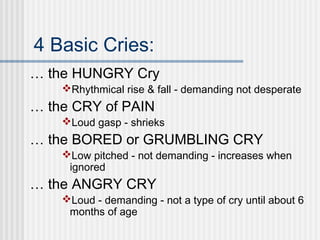
4 Basic Cries: 
… the HUNGRY Cry 
Rhythmical rise & fall - demanding not desperate 
… the CRY of PAIN 
Loud gasp - shrieks 
… the BORED or GRUMBLING CRY 
Low pitched - not demanding - increases when 
ignored 
… the ANGRY CRY 
Loud - demanding - not a type of cry until about 6 
months of age
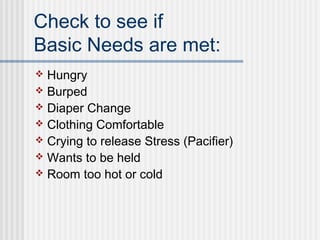
Check to see if 
Basic Needs are met: 
 Hungry 
 Burped 
 Diaper Change 
 Clothing Comfortable 
 Crying to release Stress (Pacifier) 
 Wants to be held 
 Room too hot or cold
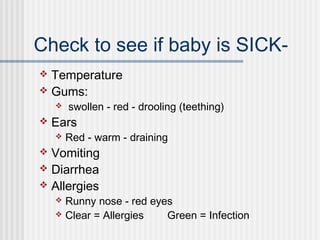
Check to see if baby is SICK- 
 Temperature 
 Gums: 
 swollen - red - drooling (teething) 
 Ears 
 Red - warm - draining 
 Vomiting 
 Diarrhea 
 Allergies 
 Runny nose - red eyes 
 Clear = Allergies Green = Infection
COLIC: 
Pull legs up to stomach 
 stomach problems / gas 
Breast Feeding 
 onions, garlic, broccoli, cauliflower, spicy foods, chocolate, etc. 
LACTOSE Intolerance: 
 √ with doctor / Change formula (soy or goat) 
Often Outgrows colic by 3-4 months 
 more movement and solid food
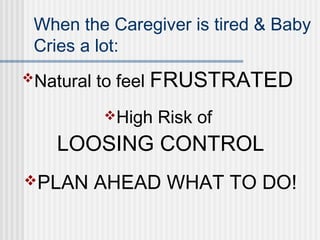
When the Caregiver is tired & Baby 
Cries a lot: 
Natural to feel FRUSTRATED 
High Risk of 
LOOSING CONTROL 
PLAN AHEAD WHAT TO DO!
BRAINSTORM ways to 
COPE with CRYING
SHAKEN BABY SYNDROME: 
Term used to describe the many signs and 
symptoms resulting from the violent 
shaking of an infant or young child.
What do you Know? 
T F 1. Babies’ heads and bodies are the same proportion as adults. 
T F 2. Babies cry an average of 30 minutes a day. 
T F 3. More serious injuries are caused by 
shaking a baby than if the baby fell from a distance of 10 feet. 
T F 4. Shaking a baby once can cause death. 
T F 5. The medical cost for a baby that is shaken 
can be thousands of dollars. 
T F 6. If you have tried everything and your baby is still crying, it is 
okay to leave the baby in the crib for a few minutes.
Quiz KEY 
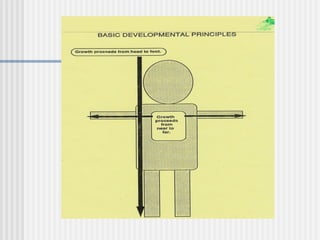
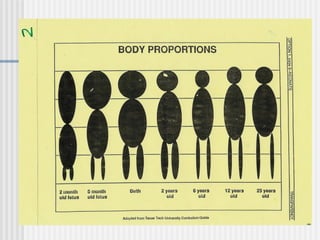
T F 1. Babies’ heads and bodies are the same 
proportion as adults. 
FALSE- Babies larger 
10% body weight vs. 2% 
T F 2. Babies cry an average of 30 minutes a day. 
FALSE- Average of 2-3 Hours
T F 3. More serious injuries are caused by shaking 
a baby than if the baby fell from a distance 
of 10 feet. 
TRUE 
T F 4. Shaking a baby once can cause death. 
TRUE
T F 5. The medical cost for a baby that been 
shaken can be thousands of dollars. 
FALSE - up to a Millions + 
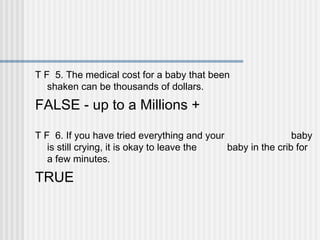
T F 6. If you have tried everything and your baby 
is still crying, it is okay to leave the baby in the crib for 
a few minutes. 
TRUE
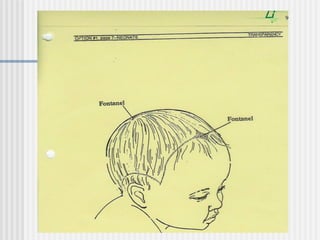
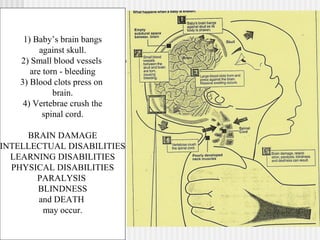
1) Baby’s brain bangs 
against skull. 
2) Small blood vessels 
are torn - bleeding 
3) Blood clots press on 
brain. 
4) Vertebrae crush the 
spinal cord. 
BRAIN DAMAGE 
INTELLECTUAL DISABILITIES 
LEARNING DISABILITIES 
PHYSICAL DISABILITIES 
PARALYSIS 
BLINDNESS 
and DEATH 
may occur.
SIGNS & SYMPTOMS of SBS 
Concussion 
Vomiting 
Irritability 
Lethargy 
Trouble feeding 
Sleepy 
coma
STATISTICS: 
 70% of the perpetrators are MALE 
(father, step-father, boyfriend, etc.) 
 56% of the victims are male babies 
 Average age of shaking is 3-8 months 
 25% of the SBS victims die immediately after being 
shaken 
 75% will live with complications because of the shaking. 
 SBS is the leading cause of death in infants due to child 
abuse/neglect.
28% surviving victims return to THEIR 
HOMES. 
11% adopted by GRANDPARENTS 
11% placed in FOSTER CARE
Dr. William M. Palmer 
(Medical Director of the Child Protective Team at Primary Children’s Hospital 
& University Hospital) 
“Most people do not intend to hurt the child. 
They lose their impulse control; they just 
want the baby to shut up.”
 A HAND SLAP on the face of an infant under 15 
months can cause similar damage 
 THROWING a child up in the air and catching it 
 TWIRLING a child under age 2 by it’s arms or 
legs 
 BOUNCING ROUGHLY on knee/foot can also 
have damaging affect on baby
HELPFUL HINTS: 
 ALWAYS support the neck of infants, babies 
and small children. 
 If upset - CALM DOWN before dealing with 
your child. 
 When playing, never THROW or TOSS your 
child. 
 Screen all babysitters carefully. Know their 
temperament.
Never 
Never 
Never 
Never 
Shake a Baby 
Or TODDLER!
USOE Child Development Curriculum, 1994 
The Child Abuse Prevention Center 
www.capcenter.org 
Davis County Health Dept. 
brettw@co.davis.ut.us 
www.dontshake.com

Crying shaken baby

  • 1.
    Coping with CRYING SHAKEN BABY SYNDROME
  • 2.
    What do BABIESdo? Eat Sleep Have dirty diapers Cry Most babies cry 2-3 hours a day for the 1st 2 -3 months of life 5 p.m. to Midnight is often a fussy time
  • 3.
    A parent respondingto an infant’s cry is a vital part of EMOTIONAL NURTURING. It will help the baby to learn to TRUST and BOND with the parents or caregivers.
  • 4.
    4 Basic Cries: … the HUNGRY Cry Rhythmical rise & fall - demanding not desperate … the CRY of PAIN Loud gasp - shrieks … the BORED or GRUMBLING CRY Low pitched - not demanding - increases when ignored … the ANGRY CRY Loud - demanding - not a type of cry until about 6 months of age
  • 5.
    Check to seeif Basic Needs are met:  Hungry  Burped  Diaper Change  Clothing Comfortable  Crying to release Stress (Pacifier)  Wants to be held  Room too hot or cold
  • 6.
    Check to seeif baby is SICK-  Temperature  Gums:  swollen - red - drooling (teething)  Ears  Red - warm - draining  Vomiting  Diarrhea  Allergies  Runny nose - red eyes  Clear = Allergies Green = Infection
  • 7.
    COLIC: Pull legsup to stomach  stomach problems / gas Breast Feeding  onions, garlic, broccoli, cauliflower, spicy foods, chocolate, etc. LACTOSE Intolerance:  √ with doctor / Change formula (soy or goat) Often Outgrows colic by 3-4 months  more movement and solid food
  • 8.
    When the Caregiveris tired & Baby Cries a lot: Natural to feel FRUSTRATED High Risk of LOOSING CONTROL PLAN AHEAD WHAT TO DO!
  • 9.
    BRAINSTORM ways to COPE with CRYING
  • 10.
    SHAKEN BABY SYNDROME: Term used to describe the many signs and symptoms resulting from the violent shaking of an infant or young child.
  • 11.
    What do youKnow? T F 1. Babies’ heads and bodies are the same proportion as adults. T F 2. Babies cry an average of 30 minutes a day. T F 3. More serious injuries are caused by shaking a baby than if the baby fell from a distance of 10 feet. T F 4. Shaking a baby once can cause death. T F 5. The medical cost for a baby that is shaken can be thousands of dollars. T F 6. If you have tried everything and your baby is still crying, it is okay to leave the baby in the crib for a few minutes.
  • 12.
    Quiz KEY TF 1. Babies’ heads and bodies are the same proportion as adults. FALSE- Babies larger 10% body weight vs. 2% T F 2. Babies cry an average of 30 minutes a day. FALSE- Average of 2-3 Hours
  • 13.
    T F 3.More serious injuries are caused by shaking a baby than if the baby fell from a distance of 10 feet. TRUE T F 4. Shaking a baby once can cause death. TRUE
  • 14.
    T F 5.The medical cost for a baby that been shaken can be thousands of dollars. FALSE - up to a Millions + T F 6. If you have tried everything and your baby is still crying, it is okay to leave the baby in the crib for a few minutes. TRUE
  • 19.
    1) Baby’s brainbangs against skull. 2) Small blood vessels are torn - bleeding 3) Blood clots press on brain. 4) Vertebrae crush the spinal cord. BRAIN DAMAGE INTELLECTUAL DISABILITIES LEARNING DISABILITIES PHYSICAL DISABILITIES PARALYSIS BLINDNESS and DEATH may occur.
  • 20.
    SIGNS & SYMPTOMSof SBS Concussion Vomiting Irritability Lethargy Trouble feeding Sleepy coma
  • 21.
    STATISTICS:  70%of the perpetrators are MALE (father, step-father, boyfriend, etc.)  56% of the victims are male babies  Average age of shaking is 3-8 months  25% of the SBS victims die immediately after being shaken  75% will live with complications because of the shaking.  SBS is the leading cause of death in infants due to child abuse/neglect.
  • 22.
    28% surviving victimsreturn to THEIR HOMES. 11% adopted by GRANDPARENTS 11% placed in FOSTER CARE
  • 23.
    Dr. William M.Palmer (Medical Director of the Child Protective Team at Primary Children’s Hospital & University Hospital) “Most people do not intend to hurt the child. They lose their impulse control; they just want the baby to shut up.”
  • 24.
     A HANDSLAP on the face of an infant under 15 months can cause similar damage  THROWING a child up in the air and catching it  TWIRLING a child under age 2 by it’s arms or legs  BOUNCING ROUGHLY on knee/foot can also have damaging affect on baby
  • 25.
    HELPFUL HINTS: ALWAYS support the neck of infants, babies and small children.  If upset - CALM DOWN before dealing with your child.  When playing, never THROW or TOSS your child.  Screen all babysitters carefully. Know their temperament.
  • 26.
    Never Never Never Never Shake a Baby Or TODDLER!
  • 27.
    USOE Child DevelopmentCurriculum, 1994 The Child Abuse Prevention Center www.capcenter.org Davis County Health Dept. brettw@co.davis.ut.us www.dontshake.com