CDRandCDoutcomes
asarguments
Omar Sosa-Tzec
Visual information designer and researcher
2018 Conference on Designing Interactive Systems
June 9,2018
¡Hola!
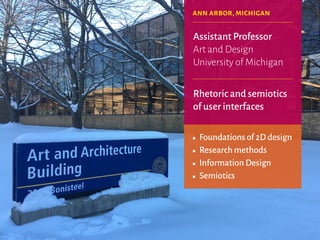
ann arbor,michigan
Assistant Professor
Art and Design
University of Michigan
Rhetoric and semiotics
of user interfaces
• Foundations of 2D design
• Research methods
• Information Design
• Semiotics
CDRorCD?
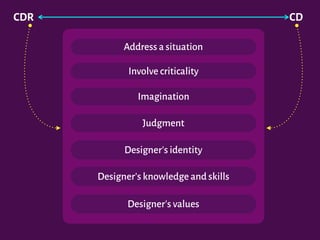
CDR CD
CDR CD
Address a situation
Involve criticality
Imagination
Judgment
Designer's identity
Designer's knowledge and skills
Designer's values
CDR/CDoutcomesas
atypeofargument
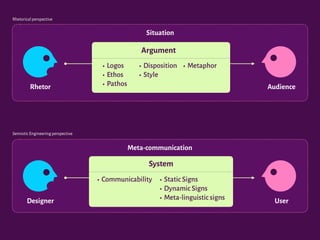
Meta-communication
Argument
• Logos
• Ethos
• Pathos
• Disposition
• Style
• Metaphor
Rhetor Audience
Situation
System
• Static Signs
• Dynamic Signs
• Meta-linguistic signsDesigner User
Rhetorical perspective
Semiotic Engineering perspective
• Communicability
Meta-communication
Argument
• Logos
• Ethos
• Pathos
• Disposition
• Style
• Metaphor
Rhetor Audience
Situation
System
• Static Signs
• Dynamic Signs
• Meta-linguistic signsDesigner User
Rhetorical perspective
Semiotic Engineering perspective
• Communicability
Meta-communication
Argument
• Logos
• Ethos
• Pathos
• Disposition
• Style
• Metaphor
Rhetor Audience
Situation
System
• Static Signs
• Dynamic Signs
• Meta-linguistic signsDesigner User
Rhetorical perspective
Semiotic Engineering perspective
• Communicability
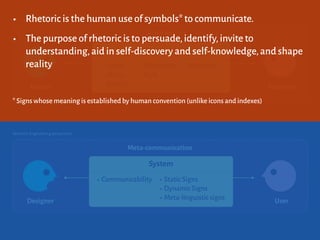
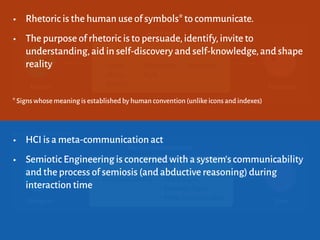
• Rhetoric is the human use of symbols*to communicate.
• The purpose of rhetoric is to persuade,identify,invite to
understanding,aid in self-discovery and self-knowledge,and shape
reality
*Signs whose meaning is established by human convention (unlike icons and indexes)
Meta-communication
Argument
• Logos
• Ethos
• Pathos
• Disposition
• Style
• Metaphor
Rhetor Audience
Situation
System
• Static Signs
• Dynamic Signs
• Meta-linguistic signsDesigner User
Rhetorical perspective
Semiotic Engineering perspective
• Communicability
• Rhetoric is the human use of symbols*to communicate.
• The purpose of rhetoric is to persuade,identify,invite to
understanding,aid in self-discovery and self-knowledge,and shape
reality
*Signs whose meaning is established by human convention (unlike icons and indexes)
• HCI is a meta-communication act
• Semiotic Engineering is concerned with a system's communicability
and the process of semiosis (and abductive reasoning) during
interaction time
Meta-communication
Argument
• Logos
• Ethos
• Pathos
• Disposition
• Style
• Metaphor
Rhetor Audience
Situation
System
• Static Signs
• Dynamic Signs
• Meta-linguistic signsDesigner User
Rhetorical perspective
Semiotic Engineering perspective
• Communicability
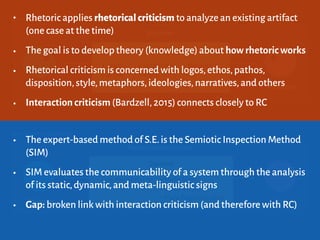
• Rhetoric applies rhetoricalcriticism to analyze an existing artifact
(one case at the time)
• The goal is to develop theory (knowledge) about how rhetoric works
• Rhetorical criticism is concerned with logos,ethos,pathos,
disposition,style,metaphors,ideologies,narratives,and others
• Interaction criticism (Bardzell,2015) connects closely to RC
• The expert-based method of S.E.is the Semiotic Inspection Method
(SIM)
• SIM evaluates the communicability of a system through the analysis
of its static,dynamic,and meta-linguistic signs
• Gap: broken link with interaction criticism (and therefore with RC)
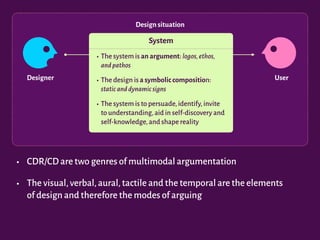
Design situation
System
Designer User
• The system is an argument: logos,ethos,
andpathos
• The design is a symbolic composition:
staticanddynamicsigns
• The system is to persuade,identify,invite
to understanding,aid in self-discovery and
self-knowledge,and shape reality
• CDR/CD are two genres of multimodal argumentation
• The visual,verbal,aural,tactile and the temporal are the elements
of design and therefore the modes of arguing
Howtoextract
knowledgefromCDR
andCDoutcomes
System
Designer User
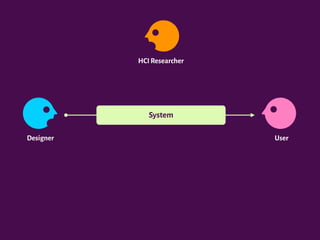
HCI Researcher
System
Designer User
HCI Researcher
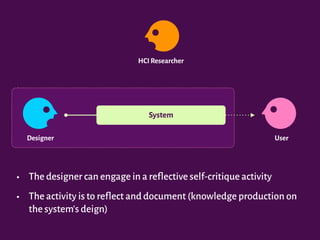
• The designer can engage in a reflective self-critique activity
• The activity is to reflect and document (knowledge production on
the system's deign)
System
Designer User
HCI Researcher
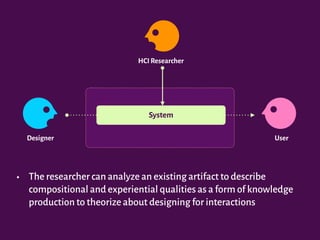
• The researcher can analyze an existing artifact to describe
compositional and experiential qualities as a form of knowledge
production to theorize about designing for interactions
• Logos
• Ethos
• Pathos
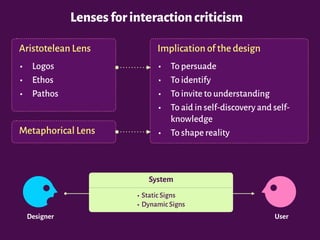
Lensesforinteractioncriticism
Aristotelean Lens
Metaphorical Lens
• To persuade
• To identify
• To invite to understanding
• To aid in self-discovery and self-
knowledge
• To shape reality
Implication of the design
System
• Static Signs
• Dynamic Signs
Designer User
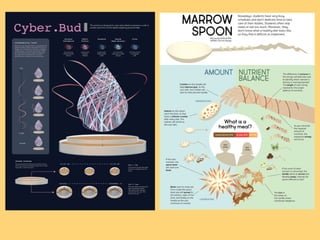
Casesforanalysis
Critical Design Research and Constructive Research Outcomes as Arguments

Critical Design Research and Constructive Research Outcomes as Arguments

  • 1.
    CDRandCDoutcomes asarguments Omar Sosa-Tzec Visual informationdesigner and researcher 2018 Conference on Designing Interactive Systems June 9,2018
  • 2.
  • 3.
    ann arbor,michigan Assistant Professor Artand Design University of Michigan Rhetoric and semiotics of user interfaces • Foundations of 2D design • Research methods • Information Design • Semiotics
  • 4.
  • 5.
  • 6.
    CDR CD Address asituation Involve criticality Imagination Judgment Designer's identity Designer's knowledge and skills Designer's values
  • 7.
  • 8.
    Meta-communication Argument • Logos • Ethos •Pathos • Disposition • Style • Metaphor Rhetor Audience Situation System • Static Signs • Dynamic Signs • Meta-linguistic signsDesigner User Rhetorical perspective Semiotic Engineering perspective • Communicability
  • 9.
    Meta-communication Argument • Logos • Ethos •Pathos • Disposition • Style • Metaphor Rhetor Audience Situation System • Static Signs • Dynamic Signs • Meta-linguistic signsDesigner User Rhetorical perspective Semiotic Engineering perspective • Communicability
  • 10.
    Meta-communication Argument • Logos • Ethos •Pathos • Disposition • Style • Metaphor Rhetor Audience Situation System • Static Signs • Dynamic Signs • Meta-linguistic signsDesigner User Rhetorical perspective Semiotic Engineering perspective • Communicability • Rhetoric is the human use of symbols*to communicate. • The purpose of rhetoric is to persuade,identify,invite to understanding,aid in self-discovery and self-knowledge,and shape reality *Signs whose meaning is established by human convention (unlike icons and indexes)
  • 11.
    Meta-communication Argument • Logos • Ethos •Pathos • Disposition • Style • Metaphor Rhetor Audience Situation System • Static Signs • Dynamic Signs • Meta-linguistic signsDesigner User Rhetorical perspective Semiotic Engineering perspective • Communicability • Rhetoric is the human use of symbols*to communicate. • The purpose of rhetoric is to persuade,identify,invite to understanding,aid in self-discovery and self-knowledge,and shape reality *Signs whose meaning is established by human convention (unlike icons and indexes) • HCI is a meta-communication act • Semiotic Engineering is concerned with a system's communicability and the process of semiosis (and abductive reasoning) during interaction time
  • 12.
    Meta-communication Argument • Logos • Ethos •Pathos • Disposition • Style • Metaphor Rhetor Audience Situation System • Static Signs • Dynamic Signs • Meta-linguistic signsDesigner User Rhetorical perspective Semiotic Engineering perspective • Communicability • Rhetoric applies rhetoricalcriticism to analyze an existing artifact (one case at the time) • The goal is to develop theory (knowledge) about how rhetoric works • Rhetorical criticism is concerned with logos,ethos,pathos, disposition,style,metaphors,ideologies,narratives,and others • Interaction criticism (Bardzell,2015) connects closely to RC • The expert-based method of S.E.is the Semiotic Inspection Method (SIM) • SIM evaluates the communicability of a system through the analysis of its static,dynamic,and meta-linguistic signs • Gap: broken link with interaction criticism (and therefore with RC)
  • 13.
    Design situation System Designer User •The system is an argument: logos,ethos, andpathos • The design is a symbolic composition: staticanddynamicsigns • The system is to persuade,identify,invite to understanding,aid in self-discovery and self-knowledge,and shape reality • CDR/CD are two genres of multimodal argumentation • The visual,verbal,aural,tactile and the temporal are the elements of design and therefore the modes of arguing
  • 14.
  • 15.
  • 16.
    System Designer User HCI Researcher •The designer can engage in a reflective self-critique activity • The activity is to reflect and document (knowledge production on the system's deign)
  • 17.
    System Designer User HCI Researcher •The researcher can analyze an existing artifact to describe compositional and experiential qualities as a form of knowledge production to theorize about designing for interactions
  • 18.
    • Logos • Ethos •Pathos Lensesforinteractioncriticism Aristotelean Lens Metaphorical Lens • To persuade • To identify • To invite to understanding • To aid in self-discovery and self- knowledge • To shape reality Implication of the design System • Static Signs • Dynamic Signs Designer User
  • 19.