1) Credit Instruments
2) Advantages of Credit
3) Disadvantages of Credit
4) Role of Credit in Economy
5) Concept of Credit Management
A credit is a instrument is term used in he banking and
finance world to describe an time agreed upon that can be
used as a currency.
Classification:
1. Cheque
2. Bank Draft
3. Bill of Exchange
4. Promissory Note
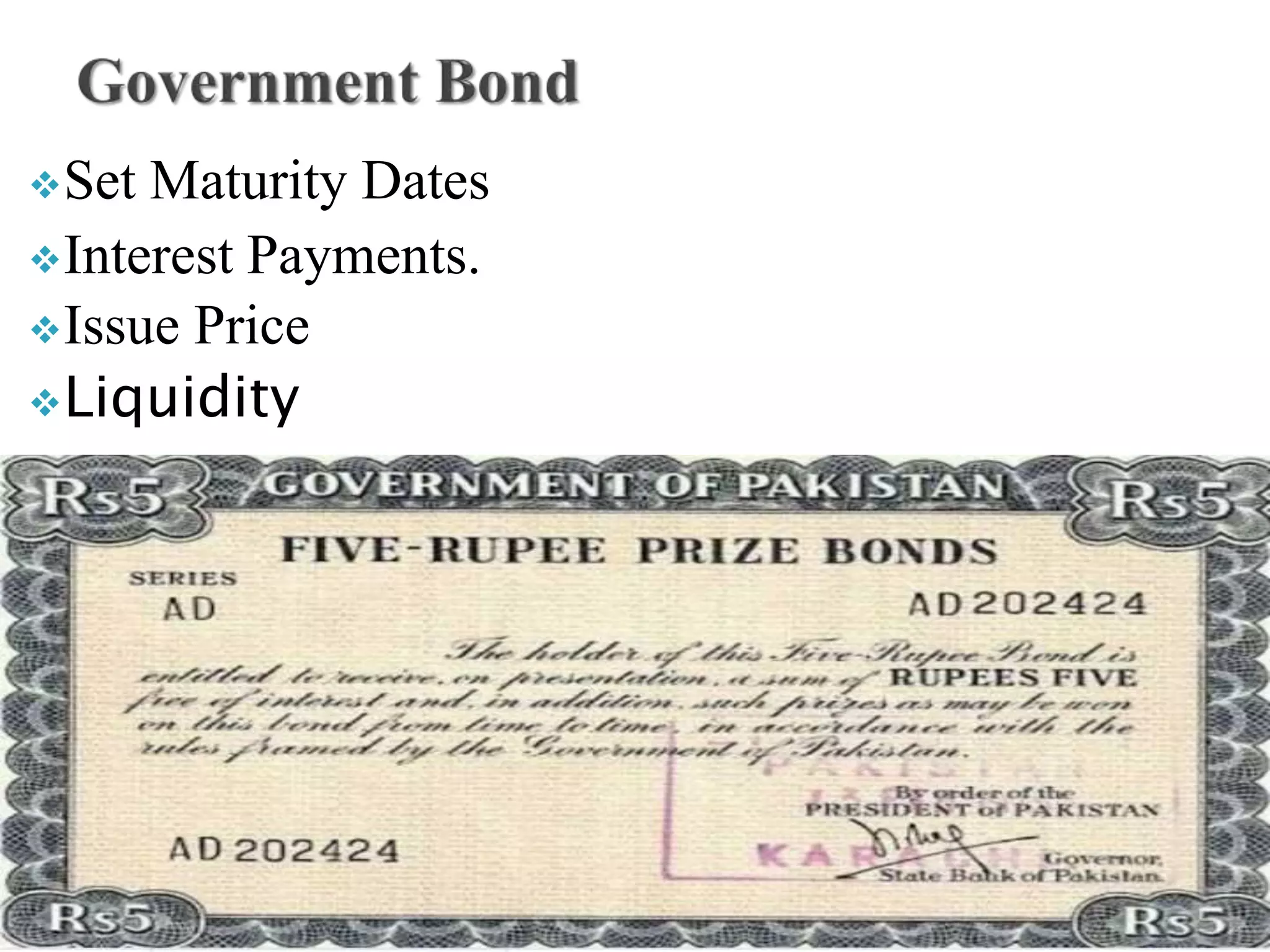
5. Government Bond
6. Treasury Bills
7. Traveler's Cheque
 A cheque should be in writing and properly signed by the drawer.
 A cheque contains an unconditional order.
 A cheque issued on a specified banker only.
 The amount specified is always certain and should be clearly
mentioned both in figures and words
Bank Draft
 Drawn on another office of the same bank;
 It is payable on demand; and
 Its payment has to be made to the person whose name is
mentioned therein or according to his order.
Bill of Exchange
 A bill of exchange to be valid must fulfill the following
requirements:
 The instrument must be in written and must be signed by the
drawer.
 The amount of money to be paid must be certain contain an order
to pay.
 The payment must be in the legal tender currency of country.
 Money must be paid to a definite person and properly stamped.
Promissory Note
 The promissory note must be in writing.
 It must contain an express promise.
 The payee must be certain.
 It should be signed by the maker.
 The amount must be certain.
Set Maturity Dates
Interest Payments.
Issue Price
Liquidity
Treasury Bills
 Maturity time Period less than 1 year
 High Liquidity
 Low Risk
Uses peoples on vocation in foreign countries
instead of cash.
 Used o avoid risk of having cash .
Advantages Disadvantages
 Exchange of Ownership.
 Employment
Encouragement
 Increase Consumption
 Saving Encouragement
 Capital Formation
 Easy Payment
 Development of
Entrepreneurs
 Encouragement of
Expenditure
 Encourage weakness
 Danger beyond limit
 Encourage Inefficient
 Economic Crises
 Large Scale Production
 Shifting Of Capital To Productive Purposes
 Provision Of Working Capital
 Emergency Of New Businessman
 International Payments
 Increases In Saving Rate
 Purchase Of Goods

Credit Instruments

  • 1.
    1) Credit Instruments 2)Advantages of Credit 3) Disadvantages of Credit 4) Role of Credit in Economy 5) Concept of Credit Management
  • 2.
    A credit isa instrument is term used in he banking and finance world to describe an time agreed upon that can be used as a currency. Classification: 1. Cheque 2. Bank Draft 3. Bill of Exchange 4. Promissory Note 5. Government Bond 6. Treasury Bills 7. Traveler's Cheque
  • 3.
     A chequeshould be in writing and properly signed by the drawer.  A cheque contains an unconditional order.  A cheque issued on a specified banker only.  The amount specified is always certain and should be clearly mentioned both in figures and words Bank Draft  Drawn on another office of the same bank;  It is payable on demand; and  Its payment has to be made to the person whose name is mentioned therein or according to his order.
  • 4.
    Bill of Exchange A bill of exchange to be valid must fulfill the following requirements:  The instrument must be in written and must be signed by the drawer.  The amount of money to be paid must be certain contain an order to pay.  The payment must be in the legal tender currency of country.  Money must be paid to a definite person and properly stamped.
  • 5.
    Promissory Note  Thepromissory note must be in writing.  It must contain an express promise.  The payee must be certain.  It should be signed by the maker.  The amount must be certain.
  • 6.
    Set Maturity Dates InterestPayments. Issue Price Liquidity
  • 7.
    Treasury Bills  Maturitytime Period less than 1 year  High Liquidity  Low Risk
  • 8.
    Uses peoples onvocation in foreign countries instead of cash.  Used o avoid risk of having cash .
  • 9.
    Advantages Disadvantages  Exchangeof Ownership.  Employment Encouragement  Increase Consumption  Saving Encouragement  Capital Formation  Easy Payment  Development of Entrepreneurs  Encouragement of Expenditure  Encourage weakness  Danger beyond limit  Encourage Inefficient  Economic Crises
  • 10.
     Large ScaleProduction  Shifting Of Capital To Productive Purposes  Provision Of Working Capital  Emergency Of New Businessman  International Payments  Increases In Saving Rate  Purchase Of Goods