



Cory’s Presentation Tools  Two
Structure a Winning Presentation Presentation DNA
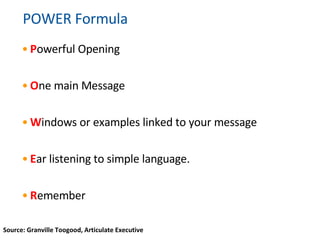
POWER Formula P owerful Opening O ne main Message W indows or examples linked to your message  E ar listening to simple language.  R emember  Source: Granville Toogood, Articulate Executive
 
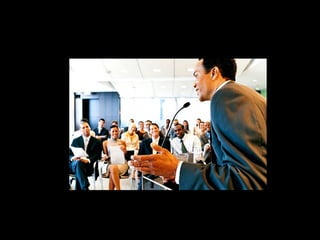
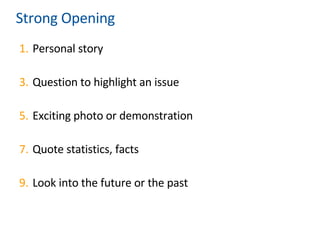
Strong Opening Personal story Question to highlight an issue Exciting photo or demonstration Quote  statistics, facts Look into the future or the past
 
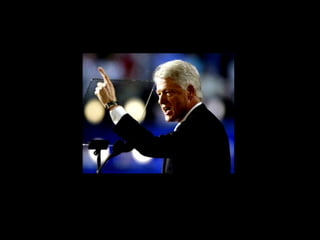
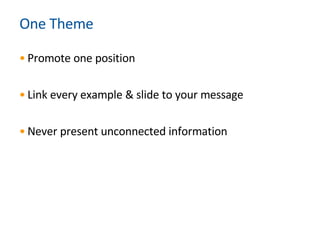
One Theme Promote one position  Link every example & slide to your message  Never present unconnected information
 
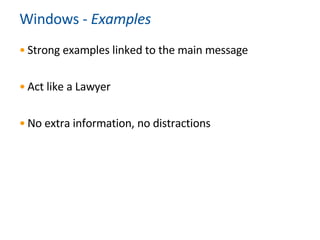
Windows -  Examples Strong examples linked to the main message Act like a Lawyer No extra information, no distractions
 
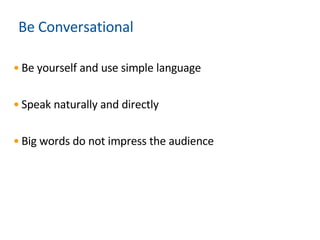
Be Conversational Be yourself and use simple language Speak naturally and directly  Big words do not impress the audience
 
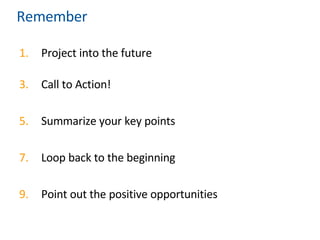
Remember Project into the future Call to Action! Summarize your key points Loop back to the beginning Point out the positive opportunities
Presentation  DNA
 
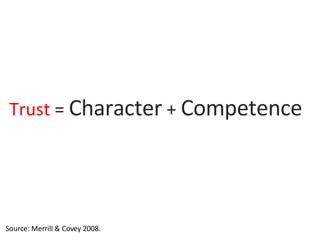
Trust  =  Character  +  Competence Source: Merrill & Covey 2008.
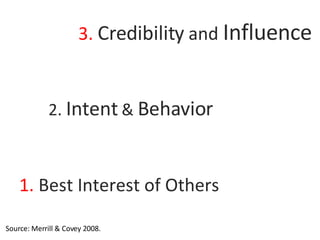
2.  Intent  &  Behavior 1.  Best Interest of Others 3.  Credibility  and  Influence Source: Merrill & Covey 2008.
Don’t Overfill
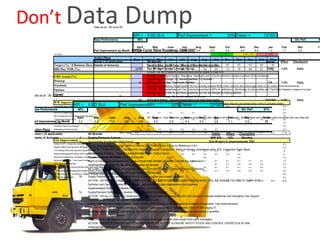
Don’t  Data Dump
Audience  Reaction
 
Book Credits Toogood, Granville N.  The Articulate Executive : Learn to Look, Act, and Sound Like a Leader . New York: McGraw-Hill Companies, The, 1997.  Merrill, Rebecca R., and Stephen M. Covey.  The Speed of Trust : The One Thing That Changes Everything . New York: Free P, 2008.
Shandong Comm Industry Group Corp.  http://sdcig.win.mofcom.gov.cn/en/plate01/product.asp?id=13642 Image Credits Trust. Thorinside.july2106 flickr http://images.google.com/imghp anonymous if dysfunction is a function michelle cat april12008 flickr http://www.whitehouse.gov/history/presidents/bc42.html President Bill Clinton http://www.microsoft.com/Presspass/exec/steve/?tab=biography Microsoft CEO Steve Ballmer Salmon and Crab Tortellini. La tartine gourmande. Feb107 www.mckinsey.com McKinsey & Company

Cory\ S Presentation Tools Two Power Formula And Trust Oct 24 2008

  • 1.
  • 2.
    Structure a WinningPresentation Presentation DNA
  • 3.
    POWER Formula Powerful Opening O ne main Message W indows or examples linked to your message E ar listening to simple language. R emember Source: Granville Toogood, Articulate Executive
  • 4.
  • 5.
    Strong Opening Personalstory Question to highlight an issue Exciting photo or demonstration Quote statistics, facts Look into the future or the past
  • 6.
  • 7.
    One Theme Promoteone position Link every example & slide to your message Never present unconnected information
  • 8.
  • 9.
    Windows - Examples Strong examples linked to the main message Act like a Lawyer No extra information, no distractions
  • 10.
  • 11.
    Be Conversational Beyourself and use simple language Speak naturally and directly Big words do not impress the audience
  • 12.
  • 13.
    Remember Project intothe future Call to Action! Summarize your key points Loop back to the beginning Point out the positive opportunities
  • 14.
  • 15.
  • 16.
    Trust = Character + Competence Source: Merrill & Covey 2008.
  • 17.
    2. Intent & Behavior 1. Best Interest of Others 3. Credibility and Influence Source: Merrill & Covey 2008.
  • 18.
  • 19.
  • 20.
  • 21.
  • 22.
    Book Credits Toogood,Granville N. The Articulate Executive : Learn to Look, Act, and Sound Like a Leader . New York: McGraw-Hill Companies, The, 1997. Merrill, Rebecca R., and Stephen M. Covey. The Speed of Trust : The One Thing That Changes Everything . New York: Free P, 2008.
  • 23.
    Shandong Comm IndustryGroup Corp. http://sdcig.win.mofcom.gov.cn/en/plate01/product.asp?id=13642 Image Credits Trust. Thorinside.july2106 flickr http://images.google.com/imghp anonymous if dysfunction is a function michelle cat april12008 flickr http://www.whitehouse.gov/history/presidents/bc42.html President Bill Clinton http://www.microsoft.com/Presspass/exec/steve/?tab=biography Microsoft CEO Steve Ballmer Salmon and Crab Tortellini. La tartine gourmande. Feb107 www.mckinsey.com McKinsey & Company

Editor's Notes

  • #2 What if our message does not change consumer behavior? What if our advertising campaign is ineffective due to the wrong media mix ? What if sales miss our break-even target?