

CONSTRUCT, SCORE AND CRITERIA PERFORMANCE INDICATOR
The framework of UPSR PEKA. LEARNING AREA The learning area comprises of two elements. Element 1 : SPS ( Scientific Process Skills) Element 2  : SMS ( Scientific Manipulative Skills) Element 1 and 2 contain a list of criteria of the skills as the performance indicator which are expected to be mastered by pupils. The Scientific Attitudes and Noble values are imbedded during the assessment of SPS and SMS ad must be observed by teacher/ assessor
Science and Teaching of Science Science and teaching students about science means  more than scientific knowledge .  The first of these is  the content of science: the basic science concepts and our scientific knowledge . This is the dimension of science that most people first think about, and it is certainly very important.
Science and Teaching of Science The other two important dimensions of science in addition to science knowledge are  processes of doing science  and  scientific attitudes .
Science and Teaching of Science The science process skills are the skills that scientists use in the process of doing science.
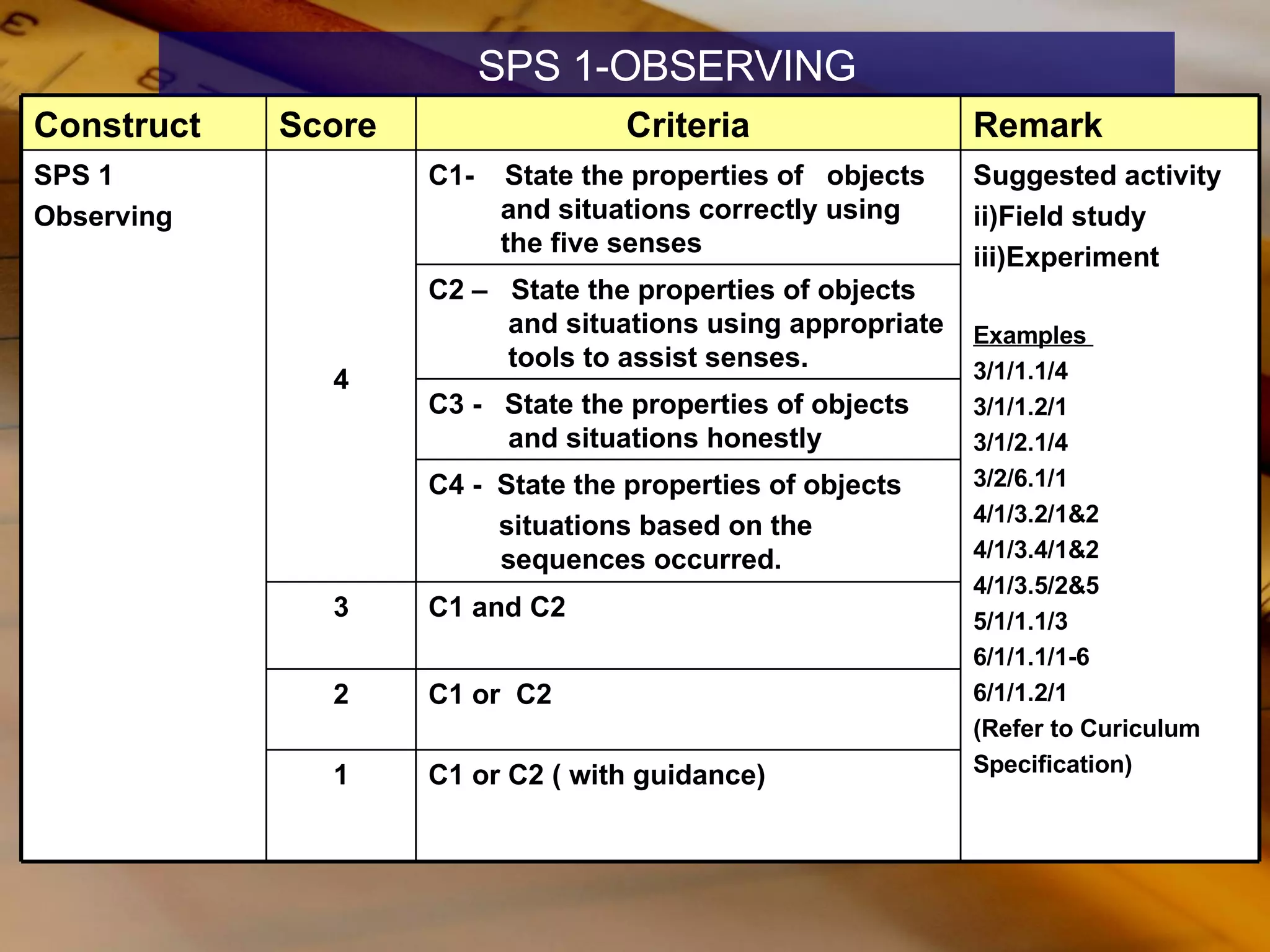
SPS 1-OBSERVING C1 or C2 ( with guidance) 1 C1 or  C2 2 C1 and C2 3 C4 -  State the properties of objects  situations based on the sequences occurred. C3 -  State the properties of objects  and situations honestly C2 –  State the properties of objects and situations using appropriate tools to assist senses. Suggested activity Field study Experiment Examples  3/1/1.1/4 3/1/1.2/1 3/1/2.1/4 3/2/6.1/1 4/1/3.2/1&2 4/1/3.4/1&2 4/1/3.5/2&5 5/1/1.1/3 6/1/1.1/1-6 6/1/1.2/1 (Refer to Curiculum Specification) C1-  State the properties of  objects  and situations correctly using the five senses 4 SPS 1 Observing Remark Criteria Score Construct
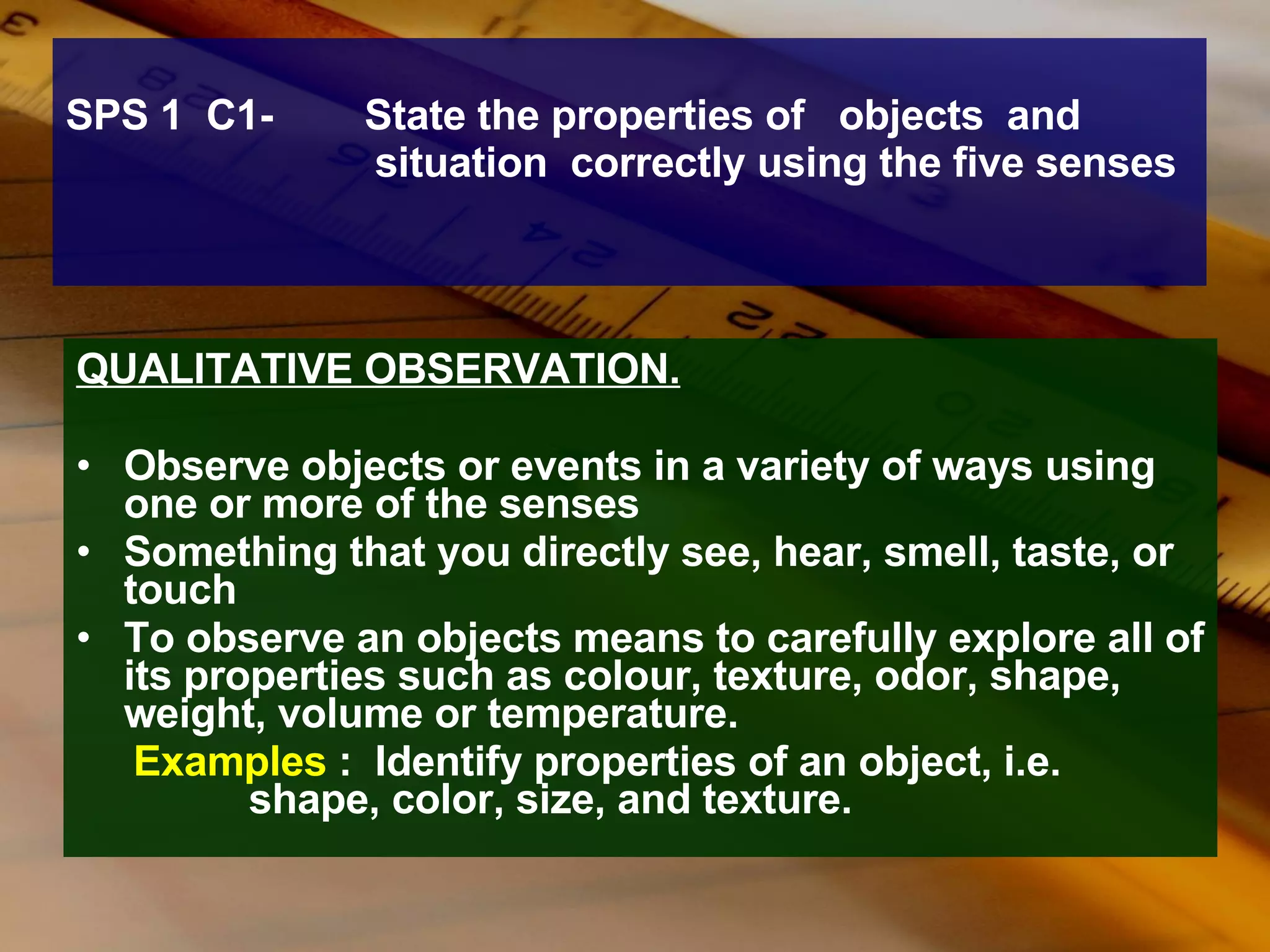
SPS 1  C1-  State the properties of  objects  and  situation  correctly using the five senses QUALITATIVE OBSERVATION. Observe objects or events in a variety of ways using one or more of the senses  Something that you directly see, hear, smell, taste, or touch To observe an objects means to carefully explore all of its properties such as colour, texture, odor, shape, weight, volume or temperature. Examples  :  Identify properties of an object, i.e.    shape, color, size, and texture.
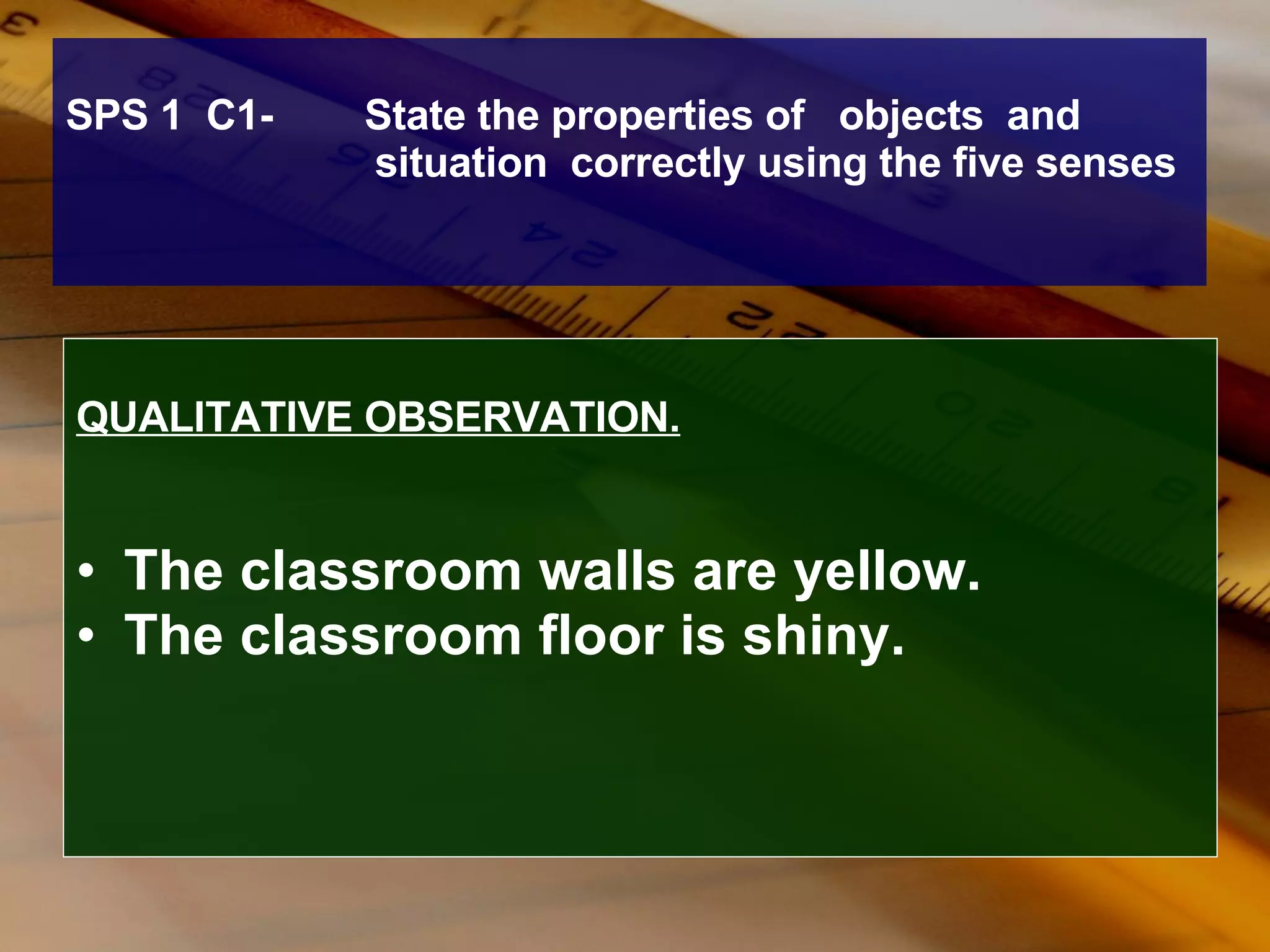
SPS 1  C1-  State the properties of  objects  and  situation  correctly using the five senses QUALITATIVE OBSERVATION. The classroom walls are yellow. The classroom floor is shiny.
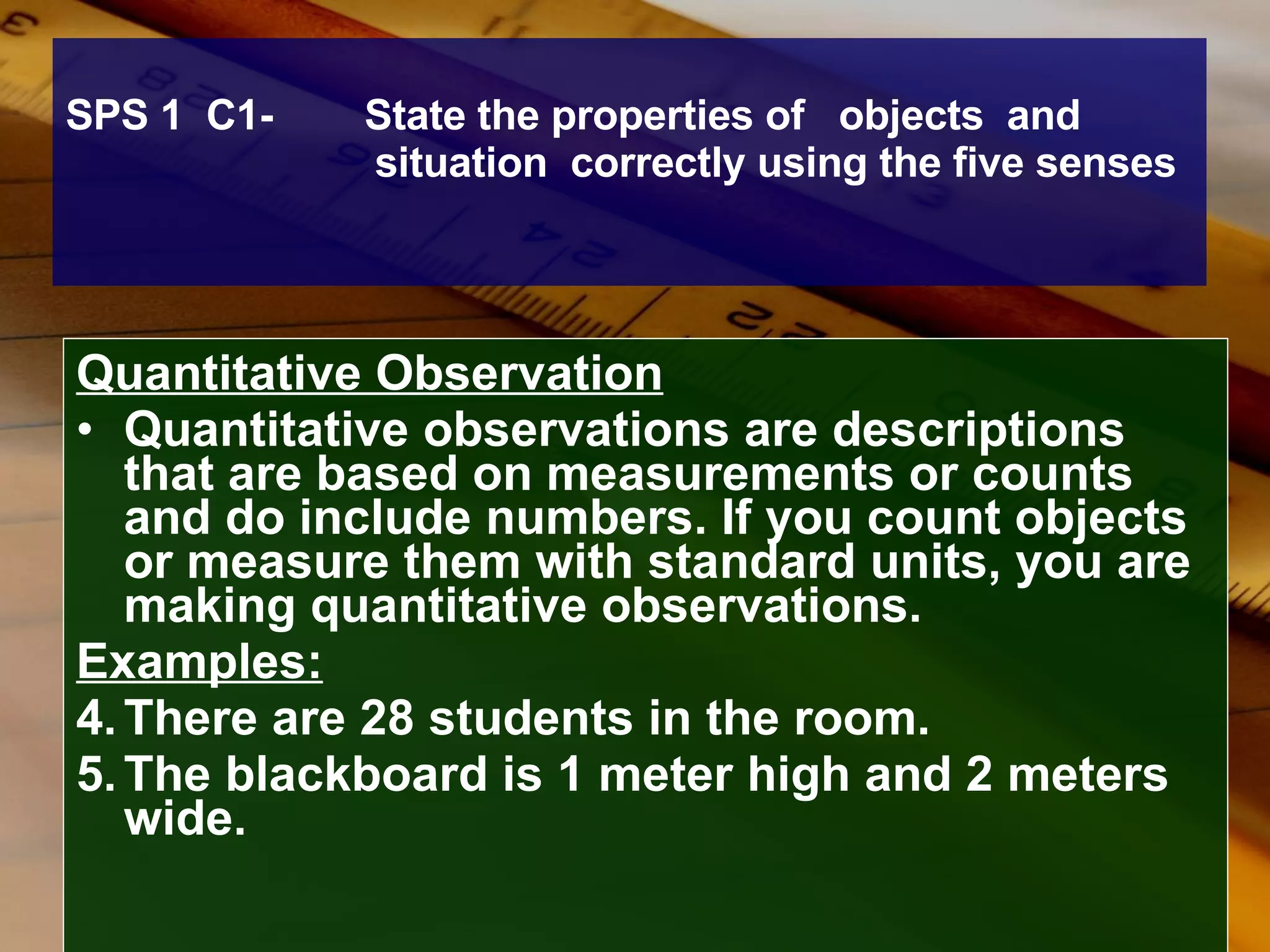
SPS 1  C1-  State the properties of  objects  and  situation  correctly using the five senses Quantitative Observation Quantitative observations are descriptions that are based on measurements or counts and do include numbers. If you count objects or measure them with standard units, you are making quantitative observations. Examples:   There are 28 students in the room. The blackboard is 1 meter high and 2 meters wide.
SPS1 C2 –  State the properties of objects and situations using appropriate tools to assist senses Use  indirect methods, or  using appropriate tools  to assist senses. i.e.:  hand lenses, microscopes,      thermometers, to  observe objects and    events.  observe objects or events by counting, comparing, estimating and measuring.
SPS 1 /C3- State the properties of objects  and situations honestly EXAMPLES
SPS 1 /C4- State the properties of object situations based on the sequences occurred.  EXAMPLES
observations are directly observable, while inferences are explanations of what’s been observed. The differences between Observation and Inferences
Examples: There’s an empty aquarium in the classroom. (observation) The tank is 50 cm long, 30 cm wide, and 18 cm deep. (observation) The inside of the tank is dry. (observation) The tank used to contain live fish. (inference; not directly observable) The tank is waterproof. (inference) The differences between Observation and Inferences
Examples of Observing Pupils observe and visualise the movement of air when human beings breathe Pupils observe on how human beings respond to stimuli Pupils make careful observation in order to identify the basic needs of human beings, plants and animals from the given pictures or situations.
Examples of Accurate and Objective Observing and Not Objective Observation Sixteen students were in class when the bell rang and five students arrived afterward. (accurate and objective) Half the class was late for class. (not accurate) The friendliest people were there first. (not objective)
OBSERVING !!! Where is my Peanut? . In this activity, students will record as much information about a peanut as possible, including its appearance, length, and weight. Then the peanut is hidden in a pile and students must use this information to find it.  Note:  Allow students to use instruments such as magnifying lenses, rulers, and balances to help them with their observations.  You could extend the activity by having students describe their peanut either orally of in writing while other team members search for it. Repeat this activity with other manmade or natural objects.   Ask students:  Which senses did you use to collect information about your peanut?  What tools did you use to help you with your observations?  What properties did you use to identify your peanut?  What characteristic was most helpful for identifying your peanut? 
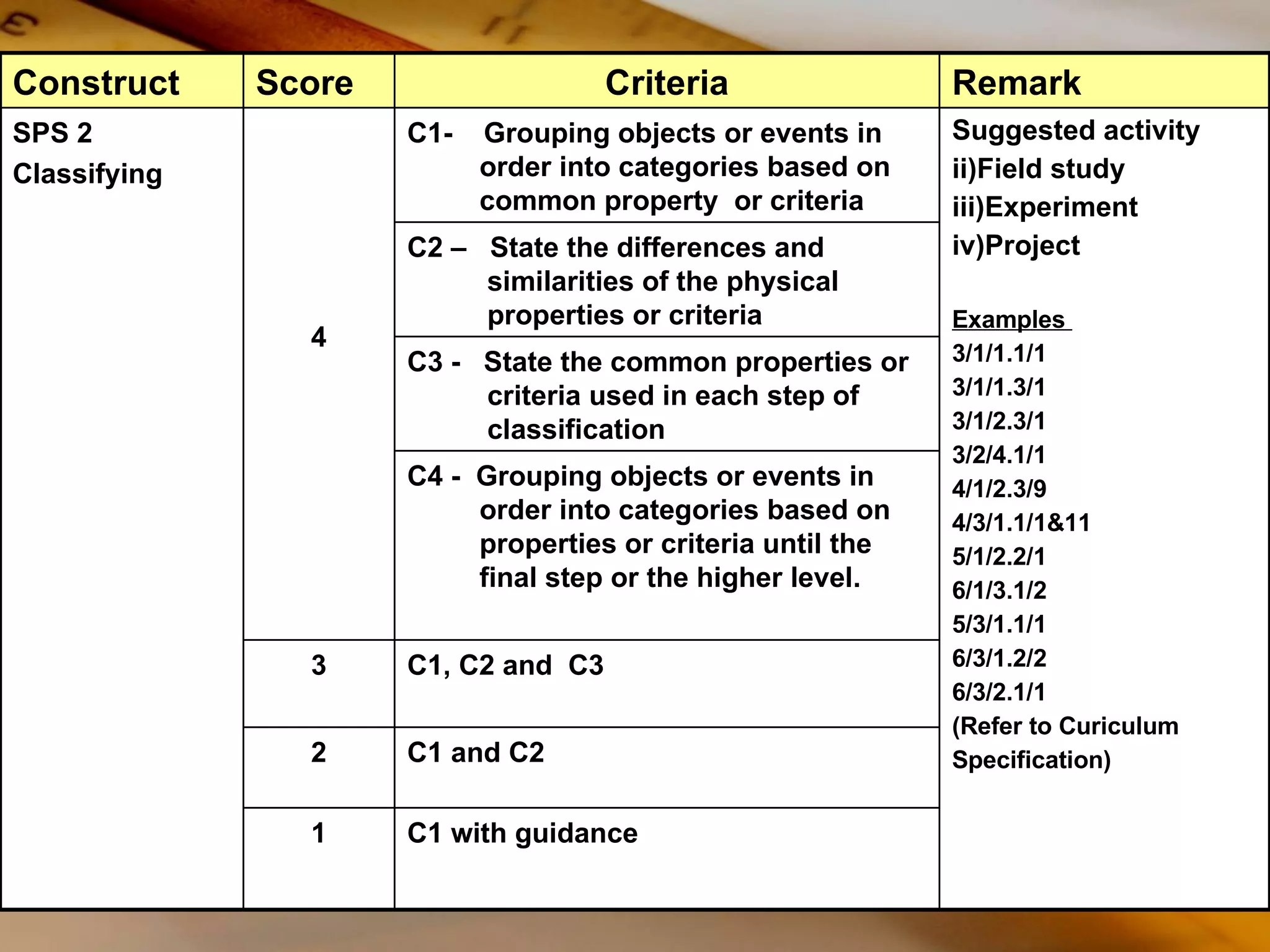
C1 with guidance 1 C1 and C2 2 C1, C2 and  C3  3 C4 -  Grouping objects or events in order into categories based on properties or criteria until the final step or the higher level. C3 -  State the common properties or criteria used in each step of classification C2 –  State the differences and similarities of the physical properties or criteria Suggested activity Field study Experiment Project Examples  3/1/1.1/1 3/1/1.3/1 3/1/2.3/1 3/2/4.1/1 4/1/2.3/9 4/3/1.1/1&11 5/1/2.2/1 6/1/3.1/2 5/3/1.1/1 6/3/1.2/2 6/3/2.1/1 (Refer to Curiculum Specification) C1-  Grouping objects or events in order into categories based on common property  or criteria 4 SPS 2 Classifying Remark Criteria Score Construct
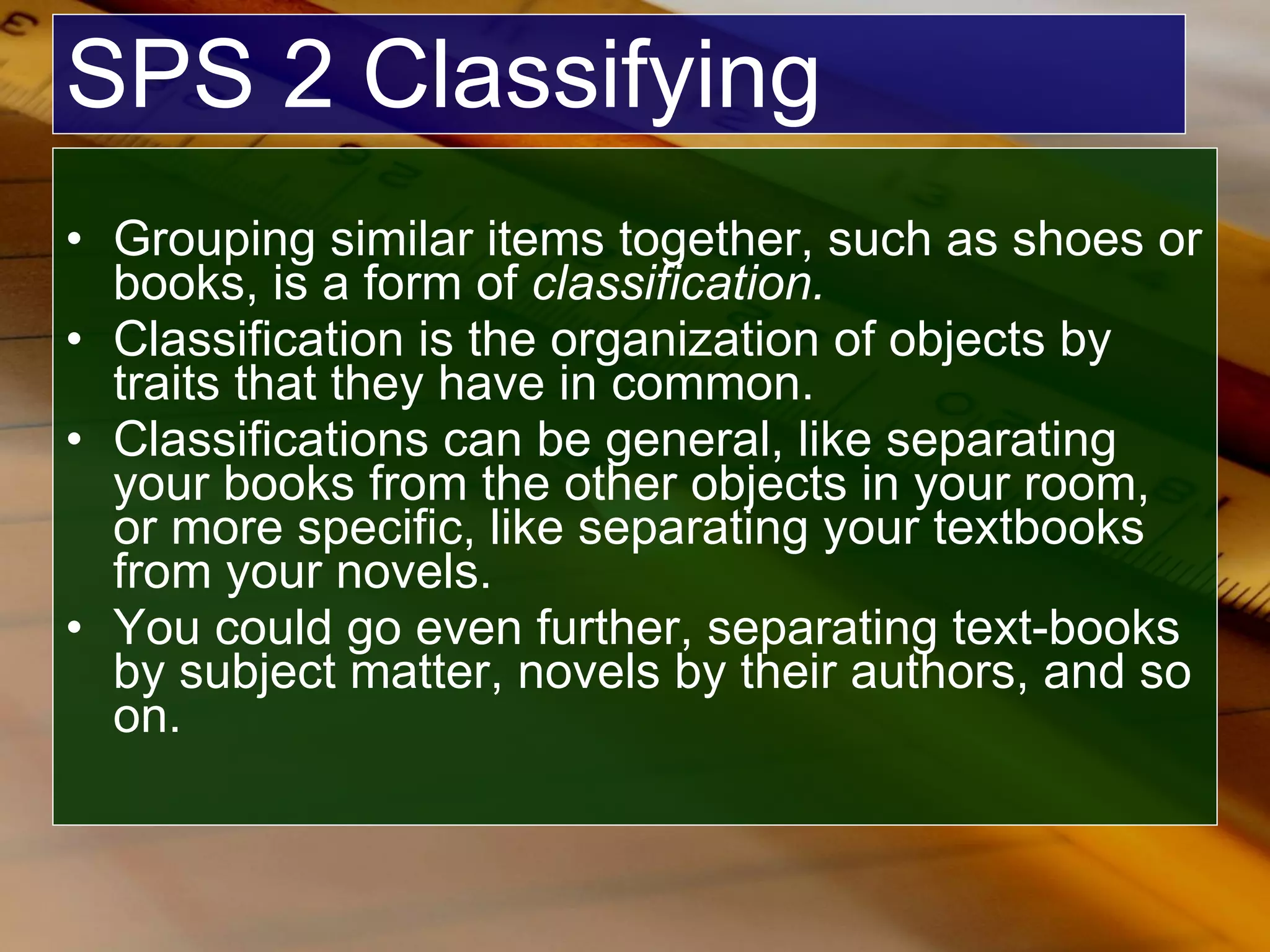
SPS 2 Classifying Grouping similar items together, such as shoes or books, is a form of  classification. Classification is the organization of objects by traits that they have in common. Classifications can be general, like separating your books from the other objects in your room, or more specific, like separating your textbooks from your novels.  You could go even further, separating text-books by subject matter, novels by their authors, and so on.
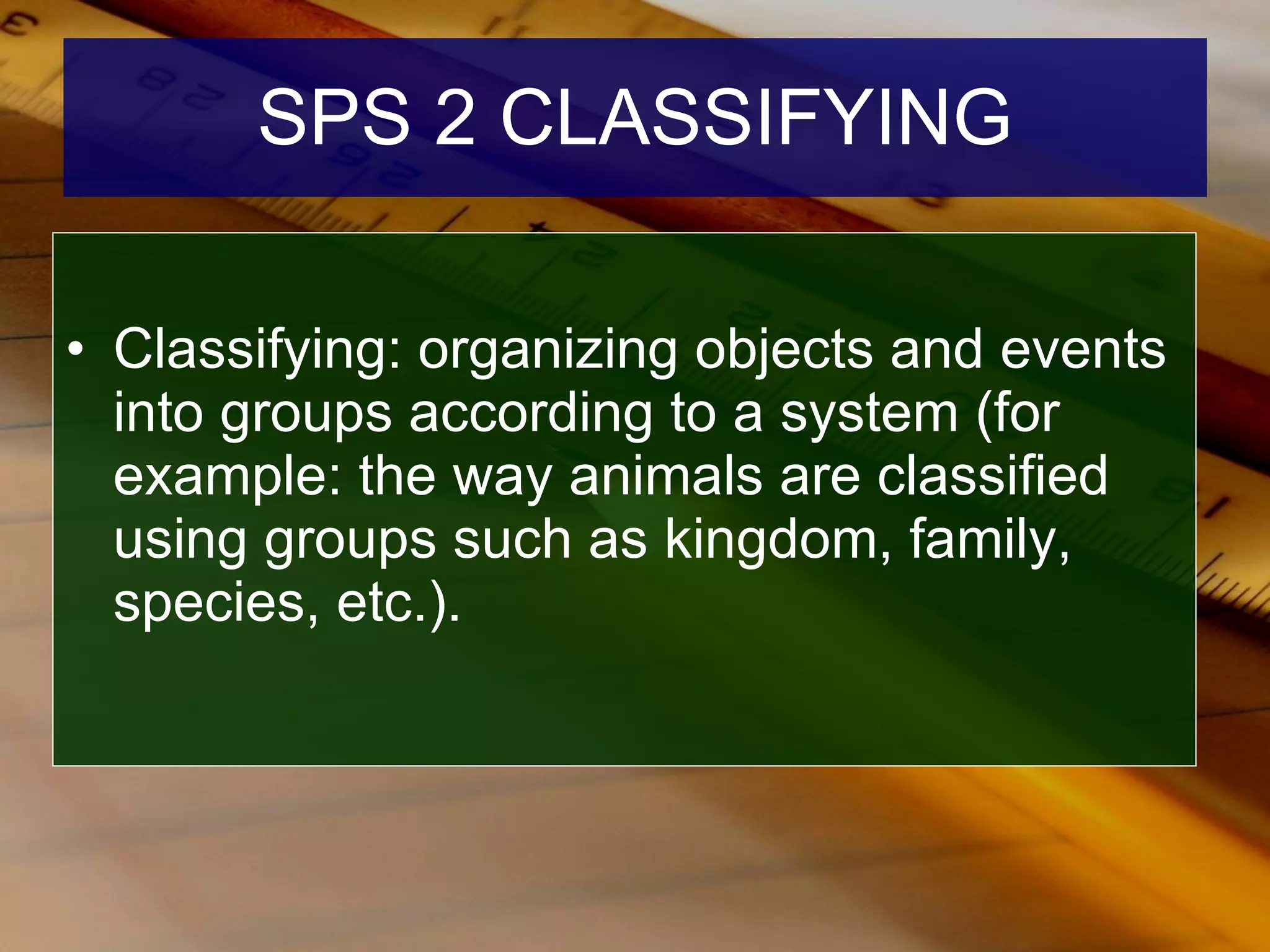
SPS 2 CLASSIFYING Classifying: organizing objects and events into groups according to a system (for example: the way animals are classified using groups such as kingdom, family, species, etc.).
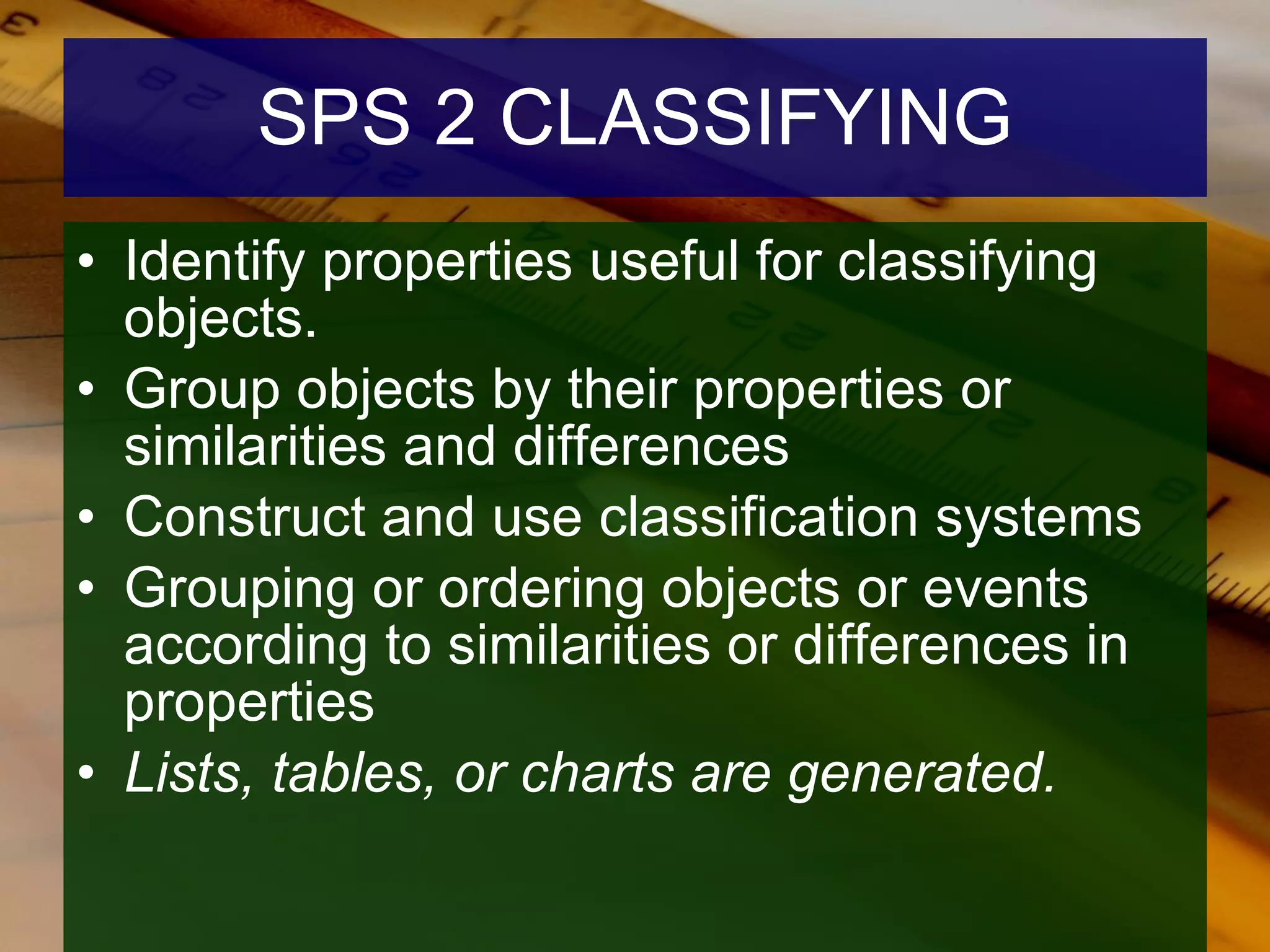
SPS 2 CLASSIFYING Identify properties useful for classifying objects. Group objects by their properties or similarities and differences  Construct and use classification systems Grouping or ordering objects or events according to similarities or differences in properties  Lists, tables, or charts are generated.
SPS 2  C1-  Grouping objects or events in order into categories based on common property or criteria Examples :
SPS2  C2  –  State the differences and  similarities of the physical properties or criteria Examples :
SPS 2  C3 -  State the common properties or criteria used in each step of classification Examples :
SPS 2 C4 -  Grouping objects or events in order into categories based on properties or criteria until the final step or the higher level. Examples :
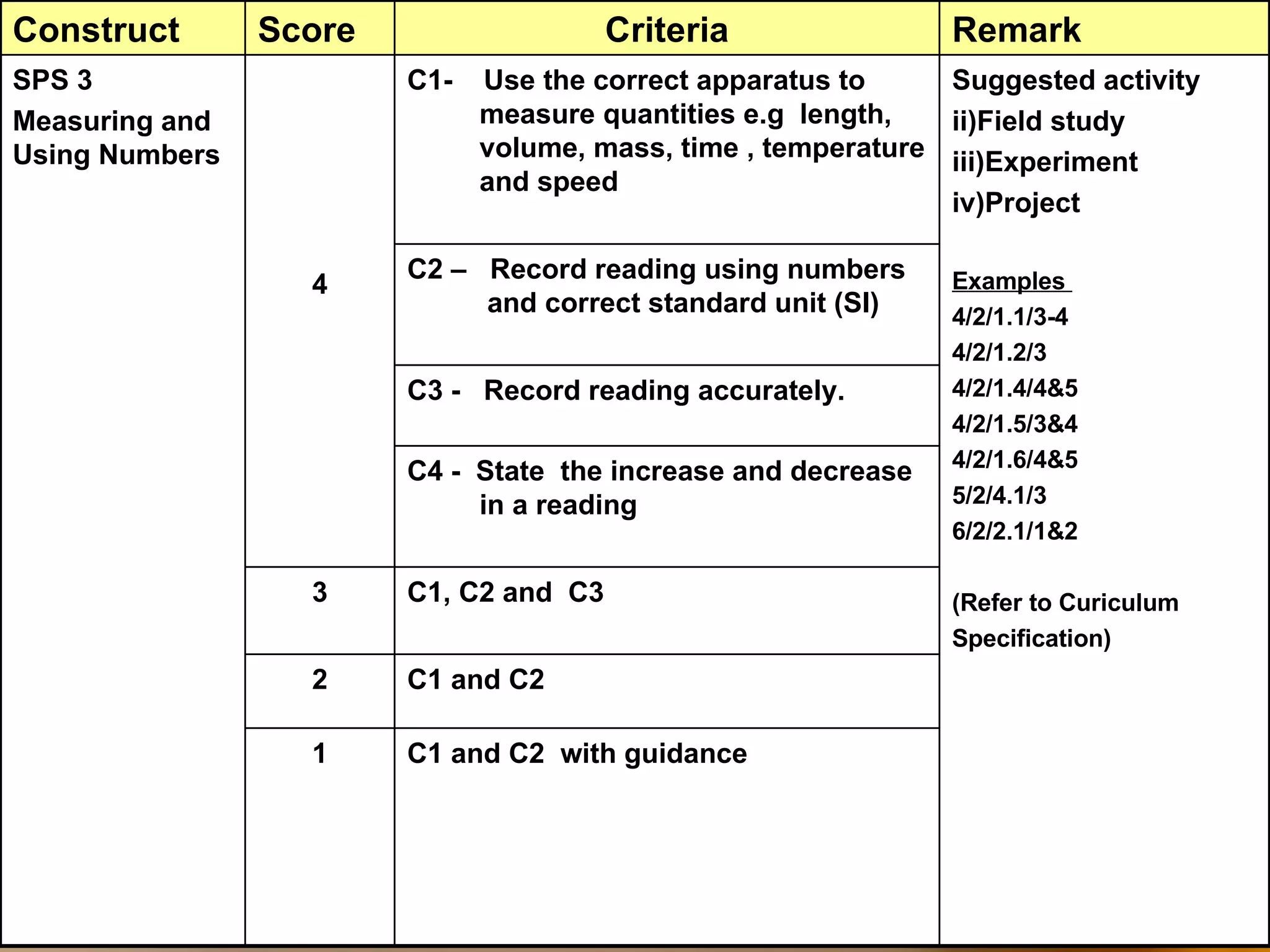
C1 and C2  with guidance 1 C1 and C2 2 C1, C2 and  C3  3 C4 -  State  the increase and decrease in a reading C3 -  Record reading accurately. C2 –  Record reading using numbers and correct standard unit (SI) Suggested activity Field study Experiment Project Examples  4/2/1.1/3-4 4/2/1.2/3 4/2/1.4/4&5 4/2/1.5/3&4 4/2/1.6/4&5 5/2/4.1/3 6/2/2.1/1&2 (Refer to Curiculum Specification) C1-  Use the correct apparatus to measure quantities e.g  length, volume, mass, time , temperature and speed 4 SPS 3 Measuring and Using Numbers Remark Criteria Score Construct
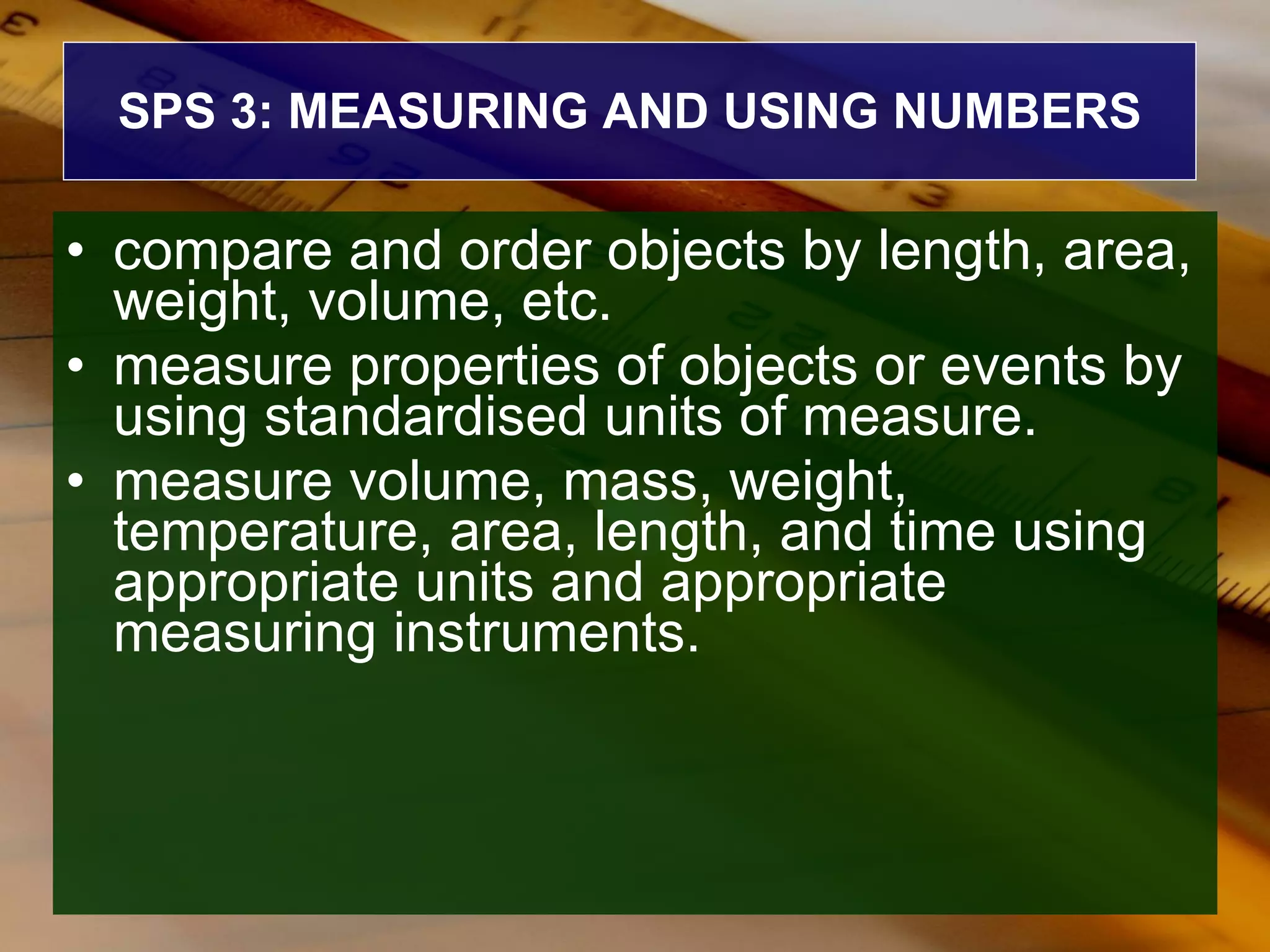
SPS 3: MEASURING AND USING NUMBERS compare and order objects by length, area, weight, volume, etc.  measure properties of objects or events by using standardised units of measure.  measure volume, mass, weight, temperature, area, length, and time using appropriate units and appropriate measuring instruments.
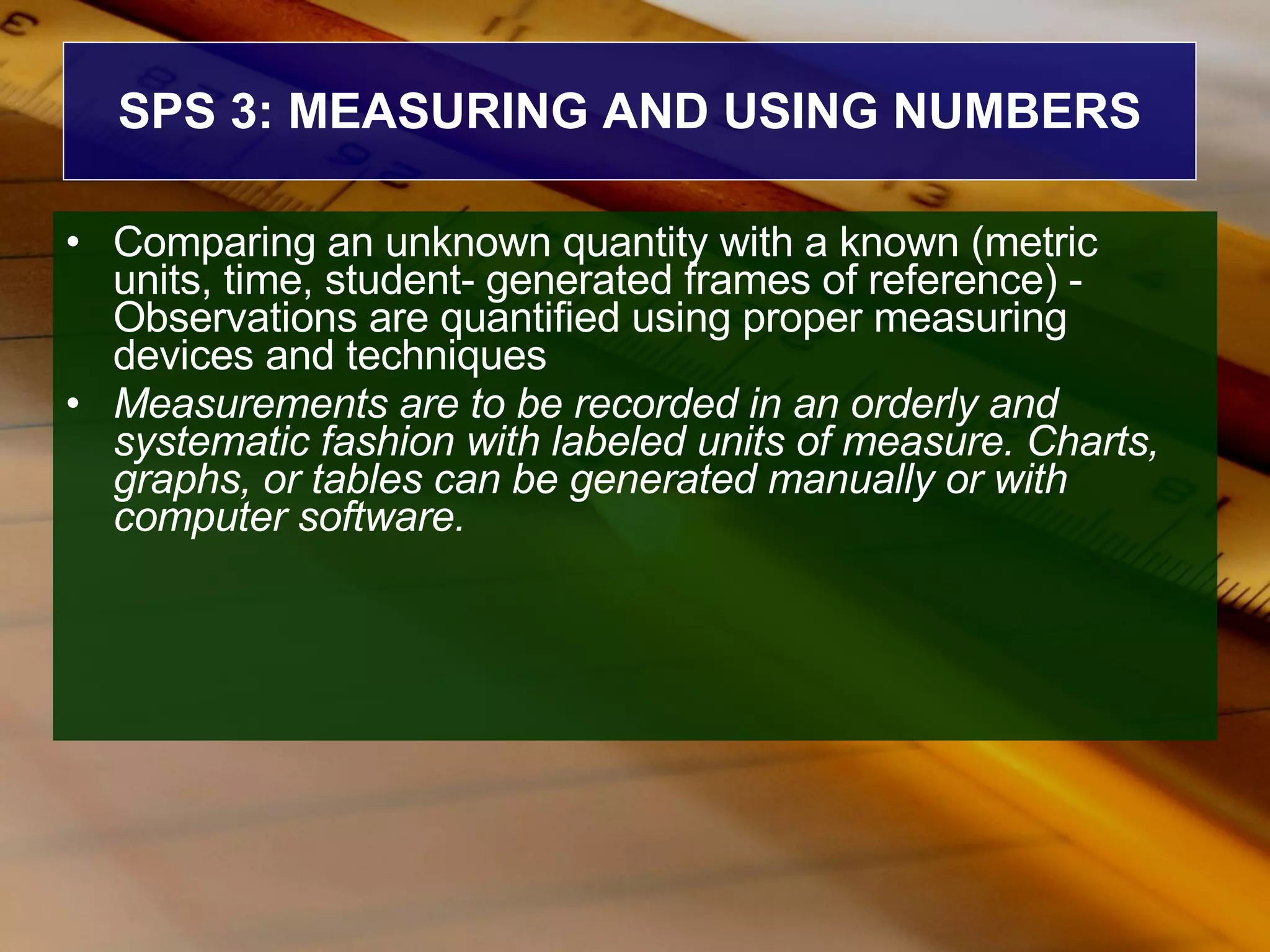
SPS 3: MEASURING AND USING NUMBERS Comparing an unknown quantity with a known (metric units, time, student- generated frames of reference) - Observations are quantified using proper measuring devices and techniques  Measurements are to be recorded in an orderly and systematic fashion with labeled units of measure. Charts, graphs, or tables can be generated manually or with computer software.
SPS3 / C1-  Use the correct apparatus to measure quantities e.g  length, volume, mass, time , temperature and speed Examples :
SPS 3 /C2 –  Record reading using numbers and correct standard unit (SI) Examples :
SPS 3 / C3 -  Record reading accurately. Examples :
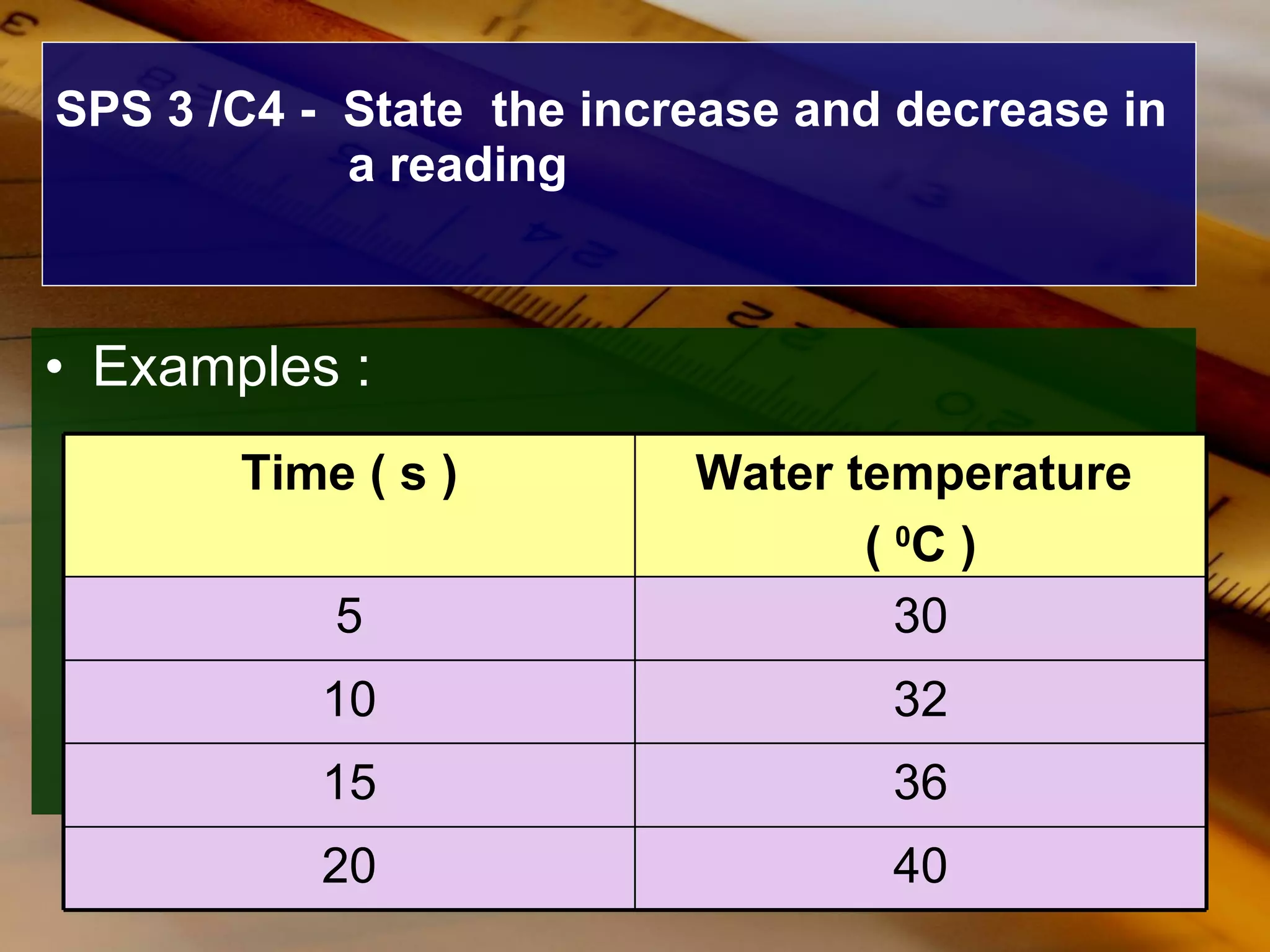
SPS 3 /C4 -  State  the increase and decrease in a reading Examples : 40 20 36 15 32 10 30 5 Water temperature  (  0 C ) Time ( s )
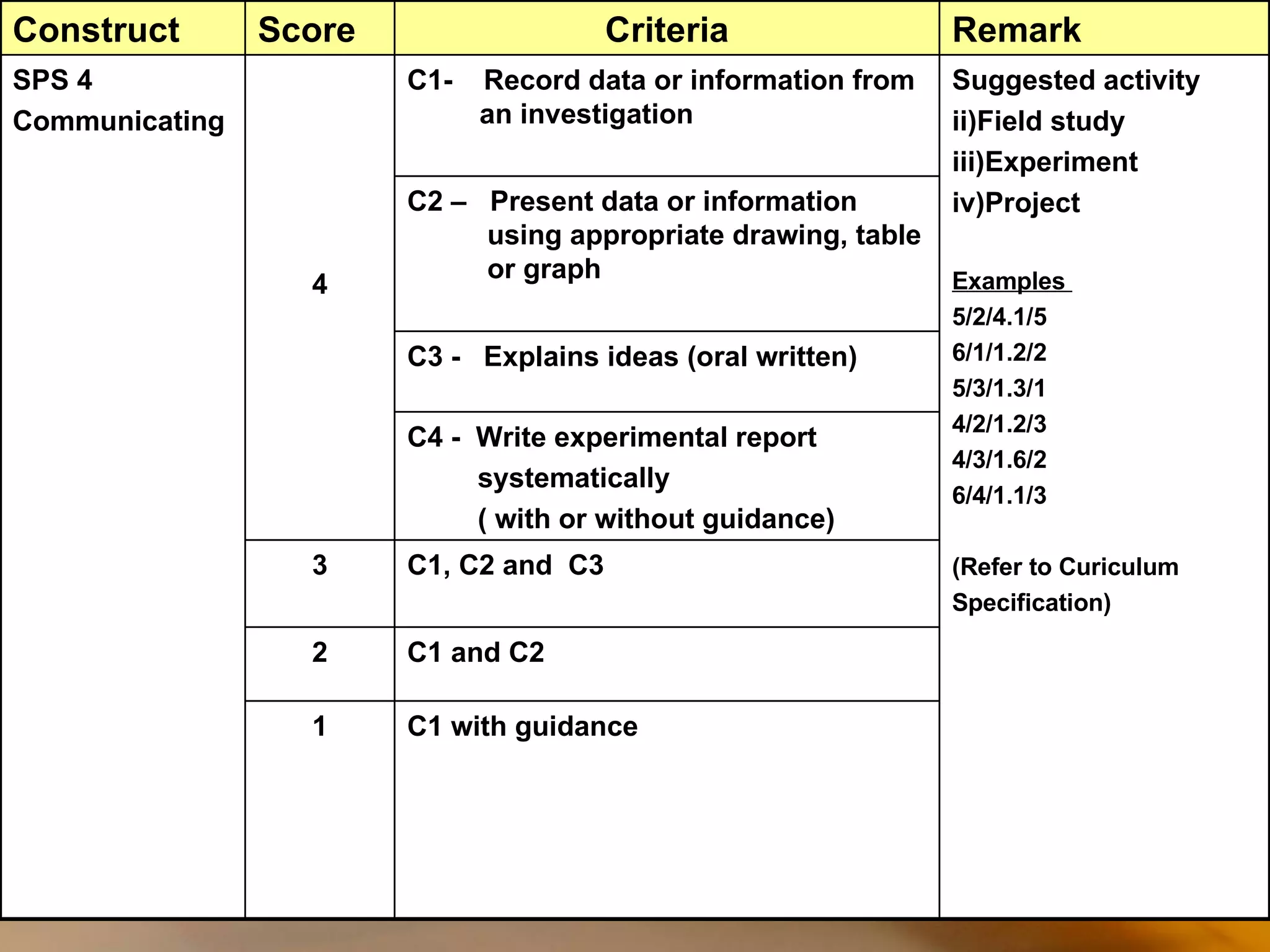
C1 with guidance 1 C1 and C2 2 C1, C2 and  C3  3 C4 -  Write experimental report systematically ( with or without guidance) C3 -  Explains ideas (oral written) C2 –  Present data or information using appropriate drawing, table or graph Suggested activity Field study Experiment Project Examples  5/2/4.1/5 6/1/1.2/2 5/3/1.3/1 4/2/1.2/3 4/3/1.6/2 6/4/1.1/3 (Refer to Curiculum Specification) C1-  Record data or information from an investigation 4 SPS 4 Communicating Remark Criteria Score Construct
COMMUNICATING any type of message that is sent from one person(s) to another person(s); these can be messages sent through talking or writing.
COMMUNICATING construct and use written reports, drawings, diagrams, graphs, or charts to transmit information learned from science experiments . Using the written and spoken work, graphs, demonstrations, drawings, diagrams, or tables to transmit information and ideas to others  verbally ask questions about, discuss, explain, or report observations.  after an investigation, report the question tested, the experimental design used, results, and conclusions drawn, using tables and graphs where appropriate.
COMMUNICATING TOOLS Symbols Maps Oral descriptions Music Drawing Concept Maps Graphs Models Charts Numbers Written language Body language Data Tables Codes (eg. Black magic)
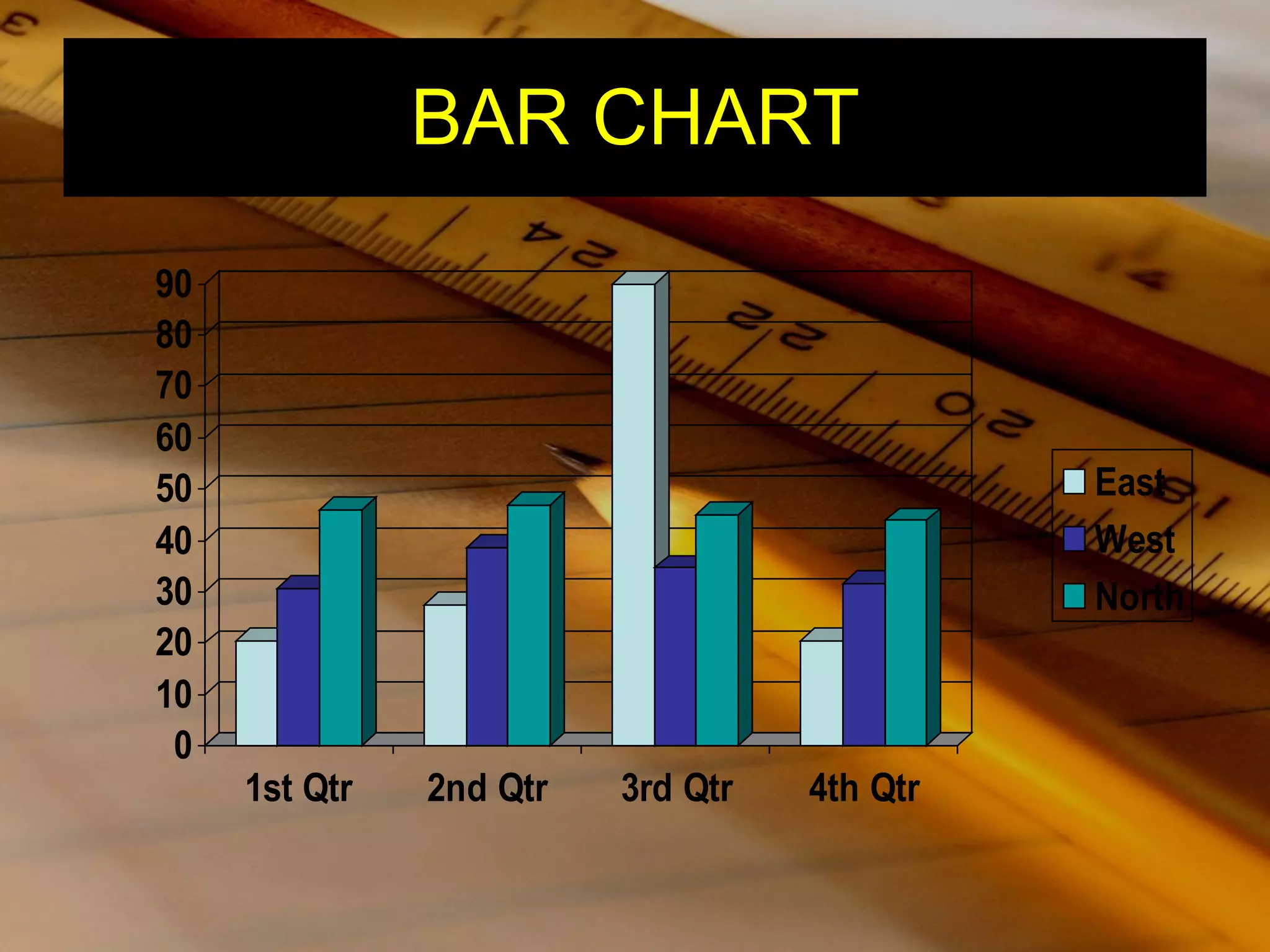
EXAMPLES OF QUESTIONING…. COMMUNICATING Can you draw what the plant looks like? What can you say about this object? Tell us how you make the bulb lights up? Describe what happens when you add water to it? Draw a pie chart by using your data. Draw a graph to show the relationship between time and temperature.
BAR   CHART
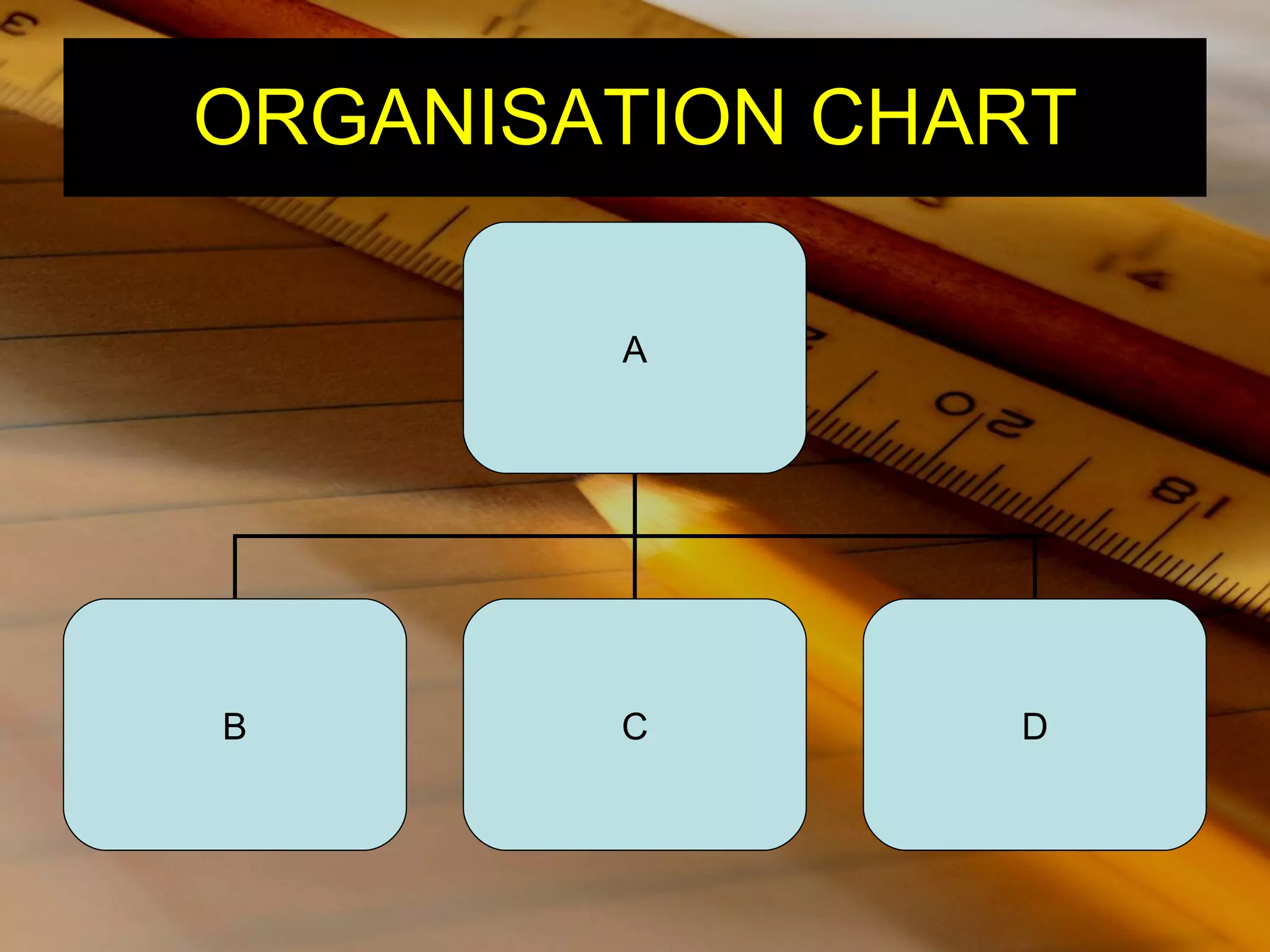
ORGANISATION CHART A B C D
PIE CHART
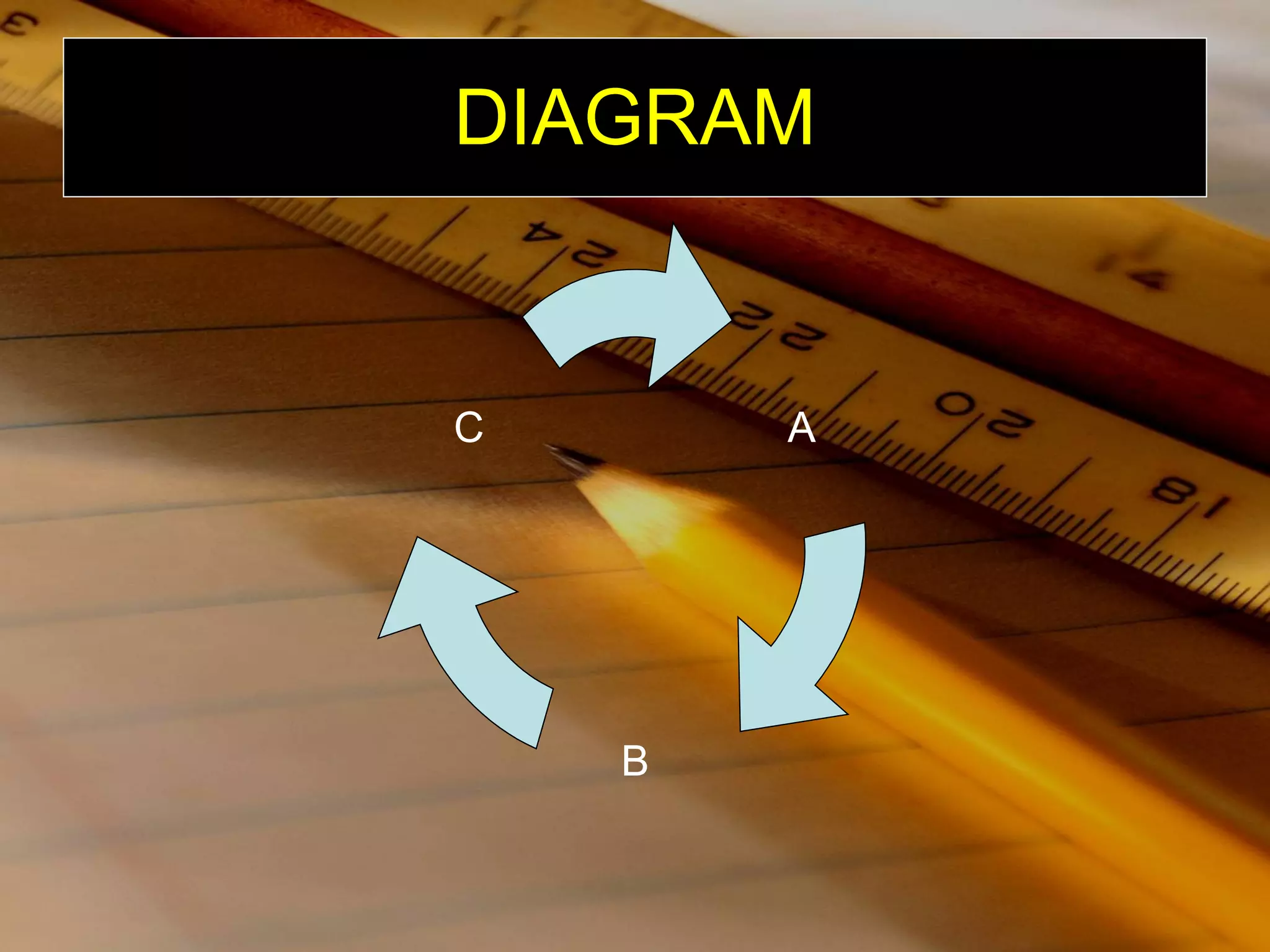
DIAGRAM A B C
VERBAL DESCRIPTION
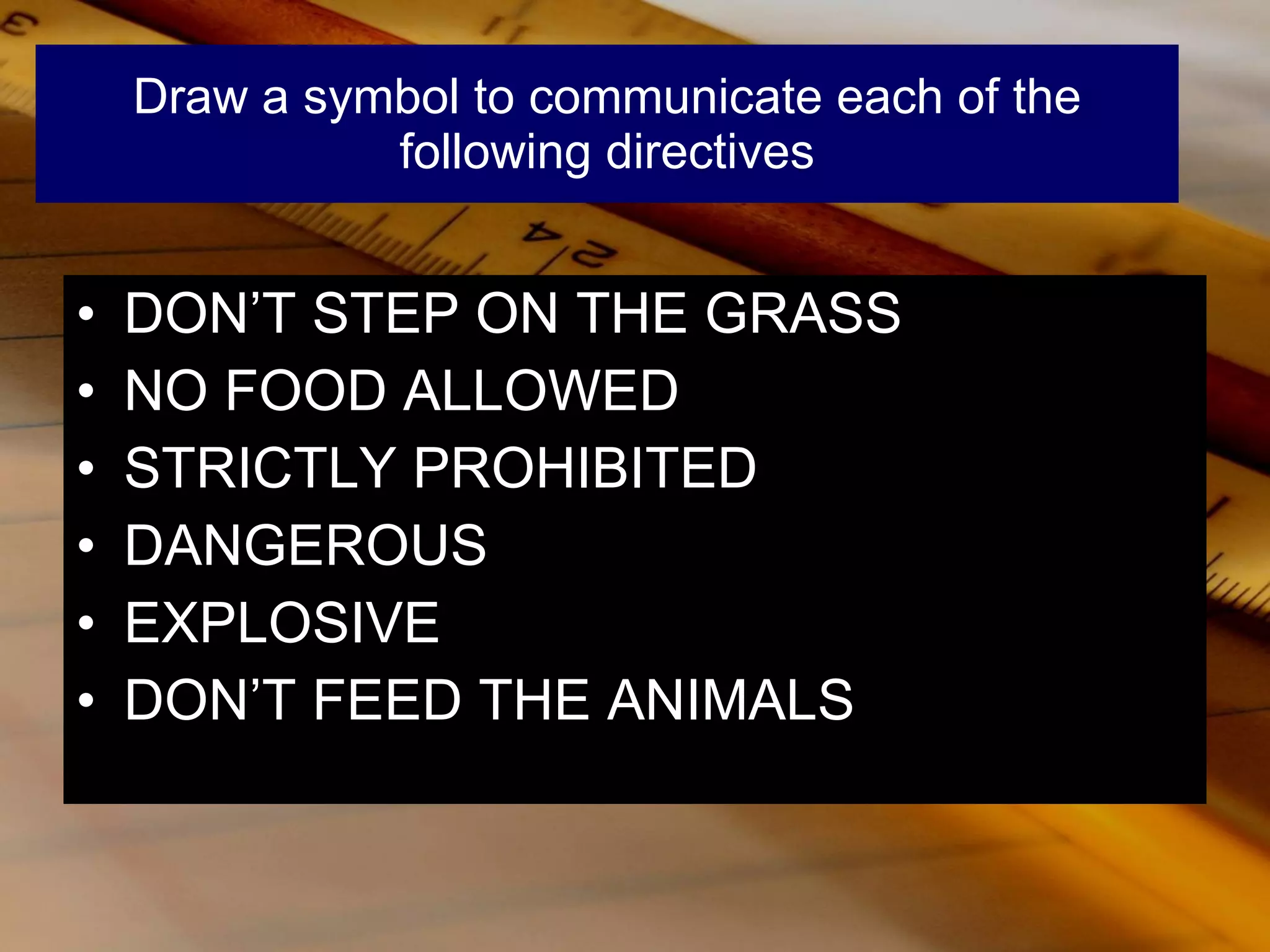
Draw a symbol to communicate each of the following directives DON’T STEP ON THE GRASS NO FOOD ALLOWED STRICTLY PROHIBITED DANGEROUS EXPLOSIVE DON’T FEED THE ANIMALS
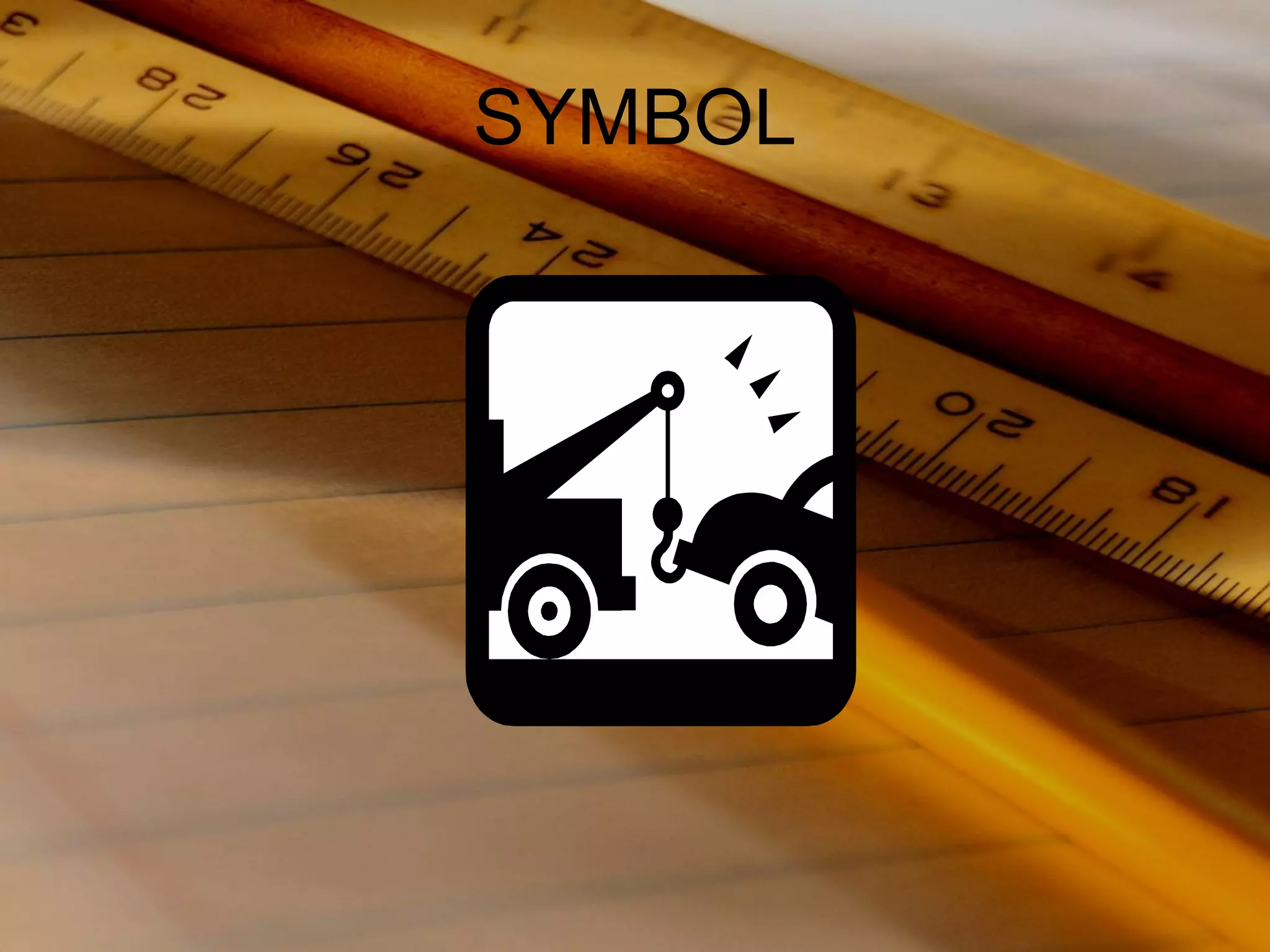
SYMBOL
SPS 4  C1-  Record data or information from an investigation Examples :
SPS 4  C2 –  Present data or information using appropriate drawing, table or graph Examples :
SPS 4  C3 -  State the quantity of changes based on the rate of changes Examples :
SPS 4  C4 -  Write experimental report  systematically  ( with or without guidance) Examples :
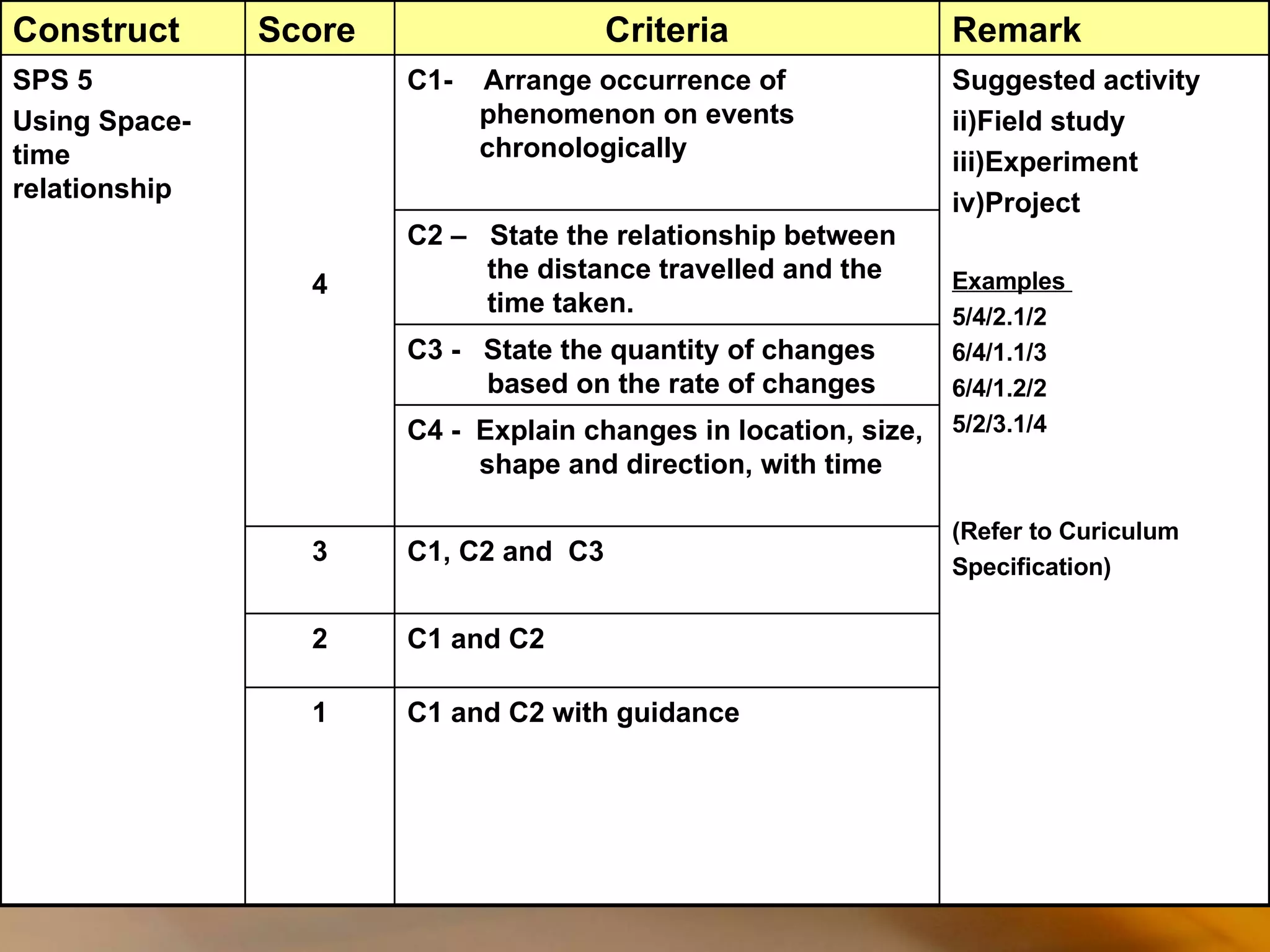
C1 and C2 with guidance 1 C1 and C2 2 C1, C2 and  C3  3 C4 -  Explain changes in location, size, shape and direction, with time C3 -  State the quantity of changes based on the rate of changes C2 –  State the relationship between the distance travelled and the time taken. Suggested activity Field study Experiment Project Examples  5/4/2.1/2 6/4/1.1/3 6/4/1.2/2 5/2/3.1/4 (Refer to Curiculum Specification) C1-  Arrange occurrence of phenomenon on events chronologically 4 SPS 5 Using Space-time relationship Remark Criteria Score Construct
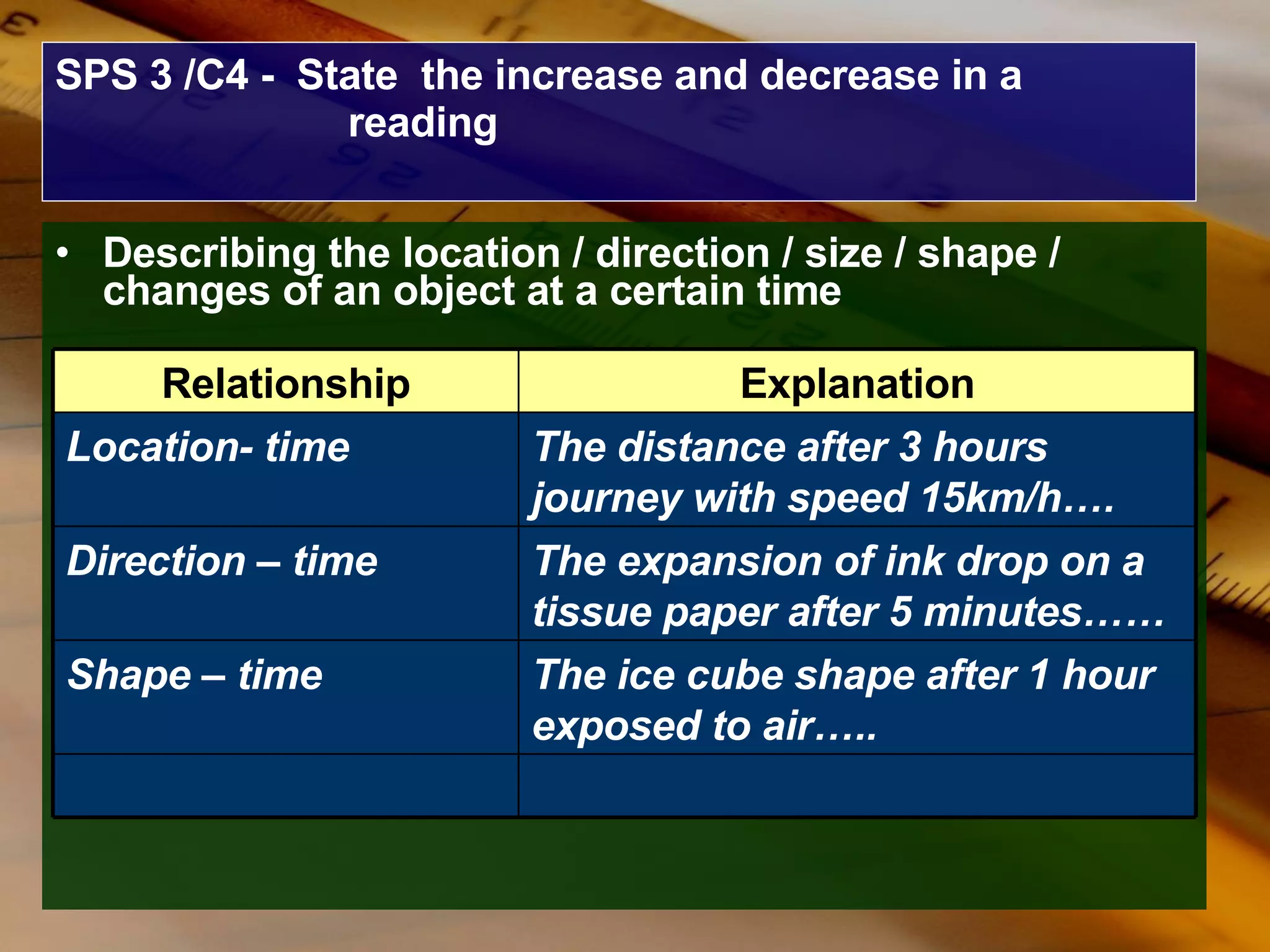
SPS 3 /C4 -  State  the increase and decrease in a reading Describing the location / direction / size / shape / changes of an object at a certain time The ice cube shape after 1 hour exposed to air….. Shape – time The expansion of ink drop on a tissue paper after 5 minutes…… Direction – time The distance after 3 hours journey with speed 15km/h…. Location- time Explanation Relationship
SPACE-TIME RELATIONSHIP describe an object's position, i.e., above, below, beside, etc. in relation to other objects  describe the motion, direction, spatial arrangement, symmetry, and shape of an object compared to another object.
Examples of questioning….… Space-time relationship Where is the ball after a while? What happens to the ice after a few minutes? What is the volume of the water after 5 minutes? What is the direction of the object within ten seconds?
SPS 5  C1-  Arrange occurrence of phenomenon on events chronologically Examples :
SPS 5 C2 –  State  concepts by describing what should be done Examples :
SPS 5 C3 -  State the quantity of changes based on the rate of changes Examples :
SPS 5  C4 -  Explain changes in location, size, shape and direction, with time Examples :
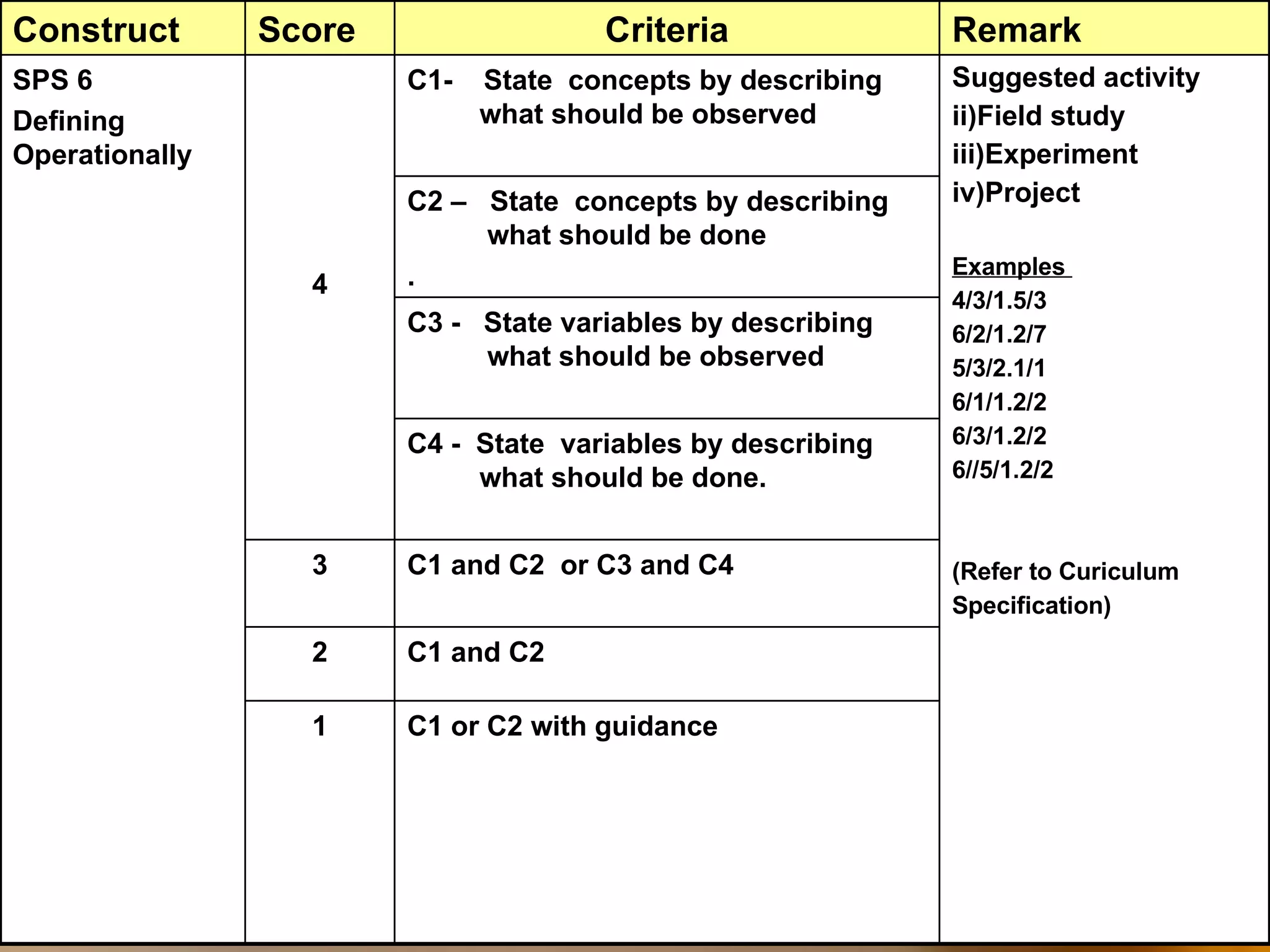
C1 or C2 with guidance 1 C1 and C2 2 C1 and C2  or C3 and C4 3 C4 -  State  variables by describing what should be done. C3 -  State variables by describing what should be observed C2 –  State  concepts by describing what should be done . Suggested activity Field study Experiment Project Examples  4/3/1.5/3 6/2/1.2/7 5/3/2.1/1 6/1/1.2/2 6/3/1.2/2 6//5/1.2/2 (Refer to Curiculum Specification) C1-  State  concepts by describing what should be observed 4 SPS 6 Defining Operationally Remark Criteria Score Construct
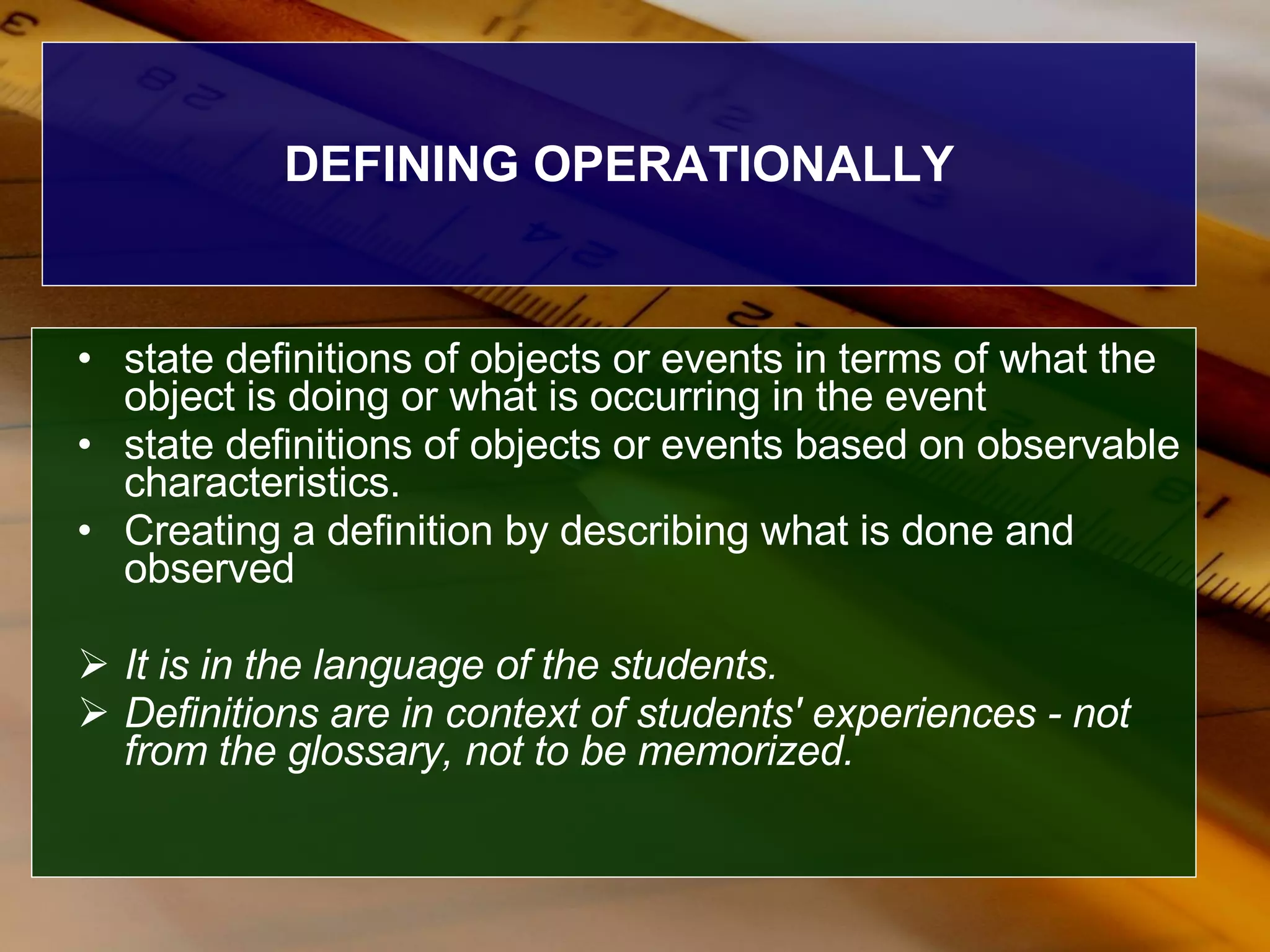
DEFINING OPERATIONALLY state definitions of objects or events in terms of what the object is doing or what is occurring in the event  state definitions of objects or events based on observable characteristics. Creating a definition by describing what is done and observed  It is in the language of the   students.  Definitions are in context of students' experiences - not from the glossary, not to be memorized.
DEFINING OPERATIONALLY OPERATIONAL DEFINITION To help you (or someone else) repeat your experiment under the same conditions each time, you need to write an operational definition for any key terms that do not have one, clear meaning. The operational definition clarifies vague terms and explains how the results (dependent variable) will be measured. For example, in Helicopter Happenings, as a class we had to decide what the term “best” meant so that everyone was measuring results in thesame way.  We could define “best” as the straightest flight path from start to finish;  we also could define it as the highest number of complete rotations; it could mean the fastest flight time in seconds from start to finish.  Stating how we measured the “best” flight ensures that each lab team measured the results using the same criteria.
THE WAY OF QUESTIONING… DEFINING OPERATIONALLY What is a ball? What is a complete circuit? What did you do to the things to make a complete circuit?
SPS 6 C1-  State  concepts by describing what should be observed Examples:
SPS 6 C2 –  State  concepts by describing what should be done Examples:
SPS 6 C3 -  State variables by describing what should  be observed Examples:
SPS 6 C4 -  State variables by describing what should  be observed Examples:
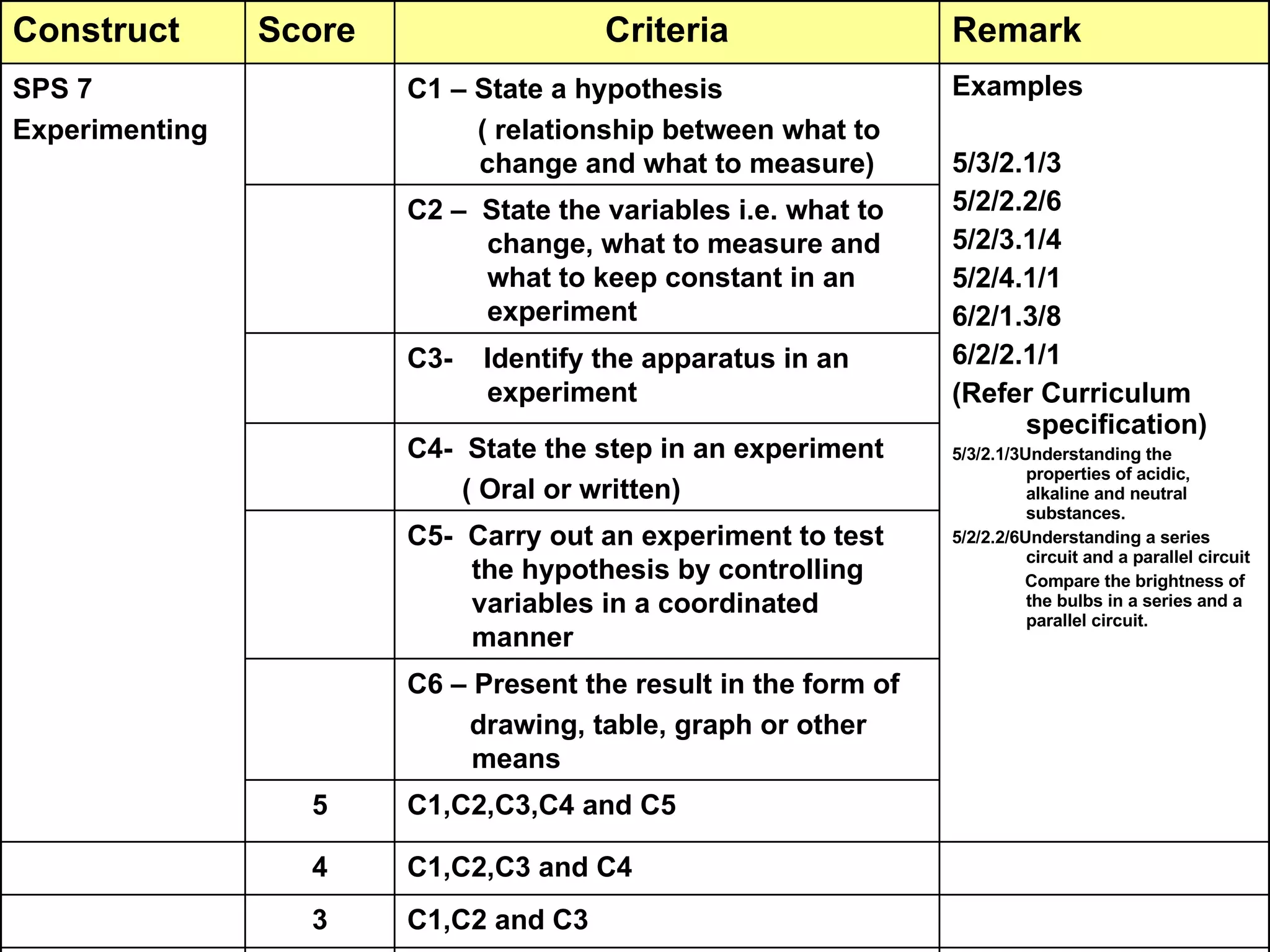
C1 or C2 or C3 With guidance 1 Any two criteria ( C1, C2, C3) 2 C1,C2 and C3 3 C1,C2,C3 and C4  4 C1,C2,C3,C4 and C5 5 C6 – Present the result in the form of  drawing, table, graph or other means C5-  Carry out an experiment to test the hypothesis by controlling variables in a coordinated manner C4-  State the step in an experiment  ( Oral or written) C3-  Identify the apparatus in an experiment C2 –  State the variables i.e. what to change, what to measure and what to keep constant in an experiment Examples 5/3/2.1/3 5/2/2.2/6 5/2/3.1/4 5/2/4.1/1 6/2/1.3/8 6/2/2.1/1 (Refer Curriculum specification) 5/3/2.1/3Understanding the properties of acidic, alkaline and neutral substances. 5/2/2.2/6Understanding a series circuit and a parallel circuit Compare the brightness of the bulbs in a series and a parallel circuit. C1 – State a hypothesis ( relationship between what to change and what to measure) SPS 7 Experimenting Remark Criteria Score Construct
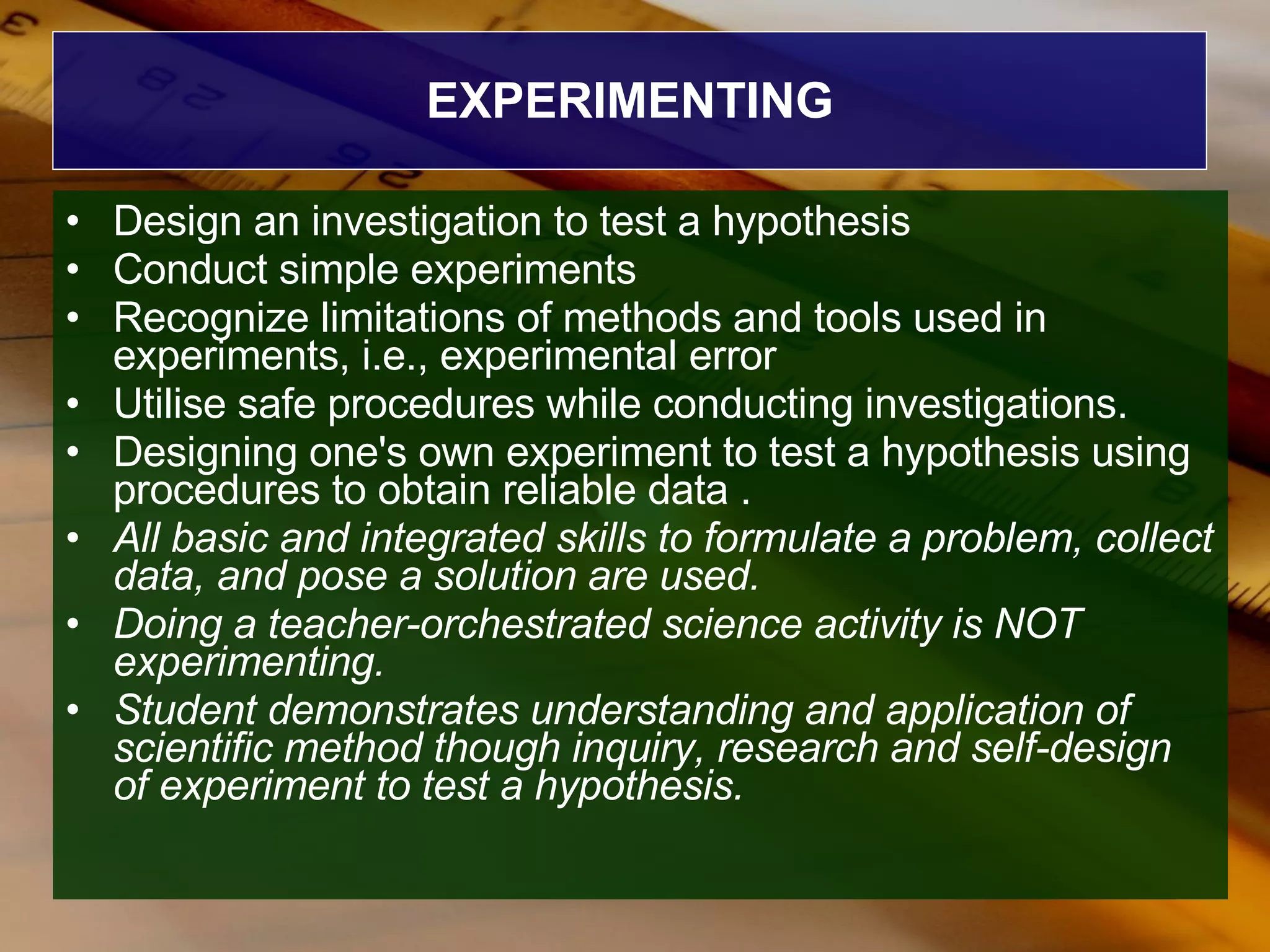
EXPERIMENTING Design an investigation to test a hypothesis  Conduct simple experiments  Recognize limitations of methods and tools used in experiments, i.e., experimental error  Utilise safe procedures while conducting investigations. Designing one's own experiment to test a hypothesis using procedures to obtain reliable data . All basic and integrated skills to formulate a problem, collect data, and pose a solution   are used.  Doing a teacher-orchestrated science activity is NOT experimenting.  Student demonstrates understanding and application of scientific method though inquiry, research and self-design of experiment to test a hypothesis.
EXPERIMENTING 1. Identify the Problem. 2. Form a hypothesis. 3. Experiment (materials, procedure, what to change, what to observe/measured, what to keep the same? 4. Analyse the data 5. Draw a conclusion. 6. Communicate the results.
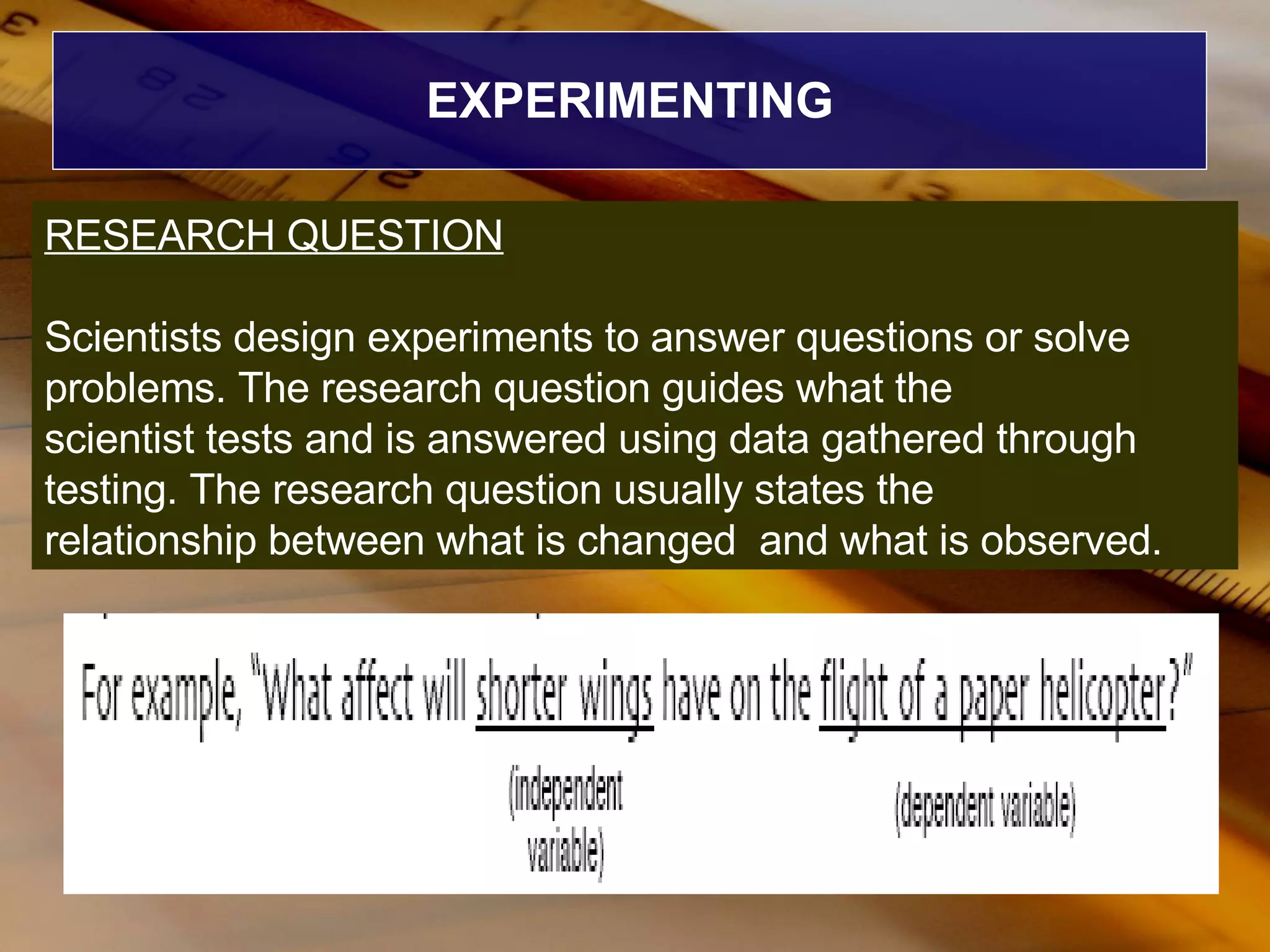
EXPERIMENTING RESEARCH QUESTION Scientists design experiments to answer questions or solve problems. The research question guides what the scientist tests and is answered using data gathered through testing. The research question usually states the relationship between what is changed  and what is observed.
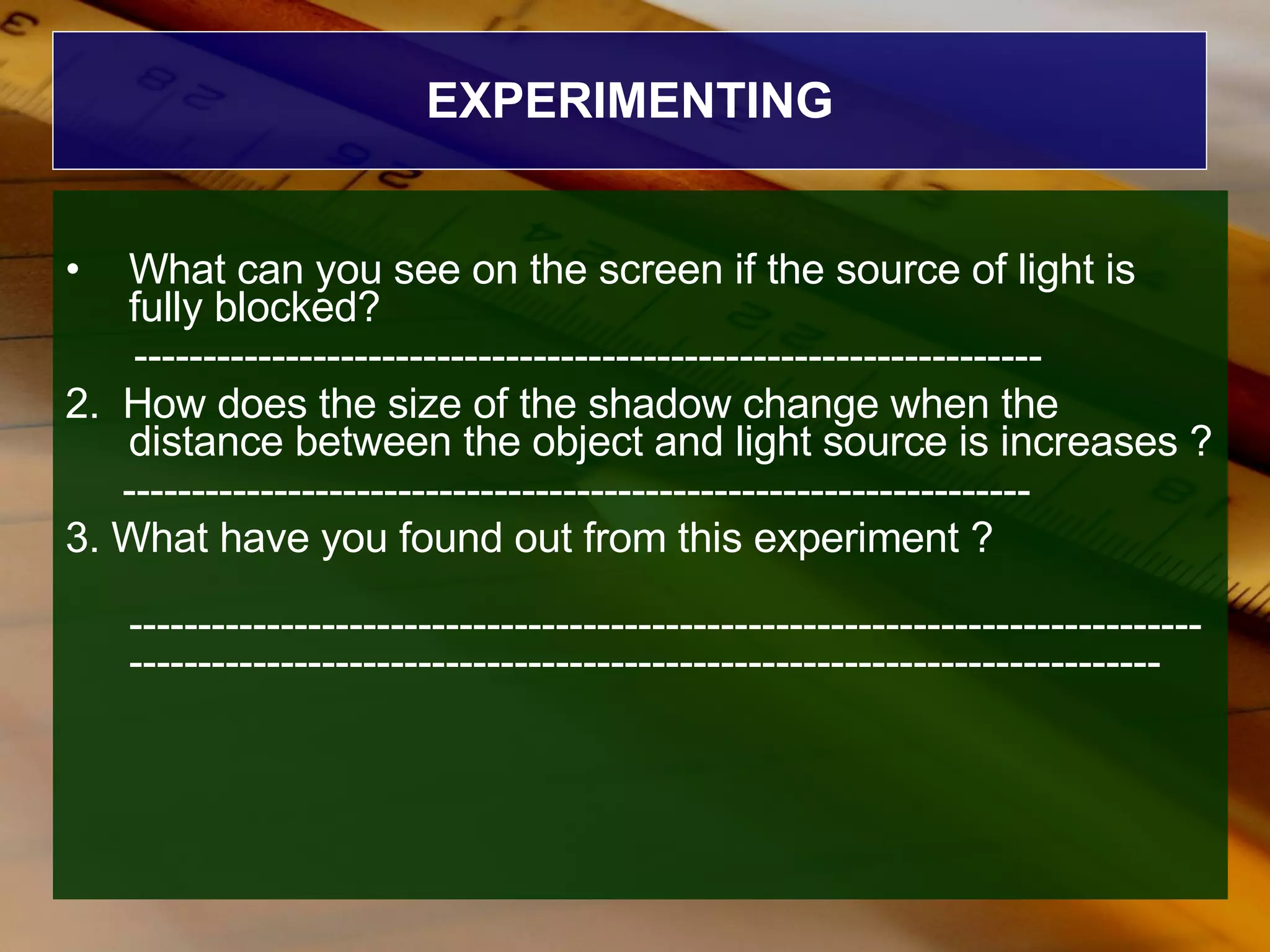
EXPERIMENTING What can you see on the screen if the source of light is fully blocked? How does the size of the shadow change when the distance between the object and light source is increases ? What have you found out from this experiment ?
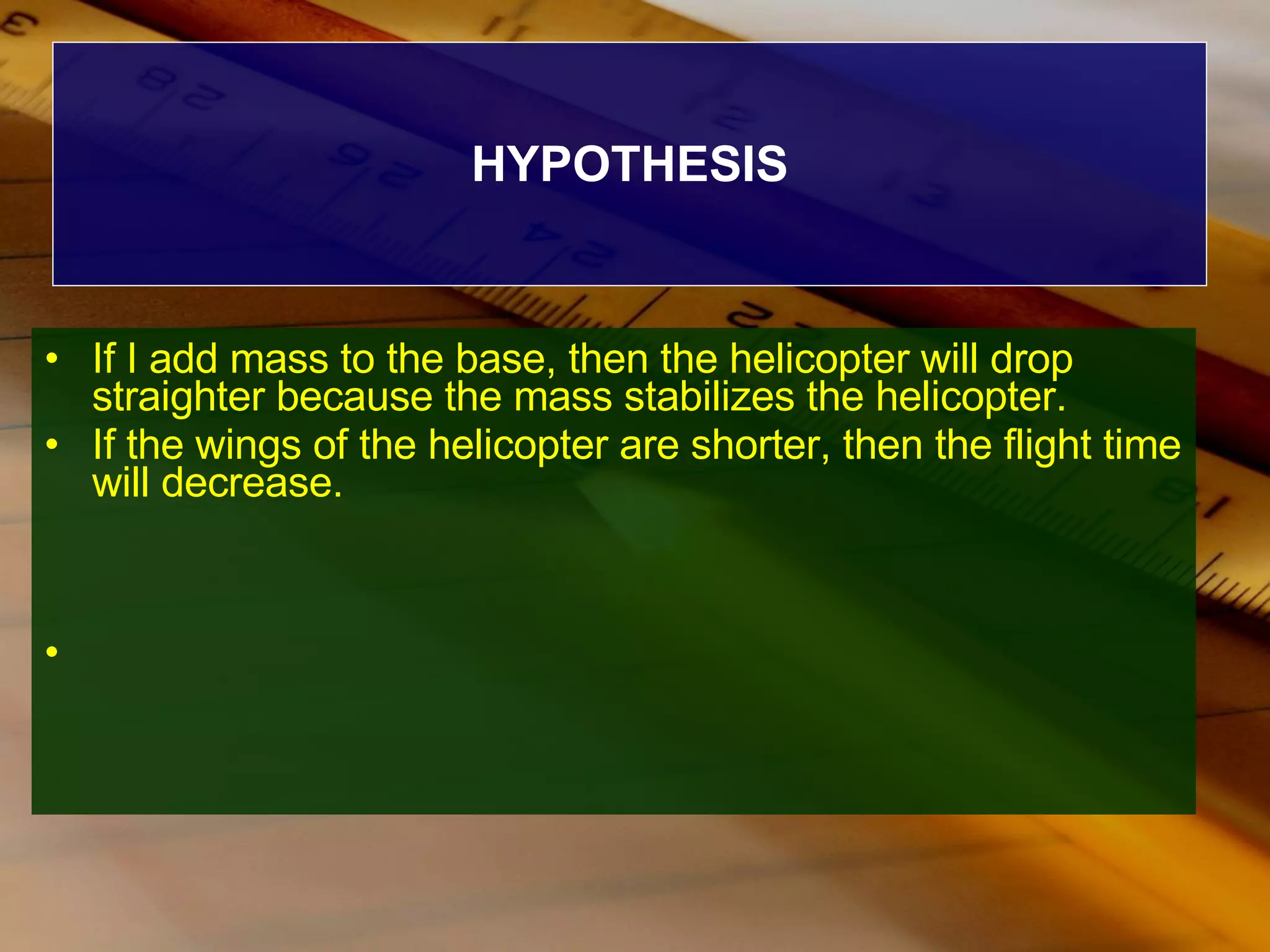
SPS 7 C1 – State a hypothesis ( relationship between what to change and what to measure) If I add mass to the base, then the helicopter will drop straighter because the mass stabilises the helicopter.”
SPS 7 C1 – State a hypothesis ( relationship between what to change and what to measure) You may say, “If my car battery is low, my car will not start." This is your first hypothesis. You may then check whether the lights were left on, or if the engine makes a particular sound when you turn the ignition key. You might actually check the voltage across the terminals of the battery. If you discover that the battery is not low, you might attempt another hypothesis ("The starter is broken"; "This is really not my car.")
SPS 7 C2 –  State the variables i.e. what to change, what to measure and what to keep constant in an experiment identify the variables: what is changed (manipulated  variable,  What is observed /measured (responding) variable, and  What is kept the same , variables-held-constant in an experiment.
SPS 7 C3-  Identify the apparatus in an experiment EXAMPLES:
SPS 7  C4-  State the step in an experiment  ( Oral or written) EXAMPLES:
SPS 7  C5-  Carry out an experiment to test the hypothesis by controlling variables in a coordinated manner EXAMPLES:
SPS 7 C6 – Present the result in the form of drawing, table, graph or other means EXAMPLES:
EXPERIMENTING Understanding  that temperature is an indicator of degree of hotness. The lesson is about hot and cold. In this lesson, pupils will investigate and discover from activities how a substance becomes hot or cold and the change in temperature when it gains or loses heat. Pupils also carry out activities to measure temperature of water when it is heated and allow to cool, using a thermometer. In the same time pupils also will understand and learn how to use thermometer and use it to measure  in a correct way.
EXPERIMENTING We are going to apply measuring and using number as a main skill in this activity. In this  activity pupils plays major role that is their involvement are about 95% and teacher become a facilitator.  Where teacher’s role is as a guide and not as demonstrator . The teacher have to give the instructions clearly before the pupils carry on with their activity. Beside than investigating the measuring and using the number skills, we also can investigate how the pupils using the manipulative skills in group to do the activities.
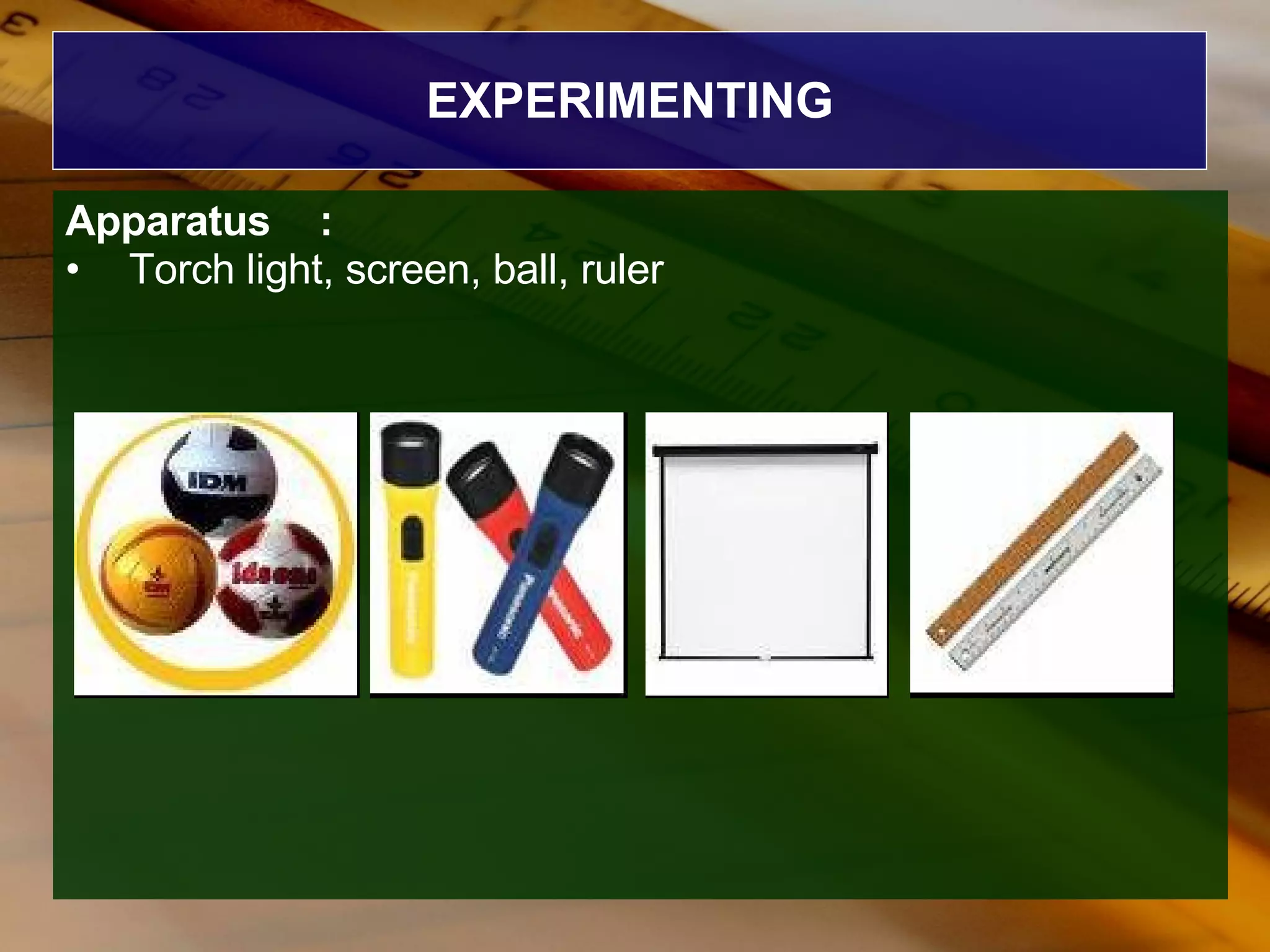
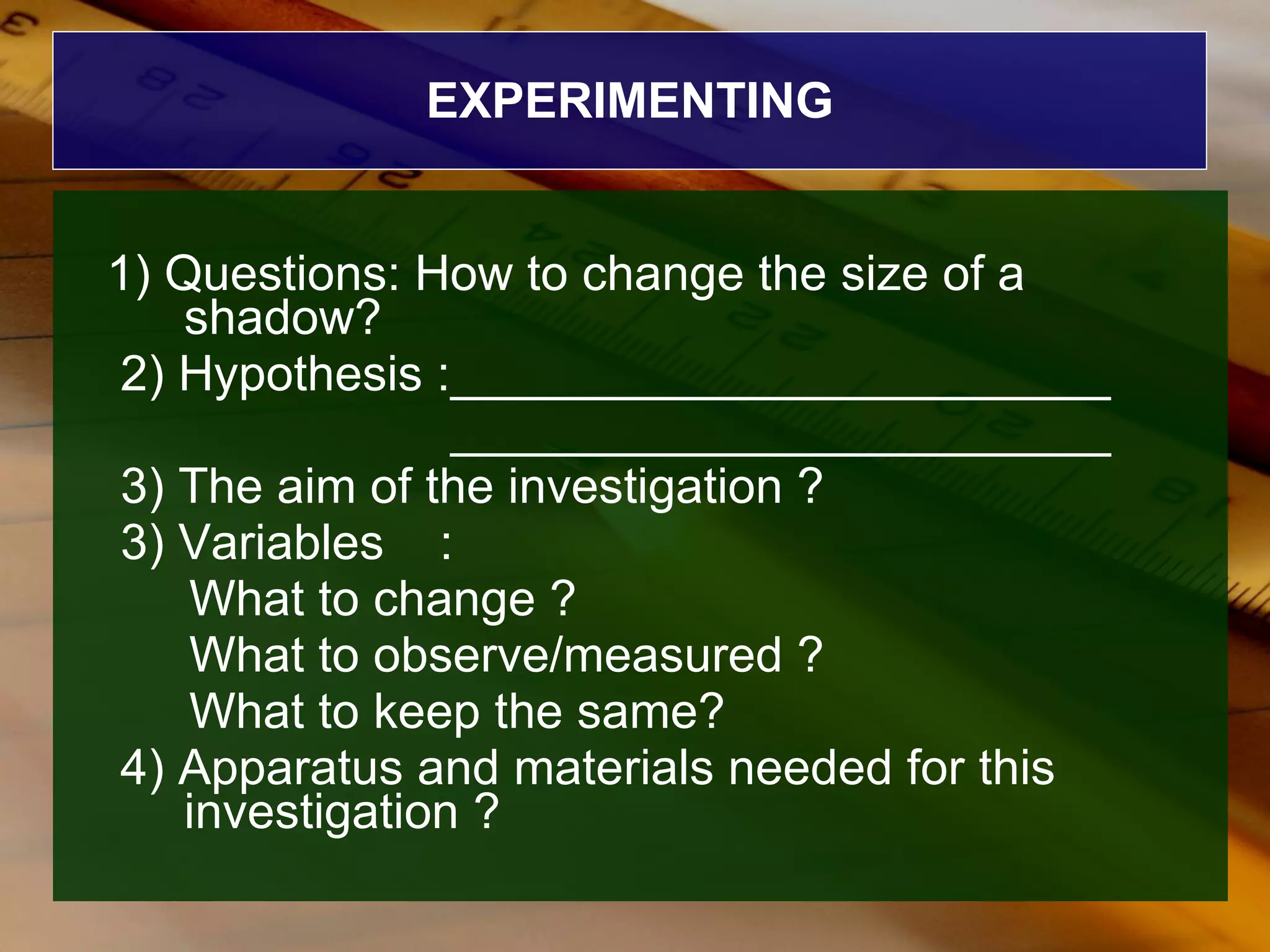
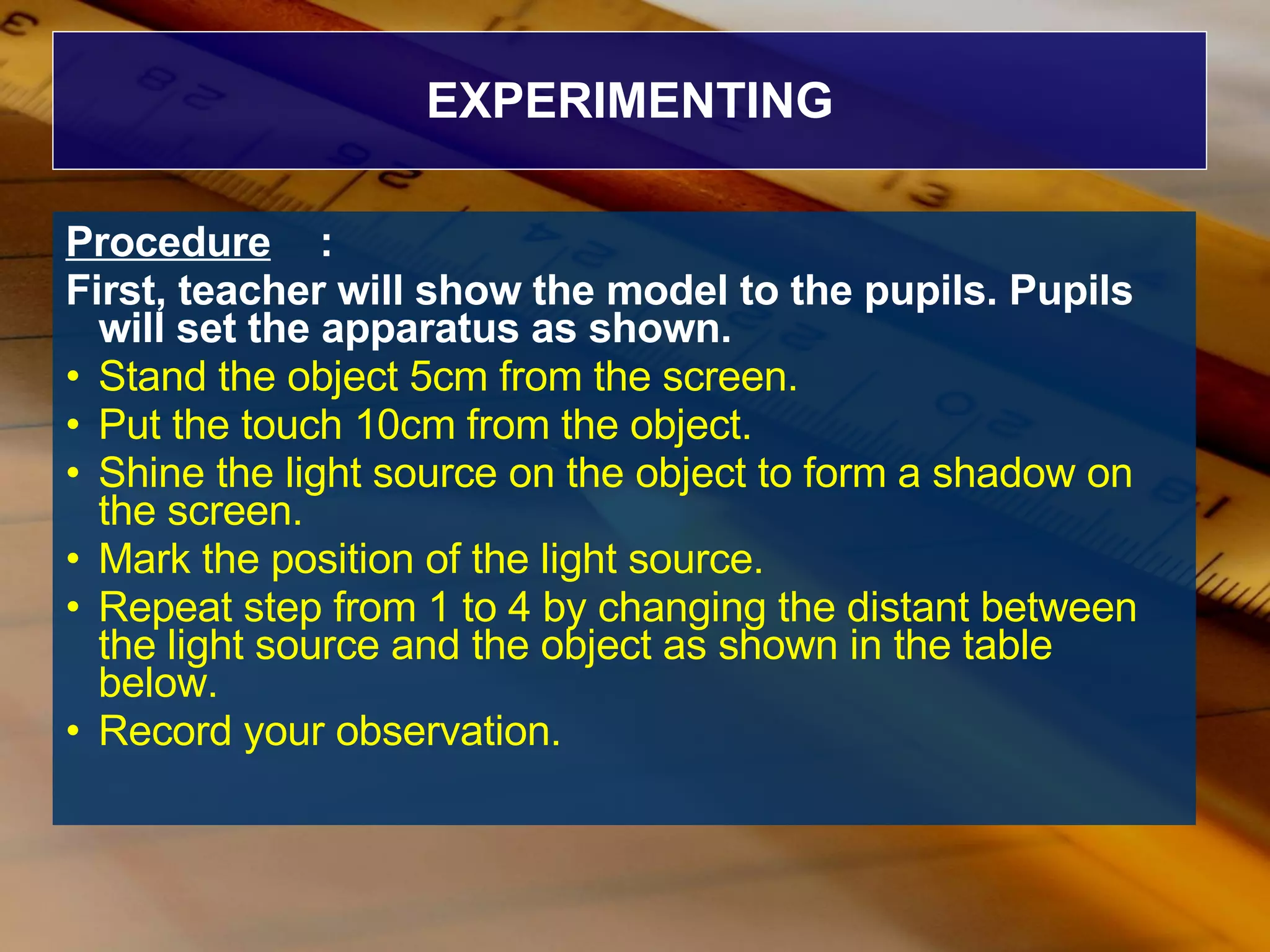
EXPERIMENTING Apparatus : Torch light, screen, ball, ruler
EXPERIMENTING 1) Questions: How to change the size of a shadow? 2) Hypothesis :________________________ ________________________ 3) The aim of the investigation ? 3) Variables  : What to change ? What to observe/measured ? What to keep the same? 4) Apparatus and materials needed for this investigation ?
EXPERIMENTING In this lesson people will learn about the light travels in a straight line. When an opaque object is placed across a beam of light, a dark spot is formed behind the object. The dark spot is called a shadow. The shape of the shadow depends on the shape of the object that blocks the light. The changes in the size of a shadow can be done by two ways; first, by verifying the distance between an object and its light source; second, by verifying the distance between an object and the screen. The shape of a shadow changes according to the position of the light source and the position of the object. We can ensure the phenomenon through an experiment. Pupils will do the experiment while the teacher will be a facilitator. Therefore, under this  skills pupil will able to perceive a think of things and experience in the surrounding and use reasoning power to analyze and interpret the concept. This learning ability will enable a pupil to acquire knowledge.
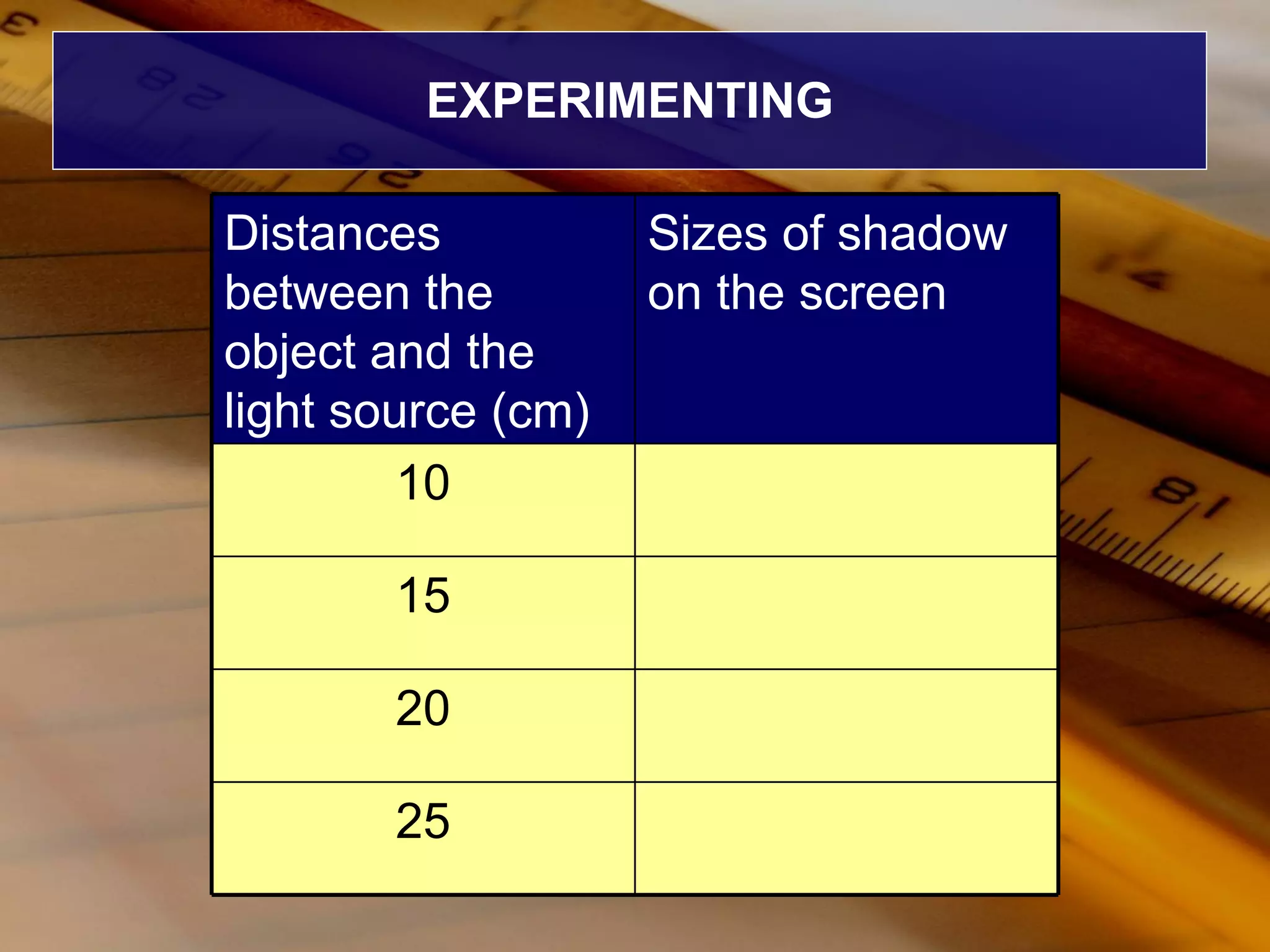
EXPERIMENTING Procedure : First, teacher will show the model to the pupils. Pupils will set the apparatus as shown.   Stand the object 5cm from the screen. Put the touch 10cm from the object. Shine the light source on the object to form a shadow on the screen. Mark the position of the light source. Repeat step from 1 to 4 by changing the distant between the light source and the object as shown in the table below. Record your observation.
EXPERIMENTING 25 20 15 10 Sizes of shadow on the screen Distances between the object and the light source (cm)
EXPERIMENTING What can you see on the screen if the source of light is fully blocked? ------------------------------------------------------------------ 2.  How does the size of the shadow change when the distance between the object and light source is increases ? ------------------------------------------------------------------ 3. What have you found out from this experiment ? ---------------------------------------------------------------------------------------------------------------------------------------------------------
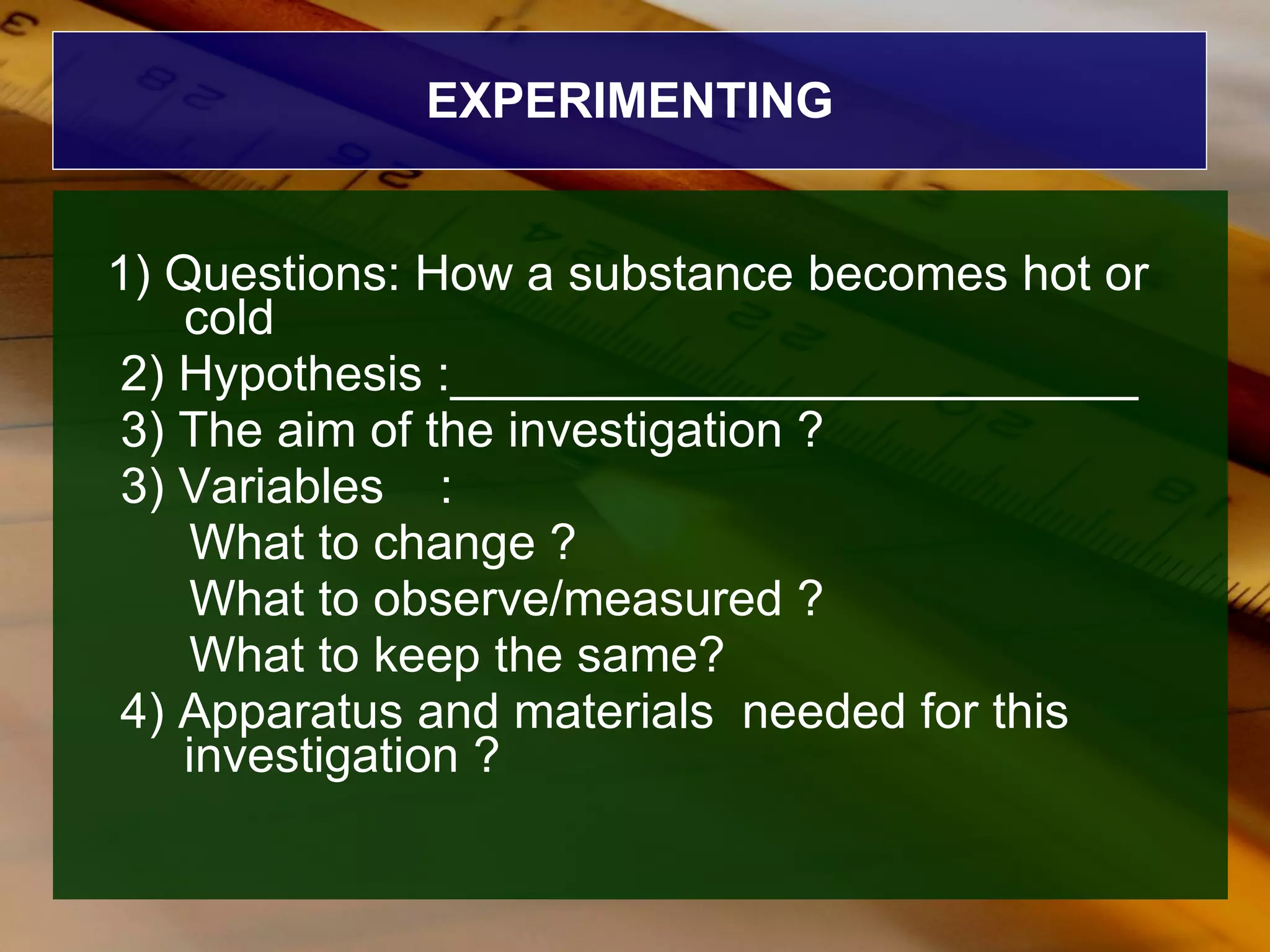
EXPERIMENTING 1) Questions: How a substance becomes hot or cold  2) Hypothesis :_________________________ 3) The aim of the investigation ? 3) Variables  : What to change ? What to observe/measured ? What to keep the same? 4) Apparatus and materials  needed for this investigation ?
HYPOTHESIS If I add mass to the base, then the helicopter will drop straighter because the mass stabilizes the helicopter. If the wings of the helicopter are shorter, then the flight time will decrease.
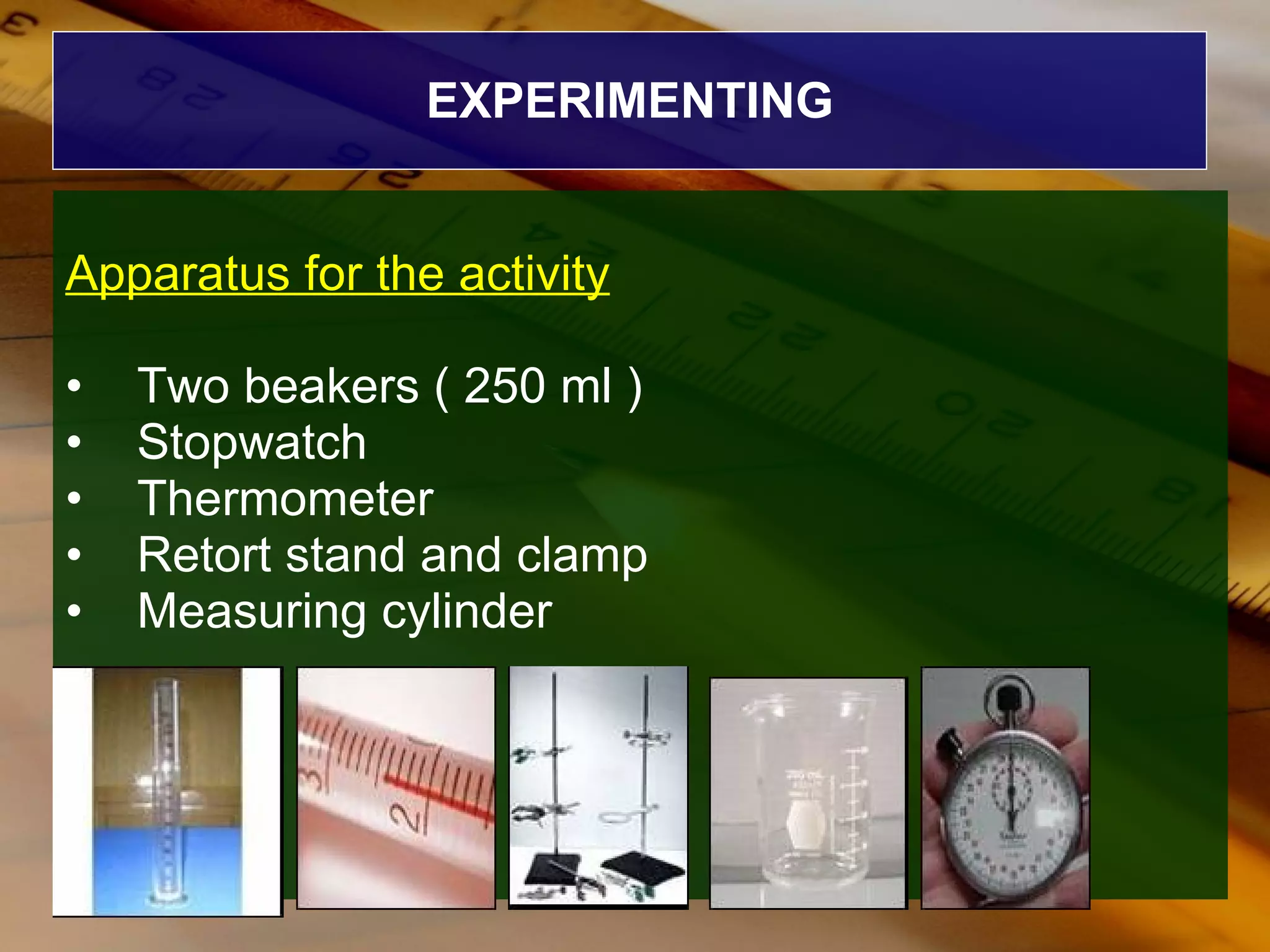
EXPERIMENTING Apparatus for the activity Two beakers ( 250 ml ) Stopwatch Thermometer Retort stand and clamp Measuring cylinder
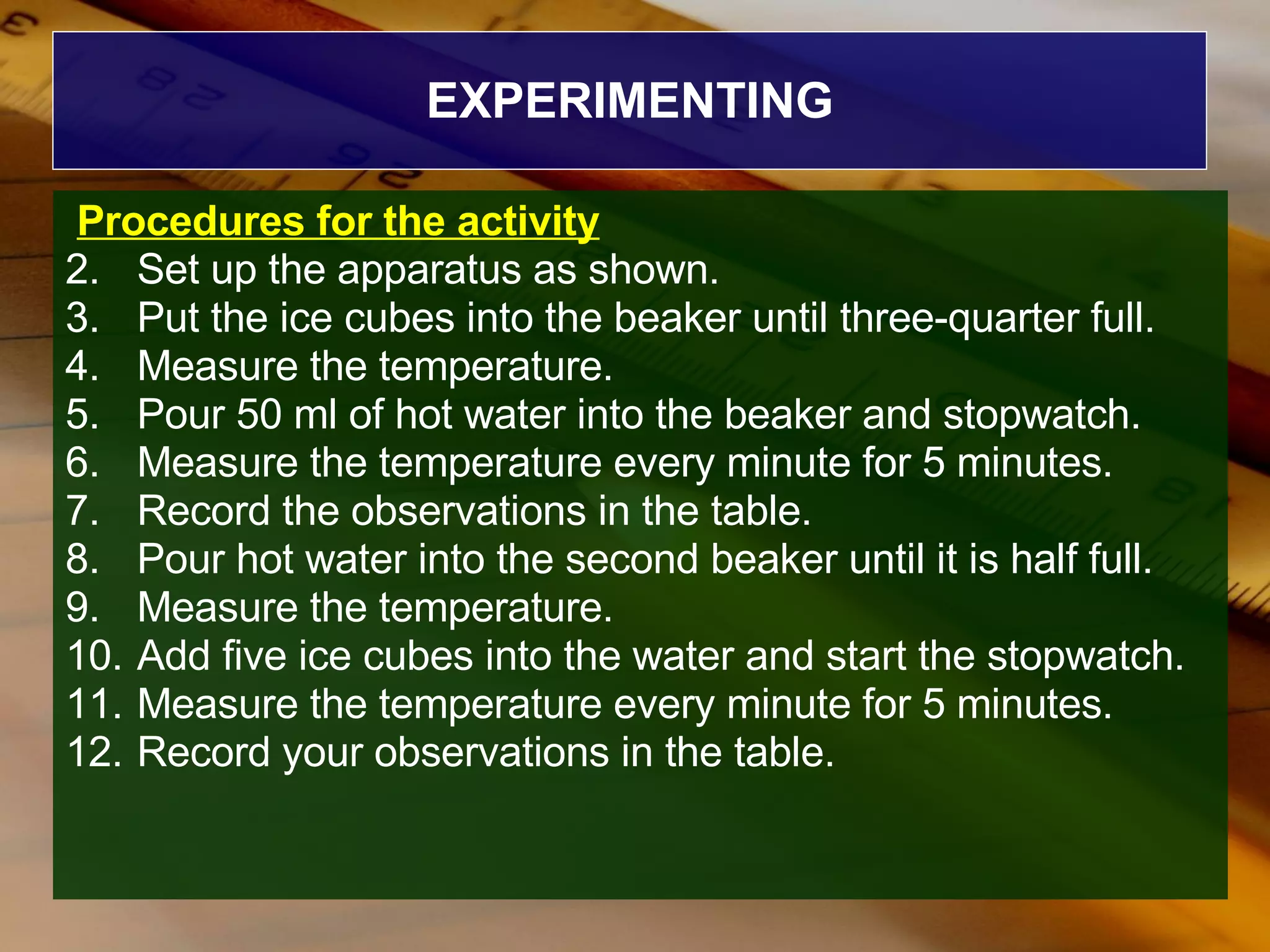
EXPERIMENTING Procedures for the activity Set up the apparatus as shown. Put the ice cubes into the beaker until three-quarter full. Measure the temperature. Pour 50 ml of hot water into the beaker and stopwatch. Measure the temperature every minute for 5 minutes. Record the observations in the table. Pour hot water into the second beaker until it is half full. Measure the temperature. Add five ice cubes into the water and start the stopwatch. Measure the temperature every minute for 5 minutes. Record your observations in the table.
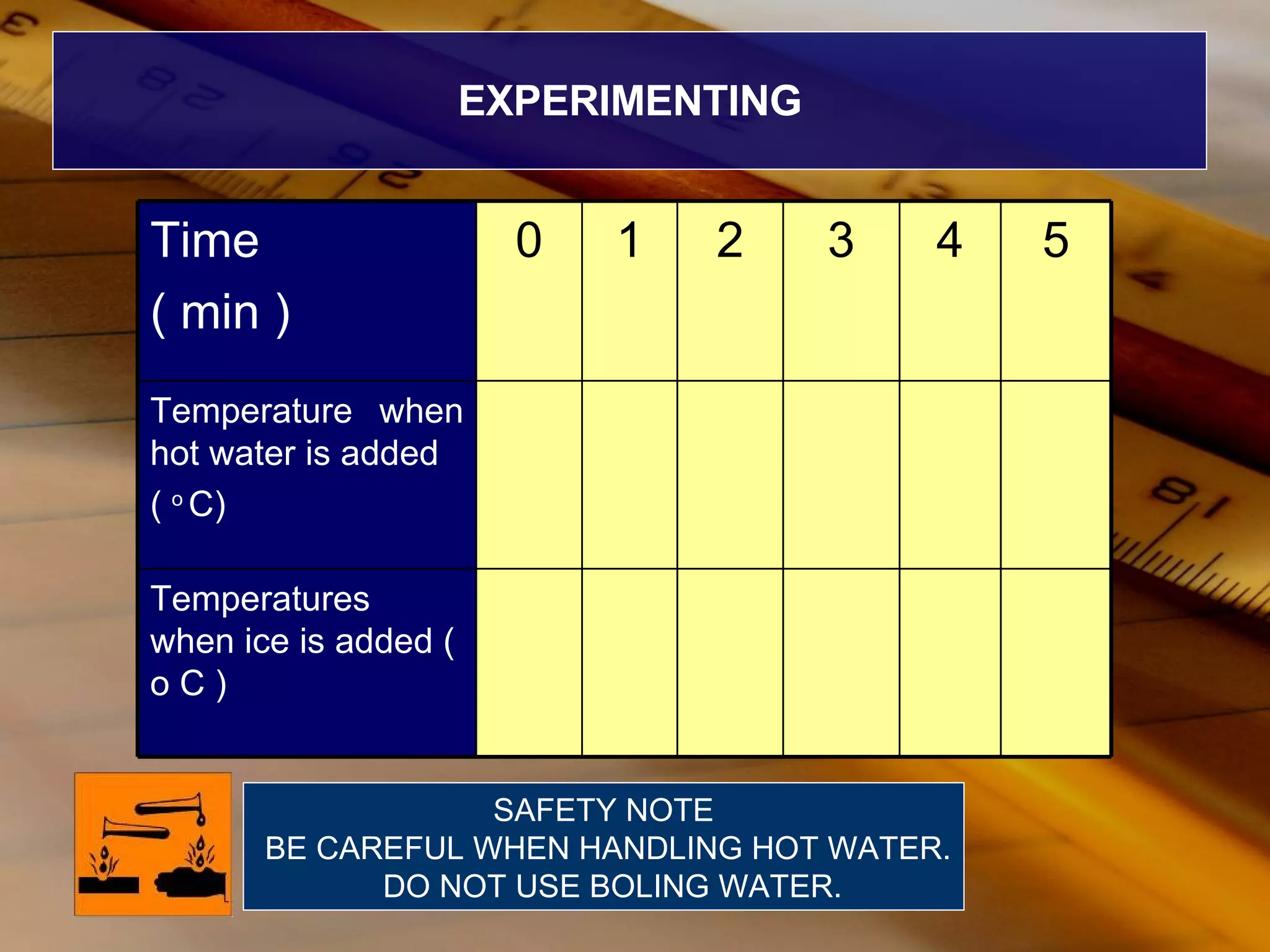
EXPERIMENTING SAFETY NOTE BE CAREFUL WHEN HANDLING HOT WATER. DO NOT USE BOLING WATER. 5 4 3 2 1 0 Time  ( min ) Temperature when hot water is added  (  o  C) Temperatures when ice is added ( o C )
Conclusion A conclusion is a summary of an experiment. Someone who reads only the conclusion section of your report should be able to understand what your experiment was about. The summary should give your results, describe what those findings mean, and suggest new questions that should be investigated. A good conclusion can be written by answering six questions: 1. What was the purpose of the experiment? 2. What were the major findings? 3. Was your hypothesis supported or not supported by the  data? Or were your results inconclusive? 4. How did your findings compare with the results of others in your class, or with information in your  textbook? 5. What possible explanations can you give for your results?
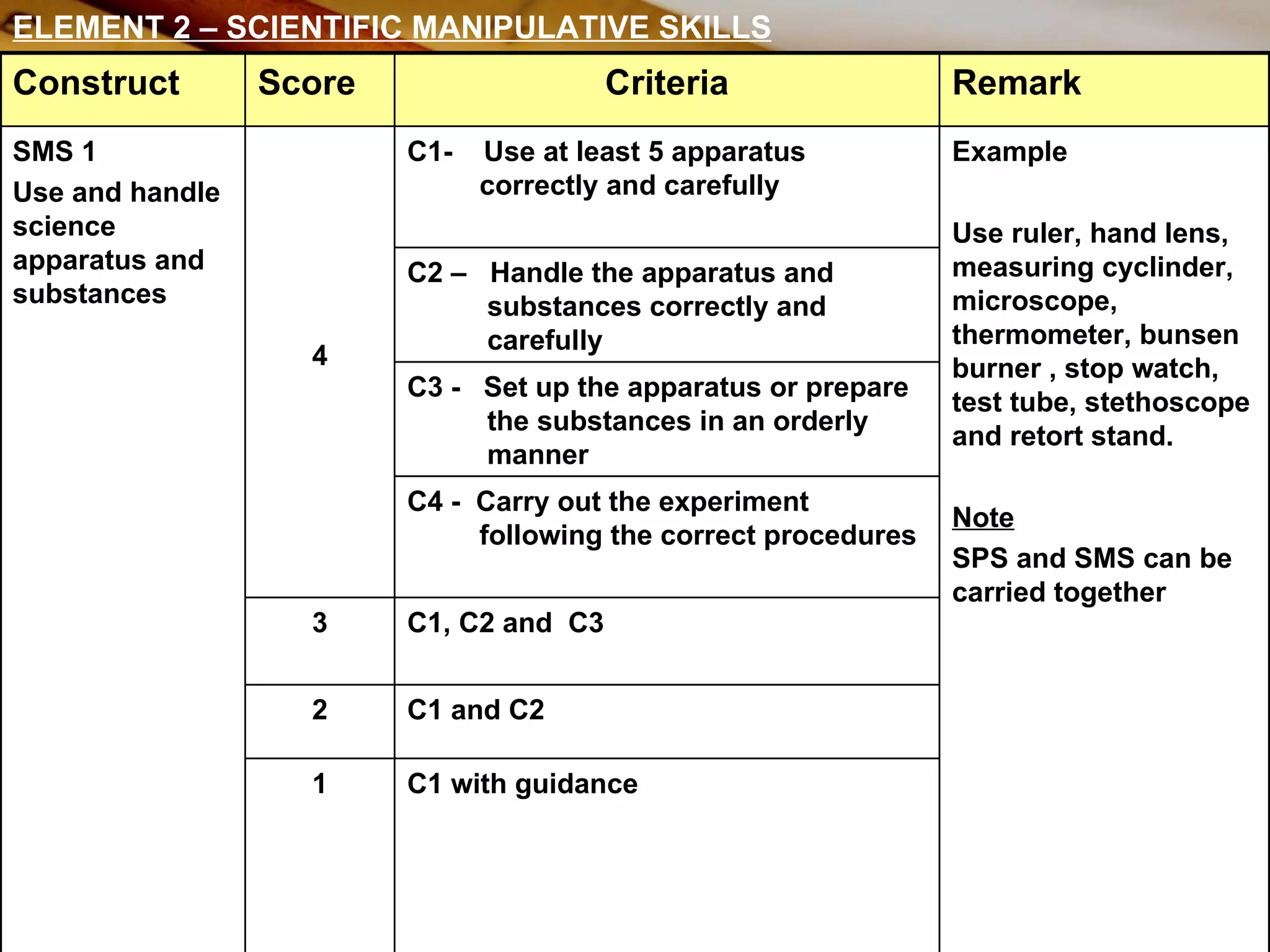
ELEMENT 2 – SCIENTIFIC MANIPULATIVE SKILLS C1 with guidance 1 C1 and C2 2 C1, C2 and  C3  3 C4 -  Carry out the experiment following the correct procedures C3 -  Set up the apparatus or prepare the substances in an orderly manner C2 –  Handle the apparatus and substances correctly and carefully Example Use ruler, hand lens, measuring cyclinder, microscope, thermometer, bunsen burner , stop watch, test tube, stethoscope and retort stand. Note SPS and SMS can be carried together C1-  Use at least 5 apparatus correctly and carefully 4 SMS 1 Use and handle science apparatus and substances  Remark Criteria Score Construct
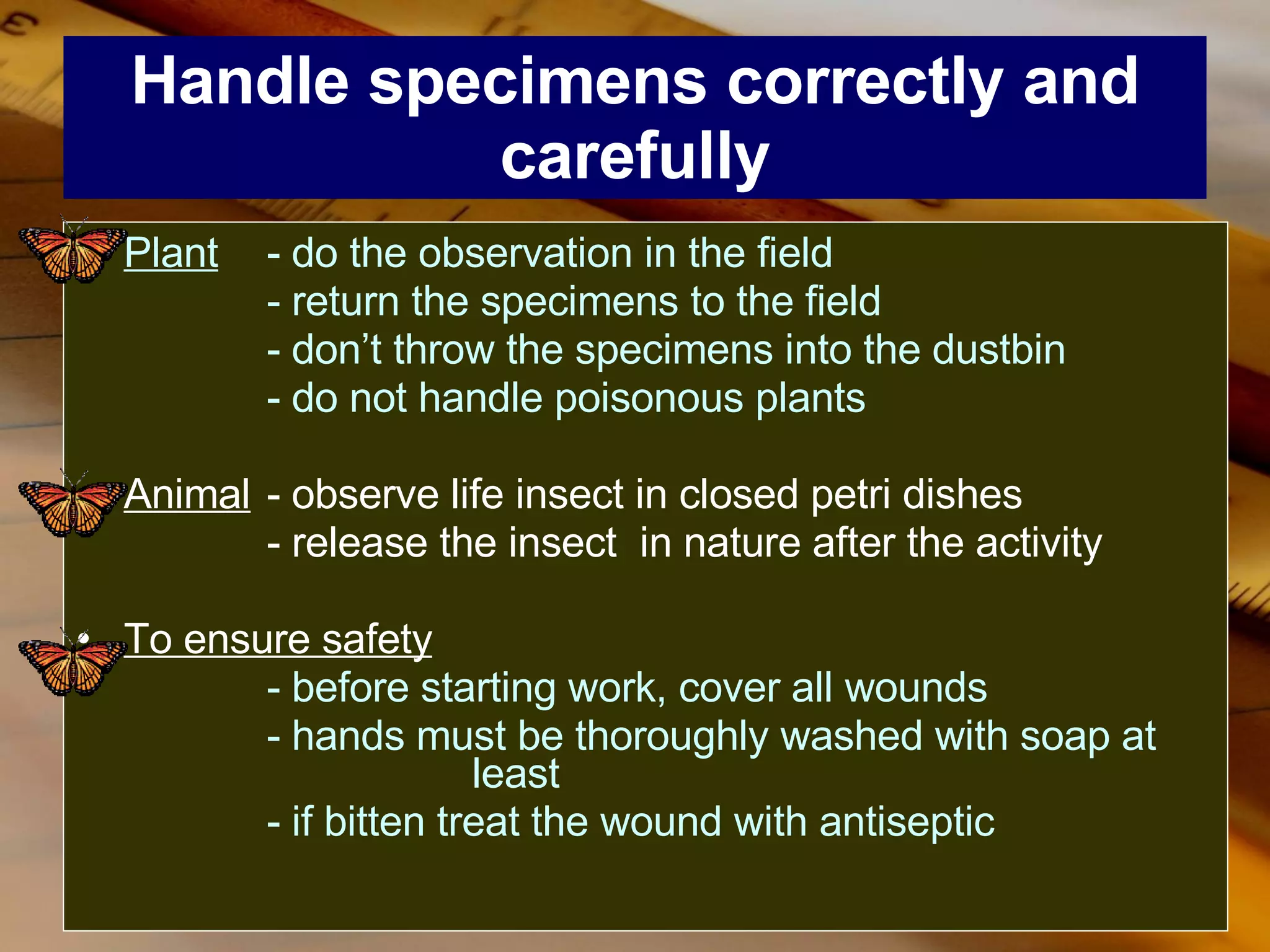
Handle specimens correctly and carefully Plant - do the observation in the field - return the specimens to the field - don’t throw the specimens into the dustbin - do not handle poisonous plants Animal - observe life insect in closed petri dishes - release the insect  in nature after the activity To ensure safety - before starting work, cover all wounds - hands must be thoroughly washed with soap at    least - if bitten treat the wound with antiseptic
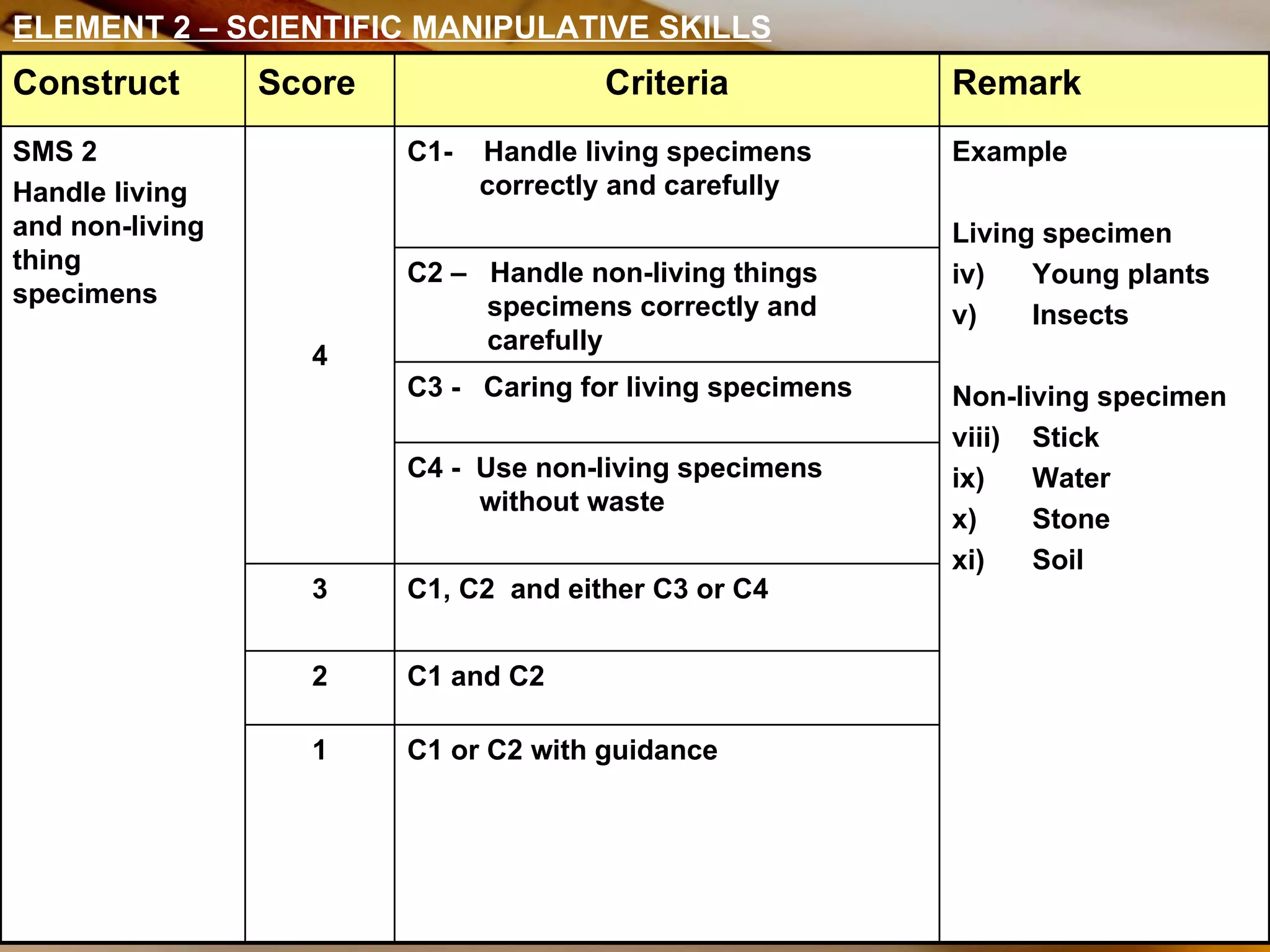
ELEMENT 2 – SCIENTIFIC MANIPULATIVE SKILLS C1 or C2 with guidance 1 C1 and C2 2 C1, C2  and either C3 or C4 3 C4 -  Use non-living specimens without waste C3 -  Caring for living specimens C2 –  Handle non-living things specimens correctly and carefully Example Living specimen Young plants Insects Non-living specimen Stick Water Stone Soil C1-  Handle living specimens correctly and carefully 4 SMS 2 Handle living and non-living thing specimens  Remark Criteria Score Construct
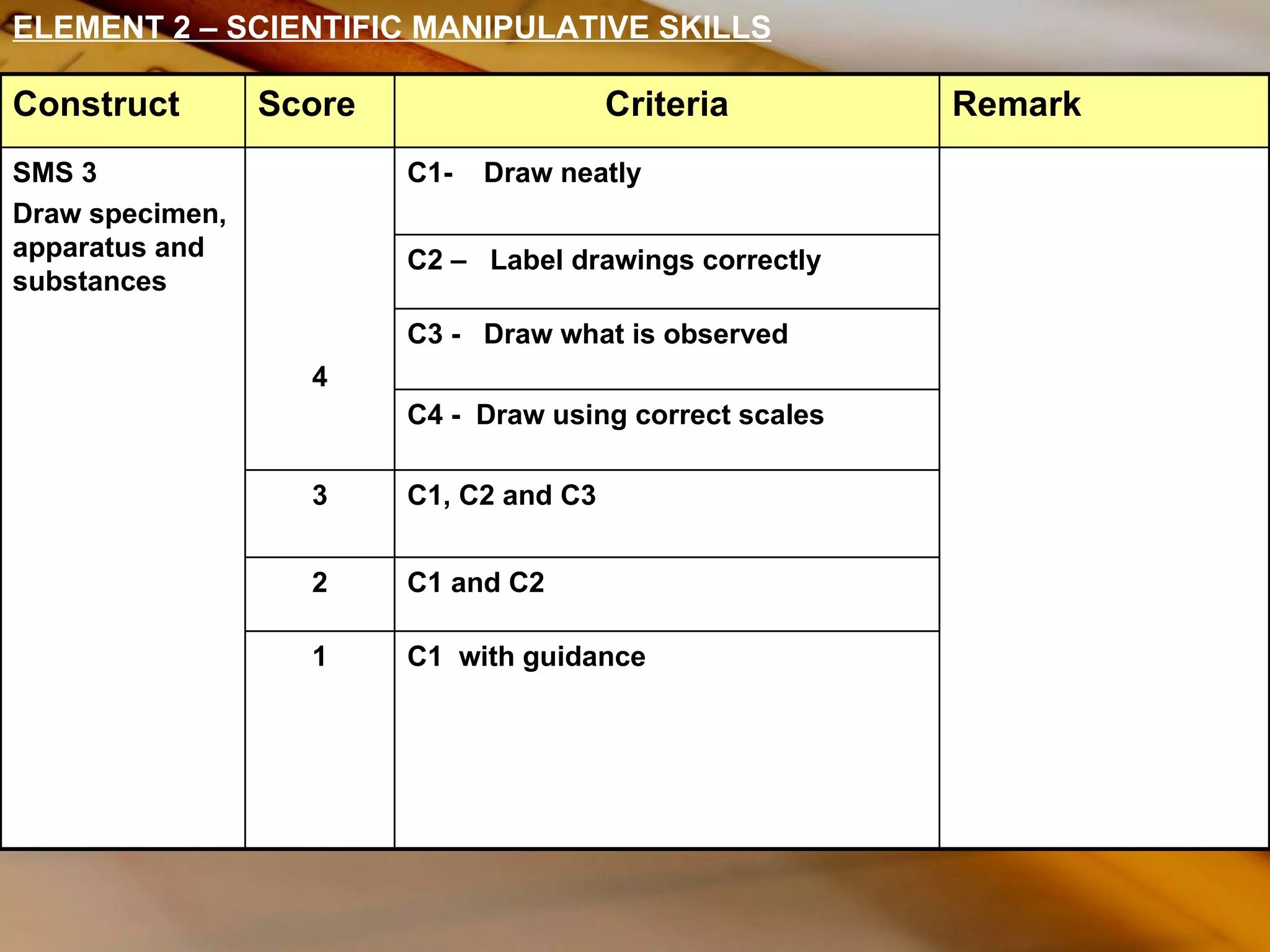
ELEMENT 2 – SCIENTIFIC MANIPULATIVE SKILLS C1  with guidance 1 C1 and C2 2 C1, C2 and C3 3 C4 -  Draw using correct scales C3 -  Draw what is observed C2 –  Label drawings correctly C1-  Draw neatly 4 SMS 3 Draw specimen, apparatus and substances  Remark Criteria Score Construct
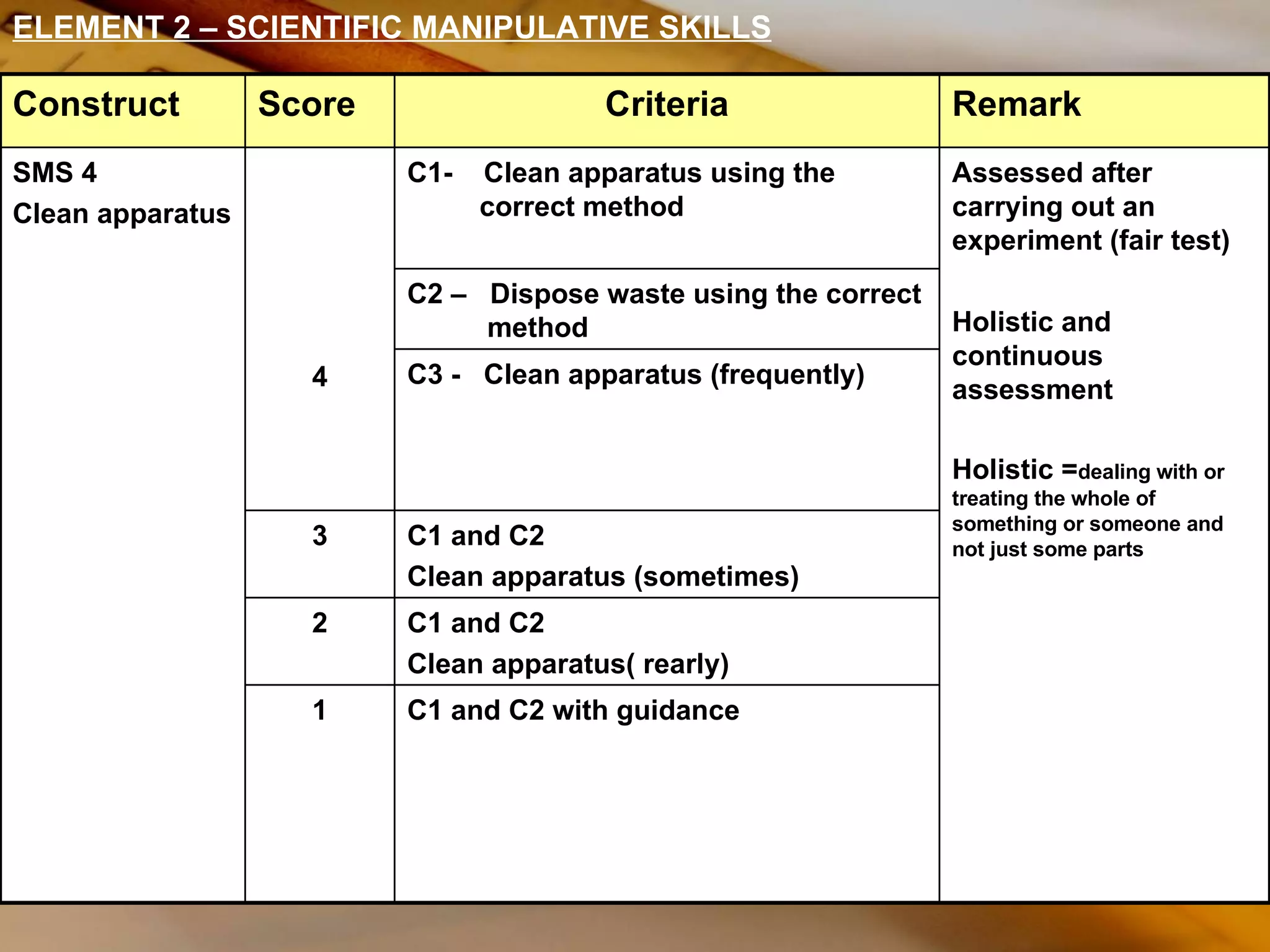
ELEMENT 2 – SCIENTIFIC MANIPULATIVE SKILLS C1 and C2 with guidance 1 C1 and C2 Clean apparatus( rearly) 2 C1 and C2  Clean apparatus (sometimes) 3 C3 -  Clean apparatus (frequently) C2 –  Dispose waste using the correct method Assessed after carrying out an experiment (fair test) Holistic and continuous assessment Holistic = dealing with or treating the whole of something or someone and not just some parts C1-  Clean apparatus using the correct method 4 SMS 4 Clean apparatus  Remark Criteria Score Construct
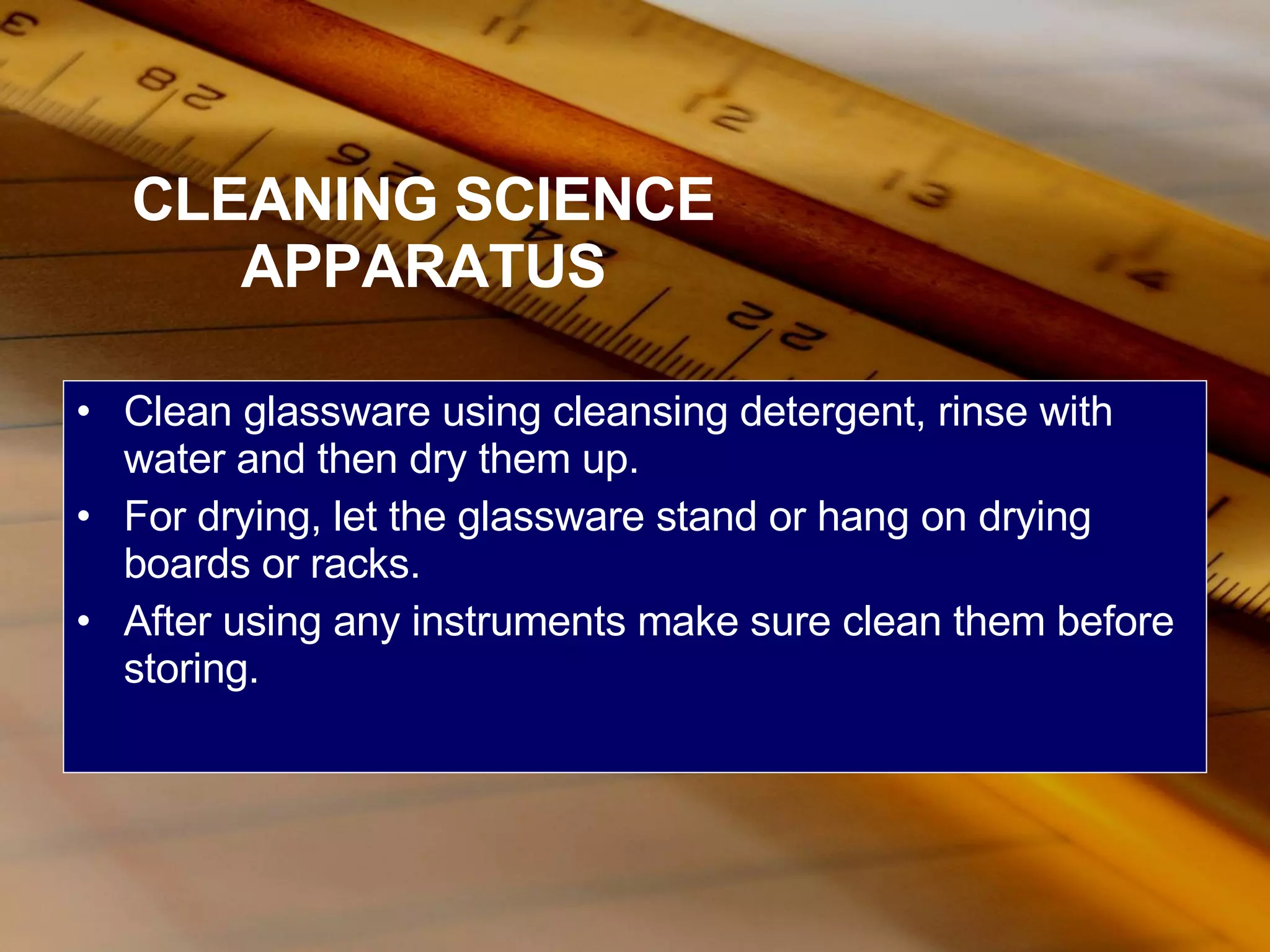
CLEANING SCIENCE APPARATUS Clean glassware using cleansing detergent, rinse with water and then dry them up. For drying, let the glassware stand or hang on drying boards or racks. After using any instruments make sure clean them before storing.
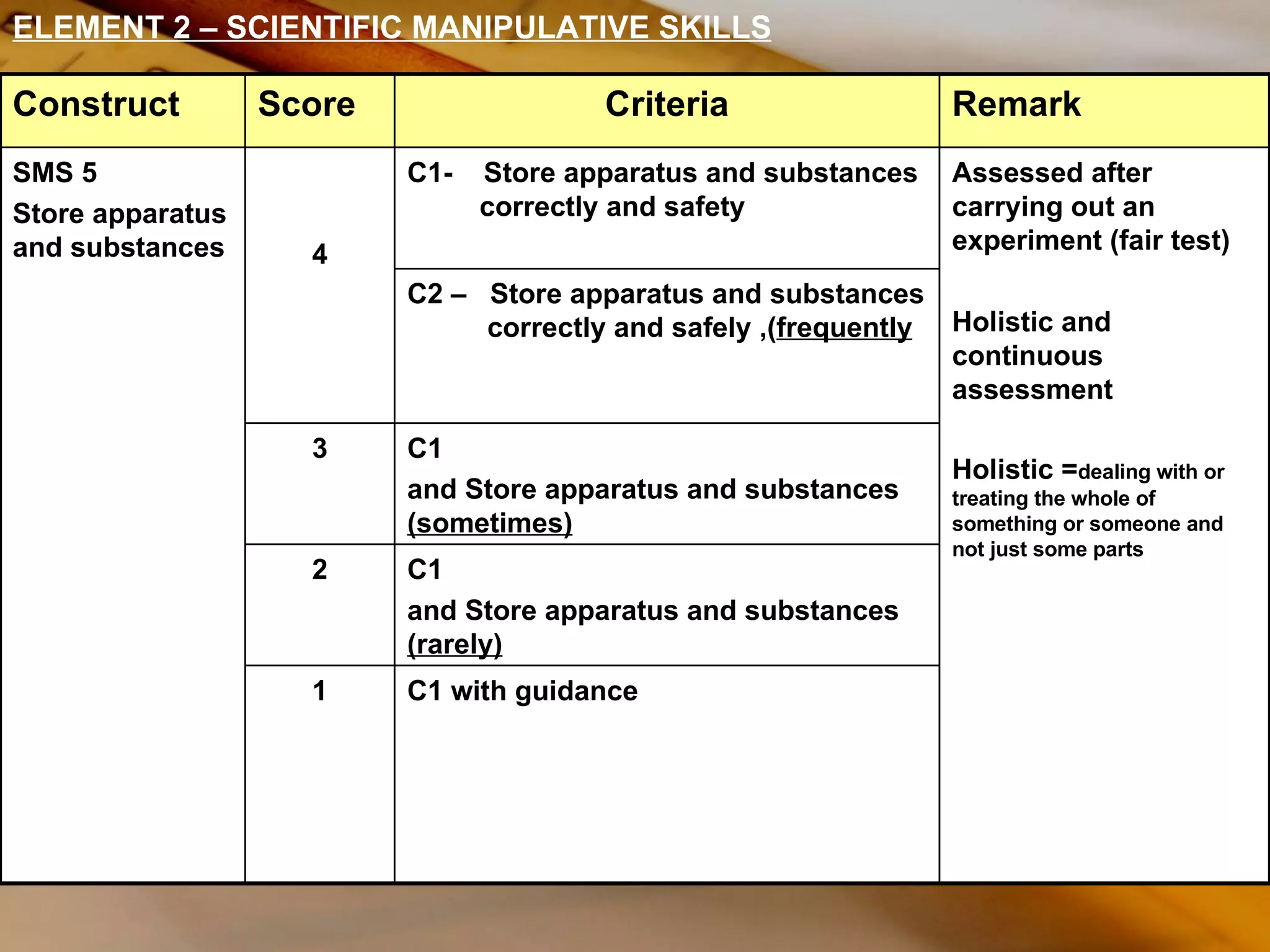
ELEMENT 2 – SCIENTIFIC MANIPULATIVE SKILLS C1 with guidance 1 C1 and Store apparatus and substances  (rarely) 2 C1  and Store apparatus and substances  (sometimes) 3 C2 –  Store apparatus and substances correctly and safely ,( frequently Assessed after carrying out an experiment (fair test) Holistic and continuous assessment Holistic = dealing with or treating the whole of something or someone and not just some parts C1-  Store apparatus and substances correctly and safety 4 SMS 5 Store apparatus and substances  Remark Criteria Score Construct
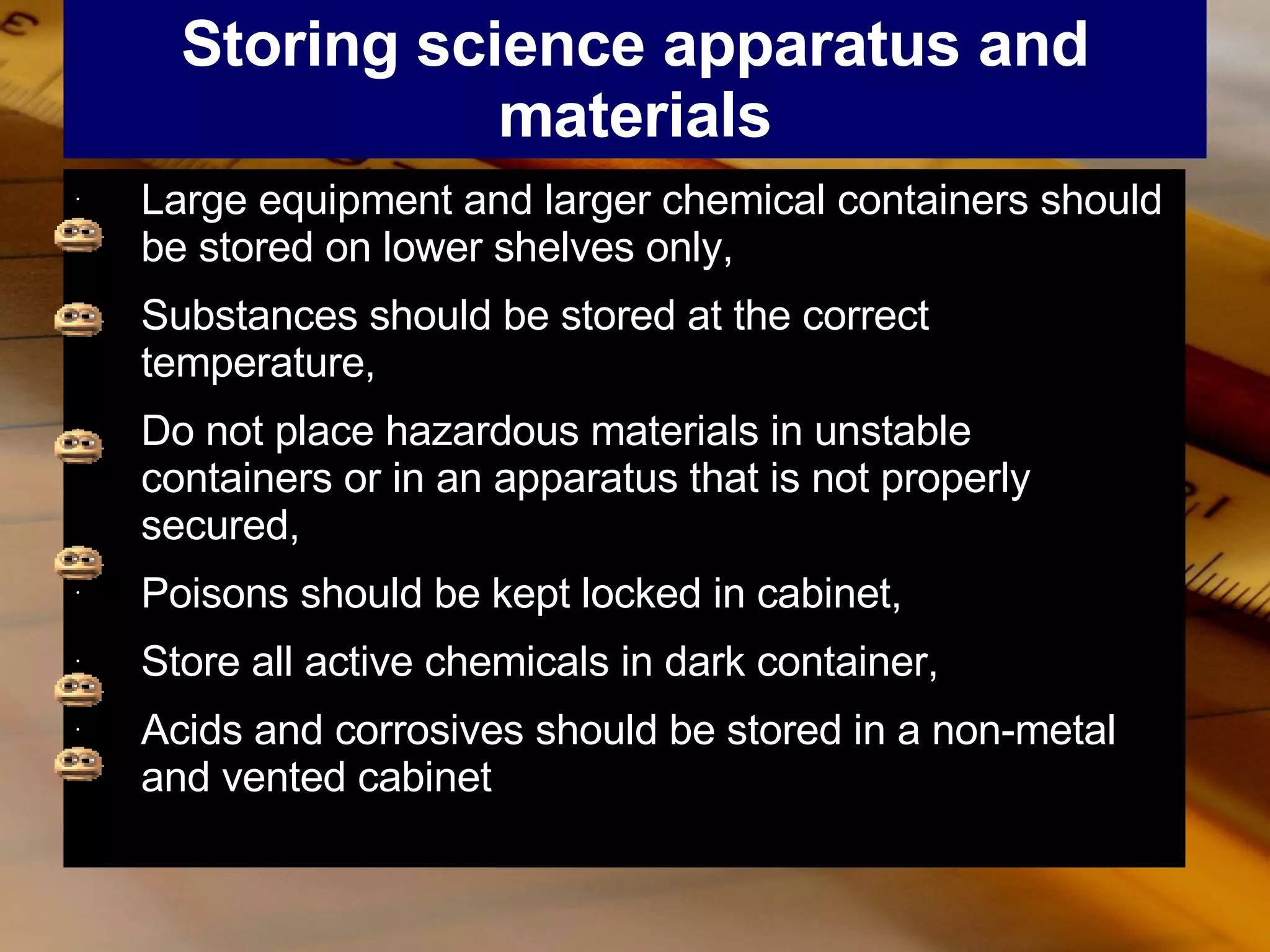
Storing science apparatus and materials Large equipment and larger chemical containers should be stored on lower shelves only, Substances should be stored at the correct temperature, Do not place hazardous materials in unstable containers or in an apparatus that is not properly secured, Poisons should be kept locked in cabinet, Store all active chemicals in dark container, Acids and corrosives should be stored in a non-metal and vented cabinet
THE END

Construct, Score And Criteria

  • 1.
    CONSTRUCT, SCORE ANDCRITERIA PERFORMANCE INDICATOR
  • 2.
    The framework ofUPSR PEKA. LEARNING AREA The learning area comprises of two elements. Element 1 : SPS ( Scientific Process Skills) Element 2 : SMS ( Scientific Manipulative Skills) Element 1 and 2 contain a list of criteria of the skills as the performance indicator which are expected to be mastered by pupils. The Scientific Attitudes and Noble values are imbedded during the assessment of SPS and SMS ad must be observed by teacher/ assessor
  • 3.
    Science and Teachingof Science Science and teaching students about science means more than scientific knowledge . The first of these is the content of science: the basic science concepts and our scientific knowledge . This is the dimension of science that most people first think about, and it is certainly very important.
  • 4.
    Science and Teachingof Science The other two important dimensions of science in addition to science knowledge are processes of doing science and scientific attitudes .
  • 5.
    Science and Teachingof Science The science process skills are the skills that scientists use in the process of doing science.
  • 6.
    SPS 1-OBSERVING C1or C2 ( with guidance) 1 C1 or C2 2 C1 and C2 3 C4 - State the properties of objects situations based on the sequences occurred. C3 - State the properties of objects and situations honestly C2 – State the properties of objects and situations using appropriate tools to assist senses. Suggested activity Field study Experiment Examples 3/1/1.1/4 3/1/1.2/1 3/1/2.1/4 3/2/6.1/1 4/1/3.2/1&2 4/1/3.4/1&2 4/1/3.5/2&5 5/1/1.1/3 6/1/1.1/1-6 6/1/1.2/1 (Refer to Curiculum Specification) C1- State the properties of objects and situations correctly using the five senses 4 SPS 1 Observing Remark Criteria Score Construct
  • 7.
    SPS 1 C1- State the properties of objects and situation correctly using the five senses QUALITATIVE OBSERVATION. Observe objects or events in a variety of ways using one or more of the senses Something that you directly see, hear, smell, taste, or touch To observe an objects means to carefully explore all of its properties such as colour, texture, odor, shape, weight, volume or temperature. Examples : Identify properties of an object, i.e. shape, color, size, and texture.
  • 8.
    SPS 1 C1- State the properties of objects and situation correctly using the five senses QUALITATIVE OBSERVATION. The classroom walls are yellow. The classroom floor is shiny.
  • 9.
    SPS 1 C1- State the properties of objects and situation correctly using the five senses Quantitative Observation Quantitative observations are descriptions that are based on measurements or counts and do include numbers. If you count objects or measure them with standard units, you are making quantitative observations. Examples: There are 28 students in the room. The blackboard is 1 meter high and 2 meters wide.
  • 10.
    SPS1 C2 – State the properties of objects and situations using appropriate tools to assist senses Use indirect methods, or using appropriate tools to assist senses. i.e.: hand lenses, microscopes, thermometers, to observe objects and events. observe objects or events by counting, comparing, estimating and measuring.
  • 11.
    SPS 1 /C3-State the properties of objects and situations honestly EXAMPLES
  • 12.
    SPS 1 /C4-State the properties of object situations based on the sequences occurred. EXAMPLES
  • 13.
    observations are directlyobservable, while inferences are explanations of what’s been observed. The differences between Observation and Inferences
  • 14.
    Examples: There’s anempty aquarium in the classroom. (observation) The tank is 50 cm long, 30 cm wide, and 18 cm deep. (observation) The inside of the tank is dry. (observation) The tank used to contain live fish. (inference; not directly observable) The tank is waterproof. (inference) The differences between Observation and Inferences
  • 15.
    Examples of ObservingPupils observe and visualise the movement of air when human beings breathe Pupils observe on how human beings respond to stimuli Pupils make careful observation in order to identify the basic needs of human beings, plants and animals from the given pictures or situations.
  • 16.
    Examples of Accurateand Objective Observing and Not Objective Observation Sixteen students were in class when the bell rang and five students arrived afterward. (accurate and objective) Half the class was late for class. (not accurate) The friendliest people were there first. (not objective)
  • 17.
    OBSERVING !!! Whereis my Peanut? . In this activity, students will record as much information about a peanut as possible, including its appearance, length, and weight. Then the peanut is hidden in a pile and students must use this information to find it. Note: Allow students to use instruments such as magnifying lenses, rulers, and balances to help them with their observations. You could extend the activity by having students describe their peanut either orally of in writing while other team members search for it. Repeat this activity with other manmade or natural objects.  Ask students: Which senses did you use to collect information about your peanut? What tools did you use to help you with your observations? What properties did you use to identify your peanut? What characteristic was most helpful for identifying your peanut? 
  • 18.
    C1 with guidance1 C1 and C2 2 C1, C2 and C3 3 C4 - Grouping objects or events in order into categories based on properties or criteria until the final step or the higher level. C3 - State the common properties or criteria used in each step of classification C2 – State the differences and similarities of the physical properties or criteria Suggested activity Field study Experiment Project Examples 3/1/1.1/1 3/1/1.3/1 3/1/2.3/1 3/2/4.1/1 4/1/2.3/9 4/3/1.1/1&11 5/1/2.2/1 6/1/3.1/2 5/3/1.1/1 6/3/1.2/2 6/3/2.1/1 (Refer to Curiculum Specification) C1- Grouping objects or events in order into categories based on common property or criteria 4 SPS 2 Classifying Remark Criteria Score Construct
  • 19.
    SPS 2 ClassifyingGrouping similar items together, such as shoes or books, is a form of classification. Classification is the organization of objects by traits that they have in common. Classifications can be general, like separating your books from the other objects in your room, or more specific, like separating your textbooks from your novels. You could go even further, separating text-books by subject matter, novels by their authors, and so on.
  • 20.
    SPS 2 CLASSIFYINGClassifying: organizing objects and events into groups according to a system (for example: the way animals are classified using groups such as kingdom, family, species, etc.).
  • 21.
    SPS 2 CLASSIFYINGIdentify properties useful for classifying objects. Group objects by their properties or similarities and differences Construct and use classification systems Grouping or ordering objects or events according to similarities or differences in properties Lists, tables, or charts are generated.
  • 22.
    SPS 2 C1- Grouping objects or events in order into categories based on common property or criteria Examples :
  • 23.
    SPS2 C2 – State the differences and similarities of the physical properties or criteria Examples :
  • 24.
    SPS 2 C3 - State the common properties or criteria used in each step of classification Examples :
  • 25.
    SPS 2 C4- Grouping objects or events in order into categories based on properties or criteria until the final step or the higher level. Examples :
  • 26.
    C1 and C2 with guidance 1 C1 and C2 2 C1, C2 and C3 3 C4 - State the increase and decrease in a reading C3 - Record reading accurately. C2 – Record reading using numbers and correct standard unit (SI) Suggested activity Field study Experiment Project Examples 4/2/1.1/3-4 4/2/1.2/3 4/2/1.4/4&5 4/2/1.5/3&4 4/2/1.6/4&5 5/2/4.1/3 6/2/2.1/1&2 (Refer to Curiculum Specification) C1- Use the correct apparatus to measure quantities e.g length, volume, mass, time , temperature and speed 4 SPS 3 Measuring and Using Numbers Remark Criteria Score Construct
  • 27.
    SPS 3: MEASURINGAND USING NUMBERS compare and order objects by length, area, weight, volume, etc. measure properties of objects or events by using standardised units of measure. measure volume, mass, weight, temperature, area, length, and time using appropriate units and appropriate measuring instruments.
  • 28.
    SPS 3: MEASURINGAND USING NUMBERS Comparing an unknown quantity with a known (metric units, time, student- generated frames of reference) - Observations are quantified using proper measuring devices and techniques Measurements are to be recorded in an orderly and systematic fashion with labeled units of measure. Charts, graphs, or tables can be generated manually or with computer software.
  • 29.
    SPS3 / C1- Use the correct apparatus to measure quantities e.g length, volume, mass, time , temperature and speed Examples :
  • 30.
    SPS 3 /C2– Record reading using numbers and correct standard unit (SI) Examples :
  • 31.
    SPS 3 /C3 - Record reading accurately. Examples :
  • 32.
    SPS 3 /C4- State the increase and decrease in a reading Examples : 40 20 36 15 32 10 30 5 Water temperature ( 0 C ) Time ( s )
  • 33.
    C1 with guidance1 C1 and C2 2 C1, C2 and C3 3 C4 - Write experimental report systematically ( with or without guidance) C3 - Explains ideas (oral written) C2 – Present data or information using appropriate drawing, table or graph Suggested activity Field study Experiment Project Examples 5/2/4.1/5 6/1/1.2/2 5/3/1.3/1 4/2/1.2/3 4/3/1.6/2 6/4/1.1/3 (Refer to Curiculum Specification) C1- Record data or information from an investigation 4 SPS 4 Communicating Remark Criteria Score Construct
  • 34.
    COMMUNICATING any typeof message that is sent from one person(s) to another person(s); these can be messages sent through talking or writing.
  • 35.
    COMMUNICATING construct anduse written reports, drawings, diagrams, graphs, or charts to transmit information learned from science experiments . Using the written and spoken work, graphs, demonstrations, drawings, diagrams, or tables to transmit information and ideas to others verbally ask questions about, discuss, explain, or report observations. after an investigation, report the question tested, the experimental design used, results, and conclusions drawn, using tables and graphs where appropriate.
  • 36.
    COMMUNICATING TOOLS SymbolsMaps Oral descriptions Music Drawing Concept Maps Graphs Models Charts Numbers Written language Body language Data Tables Codes (eg. Black magic)
  • 37.
    EXAMPLES OF QUESTIONING….COMMUNICATING Can you draw what the plant looks like? What can you say about this object? Tell us how you make the bulb lights up? Describe what happens when you add water to it? Draw a pie chart by using your data. Draw a graph to show the relationship between time and temperature.
  • 38.
    BAR CHART
  • 39.
  • 40.
  • 41.
  • 42.
  • 43.
    Draw a symbolto communicate each of the following directives DON’T STEP ON THE GRASS NO FOOD ALLOWED STRICTLY PROHIBITED DANGEROUS EXPLOSIVE DON’T FEED THE ANIMALS
  • 44.
  • 45.
    SPS 4 C1- Record data or information from an investigation Examples :
  • 46.
    SPS 4 C2 – Present data or information using appropriate drawing, table or graph Examples :
  • 47.
    SPS 4 C3 - State the quantity of changes based on the rate of changes Examples :
  • 48.
    SPS 4 C4 - Write experimental report systematically ( with or without guidance) Examples :
  • 49.
    C1 and C2with guidance 1 C1 and C2 2 C1, C2 and C3 3 C4 - Explain changes in location, size, shape and direction, with time C3 - State the quantity of changes based on the rate of changes C2 – State the relationship between the distance travelled and the time taken. Suggested activity Field study Experiment Project Examples 5/4/2.1/2 6/4/1.1/3 6/4/1.2/2 5/2/3.1/4 (Refer to Curiculum Specification) C1- Arrange occurrence of phenomenon on events chronologically 4 SPS 5 Using Space-time relationship Remark Criteria Score Construct
  • 50.
    SPS 3 /C4- State the increase and decrease in a reading Describing the location / direction / size / shape / changes of an object at a certain time The ice cube shape after 1 hour exposed to air….. Shape – time The expansion of ink drop on a tissue paper after 5 minutes…… Direction – time The distance after 3 hours journey with speed 15km/h…. Location- time Explanation Relationship
  • 51.
    SPACE-TIME RELATIONSHIP describean object's position, i.e., above, below, beside, etc. in relation to other objects describe the motion, direction, spatial arrangement, symmetry, and shape of an object compared to another object.
  • 52.
    Examples of questioning….…Space-time relationship Where is the ball after a while? What happens to the ice after a few minutes? What is the volume of the water after 5 minutes? What is the direction of the object within ten seconds?
  • 53.
    SPS 5 C1- Arrange occurrence of phenomenon on events chronologically Examples :
  • 54.
    SPS 5 C2– State concepts by describing what should be done Examples :
  • 55.
    SPS 5 C3- State the quantity of changes based on the rate of changes Examples :
  • 56.
    SPS 5 C4 - Explain changes in location, size, shape and direction, with time Examples :
  • 57.
    C1 or C2with guidance 1 C1 and C2 2 C1 and C2 or C3 and C4 3 C4 - State variables by describing what should be done. C3 - State variables by describing what should be observed C2 – State concepts by describing what should be done . Suggested activity Field study Experiment Project Examples 4/3/1.5/3 6/2/1.2/7 5/3/2.1/1 6/1/1.2/2 6/3/1.2/2 6//5/1.2/2 (Refer to Curiculum Specification) C1- State concepts by describing what should be observed 4 SPS 6 Defining Operationally Remark Criteria Score Construct
  • 58.
    DEFINING OPERATIONALLY statedefinitions of objects or events in terms of what the object is doing or what is occurring in the event state definitions of objects or events based on observable characteristics. Creating a definition by describing what is done and observed It is in the language of the students. Definitions are in context of students' experiences - not from the glossary, not to be memorized.
  • 59.
    DEFINING OPERATIONALLY OPERATIONALDEFINITION To help you (or someone else) repeat your experiment under the same conditions each time, you need to write an operational definition for any key terms that do not have one, clear meaning. The operational definition clarifies vague terms and explains how the results (dependent variable) will be measured. For example, in Helicopter Happenings, as a class we had to decide what the term “best” meant so that everyone was measuring results in thesame way. We could define “best” as the straightest flight path from start to finish; we also could define it as the highest number of complete rotations; it could mean the fastest flight time in seconds from start to finish. Stating how we measured the “best” flight ensures that each lab team measured the results using the same criteria.
  • 60.
    THE WAY OFQUESTIONING… DEFINING OPERATIONALLY What is a ball? What is a complete circuit? What did you do to the things to make a complete circuit?
  • 61.
    SPS 6 C1- State concepts by describing what should be observed Examples:
  • 62.
    SPS 6 C2– State concepts by describing what should be done Examples:
  • 63.
    SPS 6 C3- State variables by describing what should be observed Examples:
  • 64.
    SPS 6 C4- State variables by describing what should be observed Examples:
  • 65.
    C1 or C2or C3 With guidance 1 Any two criteria ( C1, C2, C3) 2 C1,C2 and C3 3 C1,C2,C3 and C4 4 C1,C2,C3,C4 and C5 5 C6 – Present the result in the form of drawing, table, graph or other means C5- Carry out an experiment to test the hypothesis by controlling variables in a coordinated manner C4- State the step in an experiment ( Oral or written) C3- Identify the apparatus in an experiment C2 – State the variables i.e. what to change, what to measure and what to keep constant in an experiment Examples 5/3/2.1/3 5/2/2.2/6 5/2/3.1/4 5/2/4.1/1 6/2/1.3/8 6/2/2.1/1 (Refer Curriculum specification) 5/3/2.1/3Understanding the properties of acidic, alkaline and neutral substances. 5/2/2.2/6Understanding a series circuit and a parallel circuit Compare the brightness of the bulbs in a series and a parallel circuit. C1 – State a hypothesis ( relationship between what to change and what to measure) SPS 7 Experimenting Remark Criteria Score Construct
  • 66.
    EXPERIMENTING Design aninvestigation to test a hypothesis Conduct simple experiments Recognize limitations of methods and tools used in experiments, i.e., experimental error Utilise safe procedures while conducting investigations. Designing one's own experiment to test a hypothesis using procedures to obtain reliable data . All basic and integrated skills to formulate a problem, collect data, and pose a solution are used. Doing a teacher-orchestrated science activity is NOT experimenting. Student demonstrates understanding and application of scientific method though inquiry, research and self-design of experiment to test a hypothesis.
  • 67.
    EXPERIMENTING 1. Identifythe Problem. 2. Form a hypothesis. 3. Experiment (materials, procedure, what to change, what to observe/measured, what to keep the same? 4. Analyse the data 5. Draw a conclusion. 6. Communicate the results.
  • 68.
    EXPERIMENTING RESEARCH QUESTIONScientists design experiments to answer questions or solve problems. The research question guides what the scientist tests and is answered using data gathered through testing. The research question usually states the relationship between what is changed and what is observed.
  • 69.
    EXPERIMENTING What canyou see on the screen if the source of light is fully blocked? How does the size of the shadow change when the distance between the object and light source is increases ? What have you found out from this experiment ?
  • 70.
    SPS 7 C1– State a hypothesis ( relationship between what to change and what to measure) If I add mass to the base, then the helicopter will drop straighter because the mass stabilises the helicopter.”
  • 71.
    SPS 7 C1– State a hypothesis ( relationship between what to change and what to measure) You may say, “If my car battery is low, my car will not start." This is your first hypothesis. You may then check whether the lights were left on, or if the engine makes a particular sound when you turn the ignition key. You might actually check the voltage across the terminals of the battery. If you discover that the battery is not low, you might attempt another hypothesis ("The starter is broken"; "This is really not my car.")
  • 72.
    SPS 7 C2– State the variables i.e. what to change, what to measure and what to keep constant in an experiment identify the variables: what is changed (manipulated variable, What is observed /measured (responding) variable, and What is kept the same , variables-held-constant in an experiment.
  • 73.
    SPS 7 C3- Identify the apparatus in an experiment EXAMPLES:
  • 74.
    SPS 7 C4- State the step in an experiment ( Oral or written) EXAMPLES:
  • 75.
    SPS 7 C5- Carry out an experiment to test the hypothesis by controlling variables in a coordinated manner EXAMPLES:
  • 76.
    SPS 7 C6– Present the result in the form of drawing, table, graph or other means EXAMPLES:
  • 77.
    EXPERIMENTING Understanding that temperature is an indicator of degree of hotness. The lesson is about hot and cold. In this lesson, pupils will investigate and discover from activities how a substance becomes hot or cold and the change in temperature when it gains or loses heat. Pupils also carry out activities to measure temperature of water when it is heated and allow to cool, using a thermometer. In the same time pupils also will understand and learn how to use thermometer and use it to measure in a correct way.
  • 78.
    EXPERIMENTING We aregoing to apply measuring and using number as a main skill in this activity. In this activity pupils plays major role that is their involvement are about 95% and teacher become a facilitator. Where teacher’s role is as a guide and not as demonstrator . The teacher have to give the instructions clearly before the pupils carry on with their activity. Beside than investigating the measuring and using the number skills, we also can investigate how the pupils using the manipulative skills in group to do the activities.
  • 79.
    EXPERIMENTING Apparatus :Torch light, screen, ball, ruler
  • 80.
    EXPERIMENTING 1) Questions:How to change the size of a shadow? 2) Hypothesis :________________________ ________________________ 3) The aim of the investigation ? 3) Variables : What to change ? What to observe/measured ? What to keep the same? 4) Apparatus and materials needed for this investigation ?
  • 81.
    EXPERIMENTING In thislesson people will learn about the light travels in a straight line. When an opaque object is placed across a beam of light, a dark spot is formed behind the object. The dark spot is called a shadow. The shape of the shadow depends on the shape of the object that blocks the light. The changes in the size of a shadow can be done by two ways; first, by verifying the distance between an object and its light source; second, by verifying the distance between an object and the screen. The shape of a shadow changes according to the position of the light source and the position of the object. We can ensure the phenomenon through an experiment. Pupils will do the experiment while the teacher will be a facilitator. Therefore, under this skills pupil will able to perceive a think of things and experience in the surrounding and use reasoning power to analyze and interpret the concept. This learning ability will enable a pupil to acquire knowledge.
  • 82.
    EXPERIMENTING Procedure :First, teacher will show the model to the pupils. Pupils will set the apparatus as shown. Stand the object 5cm from the screen. Put the touch 10cm from the object. Shine the light source on the object to form a shadow on the screen. Mark the position of the light source. Repeat step from 1 to 4 by changing the distant between the light source and the object as shown in the table below. Record your observation.
  • 83.
    EXPERIMENTING 25 2015 10 Sizes of shadow on the screen Distances between the object and the light source (cm)
  • 84.
    EXPERIMENTING What canyou see on the screen if the source of light is fully blocked? ------------------------------------------------------------------ 2. How does the size of the shadow change when the distance between the object and light source is increases ? ------------------------------------------------------------------ 3. What have you found out from this experiment ? ---------------------------------------------------------------------------------------------------------------------------------------------------------
  • 85.
    EXPERIMENTING 1) Questions:How a substance becomes hot or cold 2) Hypothesis :_________________________ 3) The aim of the investigation ? 3) Variables : What to change ? What to observe/measured ? What to keep the same? 4) Apparatus and materials needed for this investigation ?
  • 86.
    HYPOTHESIS If Iadd mass to the base, then the helicopter will drop straighter because the mass stabilizes the helicopter. If the wings of the helicopter are shorter, then the flight time will decrease.
  • 87.
    EXPERIMENTING Apparatus forthe activity Two beakers ( 250 ml ) Stopwatch Thermometer Retort stand and clamp Measuring cylinder
  • 88.
    EXPERIMENTING Procedures forthe activity Set up the apparatus as shown. Put the ice cubes into the beaker until three-quarter full. Measure the temperature. Pour 50 ml of hot water into the beaker and stopwatch. Measure the temperature every minute for 5 minutes. Record the observations in the table. Pour hot water into the second beaker until it is half full. Measure the temperature. Add five ice cubes into the water and start the stopwatch. Measure the temperature every minute for 5 minutes. Record your observations in the table.
  • 89.
    EXPERIMENTING SAFETY NOTEBE CAREFUL WHEN HANDLING HOT WATER. DO NOT USE BOLING WATER. 5 4 3 2 1 0 Time ( min ) Temperature when hot water is added ( o C) Temperatures when ice is added ( o C )
  • 90.
    Conclusion A conclusionis a summary of an experiment. Someone who reads only the conclusion section of your report should be able to understand what your experiment was about. The summary should give your results, describe what those findings mean, and suggest new questions that should be investigated. A good conclusion can be written by answering six questions: 1. What was the purpose of the experiment? 2. What were the major findings? 3. Was your hypothesis supported or not supported by the data? Or were your results inconclusive? 4. How did your findings compare with the results of others in your class, or with information in your textbook? 5. What possible explanations can you give for your results?
  • 91.
    ELEMENT 2 –SCIENTIFIC MANIPULATIVE SKILLS C1 with guidance 1 C1 and C2 2 C1, C2 and C3 3 C4 - Carry out the experiment following the correct procedures C3 - Set up the apparatus or prepare the substances in an orderly manner C2 – Handle the apparatus and substances correctly and carefully Example Use ruler, hand lens, measuring cyclinder, microscope, thermometer, bunsen burner , stop watch, test tube, stethoscope and retort stand. Note SPS and SMS can be carried together C1- Use at least 5 apparatus correctly and carefully 4 SMS 1 Use and handle science apparatus and substances Remark Criteria Score Construct
  • 92.
    Handle specimens correctlyand carefully Plant - do the observation in the field - return the specimens to the field - don’t throw the specimens into the dustbin - do not handle poisonous plants Animal - observe life insect in closed petri dishes - release the insect in nature after the activity To ensure safety - before starting work, cover all wounds - hands must be thoroughly washed with soap at least - if bitten treat the wound with antiseptic
  • 93.
    ELEMENT 2 –SCIENTIFIC MANIPULATIVE SKILLS C1 or C2 with guidance 1 C1 and C2 2 C1, C2 and either C3 or C4 3 C4 - Use non-living specimens without waste C3 - Caring for living specimens C2 – Handle non-living things specimens correctly and carefully Example Living specimen Young plants Insects Non-living specimen Stick Water Stone Soil C1- Handle living specimens correctly and carefully 4 SMS 2 Handle living and non-living thing specimens Remark Criteria Score Construct
  • 94.
    ELEMENT 2 –SCIENTIFIC MANIPULATIVE SKILLS C1 with guidance 1 C1 and C2 2 C1, C2 and C3 3 C4 - Draw using correct scales C3 - Draw what is observed C2 – Label drawings correctly C1- Draw neatly 4 SMS 3 Draw specimen, apparatus and substances Remark Criteria Score Construct
  • 95.
    ELEMENT 2 –SCIENTIFIC MANIPULATIVE SKILLS C1 and C2 with guidance 1 C1 and C2 Clean apparatus( rearly) 2 C1 and C2 Clean apparatus (sometimes) 3 C3 - Clean apparatus (frequently) C2 – Dispose waste using the correct method Assessed after carrying out an experiment (fair test) Holistic and continuous assessment Holistic = dealing with or treating the whole of something or someone and not just some parts C1- Clean apparatus using the correct method 4 SMS 4 Clean apparatus Remark Criteria Score Construct
  • 96.
    CLEANING SCIENCE APPARATUSClean glassware using cleansing detergent, rinse with water and then dry them up. For drying, let the glassware stand or hang on drying boards or racks. After using any instruments make sure clean them before storing.
  • 97.
    ELEMENT 2 –SCIENTIFIC MANIPULATIVE SKILLS C1 with guidance 1 C1 and Store apparatus and substances (rarely) 2 C1 and Store apparatus and substances (sometimes) 3 C2 – Store apparatus and substances correctly and safely ,( frequently Assessed after carrying out an experiment (fair test) Holistic and continuous assessment Holistic = dealing with or treating the whole of something or someone and not just some parts C1- Store apparatus and substances correctly and safety 4 SMS 5 Store apparatus and substances Remark Criteria Score Construct
  • 98.
    Storing science apparatusand materials Large equipment and larger chemical containers should be stored on lower shelves only, Substances should be stored at the correct temperature, Do not place hazardous materials in unstable containers or in an apparatus that is not properly secured, Poisons should be kept locked in cabinet, Store all active chemicals in dark container, Acids and corrosives should be stored in a non-metal and vented cabinet
  • 99.