USER
INTERACTION
DESIGN
LESSON
08:
SCALE,
CONTRAST
AND
PROPORTION
1/38
welcome to
USER INTERACTION DESIGN
Lecturer
Itamar Medeiros (Brazil)
BA Industrial Design;
PgDip Information Design;
MA Design Practice
Expertise
Multimedia/Web Design,
Photography, Information Design
and Human-Computer Interaction.
USER
INTERACTION
DESIGN
LESSON
08:
SCALE,
CONTRAST
AND
PROPORTION
2/38
LESSON 08:
COMMUNICATION-ORIENTED
INTERFACE DESIGN PRINCIPLES
learning outcome
Students will learn to think of
interfaces as information systems
and to use gestalt theory to
organize such systems in ways to
maximize the user experience.
USER
INTERACTION
DESIGN
LESSON
08:
SCALE,
CONTRAST
AND
PROPORTION
3/38
LESSON 08:
COMMUNICATION-ORIENTED
INTERFACE DESIGN PRINCIPLES
content
An introduction to Communication-
Oriented principles of Interface
Design:
-Scale, Contrast and Proportion;
-Gestalt and Visual Variables.
USER
INTERACTION
DESIGN
LESSON
08:
SCALE,
CONTRAST
AND
PROPORTION
4/38
SCALE, CONTRAST &
PROPORTION
The subtle interrelationship of scale,
contrast and proportion can be seen in
every harmonious design.
The effectiveness of a clear
composition always depends at
least as much -- often more -- on the
relationships among the parts as it
does on the parts themselves.
USER
INTERACTION
DESIGN
LESSON
08:
SCALE,
CONTRAST
AND
PROPORTION
5/38
SCALE, CONTRAST &
PROPORTION
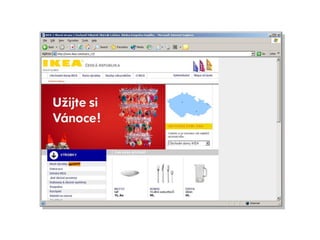
These relationships, which emerge at
the global level of the display, must
be manipulated locally, by modifying
the attributes of display component
parts.
Unfortunately this is on of the most
difficult problems in visual
communication -- and the one that
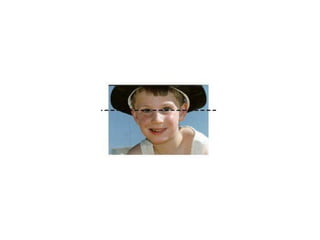
requires the most practice to develop.
USER
INTERACTION
DESIGN
LESSON
08:
SCALE,
CONTRAST
AND
PROPORTION
6/38
SCALE, CONTRAST &
PROPORTION
Altering even a single attribute of one
part in a complex composition can
have a significant impact on the
balance, the unity, and the harmony
of the whole.
USER
INTERACTION
DESIGN
LESSON
08:
SCALE,
CONTRAST
AND
PROPORTION
7/38
SCALE
human proportions
Scale describes the relative size or
magnitude of a given design
element in relation to other design
elements and the composition as a
whole.
Scale is never meaningful in an absolute
sense: it is defined in relation to the
human viewer.
USER
INTERACTION
DESIGN
LESSON
08:
SCALE,
CONTRAST
AND
PROPORTION
8/38
USER
INTERACTION
DESIGN
LESSON
08:
SCALE,
CONTRAST
AND
PROPORTION
9/38
SCALE
the right balance
Achieving the right balance between
point and counterpoint, between figure
and ground, depends on careful
manipulation of the graphical
qualities of each element in the
display.
The magnitude of the differences needed
to establish this balance are dictated
by the principles of contrast.
USER
INTERACTION
DESIGN
LESSON
08:
SCALE,
CONTRAST
AND
PROPORTION
10/38
CONTRAST
Contrast results from noticeable
differences along a common visual
dimension that can be observed
between elements in composition.
USER
INTERACTION
DESIGN
LESSON
08:
SCALE,
CONTRAST
AND
PROPORTION
11/38
USER
INTERACTION
DESIGN
LESSON
08:
SCALE,
CONTRAST
AND
PROPORTION
12/38
USER
INTERACTION
DESIGN
LESSON
08:
SCALE,
CONTRAST
AND
PROPORTION
13/38
CONTRAST
visual distinctions
Contrast provides visual distinctions,
which are the building blocks of
meaning in a visual message.
The dimensions along which visual
contrast can be drawn include shape,
size, color, texture, position,
orientation, and movement.
USER
INTERACTION
DESIGN
LESSON
08:
SCALE,
CONTRAST
AND
PROPORTION
14/38
USER
INTERACTION
DESIGN
LESSON
08:
SCALE,
CONTRAST
AND
PROPORTION
15/38
USER
INTERACTION
DESIGN
LESSON
08:
SCALE,
CONTRAST
AND
PROPORTION
16/38
CONTRAST
communication efficiency
Effective visual communication
consists of selecting – for each part
and for the whole composition – the
visual treatment that most
effectively realizes the
communication goal.
Scale and contrast must be modulated to
produce the right balance between
interesting visual dynamics and
pleasing, harmonious proportions.
USER
INTERACTION
DESIGN
LESSON
08:
SCALE,
CONTRAST
AND
PROPORTION
17/38
USER
INTERACTION
DESIGN
LESSON
08:
SCALE,
CONTRAST
AND
PROPORTION
18/38
PROPORTION
Proportion deals in rations rather
fixed sizes. It determines the balance
and harmony of the relations between
elements.
Classical systems of proportion – such
as the Golden Rectangle – codify
relationships known to please the
mind as well as the eye.
USER
INTERACTION
DESIGN
LESSON
08:
SCALE,
CONTRAST
AND
PROPORTION
19/38
SCALE, CONTRAST
AND PROPORTION
Regardless of its source, the effective
use of scale, contrast and proportion
confers many benefits, such as:
USER
INTERACTION
DESIGN
LESSON
08:
SCALE,
CONTRAST
AND
PROPORTION
20/38
DIFFERENTIATION
Contrast is essential for differentiating
elements from one another - for
allowing form to emerge from the void.
USER
INTERACTION
DESIGN
LESSON
08:
SCALE,
CONTRAST
AND
PROPORTION
21/38
USER
INTERACTION
DESIGN
LESSON
08:
SCALE,
CONTRAST
AND
PROPORTION
22/38
EMPHASIS
Scale and contrast can be used to
emphasize important elements of
the composition.
USER
INTERACTION
DESIGN
LESSON
08:
SCALE,
CONTRAST
AND
PROPORTION
23/38
USER
INTERACTION
DESIGN
LESSON
08:
SCALE,
CONTRAST
AND
PROPORTION
24/38
ACTIVITY
Scale and contrast move the viewer’s
eye through the composition in a
predictable sequence that can be
used to support a particular
communication goal.
USER
INTERACTION
DESIGN
LESSON
08:
SCALE,
CONTRAST
AND
PROPORTION
25/38
USER
INTERACTION
DESIGN
LESSON
08:
SCALE,
CONTRAST
AND
PROPORTION
26/38
INTEREST
Scale and contrast add visual interest
to a composition by juxtaposing
elements with strongly opposed visual
qualities to create tension, drama, and
excitement.
USER
INTERACTION
DESIGN
LESSON
08:
SCALE,
CONTRAST
AND
PROPORTION
27/38
USER
INTERACTION
DESIGN
LESSON
08:
SCALE,
CONTRAST
AND
PROPORTION
28/38
SCALE, CONTRAST
AND PROPORTION
principles
Scale, contrast and proportion can be
powerful tools in the hands of a
designer. If proportion sets the
rhythm of the display, then the scale
of its components determines its
forcefulness and their contrasts
determines its excitability.
USER
INTERACTION
DESIGN
LESSON
08:
SCALE,
CONTRAST
AND
PROPORTION
29/38
SCALE, CONTRAST
AND PROPORTION
principles
These powerful elements must be used
with care, particularly in user interface
design, where the goal is rarely to
shock, to arrest, or to persuade.
Contrasts must be clear enough to
convey the intended distinctions,
yet subtle enough to produce a
harmonious relation between the
elements in the display.
USER
INTERACTION
DESIGN
LESSON
08:
SCALE,
CONTRAST
AND
PROPORTION
30/38
PRINCIPLES
clarity
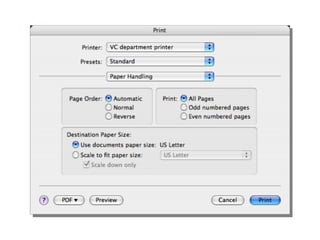
Contrast, like any other aspect of design,
is effective only when it is clearly
intentional rather than random or
accidental.
Clarity of intent ensures that contrast
can be easily perceived and that
values can be clearly equated or
differentiated.
USER
INTERACTION
DESIGN
LESSON
08:
SCALE,
CONTRAST
AND
PROPORTION
31/38
USER
INTERACTION
DESIGN
LESSON
08:
SCALE,
CONTRAST
AND
PROPORTION
32/38
PRINCIPLES
harmony
Harmony describes the effect, seen at
the level of the whole, of the pleasing
interaction of the parts.
USER
INTERACTION
DESIGN
LESSON
08:
SCALE,
CONTRAST
AND
PROPORTION
33/38
USER
INTERACTION
DESIGN
LESSON
08:
SCALE,
CONTRAST
AND
PROPORTION
34/38
PRINCIPLES
harmony
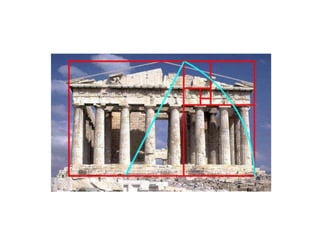
A constant interest of classical Greek, its
architecture was based on an
elaborate mathematical canon
relating the width, height, and
spacing of interior and exterior
components to one another.
The most famous of such mathematical
formula is the Golden Section, which
governs the overall proportions of the
façade.
USER
INTERACTION
DESIGN
LESSON
08:
SCALE,
CONTRAST
AND
PROPORTION
35/38
USER
INTERACTION
DESIGN
LESSON
08:
SCALE,
CONTRAST
AND
PROPORTION
36/38
PRINCIPLES
harmony
Various composition rules derived from
this formula, such as the Rule of
Thirds for photography.
USER
INTERACTION
DESIGN
LESSON
08:
SCALE,
CONTRAST
AND
PROPORTION
37/38
USER
INTERACTION
DESIGN
LESSON
08:
SCALE,
CONTRAST
AND
PROPORTION
38/38

Communication-Oriented Interface Design Principles: Part II (User Interaction Design at Raffles Design Institute)