
Skill and Employability.........Nurturing talent to meet corporate needsCo-hosted by:Yacca Group
XYZAugust 2011
“Tell me and I will forget, show me and I may remember, involve me and I will understand” - Confucius
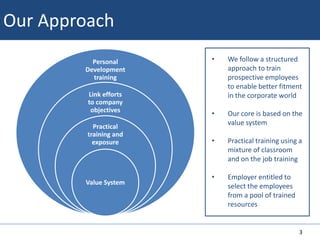
Our ApproachWe follow a structured approach to train prospective employees to enable better fitment in the corporate world
Our core is based on the value system
Practical training using a mixture of classroom and on the job training
Employer entitled to select the employees from a pool of trained resourcesTopics CoveredBasic FinanceAdvanced FinanceBusiness BasicsCommunication SkillsEffective PresentationsERP – SAPPersonal Grooming SkillsEffective Business Writing Skills
Basic Finance – Classroom SessionsUnderstanding the basic finance concepts like ROI, Opportunity Cost, Sunk Cost, etcUnderstanding the basic accounting concepts like debit and credit, Trial Balance, Balance Sheet, Profit and Loss, Cash Flow, MIS, etc
Basic Finance – Practical SessionsVisit to the finance department of an organization and understand various functionsPerform accounting for routine transactions in the organizationUnderstanding the filing and record retention systemUnderstanding audit requirements
Advanced Finance – Classroom SessionsAnalyze the profitability of an organizationUpdate on latest in the world on accounting like IFRS, GST and its impact on the industryBasic knowledge on Day to day accounting in sync with the corporate world.Training on basic finance functions with real corporate working modules.
Business Basics – Classroom SessionsUnderstanding the vision and mission of an organizationUnderstand the corporate values and code of business conductDos and Don’t in corporate environment – Business EtiquetteExposure to concepts like 5S, Six Sigma, Lean Manufacturing, Gemba Kaizen, ISO certifications
Business Basics – Practical SessionsVisit to the manufacturing floor to have practical exposure to implementation of concepts like 5S, Six Sigma, Lean Manufacturing, Gemba Kaizen, ISO CertificationsPractical exposure to concepts like product costing, cycle time, machine hour calculationInnovation at workplaceImportance of doing the basic right
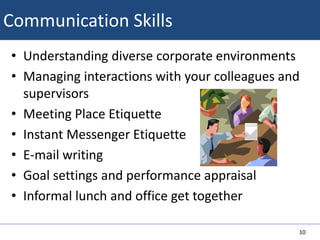
Understanding diverse corporate environmentsManaging interactions with your colleagues and supervisorsMeeting Place Etiquette Instant Messenger EtiquetteE-mail writingGoal settings and performance appraisalInformal lunch and office get togetherCommunication Skills
WHAT IS COMMUNICATION?Communication is sending ideas, thoughts or feelings from one person to one or more person in such a way that the person receiving it understands it in the same way the sender wants him/her tounderstand.11
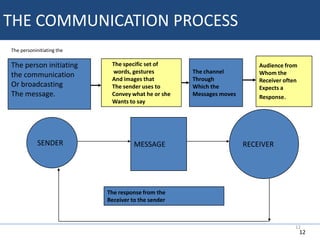
THE COMMUNICATION PROCESSThe personinitiating theAudience from Whom theReceiver oftenExpects a Response.The person initiating the communicationOr broadcastingThe message.The specific set of words, gesturesAnd images thatThe sender uses toConvey what he or sheWants to sayThe channelThroughWhich theMessages movesRECEIVERSENDERMESSAGEThe response from theReceiver to the sender12
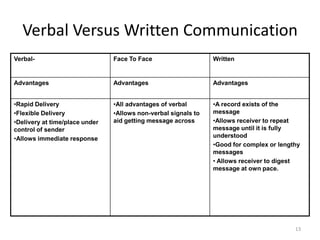
Verbal Versus Written Communication13
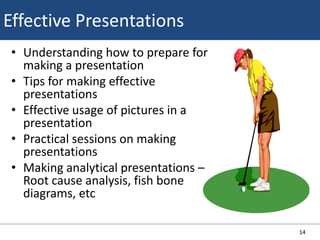
Effective PresentationsUnderstanding how to prepare for making a presentationTips for making effective presentationsEffective usage of pictures in a presentationPractical sessions on making presentationsMaking analytical presentations – Root cause analysis, fish bone diagrams, etc
ERP - SAPOverview of ERP systems being commonly used in industryUnderstanding of the various functionalities available in an ERP productCommon mistakes in ERPPractical exposure to SAP ERP
PERSONAL GROOMINGThe first impression- Remember the first impression is always the last impressionAPPEARANCE- It matters a lotBODY LANGUAGE- It reveals everything. Your posture, face and hands movement and above all your smile can reveal all.VOICE- Your voice can be your mirror.THE HAND SHAKE- Most widely accepted form of first contact16
ETTIQUETESPersonal and Business etiquettes Do unto others as you would like them to do to youGood mannersPolitenessCreating goodwill17
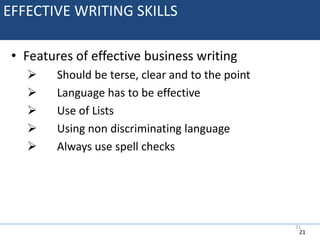
RULES OF EFFECTIVE WRITING SKILLSBasic Rules:-Getting to the pointBeing Concise
Paragraphing

Combined presentation

  • 1.
    Skill and Employability.........Nurturingtalent to meet corporate needsCo-hosted by:Yacca Group
  • 2.
  • 3.
    “Tell me andI will forget, show me and I may remember, involve me and I will understand” - Confucius
  • 4.
    Our ApproachWe followa structured approach to train prospective employees to enable better fitment in the corporate world
  • 5.
    Our core isbased on the value system
  • 6.
    Practical training usinga mixture of classroom and on the job training
  • 7.
    Employer entitled toselect the employees from a pool of trained resourcesTopics CoveredBasic FinanceAdvanced FinanceBusiness BasicsCommunication SkillsEffective PresentationsERP – SAPPersonal Grooming SkillsEffective Business Writing Skills
  • 8.
    Basic Finance –Classroom SessionsUnderstanding the basic finance concepts like ROI, Opportunity Cost, Sunk Cost, etcUnderstanding the basic accounting concepts like debit and credit, Trial Balance, Balance Sheet, Profit and Loss, Cash Flow, MIS, etc
  • 9.
    Basic Finance –Practical SessionsVisit to the finance department of an organization and understand various functionsPerform accounting for routine transactions in the organizationUnderstanding the filing and record retention systemUnderstanding audit requirements
  • 10.
    Advanced Finance –Classroom SessionsAnalyze the profitability of an organizationUpdate on latest in the world on accounting like IFRS, GST and its impact on the industryBasic knowledge on Day to day accounting in sync with the corporate world.Training on basic finance functions with real corporate working modules.
  • 11.
    Business Basics –Classroom SessionsUnderstanding the vision and mission of an organizationUnderstand the corporate values and code of business conductDos and Don’t in corporate environment – Business EtiquetteExposure to concepts like 5S, Six Sigma, Lean Manufacturing, Gemba Kaizen, ISO certifications
  • 12.
    Business Basics –Practical SessionsVisit to the manufacturing floor to have practical exposure to implementation of concepts like 5S, Six Sigma, Lean Manufacturing, Gemba Kaizen, ISO CertificationsPractical exposure to concepts like product costing, cycle time, machine hour calculationInnovation at workplaceImportance of doing the basic right
  • 13.
    Understanding diverse corporateenvironmentsManaging interactions with your colleagues and supervisorsMeeting Place Etiquette Instant Messenger EtiquetteE-mail writingGoal settings and performance appraisalInformal lunch and office get togetherCommunication Skills
  • 14.
    WHAT IS COMMUNICATION?Communicationis sending ideas, thoughts or feelings from one person to one or more person in such a way that the person receiving it understands it in the same way the sender wants him/her tounderstand.11
  • 15.
    THE COMMUNICATION PROCESSThepersoninitiating theAudience from Whom theReceiver oftenExpects a Response.The person initiating the communicationOr broadcastingThe message.The specific set of words, gesturesAnd images thatThe sender uses toConvey what he or sheWants to sayThe channelThroughWhich theMessages movesRECEIVERSENDERMESSAGEThe response from theReceiver to the sender12
  • 16.
    Verbal Versus WrittenCommunication13
  • 17.
    Effective PresentationsUnderstanding howto prepare for making a presentationTips for making effective presentationsEffective usage of pictures in a presentationPractical sessions on making presentationsMaking analytical presentations – Root cause analysis, fish bone diagrams, etc
  • 18.
    ERP - SAPOverviewof ERP systems being commonly used in industryUnderstanding of the various functionalities available in an ERP productCommon mistakes in ERPPractical exposure to SAP ERP
  • 19.
    PERSONAL GROOMINGThe firstimpression- Remember the first impression is always the last impressionAPPEARANCE- It matters a lotBODY LANGUAGE- It reveals everything. Your posture, face and hands movement and above all your smile can reveal all.VOICE- Your voice can be your mirror.THE HAND SHAKE- Most widely accepted form of first contact16
  • 20.
    ETTIQUETESPersonal and Businessetiquettes Do unto others as you would like them to do to youGood mannersPolitenessCreating goodwill17
  • 21.
    RULES OF EFFECTIVEWRITING SKILLSBasic Rules:-Getting to the pointBeing Concise
  • 22.