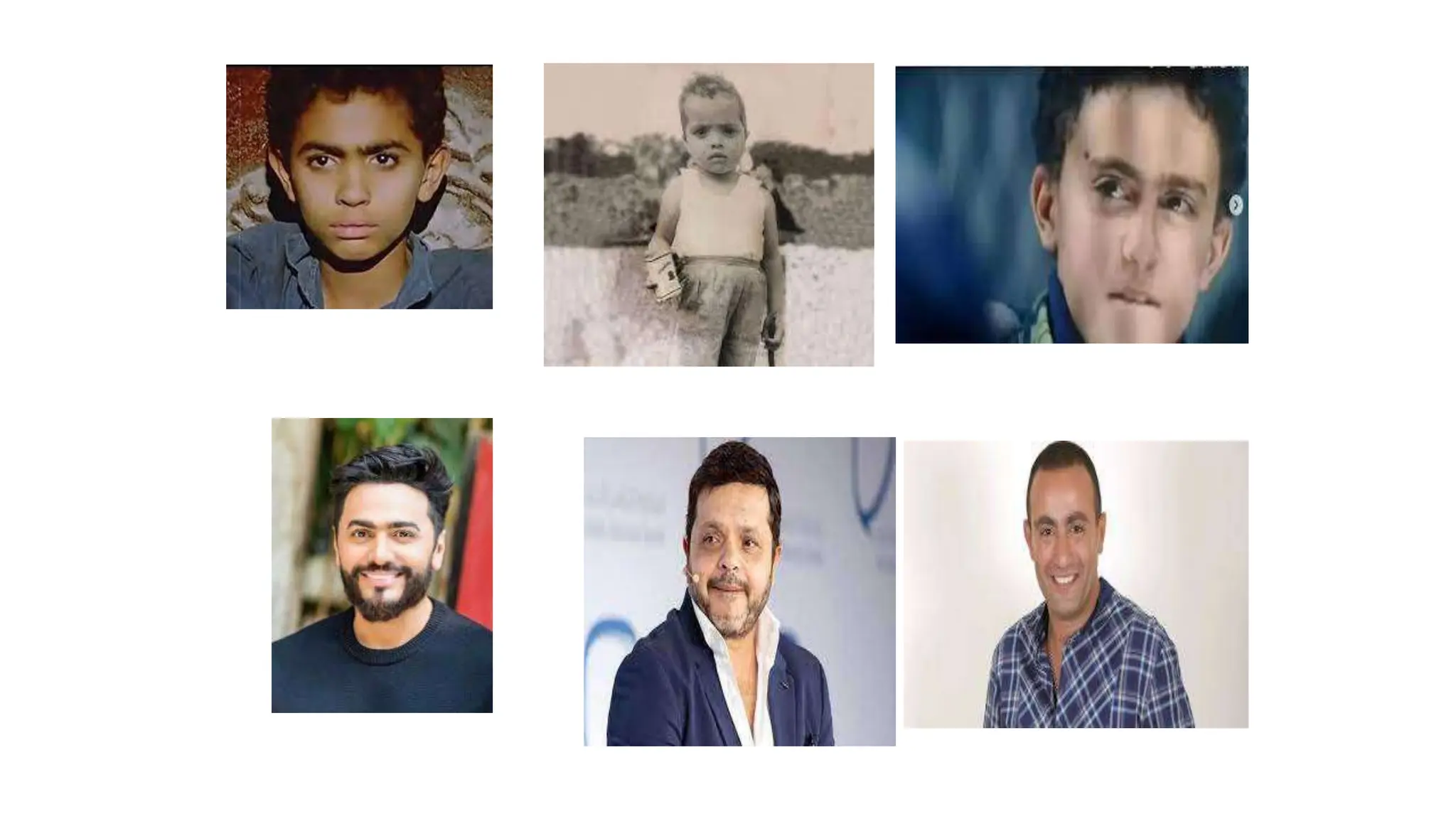
To grow up does this mean the cell
increase in size or increase in number?
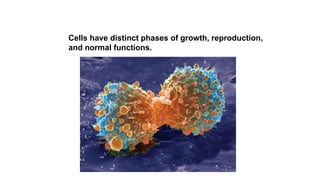
Cells have distinct phases of growth, reproduction,
and normal functions.
What do you do after you exercise??
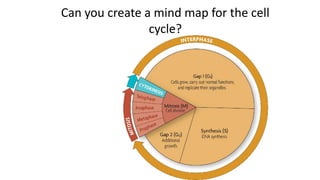
Can you create a mind map for the cell
cycle?
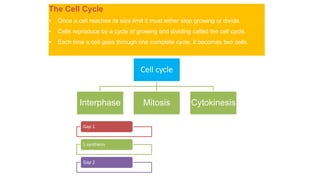
The Cell Cycle
• Once a cell reaches its size limit it must either stop growing or divide.
• Cells reproduce by a cycle of growing and dividing called the cell cycle.
• Each time a cell goes through one complete cycle, it becomes two cells.
Cell cycle
Interphase Mitosis Cytokinesis
Gap 1
S synthesis
Gap 2
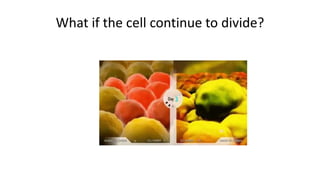
What if the cell continue to divide?
https://www.youtube.com/watch?v=QVCjdNxJreE
• What is the cell cycle?
• What is the difference between cancer and healthy cell?
• What causes the cancer cell to occur?
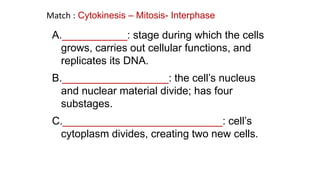
A.___________: stage during which the cells
grows, carries out cellular functions, and
replicates its DNA.
B.__________________: the cell’s nucleus
and nuclear material divide; has four
substages.
C.___________________________: cell’s
cytoplasm divides, creating two new cells.
Match : Cytokinesis – Mitosis- Interphase
• Interphase: stage during which the cells
grows, carries out cellular functions, and
replicates its DNA.
• Mitosis: the cell’s nucleus and nuclear
material divide; has four substages.
• Cytokinesis: cell’s cytoplasm divides, creating
two new cells.
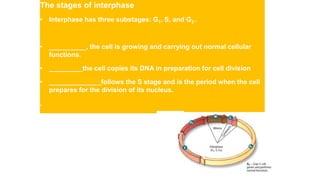
The stages of interphase
• Interphase has three substages: G1, S, and G2 .
• __________, the cell is growing and carrying out normal cellular
functions.
• _________the cell copies its DNA in preparation for cell division
• ______________follows the S stage and is the period when the cell
prepares for the division of its nucleus.
.
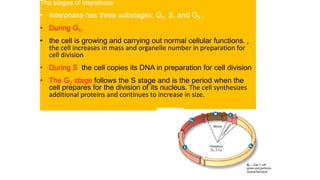
The stages of interphase
• Interphase has three substages: G1, S, and G2 .
• During G1,
• the cell is growing and carrying out normal cellular functions. ,
the cell increases in mass and organelle number in preparation for
cell division
• During S, the cell copies its DNA in preparation for cell division
• The G2 stage follows the S stage and is the period when the
cell prepares for the division of its nucleus. The cell synthesizes
additional proteins and continues to increase in size.
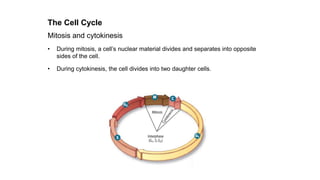
The Cell Cycle
Mitosis and cytokinesis
• During mitosis, a cell’s nuclear material divides and separates into opposite
sides of the cell.
• During cytokinesis, the cell divides into two daughter cells.
1.Which part of the Cell Cycle takes the longest?
A. Interphase
B. Mitosis
C. Prophase
D. Cytokinesis
2.How long is the whole cell cycle for most animal
cells?
A. 2-3 days
B. 24 hours
C. 2-3 hours
D. 23 hours
3.the process consisting of four phases during which
the nucleus divides, and two genetically IDNETICAL
nuclei result
A. mitosis
B. meiosis
C. cell cycle
D. cell division
4.Which step is not part of interphase in the cell
cycle?
A. mitosis
B. G1
C. S
D. G2
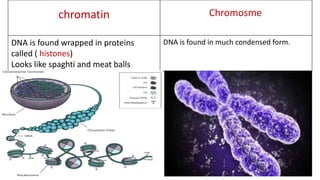
Chromosme
chromatin
DNA is found in much condensed form.
DNA is found wrapped in proteins
called ( histones)
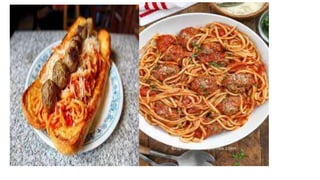
Looks like spaghti and meat balls
• (1)Prophase
• (2)Metaphase
• (3)Anaphase
• (4)Telophase
•PMAT
Interphase 1 2
3
4
Cytokinesis
Observe and answer:
1. How many phase you can observe?
2. In which phase the chromosomes are aligned in the equator
of the cell?
3. In which phase the chromatin material condenses to specify
into single chromosomes?
4. In which phase the nuclear membrane appear again in the
daughter cells?
5. In which phase the nucleus is totally divided into two
identical nucleoli?
6. What do you think the aim of this whole process?
https://gfycat.com/acrobaticmeaslya
mericanblackvulture-chromosomes-
cytokinesis-metaphase
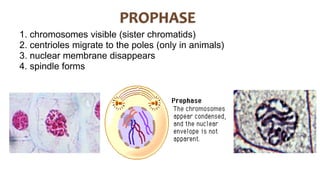
1. chromosomes visible (sister chromatids)
2. centrioles migrate to the poles (only in animals)
3. nuclear membrane disappears
4. spindle forms
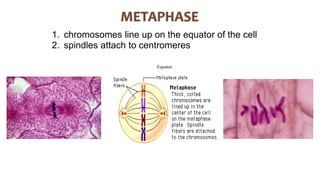
1. chromosomes line up on the equator of the cell
2. spindles attach to centromeres
Equator
Metaphase
Prophase
1.centrioles migrate to the poles
2.chromosomes line up on the equator of the cell
3.spindle forms
4.chromosomes visible (sister chromatids)
5.spindles attach to centromeres
6.nuclear membrane disappears
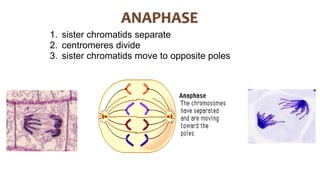
1. sister chromatids separate
2. centromeres divide
3. sister chromatids move to opposite poles
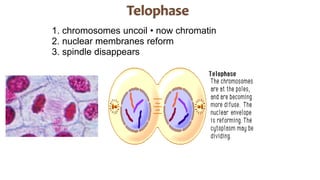
1. chromosomes uncoil • now chromatin
2. nuclear membranes reform
3. spindle disappears
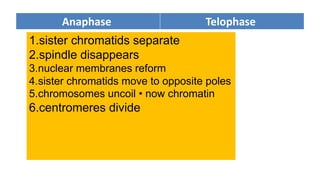
Telophase
Anaphase
1.sister chromatids separate
2.spindle disappears
3.nuclear membranes reform
4.sister chromatids move to opposite poles
5.chromosomes uncoil • now chromatin
6.centromeres divide
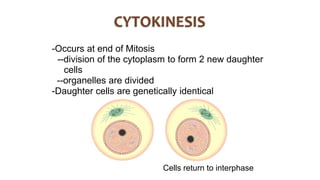
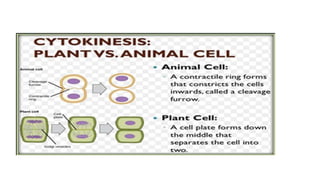
-Occurs at end of Mitosis
--division of the cytoplasm to form 2 new daughter
cells
--organelles are divided
-Daughter cells are genetically identical
Cells return to interphase
• https://www.abpischools.org.uk/topic/celldivision/3
cell cycle stages for high school grades .pptx

cell cycle stages for high school grades .pptx

  • 2.
    To grow updoes this mean the cell increase in size or increase in number?
  • 3.
    Cells have distinctphases of growth, reproduction, and normal functions.
  • 4.
    What do youdo after you exercise??
  • 5.
    Can you createa mind map for the cell cycle?
  • 6.
    The Cell Cycle •Once a cell reaches its size limit it must either stop growing or divide. • Cells reproduce by a cycle of growing and dividing called the cell cycle. • Each time a cell goes through one complete cycle, it becomes two cells. Cell cycle Interphase Mitosis Cytokinesis Gap 1 S synthesis Gap 2
  • 7.
    What if thecell continue to divide?
  • 8.
    https://www.youtube.com/watch?v=QVCjdNxJreE • What isthe cell cycle? • What is the difference between cancer and healthy cell? • What causes the cancer cell to occur?
  • 9.
    A.___________: stage duringwhich the cells grows, carries out cellular functions, and replicates its DNA. B.__________________: the cell’s nucleus and nuclear material divide; has four substages. C.___________________________: cell’s cytoplasm divides, creating two new cells. Match : Cytokinesis – Mitosis- Interphase
  • 10.
    • Interphase: stageduring which the cells grows, carries out cellular functions, and replicates its DNA. • Mitosis: the cell’s nucleus and nuclear material divide; has four substages. • Cytokinesis: cell’s cytoplasm divides, creating two new cells.
  • 11.
    The stages ofinterphase • Interphase has three substages: G1, S, and G2 . • __________, the cell is growing and carrying out normal cellular functions. • _________the cell copies its DNA in preparation for cell division • ______________follows the S stage and is the period when the cell prepares for the division of its nucleus. .
  • 12.
    The stages ofinterphase • Interphase has three substages: G1, S, and G2 . • During G1, • the cell is growing and carrying out normal cellular functions. , the cell increases in mass and organelle number in preparation for cell division • During S, the cell copies its DNA in preparation for cell division • The G2 stage follows the S stage and is the period when the cell prepares for the division of its nucleus. The cell synthesizes additional proteins and continues to increase in size.
  • 13.
    The Cell Cycle Mitosisand cytokinesis • During mitosis, a cell’s nuclear material divides and separates into opposite sides of the cell. • During cytokinesis, the cell divides into two daughter cells.
  • 14.
    1.Which part ofthe Cell Cycle takes the longest? A. Interphase B. Mitosis C. Prophase D. Cytokinesis 2.How long is the whole cell cycle for most animal cells? A. 2-3 days B. 24 hours C. 2-3 hours D. 23 hours 3.the process consisting of four phases during which the nucleus divides, and two genetically IDNETICAL nuclei result A. mitosis B. meiosis C. cell cycle D. cell division 4.Which step is not part of interphase in the cell cycle? A. mitosis B. G1 C. S D. G2
  • 16.
    Chromosme chromatin DNA is foundin much condensed form. DNA is found wrapped in proteins called ( histones) Looks like spaghti and meat balls
  • 17.
    • (1)Prophase • (2)Metaphase •(3)Anaphase • (4)Telophase •PMAT Interphase 1 2 3 4 Cytokinesis
  • 18.
    Observe and answer: 1.How many phase you can observe? 2. In which phase the chromosomes are aligned in the equator of the cell? 3. In which phase the chromatin material condenses to specify into single chromosomes? 4. In which phase the nuclear membrane appear again in the daughter cells? 5. In which phase the nucleus is totally divided into two identical nucleoli? 6. What do you think the aim of this whole process? https://gfycat.com/acrobaticmeaslya mericanblackvulture-chromosomes- cytokinesis-metaphase
  • 19.
    1. chromosomes visible(sister chromatids) 2. centrioles migrate to the poles (only in animals) 3. nuclear membrane disappears 4. spindle forms
  • 20.
    1. chromosomes lineup on the equator of the cell 2. spindles attach to centromeres Equator
  • 21.
    Metaphase Prophase 1.centrioles migrate tothe poles 2.chromosomes line up on the equator of the cell 3.spindle forms 4.chromosomes visible (sister chromatids) 5.spindles attach to centromeres 6.nuclear membrane disappears
  • 22.
    1. sister chromatidsseparate 2. centromeres divide 3. sister chromatids move to opposite poles
  • 23.
    1. chromosomes uncoil• now chromatin 2. nuclear membranes reform 3. spindle disappears
  • 24.
    Telophase Anaphase 1.sister chromatids separate 2.spindledisappears 3.nuclear membranes reform 4.sister chromatids move to opposite poles 5.chromosomes uncoil • now chromatin 6.centromeres divide
  • 25.
    -Occurs at endof Mitosis --division of the cytoplasm to form 2 new daughter cells --organelles are divided -Daughter cells are genetically identical Cells return to interphase
  • 26.