Brand Management
Brand Equity and Brand Value
By: Raheel Shahzad
Strong Brands
• Brands with a high degree of recognition and affinity in at-least one
significant market segment.
• LOYAL+MANY CUSTOMERS
• High Brand Equity
• High Brand Value
Brand Equity (Depth)
• Brand’s power derived from the goodwill and name recognition that it has
gained over time, which translates into higher sales volume and higher profit
margins against competing brands.
• Deep relations with its customers.
• High level of customer affection and loyalty.
• Like: Coca cola and Apple fans.
Cont’d (Brand Equity)
• Brand Equity will vary across markets.
• Higher allegiance in home markets.
Lenovo: China > US + Europe
Acer: Europe > US
Brand Value (Reach)
• Dollar value of the brand.
• Reach of the brand.
• Value of the brand as a business assets (In monetary terms).
• Dollar price that one would pay to acquire Brand name and logo.
• Like: Coca cola brand value is nearly $70 billion.
Brand Equity ve Brand Value
• Brand Equity: Customer allegiance, loyalty, affinity and other emotional ties.
• Brand Value: A matter of dollars.
• A brand can have high loyalty but still can’t bring in much money while
another brand can have low loyalty but still makes a lot of money.
• Brand equity and brand value can be sometime used interchangeably to
identify strong brands.
Brand Equity Pyramid
• Consumer Recognition
• Consumer Perception
• Consumer Response
• Consumer Bonding
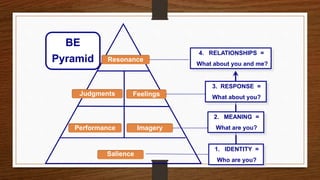
4. RELATIONSHIPS =
What about you and me?
3. RESPONSE =
What about you?
2. MEANING =
What are you?
1. IDENTITY =
Who are you?
BE
Pyramid
Salience
ImageryPerformance
FeelingsJudgments
Resonance
Consumer Recognition of Brand
• Brand recognition: More or less familiar.
• Who are You (Brand)?
• High level of consumer awareness and familiarity needs high level of
promotional expenditures.
Consumer Perception of Brand
• What are You (Brand)?
• Kind of image that brand wants to convey.
• More in depth knowledge of the product and service behind the brand.
• Consumer perceives what the brand stands for and begin to develop an
internal image for the brand.
Consumer Response
• What about You (Brand)?
• Attitudes and preferences of the consumers in the market comes strongly
into play.
• Response from the consumer.
• Consumer assigns a personality to the brand (Trustworthiness, Likeability,
Satisfaction).
Cont’d (Consumer Response)
• Segmentation play important role.
• Right message using right spokesperson through right media for specific
target segment.
• Judgements (Quality, Satisfaction, Differentiation)
• Feelings
Consumer Bonding (Loyalty)
• What about You (Brand) and Me (Consumer)?
• Consumer allegiance to brand.
• Frequency of repeat purchases.
• Affiliation and proud of brand.
• Starts loving the brand.
Customer Based Brand Equity Measurement
• Equity of a brand resides in the consumers’ attachment to the brand.
• Higher perceived quality and more emotional attachment as well.
• Survey responses from representative samples of consumers.

Brand Management

  • 1.
    Brand Management Brand Equityand Brand Value By: Raheel Shahzad
  • 2.
    Strong Brands • Brandswith a high degree of recognition and affinity in at-least one significant market segment. • LOYAL+MANY CUSTOMERS • High Brand Equity • High Brand Value
  • 3.
    Brand Equity (Depth) •Brand’s power derived from the goodwill and name recognition that it has gained over time, which translates into higher sales volume and higher profit margins against competing brands. • Deep relations with its customers. • High level of customer affection and loyalty. • Like: Coca cola and Apple fans.
  • 4.
    Cont’d (Brand Equity) •Brand Equity will vary across markets. • Higher allegiance in home markets. Lenovo: China > US + Europe Acer: Europe > US
  • 5.
    Brand Value (Reach) •Dollar value of the brand. • Reach of the brand. • Value of the brand as a business assets (In monetary terms). • Dollar price that one would pay to acquire Brand name and logo. • Like: Coca cola brand value is nearly $70 billion.
  • 6.
    Brand Equity veBrand Value • Brand Equity: Customer allegiance, loyalty, affinity and other emotional ties. • Brand Value: A matter of dollars. • A brand can have high loyalty but still can’t bring in much money while another brand can have low loyalty but still makes a lot of money. • Brand equity and brand value can be sometime used interchangeably to identify strong brands.
  • 7.
    Brand Equity Pyramid •Consumer Recognition • Consumer Perception • Consumer Response • Consumer Bonding
  • 8.
    4. RELATIONSHIPS = Whatabout you and me? 3. RESPONSE = What about you? 2. MEANING = What are you? 1. IDENTITY = Who are you? BE Pyramid Salience ImageryPerformance FeelingsJudgments Resonance
  • 9.
    Consumer Recognition ofBrand • Brand recognition: More or less familiar. • Who are You (Brand)? • High level of consumer awareness and familiarity needs high level of promotional expenditures.
  • 10.
    Consumer Perception ofBrand • What are You (Brand)? • Kind of image that brand wants to convey. • More in depth knowledge of the product and service behind the brand. • Consumer perceives what the brand stands for and begin to develop an internal image for the brand.
  • 11.
    Consumer Response • Whatabout You (Brand)? • Attitudes and preferences of the consumers in the market comes strongly into play. • Response from the consumer. • Consumer assigns a personality to the brand (Trustworthiness, Likeability, Satisfaction).
  • 12.
    Cont’d (Consumer Response) •Segmentation play important role. • Right message using right spokesperson through right media for specific target segment. • Judgements (Quality, Satisfaction, Differentiation) • Feelings
  • 13.
    Consumer Bonding (Loyalty) •What about You (Brand) and Me (Consumer)? • Consumer allegiance to brand. • Frequency of repeat purchases. • Affiliation and proud of brand. • Starts loving the brand.
  • 14.
    Customer Based BrandEquity Measurement • Equity of a brand resides in the consumers’ attachment to the brand. • Higher perceived quality and more emotional attachment as well. • Survey responses from representative samples of consumers.