Balanced Scorecard and it’s relation to organisational design, strategy implementation and criteria for selection of performance measuresBusiness performance measurement
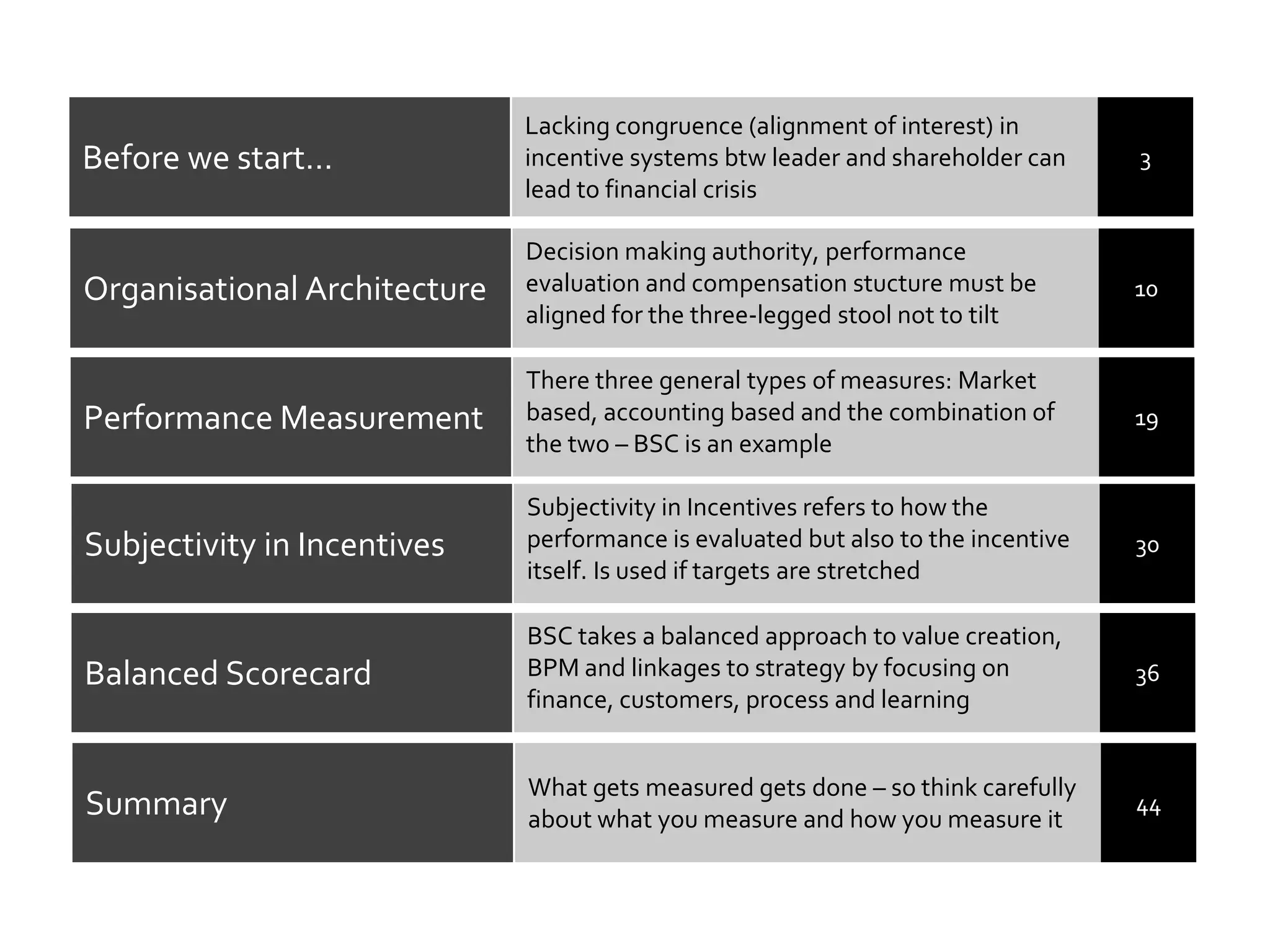
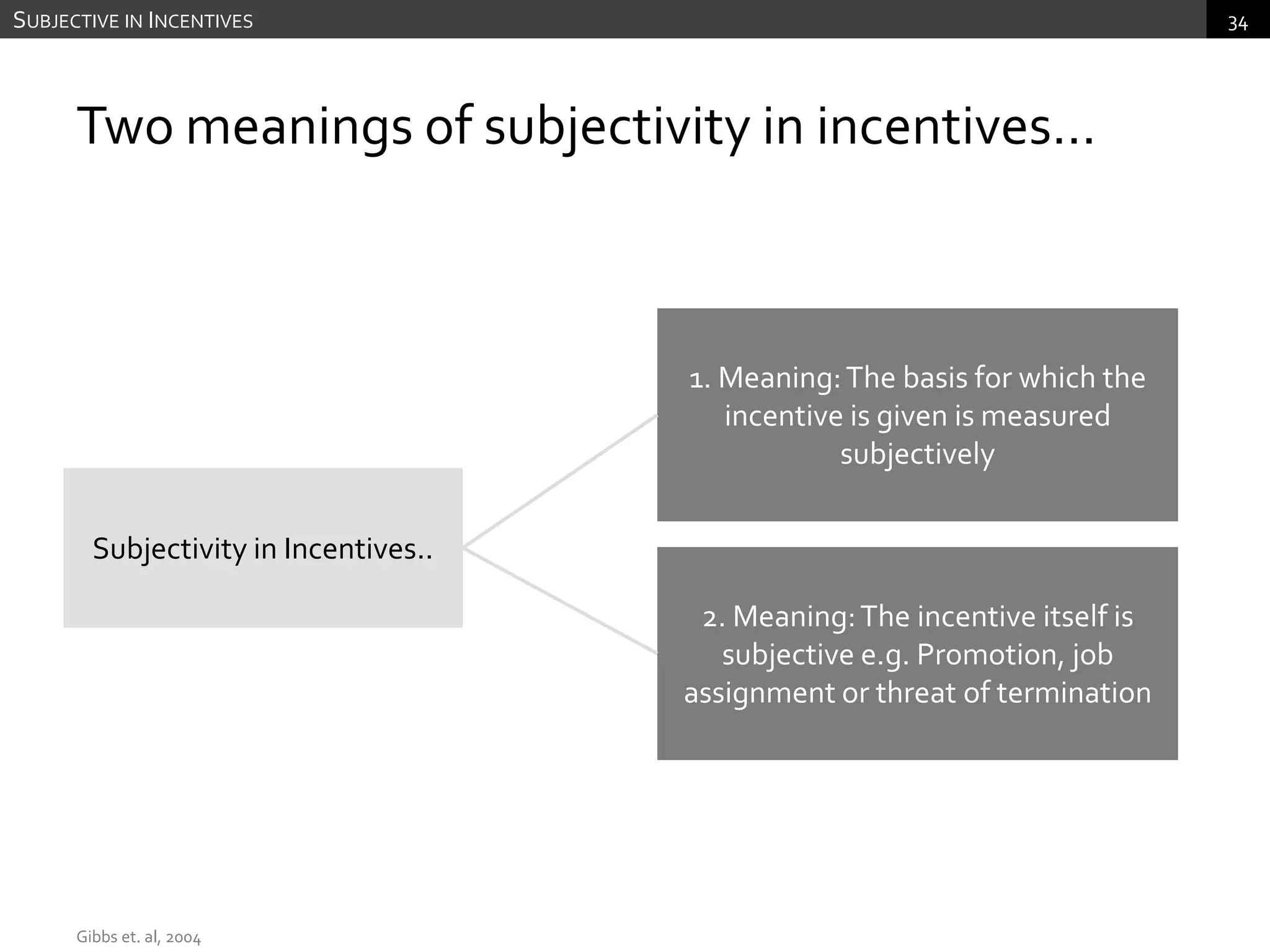
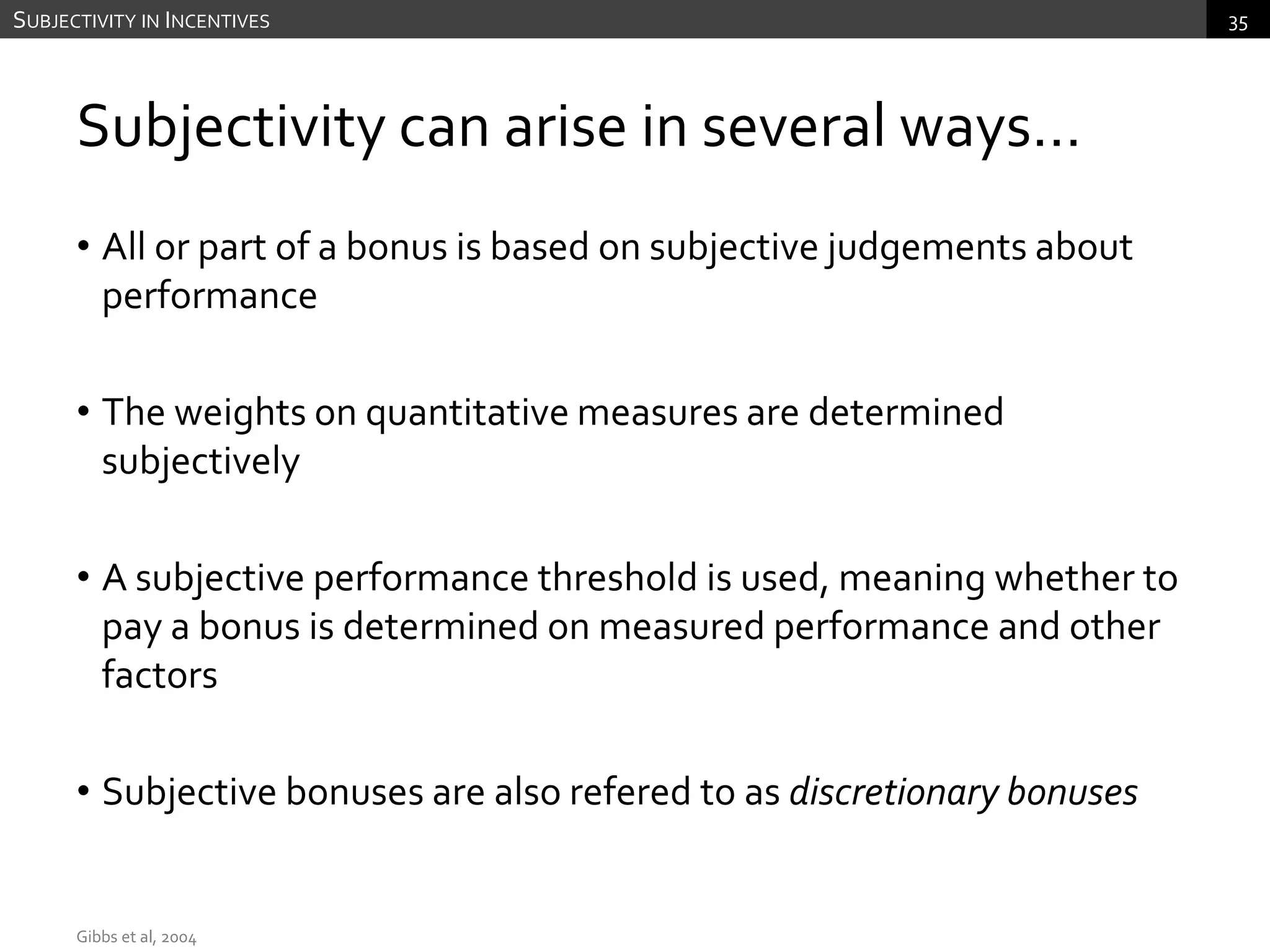
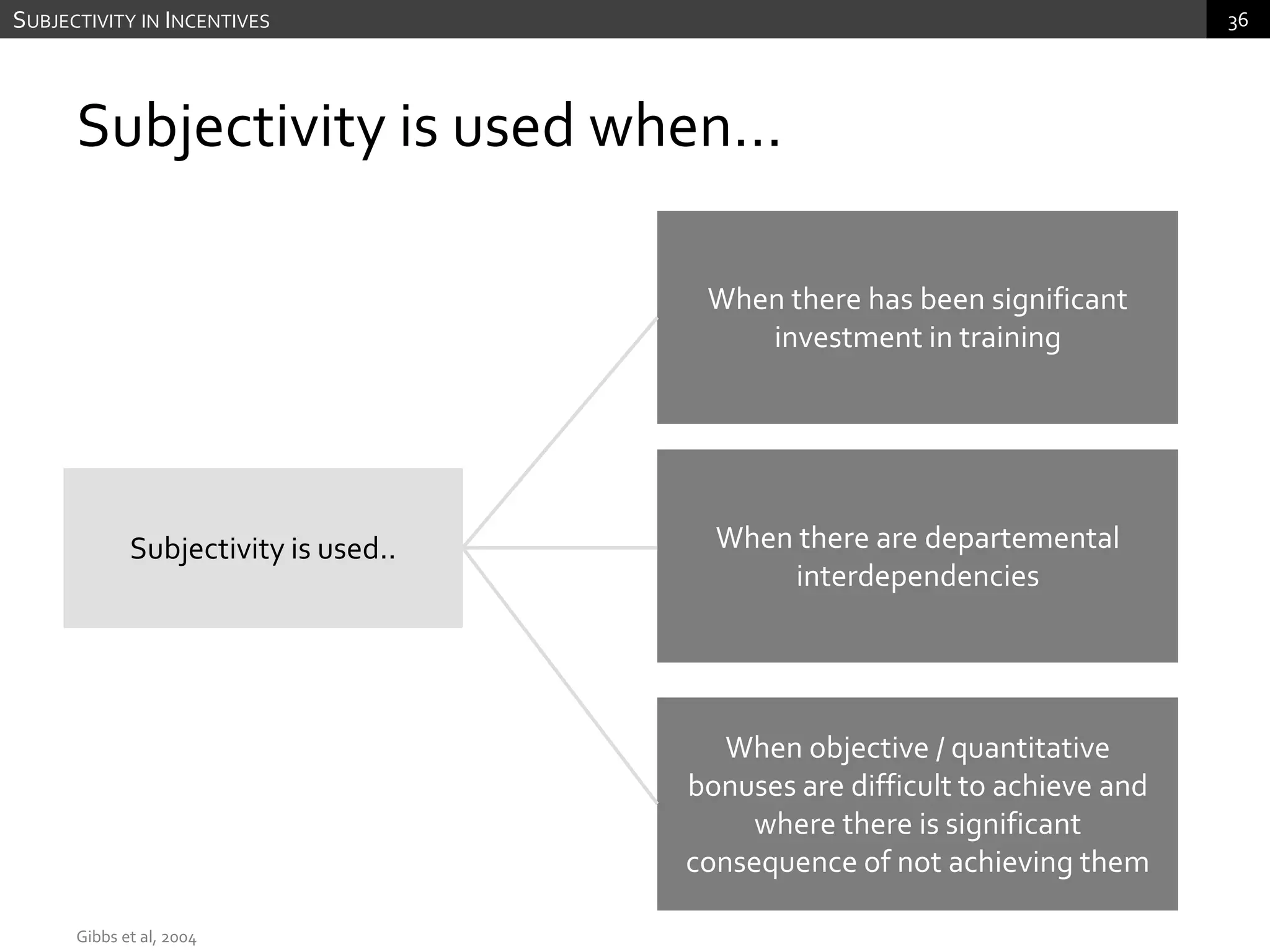
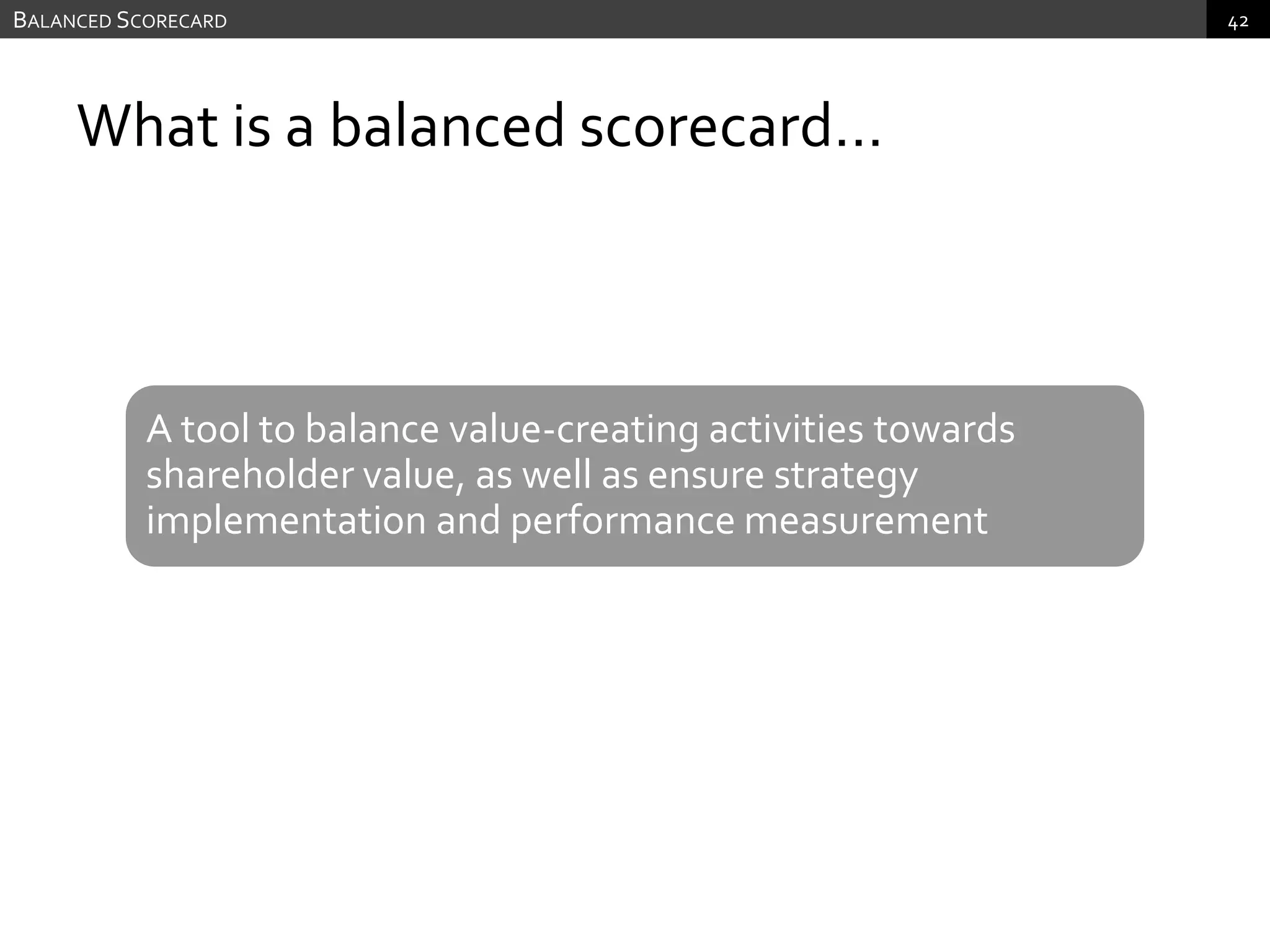
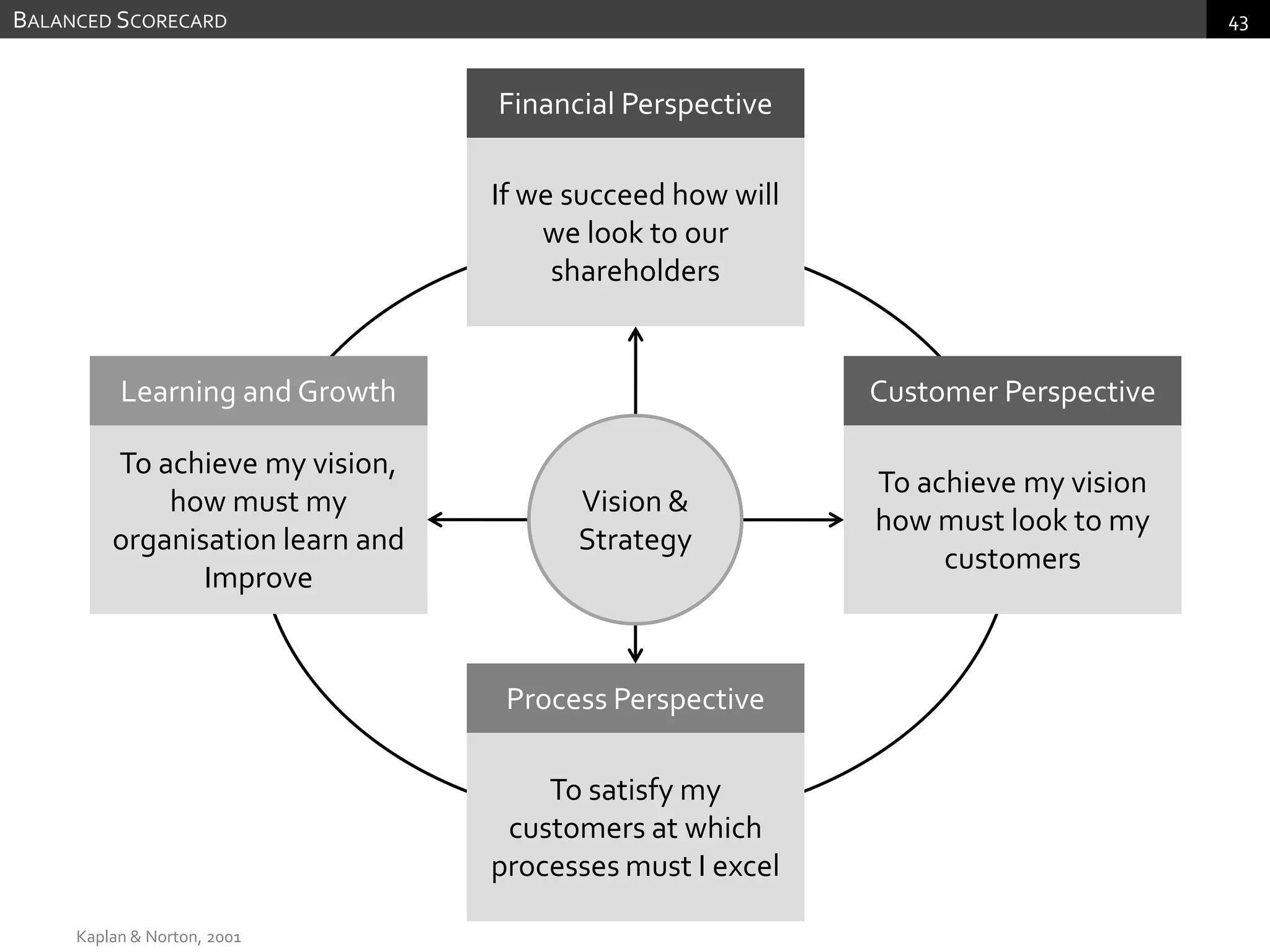
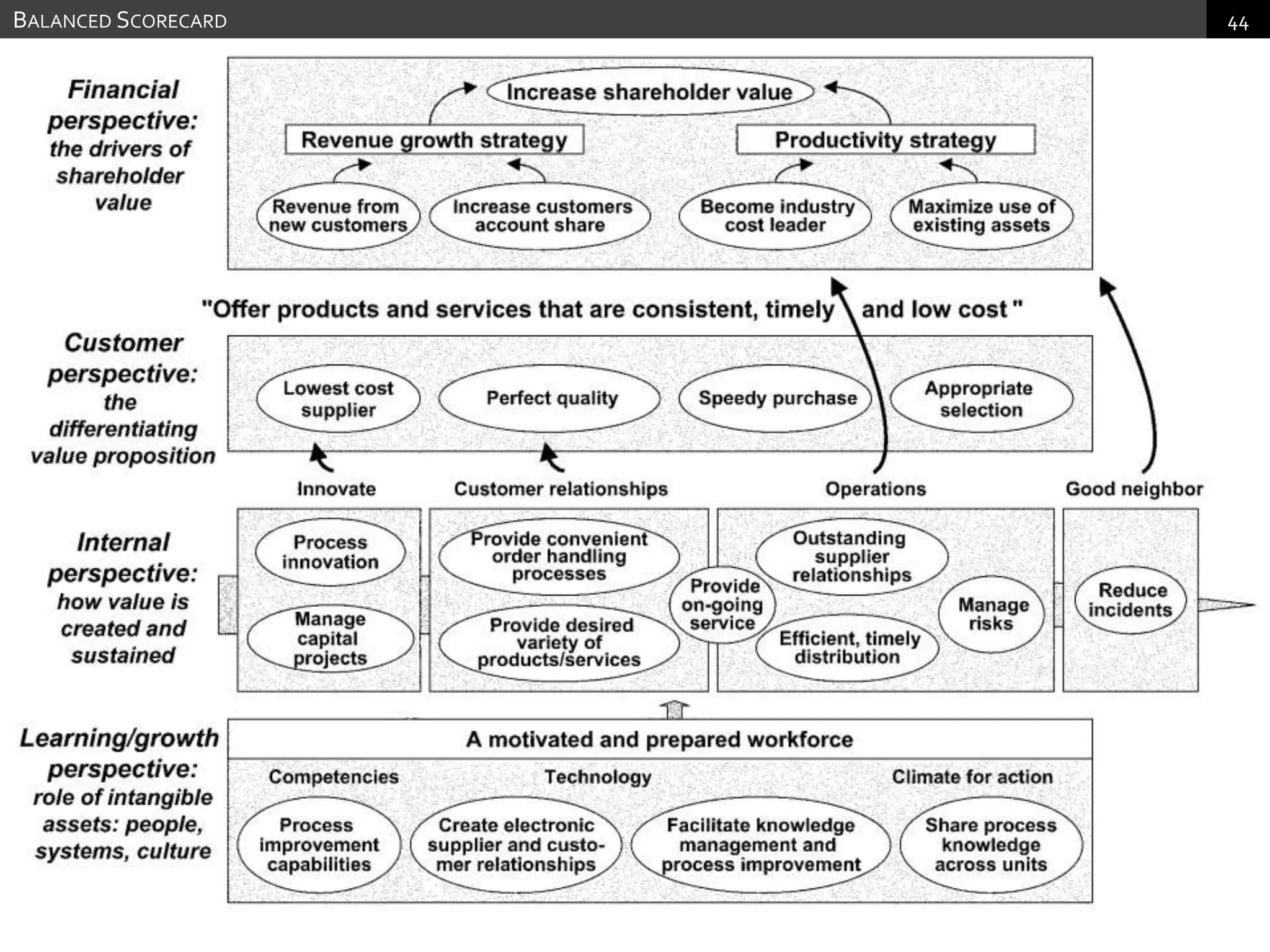
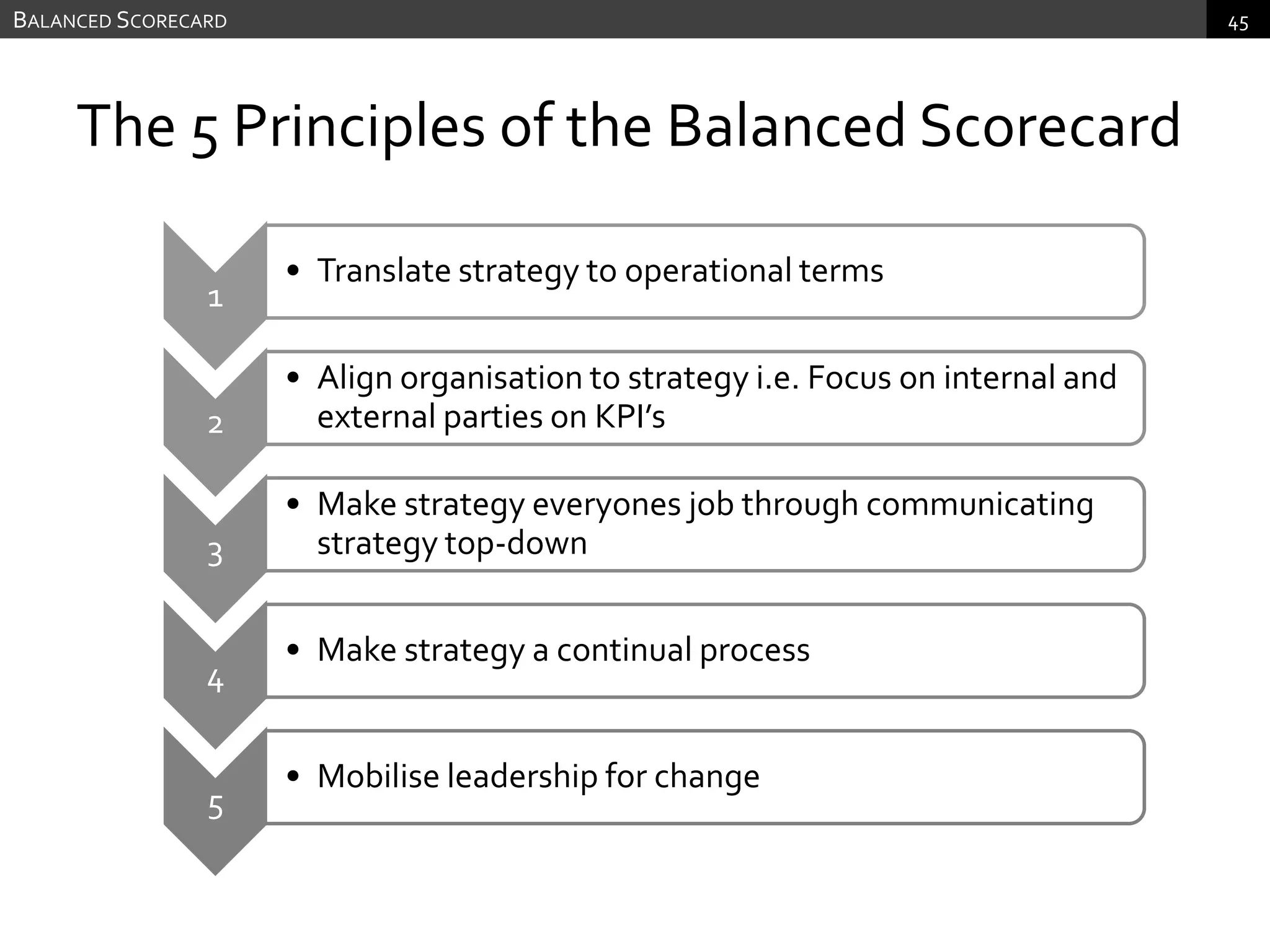
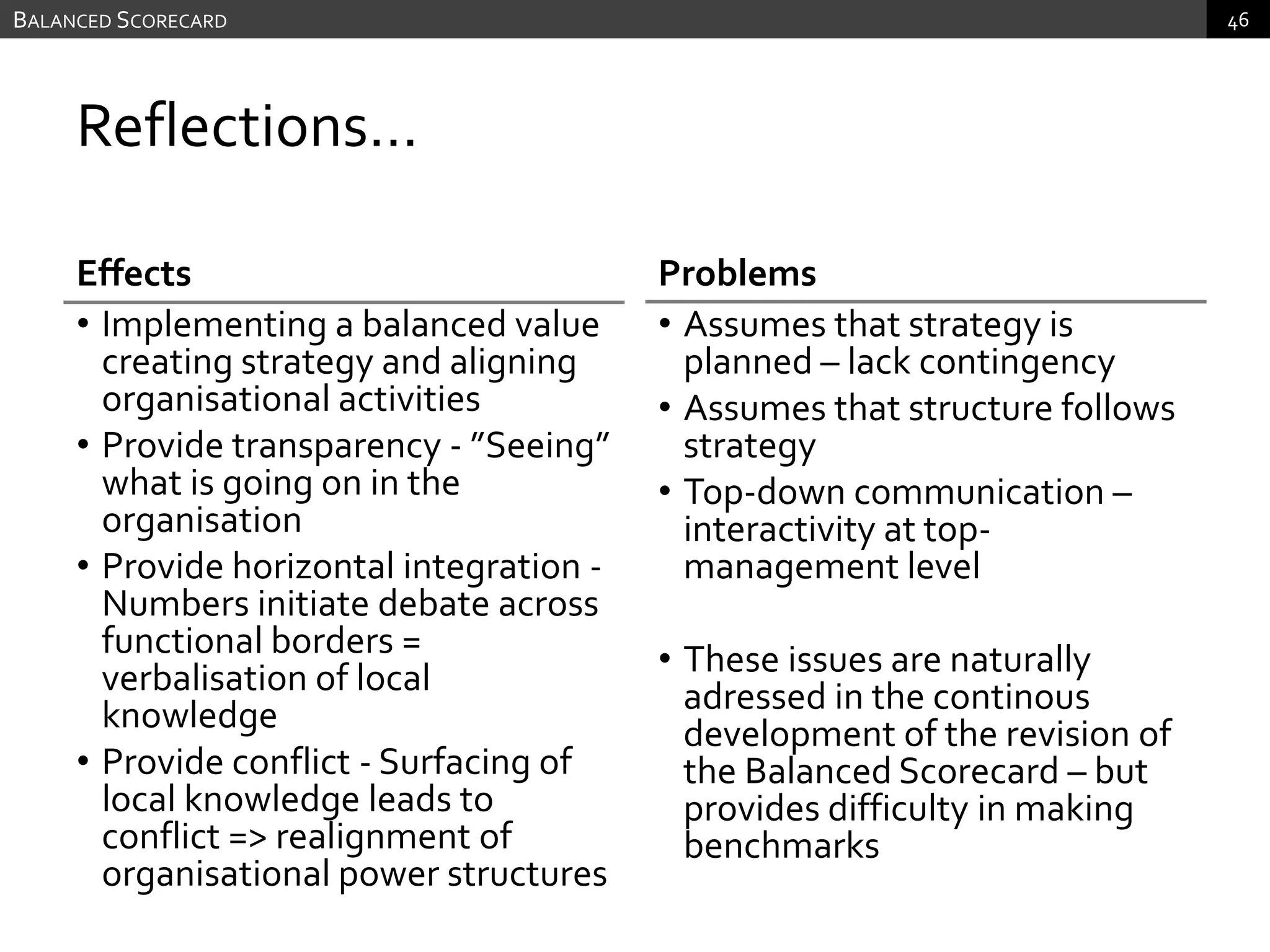
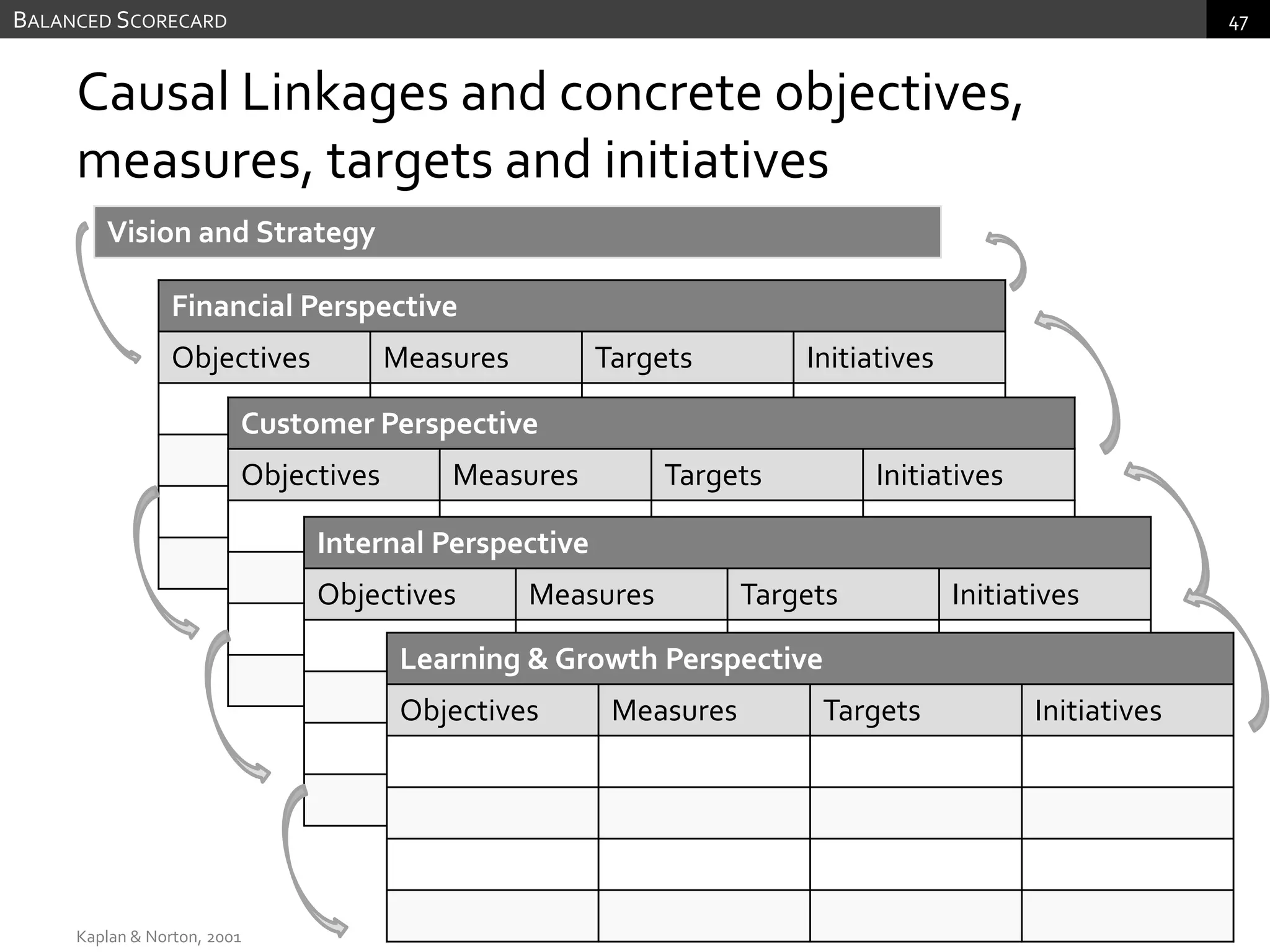
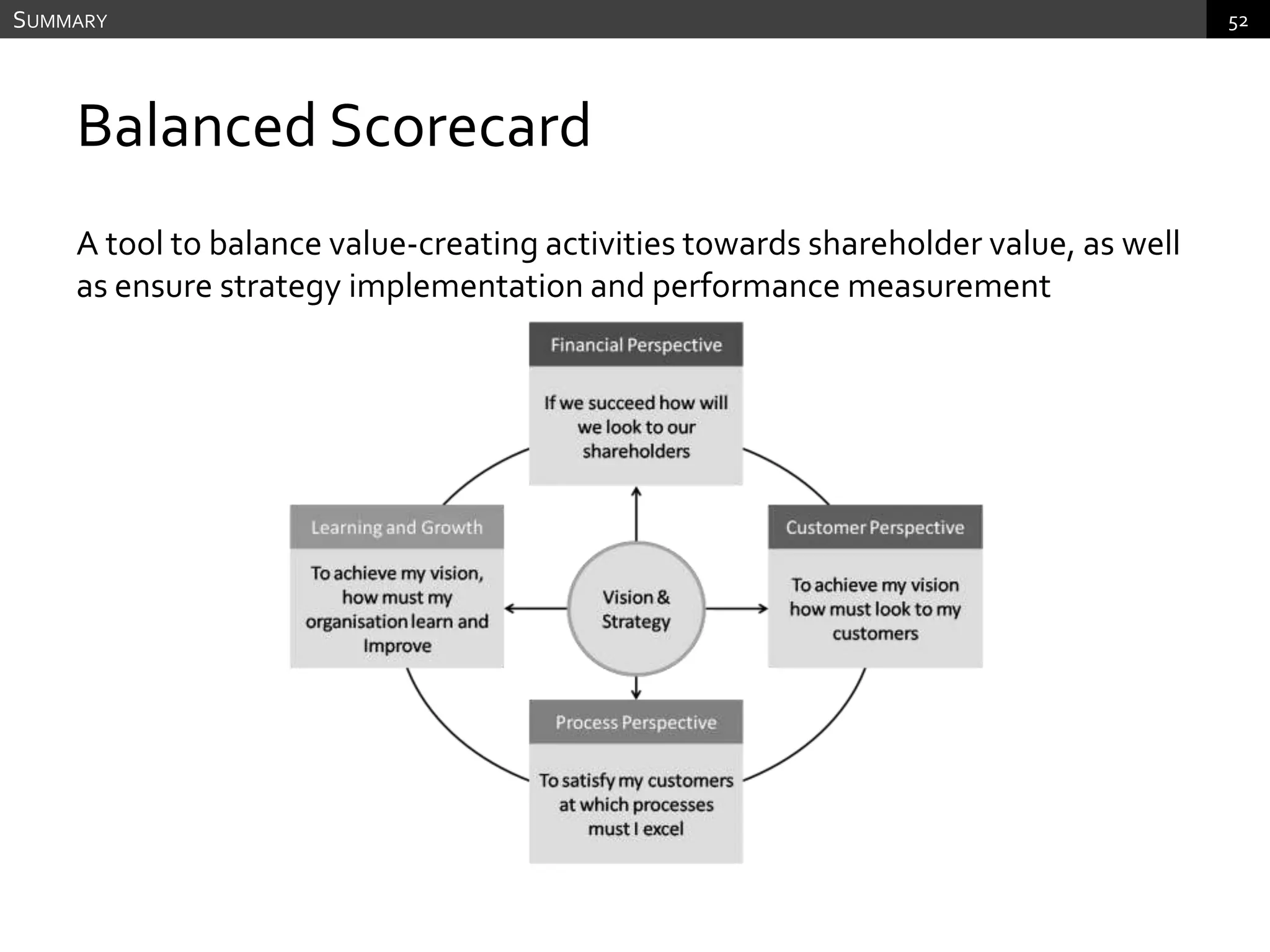
Before we start…Lacking congruence (alignment of interest) in incentive systems btw leader and shareholder can lead to financial crisis 3Organisational ArchitectureDecision making authority, performance evaluation and compensation stucture must be aligned for the three-legged stool not to tilt10Performance MeasurementThere three general types of measures: Market based, accounting based and the combination of the two – BSC is an example19Subjectivity in IncentivesSubjectivity in Incentives refers to how the performance is evaluated but also to the incentive itself. Is used if targets are stretched30Balanced ScorecardBSC takes a balanced approach to value creation, BPM and linkages to strategy by focusing on finance, customers, process and learning36SummaryWhat gets measured gets done – so think carefully about what you measure and how you measure it44

Before We Start…
Before We Start...Anyone brought a laptop for taking notes?
and do you have a             twitter account?Before We Start…
.. I need three volunteers?Before We Start…
Tweet key learnings… 	Before We Start…MCF10Control10Password:
What we can learn from a financial crisis and YoutubeIncentives and not measuring what is important can be devastating on world economicsBefore We Start…http://www.youtube.com/watch?v=UC31Oudc5Bg
Tweet key learning….Lacking congruence (alignment of interest) in incentive systems btw leader and shareholder can lead to financial crisis #MCF10Before We Start…@MCF10
Organisational Architecture
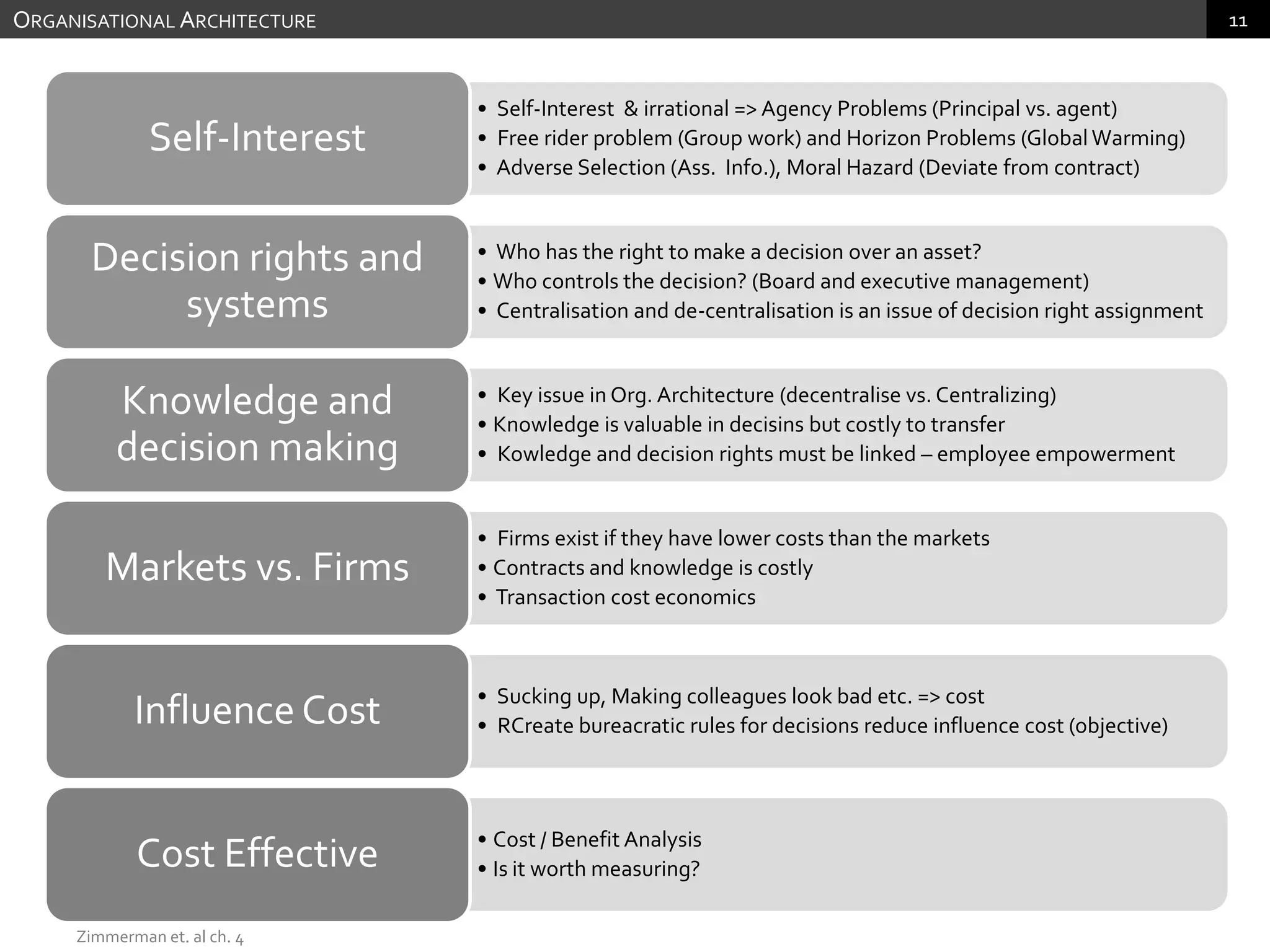
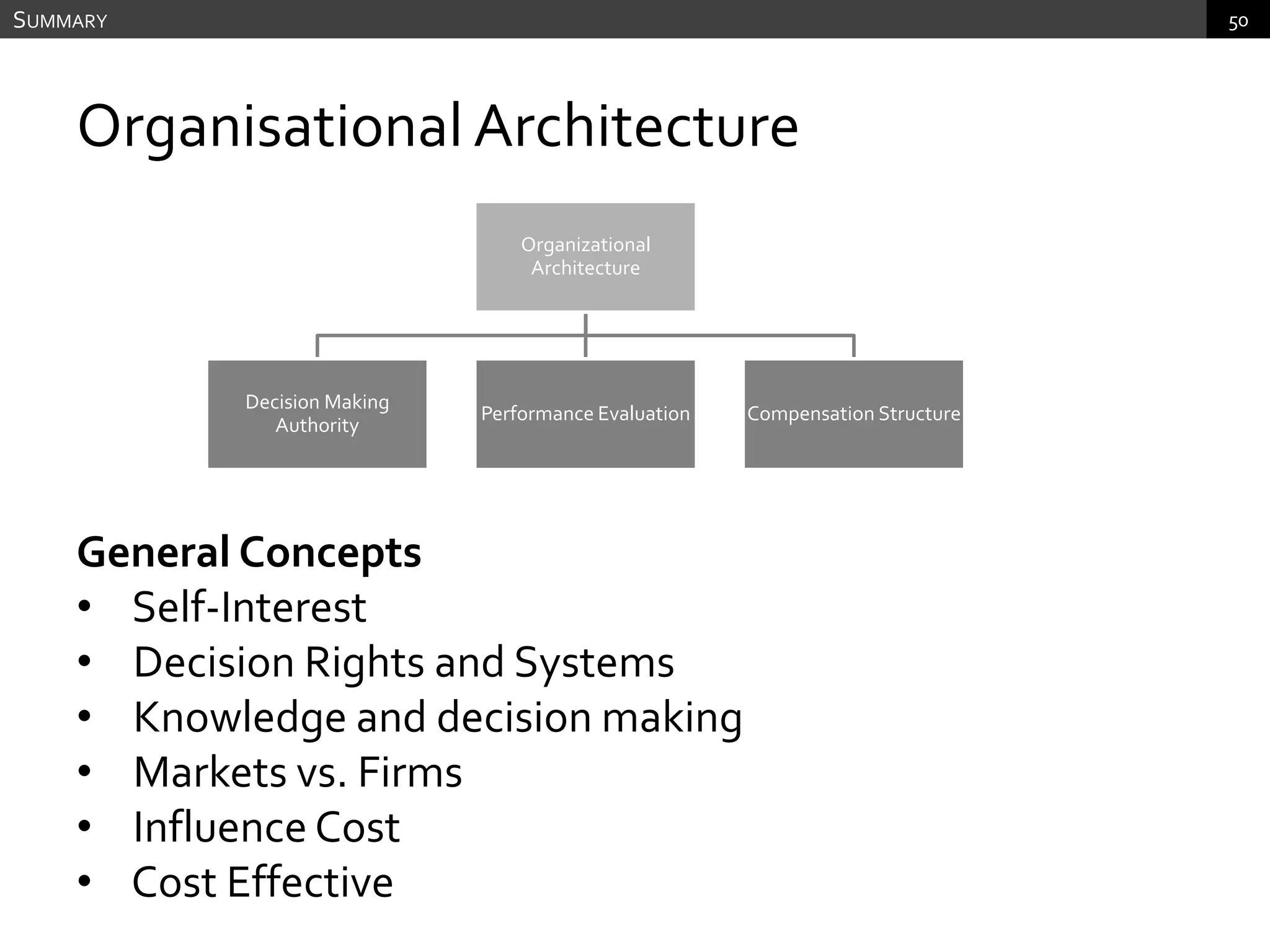
Organisational ArchitectureZimmerman et. al ch. 4
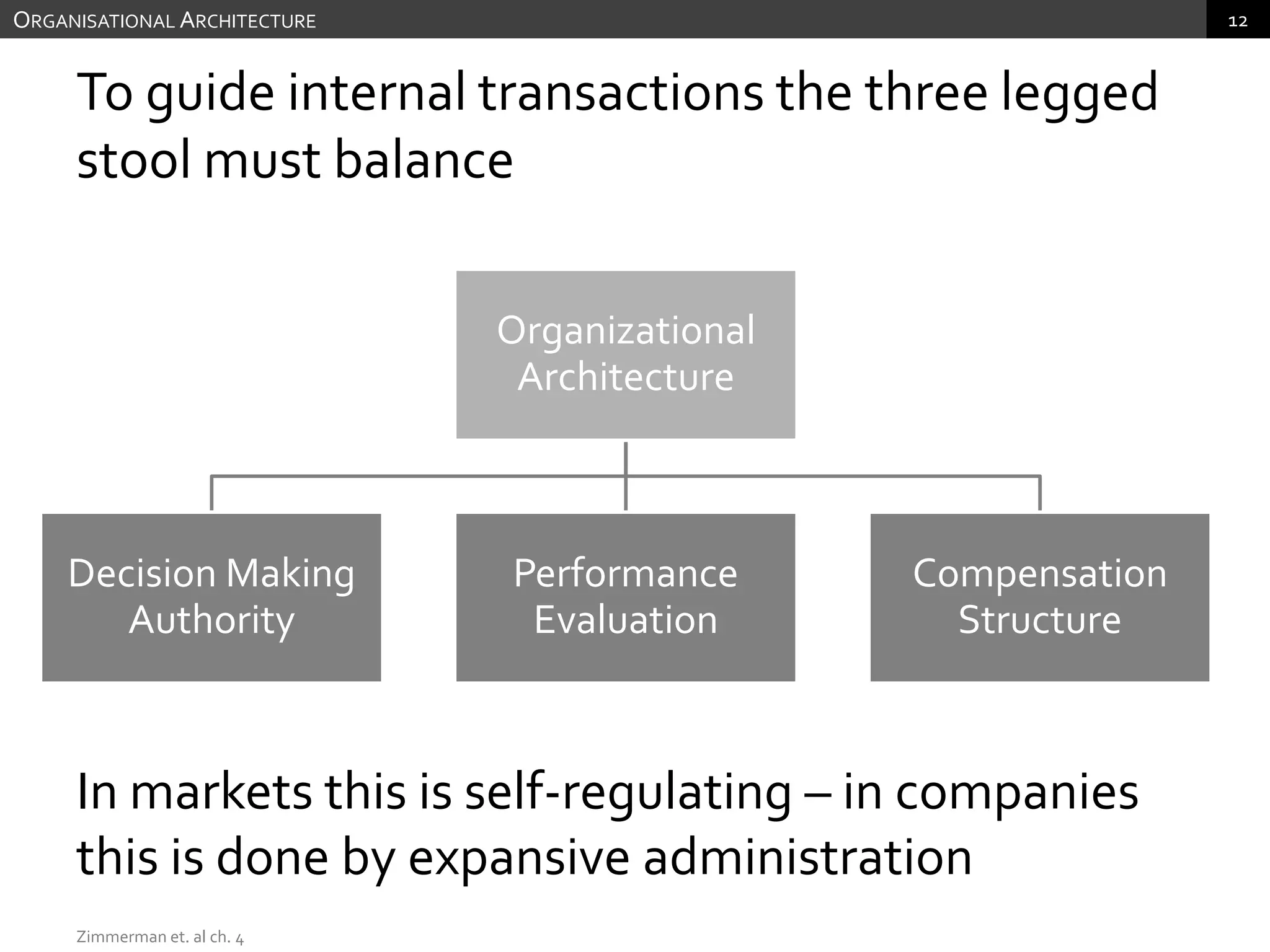
To guide internal transactions the three legged stool must balanceOrganisational ArchitectureZimmerman et. al ch. 4In markets this is self-regulating – in companies this is done by expansive administration
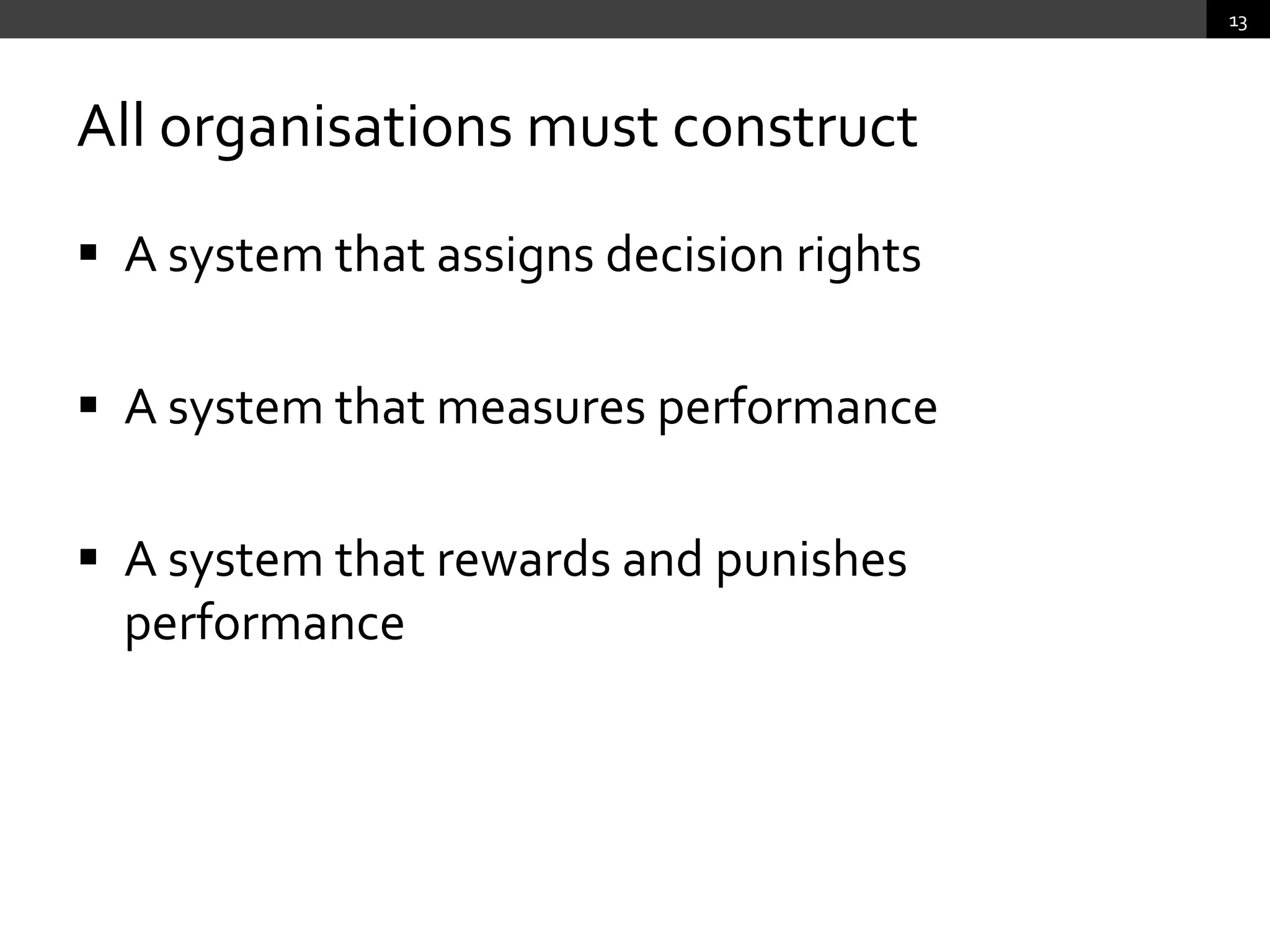
All organisations must constructA system that assigns decision rightsA system that measures performanceA system that rewards and punishes performance
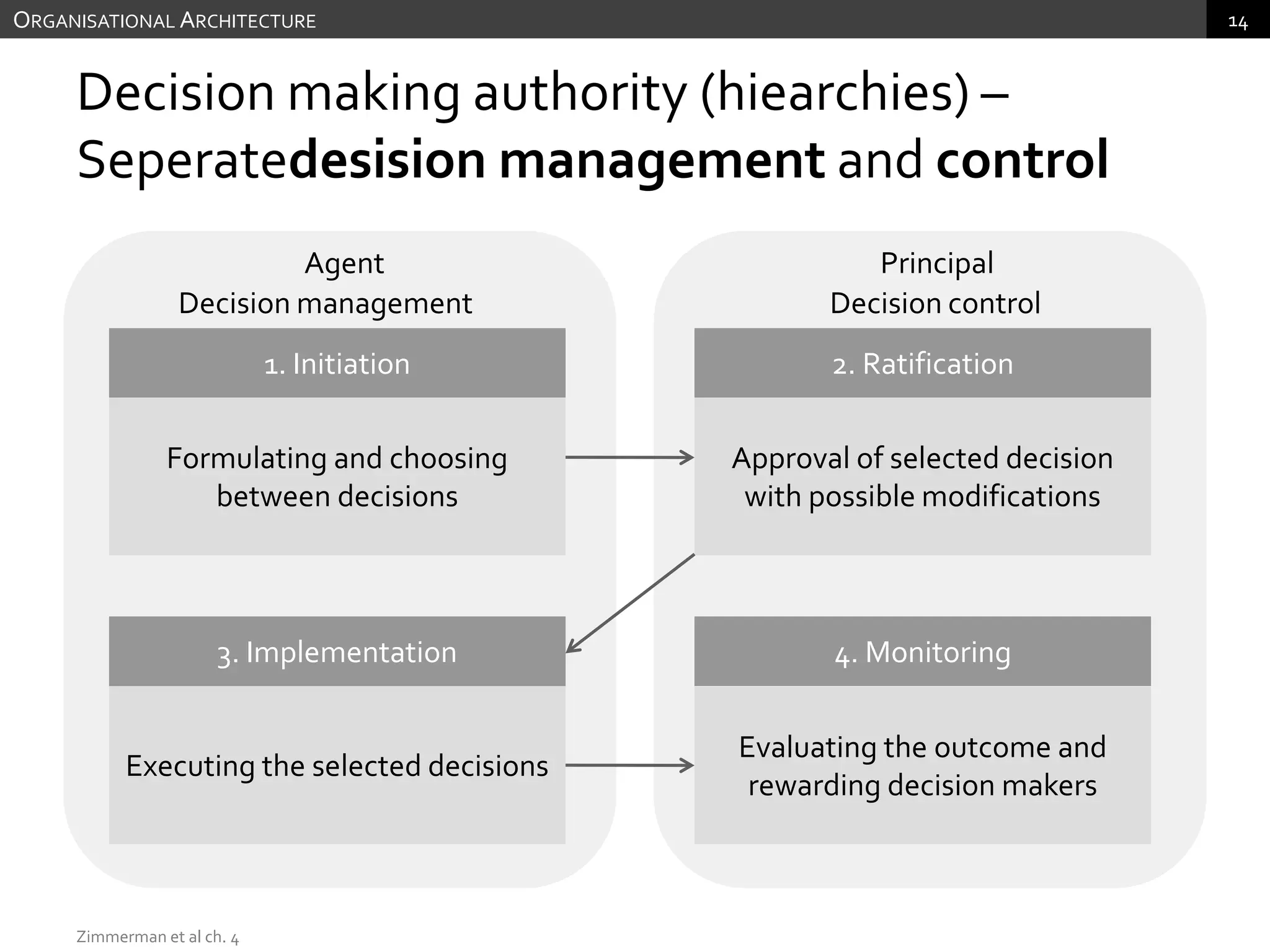
Decision controlDecision making authority (hiearchies) – Seperatedesision management and controlOrganisational ArchitectureZimmerman et al ch. 4AgentPrincipalDecision management1. Initiation2. RatificationFormulating and choosing between decisionsApproval of selected decision with possible modifications3. Implementation4. MonitoringExecuting the selected decisionsEvaluating the outcome and rewarding decision makers
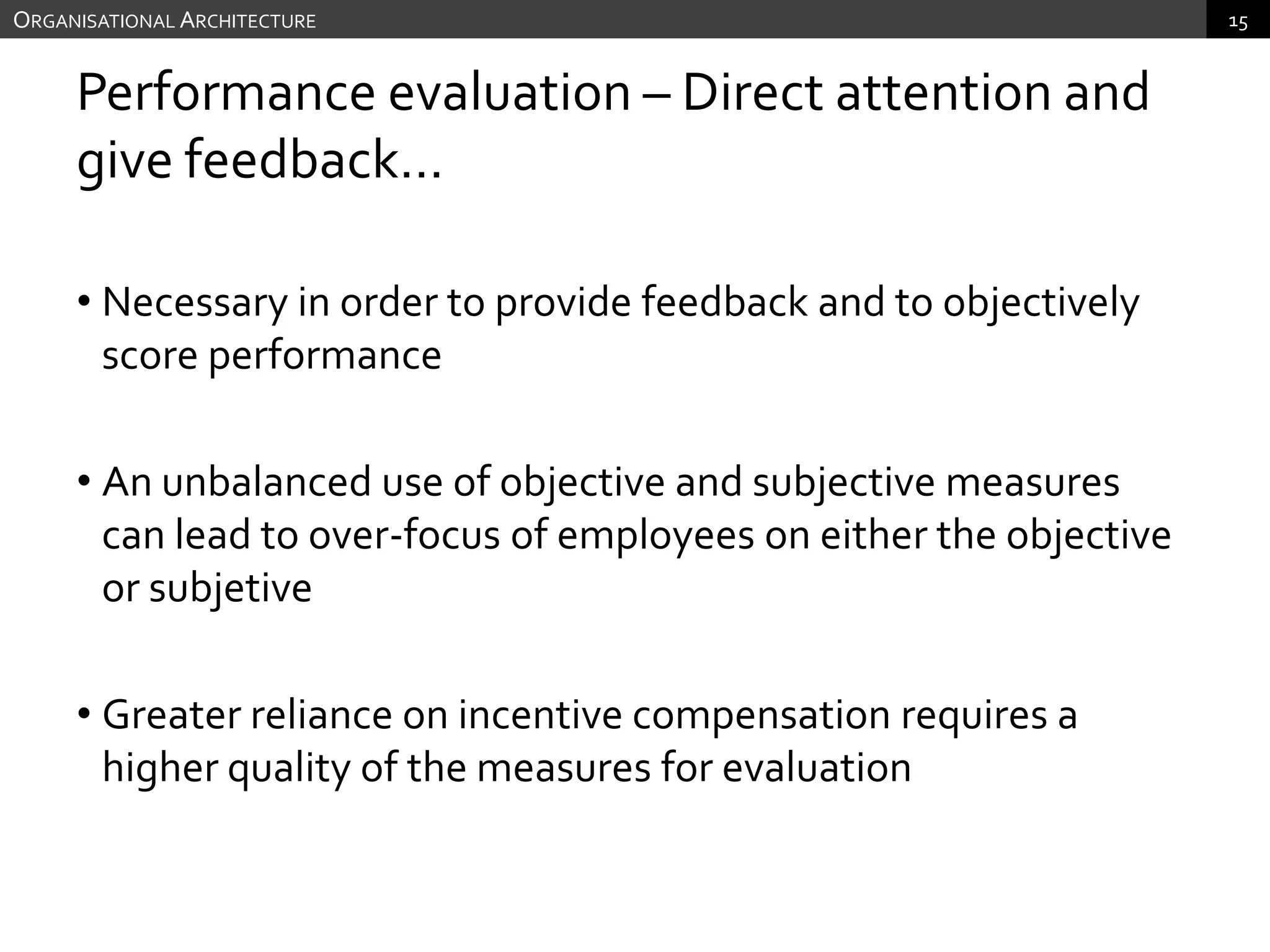
Performance evaluation – Direct attention and give feedback…Necessary in order to provide feedback and to objectively score performance
An unbalanced use of objective and subjective measures can lead to over-focus of employees on either the objective or subjetive
Greater reliance on incentive compensation requires a higher quality of the measures for evaluationOrganisational Architecture
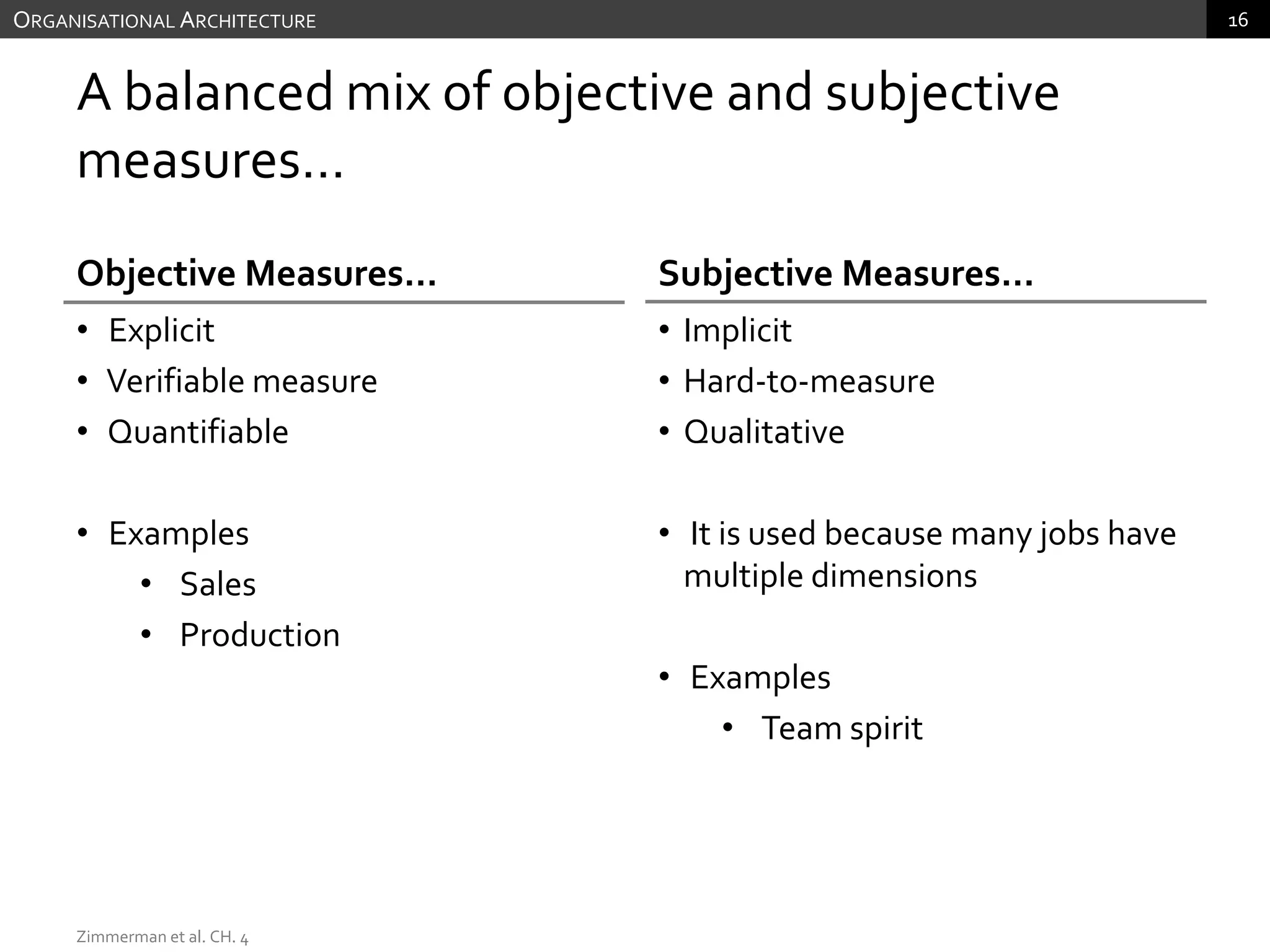
A balanced mix of objective and subjective measures…Objective Measures… Explicit
 Verifiable measure
 Quantifiable
 Examples
Sales
ProductionSubjective Measures…Implicit
Hard-to-measure
Qualitative
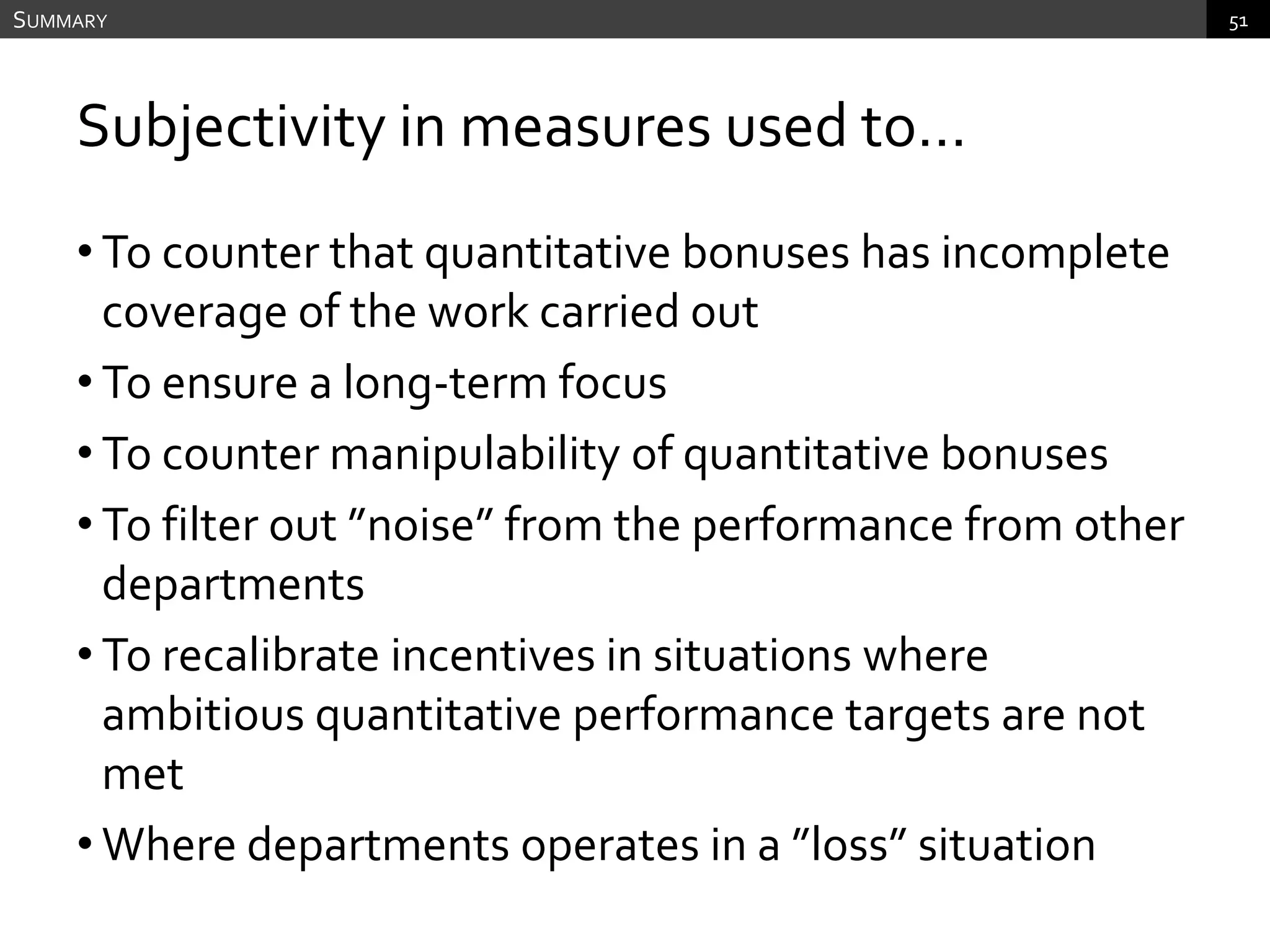
 It is used because many jobs have multiple dimensions
 Examples
Team spiritOrganisational ArchitectureZimmerman et al. CH. 4
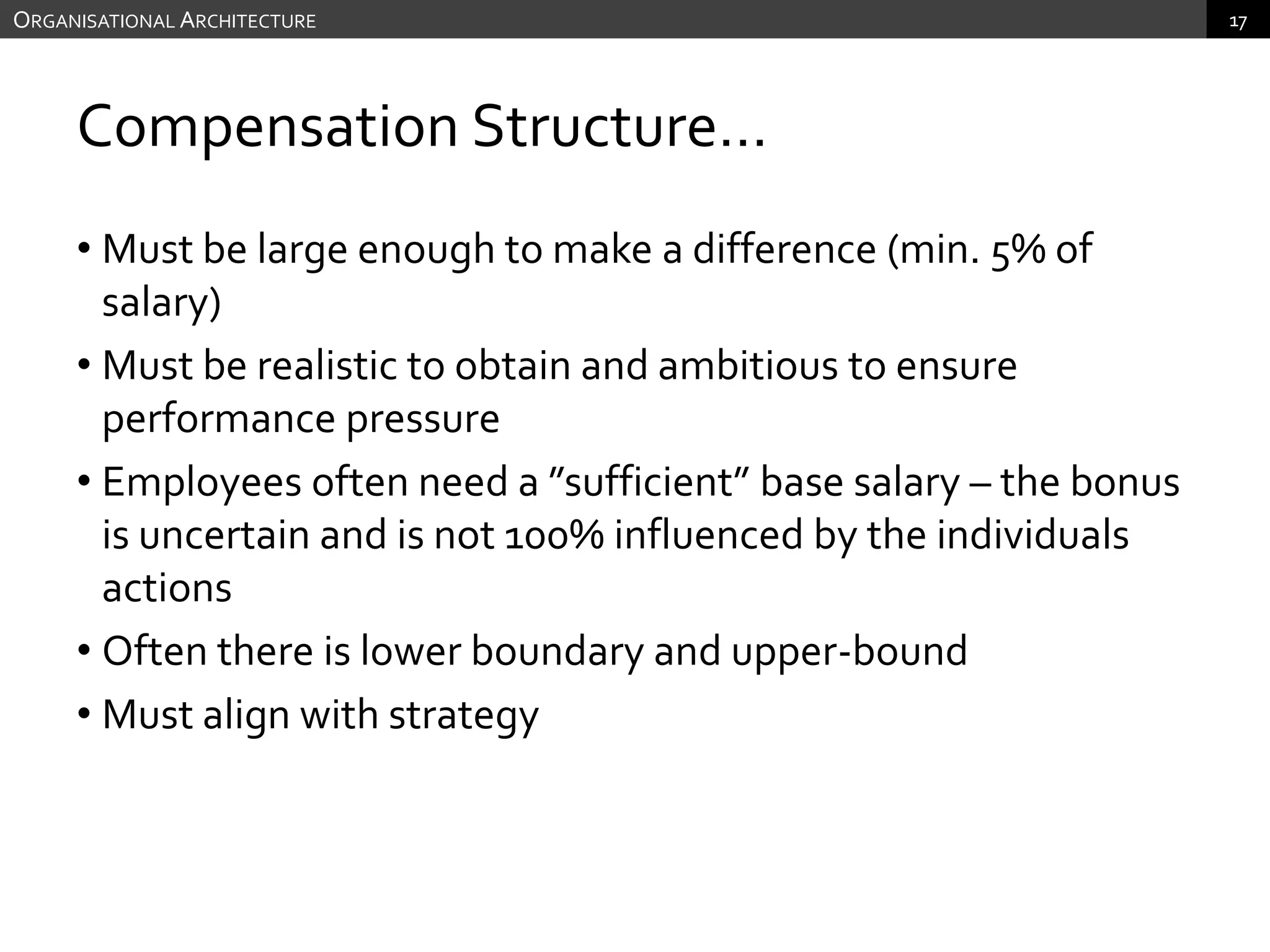
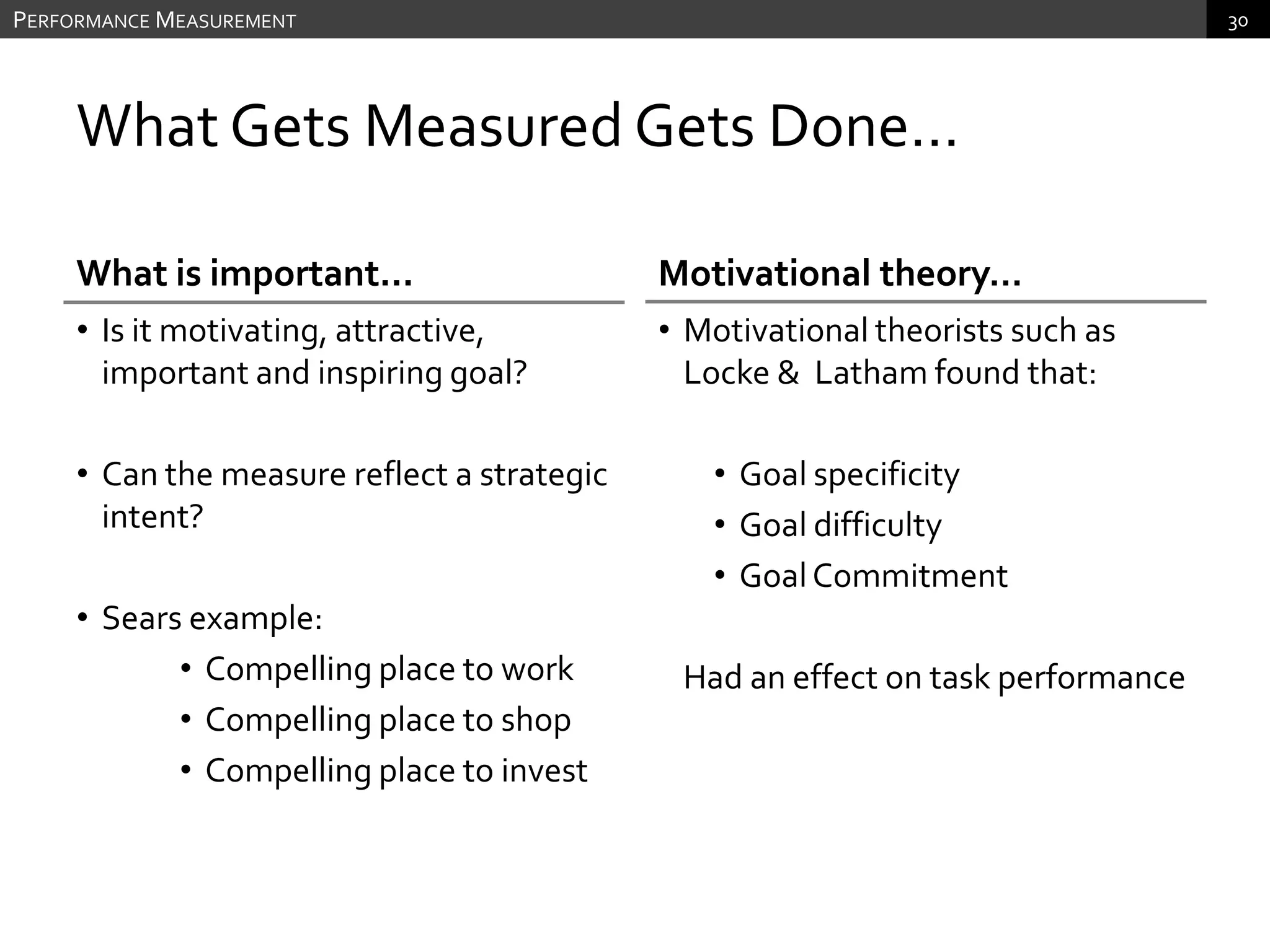
Compensation Structure…Must be large enough to make a difference (min. 5% of salary)
Must be realistic to obtain and ambitious to ensure performance pressure
Employees often need a ”sufficient” base salary – the bonus is uncertain and is not 100% influenced by the individuals actions
Often there is lower boundary and upper-bound
Must align with strategyOrganisational Architecture
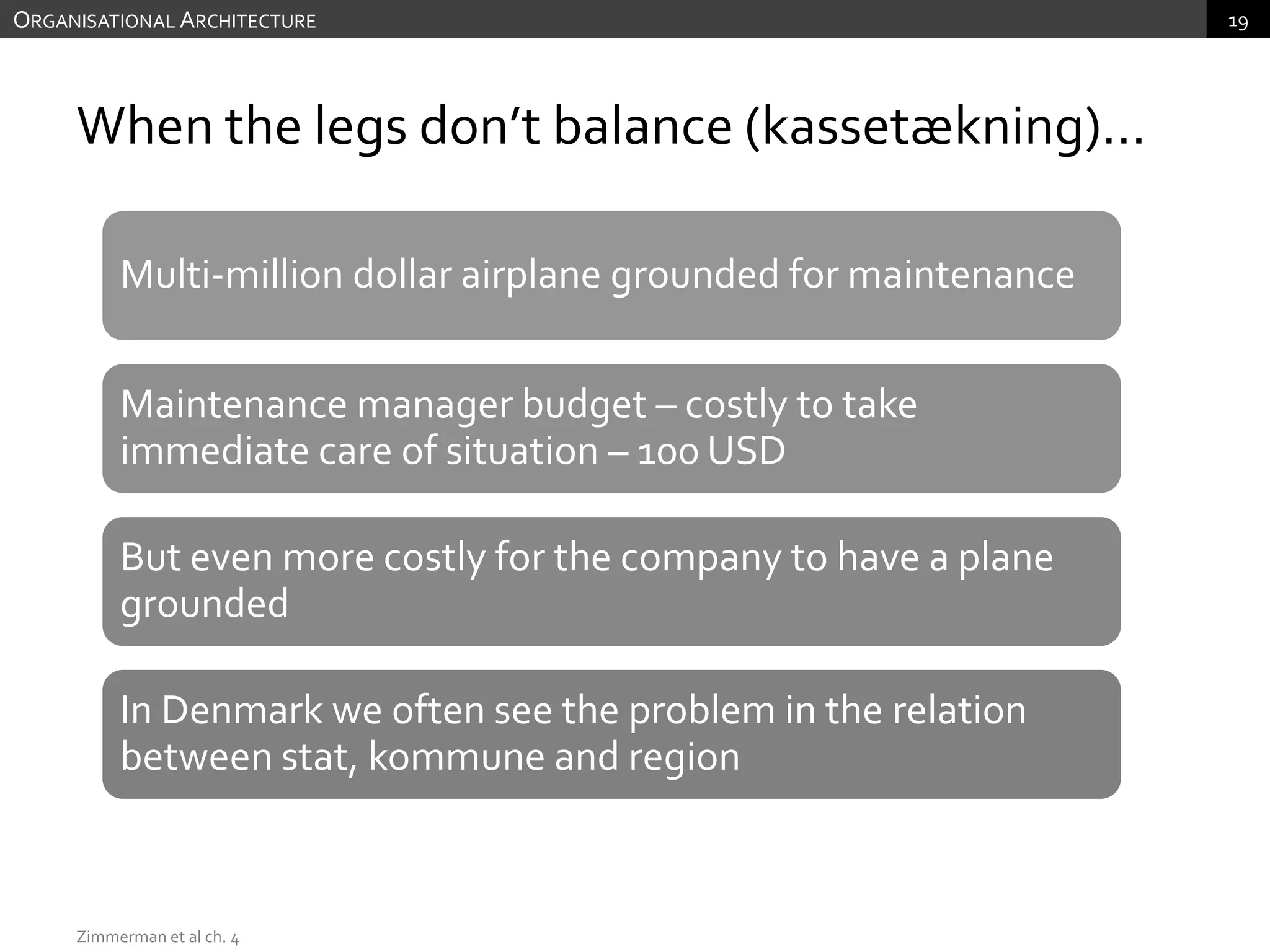
When the legs don’t balance (kassetækning)…Organisational ArchitectureZimmerman et al ch. 4
Performance Measurement
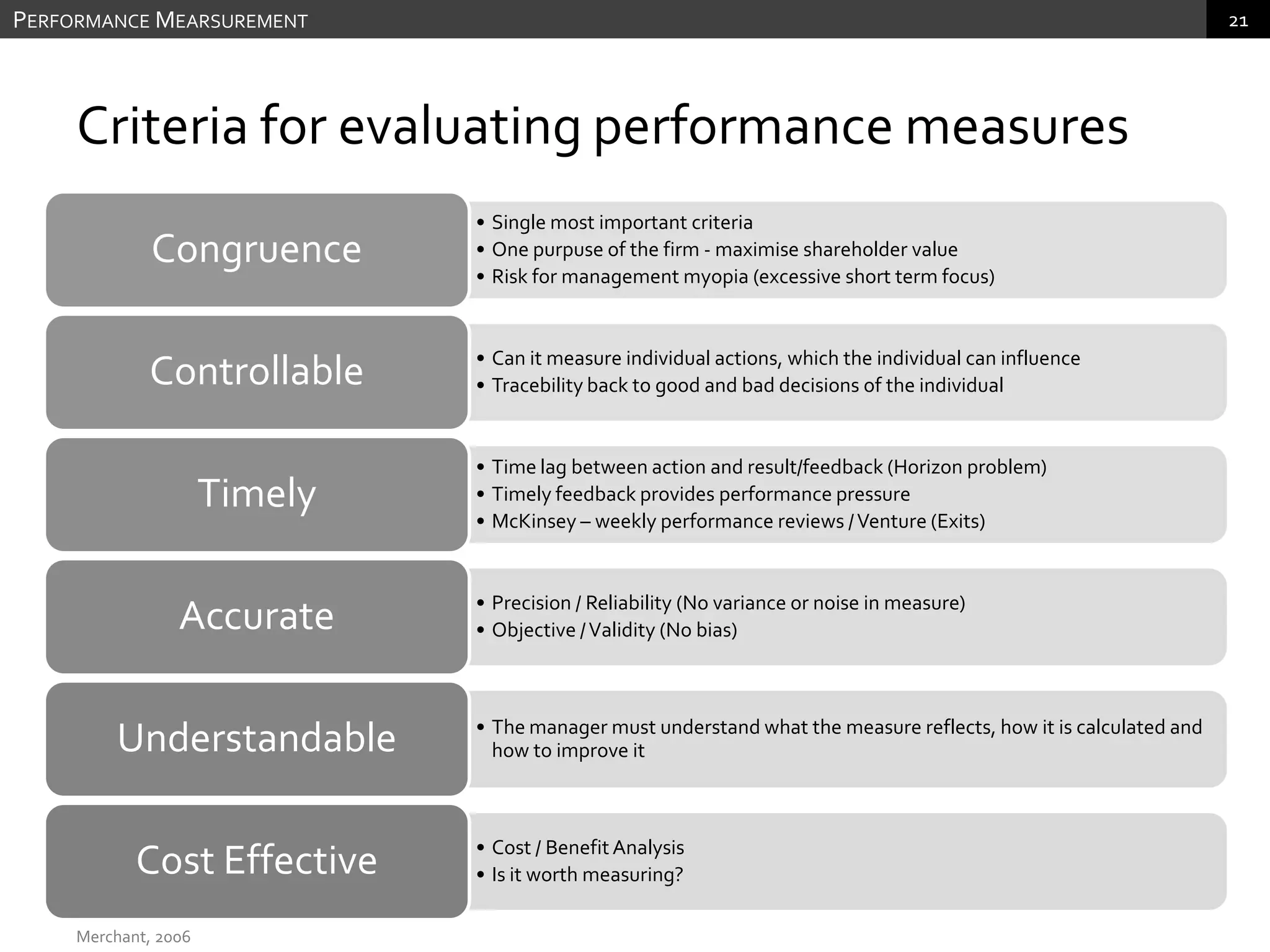
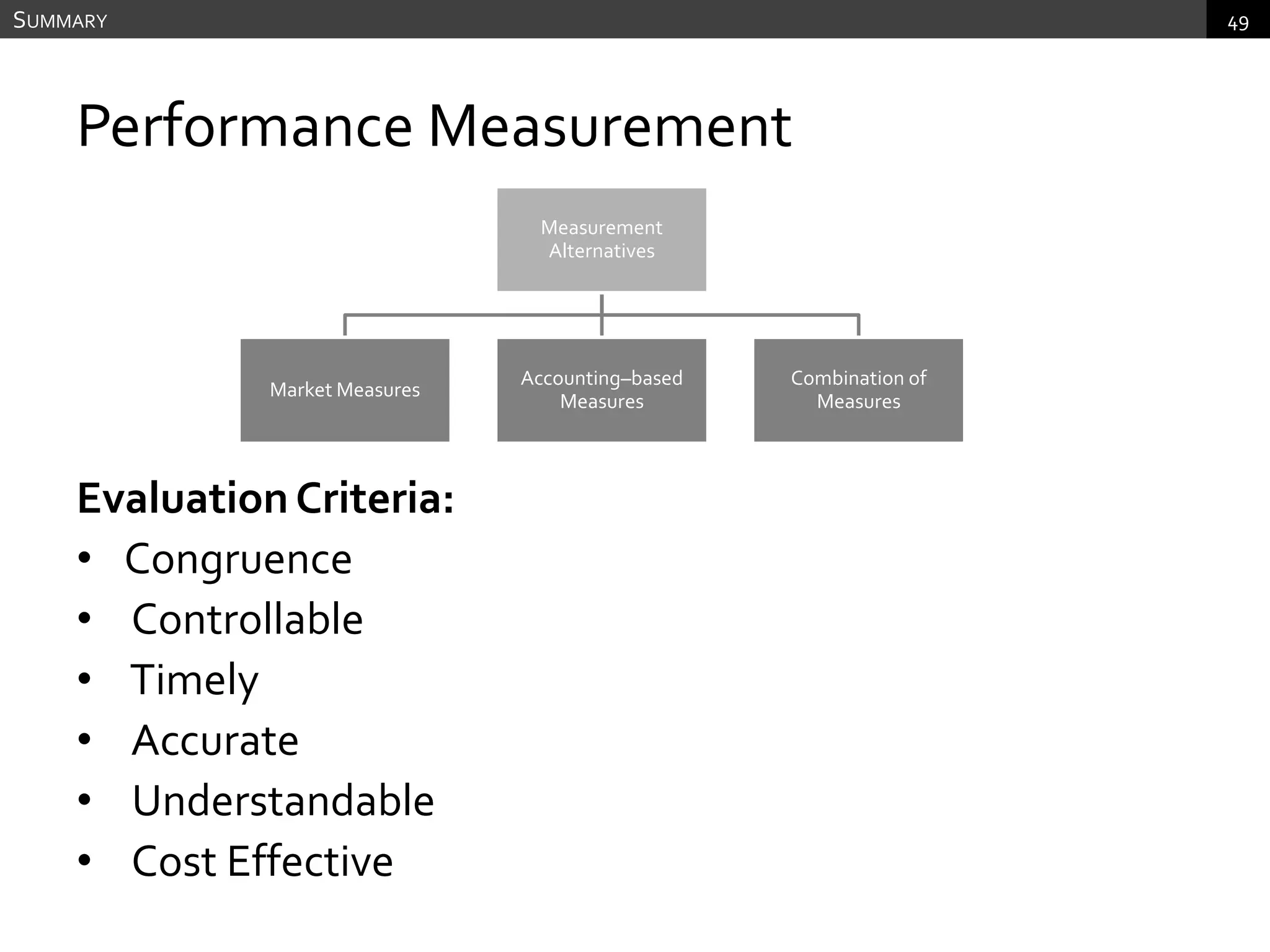
Criteria for evaluating performance measuresPerformance MearsurementMerchant, 2006
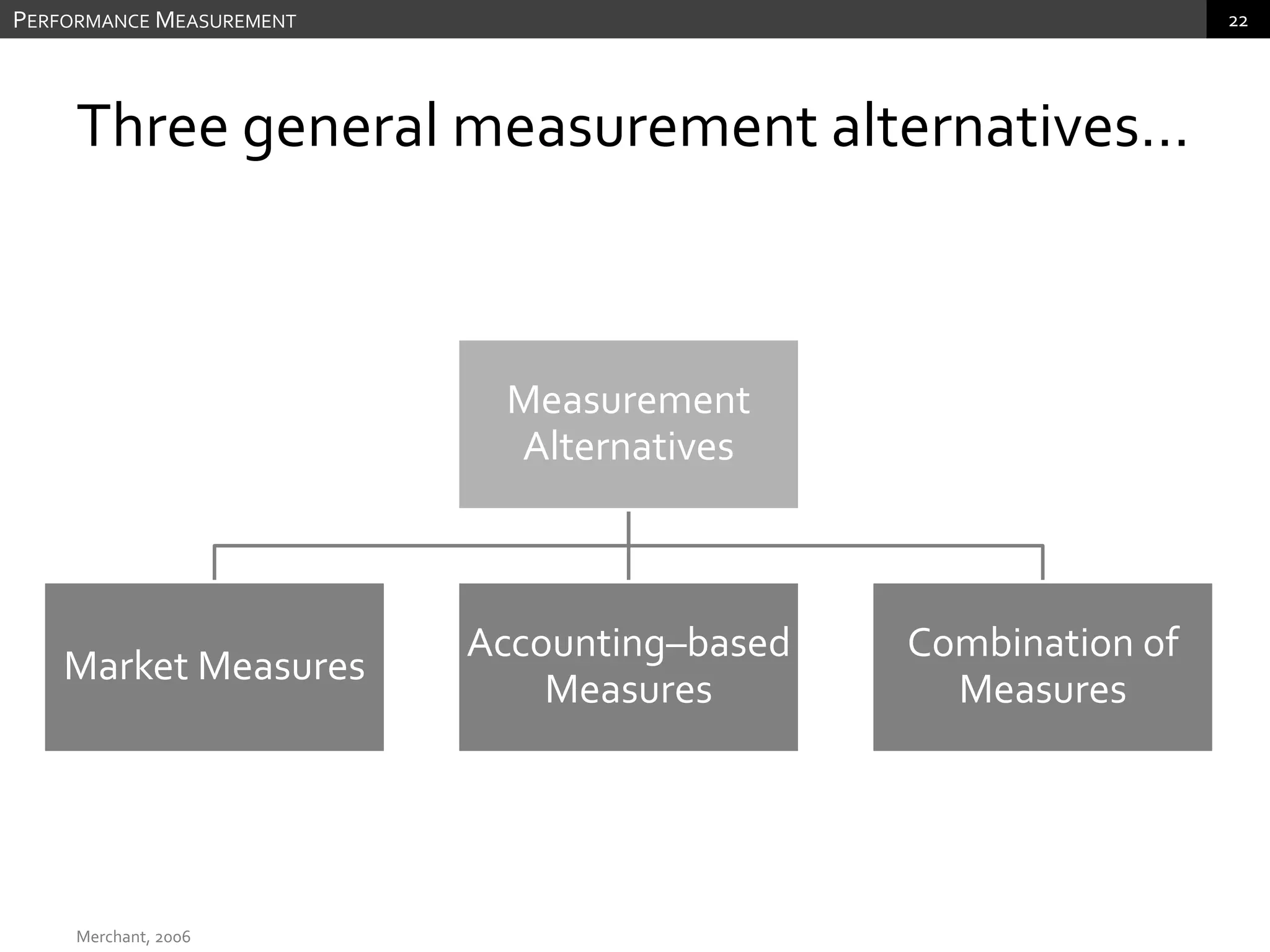
Three general measurement alternatives…Performance MeasurementMerchant, 2006
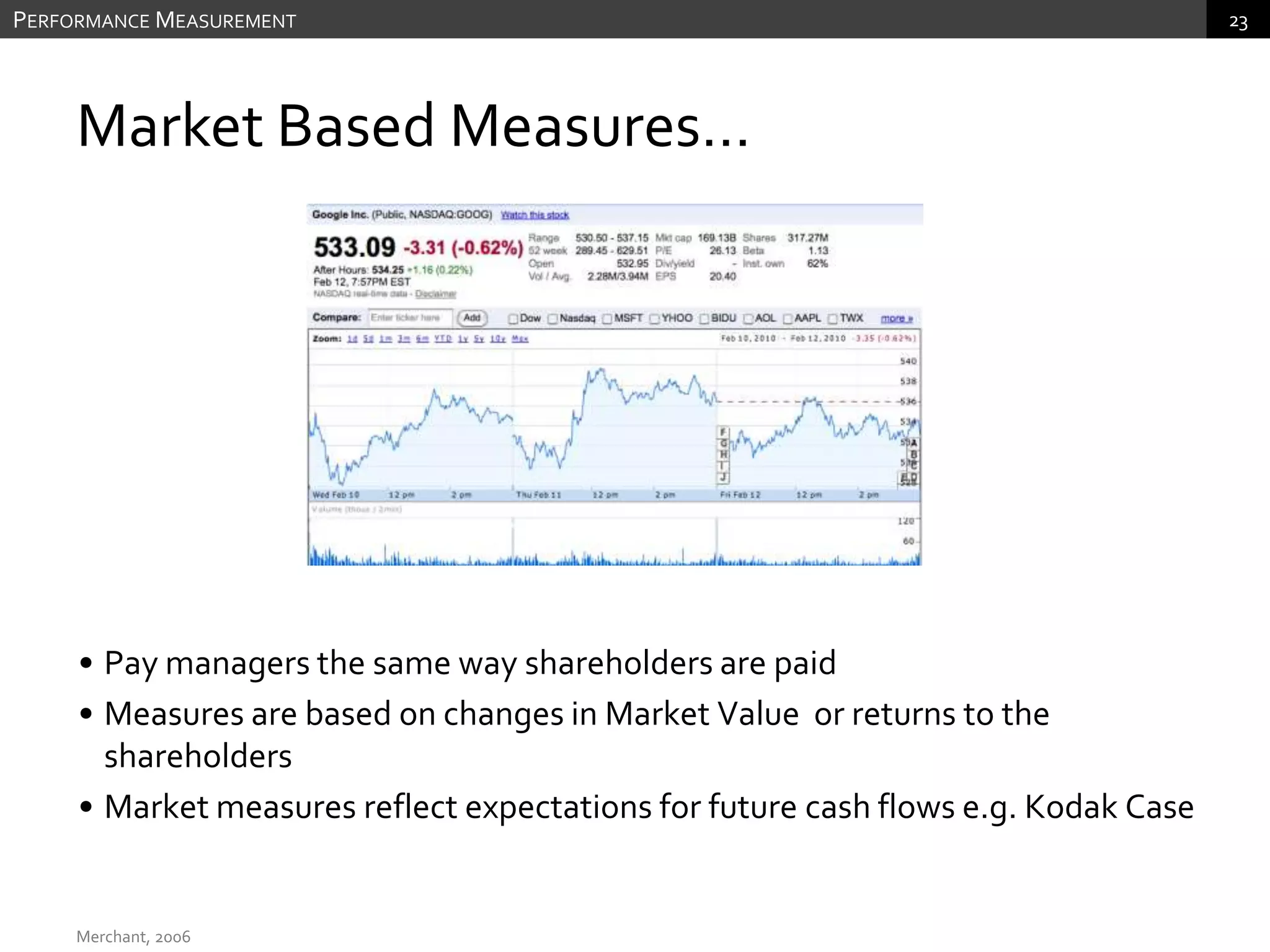
Market Based Measures…Performance MeasurementMerchant, 2006Pay managers the same way shareholders are paid
Measures are based on changes in Market Value  or returns to the shareholders
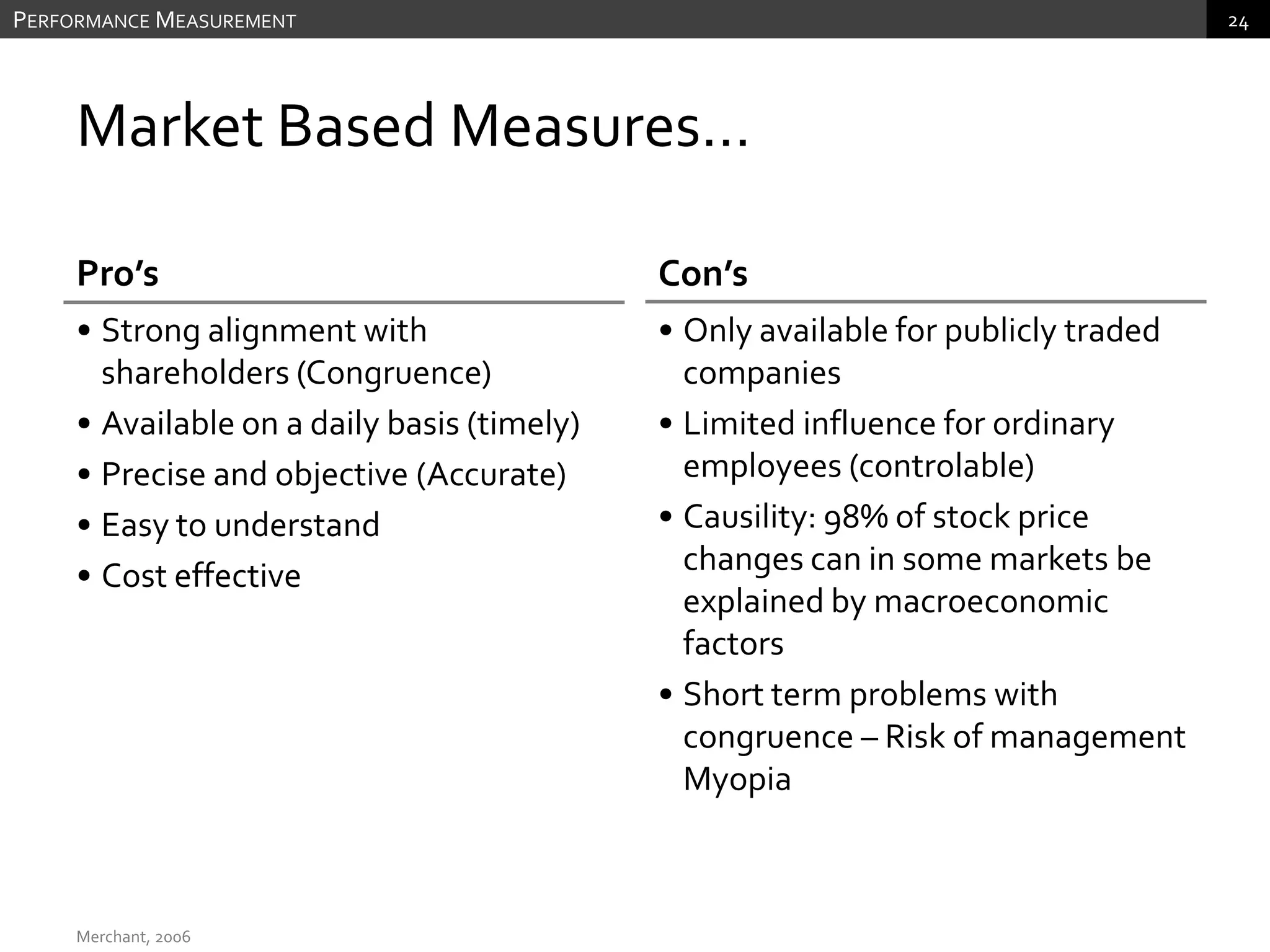
Market measures reflect expectations for future cash flows e.g. Kodak CaseMarket Based Measures…Pro’sStrong alignment with shareholders (Congruence)
Available on a daily basis (timely)
Precise and objective (Accurate)
Easy to understand
Cost effectiveCon’sOnly available for publicly traded companies
Limited influence for ordinary employees (controlable)
Causility: 98% of stock price changes can in some markets be explained by macroeconomic factors
Short term problems with congruence – Risk of management MyopiaPerformance MeasurementMerchant, 2006
Accounting Based Measures…Performance MeasurementMerchant, 2006Residual Measures: Net Income, EBITDA etc.
Ratio Measures: Return on Investement (ROI) etc.
Are better at explaining value creation over a longer time period (e.g. 10 years)
To improve congruence different propriatary models have been developed e.g. EVAAccounting Based Measures…Pro’sAvailable Monthly, Quarterly and Yearly (Timely)

Bpm2010 Final

Editor's Notes

  • #3 Whenwilltherebe a break
  • #12 Understand Human Behaviour – Alternative models:Maslows etc.Agency cost often arise when there is information assymetryMost agency problems involve balancing stronger incentives to work hard against the higher risk premium required by the agent to compensate for higher risk Engaging in monitoring activities to reduce potential problems increases potential cost. Elements of markets help efficiency – job market etc.
  • #15 Hiearchies – decision management
  • #24 Ask the studens – whatare the advantages?
  • #38 However doesn’t make them irrelevant