
Made by Ashish Saroha
X---I
Respiration
 We have just studied that digested food is
assimilated into the body of the living organisms.
The assimilated food is used mainly for two
purposes:
 Assimilated food is used as a fuel to get energy
for various life processes, and
 Assimilated food is used as a material for the
growth and repair of the body.
We will now describe how energy is released
from the food which is absorbed and
assimilated in the cells of the body. Please
note that food is the 'fuel’ for energy
production in cells. Let us see how energy is
actually obtained.
Most living things need oxygen ( of air) to
obtain energy from food.
• This oxygen reacts with the food molecules
(like glucose) present in the body cells and
burns them slowly to release energy. The
energy thus released is stored in ATP
molecules in the cells. The body can use this
stored energy whenever it wants to do so.
• The process of releasing energy from
 The mechanism by which organisms obtain oxygen
from the air and release carbon dioxide is called
breathing. Respiration is a more complex process.
Respiration includes breathing as well as the
oxidation of food in cells of organism to release
energy. Breathing is a physical process whereas
respiration also includes biochemical process of
oxidation of food.
The process of breathing involves the lungs of
the organism whereas the process of
respiration also involves the mitochondria in
the cells where food oxidised to release
energy.
Respiration is actually a biochemical process
which occurs in stages and requires many
enzymes. The main purpose of respiration is
the release of energy from the oxidation of
simple food molecules like glucose. The energy
released during respiration is used for
carrying out the biological functions which are
necessary for the maintenance of life and
survival of an organism.
Please note that respiration is just
opposite of photosynthesis. This is
because photosynthesis makes food
(like glucose) by using carbon
dioxide, water and sunlight
energy, and releasing oxygen;
whereas respiration breaks food (like
glucose) by using oxygen, and
releasing carbon dioxide, water and
energy.
 There are two types of respiration:
A. Aerobic Respiration
B. Anaerobic Respiration
Aerobic Respiration
The respiration which uses oxygen is called
aerobic respiration. It is called aerobic
respiration because it uses air which contains
oxygen (aerobic 'means ‘with air’) . In aerobic
respiration, the glucose food is completely
broken down into carbon dioxide and water by
oxidation. Aerobic respiration produces a
considerable amount of energy for use by the
organism which gets stored in the ATP
molecules.
The energy released during aerobic respiration is
used by the organism. Most of the living organisms
carry out aerobic respiration (by using oxygen of
air). For example, humans (man), dogs cats, lions,
elephants, cows, buffaloes, goat, deer, birds,
lizards, snakes, earthworms, frogs, fish, and
insects aerobic respiration by using oxygen of air
(to obtain energy).
 The respiration which takes place without oxygen
is called anaerobic respiration. It is called
anaerobic respiration because it takes place
without air which contains oxygen(‘anaerobic’
means ;without air’). The microscopic organisms
like yeast and some bacteria obtain energy by
anaerobic respiration (which is called
fermentation). In anaerobic respiration, the
micro-organisms like yeast break down glucose
(food) into ethanol and carbon dioxide, and
release energy.
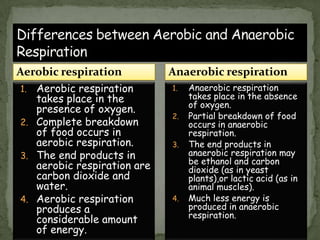
Aerobic respiration
1. Aerobic respiration
takes place in the
presence of oxygen.
2. Complete breakdown
of food occurs in
aerobic respiration.
3. The end products in
aerobic respiration are
carbon dioxide and
water.
4. Aerobic respiration
produces a
considerable amount
of energy.
1. Anaerobic respiration
takes place in the absence
of oxygen.
2. Partial breakdown of food
occurs in anaerobic
respiration.
3. The end products in
anaerobic respiration may
be ethanol and carbon
dioxide (as in yeast
plants),or lactic acid (as in
animal muscles).
4. Much less energy is
produced in anaerobic
respiration.
Anaerobic respiration
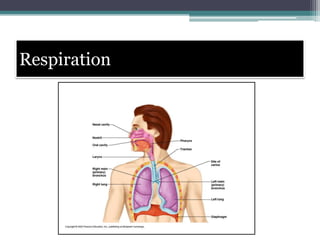
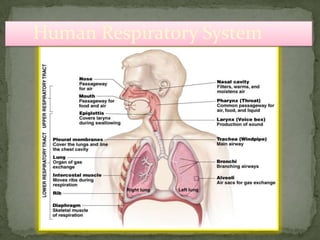
Human Respiratory System
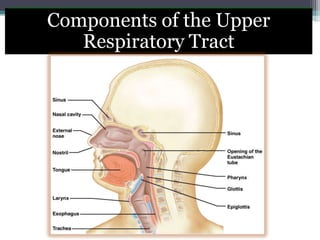
Components of the Upper
Respiratory Tract
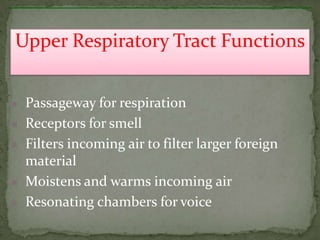
 Passageway for respiration
 Receptors for smell
 Filters incoming air to filter larger foreign
material
 Moistens and warms incoming air
 Resonating chambers for voice
Upper Respiratory Tract Functions
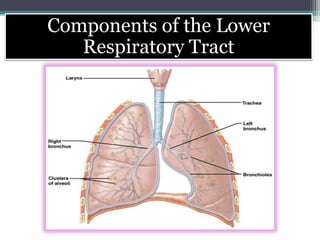
Components of the Lower
Respiratory Tract
Lower Respiratory Tract
 Functions:
 Larynx: maintains an open airway, routes food
and air appropriately, assists in sound
production
 Trachea: transports air to and from lungs
 Bronchi: branch into lungs
 Lungs: transport air to alveoli for gas exchange
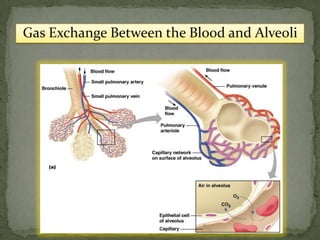
Gas Exchange Between the Blood and Alveoli
 In human beings, air is taken into the body
through the nostrils. The air passing through
the nostrils is filtered by fine hairs that line
the passage. The passage is also lined with
mucus which helps in this process. From here,
the air passages through the throat and into
the lungs. Rings of cartilage are present in the
throat. These ensure that the air-passage
does not collapse.
Biology
Biology
Biology
Biology

Biology

  • 1.
    Made by AshishSaroha X---I
  • 2.
  • 3.
     We havejust studied that digested food is assimilated into the body of the living organisms. The assimilated food is used mainly for two purposes:  Assimilated food is used as a fuel to get energy for various life processes, and  Assimilated food is used as a material for the growth and repair of the body.
  • 4.
    We will nowdescribe how energy is released from the food which is absorbed and assimilated in the cells of the body. Please note that food is the 'fuel’ for energy production in cells. Let us see how energy is actually obtained. Most living things need oxygen ( of air) to obtain energy from food.
  • 5.
    • This oxygenreacts with the food molecules (like glucose) present in the body cells and burns them slowly to release energy. The energy thus released is stored in ATP molecules in the cells. The body can use this stored energy whenever it wants to do so. • The process of releasing energy from
  • 9.
     The mechanismby which organisms obtain oxygen from the air and release carbon dioxide is called breathing. Respiration is a more complex process. Respiration includes breathing as well as the oxidation of food in cells of organism to release energy. Breathing is a physical process whereas respiration also includes biochemical process of oxidation of food.
  • 10.
    The process ofbreathing involves the lungs of the organism whereas the process of respiration also involves the mitochondria in the cells where food oxidised to release energy. Respiration is actually a biochemical process which occurs in stages and requires many enzymes. The main purpose of respiration is the release of energy from the oxidation of simple food molecules like glucose. The energy released during respiration is used for carrying out the biological functions which are necessary for the maintenance of life and survival of an organism.
  • 11.
    Please note thatrespiration is just opposite of photosynthesis. This is because photosynthesis makes food (like glucose) by using carbon dioxide, water and sunlight energy, and releasing oxygen; whereas respiration breaks food (like glucose) by using oxygen, and releasing carbon dioxide, water and energy.
  • 12.
     There aretwo types of respiration: A. Aerobic Respiration B. Anaerobic Respiration
  • 13.
    Aerobic Respiration The respirationwhich uses oxygen is called aerobic respiration. It is called aerobic respiration because it uses air which contains oxygen (aerobic 'means ‘with air’) . In aerobic respiration, the glucose food is completely broken down into carbon dioxide and water by oxidation. Aerobic respiration produces a considerable amount of energy for use by the organism which gets stored in the ATP molecules.
  • 14.
    The energy releasedduring aerobic respiration is used by the organism. Most of the living organisms carry out aerobic respiration (by using oxygen of air). For example, humans (man), dogs cats, lions, elephants, cows, buffaloes, goat, deer, birds, lizards, snakes, earthworms, frogs, fish, and insects aerobic respiration by using oxygen of air (to obtain energy).
  • 15.
     The respirationwhich takes place without oxygen is called anaerobic respiration. It is called anaerobic respiration because it takes place without air which contains oxygen(‘anaerobic’ means ;without air’). The microscopic organisms like yeast and some bacteria obtain energy by anaerobic respiration (which is called fermentation). In anaerobic respiration, the micro-organisms like yeast break down glucose (food) into ethanol and carbon dioxide, and release energy.
  • 16.
    Aerobic respiration 1. Aerobicrespiration takes place in the presence of oxygen. 2. Complete breakdown of food occurs in aerobic respiration. 3. The end products in aerobic respiration are carbon dioxide and water. 4. Aerobic respiration produces a considerable amount of energy. 1. Anaerobic respiration takes place in the absence of oxygen. 2. Partial breakdown of food occurs in anaerobic respiration. 3. The end products in anaerobic respiration may be ethanol and carbon dioxide (as in yeast plants),or lactic acid (as in animal muscles). 4. Much less energy is produced in anaerobic respiration. Anaerobic respiration
  • 17.
  • 18.
    Components of theUpper Respiratory Tract
  • 19.
     Passageway forrespiration  Receptors for smell  Filters incoming air to filter larger foreign material  Moistens and warms incoming air  Resonating chambers for voice Upper Respiratory Tract Functions
  • 20.
    Components of theLower Respiratory Tract
  • 21.
    Lower Respiratory Tract Functions:  Larynx: maintains an open airway, routes food and air appropriately, assists in sound production  Trachea: transports air to and from lungs  Bronchi: branch into lungs  Lungs: transport air to alveoli for gas exchange
  • 22.
    Gas Exchange Betweenthe Blood and Alveoli
  • 23.
     In humanbeings, air is taken into the body through the nostrils. The air passing through the nostrils is filtered by fine hairs that line the passage. The passage is also lined with mucus which helps in this process. From here, the air passages through the throat and into the lungs. Rings of cartilage are present in the throat. These ensure that the air-passage does not collapse.