This document summarizes a study that investigated the surface reactivity and biocompatibility of SiO2–TiO2–CaO–Na2O/SrO bioceramics as a function of structure and incubation time in simulated body fluid. Glass and ceramic samples with varying sodium and strontium concentrations were characterized, incubated in simulated body fluid for up to 30 days, and evaluated for calcium phosphate deposition and changes in surface morphology. Cell culture analysis also assessed the effect on cell viability. The addition of strontium reduced solubility and calcium phosphate precipitation compared to sodium-containing materials. Crystallization also decreased reactivity compared to amorphous structures.

![Investigating the surface reactivity of SiO2–TiO2–CaO–Na2O/SrO
bioceramics as a function of structure and incubation time
in simulated body fluid
Y. Li • A. Coughlan • Anthony. W. Wren
Received: 21 January 2014 / Accepted: 21 April 2014
Ó Springer Science+Business Media New York 2014
Abstract This study focuses on evaluating the biocom-
patibility of a SiO2–TiO2–CaO–Na2O/SrO glass and glass–
ceramic series. Glass and ceramic samples were synthe-
sized and characterized using X-ray diffraction. Each
material was subject to maturation in simulated body fluid
over 1, 7 and 30 days to describe any changes in surface
morphology. Calcium phosphate (CaP) deposition was
observed predominantly on the Na?
containing amorphous
and crystalline materials, with plate-like morphology. The
precipitated surface layer was also observed to crystallize
with respect to maturation, which was most evident in the
amorphous Na?
containing glasses, Ly-N and Ly-C. The
addition of Sr2?
greatly reduced the solubility of all sam-
ples, with limited CaP precipitation on the amorphous
samples and no deposition on the crystalline materials. The
morphology of the samples was also different, presenting
irregular plate-like structures (Ly-N), needle-like deposits
(Ly-C) and globular-like structures (Ly-S). Cell culture
analysis presented a significant increase in cell viability
with the Na?
materials, 134 %, while the Sr2?
containing
glasses, 60–80 % and ceramics, 60–85 % presented a
general reduction in cell viability, however these reduc-
tions were not significant.
1 Introduction
In recent years bioactive glasses and ceramics have stim-
ulated interest as materials that can stimulate the regener-
ation of bone tissue [1]. A common and widely studied
characteristic of bioactive glasses and glass–ceramics if the
formation of a biologically active apatite (A) layer which
supports bone bonding which can be evaluated using
simulated body fluid (SBF), which is a solution that con-
tains an ionic composition similar to that of human blood
plasma [2, 3]. Prior to the 1970s, artificial materials that
were implanted into the human body, specifically bone
defects, resulted in the materials being encapsulated by
fibrous tissue which resulted in the materials isolation for
the surrounding bone. In the early 1970s, Hench [4, 5]
produced glass in the Na2O–CaO–SiO2–P2O5 system that
spontaneously bonds to living bone without the formation
of surrounding fibrous tissue. Since this development,
many different types of ceramics such as sintered
hydroxyapatite, sintered b-tricalcium phosphate, A/b-tri-
calcium phosphate biphasic ceramics and glass/ceramic A–
W (wollastonite) have been shown to bond to living bone
[2].
Additionally, many different materials have been pro-
duced from bioactive glass and ceramics that can be used
for numerous medical applications. These materials include
glass–ceramic scaffolds [6–8] for bone repair, glass
microspheres for cancer treatment [9–11], composite
materials for drug release [12, 13] and also composite
materials where bioactive glasses are used to improve
bioactivity or mechanical strength [14–17]. Bioactive glass
and ceramics are a valuable addition to medical materials
as they can incorporate biological compatibility with
mechanical strength and bone adhesion, vital components
for skeletal repair [18]. However, uncertainties still exists
Y. Li Á Anthony. W. Wren (&)
Inamori School of Engineering, Alfred University, Alfred,
NY 14802, USA
e-mail: wren@alfred.edu
A. Coughlan
School of Materials Engineering, Purdue University,
West Lafayette, IN, USA
123
J Mater Sci: Mater Med
DOI 10.1007/s10856-014-5229-x
Author's personal copy](https://image.slidesharecdn.com/38a6facb-bc18-4402-8b53-3540381a956c-161205161320/85/Bioceramics-in-Simulated-Body-Fluid-3-320.jpg)
![relating to the mechanical durability due to their interac-
tions within the biological environment, and also the effect
of mechanical strain and the dissolution rate of materials,
and as such, altering the mechanical properties of a bio-
active glass without compromising its bioactivity is of key
interest [18]. This concern has previously been highlighted
when producing glass–ceramic scaffolds from 45S5 Bio-
glassÒ
, where it has been suggested that crystallization of
45S5 BioglassÒ
can reduce its bioactivity as, post sintering,
crystallization turns the material from being a bioactive
material into an inert ceramic [19]. However, there have
since been studies that suggest the predominant crystal
phase of 45S5 BioglassÒ
(Na2Ca2Si3O9), can significantly
improve the mechanical properties of the material, and that
crystallization does not inhibit the bioactivity as precipi-
tation of an amorphous calcium phosphate (CaP) occurs in
biological fluids [20–22].
This study was conducted to determine any differences
in bioactivity and subsequent changes in surface mor-
phology, specifically in SBF and cell culture, as a function
of material composition (Na?
/Sr2?
concentration), incu-
bation time, and structure (amorphous/crystalline). The
starting glass composition, SiO2–TiO2–CaO–Na2O/SrO,
alters Na?
and Sr2?
concentration which will affect the
dissolution rate of the glasses. A previous study by the
authors on the solubility of these materials determined that
(1) crystallization greatly reduces the ion release rate, (2)
pH is also reduced with crystallization, (3) the mechanical
durability of the materials is greatly enhanced by crystal-
lization where no significant changes are observed after
30 days in aqueous media and (4) the Na?
containing
materials produces higher ion release rates than the Sr2?
analogues. The glass composition utilized in this study was
selected as Na?
is critical in promoting dissolution of the
glass as it acts as a network modifier within the glass
network [22, 23]. Sr2?
also acts as a network modifier
within the glass, however, it shares atomic similarities to
Ca2?
and has been previously investigated and applied to
treating postmenopausal women with osteoporosis [24, 25].
Titanium (Ti) has been incorporated as numerous studies
cite that Ti containing materials result in the deposition of
CaP surface layer when incubated in SBF [26]. That can be
attributed to the formation of Ti–OH groups providing
favourable conditions for Ca precipitation [26].
2 Materials and methods
2.1 Glass synthesis
Three glass compositions (Ly-N, Ly-C, Ly-S) were formu-
lated for this study with the principal aim being to inves-
tigate any property changes with the modification of
sodium (Na?
) and strontium (Sr2?
) in the glass. A control
glass (Ly-C) was also formulated which contained equal
quantities of Na?
and Sr2?
. Glasses were prepared by
weighing out appropriate amounts of analytical grade
reagents and ball milling (1 h, Table 1).
2.1.1 Glass powder production
The powdered mixes were oven dried (100 °C, 1 h) and
fired (1,500 °C, 1 h) in platinum crucibles and shock
quenched into water. The resulting frits were dried, ground
and sieved to retrieve glass powders with a maximum
particle size of 45 lm.
2.1.2 Disc sample preparation
Disc samples (Ly-N, Ly-C, Ly-S) were prepared by
weighing approximately 0.5 g powder into a stainless steel
die (sample dimensions 1.5 9 6/ mm) which was pressed
under 3 tonnes of pressure. Disc samples were kept
amorphous for Ly-N, Ly-C, Ly-S by heat treating the
pressed discs below the glass transition temperature for
24 h, and crystalline analogues were heat treated to the
sintering temperature for Ly-N (653 °C), Ly-C (713 °C)
and Ly-S (825 °C) in order to determine any differences in
bioactivity as a result of structure. Disc samples were then
used for SBF testing and while 100 ll extracts were used
for indirect cell culture analysis.
2.2 Glass characterization
2.2.1 X-ray diffraction (XRD)
Diffraction patterns were collected using a Siemens D5000
XRD Unit (Bruker AXS, Inc., WI, USA). Glass powder
samples were packed into standard stainless steel sample
holders. A generator voltage of 40 kV and a tube current of
30 mA was employed. Diffractograms were collected in
the range 10° 2h 80°, at a scan step size 0.02° and a
step time of 10 s. Any crystalline phases present were
identified using JCPDS (Joint Committee for Powder Dif-
fraction Studies) standard diffraction patterns (data repro-
duced from previously published manuscript [27], Fig. 1;
Table 3).
Table 1 Glass composition
(mol. fr.)
Ly-N Ly-C Ly-S
SiO2 0.55 0.55 0.55
TiO2 0.05 0.05 0.05
CaO 0.22 0.22 0.22
Na2O 0.18 0.09 0.00
SrO 0.00 0.09 0.18
J Mater Sci: Mater Med
123
Author's personal copy](https://image.slidesharecdn.com/38a6facb-bc18-4402-8b53-3540381a956c-161205161320/85/Bioceramics-in-Simulated-Body-Fluid-4-320.jpg)
![2.3 Biocompatibility testing
2.3.1 Sample preparation
Discs of each glass were autoclaved prior to use and sterile
de-ionized water was used as the solvent to prepare
extracts. The volume of extract was determined using
Eq. 1. Vs is the volume of extract used, Sa is the exposed
surface area of the disc.
Vs ¼
Sa
10
: ð1Þ
Samples (n = 3 amorphous, and n = 3 crystalline) were
aseptically immersed in appropriate volumes of sterile de-
ionized water and agitated at (37 ± 2 °C) for 1, 7 and
30 days after which 100 ll of fluid was used for cytotox-
icity testing.
2.3.2 SBF trial
SBF was produced in accordance with the procedure out-
lined by Kokubo and Takadama [2]. The composition of
SBF is outlined in Table 2. The reagents were dissolved in
order, from reagent 1 to 9, in 500 ml of purified water
using a magnetic stirrer. The solution was maintained at
36.5 °C. 1 M-HCl was titrated to adjust the pH of the SBF
to 7.4. Purified water was then used to adjust the volume of
the solution up to 1 l. Glass/ceramic discs (n = 2) were
immersed in concentrations of SBF as determined by Eq. 1
and were subsequently stored in for 1, 7 and 30 days in an
incubator at 37 °C. A JEOL JSM-840 SEM equipped with
a Princeton Gamma Tech energy dispersive X-ray (EDX)
system was used to obtain secondary electron images and
carry out chemical analysis of the surface of glass and
ceramic discs. All EDX spectra were collected at 20 kV,
using a beam current of 0.26 nA. Quantitative EDX con-
verted the collected spectra into concentration data by
using standard reference spectra obtained from pure ele-
ments under similar operating parameters.
2.3.3 Cell culture analysis
The established cell line L929 (American Type Culture
Collection CCL 1 fibroblast, NCTC clone 929) was used in
this study as required by ISO10993 part 5. Cells were
maintained on a regular feeding regime in a cell culture
incubator at 37 °C/5 % CO2/95 % air atmosphere. Cells
were seeded into 24 well plates at a density of 10,000 cells
per well and incubated for 24 h prior to testing with both
extracts and cement discs. The culture media used was
M199 media supplemented with 10 % fetal bovine serum
(Sigma Aldrich, Ireland) and 1 % (2 mM) L-glutamine
(Sigma Aldrich, Ireland). The cytotoxicity of cement
extracts was evaluated using the methyl tetrazolium (MTT)
assay in 24 well plates. Aliquots (100 ll) of undiluted
sample were added into wells containing L929 cells in
culture medium (1 ml) in triplicate over 1, 7 and 30 days.
Cement discs (n = 3 amorphous, and n = 3 crystalline)
were placed in the plate wells and were tested after 24 h.
Each of the prepared plates was incubated for 24 h at
37 °C/5 % CO2. The MTT assay was then added in an
amount equal to 10 % of the culture medium volume/well.
The cultures were then re-incubated for a further 2 h
(37 °C/5 % CO2). Next, the cultures were removed from
the incubator and the resultant formazan crystals were
dissolved by adding an amount of MTT Solubilization
solution [10 % Triton X-100 in acidic isopropanol (0.1 N
HCI)] equal to the original culture medium volume. Once
the crystals were fully dissolved, the absorbance was
measured at a wavelength of 570 nm. Aliquots (100 ll) of
tissue culture water were used as controls, and cells were
assumed to have metabolic activities of 100 %.
2.4 Statistical analysis
One-way analysis of variance was employed to compare
the difference in cell viability as a function of maturation
(1, 7 and 30 days) for each material tested. Comparison of
relevant means was performed using the post hoc Bonfer-
roni test. Differences between groups was deemed signifi-
cant when P B 0.05.
3 Results
3.1 Material characterization
Characterization techniques utilized for this study includes
scanning electron microscopy (SEM/EDX), XRD and
HSM. SEM and the corresponding EDX are presented in
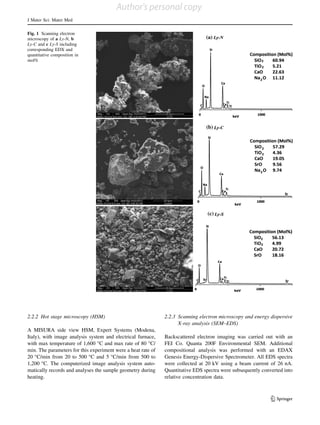
Fig. 1 for Ly-N, Ly-C and Ly-S. Figure 1a presents Ly-
N which confirms the composition contains Si4?
, Ca2?
,
Ti4?
and Na?
, which has a composition similar to batch
Table 2 Ionic composition of SBF [2]
Orders Reagents Amount
1 NaCl 7.996 g
2 NaHCO3 0.350 g
3 KCl 0.224 g
4 K2HPO4Á3H2O 0.228 g
5 MgCl2Á6H2O 0.305 g
6 1 M-HCl 40 ml
7 CaCl2 0.278 g
8 Na2SO4 0.071 g
9 NH2C(CH2OH)3 6.057 g
J Mater Sci: Mater Med
123
Author's personal copy](https://image.slidesharecdn.com/38a6facb-bc18-4402-8b53-3540381a956c-161205161320/85/Bioceramics-in-Simulated-Body-Fluid-6-320.jpg)
![materials. There was a significant decrease in viability for
Ly-C at 7 days (59 %, P = 0.000), and 30 days (71 %,
P = 0.001). Ly-S also presented an overall reduction in cell
viability; however this change did not reach significance.
4 Discussion
4.1 Material characterization
SEM coupled with EDX was used to image the glass
particles and estimate the glass composition. The mean
particle size was previously determined for each glass,
which were similar at 4.6 lm for Ly-N, 3.9 lm for
Ly-C and 4.6 lm for Ly-S [27]. Particle size distribution
can significantly influence biocompatibility through chan-
ges in exposed surface area and the subsequent particle
dissolution rate. It can also be observed that the Na?
containing glasses (Ly-N, Ly-C) were found to have smaller
particles agglomerated to larger particles, in particular with
Ly-N. This agglomeration of the Na?
containing glasses
may be due to electrostatic charge build up during pro-
cessing. With respect to glass composition, the batch
calculation closely resembled the data acquired by EDX.
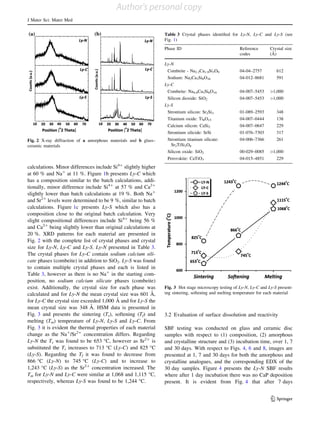
XRD was conducted on each material to confirm the
amorphous/crystalline state and to determine the phases
present in the crystalline materials. Sodium calcium silicate
phases were found to exist in Ly-N and Ly-C, whereas
numerous phases were detected in Ly-S (Table 3). Previous
studies suggest that crystallization converts glass from
being a bioactive to an inert material and, in the case of
glass–ceramic scaffolds, the mechanical integrity is also
compromised. However additional studies by Chen et al.
[28] suggest that crystalline 45S5 BioglassÒ
forms Na2-
Ca2Si3O9 phases that can significantly improve the
mechanical properties of the material, that crystallization
does not inhibit bioactivity with respect to bone bonding
ability and when immersed in body fluids the crystalline
Na2Ca2Si3O9 decomposes and transits to amorphous CaP.
Studies by Clupper and Hench [20] determined that the
predominant crystal phase associated with BioglassÒ
,
Na2Ca2Si3O9 slightly decreases the formation kinetics of
an A layer on BioglassÒ
surface but did not totally suppress
its formation. Further studies by Filho et al. [21] found that
there is no compromise in bioactivity for the 45S5 glass–
ceramic system even when 100 % crystalline. Their study
Fig. 9 SEM images of CaP deposition on a Ly-N, b Ly-C and c Ly-S
Fig. 10 Cell viability of
amorphous and crystalline
samples
J Mater Sci: Mater Med
123
Author's personal copy](https://image.slidesharecdn.com/38a6facb-bc18-4402-8b53-3540381a956c-161205161320/85/Bioceramics-in-Simulated-Body-Fluid-12-320.jpg)
![in particular focused on determining the surface precipi-
tation reactions in SBF and determined that by inducing
crystallinity (ranging from 8 to 100 %), the materials
maintained their bioactivity in SBF [21]. HSM determined
that differences in the thermal properties of the materials
existed where the sintering temperature increases with an
increase in Sr2?
concentration, i.e. Ly-N Ly-C
Ly-S. This may be due to the divalent nature of Sr2?
,
charge neutralizing intermittent non bridging oxygen sites
in the glass, where two Na?
atoms are required to fulfill the
same vacancy. This would likely result in higher temper-
atures to decompose the Ly-S glass particles to the extent
required for sintering, as compared to Ly-N.
4.2 Evaluation of surface characteristics and reactivity
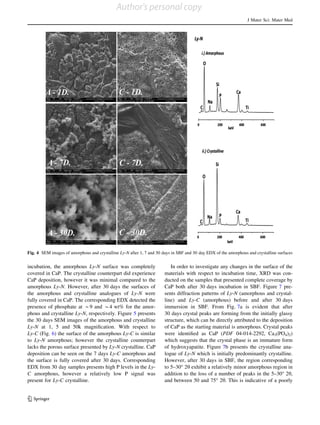
With respect to the amorphous surface for each material,
differences in surface morphology exist where the particles
are fused together resulting in a ‘cobblestone’ like surface.
The crystalline analogues for each material formed a por-
ous/dense or irregular surface morphology relatively spe-
cific to the materials composition. CaP deposition on the
Ly-N supports earlier findings by Clupper and Hench,
where the formation of an A layer was decreased but not
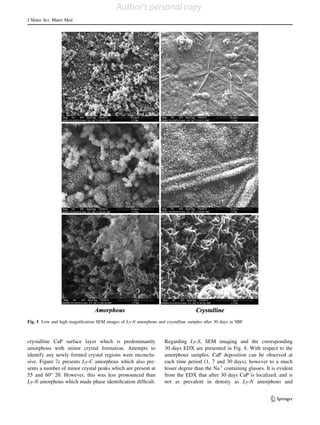
totally suppressed. The higher resolution images (Fig. 5)
confirm the complete coverage of both Ly-N amorphous
and crystalline surfaces with CaP. Higher resolution SEM
images (50k) present a floral-plate like CaP present for
both materials, which is similar in structure to A deposition
on A–W glass–ceramic [2]. This suggests that the CaP
deposited is similar irrespective of amorphous/crystalline
structure, with the only difference being the time required
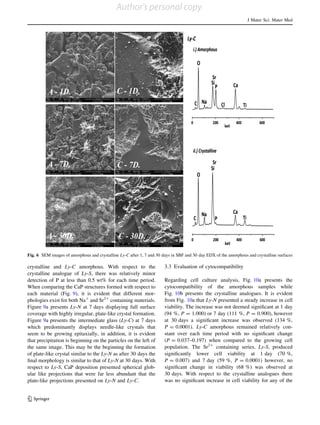
for this surface layer to deposit. Ly-C amorphous presented
CaP deposition the covered the surface after 30 days. The
lack of surface precipitation on Ly-C crystalline may be
due to a number of factors. The lower Na?
concentration in
the starting glass results in reduced solubility, which
reduces the rate of ion release from the material. Previous
ion release studies on these materials by the authors
resulted in the Na?
containing materials being more solu-
ble than the Sr2?
(i.e. Ly-N [ Ly-C [ Ly-S) [27]. In
addition, the amorphous materials were found to be far
more soluble than the crystalline analogues [27]. XRD
conducted on samples with full CaP surface coverage
determined that the evolution of crystal structures was
identified predominantly in samples containing Na?
.
Although the amorphous samples Ly-N and Ly-C induced
complete surface coverage after 30 days, the crystalline
analogue of Ly-N produced the same surface morphology
which took longer to produce as there was no significant
coverage after 7 days, suggesting that a solubility limit
exists. The precipitation of the CaP crystals support this
where the Na?
containing materials produced plate-like
crystals (Fig. 9) after 30 days, whereas Ly-S produced
globular-like crystals which were only sporadically dis-
tributed on the surface after 30 days. Also, it seems the
reduced solubility in addition to the inclusion of Sr2?
,
results in an overall reduction in CaP deposition.
4.3 Evaluation of cytocompatibility
A general trend that can be observed with the cell viability
data is that as Sr2?
is incorporated into the glass, there is a
general reduction in cell viability. Ly-N produced the
highest cell viability after 30 days at 134 %, which is
likely attributed to the solubility [27] and the release of
Na?
. Na?
is well known to be critical to cellular metabo-
lism including providing the required ion concentration
gradients between the interstitial fluids and the cytoplasm.
As such, cells have the ability to tightly control the influx/
efflux of ions like Na?
, K?
and Ca2?
. The solubility of the
Ly-C and Ly-S is lower [27] than Ly-N which may be a
contributing factor to the reduction/insignificant change in
cell viability. In particular with Ly-S, it is also possible that
Sr2?
hinders the metabolic process in this particular cell
line, as positive reports have been established regarding
Sr2?
use in osteoblasts [24]. With respect to the crystalline
analogues, which were much less soluble than the amor-
phous counterparts [27], there were relatively insignificant
changes in cell viability. This may be due to a combination
of the reduced ion release rate, in addition to these cells not
requiring Sr2?
for metabolism and ion homeostasis.
5 Conclusion
The work determined that the Na?
containing glasses and
ceramics consistently produced CaP surface layers more
readily than the Sr2?
containing materials. However, dif-
ferent morphologies of CaP was observed with differences
in glass composition. Additionally, the CaP surface layer
was observed to crystallize after 30 days with the Na?
containing materials. Testing of the liquid extracts in cell
culture was observed to significantly increase cell viability
in the Na?
containing glasses, while no significant toxicity
was experienced with the Sr2?
and crystalline analogues of
each material. This study concludes that the inclusion of
Na?
significantly enhances the surface reactivity of
bioceramics, and that the addition of ions with different
electronic states can significantly influence the ion release
rate, atomic arrangement and morphology of the precipi-
tated surface A layer, and the associated cellular response.
J Mater Sci: Mater Med
123
Author's personal copy](https://image.slidesharecdn.com/38a6facb-bc18-4402-8b53-3540381a956c-161205161320/85/Bioceramics-in-Simulated-Body-Fluid-13-320.jpg)


![A_Comprehensive_Look_at_Bioactive_Glass_Applications_temp[1].pptx](https://cdn.slidesharecdn.com/ss_thumbnails/acomprehensivelookatbioactiveglassapplicationstemp1-240115134637-ea57779f-thumbnail.jpg?width=640&height=640&fit=bounds)


