BBCHS
A New Tradition Begins…
Dr. Brian Wright, Principal
Website: bbchs.org
Phone: 937-3707
Email: bwright@bbchs.org
Twitter: @bbchs307
@drbrianwright
Blog: Educational UpRising
http://euprising.blogspot.com
C
Our Journey
 2010 – Creation of the Common Core
State Standards (CCSS) and
Illinois’ adoption
 2012-2014 – TL and G Conversations
 2013 – Our commitment to the
creation
of new curriculum that is
CCSS
 2014 – Roll out of English and Math
curriculum
Our Research
 Ken O’Connor – 15 Fixes for Broken
Grades
 Ken O’Connor – How to Grade for Learning
 Rick Wormeli – Fair Isn’t Always Equal
 Rick Wormeli – Differentiation from
Planning to Practice
 Douglas Reeves – The Case Against the
Zero
 Robert Marzano – Transforming Classroom
Grading
 Thomas Guskey, Jan Chappuis, Reed
Gillespie, Garnet Hillman, Richard DuFour,
Surveying our
Faculty What is the purpose of grades?
 How does our current practice of
teaching and reporting reflect this
purpose?
 What elements do we allow to be part
of our grade book that don’t reflect this
purpose?
Surveying our
Faculty What is the purpose of grades?
◦ Grades are designed to communicate
learning
 How does our current practice of
teaching and reporting reflect this
purpose?
◦ Not to standards; Letter grade is an
average
 What elements do we allow to be part
of our grade book that do not reflect
this purpose?
Driven to Change
Why would anyone want to change
current grading practices?
“Grades are so imprecise that they are
almost meaningless.” Robert Marzano
BBCHS’ Goal for
Grades:
1. Accurate
2. Consistent
3. Meaningful
4. Supportive of Learning
Standards-Based
Mindset:
Grades cannot be
a reward!
Standards-Based involves….
Quick Explanation
Feedback from assessments should be linked to
learning targets. (Marzano, 2011)
Students should be permitted to remedy
deficiencies in their learning when assessment
reveals them. (Dueck, 2011)
Scores should communicate students’ degree of
mastery of the learning targets only. (O’Connor & Wormeli,
2011)
The SBL Mindset
Accuracy
Since our goal is to communicate the
amount of learning that has occurred,
we must eliminate all the external
components that inflate or deflate a
grade.
academic v. non-academic
Clear and Consistent
Since our goal is to communicate the
amount of learning that has occurred,
we must have a system that is used
throughout our building regardless of
content or grade level. Expectations
must be given (rubrics).80% summative and 20%
formative
or
The SBL Mindset
Meaningful
Since our goal is to communicate the
amount of learning that has occurred, a
student’s grade will measure just that –
what was learned and give students
and parents a clear direction of what is
expected. Grades will be reflective of
each learning outcome.
The SBL Mindset
Supportive of Learning
Since our goal is to communicate the
amount of learning that has occurred,
each student’s grade will be measured
against “mastery” – knowledge and skill
and be able to apply both within various
contexts over time.
Shift from chasing and accumulating point
to chasing and appreciating learning.
The SBL Mindset
1. More informative for all.
2. Greater feedback to students.
3. Better depiction of knowledge/skills.
4. Allows students multiple
opportunities to show mastery of
knowledge/skills.
So Why is SBL
Better?
 Response to Intervention (RtI)
◦ Tier 1 = Regular curriculum
◦ Tier 1.5 = Content-Area Study Halls
◦ Tier 2 = MASH; GASH; A2SH; ELA1; ELA2
◦ Tier 3 = Foundations of ELA and Math
(courses)
 Multiple opportunities for assessment
◦ Reteach/Relearn
◦ 10 days for reassessment on summatives
Supports for Student
C
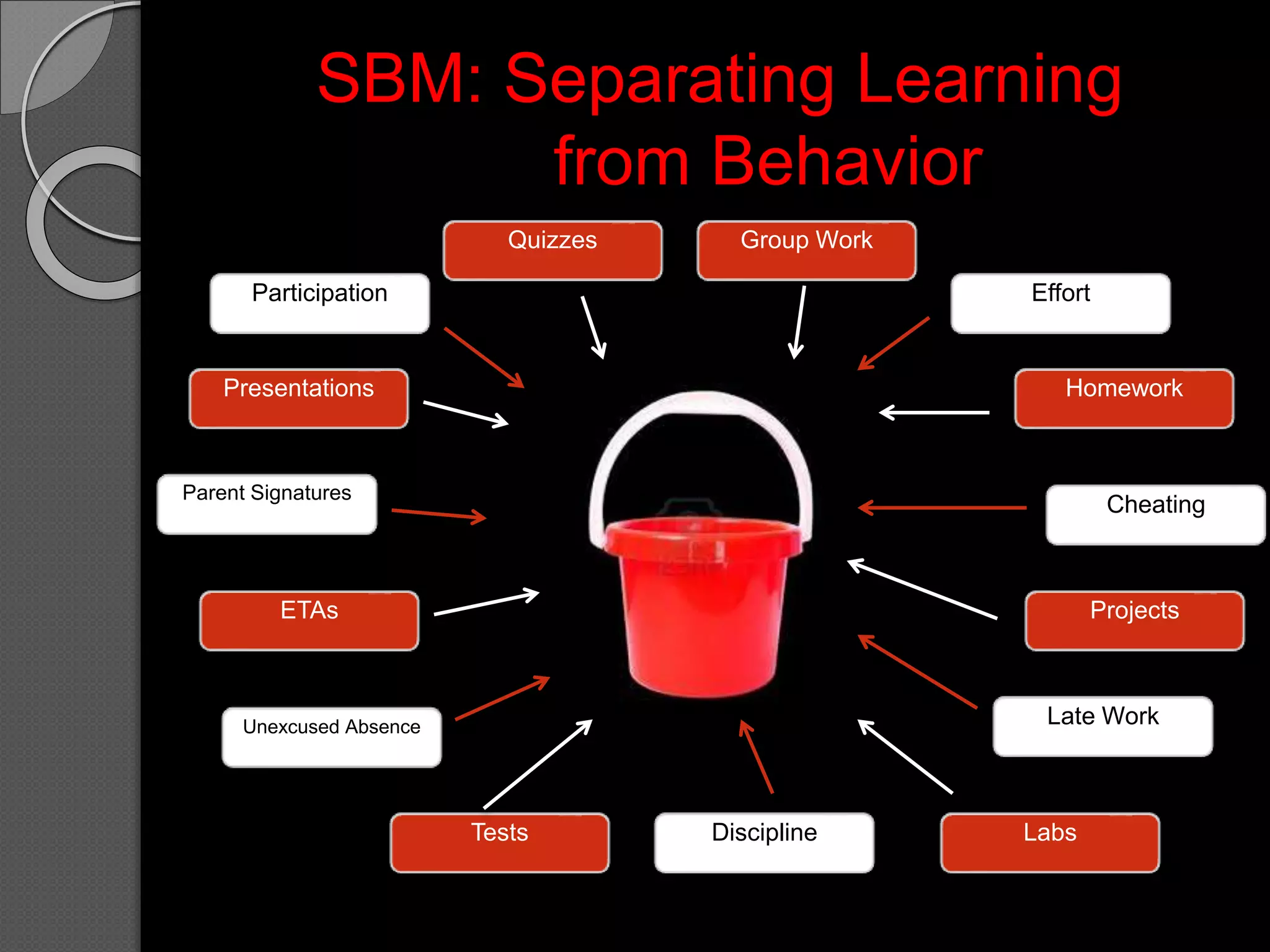
SBM: Separating Learning
from Behavior
Quizzes
Tests Labs
Projects
Homework
ETAs
Presentations
Group Work
Unexcused Absence
Discipline
Late Work
Cheating
Effort
Parent Signatures
Participation
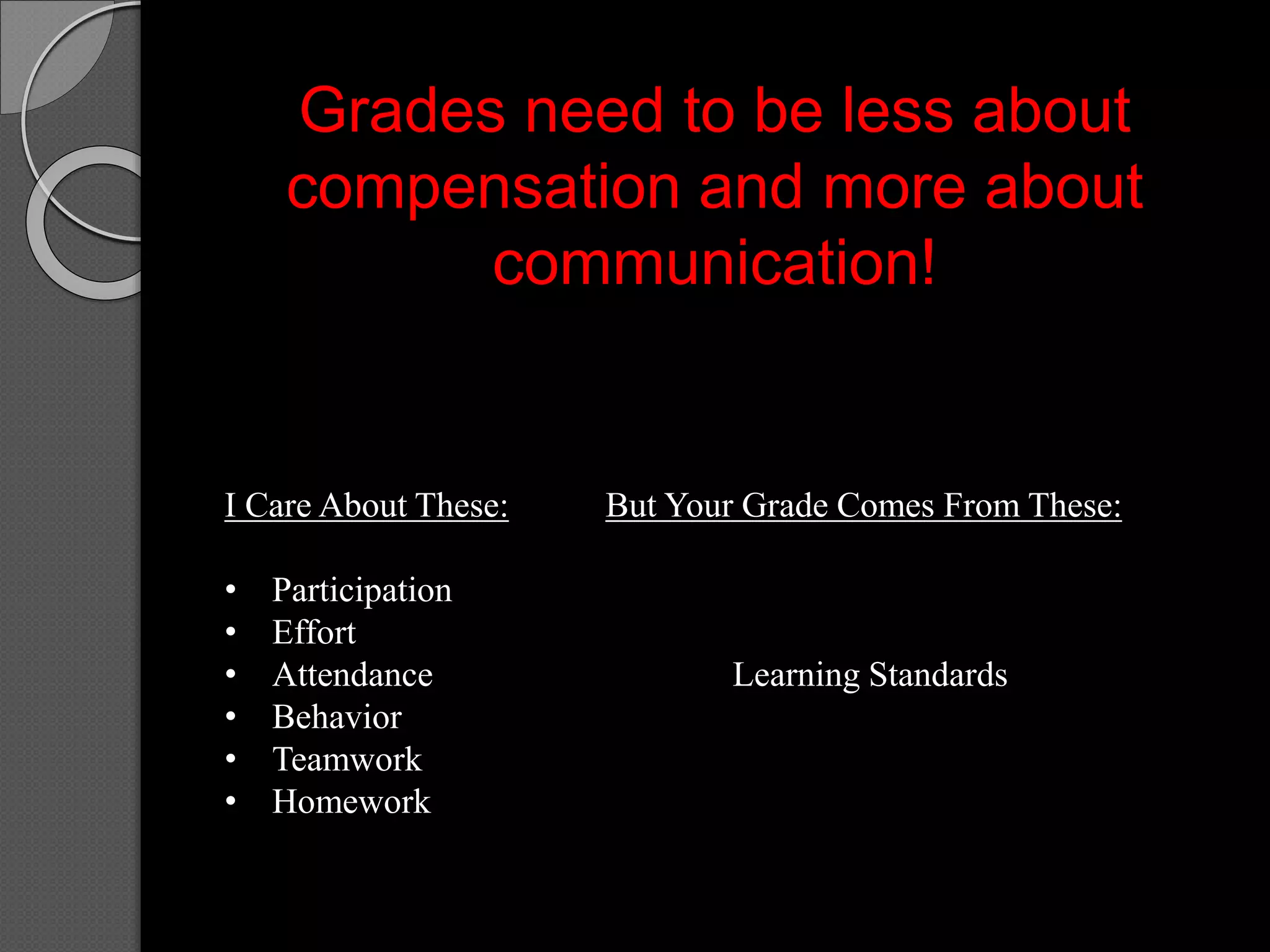
Grades need to be less about
compensation and more about
communication!
I Care About These: But Your Grade Comes From These:
• Participation
• Effort
• Attendance Learning Standards
• Behavior
• Teamwork
• Homework
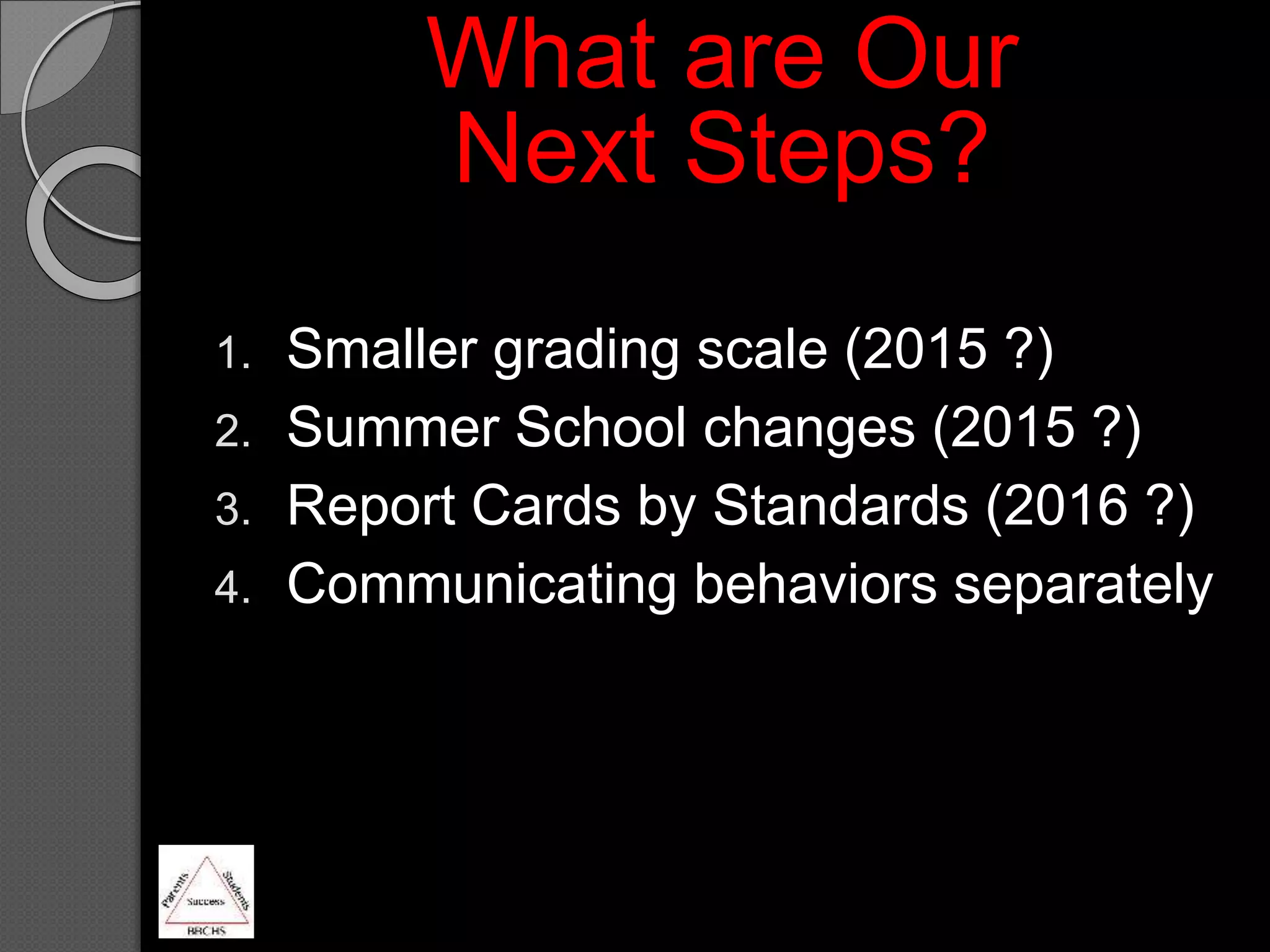
1. Smaller grading scale (2015 ?)
2. Summer School changes (2015 ?)
3. Report Cards by Standards (2016 ?)
4. Communicating behaviors separately
What are Our
Next Steps?
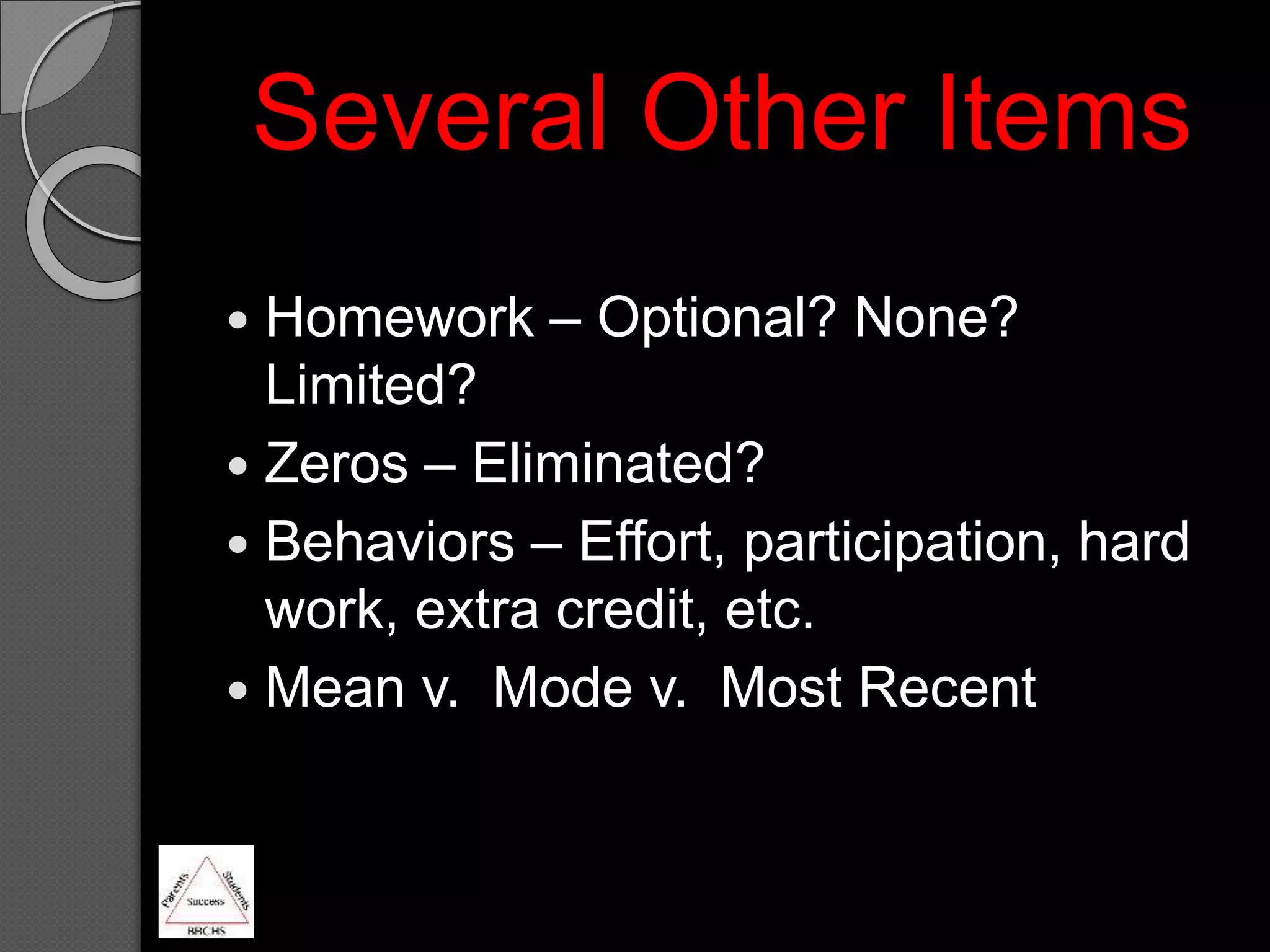
 Homework – Optional? None?
Limited?
 Zeros – Eliminated?
 Behaviors – Effort, participation, hard
work, extra credit, etc.
 Mean v. Mode v. Most Recent
Several Other Items
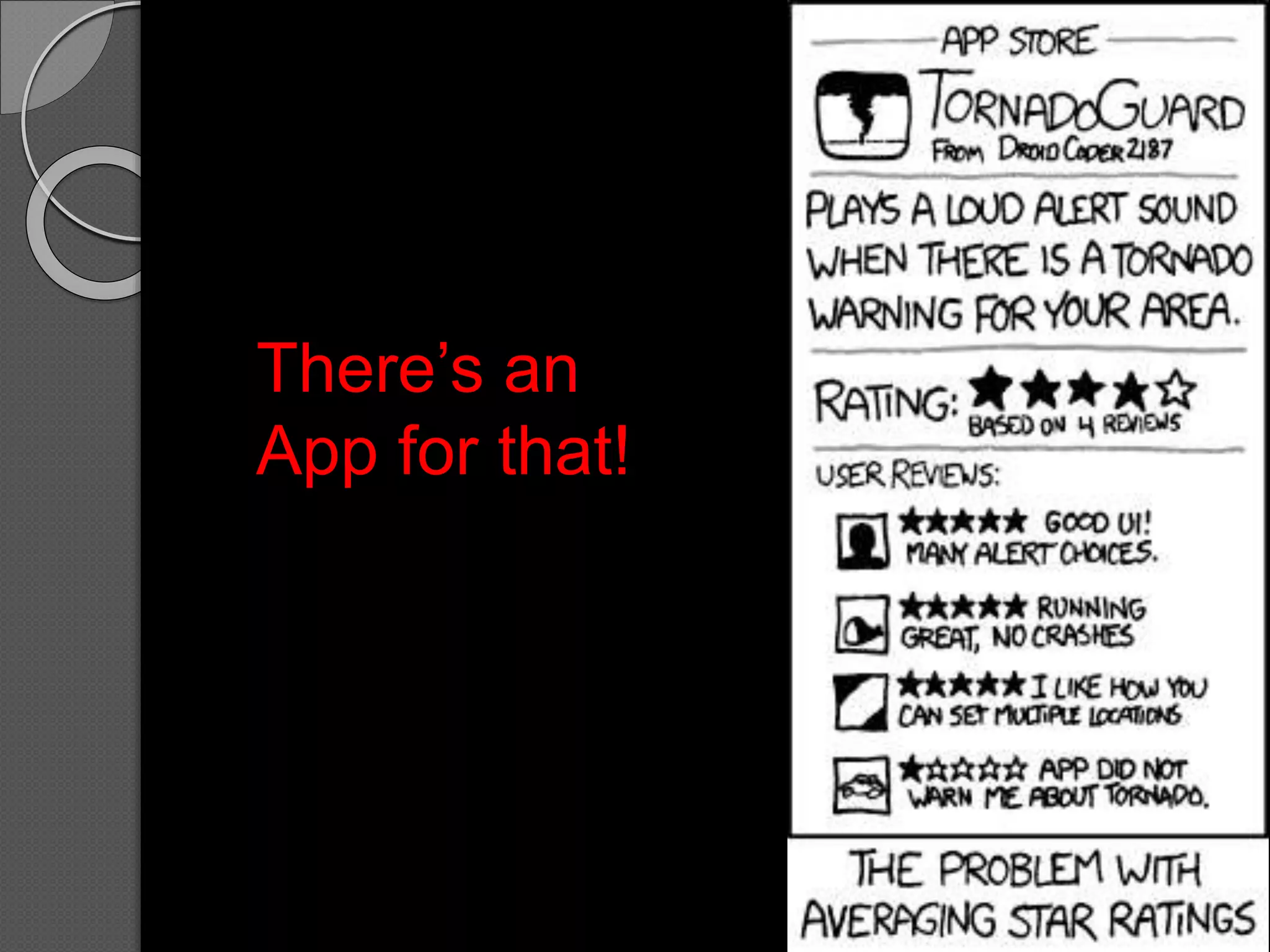
There’s an
App for that!
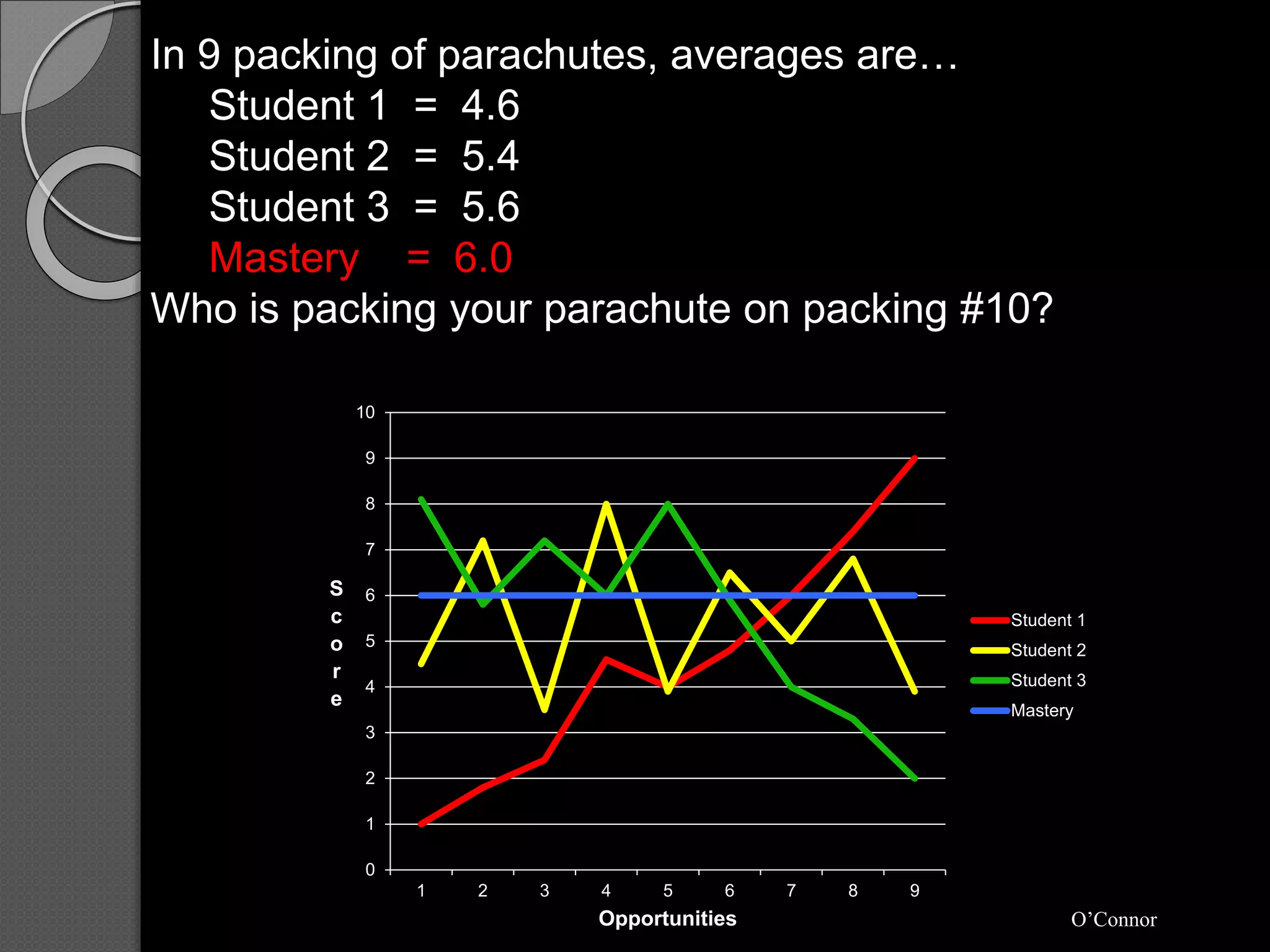
In 9 packing of parachutes, averages are…
Student 1 = 4.6
Student 2 = 5.4
Student 3 = 5.6
Mastery = 6.0
Who is packing your parachute on packing #10?
0
1
2
3
4
5
6
7
8
9
10
1 2 3 4 5 6 7 8 9
S
c
o
r
e
Opportunities
Student 1
Student 2
Student 3
Mastery
O’Connor
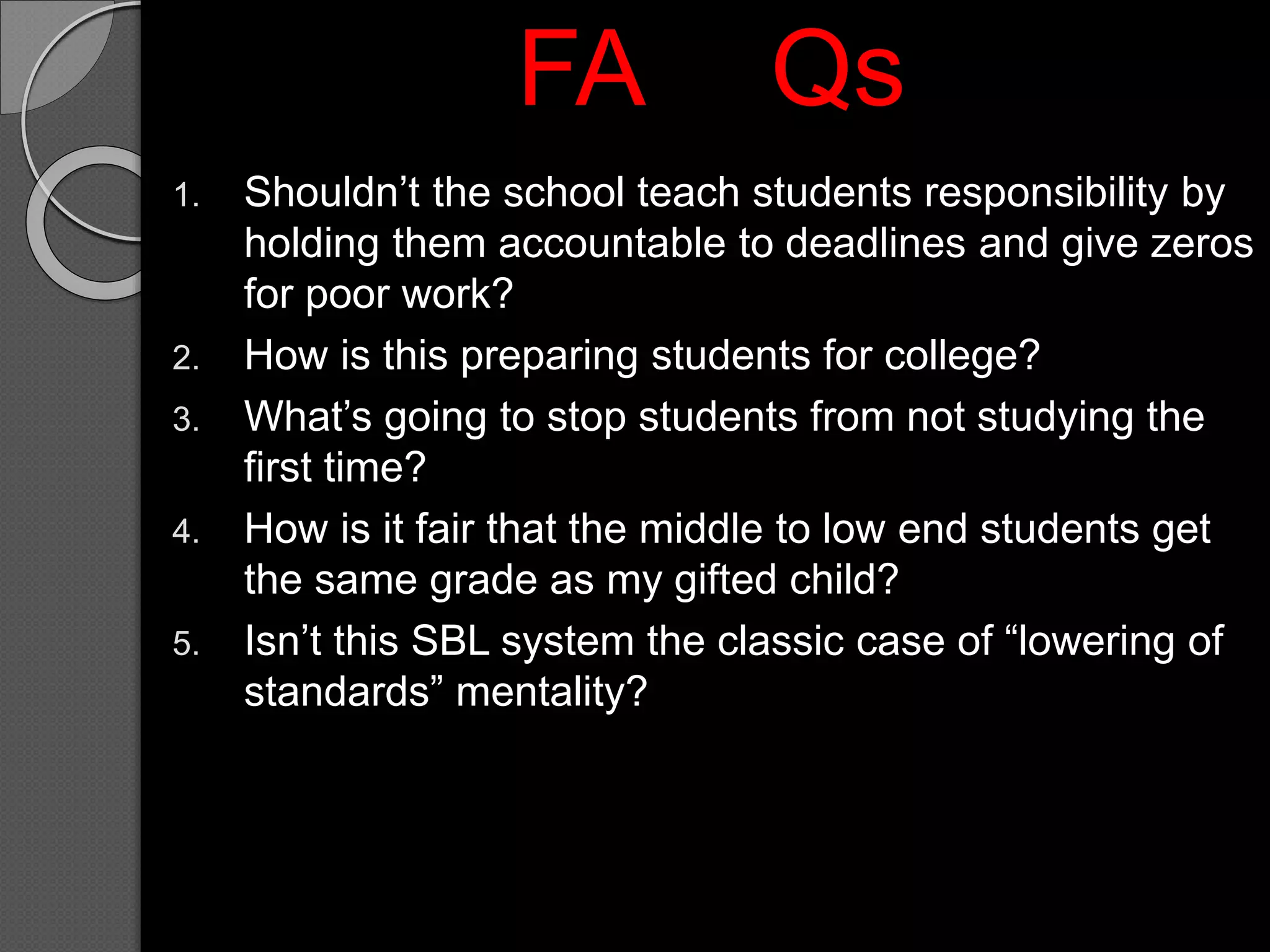
1. Shouldn’t the school teach students responsibility by
holding them accountable to deadlines and give zeros
for poor work?
2. How is this preparing students for college?
3. What’s going to stop students from not studying the
first time?
4. How is it fair that the middle to low end students get
the same grade as my gifted child?
5. Isn’t this SBL system the classic case of “lowering of
standards” mentality?
FA Qs
Your Thoughts and
Questions

BBCHS Standards-Based Learning

  • 1.
  • 2.
    Dr. Brian Wright,Principal Website: bbchs.org Phone: 937-3707 Email: bwright@bbchs.org Twitter: @bbchs307 @drbrianwright Blog: Educational UpRising http://euprising.blogspot.com
  • 3.
  • 4.
    Our Journey  2010– Creation of the Common Core State Standards (CCSS) and Illinois’ adoption  2012-2014 – TL and G Conversations  2013 – Our commitment to the creation of new curriculum that is CCSS  2014 – Roll out of English and Math curriculum
  • 5.
    Our Research  KenO’Connor – 15 Fixes for Broken Grades  Ken O’Connor – How to Grade for Learning  Rick Wormeli – Fair Isn’t Always Equal  Rick Wormeli – Differentiation from Planning to Practice  Douglas Reeves – The Case Against the Zero  Robert Marzano – Transforming Classroom Grading  Thomas Guskey, Jan Chappuis, Reed Gillespie, Garnet Hillman, Richard DuFour,
  • 6.
    Surveying our Faculty Whatis the purpose of grades?  How does our current practice of teaching and reporting reflect this purpose?  What elements do we allow to be part of our grade book that don’t reflect this purpose?
  • 7.
    Surveying our Faculty Whatis the purpose of grades? ◦ Grades are designed to communicate learning  How does our current practice of teaching and reporting reflect this purpose? ◦ Not to standards; Letter grade is an average  What elements do we allow to be part of our grade book that do not reflect this purpose?
  • 8.
    Driven to Change Whywould anyone want to change current grading practices? “Grades are so imprecise that they are almost meaningless.” Robert Marzano BBCHS’ Goal for Grades: 1. Accurate 2. Consistent 3. Meaningful 4. Supportive of Learning Standards-Based Mindset: Grades cannot be a reward!
  • 9.
    Standards-Based involves…. Quick Explanation Feedbackfrom assessments should be linked to learning targets. (Marzano, 2011) Students should be permitted to remedy deficiencies in their learning when assessment reveals them. (Dueck, 2011) Scores should communicate students’ degree of mastery of the learning targets only. (O’Connor & Wormeli, 2011)
  • 10.
    The SBL Mindset Accuracy Sinceour goal is to communicate the amount of learning that has occurred, we must eliminate all the external components that inflate or deflate a grade. academic v. non-academic
  • 11.
    Clear and Consistent Sinceour goal is to communicate the amount of learning that has occurred, we must have a system that is used throughout our building regardless of content or grade level. Expectations must be given (rubrics).80% summative and 20% formative or The SBL Mindset
  • 12.
    Meaningful Since our goalis to communicate the amount of learning that has occurred, a student’s grade will measure just that – what was learned and give students and parents a clear direction of what is expected. Grades will be reflective of each learning outcome. The SBL Mindset
  • 13.
    Supportive of Learning Sinceour goal is to communicate the amount of learning that has occurred, each student’s grade will be measured against “mastery” – knowledge and skill and be able to apply both within various contexts over time. Shift from chasing and accumulating point to chasing and appreciating learning. The SBL Mindset
  • 14.
    1. More informativefor all. 2. Greater feedback to students. 3. Better depiction of knowledge/skills. 4. Allows students multiple opportunities to show mastery of knowledge/skills. So Why is SBL Better?
  • 15.
     Response toIntervention (RtI) ◦ Tier 1 = Regular curriculum ◦ Tier 1.5 = Content-Area Study Halls ◦ Tier 2 = MASH; GASH; A2SH; ELA1; ELA2 ◦ Tier 3 = Foundations of ELA and Math (courses)  Multiple opportunities for assessment ◦ Reteach/Relearn ◦ 10 days for reassessment on summatives Supports for Student
  • 16.
  • 17.
    SBM: Separating Learning fromBehavior Quizzes Tests Labs Projects Homework ETAs Presentations Group Work Unexcused Absence Discipline Late Work Cheating Effort Parent Signatures Participation
  • 18.
    Grades need tobe less about compensation and more about communication! I Care About These: But Your Grade Comes From These: • Participation • Effort • Attendance Learning Standards • Behavior • Teamwork • Homework
  • 19.
    1. Smaller gradingscale (2015 ?) 2. Summer School changes (2015 ?) 3. Report Cards by Standards (2016 ?) 4. Communicating behaviors separately What are Our Next Steps?
  • 20.
     Homework –Optional? None? Limited?  Zeros – Eliminated?  Behaviors – Effort, participation, hard work, extra credit, etc.  Mean v. Mode v. Most Recent Several Other Items
  • 21.
  • 22.
    In 9 packingof parachutes, averages are… Student 1 = 4.6 Student 2 = 5.4 Student 3 = 5.6 Mastery = 6.0 Who is packing your parachute on packing #10? 0 1 2 3 4 5 6 7 8 9 10 1 2 3 4 5 6 7 8 9 S c o r e Opportunities Student 1 Student 2 Student 3 Mastery O’Connor
  • 23.
    1. Shouldn’t theschool teach students responsibility by holding them accountable to deadlines and give zeros for poor work? 2. How is this preparing students for college? 3. What’s going to stop students from not studying the first time? 4. How is it fair that the middle to low end students get the same grade as my gifted child? 5. Isn’t this SBL system the classic case of “lowering of standards” mentality? FA Qs
  • 24.

Editor's Notes

  • #7  ----- Meeting Notes (5/19/14 18:19) ----- Ask audience What the answer is to the first question.