AP PHYSICS:
Factors of
Change
AIM: Solve problem with changing variables
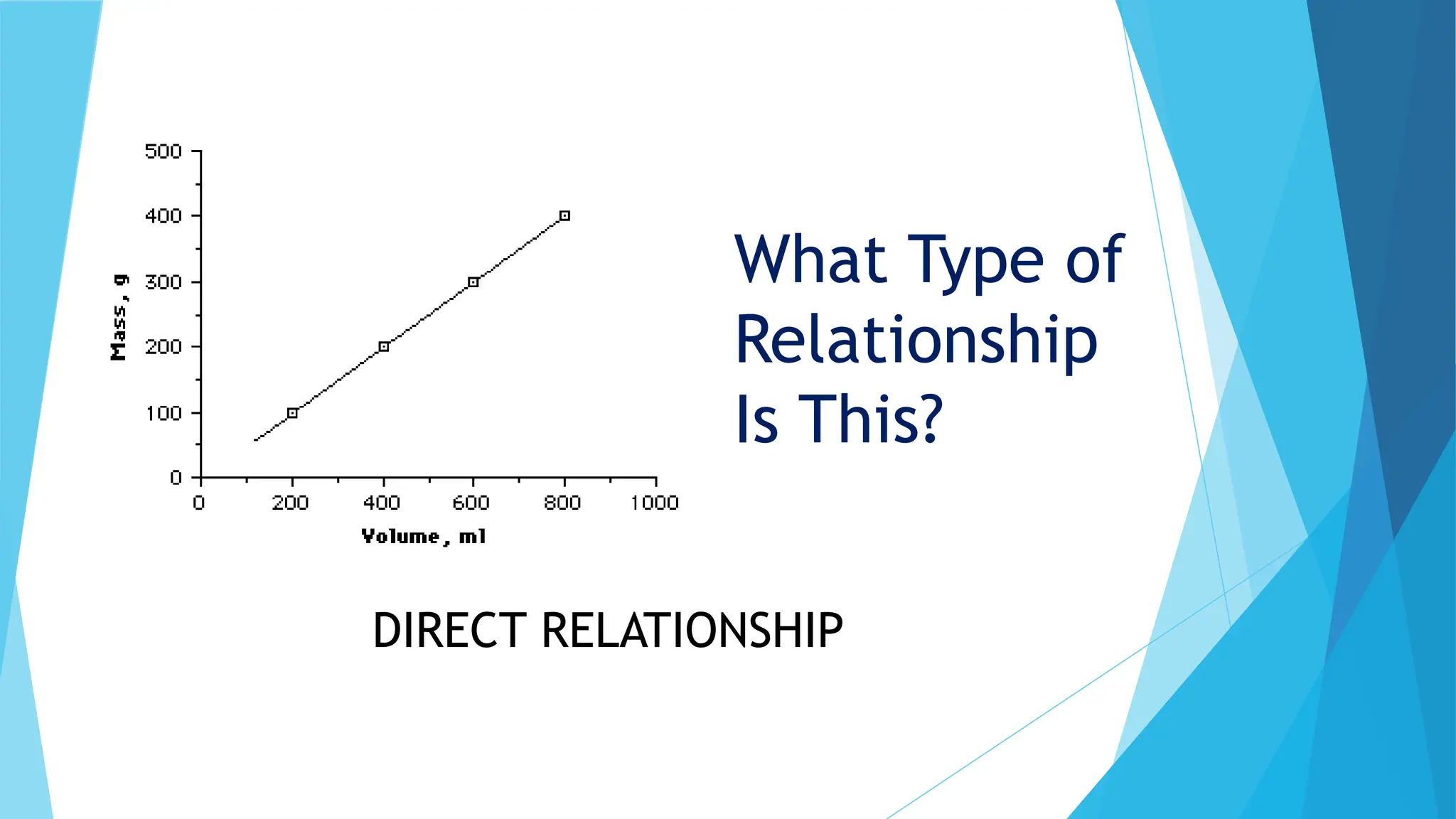
What Type of
Relationship
Is This?
DIRECT RELATIONSHIP
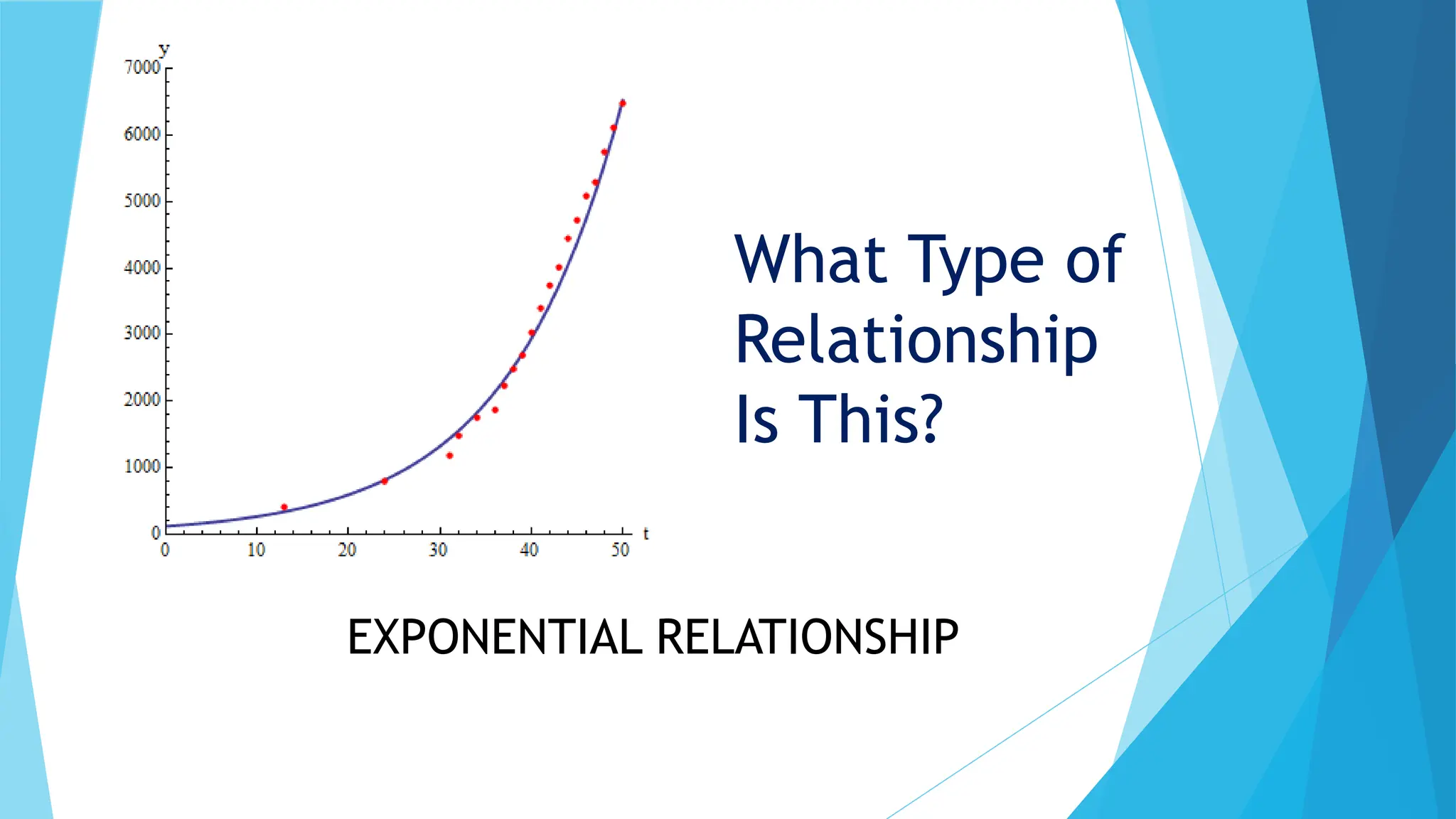
What Type of
Relationship
Is This?
EXPONENTIAL RELATIONSHIP
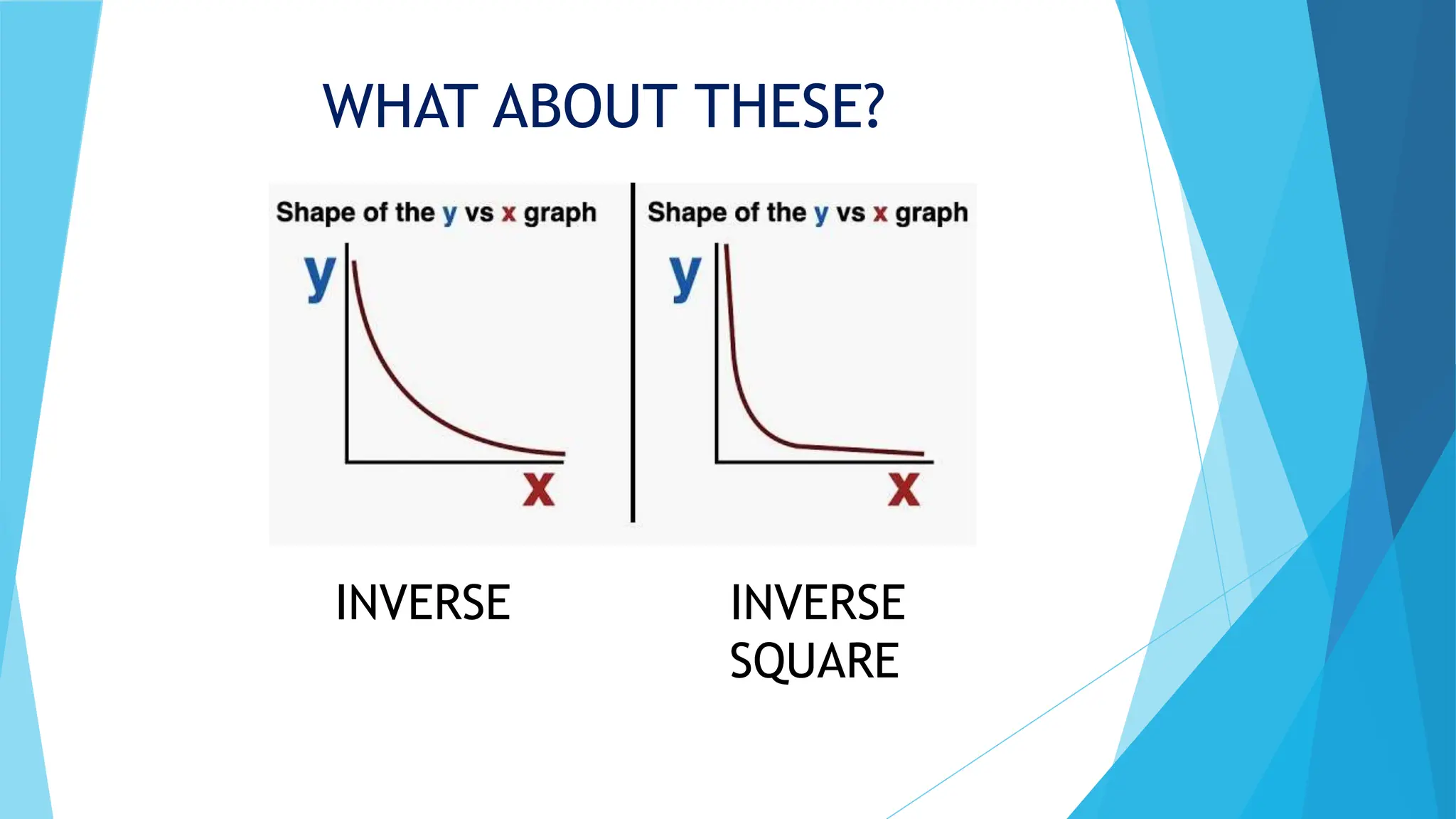
WHAT ABOUT THESE?
INVERSE INVERSE
SQUARE
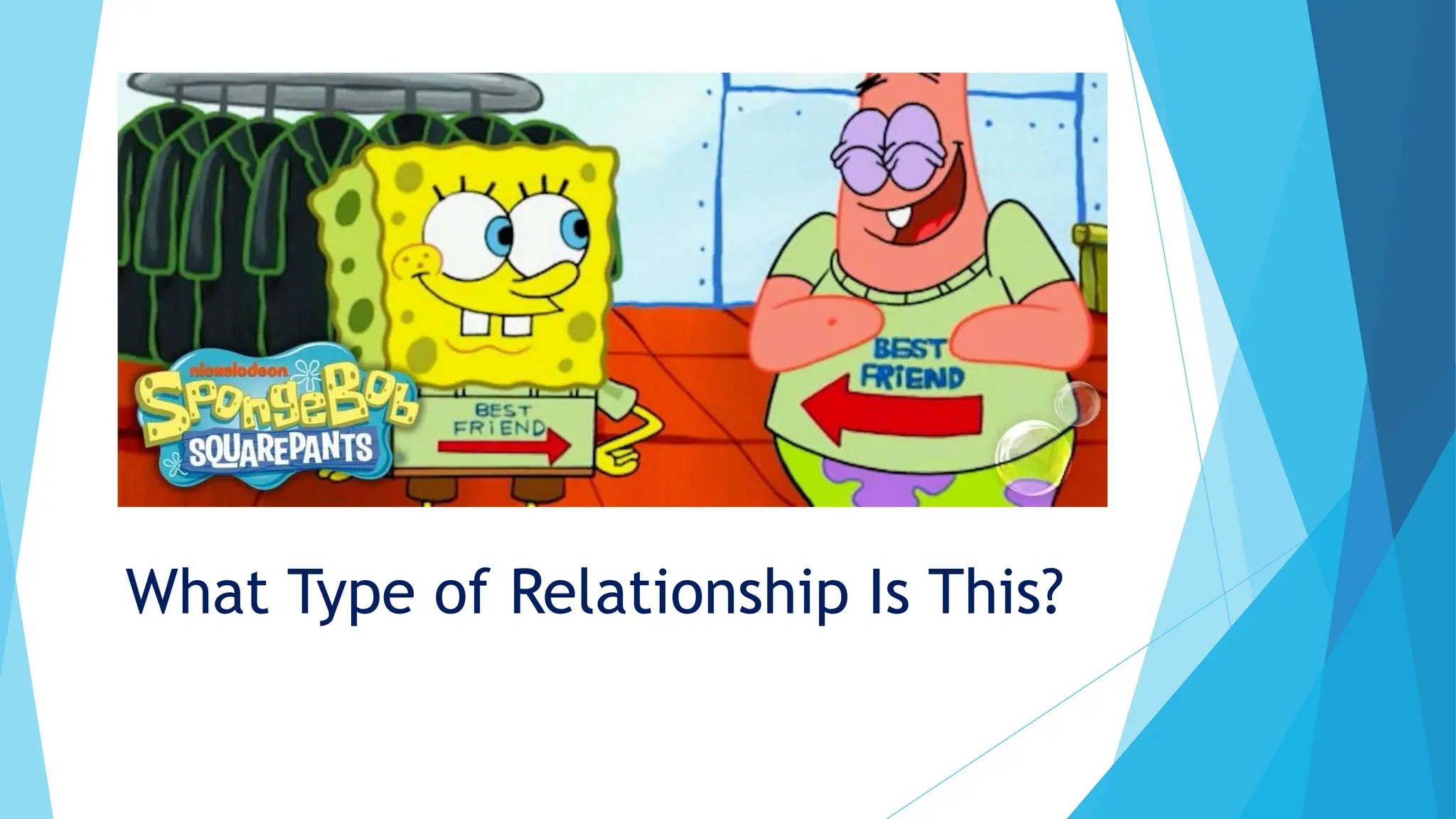
What Type of Relationship Is This?
AND THIS?
What is a Factor of
Change Problem?
 Problems with changing variables
 Some things change
 Some things remain constant
 Example: What happens to the
force exerted on an object when
mass is doubled but the
acceleration remains the same?
F=ma → when mass is doubled,
force doubles (direct relationship)
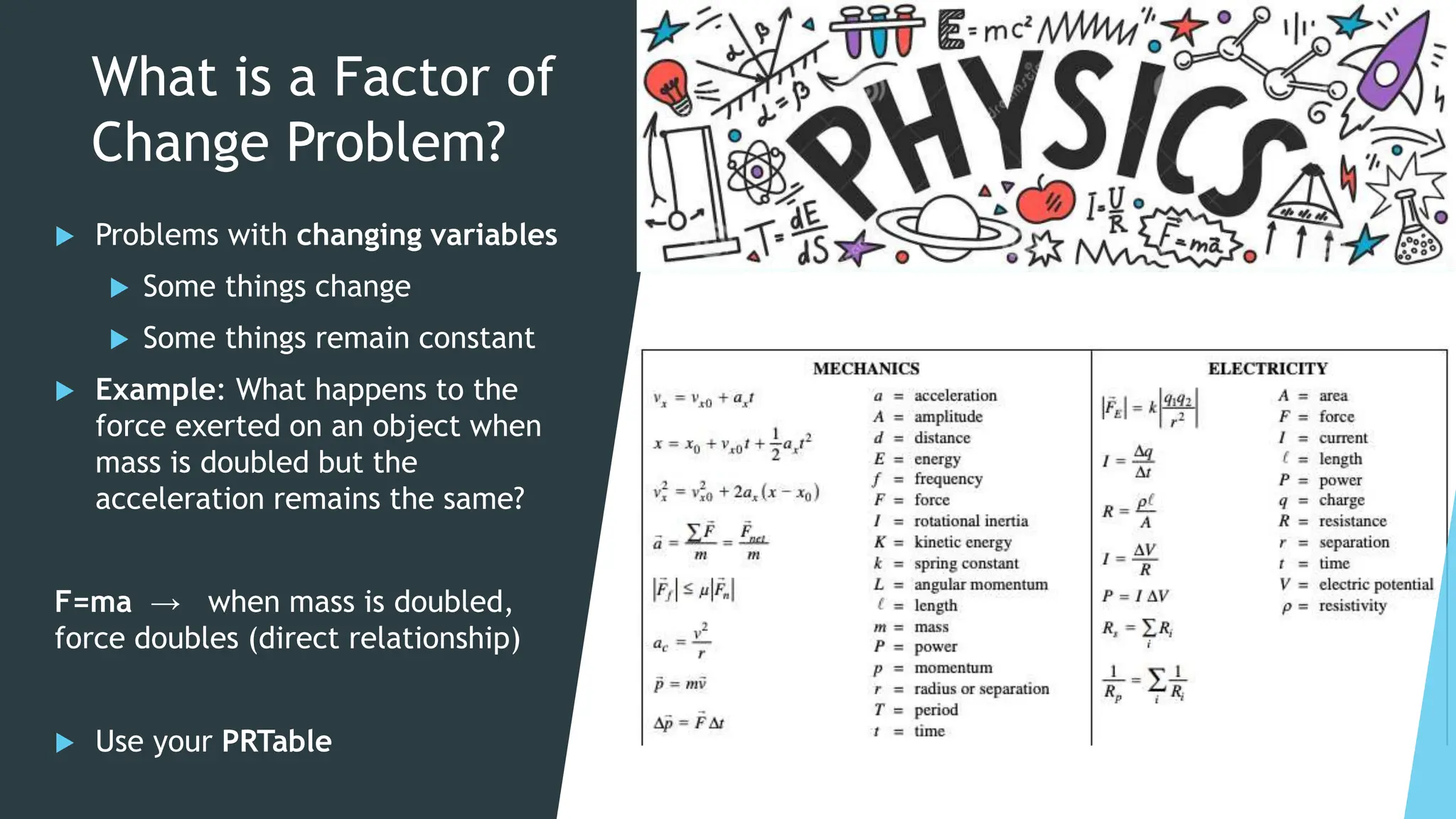
 Use your PRTable
Steps to Solve Factor of Change Problems
1. Write down relevant Equation(s), plug in zeros, and solve for
the variable in question
2. Identify which variables are changing and how they are
represented in the equation
3. Multiply, divide, square, or square root the changing variable
by the original quantity
Example :What happens to the force exerted on an object when
mass is doubled but the acceleration remains the same?
1. F = ma
2. Only mass is changing (x2)
3. Fnew = 2F
*NOTE: We multiplied by 2 because there is a direct relationship
between force and mass.
Example 1
A car traveling with a speed v decelerates to a stop in a distance of d. What
happens to the stopping distance when a car traveling at 3 times the speed
decelerates at the same rate?
Example 2
A disk is spun from rest to an angular speed of 𝜔 with an angular acceleration of
𝛼. What happens to the angular speed if the acceleration is halved?
Example 3: Changing Two Variables
The gravitational force exerted on an object on Planet X is 3 times the
gravitational force on the object while on Earth. Planet X is one-third the radius
of Earth. Express the mass of the Planet X in terms of the mass of the Earth.
Example 4: Boss Level
A newly discovered planet has a volume that is 8 times larger than Earth and
has half the mass. How many times larger, or smaller, is the surface gravity of
the planet compared to the surface gravity of Earth?
Summary
 Stop and think about what the question is asking
 Should the unknown Increase? Decrease? Remain
the same?
 Let the Reference Table guide you
 Identify the relevant equation(s)
 Identify which variables are changing and how the
variables are represented in the equations
 Write the unknown in terms of the known.
 BOOM! YOU’RE A PHYSICIST! –Be Proud of Yourself

AP Physics - Factor of Change 21_22.pptx

  • 1.
    AP PHYSICS: Factors of Change AIM:Solve problem with changing variables
  • 2.
    What Type of Relationship IsThis? DIRECT RELATIONSHIP
  • 3.
    What Type of Relationship IsThis? EXPONENTIAL RELATIONSHIP
  • 4.
  • 5.
    What Type ofRelationship Is This?
  • 6.
  • 7.
    What is aFactor of Change Problem?  Problems with changing variables  Some things change  Some things remain constant  Example: What happens to the force exerted on an object when mass is doubled but the acceleration remains the same? F=ma → when mass is doubled, force doubles (direct relationship)  Use your PRTable
  • 8.
    Steps to SolveFactor of Change Problems 1. Write down relevant Equation(s), plug in zeros, and solve for the variable in question 2. Identify which variables are changing and how they are represented in the equation 3. Multiply, divide, square, or square root the changing variable by the original quantity Example :What happens to the force exerted on an object when mass is doubled but the acceleration remains the same? 1. F = ma 2. Only mass is changing (x2) 3. Fnew = 2F *NOTE: We multiplied by 2 because there is a direct relationship between force and mass.
  • 9.
    Example 1 A cartraveling with a speed v decelerates to a stop in a distance of d. What happens to the stopping distance when a car traveling at 3 times the speed decelerates at the same rate?
  • 10.
    Example 2 A diskis spun from rest to an angular speed of 𝜔 with an angular acceleration of 𝛼. What happens to the angular speed if the acceleration is halved?
  • 11.
    Example 3: ChangingTwo Variables The gravitational force exerted on an object on Planet X is 3 times the gravitational force on the object while on Earth. Planet X is one-third the radius of Earth. Express the mass of the Planet X in terms of the mass of the Earth.
  • 12.
    Example 4: BossLevel A newly discovered planet has a volume that is 8 times larger than Earth and has half the mass. How many times larger, or smaller, is the surface gravity of the planet compared to the surface gravity of Earth?
  • 13.
    Summary  Stop andthink about what the question is asking  Should the unknown Increase? Decrease? Remain the same?  Let the Reference Table guide you  Identify the relevant equation(s)  Identify which variables are changing and how the variables are represented in the equations  Write the unknown in terms of the known.  BOOM! YOU’RE A PHYSICIST! –Be Proud of Yourself