Animal Interactions
Healthy ecosystems usually contain many different habitats and a variety of organisms. The organisms
living there interact in different ways.
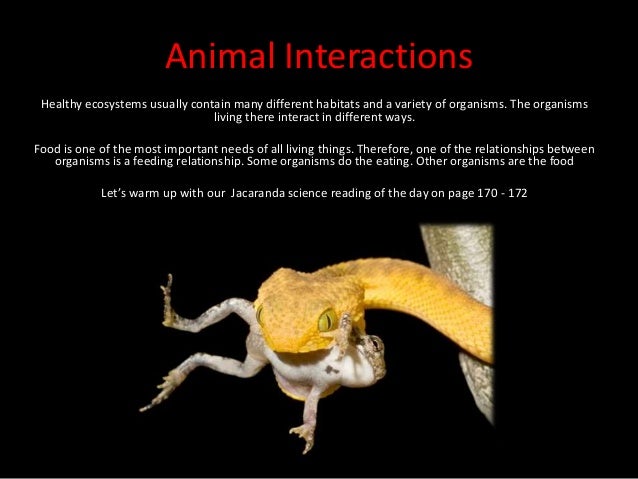
Food is one of the most important needs of all living things. Therefore, one of the relationships between
organisms is a feeding relationship. Some organisms do the eating. Other organisms are the food
Let’s warm up with our Jacaranda science reading of the day on page 170 - 172
Predators, Prey & Competitors
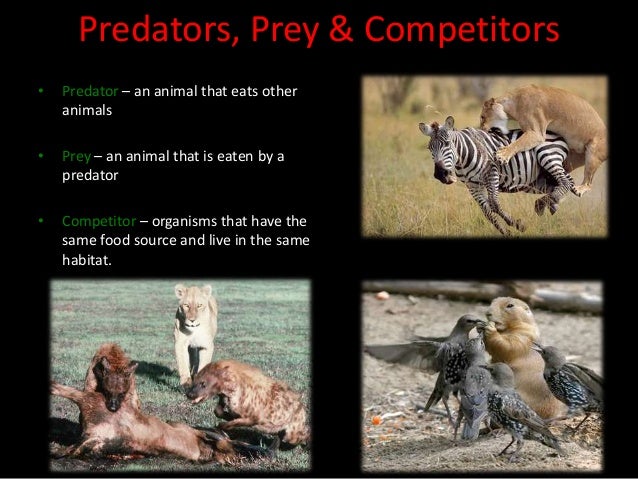
• Predator – an animal that eats other
animals
• Prey – an animal that is eaten by a
predator
• Competitor – organisms that have the
same food source and live in the same
habitat.
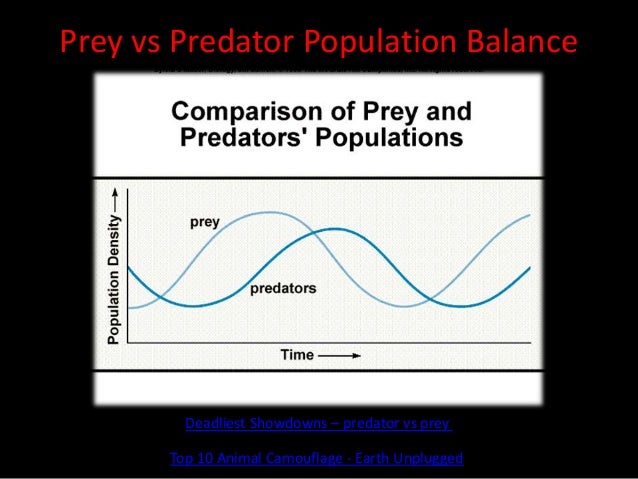
Prey vs Predator Population Balance
Deadliest Showdowns – predator vs prey
Top 10 Animal Camouflage - Earth Unplugged
More Animal Interactions
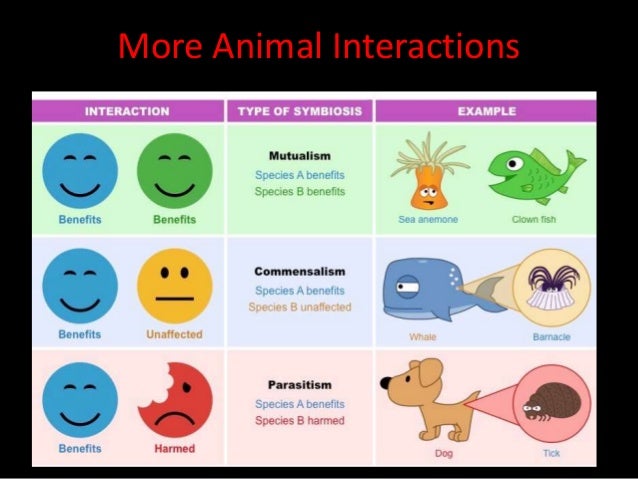
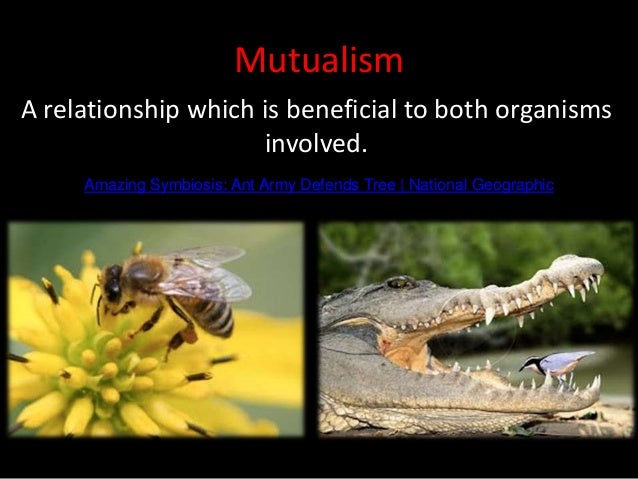
Mutualism
A relationship which is beneficial to both organisms
involved.
Amazing Symbiosis: Ant Army Defends Tree | National Geographic
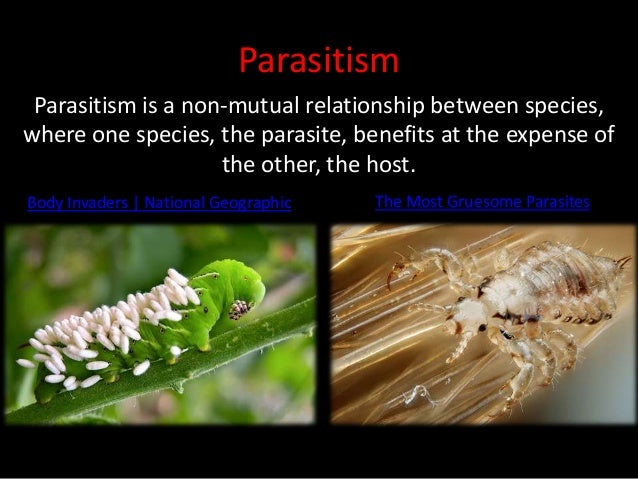
Parasitism
Parasitism is a non-mutual relationship between species,
where one species, the parasite, benefits at the expense of
the other, the host.
Body Invaders | National Geographic The Most Gruesome Parasites
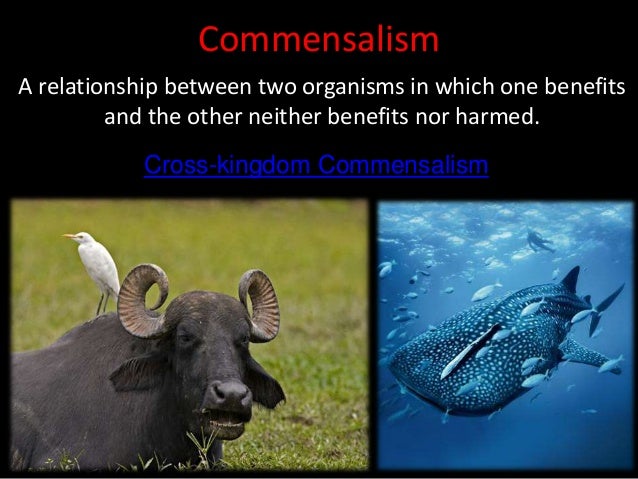
Commensalism
A relationship between two organisms in which one benefits
and the other neither benefits nor harmed.
Cross-kingdom Commensalism
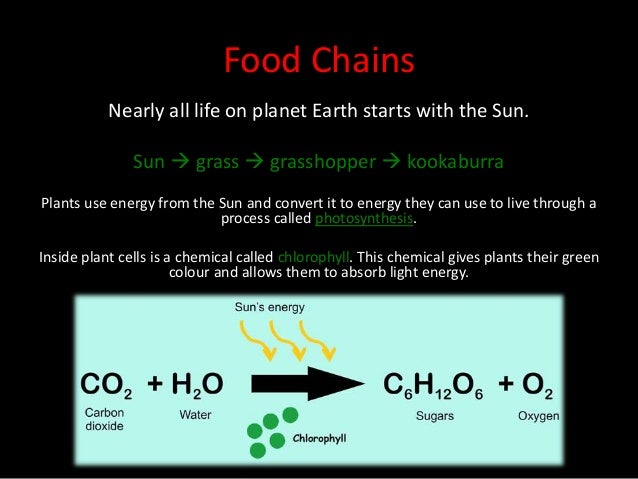
Nearly all life on planet Earth starts with the Sun.
Sun  grass  grasshopper  kookaburra
Plants use energy from the Sun and convert it to energy they can use to live through a
process called photosynthesis.
Inside plant cells is a chemical called chlorophyll. This chemical gives plants their green
colour and allows them to absorb light energy.
Food Chains
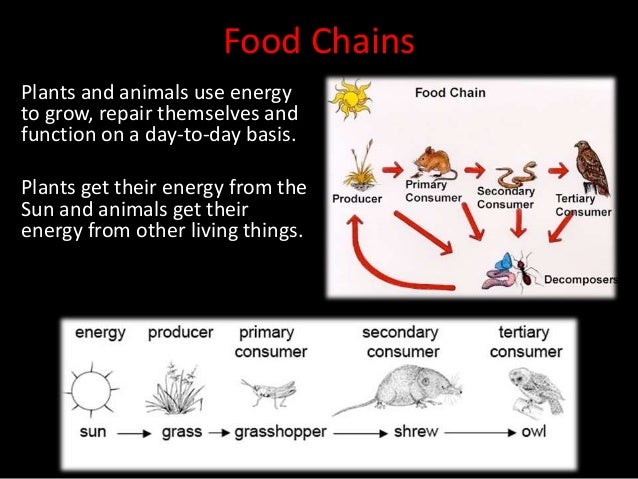
Plants and animals use energy
to grow, repair themselves and
function on a day-to-day basis.
Plants get their energy from the
Sun and animals get their
energy from other living things.
Food Chains
Food Webs
Joining several food chains together and combining them produces a food web.
The arrows indicate the flow of energy.
Eg: The cricket, goes into the stomach of the robin.
• Construct your study notes in your Science writing books
Use colour!
• Complete Food Webs W.S
• Complete Food Chains & Food Webs W.S
• Complete Jacaranda Exercise Q’s 1 – 4 + 6 + 8
Animal Interactions Activities

Animal Interactions Powerpoint.pptx

  • 1.
    Animal Interactions Healthy ecosystemsusually contain many different habitats and a variety of organisms. The organisms living there interact in different ways. Food is one of the most important needs of all living things. Therefore, one of the relationships between organisms is a feeding relationship. Some organisms do the eating. Other organisms are the food Let’s warm up with our Jacaranda science reading of the day on page 170 - 172
  • 2.
    Predators, Prey &Competitors • Predator – an animal that eats other animals • Prey – an animal that is eaten by a predator • Competitor – organisms that have the same food source and live in the same habitat.
  • 3.
    Prey vs PredatorPopulation Balance Deadliest Showdowns – predator vs prey Top 10 Animal Camouflage - Earth Unplugged
  • 4.
  • 5.
    Mutualism A relationship whichis beneficial to both organisms involved. Amazing Symbiosis: Ant Army Defends Tree | National Geographic
  • 6.
    Parasitism Parasitism is anon-mutual relationship between species, where one species, the parasite, benefits at the expense of the other, the host. Body Invaders | National Geographic The Most Gruesome Parasites
  • 7.
    Commensalism A relationship betweentwo organisms in which one benefits and the other neither benefits nor harmed. Cross-kingdom Commensalism
  • 8.
    Nearly all lifeon planet Earth starts with the Sun. Sun  grass  grasshopper  kookaburra Plants use energy from the Sun and convert it to energy they can use to live through a process called photosynthesis. Inside plant cells is a chemical called chlorophyll. This chemical gives plants their green colour and allows them to absorb light energy. Food Chains
  • 9.
    Plants and animalsuse energy to grow, repair themselves and function on a day-to-day basis. Plants get their energy from the Sun and animals get their energy from other living things. Food Chains
  • 10.
    Food Webs Joining severalfood chains together and combining them produces a food web. The arrows indicate the flow of energy. Eg: The cricket, goes into the stomach of the robin.
  • 11.
    • Construct yourstudy notes in your Science writing books Use colour! • Complete Food Webs W.S • Complete Food Chains & Food Webs W.S • Complete Jacaranda Exercise Q’s 1 – 4 + 6 + 8 Animal Interactions Activities