Pharynx &
Esophagus
Shada ghazi
Hala Al-zamel
Bahar vakili
Pharynx
• The pharynx is a muscular tube
that connects the oral and nasal
cavity to the larynx and
oesophagus.
• It begins at the base of the skull
and ends at the inferior border
of the cricoid cartilage (C6).
Pharynx
• The pharynx is comprised of
three parts (superior to
inferior):
• Nasopharynx
• Oropharynx
• Laryngopharynx.
BLOOD SUPPLY
Arteries
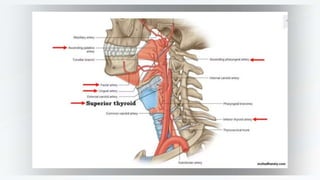
The pharynx is a location with a rich amount of
arterial anastomoses, making it a highly
vascularized anatomical structure. Four main
arteries are responsible for its blood supply, all of
them originating from the external carotid artery:
• Ascending pharyngeal artery
• Facial artery (and especially the palatine and
tonsillar branches)
• Lingual artery
• Maxillary artery
BLOOD SUPPLY
Veins:
The venous drainage of this region
is via the external palatine vein
which drains into the pharyngeal
plexus. In turn, the latter finishes
in the internal jugular vein.
INNERVATION
Motor and sensory innervation of the majority of
the pharynx (except nasopharynx) is achieved by
the pharyngeal plexus.
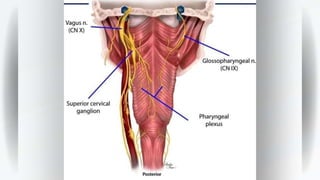
The pharyngeal plexus, which overlies the middle
pharyngeal constrictor, is formed by:
• Pharyngeal branches from the
glossopharyngealnerve (CN IX).
• Pharyngeal branch of the vagus nerve (CN X).
• Branches from the external laryngeal nerve.
• Sympathetic fibres from the superior cervical
ganglion.
INNERVATION
Sensory
The pharynx receives sensory innervation from the
glossopharyngeal nerve.
In addition:
• The anterior and superior aspect of the nasopharynx is
innervated by the maxillary nerve (CN V2)
• The inferior aspect of the laryngopharynx (surrounding
the beginning of the larynx) is innervated by the
internal branch of the vagus nerve.
Motor
All the muscles of the pharynx are innervated by the vagus
nerve (CN X), except for the stylopharyngeus, which is
innervated by the glossopharyngeal nerve (CN IX).
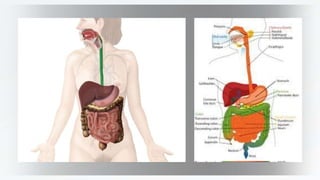
Esophagus
• The esophagus begins in the neck, at
the level of C6. Here, it is
continuous superiorly with the
laryngeal part of the pharynx (the
laryngopharynx).
• It descends downward into the
superior mediastinum of the thorax,
positioned between the trachea and
the vertebral bodies of T1 to T4.
esophagus
• It then enters the abdomen via the
esophageal hiatus (an opening in the
right crus of the diaphragm) at T10.
• The abdominal portion of the
esophagus is approximately 1.25cm
long – it terminates by joining the
cardiac orifice of the stomach at
level of T11.
BLOOD SUPPLY
Arteries
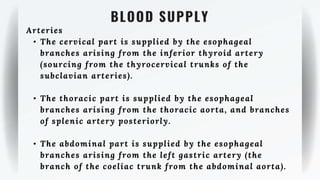
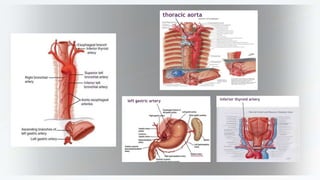
• The cervical part is supplied by the esophageal
branches arising from the inferior thyroid artery
(sourcing from the thyrocervical trunks of the
subclavian arteries).
• The thoracic part is supplied by the esophageal
branches arising from the thoracic aorta, and branches
of splenic artery posteriorly.
• The abdominal part is supplied by the esophageal
branches arising from the left gastric artery (the
branch of the coeliac trunk from the abdominal aorta).
BLOOD SUPPLY
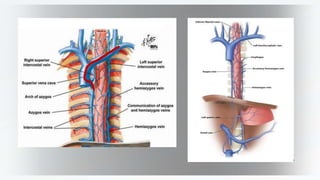
Veins
Vein blood drains to the esophageal veins,
v.esophageales taking further the following routes:
• The inferior thyroid and brachiocephalic veins from
the cervical part.
• The esophagus and hemizygous veins (from the www
superior vena cava system) from the thoracic part.
• The left gastric vein, which flows into the hepatic
portal vein.
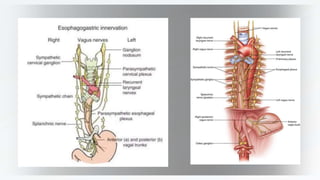
INNERVATION
• The parasympathetic component of the
cervical part is supplied by the recurrent
laryngeal nerve (a branch of the vagus nerve
(CN X)) while the sympathetic fibers arise
from the cervical sympathetic trunk.
• The thoracic part of the esophagus is
innervated by the esophageal plexus, an
autonomic nervous network surrounding the
esophagus.
INNERVATION
• The parasympathetic component of the plexus
originates from the vagus nerve, while the
sympathetic fibers also stem from the
sympathetic trunk running along the neck.
• In contrast to the previous two, the abdominal
part of the esophagus is slightly different. Its
parasympathetic innervation arises from the
thoracic esophagealnervous plexus, while its
sympathetic component originates from the
fifth to twelfth thoracic spinal nerves (T5-T12).
Success is going
from failure to
failure without
losing your
enthusiasm ..

Anatomy pharynx .pptx

  • 1.
  • 2.
    Pharynx • The pharynxis a muscular tube that connects the oral and nasal cavity to the larynx and oesophagus. • It begins at the base of the skull and ends at the inferior border of the cricoid cartilage (C6).
  • 3.
    Pharynx • The pharynxis comprised of three parts (superior to inferior): • Nasopharynx • Oropharynx • Laryngopharynx.
  • 5.
    BLOOD SUPPLY Arteries The pharynxis a location with a rich amount of arterial anastomoses, making it a highly vascularized anatomical structure. Four main arteries are responsible for its blood supply, all of them originating from the external carotid artery: • Ascending pharyngeal artery • Facial artery (and especially the palatine and tonsillar branches) • Lingual artery • Maxillary artery
  • 7.
    BLOOD SUPPLY Veins: The venousdrainage of this region is via the external palatine vein which drains into the pharyngeal plexus. In turn, the latter finishes in the internal jugular vein.
  • 9.
    INNERVATION Motor and sensoryinnervation of the majority of the pharynx (except nasopharynx) is achieved by the pharyngeal plexus. The pharyngeal plexus, which overlies the middle pharyngeal constrictor, is formed by: • Pharyngeal branches from the glossopharyngealnerve (CN IX). • Pharyngeal branch of the vagus nerve (CN X). • Branches from the external laryngeal nerve. • Sympathetic fibres from the superior cervical ganglion.
  • 10.
    INNERVATION Sensory The pharynx receivessensory innervation from the glossopharyngeal nerve. In addition: • The anterior and superior aspect of the nasopharynx is innervated by the maxillary nerve (CN V2) • The inferior aspect of the laryngopharynx (surrounding the beginning of the larynx) is innervated by the internal branch of the vagus nerve. Motor All the muscles of the pharynx are innervated by the vagus nerve (CN X), except for the stylopharyngeus, which is innervated by the glossopharyngeal nerve (CN IX).
  • 12.
    Esophagus • The esophagusbegins in the neck, at the level of C6. Here, it is continuous superiorly with the laryngeal part of the pharynx (the laryngopharynx). • It descends downward into the superior mediastinum of the thorax, positioned between the trachea and the vertebral bodies of T1 to T4.
  • 13.
    esophagus • It thenenters the abdomen via the esophageal hiatus (an opening in the right crus of the diaphragm) at T10. • The abdominal portion of the esophagus is approximately 1.25cm long – it terminates by joining the cardiac orifice of the stomach at level of T11.
  • 15.
    BLOOD SUPPLY Arteries • Thecervical part is supplied by the esophageal branches arising from the inferior thyroid artery (sourcing from the thyrocervical trunks of the subclavian arteries). • The thoracic part is supplied by the esophageal branches arising from the thoracic aorta, and branches of splenic artery posteriorly. • The abdominal part is supplied by the esophageal branches arising from the left gastric artery (the branch of the coeliac trunk from the abdominal aorta).
  • 17.
    BLOOD SUPPLY Veins Vein blooddrains to the esophageal veins, v.esophageales taking further the following routes: • The inferior thyroid and brachiocephalic veins from the cervical part. • The esophagus and hemizygous veins (from the www superior vena cava system) from the thoracic part. • The left gastric vein, which flows into the hepatic portal vein.
  • 19.
    INNERVATION • The parasympatheticcomponent of the cervical part is supplied by the recurrent laryngeal nerve (a branch of the vagus nerve (CN X)) while the sympathetic fibers arise from the cervical sympathetic trunk. • The thoracic part of the esophagus is innervated by the esophageal plexus, an autonomic nervous network surrounding the esophagus.
  • 20.
    INNERVATION • The parasympatheticcomponent of the plexus originates from the vagus nerve, while the sympathetic fibers also stem from the sympathetic trunk running along the neck. • In contrast to the previous two, the abdominal part of the esophagus is slightly different. Its parasympathetic innervation arises from the thoracic esophagealnervous plexus, while its sympathetic component originates from the fifth to twelfth thoracic spinal nerves (T5-T12).
  • 22.
    Success is going fromfailure to failure without losing your enthusiasm ..