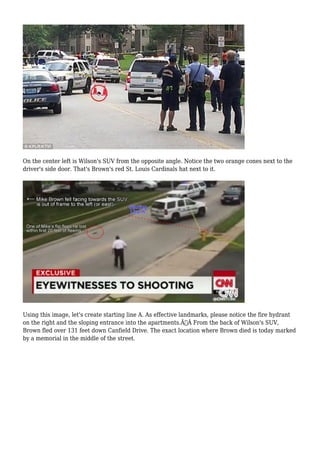
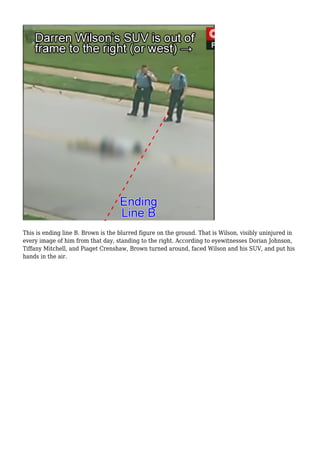
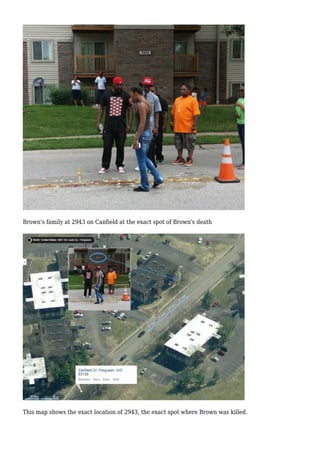
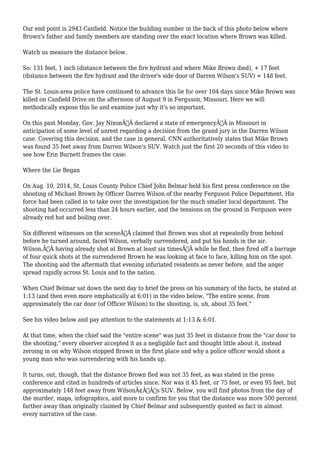
AlterNet.org Main RSS Feed 
AlterNet.org Main RSS FeedAlterNet.org Main RSS FeedChomsky: Elites Have Forced America into 
a National Psychosis to Keep Us Embroiled in Imperial WarsShocking Expose Reveals eBay's 
Shameless Efforts to Steal Craigslist's 'Secret Sauce'The Touching Hug Photo From Ferguson 
Protests Is a Blatant LieWhy I Was Censored from Talking About Israel In GermanyShocking 
Numbers of Children Die in America When Their Parents Turn to Faith-Based Healing6 Things You 
Should Know When Buying and Consuming Legal MarijuanaEconomist: I’ve Crunched the 
Numbers, and the American Dream Is Dead7 Habits of Highly Defective PeopleThe Federal Govt Has 
Concluded that Circumcision Is a Net Plus -- Urges Teenage Boys It's Not Too LateHalle Berry's Ex 
Can No Longer Straighten or Lighten Daughter’s Hair, Says Judge73,000 Webcams Are Open 
to Peeping Toms -- Is Yours?Black, Gay and Shot Dead In His Own Car: The Other Missouri Killing 
We Should Talk AboutWhite Cops Sue City After Shooting of Unarmed African AmericansPolitical 
Nightmare: Far-Right Firebrand Ted Cruz Cozies Up to Casino Kingpin Sheldon Adelson and NY 
BillionairesChristian Pastor Finds Ingenious Way to Exploit the Homeless4 Reasons Keystone Really 
MattersJon Stewart's Perfect Response to Fox News' Ferguson CoverageThe Sex Acts Britain Just 
Banned in PornBill Moyers: The Long, Dark Shadow That Plutocracy Casts on American SocietyWhy 
the Head of the NFL Is an Accomplice to the Ray Rice Abuse ScandalChristian Right’s Rage 
Problem: How White Fundamentalists Are Roiling America$51,000 for a Sex Doll? Why the Industry 
Is Booming And Its Future Is BrightWhy 'Baltimore Sun' Critic Needs to Apologize to CNN's Van 
Jones'Bombing and War Are Not Going to Work—We Need a Whole New Strategy with the 
Islamic State'Are Probiotics a Myth or Miracle?Police Lied: Michael Brown Was Killed 148 Feet 
Away From Darren Wilson's SUVExperts: Fracking Industry Likely to Crash Due to OPEC Decision to 
Keep Oil Production HighGood Election News for the World's First Country to Legalize 
MarijuanaChris Rock on Racism in America: White People Aren't as Crazy as They Used to BeFormer 
Cop Who Called for NFL to Discipline Players for Ferguson Solidarity Has Past of Lying to Protect 
Crooked CopsRobert Reich: How a Wealthy California Town Makes Sure No Poor Kids Attend Its 
'Public' SchoolAre We Big Pharma's Guinea Pigs? 8 Drugs Used by Millions Before Being Pulled for 
Dangerous Side-EffectsChris Rock: 'When We Talk About Racial Progress, It's All Nonsense'What 
You Need to Know About Reverse Mortgages to Avoid Getting Ripped OffI Quit! The Miseries of an 
Uber DriverShockingly Racist Israeli Op-Ed Compares ‘Bloodthirsty’ Palestinians with 
Ferguson ProtestorsUnbelievable: Cleveland Cops Who Killed Unarmed Black Suspects Sue, 
Claiming They're Victims of Racial DiscriminationUsing its Wealth, Google Has Become a DC 
Lobbying Juggernaut—And They Still Know Everything About UsMy Bill Cosby SecretDid 
Thomas Jefferson Call the Bible a Dung Hill? 
http://www.alternet.org Alternative News and Information. en 
http://users.feedblitz.com/7cac552a450f83864c6413641f68cb51/logo.gif http://www.alternet.org 
http://www.alternet.org/world/chomsky-elites-have-forced-america-national-psychosis-keep-us-embro 
iled-imperial-wars 
http://feeds.feedblitz.com/~/80078302/0/alternet~Chomsky-Elites-Have-Forced-America-into-a-Natio 
nal-Psychosis-to-Keep-Us-Embroiled-in-Imperial-Wars 
And most of our intellectuals are only too happy to participate in the propaganda, Chomsky argues. 
"War is the health of the State," wrote social critic Randolph Bourne in a classic essay as America 
entered World War I: 
"It automatically sets in motion throughout society those irresistible forces for uniformity, for
passionate cooperation with the Government in coercing into obedience the minority groups and 
individuals which lack the larger herd sense. ... Other values such as artistic creation, knowledge, 
reason, beauty, the enhancement of life, are instantly and almost unanimously sacrificed, and the 
significant classes who have constituted themselves the amateur agents of the State are engaged not 
only in sacrificing these values for themselves but in coercing all other persons into sacrificing 
them." 
And at the service of society's "significant classes" were the intelligentsia, "trained up in the 
pragmatic dispensation, immensely ready for the executive ordering of events, pitifully unprepared 
for the intellectual interpretation or the idealistic focusing of ends." 
They are "lined up in service of the war-technique. There seems to have been a peculiar congeniality 
between the war and these men. It is as if the war and they had been waiting for each other." 
The role of the technical intelligentsia in decision-making is predominant in those parts of the 
economy that are "in the service of the war technique" and closely linked to the government, which 
underwrites their security and growth. 
It is little wonder, then, that the technical intelligentsia is, typically, committed to what sociologist 
Barrington Moore in 1968 called "the predatory solution of token reform at home and 
counterrevolutionary imperialism abroad." 
Moore offers the following summary of the "predominant voice of America at home and abroad" - an 
ideology that expresses the needs of the American socioeconomic elite, that is propounded with 
various gradations of subtlety by many American intellectuals, and that gains substantial adherence 
on the part of the majority that has obtained "some share in the affluent society": 
"You may protest in words as much as you like. There is but one condition attached to the freedom 
we would very much like to encourage: Your protests may be as loud as possible as long as they 
remain ineffective. ... Any attempt by you to remove your oppressors by force is a threat to civilized 
society and the democratic process. ... As you resort to force, we will, if need be, wipe you from the 
face of the earth by the measured response that rains down flame from the skies." 
A society in which this is the predominant voice can be maintained only through some form of 
national mobilization, which may range in its extent from, at the minimum, a commitment of 
substantial resources to a credible threat of force and violence. 
Given the realities of international politics, this commitment can be maintained in the United States 
only by a form of national psychosis - a war against an enemy who appears in many guises: Kremlin 
bureaucrat, Asian peasant, Latin American student, and, no doubt, "urban guerrilla" at home. 
The intellectual has, traditionally, been caught between the conflicting demands of truth and power. 
He would like to see himself as the man who seeks to discern the truth, to tell the truth as he sees it, 
to act - collectively where he can, alone where he must - to oppose injustice and oppression, to help 
bring a better social order into being. 
If he chooses this path, he can expect to be a lonely creature, disregarded or reviled. If, on the other 
hand, he brings his talents to the service of power, he can achieve prestige and affluence. 
He may also succeed in persuading himself - perhaps, on occasion, with justice - that he can 
humanize the exercise of power by the "significant classes." He may hope to join with them or even
replace them in the role of social management, in the ultimate interest of efficiency and freedom. 
The intellectual who aspires to this role may use the rhetoric of revolutionary socialism or of 
welfare-state social engineering in pursuit of his vision of a "meritocracy" in which knowledge and 
technical ability confer power. 
He may represent himself as part of a "revolutionary vanguard" leading the way to a new society or 
as a technical expert applying "piecemeal technology" to the management of a society that can meet 
its problems without fundamental changes. 
For some, the choice may depend on little more than an assessment of the relative strength of 
competing social forces. It comes as no surprise, then, that quite commonly the roles shift; the 
student radical becomes the counterinsurgency expert. 
His claims must, in either case, be viewed with suspicion: He is propounding the self-serving 
ideology of a "meritocratic elite" that, in Karl Marx's phrase (applied, in this case, to the 
bourgeoisie), defines "the special conditions of its emancipation [as] the general conditions through 
which alone modern society can be saved." 
The role of intellectuals and radical activists, then, must be to assess and evaluate, to attempt to 
persuade, to organize, but not to seize power and rule. In 1904, Rosa Luxemburg wrote, 
"Historically, the errors committed by a truly revolutionary movement are infinitely more fruitful 
than the infallibility of the cleverest Central Committee." 
These remarks are a useful guide for the radical intellectual. They also provide a refreshing antidote 
to the dogmatism so typical of discourse on the left, with its arid certainties and religious fervor 
regarding matters that are barely understood - the self-destructive left-wing counterpart to the smug 
superficiality of the defenders of the status quo who can perceive their own ideological commitments 
no more than a fish can perceive that it swims in the sea. 
It has always been taken for granted by radical thinkers, and quite rightly so, that effective political 
action that threatens entrenched social interests will lead to "confrontation" and repression. It is, 
correspondingly, a sign of intellectual bankruptcy for the left to seek to construct "confrontations"; it 
is a clear indication that the efforts to organize significant social action have failed. 
Particularly objectionable is the idea of designing confrontations so as to manipulate the unwitting 
participants into accepting a point of view that does not grow out of meaningful experience, out of 
real understanding. This is not only a testimony to political irrelevance, but also, precisely because it 
is manipulative and coercive, a proper tactic only for a movement that aims to maintain an elitist, 
authoritarian form of organization. 
The opportunities for intellectuals to take part in a genuine movement for social change are many 
and varied, and I think that certain general principles are clear. Intellectuals must be willing to face 
facts and refrain from erecting convenient fantasies. 
They must be willing to undertake the hard and serious intellectual work that is required for a real 
contribution to understanding. They must avoid the temptation to join a repressive elite and must 
help create the mass politics that will counteract - and ultimately control and replace - the strong 
tendencies toward centralization and authoritarianism that are deeply rooted but not inescapable. 
They must be prepared to face repression and to act in defense of the values they profess. In an
advanced industrial society, many possibilities exist for active popular participation in the control of 
major institutions and the reconstruction of social life. 
To some extent, we can create the future rather than merely observing the flow of events. Given the 
stakes, it would be criminal to let real opportunities pass unexplored. 
This article is adapted from the essay, "Knowledge and Power: Intellectuals and the Welfare-Warfare 
State," which appeared in the 1970 book The New Left, edited by Priscilla Long. The essay is 
reprinted in Masters of Mankind: Essays and Lectures, 1969-2013 by Noam Chomsky. 
© 2014 Noam Chomsky 
Distributed by The New York Times Syndicate 
]]> 
Related Stories 
]]> 
Tue, 02 Dec 2014 14:21:00 -0800 Noam Chomsky, AlterNet 1028017 at http://www.alternet.org 
World Visions World chomsky 
And most of our intellectuals are only too happy to participate in the propaganda, Chomsky argues. 
"War is the health of the State," wrote social critic Randolph Bourne in a classic essay as America 
entered World War I: 
"It automatically sets in motion throughout society those irresistible forces for uniformity, for 
passionate cooperation with the Government in coercing into obedience the minority groups and 
individuals which lack the larger herd sense. ... Other values such as artistic creation, knowledge, 
reason, beauty, the enhancement of life, are instantly and almost unanimously sacrificed, and the 
significant classes who have constituted themselves the amateur agents of the State are engaged not 
only in sacrificing these values for themselves but in coercing all other persons into sacrificing 
them." 
And at the service of society's "significant classes" were the intelligentsia, "trained up in the 
pragmatic dispensation, immensely ready for the executive ordering of events, pitifully unprepared 
for the intellectual interpretation or the idealistic focusing of ends." 
They are "lined up in service of the war-technique. There seems to have been a peculiar congeniality 
between the war and these men. It is as if the war and they had been waiting for each other." 
The role of the technical intelligentsia in decision-making is predominant in those parts of the 
economy that are "in the service of the war technique" and closely linked to the government, which 
underwrites their security and growth. 
It is little wonder, then, that the technical intelligentsia is, typically, committed to what sociologist 
Barrington Moore in 1968 called "the predatory solution of token reform at home and 
counterrevolutionary imperialism abroad."
Moore offers the following summary of the "predominant voice of America at home and abroad" - an 
ideology that expresses the needs of the American socioeconomic elite, that is propounded with 
various gradations of subtlety by many American intellectuals, and that gains substantial adherence 
on the part of the majority that has obtained "some share in the affluent society": 
"You may protest in words as much as you like. There is but one condition attached to the freedom 
we would very much like to encourage: Your protests may be as loud as possible as long as they 
remain ineffective. ... Any attempt by you to remove your oppressors by force is a threat to civilized 
society and the democratic process. ... As you resort to force, we will, if need be, wipe you from the 
face of the earth by the measured response that rains down flame from the skies." 
A society in which this is the predominant voice can be maintained only through some form of 
national mobilization, which may range in its extent from, at the minimum, a commitment of 
substantial resources to a credible threat of force and violence. 
Given the realities of international politics, this commitment can be maintained in the United States 
only by a form of national psychosis - a war against an enemy who appears in many guises: Kremlin 
bureaucrat, Asian peasant, Latin American student, and, no doubt, "urban guerrilla" at home. 
The intellectual has, traditionally, been caught between the conflicting demands of truth and power. 
He would like to see himself as the man who seeks to discern the truth, to tell the truth as he sees it, 
to act - collectively where he can, alone where he must - to oppose injustice and oppression, to help 
bring a better social order into being. 
If he chooses this path, he can expect to be a lonely creature, disregarded or reviled. If, on the other 
hand, he brings his talents to the service of power, he can achieve prestige and affluence. 
He may also succeed in persuading himself - perhaps, on occasion, with justice - that he can 
humanize the exercise of power by the "significant classes." He may hope to join with them or even 
replace them in the role of social management, in the ultimate interest of efficiency and freedom. 
The intellectual who aspires to this role may use the rhetoric of revolutionary socialism or of 
welfare-state social engineering in pursuit of his vision of a "meritocracy" in which knowledge and 
technical ability confer power. 
He may represent himself as part of a "revolutionary vanguard" leading the way to a new society or 
as a technical expert applying "piecemeal technology" to the management of a society that can meet 
its problems without fundamental changes. 
For some, the choice may depend on little more than an assessment of the relative strength of 
competing social forces. It comes as no surprise, then, that quite commonly the roles shift; the 
student radical becomes the counterinsurgency expert. 
His claims must, in either case, be viewed with suspicion: He is propounding the self-serving 
ideology of a "meritocratic elite" that, in Karl Marx's phrase (applied, in this case, to the 
bourgeoisie), defines "the special conditions of its emancipation [as] the general conditions through 
which alone modern society can be saved." 
The role of intellectuals and radical activists, then, must be to assess and evaluate, to attempt to 
persuade, to organize, but not to seize power and rule. In 1904, Rosa Luxemburg wrote, 
"Historically, the errors committed by a truly revolutionary movement are infinitely more fruitful
than the infallibility of the cleverest Central Committee." 
These remarks are a useful guide for the radical intellectual. They also provide a refreshing antidote 
to the dogmatism so typical of discourse on the left, with its arid certainties and religious fervor 
regarding matters that are barely understood - the self-destructive left-wing counterpart to the smug 
superficiality of the defenders of the status quo who can perceive their own ideological commitments 
no more than a fish can perceive that it swims in the sea. 
It has always been taken for granted by radical thinkers, and quite rightly so, that effective political 
action that threatens entrenched social interests will lead to "confrontation" and repression. It is, 
correspondingly, a sign of intellectual bankruptcy for the left to seek to construct "confrontations"; it 
is a clear indication that the efforts to organize significant social action have failed. 
Particularly objectionable is the idea of designing confrontations so as to manipulate the unwitting 
participants into accepting a point of view that does not grow out of meaningful experience, out of 
real understanding. This is not only a testimony to political irrelevance, but also, precisely because it 
is manipulative and coercive, a proper tactic only for a movement that aims to maintain an elitist, 
authoritarian form of organization. 
The opportunities for intellectuals to take part in a genuine movement for social change are many 
and varied, and I think that certain general principles are clear. Intellectuals must be willing to face 
facts and refrain from erecting convenient fantasies. 
They must be willing to undertake the hard and serious intellectual work that is required for a real 
contribution to understanding. They must avoid the temptation to join a repressive elite and must 
help create the mass politics that will counteract - and ultimately control and replace - the strong 
tendencies toward centralization and authoritarianism that are deeply rooted but not inescapable. 
They must be prepared to face repression and to act in defense of the values they profess. In an 
advanced industrial society, many possibilities exist for active popular participation in the control of 
major institutions and the reconstruction of social life. 
To some extent, we can create the future rather than merely observing the flow of events. Given the 
stakes, it would be criminal to let real opportunities pass unexplored. 
This article is adapted from the essay, "Knowledge and Power: Intellectuals and the Welfare-Warfare 
State," which appeared in the 1970 book The New Left, edited by Priscilla Long. The essay is 
reprinted in Masters of Mankind: Essays and Lectures, 1969-2013 by Noam Chomsky. 
© 2014 Noam Chomsky 
Distributed by The New York Times Syndicate 
]]> 
Related Stories 
]]> 
http://www.alternet.org/corporate-accountability-and-workplace/shocking-expose-reveals-ebays-sha
meless-efforts-steal 
http://feeds.feedblitz.com/~/80102849/0/alternet~Shocking-Expose-Reveals-eBays-Shameless-Efforts 
-to-Steal-Craigslists-Secret-Sauce 
Pando.com reports on another ugly Silicon Valley "success" story. 
Silicon Valley likes to think of itself as inventing the future, but sometimes its fortunes are made the 
old-fashioned way: through deceit, plunder, lying and outright theft. 
That is the storyline in a detailed investigative report from Pando.com, a website covering the 
valley, describing how eBay and its founder, Pierre Omidyar, hijacked a slew of trade secrets for the 
giant online auction and retail website from Craigslist.com, the humble classified ads website. These 
acts helped eBay launch its own online classified ads market, Craigslist said. 
What makes the Pando.com report by Mark Ames so intriguing is that once upon a time when 
Internet startups were more altruistic, Craigslist was a real Silicon Valley outlier. Its founders, Craig 
Newmark and Jim Buckmaster, didn’t really want to make money with every online 
transaction. They were more interested in building an online community that had shared values 
where people helped each other out. 
In contrast, eBay, according to the extensive trail of litigation spanning a decade, was more 
concerned with making money. Sure, Omidyar was known in corporate circles as a benevolent 
entrepreneur, creating and posting ethical codes of conduct on eBay and talking the same values-laden 
talk as the Craiglisters. But somewhere along the line, according to Pando, eBay executives, 
including Omidyar, concluded that their path to prosperity was through acquiring Craigslist. 
Omidyar charmed his way into a seat on the Craigslist board, according to the documents, and eBay 
eventually acquired about one-quarter of the company. Then, apparently unbeknownst to Craigslist, 
Omidyar and eBay used that perch to literally datamine Craigslist’s operation, copying 
thousands of pages of user information that could help eBay design its own 
website—Kijiji.com—to compete with Craigslist. 
What’s intriguing about this story is that the Craigslist founders believed Pierre Omidyar was 
cut from the same counter-cultural cloth as they were, and this belief persisted long into the 
charade. Omidyar, if the lawsuit documents are correct, behaved like a double agent, being friendly 
to the Craiglisters in public, while plotting privately with eBay execs to steal Craigslist’s 
business. 
Silicon Valley is filled with lawyers who will draw up nondisclosure agreements, non-competitive 
agreements and the like. But it is still an arena where personal contacts and relationships can 
matter more than computer code. It’s almost painful to read how eBay execs derided the 
Craigslisters as babes in the digital woods—innocent and easily duped. Similarly, it appears 
the Craigslisters were naïve and wanted badly to believe that Omidyar and the other eBay 
executives they were dealing with were honest and shared their values. 
But now they know better. The Pando.com report is filled with backstabbing details: after Omidyar 
was forced off the Craigslist board, he threatened the company’s founders that eBay would 
“acquire 100 percent of Craigslist whether it took decades and, if necessary, over 
Newmark’s and Buckmaster’s dead bodies.” 
By then, this Silicon Valley fight had become a bad soap opera because eBay owned more than a
quarter of Craigslist's stock—and eBay wasn’t going to give any back. If anything, they 
wanted to own all of the company and kept saying so. Meanwhile, Craigslist’s founders 
didn’t want to admit they had a business partner who was like a treasonous family member 
trying to steal the family jewels. 
“Mr. Newmark and Mr. Buckmaster were taken aback by eBay’s behavior, and feared 
that they had a wolf in sheep’s clothing in their midst. However, they still had tremendous 
respect for the moral compass of Mr. Omidyar, and craigslist tried to review in good faith even 
extreme proposals made by eBay, particularly since many of the proposals were couched in terms of 
community service.” —Craigslist v. eBay, Fourth Amended Complaint 
The litigation between Craigslist and eBay is ongoing. Both companies are great successes. Their 
founders and executives are famous in business circles and beyond. Meg 
Whitman, eBay’s former CEO, was a Republican candidate for governor in California in 
2010, after much of the chicanery between eBay and Craigslist occurred. Whitman became Hewlett- 
Packard’s CEO after losing to Democrat Jerry Brown. 
But the lesson here is akin to a morality play about capitalism and ethics. As a Delaware judge 
summarized in one of many rulings on this multifaceted dispute, “For most of its history, 
Craigslist has not focused on ‘monetizing’ its site… It might be said that eBay is 
a moniker for monetization, and that Craigslist is anything but.” 
That’s the crux of it. If you want to do something in Silicon Valley that has some value outside 
the capitalist cannon—such as creating a true community—then beware! Not only is 
it apparently old-fashioned, naïve and simplistic to promote community values and digital tools 
to create that culture, it’s also dangling red meat to circling sharks who pose as good guys 
when they’re not. 
]]> 
Related Stories 
]]> 
Tue, 02 Dec 2014 15:12:00 -0800 Steven Rosenfeld, AlterNet 1028021 at http://www.alternet.org 
Corporate Accountability and WorkPlace Corporate Accountability and WorkPlace Economy 
Pando.com ebay craigslist stealing trade secrets 
Pando.com reports on another ugly Silicon Valley "success" story. 
Silicon Valley likes to think of itself as inventing the future, but sometimes its fortunes are made the 
old-fashioned way: through deceit, plunder, lying and outright theft. 
That is the storyline in a detailed investigative report from Pando.com, a website covering the 
valley, describing how eBay and its founder, Pierre Omidyar, hijacked a slew of trade secrets for the 
giant online auction and retail website from Craigslist.com, the humble classified ads website. These 
acts helped eBay launch its own online classified ads market, Craigslist said. 
What makes the Pando.com report by Mark Ames so intriguing is that once upon a time when 
Internet startups were more altruistic, Craigslist was a real Silicon Valley outlier. Its founders, Craig 
Newmark and Jim Buckmaster, didn’t really want to make money with every online
transaction. They were more interested in building an online community that had shared values 
where people helped each other out. 
In contrast, eBay, according to the extensive trail of litigation spanning a decade, was more 
concerned with making money. Sure, Omidyar was known in corporate circles as a benevolent 
entrepreneur, creating and posting ethical codes of conduct on eBay and talking the same values-laden 
talk as the Craiglisters. But somewhere along the line, according to Pando, eBay executives, 
including Omidyar, concluded that their path to prosperity was through acquiring Craigslist. 
Omidyar charmed his way into a seat on the Craigslist board, according to the documents, and eBay 
eventually acquired about one-quarter of the company. Then, apparently unbeknownst to Craigslist, 
Omidyar and eBay used that perch to literally datamine Craigslist’s operation, copying 
thousands of pages of user information that could help eBay design its own 
website—Kijiji.com—to compete with Craigslist. 
What’s intriguing about this story is that the Craigslist founders believed Pierre Omidyar was 
cut from the same counter-cultural cloth as they were, and this belief persisted long into the 
charade. Omidyar, if the lawsuit documents are correct, behaved like a double agent, being friendly 
to the Craiglisters in public, while plotting privately with eBay execs to steal Craigslist’s 
business. 
Silicon Valley is filled with lawyers who will draw up nondisclosure agreements, non-competitive 
agreements and the like. But it is still an arena where personal contacts and relationships can 
matter more than computer code. It’s almost painful to read how eBay execs derided the 
Craigslisters as babes in the digital woods—innocent and easily duped. Similarly, it appears 
the Craigslisters were naïve and wanted badly to believe that Omidyar and the other eBay 
executives they were dealing with were honest and shared their values. 
But now they know better. The Pando.com report is filled with backstabbing details: after Omidyar 
was forced off the Craigslist board, he threatened the company’s founders that eBay would 
“acquire 100 percent of Craigslist whether it took decades and, if necessary, over 
Newmark’s and Buckmaster’s dead bodies.” 
By then, this Silicon Valley fight had become a bad soap opera because eBay owned more than a 
quarter of Craigslist's stock—and eBay wasn’t going to give any back. If anything, they 
wanted to own all of the company and kept saying so. Meanwhile, Craigslist’s founders 
didn’t want to admit they had a business partner who was like a treasonous family member 
trying to steal the family jewels. 
“Mr. Newmark and Mr. Buckmaster were taken aback by eBay’s behavior, and feared 
that they had a wolf in sheep’s clothing in their midst. However, they still had tremendous 
respect for the moral compass of Mr. Omidyar, and craigslist tried to review in good faith even 
extreme proposals made by eBay, particularly since many of the proposals were couched in terms of 
community service.” —Craigslist v. eBay, Fourth Amended Complaint 
The litigation between Craigslist and eBay is ongoing. Both companies are great successes. Their 
founders and executives are famous in business circles and beyond. Meg 
Whitman, eBay’s former CEO, was a Republican candidate for governor in California in 
2010, after much of the chicanery between eBay and Craigslist occurred. Whitman became Hewlett- 
Packard’s CEO after losing to Democrat Jerry Brown.
But the lesson here is akin to a morality play about capitalism and ethics. As a Delaware judge 
summarized in one of many rulings on this multifaceted dispute, “For most of its history, 
Craigslist has not focused on ‘monetizing’ its site… It might be said that eBay is 
a moniker for monetization, and that Craigslist is anything but.” 
That’s the crux of it. If you want to do something in Silicon Valley that has some value outside 
the capitalist cannon—such as creating a true community—then beware! Not only is 
it apparently old-fashioned, naïve and simplistic to promote community values and digital tools 
to create that culture, it’s also dangling red meat to circling sharks who pose as good guys 
when they’re not. 
]]> 
Related Stories 
]]> 
http://www.alternet.org/media/touching-hug-photo-ferguson-protests-blatant-lie 
http://feeds.feedblitz.com/~/80068564/0/alternet~The-Touching-Hug-Photo-From-Ferguson-Protests- 
Is-a-Blatant-Lie 
The image instantly had a deep appeal to those looking for a soft focus view of race in America. 
The camera is a superb liar. It only shows one moment, and has no obligation to explain the bigger 
picture behind it. The selective use of photographs can therefore replace truth with whatever visual 
detail we choose to fix on. Horror or schmaltz, the effect is the same, to simplify reality and turn a 
story into a deceptively straightforward image. 
In the 1930s and 1940s the dishonest manipulation of photographs was a speciality of state 
propagandists. Backroom technicians in totalitarian darkrooms removed unwanted faces from 
pictures and turned emotive images into posters. Today, we don’t need propaganda machines 
to deceive us because we can make hypocritical and self-manipulating choices ourselves just by 
“liking” the pictures that show us what we want to see and ignoring those that are 
more awkward. 
The protests in America against a grand jury’s decision not to indict white police officer 
Darren Wilson for shooting dead unarmed black teenager Michael Brown in Ferguson, Missouri, 
have thrown up a sickly sweet instance of this modern dishonesty. 
Of all the disturbing images of streets on fire and crowds unappeased that have seethed since the 
grand jury decision in Ferguson set off protests across America, one of the most popular online turns 
out to be a touching moment of interracial togetherness. You heard me. Like a supermarket 
Christmas ad, this photograph taken at a Ferguson protest in Portland, Oregon, feasts on a moment 
of truce and peace amid the anger. 
It shows 12-year-old protester Devonte Hart sobbing as he hugs a white police officer. The 
officer’s face too is tenderly emotional. The cop appears to be comforting the boy. After all 
the anger, all the divisions, here is a moment of human reconciliation. 
What nonsense. It is one moment among many, and the choice to look at it and celebrate it is clearly
a choice to be lulled by cotton candy. It has got more than 400,000 Facebook shares. Each one of 
those shares is a choice of what to see and what not to see. In the context of the completely 
unresolved and immensely troubling situation, not just in Ferguson but across the United States, 
where Ferguson has opened wounds that go back centuries, this picture is a blatant lie. 
A picture does not have to be staged to be a lie. It just has to be massively unrepresentative of the 
wider facts and enthusiastically promoted to iconic status in a way that obscures those facts. This 
photograph, which first appeared in the Oregonian newspaper, was taken after Hart stood on the 
protest line with a banner that said “Free Hugs”. Portland police sergeant Bret 
Barnum got talking to the boy and asked if he could have a hug as well. 
What a photo opportunity. In terms of straight news values, this tender moment offered a bit of 
variety from glum scenes of protest. Yet it instantly had a deep appeal to those looking for a soft 
focus view of race in America. 
A woman in the background is taking her own picture of the warm scene. She can’t wait to 
share it. What a heart-stopping, iconic, totally emotional photograph. Add a weeping emoticon or 
whatever seems eloquent to you. 
Sentimentality used to be the preserve of musicals and Hollywood: now it shapes the news. 
Photographs are no longer carefully chosen by newspaper picture editors to craft the story. Of 
course, the traditional media are no strangers to manipulating reality – consciously or 
unconsciously – with photographs. But when news images are given life and meaning by the 
number of times they are shared on Facebook, the only editorial control is sentiment. This picture is 
cute, therefore popular, therefore true. 
Has truth itself become a popularity contest now? Countless photographic images are produced 
every day, recording multitudinous events. The process by which a few of those pictures become 
“iconic” is not rational and does not have any responsible superego in charge of it. It 
surely seems absurd – given the seriousness of what happened in Ferguson – that a 
nation’s new, yet old, encounter with its most destructive division can be summed up by this 
soppy picture of a tearful hug. 
Liking this picture as a definitive image of America’s race crisis is the equivalent of locking 
yourself in and turning up the volume to weep at Frozen while the streets are burning outside. 
Which is exactly what white Americans apparently want to do. Truth is a flimsy thing. It can be 
destroyed by a hug. 
]]> 
Related Stories 
]]> 
Tue, 02 Dec 2014 11:23:00 -0800 Jonathan Jones, The Guardian 1028005 at http://www.alternet.org 
Media Media ferguson photograph hug protests 
The image instantly had a deep appeal to those looking for a soft focus view of race in America. 
The camera is a superb liar. It only shows one moment, and has no obligation to explain the bigger 
picture behind it. The selective use of photographs can therefore replace truth with whatever visual
detail we choose to fix on. Horror or schmaltz, the effect is the same, to simplify reality and turn a 
story into a deceptively straightforward image. 
In the 1930s and 1940s the dishonest manipulation of photographs was a speciality of state 
propagandists. Backroom technicians in totalitarian darkrooms removed unwanted faces from 
pictures and turned emotive images into posters. Today, we don’t need propaganda machines 
to deceive us because we can make hypocritical and self-manipulating choices ourselves just by 
“liking” the pictures that show us what we want to see and ignoring those that are 
more awkward. 
The protests in America against a grand jury’s decision not to indict white police officer 
Darren Wilson for shooting dead unarmed black teenager Michael Brown in Ferguson, Missouri, 
have thrown up a sickly sweet instance of this modern dishonesty. 
Of all the disturbing images of streets on fire and crowds unappeased that have seethed since the 
grand jury decision in Ferguson set off protests across America, one of the most popular online turns 
out to be a touching moment of interracial togetherness. You heard me. Like a supermarket 
Christmas ad, this photograph taken at a Ferguson protest in Portland, Oregon, feasts on a moment 
of truce and peace amid the anger. 
It shows 12-year-old protester Devonte Hart sobbing as he hugs a white police officer. The 
officer’s face too is tenderly emotional. The cop appears to be comforting the boy. After all 
the anger, all the divisions, here is a moment of human reconciliation. 
What nonsense. It is one moment among many, and the choice to look at it and celebrate it is clearly 
a choice to be lulled by cotton candy. It has got more than 400,000 Facebook shares. Each one of 
those shares is a choice of what to see and what not to see. In the context of the completely 
unresolved and immensely troubling situation, not just in Ferguson but across the United States, 
where Ferguson has opened wounds that go back centuries, this picture is a blatant lie. 
A picture does not have to be staged to be a lie. It just has to be massively unrepresentative of the 
wider facts and enthusiastically promoted to iconic status in a way that obscures those facts. This 
photograph, which first appeared in the Oregonian newspaper, was taken after Hart stood on the 
protest line with a banner that said “Free Hugs”. Portland police sergeant Bret 
Barnum got talking to the boy and asked if he could have a hug as well. 
What a photo opportunity. In terms of straight news values, this tender moment offered a bit of 
variety from glum scenes of protest. Yet it instantly had a deep appeal to those looking for a soft 
focus view of race in America. 
A woman in the background is taking her own picture of the warm scene. She can’t wait to 
share it. What a heart-stopping, iconic, totally emotional photograph. Add a weeping emoticon or 
whatever seems eloquent to you. 
Sentimentality used to be the preserve of musicals and Hollywood: now it shapes the news. 
Photographs are no longer carefully chosen by newspaper picture editors to craft the story. Of 
course, the traditional media are no strangers to manipulating reality – consciously or 
unconsciously – with photographs. But when news images are given life and meaning by the 
number of times they are shared on Facebook, the only editorial control is sentiment. This picture is 
cute, therefore popular, therefore true.
Has truth itself become a popularity contest now? Countless photographic images are produced 
every day, recording multitudinous events. The process by which a few of those pictures become 
“iconic” is not rational and does not have any responsible superego in charge of it. It 
surely seems absurd – given the seriousness of what happened in Ferguson – that a 
nation’s new, yet old, encounter with its most destructive division can be summed up by this 
soppy picture of a tearful hug. 
Liking this picture as a definitive image of America’s race crisis is the equivalent of locking 
yourself in and turning up the volume to weep at Frozen while the streets are burning outside. 
Which is exactly what white Americans apparently want to do. Truth is a flimsy thing. It can be 
destroyed by a hug. 
]]> 
Related Stories 
]]> 
http://www.alternet.org/world/why-i-was-censored-talking-about-israel-germany 
http://feeds.feedblitz.com/~/80103498/0/alternet~Why-I-Was-Censored-from-Talking-About-Israel-In- 
Germany 
Lefty Germans, blinded by collective guilt, have become intolerant and close minded. 
I arrived in Germany formally invited by members of a political party to speak about my reporting 
during the Gaza war. I left the country branded an anti-Semite and an insane scofflaw. With 
machine-like efficiency, German media cast me and my Jewish Israeli journalist colleague, David 
Sheen, as violent Jew haters, never veering from the script written for them by a strange American 
neoconservative working for an organization subsidized by far-right-wing casino mogul Sheldon 
Adelson, nor bothering to ask either of us for comment. Slandered as anti-Semites, we sought to 
meet with the left-wing politician who felt compelled to engineer the campaign to suppress our 
speech: Die Linke party chairman Gregor Gysi. 
When Gysi refused to speak to us, we followed him as he ran from his office. The videotaped incident 
ended at a door outside what turned out to be a bathroom, sparking a scandal known as 
“Toilettengate.” We had violated the unwritten rules of a dour political culture where 
conflict normally takes the form of carefully composed pronouncements delivered through proper 
bureaucratic channels. Thus we aroused the outrage of Deutschland, from left to right nimbly 
manipulated through a neoconservative ploy. 
According to the right-wing Die Bild tabloid, Sheen and I were “lunatic Israel haters” 
who had “hunted Gysi.” Various pundits on German public broadcasting declared that I 
was “known for [my] anti-Semitic way of thinking.” And the president of the Bundestag 
introduced a motion to ban us for life from the premises. As the freak-out escalated, the three Die 
Linke MPs who guided us to Gysi’s office— Inge Hoger, Annette Groth and Heike 
Hansel — delivered Gysi an abject public apology. 
Our hosts’ whimpering only served to incite their enemies. More than 1,000 Die Linke 
members from the party’s “reformist” faction have signed a letter calling for 
the three MPs to be sacked. Titled “You Don’t Speak For Us,” the manifesto
opened with an excerpt from a 2008 speech to the Bundestag by former Israeli president Shimon 
Peres in which he compared Iran to Nazi Germany and ended with an affirmation of 
Germany’s special relationship with Israel, as the cleansing of the Holocaust. 
A Der Spiegel columnist named Sibylle Berg joined the pile-on with a crude piece of sexist 
psychobabble accusing Groth and Hoger of sublimating sexual lust for Palestinian militants into anti- 
Zionist activity. In Taggespiel, Die Linke MP Michael Leutert referred to us as an “anti- 
Semitic mob.” And in Die Zeit, another mainstream outlet, Elisabeth Niejahr cast Groth 
and Hoger as “Holocaust down players.” She had no evidence, but in German political 
culture, none was necessary. Either you are all-in with Israel’s policies, or you are an all-out 
anti-Semite. 
The storm of controversy triggered by our presence in Berlin was the culmination of the Die Linke 
party’s long-running internecine conflict on Israel-Palestine. Since emerging as 
Germany’s main left-wing opposition party, Die Linke leaders have presided over a full-scale 
assault on the few party members who rejected Germany’s uncritical special relationship 
with Israel. Behind the attack is a group of putatively left-wing intellectuals allied with heavily 
funded neoconservative operatives. The most effective weapon of this left-right alliance in a society 
consumed with Holocaust guilt is what some Germans have begun to refer to as the Antisemitismus-keule, 
or the anti-Semitism club. 
Smears and Suppression 
The story of my and David Sheen's adventure as “anti-Semites” began even before our 
arrival to Berlin. I had covered the Gaza war and spoke about my reporting across Europe, often as 
the invited guest of members of parliaments—in London at the House of Commons, in Brussels 
before the European Parliament, in Oslo at the invitation of the Socialist Left Party, and in 
Copenhagen, where I was introduced by a member of the Danish parliament. Sheen has earned 
acclaim for his reporting on state-sponsored discrimination within Israel against Palestinians and 
African migrants and the right-wing attacks on them. Together, we produced an original 
documentary on racism against non-Jewish African refugees in Israel that has received over a million 
views on YouTube. 
As we prepared for our flights, we were greeted with a November 6 article in the Berliner 
Morgenpost by a neoconservative writer named Benjamin Weinthal, announcing the cancellation of 
our planned discussion in the Bundestag. Die Linke party chairman Gregor Gysi claimed 
responsibility for terminating the talk, while Volker Beck of the Green Party and chair of the 
Germany-Israel Committee contributed his opinion to the writer that my work was 
“consistently anti-Semitic.” Weinthal, for his part, accused me of the “public 
abuse of Jews.” 
The next day, Beck published a letter signed by Bundestag vice president Petra Pau (a key Israel 
lobby supporter in the Die Linke party) and German-Israeli Friendship Society president Reinhold 
Robbe demanding the cancelation of our event at the Berlin theater known as the Volksbuehne. The 
letter claimed our event would serve “to promote anti-Semitic prejudice by comparing the 
terror of the Nazis with Israeli policies.” Within hours, Volksbuehne officials pulled the plug. 
Weinthal took to his regular roost at the Jerusalem Post to announce the cancellation of an event 
that would “spread anti-Semitism.” 
On November 9, the morning our Volkesbuehne discussion was scheduled to take place, we wound 
up speaking through a loudspeaker to 100 supporters gathered outside the shuttered doors of the
theater. It was the 76th anniversary of the Kristallnacht pogrom and the 25th anniversary of the fall 
of the Berlin Wall. To our adversaries, it was a date that somehow rendered any criticism of the state 
of Israel and its policies verboten — along with Hitler’s birthday and every other date 
remotely associated with the Holocaust. For us, it was the perfect time to explain how the legacy of 
the European genocide had inspired our work, to emphasize that “never again” meant 
never again to anyone. 
In my address, I lamented that the most basic universal lessons of the Holocaust had been rejected 
by the German government in favor of a cheap absolution that took the form of discounted weapons 
sales to an army of occupation. Indeed, the German government recently sold Israel a fleet of 
Corvette attack boats at a 30 percent reduction to reinforce the siege of Gaza and enable further 
attacks on the coastal enclave’s beleaguered fishing industry. Next year, 250 German 
soldiers will drill at Israel’s Urban Warfare Training Center in counter-insurgency tactics, an 
unprecedented step in military collaboration. As a mere visitor to Germany, I was spared the long-term 
personal consequences of questioning how military aid to Israel honored the millions turned to 
ashes. When the famed German author Gunther Grass challenged the weapons sales in a polemical 
and arguably clumsy poem, he faced a tidal wave of character assassination attempts and the 
immediate loss of prestige. (Then-Israeli Interior Minister Eli Yishai declared Grass persona non 
grata, issuing a standing order to deny him entry to Israeli-controlled territory.) 
After the protest, we marched to a cramped anti-war cafe a few blocks away to carry out our 
discussion on Gaza and state-sponsored Israeli racism as originally conceived. As we spoke to an 
overflow crowd in a catacomb-like basement, 500 neo-Nazi football hooligans marched nearby 
against the supposed threat of “Salafism.” Police dispatched by the city protected the 
marchers, dispersing a small counter-demonstration. 
Meanwhile, Gysi stood by for instructions in the event that we were able to find a venue for our talk 
inside the Bundestag the following day. Though he was hardly a cheerleader for Netanyahu, he had 
proven himself an essential ally of his country’s Israel lobby, presiding over Die 
Linke’s transition from anti-Zionism into a full embrace of the country’s post-reunification 
consensus on Israel. 
“Jewish Anti-Zionism As a Total Illusion” 
Once the leader of the reformist wing of Erich Honecker's Socialist Unity Party (SED) in East 
Germany, Gysi supported the dismantling of his party even as he opposed reunification with West 
Germany. He has since emerged as one of the most charismatic figures of the current opposition in 
the German parliament, earning attention for his sharp oratory while waging an aggressive legal 
battle to suppress public discussion of his alleged role as a Stasi agent. 
When Merkel’s right-of-center Christian Democratic Union (CDU) rose to power, Gysi began 
his efforts to reposition Die Linke as a potential coalition partner capable of allying with the Green 
Party and the Social Democrats. This meant adapting right-leaning elements inside Die Linke like 
the Forum Demokratischer Sozialismus that aimed to crush the party’s anti-war vestiges. 
(Most of the figures who signed the letter denouncing me, Sheen and our Die Linke hosts were 
affiliated with FDS.) 
During an address before the Rosa Luxemburg Institute on the occasion of Israel’s 60th 
birthday in 2008, Gysi made his most public bid for mainstream respectability. Proclaiming that anti-imperialism 
could no longer "be placed in a meaningful way" within leftist discourse, Gysi railed 
against expressions of Palestine solidarity within his party. "Anti-Zionism can no longer be an
acceptable position for the left in general, and the Die Linke party in particular,” he declared. 
He went on to describe “solidarity with Israel” as an essential component of 
Germany’s “reason of state.” 
Following a stem-winding survey of the Zionist movement’s history and its criticism from 
within the left, Gysi concluded, “If we choose a position of enlightened Jewish anti- 
Zionism...we still have the problem of ignoring the worst experiences of the 20th century, which 
expose enlightened Jewish anti-Zionism as a total illusion.” 
The Die Linke leader’s speech echoed an address delivered in Israel’s Knesset just a 
few months prior by Chancellor Angela Merkel in which she declared that preserving 
“Israel’s security…is part of my country’s raison d’être.” 
In a sardonic assessment of Gysi’s foreign policy pivot, left-wing columnist Werner Pirker 
wrote, “Gysi admires the Israeli democracy not in spite of, but because of its 
exclusiveness… With his anniversary speech for Israel Gregor Gysi passed his foreign policy 
test.” 
In June 2011, Gysi imposed a de facto gag rule on his party’s left wing called the 
“Three Point Catalog.” It read as follows: "We will neither take part in [political] 
initiatives on the Middle East which (1) call for a one-state-solution for Palestine and Israel, nor (2) 
call for boycotts against Israeli products, nor (3) will we take part in this year's 'Gaza-flotilla'. We 
expect from our personal employees and our fraction employees that they champion these 
positions.” 
A month later, Die Linke’s executive board voted for the first time to recognize Israel’s 
“right to exist.” Among those who took credit for the vote, and for sustaining pressure 
on Gysi, was a recently formed pro-Israel organization called BAK Shalom. 
The Anti-Germans 
BAK Shalom drew its membership from adherents of the bizarre movement known as “die 
antideutsch Linke”—in short, the Anti-Germans. Born after reunification against the 
phantom threat of a second Holocaust and in supposed opposition to German nationalism, the Anti- 
German movement aimed to infiltrate leftist anti-fascist circles in order to promote unwavering 
support for the Israeli government and undermine traditional networks of leftist organizing. BAK 
Shalom’s manifesto pledges “solidarity with defense measures of any kind” 
against the Palestinians and backs American foreign policy on the basis of purely reactionary 
impulses: The US is Israel’s most aggressive patron and the ultimate target of Israel’s 
enemies, therefore opponents of “anti-Semitism” must lend it their total support. 
Though many top Antideutsch ideologues emerged from Marxist and anarchist intellectual circles, 
they are united in their opposition to what they call “regressive anti-capitalism.” 
According to BAK Shalom’s manifesto, because “complex and abstract capitalist 
relations are personified and identified as Jews,” anti-capitalism is a subtle but dangerous 
form of Jew hatred. In 2012, Anti-German activists mobilized in opposition to the Blockupy 
movement that occupied the European Central Bank and the Deutsche Bank in Frankfurt, casting it 
as an inherently anti-Semitic movement simply because of its opposition to globalized capitalism. 
Incapable of viewing Jews as individuals or normal people with differing viewpoints, the Anti- 
Germans inadvertently advanced the anti-Semitic trope of Jewish control over world finance.
In 2003, hardcore Anti-German activists took to the streets in 2003 to support George W. 
Bush’s invasion of Iraq. At rallies in support of Israel’s assaults on Southern Lebanon 
and Gaza, Anti-German forces belted out chants alongside far-right Jewish Defense League militants 
and flew Israeli flags beside the red and black banners familiar to anti-fascist forces. One of the 
movement’s top ideologues, the Austrian political scientist Stephan Grigat, oversees an 
ironically named astroturf group, Stop The Bomb, that advocates unilateral bombing campaigns 
against Iran. Grigat collaborates closely with right-wing outfits like the Simon Weisenthal Center as 
well as ultra-Zionist BAK Shalom allies like Die Linke’s Petra Pau. 
There might only be about several thousand Germans who identify with the Anti-German sensibility. 
The movement’s intellectual avant-garde, a collection of dour critical theorists and political 
scientists gathered around obscure journals like Bahamas, numbers at most in the low hundreds. 
According to BAK Shalom spokesman and Die Linke member Benjamin Kruger, his organization 
contains only 140 members. But thanks to the Holocaust guilt that consumes German society, these 
elements operate on fertile territory. As the translator and anti-racist activist Maciej Zurowski 
explained, by infiltrating Die Linke and the Social Democratic Party’s youth groups, along 
with key left-wing institutions like the Rosa Luxemburg Foundation, “[Anti-German elements] 
are strategically well placed to promote ‘young talent’, while cutting off their 
opponents’ money supply.” 
Previously limited to the top-heavy realms of the country’s political and financial 
establishment, it is through such sectarian groups that the pro-Israel lobby finally secured a base 
within the German left. 
Good Jew, Bad Jew 
In 2009, two years after the foundation of BAK Shalom, a witch-hunt forced a Die Linke member 
named Hermann Dierkes to quit his campaign for the mayor of Duisburg. He was accused of 
“pure anti-Semitism” by the Central Jewish Council for supporting the Palestinian-led 
BDS (boycott, divest, sanctions) campaign — a human rights campaign German supporters of 
Israel routinely equate with the Nazi-era boycott of Jews. The same year, Israeli lobby pressure 
forced Munich city authorities to cancel a talk by Ilan Pappe, the dissident Israeli historian. Pappe 
protested afterward that his father “was silenced in a similar way as a German Jew in the 
early 1930s.” 
By 2010, BAK Shalom demanded the cancellation of a speech by Norman Finkelstein, a well-known 
political scientist highly critical of Israel’s policies, organized by a few anti-imperialist Die 
Linke MPs. BAK Shalom leaders accused Finkelstein, the son of Holocaust survivors, of 
“historical revisionism” and for being “internationally popular among anti- 
Semites”—guilt by association with unnamed villains. Weinthal amplified the attacks by 
claiming in the Jerusalem Post that Finkelstein was “pandering to subtle anti- 
Semitism.” With his events canceled by the Rosa Luxemburg Foundation and defunded by the 
Green Party-affiliated Heinrich Boll Foundation, Finkelstein canceled his plane ticket and stayed 
home in Brooklyn. 
The same year, BAK Shalom stepped up pressure on its allies inside Die Linke to purge MPs Groth 
and Hoger. The two MPs had traveled on the Free Gaza Flotilla and spent time in an Israeli prison 
after Israeli naval commandos massacred nine passengers aboard the Mavi Marmara ship. After 
their return to Berlin, the two politicians were branded as Hamas allies and anti-Semites for their 
participation in the humanitarian mission. The attacks set the stage for the storm that would erupt 
when Groth and Hoger decided to invite me and Sheen to meet with them and speak at the
Bundestag. 
When the renowned Jewish-American scholar and outspoken Israel critic Judith Butler was awarded 
the city of Frankfurt’s prestigious Theodore Adorno Prize in 2012, Germany’s Israel 
lobby escalated its campaign to suppress free speech on the subject of Israel. At a protest outside 
the Frankfurt church where Butler was to receive her prize, the Anti-German academic and former 
Green Party advisor Matthias Kuntzel conjured the terrifying specter of a second Holocaust on 
German soil. He cast Butler as the key progenitor of a “new anti-Jewish discourse.” As 
the demonstrations were whipped up outside, Butler felt compelled to enter the ceremony in her 
honor through a back door. 
With ruthless efficiency, Germany’s Israel lobby established a new code for Jewish behavior: 
Jews who supported Israel without reservation were necessarily “good,” while those 
who agitated for Palestinian human rights or expressed a universalist perspective on the Holocaust 
were absolutely “bad.” The good Jews would be showered with adulation and publicly 
fetishized while the Bad Jews (Finkelstein, Pappe, Butler et al.) could be boycotted and battered with 
the Antisemitismus-keule — the anti-Semitism club. Even the gentile grandchildren of Nazis 
were welcome to raise this blunt weapon against the Bad Jews. By suppressing critical discussion of 
Israel, they were purified of the taint of the Holocaust and able to play the role of judges in the old 
question: Who is a Jew? 
Last year, I was labeled a Bad Jew on a blacklist that would serve as a singular guide to my work for 
Germany’s Israel lobby. 
Adelson’s Man in Berlin 
In December 2013, my name wound up on the Simon Wiesenthal Center’s 2013 list of the 
year’s top “Anti-Semitic/Anti-Israel slurs.” I was number nine, tied with the 
Pulitzer Prize-winning author Alice Walker and eight slots behind Ayatollah Khomeini. It was a 
ludicrous document of neo-McCarthyism filled with distortions, hyperbole and bizarre non-sequiturs. 
In the U.S., it was ignored when it was not mocked. 
The listing was prompted by my recent book, Goliath: Life and Loathing in Greater Israel, but 
did not dispute a single fact in the 450-page work. Instead of addressing the substance of my book, 
the Wiesenthal Center took issue with the titles of many of its chapters, claiming that I had drawn 
direct comparisons between Israel and Nazi Germany, though those chapter titles were taken from 
quotations of people describing actual incidents in Israel. In fact, nothing I had written or said 
approached the stridency of recent comments by famed Israeli author Amos Oz, who called violent 
Jewish settlers “Hebrew neo-Nazis.” 
While Oz was presented with the Siegfried Lenz Literary Prize this month by German Foreign 
Minister Frank-Walter Steinmeier, I was condemned as an anti-Semite by leaders of putatively left-wing 
German parties informed exclusively by the Wiesenthal list furnished to them by a 
neoconservative publicist, Benjamin Weinthal. 
A former labor journalist who bounced around at marginal leftist journals, the unsuccessful Weinthal 
drifted until he found his calling as one of the Israel lobby’s most dedicated operatives in 
Berlin. His career has since been sustained by a neoconservative Washington DC-based think tank 
called the Foundation for the Defense of Democracies. Funded in part by the casino mogul Sheldon 
Adelson, a top donor to the Republican Party and Israel’s right-wing Likud Party, who 
recently grumbled that he has no use for “democracy” in Israel and
“doesn’t like journalism,” FDD has promoted the preemptive US invasion of 
Iraq and preemptive bombing of Iran along with Netanyahu’s expansionist policies in 
occupied Palestinian territory. Described on FDD’s website as “our eyes and ears on 
the ground in Central Europe,” Weinthal publishes regularly at the right-wing English 
language daily, the Jerusalem Post. (Its editor, Caroline Glick, is simultaneously affiliated with the 
far right U.S. Center for Security Policy, and author of a recent book, The Israeli Solution: A One- 
State Plan for Peace in the Middle East, advocating the complete obliteration of Palestinian rights.) 
In the days before our arrival, Weinthal phoned Gysi, Beck and a host of local Israel lobbyists to 
solicit statements condemning me and David Sheen and our hosts. Unable to speak or read English, 
Gysi had to rely on Weinthal, and by extension, his recitation of the Wiesenthal Center, as his 
translators. Gysi was obviously terrified and intimidated. When he falsely accused me in a press 
conference of referring to Israeli soldiers as “Judeo-Nazis,” it was clear he had never 
bothered to investigate the claims against me, never read my work and never sought to contact me. 
In fact, the phrase “Judeo-Nazis” was coined by the widely revered anti-establishment 
Israeli philosopher, Yeshayahu Leibowitz, who was ranked by Israelis as one of the country’s 
most influential Jewish leaders of all time, and whom I profiled in my book. In his jeremiads against 
racism and militarization, Leibowitz warned Israelis against turning into their own worst nightmare. 
A frantic puppet dancing on the string of a neoconservative dirty trick, Gysi also revealed himself to 
be an ignoramus about Israel. 
As soon as the Volksbuehne caved to Israel lobby pressure to cancel my talk with Sheen, Weinthal 
was on the phone with Simon Wiesenthal Center dean Rabbi Abraham Cooper. “Germans 
should be grateful that some key leaders of the Left [Party] have acted to forestall this desecration 
and perversion of memory,” Cooper proclaimed. 
Then, when “Toilettengate” erupted, the German media reached for the Wiesenthal 
file, neatly provided by Weinthal, as its sole dossier on my work. Like Gysi, Der Spiegel falsely 
accused me of calling Israeli soldiers “Judeo-Nazis,” refusing to reply when I solicited a 
correction. None of the major outlets that reported on the incident made the slightest effort to call 
Sheen or me for comment. Instead, the German press was played, too, hammering away at our 
supposed “anti-Semitism,” never pausing to seek me out for reply or engage in a 
moment of skepticism about what any seasoned journalist could see was a transparent case of 
McCarthyism.  
The most aggressive attacks appeared in papers associated with Axel Springer, Germany’s 
version of Rupert Murdoch’s News Corp. A bastion of yellow journalism, Springer compels all 
of its employees to take an oath of loyalty to Germany’s special relationship with Israel. When 
the Springer-owned tabloid Die Bild described me and Sheen as “lunatic Israel haters,” 
a friend gave me the phone number of the paper’s political editor, Ralf Schuler. 
“Why didn’t you reach out to me for a comment?” I asked him. 
“Because I don’t have to. I don’t want to talk to you or hear what you have to 
say,” Schuler said. 
“So you were out to smear us?” 
“Yes!” he declared emphatically. “And that’s how it is.” 
Schuler asked in an accusing tone if I was, in fact, “an anti-Semite." Then he abruptly hung
up. 
The Exiles 
My final talk in Berlin took place in an antiseptic classroom inside the cavernous main building of 
the city’s Technical University. During my presentation, I recounted the case of Ibrahim 
Kilani, a German citizen who was killed along with most of his family in Israel’s assault on the 
Gaza Strip this summer. The German government did not condemn the massacre, nor did it bother to 
offer condolences to members of the Kilani family living in Germany. Instead, it merely asked Israel 
to clarify the circumstances of the family members’ deaths. 
The government’s silence on the Kilanis roiled Germany’s 80,000-strong community of 
Palestinian immigrants. As soon as my talk ended, Nadia Samour, the young Palestinian-German 
lawyer who co-organized the event, commented that she no longer felt at home in Germany after 
witnessing her government’s handling of the killings. Her sense of alienation was almost 
omnipresent among the many educated and worldly Arab immigrants I encountered during my stay 
in Germany. And it was hardly surprising. 
Under the Hessen citizenship tests adopted in 2006, immigrants are expected to affirm support for 
Israel’s “right to exist.” The country’s past chancellor, Gerhard 
Schroeder of the Social Democratic Party, openly pondered imposing loyalty oaths on immigrants, 
while the current leader, Merkel, declared that multiculturalism “has utterly failed.” In 
a 2010 poll, 55% of Germans agreed with the opinion that Arabs are “unpleasant 
people.” In recent years, the country’s media has filled with commentaries painting 
the Muslim and Arab immigrant community as a hotbed of potential recruits for groups like al-Qaeda 
and ISIS. 
At every stop, immigrants to Germany are forced to pay heed to the Leitkultur, the national narrative 
that demands expressions of guilt for a Holocaust none of them participated in. For Palestinian- 
Germans, the Leitkultur serves to silence their own narrative of dispossession. As Ibrahim 
Kilani’s only surviving son, Ramsis, told journalist Emran Feroz, “In Germany, I get 
called an anti-Semite just for saying I’m Palestinian.” 
While Palestinians are shut out of German public discourse, an unlikely immigrant group has 
asserted itself against the national consensus. Some 20,000 Israeli Jews have sought refuge in 
Berlin, fleeing a state overrun with militarism and religious fervor for life in a stable social 
democracy. Most are young, cosmopolitan and deeply opposed to the Netanyahu government. When 
Merkel and a cast of German political figures including Gysi organized a demonstration this summer 
against “anti-Semitism” that doubled as a rally in support of Israel’s war on 
Gaza, a group of Israeli exiles organized a counter-demonstration. They held up a large 
banner reading, “Merkel, give us passports, not weapons!” 
Following my talk at the Technical University, one of those Israelis rose to speak. He introduced 
himself as a writer who had come to the depressing conclusion that he had no future in Israel. He 
said he feared raising his newborn son in an environment that Israel’s right-wing rulers had 
rendered “uninhabitable.” Relations between Israeli Jews and Palestinians were 
damaged beyond repair, he continued, leaving a two-state solution that permanently separated the 
two groups as the only option. 
A middle-aged Palestinian refugee rose from his seat. “With your two-state solution, I can 
never go home,” he interrupted. “You have to understand that we Palestinians have no
problem living with Jews. That’s not the issue. The issue is we have no right to live on our 
land.” 
The Israeli writer did not object or recoil. Instead, he listened patiently as the next speaker, Abir 
Kopty, a Palestinian-Israeli activist from Nazareth pursuing an advanced degree in Berlin, made the 
case for a binational state. Several German activists joined in, articulating a vision of equality that 
Gysi's gag rule forbade Die Linke members from promoting. 
As the discussion poured out into the hallway, whatever differences might have surfaced inside the 
lecture hall dissolved into the kind of camaraderie that always exists among outcasts. The Israeli 
exile and the Palestinian refugee had arrived in Germany as casualties of Western foreign policy, 
each victimized in his own way. Now they were struggling together for a free and open debate. And 
along with the rest of us, they reeled from the force of the national antisemitismus-keule. 
]]> 
Related Stories 
]]> 
Mon, 01 Dec 2014 12:40:00 -0800 Max Blumenthal, AlterNet 1027949 at http://www.alternet.org 
World World germany max blumenthal middle east gaza Gregor Gysi David Sheen anti-semitism 
Lefty Germans, blinded by collective guilt, have become intolerant and close minded. 
I arrived in Germany formally invited by members of a political party to speak about my reporting 
during the Gaza war. I left the country branded an anti-Semite and an insane scofflaw. With 
machine-like efficiency, German media cast me and my Jewish Israeli journalist colleague, David 
Sheen, as violent Jew haters, never veering from the script written for them by a strange American 
neoconservative working for an organization subsidized by far-right-wing casino mogul Sheldon 
Adelson, nor bothering to ask either of us for comment. Slandered as anti-Semites, we sought to 
meet with the left-wing politician who felt compelled to engineer the campaign to suppress our 
speech: Die Linke party chairman Gregor Gysi. 
When Gysi refused to speak to us, we followed him as he ran from his office. The videotaped incident 
ended at a door outside what turned out to be a bathroom, sparking a scandal known as 
“Toilettengate.” We had violated the unwritten rules of a dour political culture where 
conflict normally takes the form of carefully composed pronouncements delivered through proper 
bureaucratic channels. Thus we aroused the outrage of Deutschland, from left to right nimbly 
manipulated through a neoconservative ploy. 
According to the right-wing Die Bild tabloid, Sheen and I were “lunatic Israel haters” 
who had “hunted Gysi.” Various pundits on German public broadcasting declared that I 
was “known for [my] anti-Semitic way of thinking.” And the president of the Bundestag 
introduced a motion to ban us for life from the premises. As the freak-out escalated, the three Die 
Linke MPs who guided us to Gysi’s office— Inge Hoger, Annette Groth and Heike 
Hansel — delivered Gysi an abject public apology. 
Our hosts’ whimpering only served to incite their enemies. More than 1,000 Die Linke 
members from the party’s “reformist” faction have signed a letter calling for 
the three MPs to be sacked. Titled “You Don’t Speak For Us,” the manifesto
opened with an excerpt from a 2008 speech to the Bundestag by former Israeli president Shimon 
Peres in which he compared Iran to Nazi Germany and ended with an affirmation of 
Germany’s special relationship with Israel, as the cleansing of the Holocaust. 
A Der Spiegel columnist named Sibylle Berg joined the pile-on with a crude piece of sexist 
psychobabble accusing Groth and Hoger of sublimating sexual lust for Palestinian militants into anti- 
Zionist activity. In Taggespiel, Die Linke MP Michael Leutert referred to us as an “anti- 
Semitic mob.” And in Die Zeit, another mainstream outlet, Elisabeth Niejahr cast Groth 
and Hoger as “Holocaust down players.” She had no evidence, but in German political 
culture, none was necessary. Either you are all-in with Israel’s policies, or you are an all-out 
anti-Semite. 
The storm of controversy triggered by our presence in Berlin was the culmination of the Die Linke 
party’s long-running internecine conflict on Israel-Palestine. Since emerging as 
Germany’s main left-wing opposition party, Die Linke leaders have presided over a full-scale 
assault on the few party members who rejected Germany’s uncritical special relationship 
with Israel. Behind the attack is a group of putatively left-wing intellectuals allied with heavily 
funded neoconservative operatives. The most effective weapon of this left-right alliance in a society 
consumed with Holocaust guilt is what some Germans have begun to refer to as the Antisemitismus-keule, 
or the anti-Semitism club. 
Smears and Suppression 
The story of my and David Sheen's adventure as “anti-Semites” began even before our 
arrival to Berlin. I had covered the Gaza war and spoke about my reporting across Europe, often as 
the invited guest of members of parliaments—in London at the House of Commons, in Brussels 
before the European Parliament, in Oslo at the invitation of the Socialist Left Party, and in 
Copenhagen, where I was introduced by a member of the Danish parliament. Sheen has earned 
acclaim for his reporting on state-sponsored discrimination within Israel against Palestinians and 
African migrants and the right-wing attacks on them. Together, we produced an original 
documentary on racism against non-Jewish African refugees in Israel that has received over a million 
views on YouTube. 
As we prepared for our flights, we were greeted with a November 6 article in the Berliner 
Morgenpost by a neoconservative writer named Benjamin Weinthal, announcing the cancellation of 
our planned discussion in the Bundestag. Die Linke party chairman Gregor Gysi claimed 
responsibility for terminating the talk, while Volker Beck of the Green Party and chair of the 
Germany-Israel Committee contributed his opinion to the writer that my work was 
“consistently anti-Semitic.” Weinthal, for his part, accused me of the “public 
abuse of Jews.” 
The next day, Beck published a letter signed by Bundestag vice president Petra Pau (a key Israel 
lobby supporter in the Die Linke party) and German-Israeli Friendship Society president Reinhold 
Robbe demanding the cancelation of our event at the Berlin theater known as the Volksbuehne. The 
letter claimed our event would serve “to promote anti-Semitic prejudice by comparing the 
terror of the Nazis with Israeli policies.” Within hours, Volksbuehne officials pulled the plug. 
Weinthal took to his regular roost at the Jerusalem Post to announce the cancellation of an event 
that would “spread anti-Semitism.” 
On November 9, the morning our Volkesbuehne discussion was scheduled to take place, we wound 
up speaking through a loudspeaker to 100 supporters gathered outside the shuttered doors of the
theater. It was the 76th anniversary of the Kristallnacht pogrom and the 25th anniversary of the fall 
of the Berlin Wall. To our adversaries, it was a date that somehow rendered any criticism of the state 
of Israel and its policies verboten — along with Hitler’s birthday and every other date 
remotely associated with the Holocaust. For us, it was the perfect time to explain how the legacy of 
the European genocide had inspired our work, to emphasize that “never again” meant 
never again to anyone. 
In my address, I lamented that the most basic universal lessons of the Holocaust had been rejected 
by the German government in favor of a cheap absolution that took the form of discounted weapons 
sales to an army of occupation. Indeed, the German government recently sold Israel a fleet of 
Corvette attack boats at a 30 percent reduction to reinforce the siege of Gaza and enable further 
attacks on the coastal enclave’s beleaguered fishing industry. Next year, 250 German 
soldiers will drill at Israel’s Urban Warfare Training Center in counter-insurgency tactics, an 
unprecedented step in military collaboration. As a mere visitor to Germany, I was spared the long-term 
personal consequences of questioning how military aid to Israel honored the millions turned to 
ashes. When the famed German author Gunther Grass challenged the weapons sales in a polemical 
and arguably clumsy poem, he faced a tidal wave of character assassination attempts and the 
immediate loss of prestige. (Then-Israeli Interior Minister Eli Yishai declared Grass persona non 
grata, issuing a standing order to deny him entry to Israeli-controlled territory.) 
After the protest, we marched to a cramped anti-war cafe a few blocks away to carry out our 
discussion on Gaza and state-sponsored Israeli racism as originally conceived. As we spoke to an 
overflow crowd in a catacomb-like basement, 500 neo-Nazi football hooligans marched nearby 
against the supposed threat of “Salafism.” Police dispatched by the city protected the 
marchers, dispersing a small counter-demonstration. 
Meanwhile, Gysi stood by for instructions in the event that we were able to find a venue for our talk 
inside the Bundestag the following day. Though he was hardly a cheerleader for Netanyahu, he had 
proven himself an essential ally of his country’s Israel lobby, presiding over Die 
Linke’s transition from anti-Zionism into a full embrace of the country’s post-reunification 
consensus on Israel. 
“Jewish Anti-Zionism As a Total Illusion” 
Once the leader of the reformist wing of Erich Honecker's Socialist Unity Party (SED) in East 
Germany, Gysi supported the dismantling of his party even as he opposed reunification with West 
Germany. He has since emerged as one of the most charismatic figures of the current opposition in 
the German parliament, earning attention for his sharp oratory while waging an aggressive legal 
battle to suppress public discussion of his alleged role as a Stasi agent. 
When Merkel’s right-of-center Christian Democratic Union (CDU) rose to power, Gysi began 
his efforts to reposition Die Linke as a potential coalition partner capable of allying with the Green 
Party and the Social Democrats. This meant adapting right-leaning elements inside Die Linke like 
the Forum Demokratischer Sozialismus that aimed to crush the party’s anti-war vestiges. 
(Most of the figures who signed the letter denouncing me, Sheen and our Die Linke hosts were 
affiliated with FDS.) 
During an address before the Rosa Luxemburg Institute on the occasion of Israel’s 60th 
birthday in 2008, Gysi made his most public bid for mainstream respectability. Proclaiming that anti-imperialism 
could no longer "be placed in a meaningful way" within leftist discourse, Gysi railed 
against expressions of Palestine solidarity within his party. "Anti-Zionism can no longer be an
acceptable position for the left in general, and the Die Linke party in particular,” he declared. 
He went on to describe “solidarity with Israel” as an essential component of 
Germany’s “reason of state.” 
Following a stem-winding survey of the Zionist movement’s history and its criticism from 
within the left, Gysi concluded, “If we choose a position of enlightened Jewish anti- 
Zionism...we still have the problem of ignoring the worst experiences of the 20th century, which 
expose enlightened Jewish anti-Zionism as a total illusion.” 
The Die Linke leader’s speech echoed an address delivered in Israel’s Knesset just a 
few months prior by Chancellor Angela Merkel in which she declared that preserving 
“Israel’s security…is part of my country’s raison d’être.” 
In a sardonic assessment of Gysi’s foreign policy pivot, left-wing columnist Werner Pirker 
wrote, “Gysi admires the Israeli democracy not in spite of, but because of its 
exclusiveness… With his anniversary speech for Israel Gregor Gysi passed his foreign policy 
test.” 
In June 2011, Gysi imposed a de facto gag rule on his party’s left wing called the 
“Three Point Catalog.” It read as follows: "We will neither take part in [political] 
initiatives on the Middle East which (1) call for a one-state-solution for Palestine and Israel, nor (2) 
call for boycotts against Israeli products, nor (3) will we take part in this year's 'Gaza-flotilla'. We 
expect from our personal employees and our fraction employees that they champion these 
positions.” 
A month later, Die Linke’s executive board voted for the first time to recognize Israel’s 
“right to exist.” Among those who took credit for the vote, and for sustaining pressure 
on Gysi, was a recently formed pro-Israel organization called BAK Shalom. 
The Anti-Germans 
BAK Shalom drew its membership from adherents of the bizarre movement known as “die 
antideutsch Linke”—in short, the Anti-Germans. Born after reunification against the 
phantom threat of a second Holocaust and in supposed opposition to German nationalism, the Anti- 
German movement aimed to infiltrate leftist anti-fascist circles in order to promote unwavering 
support for the Israeli government and undermine traditional networks of leftist organizing. BAK 
Shalom’s manifesto pledges “solidarity with defense measures of any kind” 
against the Palestinians and backs American foreign policy on the basis of purely reactionary 
impulses: The US is Israel’s most aggressive patron and the ultimate target of Israel’s 
enemies, therefore opponents of “anti-Semitism” must lend it their total support. 
Though many top Antideutsch ideologues emerged from Marxist and anarchist intellectual circles, 
they are united in their opposition to what they call “regressive anti-capitalism.” 
According to BAK Shalom’s manifesto, because “complex and abstract capitalist 
relations are personified and identified as Jews,” anti-capitalism is a subtle but dangerous 
form of Jew hatred. In 2012, Anti-German activists mobilized in opposition to the Blockupy 
movement that occupied the European Central Bank and the Deutsche Bank in Frankfurt, casting it 
as an inherently anti-Semitic movement simply because of its opposition to globalized capitalism. 
Incapable of viewing Jews as individuals or normal people with differing viewpoints, the Anti- 
Germans inadvertently advanced the anti-Semitic trope of Jewish control over world finance.
In 2003, hardcore Anti-German activists took to the streets in 2003 to support George W. 
Bush’s invasion of Iraq. At rallies in support of Israel’s assaults on Southern Lebanon 
and Gaza, Anti-German forces belted out chants alongside far-right Jewish Defense League militants 
and flew Israeli flags beside the red and black banners familiar to anti-fascist forces. One of the 
movement’s top ideologues, the Austrian political scientist Stephan Grigat, oversees an 
ironically named astroturf group, Stop The Bomb, that advocates unilateral bombing campaigns 
against Iran. Grigat collaborates closely with right-wing outfits like the Simon Weisenthal Center as 
well as ultra-Zionist BAK Shalom allies like Die Linke’s Petra Pau. 
There might only be about several thousand Germans who identify with the Anti-German sensibility. 
The movement’s intellectual avant-garde, a collection of dour critical theorists and political 
scientists gathered around obscure journals like Bahamas, numbers at most in the low hundreds. 
According to BAK Shalom spokesman and Die Linke member Benjamin Kruger, his organization 
contains only 140 members. But thanks to the Holocaust guilt that consumes German society, these 
elements operate on fertile territory. As the translator and anti-racist activist Maciej Zurowski 
explained, by infiltrating Die Linke and the Social Democratic Party’s youth groups, along 
with key left-wing institutions like the Rosa Luxemburg Foundation, “[Anti-German elements] 
are strategically well placed to promote ‘young talent’, while cutting off their 
opponents’ money supply.” 
Previously limited to the top-heavy realms of the country’s political and financial 
establishment, it is through such sectarian groups that the pro-Israel lobby finally secured a base 
within the German left. 
Good Jew, Bad Jew 
In 2009, two years after the foundation of BAK Shalom, a witch-hunt forced a Die Linke member 
named Hermann Dierkes to quit his campaign for the mayor of Duisburg. He was accused of 
“pure anti-Semitism” by the Central Jewish Council for supporting the Palestinian-led 
BDS (boycott, divest, sanctions) campaign — a human rights campaign German supporters of 
Israel routinely equate with the Nazi-era boycott of Jews. The same year, Israeli lobby pressure 
forced Munich city authorities to cancel a talk by Ilan Pappe, the dissident Israeli historian. Pappe 
protested afterward that his father “was silenced in a similar way as a German Jew in the 
early 1930s.” 
By 2010, BAK Shalom demanded the cancellation of a speech by Norman Finkelstein, a well-known 
political scientist highly critical of Israel’s policies, organized by a few anti-imperialist Die 
Linke MPs. BAK Shalom leaders accused Finkelstein, the son of Holocaust survivors, of 
“historical revisionism” and for being “internationally popular among anti- 
Semites”—guilt by association with unnamed villains. Weinthal amplified the attacks by 
claiming in the Jerusalem Post that Finkelstein was “pandering to subtle anti- 
Semitism.” With his events canceled by the Rosa Luxemburg Foundation and defunded by the 
Green Party-affiliated Heinrich Boll Foundation, Finkelstein canceled his plane ticket and stayed 
home in Brooklyn. 
The same year, BAK Shalom stepped up pressure on its allies inside Die Linke to purge MPs Groth 
and Hoger. The two MPs had traveled on the Free Gaza Flotilla and spent time in an Israeli prison 
after Israeli naval commandos massacred nine passengers aboard the Mavi Marmara ship. After 
their return to Berlin, the two politicians were branded as Hamas allies and anti-Semites for their 
participation in the humanitarian mission. The attacks set the stage for the storm that would erupt 
when Groth and Hoger decided to invite me and Sheen to meet with them and speak at the
Bundestag. 
When the renowned Jewish-American scholar and outspoken Israel critic Judith Butler was awarded 
the city of Frankfurt’s prestigious Theodore Adorno Prize in 2012, Germany’s Israel 
lobby escalated its campaign to suppress free speech on the subject of Israel. At a protest outside 
the Frankfurt church where Butler was to receive her prize, the Anti-German academic and former 
Green Party advisor Matthias Kuntzel conjured the terrifying specter of a second Holocaust on 
German soil. He cast Butler as the key progenitor of a “new anti-Jewish discourse.” As 
the demonstrations were whipped up outside, Butler felt compelled to enter the ceremony in her 
honor through a back door. 
With ruthless efficiency, Germany’s Israel lobby established a new code for Jewish behavior: 
Jews who supported Israel without reservation were necessarily “good,” while those 
who agitated for Palestinian human rights or expressed a universalist perspective on the Holocaust 
were absolutely “bad.” The good Jews would be showered with adulation and publicly 
fetishized while the Bad Jews (Finkelstein, Pappe, Butler et al.) could be boycotted and battered with 
the Antisemitismus-keule — the anti-Semitism club. Even the gentile grandchildren of Nazis 
were welcome to raise this blunt weapon against the Bad Jews. By suppressing critical discussion of 
Israel, they were purified of the taint of the Holocaust and able to play the role of judges in the old 
question: Who is a Jew? 
Last year, I was labeled a Bad Jew on a blacklist that would serve as a singular guide to my work for 
Germany’s Israel lobby. 
Adelson’s Man in Berlin 
In December 2013, my name wound up on the Simon Wiesenthal Center’s 2013 list of the 
year’s top “Anti-Semitic/Anti-Israel slurs.” I was number nine, tied with the 
Pulitzer Prize-winning author Alice Walker and eight slots behind Ayatollah Khomeini. It was a 
ludicrous document of neo-McCarthyism filled with distortions, hyperbole and bizarre non-sequiturs. 
In the U.S., it was ignored when it was not mocked. 
The listing was prompted by my recent book, Goliath: Life and Loathing in Greater Israel, but 
did not dispute a single fact in the 450-page work. Instead of addressing the substance of my book, 
the Wiesenthal Center took issue with the titles of many of its chapters, claiming that I had drawn 
direct comparisons between Israel and Nazi Germany, though those chapter titles were taken from 
quotations of people describing actual incidents in Israel. In fact, nothing I had written or said 
approached the stridency of recent comments by famed Israeli author Amos Oz, who called violent 
Jewish settlers “Hebrew neo-Nazis.” 
While Oz was presented with the Siegfried Lenz Literary Prize this month by German Foreign 
Minister Frank-Walter Steinmeier, I was condemned as an anti-Semite by leaders of putatively left-wing 
German parties informed exclusively by the Wiesenthal list furnished to them by a 
neoconservative publicist, Benjamin Weinthal. 
A former labor journalist who bounced around at marginal leftist journals, the unsuccessful Weinthal 
drifted until he found his calling as one of the Israel lobby’s most dedicated operatives in 
Berlin. His career has since been sustained by a neoconservative Washington DC-based think tank 
called the Foundation for the Defense of Democracies. Funded in part by the casino mogul Sheldon 
Adelson, a top donor to the Republican Party and Israel’s right-wing Likud Party, who 
recently grumbled that he has no use for “democracy” in Israel and
“doesn’t like journalism,” FDD has promoted the preemptive US invasion of 
Iraq and preemptive bombing of Iran along with Netanyahu’s expansionist policies in 
occupied Palestinian territory. Described on FDD’s website as “our eyes and ears on 
the ground in Central Europe,” Weinthal publishes regularly at the right-wing English 
language daily, the Jerusalem Post. (Its editor, Caroline Glick, is simultaneously affiliated with the 
far right U.S. Center for Security Policy, and author of a recent book, The Israeli Solution: A One- 
State Plan for Peace in the Middle East, advocating the complete obliteration of Palestinian rights.) 
In the days before our arrival, Weinthal phoned Gysi, Beck and a host of local Israel lobbyists to 
solicit statements condemning me and David Sheen and our hosts. Unable to speak or read English, 
Gysi had to rely on Weinthal, and by extension, his recitation of the Wiesenthal Center, as his 
translators. Gysi was obviously terrified and intimidated. When he falsely accused me in a press 
conference of referring to Israeli soldiers as “Judeo-Nazis,” it was clear he had never 
bothered to investigate the claims against me, never read my work and never sought to contact me. 
In fact, the phrase “Judeo-Nazis” was coined by the widely revered anti-establishment 
Israeli philosopher, Yeshayahu Leibowitz, who was ranked by Israelis as one of the country’s 
most influential Jewish leaders of all time, and whom I profiled in my book. In his jeremiads against 
racism and militarization, Leibowitz warned Israelis against turning into their own worst nightmare. 
A frantic puppet dancing on the string of a neoconservative dirty trick, Gysi also revealed himself to 
be an ignoramus about Israel. 
As soon as the Volksbuehne caved to Israel lobby pressure to cancel my talk with Sheen, Weinthal 
was on the phone with Simon Wiesenthal Center dean Rabbi Abraham Cooper. “Germans 
should be grateful that some key leaders of the Left [Party] have acted to forestall this desecration 
and perversion of memory,” Cooper proclaimed. 
Then, when “Toilettengate” erupted, the German media reached for the Wiesenthal 
file, neatly provided by Weinthal, as its sole dossier on my work. Like Gysi, Der Spiegel falsely 
accused me of calling Israeli soldiers “Judeo-Nazis,” refusing to reply when I solicited a 
correction. None of the major outlets that reported on the incident made the slightest effort to call 
Sheen or me for comment. Instead, the German press was played, too, hammering away at our 
supposed “anti-Semitism,” never pausing to seek me out for reply or engage in a 
moment of skepticism about what any seasoned journalist could see was a transparent case of 
McCarthyism.  
The most aggressive attacks appeared in papers associated with Axel Springer, Germany’s 
version of Rupert Murdoch’s News Corp. A bastion of yellow journalism, Springer compels all 
of its employees to take an oath of loyalty to Germany’s special relationship with Israel. When 
the Springer-owned tabloid Die Bild described me and Sheen as “lunatic Israel haters,” 
a friend gave me the phone number of the paper’s political editor, Ralf Schuler. 
“Why didn’t you reach out to me for a comment?” I asked him. 
“Because I don’t have to. I don’t want to talk to you or hear what you have to 
say,” Schuler said. 
“So you were out to smear us?” 
“Yes!” he declared emphatically. “And that’s how it is.” 
Schuler asked in an accusing tone if I was, in fact, “an anti-Semite." Then he abruptly hung
up. 
The Exiles 
My final talk in Berlin took place in an antiseptic classroom inside the cavernous main building of 
the city’s Technical University. During my presentation, I recounted the case of Ibrahim 
Kilani, a German citizen who was killed along with most of his family in Israel’s assault on the 
Gaza Strip this summer. The German government did not condemn the massacre, nor did it bother to 
offer condolences to members of the Kilani family living in Germany. Instead, it merely asked Israel 
to clarify the circumstances of the family members’ deaths. 
The government’s silence on the Kilanis roiled Germany’s 80,000-strong community of 
Palestinian immigrants. As soon as my talk ended, Nadia Samour, the young Palestinian-German 
lawyer who co-organized the event, commented that she no longer felt at home in Germany after 
witnessing her government’s handling of the killings. Her sense of alienation was almost 
omnipresent among the many educated and worldly Arab immigrants I encountered during my stay 
in Germany. And it was hardly surprising. 
Under the Hessen citizenship tests adopted in 2006, immigrants are expected to affirm support for 
Israel’s “right to exist.” The country’s past chancellor, Gerhard 
Schroeder of the Social Democratic Party, openly pondered imposing loyalty oaths on immigrants, 
while the current leader, Merkel, declared that multiculturalism “has utterly failed.” In 
a 2010 poll, 55% of Germans agreed with the opinion that Arabs are “unpleasant 
people.” In recent years, the country’s media has filled with commentaries painting 
the Muslim and Arab immigrant community as a hotbed of potential recruits for groups like al-Qaeda 
and ISIS. 
At every stop, immigrants to Germany are forced to pay heed to the Leitkultur, the national narrative 
that demands expressions of guilt for a Holocaust none of them participated in. For Palestinian- 
Germans, the Leitkultur serves to silence their own narrative of dispossession. As Ibrahim 
Kilani’s only surviving son, Ramsis, told journalist Emran Feroz, “In Germany, I get 
called an anti-Semite just for saying I’m Palestinian.” 
While Palestinians are shut out of German public discourse, an unlikely immigrant group has 
asserted itself against the national consensus. Some 20,000 Israeli Jews have sought refuge in 
Berlin, fleeing a state overrun with militarism and religious fervor for life in a stable social 
democracy. Most are young, cosmopolitan and deeply opposed to the Netanyahu government. When 
Merkel and a cast of German political figures including Gysi organized a demonstration this summer 
against “anti-Semitism” that doubled as a rally in support of Israel’s war on 
Gaza, a group of Israeli exiles organized a counter-demonstration. They held up a large 
banner reading, “Merkel, give us passports, not weapons!” 
Following my talk at the Technical University, one of those Israelis rose to speak. He introduced 
himself as a writer who had come to the depressing conclusion that he had no future in Israel. He 
said he feared raising his newborn son in an environment that Israel’s right-wing rulers had 
rendered “uninhabitable.” Relations between Israeli Jews and Palestinians were 
damaged beyond repair, he continued, leaving a two-state solution that permanently separated the 
two groups as the only option. 
A middle-aged Palestinian refugee rose from his seat. “With your two-state solution, I can 
never go home,” he interrupted. “You have to understand that we Palestinians have no
problem living with Jews. That’s not the issue. The issue is we have no right to live on our 
land.” 
The Israeli writer did not object or recoil. Instead, he listened patiently as the next speaker, Abir 
Kopty, a Palestinian-Israeli activist from Nazareth pursuing an advanced degree in Berlin, made the 
case for a binational state. Several German activists joined in, articulating a vision of equality that 
Gysi's gag rule forbade Die Linke members from promoting. 
As the discussion poured out into the hallway, whatever differences might have surfaced inside the 
lecture hall dissolved into the kind of camaraderie that always exists among outcasts. The Israeli 
exile and the Palestinian refugee had arrived in Germany as casualties of Western foreign policy, 
each victimized in his own way. Now they were struggling together for a free and open debate. And 
along with the rest of us, they reeled from the force of the national antisemitismus-keule. 
]]> 
Related Stories 
]]> 
http://www.alternet.org/belief/shocking-numbers-children-die-america-when-their-parents-turn-faith-based- 
healing 
http://feeds.feedblitz.com/~/80077420/0/alternet~Shocking-Numbers-of-Children-Die-in-America-Wh 
en-Their-Parents-Turn-to-FaithBased-Healing 
Miracles may exist, but modern medicine is something all children are entitled to. 
Back in 1944, the Supreme Court ruled that parental authority cannot interfere with a child’s 
welfare, even in cases of religious expression. “The right to practice religion freely,” 
the court concluded, “does not include liberty to expose… [a] child… to ill health or 
death.” 
That decision hasn’t stopped 38 states and the District of Columbia from providing 
religious exemptions in their civil codes on child abuse and neglect. These exemptions can prevent 
Child Protective Services from investigating and monitoring cases of religion-based medical neglect 
and discourage reporting. Seventeen states have religious defenses to felony crimes against 
children. And 15 states have religious defenses to misdemeanors. 
But while much of the criticism directed toward faith-healers lands on Christian Scientists, there are 
a number of other denominations that also discourage members from turning to modern medicine. 
One is the Church of the First Born, a network of more than 100 small Pentecostal churches 
sprawling across 20 states. 
In defense of its faith-healing practices, the Church of the First Born cites biblical verse James 5:14: 
“If any be sick, call for the elders of the church, let them pray over him, anointing him with oil 
in the name of the Lord.” 
In 1983, Rita Swan founded Children’s Health Is a Legal Duty (CHILD), an organization 
that lobbies against state laws that protect parents who choose faith over modern medicine. In 1998, 
she decided to team up with pediatrician Seth M. Asser to investigate the child fatalities associated
with faith healing. 
The two began reviewing the deaths of 172 children where medical care was withheld on religious 
grounds. Their study showed that 140 of these children would have had a 90% likelihood of survival 
had they received routine medical care. CHILD estimates that since 1976, at least 82 children 
linked to the Church of the First Born have died from lack of medical treatment. 
Like so many other court rulings, the Prince v. Massachusetts decision has been marred by 
contradictory rulings, state versus federal discrepancies and legal ambiguity. Does the Supreme 
Court ruling stand independent of the Free Exercise Clause? What about the First 
Amendment’s Establishment Clause? Should this constitutional argument be extended to all 
denominations that practice faith-based healing? 
The answers to these questions will differ depending on who’s giving them. But there is one 
piece of literature that should be taken from the Court’s 1944 decision: “Parents may 
be free to become martyrs themselves, but…they are not free, in identical circumstances, to 
make martyrs of their children.” 
Over the past decade or so, a number of children born into the Church of the First Born have met 
untimely deaths. While these incidents may have gone underreported and under-investigated in the 
past, the Internet has afforded the public an opportunity to learn more about these children and 
their deaths. Here are the histories of five such children. 
Syble Rossiter, 2001-2013 
Travis Rossiter, 39, and Wenona Rossiter, 37, were convicted of first- and second-degree 
manslaughter in the death of their daughter, Syble after the 12-year-old died from untreated 
diabetic ketoacidosis. In Oregon, where the family is from, the sentence conviction carries a 10-year 
mandatory minimum sentence. 
As Medical Daily reports, Syble suffered from type 1 diabetes, formerly known as juvenile diabetes, a 
condition in which a person is unable to produce insulin. Without insulin therapy, type 1 diabetes is 
fatal. The most common cause of death among pediatric diabetics is diabetic ketoacidosis, which is 
caused by a buildup of fat metabolites called ketones. Symptoms include vomiting, dehydration and 
confusion, eventually leading to coma and death if left untreated. 
The Rossiters assumed Syble had come down with the flu. 
“I always prayed that God would allow the body to naturally take care of itself… I had no 
idea – the day my daughter died – that the body was destroying itself. Instead of taking 
care of itself. I had no idea,” Wenona said on the stand. “It’s been hard,” 
she said about listening to testimony in the trial. “Especially hearing from the doctors. It 
just tore me up inside that as a mother, I had no idea that that was going on.” 
At the time, local Police Captain Eric Carter insisted the 12-year-old “had a treatable medical 
condition and the parents did not provide adequate and necessary medical care to that child.” 
Travis Rossiter told a detective that doctors are for people who don’t believe strongly 
enough in God. 
Wenona Rossiter’s own brother died of untreated leukemia at the age of 7. When prosecutors
asked if she believed it was God’s will for her daughter to die, she said yes. 
With insulin therapy administered through injections or an insulin pump, people with type 1 diabetes 
can live a long, normal life. 
Austin Sprout, September 1996-2012 
Russel Bellew, 39, and his wife Brandi, 36, were arrested in February 2012 for the death of their 16- 
year-old son, Austin Sprout. Austin fell ill in December and began suffering from flu-like symptoms. 
Rather than taking the teenager to see a doctor, his mother and stepfather chose to pray for his 
recovery. 
Austin’s condition continued to deteriorate for over a week, until he eventually died. An 
autopsy revealed that he died from an infection from a burst appendix. 
In exchange for pleading guilty, “faith healers” Russel and Brandi Bellew were placed 
on probation for five years. The couple has six other surviving children. At first, the court 
ruled that the children would be closely monitored by the state's Department of Human 
Services. Any time a child misses a day of school due to illness, the family must consult a doctor, the 
Register-Guard reported. A few months later, however, the children were removed from the home 
and became wards of the state. 
Brian Sprout, Austin Sprout's father and Brandi Bellew's first husband, died in 2007 of sepsis after 
seeking prayer instead of medical treatment for a leg injury. 
At the time of Austin's death, his uncle Shawn Sprout defended the congregation's practice 
of faith healing. ”We trust in God for everything. We trusted him to take care of our illnesses 
and heal,” he proclaimed. 
Zachary Swezey, 1995-2009 
Greg Swezey, 48, and his wife JaLea, 46, accepted a plea deal in 2012 that spared them jail time but 
holds them responsible for the death of their 17-year-old son, Zachary, who died in 2009 of a 
ruptured appendix. His parents had originally faced second-degree murder charges. 
After falling ill, Zachary was bedridden for days with a fever, diarrhea and vomiting. His parents 
claimed they gave their son the option of going to the hospital but he declined. 
The family summoned church elders from Olympia and Spokane who anointed the ailing 
teenager's body with olive oil and prayed over him. 
Doctors confirmed that an appendectomy would have saved Zachary’s life. Appendectomies 
are relatively safe and simple procedures that have dramatically reduced the mortality rate 
attributed to acute appendicitis. Over the past 50 years, the rate has dropped from 26% to less than 
1%. 
In 2012, JaLea Swezey pleaded guilty to third-degree criminal mistreatment and received a 
suspended sentence. Greg Swezey was charged with second-degree criminal mistreatment. His case 
was continued for two years. 
Swezey’s charge was later reduced to third-degree criminal mistreatment under the
condition that he commit no felonies over the following two years, and he also received a suspended 
sentence. 
During his testimony, Greg Swezey claimed he did not know until minutes before Zachary died on 
March 18, 2009, that his son was dying. 
Aaron Grady, 2000-2009 
Susan Grady, 43, was sentenced to two and a half years in jail for the 2009 death of her 9-year-old 
son Aaron, who died of complications from diabetes. Grady was convicted for second-degree 
manslaughter in the boy’s death. The maximum penalty for second-degree manslaughter 
is four years. 
In an audio-recorded interview, Grady told Broken Arrow Police, “I felt like God would heal 
him,” Tulsa World reports. 
Grady continued, “We just believe that prayer works.” 
“I didn't want to be weak in my faith and disappoint God… I don't believe what I did, 
with the way I believe, was wrong. I try to have faith and do what I feel is right,” she added. 
Aaron lost 16 pounds in six days, which Michael Baxter, a pediatrician involved in the case, said 
proved that the boy “suffered from child neglect.” 
Rhiana Rose Schmidt 2003-2003 
On May 12, a jury convicted Dewayne and Maleta Schmidt of reckless homicide in connection with 
the death of their 2-day-old daughter, Rhiana Rose. 
Rhianna was born breech with the umbilical cord wrapped around her neck. She turned blue and 
stopped breathing three times before dying of puerperal sepsis, a common infection at birth that is 
easily treated with antibiotics. 
"My clients are being prosecuted as a result of their faith in God—their religious beliefs. 
‘They didn't fail to act. They acted. They acted in accordance with their religious beliefs," said 
the couple’s defense attorney. 
Deputy prosecutor Matt Solomon told RTV6 during an interview away from the courtroom, "Parents 
do have some rights. Those rights don't extend to this area where you're talking about reckless 
conduct.” 
Instead of seeking medical attention for his daughter, Dewayne Schmidt called church elders to pray 
for Rhiana. 
Both parents were sentenced to six years in prison, but the penalty was later reduced to one year 
each at a work release facility, with each of them serving 6-month terms alternately so that one 
parent could be at home caring for their other children. 
Following the conviction, prosecuting attorneys asked that the couple’s other two children be 
ordered to receive medical care if needed. The judge stopped short of granting the request but 
appointed a guardian to notify the court about possible health concerns.
“I thought we lived in a country where I had freedom of religion, but I’ve come to 
realize it’s only if it agrees with everyone else’s,” Maleta Schmidt said. 
“I can’t believe it ever came to this.” 
Judge Margret G. Robb later wrote that "Parents, while free to make martyrs of themselves, 
are not free under identical circumstances to make martyrs of their children,” citing the 
Supreme Court’s 1944 decision. 
Wait for a Miracle or Choose Modern Medicine? 
It’s easy to demonize these parents, to say that if they really loved their children, they would 
have done something more than pray. But even CHILD founder Rita Swan admitted that the 
Schmidts’ love for their baby was “undeniable.” In the birth announcement for 
Rhiana, Maleta Schmidt prepared a photo of herself and her baby, tiny ink footprints and a poem to 
Rhiana, reading: 
You are more perfect than I could’ve hoped for, 
More beautiful than I could’ve dreamed, 
More precious than I could’ve imagined. 
I love you more than I could’ve known. 
Religious indoctrination is not something that’s easy to stray away from. Strict legal 
repercussions for failing to get one’s child medical treatment will help encourage parents to 
act in accordance with the laws. But perhaps the law would be most effective if coupled with an 
internal push for reform. Rita Swan was a former Christian Scientist herself; she left the church 
after her young son died without medical attention while a Christian Science practitioner prayed for 
him. 
Some parents will follow in Swan’s path and others won’t. But those who do will join a 
community of lobbyists who have managed to make their point loud and clear: miracles may exist, 
but modern medicine is something to which all children are entitled. 
]]> 
Related Stories 
]]> 
Fri, 28 Nov 2014 09:56:00 -0800 Carrie Weisman, AlterNet 1027822 at http://www.alternet.org 
Belief Belief Personal Health health children faith healing 
Miracles may exist, but modern medicine is something all children are entitled to. 
Back in 1944, the Supreme Court ruled that parental authority cannot interfere with a child’s 
welfare, even in cases of religious expression. “The right to practice religion freely,” 
the court concluded, “does not include liberty to expose… [a] child… to ill health or 
death.”
That decision hasn’t stopped 38 states and the District of Columbia from providing 
religious exemptions in their civil codes on child abuse and neglect. These exemptions can prevent 
Child Protective Services from investigating and monitoring cases of religion-based medical neglect 
and discourage reporting. Seventeen states have religious defenses to felony crimes against 
children. And 15 states have religious defenses to misdemeanors. 
But while much of the criticism directed toward faith-healers lands on Christian Scientists, there are 
a number of other denominations that also discourage members from turning to modern medicine. 
One is the Church of the First Born, a network of more than 100 small Pentecostal churches 
sprawling across 20 states. 
In defense of its faith-healing practices, the Church of the First Born cites biblical verse James 5:14: 
“If any be sick, call for the elders of the church, let them pray over him, anointing him with oil 
in the name of the Lord.” 
In 1983, Rita Swan founded Children’s Health Is a Legal Duty (CHILD), an organization 
that lobbies against state laws that protect parents who choose faith over modern medicine. In 1998, 
she decided to team up with pediatrician Seth M. Asser to investigate the child fatalities associated 
with faith healing. 
The two began reviewing the deaths of 172 children where medical care was withheld on religious 
grounds. Their study showed that 140 of these children would have had a 90% likelihood of survival 
had they received routine medical care. CHILD estimates that since 1976, at least 82 children 
linked to the Church of the First Born have died from lack of medical treatment. 
Like so many other court rulings, the Prince v. Massachusetts decision has been marred by 
contradictory rulings, state versus federal discrepancies and legal ambiguity. Does the Supreme 
Court ruling stand independent of the Free Exercise Clause? What about the First 
Amendment’s Establishment Clause? Should this constitutional argument be extended to all 
denominations that practice faith-based healing? 
The answers to these questions will differ depending on who’s giving them. But there is one 
piece of literature that should be taken from the Court’s 1944 decision: “Parents may 
be free to become martyrs themselves, but…they are not free, in identical circumstances, to 
make martyrs of their children.” 
Over the past decade or so, a number of children born into the Church of the First Born have met 
untimely deaths. While these incidents may have gone underreported and under-investigated in the 
past, the Internet has afforded the public an opportunity to learn more about these children and 
their deaths. Here are the histories of five such children. 
Syble Rossiter, 2001-2013 
Travis Rossiter, 39, and Wenona Rossiter, 37, were convicted of first- and second-degree 
manslaughter in the death of their daughter, Syble after the 12-year-old died from untreated 
diabetic ketoacidosis. In Oregon, where the family is from, the sentence conviction carries a 10-year 
mandatory minimum sentence. 
As Medical Daily reports, Syble suffered from type 1 diabetes, formerly known as juvenile diabetes, a 
condition in which a person is unable to produce insulin. Without insulin therapy, type 1 diabetes is 
fatal. The most common cause of death among pediatric diabetics is diabetic ketoacidosis, which is
caused by a buildup of fat metabolites called ketones. Symptoms include vomiting, dehydration and 
confusion, eventually leading to coma and death if left untreated. 
The Rossiters assumed Syble had come down with the flu. 
“I always prayed that God would allow the body to naturally take care of itself… I had no 
idea – the day my daughter died – that the body was destroying itself. Instead of taking 
care of itself. I had no idea,” Wenona said on the stand. “It’s been hard,” 
she said about listening to testimony in the trial. “Especially hearing from the doctors. It 
just tore me up inside that as a mother, I had no idea that that was going on.” 
At the time, local Police Captain Eric Carter insisted the 12-year-old “had a treatable medical 
condition and the parents did not provide adequate and necessary medical care to that child.” 
Travis Rossiter told a detective that doctors are for people who don’t believe strongly 
enough in God. 
Wenona Rossiter’s own brother died of untreated leukemia at the age of 7. When prosecutors 
asked if she believed it was God’s will for her daughter to die, she said yes. 
With insulin therapy administered through injections or an insulin pump, people with type 1 diabetes 
can live a long, normal life. 
Austin Sprout, September 1996-2012 
Russel Bellew, 39, and his wife Brandi, 36, were arrested in February 2012 for the death of their 16- 
year-old son, Austin Sprout. Austin fell ill in December and began suffering from flu-like symptoms. 
Rather than taking the teenager to see a doctor, his mother and stepfather chose to pray for his 
recovery. 
Austin’s condition continued to deteriorate for over a week, until he eventually died. An 
autopsy revealed that he died from an infection from a burst appendix. 
In exchange for pleading guilty, “faith healers” Russel and Brandi Bellew were placed 
on probation for five years. The couple has six other surviving children. At first, the court 
ruled that the children would be closely monitored by the state's Department of Human 
Services. Any time a child misses a day of school due to illness, the family must consult a doctor, the 
Register-Guard reported. A few months later, however, the children were removed from the home 
and became wards of the state. 
Brian Sprout, Austin Sprout's father and Brandi Bellew's first husband, died in 2007 of sepsis after 
seeking prayer instead of medical treatment for a leg injury. 
At the time of Austin's death, his uncle Shawn Sprout defended the congregation's practice 
of faith healing. ”We trust in God for everything. We trusted him to take care of our illnesses 
and heal,” he proclaimed. 
Zachary Swezey, 1995-2009 
Greg Swezey, 48, and his wife JaLea, 46, accepted a plea deal in 2012 that spared them jail time but 
holds them responsible for the death of their 17-year-old son, Zachary, who died in 2009 of a
ruptured appendix. His parents had originally faced second-degree murder charges. 
After falling ill, Zachary was bedridden for days with a fever, diarrhea and vomiting. His parents 
claimed they gave their son the option of going to the hospital but he declined. 
The family summoned church elders from Olympia and Spokane who anointed the ailing 
teenager's body with olive oil and prayed over him. 
Doctors confirmed that an appendectomy would have saved Zachary’s life. Appendectomies 
are relatively safe and simple procedures that have dramatically reduced the mortality rate 
attributed to acute appendicitis. Over the past 50 years, the rate has dropped from 26% to less than 
1%. 
In 2012, JaLea Swezey pleaded guilty to third-degree criminal mistreatment and received a 
suspended sentence. Greg Swezey was charged with second-degree criminal mistreatment. His case 
was continued for two years. 
Swezey’s charge was later reduced to third-degree criminal mistreatment under the 
condition that he commit no felonies over the following two years, and he also received a suspended 
sentence. 
During his testimony, Greg Swezey claimed he did not know until minutes before Zachary died on 
March 18, 2009, that his son was dying. 
Aaron Grady, 2000-2009 
Susan Grady, 43, was sentenced to two and a half years in jail for the 2009 death of her 9-year-old 
son Aaron, who died of complications from diabetes. Grady was convicted for second-degree 
manslaughter in the boy’s death. The maximum penalty for second-degree manslaughter 
is four years. 
In an audio-recorded interview, Grady told Broken Arrow Police, “I felt like God would heal 
him,” Tulsa World reports. 
Grady continued, “We just believe that prayer works.” 
“I didn't want to be weak in my faith and disappoint God… I don't believe what I did, 
with the way I believe, was wrong. I try to have faith and do what I feel is right,” she added. 
Aaron lost 16 pounds in six days, which Michael Baxter, a pediatrician involved in the case, said 
proved that the boy “suffered from child neglect.” 
Rhiana Rose Schmidt 2003-2003 
On May 12, a jury convicted Dewayne and Maleta Schmidt of reckless homicide in connection with 
the death of their 2-day-old daughter, Rhiana Rose. 
Rhianna was born breech with the umbilical cord wrapped around her neck. She turned blue and 
stopped breathing three times before dying of puerperal sepsis, a common infection at birth that is 
easily treated with antibiotics.
"My clients are being prosecuted as a result of their faith in God—their religious beliefs. 
‘They didn't fail to act. They acted. They acted in accordance with their religious beliefs," said 
the couple’s defense attorney. 
Deputy prosecutor Matt Solomon told RTV6 during an interview away from the courtroom, "Parents 
do have some rights. Those rights don't extend to this area where you're talking about reckless 
conduct.” 
Instead of seeking medical attention for his daughter, Dewayne Schmidt called church elders to pray 
for Rhiana. 
Both parents were sentenced to six years in prison, but the penalty was later reduced to one year 
each at a work release facility, with each of them serving 6-month terms alternately so that one 
parent could be at home caring for their other children. 
Following the conviction, prosecuting attorneys asked that the couple’s other two children be 
ordered to receive medical care if needed. The judge stopped short of granting the request but 
appointed a guardian to notify the court about possible health concerns. 
“I thought we lived in a country where I had freedom of religion, but I’ve come to 
realize it’s only if it agrees with everyone else’s,” Maleta Schmidt said. 
“I can’t believe it ever came to this.” 
Judge Margret G. Robb later wrote that "Parents, while free to make martyrs of themselves, 
are not free under identical circumstances to make martyrs of their children,” citing the 
Supreme Court’s 1944 decision. 
Wait for a Miracle or Choose Modern Medicine? 
It’s easy to demonize these parents, to say that if they really loved their children, they would 
have done something more than pray. But even CHILD founder Rita Swan admitted that the 
Schmidts’ love for their baby was “undeniable.” In the birth announcement for 
Rhiana, Maleta Schmidt prepared a photo of herself and her baby, tiny ink footprints and a poem to 
Rhiana, reading: 
You are more perfect than I could’ve hoped for, 
More beautiful than I could’ve dreamed, 
More precious than I could’ve imagined. 
I love you more than I could’ve known. 
Religious indoctrination is not something that’s easy to stray away from. Strict legal 
repercussions for failing to get one’s child medical treatment will help encourage parents to 
act in accordance with the laws. But perhaps the law would be most effective if coupled with an 
internal push for reform. Rita Swan was a former Christian Scientist herself; she left the church 
after her young son died without medical attention while a Christian Science practitioner prayed for 
him. 
Some parents will follow in Swan’s path and others won’t. But those who do will join a
community of lobbyists who have managed to make their point loud and clear: miracles may exist, 
but modern medicine is something to which all children are entitled. 
]]> 
Related Stories 
]]> 
http://www.alternet.org/drugs/6-things-you-should-know-when-buying-and-consuming-legal-marijuan 
a 
http://feeds.feedblitz.com/~/80077702/0/alternet~Things-You-Should-Know-When-Buying-and-Consu 
ming-Legal-Marijuana 
Whether you haven't toked since the 70's, or you're entirely new to the experience -- here's the 
starting place. 
I distinctly remember the first time I bought weed. Nervous out of my mind, I dialed the beeper (this 
was 2003 in New York City – every step required discretion). Two minutes later, someone 
called me back. I gave them my address, then waited two hours (I didn't yet have the experience 
necessary to appreciate how fast that was). Then I answered the knock on the door and 
opened up my home to a complete stranger who never gave his name. He opened up a briefcase full 
of five different strains, ranging, he explained, from $50 to $80 per eighth. “What's an 
eighth?” I asked. He rolled his eyes. Noob. 
Determined that the God-knows-how-many curious tourists flocking to Colorado to purchase legal 
cannabis today should never suffer the same indignities as I did over a decade ago, I present here 
the sum total of my experience as a pot smoker, distilled into 6 easy maxims. You can thank me 
later. 
1. Stay on the grass. 
New tokers, or anyone who hasn't lit up since the 70's, will likely find the dizzying array of pot 
products for sale at the package store a little confusing. BHO (butane hash oil), ice water, something 
called 'shatter' – the wide selection of products on offer stand testament to just how far the 
industry has come in 40 years. If you have no tolerance built up already, take my advice and steer 
well clear of all of these. Just the grass – dried flowers – by itself will be plenty potent 
enough to get you high, believe me. The main exceptions to this principle, however, are the edibles. 
Today's edible products have evolved far beyond mere brownies; many chocolate infusers mold their 
products to break off easily into precisely measured 'doses', so the newbie who doesn't want to 
irritate her throat can break off a small square and feel a moderate effect. Just be careful – 
sugar can trick your brain into thinking it needs more sugar, so you must stalwartly resist the urge 
to take that extra bite until you've given the first dose time to work – up to 1.5 hours for most 
people. 
2. Vaping is healthier. 
Another development which has taken the cannabis industry by storm lately is the proliferation of 
portable vaporizers. While the reliable Volcano still remains the equipment of choice for the home-bound 
aficionado, new portable models have opened up possibilities to take one's vape on the go.
These handy devices can drastically reduce any potentially harmful chemicals in marijuana smoke 
and can avoid irritating the throat (they still will make you cough, however, because of the 
expectorant properties of cannabinoids). But make sure you pair the right vape with the right 
product. Some are designed to handle 'shake' (dried flowers, ground up), some only work with 
hashish and some only work with the highest-grade extracts. Perhaps the best choice for the new 
marijuana user is the O.pen or similar model, because they come with pre-mixed extracts in glycerin, 
providing an experience familiar to anyone who has tried an e-cigarette. In any case, remember to 
take just 1-2 puffs at first, then wait at least five minutes to measure the effects before vaping again. 
It's easy to get too high on this stuff. 
3. Train your brain. 
As strange as this may sound, everyone has to learn how to get high before they can experience it; 
this is why many marijuana newbies report feeling no effects the first time they smoke pot. 
Marijuana intoxication is unlike any other feeling in the world, and until your brain knows what to 
expect it can be difficult to get there. If, after taking a couple hits, you don't feel any different, 
try this meditation to deepen the experience. First, relax; close your eyes. Listen to the sounds to 
your left. Listen to the sounds to your right. Pay attention to how your body feels – is there 
tightness anywhere? If so, don't judge – just breathe into the parts of your body which hold 
the tension, and allow your breath to exhale out. Let go of all judgmental thoughts, all questions of 
“am I doing it right?” Just float downstream instead. 
After a few minutes of mindful breathing, don't be surprised to suddenly feel noticeably different. 
Your body may feel lighter; colors may appear more fascinating. Music will open up with more depth 
than you have ever felt before. And pretty soon, you may start to feel pretty hungry. 
4. Come down with CBD. 
There are many wonderful reasons why marijuana intoxication is more pleasant than, say, alcohol 
(no hangover, for one). Even so, the experience isn't enjoyable for everyone. If you find yourself 
feeling paranoid, anxious or nauseous – first of all, relax. Remind yourself that no one in 
history has ever had a fatal overdose of marijuana, and that everything will pass. Breathe deeply. 
Just in case that isn't enough, make sure to keep some special marijuana handy, called “high- 
CBD.” Such bud is so called because it contains unusually high levels of cannabidiol, or CBD 
for short, a non-psychoactive cannabinoid which has been shown to mitigate the effects of THC. 
Many first-time users who found they accidentally took too much have found relief by smoking (or 
vaping) a few hits of high-CBD bud; within minutes, the CBD will “bring them back 
down.” If you're new to cannabis, or you haven't ever had anything truly high-grade, asking 
your vendor for a gram of high-CBD bud can be a good idea, just in case. 
5. Savor the flavors. 
For everyone who has never tried it, or anyone who has relied on the same bud from the same dealer 
for years, the myriad diversity of scents and flavors on selection in Denver will be a revelation. Some 
taste like pine; others, mango; still others, lavender. Take the time to sample the scents on offer 
before making your selection. 
When you're ready to consume, use practices which preserve the flavor. Vape, if possible; the low-temp 
sublimation process preserves the maximum amount of terpenes – the organic 
chemicals which provide the pot's flavors. If you're smoking instead, use a hemp wick. These
beeswax-coated twines are wound with hemp fiber, so they neither add to nor take away from the 
bud's exotic flavors. Lighters cover up too much with the taste of butane. 
6. Get a grinder. 
Regardless of whether you're rolling joints, packing bowls or loading vapes, a good grinder makes 
everything easier. Even many experienced tokers often forget to grind up their cannabis before 
consuming; stuffing whole nugs in pipes can lead to a frustrating experience. But when the bud is 
ground up ahead of time, it allows smooth airflow which in turn leads to smoother, more flavorful 
hits. 
This is not an exhaustive list, but it will get you started. Apply these principles, and the new year will 
bring more than just new laws – it will also deliver a healthier way to recreationally relax. 
For a weekly roundup of news and developments in the drug reform movement and the injustices 
stemming from prohibition, sign up to receive AlterNet's Drugs Newsletter here. Make 
sure to scroll down to "Drugs" and subscribe! 
]]> 
Related Stories 
]]> 
Mon, 01 Dec 2014 19:32:00 -0800 Jeremy Daw, The Leaf Online 1027966 at http://www.alternet.org 
Drugs Drugs reddit marijuana weed bud puffs pot cannabis smoke high war on drugs drugs 
Whether you haven't toked since the 70's, or you're entirely new to the experience -- here's the 
starting place. 
I distinctly remember the first time I bought weed. Nervous out of my mind, I dialed the beeper (this 
was 2003 in New York City – every step required discretion). Two minutes later, someone 
called me back. I gave them my address, then waited two hours (I didn't yet have the experience 
necessary to appreciate how fast that was). Then I answered the knock on the door and 
opened up my home to a complete stranger who never gave his name. He opened up a briefcase full 
of five different strains, ranging, he explained, from $50 to $80 per eighth. “What's an 
eighth?” I asked. He rolled his eyes. Noob. 
Determined that the God-knows-how-many curious tourists flocking to Colorado to purchase legal 
cannabis today should never suffer the same indignities as I did over a decade ago, I present here 
the sum total of my experience as a pot smoker, distilled into 6 easy maxims. You can thank me 
later. 
1. Stay on the grass. 
New tokers, or anyone who hasn't lit up since the 70's, will likely find the dizzying array of pot 
products for sale at the package store a little confusing. BHO (butane hash oil), ice water, something 
called 'shatter' – the wide selection of products on offer stand testament to just how far the 
industry has come in 40 years. If you have no tolerance built up already, take my advice and steer 
well clear of all of these. Just the grass – dried flowers – by itself will be plenty potent 
enough to get you high, believe me. The main exceptions to this principle, however, are the edibles.
Today's edible products have evolved far beyond mere brownies; many chocolate infusers mold their 
products to break off easily into precisely measured 'doses', so the newbie who doesn't want to 
irritate her throat can break off a small square and feel a moderate effect. Just be careful – 
sugar can trick your brain into thinking it needs more sugar, so you must stalwartly resist the urge 
to take that extra bite until you've given the first dose time to work – up to 1.5 hours for most 
people. 
2. Vaping is healthier. 
Another development which has taken the cannabis industry by storm lately is the proliferation of 
portable vaporizers. While the reliable Volcano still remains the equipment of choice for the home-bound 
aficionado, new portable models have opened up possibilities to take one's vape on the go. 
These handy devices can drastically reduce any potentially harmful chemicals in marijuana smoke 
and can avoid irritating the throat (they still will make you cough, however, because of the 
expectorant properties of cannabinoids). But make sure you pair the right vape with the right 
product. Some are designed to handle 'shake' (dried flowers, ground up), some only work with 
hashish and some only work with the highest-grade extracts. Perhaps the best choice for the new 
marijuana user is the O.pen or similar model, because they come with pre-mixed extracts in glycerin, 
providing an experience familiar to anyone who has tried an e-cigarette. In any case, remember to 
take just 1-2 puffs at first, then wait at least five minutes to measure the effects before vaping again. 
It's easy to get too high on this stuff. 
3. Train your brain. 
As strange as this may sound, everyone has to learn how to get high before they can experience it; 
this is why many marijuana newbies report feeling no effects the first time they smoke pot. 
Marijuana intoxication is unlike any other feeling in the world, and until your brain knows what to 
expect it can be difficult to get there. If, after taking a couple hits, you don't feel any different, 
try this meditation to deepen the experience. First, relax; close your eyes. Listen to the sounds to 
your left. Listen to the sounds to your right. Pay attention to how your body feels – is there 
tightness anywhere? If so, don't judge – just breathe into the parts of your body which hold 
the tension, and allow your breath to exhale out. Let go of all judgmental thoughts, all questions of 
“am I doing it right?” Just float downstream instead. 
After a few minutes of mindful breathing, don't be surprised to suddenly feel noticeably different. 
Your body may feel lighter; colors may appear more fascinating. Music will open up with more depth 
than you have ever felt before. And pretty soon, you may start to feel pretty hungry. 
4. Come down with CBD. 
There are many wonderful reasons why marijuana intoxication is more pleasant than, say, alcohol 
(no hangover, for one). Even so, the experience isn't enjoyable for everyone. If you find yourself 
feeling paranoid, anxious or nauseous – first of all, relax. Remind yourself that no one in 
history has ever had a fatal overdose of marijuana, and that everything will pass. Breathe deeply. 
Just in case that isn't enough, make sure to keep some special marijuana handy, called “high- 
CBD.” Such bud is so called because it contains unusually high levels of cannabidiol, or CBD 
for short, a non-psychoactive cannabinoid which has been shown to mitigate the effects of THC. 
Many first-time users who found they accidentally took too much have found relief by smoking (or 
vaping) a few hits of high-CBD bud; within minutes, the CBD will “bring them back 
down.” If you're new to cannabis, or you haven't ever had anything truly high-grade, asking
your vendor for a gram of high-CBD bud can be a good idea, just in case. 
5. Savor the flavors. 
For everyone who has never tried it, or anyone who has relied on the same bud from the same dealer 
for years, the myriad diversity of scents and flavors on selection in Denver will be a revelation. Some 
taste like pine; others, mango; still others, lavender. Take the time to sample the scents on offer 
before making your selection. 
When you're ready to consume, use practices which preserve the flavor. Vape, if possible; the low-temp 
sublimation process preserves the maximum amount of terpenes – the organic 
chemicals which provide the pot's flavors. If you're smoking instead, use a hemp wick. These 
beeswax-coated twines are wound with hemp fiber, so they neither add to nor take away from the 
bud's exotic flavors. Lighters cover up too much with the taste of butane. 
6. Get a grinder. 
Regardless of whether you're rolling joints, packing bowls or loading vapes, a good grinder makes 
everything easier. Even many experienced tokers often forget to grind up their cannabis before 
consuming; stuffing whole nugs in pipes can lead to a frustrating experience. But when the bud is 
ground up ahead of time, it allows smooth airflow which in turn leads to smoother, more flavorful 
hits. 
This is not an exhaustive list, but it will get you started. Apply these principles, and the new year will 
bring more than just new laws – it will also deliver a healthier way to recreationally relax. 
For a weekly roundup of news and developments in the drug reform movement and the injustices 
stemming from prohibition, sign up to receive AlterNet's Drugs Newsletter here. Make 
sure to scroll down to "Drugs" and subscribe! 
]]> 
Related Stories 
]]> 
http://www.alternet.org/economy/economist-ive-crunched-numbers-and-american-dream-dead 
http://feeds.feedblitz.com/~/80077698/0/alternet~Economist-I%e2%80%99ve-Crunched-the-Number 
s-and-the-American-Dream-Is-Dead 
“America has no higher rate of social mobility than medieval England or pre-industrial 
Sweden,” he said. 
A California economics professor says he’s crunched the numbers, and he has concluded that 
the American Dream is dead. 
Gregory Clark, a researcher at the University of California, Davis, found that social mobility had 
diminished significantly in the past 100 years, reported KOVR-TV. 
“America has no higher rate of social mobility than medieval England or pre-industrial
Sweden,” Clark said. “That’s the most difficult part of talking about social 
mobility, is because it is shattering people’s dreams.” 
He said social mobility is little different in the United States than in other countries, where ancestry 
strongly predicts adult social status. 
“The status of your children, your grandchildren, your great-grandchildren, (and) your great-great 
grandchildren will be quite closely related to your average status now,” Clark said. 
That’s upsetting to many of his students, Clark said. 
“My students always argue with me, but I think the thing they find very hard to accept is the 
idea that much of their lives can be predicted from their lineage and their ancestry,” he said. 
Clark’s findings, which were published by the Council on Foreign Relations, showed that 
Americans with French ancestry, for example, became doctors at a much lower rate than other 
immigrant groups. 
]]> 
Related Stories 
]]> 
Tue, 02 Dec 2014 12:18:00 -0800 Travis Gettys, Raw Story 1028007 at http://www.alternet.org 
Economy Economy gregory clark economy american dream 
“America has no higher rate of social mobility than medieval England or pre-industrial 
Sweden,” he said. 
A California economics professor says he’s crunched the numbers, and he has concluded that 
the American Dream is dead. 
Gregory Clark, a researcher at the University of California, Davis, found that social mobility had 
diminished significantly in the past 100 years, reported KOVR-TV. 
“America has no higher rate of social mobility than medieval England or pre-industrial 
Sweden,” Clark said. “That’s the most difficult part of talking about social 
mobility, is because it is shattering people’s dreams.” 
He said social mobility is little different in the United States than in other countries, where ancestry 
strongly predicts adult social status. 
“The status of your children, your grandchildren, your great-grandchildren, (and) your great-great 
grandchildren will be quite closely related to your average status now,” Clark said. 
That’s upsetting to many of his students, Clark said. 
“My students always argue with me, but I think the thing they find very hard to accept is the 
idea that much of their lives can be predicted from their lineage and their ancestry,” he said.
Clark’s findings, which were published by the Council on Foreign Relations, showed that 
Americans with French ancestry, for example, became doctors at a much lower rate than other 
immigrant groups. 
]]> 
Related Stories 
]]> 
http://www.alternet.org/personal-health/7-habits-highly-defective-people 
http://feeds.feedblitz.com/~/80077421/0/alternet~Habits-of-Highly-Defective-People 
They share common attributes that make them a kindred clan. 
After you have known people for a while, you realize they are defective. They’re cheap, crude, 
pushy, ignorant, loud, and unattractive. How did this happen? How did people who seemed so 
elegant and gregarious become the varmint-like creatures you want to avoid? What made them 
change into the dirty froth of humanity right before your eyes? Believe it or not, science has done 
some research on this phenomenon. 
Highly defective people (HDP) have several common characteristics that reveal themselves over 
time. Their habits astound and mystify us. They might look different on the outside, but on the inside 
they are very much alike. They share common attributes that make them a kindred clan. One or two 
of these traits alone wouldn’t qualify them, but with a cluster of seven, you are in the 
presence of a HDP. In no particular order, here’s what to look for: 
1. Me, me, me. 
This is the one person defective people love to talk about. In the June 2013 issue of the Journal of 
Research in Personality, German researchers discovered that people who refer to themselves more 
often by using first-person singular pronouns like “I,” “me,” and 
“myself” are more likely to be depressed than participants who used more pronouns 
like “we” and “us.” The researchers studied 103 women and 15 men 
using psychotherapeutic interviews followed by questionnaires about depression. They found that 
participants who said more first-personal singular words were more depressed. 
But wait — there’s more. They were also more likely to be difficult in other ways. They 
inappropriately self-disclose, constantly seek attention, and have difficulty being alone. (Maybe they 
don’t like the company.) 
2. Bubble-busting. Shelly Gable and her colleagues are relationship scientists who study the patterns 
of communication between people. They’ve found that only supportive, encouraging 
comments celebrating the good news of others is what makes for a solid relationship. They call this 
active-constructive responding (ACR). 
However, one of the communication patterns they looked at is particularly nasty. Active-destructive 
responders quash any good news they hear from you. Got a raise? “Most of it will be taken 
out in taxes.” Got a new love? “It’ll never last.” The researchers should 
have called these folks the Buzz Killers.
 
3. Materialism. 
“Money can’t buy you love, but it can buy almost everything else.” This is the 
mantra of the materialists. But why are they so unhappy? In the July 2014 issue of Personality and 
Individual Differences, researcher Jo-Ann Tsang, from Baylor University, and her colleagues asked 
this question. What they found is interesting: Materialists lack gratitude. They are less satisfied with 
their lives because they are not focused on what is positive in them. As a result, they can’t 
get their psychological needs met, and set an unrealistically high expectation of what a new 
possession will bring. When the expectation isn’t met and the hope for it dashed, the positive 
feelings drop. Bummer, let’s go buy a Hummer. 
4. Pessimism. 
The pessimists among us see negative events as permanent, uncontrollable, and pervasive, whereas 
optimists see negative events as temporary, changeable, and specific to the occasion. Martin 
Seligman, in his 1990 book, Learned Optimism, explained that pessimistic thinkers generally take 
negative things to heart. 
Since then, there has been much research to back this up. Pessimists explain negative events 
happening to them as stable, global, and internal: stable meaning they won’t change over 
time; global in that it reflects their whole life; and internal in that the cause of the event happened 
because of them. But when good things happen for a pessimist, it is the other way around. It is 
unstable and will change, it was only in this specific case that the good event could happen, and they 
don’t believe they had any role in making it come about. 
Optimists are exactly the opposite on all three dimensions. For them the glass is always half full. For 
the pessimist it isn’t just half empty, it’s their fault. 
5. They count (and recount) their less-ings. 
The focus is on what’s wrong, not on what’s strong. Instead of counting their 
blessings, highly defective people dwell on the opposite. They ruminate over the negative things in 
their lives and, as a result, their sense of well-being and physical health suffer. 
In 2004 Robert Emmons and M. E. McCullough edited an impressive volume: The Psychology Of 
Gratitude. Time and time again, the research showed that focusing on what you are grateful for 
improves your well-being. 
The November 2014 issue of O: The Oprah Magazinesings the praises of gratitude in its cover story. 
The problem, of course, is that HDP never read stuff like this. 
6. A fixed mindset. 
People with a fixed mindset don’t believe they can change. They see themselves as unable to 
make significant changes in their abilities. Carol Dweck of Stanford University proposed in her 2006 
book, Mindset: The New Psychology of Success, that some people see their innate ability to succeed 
as fixed, while others believe that hard work, grit, training, and learning can help them achieve 
success.
Guess who’s right? They both are. As Henry Ford once said, “Whether you think you 
can, or you think you can’t, you’re right.” 
7. Procrastination. 
“Why do today what you can put off until tomorrow?” might be the mantra of HDP. 
Since 1997, research on procrastination has demonstrated that while procrastinators might get a 
short-term benefit from putting things off, the long-term benefit is that they end up feeling worse 
than those who get on with it. In his 2010 book, Still Procrastinating? The No Regrets Guide to 
Getting It Done, researcher Joseph Ferrari thinks we should reward people who get things done 
ahead of time. 
In a 2011 paper in Psychological Science, Gráinne Fitzsimons and Eli Finkel report that 
procrastinators who think their partners will help them with a task are more likely to procrastinate. 
If you live with a HDP, let the dishes pile up and the garbage overflow. It’s the least you can 
do to help. 
]]> 
Related Stories 
]]> 
Wed, 26 Nov 2014 09:45:00 -0800 Daniel Tomasulo, Ph.D., Psych Central 1027727 at 
http://www.alternet.org Personal Health Personal Health personality defective habits traits 
characteristics 
They share common attributes that make them a kindred clan. 
After you have known people for a while, you realize they are defective. They’re cheap, crude, 
pushy, ignorant, loud, and unattractive. How did this happen? How did people who seemed so 
elegant and gregarious become the varmint-like creatures you want to avoid? What made them 
change into the dirty froth of humanity right before your eyes? Believe it or not, science has done 
some research on this phenomenon. 
Highly defective people (HDP) have several common characteristics that reveal themselves over 
time. Their habits astound and mystify us. They might look different on the outside, but on the inside 
they are very much alike. They share common attributes that make them a kindred clan. One or two 
of these traits alone wouldn’t qualify them, but with a cluster of seven, you are in the 
presence of a HDP. In no particular order, here’s what to look for: 
1. Me, me, me. 
This is the one person defective people love to talk about. In the June 2013 issue of the Journal of 
Research in Personality, German researchers discovered that people who refer to themselves more 
often by using first-person singular pronouns like “I,” “me,” and 
“myself” are more likely to be depressed than participants who used more pronouns 
like “we” and “us.” The researchers studied 103 women and 15 men 
using psychotherapeutic interviews followed by questionnaires about depression. They found that 
participants who said more first-personal singular words were more depressed.
But wait — there’s more. They were also more likely to be difficult in other ways. They 
inappropriately self-disclose, constantly seek attention, and have difficulty being alone. (Maybe they 
don’t like the company.) 
2. Bubble-busting. Shelly Gable and her colleagues are relationship scientists who study the patterns 
of communication between people. They’ve found that only supportive, encouraging 
comments celebrating the good news of others is what makes for a solid relationship. They call this 
active-constructive responding (ACR). 
However, one of the communication patterns they looked at is particularly nasty. Active-destructive 
responders quash any good news they hear from you. Got a raise? “Most of it will be taken 
out in taxes.” Got a new love? “It’ll never last.” The researchers should 
have called these folks the Buzz Killers. 
 
3. Materialism. 
“Money can’t buy you love, but it can buy almost everything else.” This is the 
mantra of the materialists. But why are they so unhappy? In the July 2014 issue of Personality and 
Individual Differences, researcher Jo-Ann Tsang, from Baylor University, and her colleagues asked 
this question. What they found is interesting: Materialists lack gratitude. They are less satisfied with 
their lives because they are not focused on what is positive in them. As a result, they can’t 
get their psychological needs met, and set an unrealistically high expectation of what a new 
possession will bring. When the expectation isn’t met and the hope for it dashed, the positive 
feelings drop. Bummer, let’s go buy a Hummer. 
4. Pessimism. 
The pessimists among us see negative events as permanent, uncontrollable, and pervasive, whereas 
optimists see negative events as temporary, changeable, and specific to the occasion. Martin 
Seligman, in his 1990 book, Learned Optimism, explained that pessimistic thinkers generally take 
negative things to heart. 
Since then, there has been much research to back this up. Pessimists explain negative events 
happening to them as stable, global, and internal: stable meaning they won’t change over 
time; global in that it reflects their whole life; and internal in that the cause of the event happened 
because of them. But when good things happen for a pessimist, it is the other way around. It is 
unstable and will change, it was only in this specific case that the good event could happen, and they 
don’t believe they had any role in making it come about. 
Optimists are exactly the opposite on all three dimensions. For them the glass is always half full. For 
the pessimist it isn’t just half empty, it’s their fault. 
5. They count (and recount) their less-ings. 
The focus is on what’s wrong, not on what’s strong. Instead of counting their 
blessings, highly defective people dwell on the opposite. They ruminate over the negative things in 
their lives and, as a result, their sense of well-being and physical health suffer. 
In 2004 Robert Emmons and M. E. McCullough edited an impressive volume: The Psychology Of
Gratitude. Time and time again, the research showed that focusing on what you are grateful for 
improves your well-being. 
The November 2014 issue of O: The Oprah Magazinesings the praises of gratitude in its cover story. 
The problem, of course, is that HDP never read stuff like this. 
6. A fixed mindset. 
People with a fixed mindset don’t believe they can change. They see themselves as unable to 
make significant changes in their abilities. Carol Dweck of Stanford University proposed in her 2006 
book, Mindset: The New Psychology of Success, that some people see their innate ability to succeed 
as fixed, while others believe that hard work, grit, training, and learning can help them achieve 
success. 
Guess who’s right? They both are. As Henry Ford once said, “Whether you think you 
can, or you think you can’t, you’re right.” 
7. Procrastination. 
“Why do today what you can put off until tomorrow?” might be the mantra of HDP. 
Since 1997, research on procrastination has demonstrated that while procrastinators might get a 
short-term benefit from putting things off, the long-term benefit is that they end up feeling worse 
than those who get on with it. In his 2010 book, Still Procrastinating? The No Regrets Guide to 
Getting It Done, researcher Joseph Ferrari thinks we should reward people who get things done 
ahead of time. 
In a 2011 paper in Psychological Science, Gráinne Fitzsimons and Eli Finkel report that 
procrastinators who think their partners will help them with a task are more likely to procrastinate. 
If you live with a HDP, let the dishes pile up and the garbage overflow. It’s the least you can 
do to help. 
]]> 
Related Stories 
]]> 
http://www.alternet.org/media/federal-govt-has-concluded-circumcision-net-plus 
http://feeds.feedblitz.com/~/80076759/0/alternet~The-Federal-Govt-Has-Concluded-that-Circumcisio 
n-Is-a-Net-Plus-Urges-Teenage-Boys-Its-Not-Too-Late 
The Centers for Disease Control weighs in. 
On Tuesday, the Centers for Disease Control and Prevention released new 
guidelines regarding the safety and benefits of circumcision. While the CDC won’t 
actually instruct parents to get their sons snipped (since it is a personal decision that could be 
influenced by culture and religious beliefs), the report makes it clear that it is a very good idea to do 
so, and urges teenage boys to elect to have the surgery if they have not already. 
“The scientific evidence is clear that the benefits outweigh the risks,” said the
CDC’s Dr. Jonathan Mermin. “The first thing it’s important to know is that male 
circumcision has been associated with a 50 to 60 percent reduction of H.I.V. transmission, as well as 
a reduction in sexually transmitted infections such as herpes, bacterial vaginosis and the human 
papilloma virus (H.P.V.), which causes penile and cervical cancer,” he continued. 
Circumcision is the quick procedure of cutting away the foreskin around the tip of the penis. When 
left intact, germs can grow underneath the skin, causing disease. 
The practice of circumcising infants has been criticized because the patients can’t technically 
give consent. The Associated Press’ Mike Stobbe reports on the changing 
opinion surrounding the practice: 
The thinking on circumcision has swung wildly over the years. It’s been practiced by Jews 
and Muslims for thousands of years, but didn’t become common in this country until the 20th 
century. By one estimate, only 25 percent of U.S. male newborns were circumcised in 1900. 
It gradually became the cultural norm, and in the 1950s and 1960s surpassed 80 percent. But then 
the trend reversed. Part of it had to do with changing demographics, as the U.S. population grew to 
include larger numbers of Mexican-Americans and other ethnic groups that didn’t 
traditionally circumcise their children. 
Also, opposition to the procedure grew from advocates who decried the pain, bleeding and risk of 
infections to newborns. Their message was aided by the Internet and by the neutral stance of 
physicians groups including, for a time, the American Academy of Pediatrics. 
But in the recent past, support has grown due to several influential studies that examined 
the spread of STDs among circumcised and uncircumcised men, all finding demonstrable medical 
benefits in the practice. 
The CDC’s draft report will be subject to peer review and public comments for 45 
days before being finalized. 
]]> 
Related Stories 
]]> 
Tue, 02 Dec 2014 13:51:00 -0800 Joanna Rothkopf, Salon 1028015 at http://www.alternet.org Media 
Media Personal Health Sex & Relationships spanking 
The Centers for Disease Control weighs in. 
On Tuesday, the Centers for Disease Control and Prevention released new 
guidelines regarding the safety and benefits of circumcision. While the CDC won’t 
actually instruct parents to get their sons snipped (since it is a personal decision that could be 
influenced by culture and religious beliefs), the report makes it clear that it is a very good idea to do 
so, and urges teenage boys to elect to have the surgery if they have not already. 
“The scientific evidence is clear that the benefits outweigh the risks,” said the 
CDC’s Dr. Jonathan Mermin. “The first thing it’s important to know is that male
circumcision has been associated with a 50 to 60 percent reduction of H.I.V. transmission, as well as 
a reduction in sexually transmitted infections such as herpes, bacterial vaginosis and the human 
papilloma virus (H.P.V.), which causes penile and cervical cancer,” he continued. 
Circumcision is the quick procedure of cutting away the foreskin around the tip of the penis. When 
left intact, germs can grow underneath the skin, causing disease. 
The practice of circumcising infants has been criticized because the patients can’t technically 
give consent. The Associated Press’ Mike Stobbe reports on the changing 
opinion surrounding the practice: 
The thinking on circumcision has swung wildly over the years. It’s been practiced by Jews 
and Muslims for thousands of years, but didn’t become common in this country until the 20th 
century. By one estimate, only 25 percent of U.S. male newborns were circumcised in 1900. 
It gradually became the cultural norm, and in the 1950s and 1960s surpassed 80 percent. But then 
the trend reversed. Part of it had to do with changing demographics, as the U.S. population grew to 
include larger numbers of Mexican-Americans and other ethnic groups that didn’t 
traditionally circumcise their children. 
Also, opposition to the procedure grew from advocates who decried the pain, bleeding and risk of 
infections to newborns. Their message was aided by the Internet and by the neutral stance of 
physicians groups including, for a time, the American Academy of Pediatrics. 
But in the recent past, support has grown due to several influential studies that examined 
the spread of STDs among circumcised and uncircumcised men, all finding demonstrable medical 
benefits in the practice. 
The CDC’s draft report will be subject to peer review and public comments for 45 
days before being finalized. 
]]> 
Related Stories 
]]> 
http://www.alternet.org/culture/halle-berrys-ex-can-no-longer-straighten-or-lighten-daughters-hair-sa 
ys-judge 
http://feeds.feedblitz.com/~/80077977/0/alternet~Halle-Berrys-Ex-Can-No-Longer-Straighten-or-Lig 
hten-Daughter%e2%80%99s-Hair-Says-Judge 
The actress fears that Gabriel Aubry is trying to make their daughter look whiter, according to TMZ. 
Halle Berry is at war with her ex Gabriel Aubry, and this time it has nothing to do with money. On 
Monday Berry’s attorney Steve Kolodny appeared in court on behalf of his client because 
Berry wants Aubry to stop straightening and highlighting their 6-year-old daughter Nahla’s 
hair. 
According to TMZ, Berry fears that Aubry is trying to make his daughter look whiter because he
doesn’t want her to look African American. Previously, Berry has stated that her daughter is 
black because Berry believes in the “one drop” rule. 
“But I feel like she’s black. I’m black and I’m her mother, and I believe 
in the one-drop theory,” Berry said in an interview. 
If what Berry states is true, one might assume that Aubry, who is French Canadian, would have 
recognized Berry’s views on race before procreating with a woman who identifies as black. 
After a lot of back and forth, the judge ruled that both Aubry and Berry must keep their 
daughter’s hair in its natural state. 
]]> 
Related Stories 
]]> 
Wed, 26 Nov 2014 18:25:00 -0800 Yesha Callahan, The Root 1027765 at http://www.alternet.org 
Culture Culture halle berry Gabriel Aubrey 
The actress fears that Gabriel Aubry is trying to make their daughter look whiter, according to TMZ. 
Halle Berry is at war with her ex Gabriel Aubry, and this time it has nothing to do with money. On 
Monday Berry’s attorney Steve Kolodny appeared in court on behalf of his client because 
Berry wants Aubry to stop straightening and highlighting their 6-year-old daughter Nahla’s 
hair. 
According to TMZ, Berry fears that Aubry is trying to make his daughter look whiter because he 
doesn’t want her to look African American. Previously, Berry has stated that her daughter is 
black because Berry believes in the “one drop” rule. 
“But I feel like she’s black. I’m black and I’m her mother, and I believe 
in the one-drop theory,” Berry said in an interview. 
If what Berry states is true, one might assume that Aubry, who is French Canadian, would have 
recognized Berry’s views on race before procreating with a woman who identifies as black. 
After a lot of back and forth, the judge ruled that both Aubry and Berry must keep their 
daughter’s hair in its natural state. 
]]> 
Related Stories 
]]> 
http://www.alternet.org/civil-liberties/73000-webcams-are-open-peeping-toms-yours 
http://feeds.feedblitz.com/~/80077703/0/alternet~Webcams-Are-Open-to-Peeping-Toms-Is-Yours
There are thousands of slimeballs who are looking for ways to exploit the private moments of your 
life. 
If the past year has taught consumers anything, it's that identity thieves, fraudsters and 
scammers are on the prowl, going after any information they can use to make a buck. But the 
intrusions don't stop there. 
If the thought of being the unwitting star of your own prime time reality show gives you the willies, 
consider the recent revelation that more than 73,000 unsecured webcams and surveillance cameras 
are, as I write this column, viewable on a Russian-based website. The site lists the cameras by 
country. (Unfortunately, the U.S. is well represented.) In every case, victims ignored safety protocols 
and installed the cameras with their default login and password -- admin/admin or another easy-t- 
-guess combination findable on any number of public-facing websites. 
According to NetworkWorld: 
There are 40,746 pages of unsecured cameras just in the first 10 country listings: 11,046 in the U.S.; 
6,536 in South Korea; 4,770 in China; 3,359 in Mexico; 3,285 in France; 2,870 in Italy; 2,422 in the 
U.K.; 2,268 in the Netherlands; 2,220 in Colombia; and 1,970 in India. Like the site said, you can see 
into 'bedrooms of all countries of the world'. There are 256 countries listed plus one directory not 
sorted into country categories. 
Why It Matters 
You may remember the sextortionist who hacked into Miss Teen USA's computer camera and took 
compromising photographs. He tried to get money in exchange for not distributing the pictures, and 
got 18 months behind bars instead. That's a bit too lenient in my book. 
Unfortunately, there are thousands more slimeballs where this guy came from who are poking 
around, looking for ways to exploit the private moments of your life for their personal amusement or 
gain. 
The Internet of Things has arrived making homes smart, fitness totally interactive and tasks 
infinitely easier, but the devices we buy to streamline day-to-day life create vulnerabilities that, 
when exploited, could bring your day to a screeching halt, and the risks are much higher if you don't 
apply common sense during the setup of these password-protected devices. The rule here couldn't 
be simpler: Anything that hooks into a network must be locked down. 
Don't think it will happen to you? Consider this: There are websites that list the default passwords of 
all kinds of devices. If you have something wireless that's hooking up to your household router, it 
likely came with a pre-set password and login. And there's a good chance, whatever the device, 
there's a forum online where it's been figured out, hacked, cracked and hijacked for all stripe of 
nefarious purpose. 
Convenient ... for Everyone 
The added convenience provided by the Internet of Things is obvious, but the security issues may 
not be. Are your fitness records hackable by a third party? Are they linked to social media? How 
much information did that require? A login? A password? And what's to stop a hacker from opening 
your front door or turning off your heat during a blizzard or your lights during a home invasion: all 
with an app?
Other common devices that are password protected should immediately come to mind here. Whether 
it is your household printer, your wireless router or your DVR, there are folks out there who are 
curious about you, not because they value you as a human being, but because they can create value 
from any plugged-in human -- whether by fraud or extortion or (in a more old-fashioned 
mode) getting the information they need to rob you blind when you're not home. 
The number of people who don't change default passwords is staggering, as evidenced by the 73,000 
wide-open webcams on that Russian website. There's a major disconnect here, and it's specific to the 
Internet of Things. On the Internet proper, it seems the message has finally seeped in and people are 
beginning to make themselves harder targets -- making sure their privacy settings are tight and their 
passwords are both strong and changed frequently. But when it comes the Internet of Things, there 
is still more learning to be done -- hopefully not Miss Teen USA-style. 
The solution, for this particular problem, is remarkably simple: Set a long and strong password on all 
devices. Whatever it is, it's your job to pick something easy for you to remember and hard for others 
to guess. 
The Bigger Problem 
The Pew Research Center released a statistic this month that showed 90% of Americans 
believe they have no control over their personal information -- that the facts and figures and 
ciphers unique to them are simply in too many places, and essentially that the data cat's out of 
the bag. 
Breaches have crossed the Rubicam. Whether they are of the unavoidable variety or the product of 
carelessness, they will continue to happen apace. Now the third certainty in life, breaches have 
become the potholes on a bumpy road. What no one wants to deal with is the fact that the road ends 
abruptly -- jagged concrete and rebar sticking out -- and there's nothing but air after that, and a 
whole lot of it, between you and the endless crimes that can be committed against you. 
]]> 
Related Stories 
]]> 
Mon, 01 Dec 2014 14:54:00 -0800 Adam Levin, The Huffington Post 1027958 at 
http://www.alternet.org Civil Liberties Civil Liberties peeping toms webcams privacy spying security 
There are thousands of slimeballs who are looking for ways to exploit the private moments of your 
life. 
If the past year has taught consumers anything, it's that identity thieves, fraudsters and 
scammers are on the prowl, going after any information they can use to make a buck. But the 
intrusions don't stop there. 
If the thought of being the unwitting star of your own prime time reality show gives you the willies, 
consider the recent revelation that more than 73,000 unsecured webcams and surveillance cameras 
are, as I write this column, viewable on a Russian-based website. The site lists the cameras by 
country. (Unfortunately, the U.S. is well represented.) In every case, victims ignored safety protocols 
and installed the cameras with their default login and password -- admin/admin or another easy-t-
-guess combination findable on any number of public-facing websites. 
According to NetworkWorld: 
There are 40,746 pages of unsecured cameras just in the first 10 country listings: 11,046 in the U.S.; 
6,536 in South Korea; 4,770 in China; 3,359 in Mexico; 3,285 in France; 2,870 in Italy; 2,422 in the 
U.K.; 2,268 in the Netherlands; 2,220 in Colombia; and 1,970 in India. Like the site said, you can see 
into 'bedrooms of all countries of the world'. There are 256 countries listed plus one directory not 
sorted into country categories. 
Why It Matters 
You may remember the sextortionist who hacked into Miss Teen USA's computer camera and took 
compromising photographs. He tried to get money in exchange for not distributing the pictures, and 
got 18 months behind bars instead. That's a bit too lenient in my book. 
Unfortunately, there are thousands more slimeballs where this guy came from who are poking 
around, looking for ways to exploit the private moments of your life for their personal amusement or 
gain. 
The Internet of Things has arrived making homes smart, fitness totally interactive and tasks 
infinitely easier, but the devices we buy to streamline day-to-day life create vulnerabilities that, 
when exploited, could bring your day to a screeching halt, and the risks are much higher if you don't 
apply common sense during the setup of these password-protected devices. The rule here couldn't 
be simpler: Anything that hooks into a network must be locked down. 
Don't think it will happen to you? Consider this: There are websites that list the default passwords of 
all kinds of devices. If you have something wireless that's hooking up to your household router, it 
likely came with a pre-set password and login. And there's a good chance, whatever the device, 
there's a forum online where it's been figured out, hacked, cracked and hijacked for all stripe of 
nefarious purpose. 
Convenient ... for Everyone 
The added convenience provided by the Internet of Things is obvious, but the security issues may 
not be. Are your fitness records hackable by a third party? Are they linked to social media? How 
much information did that require? A login? A password? And what's to stop a hacker from opening 
your front door or turning off your heat during a blizzard or your lights during a home invasion: all 
with an app? 
Other common devices that are password protected should immediately come to mind here. Whether 
it is your household printer, your wireless router or your DVR, there are folks out there who are 
curious about you, not because they value you as a human being, but because they can create value 
from any plugged-in human -- whether by fraud or extortion or (in a more old-fashioned 
mode) getting the information they need to rob you blind when you're not home. 
The number of people who don't change default passwords is staggering, as evidenced by the 73,000 
wide-open webcams on that Russian website. There's a major disconnect here, and it's specific to the 
Internet of Things. On the Internet proper, it seems the message has finally seeped in and people are 
beginning to make themselves harder targets -- making sure their privacy settings are tight and their 
passwords are both strong and changed frequently. But when it comes the Internet of Things, there
is still more learning to be done -- hopefully not Miss Teen USA-style. 
The solution, for this particular problem, is remarkably simple: Set a long and strong password on all 
devices. Whatever it is, it's your job to pick something easy for you to remember and hard for others 
to guess. 
The Bigger Problem 
The Pew Research Center released a statistic this month that showed 90% of Americans 
believe they have no control over their personal information -- that the facts and figures and 
ciphers unique to them are simply in too many places, and essentially that the data cat's out of 
the bag. 
Breaches have crossed the Rubicam. Whether they are of the unavoidable variety or the product of 
carelessness, they will continue to happen apace. Now the third certainty in life, breaches have 
become the potholes on a bumpy road. What no one wants to deal with is the fact that the road ends 
abruptly -- jagged concrete and rebar sticking out -- and there's nothing but air after that, and a 
whole lot of it, between you and the endless crimes that can be committed against you. 
]]> 
Related Stories 
]]> 
http://www.alternet.org/black-gay-and-shot-dead-his-own-car-other-missouri-killing-we-should-talk-ab 
out 
http://feeds.feedblitz.com/~/80077700/0/alternet~Black-Gay-and-Shot-Dead-In-His-Own-Car-The-Oth 
er-Missouri-Killing-We-Should-Talk-About 
Dionte Greene's case raises complex questions about race, class, police conduct and sexual taboos. 
Can you hate part of yourself so much that you want to kill people like you? And is that a hate crime? 
Those are the questions being whispered at gay bars, asked behind tears in family living rooms, and 
maybe even being answered by the police force here – on the other side of Missouri from 
Ferguson – after the shocking and complicated death of 22-year-old Dionte Greene, who was 
shot and killed on the morning of Halloween in his still-running car, possibly by a 
“straight” man who may have agreed to meet him for sex. 
In the minds of Greene’s family and friends, there is no doubt that he was murdered because 
he was gay – probably, they say, by the man he decided to meet. But in the eyes of the law 
– or at least law enforcement – that man’s alleged sexual interest in Greene 
means this killing and others like it cannot be considered hate crimes. One human’s self-doubt 
can be the end of another’s life, and even with hate crimes on the rise across the US, 
that letter of our lethargic law means we’ll never know about violence we’re already 
not doing enough to prevent. 
“My son ... he was quiet – not a problem child,” Coshelle Greene told me late 
last month, as a nation began to confront what justice looks like for young black lives lost too soon.
“Being that he wasn’t a street person, and didn’t have enemies, I lean towards 
it having to be someone who was on the down-low or someone so against gay people that they would 
do this.” 
Greene’s mother and many of the other people I interviewed in Kansas City fear that since 
Greene’s body was discovered in a low-income, high-crime area that is predominantly black, 
his case will merely be classified as another crime against a black person by a black person – 
rather than a modern kind of true crime against a gay man who was also black, by a man who may 
have been afraid of the truth. 
And they should be worried, because justice vanishes too often with cases that force police 
departments and even the most progressive communities to consider victims who lived at the 
intersection of multiple sexual and gender identities – the complex people who are at a much 
higher risk of facing hate-motivated violence, or even perpetrating it. 
Especially when you’re black. Especially when the cops would rather not check an extra box. 
On 30 October, Dionte Greene finished work before midnight to attend a “turn-about” 
party, where people show up dressed as a different gender. But before the party, Greene had plans 
with some “trade” he had been talking to online, several of his friends told me. 
“Trade” is a version of “on the down-low” – terms used within 
black LGBT communities to describe a man who doesn’t “appear gay” but who 
engages in sex with men unbeknownst to his family and most of his friends. Trade is a man you 
don’t necessarily trust – more of a risk than many are willing to take. 
According to friends who saw his private messages, Greene had been in correspondence online with 
this “trade” for some time prior to their meeting, as the man apparently tried to decide 
whether or not they should meet up. The “trade” was very much on the fence about 
having sex with men, according to accounts of these messages, and he very much did not want his 
sexual secret to be found out. But something changed, and the “trade” agreed to meet 
up that night, Greene’s friends said. 
When Greene arrived at the pre-arranged meeting spot in a quiet residential area just miles north of 
his home, he was on the phone with a friend who could sense that Greene was a little nervous about 
the meeting. As they spoke, according to other friends with knowledge of this conversation, the man 
started walking towards Greene’s car. “He looks just like his Facebook picture,” 
Greene allegedly said. 
Moments later, Dionte Greene’s friend heard yelling. The phone line went dead. And Dionte 
Greene ended up with a gunshot to the face in the driver’s seat of his car. 
In a slowly increasing trend for American law enforcement, the Kansas City police department 
recently appointed its first LGBT liaison, Rebecca Caster, an affable, blond-haired, out-lesbian cop 
who’s proud to work for a “very progressive” city “that is willing to push 
the envelope and create change”. There have been no charges or arrests yet in the Greene 
case – the homicide investigation is very much still active – but Officer Caster still 
doesn’t necessarily see circumstances like the ones alleged by Greene’s friends: a 
hate-based sexual killing, spontaneous murder driven by identity politics as much as rage. Several of 
these friends have been interviewed by the cops, too, but the cops still won’t – 
can’t – call Greene’s killing a hate crime.
Even the most visibly gay cop in Missouri’s biggest city is not allowed to put this case in the 
class of crimes that, when acknowledged as they were with Matthew Shepard and James Byrd Jr in 
1998, can actually help address the root causes of the very real violence that people are facing 
based on their identities, especially when they’re black and gay. 
“If someone is actually engaged in ‘the act’, then these are not hate 
crimes,” Caster told me. 
But according to the Kansas City Anti-Violence Project, which organized a meeting on 11 November 
between Greene’s friends and the police, Greene’s case is one of at least seven 
murders of LGBT people in Kansas City since 2010 – and three of those strike community 
leaders as eerily similar crimes of passion. 
I pressed Officer Caster about the case ofHenry Scott IV, who was stabbed and burned alive four 
years ago. Birmingham White pleaded guilty to voluntary manslaughter in the case in 2011 and was 
sentenced to 15 years, plus an additional seven on a weapons charge. Multiple people in Kansas 
City’s LGBT community alleged that Whitewas Scott’s lover but that White never 
came out as gay and that he killed Scott to keep him from outing him. Officer Caster told me that 
Scott’s death was also never considered a hate crime – and so one bias-motivated 
killing got swept under the rug, instead of helping to prevent another. 
“It was motivated by his fear of being out,” Caster said of White’s motive for the 
killing. “The thing is, hate crimes need to be, ‘I can’t stand the fact that you are 
gay so I am going to drag you behind a truck. I don’t know you, I don’t 
care.’” 
It makes your stomach turn, hearing a cop so matter-of-factly say something like that. It’s 
enough to make you think that Dionte Green’s case might follow the same path: young black 
man murdered without the protocol to investigate the terrible, complicated bias potentially behind 
the whole familiar crime, nothing changes, another black man dies tomorrow. 
A spokesperson for the KCPD told me on Monday afternoon that “savvy” detectives 
were on the case reviewing all evidence and that “some tips were received after the initial 
news reports”. But by the time that police work plays out, history may have already repeated 
itself again with the same tragic consequences. 
The morning her son was shot and killed was Halloween, and Coshelle Greene had been 
“fussing at” Dionte through the walls of their ranch-style home, from a room away, 
about cleaning up around the house. When he didn’t respond, she checked the living room 
where Dionte had been sleeping since moving back home. But Dionte never came home on 
Halloween. So she called his phone, which went to voicemail. 
And then came a knock on the door. “[I]t was the police and they asked me, ‘Does 
Dionte Greene live here?’” They didn’t tell her why – they just asked 
questions about the last time she’d seen her son, what kind of car he drove, if she had any 
photos of Dionte, like that. Questions about his sexuality never came up; they were never answered 
because they were never asked. 
As the questions continued, Coshelle got flustered and finally refused to answer any more of them 
until the two officers told her that they had found her “baby”.
They had. 
The last available hate-crime statistics from the FBI show that 46.9% of these reported crimes in the 
US were motivated by race and 20.8% were motivated by sexual orientation. They do not account for 
when race and sexuality overlap. In 2013, more than 2,000 incidents nationwide reported incidents 
of LGBT violence; of the 18 anti-LGBT incidents classified as homicides, 16 of the victims were 
people of color and 13 were transgender, and two-thirds were transgender women of color. 
That’s a lot of overlap – and that’s almost certainly an undercount, because 
police departments in places a lot worse than Kansas City aren’t all that interested in 
counting. 
Hate crimes are crucially important to our broken criminal justice system. They differentiate from 
unbiased motivated crimes, and not just by reminding us, officially, that we do not live in some sort 
of post-racist or post-gay utopia. When the cops investigate and lawyers prosecute something as a 
hate crime, it teaches us quite the opposite: that we cannot afford to ignore systems like racism and 
homophobia – that we will not, officially. 
Hate crimes and bias-motivated crimes are some of the most underreported to police, right up there 
with sexual and domestic assault, even though they are so clearly based on the sheer hatred of 
someone for who they are – even though they should be reported the most. But even when 
hate crimes are reported, they’re often handled inappropriately, if not downright ignored. 
“With biased crimes, it seems like pulling teeth to get them to check that extra box in the 
paperwork,” says Justin Shaw, executive director of the Kansas City Anti-Violence Project. 
“We hear so many incidents that happen and get labeled simple assault when there is an 
obvious hate component – it feels as if we are stuck in a paperwork cycle with people’s 
lives.” 
Shaw suggests that many officers take a laid-back approach to filing cases like Greene’s 
– that they tend to skip marking any potential bias on police reports, because it is easier for 
cops to chalk up situations to “unfavorable neighborhoods” like the one in which 
Greene’s body was found. 
If the aftermath of the very public killing of Michael Brown in Ferguson has taught us anything, 
it’s that cops should never default to their worst instincts when it comes to young black 
bodies in a “bad” part of town. That just makes it easier to keep chalking up the 
sidewalks, with the outline of another dead man. 
The Kansas City police spokesperson told me Green’s death would be prosecuted as a hate 
crime if there is “enough evidence”, but even when cops do check the hate-crime box, 
a case tends to be imagined as an encounter between strangers. “When two people have a 
relationship and there is a grudge or jealousy or betrayal,” says Jack Levin, professor of 
sociology and criminology at Northeastern University, “then the court is reluctant to charge 
as a hate offense.” 
The primary premise of hate-crime law, Levin explained, is determined by a 
“difference” between the victim and the suspect – by the very lack of a 
relationship. So when bias-motivated crimes occur between people who share an identity to some 
extent and know each other, prosecuting them as such becomes that much more difficult. 
“Hate crimes are message crimes,” Levin says, “and hate-crime laws send a
message back. They send a message to the perpetrator that we do not encourage or support him 
– that we don’t agree with his intolerance.” 
Dionte Greene was 16 when he told his mother he was gay, and she blamed herself – for not 
allowing his own father or other potential role models to come around. “I wasn’t so 
much against it,” Coshelle Greene told me, sitting on the couch Dionte used to call a bed. 
“I just didn’t want it for mine. I just knew how society looks at it, and how it’s 
so frowned upon.” 
Greene’s mother knew what the world thought of gay men – what it still thinks of us 
– and she knew that her son already had so much stacked against him as a black man trying 
to stay off the streets. Being gay was just another strike against him. 
But Coshelle Greene didn’t turn her back on her son then – and she still won’t, 
even as police quietly continue their investigation and the case gets barely a few paragraphs on local 
television station websites. As its investigation continues, Greene continues to call the Kansas City 
police department several times each week to make sure her “baby” isn’t 
pushed aside – so that the police accept what Coshelle Greene already believes: Dionte was 
murdered because he was gay, and his murderer wasn’t sure if he wanted to be. 
What breaks Coshelle’s heart even more is that not even Dionte – a quiet, smart, well-dressed 
kid whose mom made sure he went to school and church – could escape the same 
plight of so many black men in America who face such exorbitant violence from police and from their 
communities. The heartbreaking thing is that she has been made into just another mother who lost 
just another son. 
Because there were already too many strikes against him. 
“There is a lot of work to be done,” Officer Caster told me over coffee in the mostly 
white Westport neighborhood of Kansas City, about 10 miles from Greene’s home in the 
predominantly black southern part of town. “But I am excited about it. I am excited about 
bridging the gap between the police department and the LGBTQ community, but also 
ourselves.” 
It’s a sentiment you hear more and more as same-sex marriage continues its roll across 
America. Many within the LGBT community are asking: OK, what can we do for ourselves next? But 
self-reflection isn’t productive when we don’t know who “ourselves” 
even are. 
To be black and gay and transgender and poor, for example, is to be a more colorful rainbow, for 
sure. But each of those definitions of self multiplies the systemic violence attached to each of them 
– every extra sliver of the rainbow widens that gap between safety and danger. 
It’s a gap that reveals how a law enforcement system can fail not just black people, but black 
people who are also gay – simply because cops can’t immediately start investigating 
hate crimes, even if they have immediate evidence about the sex lives of our Dionte Greenes. 
It’s a gap that exposes homophobia as not just something that makes someone drag you 
behind a truck, but as a sickness that can make someone kiss and then kill – simply because 
someone didn’t want their secret to get out.
And it’s a gap that tells all of us we need to start checking those boxes. That is the work to be 
done. 
Missie B’s is a gay bar that’s usually full of white people, but two Fridays ago, as the 
grand jury in Ferguson announced it needed another weekend to announce its decision, a couple 
dozen black LGBT people milled around watching a drag show. 
“It’s been really tough,” said Star Palmer, a 34-year-old black lesbian woman, 
looking exhausted. “This shouldn’t have happened to him. Not Dionte.” 
There are deep divides between the police and the large LGBT community in Kansas City, but also 
within the gay community itself. “These bars will maybe let us throw an event here or 
there,” Palmer says of nightlife in the city, “but we always have to be gone by 10 so the 
white patrons can have the bar back.” 
So Palmer and friends throw club nights around town for black LGBT people who want a safe space 
– who need a place where they are welcomed, rather than having to meet up with strangers 
on late-night street corners. 
Dionte Greene was a member of the House of Cavalli, a kind of second “family” of the 
type that has emerged especially within black LGBT communities – often to create support 
systems for people who have been rejected by their biological parents. (Members of the house 
attended the November joint meeting with police investigating the killing.) 
Hooking up with “trade” is a hot topic in houses across the country – but the 
dangers of the trend often get left to whispers as faint as a police officer who would rather not find 
out if a homicide victim was gay. 
“We need to educate the kids,” Palmer says – that it’s never a 
victim’s fault, that it’s OK to hook up with someone who’s unsure of his 
sexuality (“It’s a conquer thing,” she tells me), as long as you take the 
necessary precautions. Given the deep racial segregations in the LGBT community of this city and so 
many like it, leaders like Palmer and Korea Kelly, the mother of the House of Cavalli, need to lead in 
safely navigating a culture that is open about sex but protective about the potential risks of certain 
practices. Because American cops sure aren’t doing enough to lead. 
As a transgender woman, Kelly knows all too well the potential violence people face when 
you’re LGBT and you’re having sex with someone who doesn’t identify with 
that community. “You’re playing with fire,” Kelly told me over lunch. 
“This is someone who is not cool with this, so you’re taking a chance. Yes, it could be 
death, [or] he could think, ‘Ah, he’ll just bop me’, or it could be more. You 
never know.” 
As little as parents and police choose not to know about the sometimes dangerous subcultures of 
America’s gay community, trust me: this is not a black thing. 
While the subculture of the “down-low” has predominantly been framed within the 
context of black men, trust me: having sex with men who don’t identify as gay is not a black 
thing. All sorts of men do it. 
I have actively pursued men – black and white, young and old – who don’t
necessarily identify as gay or bisexual. If you give it enough time, sometimes they engage on the 
“down-low”. And there is something about having a man choose you that fulfills the 
very self-hatred – deep down in many gay men – that homophobia seeks to maintain. 
LGBT people grow up in a world that says “no” all the time. No, you’re not 
worthy. No, your desires are unnatural. And we hear a lot of this from men. So when a man does 
come to you and he’s willing to explore everything he has said “no” to for so 
long, many of us say “yes” to that man – even if he’s a murderer. 
That totally natural instinct does not make the dangerous fallout from our complicated desires our 
fault – Dionte Greene is not to blame for his own death – but it does mean we need to 
account for the danger. It means that crimes of confused passion must be hate crimes, just like cases 
that involve someone being dragged behind a truck, as in Officer Caster’s banal fantasy of 
violence, because both have to do with being LGBT. The complex hate crime and its rulebook cousin 
are both motivated by the insidious ways in which homophobia still exists – that someone 
would rather kill than be outed or caught getting a blowjob from another guy in the front seat of his 
car. 
That is what a “very progressive” city should do. That’s what “pushing 
the envelope” means. That’s what justice looks like to Coshelle Greene, a modern 
mother who rose above stereotypes and circumstances that have pushed so many other parents to 
turn their backs on people like her son. 
Sitting there with Coshelle on the couch where Dionte slept, I thought about my own mother, who 
never cast me out of her own life, and how we both had mothers who loved us, Dionte and me, and 
families that took care of us, and how we as black gay men can do everything right – and still 
end up dead for being gay and black anyway. 
]]> 
Tue, 02 Dec 2014 10:35:00 -0800 Zach Stafford, The Guardian 1028004 at http://www.alternet.org 
Gender Dionte Greene gender lgbt crime 
Dionte Greene's case raises complex questions about race, class, police conduct and sexual taboos. 
Can you hate part of yourself so much that you want to kill people like you? And is that a hate crime? 
Those are the questions being whispered at gay bars, asked behind tears in family living rooms, and 
maybe even being answered by the police force here – on the other side of Missouri from 
Ferguson – after the shocking and complicated death of 22-year-old Dionte Greene, who was 
shot and killed on the morning of Halloween in his still-running car, possibly by a 
“straight” man who may have agreed to meet him for sex. 
In the minds of Greene’s family and friends, there is no doubt that he was murdered because 
he was gay – probably, they say, by the man he decided to meet. But in the eyes of the law 
– or at least law enforcement – that man’s alleged sexual interest in Greene 
means this killing and others like it cannot be considered hate crimes. One human’s self-doubt 
can be the end of another’s life, and even with hate crimes on the rise across the US, 
that letter of our lethargic law means we’ll never know about violence we’re already 
not doing enough to prevent.
“My son ... he was quiet – not a problem child,” Coshelle Greene told me late 
last month, as a nation began to confront what justice looks like for young black lives lost too soon. 
“Being that he wasn’t a street person, and didn’t have enemies, I lean towards 
it having to be someone who was on the down-low or someone so against gay people that they would 
do this.” 
Greene’s mother and many of the other people I interviewed in Kansas City fear that since 
Greene’s body was discovered in a low-income, high-crime area that is predominantly black, 
his case will merely be classified as another crime against a black person by a black person – 
rather than a modern kind of true crime against a gay man who was also black, by a man who may 
have been afraid of the truth. 
And they should be worried, because justice vanishes too often with cases that force police 
departments and even the most progressive communities to consider victims who lived at the 
intersection of multiple sexual and gender identities – the complex people who are at a much 
higher risk of facing hate-motivated violence, or even perpetrating it. 
Especially when you’re black. Especially when the cops would rather not check an extra box. 
On 30 October, Dionte Greene finished work before midnight to attend a “turn-about” 
party, where people show up dressed as a different gender. But before the party, Greene had plans 
with some “trade” he had been talking to online, several of his friends told me. 
“Trade” is a version of “on the down-low” – terms used within 
black LGBT communities to describe a man who doesn’t “appear gay” but who 
engages in sex with men unbeknownst to his family and most of his friends. Trade is a man you 
don’t necessarily trust – more of a risk than many are willing to take. 
According to friends who saw his private messages, Greene had been in correspondence online with 
this “trade” for some time prior to their meeting, as the man apparently tried to decide 
whether or not they should meet up. The “trade” was very much on the fence about 
having sex with men, according to accounts of these messages, and he very much did not want his 
sexual secret to be found out. But something changed, and the “trade” agreed to meet 
up that night, Greene’s friends said. 
When Greene arrived at the pre-arranged meeting spot in a quiet residential area just miles north of 
his home, he was on the phone with a friend who could sense that Greene was a little nervous about 
the meeting. As they spoke, according to other friends with knowledge of this conversation, the man 
started walking towards Greene’s car. “He looks just like his Facebook picture,” 
Greene allegedly said. 
Moments later, Dionte Greene’s friend heard yelling. The phone line went dead. And Dionte 
Greene ended up with a gunshot to the face in the driver’s seat of his car. 
In a slowly increasing trend for American law enforcement, the Kansas City police department 
recently appointed its first LGBT liaison, Rebecca Caster, an affable, blond-haired, out-lesbian cop 
who’s proud to work for a “very progressive” city “that is willing to push 
the envelope and create change”. There have been no charges or arrests yet in the Greene 
case – the homicide investigation is very much still active – but Officer Caster still 
doesn’t necessarily see circumstances like the ones alleged by Greene’s friends: a 
hate-based sexual killing, spontaneous murder driven by identity politics as much as rage. Several of 
these friends have been interviewed by the cops, too, but the cops still won’t –
can’t – call Greene’s killing a hate crime. 
Even the most visibly gay cop in Missouri’s biggest city is not allowed to put this case in the 
class of crimes that, when acknowledged as they were with Matthew Shepard and James Byrd Jr in 
1998, can actually help address the root causes of the very real violence that people are facing 
based on their identities, especially when they’re black and gay. 
“If someone is actually engaged in ‘the act’, then these are not hate 
crimes,” Caster told me. 
But according to the Kansas City Anti-Violence Project, which organized a meeting on 11 November 
between Greene’s friends and the police, Greene’s case is one of at least seven 
murders of LGBT people in Kansas City since 2010 – and three of those strike community 
leaders as eerily similar crimes of passion. 
I pressed Officer Caster about the case ofHenry Scott IV, who was stabbed and burned alive four 
years ago. Birmingham White pleaded guilty to voluntary manslaughter in the case in 2011 and was 
sentenced to 15 years, plus an additional seven on a weapons charge. Multiple people in Kansas 
City’s LGBT community alleged that Whitewas Scott’s lover but that White never 
came out as gay and that he killed Scott to keep him from outing him. Officer Caster told me that 
Scott’s death was also never considered a hate crime – and so one bias-motivated 
killing got swept under the rug, instead of helping to prevent another. 
“It was motivated by his fear of being out,” Caster said of White’s motive for the 
killing. “The thing is, hate crimes need to be, ‘I can’t stand the fact that you are 
gay so I am going to drag you behind a truck. I don’t know you, I don’t 
care.’” 
It makes your stomach turn, hearing a cop so matter-of-factly say something like that. It’s 
enough to make you think that Dionte Green’s case might follow the same path: young black 
man murdered without the protocol to investigate the terrible, complicated bias potentially behind 
the whole familiar crime, nothing changes, another black man dies tomorrow. 
A spokesperson for the KCPD told me on Monday afternoon that “savvy” detectives 
were on the case reviewing all evidence and that “some tips were received after the initial 
news reports”. But by the time that police work plays out, history may have already repeated 
itself again with the same tragic consequences. 
The morning her son was shot and killed was Halloween, and Coshelle Greene had been 
“fussing at” Dionte through the walls of their ranch-style home, from a room away, 
about cleaning up around the house. When he didn’t respond, she checked the living room 
where Dionte had been sleeping since moving back home. But Dionte never came home on 
Halloween. So she called his phone, which went to voicemail. 
And then came a knock on the door. “[I]t was the police and they asked me, ‘Does 
Dionte Greene live here?’” They didn’t tell her why – they just asked 
questions about the last time she’d seen her son, what kind of car he drove, if she had any 
photos of Dionte, like that. Questions about his sexuality never came up; they were never answered 
because they were never asked. 
As the questions continued, Coshelle got flustered and finally refused to answer any more of them
until the two officers told her that they had found her “baby”. 
They had. 
The last available hate-crime statistics from the FBI show that 46.9% of these reported crimes in the 
US were motivated by race and 20.8% were motivated by sexual orientation. They do not account for 
when race and sexuality overlap. In 2013, more than 2,000 incidents nationwide reported incidents 
of LGBT violence; of the 18 anti-LGBT incidents classified as homicides, 16 of the victims were 
people of color and 13 were transgender, and two-thirds were transgender women of color. 
That’s a lot of overlap – and that’s almost certainly an undercount, because 
police departments in places a lot worse than Kansas City aren’t all that interested in 
counting. 
Hate crimes are crucially important to our broken criminal justice system. They differentiate from 
unbiased motivated crimes, and not just by reminding us, officially, that we do not live in some sort 
of post-racist or post-gay utopia. When the cops investigate and lawyers prosecute something as a 
hate crime, it teaches us quite the opposite: that we cannot afford to ignore systems like racism and 
homophobia – that we will not, officially. 
Hate crimes and bias-motivated crimes are some of the most underreported to police, right up there 
with sexual and domestic assault, even though they are so clearly based on the sheer hatred of 
someone for who they are – even though they should be reported the most. But even when 
hate crimes are reported, they’re often handled inappropriately, if not downright ignored. 
“With biased crimes, it seems like pulling teeth to get them to check that extra box in the 
paperwork,” says Justin Shaw, executive director of the Kansas City Anti-Violence Project. 
“We hear so many incidents that happen and get labeled simple assault when there is an 
obvious hate component – it feels as if we are stuck in a paperwork cycle with people’s 
lives.” 
Shaw suggests that many officers take a laid-back approach to filing cases like Greene’s 
– that they tend to skip marking any potential bias on police reports, because it is easier for 
cops to chalk up situations to “unfavorable neighborhoods” like the one in which 
Greene’s body was found. 
If the aftermath of the very public killing of Michael Brown in Ferguson has taught us anything, 
it’s that cops should never default to their worst instincts when it comes to young black 
bodies in a “bad” part of town. That just makes it easier to keep chalking up the 
sidewalks, with the outline of another dead man. 
The Kansas City police spokesperson told me Green’s death would be prosecuted as a hate 
crime if there is “enough evidence”, but even when cops do check the hate-crime box, 
a case tends to be imagined as an encounter between strangers. “When two people have a 
relationship and there is a grudge or jealousy or betrayal,” says Jack Levin, professor of 
sociology and criminology at Northeastern University, “then the court is reluctant to charge 
as a hate offense.” 
The primary premise of hate-crime law, Levin explained, is determined by a 
“difference” between the victim and the suspect – by the very lack of a 
relationship. So when bias-motivated crimes occur between people who share an identity to some 
extent and know each other, prosecuting them as such becomes that much more difficult.
“Hate crimes are message crimes,” Levin says, “and hate-crime laws send a 
message back. They send a message to the perpetrator that we do not encourage or support him 
– that we don’t agree with his intolerance.” 
Dionte Greene was 16 when he told his mother he was gay, and she blamed herself – for not 
allowing his own father or other potential role models to come around. “I wasn’t so 
much against it,” Coshelle Greene told me, sitting on the couch Dionte used to call a bed. 
“I just didn’t want it for mine. I just knew how society looks at it, and how it’s 
so frowned upon.” 
Greene’s mother knew what the world thought of gay men – what it still thinks of us 
– and she knew that her son already had so much stacked against him as a black man trying 
to stay off the streets. Being gay was just another strike against him. 
But Coshelle Greene didn’t turn her back on her son then – and she still won’t, 
even as police quietly continue their investigation and the case gets barely a few paragraphs on local 
television station websites. As its investigation continues, Greene continues to call the Kansas City 
police department several times each week to make sure her “baby” isn’t 
pushed aside – so that the police accept what Coshelle Greene already believes: Dionte was 
murdered because he was gay, and his murderer wasn’t sure if he wanted to be. 
What breaks Coshelle’s heart even more is that not even Dionte – a quiet, smart, well-dressed 
kid whose mom made sure he went to school and church – could escape the same 
plight of so many black men in America who face such exorbitant violence from police and from their 
communities. The heartbreaking thing is that she has been made into just another mother who lost 
just another son. 
Because there were already too many strikes against him. 
“There is a lot of work to be done,” Officer Caster told me over coffee in the mostly 
white Westport neighborhood of Kansas City, about 10 miles from Greene’s home in the 
predominantly black southern part of town. “But I am excited about it. I am excited about 
bridging the gap between the police department and the LGBTQ community, but also 
ourselves.” 
It’s a sentiment you hear more and more as same-sex marriage continues its roll across 
America. Many within the LGBT community are asking: OK, what can we do for ourselves next? But 
self-reflection isn’t productive when we don’t know who “ourselves” 
even are. 
To be black and gay and transgender and poor, for example, is to be a more colorful rainbow, for 
sure. But each of those definitions of self multiplies the systemic violence attached to each of them 
– every extra sliver of the rainbow widens that gap between safety and danger. 
It’s a gap that reveals how a law enforcement system can fail not just black people, but black 
people who are also gay – simply because cops can’t immediately start investigating 
hate crimes, even if they have immediate evidence about the sex lives of our Dionte Greenes. 
It’s a gap that exposes homophobia as not just something that makes someone drag you 
behind a truck, but as a sickness that can make someone kiss and then kill – simply because 
someone didn’t want their secret to get out.
And it’s a gap that tells all of us we need to start checking those boxes. That is the work to be 
done. 
Missie B’s is a gay bar that’s usually full of white people, but two Fridays ago, as the 
grand jury in Ferguson announced it needed another weekend to announce its decision, a couple 
dozen black LGBT people milled around watching a drag show. 
“It’s been really tough,” said Star Palmer, a 34-year-old black lesbian woman, 
looking exhausted. “This shouldn’t have happened to him. Not Dionte.” 
There are deep divides between the police and the large LGBT community in Kansas City, but also 
within the gay community itself. “These bars will maybe let us throw an event here or 
there,” Palmer says of nightlife in the city, “but we always have to be gone by 10 so the 
white patrons can have the bar back.” 
So Palmer and friends throw club nights around town for black LGBT people who want a safe space 
– who need a place where they are welcomed, rather than having to meet up with strangers 
on late-night street corners. 
Dionte Greene was a member of the House of Cavalli, a kind of second “family” of the 
type that has emerged especially within black LGBT communities – often to create support 
systems for people who have been rejected by their biological parents. (Members of the house 
attended the November joint meeting with police investigating the killing.) 
Hooking up with “trade” is a hot topic in houses across the country – but the 
dangers of the trend often get left to whispers as faint as a police officer who would rather not find 
out if a homicide victim was gay. 
“We need to educate the kids,” Palmer says – that it’s never a 
victim’s fault, that it’s OK to hook up with someone who’s unsure of his 
sexuality (“It’s a conquer thing,” she tells me), as long as you take the 
necessary precautions. Given the deep racial segregations in the LGBT community of this city and so 
many like it, leaders like Palmer and Korea Kelly, the mother of the House of Cavalli, need to lead in 
safely navigating a culture that is open about sex but protective about the potential risks of certain 
practices. Because American cops sure aren’t doing enough to lead. 
As a transgender woman, Kelly knows all too well the potential violence people face when 
you’re LGBT and you’re having sex with someone who doesn’t identify with 
that community. “You’re playing with fire,” Kelly told me over lunch. 
“This is someone who is not cool with this, so you’re taking a chance. Yes, it could be 
death, [or] he could think, ‘Ah, he’ll just bop me’, or it could be more. You 
never know.” 
As little as parents and police choose not to know about the sometimes dangerous subcultures of 
America’s gay community, trust me: this is not a black thing. 
While the subculture of the “down-low” has predominantly been framed within the 
context of black men, trust me: having sex with men who don’t identify as gay is not a black 
thing. All sorts of men do it. 
I have actively pursued men – black and white, young and old – who don’t
necessarily identify as gay or bisexual. If you give it enough time, sometimes they engage on the 
“down-low”. And there is something about having a man choose you that fulfills the 
very self-hatred – deep down in many gay men – that homophobia seeks to maintain. 
LGBT people grow up in a world that says “no” all the time. No, you’re not 
worthy. No, your desires are unnatural. And we hear a lot of this from men. So when a man does 
come to you and he’s willing to explore everything he has said “no” to for so 
long, many of us say “yes” to that man – even if he’s a murderer. 
That totally natural instinct does not make the dangerous fallout from our complicated desires our 
fault – Dionte Greene is not to blame for his own death – but it does mean we need to 
account for the danger. It means that crimes of confused passion must be hate crimes, just like cases 
that involve someone being dragged behind a truck, as in Officer Caster’s banal fantasy of 
violence, because both have to do with being LGBT. The complex hate crime and its rulebook cousin 
are both motivated by the insidious ways in which homophobia still exists – that someone 
would rather kill than be outed or caught getting a blowjob from another guy in the front seat of his 
car. 
That is what a “very progressive” city should do. That’s what “pushing 
the envelope” means. That’s what justice looks like to Coshelle Greene, a modern 
mother who rose above stereotypes and circumstances that have pushed so many other parents to 
turn their backs on people like her son. 
Sitting there with Coshelle on the couch where Dionte slept, I thought about my own mother, who 
never cast me out of her own life, and how we both had mothers who loved us, Dionte and me, and 
families that took care of us, and how we as black gay men can do everything right – and still 
end up dead for being gay and black anyway. 
]]> 
http://www.alternet.org/white-cops-sue-city-discrimination 
http://feeds.feedblitz.com/~/80066729/0/alternet~White-Cops-Sue-City-After-Shooting-of-Unarmed-A 
frican-Americans 
Plaintiffs say black cops are not treated as harshly as their white counterparts after high-profile 
police shootings. 
Eight white and one Hispanic Cleveland police officers, involved in a deadly shooting of an African 
American man and woman, are claiming that the department is treating them more harshly than 
their black counterparts also involved in shootings. 
The nine officers, who are plaintiffs in the lawsuit, claim that the department has a pattern of 
treating non-African American officers more severely than African American cops in the wake of 
shootings in which they are involved. 
The racial discrimination lawsuit stems from fallout from a fatal 2012 police shooting after a 
high-speed car chase. After an attempted traffic stop by a plainclothes officer, a Chevrolet Malibu 
with two occupants sped away from the scene. During the pursuit, some officers claimed they heard 
gunshots, which they believed were directed at them, coming from the car. By police accounts, at 
least 30 patrol cars became involved in the pursuit, which lasted for 25 minutes and reached speeds
exceeding 100 mph. When the chase ended the police unloaded 137 rounds into the car, killing 
Timothy Russell and Malissa Williams. No weapons or shell casings were found in the car. 
The nine officers involved in the shooting say they were immediately placed on administrative leave 
for three days and then 45 days of restrictive duty. They said they were asked to do menial tasks and 
were not allowed overtime during this time. After some returned to regular duty, they were 
again placed on restrictive duty for 16 months. The plaintiffs say this was done for political 
expedience and that this duty prevented them from applying for promotions and transfers. The 
lawsuit says this treatment caused “impairment of their professional reputations, humiliation, 
emotional distress, mental anguish, and other serious damages.” 
An investigation of the shooting revealed that the cops left out some details in their statements, 
misidentified the suspects and did not specify that police officers had fired shots during the incident. 
Last month, a judge approved a $3 million settlement from the city for the families of Russell and 
Williams. 
The plaintiffs say that African American officers involved in similar incidents were not treated as 
harshly. They further claim that failures by a black detective led up to the shooting of Russell and 
Williams, but he was not disciplined along with them. 
The media is also to blame, say the plaintiffs, for sensationalizing the shootings of the couple: 
"Almost immediately the news media began to sensationalize the events. They reported the officers 
who discharged their weapon as being 12 white and one Hispanic and the deceased as African 
Americans. The news media reported that members of the community called the shootings murder, 
executions, and demanded that the officers involved be punished. Members of the community 
representing various factions exerted pressure upon the defendants to punish the officers." 
The lawsuit, which seeks unspecified damages, comes at a sadly ironic time. A little more than a 
week ago, 12-year-old Tamir Rice was fatally shot by a Cleveland police officer who believed the 
boy’s toy gun was a real weapon. A video of the killing shows that Rice likely did not wave or 
point his toy gun in the direction of the officers, though he did put his hands in his 
waistband. The two officers involved in the Rice shooting are currently on paid administrative 
leave pending a decision by the Cuyahoga County prosecutor's office whether to pursue criminal 
charges. 
]]> 
Tue, 02 Dec 2014 09:11:00 -0800 Cliff Weathers, AlterNet 1028000 at http://www.alternet.org Civil 
Liberties Investigations News & Politics police cleveland police shooting unarmed black men 
Plaintiffs say black cops are not treated as harshly as their white counterparts after high-profile 
police shootings. 
Eight white and one Hispanic Cleveland police officers, involved in a deadly shooting of an African 
American man and woman, are claiming that the department is treating them more harshly than 
their black counterparts also involved in shootings. 
The nine officers, who are plaintiffs in the lawsuit, claim that the department has a pattern of 
treating non-African American officers more severely than African American cops in the wake of 
shootings in which they are involved.
The racial discrimination lawsuit stems from fallout from a fatal 2012 police shooting after a 
high-speed car chase. After an attempted traffic stop by a plainclothes officer, a Chevrolet Malibu 
with two occupants sped away from the scene. During the pursuit, some officers claimed they heard 
gunshots, which they believed were directed at them, coming from the car. By police accounts, at 
least 30 patrol cars became involved in the pursuit, which lasted for 25 minutes and reached speeds 
exceeding 100 mph. When the chase ended the police unloaded 137 rounds into the car, killing 
Timothy Russell and Malissa Williams. No weapons or shell casings were found in the car. 
The nine officers involved in the shooting say they were immediately placed on administrative leave 
for three days and then 45 days of restrictive duty. They said they were asked to do menial tasks and 
were not allowed overtime during this time. After some returned to regular duty, they were 
again placed on restrictive duty for 16 months. The plaintiffs say this was done for political 
expedience and that this duty prevented them from applying for promotions and transfers. The 
lawsuit says this treatment caused “impairment of their professional reputations, humiliation, 
emotional distress, mental anguish, and other serious damages.” 
An investigation of the shooting revealed that the cops left out some details in their statements, 
misidentified the suspects and did not specify that police officers had fired shots during the incident. 
Last month, a judge approved a $3 million settlement from the city for the families of Russell and 
Williams. 
The plaintiffs say that African American officers involved in similar incidents were not treated as 
harshly. They further claim that failures by a black detective led up to the shooting of Russell and 
Williams, but he was not disciplined along with them. 
The media is also to blame, say the plaintiffs, for sensationalizing the shootings of the couple: 
"Almost immediately the news media began to sensationalize the events. They reported the officers 
who discharged their weapon as being 12 white and one Hispanic and the deceased as African 
Americans. The news media reported that members of the community called the shootings murder, 
executions, and demanded that the officers involved be punished. Members of the community 
representing various factions exerted pressure upon the defendants to punish the officers." 
The lawsuit, which seeks unspecified damages, comes at a sadly ironic time. A little more than a 
week ago, 12-year-old Tamir Rice was fatally shot by a Cleveland police officer who believed the 
boy’s toy gun was a real weapon. A video of the killing shows that Rice likely did not wave or 
point his toy gun in the direction of the officers, though he did put his hands in his 
waistband. The two officers involved in the Rice shooting are currently on paid administrative 
leave pending a decision by the Cuyahoga County prosecutor's office whether to pursue criminal 
charges. 
]]> 
http://www.alternet.org/news-amp-politics/political-nightmare-far-right-firebrand-ted-cruz-cozies-casi 
no-kingpin-sheldon 
http://feeds.feedblitz.com/~/80003804/0/alternet~Political-Nightmare-FarRight-Firebrand-Ted-Cruz- 
Cozies-Up-to-Casino-Kingpin-Sheldon-Adelson-and-NY-Billionaires 
Cruz tries to paint himself as a moderate.
Senator Ted Cruz (R-TX) wants you to know he's really not all that right-wing. “I don’t 
think I’m all that conservative,” he told a group of donors last week. “And 
it’s interesting. Reagan never once beat his chest and said ‘I’m the most 
conservative guy who ever lived.’ Reagan said, ‘I’m defending common sense 
principles—small businesses, small towns.'” 
It wasn't the first time Cruz tried to paint himself as a moderate. Earlier this year, he said we should 
be “reluctant” to use military force abroad, but that he is “somewhere in 
between” Senator Rand Paul's (R-TX) more restraint-oriented approach and Sen. John 
McCain's (R-TX) more hawkish views. 
But the irony is that as Cruz seeks to identify himself as a moderate to the electorate, he is courting 
some of America's most extreme pro-Israel figures in advance of a possible 2016 run. 
Cozying Up To Casino Kingpin Adelson 
Casino kingpin Sheldon Adelson is the GOP's bigoted kingmaker. In addition to being one of Election 
2012's single largest donors, he funds a variety of pro-Israel and anti-Muslim organizations, and has 
directly promoted Islamophobia, telling a crowd of young Jews going on Birthright trips not to let 
“Muslim student organizations take over the [college] campuses.” He most recently 
made headlines for saying that the United States should launch a pre-emptive nuclear strike on 
Iran, and that it is unimportant for Israel to be a democracy, because democracy isn't in the Torah. 
Despite Adelson's open advocacy for mass murder, Cruz met with him for two hours this week in a 
private meeting that quickly turned controversial when it was reported that Adelson thought Cruz 
was “too right-wing” and therefore unelectable. Adelson later called the New York 
Observer, which first printed his remark, to say that wasn't what he said at all. Whatever the truth 
about Adelson's views on Cruz, the Texas senator was in full courtship mode this week, as he spoke 
not only to the casino magnate but to a wide set of pro-Israel extremists in New York City. 
Courting People Too Extreme For AIPAC 
Unlike the staunchly right-wing American Israel Public Affairs Committee (AIPAC), the Zionist 
Organization of America doesn't even pretend to believe in eventual Palestinian statehood. Its 
leader, Mort Klein, had this to say on the idea of two states: 
"We also need to understand that a sovereign state doesn’t necessarily create a civil and 
peace-loving society—it only strengthens the ability of the underlying culture to promote their 
agenda. In this case, it’s a horrible agenda. Iran, Libya, North Korea, Afghanistan and Syria 
are sovereign states. Are they lovely and peaceful? 
"All of these points make it clear that those who oppose a Palestinian state have at least as 
legitimate a position as those who support it…. The last thing in the world Israel needs is 
another anti-Israel terrorist dictatorship on its longest border. No wonder far less than half of the 
American Jews and non-Jews support such a state, despite the US and international media’s 
constant promotion of a Palestinian state." 
Cruz seemed to offer his stamp of approval to this ideology, speaking at ZOA's Justice Louis D. 
Brandeis dinner, joining Klein and a host of other hawkish donors and media bigwigs, including 
Home Depot founder Bernard Marcus, Holocaust survivor Elie Wiesel, U.S. News and World 
Report publisher Mort Zuckerman, Pastor John Hagee, celebrity lawyer Alan Dershowitz, and Sen.
Cory Booker (D-NJ) confidante rabbi Shmuley Boteach. 
Cruz faced a much friendlier audience than his last major Middle East-related address, where he 
was booed by Arab Christians for saying they must support Israel. He was awarded the 
organization's “Bob Shillman Award” for his pro-Israel advocacy, by none other than 
influential Democrat Alan Dershowitz. 
To chants of “Go, Ted, go!” and “Cruz 2016!” the crowd ate up Cruz's 
address. He told them exactly what they wanted to hear, saying that “threats to Israel have 
never been greater” and we need “leaders who will act” (presumably to strike 
Iran, or any number of favored hawk causes). 
Although Cruz received some of the biggest applause, including a standing ovation, his fellow 
speakers offered the fiercest rhetoric. Klein made sure to emphasize Barack Obama's middle name, 
Hussein, to jeers from the crowd, while Hagee, who was once in hot water for comments that 
seemed to rationalize the Holocaust as an act of God, called Obama the “most anti- 
Semitic president ever.” 
Will He Run? 
On the Democratic side of the presidential ticket, the field is fairly clear: Hillary Clinton is expected 
to run and she may face a handful of challengers. 
The Republican field is crowded, and wooing mega-donors like Adelson is like a game of chess; he's 
one of the most powerful if not the most powerful piece. This will require Cruz not to moderate his 
views, as he is now attempting, but to escalate his war hawkishness and his anti-Palestinian rhetoric. 
There is some evidence this may actually even win over Democratic Zionists like Dershowitz and 
Democratic donors like Michael Teinhardt, a former chairman of the Democratic Leadership Council, 
who hosted Cruz at his investment firm's offices this past week. 
Lockstep support for the Israeli government is the key priority for these militaristic ideologues. Jerry 
Levin, a past president of United Jewish Appeal, summed up the rising support for Cruz with his 
statement: “How can you win? Can we help you? Is there a plan?" 
]]> 
Related Stories 
]]> 
Mon, 01 Dec 2014 12:12:00 -0800 Zaid Jilani, AlterNet 1027946 at http://www.alternet.org News & 
Politics News & Politics ted cruz election 2016 sheldon adelson American Israel Public Affairs 
Committee Zionist Organization of America middle east Israel palestinians 
Cruz tries to paint himself as a moderate. 
Senator Ted Cruz (R-TX) wants you to know he's really not all that right-wing. “I don’t 
think I’m all that conservative,” he told a group of donors last week. “And 
it’s interesting. Reagan never once beat his chest and said ‘I’m the most 
conservative guy who ever lived.’ Reagan said, ‘I’m defending common sense 
principles—small businesses, small towns.'”
It wasn't the first time Cruz tried to paint himself as a moderate. Earlier this year, he said we should 
be “reluctant” to use military force abroad, but that he is “somewhere in 
between” Senator Rand Paul's (R-TX) more restraint-oriented approach and Sen. John 
McCain's (R-TX) more hawkish views. 
But the irony is that as Cruz seeks to identify himself as a moderate to the electorate, he is courting 
some of America's most extreme pro-Israel figures in advance of a possible 2016 run. 
Cozying Up To Casino Kingpin Adelson 
Casino kingpin Sheldon Adelson is the GOP's bigoted kingmaker. In addition to being one of Election 
2012's single largest donors, he funds a variety of pro-Israel and anti-Muslim organizations, and has 
directly promoted Islamophobia, telling a crowd of young Jews going on Birthright trips not to let 
“Muslim student organizations take over the [college] campuses.” He most recently 
made headlines for saying that the United States should launch a pre-emptive nuclear strike on 
Iran, and that it is unimportant for Israel to be a democracy, because democracy isn't in the Torah. 
Despite Adelson's open advocacy for mass murder, Cruz met with him for two hours this week in a 
private meeting that quickly turned controversial when it was reported that Adelson thought Cruz 
was “too right-wing” and therefore unelectable. Adelson later called the New York 
Observer, which first printed his remark, to say that wasn't what he said at all. Whatever the truth 
about Adelson's views on Cruz, the Texas senator was in full courtship mode this week, as he spoke 
not only to the casino magnate but to a wide set of pro-Israel extremists in New York City. 
Courting People Too Extreme For AIPAC 
Unlike the staunchly right-wing American Israel Public Affairs Committee (AIPAC), the Zionist 
Organization of America doesn't even pretend to believe in eventual Palestinian statehood. Its 
leader, Mort Klein, had this to say on the idea of two states: 
"We also need to understand that a sovereign state doesn’t necessarily create a civil and 
peace-loving society—it only strengthens the ability of the underlying culture to promote their 
agenda. In this case, it’s a horrible agenda. Iran, Libya, North Korea, Afghanistan and Syria 
are sovereign states. Are they lovely and peaceful? 
"All of these points make it clear that those who oppose a Palestinian state have at least as 
legitimate a position as those who support it…. The last thing in the world Israel needs is 
another anti-Israel terrorist dictatorship on its longest border. No wonder far less than half of the 
American Jews and non-Jews support such a state, despite the US and international media’s 
constant promotion of a Palestinian state." 
Cruz seemed to offer his stamp of approval to this ideology, speaking at ZOA's Justice Louis D. 
Brandeis dinner, joining Klein and a host of other hawkish donors and media bigwigs, including 
Home Depot founder Bernard Marcus, Holocaust survivor Elie Wiesel, U.S. News and World 
Report publisher Mort Zuckerman, Pastor John Hagee, celebrity lawyer Alan Dershowitz, and Sen. 
Cory Booker (D-NJ) confidante rabbi Shmuley Boteach. 
Cruz faced a much friendlier audience than his last major Middle East-related address, where he 
was booed by Arab Christians for saying they must support Israel. He was awarded the 
organization's “Bob Shillman Award” for his pro-Israel advocacy, by none other than 
influential Democrat Alan Dershowitz.
To chants of “Go, Ted, go!” and “Cruz 2016!” the crowd ate up Cruz's 
address. He told them exactly what they wanted to hear, saying that “threats to Israel have 
never been greater” and we need “leaders who will act” (presumably to strike 
Iran, or any number of favored hawk causes). 
Although Cruz received some of the biggest applause, including a standing ovation, his fellow 
speakers offered the fiercest rhetoric. Klein made sure to emphasize Barack Obama's middle name, 
Hussein, to jeers from the crowd, while Hagee, who was once in hot water for comments that 
seemed to rationalize the Holocaust as an act of God, called Obama the “most anti- 
Semitic president ever.” 
Will He Run? 
On the Democratic side of the presidential ticket, the field is fairly clear: Hillary Clinton is expected 
to run and she may face a handful of challengers. 
The Republican field is crowded, and wooing mega-donors like Adelson is like a game of chess; he's 
one of the most powerful if not the most powerful piece. This will require Cruz not to moderate his 
views, as he is now attempting, but to escalate his war hawkishness and his anti-Palestinian rhetoric. 
There is some evidence this may actually even win over Democratic Zionists like Dershowitz and 
Democratic donors like Michael Teinhardt, a former chairman of the Democratic Leadership Council, 
who hosted Cruz at his investment firm's offices this past week. 
Lockstep support for the Israeli government is the key priority for these militaristic ideologues. Jerry 
Levin, a past president of United Jewish Appeal, summed up the rising support for Cruz with his 
statement: “How can you win? Can we help you? Is there a plan?" 
]]> 
Related Stories 
]]> 
http://www.alternet.org/homeless-people-forced-unpaid-labor-christian-pastor 
http://feeds.feedblitz.com/~/80049226/0/alternet~Christian-Pastor-Finds-Ingenious-Way-to-Exploit-t 
he-Homeless 
A Florida charity is accused of putting its residents into indentured servitude. 
The CEO of a Tampa Bay area charity has been exploiting homeless people by forcing them to work 
without pay to earn their food and shelter. And while the homeless men aren’t compensated 
for their labor, the Christian charity, New Beginnings of Tampa, often is. 
According to the Tampa Bay Times, the charity’s CEO, Tom Atchison, has been farming out 
his residents as indentured servants to work at concession stands at local events, including state 
fairs, NASCAR races, Tampa Bay Rays baseball games, Bucs football games and Lightning hockey 
games. 
The paper says that the men — many of them recovering addicts and alcoholics — are 
often asked to work food and beer concessions. The money earned working there,
the Times reports, goes directly to New Beginnings. In total it earned $932,816 in such 
income last year. Center Plate, the concessions operator for Tropicana Field says it's unaware that 
its concession stands were staffed by homeless people. 
Compensating labor with only food and shelter is nothing new; homeless charities, like the Salvation 
Army, have been doing it for many years. However, this practice requires charities to show that the 
workers are being compensated with services that are equal to what they’d earn with the 
federal minimum wage, which is $7.25 an hour. But by his own admission, Atchison does not 
document hours worked. Labor activists and homeless advocates say that the residents are providing 
far too much work for what they’re given in return. 
"It needs to stop," Lee Hoffman, a former resident told the Times. "There are a bunch of homeless 
people who are being exploited." 
In addition to working on labor crews, Atchison has had homeless people work in telemarketing, 
construction, landscaping, moving, and even grant writing. If a homeless person wishes not to 
participate in the labor program, they’re charged $600 a month for meals and rent. 
And while New Beginnings refers to this labor as “work therapy” critics are calling it 
illegal. Even worse, New Beginnings is a faith-based public charity that gets public money to fund its 
operations. Atchison, an erstwhile Pentecostal pastor (the paper could not verify his doctorate in 
theology) is vying for the contract to operate Hillsborough County’s homeless program. The 
paper says that contract in Hillsborough County (which includes Tampa) will be worth millions. 
The Times investigation, which included digging through police records and court records, bank 
statements and interviews with current and former residents and employees, paints a picture of a 
shady operation. 
Atchison is accused of absconding with Social Security checks and food stamps belonging to 
residents, even if they were for more than residents owed to the program. A contractor is also 
accusing New Beginnings of overbilling the State of Florida some $80,000. 
In addition, while part of the mission of New Beginnings is to provide counseling to its residents, the 
paper found that the charity has nobody on staff that’s trained to tend to those with mental 
illness and addiction problems. 
The sports news site Deadspin reports that the Lightning NHL hockey franchise honored 
Atchison last year as "a community hero." 
See the video (below) of Atchison discussing New Beginnings of Tampa in 2012. 
The CEO of a Tampa Bay area charity has been exploiting homeless people by forcing them to work 
without pay to earn their food and shelter. And while the homeless men aren’t compensated 
for their labor, the Christian charity, New Beginnings of Tampa, often is. 
According to the Tampa Bay Times, the charity’s CEO, Tom Atchison, has been farming out 
his residents as indentured servants to work at concession stands at local events, including state 
fairs, NASCAR races, Tampa Bay Rays baseball games, Bucs football games and Lightning hockey 
games. 
The paper says that the men — many of them recovering addicts and alcoholics — are
often asked to work food and beer concessions. The money earned working there, 
the Times reports, goes directly to New Beginnings. In total it earned $932,816 in such 
income last year. Center Plate, the concessions operator for Tropicana Field says it's unaware that 
its concession stands were staffed by homeless people. 
Compensating labor with only food and shelter is nothing new; homeless charities, like the Salvation 
Army, have been doing it for many years. However, this practice requires charities to show that the 
workers are being compensated with services that are equal to what they’d earn with the 
federal minimum wage, which is $7.25 an hour. But by his own admission, Atchison does not 
document hours worked. Labor activists and homeless advocates say that the residents are providing 
far too much work for what they’re given in return. 
"It needs to stop," Lee Hoffman, a former resident told the Times. "There are a bunch of homeless 
people who are being exploited." 
In addition to working on labor crews, Atchison has had homeless people work in telemarketing, 
construction, landscaping, moving, and even grant writing. If a homeless person wishes not to 
participate in the labor program, they’re charged $600 a month for meals and rent. 
And while New Beginnings refers to this labor as “work therapy” critics are calling it 
illegal. Even worse, New Beginnings is a faith-based public charity that gets public money to fund its 
operations. Atchison, an erstwhile Pentecostal pastor (the paper could not verify his doctorate in 
theology) is vying for the contract to operate Hillsborough County’s homeless program. The 
paper says that contract in Hillsborough County (which includes Tampa) will be worth millions. 
The Times investigation, which included digging through police records and court records, bank 
statements and interviews with current and former residents and employees, paints a picture of a 
shady operation. 
Atchison is accused of absconding with Social Security checks and food stamps belonging to 
residents, even if they were for more than residents owed to the program. A contractor is also 
accusing New Beginnings of overbilling the State of Florida some $80,000. 
In addition, while part of the mission of New Beginnings is to provide counseling to its residents, the 
paper found that the charity has nobody on staff that’s trained to tend to those with mental 
illness and addiction problems. 
The sports news site Deadspin reports that the Lightning NHL hockey franchise honored 
Atchison last year as "a community hero." 
See the video (below) of Atchison discussing New Beginnings of Tampa in 2012. 
]]> 
http://www.alternet.org/environment/4-reasons-keystone-really-matters 
http://feeds.feedblitz.com/~/79987221/0/alternet~Reasons-Keystone-Really-Matters 
Pipeline apologists tell us the president’s decision isn’t that important for the 
climate—the dirty oil will flow anyway. Here’s why they’re wrong.
It doesn’t matter. 
Ever since the debate over the Keystone XL pipeline exploded three and half years ago, that’s 
been the argument from the project’s liberal supporters. Sure, the oil that Keystone would 
carry from the Alberta tar sands is three to four times more greenhouse-gas-intensive than 
conventional crude. But that’s not on Keystone XL, we’re told. Why? Because if 
TransCanada isn’t able to build Keystone to the south, then another pipeline will be built to 
the west or east. Or that dirty oil will be transported by rail. But make no mistake, we have long 
been assured: all that carbon buried beneath Alberta’s boreal forest will be mined no matter 
what the president decides. 
Up until quite recently, the tar-sands boom did seem pretty unstoppable. The industry regularly 
projected that production would soon double, then triple, and foreign investors raced to build 
massive new mines. But these days, panic is in the air in formerly swaggering Calgary. In less than a 
year, Shell, Statoil and the French company Total have all shelved major new tar-sands projects. And 
a rather large question mark is suddenly hanging over one of the world’s largest—and 
dirtiest—carbon deposits. 
This radically changes the calculation confronting Barack Obama. His decision is no longer about 
one pipeline. It’s about whether the US government will throw a lifeline to a climate-destabilizing 
industrial project that is under a confluence of pressures that add up to a very real 
crisis. Here are the four main reasons that the tar sands are in deep trouble. 
1. Oil prices are low. In mid-November, oil prices dipped to levels not seen since 2010. 
Ahead of the recent G-20 summit, Vladimir Putin spoke of preparing for further 
“catastrophic” drops. This matters nowhere more than in the tar sands, where the 
semisolid bitumen is hugely expensive to extract; the sector really started booming when it looked 
like $100-a-barrel was the new normal. Prices may well rebound, but the dip has been a vivid 
reminder of the inherent risk in betting big on such a high-cost extraction method. 
2. Tar-sands pipelines are protest magnets. Supporters of Keystone frequently claim that if 
the oil doesn’t go south through the United States, it will simply be piped west, through 
British Columbia, and make it onto tankers that way. They might want to pay closer attention to 
what is going on west of the Rockies. Since November 20, more than sixty people have been arrested 
outside of Vancouver as they attempted to block the expansion of a tar-sands pipeline owned by 
Kinder Morgan. Further north, Enbridge’s proposed Northern Gateway pipeline, another 
would-be tar-sands escape route, is even more widely rejected. Indeed, opposition to increased 
tanker traffic along their beloved coastline has united British Columbians. 
So what about east? Well, on November 21, the premiers of Ontario and Quebec signed a joint 
agreement that erected a series of obstacles to TransCanada’s proposed Energy East 
pipeline, which, if completed, would carry tar-sands oil to the East Coast. The move came in 
response to strong opposition to the project in both provinces. 
Some members of the “it doesn’t matter” camp point out that tar-sands oil is 
getting out anyway through the existing infrastructure. This completely misses the point that 
Keystone XL has always been linked to plans to greatly expand the amount of heavy oil being 
extracted. And the capacity to transport that oil isn’t there, which is why, when Statoil nixed 
its mine (reportedly worth $2 billion), it cited “limited pipeline access” among its 
reasons.
3. Indigenous rights keep winning in court. Adding more uncertainty is the fact that all these 
projects impact land to which First Nations people have title and treaty rights—rights that 
have been repeatedly upheld by Canada’s Supreme Court. Most recently, in June, the high 
court ruled unanimously that development couldn’t happen on the lands of the 
Tsilhqot’in First Nation in BC without seeking their consent. The pipeline companies do not 
have First Nations consent—on the contrary, dozens of indigenous communities have 
vigorously asserted their opposition. Canadian courts are already jammed with pipeline challenges, 
including nearly a dozen targeting Northern Gateway alone. 
4. Climate action is back. Yes, the targets in the US-China deal are wholly inadequate, and 
so are the sums pledged to developing countries for climate financing. But there can be no doubt 
that climate change has landed back on the world stage in a way not seen since the failed 
Copenhagen summit in 2009. 
That’s another strike against unchecked tar-sands expansion, because those mines are the 
main reason behind Canada’s status as the world’s foremost climate criminal, with 
emissions nearly 30 percent higher than they should be under the Kyoto Protocol. Canadian Prime 
Minister Stephen Harper got away with laughing off his country’s international commitments 
when other governments were doing the same. But now that the United States, China and the 
European Union are at least making a show of taking the climate crisis seriously, Canada’s 
defiance is looking distinctly rogue. 
It is in this rapidly changing context that Barack Obama must make his final determination on 
Keystone. A jittery market is looking to him for a signal—not just about this one project, but 
about the much larger and consequential one at the mouth of that pipe. Are the tar sands a long-term 
business prospect, a safe haven in which to sink hundreds of billions of dollars for decades to 
come? Or was the whole idea of flaying a huge, beautiful swath of this continent to exploit an energy 
source that is guaranteed to help cook the planet merely a brief folly—a bad dream from which 
we all must awake? All eyes are on the president. Yes or no? 
Either way, Keystone matters. 
Watch Naomi Klein ask Bill Gates why he invests in oil. 
]]> 
Related Stories 
]]> 
Mon, 01 Dec 2014 08:52:00 -0800 Naomi Klein, This Changes Everything 1027938 at 
http://www.alternet.org Environment Corporate Accountability and WorkPlace Economy 
Environment Water keystone xl naomi klein 
Pipeline apologists tell us the president’s decision isn’t that important for the 
climate—the dirty oil will flow anyway. Here’s why they’re wrong. 
It doesn’t matter. 
Ever since the debate over the Keystone XL pipeline exploded three and half years ago, that’s 
been the argument from the project’s liberal supporters. Sure, the oil that Keystone would
carry from the Alberta tar sands is three to four times more greenhouse-gas-intensive than 
conventional crude. But that’s not on Keystone XL, we’re told. Why? Because if 
TransCanada isn’t able to build Keystone to the south, then another pipeline will be built to 
the west or east. Or that dirty oil will be transported by rail. But make no mistake, we have long 
been assured: all that carbon buried beneath Alberta’s boreal forest will be mined no matter 
what the president decides. 
Up until quite recently, the tar-sands boom did seem pretty unstoppable. The industry regularly 
projected that production would soon double, then triple, and foreign investors raced to build 
massive new mines. But these days, panic is in the air in formerly swaggering Calgary. In less than a 
year, Shell, Statoil and the French company Total have all shelved major new tar-sands projects. And 
a rather large question mark is suddenly hanging over one of the world’s largest—and 
dirtiest—carbon deposits. 
This radically changes the calculation confronting Barack Obama. His decision is no longer about 
one pipeline. It’s about whether the US government will throw a lifeline to a climate-destabilizing 
industrial project that is under a confluence of pressures that add up to a very real 
crisis. Here are the four main reasons that the tar sands are in deep trouble. 
1. Oil prices are low. In mid-November, oil prices dipped to levels not seen since 2010. 
Ahead of the recent G-20 summit, Vladimir Putin spoke of preparing for further 
“catastrophic” drops. This matters nowhere more than in the tar sands, where the 
semisolid bitumen is hugely expensive to extract; the sector really started booming when it looked 
like $100-a-barrel was the new normal. Prices may well rebound, but the dip has been a vivid 
reminder of the inherent risk in betting big on such a high-cost extraction method. 
2. Tar-sands pipelines are protest magnets. Supporters of Keystone frequently claim that if 
the oil doesn’t go south through the United States, it will simply be piped west, through 
British Columbia, and make it onto tankers that way. They might want to pay closer attention to 
what is going on west of the Rockies. Since November 20, more than sixty people have been arrested 
outside of Vancouver as they attempted to block the expansion of a tar-sands pipeline owned by 
Kinder Morgan. Further north, Enbridge’s proposed Northern Gateway pipeline, another 
would-be tar-sands escape route, is even more widely rejected. Indeed, opposition to increased 
tanker traffic along their beloved coastline has united British Columbians. 
So what about east? Well, on November 21, the premiers of Ontario and Quebec signed a joint 
agreement that erected a series of obstacles to TransCanada’s proposed Energy East 
pipeline, which, if completed, would carry tar-sands oil to the East Coast. The move came in 
response to strong opposition to the project in both provinces. 
Some members of the “it doesn’t matter” camp point out that tar-sands oil is 
getting out anyway through the existing infrastructure. This completely misses the point that 
Keystone XL has always been linked to plans to greatly expand the amount of heavy oil being 
extracted. And the capacity to transport that oil isn’t there, which is why, when Statoil nixed 
its mine (reportedly worth $2 billion), it cited “limited pipeline access” among its 
reasons. 
3. Indigenous rights keep winning in court. Adding more uncertainty is the fact that all these 
projects impact land to which First Nations people have title and treaty rights—rights that 
have been repeatedly upheld by Canada’s Supreme Court. Most recently, in June, the high 
court ruled unanimously that development couldn’t happen on the lands of the
Tsilhqot’in First Nation in BC without seeking their consent. The pipeline companies do not 
have First Nations consent—on the contrary, dozens of indigenous communities have 
vigorously asserted their opposition. Canadian courts are already jammed with pipeline challenges, 
including nearly a dozen targeting Northern Gateway alone. 
4. Climate action is back. Yes, the targets in the US-China deal are wholly inadequate, and 
so are the sums pledged to developing countries for climate financing. But there can be no doubt 
that climate change has landed back on the world stage in a way not seen since the failed 
Copenhagen summit in 2009. 
That’s another strike against unchecked tar-sands expansion, because those mines are the 
main reason behind Canada’s status as the world’s foremost climate criminal, with 
emissions nearly 30 percent higher than they should be under the Kyoto Protocol. Canadian Prime 
Minister Stephen Harper got away with laughing off his country’s international commitments 
when other governments were doing the same. But now that the United States, China and the 
European Union are at least making a show of taking the climate crisis seriously, Canada’s 
defiance is looking distinctly rogue. 
It is in this rapidly changing context that Barack Obama must make his final determination on 
Keystone. A jittery market is looking to him for a signal—not just about this one project, but 
about the much larger and consequential one at the mouth of that pipe. Are the tar sands a long-term 
business prospect, a safe haven in which to sink hundreds of billions of dollars for decades to 
come? Or was the whole idea of flaying a huge, beautiful swath of this continent to exploit an energy 
source that is guaranteed to help cook the planet merely a brief folly—a bad dream from which 
we all must awake? All eyes are on the president. Yes or no? 
Either way, Keystone matters. 
Watch Naomi Klein ask Bill Gates why he invests in oil. 
]]> 
Related Stories 
]]> 
http://www.alternet.org/jon-stewarts-perfect-response-fox-news-ferguson-coverage 
http://feeds.feedblitz.com/~/80046197/0/alternet~Jon-Stewarts-Perfect-Response-to-Fox-News-Fergu 
son-Coverage 
What do Rudy Giuliani and Sean Hannity have to say about racial injustice in America? 
On last night's Daily Show, Jon Stewart skewered Fox News' predictably offensive coverage of 
Ferguson. 
"Ferguson, Missouri is not Selma, Alabama," a Fox News talking head bizarrely insists. 
Stewart counters, "If Fox had been around for Selma, Alabama, the headline probably would have 
been, "Relax, Selma isn't slavery."
But Fox doesn't stop at merely undermining the importance of Ferguson. They also have to denigrate 
the protestors and anyone else fighting for racial justice. Rudy Giuliani, ever ready with the nasty, 
ignorant put down, blames "racial arsonists" for inciting the protests. Other Fox news pundits 
outdo even Giuliani, blaming "racial racketeers" and "race hustlers." 
But the Fox News pundit who really gets at what instigated the Ferguson protests is esteemed 
Professor Sean Hannity. Watch Hannity's absurd, offensive Ferguson "analysis" and Stewart's 
perfect response below, courtesy of Comedy Central. 
]]> 
Tue, 02 Dec 2014 06:00:00 -0800 AlterNet 1027984 at http://www.alternet.org jon stewart fox 
ferguson 
What do Rudy Giuliani and Sean Hannity have to say about racial injustice in America? 
On last night's Daily Show, Jon Stewart skewered Fox News' predictably offensive coverage of 
Ferguson. 
"Ferguson, Missouri is not Selma, Alabama," a Fox News talking head bizarrely insists. 
Stewart counters, "If Fox had been around for Selma, Alabama, the headline probably would have 
been, "Relax, Selma isn't slavery." 
But Fox doesn't stop at merely undermining the importance of Ferguson. They also have to denigrate 
the protestors and anyone else fighting for racial justice. Rudy Giuliani, ever ready with the nasty, 
ignorant put down, blames "racial arsonists" for inciting the protests. Other Fox news pundits 
outdo even Giuliani, blaming "racial racketeers" and "race hustlers." 
But the Fox News pundit who really gets at what instigated the Ferguson protests is esteemed 
Professor Sean Hannity. Watch Hannity's absurd, offensive Ferguson "analysis" and Stewart's 
perfect response below, courtesy of Comedy Central. 
]]> 
http://www.alternet.org/sex-acts-britain-just-banned-porn 
http://feeds.feedblitz.com/~/80058875/0/alternet~The-Sex-Acts-Britain-Just-Banned-in-Porn 
A long list of sex acts often associated with female pleasure can no longer be featured in porn shot in 
the UK. 
Porn produced in the United Kingdom quietly incurred some major restrictions on Monday, via an 
amendment to the 2003 Communications Act that bans a long list of sex acts from 
appearing in adult films. While the new restrictions do not affect porn produced outside the UK 
(and do not prevent people from watching such porn), they do require on-demand adult films to meet 
the same guidelines as adult films available on DVD in sex shops. That means eliminating all sorts of 
different performances, from spanking to strangulation, many of which are typically associated with 
female pleasure. 
According to the Independent, the British Board of Film Censors has banned strangulation, face-
sitting and fisting from UK-produced porn under the auspices of preventing potential fatalities (the 
censorship board considers the acts “life-endangering”). Other banned sex acts include 
caning, aggressive whipping, penetration by any object “associated with violence,” 
physical or verbal abuse, urolagnia (perhaps better known as water sports) and female 
ejaculation. 
Several of the now-banned acts (for example, face-sitting) are cornerstones of 
“femdom” pornography, which carries explicit (no pun intended) messages of female 
domination, agency and pleasure. Additionally, regulations on physical and verbal abuse, for 
instance, completely ignore that concept of consent, despite the fact that it is critical to BDSM and 
healthy sexuality in general. 
As pornographer Erika Lust notes in an op-ed for the Independent, the measures seem to be part 
of a larger effort to suppress sexuality in order to present one normalized view of pleasure, which 
effectively ignores pleasure for women. The rules have been openly presented as a way to 
“safeguard children,” but Lust says the government is going about protecting the kids 
all wrong. 
“Is it correct to teach our children that certain sexual acts are wrong and others not?” 
Lust writes. “When a lot of these ‘R18 rules’ are targeted at censoring female 
pleasure … doesn’t that perpetuate the poor gender education our children are already 
receiving? We should be teaching them about the importance of female pleasure, not censoring 
it.” 
]]> 
Tue, 02 Dec 2014 09:37:00 -0800 Jenny Kutner, Salon 1028002 at http://www.alternet.org sex 
spanking female ejaculation 
A long list of sex acts often associated with female pleasure can no longer be featured in porn shot in 
the UK. 
Porn produced in the United Kingdom quietly incurred some major restrictions on Monday, via an 
amendment to the 2003 Communications Act that bans a long list of sex acts from 
appearing in adult films. While the new restrictions do not affect porn produced outside the UK 
(and do not prevent people from watching such porn), they do require on-demand adult films to meet 
the same guidelines as adult films available on DVD in sex shops. That means eliminating all sorts of 
different performances, from spanking to strangulation, many of which are typically associated with 
female pleasure. 
According to the Independent, the British Board of Film Censors has banned strangulation, face-sitting 
and fisting from UK-produced porn under the auspices of preventing potential fatalities (the 
censorship board considers the acts “life-endangering”). Other banned sex acts include 
caning, aggressive whipping, penetration by any object “associated with violence,” 
physical or verbal abuse, urolagnia (perhaps better known as water sports) and female 
ejaculation. 
Several of the now-banned acts (for example, face-sitting) are cornerstones of 
“femdom” pornography, which carries explicit (no pun intended) messages of female 
domination, agency and pleasure. Additionally, regulations on physical and verbal abuse, for 
instance, completely ignore that concept of consent, despite the fact that it is critical to BDSM and
healthy sexuality in general. 
As pornographer Erika Lust notes in an op-ed for the Independent, the measures seem to be part 
of a larger effort to suppress sexuality in order to present one normalized view of pleasure, which 
effectively ignores pleasure for women. The rules have been openly presented as a way to 
“safeguard children,” but Lust says the government is going about protecting the kids 
all wrong. 
“Is it correct to teach our children that certain sexual acts are wrong and others not?” 
Lust writes. “When a lot of these ‘R18 rules’ are targeted at censoring female 
pleasure … doesn’t that perpetuate the poor gender education our children are already 
receiving? We should be teaching them about the importance of female pleasure, not censoring 
it.” 
]]> 
http://www.alternet.org/economy/bill-moyers-long-dark-shadow-plutocracy-casts-american-society 
http://feeds.feedblitz.com/~/80014917/0/alternet~Bill-Moyers-The-Long-Dark-Shadow-That-Plutocra 
cy-Casts-on-American-Society 
In New York City, inequality in housing has reached Dickensian dimensions. 
Some people say inequality doesn’t matter. They are wrong. All we have to do to see its 
effects is to realize that all across America millions of people of ordinary means can’t afford 
decent housing. 
As wealthy investors and buyers drive up real estate values, the middle class is being squeezed 
further and the working poor are being shoved deeper into squalor — in places as disparate as 
Silicon Valley and New York City. 
This week Bill points to the changing skyline of Manhattan as the physical embodiment of how 
money and power impact the lives and neighborhoods of every day people. Soaring towers being 
built at the south end of Central Park, climbing higher than ever with apartments selling from $30 
million to $90 million, are beginning to block the light on the park below. Many of the apartments 
are being sold at those sky high prices to the international super rich, many of whom will only live in 
Manhattan part-time – if at all — and often pay little or no city income or property taxes, 
thanks to the political clout of real estate developers. 
Watch the full episode (and full transcript of the segment below): 
BILL MOYERS: Let’s talk one more time about why inequality matters. Some people say 
it doesn’t, but they’re living in an ideological fairyland on the far side of the looking 
glass. In the real world, inequality is a deep and divisive force. We see that politically all the time, as 
the rich buy elections and then shape the laws to their advantage. 
But in this episode let’s look at just one of the basic needs of life affected by inequality 
– a place to live. Across our country, millions of people of ordinary means can’t afford 
decent housing. In New Jersey, just on the other side of the Hudson River from where I’m 
sitting, three out of five renters can’t afford a two-bedroom apartment at market rates. And 
across the continent, in San Francisco, residents – including many from an anguished middle
class -- have taken to the streets to protest the narcissistic capitalism of Silicon Valley that provides 
an elite few with what they want instead of the many with what they need. We could continue city by 
city, state by state: because among our largest, richest 20 metro areas, less than 50 percent of the 
homes are affordable. Less than 50 percent. 
Here where I live, in New York City, inequality in housing has reached Dickensian dimensions. The 
middle class is being squeezed to the edge as the rich drive up real estate values and the working 
poor are shoved farther into squalor. As you will see in this report, the skyline of New York is a 
physical reminder of how wealth and power get their way without regard for the impact on the lives 
and neighborhoods of everyday people. So this is a story about how inequality matters, but 
it’s also a reflection of radical change in America, as the dark shadow of plutocracy falls 
across all things public. 
WARREN ST. JOHN: I'm a park user. I come to Central Park several times a week and ride my 
bike around the loop. In the fall of 2012 I was at the Heckscher Playground in the southern end of 
Central Park with my daughter. And suddenly it got sort of dark and cool and people started packing 
up and heading home. And it seemed sort of odd because it was a clear day. And I looked up and 
realized that the sun had gone behind that big tower I'd seen a few months before, going up. 
BILL MOYERS: This is what Warren St. John saw – a skyscraper, climbing high above the 
park in the heart of Manhattan. 
WARREN ST. JOHN: Didn't think much about it until the following spring when I was at a 
playground on 72nd Street and Fifth Avenue, nearly a mile north. And same thing happened. And I 
looked up and it was a shadow from the same building. And it had stretched three-quarters of a mile 
north across the park. And I thought to myself, how'd that happen? 
BILL MOYERS: New Yorkers aren’t easy to startle, but like St. John, many of us have 
been stunned to learn that the tower casting those shadows across the children’s playground 
is the vanguard of more to come. A line of gated castles is forming along the southern rim of Central 
Park, staking a privileged claim to the space, sky, and sun long shared by all. 
This building is the first, marketed as One57, ninety stories tall on West 57th Street. The noted 
architectural critic Paul Goldberger could hardly believe his eyes. 
PAUL GOLDBERGER: The very top floor is the most unbelievable view you’ve ever seen, 
but it’s a view from an airplane, really. You’re completely disconnected from the 
sidewalk. 
BILL MOYERS: A private city in the sky for the rich -- the very, very rich. As Goldberger wrote: 
“if you seek a symbol of income inequality, look no farther than 57th Street.” 
PAUL GOLDBERGER: They’re mostly the international super-rich. It’s a whole 
category of people. Most people are living there part time and have other residences either in this 
region, or elsewhere in the US or elsewhere in the world, or all of the above. And they’re 
people who can afford to spend l0, 15, 20, 30 million dollars on an apartment. 
ONE57 PROMOTIONAL VIDEO: Extell has become New York’s premier developer 
BILL MOYERS: The penthouse apartment is under contract for a reported $90 million. The 
hedge fund tycoon behind the deal told The New York Times he thought “it would be
fun” to own “the Mona Lisa of apartments,” although he has no intention of 
living there. 
ONE57 PROMOTIONAL VIDEO: A company with integrity, roots, and destiny. 
PAUL GOLDBERGER: There’s a prominent real estate appraiser in New York who 
referred to these buildings as safe deposit boxes in the sky. Places where people put cash and they 
rarely visit themselves. 
BILL MOYERS: So think of them as plush Swiss banks, with maid service, for people who, as one 
critic wrote, “see the city as their private snow globe.” When this building, 432 Park 
Avenue, is finished next year, it will surpass even One57, climbing 150 feet taller than the Empire 
State Building before its spire. No pharaoh ever dreamed on so grand a scale. Each tower is a feat of 
technological, economic and political engineering. Promoted to the very rich as the very best. 
CHRISTIAN DE PORTZAMPARC: This is not an abstract thing like an office tower. But this is 
dwellings. 
BILL MOYERS: Their famous architects do the pitching. 
CHRISTIAN DE PORTZAMPARC: Glass its own color. 
BILL MOYERS: Designers tout the costly interiors. 
DEBORAH BERKE: One of my favorite moments in the kitchen is the very long counter of solid 
marble framed against the window. 
MAN in The Billionaire Building: As you move up in the building… 
BILL MOYERS: And they welcome media coverage of every opulent detail. 
MAN in The Billionaire Building: So, higher in the building you have this statuary white marble. 
It’s important to note that it’s in very large slabs. This really communicates a level of 
luxury. 
BILL MOYERS: There’s an unwritten rule in New York City: don’t get between a 
grasping developer and the sky, you could wind up cantilevered. Like the historic Art Students 
League on West 57th, built in the 1890s, it was landmarked to prevent its destruction. But Extell 
bought the air rights above for $23 million and will build its Nordstrom Tower there, raising the 
tallest residential tower in the western hemisphere. 
PAUL GOLDBERGER: People have never lived that high, certainly not in New York, and pretty 
much anywhere really. A whole new kind of skyscraper, a whole new kind of way of living for New 
York in this super tall, super thin building, 
BILL MOYERS: From way up there Central Park will appear to the super-rich as a sparkling little 
jewel of nature sewn into a tapestry created for their eyes only. But as the towers intercept the light 
from the sun, their shadows fall further and further across the park, like alien intruders stalking 
their prey. 
WARREN ST. JOHN: It was quite chilling to see how far north into the park those shadows would
go. Well over a mile, in some cases. They stretch at an angle to the east across the park elongating 
of course as the sun sets. And they truly alter the feeling of some of the premier spaces in the park. 
BILL MOYERS: If New York City has a commons, it is here – Central Park – eight 
hundred acres designed in the 19th century by Calvert Vaux and Frederick Law Olmsted. 
WARREN ST. JOHN: I think Central Park is the thing that Frederick Law Olmsted hoped it would 
be. It is a great democratic meeting place, where people from every walk of life are welcome, where 
they mingle together, where people relax, where people get exercise, where people play sports 
together, where people read books and paint and wander and think and unwind. 
BILL MOYERS: Going about the small pleasures of life, unaware that Billionaires’ Row is 
about to further slice up the light from above. 
WARREN ST. JOHN: Any one building, okay. It's a changing city, that's great. But a sort of 
picket fence of super towers along the southern end of the park, in aggregate, really changes the 
way the park feels for many months of the year. Why didn’t people make a stink out of this? 
This is blotting out the sunshine in the premier park certainly in New York City, maybe the world. 
Where was the outcry? 
BILL MOYERS: There was an outcry in the 1980s when the park was also threatened by 
overbearing developers. Warren St. John had just arrived in the city as a college student. 
WARREN ST. JOHN: One of the first big civic actions that I heard about was an umbrella protest 
in Central Park organized by Jacqueline Onassis and others. And they were protesting a building that 
was going up on Columbus Circle that was going to throw a big shadow across Central Park. 
Thousand people showed up with umbrellas to form the line that the shadow would form. 
BILL MOYERS: My wife Judith and I raised our umbrellas and joined the line of neighbors from 
all around the park. Jackie O.’s stature, combined with people power, caused the developer to 
back off and scale down the height of his new building. Still big, but casting less of a monstrous 
shadow across the park. 
Now, with the park again under siege, a new spirit of protest is growing. Earlier this year more than 
400 people turned out for this community board meeting. They called for new zoning and for limiting 
the height of luxury buildings around Central Park. Warren St. John was there. 
WARREN ST. JOHN: In the short term we need a moratorium of buildings over a specific height 
in the park to protect the park. 
BILL MOYERS: The president of Extell, Gary Barnett, was also there. He dismissed 
people’s complaints and scoffed at their numbers. 
GARY BARNETT: Let’s keep it in context. The actual shadows here are not a threat to the 
park. It’s a tiny amount of any New Yorkers, for sure, that are going to grumble about it. 
BILL MOYERS: Perhaps from Billionaires’ Row other human beings down below are 
hardly worth noting. But taking the light from 40 million people, the number who visited the park 
last year, seems more than a tiny offense. 
WARREN ST. JOHN: This is a park used by millions upon millions of people. And to have it
impacted by a developer for a relative handful of units, and to make a great profit for himself, seems 
to me that we probably should have had a discussion about that. 
BILL MOYERS: In defending his claim on the sky and light around the park for luxury towers, 
the developer accused dissenters of demonizing the rich: “If we drive away a pool of ready 
buyers at luxury prices,” he wrote, “some of these buildings will not get built at all. We 
need a balanced approach if we don’t want to injure – or kill – the goose that 
lays the golden egg.” He had on his side outgoing mayor Michael Bloomberg, himself a 
billionaire 34 times over. Bloomberg had spent three terms rolling out the red carpet for the richest 
of the rich. 
MAYOR MICHAEL BLOOMBERG: That’s our tax base. If we can find a bunch of 
billionaires around the world to move here, that would be a godsend, because that’s where 
the revenue comes to take care of everybody else. 
BILL MOYERS: But the mayor left something out. The super-rich who buy those opulent 
apartments and live in New York City less than half the year will pay no city income tax at all. 
PAUL GOLDBERGER: And while those people still contribute in other ways to the city's 
economy, I'm sure they go out to expensive restaurants and buy theatre tickets and shop in fancy 
stores and do all those things, you only pay income tax if you're a resident, and they're not. 
BILL MOYERS: Which means the fabulously rich, high above the city, will be contributing no 
income taxes to support the public servants who make it work far below: transit workers and 
teachers, or the firemen and police who rushed to One57 when Hurricane Sandy tipped its 
construction crane and set it dangling dangerously over Midtown – shutting down one of the 
busiest streets in the city for a week. 
The owners of One57’s apartments will not be paying their full share of property taxes, either 
– thanks to a dodgy deal slipped into a housing bill by State Senator Martin Golden and other 
legislators in Albany. 
NEW YORK STATE SENATOR MARTIN J. GOLDEN: It’s the normal bill that we do every 
several years to give our condos and co-ops the tax abatements that they get and that they require. 
BILL MOYERS: Normal? What Senator Golden is really doing is carving out a tax break for five 
luxury properties – including Extell’s One57. State Senator Liz Krueger called him out 
on it. 
NEW YORK STATE SENATOR LIZ KRUEGER: This bill as I said has some important things in it, 
but it’s also a perfect example of what goes wrong in the wheeling dealing of the backrooms 
of Albany. 
BILL MOYERS: In exchange for the developer putting $5.9 million into affordable housing in the 
Bronx – pocket change, given the prices on Billionaires’ Row, those wealthy pied-ÃÂ- 
-terre buyers could get as much as $35 million in tax breaks. 
NEW YORK STATE SENATOR LIZ KRUEGER: An example in a recent news story was a $90 
million, 13,554 square foot penthouse and with 421a exemption allowed in this bill, their taxes per 
year would be $20,000. If they were not rolled into this legislation their taxes would be $230,000.
BILL MOYERS: Let’s hear that again. 
NEW YORK STATE SENATOR LIZ KRUEGER: Their taxes per year would be $20,000. If they 
were not rolled into this legislation their taxes would be $230,000. 
BILL MOYERS: A tax break of $210,000 a year for living there, four times the median income in 
New York City. 
NEW YORK STATE SENATOR LIZ KRUEGER: I don’t think that’s what any of us 
were talking about when we endorsed the expansion and extension of property tax exemptions that 
the city of New York gives out. 
BILL MOYERS: Yet the Senate approves it. 
NEW YORK STATE SENATOR: The bill is passed. 
BILL MOYERS: And the Assembly follows suit. 
NEW YORK STATE ASSEMBLYMAN: The bill is passed. 
BILL MOYERS: But the story doesn’t end there. 
JARON BENJAMIN: We started doing a little bit of digging. 
BILL MOYERS: Jaron Benjamin led the non-profit Metropolitan Council on Housing, an advocate 
for low-income tenants. 
JARON BENJAMIN: And we noticed that the same five developers that got this very unusual 
carve out to receive tax abatements for a program that was defunct also contributed mightily to the 
governor and other state elected officials. 
BILL MOYERS: The group’s report, “Tax Breaks for Billionaires,” prompted 
reporters for the New York Daily News to hit the money trail. They found corporations – LLCs 
– affiliated with Extell Development had donated $100,000 to Governor Andrew 
Cuomo’s campaign two days before he signed the bill. Other real estate investors sweetened 
the pot. And when a commission appointed by the governor to investigate corruption got too close to 
the real estate industry, he blocked it. Then he pulled the plug. A feat of wondrous political 
engineering. 
JARON BENJAMIN: The real estate industry here in New York City is like the oil industry in 
Texas. They outspend everybody. They often have a much better relationship with elected officials 
than everyday New Yorkers do. While there was affordable housing built in the last 12 years under 
Mayor Bloomberg, that affordable housing was not built for certain people. 
For example, if you were a family of four that earned between $26,000 a year and $42,000 a year. So 
think of a single mom with three kids who works as an administrative assistant. There were basically 
no affordable apartments constructed over the last 12 years for that family. That really sent a 
message as to who this city wanted. You know, this city did not want regular working people, which 
is a real shame because that's who makes New York City great. 
BILL MOYERS: As Billionaires’ Row keeps rising – so does the cost of living,
driving more and more people elsewhere. 
MAYOR BILL DE BLASIO: We’re going to use every tool of this city government in ways 
more aggressive than ever attempted in the past to protect the interests of our people and make 
sure that every kind of person can live in New York City. 
BILL MOYERS: But as Mayor Bill de Blasio promises at least 200,000 units of affordable housing 
over the next 10 years, affordable housing advocates protest it’s not enough. 
PROTESTERS: Fight, fight, fight! Housing is a right! 
JARON BENJAMIN: We’re asking that any new development, any new skyscrapers that 
are built with tax abatements that come out of our pockets have at least 50 percent affordable 
housing in them. 
LINDA ROSENTHAL: The developers know how to play every angle of this game. And we as a 
city and state have been less than aggressive in forcing them to do more. It can’t be, we give 
you the store, and then you give us, like a few cans in the aisle. It has to be, if we’re going to 
give you opportunities to make millions and zillions of dollars, in return you have to give us a good 
number of affordable housing. The march here was for 50 percent affordable and I think in many 
cases I think that’s quite reasonable. 
RUSSELL CHEEK: Affordable housing should be something that a person who's making $40,000 
or less can afford to pay their rent without a subsidy and without forgoing dinner. That's affordable 
housing. And we have a lot of people who work hard, day in, day out, 40 hours a week, and they still 
can't afford a apartment here in New York City. 
PROTESTORS: Fight, fight, fight! Housing is a right! 
JARON BENJAMIN: If we don’t get together and do something, we’ll be left with a 
city that’s only accessible to millionaires and billionaires, which would be quite a shame. 
Forget about the Statue of Liberty. Forget about Ellis Island. Forget about the idea of everybody 
being welcome here in New York City. This will be a city only for rich people. 
WARREN ST. JOHN: At its root, this is about some luxury dwelling places for a relative handful 
of people, many of whom don’t even live in this country. And they’re impacting a park 
used by 40 million people from around the world every year. That seems to me out of whack. So 
we’re going to make noise until we get somewhere. 
PAUL GOLDBERGER: The internationalization of New York once meant something actually kind 
of exotic and exciting and enhanced our diversity. Today, internationalization at least on West 57th 
Street and East 57th Street, and all around Midtown Manhattan seems to symbolize not diversity but 
a kind of exclusivity. 
And an end to the sense that we’re all in it together, which is the key urban idea. We all meet 
each other on the sidewalk, we all meet each other in public places, and the urban environment is 
the common ground that we all share. 
BILL MOYERS: Tell us if you’ve seen some of these forces eroding the common ground 
where you live. Perhaps, like some of the people in our story, you’re making your own voice 
heard. Share these experiences at our website, BillMoyers.com.
]]> 
Related Stories 
]]> 
Mon, 01 Dec 2014 07:00:00 -0800 Bill Moyers, BillMoyers.com 1027918 at http://www.alternet.org 
Economy Economy Video bill moyers rich wealthy real estate money power affordable housing 
In New York City, inequality in housing has reached Dickensian dimensions. 
Some people say inequality doesn’t matter. They are wrong. All we have to do to see its 
effects is to realize that all across America millions of people of ordinary means can’t afford 
decent housing. 
As wealthy investors and buyers drive up real estate values, the middle class is being squeezed 
further and the working poor are being shoved deeper into squalor — in places as disparate as 
Silicon Valley and New York City. 
This week Bill points to the changing skyline of Manhattan as the physical embodiment of how 
money and power impact the lives and neighborhoods of every day people. Soaring towers being 
built at the south end of Central Park, climbing higher than ever with apartments selling from $30 
million to $90 million, are beginning to block the light on the park below. Many of the apartments 
are being sold at those sky high prices to the international super rich, many of whom will only live in 
Manhattan part-time – if at all — and often pay little or no city income or property taxes, 
thanks to the political clout of real estate developers. 
Watch the full episode (and full transcript of the segment below): 
BILL MOYERS: Let’s talk one more time about why inequality matters. Some people say 
it doesn’t, but they’re living in an ideological fairyland on the far side of the looking 
glass. In the real world, inequality is a deep and divisive force. We see that politically all the time, as 
the rich buy elections and then shape the laws to their advantage. 
But in this episode let’s look at just one of the basic needs of life affected by inequality 
– a place to live. Across our country, millions of people of ordinary means can’t afford 
decent housing. In New Jersey, just on the other side of the Hudson River from where I’m 
sitting, three out of five renters can’t afford a two-bedroom apartment at market rates. And 
across the continent, in San Francisco, residents – including many from an anguished middle 
class -- have taken to the streets to protest the narcissistic capitalism of Silicon Valley that provides 
an elite few with what they want instead of the many with what they need. We could continue city by 
city, state by state: because among our largest, richest 20 metro areas, less than 50 percent of the 
homes are affordable. Less than 50 percent. 
Here where I live, in New York City, inequality in housing has reached Dickensian dimensions. The 
middle class is being squeezed to the edge as the rich drive up real estate values and the working 
poor are shoved farther into squalor. As you will see in this report, the skyline of New York is a 
physical reminder of how wealth and power get their way without regard for the impact on the lives 
and neighborhoods of everyday people. So this is a story about how inequality matters, but 
it’s also a reflection of radical change in America, as the dark shadow of plutocracy falls 
across all things public.
WARREN ST. JOHN: I'm a park user. I come to Central Park several times a week and ride my 
bike around the loop. In the fall of 2012 I was at the Heckscher Playground in the southern end of 
Central Park with my daughter. And suddenly it got sort of dark and cool and people started packing 
up and heading home. And it seemed sort of odd because it was a clear day. And I looked up and 
realized that the sun had gone behind that big tower I'd seen a few months before, going up. 
BILL MOYERS: This is what Warren St. John saw – a skyscraper, climbing high above the 
park in the heart of Manhattan. 
WARREN ST. JOHN: Didn't think much about it until the following spring when I was at a 
playground on 72nd Street and Fifth Avenue, nearly a mile north. And same thing happened. And I 
looked up and it was a shadow from the same building. And it had stretched three-quarters of a mile 
north across the park. And I thought to myself, how'd that happen? 
BILL MOYERS: New Yorkers aren’t easy to startle, but like St. John, many of us have 
been stunned to learn that the tower casting those shadows across the children’s playground 
is the vanguard of more to come. A line of gated castles is forming along the southern rim of Central 
Park, staking a privileged claim to the space, sky, and sun long shared by all. 
This building is the first, marketed as One57, ninety stories tall on West 57th Street. The noted 
architectural critic Paul Goldberger could hardly believe his eyes. 
PAUL GOLDBERGER: The very top floor is the most unbelievable view you’ve ever seen, 
but it’s a view from an airplane, really. You’re completely disconnected from the 
sidewalk. 
BILL MOYERS: A private city in the sky for the rich -- the very, very rich. As Goldberger wrote: 
“if you seek a symbol of income inequality, look no farther than 57th Street.” 
PAUL GOLDBERGER: They’re mostly the international super-rich. It’s a whole 
category of people. Most people are living there part time and have other residences either in this 
region, or elsewhere in the US or elsewhere in the world, or all of the above. And they’re 
people who can afford to spend l0, 15, 20, 30 million dollars on an apartment. 
ONE57 PROMOTIONAL VIDEO: Extell has become New York’s premier developer 
BILL MOYERS: The penthouse apartment is under contract for a reported $90 million. The 
hedge fund tycoon behind the deal told The New York Times he thought “it would be 
fun” to own “the Mona Lisa of apartments,” although he has no intention of 
living there. 
ONE57 PROMOTIONAL VIDEO: A company with integrity, roots, and destiny. 
PAUL GOLDBERGER: There’s a prominent real estate appraiser in New York who 
referred to these buildings as safe deposit boxes in the sky. Places where people put cash and they 
rarely visit themselves. 
BILL MOYERS: So think of them as plush Swiss banks, with maid service, for people who, as one 
critic wrote, “see the city as their private snow globe.” When this building, 432 Park 
Avenue, is finished next year, it will surpass even One57, climbing 150 feet taller than the Empire 
State Building before its spire. No pharaoh ever dreamed on so grand a scale. Each tower is a feat of
technological, economic and political engineering. Promoted to the very rich as the very best. 
CHRISTIAN DE PORTZAMPARC: This is not an abstract thing like an office tower. But this is 
dwellings. 
BILL MOYERS: Their famous architects do the pitching. 
CHRISTIAN DE PORTZAMPARC: Glass its own color. 
BILL MOYERS: Designers tout the costly interiors. 
DEBORAH BERKE: One of my favorite moments in the kitchen is the very long counter of solid 
marble framed against the window. 
MAN in The Billionaire Building: As you move up in the building… 
BILL MOYERS: And they welcome media coverage of every opulent detail. 
MAN in The Billionaire Building: So, higher in the building you have this statuary white marble. 
It’s important to note that it’s in very large slabs. This really communicates a level of 
luxury. 
BILL MOYERS: There’s an unwritten rule in New York City: don’t get between a 
grasping developer and the sky, you could wind up cantilevered. Like the historic Art Students 
League on West 57th, built in the 1890s, it was landmarked to prevent its destruction. But Extell 
bought the air rights above for $23 million and will build its Nordstrom Tower there, raising the 
tallest residential tower in the western hemisphere. 
PAUL GOLDBERGER: People have never lived that high, certainly not in New York, and pretty 
much anywhere really. A whole new kind of skyscraper, a whole new kind of way of living for New 
York in this super tall, super thin building, 
BILL MOYERS: From way up there Central Park will appear to the super-rich as a sparkling little 
jewel of nature sewn into a tapestry created for their eyes only. But as the towers intercept the light 
from the sun, their shadows fall further and further across the park, like alien intruders stalking 
their prey. 
WARREN ST. JOHN: It was quite chilling to see how far north into the park those shadows would 
go. Well over a mile, in some cases. They stretch at an angle to the east across the park elongating 
of course as the sun sets. And they truly alter the feeling of some of the premier spaces in the park. 
BILL MOYERS: If New York City has a commons, it is here – Central Park – eight 
hundred acres designed in the 19th century by Calvert Vaux and Frederick Law Olmsted. 
WARREN ST. JOHN: I think Central Park is the thing that Frederick Law Olmsted hoped it would 
be. It is a great democratic meeting place, where people from every walk of life are welcome, where 
they mingle together, where people relax, where people get exercise, where people play sports 
together, where people read books and paint and wander and think and unwind. 
BILL MOYERS: Going about the small pleasures of life, unaware that Billionaires’ Row is 
about to further slice up the light from above.
WARREN ST. JOHN: Any one building, okay. It's a changing city, that's great. But a sort of 
picket fence of super towers along the southern end of the park, in aggregate, really changes the 
way the park feels for many months of the year. Why didn’t people make a stink out of this? 
This is blotting out the sunshine in the premier park certainly in New York City, maybe the world. 
Where was the outcry? 
BILL MOYERS: There was an outcry in the 1980s when the park was also threatened by 
overbearing developers. Warren St. John had just arrived in the city as a college student. 
WARREN ST. JOHN: One of the first big civic actions that I heard about was an umbrella protest 
in Central Park organized by Jacqueline Onassis and others. And they were protesting a building that 
was going up on Columbus Circle that was going to throw a big shadow across Central Park. 
Thousand people showed up with umbrellas to form the line that the shadow would form. 
BILL MOYERS: My wife Judith and I raised our umbrellas and joined the line of neighbors from 
all around the park. Jackie O.’s stature, combined with people power, caused the developer to 
back off and scale down the height of his new building. Still big, but casting less of a monstrous 
shadow across the park. 
Now, with the park again under siege, a new spirit of protest is growing. Earlier this year more than 
400 people turned out for this community board meeting. They called for new zoning and for limiting 
the height of luxury buildings around Central Park. Warren St. John was there. 
WARREN ST. JOHN: In the short term we need a moratorium of buildings over a specific height 
in the park to protect the park. 
BILL MOYERS: The president of Extell, Gary Barnett, was also there. He dismissed 
people’s complaints and scoffed at their numbers. 
GARY BARNETT: Let’s keep it in context. The actual shadows here are not a threat to the 
park. It’s a tiny amount of any New Yorkers, for sure, that are going to grumble about it. 
BILL MOYERS: Perhaps from Billionaires’ Row other human beings down below are 
hardly worth noting. But taking the light from 40 million people, the number who visited the park 
last year, seems more than a tiny offense. 
WARREN ST. JOHN: This is a park used by millions upon millions of people. And to have it 
impacted by a developer for a relative handful of units, and to make a great profit for himself, seems 
to me that we probably should have had a discussion about that. 
BILL MOYERS: In defending his claim on the sky and light around the park for luxury towers, 
the developer accused dissenters of demonizing the rich: “If we drive away a pool of ready 
buyers at luxury prices,” he wrote, “some of these buildings will not get built at all. We 
need a balanced approach if we don’t want to injure – or kill – the goose that 
lays the golden egg.” He had on his side outgoing mayor Michael Bloomberg, himself a 
billionaire 34 times over. Bloomberg had spent three terms rolling out the red carpet for the richest 
of the rich. 
MAYOR MICHAEL BLOOMBERG: That’s our tax base. If we can find a bunch of 
billionaires around the world to move here, that would be a godsend, because that’s where 
the revenue comes to take care of everybody else.
BILL MOYERS: But the mayor left something out. The super-rich who buy those opulent 
apartments and live in New York City less than half the year will pay no city income tax at all. 
PAUL GOLDBERGER: And while those people still contribute in other ways to the city's 
economy, I'm sure they go out to expensive restaurants and buy theatre tickets and shop in fancy 
stores and do all those things, you only pay income tax if you're a resident, and they're not. 
BILL MOYERS: Which means the fabulously rich, high above the city, will be contributing no 
income taxes to support the public servants who make it work far below: transit workers and 
teachers, or the firemen and police who rushed to One57 when Hurricane Sandy tipped its 
construction crane and set it dangling dangerously over Midtown – shutting down one of the 
busiest streets in the city for a week. 
The owners of One57’s apartments will not be paying their full share of property taxes, either 
– thanks to a dodgy deal slipped into a housing bill by State Senator Martin Golden and other 
legislators in Albany. 
NEW YORK STATE SENATOR MARTIN J. GOLDEN: It’s the normal bill that we do every 
several years to give our condos and co-ops the tax abatements that they get and that they require. 
BILL MOYERS: Normal? What Senator Golden is really doing is carving out a tax break for five 
luxury properties – including Extell’s One57. State Senator Liz Krueger called him out 
on it. 
NEW YORK STATE SENATOR LIZ KRUEGER: This bill as I said has some important things in it, 
but it’s also a perfect example of what goes wrong in the wheeling dealing of the backrooms 
of Albany. 
BILL MOYERS: In exchange for the developer putting $5.9 million into affordable housing in the 
Bronx – pocket change, given the prices on Billionaires’ Row, those wealthy pied-ÃÂ- 
-terre buyers could get as much as $35 million in tax breaks. 
NEW YORK STATE SENATOR LIZ KRUEGER: An example in a recent news story was a $90 
million, 13,554 square foot penthouse and with 421a exemption allowed in this bill, their taxes per 
year would be $20,000. If they were not rolled into this legislation their taxes would be $230,000. 
BILL MOYERS: Let’s hear that again. 
NEW YORK STATE SENATOR LIZ KRUEGER: Their taxes per year would be $20,000. If they 
were not rolled into this legislation their taxes would be $230,000. 
BILL MOYERS: A tax break of $210,000 a year for living there, four times the median income in 
New York City. 
NEW YORK STATE SENATOR LIZ KRUEGER: I don’t think that’s what any of us 
were talking about when we endorsed the expansion and extension of property tax exemptions that 
the city of New York gives out. 
BILL MOYERS: Yet the Senate approves it. 
NEW YORK STATE SENATOR: The bill is passed.
BILL MOYERS: And the Assembly follows suit. 
NEW YORK STATE ASSEMBLYMAN: The bill is passed. 
BILL MOYERS: But the story doesn’t end there. 
JARON BENJAMIN: We started doing a little bit of digging. 
BILL MOYERS: Jaron Benjamin led the non-profit Metropolitan Council on Housing, an advocate 
for low-income tenants. 
JARON BENJAMIN: And we noticed that the same five developers that got this very unusual 
carve out to receive tax abatements for a program that was defunct also contributed mightily to the 
governor and other state elected officials. 
BILL MOYERS: The group’s report, “Tax Breaks for Billionaires,” prompted 
reporters for the New York Daily News to hit the money trail. They found corporations – LLCs 
– affiliated with Extell Development had donated $100,000 to Governor Andrew 
Cuomo’s campaign two days before he signed the bill. Other real estate investors sweetened 
the pot. And when a commission appointed by the governor to investigate corruption got too close to 
the real estate industry, he blocked it. Then he pulled the plug. A feat of wondrous political 
engineering. 
JARON BENJAMIN: The real estate industry here in New York City is like the oil industry in 
Texas. They outspend everybody. They often have a much better relationship with elected officials 
than everyday New Yorkers do. While there was affordable housing built in the last 12 years under 
Mayor Bloomberg, that affordable housing was not built for certain people. 
For example, if you were a family of four that earned between $26,000 a year and $42,000 a year. So 
think of a single mom with three kids who works as an administrative assistant. There were basically 
no affordable apartments constructed over the last 12 years for that family. That really sent a 
message as to who this city wanted. You know, this city did not want regular working people, which 
is a real shame because that's who makes New York City great. 
BILL MOYERS: As Billionaires’ Row keeps rising – so does the cost of living, 
driving more and more people elsewhere. 
MAYOR BILL DE BLASIO: We’re going to use every tool of this city government in ways 
more aggressive than ever attempted in the past to protect the interests of our people and make 
sure that every kind of person can live in New York City. 
BILL MOYERS: But as Mayor Bill de Blasio promises at least 200,000 units of affordable housing 
over the next 10 years, affordable housing advocates protest it’s not enough. 
PROTESTERS: Fight, fight, fight! Housing is a right! 
JARON BENJAMIN: We’re asking that any new development, any new skyscrapers that 
are built with tax abatements that come out of our pockets have at least 50 percent affordable 
housing in them. 
LINDA ROSENTHAL: The developers know how to play every angle of this game. And we as a
city and state have been less than aggressive in forcing them to do more. It can’t be, we give 
you the store, and then you give us, like a few cans in the aisle. It has to be, if we’re going to 
give you opportunities to make millions and zillions of dollars, in return you have to give us a good 
number of affordable housing. The march here was for 50 percent affordable and I think in many 
cases I think that’s quite reasonable. 
RUSSELL CHEEK: Affordable housing should be something that a person who's making $40,000 
or less can afford to pay their rent without a subsidy and without forgoing dinner. That's affordable 
housing. And we have a lot of people who work hard, day in, day out, 40 hours a week, and they still 
can't afford a apartment here in New York City. 
PROTESTORS: Fight, fight, fight! Housing is a right! 
JARON BENJAMIN: If we don’t get together and do something, we’ll be left with a 
city that’s only accessible to millionaires and billionaires, which would be quite a shame. 
Forget about the Statue of Liberty. Forget about Ellis Island. Forget about the idea of everybody 
being welcome here in New York City. This will be a city only for rich people. 
WARREN ST. JOHN: At its root, this is about some luxury dwelling places for a relative handful 
of people, many of whom don’t even live in this country. And they’re impacting a park 
used by 40 million people from around the world every year. That seems to me out of whack. So 
we’re going to make noise until we get somewhere. 
PAUL GOLDBERGER: The internationalization of New York once meant something actually kind 
of exotic and exciting and enhanced our diversity. Today, internationalization at least on West 57th 
Street and East 57th Street, and all around Midtown Manhattan seems to symbolize not diversity but 
a kind of exclusivity. 
And an end to the sense that we’re all in it together, which is the key urban idea. We all meet 
each other on the sidewalk, we all meet each other in public places, and the urban environment is 
the common ground that we all share. 
BILL MOYERS: Tell us if you’ve seen some of these forces eroding the common ground 
where you live. Perhaps, like some of the people in our story, you’re making your own voice 
heard. Share these experiences at our website, BillMoyers.com. 
]]> 
Related Stories 
]]> 
http://www.alternet.org/culture/why-head-nfl-accomplice-ray-rice-abuse-scandal 
http://feeds.feedblitz.com/~/80046907/0/alternet~Why-the-Head-of-the-NFL-Is-an-Accomplice-to-the- 
Ray-Rice-Abuse-Scandal 
In the story of Ray Rice and Janay Rice, we have seen Roger Goodell play the role of both 
“abuser” and “savior,” to ruinous effects. 
The abuser and the savior: In instances of intimate-partner violence, these roles are often two sides
of the same coin—both destructive to a survivor attempting to assert control and escape the 
cycle of violence. In the case of Ray Rice vs. Roger Goodell and the ruling by Judge Barbara Jones, 
which has voided the NFL commissioner’s ban of Rice for the entire 2014 season, you see the 
two sides of the coin on full display. And with this ruling, it has to be said: In the story of Ray Rice 
and Janay Rice, we have seen Roger Goodell play the role of both “abuser” and 
“savior,” to ruinous effects, without any consideration for the self-determination of 
Janay Rice.The role of Roger Goodell as abuser can now be seen with utter clarity. For those who 
have not been following the case, here is the narrative Goodell put forward that was just summarily 
shredded by Judge Jones. The commissioner says that he heard about Ray Rice punching Janay Rice 
and knocking her unconscious and called Ray Rice and Janay Rice into his office to hear what 
happened from both of their mouths. (This month-old revelation—that Goodell had a survivor 
tell her story to her abusive partner’s boss in front of her abuser—alone should have 
triggered his immediate dismissal.) The NFL commissioner then determined that “both were 
at fault” and suspended Rice for two games. Outrage ensued, so Goodell, in full damage-control 
mode, hurriedly announced a new sweeping set of guidelines. These new rules—not 
applicable to Rice, who had already been punished—would include a six-game suspension for 
domestic violence for a first offense and then a lifetime ban for a second infraction.Then the 
videotape of Ray Rice punching Janay Rice dropped, and the NFL’s world stopped turning. 
The Baltimore Ravens released Rice, and NFL media sycophants became born-again firebrands. As 
for Roger Goodell, he not only announced more sweeping changes but said that the videotape 
revealed that Ray Rice had lied to him about what had taken place in that elevator, and in light of 
this “new information,” Ray Rice was now suspended for the entire season. To believe 
this, one would have to believe that Roger Goodell, despite a paper trail to the contrary, had never 
before seen the videotape. You would have to believe that the bottom-feeders at TMZ have greater 
resources than the team of former FBI and Secret Service agents who work for NFL security. You 
would have to believe Roger Goodell over a slew of witnesses who say that Rice described in 
exacting fashion what had happened on that video. Judge Jones chose not to believe the 
commissioner. She has said instead that Goodell’s story is simply not credible, and the 
inference is that he suspended Ray Rice indefinitely out of public relations anxiety or, if one is being 
profoundly generous, out of a guilty conscience.Now Ray Rice is looking for a team to sign him and 
Roger Goodell is exposed as a liar. He has also exposed himself to the world as someone who has 
flipped from being a domestic violence enabler to a self-proclaimed savior. By having an NFL that 
now says it will end the careers of those suspected of domestic abuse, Goodell has chosen to wear 
the incredibly ruinous “savior” hat—a hat that flows from the same logic of toxic 
masculinity that led to years of cover-ups of abuse. That means he has created a new revictimizing 
system that takes the power away from survivors about how to seize control of their own lives and 
map out a plan to be safe and end cycles of abuse.Instead, the power rests with Goodell to end the 
careers, the economic opportunities and the public lives of those suspected of abuse. This will not 
only disincentivize some survivors from coming forward, it could also create dangerous situations for 
those figuring out safety plans and strategies to leave abusive partners. The survivor needs to figure 
out—with assistance if desired—how to best remain safe: either by staying in or ending 
these relationships. That is not the job of Roger Goodell or the NFL. And frankly, given the track 
record of a man who continued a practice of covering up instances of domestic violence until the 
videotape was released, why would anyone trust Roger Goodell to save anyone or anything other 
than his own career?Ray Rice released a statement through the NFLPA where he said, “I 
made an inexcusable mistake and accept full responsibility for my actions.” We should all be 
waiting for Roger Goodell to take full responsibility for his own actions, as both cover-up artist and 
wanna-be savior. The NFL a place where toxic masculinity not only festers but is valorized every 
single Sunday. The commissioner’s office should ideally be a place where that toxicity is 
countered, not where it originates.(This could not have been written without the assistance of 
former intimate-partner violence counselor and survivor’s advocate Anais Surkin.) Dave
Zirin is sports correspondent for The Nation. He is the author, most recently, of Game Over: How 
Politics Has Turned the Sports World Upside Down and Brazil's Dance with the Devil: The World 
Cup, The Olympics, and the Fight for Democracy. ]]> 
Related Stories 
]]> 
Tue, 02 Dec 2014 06:52:00 -0800 Dave Zirin, The Nation 1027985 at http://www.alternet.org Culture 
Culture Gender Media nfl goodell 
In the story of Ray Rice and Janay Rice, we have seen Roger Goodell play the role of both 
“abuser” and “savior,” to ruinous effects. 
The abuser and the savior: In instances of intimate-partner violence, these roles are often two sides 
of the same coin—both destructive to a survivor attempting to assert control and escape the 
cycle of violence. In the case of Ray Rice vs. Roger Goodell and the ruling by Judge Barbara Jones, 
which has voided the NFL commissioner’s ban of Rice for the entire 2014 season, you see the 
two sides of the coin on full display. And with this ruling, it has to be said: In the story of Ray Rice 
and Janay Rice, we have seen Roger Goodell play the role of both “abuser” and 
“savior,” to ruinous effects, without any consideration for the self-determination of 
Janay Rice.The role of Roger Goodell as abuser can now be seen with utter clarity. For those who 
have not been following the case, here is the narrative Goodell put forward that was just summarily 
shredded by Judge Jones. The commissioner says that he heard about Ray Rice punching Janay Rice 
and knocking her unconscious and called Ray Rice and Janay Rice into his office to hear what 
happened from both of their mouths. (This month-old revelation—that Goodell had a survivor 
tell her story to her abusive partner’s boss in front of her abuser—alone should have 
triggered his immediate dismissal.) The NFL commissioner then determined that “both were 
at fault” and suspended Rice for two games. Outrage ensued, so Goodell, in full damage-control 
mode, hurriedly announced a new sweeping set of guidelines. These new rules—not 
applicable to Rice, who had already been punished—would include a six-game suspension for 
domestic violence for a first offense and then a lifetime ban for a second infraction.Then the 
videotape of Ray Rice punching Janay Rice dropped, and the NFL’s world stopped turning. 
The Baltimore Ravens released Rice, and NFL media sycophants became born-again firebrands. As 
for Roger Goodell, he not only announced more sweeping changes but said that the videotape 
revealed that Ray Rice had lied to him about what had taken place in that elevator, and in light of 
this “new information,” Ray Rice was now suspended for the entire season. To believe 
this, one would have to believe that Roger Goodell, despite a paper trail to the contrary, had never 
before seen the videotape. You would have to believe that the bottom-feeders at TMZ have greater 
resources than the team of former FBI and Secret Service agents who work for NFL security. You 
would have to believe Roger Goodell over a slew of witnesses who say that Rice described in 
exacting fashion what had happened on that video. Judge Jones chose not to believe the 
commissioner. She has said instead that Goodell’s story is simply not credible, and the 
inference is that he suspended Ray Rice indefinitely out of public relations anxiety or, if one is being 
profoundly generous, out of a guilty conscience.Now Ray Rice is looking for a team to sign him and 
Roger Goodell is exposed as a liar. He has also exposed himself to the world as someone who has 
flipped from being a domestic violence enabler to a self-proclaimed savior. By having an NFL that 
now says it will end the careers of those suspected of domestic abuse, Goodell has chosen to wear 
the incredibly ruinous “savior” hat—a hat that flows from the same logic of toxic 
masculinity that led to years of cover-ups of abuse. That means he has created a new revictimizing 
system that takes the power away from survivors about how to seize control of their own lives and
map out a plan to be safe and end cycles of abuse.Instead, the power rests with Goodell to end the 
careers, the economic opportunities and the public lives of those suspected of abuse. This will not 
only disincentivize some survivors from coming forward, it could also create dangerous situations for 
those figuring out safety plans and strategies to leave abusive partners. The survivor needs to figure 
out—with assistance if desired—how to best remain safe: either by staying in or ending 
these relationships. That is not the job of Roger Goodell or the NFL. And frankly, given the track 
record of a man who continued a practice of covering up instances of domestic violence until the 
videotape was released, why would anyone trust Roger Goodell to save anyone or anything other 
than his own career?Ray Rice released a statement through the NFLPA where he said, “I 
made an inexcusable mistake and accept full responsibility for my actions.” We should all be 
waiting for Roger Goodell to take full responsibility for his own actions, as both cover-up artist and 
wanna-be savior. The NFL a place where toxic masculinity not only festers but is valorized every 
single Sunday. The commissioner’s office should ideally be a place where that toxicity is 
countered, not where it originates.(This could not have been written without the assistance of 
former intimate-partner violence counselor and survivor’s advocate Anais Surkin.) Dave 
Zirin is sports correspondent for The Nation. He is the author, most recently, of Game Over: How 
Politics Has Turned the Sports World Upside Down and Brazil's Dance with the Devil: The World 
Cup, The Olympics, and the Fight for Democracy. 
]]> 
Related Stories 
]]> 
http://www.alternet.org/tea-party-and-right/christian-rights-rage-problem-how-white-fundamentalists 
-are-roiling-america 
http://feeds.feedblitz.com/~/80014773/0/alternet~Christian-Right%e2%80%99s-Rage-Problem-How- 
White-Fundamentalists-Are-Roiling-America 
People in the far-right wing of American religion will vilify those who dare to stand up to them. 
Over the past few years, America has been divided by religion. The culture wars have heated up 
with secularists on one side and God-fearing Americans on the other, and to understate things: They 
disagree. But does that mean we hate one another? If the animosity is so intense, 
what kind of outrage goes too far? Bonnie Weinstein has tackled this issue in an important but 
very troubling book out Dec. 2, titled “To the Far Right Christian Hater … You Can 
Be a Good Speller or a Hater, But You Can’t Be Both: Official Hate Mail, Threats, and 
Criticism From the Archives of the Military Religious Freedom Foundation.” 
Married to Mikey Weinstein, founder of the Military Religious Freedom Foundation (MRFF), the 
author has collected and annotated a sampling of the hate mail the foundation has received over the 
past few years. This hate mail is not trolling or anonymous “Internet 
comments.” The letters are specific and threatening and most often include a return 
address or email. The Weinsteins’ home has been vandalized — many times 
— and the family has had to take serious and expensive security measures. It’s no 
joke. As I read the book, curled up on my couch, my wife kept asking if I was OK. My face 
was fixed in an expression of horror and disbelief as I read the rage, hate and cruelty cataloged on 
every page. Bonnie has uncovered a shocking reality: Self-professed Christians deny the 
fundamental humanity of other people they don’t even know.
As hard as it was to read in places, it’s important to read and understand. It offers an 
unflinching examination of a subset of American fundamentalism, created by a segment of our 
society that is whiter, more conservative and a lot angrier than the rest of America. For some 
people the future of their faith and of the nation are in danger, threatened by secular forces 
controlled by Satan himself. This existential threat to Christian supremacy justifies the most 
offensive, vulgar and cruel letters I’ve ever read. Think I’m overstating it? 
Read the book. 
I’ve interviewed Mikey before. He’s a lawyer and an enthusiastic warrior 
ready to take on the haters and assholes. He’s not in the atheist movement (he considers 
himself agnostic), but he comes from a long tradition of tough secularists who aren’t afraid of 
personal insults or an ugly fight. You can’t help sensing that Mikey loves the game. 
When I interviewed Bonnie about her book, I found her nothing like that. She believes in and 
supports the work of the MRFF but is shaken — to her core — by the people who sling 
the vilest filth at her and her family. She is an often silent witness to the worst humanity and 
religion have to offer. She exudes a sense of profound sadness, and in only a few minutes 
chatting with her, she became my hero and my heart broke for her. 
The word “hate” is important, even valuable, and we must not let those who preach 
hate misappropriate the word itself. Today, in America, people who stand up for LGBT rights 
are sometimes called “haters,” by Christians. Atheists who want equal rights are 
accused of “hating god.” This is a specific attempt to take a word, a weapon, from 
the people who are most afraid of it. I asked Bonnie if the word was too strong to describe the 
letters she shared in her book, and she said it was far too mild. “We should come up with 
a new word that really describes this stuff. It’s beyond hate,” she said. 
It’s also important to differentiate between this book and so-called nut-picking, that timeless 
practice of finding the most extreme, agitated and stupid of your opponents and treating them as the 
norm. Bonnie’s book is too exhaustive to be dismissed.  The MRFF gets at least 10 of the 
very worst type of letter every week, totaling many more than 500 a year. The book offers only the 
smallest glimpse of the avalanche of hate mail. 
“A lot of people will say these letter writers are not true Christians, but they are acting 
as if this is what their lord wants them to do. This is how they behave and they justify it through 
Jesus. It’s insidious and understated,” Bonnie said. 
I will spare you, dear reader, actual excerpts from the book. Instead I will summarize almost 
every letter: The MRFF hates America, Weinstein is a dirty Jew who deserves to be raped / murdered 
/ skull-fucked, some truly awful sexual filth directed at Bonnie, fuck-shit-fuck, cocksucker, and Jesus 
is Lord. Frankly, I’m downplaying it a lot. Bonnie adds commentary and worked 
with an artist to create some fun illustrations to give the book structure, and the letters get worse as 
toward the end of a book, reflecting real life. As the MRFF has racked up success pushing back 
against the creation of a Christian army — also outlined at the very end of the book — 
the letters the MRFF receives have gotten angrier and meaner. 
The saving grace of the book is Bonnie’s charm and humor as she annotates the entries, 
making light when she can and rhetorically rolling her eyes throughout. She manages grace 
while the vilest insults are hurled at her personally, her children and her husband. I was most 
surprised by the strong anti-Semitism exposed throughout almost all the letters. Bonnie said she 
could have written an entire book just on this one issue.
I also chatted with Tyson Cornell, publisher at Rare Bird Books, who published the book. 
“This is not a fringe issue. It’s a core civil rights issue that’s on par with 
women’s right to vote, segregation rights, LGBTQ rights,” he told me. He respects 
what the MRFF does, and, like anyone who spends time reading the nonstop hate mail, is disgusted 
by it. 
One of the reasons this book is important is that the hate is so common. Many other secular, 
First Amendment and civil liberties groups have published examples of hate mail for years. The 
Freedom From Religion Foundation (the FFRF is no relation to the MRFF) publishes a newspaper, 
Freethought Today, that features a random sample of hate mail in every issue, yet it’s much 
too easy to ignore the filth in small doses. When reading Bonnie’s book, the scope of the 
problem in the fundamentalist, dominion theology is obvious. 
The sad thing is that everyone knows one of these letter writers. You do and I do. Perhaps 
it’s an uncle who yells about “the communists” or won’t stop demanding 
“Obama’s real birth certificate.” This person holds the view that the American 
military is a Christian army out to tame the heathens (most often Muslims) in a latter day 
crusade. The person may have not even been to church in 10 years, but he uses Christianity as a 
shield to spew hate. 
Hate as a political weapon has gone mainstream in America, but this isn’t the first time. 
We’ve seen it during the awful red-baiting of the ’50s, during the civil rights era and 
segregation and earlier than that during the American Civil War. But in my lifetime, I 
don’t remember seeing such naked hate as we do today. I had a hard time sleeping after 
I finished the book. 
Despite the condemnation these letter writers deserve, I would argue many of them have been 
goaded into their ugly views. There is a systemic, manufactured religious war going on in 
America. It’s passed down through families and churches. It’s exploited by 
“family values” spouting politicians. It has been created to line the pockets of the most 
ignorant and vile flimflam artists who dare call themselves “reverend.” It’s 
used to fill pews and collection plates and to generate votes for the self-proclaimed party of God, the 
GOP. 
Todd Starnes is a frequent critic of the MRFF and Bonnie’s husband, Mikey, in 
particular. He wrote a book last year himself outlining his view of the war on Christianity. 
It was filled with mistakes, bad research and straight-out fabrication, but it still does 
tremendous damage to America. Though you would never hear Starnes use vulgarity and hate 
speech, he (and many like him) is directly responsible for much of the pain and hate inflected on 
people like Bonnie. 
“People keep saying, ‘It can’t get any worse,’” said Bonnie. 
“We’ve stopped saying that because every day it does get worse. As long as there are 
parents and mothers and preachers teaching this hate, it’s not going to end.” 
The MRFF, American Civil Liberties Union, American Humanists Association and many other civil 
rights groups are not out to promote atheism. They don’t even dislike Christianity. 
Bonnie and her family are not members of the New Atheist movement, and in fact, most of the 
people represented by the MRFF are self-described Christians who simply object to military-imposed 
religious services and worship. They often don’t like the fundamentalist, dominionist 
flavor of Christianity so common in the military. These men and women who serve their
country deserve to have their religious freedom protected. The military could fix itself in 
months or even weeks with some strongly worded policies and even the smallest amount of political 
backbone. Sadly, our toughest generals lack the guts to stand up to the religious right. 
When I finished the book, I was struck more than anything with an overwhelming sense of 
sadness. I was sad that people would write such awful things about a family they don’t 
even know. I was also sad that so many people spew so much hate in the guise of religion and 
freedom, and I was the most troubled that I don’t think it will change, at least not any time 
soon. As long as there is money to be made and votes to be mined, people in the far-right wing 
of American religion will vilify this family and anyone else who dares to stand up to them. 
]]> 
Related Stories 
]]> 
Mon, 01 Dec 2014 14:38:00 -0800 Edwin Lyngar, Salon 1027956 at http://www.alternet.org Tea 
Party and the Right Tea Party and the Right christian right Military Religious Freedom Foundation 
mikey weinstein Bonnie Weinstein 
People in the far-right wing of American religion will vilify those who dare to stand up to them. 
Over the past few years, America has been divided by religion. The culture wars have heated up 
with secularists on one side and God-fearing Americans on the other, and to understate things: They 
disagree. But does that mean we hate one another? If the animosity is so intense, 
what kind of outrage goes too far? Bonnie Weinstein has tackled this issue in an important but 
very troubling book out Dec. 2, titled “To the Far Right Christian Hater … You Can 
Be a Good Speller or a Hater, But You Can’t Be Both: Official Hate Mail, Threats, and 
Criticism From the Archives of the Military Religious Freedom Foundation.” 
Married to Mikey Weinstein, founder of the Military Religious Freedom Foundation (MRFF), the 
author has collected and annotated a sampling of the hate mail the foundation has received over the 
past few years. This hate mail is not trolling or anonymous “Internet 
comments.” The letters are specific and threatening and most often include a return 
address or email. The Weinsteins’ home has been vandalized — many times 
— and the family has had to take serious and expensive security measures. It’s no 
joke. As I read the book, curled up on my couch, my wife kept asking if I was OK. My face 
was fixed in an expression of horror and disbelief as I read the rage, hate and cruelty cataloged on 
every page. Bonnie has uncovered a shocking reality: Self-professed Christians deny the 
fundamental humanity of other people they don’t even know. 
As hard as it was to read in places, it’s important to read and understand. It offers an 
unflinching examination of a subset of American fundamentalism, created by a segment of our 
society that is whiter, more conservative and a lot angrier than the rest of America. For some 
people the future of their faith and of the nation are in danger, threatened by secular forces 
controlled by Satan himself. This existential threat to Christian supremacy justifies the most 
offensive, vulgar and cruel letters I’ve ever read. Think I’m overstating it? 
Read the book. 
I’ve interviewed Mikey before. He’s a lawyer and an enthusiastic warrior
ready to take on the haters and assholes. He’s not in the atheist movement (he considers 
himself agnostic), but he comes from a long tradition of tough secularists who aren’t afraid of 
personal insults or an ugly fight. You can’t help sensing that Mikey loves the game. 
When I interviewed Bonnie about her book, I found her nothing like that. She believes in and 
supports the work of the MRFF but is shaken — to her core — by the people who sling 
the vilest filth at her and her family. She is an often silent witness to the worst humanity and 
religion have to offer. She exudes a sense of profound sadness, and in only a few minutes 
chatting with her, she became my hero and my heart broke for her. 
The word “hate” is important, even valuable, and we must not let those who preach 
hate misappropriate the word itself. Today, in America, people who stand up for LGBT rights 
are sometimes called “haters,” by Christians. Atheists who want equal rights are 
accused of “hating god.” This is a specific attempt to take a word, a weapon, from 
the people who are most afraid of it. I asked Bonnie if the word was too strong to describe the 
letters she shared in her book, and she said it was far too mild. “We should come up with 
a new word that really describes this stuff. It’s beyond hate,” she said. 
It’s also important to differentiate between this book and so-called nut-picking, that timeless 
practice of finding the most extreme, agitated and stupid of your opponents and treating them as the 
norm. Bonnie’s book is too exhaustive to be dismissed.  The MRFF gets at least 10 of the 
very worst type of letter every week, totaling many more than 500 a year. The book offers only the 
smallest glimpse of the avalanche of hate mail. 
“A lot of people will say these letter writers are not true Christians, but they are acting 
as if this is what their lord wants them to do. This is how they behave and they justify it through 
Jesus. It’s insidious and understated,” Bonnie said. 
I will spare you, dear reader, actual excerpts from the book. Instead I will summarize almost 
every letter: The MRFF hates America, Weinstein is a dirty Jew who deserves to be raped / murdered 
/ skull-fucked, some truly awful sexual filth directed at Bonnie, fuck-shit-fuck, cocksucker, and Jesus 
is Lord. Frankly, I’m downplaying it a lot. Bonnie adds commentary and worked 
with an artist to create some fun illustrations to give the book structure, and the letters get worse as 
toward the end of a book, reflecting real life. As the MRFF has racked up success pushing back 
against the creation of a Christian army — also outlined at the very end of the book — 
the letters the MRFF receives have gotten angrier and meaner. 
The saving grace of the book is Bonnie’s charm and humor as she annotates the entries, 
making light when she can and rhetorically rolling her eyes throughout. She manages grace 
while the vilest insults are hurled at her personally, her children and her husband. I was most 
surprised by the strong anti-Semitism exposed throughout almost all the letters. Bonnie said she 
could have written an entire book just on this one issue. 
I also chatted with Tyson Cornell, publisher at Rare Bird Books, who published the book. 
“This is not a fringe issue. It’s a core civil rights issue that’s on par with 
women’s right to vote, segregation rights, LGBTQ rights,” he told me. He respects 
what the MRFF does, and, like anyone who spends time reading the nonstop hate mail, is disgusted 
by it. 
One of the reasons this book is important is that the hate is so common. Many other secular, 
First Amendment and civil liberties groups have published examples of hate mail for years. The 
Freedom From Religion Foundation (the FFRF is no relation to the MRFF) publishes a newspaper,
Freethought Today, that features a random sample of hate mail in every issue, yet it’s much 
too easy to ignore the filth in small doses. When reading Bonnie’s book, the scope of the 
problem in the fundamentalist, dominion theology is obvious. 
The sad thing is that everyone knows one of these letter writers. You do and I do. Perhaps 
it’s an uncle who yells about “the communists” or won’t stop demanding 
“Obama’s real birth certificate.” This person holds the view that the American 
military is a Christian army out to tame the heathens (most often Muslims) in a latter day 
crusade. The person may have not even been to church in 10 years, but he uses Christianity as a 
shield to spew hate. 
Hate as a political weapon has gone mainstream in America, but this isn’t the first time. 
We’ve seen it during the awful red-baiting of the ’50s, during the civil rights era and 
segregation and earlier than that during the American Civil War. But in my lifetime, I 
don’t remember seeing such naked hate as we do today. I had a hard time sleeping after 
I finished the book. 
Despite the condemnation these letter writers deserve, I would argue many of them have been 
goaded into their ugly views. There is a systemic, manufactured religious war going on in 
America. It’s passed down through families and churches. It’s exploited by 
“family values” spouting politicians. It has been created to line the pockets of the most 
ignorant and vile flimflam artists who dare call themselves “reverend.” It’s 
used to fill pews and collection plates and to generate votes for the self-proclaimed party of God, the 
GOP. 
Todd Starnes is a frequent critic of the MRFF and Bonnie’s husband, Mikey, in 
particular. He wrote a book last year himself outlining his view of the war on Christianity. 
It was filled with mistakes, bad research and straight-out fabrication, but it still does 
tremendous damage to America. Though you would never hear Starnes use vulgarity and hate 
speech, he (and many like him) is directly responsible for much of the pain and hate inflected on 
people like Bonnie. 
“People keep saying, ‘It can’t get any worse,’” said Bonnie. 
“We’ve stopped saying that because every day it does get worse. As long as there are 
parents and mothers and preachers teaching this hate, it’s not going to end.” 
The MRFF, American Civil Liberties Union, American Humanists Association and many other civil 
rights groups are not out to promote atheism. They don’t even dislike Christianity. 
Bonnie and her family are not members of the New Atheist movement, and in fact, most of the 
people represented by the MRFF are self-described Christians who simply object to military-imposed 
religious services and worship. They often don’t like the fundamentalist, dominionist 
flavor of Christianity so common in the military. These men and women who serve their 
country deserve to have their religious freedom protected. The military could fix itself in 
months or even weeks with some strongly worded policies and even the smallest amount of political 
backbone. Sadly, our toughest generals lack the guts to stand up to the religious right. 
When I finished the book, I was struck more than anything with an overwhelming sense of 
sadness. I was sad that people would write such awful things about a family they don’t 
even know. I was also sad that so many people spew so much hate in the guise of religion and 
freedom, and I was the most troubled that I don’t think it will change, at least not any time 
soon. As long as there is money to be made and votes to be mined, people in the far-right wing
of American religion will vilify this family and anyone else who dares to stand up to them. 
]]> 
Related Stories 
]]> 
http://www.alternet.org/sex-amp-relationships/51000-sex-doll-why-industry-booming-and-its-future-b 
right 
http://feeds.feedblitz.com/~/79999677/0/alternet~for-a-Sex-Doll-Why-the-Industry-Is-Booming-And-It 
s-Future-Is-Bright 
Rapid advances in technology are making artificial sexual companions more and more life-like. 
For those who haven’t had much luck when it comes to the opposite sex, or for those who 
aren’t interested in the chase, the perfect alternative is out there: sex dolls. While 
companies dedicated to manufacturing these dolls exist all over the world, there is one guy in 
particular who gave the industry a new face right here in the USA. 
Meet Matt McMullen, a California-based sculptor by trade, who started the company Abyss Creation 
after he began getting requests to make anatomically correct mannequins. Thinking he could make 
some money, McMullen decided to give it a go. And it’s a good thing he did. 
McMullen’s Real Dolls, as they’re called, now go for anywhere from $6,500 to 
over $51,000. 
In the BBC documentary, Guys and Dolls, McMullen explained, “I’m very flattered that 
my dolls have such an emotional place in certain people’s lives. Certain people benefit from 
these dolls in the same way that certain people benefit from insoles in their shoes. Everybody 
doesn’t have problems with their feet, but some people do. Everybody doesn’t have 
social interaction problems, but some people do. Some guys can’t talk to girls.” 
When it comes to designing a Real Doll, customers need not worry about having enough options. The 
Real Doll website offers 20 different nipple textures, 16 different faces, 14 different hair styles, 13 
different areola colors, 10 different eye colors, 9 different hair colors, 7 different lip colors, 6 
different body types, 5 different skin tones and 4 different types of public hair styles to choose from. 
For an extra $150, you can add freckles to the doll's face. And for an extra $450, you can add 
freckles to both the face and body. Real human hair eyebrows are available for the additional cost of 
$150. 
When purchasing a Real Doll, the following accessories are included: wig (hair wig), lingerie outfit, 
washing kit, lotion, hairbrush, powder, repair kit and a instruction handbook. 
Customers are also provided with the option of choosing between a “removable 
vagina” and a “realistic vagina” for their dolls. As the term implies, a removable 
vagina can be removed from the doll, which makes it easier to wash after use. It’s made from 
a durable high elastometer. The realistic vagina, on the other hand, is more 
“aesthetic.” But the company does warn that the outer lip is very delicate. They 
recommend it being well lubricated with “copious water based lubricant in order to reduce 
friction.”
The company also manufactures male sex dolls, but they aren’t as popular on the site as their 
female counterparts. 
Collectors have a number of outlets to turn to when it comes to talking about their sex dolls. There 
are Facebook pages, Twitter pages, Instagram pages and YouTube channels dedicated to the sex doll 
community. The website Dollforum.com, “a meeting place for Love Doll owners and 
admirers,” has around 41,000 registered users. And there are thousands of amateur 
videos flooding the web for those with an interest in sex-doll pornography. 
Does Your Doll Need A Facelift? Head To Japan! 
Like any lucrative business, competition is widespread. And Japan has been a leader in the industry 
since it began. Earlier this year, the Japanese company Orient Industry, founded in 1977, 
claimed to have reached the “next level” in developing the most realistic looking doll to 
date. The company boasts that its newest dolls, called “Dutch Wives,” are made of 
“uniquely developed silicone material,” which serves as incredibly real-looking – 
and feeling – skin. The dolls also include movable joints, so their owners can place them in 
any position they want. 
Company spokesman Osami Seto told the Daily Mail, “The two areas we identified as really 
needing improvement were the skin and the eyes. We feel we have finally got something that is 
arguably not distinguishable from the real thing.” 
Seto’s preoccupation with the dolls looking realistic makes a lot of sense. Ever seen a picture 
of an android that looks almost, but not quite, human? It's creepy. That creepy sensation is called 
“Uncanney Valley” syndrome, and it’s exactly what doll makers want to avoid. 
According to the Telegraph, the syndrome is brought on by a “mismatch between at least two 
neural pathways: that of recognizing a human-like face and that of recognizing different kinds of 
movement… Alarm bells go off in the brain when there is a perceptual conflict between the 
human-like features of the robot and its inhuman movement.” 
Making the dolls look as realistic as possible is important for a number of reasons; one of them being 
the emotional role they can play in their owners' lives. A doll owner who appeared in the Guys and 
Dolls documentary explains, “It’s the difference between being alone and lonely. Being 
alone is one thing. I don’t mind being alone at all. However, I cannot stand being 
lonely....that’s something that more people, I would hope, would understand. That's why 
iDollators [people in the doll community] have their dolls.” 
Even documentary filmmaker Dave Hockey fell into the trend when researching sex dolls for 
a film he had wanted to make. He now owns 12 dolls himself. The fact that he’s married 
doesn’t seem to hold him back. 
Where It Gets Messy 
But what problems surface when we give people the freedom to design what they consider to be the 
ideal companion? The “Lala Doll,” also put out by Orient Industry, served as a good 
example. 
The doll is advertised on the site as a “young lady like you’ve never experienced 
before: pure, gentle and in need of your love.”
The word “young” should probably be emphasized. Because the dolls look like 
children—very young children, around 10 to 12 years old. They do have breasts, but that 
hardly seems like a just distraction from the pouty, childlike faces they have painted on. 
Like so many things, the really disturbing bits come out in the details. In one of the photos on the 
site, four Lala dolls appear dressed in pajamas. Knee socks, boxer shorts, long-sleeve T-shirts. Oh, 
and they are also armed with toys. Lots of them, ranging from a giant teddy bear to a stuffed bunny 
rabbit. 
Buyers have the option of including a “hole” (vagina) or not. The dolls stand just over 
four feet tall, and weigh around eight pounds, and included in the “suggested items” 
list for the Lala Doll is an authentic schoolgirl uniform. These dolls are sold out on the site. 
What Will Tomorrow Bring? 
Despite these questionable features, the industry’s future looks bright. Tokyo 
Designers’ Week introduced the world to some of the most naturalistic, engaging “she-droidsâ 
€ the world has ever seen—though they aren’t being used for sex. Not yet, 
at least. 
Creator Hiroshi Ishiguro awed onlookers with his shockingly life-like android, which he named 
Asuna. The droid currently relies on a camera rigged behind her that is relayed to a remote human 
controller to give her “life.” 
In contrast to the majority of sex dolls on the market, Asuna is able to change facial expressions, 
blink her eyes and even speak. 
At the First International Conference on Human-Robot Personal Relationships, author David Levy 
said, “Being loved by a robot. It sounds a bit weird, but someday, for many, many people, 
being in love with a robot will be just as good as love with a human.” 
Someday. But not yet. Until then, any man gripped by loneliness can turn to his doll, look her in her 
glassy eyes and give her a kiss goodnight. She won’t even complain about his snoring. 
Watch: How a $6000 Sex Aid Real Doll is made inside the factory Rubber Doll Fantasy Heaven: 
]]> 
Related Stories 
]]> 
Mon, 01 Dec 2014 09:27:00 -0800 Carrie Weisman, AlterNet 1027821 at http://www.alternet.org Sex 
& Relationships Culture Sex & Relationships sex dolls sex relationships technology blow-up Real Doll 
Rapid advances in technology are making artificial sexual companions more and more life-like. 
For those who haven’t had much luck when it comes to the opposite sex, or for those who 
aren’t interested in the chase, the perfect alternative is out there: sex dolls. While 
companies dedicated to manufacturing these dolls exist all over the world, there is one guy in 
particular who gave the industry a new face right here in the USA.
Meet Matt McMullen, a California-based sculptor by trade, who started the company Abyss Creation 
after he began getting requests to make anatomically correct mannequins. Thinking he could make 
some money, McMullen decided to give it a go. And it’s a good thing he did. 
McMullen’s Real Dolls, as they’re called, now go for anywhere from $6,500 to 
over $51,000. 
In the BBC documentary, Guys and Dolls, McMullen explained, “I’m very flattered that 
my dolls have such an emotional place in certain people’s lives. Certain people benefit from 
these dolls in the same way that certain people benefit from insoles in their shoes. Everybody 
doesn’t have problems with their feet, but some people do. Everybody doesn’t have 
social interaction problems, but some people do. Some guys can’t talk to girls.” 
When it comes to designing a Real Doll, customers need not worry about having enough options. The 
Real Doll website offers 20 different nipple textures, 16 different faces, 14 different hair styles, 13 
different areola colors, 10 different eye colors, 9 different hair colors, 7 different lip colors, 6 
different body types, 5 different skin tones and 4 different types of public hair styles to choose from. 
For an extra $150, you can add freckles to the doll's face. And for an extra $450, you can add 
freckles to both the face and body. Real human hair eyebrows are available for the additional cost of 
$150. 
When purchasing a Real Doll, the following accessories are included: wig (hair wig), lingerie outfit, 
washing kit, lotion, hairbrush, powder, repair kit and a instruction handbook. 
Customers are also provided with the option of choosing between a “removable 
vagina” and a “realistic vagina” for their dolls. As the term implies, a removable 
vagina can be removed from the doll, which makes it easier to wash after use. It’s made from 
a durable high elastometer. The realistic vagina, on the other hand, is more 
“aesthetic.” But the company does warn that the outer lip is very delicate. They 
recommend it being well lubricated with “copious water based lubricant in order to reduce 
friction.” 
The company also manufactures male sex dolls, but they aren’t as popular on the site as their 
female counterparts. 
Collectors have a number of outlets to turn to when it comes to talking about their sex dolls. There 
are Facebook pages, Twitter pages, Instagram pages and YouTube channels dedicated to the sex doll 
community. The website Dollforum.com, “a meeting place for Love Doll owners and 
admirers,” has around 41,000 registered users. And there are thousands of amateur 
videos flooding the web for those with an interest in sex-doll pornography. 
Does Your Doll Need A Facelift? Head To Japan! 
Like any lucrative business, competition is widespread. And Japan has been a leader in the industry 
since it began. Earlier this year, the Japanese company Orient Industry, founded in 1977, 
claimed to have reached the “next level” in developing the most realistic looking doll to 
date. The company boasts that its newest dolls, called “Dutch Wives,” are made of 
“uniquely developed silicone material,” which serves as incredibly real-looking – 
and feeling – skin. The dolls also include movable joints, so their owners can place them in 
any position they want. 
Company spokesman Osami Seto told the Daily Mail, “The two areas we identified as really
needing improvement were the skin and the eyes. We feel we have finally got something that is 
arguably not distinguishable from the real thing.” 
Seto’s preoccupation with the dolls looking realistic makes a lot of sense. Ever seen a picture 
of an android that looks almost, but not quite, human? It's creepy. That creepy sensation is called 
“Uncanney Valley” syndrome, and it’s exactly what doll makers want to avoid. 
According to the Telegraph, the syndrome is brought on by a “mismatch between at least two 
neural pathways: that of recognizing a human-like face and that of recognizing different kinds of 
movement… Alarm bells go off in the brain when there is a perceptual conflict between the 
human-like features of the robot and its inhuman movement.” 
Making the dolls look as realistic as possible is important for a number of reasons; one of them being 
the emotional role they can play in their owners' lives. A doll owner who appeared in the Guys and 
Dolls documentary explains, “It’s the difference between being alone and lonely. Being 
alone is one thing. I don’t mind being alone at all. However, I cannot stand being 
lonely....that’s something that more people, I would hope, would understand. That's why 
iDollators [people in the doll community] have their dolls.” 
Even documentary filmmaker Dave Hockey fell into the trend when researching sex dolls for 
a film he had wanted to make. He now owns 12 dolls himself. The fact that he’s married 
doesn’t seem to hold him back. 
Where It Gets Messy 
But what problems surface when we give people the freedom to design what they consider to be the 
ideal companion? The “Lala Doll,” also put out by Orient Industry, served as a good 
example. 
The doll is advertised on the site as a “young lady like you’ve never experienced 
before: pure, gentle and in need of your love.” 
The word “young” should probably be emphasized. Because the dolls look like 
children—very young children, around 10 to 12 years old. They do have breasts, but that 
hardly seems like a just distraction from the pouty, childlike faces they have painted on. 
Like so many things, the really disturbing bits come out in the details. In one of the photos on the 
site, four Lala dolls appear dressed in pajamas. Knee socks, boxer shorts, long-sleeve T-shirts. Oh, 
and they are also armed with toys. Lots of them, ranging from a giant teddy bear to a stuffed bunny 
rabbit. 
Buyers have the option of including a “hole” (vagina) or not. The dolls stand just over 
four feet tall, and weigh around eight pounds, and included in the “suggested items” 
list for the Lala Doll is an authentic schoolgirl uniform. These dolls are sold out on the site. 
What Will Tomorrow Bring? 
Despite these questionable features, the industry’s future looks bright. Tokyo 
Designers’ Week introduced the world to some of the most naturalistic, engaging “she-droidsâ 
€ the world has ever seen—though they aren’t being used for sex. Not yet, 
at least.
Creator Hiroshi Ishiguro awed onlookers with his shockingly life-like android, which he named 
Asuna. The droid currently relies on a camera rigged behind her that is relayed to a remote human 
controller to give her “life.” 
In contrast to the majority of sex dolls on the market, Asuna is able to change facial expressions, 
blink her eyes and even speak. 
At the First International Conference on Human-Robot Personal Relationships, author David Levy 
said, “Being loved by a robot. It sounds a bit weird, but someday, for many, many people, 
being in love with a robot will be just as good as love with a human.” 
Someday. But not yet. Until then, any man gripped by loneliness can turn to his doll, look her in her 
glassy eyes and give her a kiss goodnight. She won’t even complain about his snoring. 
Watch: How a $6000 Sex Aid Real Doll is made inside the factory Rubber Doll Fantasy Heaven: 
]]> 
Related Stories 
]]> 
http://www.alternet.org/media/why-baltimore-sun-critic-needs-apologize-cnns-van-jones 
http://feeds.feedblitz.com/~/80057853/0/alternet~Why-Baltimore-Sun-Critic-Needs-to-Apologize-to-C 
NNs-Van-Jones 
Media critic David Zurawik mistakenly questioned Jones' credentials on commenting about 
Ferguson. 
In America, media critics are supposed to keep journalists honest and play referee on matters of 
import. 
But what happens when, in the middle of the Ferguson tragedy, a media critic violates every rule of 
good reporting to launch a fact-free attack on a prominent black commentator? 
Who holds the accountability cops accountable? Who makes them issue the retractions that they 
demand of others? 
Case in point: a media critic for the Baltimore Sun, David Zurawik. Last week, he blasted CNN for 
including Van Jones in its coverage of Ferguson on the night of the grand jury decision. Zurawik was 
then invited to repeat and elaborate his criticism on NPR's On the Media, asserting strenuously that 
Jones had "absolutely no credentials" to report on the events in Ferguson. 
Yes, he actually said that. 
Zurawik went on to elaborate: "There's kids in college studying journalism who are more equipped 
to be on the streets covering that story for CNN than he was." 
In saying this, Zurawik went beyond disagreeing with Jones' perspective (which he is free to do). He 
challenged Jones' very qualifications to be on the air that night.
But it turns out that Jones appears to have been more qualified (and certainly more credentialed) to 
report on this particular story than almost anyone else in the television news business. 
As Jones tweeted cheekily in response: 
All of this information about Jones can be easily found or substantiated online. Had Zurawik 
bothered to do even cursory research on Jones before he began hurling insults, he may have realized 
that going after Jones' credentials wasn't the smartest move. 
And as for "kids in college studying journalism" being more qualified than Jones to do reporting? It 
turns out that Jones has a degree in journalism/communications. After which, he spent some time 
working for a small, obscure news organization -- the Associated Press. 
In addition to straight reporting, there was a serious need for analysis and commentary that night. 
Jones' expertise and experience made him more than qualified to provide it. Furthermore, he was an 
informed eyewitness, in the middle of the action. His contributions were a legitimate part of the 
coverage. 
One might easily turn the question around: Why did the Baltimore Sun and NPR feature a media 
critic like Zurawik who appears to have done "no homework" before launching his attacks? 
I was particularly troubled and offended by Zurawik's diatribes, especially at a moment like this. 
Zurawik's insults had too much in common with the standard line of attack on high-profile African- 
Americans -- that they are "not qualified" for their jobs, in the first place. 
After Jones earned his degree from the Yale Law School, he spent 10 years working on criminal 
justice issues -- winning numerous victories and awards. He is uniquely qualified to help 
contextualize the events in Ferguson. And sure enough: Throughout that tragic night, Jones 
consistently made observations and drew connections that few others were making, offering his 
viewers unique insights. 
CNN won some of its highest ratings in recent years for its coverage of events in Ferguson -- even 
surpassing Fox in the coveted 25-54 demographic. 
Kudos to Van Jones and the team at CNN for their strong coverage, representing diverse 
perspectives in this complex and difficult situation. 
One expects right-wing bloggers to take pot shots and try to undermine the validity of voices like 
Jones'. One expects better from esteemed outlets like theBaltimore Sun and NPR. 
It would seem appropriate and a sign of decency for Zurawik and his newspaper to retract those 
inaccurate statements and issue an apology to Van Jones. In a final nod to Jones' credibility, NPR 
should have him on to discuss this media fail. 
]]> 
Related Stories 
]]> 
Tue, 02 Dec 2014 07:51:00 -0800 Robert Greenwald, AlterNet 1027993 at http://www.alternet.org
Media Media David Zurawik van jones ferguson 
Media critic David Zurawik mistakenly questioned Jones' credentials on commenting about 
Ferguson. 
In America, media critics are supposed to keep journalists honest and play referee on matters of 
import. 
But what happens when, in the middle of the Ferguson tragedy, a media critic violates every rule of 
good reporting to launch a fact-free attack on a prominent black commentator? 
Who holds the accountability cops accountable? Who makes them issue the retractions that they 
demand of others? 
Case in point: a media critic for the Baltimore Sun, David Zurawik. Last week, he blasted CNN for 
including Van Jones in its coverage of Ferguson on the night of the grand jury decision. Zurawik was 
then invited to repeat and elaborate his criticism on NPR's On the Media, asserting strenuously that 
Jones had "absolutely no credentials" to report on the events in Ferguson. 
Yes, he actually said that. 
Zurawik went on to elaborate: "There's kids in college studying journalism who are more equipped 
to be on the streets covering that story for CNN than he was." 
In saying this, Zurawik went beyond disagreeing with Jones' perspective (which he is free to do). He 
challenged Jones' very qualifications to be on the air that night. 
But it turns out that Jones appears to have been more qualified (and certainly more credentialed) to 
report on this particular story than almost anyone else in the television news business. 
As Jones tweeted cheekily in response: 
All of this information about Jones can be easily found or substantiated online. Had Zurawik 
bothered to do even cursory research on Jones before he began hurling insults, he may have realized 
that going after Jones' credentials wasn't the smartest move. 
And as for "kids in college studying journalism" being more qualified than Jones to do reporting? It 
turns out that Jones has a degree in journalism/communications. After which, he spent some time 
working for a small, obscure news organization -- the Associated Press. 
In addition to straight reporting, there was a serious need for analysis and commentary that night. 
Jones' expertise and experience made him more than qualified to provide it. Furthermore, he was an 
informed eyewitness, in the middle of the action. His contributions were a legitimate part of the 
coverage. 
One might easily turn the question around: Why did the Baltimore Sun and NPR feature a media 
critic like Zurawik who appears to have done "no homework" before launching his attacks? 
I was particularly troubled and offended by Zurawik's diatribes, especially at a moment like this. 
Zurawik's insults had too much in common with the standard line of attack on high-profile African- 
Americans -- that they are "not qualified" for their jobs, in the first place.
After Jones earned his degree from the Yale Law School, he spent 10 years working on criminal 
justice issues -- winning numerous victories and awards. He is uniquely qualified to help 
contextualize the events in Ferguson. And sure enough: Throughout that tragic night, Jones 
consistently made observations and drew connections that few others were making, offering his 
viewers unique insights. 
CNN won some of its highest ratings in recent years for its coverage of events in Ferguson -- even 
surpassing Fox in the coveted 25-54 demographic. 
Kudos to Van Jones and the team at CNN for their strong coverage, representing diverse 
perspectives in this complex and difficult situation. 
One expects right-wing bloggers to take pot shots and try to undermine the validity of voices like 
Jones'. One expects better from esteemed outlets like theBaltimore Sun and NPR. 
It would seem appropriate and a sign of decency for Zurawik and his newspaper to retract those 
inaccurate statements and issue an apology to Van Jones. In a final nod to Jones' credibility, NPR 
should have him on to discuss this media fail. 
]]> 
Related Stories 
]]> 
http://www.alternet.org/world/bombing-and-war-are-not-going-work-we-need-whole-new-strategy-isl 
amic-state 
http://feeds.feedblitz.com/~/80015031/0/alternet~Bombing-and-War-Are-Not-Going-to-Work%e2%80 
%94We-Need-a-Whole-New-Strategy-with-the-Islamic-State 
Renowned terrorism expert Loretta Napoleoni's new book explains why the IS is different, and why 
we must talk to them. 
The following is an excerpt from author and renowned terrorism expert Loretta Napoleoni's new 
book, Islamist Phoenix (Seven Stories Press, 2014).  Napoleoni will speak with journalist Chris 
Hedges and Ted Rall Tuesday, December 2 at an event at the New York Society for Ethical Culture, 
titled, "The Islamic State and the Crisis in U.S. Foreign Policy." For tickets, call 212.874.5210 or 
visit www.nysec.org. 
The Islamic State, rather ingeniously, lured the U.S. into a fight when it released the video of James 
Foley's beheading, writer and terrorism expert Loretta Napoleoni explains in a telephone interview. 
The author's new book, The Islamist Phoenix: The Islamic State and the Redrawing of the Middle 
East, is a concise reality check about  a group that is unlike any the world has seen before. In 
fact, according to Napoleoni, it is not even an "armed organization any more. It is a state, a modern, 
pragmatic state, a wholly different phenomenon from Al Qaeda or the PLO." 
The sooner the world realizes this, the better. The Islamic State is incredibly seductive to young 
disaffected Muslim men, the word over. In fact, at one point in the book, Napoleoni compares IS to 
Israel, in that its "main aim is to be what for Sunni Muslims what Israel is for the Jews, a modern 
state on ancient land."
Once IS is better understood, says Napoleoni, it behooves the world to "talk to them," and "to find 
out what they want." This would be to exercise a kind of behind the scenes diplomacy that the world 
has not seen since before the Cold War. 
"Obama is between a rock and a hard place," Napoleoni concedes, but she also thinks that 
Americans are ready for a new approach, not the same failed ones. "People are tired of being afraid," 
she says. She is fascinated by the comments Pope Francis recently in Turkey, where he said he 
would like to talk to them. "That can be good for us," she says. "If the Pope is saying that, we have to 
listen." 
Here is an excerpt from her fascinating book: 
Chapter 8: Contemporary Pre-Modern Wars 
Since June of 2014, world leaders have been battling the rising power of the Islamic State. We have 
seen them presenting their electorates with plans for dealing with the threat, laden with novel 
terminology. And IS has responded—at some times with acts of barbarity, such as the 
beheadings of James Foley and Steven Sotloff, and at others through statements made by European 
IS members and hostages like John Cantlie. 
How did an armed organization, virtually unknown just three years ago, come to challenge the 
world’s greatest powers? Not only militarily, on the battlefields of Syria and Iraq, but 
ideologically, using all the modern means of communication? 
The answer lies in the progressive breakdown of the nation state in Syria and Iraq. Emptied of their 
role as representatives of their populations, these nations’ governments regressed to the 
conditions of pre-modern enclaves. 
The Disembodiment of Arab Nations 
In Syria, the Arab Spring met with a violent response and, amid the indifference of the world, a 
dream of democracy collapsed. This was brilliantly summarized by Ali Khedery, who served as 
special assistant to five American ambassadors in Iraq and as senior adviser to three heads of US 
Central Command from 2003 to 2010. “Facing Assad’s army and intelligence services, 
Lebanon’s Hezbollah, Iraq’s Shia Islamist militias and their grand patron, 
Iran’s Revolutionary Guards, Syria’s initially peaceful protesters quickly became 
disenchanted, disillusioned and disenfranchised—and then radicalised and violently 
militant.” 
Sectarian fronts opened almost overnight and peaceful protests morphed into a civil war, which in 
turn degenerated into a modern proxy war, with several rich Gulf states bankrolling their own Sunni 
armed groups in pursuit of revenge against Iran, their number one Shia enemy, and Assad, 
Tehran’s Arab ally. Many of the international rules of war were broken, including prohibitions 
on the use of chemical weapons against civilians, and the wealthiest villas in Aleppo were looted. In 
the blink of an eye, a twenty-first century nation was riven by seemingly intractable conflict. 
In Iraq, Nouri al Maliki, ignoring his promises to share power with other political groups, 
consolidated it instead, through a sectarian campaign aimed at destroying his rivals. He attempted 
to arrest his vice-president, Tariq al Hashimi, “supported by Iran and armed with US-made 
Humvees, M-16s, and M1A1 tanks.” The same ordeal was reserved for a second 
prominent Sunni rival, the finance minister Rafea al-Essawi, who abandoned politics and fled to his
tribe’s stronghold in Iraq’s Anbar province. 
“Facing mass unrest, Iraq’s Sunni Arab provincial councils voted for semi-autonomous 
rule like that of the neighboring Kurdistan region. Maliki blocked the implementation of a 
referendum through bureaucratic ploys, in contravention of Iraq’s constitution. 
Demonstrations of civil disobedience erupted across the Sunni provinces, as millions of Iraqis once 
again saw that they had no stake in Iraq’s success—only its failure. Claiming 
intelligence that al Qaeda had penetrated the protest camps, Maliki crushed them with lethal force. 
Several dozen people were killed during an Iraqi military raid in Hawija in April 2013, further 
inflaming what were already spiking sectarian tensions.” 
Two Shia leaders, Assad backed by Russia and al Maliki backed by the West, abused their power and 
violently repressed the call of the people for true democracy. Both leaders reneged on their 
promises. Assuming power after the death of his father, Assad had inflamed mass hope with the 
promise democratic reforms. Similarly, al Maliki had pledged to rule according to the constitution 
and to preside over Iraq’s first truly democratic government. 
Iraq is the mirror image of Syria, backsliding into pre-modernity. Damascus leads by a few years in 
this depressing process; the disintegration of the Iraqi state has only just begun. And the Islamic 
State has shown an extraordinary understanding of the similarities between the countries, exploiting 
them with remarkable timing. 
Will the West and the world deal with Iraq differently than they have with Syria, especially now that 
the Islamic State has proclaimed its Caliphate? This is a question that nobody can answer. In the 
past, neither the US nor Europe could find a formula to overcome Russia and China’s veto on 
any military intervention in Syria. While everybody knows that Assad guarantees the Russian fleet 
access in the Mediterranean, China’s reluctance springs from how badly the Europeans and 
the Americans have handled regime change in Libya, leaving a profoundly unstable country. And 
after the lies Bush and Blair used to justify their invasion of Iraq, and the high price paid by 
Coalition forces, the West is in no rush to topple another Arab dictator. 
The current policy of containment in Syria may prove insufficient when faced with an armed 
organization that has morphed into a state. Indeed, the nature of the challenge that the Islamic State 
poses is very different from the one presented by conflicts in areas where the modern state has 
collapsed. 
World War III 
In the summer of 2014, Pope Francis declared that World War III had already started, a miasma of 
conflicts spreading across the globe, bearing little resemblance to the two world wars of the 
twentieth century. Instead, these conflicts are reminiscent of pre-modern warfare, managed not by 
sovereign states but by warlords, terrorists, militias, and mercenaries, whose ultimate goal is 
territorial conquest with the aim of exploiting people and natural resources. None of these wars are 
waged to create nation states. 
Missing are the trenches, battlefields, and even international rules that to some extent used to set 
codes and boundaries for the behavior of combatants. The Geneva Convention has been consigned to 
the trash bin. The parties to these various conflicts are all guilty of severe excesses, including 
religious violence, wanton destruction, and even genocide. Even some regular armies behave as 
militias. In Nigeria, Amnesty International has filmed Nigerian soldiers and members of the Civilian 
Join Task Force, a civilian militia, cutting the throats of prisoners suspected of membership in the
notorious Islamist militia Boko Haram, and throwing the decapitated bodies into mass graves.[6] 
From Nigeria to Syria, from the Sahel to Afghanistan, the victims of this new war are largely 
civilians. In Nigeria, according to estimates by Amnesty International, 4,000 people, mostly civilians, 
have been killed in attacks carried out by Boko Haram and the Nigerian army in the past year. In 
Syria more than one million people have been displaced, and 200,000 have been murdered, since the 
beginning of the civil war. 
Similar statistics can be gathered at the edges of the European Union. From April to August 2014, 
the UN estimates that 1,129 civilians have died in violent clashes between the Ukrainian National 
Army and separatist, pro-Russian militias. Other unofficial statistics report a much higher figure. 
What we face are pre-modern conflicts that harness modern technology, a deadly combination that 
hugely increases civilian casualties. One striking example is the shooting down of Malaysian Airlines 
Flight 17 in July 2014 over Ukrainian airspace. 
Professor Mary Kaldor of the London School of Economics, author of New and Old Wars: Organized 
Violence in a Global Era[7] has written that globalization plunges some regions into conditions of 
anarchy similar to philosopher Thomas Hobbes’s famous description the state of nature: 
“The state of men without civil society (which state we may properly call the state of nature) 
is nothing else but a mere war of all against all . . . with a continual fear and 
danger of violent death.” Life before civil society was “nasty, brutish and short.” 
These are the conditions into which parts of Syria and Iraq have regressed today. 
Globalization has undermined the stability of a number of authoritarian regimes, from Libya to Syria 
to Iraq and beyond, by making people aware of their political conditions. The fall of Gaddafi in 2011 
resulted in a political vacuum that rival tribal militias—from liberals to hard-line 
Islamists—have filled with violence. The violent responses to the Syrian Arab Spring and the 
Sunni Iraqi uprising have created a similar vacuum. The common objective of the many armed 
groups that have filled it is the conquest of political and economic power for the purposes of 
exploitation. These groups harbor no intention of creating a democratic state, nor a new nation in 
any modern sense of that term. On the contrary, anarchy is the best environment for the pillaging of 
resources and exploitation of people. 
The process of the state’s degeneration and collapse is therefore the root cause of the pre-modern 
nature of today’s conflicts, and is a phenomenon increasingly tied to economic 
factors—to the drastic impoverishment of large regions and populations. 
Globalization has brought prosperity in some regions, such as China and Brazil, and poverty in many 
others, such as the Middle East and parts of Africa. The crisis of the state in Africa is linked to both 
climate change and the race of rich countries to grab the continent’s resources. In the Middle 
East, other phenomena have contributed to this impoverishment. In Iraq, for example, a decade of 
economic sanctions has transformed the nation with the highest level of education in the Arab world 
to one in which women do not have the right to work. The process of regression to a pre-modern 
society has gone hand in hand with the nation’s impoverishment. 
The deadly combination of globalization and rising poverty has stirred up widespread insecurity and 
fostered tribal armed conflicts under the banners of religion and faction. Conflicts have inevitably 
become multipolar. In Mali, Tuareg separatists and Islamic factions are fighting amongst themselves 
and at the same time against the government; in the Central African Republic, Muslim and Christian 
militias are involved in a bloody war, which threatens to become genocide, while members of the
national army take positions according to their creeds; in Western Africa, al Qaeda in the Maghreb is 
active almost everywhere. 
Brutal violence characterizes all of these conflicts—often on camera. The most striking 
example is the killing of the American journalist James Foley by the Islamic State; the video of his 
beheading quickly made the global circuit of social media. 
However, it would be misguided to lump the Islamic Caliphate’s war of conquest in Syria and 
Iraq in the same category with the pre-modern conflicts described above. Though the war of 
conquest that IS is waging is part of Pope Francis’s World War III, it differs fundamentally 
from the contemporary pre-modern conflict that other armed groups are waging. 
Redefining the Modern State 
The Islamic State shares in the ambitious goals of the founders of the European nation state, 
articulating these goals in a contemporary and modern way. Like Israel’s, IS’s concept 
of a nation state is ethno-religious, rather than solely ethnic. It also attempts to fulfill all the 
requirements of the modern state: territoriality, sovereignty (for now recognized only internally), 
legitimacy, and bureaucracy. Instead of being satisfied with small enclaves, it seeks to create a 
twenty-first century version of the ancient Caliphate and shuns the idea of permanent anarchy. On 
the contrary, in the conquered territories, one of the first tasks that IS carries out is the imposition 
of Sharia law. 
The Caliphate considers the maintenance of law and order to be its responsibility, and implements 
them, if in a rough and rudimentary manner. The Caliphate is also responsible for the protection of 
the areas under its command from enemy attack. Hence, the Islamic State also takes up the task of 
national security. Law and order and national security are the two key indications that distinguish a 
modern state from a pre-modern enclave run by war lords and barons. The other important element 
is the consensus of the population, what Rousseau defined as the social contract, its legitimacy. 
There is no doubt that the Islamic State aims to establish consensus by any possible means. Unlike 
other armed groups, for example, it is using the revenues from strategic resources, like oil wells and 
hydro-electric dams, not only to bankroll a war of conquest but also to rebuild key socio-economic 
infrastructure inside the Caliphate. 
Sophisticated propaganda is committed to promoting the image of a real state, legitimized by the 
Muslim population, not only locally but also internationally. Abu Bakr al Baghdadi is presented to the 
entire community of Muslims, the Umma, as the new Caliph, a descendant of the Prophet 
Mohammed. The Caliphate spreads images of a regular army, quite different from the armed gangs 
of al Qaeda or Boko Haram, an army that is fighting traditional battles on fields and in trenches, 
using modern weapons (ironically, for the most part American and Russian, stolen from the Iraqi and 
Syrian army respectively). It recruits internationally with sophisticated propaganda; its foreign 
soldiers come from Europe, the US, Asia, North Africa, Australia, and even New Zealand. While it 
may be engaged in sectarian cleansing, the Caliphate is missionary and offers anyone the 
opportunity to convert to Sunni Salafism and thus become a citizen. Those who refuse and cannot 
flee are executed. It negotiates with foreign powers for the release of hostages, showing a 
pragmatism that al Qaeda never has. 
Where the Islamic State differs from the modern nation state is in the means used to achieve this 
geographical and political construction: terrorism. While revolutions are regarded as an acceptable 
source of legitimacy for the modern state, terrorism is not.
Amid the existential crisis of modern democracies in a multipolar world, and in the midst of the 
destabilization of the Middle East, against the background of a World War III reminiscent of pre-modern 
conflicts, the true challenge of the Islamic State rests on its nascent efforts at nation-building. 
Regardless of whether the Caliphate succeeds in establishing itself as a new state in the 
near future, the new model with which it has experimented will inevitably inspire other armed 
groups. The failure of the West and the world to address this issue will have devastating 
consequences for the world order. 
Excerpted with permission from Seven Stories Press -- Islamist Phoenix (Copyright, 2014). 
]]> 
Related Stories 
]]> 
Mon, 01 Dec 2014 12:13:00 -0800 Loretta Napoleoni, AlterNet, Seven Stories Press 1027950 at 
http://www.alternet.org World Books World islamic state terrorrism Islamist Phoenix Loretta 
Napoleoni Pope Francis 
Renowned terrorism expert Loretta Napoleoni's new book explains why the IS is different, and why 
we must talk to them. 
The following is an excerpt from author and renowned terrorism expert Loretta Napoleoni's new 
book, Islamist Phoenix (Seven Stories Press, 2014).  Napoleoni will speak with journalist Chris 
Hedges and Ted Rall Tuesday, December 2 at an event at the New York Society for Ethical Culture, 
titled, "The Islamic State and the Crisis in U.S. Foreign Policy." For tickets, call 212.874.5210 or 
visit www.nysec.org. 
The Islamic State, rather ingeniously, lured the U.S. into a fight when it released the video of James 
Foley's beheading, writer and terrorism expert Loretta Napoleoni explains in a telephone interview. 
The author's new book, The Islamist Phoenix: The Islamic State and the Redrawing of the Middle 
East, is a concise reality check about  a group that is unlike any the world has seen before. In 
fact, according to Napoleoni, it is not even an "armed organization any more. It is a state, a modern, 
pragmatic state, a wholly different phenomenon from Al Qaeda or the PLO." 
The sooner the world realizes this, the better. The Islamic State is incredibly seductive to young 
disaffected Muslim men, the word over. In fact, at one point in the book, Napoleoni compares IS to 
Israel, in that its "main aim is to be what for Sunni Muslims what Israel is for the Jews, a modern 
state on ancient land." 
Once IS is better understood, says Napoleoni, it behooves the world to "talk to them," and "to find 
out what they want." This would be to exercise a kind of behind the scenes diplomacy that the world 
has not seen since before the Cold War. 
"Obama is between a rock and a hard place," Napoleoni concedes, but she also thinks that 
Americans are ready for a new approach, not the same failed ones. "People are tired of being afraid," 
she says. She is fascinated by the comments Pope Francis recently in Turkey, where he said he 
would like to talk to them. "That can be good for us," she says. "If the Pope is saying that, we have to 
listen." 
Here is an excerpt from her fascinating book:
Chapter 8: Contemporary Pre-Modern Wars 
Since June of 2014, world leaders have been battling the rising power of the Islamic State. We have 
seen them presenting their electorates with plans for dealing with the threat, laden with novel 
terminology. And IS has responded—at some times with acts of barbarity, such as the 
beheadings of James Foley and Steven Sotloff, and at others through statements made by European 
IS members and hostages like John Cantlie. 
How did an armed organization, virtually unknown just three years ago, come to challenge the 
world’s greatest powers? Not only militarily, on the battlefields of Syria and Iraq, but 
ideologically, using all the modern means of communication? 
The answer lies in the progressive breakdown of the nation state in Syria and Iraq. Emptied of their 
role as representatives of their populations, these nations’ governments regressed to the 
conditions of pre-modern enclaves. 
The Disembodiment of Arab Nations 
In Syria, the Arab Spring met with a violent response and, amid the indifference of the world, a 
dream of democracy collapsed. This was brilliantly summarized by Ali Khedery, who served as 
special assistant to five American ambassadors in Iraq and as senior adviser to three heads of US 
Central Command from 2003 to 2010. “Facing Assad’s army and intelligence services, 
Lebanon’s Hezbollah, Iraq’s Shia Islamist militias and their grand patron, 
Iran’s Revolutionary Guards, Syria’s initially peaceful protesters quickly became 
disenchanted, disillusioned and disenfranchised—and then radicalised and violently 
militant.” 
Sectarian fronts opened almost overnight and peaceful protests morphed into a civil war, which in 
turn degenerated into a modern proxy war, with several rich Gulf states bankrolling their own Sunni 
armed groups in pursuit of revenge against Iran, their number one Shia enemy, and Assad, 
Tehran’s Arab ally. Many of the international rules of war were broken, including prohibitions 
on the use of chemical weapons against civilians, and the wealthiest villas in Aleppo were looted. In 
the blink of an eye, a twenty-first century nation was riven by seemingly intractable conflict. 
In Iraq, Nouri al Maliki, ignoring his promises to share power with other political groups, 
consolidated it instead, through a sectarian campaign aimed at destroying his rivals. He attempted 
to arrest his vice-president, Tariq al Hashimi, “supported by Iran and armed with US-made 
Humvees, M-16s, and M1A1 tanks.” The same ordeal was reserved for a second 
prominent Sunni rival, the finance minister Rafea al-Essawi, who abandoned politics and fled to his 
tribe’s stronghold in Iraq’s Anbar province. 
“Facing mass unrest, Iraq’s Sunni Arab provincial councils voted for semi-autonomous 
rule like that of the neighboring Kurdistan region. Maliki blocked the implementation of a 
referendum through bureaucratic ploys, in contravention of Iraq’s constitution. 
Demonstrations of civil disobedience erupted across the Sunni provinces, as millions of Iraqis once 
again saw that they had no stake in Iraq’s success—only its failure. Claiming 
intelligence that al Qaeda had penetrated the protest camps, Maliki crushed them with lethal force. 
Several dozen people were killed during an Iraqi military raid in Hawija in April 2013, further 
inflaming what were already spiking sectarian tensions.” 
Two Shia leaders, Assad backed by Russia and al Maliki backed by the West, abused their power and
violently repressed the call of the people for true democracy. Both leaders reneged on their 
promises. Assuming power after the death of his father, Assad had inflamed mass hope with the 
promise democratic reforms. Similarly, al Maliki had pledged to rule according to the constitution 
and to preside over Iraq’s first truly democratic government. 
Iraq is the mirror image of Syria, backsliding into pre-modernity. Damascus leads by a few years in 
this depressing process; the disintegration of the Iraqi state has only just begun. And the Islamic 
State has shown an extraordinary understanding of the similarities between the countries, exploiting 
them with remarkable timing. 
Will the West and the world deal with Iraq differently than they have with Syria, especially now that 
the Islamic State has proclaimed its Caliphate? This is a question that nobody can answer. In the 
past, neither the US nor Europe could find a formula to overcome Russia and China’s veto on 
any military intervention in Syria. While everybody knows that Assad guarantees the Russian fleet 
access in the Mediterranean, China’s reluctance springs from how badly the Europeans and 
the Americans have handled regime change in Libya, leaving a profoundly unstable country. And 
after the lies Bush and Blair used to justify their invasion of Iraq, and the high price paid by 
Coalition forces, the West is in no rush to topple another Arab dictator. 
The current policy of containment in Syria may prove insufficient when faced with an armed 
organization that has morphed into a state. Indeed, the nature of the challenge that the Islamic State 
poses is very different from the one presented by conflicts in areas where the modern state has 
collapsed. 
World War III 
In the summer of 2014, Pope Francis declared that World War III had already started, a miasma of 
conflicts spreading across the globe, bearing little resemblance to the two world wars of the 
twentieth century. Instead, these conflicts are reminiscent of pre-modern warfare, managed not by 
sovereign states but by warlords, terrorists, militias, and mercenaries, whose ultimate goal is 
territorial conquest with the aim of exploiting people and natural resources. None of these wars are 
waged to create nation states. 
Missing are the trenches, battlefields, and even international rules that to some extent used to set 
codes and boundaries for the behavior of combatants. The Geneva Convention has been consigned to 
the trash bin. The parties to these various conflicts are all guilty of severe excesses, including 
religious violence, wanton destruction, and even genocide. Even some regular armies behave as 
militias. In Nigeria, Amnesty International has filmed Nigerian soldiers and members of the Civilian 
Join Task Force, a civilian militia, cutting the throats of prisoners suspected of membership in the 
notorious Islamist militia Boko Haram, and throwing the decapitated bodies into mass graves.[6] 
From Nigeria to Syria, from the Sahel to Afghanistan, the victims of this new war are largely 
civilians. In Nigeria, according to estimates by Amnesty International, 4,000 people, mostly civilians, 
have been killed in attacks carried out by Boko Haram and the Nigerian army in the past year. In 
Syria more than one million people have been displaced, and 200,000 have been murdered, since the 
beginning of the civil war. 
Similar statistics can be gathered at the edges of the European Union. From April to August 2014, 
the UN estimates that 1,129 civilians have died in violent clashes between the Ukrainian National 
Army and separatist, pro-Russian militias. Other unofficial statistics report a much higher figure.
What we face are pre-modern conflicts that harness modern technology, a deadly combination that 
hugely increases civilian casualties. One striking example is the shooting down of Malaysian Airlines 
Flight 17 in July 2014 over Ukrainian airspace. 
Professor Mary Kaldor of the London School of Economics, author of New and Old Wars: Organized 
Violence in a Global Era[7] has written that globalization plunges some regions into conditions of 
anarchy similar to philosopher Thomas Hobbes’s famous description the state of nature: 
“The state of men without civil society (which state we may properly call the state of nature) 
is nothing else but a mere war of all against all . . . with a continual fear and 
danger of violent death.” Life before civil society was “nasty, brutish and short.” 
These are the conditions into which parts of Syria and Iraq have regressed today. 
Globalization has undermined the stability of a number of authoritarian regimes, from Libya to Syria 
to Iraq and beyond, by making people aware of their political conditions. The fall of Gaddafi in 2011 
resulted in a political vacuum that rival tribal militias—from liberals to hard-line 
Islamists—have filled with violence. The violent responses to the Syrian Arab Spring and the 
Sunni Iraqi uprising have created a similar vacuum. The common objective of the many armed 
groups that have filled it is the conquest of political and economic power for the purposes of 
exploitation. These groups harbor no intention of creating a democratic state, nor a new nation in 
any modern sense of that term. On the contrary, anarchy is the best environment for the pillaging of 
resources and exploitation of people. 
The process of the state’s degeneration and collapse is therefore the root cause of the pre-modern 
nature of today’s conflicts, and is a phenomenon increasingly tied to economic 
factors—to the drastic impoverishment of large regions and populations. 
Globalization has brought prosperity in some regions, such as China and Brazil, and poverty in many 
others, such as the Middle East and parts of Africa. The crisis of the state in Africa is linked to both 
climate change and the race of rich countries to grab the continent’s resources. In the Middle 
East, other phenomena have contributed to this impoverishment. In Iraq, for example, a decade of 
economic sanctions has transformed the nation with the highest level of education in the Arab world 
to one in which women do not have the right to work. The process of regression to a pre-modern 
society has gone hand in hand with the nation’s impoverishment. 
The deadly combination of globalization and rising poverty has stirred up widespread insecurity and 
fostered tribal armed conflicts under the banners of religion and faction. Conflicts have inevitably 
become multipolar. In Mali, Tuareg separatists and Islamic factions are fighting amongst themselves 
and at the same time against the government; in the Central African Republic, Muslim and Christian 
militias are involved in a bloody war, which threatens to become genocide, while members of the 
national army take positions according to their creeds; in Western Africa, al Qaeda in the Maghreb is 
active almost everywhere. 
Brutal violence characterizes all of these conflicts—often on camera. The most striking 
example is the killing of the American journalist James Foley by the Islamic State; the video of his 
beheading quickly made the global circuit of social media. 
However, it would be misguided to lump the Islamic Caliphate’s war of conquest in Syria and 
Iraq in the same category with the pre-modern conflicts described above. Though the war of 
conquest that IS is waging is part of Pope Francis’s World War III, it differs fundamentally 
from the contemporary pre-modern conflict that other armed groups are waging.
Redefining the Modern State 
The Islamic State shares in the ambitious goals of the founders of the European nation state, 
articulating these goals in a contemporary and modern way. Like Israel’s, IS’s concept 
of a nation state is ethno-religious, rather than solely ethnic. It also attempts to fulfill all the 
requirements of the modern state: territoriality, sovereignty (for now recognized only internally), 
legitimacy, and bureaucracy. Instead of being satisfied with small enclaves, it seeks to create a 
twenty-first century version of the ancient Caliphate and shuns the idea of permanent anarchy. On 
the contrary, in the conquered territories, one of the first tasks that IS carries out is the imposition 
of Sharia law. 
The Caliphate considers the maintenance of law and order to be its responsibility, and implements 
them, if in a rough and rudimentary manner. The Caliphate is also responsible for the protection of 
the areas under its command from enemy attack. Hence, the Islamic State also takes up the task of 
national security. Law and order and national security are the two key indications that distinguish a 
modern state from a pre-modern enclave run by war lords and barons. The other important element 
is the consensus of the population, what Rousseau defined as the social contract, its legitimacy. 
There is no doubt that the Islamic State aims to establish consensus by any possible means. Unlike 
other armed groups, for example, it is using the revenues from strategic resources, like oil wells and 
hydro-electric dams, not only to bankroll a war of conquest but also to rebuild key socio-economic 
infrastructure inside the Caliphate. 
Sophisticated propaganda is committed to promoting the image of a real state, legitimized by the 
Muslim population, not only locally but also internationally. Abu Bakr al Baghdadi is presented to the 
entire community of Muslims, the Umma, as the new Caliph, a descendant of the Prophet 
Mohammed. The Caliphate spreads images of a regular army, quite different from the armed gangs 
of al Qaeda or Boko Haram, an army that is fighting traditional battles on fields and in trenches, 
using modern weapons (ironically, for the most part American and Russian, stolen from the Iraqi and 
Syrian army respectively). It recruits internationally with sophisticated propaganda; its foreign 
soldiers come from Europe, the US, Asia, North Africa, Australia, and even New Zealand. While it 
may be engaged in sectarian cleansing, the Caliphate is missionary and offers anyone the 
opportunity to convert to Sunni Salafism and thus become a citizen. Those who refuse and cannot 
flee are executed. It negotiates with foreign powers for the release of hostages, showing a 
pragmatism that al Qaeda never has. 
Where the Islamic State differs from the modern nation state is in the means used to achieve this 
geographical and political construction: terrorism. While revolutions are regarded as an acceptable 
source of legitimacy for the modern state, terrorism is not. 
Amid the existential crisis of modern democracies in a multipolar world, and in the midst of the 
destabilization of the Middle East, against the background of a World War III reminiscent of pre-modern 
conflicts, the true challenge of the Islamic State rests on its nascent efforts at nation-building. 
Regardless of whether the Caliphate succeeds in establishing itself as a new state in the 
near future, the new model with which it has experimented will inevitably inspire other armed 
groups. The failure of the West and the world to address this issue will have devastating 
consequences for the world order. 
Excerpted with permission from Seven Stories Press -- Islamist Phoenix (Copyright, 2014). 
]]>
Related Stories 
]]> 
http://www.alternet.org/personal-health/are-probiotics-myth-or-miracle 
http://feeds.feedblitz.com/~/80001871/0/alternet~Are-Probiotics-a-Myth-or-Miracle 
The market for pills and yoghurts containing ‘friendly’ bacteria is worth $28bn. 
The chances are, you think you are an individual. Within a few social, economic and legal 
constraints, you probably see yourself as pretty autonomous. The reality, however, is that you are 
more of an ecosystem than an individual. There are 10 times more microbial cells in your body than 
human ones. 
In recent years, scientists have developed a greater understanding of the important roles played by 
the 100tn or so bugs the average person carries. After decades of focusing on how to kill bacteria 
with soap and antibiotics, we are coming round to a more nuanced appreciation of the symbiotic 
relationship we have with them. While some can make us sick, others help to break down the 
nutrients in our food, teach our immune systems to recognise enemies, fight off food poisoning and 
even produce chemicals that determine our moods. 
As our knowledge of the importance of the microbes in our bodies grows, the big question is whether 
it is possible to give our gut flora a helping hand. In fact, it is the $28.8bn question – the 
projected global value of the probiotics market for next year. The ads are certainly seductive. All 
that harm from takeaways, boozy nights and work stress can be put right with a daily dose of 
live bacteria. But do probiotics have real health benefits? 
Studies have documented that people with a wide range of diseases including Parkinson’s, 
Alzheimer’s, type 2 diabetes and cardiovascular disease have different gut flora from those of 
healthy people, but it can be hard to tell whether this is a cause or a consequence of the illness. 
Microorganisms play important roles in regulating immune system responses, and can therefore 
affect the chances of people developing auto-immune diseases such as multiple sclerosis, 
inflammatory bowel disease, irritable bowel syndrome and allergies. Numerous studies, including 
one published last year by Swedish scientists, show that babies born by caesarean have lower 
levels of good bacteria and chemical imbalances in the immune system that make them more 
susceptible to allergies and eczema. 
Research also suggests that healthy gut bugs can improve the effectiveness of some cancer 
therapies. In a study published last year, Professor Laurence Zitvogel, of the Gustave Roussy 
Institute in France, gave cyclophosphamide, an anti-cancer drug, to mice with skin cancer 
and sarcoma. The drug made the lining of the mice’s small intestines porous, allowing gut 
bacteria to escape and encourage immature immune cells to develop into T-cells capable of 
attacking tumours. 
Those who have had “gut-wrenching” experiences or butterflies won’t be 
surprised to hear that there are also strong connections between the gut and the brain. Gut bacteria 
produce neurochemicals such as serotonin and dopamine that regulate basic psychological 
processes and mental states. Altering the balance between beneficial and disease-causing bacteria 
can change the brain chemistry of animals in ways that can make them either bolder or more 
anxious.
Of course, understanding that gut microbes have major influences on health does not necessarily 
mean we can do anything about it. “Working out potential effects involves doing large, long-term 
population studies, and that’s expensive and difficult,” says Kristian Bravin, a 
spokesman for the British Dietetic Association. 
The best evidence to support the use of probiotics is for reducing cases of infectious diarrhoea, 
especially that associated with the use of antibiotics. Around 30% of patients given antibiotics get 
diarrhoea, with potentially serious symptoms. When scientists at the California-based Rand research 
organisation combined the results of 63 studies, they found people who took probiotics alongside 
antibiotics almost halved their risk of diarrhoea. There is also good research supporting the use of 
probiotics to treat ulcerative colitisand pouchitis, a complication patients can suffer following 
surgery. 
When it comes to mundane colds and respiratory infections, the evidence is mixed. A German study 
published in 2006 did find probiotics shortened the average duration of cold symptoms from 
nine to seven days and reduced their severity, but had no effect on incidence. However, a 
Cochrane review, combining the results of 10 studies, found those given probiotics were 8% less 
likely to get colds, but that probiotics had little effect on symptom severity. 
There is little convincing evidence to support the many other health claims made for probiotics, such 
as helping with weight loss, lowering blood pressure and cholesterol, and preventing or alleviating 
skin conditions, urinary tract infections, anxiety and depression. 
The idea behind probiotics is to increase levels of beneficial bacteria, but another approach is to 
help those already there. That is what prebiotic supplementation is for. Prebiotics are non-digestible 
carbohydrates that provide food for friendly bacteria. Food sources include beans, garlic, onions and 
leeks, but they are also added as supplements to food, and increasingly to formula milk for babies. 
Last year, a large study found no evidence that putting prebiotics in baby formula prevents 
babies getting asthma or hives, but did find some evidence that they could reduce the chances of 
developing eczema. 
Hundreds of applications to make health claims for probiotic products have been rejected by 
the European Food Standards Authority in recent years on the grounds of lack of conclusive 
evidence, though some scientists believe this is more to do with faults in the claims process than 
lack of evidence. Others are sceptical that probiotic products containing a few million live bacteria 
can even survive exposure to gastric acid in the stomach. 
“If someone is buying a probiotic,” says Bravin, “I’d say go for good-quality 
live yoghurts, consume them every day, and select those that contains several different 
species of bacteria. And ideally it should be something with a prebiotic as well.” 
]]> 
Related Stories 
]]> 
Mon, 01 Dec 2014 14:02:00 -0800 Nic Fleming, The Guardian 1027955 at http://www.alternet.org 
Personal Health Personal Health probiotics bacteria gut flora yogurt 
The market for pills and yoghurts containing ‘friendly’ bacteria is worth $28bn.
The chances are, you think you are an individual. Within a few social, economic and legal 
constraints, you probably see yourself as pretty autonomous. The reality, however, is that you are 
more of an ecosystem than an individual. There are 10 times more microbial cells in your body than 
human ones. 
In recent years, scientists have developed a greater understanding of the important roles played by 
the 100tn or so bugs the average person carries. After decades of focusing on how to kill bacteria 
with soap and antibiotics, we are coming round to a more nuanced appreciation of the symbiotic 
relationship we have with them. While some can make us sick, others help to break down the 
nutrients in our food, teach our immune systems to recognise enemies, fight off food poisoning and 
even produce chemicals that determine our moods. 
As our knowledge of the importance of the microbes in our bodies grows, the big question is whether 
it is possible to give our gut flora a helping hand. In fact, it is the $28.8bn question – the 
projected global value of the probiotics market for next year. The ads are certainly seductive. All 
that harm from takeaways, boozy nights and work stress can be put right with a daily dose of 
live bacteria. But do probiotics have real health benefits? 
Studies have documented that people with a wide range of diseases including Parkinson’s, 
Alzheimer’s, type 2 diabetes and cardiovascular disease have different gut flora from those of 
healthy people, but it can be hard to tell whether this is a cause or a consequence of the illness. 
Microorganisms play important roles in regulating immune system responses, and can therefore 
affect the chances of people developing auto-immune diseases such as multiple sclerosis, 
inflammatory bowel disease, irritable bowel syndrome and allergies. Numerous studies, including 
one published last year by Swedish scientists, show that babies born by caesarean have lower 
levels of good bacteria and chemical imbalances in the immune system that make them more 
susceptible to allergies and eczema. 
Research also suggests that healthy gut bugs can improve the effectiveness of some cancer 
therapies. In a study published last year, Professor Laurence Zitvogel, of the Gustave Roussy 
Institute in France, gave cyclophosphamide, an anti-cancer drug, to mice with skin cancer 
and sarcoma. The drug made the lining of the mice’s small intestines porous, allowing gut 
bacteria to escape and encourage immature immune cells to develop into T-cells capable of 
attacking tumours. 
Those who have had “gut-wrenching” experiences or butterflies won’t be 
surprised to hear that there are also strong connections between the gut and the brain. Gut bacteria 
produce neurochemicals such as serotonin and dopamine that regulate basic psychological 
processes and mental states. Altering the balance between beneficial and disease-causing bacteria 
can change the brain chemistry of animals in ways that can make them either bolder or more 
anxious. 
Of course, understanding that gut microbes have major influences on health does not necessarily 
mean we can do anything about it. “Working out potential effects involves doing large, long-term 
population studies, and that’s expensive and difficult,” says Kristian Bravin, a 
spokesman for the British Dietetic Association. 
The best evidence to support the use of probiotics is for reducing cases of infectious diarrhoea, 
especially that associated with the use of antibiotics. Around 30% of patients given antibiotics get 
diarrhoea, with potentially serious symptoms. When scientists at the California-based Rand research 
organisation combined the results of 63 studies, they found people who took probiotics alongside
antibiotics almost halved their risk of diarrhoea. There is also good research supporting the use of 
probiotics to treat ulcerative colitisand pouchitis, a complication patients can suffer following 
surgery. 
When it comes to mundane colds and respiratory infections, the evidence is mixed. A German study 
published in 2006 did find probiotics shortened the average duration of cold symptoms from 
nine to seven days and reduced their severity, but had no effect on incidence. However, a 
Cochrane review, combining the results of 10 studies, found those given probiotics were 8% less 
likely to get colds, but that probiotics had little effect on symptom severity. 
There is little convincing evidence to support the many other health claims made for probiotics, such 
as helping with weight loss, lowering blood pressure and cholesterol, and preventing or alleviating 
skin conditions, urinary tract infections, anxiety and depression. 
The idea behind probiotics is to increase levels of beneficial bacteria, but another approach is to 
help those already there. That is what prebiotic supplementation is for. Prebiotics are non-digestible 
carbohydrates that provide food for friendly bacteria. Food sources include beans, garlic, onions and 
leeks, but they are also added as supplements to food, and increasingly to formula milk for babies. 
Last year, a large study found no evidence that putting prebiotics in baby formula prevents 
babies getting asthma or hives, but did find some evidence that they could reduce the chances of 
developing eczema. 
Hundreds of applications to make health claims for probiotic products have been rejected by 
the European Food Standards Authority in recent years on the grounds of lack of conclusive 
evidence, though some scientists believe this is more to do with faults in the claims process than 
lack of evidence. Others are sceptical that probiotic products containing a few million live bacteria 
can even survive exposure to gastric acid in the stomach. 
“If someone is buying a probiotic,” says Bravin, “I’d say go for good-quality 
live yoghurts, consume them every day, and select those that contains several different 
species of bacteria. And ideally it should be something with a prebiotic as well.” 
]]> 
Related Stories 
]]> 
http://www.alternet.org/civil-liberties/video-police-lied-mike-brown-was-killed-148-feet-away-darren-wilsons- 
suv 
http://feeds.feedblitz.com/~/80014331/0/alternet~Police-Lied-Michael-Brown-Was-Killed-Feet-Away- 
From-Darren-Wilsons-SUV 
Distance is essential to the defense and how Wilson must demonstrate that he reasonably feared for 
his safety. 
For 104 days, the police have lied and said Michael Brown was killed 35 feet away from 
Darren Wilson's SUV. It was actually 148 feet. 
This distance is essential to the defense and how Darren Wilson must demonstrate that he
"reasonably feared for his safety." At the point in which Brown ran half a football field away, how 
reasonable is it for an armed officer to fear anyone? 
On the afternoon of Aug. 9, 2014, Officer Darren Wilson shot and killed Michael Brown, an 
unarmed teenager, in Ferguson, Missouri. Below is the first video filmed from Canfield Drive, where 
the shooting occurred, showing the exact measurement between where Wilson's SUV was parked 
and Brown died. After that, we methodically debunk the lie that Brown was killed in close proximity 
to Wilson's SUV. 
Our starting point, which is 17 feet behind the driver's side window of Wilson's SUV, is this yellow 
fire hydrant next to the storm drain. 
Our end point is 2943 Canfield. Notice the building number in the back of this photo below where 
Brown's father and family members are standing over the exact location where Brown was killed. 
Watch us measure the distance below. 
So: 131 feet, 1 inch (distance between the fire hydrant and where Mike Brown died), + 17 feet 
(distance between the fire hydrant and the driver's side door of Darren Wilson's SUV) = 148 feet. 
The St. Louis-area police have continued to advance this lie for over 104 days since Mike Brown was 
killed on Canfield Drive on the afternoon of August 9 in Ferguson, Missouri. Here we will 
methodically expose this lie and examine just why it's so important. 
On this past Monday, Gov. Jay Nixon declared a state of emergency in Missouri in 
anticipation of some level of unrest regarding a decision from the grand jury in the Darren Wilson 
case. Covering this decision, and the case in general, CNN authoritatively states that Mike Brown 
was found 35 feet away from Darren Wilson's SUV. Watch just the first 20 seconds of this video to 
see how Erin Burnett frames the case: 
Where the Lie Began 
On Aug. 10, 2014, St. Louis County Police Chief John Belmar held his first press conference on the 
shooting of Michael Brown by Officer Darren Wilson of the nearby Ferguson Police Department. His 
force had been called in to take over the investigation for the much smaller local department. The 
shooting had occurred less than 24 hours earlier, and the tensions on the ground in Ferguson were 
already red hot and boiling over. 
Six different witnesses on the scene claimed that Brown was shot at repeatedly from behind 
before he turned around, faced Wilson, verbally surrendered, and put his hands in the air. 
Wilson, having already shot at Brown at least six times while he fled, then fired off a barrage 
of four quick shots at the surrendered Brown he was looking at face to face, killing him on the spot. 
The shooting and the aftermath that evening infuriated residents as never before, and the anger 
spread rapidly across St. Louis and to the nation. 
When Chief Belmar sat down the next day to brief the press on his summary of the facts, he stated at 
1:13 (and then even more emphatically at 6:01) in the video below, "The entire scene, from 
approximately the car door (of Officer Wilson) to the shooting, is, uh, about 35 feet." 
See his video below and pay attention to the statements at 1:13 & 6:01.
At that time, when the chief said the "entire scene" was just 35 feet in distance from the "car door to 
the shooting," every observer accepted it as a negligible fact and thought little about it, instead 
zeroing in on why Wilson stopped Brown in the first place and why a police officer would shoot a 
young man who was surrendering with his hands up. 
It turns, out, though, that the distance Brown fled was not 35 feet, as was stated in the press 
conference and cited in hundreds of articles since. Nor was it 45 feet, or 75 feet, or even 95 feet, but 
approximately 148 feet away from Wilson’s SUV. Below, you will find photos from the day of 
the murder, maps, infographics, and more to confirm for you that the distance was more 500 percent 
farther away than originally claimed by Chief Belmar and subsequently quoted as fact in almost 
every narrative of the case. 
While the initial reporting of this distance from the chief could have been an error, albeit an 
egregious one, it seems clear now, after over 100 days of requests for the police to clarify this 
discrepancy have only produced silence, that it wasn’t an oversight, but a deliberate 
misrepresentation of the facts. 
What reason would the chief have for so seriously understating the distance by more than 110 feet? 
Well, how far Brown fled matters greatly, and the St. Louis County Police Department could have 
many reasons for purposely understating it. One doubts, though, that they expected to be caught 
telling this lie. When it was first told, while matters were tense in St. Louis and spreading on social 
media, nobody had any idea that this case would grip the nation and the world. 
Without even using this space to dive into the actual shooting of Brown, it appears that some base 
level misconduct can be suspected when the St. Louis County Police Department has repeatedly 
refused to address the discrepancy in distance. 
When the police came out the morning after Brown was killed and deliberately included the distance 
between the SUV and the shooting, it successfully created a very particular narrative. The arc of 
their initial story, magnified in importance by the absence of even one official report, is that Darren 
Wilson shot and killed a young man who, in a short distance from the SUV, posed him grave harm. 
How far Brown actually fled, how far Wilson chased him, and where each of them were in relation to 
each other and to the SUV, are facts of paramount importance. If Brown fled over 148 feet away 
from Wilson, it clearly suggests that Brown—unarmed, shot, missing a shoe—feared for 
his life and not the other way around. 
Furthermore, police, in many cases, use the distance in which a suspect flees and the distance 
between them in an encounter as evidence to prove they were reasonably afraid for their 
safety—which is required by law. 
What follows is evidence to the contrary. Brown fled at least 148 feet away from Wilson's SUV. If the 
police will lie about this fact, what else have they openly lied about? Did they present this false 
distance to the grand jury? Why does the media continue to advance this lie? Here are the facts.
Here is a rarely seen panorama of Canfield Drive moments after Brown was killed. Few images 
better display that the distance was not a very short 35 feet than this one. 
This is Wilson's SUV. Where you see it here is exactly where he parked it to confront Brown and 
Dorian Johnson for jaywalking. Out of sight in this image, to the left of the driver's side door, is 
Brown's hat (shown in a later image below). Approximately 16 feet behind the SUV is Brown's black 
sandal, which came off while he was running. Please notice the fire hydrant to the right of the SUV.
On the center left is Wilson's SUV from the opposite angle. Notice the two orange cones next to the 
driver's side door. That's Brown's red St. Louis Cardinals hat next to it. 
Using this image, let's create starting line A. As effective landmarks, please notice the fire hydrant 
on the right and the sloping entrance into the apartments. From the back of Wilson's SUV, 
Brown fled over 131 feet down Canfield Drive. The exact location where Brown died is today marked 
by a memorial in the middle of the street.
This is ending line B. Brown is the blurred figure on the ground. That is Wilson, visibly uninjured in 
every image of him from that day, standing to the right. According to eyewitnesses Dorian Johnson, 
Tiffany Mitchell, and Piaget Crenshaw, Brown turned around, faced Wilson and his SUV, and put his 
hands in the air.
Brown's family at 2943 on Canfield at the exact spot of Brown's death 
This map shows the exact location of 2943, the exact spot where Brown was killed.
attribution: None Specified 
Using Google Maps, the approximate distance from the front of Wilson's SUV to where Brown was 
shot before falling down is actually 148 feet. 
(Thank you to Argus News for measuring and filming the measurement of the 
distance.)ORIGINALLY POSTED TO SHAUNKING ON THU NOV 20, 2014 AT 08:31 PM PST. 
]]> 
Related Stories 
]]> 
Mon, 01 Dec 2014 18:10:00 -0800 Shaun King, Daily Kos 1027964 at http://www.alternet.org Civil 
Liberties Civil Liberties michael brown 
Distance is essential to the defense and how Wilson must demonstrate that he reasonably feared for 
his safety. 
For 104 days, the police have lied and said Michael Brown was killed 35 feet away from 
Darren Wilson's SUV. It was actually 148 feet. 
This distance is essential to the defense and how Darren Wilson must demonstrate that he 
"reasonably feared for his safety." At the point in which Brown ran half a football field away, how 
reasonable is it for an armed officer to fear anyone? 
On the afternoon of Aug. 9, 2014, Officer Darren Wilson shot and killed Michael Brown, an 
unarmed teenager, in Ferguson, Missouri. Below is the first video filmed from Canfield Drive, where 
the shooting occurred, showing the exact measurement between where Wilson's SUV was parked 
and Brown died. After that, we methodically debunk the lie that Brown was killed in close proximity 
to Wilson's SUV. 
Our starting point, which is 17 feet behind the driver's side window of Wilson's SUV, is this yellow 
fire hydrant next to the storm drain.
Our end point is 2943 Canfield. Notice the building number in the back of this photo below where 
Brown's father and family members are standing over the exact location where Brown was killed. 
Watch us measure the distance below. 
So: 131 feet, 1 inch (distance between the fire hydrant and where Mike Brown died), + 17 feet 
(distance between the fire hydrant and the driver's side door of Darren Wilson's SUV) = 148 feet. 
The St. Louis-area police have continued to advance this lie for over 104 days since Mike Brown was 
killed on Canfield Drive on the afternoon of August 9 in Ferguson, Missouri. Here we will 
methodically expose this lie and examine just why it's so important. 
On this past Monday, Gov. Jay Nixon declared a state of emergency in Missouri in 
anticipation of some level of unrest regarding a decision from the grand jury in the Darren Wilson 
case. Covering this decision, and the case in general, CNN authoritatively states that Mike Brown 
was found 35 feet away from Darren Wilson's SUV. Watch just the first 20 seconds of this video to 
see how Erin Burnett frames the case: 
Where the Lie Began 
On Aug. 10, 2014, St. Louis County Police Chief John Belmar held his first press conference on the 
shooting of Michael Brown by Officer Darren Wilson of the nearby Ferguson Police Department. His 
force had been called in to take over the investigation for the much smaller local department. The 
shooting had occurred less than 24 hours earlier, and the tensions on the ground in Ferguson were 
already red hot and boiling over. 
Six different witnesses on the scene claimed that Brown was shot at repeatedly from behind 
before he turned around, faced Wilson, verbally surrendered, and put his hands in the air. 
Wilson, having already shot at Brown at least six times while he fled, then fired off a barrage 
of four quick shots at the surrendered Brown he was looking at face to face, killing him on the spot. 
The shooting and the aftermath that evening infuriated residents as never before, and the anger 
spread rapidly across St. Louis and to the nation. 
When Chief Belmar sat down the next day to brief the press on his summary of the facts, he stated at 
1:13 (and then even more emphatically at 6:01) in the video below, "The entire scene, from 
approximately the car door (of Officer Wilson) to the shooting, is, uh, about 35 feet." 
See his video below and pay attention to the statements at 1:13 & 6:01. 
At that time, when the chief said the "entire scene" was just 35 feet in distance from the "car door to 
the shooting," every observer accepted it as a negligible fact and thought little about it, instead 
zeroing in on why Wilson stopped Brown in the first place and why a police officer would shoot a 
young man who was surrendering with his hands up. 
It turns, out, though, that the distance Brown fled was not 35 feet, as was stated in the press 
conference and cited in hundreds of articles since. Nor was it 45 feet, or 75 feet, or even 95 feet, but 
approximately 148 feet away from Wilson’s SUV. Below, you will find photos from the day of 
the murder, maps, infographics, and more to confirm for you that the distance was more 500 percent 
farther away than originally claimed by Chief Belmar and subsequently quoted as fact in almost 
every narrative of the case.
While the initial reporting of this distance from the chief could have been an error, albeit an 
egregious one, it seems clear now, after over 100 days of requests for the police to clarify this 
discrepancy have only produced silence, that it wasn’t an oversight, but a deliberate 
misrepresentation of the facts. 
What reason would the chief have for so seriously understating the distance by more than 110 feet? 
Well, how far Brown fled matters greatly, and the St. Louis County Police Department could have 
many reasons for purposely understating it. One doubts, though, that they expected to be caught 
telling this lie. When it was first told, while matters were tense in St. Louis and spreading on social 
media, nobody had any idea that this case would grip the nation and the world. 
Without even using this space to dive into the actual shooting of Brown, it appears that some base 
level misconduct can be suspected when the St. Louis County Police Department has repeatedly 
refused to address the discrepancy in distance. 
When the police came out the morning after Brown was killed and deliberately included the distance 
between the SUV and the shooting, it successfully created a very particular narrative. The arc of 
their initial story, magnified in importance by the absence of even one official report, is that Darren 
Wilson shot and killed a young man who, in a short distance from the SUV, posed him grave harm. 
How far Brown actually fled, how far Wilson chased him, and where each of them were in relation to 
each other and to the SUV, are facts of paramount importance. If Brown fled over 148 feet away 
from Wilson, it clearly suggests that Brown—unarmed, shot, missing a shoe—feared for 
his life and not the other way around. 
Furthermore, police, in many cases, use the distance in which a suspect flees and the distance 
between them in an encounter as evidence to prove they were reasonably afraid for their 
safety—which is required by law. 
What follows is evidence to the contrary. Brown fled at least 148 feet away from Wilson's SUV. If the 
police will lie about this fact, what else have they openly lied about? Did they present this false 
distance to the grand jury? Why does the media continue to advance this lie? Here are the facts. 
Here is a rarely seen panorama of Canfield Drive moments after Brown was killed. Few images 
better display that the distance was not a very short 35 feet than this one.
This is Wilson's SUV. Where you see it here is exactly where he parked it to confront Brown and 
Dorian Johnson for jaywalking. Out of sight in this image, to the left of the driver's side door, is 
Brown's hat (shown in a later image below). Approximately 16 feet behind the SUV is Brown's black 
sandal, which came off while he was running. Please notice the fire hydrant to the right of the SUV. 
On the center left is Wilson's SUV from the opposite angle. Notice the two orange cones next to the 
driver's side door. That's Brown's red St. Louis Cardinals hat next to it.
Using this image, let's create starting line A. As effective landmarks, please notice the fire hydrant 
on the right and the sloping entrance into the apartments. From the back of Wilson's SUV, 
Brown fled over 131 feet down Canfield Drive. The exact location where Brown died is today marked 
by a memorial in the middle of the street. 
This is ending line B. Brown is the blurred figure on the ground. That is Wilson, visibly uninjured in 
every image of him from that day, standing to the right. According to eyewitnesses Dorian Johnson, 
Tiffany Mitchell, and Piaget Crenshaw, Brown turned around, faced Wilson and his SUV, and put his
hands in the air. 
Brown's family at 2943 on Canfield at the exact spot of Brown's death
This map shows the exact location of 2943, the exact spot where Brown was killed. 
attribution: None Specified 
Using Google Maps, the approximate distance from the front of Wilson's SUV to where Brown was 
shot before falling down is actually 148 feet. 
(Thank you to Argus News for measuring and filming the measurement of the 
distance.)ORIGINALLY POSTED TO SHAUNKING ON THU NOV 20, 2014 AT 08:31 PM PST. 
]]> 
Related Stories 
]]> 
http://www.alternet.org/fracking/experts-fracking-industry-likely-crash-due-opec-decision-keep-oil-pr 
oduction-high 
http://feeds.feedblitz.com/~/79966062/0/alternet~Experts-Fracking-Industry-Likely-to-Crash-Due-to- 
OPEC-Decision-to-Keep-Oil-Production-High 
Welcome back to the geopolitics of the oil industry. 
Increased production by the U.S. oil industry and a recent decision by the Organization of Petroleum 
Exporting Countries to maintain current levels of production could result in a crash in the domestic 
shale oil industry. A glut of oil, resulting in a drop in market prices, might make investment in new 
fracking operations unprofitable, energy industry insiders say. 
The recent fall in the price of oil is only partially about supply and demand. Instead, it's about how 
OPEC is responding to the threat that U.S. oil production, particularly cost-intensive fracking, poses 
to its preeminence in global oil markets. 
Oil tycoon Leonid Fedun told Bloomberg News that OPEC’s policy on crude oil production 
will ensure the U.S. fracking boom will eventually crash. Fedun, a billionaire board member of
Lukoil, Russia’s second biggest oil producer, said OPEC's objective is “cleaning up the 
American marginal market,” and that when it's successful the price of oil will once again rise. 
“The shale boom is on par with the dot-com boom,” said Fedun. “The strong 
players will remain, the weak ones will vanish.” 
At a meeting in Vienna on Friday, the 12 OPEC nations agreed to keep output targets unchanged at 
30 million barrels a day despite a 35% slump in prices since June. Strong competition from North 
American oil producers, especially U.S. shale fields, has caused a surge in supply. A decrease in 
global demand is also behind the falling prices. 
While fracking operations in the U.S. will add about 1 million barrels of oil a day in 2014, American 
oil producers might become victims of their own success. Should the price of a barrel of oil, which 
stands near $70 a barrel today, drop any further, it could threaten financing for shale exploration 
and trigger rapid market consolidation. Much of the recent increase in fracking is funded with 
borrowed money. 
"I think the lending to companies that are going to drill that kind of well is going to stop. Right now," 
Philip Verleger,  an economist and energy industry consultant told USA Today. "There's going to 
be no more cash into these companies from the outside." 
While it's hard to pinpoint how much it costs to produce a barrel of fracked oil in the 
U.S., Norwegian oil consultancy Rystad Energy says it costs an average of $62 a barrel 
in much of the U.S. Oil extraction in the Arctic costs $78 a barrel on average and Canada's oil sands 
oil costs $74 a barrel. The prices vary by region and company, so some companies may actually have 
much higher costs, which means they might be producing oil at a loss. By contrast, it costs less than 
$30 a barrel to produce oil in the Middle East. 
Industry analysts are already lowering expectations for U.S. energy markets, with some forecasting 
oil will drop to $68 a barrel by early 2015. 
Oil futures are at their lowest in four years. U.S. oil producers are only continuing to thrive at the 
moment because they already have previous arrangements to sell their oil at $90 or above. Fedun 
says those arrangements are due to expire soon, which will lead to an industry crash. 
The decision by OPEC shows that rival oil-producing nations aren’t fazed by new competition 
from the U.S. and are willing to wait out a short-term plunge in oil prices. 
“There’s a price decline. That does not mean that we should really rush and do 
something,” OPEC secretary general Abdallah Salem el-Badri told BBC News. “We 
don’t want to panic. We want to see the market, how the market behaves, because the 
decline of the price does not reflect a fundamental change.” 
This news seems to be a mixed blessing for environmentalists concerned about the damage caused 
by hydraulic fracturing, with OPEC as an unlikely ally. Roughly a third of U.S. fracking operations 
would be too cost prohibitive to continue, say economists. Further, if oil sands production has 
dubious prospects, it could possibly put a halt to the Keystone XL pipeline even after congressional 
Republicans approve it in 2015. 
However, environmentalists also note that when oil prices fall, people and businesses may consume 
more oil-based energy products like diesel, jet fuel and gasoline.ÂÂ
"If oil is high, people will burn less; that's a good a thing," Jackie Savitz, vice president for U.S. 
Oceans at Oceana told NPR. More importantly, Savitz said, is that the U.S. government continue 
to invest in the transition to renewable energy as such policies could have a real impact on future oil 
production and energy prices. 
]]> 
Related Stories 
]]> 
Sun, 30 Nov 2014 17:10:00 -0800 Cliff Weathers, AlterNet 1027892 at http://www.alternet.org 
Fracking Environment Fracking News & Politics Water World opec oil fracking 
Welcome back to the geopolitics of the oil industry. 
Increased production by the U.S. oil industry and a recent decision by the Organization of Petroleum 
Exporting Countries to maintain current levels of production could result in a crash in the domestic 
shale oil industry. A glut of oil, resulting in a drop in market prices, might make investment in new 
fracking operations unprofitable, energy industry insiders say. 
The recent fall in the price of oil is only partially about supply and demand. Instead, it's about how 
OPEC is responding to the threat that U.S. oil production, particularly cost-intensive fracking, poses 
to its preeminence in global oil markets. 
Oil tycoon Leonid Fedun told Bloomberg News that OPEC’s policy on crude oil production 
will ensure the U.S. fracking boom will eventually crash. Fedun, a billionaire board member of 
Lukoil, Russia’s second biggest oil producer, said OPEC's objective is “cleaning up the 
American marginal market,” and that when it's successful the price of oil will once again rise. 
“The shale boom is on par with the dot-com boom,” said Fedun. “The strong 
players will remain, the weak ones will vanish.” 
At a meeting in Vienna on Friday, the 12 OPEC nations agreed to keep output targets unchanged at 
30 million barrels a day despite a 35% slump in prices since June. Strong competition from North 
American oil producers, especially U.S. shale fields, has caused a surge in supply. A decrease in 
global demand is also behind the falling prices. 
While fracking operations in the U.S. will add about 1 million barrels of oil a day in 2014, American 
oil producers might become victims of their own success. Should the price of a barrel of oil, which 
stands near $70 a barrel today, drop any further, it could threaten financing for shale exploration 
and trigger rapid market consolidation. Much of the recent increase in fracking is funded with 
borrowed money. 
"I think the lending to companies that are going to drill that kind of well is going to stop. Right now," 
Philip Verleger,  an economist and energy industry consultant told USA Today. "There's going to 
be no more cash into these companies from the outside." 
While it's hard to pinpoint how much it costs to produce a barrel of fracked oil in the 
U.S., Norwegian oil consultancy Rystad Energy says it costs an average of $62 a barrel 
in much of the U.S. Oil extraction in the Arctic costs $78 a barrel on average and Canada's oil sands
oil costs $74 a barrel. The prices vary by region and company, so some companies may actually have 
much higher costs, which means they might be producing oil at a loss. By contrast, it costs less than 
$30 a barrel to produce oil in the Middle East. 
Industry analysts are already lowering expectations for U.S. energy markets, with some forecasting 
oil will drop to $68 a barrel by early 2015. 
Oil futures are at their lowest in four years. U.S. oil producers are only continuing to thrive at the 
moment because they already have previous arrangements to sell their oil at $90 or above. Fedun 
says those arrangements are due to expire soon, which will lead to an industry crash. 
The decision by OPEC shows that rival oil-producing nations aren’t fazed by new competition 
from the U.S. and are willing to wait out a short-term plunge in oil prices. 
“There’s a price decline. That does not mean that we should really rush and do 
something,” OPEC secretary general Abdallah Salem el-Badri told BBC News. “We 
don’t want to panic. We want to see the market, how the market behaves, because the 
decline of the price does not reflect a fundamental change.” 
This news seems to be a mixed blessing for environmentalists concerned about the damage caused 
by hydraulic fracturing, with OPEC as an unlikely ally. Roughly a third of U.S. fracking operations 
would be too cost prohibitive to continue, say economists. Further, if oil sands production has 
dubious prospects, it could possibly put a halt to the Keystone XL pipeline even after congressional 
Republicans approve it in 2015. 
However, environmentalists also note that when oil prices fall, people and businesses may consume 
more oil-based energy products like diesel, jet fuel and gasoline. 
"If oil is high, people will burn less; that's a good a thing," Jackie Savitz, vice president for U.S. 
Oceans at Oceana told NPR. More importantly, Savitz said, is that the U.S. government continue 
to invest in the transition to renewable energy as such policies could have a real impact on future oil 
production and energy prices. 
]]> 
Related Stories 
]]> 
http://www.alternet.org/drugs/worlds-first-country-legalize-marijuana-votes-yes 
http://feeds.feedblitz.com/~/79999264/0/alternet~Good-Election-News-for-the-Worlds-First-Country-to- 
Legalize-Marijuana 
Uruguay's groundbreaking marijuana law appears safe after the ruling Broad Front retained the 
presidency in Sunday's elections. 
In a Sunday presidential run-off election in Uruguay, Frente Amplio (Broad Front) candidate 
Tabaré Vázquez beat opposition candidate Luis Alberto Lacalle Pou by 53.6 to 41.1 
percent, a vote that had major implications for the future of Uruguay’s historic marijuana 
regulation.
While Vázquez has promised to continue implementing marijuana regulation, National Party 
opposition candidate Lacalle Pou had said that if he were to become president, he would repeal 
major parts of the law, including government-regulated sales to adults – the most 
distinguishing feature of the Uruguayan initiative. 
"Sunday’s presidential election result safeguards Uruguay’s historic marijuana 
legalization" said Hannah Hetzer, Policy Manager of the Americas at the Drug Policy Alliance. "The 
Uruguayan people determinedly chose the presidential candidate who will continue the 
country’s progressive policies, including the roll out of the world’s first national 
legally regulated marijuana market." 
Vázquez, a 74-year-old oncologist who was president from 2005 to 2010, pertains to the same 
left-of-center coalition as current President José Mujica, who has made world headlines in 
recent years for his austere lifestyle and progressive politics, including spearheading 
the marijuana legalization proposal. After President Mujica’s call for marijuana 
legalization and a year-long dynamic campaign by Uruguayan civil society groups, on December 10, 
2013, the Uruguayan parliament approved the bill, making their country the first in the world to 
legally regulate the production, distribution and sale of marijuana for adults. 
Since then, the government has been rolling out the implementation of the law, which allows for 
domestic cultivation of six plants per household, cannabis social clubs, and licensed sales to adult 
residents in pharmacies. 
In recent years, debate and political will for drug policy reform has gained unprecedented global 
momentum. In June, the West Africa Commission on Drugs, initiated by former United Nations 
Secretary General Kofi Annan and chaired by former Nigerian President Olusegun 
Obasango, called for drug decriminalization and for treating drug use as a health issue. 
Shortly thereafter, the Heads of Government of the Caribbean Community (CARICOM) agreed to 
establish a commission to review marijuana policy in the region in order to assess the need 
for reforms to marijuana laws. Currently, medical marijuana is being debated in Colombia, Chile, 
Costa Rica and Jamaica. 
In the US midterm elections, Alaska and Oregon joined Washington and Colorado in approving ballot 
initiatives to legally regulate marijuana, while residents in Washington DC voted 70% in favor of a 
measure to legalize the possession of up to two ounces of marijuana for adults over the age of 21 
and allows individuals to grow up to six marijuana plants in their home. And in a surprising response 
from the US government, in October, Assistant Secretary of the Bureau of International Narcotics 
and Law Enforcement Affairs William Brownfield announced the US’s new position on 
global drug policy, which rest on four principles: respecting the UN drug control conventions; 
accepting flexible interpretation of the conventions; tolerating different national drug policies; and 
combating criminal organizations. When referring to tolerance for different policies, Brownfield even 
said "accept the fact that some countries will have very strict drug approaches; other countries will 
legalize entire categories of drugs." 
"We are witnessing a clear departure from the hardline prohibitionist global framework the US has 
being pushing for so long," said Hetzer. "It marks a new period of relative openness to debate and 
alternative ideas." 
]]> 
Related Stories
]]> 
Mon, 01 Dec 2014 13:19:00 -0800 Tony Newman, AlterNet 1027951 at http://www.alternet.org 
Drugs News & Politics marijuana uruguay 
Uruguay's groundbreaking marijuana law appears safe after the ruling Broad Front retained the 
presidency in Sunday's elections. 
In a Sunday presidential run-off election in Uruguay, Frente Amplio (Broad Front) candidate 
Tabaré Vázquez beat opposition candidate Luis Alberto Lacalle Pou by 53.6 to 41.1 
percent, a vote that had major implications for the future of Uruguay’s historic marijuana 
regulation. 
While Vázquez has promised to continue implementing marijuana regulation, National Party 
opposition candidate Lacalle Pou had said that if he were to become president, he would repeal 
major parts of the law, including government-regulated sales to adults – the most 
distinguishing feature of the Uruguayan initiative. 
"Sunday’s presidential election result safeguards Uruguay’s historic marijuana 
legalization" said Hannah Hetzer, Policy Manager of the Americas at the Drug Policy Alliance. "The 
Uruguayan people determinedly chose the presidential candidate who will continue the 
country’s progressive policies, including the roll out of the world’s first national 
legally regulated marijuana market." 
Vázquez, a 74-year-old oncologist who was president from 2005 to 2010, pertains to the same 
left-of-center coalition as current President José Mujica, who has made world headlines in 
recent years for his austere lifestyle and progressive politics, including spearheading 
the marijuana legalization proposal. After President Mujica’s call for marijuana 
legalization and a year-long dynamic campaign by Uruguayan civil society groups, on December 10, 
2013, the Uruguayan parliament approved the bill, making their country the first in the world to 
legally regulate the production, distribution and sale of marijuana for adults. 
Since then, the government has been rolling out the implementation of the law, which allows for 
domestic cultivation of six plants per household, cannabis social clubs, and licensed sales to adult 
residents in pharmacies. 
In recent years, debate and political will for drug policy reform has gained unprecedented global 
momentum. In June, the West Africa Commission on Drugs, initiated by former United Nations 
Secretary General Kofi Annan and chaired by former Nigerian President Olusegun 
Obasango, called for drug decriminalization and for treating drug use as a health issue. 
Shortly thereafter, the Heads of Government of the Caribbean Community (CARICOM) agreed to 
establish a commission to review marijuana policy in the region in order to assess the need 
for reforms to marijuana laws. Currently, medical marijuana is being debated in Colombia, Chile, 
Costa Rica and Jamaica. 
In the US midterm elections, Alaska and Oregon joined Washington and Colorado in approving ballot 
initiatives to legally regulate marijuana, while residents in Washington DC voted 70% in favor of a 
measure to legalize the possession of up to two ounces of marijuana for adults over the age of 21 
and allows individuals to grow up to six marijuana plants in their home. And in a surprising response 
from the US government, in October, Assistant Secretary of the Bureau of International Narcotics 
and Law Enforcement Affairs William Brownfield announced the US’s new position on
global drug policy, which rest on four principles: respecting the UN drug control conventions; 
accepting flexible interpretation of the conventions; tolerating different national drug policies; and 
combating criminal organizations. When referring to tolerance for different policies, Brownfield even 
said "accept the fact that some countries will have very strict drug approaches; other countries will 
legalize entire categories of drugs." 
"We are witnessing a clear departure from the hardline prohibitionist global framework the US has 
being pushing for so long," said Hetzer. "It marks a new period of relative openness to debate and 
alternative ideas." 
]]> 
Related Stories 
]]> 
http://www.alternet.org/news-amp-politics/chris-rock-racism-white-people-were-crazy-now-theyre-not 
-crazy 
http://feeds.feedblitz.com/~/80014588/0/alternet~Chris-Rock-on-Racism-in-America-White-People-Ar 
ent-as-Crazy-as-They-Used-to-Be 
"We treat [racism] like a fad instead of a disease that eradicates millions of people," says Rock. 
Comedian Chris Rock said racism has waned somewhat because more white people have stopped 
being such jerks. 
“Here’s the thing,” Rock said. “When we talk about race relations in 
America or racial progress, it’s all nonsense. There are no race relations. White people were 
crazy. Now they’re not as crazy. To say that black people have made progress would be to say 
they deserve what happened to them before.” 
Rock, who is promoting his upcoming film, Top Five, told New Yorker columnist Frank 
Rich that he would love to cover the Ferguson protests as a journalist – but he would use 
a white reporter as a stand-in to ask only white people racially charged questions. 
He cautioned white people against congratulating themselves over the election of President Barack 
Obama.“Just white people,” Rock said. “We know how black people feel about 
Ferguson – outraged, upset, cheated by the system, all these things. Michael Moore has no 
problem getting (outrageous statements) because he looks like them, but the problem is the press 
accepts racism. It has never dug into it.” 
“To say Obama is progress is saying that he’s the first black person that is qualified to 
be president,” Rock said. “That’s not black progress — that’s white 
progress. There’s been black people qualified to be president for hundreds of years.” 
“If you saw Tina Turner and Ike having a lovely breakfast over there, would you say their 
relationship’s improved? Some people would,” he continued. “But a smart 
person would go, ‘Oh, he stopped punching her in the face.’ It’s not up to her. 
Ike and Tina Turner’s relationship has nothing to do with Tina Turner. Nothing. It just 
doesn’t.”
Rock used his own family to illustrate how much racist attitudes had changed in recent decades. 
“My mother tells stories of growing up in Andrews, South Carolina, and the black people had 
to go to the vet to get their teeth pulled out,” he said. “And you still had to go to the 
back door, because if the white people knew the vet had used his instruments on black people, they 
wouldn’t take their pets to the vet. This is not some person I read about — this is my 
mother.” 
He contrasted that to the experience of his own children, who are growing up affluent with a black 
president in the White House. 
“You know, my kids are smart, educated, beautiful, polite children,” Rock said. 
“There have been smart, educated, beautiful, polite black children for hundreds of years. The 
advantage that my children have is that my children are encountering the nicest white people that 
America has ever produced. Let’s hope America keeps producing nicer white people.” 
Rock said white people must own their own racist actions – and the actions of their racist 
forefathers. 
“Yeah, it’s unfair that you can get judged by something you didn’t do, but 
it’s also unfair that you can inherit money that you didn’t work for,” he said. 
“We treat racism in this country like it’s a style that America went through,” 
Rock said. “Like flared legs and lava lamps – ‘Oh, that crazy thing we 
did.’ We were hanging black people. We treat it like a fad instead of a disease that eradicates 
millions of people. You’ve got to get it at a lab, and study it, and see its origins, and see what 
it’s immune to and what breaks it down.” 
]]> 
Related Stories 
]]> 
Mon, 01 Dec 2014 13:36:00 -0800 Travis Gettys, Raw Story 1027952 at http://www.alternet.org 
News & Politics News & Politics Jeff Roorda St. Louis Police Officers Association nfl st. louis rams 
Darren Wilson ferguson michael brown 
"We treat [racism] like a fad instead of a disease that eradicates millions of people," says Rock. 
Comedian Chris Rock said racism has waned somewhat because more white people have stopped 
being such jerks. 
“Here’s the thing,” Rock said. “When we talk about race relations in 
America or racial progress, it’s all nonsense. There are no race relations. White people were 
crazy. Now they’re not as crazy. To say that black people have made progress would be to say 
they deserve what happened to them before.” 
Rock, who is promoting his upcoming film, Top Five, told New Yorker columnist Frank 
Rich that he would love to cover the Ferguson protests as a journalist – but he would use 
a white reporter as a stand-in to ask only white people racially charged questions.
He cautioned white people against congratulating themselves over the election of President Barack 
Obama.“Just white people,” Rock said. “We know how black people feel about 
Ferguson – outraged, upset, cheated by the system, all these things. Michael Moore has no 
problem getting (outrageous statements) because he looks like them, but the problem is the press 
accepts racism. It has never dug into it.” 
“To say Obama is progress is saying that he’s the first black person that is qualified to 
be president,” Rock said. “That’s not black progress — that’s white 
progress. There’s been black people qualified to be president for hundreds of years.” 
“If you saw Tina Turner and Ike having a lovely breakfast over there, would you say their 
relationship’s improved? Some people would,” he continued. “But a smart 
person would go, ‘Oh, he stopped punching her in the face.’ It’s not up to her. 
Ike and Tina Turner’s relationship has nothing to do with Tina Turner. Nothing. It just 
doesn’t.” 
Rock used his own family to illustrate how much racist attitudes had changed in recent decades. 
“My mother tells stories of growing up in Andrews, South Carolina, and the black people had 
to go to the vet to get their teeth pulled out,” he said. “And you still had to go to the 
back door, because if the white people knew the vet had used his instruments on black people, they 
wouldn’t take their pets to the vet. This is not some person I read about — this is my 
mother.” 
He contrasted that to the experience of his own children, who are growing up affluent with a black 
president in the White House. 
“You know, my kids are smart, educated, beautiful, polite children,” Rock said. 
“There have been smart, educated, beautiful, polite black children for hundreds of years. The 
advantage that my children have is that my children are encountering the nicest white people that 
America has ever produced. Let’s hope America keeps producing nicer white people.” 
Rock said white people must own their own racist actions – and the actions of their racist 
forefathers. 
“Yeah, it’s unfair that you can get judged by something you didn’t do, but 
it’s also unfair that you can inherit money that you didn’t work for,” he said. 
“We treat racism in this country like it’s a style that America went through,” 
Rock said. “Like flared legs and lava lamps – ‘Oh, that crazy thing we 
did.’ We were hanging black people. We treat it like a fad instead of a disease that eradicates 
millions of people. You’ve got to get it at a lab, and study it, and see its origins, and see what 
it’s immune to and what breaks it down.” 
]]> 
Related Stories 
]]>
http://www.alternet.org/civil-liberties/former-cop-who-called-nfl-discipline-players-ferguson-solidarit 
y-has-past-lying 
http://feeds.feedblitz.com/~/80015029/0/alternet~Former-Cop-Who-Called-for-NFL-to-Discipline-Pla 
yers-for-Ferguson-Solidarity-Has-Past-of-Lying-to-Protect-Crooked-Cops 
Jeff Roorda was reprimanded in 1997 for filing a false police report to cover up for another officer. 
A member of the St. Louis Police Officers Association (SLPOA) -- which demanded yesterday that 
the NFL discipline five players who marched onto the field at the opening of a game to show support 
for the Ferguson protestors -- was reprimanded and later fired from a Missouri police department 
for lying to cover up for another officer. 
At the opening of yesterday’s game in St. Louis, Rams players Stedman Bailey, Tavon Austin, 
Jared Cook, Chris Givens, and Kenny Britt stood together on the field with their arms above their 
heads, displaying the “hands up, don’t shoot” gesture of protestors in the St. 
Louis suburb of Ferguson. The town has experienced days of unrest following the grand jury 
decision not to indict the white police officer who fatally shot unarmed black teenager Michael 
Brown. 
Shortly after the game, SLPOA business manager Jeff Roorda issued a statement asking for the NFL 
and the Rams to discipline the five players and compel them to make a public apology. 
Roorda said: "Now that the evidence is in and Officer Wilson's account has been verified by physical 
and ballistic evidence as well as eyewitness testimony, which led the grand jury to conclude that no 
probable cause existed that Wilson engaged in any wrongdoing, it is unthinkable that hometown 
athletes would so publicly perpetuate a narrative that has been disproven over-and-over again." 
According to court documents, Roorda was fired from the Arnold, Missouri police department, where 
he served as a police officer for 11 years, for misconduct after having been reprimanded years 
earlier for lying in a police report. According to the documents, Roorda filed false statements in 
a police report about a suspect's arrest, in order to cover up for another officer. As a result of the 
false report, all charges against the defendant were dropped. Roorda was then fired after falsely 
accusing other officers of threatening and abusing him, according to the court documents. 
Roorda served briefly as the police chief in Kimmswick, Missouri before he was elected to the state's 
House of Representatives. As an elected official, Roorda introduced legislation that would prevent 
the public from obtaining records and documents containing the name of an officer involved in a 
shooting, unless the officer was charged with a crime. 
As the business manager for SLPOA, Roorda resisted attempts to equip police officers with dash and 
body cameras. He was also behind a fundraiser that raised hundreds of thousands of dollars for 
Darren Wilson, the officer who shot Michael Brown. Wilson recently resigned from the Ferguson 
Police Department. 
In a statement condemning the gesture by the NFL players, SLPOA said: 
"The St. Louis Police Officers Association is profoundly disappointed with the members of the St. 
Louis Rams football team who chose to ignore the mountains of evidence released from the St. Louis 
County Grand Jury this week and engage in a display that police officers around the nation found 
tasteless, offensive and inflammatory."
However, demonstrators in Ferguson and around the country have criticized the evidence presented 
to the grand jury and question the way police and prosecutors investigated and tried the case. 
On Saturday, MSNBC’s Lawrence O’Donnell reported that the St. Louis assistant 
prosecuting attorney handed the grand jury a 1979 Missouri statute that justified the use of force if 
a suspect was attempting to flee from police. The statute was ruled unconstitutional by the Supreme 
Court in 1985. 
O’Donnell said of the mistake by the prosecution: 
"She was handing them something that had not been the law in Missouri during her entire legal 
career. But it was very helpful to officer Darren Wilson that the assistant district attorney handed 
the grand jury an old, unconstitutional law, which said incorrectly that it is legal to shoot fleeing 
suspects simply because they are fleeing. By handing the grand jury that unconstitutional law, the 
assistant district attorney dramatically lowered the standard by which Darren Wilson could be 
judged." 
]]> 
Related Stories 
]]> 
Mon, 01 Dec 2014 16:14:00 -0800 Alex Ellefson, AlterNet 1027944 at http://www.alternet.org Civil 
Liberties Civil Liberties News & Politics ferguson nfl Darren Wilson michael brown police grand jury 
Jeff Roorda was reprimanded in 1997 for filing a false police report to cover up for another officer. 
A member of the St. Louis Police Officers Association (SLPOA) -- which demanded yesterday that 
the NFL discipline five players who marched onto the field at the opening of a game to show support 
for the Ferguson protestors -- was reprimanded and later fired from a Missouri police department 
for lying to cover up for another officer. 
At the opening of yesterday’s game in St. Louis, Rams players Stedman Bailey, Tavon Austin, 
Jared Cook, Chris Givens, and Kenny Britt stood together on the field with their arms above their 
heads, displaying the “hands up, don’t shoot” gesture of protestors in the St. 
Louis suburb of Ferguson. The town has experienced days of unrest following the grand jury 
decision not to indict the white police officer who fatally shot unarmed black teenager Michael 
Brown. 
Shortly after the game, SLPOA business manager Jeff Roorda issued a statement asking for the NFL 
and the Rams to discipline the five players and compel them to make a public apology. 
Roorda said: "Now that the evidence is in and Officer Wilson's account has been verified by physical 
and ballistic evidence as well as eyewitness testimony, which led the grand jury to conclude that no 
probable cause existed that Wilson engaged in any wrongdoing, it is unthinkable that hometown 
athletes would so publicly perpetuate a narrative that has been disproven over-and-over again." 
According to court documents, Roorda was fired from the Arnold, Missouri police department, where 
he served as a police officer for 11 years, for misconduct after having been reprimanded years 
earlier for lying in a police report. According to the documents, Roorda filed false statements in
a police report about a suspect's arrest, in order to cover up for another officer. As a result of the 
false report, all charges against the defendant were dropped. Roorda was then fired after falsely 
accusing other officers of threatening and abusing him, according to the court documents. 
Roorda served briefly as the police chief in Kimmswick, Missouri before he was elected to the state's 
House of Representatives. As an elected official, Roorda introduced legislation that would prevent 
the public from obtaining records and documents containing the name of an officer involved in a 
shooting, unless the officer was charged with a crime. 
As the business manager for SLPOA, Roorda resisted attempts to equip police officers with dash and 
body cameras. He was also behind a fundraiser that raised hundreds of thousands of dollars for 
Darren Wilson, the officer who shot Michael Brown. Wilson recently resigned from the Ferguson 
Police Department. 
In a statement condemning the gesture by the NFL players, SLPOA said: 
"The St. Louis Police Officers Association is profoundly disappointed with the members of the St. 
Louis Rams football team who chose to ignore the mountains of evidence released from the St. Louis 
County Grand Jury this week and engage in a display that police officers around the nation found 
tasteless, offensive and inflammatory." 
However, demonstrators in Ferguson and around the country have criticized the evidence presented 
to the grand jury and question the way police and prosecutors investigated and tried the case. 
On Saturday, MSNBC’s Lawrence O’Donnell reported that the St. Louis assistant 
prosecuting attorney handed the grand jury a 1979 Missouri statute that justified the use of force if 
a suspect was attempting to flee from police. The statute was ruled unconstitutional by the Supreme 
Court in 1985. 
O’Donnell said of the mistake by the prosecution: 
"She was handing them something that had not been the law in Missouri during her entire legal 
career. But it was very helpful to officer Darren Wilson that the assistant district attorney handed 
the grand jury an old, unconstitutional law, which said incorrectly that it is legal to shoot fleeing 
suspects simply because they are fleeing. By handing the grand jury that unconstitutional law, the 
assistant district attorney dramatically lowered the standard by which Darren Wilson could be 
judged." 
]]> 
Related Stories 
]]> 
http://www.alternet.org/education/robert-reich-how-wealthy-california-town-makes-sure-no-poor-kids 
-attend-its-public-school 
http://feeds.feedblitz.com/~/79966777/0/alternet~Robert-Reich-How-a-Wealthy-California-Town-Mak 
es-Sure-No-Poor-Kids-Attend-Its-Public-School 
A California school district hired a private detective to build a case against a 7-year-old Latina.
America is embroiled in an immigration debate that goes far beyond President Obama’s 
executive order on undocumented immigrants. It goes to the heart of who “we” 
are. And it’s roiling communities across the nation. 
In early November, school officials in Orinda, California, hired a private detective to determine 
whether a seven-year-old Latina named Vivian – whose single mother works as a live-in nanny 
for a family in Orinda — “resides” in the district and should therefore be 
allowed to attend the elementary school she’s already been attending there. 
On the basis of that investigation they determined that Vivian’s legal residence is her 
grandmother’s home in Bay Point, California. They’ve given the seven-year-old until 
December 5 to leave the Orinda elementary school. 
Never mind that Vivian and her mother live during the workweek at the Orinda home where 
Vivian’s mother is a nanny, that Vivian has her own bedroom in that home with her clothing 
and toys and even her own bathroom, that she and her mother stock their own shelves in the 
refrigerator and kitchen cupboard of that Orinda home, or that Vivian attends church with her 
mother in Orinda and takes gym and youth theater classes at the Orinda community center. 
The point is Vivian is Latina and poor, and Orinda is white, Anglo and wealthy. 
And Orinda vigilantly protects itself from encroachments from the large and growing poor Latino 
and Hispanic populations living beyond its borders. 
Orinda’s schools are among the best in California – public schools that glean extra 
revenues from a local parcel tax (that required a two-thirds vote to pass) and parental contributions 
to the Educational Foundation of Orinda which “suggests” donations of $600 per 
child. 
Orinda doesn’t want to pay for any kids who don’t belong there. Harold Frieman, 
Orinda’s district attorney, says the district has to be “preserving the resources 
of the district for all the students.” 
Which is why it spends some of its scarce dollars on private detectives to root out children like 
Vivian. 
The bigger story is this. Education is no longer just a gateway into the American middle class. 
Getting a better education than almost everyone else is the gateway into the American elite. 
That elite is now receiving almost all the economy’s gains. So the stakes continue to rise for 
upscale parents who want to give their kids that better education. 
The competition starts before Kindergarten and is becoming more intense each year. After all, the 
Ivy League has only a limited number of places.     
Parents who can afford it are frantically seeking to get their children into highly regarded private 
schools. 
Or they’re moving into towns like Orinda, with excellent public schools. 
Such schools are “public” in name only. Tuition payments are buried inside high home
prices, extra taxes, parental donations, and small armies of parental volunteers.  
These parents are intent on policing the boundaries, lest a child whose parents haven’t paid 
the “tuition” reap the same advantages as their own child. Hell hath no fury like an 
upscale parent who thinks another kid is getting an unfair advantage by sneaking in under the fence. 
The other part of this larger story is that a growing number of kids on the other side of the fence are 
Hispanic, Latino, and African American. Most babies born in California are now minorities. The rest 
of the nation isn’t far behind. 
According to the 2010 census, Orinda is 82.4 percent white and 11.4 percent Asian. Only 4.6 percent 
of its inhabitants are Hispanic or Latino, of any race. All of its elementary schools get 10 
points on the GreatSchools 10-point rating system. 
Bay Point, where Vivian’s grandmother lives, is 54.9 percent Hispanic or Latino. Bay 
Point’s elementary schools are rated 2 to 4 on GreatSchools’ 10-point scale. 
Many of the people who live in places like Bay Point tend the gardens and care for the children of 
the people who live in places like Orinda. 
But Orinda is intent on patrolling its border. 
The nation’s attention is focused on the border separating the United States from Mexico, 
and on people who have crossed that border and taken up residence here illegally. 
But the boundary separating white Anglo upscale school districts from the burgeoning non-white 
and non-Anglo populations in downscale communities is fast becoming a flashpoint inside America. 
In both cases, the central question is who are “we.” 
]]> 
Related Stories 
]]> 
Mon, 01 Dec 2014 04:49:00 -0800 Robert Reich, Robert Reich's Blog 1027917 at 
http://www.alternet.org Education Civil Liberties Economy Education News & Politics robert reich 
Orinda 
A California school district hired a private detective to build a case against a 7-year-old Latina. 
America is embroiled in an immigration debate that goes far beyond President Obama’s 
executive order on undocumented immigrants. It goes to the heart of who “we” 
are. And it’s roiling communities across the nation. 
In early November, school officials in Orinda, California, hired a private detective to determine 
whether a seven-year-old Latina named Vivian – whose single mother works as a live-in nanny 
for a family in Orinda — “resides” in the district and should therefore be 
allowed to attend the elementary school she’s already been attending there.
On the basis of that investigation they determined that Vivian’s legal residence is her 
grandmother’s home in Bay Point, California. They’ve given the seven-year-old until 
December 5 to leave the Orinda elementary school. 
Never mind that Vivian and her mother live during the workweek at the Orinda home where 
Vivian’s mother is a nanny, that Vivian has her own bedroom in that home with her clothing 
and toys and even her own bathroom, that she and her mother stock their own shelves in the 
refrigerator and kitchen cupboard of that Orinda home, or that Vivian attends church with her 
mother in Orinda and takes gym and youth theater classes at the Orinda community center. 
The point is Vivian is Latina and poor, and Orinda is white, Anglo and wealthy. 
And Orinda vigilantly protects itself from encroachments from the large and growing poor Latino 
and Hispanic populations living beyond its borders. 
Orinda’s schools are among the best in California – public schools that glean extra 
revenues from a local parcel tax (that required a two-thirds vote to pass) and parental contributions 
to the Educational Foundation of Orinda which “suggests” donations of $600 per 
child. 
Orinda doesn’t want to pay for any kids who don’t belong there. Harold Frieman, 
Orinda’s district attorney, says the district has to be “preserving the resources 
of the district for all the students.” 
Which is why it spends some of its scarce dollars on private detectives to root out children like 
Vivian. 
The bigger story is this. Education is no longer just a gateway into the American middle class. 
Getting a better education than almost everyone else is the gateway into the American elite. 
That elite is now receiving almost all the economy’s gains. So the stakes continue to rise for 
upscale parents who want to give their kids that better education. 
The competition starts before Kindergarten and is becoming more intense each year. After all, the 
Ivy League has only a limited number of places.     
Parents who can afford it are frantically seeking to get their children into highly regarded private 
schools. 
Or they’re moving into towns like Orinda, with excellent public schools. 
Such schools are “public” in name only. Tuition payments are buried inside high home 
prices, extra taxes, parental donations, and small armies of parental volunteers.  
These parents are intent on policing the boundaries, lest a child whose parents haven’t paid 
the “tuition” reap the same advantages as their own child. Hell hath no fury like an 
upscale parent who thinks another kid is getting an unfair advantage by sneaking in under the fence. 
The other part of this larger story is that a growing number of kids on the other side of the fence are 
Hispanic, Latino, and African American. Most babies born in California are now minorities. The rest 
of the nation isn’t far behind.ÂÂ
According to the 2010 census, Orinda is 82.4 percent white and 11.4 percent Asian. Only 4.6 percent 
of its inhabitants are Hispanic or Latino, of any race. All of its elementary schools get 10 
points on the GreatSchools 10-point rating system. 
Bay Point, where Vivian’s grandmother lives, is 54.9 percent Hispanic or Latino. Bay 
Point’s elementary schools are rated 2 to 4 on GreatSchools’ 10-point scale. 
Many of the people who live in places like Bay Point tend the gardens and care for the children of 
the people who live in places like Orinda. 
But Orinda is intent on patrolling its border. 
The nation’s attention is focused on the border separating the United States from Mexico, 
and on people who have crossed that border and taken up residence here illegally. 
But the boundary separating white Anglo upscale school districts from the burgeoning non-white 
and non-Anglo populations in downscale communities is fast becoming a flashpoint inside America. 
In both cases, the central question is who are “we.” 
]]> 
Related Stories 
]]> 
http://www.alternet.org/drugs/are-we-big-pharmas-guinea-pigs-8-drugs-used-millions-being-pulled-da 
ngerous-side-effects 
http://feeds.feedblitz.com/~/79927448/0/alternet~Are-We-Big-Pharmas-Guinea-Pigs-Drugs-Used-by- 
Millions-Before-Being-Pulled-for-Dangerous-SideEffects 
Big Pharma hopes we'll forget about these drugs. 
Blockbuster drugs like Viagra, Lipitor, Prozac and Nexium have made Big Pharma one of the nation's 
top industries. Even before direct-to-consumer advertising on TV, there were blockbuster drugs like 
Ritalin, Valium, Tagamet and Premarin. To be a blockbuster a drug has to 1) be usable by almost 
everyone; 2) be used every day; 3) be used indefinitely; 4) solve an everyday health problem like 
heartburn or high cholesterol; 5) have a fun or memorable ad campaign; 6) get social buzz; and 7) be 
sold to a large number of people quickly. 
The last qualification—quick sales to millions—is crucial because Big Pharma has a small 
sales window before a patent runs out. But it's also dangerous because many risks don't emerge 
until millions take the drug so the public serves as unwitting guinea pigs. In fact, the "early 
user/guinea pig" factor is what sunk Vioxx 10 years ago. 
Because of patent pressure, minor drug risks are often only admitted when the patent runs out, a 
ruse AlterNet has written about. But when risks can't be ignored, even if the drug is selling briskly, 
the drug will be unceremoniously withdrawn and seldom mentioned again. Here are some 
blockbusters in the drug graveyard that Big Pharma hopes we will forget about.
1. Darvon and Darvocet 
Is an opioid-linked medication that relieves pain worth the overdoses, death, addiction and abuse 
that are often in its wake? It is a question we hear today with drugs like OxyContin, but dates all the 
way back to 1957 when Eli Lilly began marketing Darvon. 
Darvon and Darvocet (Darvon with acetaminophen, approved in 1972) were synthetic weak opioids 
that found themselves under safety clouds almost from the beginning. In 1978, Public Citizen called 
for their ban or severe restriction due to heart toxicity and deaths. Instead of banning or restricting 
Darvon, the government allowed Lilly to run an “educational program” about the risks. 
How did it work out? Lilly "converted its education program into a marketing initiative," said the 
Department of Health Education and Welfare. No kidding! In 2004, Darvon was still the 12th highest 
selling generic in the U.S. with 23 million prescriptions filled. 
In 2006, Public Citizen again called for a ban saying that Darvon had been linked to 10,000 
confirmed U.S. deaths since its introduction and that coroners "note its presence in more deaths 
each year than most other prescription drugs." Why is Darvon so lethal? A dose and overdose are 
very close in strength, it is extremely toxic when mixed with alcohol, it eliminates slowly from the 
body and it appears to be impervious to naloxone, the drug carried by beat cops and paramedics to 
treat/reverse heroin overdoses. 
Finally, in 2010 the FDA heeded the decades of warnings and banned Darvon and all products 
containing Darvon. The ban came five years after the United Kingdom began withdrawal of the 
drug. 
2. Meridia 
Pills that promise weight loss are never hard to sell and Abbott's Meridia offered the added benefit 
of a "high," since it was closely related to amphetamines. Debuted in 1997, as direct-to-consumer 
advertising was beginning, Meridia ads showed overweight women crediting the drug with giving 
them more will power while the ads simultaneously warned of heart and other health risks and 
"dependence" in those who abused the controlled drug. 
When it came to safety, there was a cloud over Meridia even before it was approved. In 1996, an 
FDA advisory committee voted 5 to 4 that the drug's benefits did not outweigh its risks. In 2002 
Public Citizen petitioned the FDA to ban the drug for its heart and cardiovascular risks revealed 
in several studies. In 2009 there were 84 reports of Meridia deaths from cardiovascular reasons in 
the FDA Adverse Event Reactions database. 
Still, three years after its approval, Meridia had been used by 2 million people in the U.S. and was 
widely marketed in other parts of the world as Reductil, Siredia and Sibutrex. It was not until 2010, 
after Meridia was sold for 13 years, that Abbott withdrew it from the U.S. market under FDA 
pressure. 
Some of Meridia's quick rise stemmed from it being approved just as Fen-Phen was withdrawn. 
Pondimin or "fen" (fenfluramine) was not popular until marketers combined it with phentermine. 
Fen-Phen certainly took pounds off but in combination, fen was linked to at least 41 cases of 
pulmonary hypertension, a rare lung disorder in which arteries narrow and can cause high blood 
pressure, valve problems and possible right heart failure. American Home Products (which became 
Wyeth, then Pfizer) quickly developed Redux, a similar drug to fen that it hoped would be safer. But 
in 1997 the FDA withdrew both drugs for heart valve problems.
3. Vioxx 
Perhaps no blockbuster drug equaled the crash and burn of Merck's Vioxx. Billed as "super-aspirin" 
for everyday pain whether menstrual or arthritis, Vioxx was aggressively advertised by celebrity 
athletes like skater Dorothy Hamill and track star Bruce Jenner as a wonder drug. Except that it 
wasn't. 
The Vioxx saga was the first time in recent memory that the possibility of deliberate Pharma 
subterfuge surfaced. Even as 20 million people were using Vioxx, it was found to double the risk of 
heart attack—and Merck was reported to have known about the risk. According to many 
news reports, Vioxx's cardiovascular risk data was deliberately withheld from the FDA, medical 
journals, the drug-taking public and their doctors, presumably so Merck could get its "patent's 
worth." 
In Merck's 1999 annual report announcing Vioxx, the drug giant could barely contain its glee. 
"Vioxx—Our Biggest, Fastest and Best Launch Ever!" it trumpeted, predicting the drug 
would graduate from being a mere painkiller to preventing Alzheimer's disease and colon cancer. 
Instead, Merck found itself compensating 20,591 heart attack and 12,447 stroke plaintiffs in 2010 
out of a $4.85 billion settlement fund. Some press reports placed the number of heart attacks linked 
to the super-aspirin at 140,000. 
4. Trovan 
Increasingly, Big Pharma is eyeing poor countries to market, manufacture and test new drugs and 
the story of Trovan is a case in point. During a meningitis epidemic in Nigeria in 1996, Pfizer 
administered the not-yet-approved antibiotic Trovan to children, 11 of whom 
died while others sustained permanent injuries. Nigerian officials said Pfizer "unlawfully 
conducted a clinical trial without obtaining a valid clinical trial certificate," and failed to obtain 
required approvals and consent from the patients. 
Pfizer "strongly disagree[d] with any suggestion that the company conducted its study in an 
inappropriate and unethical manner," contending it was trying to help with a meningitis outbreak 
that killed more than 12,000 children in six months near Kano. Pfizer paid the Nigerian government 
and state of Kano millions in a settlement, but Wikileaks documents suggested that Pfizer tried to 
extort Nigeria's former attorney general to drop the lawsuits. 
In 1998, two years after the deaths and safety questions, the FDA inexplicably approved Trovan for 
use in the United States, though not in children. During its first year, 300,000 patients a month were 
prescribed Trovan and it made $160 million. Investors predicted it would be a $1 billion-a-year drug. 
But during its first year, the FDA cautioned doctors of 14 acute liver failure cases and six deaths 
linked to Trovan. Less than two years after its approval, U.S. regulators forced Pfizer to withdraw 
Trovan because of its liver toxicity. 
If doing the same thing and expecting different results describes insanity, the FDA is clearly insane. 
A year before it approved Trovan, it approved the antibiotic Raxar which was linked to heart rhythm 
problems and sudden death. Raxar was withdrawn from the market in 1999 and there were even 
questions about its original safety testing. 
5. Propulsid 
Direct-to-consumer advertising, which began in the late 1990s, is widely credited with popularizing
"GERD" (gastroesophageal reflux disease), a condition that was largely known as heartburn before 
TV drug ads. Soon an array of preparations like Nexium, Prevacid and Prilosec debuted which 
became blockbusters despite their links to osteoporosis and the dread diarrhea condition C. difficile. 
One GERD medicine that lost out on the gravy train was Propulsid. Approved in 1993, by 1999 there 
were 341 reports of heart rhythm abnormalities and 80 reports of deaths. In 1998, Propulsid sales 
exceeded $1 billion even as warnings were added to the dangerous drug. Amazingly, Johnson & 
Johnson promoted Propulsid for children as well as adults and 20 percent of babies in neonatal 
intensive care units received it, according to a survey. After all, don't babies "spit up"? In 2000, 
Janssen Pharmaceutica, part of Johnson & Johnson, announced it would stop marketing Propulsid. 
6. and 7. Seldane and Hismanal 
Direct-to-consumer advertising also boosted seasonal allergies. But even as Claritin, one of the first 
advertised drugs, became a household word, the older antihistamines Seldane and Hismanal were 
under safety clouds. Seldane, an early non-drowsy antihistamine approved in 1985, was linked to 
heart problems especially when taken with certain antibiotics or antifungal drugs. Hismanal, 
approved in 1988, was linked to cardiovascular events and deaths and dangerous when combined 
with some antibiotics, AIDS drugs and antidepressants, said the FDA. Both drugs were withdrawn 
after millions used them and profits were taken. In Seldane's last year, 4.3 million prescriptions 
were written for the dangerous drug. Hismanal made $180 million a year in its last years. 
8. Baycol 
Baycol was an early statin that tried to compete with Lipitor. Guess who won? Approved in 1997, 
Baycol was withdrawn in 2001 after postmarketing surveillance revealed 52 deaths from 
rhabdomyolysis and 385 nonfatal cases. Rhabdomyolysis is a condition seen with statins in which 
muscle tissue breaks down and can lead to kidney failure. Made by the drug giant Bayer, Baycol did 
well for itself, making between $900 million to $1 billion a year before its withdrawal. So sorry. 
While Baycol's rival, Lipitor, went on to be the best-selling drug in the world, questions remain about 
the popular statin drugs. In 2012, the FDA made a label change to all statins warning of diabetes, 
liver injury, muscle damage and memory impairment. The warnings came the year Lipitor went off 
patent. 
]]> 
Related Stories 
]]> 
Wed, 26 Nov 2014 10:25:00 -0800 Martha Rosenberg, AlterNet 1027730 at http://www.alternet.org 
Drugs Drugs Personal Health drugs big pharma Darvon Darvocet meridia vioxx Trovan Baycol 
Seldane Hismanal 
Big Pharma hopes we'll forget about these drugs. 
Blockbuster drugs like Viagra, Lipitor, Prozac and Nexium have made Big Pharma one of the nation's 
top industries. Even before direct-to-consumer advertising on TV, there were blockbuster drugs like 
Ritalin, Valium, Tagamet and Premarin. To be a blockbuster a drug has to 1) be usable by almost 
everyone; 2) be used every day; 3) be used indefinitely; 4) solve an everyday health problem like
heartburn or high cholesterol; 5) have a fun or memorable ad campaign; 6) get social buzz; and 7) be 
sold to a large number of people quickly. 
The last qualification—quick sales to millions—is crucial because Big Pharma has a small 
sales window before a patent runs out. But it's also dangerous because many risks don't emerge 
until millions take the drug so the public serves as unwitting guinea pigs. In fact, the "early 
user/guinea pig" factor is what sunk Vioxx 10 years ago. 
Because of patent pressure, minor drug risks are often only admitted when the patent runs out, a 
ruse AlterNet has written about. But when risks can't be ignored, even if the drug is selling briskly, 
the drug will be unceremoniously withdrawn and seldom mentioned again. Here are some 
blockbusters in the drug graveyard that Big Pharma hopes we will forget about. 
1. Darvon and Darvocet 
Is an opioid-linked medication that relieves pain worth the overdoses, death, addiction and abuse 
that are often in its wake? It is a question we hear today with drugs like OxyContin, but dates all the 
way back to 1957 when Eli Lilly began marketing Darvon. 
Darvon and Darvocet (Darvon with acetaminophen, approved in 1972) were synthetic weak opioids 
that found themselves under safety clouds almost from the beginning. In 1978, Public Citizen called 
for their ban or severe restriction due to heart toxicity and deaths. Instead of banning or restricting 
Darvon, the government allowed Lilly to run an “educational program” about the risks. 
How did it work out? Lilly "converted its education program into a marketing initiative," said the 
Department of Health Education and Welfare. No kidding! In 2004, Darvon was still the 12th highest 
selling generic in the U.S. with 23 million prescriptions filled. 
In 2006, Public Citizen again called for a ban saying that Darvon had been linked to 10,000 
confirmed U.S. deaths since its introduction and that coroners "note its presence in more deaths 
each year than most other prescription drugs." Why is Darvon so lethal? A dose and overdose are 
very close in strength, it is extremely toxic when mixed with alcohol, it eliminates slowly from the 
body and it appears to be impervious to naloxone, the drug carried by beat cops and paramedics to 
treat/reverse heroin overdoses. 
Finally, in 2010 the FDA heeded the decades of warnings and banned Darvon and all products 
containing Darvon. The ban came five years after the United Kingdom began withdrawal of the 
drug. 
2. Meridia 
Pills that promise weight loss are never hard to sell and Abbott's Meridia offered the added benefit 
of a "high," since it was closely related to amphetamines. Debuted in 1997, as direct-to-consumer 
advertising was beginning, Meridia ads showed overweight women crediting the drug with giving 
them more will power while the ads simultaneously warned of heart and other health risks and 
"dependence" in those who abused the controlled drug. 
When it came to safety, there was a cloud over Meridia even before it was approved. In 1996, an 
FDA advisory committee voted 5 to 4 that the drug's benefits did not outweigh its risks. In 2002 
Public Citizen petitioned the FDA to ban the drug for its heart and cardiovascular risks revealed 
in several studies. In 2009 there were 84 reports of Meridia deaths from cardiovascular reasons in 
the FDA Adverse Event Reactions database.
Still, three years after its approval, Meridia had been used by 2 million people in the U.S. and was 
widely marketed in other parts of the world as Reductil, Siredia and Sibutrex. It was not until 2010, 
after Meridia was sold for 13 years, that Abbott withdrew it from the U.S. market under FDA 
pressure. 
Some of Meridia's quick rise stemmed from it being approved just as Fen-Phen was withdrawn. 
Pondimin or "fen" (fenfluramine) was not popular until marketers combined it with phentermine. 
Fen-Phen certainly took pounds off but in combination, fen was linked to at least 41 cases of 
pulmonary hypertension, a rare lung disorder in which arteries narrow and can cause high blood 
pressure, valve problems and possible right heart failure. American Home Products (which became 
Wyeth, then Pfizer) quickly developed Redux, a similar drug to fen that it hoped would be safer. But 
in 1997 the FDA withdrew both drugs for heart valve problems. 
3. Vioxx 
Perhaps no blockbuster drug equaled the crash and burn of Merck's Vioxx. Billed as "super-aspirin" 
for everyday pain whether menstrual or arthritis, Vioxx was aggressively advertised by celebrity 
athletes like skater Dorothy Hamill and track star Bruce Jenner as a wonder drug. Except that it 
wasn't. 
The Vioxx saga was the first time in recent memory that the possibility of deliberate Pharma 
subterfuge surfaced. Even as 20 million people were using Vioxx, it was found to double the risk of 
heart attack—and Merck was reported to have known about the risk. According to many 
news reports, Vioxx's cardiovascular risk data was deliberately withheld from the FDA, medical 
journals, the drug-taking public and their doctors, presumably so Merck could get its "patent's 
worth." 
In Merck's 1999 annual report announcing Vioxx, the drug giant could barely contain its glee. 
"Vioxx—Our Biggest, Fastest and Best Launch Ever!" it trumpeted, predicting the drug 
would graduate from being a mere painkiller to preventing Alzheimer's disease and colon cancer. 
Instead, Merck found itself compensating 20,591 heart attack and 12,447 stroke plaintiffs in 2010 
out of a $4.85 billion settlement fund. Some press reports placed the number of heart attacks linked 
to the super-aspirin at 140,000. 
4. Trovan 
Increasingly, Big Pharma is eyeing poor countries to market, manufacture and test new drugs and 
the story of Trovan is a case in point. During a meningitis epidemic in Nigeria in 1996, Pfizer 
administered the not-yet-approved antibiotic Trovan to children, 11 of whom 
died while others sustained permanent injuries. Nigerian officials said Pfizer "unlawfully 
conducted a clinical trial without obtaining a valid clinical trial certificate," and failed to obtain 
required approvals and consent from the patients. 
Pfizer "strongly disagree[d] with any suggestion that the company conducted its study in an 
inappropriate and unethical manner," contending it was trying to help with a meningitis outbreak 
that killed more than 12,000 children in six months near Kano. Pfizer paid the Nigerian government 
and state of Kano millions in a settlement, but Wikileaks documents suggested that Pfizer tried to 
extort Nigeria's former attorney general to drop the lawsuits. 
In 1998, two years after the deaths and safety questions, the FDA inexplicably approved Trovan for 
use in the United States, though not in children. During its first year, 300,000 patients a month were
prescribed Trovan and it made $160 million. Investors predicted it would be a $1 billion-a-year drug. 
But during its first year, the FDA cautioned doctors of 14 acute liver failure cases and six deaths 
linked to Trovan. Less than two years after its approval, U.S. regulators forced Pfizer to withdraw 
Trovan because of its liver toxicity. 
If doing the same thing and expecting different results describes insanity, the FDA is clearly insane. 
A year before it approved Trovan, it approved the antibiotic Raxar which was linked to heart rhythm 
problems and sudden death. Raxar was withdrawn from the market in 1999 and there were even 
questions about its original safety testing. 
5. Propulsid 
Direct-to-consumer advertising, which began in the late 1990s, is widely credited with popularizing 
"GERD" (gastroesophageal reflux disease), a condition that was largely known as heartburn before 
TV drug ads. Soon an array of preparations like Nexium, Prevacid and Prilosec debuted which 
became blockbusters despite their links to osteoporosis and the dread diarrhea condition C. difficile. 
One GERD medicine that lost out on the gravy train was Propulsid. Approved in 1993, by 1999 there 
were 341 reports of heart rhythm abnormalities and 80 reports of deaths. In 1998, Propulsid sales 
exceeded $1 billion even as warnings were added to the dangerous drug. Amazingly, Johnson & 
Johnson promoted Propulsid for children as well as adults and 20 percent of babies in neonatal 
intensive care units received it, according to a survey. After all, don't babies "spit up"? In 2000, 
Janssen Pharmaceutica, part of Johnson & Johnson, announced it would stop marketing Propulsid. 
6. and 7. Seldane and Hismanal 
Direct-to-consumer advertising also boosted seasonal allergies. But even as Claritin, one of the first 
advertised drugs, became a household word, the older antihistamines Seldane and Hismanal were 
under safety clouds. Seldane, an early non-drowsy antihistamine approved in 1985, was linked to 
heart problems especially when taken with certain antibiotics or antifungal drugs. Hismanal, 
approved in 1988, was linked to cardiovascular events and deaths and dangerous when combined 
with some antibiotics, AIDS drugs and antidepressants, said the FDA. Both drugs were withdrawn 
after millions used them and profits were taken. In Seldane's last year, 4.3 million prescriptions 
were written for the dangerous drug. Hismanal made $180 million a year in its last years. 
8. Baycol 
Baycol was an early statin that tried to compete with Lipitor. Guess who won? Approved in 1997, 
Baycol was withdrawn in 2001 after postmarketing surveillance revealed 52 deaths from 
rhabdomyolysis and 385 nonfatal cases. Rhabdomyolysis is a condition seen with statins in which 
muscle tissue breaks down and can lead to kidney failure. Made by the drug giant Bayer, Baycol did 
well for itself, making between $900 million to $1 billion a year before its withdrawal. So sorry. 
While Baycol's rival, Lipitor, went on to be the best-selling drug in the world, questions remain about 
the popular statin drugs. In 2012, the FDA made a label change to all statins warning of diabetes, 
liver injury, muscle damage and memory impairment. The warnings came the year Lipitor went off 
patent. 
]]>
Related Stories 
]]> 
http://www.alternet.org/culture/chris-rock-when-we-talk-about-racial-progress-its-all-nonsense 
http://feeds.feedblitz.com/~/79983234/0/alternet~Chris-Rock-When-We-Talk-About-Racial-Progress-I 
ts-All-Nonsense 
"Let's hope America keeps producing nicer white people." 
Ahead of the release of his new film Top Five, the comedian Chris Rock has offered a wide-ranging 
critique of contemporary America with acerbic takedowns of the Republicans, race 
relations in the US and perceptions of Barack Obama’s presidency. 
In a conversation with New York Magazine op-ed columnist and former New York Times journalist 
Frank Rich, the comedian commented on everything from Bill Cosby to the Michael Brown 
shooting in Ferguson. 
Speaking about Ferguson and the media reaction to the event, he said: “Here’s the 
thing. When we talk about race relations in America or racial progress, it’s all nonsense. 
There are no race relations. White people were crazy. Now they’re not as crazy. To say that 
black people have made progress would be to say they deserve what happened to them 
before.” 
“So, to say Obama is progress is saying that he’s the first black person that is qualified 
to be president. That’s not black progress. That’s white progress,” he said. 
His most caustic criticism came when Rich brought up Barack Obama and the progress his 
election was supposed to represent. 
“There’s been black people qualified to be president for hundreds of years … 
There have been smart, educated, beautiful, polite black children for hundreds of years. The 
advantage that my children have is that my children are encountering the nicest white people that 
America has ever produced. Let’s hope America keeps producing nicer white people.” 
The comedian who wrote,directed and stars in Top Five, also offered his thoughts on the reaction 
to his Saturday Night Live sketch about the opening of Freedom Tower, which he referred to 
as the Never Going In There Tower. His comic assessment of the structure drew the ire of Fox New 
presenter Peter Johnson Jr, who said: “When you resort to that kind of comment in an insane, 
overblown, horrific way, then you’re doing a disservice to comedy.” 
Rock also spoke about how comedians are often the targets of criticism which they wouldn’t 
receive if they were working in another medium. 
“Honestly, it’s not that people were offended by what I said. They get offended by how 
much fun I appear to be having while saying it,” he said. 
“You could literally take everything I said on Saturday Night and say it on Meet the 
Press, and it would be a general debate, and it would go away. But half of it’s because 
they think they can hurt comedians.”
Rock also recently split opinion in the music world by declaring that Kanye West’s My 
Beautiful Dark Twisted Fantasy was the best record of the last 30 years, adding that it was better 
than Michael Jackson’s Thriller. 
Watch Rock's SNL momologue below: 
]]> 
Related Stories 
]]> 
Mon, 01 Dec 2014 09:08:00 -0800 Lanre Bakare, The Guardian 1027931 at http://www.alternet.org 
Culture Civil Liberties Culture Media News & Politics chris rock racism obama Myth of Black 
progress. frank rich 
"Let's hope America keeps producing nicer white people." 
Ahead of the release of his new film Top Five, the comedian Chris Rock has offered a wide-ranging 
critique of contemporary America with acerbic takedowns of the Republicans, race 
relations in the US and perceptions of Barack Obama’s presidency. 
In a conversation with New York Magazine op-ed columnist and former New York Times journalist 
Frank Rich, the comedian commented on everything from Bill Cosby to the Michael Brown 
shooting in Ferguson. 
Speaking about Ferguson and the media reaction to the event, he said: “Here’s the 
thing. When we talk about race relations in America or racial progress, it’s all nonsense. 
There are no race relations. White people were crazy. Now they’re not as crazy. To say that 
black people have made progress would be to say they deserve what happened to them 
before.” 
“So, to say Obama is progress is saying that he’s the first black person that is qualified 
to be president. That’s not black progress. That’s white progress,” he said. 
His most caustic criticism came when Rich brought up Barack Obama and the progress his 
election was supposed to represent. 
“There’s been black people qualified to be president for hundreds of years … 
There have been smart, educated, beautiful, polite black children for hundreds of years. The 
advantage that my children have is that my children are encountering the nicest white people that 
America has ever produced. Let’s hope America keeps producing nicer white people.” 
The comedian who wrote,directed and stars in Top Five, also offered his thoughts on the reaction 
to his Saturday Night Live sketch about the opening of Freedom Tower, which he referred to 
as the Never Going In There Tower. His comic assessment of the structure drew the ire of Fox New 
presenter Peter Johnson Jr, who said: “When you resort to that kind of comment in an insane, 
overblown, horrific way, then you’re doing a disservice to comedy.” 
Rock also spoke about how comedians are often the targets of criticism which they wouldn’t 
receive if they were working in another medium.
“Honestly, it’s not that people were offended by what I said. They get offended by how 
much fun I appear to be having while saying it,” he said. 
“You could literally take everything I said on Saturday Night and say it on Meet the 
Press, and it would be a general debate, and it would go away. But half of it’s because 
they think they can hurt comedians.” 
Rock also recently split opinion in the music world by declaring that Kanye West’s My 
Beautiful Dark Twisted Fantasy was the best record of the last 30 years, adding that it was better 
than Michael Jackson’s Thriller. 
Watch Rock's SNL momologue below: 
]]> 
Related Stories 
]]> 
http://www.alternet.org/economy/are-reverse-mortgages-legit-retirement-option 
http://feeds.feedblitz.com/~/79927568/0/alternet~What-You-Need-to-Know-About-Reverse-Mortgage 
s-to-Avoid-Getting-Ripped-Off 
Their fans say reverse mortgages give seniors a needed retirement lifeline, but critics claim 
they’re still designed to suck us dry. 
With 32 million baby boomers on the cusp of retirement—and roughly half of them with little 
or no money set aside for it—the financial industry is touting reverse mortgages as a 
legitimate option to help people stay in their homes by borrowing against their equity, often for 
living expenses. 
Reverse mortgages, while they may not be bad financial products in concept, may end up taking 
advantage of an aging, cash-strapped population that needs to scrounge to find financial resources 
for retirement. 
Many Americans, no longer the beneficiaries of employee pensions and impeded by perplexing 
retirement savings options, are feeling crushed under the burden of building a nest egg. As a result, 
just 28% of workers say they’re confident they will have enough money to have a comfortable 
retirement, according to the Employee Benefit Research Institute. 
This is where reverse mortgages come in. No longer is the wealth of home ownership a financial 
legacy that is passed onto heirs; it's now just another piece of our patchwork retirement system. A 
home’s equity is increasingly needed for survival with much of whatever’s left going to 
the bank. And financial experts say that as our population ages, more people are going to need these 
loans whether we like it or not. 
Critics argue that reverse mortgages are an inhumane retirement program, forcing people to 
deplete their assets just to survive and transferring much of their wealth to the banking industry. 
And while some reforms have been put in place to protect seniors who opt for this financial product, 
there are still many potential pitfalls to reverse mortgages that can create unforeseen financial
burdens. 
Demystifying the Reverse Mortgage 
A reverse mortgage is quite a complex loan. It’s structured so that the loan balance will 
gradually increase over time, so the lender will have a bigger stake in the property each month. The 
“reverse” part of the reverse mortgage is that the borrower loses equity in the home as 
the loan progresses. 
Meanwhile, the reverse mortgage borrowers can stay in their homes without having to pay their 
monthly mortgage (they’re still on the hook for taxes and insurance) and they are given 
money as either a lump sum, line of credit or an annuity, which is borrowed against the equity in the 
property. They can use the money however they wish, but the banking industry sells “cash 
outs” as a way for seniors to pay their bills when Social Security, Medicare and nest eggs like 
401(k)s and IRAs fall short. 
While the amount that can be borrowed depends on the lender, the older the borrower is at the 
loan’s initiation, the more equity the borrower can access. Likewise, the higher the 
property’s value, the more that can be borrowed against it. The maximum amount of a 
reverse mortgage is roughly about 57% of a home’s value. 
After the borrower dies, the loan must be settled. This is done either through the sale of the property 
or with other funds from the borrower’s estate. Heirs are also given the option to arrange 
financing to keep the home. If the loan amount exceeds the home’s value, the ownership of 
the house defaults to the lender. 
“Reverse mortgages can be fantastic retirement lifeline for millions of seniors,” says 
Greg McBride of Bankrate.com, an independent monitor of the financial services industry. 
“They can provide homeowners a regular income stream or a growing line of credit.” 
“Some people may not have enough saved in their retirement plans, so much of their wealth 
is in the equity of their homes. All the reverse mortgage does is give them a way to access those 
funds,” says McBride. 
McBride says that dollar for dollar, reverse mortgages might be a better way of accessing equity 
than the typical “cash out” sale, where a homeowner sells the property and buys or 
rents a less expensive dwelling. Fees involved in selling a home can eat away at equity and rents will 
only increase over the years. 
While the number of new reverse mortgages has declined since the housing bubble burst in 2007 
(when some 115,000 were issued) there are still some 50,000 homeowners over the age of 62 who 
opt for them each year and about 600,000 of these loans still outstanding. 
The Rebranding of the Reverse Mortgage 
A decade ago, reverse mortgages had a dreadful reputation. They were known for their high costs 
and fees compared to traditional mortgage loans and the media reported horror stories of elderly 
people losing their homes to foreclosure. Many times, however, the homeowners had failed to pay 
their property taxes, says McBride, which could happen to any homeowner, regardless of whether 
they have a reverse mortgage.
In 2006, some federal protections were built into reverse mortgages including financial counseling 
to help borrowers understand their ongoing financial obligations. Also, the new federal regulations 
for the loans required lenders to assure that the borrowers have the means to pay property taxes 
and insurance. Other federal regulations have also kept away predatory lenders that charge 
exorbitant interest rates that quickly eating away at a borrower’s equity, says McBride. 
But consumer advocates still report many pitfalls with reverse mortgages. Richard Cordray, the 
director of the Consumer Financial Protection Bureau, has said that many seniors are still entering 
foreclosure at an alarming rate, with one out of every 10 borrowers either in default or foreclosure 
in 2012, a percentage that has risen from a decade earlier. 
Cordray says many seniors still don’t understand the terms of reverse mortgage loans, which 
gets them into trouble. The problem, he said, is exacerbated by deceptive marketing and scammers. 
In 2012, Cordray pledged the resources of his government agency to help stamp out such deceptive 
practices. 
The Consumer Financial Protection Bureau has reported that most people who receive reverse 
mortgages opt for a lump sum over an annuity or line of credit for their reverse mortgage cash-out. 
The bureau reported to Congress in 2012 that more than 70% of people who obtained a reverse 
mortgage opted for a lump sum. Borrowers who take the lump-sum payment may be asking for 
trouble, especially if they outlive the money, which could spell financial disaster if they grow too old 
to work or care for themselves. 
Meanwhile, seniors continue to be scammed by mortgage brokers. In one notable case, a former 
subprime lender in Chicago sold reverse mortgages to seniors who never saw the cash-outs they 
were entitled to receive from the transaction. 
Another scam involves dishonest lenders working with unscrupulous appraisers to exaggerate the 
value of the property before the reverse mortgage is obtained, which entices the prospective 
borrower to take out a reverse mortgage. Once the mortgage is approved, the lender persuades the 
borrower to transfer the title to them and absconds with funds from the settlement. This leaves the 
senior without a home and without the cash from the reverse mortgage. 
But it’s not always scam artists doing the bilking. Sometimes, legitimate lenders play 
hardball with the heirs of a deceased reverse mortgage borrower. 
Under federal regulations, the heirs to a house under a reverse mortgage are offered the option of 
settling the loan for a predetermined percentage of the entire amount owed. They also must be given 
at least 30 days from when the loan comes due to make a decision about the property and six months 
to provide financing resources to pay off the mortgage. 
However, there are reports of reverse mortgage lenders demanding the entire balance of the 
mortgage to be paid, and giving heirs little time and confusing instructions on how to arrange for 
refinancing. Some lenders offer the borrower’s heirs few resources to attempt to pay off the 
mortgages and are foreclosing on these properties in just a few short weeks after the death of the 
borrower.  
The New York Times reports that while there is no data tracking how many heirs of reverse 
mortgage borrowers are facing foreclosure, senior advocates and housing counselors have told the 
paper it's a growing trend.
Until recently, couples who took out reverse mortgages in the name of only one spouse ran into 
trouble when the borrowing spouse died. The surviving spouse had to pay back the reverse 
mortgage or move out. Because of this, many non-borrowing spouses were forced to give up their 
homes. But recent changes make it possible for the non-borrowing spouse to remain in the home 
under certain conditions; however they would stop receiving money from the cashed-out equity of 
the home. 
The Consumer Financial Protection Bureau recommends that both spouses sign a reverse mortgage 
so the surviving spouse can continue to receive monthly payments or access to the line of credit. 
While the CFPB says these new rule changes help protect reverse mortgage borrowers, it insists that 
these loans are not right for everyone and are risky and expensive. The bureau recommends that 
if you’re contemplating a reverse mortgage, seek the help you need to make an informed 
decision about this confusing financial product and do not make any decision regarding your 
home’s equity hastily. 
]]> 
Related Stories 
]]> 
Sun, 30 Nov 2014 14:59:00 -0800 Cliff Weathers, AlterNet 1027676 at http://www.alternet.org 
Economy Economy retirement Reverse Mortgage 
Their fans say reverse mortgages give seniors a needed retirement lifeline, but critics claim 
they’re still designed to suck us dry. 
With 32 million baby boomers on the cusp of retirement—and roughly half of them with little 
or no money set aside for it—the financial industry is touting reverse mortgages as a 
legitimate option to help people stay in their homes by borrowing against their equity, often for 
living expenses. 
Reverse mortgages, while they may not be bad financial products in concept, may end up taking 
advantage of an aging, cash-strapped population that needs to scrounge to find financial resources 
for retirement. 
Many Americans, no longer the beneficiaries of employee pensions and impeded by perplexing 
retirement savings options, are feeling crushed under the burden of building a nest egg. As a result, 
just 28% of workers say they’re confident they will have enough money to have a comfortable 
retirement, according to the Employee Benefit Research Institute. 
This is where reverse mortgages come in. No longer is the wealth of home ownership a financial 
legacy that is passed onto heirs; it's now just another piece of our patchwork retirement system. A 
home’s equity is increasingly needed for survival with much of whatever’s left going to 
the bank. And financial experts say that as our population ages, more people are going to need these 
loans whether we like it or not. 
Critics argue that reverse mortgages are an inhumane retirement program, forcing people to 
deplete their assets just to survive and transferring much of their wealth to the banking industry. 
And while some reforms have been put in place to protect seniors who opt for this financial product,
there are still many potential pitfalls to reverse mortgages that can create unforeseen financial 
burdens. 
Demystifying the Reverse Mortgage 
A reverse mortgage is quite a complex loan. It’s structured so that the loan balance will 
gradually increase over time, so the lender will have a bigger stake in the property each month. The 
“reverse” part of the reverse mortgage is that the borrower loses equity in the home as 
the loan progresses. 
Meanwhile, the reverse mortgage borrowers can stay in their homes without having to pay their 
monthly mortgage (they’re still on the hook for taxes and insurance) and they are given 
money as either a lump sum, line of credit or an annuity, which is borrowed against the equity in the 
property. They can use the money however they wish, but the banking industry sells “cash 
outs” as a way for seniors to pay their bills when Social Security, Medicare and nest eggs like 
401(k)s and IRAs fall short. 
While the amount that can be borrowed depends on the lender, the older the borrower is at the 
loan’s initiation, the more equity the borrower can access. Likewise, the higher the 
property’s value, the more that can be borrowed against it. The maximum amount of a 
reverse mortgage is roughly about 57% of a home’s value. 
After the borrower dies, the loan must be settled. This is done either through the sale of the property 
or with other funds from the borrower’s estate. Heirs are also given the option to arrange 
financing to keep the home. If the loan amount exceeds the home’s value, the ownership of 
the house defaults to the lender. 
“Reverse mortgages can be fantastic retirement lifeline for millions of seniors,” says 
Greg McBride of Bankrate.com, an independent monitor of the financial services industry. 
“They can provide homeowners a regular income stream or a growing line of credit.” 
“Some people may not have enough saved in their retirement plans, so much of their wealth 
is in the equity of their homes. All the reverse mortgage does is give them a way to access those 
funds,” says McBride. 
McBride says that dollar for dollar, reverse mortgages might be a better way of accessing equity 
than the typical “cash out” sale, where a homeowner sells the property and buys or 
rents a less expensive dwelling. Fees involved in selling a home can eat away at equity and rents will 
only increase over the years. 
While the number of new reverse mortgages has declined since the housing bubble burst in 2007 
(when some 115,000 were issued) there are still some 50,000 homeowners over the age of 62 who 
opt for them each year and about 600,000 of these loans still outstanding. 
The Rebranding of the Reverse Mortgage 
A decade ago, reverse mortgages had a dreadful reputation. They were known for their high costs 
and fees compared to traditional mortgage loans and the media reported horror stories of elderly 
people losing their homes to foreclosure. Many times, however, the homeowners had failed to pay 
their property taxes, says McBride, which could happen to any homeowner, regardless of whether 
they have a reverse mortgage.
In 2006, some federal protections were built into reverse mortgages including financial counseling 
to help borrowers understand their ongoing financial obligations. Also, the new federal regulations 
for the loans required lenders to assure that the borrowers have the means to pay property taxes 
and insurance. Other federal regulations have also kept away predatory lenders that charge 
exorbitant interest rates that quickly eating away at a borrower’s equity, says McBride. 
But consumer advocates still report many pitfalls with reverse mortgages. Richard Cordray, the 
director of the Consumer Financial Protection Bureau, has said that many seniors are still entering 
foreclosure at an alarming rate, with one out of every 10 borrowers either in default or foreclosure 
in 2012, a percentage that has risen from a decade earlier. 
Cordray says many seniors still don’t understand the terms of reverse mortgage loans, which 
gets them into trouble. The problem, he said, is exacerbated by deceptive marketing and scammers. 
In 2012, Cordray pledged the resources of his government agency to help stamp out such deceptive 
practices. 
The Consumer Financial Protection Bureau has reported that most people who receive reverse 
mortgages opt for a lump sum over an annuity or line of credit for their reverse mortgage cash-out. 
The bureau reported to Congress in 2012 that more than 70% of people who obtained a reverse 
mortgage opted for a lump sum. Borrowers who take the lump-sum payment may be asking for 
trouble, especially if they outlive the money, which could spell financial disaster if they grow too old 
to work or care for themselves. 
Meanwhile, seniors continue to be scammed by mortgage brokers. In one notable case, a former 
subprime lender in Chicago sold reverse mortgages to seniors who never saw the cash-outs they 
were entitled to receive from the transaction. 
Another scam involves dishonest lenders working with unscrupulous appraisers to exaggerate the 
value of the property before the reverse mortgage is obtained, which entices the prospective 
borrower to take out a reverse mortgage. Once the mortgage is approved, the lender persuades the 
borrower to transfer the title to them and absconds with funds from the settlement. This leaves the 
senior without a home and without the cash from the reverse mortgage. 
But it’s not always scam artists doing the bilking. Sometimes, legitimate lenders play 
hardball with the heirs of a deceased reverse mortgage borrower. 
Under federal regulations, the heirs to a house under a reverse mortgage are offered the option of 
settling the loan for a predetermined percentage of the entire amount owed. They also must be given 
at least 30 days from when the loan comes due to make a decision about the property and six months 
to provide financing resources to pay off the mortgage. 
However, there are reports of reverse mortgage lenders demanding the entire balance of the 
mortgage to be paid, and giving heirs little time and confusing instructions on how to arrange for 
refinancing. Some lenders offer the borrower’s heirs few resources to attempt to pay off the 
mortgages and are foreclosing on these properties in just a few short weeks after the death of the 
borrower.  
The New York Times reports that while there is no data tracking how many heirs of reverse 
mortgage borrowers are facing foreclosure, senior advocates and housing counselors have told the 
paper it's a growing trend.
Until recently, couples who took out reverse mortgages in the name of only one spouse ran into 
trouble when the borrowing spouse died. The surviving spouse had to pay back the reverse 
mortgage or move out. Because of this, many non-borrowing spouses were forced to give up their 
homes. But recent changes make it possible for the non-borrowing spouse to remain in the home 
under certain conditions; however they would stop receiving money from the cashed-out equity of 
the home. 
The Consumer Financial Protection Bureau recommends that both spouses sign a reverse mortgage 
so the surviving spouse can continue to receive monthly payments or access to the line of credit. 
While the CFPB says these new rule changes help protect reverse mortgage borrowers, it insists that 
these loans are not right for everyone and are risky and expensive. The bureau recommends that 
if you’re contemplating a reverse mortgage, seek the help you need to make an informed 
decision about this confusing financial product and do not make any decision regarding your 
home’s equity hastily. 
]]> 
Related Stories 
]]> 
http://www.alternet.org/labor/i-quit-miseries-uber-driver 
http://feeds.feedblitz.com/~/79989699/0/alternet~I-Quit-The-Miseries-of-an-Uber-Driver 
Bad software, wasted time and a terrible hourly rate—while the company rakes in huge profits. 
No thanks! 
Uber just lost a really good driver. 
 
As a mom who had stopped working to raise my child, I decided to try driving for Uber part-time, for 
flexibility and some extra cash. I am a native English speaker who grew up in my major metropolitan 
area (San Francisco Bay Area), and these are two big advantages for a driver. Having actually 
lived and worked from San Jose to Marin, I know how to get from point A to point B without maps or 
a GPS,  and I do not have to use Uber’s incredibly bad and misleading GPS, which comes 
with its driver app.  I also have a brand-new Prius and don’t mind keeping it clean. 
It took Uber two months to complete my required background check and to “process” 
my driver’s license, proof of insurance and a $20 car inspection. It took many weeks for 
Uber to mail me its iPhone 4 (loaded with its app). I could not begin driving without it — 
or possibly, I could have used my own iPhone 5, but they didn’t mention that, because they 
wanted to charge me $10 per week for their iPhone 4.  The minute I found out I could be using 
my own phone, I sent theirs back, but not before they had deducted $30 for “phone 
rental.” 
As a former software developer, I was interested to see how the apps work together to get the 
closest driver to the rider as fast as possible. The first thing I found out was that Uber’s 
software sometimes wildly underestimates the number of minutes it takes to reach a rider. The
driver has 10 seconds (and sometimes less) to accept a request, which shows the number of minutes 
to reach the rider. If you accept the request, you see the address of the rider. About half the time, 
the number of minutes estimated is substantially less than the real time it will take. 
Let me give you an example. I received a request indicating it would take “three 
minutes” to reach a rider. I was in downtown Oakland and the rider was north of the 
Berkeley campus. With stoplights and traffic I knew it would take 15-20 minutes to reach the 
rider. As I began driving, I phoned the rider and gave him my ETA. He canceled to try 
again for a closer driver – and I don’t blame him. 
This happened to me over and over again that night. At one point, I was on Piedmont Avenue in 
Oakland, and I kept getting ride requests “three minutes” away – that is, three 
minutes away from Piedmont Avenue in Berkeley. Could it be possible that Uber’s 
GPS software does not use map coordinates to calculate distance? It certainly seemed to be 
true, considering that this same error happened all night, until I finally logged off in order not to get 
“dinged” for too many cancellations. 
Having accepted a rider, the driver has no idea of the destination. The rider(s) get in, and tell 
you where they’re going. I often had four riders at a time. Many times, I drove two 
miles to pick up four college kids and drive them six blocks to a different pub. This was a typical 
experience in my college town. That’s a money-losing ride. 
If you accept each ride request sent to you, you will end up a long way from home. You must then go 
“offline” and drive home. This is standard taxi driving – but for less money. 
I didn’t want to do this job full-time. Hourly rate is what mattered to me. Uber kept me very 
busy, but the software malfunctioned at least 50 percent of the time, leading to cancellations when I 
let the rider know the real ETA. Uber has lots of hidden charges and fees. However, since I 
was driving during “surge” hours, with back-to-back riders, my hourly rate should 
reflect the best hourly rate one can earn, driving for Uber. Bottom line: After subtracting all 
their charges and fees — plus Uber’s 20 percent — driving for Uber 
during surge pricing, with a constant flow of riders, pays less than $10 per hour. Then you must 
deduct insurance, fuel, maintenance and taxes. At least for me, driving for Uber 
is not worth it. And that’s a shame. Because I know the area, speak English and 
communicate professionally with riders. But I also demand closer to $15 per hour. 
Also, considering the company’s huge profits, Uber owes it to the little guys doing their 
driving to provide much better software, real-time accurate time estimates, and a usable GPS for 
drivers who don’t have one in their car. To initiate a call to the rider, you now have to dial a 
number. This should not be necessary. The driver app should have a button for “call 
rider.” Drivers should not have the option to text a rider while driving!  hey have one now. 
It’s physically painful to read about Uber’s ridiculously high earnings. They charge 
less than taxis for the same service, then deduct their 20 percent before paying their drivers. The 
driver assumes the expense of insurance, fuel and maintenance. I can only assume the other drivers 
have not done the math. This business model could work, and the quality of drivers would be much 
better, if Uber reduced its percentage of the take to 10 percent.  That will only happen when 
enough drivers do as I have done — and quit. 
I only tried using Uber as a rider once. I had to get to a local hospital for minor eye surgery, but I 
was not supposed to drive myself home. My first Uber request resulted in an estimated
“nine minute” wait. After waiting 20 minutes, I called the driver, who did not speak 
any version of English I am familiar with. He claimed to be relatively near my house but was unable 
to tell me how he was going to get there. I canceled and tried again. This time I got a young woman 
who also apparently didn’t speak English well. After waiting, again, I called her too. 
Asking where she was, I was given two wildly different answers, in quick succession. 
Nonetheless, I asked her if, from her current location, she knew how to reach my address. She 
admitted she had no idea. Her lack of ability to understand me made it impossible to give directions. 
Neither of these drivers called to let me know they weren’t coming, or to ask how to get to 
my location. I drove myself. 
  ]]> 
Related Stories 
]]> 
Mon, 01 Dec 2014 11:06:00 -0800 Claire Callahan Goodman, Salon 1027941 at 
http://www.alternet.org Labor Corporate Accountability and WorkPlace Labor News & Politics Uber 
Bad software, wasted time and a terrible hourly rate—while the company rakes in huge profits. 
No thanks! 
Uber just lost a really good driver. 
 
As a mom who had stopped working to raise my child, I decided to try driving for Uber part-time, for 
flexibility and some extra cash. I am a native English speaker who grew up in my major metropolitan 
area (San Francisco Bay Area), and these are two big advantages for a driver. Having actually 
lived and worked from San Jose to Marin, I know how to get from point A to point B without maps or 
a GPS,  and I do not have to use Uber’s incredibly bad and misleading GPS, which comes 
with its driver app.  I also have a brand-new Prius and don’t mind keeping it clean. 
It took Uber two months to complete my required background check and to “process” 
my driver’s license, proof of insurance and a $20 car inspection. It took many weeks for 
Uber to mail me its iPhone 4 (loaded with its app). I could not begin driving without it — 
or possibly, I could have used my own iPhone 5, but they didn’t mention that, because they 
wanted to charge me $10 per week for their iPhone 4.  The minute I found out I could be using 
my own phone, I sent theirs back, but not before they had deducted $30 for “phone 
rental.” 
As a former software developer, I was interested to see how the apps work together to get the 
closest driver to the rider as fast as possible. The first thing I found out was that Uber’s 
software sometimes wildly underestimates the number of minutes it takes to reach a rider. The 
driver has 10 seconds (and sometimes less) to accept a request, which shows the number of minutes 
to reach the rider. If you accept the request, you see the address of the rider. About half the time, 
the number of minutes estimated is substantially less than the real time it will take. 
Let me give you an example. I received a request indicating it would take “three 
minutes” to reach a rider. I was in downtown Oakland and the rider was north of the 
Berkeley campus. With stoplights and traffic I knew it would take 15-20 minutes to reach the
rider. As I began driving, I phoned the rider and gave him my ETA. He canceled to try 
again for a closer driver – and I don’t blame him. 
This happened to me over and over again that night. At one point, I was on Piedmont Avenue in 
Oakland, and I kept getting ride requests “three minutes” away – that is, three 
minutes away from Piedmont Avenue in Berkeley. Could it be possible that Uber’s 
GPS software does not use map coordinates to calculate distance? It certainly seemed to be 
true, considering that this same error happened all night, until I finally logged off in order not to get 
“dinged” for too many cancellations. 
Having accepted a rider, the driver has no idea of the destination. The rider(s) get in, and tell 
you where they’re going. I often had four riders at a time. Many times, I drove two 
miles to pick up four college kids and drive them six blocks to a different pub. This was a typical 
experience in my college town. That’s a money-losing ride. 
If you accept each ride request sent to you, you will end up a long way from home. You must then go 
“offline” and drive home. This is standard taxi driving – but for less money. 
I didn’t want to do this job full-time. Hourly rate is what mattered to me. Uber kept me very 
busy, but the software malfunctioned at least 50 percent of the time, leading to cancellations when I 
let the rider know the real ETA. Uber has lots of hidden charges and fees. However, since I 
was driving during “surge” hours, with back-to-back riders, my hourly rate should 
reflect the best hourly rate one can earn, driving for Uber. Bottom line: After subtracting all 
their charges and fees — plus Uber’s 20 percent — driving for Uber 
during surge pricing, with a constant flow of riders, pays less than $10 per hour. Then you must 
deduct insurance, fuel, maintenance and taxes. At least for me, driving for Uber 
is not worth it. And that’s a shame. Because I know the area, speak English and 
communicate professionally with riders. But I also demand closer to $15 per hour. 
Also, considering the company’s huge profits, Uber owes it to the little guys doing their 
driving to provide much better software, real-time accurate time estimates, and a usable GPS for 
drivers who don’t have one in their car. To initiate a call to the rider, you now have to dial a 
number. This should not be necessary. The driver app should have a button for “call 
rider.” Drivers should not have the option to text a rider while driving!  hey have one now. 
It’s physically painful to read about Uber’s ridiculously high earnings. They charge 
less than taxis for the same service, then deduct their 20 percent before paying their drivers. The 
driver assumes the expense of insurance, fuel and maintenance. I can only assume the other drivers 
have not done the math. This business model could work, and the quality of drivers would be much 
better, if Uber reduced its percentage of the take to 10 percent.  That will only happen when 
enough drivers do as I have done — and quit. 
I only tried using Uber as a rider once. I had to get to a local hospital for minor eye surgery, but I 
was not supposed to drive myself home. My first Uber request resulted in an estimated 
“nine minute” wait. After waiting 20 minutes, I called the driver, who did not speak 
any version of English I am familiar with. He claimed to be relatively near my house but was unable 
to tell me how he was going to get there. I canceled and tried again. This time I got a young woman 
who also apparently didn’t speak English well. After waiting, again, I called her too. 
Asking where she was, I was given two wildly different answers, in quick succession. 
Nonetheless, I asked her if, from her current location, she knew how to reach my address. She 
admitted she had no idea. Her lack of ability to understand me made it impossible to give directions.
Neither of these drivers called to let me know they weren’t coming, or to ask how to get to 
my location. I drove myself. 
  
]]> 
Related Stories 
]]> 
http://www.alternet.org/news-amp-politics/shockingly-racist-israeli-op-ed-compares-bloodthirsty-pale 
stinians-ferguson 
http://feeds.feedblitz.com/~/79987623/0/alternet~Shockingly-Racist-Israeli-OpEd-Compares-%e2%8 
0%98Bloodthirsty%e2%80%99-Palestinians-with-Ferguson-Protestors 
The article contains one jaw-droppingly racist statement after another. 
Ever since the fatal shooting of unarmed black teen Michael Brown in Ferguson this summer, 
Palestinians have drawn parallels between the oppression of African Americans and the military 
occupation of Palestine. However, an outrageously racist editorial published on Friday by the Times 
of Israel blames “bloodthirsty” Palestinians and African Americans for their own 
oppression, demonstrating the similar bigotries between Israel’s right wing and those 
denouncing the Ferguson protestors. 
The article, entitled “Nine Parallels between Palestine and Ferguson,” has since been 
deleted from the website. In it, writer Robert Wilkes, a member of the advisory board for pro-Israel 
organization StandWithUs, compares Palestinians and the black protestors in Ferguson this way: 
Both have permanent, deep-set anger and rage and are looking for anything to set it off. Anger 
defines them, and anger keeps both mired in failure. Rather than make better choices they prefer to 
ride the “victim” train to nowhere. Both must have an “oppressor” to 
rage against; a white cop defending himself or an Israeli Jew wanting to pray on the Temple Mount 
serves their purposes. Rage is the only path they know to gain honor and prestige among their 
peers. 
Wilkes continues by making bigoted comments about Palestinian and African-American leaders: 
Both have perfectly wretched leaders. Black leaders in America are con artists and a disgrace. They 
are race-hustlers in a “business” fueled by anger. As long as blacks remain angry their 
“leaders” will continue to have a lucrative career. Similarly, the corrupt, undemocratic 
Palestinian leadership is equally unconcerned about the human aspirations of their own people. 
This isn’t the first time that the Times of Israel has had to take down an editorial after it 
caused a public uproar. During Israel’s assault on Gaza this summer, which killed more than 
2,000 Palestinians, most of whom were civilians, the publication posted an op-ed titled “When 
Genocide Is Permissible” defending Israel’s operation in Gaza. The article was so 
offensive some Israel supporters publicly denounced it. (It should be noted that the content of the 
article mirrored most mainstream Israeli talking points regarding Israel's operation in Gaza. The 
only difference is that the Times of Israel op-ed used the term “genocide” when 
defending Israel’s actions.)
Wilkes’ article contradicts the message of larger pro-Israel organizations that have 
challenged any comparison between Ferguson and Palestine. After a grand jury decided last week 
not to indict the white police officer who shot Brown, NFL running back Reggie Bush posted a 
picture on Instagram of a Palestinian man holding a sign reading, “The Palestinian people 
know what mean to be shot (sicc) while unarmed because of your ethnicity #Ferguson 
#Justice.” The Anti-Defamation League responded that Bush’s post 
“demonstrates a severe lack of understanding of both issues. He should stick to 
football.” 
Besides being an advisory board member for StandWithUs Northwest, Robert Wilkes is also a 
member of the group’s media response team and has given several public presentations with 
the organization’s director. Their website also links to 14 articles written by Wilkes, which 
give greater insight into his politics and positions. 
In one article, Wilkes said that settlements in the West Bank will “hasten peace” 
between Israelis and Palestinians. He writes: “The longer the Palestinians delay, the more 
territory they may have to forfeit when the lines of a future state are drawn, as they eventually will 
be.” 
In another article, Wilkes describes a conversation he had with a Palestinian high school student 
about Israel’s occupation. Wilkes writes that American children have been taught “to 
distrust the powerful and successful, who they believe, a priori, must have robbed some 
‘oppressed’ underdog in some colonial enterprise (how else did they get rich?). 
Life should be fair, and if it’s not, somebody must do something about it.” 
Wilkes says he is an admirer of Israel boosters Alan Dershowitz and Richard Silverstein. He also 
expresses approval of David Mamet’s book The Secret Knowledge, in which Mamet compares 
affirmative action with chattel slavery and writes that “the Israelis would like to live in peace 
within their borders; the Arabs would like to kill them all.” 
]]> 
Related Stories 
]]> 
Mon, 01 Dec 2014 10:08:00 -0800 Alex Ellefson, AlterNet 1027937 at http://www.alternet.org News 
& Politics Civil Liberties Media News & Politics World Israel palestine Times of Israel ferguson 
michael brown 
The article contains one jaw-droppingly racist statement after another. 
Ever since the fatal shooting of unarmed black teen Michael Brown in Ferguson this summer, 
Palestinians have drawn parallels between the oppression of African Americans and the military 
occupation of Palestine. However, an outrageously racist editorial published on Friday by the Times 
of Israel blames “bloodthirsty” Palestinians and African Americans for their own 
oppression, demonstrating the similar bigotries between Israel’s right wing and those 
denouncing the Ferguson protestors. 
The article, entitled “Nine Parallels between Palestine and Ferguson,” has since been 
deleted from the website. In it, writer Robert Wilkes, a member of the advisory board for pro-Israel
organization StandWithUs, compares Palestinians and the black protestors in Ferguson this way: 
Both have permanent, deep-set anger and rage and are looking for anything to set it off. Anger 
defines them, and anger keeps both mired in failure. Rather than make better choices they prefer to 
ride the “victim” train to nowhere. Both must have an “oppressor” to 
rage against; a white cop defending himself or an Israeli Jew wanting to pray on the Temple Mount 
serves their purposes. Rage is the only path they know to gain honor and prestige among their 
peers. 
Wilkes continues by making bigoted comments about Palestinian and African-American leaders: 
Both have perfectly wretched leaders. Black leaders in America are con artists and a disgrace. They 
are race-hustlers in a “business” fueled by anger. As long as blacks remain angry their 
“leaders” will continue to have a lucrative career. Similarly, the corrupt, undemocratic 
Palestinian leadership is equally unconcerned about the human aspirations of their own people. 
This isn’t the first time that the Times of Israel has had to take down an editorial after it 
caused a public uproar. During Israel’s assault on Gaza this summer, which killed more than 
2,000 Palestinians, most of whom were civilians, the publication posted an op-ed titled “When 
Genocide Is Permissible” defending Israel’s operation in Gaza. The article was so 
offensive some Israel supporters publicly denounced it. (It should be noted that the content of the 
article mirrored most mainstream Israeli talking points regarding Israel's operation in Gaza. The 
only difference is that the Times of Israel op-ed used the term “genocide” when 
defending Israel’s actions.) 
Wilkes’ article contradicts the message of larger pro-Israel organizations that have 
challenged any comparison between Ferguson and Palestine. After a grand jury decided last week 
not to indict the white police officer who shot Brown, NFL running back Reggie Bush posted a 
picture on Instagram of a Palestinian man holding a sign reading, “The Palestinian people 
know what mean to be shot (sicc) while unarmed because of your ethnicity #Ferguson 
#Justice.” The Anti-Defamation League responded that Bush’s post 
“demonstrates a severe lack of understanding of both issues. He should stick to 
football.” 
Besides being an advisory board member for StandWithUs Northwest, Robert Wilkes is also a 
member of the group’s media response team and has given several public presentations with 
the organization’s director. Their website also links to 14 articles written by Wilkes, which 
give greater insight into his politics and positions. 
In one article, Wilkes said that settlements in the West Bank will “hasten peace” 
between Israelis and Palestinians. He writes: “The longer the Palestinians delay, the more 
territory they may have to forfeit when the lines of a future state are drawn, as they eventually will 
be.” 
In another article, Wilkes describes a conversation he had with a Palestinian high school student 
about Israel’s occupation. Wilkes writes that American children have been taught “to 
distrust the powerful and successful, who they believe, a priori, must have robbed some 
‘oppressed’ underdog in some colonial enterprise (how else did they get rich?). 
Life should be fair, and if it’s not, somebody must do something about it.” 
Wilkes says he is an admirer of Israel boosters Alan Dershowitz and Richard Silverstein. He also
expresses approval of David Mamet’s book The Secret Knowledge, in which Mamet compares 
affirmative action with chattel slavery and writes that “the Israelis would like to live in peace 
within their borders; the Arabs would like to kill them all.” 
]]> 
Related Stories 
]]> 
http://www.alternet.org/news-amp-politics/unbelievable-cleveland-cops-who-killed-unarmed-black-su 
spects-sue-claiming-theyre 
http://feeds.feedblitz.com/~/79981719/0/alternet~Unbelievable-Cleveland-Cops-Who-Killed-Unarme 
d-Black-Suspects-Sue-Claiming-Theyre-Victims-of-Racial-Discrimination 
A group of nine Cleveland police officers involved in a 2012 incident in which 137 shots were fired 
and two unarmed African American suspects were killed, is suing the city for racial discrimination. 
In a federal suit filed November 28, the officers, eight white and one Hispanic, claim that the city 
has “a history of treating non-African American officers involved in the shootings of African 
Americans substantially harsher than African American officers.” 
The suit stems from a Nov. 29, 2012, case in which officers were led on a 25-minute chase by 
Malissa Williams and Timothy Russell. Reports place the number of officers involved in the chase as 
high as 104. The high-speed pursuit ended with 13 of the officers firing 137 shots at the duo’s 
vehicle, ultimately hitting both Williams and Russell more than 20 times. Though police claimed to 
be returning fire in self-defense, no weapon was ever found. 
As is standard practice, officers who fired their weapons were placed on a three-day administrative 
leave, followed by a 45-day period of “gym duty.” The officers claim this period of 
restrictive duty, during which they say they were unable to work overtime or apply for promotions or 
transfers, was unfairly extended in their case, because it was "politically expedient." 
The suit goes on to state that the city has engaged in “longstanding practices and procedures 
which place onerous burdens on non-African-American officers, including the plaintiffs, because of 
their race and the race of persons who are the subjects of the legitimate use of deadly force.” 
In other words, when these officers were placed on extended paid leave for the shooting, it qualified 
as an “onerous burden.” 
The lawsuit has been filed at a time when the topic of police brutality, particularly against African 
Americans, is one of national concern. A week ago, a grand jury declined to indict Ferguson officer 
Darren Wilson, the killer of unarmed black teenager Michael Brown. The case also comes amid 
heightened scrutiny of the Cleveland police department following the shooting death of Tamir Rice, 
a 12-year-old African-American boy shot while holding a toy gun on a playground. 
Earlier this month, the city of Cleveland was ordered to pay $3 million to the families of Williams and 
Russell. 
]]>
Related Stories 
]]> 
Mon, 01 Dec 2014 08:09:00 -0800 Kali Holloway, AlterNet 1027923 at http://www.alternet.org News 
& Politics Civil Liberties News & Politics police brutality Ferguson Missouri Tamir Rice cleveland 
A group of nine Cleveland police officers involved in a 2012 incident in which 137 shots were fired 
and two unarmed African American suspects were killed, is suing the city for racial discrimination. 
In a federal suit filed November 28, the officers, eight white and one Hispanic, claim that the city 
has “a history of treating non-African American officers involved in the shootings of African 
Americans substantially harsher than African American officers.” 
The suit stems from a Nov. 29, 2012, case in which officers were led on a 25-minute chase by 
Malissa Williams and Timothy Russell. Reports place the number of officers involved in the chase as 
high as 104. The high-speed pursuit ended with 13 of the officers firing 137 shots at the duo’s 
vehicle, ultimately hitting both Williams and Russell more than 20 times. Though police claimed to 
be returning fire in self-defense, no weapon was ever found. 
As is standard practice, officers who fired their weapons were placed on a three-day administrative 
leave, followed by a 45-day period of “gym duty.” The officers claim this period of 
restrictive duty, during which they say they were unable to work overtime or apply for promotions or 
transfers, was unfairly extended in their case, because it was "politically expedient." 
The suit goes on to state that the city has engaged in “longstanding practices and procedures 
which place onerous burdens on non-African-American officers, including the plaintiffs, because of 
their race and the race of persons who are the subjects of the legitimate use of deadly force.” 
In other words, when these officers were placed on extended paid leave for the shooting, it qualified 
as an “onerous burden.” 
The lawsuit has been filed at a time when the topic of police brutality, particularly against African 
Americans, is one of national concern. A week ago, a grand jury declined to indict Ferguson officer 
Darren Wilson, the killer of unarmed black teenager Michael Brown. The case also comes amid 
heightened scrutiny of the Cleveland police department following the shooting death of Tamir Rice, 
a 12-year-old African-American boy shot while holding a toy gun on a playground. 
Earlier this month, the city of Cleveland was ordered to pay $3 million to the families of Williams and 
Russell. 
]]> 
Related Stories 
]]> 
http://www.alternet.org/using-its-wealth-google-has-become-dc-lobbying-juggernaut-and-they-still-kn 
ow-everything-about-us 
http://feeds.feedblitz.com/~/79927091/0/alternet~Using-its-Wealth-Google-Has-Become-a-DC-Lobbyi
ng-Juggernaut%e2%80%94And-They-Still-Know-Everything-About-Us 
Google knows everything about its users, but it’s not very transparent about its political 
influence. 
Google has become synonymous with tech buses, San Francisco gentrification and its involvement in 
NSA surveillance. It's not very popular among its neighbors in the Silicon Valley, or with privacy 
advocates. But now there’s another reason to look at Google critically— it’s 
become a lobbying juggernaut, using its vast wealth to push its political agenda in Washington, D.C. 
and in every state. 
Public Citizen recently released a 60-page report, titled "Mission Creep-y: Google Is Quietly 
Becoming One of the Nation's Most Powerful Political Forces While Expanding Its Information- 
Collection Empire.” The report details how Google went from the research project of two 
Stanford grad students to what is arguably the world’s biggest information technology 
empire, and how it amassed a giant information-collection empire and is now gaining significant 
political interest. 
Growing Political Influence 
According to the report, Google “is the biggest lobbying spending corporation in the United 
States. In 2014, the firm has commissioned a force of more than 100 lobbyists, about 80% of whom 
are former federal government employees, to do its bidding in Washington, D.C., and has deployed 
agents in numerous states to grease the path for approvals for its groundbreaking technologies and 
keep regulators at bay." 
While Google knows practically everything about its users, it’s not very transparent about its 
political influence and lobbying power. But there is enough information to piece together the 
puzzle. Using data from the Center for Responsive Politics, the report found that during the first 
three quarters of 2014, the information technology behemoth spent the most on federal lobbying 
among corporations, some $13.6 million. By the end of 2014, that figure should reach $18 million. 
In 2004, Google did not even have a political action committee, but its political spending has soared 
to the point where it now surpasses Wall Street giant Goldman Sachs. And Google makes sure its 
money is well spent, using seasoned government veterans who know the tricks of getting favorable 
legislation passed and blocking unfavorable actions. 
Google also lobbies on the state level, pushing for business ventures like driverless cars, Google 
Glasses and its eponymous search engine. In Nevada and California, Google successfully lobbied to 
legalize the operation of self-driving cars on public roads. During the 2010 election, Google donated 
a total of $64,000 to the political campaigns of 36 California State Assembly and Senate candidates, 
along with $25,900 each to Gov. Jerry Brown and his opponent in the election, Meg Whitman. 
But that number is nothing compared to what Google spent on this year’s election. The report 
says that Google’s PAC, called NetPAC, had spent more than $1.6 million, splitting its 
political contributions evenly among Democrats and Republicans. This spreading the wealth across 
the political spectrum shows that Google was “seeking to accrue influence rather than 
advance their values." This is also a common practice of large financial firms and defense 
corporations. 
Aside from direct spending on lobbying and political campaigns, Google also has softer forms of
political power. Google accrues political influence by "having employees enter high positions in the 
federal government, hosting events for elites, and funding and supporting a diverse array of non-profits." 
The report notes that "[m]any of the White House's most prominent tech-related positions in 
recent years have been filled by former Google executives and employees." 
The Nexus of Google 
In 1996, Stanford computer science graduate students Larry Page and Sergey Brin started an 
experimental project called Backrub in which they "intended to count, qualify and map the Internet," 
says the Public Citizen report. "They accomplished this by tracing the estimated 10 million 
documents then on the web back to the links that brought people to them—and sorting those 
links by importance and popularity, based on how many sites linked to those sites," it says. Then 
they "used this information to create a search engine to lead people to the information most relevant 
to their searches.” This algorithm, known as PageRank, provided users with more appropriate 
results than AltaVista and Excite, two of the more powerful search engines at that time.  
The next year, Page and Brin rechristened their project as Google, based on the number "googol" (1 
followed by 100 zeroes). Soon, Google graduated from a research project to a business and grew 
rapidly. It went from handling only 10,000 searches a day in 1998 to more than 200 million by the 
time it went public in 2004. It’s growth continues to be staggering and by last year, it was 
handling billions of searches a day, and two-thirds of all searches throughout the world. Its the most 
visited website in 62 countries, including the United States, Canada, Brazil, India, Australia and 
most of Western Europe. It’s the second most visited site, next to Facebook, in 36 more. Its 
video portal, YouTube, is the second most visited site in another 14 countries. 
Besides a robust search engine, Google provides other Internet services, such as its Chrome 
browser, Gmail, Google Maps, and Chrome and Android operating systems. And as the Google 
search engine is the default home page for many Android and Chrome products, "they drive traffic to 
Google's search pages, and therefore the advertisements that provide the bulk of its revenue." 
And therein lies the heart of Google's business model—selling its users' data to advertisers. 
This model has worked very well for Google. Today, the tech giant’s revenue is almost $68 
billion over the 12 months ending in September 2014. Profits in 2013 were $12.9 billion. Google 
collected a third of ad revenue among all companies in 2013. 
The Growth of Google's Data-Mining Empire 
Google does not charge users to use its services; its users are the product it sells to advertisers. 
Moreover, Google collects information about its users to help maximize the effectiveness of its ad 
campaigns, studying them to discern their interests, needs and activities. They also discern 
demographic data through various means. So the ads that are served to Google users are well 
matched to their demographic profile, search engine queries, page clicks, and other online behavior. 
Google collects information on its users in a variety of ways. Its "software robots" patrol the web for 
pages to include in search results. Aside from ranking sites, Google personalizes search results for 
users based on information it gleaned from "its customers' use of other services in Google's growing 
constellation of information-based product lines." 
To generate revenue, Google uses the program AdWords whose "algorithms choose where to place 
advertisements based on the subject of the ad and the text of the sites in its advertising network." 
Google tracks users' interests through cookies that websites place in a visitor's browser. According
to the report, "Cookies enable Google to learn visitors' browsing history, what YouTube videos a user 
watches, what a user searches for how, how a user interacts with ads or search results, and more." 
And knowing something about each of its users as individuals, Google personalizes search engine 
results. Two people simultaneously searching the same words won’t necessarily get the same 
results; they’ll get the results Google’s algorithms have chosen for them. 
But Public Citizen says that Google might not be doing this for the altruistic goal of improving the 
user experience. Instead it appears that it may be reordering the results to tout certain products 
with the hopes of increasing profit. Competitors such as Microsoft (which has the rival Bing search 
engine) “have complained that Google promoted its own services for videos, shopping, maps 
and more above those of competing companies." 
The complaints eventually prompted a Federal Trade Commission investigation, which ultimately 
found no wrongdoing by Google. 
Google has also used its popular Gmail email program to profile users. The product, launched in 
2004, “was tracking the content of email messages in order to deliver relevant ads to its 
users." As a web-based email product, all messages are stored on Google’s servers or in the 
cloud making the content available to Google for data mining. 
Through its different services, Google can swiftly gobble up and combine its users' information 
without little public knowledge of its depth. Even privacy experts are unaware of how much Google 
knows about individuals. This worries consumer advocate John Simpson of Consumer Watchdog: 
"If you never subscribe to one of Google's services, and all you ever do is search, then it's not 
entirely clear to me that they would be able to figure out your name and specific stuff about you. But 
they would be able to identify your IP address and that sort of thing, which most people would 
consider identifiable information. But if you do stuff while logged in, which they encourage you to 
do, then they know much more about you generally. And they're able to put cookies down so the 
cookies save on your server, and they're able to know things about you when you're not logged in. 
But it's not clear how much they know about everybody, and they're not terribly forthcoming in that 
regard—that's one of the biggest problems." 
Many of Google’s products have melded into Google Now, an Android app that combines 
many aspects of a user’s life, including maps and directions, email, search, contact 
information, news, account information and more. It’s “at the forefront of predictive 
technology,” according to the report, using gathered data “as a kind of personal 
assistant and provide users with reminders, updates, suggestions and more.” 
And it gets more alarming. Last August, Google purchased the messaging app Emu, which "scans the 
contents of text messages and makes suggestions based on what the participant discuss—for 
example, displaying nearby restaurants if a user mentions lunch." 
In May 2011, Google released its digital payment service called Google Wallet. It apparently helps 
users transfer money but also makes it easy for Google to "gain financial information about people," 
such as how wealthy they are and what they buy. The service collects a person's credit card number, 
location, transaction information, description of purchases, and more. 
But Wallet has not been a big success story. "Some experts have pinned Wallet's lack of success on 
wariness from banks about supporting Google Wallet under the conditions Google wants: that banks
feed data back to Google on what users purchased, and other personal information," says the report. 
Its rival, Apple Pay, on the other hand, "says it will not store your credit card number or information 
on what you bought, where you bought it, or how much you paid. All Apple's information will be 
encrypted, which Wallet's privacy policy does not promise." 
Perhaps Google's most infamous product line is Google Glass, a computing device users wear over 
their eyes like glasses. Along with a small heads-up display screen near the eye, the device also has 
a camera and microphone, which can record the user's environment. If a person is near a Google 
Glass user, their privacy can be violated, possibly without that person even knowing it. 
The public overwhelmingly dislikes the concept of Google Glass. In April, 2014 a poll found that 72% 
of respondents cited privacy issues as their biggest reasons for not wanting to wear the product. 
“Respondents also expressed concerns about the possibility of hackers accessing personal 
data from Glass and revealing their personal information, including their whereabouts,” 
according to the report. Some people are so adamantly opposed to having their likenesses scanned 
on Google Glass screens they’ve dubbed those who wear the eyewear as 
“Glassholes.” 
Google Glass hatred has expressed itself in popular culture and everyday life. Google Glass and its 
wearers were ridiculed by comedian Jason Jones in a Daily Show segment. In San 
Francisco, two Glass wearers, on separate occasions, were attacked while wearing the glasses, 
presumably by people concerned they were being recorded. 
Other acquisitions include the home thermostat and fire alarm company Nest, home camera 
company Dropcam (which Google may use for facial recognition) and aerospace surveillance 
company Skybox. Google’s Chrome operating system is put on laptop computers produced by 
several companies, such as Samsung and HP, that rely on cloud computing to store documents and 
data. Chromebook’s are becoming an increasingly popular laptop, especially for students. 
According to the report, they're now being used by some 22% of school districts in the U.S. 
Is There Any Escaping Google? 
Google has stifled users' ability to dodge information collection in order to protect its bottom line. 
Last August Google removed the privacy app Disconnect Mobile from its Android Play store "saying 
it violated a policy prohibited software that interferes with other apps." 
The Disconnect app’s primary function was to stop apps from using ads to collect data on the 
activity of the phone user. And while Disconnect was in part designed to stop cookies from spreading 
malware and to foil spying attempts by hackers and possibly the government, it also hampered 
Google’s collection of data. 
Public Citizen says that Google's information-collection activities are putting people's data into the 
wrong hands, especially intelligence agencies. As revealed by whistleblower Edward Snowden, the 
NSA, through its PRISM program, has direct access to Google's systems and can collect users' data, 
such as email content, search history, file transfers, and live chats. Google, in fact 
has deepties to the U.S. military, intelligence agencies, and defense and intelligence 
contractors. 
Google's entire business model relies on continually collecting, storing, analyzing, and selling users' 
data to advertisers and other third parties. Privacy hurts the company's bottom line because
personal information is so profitable. In 2013, Google wrote in a brief filed to the U.S. District Court 
of Northern California that a person sending email through a Gmail account "has no legitimate 
expectation of privacy in information he voluntarily turns over to third parties." Why? Because 
"providers like Google must scan the emails sent to and from their systems as part of providing their 
services." 
But Google has made some reforms. In light of the NSA revelations, the company announced it 
would allow users to encrypt with PGP encryption their email messages, if they choose to do so. PGP 
encryption protects content but not sender or recipient identities. However, according to the report, 
Google’s encryption reforms “appear limited to protecting users from having their 
information protected from hackers, not security agencies.” The emails, while encrypted 
when sent over the Internet, are still scanned and stored on Google’s services to help serve 
its marketing efforts. So, if Google retains the ability to read decrypted information, many security 
agencies that could request this same information. 
As Google grows as a company, becomes more pervasive in our everyday lives, and exerts more 
political influence for its own interest, the more Google will have to be scrutinized. 
]]> 
Fri, 28 Nov 2014 11:29:00 -0800 Adam Hudson, AlterNet 1027828 at http://www.alternet.org Civil 
Liberties Corporate Accountability and WorkPlace Media google politics government privacy data 
mining 
Google knows everything about its users, but it’s not very transparent about its political 
influence. 
Google has become synonymous with tech buses, San Francisco gentrification and its involvement in 
NSA surveillance. It's not very popular among its neighbors in the Silicon Valley, or with privacy 
advocates. But now there’s another reason to look at Google critically— it’s 
become a lobbying juggernaut, using its vast wealth to push its political agenda in Washington, D.C. 
and in every state. 
Public Citizen recently released a 60-page report, titled "Mission Creep-y: Google Is Quietly 
Becoming One of the Nation's Most Powerful Political Forces While Expanding Its Information- 
Collection Empire.” The report details how Google went from the research project of two 
Stanford grad students to what is arguably the world’s biggest information technology 
empire, and how it amassed a giant information-collection empire and is now gaining significant 
political interest. 
Growing Political Influence 
According to the report, Google “is the biggest lobbying spending corporation in the United 
States. In 2014, the firm has commissioned a force of more than 100 lobbyists, about 80% of whom 
are former federal government employees, to do its bidding in Washington, D.C., and has deployed 
agents in numerous states to grease the path for approvals for its groundbreaking technologies and 
keep regulators at bay." 
While Google knows practically everything about its users, it’s not very transparent about its 
political influence and lobbying power. But there is enough information to piece together the 
puzzle. Using data from the Center for Responsive Politics, the report found that during the first
three quarters of 2014, the information technology behemoth spent the most on federal lobbying 
among corporations, some $13.6 million. By the end of 2014, that figure should reach $18 million. 
In 2004, Google did not even have a political action committee, but its political spending has soared 
to the point where it now surpasses Wall Street giant Goldman Sachs. And Google makes sure its 
money is well spent, using seasoned government veterans who know the tricks of getting favorable 
legislation passed and blocking unfavorable actions. 
Google also lobbies on the state level, pushing for business ventures like driverless cars, Google 
Glasses and its eponymous search engine. In Nevada and California, Google successfully lobbied to 
legalize the operation of self-driving cars on public roads. During the 2010 election, Google donated 
a total of $64,000 to the political campaigns of 36 California State Assembly and Senate candidates, 
along with $25,900 each to Gov. Jerry Brown and his opponent in the election, Meg Whitman. 
But that number is nothing compared to what Google spent on this year’s election. The report 
says that Google’s PAC, called NetPAC, had spent more than $1.6 million, splitting its 
political contributions evenly among Democrats and Republicans. This spreading the wealth across 
the political spectrum shows that Google was “seeking to accrue influence rather than 
advance their values." This is also a common practice of large financial firms and defense 
corporations. 
Aside from direct spending on lobbying and political campaigns, Google also has softer forms of 
political power. Google accrues political influence by "having employees enter high positions in the 
federal government, hosting events for elites, and funding and supporting a diverse array of non-profits." 
The report notes that "[m]any of the White House's most prominent tech-related positions in 
recent years have been filled by former Google executives and employees." 
The Nexus of Google 
In 1996, Stanford computer science graduate students Larry Page and Sergey Brin started an 
experimental project called Backrub in which they "intended to count, qualify and map the Internet," 
says the Public Citizen report. "They accomplished this by tracing the estimated 10 million 
documents then on the web back to the links that brought people to them—and sorting those 
links by importance and popularity, based on how many sites linked to those sites," it says. Then 
they "used this information to create a search engine to lead people to the information most relevant 
to their searches.” This algorithm, known as PageRank, provided users with more appropriate 
results than AltaVista and Excite, two of the more powerful search engines at that time.  
The next year, Page and Brin rechristened their project as Google, based on the number "googol" (1 
followed by 100 zeroes). Soon, Google graduated from a research project to a business and grew 
rapidly. It went from handling only 10,000 searches a day in 1998 to more than 200 million by the 
time it went public in 2004. It’s growth continues to be staggering and by last year, it was 
handling billions of searches a day, and two-thirds of all searches throughout the world. Its the most 
visited website in 62 countries, including the United States, Canada, Brazil, India, Australia and 
most of Western Europe. It’s the second most visited site, next to Facebook, in 36 more. Its 
video portal, YouTube, is the second most visited site in another 14 countries. 
Besides a robust search engine, Google provides other Internet services, such as its Chrome 
browser, Gmail, Google Maps, and Chrome and Android operating systems. And as the Google 
search engine is the default home page for many Android and Chrome products, "they drive traffic to 
Google's search pages, and therefore the advertisements that provide the bulk of its revenue."
And therein lies the heart of Google's business model—selling its users' data to advertisers. 
This model has worked very well for Google. Today, the tech giant’s revenue is almost $68 
billion over the 12 months ending in September 2014. Profits in 2013 were $12.9 billion. Google 
collected a third of ad revenue among all companies in 2013. 
The Growth of Google's Data-Mining Empire 
Google does not charge users to use its services; its users are the product it sells to advertisers. 
Moreover, Google collects information about its users to help maximize the effectiveness of its ad 
campaigns, studying them to discern their interests, needs and activities. They also discern 
demographic data through various means. So the ads that are served to Google users are well 
matched to their demographic profile, search engine queries, page clicks, and other online behavior. 
Google collects information on its users in a variety of ways. Its "software robots" patrol the web for 
pages to include in search results. Aside from ranking sites, Google personalizes search results for 
users based on information it gleaned from "its customers' use of other services in Google's growing 
constellation of information-based product lines." 
To generate revenue, Google uses the program AdWords whose "algorithms choose where to place 
advertisements based on the subject of the ad and the text of the sites in its advertising network." 
Google tracks users' interests through cookies that websites place in a visitor's browser. According 
to the report, "Cookies enable Google to learn visitors' browsing history, what YouTube videos a user 
watches, what a user searches for how, how a user interacts with ads or search results, and more." 
And knowing something about each of its users as individuals, Google personalizes search engine 
results. Two people simultaneously searching the same words won’t necessarily get the same 
results; they’ll get the results Google’s algorithms have chosen for them. 
But Public Citizen says that Google might not be doing this for the altruistic goal of improving the 
user experience. Instead it appears that it may be reordering the results to tout certain products 
with the hopes of increasing profit. Competitors such as Microsoft (which has the rival Bing search 
engine) “have complained that Google promoted its own services for videos, shopping, maps 
and more above those of competing companies." 
The complaints eventually prompted a Federal Trade Commission investigation, which ultimately 
found no wrongdoing by Google. 
Google has also used its popular Gmail email program to profile users. The product, launched in 
2004, “was tracking the content of email messages in order to deliver relevant ads to its 
users." As a web-based email product, all messages are stored on Google’s servers or in the 
cloud making the content available to Google for data mining. 
Through its different services, Google can swiftly gobble up and combine its users' information 
without little public knowledge of its depth. Even privacy experts are unaware of how much Google 
knows about individuals. This worries consumer advocate John Simpson of Consumer Watchdog: 
"If you never subscribe to one of Google's services, and all you ever do is search, then it's not 
entirely clear to me that they would be able to figure out your name and specific stuff about you. But 
they would be able to identify your IP address and that sort of thing, which most people would 
consider identifiable information. But if you do stuff while logged in, which they encourage you to 
do, then they know much more about you generally. And they're able to put cookies down so the
cookies save on your server, and they're able to know things about you when you're not logged in. 
But it's not clear how much they know about everybody, and they're not terribly forthcoming in that 
regard—that's one of the biggest problems." 
Many of Google’s products have melded into Google Now, an Android app that combines 
many aspects of a user’s life, including maps and directions, email, search, contact 
information, news, account information and more. It’s “at the forefront of predictive 
technology,” according to the report, using gathered data “as a kind of personal 
assistant and provide users with reminders, updates, suggestions and more.” 
And it gets more alarming. Last August, Google purchased the messaging app Emu, which "scans the 
contents of text messages and makes suggestions based on what the participant discuss—for 
example, displaying nearby restaurants if a user mentions lunch." 
In May 2011, Google released its digital payment service called Google Wallet. It apparently helps 
users transfer money but also makes it easy for Google to "gain financial information about people," 
such as how wealthy they are and what they buy. The service collects a person's credit card number, 
location, transaction information, description of purchases, and more. 
But Wallet has not been a big success story. "Some experts have pinned Wallet's lack of success on 
wariness from banks about supporting Google Wallet under the conditions Google wants: that banks 
feed data back to Google on what users purchased, and other personal information," says the report. 
Its rival, Apple Pay, on the other hand, "says it will not store your credit card number or information 
on what you bought, where you bought it, or how much you paid. All Apple's information will be 
encrypted, which Wallet's privacy policy does not promise." 
Perhaps Google's most infamous product line is Google Glass, a computing device users wear over 
their eyes like glasses. Along with a small heads-up display screen near the eye, the device also has 
a camera and microphone, which can record the user's environment. If a person is near a Google 
Glass user, their privacy can be violated, possibly without that person even knowing it. 
The public overwhelmingly dislikes the concept of Google Glass. In April, 2014 a poll found that 72% 
of respondents cited privacy issues as their biggest reasons for not wanting to wear the product. 
“Respondents also expressed concerns about the possibility of hackers accessing personal 
data from Glass and revealing their personal information, including their whereabouts,” 
according to the report. Some people are so adamantly opposed to having their likenesses scanned 
on Google Glass screens they’ve dubbed those who wear the eyewear as 
“Glassholes.” 
Google Glass hatred has expressed itself in popular culture and everyday life. Google Glass and its 
wearers were ridiculed by comedian Jason Jones in a Daily Show segment. In San 
Francisco, two Glass wearers, on separate occasions, were attacked while wearing the glasses, 
presumably by people concerned they were being recorded. 
Other acquisitions include the home thermostat and fire alarm company Nest, home camera 
company Dropcam (which Google may use for facial recognition) and aerospace surveillance 
company Skybox. Google’s Chrome operating system is put on laptop computers produced by 
several companies, such as Samsung and HP, that rely on cloud computing to store documents and 
data. Chromebook’s are becoming an increasingly popular laptop, especially for students. 
According to the report, they're now being used by some 22% of school districts in the U.S.
Is There Any Escaping Google? 
Google has stifled users' ability to dodge information collection in order to protect its bottom line. 
Last August Google removed the privacy app Disconnect Mobile from its Android Play store "saying 
it violated a policy prohibited software that interferes with other apps." 
The Disconnect app’s primary function was to stop apps from using ads to collect data on the 
activity of the phone user. And while Disconnect was in part designed to stop cookies from spreading 
malware and to foil spying attempts by hackers and possibly the government, it also hampered 
Google’s collection of data. 
Public Citizen says that Google's information-collection activities are putting people's data into the 
wrong hands, especially intelligence agencies. As revealed by whistleblower Edward Snowden, the 
NSA, through its PRISM program, has direct access to Google's systems and can collect users' data, 
such as email content, search history, file transfers, and live chats. Google, in fact 
has deepties to the U.S. military, intelligence agencies, and defense and intelligence 
contractors. 
Google's entire business model relies on continually collecting, storing, analyzing, and selling users' 
data to advertisers and other third parties. Privacy hurts the company's bottom line because 
personal information is so profitable. In 2013, Google wrote in a brief filed to the U.S. District Court 
of Northern California that a person sending email through a Gmail account "has no legitimate 
expectation of privacy in information he voluntarily turns over to third parties." Why? Because 
"providers like Google must scan the emails sent to and from their systems as part of providing their 
services." 
But Google has made some reforms. In light of the NSA revelations, the company announced it 
would allow users to encrypt with PGP encryption their email messages, if they choose to do so. PGP 
encryption protects content but not sender or recipient identities. However, according to the report, 
Google’s encryption reforms “appear limited to protecting users from having their 
information protected from hackers, not security agencies.” The emails, while encrypted 
when sent over the Internet, are still scanned and stored on Google’s services to help serve 
its marketing efforts. So, if Google retains the ability to read decrypted information, many security 
agencies that could request this same information. 
As Google grows as a company, becomes more pervasive in our everyday lives, and exerts more 
political influence for its own interest, the more Google will have to be scrutinized. 
]]> 
http://www.alternet.org/gender/my-bill-cosby-secret 
http://feeds.feedblitz.com/~/79933746/0/alternet~My-Bill-Cosby-Secret 
I'd known about his dark side since that night in 1981. I had no idea what to say about it—until 
now. 
Salon asked Bill Cosby's representatives for comment on this story. They did not respond to the 
request. If they do choose to offer a response at a later date. we will update the story. 
“Did I ever drug you?” Bill Cosby joked when I entered his dressing room at the
Paramount Theatre in Oakland, California, in February 2005. He was performing at the venue, and it 
was “between shows.” I was accompanied by my husband and stepdaughter. 
His comment was meant to defuse tension because a woman had just come forward, saying she was 
drugged and raped by him. It was obvious that Bill was feeling uneasy about negative media 
attention. I wondered if his decision to hang out with me and my family one-on-one for 45 minutes 
was part “damage control.” I was not his close friend; I was more of a friendly 
acquaintance. Perhaps “friendly acquaintances” can expect more attention when 34- 
year-old secrets are involved. 
Bill knew that I knew. I could feel it. I had known the truth since that memorable night in 1981. Bill 
had drugged my close friend, whom I will call Sandy, and then had sex with her. 
Bill met Sandy in the casino at the Las Vegas Hilton around 1979 or 1980. She was in her late teens 
or early 20s, thin and medium height with hazel eyes and straight brown hair that fell just below her 
shoulders. They immediately began a consensual intimate relationship. At the time, Sandy was 
sexually adventuresome, dating a number of men around town. 
Sandy was not a would-be actress and had no major career aspirations, other than possible 
enrollment in the U.S. military. She did not date Bill with an eye toward professional advancement, 
and to my knowledge, he made no promises of this sort. She simply liked his company. She also 
came to appreciate the few hundred dollars he gave her following each date. 
“I don’t know why Bill always leaves me money,” she told me. “He must 
think I’m a hooker. But I don’t want to tell him the truth, because I like getting the 
cash.” 
Sandy had no job and lived in a downscale apartment in a dreggy section of town. Those extra 
dollars came in handy at rent time. 
Sandy introduced me to Bill in 1980. I was 20 years old. The three of us sat alone in his dressing 
room at the Las Vegas Hilton. He coached me on my college plans. He was the incarnation of 
the wise and protective patriarch, a role he would play on a national scale when “The 
Cosby Show” launched in 1984, making Cliff Huxtable a household name. I particularly 
appreciated his commitment to causes and his down-to-earth nature. He was not only an incredible 
talent; he was a caring and generous soul. 
“If you grow your hair down to your waist, I will give you $2,000,” Bill told Sandy. 
She did not react with enthusiasm. But then again, she was not a bubbly person. Her temperament 
was more like a panther: sleek and even-keeled. 
Then he looked at me and smiled, “What’s your favorite clothing store?” 
“Suzy Creamcheese,” I said. This was a popular local boutique. 
“If you help Sandy grow her hair down to her waist,” Bill said to me, “I will buy 
you $1,000 worth of clothes at Suzy Creamcheese.” 
I figured Bill had a “thing” for long hair in the same way that some men have a 
“thing” for feet.
Sandy never grew her hair. She was not motivated by money. But she did come to me one morning a 
year later to tell me that something bad had happened. Bill had drugged her. She was not angry. She 
was baffled, stunned, even shaken by the experience. Plus, she felt betrayed. 
“Bill drugged me last night, and then had sex with me,” Sandy confided. “I just 
don’t understand it. It’s not like I would have said no to anything.” 
He had given her two pills and said, “These will relax you.” She trusted him and 
swallowed them. She figured they were vitamins or herbal medicine. They did not relax her; they 
flat-out knocked her unconscious. 
“He didn’t need to do it,” she repeated. “I just don’t understand 
why.” 
Did it turn him on to see a woman “out cold” or was this all a mistake? Maybe 
Sandy’s body had reacted to the pills in a bizarre and unexpected way. I was willing to give 
Bill the benefit of the doubt, although Sandy felt his actions were intentional. 
She did not view the encounter as rape, because she was already in an intimate relationship with 
him. I likewise did not categorize it as a sex crime, because it was Sandy’s experience, and 
she had a right to define it any way she wished. I was only the bystander, the friend, the shoulder to 
cry on. Of course, now that I am older, I look back and realize that when a woman is unconscious, 
she cannot ever consent. 
Sandy had no idea what happened to her that night. She knew it involved sex; she could tell by the 
way her body felt afterward. It never occurred to either of us that Bill might be drugging other 
women. We both assumed the encounter was a “one-off.” After all, Bill was charming, 
intelligent, attractive and famous. He did not need to sedate women in order to secure dates. He 
could not possibly have a dark side. 
I moved from Las Vegas in 1982 and fell out of touch with Sandy. But I stayed in touch with Bill. One 
evening we were alone in his dressing room. 
“Have you seen Sandy?” I asked. 
“No,” he replied. “I haven’t seen her in years.” 
It occurred to me that the “drugging date” may have been their last. 
In an effort to elevate Sandy a few notches, I disclosed, “She was never a hooker. You 
probably thought she was.” 
“Really?” He was expressionless. I could not tell whether he already knew or was 
surprised. 
“She needed the money for rent,” I added. “That’s why she never told 
you.” 
He nodded, indicating he understood and was copacetic with it. 
In 2005, I had arrangements to attend Bill’s show in Oakland and to go backstage with my
family. But days prior, I got wind of the allegations against Bill. I was shocked and in a quandary. 
For the first time, I realized that Sandy’s ordeal had not been a “one-off. 
” Plus, I was a witness. I could corroborate this woman’s story. But should I? Was it 
better to leave it to the courts and law enforcement? After all, I was not a victim. Bill had always 
treated me with respect. He had given me advice and been generous with his time. He had never 
offered me a pill. 
I was also unclear how to handle the backstage mingle. Should I cancel? Should I question or 
confront him? Should I be polite? I chewed on this for hours, finally deciding to keep the 
arrangements. 
After Bill tossed out his opening line, “Did I ever drug you?” I took a seat across from 
him in his Oakland dressing room. I introduced him to my husband, Charles, and my stepdaughter, 
Sibylla. 
“What style do you think this is?” Bill asked in an upbeat way, alluding to the 
room’s furnishings. 
“Art Deco,” Charles replied. 
“What do you do, Sibylla?” Bill asked. 
“I’m an astrologer,” she replied. 
“Sibylla is going to tell you if you’re going to be a success,” Charles said. Bill 
laughed. 
“Charles is not only funny,” I finally spoke. “He can recite entire Shakespearean 
plays.” 
“You like that, don’t you?” Bill grinned at me. He loved the idea that poetry had 
swept me off my feet. 
“You can make up anything at this point, and she’ll think it’s 
Shakespeare,” Bill winked at Charles. 
The conversational tone had been set; it was friendly and humorous. There would be no 
confrontation or interrogation. We calmly discussed politics and national news stories — 
except, of course, that certain news story about a certain comedian. It was the elephant in the Art 
Deco room. We also talked about the criminal justice system and Bill’s favorite subject: 
education. 
Ironically, Bill was concerned that certain reform schools might be pumping youngsters with drugs. 
“Could you check into this for me?” Bill asked, since I wrote a newspaper column. 
I said, “Sure.” 
I did not say, “I know someone else who has been pumping youngsters with 
drugs!”
I was usually a rebel, outspoken and controversial; but on this particular evening, I opted to be 
pleasant. I gave Bill a friendly goodbye hug, still uncertain whether I should come forward. It was 
not long before a number of women corroborated the first woman’s account about drugging 
and rape, and I assumed my testimony was not needed. 
I assumed wrong. 
In the years since, I’ve tried to reach out to Sandy to get further details of her story. I even 
hired a private investigator. But I’ve never been able to track her down. Her full name is 
common, and some people aren’t as easy as a Facebook search. But I’ve never 
forgotten the conversations we had, or the ones I had with Bill later. 
Last week, media outlets reported that the victims had never been taken seriously. Sexism was 
apparently the broom that had swept their allegations under the collective American carpet. It took 
a male — comedian Hannibal Buress — to peel back the wrapper, to put the issue in the 
spotlight and make the public examine it. 
Edmund Burke once intimated that bad things happen when good people do nothing. Since I want to 
be a good person and I don’t want bad things to happen, I have decided to tell my story. I 
realize I am late. I realize I am not a victim myself. And I realize I did not help my sisters in 2005 
when they needed me most. But I also realize that it is better to be late than silent. 
Although Bill has refused to comment on the allegations, I’d like to pose some questions, 
echoing Sandy’s sentiment of “Why?” Why drug a willing sexual partner, 
especially when you are a man with an otherwise good and caring heart? Why risk a successful 
career and a phenomenal legacy on a couple of stupid, little pills? And why turn a country that loves 
you into one that is no longer sure? Why, Bill? 
Please tell us why. 
]]> 
Related Stories 
]]> 
Sun, 30 Nov 2014 13:56:00 -0800 Charlotte Laws, Salon.com 1027894 at http://www.alternet.org 
Gender Culture Gender bill cosby BILL COSBY SCANDAL drugs rape the cosby show cliff huxtable 
BILL COSBY AND RAPE SEXUAL CONSENT 
I'd known about his dark side since that night in 1981. I had no idea what to say about it—until 
now. 
Salon asked Bill Cosby's representatives for comment on this story. They did not respond to the 
request. If they do choose to offer a response at a later date. we will update the story. 
“Did I ever drug you?” Bill Cosby joked when I entered his dressing room at the 
Paramount Theatre in Oakland, California, in February 2005. He was performing at the venue, and it 
was “between shows.” I was accompanied by my husband and stepdaughter. 
His comment was meant to defuse tension because a woman had just come forward, saying she was
drugged and raped by him. It was obvious that Bill was feeling uneasy about negative media 
attention. I wondered if his decision to hang out with me and my family one-on-one for 45 minutes 
was part “damage control.” I was not his close friend; I was more of a friendly 
acquaintance. Perhaps “friendly acquaintances” can expect more attention when 34- 
year-old secrets are involved. 
Bill knew that I knew. I could feel it. I had known the truth since that memorable night in 1981. Bill 
had drugged my close friend, whom I will call Sandy, and then had sex with her. 
Bill met Sandy in the casino at the Las Vegas Hilton around 1979 or 1980. She was in her late teens 
or early 20s, thin and medium height with hazel eyes and straight brown hair that fell just below her 
shoulders. They immediately began a consensual intimate relationship. At the time, Sandy was 
sexually adventuresome, dating a number of men around town. 
Sandy was not a would-be actress and had no major career aspirations, other than possible 
enrollment in the U.S. military. She did not date Bill with an eye toward professional advancement, 
and to my knowledge, he made no promises of this sort. She simply liked his company. She also 
came to appreciate the few hundred dollars he gave her following each date. 
“I don’t know why Bill always leaves me money,” she told me. “He must 
think I’m a hooker. But I don’t want to tell him the truth, because I like getting the 
cash.” 
Sandy had no job and lived in a downscale apartment in a dreggy section of town. Those extra 
dollars came in handy at rent time. 
Sandy introduced me to Bill in 1980. I was 20 years old. The three of us sat alone in his dressing 
room at the Las Vegas Hilton. He coached me on my college plans. He was the incarnation of 
the wise and protective patriarch, a role he would play on a national scale when “The 
Cosby Show” launched in 1984, making Cliff Huxtable a household name. I particularly 
appreciated his commitment to causes and his down-to-earth nature. He was not only an incredible 
talent; he was a caring and generous soul. 
“If you grow your hair down to your waist, I will give you $2,000,” Bill told Sandy. 
She did not react with enthusiasm. But then again, she was not a bubbly person. Her temperament 
was more like a panther: sleek and even-keeled. 
Then he looked at me and smiled, “What’s your favorite clothing store?” 
“Suzy Creamcheese,” I said. This was a popular local boutique. 
“If you help Sandy grow her hair down to her waist,” Bill said to me, “I will buy 
you $1,000 worth of clothes at Suzy Creamcheese.” 
I figured Bill had a “thing” for long hair in the same way that some men have a 
“thing” for feet. 
Sandy never grew her hair. She was not motivated by money. But she did come to me one morning a 
year later to tell me that something bad had happened. Bill had drugged her. She was not angry. She 
was baffled, stunned, even shaken by the experience. Plus, she felt betrayed.
“Bill drugged me last night, and then had sex with me,” Sandy confided. “I just 
don’t understand it. It’s not like I would have said no to anything.” 
He had given her two pills and said, “These will relax you.” She trusted him and 
swallowed them. She figured they were vitamins or herbal medicine. They did not relax her; they 
flat-out knocked her unconscious. 
“He didn’t need to do it,” she repeated. “I just don’t understand 
why.” 
Did it turn him on to see a woman “out cold” or was this all a mistake? Maybe 
Sandy’s body had reacted to the pills in a bizarre and unexpected way. I was willing to give 
Bill the benefit of the doubt, although Sandy felt his actions were intentional. 
She did not view the encounter as rape, because she was already in an intimate relationship with 
him. I likewise did not categorize it as a sex crime, because it was Sandy’s experience, and 
she had a right to define it any way she wished. I was only the bystander, the friend, the shoulder to 
cry on. Of course, now that I am older, I look back and realize that when a woman is unconscious, 
she cannot ever consent. 
Sandy had no idea what happened to her that night. She knew it involved sex; she could tell by the 
way her body felt afterward. It never occurred to either of us that Bill might be drugging other 
women. We both assumed the encounter was a “one-off.” After all, Bill was charming, 
intelligent, attractive and famous. He did not need to sedate women in order to secure dates. He 
could not possibly have a dark side. 
I moved from Las Vegas in 1982 and fell out of touch with Sandy. But I stayed in touch with Bill. One 
evening we were alone in his dressing room. 
“Have you seen Sandy?” I asked. 
“No,” he replied. “I haven’t seen her in years.” 
It occurred to me that the “drugging date” may have been their last. 
In an effort to elevate Sandy a few notches, I disclosed, “She was never a hooker. You 
probably thought she was.” 
“Really?” He was expressionless. I could not tell whether he already knew or was 
surprised. 
“She needed the money for rent,” I added. “That’s why she never told 
you.” 
He nodded, indicating he understood and was copacetic with it. 
In 2005, I had arrangements to attend Bill’s show in Oakland and to go backstage with my 
family. But days prior, I got wind of the allegations against Bill. I was shocked and in a quandary. 
For the first time, I realized that Sandy’s ordeal had not been a “one-off. 
” Plus, I was a witness. I could corroborate this woman’s story. But should I? Was it 
better to leave it to the courts and law enforcement? After all, I was not a victim. Bill had always
treated me with respect. He had given me advice and been generous with his time. He had never 
offered me a pill. 
I was also unclear how to handle the backstage mingle. Should I cancel? Should I question or 
confront him? Should I be polite? I chewed on this for hours, finally deciding to keep the 
arrangements. 
After Bill tossed out his opening line, “Did I ever drug you?” I took a seat across from 
him in his Oakland dressing room. I introduced him to my husband, Charles, and my stepdaughter, 
Sibylla. 
“What style do you think this is?” Bill asked in an upbeat way, alluding to the 
room’s furnishings. 
“Art Deco,” Charles replied. 
“What do you do, Sibylla?” Bill asked. 
“I’m an astrologer,” she replied. 
“Sibylla is going to tell you if you’re going to be a success,” Charles said. Bill 
laughed. 
“Charles is not only funny,” I finally spoke. “He can recite entire Shakespearean 
plays.” 
“You like that, don’t you?” Bill grinned at me. He loved the idea that poetry had 
swept me off my feet. 
“You can make up anything at this point, and she’ll think it’s 
Shakespeare,” Bill winked at Charles. 
The conversational tone had been set; it was friendly and humorous. There would be no 
confrontation or interrogation. We calmly discussed politics and national news stories — 
except, of course, that certain news story about a certain comedian. It was the elephant in the Art 
Deco room. We also talked about the criminal justice system and Bill’s favorite subject: 
education. 
Ironically, Bill was concerned that certain reform schools might be pumping youngsters with drugs. 
“Could you check into this for me?” Bill asked, since I wrote a newspaper column. 
I said, “Sure.” 
I did not say, “I know someone else who has been pumping youngsters with 
drugs!” 
I was usually a rebel, outspoken and controversial; but on this particular evening, I opted to be 
pleasant. I gave Bill a friendly goodbye hug, still uncertain whether I should come forward. It was 
not long before a number of women corroborated the first woman’s account about drugging 
and rape, and I assumed my testimony was not needed.
I assumed wrong. 
In the years since, I’ve tried to reach out to Sandy to get further details of her story. I even 
hired a private investigator. But I’ve never been able to track her down. Her full name is 
common, and some people aren’t as easy as a Facebook search. But I’ve never 
forgotten the conversations we had, or the ones I had with Bill later. 
Last week, media outlets reported that the victims had never been taken seriously. Sexism was 
apparently the broom that had swept their allegations under the collective American carpet. It took 
a male — comedian Hannibal Buress — to peel back the wrapper, to put the issue in the 
spotlight and make the public examine it. 
Edmund Burke once intimated that bad things happen when good people do nothing. Since I want to 
be a good person and I don’t want bad things to happen, I have decided to tell my story. I 
realize I am late. I realize I am not a victim myself. And I realize I did not help my sisters in 2005 
when they needed me most. But I also realize that it is better to be late than silent. 
Although Bill has refused to comment on the allegations, I’d like to pose some questions, 
echoing Sandy’s sentiment of “Why?” Why drug a willing sexual partner, 
especially when you are a man with an otherwise good and caring heart? Why risk a successful 
career and a phenomenal legacy on a couple of stupid, little pills? And why turn a country that loves 
you into one that is no longer sure? Why, Bill? 
Please tell us why. 
]]> 
Related Stories 
]]> 
http://www.alternet.org/belief/did-thomas-jefferson-call-bible-dung-hill 
http://feeds.feedblitz.com/~/79927225/0/alternet~Did-Thomas-Jefferson-Call-the-Bible-a-Dung-Hill 
The Founding Father critiqued the Good Book, sort of. 
American Founding Father Thomas Jefferson, who authored the Declaration of Independence and 
served as the third president of the United States, also took a pair of scissors to the Bible, 
publishing a thin volume of the parts he thought worth keeping. The original Jefferson 
Bible exists to this day, and is available online. But did Jefferson actually call the Good Book 
a dung hill, like some say? 
The answer to that question is kind of yes, kind of no. 
Yes, Jefferson thought that most of the Bible was, in modern vernacular, a load of crap, and yes, he 
did, by way of analogy, use the term “dunghill.” No question: If Barack Obama 
repeated Jefferson’s words, conservative Republicans would leap to their feet and the 
dunghill would hit the fan. 
But this is now and that was then, so stick with me for the other half of the answer, which requires
some context and the words of Jefferson himself. 
By comparison with some of Thomas Paine’s comments about the Bible, 
Jefferson’s critique was parlor talk. Jefferson saw himself as part of a dignified and righteous 
endeavor—a cadre of scholarly men working to remove the layers of mythology and 
superstition that congealed during the first and second centuries of Christianity. The analogy he 
used was separating dung from diamonds, and the words he kept—the diamonds--were the 
ones he thought to be authentic teachings of Jesus. 
Jefferson’s quest to extract the man from the myth—the quest for the historical 
Jesus—is one that continues today. 
Christians have never agreed on who or what Jesus was, which is one reason Christianity 
fragmented into over 30,000 denominations and non-denominations. In the beginning, Jesus 
worship featured small conflicting and splintering sects that scholar Bart Ehrman calls Lost 
Christianities. In the last 200 years, quarrelling theologians have been joined by legions of 
secular scholars—linguists, cultural anthropologists, antiquarians, hobbyist historians, creative 
writing professors, and even mental health professionals—each touting a version of the man 
behind the myth or questioning whether there actually was one.      
Ironically, some of the first recorded attempts to differentiate Jesus-fiction from Jesus-fact were the 
Church councils that produced our modern Bible by declaring some early Christian writings to be 
divine in origin and others heretical. These councils lacked the tools of modern analysis, and their 
approach would be considered crude and naïve by today’s standards. Also most 
participants went into their committee meetings with a bias: that the kind of Jesus worship that had 
emerged in the center of political power—Rome—was the right kind. Committee 
members declared a “book” of writings in or out depending on whether the author 
claimed a close relationship with Jesus and whether the book aligned with the Roman variant of 
Christianity. 
Convinced that they had separated divine revelation from dross, Church authorities sealed the 
“canon” or contents of the Bible, and as the Roman Church expanded with the Roman 
Empire, heretical texts and believers were burned. One 20-year Christian 
crusade targeted a sect of Christians, Albigenses, who were deemed heretics. 
By Jefferson’s day, the Enlightenment prevailed. The Protestant Reformation, two centuries 
earlier, had left the Bible itself largely intact (after excising the books that Protestants call 
Apocrypha) and, in fact, had vastly elevated its authority. But the American founding fathers and 
many intellectuals of their time no longer saw the gospels as gospel truth. Many were deists, who 
believed that spiritual truths are better found in the study of nature and the application of reason 
than in sacred texts. Jefferson, a man of his time, was no fan of Christian theologies or theologians, 
as excerpts from some of his letters make clear: 
“On the dogmas of religion, as distinguished from moral principles, all mankind, from the 
beginning of the world to this day, have been quarreling, fighting, burning and torturing one 
another, for abstractions unintelligible to themselves and to all others, and absolutely beyond the 
comprehension of the human mind. Were I to enter on that arena, I should only add an unit to the 
number of Bedlamites.”  --- To Carey, 1816: N. Y. Pub Lib., MS, IV, 409“It is 
too late in the day for men of sincerity to pretend they believe in the Platonic mysticisms that three 
are one, and one is three; and yet that the one is not three, and the three are not one . . . But this 
constitutes the craft, the power and the profit of the priests. Sweep away their gossamer fabrics of
factitious religion, and they would catch no more flies. We should all then, like the Quakers, live 
without an order of priests, moralize for ourselves, follow the oracle of conscience, and say nothing 
about what no man can understand, nor therefore believe.” --- To John Adams, 
1813“Ridicule is the only weapon which can be used against unintelligible propositions. Ideas 
must be distinct before reason can act upon them; and no man ever had a distinct idea of the trinity. 
It is mere Abracadabra of the mountebanks calling themselves the priests of Jesus.” --- To 
Van der Kemp, 1816“The priests have so disfigured the simple religion of Jesus that no one 
who reads the sophistications they have engrafted on it, from the jargon of Plato, of Aristotle and 
other mystics, would conceive these could have been fathered on the sublime preacher of the 
Sermon on the Mount.” --- To Dr. Waterhouse, 1815“Fix reason firmly in her seat, 
and call to her tribunal every fact, every opinion. Question with boldness even the existence of God; 
because if there be one, he must more approve of the homage of reason than that of blindfolded 
fear.” ---To Peter Carr, 1787 
However, despite his deep distaste for organized religion and nonsense, Jefferson never questioned 
whether Jesus himself was a real historical character or an inspiring role model. In fact, it was these 
two assumptions that led to his comment about dung in letters to James Madison and W. Short: 
But the greatest of all reformers of the depraved religion of his own country, was Jesus of Nazareth. 
Abstracting what is really his from the rubbish in which it is buried, easily distinguished by its lustre 
from the dross of his biographers, and as separable from that as the diamond from the dunghill, we 
have the outlines of a system of the most sublime morality which has ever fallen from the lips of 
man. --- To W. Short, Oct. 31, 1819In the New Testament there is internal evidence that parts of 
it have proceeded from an extraordinary man; and that other parts are of the fabric of very inferior 
minds. It is as easy to separate those parts, as to pick out diamonds from dunghills. –- To 
John Adams, 1804 
To Jefferson’s mind, Jesus was a wise and beneficent moral teacher. The dross was 
the fabric of mythic stories that made him into a magical being, stories like the virgin birth, 
miracle healings, and the resurrection. He also loathed what he saw as superstition buried in 
Christian teachings about sin and salvation—the idea that we all are born into sin because of 
Adam and Eve, for example, or that a special few, the “elect” are chosen for an eternity 
in Heaven. 
For Jefferson, as for hundreds of millions of people through history, the figure of Jesus became an 
inkblot test, a character drawn with enough ambiguity that he could project his own sense of what 
was right and good. Modern he-men have depicted Jesus as a body builder—a model for 
muscular Christianity. One well-heeled Evangelical preacher called him a guy you’d like to 
play golf with. Liberals talk about him as a friend to the poor. Conservatives as a righteous judge. As 
an educated man of the Enlightenment and a rebel against the British crown, Jefferson saw Jesus as 
a benevolent man of reason, killed ultimately not for our sins but for sedition. His Jesus was a mirror 
of his own aspirations—the values he sought in himself and the country he helped to found. 
The diamonds. 
]]> 
Related Stories 
]]> 
Wed, 26 Nov 2014 10:06:00 -0800 Valerie Tarico, AlterNet 1027729 at http://www.alternet.org
Belief Belief thomas jefferson bible religion jesus 
The Founding Father critiqued the Good Book, sort of. 
American Founding Father Thomas Jefferson, who authored the Declaration of Independence and 
served as the third president of the United States, also took a pair of scissors to the Bible, 
publishing a thin volume of the parts he thought worth keeping. The original Jefferson 
Bible exists to this day, and is available online. But did Jefferson actually call the Good Book 
a dung hill, like some say? 
The answer to that question is kind of yes, kind of no. 
Yes, Jefferson thought that most of the Bible was, in modern vernacular, a load of crap, and yes, he 
did, by way of analogy, use the term “dunghill.” No question: If Barack Obama 
repeated Jefferson’s words, conservative Republicans would leap to their feet and the 
dunghill would hit the fan. 
But this is now and that was then, so stick with me for the other half of the answer, which requires 
some context and the words of Jefferson himself. 
By comparison with some of Thomas Paine’s comments about the Bible, 
Jefferson’s critique was parlor talk. Jefferson saw himself as part of a dignified and righteous 
endeavor—a cadre of scholarly men working to remove the layers of mythology and 
superstition that congealed during the first and second centuries of Christianity. The analogy he 
used was separating dung from diamonds, and the words he kept—the diamonds--were the 
ones he thought to be authentic teachings of Jesus. 
Jefferson’s quest to extract the man from the myth—the quest for the historical 
Jesus—is one that continues today. 
Christians have never agreed on who or what Jesus was, which is one reason Christianity 
fragmented into over 30,000 denominations and non-denominations. In the beginning, Jesus 
worship featured small conflicting and splintering sects that scholar Bart Ehrman calls Lost 
Christianities. In the last 200 years, quarrelling theologians have been joined by legions of 
secular scholars—linguists, cultural anthropologists, antiquarians, hobbyist historians, creative 
writing professors, and even mental health professionals—each touting a version of the man 
behind the myth or questioning whether there actually was one.      
Ironically, some of the first recorded attempts to differentiate Jesus-fiction from Jesus-fact were the 
Church councils that produced our modern Bible by declaring some early Christian writings to be 
divine in origin and others heretical. These councils lacked the tools of modern analysis, and their 
approach would be considered crude and naïve by today’s standards. Also most 
participants went into their committee meetings with a bias: that the kind of Jesus worship that had 
emerged in the center of political power—Rome—was the right kind. Committee 
members declared a “book” of writings in or out depending on whether the author 
claimed a close relationship with Jesus and whether the book aligned with the Roman variant of 
Christianity. 
Convinced that they had separated divine revelation from dross, Church authorities sealed the 
“canon” or contents of the Bible, and as the Roman Church expanded with the Roman 
Empire, heretical texts and believers were burned. One 20-year Christian
crusade targeted a sect of Christians, Albigenses, who were deemed heretics. 
By Jefferson’s day, the Enlightenment prevailed. The Protestant Reformation, two centuries 
earlier, had left the Bible itself largely intact (after excising the books that Protestants call 
Apocrypha) and, in fact, had vastly elevated its authority. But the American founding fathers and 
many intellectuals of their time no longer saw the gospels as gospel truth. Many were deists, who 
believed that spiritual truths are better found in the study of nature and the application of reason 
than in sacred texts. Jefferson, a man of his time, was no fan of Christian theologies or theologians, 
as excerpts from some of his letters make clear: 
“On the dogmas of religion, as distinguished from moral principles, all mankind, from the 
beginning of the world to this day, have been quarreling, fighting, burning and torturing one 
another, for abstractions unintelligible to themselves and to all others, and absolutely beyond the 
comprehension of the human mind. Were I to enter on that arena, I should only add an unit to the 
number of Bedlamites.”  --- To Carey, 1816: N. Y. Pub Lib., MS, IV, 409“It is 
too late in the day for men of sincerity to pretend they believe in the Platonic mysticisms that three 
are one, and one is three; and yet that the one is not three, and the three are not one . . . But this 
constitutes the craft, the power and the profit of the priests. Sweep away their gossamer fabrics of 
factitious religion, and they would catch no more flies. We should all then, like the Quakers, live 
without an order of priests, moralize for ourselves, follow the oracle of conscience, and say nothing 
about what no man can understand, nor therefore believe.” --- To John Adams, 
1813“Ridicule is the only weapon which can be used against unintelligible propositions. Ideas 
must be distinct before reason can act upon them; and no man ever had a distinct idea of the trinity. 
It is mere Abracadabra of the mountebanks calling themselves the priests of Jesus.” --- To 
Van der Kemp, 1816“The priests have so disfigured the simple religion of Jesus that no one 
who reads the sophistications they have engrafted on it, from the jargon of Plato, of Aristotle and 
other mystics, would conceive these could have been fathered on the sublime preacher of the 
Sermon on the Mount.” --- To Dr. Waterhouse, 1815“Fix reason firmly in her seat, 
and call to her tribunal every fact, every opinion. Question with boldness even the existence of God; 
because if there be one, he must more approve of the homage of reason than that of blindfolded 
fear.” ---To Peter Carr, 1787 
However, despite his deep distaste for organized religion and nonsense, Jefferson never questioned 
whether Jesus himself was a real historical character or an inspiring role model. In fact, it was these 
two assumptions that led to his comment about dung in letters to James Madison and W. Short: 
But the greatest of all reformers of the depraved religion of his own country, was Jesus of Nazareth. 
Abstracting what is really his from the rubbish in which it is buried, easily distinguished by its lustre 
from the dross of his biographers, and as separable from that as the diamond from the dunghill, we 
have the outlines of a system of the most sublime morality which has ever fallen from the lips of 
man. --- To W. Short, Oct. 31, 1819In the New Testament there is internal evidence that parts of 
it have proceeded from an extraordinary man; and that other parts are of the fabric of very inferior 
minds. It is as easy to separate those parts, as to pick out diamonds from dunghills. –- To 
John Adams, 1804 
To Jefferson’s mind, Jesus was a wise and beneficent moral teacher. The dross was 
the fabric of mythic stories that made him into a magical being, stories like the virgin birth, 
miracle healings, and the resurrection. He also loathed what he saw as superstition buried in 
Christian teachings about sin and salvation—the idea that we all are born into sin because of 
Adam and Eve, for example, or that a special few, the “elect” are chosen for an eternity 
in Heaven.
For Jefferson, as for hundreds of millions of people through history, the figure of Jesus became an 
inkblot test, a character drawn with enough ambiguity that he could project his own sense of what 
was right and good. Modern he-men have depicted Jesus as a body builder—a model for 
muscular Christianity. One well-heeled Evangelical preacher called him a guy you’d like to 
play golf with. Liberals talk about him as a friend to the poor. Conservatives as a righteous judge. As 
an educated man of the Enlightenment and a rebel against the British crown, Jefferson saw Jesus as 
a benevolent man of reason, killed ultimately not for our sins but for sedition. His Jesus was a mirror 
of his own aspirations—the values he sought in himself and the country he helped to found. 
The diamonds. 
]]> 
Related Stories 
]]> 
http://feeds.feedblitz.com/alternet

AlterNet.org Main RSS Feed

  • 1.
    AlterNet.org Main RSSFeed AlterNet.org Main RSS FeedAlterNet.org Main RSS FeedChomsky: Elites Have Forced America into a National Psychosis to Keep Us Embroiled in Imperial WarsShocking Expose Reveals eBay's Shameless Efforts to Steal Craigslist's 'Secret Sauce'The Touching Hug Photo From Ferguson Protests Is a Blatant LieWhy I Was Censored from Talking About Israel In GermanyShocking Numbers of Children Die in America When Their Parents Turn to Faith-Based Healing6 Things You Should Know When Buying and Consuming Legal MarijuanaEconomist: I’ve Crunched the Numbers, and the American Dream Is Dead7 Habits of Highly Defective PeopleThe Federal Govt Has Concluded that Circumcision Is a Net Plus -- Urges Teenage Boys It's Not Too LateHalle Berry's Ex Can No Longer Straighten or Lighten Daughter’s Hair, Says Judge73,000 Webcams Are Open to Peeping Toms -- Is Yours?Black, Gay and Shot Dead In His Own Car: The Other Missouri Killing We Should Talk AboutWhite Cops Sue City After Shooting of Unarmed African AmericansPolitical Nightmare: Far-Right Firebrand Ted Cruz Cozies Up to Casino Kingpin Sheldon Adelson and NY BillionairesChristian Pastor Finds Ingenious Way to Exploit the Homeless4 Reasons Keystone Really MattersJon Stewart's Perfect Response to Fox News' Ferguson CoverageThe Sex Acts Britain Just Banned in PornBill Moyers: The Long, Dark Shadow That Plutocracy Casts on American SocietyWhy the Head of the NFL Is an Accomplice to the Ray Rice Abuse ScandalChristian Right’s Rage Problem: How White Fundamentalists Are Roiling America$51,000 for a Sex Doll? Why the Industry Is Booming And Its Future Is BrightWhy 'Baltimore Sun' Critic Needs to Apologize to CNN's Van Jones'Bombing and War Are Not Going to Work—We Need a Whole New Strategy with the Islamic State'Are Probiotics a Myth or Miracle?Police Lied: Michael Brown Was Killed 148 Feet Away From Darren Wilson's SUVExperts: Fracking Industry Likely to Crash Due to OPEC Decision to Keep Oil Production HighGood Election News for the World's First Country to Legalize MarijuanaChris Rock on Racism in America: White People Aren't as Crazy as They Used to BeFormer Cop Who Called for NFL to Discipline Players for Ferguson Solidarity Has Past of Lying to Protect Crooked CopsRobert Reich: How a Wealthy California Town Makes Sure No Poor Kids Attend Its 'Public' SchoolAre We Big Pharma's Guinea Pigs? 8 Drugs Used by Millions Before Being Pulled for Dangerous Side-EffectsChris Rock: 'When We Talk About Racial Progress, It's All Nonsense'What You Need to Know About Reverse Mortgages to Avoid Getting Ripped OffI Quit! The Miseries of an Uber DriverShockingly Racist Israeli Op-Ed Compares ‘Bloodthirsty’ Palestinians with Ferguson ProtestorsUnbelievable: Cleveland Cops Who Killed Unarmed Black Suspects Sue, Claiming They're Victims of Racial DiscriminationUsing its Wealth, Google Has Become a DC Lobbying Juggernaut—And They Still Know Everything About UsMy Bill Cosby SecretDid Thomas Jefferson Call the Bible a Dung Hill? http://www.alternet.org Alternative News and Information. en http://users.feedblitz.com/7cac552a450f83864c6413641f68cb51/logo.gif http://www.alternet.org http://www.alternet.org/world/chomsky-elites-have-forced-america-national-psychosis-keep-us-embro iled-imperial-wars http://feeds.feedblitz.com/~/80078302/0/alternet~Chomsky-Elites-Have-Forced-America-into-a-Natio nal-Psychosis-to-Keep-Us-Embroiled-in-Imperial-Wars And most of our intellectuals are only too happy to participate in the propaganda, Chomsky argues. "War is the health of the State," wrote social critic Randolph Bourne in a classic essay as America entered World War I: "It automatically sets in motion throughout society those irresistible forces for uniformity, for
  • 2.
    passionate cooperation withthe Government in coercing into obedience the minority groups and individuals which lack the larger herd sense. ... Other values such as artistic creation, knowledge, reason, beauty, the enhancement of life, are instantly and almost unanimously sacrificed, and the significant classes who have constituted themselves the amateur agents of the State are engaged not only in sacrificing these values for themselves but in coercing all other persons into sacrificing them." And at the service of society's "significant classes" were the intelligentsia, "trained up in the pragmatic dispensation, immensely ready for the executive ordering of events, pitifully unprepared for the intellectual interpretation or the idealistic focusing of ends." They are "lined up in service of the war-technique. There seems to have been a peculiar congeniality between the war and these men. It is as if the war and they had been waiting for each other." The role of the technical intelligentsia in decision-making is predominant in those parts of the economy that are "in the service of the war technique" and closely linked to the government, which underwrites their security and growth. It is little wonder, then, that the technical intelligentsia is, typically, committed to what sociologist Barrington Moore in 1968 called "the predatory solution of token reform at home and counterrevolutionary imperialism abroad." Moore offers the following summary of the "predominant voice of America at home and abroad" - an ideology that expresses the needs of the American socioeconomic elite, that is propounded with various gradations of subtlety by many American intellectuals, and that gains substantial adherence on the part of the majority that has obtained "some share in the affluent society": "You may protest in words as much as you like. There is but one condition attached to the freedom we would very much like to encourage: Your protests may be as loud as possible as long as they remain ineffective. ... Any attempt by you to remove your oppressors by force is a threat to civilized society and the democratic process. ... As you resort to force, we will, if need be, wipe you from the face of the earth by the measured response that rains down flame from the skies." A society in which this is the predominant voice can be maintained only through some form of national mobilization, which may range in its extent from, at the minimum, a commitment of substantial resources to a credible threat of force and violence. Given the realities of international politics, this commitment can be maintained in the United States only by a form of national psychosis - a war against an enemy who appears in many guises: Kremlin bureaucrat, Asian peasant, Latin American student, and, no doubt, "urban guerrilla" at home. The intellectual has, traditionally, been caught between the conflicting demands of truth and power. He would like to see himself as the man who seeks to discern the truth, to tell the truth as he sees it, to act - collectively where he can, alone where he must - to oppose injustice and oppression, to help bring a better social order into being. If he chooses this path, he can expect to be a lonely creature, disregarded or reviled. If, on the other hand, he brings his talents to the service of power, he can achieve prestige and affluence. He may also succeed in persuading himself - perhaps, on occasion, with justice - that he can humanize the exercise of power by the "significant classes." He may hope to join with them or even
  • 3.
    replace them inthe role of social management, in the ultimate interest of efficiency and freedom. The intellectual who aspires to this role may use the rhetoric of revolutionary socialism or of welfare-state social engineering in pursuit of his vision of a "meritocracy" in which knowledge and technical ability confer power. He may represent himself as part of a "revolutionary vanguard" leading the way to a new society or as a technical expert applying "piecemeal technology" to the management of a society that can meet its problems without fundamental changes. For some, the choice may depend on little more than an assessment of the relative strength of competing social forces. It comes as no surprise, then, that quite commonly the roles shift; the student radical becomes the counterinsurgency expert. His claims must, in either case, be viewed with suspicion: He is propounding the self-serving ideology of a "meritocratic elite" that, in Karl Marx's phrase (applied, in this case, to the bourgeoisie), defines "the special conditions of its emancipation [as] the general conditions through which alone modern society can be saved." The role of intellectuals and radical activists, then, must be to assess and evaluate, to attempt to persuade, to organize, but not to seize power and rule. In 1904, Rosa Luxemburg wrote, "Historically, the errors committed by a truly revolutionary movement are infinitely more fruitful than the infallibility of the cleverest Central Committee." These remarks are a useful guide for the radical intellectual. They also provide a refreshing antidote to the dogmatism so typical of discourse on the left, with its arid certainties and religious fervor regarding matters that are barely understood - the self-destructive left-wing counterpart to the smug superficiality of the defenders of the status quo who can perceive their own ideological commitments no more than a fish can perceive that it swims in the sea. It has always been taken for granted by radical thinkers, and quite rightly so, that effective political action that threatens entrenched social interests will lead to "confrontation" and repression. It is, correspondingly, a sign of intellectual bankruptcy for the left to seek to construct "confrontations"; it is a clear indication that the efforts to organize significant social action have failed. Particularly objectionable is the idea of designing confrontations so as to manipulate the unwitting participants into accepting a point of view that does not grow out of meaningful experience, out of real understanding. This is not only a testimony to political irrelevance, but also, precisely because it is manipulative and coercive, a proper tactic only for a movement that aims to maintain an elitist, authoritarian form of organization. The opportunities for intellectuals to take part in a genuine movement for social change are many and varied, and I think that certain general principles are clear. Intellectuals must be willing to face facts and refrain from erecting convenient fantasies. They must be willing to undertake the hard and serious intellectual work that is required for a real contribution to understanding. They must avoid the temptation to join a repressive elite and must help create the mass politics that will counteract - and ultimately control and replace - the strong tendencies toward centralization and authoritarianism that are deeply rooted but not inescapable. They must be prepared to face repression and to act in defense of the values they profess. In an
  • 4.
    advanced industrial society,many possibilities exist for active popular participation in the control of major institutions and the reconstruction of social life. To some extent, we can create the future rather than merely observing the flow of events. Given the stakes, it would be criminal to let real opportunities pass unexplored. This article is adapted from the essay, "Knowledge and Power: Intellectuals and the Welfare-Warfare State," which appeared in the 1970 book The New Left, edited by Priscilla Long. The essay is reprinted in Masters of Mankind: Essays and Lectures, 1969-2013 by Noam Chomsky. © 2014 Noam Chomsky Distributed by The New York Times Syndicate ]]> Related Stories ]]> Tue, 02 Dec 2014 14:21:00 -0800 Noam Chomsky, AlterNet 1028017 at http://www.alternet.org World Visions World chomsky And most of our intellectuals are only too happy to participate in the propaganda, Chomsky argues. "War is the health of the State," wrote social critic Randolph Bourne in a classic essay as America entered World War I: "It automatically sets in motion throughout society those irresistible forces for uniformity, for passionate cooperation with the Government in coercing into obedience the minority groups and individuals which lack the larger herd sense. ... Other values such as artistic creation, knowledge, reason, beauty, the enhancement of life, are instantly and almost unanimously sacrificed, and the significant classes who have constituted themselves the amateur agents of the State are engaged not only in sacrificing these values for themselves but in coercing all other persons into sacrificing them." And at the service of society's "significant classes" were the intelligentsia, "trained up in the pragmatic dispensation, immensely ready for the executive ordering of events, pitifully unprepared for the intellectual interpretation or the idealistic focusing of ends." They are "lined up in service of the war-technique. There seems to have been a peculiar congeniality between the war and these men. It is as if the war and they had been waiting for each other." The role of the technical intelligentsia in decision-making is predominant in those parts of the economy that are "in the service of the war technique" and closely linked to the government, which underwrites their security and growth. It is little wonder, then, that the technical intelligentsia is, typically, committed to what sociologist Barrington Moore in 1968 called "the predatory solution of token reform at home and counterrevolutionary imperialism abroad."
  • 5.
    Moore offers thefollowing summary of the "predominant voice of America at home and abroad" - an ideology that expresses the needs of the American socioeconomic elite, that is propounded with various gradations of subtlety by many American intellectuals, and that gains substantial adherence on the part of the majority that has obtained "some share in the affluent society": "You may protest in words as much as you like. There is but one condition attached to the freedom we would very much like to encourage: Your protests may be as loud as possible as long as they remain ineffective. ... Any attempt by you to remove your oppressors by force is a threat to civilized society and the democratic process. ... As you resort to force, we will, if need be, wipe you from the face of the earth by the measured response that rains down flame from the skies." A society in which this is the predominant voice can be maintained only through some form of national mobilization, which may range in its extent from, at the minimum, a commitment of substantial resources to a credible threat of force and violence. Given the realities of international politics, this commitment can be maintained in the United States only by a form of national psychosis - a war against an enemy who appears in many guises: Kremlin bureaucrat, Asian peasant, Latin American student, and, no doubt, "urban guerrilla" at home. The intellectual has, traditionally, been caught between the conflicting demands of truth and power. He would like to see himself as the man who seeks to discern the truth, to tell the truth as he sees it, to act - collectively where he can, alone where he must - to oppose injustice and oppression, to help bring a better social order into being. If he chooses this path, he can expect to be a lonely creature, disregarded or reviled. If, on the other hand, he brings his talents to the service of power, he can achieve prestige and affluence. He may also succeed in persuading himself - perhaps, on occasion, with justice - that he can humanize the exercise of power by the "significant classes." He may hope to join with them or even replace them in the role of social management, in the ultimate interest of efficiency and freedom. The intellectual who aspires to this role may use the rhetoric of revolutionary socialism or of welfare-state social engineering in pursuit of his vision of a "meritocracy" in which knowledge and technical ability confer power. He may represent himself as part of a "revolutionary vanguard" leading the way to a new society or as a technical expert applying "piecemeal technology" to the management of a society that can meet its problems without fundamental changes. For some, the choice may depend on little more than an assessment of the relative strength of competing social forces. It comes as no surprise, then, that quite commonly the roles shift; the student radical becomes the counterinsurgency expert. His claims must, in either case, be viewed with suspicion: He is propounding the self-serving ideology of a "meritocratic elite" that, in Karl Marx's phrase (applied, in this case, to the bourgeoisie), defines "the special conditions of its emancipation [as] the general conditions through which alone modern society can be saved." The role of intellectuals and radical activists, then, must be to assess and evaluate, to attempt to persuade, to organize, but not to seize power and rule. In 1904, Rosa Luxemburg wrote, "Historically, the errors committed by a truly revolutionary movement are infinitely more fruitful
  • 6.
    than the infallibilityof the cleverest Central Committee." These remarks are a useful guide for the radical intellectual. They also provide a refreshing antidote to the dogmatism so typical of discourse on the left, with its arid certainties and religious fervor regarding matters that are barely understood - the self-destructive left-wing counterpart to the smug superficiality of the defenders of the status quo who can perceive their own ideological commitments no more than a fish can perceive that it swims in the sea. It has always been taken for granted by radical thinkers, and quite rightly so, that effective political action that threatens entrenched social interests will lead to "confrontation" and repression. It is, correspondingly, a sign of intellectual bankruptcy for the left to seek to construct "confrontations"; it is a clear indication that the efforts to organize significant social action have failed. Particularly objectionable is the idea of designing confrontations so as to manipulate the unwitting participants into accepting a point of view that does not grow out of meaningful experience, out of real understanding. This is not only a testimony to political irrelevance, but also, precisely because it is manipulative and coercive, a proper tactic only for a movement that aims to maintain an elitist, authoritarian form of organization. The opportunities for intellectuals to take part in a genuine movement for social change are many and varied, and I think that certain general principles are clear. Intellectuals must be willing to face facts and refrain from erecting convenient fantasies. They must be willing to undertake the hard and serious intellectual work that is required for a real contribution to understanding. They must avoid the temptation to join a repressive elite and must help create the mass politics that will counteract - and ultimately control and replace - the strong tendencies toward centralization and authoritarianism that are deeply rooted but not inescapable. They must be prepared to face repression and to act in defense of the values they profess. In an advanced industrial society, many possibilities exist for active popular participation in the control of major institutions and the reconstruction of social life. To some extent, we can create the future rather than merely observing the flow of events. Given the stakes, it would be criminal to let real opportunities pass unexplored. This article is adapted from the essay, "Knowledge and Power: Intellectuals and the Welfare-Warfare State," which appeared in the 1970 book The New Left, edited by Priscilla Long. The essay is reprinted in Masters of Mankind: Essays and Lectures, 1969-2013 by Noam Chomsky. © 2014 Noam Chomsky Distributed by The New York Times Syndicate ]]> Related Stories ]]> http://www.alternet.org/corporate-accountability-and-workplace/shocking-expose-reveals-ebays-sha
  • 7.
    meless-efforts-steal http://feeds.feedblitz.com/~/80102849/0/alternet~Shocking-Expose-Reveals-eBays-Shameless-Efforts -to-Steal-Craigslists-Secret-Sauce Pando.com reports on another ugly Silicon Valley "success" story. Silicon Valley likes to think of itself as inventing the future, but sometimes its fortunes are made the old-fashioned way: through deceit, plunder, lying and outright theft. That is the storyline in a detailed investigative report from Pando.com, a website covering the valley, describing how eBay and its founder, Pierre Omidyar, hijacked a slew of trade secrets for the giant online auction and retail website from Craigslist.com, the humble classified ads website. These acts helped eBay launch its own online classified ads market, Craigslist said. What makes the Pando.com report by Mark Ames so intriguing is that once upon a time when Internet startups were more altruistic, Craigslist was a real Silicon Valley outlier. Its founders, Craig Newmark and Jim Buckmaster, didn’t really want to make money with every online transaction. They were more interested in building an online community that had shared values where people helped each other out. In contrast, eBay, according to the extensive trail of litigation spanning a decade, was more concerned with making money. Sure, Omidyar was known in corporate circles as a benevolent entrepreneur, creating and posting ethical codes of conduct on eBay and talking the same values-laden talk as the Craiglisters. But somewhere along the line, according to Pando, eBay executives, including Omidyar, concluded that their path to prosperity was through acquiring Craigslist. Omidyar charmed his way into a seat on the Craigslist board, according to the documents, and eBay eventually acquired about one-quarter of the company. Then, apparently unbeknownst to Craigslist, Omidyar and eBay used that perch to literally datamine Craigslist’s operation, copying thousands of pages of user information that could help eBay design its own website—Kijiji.com—to compete with Craigslist. What’s intriguing about this story is that the Craigslist founders believed Pierre Omidyar was cut from the same counter-cultural cloth as they were, and this belief persisted long into the charade. Omidyar, if the lawsuit documents are correct, behaved like a double agent, being friendly to the Craiglisters in public, while plotting privately with eBay execs to steal Craigslist’s business. Silicon Valley is filled with lawyers who will draw up nondisclosure agreements, non-competitive agreements and the like. But it is still an arena where personal contacts and relationships can matter more than computer code. It’s almost painful to read how eBay execs derided the Craigslisters as babes in the digital woods—innocent and easily duped. Similarly, it appears the Craigslisters were naïve and wanted badly to believe that Omidyar and the other eBay executives they were dealing with were honest and shared their values. But now they know better. The Pando.com report is filled with backstabbing details: after Omidyar was forced off the Craigslist board, he threatened the company’s founders that eBay would “acquire 100 percent of Craigslist whether it took decades and, if necessary, over Newmark’s and Buckmaster’s dead bodies.” By then, this Silicon Valley fight had become a bad soap opera because eBay owned more than a
  • 8.
    quarter of Craigslist'sstock—and eBay wasn’t going to give any back. If anything, they wanted to own all of the company and kept saying so. Meanwhile, Craigslist’s founders didn’t want to admit they had a business partner who was like a treasonous family member trying to steal the family jewels. “Mr. Newmark and Mr. Buckmaster were taken aback by eBay’s behavior, and feared that they had a wolf in sheep’s clothing in their midst. However, they still had tremendous respect for the moral compass of Mr. Omidyar, and craigslist tried to review in good faith even extreme proposals made by eBay, particularly since many of the proposals were couched in terms of community service.” —Craigslist v. eBay, Fourth Amended Complaint The litigation between Craigslist and eBay is ongoing. Both companies are great successes. Their founders and executives are famous in business circles and beyond. Meg Whitman, eBay’s former CEO, was a Republican candidate for governor in California in 2010, after much of the chicanery between eBay and Craigslist occurred. Whitman became Hewlett- Packard’s CEO after losing to Democrat Jerry Brown. But the lesson here is akin to a morality play about capitalism and ethics. As a Delaware judge summarized in one of many rulings on this multifaceted dispute, “For most of its history, Craigslist has not focused on ‘monetizing’ its site… It might be said that eBay is a moniker for monetization, and that Craigslist is anything but.” That’s the crux of it. If you want to do something in Silicon Valley that has some value outside the capitalist cannon—such as creating a true community—then beware! Not only is it apparently old-fashioned, naïve and simplistic to promote community values and digital tools to create that culture, it’s also dangling red meat to circling sharks who pose as good guys when they’re not. ]]> Related Stories ]]> Tue, 02 Dec 2014 15:12:00 -0800 Steven Rosenfeld, AlterNet 1028021 at http://www.alternet.org Corporate Accountability and WorkPlace Corporate Accountability and WorkPlace Economy Pando.com ebay craigslist stealing trade secrets Pando.com reports on another ugly Silicon Valley "success" story. Silicon Valley likes to think of itself as inventing the future, but sometimes its fortunes are made the old-fashioned way: through deceit, plunder, lying and outright theft. That is the storyline in a detailed investigative report from Pando.com, a website covering the valley, describing how eBay and its founder, Pierre Omidyar, hijacked a slew of trade secrets for the giant online auction and retail website from Craigslist.com, the humble classified ads website. These acts helped eBay launch its own online classified ads market, Craigslist said. What makes the Pando.com report by Mark Ames so intriguing is that once upon a time when Internet startups were more altruistic, Craigslist was a real Silicon Valley outlier. Its founders, Craig Newmark and Jim Buckmaster, didn’t really want to make money with every online
  • 9.
    transaction. They weremore interested in building an online community that had shared values where people helped each other out. In contrast, eBay, according to the extensive trail of litigation spanning a decade, was more concerned with making money. Sure, Omidyar was known in corporate circles as a benevolent entrepreneur, creating and posting ethical codes of conduct on eBay and talking the same values-laden talk as the Craiglisters. But somewhere along the line, according to Pando, eBay executives, including Omidyar, concluded that their path to prosperity was through acquiring Craigslist. Omidyar charmed his way into a seat on the Craigslist board, according to the documents, and eBay eventually acquired about one-quarter of the company. Then, apparently unbeknownst to Craigslist, Omidyar and eBay used that perch to literally datamine Craigslist’s operation, copying thousands of pages of user information that could help eBay design its own website—Kijiji.com—to compete with Craigslist. What’s intriguing about this story is that the Craigslist founders believed Pierre Omidyar was cut from the same counter-cultural cloth as they were, and this belief persisted long into the charade. Omidyar, if the lawsuit documents are correct, behaved like a double agent, being friendly to the Craiglisters in public, while plotting privately with eBay execs to steal Craigslist’s business. Silicon Valley is filled with lawyers who will draw up nondisclosure agreements, non-competitive agreements and the like. But it is still an arena where personal contacts and relationships can matter more than computer code. It’s almost painful to read how eBay execs derided the Craigslisters as babes in the digital woods—innocent and easily duped. Similarly, it appears the Craigslisters were naïve and wanted badly to believe that Omidyar and the other eBay executives they were dealing with were honest and shared their values. But now they know better. The Pando.com report is filled with backstabbing details: after Omidyar was forced off the Craigslist board, he threatened the company’s founders that eBay would “acquire 100 percent of Craigslist whether it took decades and, if necessary, over Newmark’s and Buckmaster’s dead bodies.” By then, this Silicon Valley fight had become a bad soap opera because eBay owned more than a quarter of Craigslist's stock—and eBay wasn’t going to give any back. If anything, they wanted to own all of the company and kept saying so. Meanwhile, Craigslist’s founders didn’t want to admit they had a business partner who was like a treasonous family member trying to steal the family jewels. “Mr. Newmark and Mr. Buckmaster were taken aback by eBay’s behavior, and feared that they had a wolf in sheep’s clothing in their midst. However, they still had tremendous respect for the moral compass of Mr. Omidyar, and craigslist tried to review in good faith even extreme proposals made by eBay, particularly since many of the proposals were couched in terms of community service.” —Craigslist v. eBay, Fourth Amended Complaint The litigation between Craigslist and eBay is ongoing. Both companies are great successes. Their founders and executives are famous in business circles and beyond. Meg Whitman, eBay’s former CEO, was a Republican candidate for governor in California in 2010, after much of the chicanery between eBay and Craigslist occurred. Whitman became Hewlett- Packard’s CEO after losing to Democrat Jerry Brown.
  • 10.
    But the lessonhere is akin to a morality play about capitalism and ethics. As a Delaware judge summarized in one of many rulings on this multifaceted dispute, “For most of its history, Craigslist has not focused on ‘monetizing’ its site… It might be said that eBay is a moniker for monetization, and that Craigslist is anything but.” That’s the crux of it. If you want to do something in Silicon Valley that has some value outside the capitalist cannon—such as creating a true community—then beware! Not only is it apparently old-fashioned, naïve and simplistic to promote community values and digital tools to create that culture, it’s also dangling red meat to circling sharks who pose as good guys when they’re not. ]]> Related Stories ]]> http://www.alternet.org/media/touching-hug-photo-ferguson-protests-blatant-lie http://feeds.feedblitz.com/~/80068564/0/alternet~The-Touching-Hug-Photo-From-Ferguson-Protests- Is-a-Blatant-Lie The image instantly had a deep appeal to those looking for a soft focus view of race in America. The camera is a superb liar. It only shows one moment, and has no obligation to explain the bigger picture behind it. The selective use of photographs can therefore replace truth with whatever visual detail we choose to fix on. Horror or schmaltz, the effect is the same, to simplify reality and turn a story into a deceptively straightforward image. In the 1930s and 1940s the dishonest manipulation of photographs was a speciality of state propagandists. Backroom technicians in totalitarian darkrooms removed unwanted faces from pictures and turned emotive images into posters. Today, we don’t need propaganda machines to deceive us because we can make hypocritical and self-manipulating choices ourselves just by “liking” the pictures that show us what we want to see and ignoring those that are more awkward. The protests in America against a grand jury’s decision not to indict white police officer Darren Wilson for shooting dead unarmed black teenager Michael Brown in Ferguson, Missouri, have thrown up a sickly sweet instance of this modern dishonesty. Of all the disturbing images of streets on fire and crowds unappeased that have seethed since the grand jury decision in Ferguson set off protests across America, one of the most popular online turns out to be a touching moment of interracial togetherness. You heard me. Like a supermarket Christmas ad, this photograph taken at a Ferguson protest in Portland, Oregon, feasts on a moment of truce and peace amid the anger. It shows 12-year-old protester Devonte Hart sobbing as he hugs a white police officer. The officer’s face too is tenderly emotional. The cop appears to be comforting the boy. After all the anger, all the divisions, here is a moment of human reconciliation. What nonsense. It is one moment among many, and the choice to look at it and celebrate it is clearly
  • 11.
    a choice tobe lulled by cotton candy. It has got more than 400,000 Facebook shares. Each one of those shares is a choice of what to see and what not to see. In the context of the completely unresolved and immensely troubling situation, not just in Ferguson but across the United States, where Ferguson has opened wounds that go back centuries, this picture is a blatant lie. A picture does not have to be staged to be a lie. It just has to be massively unrepresentative of the wider facts and enthusiastically promoted to iconic status in a way that obscures those facts. This photograph, which first appeared in the Oregonian newspaper, was taken after Hart stood on the protest line with a banner that said “Free Hugs”. Portland police sergeant Bret Barnum got talking to the boy and asked if he could have a hug as well. What a photo opportunity. In terms of straight news values, this tender moment offered a bit of variety from glum scenes of protest. Yet it instantly had a deep appeal to those looking for a soft focus view of race in America. A woman in the background is taking her own picture of the warm scene. She can’t wait to share it. What a heart-stopping, iconic, totally emotional photograph. Add a weeping emoticon or whatever seems eloquent to you. Sentimentality used to be the preserve of musicals and Hollywood: now it shapes the news. Photographs are no longer carefully chosen by newspaper picture editors to craft the story. Of course, the traditional media are no strangers to manipulating reality – consciously or unconsciously – with photographs. But when news images are given life and meaning by the number of times they are shared on Facebook, the only editorial control is sentiment. This picture is cute, therefore popular, therefore true. Has truth itself become a popularity contest now? Countless photographic images are produced every day, recording multitudinous events. The process by which a few of those pictures become “iconic” is not rational and does not have any responsible superego in charge of it. It surely seems absurd – given the seriousness of what happened in Ferguson – that a nation’s new, yet old, encounter with its most destructive division can be summed up by this soppy picture of a tearful hug. Liking this picture as a definitive image of America’s race crisis is the equivalent of locking yourself in and turning up the volume to weep at Frozen while the streets are burning outside. Which is exactly what white Americans apparently want to do. Truth is a flimsy thing. It can be destroyed by a hug. ]]> Related Stories ]]> Tue, 02 Dec 2014 11:23:00 -0800 Jonathan Jones, The Guardian 1028005 at http://www.alternet.org Media Media ferguson photograph hug protests The image instantly had a deep appeal to those looking for a soft focus view of race in America. The camera is a superb liar. It only shows one moment, and has no obligation to explain the bigger picture behind it. The selective use of photographs can therefore replace truth with whatever visual
  • 12.
    detail we chooseto fix on. Horror or schmaltz, the effect is the same, to simplify reality and turn a story into a deceptively straightforward image. In the 1930s and 1940s the dishonest manipulation of photographs was a speciality of state propagandists. Backroom technicians in totalitarian darkrooms removed unwanted faces from pictures and turned emotive images into posters. Today, we don’t need propaganda machines to deceive us because we can make hypocritical and self-manipulating choices ourselves just by “liking” the pictures that show us what we want to see and ignoring those that are more awkward. The protests in America against a grand jury’s decision not to indict white police officer Darren Wilson for shooting dead unarmed black teenager Michael Brown in Ferguson, Missouri, have thrown up a sickly sweet instance of this modern dishonesty. Of all the disturbing images of streets on fire and crowds unappeased that have seethed since the grand jury decision in Ferguson set off protests across America, one of the most popular online turns out to be a touching moment of interracial togetherness. You heard me. Like a supermarket Christmas ad, this photograph taken at a Ferguson protest in Portland, Oregon, feasts on a moment of truce and peace amid the anger. It shows 12-year-old protester Devonte Hart sobbing as he hugs a white police officer. The officer’s face too is tenderly emotional. The cop appears to be comforting the boy. After all the anger, all the divisions, here is a moment of human reconciliation. What nonsense. It is one moment among many, and the choice to look at it and celebrate it is clearly a choice to be lulled by cotton candy. It has got more than 400,000 Facebook shares. Each one of those shares is a choice of what to see and what not to see. In the context of the completely unresolved and immensely troubling situation, not just in Ferguson but across the United States, where Ferguson has opened wounds that go back centuries, this picture is a blatant lie. A picture does not have to be staged to be a lie. It just has to be massively unrepresentative of the wider facts and enthusiastically promoted to iconic status in a way that obscures those facts. This photograph, which first appeared in the Oregonian newspaper, was taken after Hart stood on the protest line with a banner that said “Free Hugs”. Portland police sergeant Bret Barnum got talking to the boy and asked if he could have a hug as well. What a photo opportunity. In terms of straight news values, this tender moment offered a bit of variety from glum scenes of protest. Yet it instantly had a deep appeal to those looking for a soft focus view of race in America. A woman in the background is taking her own picture of the warm scene. She can’t wait to share it. What a heart-stopping, iconic, totally emotional photograph. Add a weeping emoticon or whatever seems eloquent to you. Sentimentality used to be the preserve of musicals and Hollywood: now it shapes the news. Photographs are no longer carefully chosen by newspaper picture editors to craft the story. Of course, the traditional media are no strangers to manipulating reality – consciously or unconsciously – with photographs. But when news images are given life and meaning by the number of times they are shared on Facebook, the only editorial control is sentiment. This picture is cute, therefore popular, therefore true.
  • 13.
    Has truth itselfbecome a popularity contest now? Countless photographic images are produced every day, recording multitudinous events. The process by which a few of those pictures become “iconic” is not rational and does not have any responsible superego in charge of it. It surely seems absurd – given the seriousness of what happened in Ferguson – that a nation’s new, yet old, encounter with its most destructive division can be summed up by this soppy picture of a tearful hug. Liking this picture as a definitive image of America’s race crisis is the equivalent of locking yourself in and turning up the volume to weep at Frozen while the streets are burning outside. Which is exactly what white Americans apparently want to do. Truth is a flimsy thing. It can be destroyed by a hug. ]]> Related Stories ]]> http://www.alternet.org/world/why-i-was-censored-talking-about-israel-germany http://feeds.feedblitz.com/~/80103498/0/alternet~Why-I-Was-Censored-from-Talking-About-Israel-In- Germany Lefty Germans, blinded by collective guilt, have become intolerant and close minded. I arrived in Germany formally invited by members of a political party to speak about my reporting during the Gaza war. I left the country branded an anti-Semite and an insane scofflaw. With machine-like efficiency, German media cast me and my Jewish Israeli journalist colleague, David Sheen, as violent Jew haters, never veering from the script written for them by a strange American neoconservative working for an organization subsidized by far-right-wing casino mogul Sheldon Adelson, nor bothering to ask either of us for comment. Slandered as anti-Semites, we sought to meet with the left-wing politician who felt compelled to engineer the campaign to suppress our speech: Die Linke party chairman Gregor Gysi. When Gysi refused to speak to us, we followed him as he ran from his office. The videotaped incident ended at a door outside what turned out to be a bathroom, sparking a scandal known as “Toilettengate.” We had violated the unwritten rules of a dour political culture where conflict normally takes the form of carefully composed pronouncements delivered through proper bureaucratic channels. Thus we aroused the outrage of Deutschland, from left to right nimbly manipulated through a neoconservative ploy. According to the right-wing Die Bild tabloid, Sheen and I were “lunatic Israel haters” who had “hunted Gysi.” Various pundits on German public broadcasting declared that I was “known for [my] anti-Semitic way of thinking.” And the president of the Bundestag introduced a motion to ban us for life from the premises. As the freak-out escalated, the three Die Linke MPs who guided us to Gysi’s office— Inge Hoger, Annette Groth and Heike Hansel — delivered Gysi an abject public apology. Our hosts’ whimpering only served to incite their enemies. More than 1,000 Die Linke members from the party’s “reformist” faction have signed a letter calling for the three MPs to be sacked. Titled “You Don’t Speak For Us,” the manifesto
  • 14.
    opened with anexcerpt from a 2008 speech to the Bundestag by former Israeli president Shimon Peres in which he compared Iran to Nazi Germany and ended with an affirmation of Germany’s special relationship with Israel, as the cleansing of the Holocaust. A Der Spiegel columnist named Sibylle Berg joined the pile-on with a crude piece of sexist psychobabble accusing Groth and Hoger of sublimating sexual lust for Palestinian militants into anti- Zionist activity. In Taggespiel, Die Linke MP Michael Leutert referred to us as an “anti- Semitic mob.” And in Die Zeit, another mainstream outlet, Elisabeth Niejahr cast Groth and Hoger as “Holocaust down players.” She had no evidence, but in German political culture, none was necessary. Either you are all-in with Israel’s policies, or you are an all-out anti-Semite. The storm of controversy triggered by our presence in Berlin was the culmination of the Die Linke party’s long-running internecine conflict on Israel-Palestine. Since emerging as Germany’s main left-wing opposition party, Die Linke leaders have presided over a full-scale assault on the few party members who rejected Germany’s uncritical special relationship with Israel. Behind the attack is a group of putatively left-wing intellectuals allied with heavily funded neoconservative operatives. The most effective weapon of this left-right alliance in a society consumed with Holocaust guilt is what some Germans have begun to refer to as the Antisemitismus-keule, or the anti-Semitism club. Smears and Suppression The story of my and David Sheen's adventure as “anti-Semites” began even before our arrival to Berlin. I had covered the Gaza war and spoke about my reporting across Europe, often as the invited guest of members of parliaments—in London at the House of Commons, in Brussels before the European Parliament, in Oslo at the invitation of the Socialist Left Party, and in Copenhagen, where I was introduced by a member of the Danish parliament. Sheen has earned acclaim for his reporting on state-sponsored discrimination within Israel against Palestinians and African migrants and the right-wing attacks on them. Together, we produced an original documentary on racism against non-Jewish African refugees in Israel that has received over a million views on YouTube. As we prepared for our flights, we were greeted with a November 6 article in the Berliner Morgenpost by a neoconservative writer named Benjamin Weinthal, announcing the cancellation of our planned discussion in the Bundestag. Die Linke party chairman Gregor Gysi claimed responsibility for terminating the talk, while Volker Beck of the Green Party and chair of the Germany-Israel Committee contributed his opinion to the writer that my work was “consistently anti-Semitic.” Weinthal, for his part, accused me of the “public abuse of Jews.” The next day, Beck published a letter signed by Bundestag vice president Petra Pau (a key Israel lobby supporter in the Die Linke party) and German-Israeli Friendship Society president Reinhold Robbe demanding the cancelation of our event at the Berlin theater known as the Volksbuehne. The letter claimed our event would serve “to promote anti-Semitic prejudice by comparing the terror of the Nazis with Israeli policies.” Within hours, Volksbuehne officials pulled the plug. Weinthal took to his regular roost at the Jerusalem Post to announce the cancellation of an event that would “spread anti-Semitism.” On November 9, the morning our Volkesbuehne discussion was scheduled to take place, we wound up speaking through a loudspeaker to 100 supporters gathered outside the shuttered doors of the
  • 15.
    theater. It wasthe 76th anniversary of the Kristallnacht pogrom and the 25th anniversary of the fall of the Berlin Wall. To our adversaries, it was a date that somehow rendered any criticism of the state of Israel and its policies verboten — along with Hitler’s birthday and every other date remotely associated with the Holocaust. For us, it was the perfect time to explain how the legacy of the European genocide had inspired our work, to emphasize that “never again” meant never again to anyone. In my address, I lamented that the most basic universal lessons of the Holocaust had been rejected by the German government in favor of a cheap absolution that took the form of discounted weapons sales to an army of occupation. Indeed, the German government recently sold Israel a fleet of Corvette attack boats at a 30 percent reduction to reinforce the siege of Gaza and enable further attacks on the coastal enclave’s beleaguered fishing industry. Next year, 250 German soldiers will drill at Israel’s Urban Warfare Training Center in counter-insurgency tactics, an unprecedented step in military collaboration. As a mere visitor to Germany, I was spared the long-term personal consequences of questioning how military aid to Israel honored the millions turned to ashes. When the famed German author Gunther Grass challenged the weapons sales in a polemical and arguably clumsy poem, he faced a tidal wave of character assassination attempts and the immediate loss of prestige. (Then-Israeli Interior Minister Eli Yishai declared Grass persona non grata, issuing a standing order to deny him entry to Israeli-controlled territory.) After the protest, we marched to a cramped anti-war cafe a few blocks away to carry out our discussion on Gaza and state-sponsored Israeli racism as originally conceived. As we spoke to an overflow crowd in a catacomb-like basement, 500 neo-Nazi football hooligans marched nearby against the supposed threat of “Salafism.” Police dispatched by the city protected the marchers, dispersing a small counter-demonstration. Meanwhile, Gysi stood by for instructions in the event that we were able to find a venue for our talk inside the Bundestag the following day. Though he was hardly a cheerleader for Netanyahu, he had proven himself an essential ally of his country’s Israel lobby, presiding over Die Linke’s transition from anti-Zionism into a full embrace of the country’s post-reunification consensus on Israel. “Jewish Anti-Zionism As a Total Illusion” Once the leader of the reformist wing of Erich Honecker's Socialist Unity Party (SED) in East Germany, Gysi supported the dismantling of his party even as he opposed reunification with West Germany. He has since emerged as one of the most charismatic figures of the current opposition in the German parliament, earning attention for his sharp oratory while waging an aggressive legal battle to suppress public discussion of his alleged role as a Stasi agent. When Merkel’s right-of-center Christian Democratic Union (CDU) rose to power, Gysi began his efforts to reposition Die Linke as a potential coalition partner capable of allying with the Green Party and the Social Democrats. This meant adapting right-leaning elements inside Die Linke like the Forum Demokratischer Sozialismus that aimed to crush the party’s anti-war vestiges. (Most of the figures who signed the letter denouncing me, Sheen and our Die Linke hosts were affiliated with FDS.) During an address before the Rosa Luxemburg Institute on the occasion of Israel’s 60th birthday in 2008, Gysi made his most public bid for mainstream respectability. Proclaiming that anti-imperialism could no longer "be placed in a meaningful way" within leftist discourse, Gysi railed against expressions of Palestine solidarity within his party. "Anti-Zionism can no longer be an
  • 16.
    acceptable position forthe left in general, and the Die Linke party in particular,” he declared. He went on to describe “solidarity with Israel” as an essential component of Germany’s “reason of state.” Following a stem-winding survey of the Zionist movement’s history and its criticism from within the left, Gysi concluded, “If we choose a position of enlightened Jewish anti- Zionism...we still have the problem of ignoring the worst experiences of the 20th century, which expose enlightened Jewish anti-Zionism as a total illusion.” The Die Linke leader’s speech echoed an address delivered in Israel’s Knesset just a few months prior by Chancellor Angela Merkel in which she declared that preserving “Israel’s security…is part of my country’s raison d’être.” In a sardonic assessment of Gysi’s foreign policy pivot, left-wing columnist Werner Pirker wrote, “Gysi admires the Israeli democracy not in spite of, but because of its exclusiveness… With his anniversary speech for Israel Gregor Gysi passed his foreign policy test.” In June 2011, Gysi imposed a de facto gag rule on his party’s left wing called the “Three Point Catalog.” It read as follows: "We will neither take part in [political] initiatives on the Middle East which (1) call for a one-state-solution for Palestine and Israel, nor (2) call for boycotts against Israeli products, nor (3) will we take part in this year's 'Gaza-flotilla'. We expect from our personal employees and our fraction employees that they champion these positions.” A month later, Die Linke’s executive board voted for the first time to recognize Israel’s “right to exist.” Among those who took credit for the vote, and for sustaining pressure on Gysi, was a recently formed pro-Israel organization called BAK Shalom. The Anti-Germans BAK Shalom drew its membership from adherents of the bizarre movement known as “die antideutsch Linke”—in short, the Anti-Germans. Born after reunification against the phantom threat of a second Holocaust and in supposed opposition to German nationalism, the Anti- German movement aimed to infiltrate leftist anti-fascist circles in order to promote unwavering support for the Israeli government and undermine traditional networks of leftist organizing. BAK Shalom’s manifesto pledges “solidarity with defense measures of any kind” against the Palestinians and backs American foreign policy on the basis of purely reactionary impulses: The US is Israel’s most aggressive patron and the ultimate target of Israel’s enemies, therefore opponents of “anti-Semitism” must lend it their total support. Though many top Antideutsch ideologues emerged from Marxist and anarchist intellectual circles, they are united in their opposition to what they call “regressive anti-capitalism.” According to BAK Shalom’s manifesto, because “complex and abstract capitalist relations are personified and identified as Jews,” anti-capitalism is a subtle but dangerous form of Jew hatred. In 2012, Anti-German activists mobilized in opposition to the Blockupy movement that occupied the European Central Bank and the Deutsche Bank in Frankfurt, casting it as an inherently anti-Semitic movement simply because of its opposition to globalized capitalism. Incapable of viewing Jews as individuals or normal people with differing viewpoints, the Anti- Germans inadvertently advanced the anti-Semitic trope of Jewish control over world finance.
  • 17.
    In 2003, hardcoreAnti-German activists took to the streets in 2003 to support George W. Bush’s invasion of Iraq. At rallies in support of Israel’s assaults on Southern Lebanon and Gaza, Anti-German forces belted out chants alongside far-right Jewish Defense League militants and flew Israeli flags beside the red and black banners familiar to anti-fascist forces. One of the movement’s top ideologues, the Austrian political scientist Stephan Grigat, oversees an ironically named astroturf group, Stop The Bomb, that advocates unilateral bombing campaigns against Iran. Grigat collaborates closely with right-wing outfits like the Simon Weisenthal Center as well as ultra-Zionist BAK Shalom allies like Die Linke’s Petra Pau. There might only be about several thousand Germans who identify with the Anti-German sensibility. The movement’s intellectual avant-garde, a collection of dour critical theorists and political scientists gathered around obscure journals like Bahamas, numbers at most in the low hundreds. According to BAK Shalom spokesman and Die Linke member Benjamin Kruger, his organization contains only 140 members. But thanks to the Holocaust guilt that consumes German society, these elements operate on fertile territory. As the translator and anti-racist activist Maciej Zurowski explained, by infiltrating Die Linke and the Social Democratic Party’s youth groups, along with key left-wing institutions like the Rosa Luxemburg Foundation, “[Anti-German elements] are strategically well placed to promote ‘young talent’, while cutting off their opponents’ money supply.” Previously limited to the top-heavy realms of the country’s political and financial establishment, it is through such sectarian groups that the pro-Israel lobby finally secured a base within the German left. Good Jew, Bad Jew In 2009, two years after the foundation of BAK Shalom, a witch-hunt forced a Die Linke member named Hermann Dierkes to quit his campaign for the mayor of Duisburg. He was accused of “pure anti-Semitism” by the Central Jewish Council for supporting the Palestinian-led BDS (boycott, divest, sanctions) campaign — a human rights campaign German supporters of Israel routinely equate with the Nazi-era boycott of Jews. The same year, Israeli lobby pressure forced Munich city authorities to cancel a talk by Ilan Pappe, the dissident Israeli historian. Pappe protested afterward that his father “was silenced in a similar way as a German Jew in the early 1930s.” By 2010, BAK Shalom demanded the cancellation of a speech by Norman Finkelstein, a well-known political scientist highly critical of Israel’s policies, organized by a few anti-imperialist Die Linke MPs. BAK Shalom leaders accused Finkelstein, the son of Holocaust survivors, of “historical revisionism” and for being “internationally popular among anti- Semites”—guilt by association with unnamed villains. Weinthal amplified the attacks by claiming in the Jerusalem Post that Finkelstein was “pandering to subtle anti- Semitism.” With his events canceled by the Rosa Luxemburg Foundation and defunded by the Green Party-affiliated Heinrich Boll Foundation, Finkelstein canceled his plane ticket and stayed home in Brooklyn. The same year, BAK Shalom stepped up pressure on its allies inside Die Linke to purge MPs Groth and Hoger. The two MPs had traveled on the Free Gaza Flotilla and spent time in an Israeli prison after Israeli naval commandos massacred nine passengers aboard the Mavi Marmara ship. After their return to Berlin, the two politicians were branded as Hamas allies and anti-Semites for their participation in the humanitarian mission. The attacks set the stage for the storm that would erupt when Groth and Hoger decided to invite me and Sheen to meet with them and speak at the
  • 18.
    Bundestag. When therenowned Jewish-American scholar and outspoken Israel critic Judith Butler was awarded the city of Frankfurt’s prestigious Theodore Adorno Prize in 2012, Germany’s Israel lobby escalated its campaign to suppress free speech on the subject of Israel. At a protest outside the Frankfurt church where Butler was to receive her prize, the Anti-German academic and former Green Party advisor Matthias Kuntzel conjured the terrifying specter of a second Holocaust on German soil. He cast Butler as the key progenitor of a “new anti-Jewish discourse.” As the demonstrations were whipped up outside, Butler felt compelled to enter the ceremony in her honor through a back door. With ruthless efficiency, Germany’s Israel lobby established a new code for Jewish behavior: Jews who supported Israel without reservation were necessarily “good,” while those who agitated for Palestinian human rights or expressed a universalist perspective on the Holocaust were absolutely “bad.” The good Jews would be showered with adulation and publicly fetishized while the Bad Jews (Finkelstein, Pappe, Butler et al.) could be boycotted and battered with the Antisemitismus-keule — the anti-Semitism club. Even the gentile grandchildren of Nazis were welcome to raise this blunt weapon against the Bad Jews. By suppressing critical discussion of Israel, they were purified of the taint of the Holocaust and able to play the role of judges in the old question: Who is a Jew? Last year, I was labeled a Bad Jew on a blacklist that would serve as a singular guide to my work for Germany’s Israel lobby. Adelson’s Man in Berlin In December 2013, my name wound up on the Simon Wiesenthal Center’s 2013 list of the year’s top “Anti-Semitic/Anti-Israel slurs.” I was number nine, tied with the Pulitzer Prize-winning author Alice Walker and eight slots behind Ayatollah Khomeini. It was a ludicrous document of neo-McCarthyism filled with distortions, hyperbole and bizarre non-sequiturs. In the U.S., it was ignored when it was not mocked. The listing was prompted by my recent book, Goliath: Life and Loathing in Greater Israel, but did not dispute a single fact in the 450-page work. Instead of addressing the substance of my book, the Wiesenthal Center took issue with the titles of many of its chapters, claiming that I had drawn direct comparisons between Israel and Nazi Germany, though those chapter titles were taken from quotations of people describing actual incidents in Israel. In fact, nothing I had written or said approached the stridency of recent comments by famed Israeli author Amos Oz, who called violent Jewish settlers “Hebrew neo-Nazis.” While Oz was presented with the Siegfried Lenz Literary Prize this month by German Foreign Minister Frank-Walter Steinmeier, I was condemned as an anti-Semite by leaders of putatively left-wing German parties informed exclusively by the Wiesenthal list furnished to them by a neoconservative publicist, Benjamin Weinthal. A former labor journalist who bounced around at marginal leftist journals, the unsuccessful Weinthal drifted until he found his calling as one of the Israel lobby’s most dedicated operatives in Berlin. His career has since been sustained by a neoconservative Washington DC-based think tank called the Foundation for the Defense of Democracies. Funded in part by the casino mogul Sheldon Adelson, a top donor to the Republican Party and Israel’s right-wing Likud Party, who recently grumbled that he has no use for “democracy” in Israel and
  • 19.
    “doesn’t like journalism,”FDD has promoted the preemptive US invasion of Iraq and preemptive bombing of Iran along with Netanyahu’s expansionist policies in occupied Palestinian territory. Described on FDD’s website as “our eyes and ears on the ground in Central Europe,” Weinthal publishes regularly at the right-wing English language daily, the Jerusalem Post. (Its editor, Caroline Glick, is simultaneously affiliated with the far right U.S. Center for Security Policy, and author of a recent book, The Israeli Solution: A One- State Plan for Peace in the Middle East, advocating the complete obliteration of Palestinian rights.) In the days before our arrival, Weinthal phoned Gysi, Beck and a host of local Israel lobbyists to solicit statements condemning me and David Sheen and our hosts. Unable to speak or read English, Gysi had to rely on Weinthal, and by extension, his recitation of the Wiesenthal Center, as his translators. Gysi was obviously terrified and intimidated. When he falsely accused me in a press conference of referring to Israeli soldiers as “Judeo-Nazis,” it was clear he had never bothered to investigate the claims against me, never read my work and never sought to contact me. In fact, the phrase “Judeo-Nazis” was coined by the widely revered anti-establishment Israeli philosopher, Yeshayahu Leibowitz, who was ranked by Israelis as one of the country’s most influential Jewish leaders of all time, and whom I profiled in my book. In his jeremiads against racism and militarization, Leibowitz warned Israelis against turning into their own worst nightmare. A frantic puppet dancing on the string of a neoconservative dirty trick, Gysi also revealed himself to be an ignoramus about Israel. As soon as the Volksbuehne caved to Israel lobby pressure to cancel my talk with Sheen, Weinthal was on the phone with Simon Wiesenthal Center dean Rabbi Abraham Cooper. “Germans should be grateful that some key leaders of the Left [Party] have acted to forestall this desecration and perversion of memory,” Cooper proclaimed. Then, when “Toilettengate” erupted, the German media reached for the Wiesenthal file, neatly provided by Weinthal, as its sole dossier on my work. Like Gysi, Der Spiegel falsely accused me of calling Israeli soldiers “Judeo-Nazis,” refusing to reply when I solicited a correction. None of the major outlets that reported on the incident made the slightest effort to call Sheen or me for comment. Instead, the German press was played, too, hammering away at our supposed “anti-Semitism,” never pausing to seek me out for reply or engage in a moment of skepticism about what any seasoned journalist could see was a transparent case of McCarthyism.  The most aggressive attacks appeared in papers associated with Axel Springer, Germany’s version of Rupert Murdoch’s News Corp. A bastion of yellow journalism, Springer compels all of its employees to take an oath of loyalty to Germany’s special relationship with Israel. When the Springer-owned tabloid Die Bild described me and Sheen as “lunatic Israel haters,” a friend gave me the phone number of the paper’s political editor, Ralf Schuler. “Why didn’t you reach out to me for a comment?” I asked him. “Because I don’t have to. I don’t want to talk to you or hear what you have to say,” Schuler said. “So you were out to smear us?” “Yes!” he declared emphatically. “And that’s how it is.” Schuler asked in an accusing tone if I was, in fact, “an anti-Semite." Then he abruptly hung
  • 20.
    up. The Exiles My final talk in Berlin took place in an antiseptic classroom inside the cavernous main building of the city’s Technical University. During my presentation, I recounted the case of Ibrahim Kilani, a German citizen who was killed along with most of his family in Israel’s assault on the Gaza Strip this summer. The German government did not condemn the massacre, nor did it bother to offer condolences to members of the Kilani family living in Germany. Instead, it merely asked Israel to clarify the circumstances of the family members’ deaths. The government’s silence on the Kilanis roiled Germany’s 80,000-strong community of Palestinian immigrants. As soon as my talk ended, Nadia Samour, the young Palestinian-German lawyer who co-organized the event, commented that she no longer felt at home in Germany after witnessing her government’s handling of the killings. Her sense of alienation was almost omnipresent among the many educated and worldly Arab immigrants I encountered during my stay in Germany. And it was hardly surprising. Under the Hessen citizenship tests adopted in 2006, immigrants are expected to affirm support for Israel’s “right to exist.” The country’s past chancellor, Gerhard Schroeder of the Social Democratic Party, openly pondered imposing loyalty oaths on immigrants, while the current leader, Merkel, declared that multiculturalism “has utterly failed.” In a 2010 poll, 55% of Germans agreed with the opinion that Arabs are “unpleasant people.” In recent years, the country’s media has filled with commentaries painting the Muslim and Arab immigrant community as a hotbed of potential recruits for groups like al-Qaeda and ISIS. At every stop, immigrants to Germany are forced to pay heed to the Leitkultur, the national narrative that demands expressions of guilt for a Holocaust none of them participated in. For Palestinian- Germans, the Leitkultur serves to silence their own narrative of dispossession. As Ibrahim Kilani’s only surviving son, Ramsis, told journalist Emran Feroz, “In Germany, I get called an anti-Semite just for saying I’m Palestinian.” While Palestinians are shut out of German public discourse, an unlikely immigrant group has asserted itself against the national consensus. Some 20,000 Israeli Jews have sought refuge in Berlin, fleeing a state overrun with militarism and religious fervor for life in a stable social democracy. Most are young, cosmopolitan and deeply opposed to the Netanyahu government. When Merkel and a cast of German political figures including Gysi organized a demonstration this summer against “anti-Semitism” that doubled as a rally in support of Israel’s war on Gaza, a group of Israeli exiles organized a counter-demonstration. They held up a large banner reading, “Merkel, give us passports, not weapons!” Following my talk at the Technical University, one of those Israelis rose to speak. He introduced himself as a writer who had come to the depressing conclusion that he had no future in Israel. He said he feared raising his newborn son in an environment that Israel’s right-wing rulers had rendered “uninhabitable.” Relations between Israeli Jews and Palestinians were damaged beyond repair, he continued, leaving a two-state solution that permanently separated the two groups as the only option. A middle-aged Palestinian refugee rose from his seat. “With your two-state solution, I can never go home,” he interrupted. “You have to understand that we Palestinians have no
  • 21.
    problem living withJews. That’s not the issue. The issue is we have no right to live on our land.” The Israeli writer did not object or recoil. Instead, he listened patiently as the next speaker, Abir Kopty, a Palestinian-Israeli activist from Nazareth pursuing an advanced degree in Berlin, made the case for a binational state. Several German activists joined in, articulating a vision of equality that Gysi's gag rule forbade Die Linke members from promoting. As the discussion poured out into the hallway, whatever differences might have surfaced inside the lecture hall dissolved into the kind of camaraderie that always exists among outcasts. The Israeli exile and the Palestinian refugee had arrived in Germany as casualties of Western foreign policy, each victimized in his own way. Now they were struggling together for a free and open debate. And along with the rest of us, they reeled from the force of the national antisemitismus-keule. ]]> Related Stories ]]> Mon, 01 Dec 2014 12:40:00 -0800 Max Blumenthal, AlterNet 1027949 at http://www.alternet.org World World germany max blumenthal middle east gaza Gregor Gysi David Sheen anti-semitism Lefty Germans, blinded by collective guilt, have become intolerant and close minded. I arrived in Germany formally invited by members of a political party to speak about my reporting during the Gaza war. I left the country branded an anti-Semite and an insane scofflaw. With machine-like efficiency, German media cast me and my Jewish Israeli journalist colleague, David Sheen, as violent Jew haters, never veering from the script written for them by a strange American neoconservative working for an organization subsidized by far-right-wing casino mogul Sheldon Adelson, nor bothering to ask either of us for comment. Slandered as anti-Semites, we sought to meet with the left-wing politician who felt compelled to engineer the campaign to suppress our speech: Die Linke party chairman Gregor Gysi. When Gysi refused to speak to us, we followed him as he ran from his office. The videotaped incident ended at a door outside what turned out to be a bathroom, sparking a scandal known as “Toilettengate.” We had violated the unwritten rules of a dour political culture where conflict normally takes the form of carefully composed pronouncements delivered through proper bureaucratic channels. Thus we aroused the outrage of Deutschland, from left to right nimbly manipulated through a neoconservative ploy. According to the right-wing Die Bild tabloid, Sheen and I were “lunatic Israel haters” who had “hunted Gysi.” Various pundits on German public broadcasting declared that I was “known for [my] anti-Semitic way of thinking.” And the president of the Bundestag introduced a motion to ban us for life from the premises. As the freak-out escalated, the three Die Linke MPs who guided us to Gysi’s office— Inge Hoger, Annette Groth and Heike Hansel — delivered Gysi an abject public apology. Our hosts’ whimpering only served to incite their enemies. More than 1,000 Die Linke members from the party’s “reformist” faction have signed a letter calling for the three MPs to be sacked. Titled “You Don’t Speak For Us,” the manifesto
  • 22.
    opened with anexcerpt from a 2008 speech to the Bundestag by former Israeli president Shimon Peres in which he compared Iran to Nazi Germany and ended with an affirmation of Germany’s special relationship with Israel, as the cleansing of the Holocaust. A Der Spiegel columnist named Sibylle Berg joined the pile-on with a crude piece of sexist psychobabble accusing Groth and Hoger of sublimating sexual lust for Palestinian militants into anti- Zionist activity. In Taggespiel, Die Linke MP Michael Leutert referred to us as an “anti- Semitic mob.” And in Die Zeit, another mainstream outlet, Elisabeth Niejahr cast Groth and Hoger as “Holocaust down players.” She had no evidence, but in German political culture, none was necessary. Either you are all-in with Israel’s policies, or you are an all-out anti-Semite. The storm of controversy triggered by our presence in Berlin was the culmination of the Die Linke party’s long-running internecine conflict on Israel-Palestine. Since emerging as Germany’s main left-wing opposition party, Die Linke leaders have presided over a full-scale assault on the few party members who rejected Germany’s uncritical special relationship with Israel. Behind the attack is a group of putatively left-wing intellectuals allied with heavily funded neoconservative operatives. The most effective weapon of this left-right alliance in a society consumed with Holocaust guilt is what some Germans have begun to refer to as the Antisemitismus-keule, or the anti-Semitism club. Smears and Suppression The story of my and David Sheen's adventure as “anti-Semites” began even before our arrival to Berlin. I had covered the Gaza war and spoke about my reporting across Europe, often as the invited guest of members of parliaments—in London at the House of Commons, in Brussels before the European Parliament, in Oslo at the invitation of the Socialist Left Party, and in Copenhagen, where I was introduced by a member of the Danish parliament. Sheen has earned acclaim for his reporting on state-sponsored discrimination within Israel against Palestinians and African migrants and the right-wing attacks on them. Together, we produced an original documentary on racism against non-Jewish African refugees in Israel that has received over a million views on YouTube. As we prepared for our flights, we were greeted with a November 6 article in the Berliner Morgenpost by a neoconservative writer named Benjamin Weinthal, announcing the cancellation of our planned discussion in the Bundestag. Die Linke party chairman Gregor Gysi claimed responsibility for terminating the talk, while Volker Beck of the Green Party and chair of the Germany-Israel Committee contributed his opinion to the writer that my work was “consistently anti-Semitic.” Weinthal, for his part, accused me of the “public abuse of Jews.” The next day, Beck published a letter signed by Bundestag vice president Petra Pau (a key Israel lobby supporter in the Die Linke party) and German-Israeli Friendship Society president Reinhold Robbe demanding the cancelation of our event at the Berlin theater known as the Volksbuehne. The letter claimed our event would serve “to promote anti-Semitic prejudice by comparing the terror of the Nazis with Israeli policies.” Within hours, Volksbuehne officials pulled the plug. Weinthal took to his regular roost at the Jerusalem Post to announce the cancellation of an event that would “spread anti-Semitism.” On November 9, the morning our Volkesbuehne discussion was scheduled to take place, we wound up speaking through a loudspeaker to 100 supporters gathered outside the shuttered doors of the
  • 23.
    theater. It wasthe 76th anniversary of the Kristallnacht pogrom and the 25th anniversary of the fall of the Berlin Wall. To our adversaries, it was a date that somehow rendered any criticism of the state of Israel and its policies verboten — along with Hitler’s birthday and every other date remotely associated with the Holocaust. For us, it was the perfect time to explain how the legacy of the European genocide had inspired our work, to emphasize that “never again” meant never again to anyone. In my address, I lamented that the most basic universal lessons of the Holocaust had been rejected by the German government in favor of a cheap absolution that took the form of discounted weapons sales to an army of occupation. Indeed, the German government recently sold Israel a fleet of Corvette attack boats at a 30 percent reduction to reinforce the siege of Gaza and enable further attacks on the coastal enclave’s beleaguered fishing industry. Next year, 250 German soldiers will drill at Israel’s Urban Warfare Training Center in counter-insurgency tactics, an unprecedented step in military collaboration. As a mere visitor to Germany, I was spared the long-term personal consequences of questioning how military aid to Israel honored the millions turned to ashes. When the famed German author Gunther Grass challenged the weapons sales in a polemical and arguably clumsy poem, he faced a tidal wave of character assassination attempts and the immediate loss of prestige. (Then-Israeli Interior Minister Eli Yishai declared Grass persona non grata, issuing a standing order to deny him entry to Israeli-controlled territory.) After the protest, we marched to a cramped anti-war cafe a few blocks away to carry out our discussion on Gaza and state-sponsored Israeli racism as originally conceived. As we spoke to an overflow crowd in a catacomb-like basement, 500 neo-Nazi football hooligans marched nearby against the supposed threat of “Salafism.” Police dispatched by the city protected the marchers, dispersing a small counter-demonstration. Meanwhile, Gysi stood by for instructions in the event that we were able to find a venue for our talk inside the Bundestag the following day. Though he was hardly a cheerleader for Netanyahu, he had proven himself an essential ally of his country’s Israel lobby, presiding over Die Linke’s transition from anti-Zionism into a full embrace of the country’s post-reunification consensus on Israel. “Jewish Anti-Zionism As a Total Illusion” Once the leader of the reformist wing of Erich Honecker's Socialist Unity Party (SED) in East Germany, Gysi supported the dismantling of his party even as he opposed reunification with West Germany. He has since emerged as one of the most charismatic figures of the current opposition in the German parliament, earning attention for his sharp oratory while waging an aggressive legal battle to suppress public discussion of his alleged role as a Stasi agent. When Merkel’s right-of-center Christian Democratic Union (CDU) rose to power, Gysi began his efforts to reposition Die Linke as a potential coalition partner capable of allying with the Green Party and the Social Democrats. This meant adapting right-leaning elements inside Die Linke like the Forum Demokratischer Sozialismus that aimed to crush the party’s anti-war vestiges. (Most of the figures who signed the letter denouncing me, Sheen and our Die Linke hosts were affiliated with FDS.) During an address before the Rosa Luxemburg Institute on the occasion of Israel’s 60th birthday in 2008, Gysi made his most public bid for mainstream respectability. Proclaiming that anti-imperialism could no longer "be placed in a meaningful way" within leftist discourse, Gysi railed against expressions of Palestine solidarity within his party. "Anti-Zionism can no longer be an
  • 24.
    acceptable position forthe left in general, and the Die Linke party in particular,” he declared. He went on to describe “solidarity with Israel” as an essential component of Germany’s “reason of state.” Following a stem-winding survey of the Zionist movement’s history and its criticism from within the left, Gysi concluded, “If we choose a position of enlightened Jewish anti- Zionism...we still have the problem of ignoring the worst experiences of the 20th century, which expose enlightened Jewish anti-Zionism as a total illusion.” The Die Linke leader’s speech echoed an address delivered in Israel’s Knesset just a few months prior by Chancellor Angela Merkel in which she declared that preserving “Israel’s security…is part of my country’s raison d’être.” In a sardonic assessment of Gysi’s foreign policy pivot, left-wing columnist Werner Pirker wrote, “Gysi admires the Israeli democracy not in spite of, but because of its exclusiveness… With his anniversary speech for Israel Gregor Gysi passed his foreign policy test.” In June 2011, Gysi imposed a de facto gag rule on his party’s left wing called the “Three Point Catalog.” It read as follows: "We will neither take part in [political] initiatives on the Middle East which (1) call for a one-state-solution for Palestine and Israel, nor (2) call for boycotts against Israeli products, nor (3) will we take part in this year's 'Gaza-flotilla'. We expect from our personal employees and our fraction employees that they champion these positions.” A month later, Die Linke’s executive board voted for the first time to recognize Israel’s “right to exist.” Among those who took credit for the vote, and for sustaining pressure on Gysi, was a recently formed pro-Israel organization called BAK Shalom. The Anti-Germans BAK Shalom drew its membership from adherents of the bizarre movement known as “die antideutsch Linke”—in short, the Anti-Germans. Born after reunification against the phantom threat of a second Holocaust and in supposed opposition to German nationalism, the Anti- German movement aimed to infiltrate leftist anti-fascist circles in order to promote unwavering support for the Israeli government and undermine traditional networks of leftist organizing. BAK Shalom’s manifesto pledges “solidarity with defense measures of any kind” against the Palestinians and backs American foreign policy on the basis of purely reactionary impulses: The US is Israel’s most aggressive patron and the ultimate target of Israel’s enemies, therefore opponents of “anti-Semitism” must lend it their total support. Though many top Antideutsch ideologues emerged from Marxist and anarchist intellectual circles, they are united in their opposition to what they call “regressive anti-capitalism.” According to BAK Shalom’s manifesto, because “complex and abstract capitalist relations are personified and identified as Jews,” anti-capitalism is a subtle but dangerous form of Jew hatred. In 2012, Anti-German activists mobilized in opposition to the Blockupy movement that occupied the European Central Bank and the Deutsche Bank in Frankfurt, casting it as an inherently anti-Semitic movement simply because of its opposition to globalized capitalism. Incapable of viewing Jews as individuals or normal people with differing viewpoints, the Anti- Germans inadvertently advanced the anti-Semitic trope of Jewish control over world finance.
  • 25.
    In 2003, hardcoreAnti-German activists took to the streets in 2003 to support George W. Bush’s invasion of Iraq. At rallies in support of Israel’s assaults on Southern Lebanon and Gaza, Anti-German forces belted out chants alongside far-right Jewish Defense League militants and flew Israeli flags beside the red and black banners familiar to anti-fascist forces. One of the movement’s top ideologues, the Austrian political scientist Stephan Grigat, oversees an ironically named astroturf group, Stop The Bomb, that advocates unilateral bombing campaigns against Iran. Grigat collaborates closely with right-wing outfits like the Simon Weisenthal Center as well as ultra-Zionist BAK Shalom allies like Die Linke’s Petra Pau. There might only be about several thousand Germans who identify with the Anti-German sensibility. The movement’s intellectual avant-garde, a collection of dour critical theorists and political scientists gathered around obscure journals like Bahamas, numbers at most in the low hundreds. According to BAK Shalom spokesman and Die Linke member Benjamin Kruger, his organization contains only 140 members. But thanks to the Holocaust guilt that consumes German society, these elements operate on fertile territory. As the translator and anti-racist activist Maciej Zurowski explained, by infiltrating Die Linke and the Social Democratic Party’s youth groups, along with key left-wing institutions like the Rosa Luxemburg Foundation, “[Anti-German elements] are strategically well placed to promote ‘young talent’, while cutting off their opponents’ money supply.” Previously limited to the top-heavy realms of the country’s political and financial establishment, it is through such sectarian groups that the pro-Israel lobby finally secured a base within the German left. Good Jew, Bad Jew In 2009, two years after the foundation of BAK Shalom, a witch-hunt forced a Die Linke member named Hermann Dierkes to quit his campaign for the mayor of Duisburg. He was accused of “pure anti-Semitism” by the Central Jewish Council for supporting the Palestinian-led BDS (boycott, divest, sanctions) campaign — a human rights campaign German supporters of Israel routinely equate with the Nazi-era boycott of Jews. The same year, Israeli lobby pressure forced Munich city authorities to cancel a talk by Ilan Pappe, the dissident Israeli historian. Pappe protested afterward that his father “was silenced in a similar way as a German Jew in the early 1930s.” By 2010, BAK Shalom demanded the cancellation of a speech by Norman Finkelstein, a well-known political scientist highly critical of Israel’s policies, organized by a few anti-imperialist Die Linke MPs. BAK Shalom leaders accused Finkelstein, the son of Holocaust survivors, of “historical revisionism” and for being “internationally popular among anti- Semites”—guilt by association with unnamed villains. Weinthal amplified the attacks by claiming in the Jerusalem Post that Finkelstein was “pandering to subtle anti- Semitism.” With his events canceled by the Rosa Luxemburg Foundation and defunded by the Green Party-affiliated Heinrich Boll Foundation, Finkelstein canceled his plane ticket and stayed home in Brooklyn. The same year, BAK Shalom stepped up pressure on its allies inside Die Linke to purge MPs Groth and Hoger. The two MPs had traveled on the Free Gaza Flotilla and spent time in an Israeli prison after Israeli naval commandos massacred nine passengers aboard the Mavi Marmara ship. After their return to Berlin, the two politicians were branded as Hamas allies and anti-Semites for their participation in the humanitarian mission. The attacks set the stage for the storm that would erupt when Groth and Hoger decided to invite me and Sheen to meet with them and speak at the
  • 26.
    Bundestag. When therenowned Jewish-American scholar and outspoken Israel critic Judith Butler was awarded the city of Frankfurt’s prestigious Theodore Adorno Prize in 2012, Germany’s Israel lobby escalated its campaign to suppress free speech on the subject of Israel. At a protest outside the Frankfurt church where Butler was to receive her prize, the Anti-German academic and former Green Party advisor Matthias Kuntzel conjured the terrifying specter of a second Holocaust on German soil. He cast Butler as the key progenitor of a “new anti-Jewish discourse.” As the demonstrations were whipped up outside, Butler felt compelled to enter the ceremony in her honor through a back door. With ruthless efficiency, Germany’s Israel lobby established a new code for Jewish behavior: Jews who supported Israel without reservation were necessarily “good,” while those who agitated for Palestinian human rights or expressed a universalist perspective on the Holocaust were absolutely “bad.” The good Jews would be showered with adulation and publicly fetishized while the Bad Jews (Finkelstein, Pappe, Butler et al.) could be boycotted and battered with the Antisemitismus-keule — the anti-Semitism club. Even the gentile grandchildren of Nazis were welcome to raise this blunt weapon against the Bad Jews. By suppressing critical discussion of Israel, they were purified of the taint of the Holocaust and able to play the role of judges in the old question: Who is a Jew? Last year, I was labeled a Bad Jew on a blacklist that would serve as a singular guide to my work for Germany’s Israel lobby. Adelson’s Man in Berlin In December 2013, my name wound up on the Simon Wiesenthal Center’s 2013 list of the year’s top “Anti-Semitic/Anti-Israel slurs.” I was number nine, tied with the Pulitzer Prize-winning author Alice Walker and eight slots behind Ayatollah Khomeini. It was a ludicrous document of neo-McCarthyism filled with distortions, hyperbole and bizarre non-sequiturs. In the U.S., it was ignored when it was not mocked. The listing was prompted by my recent book, Goliath: Life and Loathing in Greater Israel, but did not dispute a single fact in the 450-page work. Instead of addressing the substance of my book, the Wiesenthal Center took issue with the titles of many of its chapters, claiming that I had drawn direct comparisons between Israel and Nazi Germany, though those chapter titles were taken from quotations of people describing actual incidents in Israel. In fact, nothing I had written or said approached the stridency of recent comments by famed Israeli author Amos Oz, who called violent Jewish settlers “Hebrew neo-Nazis.” While Oz was presented with the Siegfried Lenz Literary Prize this month by German Foreign Minister Frank-Walter Steinmeier, I was condemned as an anti-Semite by leaders of putatively left-wing German parties informed exclusively by the Wiesenthal list furnished to them by a neoconservative publicist, Benjamin Weinthal. A former labor journalist who bounced around at marginal leftist journals, the unsuccessful Weinthal drifted until he found his calling as one of the Israel lobby’s most dedicated operatives in Berlin. His career has since been sustained by a neoconservative Washington DC-based think tank called the Foundation for the Defense of Democracies. Funded in part by the casino mogul Sheldon Adelson, a top donor to the Republican Party and Israel’s right-wing Likud Party, who recently grumbled that he has no use for “democracy” in Israel and
  • 27.
    “doesn’t like journalism,”FDD has promoted the preemptive US invasion of Iraq and preemptive bombing of Iran along with Netanyahu’s expansionist policies in occupied Palestinian territory. Described on FDD’s website as “our eyes and ears on the ground in Central Europe,” Weinthal publishes regularly at the right-wing English language daily, the Jerusalem Post. (Its editor, Caroline Glick, is simultaneously affiliated with the far right U.S. Center for Security Policy, and author of a recent book, The Israeli Solution: A One- State Plan for Peace in the Middle East, advocating the complete obliteration of Palestinian rights.) In the days before our arrival, Weinthal phoned Gysi, Beck and a host of local Israel lobbyists to solicit statements condemning me and David Sheen and our hosts. Unable to speak or read English, Gysi had to rely on Weinthal, and by extension, his recitation of the Wiesenthal Center, as his translators. Gysi was obviously terrified and intimidated. When he falsely accused me in a press conference of referring to Israeli soldiers as “Judeo-Nazis,” it was clear he had never bothered to investigate the claims against me, never read my work and never sought to contact me. In fact, the phrase “Judeo-Nazis” was coined by the widely revered anti-establishment Israeli philosopher, Yeshayahu Leibowitz, who was ranked by Israelis as one of the country’s most influential Jewish leaders of all time, and whom I profiled in my book. In his jeremiads against racism and militarization, Leibowitz warned Israelis against turning into their own worst nightmare. A frantic puppet dancing on the string of a neoconservative dirty trick, Gysi also revealed himself to be an ignoramus about Israel. As soon as the Volksbuehne caved to Israel lobby pressure to cancel my talk with Sheen, Weinthal was on the phone with Simon Wiesenthal Center dean Rabbi Abraham Cooper. “Germans should be grateful that some key leaders of the Left [Party] have acted to forestall this desecration and perversion of memory,” Cooper proclaimed. Then, when “Toilettengate” erupted, the German media reached for the Wiesenthal file, neatly provided by Weinthal, as its sole dossier on my work. Like Gysi, Der Spiegel falsely accused me of calling Israeli soldiers “Judeo-Nazis,” refusing to reply when I solicited a correction. None of the major outlets that reported on the incident made the slightest effort to call Sheen or me for comment. Instead, the German press was played, too, hammering away at our supposed “anti-Semitism,” never pausing to seek me out for reply or engage in a moment of skepticism about what any seasoned journalist could see was a transparent case of McCarthyism.  The most aggressive attacks appeared in papers associated with Axel Springer, Germany’s version of Rupert Murdoch’s News Corp. A bastion of yellow journalism, Springer compels all of its employees to take an oath of loyalty to Germany’s special relationship with Israel. When the Springer-owned tabloid Die Bild described me and Sheen as “lunatic Israel haters,” a friend gave me the phone number of the paper’s political editor, Ralf Schuler. “Why didn’t you reach out to me for a comment?” I asked him. “Because I don’t have to. I don’t want to talk to you or hear what you have to say,” Schuler said. “So you were out to smear us?” “Yes!” he declared emphatically. “And that’s how it is.” Schuler asked in an accusing tone if I was, in fact, “an anti-Semite." Then he abruptly hung
  • 28.
    up. The Exiles My final talk in Berlin took place in an antiseptic classroom inside the cavernous main building of the city’s Technical University. During my presentation, I recounted the case of Ibrahim Kilani, a German citizen who was killed along with most of his family in Israel’s assault on the Gaza Strip this summer. The German government did not condemn the massacre, nor did it bother to offer condolences to members of the Kilani family living in Germany. Instead, it merely asked Israel to clarify the circumstances of the family members’ deaths. The government’s silence on the Kilanis roiled Germany’s 80,000-strong community of Palestinian immigrants. As soon as my talk ended, Nadia Samour, the young Palestinian-German lawyer who co-organized the event, commented that she no longer felt at home in Germany after witnessing her government’s handling of the killings. Her sense of alienation was almost omnipresent among the many educated and worldly Arab immigrants I encountered during my stay in Germany. And it was hardly surprising. Under the Hessen citizenship tests adopted in 2006, immigrants are expected to affirm support for Israel’s “right to exist.” The country’s past chancellor, Gerhard Schroeder of the Social Democratic Party, openly pondered imposing loyalty oaths on immigrants, while the current leader, Merkel, declared that multiculturalism “has utterly failed.” In a 2010 poll, 55% of Germans agreed with the opinion that Arabs are “unpleasant people.” In recent years, the country’s media has filled with commentaries painting the Muslim and Arab immigrant community as a hotbed of potential recruits for groups like al-Qaeda and ISIS. At every stop, immigrants to Germany are forced to pay heed to the Leitkultur, the national narrative that demands expressions of guilt for a Holocaust none of them participated in. For Palestinian- Germans, the Leitkultur serves to silence their own narrative of dispossession. As Ibrahim Kilani’s only surviving son, Ramsis, told journalist Emran Feroz, “In Germany, I get called an anti-Semite just for saying I’m Palestinian.” While Palestinians are shut out of German public discourse, an unlikely immigrant group has asserted itself against the national consensus. Some 20,000 Israeli Jews have sought refuge in Berlin, fleeing a state overrun with militarism and religious fervor for life in a stable social democracy. Most are young, cosmopolitan and deeply opposed to the Netanyahu government. When Merkel and a cast of German political figures including Gysi organized a demonstration this summer against “anti-Semitism” that doubled as a rally in support of Israel’s war on Gaza, a group of Israeli exiles organized a counter-demonstration. They held up a large banner reading, “Merkel, give us passports, not weapons!” Following my talk at the Technical University, one of those Israelis rose to speak. He introduced himself as a writer who had come to the depressing conclusion that he had no future in Israel. He said he feared raising his newborn son in an environment that Israel’s right-wing rulers had rendered “uninhabitable.” Relations between Israeli Jews and Palestinians were damaged beyond repair, he continued, leaving a two-state solution that permanently separated the two groups as the only option. A middle-aged Palestinian refugee rose from his seat. “With your two-state solution, I can never go home,” he interrupted. “You have to understand that we Palestinians have no
  • 29.
    problem living withJews. That’s not the issue. The issue is we have no right to live on our land.” The Israeli writer did not object or recoil. Instead, he listened patiently as the next speaker, Abir Kopty, a Palestinian-Israeli activist from Nazareth pursuing an advanced degree in Berlin, made the case for a binational state. Several German activists joined in, articulating a vision of equality that Gysi's gag rule forbade Die Linke members from promoting. As the discussion poured out into the hallway, whatever differences might have surfaced inside the lecture hall dissolved into the kind of camaraderie that always exists among outcasts. The Israeli exile and the Palestinian refugee had arrived in Germany as casualties of Western foreign policy, each victimized in his own way. Now they were struggling together for a free and open debate. And along with the rest of us, they reeled from the force of the national antisemitismus-keule. ]]> Related Stories ]]> http://www.alternet.org/belief/shocking-numbers-children-die-america-when-their-parents-turn-faith-based- healing http://feeds.feedblitz.com/~/80077420/0/alternet~Shocking-Numbers-of-Children-Die-in-America-Wh en-Their-Parents-Turn-to-FaithBased-Healing Miracles may exist, but modern medicine is something all children are entitled to. Back in 1944, the Supreme Court ruled that parental authority cannot interfere with a child’s welfare, even in cases of religious expression. “The right to practice religion freely,” the court concluded, “does not include liberty to expose… [a] child… to ill health or death.” That decision hasn’t stopped 38 states and the District of Columbia from providing religious exemptions in their civil codes on child abuse and neglect. These exemptions can prevent Child Protective Services from investigating and monitoring cases of religion-based medical neglect and discourage reporting. Seventeen states have religious defenses to felony crimes against children. And 15 states have religious defenses to misdemeanors. But while much of the criticism directed toward faith-healers lands on Christian Scientists, there are a number of other denominations that also discourage members from turning to modern medicine. One is the Church of the First Born, a network of more than 100 small Pentecostal churches sprawling across 20 states. In defense of its faith-healing practices, the Church of the First Born cites biblical verse James 5:14: “If any be sick, call for the elders of the church, let them pray over him, anointing him with oil in the name of the Lord.” In 1983, Rita Swan founded Children’s Health Is a Legal Duty (CHILD), an organization that lobbies against state laws that protect parents who choose faith over modern medicine. In 1998, she decided to team up with pediatrician Seth M. Asser to investigate the child fatalities associated
  • 30.
    with faith healing. The two began reviewing the deaths of 172 children where medical care was withheld on religious grounds. Their study showed that 140 of these children would have had a 90% likelihood of survival had they received routine medical care. CHILD estimates that since 1976, at least 82 children linked to the Church of the First Born have died from lack of medical treatment. Like so many other court rulings, the Prince v. Massachusetts decision has been marred by contradictory rulings, state versus federal discrepancies and legal ambiguity. Does the Supreme Court ruling stand independent of the Free Exercise Clause? What about the First Amendment’s Establishment Clause? Should this constitutional argument be extended to all denominations that practice faith-based healing? The answers to these questions will differ depending on who’s giving them. But there is one piece of literature that should be taken from the Court’s 1944 decision: “Parents may be free to become martyrs themselves, but…they are not free, in identical circumstances, to make martyrs of their children.” Over the past decade or so, a number of children born into the Church of the First Born have met untimely deaths. While these incidents may have gone underreported and under-investigated in the past, the Internet has afforded the public an opportunity to learn more about these children and their deaths. Here are the histories of five such children. Syble Rossiter, 2001-2013 Travis Rossiter, 39, and Wenona Rossiter, 37, were convicted of first- and second-degree manslaughter in the death of their daughter, Syble after the 12-year-old died from untreated diabetic ketoacidosis. In Oregon, where the family is from, the sentence conviction carries a 10-year mandatory minimum sentence. As Medical Daily reports, Syble suffered from type 1 diabetes, formerly known as juvenile diabetes, a condition in which a person is unable to produce insulin. Without insulin therapy, type 1 diabetes is fatal. The most common cause of death among pediatric diabetics is diabetic ketoacidosis, which is caused by a buildup of fat metabolites called ketones. Symptoms include vomiting, dehydration and confusion, eventually leading to coma and death if left untreated. The Rossiters assumed Syble had come down with the flu. “I always prayed that God would allow the body to naturally take care of itself… I had no idea – the day my daughter died – that the body was destroying itself. Instead of taking care of itself. I had no idea,” Wenona said on the stand. “It’s been hard,” she said about listening to testimony in the trial. “Especially hearing from the doctors. It just tore me up inside that as a mother, I had no idea that that was going on.” At the time, local Police Captain Eric Carter insisted the 12-year-old “had a treatable medical condition and the parents did not provide adequate and necessary medical care to that child.” Travis Rossiter told a detective that doctors are for people who don’t believe strongly enough in God. Wenona Rossiter’s own brother died of untreated leukemia at the age of 7. When prosecutors
  • 31.
    asked if shebelieved it was God’s will for her daughter to die, she said yes. With insulin therapy administered through injections or an insulin pump, people with type 1 diabetes can live a long, normal life. Austin Sprout, September 1996-2012 Russel Bellew, 39, and his wife Brandi, 36, were arrested in February 2012 for the death of their 16- year-old son, Austin Sprout. Austin fell ill in December and began suffering from flu-like symptoms. Rather than taking the teenager to see a doctor, his mother and stepfather chose to pray for his recovery. Austin’s condition continued to deteriorate for over a week, until he eventually died. An autopsy revealed that he died from an infection from a burst appendix. In exchange for pleading guilty, “faith healers” Russel and Brandi Bellew were placed on probation for five years. The couple has six other surviving children. At first, the court ruled that the children would be closely monitored by the state's Department of Human Services. Any time a child misses a day of school due to illness, the family must consult a doctor, the Register-Guard reported. A few months later, however, the children were removed from the home and became wards of the state. Brian Sprout, Austin Sprout's father and Brandi Bellew's first husband, died in 2007 of sepsis after seeking prayer instead of medical treatment for a leg injury. At the time of Austin's death, his uncle Shawn Sprout defended the congregation's practice of faith healing. ”We trust in God for everything. We trusted him to take care of our illnesses and heal,” he proclaimed. Zachary Swezey, 1995-2009 Greg Swezey, 48, and his wife JaLea, 46, accepted a plea deal in 2012 that spared them jail time but holds them responsible for the death of their 17-year-old son, Zachary, who died in 2009 of a ruptured appendix. His parents had originally faced second-degree murder charges. After falling ill, Zachary was bedridden for days with a fever, diarrhea and vomiting. His parents claimed they gave their son the option of going to the hospital but he declined. The family summoned church elders from Olympia and Spokane who anointed the ailing teenager's body with olive oil and prayed over him. Doctors confirmed that an appendectomy would have saved Zachary’s life. Appendectomies are relatively safe and simple procedures that have dramatically reduced the mortality rate attributed to acute appendicitis. Over the past 50 years, the rate has dropped from 26% to less than 1%. In 2012, JaLea Swezey pleaded guilty to third-degree criminal mistreatment and received a suspended sentence. Greg Swezey was charged with second-degree criminal mistreatment. His case was continued for two years. Swezey’s charge was later reduced to third-degree criminal mistreatment under the
  • 32.
    condition that hecommit no felonies over the following two years, and he also received a suspended sentence. During his testimony, Greg Swezey claimed he did not know until minutes before Zachary died on March 18, 2009, that his son was dying. Aaron Grady, 2000-2009 Susan Grady, 43, was sentenced to two and a half years in jail for the 2009 death of her 9-year-old son Aaron, who died of complications from diabetes. Grady was convicted for second-degree manslaughter in the boy’s death. The maximum penalty for second-degree manslaughter is four years. In an audio-recorded interview, Grady told Broken Arrow Police, “I felt like God would heal him,” Tulsa World reports. Grady continued, “We just believe that prayer works.” “I didn't want to be weak in my faith and disappoint God… I don't believe what I did, with the way I believe, was wrong. I try to have faith and do what I feel is right,” she added. Aaron lost 16 pounds in six days, which Michael Baxter, a pediatrician involved in the case, said proved that the boy “suffered from child neglect.” Rhiana Rose Schmidt 2003-2003 On May 12, a jury convicted Dewayne and Maleta Schmidt of reckless homicide in connection with the death of their 2-day-old daughter, Rhiana Rose. Rhianna was born breech with the umbilical cord wrapped around her neck. She turned blue and stopped breathing three times before dying of puerperal sepsis, a common infection at birth that is easily treated with antibiotics. "My clients are being prosecuted as a result of their faith in God—their religious beliefs. ‘They didn't fail to act. They acted. They acted in accordance with their religious beliefs," said the couple’s defense attorney. Deputy prosecutor Matt Solomon told RTV6 during an interview away from the courtroom, "Parents do have some rights. Those rights don't extend to this area where you're talking about reckless conduct.” Instead of seeking medical attention for his daughter, Dewayne Schmidt called church elders to pray for Rhiana. Both parents were sentenced to six years in prison, but the penalty was later reduced to one year each at a work release facility, with each of them serving 6-month terms alternately so that one parent could be at home caring for their other children. Following the conviction, prosecuting attorneys asked that the couple’s other two children be ordered to receive medical care if needed. The judge stopped short of granting the request but appointed a guardian to notify the court about possible health concerns.
  • 33.
    “I thought welived in a country where I had freedom of religion, but I’ve come to realize it’s only if it agrees with everyone else’s,” Maleta Schmidt said. “I can’t believe it ever came to this.” Judge Margret G. Robb later wrote that "Parents, while free to make martyrs of themselves, are not free under identical circumstances to make martyrs of their children,” citing the Supreme Court’s 1944 decision. Wait for a Miracle or Choose Modern Medicine? It’s easy to demonize these parents, to say that if they really loved their children, they would have done something more than pray. But even CHILD founder Rita Swan admitted that the Schmidts’ love for their baby was “undeniable.” In the birth announcement for Rhiana, Maleta Schmidt prepared a photo of herself and her baby, tiny ink footprints and a poem to Rhiana, reading: You are more perfect than I could’ve hoped for, More beautiful than I could’ve dreamed, More precious than I could’ve imagined. I love you more than I could’ve known. Religious indoctrination is not something that’s easy to stray away from. Strict legal repercussions for failing to get one’s child medical treatment will help encourage parents to act in accordance with the laws. But perhaps the law would be most effective if coupled with an internal push for reform. Rita Swan was a former Christian Scientist herself; she left the church after her young son died without medical attention while a Christian Science practitioner prayed for him. Some parents will follow in Swan’s path and others won’t. But those who do will join a community of lobbyists who have managed to make their point loud and clear: miracles may exist, but modern medicine is something to which all children are entitled. ]]> Related Stories ]]> Fri, 28 Nov 2014 09:56:00 -0800 Carrie Weisman, AlterNet 1027822 at http://www.alternet.org Belief Belief Personal Health health children faith healing Miracles may exist, but modern medicine is something all children are entitled to. Back in 1944, the Supreme Court ruled that parental authority cannot interfere with a child’s welfare, even in cases of religious expression. “The right to practice religion freely,” the court concluded, “does not include liberty to expose… [a] child… to ill health or death.”
  • 34.
    That decision hasn’tstopped 38 states and the District of Columbia from providing religious exemptions in their civil codes on child abuse and neglect. These exemptions can prevent Child Protective Services from investigating and monitoring cases of religion-based medical neglect and discourage reporting. Seventeen states have religious defenses to felony crimes against children. And 15 states have religious defenses to misdemeanors. But while much of the criticism directed toward faith-healers lands on Christian Scientists, there are a number of other denominations that also discourage members from turning to modern medicine. One is the Church of the First Born, a network of more than 100 small Pentecostal churches sprawling across 20 states. In defense of its faith-healing practices, the Church of the First Born cites biblical verse James 5:14: “If any be sick, call for the elders of the church, let them pray over him, anointing him with oil in the name of the Lord.” In 1983, Rita Swan founded Children’s Health Is a Legal Duty (CHILD), an organization that lobbies against state laws that protect parents who choose faith over modern medicine. In 1998, she decided to team up with pediatrician Seth M. Asser to investigate the child fatalities associated with faith healing. The two began reviewing the deaths of 172 children where medical care was withheld on religious grounds. Their study showed that 140 of these children would have had a 90% likelihood of survival had they received routine medical care. CHILD estimates that since 1976, at least 82 children linked to the Church of the First Born have died from lack of medical treatment. Like so many other court rulings, the Prince v. Massachusetts decision has been marred by contradictory rulings, state versus federal discrepancies and legal ambiguity. Does the Supreme Court ruling stand independent of the Free Exercise Clause? What about the First Amendment’s Establishment Clause? Should this constitutional argument be extended to all denominations that practice faith-based healing? The answers to these questions will differ depending on who’s giving them. But there is one piece of literature that should be taken from the Court’s 1944 decision: “Parents may be free to become martyrs themselves, but…they are not free, in identical circumstances, to make martyrs of their children.” Over the past decade or so, a number of children born into the Church of the First Born have met untimely deaths. While these incidents may have gone underreported and under-investigated in the past, the Internet has afforded the public an opportunity to learn more about these children and their deaths. Here are the histories of five such children. Syble Rossiter, 2001-2013 Travis Rossiter, 39, and Wenona Rossiter, 37, were convicted of first- and second-degree manslaughter in the death of their daughter, Syble after the 12-year-old died from untreated diabetic ketoacidosis. In Oregon, where the family is from, the sentence conviction carries a 10-year mandatory minimum sentence. As Medical Daily reports, Syble suffered from type 1 diabetes, formerly known as juvenile diabetes, a condition in which a person is unable to produce insulin. Without insulin therapy, type 1 diabetes is fatal. The most common cause of death among pediatric diabetics is diabetic ketoacidosis, which is
  • 35.
    caused by abuildup of fat metabolites called ketones. Symptoms include vomiting, dehydration and confusion, eventually leading to coma and death if left untreated. The Rossiters assumed Syble had come down with the flu. “I always prayed that God would allow the body to naturally take care of itself… I had no idea – the day my daughter died – that the body was destroying itself. Instead of taking care of itself. I had no idea,” Wenona said on the stand. “It’s been hard,” she said about listening to testimony in the trial. “Especially hearing from the doctors. It just tore me up inside that as a mother, I had no idea that that was going on.” At the time, local Police Captain Eric Carter insisted the 12-year-old “had a treatable medical condition and the parents did not provide adequate and necessary medical care to that child.” Travis Rossiter told a detective that doctors are for people who don’t believe strongly enough in God. Wenona Rossiter’s own brother died of untreated leukemia at the age of 7. When prosecutors asked if she believed it was God’s will for her daughter to die, she said yes. With insulin therapy administered through injections or an insulin pump, people with type 1 diabetes can live a long, normal life. Austin Sprout, September 1996-2012 Russel Bellew, 39, and his wife Brandi, 36, were arrested in February 2012 for the death of their 16- year-old son, Austin Sprout. Austin fell ill in December and began suffering from flu-like symptoms. Rather than taking the teenager to see a doctor, his mother and stepfather chose to pray for his recovery. Austin’s condition continued to deteriorate for over a week, until he eventually died. An autopsy revealed that he died from an infection from a burst appendix. In exchange for pleading guilty, “faith healers” Russel and Brandi Bellew were placed on probation for five years. The couple has six other surviving children. At first, the court ruled that the children would be closely monitored by the state's Department of Human Services. Any time a child misses a day of school due to illness, the family must consult a doctor, the Register-Guard reported. A few months later, however, the children were removed from the home and became wards of the state. Brian Sprout, Austin Sprout's father and Brandi Bellew's first husband, died in 2007 of sepsis after seeking prayer instead of medical treatment for a leg injury. At the time of Austin's death, his uncle Shawn Sprout defended the congregation's practice of faith healing. ”We trust in God for everything. We trusted him to take care of our illnesses and heal,” he proclaimed. Zachary Swezey, 1995-2009 Greg Swezey, 48, and his wife JaLea, 46, accepted a plea deal in 2012 that spared them jail time but holds them responsible for the death of their 17-year-old son, Zachary, who died in 2009 of a
  • 36.
    ruptured appendix. Hisparents had originally faced second-degree murder charges. After falling ill, Zachary was bedridden for days with a fever, diarrhea and vomiting. His parents claimed they gave their son the option of going to the hospital but he declined. The family summoned church elders from Olympia and Spokane who anointed the ailing teenager's body with olive oil and prayed over him. Doctors confirmed that an appendectomy would have saved Zachary’s life. Appendectomies are relatively safe and simple procedures that have dramatically reduced the mortality rate attributed to acute appendicitis. Over the past 50 years, the rate has dropped from 26% to less than 1%. In 2012, JaLea Swezey pleaded guilty to third-degree criminal mistreatment and received a suspended sentence. Greg Swezey was charged with second-degree criminal mistreatment. His case was continued for two years. Swezey’s charge was later reduced to third-degree criminal mistreatment under the condition that he commit no felonies over the following two years, and he also received a suspended sentence. During his testimony, Greg Swezey claimed he did not know until minutes before Zachary died on March 18, 2009, that his son was dying. Aaron Grady, 2000-2009 Susan Grady, 43, was sentenced to two and a half years in jail for the 2009 death of her 9-year-old son Aaron, who died of complications from diabetes. Grady was convicted for second-degree manslaughter in the boy’s death. The maximum penalty for second-degree manslaughter is four years. In an audio-recorded interview, Grady told Broken Arrow Police, “I felt like God would heal him,” Tulsa World reports. Grady continued, “We just believe that prayer works.” “I didn't want to be weak in my faith and disappoint God… I don't believe what I did, with the way I believe, was wrong. I try to have faith and do what I feel is right,” she added. Aaron lost 16 pounds in six days, which Michael Baxter, a pediatrician involved in the case, said proved that the boy “suffered from child neglect.” Rhiana Rose Schmidt 2003-2003 On May 12, a jury convicted Dewayne and Maleta Schmidt of reckless homicide in connection with the death of their 2-day-old daughter, Rhiana Rose. Rhianna was born breech with the umbilical cord wrapped around her neck. She turned blue and stopped breathing three times before dying of puerperal sepsis, a common infection at birth that is easily treated with antibiotics.
  • 37.
    "My clients arebeing prosecuted as a result of their faith in God—their religious beliefs. ‘They didn't fail to act. They acted. They acted in accordance with their religious beliefs," said the couple’s defense attorney. Deputy prosecutor Matt Solomon told RTV6 during an interview away from the courtroom, "Parents do have some rights. Those rights don't extend to this area where you're talking about reckless conduct.” Instead of seeking medical attention for his daughter, Dewayne Schmidt called church elders to pray for Rhiana. Both parents were sentenced to six years in prison, but the penalty was later reduced to one year each at a work release facility, with each of them serving 6-month terms alternately so that one parent could be at home caring for their other children. Following the conviction, prosecuting attorneys asked that the couple’s other two children be ordered to receive medical care if needed. The judge stopped short of granting the request but appointed a guardian to notify the court about possible health concerns. “I thought we lived in a country where I had freedom of religion, but I’ve come to realize it’s only if it agrees with everyone else’s,” Maleta Schmidt said. “I can’t believe it ever came to this.” Judge Margret G. Robb later wrote that "Parents, while free to make martyrs of themselves, are not free under identical circumstances to make martyrs of their children,” citing the Supreme Court’s 1944 decision. Wait for a Miracle or Choose Modern Medicine? It’s easy to demonize these parents, to say that if they really loved their children, they would have done something more than pray. But even CHILD founder Rita Swan admitted that the Schmidts’ love for their baby was “undeniable.” In the birth announcement for Rhiana, Maleta Schmidt prepared a photo of herself and her baby, tiny ink footprints and a poem to Rhiana, reading: You are more perfect than I could’ve hoped for, More beautiful than I could’ve dreamed, More precious than I could’ve imagined. I love you more than I could’ve known. Religious indoctrination is not something that’s easy to stray away from. Strict legal repercussions for failing to get one’s child medical treatment will help encourage parents to act in accordance with the laws. But perhaps the law would be most effective if coupled with an internal push for reform. Rita Swan was a former Christian Scientist herself; she left the church after her young son died without medical attention while a Christian Science practitioner prayed for him. Some parents will follow in Swan’s path and others won’t. But those who do will join a
  • 38.
    community of lobbyistswho have managed to make their point loud and clear: miracles may exist, but modern medicine is something to which all children are entitled. ]]> Related Stories ]]> http://www.alternet.org/drugs/6-things-you-should-know-when-buying-and-consuming-legal-marijuan a http://feeds.feedblitz.com/~/80077702/0/alternet~Things-You-Should-Know-When-Buying-and-Consu ming-Legal-Marijuana Whether you haven't toked since the 70's, or you're entirely new to the experience -- here's the starting place. I distinctly remember the first time I bought weed. Nervous out of my mind, I dialed the beeper (this was 2003 in New York City – every step required discretion). Two minutes later, someone called me back. I gave them my address, then waited two hours (I didn't yet have the experience necessary to appreciate how fast that was). Then I answered the knock on the door and opened up my home to a complete stranger who never gave his name. He opened up a briefcase full of five different strains, ranging, he explained, from $50 to $80 per eighth. “What's an eighth?” I asked. He rolled his eyes. Noob. Determined that the God-knows-how-many curious tourists flocking to Colorado to purchase legal cannabis today should never suffer the same indignities as I did over a decade ago, I present here the sum total of my experience as a pot smoker, distilled into 6 easy maxims. You can thank me later. 1. Stay on the grass. New tokers, or anyone who hasn't lit up since the 70's, will likely find the dizzying array of pot products for sale at the package store a little confusing. BHO (butane hash oil), ice water, something called 'shatter' – the wide selection of products on offer stand testament to just how far the industry has come in 40 years. If you have no tolerance built up already, take my advice and steer well clear of all of these. Just the grass – dried flowers – by itself will be plenty potent enough to get you high, believe me. The main exceptions to this principle, however, are the edibles. Today's edible products have evolved far beyond mere brownies; many chocolate infusers mold their products to break off easily into precisely measured 'doses', so the newbie who doesn't want to irritate her throat can break off a small square and feel a moderate effect. Just be careful – sugar can trick your brain into thinking it needs more sugar, so you must stalwartly resist the urge to take that extra bite until you've given the first dose time to work – up to 1.5 hours for most people. 2. Vaping is healthier. Another development which has taken the cannabis industry by storm lately is the proliferation of portable vaporizers. While the reliable Volcano still remains the equipment of choice for the home-bound aficionado, new portable models have opened up possibilities to take one's vape on the go.
  • 39.
    These handy devicescan drastically reduce any potentially harmful chemicals in marijuana smoke and can avoid irritating the throat (they still will make you cough, however, because of the expectorant properties of cannabinoids). But make sure you pair the right vape with the right product. Some are designed to handle 'shake' (dried flowers, ground up), some only work with hashish and some only work with the highest-grade extracts. Perhaps the best choice for the new marijuana user is the O.pen or similar model, because they come with pre-mixed extracts in glycerin, providing an experience familiar to anyone who has tried an e-cigarette. In any case, remember to take just 1-2 puffs at first, then wait at least five minutes to measure the effects before vaping again. It's easy to get too high on this stuff. 3. Train your brain. As strange as this may sound, everyone has to learn how to get high before they can experience it; this is why many marijuana newbies report feeling no effects the first time they smoke pot. Marijuana intoxication is unlike any other feeling in the world, and until your brain knows what to expect it can be difficult to get there. If, after taking a couple hits, you don't feel any different, try this meditation to deepen the experience. First, relax; close your eyes. Listen to the sounds to your left. Listen to the sounds to your right. Pay attention to how your body feels – is there tightness anywhere? If so, don't judge – just breathe into the parts of your body which hold the tension, and allow your breath to exhale out. Let go of all judgmental thoughts, all questions of “am I doing it right?” Just float downstream instead. After a few minutes of mindful breathing, don't be surprised to suddenly feel noticeably different. Your body may feel lighter; colors may appear more fascinating. Music will open up with more depth than you have ever felt before. And pretty soon, you may start to feel pretty hungry. 4. Come down with CBD. There are many wonderful reasons why marijuana intoxication is more pleasant than, say, alcohol (no hangover, for one). Even so, the experience isn't enjoyable for everyone. If you find yourself feeling paranoid, anxious or nauseous – first of all, relax. Remind yourself that no one in history has ever had a fatal overdose of marijuana, and that everything will pass. Breathe deeply. Just in case that isn't enough, make sure to keep some special marijuana handy, called “high- CBD.” Such bud is so called because it contains unusually high levels of cannabidiol, or CBD for short, a non-psychoactive cannabinoid which has been shown to mitigate the effects of THC. Many first-time users who found they accidentally took too much have found relief by smoking (or vaping) a few hits of high-CBD bud; within minutes, the CBD will “bring them back down.” If you're new to cannabis, or you haven't ever had anything truly high-grade, asking your vendor for a gram of high-CBD bud can be a good idea, just in case. 5. Savor the flavors. For everyone who has never tried it, or anyone who has relied on the same bud from the same dealer for years, the myriad diversity of scents and flavors on selection in Denver will be a revelation. Some taste like pine; others, mango; still others, lavender. Take the time to sample the scents on offer before making your selection. When you're ready to consume, use practices which preserve the flavor. Vape, if possible; the low-temp sublimation process preserves the maximum amount of terpenes – the organic chemicals which provide the pot's flavors. If you're smoking instead, use a hemp wick. These
  • 40.
    beeswax-coated twines arewound with hemp fiber, so they neither add to nor take away from the bud's exotic flavors. Lighters cover up too much with the taste of butane. 6. Get a grinder. Regardless of whether you're rolling joints, packing bowls or loading vapes, a good grinder makes everything easier. Even many experienced tokers often forget to grind up their cannabis before consuming; stuffing whole nugs in pipes can lead to a frustrating experience. But when the bud is ground up ahead of time, it allows smooth airflow which in turn leads to smoother, more flavorful hits. This is not an exhaustive list, but it will get you started. Apply these principles, and the new year will bring more than just new laws – it will also deliver a healthier way to recreationally relax. For a weekly roundup of news and developments in the drug reform movement and the injustices stemming from prohibition, sign up to receive AlterNet's Drugs Newsletter here. Make sure to scroll down to "Drugs" and subscribe! ]]> Related Stories ]]> Mon, 01 Dec 2014 19:32:00 -0800 Jeremy Daw, The Leaf Online 1027966 at http://www.alternet.org Drugs Drugs reddit marijuana weed bud puffs pot cannabis smoke high war on drugs drugs Whether you haven't toked since the 70's, or you're entirely new to the experience -- here's the starting place. I distinctly remember the first time I bought weed. Nervous out of my mind, I dialed the beeper (this was 2003 in New York City – every step required discretion). Two minutes later, someone called me back. I gave them my address, then waited two hours (I didn't yet have the experience necessary to appreciate how fast that was). Then I answered the knock on the door and opened up my home to a complete stranger who never gave his name. He opened up a briefcase full of five different strains, ranging, he explained, from $50 to $80 per eighth. “What's an eighth?” I asked. He rolled his eyes. Noob. Determined that the God-knows-how-many curious tourists flocking to Colorado to purchase legal cannabis today should never suffer the same indignities as I did over a decade ago, I present here the sum total of my experience as a pot smoker, distilled into 6 easy maxims. You can thank me later. 1. Stay on the grass. New tokers, or anyone who hasn't lit up since the 70's, will likely find the dizzying array of pot products for sale at the package store a little confusing. BHO (butane hash oil), ice water, something called 'shatter' – the wide selection of products on offer stand testament to just how far the industry has come in 40 years. If you have no tolerance built up already, take my advice and steer well clear of all of these. Just the grass – dried flowers – by itself will be plenty potent enough to get you high, believe me. The main exceptions to this principle, however, are the edibles.
  • 41.
    Today's edible productshave evolved far beyond mere brownies; many chocolate infusers mold their products to break off easily into precisely measured 'doses', so the newbie who doesn't want to irritate her throat can break off a small square and feel a moderate effect. Just be careful – sugar can trick your brain into thinking it needs more sugar, so you must stalwartly resist the urge to take that extra bite until you've given the first dose time to work – up to 1.5 hours for most people. 2. Vaping is healthier. Another development which has taken the cannabis industry by storm lately is the proliferation of portable vaporizers. While the reliable Volcano still remains the equipment of choice for the home-bound aficionado, new portable models have opened up possibilities to take one's vape on the go. These handy devices can drastically reduce any potentially harmful chemicals in marijuana smoke and can avoid irritating the throat (they still will make you cough, however, because of the expectorant properties of cannabinoids). But make sure you pair the right vape with the right product. Some are designed to handle 'shake' (dried flowers, ground up), some only work with hashish and some only work with the highest-grade extracts. Perhaps the best choice for the new marijuana user is the O.pen or similar model, because they come with pre-mixed extracts in glycerin, providing an experience familiar to anyone who has tried an e-cigarette. In any case, remember to take just 1-2 puffs at first, then wait at least five minutes to measure the effects before vaping again. It's easy to get too high on this stuff. 3. Train your brain. As strange as this may sound, everyone has to learn how to get high before they can experience it; this is why many marijuana newbies report feeling no effects the first time they smoke pot. Marijuana intoxication is unlike any other feeling in the world, and until your brain knows what to expect it can be difficult to get there. If, after taking a couple hits, you don't feel any different, try this meditation to deepen the experience. First, relax; close your eyes. Listen to the sounds to your left. Listen to the sounds to your right. Pay attention to how your body feels – is there tightness anywhere? If so, don't judge – just breathe into the parts of your body which hold the tension, and allow your breath to exhale out. Let go of all judgmental thoughts, all questions of “am I doing it right?” Just float downstream instead. After a few minutes of mindful breathing, don't be surprised to suddenly feel noticeably different. Your body may feel lighter; colors may appear more fascinating. Music will open up with more depth than you have ever felt before. And pretty soon, you may start to feel pretty hungry. 4. Come down with CBD. There are many wonderful reasons why marijuana intoxication is more pleasant than, say, alcohol (no hangover, for one). Even so, the experience isn't enjoyable for everyone. If you find yourself feeling paranoid, anxious or nauseous – first of all, relax. Remind yourself that no one in history has ever had a fatal overdose of marijuana, and that everything will pass. Breathe deeply. Just in case that isn't enough, make sure to keep some special marijuana handy, called “high- CBD.” Such bud is so called because it contains unusually high levels of cannabidiol, or CBD for short, a non-psychoactive cannabinoid which has been shown to mitigate the effects of THC. Many first-time users who found they accidentally took too much have found relief by smoking (or vaping) a few hits of high-CBD bud; within minutes, the CBD will “bring them back down.” If you're new to cannabis, or you haven't ever had anything truly high-grade, asking
  • 42.
    your vendor fora gram of high-CBD bud can be a good idea, just in case. 5. Savor the flavors. For everyone who has never tried it, or anyone who has relied on the same bud from the same dealer for years, the myriad diversity of scents and flavors on selection in Denver will be a revelation. Some taste like pine; others, mango; still others, lavender. Take the time to sample the scents on offer before making your selection. When you're ready to consume, use practices which preserve the flavor. Vape, if possible; the low-temp sublimation process preserves the maximum amount of terpenes – the organic chemicals which provide the pot's flavors. If you're smoking instead, use a hemp wick. These beeswax-coated twines are wound with hemp fiber, so they neither add to nor take away from the bud's exotic flavors. Lighters cover up too much with the taste of butane. 6. Get a grinder. Regardless of whether you're rolling joints, packing bowls or loading vapes, a good grinder makes everything easier. Even many experienced tokers often forget to grind up their cannabis before consuming; stuffing whole nugs in pipes can lead to a frustrating experience. But when the bud is ground up ahead of time, it allows smooth airflow which in turn leads to smoother, more flavorful hits. This is not an exhaustive list, but it will get you started. Apply these principles, and the new year will bring more than just new laws – it will also deliver a healthier way to recreationally relax. For a weekly roundup of news and developments in the drug reform movement and the injustices stemming from prohibition, sign up to receive AlterNet's Drugs Newsletter here. Make sure to scroll down to "Drugs" and subscribe! ]]> Related Stories ]]> http://www.alternet.org/economy/economist-ive-crunched-numbers-and-american-dream-dead http://feeds.feedblitz.com/~/80077698/0/alternet~Economist-I%e2%80%99ve-Crunched-the-Number s-and-the-American-Dream-Is-Dead “America has no higher rate of social mobility than medieval England or pre-industrial Sweden,” he said. A California economics professor says he’s crunched the numbers, and he has concluded that the American Dream is dead. Gregory Clark, a researcher at the University of California, Davis, found that social mobility had diminished significantly in the past 100 years, reported KOVR-TV. “America has no higher rate of social mobility than medieval England or pre-industrial
  • 43.
    Sweden,” Clark said.“That’s the most difficult part of talking about social mobility, is because it is shattering people’s dreams.” He said social mobility is little different in the United States than in other countries, where ancestry strongly predicts adult social status. “The status of your children, your grandchildren, your great-grandchildren, (and) your great-great grandchildren will be quite closely related to your average status now,” Clark said. That’s upsetting to many of his students, Clark said. “My students always argue with me, but I think the thing they find very hard to accept is the idea that much of their lives can be predicted from their lineage and their ancestry,” he said. Clark’s findings, which were published by the Council on Foreign Relations, showed that Americans with French ancestry, for example, became doctors at a much lower rate than other immigrant groups. ]]> Related Stories ]]> Tue, 02 Dec 2014 12:18:00 -0800 Travis Gettys, Raw Story 1028007 at http://www.alternet.org Economy Economy gregory clark economy american dream “America has no higher rate of social mobility than medieval England or pre-industrial Sweden,” he said. A California economics professor says he’s crunched the numbers, and he has concluded that the American Dream is dead. Gregory Clark, a researcher at the University of California, Davis, found that social mobility had diminished significantly in the past 100 years, reported KOVR-TV. “America has no higher rate of social mobility than medieval England or pre-industrial Sweden,” Clark said. “That’s the most difficult part of talking about social mobility, is because it is shattering people’s dreams.” He said social mobility is little different in the United States than in other countries, where ancestry strongly predicts adult social status. “The status of your children, your grandchildren, your great-grandchildren, (and) your great-great grandchildren will be quite closely related to your average status now,” Clark said. That’s upsetting to many of his students, Clark said. “My students always argue with me, but I think the thing they find very hard to accept is the idea that much of their lives can be predicted from their lineage and their ancestry,” he said.
  • 44.
    Clark’s findings, whichwere published by the Council on Foreign Relations, showed that Americans with French ancestry, for example, became doctors at a much lower rate than other immigrant groups. ]]> Related Stories ]]> http://www.alternet.org/personal-health/7-habits-highly-defective-people http://feeds.feedblitz.com/~/80077421/0/alternet~Habits-of-Highly-Defective-People They share common attributes that make them a kindred clan. After you have known people for a while, you realize they are defective. They’re cheap, crude, pushy, ignorant, loud, and unattractive. How did this happen? How did people who seemed so elegant and gregarious become the varmint-like creatures you want to avoid? What made them change into the dirty froth of humanity right before your eyes? Believe it or not, science has done some research on this phenomenon. Highly defective people (HDP) have several common characteristics that reveal themselves over time. Their habits astound and mystify us. They might look different on the outside, but on the inside they are very much alike. They share common attributes that make them a kindred clan. One or two of these traits alone wouldn’t qualify them, but with a cluster of seven, you are in the presence of a HDP. In no particular order, here’s what to look for: 1. Me, me, me. This is the one person defective people love to talk about. In the June 2013 issue of the Journal of Research in Personality, German researchers discovered that people who refer to themselves more often by using first-person singular pronouns like “I,” “me,” and “myself” are more likely to be depressed than participants who used more pronouns like “we” and “us.” The researchers studied 103 women and 15 men using psychotherapeutic interviews followed by questionnaires about depression. They found that participants who said more first-personal singular words were more depressed. But wait — there’s more. They were also more likely to be difficult in other ways. They inappropriately self-disclose, constantly seek attention, and have difficulty being alone. (Maybe they don’t like the company.) 2. Bubble-busting. Shelly Gable and her colleagues are relationship scientists who study the patterns of communication between people. They’ve found that only supportive, encouraging comments celebrating the good news of others is what makes for a solid relationship. They call this active-constructive responding (ACR). However, one of the communication patterns they looked at is particularly nasty. Active-destructive responders quash any good news they hear from you. Got a raise? “Most of it will be taken out in taxes.” Got a new love? “It’ll never last.” The researchers should have called these folks the Buzz Killers.
  • 45.
     3. Materialism. “Money can’t buy you love, but it can buy almost everything else.” This is the mantra of the materialists. But why are they so unhappy? In the July 2014 issue of Personality and Individual Differences, researcher Jo-Ann Tsang, from Baylor University, and her colleagues asked this question. What they found is interesting: Materialists lack gratitude. They are less satisfied with their lives because they are not focused on what is positive in them. As a result, they can’t get their psychological needs met, and set an unrealistically high expectation of what a new possession will bring. When the expectation isn’t met and the hope for it dashed, the positive feelings drop. Bummer, let’s go buy a Hummer. 4. Pessimism. The pessimists among us see negative events as permanent, uncontrollable, and pervasive, whereas optimists see negative events as temporary, changeable, and specific to the occasion. Martin Seligman, in his 1990 book, Learned Optimism, explained that pessimistic thinkers generally take negative things to heart. Since then, there has been much research to back this up. Pessimists explain negative events happening to them as stable, global, and internal: stable meaning they won’t change over time; global in that it reflects their whole life; and internal in that the cause of the event happened because of them. But when good things happen for a pessimist, it is the other way around. It is unstable and will change, it was only in this specific case that the good event could happen, and they don’t believe they had any role in making it come about. Optimists are exactly the opposite on all three dimensions. For them the glass is always half full. For the pessimist it isn’t just half empty, it’s their fault. 5. They count (and recount) their less-ings. The focus is on what’s wrong, not on what’s strong. Instead of counting their blessings, highly defective people dwell on the opposite. They ruminate over the negative things in their lives and, as a result, their sense of well-being and physical health suffer. In 2004 Robert Emmons and M. E. McCullough edited an impressive volume: The Psychology Of Gratitude. Time and time again, the research showed that focusing on what you are grateful for improves your well-being. The November 2014 issue of O: The Oprah Magazinesings the praises of gratitude in its cover story. The problem, of course, is that HDP never read stuff like this. 6. A fixed mindset. People with a fixed mindset don’t believe they can change. They see themselves as unable to make significant changes in their abilities. Carol Dweck of Stanford University proposed in her 2006 book, Mindset: The New Psychology of Success, that some people see their innate ability to succeed as fixed, while others believe that hard work, grit, training, and learning can help them achieve success.
  • 46.
    Guess who’s right?They both are. As Henry Ford once said, “Whether you think you can, or you think you can’t, you’re right.” 7. Procrastination. “Why do today what you can put off until tomorrow?” might be the mantra of HDP. Since 1997, research on procrastination has demonstrated that while procrastinators might get a short-term benefit from putting things off, the long-term benefit is that they end up feeling worse than those who get on with it. In his 2010 book, Still Procrastinating? The No Regrets Guide to Getting It Done, researcher Joseph Ferrari thinks we should reward people who get things done ahead of time. In a 2011 paper in Psychological Science, Gráinne Fitzsimons and Eli Finkel report that procrastinators who think their partners will help them with a task are more likely to procrastinate. If you live with a HDP, let the dishes pile up and the garbage overflow. It’s the least you can do to help. ]]> Related Stories ]]> Wed, 26 Nov 2014 09:45:00 -0800 Daniel Tomasulo, Ph.D., Psych Central 1027727 at http://www.alternet.org Personal Health Personal Health personality defective habits traits characteristics They share common attributes that make them a kindred clan. After you have known people for a while, you realize they are defective. They’re cheap, crude, pushy, ignorant, loud, and unattractive. How did this happen? How did people who seemed so elegant and gregarious become the varmint-like creatures you want to avoid? What made them change into the dirty froth of humanity right before your eyes? Believe it or not, science has done some research on this phenomenon. Highly defective people (HDP) have several common characteristics that reveal themselves over time. Their habits astound and mystify us. They might look different on the outside, but on the inside they are very much alike. They share common attributes that make them a kindred clan. One or two of these traits alone wouldn’t qualify them, but with a cluster of seven, you are in the presence of a HDP. In no particular order, here’s what to look for: 1. Me, me, me. This is the one person defective people love to talk about. In the June 2013 issue of the Journal of Research in Personality, German researchers discovered that people who refer to themselves more often by using first-person singular pronouns like “I,” “me,” and “myself” are more likely to be depressed than participants who used more pronouns like “we” and “us.” The researchers studied 103 women and 15 men using psychotherapeutic interviews followed by questionnaires about depression. They found that participants who said more first-personal singular words were more depressed.
  • 47.
    But wait —there’s more. They were also more likely to be difficult in other ways. They inappropriately self-disclose, constantly seek attention, and have difficulty being alone. (Maybe they don’t like the company.) 2. Bubble-busting. Shelly Gable and her colleagues are relationship scientists who study the patterns of communication between people. They’ve found that only supportive, encouraging comments celebrating the good news of others is what makes for a solid relationship. They call this active-constructive responding (ACR). However, one of the communication patterns they looked at is particularly nasty. Active-destructive responders quash any good news they hear from you. Got a raise? “Most of it will be taken out in taxes.” Got a new love? “It’ll never last.” The researchers should have called these folks the Buzz Killers.  3. Materialism. “Money can’t buy you love, but it can buy almost everything else.” This is the mantra of the materialists. But why are they so unhappy? In the July 2014 issue of Personality and Individual Differences, researcher Jo-Ann Tsang, from Baylor University, and her colleagues asked this question. What they found is interesting: Materialists lack gratitude. They are less satisfied with their lives because they are not focused on what is positive in them. As a result, they can’t get their psychological needs met, and set an unrealistically high expectation of what a new possession will bring. When the expectation isn’t met and the hope for it dashed, the positive feelings drop. Bummer, let’s go buy a Hummer. 4. Pessimism. The pessimists among us see negative events as permanent, uncontrollable, and pervasive, whereas optimists see negative events as temporary, changeable, and specific to the occasion. Martin Seligman, in his 1990 book, Learned Optimism, explained that pessimistic thinkers generally take negative things to heart. Since then, there has been much research to back this up. Pessimists explain negative events happening to them as stable, global, and internal: stable meaning they won’t change over time; global in that it reflects their whole life; and internal in that the cause of the event happened because of them. But when good things happen for a pessimist, it is the other way around. It is unstable and will change, it was only in this specific case that the good event could happen, and they don’t believe they had any role in making it come about. Optimists are exactly the opposite on all three dimensions. For them the glass is always half full. For the pessimist it isn’t just half empty, it’s their fault. 5. They count (and recount) their less-ings. The focus is on what’s wrong, not on what’s strong. Instead of counting their blessings, highly defective people dwell on the opposite. They ruminate over the negative things in their lives and, as a result, their sense of well-being and physical health suffer. In 2004 Robert Emmons and M. E. McCullough edited an impressive volume: The Psychology Of
  • 48.
    Gratitude. Time andtime again, the research showed that focusing on what you are grateful for improves your well-being. The November 2014 issue of O: The Oprah Magazinesings the praises of gratitude in its cover story. The problem, of course, is that HDP never read stuff like this. 6. A fixed mindset. People with a fixed mindset don’t believe they can change. They see themselves as unable to make significant changes in their abilities. Carol Dweck of Stanford University proposed in her 2006 book, Mindset: The New Psychology of Success, that some people see their innate ability to succeed as fixed, while others believe that hard work, grit, training, and learning can help them achieve success. Guess who’s right? They both are. As Henry Ford once said, “Whether you think you can, or you think you can’t, you’re right.” 7. Procrastination. “Why do today what you can put off until tomorrow?” might be the mantra of HDP. Since 1997, research on procrastination has demonstrated that while procrastinators might get a short-term benefit from putting things off, the long-term benefit is that they end up feeling worse than those who get on with it. In his 2010 book, Still Procrastinating? The No Regrets Guide to Getting It Done, researcher Joseph Ferrari thinks we should reward people who get things done ahead of time. In a 2011 paper in Psychological Science, Gráinne Fitzsimons and Eli Finkel report that procrastinators who think their partners will help them with a task are more likely to procrastinate. If you live with a HDP, let the dishes pile up and the garbage overflow. It’s the least you can do to help. ]]> Related Stories ]]> http://www.alternet.org/media/federal-govt-has-concluded-circumcision-net-plus http://feeds.feedblitz.com/~/80076759/0/alternet~The-Federal-Govt-Has-Concluded-that-Circumcisio n-Is-a-Net-Plus-Urges-Teenage-Boys-Its-Not-Too-Late The Centers for Disease Control weighs in. On Tuesday, the Centers for Disease Control and Prevention released new guidelines regarding the safety and benefits of circumcision. While the CDC won’t actually instruct parents to get their sons snipped (since it is a personal decision that could be influenced by culture and religious beliefs), the report makes it clear that it is a very good idea to do so, and urges teenage boys to elect to have the surgery if they have not already. “The scientific evidence is clear that the benefits outweigh the risks,” said the
  • 49.
    CDC’s Dr. JonathanMermin. “The first thing it’s important to know is that male circumcision has been associated with a 50 to 60 percent reduction of H.I.V. transmission, as well as a reduction in sexually transmitted infections such as herpes, bacterial vaginosis and the human papilloma virus (H.P.V.), which causes penile and cervical cancer,” he continued. Circumcision is the quick procedure of cutting away the foreskin around the tip of the penis. When left intact, germs can grow underneath the skin, causing disease. The practice of circumcising infants has been criticized because the patients can’t technically give consent. The Associated Press’ Mike Stobbe reports on the changing opinion surrounding the practice: The thinking on circumcision has swung wildly over the years. It’s been practiced by Jews and Muslims for thousands of years, but didn’t become common in this country until the 20th century. By one estimate, only 25 percent of U.S. male newborns were circumcised in 1900. It gradually became the cultural norm, and in the 1950s and 1960s surpassed 80 percent. But then the trend reversed. Part of it had to do with changing demographics, as the U.S. population grew to include larger numbers of Mexican-Americans and other ethnic groups that didn’t traditionally circumcise their children. Also, opposition to the procedure grew from advocates who decried the pain, bleeding and risk of infections to newborns. Their message was aided by the Internet and by the neutral stance of physicians groups including, for a time, the American Academy of Pediatrics. But in the recent past, support has grown due to several influential studies that examined the spread of STDs among circumcised and uncircumcised men, all finding demonstrable medical benefits in the practice. The CDC’s draft report will be subject to peer review and public comments for 45 days before being finalized. ]]> Related Stories ]]> Tue, 02 Dec 2014 13:51:00 -0800 Joanna Rothkopf, Salon 1028015 at http://www.alternet.org Media Media Personal Health Sex & Relationships spanking The Centers for Disease Control weighs in. On Tuesday, the Centers for Disease Control and Prevention released new guidelines regarding the safety and benefits of circumcision. While the CDC won’t actually instruct parents to get their sons snipped (since it is a personal decision that could be influenced by culture and religious beliefs), the report makes it clear that it is a very good idea to do so, and urges teenage boys to elect to have the surgery if they have not already. “The scientific evidence is clear that the benefits outweigh the risks,” said the CDC’s Dr. Jonathan Mermin. “The first thing it’s important to know is that male
  • 50.
    circumcision has beenassociated with a 50 to 60 percent reduction of H.I.V. transmission, as well as a reduction in sexually transmitted infections such as herpes, bacterial vaginosis and the human papilloma virus (H.P.V.), which causes penile and cervical cancer,” he continued. Circumcision is the quick procedure of cutting away the foreskin around the tip of the penis. When left intact, germs can grow underneath the skin, causing disease. The practice of circumcising infants has been criticized because the patients can’t technically give consent. The Associated Press’ Mike Stobbe reports on the changing opinion surrounding the practice: The thinking on circumcision has swung wildly over the years. It’s been practiced by Jews and Muslims for thousands of years, but didn’t become common in this country until the 20th century. By one estimate, only 25 percent of U.S. male newborns were circumcised in 1900. It gradually became the cultural norm, and in the 1950s and 1960s surpassed 80 percent. But then the trend reversed. Part of it had to do with changing demographics, as the U.S. population grew to include larger numbers of Mexican-Americans and other ethnic groups that didn’t traditionally circumcise their children. Also, opposition to the procedure grew from advocates who decried the pain, bleeding and risk of infections to newborns. Their message was aided by the Internet and by the neutral stance of physicians groups including, for a time, the American Academy of Pediatrics. But in the recent past, support has grown due to several influential studies that examined the spread of STDs among circumcised and uncircumcised men, all finding demonstrable medical benefits in the practice. The CDC’s draft report will be subject to peer review and public comments for 45 days before being finalized. ]]> Related Stories ]]> http://www.alternet.org/culture/halle-berrys-ex-can-no-longer-straighten-or-lighten-daughters-hair-sa ys-judge http://feeds.feedblitz.com/~/80077977/0/alternet~Halle-Berrys-Ex-Can-No-Longer-Straighten-or-Lig hten-Daughter%e2%80%99s-Hair-Says-Judge The actress fears that Gabriel Aubry is trying to make their daughter look whiter, according to TMZ. Halle Berry is at war with her ex Gabriel Aubry, and this time it has nothing to do with money. On Monday Berry’s attorney Steve Kolodny appeared in court on behalf of his client because Berry wants Aubry to stop straightening and highlighting their 6-year-old daughter Nahla’s hair. According to TMZ, Berry fears that Aubry is trying to make his daughter look whiter because he
  • 51.
    doesn’t want herto look African American. Previously, Berry has stated that her daughter is black because Berry believes in the “one drop” rule. “But I feel like she’s black. I’m black and I’m her mother, and I believe in the one-drop theory,” Berry said in an interview. If what Berry states is true, one might assume that Aubry, who is French Canadian, would have recognized Berry’s views on race before procreating with a woman who identifies as black. After a lot of back and forth, the judge ruled that both Aubry and Berry must keep their daughter’s hair in its natural state. ]]> Related Stories ]]> Wed, 26 Nov 2014 18:25:00 -0800 Yesha Callahan, The Root 1027765 at http://www.alternet.org Culture Culture halle berry Gabriel Aubrey The actress fears that Gabriel Aubry is trying to make their daughter look whiter, according to TMZ. Halle Berry is at war with her ex Gabriel Aubry, and this time it has nothing to do with money. On Monday Berry’s attorney Steve Kolodny appeared in court on behalf of his client because Berry wants Aubry to stop straightening and highlighting their 6-year-old daughter Nahla’s hair. According to TMZ, Berry fears that Aubry is trying to make his daughter look whiter because he doesn’t want her to look African American. Previously, Berry has stated that her daughter is black because Berry believes in the “one drop” rule. “But I feel like she’s black. I’m black and I’m her mother, and I believe in the one-drop theory,” Berry said in an interview. If what Berry states is true, one might assume that Aubry, who is French Canadian, would have recognized Berry’s views on race before procreating with a woman who identifies as black. After a lot of back and forth, the judge ruled that both Aubry and Berry must keep their daughter’s hair in its natural state. ]]> Related Stories ]]> http://www.alternet.org/civil-liberties/73000-webcams-are-open-peeping-toms-yours http://feeds.feedblitz.com/~/80077703/0/alternet~Webcams-Are-Open-to-Peeping-Toms-Is-Yours
  • 52.
    There are thousandsof slimeballs who are looking for ways to exploit the private moments of your life. If the past year has taught consumers anything, it's that identity thieves, fraudsters and scammers are on the prowl, going after any information they can use to make a buck. But the intrusions don't stop there. If the thought of being the unwitting star of your own prime time reality show gives you the willies, consider the recent revelation that more than 73,000 unsecured webcams and surveillance cameras are, as I write this column, viewable on a Russian-based website. The site lists the cameras by country. (Unfortunately, the U.S. is well represented.) In every case, victims ignored safety protocols and installed the cameras with their default login and password -- admin/admin or another easy-t- -guess combination findable on any number of public-facing websites. According to NetworkWorld: There are 40,746 pages of unsecured cameras just in the first 10 country listings: 11,046 in the U.S.; 6,536 in South Korea; 4,770 in China; 3,359 in Mexico; 3,285 in France; 2,870 in Italy; 2,422 in the U.K.; 2,268 in the Netherlands; 2,220 in Colombia; and 1,970 in India. Like the site said, you can see into 'bedrooms of all countries of the world'. There are 256 countries listed plus one directory not sorted into country categories. Why It Matters You may remember the sextortionist who hacked into Miss Teen USA's computer camera and took compromising photographs. He tried to get money in exchange for not distributing the pictures, and got 18 months behind bars instead. That's a bit too lenient in my book. Unfortunately, there are thousands more slimeballs where this guy came from who are poking around, looking for ways to exploit the private moments of your life for their personal amusement or gain. The Internet of Things has arrived making homes smart, fitness totally interactive and tasks infinitely easier, but the devices we buy to streamline day-to-day life create vulnerabilities that, when exploited, could bring your day to a screeching halt, and the risks are much higher if you don't apply common sense during the setup of these password-protected devices. The rule here couldn't be simpler: Anything that hooks into a network must be locked down. Don't think it will happen to you? Consider this: There are websites that list the default passwords of all kinds of devices. If you have something wireless that's hooking up to your household router, it likely came with a pre-set password and login. And there's a good chance, whatever the device, there's a forum online where it's been figured out, hacked, cracked and hijacked for all stripe of nefarious purpose. Convenient ... for Everyone The added convenience provided by the Internet of Things is obvious, but the security issues may not be. Are your fitness records hackable by a third party? Are they linked to social media? How much information did that require? A login? A password? And what's to stop a hacker from opening your front door or turning off your heat during a blizzard or your lights during a home invasion: all with an app?
  • 53.
    Other common devicesthat are password protected should immediately come to mind here. Whether it is your household printer, your wireless router or your DVR, there are folks out there who are curious about you, not because they value you as a human being, but because they can create value from any plugged-in human -- whether by fraud or extortion or (in a more old-fashioned mode) getting the information they need to rob you blind when you're not home. The number of people who don't change default passwords is staggering, as evidenced by the 73,000 wide-open webcams on that Russian website. There's a major disconnect here, and it's specific to the Internet of Things. On the Internet proper, it seems the message has finally seeped in and people are beginning to make themselves harder targets -- making sure their privacy settings are tight and their passwords are both strong and changed frequently. But when it comes the Internet of Things, there is still more learning to be done -- hopefully not Miss Teen USA-style. The solution, for this particular problem, is remarkably simple: Set a long and strong password on all devices. Whatever it is, it's your job to pick something easy for you to remember and hard for others to guess. The Bigger Problem The Pew Research Center released a statistic this month that showed 90% of Americans believe they have no control over their personal information -- that the facts and figures and ciphers unique to them are simply in too many places, and essentially that the data cat's out of the bag. Breaches have crossed the Rubicam. Whether they are of the unavoidable variety or the product of carelessness, they will continue to happen apace. Now the third certainty in life, breaches have become the potholes on a bumpy road. What no one wants to deal with is the fact that the road ends abruptly -- jagged concrete and rebar sticking out -- and there's nothing but air after that, and a whole lot of it, between you and the endless crimes that can be committed against you. ]]> Related Stories ]]> Mon, 01 Dec 2014 14:54:00 -0800 Adam Levin, The Huffington Post 1027958 at http://www.alternet.org Civil Liberties Civil Liberties peeping toms webcams privacy spying security There are thousands of slimeballs who are looking for ways to exploit the private moments of your life. If the past year has taught consumers anything, it's that identity thieves, fraudsters and scammers are on the prowl, going after any information they can use to make a buck. But the intrusions don't stop there. If the thought of being the unwitting star of your own prime time reality show gives you the willies, consider the recent revelation that more than 73,000 unsecured webcams and surveillance cameras are, as I write this column, viewable on a Russian-based website. The site lists the cameras by country. (Unfortunately, the U.S. is well represented.) In every case, victims ignored safety protocols and installed the cameras with their default login and password -- admin/admin or another easy-t-
  • 54.
    -guess combination findableon any number of public-facing websites. According to NetworkWorld: There are 40,746 pages of unsecured cameras just in the first 10 country listings: 11,046 in the U.S.; 6,536 in South Korea; 4,770 in China; 3,359 in Mexico; 3,285 in France; 2,870 in Italy; 2,422 in the U.K.; 2,268 in the Netherlands; 2,220 in Colombia; and 1,970 in India. Like the site said, you can see into 'bedrooms of all countries of the world'. There are 256 countries listed plus one directory not sorted into country categories. Why It Matters You may remember the sextortionist who hacked into Miss Teen USA's computer camera and took compromising photographs. He tried to get money in exchange for not distributing the pictures, and got 18 months behind bars instead. That's a bit too lenient in my book. Unfortunately, there are thousands more slimeballs where this guy came from who are poking around, looking for ways to exploit the private moments of your life for their personal amusement or gain. The Internet of Things has arrived making homes smart, fitness totally interactive and tasks infinitely easier, but the devices we buy to streamline day-to-day life create vulnerabilities that, when exploited, could bring your day to a screeching halt, and the risks are much higher if you don't apply common sense during the setup of these password-protected devices. The rule here couldn't be simpler: Anything that hooks into a network must be locked down. Don't think it will happen to you? Consider this: There are websites that list the default passwords of all kinds of devices. If you have something wireless that's hooking up to your household router, it likely came with a pre-set password and login. And there's a good chance, whatever the device, there's a forum online where it's been figured out, hacked, cracked and hijacked for all stripe of nefarious purpose. Convenient ... for Everyone The added convenience provided by the Internet of Things is obvious, but the security issues may not be. Are your fitness records hackable by a third party? Are they linked to social media? How much information did that require? A login? A password? And what's to stop a hacker from opening your front door or turning off your heat during a blizzard or your lights during a home invasion: all with an app? Other common devices that are password protected should immediately come to mind here. Whether it is your household printer, your wireless router or your DVR, there are folks out there who are curious about you, not because they value you as a human being, but because they can create value from any plugged-in human -- whether by fraud or extortion or (in a more old-fashioned mode) getting the information they need to rob you blind when you're not home. The number of people who don't change default passwords is staggering, as evidenced by the 73,000 wide-open webcams on that Russian website. There's a major disconnect here, and it's specific to the Internet of Things. On the Internet proper, it seems the message has finally seeped in and people are beginning to make themselves harder targets -- making sure their privacy settings are tight and their passwords are both strong and changed frequently. But when it comes the Internet of Things, there
  • 55.
    is still morelearning to be done -- hopefully not Miss Teen USA-style. The solution, for this particular problem, is remarkably simple: Set a long and strong password on all devices. Whatever it is, it's your job to pick something easy for you to remember and hard for others to guess. The Bigger Problem The Pew Research Center released a statistic this month that showed 90% of Americans believe they have no control over their personal information -- that the facts and figures and ciphers unique to them are simply in too many places, and essentially that the data cat's out of the bag. Breaches have crossed the Rubicam. Whether they are of the unavoidable variety or the product of carelessness, they will continue to happen apace. Now the third certainty in life, breaches have become the potholes on a bumpy road. What no one wants to deal with is the fact that the road ends abruptly -- jagged concrete and rebar sticking out -- and there's nothing but air after that, and a whole lot of it, between you and the endless crimes that can be committed against you. ]]> Related Stories ]]> http://www.alternet.org/black-gay-and-shot-dead-his-own-car-other-missouri-killing-we-should-talk-ab out http://feeds.feedblitz.com/~/80077700/0/alternet~Black-Gay-and-Shot-Dead-In-His-Own-Car-The-Oth er-Missouri-Killing-We-Should-Talk-About Dionte Greene's case raises complex questions about race, class, police conduct and sexual taboos. Can you hate part of yourself so much that you want to kill people like you? And is that a hate crime? Those are the questions being whispered at gay bars, asked behind tears in family living rooms, and maybe even being answered by the police force here – on the other side of Missouri from Ferguson – after the shocking and complicated death of 22-year-old Dionte Greene, who was shot and killed on the morning of Halloween in his still-running car, possibly by a “straight” man who may have agreed to meet him for sex. In the minds of Greene’s family and friends, there is no doubt that he was murdered because he was gay – probably, they say, by the man he decided to meet. But in the eyes of the law – or at least law enforcement – that man’s alleged sexual interest in Greene means this killing and others like it cannot be considered hate crimes. One human’s self-doubt can be the end of another’s life, and even with hate crimes on the rise across the US, that letter of our lethargic law means we’ll never know about violence we’re already not doing enough to prevent. “My son ... he was quiet – not a problem child,” Coshelle Greene told me late last month, as a nation began to confront what justice looks like for young black lives lost too soon.
  • 56.
    “Being that hewasn’t a street person, and didn’t have enemies, I lean towards it having to be someone who was on the down-low or someone so against gay people that they would do this.” Greene’s mother and many of the other people I interviewed in Kansas City fear that since Greene’s body was discovered in a low-income, high-crime area that is predominantly black, his case will merely be classified as another crime against a black person by a black person – rather than a modern kind of true crime against a gay man who was also black, by a man who may have been afraid of the truth. And they should be worried, because justice vanishes too often with cases that force police departments and even the most progressive communities to consider victims who lived at the intersection of multiple sexual and gender identities – the complex people who are at a much higher risk of facing hate-motivated violence, or even perpetrating it. Especially when you’re black. Especially when the cops would rather not check an extra box. On 30 October, Dionte Greene finished work before midnight to attend a “turn-about” party, where people show up dressed as a different gender. But before the party, Greene had plans with some “trade” he had been talking to online, several of his friends told me. “Trade” is a version of “on the down-low” – terms used within black LGBT communities to describe a man who doesn’t “appear gay” but who engages in sex with men unbeknownst to his family and most of his friends. Trade is a man you don’t necessarily trust – more of a risk than many are willing to take. According to friends who saw his private messages, Greene had been in correspondence online with this “trade” for some time prior to their meeting, as the man apparently tried to decide whether or not they should meet up. The “trade” was very much on the fence about having sex with men, according to accounts of these messages, and he very much did not want his sexual secret to be found out. But something changed, and the “trade” agreed to meet up that night, Greene’s friends said. When Greene arrived at the pre-arranged meeting spot in a quiet residential area just miles north of his home, he was on the phone with a friend who could sense that Greene was a little nervous about the meeting. As they spoke, according to other friends with knowledge of this conversation, the man started walking towards Greene’s car. “He looks just like his Facebook picture,” Greene allegedly said. Moments later, Dionte Greene’s friend heard yelling. The phone line went dead. And Dionte Greene ended up with a gunshot to the face in the driver’s seat of his car. In a slowly increasing trend for American law enforcement, the Kansas City police department recently appointed its first LGBT liaison, Rebecca Caster, an affable, blond-haired, out-lesbian cop who’s proud to work for a “very progressive” city “that is willing to push the envelope and create change”. There have been no charges or arrests yet in the Greene case – the homicide investigation is very much still active – but Officer Caster still doesn’t necessarily see circumstances like the ones alleged by Greene’s friends: a hate-based sexual killing, spontaneous murder driven by identity politics as much as rage. Several of these friends have been interviewed by the cops, too, but the cops still won’t – can’t – call Greene’s killing a hate crime.
  • 57.
    Even the mostvisibly gay cop in Missouri’s biggest city is not allowed to put this case in the class of crimes that, when acknowledged as they were with Matthew Shepard and James Byrd Jr in 1998, can actually help address the root causes of the very real violence that people are facing based on their identities, especially when they’re black and gay. “If someone is actually engaged in ‘the act’, then these are not hate crimes,” Caster told me. But according to the Kansas City Anti-Violence Project, which organized a meeting on 11 November between Greene’s friends and the police, Greene’s case is one of at least seven murders of LGBT people in Kansas City since 2010 – and three of those strike community leaders as eerily similar crimes of passion. I pressed Officer Caster about the case ofHenry Scott IV, who was stabbed and burned alive four years ago. Birmingham White pleaded guilty to voluntary manslaughter in the case in 2011 and was sentenced to 15 years, plus an additional seven on a weapons charge. Multiple people in Kansas City’s LGBT community alleged that Whitewas Scott’s lover but that White never came out as gay and that he killed Scott to keep him from outing him. Officer Caster told me that Scott’s death was also never considered a hate crime – and so one bias-motivated killing got swept under the rug, instead of helping to prevent another. “It was motivated by his fear of being out,” Caster said of White’s motive for the killing. “The thing is, hate crimes need to be, ‘I can’t stand the fact that you are gay so I am going to drag you behind a truck. I don’t know you, I don’t care.’” It makes your stomach turn, hearing a cop so matter-of-factly say something like that. It’s enough to make you think that Dionte Green’s case might follow the same path: young black man murdered without the protocol to investigate the terrible, complicated bias potentially behind the whole familiar crime, nothing changes, another black man dies tomorrow. A spokesperson for the KCPD told me on Monday afternoon that “savvy” detectives were on the case reviewing all evidence and that “some tips were received after the initial news reports”. But by the time that police work plays out, history may have already repeated itself again with the same tragic consequences. The morning her son was shot and killed was Halloween, and Coshelle Greene had been “fussing at” Dionte through the walls of their ranch-style home, from a room away, about cleaning up around the house. When he didn’t respond, she checked the living room where Dionte had been sleeping since moving back home. But Dionte never came home on Halloween. So she called his phone, which went to voicemail. And then came a knock on the door. “[I]t was the police and they asked me, ‘Does Dionte Greene live here?’” They didn’t tell her why – they just asked questions about the last time she’d seen her son, what kind of car he drove, if she had any photos of Dionte, like that. Questions about his sexuality never came up; they were never answered because they were never asked. As the questions continued, Coshelle got flustered and finally refused to answer any more of them until the two officers told her that they had found her “baby”.
  • 58.
    They had. Thelast available hate-crime statistics from the FBI show that 46.9% of these reported crimes in the US were motivated by race and 20.8% were motivated by sexual orientation. They do not account for when race and sexuality overlap. In 2013, more than 2,000 incidents nationwide reported incidents of LGBT violence; of the 18 anti-LGBT incidents classified as homicides, 16 of the victims were people of color and 13 were transgender, and two-thirds were transgender women of color. That’s a lot of overlap – and that’s almost certainly an undercount, because police departments in places a lot worse than Kansas City aren’t all that interested in counting. Hate crimes are crucially important to our broken criminal justice system. They differentiate from unbiased motivated crimes, and not just by reminding us, officially, that we do not live in some sort of post-racist or post-gay utopia. When the cops investigate and lawyers prosecute something as a hate crime, it teaches us quite the opposite: that we cannot afford to ignore systems like racism and homophobia – that we will not, officially. Hate crimes and bias-motivated crimes are some of the most underreported to police, right up there with sexual and domestic assault, even though they are so clearly based on the sheer hatred of someone for who they are – even though they should be reported the most. But even when hate crimes are reported, they’re often handled inappropriately, if not downright ignored. “With biased crimes, it seems like pulling teeth to get them to check that extra box in the paperwork,” says Justin Shaw, executive director of the Kansas City Anti-Violence Project. “We hear so many incidents that happen and get labeled simple assault when there is an obvious hate component – it feels as if we are stuck in a paperwork cycle with people’s lives.” Shaw suggests that many officers take a laid-back approach to filing cases like Greene’s – that they tend to skip marking any potential bias on police reports, because it is easier for cops to chalk up situations to “unfavorable neighborhoods” like the one in which Greene’s body was found. If the aftermath of the very public killing of Michael Brown in Ferguson has taught us anything, it’s that cops should never default to their worst instincts when it comes to young black bodies in a “bad” part of town. That just makes it easier to keep chalking up the sidewalks, with the outline of another dead man. The Kansas City police spokesperson told me Green’s death would be prosecuted as a hate crime if there is “enough evidence”, but even when cops do check the hate-crime box, a case tends to be imagined as an encounter between strangers. “When two people have a relationship and there is a grudge or jealousy or betrayal,” says Jack Levin, professor of sociology and criminology at Northeastern University, “then the court is reluctant to charge as a hate offense.” The primary premise of hate-crime law, Levin explained, is determined by a “difference” between the victim and the suspect – by the very lack of a relationship. So when bias-motivated crimes occur between people who share an identity to some extent and know each other, prosecuting them as such becomes that much more difficult. “Hate crimes are message crimes,” Levin says, “and hate-crime laws send a
  • 59.
    message back. Theysend a message to the perpetrator that we do not encourage or support him – that we don’t agree with his intolerance.” Dionte Greene was 16 when he told his mother he was gay, and she blamed herself – for not allowing his own father or other potential role models to come around. “I wasn’t so much against it,” Coshelle Greene told me, sitting on the couch Dionte used to call a bed. “I just didn’t want it for mine. I just knew how society looks at it, and how it’s so frowned upon.” Greene’s mother knew what the world thought of gay men – what it still thinks of us – and she knew that her son already had so much stacked against him as a black man trying to stay off the streets. Being gay was just another strike against him. But Coshelle Greene didn’t turn her back on her son then – and she still won’t, even as police quietly continue their investigation and the case gets barely a few paragraphs on local television station websites. As its investigation continues, Greene continues to call the Kansas City police department several times each week to make sure her “baby” isn’t pushed aside – so that the police accept what Coshelle Greene already believes: Dionte was murdered because he was gay, and his murderer wasn’t sure if he wanted to be. What breaks Coshelle’s heart even more is that not even Dionte – a quiet, smart, well-dressed kid whose mom made sure he went to school and church – could escape the same plight of so many black men in America who face such exorbitant violence from police and from their communities. The heartbreaking thing is that she has been made into just another mother who lost just another son. Because there were already too many strikes against him. “There is a lot of work to be done,” Officer Caster told me over coffee in the mostly white Westport neighborhood of Kansas City, about 10 miles from Greene’s home in the predominantly black southern part of town. “But I am excited about it. I am excited about bridging the gap between the police department and the LGBTQ community, but also ourselves.” It’s a sentiment you hear more and more as same-sex marriage continues its roll across America. Many within the LGBT community are asking: OK, what can we do for ourselves next? But self-reflection isn’t productive when we don’t know who “ourselves” even are. To be black and gay and transgender and poor, for example, is to be a more colorful rainbow, for sure. But each of those definitions of self multiplies the systemic violence attached to each of them – every extra sliver of the rainbow widens that gap between safety and danger. It’s a gap that reveals how a law enforcement system can fail not just black people, but black people who are also gay – simply because cops can’t immediately start investigating hate crimes, even if they have immediate evidence about the sex lives of our Dionte Greenes. It’s a gap that exposes homophobia as not just something that makes someone drag you behind a truck, but as a sickness that can make someone kiss and then kill – simply because someone didn’t want their secret to get out.
  • 60.
    And it’s agap that tells all of us we need to start checking those boxes. That is the work to be done. Missie B’s is a gay bar that’s usually full of white people, but two Fridays ago, as the grand jury in Ferguson announced it needed another weekend to announce its decision, a couple dozen black LGBT people milled around watching a drag show. “It’s been really tough,” said Star Palmer, a 34-year-old black lesbian woman, looking exhausted. “This shouldn’t have happened to him. Not Dionte.” There are deep divides between the police and the large LGBT community in Kansas City, but also within the gay community itself. “These bars will maybe let us throw an event here or there,” Palmer says of nightlife in the city, “but we always have to be gone by 10 so the white patrons can have the bar back.” So Palmer and friends throw club nights around town for black LGBT people who want a safe space – who need a place where they are welcomed, rather than having to meet up with strangers on late-night street corners. Dionte Greene was a member of the House of Cavalli, a kind of second “family” of the type that has emerged especially within black LGBT communities – often to create support systems for people who have been rejected by their biological parents. (Members of the house attended the November joint meeting with police investigating the killing.) Hooking up with “trade” is a hot topic in houses across the country – but the dangers of the trend often get left to whispers as faint as a police officer who would rather not find out if a homicide victim was gay. “We need to educate the kids,” Palmer says – that it’s never a victim’s fault, that it’s OK to hook up with someone who’s unsure of his sexuality (“It’s a conquer thing,” she tells me), as long as you take the necessary precautions. Given the deep racial segregations in the LGBT community of this city and so many like it, leaders like Palmer and Korea Kelly, the mother of the House of Cavalli, need to lead in safely navigating a culture that is open about sex but protective about the potential risks of certain practices. Because American cops sure aren’t doing enough to lead. As a transgender woman, Kelly knows all too well the potential violence people face when you’re LGBT and you’re having sex with someone who doesn’t identify with that community. “You’re playing with fire,” Kelly told me over lunch. “This is someone who is not cool with this, so you’re taking a chance. Yes, it could be death, [or] he could think, ‘Ah, he’ll just bop me’, or it could be more. You never know.” As little as parents and police choose not to know about the sometimes dangerous subcultures of America’s gay community, trust me: this is not a black thing. While the subculture of the “down-low” has predominantly been framed within the context of black men, trust me: having sex with men who don’t identify as gay is not a black thing. All sorts of men do it. I have actively pursued men – black and white, young and old – who don’t
  • 61.
    necessarily identify asgay or bisexual. If you give it enough time, sometimes they engage on the “down-low”. And there is something about having a man choose you that fulfills the very self-hatred – deep down in many gay men – that homophobia seeks to maintain. LGBT people grow up in a world that says “no” all the time. No, you’re not worthy. No, your desires are unnatural. And we hear a lot of this from men. So when a man does come to you and he’s willing to explore everything he has said “no” to for so long, many of us say “yes” to that man – even if he’s a murderer. That totally natural instinct does not make the dangerous fallout from our complicated desires our fault – Dionte Greene is not to blame for his own death – but it does mean we need to account for the danger. It means that crimes of confused passion must be hate crimes, just like cases that involve someone being dragged behind a truck, as in Officer Caster’s banal fantasy of violence, because both have to do with being LGBT. The complex hate crime and its rulebook cousin are both motivated by the insidious ways in which homophobia still exists – that someone would rather kill than be outed or caught getting a blowjob from another guy in the front seat of his car. That is what a “very progressive” city should do. That’s what “pushing the envelope” means. That’s what justice looks like to Coshelle Greene, a modern mother who rose above stereotypes and circumstances that have pushed so many other parents to turn their backs on people like her son. Sitting there with Coshelle on the couch where Dionte slept, I thought about my own mother, who never cast me out of her own life, and how we both had mothers who loved us, Dionte and me, and families that took care of us, and how we as black gay men can do everything right – and still end up dead for being gay and black anyway. ]]> Tue, 02 Dec 2014 10:35:00 -0800 Zach Stafford, The Guardian 1028004 at http://www.alternet.org Gender Dionte Greene gender lgbt crime Dionte Greene's case raises complex questions about race, class, police conduct and sexual taboos. Can you hate part of yourself so much that you want to kill people like you? And is that a hate crime? Those are the questions being whispered at gay bars, asked behind tears in family living rooms, and maybe even being answered by the police force here – on the other side of Missouri from Ferguson – after the shocking and complicated death of 22-year-old Dionte Greene, who was shot and killed on the morning of Halloween in his still-running car, possibly by a “straight” man who may have agreed to meet him for sex. In the minds of Greene’s family and friends, there is no doubt that he was murdered because he was gay – probably, they say, by the man he decided to meet. But in the eyes of the law – or at least law enforcement – that man’s alleged sexual interest in Greene means this killing and others like it cannot be considered hate crimes. One human’s self-doubt can be the end of another’s life, and even with hate crimes on the rise across the US, that letter of our lethargic law means we’ll never know about violence we’re already not doing enough to prevent.
  • 62.
    “My son ...he was quiet – not a problem child,” Coshelle Greene told me late last month, as a nation began to confront what justice looks like for young black lives lost too soon. “Being that he wasn’t a street person, and didn’t have enemies, I lean towards it having to be someone who was on the down-low or someone so against gay people that they would do this.” Greene’s mother and many of the other people I interviewed in Kansas City fear that since Greene’s body was discovered in a low-income, high-crime area that is predominantly black, his case will merely be classified as another crime against a black person by a black person – rather than a modern kind of true crime against a gay man who was also black, by a man who may have been afraid of the truth. And they should be worried, because justice vanishes too often with cases that force police departments and even the most progressive communities to consider victims who lived at the intersection of multiple sexual and gender identities – the complex people who are at a much higher risk of facing hate-motivated violence, or even perpetrating it. Especially when you’re black. Especially when the cops would rather not check an extra box. On 30 October, Dionte Greene finished work before midnight to attend a “turn-about” party, where people show up dressed as a different gender. But before the party, Greene had plans with some “trade” he had been talking to online, several of his friends told me. “Trade” is a version of “on the down-low” – terms used within black LGBT communities to describe a man who doesn’t “appear gay” but who engages in sex with men unbeknownst to his family and most of his friends. Trade is a man you don’t necessarily trust – more of a risk than many are willing to take. According to friends who saw his private messages, Greene had been in correspondence online with this “trade” for some time prior to their meeting, as the man apparently tried to decide whether or not they should meet up. The “trade” was very much on the fence about having sex with men, according to accounts of these messages, and he very much did not want his sexual secret to be found out. But something changed, and the “trade” agreed to meet up that night, Greene’s friends said. When Greene arrived at the pre-arranged meeting spot in a quiet residential area just miles north of his home, he was on the phone with a friend who could sense that Greene was a little nervous about the meeting. As they spoke, according to other friends with knowledge of this conversation, the man started walking towards Greene’s car. “He looks just like his Facebook picture,” Greene allegedly said. Moments later, Dionte Greene’s friend heard yelling. The phone line went dead. And Dionte Greene ended up with a gunshot to the face in the driver’s seat of his car. In a slowly increasing trend for American law enforcement, the Kansas City police department recently appointed its first LGBT liaison, Rebecca Caster, an affable, blond-haired, out-lesbian cop who’s proud to work for a “very progressive” city “that is willing to push the envelope and create change”. There have been no charges or arrests yet in the Greene case – the homicide investigation is very much still active – but Officer Caster still doesn’t necessarily see circumstances like the ones alleged by Greene’s friends: a hate-based sexual killing, spontaneous murder driven by identity politics as much as rage. Several of these friends have been interviewed by the cops, too, but the cops still won’t –
  • 63.
    can’t – callGreene’s killing a hate crime. Even the most visibly gay cop in Missouri’s biggest city is not allowed to put this case in the class of crimes that, when acknowledged as they were with Matthew Shepard and James Byrd Jr in 1998, can actually help address the root causes of the very real violence that people are facing based on their identities, especially when they’re black and gay. “If someone is actually engaged in ‘the act’, then these are not hate crimes,” Caster told me. But according to the Kansas City Anti-Violence Project, which organized a meeting on 11 November between Greene’s friends and the police, Greene’s case is one of at least seven murders of LGBT people in Kansas City since 2010 – and three of those strike community leaders as eerily similar crimes of passion. I pressed Officer Caster about the case ofHenry Scott IV, who was stabbed and burned alive four years ago. Birmingham White pleaded guilty to voluntary manslaughter in the case in 2011 and was sentenced to 15 years, plus an additional seven on a weapons charge. Multiple people in Kansas City’s LGBT community alleged that Whitewas Scott’s lover but that White never came out as gay and that he killed Scott to keep him from outing him. Officer Caster told me that Scott’s death was also never considered a hate crime – and so one bias-motivated killing got swept under the rug, instead of helping to prevent another. “It was motivated by his fear of being out,” Caster said of White’s motive for the killing. “The thing is, hate crimes need to be, ‘I can’t stand the fact that you are gay so I am going to drag you behind a truck. I don’t know you, I don’t care.’” It makes your stomach turn, hearing a cop so matter-of-factly say something like that. It’s enough to make you think that Dionte Green’s case might follow the same path: young black man murdered without the protocol to investigate the terrible, complicated bias potentially behind the whole familiar crime, nothing changes, another black man dies tomorrow. A spokesperson for the KCPD told me on Monday afternoon that “savvy” detectives were on the case reviewing all evidence and that “some tips were received after the initial news reports”. But by the time that police work plays out, history may have already repeated itself again with the same tragic consequences. The morning her son was shot and killed was Halloween, and Coshelle Greene had been “fussing at” Dionte through the walls of their ranch-style home, from a room away, about cleaning up around the house. When he didn’t respond, she checked the living room where Dionte had been sleeping since moving back home. But Dionte never came home on Halloween. So she called his phone, which went to voicemail. And then came a knock on the door. “[I]t was the police and they asked me, ‘Does Dionte Greene live here?’” They didn’t tell her why – they just asked questions about the last time she’d seen her son, what kind of car he drove, if she had any photos of Dionte, like that. Questions about his sexuality never came up; they were never answered because they were never asked. As the questions continued, Coshelle got flustered and finally refused to answer any more of them
  • 64.
    until the twoofficers told her that they had found her “baby”. They had. The last available hate-crime statistics from the FBI show that 46.9% of these reported crimes in the US were motivated by race and 20.8% were motivated by sexual orientation. They do not account for when race and sexuality overlap. In 2013, more than 2,000 incidents nationwide reported incidents of LGBT violence; of the 18 anti-LGBT incidents classified as homicides, 16 of the victims were people of color and 13 were transgender, and two-thirds were transgender women of color. That’s a lot of overlap – and that’s almost certainly an undercount, because police departments in places a lot worse than Kansas City aren’t all that interested in counting. Hate crimes are crucially important to our broken criminal justice system. They differentiate from unbiased motivated crimes, and not just by reminding us, officially, that we do not live in some sort of post-racist or post-gay utopia. When the cops investigate and lawyers prosecute something as a hate crime, it teaches us quite the opposite: that we cannot afford to ignore systems like racism and homophobia – that we will not, officially. Hate crimes and bias-motivated crimes are some of the most underreported to police, right up there with sexual and domestic assault, even though they are so clearly based on the sheer hatred of someone for who they are – even though they should be reported the most. But even when hate crimes are reported, they’re often handled inappropriately, if not downright ignored. “With biased crimes, it seems like pulling teeth to get them to check that extra box in the paperwork,” says Justin Shaw, executive director of the Kansas City Anti-Violence Project. “We hear so many incidents that happen and get labeled simple assault when there is an obvious hate component – it feels as if we are stuck in a paperwork cycle with people’s lives.” Shaw suggests that many officers take a laid-back approach to filing cases like Greene’s – that they tend to skip marking any potential bias on police reports, because it is easier for cops to chalk up situations to “unfavorable neighborhoods” like the one in which Greene’s body was found. If the aftermath of the very public killing of Michael Brown in Ferguson has taught us anything, it’s that cops should never default to their worst instincts when it comes to young black bodies in a “bad” part of town. That just makes it easier to keep chalking up the sidewalks, with the outline of another dead man. The Kansas City police spokesperson told me Green’s death would be prosecuted as a hate crime if there is “enough evidence”, but even when cops do check the hate-crime box, a case tends to be imagined as an encounter between strangers. “When two people have a relationship and there is a grudge or jealousy or betrayal,” says Jack Levin, professor of sociology and criminology at Northeastern University, “then the court is reluctant to charge as a hate offense.” The primary premise of hate-crime law, Levin explained, is determined by a “difference” between the victim and the suspect – by the very lack of a relationship. So when bias-motivated crimes occur between people who share an identity to some extent and know each other, prosecuting them as such becomes that much more difficult.
  • 65.
    “Hate crimes aremessage crimes,” Levin says, “and hate-crime laws send a message back. They send a message to the perpetrator that we do not encourage or support him – that we don’t agree with his intolerance.” Dionte Greene was 16 when he told his mother he was gay, and she blamed herself – for not allowing his own father or other potential role models to come around. “I wasn’t so much against it,” Coshelle Greene told me, sitting on the couch Dionte used to call a bed. “I just didn’t want it for mine. I just knew how society looks at it, and how it’s so frowned upon.” Greene’s mother knew what the world thought of gay men – what it still thinks of us – and she knew that her son already had so much stacked against him as a black man trying to stay off the streets. Being gay was just another strike against him. But Coshelle Greene didn’t turn her back on her son then – and she still won’t, even as police quietly continue their investigation and the case gets barely a few paragraphs on local television station websites. As its investigation continues, Greene continues to call the Kansas City police department several times each week to make sure her “baby” isn’t pushed aside – so that the police accept what Coshelle Greene already believes: Dionte was murdered because he was gay, and his murderer wasn’t sure if he wanted to be. What breaks Coshelle’s heart even more is that not even Dionte – a quiet, smart, well-dressed kid whose mom made sure he went to school and church – could escape the same plight of so many black men in America who face such exorbitant violence from police and from their communities. The heartbreaking thing is that she has been made into just another mother who lost just another son. Because there were already too many strikes against him. “There is a lot of work to be done,” Officer Caster told me over coffee in the mostly white Westport neighborhood of Kansas City, about 10 miles from Greene’s home in the predominantly black southern part of town. “But I am excited about it. I am excited about bridging the gap between the police department and the LGBTQ community, but also ourselves.” It’s a sentiment you hear more and more as same-sex marriage continues its roll across America. Many within the LGBT community are asking: OK, what can we do for ourselves next? But self-reflection isn’t productive when we don’t know who “ourselves” even are. To be black and gay and transgender and poor, for example, is to be a more colorful rainbow, for sure. But each of those definitions of self multiplies the systemic violence attached to each of them – every extra sliver of the rainbow widens that gap between safety and danger. It’s a gap that reveals how a law enforcement system can fail not just black people, but black people who are also gay – simply because cops can’t immediately start investigating hate crimes, even if they have immediate evidence about the sex lives of our Dionte Greenes. It’s a gap that exposes homophobia as not just something that makes someone drag you behind a truck, but as a sickness that can make someone kiss and then kill – simply because someone didn’t want their secret to get out.
  • 66.
    And it’s agap that tells all of us we need to start checking those boxes. That is the work to be done. Missie B’s is a gay bar that’s usually full of white people, but two Fridays ago, as the grand jury in Ferguson announced it needed another weekend to announce its decision, a couple dozen black LGBT people milled around watching a drag show. “It’s been really tough,” said Star Palmer, a 34-year-old black lesbian woman, looking exhausted. “This shouldn’t have happened to him. Not Dionte.” There are deep divides between the police and the large LGBT community in Kansas City, but also within the gay community itself. “These bars will maybe let us throw an event here or there,” Palmer says of nightlife in the city, “but we always have to be gone by 10 so the white patrons can have the bar back.” So Palmer and friends throw club nights around town for black LGBT people who want a safe space – who need a place where they are welcomed, rather than having to meet up with strangers on late-night street corners. Dionte Greene was a member of the House of Cavalli, a kind of second “family” of the type that has emerged especially within black LGBT communities – often to create support systems for people who have been rejected by their biological parents. (Members of the house attended the November joint meeting with police investigating the killing.) Hooking up with “trade” is a hot topic in houses across the country – but the dangers of the trend often get left to whispers as faint as a police officer who would rather not find out if a homicide victim was gay. “We need to educate the kids,” Palmer says – that it’s never a victim’s fault, that it’s OK to hook up with someone who’s unsure of his sexuality (“It’s a conquer thing,” she tells me), as long as you take the necessary precautions. Given the deep racial segregations in the LGBT community of this city and so many like it, leaders like Palmer and Korea Kelly, the mother of the House of Cavalli, need to lead in safely navigating a culture that is open about sex but protective about the potential risks of certain practices. Because American cops sure aren’t doing enough to lead. As a transgender woman, Kelly knows all too well the potential violence people face when you’re LGBT and you’re having sex with someone who doesn’t identify with that community. “You’re playing with fire,” Kelly told me over lunch. “This is someone who is not cool with this, so you’re taking a chance. Yes, it could be death, [or] he could think, ‘Ah, he’ll just bop me’, or it could be more. You never know.” As little as parents and police choose not to know about the sometimes dangerous subcultures of America’s gay community, trust me: this is not a black thing. While the subculture of the “down-low” has predominantly been framed within the context of black men, trust me: having sex with men who don’t identify as gay is not a black thing. All sorts of men do it. I have actively pursued men – black and white, young and old – who don’t
  • 67.
    necessarily identify asgay or bisexual. If you give it enough time, sometimes they engage on the “down-low”. And there is something about having a man choose you that fulfills the very self-hatred – deep down in many gay men – that homophobia seeks to maintain. LGBT people grow up in a world that says “no” all the time. No, you’re not worthy. No, your desires are unnatural. And we hear a lot of this from men. So when a man does come to you and he’s willing to explore everything he has said “no” to for so long, many of us say “yes” to that man – even if he’s a murderer. That totally natural instinct does not make the dangerous fallout from our complicated desires our fault – Dionte Greene is not to blame for his own death – but it does mean we need to account for the danger. It means that crimes of confused passion must be hate crimes, just like cases that involve someone being dragged behind a truck, as in Officer Caster’s banal fantasy of violence, because both have to do with being LGBT. The complex hate crime and its rulebook cousin are both motivated by the insidious ways in which homophobia still exists – that someone would rather kill than be outed or caught getting a blowjob from another guy in the front seat of his car. That is what a “very progressive” city should do. That’s what “pushing the envelope” means. That’s what justice looks like to Coshelle Greene, a modern mother who rose above stereotypes and circumstances that have pushed so many other parents to turn their backs on people like her son. Sitting there with Coshelle on the couch where Dionte slept, I thought about my own mother, who never cast me out of her own life, and how we both had mothers who loved us, Dionte and me, and families that took care of us, and how we as black gay men can do everything right – and still end up dead for being gay and black anyway. ]]> http://www.alternet.org/white-cops-sue-city-discrimination http://feeds.feedblitz.com/~/80066729/0/alternet~White-Cops-Sue-City-After-Shooting-of-Unarmed-A frican-Americans Plaintiffs say black cops are not treated as harshly as their white counterparts after high-profile police shootings. Eight white and one Hispanic Cleveland police officers, involved in a deadly shooting of an African American man and woman, are claiming that the department is treating them more harshly than their black counterparts also involved in shootings. The nine officers, who are plaintiffs in the lawsuit, claim that the department has a pattern of treating non-African American officers more severely than African American cops in the wake of shootings in which they are involved. The racial discrimination lawsuit stems from fallout from a fatal 2012 police shooting after a high-speed car chase. After an attempted traffic stop by a plainclothes officer, a Chevrolet Malibu with two occupants sped away from the scene. During the pursuit, some officers claimed they heard gunshots, which they believed were directed at them, coming from the car. By police accounts, at least 30 patrol cars became involved in the pursuit, which lasted for 25 minutes and reached speeds
  • 68.
    exceeding 100 mph.When the chase ended the police unloaded 137 rounds into the car, killing Timothy Russell and Malissa Williams. No weapons or shell casings were found in the car. The nine officers involved in the shooting say they were immediately placed on administrative leave for three days and then 45 days of restrictive duty. They said they were asked to do menial tasks and were not allowed overtime during this time. After some returned to regular duty, they were again placed on restrictive duty for 16 months. The plaintiffs say this was done for political expedience and that this duty prevented them from applying for promotions and transfers. The lawsuit says this treatment caused “impairment of their professional reputations, humiliation, emotional distress, mental anguish, and other serious damages.” An investigation of the shooting revealed that the cops left out some details in their statements, misidentified the suspects and did not specify that police officers had fired shots during the incident. Last month, a judge approved a $3 million settlement from the city for the families of Russell and Williams. The plaintiffs say that African American officers involved in similar incidents were not treated as harshly. They further claim that failures by a black detective led up to the shooting of Russell and Williams, but he was not disciplined along with them. The media is also to blame, say the plaintiffs, for sensationalizing the shootings of the couple: "Almost immediately the news media began to sensationalize the events. They reported the officers who discharged their weapon as being 12 white and one Hispanic and the deceased as African Americans. The news media reported that members of the community called the shootings murder, executions, and demanded that the officers involved be punished. Members of the community representing various factions exerted pressure upon the defendants to punish the officers." The lawsuit, which seeks unspecified damages, comes at a sadly ironic time. A little more than a week ago, 12-year-old Tamir Rice was fatally shot by a Cleveland police officer who believed the boy’s toy gun was a real weapon. A video of the killing shows that Rice likely did not wave or point his toy gun in the direction of the officers, though he did put his hands in his waistband. The two officers involved in the Rice shooting are currently on paid administrative leave pending a decision by the Cuyahoga County prosecutor's office whether to pursue criminal charges. ]]> Tue, 02 Dec 2014 09:11:00 -0800 Cliff Weathers, AlterNet 1028000 at http://www.alternet.org Civil Liberties Investigations News & Politics police cleveland police shooting unarmed black men Plaintiffs say black cops are not treated as harshly as their white counterparts after high-profile police shootings. Eight white and one Hispanic Cleveland police officers, involved in a deadly shooting of an African American man and woman, are claiming that the department is treating them more harshly than their black counterparts also involved in shootings. The nine officers, who are plaintiffs in the lawsuit, claim that the department has a pattern of treating non-African American officers more severely than African American cops in the wake of shootings in which they are involved.
  • 69.
    The racial discriminationlawsuit stems from fallout from a fatal 2012 police shooting after a high-speed car chase. After an attempted traffic stop by a plainclothes officer, a Chevrolet Malibu with two occupants sped away from the scene. During the pursuit, some officers claimed they heard gunshots, which they believed were directed at them, coming from the car. By police accounts, at least 30 patrol cars became involved in the pursuit, which lasted for 25 minutes and reached speeds exceeding 100 mph. When the chase ended the police unloaded 137 rounds into the car, killing Timothy Russell and Malissa Williams. No weapons or shell casings were found in the car. The nine officers involved in the shooting say they were immediately placed on administrative leave for three days and then 45 days of restrictive duty. They said they were asked to do menial tasks and were not allowed overtime during this time. After some returned to regular duty, they were again placed on restrictive duty for 16 months. The plaintiffs say this was done for political expedience and that this duty prevented them from applying for promotions and transfers. The lawsuit says this treatment caused “impairment of their professional reputations, humiliation, emotional distress, mental anguish, and other serious damages.” An investigation of the shooting revealed that the cops left out some details in their statements, misidentified the suspects and did not specify that police officers had fired shots during the incident. Last month, a judge approved a $3 million settlement from the city for the families of Russell and Williams. The plaintiffs say that African American officers involved in similar incidents were not treated as harshly. They further claim that failures by a black detective led up to the shooting of Russell and Williams, but he was not disciplined along with them. The media is also to blame, say the plaintiffs, for sensationalizing the shootings of the couple: "Almost immediately the news media began to sensationalize the events. They reported the officers who discharged their weapon as being 12 white and one Hispanic and the deceased as African Americans. The news media reported that members of the community called the shootings murder, executions, and demanded that the officers involved be punished. Members of the community representing various factions exerted pressure upon the defendants to punish the officers." The lawsuit, which seeks unspecified damages, comes at a sadly ironic time. A little more than a week ago, 12-year-old Tamir Rice was fatally shot by a Cleveland police officer who believed the boy’s toy gun was a real weapon. A video of the killing shows that Rice likely did not wave or point his toy gun in the direction of the officers, though he did put his hands in his waistband. The two officers involved in the Rice shooting are currently on paid administrative leave pending a decision by the Cuyahoga County prosecutor's office whether to pursue criminal charges. ]]> http://www.alternet.org/news-amp-politics/political-nightmare-far-right-firebrand-ted-cruz-cozies-casi no-kingpin-sheldon http://feeds.feedblitz.com/~/80003804/0/alternet~Political-Nightmare-FarRight-Firebrand-Ted-Cruz- Cozies-Up-to-Casino-Kingpin-Sheldon-Adelson-and-NY-Billionaires Cruz tries to paint himself as a moderate.
  • 70.
    Senator Ted Cruz(R-TX) wants you to know he's really not all that right-wing. “I don’t think I’m all that conservative,” he told a group of donors last week. “And it’s interesting. Reagan never once beat his chest and said ‘I’m the most conservative guy who ever lived.’ Reagan said, ‘I’m defending common sense principles—small businesses, small towns.'” It wasn't the first time Cruz tried to paint himself as a moderate. Earlier this year, he said we should be “reluctant” to use military force abroad, but that he is “somewhere in between” Senator Rand Paul's (R-TX) more restraint-oriented approach and Sen. John McCain's (R-TX) more hawkish views. But the irony is that as Cruz seeks to identify himself as a moderate to the electorate, he is courting some of America's most extreme pro-Israel figures in advance of a possible 2016 run. Cozying Up To Casino Kingpin Adelson Casino kingpin Sheldon Adelson is the GOP's bigoted kingmaker. In addition to being one of Election 2012's single largest donors, he funds a variety of pro-Israel and anti-Muslim organizations, and has directly promoted Islamophobia, telling a crowd of young Jews going on Birthright trips not to let “Muslim student organizations take over the [college] campuses.” He most recently made headlines for saying that the United States should launch a pre-emptive nuclear strike on Iran, and that it is unimportant for Israel to be a democracy, because democracy isn't in the Torah. Despite Adelson's open advocacy for mass murder, Cruz met with him for two hours this week in a private meeting that quickly turned controversial when it was reported that Adelson thought Cruz was “too right-wing” and therefore unelectable. Adelson later called the New York Observer, which first printed his remark, to say that wasn't what he said at all. Whatever the truth about Adelson's views on Cruz, the Texas senator was in full courtship mode this week, as he spoke not only to the casino magnate but to a wide set of pro-Israel extremists in New York City. Courting People Too Extreme For AIPAC Unlike the staunchly right-wing American Israel Public Affairs Committee (AIPAC), the Zionist Organization of America doesn't even pretend to believe in eventual Palestinian statehood. Its leader, Mort Klein, had this to say on the idea of two states: "We also need to understand that a sovereign state doesn’t necessarily create a civil and peace-loving society—it only strengthens the ability of the underlying culture to promote their agenda. In this case, it’s a horrible agenda. Iran, Libya, North Korea, Afghanistan and Syria are sovereign states. Are they lovely and peaceful? "All of these points make it clear that those who oppose a Palestinian state have at least as legitimate a position as those who support it…. The last thing in the world Israel needs is another anti-Israel terrorist dictatorship on its longest border. No wonder far less than half of the American Jews and non-Jews support such a state, despite the US and international media’s constant promotion of a Palestinian state." Cruz seemed to offer his stamp of approval to this ideology, speaking at ZOA's Justice Louis D. Brandeis dinner, joining Klein and a host of other hawkish donors and media bigwigs, including Home Depot founder Bernard Marcus, Holocaust survivor Elie Wiesel, U.S. News and World Report publisher Mort Zuckerman, Pastor John Hagee, celebrity lawyer Alan Dershowitz, and Sen.
  • 71.
    Cory Booker (D-NJ)confidante rabbi Shmuley Boteach. Cruz faced a much friendlier audience than his last major Middle East-related address, where he was booed by Arab Christians for saying they must support Israel. He was awarded the organization's “Bob Shillman Award” for his pro-Israel advocacy, by none other than influential Democrat Alan Dershowitz. To chants of “Go, Ted, go!” and “Cruz 2016!” the crowd ate up Cruz's address. He told them exactly what they wanted to hear, saying that “threats to Israel have never been greater” and we need “leaders who will act” (presumably to strike Iran, or any number of favored hawk causes). Although Cruz received some of the biggest applause, including a standing ovation, his fellow speakers offered the fiercest rhetoric. Klein made sure to emphasize Barack Obama's middle name, Hussein, to jeers from the crowd, while Hagee, who was once in hot water for comments that seemed to rationalize the Holocaust as an act of God, called Obama the “most anti- Semitic president ever.” Will He Run? On the Democratic side of the presidential ticket, the field is fairly clear: Hillary Clinton is expected to run and she may face a handful of challengers. The Republican field is crowded, and wooing mega-donors like Adelson is like a game of chess; he's one of the most powerful if not the most powerful piece. This will require Cruz not to moderate his views, as he is now attempting, but to escalate his war hawkishness and his anti-Palestinian rhetoric. There is some evidence this may actually even win over Democratic Zionists like Dershowitz and Democratic donors like Michael Teinhardt, a former chairman of the Democratic Leadership Council, who hosted Cruz at his investment firm's offices this past week. Lockstep support for the Israeli government is the key priority for these militaristic ideologues. Jerry Levin, a past president of United Jewish Appeal, summed up the rising support for Cruz with his statement: “How can you win? Can we help you? Is there a plan?" ]]> Related Stories ]]> Mon, 01 Dec 2014 12:12:00 -0800 Zaid Jilani, AlterNet 1027946 at http://www.alternet.org News & Politics News & Politics ted cruz election 2016 sheldon adelson American Israel Public Affairs Committee Zionist Organization of America middle east Israel palestinians Cruz tries to paint himself as a moderate. Senator Ted Cruz (R-TX) wants you to know he's really not all that right-wing. “I don’t think I’m all that conservative,” he told a group of donors last week. “And it’s interesting. Reagan never once beat his chest and said ‘I’m the most conservative guy who ever lived.’ Reagan said, ‘I’m defending common sense principles—small businesses, small towns.'”
  • 72.
    It wasn't thefirst time Cruz tried to paint himself as a moderate. Earlier this year, he said we should be “reluctant” to use military force abroad, but that he is “somewhere in between” Senator Rand Paul's (R-TX) more restraint-oriented approach and Sen. John McCain's (R-TX) more hawkish views. But the irony is that as Cruz seeks to identify himself as a moderate to the electorate, he is courting some of America's most extreme pro-Israel figures in advance of a possible 2016 run. Cozying Up To Casino Kingpin Adelson Casino kingpin Sheldon Adelson is the GOP's bigoted kingmaker. In addition to being one of Election 2012's single largest donors, he funds a variety of pro-Israel and anti-Muslim organizations, and has directly promoted Islamophobia, telling a crowd of young Jews going on Birthright trips not to let “Muslim student organizations take over the [college] campuses.” He most recently made headlines for saying that the United States should launch a pre-emptive nuclear strike on Iran, and that it is unimportant for Israel to be a democracy, because democracy isn't in the Torah. Despite Adelson's open advocacy for mass murder, Cruz met with him for two hours this week in a private meeting that quickly turned controversial when it was reported that Adelson thought Cruz was “too right-wing” and therefore unelectable. Adelson later called the New York Observer, which first printed his remark, to say that wasn't what he said at all. Whatever the truth about Adelson's views on Cruz, the Texas senator was in full courtship mode this week, as he spoke not only to the casino magnate but to a wide set of pro-Israel extremists in New York City. Courting People Too Extreme For AIPAC Unlike the staunchly right-wing American Israel Public Affairs Committee (AIPAC), the Zionist Organization of America doesn't even pretend to believe in eventual Palestinian statehood. Its leader, Mort Klein, had this to say on the idea of two states: "We also need to understand that a sovereign state doesn’t necessarily create a civil and peace-loving society—it only strengthens the ability of the underlying culture to promote their agenda. In this case, it’s a horrible agenda. Iran, Libya, North Korea, Afghanistan and Syria are sovereign states. Are they lovely and peaceful? "All of these points make it clear that those who oppose a Palestinian state have at least as legitimate a position as those who support it…. The last thing in the world Israel needs is another anti-Israel terrorist dictatorship on its longest border. No wonder far less than half of the American Jews and non-Jews support such a state, despite the US and international media’s constant promotion of a Palestinian state." Cruz seemed to offer his stamp of approval to this ideology, speaking at ZOA's Justice Louis D. Brandeis dinner, joining Klein and a host of other hawkish donors and media bigwigs, including Home Depot founder Bernard Marcus, Holocaust survivor Elie Wiesel, U.S. News and World Report publisher Mort Zuckerman, Pastor John Hagee, celebrity lawyer Alan Dershowitz, and Sen. Cory Booker (D-NJ) confidante rabbi Shmuley Boteach. Cruz faced a much friendlier audience than his last major Middle East-related address, where he was booed by Arab Christians for saying they must support Israel. He was awarded the organization's “Bob Shillman Award” for his pro-Israel advocacy, by none other than influential Democrat Alan Dershowitz.
  • 73.
    To chants of“Go, Ted, go!” and “Cruz 2016!” the crowd ate up Cruz's address. He told them exactly what they wanted to hear, saying that “threats to Israel have never been greater” and we need “leaders who will act” (presumably to strike Iran, or any number of favored hawk causes). Although Cruz received some of the biggest applause, including a standing ovation, his fellow speakers offered the fiercest rhetoric. Klein made sure to emphasize Barack Obama's middle name, Hussein, to jeers from the crowd, while Hagee, who was once in hot water for comments that seemed to rationalize the Holocaust as an act of God, called Obama the “most anti- Semitic president ever.” Will He Run? On the Democratic side of the presidential ticket, the field is fairly clear: Hillary Clinton is expected to run and she may face a handful of challengers. The Republican field is crowded, and wooing mega-donors like Adelson is like a game of chess; he's one of the most powerful if not the most powerful piece. This will require Cruz not to moderate his views, as he is now attempting, but to escalate his war hawkishness and his anti-Palestinian rhetoric. There is some evidence this may actually even win over Democratic Zionists like Dershowitz and Democratic donors like Michael Teinhardt, a former chairman of the Democratic Leadership Council, who hosted Cruz at his investment firm's offices this past week. Lockstep support for the Israeli government is the key priority for these militaristic ideologues. Jerry Levin, a past president of United Jewish Appeal, summed up the rising support for Cruz with his statement: “How can you win? Can we help you? Is there a plan?" ]]> Related Stories ]]> http://www.alternet.org/homeless-people-forced-unpaid-labor-christian-pastor http://feeds.feedblitz.com/~/80049226/0/alternet~Christian-Pastor-Finds-Ingenious-Way-to-Exploit-t he-Homeless A Florida charity is accused of putting its residents into indentured servitude. The CEO of a Tampa Bay area charity has been exploiting homeless people by forcing them to work without pay to earn their food and shelter. And while the homeless men aren’t compensated for their labor, the Christian charity, New Beginnings of Tampa, often is. According to the Tampa Bay Times, the charity’s CEO, Tom Atchison, has been farming out his residents as indentured servants to work at concession stands at local events, including state fairs, NASCAR races, Tampa Bay Rays baseball games, Bucs football games and Lightning hockey games. The paper says that the men — many of them recovering addicts and alcoholics — are often asked to work food and beer concessions. The money earned working there,
  • 74.
    the Times reports,goes directly to New Beginnings. In total it earned $932,816 in such income last year. Center Plate, the concessions operator for Tropicana Field says it's unaware that its concession stands were staffed by homeless people. Compensating labor with only food and shelter is nothing new; homeless charities, like the Salvation Army, have been doing it for many years. However, this practice requires charities to show that the workers are being compensated with services that are equal to what they’d earn with the federal minimum wage, which is $7.25 an hour. But by his own admission, Atchison does not document hours worked. Labor activists and homeless advocates say that the residents are providing far too much work for what they’re given in return. "It needs to stop," Lee Hoffman, a former resident told the Times. "There are a bunch of homeless people who are being exploited." In addition to working on labor crews, Atchison has had homeless people work in telemarketing, construction, landscaping, moving, and even grant writing. If a homeless person wishes not to participate in the labor program, they’re charged $600 a month for meals and rent. And while New Beginnings refers to this labor as “work therapy” critics are calling it illegal. Even worse, New Beginnings is a faith-based public charity that gets public money to fund its operations. Atchison, an erstwhile Pentecostal pastor (the paper could not verify his doctorate in theology) is vying for the contract to operate Hillsborough County’s homeless program. The paper says that contract in Hillsborough County (which includes Tampa) will be worth millions. The Times investigation, which included digging through police records and court records, bank statements and interviews with current and former residents and employees, paints a picture of a shady operation. Atchison is accused of absconding with Social Security checks and food stamps belonging to residents, even if they were for more than residents owed to the program. A contractor is also accusing New Beginnings of overbilling the State of Florida some $80,000. In addition, while part of the mission of New Beginnings is to provide counseling to its residents, the paper found that the charity has nobody on staff that’s trained to tend to those with mental illness and addiction problems. The sports news site Deadspin reports that the Lightning NHL hockey franchise honored Atchison last year as "a community hero." See the video (below) of Atchison discussing New Beginnings of Tampa in 2012. The CEO of a Tampa Bay area charity has been exploiting homeless people by forcing them to work without pay to earn their food and shelter. And while the homeless men aren’t compensated for their labor, the Christian charity, New Beginnings of Tampa, often is. According to the Tampa Bay Times, the charity’s CEO, Tom Atchison, has been farming out his residents as indentured servants to work at concession stands at local events, including state fairs, NASCAR races, Tampa Bay Rays baseball games, Bucs football games and Lightning hockey games. The paper says that the men — many of them recovering addicts and alcoholics — are
  • 75.
    often asked towork food and beer concessions. The money earned working there, the Times reports, goes directly to New Beginnings. In total it earned $932,816 in such income last year. Center Plate, the concessions operator for Tropicana Field says it's unaware that its concession stands were staffed by homeless people. Compensating labor with only food and shelter is nothing new; homeless charities, like the Salvation Army, have been doing it for many years. However, this practice requires charities to show that the workers are being compensated with services that are equal to what they’d earn with the federal minimum wage, which is $7.25 an hour. But by his own admission, Atchison does not document hours worked. Labor activists and homeless advocates say that the residents are providing far too much work for what they’re given in return. "It needs to stop," Lee Hoffman, a former resident told the Times. "There are a bunch of homeless people who are being exploited." In addition to working on labor crews, Atchison has had homeless people work in telemarketing, construction, landscaping, moving, and even grant writing. If a homeless person wishes not to participate in the labor program, they’re charged $600 a month for meals and rent. And while New Beginnings refers to this labor as “work therapy” critics are calling it illegal. Even worse, New Beginnings is a faith-based public charity that gets public money to fund its operations. Atchison, an erstwhile Pentecostal pastor (the paper could not verify his doctorate in theology) is vying for the contract to operate Hillsborough County’s homeless program. The paper says that contract in Hillsborough County (which includes Tampa) will be worth millions. The Times investigation, which included digging through police records and court records, bank statements and interviews with current and former residents and employees, paints a picture of a shady operation. Atchison is accused of absconding with Social Security checks and food stamps belonging to residents, even if they were for more than residents owed to the program. A contractor is also accusing New Beginnings of overbilling the State of Florida some $80,000. In addition, while part of the mission of New Beginnings is to provide counseling to its residents, the paper found that the charity has nobody on staff that’s trained to tend to those with mental illness and addiction problems. The sports news site Deadspin reports that the Lightning NHL hockey franchise honored Atchison last year as "a community hero." See the video (below) of Atchison discussing New Beginnings of Tampa in 2012. ]]> http://www.alternet.org/environment/4-reasons-keystone-really-matters http://feeds.feedblitz.com/~/79987221/0/alternet~Reasons-Keystone-Really-Matters Pipeline apologists tell us the president’s decision isn’t that important for the climate—the dirty oil will flow anyway. Here’s why they’re wrong.
  • 76.
    It doesn’t matter. Ever since the debate over the Keystone XL pipeline exploded three and half years ago, that’s been the argument from the project’s liberal supporters. Sure, the oil that Keystone would carry from the Alberta tar sands is three to four times more greenhouse-gas-intensive than conventional crude. But that’s not on Keystone XL, we’re told. Why? Because if TransCanada isn’t able to build Keystone to the south, then another pipeline will be built to the west or east. Or that dirty oil will be transported by rail. But make no mistake, we have long been assured: all that carbon buried beneath Alberta’s boreal forest will be mined no matter what the president decides. Up until quite recently, the tar-sands boom did seem pretty unstoppable. The industry regularly projected that production would soon double, then triple, and foreign investors raced to build massive new mines. But these days, panic is in the air in formerly swaggering Calgary. In less than a year, Shell, Statoil and the French company Total have all shelved major new tar-sands projects. And a rather large question mark is suddenly hanging over one of the world’s largest—and dirtiest—carbon deposits. This radically changes the calculation confronting Barack Obama. His decision is no longer about one pipeline. It’s about whether the US government will throw a lifeline to a climate-destabilizing industrial project that is under a confluence of pressures that add up to a very real crisis. Here are the four main reasons that the tar sands are in deep trouble. 1. Oil prices are low. In mid-November, oil prices dipped to levels not seen since 2010. Ahead of the recent G-20 summit, Vladimir Putin spoke of preparing for further “catastrophic” drops. This matters nowhere more than in the tar sands, where the semisolid bitumen is hugely expensive to extract; the sector really started booming when it looked like $100-a-barrel was the new normal. Prices may well rebound, but the dip has been a vivid reminder of the inherent risk in betting big on such a high-cost extraction method. 2. Tar-sands pipelines are protest magnets. Supporters of Keystone frequently claim that if the oil doesn’t go south through the United States, it will simply be piped west, through British Columbia, and make it onto tankers that way. They might want to pay closer attention to what is going on west of the Rockies. Since November 20, more than sixty people have been arrested outside of Vancouver as they attempted to block the expansion of a tar-sands pipeline owned by Kinder Morgan. Further north, Enbridge’s proposed Northern Gateway pipeline, another would-be tar-sands escape route, is even more widely rejected. Indeed, opposition to increased tanker traffic along their beloved coastline has united British Columbians. So what about east? Well, on November 21, the premiers of Ontario and Quebec signed a joint agreement that erected a series of obstacles to TransCanada’s proposed Energy East pipeline, which, if completed, would carry tar-sands oil to the East Coast. The move came in response to strong opposition to the project in both provinces. Some members of the “it doesn’t matter” camp point out that tar-sands oil is getting out anyway through the existing infrastructure. This completely misses the point that Keystone XL has always been linked to plans to greatly expand the amount of heavy oil being extracted. And the capacity to transport that oil isn’t there, which is why, when Statoil nixed its mine (reportedly worth $2 billion), it cited “limited pipeline access” among its reasons.
  • 77.
    3. Indigenous rightskeep winning in court. Adding more uncertainty is the fact that all these projects impact land to which First Nations people have title and treaty rights—rights that have been repeatedly upheld by Canada’s Supreme Court. Most recently, in June, the high court ruled unanimously that development couldn’t happen on the lands of the Tsilhqot’in First Nation in BC without seeking their consent. The pipeline companies do not have First Nations consent—on the contrary, dozens of indigenous communities have vigorously asserted their opposition. Canadian courts are already jammed with pipeline challenges, including nearly a dozen targeting Northern Gateway alone. 4. Climate action is back. Yes, the targets in the US-China deal are wholly inadequate, and so are the sums pledged to developing countries for climate financing. But there can be no doubt that climate change has landed back on the world stage in a way not seen since the failed Copenhagen summit in 2009. That’s another strike against unchecked tar-sands expansion, because those mines are the main reason behind Canada’s status as the world’s foremost climate criminal, with emissions nearly 30 percent higher than they should be under the Kyoto Protocol. Canadian Prime Minister Stephen Harper got away with laughing off his country’s international commitments when other governments were doing the same. But now that the United States, China and the European Union are at least making a show of taking the climate crisis seriously, Canada’s defiance is looking distinctly rogue. It is in this rapidly changing context that Barack Obama must make his final determination on Keystone. A jittery market is looking to him for a signal—not just about this one project, but about the much larger and consequential one at the mouth of that pipe. Are the tar sands a long-term business prospect, a safe haven in which to sink hundreds of billions of dollars for decades to come? Or was the whole idea of flaying a huge, beautiful swath of this continent to exploit an energy source that is guaranteed to help cook the planet merely a brief folly—a bad dream from which we all must awake? All eyes are on the president. Yes or no? Either way, Keystone matters. Watch Naomi Klein ask Bill Gates why he invests in oil. ]]> Related Stories ]]> Mon, 01 Dec 2014 08:52:00 -0800 Naomi Klein, This Changes Everything 1027938 at http://www.alternet.org Environment Corporate Accountability and WorkPlace Economy Environment Water keystone xl naomi klein Pipeline apologists tell us the president’s decision isn’t that important for the climate—the dirty oil will flow anyway. Here’s why they’re wrong. It doesn’t matter. Ever since the debate over the Keystone XL pipeline exploded three and half years ago, that’s been the argument from the project’s liberal supporters. Sure, the oil that Keystone would
  • 78.
    carry from theAlberta tar sands is three to four times more greenhouse-gas-intensive than conventional crude. But that’s not on Keystone XL, we’re told. Why? Because if TransCanada isn’t able to build Keystone to the south, then another pipeline will be built to the west or east. Or that dirty oil will be transported by rail. But make no mistake, we have long been assured: all that carbon buried beneath Alberta’s boreal forest will be mined no matter what the president decides. Up until quite recently, the tar-sands boom did seem pretty unstoppable. The industry regularly projected that production would soon double, then triple, and foreign investors raced to build massive new mines. But these days, panic is in the air in formerly swaggering Calgary. In less than a year, Shell, Statoil and the French company Total have all shelved major new tar-sands projects. And a rather large question mark is suddenly hanging over one of the world’s largest—and dirtiest—carbon deposits. This radically changes the calculation confronting Barack Obama. His decision is no longer about one pipeline. It’s about whether the US government will throw a lifeline to a climate-destabilizing industrial project that is under a confluence of pressures that add up to a very real crisis. Here are the four main reasons that the tar sands are in deep trouble. 1. Oil prices are low. In mid-November, oil prices dipped to levels not seen since 2010. Ahead of the recent G-20 summit, Vladimir Putin spoke of preparing for further “catastrophic” drops. This matters nowhere more than in the tar sands, where the semisolid bitumen is hugely expensive to extract; the sector really started booming when it looked like $100-a-barrel was the new normal. Prices may well rebound, but the dip has been a vivid reminder of the inherent risk in betting big on such a high-cost extraction method. 2. Tar-sands pipelines are protest magnets. Supporters of Keystone frequently claim that if the oil doesn’t go south through the United States, it will simply be piped west, through British Columbia, and make it onto tankers that way. They might want to pay closer attention to what is going on west of the Rockies. Since November 20, more than sixty people have been arrested outside of Vancouver as they attempted to block the expansion of a tar-sands pipeline owned by Kinder Morgan. Further north, Enbridge’s proposed Northern Gateway pipeline, another would-be tar-sands escape route, is even more widely rejected. Indeed, opposition to increased tanker traffic along their beloved coastline has united British Columbians. So what about east? Well, on November 21, the premiers of Ontario and Quebec signed a joint agreement that erected a series of obstacles to TransCanada’s proposed Energy East pipeline, which, if completed, would carry tar-sands oil to the East Coast. The move came in response to strong opposition to the project in both provinces. Some members of the “it doesn’t matter” camp point out that tar-sands oil is getting out anyway through the existing infrastructure. This completely misses the point that Keystone XL has always been linked to plans to greatly expand the amount of heavy oil being extracted. And the capacity to transport that oil isn’t there, which is why, when Statoil nixed its mine (reportedly worth $2 billion), it cited “limited pipeline access” among its reasons. 3. Indigenous rights keep winning in court. Adding more uncertainty is the fact that all these projects impact land to which First Nations people have title and treaty rights—rights that have been repeatedly upheld by Canada’s Supreme Court. Most recently, in June, the high court ruled unanimously that development couldn’t happen on the lands of the
  • 79.
    Tsilhqot’in First Nationin BC without seeking their consent. The pipeline companies do not have First Nations consent—on the contrary, dozens of indigenous communities have vigorously asserted their opposition. Canadian courts are already jammed with pipeline challenges, including nearly a dozen targeting Northern Gateway alone. 4. Climate action is back. Yes, the targets in the US-China deal are wholly inadequate, and so are the sums pledged to developing countries for climate financing. But there can be no doubt that climate change has landed back on the world stage in a way not seen since the failed Copenhagen summit in 2009. That’s another strike against unchecked tar-sands expansion, because those mines are the main reason behind Canada’s status as the world’s foremost climate criminal, with emissions nearly 30 percent higher than they should be under the Kyoto Protocol. Canadian Prime Minister Stephen Harper got away with laughing off his country’s international commitments when other governments were doing the same. But now that the United States, China and the European Union are at least making a show of taking the climate crisis seriously, Canada’s defiance is looking distinctly rogue. It is in this rapidly changing context that Barack Obama must make his final determination on Keystone. A jittery market is looking to him for a signal—not just about this one project, but about the much larger and consequential one at the mouth of that pipe. Are the tar sands a long-term business prospect, a safe haven in which to sink hundreds of billions of dollars for decades to come? Or was the whole idea of flaying a huge, beautiful swath of this continent to exploit an energy source that is guaranteed to help cook the planet merely a brief folly—a bad dream from which we all must awake? All eyes are on the president. Yes or no? Either way, Keystone matters. Watch Naomi Klein ask Bill Gates why he invests in oil. ]]> Related Stories ]]> http://www.alternet.org/jon-stewarts-perfect-response-fox-news-ferguson-coverage http://feeds.feedblitz.com/~/80046197/0/alternet~Jon-Stewarts-Perfect-Response-to-Fox-News-Fergu son-Coverage What do Rudy Giuliani and Sean Hannity have to say about racial injustice in America? On last night's Daily Show, Jon Stewart skewered Fox News' predictably offensive coverage of Ferguson. "Ferguson, Missouri is not Selma, Alabama," a Fox News talking head bizarrely insists. Stewart counters, "If Fox had been around for Selma, Alabama, the headline probably would have been, "Relax, Selma isn't slavery."
  • 80.
    But Fox doesn'tstop at merely undermining the importance of Ferguson. They also have to denigrate the protestors and anyone else fighting for racial justice. Rudy Giuliani, ever ready with the nasty, ignorant put down, blames "racial arsonists" for inciting the protests. Other Fox news pundits outdo even Giuliani, blaming "racial racketeers" and "race hustlers." But the Fox News pundit who really gets at what instigated the Ferguson protests is esteemed Professor Sean Hannity. Watch Hannity's absurd, offensive Ferguson "analysis" and Stewart's perfect response below, courtesy of Comedy Central. ]]> Tue, 02 Dec 2014 06:00:00 -0800 AlterNet 1027984 at http://www.alternet.org jon stewart fox ferguson What do Rudy Giuliani and Sean Hannity have to say about racial injustice in America? On last night's Daily Show, Jon Stewart skewered Fox News' predictably offensive coverage of Ferguson. "Ferguson, Missouri is not Selma, Alabama," a Fox News talking head bizarrely insists. Stewart counters, "If Fox had been around for Selma, Alabama, the headline probably would have been, "Relax, Selma isn't slavery." But Fox doesn't stop at merely undermining the importance of Ferguson. They also have to denigrate the protestors and anyone else fighting for racial justice. Rudy Giuliani, ever ready with the nasty, ignorant put down, blames "racial arsonists" for inciting the protests. Other Fox news pundits outdo even Giuliani, blaming "racial racketeers" and "race hustlers." But the Fox News pundit who really gets at what instigated the Ferguson protests is esteemed Professor Sean Hannity. Watch Hannity's absurd, offensive Ferguson "analysis" and Stewart's perfect response below, courtesy of Comedy Central. ]]> http://www.alternet.org/sex-acts-britain-just-banned-porn http://feeds.feedblitz.com/~/80058875/0/alternet~The-Sex-Acts-Britain-Just-Banned-in-Porn A long list of sex acts often associated with female pleasure can no longer be featured in porn shot in the UK. Porn produced in the United Kingdom quietly incurred some major restrictions on Monday, via an amendment to the 2003 Communications Act that bans a long list of sex acts from appearing in adult films. While the new restrictions do not affect porn produced outside the UK (and do not prevent people from watching such porn), they do require on-demand adult films to meet the same guidelines as adult films available on DVD in sex shops. That means eliminating all sorts of different performances, from spanking to strangulation, many of which are typically associated with female pleasure. According to the Independent, the British Board of Film Censors has banned strangulation, face-
  • 81.
    sitting and fistingfrom UK-produced porn under the auspices of preventing potential fatalities (the censorship board considers the acts “life-endangering”). Other banned sex acts include caning, aggressive whipping, penetration by any object “associated with violence,” physical or verbal abuse, urolagnia (perhaps better known as water sports) and female ejaculation. Several of the now-banned acts (for example, face-sitting) are cornerstones of “femdom” pornography, which carries explicit (no pun intended) messages of female domination, agency and pleasure. Additionally, regulations on physical and verbal abuse, for instance, completely ignore that concept of consent, despite the fact that it is critical to BDSM and healthy sexuality in general. As pornographer Erika Lust notes in an op-ed for the Independent, the measures seem to be part of a larger effort to suppress sexuality in order to present one normalized view of pleasure, which effectively ignores pleasure for women. The rules have been openly presented as a way to “safeguard children,” but Lust says the government is going about protecting the kids all wrong. “Is it correct to teach our children that certain sexual acts are wrong and others not?” Lust writes. “When a lot of these ‘R18 rules’ are targeted at censoring female pleasure … doesn’t that perpetuate the poor gender education our children are already receiving? We should be teaching them about the importance of female pleasure, not censoring it.” ]]> Tue, 02 Dec 2014 09:37:00 -0800 Jenny Kutner, Salon 1028002 at http://www.alternet.org sex spanking female ejaculation A long list of sex acts often associated with female pleasure can no longer be featured in porn shot in the UK. Porn produced in the United Kingdom quietly incurred some major restrictions on Monday, via an amendment to the 2003 Communications Act that bans a long list of sex acts from appearing in adult films. While the new restrictions do not affect porn produced outside the UK (and do not prevent people from watching such porn), they do require on-demand adult films to meet the same guidelines as adult films available on DVD in sex shops. That means eliminating all sorts of different performances, from spanking to strangulation, many of which are typically associated with female pleasure. According to the Independent, the British Board of Film Censors has banned strangulation, face-sitting and fisting from UK-produced porn under the auspices of preventing potential fatalities (the censorship board considers the acts “life-endangering”). Other banned sex acts include caning, aggressive whipping, penetration by any object “associated with violence,” physical or verbal abuse, urolagnia (perhaps better known as water sports) and female ejaculation. Several of the now-banned acts (for example, face-sitting) are cornerstones of “femdom” pornography, which carries explicit (no pun intended) messages of female domination, agency and pleasure. Additionally, regulations on physical and verbal abuse, for instance, completely ignore that concept of consent, despite the fact that it is critical to BDSM and
  • 82.
    healthy sexuality ingeneral. As pornographer Erika Lust notes in an op-ed for the Independent, the measures seem to be part of a larger effort to suppress sexuality in order to present one normalized view of pleasure, which effectively ignores pleasure for women. The rules have been openly presented as a way to “safeguard children,” but Lust says the government is going about protecting the kids all wrong. “Is it correct to teach our children that certain sexual acts are wrong and others not?” Lust writes. “When a lot of these ‘R18 rules’ are targeted at censoring female pleasure … doesn’t that perpetuate the poor gender education our children are already receiving? We should be teaching them about the importance of female pleasure, not censoring it.” ]]> http://www.alternet.org/economy/bill-moyers-long-dark-shadow-plutocracy-casts-american-society http://feeds.feedblitz.com/~/80014917/0/alternet~Bill-Moyers-The-Long-Dark-Shadow-That-Plutocra cy-Casts-on-American-Society In New York City, inequality in housing has reached Dickensian dimensions. Some people say inequality doesn’t matter. They are wrong. All we have to do to see its effects is to realize that all across America millions of people of ordinary means can’t afford decent housing. As wealthy investors and buyers drive up real estate values, the middle class is being squeezed further and the working poor are being shoved deeper into squalor — in places as disparate as Silicon Valley and New York City. This week Bill points to the changing skyline of Manhattan as the physical embodiment of how money and power impact the lives and neighborhoods of every day people. Soaring towers being built at the south end of Central Park, climbing higher than ever with apartments selling from $30 million to $90 million, are beginning to block the light on the park below. Many of the apartments are being sold at those sky high prices to the international super rich, many of whom will only live in Manhattan part-time – if at all — and often pay little or no city income or property taxes, thanks to the political clout of real estate developers. Watch the full episode (and full transcript of the segment below): BILL MOYERS: Let’s talk one more time about why inequality matters. Some people say it doesn’t, but they’re living in an ideological fairyland on the far side of the looking glass. In the real world, inequality is a deep and divisive force. We see that politically all the time, as the rich buy elections and then shape the laws to their advantage. But in this episode let’s look at just one of the basic needs of life affected by inequality – a place to live. Across our country, millions of people of ordinary means can’t afford decent housing. In New Jersey, just on the other side of the Hudson River from where I’m sitting, three out of five renters can’t afford a two-bedroom apartment at market rates. And across the continent, in San Francisco, residents – including many from an anguished middle
  • 83.
    class -- havetaken to the streets to protest the narcissistic capitalism of Silicon Valley that provides an elite few with what they want instead of the many with what they need. We could continue city by city, state by state: because among our largest, richest 20 metro areas, less than 50 percent of the homes are affordable. Less than 50 percent. Here where I live, in New York City, inequality in housing has reached Dickensian dimensions. The middle class is being squeezed to the edge as the rich drive up real estate values and the working poor are shoved farther into squalor. As you will see in this report, the skyline of New York is a physical reminder of how wealth and power get their way without regard for the impact on the lives and neighborhoods of everyday people. So this is a story about how inequality matters, but it’s also a reflection of radical change in America, as the dark shadow of plutocracy falls across all things public. WARREN ST. JOHN: I'm a park user. I come to Central Park several times a week and ride my bike around the loop. In the fall of 2012 I was at the Heckscher Playground in the southern end of Central Park with my daughter. And suddenly it got sort of dark and cool and people started packing up and heading home. And it seemed sort of odd because it was a clear day. And I looked up and realized that the sun had gone behind that big tower I'd seen a few months before, going up. BILL MOYERS: This is what Warren St. John saw – a skyscraper, climbing high above the park in the heart of Manhattan. WARREN ST. JOHN: Didn't think much about it until the following spring when I was at a playground on 72nd Street and Fifth Avenue, nearly a mile north. And same thing happened. And I looked up and it was a shadow from the same building. And it had stretched three-quarters of a mile north across the park. And I thought to myself, how'd that happen? BILL MOYERS: New Yorkers aren’t easy to startle, but like St. John, many of us have been stunned to learn that the tower casting those shadows across the children’s playground is the vanguard of more to come. A line of gated castles is forming along the southern rim of Central Park, staking a privileged claim to the space, sky, and sun long shared by all. This building is the first, marketed as One57, ninety stories tall on West 57th Street. The noted architectural critic Paul Goldberger could hardly believe his eyes. PAUL GOLDBERGER: The very top floor is the most unbelievable view you’ve ever seen, but it’s a view from an airplane, really. You’re completely disconnected from the sidewalk. BILL MOYERS: A private city in the sky for the rich -- the very, very rich. As Goldberger wrote: “if you seek a symbol of income inequality, look no farther than 57th Street.” PAUL GOLDBERGER: They’re mostly the international super-rich. It’s a whole category of people. Most people are living there part time and have other residences either in this region, or elsewhere in the US or elsewhere in the world, or all of the above. And they’re people who can afford to spend l0, 15, 20, 30 million dollars on an apartment. ONE57 PROMOTIONAL VIDEO: Extell has become New York’s premier developer BILL MOYERS: The penthouse apartment is under contract for a reported $90 million. The hedge fund tycoon behind the deal told The New York Times he thought “it would be
  • 84.
    fun” to own“the Mona Lisa of apartments,” although he has no intention of living there. ONE57 PROMOTIONAL VIDEO: A company with integrity, roots, and destiny. PAUL GOLDBERGER: There’s a prominent real estate appraiser in New York who referred to these buildings as safe deposit boxes in the sky. Places where people put cash and they rarely visit themselves. BILL MOYERS: So think of them as plush Swiss banks, with maid service, for people who, as one critic wrote, “see the city as their private snow globe.” When this building, 432 Park Avenue, is finished next year, it will surpass even One57, climbing 150 feet taller than the Empire State Building before its spire. No pharaoh ever dreamed on so grand a scale. Each tower is a feat of technological, economic and political engineering. Promoted to the very rich as the very best. CHRISTIAN DE PORTZAMPARC: This is not an abstract thing like an office tower. But this is dwellings. BILL MOYERS: Their famous architects do the pitching. CHRISTIAN DE PORTZAMPARC: Glass its own color. BILL MOYERS: Designers tout the costly interiors. DEBORAH BERKE: One of my favorite moments in the kitchen is the very long counter of solid marble framed against the window. MAN in The Billionaire Building: As you move up in the building… BILL MOYERS: And they welcome media coverage of every opulent detail. MAN in The Billionaire Building: So, higher in the building you have this statuary white marble. It’s important to note that it’s in very large slabs. This really communicates a level of luxury. BILL MOYERS: There’s an unwritten rule in New York City: don’t get between a grasping developer and the sky, you could wind up cantilevered. Like the historic Art Students League on West 57th, built in the 1890s, it was landmarked to prevent its destruction. But Extell bought the air rights above for $23 million and will build its Nordstrom Tower there, raising the tallest residential tower in the western hemisphere. PAUL GOLDBERGER: People have never lived that high, certainly not in New York, and pretty much anywhere really. A whole new kind of skyscraper, a whole new kind of way of living for New York in this super tall, super thin building, BILL MOYERS: From way up there Central Park will appear to the super-rich as a sparkling little jewel of nature sewn into a tapestry created for their eyes only. But as the towers intercept the light from the sun, their shadows fall further and further across the park, like alien intruders stalking their prey. WARREN ST. JOHN: It was quite chilling to see how far north into the park those shadows would
  • 85.
    go. Well overa mile, in some cases. They stretch at an angle to the east across the park elongating of course as the sun sets. And they truly alter the feeling of some of the premier spaces in the park. BILL MOYERS: If New York City has a commons, it is here – Central Park – eight hundred acres designed in the 19th century by Calvert Vaux and Frederick Law Olmsted. WARREN ST. JOHN: I think Central Park is the thing that Frederick Law Olmsted hoped it would be. It is a great democratic meeting place, where people from every walk of life are welcome, where they mingle together, where people relax, where people get exercise, where people play sports together, where people read books and paint and wander and think and unwind. BILL MOYERS: Going about the small pleasures of life, unaware that Billionaires’ Row is about to further slice up the light from above. WARREN ST. JOHN: Any one building, okay. It's a changing city, that's great. But a sort of picket fence of super towers along the southern end of the park, in aggregate, really changes the way the park feels for many months of the year. Why didn’t people make a stink out of this? This is blotting out the sunshine in the premier park certainly in New York City, maybe the world. Where was the outcry? BILL MOYERS: There was an outcry in the 1980s when the park was also threatened by overbearing developers. Warren St. John had just arrived in the city as a college student. WARREN ST. JOHN: One of the first big civic actions that I heard about was an umbrella protest in Central Park organized by Jacqueline Onassis and others. And they were protesting a building that was going up on Columbus Circle that was going to throw a big shadow across Central Park. Thousand people showed up with umbrellas to form the line that the shadow would form. BILL MOYERS: My wife Judith and I raised our umbrellas and joined the line of neighbors from all around the park. Jackie O.’s stature, combined with people power, caused the developer to back off and scale down the height of his new building. Still big, but casting less of a monstrous shadow across the park. Now, with the park again under siege, a new spirit of protest is growing. Earlier this year more than 400 people turned out for this community board meeting. They called for new zoning and for limiting the height of luxury buildings around Central Park. Warren St. John was there. WARREN ST. JOHN: In the short term we need a moratorium of buildings over a specific height in the park to protect the park. BILL MOYERS: The president of Extell, Gary Barnett, was also there. He dismissed people’s complaints and scoffed at their numbers. GARY BARNETT: Let’s keep it in context. The actual shadows here are not a threat to the park. It’s a tiny amount of any New Yorkers, for sure, that are going to grumble about it. BILL MOYERS: Perhaps from Billionaires’ Row other human beings down below are hardly worth noting. But taking the light from 40 million people, the number who visited the park last year, seems more than a tiny offense. WARREN ST. JOHN: This is a park used by millions upon millions of people. And to have it
  • 86.
    impacted by adeveloper for a relative handful of units, and to make a great profit for himself, seems to me that we probably should have had a discussion about that. BILL MOYERS: In defending his claim on the sky and light around the park for luxury towers, the developer accused dissenters of demonizing the rich: “If we drive away a pool of ready buyers at luxury prices,” he wrote, “some of these buildings will not get built at all. We need a balanced approach if we don’t want to injure – or kill – the goose that lays the golden egg.” He had on his side outgoing mayor Michael Bloomberg, himself a billionaire 34 times over. Bloomberg had spent three terms rolling out the red carpet for the richest of the rich. MAYOR MICHAEL BLOOMBERG: That’s our tax base. If we can find a bunch of billionaires around the world to move here, that would be a godsend, because that’s where the revenue comes to take care of everybody else. BILL MOYERS: But the mayor left something out. The super-rich who buy those opulent apartments and live in New York City less than half the year will pay no city income tax at all. PAUL GOLDBERGER: And while those people still contribute in other ways to the city's economy, I'm sure they go out to expensive restaurants and buy theatre tickets and shop in fancy stores and do all those things, you only pay income tax if you're a resident, and they're not. BILL MOYERS: Which means the fabulously rich, high above the city, will be contributing no income taxes to support the public servants who make it work far below: transit workers and teachers, or the firemen and police who rushed to One57 when Hurricane Sandy tipped its construction crane and set it dangling dangerously over Midtown – shutting down one of the busiest streets in the city for a week. The owners of One57’s apartments will not be paying their full share of property taxes, either – thanks to a dodgy deal slipped into a housing bill by State Senator Martin Golden and other legislators in Albany. NEW YORK STATE SENATOR MARTIN J. GOLDEN: It’s the normal bill that we do every several years to give our condos and co-ops the tax abatements that they get and that they require. BILL MOYERS: Normal? What Senator Golden is really doing is carving out a tax break for five luxury properties – including Extell’s One57. State Senator Liz Krueger called him out on it. NEW YORK STATE SENATOR LIZ KRUEGER: This bill as I said has some important things in it, but it’s also a perfect example of what goes wrong in the wheeling dealing of the backrooms of Albany. BILL MOYERS: In exchange for the developer putting $5.9 million into affordable housing in the Bronx – pocket change, given the prices on Billionaires’ Row, those wealthy pied-ÃÂ- -terre buyers could get as much as $35 million in tax breaks. NEW YORK STATE SENATOR LIZ KRUEGER: An example in a recent news story was a $90 million, 13,554 square foot penthouse and with 421a exemption allowed in this bill, their taxes per year would be $20,000. If they were not rolled into this legislation their taxes would be $230,000.
  • 87.
    BILL MOYERS: Let’shear that again. NEW YORK STATE SENATOR LIZ KRUEGER: Their taxes per year would be $20,000. If they were not rolled into this legislation their taxes would be $230,000. BILL MOYERS: A tax break of $210,000 a year for living there, four times the median income in New York City. NEW YORK STATE SENATOR LIZ KRUEGER: I don’t think that’s what any of us were talking about when we endorsed the expansion and extension of property tax exemptions that the city of New York gives out. BILL MOYERS: Yet the Senate approves it. NEW YORK STATE SENATOR: The bill is passed. BILL MOYERS: And the Assembly follows suit. NEW YORK STATE ASSEMBLYMAN: The bill is passed. BILL MOYERS: But the story doesn’t end there. JARON BENJAMIN: We started doing a little bit of digging. BILL MOYERS: Jaron Benjamin led the non-profit Metropolitan Council on Housing, an advocate for low-income tenants. JARON BENJAMIN: And we noticed that the same five developers that got this very unusual carve out to receive tax abatements for a program that was defunct also contributed mightily to the governor and other state elected officials. BILL MOYERS: The group’s report, “Tax Breaks for Billionaires,” prompted reporters for the New York Daily News to hit the money trail. They found corporations – LLCs – affiliated with Extell Development had donated $100,000 to Governor Andrew Cuomo’s campaign two days before he signed the bill. Other real estate investors sweetened the pot. And when a commission appointed by the governor to investigate corruption got too close to the real estate industry, he blocked it. Then he pulled the plug. A feat of wondrous political engineering. JARON BENJAMIN: The real estate industry here in New York City is like the oil industry in Texas. They outspend everybody. They often have a much better relationship with elected officials than everyday New Yorkers do. While there was affordable housing built in the last 12 years under Mayor Bloomberg, that affordable housing was not built for certain people. For example, if you were a family of four that earned between $26,000 a year and $42,000 a year. So think of a single mom with three kids who works as an administrative assistant. There were basically no affordable apartments constructed over the last 12 years for that family. That really sent a message as to who this city wanted. You know, this city did not want regular working people, which is a real shame because that's who makes New York City great. BILL MOYERS: As Billionaires’ Row keeps rising – so does the cost of living,
  • 88.
    driving more andmore people elsewhere. MAYOR BILL DE BLASIO: We’re going to use every tool of this city government in ways more aggressive than ever attempted in the past to protect the interests of our people and make sure that every kind of person can live in New York City. BILL MOYERS: But as Mayor Bill de Blasio promises at least 200,000 units of affordable housing over the next 10 years, affordable housing advocates protest it’s not enough. PROTESTERS: Fight, fight, fight! Housing is a right! JARON BENJAMIN: We’re asking that any new development, any new skyscrapers that are built with tax abatements that come out of our pockets have at least 50 percent affordable housing in them. LINDA ROSENTHAL: The developers know how to play every angle of this game. And we as a city and state have been less than aggressive in forcing them to do more. It can’t be, we give you the store, and then you give us, like a few cans in the aisle. It has to be, if we’re going to give you opportunities to make millions and zillions of dollars, in return you have to give us a good number of affordable housing. The march here was for 50 percent affordable and I think in many cases I think that’s quite reasonable. RUSSELL CHEEK: Affordable housing should be something that a person who's making $40,000 or less can afford to pay their rent without a subsidy and without forgoing dinner. That's affordable housing. And we have a lot of people who work hard, day in, day out, 40 hours a week, and they still can't afford a apartment here in New York City. PROTESTORS: Fight, fight, fight! Housing is a right! JARON BENJAMIN: If we don’t get together and do something, we’ll be left with a city that’s only accessible to millionaires and billionaires, which would be quite a shame. Forget about the Statue of Liberty. Forget about Ellis Island. Forget about the idea of everybody being welcome here in New York City. This will be a city only for rich people. WARREN ST. JOHN: At its root, this is about some luxury dwelling places for a relative handful of people, many of whom don’t even live in this country. And they’re impacting a park used by 40 million people from around the world every year. That seems to me out of whack. So we’re going to make noise until we get somewhere. PAUL GOLDBERGER: The internationalization of New York once meant something actually kind of exotic and exciting and enhanced our diversity. Today, internationalization at least on West 57th Street and East 57th Street, and all around Midtown Manhattan seems to symbolize not diversity but a kind of exclusivity. And an end to the sense that we’re all in it together, which is the key urban idea. We all meet each other on the sidewalk, we all meet each other in public places, and the urban environment is the common ground that we all share. BILL MOYERS: Tell us if you’ve seen some of these forces eroding the common ground where you live. Perhaps, like some of the people in our story, you’re making your own voice heard. Share these experiences at our website, BillMoyers.com.
  • 89.
    ]]> Related Stories ]]> Mon, 01 Dec 2014 07:00:00 -0800 Bill Moyers, BillMoyers.com 1027918 at http://www.alternet.org Economy Economy Video bill moyers rich wealthy real estate money power affordable housing In New York City, inequality in housing has reached Dickensian dimensions. Some people say inequality doesn’t matter. They are wrong. All we have to do to see its effects is to realize that all across America millions of people of ordinary means can’t afford decent housing. As wealthy investors and buyers drive up real estate values, the middle class is being squeezed further and the working poor are being shoved deeper into squalor — in places as disparate as Silicon Valley and New York City. This week Bill points to the changing skyline of Manhattan as the physical embodiment of how money and power impact the lives and neighborhoods of every day people. Soaring towers being built at the south end of Central Park, climbing higher than ever with apartments selling from $30 million to $90 million, are beginning to block the light on the park below. Many of the apartments are being sold at those sky high prices to the international super rich, many of whom will only live in Manhattan part-time – if at all — and often pay little or no city income or property taxes, thanks to the political clout of real estate developers. Watch the full episode (and full transcript of the segment below): BILL MOYERS: Let’s talk one more time about why inequality matters. Some people say it doesn’t, but they’re living in an ideological fairyland on the far side of the looking glass. In the real world, inequality is a deep and divisive force. We see that politically all the time, as the rich buy elections and then shape the laws to their advantage. But in this episode let’s look at just one of the basic needs of life affected by inequality – a place to live. Across our country, millions of people of ordinary means can’t afford decent housing. In New Jersey, just on the other side of the Hudson River from where I’m sitting, three out of five renters can’t afford a two-bedroom apartment at market rates. And across the continent, in San Francisco, residents – including many from an anguished middle class -- have taken to the streets to protest the narcissistic capitalism of Silicon Valley that provides an elite few with what they want instead of the many with what they need. We could continue city by city, state by state: because among our largest, richest 20 metro areas, less than 50 percent of the homes are affordable. Less than 50 percent. Here where I live, in New York City, inequality in housing has reached Dickensian dimensions. The middle class is being squeezed to the edge as the rich drive up real estate values and the working poor are shoved farther into squalor. As you will see in this report, the skyline of New York is a physical reminder of how wealth and power get their way without regard for the impact on the lives and neighborhoods of everyday people. So this is a story about how inequality matters, but it’s also a reflection of radical change in America, as the dark shadow of plutocracy falls across all things public.
  • 90.
    WARREN ST. JOHN:ÂÂI'm a park user. I come to Central Park several times a week and ride my bike around the loop. In the fall of 2012 I was at the Heckscher Playground in the southern end of Central Park with my daughter. And suddenly it got sort of dark and cool and people started packing up and heading home. And it seemed sort of odd because it was a clear day. And I looked up and realized that the sun had gone behind that big tower I'd seen a few months before, going up. BILL MOYERS: This is what Warren St. John saw – a skyscraper, climbing high above the park in the heart of Manhattan. WARREN ST. JOHN: Didn't think much about it until the following spring when I was at a playground on 72nd Street and Fifth Avenue, nearly a mile north. And same thing happened. And I looked up and it was a shadow from the same building. And it had stretched three-quarters of a mile north across the park. And I thought to myself, how'd that happen? BILL MOYERS: New Yorkers aren’t easy to startle, but like St. John, many of us have been stunned to learn that the tower casting those shadows across the children’s playground is the vanguard of more to come. A line of gated castles is forming along the southern rim of Central Park, staking a privileged claim to the space, sky, and sun long shared by all. This building is the first, marketed as One57, ninety stories tall on West 57th Street. The noted architectural critic Paul Goldberger could hardly believe his eyes. PAUL GOLDBERGER: The very top floor is the most unbelievable view you’ve ever seen, but it’s a view from an airplane, really. You’re completely disconnected from the sidewalk. BILL MOYERS: A private city in the sky for the rich -- the very, very rich. As Goldberger wrote: “if you seek a symbol of income inequality, look no farther than 57th Street.” PAUL GOLDBERGER: They’re mostly the international super-rich. It’s a whole category of people. Most people are living there part time and have other residences either in this region, or elsewhere in the US or elsewhere in the world, or all of the above. And they’re people who can afford to spend l0, 15, 20, 30 million dollars on an apartment. ONE57 PROMOTIONAL VIDEO: Extell has become New York’s premier developer BILL MOYERS: The penthouse apartment is under contract for a reported $90 million. The hedge fund tycoon behind the deal told The New York Times he thought “it would be fun” to own “the Mona Lisa of apartments,” although he has no intention of living there. ONE57 PROMOTIONAL VIDEO: A company with integrity, roots, and destiny. PAUL GOLDBERGER: There’s a prominent real estate appraiser in New York who referred to these buildings as safe deposit boxes in the sky. Places where people put cash and they rarely visit themselves. BILL MOYERS: So think of them as plush Swiss banks, with maid service, for people who, as one critic wrote, “see the city as their private snow globe.” When this building, 432 Park Avenue, is finished next year, it will surpass even One57, climbing 150 feet taller than the Empire State Building before its spire. No pharaoh ever dreamed on so grand a scale. Each tower is a feat of
  • 91.
    technological, economic andpolitical engineering. Promoted to the very rich as the very best. CHRISTIAN DE PORTZAMPARC: This is not an abstract thing like an office tower. But this is dwellings. BILL MOYERS: Their famous architects do the pitching. CHRISTIAN DE PORTZAMPARC: Glass its own color. BILL MOYERS: Designers tout the costly interiors. DEBORAH BERKE: One of my favorite moments in the kitchen is the very long counter of solid marble framed against the window. MAN in The Billionaire Building: As you move up in the building… BILL MOYERS: And they welcome media coverage of every opulent detail. MAN in The Billionaire Building: So, higher in the building you have this statuary white marble. It’s important to note that it’s in very large slabs. This really communicates a level of luxury. BILL MOYERS: There’s an unwritten rule in New York City: don’t get between a grasping developer and the sky, you could wind up cantilevered. Like the historic Art Students League on West 57th, built in the 1890s, it was landmarked to prevent its destruction. But Extell bought the air rights above for $23 million and will build its Nordstrom Tower there, raising the tallest residential tower in the western hemisphere. PAUL GOLDBERGER: People have never lived that high, certainly not in New York, and pretty much anywhere really. A whole new kind of skyscraper, a whole new kind of way of living for New York in this super tall, super thin building, BILL MOYERS: From way up there Central Park will appear to the super-rich as a sparkling little jewel of nature sewn into a tapestry created for their eyes only. But as the towers intercept the light from the sun, their shadows fall further and further across the park, like alien intruders stalking their prey. WARREN ST. JOHN: It was quite chilling to see how far north into the park those shadows would go. Well over a mile, in some cases. They stretch at an angle to the east across the park elongating of course as the sun sets. And they truly alter the feeling of some of the premier spaces in the park. BILL MOYERS: If New York City has a commons, it is here – Central Park – eight hundred acres designed in the 19th century by Calvert Vaux and Frederick Law Olmsted. WARREN ST. JOHN: I think Central Park is the thing that Frederick Law Olmsted hoped it would be. It is a great democratic meeting place, where people from every walk of life are welcome, where they mingle together, where people relax, where people get exercise, where people play sports together, where people read books and paint and wander and think and unwind. BILL MOYERS: Going about the small pleasures of life, unaware that Billionaires’ Row is about to further slice up the light from above.
  • 92.
    WARREN ST. JOHN:ÂÂAny one building, okay. It's a changing city, that's great. But a sort of picket fence of super towers along the southern end of the park, in aggregate, really changes the way the park feels for many months of the year. Why didn’t people make a stink out of this? This is blotting out the sunshine in the premier park certainly in New York City, maybe the world. Where was the outcry? BILL MOYERS: There was an outcry in the 1980s when the park was also threatened by overbearing developers. Warren St. John had just arrived in the city as a college student. WARREN ST. JOHN: One of the first big civic actions that I heard about was an umbrella protest in Central Park organized by Jacqueline Onassis and others. And they were protesting a building that was going up on Columbus Circle that was going to throw a big shadow across Central Park. Thousand people showed up with umbrellas to form the line that the shadow would form. BILL MOYERS: My wife Judith and I raised our umbrellas and joined the line of neighbors from all around the park. Jackie O.’s stature, combined with people power, caused the developer to back off and scale down the height of his new building. Still big, but casting less of a monstrous shadow across the park. Now, with the park again under siege, a new spirit of protest is growing. Earlier this year more than 400 people turned out for this community board meeting. They called for new zoning and for limiting the height of luxury buildings around Central Park. Warren St. John was there. WARREN ST. JOHN: In the short term we need a moratorium of buildings over a specific height in the park to protect the park. BILL MOYERS: The president of Extell, Gary Barnett, was also there. He dismissed people’s complaints and scoffed at their numbers. GARY BARNETT: Let’s keep it in context. The actual shadows here are not a threat to the park. It’s a tiny amount of any New Yorkers, for sure, that are going to grumble about it. BILL MOYERS: Perhaps from Billionaires’ Row other human beings down below are hardly worth noting. But taking the light from 40 million people, the number who visited the park last year, seems more than a tiny offense. WARREN ST. JOHN: This is a park used by millions upon millions of people. And to have it impacted by a developer for a relative handful of units, and to make a great profit for himself, seems to me that we probably should have had a discussion about that. BILL MOYERS: In defending his claim on the sky and light around the park for luxury towers, the developer accused dissenters of demonizing the rich: “If we drive away a pool of ready buyers at luxury prices,” he wrote, “some of these buildings will not get built at all. We need a balanced approach if we don’t want to injure – or kill – the goose that lays the golden egg.” He had on his side outgoing mayor Michael Bloomberg, himself a billionaire 34 times over. Bloomberg had spent three terms rolling out the red carpet for the richest of the rich. MAYOR MICHAEL BLOOMBERG: That’s our tax base. If we can find a bunch of billionaires around the world to move here, that would be a godsend, because that’s where the revenue comes to take care of everybody else.
  • 93.
    BILL MOYERS: Butthe mayor left something out. The super-rich who buy those opulent apartments and live in New York City less than half the year will pay no city income tax at all. PAUL GOLDBERGER: And while those people still contribute in other ways to the city's economy, I'm sure they go out to expensive restaurants and buy theatre tickets and shop in fancy stores and do all those things, you only pay income tax if you're a resident, and they're not. BILL MOYERS: Which means the fabulously rich, high above the city, will be contributing no income taxes to support the public servants who make it work far below: transit workers and teachers, or the firemen and police who rushed to One57 when Hurricane Sandy tipped its construction crane and set it dangling dangerously over Midtown – shutting down one of the busiest streets in the city for a week. The owners of One57’s apartments will not be paying their full share of property taxes, either – thanks to a dodgy deal slipped into a housing bill by State Senator Martin Golden and other legislators in Albany. NEW YORK STATE SENATOR MARTIN J. GOLDEN: It’s the normal bill that we do every several years to give our condos and co-ops the tax abatements that they get and that they require. BILL MOYERS: Normal? What Senator Golden is really doing is carving out a tax break for five luxury properties – including Extell’s One57. State Senator Liz Krueger called him out on it. NEW YORK STATE SENATOR LIZ KRUEGER: This bill as I said has some important things in it, but it’s also a perfect example of what goes wrong in the wheeling dealing of the backrooms of Albany. BILL MOYERS: In exchange for the developer putting $5.9 million into affordable housing in the Bronx – pocket change, given the prices on Billionaires’ Row, those wealthy pied-ÃÂ- -terre buyers could get as much as $35 million in tax breaks. NEW YORK STATE SENATOR LIZ KRUEGER: An example in a recent news story was a $90 million, 13,554 square foot penthouse and with 421a exemption allowed in this bill, their taxes per year would be $20,000. If they were not rolled into this legislation their taxes would be $230,000. BILL MOYERS: Let’s hear that again. NEW YORK STATE SENATOR LIZ KRUEGER: Their taxes per year would be $20,000. If they were not rolled into this legislation their taxes would be $230,000. BILL MOYERS: A tax break of $210,000 a year for living there, four times the median income in New York City. NEW YORK STATE SENATOR LIZ KRUEGER: I don’t think that’s what any of us were talking about when we endorsed the expansion and extension of property tax exemptions that the city of New York gives out. BILL MOYERS: Yet the Senate approves it. NEW YORK STATE SENATOR: The bill is passed.
  • 94.
    BILL MOYERS: Andthe Assembly follows suit. NEW YORK STATE ASSEMBLYMAN: The bill is passed. BILL MOYERS: But the story doesn’t end there. JARON BENJAMIN: We started doing a little bit of digging. BILL MOYERS: Jaron Benjamin led the non-profit Metropolitan Council on Housing, an advocate for low-income tenants. JARON BENJAMIN: And we noticed that the same five developers that got this very unusual carve out to receive tax abatements for a program that was defunct also contributed mightily to the governor and other state elected officials. BILL MOYERS: The group’s report, “Tax Breaks for Billionaires,” prompted reporters for the New York Daily News to hit the money trail. They found corporations – LLCs – affiliated with Extell Development had donated $100,000 to Governor Andrew Cuomo’s campaign two days before he signed the bill. Other real estate investors sweetened the pot. And when a commission appointed by the governor to investigate corruption got too close to the real estate industry, he blocked it. Then he pulled the plug. A feat of wondrous political engineering. JARON BENJAMIN: The real estate industry here in New York City is like the oil industry in Texas. They outspend everybody. They often have a much better relationship with elected officials than everyday New Yorkers do. While there was affordable housing built in the last 12 years under Mayor Bloomberg, that affordable housing was not built for certain people. For example, if you were a family of four that earned between $26,000 a year and $42,000 a year. So think of a single mom with three kids who works as an administrative assistant. There were basically no affordable apartments constructed over the last 12 years for that family. That really sent a message as to who this city wanted. You know, this city did not want regular working people, which is a real shame because that's who makes New York City great. BILL MOYERS: As Billionaires’ Row keeps rising – so does the cost of living, driving more and more people elsewhere. MAYOR BILL DE BLASIO: We’re going to use every tool of this city government in ways more aggressive than ever attempted in the past to protect the interests of our people and make sure that every kind of person can live in New York City. BILL MOYERS: But as Mayor Bill de Blasio promises at least 200,000 units of affordable housing over the next 10 years, affordable housing advocates protest it’s not enough. PROTESTERS: Fight, fight, fight! Housing is a right! JARON BENJAMIN: We’re asking that any new development, any new skyscrapers that are built with tax abatements that come out of our pockets have at least 50 percent affordable housing in them. LINDA ROSENTHAL: The developers know how to play every angle of this game. And we as a
  • 95.
    city and statehave been less than aggressive in forcing them to do more. It can’t be, we give you the store, and then you give us, like a few cans in the aisle. It has to be, if we’re going to give you opportunities to make millions and zillions of dollars, in return you have to give us a good number of affordable housing. The march here was for 50 percent affordable and I think in many cases I think that’s quite reasonable. RUSSELL CHEEK: Affordable housing should be something that a person who's making $40,000 or less can afford to pay their rent without a subsidy and without forgoing dinner. That's affordable housing. And we have a lot of people who work hard, day in, day out, 40 hours a week, and they still can't afford a apartment here in New York City. PROTESTORS: Fight, fight, fight! Housing is a right! JARON BENJAMIN: If we don’t get together and do something, we’ll be left with a city that’s only accessible to millionaires and billionaires, which would be quite a shame. Forget about the Statue of Liberty. Forget about Ellis Island. Forget about the idea of everybody being welcome here in New York City. This will be a city only for rich people. WARREN ST. JOHN: At its root, this is about some luxury dwelling places for a relative handful of people, many of whom don’t even live in this country. And they’re impacting a park used by 40 million people from around the world every year. That seems to me out of whack. So we’re going to make noise until we get somewhere. PAUL GOLDBERGER: The internationalization of New York once meant something actually kind of exotic and exciting and enhanced our diversity. Today, internationalization at least on West 57th Street and East 57th Street, and all around Midtown Manhattan seems to symbolize not diversity but a kind of exclusivity. And an end to the sense that we’re all in it together, which is the key urban idea. We all meet each other on the sidewalk, we all meet each other in public places, and the urban environment is the common ground that we all share. BILL MOYERS: Tell us if you’ve seen some of these forces eroding the common ground where you live. Perhaps, like some of the people in our story, you’re making your own voice heard. Share these experiences at our website, BillMoyers.com. ]]> Related Stories ]]> http://www.alternet.org/culture/why-head-nfl-accomplice-ray-rice-abuse-scandal http://feeds.feedblitz.com/~/80046907/0/alternet~Why-the-Head-of-the-NFL-Is-an-Accomplice-to-the- Ray-Rice-Abuse-Scandal In the story of Ray Rice and Janay Rice, we have seen Roger Goodell play the role of both “abuser” and “savior,” to ruinous effects. The abuser and the savior: In instances of intimate-partner violence, these roles are often two sides
  • 96.
    of the samecoin—both destructive to a survivor attempting to assert control and escape the cycle of violence. In the case of Ray Rice vs. Roger Goodell and the ruling by Judge Barbara Jones, which has voided the NFL commissioner’s ban of Rice for the entire 2014 season, you see the two sides of the coin on full display. And with this ruling, it has to be said: In the story of Ray Rice and Janay Rice, we have seen Roger Goodell play the role of both “abuser” and “savior,” to ruinous effects, without any consideration for the self-determination of Janay Rice.The role of Roger Goodell as abuser can now be seen with utter clarity. For those who have not been following the case, here is the narrative Goodell put forward that was just summarily shredded by Judge Jones. The commissioner says that he heard about Ray Rice punching Janay Rice and knocking her unconscious and called Ray Rice and Janay Rice into his office to hear what happened from both of their mouths. (This month-old revelation—that Goodell had a survivor tell her story to her abusive partner’s boss in front of her abuser—alone should have triggered his immediate dismissal.) The NFL commissioner then determined that “both were at fault” and suspended Rice for two games. Outrage ensued, so Goodell, in full damage-control mode, hurriedly announced a new sweeping set of guidelines. These new rules—not applicable to Rice, who had already been punished—would include a six-game suspension for domestic violence for a first offense and then a lifetime ban for a second infraction.Then the videotape of Ray Rice punching Janay Rice dropped, and the NFL’s world stopped turning. The Baltimore Ravens released Rice, and NFL media sycophants became born-again firebrands. As for Roger Goodell, he not only announced more sweeping changes but said that the videotape revealed that Ray Rice had lied to him about what had taken place in that elevator, and in light of this “new information,” Ray Rice was now suspended for the entire season. To believe this, one would have to believe that Roger Goodell, despite a paper trail to the contrary, had never before seen the videotape. You would have to believe that the bottom-feeders at TMZ have greater resources than the team of former FBI and Secret Service agents who work for NFL security. You would have to believe Roger Goodell over a slew of witnesses who say that Rice described in exacting fashion what had happened on that video. Judge Jones chose not to believe the commissioner. She has said instead that Goodell’s story is simply not credible, and the inference is that he suspended Ray Rice indefinitely out of public relations anxiety or, if one is being profoundly generous, out of a guilty conscience.Now Ray Rice is looking for a team to sign him and Roger Goodell is exposed as a liar. He has also exposed himself to the world as someone who has flipped from being a domestic violence enabler to a self-proclaimed savior. By having an NFL that now says it will end the careers of those suspected of domestic abuse, Goodell has chosen to wear the incredibly ruinous “savior” hat—a hat that flows from the same logic of toxic masculinity that led to years of cover-ups of abuse. That means he has created a new revictimizing system that takes the power away from survivors about how to seize control of their own lives and map out a plan to be safe and end cycles of abuse.Instead, the power rests with Goodell to end the careers, the economic opportunities and the public lives of those suspected of abuse. This will not only disincentivize some survivors from coming forward, it could also create dangerous situations for those figuring out safety plans and strategies to leave abusive partners. The survivor needs to figure out—with assistance if desired—how to best remain safe: either by staying in or ending these relationships. That is not the job of Roger Goodell or the NFL. And frankly, given the track record of a man who continued a practice of covering up instances of domestic violence until the videotape was released, why would anyone trust Roger Goodell to save anyone or anything other than his own career?Ray Rice released a statement through the NFLPA where he said, “I made an inexcusable mistake and accept full responsibility for my actions.” We should all be waiting for Roger Goodell to take full responsibility for his own actions, as both cover-up artist and wanna-be savior. The NFL a place where toxic masculinity not only festers but is valorized every single Sunday. The commissioner’s office should ideally be a place where that toxicity is countered, not where it originates.(This could not have been written without the assistance of former intimate-partner violence counselor and survivor’s advocate Anais Surkin.) Dave
  • 97.
    Zirin is sportscorrespondent for The Nation. He is the author, most recently, of Game Over: How Politics Has Turned the Sports World Upside Down and Brazil's Dance with the Devil: The World Cup, The Olympics, and the Fight for Democracy. ]]> Related Stories ]]> Tue, 02 Dec 2014 06:52:00 -0800 Dave Zirin, The Nation 1027985 at http://www.alternet.org Culture Culture Gender Media nfl goodell In the story of Ray Rice and Janay Rice, we have seen Roger Goodell play the role of both “abuser” and “savior,” to ruinous effects. The abuser and the savior: In instances of intimate-partner violence, these roles are often two sides of the same coin—both destructive to a survivor attempting to assert control and escape the cycle of violence. In the case of Ray Rice vs. Roger Goodell and the ruling by Judge Barbara Jones, which has voided the NFL commissioner’s ban of Rice for the entire 2014 season, you see the two sides of the coin on full display. And with this ruling, it has to be said: In the story of Ray Rice and Janay Rice, we have seen Roger Goodell play the role of both “abuser” and “savior,” to ruinous effects, without any consideration for the self-determination of Janay Rice.The role of Roger Goodell as abuser can now be seen with utter clarity. For those who have not been following the case, here is the narrative Goodell put forward that was just summarily shredded by Judge Jones. The commissioner says that he heard about Ray Rice punching Janay Rice and knocking her unconscious and called Ray Rice and Janay Rice into his office to hear what happened from both of their mouths. (This month-old revelation—that Goodell had a survivor tell her story to her abusive partner’s boss in front of her abuser—alone should have triggered his immediate dismissal.) The NFL commissioner then determined that “both were at fault” and suspended Rice for two games. Outrage ensued, so Goodell, in full damage-control mode, hurriedly announced a new sweeping set of guidelines. These new rules—not applicable to Rice, who had already been punished—would include a six-game suspension for domestic violence for a first offense and then a lifetime ban for a second infraction.Then the videotape of Ray Rice punching Janay Rice dropped, and the NFL’s world stopped turning. The Baltimore Ravens released Rice, and NFL media sycophants became born-again firebrands. As for Roger Goodell, he not only announced more sweeping changes but said that the videotape revealed that Ray Rice had lied to him about what had taken place in that elevator, and in light of this “new information,” Ray Rice was now suspended for the entire season. To believe this, one would have to believe that Roger Goodell, despite a paper trail to the contrary, had never before seen the videotape. You would have to believe that the bottom-feeders at TMZ have greater resources than the team of former FBI and Secret Service agents who work for NFL security. You would have to believe Roger Goodell over a slew of witnesses who say that Rice described in exacting fashion what had happened on that video. Judge Jones chose not to believe the commissioner. She has said instead that Goodell’s story is simply not credible, and the inference is that he suspended Ray Rice indefinitely out of public relations anxiety or, if one is being profoundly generous, out of a guilty conscience.Now Ray Rice is looking for a team to sign him and Roger Goodell is exposed as a liar. He has also exposed himself to the world as someone who has flipped from being a domestic violence enabler to a self-proclaimed savior. By having an NFL that now says it will end the careers of those suspected of domestic abuse, Goodell has chosen to wear the incredibly ruinous “savior” hat—a hat that flows from the same logic of toxic masculinity that led to years of cover-ups of abuse. That means he has created a new revictimizing system that takes the power away from survivors about how to seize control of their own lives and
  • 98.
    map out aplan to be safe and end cycles of abuse.Instead, the power rests with Goodell to end the careers, the economic opportunities and the public lives of those suspected of abuse. This will not only disincentivize some survivors from coming forward, it could also create dangerous situations for those figuring out safety plans and strategies to leave abusive partners. The survivor needs to figure out—with assistance if desired—how to best remain safe: either by staying in or ending these relationships. That is not the job of Roger Goodell or the NFL. And frankly, given the track record of a man who continued a practice of covering up instances of domestic violence until the videotape was released, why would anyone trust Roger Goodell to save anyone or anything other than his own career?Ray Rice released a statement through the NFLPA where he said, “I made an inexcusable mistake and accept full responsibility for my actions.” We should all be waiting for Roger Goodell to take full responsibility for his own actions, as both cover-up artist and wanna-be savior. The NFL a place where toxic masculinity not only festers but is valorized every single Sunday. The commissioner’s office should ideally be a place where that toxicity is countered, not where it originates.(This could not have been written without the assistance of former intimate-partner violence counselor and survivor’s advocate Anais Surkin.) Dave Zirin is sports correspondent for The Nation. He is the author, most recently, of Game Over: How Politics Has Turned the Sports World Upside Down and Brazil's Dance with the Devil: The World Cup, The Olympics, and the Fight for Democracy. ]]> Related Stories ]]> http://www.alternet.org/tea-party-and-right/christian-rights-rage-problem-how-white-fundamentalists -are-roiling-america http://feeds.feedblitz.com/~/80014773/0/alternet~Christian-Right%e2%80%99s-Rage-Problem-How- White-Fundamentalists-Are-Roiling-America People in the far-right wing of American religion will vilify those who dare to stand up to them. Over the past few years, America has been divided by religion. The culture wars have heated up with secularists on one side and God-fearing Americans on the other, and to understate things: They disagree. But does that mean we hate one another? If the animosity is so intense, what kind of outrage goes too far? Bonnie Weinstein has tackled this issue in an important but very troubling book out Dec. 2, titled “To the Far Right Christian Hater … You Can Be a Good Speller or a Hater, But You Can’t Be Both: Official Hate Mail, Threats, and Criticism From the Archives of the Military Religious Freedom Foundation.” Married to Mikey Weinstein, founder of the Military Religious Freedom Foundation (MRFF), the author has collected and annotated a sampling of the hate mail the foundation has received over the past few years. This hate mail is not trolling or anonymous “Internet comments.” The letters are specific and threatening and most often include a return address or email. The Weinsteins’ home has been vandalized — many times — and the family has had to take serious and expensive security measures. It’s no joke. As I read the book, curled up on my couch, my wife kept asking if I was OK. My face was fixed in an expression of horror and disbelief as I read the rage, hate and cruelty cataloged on every page. Bonnie has uncovered a shocking reality: Self-professed Christians deny the fundamental humanity of other people they don’t even know.
  • 99.
    As hard asit was to read in places, it’s important to read and understand. It offers an unflinching examination of a subset of American fundamentalism, created by a segment of our society that is whiter, more conservative and a lot angrier than the rest of America. For some people the future of their faith and of the nation are in danger, threatened by secular forces controlled by Satan himself. This existential threat to Christian supremacy justifies the most offensive, vulgar and cruel letters I’ve ever read. Think I’m overstating it? Read the book. I’ve interviewed Mikey before. He’s a lawyer and an enthusiastic warrior ready to take on the haters and assholes. He’s not in the atheist movement (he considers himself agnostic), but he comes from a long tradition of tough secularists who aren’t afraid of personal insults or an ugly fight. You can’t help sensing that Mikey loves the game. When I interviewed Bonnie about her book, I found her nothing like that. She believes in and supports the work of the MRFF but is shaken — to her core — by the people who sling the vilest filth at her and her family. She is an often silent witness to the worst humanity and religion have to offer. She exudes a sense of profound sadness, and in only a few minutes chatting with her, she became my hero and my heart broke for her. The word “hate” is important, even valuable, and we must not let those who preach hate misappropriate the word itself. Today, in America, people who stand up for LGBT rights are sometimes called “haters,” by Christians. Atheists who want equal rights are accused of “hating god.” This is a specific attempt to take a word, a weapon, from the people who are most afraid of it. I asked Bonnie if the word was too strong to describe the letters she shared in her book, and she said it was far too mild. “We should come up with a new word that really describes this stuff. It’s beyond hate,” she said. It’s also important to differentiate between this book and so-called nut-picking, that timeless practice of finding the most extreme, agitated and stupid of your opponents and treating them as the norm. Bonnie’s book is too exhaustive to be dismissed.  The MRFF gets at least 10 of the very worst type of letter every week, totaling many more than 500 a year. The book offers only the smallest glimpse of the avalanche of hate mail. “A lot of people will say these letter writers are not true Christians, but they are acting as if this is what their lord wants them to do. This is how they behave and they justify it through Jesus. It’s insidious and understated,” Bonnie said. I will spare you, dear reader, actual excerpts from the book. Instead I will summarize almost every letter: The MRFF hates America, Weinstein is a dirty Jew who deserves to be raped / murdered / skull-fucked, some truly awful sexual filth directed at Bonnie, fuck-shit-fuck, cocksucker, and Jesus is Lord. Frankly, I’m downplaying it a lot. Bonnie adds commentary and worked with an artist to create some fun illustrations to give the book structure, and the letters get worse as toward the end of a book, reflecting real life. As the MRFF has racked up success pushing back against the creation of a Christian army — also outlined at the very end of the book — the letters the MRFF receives have gotten angrier and meaner. The saving grace of the book is Bonnie’s charm and humor as she annotates the entries, making light when she can and rhetorically rolling her eyes throughout. She manages grace while the vilest insults are hurled at her personally, her children and her husband. I was most surprised by the strong anti-Semitism exposed throughout almost all the letters. Bonnie said she could have written an entire book just on this one issue.
  • 100.
    I also chattedwith Tyson Cornell, publisher at Rare Bird Books, who published the book. “This is not a fringe issue. It’s a core civil rights issue that’s on par with women’s right to vote, segregation rights, LGBTQ rights,” he told me. He respects what the MRFF does, and, like anyone who spends time reading the nonstop hate mail, is disgusted by it. One of the reasons this book is important is that the hate is so common. Many other secular, First Amendment and civil liberties groups have published examples of hate mail for years. The Freedom From Religion Foundation (the FFRF is no relation to the MRFF) publishes a newspaper, Freethought Today, that features a random sample of hate mail in every issue, yet it’s much too easy to ignore the filth in small doses. When reading Bonnie’s book, the scope of the problem in the fundamentalist, dominion theology is obvious. The sad thing is that everyone knows one of these letter writers. You do and I do. Perhaps it’s an uncle who yells about “the communists” or won’t stop demanding “Obama’s real birth certificate.” This person holds the view that the American military is a Christian army out to tame the heathens (most often Muslims) in a latter day crusade. The person may have not even been to church in 10 years, but he uses Christianity as a shield to spew hate. Hate as a political weapon has gone mainstream in America, but this isn’t the first time. We’ve seen it during the awful red-baiting of the ’50s, during the civil rights era and segregation and earlier than that during the American Civil War. But in my lifetime, I don’t remember seeing such naked hate as we do today. I had a hard time sleeping after I finished the book. Despite the condemnation these letter writers deserve, I would argue many of them have been goaded into their ugly views. There is a systemic, manufactured religious war going on in America. It’s passed down through families and churches. It’s exploited by “family values” spouting politicians. It has been created to line the pockets of the most ignorant and vile flimflam artists who dare call themselves “reverend.” It’s used to fill pews and collection plates and to generate votes for the self-proclaimed party of God, the GOP. Todd Starnes is a frequent critic of the MRFF and Bonnie’s husband, Mikey, in particular. He wrote a book last year himself outlining his view of the war on Christianity. It was filled with mistakes, bad research and straight-out fabrication, but it still does tremendous damage to America. Though you would never hear Starnes use vulgarity and hate speech, he (and many like him) is directly responsible for much of the pain and hate inflected on people like Bonnie. “People keep saying, ‘It can’t get any worse,’” said Bonnie. “We’ve stopped saying that because every day it does get worse. As long as there are parents and mothers and preachers teaching this hate, it’s not going to end.” The MRFF, American Civil Liberties Union, American Humanists Association and many other civil rights groups are not out to promote atheism. They don’t even dislike Christianity. Bonnie and her family are not members of the New Atheist movement, and in fact, most of the people represented by the MRFF are self-described Christians who simply object to military-imposed religious services and worship. They often don’t like the fundamentalist, dominionist flavor of Christianity so common in the military. These men and women who serve their
  • 101.
    country deserve tohave their religious freedom protected. The military could fix itself in months or even weeks with some strongly worded policies and even the smallest amount of political backbone. Sadly, our toughest generals lack the guts to stand up to the religious right. When I finished the book, I was struck more than anything with an overwhelming sense of sadness. I was sad that people would write such awful things about a family they don’t even know. I was also sad that so many people spew so much hate in the guise of religion and freedom, and I was the most troubled that I don’t think it will change, at least not any time soon. As long as there is money to be made and votes to be mined, people in the far-right wing of American religion will vilify this family and anyone else who dares to stand up to them. ]]> Related Stories ]]> Mon, 01 Dec 2014 14:38:00 -0800 Edwin Lyngar, Salon 1027956 at http://www.alternet.org Tea Party and the Right Tea Party and the Right christian right Military Religious Freedom Foundation mikey weinstein Bonnie Weinstein People in the far-right wing of American religion will vilify those who dare to stand up to them. Over the past few years, America has been divided by religion. The culture wars have heated up with secularists on one side and God-fearing Americans on the other, and to understate things: They disagree. But does that mean we hate one another? If the animosity is so intense, what kind of outrage goes too far? Bonnie Weinstein has tackled this issue in an important but very troubling book out Dec. 2, titled “To the Far Right Christian Hater … You Can Be a Good Speller or a Hater, But You Can’t Be Both: Official Hate Mail, Threats, and Criticism From the Archives of the Military Religious Freedom Foundation.” Married to Mikey Weinstein, founder of the Military Religious Freedom Foundation (MRFF), the author has collected and annotated a sampling of the hate mail the foundation has received over the past few years. This hate mail is not trolling or anonymous “Internet comments.” The letters are specific and threatening and most often include a return address or email. The Weinsteins’ home has been vandalized — many times — and the family has had to take serious and expensive security measures. It’s no joke. As I read the book, curled up on my couch, my wife kept asking if I was OK. My face was fixed in an expression of horror and disbelief as I read the rage, hate and cruelty cataloged on every page. Bonnie has uncovered a shocking reality: Self-professed Christians deny the fundamental humanity of other people they don’t even know. As hard as it was to read in places, it’s important to read and understand. It offers an unflinching examination of a subset of American fundamentalism, created by a segment of our society that is whiter, more conservative and a lot angrier than the rest of America. For some people the future of their faith and of the nation are in danger, threatened by secular forces controlled by Satan himself. This existential threat to Christian supremacy justifies the most offensive, vulgar and cruel letters I’ve ever read. Think I’m overstating it? Read the book. I’ve interviewed Mikey before. He’s a lawyer and an enthusiastic warrior
  • 102.
    ready to takeon the haters and assholes. He’s not in the atheist movement (he considers himself agnostic), but he comes from a long tradition of tough secularists who aren’t afraid of personal insults or an ugly fight. You can’t help sensing that Mikey loves the game. When I interviewed Bonnie about her book, I found her nothing like that. She believes in and supports the work of the MRFF but is shaken — to her core — by the people who sling the vilest filth at her and her family. She is an often silent witness to the worst humanity and religion have to offer. She exudes a sense of profound sadness, and in only a few minutes chatting with her, she became my hero and my heart broke for her. The word “hate” is important, even valuable, and we must not let those who preach hate misappropriate the word itself. Today, in America, people who stand up for LGBT rights are sometimes called “haters,” by Christians. Atheists who want equal rights are accused of “hating god.” This is a specific attempt to take a word, a weapon, from the people who are most afraid of it. I asked Bonnie if the word was too strong to describe the letters she shared in her book, and she said it was far too mild. “We should come up with a new word that really describes this stuff. It’s beyond hate,” she said. It’s also important to differentiate between this book and so-called nut-picking, that timeless practice of finding the most extreme, agitated and stupid of your opponents and treating them as the norm. Bonnie’s book is too exhaustive to be dismissed.  The MRFF gets at least 10 of the very worst type of letter every week, totaling many more than 500 a year. The book offers only the smallest glimpse of the avalanche of hate mail. “A lot of people will say these letter writers are not true Christians, but they are acting as if this is what their lord wants them to do. This is how they behave and they justify it through Jesus. It’s insidious and understated,” Bonnie said. I will spare you, dear reader, actual excerpts from the book. Instead I will summarize almost every letter: The MRFF hates America, Weinstein is a dirty Jew who deserves to be raped / murdered / skull-fucked, some truly awful sexual filth directed at Bonnie, fuck-shit-fuck, cocksucker, and Jesus is Lord. Frankly, I’m downplaying it a lot. Bonnie adds commentary and worked with an artist to create some fun illustrations to give the book structure, and the letters get worse as toward the end of a book, reflecting real life. As the MRFF has racked up success pushing back against the creation of a Christian army — also outlined at the very end of the book — the letters the MRFF receives have gotten angrier and meaner. The saving grace of the book is Bonnie’s charm and humor as she annotates the entries, making light when she can and rhetorically rolling her eyes throughout. She manages grace while the vilest insults are hurled at her personally, her children and her husband. I was most surprised by the strong anti-Semitism exposed throughout almost all the letters. Bonnie said she could have written an entire book just on this one issue. I also chatted with Tyson Cornell, publisher at Rare Bird Books, who published the book. “This is not a fringe issue. It’s a core civil rights issue that’s on par with women’s right to vote, segregation rights, LGBTQ rights,” he told me. He respects what the MRFF does, and, like anyone who spends time reading the nonstop hate mail, is disgusted by it. One of the reasons this book is important is that the hate is so common. Many other secular, First Amendment and civil liberties groups have published examples of hate mail for years. The Freedom From Religion Foundation (the FFRF is no relation to the MRFF) publishes a newspaper,
  • 103.
    Freethought Today, thatfeatures a random sample of hate mail in every issue, yet it’s much too easy to ignore the filth in small doses. When reading Bonnie’s book, the scope of the problem in the fundamentalist, dominion theology is obvious. The sad thing is that everyone knows one of these letter writers. You do and I do. Perhaps it’s an uncle who yells about “the communists” or won’t stop demanding “Obama’s real birth certificate.” This person holds the view that the American military is a Christian army out to tame the heathens (most often Muslims) in a latter day crusade. The person may have not even been to church in 10 years, but he uses Christianity as a shield to spew hate. Hate as a political weapon has gone mainstream in America, but this isn’t the first time. We’ve seen it during the awful red-baiting of the ’50s, during the civil rights era and segregation and earlier than that during the American Civil War. But in my lifetime, I don’t remember seeing such naked hate as we do today. I had a hard time sleeping after I finished the book. Despite the condemnation these letter writers deserve, I would argue many of them have been goaded into their ugly views. There is a systemic, manufactured religious war going on in America. It’s passed down through families and churches. It’s exploited by “family values” spouting politicians. It has been created to line the pockets of the most ignorant and vile flimflam artists who dare call themselves “reverend.” It’s used to fill pews and collection plates and to generate votes for the self-proclaimed party of God, the GOP. Todd Starnes is a frequent critic of the MRFF and Bonnie’s husband, Mikey, in particular. He wrote a book last year himself outlining his view of the war on Christianity. It was filled with mistakes, bad research and straight-out fabrication, but it still does tremendous damage to America. Though you would never hear Starnes use vulgarity and hate speech, he (and many like him) is directly responsible for much of the pain and hate inflected on people like Bonnie. “People keep saying, ‘It can’t get any worse,’” said Bonnie. “We’ve stopped saying that because every day it does get worse. As long as there are parents and mothers and preachers teaching this hate, it’s not going to end.” The MRFF, American Civil Liberties Union, American Humanists Association and many other civil rights groups are not out to promote atheism. They don’t even dislike Christianity. Bonnie and her family are not members of the New Atheist movement, and in fact, most of the people represented by the MRFF are self-described Christians who simply object to military-imposed religious services and worship. They often don’t like the fundamentalist, dominionist flavor of Christianity so common in the military. These men and women who serve their country deserve to have their religious freedom protected. The military could fix itself in months or even weeks with some strongly worded policies and even the smallest amount of political backbone. Sadly, our toughest generals lack the guts to stand up to the religious right. When I finished the book, I was struck more than anything with an overwhelming sense of sadness. I was sad that people would write such awful things about a family they don’t even know. I was also sad that so many people spew so much hate in the guise of religion and freedom, and I was the most troubled that I don’t think it will change, at least not any time soon. As long as there is money to be made and votes to be mined, people in the far-right wing
  • 104.
    of American religionwill vilify this family and anyone else who dares to stand up to them. ]]> Related Stories ]]> http://www.alternet.org/sex-amp-relationships/51000-sex-doll-why-industry-booming-and-its-future-b right http://feeds.feedblitz.com/~/79999677/0/alternet~for-a-Sex-Doll-Why-the-Industry-Is-Booming-And-It s-Future-Is-Bright Rapid advances in technology are making artificial sexual companions more and more life-like. For those who haven’t had much luck when it comes to the opposite sex, or for those who aren’t interested in the chase, the perfect alternative is out there: sex dolls. While companies dedicated to manufacturing these dolls exist all over the world, there is one guy in particular who gave the industry a new face right here in the USA. Meet Matt McMullen, a California-based sculptor by trade, who started the company Abyss Creation after he began getting requests to make anatomically correct mannequins. Thinking he could make some money, McMullen decided to give it a go. And it’s a good thing he did. McMullen’s Real Dolls, as they’re called, now go for anywhere from $6,500 to over $51,000. In the BBC documentary, Guys and Dolls, McMullen explained, “I’m very flattered that my dolls have such an emotional place in certain people’s lives. Certain people benefit from these dolls in the same way that certain people benefit from insoles in their shoes. Everybody doesn’t have problems with their feet, but some people do. Everybody doesn’t have social interaction problems, but some people do. Some guys can’t talk to girls.” When it comes to designing a Real Doll, customers need not worry about having enough options. The Real Doll website offers 20 different nipple textures, 16 different faces, 14 different hair styles, 13 different areola colors, 10 different eye colors, 9 different hair colors, 7 different lip colors, 6 different body types, 5 different skin tones and 4 different types of public hair styles to choose from. For an extra $150, you can add freckles to the doll's face. And for an extra $450, you can add freckles to both the face and body. Real human hair eyebrows are available for the additional cost of $150. When purchasing a Real Doll, the following accessories are included: wig (hair wig), lingerie outfit, washing kit, lotion, hairbrush, powder, repair kit and a instruction handbook. Customers are also provided with the option of choosing between a “removable vagina” and a “realistic vagina” for their dolls. As the term implies, a removable vagina can be removed from the doll, which makes it easier to wash after use. It’s made from a durable high elastometer. The realistic vagina, on the other hand, is more “aesthetic.” But the company does warn that the outer lip is very delicate. They recommend it being well lubricated with “copious water based lubricant in order to reduce friction.”
  • 105.
    The company alsomanufactures male sex dolls, but they aren’t as popular on the site as their female counterparts. Collectors have a number of outlets to turn to when it comes to talking about their sex dolls. There are Facebook pages, Twitter pages, Instagram pages and YouTube channels dedicated to the sex doll community. The website Dollforum.com, “a meeting place for Love Doll owners and admirers,” has around 41,000 registered users. And there are thousands of amateur videos flooding the web for those with an interest in sex-doll pornography. Does Your Doll Need A Facelift? Head To Japan! Like any lucrative business, competition is widespread. And Japan has been a leader in the industry since it began. Earlier this year, the Japanese company Orient Industry, founded in 1977, claimed to have reached the “next level” in developing the most realistic looking doll to date. The company boasts that its newest dolls, called “Dutch Wives,” are made of “uniquely developed silicone material,” which serves as incredibly real-looking – and feeling – skin. The dolls also include movable joints, so their owners can place them in any position they want. Company spokesman Osami Seto told the Daily Mail, “The two areas we identified as really needing improvement were the skin and the eyes. We feel we have finally got something that is arguably not distinguishable from the real thing.” Seto’s preoccupation with the dolls looking realistic makes a lot of sense. Ever seen a picture of an android that looks almost, but not quite, human? It's creepy. That creepy sensation is called “Uncanney Valley” syndrome, and it’s exactly what doll makers want to avoid. According to the Telegraph, the syndrome is brought on by a “mismatch between at least two neural pathways: that of recognizing a human-like face and that of recognizing different kinds of movement… Alarm bells go off in the brain when there is a perceptual conflict between the human-like features of the robot and its inhuman movement.” Making the dolls look as realistic as possible is important for a number of reasons; one of them being the emotional role they can play in their owners' lives. A doll owner who appeared in the Guys and Dolls documentary explains, “It’s the difference between being alone and lonely. Being alone is one thing. I don’t mind being alone at all. However, I cannot stand being lonely....that’s something that more people, I would hope, would understand. That's why iDollators [people in the doll community] have their dolls.” Even documentary filmmaker Dave Hockey fell into the trend when researching sex dolls for a film he had wanted to make. He now owns 12 dolls himself. The fact that he’s married doesn’t seem to hold him back. Where It Gets Messy But what problems surface when we give people the freedom to design what they consider to be the ideal companion? The “Lala Doll,” also put out by Orient Industry, served as a good example. The doll is advertised on the site as a “young lady like you’ve never experienced before: pure, gentle and in need of your love.”
  • 106.
    The word “young”should probably be emphasized. Because the dolls look like children—very young children, around 10 to 12 years old. They do have breasts, but that hardly seems like a just distraction from the pouty, childlike faces they have painted on. Like so many things, the really disturbing bits come out in the details. In one of the photos on the site, four Lala dolls appear dressed in pajamas. Knee socks, boxer shorts, long-sleeve T-shirts. Oh, and they are also armed with toys. Lots of them, ranging from a giant teddy bear to a stuffed bunny rabbit. Buyers have the option of including a “hole” (vagina) or not. The dolls stand just over four feet tall, and weigh around eight pounds, and included in the “suggested items” list for the Lala Doll is an authentic schoolgirl uniform. These dolls are sold out on the site. What Will Tomorrow Bring? Despite these questionable features, the industry’s future looks bright. Tokyo Designers’ Week introduced the world to some of the most naturalistic, engaging “she-droids⠀ the world has ever seen—though they aren’t being used for sex. Not yet, at least. Creator Hiroshi Ishiguro awed onlookers with his shockingly life-like android, which he named Asuna. The droid currently relies on a camera rigged behind her that is relayed to a remote human controller to give her “life.” In contrast to the majority of sex dolls on the market, Asuna is able to change facial expressions, blink her eyes and even speak. At the First International Conference on Human-Robot Personal Relationships, author David Levy said, “Being loved by a robot. It sounds a bit weird, but someday, for many, many people, being in love with a robot will be just as good as love with a human.” Someday. But not yet. Until then, any man gripped by loneliness can turn to his doll, look her in her glassy eyes and give her a kiss goodnight. She won’t even complain about his snoring. Watch: How a $6000 Sex Aid Real Doll is made inside the factory Rubber Doll Fantasy Heaven: ]]> Related Stories ]]> Mon, 01 Dec 2014 09:27:00 -0800 Carrie Weisman, AlterNet 1027821 at http://www.alternet.org Sex & Relationships Culture Sex & Relationships sex dolls sex relationships technology blow-up Real Doll Rapid advances in technology are making artificial sexual companions more and more life-like. For those who haven’t had much luck when it comes to the opposite sex, or for those who aren’t interested in the chase, the perfect alternative is out there: sex dolls. While companies dedicated to manufacturing these dolls exist all over the world, there is one guy in particular who gave the industry a new face right here in the USA.
  • 107.
    Meet Matt McMullen,a California-based sculptor by trade, who started the company Abyss Creation after he began getting requests to make anatomically correct mannequins. Thinking he could make some money, McMullen decided to give it a go. And it’s a good thing he did. McMullen’s Real Dolls, as they’re called, now go for anywhere from $6,500 to over $51,000. In the BBC documentary, Guys and Dolls, McMullen explained, “I’m very flattered that my dolls have such an emotional place in certain people’s lives. Certain people benefit from these dolls in the same way that certain people benefit from insoles in their shoes. Everybody doesn’t have problems with their feet, but some people do. Everybody doesn’t have social interaction problems, but some people do. Some guys can’t talk to girls.” When it comes to designing a Real Doll, customers need not worry about having enough options. The Real Doll website offers 20 different nipple textures, 16 different faces, 14 different hair styles, 13 different areola colors, 10 different eye colors, 9 different hair colors, 7 different lip colors, 6 different body types, 5 different skin tones and 4 different types of public hair styles to choose from. For an extra $150, you can add freckles to the doll's face. And for an extra $450, you can add freckles to both the face and body. Real human hair eyebrows are available for the additional cost of $150. When purchasing a Real Doll, the following accessories are included: wig (hair wig), lingerie outfit, washing kit, lotion, hairbrush, powder, repair kit and a instruction handbook. Customers are also provided with the option of choosing between a “removable vagina” and a “realistic vagina” for their dolls. As the term implies, a removable vagina can be removed from the doll, which makes it easier to wash after use. It’s made from a durable high elastometer. The realistic vagina, on the other hand, is more “aesthetic.” But the company does warn that the outer lip is very delicate. They recommend it being well lubricated with “copious water based lubricant in order to reduce friction.” The company also manufactures male sex dolls, but they aren’t as popular on the site as their female counterparts. Collectors have a number of outlets to turn to when it comes to talking about their sex dolls. There are Facebook pages, Twitter pages, Instagram pages and YouTube channels dedicated to the sex doll community. The website Dollforum.com, “a meeting place for Love Doll owners and admirers,” has around 41,000 registered users. And there are thousands of amateur videos flooding the web for those with an interest in sex-doll pornography. Does Your Doll Need A Facelift? Head To Japan! Like any lucrative business, competition is widespread. And Japan has been a leader in the industry since it began. Earlier this year, the Japanese company Orient Industry, founded in 1977, claimed to have reached the “next level” in developing the most realistic looking doll to date. The company boasts that its newest dolls, called “Dutch Wives,” are made of “uniquely developed silicone material,” which serves as incredibly real-looking – and feeling – skin. The dolls also include movable joints, so their owners can place them in any position they want. Company spokesman Osami Seto told the Daily Mail, “The two areas we identified as really
  • 108.
    needing improvement werethe skin and the eyes. We feel we have finally got something that is arguably not distinguishable from the real thing.” Seto’s preoccupation with the dolls looking realistic makes a lot of sense. Ever seen a picture of an android that looks almost, but not quite, human? It's creepy. That creepy sensation is called “Uncanney Valley” syndrome, and it’s exactly what doll makers want to avoid. According to the Telegraph, the syndrome is brought on by a “mismatch between at least two neural pathways: that of recognizing a human-like face and that of recognizing different kinds of movement… Alarm bells go off in the brain when there is a perceptual conflict between the human-like features of the robot and its inhuman movement.” Making the dolls look as realistic as possible is important for a number of reasons; one of them being the emotional role they can play in their owners' lives. A doll owner who appeared in the Guys and Dolls documentary explains, “It’s the difference between being alone and lonely. Being alone is one thing. I don’t mind being alone at all. However, I cannot stand being lonely....that’s something that more people, I would hope, would understand. That's why iDollators [people in the doll community] have their dolls.” Even documentary filmmaker Dave Hockey fell into the trend when researching sex dolls for a film he had wanted to make. He now owns 12 dolls himself. The fact that he’s married doesn’t seem to hold him back. Where It Gets Messy But what problems surface when we give people the freedom to design what they consider to be the ideal companion? The “Lala Doll,” also put out by Orient Industry, served as a good example. The doll is advertised on the site as a “young lady like you’ve never experienced before: pure, gentle and in need of your love.” The word “young” should probably be emphasized. Because the dolls look like children—very young children, around 10 to 12 years old. They do have breasts, but that hardly seems like a just distraction from the pouty, childlike faces they have painted on. Like so many things, the really disturbing bits come out in the details. In one of the photos on the site, four Lala dolls appear dressed in pajamas. Knee socks, boxer shorts, long-sleeve T-shirts. Oh, and they are also armed with toys. Lots of them, ranging from a giant teddy bear to a stuffed bunny rabbit. Buyers have the option of including a “hole” (vagina) or not. The dolls stand just over four feet tall, and weigh around eight pounds, and included in the “suggested items” list for the Lala Doll is an authentic schoolgirl uniform. These dolls are sold out on the site. What Will Tomorrow Bring? Despite these questionable features, the industry’s future looks bright. Tokyo Designers’ Week introduced the world to some of the most naturalistic, engaging “she-droids⠀ the world has ever seen—though they aren’t being used for sex. Not yet, at least.
  • 109.
    Creator Hiroshi Ishiguroawed onlookers with his shockingly life-like android, which he named Asuna. The droid currently relies on a camera rigged behind her that is relayed to a remote human controller to give her “life.” In contrast to the majority of sex dolls on the market, Asuna is able to change facial expressions, blink her eyes and even speak. At the First International Conference on Human-Robot Personal Relationships, author David Levy said, “Being loved by a robot. It sounds a bit weird, but someday, for many, many people, being in love with a robot will be just as good as love with a human.” Someday. But not yet. Until then, any man gripped by loneliness can turn to his doll, look her in her glassy eyes and give her a kiss goodnight. She won’t even complain about his snoring. Watch: How a $6000 Sex Aid Real Doll is made inside the factory Rubber Doll Fantasy Heaven: ]]> Related Stories ]]> http://www.alternet.org/media/why-baltimore-sun-critic-needs-apologize-cnns-van-jones http://feeds.feedblitz.com/~/80057853/0/alternet~Why-Baltimore-Sun-Critic-Needs-to-Apologize-to-C NNs-Van-Jones Media critic David Zurawik mistakenly questioned Jones' credentials on commenting about Ferguson. In America, media critics are supposed to keep journalists honest and play referee on matters of import. But what happens when, in the middle of the Ferguson tragedy, a media critic violates every rule of good reporting to launch a fact-free attack on a prominent black commentator? Who holds the accountability cops accountable? Who makes them issue the retractions that they demand of others? Case in point: a media critic for the Baltimore Sun, David Zurawik. Last week, he blasted CNN for including Van Jones in its coverage of Ferguson on the night of the grand jury decision. Zurawik was then invited to repeat and elaborate his criticism on NPR's On the Media, asserting strenuously that Jones had "absolutely no credentials" to report on the events in Ferguson. Yes, he actually said that. Zurawik went on to elaborate: "There's kids in college studying journalism who are more equipped to be on the streets covering that story for CNN than he was." In saying this, Zurawik went beyond disagreeing with Jones' perspective (which he is free to do). He challenged Jones' very qualifications to be on the air that night.
  • 110.
    But it turnsout that Jones appears to have been more qualified (and certainly more credentialed) to report on this particular story than almost anyone else in the television news business. As Jones tweeted cheekily in response: All of this information about Jones can be easily found or substantiated online. Had Zurawik bothered to do even cursory research on Jones before he began hurling insults, he may have realized that going after Jones' credentials wasn't the smartest move. And as for "kids in college studying journalism" being more qualified than Jones to do reporting? It turns out that Jones has a degree in journalism/communications. After which, he spent some time working for a small, obscure news organization -- the Associated Press. In addition to straight reporting, there was a serious need for analysis and commentary that night. Jones' expertise and experience made him more than qualified to provide it. Furthermore, he was an informed eyewitness, in the middle of the action. His contributions were a legitimate part of the coverage. One might easily turn the question around: Why did the Baltimore Sun and NPR feature a media critic like Zurawik who appears to have done "no homework" before launching his attacks? I was particularly troubled and offended by Zurawik's diatribes, especially at a moment like this. Zurawik's insults had too much in common with the standard line of attack on high-profile African- Americans -- that they are "not qualified" for their jobs, in the first place. After Jones earned his degree from the Yale Law School, he spent 10 years working on criminal justice issues -- winning numerous victories and awards. He is uniquely qualified to help contextualize the events in Ferguson. And sure enough: Throughout that tragic night, Jones consistently made observations and drew connections that few others were making, offering his viewers unique insights. CNN won some of its highest ratings in recent years for its coverage of events in Ferguson -- even surpassing Fox in the coveted 25-54 demographic. Kudos to Van Jones and the team at CNN for their strong coverage, representing diverse perspectives in this complex and difficult situation. One expects right-wing bloggers to take pot shots and try to undermine the validity of voices like Jones'. One expects better from esteemed outlets like theBaltimore Sun and NPR. It would seem appropriate and a sign of decency for Zurawik and his newspaper to retract those inaccurate statements and issue an apology to Van Jones. In a final nod to Jones' credibility, NPR should have him on to discuss this media fail. ]]> Related Stories ]]> Tue, 02 Dec 2014 07:51:00 -0800 Robert Greenwald, AlterNet 1027993 at http://www.alternet.org
  • 111.
    Media Media DavidZurawik van jones ferguson Media critic David Zurawik mistakenly questioned Jones' credentials on commenting about Ferguson. In America, media critics are supposed to keep journalists honest and play referee on matters of import. But what happens when, in the middle of the Ferguson tragedy, a media critic violates every rule of good reporting to launch a fact-free attack on a prominent black commentator? Who holds the accountability cops accountable? Who makes them issue the retractions that they demand of others? Case in point: a media critic for the Baltimore Sun, David Zurawik. Last week, he blasted CNN for including Van Jones in its coverage of Ferguson on the night of the grand jury decision. Zurawik was then invited to repeat and elaborate his criticism on NPR's On the Media, asserting strenuously that Jones had "absolutely no credentials" to report on the events in Ferguson. Yes, he actually said that. Zurawik went on to elaborate: "There's kids in college studying journalism who are more equipped to be on the streets covering that story for CNN than he was." In saying this, Zurawik went beyond disagreeing with Jones' perspective (which he is free to do). He challenged Jones' very qualifications to be on the air that night. But it turns out that Jones appears to have been more qualified (and certainly more credentialed) to report on this particular story than almost anyone else in the television news business. As Jones tweeted cheekily in response: All of this information about Jones can be easily found or substantiated online. Had Zurawik bothered to do even cursory research on Jones before he began hurling insults, he may have realized that going after Jones' credentials wasn't the smartest move. And as for "kids in college studying journalism" being more qualified than Jones to do reporting? It turns out that Jones has a degree in journalism/communications. After which, he spent some time working for a small, obscure news organization -- the Associated Press. In addition to straight reporting, there was a serious need for analysis and commentary that night. Jones' expertise and experience made him more than qualified to provide it. Furthermore, he was an informed eyewitness, in the middle of the action. His contributions were a legitimate part of the coverage. One might easily turn the question around: Why did the Baltimore Sun and NPR feature a media critic like Zurawik who appears to have done "no homework" before launching his attacks? I was particularly troubled and offended by Zurawik's diatribes, especially at a moment like this. Zurawik's insults had too much in common with the standard line of attack on high-profile African- Americans -- that they are "not qualified" for their jobs, in the first place.
  • 112.
    After Jones earnedhis degree from the Yale Law School, he spent 10 years working on criminal justice issues -- winning numerous victories and awards. He is uniquely qualified to help contextualize the events in Ferguson. And sure enough: Throughout that tragic night, Jones consistently made observations and drew connections that few others were making, offering his viewers unique insights. CNN won some of its highest ratings in recent years for its coverage of events in Ferguson -- even surpassing Fox in the coveted 25-54 demographic. Kudos to Van Jones and the team at CNN for their strong coverage, representing diverse perspectives in this complex and difficult situation. One expects right-wing bloggers to take pot shots and try to undermine the validity of voices like Jones'. One expects better from esteemed outlets like theBaltimore Sun and NPR. It would seem appropriate and a sign of decency for Zurawik and his newspaper to retract those inaccurate statements and issue an apology to Van Jones. In a final nod to Jones' credibility, NPR should have him on to discuss this media fail. ]]> Related Stories ]]> http://www.alternet.org/world/bombing-and-war-are-not-going-work-we-need-whole-new-strategy-isl amic-state http://feeds.feedblitz.com/~/80015031/0/alternet~Bombing-and-War-Are-Not-Going-to-Work%e2%80 %94We-Need-a-Whole-New-Strategy-with-the-Islamic-State Renowned terrorism expert Loretta Napoleoni's new book explains why the IS is different, and why we must talk to them. The following is an excerpt from author and renowned terrorism expert Loretta Napoleoni's new book, Islamist Phoenix (Seven Stories Press, 2014).  Napoleoni will speak with journalist Chris Hedges and Ted Rall Tuesday, December 2 at an event at the New York Society for Ethical Culture, titled, "The Islamic State and the Crisis in U.S. Foreign Policy." For tickets, call 212.874.5210 or visit www.nysec.org. The Islamic State, rather ingeniously, lured the U.S. into a fight when it released the video of James Foley's beheading, writer and terrorism expert Loretta Napoleoni explains in a telephone interview. The author's new book, The Islamist Phoenix: The Islamic State and the Redrawing of the Middle East, is a concise reality check about  a group that is unlike any the world has seen before. In fact, according to Napoleoni, it is not even an "armed organization any more. It is a state, a modern, pragmatic state, a wholly different phenomenon from Al Qaeda or the PLO." The sooner the world realizes this, the better. The Islamic State is incredibly seductive to young disaffected Muslim men, the word over. In fact, at one point in the book, Napoleoni compares IS to Israel, in that its "main aim is to be what for Sunni Muslims what Israel is for the Jews, a modern state on ancient land."
  • 113.
    Once IS isbetter understood, says Napoleoni, it behooves the world to "talk to them," and "to find out what they want." This would be to exercise a kind of behind the scenes diplomacy that the world has not seen since before the Cold War. "Obama is between a rock and a hard place," Napoleoni concedes, but she also thinks that Americans are ready for a new approach, not the same failed ones. "People are tired of being afraid," she says. She is fascinated by the comments Pope Francis recently in Turkey, where he said he would like to talk to them. "That can be good for us," she says. "If the Pope is saying that, we have to listen." Here is an excerpt from her fascinating book: Chapter 8: Contemporary Pre-Modern Wars Since June of 2014, world leaders have been battling the rising power of the Islamic State. We have seen them presenting their electorates with plans for dealing with the threat, laden with novel terminology. And IS has responded—at some times with acts of barbarity, such as the beheadings of James Foley and Steven Sotloff, and at others through statements made by European IS members and hostages like John Cantlie. How did an armed organization, virtually unknown just three years ago, come to challenge the world’s greatest powers? Not only militarily, on the battlefields of Syria and Iraq, but ideologically, using all the modern means of communication? The answer lies in the progressive breakdown of the nation state in Syria and Iraq. Emptied of their role as representatives of their populations, these nations’ governments regressed to the conditions of pre-modern enclaves. The Disembodiment of Arab Nations In Syria, the Arab Spring met with a violent response and, amid the indifference of the world, a dream of democracy collapsed. This was brilliantly summarized by Ali Khedery, who served as special assistant to five American ambassadors in Iraq and as senior adviser to three heads of US Central Command from 2003 to 2010. “Facing Assad’s army and intelligence services, Lebanon’s Hezbollah, Iraq’s Shia Islamist militias and their grand patron, Iran’s Revolutionary Guards, Syria’s initially peaceful protesters quickly became disenchanted, disillusioned and disenfranchised—and then radicalised and violently militant.” Sectarian fronts opened almost overnight and peaceful protests morphed into a civil war, which in turn degenerated into a modern proxy war, with several rich Gulf states bankrolling their own Sunni armed groups in pursuit of revenge against Iran, their number one Shia enemy, and Assad, Tehran’s Arab ally. Many of the international rules of war were broken, including prohibitions on the use of chemical weapons against civilians, and the wealthiest villas in Aleppo were looted. In the blink of an eye, a twenty-first century nation was riven by seemingly intractable conflict. In Iraq, Nouri al Maliki, ignoring his promises to share power with other political groups, consolidated it instead, through a sectarian campaign aimed at destroying his rivals. He attempted to arrest his vice-president, Tariq al Hashimi, “supported by Iran and armed with US-made Humvees, M-16s, and M1A1 tanks.” The same ordeal was reserved for a second prominent Sunni rival, the finance minister Rafea al-Essawi, who abandoned politics and fled to his
  • 114.
    tribe’s stronghold inIraq’s Anbar province. “Facing mass unrest, Iraq’s Sunni Arab provincial councils voted for semi-autonomous rule like that of the neighboring Kurdistan region. Maliki blocked the implementation of a referendum through bureaucratic ploys, in contravention of Iraq’s constitution. Demonstrations of civil disobedience erupted across the Sunni provinces, as millions of Iraqis once again saw that they had no stake in Iraq’s success—only its failure. Claiming intelligence that al Qaeda had penetrated the protest camps, Maliki crushed them with lethal force. Several dozen people were killed during an Iraqi military raid in Hawija in April 2013, further inflaming what were already spiking sectarian tensions.” Two Shia leaders, Assad backed by Russia and al Maliki backed by the West, abused their power and violently repressed the call of the people for true democracy. Both leaders reneged on their promises. Assuming power after the death of his father, Assad had inflamed mass hope with the promise democratic reforms. Similarly, al Maliki had pledged to rule according to the constitution and to preside over Iraq’s first truly democratic government. Iraq is the mirror image of Syria, backsliding into pre-modernity. Damascus leads by a few years in this depressing process; the disintegration of the Iraqi state has only just begun. And the Islamic State has shown an extraordinary understanding of the similarities between the countries, exploiting them with remarkable timing. Will the West and the world deal with Iraq differently than they have with Syria, especially now that the Islamic State has proclaimed its Caliphate? This is a question that nobody can answer. In the past, neither the US nor Europe could find a formula to overcome Russia and China’s veto on any military intervention in Syria. While everybody knows that Assad guarantees the Russian fleet access in the Mediterranean, China’s reluctance springs from how badly the Europeans and the Americans have handled regime change in Libya, leaving a profoundly unstable country. And after the lies Bush and Blair used to justify their invasion of Iraq, and the high price paid by Coalition forces, the West is in no rush to topple another Arab dictator. The current policy of containment in Syria may prove insufficient when faced with an armed organization that has morphed into a state. Indeed, the nature of the challenge that the Islamic State poses is very different from the one presented by conflicts in areas where the modern state has collapsed. World War III In the summer of 2014, Pope Francis declared that World War III had already started, a miasma of conflicts spreading across the globe, bearing little resemblance to the two world wars of the twentieth century. Instead, these conflicts are reminiscent of pre-modern warfare, managed not by sovereign states but by warlords, terrorists, militias, and mercenaries, whose ultimate goal is territorial conquest with the aim of exploiting people and natural resources. None of these wars are waged to create nation states. Missing are the trenches, battlefields, and even international rules that to some extent used to set codes and boundaries for the behavior of combatants. The Geneva Convention has been consigned to the trash bin. The parties to these various conflicts are all guilty of severe excesses, including religious violence, wanton destruction, and even genocide. Even some regular armies behave as militias. In Nigeria, Amnesty International has filmed Nigerian soldiers and members of the Civilian Join Task Force, a civilian militia, cutting the throats of prisoners suspected of membership in the
  • 115.
    notorious Islamist militiaBoko Haram, and throwing the decapitated bodies into mass graves.[6] From Nigeria to Syria, from the Sahel to Afghanistan, the victims of this new war are largely civilians. In Nigeria, according to estimates by Amnesty International, 4,000 people, mostly civilians, have been killed in attacks carried out by Boko Haram and the Nigerian army in the past year. In Syria more than one million people have been displaced, and 200,000 have been murdered, since the beginning of the civil war. Similar statistics can be gathered at the edges of the European Union. From April to August 2014, the UN estimates that 1,129 civilians have died in violent clashes between the Ukrainian National Army and separatist, pro-Russian militias. Other unofficial statistics report a much higher figure. What we face are pre-modern conflicts that harness modern technology, a deadly combination that hugely increases civilian casualties. One striking example is the shooting down of Malaysian Airlines Flight 17 in July 2014 over Ukrainian airspace. Professor Mary Kaldor of the London School of Economics, author of New and Old Wars: Organized Violence in a Global Era[7] has written that globalization plunges some regions into conditions of anarchy similar to philosopher Thomas Hobbes’s famous description the state of nature: “The state of men without civil society (which state we may properly call the state of nature) is nothing else but a mere war of all against all . . . with a continual fear and danger of violent death.” Life before civil society was “nasty, brutish and short.” These are the conditions into which parts of Syria and Iraq have regressed today. Globalization has undermined the stability of a number of authoritarian regimes, from Libya to Syria to Iraq and beyond, by making people aware of their political conditions. The fall of Gaddafi in 2011 resulted in a political vacuum that rival tribal militias—from liberals to hard-line Islamists—have filled with violence. The violent responses to the Syrian Arab Spring and the Sunni Iraqi uprising have created a similar vacuum. The common objective of the many armed groups that have filled it is the conquest of political and economic power for the purposes of exploitation. These groups harbor no intention of creating a democratic state, nor a new nation in any modern sense of that term. On the contrary, anarchy is the best environment for the pillaging of resources and exploitation of people. The process of the state’s degeneration and collapse is therefore the root cause of the pre-modern nature of today’s conflicts, and is a phenomenon increasingly tied to economic factors—to the drastic impoverishment of large regions and populations. Globalization has brought prosperity in some regions, such as China and Brazil, and poverty in many others, such as the Middle East and parts of Africa. The crisis of the state in Africa is linked to both climate change and the race of rich countries to grab the continent’s resources. In the Middle East, other phenomena have contributed to this impoverishment. In Iraq, for example, a decade of economic sanctions has transformed the nation with the highest level of education in the Arab world to one in which women do not have the right to work. The process of regression to a pre-modern society has gone hand in hand with the nation’s impoverishment. The deadly combination of globalization and rising poverty has stirred up widespread insecurity and fostered tribal armed conflicts under the banners of religion and faction. Conflicts have inevitably become multipolar. In Mali, Tuareg separatists and Islamic factions are fighting amongst themselves and at the same time against the government; in the Central African Republic, Muslim and Christian militias are involved in a bloody war, which threatens to become genocide, while members of the
  • 116.
    national army takepositions according to their creeds; in Western Africa, al Qaeda in the Maghreb is active almost everywhere. Brutal violence characterizes all of these conflicts—often on camera. The most striking example is the killing of the American journalist James Foley by the Islamic State; the video of his beheading quickly made the global circuit of social media. However, it would be misguided to lump the Islamic Caliphate’s war of conquest in Syria and Iraq in the same category with the pre-modern conflicts described above. Though the war of conquest that IS is waging is part of Pope Francis’s World War III, it differs fundamentally from the contemporary pre-modern conflict that other armed groups are waging. Redefining the Modern State The Islamic State shares in the ambitious goals of the founders of the European nation state, articulating these goals in a contemporary and modern way. Like Israel’s, IS’s concept of a nation state is ethno-religious, rather than solely ethnic. It also attempts to fulfill all the requirements of the modern state: territoriality, sovereignty (for now recognized only internally), legitimacy, and bureaucracy. Instead of being satisfied with small enclaves, it seeks to create a twenty-first century version of the ancient Caliphate and shuns the idea of permanent anarchy. On the contrary, in the conquered territories, one of the first tasks that IS carries out is the imposition of Sharia law. The Caliphate considers the maintenance of law and order to be its responsibility, and implements them, if in a rough and rudimentary manner. The Caliphate is also responsible for the protection of the areas under its command from enemy attack. Hence, the Islamic State also takes up the task of national security. Law and order and national security are the two key indications that distinguish a modern state from a pre-modern enclave run by war lords and barons. The other important element is the consensus of the population, what Rousseau defined as the social contract, its legitimacy. There is no doubt that the Islamic State aims to establish consensus by any possible means. Unlike other armed groups, for example, it is using the revenues from strategic resources, like oil wells and hydro-electric dams, not only to bankroll a war of conquest but also to rebuild key socio-economic infrastructure inside the Caliphate. Sophisticated propaganda is committed to promoting the image of a real state, legitimized by the Muslim population, not only locally but also internationally. Abu Bakr al Baghdadi is presented to the entire community of Muslims, the Umma, as the new Caliph, a descendant of the Prophet Mohammed. The Caliphate spreads images of a regular army, quite different from the armed gangs of al Qaeda or Boko Haram, an army that is fighting traditional battles on fields and in trenches, using modern weapons (ironically, for the most part American and Russian, stolen from the Iraqi and Syrian army respectively). It recruits internationally with sophisticated propaganda; its foreign soldiers come from Europe, the US, Asia, North Africa, Australia, and even New Zealand. While it may be engaged in sectarian cleansing, the Caliphate is missionary and offers anyone the opportunity to convert to Sunni Salafism and thus become a citizen. Those who refuse and cannot flee are executed. It negotiates with foreign powers for the release of hostages, showing a pragmatism that al Qaeda never has. Where the Islamic State differs from the modern nation state is in the means used to achieve this geographical and political construction: terrorism. While revolutions are regarded as an acceptable source of legitimacy for the modern state, terrorism is not.
  • 117.
    Amid the existentialcrisis of modern democracies in a multipolar world, and in the midst of the destabilization of the Middle East, against the background of a World War III reminiscent of pre-modern conflicts, the true challenge of the Islamic State rests on its nascent efforts at nation-building. Regardless of whether the Caliphate succeeds in establishing itself as a new state in the near future, the new model with which it has experimented will inevitably inspire other armed groups. The failure of the West and the world to address this issue will have devastating consequences for the world order. Excerpted with permission from Seven Stories Press -- Islamist Phoenix (Copyright, 2014). ]]> Related Stories ]]> Mon, 01 Dec 2014 12:13:00 -0800 Loretta Napoleoni, AlterNet, Seven Stories Press 1027950 at http://www.alternet.org World Books World islamic state terrorrism Islamist Phoenix Loretta Napoleoni Pope Francis Renowned terrorism expert Loretta Napoleoni's new book explains why the IS is different, and why we must talk to them. The following is an excerpt from author and renowned terrorism expert Loretta Napoleoni's new book, Islamist Phoenix (Seven Stories Press, 2014).  Napoleoni will speak with journalist Chris Hedges and Ted Rall Tuesday, December 2 at an event at the New York Society for Ethical Culture, titled, "The Islamic State and the Crisis in U.S. Foreign Policy." For tickets, call 212.874.5210 or visit www.nysec.org. The Islamic State, rather ingeniously, lured the U.S. into a fight when it released the video of James Foley's beheading, writer and terrorism expert Loretta Napoleoni explains in a telephone interview. The author's new book, The Islamist Phoenix: The Islamic State and the Redrawing of the Middle East, is a concise reality check about  a group that is unlike any the world has seen before. In fact, according to Napoleoni, it is not even an "armed organization any more. It is a state, a modern, pragmatic state, a wholly different phenomenon from Al Qaeda or the PLO." The sooner the world realizes this, the better. The Islamic State is incredibly seductive to young disaffected Muslim men, the word over. In fact, at one point in the book, Napoleoni compares IS to Israel, in that its "main aim is to be what for Sunni Muslims what Israel is for the Jews, a modern state on ancient land." Once IS is better understood, says Napoleoni, it behooves the world to "talk to them," and "to find out what they want." This would be to exercise a kind of behind the scenes diplomacy that the world has not seen since before the Cold War. "Obama is between a rock and a hard place," Napoleoni concedes, but she also thinks that Americans are ready for a new approach, not the same failed ones. "People are tired of being afraid," she says. She is fascinated by the comments Pope Francis recently in Turkey, where he said he would like to talk to them. "That can be good for us," she says. "If the Pope is saying that, we have to listen." Here is an excerpt from her fascinating book:
  • 118.
    Chapter 8: ContemporaryPre-Modern Wars Since June of 2014, world leaders have been battling the rising power of the Islamic State. We have seen them presenting their electorates with plans for dealing with the threat, laden with novel terminology. And IS has responded—at some times with acts of barbarity, such as the beheadings of James Foley and Steven Sotloff, and at others through statements made by European IS members and hostages like John Cantlie. How did an armed organization, virtually unknown just three years ago, come to challenge the world’s greatest powers? Not only militarily, on the battlefields of Syria and Iraq, but ideologically, using all the modern means of communication? The answer lies in the progressive breakdown of the nation state in Syria and Iraq. Emptied of their role as representatives of their populations, these nations’ governments regressed to the conditions of pre-modern enclaves. The Disembodiment of Arab Nations In Syria, the Arab Spring met with a violent response and, amid the indifference of the world, a dream of democracy collapsed. This was brilliantly summarized by Ali Khedery, who served as special assistant to five American ambassadors in Iraq and as senior adviser to three heads of US Central Command from 2003 to 2010. “Facing Assad’s army and intelligence services, Lebanon’s Hezbollah, Iraq’s Shia Islamist militias and their grand patron, Iran’s Revolutionary Guards, Syria’s initially peaceful protesters quickly became disenchanted, disillusioned and disenfranchised—and then radicalised and violently militant.” Sectarian fronts opened almost overnight and peaceful protests morphed into a civil war, which in turn degenerated into a modern proxy war, with several rich Gulf states bankrolling their own Sunni armed groups in pursuit of revenge against Iran, their number one Shia enemy, and Assad, Tehran’s Arab ally. Many of the international rules of war were broken, including prohibitions on the use of chemical weapons against civilians, and the wealthiest villas in Aleppo were looted. In the blink of an eye, a twenty-first century nation was riven by seemingly intractable conflict. In Iraq, Nouri al Maliki, ignoring his promises to share power with other political groups, consolidated it instead, through a sectarian campaign aimed at destroying his rivals. He attempted to arrest his vice-president, Tariq al Hashimi, “supported by Iran and armed with US-made Humvees, M-16s, and M1A1 tanks.” The same ordeal was reserved for a second prominent Sunni rival, the finance minister Rafea al-Essawi, who abandoned politics and fled to his tribe’s stronghold in Iraq’s Anbar province. “Facing mass unrest, Iraq’s Sunni Arab provincial councils voted for semi-autonomous rule like that of the neighboring Kurdistan region. Maliki blocked the implementation of a referendum through bureaucratic ploys, in contravention of Iraq’s constitution. Demonstrations of civil disobedience erupted across the Sunni provinces, as millions of Iraqis once again saw that they had no stake in Iraq’s success—only its failure. Claiming intelligence that al Qaeda had penetrated the protest camps, Maliki crushed them with lethal force. Several dozen people were killed during an Iraqi military raid in Hawija in April 2013, further inflaming what were already spiking sectarian tensions.” Two Shia leaders, Assad backed by Russia and al Maliki backed by the West, abused their power and
  • 119.
    violently repressed thecall of the people for true democracy. Both leaders reneged on their promises. Assuming power after the death of his father, Assad had inflamed mass hope with the promise democratic reforms. Similarly, al Maliki had pledged to rule according to the constitution and to preside over Iraq’s first truly democratic government. Iraq is the mirror image of Syria, backsliding into pre-modernity. Damascus leads by a few years in this depressing process; the disintegration of the Iraqi state has only just begun. And the Islamic State has shown an extraordinary understanding of the similarities between the countries, exploiting them with remarkable timing. Will the West and the world deal with Iraq differently than they have with Syria, especially now that the Islamic State has proclaimed its Caliphate? This is a question that nobody can answer. In the past, neither the US nor Europe could find a formula to overcome Russia and China’s veto on any military intervention in Syria. While everybody knows that Assad guarantees the Russian fleet access in the Mediterranean, China’s reluctance springs from how badly the Europeans and the Americans have handled regime change in Libya, leaving a profoundly unstable country. And after the lies Bush and Blair used to justify their invasion of Iraq, and the high price paid by Coalition forces, the West is in no rush to topple another Arab dictator. The current policy of containment in Syria may prove insufficient when faced with an armed organization that has morphed into a state. Indeed, the nature of the challenge that the Islamic State poses is very different from the one presented by conflicts in areas where the modern state has collapsed. World War III In the summer of 2014, Pope Francis declared that World War III had already started, a miasma of conflicts spreading across the globe, bearing little resemblance to the two world wars of the twentieth century. Instead, these conflicts are reminiscent of pre-modern warfare, managed not by sovereign states but by warlords, terrorists, militias, and mercenaries, whose ultimate goal is territorial conquest with the aim of exploiting people and natural resources. None of these wars are waged to create nation states. Missing are the trenches, battlefields, and even international rules that to some extent used to set codes and boundaries for the behavior of combatants. The Geneva Convention has been consigned to the trash bin. The parties to these various conflicts are all guilty of severe excesses, including religious violence, wanton destruction, and even genocide. Even some regular armies behave as militias. In Nigeria, Amnesty International has filmed Nigerian soldiers and members of the Civilian Join Task Force, a civilian militia, cutting the throats of prisoners suspected of membership in the notorious Islamist militia Boko Haram, and throwing the decapitated bodies into mass graves.[6] From Nigeria to Syria, from the Sahel to Afghanistan, the victims of this new war are largely civilians. In Nigeria, according to estimates by Amnesty International, 4,000 people, mostly civilians, have been killed in attacks carried out by Boko Haram and the Nigerian army in the past year. In Syria more than one million people have been displaced, and 200,000 have been murdered, since the beginning of the civil war. Similar statistics can be gathered at the edges of the European Union. From April to August 2014, the UN estimates that 1,129 civilians have died in violent clashes between the Ukrainian National Army and separatist, pro-Russian militias. Other unofficial statistics report a much higher figure.
  • 120.
    What we faceare pre-modern conflicts that harness modern technology, a deadly combination that hugely increases civilian casualties. One striking example is the shooting down of Malaysian Airlines Flight 17 in July 2014 over Ukrainian airspace. Professor Mary Kaldor of the London School of Economics, author of New and Old Wars: Organized Violence in a Global Era[7] has written that globalization plunges some regions into conditions of anarchy similar to philosopher Thomas Hobbes’s famous description the state of nature: “The state of men without civil society (which state we may properly call the state of nature) is nothing else but a mere war of all against all . . . with a continual fear and danger of violent death.” Life before civil society was “nasty, brutish and short.” These are the conditions into which parts of Syria and Iraq have regressed today. Globalization has undermined the stability of a number of authoritarian regimes, from Libya to Syria to Iraq and beyond, by making people aware of their political conditions. The fall of Gaddafi in 2011 resulted in a political vacuum that rival tribal militias—from liberals to hard-line Islamists—have filled with violence. The violent responses to the Syrian Arab Spring and the Sunni Iraqi uprising have created a similar vacuum. The common objective of the many armed groups that have filled it is the conquest of political and economic power for the purposes of exploitation. These groups harbor no intention of creating a democratic state, nor a new nation in any modern sense of that term. On the contrary, anarchy is the best environment for the pillaging of resources and exploitation of people. The process of the state’s degeneration and collapse is therefore the root cause of the pre-modern nature of today’s conflicts, and is a phenomenon increasingly tied to economic factors—to the drastic impoverishment of large regions and populations. Globalization has brought prosperity in some regions, such as China and Brazil, and poverty in many others, such as the Middle East and parts of Africa. The crisis of the state in Africa is linked to both climate change and the race of rich countries to grab the continent’s resources. In the Middle East, other phenomena have contributed to this impoverishment. In Iraq, for example, a decade of economic sanctions has transformed the nation with the highest level of education in the Arab world to one in which women do not have the right to work. The process of regression to a pre-modern society has gone hand in hand with the nation’s impoverishment. The deadly combination of globalization and rising poverty has stirred up widespread insecurity and fostered tribal armed conflicts under the banners of religion and faction. Conflicts have inevitably become multipolar. In Mali, Tuareg separatists and Islamic factions are fighting amongst themselves and at the same time against the government; in the Central African Republic, Muslim and Christian militias are involved in a bloody war, which threatens to become genocide, while members of the national army take positions according to their creeds; in Western Africa, al Qaeda in the Maghreb is active almost everywhere. Brutal violence characterizes all of these conflicts—often on camera. The most striking example is the killing of the American journalist James Foley by the Islamic State; the video of his beheading quickly made the global circuit of social media. However, it would be misguided to lump the Islamic Caliphate’s war of conquest in Syria and Iraq in the same category with the pre-modern conflicts described above. Though the war of conquest that IS is waging is part of Pope Francis’s World War III, it differs fundamentally from the contemporary pre-modern conflict that other armed groups are waging.
  • 121.
    Redefining the ModernState The Islamic State shares in the ambitious goals of the founders of the European nation state, articulating these goals in a contemporary and modern way. Like Israel’s, IS’s concept of a nation state is ethno-religious, rather than solely ethnic. It also attempts to fulfill all the requirements of the modern state: territoriality, sovereignty (for now recognized only internally), legitimacy, and bureaucracy. Instead of being satisfied with small enclaves, it seeks to create a twenty-first century version of the ancient Caliphate and shuns the idea of permanent anarchy. On the contrary, in the conquered territories, one of the first tasks that IS carries out is the imposition of Sharia law. The Caliphate considers the maintenance of law and order to be its responsibility, and implements them, if in a rough and rudimentary manner. The Caliphate is also responsible for the protection of the areas under its command from enemy attack. Hence, the Islamic State also takes up the task of national security. Law and order and national security are the two key indications that distinguish a modern state from a pre-modern enclave run by war lords and barons. The other important element is the consensus of the population, what Rousseau defined as the social contract, its legitimacy. There is no doubt that the Islamic State aims to establish consensus by any possible means. Unlike other armed groups, for example, it is using the revenues from strategic resources, like oil wells and hydro-electric dams, not only to bankroll a war of conquest but also to rebuild key socio-economic infrastructure inside the Caliphate. Sophisticated propaganda is committed to promoting the image of a real state, legitimized by the Muslim population, not only locally but also internationally. Abu Bakr al Baghdadi is presented to the entire community of Muslims, the Umma, as the new Caliph, a descendant of the Prophet Mohammed. The Caliphate spreads images of a regular army, quite different from the armed gangs of al Qaeda or Boko Haram, an army that is fighting traditional battles on fields and in trenches, using modern weapons (ironically, for the most part American and Russian, stolen from the Iraqi and Syrian army respectively). It recruits internationally with sophisticated propaganda; its foreign soldiers come from Europe, the US, Asia, North Africa, Australia, and even New Zealand. While it may be engaged in sectarian cleansing, the Caliphate is missionary and offers anyone the opportunity to convert to Sunni Salafism and thus become a citizen. Those who refuse and cannot flee are executed. It negotiates with foreign powers for the release of hostages, showing a pragmatism that al Qaeda never has. Where the Islamic State differs from the modern nation state is in the means used to achieve this geographical and political construction: terrorism. While revolutions are regarded as an acceptable source of legitimacy for the modern state, terrorism is not. Amid the existential crisis of modern democracies in a multipolar world, and in the midst of the destabilization of the Middle East, against the background of a World War III reminiscent of pre-modern conflicts, the true challenge of the Islamic State rests on its nascent efforts at nation-building. Regardless of whether the Caliphate succeeds in establishing itself as a new state in the near future, the new model with which it has experimented will inevitably inspire other armed groups. The failure of the West and the world to address this issue will have devastating consequences for the world order. Excerpted with permission from Seven Stories Press -- Islamist Phoenix (Copyright, 2014). ]]>
  • 122.
    Related Stories ]]> http://www.alternet.org/personal-health/are-probiotics-myth-or-miracle http://feeds.feedblitz.com/~/80001871/0/alternet~Are-Probiotics-a-Myth-or-Miracle The market for pills and yoghurts containing ‘friendly’ bacteria is worth $28bn. The chances are, you think you are an individual. Within a few social, economic and legal constraints, you probably see yourself as pretty autonomous. The reality, however, is that you are more of an ecosystem than an individual. There are 10 times more microbial cells in your body than human ones. In recent years, scientists have developed a greater understanding of the important roles played by the 100tn or so bugs the average person carries. After decades of focusing on how to kill bacteria with soap and antibiotics, we are coming round to a more nuanced appreciation of the symbiotic relationship we have with them. While some can make us sick, others help to break down the nutrients in our food, teach our immune systems to recognise enemies, fight off food poisoning and even produce chemicals that determine our moods. As our knowledge of the importance of the microbes in our bodies grows, the big question is whether it is possible to give our gut flora a helping hand. In fact, it is the $28.8bn question – the projected global value of the probiotics market for next year. The ads are certainly seductive. All that harm from takeaways, boozy nights and work stress can be put right with a daily dose of live bacteria. But do probiotics have real health benefits? Studies have documented that people with a wide range of diseases including Parkinson’s, Alzheimer’s, type 2 diabetes and cardiovascular disease have different gut flora from those of healthy people, but it can be hard to tell whether this is a cause or a consequence of the illness. Microorganisms play important roles in regulating immune system responses, and can therefore affect the chances of people developing auto-immune diseases such as multiple sclerosis, inflammatory bowel disease, irritable bowel syndrome and allergies. Numerous studies, including one published last year by Swedish scientists, show that babies born by caesarean have lower levels of good bacteria and chemical imbalances in the immune system that make them more susceptible to allergies and eczema. Research also suggests that healthy gut bugs can improve the effectiveness of some cancer therapies. In a study published last year, Professor Laurence Zitvogel, of the Gustave Roussy Institute in France, gave cyclophosphamide, an anti-cancer drug, to mice with skin cancer and sarcoma. The drug made the lining of the mice’s small intestines porous, allowing gut bacteria to escape and encourage immature immune cells to develop into T-cells capable of attacking tumours. Those who have had “gut-wrenching” experiences or butterflies won’t be surprised to hear that there are also strong connections between the gut and the brain. Gut bacteria produce neurochemicals such as serotonin and dopamine that regulate basic psychological processes and mental states. Altering the balance between beneficial and disease-causing bacteria can change the brain chemistry of animals in ways that can make them either bolder or more anxious.
  • 123.
    Of course, understandingthat gut microbes have major influences on health does not necessarily mean we can do anything about it. “Working out potential effects involves doing large, long-term population studies, and that’s expensive and difficult,” says Kristian Bravin, a spokesman for the British Dietetic Association. The best evidence to support the use of probiotics is for reducing cases of infectious diarrhoea, especially that associated with the use of antibiotics. Around 30% of patients given antibiotics get diarrhoea, with potentially serious symptoms. When scientists at the California-based Rand research organisation combined the results of 63 studies, they found people who took probiotics alongside antibiotics almost halved their risk of diarrhoea. There is also good research supporting the use of probiotics to treat ulcerative colitisand pouchitis, a complication patients can suffer following surgery. When it comes to mundane colds and respiratory infections, the evidence is mixed. A German study published in 2006 did find probiotics shortened the average duration of cold symptoms from nine to seven days and reduced their severity, but had no effect on incidence. However, a Cochrane review, combining the results of 10 studies, found those given probiotics were 8% less likely to get colds, but that probiotics had little effect on symptom severity. There is little convincing evidence to support the many other health claims made for probiotics, such as helping with weight loss, lowering blood pressure and cholesterol, and preventing or alleviating skin conditions, urinary tract infections, anxiety and depression. The idea behind probiotics is to increase levels of beneficial bacteria, but another approach is to help those already there. That is what prebiotic supplementation is for. Prebiotics are non-digestible carbohydrates that provide food for friendly bacteria. Food sources include beans, garlic, onions and leeks, but they are also added as supplements to food, and increasingly to formula milk for babies. Last year, a large study found no evidence that putting prebiotics in baby formula prevents babies getting asthma or hives, but did find some evidence that they could reduce the chances of developing eczema. Hundreds of applications to make health claims for probiotic products have been rejected by the European Food Standards Authority in recent years on the grounds of lack of conclusive evidence, though some scientists believe this is more to do with faults in the claims process than lack of evidence. Others are sceptical that probiotic products containing a few million live bacteria can even survive exposure to gastric acid in the stomach. “If someone is buying a probiotic,” says Bravin, “I’d say go for good-quality live yoghurts, consume them every day, and select those that contains several different species of bacteria. And ideally it should be something with a prebiotic as well.” ]]> Related Stories ]]> Mon, 01 Dec 2014 14:02:00 -0800 Nic Fleming, The Guardian 1027955 at http://www.alternet.org Personal Health Personal Health probiotics bacteria gut flora yogurt The market for pills and yoghurts containing ‘friendly’ bacteria is worth $28bn.
  • 124.
    The chances are,you think you are an individual. Within a few social, economic and legal constraints, you probably see yourself as pretty autonomous. The reality, however, is that you are more of an ecosystem than an individual. There are 10 times more microbial cells in your body than human ones. In recent years, scientists have developed a greater understanding of the important roles played by the 100tn or so bugs the average person carries. After decades of focusing on how to kill bacteria with soap and antibiotics, we are coming round to a more nuanced appreciation of the symbiotic relationship we have with them. While some can make us sick, others help to break down the nutrients in our food, teach our immune systems to recognise enemies, fight off food poisoning and even produce chemicals that determine our moods. As our knowledge of the importance of the microbes in our bodies grows, the big question is whether it is possible to give our gut flora a helping hand. In fact, it is the $28.8bn question – the projected global value of the probiotics market for next year. The ads are certainly seductive. All that harm from takeaways, boozy nights and work stress can be put right with a daily dose of live bacteria. But do probiotics have real health benefits? Studies have documented that people with a wide range of diseases including Parkinson’s, Alzheimer’s, type 2 diabetes and cardiovascular disease have different gut flora from those of healthy people, but it can be hard to tell whether this is a cause or a consequence of the illness. Microorganisms play important roles in regulating immune system responses, and can therefore affect the chances of people developing auto-immune diseases such as multiple sclerosis, inflammatory bowel disease, irritable bowel syndrome and allergies. Numerous studies, including one published last year by Swedish scientists, show that babies born by caesarean have lower levels of good bacteria and chemical imbalances in the immune system that make them more susceptible to allergies and eczema. Research also suggests that healthy gut bugs can improve the effectiveness of some cancer therapies. In a study published last year, Professor Laurence Zitvogel, of the Gustave Roussy Institute in France, gave cyclophosphamide, an anti-cancer drug, to mice with skin cancer and sarcoma. The drug made the lining of the mice’s small intestines porous, allowing gut bacteria to escape and encourage immature immune cells to develop into T-cells capable of attacking tumours. Those who have had “gut-wrenching” experiences or butterflies won’t be surprised to hear that there are also strong connections between the gut and the brain. Gut bacteria produce neurochemicals such as serotonin and dopamine that regulate basic psychological processes and mental states. Altering the balance between beneficial and disease-causing bacteria can change the brain chemistry of animals in ways that can make them either bolder or more anxious. Of course, understanding that gut microbes have major influences on health does not necessarily mean we can do anything about it. “Working out potential effects involves doing large, long-term population studies, and that’s expensive and difficult,” says Kristian Bravin, a spokesman for the British Dietetic Association. The best evidence to support the use of probiotics is for reducing cases of infectious diarrhoea, especially that associated with the use of antibiotics. Around 30% of patients given antibiotics get diarrhoea, with potentially serious symptoms. When scientists at the California-based Rand research organisation combined the results of 63 studies, they found people who took probiotics alongside
  • 125.
    antibiotics almost halvedtheir risk of diarrhoea. There is also good research supporting the use of probiotics to treat ulcerative colitisand pouchitis, a complication patients can suffer following surgery. When it comes to mundane colds and respiratory infections, the evidence is mixed. A German study published in 2006 did find probiotics shortened the average duration of cold symptoms from nine to seven days and reduced their severity, but had no effect on incidence. However, a Cochrane review, combining the results of 10 studies, found those given probiotics were 8% less likely to get colds, but that probiotics had little effect on symptom severity. There is little convincing evidence to support the many other health claims made for probiotics, such as helping with weight loss, lowering blood pressure and cholesterol, and preventing or alleviating skin conditions, urinary tract infections, anxiety and depression. The idea behind probiotics is to increase levels of beneficial bacteria, but another approach is to help those already there. That is what prebiotic supplementation is for. Prebiotics are non-digestible carbohydrates that provide food for friendly bacteria. Food sources include beans, garlic, onions and leeks, but they are also added as supplements to food, and increasingly to formula milk for babies. Last year, a large study found no evidence that putting prebiotics in baby formula prevents babies getting asthma or hives, but did find some evidence that they could reduce the chances of developing eczema. Hundreds of applications to make health claims for probiotic products have been rejected by the European Food Standards Authority in recent years on the grounds of lack of conclusive evidence, though some scientists believe this is more to do with faults in the claims process than lack of evidence. Others are sceptical that probiotic products containing a few million live bacteria can even survive exposure to gastric acid in the stomach. “If someone is buying a probiotic,” says Bravin, “I’d say go for good-quality live yoghurts, consume them every day, and select those that contains several different species of bacteria. And ideally it should be something with a prebiotic as well.” ]]> Related Stories ]]> http://www.alternet.org/civil-liberties/video-police-lied-mike-brown-was-killed-148-feet-away-darren-wilsons- suv http://feeds.feedblitz.com/~/80014331/0/alternet~Police-Lied-Michael-Brown-Was-Killed-Feet-Away- From-Darren-Wilsons-SUV Distance is essential to the defense and how Wilson must demonstrate that he reasonably feared for his safety. For 104 days, the police have lied and said Michael Brown was killed 35 feet away from Darren Wilson's SUV. It was actually 148 feet. This distance is essential to the defense and how Darren Wilson must demonstrate that he
  • 126.
    "reasonably feared forhis safety." At the point in which Brown ran half a football field away, how reasonable is it for an armed officer to fear anyone? On the afternoon of Aug. 9, 2014, Officer Darren Wilson shot and killed Michael Brown, an unarmed teenager, in Ferguson, Missouri. Below is the first video filmed from Canfield Drive, where the shooting occurred, showing the exact measurement between where Wilson's SUV was parked and Brown died. After that, we methodically debunk the lie that Brown was killed in close proximity to Wilson's SUV. Our starting point, which is 17 feet behind the driver's side window of Wilson's SUV, is this yellow fire hydrant next to the storm drain. Our end point is 2943 Canfield. Notice the building number in the back of this photo below where Brown's father and family members are standing over the exact location where Brown was killed. Watch us measure the distance below. So: 131 feet, 1 inch (distance between the fire hydrant and where Mike Brown died), + 17 feet (distance between the fire hydrant and the driver's side door of Darren Wilson's SUV) = 148 feet. The St. Louis-area police have continued to advance this lie for over 104 days since Mike Brown was killed on Canfield Drive on the afternoon of August 9 in Ferguson, Missouri. Here we will methodically expose this lie and examine just why it's so important. On this past Monday, Gov. Jay Nixon declared a state of emergency in Missouri in anticipation of some level of unrest regarding a decision from the grand jury in the Darren Wilson case. Covering this decision, and the case in general, CNN authoritatively states that Mike Brown was found 35 feet away from Darren Wilson's SUV. Watch just the first 20 seconds of this video to see how Erin Burnett frames the case: Where the Lie Began On Aug. 10, 2014, St. Louis County Police Chief John Belmar held his first press conference on the shooting of Michael Brown by Officer Darren Wilson of the nearby Ferguson Police Department. His force had been called in to take over the investigation for the much smaller local department. The shooting had occurred less than 24 hours earlier, and the tensions on the ground in Ferguson were already red hot and boiling over. Six different witnesses on the scene claimed that Brown was shot at repeatedly from behind before he turned around, faced Wilson, verbally surrendered, and put his hands in the air. Wilson, having already shot at Brown at least six times while he fled, then fired off a barrage of four quick shots at the surrendered Brown he was looking at face to face, killing him on the spot. The shooting and the aftermath that evening infuriated residents as never before, and the anger spread rapidly across St. Louis and to the nation. When Chief Belmar sat down the next day to brief the press on his summary of the facts, he stated at 1:13 (and then even more emphatically at 6:01) in the video below, "The entire scene, from approximately the car door (of Officer Wilson) to the shooting, is, uh, about 35 feet." See his video below and pay attention to the statements at 1:13 & 6:01.
  • 127.
    At that time,when the chief said the "entire scene" was just 35 feet in distance from the "car door to the shooting," every observer accepted it as a negligible fact and thought little about it, instead zeroing in on why Wilson stopped Brown in the first place and why a police officer would shoot a young man who was surrendering with his hands up. It turns, out, though, that the distance Brown fled was not 35 feet, as was stated in the press conference and cited in hundreds of articles since. Nor was it 45 feet, or 75 feet, or even 95 feet, but approximately 148 feet away from Wilson’s SUV. Below, you will find photos from the day of the murder, maps, infographics, and more to confirm for you that the distance was more 500 percent farther away than originally claimed by Chief Belmar and subsequently quoted as fact in almost every narrative of the case. While the initial reporting of this distance from the chief could have been an error, albeit an egregious one, it seems clear now, after over 100 days of requests for the police to clarify this discrepancy have only produced silence, that it wasn’t an oversight, but a deliberate misrepresentation of the facts. What reason would the chief have for so seriously understating the distance by more than 110 feet? Well, how far Brown fled matters greatly, and the St. Louis County Police Department could have many reasons for purposely understating it. One doubts, though, that they expected to be caught telling this lie. When it was first told, while matters were tense in St. Louis and spreading on social media, nobody had any idea that this case would grip the nation and the world. Without even using this space to dive into the actual shooting of Brown, it appears that some base level misconduct can be suspected when the St. Louis County Police Department has repeatedly refused to address the discrepancy in distance. When the police came out the morning after Brown was killed and deliberately included the distance between the SUV and the shooting, it successfully created a very particular narrative. The arc of their initial story, magnified in importance by the absence of even one official report, is that Darren Wilson shot and killed a young man who, in a short distance from the SUV, posed him grave harm. How far Brown actually fled, how far Wilson chased him, and where each of them were in relation to each other and to the SUV, are facts of paramount importance. If Brown fled over 148 feet away from Wilson, it clearly suggests that Brown—unarmed, shot, missing a shoe—feared for his life and not the other way around. Furthermore, police, in many cases, use the distance in which a suspect flees and the distance between them in an encounter as evidence to prove they were reasonably afraid for their safety—which is required by law. What follows is evidence to the contrary. Brown fled at least 148 feet away from Wilson's SUV. If the police will lie about this fact, what else have they openly lied about? Did they present this false distance to the grand jury? Why does the media continue to advance this lie? Here are the facts.
  • 128.
    Here is ararely seen panorama of Canfield Drive moments after Brown was killed. Few images better display that the distance was not a very short 35 feet than this one. This is Wilson's SUV. Where you see it here is exactly where he parked it to confront Brown and Dorian Johnson for jaywalking. Out of sight in this image, to the left of the driver's side door, is Brown's hat (shown in a later image below). Approximately 16 feet behind the SUV is Brown's black sandal, which came off while he was running. Please notice the fire hydrant to the right of the SUV.
  • 129.
    On the centerleft is Wilson's SUV from the opposite angle. Notice the two orange cones next to the driver's side door. That's Brown's red St. Louis Cardinals hat next to it. Using this image, let's create starting line A. As effective landmarks, please notice the fire hydrant on the right and the sloping entrance into the apartments. From the back of Wilson's SUV, Brown fled over 131 feet down Canfield Drive. The exact location where Brown died is today marked by a memorial in the middle of the street.
  • 130.
    This is endingline B. Brown is the blurred figure on the ground. That is Wilson, visibly uninjured in every image of him from that day, standing to the right. According to eyewitnesses Dorian Johnson, Tiffany Mitchell, and Piaget Crenshaw, Brown turned around, faced Wilson and his SUV, and put his hands in the air.
  • 131.
    Brown's family at2943 on Canfield at the exact spot of Brown's death This map shows the exact location of 2943, the exact spot where Brown was killed.
  • 132.
    attribution: None Specified Using Google Maps, the approximate distance from the front of Wilson's SUV to where Brown was shot before falling down is actually 148 feet. (Thank you to Argus News for measuring and filming the measurement of the distance.)ORIGINALLY POSTED TO SHAUNKING ON THU NOV 20, 2014 AT 08:31 PM PST. ]]> Related Stories ]]> Mon, 01 Dec 2014 18:10:00 -0800 Shaun King, Daily Kos 1027964 at http://www.alternet.org Civil Liberties Civil Liberties michael brown Distance is essential to the defense and how Wilson must demonstrate that he reasonably feared for his safety. For 104 days, the police have lied and said Michael Brown was killed 35 feet away from Darren Wilson's SUV. It was actually 148 feet. This distance is essential to the defense and how Darren Wilson must demonstrate that he "reasonably feared for his safety." At the point in which Brown ran half a football field away, how reasonable is it for an armed officer to fear anyone? On the afternoon of Aug. 9, 2014, Officer Darren Wilson shot and killed Michael Brown, an unarmed teenager, in Ferguson, Missouri. Below is the first video filmed from Canfield Drive, where the shooting occurred, showing the exact measurement between where Wilson's SUV was parked and Brown died. After that, we methodically debunk the lie that Brown was killed in close proximity to Wilson's SUV. Our starting point, which is 17 feet behind the driver's side window of Wilson's SUV, is this yellow fire hydrant next to the storm drain.
  • 133.
    Our end pointis 2943 Canfield. Notice the building number in the back of this photo below where Brown's father and family members are standing over the exact location where Brown was killed. Watch us measure the distance below. So: 131 feet, 1 inch (distance between the fire hydrant and where Mike Brown died), + 17 feet (distance between the fire hydrant and the driver's side door of Darren Wilson's SUV) = 148 feet. The St. Louis-area police have continued to advance this lie for over 104 days since Mike Brown was killed on Canfield Drive on the afternoon of August 9 in Ferguson, Missouri. Here we will methodically expose this lie and examine just why it's so important. On this past Monday, Gov. Jay Nixon declared a state of emergency in Missouri in anticipation of some level of unrest regarding a decision from the grand jury in the Darren Wilson case. Covering this decision, and the case in general, CNN authoritatively states that Mike Brown was found 35 feet away from Darren Wilson's SUV. Watch just the first 20 seconds of this video to see how Erin Burnett frames the case: Where the Lie Began On Aug. 10, 2014, St. Louis County Police Chief John Belmar held his first press conference on the shooting of Michael Brown by Officer Darren Wilson of the nearby Ferguson Police Department. His force had been called in to take over the investigation for the much smaller local department. The shooting had occurred less than 24 hours earlier, and the tensions on the ground in Ferguson were already red hot and boiling over. Six different witnesses on the scene claimed that Brown was shot at repeatedly from behind before he turned around, faced Wilson, verbally surrendered, and put his hands in the air. Wilson, having already shot at Brown at least six times while he fled, then fired off a barrage of four quick shots at the surrendered Brown he was looking at face to face, killing him on the spot. The shooting and the aftermath that evening infuriated residents as never before, and the anger spread rapidly across St. Louis and to the nation. When Chief Belmar sat down the next day to brief the press on his summary of the facts, he stated at 1:13 (and then even more emphatically at 6:01) in the video below, "The entire scene, from approximately the car door (of Officer Wilson) to the shooting, is, uh, about 35 feet." See his video below and pay attention to the statements at 1:13 & 6:01. At that time, when the chief said the "entire scene" was just 35 feet in distance from the "car door to the shooting," every observer accepted it as a negligible fact and thought little about it, instead zeroing in on why Wilson stopped Brown in the first place and why a police officer would shoot a young man who was surrendering with his hands up. It turns, out, though, that the distance Brown fled was not 35 feet, as was stated in the press conference and cited in hundreds of articles since. Nor was it 45 feet, or 75 feet, or even 95 feet, but approximately 148 feet away from Wilson’s SUV. Below, you will find photos from the day of the murder, maps, infographics, and more to confirm for you that the distance was more 500 percent farther away than originally claimed by Chief Belmar and subsequently quoted as fact in almost every narrative of the case.
  • 134.
    While the initialreporting of this distance from the chief could have been an error, albeit an egregious one, it seems clear now, after over 100 days of requests for the police to clarify this discrepancy have only produced silence, that it wasn’t an oversight, but a deliberate misrepresentation of the facts. What reason would the chief have for so seriously understating the distance by more than 110 feet? Well, how far Brown fled matters greatly, and the St. Louis County Police Department could have many reasons for purposely understating it. One doubts, though, that they expected to be caught telling this lie. When it was first told, while matters were tense in St. Louis and spreading on social media, nobody had any idea that this case would grip the nation and the world. Without even using this space to dive into the actual shooting of Brown, it appears that some base level misconduct can be suspected when the St. Louis County Police Department has repeatedly refused to address the discrepancy in distance. When the police came out the morning after Brown was killed and deliberately included the distance between the SUV and the shooting, it successfully created a very particular narrative. The arc of their initial story, magnified in importance by the absence of even one official report, is that Darren Wilson shot and killed a young man who, in a short distance from the SUV, posed him grave harm. How far Brown actually fled, how far Wilson chased him, and where each of them were in relation to each other and to the SUV, are facts of paramount importance. If Brown fled over 148 feet away from Wilson, it clearly suggests that Brown—unarmed, shot, missing a shoe—feared for his life and not the other way around. Furthermore, police, in many cases, use the distance in which a suspect flees and the distance between them in an encounter as evidence to prove they were reasonably afraid for their safety—which is required by law. What follows is evidence to the contrary. Brown fled at least 148 feet away from Wilson's SUV. If the police will lie about this fact, what else have they openly lied about? Did they present this false distance to the grand jury? Why does the media continue to advance this lie? Here are the facts. Here is a rarely seen panorama of Canfield Drive moments after Brown was killed. Few images better display that the distance was not a very short 35 feet than this one.
  • 135.
    This is Wilson'sSUV. Where you see it here is exactly where he parked it to confront Brown and Dorian Johnson for jaywalking. Out of sight in this image, to the left of the driver's side door, is Brown's hat (shown in a later image below). Approximately 16 feet behind the SUV is Brown's black sandal, which came off while he was running. Please notice the fire hydrant to the right of the SUV. On the center left is Wilson's SUV from the opposite angle. Notice the two orange cones next to the driver's side door. That's Brown's red St. Louis Cardinals hat next to it.
  • 136.
    Using this image,let's create starting line A. As effective landmarks, please notice the fire hydrant on the right and the sloping entrance into the apartments. From the back of Wilson's SUV, Brown fled over 131 feet down Canfield Drive. The exact location where Brown died is today marked by a memorial in the middle of the street. This is ending line B. Brown is the blurred figure on the ground. That is Wilson, visibly uninjured in every image of him from that day, standing to the right. According to eyewitnesses Dorian Johnson, Tiffany Mitchell, and Piaget Crenshaw, Brown turned around, faced Wilson and his SUV, and put his
  • 137.
    hands in theair. Brown's family at 2943 on Canfield at the exact spot of Brown's death
  • 138.
    This map showsthe exact location of 2943, the exact spot where Brown was killed. attribution: None Specified Using Google Maps, the approximate distance from the front of Wilson's SUV to where Brown was shot before falling down is actually 148 feet. (Thank you to Argus News for measuring and filming the measurement of the distance.)ORIGINALLY POSTED TO SHAUNKING ON THU NOV 20, 2014 AT 08:31 PM PST. ]]> Related Stories ]]> http://www.alternet.org/fracking/experts-fracking-industry-likely-crash-due-opec-decision-keep-oil-pr oduction-high http://feeds.feedblitz.com/~/79966062/0/alternet~Experts-Fracking-Industry-Likely-to-Crash-Due-to- OPEC-Decision-to-Keep-Oil-Production-High Welcome back to the geopolitics of the oil industry. Increased production by the U.S. oil industry and a recent decision by the Organization of Petroleum Exporting Countries to maintain current levels of production could result in a crash in the domestic shale oil industry. A glut of oil, resulting in a drop in market prices, might make investment in new fracking operations unprofitable, energy industry insiders say. The recent fall in the price of oil is only partially about supply and demand. Instead, it's about how OPEC is responding to the threat that U.S. oil production, particularly cost-intensive fracking, poses to its preeminence in global oil markets. Oil tycoon Leonid Fedun told Bloomberg News that OPEC’s policy on crude oil production will ensure the U.S. fracking boom will eventually crash. Fedun, a billionaire board member of
  • 139.
    Lukoil, Russia’s secondbiggest oil producer, said OPEC's objective is “cleaning up the American marginal market,” and that when it's successful the price of oil will once again rise. “The shale boom is on par with the dot-com boom,” said Fedun. “The strong players will remain, the weak ones will vanish.” At a meeting in Vienna on Friday, the 12 OPEC nations agreed to keep output targets unchanged at 30 million barrels a day despite a 35% slump in prices since June. Strong competition from North American oil producers, especially U.S. shale fields, has caused a surge in supply. A decrease in global demand is also behind the falling prices. While fracking operations in the U.S. will add about 1 million barrels of oil a day in 2014, American oil producers might become victims of their own success. Should the price of a barrel of oil, which stands near $70 a barrel today, drop any further, it could threaten financing for shale exploration and trigger rapid market consolidation. Much of the recent increase in fracking is funded with borrowed money. "I think the lending to companies that are going to drill that kind of well is going to stop. Right now," Philip Verleger,  an economist and energy industry consultant told USA Today. "There's going to be no more cash into these companies from the outside." While it's hard to pinpoint how much it costs to produce a barrel of fracked oil in the U.S., Norwegian oil consultancy Rystad Energy says it costs an average of $62 a barrel in much of the U.S. Oil extraction in the Arctic costs $78 a barrel on average and Canada's oil sands oil costs $74 a barrel. The prices vary by region and company, so some companies may actually have much higher costs, which means they might be producing oil at a loss. By contrast, it costs less than $30 a barrel to produce oil in the Middle East. Industry analysts are already lowering expectations for U.S. energy markets, with some forecasting oil will drop to $68 a barrel by early 2015. Oil futures are at their lowest in four years. U.S. oil producers are only continuing to thrive at the moment because they already have previous arrangements to sell their oil at $90 or above. Fedun says those arrangements are due to expire soon, which will lead to an industry crash. The decision by OPEC shows that rival oil-producing nations aren’t fazed by new competition from the U.S. and are willing to wait out a short-term plunge in oil prices. “There’s a price decline. That does not mean that we should really rush and do something,” OPEC secretary general Abdallah Salem el-Badri told BBC News. “We don’t want to panic. We want to see the market, how the market behaves, because the decline of the price does not reflect a fundamental change.” This news seems to be a mixed blessing for environmentalists concerned about the damage caused by hydraulic fracturing, with OPEC as an unlikely ally. Roughly a third of U.S. fracking operations would be too cost prohibitive to continue, say economists. Further, if oil sands production has dubious prospects, it could possibly put a halt to the Keystone XL pipeline even after congressional Republicans approve it in 2015. However, environmentalists also note that when oil prices fall, people and businesses may consume more oil-based energy products like diesel, jet fuel and gasoline.ÂÂ
  • 140.
    "If oil ishigh, people will burn less; that's a good a thing," Jackie Savitz, vice president for U.S. Oceans at Oceana told NPR. More importantly, Savitz said, is that the U.S. government continue to invest in the transition to renewable energy as such policies could have a real impact on future oil production and energy prices. ]]> Related Stories ]]> Sun, 30 Nov 2014 17:10:00 -0800 Cliff Weathers, AlterNet 1027892 at http://www.alternet.org Fracking Environment Fracking News & Politics Water World opec oil fracking Welcome back to the geopolitics of the oil industry. Increased production by the U.S. oil industry and a recent decision by the Organization of Petroleum Exporting Countries to maintain current levels of production could result in a crash in the domestic shale oil industry. A glut of oil, resulting in a drop in market prices, might make investment in new fracking operations unprofitable, energy industry insiders say. The recent fall in the price of oil is only partially about supply and demand. Instead, it's about how OPEC is responding to the threat that U.S. oil production, particularly cost-intensive fracking, poses to its preeminence in global oil markets. Oil tycoon Leonid Fedun told Bloomberg News that OPEC’s policy on crude oil production will ensure the U.S. fracking boom will eventually crash. Fedun, a billionaire board member of Lukoil, Russia’s second biggest oil producer, said OPEC's objective is “cleaning up the American marginal market,” and that when it's successful the price of oil will once again rise. “The shale boom is on par with the dot-com boom,” said Fedun. “The strong players will remain, the weak ones will vanish.” At a meeting in Vienna on Friday, the 12 OPEC nations agreed to keep output targets unchanged at 30 million barrels a day despite a 35% slump in prices since June. Strong competition from North American oil producers, especially U.S. shale fields, has caused a surge in supply. A decrease in global demand is also behind the falling prices. While fracking operations in the U.S. will add about 1 million barrels of oil a day in 2014, American oil producers might become victims of their own success. Should the price of a barrel of oil, which stands near $70 a barrel today, drop any further, it could threaten financing for shale exploration and trigger rapid market consolidation. Much of the recent increase in fracking is funded with borrowed money. "I think the lending to companies that are going to drill that kind of well is going to stop. Right now," Philip Verleger,  an economist and energy industry consultant told USA Today. "There's going to be no more cash into these companies from the outside." While it's hard to pinpoint how much it costs to produce a barrel of fracked oil in the U.S., Norwegian oil consultancy Rystad Energy says it costs an average of $62 a barrel in much of the U.S. Oil extraction in the Arctic costs $78 a barrel on average and Canada's oil sands
  • 141.
    oil costs $74a barrel. The prices vary by region and company, so some companies may actually have much higher costs, which means they might be producing oil at a loss. By contrast, it costs less than $30 a barrel to produce oil in the Middle East. Industry analysts are already lowering expectations for U.S. energy markets, with some forecasting oil will drop to $68 a barrel by early 2015. Oil futures are at their lowest in four years. U.S. oil producers are only continuing to thrive at the moment because they already have previous arrangements to sell their oil at $90 or above. Fedun says those arrangements are due to expire soon, which will lead to an industry crash. The decision by OPEC shows that rival oil-producing nations aren’t fazed by new competition from the U.S. and are willing to wait out a short-term plunge in oil prices. “There’s a price decline. That does not mean that we should really rush and do something,” OPEC secretary general Abdallah Salem el-Badri told BBC News. “We don’t want to panic. We want to see the market, how the market behaves, because the decline of the price does not reflect a fundamental change.” This news seems to be a mixed blessing for environmentalists concerned about the damage caused by hydraulic fracturing, with OPEC as an unlikely ally. Roughly a third of U.S. fracking operations would be too cost prohibitive to continue, say economists. Further, if oil sands production has dubious prospects, it could possibly put a halt to the Keystone XL pipeline even after congressional Republicans approve it in 2015. However, environmentalists also note that when oil prices fall, people and businesses may consume more oil-based energy products like diesel, jet fuel and gasoline. "If oil is high, people will burn less; that's a good a thing," Jackie Savitz, vice president for U.S. Oceans at Oceana told NPR. More importantly, Savitz said, is that the U.S. government continue to invest in the transition to renewable energy as such policies could have a real impact on future oil production and energy prices. ]]> Related Stories ]]> http://www.alternet.org/drugs/worlds-first-country-legalize-marijuana-votes-yes http://feeds.feedblitz.com/~/79999264/0/alternet~Good-Election-News-for-the-Worlds-First-Country-to- Legalize-Marijuana Uruguay's groundbreaking marijuana law appears safe after the ruling Broad Front retained the presidency in Sunday's elections. In a Sunday presidential run-off election in Uruguay, Frente Amplio (Broad Front) candidate Tabaré Vázquez beat opposition candidate Luis Alberto Lacalle Pou by 53.6 to 41.1 percent, a vote that had major implications for the future of Uruguay’s historic marijuana regulation.
  • 142.
    While Vázquez haspromised to continue implementing marijuana regulation, National Party opposition candidate Lacalle Pou had said that if he were to become president, he would repeal major parts of the law, including government-regulated sales to adults – the most distinguishing feature of the Uruguayan initiative. "Sunday’s presidential election result safeguards Uruguay’s historic marijuana legalization" said Hannah Hetzer, Policy Manager of the Americas at the Drug Policy Alliance. "The Uruguayan people determinedly chose the presidential candidate who will continue the country’s progressive policies, including the roll out of the world’s first national legally regulated marijuana market." Vázquez, a 74-year-old oncologist who was president from 2005 to 2010, pertains to the same left-of-center coalition as current President José Mujica, who has made world headlines in recent years for his austere lifestyle and progressive politics, including spearheading the marijuana legalization proposal. After President Mujica’s call for marijuana legalization and a year-long dynamic campaign by Uruguayan civil society groups, on December 10, 2013, the Uruguayan parliament approved the bill, making their country the first in the world to legally regulate the production, distribution and sale of marijuana for adults. Since then, the government has been rolling out the implementation of the law, which allows for domestic cultivation of six plants per household, cannabis social clubs, and licensed sales to adult residents in pharmacies. In recent years, debate and political will for drug policy reform has gained unprecedented global momentum. In June, the West Africa Commission on Drugs, initiated by former United Nations Secretary General Kofi Annan and chaired by former Nigerian President Olusegun Obasango, called for drug decriminalization and for treating drug use as a health issue. Shortly thereafter, the Heads of Government of the Caribbean Community (CARICOM) agreed to establish a commission to review marijuana policy in the region in order to assess the need for reforms to marijuana laws. Currently, medical marijuana is being debated in Colombia, Chile, Costa Rica and Jamaica. In the US midterm elections, Alaska and Oregon joined Washington and Colorado in approving ballot initiatives to legally regulate marijuana, while residents in Washington DC voted 70% in favor of a measure to legalize the possession of up to two ounces of marijuana for adults over the age of 21 and allows individuals to grow up to six marijuana plants in their home. And in a surprising response from the US government, in October, Assistant Secretary of the Bureau of International Narcotics and Law Enforcement Affairs William Brownfield announced the US’s new position on global drug policy, which rest on four principles: respecting the UN drug control conventions; accepting flexible interpretation of the conventions; tolerating different national drug policies; and combating criminal organizations. When referring to tolerance for different policies, Brownfield even said "accept the fact that some countries will have very strict drug approaches; other countries will legalize entire categories of drugs." "We are witnessing a clear departure from the hardline prohibitionist global framework the US has being pushing for so long," said Hetzer. "It marks a new period of relative openness to debate and alternative ideas." ]]> Related Stories
  • 143.
    ]]> Mon, 01Dec 2014 13:19:00 -0800 Tony Newman, AlterNet 1027951 at http://www.alternet.org Drugs News & Politics marijuana uruguay Uruguay's groundbreaking marijuana law appears safe after the ruling Broad Front retained the presidency in Sunday's elections. In a Sunday presidential run-off election in Uruguay, Frente Amplio (Broad Front) candidate Tabaré Vázquez beat opposition candidate Luis Alberto Lacalle Pou by 53.6 to 41.1 percent, a vote that had major implications for the future of Uruguay’s historic marijuana regulation. While Vázquez has promised to continue implementing marijuana regulation, National Party opposition candidate Lacalle Pou had said that if he were to become president, he would repeal major parts of the law, including government-regulated sales to adults – the most distinguishing feature of the Uruguayan initiative. "Sunday’s presidential election result safeguards Uruguay’s historic marijuana legalization" said Hannah Hetzer, Policy Manager of the Americas at the Drug Policy Alliance. "The Uruguayan people determinedly chose the presidential candidate who will continue the country’s progressive policies, including the roll out of the world’s first national legally regulated marijuana market." Vázquez, a 74-year-old oncologist who was president from 2005 to 2010, pertains to the same left-of-center coalition as current President José Mujica, who has made world headlines in recent years for his austere lifestyle and progressive politics, including spearheading the marijuana legalization proposal. After President Mujica’s call for marijuana legalization and a year-long dynamic campaign by Uruguayan civil society groups, on December 10, 2013, the Uruguayan parliament approved the bill, making their country the first in the world to legally regulate the production, distribution and sale of marijuana for adults. Since then, the government has been rolling out the implementation of the law, which allows for domestic cultivation of six plants per household, cannabis social clubs, and licensed sales to adult residents in pharmacies. In recent years, debate and political will for drug policy reform has gained unprecedented global momentum. In June, the West Africa Commission on Drugs, initiated by former United Nations Secretary General Kofi Annan and chaired by former Nigerian President Olusegun Obasango, called for drug decriminalization and for treating drug use as a health issue. Shortly thereafter, the Heads of Government of the Caribbean Community (CARICOM) agreed to establish a commission to review marijuana policy in the region in order to assess the need for reforms to marijuana laws. Currently, medical marijuana is being debated in Colombia, Chile, Costa Rica and Jamaica. In the US midterm elections, Alaska and Oregon joined Washington and Colorado in approving ballot initiatives to legally regulate marijuana, while residents in Washington DC voted 70% in favor of a measure to legalize the possession of up to two ounces of marijuana for adults over the age of 21 and allows individuals to grow up to six marijuana plants in their home. And in a surprising response from the US government, in October, Assistant Secretary of the Bureau of International Narcotics and Law Enforcement Affairs William Brownfield announced the US’s new position on
  • 144.
    global drug policy,which rest on four principles: respecting the UN drug control conventions; accepting flexible interpretation of the conventions; tolerating different national drug policies; and combating criminal organizations. When referring to tolerance for different policies, Brownfield even said "accept the fact that some countries will have very strict drug approaches; other countries will legalize entire categories of drugs." "We are witnessing a clear departure from the hardline prohibitionist global framework the US has being pushing for so long," said Hetzer. "It marks a new period of relative openness to debate and alternative ideas." ]]> Related Stories ]]> http://www.alternet.org/news-amp-politics/chris-rock-racism-white-people-were-crazy-now-theyre-not -crazy http://feeds.feedblitz.com/~/80014588/0/alternet~Chris-Rock-on-Racism-in-America-White-People-Ar ent-as-Crazy-as-They-Used-to-Be "We treat [racism] like a fad instead of a disease that eradicates millions of people," says Rock. Comedian Chris Rock said racism has waned somewhat because more white people have stopped being such jerks. “Here’s the thing,” Rock said. “When we talk about race relations in America or racial progress, it’s all nonsense. There are no race relations. White people were crazy. Now they’re not as crazy. To say that black people have made progress would be to say they deserve what happened to them before.” Rock, who is promoting his upcoming film, Top Five, told New Yorker columnist Frank Rich that he would love to cover the Ferguson protests as a journalist – but he would use a white reporter as a stand-in to ask only white people racially charged questions. He cautioned white people against congratulating themselves over the election of President Barack Obama.“Just white people,” Rock said. “We know how black people feel about Ferguson – outraged, upset, cheated by the system, all these things. Michael Moore has no problem getting (outrageous statements) because he looks like them, but the problem is the press accepts racism. It has never dug into it.” “To say Obama is progress is saying that he’s the first black person that is qualified to be president,” Rock said. “That’s not black progress — that’s white progress. There’s been black people qualified to be president for hundreds of years.” “If you saw Tina Turner and Ike having a lovely breakfast over there, would you say their relationship’s improved? Some people would,” he continued. “But a smart person would go, ‘Oh, he stopped punching her in the face.’ It’s not up to her. Ike and Tina Turner’s relationship has nothing to do with Tina Turner. Nothing. It just doesn’t.”
  • 145.
    Rock used hisown family to illustrate how much racist attitudes had changed in recent decades. “My mother tells stories of growing up in Andrews, South Carolina, and the black people had to go to the vet to get their teeth pulled out,” he said. “And you still had to go to the back door, because if the white people knew the vet had used his instruments on black people, they wouldn’t take their pets to the vet. This is not some person I read about — this is my mother.” He contrasted that to the experience of his own children, who are growing up affluent with a black president in the White House. “You know, my kids are smart, educated, beautiful, polite children,” Rock said. “There have been smart, educated, beautiful, polite black children for hundreds of years. The advantage that my children have is that my children are encountering the nicest white people that America has ever produced. Let’s hope America keeps producing nicer white people.” Rock said white people must own their own racist actions – and the actions of their racist forefathers. “Yeah, it’s unfair that you can get judged by something you didn’t do, but it’s also unfair that you can inherit money that you didn’t work for,” he said. “We treat racism in this country like it’s a style that America went through,” Rock said. “Like flared legs and lava lamps – ‘Oh, that crazy thing we did.’ We were hanging black people. We treat it like a fad instead of a disease that eradicates millions of people. You’ve got to get it at a lab, and study it, and see its origins, and see what it’s immune to and what breaks it down.” ]]> Related Stories ]]> Mon, 01 Dec 2014 13:36:00 -0800 Travis Gettys, Raw Story 1027952 at http://www.alternet.org News & Politics News & Politics Jeff Roorda St. Louis Police Officers Association nfl st. louis rams Darren Wilson ferguson michael brown "We treat [racism] like a fad instead of a disease that eradicates millions of people," says Rock. Comedian Chris Rock said racism has waned somewhat because more white people have stopped being such jerks. “Here’s the thing,” Rock said. “When we talk about race relations in America or racial progress, it’s all nonsense. There are no race relations. White people were crazy. Now they’re not as crazy. To say that black people have made progress would be to say they deserve what happened to them before.” Rock, who is promoting his upcoming film, Top Five, told New Yorker columnist Frank Rich that he would love to cover the Ferguson protests as a journalist – but he would use a white reporter as a stand-in to ask only white people racially charged questions.
  • 146.
    He cautioned whitepeople against congratulating themselves over the election of President Barack Obama.“Just white people,” Rock said. “We know how black people feel about Ferguson – outraged, upset, cheated by the system, all these things. Michael Moore has no problem getting (outrageous statements) because he looks like them, but the problem is the press accepts racism. It has never dug into it.” “To say Obama is progress is saying that he’s the first black person that is qualified to be president,” Rock said. “That’s not black progress — that’s white progress. There’s been black people qualified to be president for hundreds of years.” “If you saw Tina Turner and Ike having a lovely breakfast over there, would you say their relationship’s improved? Some people would,” he continued. “But a smart person would go, ‘Oh, he stopped punching her in the face.’ It’s not up to her. Ike and Tina Turner’s relationship has nothing to do with Tina Turner. Nothing. It just doesn’t.” Rock used his own family to illustrate how much racist attitudes had changed in recent decades. “My mother tells stories of growing up in Andrews, South Carolina, and the black people had to go to the vet to get their teeth pulled out,” he said. “And you still had to go to the back door, because if the white people knew the vet had used his instruments on black people, they wouldn’t take their pets to the vet. This is not some person I read about — this is my mother.” He contrasted that to the experience of his own children, who are growing up affluent with a black president in the White House. “You know, my kids are smart, educated, beautiful, polite children,” Rock said. “There have been smart, educated, beautiful, polite black children for hundreds of years. The advantage that my children have is that my children are encountering the nicest white people that America has ever produced. Let’s hope America keeps producing nicer white people.” Rock said white people must own their own racist actions – and the actions of their racist forefathers. “Yeah, it’s unfair that you can get judged by something you didn’t do, but it’s also unfair that you can inherit money that you didn’t work for,” he said. “We treat racism in this country like it’s a style that America went through,” Rock said. “Like flared legs and lava lamps – ‘Oh, that crazy thing we did.’ We were hanging black people. We treat it like a fad instead of a disease that eradicates millions of people. You’ve got to get it at a lab, and study it, and see its origins, and see what it’s immune to and what breaks it down.” ]]> Related Stories ]]>
  • 147.
    http://www.alternet.org/civil-liberties/former-cop-who-called-nfl-discipline-players-ferguson-solidarit y-has-past-lying http://feeds.feedblitz.com/~/80015029/0/alternet~Former-Cop-Who-Called-for-NFL-to-Discipline-Pla yers-for-Ferguson-Solidarity-Has-Past-of-Lying-to-Protect-Crooked-Cops Jeff Roorda was reprimanded in 1997 for filing a false police report to cover up for another officer. A member of the St. Louis Police Officers Association (SLPOA) -- which demanded yesterday that the NFL discipline five players who marched onto the field at the opening of a game to show support for the Ferguson protestors -- was reprimanded and later fired from a Missouri police department for lying to cover up for another officer. At the opening of yesterday’s game in St. Louis, Rams players Stedman Bailey, Tavon Austin, Jared Cook, Chris Givens, and Kenny Britt stood together on the field with their arms above their heads, displaying the “hands up, don’t shoot” gesture of protestors in the St. Louis suburb of Ferguson. The town has experienced days of unrest following the grand jury decision not to indict the white police officer who fatally shot unarmed black teenager Michael Brown. Shortly after the game, SLPOA business manager Jeff Roorda issued a statement asking for the NFL and the Rams to discipline the five players and compel them to make a public apology. Roorda said: "Now that the evidence is in and Officer Wilson's account has been verified by physical and ballistic evidence as well as eyewitness testimony, which led the grand jury to conclude that no probable cause existed that Wilson engaged in any wrongdoing, it is unthinkable that hometown athletes would so publicly perpetuate a narrative that has been disproven over-and-over again." According to court documents, Roorda was fired from the Arnold, Missouri police department, where he served as a police officer for 11 years, for misconduct after having been reprimanded years earlier for lying in a police report. According to the documents, Roorda filed false statements in a police report about a suspect's arrest, in order to cover up for another officer. As a result of the false report, all charges against the defendant were dropped. Roorda was then fired after falsely accusing other officers of threatening and abusing him, according to the court documents. Roorda served briefly as the police chief in Kimmswick, Missouri before he was elected to the state's House of Representatives. As an elected official, Roorda introduced legislation that would prevent the public from obtaining records and documents containing the name of an officer involved in a shooting, unless the officer was charged with a crime. As the business manager for SLPOA, Roorda resisted attempts to equip police officers with dash and body cameras. He was also behind a fundraiser that raised hundreds of thousands of dollars for Darren Wilson, the officer who shot Michael Brown. Wilson recently resigned from the Ferguson Police Department. In a statement condemning the gesture by the NFL players, SLPOA said: "The St. Louis Police Officers Association is profoundly disappointed with the members of the St. Louis Rams football team who chose to ignore the mountains of evidence released from the St. Louis County Grand Jury this week and engage in a display that police officers around the nation found tasteless, offensive and inflammatory."
  • 148.
    However, demonstrators inFerguson and around the country have criticized the evidence presented to the grand jury and question the way police and prosecutors investigated and tried the case. On Saturday, MSNBC’s Lawrence O’Donnell reported that the St. Louis assistant prosecuting attorney handed the grand jury a 1979 Missouri statute that justified the use of force if a suspect was attempting to flee from police. The statute was ruled unconstitutional by the Supreme Court in 1985. O’Donnell said of the mistake by the prosecution: "She was handing them something that had not been the law in Missouri during her entire legal career. But it was very helpful to officer Darren Wilson that the assistant district attorney handed the grand jury an old, unconstitutional law, which said incorrectly that it is legal to shoot fleeing suspects simply because they are fleeing. By handing the grand jury that unconstitutional law, the assistant district attorney dramatically lowered the standard by which Darren Wilson could be judged." ]]> Related Stories ]]> Mon, 01 Dec 2014 16:14:00 -0800 Alex Ellefson, AlterNet 1027944 at http://www.alternet.org Civil Liberties Civil Liberties News & Politics ferguson nfl Darren Wilson michael brown police grand jury Jeff Roorda was reprimanded in 1997 for filing a false police report to cover up for another officer. A member of the St. Louis Police Officers Association (SLPOA) -- which demanded yesterday that the NFL discipline five players who marched onto the field at the opening of a game to show support for the Ferguson protestors -- was reprimanded and later fired from a Missouri police department for lying to cover up for another officer. At the opening of yesterday’s game in St. Louis, Rams players Stedman Bailey, Tavon Austin, Jared Cook, Chris Givens, and Kenny Britt stood together on the field with their arms above their heads, displaying the “hands up, don’t shoot” gesture of protestors in the St. Louis suburb of Ferguson. The town has experienced days of unrest following the grand jury decision not to indict the white police officer who fatally shot unarmed black teenager Michael Brown. Shortly after the game, SLPOA business manager Jeff Roorda issued a statement asking for the NFL and the Rams to discipline the five players and compel them to make a public apology. Roorda said: "Now that the evidence is in and Officer Wilson's account has been verified by physical and ballistic evidence as well as eyewitness testimony, which led the grand jury to conclude that no probable cause existed that Wilson engaged in any wrongdoing, it is unthinkable that hometown athletes would so publicly perpetuate a narrative that has been disproven over-and-over again." According to court documents, Roorda was fired from the Arnold, Missouri police department, where he served as a police officer for 11 years, for misconduct after having been reprimanded years earlier for lying in a police report. According to the documents, Roorda filed false statements in
  • 149.
    a police reportabout a suspect's arrest, in order to cover up for another officer. As a result of the false report, all charges against the defendant were dropped. Roorda was then fired after falsely accusing other officers of threatening and abusing him, according to the court documents. Roorda served briefly as the police chief in Kimmswick, Missouri before he was elected to the state's House of Representatives. As an elected official, Roorda introduced legislation that would prevent the public from obtaining records and documents containing the name of an officer involved in a shooting, unless the officer was charged with a crime. As the business manager for SLPOA, Roorda resisted attempts to equip police officers with dash and body cameras. He was also behind a fundraiser that raised hundreds of thousands of dollars for Darren Wilson, the officer who shot Michael Brown. Wilson recently resigned from the Ferguson Police Department. In a statement condemning the gesture by the NFL players, SLPOA said: "The St. Louis Police Officers Association is profoundly disappointed with the members of the St. Louis Rams football team who chose to ignore the mountains of evidence released from the St. Louis County Grand Jury this week and engage in a display that police officers around the nation found tasteless, offensive and inflammatory." However, demonstrators in Ferguson and around the country have criticized the evidence presented to the grand jury and question the way police and prosecutors investigated and tried the case. On Saturday, MSNBC’s Lawrence O’Donnell reported that the St. Louis assistant prosecuting attorney handed the grand jury a 1979 Missouri statute that justified the use of force if a suspect was attempting to flee from police. The statute was ruled unconstitutional by the Supreme Court in 1985. O’Donnell said of the mistake by the prosecution: "She was handing them something that had not been the law in Missouri during her entire legal career. But it was very helpful to officer Darren Wilson that the assistant district attorney handed the grand jury an old, unconstitutional law, which said incorrectly that it is legal to shoot fleeing suspects simply because they are fleeing. By handing the grand jury that unconstitutional law, the assistant district attorney dramatically lowered the standard by which Darren Wilson could be judged." ]]> Related Stories ]]> http://www.alternet.org/education/robert-reich-how-wealthy-california-town-makes-sure-no-poor-kids -attend-its-public-school http://feeds.feedblitz.com/~/79966777/0/alternet~Robert-Reich-How-a-Wealthy-California-Town-Mak es-Sure-No-Poor-Kids-Attend-Its-Public-School A California school district hired a private detective to build a case against a 7-year-old Latina.
  • 150.
    America is embroiledin an immigration debate that goes far beyond President Obama’s executive order on undocumented immigrants. It goes to the heart of who “we” are. And it’s roiling communities across the nation. In early November, school officials in Orinda, California, hired a private detective to determine whether a seven-year-old Latina named Vivian – whose single mother works as a live-in nanny for a family in Orinda — “resides” in the district and should therefore be allowed to attend the elementary school she’s already been attending there. On the basis of that investigation they determined that Vivian’s legal residence is her grandmother’s home in Bay Point, California. They’ve given the seven-year-old until December 5 to leave the Orinda elementary school. Never mind that Vivian and her mother live during the workweek at the Orinda home where Vivian’s mother is a nanny, that Vivian has her own bedroom in that home with her clothing and toys and even her own bathroom, that she and her mother stock their own shelves in the refrigerator and kitchen cupboard of that Orinda home, or that Vivian attends church with her mother in Orinda and takes gym and youth theater classes at the Orinda community center. The point is Vivian is Latina and poor, and Orinda is white, Anglo and wealthy. And Orinda vigilantly protects itself from encroachments from the large and growing poor Latino and Hispanic populations living beyond its borders. Orinda’s schools are among the best in California – public schools that glean extra revenues from a local parcel tax (that required a two-thirds vote to pass) and parental contributions to the Educational Foundation of Orinda which “suggests” donations of $600 per child. Orinda doesn’t want to pay for any kids who don’t belong there. Harold Frieman, Orinda’s district attorney, says the district has to be “preserving the resources of the district for all the students.” Which is why it spends some of its scarce dollars on private detectives to root out children like Vivian. The bigger story is this. Education is no longer just a gateway into the American middle class. Getting a better education than almost everyone else is the gateway into the American elite. That elite is now receiving almost all the economy’s gains. So the stakes continue to rise for upscale parents who want to give their kids that better education. The competition starts before Kindergarten and is becoming more intense each year. After all, the Ivy League has only a limited number of places.     Parents who can afford it are frantically seeking to get their children into highly regarded private schools. Or they’re moving into towns like Orinda, with excellent public schools. Such schools are “public” in name only. Tuition payments are buried inside high home
  • 151.
    prices, extra taxes,parental donations, and small armies of parental volunteers.  These parents are intent on policing the boundaries, lest a child whose parents haven’t paid the “tuition” reap the same advantages as their own child. Hell hath no fury like an upscale parent who thinks another kid is getting an unfair advantage by sneaking in under the fence. The other part of this larger story is that a growing number of kids on the other side of the fence are Hispanic, Latino, and African American. Most babies born in California are now minorities. The rest of the nation isn’t far behind. According to the 2010 census, Orinda is 82.4 percent white and 11.4 percent Asian. Only 4.6 percent of its inhabitants are Hispanic or Latino, of any race. All of its elementary schools get 10 points on the GreatSchools 10-point rating system. Bay Point, where Vivian’s grandmother lives, is 54.9 percent Hispanic or Latino. Bay Point’s elementary schools are rated 2 to 4 on GreatSchools’ 10-point scale. Many of the people who live in places like Bay Point tend the gardens and care for the children of the people who live in places like Orinda. But Orinda is intent on patrolling its border. The nation’s attention is focused on the border separating the United States from Mexico, and on people who have crossed that border and taken up residence here illegally. But the boundary separating white Anglo upscale school districts from the burgeoning non-white and non-Anglo populations in downscale communities is fast becoming a flashpoint inside America. In both cases, the central question is who are “we.” ]]> Related Stories ]]> Mon, 01 Dec 2014 04:49:00 -0800 Robert Reich, Robert Reich's Blog 1027917 at http://www.alternet.org Education Civil Liberties Economy Education News & Politics robert reich Orinda A California school district hired a private detective to build a case against a 7-year-old Latina. America is embroiled in an immigration debate that goes far beyond President Obama’s executive order on undocumented immigrants. It goes to the heart of who “we” are. And it’s roiling communities across the nation. In early November, school officials in Orinda, California, hired a private detective to determine whether a seven-year-old Latina named Vivian – whose single mother works as a live-in nanny for a family in Orinda — “resides” in the district and should therefore be allowed to attend the elementary school she’s already been attending there.
  • 152.
    On the basisof that investigation they determined that Vivian’s legal residence is her grandmother’s home in Bay Point, California. They’ve given the seven-year-old until December 5 to leave the Orinda elementary school. Never mind that Vivian and her mother live during the workweek at the Orinda home where Vivian’s mother is a nanny, that Vivian has her own bedroom in that home with her clothing and toys and even her own bathroom, that she and her mother stock their own shelves in the refrigerator and kitchen cupboard of that Orinda home, or that Vivian attends church with her mother in Orinda and takes gym and youth theater classes at the Orinda community center. The point is Vivian is Latina and poor, and Orinda is white, Anglo and wealthy. And Orinda vigilantly protects itself from encroachments from the large and growing poor Latino and Hispanic populations living beyond its borders. Orinda’s schools are among the best in California – public schools that glean extra revenues from a local parcel tax (that required a two-thirds vote to pass) and parental contributions to the Educational Foundation of Orinda which “suggests” donations of $600 per child. Orinda doesn’t want to pay for any kids who don’t belong there. Harold Frieman, Orinda’s district attorney, says the district has to be “preserving the resources of the district for all the students.” Which is why it spends some of its scarce dollars on private detectives to root out children like Vivian. The bigger story is this. Education is no longer just a gateway into the American middle class. Getting a better education than almost everyone else is the gateway into the American elite. That elite is now receiving almost all the economy’s gains. So the stakes continue to rise for upscale parents who want to give their kids that better education. The competition starts before Kindergarten and is becoming more intense each year. After all, the Ivy League has only a limited number of places.     Parents who can afford it are frantically seeking to get their children into highly regarded private schools. Or they’re moving into towns like Orinda, with excellent public schools. Such schools are “public” in name only. Tuition payments are buried inside high home prices, extra taxes, parental donations, and small armies of parental volunteers.  These parents are intent on policing the boundaries, lest a child whose parents haven’t paid the “tuition” reap the same advantages as their own child. Hell hath no fury like an upscale parent who thinks another kid is getting an unfair advantage by sneaking in under the fence. The other part of this larger story is that a growing number of kids on the other side of the fence are Hispanic, Latino, and African American. Most babies born in California are now minorities. The rest of the nation isn’t far behind.ÂÂ
  • 153.
    According to the2010 census, Orinda is 82.4 percent white and 11.4 percent Asian. Only 4.6 percent of its inhabitants are Hispanic or Latino, of any race. All of its elementary schools get 10 points on the GreatSchools 10-point rating system. Bay Point, where Vivian’s grandmother lives, is 54.9 percent Hispanic or Latino. Bay Point’s elementary schools are rated 2 to 4 on GreatSchools’ 10-point scale. Many of the people who live in places like Bay Point tend the gardens and care for the children of the people who live in places like Orinda. But Orinda is intent on patrolling its border. The nation’s attention is focused on the border separating the United States from Mexico, and on people who have crossed that border and taken up residence here illegally. But the boundary separating white Anglo upscale school districts from the burgeoning non-white and non-Anglo populations in downscale communities is fast becoming a flashpoint inside America. In both cases, the central question is who are “we.” ]]> Related Stories ]]> http://www.alternet.org/drugs/are-we-big-pharmas-guinea-pigs-8-drugs-used-millions-being-pulled-da ngerous-side-effects http://feeds.feedblitz.com/~/79927448/0/alternet~Are-We-Big-Pharmas-Guinea-Pigs-Drugs-Used-by- Millions-Before-Being-Pulled-for-Dangerous-SideEffects Big Pharma hopes we'll forget about these drugs. Blockbuster drugs like Viagra, Lipitor, Prozac and Nexium have made Big Pharma one of the nation's top industries. Even before direct-to-consumer advertising on TV, there were blockbuster drugs like Ritalin, Valium, Tagamet and Premarin. To be a blockbuster a drug has to 1) be usable by almost everyone; 2) be used every day; 3) be used indefinitely; 4) solve an everyday health problem like heartburn or high cholesterol; 5) have a fun or memorable ad campaign; 6) get social buzz; and 7) be sold to a large number of people quickly. The last qualification—quick sales to millions—is crucial because Big Pharma has a small sales window before a patent runs out. But it's also dangerous because many risks don't emerge until millions take the drug so the public serves as unwitting guinea pigs. In fact, the "early user/guinea pig" factor is what sunk Vioxx 10 years ago. Because of patent pressure, minor drug risks are often only admitted when the patent runs out, a ruse AlterNet has written about. But when risks can't be ignored, even if the drug is selling briskly, the drug will be unceremoniously withdrawn and seldom mentioned again. Here are some blockbusters in the drug graveyard that Big Pharma hopes we will forget about.
  • 154.
    1. Darvon andDarvocet Is an opioid-linked medication that relieves pain worth the overdoses, death, addiction and abuse that are often in its wake? It is a question we hear today with drugs like OxyContin, but dates all the way back to 1957 when Eli Lilly began marketing Darvon. Darvon and Darvocet (Darvon with acetaminophen, approved in 1972) were synthetic weak opioids that found themselves under safety clouds almost from the beginning. In 1978, Public Citizen called for their ban or severe restriction due to heart toxicity and deaths. Instead of banning or restricting Darvon, the government allowed Lilly to run an “educational program” about the risks. How did it work out? Lilly "converted its education program into a marketing initiative," said the Department of Health Education and Welfare. No kidding! In 2004, Darvon was still the 12th highest selling generic in the U.S. with 23 million prescriptions filled. In 2006, Public Citizen again called for a ban saying that Darvon had been linked to 10,000 confirmed U.S. deaths since its introduction and that coroners "note its presence in more deaths each year than most other prescription drugs." Why is Darvon so lethal? A dose and overdose are very close in strength, it is extremely toxic when mixed with alcohol, it eliminates slowly from the body and it appears to be impervious to naloxone, the drug carried by beat cops and paramedics to treat/reverse heroin overdoses. Finally, in 2010 the FDA heeded the decades of warnings and banned Darvon and all products containing Darvon. The ban came five years after the United Kingdom began withdrawal of the drug. 2. Meridia Pills that promise weight loss are never hard to sell and Abbott's Meridia offered the added benefit of a "high," since it was closely related to amphetamines. Debuted in 1997, as direct-to-consumer advertising was beginning, Meridia ads showed overweight women crediting the drug with giving them more will power while the ads simultaneously warned of heart and other health risks and "dependence" in those who abused the controlled drug. When it came to safety, there was a cloud over Meridia even before it was approved. In 1996, an FDA advisory committee voted 5 to 4 that the drug's benefits did not outweigh its risks. In 2002 Public Citizen petitioned the FDA to ban the drug for its heart and cardiovascular risks revealed in several studies. In 2009 there were 84 reports of Meridia deaths from cardiovascular reasons in the FDA Adverse Event Reactions database. Still, three years after its approval, Meridia had been used by 2 million people in the U.S. and was widely marketed in other parts of the world as Reductil, Siredia and Sibutrex. It was not until 2010, after Meridia was sold for 13 years, that Abbott withdrew it from the U.S. market under FDA pressure. Some of Meridia's quick rise stemmed from it being approved just as Fen-Phen was withdrawn. Pondimin or "fen" (fenfluramine) was not popular until marketers combined it with phentermine. Fen-Phen certainly took pounds off but in combination, fen was linked to at least 41 cases of pulmonary hypertension, a rare lung disorder in which arteries narrow and can cause high blood pressure, valve problems and possible right heart failure. American Home Products (which became Wyeth, then Pfizer) quickly developed Redux, a similar drug to fen that it hoped would be safer. But in 1997 the FDA withdrew both drugs for heart valve problems.
  • 155.
    3. Vioxx Perhapsno blockbuster drug equaled the crash and burn of Merck's Vioxx. Billed as "super-aspirin" for everyday pain whether menstrual or arthritis, Vioxx was aggressively advertised by celebrity athletes like skater Dorothy Hamill and track star Bruce Jenner as a wonder drug. Except that it wasn't. The Vioxx saga was the first time in recent memory that the possibility of deliberate Pharma subterfuge surfaced. Even as 20 million people were using Vioxx, it was found to double the risk of heart attack—and Merck was reported to have known about the risk. According to many news reports, Vioxx's cardiovascular risk data was deliberately withheld from the FDA, medical journals, the drug-taking public and their doctors, presumably so Merck could get its "patent's worth." In Merck's 1999 annual report announcing Vioxx, the drug giant could barely contain its glee. "Vioxx—Our Biggest, Fastest and Best Launch Ever!" it trumpeted, predicting the drug would graduate from being a mere painkiller to preventing Alzheimer's disease and colon cancer. Instead, Merck found itself compensating 20,591 heart attack and 12,447 stroke plaintiffs in 2010 out of a $4.85 billion settlement fund. Some press reports placed the number of heart attacks linked to the super-aspirin at 140,000. 4. Trovan Increasingly, Big Pharma is eyeing poor countries to market, manufacture and test new drugs and the story of Trovan is a case in point. During a meningitis epidemic in Nigeria in 1996, Pfizer administered the not-yet-approved antibiotic Trovan to children, 11 of whom died while others sustained permanent injuries. Nigerian officials said Pfizer "unlawfully conducted a clinical trial without obtaining a valid clinical trial certificate," and failed to obtain required approvals and consent from the patients. Pfizer "strongly disagree[d] with any suggestion that the company conducted its study in an inappropriate and unethical manner," contending it was trying to help with a meningitis outbreak that killed more than 12,000 children in six months near Kano. Pfizer paid the Nigerian government and state of Kano millions in a settlement, but Wikileaks documents suggested that Pfizer tried to extort Nigeria's former attorney general to drop the lawsuits. In 1998, two years after the deaths and safety questions, the FDA inexplicably approved Trovan for use in the United States, though not in children. During its first year, 300,000 patients a month were prescribed Trovan and it made $160 million. Investors predicted it would be a $1 billion-a-year drug. But during its first year, the FDA cautioned doctors of 14 acute liver failure cases and six deaths linked to Trovan. Less than two years after its approval, U.S. regulators forced Pfizer to withdraw Trovan because of its liver toxicity. If doing the same thing and expecting different results describes insanity, the FDA is clearly insane. A year before it approved Trovan, it approved the antibiotic Raxar which was linked to heart rhythm problems and sudden death. Raxar was withdrawn from the market in 1999 and there were even questions about its original safety testing. 5. Propulsid Direct-to-consumer advertising, which began in the late 1990s, is widely credited with popularizing
  • 156.
    "GERD" (gastroesophageal refluxdisease), a condition that was largely known as heartburn before TV drug ads. Soon an array of preparations like Nexium, Prevacid and Prilosec debuted which became blockbusters despite their links to osteoporosis and the dread diarrhea condition C. difficile. One GERD medicine that lost out on the gravy train was Propulsid. Approved in 1993, by 1999 there were 341 reports of heart rhythm abnormalities and 80 reports of deaths. In 1998, Propulsid sales exceeded $1 billion even as warnings were added to the dangerous drug. Amazingly, Johnson & Johnson promoted Propulsid for children as well as adults and 20 percent of babies in neonatal intensive care units received it, according to a survey. After all, don't babies "spit up"? In 2000, Janssen Pharmaceutica, part of Johnson & Johnson, announced it would stop marketing Propulsid. 6. and 7. Seldane and Hismanal Direct-to-consumer advertising also boosted seasonal allergies. But even as Claritin, one of the first advertised drugs, became a household word, the older antihistamines Seldane and Hismanal were under safety clouds. Seldane, an early non-drowsy antihistamine approved in 1985, was linked to heart problems especially when taken with certain antibiotics or antifungal drugs. Hismanal, approved in 1988, was linked to cardiovascular events and deaths and dangerous when combined with some antibiotics, AIDS drugs and antidepressants, said the FDA. Both drugs were withdrawn after millions used them and profits were taken. In Seldane's last year, 4.3 million prescriptions were written for the dangerous drug. Hismanal made $180 million a year in its last years. 8. Baycol Baycol was an early statin that tried to compete with Lipitor. Guess who won? Approved in 1997, Baycol was withdrawn in 2001 after postmarketing surveillance revealed 52 deaths from rhabdomyolysis and 385 nonfatal cases. Rhabdomyolysis is a condition seen with statins in which muscle tissue breaks down and can lead to kidney failure. Made by the drug giant Bayer, Baycol did well for itself, making between $900 million to $1 billion a year before its withdrawal. So sorry. While Baycol's rival, Lipitor, went on to be the best-selling drug in the world, questions remain about the popular statin drugs. In 2012, the FDA made a label change to all statins warning of diabetes, liver injury, muscle damage and memory impairment. The warnings came the year Lipitor went off patent. ]]> Related Stories ]]> Wed, 26 Nov 2014 10:25:00 -0800 Martha Rosenberg, AlterNet 1027730 at http://www.alternet.org Drugs Drugs Personal Health drugs big pharma Darvon Darvocet meridia vioxx Trovan Baycol Seldane Hismanal Big Pharma hopes we'll forget about these drugs. Blockbuster drugs like Viagra, Lipitor, Prozac and Nexium have made Big Pharma one of the nation's top industries. Even before direct-to-consumer advertising on TV, there were blockbuster drugs like Ritalin, Valium, Tagamet and Premarin. To be a blockbuster a drug has to 1) be usable by almost everyone; 2) be used every day; 3) be used indefinitely; 4) solve an everyday health problem like
  • 157.
    heartburn or highcholesterol; 5) have a fun or memorable ad campaign; 6) get social buzz; and 7) be sold to a large number of people quickly. The last qualification—quick sales to millions—is crucial because Big Pharma has a small sales window before a patent runs out. But it's also dangerous because many risks don't emerge until millions take the drug so the public serves as unwitting guinea pigs. In fact, the "early user/guinea pig" factor is what sunk Vioxx 10 years ago. Because of patent pressure, minor drug risks are often only admitted when the patent runs out, a ruse AlterNet has written about. But when risks can't be ignored, even if the drug is selling briskly, the drug will be unceremoniously withdrawn and seldom mentioned again. Here are some blockbusters in the drug graveyard that Big Pharma hopes we will forget about. 1. Darvon and Darvocet Is an opioid-linked medication that relieves pain worth the overdoses, death, addiction and abuse that are often in its wake? It is a question we hear today with drugs like OxyContin, but dates all the way back to 1957 when Eli Lilly began marketing Darvon. Darvon and Darvocet (Darvon with acetaminophen, approved in 1972) were synthetic weak opioids that found themselves under safety clouds almost from the beginning. In 1978, Public Citizen called for their ban or severe restriction due to heart toxicity and deaths. Instead of banning or restricting Darvon, the government allowed Lilly to run an “educational program” about the risks. How did it work out? Lilly "converted its education program into a marketing initiative," said the Department of Health Education and Welfare. No kidding! In 2004, Darvon was still the 12th highest selling generic in the U.S. with 23 million prescriptions filled. In 2006, Public Citizen again called for a ban saying that Darvon had been linked to 10,000 confirmed U.S. deaths since its introduction and that coroners "note its presence in more deaths each year than most other prescription drugs." Why is Darvon so lethal? A dose and overdose are very close in strength, it is extremely toxic when mixed with alcohol, it eliminates slowly from the body and it appears to be impervious to naloxone, the drug carried by beat cops and paramedics to treat/reverse heroin overdoses. Finally, in 2010 the FDA heeded the decades of warnings and banned Darvon and all products containing Darvon. The ban came five years after the United Kingdom began withdrawal of the drug. 2. Meridia Pills that promise weight loss are never hard to sell and Abbott's Meridia offered the added benefit of a "high," since it was closely related to amphetamines. Debuted in 1997, as direct-to-consumer advertising was beginning, Meridia ads showed overweight women crediting the drug with giving them more will power while the ads simultaneously warned of heart and other health risks and "dependence" in those who abused the controlled drug. When it came to safety, there was a cloud over Meridia even before it was approved. In 1996, an FDA advisory committee voted 5 to 4 that the drug's benefits did not outweigh its risks. In 2002 Public Citizen petitioned the FDA to ban the drug for its heart and cardiovascular risks revealed in several studies. In 2009 there were 84 reports of Meridia deaths from cardiovascular reasons in the FDA Adverse Event Reactions database.
  • 158.
    Still, three yearsafter its approval, Meridia had been used by 2 million people in the U.S. and was widely marketed in other parts of the world as Reductil, Siredia and Sibutrex. It was not until 2010, after Meridia was sold for 13 years, that Abbott withdrew it from the U.S. market under FDA pressure. Some of Meridia's quick rise stemmed from it being approved just as Fen-Phen was withdrawn. Pondimin or "fen" (fenfluramine) was not popular until marketers combined it with phentermine. Fen-Phen certainly took pounds off but in combination, fen was linked to at least 41 cases of pulmonary hypertension, a rare lung disorder in which arteries narrow and can cause high blood pressure, valve problems and possible right heart failure. American Home Products (which became Wyeth, then Pfizer) quickly developed Redux, a similar drug to fen that it hoped would be safer. But in 1997 the FDA withdrew both drugs for heart valve problems. 3. Vioxx Perhaps no blockbuster drug equaled the crash and burn of Merck's Vioxx. Billed as "super-aspirin" for everyday pain whether menstrual or arthritis, Vioxx was aggressively advertised by celebrity athletes like skater Dorothy Hamill and track star Bruce Jenner as a wonder drug. Except that it wasn't. The Vioxx saga was the first time in recent memory that the possibility of deliberate Pharma subterfuge surfaced. Even as 20 million people were using Vioxx, it was found to double the risk of heart attack—and Merck was reported to have known about the risk. According to many news reports, Vioxx's cardiovascular risk data was deliberately withheld from the FDA, medical journals, the drug-taking public and their doctors, presumably so Merck could get its "patent's worth." In Merck's 1999 annual report announcing Vioxx, the drug giant could barely contain its glee. "Vioxx—Our Biggest, Fastest and Best Launch Ever!" it trumpeted, predicting the drug would graduate from being a mere painkiller to preventing Alzheimer's disease and colon cancer. Instead, Merck found itself compensating 20,591 heart attack and 12,447 stroke plaintiffs in 2010 out of a $4.85 billion settlement fund. Some press reports placed the number of heart attacks linked to the super-aspirin at 140,000. 4. Trovan Increasingly, Big Pharma is eyeing poor countries to market, manufacture and test new drugs and the story of Trovan is a case in point. During a meningitis epidemic in Nigeria in 1996, Pfizer administered the not-yet-approved antibiotic Trovan to children, 11 of whom died while others sustained permanent injuries. Nigerian officials said Pfizer "unlawfully conducted a clinical trial without obtaining a valid clinical trial certificate," and failed to obtain required approvals and consent from the patients. Pfizer "strongly disagree[d] with any suggestion that the company conducted its study in an inappropriate and unethical manner," contending it was trying to help with a meningitis outbreak that killed more than 12,000 children in six months near Kano. Pfizer paid the Nigerian government and state of Kano millions in a settlement, but Wikileaks documents suggested that Pfizer tried to extort Nigeria's former attorney general to drop the lawsuits. In 1998, two years after the deaths and safety questions, the FDA inexplicably approved Trovan for use in the United States, though not in children. During its first year, 300,000 patients a month were
  • 159.
    prescribed Trovan andit made $160 million. Investors predicted it would be a $1 billion-a-year drug. But during its first year, the FDA cautioned doctors of 14 acute liver failure cases and six deaths linked to Trovan. Less than two years after its approval, U.S. regulators forced Pfizer to withdraw Trovan because of its liver toxicity. If doing the same thing and expecting different results describes insanity, the FDA is clearly insane. A year before it approved Trovan, it approved the antibiotic Raxar which was linked to heart rhythm problems and sudden death. Raxar was withdrawn from the market in 1999 and there were even questions about its original safety testing. 5. Propulsid Direct-to-consumer advertising, which began in the late 1990s, is widely credited with popularizing "GERD" (gastroesophageal reflux disease), a condition that was largely known as heartburn before TV drug ads. Soon an array of preparations like Nexium, Prevacid and Prilosec debuted which became blockbusters despite their links to osteoporosis and the dread diarrhea condition C. difficile. One GERD medicine that lost out on the gravy train was Propulsid. Approved in 1993, by 1999 there were 341 reports of heart rhythm abnormalities and 80 reports of deaths. In 1998, Propulsid sales exceeded $1 billion even as warnings were added to the dangerous drug. Amazingly, Johnson & Johnson promoted Propulsid for children as well as adults and 20 percent of babies in neonatal intensive care units received it, according to a survey. After all, don't babies "spit up"? In 2000, Janssen Pharmaceutica, part of Johnson & Johnson, announced it would stop marketing Propulsid. 6. and 7. Seldane and Hismanal Direct-to-consumer advertising also boosted seasonal allergies. But even as Claritin, one of the first advertised drugs, became a household word, the older antihistamines Seldane and Hismanal were under safety clouds. Seldane, an early non-drowsy antihistamine approved in 1985, was linked to heart problems especially when taken with certain antibiotics or antifungal drugs. Hismanal, approved in 1988, was linked to cardiovascular events and deaths and dangerous when combined with some antibiotics, AIDS drugs and antidepressants, said the FDA. Both drugs were withdrawn after millions used them and profits were taken. In Seldane's last year, 4.3 million prescriptions were written for the dangerous drug. Hismanal made $180 million a year in its last years. 8. Baycol Baycol was an early statin that tried to compete with Lipitor. Guess who won? Approved in 1997, Baycol was withdrawn in 2001 after postmarketing surveillance revealed 52 deaths from rhabdomyolysis and 385 nonfatal cases. Rhabdomyolysis is a condition seen with statins in which muscle tissue breaks down and can lead to kidney failure. Made by the drug giant Bayer, Baycol did well for itself, making between $900 million to $1 billion a year before its withdrawal. So sorry. While Baycol's rival, Lipitor, went on to be the best-selling drug in the world, questions remain about the popular statin drugs. In 2012, the FDA made a label change to all statins warning of diabetes, liver injury, muscle damage and memory impairment. The warnings came the year Lipitor went off patent. ]]>
  • 160.
    Related Stories ]]> http://www.alternet.org/culture/chris-rock-when-we-talk-about-racial-progress-its-all-nonsense http://feeds.feedblitz.com/~/79983234/0/alternet~Chris-Rock-When-We-Talk-About-Racial-Progress-I ts-All-Nonsense "Let's hope America keeps producing nicer white people." Ahead of the release of his new film Top Five, the comedian Chris Rock has offered a wide-ranging critique of contemporary America with acerbic takedowns of the Republicans, race relations in the US and perceptions of Barack Obama’s presidency. In a conversation with New York Magazine op-ed columnist and former New York Times journalist Frank Rich, the comedian commented on everything from Bill Cosby to the Michael Brown shooting in Ferguson. Speaking about Ferguson and the media reaction to the event, he said: “Here’s the thing. When we talk about race relations in America or racial progress, it’s all nonsense. There are no race relations. White people were crazy. Now they’re not as crazy. To say that black people have made progress would be to say they deserve what happened to them before.” “So, to say Obama is progress is saying that he’s the first black person that is qualified to be president. That’s not black progress. That’s white progress,” he said. His most caustic criticism came when Rich brought up Barack Obama and the progress his election was supposed to represent. “There’s been black people qualified to be president for hundreds of years … There have been smart, educated, beautiful, polite black children for hundreds of years. The advantage that my children have is that my children are encountering the nicest white people that America has ever produced. Let’s hope America keeps producing nicer white people.” The comedian who wrote,directed and stars in Top Five, also offered his thoughts on the reaction to his Saturday Night Live sketch about the opening of Freedom Tower, which he referred to as the Never Going In There Tower. His comic assessment of the structure drew the ire of Fox New presenter Peter Johnson Jr, who said: “When you resort to that kind of comment in an insane, overblown, horrific way, then you’re doing a disservice to comedy.” Rock also spoke about how comedians are often the targets of criticism which they wouldn’t receive if they were working in another medium. “Honestly, it’s not that people were offended by what I said. They get offended by how much fun I appear to be having while saying it,” he said. “You could literally take everything I said on Saturday Night and say it on Meet the Press, and it would be a general debate, and it would go away. But half of it’s because they think they can hurt comedians.”
  • 161.
    Rock also recentlysplit opinion in the music world by declaring that Kanye West’s My Beautiful Dark Twisted Fantasy was the best record of the last 30 years, adding that it was better than Michael Jackson’s Thriller. Watch Rock's SNL momologue below: ]]> Related Stories ]]> Mon, 01 Dec 2014 09:08:00 -0800 Lanre Bakare, The Guardian 1027931 at http://www.alternet.org Culture Civil Liberties Culture Media News & Politics chris rock racism obama Myth of Black progress. frank rich "Let's hope America keeps producing nicer white people." Ahead of the release of his new film Top Five, the comedian Chris Rock has offered a wide-ranging critique of contemporary America with acerbic takedowns of the Republicans, race relations in the US and perceptions of Barack Obama’s presidency. In a conversation with New York Magazine op-ed columnist and former New York Times journalist Frank Rich, the comedian commented on everything from Bill Cosby to the Michael Brown shooting in Ferguson. Speaking about Ferguson and the media reaction to the event, he said: “Here’s the thing. When we talk about race relations in America or racial progress, it’s all nonsense. There are no race relations. White people were crazy. Now they’re not as crazy. To say that black people have made progress would be to say they deserve what happened to them before.” “So, to say Obama is progress is saying that he’s the first black person that is qualified to be president. That’s not black progress. That’s white progress,” he said. His most caustic criticism came when Rich brought up Barack Obama and the progress his election was supposed to represent. “There’s been black people qualified to be president for hundreds of years … There have been smart, educated, beautiful, polite black children for hundreds of years. The advantage that my children have is that my children are encountering the nicest white people that America has ever produced. Let’s hope America keeps producing nicer white people.” The comedian who wrote,directed and stars in Top Five, also offered his thoughts on the reaction to his Saturday Night Live sketch about the opening of Freedom Tower, which he referred to as the Never Going In There Tower. His comic assessment of the structure drew the ire of Fox New presenter Peter Johnson Jr, who said: “When you resort to that kind of comment in an insane, overblown, horrific way, then you’re doing a disservice to comedy.” Rock also spoke about how comedians are often the targets of criticism which they wouldn’t receive if they were working in another medium.
  • 162.
    “Honestly, it’s notthat people were offended by what I said. They get offended by how much fun I appear to be having while saying it,” he said. “You could literally take everything I said on Saturday Night and say it on Meet the Press, and it would be a general debate, and it would go away. But half of it’s because they think they can hurt comedians.” Rock also recently split opinion in the music world by declaring that Kanye West’s My Beautiful Dark Twisted Fantasy was the best record of the last 30 years, adding that it was better than Michael Jackson’s Thriller. Watch Rock's SNL momologue below: ]]> Related Stories ]]> http://www.alternet.org/economy/are-reverse-mortgages-legit-retirement-option http://feeds.feedblitz.com/~/79927568/0/alternet~What-You-Need-to-Know-About-Reverse-Mortgage s-to-Avoid-Getting-Ripped-Off Their fans say reverse mortgages give seniors a needed retirement lifeline, but critics claim they’re still designed to suck us dry. With 32 million baby boomers on the cusp of retirement—and roughly half of them with little or no money set aside for it—the financial industry is touting reverse mortgages as a legitimate option to help people stay in their homes by borrowing against their equity, often for living expenses. Reverse mortgages, while they may not be bad financial products in concept, may end up taking advantage of an aging, cash-strapped population that needs to scrounge to find financial resources for retirement. Many Americans, no longer the beneficiaries of employee pensions and impeded by perplexing retirement savings options, are feeling crushed under the burden of building a nest egg. As a result, just 28% of workers say they’re confident they will have enough money to have a comfortable retirement, according to the Employee Benefit Research Institute. This is where reverse mortgages come in. No longer is the wealth of home ownership a financial legacy that is passed onto heirs; it's now just another piece of our patchwork retirement system. A home’s equity is increasingly needed for survival with much of whatever’s left going to the bank. And financial experts say that as our population ages, more people are going to need these loans whether we like it or not. Critics argue that reverse mortgages are an inhumane retirement program, forcing people to deplete their assets just to survive and transferring much of their wealth to the banking industry. And while some reforms have been put in place to protect seniors who opt for this financial product, there are still many potential pitfalls to reverse mortgages that can create unforeseen financial
  • 163.
    burdens. Demystifying theReverse Mortgage A reverse mortgage is quite a complex loan. It’s structured so that the loan balance will gradually increase over time, so the lender will have a bigger stake in the property each month. The “reverse” part of the reverse mortgage is that the borrower loses equity in the home as the loan progresses. Meanwhile, the reverse mortgage borrowers can stay in their homes without having to pay their monthly mortgage (they’re still on the hook for taxes and insurance) and they are given money as either a lump sum, line of credit or an annuity, which is borrowed against the equity in the property. They can use the money however they wish, but the banking industry sells “cash outs” as a way for seniors to pay their bills when Social Security, Medicare and nest eggs like 401(k)s and IRAs fall short. While the amount that can be borrowed depends on the lender, the older the borrower is at the loan’s initiation, the more equity the borrower can access. Likewise, the higher the property’s value, the more that can be borrowed against it. The maximum amount of a reverse mortgage is roughly about 57% of a home’s value. After the borrower dies, the loan must be settled. This is done either through the sale of the property or with other funds from the borrower’s estate. Heirs are also given the option to arrange financing to keep the home. If the loan amount exceeds the home’s value, the ownership of the house defaults to the lender. “Reverse mortgages can be fantastic retirement lifeline for millions of seniors,” says Greg McBride of Bankrate.com, an independent monitor of the financial services industry. “They can provide homeowners a regular income stream or a growing line of credit.” “Some people may not have enough saved in their retirement plans, so much of their wealth is in the equity of their homes. All the reverse mortgage does is give them a way to access those funds,” says McBride. McBride says that dollar for dollar, reverse mortgages might be a better way of accessing equity than the typical “cash out” sale, where a homeowner sells the property and buys or rents a less expensive dwelling. Fees involved in selling a home can eat away at equity and rents will only increase over the years. While the number of new reverse mortgages has declined since the housing bubble burst in 2007 (when some 115,000 were issued) there are still some 50,000 homeowners over the age of 62 who opt for them each year and about 600,000 of these loans still outstanding. The Rebranding of the Reverse Mortgage A decade ago, reverse mortgages had a dreadful reputation. They were known for their high costs and fees compared to traditional mortgage loans and the media reported horror stories of elderly people losing their homes to foreclosure. Many times, however, the homeowners had failed to pay their property taxes, says McBride, which could happen to any homeowner, regardless of whether they have a reverse mortgage.
  • 164.
    In 2006, somefederal protections were built into reverse mortgages including financial counseling to help borrowers understand their ongoing financial obligations. Also, the new federal regulations for the loans required lenders to assure that the borrowers have the means to pay property taxes and insurance. Other federal regulations have also kept away predatory lenders that charge exorbitant interest rates that quickly eating away at a borrower’s equity, says McBride. But consumer advocates still report many pitfalls with reverse mortgages. Richard Cordray, the director of the Consumer Financial Protection Bureau, has said that many seniors are still entering foreclosure at an alarming rate, with one out of every 10 borrowers either in default or foreclosure in 2012, a percentage that has risen from a decade earlier. Cordray says many seniors still don’t understand the terms of reverse mortgage loans, which gets them into trouble. The problem, he said, is exacerbated by deceptive marketing and scammers. In 2012, Cordray pledged the resources of his government agency to help stamp out such deceptive practices. The Consumer Financial Protection Bureau has reported that most people who receive reverse mortgages opt for a lump sum over an annuity or line of credit for their reverse mortgage cash-out. The bureau reported to Congress in 2012 that more than 70% of people who obtained a reverse mortgage opted for a lump sum. Borrowers who take the lump-sum payment may be asking for trouble, especially if they outlive the money, which could spell financial disaster if they grow too old to work or care for themselves. Meanwhile, seniors continue to be scammed by mortgage brokers. In one notable case, a former subprime lender in Chicago sold reverse mortgages to seniors who never saw the cash-outs they were entitled to receive from the transaction. Another scam involves dishonest lenders working with unscrupulous appraisers to exaggerate the value of the property before the reverse mortgage is obtained, which entices the prospective borrower to take out a reverse mortgage. Once the mortgage is approved, the lender persuades the borrower to transfer the title to them and absconds with funds from the settlement. This leaves the senior without a home and without the cash from the reverse mortgage. But it’s not always scam artists doing the bilking. Sometimes, legitimate lenders play hardball with the heirs of a deceased reverse mortgage borrower. Under federal regulations, the heirs to a house under a reverse mortgage are offered the option of settling the loan for a predetermined percentage of the entire amount owed. They also must be given at least 30 days from when the loan comes due to make a decision about the property and six months to provide financing resources to pay off the mortgage. However, there are reports of reverse mortgage lenders demanding the entire balance of the mortgage to be paid, and giving heirs little time and confusing instructions on how to arrange for refinancing. Some lenders offer the borrower’s heirs few resources to attempt to pay off the mortgages and are foreclosing on these properties in just a few short weeks after the death of the borrower.  The New York Times reports that while there is no data tracking how many heirs of reverse mortgage borrowers are facing foreclosure, senior advocates and housing counselors have told the paper it's a growing trend.
  • 165.
    Until recently, coupleswho took out reverse mortgages in the name of only one spouse ran into trouble when the borrowing spouse died. The surviving spouse had to pay back the reverse mortgage or move out. Because of this, many non-borrowing spouses were forced to give up their homes. But recent changes make it possible for the non-borrowing spouse to remain in the home under certain conditions; however they would stop receiving money from the cashed-out equity of the home. The Consumer Financial Protection Bureau recommends that both spouses sign a reverse mortgage so the surviving spouse can continue to receive monthly payments or access to the line of credit. While the CFPB says these new rule changes help protect reverse mortgage borrowers, it insists that these loans are not right for everyone and are risky and expensive. The bureau recommends that if you’re contemplating a reverse mortgage, seek the help you need to make an informed decision about this confusing financial product and do not make any decision regarding your home’s equity hastily. ]]> Related Stories ]]> Sun, 30 Nov 2014 14:59:00 -0800 Cliff Weathers, AlterNet 1027676 at http://www.alternet.org Economy Economy retirement Reverse Mortgage Their fans say reverse mortgages give seniors a needed retirement lifeline, but critics claim they’re still designed to suck us dry. With 32 million baby boomers on the cusp of retirement—and roughly half of them with little or no money set aside for it—the financial industry is touting reverse mortgages as a legitimate option to help people stay in their homes by borrowing against their equity, often for living expenses. Reverse mortgages, while they may not be bad financial products in concept, may end up taking advantage of an aging, cash-strapped population that needs to scrounge to find financial resources for retirement. Many Americans, no longer the beneficiaries of employee pensions and impeded by perplexing retirement savings options, are feeling crushed under the burden of building a nest egg. As a result, just 28% of workers say they’re confident they will have enough money to have a comfortable retirement, according to the Employee Benefit Research Institute. This is where reverse mortgages come in. No longer is the wealth of home ownership a financial legacy that is passed onto heirs; it's now just another piece of our patchwork retirement system. A home’s equity is increasingly needed for survival with much of whatever’s left going to the bank. And financial experts say that as our population ages, more people are going to need these loans whether we like it or not. Critics argue that reverse mortgages are an inhumane retirement program, forcing people to deplete their assets just to survive and transferring much of their wealth to the banking industry. And while some reforms have been put in place to protect seniors who opt for this financial product,
  • 166.
    there are stillmany potential pitfalls to reverse mortgages that can create unforeseen financial burdens. Demystifying the Reverse Mortgage A reverse mortgage is quite a complex loan. It’s structured so that the loan balance will gradually increase over time, so the lender will have a bigger stake in the property each month. The “reverse” part of the reverse mortgage is that the borrower loses equity in the home as the loan progresses. Meanwhile, the reverse mortgage borrowers can stay in their homes without having to pay their monthly mortgage (they’re still on the hook for taxes and insurance) and they are given money as either a lump sum, line of credit or an annuity, which is borrowed against the equity in the property. They can use the money however they wish, but the banking industry sells “cash outs” as a way for seniors to pay their bills when Social Security, Medicare and nest eggs like 401(k)s and IRAs fall short. While the amount that can be borrowed depends on the lender, the older the borrower is at the loan’s initiation, the more equity the borrower can access. Likewise, the higher the property’s value, the more that can be borrowed against it. The maximum amount of a reverse mortgage is roughly about 57% of a home’s value. After the borrower dies, the loan must be settled. This is done either through the sale of the property or with other funds from the borrower’s estate. Heirs are also given the option to arrange financing to keep the home. If the loan amount exceeds the home’s value, the ownership of the house defaults to the lender. “Reverse mortgages can be fantastic retirement lifeline for millions of seniors,” says Greg McBride of Bankrate.com, an independent monitor of the financial services industry. “They can provide homeowners a regular income stream or a growing line of credit.” “Some people may not have enough saved in their retirement plans, so much of their wealth is in the equity of their homes. All the reverse mortgage does is give them a way to access those funds,” says McBride. McBride says that dollar for dollar, reverse mortgages might be a better way of accessing equity than the typical “cash out” sale, where a homeowner sells the property and buys or rents a less expensive dwelling. Fees involved in selling a home can eat away at equity and rents will only increase over the years. While the number of new reverse mortgages has declined since the housing bubble burst in 2007 (when some 115,000 were issued) there are still some 50,000 homeowners over the age of 62 who opt for them each year and about 600,000 of these loans still outstanding. The Rebranding of the Reverse Mortgage A decade ago, reverse mortgages had a dreadful reputation. They were known for their high costs and fees compared to traditional mortgage loans and the media reported horror stories of elderly people losing their homes to foreclosure. Many times, however, the homeowners had failed to pay their property taxes, says McBride, which could happen to any homeowner, regardless of whether they have a reverse mortgage.
  • 167.
    In 2006, somefederal protections were built into reverse mortgages including financial counseling to help borrowers understand their ongoing financial obligations. Also, the new federal regulations for the loans required lenders to assure that the borrowers have the means to pay property taxes and insurance. Other federal regulations have also kept away predatory lenders that charge exorbitant interest rates that quickly eating away at a borrower’s equity, says McBride. But consumer advocates still report many pitfalls with reverse mortgages. Richard Cordray, the director of the Consumer Financial Protection Bureau, has said that many seniors are still entering foreclosure at an alarming rate, with one out of every 10 borrowers either in default or foreclosure in 2012, a percentage that has risen from a decade earlier. Cordray says many seniors still don’t understand the terms of reverse mortgage loans, which gets them into trouble. The problem, he said, is exacerbated by deceptive marketing and scammers. In 2012, Cordray pledged the resources of his government agency to help stamp out such deceptive practices. The Consumer Financial Protection Bureau has reported that most people who receive reverse mortgages opt for a lump sum over an annuity or line of credit for their reverse mortgage cash-out. The bureau reported to Congress in 2012 that more than 70% of people who obtained a reverse mortgage opted for a lump sum. Borrowers who take the lump-sum payment may be asking for trouble, especially if they outlive the money, which could spell financial disaster if they grow too old to work or care for themselves. Meanwhile, seniors continue to be scammed by mortgage brokers. In one notable case, a former subprime lender in Chicago sold reverse mortgages to seniors who never saw the cash-outs they were entitled to receive from the transaction. Another scam involves dishonest lenders working with unscrupulous appraisers to exaggerate the value of the property before the reverse mortgage is obtained, which entices the prospective borrower to take out a reverse mortgage. Once the mortgage is approved, the lender persuades the borrower to transfer the title to them and absconds with funds from the settlement. This leaves the senior without a home and without the cash from the reverse mortgage. But it’s not always scam artists doing the bilking. Sometimes, legitimate lenders play hardball with the heirs of a deceased reverse mortgage borrower. Under federal regulations, the heirs to a house under a reverse mortgage are offered the option of settling the loan for a predetermined percentage of the entire amount owed. They also must be given at least 30 days from when the loan comes due to make a decision about the property and six months to provide financing resources to pay off the mortgage. However, there are reports of reverse mortgage lenders demanding the entire balance of the mortgage to be paid, and giving heirs little time and confusing instructions on how to arrange for refinancing. Some lenders offer the borrower’s heirs few resources to attempt to pay off the mortgages and are foreclosing on these properties in just a few short weeks after the death of the borrower.  The New York Times reports that while there is no data tracking how many heirs of reverse mortgage borrowers are facing foreclosure, senior advocates and housing counselors have told the paper it's a growing trend.
  • 168.
    Until recently, coupleswho took out reverse mortgages in the name of only one spouse ran into trouble when the borrowing spouse died. The surviving spouse had to pay back the reverse mortgage or move out. Because of this, many non-borrowing spouses were forced to give up their homes. But recent changes make it possible for the non-borrowing spouse to remain in the home under certain conditions; however they would stop receiving money from the cashed-out equity of the home. The Consumer Financial Protection Bureau recommends that both spouses sign a reverse mortgage so the surviving spouse can continue to receive monthly payments or access to the line of credit. While the CFPB says these new rule changes help protect reverse mortgage borrowers, it insists that these loans are not right for everyone and are risky and expensive. The bureau recommends that if you’re contemplating a reverse mortgage, seek the help you need to make an informed decision about this confusing financial product and do not make any decision regarding your home’s equity hastily. ]]> Related Stories ]]> http://www.alternet.org/labor/i-quit-miseries-uber-driver http://feeds.feedblitz.com/~/79989699/0/alternet~I-Quit-The-Miseries-of-an-Uber-Driver Bad software, wasted time and a terrible hourly rate—while the company rakes in huge profits. No thanks! Uber just lost a really good driver.  As a mom who had stopped working to raise my child, I decided to try driving for Uber part-time, for flexibility and some extra cash. I am a native English speaker who grew up in my major metropolitan area (San Francisco Bay Area), and these are two big advantages for a driver. Having actually lived and worked from San Jose to Marin, I know how to get from point A to point B without maps or a GPS,  and I do not have to use Uber’s incredibly bad and misleading GPS, which comes with its driver app.  I also have a brand-new Prius and don’t mind keeping it clean. It took Uber two months to complete my required background check and to “process” my driver’s license, proof of insurance and a $20 car inspection. It took many weeks for Uber to mail me its iPhone 4 (loaded with its app). I could not begin driving without it — or possibly, I could have used my own iPhone 5, but they didn’t mention that, because they wanted to charge me $10 per week for their iPhone 4.  The minute I found out I could be using my own phone, I sent theirs back, but not before they had deducted $30 for “phone rental.” As a former software developer, I was interested to see how the apps work together to get the closest driver to the rider as fast as possible. The first thing I found out was that Uber’s software sometimes wildly underestimates the number of minutes it takes to reach a rider. The
  • 169.
    driver has 10seconds (and sometimes less) to accept a request, which shows the number of minutes to reach the rider. If you accept the request, you see the address of the rider. About half the time, the number of minutes estimated is substantially less than the real time it will take. Let me give you an example. I received a request indicating it would take “three minutes” to reach a rider. I was in downtown Oakland and the rider was north of the Berkeley campus. With stoplights and traffic I knew it would take 15-20 minutes to reach the rider. As I began driving, I phoned the rider and gave him my ETA. He canceled to try again for a closer driver – and I don’t blame him. This happened to me over and over again that night. At one point, I was on Piedmont Avenue in Oakland, and I kept getting ride requests “three minutes” away – that is, three minutes away from Piedmont Avenue in Berkeley. Could it be possible that Uber’s GPS software does not use map coordinates to calculate distance? It certainly seemed to be true, considering that this same error happened all night, until I finally logged off in order not to get “dinged” for too many cancellations. Having accepted a rider, the driver has no idea of the destination. The rider(s) get in, and tell you where they’re going. I often had four riders at a time. Many times, I drove two miles to pick up four college kids and drive them six blocks to a different pub. This was a typical experience in my college town. That’s a money-losing ride. If you accept each ride request sent to you, you will end up a long way from home. You must then go “offline” and drive home. This is standard taxi driving – but for less money. I didn’t want to do this job full-time. Hourly rate is what mattered to me. Uber kept me very busy, but the software malfunctioned at least 50 percent of the time, leading to cancellations when I let the rider know the real ETA. Uber has lots of hidden charges and fees. However, since I was driving during “surge” hours, with back-to-back riders, my hourly rate should reflect the best hourly rate one can earn, driving for Uber. Bottom line: After subtracting all their charges and fees — plus Uber’s 20 percent — driving for Uber during surge pricing, with a constant flow of riders, pays less than $10 per hour. Then you must deduct insurance, fuel, maintenance and taxes. At least for me, driving for Uber is not worth it. And that’s a shame. Because I know the area, speak English and communicate professionally with riders. But I also demand closer to $15 per hour. Also, considering the company’s huge profits, Uber owes it to the little guys doing their driving to provide much better software, real-time accurate time estimates, and a usable GPS for drivers who don’t have one in their car. To initiate a call to the rider, you now have to dial a number. This should not be necessary. The driver app should have a button for “call rider.” Drivers should not have the option to text a rider while driving!  hey have one now. It’s physically painful to read about Uber’s ridiculously high earnings. They charge less than taxis for the same service, then deduct their 20 percent before paying their drivers. The driver assumes the expense of insurance, fuel and maintenance. I can only assume the other drivers have not done the math. This business model could work, and the quality of drivers would be much better, if Uber reduced its percentage of the take to 10 percent.  That will only happen when enough drivers do as I have done — and quit. I only tried using Uber as a rider once. I had to get to a local hospital for minor eye surgery, but I was not supposed to drive myself home. My first Uber request resulted in an estimated
  • 170.
    “nine minute” wait.After waiting 20 minutes, I called the driver, who did not speak any version of English I am familiar with. He claimed to be relatively near my house but was unable to tell me how he was going to get there. I canceled and tried again. This time I got a young woman who also apparently didn’t speak English well. After waiting, again, I called her too. Asking where she was, I was given two wildly different answers, in quick succession. Nonetheless, I asked her if, from her current location, she knew how to reach my address. She admitted she had no idea. Her lack of ability to understand me made it impossible to give directions. Neither of these drivers called to let me know they weren’t coming, or to ask how to get to my location. I drove myself.   ]]> Related Stories ]]> Mon, 01 Dec 2014 11:06:00 -0800 Claire Callahan Goodman, Salon 1027941 at http://www.alternet.org Labor Corporate Accountability and WorkPlace Labor News & Politics Uber Bad software, wasted time and a terrible hourly rate—while the company rakes in huge profits. No thanks! Uber just lost a really good driver.  As a mom who had stopped working to raise my child, I decided to try driving for Uber part-time, for flexibility and some extra cash. I am a native English speaker who grew up in my major metropolitan area (San Francisco Bay Area), and these are two big advantages for a driver. Having actually lived and worked from San Jose to Marin, I know how to get from point A to point B without maps or a GPS,  and I do not have to use Uber’s incredibly bad and misleading GPS, which comes with its driver app.  I also have a brand-new Prius and don’t mind keeping it clean. It took Uber two months to complete my required background check and to “process” my driver’s license, proof of insurance and a $20 car inspection. It took many weeks for Uber to mail me its iPhone 4 (loaded with its app). I could not begin driving without it — or possibly, I could have used my own iPhone 5, but they didn’t mention that, because they wanted to charge me $10 per week for their iPhone 4.  The minute I found out I could be using my own phone, I sent theirs back, but not before they had deducted $30 for “phone rental.” As a former software developer, I was interested to see how the apps work together to get the closest driver to the rider as fast as possible. The first thing I found out was that Uber’s software sometimes wildly underestimates the number of minutes it takes to reach a rider. The driver has 10 seconds (and sometimes less) to accept a request, which shows the number of minutes to reach the rider. If you accept the request, you see the address of the rider. About half the time, the number of minutes estimated is substantially less than the real time it will take. Let me give you an example. I received a request indicating it would take “three minutes” to reach a rider. I was in downtown Oakland and the rider was north of the Berkeley campus. With stoplights and traffic I knew it would take 15-20 minutes to reach the
  • 171.
    rider. As Ibegan driving, I phoned the rider and gave him my ETA. He canceled to try again for a closer driver – and I don’t blame him. This happened to me over and over again that night. At one point, I was on Piedmont Avenue in Oakland, and I kept getting ride requests “three minutes” away – that is, three minutes away from Piedmont Avenue in Berkeley. Could it be possible that Uber’s GPS software does not use map coordinates to calculate distance? It certainly seemed to be true, considering that this same error happened all night, until I finally logged off in order not to get “dinged” for too many cancellations. Having accepted a rider, the driver has no idea of the destination. The rider(s) get in, and tell you where they’re going. I often had four riders at a time. Many times, I drove two miles to pick up four college kids and drive them six blocks to a different pub. This was a typical experience in my college town. That’s a money-losing ride. If you accept each ride request sent to you, you will end up a long way from home. You must then go “offline” and drive home. This is standard taxi driving – but for less money. I didn’t want to do this job full-time. Hourly rate is what mattered to me. Uber kept me very busy, but the software malfunctioned at least 50 percent of the time, leading to cancellations when I let the rider know the real ETA. Uber has lots of hidden charges and fees. However, since I was driving during “surge” hours, with back-to-back riders, my hourly rate should reflect the best hourly rate one can earn, driving for Uber. Bottom line: After subtracting all their charges and fees — plus Uber’s 20 percent — driving for Uber during surge pricing, with a constant flow of riders, pays less than $10 per hour. Then you must deduct insurance, fuel, maintenance and taxes. At least for me, driving for Uber is not worth it. And that’s a shame. Because I know the area, speak English and communicate professionally with riders. But I also demand closer to $15 per hour. Also, considering the company’s huge profits, Uber owes it to the little guys doing their driving to provide much better software, real-time accurate time estimates, and a usable GPS for drivers who don’t have one in their car. To initiate a call to the rider, you now have to dial a number. This should not be necessary. The driver app should have a button for “call rider.” Drivers should not have the option to text a rider while driving!  hey have one now. It’s physically painful to read about Uber’s ridiculously high earnings. They charge less than taxis for the same service, then deduct their 20 percent before paying their drivers. The driver assumes the expense of insurance, fuel and maintenance. I can only assume the other drivers have not done the math. This business model could work, and the quality of drivers would be much better, if Uber reduced its percentage of the take to 10 percent.  That will only happen when enough drivers do as I have done — and quit. I only tried using Uber as a rider once. I had to get to a local hospital for minor eye surgery, but I was not supposed to drive myself home. My first Uber request resulted in an estimated “nine minute” wait. After waiting 20 minutes, I called the driver, who did not speak any version of English I am familiar with. He claimed to be relatively near my house but was unable to tell me how he was going to get there. I canceled and tried again. This time I got a young woman who also apparently didn’t speak English well. After waiting, again, I called her too. Asking where she was, I was given two wildly different answers, in quick succession. Nonetheless, I asked her if, from her current location, she knew how to reach my address. She admitted she had no idea. Her lack of ability to understand me made it impossible to give directions.
  • 172.
    Neither of thesedrivers called to let me know they weren’t coming, or to ask how to get to my location. I drove myself.   ]]> Related Stories ]]> http://www.alternet.org/news-amp-politics/shockingly-racist-israeli-op-ed-compares-bloodthirsty-pale stinians-ferguson http://feeds.feedblitz.com/~/79987623/0/alternet~Shockingly-Racist-Israeli-OpEd-Compares-%e2%8 0%98Bloodthirsty%e2%80%99-Palestinians-with-Ferguson-Protestors The article contains one jaw-droppingly racist statement after another. Ever since the fatal shooting of unarmed black teen Michael Brown in Ferguson this summer, Palestinians have drawn parallels between the oppression of African Americans and the military occupation of Palestine. However, an outrageously racist editorial published on Friday by the Times of Israel blames “bloodthirsty” Palestinians and African Americans for their own oppression, demonstrating the similar bigotries between Israel’s right wing and those denouncing the Ferguson protestors. The article, entitled “Nine Parallels between Palestine and Ferguson,” has since been deleted from the website. In it, writer Robert Wilkes, a member of the advisory board for pro-Israel organization StandWithUs, compares Palestinians and the black protestors in Ferguson this way: Both have permanent, deep-set anger and rage and are looking for anything to set it off. Anger defines them, and anger keeps both mired in failure. Rather than make better choices they prefer to ride the “victim” train to nowhere. Both must have an “oppressor” to rage against; a white cop defending himself or an Israeli Jew wanting to pray on the Temple Mount serves their purposes. Rage is the only path they know to gain honor and prestige among their peers. Wilkes continues by making bigoted comments about Palestinian and African-American leaders: Both have perfectly wretched leaders. Black leaders in America are con artists and a disgrace. They are race-hustlers in a “business” fueled by anger. As long as blacks remain angry their “leaders” will continue to have a lucrative career. Similarly, the corrupt, undemocratic Palestinian leadership is equally unconcerned about the human aspirations of their own people. This isn’t the first time that the Times of Israel has had to take down an editorial after it caused a public uproar. During Israel’s assault on Gaza this summer, which killed more than 2,000 Palestinians, most of whom were civilians, the publication posted an op-ed titled “When Genocide Is Permissible” defending Israel’s operation in Gaza. The article was so offensive some Israel supporters publicly denounced it. (It should be noted that the content of the article mirrored most mainstream Israeli talking points regarding Israel's operation in Gaza. The only difference is that the Times of Israel op-ed used the term “genocide” when defending Israel’s actions.)
  • 173.
    Wilkes’ article contradictsthe message of larger pro-Israel organizations that have challenged any comparison between Ferguson and Palestine. After a grand jury decided last week not to indict the white police officer who shot Brown, NFL running back Reggie Bush posted a picture on Instagram of a Palestinian man holding a sign reading, “The Palestinian people know what mean to be shot (sicc) while unarmed because of your ethnicity #Ferguson #Justice.” The Anti-Defamation League responded that Bush’s post “demonstrates a severe lack of understanding of both issues. He should stick to football.” Besides being an advisory board member for StandWithUs Northwest, Robert Wilkes is also a member of the group’s media response team and has given several public presentations with the organization’s director. Their website also links to 14 articles written by Wilkes, which give greater insight into his politics and positions. In one article, Wilkes said that settlements in the West Bank will “hasten peace” between Israelis and Palestinians. He writes: “The longer the Palestinians delay, the more territory they may have to forfeit when the lines of a future state are drawn, as they eventually will be.” In another article, Wilkes describes a conversation he had with a Palestinian high school student about Israel’s occupation. Wilkes writes that American children have been taught “to distrust the powerful and successful, who they believe, a priori, must have robbed some ‘oppressed’ underdog in some colonial enterprise (how else did they get rich?). Life should be fair, and if it’s not, somebody must do something about it.” Wilkes says he is an admirer of Israel boosters Alan Dershowitz and Richard Silverstein. He also expresses approval of David Mamet’s book The Secret Knowledge, in which Mamet compares affirmative action with chattel slavery and writes that “the Israelis would like to live in peace within their borders; the Arabs would like to kill them all.” ]]> Related Stories ]]> Mon, 01 Dec 2014 10:08:00 -0800 Alex Ellefson, AlterNet 1027937 at http://www.alternet.org News & Politics Civil Liberties Media News & Politics World Israel palestine Times of Israel ferguson michael brown The article contains one jaw-droppingly racist statement after another. Ever since the fatal shooting of unarmed black teen Michael Brown in Ferguson this summer, Palestinians have drawn parallels between the oppression of African Americans and the military occupation of Palestine. However, an outrageously racist editorial published on Friday by the Times of Israel blames “bloodthirsty” Palestinians and African Americans for their own oppression, demonstrating the similar bigotries between Israel’s right wing and those denouncing the Ferguson protestors. The article, entitled “Nine Parallels between Palestine and Ferguson,” has since been deleted from the website. In it, writer Robert Wilkes, a member of the advisory board for pro-Israel
  • 174.
    organization StandWithUs, comparesPalestinians and the black protestors in Ferguson this way: Both have permanent, deep-set anger and rage and are looking for anything to set it off. Anger defines them, and anger keeps both mired in failure. Rather than make better choices they prefer to ride the “victim” train to nowhere. Both must have an “oppressor” to rage against; a white cop defending himself or an Israeli Jew wanting to pray on the Temple Mount serves their purposes. Rage is the only path they know to gain honor and prestige among their peers. Wilkes continues by making bigoted comments about Palestinian and African-American leaders: Both have perfectly wretched leaders. Black leaders in America are con artists and a disgrace. They are race-hustlers in a “business” fueled by anger. As long as blacks remain angry their “leaders” will continue to have a lucrative career. Similarly, the corrupt, undemocratic Palestinian leadership is equally unconcerned about the human aspirations of their own people. This isn’t the first time that the Times of Israel has had to take down an editorial after it caused a public uproar. During Israel’s assault on Gaza this summer, which killed more than 2,000 Palestinians, most of whom were civilians, the publication posted an op-ed titled “When Genocide Is Permissible” defending Israel’s operation in Gaza. The article was so offensive some Israel supporters publicly denounced it. (It should be noted that the content of the article mirrored most mainstream Israeli talking points regarding Israel's operation in Gaza. The only difference is that the Times of Israel op-ed used the term “genocide” when defending Israel’s actions.) Wilkes’ article contradicts the message of larger pro-Israel organizations that have challenged any comparison between Ferguson and Palestine. After a grand jury decided last week not to indict the white police officer who shot Brown, NFL running back Reggie Bush posted a picture on Instagram of a Palestinian man holding a sign reading, “The Palestinian people know what mean to be shot (sicc) while unarmed because of your ethnicity #Ferguson #Justice.” The Anti-Defamation League responded that Bush’s post “demonstrates a severe lack of understanding of both issues. He should stick to football.” Besides being an advisory board member for StandWithUs Northwest, Robert Wilkes is also a member of the group’s media response team and has given several public presentations with the organization’s director. Their website also links to 14 articles written by Wilkes, which give greater insight into his politics and positions. In one article, Wilkes said that settlements in the West Bank will “hasten peace” between Israelis and Palestinians. He writes: “The longer the Palestinians delay, the more territory they may have to forfeit when the lines of a future state are drawn, as they eventually will be.” In another article, Wilkes describes a conversation he had with a Palestinian high school student about Israel’s occupation. Wilkes writes that American children have been taught “to distrust the powerful and successful, who they believe, a priori, must have robbed some ‘oppressed’ underdog in some colonial enterprise (how else did they get rich?). Life should be fair, and if it’s not, somebody must do something about it.” Wilkes says he is an admirer of Israel boosters Alan Dershowitz and Richard Silverstein. He also
  • 175.
    expresses approval ofDavid Mamet’s book The Secret Knowledge, in which Mamet compares affirmative action with chattel slavery and writes that “the Israelis would like to live in peace within their borders; the Arabs would like to kill them all.” ]]> Related Stories ]]> http://www.alternet.org/news-amp-politics/unbelievable-cleveland-cops-who-killed-unarmed-black-su spects-sue-claiming-theyre http://feeds.feedblitz.com/~/79981719/0/alternet~Unbelievable-Cleveland-Cops-Who-Killed-Unarme d-Black-Suspects-Sue-Claiming-Theyre-Victims-of-Racial-Discrimination A group of nine Cleveland police officers involved in a 2012 incident in which 137 shots were fired and two unarmed African American suspects were killed, is suing the city for racial discrimination. In a federal suit filed November 28, the officers, eight white and one Hispanic, claim that the city has “a history of treating non-African American officers involved in the shootings of African Americans substantially harsher than African American officers.” The suit stems from a Nov. 29, 2012, case in which officers were led on a 25-minute chase by Malissa Williams and Timothy Russell. Reports place the number of officers involved in the chase as high as 104. The high-speed pursuit ended with 13 of the officers firing 137 shots at the duo’s vehicle, ultimately hitting both Williams and Russell more than 20 times. Though police claimed to be returning fire in self-defense, no weapon was ever found. As is standard practice, officers who fired their weapons were placed on a three-day administrative leave, followed by a 45-day period of “gym duty.” The officers claim this period of restrictive duty, during which they say they were unable to work overtime or apply for promotions or transfers, was unfairly extended in their case, because it was "politically expedient." The suit goes on to state that the city has engaged in “longstanding practices and procedures which place onerous burdens on non-African-American officers, including the plaintiffs, because of their race and the race of persons who are the subjects of the legitimate use of deadly force.” In other words, when these officers were placed on extended paid leave for the shooting, it qualified as an “onerous burden.” The lawsuit has been filed at a time when the topic of police brutality, particularly against African Americans, is one of national concern. A week ago, a grand jury declined to indict Ferguson officer Darren Wilson, the killer of unarmed black teenager Michael Brown. The case also comes amid heightened scrutiny of the Cleveland police department following the shooting death of Tamir Rice, a 12-year-old African-American boy shot while holding a toy gun on a playground. Earlier this month, the city of Cleveland was ordered to pay $3 million to the families of Williams and Russell. ]]>
  • 176.
    Related Stories ]]> Mon, 01 Dec 2014 08:09:00 -0800 Kali Holloway, AlterNet 1027923 at http://www.alternet.org News & Politics Civil Liberties News & Politics police brutality Ferguson Missouri Tamir Rice cleveland A group of nine Cleveland police officers involved in a 2012 incident in which 137 shots were fired and two unarmed African American suspects were killed, is suing the city for racial discrimination. In a federal suit filed November 28, the officers, eight white and one Hispanic, claim that the city has “a history of treating non-African American officers involved in the shootings of African Americans substantially harsher than African American officers.” The suit stems from a Nov. 29, 2012, case in which officers were led on a 25-minute chase by Malissa Williams and Timothy Russell. Reports place the number of officers involved in the chase as high as 104. The high-speed pursuit ended with 13 of the officers firing 137 shots at the duo’s vehicle, ultimately hitting both Williams and Russell more than 20 times. Though police claimed to be returning fire in self-defense, no weapon was ever found. As is standard practice, officers who fired their weapons were placed on a three-day administrative leave, followed by a 45-day period of “gym duty.” The officers claim this period of restrictive duty, during which they say they were unable to work overtime or apply for promotions or transfers, was unfairly extended in their case, because it was "politically expedient." The suit goes on to state that the city has engaged in “longstanding practices and procedures which place onerous burdens on non-African-American officers, including the plaintiffs, because of their race and the race of persons who are the subjects of the legitimate use of deadly force.” In other words, when these officers were placed on extended paid leave for the shooting, it qualified as an “onerous burden.” The lawsuit has been filed at a time when the topic of police brutality, particularly against African Americans, is one of national concern. A week ago, a grand jury declined to indict Ferguson officer Darren Wilson, the killer of unarmed black teenager Michael Brown. The case also comes amid heightened scrutiny of the Cleveland police department following the shooting death of Tamir Rice, a 12-year-old African-American boy shot while holding a toy gun on a playground. Earlier this month, the city of Cleveland was ordered to pay $3 million to the families of Williams and Russell. ]]> Related Stories ]]> http://www.alternet.org/using-its-wealth-google-has-become-dc-lobbying-juggernaut-and-they-still-kn ow-everything-about-us http://feeds.feedblitz.com/~/79927091/0/alternet~Using-its-Wealth-Google-Has-Become-a-DC-Lobbyi
  • 177.
    ng-Juggernaut%e2%80%94And-They-Still-Know-Everything-About-Us Google knowseverything about its users, but it’s not very transparent about its political influence. Google has become synonymous with tech buses, San Francisco gentrification and its involvement in NSA surveillance. It's not very popular among its neighbors in the Silicon Valley, or with privacy advocates. But now there’s another reason to look at Google critically— it’s become a lobbying juggernaut, using its vast wealth to push its political agenda in Washington, D.C. and in every state. Public Citizen recently released a 60-page report, titled "Mission Creep-y: Google Is Quietly Becoming One of the Nation's Most Powerful Political Forces While Expanding Its Information- Collection Empire.” The report details how Google went from the research project of two Stanford grad students to what is arguably the world’s biggest information technology empire, and how it amassed a giant information-collection empire and is now gaining significant political interest. Growing Political Influence According to the report, Google “is the biggest lobbying spending corporation in the United States. In 2014, the firm has commissioned a force of more than 100 lobbyists, about 80% of whom are former federal government employees, to do its bidding in Washington, D.C., and has deployed agents in numerous states to grease the path for approvals for its groundbreaking technologies and keep regulators at bay." While Google knows practically everything about its users, it’s not very transparent about its political influence and lobbying power. But there is enough information to piece together the puzzle. Using data from the Center for Responsive Politics, the report found that during the first three quarters of 2014, the information technology behemoth spent the most on federal lobbying among corporations, some $13.6 million. By the end of 2014, that figure should reach $18 million. In 2004, Google did not even have a political action committee, but its political spending has soared to the point where it now surpasses Wall Street giant Goldman Sachs. And Google makes sure its money is well spent, using seasoned government veterans who know the tricks of getting favorable legislation passed and blocking unfavorable actions. Google also lobbies on the state level, pushing for business ventures like driverless cars, Google Glasses and its eponymous search engine. In Nevada and California, Google successfully lobbied to legalize the operation of self-driving cars on public roads. During the 2010 election, Google donated a total of $64,000 to the political campaigns of 36 California State Assembly and Senate candidates, along with $25,900 each to Gov. Jerry Brown and his opponent in the election, Meg Whitman. But that number is nothing compared to what Google spent on this year’s election. The report says that Google’s PAC, called NetPAC, had spent more than $1.6 million, splitting its political contributions evenly among Democrats and Republicans. This spreading the wealth across the political spectrum shows that Google was “seeking to accrue influence rather than advance their values." This is also a common practice of large financial firms and defense corporations. Aside from direct spending on lobbying and political campaigns, Google also has softer forms of
  • 178.
    political power. Googleaccrues political influence by "having employees enter high positions in the federal government, hosting events for elites, and funding and supporting a diverse array of non-profits." The report notes that "[m]any of the White House's most prominent tech-related positions in recent years have been filled by former Google executives and employees." The Nexus of Google In 1996, Stanford computer science graduate students Larry Page and Sergey Brin started an experimental project called Backrub in which they "intended to count, qualify and map the Internet," says the Public Citizen report. "They accomplished this by tracing the estimated 10 million documents then on the web back to the links that brought people to them—and sorting those links by importance and popularity, based on how many sites linked to those sites," it says. Then they "used this information to create a search engine to lead people to the information most relevant to their searches.” This algorithm, known as PageRank, provided users with more appropriate results than AltaVista and Excite, two of the more powerful search engines at that time.  The next year, Page and Brin rechristened their project as Google, based on the number "googol" (1 followed by 100 zeroes). Soon, Google graduated from a research project to a business and grew rapidly. It went from handling only 10,000 searches a day in 1998 to more than 200 million by the time it went public in 2004. It’s growth continues to be staggering and by last year, it was handling billions of searches a day, and two-thirds of all searches throughout the world. Its the most visited website in 62 countries, including the United States, Canada, Brazil, India, Australia and most of Western Europe. It’s the second most visited site, next to Facebook, in 36 more. Its video portal, YouTube, is the second most visited site in another 14 countries. Besides a robust search engine, Google provides other Internet services, such as its Chrome browser, Gmail, Google Maps, and Chrome and Android operating systems. And as the Google search engine is the default home page for many Android and Chrome products, "they drive traffic to Google's search pages, and therefore the advertisements that provide the bulk of its revenue." And therein lies the heart of Google's business model—selling its users' data to advertisers. This model has worked very well for Google. Today, the tech giant’s revenue is almost $68 billion over the 12 months ending in September 2014. Profits in 2013 were $12.9 billion. Google collected a third of ad revenue among all companies in 2013. The Growth of Google's Data-Mining Empire Google does not charge users to use its services; its users are the product it sells to advertisers. Moreover, Google collects information about its users to help maximize the effectiveness of its ad campaigns, studying them to discern their interests, needs and activities. They also discern demographic data through various means. So the ads that are served to Google users are well matched to their demographic profile, search engine queries, page clicks, and other online behavior. Google collects information on its users in a variety of ways. Its "software robots" patrol the web for pages to include in search results. Aside from ranking sites, Google personalizes search results for users based on information it gleaned from "its customers' use of other services in Google's growing constellation of information-based product lines." To generate revenue, Google uses the program AdWords whose "algorithms choose where to place advertisements based on the subject of the ad and the text of the sites in its advertising network." Google tracks users' interests through cookies that websites place in a visitor's browser. According
  • 179.
    to the report,"Cookies enable Google to learn visitors' browsing history, what YouTube videos a user watches, what a user searches for how, how a user interacts with ads or search results, and more." And knowing something about each of its users as individuals, Google personalizes search engine results. Two people simultaneously searching the same words won’t necessarily get the same results; they’ll get the results Google’s algorithms have chosen for them. But Public Citizen says that Google might not be doing this for the altruistic goal of improving the user experience. Instead it appears that it may be reordering the results to tout certain products with the hopes of increasing profit. Competitors such as Microsoft (which has the rival Bing search engine) “have complained that Google promoted its own services for videos, shopping, maps and more above those of competing companies." The complaints eventually prompted a Federal Trade Commission investigation, which ultimately found no wrongdoing by Google. Google has also used its popular Gmail email program to profile users. The product, launched in 2004, “was tracking the content of email messages in order to deliver relevant ads to its users." As a web-based email product, all messages are stored on Google’s servers or in the cloud making the content available to Google for data mining. Through its different services, Google can swiftly gobble up and combine its users' information without little public knowledge of its depth. Even privacy experts are unaware of how much Google knows about individuals. This worries consumer advocate John Simpson of Consumer Watchdog: "If you never subscribe to one of Google's services, and all you ever do is search, then it's not entirely clear to me that they would be able to figure out your name and specific stuff about you. But they would be able to identify your IP address and that sort of thing, which most people would consider identifiable information. But if you do stuff while logged in, which they encourage you to do, then they know much more about you generally. And they're able to put cookies down so the cookies save on your server, and they're able to know things about you when you're not logged in. But it's not clear how much they know about everybody, and they're not terribly forthcoming in that regard—that's one of the biggest problems." Many of Google’s products have melded into Google Now, an Android app that combines many aspects of a user’s life, including maps and directions, email, search, contact information, news, account information and more. It’s “at the forefront of predictive technology,” according to the report, using gathered data “as a kind of personal assistant and provide users with reminders, updates, suggestions and more.” And it gets more alarming. Last August, Google purchased the messaging app Emu, which "scans the contents of text messages and makes suggestions based on what the participant discuss—for example, displaying nearby restaurants if a user mentions lunch." In May 2011, Google released its digital payment service called Google Wallet. It apparently helps users transfer money but also makes it easy for Google to "gain financial information about people," such as how wealthy they are and what they buy. The service collects a person's credit card number, location, transaction information, description of purchases, and more. But Wallet has not been a big success story. "Some experts have pinned Wallet's lack of success on wariness from banks about supporting Google Wallet under the conditions Google wants: that banks
  • 180.
    feed data backto Google on what users purchased, and other personal information," says the report. Its rival, Apple Pay, on the other hand, "says it will not store your credit card number or information on what you bought, where you bought it, or how much you paid. All Apple's information will be encrypted, which Wallet's privacy policy does not promise." Perhaps Google's most infamous product line is Google Glass, a computing device users wear over their eyes like glasses. Along with a small heads-up display screen near the eye, the device also has a camera and microphone, which can record the user's environment. If a person is near a Google Glass user, their privacy can be violated, possibly without that person even knowing it. The public overwhelmingly dislikes the concept of Google Glass. In April, 2014 a poll found that 72% of respondents cited privacy issues as their biggest reasons for not wanting to wear the product. “Respondents also expressed concerns about the possibility of hackers accessing personal data from Glass and revealing their personal information, including their whereabouts,” according to the report. Some people are so adamantly opposed to having their likenesses scanned on Google Glass screens they’ve dubbed those who wear the eyewear as “Glassholes.” Google Glass hatred has expressed itself in popular culture and everyday life. Google Glass and its wearers were ridiculed by comedian Jason Jones in a Daily Show segment. In San Francisco, two Glass wearers, on separate occasions, were attacked while wearing the glasses, presumably by people concerned they were being recorded. Other acquisitions include the home thermostat and fire alarm company Nest, home camera company Dropcam (which Google may use for facial recognition) and aerospace surveillance company Skybox. Google’s Chrome operating system is put on laptop computers produced by several companies, such as Samsung and HP, that rely on cloud computing to store documents and data. Chromebook’s are becoming an increasingly popular laptop, especially for students. According to the report, they're now being used by some 22% of school districts in the U.S. Is There Any Escaping Google? Google has stifled users' ability to dodge information collection in order to protect its bottom line. Last August Google removed the privacy app Disconnect Mobile from its Android Play store "saying it violated a policy prohibited software that interferes with other apps." The Disconnect app’s primary function was to stop apps from using ads to collect data on the activity of the phone user. And while Disconnect was in part designed to stop cookies from spreading malware and to foil spying attempts by hackers and possibly the government, it also hampered Google’s collection of data. Public Citizen says that Google's information-collection activities are putting people's data into the wrong hands, especially intelligence agencies. As revealed by whistleblower Edward Snowden, the NSA, through its PRISM program, has direct access to Google's systems and can collect users' data, such as email content, search history, file transfers, and live chats. Google, in fact has deepties to the U.S. military, intelligence agencies, and defense and intelligence contractors. Google's entire business model relies on continually collecting, storing, analyzing, and selling users' data to advertisers and other third parties. Privacy hurts the company's bottom line because
  • 181.
    personal information isso profitable. In 2013, Google wrote in a brief filed to the U.S. District Court of Northern California that a person sending email through a Gmail account "has no legitimate expectation of privacy in information he voluntarily turns over to third parties." Why? Because "providers like Google must scan the emails sent to and from their systems as part of providing their services." But Google has made some reforms. In light of the NSA revelations, the company announced it would allow users to encrypt with PGP encryption their email messages, if they choose to do so. PGP encryption protects content but not sender or recipient identities. However, according to the report, Google’s encryption reforms “appear limited to protecting users from having their information protected from hackers, not security agencies.” The emails, while encrypted when sent over the Internet, are still scanned and stored on Google’s services to help serve its marketing efforts. So, if Google retains the ability to read decrypted information, many security agencies that could request this same information. As Google grows as a company, becomes more pervasive in our everyday lives, and exerts more political influence for its own interest, the more Google will have to be scrutinized. ]]> Fri, 28 Nov 2014 11:29:00 -0800 Adam Hudson, AlterNet 1027828 at http://www.alternet.org Civil Liberties Corporate Accountability and WorkPlace Media google politics government privacy data mining Google knows everything about its users, but it’s not very transparent about its political influence. Google has become synonymous with tech buses, San Francisco gentrification and its involvement in NSA surveillance. It's not very popular among its neighbors in the Silicon Valley, or with privacy advocates. But now there’s another reason to look at Google critically— it’s become a lobbying juggernaut, using its vast wealth to push its political agenda in Washington, D.C. and in every state. Public Citizen recently released a 60-page report, titled "Mission Creep-y: Google Is Quietly Becoming One of the Nation's Most Powerful Political Forces While Expanding Its Information- Collection Empire.” The report details how Google went from the research project of two Stanford grad students to what is arguably the world’s biggest information technology empire, and how it amassed a giant information-collection empire and is now gaining significant political interest. Growing Political Influence According to the report, Google “is the biggest lobbying spending corporation in the United States. In 2014, the firm has commissioned a force of more than 100 lobbyists, about 80% of whom are former federal government employees, to do its bidding in Washington, D.C., and has deployed agents in numerous states to grease the path for approvals for its groundbreaking technologies and keep regulators at bay." While Google knows practically everything about its users, it’s not very transparent about its political influence and lobbying power. But there is enough information to piece together the puzzle. Using data from the Center for Responsive Politics, the report found that during the first
  • 182.
    three quarters of2014, the information technology behemoth spent the most on federal lobbying among corporations, some $13.6 million. By the end of 2014, that figure should reach $18 million. In 2004, Google did not even have a political action committee, but its political spending has soared to the point where it now surpasses Wall Street giant Goldman Sachs. And Google makes sure its money is well spent, using seasoned government veterans who know the tricks of getting favorable legislation passed and blocking unfavorable actions. Google also lobbies on the state level, pushing for business ventures like driverless cars, Google Glasses and its eponymous search engine. In Nevada and California, Google successfully lobbied to legalize the operation of self-driving cars on public roads. During the 2010 election, Google donated a total of $64,000 to the political campaigns of 36 California State Assembly and Senate candidates, along with $25,900 each to Gov. Jerry Brown and his opponent in the election, Meg Whitman. But that number is nothing compared to what Google spent on this year’s election. The report says that Google’s PAC, called NetPAC, had spent more than $1.6 million, splitting its political contributions evenly among Democrats and Republicans. This spreading the wealth across the political spectrum shows that Google was “seeking to accrue influence rather than advance their values." This is also a common practice of large financial firms and defense corporations. Aside from direct spending on lobbying and political campaigns, Google also has softer forms of political power. Google accrues political influence by "having employees enter high positions in the federal government, hosting events for elites, and funding and supporting a diverse array of non-profits." The report notes that "[m]any of the White House's most prominent tech-related positions in recent years have been filled by former Google executives and employees." The Nexus of Google In 1996, Stanford computer science graduate students Larry Page and Sergey Brin started an experimental project called Backrub in which they "intended to count, qualify and map the Internet," says the Public Citizen report. "They accomplished this by tracing the estimated 10 million documents then on the web back to the links that brought people to them—and sorting those links by importance and popularity, based on how many sites linked to those sites," it says. Then they "used this information to create a search engine to lead people to the information most relevant to their searches.” This algorithm, known as PageRank, provided users with more appropriate results than AltaVista and Excite, two of the more powerful search engines at that time.  The next year, Page and Brin rechristened their project as Google, based on the number "googol" (1 followed by 100 zeroes). Soon, Google graduated from a research project to a business and grew rapidly. It went from handling only 10,000 searches a day in 1998 to more than 200 million by the time it went public in 2004. It’s growth continues to be staggering and by last year, it was handling billions of searches a day, and two-thirds of all searches throughout the world. Its the most visited website in 62 countries, including the United States, Canada, Brazil, India, Australia and most of Western Europe. It’s the second most visited site, next to Facebook, in 36 more. Its video portal, YouTube, is the second most visited site in another 14 countries. Besides a robust search engine, Google provides other Internet services, such as its Chrome browser, Gmail, Google Maps, and Chrome and Android operating systems. And as the Google search engine is the default home page for many Android and Chrome products, "they drive traffic to Google's search pages, and therefore the advertisements that provide the bulk of its revenue."
  • 183.
    And therein liesthe heart of Google's business model—selling its users' data to advertisers. This model has worked very well for Google. Today, the tech giant’s revenue is almost $68 billion over the 12 months ending in September 2014. Profits in 2013 were $12.9 billion. Google collected a third of ad revenue among all companies in 2013. The Growth of Google's Data-Mining Empire Google does not charge users to use its services; its users are the product it sells to advertisers. Moreover, Google collects information about its users to help maximize the effectiveness of its ad campaigns, studying them to discern their interests, needs and activities. They also discern demographic data through various means. So the ads that are served to Google users are well matched to their demographic profile, search engine queries, page clicks, and other online behavior. Google collects information on its users in a variety of ways. Its "software robots" patrol the web for pages to include in search results. Aside from ranking sites, Google personalizes search results for users based on information it gleaned from "its customers' use of other services in Google's growing constellation of information-based product lines." To generate revenue, Google uses the program AdWords whose "algorithms choose where to place advertisements based on the subject of the ad and the text of the sites in its advertising network." Google tracks users' interests through cookies that websites place in a visitor's browser. According to the report, "Cookies enable Google to learn visitors' browsing history, what YouTube videos a user watches, what a user searches for how, how a user interacts with ads or search results, and more." And knowing something about each of its users as individuals, Google personalizes search engine results. Two people simultaneously searching the same words won’t necessarily get the same results; they’ll get the results Google’s algorithms have chosen for them. But Public Citizen says that Google might not be doing this for the altruistic goal of improving the user experience. Instead it appears that it may be reordering the results to tout certain products with the hopes of increasing profit. Competitors such as Microsoft (which has the rival Bing search engine) “have complained that Google promoted its own services for videos, shopping, maps and more above those of competing companies." The complaints eventually prompted a Federal Trade Commission investigation, which ultimately found no wrongdoing by Google. Google has also used its popular Gmail email program to profile users. The product, launched in 2004, “was tracking the content of email messages in order to deliver relevant ads to its users." As a web-based email product, all messages are stored on Google’s servers or in the cloud making the content available to Google for data mining. Through its different services, Google can swiftly gobble up and combine its users' information without little public knowledge of its depth. Even privacy experts are unaware of how much Google knows about individuals. This worries consumer advocate John Simpson of Consumer Watchdog: "If you never subscribe to one of Google's services, and all you ever do is search, then it's not entirely clear to me that they would be able to figure out your name and specific stuff about you. But they would be able to identify your IP address and that sort of thing, which most people would consider identifiable information. But if you do stuff while logged in, which they encourage you to do, then they know much more about you generally. And they're able to put cookies down so the
  • 184.
    cookies save onyour server, and they're able to know things about you when you're not logged in. But it's not clear how much they know about everybody, and they're not terribly forthcoming in that regard—that's one of the biggest problems." Many of Google’s products have melded into Google Now, an Android app that combines many aspects of a user’s life, including maps and directions, email, search, contact information, news, account information and more. It’s “at the forefront of predictive technology,” according to the report, using gathered data “as a kind of personal assistant and provide users with reminders, updates, suggestions and more.” And it gets more alarming. Last August, Google purchased the messaging app Emu, which "scans the contents of text messages and makes suggestions based on what the participant discuss—for example, displaying nearby restaurants if a user mentions lunch." In May 2011, Google released its digital payment service called Google Wallet. It apparently helps users transfer money but also makes it easy for Google to "gain financial information about people," such as how wealthy they are and what they buy. The service collects a person's credit card number, location, transaction information, description of purchases, and more. But Wallet has not been a big success story. "Some experts have pinned Wallet's lack of success on wariness from banks about supporting Google Wallet under the conditions Google wants: that banks feed data back to Google on what users purchased, and other personal information," says the report. Its rival, Apple Pay, on the other hand, "says it will not store your credit card number or information on what you bought, where you bought it, or how much you paid. All Apple's information will be encrypted, which Wallet's privacy policy does not promise." Perhaps Google's most infamous product line is Google Glass, a computing device users wear over their eyes like glasses. Along with a small heads-up display screen near the eye, the device also has a camera and microphone, which can record the user's environment. If a person is near a Google Glass user, their privacy can be violated, possibly without that person even knowing it. The public overwhelmingly dislikes the concept of Google Glass. In April, 2014 a poll found that 72% of respondents cited privacy issues as their biggest reasons for not wanting to wear the product. “Respondents also expressed concerns about the possibility of hackers accessing personal data from Glass and revealing their personal information, including their whereabouts,” according to the report. Some people are so adamantly opposed to having their likenesses scanned on Google Glass screens they’ve dubbed those who wear the eyewear as “Glassholes.” Google Glass hatred has expressed itself in popular culture and everyday life. Google Glass and its wearers were ridiculed by comedian Jason Jones in a Daily Show segment. In San Francisco, two Glass wearers, on separate occasions, were attacked while wearing the glasses, presumably by people concerned they were being recorded. Other acquisitions include the home thermostat and fire alarm company Nest, home camera company Dropcam (which Google may use for facial recognition) and aerospace surveillance company Skybox. Google’s Chrome operating system is put on laptop computers produced by several companies, such as Samsung and HP, that rely on cloud computing to store documents and data. Chromebook’s are becoming an increasingly popular laptop, especially for students. According to the report, they're now being used by some 22% of school districts in the U.S.
  • 185.
    Is There AnyEscaping Google? Google has stifled users' ability to dodge information collection in order to protect its bottom line. Last August Google removed the privacy app Disconnect Mobile from its Android Play store "saying it violated a policy prohibited software that interferes with other apps." The Disconnect app’s primary function was to stop apps from using ads to collect data on the activity of the phone user. And while Disconnect was in part designed to stop cookies from spreading malware and to foil spying attempts by hackers and possibly the government, it also hampered Google’s collection of data. Public Citizen says that Google's information-collection activities are putting people's data into the wrong hands, especially intelligence agencies. As revealed by whistleblower Edward Snowden, the NSA, through its PRISM program, has direct access to Google's systems and can collect users' data, such as email content, search history, file transfers, and live chats. Google, in fact has deepties to the U.S. military, intelligence agencies, and defense and intelligence contractors. Google's entire business model relies on continually collecting, storing, analyzing, and selling users' data to advertisers and other third parties. Privacy hurts the company's bottom line because personal information is so profitable. In 2013, Google wrote in a brief filed to the U.S. District Court of Northern California that a person sending email through a Gmail account "has no legitimate expectation of privacy in information he voluntarily turns over to third parties." Why? Because "providers like Google must scan the emails sent to and from their systems as part of providing their services." But Google has made some reforms. In light of the NSA revelations, the company announced it would allow users to encrypt with PGP encryption their email messages, if they choose to do so. PGP encryption protects content but not sender or recipient identities. However, according to the report, Google’s encryption reforms “appear limited to protecting users from having their information protected from hackers, not security agencies.” The emails, while encrypted when sent over the Internet, are still scanned and stored on Google’s services to help serve its marketing efforts. So, if Google retains the ability to read decrypted information, many security agencies that could request this same information. As Google grows as a company, becomes more pervasive in our everyday lives, and exerts more political influence for its own interest, the more Google will have to be scrutinized. ]]> http://www.alternet.org/gender/my-bill-cosby-secret http://feeds.feedblitz.com/~/79933746/0/alternet~My-Bill-Cosby-Secret I'd known about his dark side since that night in 1981. I had no idea what to say about it—until now. Salon asked Bill Cosby's representatives for comment on this story. They did not respond to the request. If they do choose to offer a response at a later date. we will update the story. “Did I ever drug you?” Bill Cosby joked when I entered his dressing room at the
  • 186.
    Paramount Theatre inOakland, California, in February 2005. He was performing at the venue, and it was “between shows.” I was accompanied by my husband and stepdaughter. His comment was meant to defuse tension because a woman had just come forward, saying she was drugged and raped by him. It was obvious that Bill was feeling uneasy about negative media attention. I wondered if his decision to hang out with me and my family one-on-one for 45 minutes was part “damage control.” I was not his close friend; I was more of a friendly acquaintance. Perhaps “friendly acquaintances” can expect more attention when 34- year-old secrets are involved. Bill knew that I knew. I could feel it. I had known the truth since that memorable night in 1981. Bill had drugged my close friend, whom I will call Sandy, and then had sex with her. Bill met Sandy in the casino at the Las Vegas Hilton around 1979 or 1980. She was in her late teens or early 20s, thin and medium height with hazel eyes and straight brown hair that fell just below her shoulders. They immediately began a consensual intimate relationship. At the time, Sandy was sexually adventuresome, dating a number of men around town. Sandy was not a would-be actress and had no major career aspirations, other than possible enrollment in the U.S. military. She did not date Bill with an eye toward professional advancement, and to my knowledge, he made no promises of this sort. She simply liked his company. She also came to appreciate the few hundred dollars he gave her following each date. “I don’t know why Bill always leaves me money,” she told me. “He must think I’m a hooker. But I don’t want to tell him the truth, because I like getting the cash.” Sandy had no job and lived in a downscale apartment in a dreggy section of town. Those extra dollars came in handy at rent time. Sandy introduced me to Bill in 1980. I was 20 years old. The three of us sat alone in his dressing room at the Las Vegas Hilton. He coached me on my college plans. He was the incarnation of the wise and protective patriarch, a role he would play on a national scale when “The Cosby Show” launched in 1984, making Cliff Huxtable a household name. I particularly appreciated his commitment to causes and his down-to-earth nature. He was not only an incredible talent; he was a caring and generous soul. “If you grow your hair down to your waist, I will give you $2,000,” Bill told Sandy. She did not react with enthusiasm. But then again, she was not a bubbly person. Her temperament was more like a panther: sleek and even-keeled. Then he looked at me and smiled, “What’s your favorite clothing store?” “Suzy Creamcheese,” I said. This was a popular local boutique. “If you help Sandy grow her hair down to her waist,” Bill said to me, “I will buy you $1,000 worth of clothes at Suzy Creamcheese.” I figured Bill had a “thing” for long hair in the same way that some men have a “thing” for feet.
  • 187.
    Sandy never grewher hair. She was not motivated by money. But she did come to me one morning a year later to tell me that something bad had happened. Bill had drugged her. She was not angry. She was baffled, stunned, even shaken by the experience. Plus, she felt betrayed. “Bill drugged me last night, and then had sex with me,” Sandy confided. “I just don’t understand it. It’s not like I would have said no to anything.” He had given her two pills and said, “These will relax you.” She trusted him and swallowed them. She figured they were vitamins or herbal medicine. They did not relax her; they flat-out knocked her unconscious. “He didn’t need to do it,” she repeated. “I just don’t understand why.” Did it turn him on to see a woman “out cold” or was this all a mistake? Maybe Sandy’s body had reacted to the pills in a bizarre and unexpected way. I was willing to give Bill the benefit of the doubt, although Sandy felt his actions were intentional. She did not view the encounter as rape, because she was already in an intimate relationship with him. I likewise did not categorize it as a sex crime, because it was Sandy’s experience, and she had a right to define it any way she wished. I was only the bystander, the friend, the shoulder to cry on. Of course, now that I am older, I look back and realize that when a woman is unconscious, she cannot ever consent. Sandy had no idea what happened to her that night. She knew it involved sex; she could tell by the way her body felt afterward. It never occurred to either of us that Bill might be drugging other women. We both assumed the encounter was a “one-off.” After all, Bill was charming, intelligent, attractive and famous. He did not need to sedate women in order to secure dates. He could not possibly have a dark side. I moved from Las Vegas in 1982 and fell out of touch with Sandy. But I stayed in touch with Bill. One evening we were alone in his dressing room. “Have you seen Sandy?” I asked. “No,” he replied. “I haven’t seen her in years.” It occurred to me that the “drugging date” may have been their last. In an effort to elevate Sandy a few notches, I disclosed, “She was never a hooker. You probably thought she was.” “Really?” He was expressionless. I could not tell whether he already knew or was surprised. “She needed the money for rent,” I added. “That’s why she never told you.” He nodded, indicating he understood and was copacetic with it. In 2005, I had arrangements to attend Bill’s show in Oakland and to go backstage with my
  • 188.
    family. But daysprior, I got wind of the allegations against Bill. I was shocked and in a quandary. For the first time, I realized that Sandy’s ordeal had not been a “one-off. ” Plus, I was a witness. I could corroborate this woman’s story. But should I? Was it better to leave it to the courts and law enforcement? After all, I was not a victim. Bill had always treated me with respect. He had given me advice and been generous with his time. He had never offered me a pill. I was also unclear how to handle the backstage mingle. Should I cancel? Should I question or confront him? Should I be polite? I chewed on this for hours, finally deciding to keep the arrangements. After Bill tossed out his opening line, “Did I ever drug you?” I took a seat across from him in his Oakland dressing room. I introduced him to my husband, Charles, and my stepdaughter, Sibylla. “What style do you think this is?” Bill asked in an upbeat way, alluding to the room’s furnishings. “Art Deco,” Charles replied. “What do you do, Sibylla?” Bill asked. “I’m an astrologer,” she replied. “Sibylla is going to tell you if you’re going to be a success,” Charles said. Bill laughed. “Charles is not only funny,” I finally spoke. “He can recite entire Shakespearean plays.” “You like that, don’t you?” Bill grinned at me. He loved the idea that poetry had swept me off my feet. “You can make up anything at this point, and she’ll think it’s Shakespeare,” Bill winked at Charles. The conversational tone had been set; it was friendly and humorous. There would be no confrontation or interrogation. We calmly discussed politics and national news stories — except, of course, that certain news story about a certain comedian. It was the elephant in the Art Deco room. We also talked about the criminal justice system and Bill’s favorite subject: education. Ironically, Bill was concerned that certain reform schools might be pumping youngsters with drugs. “Could you check into this for me?” Bill asked, since I wrote a newspaper column. I said, “Sure.” I did not say, “I know someone else who has been pumping youngsters with drugs!”
  • 189.
    I was usuallya rebel, outspoken and controversial; but on this particular evening, I opted to be pleasant. I gave Bill a friendly goodbye hug, still uncertain whether I should come forward. It was not long before a number of women corroborated the first woman’s account about drugging and rape, and I assumed my testimony was not needed. I assumed wrong. In the years since, I’ve tried to reach out to Sandy to get further details of her story. I even hired a private investigator. But I’ve never been able to track her down. Her full name is common, and some people aren’t as easy as a Facebook search. But I’ve never forgotten the conversations we had, or the ones I had with Bill later. Last week, media outlets reported that the victims had never been taken seriously. Sexism was apparently the broom that had swept their allegations under the collective American carpet. It took a male — comedian Hannibal Buress — to peel back the wrapper, to put the issue in the spotlight and make the public examine it. Edmund Burke once intimated that bad things happen when good people do nothing. Since I want to be a good person and I don’t want bad things to happen, I have decided to tell my story. I realize I am late. I realize I am not a victim myself. And I realize I did not help my sisters in 2005 when they needed me most. But I also realize that it is better to be late than silent. Although Bill has refused to comment on the allegations, I’d like to pose some questions, echoing Sandy’s sentiment of “Why?” Why drug a willing sexual partner, especially when you are a man with an otherwise good and caring heart? Why risk a successful career and a phenomenal legacy on a couple of stupid, little pills? And why turn a country that loves you into one that is no longer sure? Why, Bill? Please tell us why. ]]> Related Stories ]]> Sun, 30 Nov 2014 13:56:00 -0800 Charlotte Laws, Salon.com 1027894 at http://www.alternet.org Gender Culture Gender bill cosby BILL COSBY SCANDAL drugs rape the cosby show cliff huxtable BILL COSBY AND RAPE SEXUAL CONSENT I'd known about his dark side since that night in 1981. I had no idea what to say about it—until now. Salon asked Bill Cosby's representatives for comment on this story. They did not respond to the request. If they do choose to offer a response at a later date. we will update the story. “Did I ever drug you?” Bill Cosby joked when I entered his dressing room at the Paramount Theatre in Oakland, California, in February 2005. He was performing at the venue, and it was “between shows.” I was accompanied by my husband and stepdaughter. His comment was meant to defuse tension because a woman had just come forward, saying she was
  • 190.
    drugged and rapedby him. It was obvious that Bill was feeling uneasy about negative media attention. I wondered if his decision to hang out with me and my family one-on-one for 45 minutes was part “damage control.” I was not his close friend; I was more of a friendly acquaintance. Perhaps “friendly acquaintances” can expect more attention when 34- year-old secrets are involved. Bill knew that I knew. I could feel it. I had known the truth since that memorable night in 1981. Bill had drugged my close friend, whom I will call Sandy, and then had sex with her. Bill met Sandy in the casino at the Las Vegas Hilton around 1979 or 1980. She was in her late teens or early 20s, thin and medium height with hazel eyes and straight brown hair that fell just below her shoulders. They immediately began a consensual intimate relationship. At the time, Sandy was sexually adventuresome, dating a number of men around town. Sandy was not a would-be actress and had no major career aspirations, other than possible enrollment in the U.S. military. She did not date Bill with an eye toward professional advancement, and to my knowledge, he made no promises of this sort. She simply liked his company. She also came to appreciate the few hundred dollars he gave her following each date. “I don’t know why Bill always leaves me money,” she told me. “He must think I’m a hooker. But I don’t want to tell him the truth, because I like getting the cash.” Sandy had no job and lived in a downscale apartment in a dreggy section of town. Those extra dollars came in handy at rent time. Sandy introduced me to Bill in 1980. I was 20 years old. The three of us sat alone in his dressing room at the Las Vegas Hilton. He coached me on my college plans. He was the incarnation of the wise and protective patriarch, a role he would play on a national scale when “The Cosby Show” launched in 1984, making Cliff Huxtable a household name. I particularly appreciated his commitment to causes and his down-to-earth nature. He was not only an incredible talent; he was a caring and generous soul. “If you grow your hair down to your waist, I will give you $2,000,” Bill told Sandy. She did not react with enthusiasm. But then again, she was not a bubbly person. Her temperament was more like a panther: sleek and even-keeled. Then he looked at me and smiled, “What’s your favorite clothing store?” “Suzy Creamcheese,” I said. This was a popular local boutique. “If you help Sandy grow her hair down to her waist,” Bill said to me, “I will buy you $1,000 worth of clothes at Suzy Creamcheese.” I figured Bill had a “thing” for long hair in the same way that some men have a “thing” for feet. Sandy never grew her hair. She was not motivated by money. But she did come to me one morning a year later to tell me that something bad had happened. Bill had drugged her. She was not angry. She was baffled, stunned, even shaken by the experience. Plus, she felt betrayed.
  • 191.
    “Bill drugged melast night, and then had sex with me,” Sandy confided. “I just don’t understand it. It’s not like I would have said no to anything.” He had given her two pills and said, “These will relax you.” She trusted him and swallowed them. She figured they were vitamins or herbal medicine. They did not relax her; they flat-out knocked her unconscious. “He didn’t need to do it,” she repeated. “I just don’t understand why.” Did it turn him on to see a woman “out cold” or was this all a mistake? Maybe Sandy’s body had reacted to the pills in a bizarre and unexpected way. I was willing to give Bill the benefit of the doubt, although Sandy felt his actions were intentional. She did not view the encounter as rape, because she was already in an intimate relationship with him. I likewise did not categorize it as a sex crime, because it was Sandy’s experience, and she had a right to define it any way she wished. I was only the bystander, the friend, the shoulder to cry on. Of course, now that I am older, I look back and realize that when a woman is unconscious, she cannot ever consent. Sandy had no idea what happened to her that night. She knew it involved sex; she could tell by the way her body felt afterward. It never occurred to either of us that Bill might be drugging other women. We both assumed the encounter was a “one-off.” After all, Bill was charming, intelligent, attractive and famous. He did not need to sedate women in order to secure dates. He could not possibly have a dark side. I moved from Las Vegas in 1982 and fell out of touch with Sandy. But I stayed in touch with Bill. One evening we were alone in his dressing room. “Have you seen Sandy?” I asked. “No,” he replied. “I haven’t seen her in years.” It occurred to me that the “drugging date” may have been their last. In an effort to elevate Sandy a few notches, I disclosed, “She was never a hooker. You probably thought she was.” “Really?” He was expressionless. I could not tell whether he already knew or was surprised. “She needed the money for rent,” I added. “That’s why she never told you.” He nodded, indicating he understood and was copacetic with it. In 2005, I had arrangements to attend Bill’s show in Oakland and to go backstage with my family. But days prior, I got wind of the allegations against Bill. I was shocked and in a quandary. For the first time, I realized that Sandy’s ordeal had not been a “one-off. ” Plus, I was a witness. I could corroborate this woman’s story. But should I? Was it better to leave it to the courts and law enforcement? After all, I was not a victim. Bill had always
  • 192.
    treated me withrespect. He had given me advice and been generous with his time. He had never offered me a pill. I was also unclear how to handle the backstage mingle. Should I cancel? Should I question or confront him? Should I be polite? I chewed on this for hours, finally deciding to keep the arrangements. After Bill tossed out his opening line, “Did I ever drug you?” I took a seat across from him in his Oakland dressing room. I introduced him to my husband, Charles, and my stepdaughter, Sibylla. “What style do you think this is?” Bill asked in an upbeat way, alluding to the room’s furnishings. “Art Deco,” Charles replied. “What do you do, Sibylla?” Bill asked. “I’m an astrologer,” she replied. “Sibylla is going to tell you if you’re going to be a success,” Charles said. Bill laughed. “Charles is not only funny,” I finally spoke. “He can recite entire Shakespearean plays.” “You like that, don’t you?” Bill grinned at me. He loved the idea that poetry had swept me off my feet. “You can make up anything at this point, and she’ll think it’s Shakespeare,” Bill winked at Charles. The conversational tone had been set; it was friendly and humorous. There would be no confrontation or interrogation. We calmly discussed politics and national news stories — except, of course, that certain news story about a certain comedian. It was the elephant in the Art Deco room. We also talked about the criminal justice system and Bill’s favorite subject: education. Ironically, Bill was concerned that certain reform schools might be pumping youngsters with drugs. “Could you check into this for me?” Bill asked, since I wrote a newspaper column. I said, “Sure.” I did not say, “I know someone else who has been pumping youngsters with drugs!” I was usually a rebel, outspoken and controversial; but on this particular evening, I opted to be pleasant. I gave Bill a friendly goodbye hug, still uncertain whether I should come forward. It was not long before a number of women corroborated the first woman’s account about drugging and rape, and I assumed my testimony was not needed.
  • 193.
    I assumed wrong. In the years since, I’ve tried to reach out to Sandy to get further details of her story. I even hired a private investigator. But I’ve never been able to track her down. Her full name is common, and some people aren’t as easy as a Facebook search. But I’ve never forgotten the conversations we had, or the ones I had with Bill later. Last week, media outlets reported that the victims had never been taken seriously. Sexism was apparently the broom that had swept their allegations under the collective American carpet. It took a male — comedian Hannibal Buress — to peel back the wrapper, to put the issue in the spotlight and make the public examine it. Edmund Burke once intimated that bad things happen when good people do nothing. Since I want to be a good person and I don’t want bad things to happen, I have decided to tell my story. I realize I am late. I realize I am not a victim myself. And I realize I did not help my sisters in 2005 when they needed me most. But I also realize that it is better to be late than silent. Although Bill has refused to comment on the allegations, I’d like to pose some questions, echoing Sandy’s sentiment of “Why?” Why drug a willing sexual partner, especially when you are a man with an otherwise good and caring heart? Why risk a successful career and a phenomenal legacy on a couple of stupid, little pills? And why turn a country that loves you into one that is no longer sure? Why, Bill? Please tell us why. ]]> Related Stories ]]> http://www.alternet.org/belief/did-thomas-jefferson-call-bible-dung-hill http://feeds.feedblitz.com/~/79927225/0/alternet~Did-Thomas-Jefferson-Call-the-Bible-a-Dung-Hill The Founding Father critiqued the Good Book, sort of. American Founding Father Thomas Jefferson, who authored the Declaration of Independence and served as the third president of the United States, also took a pair of scissors to the Bible, publishing a thin volume of the parts he thought worth keeping. The original Jefferson Bible exists to this day, and is available online. But did Jefferson actually call the Good Book a dung hill, like some say? The answer to that question is kind of yes, kind of no. Yes, Jefferson thought that most of the Bible was, in modern vernacular, a load of crap, and yes, he did, by way of analogy, use the term “dunghill.” No question: If Barack Obama repeated Jefferson’s words, conservative Republicans would leap to their feet and the dunghill would hit the fan. But this is now and that was then, so stick with me for the other half of the answer, which requires
  • 194.
    some context andthe words of Jefferson himself. By comparison with some of Thomas Paine’s comments about the Bible, Jefferson’s critique was parlor talk. Jefferson saw himself as part of a dignified and righteous endeavor—a cadre of scholarly men working to remove the layers of mythology and superstition that congealed during the first and second centuries of Christianity. The analogy he used was separating dung from diamonds, and the words he kept—the diamonds--were the ones he thought to be authentic teachings of Jesus. Jefferson’s quest to extract the man from the myth—the quest for the historical Jesus—is one that continues today. Christians have never agreed on who or what Jesus was, which is one reason Christianity fragmented into over 30,000 denominations and non-denominations. In the beginning, Jesus worship featured small conflicting and splintering sects that scholar Bart Ehrman calls Lost Christianities. In the last 200 years, quarrelling theologians have been joined by legions of secular scholars—linguists, cultural anthropologists, antiquarians, hobbyist historians, creative writing professors, and even mental health professionals—each touting a version of the man behind the myth or questioning whether there actually was one.      Ironically, some of the first recorded attempts to differentiate Jesus-fiction from Jesus-fact were the Church councils that produced our modern Bible by declaring some early Christian writings to be divine in origin and others heretical. These councils lacked the tools of modern analysis, and their approach would be considered crude and naïve by today’s standards. Also most participants went into their committee meetings with a bias: that the kind of Jesus worship that had emerged in the center of political power—Rome—was the right kind. Committee members declared a “book” of writings in or out depending on whether the author claimed a close relationship with Jesus and whether the book aligned with the Roman variant of Christianity. Convinced that they had separated divine revelation from dross, Church authorities sealed the “canon” or contents of the Bible, and as the Roman Church expanded with the Roman Empire, heretical texts and believers were burned. One 20-year Christian crusade targeted a sect of Christians, Albigenses, who were deemed heretics. By Jefferson’s day, the Enlightenment prevailed. The Protestant Reformation, two centuries earlier, had left the Bible itself largely intact (after excising the books that Protestants call Apocrypha) and, in fact, had vastly elevated its authority. But the American founding fathers and many intellectuals of their time no longer saw the gospels as gospel truth. Many were deists, who believed that spiritual truths are better found in the study of nature and the application of reason than in sacred texts. Jefferson, a man of his time, was no fan of Christian theologies or theologians, as excerpts from some of his letters make clear: “On the dogmas of religion, as distinguished from moral principles, all mankind, from the beginning of the world to this day, have been quarreling, fighting, burning and torturing one another, for abstractions unintelligible to themselves and to all others, and absolutely beyond the comprehension of the human mind. Were I to enter on that arena, I should only add an unit to the number of Bedlamites.”  --- To Carey, 1816: N. Y. Pub Lib., MS, IV, 409“It is too late in the day for men of sincerity to pretend they believe in the Platonic mysticisms that three are one, and one is three; and yet that the one is not three, and the three are not one . . . But this constitutes the craft, the power and the profit of the priests. Sweep away their gossamer fabrics of
  • 195.
    factitious religion, andthey would catch no more flies. We should all then, like the Quakers, live without an order of priests, moralize for ourselves, follow the oracle of conscience, and say nothing about what no man can understand, nor therefore believe.” --- To John Adams, 1813“Ridicule is the only weapon which can be used against unintelligible propositions. Ideas must be distinct before reason can act upon them; and no man ever had a distinct idea of the trinity. It is mere Abracadabra of the mountebanks calling themselves the priests of Jesus.” --- To Van der Kemp, 1816“The priests have so disfigured the simple religion of Jesus that no one who reads the sophistications they have engrafted on it, from the jargon of Plato, of Aristotle and other mystics, would conceive these could have been fathered on the sublime preacher of the Sermon on the Mount.” --- To Dr. Waterhouse, 1815“Fix reason firmly in her seat, and call to her tribunal every fact, every opinion. Question with boldness even the existence of God; because if there be one, he must more approve of the homage of reason than that of blindfolded fear.” ---To Peter Carr, 1787 However, despite his deep distaste for organized religion and nonsense, Jefferson never questioned whether Jesus himself was a real historical character or an inspiring role model. In fact, it was these two assumptions that led to his comment about dung in letters to James Madison and W. Short: But the greatest of all reformers of the depraved religion of his own country, was Jesus of Nazareth. Abstracting what is really his from the rubbish in which it is buried, easily distinguished by its lustre from the dross of his biographers, and as separable from that as the diamond from the dunghill, we have the outlines of a system of the most sublime morality which has ever fallen from the lips of man. --- To W. Short, Oct. 31, 1819In the New Testament there is internal evidence that parts of it have proceeded from an extraordinary man; and that other parts are of the fabric of very inferior minds. It is as easy to separate those parts, as to pick out diamonds from dunghills. –- To John Adams, 1804 To Jefferson’s mind, Jesus was a wise and beneficent moral teacher. The dross was the fabric of mythic stories that made him into a magical being, stories like the virgin birth, miracle healings, and the resurrection. He also loathed what he saw as superstition buried in Christian teachings about sin and salvation—the idea that we all are born into sin because of Adam and Eve, for example, or that a special few, the “elect” are chosen for an eternity in Heaven. For Jefferson, as for hundreds of millions of people through history, the figure of Jesus became an inkblot test, a character drawn with enough ambiguity that he could project his own sense of what was right and good. Modern he-men have depicted Jesus as a body builder—a model for muscular Christianity. One well-heeled Evangelical preacher called him a guy you’d like to play golf with. Liberals talk about him as a friend to the poor. Conservatives as a righteous judge. As an educated man of the Enlightenment and a rebel against the British crown, Jefferson saw Jesus as a benevolent man of reason, killed ultimately not for our sins but for sedition. His Jesus was a mirror of his own aspirations—the values he sought in himself and the country he helped to found. The diamonds. ]]> Related Stories ]]> Wed, 26 Nov 2014 10:06:00 -0800 Valerie Tarico, AlterNet 1027729 at http://www.alternet.org
  • 196.
    Belief Belief thomasjefferson bible religion jesus The Founding Father critiqued the Good Book, sort of. American Founding Father Thomas Jefferson, who authored the Declaration of Independence and served as the third president of the United States, also took a pair of scissors to the Bible, publishing a thin volume of the parts he thought worth keeping. The original Jefferson Bible exists to this day, and is available online. But did Jefferson actually call the Good Book a dung hill, like some say? The answer to that question is kind of yes, kind of no. Yes, Jefferson thought that most of the Bible was, in modern vernacular, a load of crap, and yes, he did, by way of analogy, use the term “dunghill.” No question: If Barack Obama repeated Jefferson’s words, conservative Republicans would leap to their feet and the dunghill would hit the fan. But this is now and that was then, so stick with me for the other half of the answer, which requires some context and the words of Jefferson himself. By comparison with some of Thomas Paine’s comments about the Bible, Jefferson’s critique was parlor talk. Jefferson saw himself as part of a dignified and righteous endeavor—a cadre of scholarly men working to remove the layers of mythology and superstition that congealed during the first and second centuries of Christianity. The analogy he used was separating dung from diamonds, and the words he kept—the diamonds--were the ones he thought to be authentic teachings of Jesus. Jefferson’s quest to extract the man from the myth—the quest for the historical Jesus—is one that continues today. Christians have never agreed on who or what Jesus was, which is one reason Christianity fragmented into over 30,000 denominations and non-denominations. In the beginning, Jesus worship featured small conflicting and splintering sects that scholar Bart Ehrman calls Lost Christianities. In the last 200 years, quarrelling theologians have been joined by legions of secular scholars—linguists, cultural anthropologists, antiquarians, hobbyist historians, creative writing professors, and even mental health professionals—each touting a version of the man behind the myth or questioning whether there actually was one.      Ironically, some of the first recorded attempts to differentiate Jesus-fiction from Jesus-fact were the Church councils that produced our modern Bible by declaring some early Christian writings to be divine in origin and others heretical. These councils lacked the tools of modern analysis, and their approach would be considered crude and naïve by today’s standards. Also most participants went into their committee meetings with a bias: that the kind of Jesus worship that had emerged in the center of political power—Rome—was the right kind. Committee members declared a “book” of writings in or out depending on whether the author claimed a close relationship with Jesus and whether the book aligned with the Roman variant of Christianity. Convinced that they had separated divine revelation from dross, Church authorities sealed the “canon” or contents of the Bible, and as the Roman Church expanded with the Roman Empire, heretical texts and believers were burned. One 20-year Christian
  • 197.
    crusade targeted asect of Christians, Albigenses, who were deemed heretics. By Jefferson’s day, the Enlightenment prevailed. The Protestant Reformation, two centuries earlier, had left the Bible itself largely intact (after excising the books that Protestants call Apocrypha) and, in fact, had vastly elevated its authority. But the American founding fathers and many intellectuals of their time no longer saw the gospels as gospel truth. Many were deists, who believed that spiritual truths are better found in the study of nature and the application of reason than in sacred texts. Jefferson, a man of his time, was no fan of Christian theologies or theologians, as excerpts from some of his letters make clear: “On the dogmas of religion, as distinguished from moral principles, all mankind, from the beginning of the world to this day, have been quarreling, fighting, burning and torturing one another, for abstractions unintelligible to themselves and to all others, and absolutely beyond the comprehension of the human mind. Were I to enter on that arena, I should only add an unit to the number of Bedlamites.”  --- To Carey, 1816: N. Y. Pub Lib., MS, IV, 409“It is too late in the day for men of sincerity to pretend they believe in the Platonic mysticisms that three are one, and one is three; and yet that the one is not three, and the three are not one . . . But this constitutes the craft, the power and the profit of the priests. Sweep away their gossamer fabrics of factitious religion, and they would catch no more flies. We should all then, like the Quakers, live without an order of priests, moralize for ourselves, follow the oracle of conscience, and say nothing about what no man can understand, nor therefore believe.” --- To John Adams, 1813“Ridicule is the only weapon which can be used against unintelligible propositions. Ideas must be distinct before reason can act upon them; and no man ever had a distinct idea of the trinity. It is mere Abracadabra of the mountebanks calling themselves the priests of Jesus.” --- To Van der Kemp, 1816“The priests have so disfigured the simple religion of Jesus that no one who reads the sophistications they have engrafted on it, from the jargon of Plato, of Aristotle and other mystics, would conceive these could have been fathered on the sublime preacher of the Sermon on the Mount.” --- To Dr. Waterhouse, 1815“Fix reason firmly in her seat, and call to her tribunal every fact, every opinion. Question with boldness even the existence of God; because if there be one, he must more approve of the homage of reason than that of blindfolded fear.” ---To Peter Carr, 1787 However, despite his deep distaste for organized religion and nonsense, Jefferson never questioned whether Jesus himself was a real historical character or an inspiring role model. In fact, it was these two assumptions that led to his comment about dung in letters to James Madison and W. Short: But the greatest of all reformers of the depraved religion of his own country, was Jesus of Nazareth. Abstracting what is really his from the rubbish in which it is buried, easily distinguished by its lustre from the dross of his biographers, and as separable from that as the diamond from the dunghill, we have the outlines of a system of the most sublime morality which has ever fallen from the lips of man. --- To W. Short, Oct. 31, 1819In the New Testament there is internal evidence that parts of it have proceeded from an extraordinary man; and that other parts are of the fabric of very inferior minds. It is as easy to separate those parts, as to pick out diamonds from dunghills. –- To John Adams, 1804 To Jefferson’s mind, Jesus was a wise and beneficent moral teacher. The dross was the fabric of mythic stories that made him into a magical being, stories like the virgin birth, miracle healings, and the resurrection. He also loathed what he saw as superstition buried in Christian teachings about sin and salvation—the idea that we all are born into sin because of Adam and Eve, for example, or that a special few, the “elect” are chosen for an eternity in Heaven.
  • 198.
    For Jefferson, asfor hundreds of millions of people through history, the figure of Jesus became an inkblot test, a character drawn with enough ambiguity that he could project his own sense of what was right and good. Modern he-men have depicted Jesus as a body builder—a model for muscular Christianity. One well-heeled Evangelical preacher called him a guy you’d like to play golf with. Liberals talk about him as a friend to the poor. Conservatives as a righteous judge. As an educated man of the Enlightenment and a rebel against the British crown, Jefferson saw Jesus as a benevolent man of reason, killed ultimately not for our sins but for sedition. His Jesus was a mirror of his own aspirations—the values he sought in himself and the country he helped to found. The diamonds. ]]> Related Stories ]]> http://feeds.feedblitz.com/alternet