Alternative Energy Sources
90% of the energy used today is
in the form of fossil fuels.
Forms of energy OTHER than
fossil fuels are termed “alternative”
energy sources.
Alternative energy sources can be
divided into two main categories.
1)Non-renewable energy sources
-nuclear power
-geothermal power
Geothermal Energy: heat energy
from the Earth
-the conversion of natural heat from
the Earth’s interior to heat buildings
and generate electricity.
-considered a non-renewable
source when extraction rates are
greater than supply.
High vs. Low temp Geothermal
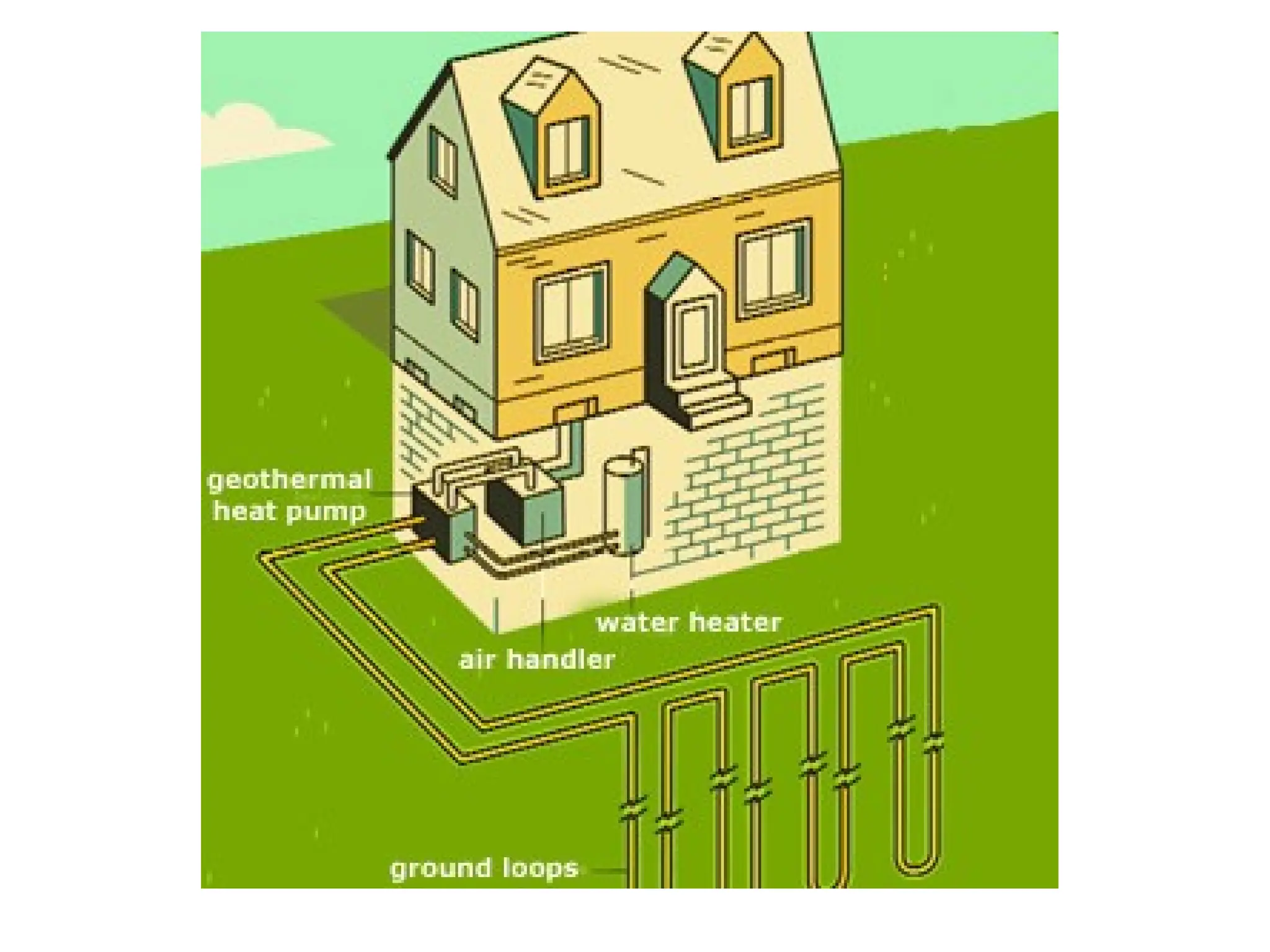
Low Temp: Use of groundwater, Which
is 55 F year round.
Deep wells (over 100 feet) are dug,
and groundwater is used as a heat
source in winter, and as a coolant
in summer.
Initial costs are higher, but cost to run is
much lower, and uses little fuel.
Outlook: excellent, low temp geothermal
is becoming much cheaper to install,
and the technology is already in place
for it to become successful.
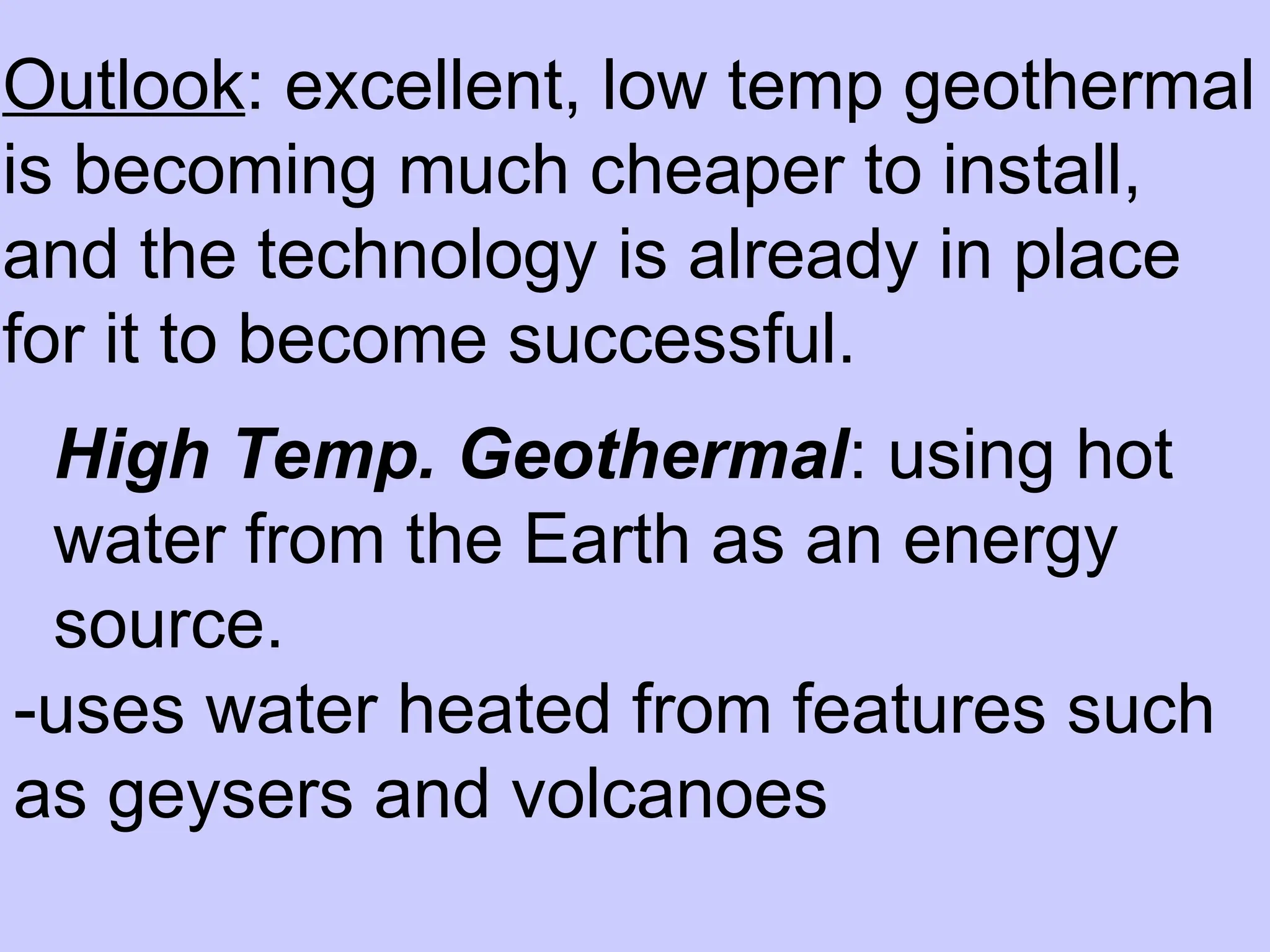
High Temp. Geothermal: using hot
water from the Earth as an energy
source.
-uses water heated from features such
as geysers and volcanoes
-direct heating of buildings, as well
as electricity generation.
-steam generated within volcanic areas
is used to turn turbines, which generate
electricity.
Outlook: Limited, because areas with
enough volcanic activity are not
widespread.
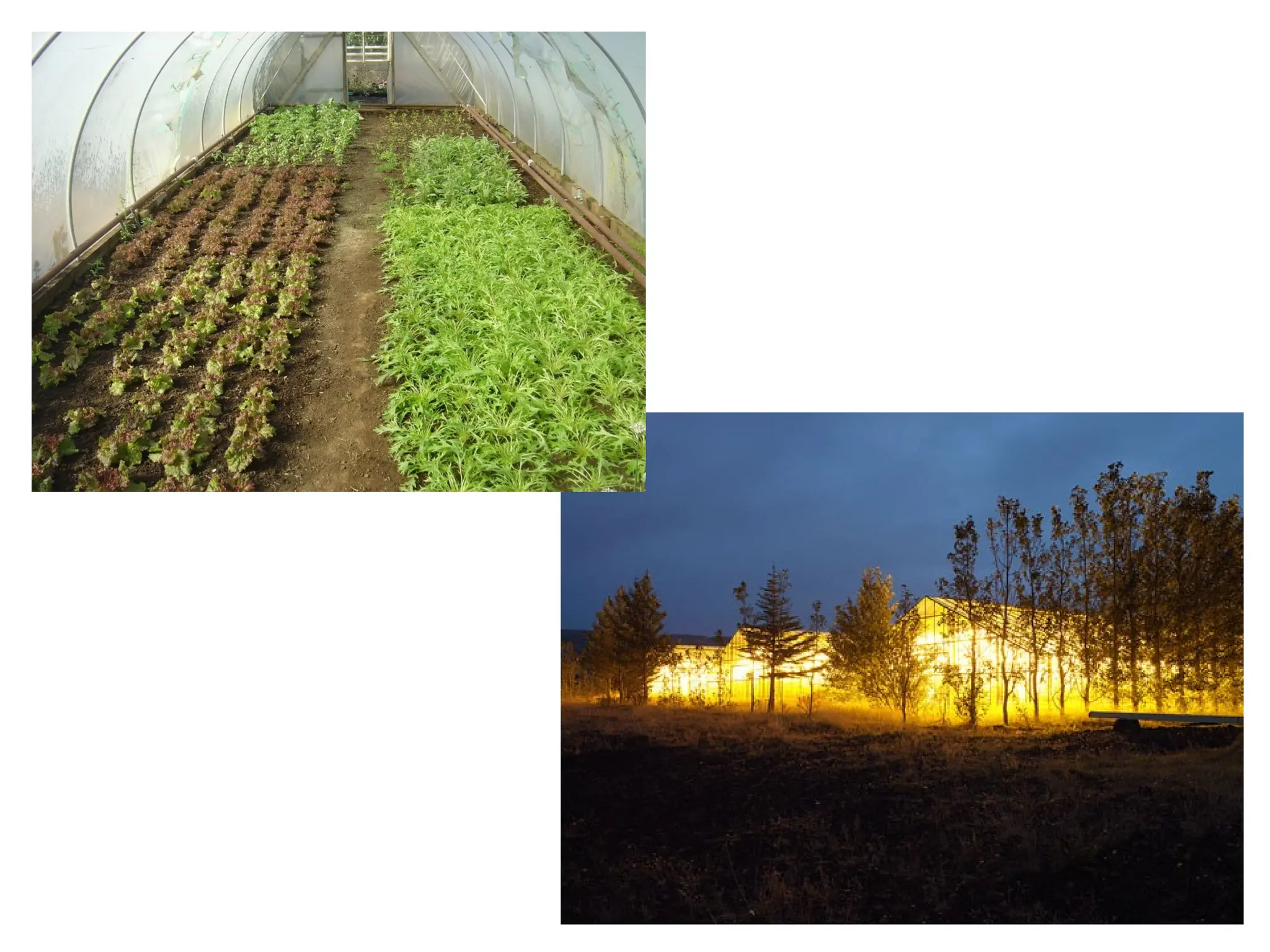
Great success in areas where geothermal
activity is high (Iceland, California)
Bath, England, with its natural hot springs,
is the site of an elaborate Roman public
bath built in the first century
People bathing in Blue Lagoon near
Grindavik, Iceland
2) Renewable Energy Sources
-Solar power
-Wind power
-Hydropower
-Ocean currents/tidal
-Biomass energy
Solar Energy
The amount of incoming solar energy
is immense.
-in 10 weeks, the amount of incoming
solar energy would equal the energy
of all known fossil fuel reserves.
-Distribution is variable, due to
climate,location on Earth, etc…
Passive vs. Active Solar Energy
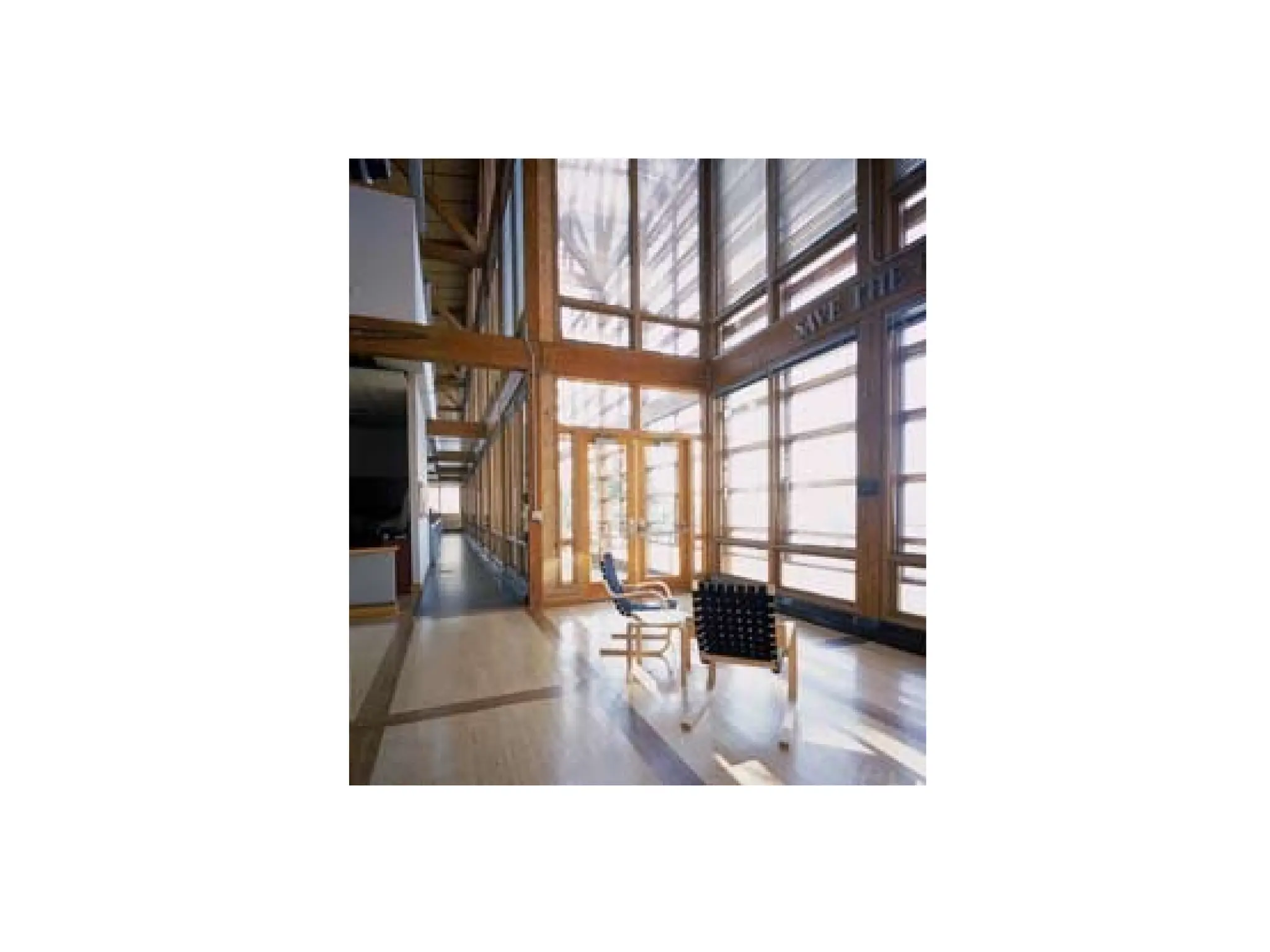
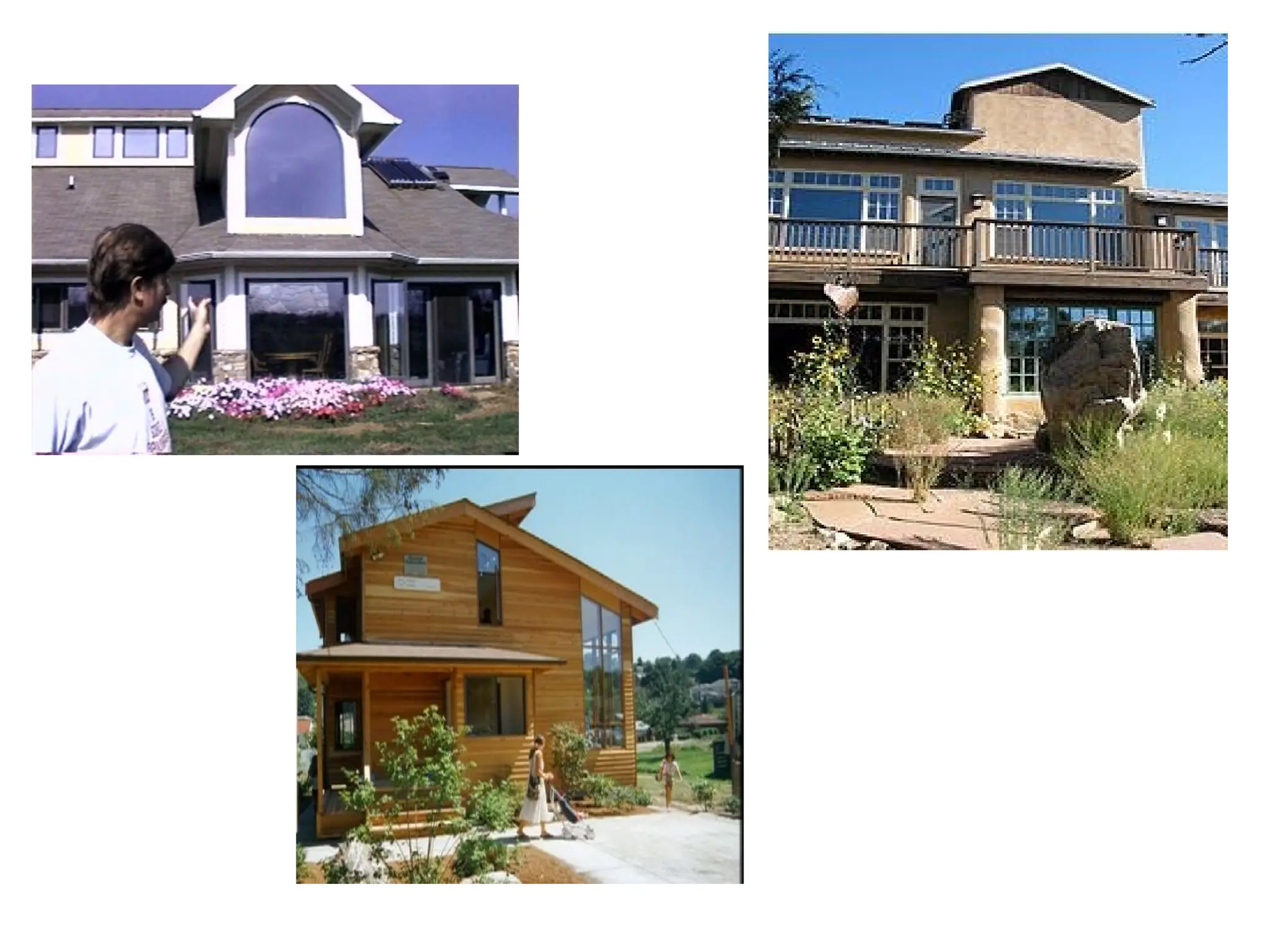
-Passive solar energy collection most
often involves the design of buildings,
etc., to maximize the collection of
Suns energy. No energy is spent.
-Orientation of building to face south
-Glass walls to collect sunlight
-“Thermal Mass” to hold warmth
(brick/stone walls, beds of stone)
-Active solar collection requires energy
to run pumps for circulation of water or
air, or to move collectors orientation to
follow the sun.
-water/air filled solar panels, with pumps
to move heat to where it is needed.
-The Luz Solar Electric generation system
uses heated oil to generate steam, which
then generates electricity in a turbine.
Located in the Mojave Desert, U.S.
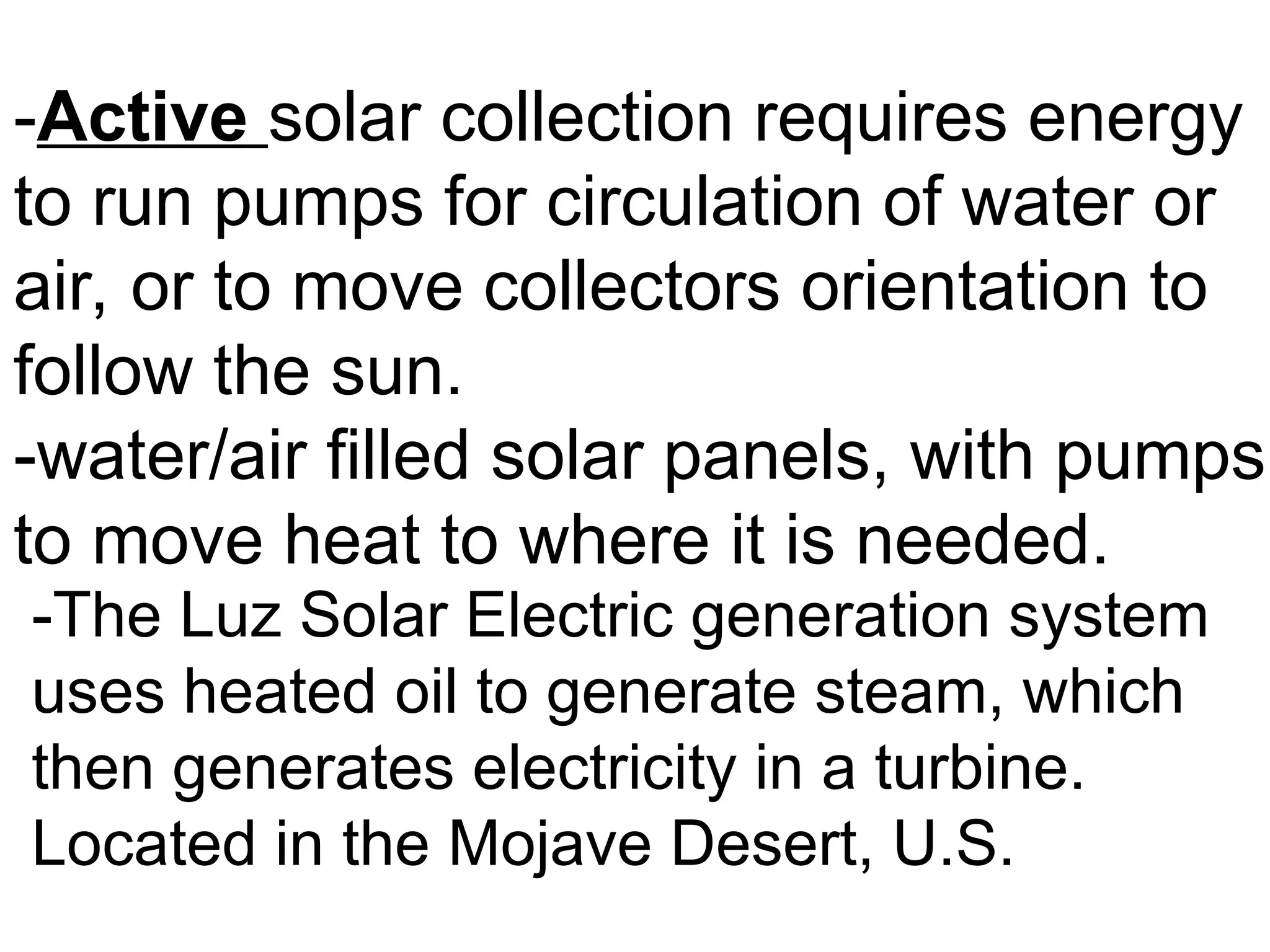
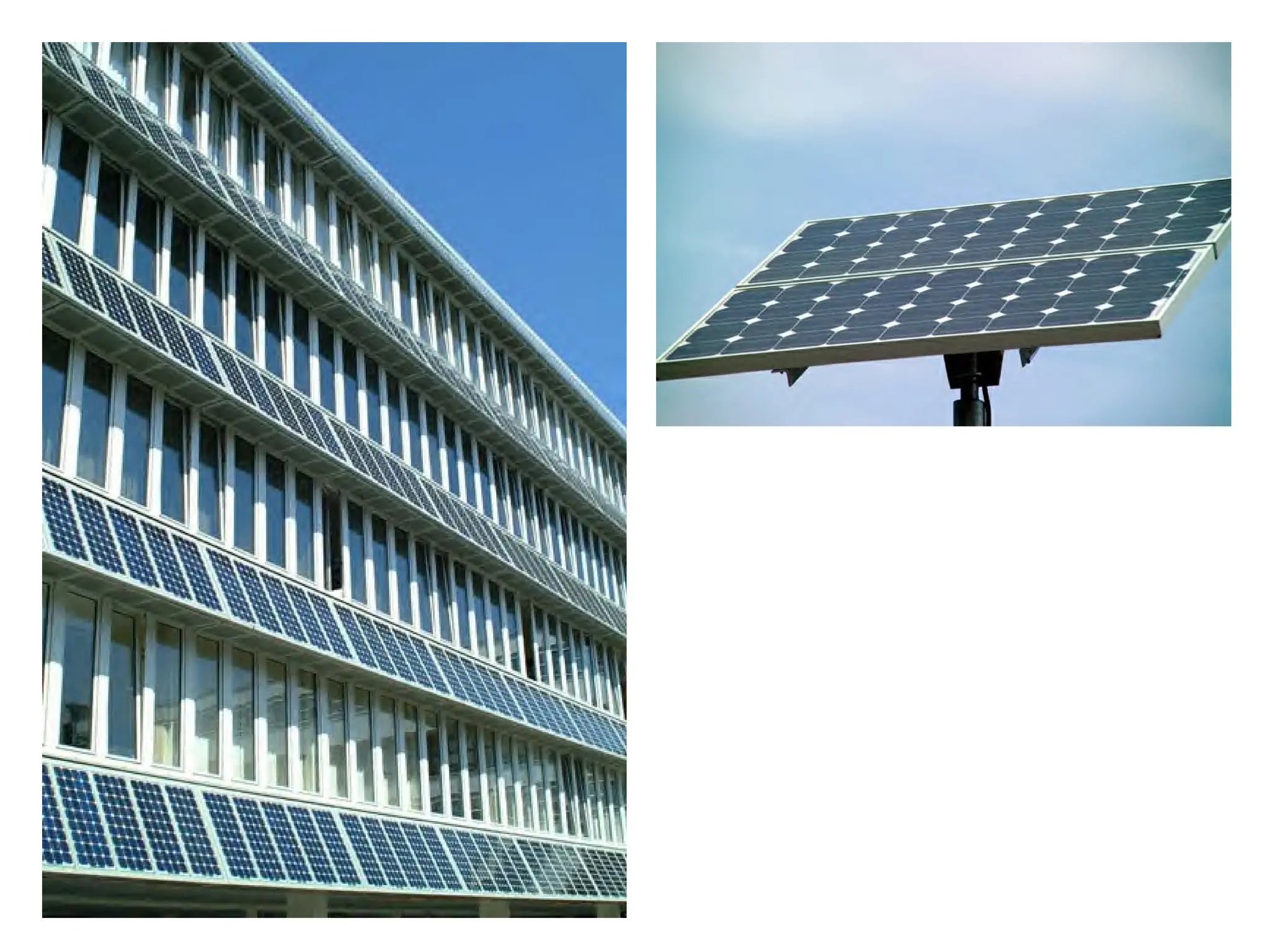
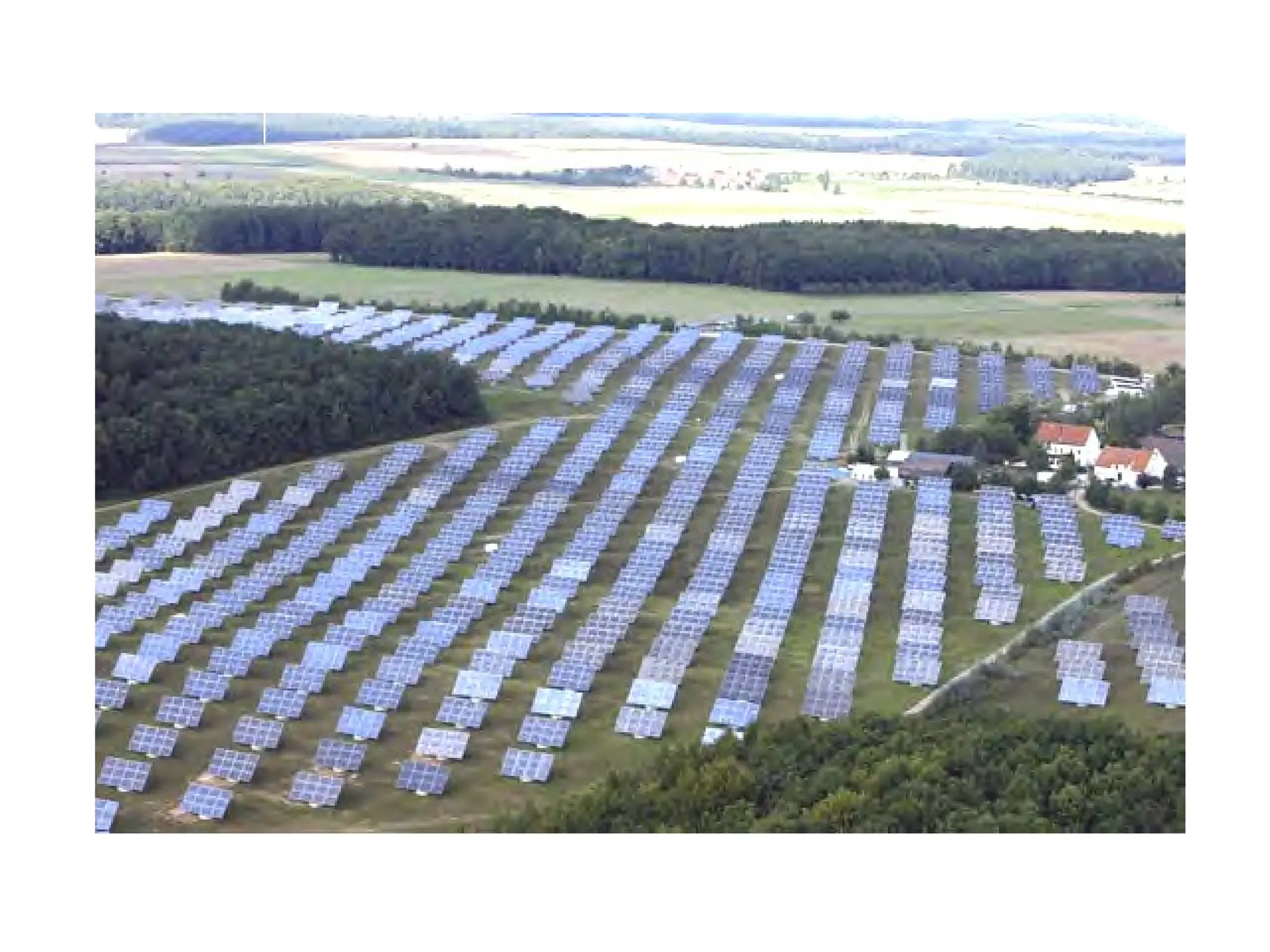
The Luz Solar Electric Generation System
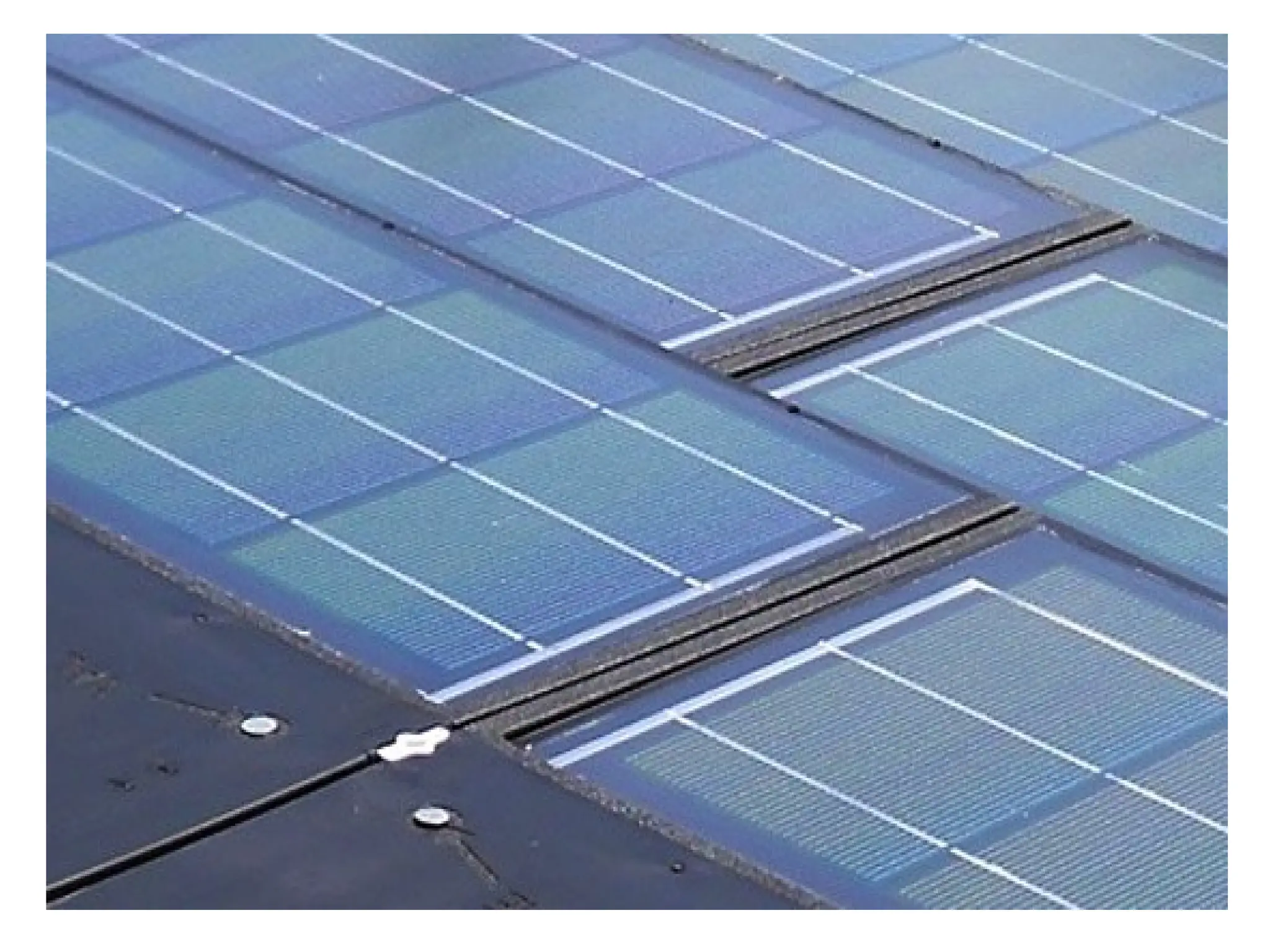
Photovoltaic Solar:
Electricity is created directly from special solar
panels.
Hydrogen Power:
Hydrogen has the potential to be the
argest energy source of all.
Clean Burning (only water as exhaust!)
nexhaustible supply, which is recycled
No fancy new drilling technology needed!
Ways to create Hydrogen Gas
1) Electrolysis: breaking water into Hydrogen and
Oxygen using electricity.
-uses lots of power to accomplish
-if harnessed to solar geothermal or wind power,
the Hydrogen could be free.(Iceland is banking on it!)
2) Stripping Methane of Hydrogen: using steam t
remove the 4 hydrogen atoms from CH4.
-still uses a fossil fuel, and releases Carbon
Dioxide gas in the process.
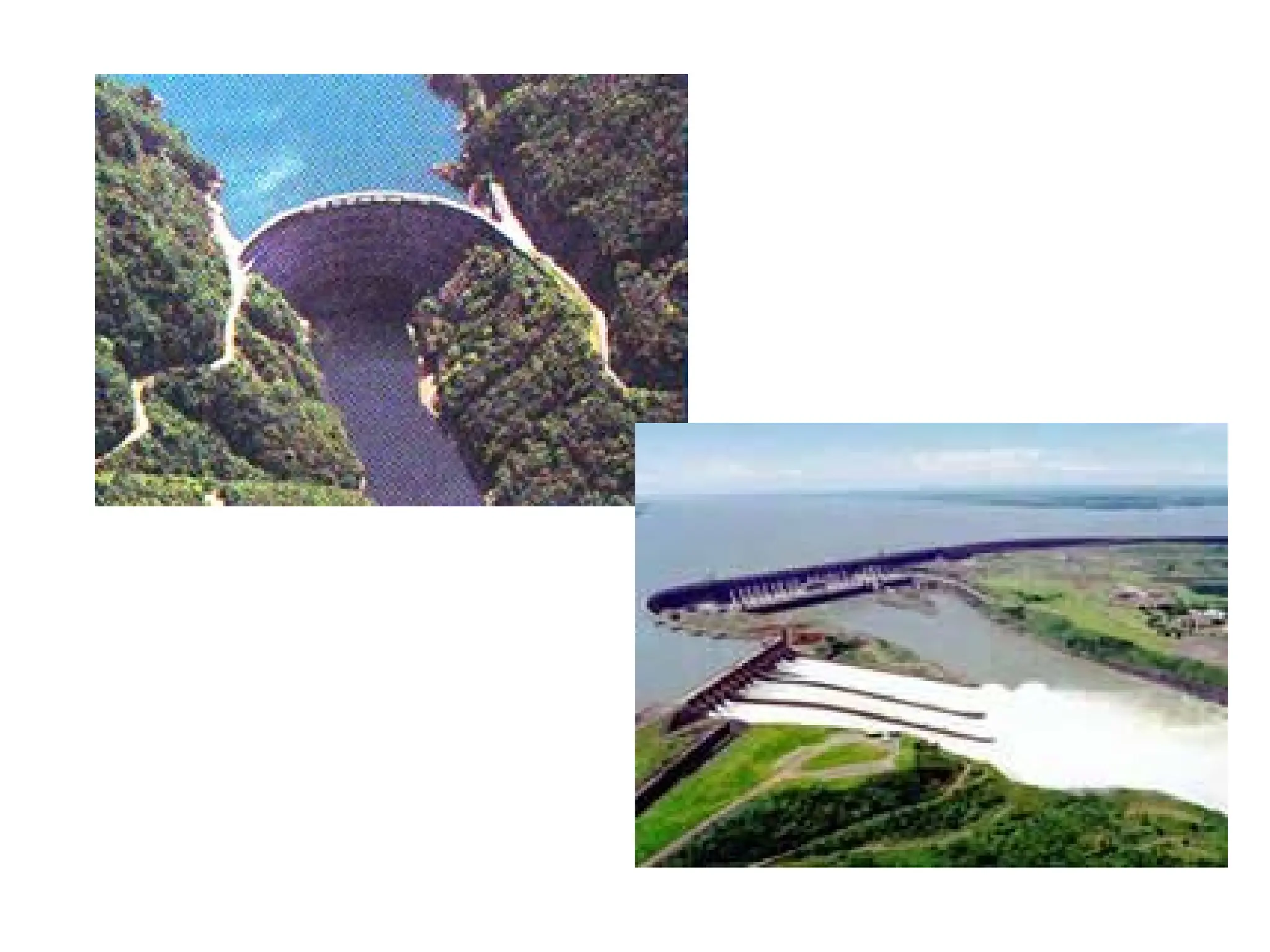
Water Power: Hydro-power is a good
alternative energy source, because
it is essentially unlimited.
-Direct hydro-power: using moving
water to turn machinery, such as a mill.
-Hydro-electric power: using the power
of water to turn an electric generator,
such as in a dam.
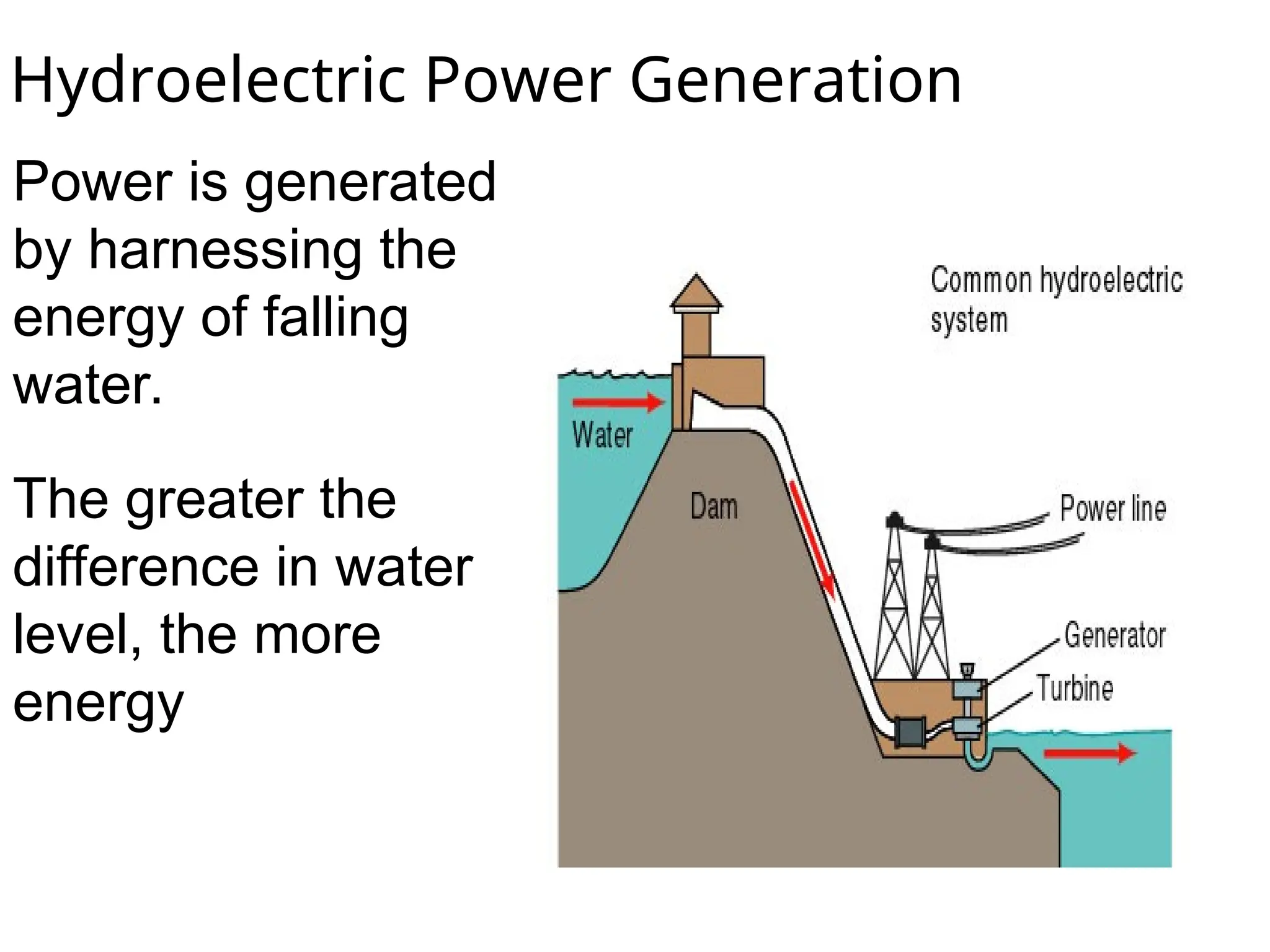
Hydroelectric Power Generation
Power is generated
by harnessing the
energy of falling
water.
The greater the
difference in water
level, the more
energy
Outlook for Hydropower: The outlook
is generally good for hydro-power,
although there are a few drawbacks.
Dams prevent the migration of fish,
and also prevent the natural flows of
rivers, causing sedimentation behind
the dam.
Water level
Original Level of Sediment
New level of Sediment
Dam
Water Flow
Tidal/Current Power: generation of
electricity from movement of ocean
tides or currents.
Rising tides are trapped behind a dam,
then released to turn a generator.
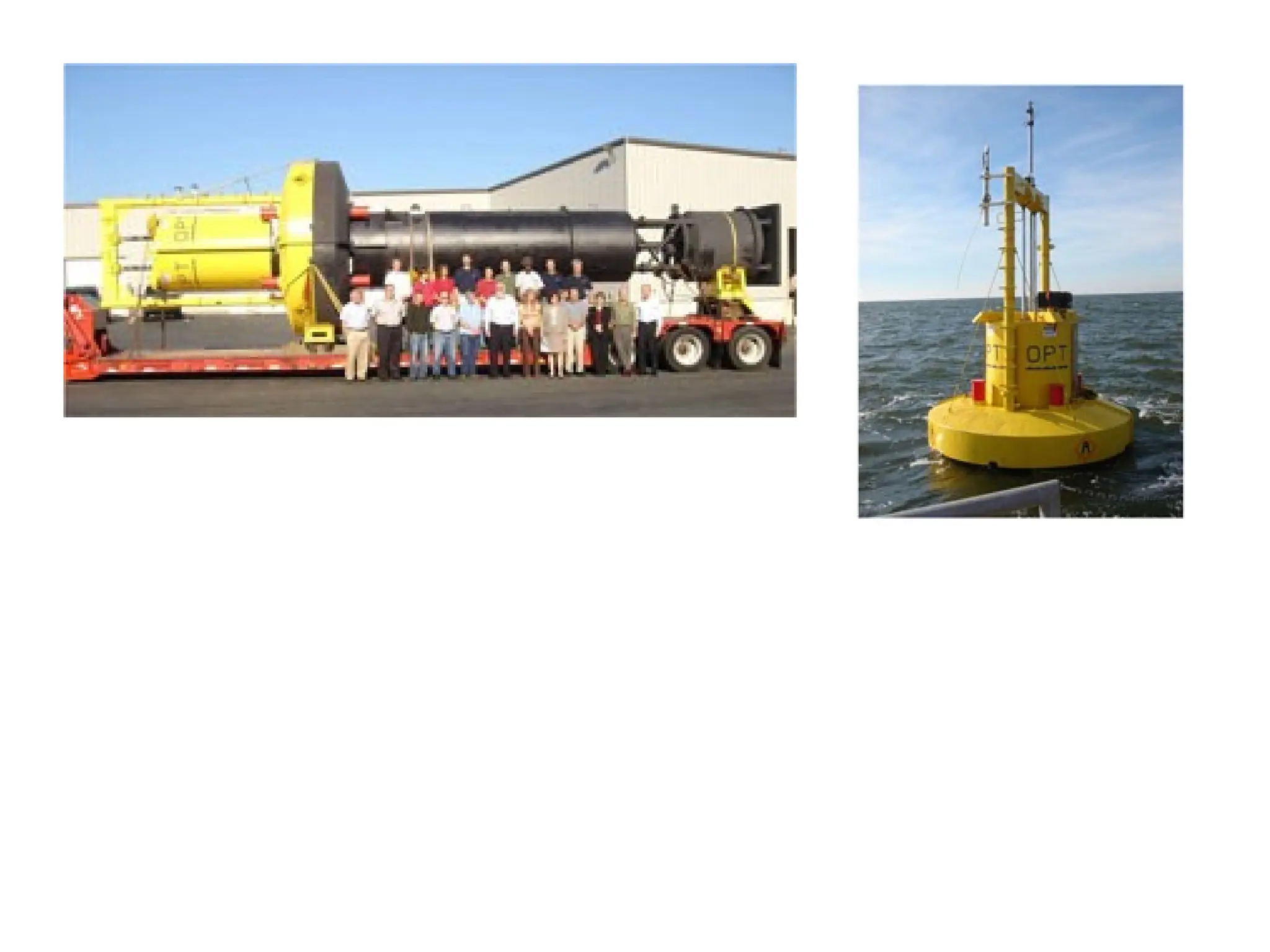
Also some work on ocean buoys that
harness the movement of water to
generate electricity.
Outlook: Generally good, but tidal
energy can only be used in areas
where tides are of sufficient height
to warrant an electrical station.
High costs may be associated.
Offshore buoys would need electrical
transmission lines along the ocean
floor.
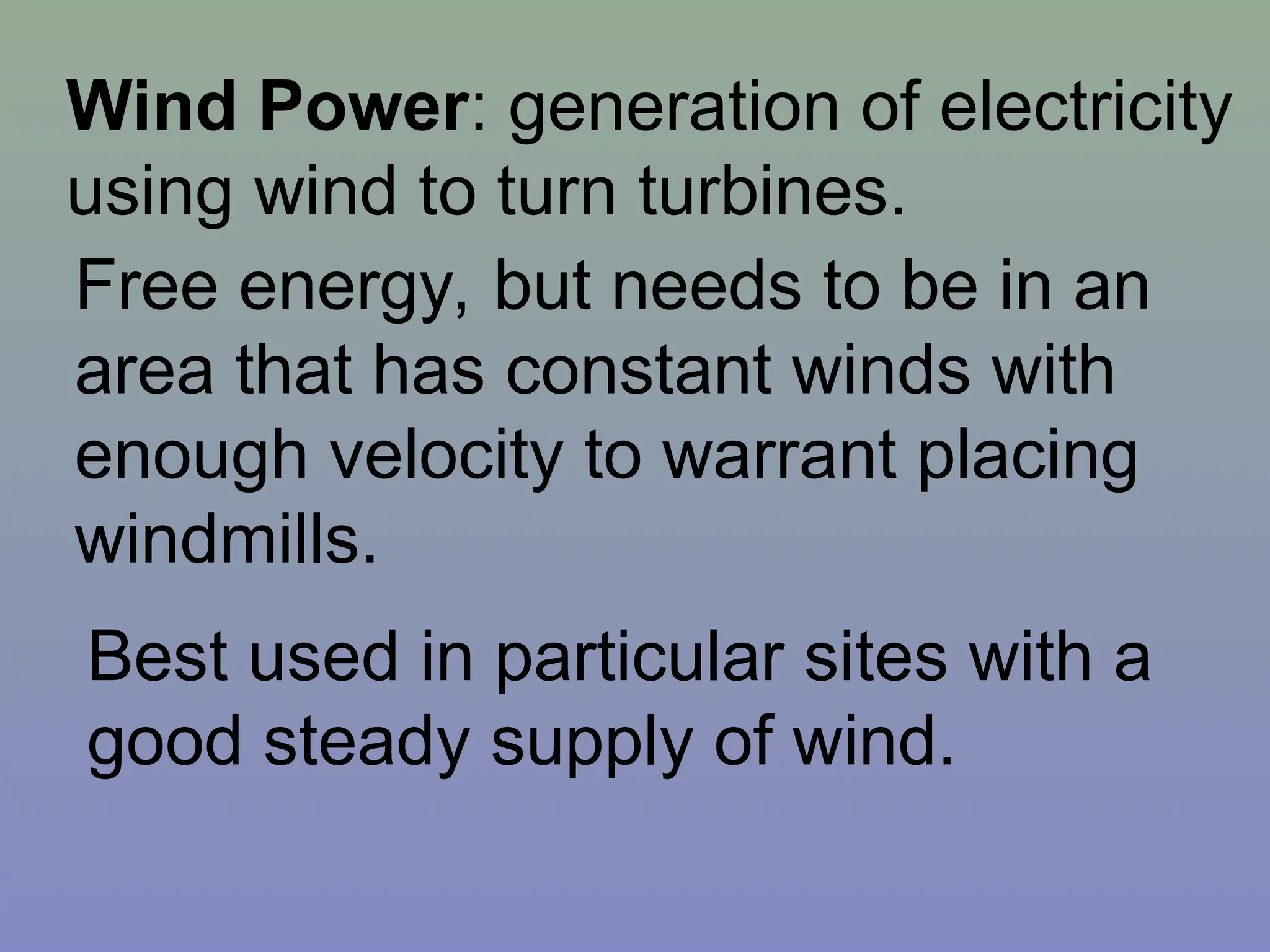
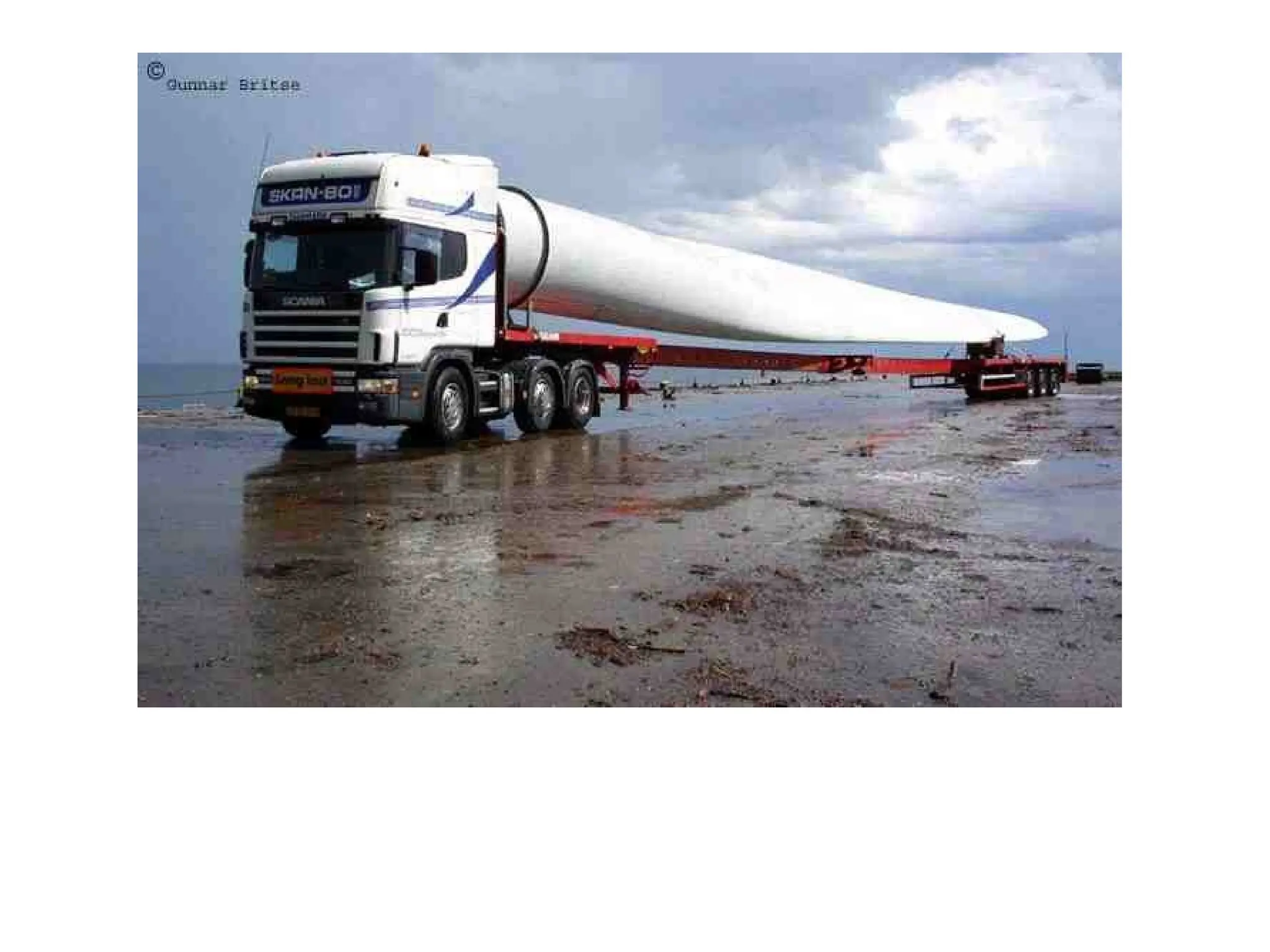
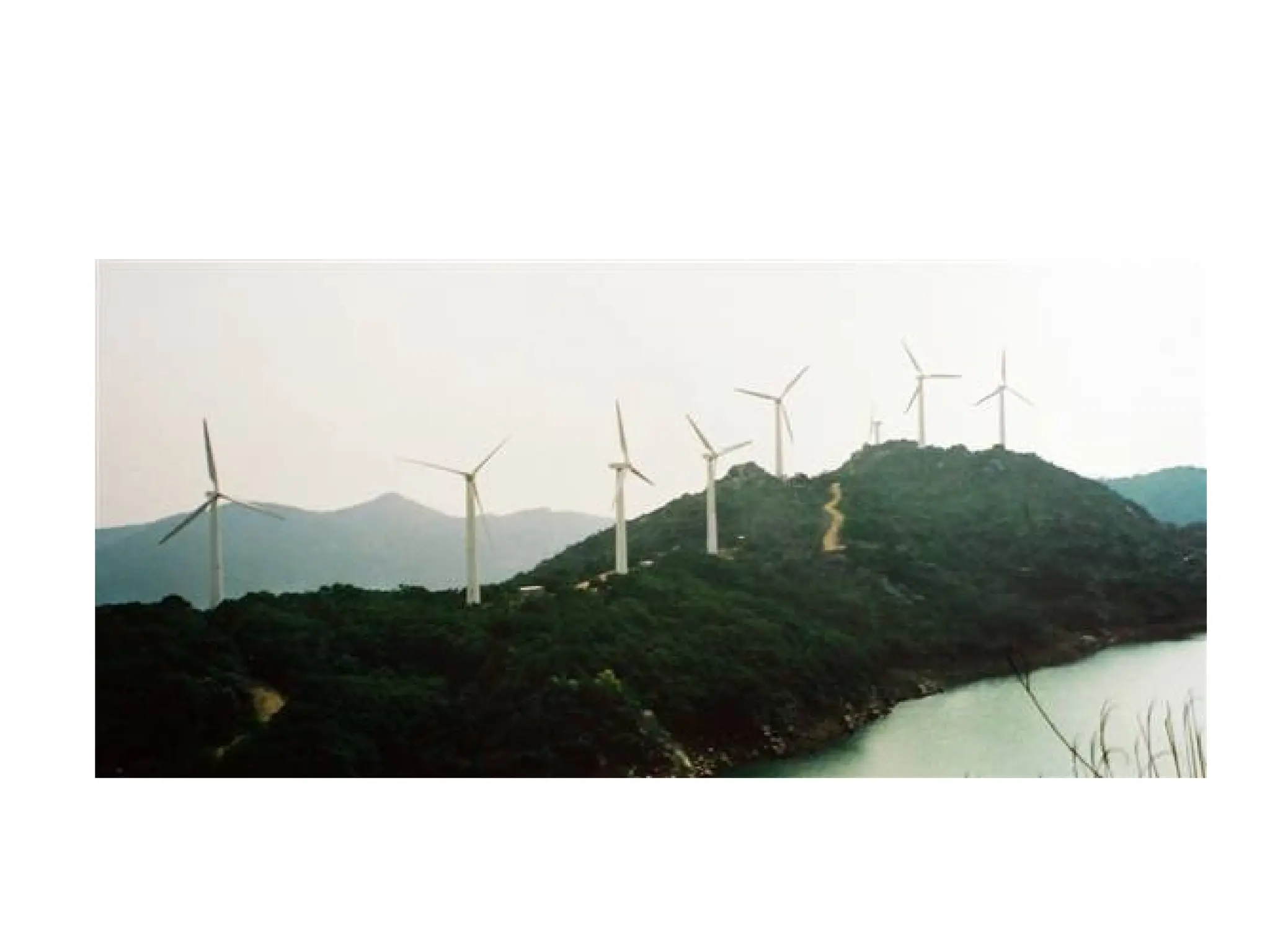
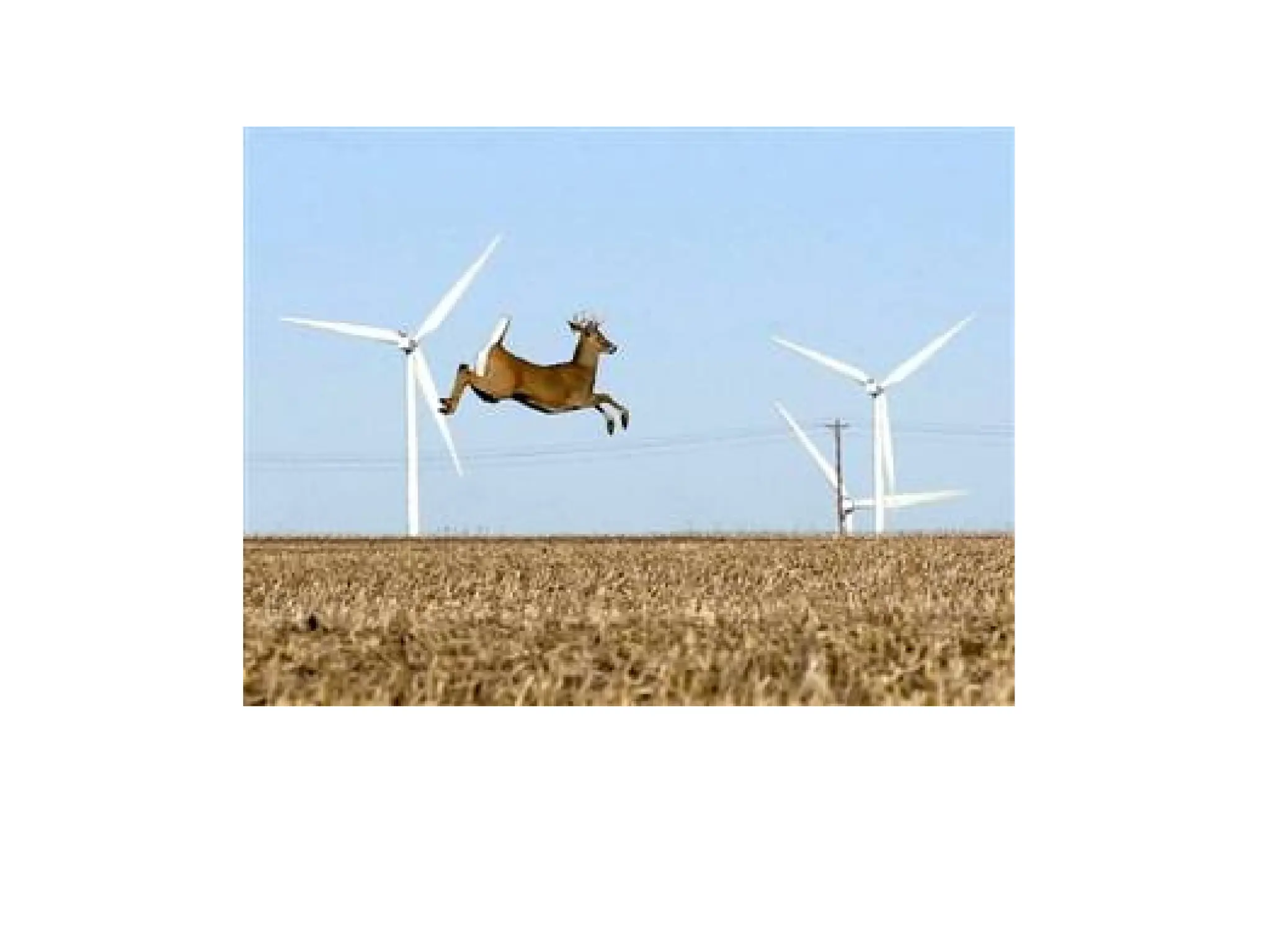
Wind Power: generation of electricity
using wind to turn turbines.
Free energy, but needs to be in an
area that has constant winds with
enough velocity to warrant placing
windmills.
Best used in particular sites with a
good steady supply of wind.
Outlook: Wind power will continue to
grow, but in limited areas. Some
disadvantages and concerns exist.
Windmills kill birds, and interfere with
migratory patterns.
Large windmill farms take up large
areas of land.
Windmills also produce noise, which
may be objectionable.
Biomass Energy: energy from organic
matter.
Probably the first source of energy for
man, this energy is renewable and
abundant.
Already in use in many places, such as
sugar plantations and saw mills.
Also includes the burning of urban
waste, in “trash to steam” plants.
Outlook: Biomass fuel will continue
to be a large part of the alternative
energy picture. However:
Environmental degradation can and will
occur if the biomass is not harvested in
a renewable manner.
Burning biomass causes pollution,
especially air pollution, and leaves ash
behind. The ash can be very toxic.
Will the energy future include
fossil fuels?
-There are a few “new” sources of fossil
fuels which may play a role in the future.
-They are still NON-RENEWABLE.
-They still cause pollution (in varying
amounts)
But there is a potential for LOTS of energy!
Oil Shale and Tar Sands
Deposits of sedimentary rock containing
ignificant amounts of petroleum.
Oil Shale: yields as high as 14 gal
per ton of rock, 3 trillion barrels total
(2/3 of which are in the U.S.)
Tar Sands: Known reserves in Canada
of 2 trillion barrels.
Problems with Oil Shale and Tar Sands
Both require extensive mining operations to
be carried out. Some in protected areas.
Disposal of mine tailings/overburden
(20-30%larger in volume than original rock.
Possibility of acid mine drainage and runoff
Outlook: uncertain, at least until other possibilitie
are explored,and prices enable mining and
proper reclamation of mined areas.
Methane Hydrates
White, ice-like compound consisting of
Methane (CH4) and water.
A potential source of energy, as large as
twice the known reserves of gas, oil, and
coal COMBINED.
Found in very deep ocean sediments (over
1000 feet in depth)
Outlook:
Drilling technology has not caught up, and
until it does, it is not possible to drill.
Methods to capture and transport the gas
will be necessary.
Higher gas prices will be needed to support
he large expense of exploration and drilling
The Future of Alternative Energy
Alternative energy sources will play
larger roles in the future, but each
needs to be utilized in a manner which
damages the environment as little as
possible.
Energy sources will need to be mixed,
to use them to their maximum potential.
Alternative and Renewable Energy Technology.ppt

  • 1.
    Alternative Energy Sources 90%of the energy used today is in the form of fossil fuels. Forms of energy OTHER than fossil fuels are termed “alternative” energy sources.
  • 2.
    Alternative energy sourcescan be divided into two main categories. 1)Non-renewable energy sources -nuclear power -geothermal power
  • 3.
    Geothermal Energy: heatenergy from the Earth -the conversion of natural heat from the Earth’s interior to heat buildings and generate electricity. -considered a non-renewable source when extraction rates are greater than supply.
  • 4.
    High vs. Lowtemp Geothermal Low Temp: Use of groundwater, Which is 55 F year round. Deep wells (over 100 feet) are dug, and groundwater is used as a heat source in winter, and as a coolant in summer. Initial costs are higher, but cost to run is much lower, and uses little fuel.
  • 7.
    Outlook: excellent, lowtemp geothermal is becoming much cheaper to install, and the technology is already in place for it to become successful. High Temp. Geothermal: using hot water from the Earth as an energy source. -uses water heated from features such as geysers and volcanoes
  • 10.
    -direct heating ofbuildings, as well as electricity generation. -steam generated within volcanic areas is used to turn turbines, which generate electricity. Outlook: Limited, because areas with enough volcanic activity are not widespread. Great success in areas where geothermal activity is high (Iceland, California)
  • 11.
    Bath, England, withits natural hot springs, is the site of an elaborate Roman public bath built in the first century
  • 12.
    People bathing inBlue Lagoon near Grindavik, Iceland
  • 14.
    2) Renewable EnergySources -Solar power -Wind power -Hydropower -Ocean currents/tidal -Biomass energy
  • 15.
    Solar Energy The amountof incoming solar energy is immense. -in 10 weeks, the amount of incoming solar energy would equal the energy of all known fossil fuel reserves. -Distribution is variable, due to climate,location on Earth, etc…
  • 16.
    Passive vs. ActiveSolar Energy -Passive solar energy collection most often involves the design of buildings, etc., to maximize the collection of Suns energy. No energy is spent. -Orientation of building to face south -Glass walls to collect sunlight -“Thermal Mass” to hold warmth (brick/stone walls, beds of stone)
  • 20.
    -Active solar collectionrequires energy to run pumps for circulation of water or air, or to move collectors orientation to follow the sun. -water/air filled solar panels, with pumps to move heat to where it is needed. -The Luz Solar Electric generation system uses heated oil to generate steam, which then generates electricity in a turbine. Located in the Mojave Desert, U.S.
  • 21.
    The Luz SolarElectric Generation System
  • 25.
    Photovoltaic Solar: Electricity iscreated directly from special solar panels.
  • 31.
    Hydrogen Power: Hydrogen hasthe potential to be the argest energy source of all. Clean Burning (only water as exhaust!) nexhaustible supply, which is recycled No fancy new drilling technology needed!
  • 32.
    Ways to createHydrogen Gas 1) Electrolysis: breaking water into Hydrogen and Oxygen using electricity. -uses lots of power to accomplish -if harnessed to solar geothermal or wind power, the Hydrogen could be free.(Iceland is banking on it!) 2) Stripping Methane of Hydrogen: using steam t remove the 4 hydrogen atoms from CH4. -still uses a fossil fuel, and releases Carbon Dioxide gas in the process.
  • 33.
    Water Power: Hydro-poweris a good alternative energy source, because it is essentially unlimited. -Direct hydro-power: using moving water to turn machinery, such as a mill. -Hydro-electric power: using the power of water to turn an electric generator, such as in a dam.
  • 35.
    Hydroelectric Power Generation Poweris generated by harnessing the energy of falling water. The greater the difference in water level, the more energy
  • 37.
    Outlook for Hydropower:The outlook is generally good for hydro-power, although there are a few drawbacks. Dams prevent the migration of fish, and also prevent the natural flows of rivers, causing sedimentation behind the dam.
  • 38.
    Water level Original Levelof Sediment New level of Sediment Dam Water Flow
  • 39.
    Tidal/Current Power: generationof electricity from movement of ocean tides or currents. Rising tides are trapped behind a dam, then released to turn a generator. Also some work on ocean buoys that harness the movement of water to generate electricity.
  • 45.
    Outlook: Generally good,but tidal energy can only be used in areas where tides are of sufficient height to warrant an electrical station. High costs may be associated. Offshore buoys would need electrical transmission lines along the ocean floor.
  • 46.
    Wind Power: generationof electricity using wind to turn turbines. Free energy, but needs to be in an area that has constant winds with enough velocity to warrant placing windmills. Best used in particular sites with a good steady supply of wind.
  • 50.
    Outlook: Wind powerwill continue to grow, but in limited areas. Some disadvantages and concerns exist. Windmills kill birds, and interfere with migratory patterns. Large windmill farms take up large areas of land. Windmills also produce noise, which may be objectionable.
  • 52.
    Biomass Energy: energyfrom organic matter. Probably the first source of energy for man, this energy is renewable and abundant. Already in use in many places, such as sugar plantations and saw mills. Also includes the burning of urban waste, in “trash to steam” plants.
  • 53.
    Outlook: Biomass fuelwill continue to be a large part of the alternative energy picture. However: Environmental degradation can and will occur if the biomass is not harvested in a renewable manner. Burning biomass causes pollution, especially air pollution, and leaves ash behind. The ash can be very toxic.
  • 54.
    Will the energyfuture include fossil fuels? -There are a few “new” sources of fossil fuels which may play a role in the future. -They are still NON-RENEWABLE. -They still cause pollution (in varying amounts) But there is a potential for LOTS of energy!
  • 55.
    Oil Shale andTar Sands Deposits of sedimentary rock containing ignificant amounts of petroleum. Oil Shale: yields as high as 14 gal per ton of rock, 3 trillion barrels total (2/3 of which are in the U.S.) Tar Sands: Known reserves in Canada of 2 trillion barrels.
  • 56.
    Problems with OilShale and Tar Sands Both require extensive mining operations to be carried out. Some in protected areas. Disposal of mine tailings/overburden (20-30%larger in volume than original rock. Possibility of acid mine drainage and runoff Outlook: uncertain, at least until other possibilitie are explored,and prices enable mining and proper reclamation of mined areas.
  • 57.
    Methane Hydrates White, ice-likecompound consisting of Methane (CH4) and water. A potential source of energy, as large as twice the known reserves of gas, oil, and coal COMBINED. Found in very deep ocean sediments (over 1000 feet in depth)
  • 58.
    Outlook: Drilling technology hasnot caught up, and until it does, it is not possible to drill. Methods to capture and transport the gas will be necessary. Higher gas prices will be needed to support he large expense of exploration and drilling
  • 59.
    The Future ofAlternative Energy Alternative energy sources will play larger roles in the future, but each needs to be utilized in a manner which damages the environment as little as possible. Energy sources will need to be mixed, to use them to their maximum potential.