ISSN 0149-5992
THE JOURNAL OF CLINICAL AND APPLIED RESEARCH AND EDUCATION
WWW.DIABETES.ORG/DIABETESCARE	 JANUARY 2017
VOLUME 40 | SUPPLEMENT 1
A M E R I C A N D I A B E T E S A S S O C I AT I O N
STANDARDS OF
MEDICAL CARE
IN DIABETES—2017
SU
PPLE ME
N
T
1
American Diabetes Association
Standards of
Medical Care in
Diabetesd2017
[T]he simple word Care may suffice to express [the journal’s] philosophical
mission. The new journal is designed to promote better patient care by
serving the expanded needs of all health professionals committed to the care
of patients with diabetes. As such, the American Diabetes Association views
Diabetes Care as a reaffirmation of Francis Weld Peabody’s contention that
“the secret of the care of the patient is in caring for the patient.”
—Norbert Freinkel, Diabetes Care, January-February 1978
EDITOR IN CHIEF
William T. Cefalu, MD
ASSOCIATE EDITORS
George Bakris, MD
Lawrence Blonde, MD, FACP
Andrew J.M. Boulton, MD
David D’Alessio, MD
Mary de Groot, PhD
Eddie L. Greene, MD
Frank B. Hu, MD, MPH, PhD
Steven E. Kahn, MB, ChB
Derek LeRoith, MD, PhD
Robert G. Moses, MD
Stephen Rich, PhD
Matthew C. Riddle, MD
Julio Rosenstock, MD
William V. Tamborlane, MD
Katie Weinger, EdD, RN
Judith Wylie-Rosett, EdD, RD
EDITORIAL BOARD
Nicola Abate, MD
Vanita R. Aroda, MD
Geremia Bolli, MD
John B. Buse, MD, PhD
Robert J. Chilton, DO, FACC, FAHA
Kenneth Cusi, MD, FACP, FACE
Paresh Dandona, MD, PhD
J. Hans DeVries, MD, PhD
Ele Ferrannini, MD
Franco Folli, MD, PhD
Meredith A. Hawkins, MD, MS
Richard Hellman, MD
Norbett Hermanns, PhD, MSc
George S. Jeha, MD
Irl B. Hirsch, MD, MACP
Lee M. Kaplan, MD, PhD
M. Sue Kirkman, MD
Ildiko Lingvay, MD, MPH, MSCS
Harold David McIntyre, MD, FRACP
Maureen Monaghan, PhD, CDE
Kristen J. Nadeau, MD, MS
Kwame Osei, MD
Kevin A. Peterson, MD, MPH, FRCS(Ed),
FAAFP
Jonathan Q. Purnell, MD
Peter Reaven, MD
Ravi Retnakaran, MD, MSc, FRCPC
Helena Wachslicht Rodbard, MD
Elizabeth Seaquist, MD
Guntram Schernthaner, MD
David J. Schneider, MD
Norbert Stefan, MD
Jan S. Ulbrecht, MB, BS
Joseph Wolfsdorf, MD, BCh
Tien Yin Wong, MBBS, FRCSE, FRANZCO,
MPH, PhD
Bernard Zinman, CM, MD, FRCPC, FACP
AMERICAN DIABETES ASSOCIATION OFFICERS
CHAIR OF THE BOARD
David A. DeMarco, PhD
PRESIDENT, MEDICINE & SCIENCE
Alvin C. Powers, MD
PRESIDENT, HEALTH CARE & EDUCATION
Brenda Montgomery, RN, MSHS, CDE
SECRETARY/TREASURER
Umesh Verma
CHIEF EXECUTIVE OFFICER
Kevin L. Hagan
January 2017 Volume 40, Supplement 1
The mission of the American Diabetes Association
is to prevent and cure diabetes and to improve
the lives of all people affected by diabetes.
AMERICAN DIABETES ASSOCIATION PERSONNEL AND CONTACTS
VICE PRESIDENT, PUBLISHER
Michael Eisenstein
ASSOCIATE PUBLISHER,
SCHOLARLY JOURNALS
Christian S. Kohler
EDITORIAL OFFICE DIRECTOR
Lyn Reynolds
PEER REVIEW MANAGER
Shannon Potts
EDITORIAL ASSISTANT
Joan Garrett
DIRECTOR, SCHOLARLY JOURNALS
Heather Norton Blackburn
CONTENT PRODUCTION MANAGER
Kelly Newton
EDITORIAL CONTENT MANAGER
Nancy C. Baldino
TECHNICAL EDITORS
Oedipa Rice
Theresa Cooper
ASSOCIATE DIRECTOR, BILLING & COLLECTIONS
Laurie Ann Hall
DIRECTOR, MEMBERSHIP/SUBSCRIPTION
SERVICES
Donald Crowl
SENIOR ADVERTISING MANAGER
Julie DeVoss Graff
jdevoss@diabetes.org
(703) 299-5511
ADVERTISING SALES
PHARMACEUTICAL/DEVICE DIGITAL ADVERTISING
e-Healthcare Solutions
John Burke
Chief Revenue Officer
sales@ehsmail.com
(609) 882-8887, ext. 149
PHARMACEUTICAL/DEVICE PRINT ADVERTISING
The Jackson-Gaeta Group, Inc.
B. Joseph Jackson
joejackson@jacksongaeta.com
Paul Nalbandian
paulnalbandian@jacksongaeta.com
Tina Auletta
tinaauletta@jacksongaeta.com
(973) 403-7677
PRINT ISSN 0149-5992
ONLINE ISSN 1935-5548
PRINTED IN THE USA
Diabetes Care is a journal for the health care practitioner that is intended to
increase knowledge, stimulate research, and promote better management of people
with diabetes. To achieve these goals, the journal publishes original research on
human studies in the following categories: Clinical Care/Education/Nutrition/
Psychosocial Research, Epidemiology/Health Services Research, Emerging
Technologies and Therapeutics, Pathophysiology/Complications, and Cardiovascular
and Metabolic Risk. The journal also publishes ADA statements, consensus reports,
clinically relevant review articles, letters to the editor, and health/medical news or points
of view. Topics covered are of interest to clinically oriented physicians, researchers,
epidemiologists, psychologists, diabetes educators, and other health professionals.
More information about the journal can be found online at care.diabetesjournals.org.
Copyright © 2017 by the American Diabetes Association, Inc. All rights reserved. Printed in
the USA. Requests for permission to reuse content should be sent to Copyright Clearance
Center at www.copyright.com or 222 Rosewood Dr., Danvers, MA 01923; phone: (978)
750-8400; fax: (978) 646-8600. Requests for permission to translate should be sent to
Permissions Editor, American Diabetes Association, at permissions@diabetes.org.
The American Diabetes Association reserves the right to reject any advertisement for
any reason, which need not be disclosed to the party submitting the advertisement.
Commercial reprint orders should be directed to Sheridan Content Services,
(800) 635-7181, ext. 8065.
Single issues of Diabetes Care can be ordered by calling toll-free (800) 232-3472, 8:30 A.M.
to 5:00 P.M. EST, Monday through Friday. Outside the United States, call (703) 549-1500.
Rates: $75 in the United States, $95 in Canada and Mexico, and $125 for all other countries.
Diabetes Care is available online at care.diabetesjournals.org. Please call the
numbers listed above, e-mail membership@diabetes.org, or visit the online journal for
more information about submitting manuscripts, publication charges, ordering reprints,
subscribing to the journal, becoming an ADA member, advertising, permission to reuse
content, and the journal’s publication policies.
Periodicals postage paid at Alexandria, VA, and additional mailing offices.
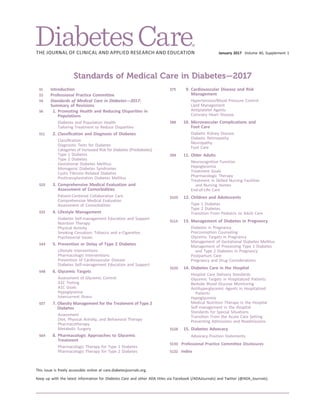
January 2017 Volume 40, Supplement 1
Standards of Medical Care in Diabetes—2017
S1 Introduction
S3 Professional Practice Committee
S4 Standards of Medical Care in Diabetes—2017:
Summary of Revisions
S6 1. Promoting Health and Reducing Disparities in
Populations
Diabetes and Population Health
Tailoring Treatment to Reduce Disparities
S11 2. Classification and Diagnosis of Diabetes
Classification
Diagnostic Tests for Diabetes
Categories of Increased Risk for Diabetes (Prediabetes)
Type 1 Diabetes
Type 2 Diabetes
Gestational Diabetes Mellitus
Monogenic Diabetes Syndromes
Cystic Fibrosis–Related Diabetes
Posttransplantation Diabetes Mellitus
S25 3. Comprehensive Medical Evaluation and
Assessment of Comorbidities
Patient-Centered Collaborative Care
Comprehensive Medical Evaluation
Assessment of Comorbidities
S33 4. Lifestyle Management
Diabetes Self-management Education and Support
Nutrition Therapy
Physical Activity
Smoking Cessation: Tobacco and e-Cigarettes
Psychosocial Issues
S44 5. Prevention or Delay of Type 2 Diabetes
Lifestyle Interventions
Pharmacologic Interventions
Prevention of Cardiovascular Disease
Diabetes Self-management Education and Support
S48 6. Glycemic Targets
Assessment of Glycemic Control
A1C Testing
A1C Goals
Hypoglycemia
Intercurrent Illness
S57 7. Obesity Management for the Treatment of Type 2
Diabetes
Assessment
Diet, Physical Activity, and Behavioral Therapy
Pharmacotherapy
Metabolic Surgery
S64 8. Pharmacologic Approaches to Glycemic
Treatment
Pharmacologic Therapy for Type 1 Diabetes
Pharmacologic Therapy for Type 2 Diabetes
S75 9. Cardiovascular Disease and Risk
Management
Hypertension/Blood Pressure Control
Lipid Management
Antiplatelet Agents
Coronary Heart Disease
S88 10. Microvascular Complications and
Foot Care
Diabetic Kidney Disease
Diabetic Retinopathy
Neuropathy
Foot Care
S99 11. Older Adults
Neurocognitive Function
Hypoglycemia
Treatment Goals
Pharmacologic Therapy
Treatment in Skilled Nursing Facilities
and Nursing Homes
End-of-Life Care
S105 12. Children and Adolescents
Type 1 Diabetes
Type 2 Diabetes
Transition From Pediatric to Adult Care
S114 13. Management of Diabetes in Pregnancy
Diabetes in Pregnancy
Preconception Counseling
Glycemic Targets in Pregnancy
Management of Gestational Diabetes Mellitus
Management of Preexisting Type 1 Diabetes
and Type 2 Diabetes in Pregnancy
Postpartum Care
Pregnancy and Drug Considerations
S120 14. Diabetes Care in the Hospital
Hospital Care Delivery Standards
Glycemic Targets in Hospitalized Patients
Bedside Blood Glucose Monitoring
Antihyperglycemic Agents in Hospitalized
Patients
Hypoglycemia
Medical Nutrition Therapy in the Hospital
Self-management in the Hospital
Standards for Special Situations
Transition From the Acute Care Setting
Preventing Admissions and Readmissions
S128 15. Diabetes Advocacy
Advocacy Position Statements
S130 Professional Practice Committee Disclosures
S132 Index
This issue is freely accessible online at care.diabetesjournals.org.
Keep up with the latest information for Diabetes Care and other ADA titles via Facebook (/ADAJournals) and Twitter (@ADA_Journals).
Introduction
Diabetes Care 2017;40(Suppl. 1):S1–S2 | DOI: 10.2337/dc17-S001
Diabetes is a complex, chronic illness re-
quiring continuous medical care with
multifactorial risk-reduction strategies
beyondglycemic control.Ongoingpatient
self-management education and support
are critical to preventing acute complica-
tions and reducing the risk of long-term
complications. Significant evidence exists
that supports a range of interventions to
improve diabetes outcomes.
The American Diabetes Association’s
(ADA’s) “Standards of Medical Care in Di-
abetes,” referred to as the “Standards of
Care,” is intended to provide clinicians, pa-
tients, researchers, payers, and other in-
terested individuals with the components
of diabetes care, general treatment goals,
and tools to evaluate the quality of care.
The Standards of Care recommendations
are not intended to preclude clinical judg-
ment and must be applied in the context
of excellent clinical care, with adjustments
for individual preferences, comorbidities,
and other patient factors. For more de-
tailed information about management of
diabetes, please refer to Medical Manage-
ment of Type 1 Diabetes (1) and Medical
Management of Type 2 Diabetes (2).
The recommendations include screen-
ing, diagnostic, and therapeutic actions
that are known or believed to favorably
affect health outcomes of patients with di-
abetes. Many of these interventions have
also been shown to be cost-effective (3).
The ADA strives to improve and up-
date the Standards of Care to ensure
that clinicians, health plans, and policy-
makers can continue to rely on them as
the most authoritative and current
guidelines for diabetes care.
ADA STANDARDS, STATEMENTS,
AND REPORTS
The ADA has been actively involved in
the development and dissemination of
diabetes care standards, guidelines, and
related documents for over 25 years.
ADA’s clinical practice recommendations
are viewed as important resources for
health care professionals who care for
people with diabetes. ADA’s Standards
of Care, position statements, and scien-
tific statements undergo a formal review
process by ADA’s Professional Prac-
tice Committee (PPC) and the Board of
Directors. Readers who wish to comment
on the 2017 Standards of Care are invited
to do so at http://professional.diabetes
.org/SOC.
Standards of Care
Standards of Care: ADA position state-
ment that provides key clinical practice
recommendations. The PPC performs an
extensive literature search and updates
the Standards of Care annually based
on the quality of new evidence.
ADA Position Statement
A position statement is an official ADA
point of view or belief that contains clin-
ical or research recommendations. Posi-
tion statements are issued on scientific
or medical issues related to diabetes.
They are published in the ADA journals
and other scientific/medical publica-
tions. ADA position statements are typ-
ically based on a systematic review or
other review of published literature.
Position statements undergo a formal
review process. They are updated every
5 years or as needed.
ADA Scientific Statement
A scientific statement is an official ADA
point of view or belief that may or may
not contain clinical or research recom-
mendations. Scientific statements con-
tain scholarly synopsis of a topic related
to diabetes. Workgroup reports fall into
this category. Scientific statements are
published in the ADA journals and other
scientific/medical publications, as ap-
propriate. Scientific statements also
undergo a formal review process.
Consensus Report
A consensus report contains a compre-
hensive examination by an expert panel
(i.e., consensus panel) of a scientific or
medical issue related to diabetes. A con-
sensus report is not an ADA position and
represents expert opinion only. The cat-
egory may also include task force and
expert committee reports. The need
for a consensus report arises when clini-
cians or scientists desire guidance on a
subject for which the evidence is contra-
dictory or incomplete. A consensus re-
port is developed following a consensus
conference where the controversial issue
is extensively discussed. The report
represents the panel’s collective anal-
ysis, evaluation, and opinion at that
point in time based in part on the con-
ference proceedings. A consensus re-
port does not undergo a formal ADA
review process.
GRADING OF SCIENTIFIC EVIDENCE
Since the ADA first began publishing
practice guidelines, there has been con-
siderable evolution in the evaluation of
scientific evidence and in the develop-
ment of evidence-based guidelines. In
2002, the ADA developed a classification
system to grade the quality of scientific
evidence supporting ADA recommenda-
tions for all new and revised ADA posi-
tion statements. A recent analysis of the
evidence cited in the Standards of Care
found steady improvement in quality
over the past 10 years, with the 2014
Standards of Care for the first time
having the majority of bulleted recom-
mendations supported by A- or B-level
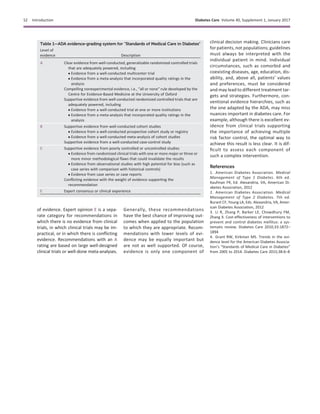
evidence (4). A grading system (Table
1) developed by the ADA and modeled
after existing methods was used to clar-
ify and codify the evidence that forms
the basis for the recommendations. ADA
recommendations are assigned ratings
of A, B, or C, depending on the quality
“Standards of Medical Care in Diabetes” was originally approved in 1988. Most recent review/revision: December 2015.
© 2017 by the American Diabetes Association. Readers may use this article as long as the work is properly cited, the use is educational and not for profit,
and the work is not altered. More information is available at http://www.diabetesjournals.org/content/license.
Diabetes Care Volume 40, Supplement 1, January 2017 S1
INTRODUCTION
of evidence. Expert opinion E is a sepa-
rate category for recommendations in
which there is no evidence from clinical
trials, in which clinical trials may be im-
practical, or in which there is conflicting
evidence. Recommendations with an A
rating are based on large well-designed
clinical trials or well-done meta-analyses.
Generally, these recommendations
have the best chance of improving out-
comes when applied to the population
to which they are appropriate. Recom-
mendations with lower levels of evi-
dence may be equally important but
are not as well supported. Of course,
evidence is only one component of
clinical decision making. Clinicians care
for patients, not populations; guidelines
must always be interpreted with the
individual patient in mind. Individual
circumstances, such as comorbid and
coexisting diseases, age, education, dis-
ability, and, above all, patients’ values
and preferences, must be considered
and may lead to different treatment tar-
gets and strategies. Furthermore, con-
ventional evidence hierarchies, such as
the one adapted by the ADA, may miss
nuances important in diabetes care. For
example, although there is excellent ev-
idence from clinical trials supporting
the importance of achieving multiple
risk factor control, the optimal way to
achieve this result is less clear. It is dif-
ficult to assess each component of
such a complex intervention.
References
1. American Diabetes Association. Medical
Management of Type 1 Diabetes. 6th ed.
Kaufman FR, Ed. Alexandria, VA, American Di-
abetes Association, 2012
2. American Diabetes Association. Medical
Management of Type 2 Diabetes. 7th ed.
Burant CF, Young LA, Eds. Alexandria, VA, Amer-
ican Diabetes Association, 2012
3. Li R, Zhang P, Barker LE, Chowdhury FM,
Zhang X. Cost-effectiveness of interventions to
prevent and control diabetes mellitus: a sys-
tematic review. Diabetes Care 2010;33:1872–
1894
4. Grant RW, Kirkman MS. Trends in the evi-
dence level for the American Diabetes Associa-
tion’s “Standards of Medical Care in Diabetes”
from 2005 to 2014. Diabetes Care 2015;38:6–8
Table 1—ADA evidence-grading system for “Standards of Medical Care in Diabetes”
Level of
evidence Description
A Clear evidence from well-conducted, generalizable randomized controlled trials
that are adequately powered, including
c Evidence from a well-conducted multicenter trial
c Evidence from a meta-analysis that incorporated quality ratings in the
analysis
Compelling nonexperimental evidence, i.e., “all or none” rule developed by the
Centre for Evidence-Based Medicine at the University of Oxford
Supportive evidence from well-conducted randomized controlled trials that are
adequately powered, including
c Evidence from a well-conducted trial at one or more institutions
c Evidence from a meta-analysis that incorporated quality ratings in the
analysis
B Supportive evidence from well-conducted cohort studies
c Evidence from a well-conducted prospective cohort study or registry
c Evidence from a well-conducted meta-analysis of cohort studies
Supportive evidence from a well-conducted case-control study
C Supportive evidence from poorly controlled or uncontrolled studies
c Evidence from randomized clinical trials with one or more major or three or
more minor methodological flaws that could invalidate the results
c Evidence from observational studies with high potential for bias (such as
case series with comparison with historical controls)
c Evidence from case series or case reports
Conflicting evidence with the weight of evidence supporting the
recommendation
E Expert consensus or clinical experience
S2 Introduction Diabetes Care Volume 40, Supplement 1, January 2017
Professional Practice Committee
Diabetes Care 2017;40(Suppl. 1):S3 | DOI: 10.2337/dc17-S002
The Professional Practice Committee
(PPC) of the American Diabetes Asso-
ciation (ADA) is responsible for the
“Standards of Medical Care in Diabetes”
position statement, referred to as the
“Standards of Care.” The PPC is a multi-
disciplinary expert committee com-
prised of physicians, diabetes educators,
registered dietitians, and others who
have expertise in a range of areas, in-
cluding adult and pediatric endocrinol-
ogy, epidemiology, public health, lipid
research, hypertension, preconception
planning, and pregnancy care. Appoint-
ment to the PPC is based on excellence
in clinical practice and research. Although
the primary role of the PPC is to review
and update the Standards of Care, it is
also responsible for overseeing the review
and revision of ADA’s position statements
and scientific statements.
The ADA adheres to the Institute of
Medicine Standards for Developing Trust-
worthy Clinical Practice Guidelines. All
members of the PPC are required to dis-
close potential conflicts of interest with
industry and/or other relevant organiza-
tions. These disclosures are discussed
at the onset of each Standards of Care re-
vision meeting. Members of the commit-
tee, their employer, and their disclosed
conflicts of interest are listed in the
“Professional Practice Committee Disclo-
sures” table (see p. S130).
For the current revision, PPC members
systematically searched MEDLINE for
human studies related to each section
and published since 1 January 2016. Rec-
ommendations were revised based on
new evidence or, in some cases, to clar-
ify the prior recommendation or match
thestrengthofthewordingto thestrength
oftheevidence.Atablelinkingthechanges
in recommendations to new evidence
can be reviewed at http://professional
.diabetes.org/SOC. As for all position
statements, the Standards of Care posi-
tion statement was approved by the
Executive Committee of ADA’s Board
of Directors, which includes health
care professionals, scientists, and lay
people.
Feedback from the larger clinical
community was valuable forthe 2017 re-
vision of the Standards of Care. Readers
who wish to comment on the 2017
Standards of Care are invited to do so at
http://professional.diabetes.org/SOC.
The ADA funds development of the
Standards of Care and all ADA position
statements out of its general revenues
and does not use industry support for
these purposes. The PPC would like
to thank the following individuals
who provided their expertise in re-
viewing and/or consulting with the
committee: Conor J. Best, MD; William
T. Cefalu, MD; Mary de Groot, PhD;
Gary D. Hack, DDS; Silvio E. Inzucchi,
MD; Meghan Jardine, MS, MBA, RD,
LD, CDE; Victor R. Lavis, MD; Mark E.
Molitch, MD; Antoinette Moran, MD;
Matt Petersen; Sean Petrie; Louis H.
Philipson, MD, PhD; Margaret A.
Powers, PhD, RD, CDE; Desmond
Schatz, MD; Philip R. Schauer, MD;
Sonali N. Thosani, MD; and Guillermo
E. Umpierrez, MD.
Members of the PPC
William H. Herman, MD, MPH (Co-Chair)
RitaR.Kalyani,MD,MHS,FACP(Co-Chair)*
Andrea L. Cherrington, MD, MPH
Donald R. Coustan, MD
Ian de Boer, MD, MS
Robert James Dudl, MD
Hope Feldman, CRNP, FNP-BC
Hermes J. Florez, MD, PhD, MPH*
Suneil Koliwad, MD, PhD*
Melinda Maryniuk, MEd, RD, CDE
Joshua J. Neumiller, PharmD, CDE, FASCP*
Joseph Wolfsdorf, MB, BCh
*Subgroup leaders
ADA Staff
Erika Gebel Berg, PhD
(Corresponding author:
eberg@diabetes.org)
Sheri Colberg-Ochs, PhD
Alicia H. McAuliffe-Fogarty, PhD, CPsychol
Sacha Uelmen, RDN, CDE
Robert E. Ratner, MD, FACP, FACE
© 2017 by the American Diabetes Association. Readers may use this article as long as the work is properly cited, the use is educational and not for profit,
and the work is not altered. More information is available at http://www.diabetesjournals.org/content/license.
Diabetes Care Volume 40, Supplement 1, January 2017 S3
PROFESSIONALPRACTICECOMMITTEE
Standards of Medical Care in Diabetesd2017:
Summary of Revisions
Diabetes Care 2017;40(Suppl. 1):S4–S5 | DOI: 10.2337/dc17-S003
GENERAL CHANGES
In light of the American Diabetes Associa-
tion’s (ADA’s) new position statement on
psychosocial care in the treatment of di-
abetes, the “Standards of Medical Care in
Diabetes,” referred to as the “Standards of
Care,” has been updated to address psy-
chosocial issues in all aspects of care in-
cluding self-management, mental health,
communication, complications, comorbid-
ities, and life-stage considerations.
Although levels of evidence for several
recommendations have been updated,
these changes are not addressed below
as the clinical recommendations have re-
mained the same. Changes in evidence
level from, for example, E to C are not
noted below. The 2017 Standards of
Care contains, in addition to many minor
changes that clarify recommendations or
reflect new evidence, the following more
substantive revisions.
SECTION CHANGES
Section 1. Promoting Health and
Reducing Disparities in Populations
This section was renamed and now fo-
cuses on improving outcomes and re-
ducing disparities in populations with
diabetes.
Recommendations were added to as-
sess patients’ social context as well as
refer to local community resources and
provide self-management support.
Section 2. Classification and Diagnosis
of Diabetes
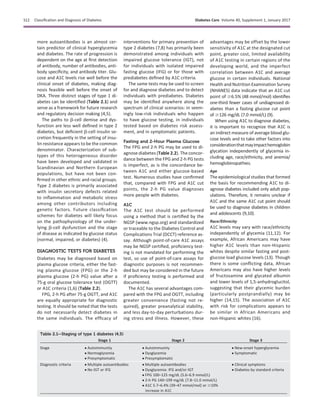
The section was updated to include a
new consensus on the staging of type 1
diabetes (Table 2.1) and a discussion of a
proposed unifying diabetes classification
scheme that focuses on b-cell dysfunc-
tion and disease stage as indicated by
glucose status.
Language was added to clarify screen-
ing and testing for diabetes. Screening
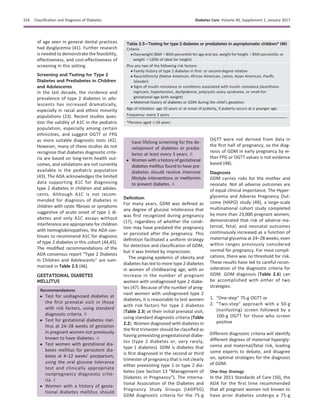
approaches were described, and Fig. 2.1
was included to provide an example of a
validatedtooltoscreenforprediabetesand
previously undiagnosed type 2 diabetes.
Due to recent data, delivering a baby
weighing 9 lb or more is no longer listed
as an independent risk factor for the
development of prediabetes and type 2
diabetes.
A section was added that discusses
recent evidence on screening for diabe-
tes in dental practices.
The recommendation to test women
with gestational diabetes mellitus for
persistent diabetes was changed from
6–12 weeks’ postpartum to 4–12 weeks’
postpartum to allow the test to be sched-
uled just before the standard 6-week post-
partum obstetrical checkup so that the
results can be discussed with the patient
at that time of the visit or to allow the test
to be rescheduled at the visit if the patient
did not get the test.
Additional detail was added to the
section on monogenic diabetes syn-
dromes, and a new table was added (Ta-
ble 2.7) describing the most common
forms of monogenic diabetes.
A new section was added on post-
transplantation diabetes mellitus.
Section 3. Comprehensive Medical
Evaluation and Assessment of
Comorbidities
This new section, including components
of the 2016 section “Foundations of
Care and Comprehensive Medical Eval-
uation,” highlights the importance of
assessing comorbidities in the context
of a patient-centered comprehensive
medical evaluation.
A new discussion of the goals of provider-
patient communication is included.
The Standards of Care now recom-
mends the assessment of sleep pattern
and duration as part of the comprehensive
medical evaluation based on emerging ev-
idence suggesting a relationship between
sleep quality and glycemic control.
An expanded list of diabetes comorbid-
ities now includes autoimmune diseases,
HIV, anxiety disorders, depression, disor-
dered eating behavior, and serious mental
illness.
Section 4. Lifestyle Management
This section, previously entitled “Foun-
dations of Care and Comprehensive
Medical Evaluation,” was refocused on
lifestyle management.
The recommendation for nutrition
therapy in people prescribed flexible in-
sulin therapy was updated to include fat
and protein counting in addition to car-
bohydrate counting for some patients to
reflect evidence that these dietary fac-
tors influence insulin dosing and blood
glucose levels.
Based on new evidence of glycemic
benefits, the Standards of Care now
recommends that prolonged sitting be
interrupted every 30 min with short
bouts of physical activity.
A recommendation was added to
highlight the importance of balance
and flexibility training in older adults.
A new section and table provide infor-
mation on situations that might warrant
referral to a mental health provider.
Section 5. Prevention or Delay of
Type 2 Diabetes
To help providers identify those patients
who would benefit from prevention ef-
forts, new text was added emphasizing
the importance of screening for prediabe-
tes using an assessment tool or informal
assessment of risk factors and performing
a diagnostic test when appropriate.
To reflect new evidence showing an
association between B12 deficiency and
long-term metformin use, a recommen-
dation was added to consider periodic
© 2017 by the American Diabetes Association. Readers may use this article as long as the work is properly cited, the use is educational and not for profit,
and the work is not altered. More information is available at http://www.diabetesjournals.org/content/license.
S4 Diabetes Care Volume 40, Supplement 1, January 2017
SUMMARYOFREVISIONS
measurement of B12 levels and supple-
mentation as needed.
Section 6. Glycemic Targets
Based on recommendations from the In-
ternational Hypoglycaemia Study Group,
serious, clinically significant hypoglycemia
is now defined as glucose ,54 mg/dL
(3.0 mmol/L), while the glucose alert value
is defined as #70 mg/dL (3.9 mmol/L) (Ta-
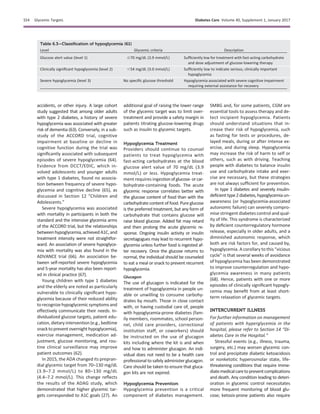
ble6.3).Clinicalimplicationsare discussed.
Section 7. Obesity Management for
the Treatment of Type 2 Diabetes
To be consistent with other ADA position
statements and to reinforce the role of
surgery in the treatment of type 2 diabe-
tes, bariatric surgery is now referred to as
metabolic surgery.
To reflect the results of an international
workgroup report endorsed by the ADA
and many other organizations, recommen-
dations regarding metabolic surgery
have been substantially changed, in-
cluding those related to BMI thresholds
for surgical candidacy (Table 7.1), men-
tal health assessment, and appropriate
surgical venues.
Section 8. Pharmacologic Approaches
to Glycemic Treatment
The title of this section was changed from
“Approaches to Glycemic Treatment” to
“Pharmacologic Approaches to Glycemic
Treatment” to reinforce that the section
focuses on pharmacologic therapy alone.
Lifestyle management and obesity manage-
ment are discussed in separate chapters.
To reflect new evidence showing an as-
sociation between B12 deficiency and long-
term metformin use, a recommendation
was added to consider periodic measure-
ment of B12 levels and supplementation
as needed.
A section was added describing the
role of newly available biosimilar insu-
lins in diabetes care.
Based on the results of two large clin-
ical trials, a recommendation was added
to consider empagliflozin or liraglutide in
patients with established cardiovascular
disease to reduce the risk of mortality.
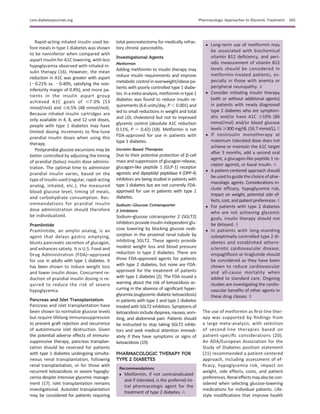
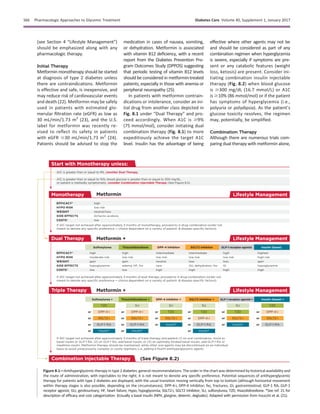
Figure 8.1, antihyperglycemic ther-
apy in type 2 diabetes, was updated to
acknowledge the high cost of insulin.
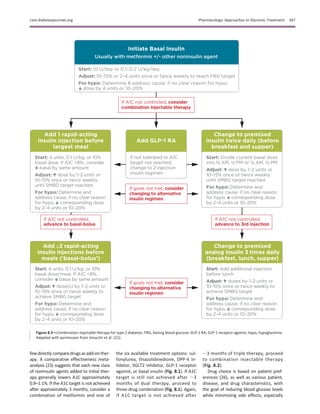
The algorithm for the use of combina-
tion injectable therapy in patients with
type2diabetes(Fig.8.2)hasbeenchanged
to reflect studies demonstrating the non-
inferiority of basal insulin plus glucagon-
likepeptide1receptoragonistversusbasal
insulin plus rapid-acting insulin versus two
daily injections of premixed insulin, as well
as studies demonstrating the noninferior-
ity of multiple dose premixed insulin regi-
mens versus basal-bolus therapy.
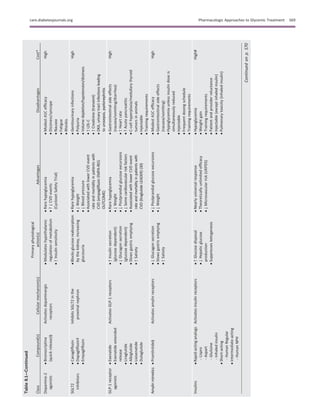
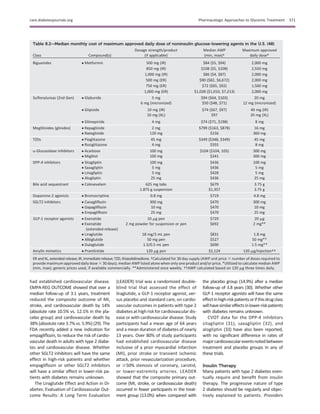
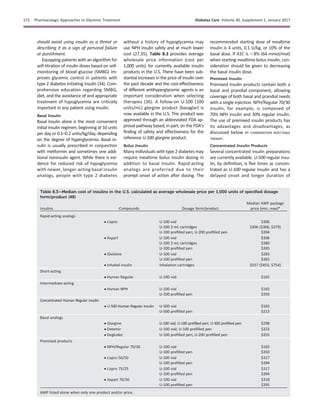
Due toconcernsabout the affordability
of antihyperglycemic agents, new tables
were added showing the median costs of
noninsulin agents (Table 8.2) and insulins
(Table 8.3).
Section 9. Cardiovascular Disease and
Risk Management
To better align with existing data, the hy-
pertension treatment recommendation
for diabetes now suggests that, for pa-
tients without albuminuria, any of the
fourclassesofblood pressure medications
(ACE inhibitors, angiotensin receptor
blockers, thiazide-like diuretics, or dihy-
dropyridine calcium channel blockers)
that have shown beneficial cardiovascular
outcomes may be used.
To optimize maternal health without
risking fetal harm, the recommendation
for the treatment of pregnant patients
with diabetes and chronic hypertension
was changed to suggest a blood pressure
target of 120–160/80–105 mmHg.
Asectionwasaddeddescribingthecardio-
vascular outcome trials that demonstrated
benefits of empagliflozin and liraglutide in
certain high-risk patients with diabetes.
Section 10. Microvascular
Complications and Foot Care
A recommendation was added to high-
light the importance of provider commu-
nication regarding the increased risk of
retinopathy in women with preexisting
type 1 or type 2 diabetes who are plan-
ning pregnancy or who are pregnant.
The section now includes specific rec-
ommendations for the treatment of
neuropathic pain.
A new recommendation highlights
the benefits of specialized therapeutic
footwear for patients at high risk for
foot problems.
Section 12. Children and Adolescents
Additional recommendations highlight
the importance of assessment and re-
ferral for psychosocial issues in youth.
Due to the risk of malformations asso-
ciated with unplanned pregnancies and
poor metabolic control, a new recom-
mendation was added encouraging pre-
conception counseling starting at puberty
for all girls of childbearing potential.
To address diagnostic challenges asso-
ciated with the current obesity epidemic,
a discussion was added about distinguish-
ing between type 1 and type 2 diabetes in
youth.
A section was added describing recent
nonrandomized studies of metabolic sur-
gery for the treatment of obese adoles-
cents with type 2 diabetes.
Section 13. Management of Diabetes
in Pregnancy
Insulin was emphasized as the treatment
of choice in pregnancy based on concerns
about the concentration of metformin on
the fetal side of the placenta and glyburide
levels in cord blood.
Based on available data, preprandial
self-monitoring of blood glucose was
deemphasized in the management of
diabetes in pregnancy.
In the interest of simplicity, fasting and
postprandial targets for pregnant women
with gestational diabetes mellitus and
preexisting diabetes were unified.
Section 14. Diabetes Care in the
Hospital
This section was reorganized for clarity.
A treatment recommendation was up-
dated to clarify that either basal insulin or
basal plus bolus correctional insulin
may be used in the treatment of non-
critically ill patients with diabetes in a
hospital setting, but not sliding scale
alone.
The recommendations for insulin dos-
ing for enteral/parenteral feedings were
expanded to provide greater detail on in-
sulin type, timing, dosage, correctional, and
nutritional considerations.
care.diabetesjournals.org Summary of Revisions S5
1. Promoting Health and Reducing
Disparities in Populations
Diabetes Care 2017;40(Suppl. 1):S6–S10 | DOI: 10.2337/dc17-S004
Recommendations
c Treatment decisions should be timely, rely on evidence-based guidelines, and
be made collaboratively with patients based on individual preferences, prog-
noses, and comorbidities. B
c Providers should consider the burden of treatment and self-efficacy of pa-
tients when recommending treatments. E
c Treatment plans should align with the Chronic Care Model, emphasizing pro-
ductive interactions between a prepared proactive practice team and an in-
formed activated patient. A
c When feasible, care systems should support team-based care, community in-
volvement,patient registries, and decisionsupport tools to meet patient needs. B
DIABETES AND POPULATION HEALTH
Clinical practice guidelines are key to improving population health; however, for opti-
mal outcomes, diabetes care must be individualized for each patient. Thus, efforts to
improve population health will require a combination of system-level and patient-level
approaches. With such an integrated approach in mind, the American Diabetes Asso-
ciation (ADA) highlights the importance of patient-centered care, defined as care that is
respectful of and responsive to individual patient preferences, needs, and values and
ensuring that patient values guide all clinical decisions (1). Practice recommendations,
whether based on evidence or expert opinion, are intended to guide an overall ap-
proach to care. The science and art of medicine come together when the clinician is
faced with making treatment recommendations for a patient who may not meet the
eligibility criteria used in the studies on which guidelines are based. Recognizing that
one size does not fit all, the standards presented here provide guidance for when and
how to adapt recommendations for an individual.
Care Delivery Systems
Overthelast10years, therehas been steady improvementin the proportionofpatients
with diabetes whoare treated withstatins and whoachieverecommended hemoglobin
A1C (A1C), blood pressure, and LDL cholesterol levels (2). The mean A1C nationally
among people with diabetes has declined from 7.6% (60 mmol/mol) in 1999–2002 to
7.2% (55 mmol/mol) in 2007–2010 based on the National Health and Nutrition Exam-
inationSurvey (NHANES),with youngeradults less likely to meettreatment targets than
older adults (2). This has been accompanied by improvements in cardiovascular out-
comes and has led to substantial reductions in end-stage microvascular complications.
Nevertheless, 33–49% of patients still do not meet targets for glycemic, blood
pressure, or cholesterol control, and only 14% meet targets for all three measures
while also avoiding smoking (2). Evidence suggests that progress in cardiovascular
risk factor control (particularly tobacco use) may be slowing (2,3). Certain segments
of the population, such as young adults and patients with complex comorbidities,
financial or other social hardships, and/or limited English proficiency, face particular
challenges to goal-based care (4–6). Even after adjusting for these patient factors,
the persistent variability in the quality of diabetes care across providers and practice
settings indicates that substantial system-level improvements are still needed.
Chronic Care Model
Numerous interventions to improve adherence to the recommended standards
have been implemented. However, a major barrier to optimal care is a delivery
Suggested citation: American Diabetes Associa-
tion. Promoting health and reducing disparities
in populations. Sec. 1. In Standards of Medical
Care in Diabetesd2017. Diabetes Care 2017;
40(Suppl. 1):S6–S10
© 2017 by the American Diabetes Association.
Readers may use this article as long as the work
is properly cited, the use is educationaland not for
profit, and the work is not altered. More informa-
tion is available at http://www.diabetesjournals
.org/content/license.
American Diabetes Association
S6 Diabetes Care Volume 40, Supplement 1, January 2017
1.PROMOTINGHEALTHANDREDUCINGDISPARITIES
system that is often fragmented, lacks
clinical information capabilities, dupli-
cates services, and is poorly designed
for the coordinated delivery of chronic
care. The Chronic Care Model (CCM)
takes these factors into consideration,
and is an effective framework for im-
proving the quality of diabetes care (7).
Six Core Elements. The CCM includes six
core elements to optimize the care of
patients with chronic disease:
1. Delivery system design (moving
from a reactive to a proactive care
delivery system where planned visits
are coordinated through a team-
based approach)
2. Self-management support
3. Decision support (basing care on
evidence-based, effective care guidelines)
4. Clinical information systems (using
registries that can provide patient-
specific and population-based sup-
port to the care team)
5. Community resources and policies
(identifying or developing resources
to support healthy lifestyles)
6. Health systems (to create a quality-
oriented culture)
Redefining the roles of the health care
delivery team and empowering patient
self-management are fundamental to
the successful implementation of the
CCM (8). Collaborative, multidisciplinary
teams are best suited to provide care for
people with chronic conditions such as
diabetes and to facilitate patients’ self-
management (9–11).
Strategies for System-Level Improvement
Optimal diabetes management requires
an organized, systematic approach and
the involvement of a coordinated team of
dedicated health care professionals work-
ing in an environment where patient-
centered high-quality care is a priority
(6). The National Diabetes Education Pro-
gram (NDEP) maintains an onlineresource
(www.betterdiabetescare.nih.gov) to
help health care professionals to design
and implement more effective health
care delivery systems for those with dia-
betes. Three specific objectives, with ref-
erences to literature outlining practical
strategies to achieve each, are as follows.
Objective 1: Optimize Provider and Team
Behavior. The care team, which includes
the patient, should prioritize timely and
appropriate intensification of lifestyle
and/or pharmacological therapy for pa-
tients who have not achieved the rec-
ommended metabolic targets (12–14).
To inform this process, providers should
routinely assess medication adherence.
At a system level, “adequate” adher-
ence is defined as 80% (calculated as
the number of pills taken by the patient
in a given time period divided by the
number of pills prescribed by the physi-
cian in that same time period) (15). If
adherence is 80% or above, then treat-
ment intensification should be con-
sidered (e.g., up-titration). Additional
strategies shown to improve care team
behavior and thereby catalyze reductions
in A1C, blood pressure, and/or LDL cho-
lesterol include explicit and collaborative
goal setting with patients (16,17); identi-
fyingandaddressinglanguage, numeracy,
or cultural barriers to care (18–20); inte-
grating evidence-based guidelines and
clinical information tools into the process
of care (21–23); soliciting performance
feedback, setting reminders, and provid-
ing structured care (e.g., guidelines,
formal case management, and patient
education resources) (6); and incorpo-
rating care management teams including
nurses, dietitians, pharmacists, and other
providers (24,25).
Objective 2: Support Patient Self-management.
Successful diabetes care requires a sys-
tematic approach to supporting patients’
behavior change efforts, including the
following:
1. Healthy lifestyle choices (healthy
eating, physical activity, tobacco ces-
sation, weight management, and ef-
fective strategies for coping with
stress)
2. Disease self-management (taking
and managing medications and, when
clinically appropriate, self-monitoring
of glucose and blood pressure)
3. Prevention of diabetes complica-
tions (self-monitoring of foot health;
active participation in screening for
eye, foot, and renal complications;
and immunizations)
4. Identification of self-management
problems and development of strate-
giestosolve those problems, including
self-selected behavioral goal setting
High-quality diabetes self-management
education (DSME) has been shown to
improve patient self-management,
satisfaction, and glucose outcomes.
National DSME standards call for an in-
tegrated approach that includes clinical
content and skills, behavioral strategies
(goal setting, problem solving), and en-
gagement with psychosocial concerns
(26).
In devising approaches to support dis-
ease self-management, it is notable that
in 23% of cases, uncontrolled A1C, blood
pressure, or lipids were associated with
poor medication adherence (15). Barriers
to adherence may include patient factors
(remembering to obtain or take medica-
tions, fear, depression, or health beliefs),
medication factors (complexity, multiple
daily dosing, cost, or side effects), and
system factors (inadequate follow-up or
support). A patient-centered, nonjudg-
mental communication style can help
providers to identify barriers to adher-
ence as well as motivation for self-care
(17). Nurse-directed interventions, home
aides, diabetes education, and pharmacy-
derived interventions improved adher-
ence but had a very small effect on
outcomes, including metabolic control
(27). Success in overcoming barriers to
adherence may be achieved if the patient
and provider agree on a targeted ap-
proach for a specific barrier (10). For ex-
ample, simplifying a complex treatment
regimen may improve adherence in those
who identify complexity as a barrier.
Objective 3: Change the Care System.
A characteristic of most successful care
systems is making high-quality care an
institutional priority (28). Changes that
increase the quality of diabetes care in-
clude providing care on evidence-based
guidelines (21); expanding the role of
teams to implement more intensive dis-
ease management strategies (6,24,29);
tracking medication adherence at a sys-
tem level (15); redesigning the care pro-
cess (30); implementing electronic
health record tools (31,32); empower-
ing and educating patients (33,34); re-
moving financial barriers and reducing
patient out-of-pocket costs for diabetes
education, eye exams, self-monitoring of
blood glucose, and necessary medica-
tions (6); assessing and addressing
psychosocial issues (26,35); and identify-
ing/developing/engaging community re-
sources and public policy that support
healthy lifestyles (36).
Initiatives such as the Patient-Centered
MedicalHomeshowpromiseforimproving
care.diabetesjournals.org Promoting Health and Reducing Disparities in Populations S7
outcomes by coordinating primary care
and offering new opportunities for
team-based chronic disease manage-
ment (37). Additional strategies to
improve diabetes care include reimburse-
ment structures that, in contrast to visit-
based billing, reward the provision of
appropriate and high-quality care to
achieve metabolic goals (38), and incen-
tives that accommodate personalized
care goals (6,39).
TAILORING TREATMENT TO
REDUCE DISPARITIES
Recommendations
c Providers should assess social con-
text, including potential food in-
security, housing stability, and
financial barriers, and apply that in-
formation to treatment decisions. A
c Patients should be referred to lo-
cal community resources when
available. B
c Patientsshouldbeprovidedwithself-
managementsupportfromlayhealth
coaches, navigators, or community
health workers when available. A
The causes of health disparities are com-
plex and include societal issues such as in-
stitutional racism, discrimination,
socioeconomic status, poor access to
health care, education, and lack of health
insurance. Social determinants of health
can be defined as the economic, environ-
mental, political, and social conditions in
which people live, and are responsible
for a major part of health inequality world-
wide (40). Given the tremendous burden
that obesity, unhealthy eating, physical in-
activity, and smoking place on the health
of patients with diabetes, efforts are
needed to address and change the societal
determinants of these problems (41).
The ADA recognizes the association be-
tween social and environmental factors
and the development of obesity and
type 2 diabetes and has issued a call for
research that seeks to better understand
how these social determinants influence
behaviors and how the relationships be-
tween these variables might be modified
for the prevention and management of di-
abetes (42).
Ethnic/Cultural/Sex Differences
Ethnic, cultural, and sex differences may
affect diabetes prevalence and out-
comes. Despite advances over the last
several decades in medical knowledge
around diabetes management, racial
and ethnic minorities remain at higher
risk for microvascular complications
than nonminorities. Type 2 diabetes de-
velops more frequently in women with
prior gestational diabetes mellitus (43)
andincertainracial/ethnicgroups(African
American, Native American, Hispanic/
Latino, and Asian American) (44). Women
with diabetes are also at greater risk of
coronary heart disease than men with di-
abetes (45).
Access to Health Care
Socioeconomic and ethnic inequalities
exist in the provision of health care to
individuals with diabetes (46). For exam-
ple, children with type 1 diabetes from
racial/ethnic minority populations with
lower socioeconomic status are at risk
for poor metabolic control and poor
emotional functioning (47). Significant
racial differences and barriers exist in
self-monitoring and outcomes (48).
Lack of Health Insurance
Not having health insurance affects the
processes and outcomes of diabetes
care. Individuals without insurance cov-
erage for blood glucose monitoring sup-
plies have a 0.5% higher A1C than those
with coverage (49). In a recent study of
predominantly African American or His-
panic uninsured patients with diabetes,
50–60% had hypertension, but only 22–
37% had systolic blood pressure controlled
by treatments to under 130 mmHg (50).
The Affordable Care Act has improved ac-
cessto health care; however, many remain
without coverage (www.cdc.gov/nchs/
fastats/health-insurance.htm).
System-Level Interventions
Eliminating disparities will require indi-
vidualized, patient-centered, and cultur-
ally appropriate strategies as well as
system-level interventions. Structured
interventions that are developed for di-
verse populations and that integrate
culture, language, finance, religion, and
literacy and numeracy skills positively
influence patient outcomes (51). All
providers and health care systems are
encouraged to use the National Quality
Forum’s National Voluntary Consensus
StandardsforAmbulatoryCaredMeasuring
Healthcare Disparities (52).
Community Support
Identification or development of re-
sources to support healthy lifestyles
is a core element of the CCM (7). Health
care community linkages are receiving
increasing attention from the American
Medical Association, the Agency for
Healthcare Research and Quality, and
others as a means of promoting trans-
lation of clinical recommendations
for lifestyle modification in real-world
settings (53). To overcome disparities,
community health workers (54), peers
(55,56), and lay leaders (57) may assist
in the delivery of DSME and diabetes
self-management support services (58),
particularly in underserved communi-
ties. Strong social support leads to im-
proved clinical outcomes, a reduction in
psychosocial issues, and adoption of
healthier lifestyles (59).
Food Insecurity
Food insecurity (FI) is the unreliable avail-
ability of nutritious food and the inability
to consistently obtain food without re-
sorting to socially unacceptable practices.
Over 14% (or one of every seven people
in the U.S.) are food insecure. The rate is
higher in some racial/ethnic minority
groups including African American and
Latino populations, in low-income house-
holds, and in homes headed by a sin-
gle mother. FI may involve a tradeoff
betweenpurchasing more expensive nu-
tritious food and less expensive energy-
and carbohydrate-dense processed foods,
which may contribute to obesity.
The risk for type 2 diabetes is increased
twofold in those with FI (42). Therefore, in
people with FI, interventions should focus
on preventing diabetes. In those with di-
abetes and FI, the priority is mitigating the
increased risk for uncontrolled hypergly-
cemia and severe hypoglycemia. Reasons
for the increased risk of hyperglycemia in-
clude the steady consumption of inexpen-
sive carbohydrate-rich processed foods,
binge eating, financial constraints to the
filling of diabetes medication prescrip-
tions, and anxiety/depression leading to
poor diabetes self-care behaviors. Hypo-
glycemia can occur as a result of inade-
quate or erratic carbohydrate consumption
following administration of sulfonylureas
orinsulin.Providers should recognize that
FI complicates diabetes management and
seek local resources that can help pa-
tients and the parents of patients with
diabetes to more regularly obtain nutri-
tious food (60).
Treatment Options
If using a sulfonylurea in patients with
FI, glipizide may be considered due to its
S8 Promoting Health and Reducing Disparities in Populations Diabetes Care Volume 40, Supplement 1, January 2017
relatively short half-life. It can be taken
immediately before meals, thus obviating
the need to plan meals to an extent that
may be unreachable for those with FI.
For those needing insulin, short-acting
insulin analogs, preferably delivered by a
pen, may be used immediately after meal
consumption, whenever food becomes
available. While such insulin analogs
may becostly,many pharmaceuticalcom-
panies provide access to free medications
through patient assistance programs. If
short-acting insulin analogs are not
options for those with FI who need in-
sulin therapy, a relatively low dose of an
ultra-long-acting insulin analog may be
prescribed simply to prevent marked hy-
perglycemia, while recognizing that tight
control may not be possible in such cases.
Language Barriers
Diabetes is more common among non-
English speaking individuals in the U.S.,
as is FI. Therefore, it is important to con-
sider screening for diabetes and FI in this
population. Providers that care for non-
English speakers should develop or offer
educational programs and materials in
multiple languages with the specific
goal of preventing diabetes and building
diabetes awareness in people who can-
not easily read or write in English.
Homelessness
Homelessness often accompanies many
barriers to diabetes self-management,
including FI, literacy and numeracy defi-
ciencies, lack of insurance, cognitive
dysfunction, and mental health issues.
Therefore, providers who care for
homeless individuals should be well
versed or have access to social workers
to facilitate temporary housing for their
patients as a means to prevent and con-
trol diabetes. Additionally, patients with
diabetes who are homeless need secure
places to keep their diabetes supplies
and refrigerator access to properly store
their insulin and have access to take it
on a regular schedule.
References
1. Institute of Medicine. Committee on Quality
of Health Care in America. Crossing the quality
chasm: a new health system for the 21st century
[Internet], 2001. Washington, DC, The National
Academies Press. Available from http://www.nap
.edu/catalog/10027. Accessed 8 September 2016
2. Ali MK, Bullard KM, Saaddine JB, Cowie CC,
Imperatore G, Gregg EW. Achievement of goals
in U.S. diabetes care, 1999–2010. N Engl J Med
2013;368:1613–1624
3. Wang J, Geiss LS, Cheng YJ, et al. Long-term
and recent progress in blood pressure levels
among U.S. adults with diagnosed diabetes,
1988-2008. Diabetes Care 2011;34:1579–1581
4. Kerr EA, Heisler M, Krein SL, et al. Beyond
comorbidity counts: how do comorbidity type
and severity influence diabetes patients’ treat-
ment priorities and self-management? J Gen In-
tern Med 2007;22:1635–1640
5. Fernandez A, Schillinger D, Warton EM, et al.
Language barriers, physician-patient language
concordance, and glycemic control among in-
sured Latinos with diabetes: the Diabetes Study
of Northern California (DISTANCE). J Gen Intern
Med 2011;26:170–176
6. TRIAD Study Group. Health systems, patients
factors, and quality of care for diabetes: a syn-
thesis of findings from the TRIAD study. Diabe-
tes Care 2010;33:940–947
7. Stellefson M, Dipnarine K, Stopka C. The
chronic care model and diabetes management
in US primary care settings: a systematic review.
Prev Chronic Dis 2013;10:E26
8. Coleman K, Austin BT, Brach C, Wagner EH.
Evidence on the Chronic Care Model in the new
millennium. Health Aff (Millwood) 2009;28:75–85
9. Piatt GA, Anderson RM, Brooks MM, et al.
3-year follow-up of clinical and behavioral im-
provements following a multifaceted diabetes
care intervention: results of a randomized con-
trolled trial. Diabetes Educ 2010;36:301–309
10. Katon WJ, Lin EH, Von Korff M, et al. Collabo-
rative care for patients with depression and chronic
illnesses. N Engl J Med 2010;363:2611–2620
11. Parchman ML, Zeber JE, Romero RR, Pugh
JA. Risk of coronary artery disease in type 2 di-
abetes and the delivery of care consistent with
the chronic care model in primary care settings:
a STARNet study. Med Care 2007;45:1129–1134
12. Davidson MB. How our current medical
care system fails people with diabetes: lack of
timely, appropriate clinical decisions. Diabetes
Care 2009;32:370–372
13. Selby JV, Uratsu CS, Fireman B, et al. Treat-
ment intensification and risk factor control: to-
ward more clinically relevant quality measures.
Med Care 2009;47:395–402
14. Raebel MA, Ellis JL, Schroeder EB, et al. In-
tensification of antihyperglycemic therapy
among patients with incident diabetes: a Surveil-
lance Prevention and Management of Diabetes
Mellitus (SUPREME-DM) study. Pharmacoepide-
miol Drug Saf 2014;23:699–710
15. Raebel MA, Schmittdiel J, Karter AJ,
Konieczny JL, Steiner JF. Standardizing terminol-
ogy and definitions of medication adherence and
persistence in research employing electronic da-
tabases. Med Care 2013;51(Suppl. 3):S11–S21
16. Grant RW, Pabon-Nau L, Ross KM, Youatt EJ,
Pandiscio JC, Park ER. Diabetes oral medication
initiation and intensification: patient views
compared with current treatment guidelines.
Diabetes Educ 2011;37:78–84
17. Tamhane S, Rodriguez-Gutierrez R,
Hargraves I, Montori VM. Shared decision-making
in diabetes care. Curr Diab Rep 2015;15:112
18. Schillinger D, Piette J, Grumbach K, et al.
Closing the loop: physician communication
with diabetic patients who have low health lit-
eracy. Arch Intern Med 2003;163:83–90
19. Rosal MC, Ockene IS, Restrepo A, et al. Ran-
domized trial of a literacy-sensitive, culturally
tailored diabetes self-management interven-
tion for low-income Latinos: Latinos en Control.
Diabetes Care 2011;34:838–844
20. Osborn CY, Cavanaugh K, Wallston KA, et al.
Health literacy explains racial disparities in di-
abetes medication adherence. J Health Com-
mun 2011;16(Suppl. 3):268–278
21. O’Connor PJ, Bodkin NL, Fradkin J, et al. Di-
abetes performance measures: current status
and future directions. Diabetes Care 2011;34:
1651–1659
22. Garg AX, Adhikari NK, McDonald H, et al.
Effects of computerized clinical decision sup-
port systems on practitioner performance and
patient outcomes: a systematic review. JAMA
2005;293:1223–1238
23. Smith SA, Shah ND, Bryant SC, et al.; Evi-
dens Research Group. Chronic care model and
shared care in diabetes: randomized trial of an
electronic decision support system. Mayo Clin
Proc 2008;83:747–757
24. Jaffe MG, Lee GA, Young JD, Sidney S, Go
AS. Improved blood pressure control associated
with a large-scale hypertension program. JAMA
2013;310:699–705
25. Stone RA, Rao RH, Sevick MA, et al. Active
care management supported by home telemo-
nitoring in veterans with type 2 diabetes: the
DiaTel randomized controlled trial. Diabetes
Care 2010;33:478–484
26. Powers MA, Bardsley J, Cypress M, et al.
Diabetes self-management education and sup-
port in type 2 diabetes: a joint position state-
ment of the American Diabetes Association, the
American Association of Diabetes Educators,
and the Academy of Nutrition and Dietetics. Di-
abetes Care 2015;38:1372–1382
27. Vermeire E, Wens J, Van Royen P, Biot Y,
Hearnshaw H, Lindenmeyer A. Interventions for
improving adherence to treatment recommenda-
tions in people with type 2 diabetes mellitus. Co-
chrane Database Syst Rev 2005;2:CD003638
28. Tricco AC, Ivers NM, Grimshaw JM, et al.
Effectiveness of quality improvement strategies
on the management of diabetes: a systematic
review and meta-analysis. Lancet 2012;379:
2252–2261
29. Peikes D, Chen A, Schore J, Brown R. Effects
of care coordination on hospitalization, quality
of care, and health care expenditures among
Medicare beneficiaries: 15 randomized trials.
JAMA 2009;301:603–618
30. Feifer C, Nemeth L, Nietert PJ, et al. Differ-
ent paths to high-quality care: three archetypes
of top-performing practice sites. Ann Fam Med
2007;5:233–241
31. Reed M, Huang J, Graetz I, et al. Outpatient
electronic health records and the clinical care
and outcomes of patients with diabetes melli-
tus. Ann Intern Med 2012;157:482–489
32. Cebul RD, Love TE, Jain AK, Hebert CJ. Elec-
tronic health records and quality of diabetes
care. N Engl J Med 2011;365:825–833
33. Battersby M, Von Korff M, Schaefer J, et al.
Twelve evidence-based principles for implement-
ing self-management support in primary care. Jt
Comm J Qual Patient Saf 2010;36:561–570
34. Grant RW, Wald JS, Schnipper JL, et al.
Practice-linked online personal health records
for type 2 diabetes mellitus: a randomized con-
trolled trial. Arch Intern Med 2008;168:1776–
1782
care.diabetesjournals.org Promoting Health and Reducing Disparities in Populations S9
35. Young-Hyman D, de Groot M, Hill-Briggs F,
Gonzalez JS, Hood K, Peyrot M. Psychosocial
care for people with diabetes: a position state-
ment of the American Diabetes Association. Di-
abetes Care 2016;39:2126–2140
36. Pullen-Smith B, Carter-Edwards L, Leathers
KH. Community health ambassadors: a model
for engaging community leaders to promote
better health in North Carolina. J Public Health
Manag Pract 2008;14(Suppl.):S73–S81
37. Bojadzievski T, Gabbay RA. Patient-centered
medical home and diabetes. Diabetes Care 2011;
34:1047–1053
38. RosenthalMB,CutlerDM,FederJ.TheACOrulesd
striking the balance between participation and
transformativepotential.NEnglJMed2011;365:e6
39. Washington AE, Lipstein SH. The Patient-
CenteredOutcomesResearchInstitutedpromoting
better information, decisions, and health. N Engl J
Med 2011;365:e31
40. Commission on Social Determinants of Health.
Closing the gap in a generation: health equity
through action on the social determinants of
health. Final report of the Commission on Social
Determinants of Health. Geneva, World Health
Organization. Available from http://apps.who.int/
iris/bitstream/10665/43943/1/9789241563703_eng
.pdf. Accessed 18 November 2016
41. Jack L, Jack NH, Hayes SC. Social determi-
nants of health in minority populations: a call
for multidisciplinary approaches to eliminate
diabetes-related health disparities. Diabetes
Spectr 2012;25:9–13
42. Hill JO, Galloway JM, Goley A, et al. Scien-
tific statement: socioecological determinants of
prediabetes and type 2 diabetes. Diabetes Care
2013;36:2430–2439
43. Kim C, Newton KM, Knopp RH. Gestational di-
abetes and the incidence of type 2 diabetes: a sys-
tematic review. Diabetes Care 2002;25:1862–1868
44. Hutchinson RN, Shin S. Systematic review of
health disparities for cardiovascular diseases
and associated factors among American Indian
and Alaska Native populations. PLoS One 2014;
9:e80973
45. Peters SAE, Huxley RR, Woodward M. Dia-
betes as risk factor for incident coronary heart
disease in women compared with men: a sys-
tematic review and meta-analysis of 64 cohorts
including 858,507 individuals and 28,203 coro-
nary events. Diabetologia 2014;57:1542–1551
46. Ricci-Cabello I, Ruiz-P´erez I, Olry de Labry-
Lima A, M´arquez-Calder´on S. Do social inequal-
ities exist in terms of the prevention, diagnosis,
treatment, control and monitoring of diabetes?
A systematic review. Health Soc Care Commu-
nity 2010;18:572–587
47. Borschuk AP, Everhart RS. Health disparities
among youth with type 1 diabetes: a systematic
review of the current literature. Fam Syst Health
2015;33:297–313
48. Campbell JA, Walker RJ, Smalls BL, Egede
LE. Glucose control in diabetes: the impact of
racial differences on monitoring and outcomes.
Endocrine 2012;42:471–482
49. Bowker SL, Mitchell CG, Majumdar SR, Toth
EL, Johnson JA. Lack of insurance coverage for
testing supplies is associated with poorer glyce-
mic control in patients with type 2 diabetes.
CMAJ 2004;171:39–43
50. Baumann LC, Chang M-W, Hoebeke R. Clin-
ical outcomes for low-income adults with
hypertension and diabetes. Nurs Res 2002;51:
191–198
51. Zeh P, Sandhu HK, Cannaby AM, Sturt JA.
The impact of culturally competent diabetes care
interventions for improving diabetes-related out-
comes in ethnic minority groups: a systematic re-
view. Diabet Med 2012;29:1237–1252
52. National Quality Forum. National voluntary
consensus standards for ambulatory cared
measuring healthcare disparities [Internet],
2008. Available from https://www.qualityforum
.org/Publications/2008/03/National_Voluntary_
Consensus_Standards_for_Ambulatory_Care%
E2%80%94Measuring_Healthcare_Disparities
.aspx. Accessed 18 November 2016
53. Agency for Healthcare Research and Quality.
Clinical-community linkages [Internet]. Avai-
lable from http://www.ahrq.gov/professionals/
prevention-chronic-care/improve/community/
index.html. Accessed 10 October 2016
54. Shah M, Kaselitz E, Heisler M. The role of
community health workers in diabetes: update
on current literature. Curr Diab Rep 2013;13:
163–171
55. Heisler M, Vijan S, Makki F, Piette JD. Di-
abetes control with reciprocal peer support ver-
sus nurse care management: a randomized trial.
Ann Intern Med 2010;153:507–515
56. Long JA, Jahnle EC, Richardson DM,
Loewenstein G, Volpp KG. Peer mentoring and
financial incentives to improve glucose control
in African American veterans: a randomized tri-
al. Ann Intern Med 2012;156:416–424
57. Foster G, Taylor SJ, Eldridge SE, Ramsay J,
Griffiths CJ. Self-management education pro-
grammes by lay leaders for people with chronic
conditions. Cochrane Database Syst Rev 2007;4:
CD005108
58. Siminerio L, Ruppert KM, Gabbay RA. Who
can provide diabetes self-management support in
primary care? Findings from a randomized con-
trolled trial. Diabetes Educ 2013;39:705–713
59. Strom JL, Egede LE. The impact of social
support on outcomes in adult patients with
type 2 diabetes: a systematic review. Curr Diab
Rep 2012;12:769–781
60. Seligman HK, Schillinger D. Hunger and so-
cioeconomic disparities in chronic disease. N
Engl J Med 2010;363:6–9
S10 Promoting Health and Reducing Disparities in Populations Diabetes Care Volume 40, Supplement 1, January 2017
2. Classification and Diagnosis
of Diabetes
Diabetes Care 2017;40(Suppl. 1):S11–S24 | DOI: 10.2337/dc17-S005
CLASSIFICATION
Diabetes can be classified into the following general categories:
1. Type 1 diabetes (due to autoimmune b-cell destruction, usually leading to ab-
solute insulin deficiency)
2. Type 2 diabetes (due to a progressive loss of b-cell insulin secretion frequently on
the background of insulin resistance)
3. Gestational diabetes mellitus (GDM) (diabetes diagnosed in the second or third
trimester of pregnancy that was not clearly overt diabetes prior to gestation)
4. Specific types of diabetes due to other causes, e.g., monogenic diabetes syn-
dromes (such as neonatal diabetes and maturity-onset diabetes of the young
[MODY]), diseases of the exocrine pancreas (such as cystic fibrosis), and drug- or
chemical-induced diabetes (such as with glucocorticoid use, in the treatment of
HIV/AIDS, or after organ transplantation)
This section reviews most common forms of diabetes but is not comprehensive. For
additional information, see the American Diabetes Association (ADA) position state-
ment “Diagnosis and Classification of Diabetes Mellitus” (1).
Type 1 diabetes and type 2 diabetes are heterogeneous diseases in which clinical
presentation and disease progression may vary considerably. Classification is im-
portant for determining therapy, but some individuals cannot be clearly classified as
having type 1 or type 2 diabetes at the time of diagnosis. The traditional paradigms
of type 2 diabetes occurring only in adults and type 1 diabetes only in children are no
longer accurate, as both diseases occur in both cohorts. Occasionally, patients with
type 2 diabetes may present with diabetic ketoacidosis (DKA), particularly ethnic
minorities (2). Children with type 1 diabetes typically present with the hallmark
symptoms of polyuria/polydipsia, and approximately one-third present with DKA
(3). The onset of type 1 diabetes may be more variable in adults, and they may not
present with the classic symptoms seen in children. Although difficulties in distin-
guishing diabetes type may occur in all age-groups at onset, the true diagnosis
becomes more obvious over time.
In October 2015, the ADA, JDRF, the European Association for the Study of Di-
abetes, and the American Association of Clinical Endocrinologists convened the
Differentiation of Diabetes by Pathophysiology, Natural History, and Prognosis Re-
search Symposium (4). The goals of the symposium were to discuss the genetic and
environmental determinants of type 1 and type 2 diabetes risk and progression, to
determine appropriate therapeutic approaches based on disease pathophysiology
and stage, and to define research gaps hindering a personalized approach to treat-
ment. The experts agreed that in both type 1 and type 2 diabetes, various genetic
and environmental factors can result in the progressive loss of b-cell mass and/or
function that manifests clinically as hyperglycemia. Once hyperglycemia occurs,
patients with all forms of diabetes are at risk for developing the same complications,
although rates of progression may differ. They concluded that the identification of
individualized therapies for diabetes in the future will require better characteriza-
tion of the many paths to b-cell demise or dysfunction.
Characterization of the underlying pathophysiology is much more developed in
type 1 diabetes than in type 2 diabetes. It is now clear from studies of first-degree
relatives of patients with type 1 diabetes that the persistent presence of two or
Suggested citation: American Diabetes Associa-
tion. Classification and diagnosis of diabetes.
Sec. 2. In Standards of Medical Care in Diabetesd
2017. Diabetes Care 2017;40(Suppl. 1):S11–S24
© 2017 by the American Diabetes Association.
Readers may use this article as long as the work
is properly cited, the use is educational and not
for profit, and the work is not altered. More infor-
mation is available at http://www.diabetesjournals
.org/content/license.
American Diabetes Association
Diabetes Care Volume 40, Supplement 1, January 2017 S11
2.CLASSIFICATIONANDDIAGNOSISOFDIABETES
more autoantibodies is an almost cer-
tain predictor of clinical hyperglycemia
and diabetes. The rate of progression is
dependent on the age at first detection
of antibody, number of antibodies, anti-
body specificity, and antibody titer. Glu-
cose and A1C levels rise well before the
clinical onset of diabetes, making diag-
nosis feasible well before the onset of
DKA. Three distinct stages of type 1 di-
abetes can be identified (Table 2.1) and
serve as a framework for future research
and regulatory decision making (4,5).
The paths to b-cell demise and dys-
function are less well defined in type 2
diabetes, but deficient b-cell insulin se-
cretion frequently in the setting of insu-
lin resistance appears to be the common
denominator. Characterization of sub-
types of this heterogeneous disorder
have been developed and validated in
Scandinavian and Northern European
populations, but have not been con-
firmed in other ethnic and racial groups.
Type 2 diabetes is primarily associated
with insulin secretory defects related
to inflammation and metabolic stress
among other contributors including
genetic factors. Future classification
schemes for diabetes will likely focus
on the pathophysiology of the under-
lying b-cell dysfunction and the stage
of disease as indicated by glucose status
(normal, impaired, or diabetes) (4).
DIAGNOSTIC TESTS FOR DIABETES
Diabetes may be diagnosed based on
plasma glucose criteria, either the fast-
ing plasma glucose (FPG) or the 2-h
plasma glucose (2-h PG) value after a
75-g oral glucose tolerance test (OGTT)
or A1C criteria (1,6) (Table 2.2).
FPG, 2-h PG after 75-g OGTT, and A1C
are equally appropriate for diagnostic
testing. It should be noted that the tests
do not necessarily detect diabetes in
the same individuals. The efficacy of
interventions for primary prevention of
type 2 diabetes (7,8) has primarily been
demonstrated among individuals with
impaired glucose tolerance (IGT), not
for individuals with isolated impaired
fasting glucose (IFG) or for those with
prediabetes defined by A1C criteria.
The same tests may be used to screen
for and diagnose diabetes and to detect
individuals with prediabetes. Diabetes
may be identified anywhere along the
spectrum of clinical scenarios: in seem-
ingly low-risk individuals who happen
to have glucose testing, in individuals
tested based on diabetes risk assess-
ment, and in symptomatic patients.
Fasting and 2-Hour Plasma Glucose
The FPG and 2-h PG may be used to di-
agnose diabetes (Table 2.2). The concor-
dance between the FPG and 2-h PG tests
is imperfect, as is the concordance be-
tween A1C and either glucose-based
test. Numerous studies have confirmed
that, compared with FPG and A1C cut
points, the 2-h PG value diagnoses
more people with diabetes.
A1C
The A1C test should be performed
using a method that is certified by the
NGSP (www.ngsp.org) and standardized
or traceable to the Diabetes Control and
Complications Trial (DCCT) reference as-
say. Although point-of-care A1C assays
may be NGSP certified, proficiency test-
ing is not mandated for performing the
test, so use of point-of-care assays for
diagnostic purposes is not recommen-
ded but may be considered in the future
if proficiency testing is performed and
documented.
The A1C has several advantages com-
pared with the FPG and OGTT, including
greater convenience (fasting not re-
quired), greater preanalytical stability,
and less day-to-day perturbations dur-
ing stress and illness. However, these
advantages may be offset by the lower
sensitivity of A1C at the designated cut
point, greater cost, limited availability
of A1C testing in certain regions of the
developing world, and the imperfect
correlation between A1C and average
glucose in certain individuals. National
Health and Nutrition Examination Survey
(NHANES) data indicate that an A1C cut
point of $6.5% (48 mmol/mol) identifies
one-third fewer cases of undiagnosed di-
abetes than a fasting glucose cut point
of $126 mg/dL (7.0 mmol/L) (9).
When using A1C to diagnose diabetes,
it is important to recognize that A1C is
an indirect measure of average blood glu-
cose levels and to take other factors into
considerationthatmayimpacthemoglobin
glycation independently of glycemia in-
cluding age, race/ethnicity, and anemia/
hemoglobinopathies.
Age
The epidemiological studies that formed
the basis for recommending A1C to di-
agnose diabetes included only adult pop-
ulations. Therefore, it remains unclear if
A1C and the same A1C cut point should
be used to diagnose diabetes in children
and adolescents (9,10).
Race/Ethnicity
A1C levels may vary with race/ethnicity
independently of glycemia (11,12). For
example, African Americans may have
higher A1C levels than non-Hispanic
whites despite similar fasting and post-
glucose load glucose levels (13). Though
there is some conflicting data, African
Americans may also have higher levels
of fructosamine and glycated albumin
and lower levels of 1,5-anhydroglucitol,
suggesting that their glycemic burden
(particularly postprandially) may be
higher (14,15). The association of A1C
with risk for complications appears to
be similar in African Americans and
non-Hispanic whites (16).
Table 2.1—Staging of type 1 diabetes (4,5)
Stage 1 Stage 2 Stage 3
Stage c Autoimmunity
c Normoglycemia
c Presymptomatic
c Autoimmunity
c Dysglycemia
c Presymptomatic
c New-onset hyperglycemia
c Symptomatic
Diagnostic criteria c Multiple autoantibodies
c No IGT or IFG
c Multiple autoantibodies
c Dysglycemia: IFG and/or IGT
c FPG 100–125 mg/dL (5.6–6.9 mmol/L)
c 2-h PG 140–199 mg/dL (7.8–11.0 mmol/L)
c A1C 5.7–6.4% (39–47 mmol/mol) or $10%
increase in A1C
c Clinical symptoms
c Diabetes by standard criteria
S12 Classification and Diagnosis of Diabetes Diabetes Care Volume 40, Supplement 1, January 2017
Hemoglobinopathies/Red Blood Cell
Turnover
Interpreting A1C levels in the presence
of certain hemoglobinopathies may be
problematic. For patients with an abnor-
mal hemoglobin but normal red blood
cell turnover, such as those with the
sickle cell trait, an A1C assay without
interference from abnormal hemoglo-
bins should be used. An updated list of
interferences is available at www.ngsp
.org/interf.asp.
In conditions associated with in-
creased red blood cell turnover, such
as pregnancy (second and third trimes-
ters), hemodialysis, recent blood loss or
transfusion, or erythropoietin therapy,
only blood glucose criteria should be
used to diagnose diabetes.
Confirming the Diagnosis
Unless there is a clear clinical diagnosis
(e.g., patient in a hyperglycemic crisis or
with classic symptoms of hyperglycemia
and a random plasma glucose $200
mg/dL [11.1 mmol/L]), a second test is re-
quired for confirmation. It is recom-
mended that the same test be repeated
without delay using a new blood sample
for confirmation because there will be a
greater likelihood of concurrence. For ex-
ample, if the A1C is 7.0% (53 mmol/mol)
and a repeat result is 6.8% (51 mmol/mol),
the diagnosis of diabetes is confirmed. If
two different tests (such as A1C and FPG)
are both above the diagnostic threshold,
this also confirms the diagnosis. On the
other hand, if a patient has discordant
results from two different tests, then the
test result that is above the diagnostic cut
point should be repeated. The diagnosis
is made on the basis of the confirmed
test. For example, if a patient meets
the diabetes criterion of the A1C (two
results $6.5% [48 mmol/mol]) but not
FPG (,126 mg/dL [7.0 mmol/L]), that
person should nevertheless be consid-
ered to have diabetes.
Since all the tests have preanalytic
and analytic variability, it is possible
that an abnormal result (i.e., above the
diagnostic threshold), when repeated,
will produce a value below the diagnos-
tic cut point. This scenario is likely for
FPG and 2-h PG if the glucose samples
remain at room temperature and are
not centrifuged promptly. Because of
the potential for preanalytic variability,
it is critical that samples for plasma glu-
cose be spun and separated immedi-
ately after they are drawn. If patients
have test results near the margins of
the diagnostic threshold, the health
care professional should follow the pa-
tient closely and repeat the test in
3–6 months.
CATEGORIES OF INCREASED RISK
FOR DIABETES (PREDIABETES)
Recommendations
c Screening for prediabetes and risk
for future diabetes with an infor-
mal assessment of risk factors or
validated tools should be consid-
ered in asymptomatic adults. B
c Testing for prediabetes and risk
for future diabetes in asymptom-
atic people should be considered
in adults of any age who are over-
weight or obese (BMI $25 kg/m2
or $23 kg/m2
in Asian Ameri-
cans) and who have one or more
additional risk factors for diabe-
tes. B
c For all people, testing should be-
gin at age 45 years. B
c If tests are normal, repeat testing
carried out at a minimum of 3-year
intervals is reasonable. C
c To test for prediabetes, fasting
plasma glucose, 2-h plasma glucose
after 75-g oral glucose tolerance
test, and A1C are equally appropri-
ate. B
c In patients with prediabetes,
identify and, if appropriate, treat
other cardiovascular disease risk
factors. B
c Testing for prediabetes should be
considered in children and ado-
lescents who are overweight or
obese and who have two or more
additional risk factors for diabe-
tes. E
Description
In 1997 and 2003, the Expert Committee
on the Diagnosis and Classification of
Diabetes Mellitus (17,18) recognized a
group of individuals whose glucose lev-
els did not meet the criteria for diabetes
but were too high to be considered nor-
mal. “Prediabetes” is the term used for
individuals with IFG and/or IGT and/or
A1C 5.7–6.4% (39–47 mmol/mol). Pre-
diabetes should not be viewed as a clin-
ical entity in its own right but rather as
an increased risk for diabetes (Table 2.3)
and cardiovascular disease (CVD).
Prediabetes is associated with obe-
sity (especially abdominal or visceral
obesity), dyslipidemia with high triglyc-
erides and/or low HDL cholesterol, and
hypertension.
Diagnosis
The Expert Committee on the Diagnosis
and Classification of Diabetes Mellitus
(17,18) defined IFG as FPG levels be-
tween 100 and 125 mg/dL (between
5.6 and 6.9 mmol/L) and IGT as 2-h PG
after 75-g OGTT levels between 140 and
199mg/dL(between7.8and11.0mmol/L).
It should be noted that the World Health
Organization (WHO) and numerous other
diabetes organizations define the IFG
cutoff at 110 mg/dL (6.1 mmol/L).
As with the glucose measures, several
prospective studies that used A1C to
predict the progression to diabetes as
defined by A1C criteria demonstrated a
strong, continuous association between
A1C and subsequent diabetes. In a sys-
tematic review of 44,203 individuals
from 16 cohort studies with a follow-up
interval averaging 5.6 years (range 2.8–
12 years), those with A1C between 5.5
and 6.0% (between 37 and 42 mmol/mol)
Table 2.2—Criteria for the diagnosis of diabetes
FPG $126 mg/dL (7.0 mmol/L). Fasting is defined as no caloric intake for at least 8 h.*
OR
2-h PG $200 mg/dL (11.1 mmol/L) during an OGTT. The test should be performed as described
by the WHO, using a glucose load containing the equivalent of 75 g anhydrous glucose
dissolved in water.*
OR
A1C $6.5% (48 mmol/mol). The test should be performed in a laboratory using a method that
is NGSP certified and standardized to the DCCT assay.*
OR
In a patient with classic symptoms of hyperglycemia or hyperglycemic crisis, a random plasma
glucose $200 mg/dL (11.1 mmol/L).
*In the absence of unequivocal hyperglycemia, results should be confirmed by repeat testing.
care.diabetesjournals.org Classification and Diagnosis of Diabetes S13
had a substantially increased risk of diabe-
tes (5-year incidence from 9 to 25%). An
A1C range of 6.0–6.5% (42–48 mmol/mol)
had a 5-year risk of developing diabetes
between 25 and 50% and a relative risk
20 times higher compared with A1C of
5.0% (31 mmol/mol) (19). In a community-
based study of African American and
non-Hispanic white adults without diabe-
tes, baseline A1C was a stronger predictor
of subsequent diabetes and cardiovascu-
lar events than fasting glucose (20).
Other analyses suggest that A1C of
5.7% (39 mmol/mol) or higher is associ-
ated with a diabetes risk similar to that
of the high-risk participants in the Di-
abetes Prevention Program (DPP) (21),
and A1C at baseline was a strong pre-
dictor of the development of glucose-
defined diabetes during the DPP and its
follow-up (22).
Hence, it is reasonable to consider an
A1C range of 5.7–6.4% (39–47 mmol/mol)
as identifying individuals with prediabe-
tes. Similar to those with IFG and/or IGT,
individuals with A1C of 5.7–6.4% (39–
47 mmol/mol) should be informed of
their increased risk for diabetes and
CVD and counseled about effective strat-
egies to lower their risks (see Section
5 “Prevention or Delay of Type 2 Diabe-
tes”). Similar to glucose measurements,
the continuum of risk is curvilinear, so as
A1C rises, the diabetes risk rises dispro-
portionately (19). Aggressive interven-
tions and vigilant follow-up should be
pursued for those considered at very
high risk (e.g., those with A1C .6.0%
[42 mmol/mol]).
Table 2.4 summarizes the categories
of prediabetes and Table 2.3 the criteria
for prediabetes testing. The ADA diabe-
tes risk test is an additional option for
screening (Fig. 2.1). For recommenda-
tions regarding risk factors and screen-
ing for prediabetes, see pp. S17–S18
(“Screening and Testing for Type 2 Di-
abetes and Prediabetes in Asymptom-
atic Adults” and “Screening and Testing
for Type 2 Diabetes and Prediabetes in
Children and Adolescents”).
TYPE 1 DIABETES
Recommendations
c BloodglucoseratherthanA1Cshould
be used to diagnose the acute onset
of type 1 diabetes in individuals with
symptoms of hyperglycemia. E
c Screening for type 1 diabetes with a
panel of autoantibodies is currently
recommended only in the setting
of a research trial or in first-degree
family members of a proband with
type 1 diabetes. B
c Persistence of two or more autoan-
tibodies predicts clinical diabetes
and may serve as an indication for
intervention in the setting of a clini-
cal trial. Outcomes may include re-
version of autoantibody status,
prevention of glycemic progression
within the normal or prediabetes
range, prevention of clinical diabe-
tes, or preservation of residual
C-peptide secretion. A
Diagnosis
In a patient with classic symptoms, mea-
surement of blood glucose is sufficient
to diagnose diabetes (symptoms of hy-
perglycemia or hyperglycemic crisis
plus a random plasma glucose $200
mg/dL [11.1 mmol/L]). In these cases,
knowing the blood glucose level is criti-
cal because, in addition to confirming
that symptoms are due to diabetes, it
will inform management decisions.
Some providers may also want to know
the A1C to determine how long a patient
has had hyperglycemia.
Immune-Mediated Diabetes
This form, previously called “insulin-
dependent diabetes” or “juvenile-onset
diabetes,” accounts for 5–10% of diabe-
tes and is due to cellular-mediated au-
toimmune destruction of the pancreatic
b-cells. Autoimmune markers include is-
let cell autoantibodies and autoanti-
bodies to GAD (GAD65), insulin, the
tyrosine phosphatases IA-2 and IA-2b,
and ZnT8. Type 1 diabetes is defined
by the presence of one or more of these
autoimmune markers. The disease has
strong HLA associations, with linkage
to the DQA and DQB genes. These
HLA-DR/DQ alleles can be either predis-
posing or protective.
The rate of b-cell destruction is quite
variable, being rapid in some individuals
(mainly infants and children) and slow in
others (mainly adults). Children and ado-
lescents may present with ketoacidosis as
the first manifestation of the disease.
Others have modest fasting hyperglycemia
Table 2.3—Criteria for testing for diabetes or prediabetes in asymptomatic adults
1. Testing should be considered in overweight or obese (BMI $25 kg/m2
or $23 kg/m2
in Asian
Americans) adults who have one or more of the following risk factors:
c A1C $5.7% (39 mmol/mol), IGT, or IFG on previous testing
c first-degree relative with diabetes
c high-risk race/ethnicity (e.g., African American, Latino, Native American, Asian American,
Pacific Islander)
c women who were diagnosed with GDM
c history of CVD
c hypertension ($140/90 mmHg or on therapy for hypertension)
c HDL cholesterol level ,35 mg/dL (0.90 mmol/L) and/or a triglyceride level .250 mg/dL
(2.82 mmol/L)
c women with polycystic ovary syndrome
c physical inactivity
c other clinical conditions associated with insulin resistance (e.g., severe obesity, acanthosis
nigricans).
2. For all patients, testing should begin at age 45 years.
3. If results are normal, testing should be repeated at a minimum of 3-year intervals, with
consideration of more frequent testing depending on initial results (e.g., those with
prediabetes should be tested yearly) and risk status.
Table 2.4—Categories of increased risk for diabetes (prediabetes)*
FPG 100 mg/dL (5.6 mmol/L) to 125 mg/dL (6.9 mmol/L) (IFG)
OR
2-h PG in the 75-g OGTT 140 mg/dL (7.8 mmol/L) to 199 mg/dL (11.0 mmol/L) (IGT)
OR
A1C 5.726.4% (39247 mmol/mol)
*For all three tests, risk is continuous, extending below the lower limit of the range and
becoming disproportionately greater at the higher end of the range.
S14 Classification and Diagnosis of Diabetes Diabetes Care Volume 40, Supplement 1, January 2017
that can rapidly change to severe hyper-
glycemia and/or ketoacidosis with infec-
tion or other stress. Adults may retain
sufficient b-cell function to prevent
ketoacidosis for many years; such indi-
viduals eventually become dependent
on insulin for survival and are at risk for
ketoacidosis. At this latter stage of the
disease, there is little or no insulin secre-
tion, as manifested by low or undetectable
levelsofplasmaC-peptide.Immune-mediated
diabetes commonly occurs in childhood
Figure 2.1—ADA risk test.
care.diabetesjournals.org Classification and Diagnosis of Diabetes S15
and adolescence, but it can occur at any
age, even in the8th and 9th decades of life.
Autoimmune destruction of b-cells
has multiple genetic predispositions
and is also related to environmental fac-
tors that are still poorly defined. Al-
though patients are not typically obese
when they present with type 1 diabetes,
obesity should not preclude the diag-
nosis. Patients with type 1 diabetes are
also prone to other autoimmune disor-
ders such as Hashimoto thyroiditis,
Graves disease, Addison disease, celiac
disease, vitiligo, autoimmune hepatitis,
myasthenia gravis, and pernicious ane-
mia (see Section 3 “Comprehensive
Medical Evaluation and Assessment of
Comorbidities”).
Idiopathic Type 1 Diabetes
Some forms of type 1 diabetes have no
known etiologies. These patients have
permanent insulinopenia and are prone
to ketoacidosis, but have no evidence of
b-cell autoimmunity. Although only a
minority of patients with type 1 diabetes
fall into this category, of those who do,
most are of African or Asian ancestry.
Individuals with this form of diabetes
suffer from episodic ketoacidosis and
exhibit varying degrees of insulin defi-
ciency between episodes. This form of
diabetes is strongly inherited and is not
HLA associated. An absolute requirement
for insulin replacement therapy in affected
patients may be intermittent.
Testing for Type 1 Diabetes Risk
The incidence and prevalence of type 1
diabetes is increasing (23). Patients with
type 1 diabetes often present with acute
symptoms of diabetes and markedly el-
evated blood glucose levels, and ap-
proximately one-third are diagnosed
with life-threatening ketoacidosis (3).
Several studies indicate that measuring
islet autoantibodies in relatives of those
with type 1 diabetes may identify indi-
viduals who are at risk for developing
type 1 diabetes (5). Such testing, cou-
pled with education about diabetes
symptoms and close follow-up, may en-
able earlier identification of type 1 di-
abetes onset. A study reported the risk
of progression to type 1 diabetes from
the time of seroconversion to autoanti-
body positivity in three pediatric co-
horts from Finland, Germany, and the
U.S. Of the 585 children who developed
more than two autoantibodies, nearly
70% developed type 1 diabetes within
10 years and 84% within 15 years (24).
These findings are highly significant
because, while the German group was
recruited from offspring of parents with
type 1 diabetes, the Finnish and American
groups were recruited from the general
population. Remarkably, the findings in
all three groups were the same, suggesting
that the same sequence of events led to
clinical disease in both “sporadic” and fa-
milial cases of type 1 diabetes. Indeed, the
risk of type 1 diabetes increases as the
number of relevant autoantibodies de-
tected increases (25–27).
Although there is currently a lack of
accepted screening programs, one should
consider referring relatives of those with
type 1 diabetes for antibody testing for
risk assessment in the setting of a clinical
research study (http://www.diabetestrialnet
.org). Widespread clinical testing of
asymptomatic low-risk individuals is not
currently recommended due to lack of
approved therapeutic interventions. In-
dividuals who test positive will be coun-
seled about the risk of developing
diabetes, diabetes symptoms, and DKA
prevention. Numerous clinical studies
are being conducted to test various
methods of preventing type 1 diabetes
in those with evidence of autoimmunity
(www.clinicaltrials.gov).
TYPE 2 DIABETES
Recommendations
c Screening for type 2 diabetes with
an informal assessment of risk fac-
torsorvalidatedtoolsshouldbecon-
sidered in asymptomatic adults. B
c Testing for type 2 diabetes in asymp-
tomatic people should be considered
in adults of any age who are over-
weight or obese (BMI $25 kg/m2
or $23 kg/m2
in Asian Americans)
andwhohaveoneormoreadditional
risk factors for diabetes. B
c For all people, testing should be-
gin at age 45 years. B
c If tests are normal, repeat testing
carried out at a minimum of 3-year
intervals is reasonable. C
c To test for type 2 diabetes, fasting
plasma glucose, 2-h plasma glucose
after 75-g oral glucose tolerance test,
and A1C are equally appropriate. B
c Inpatientswithdiabetes,identifyand
treat other cardiovascular disease
risk factors. B
c Testing for type 2 diabetes should
be considered in children and ado-
lescents who are overweight or
obese and whohave two ormoread-
ditional risk factors for diabetes. E
Description
Type 2 diabetes, previously referred to
as “noninsulin-dependent diabetes” or
“adult-onset diabetes,” accounts for
90–95% of all diabetes. This form en-
compasses individuals who have relative
(rather than absolute) insulin deficiency
and have peripheral insulin resistance. At
least initially, and often throughout their
lifetime, these individuals may not need
insulin treatment to survive.
There are various causes of type 2 di-
abetes. Although the specific etiologies
are not known, autoimmune destruc-
tion of b-cells does not occur, and pa-
tients do not have any of the other
known causes of diabetes. Most, but
not all, patients with type 2 diabetes
are overweight or obese. Excess weight
itself causes some degree of insulin re-
sistance. Patients who are not obese or
overweight by traditional weight criteria
may have an increased percentage of
body fat distributed predominantly in
the abdominal region.
Ketoacidosis seldom occurs sponta-
neously in type 2 diabetes; when seen,
it usually arises in association with the
stress of another illness such as infec-
tion. Type 2 diabetes frequently goes
undiagnosed for many years because
hyperglycemia develops gradually and,
at earlier stages, is often not severe
enough for the patient to notice the
classic diabetes symptoms. Neverthe-
less, even undiagnosed patients are at
increased risk of developing macrovas-
cular and microvascular complications.
Whereas patients with type 2 diabe-
tes may have insulin levels that appear
normal or elevated, the higher blood
glucose levels in these patients would
be expected to result in even higher in-
sulin values had their b-cell function
been normal. Thus, insulin secretion is
defective in these patients and insuffi-
cient to compensate for insulin resis-
tance. Insulin resistance may improve with
weight reduction and/or pharmacological
treatment of hyperglycemia but is seldom
restored to normal.
The risk of developing type 2 diabetes
increases with age, obesity, and lack of
S16 Classification and Diagnosis of Diabetes Diabetes Care Volume 40, Supplement 1, January 2017
physical activity. It occurs more fre-
quently in women with prior GDM, in
those with hypertension or dyslipide-
mia, and in certain racial/ethnic sub-
groups (African American, American
Indian,Hispanic/Latino,andAsianAmerican).
It is often associated with a strong
genetic predisposition, more so than
type 1 diabetes. However, the genetics
of type 2 diabetes is poorly understood.
In adults without traditional risk factors
for type 2 diabetes and/or younger age,
consider antibody testing for type 1 di-
abetes (i.e., GAD).
Screening and Testing for Type 2
Diabetes and Prediabetes in
Asymptomatic Adults
Screening for prediabetes and type 2 di-
abetes through an informal assessment
of risk factors (Table 2.3) or with an as-
sessment tool, such as the ADA risk test
(Fig. 2.1), is recommended to guide pro-
viders on whether performing a diag-
nostic test (Table 2.2) is appropriate.
Prediabetes and type 2 diabetes meet
criteria for conditions in which early de-
tection is appropriate. Both conditions
are common and impose significant clin-
ical and public health burdens. There is
often a long presymptomatic phase be-
fore the diagnosis of type 2 diabetes.
Simple tests to detect preclinical disease
are readily available. The duration of
glycemic burden is a strong predictor
of adverse outcomes. There are effec-
tive interventions that prevent progres-
sion from prediabetes to diabetes (see
Section 5 “Prevention or Delay of Type 2
Diabetes”) and reduce the risk of diabe-
tes complications (see Section 9 “Cardio-
vascular Disease and Risk Management”
and Section 10 “Microvascular Complica-
tions and Foot Care”).
Approximately one-quarter of people
with diabetes in the U.S. and nearly half
of Asian and Hispanic Americans with
diabetes are undiagnosed (28). Although
screening of asymptomatic individuals to
identifythosewithprediabetesordiabetes
might seem reasonable, rigorous clinical
trials to prove the effectiveness of such
screening have not been conducted and
are unlikely to occur.
A large European randomized con-
trolled trial compared the impact of
screening for diabetes and intensive
multifactorial intervention with that of
screening and routine care (29). General
practice patients between the ages of
40 and 69 years were screened for di-
abetes and randomly assigned by prac-
tice to intensive treatment of multiple
risk factors or routine diabetes care. Af-
ter 5.3 years of follow-up, CVD risk fac-
tors were modestly but significantly
improved with intensive treatment
compared with routine care, but the in-
cidence of first CVD events or mortality
was not significantly different between
the groups (29). The excellent care pro-
vided to patients in the routine care
group and the lack of an unscreened
control arm limited the authors’ ability
to determine whether screening and
early treatment improved outcomes
compared with no screening and later
treatment after clinical diagnoses. Com-
puter simulation modeling studies sug-
gest that major benefits are likely to
accrue from the early diagnosis and treat-
ment of hyperglycemia and cardiovas-
cular risk factors in type 2 diabetes
(30); moreover, screening, beginning
at age 30 or 45 years and independent
of risk factors, may be cost-effective
(,$11,000 per quality-adjusted life-year
gained) (31).
Additional considerations regarding
testing for type 2 diabetes and predia-
betes in asymptomatic patients include
the following.
Age
Screening recommendations for diabe-
tes in asymptomatic adults are listed in
Table 2.3. Age is a major risk factor for
diabetes. Testing should begin at age
45 years for all patients. Screening
should be considered in overweight or
obese adults of any age with one or
more risk factors for diabetes.
BMI and Ethnicity
In general, BMI $25 kg/m2
is a risk fac-
tor for diabetes. Data and recommenda-
tions from the ADA position statement
“BMI Cut Points to Identify At-Risk
Asian Americans for Type 2 Diabetes
Screening” (32,33) suggest that the
BMI cut point should be lower for the
Asian American population. The BMI cut
points fall consistently between 23 and
24 kg/m2
(sensitivity of 80%) for nearly
all Asian American subgroups (with levels
slightly lower for Japanese Americans).
This makes a rounded cut point of
23 kg/m2
practical. In determining a sin-
gle BMI cut point, it is important to bal-
ance sensitivity and specificity so as to
provide a valuable screening tool without
numerous false positives. An argument
can be made to push the BMI cut point
to lower than 23 kg/m2
in favor of in-
creased sensitivity; however, this would
lead to an unacceptably low specificity
(13.1%). Data from the WHO also suggest
that a BMI of $23 kg/m2
should be used
to define increased risk in Asian Ameri-
cans (34). The finding that half of diabe-
tes in Asian Americans is undiagnosed
suggests that testing is not occurring at
lower BMI thresholds (28).
Evidence also suggests that other
populations may benefit from lower
BMI cut points. For example, in a large
multiethnic cohort study, for an equiva-
lent incidence rate of diabetes, a BMI of
30 kg/m2
in non-Hispanic whites was
equivalent to a BMI of 26 kg/m2
in Afri-
can Americans (35).
Medications
Certain medications, such as glucocorti-
coids, thiazide diuretics, and atypical an-
tipsychotics (36), are known to increase
the risk of diabetes and should be consid-
ered when deciding whether to screen.
Testing Interval
The appropriate interval between
screening tests is not known (37). The
rationale for the 3-year interval is that
with this interval, the number of false-
positive tests that require confirmatory
testing will be reduced and individuals
with false-negative tests will be retested
before substantial time elapses and
complications develop (37).
Community Screening
Ideally, testing should be carried out
within a health care setting because of
the need for follow-up and treatment.
Community screening outside a health
care setting is not recommended be-
cause people with positive tests may
not seek, or have access to, appropriate
follow-up testing and care. Community
testing may also be poorly targeted; i.e.,
it may fail to reach the groups most at
risk and inappropriately test those at
very low risk or even those who have
already been diagnosed (38).
Screening in Dental Practices
Because periodontal disease is associ-
ated with diabetes, the utility of chair-
side screening and referral to primary
care as a means to improve the diagno-
sis of prediabetes and diabetes has been
explored (39–41), with one study esti-
mating that 30% of patients $30 years
care.diabetesjournals.org Classification and Diagnosis of Diabetes S17
of age seen in general dental practices
had dysglycemia (41). Further research
is needed to demonstrate the feasibility,
effectiveness, and cost-effectiveness of
screening in this setting.
Screening and Testing for Type 2
Diabetes and Prediabetes in Children
and Adolescents
In the last decade, the incidence and
prevalence of type 2 diabetes in ado-
lescents has increased dramatically,
especially in racial and ethnic minority
populations (23). Recent studies ques-
tion the validity of A1C in the pediatric
population, especially among certain
ethnicities, and suggest OGTT or FPG
as more suitable diagnostic tests (42).
However, many of these studies do not
recognize that diabetes diagnostic crite-
ria are based on long-term health out-
comes, and validations are not currently
available in the pediatric population
(43). The ADA acknowledges the limited
data supporting A1C for diagnosing
type 2 diabetes in children and adoles-
cents. Although A1C is not recom-
mended for diagnosis of diabetes in
children with cystic fibrosis or symptoms
suggestive of acute onset of type 1 di-
abetes and only A1C assays without
interference are appropriate for children
with hemoglobinopathies, the ADA con-
tinues to recommend A1C for diagnosis
of type 2 diabetes in this cohort (44,45).
The modified recommendations of the
ADA consensus report “Type 2 Diabetes
in Children and Adolescents” are sum-
marized in Table 2.5 (46).
GESTATIONAL DIABETES
MELLITUS
Recommendations
c Test for undiagnosed diabetes at
the first prenatal visit in those
with risk factors, using standard
diagnostic criteria. B
c Test for gestational diabetes mel-
litus at 24–28 weeks of gestation
in pregnant women not previously
known to have diabetes. A
c Test women with gestational dia-
betes mellitus for persistent dia-
betes at 4–12 weeks’ postpartum,
using the oral glucose tolerance
test and clinically appropriate
nonpregnancy diagnostic crite-
ria. E
c Women with a history of gesta-
tional diabetes mellitus should
have lifelong screening for the de-
velopment of diabetes or predia-
betes at least every 3 years. B
c Women with a history of gestational
diabetes mellitus found to have pre-
diabetes should receive intensive
lifestyle interventions or metformin
to prevent diabetes. A
Definition
For many years, GDM was defined as
any degree of glucose intolerance that
was first recognized during pregnancy
(17), regardless of whether the condi-
tion may have predated the pregnancy
or persisted after the pregnancy. This
definition facilitated a uniform strategy
for detection and classification of GDM,
but it was limited by imprecision.
The ongoing epidemic of obesity and
diabetes has led to more type 2 diabetes
in women of childbearing age, with an
increase in the number of pregnant
women with undiagnosed type 2 diabe-
tes (47). Because of the number of preg-
nant women with undiagnosed type 2
diabetes, it is reasonable to test women
with risk factors for type 2 diabetes
(Table 2.3) at their initial prenatal visit,
using standard diagnostic criteria (Table
2.2). Women diagnosed with diabetes in
the first trimester should be classified as
having preexisting pregestational diabe-
tes (type 2 diabetes or, very rarely,
type 1 diabetes). GDM is diabetes that
is first diagnosed in the second or third
trimester of pregnancy that is not clearly
either preexisting type 1 or type 2 dia-
betes (see Section 13 “Management of
Diabetes in Pregnancy”). The Interna-
tional Association of the Diabetes and
Pregnancy Study Groups (IADPSG)
GDM diagnostic criteria for the 75-g
OGTT were not derived from data in
the first half of pregnancy, so the diag-
nosis of GDM in early pregnancy by ei-
ther FPG or OGTT values is not evidence
based (48).
Diagnosis
GDM carries risks for the mother and
neonate. Not all adverse outcomes are
of equal clinical importance. The Hyper-
glycemia and Adverse Pregnancy Out-
come (HAPO) study (49), a large-scale
multinational cohort study completed
by more than 23,000 pregnant women,
demonstrated that risk of adverse ma-
ternal, fetal, and neonatal outcomes
continuously increased as a function of
maternal glycemia at 24–28 weeks, even
within ranges previously considered
normal for pregnancy. For most compli-
cations, there was no threshold for risk.
These results have led to careful recon-
sideration of the diagnostic criteria for
GDM. GDM diagnosis (Table 2.6) can
be accomplished with either of two
strategies:
1. “One-step” 75-g OGTT or
2. “Two-step” approach with a 50-g
(nonfasting) screen followed by a
100-g OGTT for those who screen
positive
Different diagnostic criteria will identify
different degrees of maternal hypergly-
cemia and maternal/fetal risk, leading
some experts to debate, and disagree
on, optimal strategies for the diagnosis
of GDM.
One-Step Strategy
In the 2011 Standards of Care (50), the
ADA for the first time recommended
that all pregnant women not known to
have prior diabetes undergo a 75-g
Table 2.5—Testing for type 2 diabetes or prediabetes in asymptomatic children* (46)
Criteria
c Overweight (BMI .85th percentile for age and sex, weight for height .85th percentile, or
weight .120% of ideal for height)
Plus any two of the following risk factors:
c Family history of type 2 diabetes in first- or second-degree relative
c Race/ethnicity (Native American, African American, Latino, Asian American, Pacific
Islander)
c Signs of insulin resistance or conditions associated with insulin resistance (acanthosis
nigricans, hypertension, dyslipidemia, polycystic ovary syndrome, or small-for-
gestational-age birth weight)
c Maternal history of diabetes or GDM during the child’s gestation
Age of initiation: age 10 years or at onset of puberty, if puberty occurs at a younger age
Frequency: every 3 years
*Persons aged #18 years.
S18 Classification and Diagnosis of Diabetes Diabetes Care Volume 40, Supplement 1, January 2017
OGTT at 24–28 weeks of gestation,
based on a recommendation of the
IADPSG (51). The IADPSG defined diag-
nostic cut points for GDM as the average
fasting, 1-h, and 2-h plasma glucose val-
ues in the HAPO study at which odds for
adverse outcomes reached 1.75 times
the estimated odds of these outcomes
at the mean fasting, 1-h, and 2-h PG levels
of the study population. This one-step
strategy was anticipated to signifi-
cantly increase the incidence of GDM
(from 5–6% to 15–20%), primarily be-
cause only one abnormal value, not
two, became sufficient to make the di-
agnosis. The ADA recognized that the
anticipated increase in the incidence of
GDM would have a substantial impact
on costs and medical infrastructure
needs and had the potential to “medi-
calize” pregnancies previously catego-
rized as normal. Nevertheless, the ADA
recommended these changes in diag-
nostic criteria with the intent of optimiz-
ing gestational outcomes because these
criteria were the only ones based on
pregnancy outcomes rather than end
points such as prediction of subsequent
maternal diabetes.
The expected benefits to the offspring
are inferred from intervention trials that
focused on women with lower levels of
hyperglycemia than identified using
older GDM diagnostic criteria. Those tri-
als found modest benefits including re-
duced rates of large-for-gestational-age
births and preeclampsia (52,53). It is im-
portant to note that 80–90% of women
being treated for mild GDM in two ran-
domized controlled trials could be man-
aged with lifestyle therapy alone. The
OGTT glucose cutoffs in these two trials
overlapped with the thresholds recom-
mended by the IADPSG, and in one trial
(53), the 2-h PG threshold (140 mg/dL
[7.8 mmol/L]) was lower than the cutoff
recommended by the IADPSG (153 mg/dL
[8.5 mmol/L]). No randomized con-
trolled trials of identifying and treating
GDM using the IADPSG criteria versus
older criteria have been published to
date. Data are also lacking on how the
treatment of lower levels of hyperglyce-
mia affects a mother’s future risk for the
development of type 2 diabetes and her
offspring’s risk for obesity, diabetes, and
other metabolic disorders. Additional
well-designed clinical studies are needed
to determine the optimal intensity of
monitoring and treatment of women
with GDM diagnosed by the one-step
strategy.
Two-Step Strategy
In 2013, the National Institutes of Health
(NIH) convened a consensus develop-
ment conference to consider diagnostic
criteria for diagnosing GDM (54). The
15-member panel had representatives
from obstetrics/gynecology, maternal-
fetal medicine, pediatrics, diabetes re-
search, biostatistics, and other related
fields. The panel recommended a two-
step approach to screening that used a
1-h 50-g glucose load test (GLT) fol-
lowed by a 3-h 100-g OGTT for those
who screened positive. Commonly
used cutoffs for the 1-h 50-g GLT include
130, 135, and 140 mg/dL (7.2, 7.5, and
7.8 mmol/L). The American College of
Obstetricians and Gynecologists (ACOG)
recommends either 135 or 140 mg/dL
(45). A systematic review for the U.S. Pre-
ventive Services Task Force compared
GLT cutoffs of 130 mg/dL (7.2 mmol/L)
and 140 mg/dL (7.8 mmol/L) (55). The
higher cutoff yielded sensitivity of
70–88% and specificity of 69–89%,
while the lower cutoff was 88–99%
sensitive and 66–77% specific. Data
regarding a cutoff of 135 mg/dL are lim-
ited. As for other screening tests, choice
of a cutoff is based upon the tradeoff be-
tween sensitivity and specificity. The use
of A1C at 24–28 weeks as a screening test
for GDM does not function as well as the
GLT (56).
Key factors cited by the NIH panel in
their decision-making process were
the lack of clinical trial data demon-
strating the benefits of the one-step
strategy and the potential negative con-
sequences of identifying a large group of
women with GDM, including medicaliza-
tion of pregnancy with increased health
care utilization and costs. Moreover,
screening with a 50-g GLT does not re-
quire fasting and is therefore easier to
accomplish for many women. Treatment
of higher threshold maternal hypergly-
cemia, as identified by the two-step
approach, reduces rates of neonatal
macrosomia, large-for-gestational-age
births (57), and shoulder dystocia, with-
out increasing small-for-gestational-age
births. ACOG updated its guidelines in
2013 and supported the two-step ap-
proach (58). The ACOG recommends ei-
ther of two sets of diagnostic thresholds
for the 3-h 100-g OGTT (59,60). Each is
based on different mathematical con-
versions of the original recommended
thresholds, which used whole blood
and nonenzymatic methods for glucose
determination. A recent secondary anal-
ysis of data from a randomized clinical
trial of identification and treatment of
Table 2.6—Screening for and diagnosis of GDM
One-step strategy
Perform a 75-g OGTT, with plasma glucose measurement when patient is fasting and at 1 and
2 h, at 24228 weeks of gestation in women not previously diagnosed with overt diabetes.
The OGTT should be performed in the morning after an overnight fast of at least 8 h.
The diagnosis of GDM is made when any of the following plasma glucose values are met or
exceeded:
c Fasting: 92 mg/dL (5.1 mmol/L)
c 1 h: 180 mg/dL (10.0 mmol/L)
c 2 h: 153 mg/dL (8.5 mmol/L)
Two-step strategy
Step 1: Perform a 50-g GLT (nonfasting), with plasma glucose measurement at 1 h, at 24–28
weeks of gestation in women not previously diagnosed with overt diabetes.
If the plasma glucose level measured 1 h after the load is $130 mg/dL, 135 mg/dL, or
140 mg/dL* (7.2 mmol/L, 7.5 mmol/L, or 7.8 mmol/L), proceed to a 100-g OGTT.
Step 2: The 100-g OGTT should be performed when the patient is fasting.
The diagnosis of GDM is made if at least two of the following four plasma glucose levels
(measured fasting and 1 h, 2 h, 3 h after the OGTT) are met or exceeded:
Carpenter/Coustan (59) or NDDG (60)
c Fasting 95 mg/dL (5.3 mmol/L) 105 mg/dL (5.8 mmol/L)
c 1 h 180 mg/dL (10.0 mmol/L) 190 mg/dL (10.6 mmol/L)
c 2 h 155 mg/dL (8.6 mmol/L) 165 mg/dL (9.2 mmol/L)
c 3 h 140 mg/dL (7.8 mmol/L) 145 mg/dL (8.0 mmol/L)
NDDG, National Diabetes Data Group. *The ACOG recommends either 135 mg/dL (7.5 mmol/L)
or 140 mg/dL (7.8 mmol/L). A systematic review determined that a cutoff of 130 mg/dL
(7.2 mmol/L) was more sensitive but less specific than 140 mg/dL (7.8 mmol/L) (55).
care.diabetesjournals.org Classification and Diagnosis of Diabetes S19
mild GDM (61) demonstrated that treat-
ment was similarly beneficial in patients
meeting only the lower thresholds (59)
and in those meeting only the higher
thresholds (60). If the two-step approach
is used, it would appear advantageous to
use the lower diagnostic thresholds as
shown in Step 2 in Table 2.6.
Future Considerations
The conflicting recommendations from
expert groups underscore the fact that
there are data to support each strategy.
A cost-benefit estimation comparing the
two strategies concluded that the one-
step approach is cost-effective only if
patients with GDM receive postdelivery
counseling and care to prevent type 2
diabetes (62). The decision of which
strategy to implement must therefore
be made based on the relative values
placed on factors that have yet to be
measured (e.g., willingness to change
practice based on correlation studies
rather than intervention trial results,
available infrastructure, and importance
of cost considerations).
As the IADPSG criteria (“one-step strat-
egy”) have been adopted internationally,
further evidence has emerged to support
improved pregnancy outcomes with cost
savings (63) and may be the preferred ap-
proach. Data comparing population-wide
outcomes with one-step versus two-step
approaches have been inconsistent to
date(64,65).Inaddition,pregnanciescom-
plicated by GDM per the IADPSG criteria,
but not recognized as such, have compa-
rable outcomes to pregnancies diag-
nosed as GDM by the more stringent
two-step criteria (66,67). There remains
strong consensus that establishing a uni-
form approach to diagnosing GDM will
benefit patients, caregivers, and policy-
makers. Longer-term outcome studies
are currently under way.
MONOGENIC DIABETES
SYNDROMES
Recommendations
c All children diagnosed with diabe-
tes in the first 6 months of life
should have immediate genetic
testing for neonatal diabetes. A
c Children and adults, diagnosed in
early adulthood, who have diabe-
tes not characteristic of type 1 or
type 2 diabetes that occurs in suc-
cessive generations (suggestive of
an autosomal dominant pattern of
inheritance) should have genetic
testing for maturity-onset diabe-
tes of the young. A
c In both instances, consultation
with a center specializing in diabetes
genetics is recommended to under-
stand the significance of these mu-
tations and how best to approach
further evaluation, treatment, and
genetic counseling. E
Monogenic defects that cause b-cell
dysfunction, such as neonatal diabetes
and MODY, represent a small fraction of
patients with diabetes (,5%). Table 2.7
describes the most common causes of
monogenic diabetes. For a comprehen-
sive list of causes, see Genetic Diagnosis
of Endocrine Disorders (68).
Neonatal Diabetes
Diabetes occurring under 6 months of
age is termed “neonatal” or “congeni-
tal” diabetes, and about 80–85% of
cases can be found to have an underly-
ing monogenic cause (69). Neonatal
diabetes occurs much less often after
6 months of age, whereas autoimmune
type 1 diabetes rarely occurs before
6 months of age. Neonatal diabetes
can either be transient or permanent.
Transient diabetes is most often due to
overexpression of genes on chromo-
some 6q24, is recurrent in about half
of cases, and may be treatable with med-
ications other than insulin. Permanent
neonatal diabetes is most commonly
due to autosomal dominant mutations
in the genes encoding the Kir6.2 subunit
(KCNJ11) and SUR1 subunit (ABCC8) of
the b-cell KATP channel. Correct diagnosis
has critical implications because most pa-
tients with KATP-related neonatal diabetes
will exhibit improved glycemic control
when treated with high-dose oral sulfo-
nylureas instead of insulin. Insulin gene
(INS) mutations are the second most
common cause of permanent neonatal
diabetes, and, while treatment presently
is intensive insulin management, there
are important genetic considerations as
most of the mutations that cause diabe-
tes are dominantly inherited.
Maturity-Onset Diabetes of the Young
MODY is frequently characterized by
onset of hyperglycemia at an early
age (classically before age 25 years, al-
though diagnosis may occur at older
ages). MODY is characterized by impaired
insulin secretion with minimal or no de-
fects in insulin action (in the absence of
coexistent obesity). It is inherited in an au-
tosomal dominant pattern with abnormal-
ities in at least 13 genes on different
chromosomes identified to date. The
most commonly reported forms are GCK-
MODY (MODY2), HNF1A-MODY (MODY3),
and HNF4A-MODY (MODY1).
Clinically, patients with GCK-MODY
exhibit mild, stable, fasting hyperglyce-
mia and do not require antihyperglyce-
mic therapy except sometimes during
pregnancy. Patients with HNF1A- or
HNF4A-MODY usually respond well to
low doses of sulfonylureas, which are
considered first-line therapy. Mutations
or deletions in HNF1B are associated
with renal cysts and uterine malforma-
tions (renal cysts and diabetes [RCAD]
syndrome). Other extremely rare forms
of MODY have been reported to involve
other transcription factor genes includ-
ing PDX1 (IPF1) and NEUROD1.
Diagnosis
A diagnosis of one of the three most
common forms of MODY including GCK-
MODY, HNF1A-MODY, and HNF4A-MODY
allows for more cost-effective therapy (no
therapy for GCK-MODY; sulfonylureas as
first-line therapy for HNF1A-MODY and
HNF4A-MODY). Additionally, diagnosis
can lead to identification of other affected
family members.
A diagnosis of MODY should be con-
sidered in individuals who have atypical
diabetes and multiple family members
with diabetes not characteristic of
type 1 or type 2 diabetes, although ad-
mittedly “atypical diabetes” is becoming
increasingly difficult to precisely define
in the absence of a definitive set of tests
for either type of diabetes. In most
cases, the presence of autoantibodies
for type 1 diabetes precludes further
testing for monogenic diabetes, but the
presence of autoantibodies in patients
with monogenic diabetes has been re-
ported (70). Individuals in whom mono-
genic diabetes is suspected should be
referred to a specialist for further eva-
luation if available, and consultation is
available from several centers. Readily
available commercial genetic testing
following the criteria listed below now
enables a cost-effective (71), often
cost-saving, genetic diagnosis that is in-
creasingly supported by health insurance. It
S20 Classification and Diagnosis of Diabetes Diabetes Care Volume 40, Supplement 1, January 2017
is critical to correctly diagnose one of the
monogenic forms of diabetes because
these patients may be incorrectly diag-
nosed with type 1 or type 2 diabetes, lead-
ingtosuboptimal,evenpotentiallyharmful,
treatment regimens and delays in diagnos-
ing other family members (72). The infor-
mation is especially critical for GCK-MODY
mutations where multiple studies have
shown that no complications ensue in
the absence of glucose-lowering therapy
(73). Genetic counseling is recommen-
ded to ensure that affected individuals
understand the patterns of inheritance
andthe importanceofacorrect diagnosis.
The diagnosis of monogenic diabetes
should be considered in children and
adults diagnosed with diabetes in early
adulthood with the following findings:
○ Diabetes diagnosed within the first
6 months of life (with occasional
cases presenting later, mostly INS
and ABCC8 mutations) (69,74)
○ Diabetes without typical features of
type 1 or type 2 diabetes (negative
diabetes–associated autoantibodies;
nonobese, lacking other metabolic
features, especially with strong family
history of diabetes)
○ Stable, mild fasting hyperglycemia
(100–150 mg/dL [5.5–8.5 mmol/L]),
stable A1C between 5.6 and 7.6%
(between 38 and 60 mmol/mol), espe-
cially if nonobese
CYSTIC FIBROSIS–RELATED
DIABETES
Recommendations
c Annual screening for cystic fibrosis–
related diabetes with oral glucose
tolerance test should begin by age
10 years in all patients with cystic fi-
brosis not previously diagnosed with
cystic fibrosis–related diabetes. B
c A1C as a screening test for cystic
fibrosis–related diabetes is not
recommended. B
c Patients with cystic fibrosis–related
diabetes should be treated with in-
sulin to attain individualized glyce-
mic goals. A
c Beginning 5 years after the diagnosis
of cystic fibrosis–related diabetes,
annual monitoring for complications
of diabetes is recommended. E
Cystic fibrosis–related diabetes (CFRD) is
the most common comorbidity in people
with cystic fibrosis, occurring in about 20%
of adolescents and 40–50% of adults. Di-
abetes in this population, compared with
individuals with type 1 or type 2 diabetes,
is associated with worse nutritional status,
more severe inflammatory lung disease,
and greater mortality. Insulin insufficiency
is the primary defect in CFRD. Genetically
determined b-cell function and insulin re-
sistance associated with infection and in-
flammation may also contribute to the
development of CFRD. Milder abnormali-
ties of glucose tolerance are even more
common and occur at earlier ages than
CFRD.WhetherindividualswithIGTshould
betreatedwithinsulinreplacementhasnot
currently been determined. Although
screening for diabetes before the age of
10 years can identify risk for progression
to CFRD in those with abnormal glucose
tolerance, no benefit has been established
with respect to weight, height, BMI, or
lungfunction. Continuousglucose monitor-
ing may be more sensitive than OGTT to
detect risk for progression to CFRD; how-
ever, evidence linking continuous glucose
Table 2.7—Most common causes of monogenic diabetes (68)
Gene Inheritance Clinical features
MODY
GCK AD GCK-MODY: stable, nonprogressive elevated fasting blood glucose;
typically does not require treatment; microvascular complications are
rare; small rise in 2-h PG level on OGTT (,54 mg/dL [3 mmol/L])
HNF1A AD HNF1A-MODY: progressive insulin secretory defect with presentation in
adolescence or early adulthood; lowered renal threshold for glucosuria;
large rise in 2-h PG level on OGTT (.90 mg/dL [5 mmol/L]); sensitive to
sulfonylureas
HNF4A AD HNF4A-MODY: progressive insulin secretory defect with presentation in
adolescence or early adulthood; may have large birth weight and
transient neonatal hypoglycemia; sensitive to sulfonylureas
HNF1B AD HNF1B-MODY:developmentalrenaldisease(typicallycystic);genitourinary
abnormalities; atrophy of the pancreas; hyperuricemia; gout
Neonatal diabetes
KCNJ11 AD Permanent or transient: IUGR; possible developmental delay and seizures;
responsive to sulfonylureas
INS AD Permanent: IUGR; insulin requiring
ABCC8 AD Transient or permanent: IUGR; rarely developmental delay; responsive to
sulfonylureas
6q24
(PLAGL1, HYMA1)
AD for paternal
duplications
Transient:IUGR;macroglossia;umbilicalhernia;mechanismsincludeUPD6,
paternal duplication or maternal methylation defect; may be treatable
with medications other than insulin
GATA6 AD Permanent: pancreatic hypoplasia; cardiac malformations; pancreatic
exocrine insufficiency; insulin requiring
EIF2AK3 AR Permanent: Wolcott-Rallison syndrome: epiphyseal dysplasia; pancreatic
exocrine insufficiency; insulin requiring
FOXP3 X-linked Permanent: immunodysregulation, polyendocrinopathy, enteropathy
X-linked (IPEX) syndrome: autoimmune diabetes; autoimmune thyroid
disease; exfoliative dermatitis; insulin requiring
AD, autosomal dominant; AR, autosomal recessive; IUGR, intrauterine growth restriction.
care.diabetesjournals.org Classification and Diagnosis of Diabetes S21
monitoring results to long-term outcomes
is lacking, and its use is not recommended
for screening (75).
CFRD mortality has significantly de-
creased over time, and the gap in mor-
tality between cystic fibrosis patients
with and without diabetes has consider-
ably narrowed (76). There are limited
clinical trial data on therapy for CFRD.
The largest study compared three regi-
mens: premeal insulin aspart, repagli-
nide, or oral placebo in cystic fibrosis
patients with diabetes or abnormal glu-
cose tolerance. Participants all had weight
loss in the year preceding treatment; how-
ever, in the insulin-treated group, this pat-
tern was reversed, and patients gained
0.39 (6 0.21) BMI units (P 5 0.02). The
repaglinide-treated group had initial
weight gain, but this was not sustained
by6 months. Theplacebogroupcontinued
to lose weight (77). Insulin remains the
most widely used therapy for CFRD (78).
Recommendations for the clinical
management of CFRD can be found in
the ADA position statement “Clinical
Care Guidelines for Cystic Fibrosis–Related
Diabetes: A Position Statement of the
American Diabetes Association and a
Clinical Practice Guideline of the Cystic
Fibrosis Foundation, Endorsed by the
Pediatric Endocrine Society” (79).
POSTTRANSPLANTATION
DIABETES MELLITUS
Recommendations
c Patients should be screened after
organ transplantation for hyper-
glycemia, with a formal diagnosis
of posttransplantation diabetes
mellitus being best made once a
patient is stable on an immuno-
suppressive regimen and in the ab-
sence of an acute infection. E
c The oral glucose tolerance test is
the preferred test to make a diag-
nosis of posttransplantation dia-
betes mellitus. B
c Immunosuppressive regimens
showntoprovidethebestoutcomes
for patient and graft survival should
be used, irrespective of posttrans-
plantation diabetes mellitus risk. E
Several terms are used in the literature
to describe the presence of diabetes fol-
lowing organ transplantation. “New-
onset diabetes after transplantation”
(NODAT) is one such designation that
describes individuals who develop
new-onset diabetes following trans-
plant. NODAT excludes patients with
pretransplant diabetes that was undiag-
nosed as well as posttransplant hyper-
glycemia that resolves by the time of
discharge(80). Another term, “posttrans-
plantation diabetes mellitus” (PTDM)
(80), describes the presence of diabetes
in the posttransplant setting irrespective
of the timing of diabetes onset.
Hyperglycemia is very common dur-
ing the early posttransplant period,
with ;90% of kidney allograft recipients
exhibiting hyperglycemia in the first
few weeks following transplant (80,81).
In most cases, such stress or steroid-
induced hyperglycemia resolves by the
time of discharge. Risk factors for PTDM
include both general diabetes risks (such
as age, family history of diabetes, etc.)
as well as transplant-specific factors,
such as use of immunosuppressant
agents. Whereas posttransplantation
hyperglycemia is an important risk factor
for subsequent PTDM, a formal diagnosis
of PTDM is optimally made once the pa-
tient is stable on maintenance immuno-
suppression and in the absence of acute
infection.
The OGTT is considered the gold stan-
dard test for the diagnosis of PTDM
(80,82–84). However, screening patients
using fasting glucose and/or A1C can
identify high-risk patients requiring fur-
ther assessment and may reduce the
number of overall OGTTs required (85).
There is currently a lack of clinical data
examining the use of antidiabetes agents
in the setting of PTDM to inform specific
recommendations for use in this popula-
tion. Although the use of immunosup-
pressive therapies is a major contributor
to the development of PTDM, the risks of
transplant rejection outweigh the risks of
PTDM and the role of the diabetes care
provider is to treat hyperglycemia appro-
priately regardless of the type of immuno-
suppression (80).
References
1. American Diabetes Association. Diagnosis
and classification of diabetes mellitus. Diabetes
Care 2014;37(Suppl. 1):S81–S90
2. Newton CA, Raskin P. Diabetic ketoacidosis
in type 1 and type 2 diabetes mellitus: clinical
and biochemical differences. Arch Intern Med
2004;164:1925–1931
3. Dabelea D, Rewers A, Stafford JM, et al.;
SEARCH for Diabetes in Youth Study Group.
Trends in the prevalence of ketoacidosis at
diabetes diagnosis: the Search for Diabetes in
Youth Study. Pediatrics 2014;133:e938–e945
4. Skyler JS, Bakris GL, Bonifacio E, et al. Differen-
tiation of diabetes by pathophysiology, natural his-
tory, and prognosis. Diabetes. 15 December 2016
[Epub ahead of print]. DOI: 10.2337/db16-0806
5. Insel RA, Dunne JL, Atkinson MA, et al. Stag-
ing presymptomatic type 1 diabetes: a scientific
statement of JDRF, the Endocrine Society, and
the American Diabetes Association. Diabetes
Care 2015;38:1964–1974
6. International Expert Committee. Interna-
tional Expert Committee report on the role of
the A1C assay in the diagnosis of diabetes.
Diabetes Care 2009;32:1327–1334
7. Knowler WC, Barrett-Connor E, Fowler SE,
et al.; Diabetes Prevention Program Research
Group. Reduction in the incidence of type 2 di-
abetes with lifestyle intervention or metformin.
N Engl J Med 2002;346:393–403
8. Tuomilehto J, Lindstr¨om J, Eriksson JG, et al.;
Finnish Diabetes Prevention Study Group. Pre-
vention of type 2 diabetes mellitus by changes in
lifestyle among subjects with impaired glucose
tolerance. N Engl J Med 2001;344:1343–1350
9. Cowie CC, Rust KF, Byrd-Holt DD, et al. Prev-
alence of diabetes and high risk for diabetes
using A1C criteria in the U.S. population in
1988–2006. Diabetes Care 2010;33:562–568
10. Nowicka P, Santoro N, Liu H, et al. Utility of
hemoglobin A1c for diagnosing prediabetes and
diabetes in obese children and adolescents. Di-
abetes Care 2011;34:1306–1311
11. Ziemer DC, Kolm P, Weintraub WS, et al.
Glucose-independent, black-white differences in
hemoglobin A1c levels: a cross-sectional analysis
of 2 studies. Ann Intern Med 2010;152:770–777
12. Kumar PR, Bhansali A, Ravikiran M, et al.Utility
of glycated hemoglobin in diagnosing type 2 diabe-
tes mellitus: a community-based study. J Clin Endo-
crinol Metab 2010;95:2832–2835
13. Herman WH, Ma Y, Uwaifo G, et al.; Diabe-
tes Prevention Program Research Group. Differ-
ences in A1C by race and ethnicity among
patients with impaired glucose tolerance in
the Diabetes Prevention Program. Diabetes
Care 2007;30:2453–2457
14. Carson AP, Munter P, Selvin E, et al. Do
glycemic marker levels vary by race? Differing
results from a cross-sectional analysis of individ-
uals with and without diagnosed diabetes. BMJ
Open Diabetes Res Care 2016;4:e000213
15. Herman WH, Dungan KM, Wolffenbuttel BH,
etal.Racialandethnicdifferencesinmeanplasma
glucose, hemoglobin A1c,and 1,5-anhydroglucitol
in over 2000 patients with type 2 diabetes. J Clin
Endocrinol Metab 2009;94:1689–1694
16. Selvin E, Rawlings AM, Bergenstal RM,
Coresh J, Brancati FL. No racial differences in
the association of glycated hemoglobin with
kidney disease and cardiovascular outcomes.
Diabetes Care 2013;36:2995–3001
17. Expert Committee on the Diagnosis and
Classification of Diabetes Mellitus. Report of
the Expert Committee on the Diagnosis and
Classification of Diabetes Mellitus. Diabetes
Care 1997;20:1183–1197
18. Genuth S, Alberti KG, Bennett P, et al.; Expert
Committee on the Diagnosis and Classification of
Diabetes Mellitus. Follow-up report on the diagno-
sis of diabetes mellitus. Diabetes Care 2003;26:
3160–3167
S22 Classification and Diagnosis of Diabetes Diabetes Care Volume 40, Supplement 1, January 2017
19. Zhang X, Gregg EW, Williamson DF, et al.
A1C level and future risk of diabetes: a system-
atic review. Diabetes Care 2010;33:1665–1673
20. Selvin E, Steffes MW, Zhu H, et al. Glycated
hemoglobin, diabetes, and cardiovascular risk in
nondiabetic adults. N Engl J Med 2010;362:800–
811
21. Ackermann RT, Cheng YJ, Williamson DF,
Gregg EW. Identifying adults at high risk for di-
abetes and cardiovascular disease using hemo-
globin A1c National Health and Nutrition
Examination Survey 2005–2006. Am J Prev
Med 2011;40:11–17
22. Diabetes Prevention Program Research
Group. HbA1c as a predictor of diabetes and
as an outcome in the diabetes prevention pro-
gram: a randomized clinical trial. Diabetes Care
2015;38:51–58
23. Dabelea D, Mayer-Davis EJ, Saydah S, et al.;
SEARCH for Diabetes in Youth Study. Prevalence
of type 1 and type 2 diabetes among children
and adolescents from 2001 to 2009. JAMA 2014;
311:1778–1786
24. Ziegler AG, Rewers M, Simell O, et al. Sero-
conversion to multiple islet autoantibodies and
risk of progression to diabetes in children. JAMA
2013;309:2473–2479
25. Sosenko JM, Skyler JS, Palmer JP, et al.;
Type 1 Diabetes TrialNet Study Group; Diabetes
Prevention Trial–Type 1 Study Group. The pre-
diction of type 1 diabetes by multiple autoanti-
body levels and their incorporation into an
autoantibody risk score in relatives of type 1
diabetic patients. Diabetes Care 2013;36:
2615–2620
26. Steck AK, Vehik K, Bonifacio E, et al.; TEDDY
Study Group. Predictors of progression from the
appearance of islet autoantibodies to early
childhood diabetes: The Environmental Deter-
minants of Diabetes in the Young (TEDDY). Di-
abetes Care 2015;38:808–813
27. Orban T, Sosenko JM, Cuthbertson D, et al.;
Diabetes Prevention Trial–Type 1 Study Group.
Pancreatic islet autoantibodies as predictors
of type 1 diabetes in the Diabetes Prevention
Trial–Type 1. Diabetes Care 2009;32:2269–2274
28. Menke A, Casagrande S, Geiss L, Cowie CC.
Prevalence of and trends in diabetes among
adults in the United States, 1988–2012. JAMA
2015;314:1021–1029
29. Griffin SJ, Borch-Johnsen K, Davies MJ, et al.
Effect of early intensive multifactorial therapy
on 5-year cardiovascular outcomes in individu-
als with type 2 diabetes detected by screening
(ADDITION-Europe): a cluster-randomised trial.
Lancet 2011;378:156–167
30. Herman WH, Ye W, Griffin SJ, et al. Early
detection and treatment of type 2 diabetes re-
duce cardiovascular morbidity and mortality: a
simulation of the results of the Anglo-Danish-
Dutch study of intensive treatment in people
with screen-detected diabetes in primary care
(ADDITION-Europe). Diabetes Care 2015;38:
1449–1455
31. Kahn R, Alperin P, Eddy D, et al. Age at ini-
tiation and frequency of screening to detect
type 2 diabetes: a cost-effectiveness analysis.
Lancet 2010;375:1365–1374
32. Araneta MR, Kanaya A, Hsu WC, et al. Op-
timum BMI cut points to screen Asian Ameri-
cans for type 2 diabetes. Diabetes Care 2015;
38:814–820
33. Hsu WC, Araneta MRG, Kanaya AM, Chiang
JL, Fujimoto W. BMI cut points to identify at-risk
Asian Americans for type 2 diabetes screening.
Diabetes Care 2015;38:150–158
34. WHO Expert Consultation. Appropriate
body-mass index for Asian populations and its
implications for policy and intervention strate-
gies. Lancet 2004;363:157–163
35. Chiu M, Austin PC, Manuel DG, Shah BR, Tu
JV. Deriving ethnic-specific BMI cutoff points for
assessing diabetes risk. Diabetes Care 2011;34:
1741–1748
36. Erickson SC, Le L, Zakharyan A, et al. New-
onset treatment-dependent diabetes mellitus
and hyperlipidemia associated with atypical an-
tipsychotic use in older adults without schizo-
phrenia or bipolar disorder. J Am Geriatr Soc
2012;60:474–479
37. Johnson SL, Tabaei BP, Herman WH. The
efficacy and cost of alternative strategies for
systematic screening for type 2 diabetes in the
U.S. population 45-74 years of age. Diabetes
Care 2005;28:307–311
38. Tabaei BP, Burke R, Constance A, et al.
Community-based screening for diabetes in
Michigan. Diabetes Care 2003;26:668–670
39. Lalla E, Kunzel C, Burkett S, Cheng B,
Lamster IB. Identification of unrecognized dia-
betes and pre-diabetes in a dental setting.
J Dent Res 2011;90:855–860
40. Lalla E, Cheng B, Kunzel C, Burkett S,
Lamster IB. Dental findings and identification
of undiagnosed hyperglycemia. J Dent Res
2013;92:888–892
41. Herman WH, Taylor GW, Jacobson JJ, Burke
R, Brown MB. Screening for prediabetes and
type 2 diabetes in dental offices. J Public Health
Dent 2015;75:175–182
42. Buse JB, Kaufman FR, Linder B, Hirst K, El
Ghormli L, Willi S; HEALTHY Study Group. Diabetes
screening with hemoglobin A1c versus fasting
plasma glucose in a multiethnic middle-school co-
hort. Diabetes Care 2013;36:429–435
43. Kapadia C, Zeitler P; Drugs and Therapeutics
Committee of the Pediatric Endocrine Society.
Hemoglobin A1c measurement for the diagnosis
of type 2 diabetes in children. Int J Pediatr En-
docrinol 2012;2012:31
44. Kester LM, Hey H, Hannon TS. Using hemo-
globin A1c for prediabetes and diabetes diagno-
sis in adolescents: can adult recommendations
be upheld for pediatric use? J Adolesc Health
2012;50:321–323
45. Wu E-L, Kazzi NG, Lee JM. Cost-effectiveness
of screening strategies for identifying pediatric
diabetes mellitus and dysglycemia. JAMA Pediatr
2013;167:32–39
46. American Diabetes Association. Type 2 dia-
betes in children and adolescents. Diabetes
Care 2000;23:381–389
47. Lawrence JM, Contreras R, Chen W, Sacks
DA. Trends in the prevalence of preexisting
diabetes and gestational diabetes mellitus
among a racially/ethnically diverse population
of pregnant women, 1999–2005. Diabetes Care
2008;31:899–904
48. McIntyre HD, Sacks DA, Barbour LA, et al.
Issues with the diagnosis and classification of
hyperglycemia in early pregnancy. Diabetes
Care 2016;39:53–54
49. Metzger BE, Lowe LP, Dyer AR, et al.; HAPO
Study Cooperative Research Group. Hyperglycemia
and adverse pregnancy outcomes. N Engl J Med
2008;358:1991–2002
50. American Diabetes Association. Standards
of medical care in diabetesd2011. Diabetes
Care 2011;34(Suppl. 1):S11–S61
51. Metzger BE, Gabbe SG, Persson B, et al.;
International Association of Diabetes and Preg-
nancy Study Groups Consensus Panel. Interna-
tional Association of Diabetes and Pregnancy
Study Groups recommendations on the diagno-
sis and classification of hyperglycemia in preg-
nancy. Diabetes Care 2010;33:676–682
52. Landon MB, Spong CY, Thom E, et al.; Eunice
Kennedy Shriver National Institute of Child
Health and Human Development Maternal-
Fetal Medicine Units Network. A multicenter, ran-
domized trial of treatment for mild gestational
diabetes. N Engl J Med 2009;361:1339–1348
53. Crowther CA, Hiller JE, Moss JR, McPhee AJ,
Jeffries WS, Robinson JS; Australian Carbohy-
drate Intolerance Study in Pregnant Women
(ACHOIS) Trial Group. Effect of treatment of
gestational diabetes mellitus on pregnancy out-
comes. N Engl J Med 2005;352:2477–2486
54. Vandorsten JP, Dodson WC, Espeland MA,
et al. NIH consensus development conference:
diagnosing gestational diabetes mellitus. NIH
Consens State Sci Statements 2013;29:1–31
55. Donovan L, Hartling L, Muise M, Guthrie A,
Vandermeer B, Dryden DM. Screening tests for
gestational diabetes: a systematic review for
the U.S. Preventive Services Task Force. Ann In-
tern Med 2013;159:115–122
56. Khalafallah A, Phuah E, Al-Barazan AM,
et al. Glycosylated haemoglobin for screening
and diagnosis of gestational diabetes mellitus.
BMJ Open 2016;6:e011059
57. Horvath K, Koch K, Jeitler K, et al. Effects of
treatment in women with gestational diabetes
mellitus: systematic review and meta-analysis.
BMJ 2010;340:c1395
58. Committee on Practice BulletinsdObstetrics.
Practice Bulletin No. 137: gestational diabetes mel-
litus. Obstet Gynecol 2013;122:406–416
59. Carpenter MW, Coustan DR. Criteria for
screening tests for gestational diabetes. Am J
Obstet Gynecol 1982;144:768–773
60. National Diabetes Data Group. Classifica-
tion and diagnosis of diabetes mellitus and
other categories of glucose intolerance. Diabe-
tes 1979;28:1039–1057
61. Harper LM, Mele L, Landon MB, et al.; Eu-
nice Kennedy Shriver National Institute of Child
Health and Human Development (NICHD)
Maternal-Fetal Medicine Units (MFMU) Network.
Carpenter-Coustan compared with National
Diabetes Data Group criteria for diagnosing ges-
tational diabetes. Obstet Gynecol 2016;127:
893–898
62. Werner EF, Pettker CM, Zuckerwise L, et al.
Screening for gestational diabetes mellitus: are
the criteria proposed by the International Asso-
ciation of the Diabetes and Pregnancy Study
Groups cost-effective? Diabetes Care 2012;35:
529–535
63. Duran A, S´aenz S, Torrej´on MJ, et al. Intro-
duction of IADPSG criteria for the screening and
diagnosis of gestational diabetes mellitus re-
sults in improved pregnancy outcomes at a
lower cost in a large cohort of pregnant women:
the St. Carlos Gestational Diabetes Study. Dia-
betes Care 2014;37:2442–2450
care.diabetesjournals.org Classification and Diagnosis of Diabetes S23
64. Wei Y, Yang H, Zhu W, et al. International
Association of Diabetes and Pregnancy Study
Group criteria is suitable for gestational diabetes
mellitus diagnosis: further evidence from China.
Chin Med J (Engl) 2014;127:3553–3556
65. FeldmanRK,TieuRS,Yasumura L.Gestational
diabetes screening: the International Association
of the Diabetes and Pregnancy Study Groups
compared with Carpenter-Coustan screening.
Obstet Gynecol 2016;127:10–17
66. Ethridge JK Jr, Catalano PM, Waters TP.
Perinatal outcomes associated with the diagno-
sis of gestational diabetes made by the Interna-
tional Association of the Diabetes and Pregnancy
Study Groups criteria. Obstet Gynecol 2014;124:
571–578
67. Mayo K, Melamed N, Vandenberghe H,
Berger H. The impact of adoption of the Inter-
national Association of Diabetes in Pregnancy
Study Group criteria for the screening and di-
agnosis of gestational diabetes. Am J Obstet Gy-
necol 2015;212:224.e1–224.e9
68. Carmody D, Støy J, Greeley SA, Bell GI,
Philipson LH. A clinical guide to monogenic di-
abetes. In Genetic Diagnosis of Endocrine Disor-
ders.2nded.WeissRE,RefetoffS,Eds.Philadelphia,
PA, Elsevier, 2016
69. De Franco E, Flanagan SE, Houghton JAL,
et al. The effect of early, comprehensive geno-
mic testing on clinical care in neonatal diabetes:
an international cohort study. Lancet 2015;386:
957–963
70. Urbanov´a J, Ryp´aˇckov´a B, Proch´azkov´a Z,
et al. Positivity for islet cell autoantibodies in
patients with monogenic diabetes is associated
with later diabetes onset and higher HbA1c
level. Diabet Med 2014;31:466–471
71. Naylor RN, John PM, Winn AN, et al. Cost-
effectiveness of MODY genetic testing: translat-
ing genomic advances into practical health
applications. Diabetes Care 2014;37:202–209
72. Hattersley A, Bruining J, Shield J, Njolstad P,
Donaghue KC. The diagnosis and management
of monogenic diabetes in children and adolescents.
Pediatr Diabetes 2009;10(Suppl. 12):33–42
73. Rubio-Cabezas O, Hattersley AT, Njølstad
PR, et al.; International Society for Pediatric
and Adolescent Diabetes. ISPAD Clinical Practice
Consensus Guidelines 2014. The diagnosis and
management of monogenic diabetes in children
and adolescents. Pediatr Diabetes 2014;15
(Suppl. 20):47–64
74. Greeley SAW, Naylor RN, Philipson LH, Bell
GI. Neonatal diabetes: an expanding list of
genes allows for improved diagnosis and treat-
ment. Curr Diab Rep 2011;11:519–532
75. Ode KL, Moran A. New insights into cystic
fibrosis-related diabetes in children. Lancet Di-
abetes Endocrinol 2013;1:52–58
76. Moran A, Dunitz J, Nathan B, Saeed A, Holme
B, Thomas W. Cystic fibrosis-related diabetes: cur-
rent trends in prevalence, incidence, and mortality.
Diabetes Care 2009;32:1626–1631
77. Moran A, Pekow P, Grover P, et al.; Cystic
Fibrosis Related Diabetes Therapy Study Group.
Insulin therapy to improve BMI in cystic fibrosis-
related diabetes without fasting hyperglycemia:
results of the Cystic Fibrosis Related Diabetes
Therapy Trial. Diabetes Care 2009;32:1783–
1788
78. Onady GM, Stolfi A. Insulin and oral agents
for managing cystic fibrosis-related diabetes.
Cochrane Database Syst Rev 2016;4:CD004730
79. Moran A, Brunzell C, Cohen RC, et al.; CFRD
Guidelines Committee. Clinical care guidelines
for cystic fibrosis–related diabetes: a position
statement of the American Diabetes Association
andaclinicalpracticeguidelineoftheCysticFibrosis
Foundation, endorsed by the Pediatric Endocrine
Society. Diabetes Care 2010;33:2697–2708
80. Sharif A, Hecking M, de Vries APJ, et al. Pro-
ceedings from an international consensus meet-
ing on posttransplantation diabetes mellitus:
recommendations and future directions. Am J
Transplant 2014;14:1992–2000
81. Ramirez SC, Maaske J, Kim Y, et al. The as-
sociation between glycemic control and clinical
outcomes after kidney transplantation. Endocr
Pract 2014;20:894–900
82. Sharif A, Moore RH, Baboolal K. The use of
oral glucose tolerance tests to risk stratify for
new-onset diabetes after transplantation: an
underdiagnosed phenomenon. Transplantation
2006;82:1667–1672
83. Hecking M, Werzowa J, Haidinger M, et al.
Novelviewsonnew-onsetdiabetesaftertransplan-
tation: development, prevention and treatment.
Nephrol Dial Transplant 2013;28:550–566
84. Hecking M, Kainz A, Werzowa J, et al. Glu-
cose metabolism after renal transplantation. Di-
abetes Care 2013;36:2763–2771
85. Valderhaug TG, Jenssen T, Hartmann A,
et al. Fasting plasma glucose and glycosylated
hemoglobin in the screening for diabetes melli-
tus after renal transplantation. Transplantation
2009;88:429–434
S24 Classification and Diagnosis of Diabetes Diabetes Care Volume 40, Supplement 1, January 2017
3. Comprehensive Medical
Evaluation and Assessment
of Comorbidities
Diabetes Care 2017;40(Suppl. 1):S25–S32 | DOI: 10.2337/dc17-S006
PATIENT-CENTERED COLLABORATIVE CARE
Recommendation
c A patient-centered communication style that uses active listening, elicits pa-
tient preferences and beliefs, and assesses literacy, numeracy, and potential
barriers to care should be used to optimize patient health outcomes and
health-related quality of life. B
A successful medical evaluation depends on beneficial interactions between the
patient and the care team. The Chronic Care Model (1–3) (see Section 1 “Promoting
Health and Reducing Disparities in Populations”) is a patient-centered approach to
care that requires a close working relationship between the patient and clinicians
involved in treatment planning. People with diabetes should receive health care
from a team that may include physicians, nurse practitioners, physician assistants,
nurses, dietitians, exercise specialists, pharmacists, dentists, podiatrists, and mental
health professionals. Individuals with diabetes must assume an active role in their
care. The patient, family or support persons, physician, and health care team should
formulate the management plan, which includes lifestyle management (see Section
4 “Lifestyle Management”).
Treatment goals and plans should be created with the patients based on their
individual preferences, values, and goals. The management plan should take into
account the patient’s age, cognitive abilities, school/work schedule and condi-
tions, health beliefs, support systems, eating patterns, physical activity, social
situation, financial concerns, cultural factors, literacy and numeracy (mathemat-
ical literacy) skills, diabetes complications, comorbidities, health priorities, other
medical conditions, preferences for care, and life expectancy. Various strategies
and techniques should be used to support patients’ self-management efforts, in-
cluding providing education on problem-solving skills for all aspects of diabetes
management.
Provider communications with patients/families should acknowledge that multiple
factors impact glycemic management, but also emphasize that collaboratively devel-
oped treatment plans and a healthy lifestyle can significantly improve disease out-
comes and well-being (4–7). Thus, the goal of provider-patient communication is to
establish a collaborative relationship and to assess and address self-management
barriers without blaming patients for “noncompliance” or “nonadherence” when
the outcomes of self-management are not optimal (8). The familiar terms “non-
compliance” and “nonadherence” denote a passive, obedient role for a person with
diabetes in “following doctor’s orders” that is at odds with the active role people
with diabetes take in directing the day-to-day decision making, planning, monitor-
ing, evaluation, and problem-solving involved in diabetes self-management. Using
a nonjudgmental approach that normalizes periodic lapses in self-management
may help minimize patients’ resistance to reporting problems with self-management.
Empathizing and using active listening techniques, such as open-ended ques-
tions, reflective statements, and summarizing what the patient said can help
facilitate communication. Patients’ perceptions about their own ability, or self-
efficacy, to self-manage diabetes are one important psychosocial factor related
to improved diabetes self-management and treatment outcomes in diabetes
Suggested citation: American Diabetes Associa-
tion. Comprehensive medical evaluation and as-
sessment of comorbidities. Sec. 3. In Standards of
Medical Care in Diabetesd2017. Diabetes Care
2017;40(Suppl. 1):S25–S32
© 2017 by the American Diabetes Association.
Readers may use this article as long as the work
is properly cited, the use is educational and not
for profit, and the work is not altered. More infor-
mation is available at http://www.diabetesjournals
.org/content/license.
American Diabetes Association
Diabetes Care Volume 40, Supplement 1, January 2017 S25
MEDICALEVALUATIONANDCOMORBIDITIES
(9–13) and should be a target of ongo-
ing assessment, patient education,
and treatment planning.
COMPREHENSIVE MEDICAL
EVALUATION
Recommendations
A complete medical evaluation should
be performed at the initial visit to
c Confirm the diagnosis and classify
diabetes. B
c Detect diabetes complications and
potential comorbid conditions. E
c Review previous treatment and risk
factor control in patients with estab-
lished diabetes. E
c Begin patient engagement in the
formulation of a care management
plan. B
c Developaplanforcontinuingcare.B
The comprehensive medical evaluation
(Table 3.1) includes the initial and ongo-
ing evaluations, assessment of com-
plications, psychosocial assessment,
management of comorbid conditions,
and engagement of the patient through-
out the process. The goal is to provide
the health care team information to opti-
mally support a patient. In addition to the
medical history, physical examination, and
laboratory tests, providers should assess di-
abetes self-management behaviors, nutri-
tion, and psychosocial health (see Section
4 “Lifestyle Management”) and give guid-
ance on routine immunizations. Consider
the assessment of sleep pattern and dura-
tion; a recent meta-analysis found that
poor sleep quality, short sleep, and long
sleep were associated with higher A1C in
people with type 2 diabetes (14).
Lifestyle management and psychosocial
care are the cornerstones of diabetes
management. Patients should be referred
for diabetes self-management education
(DSME), diabetes self-management sup-
port (DSMS), medical nutrition therapy
(MNT),andpsychosocial/emotionalhealth
concernsifindicated.Patientsshouldreceive
recommended preventive care services
(e.g., immunizations, cancer screening, etc.);
smoking cessation counseling; and oph-
thalmological, dental, and podiatric re-
ferrals. Additional referrals should be
arranged as necessary (Table 3.2). Clini-
cians should ensure that individuals with
diabetes are appropriately screened for
complications and comorbidities. Discussing
and implementing an approach to glycemic
control with the patient is a part, not the
sole goal, of care.
Immunization
Recommendations
c Provide routine vaccinations for chil-
dren and adults with diabetes accord-
ingtoage-relatedrecommendations.C
c Annualvaccinationagainstinfluenza
isrecommendedfor allpersonswith
diabetes $6 months of age. C
c Vaccination against pneumonia is
recommended for all people with
diabetes 2 through 64 years of age
with pneumococcal polysaccharide
vaccine (PPSV23).Atage$65years,
administer the pneumococcal conju-
gate vaccine (PCV13) at least 1 year
after vaccination with PPSV23, fol-
lowed by another dose of vaccine
PPSV23 at least 1 year after PCV13
and at least 5 years after the last
dose of PPSV23. C
c Administer 3-dose series of hepa-
titis Bvaccinetounvaccinatedadults
with diabetes who are age 19–59
years. C
c Consider administering 3-dose se-
ries of hepatitis B vaccine to un-
vaccinated adults with diabetes
who are age $60 years. C
As for the general population, all children
and adults with diabetes should receive
vaccinations (15,16) according to age-
specific recommendations. The child and
adolescent vaccination schedule is avail-
able at http://www.cdc.gov/vaccines/
schedules/hcp/imz/child-adolescent.html,
and the adult vaccination schedule is avail-
able at http://www.cdc.gov/vaccines/
schedules/hcp/imz/adult.html.
The Centers for Disease Control and
Prevention (CDC) Advisory Committee on
Immunization Practices (ACIP) recom-
mends influenza and pneumococcal vac-
cines for individuals with diabetes (http://
www.cdc.gov/vaccines/schedules).
Influenza
Influenza is a common, preventable in-
fectious disease associated with high
mortality and morbidity in vulnera-
ble populations including the young and
the elderly and people with chronic dis-
eases. In a case-control study, the influ-
enza vaccine was found to reduce
diabetes-related hospital admission by
as much as 79% during flu epidemics (17).
Pneumococcal Pneumonia
Like influenza, pneumococcal pneumonia
is a common, preventable disease. People
with diabetes may be at increased risk for
the bacteremic form of pneumococcal in-
fection and have been reported to have a
high risk of nosocomial bacteremia, with a
mortality rate as high as 50% (18). All pa-
tients with diabetes 2 years of age and
older should receive the pneumococcal
polysaccharide vaccine (PPSV23). There
is sufficient evidence to support that
adults with diabetes ,65 years of age
have appropriate serologic and clinical re-
sponses to these vaccinations (19). The
American Diabetes Association (ADA) en-
dorses recommendations from the CDC
ACIP that all adults 65 years of age or older
receive a dose of pneumococcal conjugate
vaccine (PCV13) followed by a dose of
PPSV23 at least 1 year later (and at least
5 years after their previous PPSV23 dose).
Hepatitis B
Compared with the general population,
people with type 1 or type 2 diabetes
have higher rates of hepatitis B. This may
be due to contact with infected blood or
through improper equipment use (glucose
monitoring devices or infected needles).
Because of the higher likelihood of trans-
mission, hepatitis B vaccine is recom-
mended for adults with diabetes.
ASSESSMENT OF COMORBIDITIES
Besides assessing diabetes-related compli-
cations, clinicians and their patients need
to be aware of common comorbidities
that affect people with diabetes and may
complicate management (20–24). Diabetes
comorbiditiesareconditionsthataffectpeo-
ple with diabetes more often than age-
matched people without diabetes. The
list below includes many of the common
comorbidities observed in patients with
diabetes but is not necessarily inclusive of
all the conditions that have been reported.
Autoimmune Diseases
Recommendation
c Consider screening patients with
type 1 diabetes for autoimmune
thyroid disease and celiac disease
soon after diagnosis. E
People with type 1 diabetes are at in-
creased risk for other autoimmune dis-
eases including thyroid disease, primary
adrenal insufficiency, celiac disease, auto-
immune gastritis, autoimmune hepatitis,
dermatomyositis, and myasthenia gravis
S26 Comprehensive Medical Evaluation and Assessment of Comorbidities Diabetes Care Volume 40, Supplement 1, January 2017
(25,26). Type 1 diabetes may also occur
with other autoimmune diseases in the
contextofspecificgeneticdisordersorpol-
yglandular autoimmune syndromes (27).
In autoimmune diseases, the immune sys-
tem fails to maintain self-tolerance to spe-
cific peptides within target organs. It is
likely that many factors trigger autoim-
mune disease; however, common trigger-
ing factors are known for only some
autoimmune conditions (i.e., gliadin pep-
tides in celiac disease) (see Section 12
“Children and Adolescents”).
Cancer
Diabetes is associated with increased
risk of cancers of the liver, pancreas, en-
dometrium, colon/rectum,breast,and blad-
der (28). The association may result from
shared risk factors between type 2 diabetes
and cancer (older age, obesity, and physical
inactivity) but may also be due to diabetes-
related factors (29), such as underlying dis-
ease physiology or diabetes treatments,
although evidence for these links is scarce.
Patients with diabetes should be encour-
aged to undergo recommended age-
and sex-appropriate cancer screenings and
toreducetheirmodifiablecancerriskfactors
(obesity, physical inactivity, and smoking).
Cognitive Impairment/Dementia
Recommendation
c In people with cognitive impairment/
dementia, intensive glucose con-
trol cannot be expected to reme-
diate deficits. Treatment should
be tailored to avoid significant hy-
poglycemia. B
Diabetes is associated with a signifi-
cantly increased risk and rate of cogni-
tive decline and an increased risk of
Table 3.1—Components of the comprehensive diabetes medical evaluation*
Medical history
c Age and characteristics of onset of diabetes (e.g., diabetic ketoacidosis, asymptomatic laboratory finding)
c Eating patterns, nutritional status, weight history, sleep behaviors (pattern and duration), and physical activity habits; nutrition
education and behavioral support history and needs
c Complementary and alternative medicine use
c Presence of common comorbidities and dental disease
c Screen for depression, anxiety, and disordered eating using validated and appropriate measures**
c Screen for diabetes distress using validated and appropriate measures**
c Screen for psychosocial problems and other barriers to diabetes self-management, such as limited financial, logistical, and support resources
c History of tobacco use, alcohol consumption, and substance use
c Diabetes education, self-management, and support history and needs
c Review of previous treatment regimens and response to therapy (A1C records)
c Assess medication-taking behaviors and barriers to medication adherence
c Results of glucose monitoring and patient’s use of data
c Diabetic ketoacidosis frequency, severity, and cause
c Hypoglycemia episodes, awareness, and frequency and causes
c History of increased blood pressure, abnormal lipids
c Microvascular complications: retinopathy, nephropathy, and neuropathy (sensory, including history of foot lesions; autonomic, including
sexual dysfunction and gastroparesis)
c Macrovascular complications: coronary heart disease, cerebrovascular disease, and peripheral arterial disease
c For women with childbearing capacity, review contraception and preconception planning
Physical examination
c Height, weight, and BMI; growth and pubertal development in children and adolescents
c Blood pressure determination, including orthostatic measurements when indicated
c Fundoscopic examination
c Thyroid palpation
c Skin examination (e.g., for acanthosis nigricans, insulin injection or infusion set insertion sites)
c Comprehensive foot examination
○ Inspection
○ Palpation of dorsalis pedis and posterior tibial pulses
○ Presence/absence of patellar and Achilles reflexes
○ Determination of proprioception, vibration, and monofilament sensation
Laboratory evaluation
c A1C, if the results are not available within the past 3 months
c If not performed/available within the past year
○ Fasting lipid profile, including total, LDL, and HDL cholesterol and triglycerides, as needed
○ Liver function tests
○ Spot urinary albumin–to–creatinine ratio
○ Serum creatinine and estimated glomerular filtration rate
○ Thyroid-stimulating hormone in patients with type 1 diabetes
*The comprehensive medical evaluation should ideally be done on the initial visit, although different components can be done as appropriate on follow-up visits.
**Refer to the ADA position statement “Psychosocial Care for People With Diabetes” for additional details on diabetes-specific screening measures (65).
Table 3.2—Referrals for initial care
management
c Eye care professional for annual dilated
eye exam
c Family planning for women of
reproductive age
c Registered dietitian for MNT
c DSME/DSMS
c Dentist for comprehensive dental and
periodontal examination
c Mental health professional, if indicated
care.diabetesjournals.org Comprehensive Medical Evaluation and Assessment of Comorbidities S27
dementia (30,31). A recent meta-analysis
of prospective observational studies in
people with diabetes showed a 73% in-
creased risk of all types of dementia, a
56% increased risk of Alzheimer demen-
tia, and 127% increased risk of vascular
dementia compared with individuals
without diabetes (32). The reverse is
also true: people with Alzheimer demen-
tia are more likely to develop diabetes
than people without Alzheimer demen-
tia. In a 15-year prospective study of com-
munity-dwellingpeople .60 yearsofage,
the presence of diabetes at baseline sig-
nificantly increased the age- and sex-
adjusted incidence of all-cause dementia,
Alzheimer disease, and vascular dementia
compared withrates inthose with normal
glucose tolerance (33).
Hyperglycemia
In those with type 2 diabetes, the degree
and duration of hyperglycemia are re-
lated to dementia. More rapid cognitive
decline is associated with both increased
A1C and longer duration of diabetes (34).
The Action to Control Cardiovascular Risk
in Diabetes (ACCORD) study found that
each 1% higher A1C level was associated
with lower cognitive function in individu-
als with type 2 diabetes (35). However,
the ACCORD study found no difference
in cognitive outcomes in participants ran-
domly assigned to intensive and standard
glycemic control, supporting the recom-
mendation that intensive glucose control
should not be advised for the improve-
ment of cognitive function in individuals
with type 2 diabetes (36).
Hypoglycemia
In type 2 diabetes, severe hypoglycemia
is associated with reduced cognitive
function, and those with poor cognitive
function have more severe hypoglyce-
mia. In a long-term study of older pa-
tients with type 2 diabetes, individuals
with one or more recorded episode of
severe hypoglycemia had a stepwise in-
crease in risk of dementia (37). Likewise,
the ACCORD trial found that as cognitive
function decreased, the risk of severe
hypoglycemia increased (38). Tailoring
glycemic therapy may help to prevent
hypoglycemia in individuals with cogni-
tive dysfunction.
Nutrition
In one study, adherence to the Mediter-
ranean diet correlated with improved
cognitive function (39). However, a recent
Cochrane review found insufficient evi-
dence to recommend any dietary change
for the prevention or treatment of cogni-
tive dysfunction (40).
Statins
A systematic review has reported that
data do not support an adverse effect of
statins on cognition (41). The U.S. Food
and Drug Administration (FDA) postmar-
keting surveillance databases have also
revealed a low reporting rate for cogni-
tive-related adverse events, including
cognitive dysfunction or dementia, with
statin therapy, similar to rates seen with
other commonly prescribed cardiovascu-
lar medications (41). Therefore fear of
cognitive decline should not be a barrier
to statin use in individuals with diabetes
and a high risk for cardiovascular disease.
Fatty Liver Disease
Elevations of hepatic transaminase con-
centrations are associated with higher
BMI, waist circumference, and triglycer-
ide levels and lower HDL cholesterol
levels. In a prospective analysis, diabe-
tes was significantly associated with in-
cident nonalcoholic chronic liver disease
and with hepatocellular carcinoma (42).
Interventions that improve metabolic
abnormalities in patients with diabetes
(weight loss, glycemic control, and treat-
ment with specific drugs for hyperglyce-
mia or dyslipidemia) are also beneficial
for fatty liver disease (43,44).
Fractures
Age-specific hip fracture risk is signifi-
cantly increased in people with both
type 1 (relative risk 6.3) and type 2 (rel-
ative risk 1.7) diabetes in both sexes
(45). Type 1 diabetes is associated with
osteoporosis, but in type 2 diabetes, an
increased risk of hip fracture is seen de-
spite higher bone mineral density (BMD)
(46). In three large observational studies
of older adults, femoral neck BMD T score
and the World Health Organization Frac-
ture Risk Assessment Tool (FRAX) score
were associated with hip and nonspine
fractures. Fracture risk was higher in par-
ticipants with diabetes compared with
those without diabetes for a given T score
and age for a given FRAX score (47). Pro-
viders should assess fracture history and
risk factors in older patients with diabetes
and recommend measurement of BMD if
appropriate for the patient’s age and sex.
Fracture prevention strategies for people
with diabetes are the same as for the
general population and include vitamin
D supplementation. For patients with
type 2 diabetes with fracture risk factors,
thiazolidinediones (48) and sodium–
glucose cotransporter 2 inhibitors (49)
should be used with caution.
Hearing Impairment
Hearing impairment, both in high-frequency
and low/mid-frequency ranges, is more
common in people with diabetes than in
those without, perhaps due to neuropathy
and/or vascular disease. In a National
Health and Nutrition Examination Survey
(NHANES) analysis, hearing impairment
was about twice as prevalent in people
with diabetes compared with those with-
out, after adjusting for age and other risk
factors for hearing impairment (50).
HIV
Recommendation
c PatientswithHIVshouldbescreened
for diabetes and prediabetes with
a fasting glucose level every 6–
12 months before starting antire-
troviral therapy and 3 months after
starting or changing antiretroviral
therapy. If initial screening results
are normal, checking fasting glu-
cose every year is advised. If predi-
abetes is detected, continue to
measure fasting glucose levels ev-
ery 3–6 months to monitor for pro-
gression to diabetes. E
Diabetes risk is increased with certain pro-
tease inhibitors (PIs) and nucleoside re-
verse transcriptase inhibitors (NRTIs).
New-onset diabetes is estimated to occur
in more than 5% of patients infected with
HIV on PIs, whereas more than 15% may
have prediabetes (51). PIs are associated
with insulin resistance and may also lead
to apoptosis of pancreatic b-cells. NRTIs
also affect fat distribution (both lipohy-
pertrophy and lipoatrophy), which is asso-
ciated with insulin resistance.
Individuals with HIV are at higher risk
for developing prediabetes and diabetes
on antiretroviral (ARV) therapies, so a
screening protocol is recommended
(52). The A1C test underestimates glyce-
mia in people with HIV and is not recom-
mended for diagnosis and may present
challenges for monitoring (53). In those
with prediabetes, weight loss through
healthy nutrition and physical activity may
reduce the progression toward diabetes.
Among patients with HIV and diabetes,
S28 Comprehensive Medical Evaluation and Assessment of Comorbidities Diabetes Care Volume 40, Supplement 1, January 2017
preventive health care using an approach
similar to that used in patients without HIV
is critical to reduce the risks of microvascu-
lar and macrovascular complications.
ForpatientswithHIVandARV-associated
hyperglycemia, it may be appropriate to
consider discontinuing the problematic
ARV agents if safe and effective alterna-
tives are available (54). Before making
ARV substitutions, carefully consider the
possible effect on HIV virological control
and the potential adverse effects of new
ARV agents. In some cases, antihypergly-
cemic agents may still be necessary.
Low Testosterone in Men
Mean levels of testosterone are lower in
men with diabetes compared with age-
matched men without diabetes, but obe-
sity is a major confounder (55). Treatment
in asymptomatic men is controversial. The
evidence that testosterone replacement
affects outcomes is mixed, and recent
guidelines do not recommend testing or
treating men without symptoms (56).
Obstructive Sleep Apnea
Age-adjusted rates of obstructive sleep
apnea, a risk factor for cardiovascular
disease, are significantly higher (4- to
10-fold) with obesity, especially with
central obesity (57). The prevalence of
obstructive sleep apnea in the popula-
tion with type 2 diabetes may be as high
as 23%, and the prevalence of any sleep
disordered breathing may be as high as
58% (58,59). In obese participants en-
rolled in the Action for Health in Diabetes
(Look AHEAD) trial, it exceeded 80% (60).
Sleep apnea treatment (lifestyle modifi-
cation, continuous positive airway pres-
sure, oral appliances, and surgery)
significantly improves quality of life and
blood pressure control. The evidence
for a treatment effect on glycemic con-
trol is mixed (61).
Periodontal Disease
Periodontal disease is more severe, and
may be more prevalent, in patients
with diabetes than in those without
(62,63). Current evidence suggests
that periodontal disease adversely af-
fects diabetes outcomes, although ev-
idence for treatment benefits remains
controversial (24).
Psychosocial/Emotional Disorders
Prevalence of clinically significant psycho-
pathology in people with diabetes ranges
across diagnostic categories, and some
diagnoses are considerably more com-
mon in people with diabetes than for
those without the disease (64). Symp-
toms, both clinical and subclinical, that
interfere with the person’s ability to carry
out diabetes self-management must be
addressed. Diabetes distress is addressed
in Section 4 “Lifestyle Management,” as
this state is very common and distinct
from a psychological disorder (65).
Anxiety Disorders
Recommendations
c Consider screening for anxiety in
people exhibiting anxiety or worries
regarding diabetes complications,
insulin injections or infusion, taking
medications, and/or hypoglycemia
that interfere with self-management
behaviors and those who express
fear, dread, or irrational thoughts
and/or show anxiety symptoms
such as avoidance behaviors, exces-
sive repetitive behaviors, or social
withdrawal. Refer for treatment if
anxiety is present. B
c Persons with hypoglycemic un-
awareness, which can co-occur
with fear of hypoglycemia, should
be treated using blood glucose
awareness training (or other
evidence-based similar intervention)
to help re-establish awareness of
hypoglycemia and reduce fear of
hyperglycemia. A
Anxiety symptoms and diagnosable disor-
ders (e.g., generalized anxiety disorder,
body dysmorphic disorder, obsessive-
compulsive disorder, specific phobias,
and posttraumatic stress disorder) are
common in people with diabetes (66).
The Behavioral Risk Factor Surveillance
System (BRFSS) estimated the lifetime
prevalence of generalized anxiety disor-
der to be 19.5% in people with either
type 1 or type 2 diabetes (67). Common
diabetes-specific concerns include fears
related to hyperglycemia (68,69), not
meeting blood glucose targets (66), and
insulin injections or infusion (70). Onset
of complications presents another critical
point when anxiety can occur (71). People
with diabetes who exhibit excessive di-
abetes self-management behaviors well
beyond what is prescribed or needed to
achieve glycemic targets may be experi-
encing symptoms of obsessive-compulsive
disorder (72).
Generalanxietyisapredictorofinjection-
related anxiety and associated with fear
of hypoglycemia (69,73). Fear of hypo-
glycemia and hypoglycemia unawareness
often co-occur, and interventions aimed
at treating one often benefit both (74).
Fear of hypoglycemia may explain avoid-
anceofbehaviorsassociatedwithlowering
glucose such as increasing insulin doses or
frequency of monitoring. If fear of hypogly-
cemia is identified and a person does not
have symptoms of hypoglycemia, a struc-
tured program, blood glucose awareness
training, delivered in routine clinical prac-
tice, can improve A1C, reduce the rate of
severe hypoglycemia, and restore hypogly-
cemia awareness (75,76).
Depression
Recommendations
c Providers should consider annual
screening of all patients with dia-
betes, especially those with a self-
reported history of depression, for
depressive symptoms with age-
appropriate depression screening
measures, recognizing that further
evaluation will be necessary for
individuals who have a positive
screen. B
c Beginning at diagnosis of complica-
tions or when there are significant
changes in medical status, consider
assessment for depression. B
c Referrals for treatment of depres-
sion should be made to mental
health providers with experience
using cognitive behavioral ther-
apy, interpersonal therapy, or
other evidence-based treatment
approaches in conjunction with
collaborative care with the pa-
tient’s diabetes treatment team. A
History of depression, current depres-
sion, and antidepressant medication
use are risk factors for the development
of type 2 diabetes, especially if the indi-
vidual has other risk factors such as obe-
sity and family history of type 2 diabetes
(77–79). Elevated depressive symptoms
and depressive disorders affect one in
four patients with type 1 or type 2 di-
abetes (80). Thus, routine screening for
depressive symptoms is indicated in this
high-risk population including people
with prediabetes (particularly those who
are overweight), type 1 or type 2 diabe-
tes, gestational diabetes mellitus and
care.diabetesjournals.org Comprehensive Medical Evaluation and Assessment of Comorbidities S29
postpartum diabetes. Regardless of diabe-
tes type, women have significantly higher
rates of depression than men (81).
Routine monitoring with patient-
appropriate validated measures can
help to identify if referral is warranted.
Remission of depressive symptoms or
disorder in adult patients suggests the
needforongoingmonitoringofdepression
recurrence within the context of routine
care (77). Integrating mental and physical
health care can improve outcomes.
When a patient is in psychological ther-
apy (talk therapy), the mental health pro-
vider should be incorporated into the
diabetes treatment team (82).
Disordered Eating Behavior
Recommendations
c Providers should consider reevalu-
ating the treatment regimen of
people with diabetes who present
with symptoms of disordered eat-
ing behavior, an eating disorder,
or disrupted patterns of eating. B
c Consider screening for disor-
dered or disrupted eating using
validated screening measures
when hyperglycemia and weight
loss are unexplained based on
self-reported behaviors related
to medication dosing, meal plan,
and physical activity. In addition, a
review of the medical regimen is
recommended to identify poten-
tial treatment-related effects on
hunger/caloric intake. B
Estimated prevalence of disordered
eating behaviors and diagnosable eat-
ing disorders in people with diabetes
varies (83–85). For people with type 1
diabetes, insulin omission causing gly-
cosuria in order to lose weight is the
most commonly reported disordered
eating behavior (86,87); in people with
type 2 diabetes, bingeing (excessive
food intake with an accompanying
sense of loss of control) is most com-
monly reported. For people with type
2 diabetes treated with insulin, in-
tentional omission is also frequently re-
ported (88). People with diabetes and
diagnosable eating disorders have
high rates of comorbid psychiatric dis-
orders (89). People with type 1 diabe-
tes and eating disorders have high
rates of diabetes distress and fear of
hypoglycemia (90).
When evaluating symptoms of disor-
dered or disrupted eating in people with
diabetes, etiology and motivation for the
behavior should be considered (85,91). Ad-
junctive medication such as glucagon-like
peptide 1 receptor agonists (92) may help
individuals to not only meet glycemic tar-
gets but also to regulate hunger and food
intake, thus having the potential to re-
duce uncontrollable hunger and bulimic
symptoms.
Serious Mental Illness
Recommendations
c Annually screen people who are
prescribed atypical antipsychotic
medications for prediabetes or
diabetes. B
c If a second-generation antipsy-
chotic medication is prescribed for
adolescents or adults with diabetes,
changes in weight, glycemic con-
trol, and cholesterol levels should
be carefully monitored and the
treatment regimen should be reas-
sessed. C
c Incorporate monitoring of diabetes
self-care activities into treatment
goals in people with diabetes and
serious mental illness. B
Studies of individuals with serious men-
tal illness, particularly schizophrenia
and other thought disorders, show sig-
nificantly increased rates of type 2 dia-
betes (93). People with schizophrenia
should be monitored for type 2 diabetes
because of the known comorbidity. Dis-
ordered thinking and judgment can be
expected to make it difficult to engage
in behaviors that reduce risk factors for
type 2 diabetes, such as restrained eat-
ing for weight management. Coordinated
management of diabetes or prediabetes
andseriousmentalillnessisrecommended
to achieve diabetes treatment targets. In
addition, those taking second-generation
(atypical) antipsychotics such as olanza-
pine require greater monitoring because
of an increase in risk of type 2 diabetes
associated with this medication (94).
References
1. Stellefson M, Dipnarine K, Stopka C. The
Chronic Care Model and diabetes management
in US primary care settings: a systematic review.
Prev Chronic Dis 2013;10:E26
2. Coleman K, Austin BT, Brach C, Wagner EH.
Evidence on the Chronic Care Model in the
new millennium. Health Aff (Millwood) 2009;
28:75–85
3. Gabbay RA, Bailit MH, Mauger DT, Wagner
EH, Siminerio L. Multipayer patient-centered
medical home implementation guided by the
Chronic Care Model. Jt Comm J Qual Patient
Saf 2011;37:265–273
4. UK Prospective Diabetes Study (UKPDS)
Group.Intensiveblood-glucose controlwithsulpho-
nylureas or insulin compared with conventional
treatment and risk of complications in patients
with type 2 diabetes (UKPDS 33). Lancet 1998;
352:837–853
5. The Diabetes Control and Complications Trial
Research Group. The effect of intensive
treatment of diabetes on the development and
progression of long-term complications in insulin-
dependent diabetes mellitus. N Engl J Med 1993;
329:977–986
6. Lachin JM, Genuth S, Nathan DM, Zinman B,
Rutledge BN; DCCT/EDIC Research Group. Effect
of glycemic exposure on the risk of microvascu-
lar complications in the Diabetes Control and
Complications Trialdrevisited. Diabetes 2008;
57:995–1001
7. White NH, Cleary PA, Dahms W, Goldstein D,
Malone J, Tamborlane WV; Diabetes Control
and Complications Trial (DCCT)/Epidemiology
of Diabetes Interventions and Complications
(EDIC) Research Group. Beneficial effects of in-
tensive therapy of diabetes during adolescence:
outcomes after the conclusion of the Diabetes
Control and Complications Trial (DCCT). J Pe-
diatr 2001;139:804–812
8. Anderson RM, Funnell MM. Compliance and
adherence are dysfunctional concepts in diabe-
tes care. Diabetes Educ 2000;26:597–604
9. Sarkar U, Fisher L, Schillinger D. Is self-efficacy
associated with diabetes self-management across
race/ethnicity and health literacy? Diabetes Care
2006;29:823–829
10. King DK, Glasgow RE, Toobert DJ, et al.
Self-efficacy, problem solving, and social-
environmental support are associated with di-
abetes self-management behaviors. Diabetes
Care 2010;33:751–753
11. Nouwen A, Urquhart Law G, Hussain S,
McGovern S, Napier H. Comparison of the role
of self-efficacy and illness representations in re-
lation to dietary self-care and diabetes distress
in adolescents with type 1 diabetes. Psychol
Health 2009;24:1071–1084
12. Beckerle CM, Lavin MA. Association of self-
efficacy and self-care with glycemic control in
diabetes. Diabetes Spectr 2013;26:172–178
13. Iannotti RJ, Schneider S, Nansel TR, et al.
Self-efficacy, outcome expectations, and diabe-
tes self-management in adolescents with type 1
diabetes. J Dev Behav Pediatr 2006;27:98–105
14. Lee SWH, Ng KY, Chin WK. The impact of
sleep amount and sleep quality on glycemic con-
trol in type 2 diabetes: a systematic review and
meta-analysis. Sleep Med Rev 2016;S1087-
0792(16)00017-4
15. Strikas RA; Centers for Disease Control and
Prevention (CDC); Advisory Committee on
Immunization Practices (ACIP); ACIP Child/
Adolescent Immunization Work Group. Advisory
committee on immunization practices recom-
mended immunization schedules for persons
aged 0 through 18 yearsdUnited States, 2015.
MMWR Morb Mortal Wkly Rep 2015;64:93–94
16. Kim DK, Bridges CB, Harriman KH; Centers
for Disease Control and Prevention (CDC);
S30 Comprehensive Medical Evaluation and Assessment of Comorbidities Diabetes Care Volume 40, Supplement 1, January 2017
Advisory Committee on Immunization Practices
(ACIP); ACIP Adult Immunization Work Group.
Advisory Committee on Immunization Practices
recommended immunization schedule for adults
aged 19 years or olderdUnited States, 2015.
MMWR Morb Mortal Wkly Rep 2015;64:91–92
17. Colquhoun AJ, Nicholson KG, Botha JL,
Raymond NT. Effectiveness of influenza vaccine
in reducing hospital admissions in people with
diabetes. Epidemiol Infect 1997;119:335–341
18. Smith SA, Poland GA. Use of influenza and
pneumococcal vaccines in people with diabetes.
Diabetes Care 2000;23:95–108
19. Feery BJ, Hartman LJ, Hampson AW,
Proietto J. Influenza immunization in adults
with diabetes mellitus. Diabetes Care 1983;6:
475–478
20. Selvin E, Coresh J, Brancati FL. The burden
and treatment of diabetes in elderly individuals
in the U.S. Diabetes Care 2006;29:2415–2419
21. Grant RW, Ashburner JM, Hong CS, Chang Y,
Barry MJ, Atlas SJ. Defining patient complexity
from the primary care physician’s perspective: a
cohort study. Ann Intern Med 2011;155:797–
804
22. Tinetti ME, Fried TR, Boyd CM. Designing
health care for the most common chronic
conditiondmultimorbidity. JAMA 2012;307:
2493–2494
23. Sudore RL, Karter AJ, Huang ES, et al.
Symptom burden of adults with type 2 diabe-
tes across the disease course: Diabetes &
Aging Study. J Gen Intern Med 2012;27:
1674–1681
24. Borgnakke WS, Yl¨ostalo PV, Taylor GW,
Genco RJ. Effect of periodontal disease on di-
abetes: systematic review of epidemiologic ob-
servational evidence. J Periodontol 2013;
84(Suppl.):S135–S152
25. Triolo TM, Armstrong TK, McFann K, et al.
Additional autoimmune disease found in 33% of
patients at type 1 diabetes onset. Diabetes Care
2011;34:1211–1213
26. Hughes JW, Riddlesworth TD, DiMeglio LA,
Miller KM, Rickels MR, McGill JB; T1D Exchange
Clinic Network. Autoimmune diseases in chil-
dren and adults with type 1 diabetes from the
T1D Exchange Clinic Registry. J Clin Endocrinol
Metab 2016; jc20162478
27. Eisenbarth GS, Gottlieb PA. Autoimmune
polyendocrine syndromes. N Engl J Med 2004;
350:2068–2079
28. Suh S, Kim K-W. Diabetes and cancer: is di-
abetes causally related to cancer? Diabetes
Metab J 2011;35:193–198
29. Giovannucci E, Harlan DM, Archer MC, et al.
Diabetes and cancer: a consensus report. Dia-
betes Care 2010;33:1674–1685
30. Cukierman T, Gerstein HC, Williamson JD. Cog-
nitivedeclineanddementiaindiabetesdsystematic
overview of prospective observational studies.
Diabetologia 2005;48:2460–2469
31. Biessels GJ, Staekenborg S, Brunner E,
Brayne C, Scheltens P. Risk of dementia in di-
abetes mellitus: a systematic review. Lancet
Neurol 2006;5:64–74
32. Gudala K, Bansal D, Schifano F, Bhansali A.
Diabetes mellitus and risk of dementia: a meta-
analysis of prospective observational studies.
J Diabetes Investig 2013;4:640–650
33. Ohara T, Doi Y, Ninomiya T, et al. Glucose
tolerance status and risk of dementia in the
community: the Hisayama study. Neurology
2011;77:1126–1134
34. Rawlings AM, Sharrett AR, Schneider AL,
et al. Diabetes in midlife and cognitive change
over 20 years: a cohort study. Ann Intern Med
2014;161:785–793
35. Cukierman-Yaffe T, Gerstein HC, Williamson
JD, et al.; Action to Control Cardiovascular Risk in
Diabetes-Memory in Diabetes (ACCORD-MIND)
Investigators. Relationship between baseline gly-
cemic control and cognitive function in individu-
als with type 2 diabetes and other cardiovascular
risk factors: the Action to Control Cardiovascular
Risk in Diabetes-Memory in Diabetes (ACCORD-
MIND) trial. Diabetes Care 2009;32:221–226
36. Launer LJ, Miller ME, Williamson JD, et al.;
ACCORD MIND Investigators. Effects of inten-
sive glucose lowering on brain structure and
function in people with type 2 diabetes (ACCORD
MIND): a randomisedopen-labelsubstudy.Lancet
Neurol 2011;10:969–977
37. Whitmer RA, Karter AJ, Yaffe K, Quesenberry
CP Jr, Selby JV. Hypoglycemic episodes and risk of
dementia in older patients with type 2 diabetes
mellitus. JAMA 2009;301:1565–1572
38. Punthakee Z, Miller ME, Launer LJ, et al.;
ACCORD Group of Investigators; ACCORD-
MIND Investigators. Poor cognitive function
and risk of severe hypoglycemia in type 2 dia-
betes: post hoc epidemiologic analysis of the
ACCORD trial. Diabetes Care 2012;35:787–793
39. Scarmeas N, Stern Y, Mayeux R, Manly JJ,
Schupf N, Luchsinger JA. Mediterranean diet
and mild cognitive impairment. Arch Neurol
2009;66:216–225
40. Ooi CP, Loke SC, Yassin Z, Hamid T-A. Car-
bohydrates for improving the cognitive perfor-
mance of independent-living older adults with
normal cognition or mild cognitive impairment.
Cochrane Database Syst Rev 2011;4:CD007220
41. Richardson K, Schoen M, French B, et al.
Statins and cognitive function: a systematic re-
view. Ann Intern Med 2013;159:688–697
42. El-Serag HB, Tran T, Everhart JE. Diabetes
increases the risk of chronic liver disease and
hepatocellular carcinoma. Gastroenterology
2004;126:460–468
43. American Gastroenterological Association.
American Gastroenterological Association medi-
cal position statement: nonalcoholic fatty liver
disease. Gastroenterology 2002;123:1702–1704
44. Cusi K, Orsak B, Bril F, et al. Long-term
pioglitazone treatment for patients with nonal-
coholic steatohepatitis and prediabetes or
type 2 diabetes mellitus: a randomized trial.
Ann Intern Med 2016;165:305–315
45. Janghorbani M, Van Dam RM, Willett WC,
Hu FB. Systematic review of type 1 and type 2
diabetes mellitus and risk of fracture. Am J Epi-
demiol 2007;166:495–505
46. Vestergaard P. Discrepancies in bone min-
eral density and fracture risk in patients with
type 1 and type 2 diabetesda meta-analysis.
Osteoporos Int 2007;18:427–444
47. Schwartz AV, Vittinghoff E, Bauer DC, et al.;
Study of Osteoporotic Fractures (SOF) Research
Group; Osteoporotic Fractures in Men (MrOS)
Research Group; Health, Aging, and Body Com-
position (Health ABC) Research Group. Associa-
tion of BMD and FRAX score with risk of fracture
in older adults with type 2 diabetes. JAMA 2011;
305:2184–2192
48. Kahn SE, Zinman B, Lachin JM, et al.; Diabe-
tes Outcome Progression Trial (ADOPT) Study
Group. Rosiglitazone-associated fractures in
type 2 diabetes: an analysis from A Diabetes
Outcome Progression Trial (ADOPT). Diabetes
Care 2008;31:845–851
49. Taylor SI, Blau JE, Rother KI. Possible ad-
verse effects of SGLT2 inhibitors on bone. Lan-
cet Diabetes Endocrinol 2015;3:8–10
50. Bainbridge KE, Hoffman HJ, Cowie CC. Di-
abetes and hearing impairment in the United
States: audiometric evidence from the National
Health and Nutrition Examination Survey,
1999 to 2004. Ann Intern Med 2008;149:1–10
51. Monroe AK, Glesby MJ, Brown TT. Diagnos-
ing and managing diabetes in HIV-infected pa-
tients: current concepts. Clin Infect Dis 2015;60:
453–462
52. Schambelan M, Benson CA, Carr A, et al.
Management of metabolic complications as-
sociated with antiretroviral therapy for HIV-1
infection: recommendations of an International
AIDS Society-USA panel. J Acquir Immune Defic
Syndr 2002;31:257–275
53. Kim PS, Woods C, Georgoff P, et al. A1C
underestimates glycemia in HIV infection. Dia-
betes Care 2009;32:1591–1593
54. Wohl DA, McComsey G, Tebas P, et al. Cur-
rent concepts in the diagnosis and management
of metabolic complications of HIV infection and
its therapy. Clin Infect Dis 2006;43:645–653
55. Dhindsa S, Miller MG, McWhirter CL, et al.
Testosterone concentrations in diabetic and
nondiabetic obese men. Diabetes Care 2010;
33:1186–1192
56. Bhasin S, Cunningham GR, Hayes FJ, et al.;
Task Force, Endocrine Society. Testosterone
therapy in men with androgen deficiency syn-
dromes: an Endocrine Society clinical practice
guideline. J Clin Endocrinol Metab 2010;95:
2536–2559
57. Li C, Ford ES, Zhao G, Croft JB, Balluz LS,
Mokdad AH. Prevalence of self-reported clini-
cally diagnosed sleep apnea according to obe-
sity status in men and women: National Health
and Nutrition Examination Survey, 2005–2006.
Prev Med 2010;51:18–23
58. West SD, Nicoll DJ, Stradling JR. Prevalence
of obstructive sleep apnoea in men with type 2
diabetes. Thorax 2006;61:945–950
59. Resnick HE, Redline S, Shahar E, et al.; Sleep
Heart Health Study. Diabetes and sleep distur-
bances: findings from the Sleep Heart Health
Study. Diabetes Care 2003;26:702–709
60. Foster GD, Sanders MH, Millman R, et al.;
Sleep AHEAD Research Group. Obstructive
sleep apnea among obese patients with type 2
diabetes. Diabetes Care 2009;32:1017–1019
61. Shaw JE, Punjabi NM, Wilding JP, Alberti KG,
Zimmet PZ; International Diabetes Federation
Taskforce on Epidemiology and Prevention.
Sleep-disordered breathing and type 2 diabetes:
a report from the International Diabetes Feder-
ation Taskforce on Epidemiology and Preven-
tion. Diabetes Res Clin Pract 2008;81:2–12
62. Khader YS, Dauod AS, El-Qaderi SS, Alkafajei
A, Batayha WQ. Periodontal status of diabetics
compared with nondiabetics: a meta-analysis.
J Diabetes Complications 2006;20:59–68
63. Casanova L, Hughes FJ, Preshaw PM. Diabe-
tes and periodontal disease: a two-way relation-
ship. Br Dent J 2014;217:433–437
care.diabetesjournals.org Comprehensive Medical Evaluation and Assessment of Comorbidities S31
64. de Groot M, Golden SH, Wagner J. Psycho-
logical conditions in adults with diabetes. Am
Psychol 2016;71:552–562
65. Young-Hyman D, de Groot M, Hill-Briggs F,
Gonzalez JS, Hood K, Peyrot M. Psychosocial
care for people with diabetes: a position state-
ment of the American Diabetes Association. Di-
abetes Care 2016;39:2126–2140
66. Smith KJ, B´eland M, Clyde M, et al. Associ-
ation of diabetes with anxiety: a systematic re-
view and meta-analysis. J Psychosom Res 2013;
74:89–99
67. Li C, Barker L, Ford ES, Zhang X, Strine TW,
Mokdad AH. Diabetes and anxiety in US adults:
findings from the 2006 Behavioral Risk Factor Sur-
veillance System. Diabet Med 2008;25:878–881
68. Cox DJ, Irvine A, Gonder-Frederick L,
Nowacek G, Butterfield J. Fear of hypoglycemia:
quantification, validation, and utilization. Dia-
betes Care 1987;10:617–621
69. Wild D, von Maltzahn R, Brohan E,
Christensen T, Clauson P, Gonder-Frederick L.
A critical review of the literature on fear of hy-
poglycemia in diabetes: implications for diabe-
tes management and patient education. Patient
Educ Couns 2007;68:10–15
70. Zambanini A, Newson RB, Maisey M, Feher
MD. Injection related anxiety in insulin-treated di-
abetes. Diabetes Res Clin Pract 1999;46:239–246
71. Young-Hyman D, Peyrot M. Psychosocial
Care for People with Diabetes. Alexandria, VA,
American Diabetes Association, 2012
72. American Psychiatric Association. Diagnos-
tic and Statistical Manual of Mental Disorders
[Internet], 2013. 5th ed. Available from http://
psychiatryonline.org/doi/book/10.1176/appi
.books.9780890425596.Accessed29September
2016
73. Mitsonis C, Dimopoulos N, Psarra V. Clinical
implications of anxiety in diabetes: a critical review
of the evidence base. Eur Psychiatry 2009;24:S526
74. Yeoh E, Choudhary P, Nwokolo M, Ayis S,
Amiel SA. Interventions that restore awareness
of hypoglycemia in adults with type 1 diabetes:
a systematic review and meta-analysis. Diabe-
tes Care 2015;38:1592–1609
75. Cox DJ, Gonder-Frederick L, Polonsky W,
Schlundt D, Kovatchev B, Clarke W. Blood
glucose awareness training (BGAT-2): long-
term benefits. Diabetes Care 2001;24:637–
642
76. Gonder-Frederick LA, Schmidt KM, Vajda
KA, et al. Psychometric properties of the Hypo-
glycemia Fear Survey-II for adults with type 1
diabetes. Diabetes Care 2011;34:801–806
77. Lustman PJ, Griffith LS, Clouse RE. Depres-
sion in adults with diabetes. Results of 5-yr
follow-up study. Diabetes Care 1988;11:605–612
78. de Groot M, Crick KA, Long M, Saha C,
Shubrook JH. Lifetime duration of depressive dis-
orders in patients with type 2 diabetes. Diabetes
Care. 2016;12:2174–2181
79. Rubin RR, Ma Y, Marrero DG, et al.; Diabe-
tes Prevention Program Research Group. Ele-
vated depression symptoms, antidepressant
medicine use, and risk of developing diabetes
during the Diabetes Prevention Program. Diabe-
tes Care 2008;31:420–426
80. Anderson RJ, Freedland KE, Clouse RE,
Lustman PJ. The prevalence of comorbid de-
pression in adults with diabetes: a meta-analysis.
Diabetes Care 2001;24:1069–1078
81. Clouse RE, Lustman PJ, Freedland KE,
Griffith LS, McGill JB, Carney RM. Depression
and coronary heart disease in women with di-
abetes. Psychosom Med 2003;65:376–383
82. Katon WJ, Lin EHB, Von Korff M, et al. Collab-
orative care for patients with depression and
chronicillnesses.NEnglJMed2010;363:2611–2620
83. Pinhas-Hamiel O, Hamiel U, Levy-Shraga Y.
Eating disorders in adolescents with type 1 di-
abetes: challenges in diagnosis and treatment.
World J Diabetes 2015;6:517–526
84. Papelbaum M, Appolin´ario JC, Moreira R de O,
Ellinger VC, Kupfer R, Coutinho WF. Prevalence of
eating disorders and psychiatric comorbidity in a
clinical sample of type 2 diabetes mellitus pa-
tients. Rev Bras Psiquiatr 2005;27:135–138
85. Young-Hyman DL, Davis CL. Disordered eat-
ing behavior in individuals with diabetes: impor-
tance of context, evaluation, and classification.
Diabetes Care 2010;33:683–689
86. Pinhas-Hamiel O, Hamiel U, Greenfield Y,
et al. Detecting intentional insulin omission for
weight loss in girls with type 1 diabetes mellitus.
Int J Eat Disord 2013;46:819–825
87. Goebel-Fabbri AE, Fikkan J, Franko DL,
Pearson K, Anderson BJ, Weinger K. Insulin re-
striction and associated morbidity and mortality
in women with type 1 diabetes. Diabetes Care
2008;31:415–419
88. Weinger K, Beverly EA. Barriers to achieving
glycemic targets: who omits insulin and why?
Diabetes Care 2010;33:450–452
89. Hudson JI, Hiripi E, Pope HG Jr, Kessler RC.
The prevalence and correlates of eating disor-
ders in the National Comorbidity Survey Repli-
cation. Biol Psychiatry 2007;61:348–358
90. Martyn-Nemeth P, Quinn L, Hacker E, Park H,
Kujath AS. Diabetes distress may adversely affect
the eating styles of women with type 1 diabetes.
Acta Diabetol 2014;51:683–686
91. Peterson CM, Fischer S, Young-Hyman D.
Topical review: a comprehensive risk model
for disordered eating in youth with type 1 di-
abetes. J Pediatr Psychol 2015;40:385–390
92. Garber AJ. Novel GLP-1 receptor agonists
for diabetes. Expert Opin Investig Drugs 2012;
21:45–57
93. Suvisaari J, Per¨al¨a J, Saarni SI, et al. Type 2
diabetes among persons with schizophrenia and
other psychotic disorders in a general population
survey. Eur Arch Psychiatry Clin Neurosci 2008;
258:129–136
94. Koro CE, Fedder DO, L’Italien GJ, et al. As-
sessment of independent effect of olanzapine
and risperidone on risk of diabetes among
patients with schizophrenia: population based
nested case-control study. BMJ 2002;325:243
S32 Comprehensive Medical Evaluation and Assessment of Comorbidities Diabetes Care Volume 40, Supplement 1, January 2017
4. Lifestyle Management
Diabetes Care 2017;40(Suppl. 1):S33–S43 | DOI: 10.2337/dc17-S007
Lifestyle management is a fundamental aspect of diabetes care and includes di-
abetes self-management education (DSME), diabetes self-management support
(DSMS), nutrition therapy, physical activity, smoking cessation counseling, and psy-
chosocial care. Patients and care providers should focus together on how to opti-
mize lifestyle from the time of the initial comprehensive medical evaluation,
throughout all subsequent evaluations and follow-up, and during the assessment
of complications and management of comorbid conditions in order to enhance
diabetes care.
DIABETES SELF-MANAGEMENT EDUCATION AND SUPPORT
Recommendations
c In accordance with the national standards for diabetes self-management ed-
ucation and support, all people with diabetes should participate in diabetes
self-management education to facilitate the knowledge, skills, and ability
necessary for diabetes self-care and in diabetes self-management support
to assist with implementing and sustaining skills and behaviors needed for
ongoing self-management, both at diagnosis and as needed thereafter. B
c Effective self-management and improved clinical outcomes, health status,
and quality of life are key goals of diabetes self-management education
and support that should be measured and monitored as part of routine
care. C
c Diabetes self-management education and support should be patient centered,
respectful, and responsive to individual patient preferences, needs, and values
and should help guide clinical decisions. A
c Diabetes self-management education and support programs have the neces-
sary elements in their curricula to delay or prevent the development of type 2
diabetes. Diabetes self-management education and support programs should
therefore be able to tailor their content when prevention of diabetes is the
desired goal. B
c Because diabetes self-management education and support can improve out-
comes and reduce costs B, diabetes self-management education and support
should be adequately reimbursed by third-party payers. E
DSME and DSMS programs facilitate the knowledge, skills, and abilities necessary
for optimal diabetes self-care and incorporate the needs, goals, and life experi-
ences of the person with diabetes. The overall objectives of DSME and DSMS are
to support informed decision making, self-care behaviors, problem solving, and
active collaboration with the health care team to improve clinical outcomes,
health status, and quality of life in a cost-effective manner (1). Providers should
consider the burden of treatment and the patient’s level of confidence/self-
efficacy for management behaviors as well as the level of social and family
support when providing DSME or DSMS. Monitor patient performance of self-
management behaviors as well as psychosocial factors impacting the person’s
self-management.
DSME and DSMS, and the current national standards guiding them (1,2), are
based on evidence of their benefits. Specifically, DSME helps people with diabetes
to identify and implement effective self-management strategies and cope with di-
abetes at the four critical time points (described below) (1). Ongoing DSMS helps
people with diabetes to maintain effective self-management throughout a lifetime
of diabetes as they face new challenges and as advances in treatment become
available (3).
Suggested citation: American Diabetes Associa-
tion. Lifestyle management. Sec. 4. In Standards
of Medical Care in Diabetesd2017. Diabetes
Care 2017;40(Suppl. 1):S33–S43
© 2017 by the American Diabetes Association.
Readers may use this article as long as the work
is properly cited, the use is educational and not
for profit, and the work is not altered. More infor-
mation is available at http://www.diabetesjournals
.org/content/license.
American Diabetes Association
Diabetes Care Volume 40, Supplement 1, January 2017 S33
4.LIFESTYLEMANAGEMENT
Four critical time points have been de-
fined when the need for DSME and DSMS
should be evaluated by the medical care
provider and/or multidisciplinary team,
with referrals made as needed (1):
1. At diagnosis
2. Annually for assessment of education,
nutrition, and emotional needs
3.When new complicating factors (health
conditions, physical limitations, emo-
tionalfactors,orbasiclivingneeds)arise
that influence self-management
4. When transitions in care occur
DSMEfocusesonsupportingpatientempow-
erment by providing people with diabetes
thetoolstomakeinformedself-management
decisions (4). Diabetes care has shifted to an
approach that is more patient centered and
places the person with diabetes and his or
her family at the center of the care model,
workingincollaborationwithhealthcarepro-
fessionals. Patient-centered care is respectful
of and responsive to individual patient pref-
erences, needs, and values. It ensures that
patient values guide all decision making (5).
Evidence for the Benefits
Studies have found that DSME is associ-
ated with improved diabetes knowledge
and self-care behaviors (2), lower A1C
(6–9), lower self-reported weight (10,11),
improved quality of life (8,12), healthy
coping (13,14), and reduced health care
costs (15,16). Better outcomes were re-
ported for DSME interventions that were
over 10 h in total duration, included follow-
up with DSMS (3,17), were culturally
(18,19) and age appropriate (20,21),
were tailored to individual needs and
preferences, and addressed psychosocial
issues and incorporated behavioral strat-
egies (4,13,22,23). Individual and group
approaches are effective (11,24). Emerg-
ing evidence is pointing to the benefit of
Internet-based DSME programs for diabe-
tes prevention and the management of
type 2 diabetes (25,26). There is growing
evidence for the role of community health
workers(27),aswellaspeer(27–29)andlay
(30) leaders, in providing ongoing support.
DSME is associated with an increased
use of primary care and preventive ser-
vices (15,31,32) and less frequent use of
acute care and inpatient hospital ser-
vices (10). Patients who participate in
DSME are more likely to follow best
practice treatment recommendations, par-
ticularly among the Medicare population,
and have lower Medicare and insurance
claim costs (16,31). Despite these bene-
fits, reports indicate that only 5–7% of
individuals eligible for DSME through
Medicare or a private insurance plan ac-
tually receive it (33,34). This low partic-
ipation may be due to lack of referral or
other identified barriers such as logistical
issues (timing, costs) and the lack of a
perceived benefit (35). Thus, alternative
and innovative models of DSME delivery
need to be explored and evaluated.
Reimbursement
Medicare reimburses DSME and DSMS,
when provided by a program that meets
the national standards (2) and is recog-
nized by the American Diabetes Associa-
tion (ADA) or other approval bodies.
DSME is also covered by most health in-
surance plans. DSMS has been shown to
be instrumental for improving outcomes
when it follows the completion of a DSME
program. DSME and DSMS are frequently
reimbursed when performed in person.
However, although DSME and DSMS can
also be provided via phone calls and tele-
health, these remote versions may not
always be reimbursed.
NUTRITION THERAPY
For many individuals with diabetes, the
most challenging part of the treatment
plan is determining what to eat and
following a food plan. There is not a
one-size-fits-all eating pattern for indi-
viduals with diabetes. Nutrition therapy
has an integral role in overall diabetes
management, and each person with
diabetes should be actively engaged in
education, self-management, and treat-
ment planning with his or her health
care team, including the collaborative
development of an individualized eating
plan (36,37). All individuals with diabe-
tes should receive individualized medi-
cal nutrition therapy (MNT), preferably
provided by a registered dietitian who is
knowledgeable and skilled in providing
diabetes-specific MNT. MNT delivered
by a registered dietitian is associated with
A1C decreases of 0.3–1% for people with
type1diabetes(38–40)and0.5–2%forpeo-
ple with type 2 diabetes (41–44).
It is important that each member of
the health care team be knowledgeable
about nutrition therapy principles for
people with all types of diabetes and
be supportive of their implementation.
Emphasis should be on healthful eating
patterns containing nutrient-dense, high-
quality foods with less focus on specific
nutrients. The Mediterranean (45), Die-
tary Approaches to Stop Hypertension
(DASH) (46,47), and plant-based diets
(48) are all examples of healthful eating
patterns. See Table 4.1 for specific nutri-
tion recommendations.
For complete discussion and refer-
ences, see the ADA position statement
“Nutrition Therapy Recommendations
for the Management of Adults With Di-
abetes” (37).
Goals of Nutrition Therapy for Adults
With Diabetes
1. To promote and support healthful eat-
ing patterns, emphasizing a variety of
nutrient-dense foods in appropriate
portion sizes, in order to improve over-
all health and specifically to:
○ Achieve and maintain body weight
goals
○ Attain individualized glycemic,
blood pressure, and lipid goals
○ Delay or prevent the complications
of diabetes
2. To address individual nutrition needs
based on personal and cultural prefer-
ences, health literacy and numeracy, ac-
cess to healthful foods, willingness and
ability to make behavioral changes, and
barriers to change
3. To maintain the pleasure of eating by
providing nonjudgmental messages
about food choices
4. To provide an individual with diabe-
tes the practical tools for developing
healthy eating patterns rather than
focusing on individual macronutri-
ents, micronutrients, or single foods
Weight Management
Body weight management is important
for overweight and obese people with
type 1 and type 2 diabetes. Lifestyle in-
tervention programs should be intensive
and have frequent follow-up to achieve
significant reductions in excess body
weight and improve clinical indicators.
There is strong and consistent evidence
that modest persistent weight loss can de-
lay the progression from prediabetes to
type 2 diabetes (49,50) and is beneficial
to the management of type 2 diabetes
(see Section 7 “Obesity Management for
the Treatment of Type 2 Diabetes”).
In overweight and obese patients
with type 2 diabetes, modest weight
loss, defined as sustained reduction of
S34 Lifestyle Management Diabetes Care Volume 40, Supplement 1, January 2017
Table 4.1—MNT recommendations
Topic Recommendations
Evidence
rating
Effectiveness of nutrition therapy c An individualized MNT program, preferably provided by a registered dietitian, is
recommended for all people with type 1 or type 2 diabetes.
A
c For people with type 1 diabetes and those with type 2 diabetes who are prescribed a
flexible insulin therapy program, education on how to use carbohydrate counting
and in some cases fat and protein gram estimation to determine mealtime insulin
dosing can improve glycemic control.
A
c For individuals whose daily insulin dosing is fixed, having a consistent pattern of
carbohydrate intake with respect to time and amount can result in improved
glycemic control and a reduced risk of hypoglycemia.
B
c A simple and effective approach to glycemia and weight management emphasizing
portion control and healthy food choices may be more helpful for those with type 2
diabetes who are not taking insulin, who have limited health literacy or numeracy,
and who are elderly and prone to hypoglycemia.
B
c Because diabetes nutrition therapy can result in cost savings B and improved
outcomes (e.g., A1C reduction) A, MNT should be adequately reimbursed by
insurance and other payers. E
B, A, E
Energy balance c Modest weight loss achievable by the combination of reduction of calorie intake and
lifestyle modification benefits overweight or obese adults with type 2 diabetes and
also those with prediabetes. Intervention programs to facilitate this process are
recommended.
A
Eating patterns and macronutrient
distribution
c As there is no single ideal dietary distribution of calories among carbohydrates, fats,
and proteins for people with diabetes, macronutrient distribution should be
individualized while keeping total calorie and metabolic goals in mind.
E
c A variety of eating patterns are acceptable for the management of type 2 diabetes
and prediabetes including Mediterranean, DASH, and plant-based diets.
B
c Carbohydrate intake from whole grains, vegetables, fruits, legumes, and dairy
products, with an emphasis on foods higher in fiber and lower in glycemic load,
should be advised over other sources, especially those containing sugars.
B
c People with diabetes and those at risk should avoid sugar-sweetened beverages in
order to control weight and reduce their risk for CVD and fatty liver B and should
minimize the consumption of foods with added sugar that have the capacity to
displace healthier, more nutrient-dense food choices A
B, A
Protein c In individuals with type 2 diabetes, ingested protein appears to increase insulin
response without increasing plasma glucose concentrations. Therefore,
carbohydrate sources high in protein should not be used to treat or prevent
hypoglycemia.
B
Dietary fat c Whereas data on the ideal total dietary fat content for people with diabetes are
inconclusive, an eating plan emphasizing elements of a Mediterranean-style diet rich
in monounsaturated fats may improve glucose metabolism and lower CVD risk and
can be an effective alternative to a diet low in total fat but relatively high in
carbohydrates.
B
c Eating foods rich in long-chain v-3 fatty acids, such as fatty fish (EPA and DHA) and
nuts and seeds (ALA) is recommended to prevent or treat CVD B; however, evidence
does not support a beneficial role for v-3 dietary supplements. A
B, A
Micronutrients and herbal supplements c There is no clear evidence that dietary supplementation with vitamins, minerals,
herbs, or spices can improve outcomes in people with diabetes who do not have
underlying deficiencies, and there may be safety concerns regarding the long-term
use of antioxidant supplements such as vitamins E and C and carotene.
C
Alcohol c Adults with diabetes who drink alcohol should do so in moderation (no more than
one drink per day for adult women and no more than two drinks per day for adult
men).
C
c Alcohol consumption may place people with diabetes at increased risk for
hypoglycemia, especially if taking insulin or insulin secretagogues. Education and
awareness regarding the recognition and management of delayed hypoglycemia are
warranted.
B
Sodium c As for the general population, people with diabetes should limit sodium
consumption to ,2,300 mg/day, although further restriction may be indicated for
those with both diabetes and hypertension.
B
Nonnutritive sweeteners c The use of nonnutritive sweeteners has the potential to reduce overall calorie and
carbohydrate intake if substituted for caloric sweeteners and without compensation
by intake of additional calories from other food sources. Nonnutritive sweeteners
are generally safe to use within the defined acceptable daily intake levels.
B
care.diabetesjournals.org Lifestyle Management S35
5% of initial body weight, has been shown
to improve glycemic control and to reduce
the need for glucose-lowering medications
(51–53). Sustaining weight loss can be chal-
lenging (54). Weight loss can be attained
with lifestyle programs that achieve a
500–750 kcal/day energy deficit or pro-
vide ;1,200–1,500 kcal/day for women
and 1,500–1,800 kcal/day for men, ad-
justed for the individual’s baseline body
weight. For many obese individuals with
type 2 diabetes, weight loss.5% is needed
to produce beneficial outcomes in glyce-
mic control, lipids, and blood pressure,
and sustained weight loss of $7% is op-
timal (54).
The diets used in intensive lifestyle
management for weight loss may differ
in the types of foods they restrict (e.g.,
high-fat vs. high-carbohydrate foods),
but their emphasis should be on nutrient-
dense foods, such as whole grains, vegeta-
bles, fruits, legumes, low-fat dairy, lean
meats,nuts,andseeds,aswellasonachiev-
ing the desired energy deficit (55–58). The
dietchoiceshouldbebasedonthepatients’
health status and preferences.
Carbohydrates
Studies examining the ideal amount of
carbohydrate intake for people with dia-
betes are inconclusive, although monitor-
ing carbohydrate intake and considering
the blood glucose response to dietary car-
bohydrate are key for improving post-
prandial glucose control (59,60). The
literature concerning glycemic index and
glycemic load in individuals with diabetes
is complex, though in some studies low-
ering the glycemic load of consumed
carbohydrates has demonstrated A1C
reductions of –0.2% to –0.5% (61,62). A
systematic review (61) found that whole-
grain consumption was not associated
with improvements in glycemic control
in type 2 diabetes. One study did find a
potential benefit of whole-grain intake in
reducing mortality and cardiovasculardis-
ease (CVD) among individuals with type 2
diabetes (63).
As for all Americans, individuals with
diabetes should be encouraged to replace
refined carbohydrates and added sugars
with whole grains, legumes, vegetables,
and fruits. The consumption of sugar-
sweetened beverages and processed
“low-fat” or “nonfat” food products
with high amounts of refined grains
and added sugars should be strongly
discouraged (64).
Individuals with type 1 or type 2 di-
abetes taking insulin at mealtimes
should be offered intensive education
on the need to couple insulin administra-
tion with carbohydrate intake. For people
whose meal schedules or carbohydrate
consumption is variable, regular counsel-
ing to help them understand the com-
plex relationship between carbohydrate
intake and insulin needs is important.
In addition, education regarding the
carbohydrate-counting approach to
meal planning can assist them with effec-
tively modifying insulin dosing from meal
to meal and improving glycemic control
(39,59,65–67). Individuals who consume
meals containing more protein and
fat than usual may also need to make
mealtime insulin dose adjustments to
compensate for delayed postprandial
glycemic excursions (68,69). For individ-
uals on a fixed daily insulin schedule,
meal planning should emphasize a rela-
tively fixed carbohydrate consumption
pattern with respect to both time and
amount (37). By contrast, a simpler di-
abetes meal planning approach empha-
sizing portion control and healthful food
choices may be better suited for some
elderly individuals, those with cognitive
dysfunction, and those for whom there
are concerns over health literacy and nu-
meracy (37–39,41,59,65). The modified
plate method (which uses measuring
cups to assist with portion measure-
ment) may be an effective alternative
to carbohydrate counting for some pa-
tients in improving glycemia (70).
Protein
There is no evidence that adjusting the
daily level of protein ingestion (typically
1–1.5 g/kg body weight/day or 15–20%
total calories) will improve health in
individuals without diabetic kidney dis-
ease, and research is inconclusive re-
garding the ideal amount of dietary
protein to optimize either glycemic con-
trol or CVD risk (61). Therefore, protein
intake goals should be individualized
based on current eating patterns. Some
research has found successful manage-
ment of type 2 diabetes with meal plans
including slightly higher levels of pro-
tein (20–30%), which may contribute to
increased satiety (47).
For those with diabetic kidney disease
(with albuminuria and/or reduced esti-
mated glomerular filtration rate), die-
tary protein should be maintained at
the recommended daily allowance of
0.8 g/kg body weight/day. Reducing
the amount of dietary protein below
the recommended daily allowance is
not recommended because it does not
alter glycemic measures, cardiovascular
risk measures, or the rate at which glo-
merular filtration rate declines (71,72).
In individuals with type 2 diabetes, in-
gested protein may enhance the insulin
response to dietary carbohydrates (73).
Therefore, carbohydrate sources high in
protein should not be used to treat or
prevent hypoglycemia.
Fats
The ideal amount of dietary fat for indi-
viduals with diabetes is controversial. The
Institute of Medicine has defined an ac-
ceptable macronutrient distribution for
total fat for all adults to be 20–35% of
energy (74). The type of fats consumed
is more important than total amount of
fat when looking at metabolic goals and
CVD risk (64,75–78). Multiple random-
ized controlled trials including patients
with type 2 diabetes have reported that
a Mediterranean-style eating pattern
(75,79–82), rich in monounsaturated
fats, can improve both glycemic control
and blood lipids. However, supplements
do not seem to have the same effects. A
systematic review concluded that dietary
supplements with v-3 fatty acids did not
improve glycemic control in individuals
with type 2 diabetes (61). Randomized
controlled trials also do not support rec-
ommending v-3 supplements for primary
or secondary prevention of CVD (83–87).
People withdiabetes should beadvisedto
follow the guidelines for the general pop-
ulation for the recommended intakes of
saturated fat, dietary cholesterol, and
trans fat (64). In general, trans fats should
be avoided.
Sodium
As for the general population, people
with diabetes should limit their sodium
consumption to ,2,300 mg/day. Lower-
ing sodium intake (i.e., 1,500 mg/day)
may benefit blood pressure in certain cir-
cumstances (88). However, other studies
(89,90) have recommended caution for
universal sodium restriction to 1,500 mg
in people with diabetes. Sodium intake
recommendations should take into ac-
count palatability, availability, affordability,
and the difficulty of achieving low-sodium
recommendations in a nutritionally ade-
quate diet (91).
S36 Lifestyle Management Diabetes Care Volume 40, Supplement 1, January 2017
Micronutrients and Supplements
There continues to be no clear evidence
of benefit from herbal or nonherbal (i.e.,
vitamin or mineral) supplementation for
people with diabetes without under-
lying deficiencies (37). Metformin is as-
sociated with vitamin B12 deficiency,
with a recent report from the Diabetes
Prevention Program Outcomes Study
(DPPOS) suggesting that periodic testing
of vitamin B12 levels should be con-
sidered in metformin-treated patients,
particularly in those with anemia or peri-
pheral neuropathy (92). Routine supple-
mentation with antioxidants, such as
vitamins E and C and carotene, is not ad-
vised because of lack of evidence of effi-
cacy and concern related to long-term
safety. In addition, there is insufficient evi-
dence to support the routine use of herbals
and micronutrients, such as cinnamon (93)
and vitamin D (94), to improve glycemic
control in people with diabetes (37,95).
Alcohol
Moderate alcohol consumption does
not have major detrimental effects on
long-termblood glucose control in people
with diabetes. Risks associated with alco-
hol consumption include hypoglycemia
(particularly for those using insulin or in-
sulin secretagogue therapies), weight
gain, and hyperglycemia (for those con-
suming excessive amounts) (37,95).
Nonnutritive Sweeteners
For people who are accustomed to sugar-
sweetened products, nonnutritive sweet-
eners have the potential to reduce overall
calorie and carbohydrate intake and may
be preferred to sugar when consumed in
moderation. Regulatory agencies set ac-
ceptable daily intake levels for each non-
nutritive sweetener, defined as the amount
thatcanbesafelyconsumedoveraperson’s
lifetime (37,96).
PHYSICAL ACTIVITY
Recommendations
c Children and adolescents with
type 1 or type 2 diabetes or predi-
abetesshouldengagein 60min/day
or more of moderate- or vigorous-
intensity aerobic activity, with vig-
orous muscle-strengthening and
bone-strengthening activities at
least 3 days/week. C
c Most adults with with type 1 C and
type 2 B diabetes should engage in
150 min or more of moderate-to-
vigorous intensity physical activity
per week, spread over at least
3 days/week, with no more than
2 consecutive days without activ-
ity. Shorter durations (minimum
75 min/week) of vigorous-intensity
or interval training may be suffi-
cient for younger and more physi-
cally fit individuals.
c Adults with type 1 C and type 2 B
diabetes should engage in 2–3
sessions/week of resistance exer-
cise on nonconsecutive days.
c All adults, and particularly those
with type 2 diabetes, should de-
crease the amount of time spent
in daily sedentary behavior. B Pro-
longed sitting should be interrup-
ted every 30 min for blood glucose
benefits, particularly in adults with
type 2 diabetes. C
c Flexibility training and balance
training are recommended 2–3
times/week for older adults with
diabetes. Yoga and tai chi may be
included based on individual pref-
erences to increase flexibility,
muscular strength, and balance. C
Physical activity is a general term that
includes all movement that increases
energy use and is an important part of
the diabetes management plan. Exercise
is a more specific form of physical activity
that is structured and designed to im-
prove physical fitness. Both physical activ-
ity and exercise are important. Exercise
has beenshown to improve blood glucose
control, reduce cardiovascular risk fac-
tors, contribute to weight loss, and im-
prove well-being. Physical activity is as
important for those with type 1 diabetes
as it is for the general population, but its
specific role in the prevention of diabetes
complications and the management of
blood glucose is not as clear as it is for
those with type 2 diabetes.
Structured exercise interventions of
at least 8 weeks’ duration have been
shown to lower A1C by an average of
0.66% in people with type 2 diabetes,
even without a significant change in
BMI (97). There are also considerable
data for the health benefits (e.g., in-
creased cardiovascular fitness, greater
muscle strength, improved insulin sensi-
tivity, etc.) of regular exercise for those
with type 1 diabetes (98). Higher levels
of exercise intensity are associated with
greater improvements in A1C and in fit-
ness (99). Other benefits include slowing
the decline in mobility among overweight
patients with diabetes (100). The ADA
position statement “Physical Activity/
Exercise and Diabetes: A Position State-
ment of the American Diabetes Asso-
ciation” reviews the evidence for the
benefits of exercise in people with di-
abetes (101).
Exercise and Children
All children, including children with di-
abetes or prediabetes, should be en-
couraged to engage in at least 60 min
of physical activity each day. Chil-
dren should engage in at least 60 min
of moderate-to-vigorous aerobic activ-
ity every day with muscle- and bone-
strengthening activities at least 3 days
per week (102). In general, youth with
type 1 diabetes benefit from being phys-
ically active, and an active lifestyle
should be recommended to all.
Frequency and Type of Physical
Activity
The U.S. Department of Health and Hu-
man Services’ physical activity guide-
lines for Americans (103) suggest that
adults over age 18 years engage in
150 min/week of moderate-intensity
or 75 min/week of vigorous-intensity
aerobic physical activity, or an equiva-
lent combination of the two. In addition,
the guidelines suggest that adults do
muscle-strengthening activities that in-
volve all major muscle groups 2 or more
days/week. The guidelines suggest that
adults over age 65 years and those with
disabilities follow the adult guidelines if
possible or, if not possible, be as physi-
cally active as they are able.
Recent evidence supports that all in-
dividuals, including those with diabetes,
should be encouraged to reduce the
amount of time spent being sedentary
(e.g., working at a computer, watching
TV), by breaking up bouts of sedentary
activity (.30 min) by briefly standing,
walking, or performing at other light
physical activities (104,105). Avoiding
extended sedentary periods may help
prevent type 2 diabetes for those at
risk and may also aid in glycemic control
for those with diabetes.
Physical Activity and Glycemic
Control
Clinical trials have provided strong evi-
dence for the A1C-lowering value of
care.diabetesjournals.org Lifestyle Management S37
resistance training in older adults with
type 2 diabetes (106) and for an additive
benefit of combined aerobic and resis-
tance exercise in adults with type 2 diabe-
tes (107). If not contraindicated, patients
with type 2 diabetes should be encour-
aged to do at least two weekly sessions
of resistance exercise (exercise with free
weights or weight machines), with each
session consisting of at least one set
(group of consecutive repetitive exercise
motions) of five or more different resis-
tance exercises involving the large muscle
groups (106).
For type 1 diabetes, although exercise
in general is associated with improve-
ment in disease status, care needs to
be taken in titrating exercise with re-
spect to glycemic management. Each in-
dividual with type 1 diabetes has a
variable glycemic response to exercise.
This variability should be taken into con-
sideration when recommending the
type and duration of exercise for a given
individual (98).
Women with preexisting diabetes,
particularly type 2 diabetes, and those
at risk for or presenting with gestational
diabetes mellitus should be advised to
engage in regular moderate physical ac-
tivity prior to and during their pregnan-
cies as tolerated (101).
Pre-exercise Evaluation
As discussed more fully in Section 9 “Car-
diovascular Disease and Risk Manage-
ment,” the best protocol for assessing
asymptomatic patients with diabetes for
coronary artery disease remains unclear.
The ADA consensus report “Screening for
Coronary Artery Disease in Patients With
Diabetes” (108) concluded that routine
testing is not recommended. However,
providers should perform a careful his-
tory, assess cardiovascular risk factors,
and be aware of the atypical presentation
ofcoronary arterydiseasein patients with
diabetes. Certainly, high-risk patients
should be encouraged to start with short
periods of low-intensity exercise and
slowly increase the intensity and dura-
tion. Providers should assess patients for
conditions that might contraindicate cer-
tain types of exercise or predispose to in-
jury, such as uncontrolled hypertension,
untreated proliferative retinopathy, auto-
nomicneuropathy,peripheralneuropathy,
and a history of foot ulcers or Charcot foot.
The patient’s age and previous physical
activity level should be considered. The
provider should customize the exercise
regimen to the individual’s needs. Those
with complications may require a more
thorough evaluation (98).
Hypoglycemia
In individuals taking insulin and/or insu-
lin secretagogues, physical activity may
cause hypoglycemia if the medication
dose or carbohydrate consumption is
not altered. Individuals on these thera-
pies may need to ingest some added
carbohydrate if pre-exercise glucose
levels are ,100 mg/dL (5.6 mmol/L), de-
pending on whether they can lower
insulin levels during the workout (such
as with an insulin pump or reduced pre-
exercise insulin dosage), the time of day
exercise is done, and the intensity and
duration of the activity (98,101). Hypo-
glycemia is less common in patients
with diabetes who are not treated with
insulin or insulin secretagogues, and no
routine preventive measures for hypo-
glycemia are usually advised in these
cases. In some patients, hypoglycemia
after exercise may occur and last for sev-
eral hours due to increased insulin sensi-
tivity. Intense activities may actually raise
blood glucose levels instead of lowering
them, especially if pre-exercise glucose
levels are elevated (109).
Exercise in the Presence of Specific
Long-term Complications of Diabetes
Retinopathy
If proliferative diabetic retinopathy or
severe nonproliferative diabetic retinop-
athy is present, then vigorous-intensity
aerobic or resistance exercise may be
contraindicated because of the risk of
triggering vitreous hemorrhage or retinal
detachment (110). Consultation with an
ophthalmologist prior to engaging in
an intense exercise regimen may be
appropriate.
Peripheral Neuropathy
Decreasedpainsensationandahigherpain
threshold in the extremities result in an
increased risk of skin breakdown, infection,
and Charcot joint destruction with some
forms of exercise. Therefore, a thorough
assessment should be done to ensure
that neuropathy does not alter kinesthetic
orproprioceptivesensationduringphysical
activity, particularly in those with more se-
vere neuropathy. Studies have shown that
moderate-intensity walking may not lead
to an increased risk of foot ulcers or
reulceration in those with peripheral
neuropathy who use proper footwear
(111). In addition, 150 min/week of mod-
erate exercise was reported to improve
outcomes in patients with prediabetic neu-
ropathy (112). All individuals with periph-
eral neuropathy should wear proper
footwear and examine their feet daily to
detect lesions early. Anyone with a foot
injury or open sore should be restricted
to non–weight-bearing activities.
Autonomic Neuropathy
Autonomic neuropathy can increase the
risk of exercise-induced injury or ad-
verse events through decreased cardiac
responsiveness to exercise, postural hy-
potension, impaired thermoregulation,
impaired night vision due to impaired
papillary reaction, and greater suscepti-
bility to hypoglycemia (113). Cardiovascu-
lar autonomic neuropathy is also an
independent risk factor for cardiovascular
death and silent myocardial ischemia
(114). Therefore, individuals with diabetic
autonomic neuropathy should undergo
cardiac investigation before beginning
physical activity more intense than that
to which they are accustomed.
Diabetic Kidney Disease
Physical activity can acutely increase uri-
nary albumin excretion. However, there
is no evidence that vigorous-intensity
exercise increases the rate of progres-
sion of diabetic kidney disease, and
there appears to be no need for specific
exercise restrictions for people with di-
abetic kidney disease (110).
SMOKING CESSATION: TOBACCO
AND e-CIGARETTES
Recommendations
c Advise all patients not to use ciga-
rettes and other tobacco products
A or e-cigarettes. E
c Include smoking cessation coun-
seling and other forms of treat-
ment as a routine component of
diabetes care. B
Results from epidemiological, case-control,
and cohort studies provide convincing
evidence to support the causal link be-
tween cigarette smoking and health risks
(115). Recent data show tobacco use is
higher among adults with chronic condi-
tions (116). Other studies of individuals
with diabetes consistently demonstrate
that smokers (and people exposed to sec-
ondhand smoke) have a heightened risk of
CVD, premature death, and microvascular
S38 Lifestyle Management Diabetes Care Volume 40, Supplement 1, January 2017
complications. Smoking may have a role in
the development of type 2 diabetes (117).
One study in smokers with newly diag-
nosed type 2 diabetes found that smoking
cessation was associated with amelioration
of metabolic parameters and reduced
blood pressure and albuminuria at 1 year
(118).
The routine and thorough assessment
of tobacco use is essential to prevent
smoking or encourage cessation. Nu-
merous large randomized clinical trials
have demonstrated the efficacy and
cost-effectiveness of brief counseling in
smoking cessation, including the use of
telephone quit lines, in reducing tobacco
use. For the patient motivated to quit, the
addition of pharmacological therapy to
counseling is more effective than either
treatment alone. Special considerations
should include assessment of level of nic-
otine dependence, which is associated
with difficulty in quitting and relapse
(119). Although some patients may gain
weight in the period shortly after smoking
cessation, recent research has demon-
strated that this weight gain does not di-
minishthesubstantialCVDbenefitrealized
from smoking cessation (120).
Nonsmokers should be advised not to
use e-cigarettes. There are no rigorous
studies that have demonstrated that
e-cigarettes are a healthier alternative
to smoking or that e-cigarettes can facil-
itate smoking cessation. More extensive
research of their short- and long-term
effects is needed to determine their
safety and their cardiopulmonary effects
in comparison with smoking and stan-
dard approaches to smoking cessation
(121–123).
PSYCHOSOCIAL ISSUES
Recommendations
c Psychosocial care should be inte-
grated with a collaborative, patient-
centered approach and provided to
all people with diabetes, with the
goals of optimizing health outcomes
and health-related quality of life. A
c Psychosocial screening and follow-
up may include, but are not lim-
ited to, attitudes about the illness,
expectations for medical manage-
ment and outcomes, affect or mood,
general and diabetes-related qual-
ity of life, available resources (fi-
nancial, social, and emotional), and
psychiatric history. E
c Providers should consider assess-
ment for symptoms of diabetes
distress, depression, anxiety, dis-
ordered eating, and cognitive ca-
pacities using patient-appropriate
standardized and validated tools
at the initial visit, at periodic inter-
vals, and when there is a change in
disease, treatment, or life circum-
stance. Including caregivers and
family members in this assessment
is recommended. B
c Consider screening older adults
(aged $65 years) with diabetes
for cognitive impairment and de-
pression. B
Please refer to the ADA position state-
ment “Psychosocial Care for People with
Diabetes” for a list of assessment tools
and additional details (124).
Emotional well-being is an important
partofdiabetescareandself-management.
Psychological and social problems can
impair the individual’s (125–127) or fam-
ily’s (128) ability to carry out diabetes
care tasks and therefore potentially com-
promise health status. There are oppor-
tunities for the clinician to routinely
assess psychosocial status in a timely
and efficient manner for referral to appro-
priate services. A systematic review and
meta-analysis showed that psychosocial
interventions modestly but significantly
improved A1C (standardized mean differ-
ence–0.29%)andmentalhealthoutcomes
(129). However, there was a limited as-
sociation between the effects on A1C
and mental health, and no intervention
characteristics predicted benefit on
both outcomes.
Screening
Key opportunities for psychosocial screen-
ing occur at diabetes diagnosis, during reg-
ularlyscheduledmanagementvisits,during
hospitalizations, with new onset of compli-
cations, or when problems with glucose
control, quality of life, or self-management
are identified (1). Patients are likely to
exhibit psychological vulnerability at diag-
nosis, when their medical status changes
(e.g., end of the honeymoon period), when
theneedforintensifiedtreatmentisevident,
and when complications are discovered.
Providers can start with informal ver-
bal inquires, for example, by asking if
there have been changes in mood dur-
ing the past 2 weeks or since their last
visit. Providers should consider asking
if there are new or different barriers to
treatment and self-management, such
as feeling overwhelmed or stressed by
diabetes or other life stressors. Stan-
dardized and validated tools for psycho-
social monitoring and assessment can
also be used by providers, with positive
findings leading to referral to a mental
health provider specializing in diabetes
for comprehensive evaluation, diagno-
sis, and treatment.
Diabetes Distress
Recommendation
c Routinely monitor people with di-
abetes for diabetes distress, par-
ticularly when treatment targets
are not met and/or at the onset
of diabetes complications. B
Table 4.2—Situations that warrant referral of a person with diabetes to a mental health provider for evaluation and treatment
c If self-care remains impaired in a person with diabetes distress after tailored diabetes education
c If a person has a positive screen on a validated screening tool for depressive symptoms
c In the presence of symptoms or suspicions of disordered eating behavior, an eating disorder, or disrupted patterns of eating
c If intentional omission of insulin or oral medication to cause weight loss is identified
c If a person has a positive screen for anxiety or fear of hypoglycemia
c If a serious mental illness is suspected
c In youth and families with behavioral self-care difficulties, repeated hospitalizations for diabetic ketoacidosis, or significant distress
c If a person screens positive for cognitive impairment
c Declining or impaired ability to perform diabetes self-care behaviors
c Before undergoing bariatric or metabolic surgery and after surgery if assessment reveals an ongoing need for adjustment support
care.diabetesjournals.org Lifestyle Management S39
Diabetes distress (DD) is very common
and is distinct from other psychological
disorders (130–132). DD refers to signifi-
cant negative psychological reactions re-
lated to emotional burdens and worries
specific to an individual’s experience in
having to manage a severe, complicated,
and demanding chronic disease such as di-
abetes(131–133).The constantbehavioral
demands (medication dosing, frequency,
and titration; monitoring blood glucose,
food intake, eating patterns, and physical
activity) of diabetes self-management
and the potential or actuality of disease
progression are directly associated with
reports of DD (131). The prevalence of
DD is reported to be 18–45% with an in-
cidence of 38–48% over 18 months (133).
In the second Diabetes Attitudes, Wishes
and Needs (DAWN2) study, significant
DD was reported by 45% of the partici-
pants, but only 24% reported that their
health care teams asked them how
diabetes affected their lives (130).
High levels of DD significantly impact
medication-taking behaviors and are
linked to higher A1C, lower self-efficacy,
and poorer dietary and exercise behav-
iors (14,131,133). DSME has been shown
to reduce DD (14). It may be helpful to
provide counseling regarding expected
diabetes-related versus generalized
psychological distress at diagnosis
and when disease state or treatment
changes (134).
DD should be routinely monitored
(135) using patient-appropriate vali-
dated measures. If DD is identified, the
person should be referred for specific
diabetes education to address areas of
diabetes self-care that are most relevant
to the patient and impact clinical man-
agement. People whose self-care re-
mains impaired after tailored diabetes
education should be referred by their
care team to a behavioral health pro-
vider for evaluation and treatment.
Other psychosocial issues known to
affect self-management and health
outcomes include attitudes about the
illness, expectations for medical manage-
ment and outcomes, available resources
(financial, social, and emotional) (136),
and psychiatric history. For additional
information on psychiatric comorbid-
ities (depression, anxiety, disordered
eating, and serious mental illness),
please refer to Section 3 “Comprehen-
sive Medical Evaluation and Assess-
ment of Comorbidities.”
Referral to a Mental Health Specialist
Indications for referral to a mental health
specialist familiar with diabetes manage-
ment may include positive screening for
overall stress related to work-life balance,
DD, diabetes management difficulties,
depression, anxiety, disordered eating,
and cognitive functioning difficulties (see
Table 4.2 for a complete list). It is prefer-
able to incorporate psychosocial assess-
ment and treatment into routine care
rather than waiting for a specific problem
or deterioration in metabolic or psycho-
logical status to occur (22,130). Providers
should identify behavioral and mental
health providers, ideally those who are
knowledgeable about diabetes treatment
and the psychosocial aspects of diabetes,
to whom they can refer patients. Ideally,
psychosocial care providers should be
embedded in diabetes care settings. Al-
though the clinician may not feel qualified
to treat psychological problems (137),
optimizing the patient–provider relation-
ship as a foundation may increase the
likelihood of the patient accepting re-
ferral for other services. Collaborative
care interventions and a team approach
have demonstrated efficacy in diabe-
tes self-management and psychosocial
functioning (14).
References
1. Powers MA, Bardsley J, Cypress M, et al. Di-
abetes self-management education and support
in type 2 diabetes: a joint position statement of
the American Diabetes Association, the Ameri-
can Association of Diabetes Educators, and the
Academy of Nutrition and Dietetics. Diabetes
Care 2015;38:1372–1382
2. Haas L, Maryniuk M, Beck J, et al.; 2012 Stan-
dards Revision Task Force. National standards for
diabetes self-management education and support.
Diabetes Care 2014;37(Suppl. 1):S144–S153
3. Tang TS, Funnell MM, Brown MB, Kurlander
JE. Self-management support in “real-world”
settings: an empowerment-based intervention.
Patient Educ Couns 2010;79:178–184
4. Marrero DG, Ard J, Delamater AM, et al.
Twenty-first century behavioral medicine: a
context for empowering clinicians and patients
with diabetes: a consensus report. Diabetes
Care 2013;36:463–470
5. Committee on Quailty of Health Care in
America; Institute of Medicine. Crossing the
Quality Chasm. A New Health System for the
21st Century [Internet]. Washington, DC, Na-
tional Academies Press, 2001. Available from
http://www.nap.edu/catalog/10027. Accessed
8 September 2016
6. Norris SL, Lau J, Smith SJ, Schmid CH,
Engelgau MM. Self-management education for
adults with type 2 diabetes: a meta-analysis of
the effect on glycemic control. Diabetes Care
2002;25:1159–1171
7. Frosch DL, Uy V, Ochoa S, Mangione CM.
Evaluation of a behavior support intervention
for patients with poorly controlled diabetes.
Arch Intern Med 2011;171:2011–2017
8. Cooke D, Bond R, Lawton J, et al.; U.K. NIHR
DAFNE Study Group. Structured type 1 diabetes
education delivered within routine care: impact
on glycemic control and diabetes-specific qual-
ity of life. Diabetes Care 2013;36:270–272
9. Chrvala CA, Sherr D, Lipman RD. Diabetes
self-management education for adults with
type 2 diabetes mellitus: a systematic review
of the effect on glycemic control. Patient Educ
Couns 2016;99:926–943
10. Steinsbekk A, Rygg LØ, Lisulo M, Rise MB,
Fretheim A. Group based diabetes self-management
education compared to routine treatment for peo-
ple with type 2 diabetes mellitus. A systematic re-
view with meta-analysis. BMC Health Serv Res
2012;12:213
11. Deakin T, McShane CE, Cade JE, Williams
RDRR. Group based training for self-management
strategies in people with type 2 diabetes
mellitus. Cochrane Database Syst Rev 2005;2:
CD003417
12. Cochran J, Conn VS. Meta-analysis of quality of
life outcomes following diabetes self-management
training. Diabetes Educ 2008;34:815–823
13. Thorpe CT, Fahey LE, Johnson H, Deshpande
M, Thorpe JM, Fisher EB. Facilitating healthy
coping in patients with diabetes: a systematic
review. Diabetes Educ 2013;39:33–52
14. Fisher L, Hessler D, Glasgow RE, et al. REDEEM:
a pragmatic trial to reduce diabetes distress. Dia-
betes Care 2013;36:2551–2558
15. Robbins JM, Thatcher GE, Webb DA,
Valdmanis VG. Nutritionist visits, diabetes classes,
and hospitalization rates and charges: the Urban
Diabetes Study. Diabetes Care 2008;31:655–660
16. Duncan I, Ahmed T, Li QE, et al. Assessing
the value of the diabetes educator. Diabetes
Educ 2011;37:638–657
17. Piatt GA, Anderson RM, Brooks MM, et al.
3-year follow-up of clinical and behavioral im-
provements following a multifaceted diabetes
care intervention: results of a randomized con-
trolled trial. Diabetes Educ 2010;36:301–309
18. Glazier RH, Bajcar J, Kennie NR, Willson K. A
systematic review of interventions to improve
diabetes care in socially disadvantaged popula-
tions. Diabetes Care 2006;29:1675–1688
19. Hawthorne K, Robles Y, Cannings-John R,
Edwards AG. Culturally appropriate health education
fortype2diabetesmellitusinethnicminoritygroups.
Cochrane Database Syst Rev 2008;3:CD006424
20. Chodosh J, Morton SC, Mojica W, et al.
Meta-analysis: chronic disease self-management
programs for older adults. Ann Intern Med 2005;
143:427–438
21. Sarkisian CA, Brown AF, Norris KC, Wintz RL,
Mangione CM. A systematic review of diabetes
self-care interventions for older, African American,
or Latino adults. Diabetes Educ 2003;29:467–479
22. Peyrot M, Rubin RR. Behavioral and psycho-
social interventions in diabetes: a conceptual
review. Diabetes Care 2007;30:2433–2440
23. Naik AD, Palmer N, Petersen NJ, et al. Com-
parative effectiveness of goal setting in diabetes
mellitus group clinics: randomized clinical trial.
Arch Intern Med 2011;171:453–459
24. Duke S-AS, Colagiuri S, Colagiuri R. Individ-
ual patient education for people with type 2
S40 Lifestyle Management Diabetes Care Volume 40, Supplement 1, January 2017
diabetes mellitus. Cochrane Database Syst Rev
2009;1:CD005268
25. Pereira K, Phillips B, Johnson C, Vorderstrasse
A. Internet delivered diabetes self-management
education: a review. Diabetes Technol Ther
2015;17:55–63
26. Sepah SC, Jiang L, Peters AL. Long-term out-
comes of a Web-based diabetes prevention pro-
gram: 2-year results of a single-arm longitudinal
study. J Med Internet Res 2015;17:e92
27. Shah M, Kaselitz E, Heisler M. The role of
community health workers in diabetes: update
on current literature. Curr Diab Rep 2013;13:
163–171
28. Heisler M, Vijan S, Makki F, Piette JD. Di-
abetes control with reciprocal peer support ver-
sus nurse care management: a randomized trial.
Ann Intern Med 2010;153:507–515
29. Long JA, Jahnle EC, Richardson DM,
Loewenstein G, Volpp KG. Peer mentoring and
financial incentives to improve glucose control
in African American veterans: a randomized tri-
al. Ann Intern Med 2012;156:416–424
30. Foster G, Taylor SJC, Eldridge SE, Ramsay J,
Griffiths CJ. Self-management education pro-
grammes by lay leaders for people with chronic
conditions. Cochrane Database Syst Rev 2007;4:
CD005108
31. Duncan I, Birkmeyer C, Coughlin S, Li QE,
Sherr D, Boren S. Assessing the value of diabetes
education. Diabetes Educ 2009;35:752–760
32. Johnson TM, Murray MR, Huang Y. Associ-
ations between self-management education
and comprehensive diabetes clinical care. Dia-
betes Spectrum 2010;23:41–46
33. Strawbridge LM, Lloyd JT, Meadow A, Riley
GF, Howell BL. Use of Medicare’s diabetes self-
management training benefit. Health Educ Be-
hav 2015;42:530–538
34. Li R, Shrestha SS, Lipman R, Burrows NR,
Kolb LE, Rutledge S; Centers for Disease Control
and Prevention (CDC). Diabetes self-management
education and training among privately insured
persons with newly diagnosed diabetes–United
States, 2011-2012. MMWR Morb Mortal Wkly
Rep 2014;63:1045–1049
35. Horigan G, Davies M, Findlay-White F,
Chaney D, Coates V. Reasons why patients re-
ferred to diabetes education programmes
choose not to attend: a systematic review. Dia-
bet Med. Epub ahead of print 21 March 2016.
DOI: 10.1111/dme.13120
36. Inzucchi SE, Bergenstal RM, Buse JB, et al.
Management of hyperglycemia in type 2 diabetes,
2015: a patient-centered approach: update to a
position statement of the American Diabetes Asso-
ciation and the European Association for the Study
of Diabetes. Diabetes Care 2015;38:140–149
37. Evert AB, Boucher JL, Cypress M, et al. Nu-
trition therapy recommendations for the man-
agement of adults with diabetes. Diabetes Care.
2014;37(Suppl. 1):S120–S143
38. Kulkarni K, Castle G, Gregory R, et al. Nutri-
tion practice guidelines for type 1 diabetes mel-
litus positively affect dietitian practices and
patient outcomes. The Diabetes Care and Edu-
cation Dietetic Practice Group. J Am Diet Assoc
1998;98:62–70; quiz 71–72
39. Rossi MCE, Nicolucci A, Di Bartolo P, et al.
Diabetes Interactive Diary: a new telemedicine
system enabling flexible diet and insulin therapy
while improving quality of life: an open-label,
international, multicenter, randomized study.
Diabetes Care 2010;33:109–115
40. Scavone G, Manto A, Pitocco D, et al. Effect
of carbohydrate counting and medical nutritional
therapy on glycaemic control in type 1 diabetic
subjects: a pilot study. Diabet Med 2010;27:
477–479
41. UK Prospective Diabetes Study (UKPDS)
Group. Effect of intensive blood-glucose control
with metformin on complications in overweight
patients with type 2 diabetes (UKPDS 34). Lan-
cet 1998;352:854–865
42. Ziemer DC, Berkowitz KJ, Panayioto RM, et al.
A simple meal plan emphasizing healthy food
choices is as effective as an exchange-based meal
plan for urban African Americans with type 2 di-
abetes. Diabetes Care 2003;26:1719–1724
43. Wolf AM, Conaway MR, Crowther JQ, et al.;
Improving Control with Activity and Nutrition
(ICAN) Study. Translating lifestyle intervention
to practice in obese patients with type 2 diabetes:
Improving Control with Activity and Nutrition
(ICAN) study. Diabetes Care 2004;27:1570–1576
44. Coppell KJ, Kataoka M, Williams SM,
Chisholm AW, Vorgers SM, Mann JI. Nutritional
intervention in patients with type 2 diabetes
who are hyperglycaemic despite optimised
drug treatment–Lifestyle Over and Above Drugs
in Diabetes (LOADD) study: randomised con-
trolled trial. BMJ 2010;341:c3337
45. Esposito K, Maiorino MI, Ciotola M, et al.
Effects of a Mediterranean-style diet on the
need for antihyperglycemic drug therapy in pa-
tients with newly diagnosed type 2 diabetes: a
randomized trial. Ann Intern Med 2009;151:
306–314
46. Cespedes EM, Hu FB, Tinker L, et al. Multi-
ple healthful dietary patterns and type 2 diabe-
tes in the Women’s Health Initiative. Am J
Epidemiol 2016;183:622–633
47. Ley SH, Hamdy O, Mohan V, Hu FB. Preven-
tion and management of type 2 diabetes: die-
tary components and nutritional strategies.
Lancet 2014;383:1999–2007
48. Rinaldi S, Campbell EE, Fournier J, O’Connor
C, Madill J. A comprehensive review of the lit-
erature supporting recommendations from the
Canadian Diabetes Association for the use of a
plant-based diet for management of type 2 di-
abetes. Can J Diabetes 2016;40:471–477
49. Mudaliar U, Zabetian A, Goodman M, et al.
Cardiometabolic risk factor changes observed in
diabetes prevention programs in US settings: a
systematic review and meta-analysis. PLoS Med
2016;13:e1002095
50. Balk EM, Earley A, Raman G, Avendano EA,
Pittas AG, Remington PL. Combined diet and
physical activity promotion programs to prevent
type 2 diabetesamongpersonsatincreasedrisk: a
systematic review for the Community Preventive
Services Task Force. Ann Intern Med 2015;164:
164–175
51. UK Prospective Diabetes Study 7. UK Pro-
spective Diabetes Study 7: response of fasting
plasma glucose to diet therapy in newly pre-
senting type II diabetic patients, UKPDS Group.
Metabolism 1990;39:905–912
52. Goldstein DJ. Beneficial health effects of
modest weight loss. Int J Obes Relat Metab Dis-
ord 1992;16:397–415
53. Pastors JG, Warshaw H, Daly A, Franz M,
Kulkarni K. The evidence for the effectiveness
of medical nutrition therapy in diabetes man-
agement. Diabetes Care 2002;25:608–613
54. Franz MJ, Boucher JL, Rutten-Ramos S,
VanWormer JJ. Lifestyle weight-loss interven-
tion outcomes in overweight and obese adults
with type 2 diabetes: a systematic review and
meta-analysis of randomized clinical trials.
J Acad Nutr Diet 2015;115:1447–1463
55. Sacks FM, Bray GA, Carey VJ, et al. Compar-
ison of weight-loss diets with different compo-
sitions of fat, protein, and carbohydrates. N Engl
J Med 2009;360:859–873
56. de Souza RJ, Bray GA, Carey VJ, et al. Effects
of 4 weight-loss diets differing in fat, protein,
and carbohydrate on fat mass, lean mass, vis-
ceral adipose tissue, and hepatic fat: results
from the POUNDS LOST trial. Am J Clin Nutr
2012;95:614–625
57. Johnston BC, Kanters S, Bandayrel K, et al.
Comparison of weight loss among named diet
programs in overweight and obese adults: a
meta-analysis. JAMA 2014;312:923–933
58. Fox CS, Golden SH, Anderson C, et al.; Amer-
ican Heart Association Diabetes Committee of
the Council on Lifestyle and Cardiometabolic
Health; Council on Clinical Cardiology, Council
on Cardiovascular and Stroke Nursing, Council
on Cardiovascular Surgery and Anesthesia,
Councilon QualityofCare andOutcomesResearch;
American Diabetes Association. Update on preven-
tion of cardiovascular disease in adults with type 2
diabetes mellitus in light of recent evidence: a sci-
entific statement from the American Heart Associ-
ation and the American Diabetes Association.
Diabetes Care 2015;38:1777–1803
59. DAFNE Study Group. Training in flexible, in-
tensive insulin management to enable dietary
freedom in people with type 1 diabetes: Dose
Adjustment for Normal Eating (DAFNE) rando-
mised controlled trial. BMJ 2002;325:746
60. Delahanty LM, Nathan DM, Lachin JM,
et al.; Diabetes Control and Complications Trial/
Epidemiology of Diabetes. Association of diet
with glycated hemoglobin during intensive
treatment of type 1 diabetes in the Diabetes
Control and Complications Trial. Am J Clin Nutr
2009;89:518–524
61. Wheeler ML, Dunbar SA, Jaacks LM, et al.
Macronutrients, food groups, and eating pat-
terns in the management of diabetes: a system-
atic review of the literature, 2010. Diabetes
Care 2012;35:434–445
62. Thomas D, Elliott EJ. Low glycaemic index, or
low glycaemic load, diets for diabetes mellitus.
Cochrane Database Syst Rev 2009;1:CD006296
63. He M, van Dam RM, Rimm E, Hu FB, Qi L.
Whole-grain, cereal fiber, bran, and germ intake
and the risks of all-cause and cardiovascular dis-
ease-specific mortality among women with type 2
diabetesmellitus.Circulation2010;121:2162–2168
64. Office of Disease Prevention and Health
Promotion, U.S. Department of Health and Hu-
man Services. Dietary Guidelines for Americans:
2015–2020. 8th ed. Available from https://
health.gov/dietaryguidelines/2015/guidelines/.
Accessed 17 October 2016
65. Laurenzi A, Bolla AM, Panigoni G, et al. Ef-
fects of carbohydrate counting on glucose con-
trol and quality of life over 24 weeks in adult
patients with type 1 diabetes on continuous
subcutaneous insulin infusion: a randomized,
care.diabetesjournals.org Lifestyle Management S41
prospective clinical trial (GIOCAR). Diabetes
Care 2011;34:823–827
66. S¨amann A, M¨uhlhauser I, Bender R, Kloos Ch,
M¨ullerUA. Glycaemic control and severe hypogly-
caemia following training in flexible, intensive in-
sulin therapy to enable dietary freedom in people
with type 1 diabetes: a prospective implementa-
tion study. Diabetologia 2005;48:1965–1970
67. Bell KJ, Barclay AW, Petocz P, Colagiuri S,
Brand-Miller JC. Efficacy of carbohydrate count-
ing in type 1 diabetes: a systematic review and
meta-analysis. Lancet Diabetes Endocrinol
2014;2:133–140
68. Bell KJ, Smart CE, Steil GM, Brand-Miller JC,
King B, Wolpert HA. Impact of fat, protein, and
glycemic index on postprandial glucose control in
type 1 diabetes: implications for intensive diabe-
tes management in the continuous glucose mon-
itoring era. Diabetes Care 2015;38:1008–1015
69. Bell KJ, Toschi E, Steil GM, Wolpert HA.
Optimized mealtime insulin dosing for fat and
protein in type 1 diabetes: application of a
model-based approach to derive insulin doses
for open-loop diabetes management. Diabetes
Care 2016;39:1631–1634
70. Bowen ME, Cavanaugh KL, Wolff K, et al.
The diabetes nutrition education study random-
ized controlled trial: a comparative effectiveness
study of approaches to nutrition in diabetes self-
management education. Patient Educ Couns
2016;99:1368–1376
71. Pan Y, Guo LL, Jin HM. Low-protein diet for
diabetic nephropathy: a meta-analysis of ran-
domized controlled trials. Am J Clin Nutr 2008;
88:660–666
72. Robertson L, Waugh N, Robertson A. Pro-
tein restriction for diabetic renal disease. Co-
chrane Database Syst Rev 2007;4:CD002181
73. Layman DK, Clifton P, Gannon MC, Krauss
RM, Nuttall FQ. Protein in optimal health: heart
disease and type 2 diabetes. Am J Clin Nutr
2008;87:1571S–1575S
74. Institute of Medicine. Dietary Reference In-
takes for Energy, Carbohydrate, Fiber, Fat, Fatty
Acids, Cholesterol, Protein, and Amino Acids [In-
ternet]. Washington, DC, National Academies
Press, 2005. Available from http://www.iom
.edu/Reports/2002/Dietary-Reference-Intakes-
for-Energy-Carbohydrate-Fiber-Fat-Fatty-Acids-
Cholesterol-Protein-and-Amino-Acids.aspx.
Accessed
75. Estruch R, Ros E, Salas-Salvad´o J, et al.;
PREDIMED Study Investigators. Primary preven-
tion of cardiovascular disease with a Mediterra-
nean diet. N Engl J Med 2013;368:1279–1290
76. Ros E. Dietary cis-monounsaturated fatty
acids and metabolic control in type 2 diabetes.
Am J Clin Nutr 2003;78(Suppl.):617S–625S
77. Forouhi NG, Imamura F, Sharp SJ, et al.
Association of plasma phospholipid n-3 and
n-6 polyunsaturated fatty acids with type 2 di-
abetes: the EPIC-InterAct Case-Cohort Study.
PLoS Med 2016;13:e1002094
78. Wang DD, Li Y, Chiuve SE, et al. Association
of specific dietary fats with total and cause-
specific mortality. JAMA Intern Med 2016;176:
1134–1145
79. Brehm BJ, Lattin BL, Summer SS, et al. One-
year comparison of a high-monounsaturated fat
diet with a high-carbohydrate diet in type 2 di-
abetes. Diabetes Care 2009;32:215–220
80. Shai I, Schwarzfuchs D, Henkin Y, et al.; Di-
etary Intervention Randomized Controlled
Trial (DIRECT) Group. Weight loss with a low-
carbohydrate, Mediterranean, or low-fat diet.
N Engl J Med 2008;359:229–241
81. Brunerova L, Smejkalova V, Potockova J,
Andel M. A comparison of the influence of a
high-fat diet enriched in monounsaturated fatty
acids and conventional diet on weight loss and
metabolic parameters in obese non-diabetic
and type 2 diabetic patients. Diabet Med
2007;24:533–540
82. Bloomfield HE, Koeller E, GreerN, MacDonald
R, Kane R, Wilt TJ. Effects on health outcomes of a
Mediterranean diet with no restriction on fat in-
take: a systematic review and meta-analysis. Ann
Intern Med 2016;165:491–500
83. Harris WS, Mozaffarian D, Rimm E, et al.
Omega-6 fatty acids and risk for cardiovascular
disease: a science advisory from the American
Heart Association Nutrition Subcommittee of
the Council on Nutrition, Physical Activity, and
Metabolism; Council on Cardiovascular Nursing;
and Council on Epidemiology and Prevention.
Circulation 2009;119:902–907
84. Crochemore ICC, Souza AFP, de Souza ACF,
Rosado EL. v-3 polyunsaturated fatty acid sup-
plementation does not influence body compo-
sition, insulin resistance, and lipemia in women
with type 2 diabetes and obesity. Nutr Clin Pract
2012;27:553–560
85. Holman RR, Paul S, Farmer A, Tucker L,
Stratton IM, Neil HA; Atorvastatin in Factorial
with Omega-3 EE90 Risk Reduction in Diabetes
Study Group. Atorvastatin in Factorial with
Omega-3 EE90 Risk Reduction in Diabetes
(AFORRD): a randomised controlled trial. Diabe-
tologia 2009;52:50–59
86. Kromhout D, Geleijnse JM, de Goede J, et al.
n-3 fatty acids, ventricular arrhythmia-related
events, and fatal myocardial infarction in post-
myocardial infarction patients with diabetes. Di-
abetes Care 2011;34:2515–2520
87. Bosch J, Gerstein HC, Dagenais GR, et al.;
ORIGIN Trial Investigators. n-3 fatty acids and
cardiovascular outcomes in patients with dys-
glycemia. N Engl J Med 2012;367:309–318
88. Bray GA, Vollmer WM, Sacks FM, Obarzanek
E, Svetkey LP, Appel LJ; DASH Collaborative Re-
search Group. A further subgroup analysis of
the effects of the DASH diet and three dietary
sodium levels on blood pressure: results of
the DASH-Sodium Trial. Am J Cardiol 2004;
94:222–227
89. Thomas MC, Moran J, Forsblom C, et al.;
FinnDiane Study Group. The association be-
tween dietary sodium intake, ESRD, and all-
cause mortality in patients with type 1 diabetes.
Diabetes Care 2011;34:861–866
90. Ekinci EI, Clarke S, Thomas MC, et al. Dietary
salt intake and mortality in patients with type 2
diabetes. Diabetes Care 2011;34:703–709
91. Maillot M, Drewnowski A. A conflict be-
tween nutritionally adequate diets and meeting
the 2010 dietary guidelines for sodium. Am J
Prev Med 2012;42:174–179
92. Aroda VR, Edelstein SL, Goldberg RB, et al.;
Diabetes Prevention Program Research Group.
Long-term metformin use and vitamin B12 de-
ficiency in the Diabetes Prevention Program
Outcomes Study. J Clin Endocrinol Metab
2016;101:1754–1761
93. Allen RW, Schwartzman E, Baker WL,
Coleman CI, Phung OJ. Cinnamon use in type 2
diabetes: an updated systematic review and
meta-analysis. Ann Fam Med 2013;11:452–459
94. Mitri J, Pittas AG. Vitamin D and diabetes.
Endocrinol Metab Clin North Am 2014;43:205–232
95. Mozaffarian D. Dietary and policy priorities
for cardiovascular disease, diabetes, and obe-
sity: a comprehensive review. Circulation
2016;133:187–225
96. Gardner C, Wylie-Rosett J, Gidding SS, et al.;
American Heart Association Nutrition Commit-
tee of the Council on Nutrition, Physical Activity
and Metabolism, Council on Arteriosclerosis,
Thrombosis and Vascular Biology, Council on
Cardiovascular Disease in the Young; American
Diabetes Association. Nonnutritive sweeteners:
current use and health perspectives: a scientific
statement from the American Heart Association
and the American Diabetes Association. Diabe-
tes Care 2012;35:1798–1808
97. Boul´e NG, Haddad E, Kenny GP, Wells GA,
Sigal RJ. Effects of exercise on glycemic control
and body mass in type 2 diabetes mellitus: a
meta-analysis of controlled clinical trials.
JAMA 2001;286:1218–1227
98. Colberg SR, Riddell MC. Physical activity:
regulation of glucose metabolism, clinicial
management strategies, and weight control. In
American Diabetes Association/JDRF Type 1
Diabetes Sourcebook. Peters A, Laffel L, Eds.
Alexandria, VA, American Diabetes Association,
2013
99. Boul´e NG, Kenny GP, Haddad E, Wells GA,
Sigal RJ. Meta-analysis of the effect of struc-
tured exercise training on cardiorespiratory fit-
ness in type 2 diabetes mellitus. Diabetologia
2003;46:1071–1081
100. Rejeski WJ, Ip EH, Bertoni AG, et al.; Look
AHEAD Research Group. Lifestyle change and
mobility in obese adults with type 2 diabetes.
N Engl J Med 2012;366:1209–1217
101. Colberg SR, Sigal RJ, Yardley JE, et al. Phys-
ical activity/exercise and diabetes: a position
statement of the American Diabetes Associa-
tion. Diabetes Care 2016;39:2065–2079
102. Janssen I, Leblanc AG. Systematic review
of the health benefits of physical activity and
fitness in school-aged children and youth. Int J
Behav Nutr Phys Act 2010;7:40
103. Office of Disease Prevention and Health
Promotion, U.S. Department of Health and Hu-
man Services. 2008 Physical Activity Guidelines
for Americans [Internet]. Available from http://
www.health.gov/paguidelines/guidelines/
default.aspx. Accessed 1 October 2014
104. Katzmarzyk PT, Church TS, Craig CL,
Bouchard C. Sitting time and mortality from all
causes, cardiovascular disease, and cancer. Med
Sci Sports Exerc 2009;41:998–1005
105. Dempsey PC, Larsen RN, Sethi P, et al. Ben-
efits for type 2 diabetes of interrupting pro-
longed sitting with brief bouts of light walking
or simple resistance activities. Diabetes Care
2016;39:964–972
106. Colberg SR, Sigal RJ, Fernhall B, et al.;
American College of Sports Medicine; American
Diabetes Association. Exercise and type 2 diabe-
tes: the American College of Sports Medicine
and the American Diabetes Association: joint
position statement executive summary. Diabe-
tes Care 2010;33:2692–2696
S42 Lifestyle Management Diabetes Care Volume 40, Supplement 1, January 2017
107. Church TS, Blair SN, Cocreham S, et al. Ef-
fects of aerobic and resistance training on he-
moglobin A1c levels in patients with type 2
diabetes: a randomized controlled trial. JAMA
2010;304:2253–2262
108. Bax JJ, Young LH, Frye RL, Bonow RO,
Steinberg HO, Barrett EJ; American Diabetes As-
sociation. Screening for coronary artery disease
in patients with diabetes. Diabetes Care 2007;
30:2729–2736
109. Peters AL, Laffel L; American Diabetes As-
sociation; JDRF. American Diabetes Association/
JDRF Type 1 Diabetes Sourcebook. Peters A,
Laffel L, Eds. Alexandria, VA, American Diabetes
Association, 2013
110. ColbergSR.ExerciseandDiabetes:AClinician’s
Guide to Prescribing Physical Activity. 1st ed.
Alexandria,VA,AmericanDiabetesAssociation,2013
111. Lemaster JW, Reiber GE, Smith DG,
Heagerty PJ, Wallace C. Daily weight-bearing ac-
tivity does not increase the risk of diabetic foot
ulcers. Med Sci Sports Exerc 2003;35:1093–1099
112. Smith AG, Russell J, Feldman EL, et al. Life-
style intervention for pre-diabetic neuropathy.
Diabetes Care 2006;29:1294–1299
113. Spallone V, Ziegler D, Freeman R, et al.;
Toronto Consensus Panel on Diabetic Neuropa-
thy. Cardiovascular autonomic neuropathy in
diabetes: clinical impact, assessment, diagnosis,
and management. Diabetes Metab Res Rev
2011;27:639–653
114. Pop-Busui R, Evans GW, Gerstein HC, et al.;
Action to Control Cardiovascular Risk in Diabetes
Study Group. Effects of cardiac autonomic dys-
function on mortality risk in the Action to Control
Cardiovascular Risk in Diabetes (ACCORD) trial.
Diabetes Care 2010;33:1578–1584
115. Suarez L, Barrett-Connor E. Interaction be-
tween cigarette smoking and diabetes mellitus
in the prediction of death attributed to cardio-
vascular disease. Am J Epidemiol 1984;120:670–
675
116. Stanton CA, Keith DR, Gaalema DE, et al.
Trends in tobacco use among US adults with
chronic health conditions: National Survey on
Drug Use and Health 2005-2013. Prev Med
2016;92:160–168
117. Jankowich M, Choudhary G, Taveira TH, Wu
W-C. Age-, race-, and gender-specific prevalence of
diabetes among smokers. Diabetes Res Clin Pract
2011;93:e101–e105
118. Voulgari C, Katsilambros N, Tentolouris N.
Smoking cessation predicts amelioration of mi-
croalbuminuria in newly diagnosed type 2 dia-
betes mellitus: a 1-year prospective study.
Metabolism 2011;60:1456–1464
119. Ranney L, Melvin C, Lux L, McClain E, Lohr
KN. Systematic review: smoking cessation inter-
vention strategies for adults and adults in spe-
cial populations. Ann Intern Med 2006;145:
845–856
120. Clair C, Rigotti NA, Porneala B, et al. Associa-
tion of smoking cessation and weight change with
cardiovascular disease among adults with and
without diabetes. JAMA 2013;309:1014–1021
121. Schraufnagel DE, Blasi F, Drummond MB,
et al.; Forum of International Respiratory Socie-
ties. Electronic cigarettes. A position statement of
the Forum of International Respiratory Societies.
Am J Respir Crit Care Med 2014;190:611–618
122. Bam TS, Bellew W, Berezhnova I, et al.;
Tobacco Control Department International
Union Against Tuberculosis and Lung Disease.
Position statement on electronic cigarettes or
electronic nicotine delivery systems. Int J Tu-
berc Lung Dis 2014;18:5–7
123. Bhatnagar A, Whitsel LP, Ribisl KM, et al.;
American Heart Association Advocacy Coordi-
nating Committee, Council on Cardiovascular
and Stroke Nursing, Council on Clinical Cardiol-
ogy, and Council on Quality of Care and Out-
comes Research. Electronic cigarettes: a policy
statement from the American Heart Associa-
tion. Circulation 2014;130:1418–1436
124. Young-Hyman D, de Groot M, Hill-Briggs F,
Gonzalez JS, Hood K, Peyrot M. Psychosocial
care for people with diabetes: a position state-
ment of the American Diabetes Association. Di-
abetes Care 2016;39:2126–2140
125. Anderson RJ, Grigsby AB, Freedland KE,
et al. Anxiety and poor glycemic control: a
meta-analytic review of the literature. Int J Psy-
chiatry Med 2002;32:235–247
126. Delahanty LM, Grant RW, Wittenberg E,
et al. Association of diabetes-related emotional
distress with diabetes treatment in primary care
patients with type 2 diabetes. Diabet Med 2007;
24:48–54
127. Anderson RJ, Freedland KE, Clouse RE,
Lustman PJ. The prevalence of comorbid depres-
sion in adults with diabetes: a meta-analysis.
Diabetes Care 2001;24:1069–1078
128. Kovacs Burns K, Nicolucci A, Holt RIG,
et al.; DAWN2 Study Group. Diabetes Attitudes,
Wishes and Needs second study (DAWN2Ô):
cross-national benchmarking indicators for fam-
ily members living with people with diabetes.
Diabet Med 2013;30:778–788
129. Harkness E, Macdonald W, Valderas J,
Coventry P, Gask L, Bower P. Identifying psycho-
social interventions that improve both physical
and mental health in patients with diabetes: a
systematic review and meta-analysis. Diabetes
Care 2010;33:926–930
130. Nicolucci A, Kovacs Burns K, Holt RIG,
et al.; DAWN2 Study Group. Diabetes Attitudes,
Wishes and Needs second study (DAWN2Ô):
cross-national benchmarking of diabetes-
related psychosocial outcomes for people with
diabetes. Diabet Med 2013;30:767–777
131. Fisher L, Hessler DM, Polonsky WH,
Mullan J. When is diabetes distress clinically
meaningful?: Establishing cut points for the Di-
abetes Distress Scale. Diabetes Care 2012;35:
259–264
132. Fisher L, Glasgow RE, Strycker LA. The re-
lationship between diabetes distress and clini-
cal depression with glycemic control among
patients with type 2 diabetes. Diabetes Care
2010;33:1034–1036
133. Aikens JE. Prospective associations between
emotional distress and poor outcomes in type 2
diabetes. Diabetes Care 2012;35:2472–2478
134. Fisher L, Skaff MM, Mullan JT, et al. Clinical
depression versus distress among patients with
type 2 diabetes: not just a question of seman-
tics. Diabetes Care 2007;30:542–548
135. Snoek FJ, Bremmer MA, Hermanns N. Con-
structs of depression and distress in diabetes:
time for an appraisal. Lancet Diabetes Endocri-
nol 2015;3:450–460
136. Gary TL, Safford MM, Gerzoff RB, et al.
Perception of neighborhood problems, health
behaviors, and diabetes outcomes among
adults with diabetes in managed care: the
Translating Research Into Action for Diabetes
(TRIAD) study. Diabetes Care 2008;31:273–278
137. Beverly EA, Hultgren BA, Brooks KM,
Ritholz MD, Abrahamson MJ, Weinger K. Under-
standing physicians’ challenges when treating
type 2 diabetic patients’ social and emotional
difficulties: a qualitative study. Diabetes Care
2011;34:1086–1088
care.diabetesjournals.org Lifestyle Management S43
5. Prevention or Delay of Type 2
Diabetes
Diabetes Care 2017;40(Suppl. 1):S44–S47 | DOI: 10.2337/dc17-S008
For guidelines related to screening for increased risk for type 2 diabetes (prediabe-
tes), please refer to Section 2 “Classification and Diagnosis of Diabetes.”
Recommendations
c At least annual monitoring for the development of diabetes in those with
prediabetes is suggested. E
c Patients with prediabetes should be referred to an intensive behavioral life-
style intervention program modeled on the Diabetes Prevention Program to
achieve and maintain 7% loss of initial body weight and increase moderate-
intensity physical activity (such as brisk walking) to at least 150 min/week. A
c Technology-assisted tools including Internet-based social networks, distance
learning, DVD-based content, and mobile applications may be useful elements
of effective lifestyle modification to prevent diabetes. B
c Given the cost-effectiveness of diabetes prevention, such intervention pro-
grams should be covered by third-party payers. B
Screening for prediabetes and type 2 diabetes through an informal assessment of
risk factors (Table 2.3) or with an assessment tool, such as the American Diabetes
Association risk test (Fig. 2.1), is recommended to guide providers on whether
performing a diagnostic test for prediabetes (Table 2.4) and previously undiagnosed
type 2 diabetes (Table 2.2) is appropriate (see Section 2 “Classification and Diagnosis of
Diabetes”). Those determined to be at high risk for type 2 diabetes, including people
with A1C 5.7–6.4% (39–47 mmol/mol), impaired glucose tolerance, or impaired fasting
glucose, are ideal candidates for diabetes prevention efforts. At least annual monitor-
ing for the development of diabetes in those with prediabetes is suggested.
LIFESTYLE INTERVENTIONS
The Diabetes Prevention Program
The strongest evidence for diabetes prevention comes from the Diabetes Preven-
tion Program (DPP) (1). The DPP demonstrated that an intensive lifestyle interven-
tion could reduce the incidence of type 2 diabetes by 58% over 3 years. Follow-up of
three large studies of lifestyle intervention for diabetes prevention has shown
sustained reduction in the rate of conversion to type 2 diabetes: 43% reduction
at 20 years in the Da Qing study (2), 43% reduction at 7 years in the Finnish Diabetes
Prevention Study (DPS) (1), and 34% reduction at 10 years in the U.S. Diabetes
Prevention Program Outcomes Study (DPPOS) (3).
The two major goals of the DPP intensive, behavioral, lifestyle intervention were
to achieve and maintain a minimum of 7% weight loss and 150 min of physical
activity per week similar in intensity to brisk walking. The DPP lifestyle intervention
was a goal-based intervention: all participants were given the same weight loss and
physical activity goals, but individualization was permitted in the specific methods
used to achieve the goals (4).
The 7% weight loss goal was selected because it was feasible to achieve and
maintain and likely to lessen the risk of developing diabetes. Participants were
encouraged to achieve the 7% weight loss during the first 6 months of the inter-
vention. The recommended pace of weight loss was 1–2 lb/week. Calorie goals were
calculated by estimating the daily calories needed to maintain the participant’s
initial weight and subtracting 500–1,000 calories/day (depending on initial body
Suggested citation: American Diabetes Associa-
tion. Prevention or delay of type 2 diabetes. Sec. 5.
In Standards of Medical Care in Diabetesd2017.
Diabetes Care 2017;40(Suppl. 1):S44–S47
© 2017 by the American Diabetes Association.
Readers may use this article as long as the work
is properly cited, the use is educational and not
for profit, and the work is not altered. More infor-
mationisavailableat http://www.diabetesjournals
.org/content/license.
American Diabetes Association
S44 Diabetes Care Volume 40, Supplement 1, January 2017
5.PREVENTIONORDELAYOFTYPE2DIABETES
weight). The initial focus was on reduc-
ing total dietary fat. After several weeks,
the concept of calorie balance and the
need to restrict calories as well as fat
was introduced (4).
The goal for physical activity was
selected to approximate at least 700
kcal/week expenditure from physical ac-
tivity. Forease of translation, this goal was
described as at least 150 min of moderate-
intensityphysical activityper weeksimilar
in intensity to brisk walking. Partici-
pants were encouraged to distribute
their activity throughout the week with a
minimum frequency of three times per
week with at least 10 min per session. A
maximum of 75 min of strength train-
ing could be applied toward the total
150 min/week physical activity goal (4).
To implement the weight loss and
physical activity goals, the DPP used an
individual model of treatment rather
than a group-based approach. This choice
was based on a desire to intervene before
participants had the possibility of devel-
oping diabetes or losing interest in the
program. The individual approach also al-
lowed for tailoring of interventions to re-
flect the diversity of the population (4).
The DPP intervention was adminis-
tered as a structured core curriculum
followed by a more flexible mainte-
nance program of individual sessions,
group classes, motivational campaigns,
and restart opportunities. The 16-session
core curriculum was completed within
the first 24 weeks of the program and in-
cluded sections on lowering calories, in-
creasing physical activity, self-monitoring,
maintaining healthy lifestyle behaviors,
and psychological, social, and motivational
challenges. For further details on the core
curriculum sessions, refer to ref. 4.
Nutrition
Reducing caloric intake is of paramount
importance for those at high risk for de-
veloping type 2 diabetes, though recent
evidence suggests that the quality of
fats consumed in the diet is more impor-
tant than the total quantity of dietary fat
(5–7). For example, the Mediterranean
diet, which is relatively high in monoun-
saturated fats, may help to prevent type
2 diabetes (8–10).
Whereas overall healthy low-calorie
eating patterns should be encouraged,
there is also some evidence that par-
ticular dietary components impact di-
abetes risk. Data suggest that whole
grains may help to prevent type 2 dia-
betes (11). Higher intakes of nuts (12),
berries (13), yogurt (14), coffee, and
tea (15) are associated with reduced di-
abetes risk. Conversely, red meats and
sugar-sweetened beverages are associ-
ated with an increased risk of type 2
diabetes (6).
As is the case for those with diabetes,
individualized medical nutrition therapy
(see Section 4 “Lifestyle Management”
for more detailed information) is effec-
tive in lowering A1C in individuals diag-
nosed with prediabetes (16).
Physical Activity
Just as 150 min/week of moderate-
intensity physical activity, such as brisk
walking, showed beneficial effects in
those with prediabetes (17), moderate-
intensity physical activity has been
shown to improve insulin sensitivity
and reduce abdominal fat in children
and young adults (18,19). On the basis
of these findings, providers are encour-
aged to promote a DPP-style program,
including its focus on physical activity,
to all individuals who have been identi-
fied to be at an increased risk of type 2
diabetes. In addition to aerobic activity,
an exercise regimen designed to prevent
diabetes may include resistance training
(1,20). Breaking up prolonged sedentary
time may also be encouraged, as it is
associated with moderately lower post-
prandial glucose levels (21,22). The pre-
ventative effects of exercise appear to
extend to the prevention of gestational
diabetes mellitus (GDM) (23).
Technology Assistance to Deliver
Lifestyle Interventions
New information technology platforms
may effectively deliver the core compo-
nents of the DPP (24–26). Initial studies
have validated DVD-based content deliv-
ery (27). This has been corroborated in a
primary care patient population (28). Re-
cent studies support content delivery
through virtual small groups (29), Inter-
net-driven social networks (30,31), cellu-
lar phones, and other mobile devices.
Mobile applications for weight loss and
diabetes prevention have been validated
for their ability to reduce A1C in the set-
ting of prediabetes (31). The Centers for
Disease Control and Prevention (CDC) Di-
abetes Prevention Recognition Program
(DPRP) (http://www.cdc.gov/diabetes/
prevention/recognition/index.htm) has
begun to certify electronic and mobile
health-based modalities as effective vehi-
cles for DPP-based interventions that may
be considered alongside more traditional
face-to-face and coach-driven programs.
A recent study showed that an all-mobile
approach to administering DPP content
can be effective as a prevention tool, at
least over the short term, in overweight
and obese individuals at high risk for dia-
betes (32).
Cost-effectiveness
A cost-effectiveness model suggested
that the lifestyle intervention used in
the DPP was cost-effective (33). Actual
cost data from the DPP and DPPOS con-
firmed this (34). Group delivery of DPP
content in community settings has the po-
tential to reduce overall program costs
while still producing weight loss and diabe-
tes risk reduction (35,36). The CDC helps to
coordinate the National Diabetes Preven-
tion Program, a resource designed to bring
evidence-based lifestyle change programs
for preventing type 2 diabetes to com-
munities (http://www.cdc.gov/diabetes/
prevention/index.htm). On 7 July 2016,
the Centers for Medicare and Medicaid
Services (CMS) proposed expanded Medi-
care reimbursement coverage for DPP
programs in an effort to expand preven-
tive services using a cost-effective model
(https://www.cms.gov/site-search/search-
results.html?q5diabetes%20prevention).
PHARMACOLOGIC
INTERVENTIONS
Recommendations
c Metformin therapy for preven-
tion of type 2 diabetes should be
considered in those with predia-
betes, especially for those with
BMI $35 kg/m2
, those aged ,60
years,womenwith priorgestational
diabetes mellitus, and/or those
with rising A1C despite lifestyle
intervention. A
c Long-term use of metformin may
be associated with biochemical
vitamin B12 deficiency, and peri-
odic measurement of vitamin
B12 levels should be considered
in metformin-treated patients, es-
pecially in those with anemia or
peripheral neuropathy. B
Pharmacologic agents including metfor-
min, a-glucosidase inhibitors, orlistat,
glucagon-like peptide 1 (GLP-1) receptor
care.diabetesjournals.org Prevention or Delay of Type 2 Diabetes S45
agonists, and thiazolidinediones have
each been shown to decrease incident
diabetes to various degrees in those with
prediabetes. Metformin has the strongest
evidence base and demonstrated long-
term safety as pharmacologic therapy for
diabetes prevention (37). For other drugs,
cost, side effects, and durable efficacy
require consideration.
Metformin was less effective than
lifestyle modification in the DPP and
DPPOS but may be cost-saving over a
10-year period (34). It was as effective
as lifestyle modification in participants
with BMI $35 kg/m2
but not signifi-
cantly better than placebo in those
over 60 years of age (17). In the DPP,
for women with history of GDM, metfor-
min and intensive lifestyle modification
led to an equivalent 50% reduction in
diabetes risk (38), and both interven-
tions remained highly effective dur-
ing a 10-year follow-up period (39).
Metformin should be recommended as
an option for high-risk individuals (e.g.,
those with a history of GDM, those who
are very obese, and/or those with rel-
atively more hyperglycemia) and/or
those with rising A1C despite lifestyle
intervention. Consider monitoring B12
levels in those taking metformin chroni-
cally to check for possible deficiency (see
Section 8 “Pharmacologic Approaches to
Glycemic Treatment” for more details).
PREVENTION OF CARDIOVASCULAR
DISEASE
Recommendation
c Screening for and treatment of
modifiable risk factors for cardio-
vascular disease is suggested for
those with prediabetes. B
People with prediabetes often have
other cardiovascular risk factors, includ-
ing hypertension and dyslipidemia, and
are at increased risk for cardiovascular
disease (40). Although treatment goals
for people with prediabetes are the
same as for the general population, in-
creased vigilance is warranted to identify
and treat these and other cardiovascular
risk factors (e.g., smoking).
DIABETES SELF-MANAGEMENT
EDUCATION AND SUPPORT
Recommendation
c Diabetes self-management educa-
tion and support programs may be
appropriate venues for people
with prediabetes to receive educa-
tion and support to develop and
maintain behaviors that can pre-
vent or delay the development of
diabetes. B
As for those with established diabetes, the
standards for diabetes self-management
educationandsupport(seeSection4“Life-
style Management”) can also apply to
people with prediabetes. Currently, there
are significant barriers to the provision of
education and support to those with pre-
diabetes. However, the strategies for sup-
porting successful behavior change, and
the healthy behaviors recommended for
people with prediabetes are comparable
to those for diabetes. Although reim-
bursement remains a barrier, studies
show that providers of diabetes self-
management education and support are
particularly well equipped toassist people
with prediabetes in developing and main-
taining behaviors that can prevent or de-
lay the development of diabetes (16,41).
References
1. Lindstr¨om J, Ilanne-Parikka P, Peltonen M,
et al.; Finnish Diabetes Prevention Study Group.
Sustained reduction in the incidence of type 2
diabetes by lifestyle intervention: follow-up of
the Finnish Diabetes Prevention Study. Lancet
2006;368:1673–1679
2. Li G, Zhang P, Wang J, et al. The long-term
effect of lifestyle interventions to prevent dia-
betes in the China Da Qing Diabetes Prevention
Study: a 20-year follow-up study. Lancet 2008;
371:1783–1789
3. Knowler WC, Fowler SE, Hamman RF, et al.;
Diabetes Prevention Program Research Group.
10-year follow-up of diabetes incidence and
weight loss in the Diabetes Prevention Program
Outcomes Study. Lancet 2009;374:1677–1686
4. Diabetes Prevention Program (DPP) Research
Group. The Diabetes Prevention Program (DPP):
description oflifestyle intervention.DiabetesCare
2002;25:2165–2171
5. Jacobs S, Harmon BE, Boushey CJ, et al. A
priori-defined diet quality indexes and risk of
type 2 diabetes: the Multiethnic Cohort. Diabe-
tologia 2015;58:98–112
6. Ley SH, Hamdy O, Mohan V, Hu FB. Preven-
tion and management of type 2 diabetes: die-
tary components and nutritional strategies.
Lancet 2014;383:1999–2007
7. Chiuve SE, Fung TT, Rimm EB, et al. Alterna-
tive dietary indices both strongly predict risk of
chronic disease. J Nutr 2012;142:1009–1018
8. Salas-Salvad ´o J, Bull´o M, Babio N, et al.;
PREDIMED Study Investigators. Reduction in
the incidence of type 2 diabetes with the Med-
iterranean diet: results of the PREDIMED-Reus
nutrition intervention randomized trial. Diabe-
tes Care 2011;34:14–19
9. Salas-Salvad´o J, Guasch-Ferr´e M, Lee CH,
Estruch R, Clish CB, Ros E. Protective effects of
the Mediterranean diet on type 2 diabetes and
metabolic syndrome. J Nutr 2016;jn218487
10. Bloomfield HE, Koeller E, Greer N,
MacDonald R, Kane R, Wilt TJ. Effects on health
outcomes of a Mediterranean diet with no re-
striction on fat intake: a systematic review and
meta-analysis. Ann Intern Med 2016;165:491–
500
11. Montonen J, Knekt P, J¨arvinen R, Aromaa A,
Reunanen A. Whole-grain and fiber intake and
the incidence of type 2 diabetes. Am J Clin Nutr
2003;77:622–629
12. Afshin A, Micha R, Khatibzadeh S,
Mozaffarian D. Consumption of nuts and le-
gumes and risk of incident ischemic heart dis-
ease, stroke, and diabetes: a systematic review
and meta-analysis. Am J Clin Nutr 2014;100:
278–288
13. Mursu J, Virtanen JK, Tuomainen T-P, Nurmi
T, Voutilainen S. Intake of fruit, berries, and
vegetables and risk of type 2 diabetes in Finnish
men: the Kuopio Ischaemic Heart Disease Risk
Factor Study. Am J Clin Nutr 2014;99:328–333
14. Chen M, Sun Q, Giovannucci E, et al. Dairy
consumption and risk of type 2 diabetes: 3
cohorts of US adults and an updated meta-
analysis. BMC Med 2014;12:215
15. Mozaffarian D. Dietary and policy priorities
for cardiovascular disease, diabetes, and obe-
sity: a comprehensive review. Circulation 2016;
133:187–225
16. Parker AR, Byham-Gray L, Denmark R,
Winkle PJ. The effect of medical nutrition ther-
apy by a registered dietitian nutritionist in
patients with prediabetes participating in a
randomized controlled clinical research trial.
J Acad Nutr Diet 2014;114:1739–1748
17. Knowler WC, Barrett-Connor E, Fowler SE,
et al.; Diabetes Prevention Program Research
Group. Reduction in the incidence of type 2 di-
abetes with lifestyle intervention or metformin.
N Engl J Med 2002;346:393–403
18. Fedewa MV, Gist NH, Evans EM, Dishman
RK. Exercise and insulin resistance in youth: a
meta-analysis. Pediatrics 2014;133:e163–e174
19. Davis CL, Pollock NK, Waller JL, et al. Exer-
cise dose and diabetes risk in overweight and
obese children: a randomized controlled trial.
JAMA 2012;308:1103–1112
20. Sigal RJ, Alberga AS, Goldfield GS, et al. Ef-
fects of aerobic training, resistance training, or
both on percentage body fat and cardiometa-
bolic risk markers in obese adolescents: the
healthy eating aerobic and resistance training
in youth randomized clinical trial. JAMA Pediatr
2014;168:1006–1014
21. Thorp AA, Kingwell BA, Sethi P, Hammond L,
Owen N, Dunstan DW. Alternating bouts of sit-
ting and standing attenuate postprandial glu-
cose responses. Med Sci Sports Exerc 2014;46:
2053–2061
22. Healy GN, Dunstan DW, Salmon J, et al.
Breaks in sedentary time: beneficial associa-
tions with metabolic risk. Diabetes Care 2008;
31:661–666
23. Russo LM, Nobles C, Ertel KA, Chasan-Taber
L, Whitcomb BW. Physical activity interventions
in pregnancy and risk of gestational diabetes
mellitus: a systematic review and meta-analysis.
Obstet Gynecol 2015;125:576–582
S46 Prevention or Delay of Type 2 Diabetes Diabetes Care Volume 40, Supplement 1, January 2017
24. Levine DM, Savarimuthu S, Squires A,
Nicholson J, Jay M. Technology-assisted weight
loss interventions in primary care: a systematic
review. J Gen Intern Med 2015;30:107–117
25. Allen JK, Stephens J, Patel A. Technology-
assisted weight management interventions:
systematic review of clinical trials. Telemed J E
Health 2014;20:1103–1120
26. Oldenburg B, Taylor CB, O’Neil A, Cocker F,
Cameron LD. Using new technologies to im-
prove the prevention and management of
chronic conditions in populations. Annu Rev
Public Health 2015;36:483–505
27. Kramer MK, Kriska AM, Venditti EM, et al. A
novel approach to diabetes prevention: evalua-
tion of the Group Lifestyle Balance program de-
livered via DVD. Diabetes Res Clin Pract 2010;
90:e60–e63
28. Ma J, Yank V, Xiao L, et al. Translating the
Diabetes Prevention Program lifestyle inter-
vention for weight loss into primary care: a
randomized trial. JAMA Intern Med 2013;173:
113–121
29. Azar KM, Aurora M, Wang EJ, Muzaffar A,
Pressman A, Palaniappan LP. Virtual small
groups for weight management: an innovative
delivery mechanism for evidence-based lifestyle
interventions among obese men. Transl Behav
Med 2015;5:37–44
30. Sepah SC, Jiang L, Peters AL. Translating the
Diabetes Prevention Program into an online
social network: validation against CDC stan-
dards. Diabetes Educ 2014;40:435–443
31. Sepah SC, Jiang L, Peters AL. Long-term out-
comes of a Web-based diabetes prevention pro-
gram: 2-year results of a single-arm longitudinal
study. J Med Internet Res 2015;17:e92
32. Michaelides A, Raby C, Wood M, Farr K,
Toro-Ramos T. Weight loss efficacy of a novel
mobile Diabetes Prevention Program delivery
platform with human coaching. BMJ Open Di-
abetes Res Care 2016;4:e000264
33. Herman WH, Hoerger TJ, Brandle M, et al.;
Diabetes Prevention Program Research Group.
The cost-effectiveness of lifestyle modification
or metformin in preventing type 2 diabetes in
adults with impaired glucose tolerance. Ann
Intern Med 2005;142:323–332
34. Diabetes Prevention Program Research
Group. The 10-year cost-effectiveness of life-
style intervention or metformin for diabetes
prevention: an intent-to-treat analysis of the
DPP/DPPOS. Diabetes Care 2012;35:723–730
35. Ackermann RT, Finch EA, Brizendine E, Zhou
H, Marrero DG. Translating the Diabetes Pre-
vention Program into the community: the
DEPLOY pilot study. Am J Prev Med 2008;35:
357–363
36. Balk EM, Earley A, Raman G, Avendano EA,
Pittas AG, Remington PL. Combined diet and
physical activity promotion programs to prevent
type 2 diabetesamongpersonsatincreasedrisk: a
systematic review for the Community Preventive
Services Task. Ann Intern Med 2015;163:437–451
37. Diabetes Prevention Program Research
Group. Long-term safety, tolerability, and
weight loss associated with metformin in the
Diabetes Prevention Program Outcomes Study.
Diabetes Care 2012;35:731–737
38. Ratner RE, Christophi CA, Metzger BE, et al.;
Diabetes Prevention Program Research Group.
Prevention of diabetes in women with a history
of gestational diabetes: effects of metformin
and lifestyle interventions. J Clin Endocrinol
Metab 2008;93:4774–4779
39. Aroda VR, Christophi CA, Edelstein SL, et al.;
Diabetes Prevention Program Research Group.
The effect of lifestyle intervention and metfor-
min on preventing or delaying diabetes among
women with and without gestational diabetes:
the Diabetes Prevention Program Outcomes
Study 10-year follow-up. J Clin Endocrinol
Metab 2015;100:1646–1653
40. Ford ES, Zhao G, Li C. Pre-diabetes and the
risk for cardiovascular disease: a systematic re-
view of the evidence. J Am Coll Cardiol 2010;
55:1310–1317
41. Butcher MK, Vanderwood KK, Hall TO,
Gohdes D, Helgerson SD, Harwell TS. Capacity
of diabetes education programs to provide both
diabetes self-management education and to im-
plement diabetes prevention services. J Public
Health Manag Pract 2011;17:242–247
care.diabetesjournals.org Prevention or Delay of Type 2 Diabetes S47
6. Glycemic Targets
Diabetes Care 2017;40(Suppl. 1):S48–S56 | DOI: 10.2337/dc17-S009
ASSESSMENT OF GLYCEMIC CONTROL
Patient self-monitoring of blood glucose (SMBG) and A1C are available to health
care providers and patients to assess the effectiveness and safety of the man-
agement plan on glycemic control. Continuous glucose monitoring (CGM) also has
an important role in assessing the effectiveness and safety of treatment in sub-
groups of patients with type 1 diabetes and in selected patients with type 2
diabetes.
Recommendations
c Most patients using intensive insulin regimens (multiple-dose insulin or insulin
pump therapy) should perform self-monitoring of blood glucose (SMBG) prior
to meals and snacks, at bedtime, occasionally postprandially, prior to exercise,
when they suspect low blood glucose, after treating low blood glucose until
they are normoglycemic, and prior to critical tasks such as driving. B
c When prescribed as part of a broad educational program, SMBG may help to
guide treatment decisions and/or self-management for patients taking less
frequent insulin injections B or noninsulin therapies. E
c When prescribing SMBG, ensure that patients receive ongoing instruction and
regular evaluation of SMBG technique, SMBG results, and their ability to use
SMBG data to adjust therapy. E
c When used properly, continuous glucose monitoring (CGM) in conjunction
with intensive insulin regimens is a useful tool to lower A1C in selected adults
(aged $25 years) with type 1 diabetes. A
c Although the evidence for A1C lowering is less strong in children, teens, and
younger adults, CGM may be helpful in these groups. Success correlates with
adherence to ongoing use of the device. B
c CGM may be a useful tool in those with hypoglycemia unawareness and/or
frequent hypoglycemic episodes. C
c Given the variable adherence to CGM, assess individual readiness for continu-
ing CGM use prior to prescribing. E
c When prescribing CGM, robust diabetes education, training, and support are
required for optimal CGM implementation and ongoing use. E
c People who have been successfully using CGM should have continued access
after they turn 65 years of age. E
Self-monitoring of Blood Glucose
Major clinical trials of insulin-treated patients have included SMBG as part of the
multifactorial interventions to demonstrate the benefit of intensive glycemic con-
trol on diabetes complications. SMBG is thus an integral component of effective
therapy (1). SMBG allows patients to evaluate their individual response to therapy
and assess whether glycemic targets are being achieved. Integrating SMBG results
into diabetes management can be a useful tool for guiding medical nutrition therapy
and physical activity, preventing hypoglycemia, and adjusting medications (par-
ticularly prandial insulin doses). Among patients with type 1 diabetes, there is a
correlation between greater SMBG frequency and lower A1C (2). The patient’s
specific needs and goals should dictate SMBG frequency and timing.
Optimization
SMBG accuracy is dependent on the instrument and user, so it is important to
evaluate each patient’s monitoring technique, both initially and at regular intervals
thereafter. Optimal use of SMBG requires proper review and interpretation of the
data, by both the patient and the provider. Among patients who check their blood
Suggested citation: American Diabetes Associa-
tion. Glycemic targets. Sec. 6. In Standards of
Medical Care in Diabetesd2017. Diabetes Care
2017;40(Suppl. 1):S48–S56
© 2017 by the American Diabetes Association.
Readers may use this article as long as the work
is properly cited, the use is educational and not
for profit, and the work is not altered. More infor-
mation is available at http://www.diabetesjournals
.org/content/license.
American Diabetes Association
S48 Diabetes Care Volume 40, Supplement 1, January 2017
6.GLYCEMICTARGETS
glucose at least once daily, many report
taking no action when results are high or
low. In a yearlong study of insulin-naive
patients with suboptimal initial glycemic
control, a group trained in structured
SMBG(apapertoolwasusedatleastquar-
terly to collect and interpret 7-point SMBG
profiles taken on 3 consecutive days) re-
duced their A1C by 0.3 percentage points
more than the control group (3). Patients
should betaught howto use SMBG data to
adjust food intake, exercise, or pharmaco-
logical therapy to achieve specific goals.
The ongoing need for and frequency of
SMBG should be reevaluated at each rou-
tine visit to avoid overuse (4–6). SMBG is
especiallyimportantforinsulin-treatedpa-
tients to monitor for and prevent asymp-
tomatic hypoglycemia and hyperglycemia.
For Patients on Intensive Insulin Regimens
Most patients using intensive insulin regi-
mens (multiple-dose insulin or insulin
pumptherapy)shouldperformSMBGprior
to meals and snacks, at bedtime, occasion-
ally postprandially, prior to exercise, when
theysuspectlowblood glucose, aftertreat-
ing low blood glucose until they are nor-
moglycemic, and prior to critical tasks such
as driving. For many patients, this will re-
quire testing 6–10 (or more) times daily,
although individual needs may vary. A da-
tabase study of almost 27,000 children and
adolescents with type 1 diabetes showed
that, after adjustment for multiple con-
founders, increased daily frequency of
SMBG was significantly associated with
lower A1C (–0.2% per additional test per
day) and with fewer acute complications.
For Patients Using Basal Insulin or Oral Agents
The evidence is insufficient regarding
when to prescribe SMBG and how often
testing is needed for patients who do not
use intensive insulin regimens, such as
thosewithtype2diabetesusingoralagents
or basal insulin. For patients using basal in-
sulin, lowering of A1C has been demon-
strated for those who adjust their dose to
attain a fasting glucose as determined by
SMBG within a targeted range (7,8).
For individuals with type 2 diabetes on
lessintensiveinsulintherapy,morefrequent
SMBG (e.g., fasting, before/after meals)
may be helpful, as increased frequency is
associated with meeting A1C targets (9).
Several randomized trials have called
into question the clinical utility and cost-
effectiveness of routine SMBG in noninsulin-
treated patients (10–12). Meta-analyses
have suggested that SMBG can reduce A1C
by 0.25–0.3% at 6 months (10,13), but the
effect was attenuated at 12 months in one
analysis (13). A key consideration is that per-
forming SMBG alone does not lower blood
glucose levels. To be useful, the information
must be integrated into clinical and self-
management plans.
Continuous Glucose Monitoring
CGM measures interstitial glucose (which
correlates well with plasma glucose) and in-
cludes sophisticated alarms for hypo- and
hyperglycemic excursions. The U.S. Food
and Drug Administration (FDA) has not yet
approved these devices as a sole device to
monitor glucose. CGMs require calibration
with SMBG, and SMBG is still required to
make treatment decisions. An FDA advisory
panel recently recommended approval for
use of one CGM device alone (without
SMBG) to make treatment decisions, but
the final FDA decision is still pending.
A 26-week randomized trial of 322 pa-
tients with type 1 diabetes showed that
adults aged $25 years using intensive
insulin therapy and CGM experienced a
0.5% reduction in A1C (from ;7.6% to
7.1% [;60 mmol/mol to 54 mmol/mol])
comparedwiththoseusingintensiveinsulin
therapy with SMBG (14). CGM use in those
aged ,25 years (children, teens, and
adults) did not result in significant A1C
lowering, and there was no significant dif-
ference in hypoglycemia in any group. The
greatest predictor of A1C lowering for all
age-groups was frequency of sensor use,
which was highest in those aged $25 years
and lower in younger age-groups. Other
small, short-term studies have demon-
strated similar A1C reductions using CGM
compared with SMBG in adults with A1C
levels $7% (53 mmol/mol) (15,16).
A registry study of 17,317 participants
confirmed that more frequent CGM use
is associated with lower A1C (17), whereas
another study showed that children
with .70% sensor use (i.e., $5 days per
week) missed fewer school days (18). Small
randomized controlled trials in adults and
children with baseline A1C ,7.0–7.5% (53–
58 mmol/mol) have confirmed favorable
outcomes including a reduced frequency
of hypoglycemia (defined as a blood glu-
cose level ,70 mg/dL [3.9 mmol/L]) and
maintaining A1C ,7% (53 mmol/mol) dur-
ing the study period in groups using CGM,
suggesting that CGM may provide further
benefit for individuals with type 1 diabetes
who already have good glycemic control
(19–21).
A meta-analysis suggests that com-
pared with SMBG, CGM is associated with
short-term A1C lowering of ;0.26% in in-
sulin-treated patients (22). The long-term
effectiveness of CGM needs to be deter-
mined. This technology may be particularly
useful in insulin-treated patients with hypo-
glycemia unawareness and/or frequent
hypoglycemic episodes, although studies
havenotshownconsistentreductionsinse-
vere hypoglycemia (22–24). A CGM device
equipped with an automatic low glucose
suspend feature has been approved by
the FDA. The Automation to Simulate Pan-
creatic Insulin Response (ASPIRE) trial of
247patientswithtype1diabetesanddocu-
mented nocturnal hypoglycemia showed
that sensor-augmented insulin pump ther-
apy with a low glucose suspend function
significantly reduced nocturnal hypoglyce-
mia over 3 months without increasing A1C
levels (25). These devices may offer the op-
portunity to reduce hypoglycemia for those
withahistoryofnocturnalhypoglycemia.In
September 2016, the FDA approved the
first hybrid closed-loop system, which
may be considered as an option in those
already on an insulin pump when it is avail-
able on the market. The safety of hybrid
closed-loop systems has been supported
in the literature (26).
Due to variable adherence, optimal
CGM use requires an assessment of in-
dividual readiness for the technology as
well as initial and ongoing education and
support (17,27). Additionally, providers
need to provide robust diabetes educa-
tion, training, and support for optimal
CGM implementation and ongoing use.
As people with type 1 or type 2 diabetes
are living longer healthier lives, individu-
als who have been successfully using
CGM should have continued access to
these devices after they turn 65 years of
age (28).
A1C TESTING
Recommendations
c Perform the A1C test at least two
times a year in patients who are
meeting treatment goals (and who
have stable glycemic control). E
c Perform the A1C test quarterly in
patients whose therapy has changed
or who are not meeting glycemic
goals. E
c Point-of-caretestingforA1Cprovides
the opportunity for more timely
treatment changes. E
care.diabetesjournals.org Glycemic Targets S49
A1C reflects average glycemia over ap-
proximately 3 months and has strong
predictive value for diabetes complica-
tions (29,30). Thus, A1C testing should
be performed routinely in all patients
with diabetesdat initial assessment
and as part of continuing care. Measure-
ment approximately every 3 months de-
termines whether patients’ glycemic
targets have been reached and main-
tained. The frequency of A1C testing
should depend on the clinical situation,
thetreatment regimen, and the clinician’s
judgment. The use of point-of-care A1C
testing may provide an opportunity for
more timely treatment changes during
encounters between patients and
providers. Patients with type 2 diabe-
tes with stable glycemia well within
target may do well with A1C testing
only twice per year. Unstable or inten-
sively managed patients (e.g., pregnant
women with type 1 diabetes) may re-
quire testing more frequently than ev-
ery 3 months (31).
A1C Limitations
The A1C test is an indirect measure of
average glycemia and, as such, is subject
to limitations. Conditions that affect red
blood cell turnover (hemolysis, blood
loss) and hemoglobin variants must be
considered, particularly when the A1C
result does not correlate with the pa-
tient’s SMBG levels. For patients in
whom A1C/estimated average glucose
(eAG) and measured blood glucose ap-
pear discrepant, clinicians should con-
sider the possibilities of altered red
blood cell turnover. Options for moni-
toring include more frequent and/or
different timing of SMBG or CGM
use. Other measures of average gly-
cemia such as fructosamine and 1,5-
anhydroglucitol (1,5-AG) are available,
but their translation into average glu-
cose levels and their prognostic signifi-
cance are not as clear as for A1C (see
Section 2 “Classification and Diagnosis
of Diabetes”).
A1C does not provide a measure of
glycemic variability or hypoglycemia.
For patients prone to glycemic variabil-
ity, especially patients with type 1 dia-
betes or type 2 diabetes with severe
insulin deficiency, glycemic control is
best evaluated by the combination of
results from SMBG and A1C. A1C may
also confirm the accuracy of the pa-
tient’s meter (or the patient’s reported
SMBG results) and the adequacy of the
SMBG testing schedule.
A1C and Mean Glucose
Table 6.1 shows the correlation be-
tween A1C levels and mean glucose
levels based on two studies: the inter-
national A1C-Derived Average Glucose
(ADAG) study, which assessed the
correlation between A1C and fre-
quent SMBG and CGM in 507 adults
(83% non-Hispanic whites) with type 1,
type 2, and no diabetes (32), and an em-
pirical study of the average blood glu-
cose levels at premeal, postmeal, and
bedtime associated with specified A1C
levels using data from the ADAG trial
(27). The American Diabetes Associ-
ation (ADA) and the American Asso-
ciation for Clinical Chemistry have
determined that the correlation (r 5
0.92) in the ADAG trial is strong enough
to justify reporting both the A1C result
and the eAG result when a clinician or-
ders the A1C test (Table 6.1). Clinicians
should note that the mean plasma glu-
cose numbers in the table are based
on ;2,700 readings per A1C in the
ADAG trial.
A1C Differences in Ethnic Populations
and Children
In the ADAG study, there were no signif-
icant differences among racial and ethnic
groups in the regression lines between
A1C and mean glucose, although the
study was underpowered to detect a dif-
ference and there was a trend toward a
difference between the African/African
American and non-Hispanic white co-
horts, with higher values observed in
Africans/African Americans compared
with non-Hispanic whites. Other studies
have also demonstrated higher A1C levels
in African Amercans than in whites (33). A
small study comparing A1C to CGM data
in children with type 1 diabetes found a
highly statistically significant correlation
between A1C and mean blood glucose,
although the correlation (r 5 0.7) was sig-
nificantly lower than in the ADAG trial
(34). Whether there are clinically mean-
ingful differences in how A1C relates
to average glucose in children or in dif-
ferent ethnicities is an area for further
study (35,36). For the time being, the
question has not led to different recom-
mendations about testing A1C or to dif-
ferent interpretations of the clinical
meaning of given levels of A1C in those
populations. Until further evidence is
available, it seems prudent to establish
A1C goals in these populations with
consideration of both individualized
SMBG and A1C results.
A1C GOALS
For glycemic goals in children, please re-
fer to Section 12 “Children and Adoles-
cents.” For glycemic goals in pregnant
women, please refer to Section 13 “Man-
agement of Diabetes in Pregnancy.”
Recommendations
c A reasonable A1C goal for many
nonpregnant adults is ,7% (53
mmol/mol). A
c Providers might reasonably sug-
gest more stringent A1C goals
(such as ,6.5% [48 mmol/mol])
for selected individual patients
if this can be achieved without sig-
nificant hypoglycemia or other ad-
verse effects of treatment (i.e.,
polypharmacy). Appropriate pa-
tients might include those with
short duration of diabetes, type 2
diabetes treated with lifestyle or
metformin only, long life expec-
tancy, or no significant cardiovas-
cular disease. C
c Less stringent A1C goals (such
as ,8% [64 mmol/mol]) may be
appropriate for patients with a his-
tory of severe hypoglycemia, lim-
ited life expectancy, advanced
microvascular or macrovascular
complications, extensive comor-
bid conditions, or long-standing
diabetes in whom the goal is diffi-
cult to achieve despite diabetes
self-management education, ap-
propriate glucose monitoring,
and effective doses of multiple
glucose-lowering agents including
insulin. B
A1C and Microvascular Complications
Hyperglycemia defines diabetes, and
glycemic control is fundamental to dia-
betes management. The Diabetes Con-
trol and Complications Trial (DCCT) (1), a
prospective randomized controlled trial
of intensive versus standard glycemic
control in patients with type 1 diabetes,
showed definitively that better glycemic
control is associated with significantly de-
creased rates of development and pro-
gression of microvascular (retinopathy
[37] anddiabetickidneydisease) andneu-
ropathic complications. Follow-up of the
S50 Glycemic Targets Diabetes Care Volume 40, Supplement 1, January 2017
DCCT cohorts in the Epidemiology of Di-
abetes Interventions and Complications
(EDIC) study (38) demonstrated persis-
tence of these microvascular benefits de-
spitethe factthat the glycemicseparation
between the treatment groups dimin-
ished and disappeared during follow-up.
The Kumamoto Study (39) and UK
Prospective Diabetes Study (UKPDS)
(40,41) confirmed that intensive glyce-
mic control significantly decreased rates
of microvascular and neuropathic com-
plications in patients with type 2 diabe-
tes. Long-term follow-up of the UKPDS
cohorts showed enduring effects of
early glycemic control on most micro-
vascular complications (42).
Therefore, achieving A1C targets
of ,7% (53 mmol/mol) has been shown
to reduce microvascular complications of
diabetes. Epidemiological analyses of the
DCCT(1)andUKPDS(43)demonstrateacur-
vilinear relationship between A1C and mi-
crovascular complications. Such analyses
suggestthat,onapopulationlevel,thegreat-
est number of complications will be averted
by taking patients from very poor control
to fair/good control. These analyses also
suggest that further lowering of A1C from
7% to 6% [53 mmol/mol to 42 mmol/mol]
is associated with further reduction in the
risk of microvascular complications, al-
thoughtheabsoluteriskreductionsbecome
much smaller. Given the substantially in-
creased risk of hypoglycemia in type 1 di-
abetes trials and with polypharmacy in
type 2 diabetes, the risks of lower glyce-
mic targets outweigh the potential bene-
fits on microvascular complications.
ACCORD, ADVANCE, and VADT
Three landmark trials (Action to Control
Cardiovascular Risk in Diabetes [ACCORD],
Action in Diabetes and Vascular Disease:
Preterax and Diamicron MR Controlled
Evaluation [ADVANCE], and Veterans Af-
fairs Diabetes Trial [VADT]) showed that
lower A1C levels were associated with re-
duced onset or progression of microvascu-
lar complications (44–46).
The concerning mortality findings in
the ACCORD trial (47), discussed below,
and the relatively intense efforts required
to achieve near-euglycemia should also be
considered when setting glycemic targets.
However,onthebasisofphysicianjudgment
and patient preferences, select patients, es-
pecially those with little comorbidity and
long life expectancy, may benefit from
adopting more intensive glycemic targets
(e.g., A1C target,6.5%[48 mmol/mol])as
long as significant hypoglycemia does
not become a barrier.
A1C and Cardiovascular Disease
Outcomes
Cardiovascular Disease and Type 1
Diabetes
Cardiovascular disease (CVD) is a more
common cause of death than microvas-
cular complications in populations with
diabetes. There is evidence for a cardio-
vascular benefit of intensive glycemic
controlafterlong-termfollow-upofcohorts
treated early in the course of type 1 and
type 2 diabetes. In the DCCT, there was a
trend toward lower risk of CVD events with
intensive control. In the 9-year post-DCCT
follow-up of the EDIC cohort, participants
previously randomized to the intensive arm
had a significant 57% reduction in the risk
of nonfatal myocardial infarction (MI),
stroke, or cardiovascular death compared
with those previously randomized to the
Table 6.1—Mean glucose levels for specified A1C levels (27,32)
A1C Mean plasma glucose* Mean fasting glucose Mean premeal glucose Mean postmeal glucose Mean bedtime glucose
% (mmol/mol) mg/dL mmol/L mg/dL mmol/L mg/dL mmol/L mg/dL mmol/L mg/dL mmol/L
6 (42) 126
(100–152)
7.0
(5.5–8.5)
5.5–6.49
(37–47)
122
(117–127)
6.8
(6.5–7.0)
118
(115–121)
6.5
(6.4–6.7)
144
(139–148)
8.0
(7.7–8.2)
136
(131–141)
7.5
(7.3–7.8)
6.5–6.99
(47–53)
142
(135–150)
7.9
(7.5–8.3)
139
(134–144)
7.7
(7.4–8.0)
164
(159–169)
9.1
(8.8–9.4)
153
(145–161)
8.5
(8.0–8.9)
7 (53) 154
(123–185)
8.6
(6.8–10.3)
7.0–7.49
(53–58)
152
(143–162)
8.4
(7.9–9.0)
152
(147–157)
8.4
(8.2–8.7)
176
(170–183)
9.8
(9.4–10.2)
177
(166–188)
9.8
(9.2–10.4)
7.5–7.99
(58–64)
167
(157–177)
9.3
(8.7–9.8)
155
(148–161)
8.6
(8.2–8.9)
189
(180–197)
10.5
(10.0–10.9)
175
(163–188)
9.7
(9.0–10.4)
8 (64) 183
(147–217)
10.2
(8.1–12.1)
8.0–8.5
(64–69)
178
(164–192)
9.9
(9.1–10.7)
179
(167–191)
9.9
(9.3–10.6)
206
(195–217)
11.4
(10.8–12.0)
222
(197–248)
12.3
(10.9–13.8)
9 (75) 212
(170–249)
11.8
(9.4–13.9)
10 (86) 240
(193–282)
13.4
(10.7–15.7)
11 (97) 269
(217–314)
14.9
(12.0–17.5)
12 (108) 298
(240–347)
16.5
(13.3–19.3)
Data in parentheses represent 95% CI, unless otherwise noted. A calculator for converting A1C results into eAG, in either mg/dL or mmol/L, is
available at http://professional.diabetes.org/eAG. *These estimates are based on ADAG data of ;2,700 glucose measurements over 3 months per
A1C measurement in 507 adults with type 1, type 2, and no diabetes. The correlation between A1C and average glucose was 0.92 (32).
care.diabetesjournals.org Glycemic Targets S51
standard arm (48). The benefit of intensive
glycemic control in this cohort with type 1
diabetes has been shown to persist for
several decades (49) and to be associ-
ated with a modest reduction in all-cause
mortality (50).
Cardiovascular Disease and Type 2
Diabetes
In type 2 diabetes, there is evidence that
more intensive treatment of glycemia in
newly diagnosed patients may reduce
long-term CVD rates. During the UKPDS,
there was a 16% reduction in CVD events
(combined fatal or nonfatal MI and sud-
den death) in the intensive glycemic
control arm that did not reach statistical
significance (P 5 0.052), and there was
no suggestion of benefit on other CVD
outcomes (e.g., stroke). However, after
10 yearsofobservationalfollow-up,those
originally randomized to intensive glyce-
mic control had significant long-term re-
ductions in MI (15% with sulfonylurea or
insulin as initial pharmacotherapy, 33%
with metformin as initial pharmacother-
apy) and in all-cause mortality (13% and
27%, respectively) (42).
The ACCORD, ADVANCE, and VADT
suggested no significant reduction in
CVD outcomes with intensive glycemic
control in participants followed for 3.5–
5.6 years who had more advanced type 2
diabetes than UKPDS participants. All three
trials were conducted in relatively older
participants with longer known duration
of diabetes (mean duration 8–11 years)
and either CVD or multiple cardiovascular
riskfactors.ThetargetA1Camongintensive
control subjects was ,6% (42 mmol/mol)
in ACCORD, ,6.5% (48 mmol/mol) in
ADVANCE, and a 1.5% reduction in A1C
compared with control subjects in VADT,
with achieved A1C of 6.4% versus 7.5%
(46 mmol/mol vs. 58 mmol/mol) in
ACCORD, 6.5% versus 7.3% (48 mmol/
mol vs. 56 mmol/mol) in ADVANCE, and
6.9% versus 8.4% (52 mmol/mol vs.
68 mmol/mol) in VADT. Details of these
studies are reviewed extensively in the
ADApositionstatement“IntensiveGlycemic
Control and the Prevention of Cardiovascu-
lar Events: Implications of the ACCORD,
ADVANCE,andVADiabetesTrials:APosition
Statement of the American Diabetes Asso-
ciation and a Scientific Statement of the
American College of Cardiology Foundation
and the American Heart Association” (51).
The glycemic control comparison in
ACCORD was halted early due to an
increased mortality rate in the intensive
compared with the standard treatment
arm (1.41% vs. 1.14% per year; hazard ra-
tio 1.22 [95% CI 1.01–1.46]), with a similar
increase in cardiovascular deaths. Analysis
of the ACCORD data did not identify a
clear explanation for the excess mortal-
ity in the intensive treatment arm (47).
Longer-termfollow-up hasshown no ev-
idence of cardiovascular benefit or harm in
the ADVANCE trial (52). The end-stage re-
nal disease rate was lower in the intensive
treatment group over follow-up. However,
10-year follow-up of the VADT cohort (53)
showeda reductionin therisk of cardiovas-
cular events (52.7 [control group] vs. 44.1
[intervention group] events per 1,000 per-
son-years)withnobenefitincardiovascular
or overall mortality. Heterogeneity of mor-
tality effects across studies was noted,
which may reflect differences in glycemic
targets, therapeutic approaches, and pop-
ulation characteristics (54).
Mortality findings in ACCORD (47)
and subgroup analyses of VADT (55) sug-
gest that the potential risks of intensive
glycemic control may outweigh its bene-
fits in higher-risk patients. In all three tri-
als, severe hypoglycemia was significantly
more likely in participants who were ran-
domly assigned to the intensive glycemic
control arm. Those patients with long
duration of diabetes, a known history of
hypoglycemia, advanced atherosclerosis,
or advanced age/frailty may benefit from
less aggressive targets (56,57).
Providers should be vigilant in pre-
venting hypoglycemia in patients with
advanced disease and should not aggres-
sively attempt to achieve near-normal
A1C levels in patients in whom such tar-
gets cannot be safely and reasonably
achieved. Severe or frequent hypoglyce-
mia is an absolute indication for the
modification of treatment regimens, in-
cluding setting higher glycemic goals.
Many factors, including patient prefer-
ences, should be taken into account when
developing a patient’s individualized goals
(Table 6.2)
A1C and Glycemic Targets
Numerous aspects must be considered
when setting glycemic targets. The
ADA proposes optimal targets, but
each target must be individualized to
the needs of each patient and his or her
disease factors.
When possible, such decisions should
be made with the patient, reflecting his
or her preferences, needs, and values.
Figure 6.1 is not designed to be applied
rigidly but to be used as a broad con-
struct to guide clinical decision making
(58), both in type 1 and type 2 diabetes.
Recommended glycemic targets for
many nonpregnant adults are shown in
Table 6.2. The recommendations in-
clude blood glucose levels that appear
to correlate with achievement of an
A1C of ,7% (53 mmol/mol). The issue
of preprandial versus postprandial SMBG
targets is complex (59). Elevated post-
challenge (2-h oral glucose tolerance
test) glucose values have been associ-
ated with increased cardiovascular risk
independent of fasting plasma glucose
in some epidemiological studies, but in-
tervention trials have not shown post-
prandial glucose to be a cardiovascular
risk factor independent of A1C. In sub-
jects with diabetes, surrogate measures
of vascular pathology, such as endothelial
dysfunction, are negatively affected by
postprandial hyperglycemia. It is clear
that postprandial hyperglycemia, like
preprandial hyperglycemia, contributes
to elevated A1C levels, with its relative
contribution being greater at A1C levels
that are closer to 7% (53 mmol/mol).
However, outcome studies have clearly
shown A1C to be the primary predictor
of complications, and landmark trials
Table 6.2—Summary of glycemic recommendations for many nonpregnant adults
with diabetes
A1C ,7.0% (53 mmol/mol)*
Preprandial capillary plasma glucose 80–130 mg/dL* (4.4–7.2 mmol/L)
Peak postprandial capillary plasma glucose† ,180 mg/dL* (10.0 mmol/L)
*More or less stringent glycemic goals may be appropriate for individual patients. Goals should
be individualized based on duration of diabetes, age/life expectancy, comorbid conditions,
known CVD or advanced microvascular complications, hypoglycemia unawareness, and
individual patient considerations. †Postprandial glucose may be targeted if A1C goals are
not met despite reaching preprandial glucose goals. Postprandial glucose measurements
should be made 1–2 h after the beginning of the meal, generally peak levels in patients with
diabetes.
S52 Glycemic Targets Diabetes Care Volume 40, Supplement 1, January 2017
of glycemic control such as the DCCT and
UKPDS relied overwhelmingly on pre-
prandial SMBG. Additionally, a random-
ized controlled trial in patients with
known CVD found no CVD benefit of in-
sulin regimens targeting postprandial glu-
cose compared with those targeting
preprandial glucose (60). Therefore, it is
reasonable for postprandial testing to be
recommended for individuals who have
premeal glucose values within target but
have A1C values above target. Measuring
postprandial plasma glucose 1–2 h after
the start of a meal and using treat-
ments aimed at reducing postprandial
plasma glucose values to ,180 mg/dL
(10.0 mmol/L) may help to lower A1C.
An analysis of data from 470 participants
in the ADAG study (237 with type 1 diabe-
tes and 147 with type 2 diabetes) found
that actual average glucose levels associ-
ated with conventional A1C targets were
higher than older DCCT and ADA targets
(Table 6.1) (27,29). These findings support
that premeal glucose targets may be re-
laxedwithoutunderminingoverallglycemic
control as measured by A1C. These data
prompted the revision in the ADA-
recommended premeal glucose target
to 80–130 mg/dL (4.4–7.2 mmol/L) but did
not affect the definition of hypoglycemia.
HYPOGLYCEMIA
Recommendations
c Individuals at risk for hypoglyce-
miashouldbeaskedaboutsymptom-
atic and asymptomatic hypoglycemia
at each encounter. C
c Glucose (15–20 g) is the preferred
treatment for the conscious individu-
al with hypoglycemia (glucose alert
value of #70 mg/dL [3.9 mmol/L]),
although any form of carbohydrate
that contains glucose may be used.
Fifteen minutes after treatment, if
SMBG shows continued hypoglyce-
mia, the treatment should be re-
peated. Once SMBG returns to
normal, the individual should con-
sume a meal or snack to prevent re-
currence of hypoglycemia. E
c Glucagon should be prescribed for
all individuals at increased risk of clin-
ically significant hypoglycemia, de-
fined as blood glucose ,54 mg/dL
(3.0 mmol/L), so it is available should
it be needed. Caregivers, school per-
sonnel, or family members of these
individuals should know where it is
and when and how to administer it.
Glucagon administration is not lim-
ited to health care professionals. E
c Hypoglycemia unawareness or one
or more episodes of severe hypo-
glycemia should trigger reevalua-
tion of the treatment regimen. E
c Insulin-treated patients with hypo-
glycemiaunawareness oran episode
of clinically significant hypoglyce-
mia should be advised to raise
their glycemic targets to strictly
avoid hypoglycemia for at least
several weeks in order to par-
tially reverse hypoglycemia un-
awareness and reduce risk of future
episodes. A
c Ongoing assessment of cognitive
function is suggested with in-
creased vigilance for hypoglycemia
by the clinician, patient, and care-
givers if low cognition or declining
cognition is found. B
Hypoglycemia is the major limiting fac-
tor in the glycemic management of
type 1 and type 2 diabetes. Recommen-
dations from the International Hypogly-
caemia Study Group regarding the
classification of hypoglycemia are out-
lined in Table 6.3 (61). Of note, this clas-
sification scheme considers a blood
glucose ,54 mg/dL (3.0 mmol/L) de-
tected by SMBG, CGM (for at least
20 min), or laboratory measurement of
plasma glucose as sufficiently low to in-
dicate serious, clinically significant hypo-
glycemia that should be included in
reports of clinical trials of glucose-lowering
drugs for the treatment of diabetes
(61). However, a glucose alert value of
$70 mg/dL (3.9 mmol/L) can be impor-
tant for therapeutic dose adjustment of
glucose-lowering drugs in clinical care
and is often related to symptomatic hy-
poglycemia. Severe hypoglycemia is de-
fined as severe cognitive impairment
requiring assistance from another person
for recovery (62).
Symptoms of hypoglycemia include,
but are not limited to, shakiness, irritabil-
ity, confusion, tachycardia, and hunger.
Hypoglycemia may be inconvenient or
frightening to patients with diabetes. Se-
vere hypoglycemia may be recognized or
unrecognized and can progress to loss of
consciousness, seizure, coma, or death. It is
reversed by administration of rapid-acting
glucose or glucagon. Clinically signifi-
cant hypoglycemia can cause acute harm
to the person with diabetes or others, es-
pecially if it causes falls, motor vehicle
Figure 6.1—Depicted are patient and disease factors used to determine optimal A1C targets. Char-
acteristics and predicaments toward the left justify more stringent efforts to lower A1C; those toward
the right suggest less stringent efforts. Adapted with permission from Inzucchi et al. (58).
care.diabetesjournals.org Glycemic Targets S53
accidents, or other injury. A large cohort
study suggested that among older adults
with type 2 diabetes, a history of severe
hypoglycemia was associated with greater
risk of dementia (63). Conversely, in a sub-
study of the ACCORD trial, cognitive
impairment at baseline or decline in
cognitive function during the trial was
significantly associated with subsequent
episodes of severe hypoglycemia (64).
Evidence from DCCT/EDIC, which in-
volved adolescents and younger adults
with type 1 diabetes, found no associa-
tion between frequency of severe hypo-
glycemia and cognitive decline (65), as
discussed in Section 12 “Children and
Adolescents.”
Severe hypoglycemia was associated
with mortality in participants in both the
standard and the intensive glycemia arms
of the ACCORD trial, but the relationships
betweenhypoglycemia,achievedA1C,and
treatment intensity were not straightfor-
ward. An association of severe hypoglyce-
mia with mortality was also found in the
ADVANCE trial (66). An association be-
tween self-reported severe hypoglycemia
and 5-year mortality has also been report-
ed in clinical practice (67).
Young children with type 1 diabetes
and the elderly are noted as particularly
vulnerable to clinically significant hypo-
glycemia because of their reduced ability
to recognize hypoglycemicsymptoms and
effectively communicate their needs. In-
dividualized glucose targets, patient edu-
cation, dietary intervention (e.g., bedtime
snacktopreventovernighthypoglycemia),
exercise management, medication ad-
justment, glucose monitoring, and rou-
tine clinical surveillance may improve
patient outcomes (62).
In 2015, the ADA changed its prepran-
dial glycemic target from 70–130 mg/dL
(3.9–7.2 mmol/L) to 80–130 mg/dL
(4.4–7.2 mmol/L). This change reflects
the results of the ADAG study, which
demonstrated that higher glycemic tar-
gets corresponded to A1C goals (27). An
additional goal of raising the lower range
of the glycemic target was to limit over-
treatment and provide a safety margin in
patients titrating glucose-lowering drugs
such as insulin to glycemic targets.
Hypoglycemia Treatment
Providers should continue to counsel
patients to treat hypoglycemia with
fast-acting carbohydrates at the blood
glucose alert value of 70 mg/dL (3.9
mmol/L) or less. Hypoglycemia treat-
ment requires ingestionofglucose-orcar-
bohydrate-containing foods. The acute
glycemic response correlates better with
the glucose content of food than with the
carbohydrate content of food. Pure glucose
is the preferred treatment, but any form of
carbohydrate that contains glucose will
raise blood glucose. Added fat may retard
and then prolong the acute glycemic re-
sponse. Ongoing insulin activity or insulin
secretagogues may lead to recurrent hypo-
glycemia unless further food is ingested af-
ter recovery. Once the glucose returns to
normal, the individual should be counseled
to eat a meal or snack to prevent recurrent
hypoglycemia.
Glucagon
The use of glucagon is indicated for the
treatment of hypoglycemia in people un-
able or unwilling to consume carbohy-
drates by mouth. Those in close contact
with, or having custodial care of, people
with hypoglycemia-prone diabetes (fam-
ily members, roommates, school person-
nel, child care providers, correctional
institution staff, or coworkers) should
be instructed on the use of glucagon
kits including where the kit is and when
and how to administer glucagon. An indi-
vidual does not need to be a health care
professional to safely administer glucagon.
Care should be taken to ensure that gluca-
gon kits are not expired.
Hypoglycemia Prevention
Hypoglycemia prevention is a critical
component of diabetes management.
SMBG and, for some patients, CGM are
essential tools to assess therapy and de-
tect incipient hypoglycemia. Patients
should understand situations that in-
crease their risk of hypoglycemia, such
as fasting for tests or procedures, de-
layed meals, during or after intense ex-
ercise, and during sleep. Hypoglycemia
may increase the risk of harm to self or
others, such as with driving. Teaching
people with diabetes to balance insulin
use and carbohydrate intake and exer-
cise are necessary, but these strategies
are not always sufficient for prevention.
In type 1 diabetes and severely insulin-
deficienttype2diabetes,hypoglycemiaun-
awareness (or hypoglycemia-associated
autonomic failure) can severely compro-
mise stringent diabetes control and qual-
ity of life. This syndrome is characterized
by deficient counterregulatory hormone
release, especially in older adults, and a
diminished autonomic response, which
both are risk factors for, and caused by,
hypoglycemia. A corollary to this “vicious
cycle” is that several weeks of avoidance
of hypoglycemia has been demonstrated
to improve counterregulation and hypo-
glycemia awareness in many patients
(68). Hence, patients with one or more
episodes of clinically significant hypogly-
cemia may benefit from at least short-
term relaxation of glycemic targets.
INTERCURRENT ILLNESS
For further information on management
of patients with hyperglycemia in the
hospital, please refer to Section 14 “Di-
abetes Care in the Hospital.”
Stressful events (e.g., illness, trauma,
surgery, etc.) may worsen glycemic con-
trol and precipitate diabetic ketoacidosis
or nonketotic hyperosmolar state, life-
threatening conditions that require imme-
diatemedicalcaretopreventcomplications
and death. Any condition leading to deteri-
oration in glycemic control necessitates
more frequent monitoring of blood glu-
cose; ketosis-prone patients also require
Table 6.3—Classification of hypoglycemia (61)
Level Glycemic criteria Description
Glucose alert value (level 1) #70 mg/dL (3.9 mmol/L) Sufficiently low for treatment with fast-acting carbohydrate
and dose adjustment of glucose-lowering therapy
Clinically significant hypoglycemia (level 2) ,54 mg/dL (3.0 mmol/L) Sufficiently low to indicate serious, clinically important
hypoglycemia
Severe hypoglycemia (level 3) No specific glucose threshold Hypoglycemia associated with severe cognitive impairment
requiring external assistance for recovery
S54 Glycemic Targets Diabetes Care Volume 40, Supplement 1, January 2017
urineorbloodketonemonitoring.Ifaccom-
panied by ketosis, vomiting, or alteration in
the level of consciousness, marked hyper-
glycemia requires temporary adjustment of
the treatment regimen and immediate in-
teraction with the diabetes care team. The
patienttreatedwithnoninsulintherapiesor
medical nutrition therapy alone may tem-
porarily require insulin. Adequate fluid and
caloric intake must be ensured. Infection or
dehydration is more likely to necessitate
hospitalization of the person with diabetes
than the person without diabetes.
A physician with expertise in diabetes
management should treat the hospital-
ized patient. For further information on
the management of diabetic ketoacidosis
and the hyperglycemic nonketotic hyper-
osmolar state, please refer to the ADA
consensus report “Hyperglycemic Crises
in Adult Patients With Diabetes” (69).
References
1. The Diabetes Control and Complications Trial
Research Group. The effect of intensive treatment
of diabetes on the development and progression
of long-term complications in insulin-dependent
diabetes mellitus. N Engl J Med 1993;329:977–986
2. Miller KM, Beck RW, Bergenstal RM, et al.;
T1D Exchange Clinic Network. Evidence of a
strong association between frequency of self-
monitoring of blood glucose and hemoglobin
A1c levels in T1D Exchange clinic registry partic-
ipants. Diabetes Care 2013;36:2009–2014
3. Polonsky WH, Fisher L, Schikman CH, et al.
Structured self-monitoring of blood glucose sig-
nificantly reduces A1C levels in poorly con-
trolled, noninsulin-treated type 2 diabetes:
results from the Structured Testing Program
study. Diabetes Care 2011;34:262–267
4. Gellad WF, Zhao X, Thorpe CT, Mor MK, Good
CB, Fine MJ. Dual use of Department of Vet-
erans Affairs and Medicare benefits and use of
test strips in veterans with type 2 diabetes mel-
litus. JAMA Intern Med 2015;175:26–34
5. Grant RW, Huang ES, Wexler DJ, et al. Pa-
tients who self-monitor blood glucose and their
unused testing results. Am J Manag Care 2015;
21:e119–e129
6. Endocrine Society. Choosing wisely [Internet],
2013. Available from http://www.choosingwisely
.org/societies/endocrine-society/. Accessed 18
August 2015
7. Rosenstock J, Davies M, Home PD, Larsen J,
Koenen C, Schernthaner G. A randomised,
52-week, treat-to-target trial comparing insulin
detemir with insulin glargine when adminis-
tered as add-on to glucose-lowering drugs in
insulin-naive people with type 2 diabetes. Dia-
betologia 2008;51:408–416
8. Garber AJ. Treat-to-target trials: uses, inter-
pretation and review of concepts. Diabetes
Obes Metab 2014;16:193–205
9. Elgart JF, Gonz´alez L, Prestes M, Rucci E,
Gagliardino JJ. Frequency of self-monitoring
blood glucose and attainment of HbA1c target
values. Acta Diabetol 2016;53:57–62
10. Farmer A, Wade A, Goyder E, et al. Impact
of self monitoring of blood glucose in the man-
agement of patients with non-insulin treated
diabetes: open parallel group randomised trial.
BMJ 2007;335:132
11. O’Kane MJ, Bunting B, Copeland M, Coates
VE; ESMON study group. Efficacy of self moni-
toring of blood glucose in patients with newly
diagnosed type 2 diabetes (ESMON study):
randomised controlled trial. BMJ 2008;336:
1174–1177
12. Simon J, Gray A, Clarke P, Wade A, Neil A,
Farmer A; Diabetes Glycaemic Education and
Monitoring Trial Group. Cost effectiveness of
self monitoring of blood glucose in patients
with non-insulin treated type 2 diabetes: eco-
nomic evaluation of data from the DiGEM trial.
BMJ 2008;336:1177–1180
13. Malanda UL, Welschen LM, Riphagen II,
Dekker JM, Nijpels G, Bot SD. Self-monitoring
of blood glucose in patients with type 2 diabetes
mellitus who are not using insulin. Cochrane
Database Syst Rev 2012;1:CD005060
14. Juvenile Diabetes Research Foundation Con-
tinuous Glucose Monitoring Study Group,
Tamborlane WV, Beck RW, et al. Continuous glu-
cose monitoring and intensive treatment of type 1
diabetes. N Engl J Med 2008;359:1464–1476
15. Deiss D, Bolinder J, Riveline J-P, et al. Im-
proved glycemic control in poorly controlled
patients with type 1 diabetes using real-time
continuous glucose monitoring. Diabetes Care
2006;29:2730–2732
16. O’Connell MA, Donath S, O’Neal DN, et al.
Glycaemic impact of patient-led use of sensor-
guided pump therapy in type 1 diabetes: a rand-
omised controlled trial. Diabetologia 2009;52:
1250–1257
17. Wong JC, Foster NC, Maahs DM, et al.; T1D
Exchange Clinic Network. Real-time continuous
glucose monitoring among participants in the
T1D Exchange clinic registry. Diabetes Care
2014;37:2702–2709
18. Hommel E, Olsen B, Battelino T, et al.;
SWITCH Study Group. Impact of continuous glu-
cose monitoring on quality of life, treatment
satisfaction, and use of medical care resources:
analyses from the SWITCH study. Acta Diabetol
2014;51:845–851
19. Battelino T, Phillip M, Bratina N, Nimri R,
Oskarsson P, Bolinder J. Effect of continuous
glucose monitoring on hypoglycemia in type 1
diabetes. Diabetes Care 2011;34:795–800
20. Juvenile Diabetes Research Foundation
Continuous Glucose Monitoring Study Group,
Beck RW, Hirsch IB, et al. The effect of continu-
ous glucose monitoring in well-controlled type 1
diabetes. Diabetes Care 2009;32:1378–1383
21. Juvenile Diabetes Research Foundation
Continuous Glucose Monitoring Study Group,
Bode B, Beck RW, et al. Sustained benefit of
continuous glucose monitoring on A1C, glucose
profiles, and hypoglycemia in adults with type 1
diabetes. Diabetes Care 2009;32:2047–2049
22. Yeh H-C, Brown TT, Maruthur N, et al. Com-
parative effectiveness and safety of methods
of insulin delivery and glucose monitoring for
diabetes mellitus: a systematic review and
meta-analysis. Ann Intern Med 2012;157:
336–347
23. ChoudharyP,RamasamyS,GreenL,etal.Real-
time continuous glucose monitoring significantly
reduces severe hypoglycemia in hypoglycemia-
unaware patients with type 1 diabetes. Diabetes
Care 2013;36:4160–4162
24. Choudhary P, Rickels MR, Senior PA, et al.
Evidence-informed clinical practice recommen-
dations for treatment of type 1 diabetes com-
plicated by problematic hypoglycemia. Diabetes
Care 2015;38:1016–1029
25. Bergenstal RM, Klonoff DC, Garg SK, et al.;
ASPIRE In-Home Study Group. Threshold-based
insulin-pump interruption for reduction of hy-
poglycemia. N Engl J Med 2013;369:224–232
26. Bergenstal RM, Garg S, Weinzimer SA, et al.
Safety of a hybrid closed-loop insulin delivery
system in patients with type 1 diabetes. JAMA
2016;316:1407–1408
27. Wei N, Zheng H, Nathan DM. Empirically
establishing blood glucose targets to achieve
HbA1c goals. Diabetes Care 2014;37:1048–1051
28. Herman WH, Ilag LL, Johnson SL, et al. A
clinical trial of continuous subcutaneous insulin
infusion versus multiple daily injections in older
adults with type 2 diabetes. Diabetes Care 2005;
28:1568–1573
29. Albers JW, Herman WH, Pop-Busui R, et al.;
Diabetes Control and Complications Trial/
Epidemiology of Diabetes Interventions and
Complications Research Group. Effect of prior
intensive insulin treatment during the Diabetes
Control and Complications Trial (DCCT) on pe-
ripheral neuropathy in type 1 diabetes during
the Epidemiology of Diabetes Interventions
and Complications (EDIC) Study. Diabetes Care
2010;33:1090–1096
30. Stratton IM, Adler AI, Neil HAW, et al. As-
sociation of glycaemia with macrovascular and
microvascular complications of type 2 diabetes
(UKPDS 35): prospective observational study.
BMJ 2000;321:405–412
31. Jovanoviˇc L, Savas H, Mehta M, Trujillo A,
Pettitt DJ. Frequent monitoring of A1C during
pregnancy as a treatment tool to guide therapy.
Diabetes Care 2011;34:53–54
32. Nathan DM, Kuenen J, Borg R, Zheng H,
Schoenfeld D, Heine RJ; A1c-Derived Average
Glucose (ADAG) Study Group. Translating the
A1C assay into estimated average glucose val-
ues. Diabetes Care 2008;31:1473–1478
33. Selvin E. Are there clinical implications of
racial differences in HbA1c? A difference, to
be a difference, must make a difference. Diabe-
tes Care 2016;39:1462–1467
34. Diabetes Research in Children Network
(DirecNet) Study Group. Relationship of A1C to
glucose concentrations in children with type 1
diabetes: assessments by high-frequency glu-
cose determinations by sensors. Diabetes Care
2008;31:381–385
35. Buse JB, Kaufman FR, Linder B, Hirst K, El
Ghormli L, Willi S; HEALTHY Study Group. Dia-
betes screening with hemoglobin A1c versus fast-
ing plasma glucose in a multiethnic middle-school
cohort. Diabetes Care 2013;36:429–435
36. Kamps JL, Hempe JM, Chalew SA. Racial dis-
parity in A1C independent of mean blood glu-
cose in children with type 1 diabetes. Diabetes
Care 2010;33:1025–1027
37. The Diabetes Control and Complications
Trial (DCCT)/Epidemiology of Diabetes Interven-
tions and Complications (EDIC) Research Group.
Effect of intensive diabetes therapy on the pro-
gression of diabetic retinopathy in patients with
care.diabetesjournals.org Glycemic Targets S55
type 1 diabetes: 18 years of follow-up in the
DCCT/EDIC. Diabetes 2015;64:631–642.
38. The Diabetes Control and Complications
Trial/Epidemiology of Diabetes Interventions
and Complications Research Group. Retinopa-
thy and nephropathy in patients with type 1 di-
abetes four years after a trial of intensive therapy.
N Engl J Med 2000;342:381–389
39. Ohkubo Y, Kishikawa H, Araki E, et al. Inten-
sive insulin therapy prevents the progression of
diabetic microvascular complications in Japa-
nese patients with non-insulin-dependent diabe-
tes mellitus: a randomized prospective 6-year
study. Diabetes Res Clin Pract 1995;28:103–117
40. UK Prospective Diabetes Study (UKPDS)
Group. Effect of intensive blood-glucose control
with metformin on complications in overweight
patients with type 2 diabetes (UKPDS 34). Lan-
cet 1998;352:854–865
41. UK Prospective Diabetes Study (UKPDS)
Group. Intensive blood-glucose control with sul-
phonylureas or insulin compared with conven-
tional treatment and risk of complications in
patients with type 2 diabetes (UKPDS 33). Lan-
cet 1998;352:837–853
42. Holman RR, Paul SK, Bethel MA, Matthews
DR, Neil HAW. 10-year follow-up of intensive
glucose control in type 2 diabetes. N Engl J
Med 2008;359:1577–1589
43. Adler AI, Stratton IM, Neil HAW, et al. As-
sociation of systolic blood pressure with macro-
vascular and microvascular complications of
type 2 diabetes (UKPDS 36): prospective obser-
vational study. BMJ 2000;321:412–419
44. Duckworth W, Abraira C, Moritz T, et al.;
VADT Investigators. Glucose control and vascu-
lar complications in veterans with type 2 diabe-
tes. N Engl J Med 2009;360:129–139
45. ADVANCE Collaborative Group, Patel A,
MacMahon S, et al. Intensive blood glucose con-
trol and vascular outcomes in patientswith type 2
diabetes. N Engl J Med 2008;358:2560–2572
46. Ismail-Beigi F, Craven T, Banerji MA, et al.;
ACCORD trial group. Effect of intensive treatment
of hyperglycaemia on microvascular outcomes
in type 2 diabetes: an analysis of the ACCORD
randomised trial. Lancet 2010;376:419–430
47. Action to Control Cardiovascular Risk in Di-
abetes Study Group, Gerstein HC, Miller ME, et al.
Effects of intensive glucose lowering in type 2
diabetes. N Engl J Med 2008;358:2545–2559
48. Nathan DM, Cleary PA, Backlund J-YC, et al.;
Diabetes Control and Complications Trial/
Epidemiology of Diabetes Interventions and
Complications (DCCT/EDIC) Study Research
Group. Intensive diabetes treatment and
cardiovascular disease in patients with type 1
diabetes. N Engl J Med 2005;353:2643–2653
49. Diabetes Control and Complications Trial/
Epidemiology of Diabetes Interventions and
Complications (DCCT/EDIC) Research Group,
Nathan DM, Zinman B, et al. Modern-day clinical
course of type 1 diabetes mellitus after 30 years’
duration: the Diabetes Control and Complica-
tions Trial/Epidemiology of Diabetes Inter-
ventions and Complications and Pittsburgh
Epidemiology of Diabetes Complications Expe-
rience (1983-2005). Arch Intern Med 2009;169:
1307–1316
50. Writing Group for the DCCT/EDIC Research
Group, Orchard TJ, Nathan DM, et al. Associa-
tion between 7 years of intensive treatment of
type 1 diabetes and long-term mortality. JAMA
2015;313:45–53
51. Skyler JS, Bergenstal R, Bonow RO, et al.
Intensive glycemic control and the prevention
of cardiovascular events: implications of the
ACCORD, ADVANCE, and VA Diabetes Trials: a
position statement of the American Diabetes
Association and a scientific statement of the
American College of Cardiology Foundation
and the American Heart Association [published
correction appears in Diabetes Care 2009;32:
754]. Diabetes Care 2009;32:187–192
52. Zoungas S, Chalmers J, Neal B, et al.;
ADVANCE-ON Collaborative Group. Follow-up
of blood-pressure lowering and glucose control
in type 2 diabetes. N Engl J Med 2014;371:1392–
1406
53. Hayward RA, Reaven PD, Wiitala WL, et al.;
VADT Investigators. Follow-up of glycemic
control and cardiovascular outcomes in type 2
diabetes. N Engl J Med 2015;372:2197–2206
54. Control Group, Turnbull FM, Abraira C,
et al. Intensive glucose control and macrovas-
cular outcomes in type 2 diabetes [published
correction appears in Diabetologia 2009;52:
2470]. Diabetologia 2009;52:2288–2298
55. Duckworth WC, Abraira C, Moritz TE, et al.;
Investigators of the VADT. The duration of di-
abetes affects the response to intensive glucose
control in type 2 subjects: the VA Diabetes Trial.
J Diabetes Complications 2011;25:355–361
56. Lipska KJ, Ross JS, Miao Y, Shah ND, Lee SJ,
Steinman MA. Potential overtreatment of dia-
betes mellitus in older adults with tight glycemic
control. JAMA Intern Med 2015;175:356–362
57. Vijan S, Sussman JB, Yudkin JS, Hayward RA.
Effect of patients’ risks and preferences on
health gains with plasma glucose level lowering
in type 2 diabetes mellitus. JAMA Intern Med
2014;174:1227–1234
58. Inzucchi SE, Bergenstal RM, Buse JB, et al.
Management of hyperglycemia in type 2 diabe-
tes, 2015: a patient-centered approach: update
to a position statement of the American Diabe-
tes Association and the European Association
for the Study of Diabetes. Diabetes Care 2015;
38:140–149
59. American Diabetes Association. Postpran-
dial blood glucose. Diabetes Care 2001;24:
775–778
60. Raz I, Wilson PWF, Strojek K, et al. Effects of
prandial versus fasting glycemia on cardiovas-
cular outcomes in type 2 diabetes: the HEART2D
trial. Diabetes Care 2009;32:381–386
61. International Hypoglycaemia Study Group.
Glucose concentrations of less than 3.0 mmol/L
(54 mg/dL) should be reported in clinical trials: a
joint position statement of the American Diabe-
tes Association and the European Association
for the Study of Diabetes. Diabetes Care 2017;
40:155–157
62. Seaquist ER, Anderson J, Childs B, et al. Hy-
poglycemia and diabetes: a report of a work-
group of the American Diabetes Association
and the Endocrine Society. Diabetes Care
2013;36:1384–1395
63. Whitmer RA, Karter AJ, Yaffe K, Quesenberry
CP Jr, Selby JV. Hypoglycemic episodes and risk of
dementia in older patients with type 2 diabetes
mellitus. JAMA 2009;301:1565–1572
64. Punthakee Z, Miller ME, Launer LJ, et al.;
ACCORD Group of Investigators; ACCORD-
MIND Investigators. Poor cognitive function
and risk of severe hypoglycemia in type 2 dia-
betes: post hoc epidemiologic analysis of the
ACCORD trial. Diabetes Care 2012;35:787–793
65. Diabetes Control and Complications Trial/
Epidemiology of Diabetes Interventions and Com-
plications Study Research Group, Jacobson AM,
Musen G, et al. Long-term effect of diabetes and
its treatment on cognitive function. N Engl J Med
2007;356:1842–1852
66. Zoungas S, Patel A, Chalmers J, et al.;
ADVANCE Collaborative Group. Severe hypogly-
cemia and risks of vascular events and death.
N Engl J Med 2010;363:1410–1418
67. McCoy RG, Van Houten HK, Ziegenfuss JY,
Shah ND, Wermers RA, Smith SA. Increased mor-
tality of patients with diabetes reporting severe
hypoglycemia. Diabetes Care 2012;35:1897–1901
68. Cryer PE. Diverse causes of hypoglycemia-
associated autonomic failure in diabetes. N Engl
J Med 2004;350:2272–2279
69. Kitabchi AE, Umpierrez GE, Miles JM, Fisher
JN. Hyperglycemic crises in adult patients with
diabetes. Diabetes Care 2009;32:1335–1343
S56 Glycemic Targets Diabetes Care Volume 40, Supplement 1, January 2017
7. Obesity Management for the
Treatment of Type 2 Diabetes
Diabetes Care 2017;40(Suppl. 1):S57–S63 | DOI: 10.2337/dc17-S010
There is strong and consistent evidence that obesity management can delay the pro-
gression from prediabetes to type 2 diabetes (1,2) and may be beneficial in the treat-
ment of type 2 diabetes (3–8). In overweight and obese patients with type 2 diabetes,
modest and sustained weight loss has been shown to improve glycemic control and to
reduce the need for glucose-lowering medications (3–5). Small studies have demon-
strated that in obese patients with type 2 diabetes more extreme dietary energy
restriction with very low-calorie diets can reduce A1C to ,6.5% (48 mmol/mol) and
fastingglucoseto,126 mg/dL (7.0mmol/L) inthe absence ofpharmacological therapy
or ongoing procedures (7,9,10). Weight loss–induced improvements in glycemia are
most likely to occur early in the natural history of type 2 diabetes when obesity-
associated insulin resistance has caused reversible b-cell dysfunction but insulin secre-
tory capacity remains relatively preserved (5,8,10). The goal of this section is to provide
evidence-based recommendations for dietary, pharmacological, and surgical interven-
tions for obesity management as treatments for hyperglycemia in type 2 diabetes.
ASSESSMENT
Recommendation
c At each patient encounter, BMI should be calculated and documented in the
medical record. B
At each routine patient encounter, BMI should be calculated from the height and
weight. BMI should be classified to determine the presence of overweight or
obesity, discussed with the patient, and documented in the patient record. In Asian
Americans, the BMI cutoff points to define overweight and obesity are lower than
in other populations (Table 7.1) (11,12). Providers should advise overweight and
obese patients that higher BMIs increase the risk of cardiovascular disease and all-
cause mortality. Providers should assess each patient’s readiness to achieve weight
loss and jointly determine weight loss goals and intervention strategies. Strategies
include diet, physical activity, behavioral therapy, pharmacological therapy, and
metabolic surgery (Table 7.1). The latter two strategies may be prescribed for
carefully selected patients as adjuncts to diet, physical activity, and behavioral
therapy.
DIET, PHYSICAL ACTIVITY, AND BEHAVIORAL THERAPY
Recommendations
c Diet, physical activity, and behavioral therapy designed to achieve .5%
weight loss should be prescribed for overweight and obese patients with
type 2 diabetes ready to achieve weight loss. A
c Such interventions should be high intensity ($16 sessions in 6 months) and
focus on diet, physical activity, and behavioral strategies to achieve a 500–750
kcal/day energy deficit. A
c Diets should be individualized, as those that provide the same caloric restric-
tion but differ in protein, carbohydrate, and fat content are equally effective in
achieving weight loss. A
c For patients who achieve short-term weight loss goals, long-term ($1-year)
comprehensive weight maintenance programs should be prescribed. Such
programs should provide at least monthly contact and encourage ongo-
ing monitoring of body weight (weekly or more frequently), continued
Suggested citation: American Diabetes Associa-
tion. Obesity management for the treatment of
type 2 diabetes. Sec. 7. In Standards of Medi-
cal Care in Diabetesd2017. Diabetes Care 2017;
40(Suppl. 1):S57–S63
© 2017 by the American Diabetes Association.
Readers may use this article as long as the work
is properly cited, the use is educational and not
for profit, and the work is not altered. More infor-
mation is available at http://www.diabetesjournals
.org/content/license.
American Diabetes Association
Diabetes Care Volume 40, Supplement 1, January 2017 S57
7.OBESITYMANAGEMENTFORTHETREATMENTOFTYPE2DIABETES
consumption of a reduced calorie
diet, and participation in high
levels of physical activity (200–
300 min/week). A
c To achieve weight loss of .5%,
short-term (3-month) interven-
tions that use very low-calorie di-
ets (#800 kcal/day) and total meal
replacements may be prescribed
for carefully selected patients by
trained practitioners in medical
care settings with close medical
monitoring. To maintain weight
loss, such programs must incorpo-
rate long-term comprehensive
weight maintenance counseling. B
Among overweight or obese patients with
type 2 diabetes and inadequate glycemic,
blood pressure, and lipid control and/or
other obesity-related medical conditions,
lifestyle changes that result in modest
and sustained weight loss produce clini-
cally meaningful reductions in blood glu-
cose, A1C, and triglycerides (3–5). Greater
weight loss produces even greater bene-
fits,includingreductionsinbloodpressure,
improvements in LDL and HDL cholesterol,
andreductionsintheneedformedications
to control blood glucose, blood pressure,
and lipids (13,14).
Look AHEAD Trial
Although the Action for Health in Diabe-
tes (Look AHEAD) trial did not show that
an intensive lifestyle intervention re-
duced cardiovascular events in over-
weight or obese adults with type 2
diabetes (13), it did show the feasibility
of achieving and maintaining long-term
weight loss in patients with type 2
diabetes. In the Look AHEAD intensive
lifestyle intervention group, mean
weight loss was 4.7% at 8 years (14).
Approximately 50% of intensive lifestyle
intervention participants lost $5% and
27% lost $10% of their initial body
weight at 8 years (14). Participants ran-
domly assigned to the intensive lifestyle
group achieved equivalent risk factor
control but required fewer glucose-,
blood pressure–, and lipid-lowering
medications than those randomly as-
signed to standard care. Secondary
analyses of the Look AHEAD trial and
other large cardiovascular outcome
studies document other benefits of
weight loss in patients with type 2 di-
abetes, including improvements in mo-
bility, physical and sexual functioning,
and health-related quality of life (15).
Lifestyle Interventions
Weight loss can be attained with life-
style programs that achieve a 500–750
kcal/day energy deficit or provide ap-
proximately 1,200–1,500 kcal/day for
women and 1,500–1,800 kcal/day for
men, adjusted for the individual’s base-
line body weight. Although benefits
may be seen with as little as 5% weight
loss, sustained weight loss of $7% is
optimal.
These diets may differ in the types of
foods they restrict (such as high-fat or
high-carbohydrate foods) but are effec-
tive if they create the necessary energy
deficit (16–19). Use of meal replace-
ment plans prescribed by trained prac-
titioners, with close patient monitoring,
can be beneficial. Within the intensive
lifestyle intervention group of the Look
AHEAD trial, for example, use of a
partial meal replacement plan was as-
sociated with improvements in diet
quality (20). The diet choice should be
based on the patient’s health status
and preferences.
Intensive behavioral lifestyle inter-
ventions should include $16 sessions
in 6 months and focus on diet, physical
activity, and behavioral strategies to
achieve an ;500–750 kcal/day energy
deficit. Interventions should be pro-
vided by trained interventionists in ei-
ther individual or group sessions (21).
Overweight and obese patients with
type 2 diabetes who have lost weight
during the 6-month intensive behavioral
lifestyle intervention should be enrolled
in long-term ($1-year) comprehensive
weight loss maintenance programs
that provide at least monthly contact
with a trained interventionist and focus
on ongoing monitoring of body weight
(weekly or more frequently), continued
consumption of a reduced calorie diet,
and participation in high levels of phys-
ical activity (200–300 min/week). Some
commercial and proprietary weight loss
programs have shown promising weight
loss results (22).
When provided by trained practi-
tioners in medical care settings with
close medical monitoring, short-term
(3-month) interventions that use very
low-calorie diets (defined as #800 kcal/
day) and total meal replacements may
achieve greater short-term weight loss
(10–15%) than intensive behavioral life-
style interventions that typically achieve
5% weight loss. Weight regain follow-
ing the cessation of very low-calorie
diets is greater than following inten-
sive behavioral lifestyle interventions
unless a long-term comprehensive
weight loss maintenance program is
provided (23,24).
PHARMACOTHERAPY
Recommendations
c When choosing glucose-lowering
medications for overweight or
obese patients with type 2 di-
abetes, consider their effect on
weight. E
c Whenever possible, minimize the
medications for comorbid condi-
tions that are associated with
weight gain. E
c Weight loss medications may be
effective as adjuncts to diet, physi-
cal activity, and behavioral counsel-
ing for selected patients with type
2 diabetes and BMI $27 kg/m2
.
Potential benefits must be weighed
against the potential risks of the
medications. A
c If a patient’s response to weight
loss medications is ,5% weight
loss after 3 months or if there are
any safety or tolerability issues at
Table 7.1—Treatment for overweight and obesity in type 2 diabetes
BMI category (kg/m2
)
Treatment
23.0* or
25.0–26.9 27.0–29.9
27.5* or
30.0–34.9 35.0–39.9 $40
Diet, physical activity,
and behavioral therapy ┼ ┼ ┼ ┼ ┼
Pharmacotherapy ┼ ┼ ┼ ┼
Metabolic surgery ┼ ┼ ┼
*Cutoff points for Asian American individuals.
┼Treatment may be indicated for selected motivated patients.
S58 Obesity Management for the Treatment of Type 2 Diabetes Diabetes Care Volume 40, Supplement 1, January 2017
any time, the medication should
be discontinued and alternative
medications or treatment ap-
proaches should be considered. A
Antihyperglycemic Therapy
When evaluating pharmacological treat-
ments for overweight or obese patients
with type 2 diabetes, providers should first
consider their choice of glucose-lowering
medications. Whenever possible, medica-
tions should be chosen to promote weight
loss or to be weight neutral. Agents asso-
ciated with weight loss include metformin,
a-glucosidase inhibitors, sodium–glucose
cotransporter 2 inhibitors, glucagon-like
peptide 1 agonists, and amylin mimetics.
Dipeptidyl peptidase 4 inhibitors ap-
pear to be weight neutral. Unlike these
agents,insulin secretagogues, thiazolidin-
ediones, and insulin have often been
associated with weight gain (see Section
8 “Pharmacologic Approaches to Glyce-
mic Treatment”).
Concomitant Medications
Providers should carefully review the pa-
tient’s concomitant medications and,
whenever possible, minimize or provide
alternatives for medications that promote
weight gain. Medications associated with
weight gain include atypical antipsychotics
(e.g., clozapine, olanzapine, risperidone,
etc.) and antidepressants (e.g., tricyclic
antidepressants, selective serotonin re-
uptake inhibitors, and monoamine oxi-
dase inhibitors), glucocorticoids, oral
contraceptives that contain progestins,
anticonvulsants including gabapentin,
and a number of antihistamines and
anticholinergics.
Approved Weight Loss Medications
The U.S. Food and Drug Administration
(FDA) has approved five weight loss
medications (or combination medica-
tions) for long-term use (more than a
few weeks) by patients with BMI
$27 kg/m2
with one or more obesity-
associated comorbid conditions (e.g.,
type 2 diabetes. hypertension, and
dyslipidemia) and by patients with
BMI $30 kg/m2
who are motivated to
lose weight (25–27). Medications ap-
proved for long-term weight loss and
weight loss maintenance and their
advantages and disadvantages are sum-
marized in Table 7.2. The rationale for
weight loss medications is to help pa-
tients to more consistently adhere to
low-calorie diets and to reinforce life-
style changes including physical activity.
Providers should be knowledgeable
about the product label and should bal-
ance the potential benefits of successful
weight loss against the potential risks of
the medication for each patient. These
medications are contraindicated in
women who are or may become preg-
nant. Women in their reproductive years
must be cautioned to use a reliable
method of contraception.
Assessing Efficacy and Safety
Efficacy and safety should be assessed at
leastmonthlyforthefirst3monthsoftreat-
ment. If a patient’s response is deemed
insufficient (weight loss ,5%) or if there
are any safety or tolerability issues at any
time, the medication should be discontin-
ued and alternative medications or treat-
ment approaches should be considered.
In general, pharmacological treat-
ment of obesity has been limited by
low adherence, modest efficacy, adverse
effects, and weight regain after medica-
tion cessation (25).
METABOLIC SURGERY
Recommendations
c Metabolic surgery should be recom-
mended to treat type 2 diabetes in
appropriate surgical candidates with
BMI $40 kg/m2
(BMI $37.5 kg/m2
in Asian Americans), regardless of
the level of glycemic control or com-
plexity of glucose-lowering regi-
mens, and in adults with BMI 35.0–
39.9 kg/m2
(32.5–37.4 kg/m2
in
Asian Americans) when hypergly-
cemia is inadequately controlled
despite lifestyle and optimal medical
therapy. A
c Metabolic surgery should be con-
sidered for adults with type 2 di-
abetes and BMI 30.0–34.9 kg/m2
(27.5–32.4 kg/m2
in Asian Ameri-
cans) if hyperglycemia is in-
adequately controlled despite
optimal medical control by either
oral or injectable medications (in-
cluding insulin). B
c Metabolic surgery should be per-
formed in high-volume centers
with multidisciplinary teams that
understand and are experienced
in the management of diabetes
and gastrointestinal surgery. C
c Long-term lifestyle support and rou-
tine monitoring of micronutrient
and nutritional status must be pro-
vided to patients after surgery,
according to guidelines for postop-
erative management of metabolic
surgery by national and interna-
tional professional societies. C
c People presenting for metabolic
surgery should receive a compre-
hensive mental health assessment.
B Surgery should be postponed in
patients with histories of alcohol or
substance abuse, significant de-
pression, suicidal ideation, or other
mental health conditions until
these conditions have been fully
addressed. E
c People who undergo metabolic
surgery should be evaluated to as-
sess the need for ongoing mental
health services to help them ad-
just to medical and psychosocial
changes after surgery. C
Several gastrointestinal (GI) operations
promote dramatic and durable improve-
ment of type 2 diabetes. Given the mag-
nitude and rapidity of the effect of GI
surgery on hyperglycemia, and experi-
mental evidence that rearrangements of
GI anatomy similar to those in some met-
abolic procedures directly affect glucose
homeostasis (28), GI interventions have
been suggested as treatments for type 2
diabetes, and in that context are termed
“metabolic surgery.”
A substantial body ofevidence has now
accumulated, including data from numer-
ous randomized controlled clinical trials,
demonstrating that metabolic surgery
achieves superior glycemic control and
reduction of cardiovascular risk factors
in obese patients with type 2 diabetes
compared with various lifestyle/medical
interventions (29). Improvements in
micro- and macrovascular complications
of diabetes, cardiovascular disease, and
cancer have been observed only in
nonrandomized observational studies
(30–37). Cohort studies attempting to
match surgical and nonsurgical subjects
suggest that the procedure may reduce
longer-term mortality (31).
On the basis of this mounting evi-
dence, several organizations and gov-
ernment agencies have recommended
expanding the indications for metabolic
surgery to include patients with inade-
quately controlled type 2 diabetes and
BMI as low as 30 kg/m2
(27.5 kg/m2
for
care.diabetesjournals.org Obesity Management for the Treatment of Type 2 Diabetes S59
Table7.2—MedicationsapprovedbytheFDAforthelong-term(morethanafewweeks)treatmentofobesity
1-Yearweightchangestatus2–5
Adverseeffects2,6–12
Genericdrugname
(proprietaryname[s])and
dosagestrengthandformAdultdosingfrequency
Averagewholesale
price(permonth)1
Averageweightloss
relativetoplacebo
%Patientswith$5%
lossofbaselineweightCommon7
Serious7
Lipaseinhibitor
Orlistat(Alli)60mgcapsor
orlistat(Xenical)120mgcaps
60mgor120mgt.i.d.(duringor
upto1hafteralow-fatmeal)
$43–86(60mg);
$670(120mg)
2.5kg(60mg);
3.4kg(120mg)
35–73%Abdominalpain/discomfort,oily
spotting/stool,fecalurgency,
flatulence,malabsorptionoffat-
solublevitamins(A,D,E,K)and
medications(e.g.,cyclosporine,
thyroidhormonereplacement,
oranticonvulsants),potentiation
oftheeffectsofwarfarin
Liverfailureandoxalate
nephropathy
Selectiveserotonin(5-HT)5-HT2Creceptoragonist
Lorcaserin(Belviq)10mgtabs10mgb.i.d.$2633.2kg38–48%Hypoglycemia,headache,
fatigue
SerotoninsyndromeorNMS-like
reactions,suicidalideation,heart
valvedisorder(,2.4%),bradycardia
Sympathomimeticamineanorectic/antiepilepticcombination
Phentermine/topiramateER(Qsymia)
3.75mg/23mgcaps,
7.5mg/46mgcaps,
11.25mg/69mgcaps,
15mg/92mgcaps
Recommendeddose:3.75
mg/23mgq.d.for14days,
thenincreaseto7.5mg/46mg
q.d.Maximumdose:
15mg/92mgq.d.
$239(maximum
doseusingthe
higheststrength)
6.7kg(7.5mg/46mg);
8.9kg(15mg/92mg)
45–70%Paresthesia,xerostomia,
constipation,headache
Topiramateisteratogenicand
hasbeenassociatedwith
cleftlip/palate
Opioidantagonist/aminoketoneantidepressantcombination
Naltrexone/bupropion(Contrave)
8mg/90mgtabs
Maximumdose:twotabletsof
Contraveb.i.d.foratotal
dailydosageofnaltrexone
32mg/bupropion360mg
$251(maximumdose)2.0–4.1kg
(32mg/360mg)
36–57%Nausea,constipation,
headache,vomiting
Depression,precipitationofmania,
contraindicatedinpatientswitha
seizuredisorder
Acylatedhumanglucagon-likepeptide1receptoragonist
Liraglutide(Saxenda)
6mg/mLprefilledpen
Maintenancedose:3mgs.c.q.d.$1,3855.8–5.9kg51–73%Hypoglycemia,nausea,
vomiting,diarrhea,
constipation,headache
Pancreatitis,thyroidC-celltumors
inrodents,contraindicatedin
patientswithpersonal/family
historyofMTCorMEN2,acute
renalfailure
Allmedicationsarecontraindicatedinwomenwhoareormaybecomepregnant.Womenintheirreproductiveyearsmustbecautionedtouseareliablemethodofcontraception.Caps,capsules;ER,extended
release;MEN2,multipleendocrineneoplasiatype2;MTC,medullarythyroidcarcinoma;NMS,neurolepticmalignantsyndrome;s.c.,subcutaneous;tabs,tablets.
1
REDBOOKOnline.Micromedex2.0(electronicversion).TruvenHealthAnalytics,GreenwoodVillage,CO.
2
Physicians’DeskReference.PDRNetwork,LLC(electronicversion).TruvenHealthAnalytics,GreenwoodVillage,CO.
3
YanovskiSZ,YanovskiJA.Long-termdrugtreatmentforobesity:asystematicandclinicalreview.JAMA2014;311:74–86.
4
AstrupA,CarraroR,FinerN,etal.;NN8022–1807Investigators.Safety,tolerabilityandsustainedweightlossover2yearswiththeonce-dailyhumanGLP-1analog,liraglutide.IntJObes(Lond)2012;36:843–854.
5
WaddenTA,HollanderP,KleinS,etal.;NN8022–1923Investigators.Weightmaintenanceandadditionalweightlosswithliraglutideafterlow-calorie-diet-inducedweightloss:theSCALEMaintenance
randomizedstudy.IntJObes(Lond)2013;37:1443–1451.
6
DrugPointsSystem(electronicversion).TruvenHealthAnalytics,GreenwoodVillage,CO.
7
Selectivecommon(definedasanincidenceof.5%)andseriousadverseeffectsarenoted.Refertothemedicationpackageinsertsforfullinformationaboutadverseeffects,cautions,andcontraindications.
8
DataofcommonadverseeffectsforXenicalwerederivedfromsevendouble-blind,placebo-controlledclinicaltrialsinmixed-typestudypopulations(i.e.,patientswithorwithouttype2diabetes),butthe
percentageofpatientswithtype2diabeteswasnotreported.Inclinicaltrialsinobesepatientswithdiabetes,hypoglycemiaandabdominaldistensionwerealsoobserved.
9
DataofcommonadverseeffectsforBelviqwerederivedfromplacebo-controlledclinicaltrialsinpatientswithtype2diabetes.
10
DataofcommonadverseeffectsforQsymiawerederivedfromfourclinicaltrialsinmixed-typestudypopulations(i.e.,patientswithorwithouttype2diabetes);13%hadtype2diabetes.
11
DataofcommonadverseeffectsforContravewerederivedfromfivedouble-blind,placebo-controlledclinicaltrialsinmixed-typestudypopulations(i.e.,patientswithorwithouttype2diabetes);13%hadtype2diabetes.
12
DataofcommonadverseeffectsforSaxendawerederivedfromclinicaltrialsinmixed-typestudypopulations(i.e.,patientswithorwithouttype2diabetes).Percentageofpatientswithtype2diabeteswasnotreported.
S60 Obesity Management for the Treatment of Type 2 Diabetes Diabetes Care Volume 40, Supplement 1, January 2017
Asian Americans) (38–41). Please refer
to the American Diabetes Association con-
sensus report “Metabolic Surgery in the
Treatment Algorithm for Type 2 Diabe-
tes: A Joint Statement by International
Diabetes Organizations” for a thorough
review (29).
Randomized controlled trials with
postoperative follow-up ranging from
1 to 5 years have documented sustained
diabetes remission in 30–63% of pa-
tients (29). Available data suggest an
erosion of diabetes remission over
time: 35–50% or more of patients who
initially achieve remission of diabetes
eventually experience recurrence. How-
ever, the median disease-free period
among such individuals following
Roux-en-Y gastric bypass (RYGB) is 8.3
years (42,43). With or without diabetes
relapse, the majority of patients who
undergo surgery maintain substan-
tial improvement of glycemic control
from baseline for at least 5 (44) to 15
(31,32,43,45–47) years.
Younger age, shorter durationofdiabe-
tes(e.g., ,8 years) (48), nonuseofinsulin,
and better glycemic control are consis-
tently associated with higher rates of di-
abetes remission and/or lower risk of
recidivism (31,46,48). Greater baseline
visceral fat area may also help to predict
better postoperative outcomes, espe-
cially among Asian American patients
with type 2 diabetes, who typically have
more visceral fat compared with Cauca-
sians with diabetes of the same BMI (49).
Beyond improving glycemia, metabolic
surgery has been shown to confer addi-
tional health benefits in randomized
controlled trials, including greater re-
ductions in cardiovascular disease risk
factors (29) and enhancements in qual-
ity of life (44,48,50).
The safety of metabolic surgery has
improved significantly over the past
two decades, with continued refine-
ment of minimally invasive approaches
(laparoscopic surgery), enhanced train-
ing and credentialing, and involvement
ofmultidisciplinaryteams.Mortality rates
with metabolic operations are typically
0.1–0.5%, similar to cholecystectomy or
hysterectomy (51–55). Morbidity has
also dramatically declined with laparo-
scopic approaches. Major complications
rates are 2–6%, with minor complications
in up to 15% (51–59), comparing favor-
ably with other commonly performed
elective operations (55). Empirical data
suggest that proficiency of the operating
surgeon is an important factor for deter-
mining mortality, complications, reopera-
tions, and readmissions (60).
Although metabolic surgery has been
shown to improve the metabolic profiles
of morbidly obese patients with type 1
diabetes, establishing the role of meta-
bolic surgery in such patients will re-
quire larger and longer studies (61).
Retrospective analyses and modeling
studies suggest that metabolic surgery
may be cost-effective or even cost-saving
for patients with type 2 diabetes, but the
results are largely dependent on assump-
tions about the long-term effectiveness
and safety of the procedures (62,63).
Adverse Effects
Metabolic surgery is costly and has as-
sociated risks. Longer-term concerns in-
clude dumping syndrome (nausea, colic,
diarrhea), vitamin and mineral deficien-
cies, anemia, osteoporosis, and, rarely
(64), severe hypoglycemia from insulin
hypersecretion. Long-term nutritional
and micronutrient deficiencies and re-
lated complications occur with variable
frequency depending on the type of pro-
cedure and require lifelong vitamin/
nutritional supplementation (65,66).
Postprandial hypoglycemia is most
likely to occur with RYGB (66,67). The
exact prevalence of symptomatic hy-
poglycemia is unknown. In one study,
it affected 11% of 450 patients who
had undergone RYGB or vertical sleeve
gastrectomy (67). Patients who un-
dergo metabolic surgery may be at in-
creased risk for substance use, including
drug and alcohol use and cigarette
smoking (68).
People with diabetes presenting for
metabolic surgery also have increased
rates of depression and other major psy-
chiatricdisorders(69).Candidatesformet-
abolic surgery with histories of alcohol
or substance abuse, significant depres-
sion, suicidal ideation, or other mental
health conditions should therefore first
be assessed by a mental health profes-
sional with expertise in obesity manage-
ment prior to consideration for surgery
(70). Individuals with preoperative psy-
chopathology should be assessed regu-
larly following metabolic surgery to
optimize mental health management
and to ensure psychiatric symptoms do
not interfere with weight loss and lifestyle
changes.
References
1. TuomilehtoJ. The emerging global epidemic of
type 1 diabetes. Curr Diab Rep 2013;13:795–804
2. Knowler WC, Barrett-Connor E, Fowler SE,
et al.; Diabetes Prevention Program Research
Group. Reduction in the incidence of type 2 di-
abetes with lifestyle intervention or metformin.
N Engl J Med 2002;346:393–403
3. UK Prospective Diabetes Study 7. UK Pro-
spective Diabetes Study 7: response of fasting
plasma glucose to diet therapy in newly pre-
senting type II diabetic patients, UKPDS Group.
Metabolism 1990;39:905–912
4. Goldstein DJ. Beneficial health effects of
modest weight loss. Int J Obes Relat Metab Dis-
ord 1992;16:397–415
5. Pastors JG, Warshaw H, Daly A, Franz M,
Kulkarni K. The evidence for the effectiveness
of medical nutrition therapy in diabetes man-
agement. Diabetes Care 2002;25:608–613
6. Lim EL, Hollingsworth KG, Aribisala BS, Chen
MJ, Mathers JC, Taylor R. Reversal of type 2 di-
abetes: normalisation of beta cell function in as-
sociation with decreased pancreas and liver
triacylglycerol. Diabetologia 2011;54:2506–2514
7. Jackness C, Karmally W, Febres G, et al. Very
low-calorie diet mimics the early beneficial ef-
fect of Roux-en-Y gastric bypass on insulin sen-
sitivity and b-cell Function in type 2 diabetic
patients. Diabetes 2013;62:3027–3032
8. Rothberg AE, McEwen LN, Kraftson AT,
Fowler CE, Herman WH. Very-low-energy diet
for type 2 diabetes: an underutilized therapy?
J Diabetes Complications 2014;28:506–510
9. Day JW, Ottaway N, Patterson JT, et al. A new
glucagon and GLP-1 co-agonist eliminates obe-
sity in rodents. Nat Chem Biol 2009;5:749–757
10. Steven S, Hollingsworth KG, Al-Mrabeh A,
et al. Very low-calorie diet and 6 months of
weight stability in type 2 diabetes: pathophysi-
ological changes in responders and nonre-
sponders. Diabetes Care 2016;39:808–815
11. WHO Expert Consultation. Appropriate
body-mass index for Asian populations and its
implications for policy and intervention strate-
gies. Lancet 2004;363:157–163
12. Araneta MRG, Kanaya A, Fujimoto W, et al.
Optimum BMI cut-points to screen Asian Amer-
icans for type 2 diabetes: The UCSD Filipino
Health Study and the North Kohala Study [Ab-
stract]. Diabetes 2014;63(Suppl. 1):A20
13. Wing RR, Bolin P, Brancati FL, et al.; Look
AHEAD Research Group. Cardiovascular effects
of intensive lifestyle intervention in type 2 di-
abetes. N Engl J Med 2013;369:145–154
14. Look AHEAD Research Group. Eight-year
weight losses with an intensive lifestyle inter-
vention: the Look AHEAD study. Obesity (Silver
Spring) 2014;22:5–13
15. Wilding JPH. The importance of weight
management in type 2 diabetes mellitus. Int J
Clin Pract 2014;68:682–691
16. Sacks FM, Bray GA, Carey VJ, et al. Compar-
ison of weight-loss diets with different compo-
sitions of fat, protein, and carbohydrates. N Engl
J Med 2009;360:859–873
17. de Souza RJ, Bray GA, Carey VJ, et al. Effects
of 4 weight-loss diets differing in fat, protein,
and carbohydrate on fat mass, lean mass, vis-
ceral adipose tissue, and hepatic fat: results
from the POUNDS LOST trial. Am J Clin Nutr
2012;95:614–625
care.diabetesjournals.org Obesity Management for the Treatment of Type 2 Diabetes S61
18. Johnston BC, Kanters S, Bandayrel K, et al.
Comparison of weight loss among named diet
programs in overweight and obese adults: a
meta-analysis. JAMA 2014;312:923–933
19. Jensen MD, Ryan DH, Apovian CM, et al.;
American College of Cardiology/American
Heart Association Task Force on Practice Guide-
lines; Obesity Society. 2013 AHA/ACC/TOS
guideline for the management of overweight
and obesity in adults: a report of the American
College of Cardiology/American Heart Associa-
tion Task Force on Practice Guidelines and The
Obesity Society. J Am Coll Cardiol 2014;63(25 Pt
B):2985–3023
20. Raynor HA, Anderson AM, Miller GD, et al.;
Look AHEAD Research Group. Partial meal re-
placement plan and quality of the diet at 1 year:
Action for Health in Diabetes (Look AHEAD) Trial.
J Acad Nutr Diet 2015;115:731–742
21. U.S. Preventative Services Task Force. Final
recommendation statement: abnormal blood
glucose and type 2 diabetes mellitus: screen-
ing [Internet]. Available from http://www
.uspreventiveservicestaskforce.org/page/
document/recommendationstatementfinal/
screening-for-abnormal-blood-glucose-and-
type-2-diabetes. Accessed 18 November 2016
22. Gudzune KA, Doshi RS, Mehta AK, et al. Ef-
ficacy of commercial weight-loss programs: an
updated systematic review. Ann Intern Med
2015;162:501–512
23. Tsai AG, Wadden TA. The evolution of very-
low-calorie diets: an update and meta-analysis.
Obesity (Silver Spring) 2006;14:1283–1293
24. Johansson K, Neovius M, Hemmingsson E.
Effects of anti-obesity drugs, diet, and exercise on
weight-loss maintenance after a very-low-calorie
diet or low-calorie diet: a systematic review and
meta-analysis of randomized controlled trials. Am
J Clin Nutr 2014;99:14–23
25. Yanovski SZ, Yanovski JA. Long-term drug
treatment for obesity: a systematic and clinical
review. JAMA 2014;311:74–86
26. Greenway FL, Fujioka K, Plodkowski RA,
et al.; COR-I Study Group. Effect of naltrexone
plus bupropion on weight loss in overweight and
obese adults (COR-I): a multicentre, randomised,
double-blind, placebo-controlled, phase 3 trial.
Lancet 2010;376:595–605
27. Pi-Sunyer X, Astrup A, Fujioka K, et al.;
SCALE Obesity and Prediabetes NN8022-1839
Study Group. A randomized, controlled trial of
3.0 mg of liraglutide in weight management. N
Engl J Med 2015;373:11–22
28. Rubino F, Marescaux J. Effect of duodenal-
jejunal exclusion in a non-obese animal model
of type 2 diabetes: a new perspective for an old
disease. Ann Surg 2004;239:1–11
29. Rubino F, Nathan DM, Eckel RH, et al.; Del-
egates of the 2nd Diabetes Surgery Summit.
Metabolic surgery in the treatment algorithm
for type 2 diabetes: a joint statement by inter-
national diabetes organizations. Diabetes Care
2016;39:861–877
30. Sj¨ostr¨om L, Lindroos A-K, Peltonen M, et al.;
Swedish Obese Subjects Study Scientific Group.
Lifestyle, diabetes, and cardiovascular risk fac-
tors 10 years after bariatric surgery. N Engl J
Med 2004;351:2683–2693
31. Sj¨ostr¨om L, Peltonen M, Jacobson P, et al.
Association of bariatric surgery with long-term
remission of type 2 diabetes and with microvascular
and macrovascular complications. JAMA 2014;311:
2297–2304
32. Adams TD, Davidson LE, Litwin SE, et al.
Health benefits of gastric bypass surgery after
6 years. JAMA 2012;308:1122–1131
33. Sj¨ostr¨om L, Narbro K, Sj¨ostr¨om CD, et al.;
Swedish Obese Subjects Study. Effects of bari-
atric surgery on mortality in Swedish obese sub-
jects. N Engl J Med 2007;357:741–752
34. Sj¨ostr¨om L, Gummesson A, Sj¨ostr¨om CD,
et al.; Swedish Obese Subjects Study. Effects
of bariatric surgery on cancer incidence in obese
patients in Sweden (Swedish Obese Subjects
Study): a prospective, controlled intervention
trial. Lancet Oncol 2009;10:653–662
35. Sj¨ostr¨om L, Peltonen M, Jacobson P, et al.
Bariatric surgery and long-term cardiovascular
events. JAMA 2012;307:56–65
36. Adams TD, Gress RE, Smith SC, et al. Long-
term mortality after gastric bypass surgery. N
Engl J Med 2007;357:753–761
37. Arterburn DE, Olsen MK, Smith VA, et al.
Association between bariatric surgery and
long-term survival. JAMA 2015;313:62–70
38. Rubino F, Kaplan LM, Schauer PR, Cummings
DE; Diabetes Surgery Summit Delegates. The Di-
abetes Surgery Summit consensus conference:
recommendations for the evaluation and use of
gastrointestinal surgery to treat type 2 diabetes
mellitus. Ann Surg 2010;251:399–405
39. Cummings DE, Cohen RV. Beyond BMI: the
need for new guidelines governing the use of
bariatric and metabolic surgery. Lancet Diabe-
tes Endocrinol 2014;2:175–181
40. Zimmet P, Alberti KGMM, Rubino F, Dixon
JB. IDF’s view of bariatric surgery in type 2 di-
abetes. Lancet 2011;378:108–110
41. Kasama K, Mui W, Lee WJ, et al. IFSO-APC
consensus statements 2011. Obes Surg 2012;
22:677–684
42. Sj¨oholm K, Pajunen P, Jacobson P, et al. In-
cidence and remission of type 2 diabetes in re-
lation to degree of obesity at baseline and 2 year
weight change: the Swedish Obese Subjects
(SOS) study. Diabetologia 2015;58:1448–1453
43. Arterburn DE, Bogart A, Sherwood NE, et al.
A multisite study of long-term remission and
relapse of type 2 diabetes mellitus following
gastric bypass. Obes Surg 2013;23:93–102
44. Mingrone G, Panunzi S, De Gaetano A, et al.
Bariatric-metabolic surgery versus conventional
medical treatment in obese patients with type
2 diabetes: 5 year follow-up of an open-label,
single-centre, randomised controlled trial.
Lancet 2015;386:964–973
45. Cohen RV, Pinheiro JC, Schiavon CA, Salles
JE, Wajchenberg BL, Cummings DE. Effects of
gastric bypass surgery in patients with type 2
diabetes and only mild obesity. Diabetes Care
2012;35:1420–1428
46. Brethauer SA,AminianA,Romero-Talam´as H,
et al. Can diabetes be surgically cured? Long-term
metabolic effects of bariatric surgery in obese
patients with type 2 diabetes mellitus. Ann Surg
2013;258:628–636; discussion 636–637
47. Hsu C-C, Almulaifi A, Chen J-C, et al. Effect of
bariatric surgery vs medical treatment on type 2
diabetes in patients with body mass index lower
than 35: five-year outcomes. JAMA Surg 2015;
150:1117–1124
48. Schauer PR, Bhatt DL, Kirwan JP, et al.;
STAMPEDE Investigators. Bariatric surgery versus
intensive medical therapy for diabetes–3-year
outcomes. N Engl J Med 2014;370:2002–2013
49. Yu H, Di J, Bao Y, et al. Visceral fat area as a
new predictor of short-term diabetes remission
after Roux-en-Y gastric bypass surgery in Chi-
nese patients with a body mass index less than
35 kg/m2. Surg Obes Relat Dis 2015;11:6–11
50. Halperin F, Ding S-A, Simonson DC, et al.
Roux-en-Y gastric bypass surgery or lifestyle
with intensive medical management in patients
with type 2 diabetes: feasibility and 1-year re-
sults of a randomized clinical trial. JAMA Surg
2014;149:716–726
51. Flum DR, Belle SH, King WC, et al.; Longitu-
dinal Assessment of Bariatric Surgery (LABS)
Consortium. Perioperative safety in the Longi-
tudinal Assessment of Bariatric Surgery. N Engl J
Med 2009;361:445–454
52. Courcoulas AP, Christian NJ, Belle SH, et al.;
Longitudinal Assessment of Bariatric Surgery
(LABS) Consortium. Weight change and health
outcomes at 3 years after bariatric surgery
among individuals with severe obesity. JAMA
2013;310:2416–2425
53. Arterburn DE, Courcoulas AP. Bariatric sur-
gery for obesity and metabolic conditions in
adults. BMJ 2014;349:g3961
54. Young MT, Gebhart A, Phelan MJ, Nguyen
NT. Use and outcomes of laparoscopic sleeve
gastrectomy vs laparoscopic gastric bypass:
analysis of the American College of Surgeons
NSQIP. J Am Coll Surg 2015;220:880–885
55. Aminian A, Brethauer SA, Kirwan JP,
Kashyap SR, Burguera B, Schauer PR. How safe
is metabolic/diabetes surgery? Diabetes Obes
Metab 2015;17:198–201
56. Birkmeyer NJO, Dimick JB, Share D, et al.;
Michigan Bariatric Surgery Collaborative. Hospi-
tal complication rates with bariatric surgery in
Michigan. JAMA 2010;304:435–442
57. Altieri MS, Yang J, Telem DA, et al. Lap band
outcomes from 19,221 patients across centers
and over a decade within the state of New York.
Surg Endosc 2016;30:1725–1732
58. Hutter MM, Schirmer BD, Jones DB, et al.
First report from the American College of Sur-
geons Bariatric Surgery Center Network: laparo-
scopic sleeve gastrectomy has morbidity and
effectiveness positioned between the band
and the bypass. Ann Surg 2011;254:410–420;
discussion 420–422
59. Nguyen NT, Slone JA, Nguyen X-MT,
Hartman JS, Hoyt DB. A prospective random-
ized trial of laparoscopic gastric bypass versus
laparoscopic adjustable gastric banding for
the treatment of morbid obesity: outcomes,
quality of life, and costs. Ann Surg 2009;250:
631–641
60. Birkmeyer JD, Finks JF, O’Reilly A, et al.;
Michigan Bariatric Surgery Collaborative. Surgi-
cal skill and complication rates after bariatric
surgery. N Engl J Med 2013;369:1434–1442
61. Kirwan JP, Aminian A, Kashyap SR, Burguera
B, Brethauer SA, Schauer PR. Bariatric surgery in
obese patients with type 1 diabetes. Diabetes
Care 2016;39:941–948
62. Rubin JK, Hinrichs-Krapels S, Hesketh R,
Martin A, Herman WH, Rubino F. Identifying
barriers to appropriate use of metabolic/
bariatric surgery for type 2 diabetes treat-
ment: Policy Lab results. Diabetes Care 2016;
39:954–963
S62 Obesity Management for the Treatment of Type 2 Diabetes Diabetes Care Volume 40, Supplement 1, January 2017
63. Fouse T, Schauer P. The socioeconomic im-
pact of morbid obesity and factors affecting ac-
cess to obesity surgery. Surg Clin North Am
2016;96:669–679
64. Service GJ, Thompson GB, Service FJ,
Andrews JC, Collazo-Clavell ML, Lloyd RV. Hy-
perinsulinemic hypoglycemia with nesidioblas-
tosis after gastric-bypass surgery. N Engl J Med
2005;353:249–254
65. Mechanick JI, Kushner RF, Sugerman HJ,
et al.; American Association of Clinical Endocri-
nologists; Obesity Society; American Society for
Metabolic & Bariatric Surgery. American Asso-
ciation of Clinical Endocrinologists, The Obesity
Society, and American Society for Metabolic &
Bariatric Surgery medical guidelines for clinical
practice for the perioperative nutritional, met-
abolic, and nonsurgical support of the bariatric
surgery patient. Obesity (Silver Spring) 2009;17
(Suppl. 1):S1–S70
66. Mechanick JI, Youdim A, Jones DB, et al.;
American Association of Clinical Endocrinolo-
gists; Obesity Society; American Society for
Metabolic & Bariatric Surgery. Clinical practice
guidelines for the perioperative nutritional,
metabolic, and nonsurgical support of the bari-
atric surgery patient–2013 update: cospon-
sored by American Association of Clinical
Endocrinologists, The Obesity Society, and
American Society for Metabolic & Bariatric Sur-
gery. Obesity (Silver Spring) 2013;21(Suppl. 1):
S1–S27
67. Lee CJ, Clark JM, Schweitzer M, et al. Prev-
alence of and risk factors for hypoglycemic
symptoms after gastric bypass and sleeve gas-
trectomy. Obesity (Silver Spring) 2015;23:1079–
1084
68. Conason A, Teixeira J, Hsu C-H, Puma L,
Knafo D, Geliebter A. Substance use following
bariatric weight loss surgery. JAMA Surg 2013;
148:145–150
69. Young-Hyman D, Peyrot M. Psychosocial
Care for People with Diabetes. 1st ed. Alexandria,
VA, American Diabetes Association, 2012
70. Greenberg I, Sogg S, M Perna F. Behavioral
and psychological care in weight loss surgery:
best practice update. Obesity (Silver Spring)
2009;17:880–884
care.diabetesjournals.org Obesity Management for the Treatment of Type 2 Diabetes S63
8. Pharmacologic Approaches to
Glycemic Treatment
Diabetes Care 2017;40(Suppl. 1):S64–S74 | DOI: 10.2337/dc17-S011
PHARMACOLOGIC THERAPY FOR TYPE 1 DIABETES
Recommendations
c Mostpeoplewithtype1diabetesshouldbetreatedwithmultipledailyinjectionsof
prandial insulin and basal insulin or continuous subcutaneous insulin infusion. A
c Most individuals with type 1 diabetes should use rapid-acting insulin analogs
to reduce hypoglycemia risk. A
c Consider educating individuals with type 1 diabetes on matching prandial
insulin doses to carbohydrate intake, premeal blood glucose levels, and antic-
ipated physical activity. E
c Individuals with type 1 diabetes who have been successfully using continuous
subcutaneous insulin infusion should have continued access to this therapy
after they turn 65 years of age. E
Insulin Therapy
Insulin is the mainstay of therapy for individuals with type 1 diabetes. Generally, the
starting insulin dose is based on weight, with doses ranging from 0.4 to 1.0 units/kg/
day of total insulin with higher amounts required during puberty. The American Diabetes
Association/JDRF Type 1 Diabetes Sourcebook notes 0.5 units/kg/day as a typical starting
dose in patients who are metabolically stable, with higher weight-based dosing required
immediately following presentation with ketoacidosis (1), and provides detailed informa-
tion on intensification of therapy to meet individualized needs. The American Diabetes
Association (ADA) position statement “Type 1 Diabetes Management Through the Life
Span” additionally provides a thorough overview of type 1 diabetes treatment and asso-
ciated recommendations (2).
Education regarding matching prandial insulin dosing to carbohydrate intake, pre-
meal glucose levels, and anticipated activity should be considered, and selected indi-
viduals who have mastered carbohydrate counting should be educated on fat and
protein gram estimation (3–5). Although most studies of multiple daily injections
(MDI) versus continuous subcutaneous insulin infusion (CSII) have been small and of
short duration, a systematic review and meta-analysis concluded that there are minimal
differences between the two forms of intensive insulin therapy in A1C (combined mean
between-group difference favoring insulin pump therapy 20.30% [95% CI 20.58
to 20.02]) and severe hypoglycemia rates in children and adults (6). A 3-month ran-
domized trial in patients with type 1 diabetes with nocturnal hypoglycemia reported
that sensor-augmented insulin pump therapy with the threshold suspend feature re-
duced nocturnal hypoglycemia without increasing glycated hemoglobin levels (7). In-
tensive management using CSII and continuous glucose monitoring (CGM) should be
encouraged in selected patientswhenthereisactivepatient/familyparticipation(8–10).
The Diabetes Control and Complications Trial (DCCT) clearly showed that intensive
therapy with MDI or CSII delivered by multidisciplinary teams of physicians, nurses, dieti-
tians, and behavioral scientists improved glycemia and resulted in better long-term out-
comes (11–13). The study was carried out with short-acting and intermediate-acting
human insulins. Despite better microvascular, macrovascular, and all-cause mortality
outcomes, intensive therapy was associated with a high rate of severe hypoglycemia
(61 episodes per 100 patient-years of therapy). Since the DCCT, a number of rapid-
acting and long-acting insulin analogs have been developed. These analogs are as-
sociated with less hypoglycemia in type 1 diabetes, while matching the A1C lowering
of human insulins (14,15).
Suggested citation: American Diabetes Associa-
tion. Pharmacologic approaches to glycemic
treatment. Sec. 8. In Standards of Medical
Care in Diabetesd2017. Diabetes Care 2017;
40(Suppl. 1):S64–S74
© 2017 by the American Diabetes Association.
Readers may use this article as long as the work
is properly cited, the use is educational and not
for profit, and the work is not altered. More infor-
mation is available at http://www.diabetesjournals
.org/content/license.
American Diabetes Association
S64 Diabetes Care Volume 40, Supplement 1, January 2017
8.PHARMACOLOGICAPPROACHESTOGLYCEMICTREATMENT
Rapid-acting inhaled insulin used be-
fore meals in type 1 diabetes was shown
to be noninferior when compared with
aspart insulin for A1C lowering, with less
hypoglycemia observed with inhaled in-
sulin therapy (16). However, the mean
reduction in A1C was greater with aspart
(20.21% vs. 20.40%, satisfying the non-
inferiority margin of 0.4%), and more pa-
tients in the insulin aspart group
achieved A1C goals of #7.0% (53
mmol/mol) and #6.5% (48 mmol/mol).
Because inhaled insulin cartridges are
only available in 4, 8, and 12 unit doses,
people with type 1 diabetes may have
limited dosing increments to fine-tune
prandial insulin doses when using this
therapy.
Postprandial glucose excursions may be
better controlled by adjusting the timing
of prandial (bolus) insulin dose adminis-
tration. The optimal time to administer
prandial insulin varies, based on the
type of insulin used (regular, rapid-acting
analog, inhaled, etc.), the measured
blood glucose level, timing of meals,
and carbohydrate consumption. Rec-
ommendations for prandial insulin
dose administration should therefore
be individualized.
Pramlintide
Pramlintide, an amylin analog, is an
agent that delays gastric emptying,
blunts pancreatic secretion of glucagon,
and enhances satiety. It is U.S. Food and
Drug Administration (FDA)–approved
for use in adults with type 1 diabetes. It
has been shown to induce weight loss
and lower insulin doses. Concurrent re-
duction of prandial insulin dosing is re-
quired to reduce the risk of severe
hypoglycemia.
Pancreas and Islet Transplantation
Pancreas and islet transplantation have
been shown to normalize glucose levels
but require lifelong immunosuppression
to prevent graft rejection and recurrence
of autoimmune islet destruction. Given
the potential adverse effects of immuno-
suppressive therapy, pancreas transplan-
tation should be reserved for patients
with type 1 diabetes undergoing simulta-
neous renal transplantation, following
renal transplantation, or for those with
recurrent ketoacidosis or severe hypogly-
cemia despite intensive glycemic manage-
ment (17). Islet transplantation remains
investigational. Autoislet transplantation
may be considered for patients requiring
total pancreatectomy for medically refrac-
tory chronic pancreatitis.
Investigational Agents
Metformin
Adding metformin to insulin therapy may
reduce insulin requirements and improve
metabolic control in overweight/obese pa-
tients with poorly controlled type 1 diabe-
tes.Inameta-analysis,metforminintype1
diabetes was found to reduce insulin re-
quirements (6.6 units/day, P , 0.001) and
led to small reductions in weight and total
and LDL cholesterol but not to improved
glycemic control (absolute A1C reduction
0.11%, P 5 0.42) (18). Metformin is not
FDA-approved for use in patients with
type 1 diabetes.
Incretin-Based Therapies
Due to their potential protection of b-cell
mass and suppression of glucagon release,
glucagon-like peptide 1 (GLP-1) receptor
agonists and dipeptidyl peptidase 4 (DPP-4)
inhibitors are being studied in patients with
type 1 diabetes but are not currently FDA-
approved for use in patients with type 1
diabetes.
Sodium–Glucose Cotransporter
2 Inhibitors
Sodium–glucose cotransporter 2 (SGLT2)
inhibitors provide insulin-independent glu-
cose lowering by blocking glucose reab-
sorption in the proximal renal tubule by
inhibiting SGLT2. These agents provide
modest weight loss and blood pressure
reduction in type 2 diabetes. There are
three FDA-approved agents for patients
with type 2 diabetes, but none are FDA-
approved for the treatment of patients
with type 1 diabetes (2). The FDA issued a
warning about the risk of ketoacidosis oc-
curring in the absence of significant hyper-
glycemia (euglycemic diabetic ketoacidosis)
in patients with type 1 and type 2 diabetes
treatedwith SGLT2 inhibitors. Symptoms of
ketoacidosisincludedyspnea,nausea, vom-
iting, and abdominal pain. Patients should
be instructed to stop taking SGLT2 inhibi-
tors and seek medical attention immedi-
ately if they have symptoms or signs of
ketoacidosis (19).
PHARMACOLOGIC THERAPY FOR
TYPE 2 DIABETES
Recommendations
c Metformin, if not contraindicated
and if tolerated, is the preferred ini-
tial pharmacologic agent for the
treatment of type 2 diabetes. A
c Long-term use of metformin may
be associated with biochemical
vitamin B12 deficiency, and peri-
odic measurement of vitamin B12
levels should be considered in
metformin-treated patients, es-
pecially in those with anemia or
peripheral neuropathy. B
c Consider initiating insulin therapy
(with or without additional agents)
in patients with newly diagnosed
type 2 diabetes who are symptom-
atic and/or have A1C $10% (86
mmol/mol) and/or blood glucose
levels $300 mg/dL (16.7 mmol/L). E
c If noninsulin monotherapy at
maximum tolerated dose does not
achieve or maintain the A1C target
after 3 months, add a second oral
agent, a glucagon-like peptide 1 re-
ceptor agonist, or basal insulin. A
c A patient-centered approach should
be used to guide the choice of phar-
macologic agents. Considerations in-
clude efficacy, hypoglycemia risk,
impact on weight, potential side ef-
fects, cost, and patient preferences. E
c For patients with type 2 diabetes
who are not achieving glycemic
goals, insulin therapy should not
be delayed. B
c In patients with long-standing
suboptimally controlled type 2 di-
abetes and established athero-
sclerotic cardiovascular disease,
empagliflozin or liraglutide should
be considered as they have been
shown to reduce cardiovascular
and all-cause mortality when
added to standard care. Ongoing
studies are investigating the cardio-
vascular benefits of other agents in
these drug classes. B
The use of metformin as first-line ther-
apy was supported by findings from
a large meta-analysis, with selection
of second-line therapies based on
patient-specific considerations (20).
An ADA/European Association for the
Study of Diabetes position statement
(21) recommended a patient-centered
approach, including assessment of ef-
ficacy, hypoglycemia risk, impact on
weight, side effects, costs, and patient
preferences.Renaleffectsmayalsobecon-
sidered when selecting glucose-lowering
medications for individual patients. Life-
style modifications that improve health
care.diabetesjournals.org Pharmacologic Approaches to Glycemic Treatment S65
(see Section 4 “Lifestyle Management”)
should be emphasized along with any
pharmacologic therapy.
Initial Therapy
Metformin monotherapy should be started
at diagnosis of type 2 diabetes unless
there are contraindications. Metformin
is effective and safe, is inexpensive, and
may reduce risk of cardiovascular events
and death (22). Metformin may be safely
used in patients with estimated glo-
merular filtration rate (eGFR) as low as
30 mL/min/1.73 m2
(23), and the U.S.
label for metformin was recently re-
vised to reflect its safety in patients
with eGFR $30 mL/min/1.73 m2
(24).
Patients should be advised to stop the
medication in cases of nausea, vomiting,
or dehydration. Metformin is associated
with vitamin B12 deficiency, with a recent
report from the Diabetes Prevention Pro-
gram Outcomes Study (DPPOS) suggesting
that periodic testing of vitamin B12 levels
should be considered in metformin-treated
patients, especially in those with anemia or
peripheral neuropathy (25).
In patients with metformin contrain-
dications or intolerance, consider an ini-
tial drug from another class depicted in
Fig. 8.1 under “Dual Therapy” and pro-
ceed accordingly. When A1C is $9%
(75 mmol/mol), consider initiating dual
combination therapy (Fig. 8.1) to more
expeditiously achieve the target A1C
level. Insulin has the advantage of being
effective where other agents may not be
and should be considered as part of any
combination regimen when hyperglycemia
is severe, especially if symptoms are pre-
sent or any catabolic features (weight
loss, ketosis) are present. Consider ini-
tiating combination insulin injectable
therapy (Fig. 8.2) when blood glucose
is $300 mg/dL (16.7 mmol/L) or A1C
is $10% (86 mmol/mol) or if the patient
has symptoms of hyperglycemia (i.e.,
polyuria or polydipsia). As the patient’s
glucose toxicity resolves, the regimen
may, potentially, be simplified.
Combination Therapy
Although there are numerous trials com-
paring dual therapy with metformin alone,
Figure 8.1—Antihyperglycemic therapy in type 2 diabetes: general recommendations. The order in the chart was determined by historical availability and
the route of administration, with injectables to the right; it is not meant to denote any specific preference. Potential sequences of antihyperglycemic
therapy for patients with type 2 diabetes are displayed, with the usual transition moving vertically from top to bottom (although horizontal movement
within therapy stages is also possible, depending on the circumstances). DPP-4-i, DPP-4 inhibitor; fxs, fractures; GI, gastrointestinal; GLP-1 RA, GLP-1
receptor agonist; GU, genitourinary; HF, heart failure; Hypo, hypoglycemia; SGLT2-i, SGLT2 inhibitor; SU, sulfonylurea; TZD, thiazolidinedione. *See ref. 21 for
description of efficacy and cost categorization. §Usually a basal insulin (NPH, glargine, detemir, degludec). Adapted with permission from Inzucchi et al. (21).
S66 Pharmacologic Approaches to Glycemic Treatment Diabetes Care Volume 40, Supplement 1, January 2017
fewdirectlycomparedrugsasadd-onther-
apy. A comparative effectiveness meta-
analysis (23) suggests that each new class
of noninsulin agents added to initial ther-
apy generally lowers A1C approximately
0.9–1.1%. If the A1C target is not achieved
after approximately 3 months, consider a
combination of metformin and one of
the six available treatment options: sul-
fonylurea, thiazolidinedione, DPP-4 in-
hibitor, SGLT2 inhibitor, GLP-1 receptor
agonist, or basal insulin (Fig. 8.1). If A1C
target is still not achieved after ;3
months of dual therapy, proceed to
three-drug combination (Fig. 8.1). Again,
if A1C target is not achieved after
;3 months of triple therapy, proceed
to combination injectable therapy
(Fig. 8.2).
Drug choice is based on patient pref-
erences (26), as well as various patient,
disease, and drug characteristics, with
the goal of reducing blood glucose levels
while minimizing side effects, especially
Figure 8.2—Combination injectable therapy for type 2 diabetes. FBG, fasting blood glucose; GLP-1 RA, GLP-1 receptor agonist; hypo, hypoglycemia.
Adapted with permission from Inzucchi et al. (21).
care.diabetesjournals.org Pharmacologic Approaches to Glycemic Treatment S67
Table8.1—Propertiesofavailableglucose-loweringagentsintheU.S.thatmayguideindividualizedtreatmentchoicesinpatientswithtype2diabetes(21)
ClassCompound(s)Cellularmechanism(s)
Primaryphysiological
action(s)AdvantagesDisadvantagesCost*
BiguanidescMetforminActivatesAMP-kinase
(?other)
c↓Hepaticglucose
production
cExtensiveexperience
cRarehypoglycemia
c↓CVDevents(UKPDS)
cRelativelyhigherA1C
efficacy
cGastrointestinalsideeffects
(diarrhea,abdominalcramping,nausea)
cVitaminB12deficiency
cContraindications:eGFR,30
mL/min/1.73m2
,acidosis,hypoxia,
dehydration,etc.
cLacticacidosisrisk(rare)
Low
Sulfonylureas2ndgeneration
cGlyburide
cGlipizide
cGlimepiride
ClosesKATPchannelsonb-cell
plasmamembranes
c↑InsulinsecretioncExtensiveexperience
c↓Microvascularrisk(UKPDS)
cRelativelyhigherA1C
efficacy
cHypoglycemia
c↑Weight
Low
Meglitinides
(glinides)
cRepaglinide
cNateglinide
ClosesKATPchannelsonb-cell
plasmamembranes
c↑Insulinsecretionc↓Postprandialglucose
excursions
cDosingflexibility
cHypoglycemia
c↑Weight
cFrequentdosingschedule
Moderate
TZDscPioglitazone‡
cRosiglitazone§
Activatesthenuclear
transcriptionfactorPPAR-g
c↑InsulinsensitivitycRarehypoglycemia
cRelativelyhigherA1C
efficacy
cDurability
c↓Triglycerides(pioglitazone)
c?↓CVDevents(PROactive,pioglitazone)
c↓RiskofstrokeandMIin
patientswithoutdiabetesandwith
insulinresistanceandhistoryof
recentstrokeorTIA
(IRISstudy[42],pioglitazone)
c↑Weight
cEdema/heartfailure
cBonefractures
c↑LDL-C(rosiglitazone)
Low
a-Glucosidase
inhibitors
cAcarbose
cMiglitol
Inhibitsintestinal
a-glucosidase
cSlowsintestinalcarbohydrate
digestion/absorption
cRarehypoglycemia
c↓Postprandialglucose
excursions
c?↓CVDeventsinprediabetes
(STOP-NIDDM)
cNonsystemic
cGenerallymodestA1Cefficacy
cGastrointestinalsideeffects
(flatulence,diarrhea)
cFrequentdosingschedule
Lowto
moderate
DPP-4
inhibitors
cSitagliptin
cSaxagliptin
cLinagliptin
cAlogliptin
InhibitsDPP-4activity,increasing
postprandialincretin(GLP-1,GIP)
concentrations
c↑Insulinsecretion
(glucosedependent)
c↓Glucagonsecretion
(glucosedependent)
cRarehypoglycemia
cWelltolerated
cAngioedema/urticariaandother
immune-mediateddermatologicaleffects
c?Acutepancreatitis
c↑Heartfailurehospitalizations
(saxagliptin;?alogliptin)
High
Bileacid
sequestrants
cColesevelamBindsbileacidsinintestinaltract,
increasinghepaticbileacid
production
c?↓Hepaticglucose
production
c?↑Incretinlevels
cRarehypoglycemia
c↓LDL-C
cModestA1Cefficacy
cConstipation
c↑Triglycerides
cMay↓absorptionofother
medications
High
Continuedonp.S69
S68 Pharmacologic Approaches to Glycemic Treatment Diabetes Care Volume 40, Supplement 1, January 2017
Table8.1—Continued
ClassCompound(s)Cellularmechanism(s)
Primaryphysiological
action(s)AdvantagesDisadvantagesCost*
Dopamine-2
agonists
cBromocriptine
(quickrelease)§
Activatesdopaminergic
receptors
cModulateshypothalamic
regulationofmetabolism
c↑Insulinsensitivity
cRarehypoglycemia
c?↓CVDevents
(CyclosetSafetyTrial)
cModestA1Cefficacy
cDizziness/syncope
cNausea
cFatigue
cRhinitis
High
SGLT2
inhibitors
cCanagliflozin
cDapagliflozin‡
cEmpagliflozin
InhibitsSGLT2inthe
proximalnephron
cBlocksglucosereabsorption
bythekidney,increasing
glucosuria
cRarehypoglycemia
c↓Weight
c↓Bloodpressure
cAssociatedwithlowerCVDevent
rateandmortalityinpatientswith
CVD(empagliflozinEMPA-REG
OUTCOME)
cGenitourinaryinfections
cPolyuria
cVolumedepletion/hypotension/dizziness
c↑LDL-C
c↑Creatinine(transient)
cDKA,urinarytractinfectionsleading
tourosepsis,pyelonephritis
High
GLP-1receptor
agonists
cExenatide
cExenatideextended
release
cLiraglutide
cAlbiglutide
cLixisenatide
cDulaglutide
ActivatesGLP-1receptorsc↑Insulinsecretion
(glucosedependent)
c↓Glucagonsecretion
(glucosedependent)
cSlowsgastricemptying
c↑Satiety
cRarehypoglycemia
c↓Weight
c↓Postprandialglucoseexcursions
c↓Somecardiovascularriskfactors
cAssociatedwithlowerCVDevent
rateandmortalityinpatientswith
CVD(liraglutideLEADER)(30)
cGastrointestinalsideeffects
(nausea/vomiting/diarrhea)
c↑Heartrate
c?Acutepancreatitis
cC-cellhyperplasia/medullarythyroid
tumorsinanimals
cInjectable
cTrainingrequirements
High
AmylinmimeticscPramlintide§Activatesamylinreceptorsc↓Glucagonsecretion
cSlowsgastricemptying
c↑Satiety
c↓Postprandialglucoseexcursions
c↓Weight
cModestA1Cefficacy
cGastrointestinalsideeffects
(nausea/vomiting)
cHypoglycemiaunlessinsulindoseis
simultaneouslyreduced
cInjectable
cFrequentdosingschedule
cTrainingrequirements
High
InsulinscRapid-actinganalogs
-Lispro
-Aspart
-Glulisine
-Inhaledinsulin
cShort-acting
-HumanRegular
cIntermediate-acting
-HumanNPH
Activatesinsulinreceptorsc↑Glucosedisposal
c↓Hepaticglucose
production
cSuppressesketogenesis
cNearlyuniversalresponse
cTheoreticallyunlimitedefficacy
c↓Microvascularrisk(UKPDS)
cHypoglycemia
cWeightgain
cTrainingrequirements
cPatientandproviderreluctance
cInjectable(exceptinhaledinsulin)
cPulmonarytoxicity(inhaledinsulin)
High#
Continuedonp.S70
care.diabetesjournals.org Pharmacologic Approaches to Glycemic Treatment S69
hypoglycemia. Table 8.1 lists drugs com-
monly used in the U.S. Cost-effectiveness
models have suggested that some of the
newer agents may be of relatively lower
clinical utility based on high cost and
moderate glycemic effect (27). Table 8.2
provides cost information for currently ap-
proved noninsulin therapies. Of note, pri-
ces listed are average wholesale prices
(AWP) and do not account for discounts,
rebates, or other price adjustments often
involved in prescription sales that affect
the actual cost incurred by the patient.
While there are alternative means to esti-
mate medication prices, AWP was utilized
to provide a comparison of list prices with
the primary goal of highlighting the impor-
tance of cost considerations when pre-
scribing antihyperglycemic treatments. The
ongoing Glycemia Reduction Approaches
in Diabetes: A Comparative Effectiveness
Study (GRADE) will compare four drug
classes (sulfonylurea, DPP-4 inhibitor,
GLP-1 receptor agonist, and basal insulin)
when added to metformin therapy over
4 years on glycemic control and other
medical, psychosocial, and health eco-
nomic outcomes (28).
Rapid-acting secretagogues (megliti-
nides) may be used instead of sulfonyl-
ureas in patients with sulfa allergies,
irregular meal schedules, or those who de-
velop late postprandial hypoglycemia
when taking a sulfonylurea. Other drugs
not shown in Fig. 8.1 (e.g., inhaled insulin,
a-glucosidase inhibitors, colesevelam, bro-
mocriptine, and pramlintide) may be tried
in specificsituationsbutarenot often used
due to modest efficacy in type 2 diabetes,
the frequency of administration, the po-
tential for drug interactions, and/or side
effects.
Cardiovascular Outcome Trials
Several recently published cardiovascular
outcome trials (CVOTs) have provided
data on patients with type 2 diabetes
with cardiovascular disease or at high
risk for cardiovascular disease. The BI
10773 (Empagliflozin) Cardiovascular
Outcome Event Trial in Type 2 Diabetes
Mellitus Patients (EMPA-REG OUTCOME)
was a randomized, double-blind trial that
assessed the effect of empagliflozin, a
SGLT2 inhibitor, versus placebo and stan-
dard care, on cardiovascular outcomes in
patients with type 2 diabetes and existing
cardiovascular disease. Study participants
had a mean age of 63 years, 57% had di-
abetes for more than 10 years, and 99%
Table8.1—Continued
ClassCompound(s)Cellularmechanism(s)
Primaryphysiological
action(s)AdvantagesDisadvantagesCost*
cBasalinsulinanalogs
-Glargine
-Detemir
-Degludec
cPremixedinsulin
products
-NPH/Regular70/30
270/30aspartmix
275/25lispromix
250/50lispromix
CVD,cardiovasculardisease;EMPA-REGOUTCOME,BI10773(Empagliflozin)CardiovascularOutcomeEventTrialinType2DiabetesMellitusPatients(29);GIP,glucose-dependentinsulinotropicpeptide;
HDL-C,HDLcholesterol;IRIS,InsulinResistanceInterventionAfterStrokeTrial;LDL-C,LDLcholesterol;PPAR-g,peroxisomeproliferator–activatedreceptorg;PROactive,ProspectivePioglitazoneClinicalTrialin
MacrovascularEvents(43);STOP-NIDDM,StudytoPreventNon-Insulin-DependentDiabetesMellitus(44);TIA,transientischemicattack;TZD,thiazolidinedione;UKPDS,UKProspectiveDiabetesStudy(45,46).
Cyclosettrialofquick-releasebromocriptine(47).*Costisbasedonlowest-pricedmemberoftheclass(21).‡lnitialconcernsregardingbladdercancerriskaredecreasingaftersubsequentstudy.§Notlicensedin
Europefortype2diabetes.#Costishighlydependentontype/brand(analogs.humaninsulins)anddosage.AdaptedwithpermissionfromInzucchietal.(21).
S70 Pharmacologic Approaches to Glycemic Treatment Diabetes Care Volume 40, Supplement 1, January 2017
had established cardiovascular disease.
EMPA-REG OUTCOME showed that over a
median follow-up of 3.1 years, treatment
reduced the composite outcome of MI,
stroke, and cardiovascular death by 14%
(absolute rate 10.5% vs. 12.1% in the pla-
cebo group) and cardiovascular death by
38% (absolute rate 3.7%vs. 5.9%)(29).The
FDA recently added a new indication for
empagliflozin, to reduce the risk of cardio-
vascular death in adults with type 2 diabe-
tes and cardiovascular disease. Whether
other SGLT2 inhibitors will have the same
effect in high-risk patients and whether
empagliflozin or other SGLT2 inhibitors
will have a similar effect in lower-risk pa-
tients with diabetes remains unknown.
The Liraglutide Effect and Action in Di-
abetes: Evaluation of Cardiovascular Out-
come Results: A Long Term Evaluation
(LEADER) trial was a randomized double-
blind trial that assessed the effect of
liraglutide, a GLP-1 receptor agonist, ver-
sus placebo and standard care, on cardio-
vascular outcomes in patients with type 2
diabetesathighrisk forcardiovasculardis-
ease or with cardiovascular disease. Study
participants had a mean age of 64 years
and a mean duration of diabetes of nearly
13 years. Over 80% of study participants
had established cardiovascular disease
inclusive of a prior myocardial infarction
(MI), prior stroke or transient ischemic
attack, prior revascularization procedure,
or $50% stenosis of coronary, carotid,
or lower-extremity arteries. LEADER
showed that the composite primary out-
come (MI, stroke, or cardiovascular death)
occurred in fewer participants in the treat-
ment group (13.0%) when compared with
the placebo group (14.9%) after a median
follow-up of 3.8 years (30). Whether other
GLP-1 receptor agonists will have the same
effectinhigh-riskpatientsorifthisdrugclass
willhavesimilareffectsinlower-riskpatients
with diabetes remains unknown.
CVOT data for the DPP-4 inhibitors
sitagliptin (31), saxagliptin (32), and
alogliptin (33) have also been reported,
with no significant difference in rates of
majorcardiovasculareventsnotedbetween
treatment and placebo groups in any of
these trials.
Insulin Therapy
Many patients with type 2 diabetes even-
tually require and benefit from insulin
therapy. The progressive nature of type
2 diabetes should be regularly and objec-
tively explained to patients. Providers
Table 8.2—Median monthly cost of maximum approved daily dose of noninsulin glucose-lowering agents in the U.S. (48)
Class Compound(s)
Dosage strength/product
(if applicable)
Median AWP
(min, max)†
Maximum approved
daily dose*
Biguanides c Metformin 500 mg (IR) $84 ($5, $94) 2,000 mg
850 mg (IR) $108 ($5, $108) 2,550 mg
1,000 mg (IR) $86 ($4, $87) 2,000 mg
500 mg (ER) $90 ($82, $6,672) 2,000 mg
750 mg (ER) $72 ($65, $92) 1,500 mg
1,000 mg (ER) $1,028 ($1,010, $7,213) 2,000 mg
Sulfonylureas (2nd Gen) c Glyburide 5 mg $94 ($64, $103) 20 mg
6 mg (micronized) $50 ($48, $71) 12 mg (micronized)
c Glipizide 10 mg (IR) $74 ($67, $97) 40 mg (IR)
10 mg (XL) $97 20 mg (XL)
c Glimepiride 4 mg $74 ($71, $198) 8 mg
Meglitinides (glinides) c Repaglinide 2 mg $799 ($163, $878) 16 mg
c Nateglinide 120 mg $156 360 mg
TZDs c Pioglitazone 45 mg $349 ($348, $349) 45 mg
c Rosiglitazone 4 mg $355 8 mg
a-Glucosidase inhibitors c Acarbose 100 mg $104 ($104, 105) 300 mg
c Miglitol 100 mg $241 300 mg
DPP-4 inhibitors c Sitagliptin 100 mg $436 100 mg
c Saxagliptin 5 mg $436 5 mg
c Linagliptin 5 mg $428 5 mg
c Alogliptin 25 mg $436 25 mg
Bile acid sequestrant c Colesevelam 625 mg tabs $679 3.75 g
1.875 g suspension $1,357 3.75 g
Dopamine-2 agonists c Bromocriptine 0.8 mg $719 4.8 mg
SGLT2 inhibitors c Canagliflozin 300 mg $470 300 mg
c Dapagliflozin 10 mg $470 10 mg
c Empagliflozin 25 mg $470 25 mg
GLP-1 receptor agonists c Exenatide 10 mg pen $729 20 mg
c Exenatide
(extended-release)
2 mg powder for suspension or pen $692 2 mg**
c Liraglutide 18 mg/3 mL pen $831 1.8 mg
c Albiglutide 50 mg pen $527 50 mg**
c Dulaglutide 1.5/0.5 mL pen $690 1.5 mg**
Amylin mimetics c Pramlintide 120 mg pen $2,124 120 mg/injection††
ER and XL, extended release; IR, immediate release; TZD, thiazolidinedione. †Calculated for 30 day supply (AWP unit price 3 number of doses required to
provide maximum approved daily dose 3 30 days); median AWP listed alone when only one product and/or price. *Utilized to calculate median AWP
(min, max); generic prices used, if available commercially. **Administered once weekly. ††AWP calculated based on 120 mg three times daily.
care.diabetesjournals.org Pharmacologic Approaches to Glycemic Treatment S71
should avoid using insulin as a threat or
describing it as a sign of personal failure
or punishment.
Equipping patients with an algorithm for
self-titration of insulin doses based on self-
monitoring of blood glucose (SMBG) im-
proves glycemic control in patients with
type 2 diabetes initiating insulin (34). Com-
prehensive education regarding SMBG,
diet, and the avoidance of and appropriate
treatment of hypoglycemia are critically
important in any patient using insulin.
Basal Insulin
Basal insulin alone is the most convenient
initial insulin regimen, beginning at 10 units
per day or 0.1–0.2 units/kg/day, depending
on the degree of hyperglycemia. Basal in-
sulin is usually prescribed in conjunction
with metformin and sometimes one addi-
tional noninsulin agent. While there is evi-
dence for reduced risk of hypoglycemia
with newer, longer-acting basal insulin
analogs, people with type 2 diabetes
without a history of hypoglycemia may
use NPH insulin safely and at much lower
cost (27,35). Table 8.3 provides average
wholesale price information (cost per
1,000 units) for currently available insulin
products in the U.S. There have been sub-
stantial increases in the price of insulin over
the past decade and the cost-effectiveness
of different antihyperglycemic agents is an
important consideration when selecting
therapies (36). A follow-on U-100 (100
units/mL) glargine product (basaglar) is
now available in the U.S. This product was
approved through an abbreviated FDA ap-
proval pathway based, in part, on the FDA’s
finding of safety and effectiveness for the
reference U-100 glargine product.
Bolus Insulin
Many individuals with type 2 diabetes may
require mealtime bolus insulin dosing in
addition to basal insulin. Rapid-acting
analogs are preferred due to their
prompt onset of action after dosing. The
recommended starting dose of mealtime
insulin is 4 units, 0.1 U/kg, or 10% of the
basal dose. If A1C is ,8% (64 mmol/mol)
when starting mealtime bolus insulin, con-
sideration should be given to decreasing
the basal insulin dose.
Premixed Insulin
Premixed insulin products contain both a
basal and prandial component, allowing
coverage of both basal and prandial needs
with a single injection. NPH/Regular 70/30
insulin, for example, is composed of
70% NPH insulin and 30% regular insulin.
The use of premixed insulin products has
its advantages and disadvantages, as
discussed below in COMBINATION INJECTABLE
THERAPY.
Concentrated Insulin Products
Several concentrated insulin preparations
are currently available. U-500 regular insu-
lin, by definition, is five times as concen-
trated as U-100 regular insulin and has a
delayed onset and longer duration of
Table 8.3—Median cost of insulins in the U.S. calculated as average wholesale price per 1,000 units of specified dosage
form/product (48)
Insulins Compounds Dosage form/product
Median AWP package
price (min, max)*
Rapid-acting analogs
c Lispro U-100 vial $306
U-100 3 mL cartridges $306 ($306, $379)
U-100 prefilled pen; U-200 prefilled pen $394
c Aspart U-100 vial $306
U-100 3 mL cartridges $380
U-100 prefilled pen $395
c Glulisine U-100 vial $283
U-100 prefilled pen $365
c Inhaled insulin Inhalation cartridges $557 ($453, $754)
Short-acting
c Human Regular U-100 vial $165
Intermediate-acting
c Human NPH U-100 vial $165
U-100 prefilled pen $350
Concentrated Human Regular insulin
c U-500 Human Regular insulin U-500 vial $165
U-500 prefilled pen $213
Basal analogs
c Glargine U-100 vial; U-100 prefilled pen; U-300 prefilled pen $298
c Detemir U-100 vial; U-100 prefilled pen $323
c Degludec U-100 prefilled pen; U-200 prefilled pen $355
Premixed products
c NPH/Regular 70/30 U-100 vial $165
U-100 prefilled pen $350
c Lispro 50/50 U-100 vial $317
U-100 prefilled pen $394
c Lispro 75/25 U-100 vial $317
U-100 prefilled pen $394
c Aspart 70/30 U-100 vial $318
U-100 prefilled pen $395
AWP listed alone when only one product and/or price.
S72 Pharmacologic Approaches to Glycemic Treatment Diabetes Care Volume 40, Supplement 1, January 2017
actionthanU-100regular,posessing both
prandial and basal properties. U-300
glargine and U-200 degludec are three
and two times as concentrated as their
U-100 formulations, have longer dura-
tions of action, and allow higher doses
of basal insulin administration per volume
used. The FDA has also approved a concen-
trated formulation of rapid-acting insulin
lispro, U-200 (200 units/mL). These concen-
trated preparations may be more comfort-
able for the patient and may improve
adherence for patients with insulin resis-
tance who require large doses of insulin.
While U-500 regular insulin is available in
both prefilled pens and vials (a dedicated
syringe was FDA approved in July 2016),
other concentrated insulins are available
only in prefilled pens to minimize the risk
of dosing errors.
Inhaled Insulin
Inhaled insulin is available for prandial
use with a more limited dosing range.
It is contraindicated in patients with
chronic lung disease such as asthma
and chronic obstructive pulmonary
disease and is not recommended in
patients who smoke or who recently
stopped smoking. It requires spirometry
(FEV1) testing to identify potential lung
disease in all patients prior to and after
starting therapy.
Combination Injectable Therapy
If basal insulin has been titrated to an
acceptable fasting blood glucose level
(or if the dose is .0.5 units/kg/day)
and A1C remains above target, consider
advancing to combination injectable
therapy (Fig. 8.2). When initiating com-
bination injectable therapy, metformin
therapy should be maintained while
other oral agents may be discontinued
on an individual basis to avoid unneces-
sarily complex or costly regimens (i.e.,
adding a fourth antihyperglycemic
agent). In general, GLP-1 receptor ago-
nists should not be discontinued with the
initiation of basal insulin. Sulfonylureas,
DPP-4 inhibitors, and GLP-1 receptor ago-
nists are typically stopped once more com-
plex insulin regimens beyond basal are
used. In patients with suboptimal blood
glucose control, especially those requiring
large insulin doses, adjunctive use of a thia-
zolidinedione or SGLT2 inhibitor may help
to improve control and reduce the amount
of insulin needed, though potential side
effects should be considered. Once an in-
sulin regimen is initiated, dose titration is
important with adjustments made in both
mealtime and basal insulins based on the
blood glucose levels and an understanding
of the pharmacodynamic profile of each
formulation (pattern control).
Studies have demonstrated the non-
inferiority of basal insulin plus a single
injection of rapid-acting insulin at the
largest meal relative to basal insulin
plus a GLP-1 receptor agonist relative
to two daily injections of premixed insulins
(Fig. 8.2). Basal insulin plus GLP-1 receptor
agonists are associated with less hypogly-
cemia and with weight loss instead of
weight gain but may be less tolerable
and have a greater cost (37,38). In No-
vember 2016, the FDA approved two
different once-daily combination products
containing basal insulin plus a GLP-1 recep-
tor agonist: insulin glargine plus lixisenatide
and insulin degludec plus liraglutide. Other
optionsfortreatmentintensificationinclude
adding a single injection of rapid-acting in-
sulin analog (lispro, aspart, or glulisine) be-
fore the largest meal or stopping the basal
insulin and initiating a premixed (or bi-
phasic) insulin (NPH/Regular 70/30, 70/30
aspart mix, 75/25 or 50/50 lispro mix) twice
daily, usually before breakfast and before
dinner. Each approach has its advantages
and disadvantages. For example, providers
may wish to consider regimen flexibility
when devising a plan for the initiation and
adjustment of insulin therapy in people
with type 2 diabetes, with rapid-acting in-
sulin offering greater flexibility in terms
of meal planning than premixed insulin. If
one regimen is not effective (i.e., basal in-
sulin 1 GLP-1 receptor agonist), consider
switching to another regimen to achieve
A1C targets (i.e., basal insulin 1 single in-
jection of rapid-acting insulin or premixed
insulin twice daily) (39,40). Regular human
insulin and human NPH/Regular premixed
formulations (70/30) are less costly alter-
natives to rapid-acting insulin analogs and
premixed insulin analogs, respectively,
but their pharmacodynamic profiles may
make them less optimal.
Figure 8.2 outlines these options, as
well as recommendations for further in-
tensification, if needed, to achieve gly-
cemic goals. If a patient is still above the
A1C target on premixed insulin twice
daily, consider switching to premixed
analog insulin three times daily (70/30
aspart mix, 75/25 or 50/50 lispro mix). In
general, three times daily premixed an-
alog insulins have been found to be non-
inferior to basal-bolus regimens with
similar rates of hypoglycemia (41). If a
patient is still above the A1C target on
basal insulin 1 single injection of rapid-
acting insulin before the largest meal, ad-
vance to a basal-bolus regimen with $2
injections of rapid-acting insulin before
meals. Consider switching patients from
one regimen to another (i.e., premixed
analog insulin three times daily to basal-
bolus regimen or vice-versa) if A1C targets
are not being met and/or depending on
other patient considerations (39,40).
References
1. American Diabetes Association, JDRF. American
Diabetes Association/JDRF Type 1 Diabetes
Sourcebook. Peters AL, Laffel L, Eds. Alexandria,
VA, American Diabetes Association, 2013
2. Chiang JL, Kirkman MS, Laffel LMB, Peters AL.
Type 1 diabetes through the life span: a position
statement of the American Diabetes Associa-
tion. Diabetes Care 2014;37:2034–2054
3. Wolpert HA, Atakov-Castillo A, Smith SA,
Steil GM. Dietary fat acutely increases glucose
concentrations and insulin requirements in
patients with type 1 diabetes: implications for
carbohydrate-based bolus dose calculation and
intensive diabetes management. Diabetes Care
2013;36:810–816
4. Bell KJ, Toschi E, Steil GM, Wolpert HA.
Optimized mealtime insulin dosing for fat and
protein in type 1 diabetes: application of a
model-based approach to derive insulin doses
for open-loop diabetes management. Diabetes
Care 2016;39:1631–1634
5. Bell KJ, Smart CE, Steil GM, Brand-Miller JC,
King B, Wolpert HA. Impact of fat, protein, and
glycemic index on postprandial glucose control
in type 1 diabetes: implications for intensive diabe-
tes management in the continuous glucose moni-
toring era. Diabetes Care 2015;38:1008–1015
6. Yeh H-C, Brown TT, Maruthur N, et al. Compar-
ative effectiveness and safety of methods of in-
sulin delivery and glucose monitoring for diabetes
mellitus: a systematic review and meta-analysis.
Ann Intern Med 2012;157:336–347
7. Bergenstal RM, Klonoff DC, Garg SK, et al.;
ASPIRE In-Home Study Group. Threshold-based
insulin-pump interruption for reduction of hypo-
glycemia. N Engl J Med 2013;369:224–232
8. Wood JR, Miller KM, Maahs DM, et al.; T1D
Exchange Clinic Network. Most youth with
type 1 diabetes in the T1D Exchange Clinic Reg-
istry do not meet American Diabetes Associa-
tion or International Society for Pediatric and
Adolescent Diabetes clinical guidelines. Diabe-
tes Care 2013;36:2035–2037
9. Kmietowicz Z Insulin pumps improve control
and reduce complications in children with
type 1 diabetes. BMJ 2013;347:f5154
10. Phillip M, Battelino T, Atlas E, et al. Nocturnal
glucose control with an artificial pancreas at a di-
abetes camp. N Engl J Med 2013;368:824–833
11. The Diabetes Control and Complications
Trial Research Group. The effect of intensive
treatment of diabetes on the development
and progression of long-term complications in
insulin-dependent diabetes mellitus. N Engl J
Med 1993;329:977–986
care.diabetesjournals.org Pharmacologic Approaches to Glycemic Treatment S73
12. Nathan DM, Cleary PA, Backlund J-YC, et al.;
Diabetes Control and Complications Trial/
Epidemiology of Diabetes Interventions and
Complications (DCCT/EDIC) Study Research
Group. Intensive diabetes treatment and car-
diovascular disease in patients with type 1 di-
abetes. N Engl J Med 2005;353:2643–2653
13. Diabetes Control and Complications Trial
(DCCT)/Epidemiology of Diabetes Interventions
and Complications (EDIC) Study Research
Group. Mortality in type 1 diabetes in the
DCCT/EDIC versus the general population. Dia-
betes Care 2016;39:1378–1383
14. DeWitt DE, Hirsch IB. Outpatient insulin
therapy in type 1 and type 2 diabetes mellitus:
scientific review. JAMA 2003;289:2254–2264
15. Rosenstock J, Dailey G, Massi-Benedetti M,
Fritsche A, Lin Z, Salzman A. Reduced hypoglycemia
risk with insulin glargine: a meta-analysis compar-
ing insulin glargine with human NPH insulin in
type 2 diabetes. Diabetes Care 2005;28:950–955
16. Bode BW,McGillJB,LorberDL,GrossJL, Chang
PC, Bregman DB; Affinity 1 Study Group. Inhaled
technosphere insulin compared with injected pran-
dial insulin in type 1 diabetes: a randomized
24-week trial. Diabetes Care 2015;38:2266–2273
17. American Diabetes Association. Pancreas
and islet transplantation in type 1 diabetes. Di-
abetes Care 2006;29:935
18. Vella S, Buetow L, Royle P, Livingstone S,
Colhoun HM, Petrie JR. The use of metformin
in type 1 diabetes: a systematic review of effi-
cacy. Diabetologia 2010;53:809–820
19. –U.S. Food and Drug Administration. SGLT2
Inhibitors: Drug Safety Communication - Labels
to Include Warnings About Too Much Acid in
the Blood and Serious Urinary Tract Infections
[Internet]. Available from http://www.fda
.gov/safety/medwatch/safetyinformation/
safetyalertsforhumanmedicalproducts/ucm475553
.htm. Accessed 3 October 2016
20. Palmer SC, Mavridis D, Nicolucci A, et al.
Comparison of clinical outcomes and adverse
events associated with glucose-lowering drugs
in patients with type 2 diabetes: a meta-analysis.
JAMA 2016;316:313–324
21. Inzucchi SE, Bergenstal RM, Buse JB, et al.
Management of hyperglycemia in type 2 diabetes,
2015: a patient-centered approach: update to a
position statement of the American Diabetes Asso-
ciation and the European Association for the Study
of Diabetes. Diabetes Care 2015;38:140–149
22. HolmanRR, Paul SK, BethelMA, MatthewsDR,
Neil HAW. 10-year follow-up of intensive glucose
control in type 2 diabetes. N Engl J Med 2008;359:
1577–1589
23. Bennett WL, Maruthur NM, Singh S, et al.
Comparative effectiveness and safety of medi-
cations for type 2 diabetes: an update including
new drugs and 2-drug combinations. Ann Intern
Med 2011;154:602–613
24. U.S. Food and Drug Administration. Metformin-
containing Drugs: Drug Safety Communication -
Revised Warnings for Certain Patients With
Reduced Kidney Function [Internet]. Available
from http://www.fda.gov/Safety/MedWatch/
SafetyInformation/SafetyAlertsforHumanMedical
Products/ucm494829.htm?source5govdelivery&
utm_medium5email&utm_source5govdelivery.
Accessed 3 October 2016
25. Aroda VR, Edelstein SL, Goldberg RB, et al.;
Diabetes Prevention Program Research Group.
Long-term metformin use and vitamin B12 defi-
ciency in the Diabetes Prevention Program Out-
comes Study. J Clin Endocrinol Metab 2016;101:
1754–1761
26. Vijan S, Sussman JB, Yudkin JS, Hayward RA.
Effect of patients’ risks and preferences on
health gains with plasma glucose level lowering
in type 2 diabetes mellitus. JAMA Intern Med
2014;174:1227–1234
27. Institute for Clinical and Economic Review.
Controversies in the Management of Patients
with Type 2 Diabetes [Internet]. Available from
http://icer-review.org/wp-content/uploads/2015/
03/CEPAC-T2D-Final-Report-December-22.pdf.
Accessed 17 November 2016
28. Nathan DM, Buse JB, Kahn SE, et al.; GRADE
Study Research Group. Rationale and design of
the Glycemia Reduction Approaches in Diabetes: A
Comparative Effectiveness Study (GRADE). Diabe-
tes Care 2013;36:2254–2261
29. Zinman B, Wanner C, Lachin JM, et al.;
EMPA-REG OUTCOME Investigators. Empagli-
flozin, cardiovascular outcomes, and mortality
in type 2 diabetes. N Engl J Med 2015;373:2117–
2128
30. Marso SP, Daniels GH, Brown-Frandsen K,
et al.; LEADER Steering Committee; LEADER Trial
Investigators. Liraglutide and cardiovascular
outcomes in type 2 diabetes. N Engl J Med
2016;375:311–322
31. Green JB, Bethel MA, Armstrong PW, et al.;
TECOS Study Group. Effect of sitagliptin on car-
diovascular outcomes in type 2 diabetes. N Engl
J Med 2015;373:232–242
32. Scirica BM, Bhatt DL, Braunwald E, et al.;
SAVOR-TIMI 53 Steering Committee and Investiga-
tors. Saxagliptin and cardiovascular outcomes in
patients with type 2 diabetes mellitus. N Engl J
Med 2013;369:1317–1326
33. White WB, Cannon CP, Heller SR, et al.;
EXAMINE Investigators. Alogliptin after acute
coronary syndrome in patients with type 2 di-
abetes. N Engl J Med 2013;369:1327–1335
34. Blonde L, Merilainen M, Karwe V, Raskin P;
TITRATE Study Group. Patient-directed titration
for achieving glycaemic goals using a once-daily
basal insulin analogue: an assessment of two
different fasting plasma glucose targets - the
TITRATE study. Diabetes Obes Metab 2009;11:
623–631
35. Tricco AC, Ashoor HM, Soobiah C, et al.
Safety, effectiveness, and cost of long-acting
versus intermediate-acting insulin for type 1 di-
abetes: protocol for a systematic review and
network meta-analysis. Syst Rev 2013;2:73
36. Hua X, Carvalho N, Tew M, Huang ES,
Herman WH, Clarke P. Expenditures and prices
of antihyperglycemic medications in the
United States: 2002-2013. JAMA 2016;315:
1400–1402
37. Diamant M, Nauck MA, Shaginian R, et al.; 4B
Study Group. Glucagon-like peptide 1 receptor
agonist or bolus insulin with optimized basal in-
sulin in type 2 diabetes. Diabetes Care 2014;37:
2763–2773
38. Eng C, Kramer CK, Zinman B, Retnakaran R.
Glucagon-like peptide-1 receptor agonist and
basal insulin combination treatment for the
management of type 2 diabetes: a systematic
review and meta-analysis. Lancet 2014;384:
2228–2234
39. Dieuzeide G, Chuang L-M, Almaghamsi A,
Zilov A, Chen J-W, Lavalle-Gonz´alez FJ. Safety
and effectiveness of biphasic insulin aspart
30 in people with type 2 diabetes switching from
basal-bolus insulin regimens in the A1chieve study.
Prim Care Diabetes 2014;8:111–117
40. Mathieu C, Storms F, Tits J, Veneman TF,
Colin IM. Switching from premixed insulin to
basal-bolus insulin glargine plus rapid-acting in-
sulin: the ATLANTIC study. Acta Clin Belg 2013;
68:28–33
41. Giugliano D, Chiodini P, Maiorino MI,
Bellastella G, Esposito K. Intensification of insu-
lin therapy with basal-bolus or premixed insulin
regimens in type 2 diabetes: a systematic review
and meta-analysis of randomized controlled
trials. Endocrine 2016;51:417–428
42. Kernan WN, Viscoli CM, Furie KL, et al.; IRIS
Trial Investigators. Pioglitazone after ischemic
stroke or transient ischemic attack. N Engl J
Med 2016;374:1321–1331
43. Dormandy JA, Charbonnel B, Eckland DJA,
et al.; PROactive Investigators. Secondary pre-
vention of macrovascular events in patients
with type 2 diabetes in the PROactive Study
(PROspective pioglitAzone Clinical Trial In
macroVascular Events): a randomised controlled
trial. Lancet 2005;366:1279–1289
44. Chiasson J-L, Josse RG, Gomis R, Hanefeld
M, Karasik A, Laakso M; STOP-NIDDM Trial Re-
search Group. Acarbose for prevention of type 2
diabetes mellitus: the STOP-NIDDM randomised
trial. Lancet 2002;359:2072–2077
45. UK Prospective Diabetes Study (UKPDS)
Group. Intensive blood-glucose control with sul-
phonylureas or insulin compared with conven-
tional treatment and risk of complications in
patients with type 2 diabetes (UKPDS 33). Lan-
cet 1998;352:837–853
46. UK Prospective Diabetes Study (UKPDS)
Group. Effect of intensive blood-glucose control
with metformin on complications in overweight
patients with type 2 diabetes (UKPDS 34). Lan-
cet 1998;352:854–865
47. Gaziano JM, Cincotta AH, O’Connor CM,
et al. Randomized clinical trial of quick-release
bromocriptine among patients with type 2
diabetes on overall safety and cardiovascu-
lar outcomes. Diabetes Care 2010;33:1503–
1508
48. Truven Health Analytics. Red Book: A Com-
prehensive, Consistent Drug Pricing Resource
[Internet], 2016. Available from http://micromedix
.com/products/product-suites/clinical-knowledge/
redbook. Accessed 29 July 2016
S74 Pharmacologic Approaches to Glycemic Treatment Diabetes Care Volume 40, Supplement 1, January 2017
9. Cardiovascular Disease and Risk
Management
Diabetes Care 2017;40(Suppl. 1):S75–S87 | DOI: 10.2337/dc17-S012
For prevention and management of diabetes complications in children and adoles-
cents, please refer to Section 12 “Children and Adolescents.”
Atherosclerotic cardiovascular disease (ASCVD)ddefined as acute coronary syn-
dromes (ACSs), a history of myocardial infarction (MI), stable or unstable angina,
coronary or other arterial revascularization, stroke, transient ischemic attack, or
peripheral arterial disease presumed to be of atherosclerotic origindis the leading
cause of morbidity and mortality for individuals with diabetes and is the largest
contributor to the direct and indirect costs of diabetes. The common conditions
coexisting with type 2 diabetes (e.g., hypertension and dyslipidemia) are clear risk
factors for ASCVD, and diabetes itself confers independent risk. Numerous studies
have shown the efficacy of controlling individual cardiovascular risk factors in pre-
venting or slowing ASCVD in people with diabetes. Large benefits are seen when
multiple risk factors are addressed simultaneously. There is evidence that measures
of 10-year coronary heart disease (CHD) risk among U.S. adults with diabetes have
improved significantly over the past decade (1) and that ASCVD morbidity and
mortality have decreased (2–4).
In all patients with diabetes, cardiovascular risk factors should be systematically
assessed at least annually. These risk factors include hypertension, dyslipidemia,
smoking, a family history of premature coronary disease, and the presence of
albuminuria. Abnormal risk factors should be treated as described in these
guidelines.
HYPERTENSION/BLOOD PRESSURE CONTROL
Recommendations
Screening and Diagnosis
c Blood pressure should be measured at every routine visit. Patients found to
have elevated blood pressure should have blood pressure confirmed on a
separate day. B
Goals
c Most patients with diabetes and hypertension should be treated to a systolic
blood pressure goal of ,140 mmHg and a diastolic blood pressure goal
of ,90 mmHg. A
c Lower systolic and diastolic blood pressure targets, such as 130/80 mmHg,
may be appropriate for individuals at high risk of cardiovascular disease, if they
can be achieved without undue treatment burden. C
c In pregnant patients with diabetes and chronic hypertension, blood pres-
sure targets of 120–160/80–105 mmHg are suggested in the interest of
optimizing long-term maternal health and minimizing impaired fetal
growth. E
Treatment
c Patients with confirmed office-based blood pressure .140/90 mmHg should,
in addition to lifestyle therapy, have prompt initiation and timely titration of
pharmacologic therapy to achieve blood pressure goals. A
c Patients with confirmed office-based blood pressure .160/100 mmHg should,
in addition to lifestyle therapy, have prompt initiation and timely titration of
two drugs or a single pill combination of drugs demonstrated to reduce car-
diovascular events in patients with diabetes. A
Suggested citation: American Diabetes Associa-
tion. Cardiovascular disease and risk manage-
ment. Sec. 9. In Standards of Medical Care in
Diabetesd2017. Diabetes Care 2017;40(Suppl. 1):
S75–S87
© 2017 by the American Diabetes Association.
Readers may use this article as long as the work
is properly cited, the use is educational and not
for profit, and the work is not altered. More infor-
mation is available at http://www.diabetesjournals
.org/content/license.
American Diabetes Association
Diabetes Care Volume 40, Supplement 1, January 2017 S75
9.CARDIOVASCULARDISEASEANDRISKMANAGEMENT
c Treatment for hypertension should
include drug classes demonstrated
toreducecardiovasculareventsinpa-
tients with diabetes (ACE inhibitors,
angiotensin receptor blockers, thia-
zide-like diuretics, or dihydropyridine
calcium channel blockers). Multiple-
drug therapy is generally required to
achieve blood pressure targets (but
not a combination of ACE inhibitors
and angiotensin receptor blockers). A
c An ACE inhibitor or angiotensin re-
ceptor blocker, at the maximum
tolerated dose indicated for blood
pressure treatment, is the recom-
mended first-line treatment for
hypertension in patients with dia-
betes and urinary albumin–to–
creatinine ratio $300 mg/g creati-
nine (A) or 30–299 mg/g creatinine
(B). If one class is not tolerated, the
other should be substituted. B
c For patients treated with an ACE
inhibitor, angiotensin receptor
blocker, or diuretic, serum creatinine/
estimated glomerular filtration rate
and serum potassium levels should
be monitored. B
c For patients with blood pres-
sure .120/80 mmHg, lifestyle in-
tervention consists of weight loss
if overweight or obese; a Dietary
Approaches to Stop Hypertension–
style dietary pattern including
reducing sodium and increasing
potassium intake; moderation of
alcohol intake; and increased phys-
ical activity. B
Hypertension, defined as a sustained
blood pressure $140/90 mmHg, is a
common comorbidity of type 1 and
type 2 diabetes. The prevalence of hy-
pertension depends on type of diabetes,
age, sex, BMI, and race/ethnicity. Hyper-
tension is a major risk factor for both
ASCVD and microvascular complica-
tions. In type 1 diabetes, hypertension
is often the result of underlying diabetic
kidney disease, while in type 2 diabetes,
it usually coexists with other cardiome-
tabolic risk factors. Please refer to the
American Diabetes Association (ADA)
position statement “Diabetes and Hy-
pertension” for a detailed review (5).
Screening and Diagnosis
Blood pressure should be measured by a
trained individual and should follow the
guidelines established for the general
population: measurement in the seated
position, with feet on the floor and arm
supported at heart level, after 5 min of
rest. Cuff size should be appropriate for
the upper-arm circumference. Elevated
values should be confirmed on a separate
day. Postural changes in blood pressure
and pulse may be evidence of autonomic
neuropathy and therefore require adjust-
ment of blood pressure targets.
Home blood pressure self-monitoring
and 24-h ambulatory blood pressure
monitoring may provide evidence of
white-coat hypertension, masked hyper-
tension, or other discrepancies between
office and “true” blood pressure. Studies
in individuals without diabetes found that
home measurements may better correlate
with ASCVD risk than office measurements
(6,7). However, most of the evidence of
benefits of hypertension treatment in
people with diabetes is based on office
measurements.
Treatment Goals
Epidemiological analyses show that
blood pressure .115/75 mmHg is asso-
ciated with increased cardiovascular
event rates and mortality in individuals
with diabetes (8). Randomized clinical
trials have demonstrated the benefit
(reduction of CHD events, stroke, and
diabetic kidney disease) of lowering
blood pressure to ,140 mmHg systolic
and ,90 mmHg diastolic in individuals
with diabetes (9,10). There is limited
prespecified clinical trial evidence for
the benefits of lower systolic blood pres-
sure (SBP) or diastolic blood pressure
(DBP) targets (11). A meta-analysis of
randomized trials of adults with type 2
diabetes comparing intensive blood
pressure targets (upper limit of 130
mmHg systolic and 80 mmHg diastolic)
with standard targets (upper limit of
140–160 mmHg systolic and 85–100
mmHg diastolic) found no significant
reduction in mortality or nonfatal MI.
There was a statistically significant 35%
relative risk (RR) reduction in stroke
with intensive targets, but the absolute
risk reduction was only 1%, and inten-
sive targets were associated with an in-
creased risk for adverse events such as
hypotension and syncope (12).
Randomized Controlled Trials of Intensive
Versus Standard Blood Pressure Control
Given the epidemiological relationship
between lower blood pressure and bet-
ter long-term clinical outcomes, two
landmark trials, Action to Control Cardio-
vascular Risk in Diabetes (ACCORD) and
Action in Diabetes and Vascular Disease:
Preterax and Diamicron MR Controlled
Evaluation–Blood Pressure (ADVANCE-
BP), examined the benefit of tighter blood
pressure control in patients with type 2
diabetes. Additional studies, such as the
Systolic Blood Pressure Intervention Trial
(SPRINT) and the Hypertension Optimal
Treatment (HOT) trial, also examined the
potential benefits of intensive versus stan-
dard control, though the relevance of their
resultstopeoplewithdiabetesislessclear.
ACCORD. The ACCORD trial examined
whether an SBP of ,120 mmHg in pa-
tients with type 2 diabetes at high risk
for ASCVD provided greater cardio-
vascular protection than an SBP of
130–140 mmHg (13). The study did not
find a benefit in the primary end point
(nonfatal MI, nonfatal stroke, and car-
diovascular death) comparing intensive
blood pressure treatment (intensive BP;
goal ,120 mmHg, average blood pres-
sure achieved 119/64 mmHg on 3.4
medications) with standard treatment
(standard BP; average blood pressure
achieved 143/70 mmHg on 2.1 medica-
tions). However,afollow-upanalysisfound
a strong interaction between glycemic con-
trol and blood pressure control. Compared
with the standard glycemia/standard BP
control group in the blood pressure trial,
the intensive BP/intensive glycemia, inten-
sive BP/standard glycemia, and standard
BP/intensive glycemiagroups all showed
benefit for reducing the risk of major
cardiovascular disease (14). Stroke was
significantly reduced in the intensive BP
treatment groups, but the intensive BP/
intensive glycemia group showed no ev-
idence of incremental benefit compared
with either single intensive intervention
(14). Thus, more intensive blood pres-
sure control may be reasonable in cer-
tain motivated, ACCORD-like patients
(40–79 years of age with prior evidence
of cardiovascular disease or multiple car-
diovascular risk factors) who have been
educated about the added treatment
burden, side effects, and costs of more
intensive blood pressure control and for
patients who prefer to lower their risk of
stroke beyond what can be achieved
through standard care.
ADVANCE. In ADVANCE, the active blood
pressure intervention arm (a single-pill,
fixed-dose combination of perindopril
S76 Cardiovascular Disease and Risk Management Diabetes Care Volume 40, Supplement 1, January 2017
and indapamide) showed a significant
reduction in the risk of the primary com-
posite end point (major macrovascular
or microvascular event) and significant
reductions in the risk of death from any
cause and of death from cardiovascular
causes (15). The baseline blood pres-
sure among the study subjects was
145/81 mmHg. Compared with the pla-
cebo group, the patients treated with a
single-pill, fixed-dose combination of
perindopril and indapamide experienced
an average reduction of 5.6 mmHg in
SBP and 2.2 mmHg in DBP. The final
blood pressure in the treated group was
136/73 mmHg, not quite the intensive or
tight control achieved in ACCORD. The
recently published 6-year follow-up of
the ADVANCE trial, the ADVANCE–Post-
Trial Observational Study (ADVANCE-ON),
reported that the reductions in the risk of
death from any cause and of death from
cardiovascular causes in the intervention
group were attenuated but remained sig-
nificant (16).
HOT. The Hypertension Optimal Treat-
ment (HOT) trial included patients with
and without diabetes and compared
DBP targets of #90, #85, and #80
mmHg. Post hoc analyses found cardio-
vascular benefit with more intensive
targets in the subpopulation with dia-
betes (17). The HOT trial results, taken
together with the higher quality data
from ACCORD and ADVANCE, support
the current recommendation to achieve
blood pressure levels ,140/90 mmHg,
with lower targets in selected patients.
SPRINT. The Systolic Blood Pressure In-
tervention Trial (SPRINT) was a multi-
center, randomized controlled trial
that compared two strategies for treat-
ing SBP with either the standard target
of ,140 mmHg or an intensive target
of ,120 mmHg; primary outcomes
were MI, ACS, stroke, heart failure,
and death due to cardiovascular dis-
ease. Patients assigned to the intensive
SBP target of ,120 mmHg, compared
with a target SBP of 140 mmHg, had
reduced RR of cardiovascular events
by almost a third and of death by almost
a quarter, though risks of electrolyte ab-
normalities and acute kidney injury were
increased (18). Of note, patients with di-
abetes were excluded from participating
in this trial, so the results have no direct
implications for blood pressure manage-
ment in patients with diabetes.
Systolic Blood Pressure
The evidence that SBP .140 mmHg is
harmful is irrefutable, suggesting that
clinicians promptly initiate and ti-
trate therapy to achieve and maintain
SBP ,140 mmHg in most patients. For
some patients, lower SBP targets closer
to 130 mmHg are appropriate. A recent
systematic review and meta-analysis
evaluating SBP lowering in adults with
type 2 diabetes showed that each
10 mmHg reduction of SBP was associ-
ated with significantly lower risk of
mortality, cardiovascular events, CHD,
stroke, albuminuria, and retinopathy.
However, when trials were stratified by
mean baseline SBP $140 mmHg or
,140 mmHg, blood pressure–lowering
treatment was associated with lower
risks of stroke and albuminuria, regard-
less of initial SBP (9). Therefore, indivi-
duals in whom cardiovascular disease
risk, particularly stroke, is a concern
may, as part of shared decision making,
have lower systolic targets than 140
mmHg. This is especially true if lower
blood pressure can be achieved with
few drugs and without side effects of
therapy. For older adults, treating to
an SBP of ,130 mmHg has not been
shown to improve cardiovascular out-
comes (19).
Diastolic Blood Pressure
Similarly, strong evidence from random-
ized clinical trials supports DBP targets
of ,90 mmHg. These targets are in har-
mony with the Eighth Joint National
Committee (JNC 8) recommendation
of a DBP threshold of ,90 mmHg for
individuals over 18 years of age with di-
abetes (11). A DBP of ,80 mmHg may
still be appropriate for patients with
long life expectancy, chronic kidney dis-
ease, elevated urinary albumin excretion,
evidence of cardiovascular disease, or
additional risk factors such as dyslipidemia,
smoking, or obesity (17). In older adults,
treating to a DBP of ,70 mmHg has been
associated with a greater risk of mortality
(20).
Treatment Strategies
Lifestyle Intervention
Although there are no well-controlled
studies of diet and exercise in the treat-
ment of elevated blood pressure or hy-
pertension in individuals with diabetes,
the Dietary Approaches to Stop Hyperten-
sion (DASH) study evaluated the impact of
healthy dietary patterns in individuals
without diabetes and has shown antihy-
pertensive effects similar to those of phar-
macologic monotherapy.
Lifestyle therapy consists of reduc-
ing excess body weight through caloric
restriction, restricting sodium intake
(,2,300 mg/day), increasing consump-
tion of fruits and vegetables (8–10 serv-
ings per day) and low-fat dairy products
(2–3 servings per day), avoiding exces-
sive alcohol consumption (no more than
2 servings per day in men and no more
than 1 serving per day in women) (21),
and increasing activity levels (11).
These lifestyle (nonpharmacologic)
strategies may also positively affect gly-
cemia and lipid control and should be
encouraged in those with even mildly
elevated blood pressure, although the
impact of lifestyle therapy on cardiovas-
cular events has not been established.
Nonpharmacologic therapy is reasonable
in individuals with diabetes and mildly el-
evated blood pressure (SBP .120 mmHg
or DBP .80 mmHg). If the blood pressure
is confirmed to be $140 mmHg systolic
and/or $90 mmHg diastolic, pharma-
cologic therapy should be initiated
along with nonpharmacologic therapy
(11). A lifestyle therapy plan should be
developed in collaboration with the pa-
tient and discussed as part of diabetes
management.
Pharmacologic Interventions
Lowering of blood pressure with regimens
based on a variety of antihypertensive
agents, including ACE inhibitors, angioten-
sin receptor blockers (ARBs), diuretics, and
calcium channel blockers has been shown
to be effective in reducing cardiovascular
events (9,22).
In people with diabetes and albumin-
uria, ACE inhibitors or ARBs may have
unique advantages for initial or early
treatment of hypertension. In a trial of
individuals at high risk for ASCVD,
including a large subset with diabetes,
an ACE inhibitor reduced ASCVD out-
comes and the development of albumin-
uria when compared with placebo, even
after adjustment for differences in
blood pressure, an effect that has been
termed a “blood pressure independent
effect” (23). In patients with congestive
heart failure, including subgroups with
diabetes, ARBs have been shown to re-
duce major ASCVD outcomes (24–26).
Among patients with type 2 diabetes,
urine albumin–to–creatinine ratio (UACR)
care.diabetesjournals.org Cardiovascular Disease and Risk Management S77
$300 mg/g creatinine, and elevated se-
rum creatinine concentration, an ARB sig-
nificantly reduced progression of kidney
disease compared with placebo (27). A
meta-analysis confirmed that treatment
of patients with diabetic kidney disease
with an ACE inhibitor or ARB reduces the
risk of progressing to end-stage renal dis-
ease, though strong evidence of benefit
was limited to participants with baseline
UACR $300 mg/g creatinine (28). Smaller
trials also suggest reduction in composite
cardiovascular events and reduced pro-
gression of advanced nephropathy
(29–31).
However, the superiority of ACE in-
hibitors or ARBs over other antihyper-
tensive agents for prevention of
cardiovascular outcomes has not been
consistently shown for all patients with
diabetes(22,28,32,33).Inparticular,arecent
meta-analysis suggests that thiazide-
type diuretics or dihydropyridine calcium
channel blockers have cardiovascular
benefit similar to that of ACE inhibitors
or ARBs (22). Therefore, among patients
without albuminuria for whom cardio-
vascular disease prevention is the pri-
mary goal of blood pressure control, a
thiazide-like diuretic or dihydropyridine
calcium channel blocker may be consid-
ered instead of or in addition to an ACE
inhibitor or ARB.
There are no adequate head-to-head
comparisons of ACE inhibitors and ARBs,
but there is clinical trial support for each
of the following statements: In patients
with type 1 diabetes with hypertension
and any degree of albuminuria, ACE in-
hibitors have been shown to reduce loss
of glomerular filtration rate and delay
the progression of nephropathy. In
patients with type 2 diabetes, hyper-
tension, and UACR 30–299 mg/g cre-
atinine, ACE inhibitors and ARBs have
been shown to delay the progression to
UACR $300 mg/g creatinine. The use of
both ACE inhibitors and ARBs in combina-
tion is not recommended given the lack of
added ASCVD benefit and increased rate
of adverse eventsdnamely, hyperkale-
mia, syncope, and acute kidney injury
(34,35).
Combination Drug Therapy
The blood pressure arm of the ADVANCE
trial demonstrated that routine admin-
istration of a fixed-dose combination
of the ACE inhibitor perindopril and
the thiazide-like diuretic indapamide
significantly reduced combined micro-
vascular and macrovascular outcomes,
as well as death from cardiovascular
causes and total mortality. The improved
outcomes could also have been due to
lower achieved blood pressure in the
perindopril–indapamidearm(15). Another
trial showed a decrease in morbidity and
mortality in those receiving ACE inhibi-
tor benazepril and calcium channel
blocker amlodipine versus benazepril
and thiazide-like diuretic hydrochloro-
thiazide (36,37). If needed to achieve
blood pressure targets, amlodipine
and indapamide or hydrochlorothia-
zide or thiazide-like diuretic chlorthalidone
can be added. If estimated glomerular
filtration rate is ,30 mL/min/1.73 m2
,
a loop diuretic should be prescribed.
Titration of and/or addition of further
blood pressure medications should be
made in a timely fashion to overcome
clinical inertia in achieving blood pres-
sure targets.
Bedtime Dosing
Growing evidence suggests that there is
an association between absence of noc-
turnal blood pressure dipping and the
incidence of ASCVD. A randomized con-
trolled trial of 448 participants with
type 2 diabetes and hypertension dem-
onstrated reduced cardiovascular events
and mortality with median follow-up of
5.4 years if at least one antihyperten-
sive medication was given at bedtime
(38). Consider administering one or
more antihypertensive medications at
bedtime (39).
Other Considerations
An important caveat is that most pa-
tients with diabetes and hypertension
require multiple-drug therapy to reach
blood pressure treatment goals (21).
Identifying and addressing barriers to
medication adherence (such as cost
and side effects) should routinely be
done. If blood pressure remains uncon-
trolled despite confirmed adherence
to optimal doses of at least three
antihypertensive agents of different
classes, one of which should be a di-
uretic, clinicians should consider an
evaluation for secondary causes of
hypertension.
Pregnancy and Antihypertensive
Medications
Since there is a lack of randomized con-
trolled trials of antihypertensive ther-
apy in pregnant women with diabetes,
recommendations for the management
of hypertension in pregnant women
with diabetes should be similar to those
for all pregnant women. The American
College of Obstetricians and Gynecolo-
gists (ACOG) has recommended that
women with mild gestational hyperten-
sion (SBP ,160 mmHg or DBP ,110
mmHg) do not need to be treated with
antihypertensive medications as there is
no benefit identified that clearly out-
weighs potential risks of therapy (40).
A 2014 Cochrane systematic review of
antihypertensive therapy for mild to
moderate chronic hypertension that
included 49 trials and over 4,700
women did not find any conclusive ev-
idence for or against blood pressure
treatment to reduce the risk of pre-
eclampsia for the mother or effects
on perinatal outcomes such as preterm
birth, small-for-gestational-age in-
fants, or fetal death (41). For pregnant
women who require antihypertensive
therapy, SBP levels of 120–160 mmHg
and DBP levels of 80–105 mmHg are
suggested to optimize maternal health
without risking fetal harm. Lower tar-
gets (SBP 110–119 mmHg and DBP 65–
79 mmHg) may contribute to improved
long-term maternal health; however,
they may be associated with impaired
fetal growth. Pregnant women with
hypertension and evidence of end-organ
damage from cardiovascular and/or
renal disease may be considered for
lower blood pressure targets to avoid
progression of these conditions during
pregnancy.
During pregnancy, treatment with
ACE inhibitors, ARBs, and spironolac-
tone are contraindicated as they may
cause fetal damage. Antihypertensive
drugs known to be effective and safe
in pregnancy include methyldopa, labe-
talol, hydralazine, carvedilol, clonidine,
and long-acting nifedipine (40). Di-
uretics are not recommended for blood
pressure control in pregnancy but may
be used during late-stage pregnancy if
needed for volume control (40,42).
ACOG also recommends that postpar-
tum patients with gestational hyperten-
sion, preeclampsia, and superimposed
preeclampsia have their blood pres-
sures observed for 72 h in hospital and
for 7–10 days postpartum. Long-term
follow-up is recommended for these
women as they have increased lifetime
cardiovascular risk (43).
S78 Cardiovascular Disease and Risk Management Diabetes Care Volume 40, Supplement 1, January 2017
LIPID MANAGEMENT
Recommendations
c In adults not taking statins, it is
reasonable to obtain a lipid profile
at the time of diabetes diagnosis,
at an initial medical evaluation, and
every 5 years thereafter, or more
frequently if indicated. E
c Obtain a lipid profile at initiation
of statin therapy and periodically
thereafter as it may help to monitor
the response to therapy and inform
adherence. E
c Lifestyle modification focusing on
weight loss (if indicated); the reduc-
tion of saturated fat, trans fat, and
cholesterol intake; increase of di-
etary v-3 fatty acids, viscous fiber,
and plant stanols/sterols intake;
and increased physical activity
should be recommended to im-
prove the lipid profile in patients
with diabetes. A
c Intensify lifestyle therapy and opti-
mize glycemic control for patients
with elevated triglyceride levels
($150 mg/dL [1.7 mmol/L]) and/or
low HDL cholesterol (,40 mg/dL
[1.0 mmol/L] for men, ,50 mg/dL
[1.3 mmol/L] for women). C
c For patients with fasting triglyceride
levels $500 mg/dL (5.7 mmol/L),
evaluate for secondary causes of
hypertriglyceridemia and consider
medical therapy to reduce the risk
of pancreatitis. C
c For patients of all ages with diabe-
tes and atherosclerotic cardiovas-
cular disease, high-intensity statin
therapy should be added to life-
style therapy. A
c For patients with diabetes aged
,40 years with additional athero-
sclerotic cardiovascular disease risk
factors, consider using moderate-
intensity or high-intensity statin
and lifestyle therapy. C
c For patients with diabetes aged
40–75 years without additional
atherosclerotic cardiovascular dis-
ease risk factors, consider using
moderate-intensity statin and life-
style therapy. A
c For patients with diabetes aged
40–75 years with additional ath-
erosclerotic cardiovascular dis-
ease risk factors, consider using
high-intensity statin and lifestyle
therapy. B
c For patients with diabetes aged
.75 years without additional ath-
erosclerotic cardiovascular dis-
ease risk factors, consider using
moderate-intensity statin therapy
and lifestyle therapy. B
c For patients with diabetes aged
.75 years with additional athero-
sclerotic cardiovascular disease risk
factors, consider using moderate-
intensity or high-intensity statin
therapy and lifestyle therapy. B
c In clinical practice, providers may
need to adjust intensity of statin
therapy based on individual patient
response to medication (e.g., side
effects, tolerability, LDL cholesterol
levels). E
c The addition of ezetimibe to
moderate-intensity statin therapy
has been shown to provide addi-
tional cardiovascular benefit com-
pared with moderate-intensity
statin therapy alone for patients with
recent acute coronary syndrome
and LDL cholesterol $50 mg/dL
(1.3 mmol/L) and should be consid-
ered for these patients A and also
in patients with diabetes and his-
tory of ASCVD who cannot tolerate
high-intensity statin therapy. E
c Combination therapy (statin/fibrate)
has not been shown to improve ath-
erosclerotic cardiovascular disease
outcomes and is generally not rec-
ommended. A However, therapy
with statin and fenofibrate may
be considered for men with both
triglyceride level $204 mg/dL
(2.3 mmol/L) and HDL cholesterol
level #34 mg/dL (0.9 mmol/L). B
c Combination therapy (statin/niacin)
has not been shown to provide ad-
ditional cardiovascular benefit above
statin therapy alone and may in-
crease the risk of stroke and is not
generally recommended. A
c Statin therapy is contraindicated
in pregnancy. B
Lifestyle Intervention
Lifestyle intervention, including weight
loss, increased physical activity, and
medical nutrition therapy, allows some
patients to reduce ASCVD risk factors.
Nutrition intervention should be tai-
lored according to each patient’s age,
diabetes type, pharmacologic treatment,
lipid levels, and medical conditions.
Recommendations should focus on re-
ducing saturated fat, cholesterol, and
trans fat intake and increasing plant
stanols/sterols, v-3 fatty acids, and vis-
cous fiber (such as in oats, legumes, and
citrus). Glycemic control may also benefi-
cially modify plasma lipid levels, particularly
in patients with very high triglycerides and
poor glycemic control.
Statin Treatment
Initiating Statin Therapy Based on Risk
Patients with type 2 diabetes have an
increased prevalence of lipid abnormal-
ities, contributing to their high risk of
ASCVD. Multiple clinical trials have dem-
onstrated the beneficial effects of phar-
macologic (statin) therapy on ASCVD
outcomes in subjects with and without
CHD (44,45). Subgroup analyses of pa-
tients with diabetes in larger trials
(46–50) and trials in patients with dia-
betes (51,52) showed significant pri-
mary and secondary prevention of
ASCVD events and CHD death in patients
with diabetes. Meta-analyses, including
data from over 18,000 patients with di-
abetes from 14 randomized trials of
statin therapy(mean follow-up4.3years),
demonstrate a 9% proportional reduc-
tion in all-cause mortality and 13% re-
duction in vascular mortality for each
mmol/L (39 mg/dL) reduction in LDL
cholesterol (53).
As in those without diabetes, abso-
lute reductions in ASCVD outcomes
(CHD death and nonfatal MI) are great-
est in people with high baseline ASCVD
risk (known ASCVD and/or very high LDL
cholesterol levels), but the overall ben-
efits of statin therapy in people with di-
abetes at moderate or even low risk for
ASCVD are convincing (54,55). Statins
are the drugs of choice for LDL choles-
terol lowering and cardioprotection.
Most trials of statins and ASCVD out-
comes tested specific doses of statins
against placebo or other statins rather
than aiming for specific LDL cholesterol
goals (56), suggesting that the initiation
and intensification of statin therapy
be based on risk profile (Table 9.1 and
Table 9.2).
The Risk Calculator. The American College
of Cardiology/American Heart Associa-
tion ASCVD risk calculator may be a use-
ful tool to estimate 10-year ASCVD risk
(http://my.americanheart.org). As dia-
betes itself confers increased risk for
ASCVD, the risk calculator has limited
care.diabetesjournals.org Cardiovascular Disease and Risk Management S79
use for assessing cardiovascular risk in
individuals with diabetes.
Age 40–75 Years
In low-risk patients with diabetes aged
40–75 years, moderate-intensity statin
treatment should be considered in addi-
tion to lifestyle therapy. Clinical trials in
high-risk patients with increased cardio-
vascular risk (e.g., LDL cholesterol $100
mg/dL [2.6 mmol/L], high blood pres-
sure, smoking, albuminuria, and family
history of premature ASCVD) and with
ASCVD (57–59) have demonstrated that
more aggressive therapy with high
doses of statins led to a significant re-
duction in cardiovascular events. High-
intensity statins are recommended in all
such patients.
Age >75 Years
For adults with diabetes .75 years of
age, there are limited data regarding
the benefits and risks of statin therapy.
Statin therapy should be individualized
based on risk profile. High-intensity sta-
tins, if well tolerated, are still appropri-
ate and recommended for older adults
with ASCVD. High-intensity statin ther-
apy may also be appropriate in adults
with diabetes .75 years of age with ad-
ditional ASCVD risk factors. However,
the risk–benefit profile should be rou-
tinely evaluated in this population,
with downward titration (e.g., high to
moderate intensity) performed as
needed. See Section 11 “Older Adults”
for more details on clinical consider-
ations for this population.
Age <40 Years and/or Type 1 Diabetes
Very little clinical trial evidence exists
for patients with type 2 diabetes under
the age of 40 years or for patients with
type 1 diabetes of any age. In the Heart
Protection Study (lower age limit 40
years), the subgroup of ;600 patients
with type 1 diabetes had a proportion-
ately similar, although not statistically
significant, reduction in risk as patients
with type 2 diabetes (47). Even though
the data are not definitive, similar statin
treatment approaches should be consid-
ered for patients with type 1 or type 2
diabetes, particularly in the presence of
other cardiovascular risk factors. Please
refer to “Type 1 Diabetes Mellitus and
Cardiovascular Disease: A Scientific
Statement From the American Heart As-
sociation and American Diabetes Associ-
ation” (60) for additional discussion.
High-intensity statin therapy is rec-
ommended for all patients with diabe-
tes and ASCVD. Treatment with a
moderate dose of statin should be con-
sidered if the patient does not have
ASCVD but has additional ASCVD risk
factors.
Ongoing Therapy and Monitoring
With Lipid Panel
In adults with diabetes, it is reasonable
to obtain a lipid profile (total choles-
terol, LDL cholesterol, HDL cholesterol,
and triglycerides) at the time of diagno-
sis, at the initial medical evaluation, and
at least every 5 years thereafter. A lipid
panel should also be obtained immedi-
ately before initiating statin therapy.
Once a patient is taking a statin, testing
for LDL cholesterol may be considered
on an individual basis (e.g., to monitor
for adherence and efficacy). In cases
where patients are adherent but the
LDL cholesterol level is not responding,
clinical judgment is recommended to
determine the need for and timing of
lipid panels. In individual patients, the
highly variable LDL cholesterol–lowering
response seen with statins is poorly un-
derstood (61). When maximally tolerated
doses of statins fail to substantially lower
LDL cholesterol (,30% reduction from
the patient’s baseline), there is no strong
evidence that combination therapy should
be used. Clinicians should attempt to
find a dose or alternative statin that is tol-
erable, if side effects occur. There is evi-
dence for benefit from even extremely
low, less than daily, statin doses (62).
Increased frequency of LDL choles-
terol monitoring should be considered
for patients with new-onset ACS. In-
creased frequency of LDL cholesterol
monitoring may also be considered in
adults with heterozygous familial hyper-
cholesterolemia who require additional
lowering of LDL cholesterol.
Table 9.1—Recommendations for statin and combination treatment in people
with diabetes
Age Risk factors
Recommended
statin intensity*
,40 years None None
ASCVD risk factor(s)** Moderate or high
ASCVD High
40–75 years None Moderate
ASCVD risk factors High
ASCVD High
ACS and LDL cholesterol $50 mg/dL (1.3 mmol/L)
or in patients with a history of ASCVD who
cannot tolerate high-dose statins
Moderate plus
ezetimibe
.75 years None Moderate
ASCVD risk factors Moderate or high
ASCVD High
ACS and LDL cholesterol $50 mg/dL (1.3 mmol/L)
or in patients with a history of ASCVD who
cannot tolerate high-dose statins
Moderate plus
ezetimibe
*In addition to lifestyle therapy. **ASCVD risk factors include LDL cholesterol $100 mg/dL
(2.6 mmol/L), high blood pressure, smoking, chronic kidney disease, albuminuria, and family
history of premature ASCVD.
Table 9.2—High-intensity and moderate-intensity statin therapy*
High-intensity statin therapy Moderate-intensity statin therapy
(lowers LDL cholesterol by $50%) (lowers LDL cholesterol by 30% to ,50%)
Atorvastatin 40–80 mg Atorvastatin 10–20 mg
Rosuvastatin 20–40 mg Rosuvastatin 5–10 mg
Simvastatin 20–40 mg
Pravastatin 40–80 mg
Lovastatin 40 mg
Fluvastatin XL 80 mg
Pitavastatin 2–4 mg
*Once-daily dosing. XL, extended release.
S80 Cardiovascular Disease and Risk Management Diabetes Care Volume 40, Supplement 1, January 2017
Combination Therapy for LDL
Cholesterol Lowering
Statins and Ezetimibe
The IMProved Reduction of Outcomes:
Vytorin Efficacy International Trial
(IMPROVE-IT) was a randomized con-
trolled trial comparing the addition of eze-
timibe to simvastatin therapy versus
simvastatin alone. Individuals were $50
years of age, had experienced an ACS
within the preceding 10 days, and had
an LDL cholesterol level $50 mg/dL
(1.3 mmol/L). In those with diabetes
(27%), the combination of moderate-
intensitysimvastatin(40mg)andezetimibe
(10 mg) showed a significant reduction of
major adverse cardiovascular events with
an absolute risk reduction of 5% (40% vs.
45%) and RR reduction of 14% (RR 0.86
[95% CI 0.78–0.94]) over moderate-intensity
simvastatin (40 mg) alone (63). Therefore,
for people meeting IMPROVE-IT eligibil-
ity criteria, ezetimibe should be added
to moderate-intensity statin therapy.
Though not explicitly studied, these re-
sults may also suggest that the addition
of ezetimibe should be considered for
any patient with diabetes and history of
ASCVD who cannot tolerate high-intensity
statin therapy.
Statins and PCSK9 Inhibitors
Placebo-controlled trials evaluating
the addition of the PCSK9 inhibitors
evolocumab and alirocumab to maxi-
mally tolerated doses of statin therapy
in participants who were at high risk for
ASCVD demonstrated an average reduc-
tion in LDL cholesterol ranging from 36%
to 59%. These agents may therefore be
considered as adjunctive therapy for
patients with diabetes at high risk for
ASCVD events who require additional
lowering of LDL cholesterol or who re-
quire but are intolerant to high-intensity
statin therapy (64,65). It is important to
note that the effects of this novel class
of agents on ASCVD outcomes are un-
known as phase 4 studies are currently
under way.
Treatment of Other Lipoprotein
Fractions or Targets
Hypertriglyceridemia should be ad-
dressed with dietary and lifestyle
changes including abstinence from alco-
hol (66). Severe hypertriglyceridemia
(.1,000 mg/dL) may warrant pharma-
cologic therapy (fibric acid derivatives
and/or fish oil) to reduce the risk of
acute pancreatitis.
Low levels of HDL cholesterol, often
associated with elevated triglyceride
levels, are the most prevalent pattern
of dyslipidemia in individuals with
type 2 diabetes. However, the evidence
for the use of drugs that target these
lipid fractions is substantially less robust
than that for statin therapy (67). In a
large trial in patients with diabetes, fe-
nofibrate failed to reduce overall cardio-
vascular outcomes (68).
Combination Therapy
Statin and Fibrate
Combination therapy (statin and fi-
brate) is associated with an increased
risk for abnormal transaminase levels,
myositis, and rhabdomyolysis. The risk
of rhabdomyolysis is more common
with higher doses of statins and renal
insufficiency and appears to be higher
when statins are combined with gemfi-
brozil (compared with fenofibrate) (69).
In the ACCORD study, in patients with
type 2 diabetes who were at high risk for
ASCVD, the combination of fenofibrate
and simvastatin did not reduce the rate
of fatal cardiovascular events, nonfatal
MI, or nonfatal stroke as compared with
simvastatin alone. Prespecified sub-
group analyses suggested heterogeneity
in treatment effects with possible ben-
efit for men with both a triglyceride
level $204 mg/dL (2.3 mmol/L) and
an HDL cholesterol level #34 mg/dL
(0.9 mmol/L) (70).
Statin and Niacin
The Atherothrombosis Intervention in
Metabolic Syndrome With Low HDL/High
Triglycerides: Impact on Global Health
Outcomes (AIM-HIGH) trial randomized
over 3,000 patients (about one-third
with diabetes) with established ASCVD,
low LDL cholesterol levels (,180 mg/dL
[4.7 mmol/L]), low HDL cholesterol lev-
els (men ,40 mg/dL [1.0 mmol/L] and
women ,50 mg/dL [1.3 mmol/L]), and
triglyceride levels of 150–400 mg/dL
(1.7–4.5 mmol/L) to statin therapy
plus extended-release niacin or pla-
cebo. The trial was halted early due to
lack of efficacy on the primary ASCVD
outcome (first event of the composite
of death from CHD, nonfatal MI, ische-
mic stroke, hospitalization for an ACS,
or symptom-driven coronary or cere-
bral revascularization) and a possible
increase in ischemic stroke in those on
combination therapy (71). Therefore,
combination therapy with a statin and
niacin is not recommended given the
lack of efficacy on major ASCVD out-
comes, possible increase in risk of ische-
mic stroke, and side effects.
Diabetes With Statin Use
Several studies have reported an in-
creased risk of incident diabetes with
statin use (72,73), which may be limited
to those with diabetes risk factors.
An analysis of one of the initial studies
suggested that although statins were
linked to diabetes risk, the cardiovascu-
lar event rate reduction with statins far
outweighed the risk of incident diabetes
even for patients at highest risk for di-
abetes (74). The absolute risk increase
was small (over 5 years of follow-up,
1.2% of participants on placebo devel-
oped diabetes and 1.5% on rosuvastatin
developed diabetes) (74).A meta-analysis
of 13 randomized statin trials with
91,140 participants showed an odds ratio
of 1.09 for a new diagnosis of diabetes, so
that(onaverage)treatmentof255patients
with statins for 4 years resulted in one
additional case of diabetes while simulta-
neously preventing 5.4 vascular events
among those 255 patients (73).
Statins and Cognitive Function
A recent systematic review of the U.S.
Food and Drug Administration’s post-
marketing surveillance databases, ran-
domized controlled trials, and cohort,
case-control, and cross-sectional stud-
ies evaluating cognition in patients re-
ceiving statins found that published
data do not reveal an adverse effect of
statins on cognition. Therefore, a concern
that statins might cause cognitive dys-
function or dementia should not deter
their use in individuals with diabetes at
high risk for ASCVD (75).
ANTIPLATELET AGENTS
Recommendations
c Useaspirintherapy(75–162mg/day)
as a secondary prevention strat-
egy in those with diabetes and a
history of atherosclerotic cardio-
vascular disease. A
c For patients with atherosclerotic
cardiovascular disease and docu-
mented aspirin allergy, clopidogrel
(75 mg/day) should be used. B
c Dual antiplatelet therapy is reason-
able for up to a year after an acute
coronary syndrome and may have
benefits beyond this period. B
care.diabetesjournals.org Cardiovascular Disease and Risk Management S81
c Consider aspirin therapy (75–162
mg/day) as a primary prevention
strategy in those with type 1 or
type 2 diabetes who are at in-
creased cardiovascular risk. This
includes most men and women
with diabetes aged $50 years
who have at least one additional
major risk factor (family history
of premature atherosclerotic car-
diovascular disease, hypertension,
dyslipidemia, smoking, or albu-
minuria) and are not at increased
risk of bleeding. C
c Aspirin should not be recommended
for atherosclerotic cardiovascular
disease prevention for adults with
diabetes at low atherosclerotic car-
diovascular disease risk, such as
in men or women with diabetes
aged ,50 years with no other major
atherosclerotic cardiovascular dis-
ease risk factors, as the potential ad-
verse effects from bleeding likely
offset the potential benefits. C
c When considering aspirin therapy
in patients with diabetes ,50
years of age with multiple other
atherosclerotic cardiovascular dis-
ease risk factors, clinical judgment
is required. E
Risk Reduction
Aspirin has been shown to be effective
in reducing cardiovascular morbidity
and mortality in high-risk patients with
previous MI or stroke (secondary preven-
tion). Its net benefit in primary prevention
among patients with no previous cardio-
vascular events is more controversial both
for patients with diabetes and for patients
without diabetes (76,77). Previous ran-
domized controlled trials of aspirin specif-
ically in patients with diabetes failed to
consistently show a significant reduction
in overall ASCVD end points, raising ques-
tions about the efficacy of aspirin for pri-
mary prevention in people with diabetes,
although some sex differences were sug-
gested (78–80).
The Antithrombotic Trialists’ (ATT)
collaborators published an individual
patient-level meta-analysis of the six
large trials of aspirin for primary pre-
vention in the general population. These
trials collectively enrolled over 95,000
participants, including almost 4,000
with diabetes. Overall, they found that
aspirin reduced the risk of serious
vascular events by 12% (RR 0.88 [95%
CI 0.82–0.94]). The largest reduction
was for nonfatal MI, with little effect
on CHD death (RR 0.95 [95% CI 0.78–
1.15]) or total stroke. There was some
evidence of a difference in aspirin effect
by sex: aspirin significantly reduced
ASCVD events in men but not in women.
Conversely, aspirin had no effect on
stroke in men but significantly reduced
stroke in women. However, there was
no heterogeneity of effect by sex in the
risk of serious vascular events (P 5 0.9).
Sex differences in aspirin’s effects
have not been observed in studies of
secondary prevention (76). In the six tri-
als examined by the ATT collaborators,
the effects of aspirin on major vascular
events were similar for patients with or
without diabetes: RR 0.88 (95% CI 0.67–
1.15) and RR 0.87 (95% CI 0.79–0.96),
respectively. The confidence interval
was wider for those with diabetes be-
cause of smaller numbers.
Aspirin appears to have a modest ef-
fect on ischemic vascular events, with
the absolute decrease in events depend-
ing on the underlying ASCVD risk. The
main adverse effects appear to be an
increased risk of gastrointestinal bleed-
ing. The excess risk may be as high as
1–5 per 1,000 per year in real-world
settings. In adults with ASCVD risk .1%
per year, the number ofASCVD eventspre-
ventedwillbesimilartoorgreaterthanthe
number of episodes of bleeding induced,
although these complications do not have
equal effects on long-term health (81).
Treatment Considerations
In 2010, a position statement of the
ADA, the American Heart Association,
and the American College of Cardiol-
ogy Foundation recommended that
low-dose (75–162 mg/day) aspirin for
primary prevention is reasonable for
adults with diabetes and no previous
history of vascular disease who are at
increased ASCVD risk and who are not
at increased risk for bleeding (82). This
previous statement included sex-specific
recommendations for use of aspirin ther-
apy as primary prevention persons with
diabetes. However, since that time,
multiple recent well-conducted studies
and meta-analyses have reported a risk
of heart disease and stroke that is
equivalent if not higher in women com-
pared with men with diabetes, including
among nonelderly adults. Thus, current
recommendations for using aspirin as
primary prevention include both men
and women aged $50 years with diabe-
tes and at least one additional major
risk factor (family history of premature
ASCVD, hypertension, dyslipidemia,
smoking, or chronic kidney disease/
albuminuria) who are not at increased
risk of bleeding (83–86). While risk calcu-
lators such as those from the American
College of Cardiology/American Heart As-
sociation (http://my.americanheart.org)
may be a useful tool to estimate 10-year
ASCVD risk, diabetes itself confers in-
creased risk for ASCVD. As a result, such
risk calculators havelimited utility inhelp-
ing to assess the potential benefits of as-
pirin therapy in individuals with diabetes.
Noninvasive imaging techniques such as
coronary computed tomography angiog-
raphy may potentially help further tailor
aspirin therapy, particularly in those at
low risk (87), but are not generally recom-
mended. Sex differences in the antiplate-
let effect of aspirin have been suggested
in the general population (88); however,
further studies are needed to investigate
the presence of such differences in indi-
viduals with diabetes.
Aspirin Use in People <50 Years of Age
Aspirin is not recommended for those at
low risk of ASCVD (such as men and
women aged ,50 years with diabetes
with no other major ASCVD risk factors)
as the low benefit is likely to be out-
weighed by the risks of bleeding. Clinical
judgment should be used for those at
intermediate risk (younger patients
with one or more risk factors or older
patients with no risk factors) until fur-
ther research is available. Patients’ will-
ingness to undergo long-term aspirin
therapy should also be considered
(89). Aspirin use in patients aged ,21
years is generally contraindicated due
to the associated risk of Reye syndrome.
Aspirin Dosing
Average daily dosages used in most
clinical trials involving patients with di-
abetes ranged from 50 mg to 650 mg
but were mostly in the range of 100–
325 mg/day. There is little evidence to
support any specific dose, but using the
lowest possible dose may help to re-
duce side effects (90). In the U.S., the
most common low-dose tablet is 81 mg.
Although platelets from patients with
diabetes have altered function, it is
S82 Cardiovascular Disease and Risk Management Diabetes Care Volume 40, Supplement 1, January 2017
unclear what, if any, effect that finding
has on the required dose of aspirin for
cardioprotective effects in the patient
with diabetes. Many alternate pathways
for platelet activation exist that are in-
dependent of thromboxane A2 and thus
not sensitive to the effects of aspirin
(91). “Aspirin resistance” has been de-
scribed in patients with diabetes when
measured by a variety of ex vivo and
in vitro methods (platelet aggregometry,
measurement of thromboxane B2) (88),
but other studies suggest no impairment
in aspirin response among patients with
diabetes (92). A recent trial suggested
that more frequent dosing regimens of
aspirin may reduce platelet reactivity in
individuals with diabetes (93); however,
these observations alone are insuffi-
cient to empirically recommend that
higher doses of aspirin be used in this
group at this time. It appears that 75–
162 mg/day is optimal.
Indications for P2Y12 Use
A P2Y12 receptor antagonist in combi-
nation with aspirin should be used for at
least 1 year in patients following an ACS
and may have benefits beyond this
period. Evidence supports use of either
ticagrelor or clopidogrel if no percuta-
neous coronary intervention was per-
formed and clopidogrel, ticagrelor, or
prasugrel if a percutaneous coronary
intervention was performed (94). In pa-
tients with diabetes and prior MI (1–3
years before), adding ticagrelor to as-
pirin significantly reduces the risk of
recurrent ischemic events including car-
diovascular and coronary heart disease
death (95). More studies are needed to
investigate the longer-term benefits of
these therapies after ACS among pa-
tients with diabetes.
CORONARY HEART DISEASE
Recommendations
Screening
c In asymptomatic patients, routine
screening for coronary artery dis-
ease is not recommended as it
does not improve outcomes as
long as atherosclerotic cardiovascu-
lar disease risk factors are treated. A
c Consider investigations for coro-
nary artery disease in the presence
of any of the following: atypical
cardiac symptoms (e.g., unexplained
dyspnea, chest discomfort); signs
or symptoms of associated vascular
diseaseincludingcarotidbruits,tran-
sient ischemic attack, stroke, claudi-
cation, or peripheral arterial disease;
or electrocardiogram abnormalities
(e.g., Q waves). E
Treatment
c In patients with known atheroscle-
rotic cardiovascular disease, use
aspirin and statin therapy (if not
contraindicated) A and consider
ACE inhibitor therapy C to reduce
the risk of cardiovascular events.
c In patients with prior myocardial
infarction, b-blockers should be
continued for at least 2 years after
the event. B
c In patients with symptomatic
heart failure, thiazolidinedione
treatment should not be used. A
c In patients with type 2 diabetes
with stable congestive heart failure,
metformin may be used if estimated
glomerular filtration remains .30
mL/minbutshouldbeavoidedinun-
stable or hospitalized patients with
congestive heart failure. B
Cardiac Testing
Candidates for advanced or invasive car-
diac testing include those with 1) typical
or atypical cardiac symptoms and 2) an
abnormal resting electrocardiogram
(ECG). Exercise ECG testing without or
with echocardiography may be used as
the initial test. In adults with diabetes
$40 years of age, measurement of cor-
onary artery calcium is also reason-
able for cardiovascular risk assessment.
Pharmacologic stress echocardiography
or nuclear imaging should be considered
in individuals with diabetes in whom
resting ECG abnormalities preclude ex-
ercise stress testing (e.g., left bundle
branch block or ST-T abnormalities). In
addition, individuals who require stress
testing and are unable to exercise
should undergo pharmacologic stress
echocardiography or nuclear imaging.
Screening Asymptomatic Patients
The screening of asymptomatic pa-
tients with high ASCVD risk is not rec-
ommended (96), in part because these
high-risk patients should already be re-
ceiving intensive medical therapydan
approach that provides similar benefit
as invasive revascularization (97,98).
There is also some evidence that silent
MI may reverse over time, adding to
the controversy concerning aggressive
screening strategies (99). In prospective
trials, coronary artery calcium has been
established as an independent predictor
of future ASCVD events in patients with
diabetes and is superior to both the UK
Prospective Diabetes Study (UKPDS) risk
engine and the Framingham Risk Score
in predicting risk in this population
(100–102). However, a randomized ob-
servational trial demonstrated no clini-
cal benefit to routine screening of
asymptomatic patients with type 2 dia-
betes and normal ECGs (103). Despite
abnormal myocardial perfusion imaging
in more than one in five patients, cardiac
outcomes were essentially equal (and
very low) in screened versus unscreened
patients. Accordingly, indiscriminate
screening is not considered cost-effective.
Studies have found that a risk factor–
based approach to the initial diagnostic
evaluation and subsequent follow-up for
coronary artery disease fails to identify
which patients with type 2 diabetes will
have silent ischemia on screening tests
(104,105). Any benefit of newer noninva-
sive coronary artery disease screening
methods, such as computed tomography
and computed tomography angiography,
toidentifypatient subgroups for different
treatment strategies remains unproven.
Although asymptomatic patients with
diabetes with higher coronary disease
burden have more future cardiac events
(100,106,107), the role of these tests be-
yond risk stratification is not clear. Their
routine use leads to radiation exposure
and may result in unnecessary invasive
testing such as coronary angiography
and revascularization procedures. The ul-
timate balance of benefit, cost, and risks
of such an approach in asymptomatic pa-
tients remains controversial, particularly
in the modern setting of aggressive
ASCVD risk factor control.
Lifestyle and Pharmacologic
Interventions
Intensive lifestyle intervention focusing
on weight loss through decreased calo-
ric intake and increased physical activity
as performed in the Action for Health in
Diabetes (Look AHEAD) trial may be con-
sidered for improving glucose control,
fitness, and some ASCVD risk factors
(108). Patients at increased ASCVD risk
should receive aspirin and a statin and
ACE inhibitor or ARB therapy if the
care.diabetesjournals.org Cardiovascular Disease and Risk Management S83
patient has hypertension, unless there
are contraindications to a particular
drug class. While clear benefit exists
for ACE inhibitor and ARB therapy in pa-
tients with nephropathy or hyperten-
sion, the benefits in patients with
ASCVD in the absence of these condi-
tions are less clear, especially when
LDL cholesterol is concomitantly con-
trolled (109,110). In patients with prior
MI, b-blockers should be continued for
at least 2 years after the event (111).
Diabetes and Heart Failure
As many as 50% of patients with type 2
diabetes may develop heart failure (112).
Data on the effects of glucose-lowering
agents on heart failure outcomes have
demonstrated that thiazolidinediones
have a strong and consistent relation-
ship with heart failure (113–115). There-
fore, thiazolidinedione use should be
avoided in patients with symptomatic
heart failure.
Recent studies have also examined
the relationship between dipeptidyl
peptidase 4 (DPP-4) inhibitors and heart
failure and have had mixed results. The
Saxagliptin Assessment of Vascular Out-
comes Recorded in Patients with Diabetes
Mellitus–Thrombolysis in Myocardial In-
farction 53 (SAVOR-TIMI 53) study showed
that patients treated with saxagliptin
(a DPP-4 inhibitor) were more likely to
be hospitalized for heart failure than
were those given placebo (3.5% vs. 2.8%,
respectively) (116). Two other recent
multicenter, randomized, double-blind,
noninferiority trials, Examination of Car-
diovascular Outcomes with Alogliptin
versus Standard of Care (EXAMINE) and
Trial Evaluating Cardiovascular Out-
comes with Sitagliptin (TECOS), did not
show associations between DPP-4 inhib-
itor use and heart failure. EXAMINE re-
ported that the hospital admission rate
for heart failure was 3.1% for patients
randomly assigned to alogliptin com-
pared with 2.9% for those randomly as-
signed to placebo (hazard ratio 1.07
[95% CI 0.79–1.46]) (117). Alogliptin had
no effect on the composite end point of
cardiovascular death and hospital admis-
sion for heart failure in the post hoc anal-
ysis (hazard ratio 1.00 [95% CI 0.82–1.21])
(117). TECOS showed a nonsignificant dif-
ference in the rate of heart failure hospi-
talization for the sitagliptin group (3.1%;
1.07 per 100 person-years) compared
with the placebo group (3.1%; 1.09 per
100 person-years) (118).
Antihyperglycemic Therapies and
Cardiovascular Outcomes
Recently published cardiovascular out-
come trials have provided additional
data on cardiovascular outcomes in
patients with type 2 diabetes with car-
diovascular disease or at high risk for
cardiovascular disease. The BI 10773
(Empagliflozin) Cardiovascular Outcome
Event Trial in Type 2 Diabetes Mellitus
Patients (EMPA-REG OUTCOME) was a
randomized, double-blind trial that
assessed the effect of empagliflozin, a
sodium–glucose cotransporter 2 (SGLT2)
inhibitor, versus placebo and standard
care on cardiovascular outcomes in pa-
tients with type 2 diabetes and existing
cardiovascular disease. Study partici-
pants had a mean age of 63 years, 57%
had diabetes for more than 10 years, and
99% had established cardiovascular dis-
ease. EMPA-REG OUTCOME showed that
over a median follow-up of 3.1 years,
treatment reduced the composite out-
come of MI, stroke, and cardiovascular
death by 14% (absolute rate 10.5% vs.
12.1% in the placebo group) and cardio-
vascular death by 38% (absolute rate
3.7% vs. 5.9%) (119). The FDA recently
added a new indication for empagliflozin,
to reduce the risk of cardiovascular death
in adults with type 2 diabetes and cardio-
vascular disease. Whether other SGLT2
inhibitors will have the same effect in
high-risk patients and whether empagliflo-
zin or other SGLT2 inhibitors will have a
similar effect in lower-risk patients with
diabetes remains unknown.
The Liraglutide Effect and Action in Di-
abetes: Evaluation of Cardiovascular Out-
come ResultsdA Long Term Evaluation
(LEADER) trial was a randomized, double-
blind trial that assessed the effect of
liraglutide, a glucagon-like peptide 1 recep-
tor agonist, versus placebo and standard
careoncardiovascularoutcomesinpatients
with type 2 diabetes at high risk for cardio-
vascular disease or with cardiovascular dis-
ease. Study participants had a mean age of
64yearsandameandurationofdiabetesof
nearly 13 years. Over 80% of study partici-
pants had established cardiovascular dis-
ease inclusive of a prior MI, prior stroke
or transient ischemic attack, prior revascu-
larization procedure, or $50% stenosis of
coronary, carotid, or lower-extremity ar-
teries. LEADER showed that the composite
primary outcome (MI, stroke, or cardiovas-
cular death) occurred in fewer participants
in the treatment group (13.0%) when com-
pared with the placebo group (14.9%) after
a median follow-up of 3.8 years (120).
Whether other glucagon-like peptide 1 re-
ceptor agonists will have the same effect
in high-risk patients or if this drug class
will have similar effects in lower-risk pa-
tients with diabetes remains unknown.
References
1. Ali MK, Bullard KM, Saaddine JB, Cowie CC,
Imperatore G, Gregg EW. Achievement of goals
in U.S. diabetes care, 1999-2010. N Engl J Med
2013;368:1613–1624
2. Buse JB,Ginsberg HN,BakrisGL,et al.;American
Heart Association; American Diabetes Association.
Primary prevention of cardiovascular diseases in
people with diabetes mellitus: a scientific state-
ment from the American Heart Association and
the American Diabetes Association. Diabetes Care
2007;30:162–172
3. Gaede P, Lund-Andersen H, Parving H-H,
Pedersen O. Effect of a multifactorial interven-
tion on mortality in type 2 diabetes. N Engl J
Med 2008;358:580–591
4. Centers for Disease Control and Prevention
(CDC), National Center for Health Statistics,
Division of Health Care Statistics. Crude and
age-adjusted hospital discharge rates for major
cardiovascular disease as first-listed diagnosis
per 1,000 diabetic population, United States,
1988–2006 [Internet]. Available from http://
www.cdc.gov/diabetes/statistics/cvdhosp/cvd/
fig3.htm. Accessed 27 August 2015
5. de Boer I, Bangalore S, Benetos A, et al. Diabetes
and hypertension: a position statement of the
American Diabetes Association. Diabetes Care.
In press
6. Bobrie G, Gen`es N, Vaur L, et al. Is “isolated
home” hypertension as opposed to “isolated
office” hypertension a sign of greater cardiovascu-
lar risk? Arch Intern Med 2001;161:2205–2211
7. Sega R, Facchetti R, Bombelli M, et al. Prog-
nostic value of ambulatory and home blood
pressures compared with office blood pressure
in the general population: follow-up results
from the Pressioni Arteriose Monitorate e
Loro Associazioni (PAMELA) study. Circulation
2005;111:1777–1783
8. Lewington S, Clarke R, Qizilbash N, Peto R,
Collins R; Prospective Studies Collaboration.
Age-specific relevance of usual blood pressure
to vascular mortality: a meta-analysis of individ-
ual data for one million adults in 61 prospective
studies. Lancet 2002;360:1903–1913
9. Emdin CA, Rahimi K, Neal B, Callender T,
Perkovic V, Patel A. Blood pressure lowering in
type 2 diabetes: a systematic review and meta-
analysis. JAMA 2015;313:603–615
10. Arguedas JA, Leiva V, Wright JM. Blood
pressure targets for hypertension in people
with diabetes mellitus. Cochrane Database
Syst Rev 2013;10:CD008277
11. James PA, Oparil S, Carter BL, et al. 2014 evi-
dence-based guideline for the management of high
blood pressure in adults: report from the panel
members appointed to the Eighth Joint National
Committee (JNC 8). JAMA 2014;311:507–520
S84 Cardiovascular Disease and Risk Management Diabetes Care Volume 40, Supplement 1, January 2017
12. McBrien K, Rabi DM, Campbell N, et al. In-
tensive and standard blood pressure targets in
patients with type 2 diabetes mellitus: system-
atic review and meta-analysis. Arch Intern Med
2012;172:1296–1303
13. ACCORD Study Group, Cushman WC, Evans
GW, et al. Effects of intensive blood-pressure
control in type 2 diabetes mellitus. N Engl J
Med 2010;362:1575–1585
14. Margolis KL, O’Connor PJ, Morgan TM, et al.
Outcomes of combined cardiovascular risk fac-
tor management strategies in type 2 diabetes:
the ACCORD randomized trial. Diabetes Care
2014;37:1721–1728
15. Patel A, ADVANCE Collaborative Group,
MacMahon S, et al. Effects of a fixed combi-
nation of perindopril and indapamide on mac-
rovascular and microvascular outcomes in
patients with type 2 diabetes mellitus (the
ADVANCE trial): a randomised controlled trial.
Lancet 2007;370:829–840
16. Zoungas S, Chalmers J, Neal B, et al.;
ADVANCE-ON Collaborative Group. Follow-up
of blood-pressure lowering and glucose control
in type 2 diabetes. N Engl J Med 2014;371:1392–
1406
17. Hansson L, Zanchetti A, Carruthers SG,
et al.; HOT Study Group. Effects of intensive
blood-pressure lowering and low-dose aspirin
in patients with hypertension: principal results
of the Hypertension Optimal Treatment (HOT)
randomised trial. Lancet 1998;351:1755–1762
18. Wright JT Jr, Williamson JD, Whelton PK,
et al.; SPRINT Research Group. A randomized trial
of intensive versus standard blood-pressure con-
trol. N Engl J Med 2015;373:2103–2116
19. Kirkman MS, Briscoe VJ, Clark N, et al. Di-
abetes in older adults. Diabetes Care 2012;35:
2650–2664
20. Anderson RJ, Bahn GD, Moritz TE, Kaufman
D, Abraira C, Duckworth W; VADT Study Group.
Blood pressure and cardiovascular disease risk
in the Veterans Affairs Diabetes Trial. Diabetes
Care 2011;34:34–38
21. Sacks FM, Svetkey LP, Vollmer WM, et al.;
DASH-Sodium Collaborative Research Group.
Effects on blood pressure of reduced dietary
sodium and the Dietary Approaches to Stop Hy-
pertension (DASH) diet. N Engl J Med 2001;344:
3–10
22. Bangalore S, Fakheri R, Toklu B, Messerli
FH. Diabetes mellitus as a compelling indication
for use of renin angiotensin system blockers:
systematic review and meta-analysis of ran-
domized trials [published correction appears
in BMJ 2016;352:i1525]. BMJ 2016;352:i438
23. Heart Outcomes Prevention Evaluation
Study Investigators. Effects of ramipril on car-
diovascular and microvascular outcomes in peo-
ple with diabetes mellitus: results of the HOPE
study and MICRO-HOPE substudy. Lancet 2000;
355:253–259
24. Granger CB, McMurray JJV, Yusuf S, et al.;
CHARM Investigators and Committees. Effects
of candesartan in patients with chronic heart
failure and reduced left-ventricular systolic
function intolerant to angiotensin-converting-
enzyme inhibitors: the CHARM-Alternative trial.
Lancet 2003;362:772–776
25. McMurray JJV, Ostergren J, Swedberg K,
et al.; CHARM Investigators and Committees.
Effects of candesartan in patients with chronic
heart failure and reduced left-ventricular sys-
tolic function taking angiotensin-converting-
enzyme inhibitors: the CHARM-Added trial.
Lancet 2003;362:767–771
26. Pfeffer MA, Swedberg K, Granger CB, et al.;
CHARM Investigators and Committees. Effects
of candesartan on mortality and morbidity in
patients with chronic heart failure: the
CHARM-Overall programme. Lancet 2003;362:
759–766
27. Brenner BM, Cooper ME, de Zeeuw D, et al.
RENAAL Study Investigators. Effects of losartan
on renal and cardiovascular outcomes in pa-
tients with type 2 diabetes and nephropathy.
N Engl J Med 2001;345:861–869
28. PalmerSC,MavridisD,Navarese E,etal.Com-
parative efficacy and safety of blood pressure-
lowering agents in adults with diabetes and
kidney disease: a network meta-analysis. Lancet
2015;385:2047–2056
29. Tatti P, Pahor M, Byington RP, et al. Out-
come results of the Fosinopril Versus Amlodi-
pine Cardiovascular Events Randomized Trial
(FACET) in patients with hypertension and
NIDDM. Diabetes Care 1998;21:597–603
30. Estacio RO, Jeffers BW, Hiatt WR, Biggerstaff SL,
Gifford N, Schrier RW. The effect of nisoldipine
as compared with enalapril on cardiovascular
outcomes in patients with non-insulin-dependent
diabetes and hypertension. N Engl J Med 1998;
338:645–652
31. Schrier RW, Estacio RO, Mehler PS, Hiatt
WR. Appropriate blood pressure control in hy-
pertensive and normotensive type 2 diabetes
mellitus: a summary of the ABCD trial. Nat Clin
Pract Nephrol 2007;3:428–438
32. Whelton PK, Barzilay J, Cushman WC, et al.;
ALLHAT Collaborative Research Group. Clinical
outcomes in antihypertensive treatment of
type 2 diabetes, impaired fasting glucose con-
centration, and normoglycemia: Antihyperten-
sive and Lipid-Lowering Treatment to Prevent
Heart Attack Trial (ALLHAT). Arch Intern Med
2005;165:1401–1409
33. Remonti LR, Dias S, Leitão CB, et al. Classes
of antihypertensive agents and mortality in
hypertensive patients with type 2 diabetes-
Network meta-analysis of randomized trials.
J Diabetes Complications 2016;30:1192–1200
34. ONTARGET Investigators, Yusuf S, Teo KK,
et al. Telmisartan, ramipril, or both in patients at
high risk for vascular events. N Engl J Med 2008;
358:1547–1559
35. Fried LF, Emanuele N, Zhang JH, et al.; VA
NEPHRON-D Investigators. Combined angioten-
sin inhibition for the treatment of diabetic ne-
phropathy. N Engl J Med 2013;369:1892–1903
36. Jamerson K, Weber MA, Bakris GL, et al.;
ACCOMPLISH Trial Investigators. Benazepril
plus amlodipine or hydrochlorothiazide for hy-
pertension in high-risk patients. N Engl J Med
2008;359:2417–2428
37. Weber MA, Bakris GL, Jamerson K, et al.;
ACCOMPLISH Investigators. Cardiovascular
events during differing hypertension therapies
in patients with diabetes. J Am Coll Cardiol
2010;56:77–85
38. Hermida RC, Ayala DE, Moj´on A, Fern´andez
JR. Influence of time of day of blood pressure-
lowering treatment on cardiovascular risk in
hypertensive patients with type 2 diabetes. Di-
abetes Care 2011;34:1270–1276
39. Zhao P, Xu P, Wan C, Wang Z. Evening ver-
sus morning dosing regimen drug therapy for
hypertension. Cochrane Database Syst Rev
2011;10:CD004184
40. American College of Obstetricians and Gy-
necologists; Task Force on Hypertension in
Pregnancy. Hypertension in pregnancy. Report
of the American College of Obstetricians and
Gynecologists’ Task Force on Hypertension in
Pregnancy. Obstet Gynecol 2013;122:1122–
1131
41. Abalos E, Duley L, Steyn DW. Antihyperten-
sive drug therapy for mild to moderate hyper-
tension during pregnancy. Cochrane Database
Syst Rev2014;2:CD002252
42. Al-Balas M, Bozzo P, Einarson A. Use of di-
uretics during pregnancy. Can Fam Physician
2009;55:44–45
43. Irgens HU, Reisaeter L, Irgens LM, Lie RT.
Long term mortality of mothers and fathers af-
ter pre-eclampsia: population based cohort
study. BMJ 2001;323:1213–1217
44. Cholesterol Treatment Trialists’ (CTT)
Collaborators, Mihaylova B, Emberson J, et al.
The effects of lowering LDL cholesterol with
statin therapy in people at low risk of vascular
disease: meta-analysis of individual data from
27 randomised trials. Lancet 2012;380:581–590
45. Baigent C, Keech A, Kearney PM, et al.; Cho-
lesterol Treatment Trialists’ (CTT) Collaborators.
Efficacy and safety of cholesterol-lowering
treatment: prospective meta-analysis of data
from 90,056 participants in 14 randomised trials
of statins. Lancet 2005;366:1267–1278
46. Py˘or¨al¨a K, Pedersen TR, Kjekshus J,
Faergeman O, Olsson AG, Thorgeirsson G. Cho-
lesterol lowering with simvastatin improves
prognosis of diabetic patients with coronary
heart disease. A subgroup analysis of the Scan-
dinavian Simvastatin Survival Study (4S). Diabe-
tes Care 1997;20:614–620
47. Collins R, Armitage J, Parish S, Sleigh P, Peto
R; Heart Protection Study Collaborative Group.
MRC/BHF Heart Protection Study of cholesterol-
lowering with simvastatin in 5963 people with
diabetes: a randomised placebo-controlled trial.
Lancet 2003;361:2005–2016
48. Goldberg RB, Mellies MJ, Sacks FM, et al.;
The Care Investigators. Cardiovascular events
and their reduction with pravastatin in diabetic
and glucose-intolerant myocardial infarction
survivors with average cholesterol levels: sub-
group analyses in the Cholesterol And Recurrent
Events (CARE) trial. Circulation 1998;98:2513–
2519
49. Shepherd J, Barter P, Carmena R, et al. Ef-
fect of lowering LDL cholesterol substantially
below currently recommended levels in pa-
tients with coronary heart disease and diabetes:
the Treating to New Targets (TNT) study. Diabe-
tes Care 2006;29:1220–1226
50. Sever PS, Poulter NR, Dahl¨of B, et al. Re-
duction in cardiovascular events with atorvas-
tatin in 2,532 patients with type 2 diabetes:
Anglo-Scandinavian Cardiac Outcomes Trial–
Lipid-Lowering Arm (ASCOT-LLA). Diabetes
Care 2005;28:1151–1157
51. Knopp RH, d’Emden M, Smilde JG, Pocock
SJ. Efficacy and safety of atorvastatin in the pre-
vention of cardiovascular end points in subjects
with type 2 diabetes: the Atorvastatin Study
for Prevention of Coronary Heart Disease
care.diabetesjournals.org Cardiovascular Disease and Risk Management S85
Endpoints in Non-Insulin-Dependent Diabetes
Mellitus (ASPEN). Diabetes Care 2006;29:
1478–1485
52. Colhoun HM, Betteridge DJ, Durrington PN,
et al.; CARDS investigators. Primary prevention of
cardiovascular disease with atorvastatin in type 2
diabetes in the Collaborative Atorvastatin Diabetes
Study (CARDS): multicentre randomised placebo-
controlled trial. Lancet 2004;364:685–696
53. Cholesterol Treatment Trialists’ (CTT)
Collaborators, Kearney PM, Blackwell L, Collins
R, et al. Efficacy of cholesterol-lowering therapy
in 18,686 people with diabetesin 14 randomised
trials of statins: a meta-analysis. Lancet 2008;
371:117–125
54. Taylor F, Huffman MD, Macedo AF, et al.
Statins for the primary prevention of cardio-
vascular disease. Cochrane Database Syst Rev
2013 (1):CD004816
55. Carter AA, Gomes T, Camacho X, Juurlink
DN, Shah BR, Mamdani MM. Risk of incident
diabetes among patients treated with statins:
population based study [published correction
appears in BMJ 2013;347:f4356]. BMJ 2013;
346:f2610
56. Hayward RA, Hofer TP, Vijan S. Narrative
review: lack of evidence for recommended
low-density lipoprotein treatment targets: a
solvable problem. Ann Intern Med 2006;145:
520–530
57. Cannon CP, Braunwald E, McCabe CH, et al.;
PravastatinorAtorvastatinEvaluationandInfection
Therapy-Thrombolysis in Myocardial Infarction
22 Investigators. Intensive versus moderate lipid
lowering with statins after acute coronary syn-
dromes. N Engl J Med 2004;350:1495–1504
58. de Lemos JA, Blazing MA, Wiviott SD, et al.;
Investigators. Early intensive vs a delayed con-
servative simvastatin strategy in patients with
acute coronary syndromes: phase Z of the A to Z
trial. JAMA 2004;292:1307–1316
59. Nissen SE, Tuzcu EM, Schoenhagen P, et al.;
REVERSAL Investigators. Effect of intensive
compared with moderate lipid-lowering ther-
apy on progression of coronary atherosclerosis:
a randomized controlled trial. JAMA 2004;291:
1071–1080
60. de Ferranti SD, de Boer IH, Fonseca V, et al.
Type 1 diabetes mellitus and cardiovascular dis-
ease: a scientific statement from the American
Heart Association and American Diabetes Asso-
ciation. Circulation 2014;130:1110–1130
61. Chasman DI, Posada D, Subrahmanyan L,
Cook NR, Stanton VP Jr, Ridker PM. Pharmaco-
genetic study of statin therapy and cholesterol
reduction. JAMA 2004;291:2821–2827
62. Meek C, Wierzbicki AS, Jewkes C, et al. Daily
and intermittent rosuvastatin 5 mg therapy in
statin intolerant patients: an observational
study. Curr Med Res Opin 2012;28:371–378
63. Cannon CP, Blazing MA, Giugliano RP, et al.;
IMPROVE-IT Investigators. Ezetimibe added to
statin therapy after acute coronary syndromes.
N Engl J Med 2015;372:2387–2397
64. Moriarty PM, Jacobson TA, Bruckert E, et al.
Efficacy and safety of alirocumab, a monoclonal
antibody to PCSK9, in statin-intolerant patients:
design and rationale of ODYSSEY ALTERNATIVE, a
randomized phase 3 trial. J Clin Lipidol 2014;8:
554–561
65. Zhang X-L, Zhu Q-Q, Zhu L, et al. Safety and
efficacy of anti-PCSK9 antibodies: a meta-analysis
of 25 randomized, controlled trials. BMC Med
2015;13:123
66. Berglund L, Brunzell JD, Goldberg AC, et al.;
Endocrine Society. Evaluation and treatment of
hypertriglyceridemia: an Endocrine Society clin-
ical practice guideline. J Clin Endocrinol Metab
2012;97:2969–2989
67. Singh IM, Shishehbor MH, Ansell BJ. High-
density lipoprotein as a therapeutic target: a
systematic review. JAMA 2007;298:786–798
68. Keech A, Simes RJ, Barter P, et al.; FIELD
study investigators. Effects of long-term fenofi-
brate therapy on cardiovascular events in
9795 people with type 2 diabetes mellitus (the
FIELD study): randomised controlled trial. Lan-
cet 2005;366:1849–1861
69. Jones PH, Davidson MH. Reporting rate of
rhabdomyolysis with fenofibrate 1 statin ver-
sus gemfibrozil 1 any statin. Am J Cardiol 2005;
95:120–122
70. ACCORD Study Group, Ginsberg HN, Elam
MB, et al. Effects of combination lipid therapy
in type 2 diabetes mellitus. N Engl J Med 2010;
362:1563–1574
71. AIM-HIGH Investigators, Boden WE,
Probstfield JL, et al. Niacin in patients with low
HDL cholesterol levels receiving intensive statin
therapy. N Engl J Med 2011;365:2255–2267
72. Rajpathak SN, Kumbhani DJ, Crandall J,
Barzilai N, Alderman M, Ridker PM. Statin ther-
apy and risk of developing type 2 diabetes: a meta-
analysis. Diabetes Care 2009;32:1924–1929
73. Sattar N, Preiss D, Murray HM, et al. Statins
and risk of incident diabetes: a collaborative
meta-analysis of randomised statin trials. Lan-
cet 2010;375:735–742
74. Ridker PM, Pradhan A, MacFadyen JG, Libby
P, Glynn RJ. Cardiovascular benefits and diabe-
tes risks of statin therapy in primary prevention:
an analysis from the JUPITER trial. Lancet 2012;
380:565–571
75. Richardson K, Schoen M, French B, et al.
Statins and cognitive function: a systematic re-
view. Ann Intern Med 2013;159:688–697
76. Antithrombotic Trialists’ (ATT) Collaboration,
Baigent C, Blackwell L, et al. Aspirin in the primary
and secondary prevention of vascular disease: col-
laborative meta-analysis of individual participant
data from randomised trials. Lancet 2009;373:
1849–1860
77. Perk J, De Backer G, Gohlke H, et al.; Euro-
pean Association for Cardiovascular Prevention
& Rehabilitation (EACPR); ESC Committee for
Practice Guidelines (CPG). European Guidelines
on cardiovascular disease prevention in clinical
practice (version 2012). The Fifth Joint Task
Force of the European Society of Cardiology
and Other Societies on Cardiovascular Disease
Prevention in Clinical Practice (constituted by
representatives of nine societies and by invited
experts). Eur Heart J 2012;33:1635–1701
78. Belch J, MacCuish A, Campbell I, et al. The
prevention of progression of arterial dis-
ease and diabetes (POPADAD) trial: factorial
randomised placebo controlled trial of aspirin
and antioxidants in patients with diabetes and
asymptomatic peripheral arterial disease. BMJ
2008;337:a1840
79. Zhang C, Sun A, Zhang P, et al. Aspirin for
primary prevention of cardiovascular events in
patients with diabetes: a meta-analysis. Diabe-
tes Res Clin Pract 2010;87:211–218
80. De Berardis G, Sacco M, Strippoli GFM, et al.
Aspirin for primary prevention of cardiovascular
events in people with diabetes: meta-analysis of
randomised controlled trials. BMJ 2009;339:
b4531
81. Pignone M, Earnshaw S, Tice JA, Pletcher
MJ. Aspirin, statins, or both drugs for the primary
prevention of coronary heart disease events
in men: a cost-utility analysis. Ann Intern Med
2006;144:326–336
82. Pignone M, Alberts MJ, Colwell JA, et al.;
American Diabetes Association; American Heart
Association; American College of Cardiology
Foundation. Aspirin for primary prevention of
cardiovascular events in people with diabetes:
a position statement of the American Diabetes
Association, a scientific statement of the Amer-
ican Heart Association, and an expert consensus
document of the American College of Cardiol-
ogy Foundation. Diabetes Care 2010;33:1395–
1402
83. Huxley RR, Peters SAE, Mishra GD, Woodward
M. Risk of all-cause mortality and vascular events in
women versus men with type 1 diabetes: a system-
atic review and meta-analysis. Lancet Diabetes En-
docrinol 2015;3:198–206
84. Peters SAE, Huxley RR, Woodward M. Dia-
betes as risk factor for incident coronary heart
disease in women compared with men: a sys-
tematic review and meta-analysis of 64 cohorts
including 858,507 individuals and 28,203 coro-
nary events. Diabetologia 2014;57:1542–1551
85. Kalyani RR, Lazo M, Ouyang P, et al. Sex
differences in diabetes and risk of incident
coronary artery disease in healthy young and
middle-aged adults. Diabetes Care 2014;37:
830–838
86. Peters SAE, Huxley RR, Woodward M. Di-
abetes as a risk factor for stroke in women
compared with men: a systematic review and
meta-analysis of 64 cohorts, including 775,385
individuals and 12,539 strokes. Lancet 2014;
383:1973–1980
87. Dimitriu-Leen AC, Scholte AJHA, van
Rosendael AR, et al. Value of coronary com-
puted tomography angiography in tailoring
aspirin therapy for primary prevention of ath-
erosclerotic events in patients at high risk
with diabetes mellitus. Am J Cardiol 2016;
117:887–893
88. Larsen SB, Grove EL, Neergaard-Petersen S,
W¨urtz M, Hvas A-M, Kristensen SD. Determi-
nants of reduced antiplatelet effect of aspirin
in patients with stable coronary artery disease.
PLoS One 2015;10:e0126767
89. Mora S, Ames JM, Manson JE. Low-dose
aspirin in the primary prevention of cardiovas-
cular disease: shared decision making in clinical
practice. JAMA 2016;316:709–710
90. Campbell CL, Smyth S, Montalescot G,
Steinhubl SR. Aspirin dose for the prevention
of cardiovascular disease: a systematic review.
JAMA 2007;297:2018–2024
91. Dav`ı G, Patrono C. Platelet activation and
atherothrombosis. N Engl J Med 2007;357:
2482–2494
92. Zaccardi F, Rizzi A, Petrucci G, et al. In vivo
platelet activation and aspirin responsiveness in
type 1 diabetes. Diabetes 2016;65:503–509
93. Bethel MA, Harrison P, Sourij H, et al. Ran-
domized controlled trial comparing impact on
platelet reactivity of twice-daily with once-daily
S86 Cardiovascular Disease and Risk Management Diabetes Care Volume 40, Supplement 1, January 2017
aspirin in people with type 2 diabetes. Diabet
Med 2016;33:224–230
94. Vandvik PO, Lincoff AM, Gore JM, et al.;
American College of Chest Physicians. Primary
and secondary prevention of cardiovascular dis-
ease: Antithrombotic Therapy and Prevention
of Thrombosis, 9th ed: American College of
Chest Physicians Evidence-Based Clinical Prac-
tice Guidelines [published correction appears
in Chest 2012;141:1129]. Chest 2012;141
(Suppl.):e637S–e668S
95. Bhatt DL, Bonaca MP, Bansilal S, et al. Re-
duction in ischemic events with ticagrelor in di-
abetic patients with prior myocardial infarction
in PEGASUS-TIMI 54. J Am Coll Cardiol 2016;67:
2732–2740
96. Bax JJ, Young LH, Frye RL, Bonow RO,
Steinberg HO, Barrett EJ; ADA. Screening for
coronary artery disease in patients with diabe-
tes. Diabetes Care 2007;30:2729–2736
97. Boden WE, O’Rourke RA, Teo KK, et al.;
COURAGE Trial Research Group. Optimal medi-
cal therapy with or without PCI for stable coro-
nary disease. N Engl J Med 2007;356:1503–1516
98. BARI 2D Study Group, Frye RL, August P,
et al. A randomized trial of therapies for
type 2 diabetes and coronary artery disease.
N Engl J Med 2009;360:2503–2015
99. Wackers FJT, Chyun DA, Young LH, et al.;
Detection of Ischemia in Asymptomatic Dia-
betics (DIAD) Investigators. Resolution of asymp-
tomatic myocardial ischemia in patients with
type 2 diabetes in the Detection of Ischemia in
Asymptomatic Diabetics (DIAD) study. Diabetes
Care 2007;30:2892–2898
100. Elkeles RS, Godsland IF, Feher MD, et al.;
PREDICT Study Group. Coronary calcium mea-
surement improves prediction of cardiovascular
events in asymptomatic patients with type 2 di-
abetes: the PREDICT study. Eur Heart J 2008;29:
2244–2251
101. Raggi P, Shaw LJ, Berman DS, Callister TQ.
Prognostic value of coronary artery calcium
screening in subjects with and without diabetes.
J Am Coll Cardiol 2004;43:1663–1669
102. Anand DV, Lim E, Hopkins D, et al. Risk
stratification in uncomplicated type 2 diabetes:
prospective evaluation of the combined use of
coronary artery calcium imaging and selective
myocardial perfusion scintigraphy. Eur Heart J
2006;27:713–721
103. Young LH, Wackers FJT, Chyun DA, et al.;
DIAD Investigators. Cardiac outcomes after
screening for asymptomatic coronary artery dis-
ease in patients with type 2 diabetes: the DIAD
study: a randomized controlled trial. JAMA
2009;301:1547–1555
104. Wackers FJT, Young LH, Inzucchi SE, et al.;
Detection of Ischemia in Asymptomatic Dia-
betics Investigators. Detection of silent myo-
cardial ischemia in asymptomatic diabetic
subjects: the DIAD study. Diabetes Care 2004;
27:1954–1961
105. Scognamiglio R, Negut C, Ramondo A,
Tiengo A, Avogaro A. Detection of coronary ar-
tery disease in asymptomatic patients with
type 2 diabetes mellitus. J Am Coll Cardiol
2006;47:65–71
106. Hadamitzky M, Hein F, Meyer T, et al.
Prognostic value of coronary computed tomo-
graphic angiography in diabetic patients with-
out known coronary artery disease. Diabetes
Care 2010;33:1358–1363
107. Choi E-K, Chun EJ, Choi S-I, et al. Assess-
ment of subclinical coronary atherosclerosis in
asymptomatic patients with type 2 diabetes
mellitus with single photon emission computed
tomography and coronary computed tomog-
raphy angiography. Am J Cardiol 2009;104:
890–896
108. Look AHEAD Research Group, Wing RR,
Bolin P, et al. Cardiovascular effects of intensive
lifestyle intervention in type 2 diabetes. N Engl J
Med 2013;369:145–154
109. Braunwald E, Domanski MJ, Fowler SE,
et al.; PEACE Trial Investigators. Angiotensin-
converting-enzyme inhibition in stable coronary
artery disease. N Engl J Med 2004;351:2058–
2068
110. Telmisartan Randomised AssessmeNt
Study in ACE iNtolerant subjects with cardiovas-
cular Disease (TRANSCEND) Investigators, YusufS,
Teo K, et al. Effects of the angiotensin-receptor
blocker telmisartan on cardiovascular events
in high-risk patients intolerant to angiotensin-
converting enzyme inhibitors: a randomised con-
trolled trial. Lancet 2008;372:1174–1183
111. Kezerashvili A, Marzo K, De Leon J. Beta
blocker use after acute myocardial infarction in
the patient with normal systolic function: when
is it “ok” to discontinue? Curr Cardiol Rev 2012;
8:77–84
112. Kannel WB, Hjortland M, Castelli WP. Role
of diabetes in congestive heart failure: the Fra-
mingham study. Am J Cardiol 1974;34:29–34
113. Dormandy JA, Charbonnel B, Eckland DJA,
et al.; PROactive Investigators. Secondary preven-
tion of macrovascular events in patients with type 2
diabetes in the PROactive Study (PROspective
pioglitAzone Clinical Trial In macroVascular
Events): a randomised controlled trial. Lancet
2005;366:1279–1289
114. Singh S, Loke YK, Furberg CD. Long-term
risk of cardiovascular events with rosiglitazone:
a meta-analysis. JAMA 2007;298:1189–1195
115. Lincoff AM, Wolski K, Nicholls SJ, Nissen
SE. Pioglitazone and risk of cardiovascular
events in patients with type 2 diabetes mellitus:
a meta-analysis of randomized trials. JAMA
2007;298:1180–1188
116. Scirica BM, Bhatt DL, Braunwald E, et al.;
SAVOR-TIMI 53 Steering Committee and Inves-
tigators. Saxagliptin and cardiovascular out-
comes in patients with type 2 diabetes mellitus.
N Engl J Med 2013;369:1317–1326
117. Zannad F, Cannon CP, Cushman WC, et al.;
EXAMINE Investigators. Heart failure and mor-
tality outcomes in patients with type 2 diabetes
taking alogliptin versus placebo in EXAMINE: a
multicentre, randomised, double-blind trial.
Lancet 2015;385:2067–2076
118. Green JB, Bethel MA, Armstrong PW,
et al.; TECOS Study Group. Effect of sitagliptin
on cardiovascular outcomes in type 2 diabetes.
N Engl J Med 2015;373:232–242
119. Zinman B, Wanner C, Lachin JM, et al.;
EMPA-REG OUTCOME Investigators. Empagli-
flozin, cardiovascular outcomes, and mortality
in type 2 diabetes. N Engl J Med 2015;373:2117–
2128
120. Marso SP, Daniels GH, Brown-Frandsen K,
et al.; LEADER Steering Committee; LEADER Trial
Investigators. Liraglutide and cardiovascular
outcomes in type 2 diabetes. N Engl J Med
2016;375:311–322
care.diabetesjournals.org Cardiovascular Disease and Risk Management S87
10. Microvascular Complications
and Foot Care
Diabetes Care 2017;40(Suppl. 1):S88–S98 | DOI: 10.2337/dc17-S013
DIABETIC KIDNEY DISEASE
Recommendations
Screening
c At least once a year, assess urinary albumin (e.g., spot urinary albumin–to–
creatinine ratio) and estimated glomerular filtration rate in patients with
type 1 diabetes with duration of $5 years, in all patients with type 2 diabetes,
and in all patients with comorbid hypertension. B
Treatment
c Optimize glucose control to reduce the risk or slow the progression of diabetic
kidney disease. A
c Optimize blood pressure control to reduce the risk or slow the progression of
diabetic kidney disease. A
c For people with nondialysis-dependent diabetic kidney disease, dietary pro-
tein intake should be approximately 0.8 g/kg body weight per day (the rec-
ommended daily allowance). For patients on dialysis, higher levels of dietary
protein intake should be considered. B
c In nonpregnant patients with diabetes and hypertension, either an ACE
inhibitor or an angiotensin receptor blocker is recommended for those
with modestly elevated urinary albumin–to–creatinine ratio (30–299 mg/g
creatinine) B and is strongly recommended for those with urinary albumin–
to–creatinine ratio $300 mg/g creatinine and/or estimated glomerular filtra-
tion rate ,60 mL/min/1.73 m2
. A
c Periodically monitor serum creatinine and potassium levels for the develop-
ment of increased creatinine or changes in potassium when ACE inhibitors,
angiotensin receptor blockers, or diuretics are used. E
c Continued monitoring of urinary albumin–to–creatinine ratio in patients with
albuminuria treated with an ACE inhibitor or an angiotensin receptor blocker is
reasonable to assess the response to treatment and progression of diabetic
kidney disease. E
c An ACE inhibitor or an angiotensin receptor blocker is not recommended for
the primary prevention of diabetic kidney disease in patients with diabetes
who have normal blood pressure, normal urinary albumin–to–creatinine ratio
(,30 mg/g creatinine), and normal estimated glomerular filtration rate. B
c When estimated glomerular filtration rate is ,60 mL/min/1.73 m2
, evaluate
and manage potential complications of chronic kidney disease. E
c Patients should be referred for evaluation for renal replacement treatment if
they have an estimated glomerular filtration rate ,30 mL/min/1.73 m2
. A
c Promptly refer to a physician experienced in the care of kidney disease for
uncertainty about the etiology of kidney disease, difficult management issues,
and rapidly progressing kidney disease. B
Assessment of Albuminuria and Estimated Glomerular Filtration Rate
Chronic kidney disease (CKD) is diagnosed by the presence of elevated urinary
albumin excretion (albuminuria), low estimated glomerular filtration rate (eGFR),
or other manifestations of kidney damage (1,2). Diabetic kidney disease, or CKD
attributed to diabetes, occurs in 20–40% of patients with diabetes and is the leading
Suggested citation: American Diabetes Associa-
tion. Microvascular complications and foot
care. Sec. 10. In Standards of Medical Care in
Diabetesd2017. Diabetes Care 2017;40(Suppl. 1):
S88–S98
© 2017 by the American Diabetes Association.
Readers may use this article as long as the work
is properly cited, the use is educational and not
for profit, and the work is not altered. More infor-
mation is available at http://www.diabetesjournals
.org/content/license.
American Diabetes Association
S88 Diabetes Care Volume 40, Supplement 1, January 2017
10.MICROVASCULARCOMPLICATIONSANDFOOTCARE
cause of end-stage renal disease (ESRD)
(1). Diabetic kidney disease typically
develops after a diabetes duration of 10
years, or at least 5 years in type 1 diabe-
tes, but may be present at diagnosis of
type 2 diabetes.
Screening for albuminuria can be most
easily performed by urinary albumin–to–
creatinine ratio (UACR) in a random spot
urine collection (1,2). Timed or 24-h collec-
tions are more burdensome and add little
to prediction or accuracy. Measurement
of a spot urine sample for albumin alone
(whether by immunoassay or by using a
sensitive dipstick test specific for albumin-
uria) without simultaneously measuring
urine creatinine (Cr) is less expensive but
susceptible to false-negative and false-
positive determinations as a result of varia-
tion in urine concentration dueto hydration.
Normal UACR is generally defined as
,30 mg/g Cr, and increased urinary albu-
min excretion is defined as $30 mg/g Cr.
However, UACR is a continuous measure-
ment, and differences within the normal
and abnormal ranges are associated with
renal and cardiovascular outcomes. Fur-
thermore, because of biological variability
in urinary albumin excretion, two of three
specimens of UACR collected within a 3- to
6-month period should be abnormal be-
foreconsideringapatienttohavealbumin-
uria. Exercise within 24 h, infection, fever,
congestive heart failure, marked hypergly-
cemia, menstruation, and marked hyper-
tension may elevate UACR independently
of kidney damage.
eGFR should be calculated from serum
Cr using a validated formula. The Chronic
Kidney Disease Epidemiology Collabora-
tion (CKD-EPI) equation is generally pre-
ferred (2). eGFR is routinely reported by
laboratories with serum Cr, and eGFR cal-
culators are available from http://www
.nkdep.nih.gov. An eGFR ,60 mL/min/
1.73 m2
is generally considered abnormal,
though optimal thresholds for clinical di-
agnosis are debated (3).
Urinary albumin excretion and eGFR
each vary within people over time, and
abnormal results should be confirmed
to stage CKD (1,2). Since 2003, stage
1–2 CKD has been defined by evidence
of kidney damage (usually albuminuria)
with eGFR $60 mL/min/1.73 m2
, while
stages 3–5 CKD have been defined by
progressively lower ranges of eGFR (4)
(Table 10.1). More recently, Kidney Dis-
ease: Improving Global Outcomes (KDIGO)
recommended a more comprehensive
CKD staging that incorporates albuminuria
and is more closely associated with risks
of cardiovascular disease (CVD) and CKD
progression (2). It has not been deter-
mined whether application of the more
complex system aids clinical care or im-
proves health outcomes.
Diagnosis of Diabetic Kidney Disease
Diabetic kidney disease is usually a clin-
ical diagnosis made based on the pres-
ence of albuminuria and/or reduced
eGFR in the absence of signs or symp-
toms of other primary causes of kidney
damage. The typical presentation of di-
abetic kidney disease is considered
to include a long-standing duration of
diabetes, retinopathy, albuminuria
without hematuria, and gradually pro-
gressive kidney disease. However, signs
of CKD may be present at diagnosis or
without retinopathy in type 2 diabetes,
and reduced eGFR without albuminuria
has been frequently reported in type 1
and type 2 diabetes and is becoming
more common over time as the preva-
lence of diabetes increases in the U.S.
(5–8).
An active urinary sediment (contain-
ing red or white blood cells or cellular
casts), rapidly increasing albuminuria or
nephrotic syndrome, rapidly decreasing
eGFR, or the absence of retinopathy (in
type 1 diabetes) may suggest alternative
or additional causes of kidney disease.
For patients with these features, referral
to a nephrologist for further diagnosis,
including the possibility of kidney bi-
opsy, should be considered. It is rare
for patients with type 1 diabetes to de-
velop kidney disease without retinopa-
thy. In type 2 diabetes, retinopathy is
only moderately sensitive and specific
for CKD caused by diabetes, as confirmed
by kidney biopsy (9).
Surveillance
Albuminuria and eGFR should be moni-
tored regularly to enable timely diagnosis
of diabetic kidney disease, monitor pro-
gression of diabetic kidney disease, assess
risk of CKD complications, dose drugs ap-
propriately, and determine whether ne-
phrology referral is needed (Table 10.2).
Albuminuria and eGFR may change due
to progression of diabetic kidney disease,
development of superimposed kidney dis-
ease, or the effects of medication, includ-
ing many antihypertensive medications
(e.g., ACE inhibitors, angiotensin receptor
blockers [ARBs], and diuretics) and some
glucose-lowering medications (e.g.,
sodium–glucose cotransporter 2 [SGLT2]
inhibitors). For patients with eGFR
,60 mL/min/1.73 m2
, appropriate medi-
cationdosingshould beverified, exposure
to nephrotoxins (e.g., nonsteroidal anti-
inflammatory drugs and iodinated con-
trast) should be minimized, and potential
CKD complications should be evaluated.
The need for annual quantitative as-
sessment of albumin excretion after di-
agnosis of albuminuria, institution of
ACE inhibitors or ARB therapy, and
achieving blood pressure control is a
subject of debate. Continued surveil-
lance can assess both response to ther-
apy and disease progression and may
aid in assessing adherence to ACE inhib-
itor or ARB therapy. In addition, in clin-
ical trials of ACE inhibitors or ARB
therapy in type 2 diabetes, reducing al-
buminuria from levels $300 mg/g Cr has
been associated with improved renal
and cardiovascular outcomes, leading
some to suggest that medications
should be titrated to minimize UACR.
However, this approach has not been
formally evaluated in prospective trials,
and in type 1 diabetes, remission of al-
buminuria may occur spontaneously and
is not associated with improved clinical
outcomes (10). The prevalence of CKD
complications correlates with eGFR.
When eGFR is ,60 mL/min/1.73 m2
,
screening for complications of CKD is in-
dicated (Table 10.2). Early vaccination
Table 10.1—Stages of CKD
Stage Description eGFR (mL/min/1.73 m2
)
1 Kidney damage* with normal or increased eGFR $90
2 Kidney damage* with mildly decreased eGFR 60–89
3 Moderately decreased eGFR 30–59
4 Severely decreased eGFR 15–29
5 Kidney failure ,15 or dialysis
*Kidney damage is defined as UACR persistently $30 mg/g Cr or other abnormalities on
pathological, urine, blood, or imaging tests. Adapted from Levey et al. (4).
care.diabetesjournals.org Microvascular Complications and Foot Care S89
against hepatitis B virus is indicated in pa-
tients likely to progress to ESRD.
Interventions
Nutrition
For people with nondialysis-dependent
diabetic kidney disease, dietary protein
intake should be approximately 0.8 g/kg
body weight per day (the recommended
daily allowance) (1). Compared with
higher levels of dietary protein intake,
this level slowed GFR decline with evi-
dence of a greater effect over time.
Higher levels of dietary protein intake
(.20% of daily calories from protein
or .1.3 g/kg/day) have been associated
withincreasedalbuminuria,morerapidkid-
ney function loss, and CVD mortality and
therefore should be avoided. Reducing the
amount of dietary protein below the rec-
ommended daily allowance of 0.8 g/kg/day
is not recommended because it does not
alterglycemicmeasures,cardiovascularrisk
measures, or the course of GFR decline.
Glycemia
Intensive glycemic control with the goal
of achieving near-normoglycemia has
been shown in large prospective ran-
domized studies to delay the onset and
progression of albuminuria and reduced
eGFR in patients with type 1 diabetes
(11,12) and type 2 diabetes (1,13–17).
Insulin alone was used to lower blood
glucose in the Diabetes Control and
Complications Trial (DCCT)/Epidemiology
of Diabetes Interventions and Complica-
tions (EDIC) study of type 1 diabetes,
while a variety of agents were used in clin-
icaltrialsoftype 2diabetes,supportingthe
conclusion that glycemic control itself
helps prevent diabetic kidney disease
and its progression. The effects of glucose-
lowering therapies on diabetic kidney dis-
ease have helped define hemoglobin A1C
targets (Table 6.2).
Some glucose-lowering medications
also have effects on the kidney that are
direct,i.e.,notmediatedthroughglycemia.
For example, SGLT2 inhibitors reduce
renal tubular glucose reabsorption, intra-
glomerular pressure, and albuminuria and
slow GFR loss through mechanisms that
appear independent of glycemia (18–20).
Glucagon-like peptide 1 receptor agonists
and dipeptidyl peptidase 4 inhibitors also
have direct effects on the kidney and have
been reported to improve renal outcomes
compared with placebo (21,22). Renal ef-
fects may be considered among other fac-
tors when selecting glucose-lowering
medications for individual patients (see
Section 8 “Pharmacologic Approaches to
Glycemic Treatment”).
The presence of diabetic kidney dis-
ease affects the risks and benefits of in-
tensive glycemic control and a number
of specific glucose-lowering medica-
tions. In the Action to Control Cardio-
vascular Risk in Diabetes (ACCORD) trial
of type 2 diabetes, adverse effects of in-
tensive glycemic control (hypoglycemia
and mortality) were increased among pa-
tients with kidney disease at baseline
(23,24). Moreover, there is a lag time
of at least 2 years in type 2 diabetes to
over 10 years in type 1 diabetes for the
effects of intensive glucose control to
manifest as improved eGFR outcomes
(17,25,26). Therefore, in some patients
with prevalent diabetic kidney disease and
substantial comorbidity, target A1C levels
should be .7% (53 mmol/mol) (1,27).
The glucose-lowering effects of SGLT2 in-
hibitors are blunted with reduced eGFR,
but the renal and cardiovascular benefits
of empagliflozin, compared with placebo,
were not reduced among trial participants
withbaselineeGFR30–59mL/min/1.73m2
,
compared with participants with baseline
eGFR $60 mL/min/1.73 m2
(19,28).
With reduced eGFR, drug dosing may
require modification (1). The U.S. Food
and Drug Administration (FDA) revised
guidance for the use metformin in dia-
betic kidney disease in 2016 (29), rec-
ommending use of eGFR instead of
serum Cr to guide treatment and expand-
ingthe poolofpatientswithkidneydisease
for whom metformin treatment should be
considered. Revised FDA guidance states
that metformin is contraindicated in
patients with an eGFR ,30 mL/min/
1.73 m2
, eGFR should be monitored while
taking metformin, the benefits and risks of
continuingtreatmentshouldbereassessed
when eGFR falls ,45 mL/min/1.73 m2
,
metformin should not be initiated for pa-
tients with an eGFR ,45 mL/min/1.73 m2
,
and metformin should be temporarily dis-
continued at the time of or before iodin-
ated contrast imaging procedures in
patients with eGFR 30–60 mL/min/
1.73 m2
. Other glucose-lowering medica-
tions also require dose adjustment or dis-
continuation at low eGFR (1).
Cardiovascular Disease and Blood Pressure
Patients with diabetic kidney disease are
at high risk of CVD. To reduce cardiovas-
cular risk, statin therapy and blood pres-
sure treatment should be considered in
patients with diabetic kidney disease.
Blood pressure control reduces risk of
cardiovascular events (30).
Hypertension is a strong risk factor for
the development and progression of di-
abetic kidney disease. Antihypertensive
therapy reduces the risk of albuminuria
(30–32), and among patients with type 1
or 2 diabetes with established diabetic
kidneydisease(eGFR,60mL/min/1.73m2
and UACR $300 mg/g Cr), ACE inhibitor or
ARB therapy reduce the risk of progression
to ESRD (33–35).
Table 10.2—Management of CKD in diabetes
eGFR
(mL/min/1.73 m2
) Recommended management
All patients Yearly measurement of UACR, serum Cr, potassium
45–60 Referral to a nephrologist if possibility for nondiabetic kidney disease
exists(durationof type 1diabetes ,10 years, persistent albuminuria,
abnormal findings on renal ultrasound, resistant hypertension, rapid
fall in eGFR, or active urinary sediment on urine microscopic
examination)
Consider the need for dose adjustment of medications
Monitor eGFR every 6 months
Monitor electrolytes, bicarbonate, hemoglobin, calcium, phosphorus,
and parathyroid hormone at least yearly
Assure vitamin D sufficiency
Vaccinate against Hep B virus
Consider bone density testing
Referral for dietary counseling
30–44 Monitor eGFR every 3 months
Monitor electrolytes, bicarbonate, calcium, phosphorus, parathyroid
hormone, hemoglobin, albumin, and weight every 3–6 months
Consider the need for dose adjustment of medications
,30 Referral to a nephrologist
S90 Microvascular Complications and Foot Care Diabetes Care Volume 40, Supplement 1, January 2017
Blood pressure levels ,140/90 mmHg
in diabetes are recommended to reduce
CVD mortality and slow CKD progression.
In individuals with albuminuria, who are at
increased risk of CVDand CKDprogression,
lower blood pressure targets (e.g., ,130/80
mmHg) may be considered (36). Of note,
there is an adverse safety signal in clini-
cal trials of diabetic kidney disease when
diastolic blood pressure is treated to
,70 mmHg and especially ,60 mmHg in
older populations. As a result, clinical
judgment should be used when attempt-
ing to achieve systolic blood pressure
targets ,130 mmHg to avoid diastolic
blood pressure levels ,60–70 mmHg.
ACE inhibitors or ARBs are the pre-
ferred first-line agent for blood pressure
treatment among patients with diabetes,
hypertension,eGFR,60mL/min/1.73m2
,
and UACR $300 mg/g Cr because of
their proven benefits for prevention of
CKD progression and major CVD events
(37). In general, ACE inhibitors and ARBs
are considered to have similar benefits
(38) and risks. In the setting of lower
levels of albuminuria (30–299 mg/g Cr),
ACE inhibitor or ARB therapy has been
demonstrated to reduce progression to
more advanced albuminuria ($300 mg/g
Cr) and cardiovascular events but not pro-
gression to ESRD (37,39). While ACE inhib-
itors or ARB are often prescribed for
albuminuria without hypertension, clinical
trials have not been performed in this set-
ting to determine whether this improves
renal outcomes.
Absent kidney disease, ACE inhibitors
or ARBs are useful to control blood pres-
sure but may not be superior to alterna-
tive classes of antihypertensive therapy
(40). In a trial of people with type 2 di-
abetes and normal urine albumin excre-
tion, an ARB reduced or suppressed the
development of albuminuria but in-
creased the rate of cardiovascular events
(41). In a trial of people with type 1 di-
abetes exhibiting neither albuminuria nor
hypertension, ACE inhibitors or ARBs did
not prevent the development of diabetic
glomerulopathy assessed by kidney biopsy
(42). Therefore, ACE inhibitors or ARBs are
not recommended for patients without hy-
pertension to prevent the development of
diabetic kidney disease.
Two clinical trials studied the combina-
tions of ACE inhibitors and ARBs and found
no benefits on CVD or diabetic kidney dis-
ease, andthedrugcombinationhadhigher
adverse event rates (hyperkalemia and/or
acute kidney injury) (43). Therefore, the
combined use of ACE inhibitors and ARBs
should be avoided.
Mineralocorticoid receptor antagonists
(spironolactone, eplerenone, and finere-
none) in combination with ACE inhibitors
or ARBs remain an area of great interest.
Mineralocorticoid receptor antagonists
are effective for management of resistant
hypertension, have been shown to reduce
albuminuria in short-term studies of dia-
betic kidney disease, and may have addi-
tional cardiovascular benefits (44–46).
There has been, however, an increase in
hyperkalemic episodes in those on dual
therapy, and larger, longer trials with clin-
ical outcomes are needed before recom-
mending such therapy.
Diuretics, calcium channel blockers,
andb-blockerscanbeusedasadd-onther-
apy to achieve blood pressure goals in pa-
tients treated with maximum doses of ACE
inhibitors or ARBs (47) or as alternate
therapy in the rare individual unable to
tolerate ACE inhibitors and ARBs.
Referral to a Nephrologist
Consider referral to a physician experi-
enced in the care of kidney disease when
there is uncertainty about the etiology
of kidney disease, difficult management
issues (anemia, secondary hyperparathy-
roidism, metabolic bone disease, resistant
hypertension, or electrolyte disturbances),
or advanced kidney disease (eGFR ,30
mL/min/1.73 m2
) requiring discussion of
renal replacement therapy for ESRD. The
threshold for referral may vary depending
on the frequency with which a provider
encounters patients with diabetes and
kidney disease. Consultation with a ne-
phrologist when stage 4 CKD develops
(eGFR #30 mL/min/1.73 m2
) has been
found to reduce cost, improve quality of
care, and delay dialysis (48). However,
other specialists and providers should
also educate their patients about the pro-
gressive nature of diabetic kidney disease,
the kidney preservation benefits of proac-
tive treatment of blood pressure and
blood glucose, and the potential need for
renal replacement therapy.
DIABETIC RETINOPATHY
Recommendations
c Optimize glycemic control to reduce
the risk or slow the progression of
diabetic retinopathy. A
c Optimize blood pressure and serum
lipid control to reduce the risk or
slow the progression of diabetic ret-
inopathy. A
Screening
c Adults with type 1 diabetes should
have an initial dilated and compre-
hensive eye examination by an
ophthalmologist or optometrist
within 5 years after the onset of
diabetes. B
c Patients with type 2 diabetes
should have an initial dilated and
comprehensive eye examination
by an ophthalmologist or optome-
trist at the time of the diabetes
diagnosis. B
c If there is no evidence of retinop-
athy for one or more annual eye
exams and glycemia is well con-
trolled, then exams every 2 years
may be considered. If any level of
diabetic retinopathy is present,
subsequent dilated retinal exami-
nations should be repeated at
leastannuallybyanophthalmologist
or optometrist. If retinopathy is pro-
gressing or sight-threatening, then
examinations will be required more
frequently. B
c While retinal photography may
serve as a screening tool for reti-
nopathy, it is not a substitute for a
comprehensive eye exam. E
c Women with preexisting type 1 or
type 2 diabetes who are planning
pregnancy or who are pregnant
should be counseled on the risk of
development and/or progression of
diabetic retinopathy. B
c Eye examinations should occur be-
fore pregnancy or in the first trimes-
ter in patients with preexisting
type 1 or type 2 diabetes, and then
patients should be monitored every
trimester and for 1 year postpartum
as indicated by the degree of reti-
nopathy. B
Treatment
c Promptly refer patients with any
level of macular edema, severe non-
proliferative diabetic retinopathy (a
precursor of proliferative diabetic
retinopathy), or any proliferative di-
abetic retinopathy to an ophthal-
mologist who is knowledgeable and
experienced in the management of
diabetic retinopathy. A
c Laser photocoagulation therapy is
indicated to reduce the risk of vision
care.diabetesjournals.org Microvascular Complications and Foot Care S91
loss in patients with high-risk prolif-
erative diabetic retinopathy and, in
some cases, severe nonproliferative
diabetic retinopathy. A
c Intravitreal injections of anti–vascular
endothelial growth factor are indi-
cated for central-involved diabetic
macular edema, which occurs be-
neath the foveal center and may
threaten reading vision. A
c The presence of retinopathy is
not a contraindication to aspirin
therapy for cardioprotection, as
aspirin does not increase the risk
of retinal hemorrhage. A
Diabetic retinopathy is a highly specific
vascular complication of both type 1
and type 2 diabetes, with prevalence
strongly related to both the duration
of diabetes and the level of glycemic con-
trol. Diabetic retinopathy is the most
frequent cause of new cases of blind-
ness among adults aged 20–74 years in
developed countries. Glaucoma, cata-
racts, and other disorders of the eye oc-
cur earlier and more frequently in people
with diabetes.
In addition to diabetes duration, factors
that increase the risk of, or are associated
with,retinopathyincludechronichypergly-
cemia (49), nephropathy (50), hyperten-
sion (51), and dyslipidemia (52). Intensive
diabetes management with the goal of
achieving near-normoglycemia has been
shown in large prospective randomized
studies to prevent and/or delay the onset
and progression of diabetic retinopathy
and potentially improve patient-reported
visual function (14,53–55).
Lowering blood pressure has been
shown to decrease retinopathy progres-
sion, although tight targets (systolic blood
pressure ,120 mmHg) do not impart ad-
ditional benefit (54). ACE inhibitors and
ARBs are both effective treatments in di-
abetic retinopathy (56). In patients with
dyslipidemia, retinopathy progression
may be slowed by the addition of fenofi-
brate, particularly with very mild nonpro-
liferative diabetic retinopathy (NPDR) at
baseline (52). Several case series and a
controlled prospective study suggest that
pregnancy in patients with type 1 diabetes
may aggravate retinopathy and threaten
vision, especially when glycemic control is
poor at the time of conception (57,58).
Laser photocoagulation surgery can mini-
mize the risk of vision loss (58).
Screening
The preventive effects of therapy and
the fact that patients with proliferative
diabetic retinopathy (PDR) or macular
edema may be asymptomatic provide
strong support for screening to detect
diabetic retinopathy.
An ophthalmologist or optometrist
who is knowledgeable and experienced
in diagnosing diabetic retinopathy should
perform the examinations. If diabetic reti-
nopathy is present, prompt referral to an
ophthalmologist is recommended. Subse-
quent examinations for patients with
type 1 or type 2 diabetes are generally re-
peated annually for patients with minimal
to no retinopathy. Exams every 2 years
may be cost-effective after one or more
normal eye exams, and in a population
with well-controlled type 2 diabetes, there
was essentially no risk of development of
significant retinopathy with a 3-year inter-
val after a normal examination (59). More
frequent examinations by the ophthal-
mologist will be required if retinopathy
is progressing.
Retinal photography with remote
reading by experts has great potential
to provide screening services in areas
where qualified eye care professionals
are not readily available (60,61). High-
quality fundus photographs can detect
most clinically significant diabetic reti-
nopathy. Interpretation of the images
should be performed by a trained eye
care provider. Retinal photography may
also enhance efficiency and reduce costs
when the expertise of ophthalmologists
can be used for more complex examina-
tions and for therapy (62). In-person ex-
ams are still necessary when the retinal
photos are of unacceptable quality and
for follow-up if abnormalities are de-
tected.Retinalphotosarenot asubstitute
for comprehensive eye exams, which
should be performed at least initially
and at intervals thereafter as recom-
mended by an eye care professional. Re-
sults of eye examinations should be
documented and transmitted to the re-
ferring health care professional.
Type 1 Diabetes
Because retinopathy is estimated to take
at least 5 years to develop after the onset
of hyperglycemia, patients with type 1 di-
abetes should have an initial dilated and
comprehensive eye examination within
5 years after the diagnosis of diabetes
(63).
Type 2 Diabetes
Patients with type 2 diabetes who may
have had years of undiagnosed diabetes
and have a significant risk of prevalent
diabetic retinopathy at the time of di-
agnosis should have an initial dilated
and comprehensive eye examination at
the time of diagnosis.
Pregnancy
Pregnancy is associated with a rapid
progression of diabetic retinopathy
(64,65). Women with preexisting type 1
or type 2 diabetes who are planning preg-
nancy or who have become pregnant
should be counseled on the risk of devel-
opment and/or progression of diabetic
retinopathy. In addition, rapid implemen-
tation of intensive glycemic management
in the setting of retinopathy is associated
with early worsening of retinopathy (58).
Women who develop gestational diabetes
mellitus do not require eye examinations
during pregnancy and do not appear to be
at increased risk ofdevelopingdiabeticret-
inopathy during pregnancy (66).
Treatment
Two of the main motivations for screen-
ing for diabetic retinopathy are to pre-
vent loss of vision and to intervene with
treatment when vision loss can be pre-
vented or reversed.
Photocoagulation Surgery
Two large trials, the Diabetic Retinopa-
thy Study (DRS) in patients with PDR and
the Early Treatment Diabetic Retinopathy
Study (ETDRS) in patients with macular
edema, provide the strongest support for
the therapeutic benefits of photocoagula-
tion surgery. The DRS (67) showed that
panretinal photocoagulation surgery re-
duced the risk of severe vision loss from
PDR from 15.9% in untreated eyes to 6.4%
in treated eyes with the greatest benefit
ratio in those with more advanced base-
line disease (disc neovascularization or
vitreous hemorrhage). The ETDRS also
verified the benefits of panretinal photo-
coagulation for high-risk PDR and in
older-onset patients with severe NPDR
or less-than-high-risk PDR. Panretinal la-
ser photocoagulation is still commonly
used to manage complications of diabetic
retinopathythat involveretinalneovascu-
larization and its complications.
Anti–Vascular Endothelial Growth Factor
Treatment
While the ETDRS (68) established the
benefit of focal laser photocoagulation
S92 Microvascular Complications and Foot Care Diabetes Care Volume 40, Supplement 1, January 2017
surgery in eyes with clinically significant
macular edema (defined as retinal
edema located at or within 500 mm of
the center of the macula), current data
from well-designed clinical trials dem-
onstrate that intravitreal anti–vascular
endothelial growth factor (anti-VEGF)
agents provide a more effective treat-
ment regimen for central-involved dia-
betic macular edema than monotherapy
or even combination therapy with laser
(69–71).
In both trials, laser photocoagula-
tion surgery was beneficial in reducing
the risk of further visual loss in af-
fected patients but generally not ben-
eficial in reversing already diminished
acuity. Now, anti-VEGF improves vi-
sion and has replaced the need for
laser photocoagulation in the vast ma-
jority of patients with diabetic macular
edema in most cases (72). Most pa-
tients require near-monthly adminis-
tration of intravitreal therapy with
anti-VEGF agents during the first
12 months of treatment with fewer in-
jections needed in subsequent years
to maintain remission from central-
involved diabetic macular edema. In-
travitreous anti-VEGF therapy is also a
potentially viable alternative treat-
ment for PDR (73). Other emerging
therapies for retinopathy that may
use sustained intravitreal delivery of
pharmacologic agents are currently
under investigation.
NEUROPATHY
Recommendations
Screening
c All patients should be assessed
for diabetic peripheral neu-
ropathy starting at diagnosis of
type 2 diabetes and 5 years af-
ter the diagnosis of type 1 dia-
betes and at least annually
thereafter. B
c Assessment for distal symmetric
polyneuropathy should include
a careful history and assessment
of either temperature or pinprick
sensation (small-fiber function)
and vibration sensation using a
128-Hz tuning fork (for large-fiber
function). All patients should have
annual 10-g monofilament testing
to identify feet at risk for ulcera-
tion and amputation. B
c Symptoms and signs of autonomic
neuropathy should be assessed in
patients with microvascular and
neuropathic complications. E
Treatment
c Optimize glucose control to pre-
vent or delay the development of
neuropathy in patients with type 1
diabetes A and to slow the pro-
gression of neuropathy in patients
with type 2 diabetes. B
c Assess and treat patients to reduce
pain related to diabetic peripheral
neuropathy B and symptoms of au-
tonomic neuropathy and to improve
quality of life. E
c Either pregabalin or duloxetine are
recommended as initial pharmaco-
logic treatments for neuropathic
pain in diabetes. A
The diabetic neuropathies are a hetero-
geneous group of disorders with diverse
clinical manifestations. The early recog-
nition and appropriate management of
neuropathy in the patient with diabetes
is important.
1. Diabetic neuropathy is a diagnosis of
exclusion. Nondiabetic neuropathies
may be present in patients with di-
abetes and may be treatable.
2. Numerous treatment options exist
for symptomatic diabetic neuropathy.
3. Up to 50% of diabetic peripheral neu-
ropathy(DPN)maybeasymptomatic.If
not recognized and if preventive foot
care is not implemented, patients are
at risk for injuries to their insensate
feet.
4. Recognition and treatment of auto-
nomic neuropathymayimprove symp-
toms, reduce sequelae, and improve
quality of life.
Specific treatment for the underlying
nerve damage, other than improved gly-
cemic control, is currently not available.
Glycemic control can effectively prevent
DPN and cardiac autonomic neuropathy
(CAN) in type 1 diabetes (74,75) and may
modestly slow their progression in
type 2 diabetes (16) but does not
reverse neuronal loss. Therapeutic strat-
egies (pharmacologic and nonpharma-
cologic) for the relief of painful DPN
and symptoms of autonomic neuropa-
thy can potentially reduce pain (76)
and improve quality of life.
Diagnosis
Diabetic Peripheral Neuropathy
Patients with type 1 diabetes for 5 or
more years and all patients with type 2
diabetes should be assessed annually
for DPN using the medical history and
simple clinical tests. Symptoms vary
according to the class of sensory fibers
involved. The most common early symp-
toms are induced by the involvement of
small fibers and include pain and dyses-
thesias (unpleasant sensations of burning
and tingling). The involvement of large
fibers may cause numbness and loss of
protective sensation (LOPS). LOPS indi-
cates the presence of distal sensorimotor
polyneuropathy and is a risk factor for
diabetic foot ulceration. The following
clinical tests may be used to assess small-
and large-fiber function and protective
sensation:
1. Small-fiber function: pinprick and
temperature sensation
2. Large-fiber function: vibration per-
ception, 10-g monofilament, and an-
kle reflexes
3. Protective sensation: 10-g monofilament
These tests not only screen for the pres-
ence of dysfunction but also predict
future risk of complications. Electrophysi-
ological testing or referral to a neurologist
is rarely needed, except in situations
where the clinical features are atypical or
the diagnosis is unclear.
In all patients with diabetes and DPN,
causes of neuropathy other than diabetes
should be considered, including toxins
(alcohol),neurotoxicmedications(chemo-
therapy), vitamin B12 deficiency, hypo-
thyroidism, renal disease, malignancies
(multiple myeloma, bronchogenic carci-
noma), infections (HIV), chronic inflamma-
tory demyelinating neuropathy, inherited
neuropathies, and vasculitis (77).
Diabetic Autonomic Neuropathy
The symptoms and signs of autonomic
neuropathy should be elicited carefully
during the history and physical examina-
tion. Major clinical manifestations of di-
abetic autonomic neuropathy include
hypoglycemia unawareness, resting
tachycardia, orthostatic hypotension,
gastroparesis, constipation, diarrhea,
fecal incontinence, erectile dysfunction,
neurogenic bladder, and sudomotor dys-
function with either increased or de-
creased sweating.
care.diabetesjournals.org Microvascular Complications and Foot Care S93
Cardiac Autonomic Neuropathy
CAN is associated with mortality inde-
pendently of other cardiovascular risk
factors (78,79). In its early stages, CAN
may be completely asymptomatic and
detected only by decreased heart rate
variability with deep breathing. Ad-
vanced disease may be associated with
resting tachycardia (.100 bpm) and or-
thostatic hypotension (a fall in systolic
or diastolic blood pressure by .20 mmHg
or .10 mmHg, respectively, upon stand-
ing without an appropriate increase in
heart rate). CAN treatment is generally
focused on alleviating symptoms.
Gastrointestinal Neuropathies
Gastrointestinal neuropathies may in-
volve any portion of the gastrointestinal
tract with manifestations including
esophageal dysmotility, gastroparesis,
constipation, diarrhea, and fecal inconti-
nence. Gastroparesis should be suspected
in individuals with erratic glycemic control
or with upper gastrointestinal symptoms
without another identified cause. Exclu-
sion of organic causes of gastric outlet ob-
struction or peptic ulcer disease (with
esophagogastroduodenoscopy or a bar-
ium study of the stomach) is needed
before considering a diagnosis of or spe-
cialized testing for gastroparesis. The di-
agnostic gold standard for gastroparesis
is the measurement of gastric emptying
with scintigraphy of digestible solids at
15-min intervals for 4 h after food intake.
The use of 13
C octanoic acid breath test
is emerging as a viable alternative.
Genitourinary Disturbances
Diabetic autonomic neuropathy may
also cause genitourinary disturbances,
including sexual dysfunction and blad-
der dysfunction. In men, diabetic auto-
nomic neuropathy may cause erectile
dysfunction and/or retrograde ejacula-
tion (76). Female sexual dysfunction
occurs more frequently in those with
diabetes and presents as decreased sex-
ual desire, increased pain during inter-
course, decreased sexual arousal, and
inadequate lubrication (80). Lower uri-
nary tract symptoms manifest as urinary
incontinence and bladder dysfunction
(nocturia, frequent urination, urination
urgency, and weak urinary stream).
Evaluation of bladder function should
be performed for individuals with diabe-
tes who have recurrent urinary tract in-
fections, pyelonephritis, incontinence,
or a palpable bladder.
Treatment
Glycemic Control
Near-normal glycemic control, imple-
mented early in the course of diabetes,
has been shown to effectively delay or
prevent the development of DPN and
CAN in patients with type 1 diabetes
(81–84). Although the evidence for the
benefit of near-normal glycemic control
is not as strong for type 2 diabetes, some
studies have demonstrated a modest
slowing of progression without reversal
of neuronal loss (16,85). Specific glucose-
lowering strategies may have different
effects. In a post hoc analysis, partici-
pants, particularly men, in the Bypass An-
gioplasty Revascularization Investigation
in Type 2 Diabetes (BARI 2D) trial treated
with insulin sensitizers had a lower inci-
dence of distal symmetric polyneurop-
athy over 4 years than those treated
with insulin/sulfonylurea (86).
Neuropathic Pain
Neuropathic pain can be severe and can
impact quality of life, limit mobility, and
contribute to depression and social dys-
function (87). No compelling evidence
exists in support of glycemic control or
lifestyle management as therapies for
neuropathic pain in diabetes or predia-
betes, which leaves only pharmaceutical
interventions.
Pregabalin and duloxetine have re-
ceived regulatory approval by the FDA,
Health Canada, and the European Med-
icines Agency for the treatment of neu-
ropathic pain in diabetes. The opioid
tapentadol has regulatory approval in
the U.S. and Canada, but the evidence
of its use is weaker (88). Comparative
effectiveness studies and trials that in-
clude quality-of-life outcomes are rare,
so treatment decisions must consider
each patient’s presentation and comor-
bidities and often follow a trial-and-error
approach. Given the range of partially ef-
fective treatment options, a tailored and
stepwise pharmacologic strategy with
careful attention to relative symptom im-
provement, medication adherence, and
medication side effects is recommended
to achieve pain reduction and improve
quality of life (89–91).
Pregabalin, a calcium channel a2-d
subunit ligand, is the most extensively
studied drug for DPN. The majority
of studies testing pregabalin have
reported favorable effects on the pro-
portion of participants with at least 30–
50% improvement in pain (88,90,92–95).
However, not all trials with pregabalin
have been positive (88,90,96,97), es-
pecially when treating patients with
advanced refractory DPN (94). Adverse
effects may be more severe in older pa-
tients (98) and may be attenuated by
lower starting doses and more gradual
titration.
Duloxetine is a selective norepineph-
rine and serotonin reuptake inhibitor.
Doses of 60 and 120 mg/day showed
efficacy in the treatment of pain associ-
ated with DPN in multicenter random-
ized trials, although some of these had
high drop-out rates (88,90,95,97). Duloxe-
tinealsoappearedtoimproveneuropathy-
related quality of life (99). In longer-term
studies, a small increase in A1C was
reported in people with diabetes treat-
ed with duloxetine compared with pla-
cebo (100). Adverse events may be more
severe in older people, but may be at-
tenuated with lower doses and slower
titrations of duloxetine.
Tapentadol is a centrally acting opioid
analgesic that exerts its analgesic effects
through both m-opioid receptor ago-
nism and noradrenaline reuptake inhibi-
tion. Extended-release tapentadol was
approved by the FDA for the treatment
of neuropathic pain associated with
diabetes based on data from two mul-
ticenter clinical trials in which partici-
pants titrated to an optimal dose of
tapentadol were randomly assigned to
continue that dose or switch to placebo
(101,102). However, both used a design
enriched for patients who responded to
tapentadol and therefore their results
are not generalizable. A recent system-
atic review and meta-analysis by the
Special Interest Group on Neuropathic
Pain of the International Association
for the Study of Pain found the evidence
supporting the effectiveness of tapenta-
dol in reducing neuropathic pain to be
inconclusive (88). Therefore, given the
high risk for addiction and safety concerns
compared with the relatively modest
pain reduction, the use of tapentadol ER
is not generally recommended as a first-
or second-line therapy.
Tricyclic antidepressants, gabapentin,
venlafaxine, carbamazepine, tramadol,
and topical capsaicin, although not ap-
proved for the treatment of painful DPN,
may be effective and considered for the
treatment of painful DPN (76,88,90).
S94 Microvascular Complications and Foot Care Diabetes Care Volume 40, Supplement 1, January 2017
Orthostatic Hypotension
Treating orthostatic hypotension is chal-
lenging. The therapeutic goal is to minimize
postural symptoms rather than to restore
normotension. Most patients require both
nonpharmacologicmeasures(e.g.,ensuring
adequate salt intake, avoiding medications
that aggravate hypotension, or using com-
pressive garments over the legs and ab-
domen) and pharmacologic measures.
Physical activity and exercise should be en-
couraged to avoid deconditioning, which is
known to exacerbate orthostatic intoler-
ance, and volume repletion with fluids
and saltiscritical. Midodrine and droxidopa
are approved by the FDA for the treatment
of orthostatic hypotension.
Gastroparesis
Treatment for diabetic gastroparesis may be
very challenging. Dietary changes may be
useful, such as eating multiple small meals
and decreasing dietary fat and fiber intake.
Withdrawing drugs with adverse effects on
gastrointestinal motility including opioids,
anticholinergics, tricyclic antidepressants,
glucagon-like peptide 1 receptor agonists,
pramlintide, and possibly dipeptidyl pepti-
dase4inhibitors,mayalsoimproveintestinal
motility (103,104). In cases of severe gastro-
paresis, pharmacologic interventions are
needed. Only metoclopramide, a prokinetic
agent, is approved by the FDA for the treat-
ment of gastroparesis. However, the level of
evidence regarding the benefits of metoclo-
pramide for the management of gastro-
paresis is weak, and given the risk for serious
adverseeffects(extrapyramidalsignssuchas
acute dystonic reactions, drug-induced par-
kinsonism, akathisia, and tardive dyskinesia),
its use in the treatment of gastroparesis be-
yond 5 days is no longer recommended by
the FDA or the European Medicines Agency.
It should be reserved for severe cases that
are unresponsive to other therapies (104).
Erectile Dysfunction
Treatments for erectile dysfunction may
include phosphodiesterase type 5 inhibitors,
intracorporeal or intraurethral prostaglan-
dins, vacuum devices, or penile prostheses.
Aswith DPNtreatments, these interventions
do not change the underlying pathology and
natural history of the disease process but
may improve the patient’s quality of life.
FOOT CARE
Recommendations
c Perform a comprehensive foot eval-
uation at least annually to identify
risk factors for ulcers and amputa-
tions. B
c All patients with diabetes should
have their feet inspected at every
visit. C
c Obtain a prior history of ulcera-
tion, amputation, Charcot foot,
angioplasty or vascular surgery,
cigarette smoking, retinopathy,
and renal disease and assess cur-
rent symptoms of neuropathy
(pain, burning, numbness) and
vascular disease (leg fatigue,
claudication). B
c The examination should include in-
spection of the skin, assessment of
footdeformities,neurologicalassess-
ment (10-g monofilament testing
with at least one other assessment:
pinprick, temperature, vibration, or
ankle reflexes), and vascular assess-
ment including pulses in the legs
and feet. B
c Patients who are 50 years or older
and any patients with symptoms
of claudication or decreased and/or
absent pedal pulses should be re-
ferred for further vascular assess-
ment as appropriate. C
c A multidisciplinary approach is rec-
ommended for individuals with
foot ulcers and high-risk feet
(e.g., dialysis patients and those
with Charcot foot, prior ulcers, or
amputation). B
c Refer patients who smoke or
who have histories of prior lower-
extremity complications, loss of
protective sensation, structural ab-
normalities, or peripheral arterial
disease to foot care specialists for
ongoing preventive care and life-
long surveillance. C
c Provide general preventive foot
self-care education to all patients
with diabetes. B
c Theusespecializedtherapeuticfoot-
wear is recommended for high-risk
patients with diabetes including
those with severe neuropathy, foot
deformities, or history of amputa-
tion. B
Foot ulcers and amputation, which are
consequences of diabetic neuropathy
and/or peripheral arterial disease
(PAD), are common and represent major
causes of morbidity and mortality in
people with diabetes. Early recognition
and treatment of patients with diabe-
tes and feet at risk for ulcers and am-
putations can delay or prevent adverse
outcomes.
The risk of ulcers or amputations is
increased in people who have the fol-
lowing risk factors:
○ Poor glycemic control
○ Peripheral neuropathy with LOPS
○ Cigarette smoking
○ Foot deformities
○ Preulcerative callus or corn
○ PAD
○ History of foot ulcer
○ Amputation
○ Visual impairment
○ Diabetic nephropathy (especially pa-
tients on dialysis)
Clinicians are encouraged to review
American Diabetes Association screen-
ing recommendations for further details
and practical descriptions of how to per-
form components of the comprehensive
foot examination (105).
Evaluation for Loss of Protective
Sensation
All adults with diabetes should undergo
a comprehensive foot evaluation at
least annually. Detailed foot assess-
ments may occur more frequently in
patients with histories of ulcers or am-
putations, foot deformities, insensate
feet, and PAD (106). Foot inspections
should occur at every visit in all patients
with diabetes. To assess risk, clinicians
should ask about history of foot ulcers
or amputation, neuropathic and periph-
eral vascular symptoms, impaired vision,
renal disease, tobacco use, and foot care
practices. A general inspection of skin in-
tegrity and musculoskeletal deformities
should be performed. Vascular assess-
ment should include inspection and pal-
pation of pedal pulses.
The neurological exam performed as
part of the foot examination is designed
to identify LOPS rather than early neu-
ropathy. The 10-g monofilament is the
most useful test to diagnose LOPS. Ide-
ally, the 10-g monofilament test should
be performed with at least one other
assessment (pinprick, temperature or vi-
bration sensation using a 128-Hz tuning
fork, or ankle reflexes). Absent monofila-
ment sensation suggests LOPS, while at
least two normal tests (and no abnormal
test) rules out LOPS.
care.diabetesjournals.org Microvascular Complications and Foot Care S95
Evaluation for Peripheral Arterial
Disease
Initial screening for PAD should include a
history of decreased walking speed, leg
fatigue, claudication, and an assessment
of the pedal pulses. Ankle-brachial index
testing should be performed in patients
with symptoms or signs of PAD.
Patient Education
All patients with diabetes and particu-
larly those with high-risk foot conditions
(history of ulcer or amputation, defor-
mity, LOPS, or PAD) and their families
should be provided general education
about risk factors and appropriate man-
agement (107). Patients at risk should
understand the implications of foot de-
formities, LOPS, and PAD; the proper
care of the foot, including nail and skin
care; and the importance of foot moni-
toring on a daily basis. Patients with
LOPS should be educated on ways to
substitute other sensory modalities
(palpation or visual inspection using an
unbreakable mirror) for surveillance of
early foot problems.
The selection of appropriate footwear
and footwear behaviors at home should
also be discussed. Patients’ understand-
ing of these issues and their physical
ability to conduct proper foot surveillance
and care should be assessed. Patients with
visual difficulties, physical constraints pre-
venting movement, or cognitive problems
that impair their ability to assess the con-
dition of the foot and to institute appro-
priate responses will need other people,
such as family members, to assist with
their care.
Treatment
People with neuropathy or evidence of
increased plantar pressures (e.g., ery-
thema, warmth, or calluses) may be ade-
quately managed with well-fitted walking
shoes or athletic shoes that cushion the
feet and redistribute pressure. People
with bony deformities (e.g., hammertoes,
prominent metatarsal heads, bunions)
mayneedextrawideordeepshoes.People
with bony deformities, including Charcot
foot, who cannot be accommodated with
commercial therapeutic footwear, will re-
quire custom-molded shoes. Special con-
sideration and a thorough workup should
be performed when patients with neurop-
athy present with the acute onset of a red,
hot, swollen foot or ankle, and Charcot
neuroarthropathy should be excluded.
Early diagnosis and treatment of Charcot
neuroarthropathy is the best way to pre-
vent deformities that increase the risk of
ulceration and amputation. The routine
prescription of therapeutic footwear is
not generally recommended. However,
patients should be provided adequate in-
formationtoaidinselectionofappropriate
footwear.Generalfootwearrecommenda-
tions include a broad and square toe box,
laces with three or four eyes per side, pad-
ded tongue, quality lightweight materials,
andsufficientsize toaccommodateacush-
ioned insole. Use of custom therapeutic
footwear can help reduce the risk of future
foot ulcers in high-risk patients (106,108).
Most diabetic foot infections are poly-
microbial, with aerobic gram-positive
cocci. Staphylococci and Streptococci
are the most common causative organ-
isms. Wounds without evidence of soft-
tissue or bone infection do not require
antibiotic therapy. Empiric antibiotic
therapy can be narrowly targeted at
gram-positive cocci in many patients
with acute infections, but those at risk
for infection with antibiotic-resistant
organisms or with chronic, previously
treated, or severe infections require
broader-spectrum regimens and should
be referred to specialized care centers
(109). Foot ulcers and wound care may
require care by a podiatrist, orthopedic
or vascular surgeon, or rehabilitation spe-
cialist experienced in the management
of individuals with diabetes (109).
References
1. Tuttle KR, Bakris GL, Bilous RW, et al. Diabetic
kidney disease: a report from an ADA Consensus
Conference. Diabetes Care 2014;37:2864–2883
2. National Kidney Foundation. KDIGO 2012 clini-
cal practice guideline for the evaluation and man-
agement of chronic kidney disease. Kidney Int
Suppl 2013;3:1–150
3. Delanaye P, Glassock RJ, Pottel H, Rule AD.
An age-calibrated definition of chronic kidney
disease: rationale and benefits. Clin Biochem
Rev 2016;37:17–26
4. Levey AS, Coresh J, Balk E, et al. National Kidney
Foundation practice guidelines for chronic kidney
disease: evaluation, classification, and stratifica-
tion. Ann Intern Med 2003;139:137–147
5. de Boer IH, Rue TC, Hall YN, Heagerty PJ,
Weiss NS, Himmelfarb J. Temporal trends in
the prevalence of diabetic kidney disease in
the United States. JAMA 2011;305:2532–2539
6. Afkarian M, Zelnick LR, Hall YN, et al. Clinical
manifestations of kidney disease among US
adults with diabetes, 1988-2014. JAMA 2016;
316:602–610
7. Kramer HJ, Nguyen QD, Curhan G, Hsu C-Y. Re-
nal insufficiency in the absence of albuminuria and
retinopathy among adults with type 2 diabetes
mellitus. JAMA 2003;289:3273–3277
8. Molitch ME, Steffes M, Sun W, et al. Devel-
opment and progression of renal insufficiency
with and without albuminuria in adults with
type 1 diabetes in the Diabetes Control and
Complications Trial and the Epidemiology of Di-
abetes Interventions and Complications study.
Diabetes Care 2010;33:1536–1543
9. He F, Xia X, Wu XF, Yu XQ, Huang FX. Diabetic
retinopathy in predicting diabetic nephropathy
in patients with type 2 diabetes and renal dis-
ease: a meta-analysis. Diabetologia 2013;56:
457–466
10. de Boer IH, Gao X, Cleary PA, Bebu I, Lachin
JM, Molitch ME, et al. Albuminuria changes and
cardiovascular and renal outcomes in type 1 di-
abetes: the DCCT/EDIC study. Clin J Am Soc
Nephrol 2016;11:1969–1977
11. DCCT/EDIC Research Group. Effect of inten-
sive diabetes treatment on albuminuria in
type 1 diabetes: long-term follow-up of the Di-
abetes Control and Complications Trial and
Epidemiology of Diabetes Interventions and
Complications study. Lancet Diabetes Endocri-
nol 2014;2:793–800
12. DCCT/EDIC Research Group, de Boer IH, Sun
W, et al. Intensive diabetes therapy and glomer-
ular filtration rate in type 1 diabetes. N Engl J
Med 2011;365:2366–2376
13. UK Prospective Diabetes Study (UKPDS)
Group. Effect of intensive blood-glucose control
with metformin on complications in overweight
patients with type 2 diabetes (UKPDS 34). Lan-
cet 1998;352:854–865
14. UK Prospective Diabetes Study (UKPDS)
Group. Intensive blood-glucose control with sul-
phonylureas or insulin compared with conven-
tional treatment and risk of complications in
patients with type 2 diabetes (UKPDS 33). Lan-
cet 1998;352:837–853
15. ADVANCE Collaborative Group, Patel A,
MacMahon S, et al. Intensive blood glucose con-
trol and vascular outcomes in patients with
type 2 diabetes. N Engl J Med 2008;358:2560–
2572
16. Ismail-Beigi F, Craven T, Banerji MA, et al.
Effect of intensive treatment of hyperglycaemia
on microvascular outcomes in type 2 diabetes:
an analysis of the ACCORD randomised trial.
Lancet 2010;376:419–430
17. ZoungasS,ChalmersJ,NealB,etal.Follow-up
of blood-pressure lowering and glucose control in
type 2 diabetes. N Engl J Med 2014;371:1392–
1406
18. CherneyDZI,PerkinsBA,SoleymanlouN,etal.
Renal hemodynamic effect of sodium-glucose
cotransporter 2 inhibition in patients with
type 1 diabetes mellitus. Circulation 2014;129:
587–597
19. Wanner C, Inzucchi SE, Lachin JM, et al. Em-
pagliflozin and progression of kidney disease in
type 2 diabetes. N Engl J Med 2016;375:323–334
20. Heerspink HJL, Desai M, Jardine M, Balis D,
Meininger G, Perkovic V. Canagliflozin slows pro-
gression of renal function decline independently
of glycemic effects. J Am Soc Nephrol. 18 August
2016 [Epub ahead of print]. DOI: 10.1681/ASN.
2016030278
21. MarsoSP,DanielsGH,Brown-FrandsenK,etal.
Liraglutide and cardiovascular outcomes in type 2
diabetes. N Engl J Med 2016;375:311–322
22. Cooper ME, Perkovic V, McGill JB, et al. Kid-
ney disease end points in a pooled analysis of
S96 Microvascular Complications and Foot Care Diabetes Care Volume 40, Supplement 1, January 2017
individual patient-level data from a large clinical
trials program of the dipeptidyl peptidase 4
inhibitor linagliptin in type 2 diabetes. Am J Kid-
ney Dis 2015;66:441–449
23. Miller ME, Bonds DE, Gerstein HC, et al. The
effects of baseline characteristics, glycaemia
treatment approach, and glycated haemoglobin
concentration on the risk of severe hypoglycae-
mia: post hoc epidemiological analysis of the
ACCORD study. BMJ 2010 340:b5444
24. Papademetriou V, Lovato L, Doumas M, et al.
Chronic kidney disease and intensive glycemic con-
trol increase cardiovascular risk in patients with
type 2 diabetes. Kidney Int 2015;87:649–659
25. Perkovic V, Heerspink HL, Chalmers J, et al.
Intensive glucose control improves kidney out-
comes in patients with type 2 diabetes. Kidney
Int 2013;83:517–523
26. Wong MG,Perkovic V, Chalmers J,etal. Long-
term benefits of intensive glucose control for pre-
venting end-stage kidney disease: ADVANCE-ON.
Diabetes Care 2016;39:694–700
27. National Kidney Foundation. KDOQI clinical
practice guideline for diabetes and CKD: 2012 up-
date. Am J Kidney Dis 2012;60:850–886
28. Zinman B, Wanner C, Lachin JM, et al. Em-
pagliflozin, cardiovascular outcomes, and mor-
tality in type 2 diabetes. N Engl J Med 2015;373:
2117–2128
29. U.S. Department of Health and Human Ser-
vices. U.S. Food and Drug Administration: FDA
drug safety communication: FDA revises warn-
ings regarding use of the diabetes medicine
metformin in certain patients with reduced kid-
ney function [Internet]. Available from http://
www.fda.gov/Drugs/DrugSafety/ucm493244
.htm. Accessed 15 October 2016
30. Emdin CA, Rahimi K, Neal B, Callender T,
Perkovic V, Patel A. Blood pressure lowering in
type 2 diabetes: a systematic review and meta-
analysis. JAMA 2015;313:603–615
31. ACCORD Study Group, Cushman WC, Evans
GW, et al. Effects of intensive blood-pressure
control in type 2 diabetes mellitus. N Engl J
Med 2010;362:1575–1585
32. UK Prospective Diabetes Study Group. Tight
blood pressure control and risk of macrovascu-
lar and microvascular complications in type 2
diabetes: UKPDS 38. BMJ 1998;317:703–713
33. Brenner BM, Cooper ME, de Zeeuw D, et al.
Effects of losartan on renal and cardiovascular
outcomes in patients with type 2 diabetes and
nephropathy. N Engl J Med 2001;345:861–869
34. Lewis EJ, Hunsicker LG, Bain RP, Rohde RD.
The effect of angiotensin-converting-enzyme
inhibition on diabetic nephropathy. N Engl J
Med 1993;329:1456–1462
35. Lewis EJ, Hunsicker LG, Clarke WR, et al. Re-
noprotective effect of the angiotensin-receptor
antagonist irbesartan in patients with nephropa-
thy due to type 2 diabetes. N Engl J Med 2001;
345:851–860
36. National Kidney Foundation. KDIGO clinical
practice guideline for the management of blood
pressure in chronic kidney disease. Kidney Int
Suppl 2012;2:337
37. Heart Outcomes Prevention Evaluation
Study Investigators. Effects of ramipril on car-
diovascular and microvascular outcomes in peo-
ple with diabetes mellitus: results of the HOPE
study and MICRO-HOPE substudy. Lancet 2000;
355:253–259
38. BarnettAH,BainSC,BouterP,etal.Angiotensin-
receptor blockade versus converting-enzyme inhibi-
tion in type 2 diabetes and nephropathy. N Engl J
Med 2004;351:1952–1961
39. Parving HH, Lehnert H, Br¨ochner-Mortensen J,
et al. The effect of irbesartan on the development
of diabetic nephropathy in patients with type 2 di-
abetes. N Engl J Med 2001;345:870–878
40. Bangalore S, Fakheri R, Toklu B, Messerli
FH. Diabetes mellitus as a compelling indication
for use of renin angiotensin system blockers:
systematic review and meta-analysis of ran-
domized trials. BMJ 2016;352:i438
41. Haller H, Ito S, Izzo JL, et al. Olmesartan for
the delay or prevention of microalbuminuria in
type 2 diabetes. N Engl J Med 2011;364:907–917
42. Mauer M, Zinman B, Gardiner R, et al. Renal
and retinal effects of enalapril and losartan in
type 1 diabetes. N Engl J Med 2009;361:40–51
43. ONTARGET Investigators, Yusuf S, Teo KK,
et al. Telmisartan, ramipril, or both in patients at
high risk for vascular events. N Engl J Med 2008;
358:1547–1559
44. Bakris GL, Agarwal R, Chan JC, et al. Effect of
finerenone on albuminuria in patients with di-
abetic nephropathy: a randomized clinical trial.
JAMA 2015;314:884–894
45. Williams B, MacDonald TM, Morant S, et al.
Spironolactone versus placebo, bisoprolol, and
doxazosin to determine the optimal treatment
for drug-resistant hypertension (PATHWAY-2): a
randomised, double-blind, crossover trial. Lan-
cet 2015;386:2059–2068
46. Filippatos G, Anker SD, B¨ohm M, et al. A
randomized controlled study of finerenone vs.
eplerenone in patients with worsening chronic
heart failure and diabetes mellitus and/or chronic
kidney disease. Eur Heart J 2016;37:2105–2114
47. Berl T, Hunsicker LG, Lewis JB, et al. Cardio-
vascular outcomes in the Irbesartan Diabetic
Nephropathy Trial of patients with type 2 dia-
betes and overt nephropathy. Ann Intern Med
2003;138:542–549
48. Smart NA, Dieberg G, Ladhani M, Titus T.
Early referral to specialist nephrology services
for preventing the progression to end-stage kid-
ney disease. Cochrane Database Syst Rev 2014;
6:CD007333
49. Klein R. Hyperglycemie and microvascular
and macrovascular disease in diabetes. Diabe-
tes Care 1995;18:258–268
50. Estacio RO, McFarling E, Biggerstaff S,
Jeffers BW, Johnson D, Schrier RW. Overt albu-
minuria predicts diabetic retinopathy in His-
panics with NIDDM. Am J Kidney Dis 1998;31:
947–953
51. Leske MC, Wu S-Y, Hennis A, et al. Hyper-
glycemia, blood pressure, and the 9-year inci-
dence of diabetic retinopathy: the Barbados Eye
Studies. Ophthalmology 2005;112:799–805
52. Chew EY, Davis MD, Danis RP, et al. The
effects of medical management on the progres-
sion of diabetic retinopathy in persons with
type 2 diabetes: the Action to Control Cardio-
vascular Risk in Diabetes (ACCORD) Eye Study.
Ophthalmology 2014;121:2443–2451
53. Diabetes Control and Complications Trial Re-
search Group. The effect of intensive treatment of
diabetes on the development and progression
of long-erm complications in insulin-dependent
diabetes mellitus. N Engl J Med 1993;329:
977–986
54. ACCORD Study Group, ACCORD Eye Study
Group, Chew EY, et al. Effects of medical thera-
pies on retinopathy progression in type 2 diabe-
tes. N Engl J Med 2010;363:233–244
55. Writing Team for the DCCT/EDIC Research
Group, Gubitosi-Klug RA, Sun W, et al. Effects of
prior intensive insulin therapy and risk factors
on patient-reported visual function outcomes in
the Diabetes Control and Complications Trial/
Epidemiology of Diabetes Interventions and Compli-
cations (DCCT/EDIC) cohort. JAMA Ophthalmol
2016;134:137–145
56. Shih C-J, Chen H-T, Kuo S-C, et al. Compar-
ative effectiveness of angiotensin-converting-
enzyme inhibitors and angiotensin II receptor
blockers in patients with type 2 diabetes and
retinopathy. CMAJ 2016;188:E148–E157
57. Solomon SD, Chew E, Duh EJ, et al. Diabetic
retinopathy: a position statement by the American
Diabetes Association. Diabetes Care. In press
58. The Diabetes Control and Complications
Trial Research Group. Effect of pregnancy on
microvascular complications in the Diabetes
Control and Complications Trial. Diabetes Care
2000;23:1084–1091
59. Agardh E, Tababat-Khani P. Adopting 3-year
screening intervals for sight-threatening retinal
vascular lesions in type 2 diabetic subjects with-
out retinopathy. Diabetes Care 2011;34:1318–
1319
60. Bragge P, Gruen RL, Chau M, Forbes A,
Taylor HR. Screening for presence or absence
of diabetic retinopathy: a meta-analysis. Arch
Ophthalmol 2011;129:435–444
61. Walton OB, Garoon RB, Weng CY, et al. Evalu-
ation of automated teleretinal screening program
for diabetic retinopathy. JAMA Ophthalmol 2016;
134:204–209
62. Ahmed J, Ward TP, Bursell S-E, Aiello LM,
Cavallerano JD, Vigersky RA. The sensitivity and
specificity of nonmydriatic digital stereoscopic
retinal imaging in detecting diabetic retinopa-
thy. Diabetes Care 2006;29:2205–2209
63. Hooper P, Boucher MC, Cruess A, et al. Cana-
dian Ophthalmological Society evidence-based
clinical practice guidelines for the management
of diabetic retinopathy. Can J Ophthalmol 2012;
47(Suppl. 2):S1–S54
64. Axer-Siegel R, Hod M, Fink-Cohen S, et al.
Diabetic retinopathy during pregnancy. Oph-
thalmology 1996;103:1815–1819
65. BestRM,Chakravarthy U.Diabeticretinopathy
in pregnancy. Br J Ophthalmol 1997;81:249–251
66. Gunderson EP, Lewis CE, Tsai A-L, et al. A
20-year prospective study of childbearing and
incidence of diabetes in young women, control-
ling for glycemia before conception: the Coro-
nary Artery Risk Development in Young Adults
(CARDIA) Study. Diabetes 2007;56:2990–2996
67. The Diabetic Retinopathy Study Research
Group. Preliminary report on effects of photo-
coagulation therapy. Am J Ophthalmol 1976;81:
383–396
68. Early Treatment Diabetic Retinopathy
Study Research Group. Photocoagulation for
diabetic macular edema: Early Treatment Dia-
betic Retinopathy Study report number 1. Arch
Ophthalmol 1985;103:1796–1806
69. Diabetic Retinopathy Clinical Research
Network, Elman MJ, et al. Randomized trial eval-
uating ranibizumab plus prompt or deferred la-
ser or triamcinolone plus prompt laser for
care.diabetesjournals.org Microvascular Complications and Foot Care S97
diabetic macular edema. Ophthalmology 2010;
117:1064–1077.e35
70. Mitchell P, Bandello F, Schmidt-Erfurth U,
et al. The RESTORE study: ranibizumab mono-
therapy or combined with laser versus laser
monotherapy for diabetic macular edema. Oph-
thalmology 2011;118:615–625
71. Elman MJ, Bressler NM, Qin H, et al. Ex-
panded 2-year follow-up of ranibizumab plus
prompt or deferred laser or triamcinolone plus
prompt laser for diabetic macular edema. Oph-
thalmology 2011;118:609–614
72. Nguyen QD, Brown DM, Marcus DM, et al.
Ranibizumab for diabetic macular edema: re-
sults from 2 phase III randomized trials: RISE
and RIDE. Ophthalmology 2012;119:789–801
73. Writing Committee for the Diabetic Reti-
nopathy Clinical Research Network, Gross JG,
Glassman AR, et al. Panretinal photocoagulation
vs intravitreous ranibizumab for proliferative di-
abetic retinopathy: a randomized clinical trial.
JAMA 2015;314:2137–2146
74. Ang L, Jaiswal M, Martin C, Pop-Busui R.
Glucose control and diabetic neuropathy: les-
sons from recent large clinical trials. Curr Diab
Rep 2014;14:528
75. Martin CL, Albers JW, Pop-Busui R; DCCT/
EDIC Research Group. Neuropathy and related
findings in the Diabetes Control and Complica-
tions Trial/Epidemiology of Diabetes Interven-
tions and Complications study. Diabetes Care
2014;37:31–38
76. Pop-Busui R, Boulton AJM, Feldman EL,
et al. Diabetic neuropathy: a position statement
by the American Diabetes Association. Diabetes
Care 2017;40:136–154
77. FreemanR. Notallneuropathy indiabetesisof
diabetic etiology: differential diagnosis of diabetic
neuropathy. Curr Diab Rep 2009;9:423–431
78. Pop-Busui R, Evans GW, Gerstein HC, et al.
Effects of cardiac autonomic dysfunction on
mortality risk in the Action to Control Cardio-
vascular Risk in Diabetes (ACCORD) trial. Diabe-
tes Care 2010;33:1578–1584
79. Pop-Busui R, Cleary PA, Braffett BH, et al.
Association between cardiovascular autonomic
neuropathy and left ventricular dysfunction:
DCCT/EDIC study (Diabetes Control and Compli-
cations Trial/Epidemiology of Diabetes Inter-
ventions and Complications). J Am Coll Cardiol
2013;61:447–454
80. Smith AG, Lessard M, Reyna S, Doudova M,
Singleton JR. The diagnostic utility of Sudoscan
for distal symmetric peripheral neuropathy.
J Diabetes Complications 2014;28:511–516
81. Diabetes Control and Complications Trial
(DCCT) Research Group. Effect of intensive di-
abetes treatment on nerve conduction in the
Diabetes Control and Complications Trial. Ann
Neurol 1995;38:869–880
82. CDC Study Group. The effect of intensive
diabetes therapy on measures of autonomic
nervous system function in the Diabetes Control
and Complications Trial (DCCT). Diabetologia
1998;41:416–423
83. Albers JW, Herman WH, Pop-Busui R, et al.
Effect of prior intensive insulin treatment dur-
ing the Diabetes Control and Complications Trial
(DCCT) on peripheral neuropathy in type 1
diabetes during the Epidemiology of Diabetes
Interventions and Complications (EDIC) Study.
Diabetes Care 2010;33:1090–1096
84. Pop-Busui R, Low PA, Waberski BH, et al.
Effects of prior intensive insulin therapy on car-
diac autonomic nervous system function in
type 1 diabetes mellitus: The Diabetes Control
and Complications Trial/Epidemiology of Dia-
betes Interventions and Complications Study
(DCCT/EDIC). Circulation 2009;119:2886–2893
85. Callaghan BC, Little AA, Feldman EL, Hughes
RAC. Enhanced glucose control for preventing
and treating diabetic neuropathy. Cochrane
Database Syst Rev 2012;6:CD007543
86. Pop-Busui R, Lu J, Brooks MM, et al. Impact
of glycemic control strategies on the progres-
sion of diabetic peripheral neuropathy in the
Bypass Angioplasty Revascularization Investiga-
tion 2 Diabetes (BARI 2D) cohort. Diabetes Care
2013;36:3208–3215
87. Sadosky A, Schaefer C, Mann R, et al. Bur-
den of illness associated with painful diabetic
peripheral neuropathy among adults seeking
treatment in the US: results from a retrospec-
tive chart review and cross-sectional survey. Di-
abetes Metab Syndr Obes 2013;6:79–92
88. Finnerup NB, Attal N, Haroutounian S, et al.
Pharmacotherapy for neuropathic pain in
adults: a systematic review and meta-analysis.
Lancet Neurol 2015;14:162–173
89. Bril V, England J, Franklin GM, et al. Evidence-
based guideline: treatment of painful diabetic
neuropathy: report of the American Academy of
Neurology, the American Association of Neuro-
muscular and Electrodiagnostic Medicine, and
the American Academy of Physical Medicine and
Rehabilitation. Neurology 2011;76:1758–1765
90. Griebeler ML, Morey-Vargas OL, Brito JP,
et al. Pharmacologic interventions for painful
diabetic neuropathy: an umbrella systematic re-
view and comparative effectiveness network
meta-analysis. Ann Intern Med 2014;161:639–
649
91. Ziegler D, Fonseca V. From guideline to pa-
tient: a review of recent recommendations for
pharmacotherapy of painful diabetic neuropa-
thy. J Diabetes Complications 2015;29:146–156
92. Freeman R, Durso-Decruz E, Emir B. Efficacy,
safety, and tolerability of pregabalin treatment
for painful diabetic peripheral neuropathy: find-
ings from seven randomized, controlled trials
across a range of doses. Diabetes Care 2008;
31:1448–1454
93. Moore RA, Straube S, Wiffen PJ, Derry S,
McQuay HJ. Pregabalin for acute and chronic
pain in adults. Cochrane Database Syst Rev
2009;3:CD007076
94. Raskin P, Huffman C, Toth C, et al. Pregaba-
lin in patients with inadequately treated painful
diabetic peripheral neuropathy: a randomized
withdrawal trial. Clin J Pain 2014;30:379–390
95. Tesfaye S, Wilhelm S, Lledo A, et al. Duloxetine
and pregabalin: high-dose monotherapy or their
combination? The “COMBO-DN study”–a multina-
tional, randomized, double-blind, parallel-group
study in patients with diabetic peripheral neuro-
pathic pain. Pain 2013;154:2616–2625
96. Ziegler D, Duan WR, An G, Thomas JW,
Nothaft W. A randomized double-blind, placebo-,
and active-controlled study of T-type calcium
channel blocker ABT-639 in patients with diabetic
peripheral neuropathic pain. Pain 2015;156:
2013–2020
97. Quilici S, Chancellor J, L¨othgren M, et al.
Meta-analysis of duloxetine vs. pregabalin and
gabapentin in the treatment of diabetic periph-
eral neuropathic pain. BMC Neurol 2009;9:6
98. Dworkin RH, Jensen MP, Gammaitoni AR,
Olaleye DO, Galer BS. Symptom profiles differ in
patientswith neuropathic versusnon-neuropathic
pain. J Pain 2007;8:118–126
99. Wernicke JF, Pritchett YL, D’Souza DN, et al.
A randomized controlled trial of duloxetine in
diabetic peripheral neuropathic pain. Neurol-
ogy 2006;67:1411–1420
100. Hardy T, Sachson R, Shen S, Armbruster M,
Boulton AJM. Does treatment with duloxetine
for neuropathic pain impact glycemic control?
Diabetes Care 2007;30:21–26
101. Schwartz S, Etropolski M, Shapiro DY, et al.
Safety and efficacy of tapentadol ER in patients
with painful diabetic peripheral neuropathy:
results of a randomized-withdrawal, placebo-
controlled trial. Curr Med Res Opin 2011;27:
151–162
102. Vinik AI, Shapiro DY, Rauschkolb C, et al. A
randomized withdrawal, placebo-controlled
study evaluating the efficacy and tolerability
of tapentadol extended release in patients
with chronic painful diabetic peripheral neurop-
athy. Diabetes Care 2014;37:2302–2309
103. Camilleri M, Parkman HP, Shafi MA, Abell
TL, Gerson L; American College of Gastroenter-
ology. Clinical guideline: management of gastro-
paresis. Am J Gastroenterol 2013;108:18–37;
quiz 38
104. McCall AL. Hypoglycemia in diabetes. In
Therapy for Diabetes Mellitus and Related Dis-
orders. 6th ed. Umpierrez GE, Ed. Alexandria,
VA, American Diabetes Association, 2014, p. 704
105. Boulton AJM, Armstrong DG, Albert SF,
et al. Comprehensive foot examination and
risk assessment: a report of the Task Force of
the Foot Care Interest Group of the American
Diabetes Association, with endorsement by the
American Association of Clinical Endocrinolo-
gists. Diabetes Care 2008;31:1679–1685
106. Hingorani A, LaMuraglia GM, Henke P, et al.
Themanagementofdiabeticfoot:aclinicalpractice
guideline by the Society for Vascular Surgery in
collaboration with the American Podiatric Medical
Association and the Society for Vascular Medicine.
J Vasc Surg 2016;63(Suppl.):3S–21S
107. Bonner T, Foster M, Spears-Lanoix E. Type 2
diabetes-related foot care knowledge and foot
self-care practice interventions in the United
States: a systematic review of the literature. Dia-
bet Foot Ankle 2016;7:29758
108. Rizzo L, Tedeschi A, Fallani E, et al. Custom-
made orthesis and shoes in a structured follow-up
program reduces the incidence of neuropathic
ulcers in high-risk diabetic foot patients. Int J
Low Extrem Wounds 2012;11:59–64
109. Lipsky BA, Berendt AR, Cornia PB, et al.
2012 Infectious Diseases Society of America
clinical practice guideline for the diagnosis and
treatment of diabetic foot infections. Clin Infect
Dis 2012;54:e132–e173
S98 Microvascular Complications and Foot Care Diabetes Care Volume 40, Supplement 1, January 2017
11. Older Adults
Diabetes Care 2017;40(Suppl. 1):S99–S104 | DOI: 10.2337/dc17-S014
Recommendations
c Consider the assessment of medical, mental, functional, and social geriatric
domains in older adults to provide a framework to determine targets and
therapeutic approaches for diabetes management. C
c Screening for geriatric syndromes may be appropriate in older adults experi-
encing limitations in their basic and instrumental activities of daily living, as
they may affect diabetes self-management and be related to health-related
quality of life. C
c Annual screening for early detection of mild cognitive impairment or dementia
is indicated for adults 65 years of age or older. B
c Older adults ($65 years of age) with diabetes should be considered a high-
priority population for depression screening and treatment. B
c Hypoglycemia should be avoided in older adults with diabetes. It should be
assessed and managed by adjusting glycemic targets and pharmacologic in-
terventions. B
c Older adults who are cognitively and functionally intact and have significant
life expectancy may receive diabetes care with goals similar to those devel-
oped for younger adults. C
c Glycemic goals for some older adults might reasonably be relaxed using indi-
vidual criteria, but hyperglycemia leading to symptoms or risk of acute hyper-
glycemic complications should be avoided in all patients. C
c Screening for diabetes complications should be individualized in older adults.
Particular attention should be paid to complications that would lead to func-
tional impairment. C
c Treatment of hypertension to individualized target levels is indicated in most
older adults. C
c Treatment of other cardiovascular risk factors should be individualized in older
adults considering the time frame of benefit. Lipid-lowering therapy and as-
pirin therapy may benefit those with life expectancies at least equal to the
time frame of primary prevention or secondary intervention trials. E
c When palliative care is needed in older adults with diabetes, strict blood pressure
control may not be necessary, and withdrawal of therapy may be appropriate.
Similarly, the intensity of lipid management can be relaxed, and withdrawal of
lipid-lowering therapy may be appropriate. E
c Consider diabetes education for the staff of long-term care facilities to im-
prove the management of older adults with diabetes. E
c Patients with diabetes residing in long-term care facilities need careful assess-
ment to establish glycemic goals and to make appropriate choices of glucose-
lowering agents based on their clinical and functional status. E
c Overall comfort, prevention of distressing symptoms, and preservation of
quality of life and dignity are primary goals for diabetes management at the
end of life. E
Diabetes is an important health condition for the aging population; approximately
one-quarter of people over the age of 65 years have diabetes (1), and this pro-
portion is expected to increase rapidly in the coming decades. Older individuals with
diabetes have higher rates of premature death, functional disability, and coexisting
illnesses, such as hypertension, coronary heart disease, and stroke, than those
without diabetes. Older adults with diabetes also are at greater risk than other
older adults for several common geriatric syndromes, such as polypharmacy, cog-
nitive impairment, urinary incontinence, injurious falls, and persistent pain.
Suggested citation: American Diabetes Asso-
ciation. Older adults. Sec. 11. In Standards of
Medical Care in Diabetesd2017. Diabetes Care
2017;40(Suppl. 1):S99–S104
© 2017 by the American Diabetes Association.
Readers may use this article as long as the work
is properly cited, the use is educational and not
for profit, and the work is not altered. More infor-
mation is available at http://www.diabetesjournals
.org/content/license.
American Diabetes Association
Diabetes Care Volume 40, Supplement 1, January 2017 S99
11.OLDERADULTS
Screening for diabetes complications in
older adults should be individualized and
periodically revisited, as the results of
screening tests may impact therapeutic
approaches and targets. Older adults are
at increased risk for depression and
should therefore be screened and treat-
ed accordingly (2). Diabetes manage-
ment may require assessment of
medical, mental, functional, and social
domains. This may provide a framework
to determine targets and therapeutic
approaches. Particular attention should
be paid to complications that can de-
velop over short periods of time and/or
that would significantly impair functional
status, such as visual and lower-extremity
complications. Please refer to the Amer-
ican Diabetes Association (ADA) con-
sensus report “Diabetes in Older Adults”
for details (3).
NEUROCOGNITIVE FUNCTION
Older adults with diabetes are at higher
risk of cognitive decline and institution-
alization (4,5). The presentation of cog-
nitive impairment ranges from subtle
executive dysfunction to memory loss
and overt dementia. People with diabe-
tes have higher incidences of all-cause
dementia, Alzheimer disease, and vas-
cular dementia than people with normal
glucose tolerance (6). The effects of hy-
perglycemia and hyperinsulinemia on
the brain are areas of intense research.
Clinical trials of specific interventionsd
including cholinesterase inhibitors and
glutamatergic antagonistsdhave not
shown positive therapeutic benefit in
maintaining or significantly improving
cognitive function or in preventing cog-
nitive decline (7). Recent pilot studies in
patients with mild cognitive impairment
evaluating the potential benefits of in-
tranasal insulin therapy and metformin
therapy provide insights for future clini-
cal trials and mechanistic studies (8–10).
The presence of cognitive impairment
can make it challenging for clinicians to
help their patients to reach individual-
ized glycemic, blood pressure, and lipid
targets. Cognitive dysfunction makes it
difficult for patients to perform complex
self-care tasks, such as glucose monitor-
ing and adjusting insulin doses. It also
hinders their ability to appropriately
maintain the timing and content of
diet. When clinicians are managing
these types of patients, it is critical to
simplify drug regimens and to involve
caregivers in all aspects of care.
Poor glycemic control is associated
with a decline in cognitive function
(11), and longer duration of diabetes
worsens cognitive function. There are
ongoing studies evaluating whether pre-
venting or delaying diabetes onset may
help to maintain cognitive function in
older adults. However, studies examining
the effects of intensive glycemic and
blood pressure control to achieve specific
targets have not demonstrated a reduc-
tion in brain function decline (12).
Older adults with diabetes should be
carefully screened and monitored for
cognitive impairment (3). Several orga-
nizations have released simple assess-
ment tools, such as the Mini-Mental
State Examination (13) and the Mon-
treal Cognitive Assessment (14), which
may help to identify patients requiring
neuropsychological evaluation, particu-
larly those in whom dementia is sus-
pected (i.e., experiencing memory loss
and decline in their basic and instru-
mental activities of daily living). Annual
screening for cognitive impairment is
indicated for adults 65 years of age or
older for early detection of mild cogni-
tive impairment or dementia (15). Peo-
ple who screen positive for cognitive
impairment should receive diagnostic
assessment as appropriate, including
referral to a behavioral health provider
for formal cognitive/neuropsychological
evaluation (16).
HYPOGLYCEMIA
It is important to prevent hypoglycemia
to reduce the risk of cognitive decline
(17) and other major adverse outcomes.
It is also important to carefully assess
and reassess patients’ risk for worsening
of glycemic control and functional de-
cline. Older adults are at higher risk of
hypoglycemia for many reasons, includ-
ing insulin deficiency necessitating in-
sulin therapy and progressive renal
insufficiency. In addition, older adults
tend to have higher rates of unidentified
cognitive deficits, causing difficulty in
complex self-care activities (e.g., glu-
cose monitoring, adjusting insulin
doses, etc.). These cognitive deficits
have been associated with increased
risk of hypoglycemia, and, conversely,
severe hypoglycemia has been linked
to increased risk of dementia. There-
fore, it is important to routinely screen
older adults for cognitive dysfunction
and discuss findings with the patients
and their caregivers. Hypoglycemic
events should be diligently monitored
and avoided, whereas glycemic targets
and pharmacologic interventions may
need to be adjusted to accommodate
for the changing needs of the older
adult (3).
TREATMENT GOALS
Rationale
The care of older adults with diabetes is
complicated by their clinical, mental,
and functional heterogeneity. Some
older individuals may have developed
diabetes years earlier and have signifi-
cant complications, others are newly di-
agnosed and may have had years of
undiagnosed diabetes with resultant
complications, and still other older
adults may have truly recent-onset dis-
ease with few or no complications (18).
Some older adults with diabetes have
other underlying chronic conditions,
substantial diabetes-related comorbid-
ity, limited cognitive or physical func-
tioning, or frailty (19,20). Other older
individuals with diabetes have little co-
morbidity and are active. Life expectan-
cies are highly variable but are often
longer than clinicians realize. Providers
caring for older adults with diabetes
must take this heterogeneity into consid-
eration when setting and prioritizing
treatment goals (21) (Table 11.1). In ad-
dition, older adults with diabetes should
be assessed for disease treatment and
self-management knowledge, health lit-
eracy, and mathematical literacy (nu-
meracy) at the onset of treatment.
Healthy Patients With Good
Functional Status
There are few long-term studies in older
adults demonstrating the benefits of in-
tensive glycemic, blood pressure, and
lipid control. Patients who can be ex-
pected to live long enough to reap the
benefits of long-term intensive diabetes
management, who have good cognitive
and physical function, and who choose
to do so via shared decision making may
be treated using therapeutic interven-
tions and goals similar to those for
younger adults with diabetes. As with
all patients with diabetes, diabetes self-
management education and ongoing
diabetes self-management support are
vital components of diabetes care
S100 Older Adults Diabetes Care Volume 40, Supplement 1, January 2017
for older adults and their caregivers.
Self-management knowledge and skills
shouldbereassessedwhenregimenchanges
are made or an individual’s functional
abilities diminish. In addition, declining
or impaired ability to perform diabetes
self-care behaviors may be an indication
for referral of older adults with diabetes
for cognitive and physical functional as-
sessment using age-normalized evalua-
tion tools (16,22).
Patients With Complications and
Reduced Functionality
For patients with advanced diabetes
complications, life-limiting comorbid ill-
nesses, or substantial cognitive or func-
tional impairments, it is reasonable to
set less intensive glycemic goals. These
patients are less likely to benefit from
reducing the risk of microvascular com-
plications and more likely to suffer seri-
ous adverse effects from hypoglycemia.
However, patients with poorly con-
trolled diabetes may be subject to acute
complications of diabetes, including de-
hydration, poor wound healing, and
hyperglycemic hyperosmolar coma.
Glycemic goals at a minimum should
avoid these consequences.
Vulnerable Patients at the End of Life
For patients receiving palliative care and
end-of-life care, the focus should be
to avoid symptoms and complications
from glycemic management. Thus,
when organ failure develops, several
agents will have to be titrated or discon-
tinued. For the dying patient, most
agents for type 2 diabetes may be re-
moved. There is, however, no consensus
for the management of type 1 diabetes
in this scenario (23,24).
Beyond Glycemic Control
Although hyperglycemia control may be
important in older individuals with dia-
betes, greater reductions in morbidity
and mortality are likely to result from
control of other cardiovascular risk factors
rather than from tight glycemic control
alone. There is strong evidence from clin-
ical trials of the value of treating hyperten-
sion in older adults (25,26). There is less
evidence for lipid-lowering therapy and
aspirin therapy, although the benefits of
these interventions for primary preven-
tion and secondary intervention are
likely to apply to older adults whose
life expectancies equal or exceed the
time frames of the clinical trials.
Table11.1—Frameworkforconsideringtreatmentgoalsforglycemia,bloodpressure,anddyslipidemiainolderadultswithdiabetes
Patientcharacteristics/health
statusRationaleReasonableA1Cgoal‡
Fastingorpreprandial
glucoseBedtimeglucoseBloodpressureLipids
Healthy(fewcoexistingchronic
illnesses,intactcognitiveand
functionalstatus)
Longerremaininglife
expectancy
,7.5%(58mmol/mol)90–130mg/dL
(5.0–7.2mmol/L)
90–150mg/dL
(5.0–8.3mmol/L)
,140/90mmHgStatinunlesscontraindicated
ornottolerated
Complex/intermediate(multiple
coexistingchronicillnesses*
or21instrumentalADL
impairmentsormild-to-
moderatecognitive
impairment)
Intermediateremaining
lifeexpectancy,high
treatmentburden,
hypoglycemia
vulnerability,fallrisk
,8.0%(64mmol/mol)90–150mg/dL
(5.0–8.3mmol/L)
100–180mg/dL
(5.6–10.0mmol/L)
,140/90mmHgStatinunlesscontraindicated
ornottolerated
Verycomplex/poorhealth(LTCor
end-stagechronicillnesses**
ormoderate-to-severe
cognitiveimpairmentor
21ADLdependencies)
Limitedremaininglife
expectancymakes
benefituncertain
,8.5%†(69mmol/mol)100–180mg/dL
(5.6–10.0mmol/L)
110–200mg/dL
(6.1–11.1mmol/L)
,150/90mmHgConsiderlikelihoodofbenefit
withstatin(secondary
preventionmoresothan
primary)
Thisrepresentsaconsensusframeworkforconsideringtreatmentgoalsforglycemia,bloodpressure,anddyslipidemiainolderadultswithdiabetes.Thepatientcharacteristiccategoriesaregeneralconcepts.Not
everypatientwillclearlyfallintoaparticularcategory.Considerationofpatientandcaregiverpreferencesisanimportantaspectoftreatmentindividualization.Additionally,apatient’shealthstatusand
preferencesmaychangeovertime.ADL,activitiesofdailyliving.‡AlowerA1Cgoalmaybesetforanindividualifachievablewithoutrecurrentorseverehypoglycemiaorunduetreatmentburden.*Coexisting
chronicillnessesareconditionsseriousenoughtorequiremedicationsorlifestylemanagementandmayincludearthritis,cancer,congestiveheartfailure,depression,emphysema,falls,hypertension,
incontinence,stage3orworsechronickidneydisease,myocardialinfarction,andstroke.By“multiple,”wemeanatleastthree,butmanypatientsmayhavefiveormore(40).**Thepresenceofasingleend-stage
chronicillness,suchasstage3–4congestiveheartfailureoroxygen-dependentlungdisease,chronickidneydiseaserequiringdialysis,oruncontrolledmetastaticcancer,maycausesignificantsymptomsor
impairmentoffunctionalstatusandsignificantlyreducelifeexpectancy.†A1Cof8.5%(69mmol/mol)equatestoanestimatedaverageglucoseof;200mg/dL(11.1mmol/L).LooserA1Ctargetsabove
8.5%(69mmol/mol)arenotrecommendedastheymayexposepatientstomorefrequenthigherglucosevaluesandtheacuterisksfromglycosuria,dehydration,hyperglycemichyperosmolarsyndrome,
andpoorwoundhealing.
care.diabetesjournals.org Older Adults S101
PHARMACOLOGIC THERAPY
Special care is required in prescribing
and monitoring pharmacologic thera-
pies in older adults (27). Cost may be
an important consideration, espe-
cially as older adults tend to be on
many medications.
Metformin
Metformin is the first-line agent for older
adults with type 2 diabetes. Recent stud-
ies have indicated that it may be used
safely in patients with estimated glomer-
ular filtration rate $30 mL/min/1.73 m2
(28). However, it is contraindicated in pa-
tients with advancedrenalinsufficiency or
significant heart failure. Metformin may
be temporarily discontinued before pro-
cedures, during hospitalizations, and
when acute illness may compromise renal
or liver function.
Thiazolidinediones
Thiazolidinediones, if used at all, should
be used very cautiously in those with,
or at risk for, congestive heart failure and
those at risk for falls or fractures.
Insulin Secretagogues
Sulfonylureas and other insulin secreta-
gogues are associated with hypoglyce-
mia and should be used with caution.
If used, shorter-duration sulfonylureas
such as glipizide are preferred. Glybur-
ide is a longer-duration sulfonylurea and
contraindicated in older adults (29).
Incretin-Based Therapies
Oral dipeptidyl peptidase 4 inhibitors
have few side effects and minimal hypo-
glycemia, but their costs may be a bar-
rier to some older patients. A systematic
review concluded that incretin-based
agents do not increase major adverse
cardiovascular events (30).
Glucagon-like peptide 1 receptor ag-
onists are injectable agents, which re-
quire visual, motor, and cognitive skills.
They may be associated with nausea,
vomiting, and diarrhea. Also, weight
loss with GLP-1 receptor agonists may
not be desirable in some older patients,
particularly those with cachexia.
Sodium–Glucose Cotransporter 2
Inhibitors
Sodium–glucose cotransporter 2 inhibi-
tors offer an oral route, which may be
convenient for older adults with diabe-
tes; however, long-term experience is
limited despite the initial efficacy and
safety data reported with these agents.
Insulin Therapy
The use of insulin therapy requires that
patients or their caregivers have good
visual and motor skills and cognitive
ability. Insulin therapy relies on the abil-
ity of the older patient to administer in-
sulin on their own or with the assistance
of a caregiver. Insulin doses should be
titrated to meet individualized glycemic
targets and to avoid hypoglycemia.
Once-daily basal insulin injection ther-
apy is associated with minimal side ef-
fects and may be a reasonable option in
many older patients. Multiple daily in-
jections of insulin may be too complex
for the older patient with advanced di-
abetes complications, life-limiting co-
morbid illnesses, or limited functional
status.
Other Factors to Consider
The needs of older adults with diabetes
and their caregivers should be evaluated
to construct a tailored care plan. Social
difficulties may impair their quality of
life and increase the risk of functional
dependency (31). The patient’s living sit-
uation must be considered, as it may
affect diabetes management and sup-
port. Social and instrumental support
networks (e.g., adult children, care-
takers) that provide instrumental or
emotional support for older adults
with diabetes should be included in di-
abetes management discussions and
shared decision making.
Older adults in assisted living facilities
may not have support to administer
their own medications, whereas those
living in a nursing home (community liv-
ing centers) may rely completely on the
care plan and nursing support. Those re-
ceiving palliative care (with or without
hospice) may require an approach that
emphasizes comfort and symptom man-
agement, while deemphasizing strict
metabolic and blood pressure control.
TREATMENT IN SKILLED NURSING
FACILITIES AND NURSING HOMES
Management of diabetes in the long-
term care (LTC) setting (i.e., nursing
homes and skilled nursing facilities) is
unique. Individualization of health care
is important in all patients; however,
practical guidance is needed for medical
providers as well as the LTC staff and
caregivers (32). The American Medical
Directors Association guidelines offer
a 12-step program for staff (33). This
training includes diabetes detection
and institutional quality assessment.
The guidelines also recommend that
LTC facilities develop their own policies
and procedures for prevention and
management of hypoglycemia.
Resources
Staff of LTC facilities should receive ap-
propriate diabetes education to im-
prove the management of older adults
with diabetes. Treatments for each pa-
tient should be individualized. Special
management considerations include
the need to avoid both hypoglycemia
and the metabolic complications of di-
abetes and the need to provide ade-
quate diabetes training to LTC staff
(3,34). For more information, see the
ADA position statement “Management
of Diabetes in Long-term Care and
Skilled Nursing Facilities: A Position
Statement of the American Diabetes
Association” (32).
Nutritional Considerations
An older adult residing in an LTC facility
mayhaveirregularandunpredictablemeal
consumption, undernutrition, anorexia,
and impaired swallowing. Furthermore,
therapeutic diets may inadvertently
lead to decreased food intake and con-
tribute to unintentional weight loss and
undernutrition. Diets tailored to a pa-
tient’s culture, preferences, and per-
sonal goals might increase quality of
life, satisfaction with meals, and nutri-
tion status (35).
Hypoglycemia
Older adults with diabetes in LTC are
especially vulnerable to hypoglycemia.
They have a disproportionately high
number of clinical complications and co-
morbidities that can increase hypogly-
cemia risk: impaired cognitive and
renal function, slowed hormonal regula-
tion and counterregulation, suboptimal
hydration, variable appetite and nutri-
tional intake, polypharmacy, and slowed
intestinal absorption (36).
Another consideration for the LTC
setting is that unlike the hospital setting,
medical providers are not required to
evaluate the patients daily. According
to federal guidelines, assessments
should be done at least every 30 days
for the first 90 days after admission
and then at least once every 60 days.
Although in practice the patients may
actually be seen more frequently, the
S102 Older Adults Diabetes Care Volume 40, Supplement 1, January 2017
concern is that patients may have uncon-
trolled glucose levels or wide excursions
without the practitioner being notified.
Providers may make adjustments to
treatment regimens by telephone, fax,
or order directly at the LTC facilities pro-
vided they are given timely notification
from a standardized alert system.
The following alert strategy could be
considered:
1. Call provider immediately: in case of
low blood glucose levels (,70 mg/dL
[3.9 mmol/L]). Low finger-stick blood
glucose values should be confirmed
by laboratory glucose measurement.
2. Call as soon as possible: a) glucose
values between 70 and 100 mg/dL
(between 3.9 and 5.6 mmol/L) (regi-
men may need to be adjusted), b) glu-
cose values greater than 250 mg/dL
(13.9 mmol/L) within a 24-h period, c)
glucose values greater than 300 mg/dL
(16.7 mmol/L) within 2 consecutive
days, d) when any reading is too high,
or e) the patient is sick, with vomit-
ing or other malady that can reflect
hyperglycemic crisis and may lead to
poor oral intake, thus requiring regi-
men adjustment.
END-OF-LIFE CARE
The management of the older adult at
the end of life receiving palliative
medicine or hospice care is a unique
situation. Overall, palliative medicine
promotes comfort, symptom control
and prevention (pain, hypoglycemia,
hyperglycemia, and dehydration) and
preservation of dignity and quality-of-
life in patients with limited life ex-
pectancy (34,37). A patient has the
right to refuse testing and treatment,
whereas providers may consider with-
drawing treatment and limiting diagnos-
tic testing, including a reduction in the
frequency of finger-stick testing (38).
Glucose targets should aim to prevent
hypoglycemia and hyperglycemia.
Treatment interventions need to be
mindful of quality of life. Careful moni-
toring of oral intake is warranted. The
decision process may need to involve
the patient, family, and caregivers, lead-
ing to a care plan that is both convenient
and effective for the goals of care (39).
The pharmacologic therapy may include
oral agents as first line, followed by a
simplified insulin regimen. If needed,
basal insulin can be implemented, ac-
companied by oral agents and without
rapid-acting insulin. Agents that can
cause gastrointestinal symptoms such
as nausea or excess weight loss may
not be good choices in this setting. As
symptoms progress, some agents may
be slowly tapered and discontinued.
Strata have been proposed for diabe-
tes management in those with advanced
disease (24).
1. A stable patient: continue with the
patient’s previous regimen, with a
focus on the prevention of hypogly-
cemia and the management of hy-
perglycemia using blood glucose
testing, keeping levels below the re-
nal threshold of glucose. There is
very little role for A1C monitoring
and lowering.
2. A patient with organ failure: pre-
venting hypoglycemia is of greater
significance. Dehydration must be
prevented and treated. In people
with type 1 diabetes, insulin admin-
istration may be reduced as the oral
intake of food decreases but should
not be stopped. For those with type 2
diabetes, agents that may cause hy-
poglycemia should be titrated. The
main goal is to avoid hypoglycemia,
allowing for glucose values in the
upper level of the desired target
range.
3. A dying patient: for patients with
type 2 diabetes, the discontinuation
of all medications may be a reason-
able approach, as patients are un-
likely to have any oral intake. In
patients with type 1 diabetes, there
is no consensus, but a small amount
of basal insulin may maintain glucose
levels and prevent acute hyperglyce-
mic complications.
References
1. Centers for Disease Control and Prevention.
National diabetes statistics report: estimates
of diabetes and its burden in the United States,
2014 [Internet]. Available from http://www.cdc
.gov/diabetes/data/statistics/2014statisticsreport
.html. Accessed 21 November 2016
2. Kimbro LB, Mangione CM, Steers WN, et al.
Depression and all-cause mortality in persons
with diabetes mellitus: are older adults at
higher risk? Results from the Translating Re-
search Into Action for Diabetes Study. J Am Ger-
iatr Soc 2014;62:1017–1022
3. Kirkman MS, Briscoe VJ, Clark N, et al. Diabe-
tes in older adults. Diabetes Care 2012;35:
2650–2664
4. Cukierman T, Gerstein HC, Williamson JD.
Cognitive decline and dementia in diabetes–
systematic overview of prospective observational
studies. Diabetologia 2005;48:2460–2469
5. Roberts RO, Knopman DS, Przybelski SA,
et al. Association of type 2 diabetes with brain
atrophy and cognitive impairment. Neurology
2014;82:1132–1141
6. Xu WL, von Strauss E, Qiu CX, Winblad B,
Fratiglioni L. Uncontrolled diabetes increases
the risk of Alzheimer’s disease: a population-
based cohort study. Diabetologia 2009;52:
1031–1039
7. Ghezzi L, Scarpini E, Galimberti D. Disease-
modifying drugs in Alzheimer’s disease. Drug
Des Devel Ther 2013;7:1471–1478
8. Craft S, Baker LD, Montine TJ, et al. Intranasal
insulin therapy for Alzheimer disease and am-
nestic mild cognitive impairment: a pilot clinical
trial. Arch Neurol 2012;69:29–38
9. Freiherr J, Hallschmid M, Frey WH 2nd, et al.
Intranasal insulin as a treatment for Alzheimer’s
disease: a review of basic research and clinical
evidence. CNS Drugs 2013;27:505–514
10. Alagiakrishnan K, Sankaralingam S, Ghosh
M, Mereu L, Senior P. Antidiabetic drugs and
their potential role in treating mild cognitive
impairment and Alzheimer’s disease. Discov
Med 2013;16:277–286
11. Yaffe K, Falvey C, Hamilton N, et al. Diabe-
tes, glucose control, and 9-year cognitive de-
cline among older adults without dementia.
Arch Neurol 2012;69:1170–1175
12. Launer LJ, Miller ME, Williamson JD, et al.;
ACCORD MIND Investigators. Effects of inten-
sive glucose lowering on brain structure and
function in people with type 2 diabetes (ACCORD
MIND): a randomised open-label substudy.
Lancet Neurol 2011;10:969–977
13. Cummings JL, Frank JC, Cherry D, et al.
Guidelines for managing Alzheimer’s disease:
part I. Assessment. Am Fam Physician 2002;65:
2263–2272
14. Nasreddine ZS, Phillips NA, B´edirian V, et al.
The Montreal Cognitive Assessment, MoCA: a
brief screening tool for mild cognitive impair-
ment. J Am Geriatr Soc 2005;53:695–699
15. Institute of Medicine. Cognitive aging:
progress in understanding and opportunities
for action [Internet]. Available from http://
nationalacademies.org/hmd/Reports/2015/
Cognitive-Aging.aspx. Accessed 3 October 2016
16. American Psychological Association. Guide-
lines for the evaluation of dementia and age-
related cognitive change [Internet]. Available
from http://www.apa.org/practice/guidelines/
dementia.aspx. Accessed 3 October 2016
17. Feinkohl I, Aung PP, Keller M, et al.; Edin-
burgh Type 2 Diabetes Study (ET2DS) Investiga-
tors. Severe hypoglycemia and cognitive decline
in older people with type 2 diabetes: the
Edinburgh type 2 diabetes study. Diabetes Care
2014;37:507–515
18. Selvin E, Coresh J, Brancati FL. The burden
and treatment of diabetes in elderly individuals
in the U.S. Diabetes Care 2006;29:2415–2419
19. Bandeen-Roche K, Seplaki CL, Huang J, et al.
Frailty in older adults: a nationally representa-
tive profile in the United States. J Gerontol A
Biol Sci Med Sci 2015;70:1427–1434
20. Kalyani RR, Tian J, Xue Q-L, et al. Hypergly-
cemia and incidence of frailty and lower
care.diabetesjournals.org Older Adults S103
extremity mobility limitations in older women.
J Am Geriatr Soc 2012;60:1701–1707
21. Blaum C, Cigolle CT, Boyd C, et al. Clinical
complexity in middle-aged and older adults with
diabetes: the Health and Retirement Study.
Med Care 2010;48:327–334
22. Young-Hyman D, de Groot M, Hill-Briggs F,
Gonzalez JS, Hood K, Peyrot M. Psychosocial
care for people with diabetes: a position state-
ment of the American Diabetes Association.
Diabetes Care 2016;39:2126–2140
23. Sinclair A, Dunning T, Colagiuri S. IDF Global
Guideline for Managing Older People With
Type 2 Diabetes. Brussels, Belgium, Interna-
tional Diabetes Federation, 2013
24. Angelo M, Ruchalski C, Sproge BJ. An ap-
proach to diabetes mellitus in hospice and pal-
liative medicine. J Palliat Med 2011;14:83–87
25. Beckett NS, Peters R, Fletcher AE, et al.;
HYVET Study Group. Treatment of hypertension
in patients 80 years of age or older. N Engl J Med
2008;358:1887–1898
26. James PA, Oparil S, Carter BL, et al. 2014
evidence-based guideline for the management
of high blood pressure in adults: report from the
panel members appointed to the Eighth Joint Na-
tional Committee (JNC 8). JAMA 2014;311:507–520
27. Valencia WM, Florez H. Pharmacological
treatment of diabetes in older people. Diabetes
Obes Metab 2014;16:1192–1203
28. Inzucchi SE, Lipska KJ, Mayo H, Bailey CJ,
McGuire DK. Metformin in patients with
type 2 diabetes and kidney disease: a systematic
review. JAMA 2014;312:2668–2675
29. Campanelli CM; American Geriatrics Soci-
ety 2012 Beers Criteria Update Expert Panel.
American Geriatrics Society updated Beers Cri-
teria for potentially inappropriate medication
use in older adults. J Am Geriatr Soc 2012;60:
616–631
30. Rotz ME, Ganetsky VS, Sen S, Thomas TF.
Implications of incretin-based therapies on car-
diovascular disease. Int J Clin Pract 2015;69:
531–549
31. Laiteerapong N, Karter AJ, Liu JY, et al. Cor-
relates of quality of life in older adults with di-
abetes: the Diabetes & Aging Study. Diabetes
Care 2011;34:1749–1753
32. Munshi MN, Florez H, Huang ES, et al. Man-
agement of diabetes in long-term care and
skilled nursing facilities: a position statement
of the American Diabetes Association. Diabetes
Care 2016;39:308–318
33. American Medical Directors Association.
Diabetes management in the long-term care
setting [Internet]. Available from http://www
.amda.com/tools/guidelines.cfm#diabetes. Ac-
cessed 5 October 2015
34. Sinclair A, Morley JE, Rodriguez-Ma~nas L,
et al. Diabetes mellitus in older people: position
statement on behalf of the International Asso-
ciation of Gerontology and Geriatrics (IAGG),
the European Diabetes Working Party for Older
People (EDWPOP), and the International Task
Force of Experts in Diabetes. J Am Med Dir Assoc
2012;13:497–502
35. Dorner B, Friedrich EK, Posthauer ME. Prac-
tice paper of the American Dietetic Association:
individualized nutrition approaches for older
adults in health care communities. J Am Diet
Assoc 2010;110:1554–1563
36. Migdal A, Yarandi SS, Smiley D, Umpierrez
GE. Update on diabetes in the elderly and in
nursing home residents. J Am Med Dir Assoc
2011;12:627–632.e2
37. Quinn K, Hudson P, Dunning T. Diabetes
management in patients receiving palliative
care. J Pain Symptom Manage 2006;32:275–286
38. Ford-Dunn S, Smith A, Quin J. Management
of diabetes during the last days of life: attitudes
of consultant diabetologists and consultant pal-
liative care physicians in the UK. Palliat Med
2006;20:197–203
39. Mallery LH, Ransom T, Steeves B, Cook B,
Dunbar P, Moorhouse P. Evidence-informed
guidelines for treating frail older adults with
type 2 diabetes: from the Diabetes Care Pro-
gram of Nova Scotia (DCPNS) and the Pallia-
tive and Therapeutic Harmonization (PATH)
program. J Am Med Dir Assoc 2013;14:801–
808
40. Laiteerapong N, Iveniuk J, John PM,
Laumann EO, Huang ES. Classification of older
adults who have diabetes by comorbid condi-
tions, United States, 2005-2006. Prev Chronic
Dis 2012;9:E100
S104 Older Adults Diabetes Care Volume 40, Supplement 1, January 2017
12. Children and Adolescents
Diabetes Care 2017;40(Suppl. 1):S105–S113 | DOI: 10.2337/dc17-S015
TYPE 1 DIABETES
Three-quarters of all cases of type 1 diabetes are diagnosed in individuals ,18
years of age (although recent data using genetic risk scoring would suggest that
over 40% of patients with autoimmune diabetes are diagnosed over the age of
30 years) (1). The provider must consider the unique aspects of care and manage-
ment of children and adolescents with type 1 diabetes, such as changes in insulin
sensitivity related to physical growth and sexual maturation, ability to provide
self-care, supervision in the child care and school environment, and neurological
vulnerability to hypoglycemia and hyperglycemia in young children, as well as
possible adverse neurocognitive effects of diabetic ketoacidosis (DKA) (2,3). Atten-
tion to family dynamics, developmental stages, and physiological differences re-
lated to sexual maturity are all essential in developing and implementing an
optimal diabetes treatment plan (4). Due to the paucity of clinical research in
children, the recommendations for children and adolescents are less likely to be
based on clinical trial evidence. However, expert opinion and a review of available
and relevant experimental data are summarized in the American Diabetes Associ-
ation (ADA) position statement “Care of Children and Adolescents With Type 1
Diabetes” (5) and have been updated in the ADA position statement “Type 1 Di-
abetes Through the Life Span” (6).
A multidisciplinary team of specialists trained in pediatric diabetes management
and sensitive to the challenges of children and adolescents with type 1 diabetes and
their families should provide care for this population. It is essential that diabetes
self-management education (DSME) and support (DSMS), medical nutrition ther-
apy, and psychosocial support be provided at diagnosis and regularly thereafter in a
developmentally appropriate format that builds on prior knowledge by individuals
experienced with the educational, nutritional, behavioral, and emotional needs of
the growing child and family. The appropriate balance between adult supervision
and independent self-care should be defined at the first interaction and reeval-
uated at subsequent visits. The balance between adult supervision and inde-
pendent self-care will evolve as the adolescent gradually becomes an emerging
young adult.
Diabetes Self-management Education and Support
Recommendation
c Youth with type 1 diabetes and parents/caregivers (for patients aged ,18 years)
should receive culturally sensitive and developmentally appropriate individual-
ized diabetes self-management education and support according to national
standards at diagnosis and routinely thereafter. B
No matter how sound the medical regimen, it can only be effective if the family and/or
affected individuals are able to implement it. Family involvement is a vital component
of optimal diabetes management throughout childhood and adolescence. Health care
providers (the diabetes care team) who care for children and adolescents must be
capable of evaluatingtheeducational, behavioral, emotional,and psychosocial factors
that impact implementation of a treatment plan and must work with the individual
and family to overcome barriers or redefine goals as appropriate. DSME and DSMS
require periodic reassessment, especially as the youth grows, develops, and acquires
the need for greater independent self-care skills. In addition, it is necessary to assess
the educational needs and skills of day care providers, school nurses, or other school
personnel who participate in the care of the young child with diabetes (7).
Suggestedcitation:AmericanDiabetesAssociation.
Children and adolescents. Sec. 12. In Standards of
Medical Care in Diabetesd2017. Diabetes Care
2017;40(Suppl. 1):S105–S113
© 2017 by the American Diabetes Association.
Readers may use this article as long as the work
is properly cited, the use is educational and not
for profit, and the work is not altered. More infor-
mation is available at http://www.diabetesjournals
.org/content/license.
American Diabetes Association
Diabetes Care Volume 40, Supplement 1, January 2017 S105
12.CHILDRENANDADOLESCENTS
School and Child Care
As a large portion of a child’s day is spent
in school, close communication with and
the cooperation of school or day care
personnel are essential for optimal dia-
betes management, safety, and maximal
academic opportunities. Refer to the
ADA position statements “Diabetes
Care in the School Setting” (8) and
“Care of Young Children With Diabetes
in the Child Care Setting” (9) for addi-
tional details.
Psychosocial Issues
Recommendations
c At diagnosis and during routine
follow-up care, assess psychoso-
cial issues and family stresses
that could impact adherence to di-
abetes management and provide
appropriate referrals to trained
mental health professionals, pref-
erably experienced in childhood
diabetes. E
c Mental health professionals should
be considered integral members of
the pediatric diabetes multidisci-
plinary team. E
c Encourage developmentally appro-
priate family involvement in diabe-
tes management tasks for children
and adolescents, recognizing that
premature transfer of diabetes
care to the child can result in non-
adherence and deterioration in gly-
cemic control. B
c Providers should assess children’s
and adolescents’ diabetes distress,
social adjustment (peer relation-
ships), and school performance to
determine whether further inter-
vention is needed. B
c In youth and families with behav-
ioral self-care difficulties, repeated
hospitalizations for diabetic keto-
acidosis, or significant distress,
consider referral to a mental
health provider for evaluation and
treatment. E
c Adolescents should have time by
themselves with their care pro-
vider(s) starting at age 12 years. E
c Starting at puberty, preconception
counseling should be incorporated
into routine diabetes care for all
girls of childbearing potential. A
Rapid and dynamic cognitive, develop-
mental, and emotional changes occur dur-
ing childhood, adolescence, and emerging
adulthood. Diabetes management during
childhood and adolescence places sub-
stantial burdens on the youth and family,
necessitating ongoing assessment of psy-
chosocial status anddiabetes distress dur-
ing routine diabetes visits (10–12). Early
detection of depression, anxiety, eating
disorders, and learning disabilities can fa-
cilitate effective treatment options and
help minimize adverse effects on diabetes
management and disease outcomes (13).
Furthermore, the complexities of diabe-
tes management require ongoing pa-
rental involvement in care throughout
childhood with developmentally appro-
priate family teamwork between the
growing child/teen and parent in order
to maintain adherence and to prevent de-
terioration in glycemic control (14,15). As
diabetes-specific family conflict is related
to poorer adherence and glycemic con-
trol, it is appropriate to inquire about
such conflict during visits and to either
help to negotiate a plan for resolution or
refer to an appropriate mental health
specialist (16). Monitoring of social ad-
justment (peer relationships) and school
performance can facilitate both well-
being and academic achievement. Sub-
optimal glycemic control is a risk factor
for below average school performance
and increased absenteeism (17).
Shared decision-making with youth re-
garding the adoption of regimen compo-
nents and self-management behaviors can
improve diabetes self-efficacy, adherence,
and metabolic outcomes (18). Although
cognitive abilities vary, the ethical position
often adopted is the “mature minor rule,”
whereby children after age 12 or 13 years
who appear to be “mature” have the right
to consent or withhold consent to general
medical treatment, except in cases in
which refusal would significantly endanger
health (19).
Beginning at the onset of puberty or at
diagnosis of diabetes, all adolescent girls
and women with childbearing potential
should receive education about the risks
of malformations associated with un-
planned pregnancies and poor metabolic
control and the use of effective contra-
ception to prevent unplanned pregnancy.
Preconception counseling using develop-
mentally appropriate educational tools
enables adolescent girls to make well-
informed decisions (20). Preconception
counseling resources tailored for adoles-
cents are available at no cost through the
ADA (21).
Screening
Screening for psychosocial distress and
mental health problems is an important
component of ongoing care. It is important
to consider the impact of diabetes on qual-
ity of life as well as the development of
mental health problems related to dia-
betes distress, fear of hypoglycemia (and
hyperglycemia), symptoms of anxiety, dis-
ordered eating behaviors as well as eating
disorders, and symptoms of depression
(22). Consider assessing youth for diabetes
distress,generallystartingat7or8 yearsof
age (13). Consider screening for depres-
sion and disordered eating behaviors us-
ing available screening tools (10,23). With
respect to disordered eating, it is impor-
tant to recognize the unique and dan-
gerous disordered eating behavior of
insulin omission for weight control in
type 1 diabetes (24). The presence of a
mental health professional on pediatric
multidisciplinary teams highlights the
importance of attending to the psycho-
social issues of diabetes. These psycho-
social factors are significantly related to
nonadherence, suboptimal glycemic
control, reduced quality of life, and
higher rates of acute and chronic diabe-
tes complications.
Glycemic Control
Recommendation
c AnA1Cgoalof,7.5%(58mmol/mol)
is recommended across all pediat-
ric age-groups. E
Current standards for diabetes manage-
ment reflect the need to lower glucose as
safely as possible. This should be done
with stepwise goals. When establishing
individualized glycemic targets, special
consideration should be given to the
risk of hypoglycemia in young children
(aged ,6 years) who are often unable
to recognize, articulate, and/or manage
hypoglycemia.
Type 1 diabetes can be associated
with adverse effects on cognition during
childhood and adolescence. Factors that
contribute to adverse effects on brain
development and function include
young age or DKA at onset of type 1 di-
abetes, severe hypoglycemia ,6 years of
age, and chronic hyperglycemia (25,26).
However, meticulous use of new therapeu-
ticmodalities,suchasrapid-andlong-acting
insulin analogs, technological advances
(e.g., continuous glucose monitors, low
glucose suspend insulin pumps), and
S106 Children and Adolescents Diabetes Care Volume 40, Supplement 1, January 2017
intensive self-management education
now make it more feasible to achieve ex-
cellent glycemic control while reducing
the incidence of severe hypoglycemia
(27,28).
The Diabetes Control and Complica-
tions Trial (DCCT), which did not enroll
children ,13 years of age, demonstrated
that near normalization of blood glucose
levels was more difficult to achieve in ado-
lescents than in adults. Nevertheless, the
increased use of basal-bolus regimens, in-
sulin pumps, frequent blood glucose mon-
itoring, goal setting, and improved patient
education in youth from infancy through
adolescence have been associated with
more children reaching the blood glu-
cose targets recommended by the ADA
(29–32), particularly in those families in
which both the parents and the child
with diabetes participate jointly to
perform the required diabetes-related
tasks. Furthermore, studies documenting
neurocognitive imaging differences re-
lated to hyperglycemia in children pro-
vide another motivation for lowering
glycemic targets (2).
In selecting glycemic goals, the long-
term health benefits of achieving a lower
A1C should be balanced against the risks
of hypoglycemia and the developmental
burdens of intensive regimens in children
and youth. In addition, achieving lower
A1C levels is more likely to be related to
setting lower A1C targets (33,34). A1C
goals are presented in Table 12.1.
Autoimmune Conditions
Recommendation
c Assess for the presence of auto-
immune conditions associated
with type 1 diabetes soon after
the diagnosis and if symptoms
develop. E
Because of the increased frequency
of other autoimmune diseases in type 1
diabetes, screening for thyroid dysfunc-
tion and celiac disease should be consid-
ered. Periodic screening in asymptomatic
individuals has been recommended, but
the optimal frequency and benefit of
screening are unclear.
Although much less common than
thyroid dysfunction and celiac disease,
other autoimmune conditions, such as
Addison disease (primary adrenal insuf-
ficiency), autoimmune hepatitis, auto-
immune gastritis, dermatomyositis, and
myasthenia gravis, occur more com-
monly in the population with type 1 di-
abetes than in the general pediatric
population and should be assessed and
monitored as clinically indicated.
Thyroid Disease
Recommendations
c Consider testing individuals with
type 1 diabetes for antithyroid per-
oxidase and antithyroglobulin anti-
bodies soon after the diagnosis. E
c Measure thyroid-stimulating hor-
mone concentrations soon after
the diagnosis of type 1 diabetes
and after glucose control has been
established. If normal, consider re-
checking every 1–2 years or sooner
if the patient develops symptoms
suggestive of thyroid dysfunction,
thyromegaly, an abnormal growth
rate, or an unexplained glycemic
variation. E
Autoimmune thyroid disease is the
most common autoimmune disorder
associated with diabetes, occurring in
17–30% of patients with type 1 di-
abetes (35). At the time of diagnosis,
about 25% of children with type 1 di-
abetes have thyroid autoantibodies
(36); their presence is predictive of
thyroid dysfunctiondmost commonly
hypothyroidism, although hyperthy-
roidism occurs in ;0.5% of patients
with type 1 diabetes (37,38). Thyroid
function tests may be misleading (eu-
thyroid sick syndrome) if performed at
time of diagnosis owing to the effect of
previous hyperglycemia, ketosis or keto-
acidosis, weight loss, etc. Therefore, thy-
roid function tests should be performed
soon after a period of metabolic stability
and good glycemic control. Subclinical
hypothyroidism may be associated with
increased risk of symptomatic hypogly-
cemia (39) and reduced linear growth
rate. Hyperthyroidism alters glucose
metabolism and usually causes deterio-
ration of glycemic control.
Celiac Disease
Recommendations
c Consider screening individuals with
type 1 diabetes for celiac disease
by measuring either tissue transglu-
taminase or deamidated gliadin an-
tibodies, with documentation of
normal total serum IgA levels, soon
after the diagnosis of diabetes. E
c Consider screening individuals
who have a first-degree relative
with celiac disease, growth failure,
weight loss, failure to gain weight,
diarrhea, flatulence, abdominal
pain, or signs of malabsorption or
in individuals with frequent unex-
plained hypoglycemia or deterio-
ration in glycemic control. E
c Individuals with biopsy-confirmed
celiac disease should be placed
on a gluten-free diet and have
a consultation with a dietitian ex-
perienced in managing both dia-
betes and celiac disease. B
Table 12.1—Blood glucose and A1C goals for children and adolescents with type 1 diabetes
Blood glucose goal range
A1C RationaleBefore meals Bedtime/overnight
90–130 mg/dL
(5.0–7.2 mmol/L)
90–150 mg/dL
(5.0–8.3 mmol/L)
,7.5%
(58 mmol/mol)
A lower goal (,7.0% [53 mmol/mol]) is reasonable if it can be
achieved without excessive hypoglycemia
Key concepts in setting glycemic goals:
c Goals should be individualized, and lower goals may be reasonable based on a benefit-risk assessment.
c Blood glucose goals should be modified in children with frequent hypoglycemia or hypoglycemia unawareness.
c Postprandial blood glucose values should be measured when there is a discrepancy between preprandial blood glucose values and A1C levels and
to assess preprandial insulin doses in those on basal-bolus or pump regimens.
care.diabetesjournals.org Children and Adolescents S107
Celiac disease is an immune-mediated
disorder that occurs with increased
frequency in patients with type 1 dia-
betes (1.6–16.4% of individuals com-
pared with 0.3–1% in the general
population) (40–42).
Screening. Screening for celiac disease
includes measuring serum levels of
IgA and anti–tissue transglutaminase
antibodies, or, with IgA deficiency,
screening can include measuring IgG
tissue transglutaminase antibodies
or IgG deamidated gliadin peptide
antibodies. Because most cases of
celiac disease are diagnosed within
the first 5 years after the diagnosis
of type 1 diabetes, screening should
be considered at the time of di-
agnosis and repeated 2 and 5 years
thereafter.
Although celiac disease can be diag-
nosed more than 10 years after diabe-
tes diagnosis, there are insufficient data
after 5 years to determine the optimal
screening frequency. Measurement of
anti–tissue transglutaminase antibody
should be considered at other times
in patients with symptoms suggestive
of celiac disease (42). A small-bowel
biopsy in antibody-positive children
is recommended to confirm the diag-
nosis (43). European guidelines on
screening for celiac disease in children
(not specific to children with type 1
diabetes) suggest that biopsy may
not be necessary in symptomatic chil-
dren with high antibody titers (i.e.,
greater than 10 times the upper limit
of normal) provided that further testing
is performed (verification of endomy-
sial antibody positivity on a separate
blood sample). It is also advisable to
check for HLA types in patients who
are diagnosed without a small intesti-
nal biopsy. Asymptomatic at-risk chil-
dren should have an intestinal biopsy
(44).
In symptomatic children with type 1
diabetes and confirmed celiac dis-
ease, gluten-free diets reduce symp-
toms and rates of hypoglycemia (45).
The challenging dietary restrictions
associated with having both type 1
diabetes and celiac disease place a
significant burden on individuals.
Therefore, a biopsy to confirm the di-
agnosis of celiac disease is recom-
mended, especially in asymptomatic
children, before endorsing significant
dietary changes.
Management of Cardiovascular Risk
Factors
Hypertension
Recommendations
Screening
c Blood pressure should be measured
at each routine visit. Children found
to have high-normal blood pressure
(systolic blood pressure or diastolic
blood pressure $90th percentile for
age,sex,andheight)orhypertension
(systolic blood pressure or diastolic
blood pressure $95th percentile
for age, sex, and height) should
have elevated blood pressure con-
firmed on 3 separate days. B
Treatment
c Initial treatment of high-normal
blood pressure (systolic blood pres-
sure or diastolic blood pressure
consistently $90th percentile for
age, sex, and height) includes di-
etary modification and increased
exercise, if appropriate, aimed at
weight control. If target blood
pressure is not reached within
3–6 months of initiating lifestyle in-
tervention, pharmacologic treat-
ment should be considered. E
c In addition to lifestyle modification,
pharmacologic treatment of hy-
pertension (systolic blood pressure
or diastolic blood pressure consis-
tently $95th percentile for age, sex,
and height) should be considered as
soon as hypertension is confirmed. E
c ACE inhibitors or angiotensin recep-
tor blockers should be considered
for the initial pharmacologic treat-
ment of hypertension, following
reproductive counseling and imple-
mentation of effective birth control
due to the potential teratogenic ef-
fects of both drug classes. E
c The goal of treatment is blood
pressure consistently ,90th per-
centile for age, sex, and height. E
Blood pressure measurements should
be performed using the appropriate size
cuff with the child seated and relaxed.
Hypertension should be confirmed on at
least 3 separate days. Evaluation should
proceed as clinically indicated. Treat-
ment is generally initiated with an ACE
inhibitor, but an angiotensin receptor
blocker can be used if the ACE inhibitor
is not tolerated (e.g., due to cough) (46).
Normal blood pressure levels for age, sex,
and height and appropriate methods for
measurement are available online at
www.nhlbi.nih.gov/health/prof/heart/
hbp/hbp_ped.pdf.
Dyslipidemia
Recommendations
Testing
c Obtain a fasting lipid profile in
children $10 years of age soon af-
ter the diagnosis (after glucose
control has been established). E
c If lipids are abnormal, annual moni-
toringisreasonable.IfLDLcholesterol
values are within the accepted risk
level (,100 mg/dL [2.6 mmol/L]), a
lipid profile repeated every 3–5 years
is reasonable. E
Treatment
c Initial therapy should consist of op-
timizing glucose control and medi-
cal nutrition therapy using a Step
2 American Heart Association diet
to decrease the amount of satu-
rated fat in the diet. B
c After the age of 10 years, addition
of a statin is suggested in patients
who, despite medical nutrition
therapy and lifestyle changes,
continue to have LDL cholesterol
.160 mg/dL (4.1 mmol/L) or LDL
cholesterol .130 mg/dL (3.4 mmol/L)
and one or more cardiovascular
disease risk factors, following re-
productive counseling and imple-
mentation of effective birth control
due to the potential teratogenic ef-
fects of statins. E
c The goal of therapy is an LDL
cholesterol value ,100 mg/dL
(2.6 mmol/L). E
Population-based studies estimate that
14–45% of children with type 1 diabetes
have two or more cardiovascular disease
(CVD) risk factors (47–49), and the prev-
alence of CVD risk factors increases with
age (49), with girls having a higher risk
burden than boys (48).
Pathophysiology. The atherosclerotic
process begins in childhood, and although
CVD events are not expected to occur dur-
ing childhood, observations using a variety
of methodologies show that youth with
type 1 diabetes may have subclinical CVD
withinthefirstdecadeofdiagnosis(50–52).
Studies of carotid intima-media thickness
have yielded inconsistent results (46).
S108 Children and Adolescents Diabetes Care Volume 40, Supplement 1, January 2017
Treatment. Pediatric lipid guidelines
provide some guidance relevant to chil-
dren with type 1 diabetes (53–55); how-
ever, there are few studies on modifying
lipid levels in children with type 1 diabe-
tes. A 6-month trial of dietary counsel-
ing produced a significant improvement
in lipid levels (56); likewise, a lifestyle
intervention trial with 6 months of exer-
cise in adolescents demonstrated im-
provement in lipid levels (57).
Although intervention data are sparse,
the American Heart Association (AHA)
categorizes children with type 1 diabetes
in the highest tier for cardiovascular risk
and recommends both lifestyle and
pharmacologic treatment for those
with elevated LDL cholesterol levels
(55,58). Initial therapy should be with
a Step 2 AHA diet, which restricts satu-
rated fat to 7% of total calories and re-
stricts dietary cholesterol to 200 mg/day.
Data from randomized clinical trials in
children as young as 7 months of age
indicate that this diet is safe and does
not interfere with normal growth and
development (59).
For children with a significant family
history of CVD, the National Heart,
Lung, and Blood Institute recommends
obtaining a fasting lipid panel beginning
at 2 years of age (53). Abnormal results
from a random lipid panel should be con-
firmed with a fasting lipid panel. Data
from the SEARCH for Diabetes in Youth
(SEARCH) study show that improved glu-
cose control over a 2-year period is asso-
ciated with a more favorable lipid profile;
however, improved glycemic control alone
will not normalize lipids in youth with
type 1 diabetes and dyslipidemia (60).
Neither long-term safety nor cardiovas-
cular outcome efficacy of statin therapy
has been established for children; how-
ever,studieshaveshownshort-termsafety
equivalent to that seen in adults and effi-
cacy in lowering LDL cholesterol levels in
familialhypercholesterolemiaorseverehy-
perlipidemia, improving endothelial func-
tion and causing regression of carotid
intimal thickening (61,62). Statins are not
approved forpatientsaged ,10 years, and
statin treatment should generally not
be used in children with type 1 diabetes
before this age. Statins are category X in
pregnancy; therefore, prevention of un-
planned pregnancies is of paramount im-
portance for postpubertal girls (see
Section 13 “Management of Diabetes in
Pregnancy” for more information).
Smoking
Recommendation
c Elicit a smoking history at initial
and follow-up diabetes visits. Dis-
courage smoking in youth who do
not smoke and encourage smoking
cessation in those who do smoke. B
The adverse health effects of smoking
are well recognized with respect to fu-
ture cancer and CVD risk. Despite this,
smoking rates are significantly higher
among youth with diabetes than among
youth without diabetes (63,64). In youth
with diabetes, it is important to avoid ad-
ditional CVD risk factors. Smoking in-
creases the risk of onset of albuminuria;
therefore, smoking avoidance is impor-
tant to prevent both microvascular and
macrovascular complications (53,65).
Discouraging cigarette smoking, includ-
ing e-cigarettes, is an important part of
routine diabetes care. In younger chil-
dren, it is important to assess exposure
to cigarette smoke in the home due to
the adverse effects of secondhand
smoke and to discourage youth from
ever smoking if exposed to smokers in
childhood.
Microvascular Complications
Nephropathy
Recommendations
Screening
c Annual screening for albuminuria
with a random spot urine sample
for albumin-to-creatinine ratio
should be considered once the
child has had type 1 diabetes for
5 years. B
c Estimate glomerular filtration rate
at initial evaluation and then
based on age, diabetes duration,
and treatment. E
Treatment
c When persistently elevated uri-
nary albumin-to-creatinine ratio
(.30 mg/g) is documented with
at least two of three urine sam-
ples, treatment with an ACE inhib-
itor should be considered and the
dose titrated to maintain blood
pressure within the age-appropriate
normal range. The urine samples
should be obtained over a 6-month
interval following efforts to improve
glycemic control and normalize
blood pressure. C
Data from 7,549 participants ,20 years
of age in the T1D Exchange clinic regis-
try emphasize the importance of good
glycemic and blood pressure control,
particularly as diabetes duration in-
creases, in order to reduce the risk of
nephropathy. The data also underscore
the importance of routine screening
to ensure early diagnosis and timely
treatment of albuminuria (66). An estima-
tion of glomerular filtration rate (GFR), cal-
culated using GFR estimating equations
from the serum creatinine, height, age,
and sex (67), should be determined at
baseline and repeated as indicated based
on clinical status, age, diabetes duration,
and therapies. Estimated GFR is calcu-
lated from a serum creatinine measure-
ment using an estimating equation. There
are ongoing clinical trials assessing the
efficacy of early treatment of persistent
albuminuria with ACE inhibitors (68).
Retinopathy
Recommendations
c An initial dilated and comprehen-
sive eye examination is recom-
mended at age $10 years or after
puberty has started, whichever is
earlier, once the youth has had
type 1 diabetes for 3–5 years. B
c After the initial examination, an-
nual routine follow-up is generally
recommended. Less frequent ex-
aminations, every 2 years, may
be acceptable on the advice of an
eye care professional. E
Retinopathy (like albuminuria) most com-
monly occurs after the onset of puberty
and after 5–10 years of diabetes duration
(69). Referrals should be made to eye
care professionals with expertise in dia-
betic retinopathy and experience in
counseling the pediatric patient and fam-
ily on the importance of early prevention
and intervention.
Neuropathy
Recommendation
c Consider an annual comprehensive
foot exam for the child at the start
of puberty or at age $10 years,
whichever is earlier, once the
youth has had type 1 diabetes for
5 years. E
Diabetic neuropathyrarelyoccurs inpre-
pubertal children or after only 1–2 years
of diabetes (69). A comprehensive foot
care.diabetesjournals.org Children and Adolescents S109
exam, including inspection, palpation
of dorsalis pedis and posterior tibial
pulses, assessment of the patellar and
Achilles reflexes, and determination of
proprioception, vibration, and monofil-
ament sensation, should be performed
annually along with an assessment of
symptoms of neuropathic pain. Foot in-
spection can be performed at each
visit to educate youth regarding the im-
portance of foot care (see Section
10 “Microvascular Complications and
Foot Care”).
TYPE 2 DIABETES
For information on testing for type 2 di-
abetes and prediabetes in children
and adolescents, please refer to Sec-
tion 2 “Classification and Diagnosis of
Diabetes.”
Type 2 diabetes in youth has in-
creased over the past 20 years and re-
cent estimates suggest an incidence of
;5,000 new cases per year in the U.S.
(70). The Centers for Disease Control and
Prevention published projections for
type 2 diabetes prevalence using the
SEARCH database: assuming a 2.3% an-
nual increase, the prevalence in those
under 20 years of age will quadruple in
40 years (71,72).
Evidence suggests that type 2 diabe-
tes in youth is different not only from
type 1 diabetes but also from type 2 di-
abetes in adults and has unique features,
such as a more rapidly progressive de-
cline in b-cell function and accelerated
development of diabetes complica-
tions (73,74). Type 2 diabetes dispropor-
tionately impacts youth of ethnic and
racial minorities and can occur in com-
plex psychosocial and cultural environ-
ments, which may make it difficult to
sustain healthy lifestyle changes and
self-management behaviors. Additional
risk factors associated with type 2 dia-
betes in youth include adiposity, family
history of diabetes, female sex, and low
socioeconomic status (74).
As with type 1 diabetes, youth with
type 2 diabetes spend much of the day
in school. Therefore, close communica-
tion with and the cooperation of school
personnel are essential for optimal dia-
betes management, safety, and maximal
academic opportunities.
Diagnostic Challenges
Given the current obesity epidemic, dis-
tinguishing between type 1 and type 2
diabetes in children can be difficult.
Overweight and obesity are common
in children with type 1 diabetes (75),
and diabetes-associated autoantibodies
and ketosis may be present in pediatric
patients with features of type 2 diabetes
(including obesity and acanthosis nigri-
cans) (76). At onset, DKA occurs in ;6%
of youth aged 10–19 years with type 2
diabetes (77). Accurate diagnosis is criti-
cal as treatment regimens, educational
approaches, dietary advice, and out-
comes differ markedly between patients
with the two diagnoses.
Treatment
The general treatment goals for youth
with type 2 diabetes are the same as
those for youth with type 1 diabetes. A
multidisciplinary diabetes team, includ-
ing a physician, diabetes nurse educator,
registered dietitian, and psychologist or
social worker, is essential. In addition to
blood glucose control, initial treatment
mustincludemanagementofcomorbidities
suchasobesity,dyslipidemia,hypertension,
and microvascular complications.
Current treatment options for youth-
onset type 2 diabetes are limited to two
approved drugsdinsulin and metfor-
min (73). Presentation with ketosis or
ketoacidosis requires a period of insulin
therapy until fasting and postprandial
glycemia have been restored to normal
or near-normal levels. Metformin ther-
apy may be used as an adjunct after
resolution of ketosis/ketoacidosis. Ini-
tial treatment should also be with in-
sulin when the distinction between
type 1 diabetes and type 2 diabetes is
unclear and in patients who have ran-
dom blood glucose concentrations
$250 mg/dL (13.9 mmol/L) and/or
A1C .9% (75 mmol/mol) (78).
Patients and their families must pri-
oritize lifestyle modifications such as
eating a balanced diet, achieving and
maintaining a healthy weight, and ex-
ercising regularly. A family-centered
approach to nutrition and lifestyle mod-
ification is essential in children with
type 2 diabetes, and nutrition recom-
mendations should be culturally appro-
priate and sensitive to family resources
(see Section 4 “Lifestyle Management”).
Given the complex social and environ-
mental context surrounding youth with
type 2 diabetes, individual-level lifestyle
interventions may not be sufficient to
target the complex interplay of family
dynamics, mental health, community
readiness, and the broader environmen-
tal system (73).
When insulin treatment is not re-
quired, initiation of metformin is rec-
ommended. The Treatment Options for
type 2 Diabetes in Adolescents and Youth
(TODAY) study found that metformin
alone provided durable glycemic control
(A1C #8% [64 mmol/mol] for 6 months)
in approximately half of the subjects (79).
To date, the TODAY study is the only trial
combining lifestyle and metformin ther-
apy in youth with type 2 diabetes; the
combination did not perform better
than metformin alone in achieving dura-
ble glycemic control (79).
Small retrospective analyses and a
recent prospective multicenter non-
randomized study suggest that bariatric
or metabolic surgery may have similar
benefits in obese adolescents with
type 2 diabetes compared with those
observed in adults. Teenagers experi-
ence similar degrees of weight loss, di-
abetes remission, and improvement of
cardiometabolic risk factors for at least
3 years after surgery (80). No random-
ized trials, however, have yet compared
the effectiveness and safety of surgery to
those of conventional treatment options
in adolescents (81).
Comorbidities
Comorbidities may already be present at
the time of diagnosis of type 2 diabetes in
youth (74,82). Therefore, blood pressure
measurement, a fasting lipid panel, as-
sessment of random urine albumin-to-
creatinine ratio, and a dilated eye exami-
nation should be performed at diagnosis.
Thereafter, screening guidelines and treat-
ment recommendations for hypertension,
dyslipidemia, urine albumin excretion, and
retinopathy are similar to those for youth
with type 1 diabetes. Additional problems
that may need to be addressed include
polycystic ovary disease and other comor-
bidities associated with pediatric obesity,
such as sleep apnea, hepatic steatosis, or-
thopedic complications, and psychosocial
concerns. The ADA consensus report
“Youth-Onset Type 2 Diabetes Consensus
Report: Current Status, Challenges, and
Priorities” (73) and an American Academy
of Pediatrics clinical practice guideline (83)
provide guidance on the prevention,
screening, and treatment of type 2 diabe-
tes and its comorbidities in children and
adolescents.
S110 Children and Adolescents Diabetes Care Volume 40, Supplement 1, January 2017
TRANSITION FROM PEDIATRIC TO
ADULT CARE
Recommendations
c Health care providers and families
should begin to prepare youth with
diabetes in early to midadoles-
cence and, at the latest, at least
1 year before the transition to
adult health care. E
c Both pediatricians and adult
health care providers should assist
in providing support and links to
resources for the teen and emerg-
ing adult. B
Care and close supervision of diabetes
management are increasingly shifted
from parents and other adults to the
youth with type 1 or type 2 diabetes
throughout childhood and adolescence.
The shift from pediatric to adult health
care providers, however, often occurs
abruptly as the older teen enters the
next developmental stage referred to
as emerging adulthood (84), which is a
critical period for young people who
have diabetes. During this period of
major life transitions, youth begin to
move out of their parents’ homes and
must become fully responsible for their
diabetes care. Their new responsibilities
include self-management of their di-
abetes, making medical appointments,
and financing health care, once they
are no longer covered by their parents’
health insurance plans (ongoing cover-
age until age 26 years is now available
under provisions of the Affordable Care
Act). In addition to lapses in health care,
this is also a period associated with de-
terioration in glycemic control; increased
occurrence of acute complications; psy-
chosocial, emotional, and behavioral
challenges; and the emergence of chronic
complications (85–88).
Although scientific evidence is limited,
it is clear that comprehensive and coordi-
nated planning that begins in early ado-
lescence, or at least 1 year before the
dateoftransition, isnecessarytofacilitate
a seamless transition from pediatric to
adult health care (85,86). A comprehen-
sive discussion regarding the challenges
facedduring thisperiod, includingspecific
recommendations, is found in the ADA
position statement “Diabetes Care for
Emerging Adults: Recommendations for
Transition From Pediatric to Adult Diabe-
tes Care Systems” (86).
The National Diabetes Education Pro-
gram (NDEP) has materials available to
facilitate the transition process (http://
ndep.nih.gov/transitions), and the En-
docrine Society in collaboration with
the ADA and other organizations has de-
veloped transition tools for clinicians
and youth and families (http://www
.endo-society.org/clinicalpractice/
transition_of_care.cfm).
References
1. Oram RA, Patel K, Hill A, et al. A type 1 di-
abetes genetic risk score can aid discrimination
between type 1 and type 2 diabetes in young
adults. Diabetes Care 2016;39:337–344
2. Barnea-Goraly N, Raman M, Mazaika P, et al.;
DiabetesResearchinChildrenNetwork(DirecNet).
Alterations in white matter structure in young
children with type 1 diabetes. Diabetes Care
2014;37:332–340
3. Cameron FJ, Scratch SE, Nadebaum C, et al.;
DKA Brain Injury Study Group. Neurological con-
sequences of diabetic ketoacidosis at initial pre-
sentation of type 1 diabetes in a prospective
cohort study of children. Diabetes Care 2014;
37:1554–1562
4. Markowitz JT, Garvey KC, Laffel LMB. Devel-
opmental changes in the roles of patients and
families in type 1 diabetes management. Curr
Diabetes Rev 2015;11:231–238
5. Silverstein J, Klingensmith G, Copeland K,
et al. Care of children and adolescents with
type 1 diabetes: a statement of the American
Diabetes Association. Diabetes Care 2005;28:
186–212
6. Chiang JL, Kirkman MS, Laffel LMB, Peters AL;
Type 1 Diabetes Sourcebook Authors. Type 1 di-
abetes through the life span: a position state-
ment of the American Diabetes Association.
Diabetes Care 2014;37:2034–2054
7. Driscoll KA, Volkening LK, Haro H, et al. Are
children with type 1 diabetes safe at school?
Examining parent perceptions. Pediatr Diabetes
2015;16:613–620
8. Jackson CC, Albanese-O’Neill A, Butler KL,
et al. Diabetes care in the school setting: a po-
sition statement of the American Diabetes As-
sociation. Diabetes Care 2015;38:1958–1963
9. Siminerio LM, Albanese-O’Neill A, Chiang JL,
et al. Care of young children with diabetes in the
child care setting: a position statement of the
American Diabetes Association. Diabetes Care
2014;37:2834–2842
10. Corathers SD, Kichler J, Jones NH, et al. Im-
proving depression screening for adolescents
with type 1 diabetes. Pediatrics 2013;132:
e1395–e1402
11. Hood KK, Beavers DP, Yi-Frazier J, et al. Psy-
chosocial burden and glycemic control during
the first 6 years of diabetes: results from the
SEARCH for Diabetes in Youth study. J Adolesc
Health 2014;55:498–504
12. Ducat L, Philipson LH, Anderson BJ. The
mental health comorbidities of diabetes. JAMA
2014;312:691–692
13. Young-Hyman D, de Groot M, Hill-Briggs F,
Gonzalez JS, Hood K, Peyrot M. Psychosocial care
for people with diabetes: a position statement of
the American Diabetes Association. Diabetes Care
2016;39:2126–2140
14. Katz ML, Volkening LK, Butler DA, Anderson
BJ, Laffel LM. Family-based psychoeducation
and Care Ambassador intervention to improve
glycemic control in youth with type 1 diabetes: a
randomized trial. Pediatr Diabetes 2014;15:
142–150
15. Laffel LMB, Vangsness L, Connell A, Goebel-
Fabbri A, Butler D, Anderson BJ. Impact of
ambulatory, family-focused teamwork inter-
vention on glycemic control in youth with
type 1 diabetes. J Pediatr 2003;142:409–416
16. Anderson BJ, Vangsness L, Connell A, Butler
D, Goebel-Fabbri A, Laffel LMB. Family conflict,
adherence, and glycaemic control in youth with
short duration type 1 diabetes. Diabet Med
2002;19:635–642
17. McCarthy AM, Lindgren S, Mengeling MA,
Tsalikian E, Engvall J. Factors associated with
academic achievement in children with type 1
diabetes. Diabetes Care 2003;26:112–117
18. Kuther TL. Medical decision-making and mi-
nors: issues of consent and assent. Adolescence
2003;38:343–358
19. Coleman DL, Rosoff PM. The legal authority
of mature minors to consent to general medical
treatment. Pediatrics 2013;131:786–793
20. Charron-Prochownik D, Sereika SM, Becker
D, et al. Long-term effects of the booster-
enhanced READY-Girls preconception counseling
program on intentions and behaviors for family
planning in teens with diabetes. Diabetes Care
2013;36:3870–3874
21. Charron-Prochownik D, Downs J. Diabetes
and Reproductive Health for Girls. Alexandria,
VA, American Diabetes Association, 2016
22. Lawrence JM, Yi-Frazier JP, Black MH, et al.;
SEARCH for Diabetes in Youth Study Group. De-
mographic and clinical correlates of diabetes-
related quality of life among youth with type 1
diabetes. J Pediatr 2012;161:201–207.e2
23. Markowitz JT, Butler DA, Volkening LK,
Antisdel JE, Anderson BJ, Laffel LMB. Brief screen-
ing tool for disordered eating in diabetes: internal
consistency and external validity in a contempo-
rary sample of pediatric patients with type 1 di-
abetes. Diabetes Care 2010;33:495–500
24. Wisting L, Frøisland DH, Skrivarhaug T,
Dahl-Jørgensen K, Rø O. Disturbed eating be-
havior and omission of insulin in adolescents
receiving intensified insulin treatment: a na-
tionwide population-based study. Diabetes
Care 2013;36:3382–3387
25. Ryan CM. Why is cognitive dysfunction as-
sociated with the development of diabetes early
in life? The diathesis hypothesis. Pediatr Diabe-
tes 2006;7:289–297
26. Cameron FJ. The impact of diabetes on
brain function in childhood and adolescence.
Pediatr Clin North Am 2015;62:911–927
27. Campbell MS, Schatz DA, Chen V, et al.;
T1D Exchange Clinic Network. A contrast be-
tween children and adolescents with excellent
and poor control: the T1D Exchange clinic reg-
istry experience. Pediatr Diabetes 2014;15:
110–117
28. Cooper MN, O’Connell SM, Davis EA, Jones
TW. A population-based study of risk factors for
severe hypoglycaemia in a contemporary cohort
of childhood-onset type 1 diabetes. Diabetolo-
gia 2013;56:2164–2170
care.diabetesjournals.org Children and Adolescents S111
29. Rosenbauer J, Dost A, Karges B, et al.; DPV
Initiative and the German BMBF Competence
Network Diabetes Mellitus. Improved metabolic
control in children and adolescents with type 1
diabetes: a trend analysis using prospective
multicenter data from Germany and Austria. Di-
abetes Care 2012;35:80–86
30. Cameron FJ, de Beaufort C, Aanstoot HJ,
et al.; Hvidoere International Study Group. Les-
sons from the Hvidoere International Study
Group on childhood diabetes: be dogmatic
about outcome and flexible in approach. Pediatr
Diabetes 2013;14:473–480
31. Nimri R, Weintrob N, Benzaquen H, Ofan R,
Fayman G, Phillip M. Insulin pump therapy in
youth with type 1 diabetes: a retrospective
paired study. Pediatrics 2006;117:2126–2131
32. Doyle EA, Weinzimer SA, Steffen AT, Ahern
JAH, Vincent M, Tamborlane WVA. A random-
ized, prospective trial comparing the efficacy of
continuous subcutaneous insulin infusion with
multiple daily injections using insulin glargine.
Diabetes Care 2004;27:1554–1558
33. Swift PGF, Skinner TC, de Beaufort CE, et al.;
Hvidoere Study Group on Childhood Diabetes.
Target setting in intensive insulin manage-
ment is associated with metabolic control: the
Hvidoere Childhood Diabetes Study Group Cen-
tre Differences Study 2005. Pediatr Diabetes
2010;11:271–278
34. Maahs DM, Hermann JM, DuBose SN, et al.;
DPV Initiative; T1D Exchange Clinic Network.
Contrasting the clinical care and outcomes of
2,622 children with type 1 diabetes less than
6 years of age in the United States T1D Exchange
and German/Austrian DPV registries. Diabeto-
logia 2014;57:1578–1585
35. Rold´an MB, Alonso M, Barrio R. Thyroid au-
toimmunity in children and adolescents with
type 1 diabetes mellitus. Diabetes Nutr Metab
1999;12:27–31
36. Triolo TM, Armstrong TK, McFann K, et al.
Additional autoimmune disease found in 33% of
patients at type 1 diabetes onset. Diabetes Care
2011;34:1211–1213
37. Kordonouri O, Deiss D, Danne T, Dorow A,
Bassir C, Gr¨uters-Kieslich A. Predictivity of thy-
roid autoantibodies for the development of
thyroid disorders in children and adolescents
with type 1 diabetes. Diabet Med 2002;19:
518–521
38. Dost A, Rohrer TR, Fr¨ohlich-Reiterer E,
et al.; DPV Initiative and the German Compe-
tence Network Diabetes Mellitus. Hyperthy-
roidism in 276 children and adolescents with
type 1 diabetes from Germany and Austria.
Horm Res Paediatr 2015;84:190–198
39. Mohn A, Di Michele S, Di Luzio R, Tumini S,
Chiarelli F. The effect of subclinical hypothyroid-
ism on metabolic control in children and adoles-
cents with type 1 diabetes mellitus. Diabet Med
2002;19:70–73
40. Holmes GKT. Screening for coeliac disease in
type 1 diabetes. Arch Dis Child 2002;87:495–498
41. Rewers M, Liu E, Simmons J, Redondo MJ,
Hoffenberg EJ. Celiac disease associated with
type 1 diabetes mellitus. Endocrinol Metab
Clin North Am 2004;33:197–214, xi
42. Pham-Short A, Donaghue KC, Ambler G,
Phelan H, Twigg S, Craig ME. Screening for celiac
disease in type 1 diabetes: a systematic review.
Pediatrics 2015;136:e170–e176
43. Rubio-Tapia A, Hill ID, Kelly CP, Calderwood
AH, Murray JA; American College of Gastroen-
terology. ACG clinical guidelines: diagnosis and
management of celiac disease. Am J Gastroen-
terol 2013;108:656–676; quiz 677
44. Husby S, Koletzko S, Korponay-Szab´o IR,
et al.; ESPGHAN Working Group on Coeliac Dis-
ease Diagnosis; ESPGHAN Gastroenterology
Committee; European Society for Pediatric Gas-
troenterology, Hepatology, and Nutrition. Euro-
pean Society for Pediatric Gastroenterology,
Hepatology, and Nutrition guidelines for the di-
agnosis of coeliac disease. J Pediatr Gastroen-
terol Nutr 2012;54:136–160
45. Abid N, McGlone O, Cardwell C, McCallion
W, Carson D. Clinical and metabolic effects of
gluten free diet in children with type 1 diabetes
and coeliac disease. Pediatr Diabetes 2011;12:
322–325
46. de Ferranti SD, de Boer IH, Fonseca V, et al.
Type 1 diabetes mellitus and cardiovascular dis-
ease: a scientific statement from the American
Heart Association and American Diabetes Asso-
ciation. Circulation 2014;130:1110–1130
47. Rodriguez BL, Fujimoto WY, Mayer-Davis EJ,
et al. Prevalence of cardiovascular disease risk
factors in U.S. children and adolescents with di-
abetes: the SEARCH for Diabetes in Youth study.
Diabetes Care 2006;29:1891–1896
48. Margeirsdottir HD, Larsen JR, Brunborg C,
Overby NC, Dahl-Jørgensen K; Norwegian Study
Group for Childhood Diabetes. High prevalence
of cardiovascular risk factors in children and ad-
olescents with type 1 diabetes: a population-
based study. Diabetologia 2008;51:554–561
49. Schwab KO, Doerfer J, Hecker W, et al.; DPV
Initiative of the German Working Group for Pe-
diatric Diabetology. Spectrum and prevalence of
atherogenic risk factors in 27,358 children, ado-
lescents, and young adults with type 1 diabetes:
cross-sectional data from the German diabetes
documentation and quality management system
(DPV). Diabetes Care 2006;29:218–225
50. Singh TP, Groehn H, Kazmers A. Vascular
function and carotid intimal-medial thickness
in children with insulin-dependent diabetes
mellitus. J Am Coll Cardiol 2003;41:661–665
51. Haller MJ, Stein J, Shuster J, et al. Peripheral
artery tonometry demonstrates altered endo-
thelial function in children with type 1 diabetes.
Pediatr Diabetes 2007;8:193–198
52. Urbina EM, Wadwa RP, Davis C, Snively BM,
Dolan LM, Daniels SR, et al. Prevalence of in-
creased arterial stiffness in children with
type 1 diabetes mellitus differs by measure-
ment site and sex: the SEARCH for Diabetes in
Youth Study. J Pediatr 2010;156:731–737.e1
53. Expert Panel on Integrated Guidelines for
Cardiovascular Health and Risk Reduction in
Children and Adolescents; National Heart,
Lung, and Blood Institute. Expert panel on in-
tegrated guidelines for cardiovascular health
and risk reduction in children and adolescents:
summary report. Pediatrics 2011;128(Suppl. 5):
S213–S256
54. Daniels SR, Greer FR; Committee on Nutri-
tion. Lipid screening and cardiovascular health
in childhood. Pediatrics 2008;122:198–208
55. Kavey R-EW, Allada V, Daniels SR, et al.;
American Heart Association Expert Panel on Pop-
ulation and Prevention Science; American Heart
Association Council on Cardiovascular Disease in
the Young; American Heart Association Council
on Epidemiology and Prevention; American
Heart Association Council on Nutrition, Physical
Activity and Metabolism; American Heart Asso-
ciation Council on High Blood Pressure Re-
search; American Heart Association Council on
Cardiovascular Nursing; American Heart Associ-
ation Council on the Kidney in Heart Disease;
Interdisciplinary Working Group on Quality of
Care and Outcomes Research. Cardiovascular
risk reduction in high-risk pediatric patients: a
scientific statement from the American Heart
Association Expert Panel on Population and Pre-
vention Science; the Councils on Cardiovascular
Disease in the Young, Epidemiology and Preven-
tion, Nutrition, Physical Activity and Metabolism,
High Blood Pressure Research, Cardiovascular
Nursing, and the Kidney in Heart Disease; and
the Interdisciplinary Working Group on Quality
of Care and Outcomes Research: endorsed by
the American Academy of Pediatrics. Circulation
2006;114:2710–2738
56. Cadario F, Prodam F, Pasqualicchio S, et al.
Lipid profile and nutritional intake in children
and adolescents with type 1 diabetes im-
prove after a structured dietician training to a
Mediterranean-style diet. J Endocrinol Invest
2012;35:160–168
57. Salem MA, Aboelasrar MA, Elbarbary NS,
Elhilaly RA, Refaat YM. Is exercise a therapeutic
tool for improvement of cardiovascular risk fac-
tors in adolescents with type 1 diabetes melli-
tus? A randomised controlled trial. Diabetol
Metab Syndr 2010;2:47
58. McCrindle BW, Urbina EM, Dennison BA,
et al.; American Heart Association Atheroscle-
rosis, Hypertension, and Obesity in Youth Com-
mittee; American Heart Association Council of
Cardiovascular Disease in the Young; American
Heart Association Council on Cardiovascular
Nursing. Drug therapy of high-risk lipid abnor-
malities in children and adolescents: a scientific
statement from the American Heart Association
Atherosclerosis, Hypertension, and Obesity in
Youth Committee, Council of Cardiovascular
Disease in the Young, with the Council on Car-
diovascular Nursing. Circulation 2007;115:
1948–1967
59. Salo P, Viikari J, H¨am¨al¨ainen M, et al. Serum
cholesterol ester fatty acids in 7- and 13-month-
old children in a prospective randomized trial
of a low-saturated fat, low-cholesterol diet:
the STRIP baby project. Special Turku coronary
Risk factor Intervention Project for children.
Acta Paediatr 1999;88:505–512
60. Maahs DM, Dabelea D, D’Agostino RB Jr,
et al.; SEARCH for Diabetes in Youth Study. Glu-
cose control predicts 2-year change in lipid pro-
file in youth with type 1 diabetes. J Pediatr 2013;
162:101–107.e1
61. McCrindle BW, Ose L, Marais AD. Efficacy
and safety of atorvastatin in children and ado-
lescents with familial hypercholesterolemia or
severe hyperlipidemia: a multicenter, random-
ized, placebo-controlled trial. J Pediatr 2003;
143:74–80
62. Wiegman A, Hutten BA, de Groot E, et al.
Efficacy and safety of statin therapy in children
with familial hypercholesterolemia: a random-
ized controlled trial. JAMA 2004;292:331–337
63. Karter AJ, Stevens MR, Gregg EW, et al. Ed-
ucational disparities in rates of smoking among
S112 Children and Adolescents Diabetes Care Volume 40, Supplement 1, January 2017
diabetic adults: the translating research into ac-
tion for diabetes study. Am J Public Health 2008;
98:365–370
64. Reynolds K, Liese AD, Anderson AM, et al.
Prevalence of tobacco use and association be-
tween cardiometabolic risk factors and cigarette
smoking in youth with type 1 or type 2 diabetes
mellitus. J Pediatr 2011;158:594–601.e1
65. Scott LJ, Warram JH, Hanna LS, Laffel LM,
Ryan L, Krolewski AS. A nonlinear effect of hyper-
glycemia and current cigarette smoking are major
determinants of the onset of microalbuminuria in
type 1 diabetes. Diabetes 2001;50:2842–2849
66. Daniels M, DuBose SN, Maahs DM, et al.;
T1D Exchange Clinic Network. Factors associ-
ated with microalbuminuria in 7,549 children
and adolescents with type 1 diabetes in the
T1D Exchange clinic registry. Diabetes Care
2013;36:2639–2645
67. Schwartz GJ, Work DF. Measurement and
estimation of GFR in children and adolescents.
Clin J Am Soc Nephrol 2009;4:1832–1843
68. Marcovecchio ML, Woodside J, Jones T,
et al.; AdDIT Investigators. Adolescent Type 1
Diabetes Cardio-Renal Intervention Trial (AdDIT):
urinary screening and baseline biochemical and
cardiovascular assessments. Diabetes Care
2014;37:805–813
69. Cho YH, Craig ME, Hing S, et al. Microvascu-
lar complications assessment in adolescents with
2- to 5-yr duration of type 1 diabetes from
1990 to 2006. Pediatr Diabetes 2011;12:682–689
70. Lawrence JM, Imperatore G, Pettitt DJ, et al.;
SEARCH for Diabetes in Youth Study Group.
Trends in incidence of type 1 diabetes among
non-Hispanic white youth in the U.S., 2002–
2009. Diabetes 2014;63:3938–3945
71. Imperatore G, Boyle JP, Thompson TJ, et al.;
SEARCH for Diabetes in Youth Study Group. Pro-
jections of type 1 and type 2 diabetes burden in
the U.S. population aged ,20 years through
2050: dynamic modeling of incidence, mortal-
ity, and population growth. Diabetes Care 2012;
35:2515–2520
72. Pettitt DJ, Talton J, Dabelea D, et al.;
SEARCH for Diabetes in Youth Study Group.
Prevalence of diabetes in U.S. youth in 2009:
the SEARCH for Diabetes in Youth Study. Diabe-
tes Care 2014;37:402–408
73. Nadeau KJ, Anderson BJ, Berg EG, et al.
Youth-onset type 2 diabetes consensus report:
current status, challenges, and priorities. Diabe-
tes Care 2016;39:1635–1642
74. Copeland KC, Zeitler P, Geffner M, et al.;
TODAY Study Group. Characteristics of adoles-
cents and youth with recent-onset type 2 dia-
betes: the TODAY cohort at baseline. J Clin
Endocrinol Metab 2011;96:159–167
75. DuBose SN, Hermann JM, Tamborlane WV,
et al.; Type 1 Diabetes Exchange Clinic Network
and Diabetes Prospective Follow-up Registry.
Obesity in Youth with Type 1 Diabetes in Ger-
many, Austria, and the United States. J Pediatr
2015;167:627–632.e1–e4
76. Klingensmith GJ, Pyle L, Arslanian S, et al.;
TODAY Study Group. The presence of GAD and
IA-2 antibodies in youth with a type 2 diabetes
phenotype: results from the TODAY study. Di-
abetes Care 2010;33:1970–1975
77. Dabelea D, Rewers A, Stafford JM, et al.
Trends in the prevalence of ketoacidosis at
diabetes diagnosis: the SEARCH for Diabetes
in Youth Study. Pediatrics 2014 ;133:e938–
e945
78. Copeland KC, Silverstein J, Moore KR, et al.
Management of newly diagnosed type 2 diabe-
tes mellitus (T2DM) in children and adolescents.
Pediatrics 2013;131:364–382
79. Zeitler P, Hirst K, Pyle L, et al.; TODAY Study
Group. A clinical trial to maintain glycemic con-
trol in youth with type 2 diabetes. N Engl J Med
2012;366:2247–2256
80. Inge TH, Courcoulas AP, Jenkins TM, et al.;
Teen-LABS Consortium. Weight loss and health
status 3 years after bariatric surgery in adoles-
cents. N Engl J Med 2016;374:113–123
81. Rubino F, Nathan DM, Eckel RH, et al.; Del-
egates of the 2nd Diabetes Surgery Summit.
Metabolic surgery in the treatment algorithm
for type 2 diabetes: a joint statement by inter-
national diabetes organizations. Diabetes Care
2016;39:861–877
82. EppensMC,CraigME,CusumanoJ,etal.Prev-
alence of diabetes complications in adolescents
with type 2 compared with type 1 diabetes. Di-
abetes Care 2006;29:1300–1306
83. Springer SC, Silverstein J, Copeland K, et al.;
American Academy of Pediatrics. Management
of type 2 diabetes mellitus in children and ado-
lescents. Pediatrics 2013;131:e648–e664
84. Arnett JJ. Emerging adulthood. A theory of
development from the late teens through the
twenties. Am Psychol 2000;55:469–480
85. Weissberg-Benchell J, Wolpert H, Anderson
BJ. Transitioning from pediatric to adult care: a
new approach to the post-adolescent young
person with type 1 diabetes. Diabetes Care
2007;30:2441–2446
86. Peters A, Laffel L; The American Diabetes
Association Transitions Working Group. Diabetes
care for emerging adults: recommendations for
transition from pediatric to adult diabetes care
systems: a position statement of the American
Diabetes Association, with representation by
the American College of Osteopathic Family
Physicians, the American Academy of Pediatrics,
the American Association of Clinical Endocrinol-
ogists, the American Osteopathic Association,
the Centers for Disease Control and Prevention,
Children with Diabetes, The Endocrine Society,
the International Society for Pediatric and Ado-
lescent Diabetes, Juvenile Diabetes Research
Foundation International, the National Diabetes
Education Program, and the Pediatric Endocrine
Society (formerly Lawson Wilkins Pediatric Endo-
crine Society) [published correction appears in
Diabetes Care 2012;35:191]. Diabetes Care
2011;34:2477–2485
87. Bryden KS, Peveler RC, Stein A, Neil A,
Mayou RA, Dunger DB. Clinical and psychologi-
cal course of diabetes from adolescence to
young adulthood: a longitudinal cohort study.
Diabetes Care 2001;24:1536–1540
88. Laing SP, Jones ME, Swerdlow AJ, Burden
AC, Gatling W. Psychosocial and socioeconomic
risk factors for premature death in young peo-
ple with type 1 diabetes. Diabetes Care 2005;28:
1618–1623
care.diabetesjournals.org Children and Adolescents S113
13. Management of Diabetes
in Pregnancy
Diabetes Care 2017;40(Suppl. 1):S114–S119 | DOI: 10.2337/dc17-S016
For guidelines related to the diagnosis of gestational diabetes mellitus, please refer
to Section 2 “Classification and Diagnosis of Diabetes.”
Recommendations
Preexisting Diabetes
c Starting at puberty, preconception counseling should be incorporated into
routine diabetes care for all girls of childbearing potential. A
c Family planning should be discussed and effective contraception should be
prescribed and used until a woman is prepared and ready to become preg-
nant. A
c Preconception counseling should address the importance of glycemic control
as close to normal as is safely possible, ideally A1C ,6.5% (48 mmol/mol), to
reduce the risk of congenital anomalies. B
c Women with preexisting type 1 or type 2 diabetes who are planning preg-
nancy or who have become pregnant should be counseled on the risk of
development and/or progression of diabetic retinopathy. Dilated eye exam-
inations should occur before pregnancy or in the first trimester, and then
patients should be monitored every trimester and for 1 year postpartum as
indicated by degree of retinopathy and as recommended by the eye care
provider. B
Gestational Diabetes Mellitus
c Lifestyle change is an essential component of management of gestational
diabetes mellitus and may suffice for the treatment for many women. Med-
ications should be added if needed to achieve glycemic targets. A
c Insulin is the preferred medication for treating hyperglycemia in gestational
diabetes mellitus, as it does not cross the placenta to a measurable extent.
Metformin and glyburide may be used, but both cross the placenta to the
fetus, with metformin likely crossing to a greater extent than glyburide. All oral
agents lack long-term safety data. A
c Metformin, when used to treat polycystic ovary syndrome and induce ovula-
tion, need not be continued once pregnancy has been confirmed. A
General Principles for Management of Diabetes in Pregnancy
c Potentially teratogenic medications (ACE inhibitors, statins, etc.) should be
avoided in sexually active women of childbearing age who are not using reli-
able contraception. B
c Fasting and postprandial self-monitoring of blood glucose are recommended
in both gestational diabetes mellitus and preexisting diabetes in pregnancy to
achieve glycemic control. Some women with preexisting diabetes should also
test blood glucose preprandially. B
c Due to increased red blood cell turnover, A1C is lower in normal pregnancy
than in normal nonpregnant women. The A1C target in pregnancy is 6–6.5%
(42–48 mmol/mol); ,6% (42 mmol/mol) may be optimal if this can be
achieved without significant hypoglycemia, but the target may be relaxed
to ,7% (53 mmol/mol) if necessary to prevent hypoglycemia. B
c In pregnant patients with diabetes and chronic hypertension, blood pressure
targets of 120–160/80–105 mmHg are suggested in the interest of optimizing
long-term maternal health and minimizing impaired fetal growth. E
Suggested citation: American Diabetes Asso-
ciation. Management of diabetes in preg-
nancy. Sec. 13. In Standards of Medical Care
in Diabetesd2017. Diabetes Care 2017;
40(Suppl. 1):S114–S119
© 2017 by the American Diabetes Association.
Readers may use this article as long as the work
is properly cited, the use is educational and not
for profit, and the work is not altered. More infor-
mation is available at http://www.diabetesjournals
.org/content/license.
American Diabetes Association
S114 Diabetes Care Volume 40, Supplement 1, January 2017
13.MANAGEMENTOFDIABETESINPREGNANCY
DIABETES IN PREGNANCY
The prevalence of diabetes in pregnancy
has been increasing in the U.S. The ma-
jority is gestational diabetes mellitus
(GDM) with the remainder primarily
preexisting type 1 diabetes and type 2
diabetes. The rise in GDM and type 2
diabetes in parallel with obesity both
in the U.S. and worldwide is of particu-
lar concern. Both type 1 diabetes and
type 2 diabetes confer significantly
greater maternal and fetal risk than
GDM, with some differences according
to type of diabetes as outlined below. In
general, specific risks of uncontrolled di-
abetes in pregnancy include spontaneous
abortion, fetal anomalies, preeclampsia,
fetal demise, macrosomia, neonatal hy-
poglycemia, and neonatal hyperbilirubine-
mia, among others. In addition, diabetes in
pregnancy may increase the risk of obesity
and type 2 diabetes in offspring later in life
(1,2).
PRECONCEPTION COUNSELING
All women of childbearing age with di-
abetes should be counseled about the
importance of tight glycemic control prior
to conception. Observational studies show
an increased risk of diabetic embryopathy,
especially anencephaly, microcephaly, con-
genital heart disease, and caudal regression
directly proportional to elevations in A1C
during the first 10 weeks of pregnancy. Al-
though observational studies are confounded
by the association between elevated
periconceptional A1C and other poor self-
carebehaviors,thequantityandconsistency
of data are convincing and support the rec-
ommendation to optimize glycemic con-
trol prior to conception, with A1C ,6.5%
(48 mmol/mol) associated with the low-
est risk of congenital anomalies (3,4).
There are opportunities to educate all
women and adolescents of reproductive
age with diabetes about the risks of un-
planned pregnancies and the opportuni-
ties for improved maternal and fetal
outcomes with pregnancy planning (5).
Effective preconception counseling
could avert substantial health and asso-
ciated cost burden in offspring (6). Fam-
ily planning should be discussed, and
effective contraception should be pre-
scribed and used, until a woman is pre-
pared and ready to become pregnant.
To minimize the occurrence of com-
plications, beginning at the onset of pu-
berty or at diagnosis, all women with
diabetes of childbearing potential
should receive education about 1) the
risks of malformations associated with
unplanned pregnancies and poor meta-
bolic control and 2) the use of effective
contraception at all times when prevent-
ing a pregnancy. Preconception counseling
using developmentally appropriate edu-
cational tools enables adolescent girls to
make well-informed decisions (5). Pre-
conception counseling resources tailored
for adolescents are available at no cost
through the American Diabetes Associa-
tion (ADA) (7).
Preconception Testing
Preconception counseling visits should in-
clude rubella, syphilis, hepatitis B virus,
and HIV testing, as well as Pap smear, cer-
vicalcultures, bloodtyping, prescriptionof
prenatal vitamins (with at least 400 mg of
folic acid), and smoking cessation counsel-
ing if indicated. Diabetes-specific testing
should include A1C, thyroid-stimulating
hormone, creatinine, and urinary albumin–
to–creatinine ratio; review of the medi-
cation list for potentially teratogenic
drugs, i.e., ACE inhibitors (8), angiotensin
receptor blockers (8), and statins (9,10);
and referral for a comprehensive eye
exam. Women with preexisting diabetic
retinopathy will need close monitoring
during pregnancy to ensure that retinop-
athy does not progress.
GLYCEMIC TARGETS IN
PREGNANCY
Pregnancy in women with normal glu-
cose metabolism is characterized by
fasting levels of blood glucose that are
lower than in the nonpregnant state due
to insulin-independent glucose uptake
by the fetus and placenta and by post-
prandial hyperglycemia and carbohydrate
intolerance as a result of diabetogenic
placental hormones.
Insulin Physiology
Early pregnancy is a time of insulin sen-
sitivity, lower glucose levels, and lower
insulin requirements in women with
type 1 diabetes. The situation rapidly
reverses as insulin resistance increases
exponentially during the second and
early third trimesters and levels off to-
ward the end of the third trimester. In
women with normal pancreatic func-
tion, insulin production is sufficient to
meet the challenge of this physiological
insulin resistance and to maintain
normal glucose levels. However, in
women with GDM and preexisting dia-
betes, hyperglycemia occurs if treat-
ment is not adjusted appropriately.
Glucose Monitoring
Reflecting this physiology, fasting and
postprandial monitoring of blood glucose
is recommended to achieve metabolic
control in pregnant women with diabe-
tes. Preprandial testing is also recom-
mended for women with preexisting
diabetes using insulin pumps or basal-
bolus therapy, so that premeal rapid-
acting insulin dosage can be adjusted.
Postprandial monitoring is associated
with better glycemic control and lower
risk of preeclampsia (11–13). There are
noadequately poweredrandomized trials
comparing different fasting and postmeal
glycemic targets in diabetes in pregnancy.
Similar to the targets recommended by
the American College of Obstetricians and
Gynecologists(14), theADA-recommended
targets for women with type 1 or type 2
diabetes (the same as for GDM; described
below) are as follows:
○ Fasting #95 mg/dL (5.3 mmol/L) and
either
○ One-hour postprandial #140 mg/dL
(7.8 mmol/L) or
○ Two-hour postprandial #120 mg/dL
(6.7 mmol/L)
These values represent optimal control if
they can be achieved safely. In practice, it
may be challenging for women with type 1
diabetes to achieve these targets without
hypoglycemia, particularly women with a
historyofrecurrent hypoglycemiaorhypo-
glycemia unawareness.
If women cannot achieve these tar-
gets without significant hypoglycemia,
the ADA suggests less stringent targets
based on clinical experience and individ-
ualization of care.
A1C in Pregnancy
Observational studies show the lowest
rates of adverse fetal outcomes in associa-
tion with A1C ,6–6.5% (42–48 mmol/mol)
early in gestation (4,15–17). Clinical tri-
als have not evaluated the risks and ben-
efits of achieving these targets, and
treatment goals should account for the
risk of maternal hypoglycemia in set-
ting an individualized target of ,6%
(42 mmol/mol) to ,7% (53 mmol/mol).
Due to physiological increases in red
care.diabetesjournals.org Management of Diabetes in Pregnancy S115
blood cell turnover, A1C levels fall during
normal pregnancy (18,19). Additionally, as
A1C represents an integrated measure of
glucose, it may not fully capture postpran-
dial hyperglycemia, which drives macro-
somia. Thus, although A1C may be useful,
it should be used as a secondary measure
of glycemic control, after self-monitoring
of blood glucose.
In the second and third trimesters,
A1C ,6% (42 mmol/mol) has the lowest
risk of large-for-gestational-age infants,
whereas other adverse outcomes increase
withA1C$6.5%(48mmol/mol).Takingall
of this into account, a target of 6–6.5%
(42–48 mmol/mol) is recommended but
,6% (42 mmol/mol) may be optimal as
pregnancy progresses. These levels should
be achieved without hypoglycemia, which,
in addition to the usual adverse sequelae,
may increase the risk of low birth weight.
Given the alteration in red blood cell kinet-
ics during pregnancy and physiological
changes in glycemic parameters, A1C levels
mayneedtobemonitoredmorefrequently
than usual (e.g., monthly).
MANAGEMENT OF GESTATIONAL
DIABETES MELLITUS
GDM is characterized by increased risk
of macrosomia and birth complications
and an increased risk of maternal type 2
diabetes after pregnancy. The associa-
tion of macrosomia and birth complica-
tions with oral glucose tolerance test
(OGTT) results is continuous, with no
clear inflection points (20). In other
words, risks increase with progressive hy-
perglycemia. Therefore,allwomenshould
be tested as outlined in Section 2 “Clas-
sification and Diagnosis of Diabetes.”
Although there is some heterogeneity,
many randomized controlled trials
suggest that the risk of GDM may be
reduced by diet, exercise, and lifestyle
counseling (21,22).
Lifestyle Management
After diagnosis, treatment starts with
medical nutrition therapy, physical activ-
ity, and weight management depending
on pregestational weight, as outlined in
the section below on preexisting type 2
diabetes, and glucose monitoring aiming
for the targets recommended by the Fifth
International Workshop-Conference on
Gestational Diabetes Mellitus (23):
○ Fasting #95 mg/dL (5.3 mmol/L) and
either
○ One-hour postprandial #140 mg/dL
(7.8 mmol/L) or
○ Two-hour postprandial #120 mg/dL
(6.7 mmol/L)
Depending on the population, studies
suggest that 70–85% of women diagnosed
with GDM under Carpenter-Coustan or
National Diabetes Data Group (NDDG)
criteria can control GDM with lifestyle
modificationalone;itisanticipatedthatthis
proportion will be even higher if the lower
International Association of the Diabetes
and Pregnancy Study Groups (IADPSG)
(24) diagnostic thresholds are used.
Pharmacologic Therapy
Women with greater initial degrees of hy-
perglycemia may require early initiation of
pharmacologic therapy. Treatment has
been demonstrated to improve perinatal
outcomes in two large randomized studies
as summarized in a U.S. Preventive Ser-
vices Task Force review (25). Insulin is the
first-line agent recommended for treat-
ment of GDM in the U.S. While individual
randomized controlled trials support the
efficacy and short-term safety of metfor-
min (26,27) and glyburide (28) for the
treatment of GDM, both agents cross the
placenta. Long-term safety data are not
available for any oral agent (29).
Sulfonylureas
Concentrations of glyburide in umbilical
cord plasma are approximately 70% of
maternal levels (30). Glyburide may be
associated with a higher rate of neona-
tal hypoglycemia and macrosomia than
insulin or metformin (31).
Metformin
Metformin may be associated with a
lower risk of neonatal hypoglycemia
and less maternal weight gain than in-
sulin (31–33); however, metformin may
slightly increase the risk of prematurity.
Furthermore, nearly half of patients
with GDM who were initially treated
with metformin in a randomized trial
needed insulin in order to achieve ac-
ceptable glucose control (26). Umbilical
cord blood levels of metformin are
higher than simultaneous maternal lev-
els (34,35). None of these studies or
meta-analyses evaluated long-term out-
comes in the offspring. Patients treated
with oral agents should be informed that
they cross the placenta, and although no
adverse effects on the fetus have been
demonstrated, long-term studies are
lacking.
Randomized, double-blind, controlled
trials comparing metformin with other
therapies for ovulation induction in
women with polycystic ovary syndrome
have not demonstrated benefit in pre-
venting spontaneous abortion or GDM
(36), and there is no evidence-based
need to continue metformin in such pa-
tients once pregnancy has been con-
firmed (37–39).
Insulin
Insulin may be required to treat hyper-
glycemia, and its use should follow the
guidelines below.
MANAGEMENT OF PREEXISTING
TYPE 1 DIABETES AND TYPE 2
DIABETES IN PREGNANCY
Insulin Use
Insulin is the preferred agent for manage-
ment of both type 1 diabetes and type 2
diabetes in pregnancy.
The physiology of pregnancy necessi-
tates frequent titration of insulin to
match changing requirements and un-
derscores the importance of daily and
frequent self-monitoring of blood glu-
cose. In the first trimester, there is
often a decrease in total daily insulin
requirements, and women, particularly
those with type 1 diabetes, may experi-
ence increased hypoglycemia. In the
second trimester, rapidly increasing in-
sulin resistance requires weekly or bi-
weekly increases in insulin dose to
achieve glycemic targets. In general, a
smaller proportion of the total daily dose
should be given as basal insulin (,50%)
and a greater proportion (.50%) as pran-
dial insulin. In the late third trimester,
there is often a leveling off or small de-
crease in insulin requirements. Due to
the complexity of insulin management in
pregnancy, referral to a specialized center
offering team-based care (with team
members including high-risk obstetrician,
endocrinologist or other provider experi-
enced in managing pregnancy in women
with preexisting diabetes, dietitian, nurse,
and social worker, as needed) is recom-
mended if this resource is available.
None of the currently available insulin
preparations have been demonstrated
to cross the placenta.
Type 1 Diabetes
Women with type 1 diabetes have an in-
creased risk of hypoglycemia in the first
trimester and, like all women, have al-
tered counterregulatory response in
S116 Management of Diabetes in Pregnancy Diabetes Care Volume 40, Supplement 1, January 2017
pregnancy that may decrease hypoglycemia
awareness. Education for patients and
family members about the prevention,
recognition, and treatment of hypogly-
cemia is important before, during, and
after pregnancy to help to prevent and
manage the risks of hypoglycemia. In-
sulin resistance drops rapidly with de-
livery of the placenta. Women become
very insulin sensitive immediately fol-
lowing delivery and may initially re-
quire much less insulin than in the
prepartum period.
Pregnancy is a ketogenic state, and
women with type 1 diabetes, and to a
lesser extent those with type 2 diabe-
tes, are at risk for diabetic ketoacidosis
at lower blood glucose levels than in the
nonpregnant state. Women with preex-
isting diabetes, especially type 1 diabe-
tes, need ketone strips at home and
education on diabetic ketoacidosis pre-
vention and detection. In addition, rapid
implementation of tight glycemic con-
trol in the setting of retinopathy is asso-
ciated with worsening of retinopathy
(40).
Type 2 Diabetes
Type 2 diabetes is often associated with
obesity. Recommended weight gain
during pregnancy for overweight
women is 15–25 lb and for obese
women is 10–20 lb (41). Glycemic con-
trol is often easier to achieve in women
with type 2 diabetes than in those with
type 1 diabetes but can require much
higher doses of insulin, sometimes ne-
cessitating concentrated insulin formu-
lations. As in type 1 diabetes, insulin
requirements drop dramatically after
delivery. The risk for associated hyper-
tension and other comorbidities may be
as high or higher with type 2 diabetes as
with type 1 diabetes, even if diabetes is
better controlled and of shorter appar-
ent duration, with pregnancy loss ap-
pearing to be more prevalent in the
third trimester in women with type 2 di-
abetes compared with the first trimester
in women with type 1 diabetes (42,43).
POSTPARTUM CARE
Postpartum care should include psychoso-
cial assessment and support for self-care.
Lactation
In light of the immediate nutritional and
immunological benefits of breastfeed-
ing for the baby, all women including
those with diabetes should be supported
in attempts to breastfeed. Breastfeeding
may also confer longer-term metabolic
benefits to both mother (44) and off-
spring (45).
Gestational Diabetes Mellitus
Initial Testing
Because GDM may represent preexisting
undiagnosed type 2 or even type 1 diabe-
tes, women with GDM should be tested
for persistent diabetes or prediabetes
at 4–12 weeks’ postpartum with a 75-g
OGTT using nonpregnancy criteria as
outlined in Section 2 “Classification and
Diagnosis of Diabetes.”
Postpartum Follow-up
The OGTT is recommended over A1C at
the time of the 4- to 12-week postpar-
tum visit because A1C may be persis-
tently impacted (lowered) by the
increased red blood cell turnover re-
lated to pregnancy or blood loss at de-
livery and because the OGTT is more
sensitive at detecting glucose intoler-
ance, including both prediabetes and
diabetes. Reproductive-aged women
with prediabetes may develop type 2 di-
abetes by the time of their next preg-
nancy and will need preconception
evaluation. Because GDM is associated
with increased maternal risk for diabe-
tes, women should also be tested every
1–3 years thereafter if the 4- to 12-week
75-g OGTT is normal, with frequency of
testing depending on other risk factors
including family history, prepregnancy
BMI, and need for insulin or oral glucose-
lowering medication during pregnancy.
Ongoing evaluation may be performed
with any recommended glycemic test
(e.g., hemoglobin A1C, fasting plasma
glucose, or 75-g OGTT using nonpreg-
nant thresholds).
Gestational Diabetes Mellitus and Type 2
Diabetes
Women with a history of GDM have a
greatly increased risk of conversion to
type 2 diabetes over time and not solely
within the 4- to 12-week postpartum
time frame (46). In the prospective
Nurses’ Health Study II, subsequent di-
abetes risk after a history of GDM was
significantly lower in women who fol-
lowed healthy eating patterns (47). Ad-
justing for BMI moderately, but not
completely, attenuated this associa-
tion. Interpregnancy or postpartum
weight gain is associated with increased
risk of adverse pregnancy outcomes in
subsequent pregnancies (48) and ear-
lier progression to type 2 diabetes.
Both metformin and intensive life-
style intervention prevent or delay pro-
gression to diabetes in women with
prediabetes and a history of GDM. Of
women with a history of GDM and pre-
diabetes, only 5–6 women need to be
treated with either intervention to pre-
vent one case of diabetes over 3 years
(49). In these women, lifestyle interven-
tion and metformin reduced progres-
sion to diabetes by 35% and 40%,
respectively, over 10 years compared
with placebo (50). If the pregnancy has
motivated the adoption of a healthier
diet, building on these gains to support
weight loss is recommended in the post-
partum period.
Preexisting Type 1 and Type 2
Diabetes
Insulin sensitivity increases with deliv-
ery of the placenta and then returns to
prepregnancy levels over the following
1–2 weeks. In women taking insulin, par-
ticular attention should be directed to
hypoglycemia prevention in the setting
of breastfeeding and erratic sleep and
eating schedules.
Contraception
A major barrier to effective preconcep-
tion care is the fact that the majority of
pregnancies are unplanned. Planning
pregnancy is critical in women with pre-
existing diabetes due to the need for
preconception glycemic control and
preventive health services. Therefore,
all women with diabetes of childbearing
potential should have family planning
options reviewed at regular intervals.
This applies to women in the immediate
postpartum period. Women with diabe-
tes have the same contraception options
and recommendations as those without
diabetes. The risk of an unplanned preg-
nancy outweighs the risk of any given
contraception option.
PREGNANCY AND DRUG
CONSIDERATIONS
In normal pregnancy, blood pressure is
lower than in the nonpregnant state.
In a pregnancy complicated by diabe-
tes and chronic hypertension, target
goals for systolic blood pressure 120–
160 mmHg and diastolic blood pres-
sure 80–105 mmHg are reasonable
(51). Lower blood pressure levels may
care.diabetesjournals.org Management of Diabetes in Pregnancy S117
be associated with impaired fetal growth.
In a 2015 study targeting diastolic blood
pressure of100 mmHg versus 85 mmHg in
pregnant women, only 6% of whom had
GDM at enrollment, there was no differ-
ence in pregnancy loss, neonatal care,
or other neonatal outcomes, although
women in the less intensive treatment
group had a higher rate of uncontrolled
hypertension (52).
During pregnancy, treatment with
ACE inhibitors and angiotensin receptor
blockers is contraindicated because
they may cause fetal renal dysplasia, oli-
gohydramnios, and intrauterine growth
restriction (8). Antihypertensive drugs
known to be effective and safe in preg-
nancy include methyldopa, labetalol, dil-
tiazem, clonidine, and prazosin. Chronic
diuretic use during pregnancy is not rec-
ommended as it has been associated
with restricted maternal plasma volume,
which may reduce uteroplacental perfu-
sion (53). On the basis of available evi-
dence, statins should also be avoided in
pregnancy (54).
References
1. Holmes VA, Young IS, Patterson CC, et al.;
Diabetes and Pre-eclampsia Intervention Trial
Study Group. Optimal glycemic control, pre-
eclampsia, and gestational hypertension in
women with type 1 diabetes in the diabetes
and pre-eclampsia intervention trial. Diabetes
Care 2011;34:1683–1688
2. Dabelea D, Hanson RL, Lindsay RS, et al. In-
trauterine exposure to diabetes conveys risks
for type 2 diabetes and obesity: a study of dis-
cordant sibships. Diabetes 2000;49:2208–2211
3. Guerin A, Nisenbaum R, Ray JG. Use of ma-
ternal GHb concentration to estimate the risk of
congenital anomalies in the offspring of women
with prepregnancy diabetes. Diabetes Care
2007;30:1920–1925
4. Jensen DM, Korsholm L, Ovesen P, et al. Peri-
conceptional A1C and risk of serious adverse
pregnancy outcome in 933 women with type 1
diabetes. Diabetes Care 2009;32:1046–1048
5. Charron-Prochownik D, Sereika SM, Becker
D, et al. Long-term effects of the booster-
enhanced READY-Girls preconception counsel-
ing program on intentions and behaviors for
family planning in teens with diabetes. Diabetes
Care 2013;36:3870–3874
6. Peterson C, Grosse SD, Li R, et al. Preventable
health and cost burden of adverse birth out-
comes associated with pregestational diabetes
in the United States. Am J Obstet Gynecol 2015;
212:74.e1–74.e9
7. Charron-Prochownik D, Downs J. Diabetes
and Reproductive Health for Girls. Alexandria,
VA, American Diabetes Association, 2016
8. Bullo M, Tschumi S, Bucher BS, Bianchetti
MG, Simonetti GD. Pregnancy outcome follow-
ing exposure to angiotensin-converting enzyme
inhibitors or angiotensin receptor antagonists: a
systematic review. Hypertension 2012;60:444–
450
9. Taguchi N, Rubin ET, Hosokawa A, et al. Pre-
natal exposure to HMG-CoA reductase inhibi-
tors: effects on fetal and neonatal outcomes.
Reprod Toxicol 2008;26:175–177
10. Bateman BT, Hernandez-Diaz S, Fischer MA,
et al. Statins and congenital malformations: co-
hort study. BMJ 2015;350:h1035
11. Manderson JG, Patterson CC, Hadden DR,
Traub AI, Ennis C, McCance DR. Preprandial ver-
sus postprandial blood glucose monitoring in
type 1 diabetic pregnancy: a randomized con-
trolled clinical trial. Am J Obstet Gynecol 2003;
189:507–512
12. de Veciana M, Major CA, Morgan MA, et al.
Postprandial versus preprandial blood glucose
monitoring in women with gestational diabetes
mellitus requiring insulin therapy. N Engl J Med
1995;333:1237–1241
13. Jovanovic-Peterson L, Peterson CM, Reed
GF, et al. Maternal postprandial glucose levels
and infant birth weight: the Diabetes in Early
Pregnancy Study. The National Institute of Child
Health and Human DevelopmentdDiabetes in
Early Pregnancy Study. Am J Obstet Gynecol
1991;164:103–111
14. Committee on Practice BulletinsdObstetrics.
Practice Bulletin No. 137: gestational diabetes
mellitus. Obstet Gynecol 2013;122:406–416
15. Nielsen GL, Møller M, Sørensen HT. HbA1c
in early diabetic pregnancy and pregnancy out-
comes: a Danish population-based cohort study
of 573 pregnancies in women with type 1 dia-
betes. Diabetes Care 2006;29:2612–2616
16. Suhonen L, Hiilesmaa V, Teramo K. Glycaemic
control during early pregnancy and fetal malfor-
mations in women with type 1 diabetes mellitus.
Diabetologia 2000;43:79–82
17. Maresh MJA, Holmes VA, Patterson CC,
et al.; Diabetes and Pre-eclampsia Intervention
Trial Study Group. Glycemic targets in the sec-
ond and third trimester of pregnancy for
women with type 1 diabetes. Diabetes Care
2015;38:34–42
18. Nielsen LR, Ekbom P, Damm P, et al. HbA1c
levels are significantly lower in early and late
pregnancy. Diabetes Care 2004;27:1200–1201
19. Mosca A, Paleari R, Dalfr`a MG, et al. Refer-
ence intervals for hemoglobin A1c in pregnant
women: data from an Italian multicenter study.
Clin Chem 2006;52:1138–1143
20. Metzger BE, Lowe LP, Dyer AR, et al.; HAPO
Study Cooperative Research Group. Hyperglyce-
mia and adverse pregnancy outcomes. N Engl J
Med 2008;358:1991–2002
21. Bain E, Crane M, Tieu J, Han S, Crowther CA,
Middleton P. Diet and exercise interventions
for preventing gestational diabetes mellitus.
Cochrane Database Syst Rev 2015;4:CD010443
22. Koivusalo SB, R¨on¨o K, Klemetti MM, et al.
Gestational diabetes mellitus can be prevented
by lifestyle intervention: the Finnish Gestational
Diabetes Prevention Study (RADIEL): a random-
ized controlled trial. Diabetes Care 2016;39:
24–30
23. Metzger BE, Buchanan TA, Coustan DR,
et al. Summary and recommendations of the
Fifth International Workshop-Conference on
Gestational Diabetes Mellitus. Diabetes Care
2007;30(Suppl. 2):S251–S260
24. Mayo K, Melamed N, Vandenberghe H,
Berger H. The impact of adoption of the Inter-
national Association of Diabetes in Pregnancy
Study Group criteria for the screening and di-
agnosis of gestational diabetes. Am J Obstet
Gynecol 2015;212:224.e1–224.e9
25. Hartling L, Dryden DM, Guthrie A, Muise M,
Vandermeer B, Donovan L. Benefits and harms
of treating gestational diabetes mellitus: a sys-
tematic review and meta-analysis for the U.S.
Preventive Services Task Force and the National
Institutes of Health Office of Medical Applica-
tions of Research. Ann Intern Med 2013;159:
123–129
26. Rowan JA, Hague WM, Gao W, Battin MR,
Moore MP; MiG Trial Investigators. Metformin
versus insulin for the treatment of gestational
diabetes. N Engl J Med 2008;358:2003–2015
27. Gui J, Liu Q, Feng L. Metformin vs insulin in
the management of gestational diabetes: a
meta-analysis. PLoS One 2013;8:e64585
28. Langer O, Conway DL, Berkus MD, Xenakis
EM, Gonzales O. A comparison of glyburide and
insulin in women with gestational diabetes mel-
litus. N Engl J Med 2000;343:1134–1138
29. Coustan DR. Pharmacological management
of gestational diabetes: an overview. Diabetes
Care 2007;30(Suppl. 2):S206–S208
30. Hebert MF, Ma X, Naraharisetti SB, et al.;
Obstetric-Fetal Pharmacology Research Unit
Network. Are we optimizing gestational diabe-
tes treatment with glyburide? The pharmaco-
logic basis for better clinical practice. Clin
Pharmacol Ther 2009;85:607–614
31. Balsells M, Garc´ıa-Patterson A, Sol`a I, Roqu´e
M, Gich I, Corcoy R. Glibenclamide, metformin,
and insulin for the treatment of gestational dia-
betes: a systematic review and meta-analysis.
BMJ 2015;350:h102
32. Jiang Y-F, Chen X-Y, Ding T, Wang X-F, Zhu
Z-N, Su S-W. Comparative efficacy and safety of
OADs in management of GDM: network meta-
analysis of randomized controlled trials. J Clin
Endocrinol Metab 2015;100:2071–2080
33. Camelo Castillo W, Boggess K, St¨urmer T,
Brookhart MA, Benjamin DK Jr, Jonsson Funk
M. Association of adverse pregnancy outcomes
with glyburide vs insulin in women with ges-
tational diabetes. JAMA Pediatr 2015;169:
452–458
34. Vanky E, Zahlsen K, Spigset O, Carlsen SM.
Placental passage of metformin in women with
polycystic ovary syndrome. Fertil Steril 2005;83:
1575–1578
35. Charles B, Norris R, Xiao X, Hague W. Pop-
ulation pharmacokinetics of metformin in late
pregnancy. Ther Drug Monit 2006;28:67–72
36. Vanky E, Stridsklev S, Heimstad R, et al.
Metformin versus placebo from first trimester
to delivery in polycystic ovary syndrome: a ran-
domized, controlled multicenter study. J Clin
Endocrinol Metab 2010;95:E448–E455
37. Legro RS, Barnhart HX, Schlaff WD, et al.;
Cooperative Multicenter Reproductive Medi-
cine Network. Clomiphene, metformin, or
both for infertility in the polycystic ovary syn-
drome. N Engl J Med 2007;356:551–566
38. Palomba S, Orio F Jr, Falbo A, et al. Pro-
spective parallel randomized, double-blind,
double-dummy controlled clinical trial compar-
ing clomiphene citrate and metformin as the
first-line treatment for ovulation induction in
S118 Management of Diabetes in Pregnancy Diabetes Care Volume 40, Supplement 1, January 2017
nonobese anovulatory women with polycystic
ovary syndrome. J Clin Endocrinol Metab
2005;90:4068–4074
39. Palomba S, Orio F Jr, Nardo LG, et al. Met-
formin administration versus laparoscopic
ovarian diathermy in clomiphene citrate-resistant
women with polycystic ovary syndrome: a prospec-
tive parallel randomized double-blind placebo-
controlled trial. J Clin Endocrinol Metab 2004;
89:4801–4809
40. Chew EY, Mills JL, Metzger BE, et al. Meta-
bolic control and progression of retinopathy.
The Diabetes in Early Pregnancy Study. National
Institute of Child Health and Human Develop-
ment Diabetes in Early Pregnancy Study. Diabe-
tes Care 1995;18:631–637
41. National Research Council; Institute of
Medicine; Food and Nutrition Board; Board on
Children, Youth, and Families; Committee to Re-
examine IOM Pregnancy Weight Guidelines.
Weight Gain During Pregnancy: Reexamining
the Guidelines. Washington, DC, The National
Academies Press, 2009. Available from http://
www.nap.edu/catalog/12584. Accessed 5 Octo-
ber 2016
42. Clausen TD, Mathiesen E, Ekbom P, Hellmuth
E, Mandrup-Poulsen T, Damm P. Poor pregnancy
outcomeinwomenwithtype2diabetes.Diabetes
Care 2005;28:323–328
43. Cundy T, Gamble G, Neale L, et al. Differing
causes of pregnancy loss in type 1 and type 2
diabetes. Diabetes Care 2007;30:2603–2607
44. Stuebe AM, Rich-Edwards JW, Willett WC,
Manson JE, Michels KB. Duration of lactation
and incidence of type 2 diabetes. JAMA 2005;
294:2601–2610
45. Pereira PF, Alfenas R de C, Ara´ujo RM. Does
breastfeeding influence the risk of developing
diabetes mellitus in children? A review of cur-
rent evidence. J Pediatr (Rio J) 2014;90:7–15
46. Kim C, Newton KM, Knopp RH. Gestational
diabetes and the incidence of type 2 diabetes: a
systematic review. Diabetes Care 2002;25:
1862–1868
47. Tobias DK, Hu FB, Chavarro J, Rosner B,
Mozaffarian D, Zhang C. Healthful dietary pat-
terns and type 2 diabetes mellitus risk among
women with a history of gestational diabetes
mellitus. Arch Intern Med 2012;172:1566–1572
48. Villamor E, Cnattingius S. Interpregnancy
weight change and risk of adverse pregnancy
outcomes: a population-based study. Lancet
2006;368:1164–1170
49. Ratner RE, Christophi CA, Metzger BE, et al.;
Diabetes Prevention Program Research Group.
Prevention of diabetes in women with a history
of gestational diabetes: effects of metformin
and lifestyle interventions. J Clin Endocrinol
Metab 2008;93:4774–4779
50. Aroda VR, Christophi CA, Edelstein SL, et al.;
Diabetes Prevention Program Research Group.
The effect of lifestyle intervention and metformin
on preventing or delaying diabetes among
women with and without gestational diabetes:
the Diabetes Prevention Program Outcomes
Study 10-year follow-up. J Clin Endocrinol Metab
2015;100:1646–1653
51. American College of Obstetricians and Gy-
necologists; Task Force on Hypertension in
Pregnancy. Hypertension in pregnancy. Report
of the American College of Obstetricians and
Gynecologists’ Task Force on Hypertension in
Pregnancy. Obstet Gynecol 2013;122:1122–
1131
52. Magee LA, von Dadelszen P, Rey E, et al.
Less-tight versus tight control of hypertension
in pregnancy. N Engl J Med 2015;372:407–417
53. Sibai BM. Treatment of hypertension in
pregnant women. N Engl J Med 1996;335:257–
265
54. Kazmin A, Garcia-Bournissen F, Koren G.
Risks of statin use during pregnancy: a system-
atic review. J Obstet Gynaecol Can 2007;29:
906–908
care.diabetesjournals.org Management of Diabetes in Pregnancy S119
14. Diabetes Care in the Hospital
Diabetes Care 2017;40(Suppl. 1):S120–S127 | DOI: 10.2337/dc17-S017
Recommendations
c Perform an A1C for all patients with diabetes or hyperglycemia admitted to
the hospital if not performed in the prior 3 months. B
c Insulin therapy should be initiated for treatment of persistent hyperglycemia
starting at a threshold $180 mg/dL (10.0 mmol/L). Once insulin therapy is
started, a target glucose range of 140–180 mg/dL (7.8–10.0 mmol/L) is recom-
mended for the majority of critically ill patients A and noncritically ill patients. C
c More stringent goals, such as ,140 mg/dL (,7.8 mmol/L), may be appropri-
ate for selected patients, as long as this can be achieved without significant
hypoglycemia. C
c Intravenous insulin infusions should be administered using validated written
or computerized protocols that allow for predefined adjustments in the insulin
infusion rate based on glycemic fluctuations and insulin dose. E
c Basal insulin or a basal plus bolus correction insulin regimen is the preferred
treatment for noncritically ill patients with poor oral intake or those who are
taking nothing by mouth. An insulin regimen with basal, nutritional, and cor-
rection components is the preferred treatment for noncritically ill hospitalized
patients with good nutritional intake. A
c Sole use of sliding scale insulin in the inpatient hospital setting is strongly
discouraged. A
c A hypoglycemia management protocol should be adopted and implemented
by each hospital or hospital system. A plan for preventing and treating hypo-
glycemia should be established for each patient. Episodes of hypoglycemia in
the hospital should be documented in the medical record and tracked. E
c The treatment regimen should be reviewed and changed as necessary to
prevent further hypoglycemia when a blood glucose value is ,70 mg/dL
(3.9 mmol/L). C
c There should be a structured discharge plan tailored to the individual patient
with diabetes. B
In the hospital, both hyperglycemia and hypoglycemia are associated with adverse
outcomes including death (1,2). Therefore, inpatient goals should include the pre-
vention of both hyperglycemia and hypoglycemia. Hospitals should promote the
shortest, safe hospital stay and provide an effective transition out of the hospital
that prevents acute complications and readmission.
For in-depth review of inpatient hospital practice, consult recent reviews that
focus on hospital care for diabetes (3,4).
HOSPITAL CARE DELIVERY STANDARDS
High-quality hospital care for diabetes requires both hospital care delivery stan-
dards, often assured by structured order sets, and quality assurance standards for
process improvement. “Best practice” protocols, reviews, and guidelines (2) are
inconsistently implemented within hospitals. To correct this, hospitals have estab-
lished protocols for structured patient care and structured order sets, which include
computerized physician order entry (CPOE).
Considerations on Admission
Initial orders should state the type of diabetes (i.e., type 1 or type 2 diabetes) or no
previous history of diabetes. Because inpatient insulin use (5) and discharge orders
(6) can be more effective if based on an A1C level on admission (7), perform an A1C
test on all patients with diabetes or hyperglycemia admitted to the hospital if the
Suggested citation: American Diabetes Associa-
tion. Diabetes care in the hospital. Sec. 14. In
Standards of Medical Care in Diabetesd2017.
Diabetes Care 2017;40(Suppl. 1):S120–S127
© 2017 by the American Diabetes Association.
Readers may use this article as long as the work
is properly cited, the use is educational and not
for profit, and the work is not altered. More infor-
mationisavailableat http://www.diabetesjournals
.org/content/license.
American Diabetes Association
S120 Diabetes Care Volume 40, Supplement 1, January 2017
14.DIABETESCAREINTHEHOSPITAL
test has not been performed in the prior
3 months. In addition, diabetes self-
management knowledge and behaviors
should be assessed on admission and
diabetes self-management education
(DSME) should be provided, if appropri-
ate. DSME should include appropriate
skills needed after discharge, such as
taking antihyperglycemic medications,
monitoring glucose, and recognizing
and treating hypoglycemia (2).
Computerized Physician Order Entry
The Institute of Medicine recommends
CPOE to prevent medication-related er-
rors and to increase efficiency in medica-
tionadministration(8).ACochranereview
of randomized controlled trials using
computerized advice to improve glucose
control in the hospital found significant
improvement in the percentage of time
patients spent in the target glucose range,
lower mean blood glucose levels, and no
increase in hypoglycemia (9). Thus, where
feasible, there should be structured order
sets that provide computerized advice for
glucose control. Electronic insulin order
templates also improve mean glucose
levels without increasing hypoglycemia
in patients with type 2 diabetes, so struc-
tured insulin order sets should be incor-
porated into the CPOE (10).
Diabetes Care Providers in the
Hospital
Appropriately trained specialists or spe-
cialty teams may reduce length of stay,
improve glycemic control, and improve
outcomes, but studies are few. A call to
action outlined the studies needed to
evaluate these outcomes (11). Details
of team formation are available from the
Society of Hospital Medicine and the Joint
Commission standards for programs.
Quality Assurance Standards
Even the best orders may not be carried
outin a way that improves quality,nor are
theyautomatically updatedwhen new ev-
idence arises. To this end, the Joint Com-
mission has an accreditation program for
the hospital care of diabetes (12), and the
Society of Hospital Medicine has a work-
book for program development (13).
GLYCEMIC TARGETS IN
HOSPITALIZED PATIENTS
Standard Definition of Glucose
Abnormalities
Hyperglycemiainhospitalizedpatientsisde-
fined as blood glucose levels .140 mg/dL
(7.8mmol/L).Bloodglucose levels thatare
persistently above this level may require
alterations in diet or a change in medica-
tions that cause hyperglycemia. An admis-
sion A1C value $6.5% (48 mmol/mol)
suggests that diabetes preceded hos-
pitalization (see Section 2 “Classification
and Diagnosis of Diabetes”). Previously,
hypoglycemia in hospitalized patients
has been defined as blood glucose
,70 mg/dL (3.9 mmol/L) and severe hy-
poglycemia as ,40 mg/dL (2.2 mmol/L)
(14). However, the American Diabetes As-
sociation (ADA) now defines clinically sig-
nificant hypoglycemia as glucose values
,54 mg/dL (3.0 mmol/L), while severe hy-
poglycemia is defined as that associated
with severe cognitive impairment regard-
less of blood glucose level (see Section 6
“Glycemic Targets” foradditional detail on
the new hypoglycemia criteria) (15). A
blood glucose level of #70 mg/dL is con-
sidered an alert value and may be used as
a threshold for further titration of insulin
regimens.
Moderate Versus Tight Glycemic
Control
A meta-analysis of over 26 studies, in-
cluding the Normoglycemia in Intensive
Care Evaluation–Survival Using Glucose
Algorithm Regulation (NICE-SUGAR)
study, showed increased rates of severe
hypoglycemia(blood glucose ,40 mg/dL)
and mortality intightly versusmoderately
controlled cohorts (16). This evidence es-
tablished new standards: insulin therapy
should be initiated for treatment of per-
sistent hyperglycemia starting at a
threshold $180 mg/dL (10.0 mmol/L).
Once insulin therapy is started, a tar-
get glucose range of 140–180 mg/dL
(7.8–10.0 mmol/L) is recommended for
the majority of critically ill and noncriti-
cally ill patients (2). More stringent goals,
such as ,140 mg/dL (,7.8 mmol/L), may
be appropriate for selected patients, as
long as this can be achieved without sig-
nificant hypoglycemia. Conversely, higher
glucose ranges may be acceptable in ter-
minally ill patients, in patients with severe
comorbidities, and in inpatient care set-
tings where frequent glucose monitoring
or close nursing supervision is not feasible.
Clinical judgment combined with on-
going assessment of the patient’s clinical
status, including changes in the trajectory
of glucose measures, illness severity,
nutritional status, or concomitant medi-
cations that might affect glucose levels
(e.g., glucocorticoids), should be incor-
porated into the day-to-day decisions re-
garding insulin doses (2).
BEDSIDE BLOOD GLUCOSE
MONITORING
Indications
In the patient who is eating meals, glu-
cose monitoring should be performed
before meals. In the patient who is not
eating, glucose monitoring is advised ev-
ery 4–6 h (2). More frequent blood glu-
cose testing ranging from every 30 min
to every 2 h is required for patients re-
ceiving intravenous insulin. Safety stan-
dards should be established for blood
glucose monitoring that prohibit the
sharing of fingerstick lancing devices,
lancets, and needles (17).
Point-of-Care Meters
Point-of-care(POC)metershavelimitations
for measuring blood glucose. Although the
U.S. Food and Drug Administration (FDA)
has standards for blood glucose meters
used by lay persons, there have been
questions about the appropriateness of
these criteria, especially in the hospital
and for lower blood glucose readings
(18). Significant discrepancies between
capillary, venous, and arterial plasma
samples have been observed in patients
with low or high hemoglobin concentra-
tions andwith hypoperfusion. Any glucose
result that does not correlate with the pa-
tient’s clinical status should be confirmed
through conventional laboratory glucose
tests. The FDA established a separate cat-
egory for POC glucose meters for use in
health care settings and has released a
guidance on in-hospital use with stricter
standards (19). Before choosing a device
for in-hospital use, consider the device’s
approval status and accuracy.
Continuous Glucose Monitoring
Continuous glucose monitoring (CGM)
provides frequent measurements of inter-
stitial glucose levels, as well as direction
and magnitude of glucose trends, which
may have an advantage over POC glucose
testing in detecting and reducing the inci-
dence of hypoglycemia. Several inpatient
studies have shown that CGM use did not
improve glucose control but detected a
greater number of hypoglycemic events
thanPOCtesting.However,arecentreview
has recommended against using CGM in
adultsinahospitalsettinguntilmoresafety
and efficacy data become available (20).
care.diabetesjournals.org Diabetes Care in the Hospital S121
ANTIHYPERGLYCEMIC AGENTS
IN HOSPITALIZED PATIENTS
In most instances in the hospital setting,
insulin is the preferred treatment for
glycemic control (2). However, in certain
circumstances, it may be appropriate to
continue home regimens including oral
antihyperglycemic medications (21). If
oral medications are held in the hospital,
there should be a protocol for resuming
them 1–2 days before discharge. Insulin
pens are the subject of an FDA warning
due to potential blood-borne diseases,
and care should be taken to follow the
label insert “For single patient use only.”
Insulin Therapy
Critical Care Setting
In the critical care setting, continuous in-
travenousinsulin infusion hasbeen shown
to be the best method for achieving gly-
cemic targets. Intravenous insulin infu-
sions should be administered based on
validated written or computerized proto-
cols that allow for predefined adjustments
in the infusion rate, accounting for glyce-
mic fluctuations and insulin dose (2).
Noncritical Care Setting
Outside of critical care units, scheduled
insulin regimens are recommended to
manage hyperglycemia in patients with
diabetes. Regimens using insulin analogs
and human insulin result in similar glyce-
mic control in the hospital setting (22).
The use of subcutaneous rapid- or
short-acting insulin before meals or
every 4–6 h if no meals are given or if
the patient is receiving continuous en-
teral/parenteral nutrition is indicated to
correct hyperglycemia (2). Basal insulin
or a basal plus bolus correction insulin
regimen is the preferred treatment for
noncritically ill patients with poor oral
intake or those who are taking nothing
by mouth (NPO). An insulin regimen with
basal, nutritional, and correction com-
ponents is the preferred treatment for
noncritically ill hospitalized patients
with good nutritional intake.
If the patient is eating, insulin injections
should align with meals. In such instances,
POC glucose testing should be performed
immediately before meals. If oral intake is
poor,asaferprocedureistoadministerthe
rapid-acting insulin immediately after the
patient eats or to count the carbohydrates
and cover the amount ingested (22).
A randomized controlled trial has shown
that basal-bolus treatment improved
glycemic control and reduced hospital
complications compared with sliding
scale insulin in general surgery patients
with type 2 diabetes (23). Prolonged
sole use of sliding scale insulin in the
inpatient hospital setting is strongly
discouraged (2,11).
While there is evidence for using pre-
mixed insulin formulations in the out-
patient setting (24), a recent inpatient
study of 70/30 NPH/regular versus
basal-bolus therapy showed compara-
ble glycemic control but signifcantly in-
creased hypoglycemia in the group
receiving premixed insulin. Therefore,
premixed insulin regimens are not rou-
tinely recommended for in hospital use.
Type 1 Diabetes
For patients with type 1 diabetes, dosing
insulin based solely on premeal glucose
levels does not account for basal insulin
requirements or caloric intake, increasing
both hypoglycemia and hyperglycemia
risks and potentially leading to diabetic
ketoacidosis (DKA). Typically basal insulin
dosing schemes are based on body
weight, with some evidence that pa-
tients with renal insufficiency should be
treated with lower doses (25).
Transitioning Intravenous to
Subcutaneous Insulin
When discontinuing intravenous insu-
lin, a transition protocol is associated
with less morbidity and lower costs of
care (26) and is therefore recommended.
A patient with type 1 or type 2 diabetes
being transitioned to outpatient subcu-
taneous insulin should receive subcu-
taneous basal insulin 1–2 h before the
intravenous insulin is discontinued. Con-
verting to basal insulin at 60–80% of the
daily infusion dose has been shown to be
effective (2,26,27). Forpatientscontinuing
regimens with concentrated insulin in the
inpatient setting, it is important to ensure
thecorrectdosingbyutilizingan individual
pen and cartrige for each patient, meticu-
lous pharmacist supervision of the dose
administered, or other means (28,29).
Noninsulin Therapies
The safety and efficacy of noninsulin
antihyperglycemic therapies in the hospi-
tal setting is an area of active research. A
recent randomized pilot trial in general
medicine and surgery patients reported
that a dipeptidyl peptidase 4 inhibitor
alone or in combination with basal in-
sulin was well tolerated and resulted
in similar glucose control and frequency
of hypoglycemia compared with a basal-
bolus regimen (30). However, a recent
FDA bulletin states that providers should
consider discontinuing saxagliptin and
alogliptin in people who develop heart
failure (31). A review of antihyper-
glycemic medications concluded that
glucagon-like peptide 1 receptor ago-
nists show promise in the inpatient set-
ting (32); however, proof of safety and
efficacy await the results of randomized
controlled trials (33). Moreover, the gas-
trointestinal symptoms associated with
the glucagon-like peptide 1 receptor ago-
nists may be problematic in the inpatinet
setting.
Regarding the sodium–glucose trans-
porter 2 (SGLT2) inhibitors, the FDA in-
cludes warnings about DKA and urosepsis
(34), urinary tract infections, and kidney
injury (35) on the drug labels. A recent
review suggested SGLT2 inhibitors be
avoided in severe illness, when ketone
bodies are present, and during prolonged
fasting and surgical procedures (3). Until
safety and effectivenss are established,
SGLT2 inhibitors cannot be recommended
for routine in-hospital use.
HYPOGLYCEMIA
Patients with or without diabetes may
experience hypoglycemia in the hospital
setting. While hypoglycemia is associ-
ated with increased mortality, hypogly-
cemia may be a marker of underlying
diseaseratherthan the cause ofincreased
mortality. However, until it is proven not
to be causal, it is prudent to avoid hypo-
glycemia. Despite the preventable nature
of many inpatient episodes of hypoglyce-
mia, institutions are more likely to have
nursing protocols for hypoglycemia treat-
ment than for its prevention when both
are needed.
A hypoglycemia prevention and man-
agement protocol should be adopted
and implemented by each hospital or
hospital system. There should be a stan-
dardized hospital-wide, nurse-initiated
hypoglycemia treatment protocol to im-
mediately address blood glucose levels
of #70 mg/dL [3.9 mmol/L], as well as
individualized plans for preventing and
treating hypoglycemia for each patient.
An ADA consensus report suggested
that a patient’s overall treatment regi-
men be reviewed when a blood glucose
value of ,70 mg/dL (3.9 mmol/L) is iden-
tified because such readings often pre-
dict imminent severe hypoglycemia (2).
S122 Diabetes Care in the Hospital Diabetes Care Volume 40, Supplement 1, January 2017
Episodes of hypoglycemia in the hospital
should be documented in the medical
record and tracked (2).
Triggering Events
Iatrogenic hypoglycemia triggers may
include sudden reduction of corticoste-
roid dose, reduced oral intake, emesis,
new NPO status, inappropriate timing of
short-acting insulin in relation to meals,
reduced infusion rate of intravenous
dextrose, unexpected interruption of
oral, enteral, or parenteral feedings,
and altered ability of the patient to re-
port symptoms.
Predictors of Hypoglycemia
In one study, 84% of patients with
an episode of severe hypoglycemia
(,40 mg/dL [2.2 mmol/L]) had a prior
episode of hypoglycemia (,70 mg/dL
[3.9 mmol/L]) during the same admission
(36). In another study of hypoglycemic
episodes (,50 mg/dL [2.8 mmol/L]),
78% of patients were using basal insulin,
with the incidence of hypoglycemia
peaking between midnight and 6 A.M.
Despite recognition of hypoglycemia,
75% of patients did not have their dose
of basal insulin changed before the next
insulin administration (37).
Prevention
Common preventable sources of iatro-
genic hypoglycemia are improper pre-
scribing of hypoglycemic medications,
inappropriate management of the first
episode of hypoglycemia, and nutrition–
insulin mismatch, often related to an
unexpected interruption of nutrition.
Studies of “bundled” preventative thera-
pies including proactive surveillance of
glycemic outliers and an interdisciplinary
data-driven approach to glycemic man-
agement showed that hypoglycemic
episodes in the hospital could be pre-
vented. Compared with baseline, two
such studies found that hypoglycemic
events fell by 56% to 80% (38,39). The
Joint Commission recommends that all
hypoglycemic episodes be evaluated
for a root cause and the episodes be
aggregated and reviewed to address
systemic issues.
MEDICAL NUTRITION THERAPY
IN THE HOSPITAL
The goals of medical nutrition therapy in
the hospital are to provide adequate cal-
ories to meet metabolic demands, opti-
mize glycemic control, address personal
food preferences, and facilitate creation
of a discharge plan. The ADA does not
endorse any single meal plan or speci-
fied percentages of macronutrients, and
the term “ADA diet” should no longer be
used. Current nutrition recommenda-
tions advise individualization based on
treatment goals, physiological parame-
ters, and medication use. Consistent
carbohydrate meal plans are preferred
by many hospitals as they facilitate
matching the prandial insulin dose to
the amount of carbohydrate consumed
(40). Regarding enteral nutritional ther-
apy, diabetes-specific formulas appear
to be superior to standard formulas in
controlling postprandial glucose, A1C
and the insulin response (41).
When the nutritional issues in the hos-
pital are complex, a registered dietitian,
knowledgeable and skilled in medical nu-
trition therapy, can serve as an individual
inpatient team member. That person
should be responsible for integrating in-
formation aboutthe patient’s clinical con-
dition, meal planning, and lifestyle habits
and for establishing realistic treatment
goals after discharge. Orders should also
indicate that the meal delivery and nutri-
tional insulin coverage should be coordi-
nated, as their variability often creates
the possibility of hyperglycemic and hy-
poglycemic events.
SELF-MANAGEMENT IN THE
HOSPITAL
Diabetes self-management in the hospital
may be appropriate for select youth and
adult patients. Candidates include patients
whosuccessfullyconductself-management
of diabetes at home, have the cognitive
and physical skills needed to successfully
self-administer insulin, and perform self-
monitoring of blood glucose. In addition,
they should have adequate oral intake, be
proficient in carbohydrate estimation,
use multiple daily insulin injections or
continuous subcutaneous insulin infusion
(CSII) pump therapy, have stable insulin
requirements, and understand sick-day
management. If self-management is to
be used, a protocol should include a re-
quirement that the patient, nursing staff,
and physician agree that patient self-
management is appropriate. If CSII is to
be used, hospital policy and procedures
delineating guidelines for CSII therapy in-
cluding the changing of infusion sites are
advised (42).
STANDARDS FOR SPECIAL
SITUATIONS
Enteral/Parenteral Feedings
For patients receiving enteral or par-
enteral feedings who require insulin,
insulin should be divided into basal, nu-
tritional, and correctional components.
This is particularly important for people
with type 1 diabetes to ensure that they
continue to receive basal insulin even if
the feedings are discontinued. One may
use the patient’s preadmission basal in-
sulin dose or a percentage of the total
daily dose of insulin when the patient is
being fed (usually 30 to 50% of the total
daily dose of insulin) to estimate basal
insulin requirements. However, if no
basal insulin was used, consider using
5 units of NPH/detemir insulin subcuta-
neously every 12 h or 10 units of insulin
glargine every 24 h (43). For patients re-
ceiving continuous tube feedings, the to-
tal daily nutritional component may be
calculated as 1 unit of insulin for every
10–15 g carbohydrate per day or as a
percentage of the total daily dose of in-
sulin when the patient is being fed (usu-
ally 50 to 70% of the total daily dose of
insulin) Correctional insulin should also
be administered subcutaneously every
6 h using human regular insulin or every
4 h using a rapid-acting insulin such as
lispro, aspart, or glulisine. For patients
receiving enteral bolus feedings, approx-
imately 1 unit of regular human insulin
or rapid-acting insulin should be given
per 10–15 g carbohydrate subcutane-
ously before each feeding. Correctional
insulin coverage should be added as
needed before each feeding. For pa-
tients receiving continuous peripheral
or central parenteral nutrition, regular
insulin may be added to the solution,
particularly if .20 units of correctional
insulin have been required in the past
24 h. A starting dose of 1 unit of human
regular insulin for every 10 g dextrose has
been recommended (44), to be adjusted
daily in the solution. Correctional insulin
should be administered subcutaneously.
For full enteral/parenteral feeding guid-
ance, the reader is encouraged to consult
review articles (2,45) and see Table 14.1.
Glucocorticoid Therapy
Glucocorticoid type and duration of ac-
tion must be considered in determining
insulin treatment regimens. Once-a-
day, short-acting glucocorticoids such
as prednisone peak in about 4 to 8 h
care.diabetesjournals.org Diabetes Care in the Hospital S123
(46), so coverage with intermediate-
acting insulin (NPH) may be sufficient. For
long-acting glucocorticoids such as
dexamethasone or multidose or contin-
uous glucocorticoid use, long-acting in-
sulin may be used (21,45). For higher doses
of glucocorticoids, increasing doses of
prandial and supplemental insulin may
be needed in addition to basal insulin
(47). Whatever orders are started, adjust-
ments based on anticipated changes in
glucocorticoid dosing and POC glucose
test results are critical.
Perioperative Care
Many standards for perioperative care
lack a robust evidence base. However, the
followingapproach(48)maybeconsidered:
1. Target glucose range for the peri-
operative period should be 80–
180 mg/dL (4.4–10.0 mmol/L).
2. Perform a preoperative risk assess-
ment for patients at high risk for ische-
mic heart disease and those with
autonomic neuropathy or renal failure.
3. Witholdmetformin24hbeforesurgery.
4. Withhold any other oral hypoglyce-
mic agents the morning of surgery or
procedure and give half of NPH dose
or 60–80% doses of a long-acting
analog or pump basal insulin.
5. Monitor blood glucose at least every
4–6 h while NPO and dose with short-
acting insulin as needed.
A review found that perioperative gly-
cemic control tighter than 80–180 mg/dL
(4.4–10.0 mmol/L) did not improve out-
comes and was associated with more hy-
poglycemia (49); therefore, in general,
tighter glycemic targets are not advised.
In noncardiac general surgery patients,
basal insulin plus premeal regular or
short-acting insulin (basal-bolus) cov-
erage has been associated with im-
proved glycemic control and lower
rates of perioperative complications
compared with the traditional sliding
scale regimen (regular or short-acting
insulin coverage only with no basal
dosing) (23,50).
Diabetic Ketoacidosis and
Hyperosmolar Hyperglycemic State
There is considerable variability in the
presentation of DKA and hyperosmolar
hyperglycemic state, ranging from eugly-
cemia or mild hyperglycemia and acidosis
to severe hyperglycemia, dehydration,
and coma; therefore, treatment individu-
alization based on a careful clinical and
laboratory assessment is needed (51).
Management goals include restoration
of circulatory volume and tissue perfusion,
resolution of hyperglycemia, and correc-
tion of electrolyte imbalance and ketosis.
It is also important to treat any correctable
underlying cause of DKA such as sepsis.
In critically ill and mentally obtunded
patients with DKA or hyperosmolar hy-
perglycemic state, continuous intrave-
nous insulin is the standard of care.
However, there is no significant differ-
ence in outcomes for intravenous regular
insulin versus subcutaneous rapid-acting
analogs when combined with aggressive
fluid management for treating mild or
moderate DKA (52). Patients with un-
complicated DKA may sometimes be
treated with subcutanous insulin in the
emergency department or step-down
units (53), an approach that may be safer
and more cost-effective than treatment
with intravenous insulin (54). If sub-
cutaneous administration is used, it is
important to provide adequate fluid re-
placement, nurse training, frequent
bedside testing, infection treatment if
warranted, and appropriate follow-up
to avoid recurrant DKA. Several studies
have shown that the use of bicarbonate
in patients with DKA made no differ-
ence in resolution of acidosis or time
to discharge, and its use is generally
not recommended (55). For further in-
formation, regarding treatment, refer
to recent in-depth reviews (3,56).
TRANSITION FROM THE ACUTE
CARE SETTING
A structured discharge plan tailored to
the individual patient may reduce length
of hospital stay, readmission rates, and
increase patient satisfaction (57). There-
fore,thereshouldbeastructureddischarge
plan tailored to each patient. Discharge
planning should begin at admission and
be updated as patient needs change.
Transition from the acute care setting
is a risky time for all patients. Inpatients
may be discharged to varied settings
including home (with or without visiting
nurse services), assisted living, rehabilita-
tion, or skilled nursing facilities. For the
patient who is discharged to home or to
assisted living, the optimal program will
need to consider diabetes type and se-
verity, effects of the patient’s illness on
blood glucose levels, and the patient’s
capacities and desires.
An outpatient follow-up visit with the
primary care provider, endocrinologist,
or diabetes educator within 1 month
of discharge is advised for all patients
Table 14.1—Insulin dosing for enteral/parenteral feedings
Situation Basal/nutritional Correctional
Continuous enteral feedings Continuepriorbasalor,ifnone,calculatefromTDDor
consider 5 units NPH/detemir every 12 h or
10 units glargine daily
Nutritional: regular insulin every 6 h or rapid-acting
insulin every 4h, starting with1unit per 10–15 gof
carbohydrate; adjust daily
SQ regular insulin every 6 h or rapid-acting insulin
every 4 h for hyperglycemia
Bolus enteral feedings Continuepriorbasalor,ifnone,calculatefromTDDor
consider 5 units NPH/detemir every 12 h or
10 units glargine daily
Nutritional:giveregularinsulinorrapid-actinginsulin
SQbeforeeachfeeding,startingwith1unitper10–
15 g of carbohydrate; adjust daily
SQ regular insulin every 6 h or rapid-acting insulin
every 4 h for hyperglycemia
Parenteral feedings Add regular insulin to TPN IV solution, starting with
1 unit per 10 g of carbohydrate; adjust daily
SQ regular insulin every 6 h or rapid-acting insulin
every 4 h for hyperglycemia
IV, intravenous; SQ, subcutaneous; TDD, total daily dose; TPN, total parenteral nutrition.
S124 Diabetes Care in the Hospital Diabetes Care Volume 40, Supplement 1, January 2017
having hyperglycemia in the hospital. If
glycemic medications are changed or
glucose control is not optimal at dis-
charge, an earlier appointment (in
1–2 weeks) is preferred, and frequent
contact may be needed to avoid hypergly-
cemia and hypoglycemia. A recent dis-
charge algorithm for glycemic medication
adjustment based on admission A1C
found that the average A1C in patients
with diabetes after discharge was signifi-
cantly improved (6). Therefore, if an A1C
from the prior 3 months is unavailable,
measuring the A1C in all patients with di-
abetes or hyperglycemia admitted to the
hospital is recommended.
Clear communication with outpatient
providers either directly or via hospital
discharge summaries facilitates safe
transitions to outpatient care. Providing
information regarding the cause of hy-
perglycemia (or the plan for determin-
ing the cause), related complications
and comorbidities, and recommended
treatments can assist outpatient pro-
viders as they assume ongoing care.
The Agency for Healthcare Research
and Quality (AHRQ) recommends that
at a minimum, discharge plans include
the following (58):
Medication Reconciliation
○ The patient’s medications must be
cross-checkedtoensurethatnochronic
medications were stopped and to en-
sure the safety of new prescriptions.
○ Prescriptions for new or changed medica-
tionshouldbefilledandreviewedwiththe
patient and family at or before discharge.
Structured Discharge Communication
○ Informationonmedicationchanges,pend-
ing tests and studies, and follow-up needs
mustbeaccuratelyandpromptlycommu-
nicated to outpatient physicians.
○ Discharge summaries should be
transmitted to the primary physician
as soon as possible after discharge.
○ Appointment-keeping behavior is en-
hanced when the inpatient team
schedules outpatient medical follow-
up prior to discharge.
It is recommended that the following
areas of knowledge be reviewed and
addressed prior to hospital discharge:
○ Identifythehealthcareproviderwhowill
provide diabetes care after discharge.
○ Level of understanding related to the
diabetes diagnosis, self-monitoring of
blood glucose, explanation of home
blood glucose goals, and when to
call the provider.
○ Definition, recognition, treatment,
and prevention of hyperglycemia
and hypoglycemia.
○ Information on consistent nutrition
habits.
○ If relevant, when and how to take
blood glucose–lowering medications,
including insulin administration.
○ Sick-day management.
○ Proper use and disposal of needles
and syringes.
It is important that patients be pro-
vided with appropriate durable medical
equipment, medications, supplies (e.g.,
insulin pens), and prescriptions along
with appropriate education at the time
of discharge in order to avoid a poten-
tially dangerous hiatus in care.
PREVENTING ADMISSIONS AND
READMISSIONS
Preventing Hypoglycemic Admissions
in Older Adults
Insulin-treated patients 80 years of age
or older are more than twice as likely to
visit the emergency department and
nearly five times as likely to be admitted
for insulin-related hypoglycemia than
those 45–64 years of age (59). However,
older adults with type 2 diabetes in
long-term care facilities taking either
oral antihyperglycemic agents or basal
insulin have similar glycemic control
(60), suggesting that oral therapy may
be used in place of insulin to lower the
risk of hypoglycemia for some patients.
In addition, many older adults with dia-
betes are overtreated (61), with half of
those maintaining an A1C ,7% being
treated with insulin or a sulfonlyurea,
which are associated with hypoglycemia.
Tofurther lower the risk ofhypoglycemia-
related admissions in older adults, pro-
viders may, on an individual basis, relax
A1C targets to ,8% or ,8.5% in patients
with shortened life expectancies and sig-
nificant comorbidities (refer to Section
11 “Older Adults” for detailed criteria).
Preventing Readmissions
Inpatients with diabetes,the readmission
rate is between 14% and 20% (62). Risk
factors for readmission include lower
socioeconomic status, certain racial/ethnic
minoritygroups, comorbidities, urgentad-
mission, and recent prior hospitalization
(62). Of interest, 30% of patients with
two or more hospital stays account for
over 50% of hospitalizations and their
accompanying hospital costs (63).
While there is no standard to prevent
readmissions, several successful strate-
gies have been reported, including an
intervention program targeting ketosis-
prone patients with type 1 diabetes
(64), initiating insulin treatment in pa-
tients with admission A1C .9% (65), and
a transitional care model (66). For people
with diabetic kidney disease, patient-
centered medical home collaboratives
may decrease risk-adjusted readmis-
sion rates (67).
References
1. Clement S, Braithwaite SS, Magee MF, et al.;
American Diabetes Association Diabetes in Hos-
pitals Writing Committee. Management of dia-
betes and hyperglycemia in hospitals. Diabetes
Care 2004;27:553–591
2. Moghissi ES, Korytkowski MT, DiNardo M,
et al.; American Association of Clinical Endocri-
nologists; American Diabetes Association. Ameri-
can Association of Clinical Endocrinologists and
American Diabetes Association consensus state-
ment on inpatient glycemic control. Diabetes
Care 2009;32:1119–1131
3. Umpierrez G, Korytkowski M. Diabetic
emergencies - ketoacidosis, hyperglycaemic
hyperosmolar state and hypoglycaemia. Nat
Rev Endocrinol 2016;12:222–232
4. Bogun M, Inzucchi SE. Inpatient manage-
ment of diabetes and hyperglycemia. Clin Ther
2013;35:724–733
5. Pasquel FJ, Gomez-Huelgas R, Anzola I, et al.
Predictive value of admission hemoglobin A1c
on inpatient glycemic control and response to
insulin therapy in medicine and surgery patients
with type 2 diabetes. Diabetes Care 2015;38:
e202–e203
6. Umpierrez GE, Reyes D, Smiley D, et al. Hospi-
tal discharge algorithm based on admission HbA1c
for the management of patients with type 2 di-
abetes. Diabetes Care 2014;37:2934–2939
7. Carpenter DL, Gregg SR, Xu K, Buchman TG,
Coopersmith CM. Prevalence and impact of un-
known diabetes in the ICU. Crit Care Med 2015;
43:e541–e550
8. Institute of Medicine. Preventing Medication
Errors. Aspden P, Wolcott J, Bootman JL,
Cronenwett LR, Eds.Washington, DC, The Na-
tional Academies Press, 2007
9. Gillaizeau F, Chan E, Trinquart L, et al. Com-
puterized advice on drug dosage to improve
prescribing practice. Cochrane Database Syst
Rev 2013;11:CD002894
10. Wexler DJ, Shrader P, Burns SM, Cagliero E.
Effectiveness of a computerized insulin order
template in general medical inpatients with
type 2 diabetes: a cluster randomized trial.
Diabetes Care 2010;33:2181–2183
11. Draznin B, Gilden J, Golden SH, et al.; PRIDE
investigators. Pathways to quality inpatient man-
agement of hyperglycemia and diabetes: a call to
action. Diabetes Care 2013;36:1807–1814
care.diabetesjournals.org Diabetes Care in the Hospital S125
12. Arnold P, Scheurer D, Dake AW, et al. Hos-
pital Guidelines for Diabetes Management and
the Joint Commission-American Diabetes Asso-
ciation Inpatient Diabetes Certification. Am J
Med Sci 2016;351:333–341
13. Society of Hospital Medicine. Clinical Tools |
Glycemic Control Implementation Toolkit [Inter-
net]. Available from http://www.hospitalmedicine
.org/Web/Quality_Innovation/Implementation_
Toolkits/Glycemic_Control/Web/Quality___
Innovation/Implementation_Toolkit/Glycemic/
Clinical_Tools/Clinical_Tools.aspx. Accessed
25 August 2015
14. Seaquist ER, Anderson J, Childs B, et al. Hy-
poglycemia and diabetes: a report of a work-
group of the American Diabetes Association
and the Endocrine Society. Diabetes Care 2013;
36:1384–1395
15. International Hypoglycaemia Study Group.
Glucose concentrations of less than 3.0 mmol/L
(54 mg/dL) should be reported in clinical trials: a
joint position statement of the American Diabe-
tes Association and the European Association for
the Study of Diabetes. Diabetes Care 2017;40:
155–157
16. NICE-SUGAR Study Investigators, Finfer S,
Chittock DR, et al. Intensive versus conventional
glucose control in critically ill patients. N Engl J
Med 2009;360:1283–1297
17. Cobaugh DJ, Maynard G, Cooper L, et al.
Enhancing insulin-use safety in hospitals: prac-
tical recommendations from an ASHP Founda-
tion expert consensus panel. Am J Health Syst
Pharm 2013;70:1404–1413
18. Boyd JC, Bruns DE. Quality specifications for
glucose meters: assessment by simulation mod-
eling of errors in insulin dose. Clin Chem 2001;
47:209–214
19. U.S. Food and Drug Administration. Blood Glu-
cose Monitoring Test Systems for Prescription
Point-of-Care Use: Guidance for Industry and Food
and Drug Administration Staff [Internet], 2016.
Available from http://www.fda.gov/downloads/
medicaldevices/deviceregulationandguidance/
guidancedocuments/ucm380325.pdf. Accessed
21 November 2016
20. Gomez AM, Umpierrez GE. Continuous glu-
cose monitoring in insulin-treated patients in
non-ICU settings. J Diabetes Sci Technol 2014;
8:930–936
21. Maynard G, Wesorick DH, O’Malley C,
Inzucchi SE; Society of Hospital Medicine Glyce-
mic Control Task Force. Subcutaneous insulin
order sets and protocols: effective design and
implementation strategies. J Hosp Med 2008;
3(Suppl.):29–41
22. Bueno E, Benitez A, Rufinelli JV, et al. Basal-
bolus regimen with insulin analogues versus
human insulin in medical patients with type 2
diabetes: a randomized controlled trial in Latin
America. Endocr Pract 2015;21:807–813
23. Umpierrez GE, Smiley D, Jacobs S, et al. Ran-
domized study of basal-bolus insulin therapy in
the inpatient management of patients with
type 2 diabetes undergoing general surgery
(RABBIT 2 surgery). Diabetes Care 2011;34:
256–261
24. Giugliano D, Chiodini P, Maiorino MI,
Bellastella G, Esposito K. Intensification of insu-
lin therapy with basal-bolus or premixed insulin
regimens in type 2 diabetes: a systematic review
and meta-analysis of randomized controlled tri-
als. Endocrine 2016;51:417–428
25. Baldwin D, Zander J, Munoz C, et al. A ran-
domized trial of two weight-based doses of in-
sulin glargine and glulisine in hospitalized
subjects with type 2 diabetes and renal insuffi-
ciency. Diabetes Care 2012;35:1970–1974
26. Schmeltz LR, DeSantis AJ, Thiyagarajan V,
et al. Reduction of surgical mortality and mor-
bidity in diabetic patients undergoing cardiac
surgery with a combined intravenous and sub-
cutaneous insulin glucose management strat-
egy. Diabetes Care 2007;30:823–828
27. Shomali ME, Herr DL, Hill PC, Pehlivanova
M, Sharretts JM, Magee MF. Conversion from
intravenous insulin to subcutaneous insulin af-
ter cardiovascular surgery: transition to target
study. Diabetes Technol Ther 2011;13:121–126
28. Tripathy PR, Lansang MC. U-500 regular in-
sulin use in hospitalized patients. Endocr Pract
2015;21:54–58
29. Lansang MC, Umpierrez GE. Inpatient hy-
perglycemia management: a practical review
for primary medical and surgical teams. Cleve
Clin J Med 2016;83(Suppl. 1):S34–S43
30. Umpierrez GE, Gianchandani R, Smiley D,
et al. Safety and efficacy of sitagliptin therapy
for the inpatient management of general med-
icine and surgery patients with type 2 diabetes:
a pilot, randomized, controlled study. Diabetes
Care 2013;36:3430–3435
31. U.S. Food and Drug Administration. FDA
Drug Safety Communication: FDA adds warn-
ings about heart failure risk to labels of type 2
diabetes medicines containing saxagliptin and
alogliptin [Internet]. Available from http://
www.fda.gov/Drugs/DrugSafety/ucm486096
.htm. Accessed 7 October 2016
32. Mendez CE, Umpierrez GE. Pharmacother-
apy for hyperglycemia in noncritically ill hos-
pitalized patients. Diabetes Spectr 2014;27:
180–188
33. Umpierrez GE, Korytkowski M. Is incretin-
based therapy ready for the care of hospitalized
patients with type 2 diabetes?: Insulin therapy
has proven itself and is considered the mainstay
of treatment. Diabetes Care 2013;36:2112–
2117
34. U.S. Food and Drug Administration. FDA
Drug Safety Communication: FDA revises labels
of SGLT2 inhibitors for diabetes to include warn-
ings about too much acid in the blood and seri-
ous urinary tract infections [Internet]. Available
from http://www.fda.gov/Drugs/DrugSafety/
ucm475463.htm. Accessed 7 October 2016
35. U.S. Food and Drug Administration. FDA
strengthens kidney warnings for diabetes med-
icines canagliflozin (Invokana, Invokamet) and
dapagliflozin (Farxiga, Xigduo XR) [Internet].
Available from http://www.fda.gov/drugs/
drugsafety/drugsafetypodcasts/ucm507785
.htm. Accessed 7 October 2016
36. Dendy JA, Chockalingam V, Tirumalasetty
NN, et al. Identifying risk factors for severe hy-
poglycemia in hospitalized patients with diabe-
tes. Endocr Pract 2014;20:1051–1056
37. Ulmer BJ, Kara A, Mariash CN. Temporal
occurrences and recurrence patterns of hypo-
glycemia during hospitalization. Endocr Pract
2015;21:501–507
38. Maynard G, Kulasa K, Ramos P, et al. Impact
of a hypoglycemia reduction bundle and a
systems approach to inpatient glycemic man-
agement. Endocr Pract 2015;21:355–367
39. Milligan PE, Bocox MC, Pratt E, Hoehner
CM, Krettek JE, Dunagan WC. Multifaceted
approach to reducing occurrence of severe
hypoglycemia in a large healthcare system. Am
J Health Syst Pharm 2015;72:1631–1641
40. Curll M, Dinardo M, Noschese M,
Korytkowski MT. Menu selection, glycaemic
control and satisfaction with standard and pa-
tient-controlled consistent carbohydrate meal
plans in hospitalised patients with diabetes.
Qual Saf Health Care 2010;19:355–359
41. Ojo O, Brooke J. Evaluation of the role of
enteral nutrition in managing patients with di-
abetes: a systematic review. Nutrients 2014;6:
5142–5152
42. Houlden RL, Moore S. In-hospital manage-
ment of adults using insulin pump therapy. Can J
Diabetes 2014;38:126–133
43. Umpierrez GE. Basal versus sliding-scale
regular insulin in hospitalized patients with hy-
perglycemia during enteral nutrition therapy.
Diabetes Care 2009;32:751–753
44. Pichardo-Lowden AR, Fan CY, Gabbay RA.
Management of hyperglycemia in the non-
intensive care patient: featuring subcutane-
ous insulin protocols. Endocr Pract 2011;17:
249–260
45. Corsino L, Dhatariya K, Umpierrez G. Man-
agement of diabetes and hyperglycemia in
hospitalized patients. In Endotext [Internet].
Available from http://www.ncbi.nlm.nih.gov/
books/NBK279093/. Accessed 21 November
2016
46. Kwon S, Hermayer KL. Glucocorticoid-
induced hyperglycemia. Am J Med Sci 2013;
345:274–277
47. Brady V, Thosani S, Zhou S, Bassett R,
Busaidy NL, Lavis V. Safe and effective dosing
of basal-bolus insulin in patients receiving
high-dose steroids for hyper-cyclophospha-
mide, doxorubicin, vincristine, and dexametha-
sone chemotherapy. Diabetes Technol Ther
2014;16:874–879
48. Smiley DD, Umpierrez GE. Perioperative
glucose control in the diabetic or nondiabetic
patient. South Med J 2006;99:580–589
49. Buchleitner AM, Mart´ınez-Alonso M,
Hern´andez M, Sol`a I, Mauricio D. Perioperative
glycaemic control for diabetic patients undergo-
ing surgery. Cochrane Database Syst Rev 2012;
9:CD007315
50. Umpierrez GE, Smiley D, Hermayer K, et al.
Randomized study comparing a basal-bolus
with a basal plus correction insulin regimen
for the hospital management of medical and
surgical patients with type 2 diabetes: Basal
Plus trial. Diabetes Care 2013;36:2169–2174
51. Kitabchi AE, Umpierrez GE, Miles JM, Fisher
JN. Hyperglycemic crises in adult patients with
diabetes. Diabetes Care 2009;32:1335–1343
52. Andrade-Castellanos CA, Colunga-Lozano
LE, Delgado-Figueroa N, Gonzalez-Padilla DA.
Subcutaneous rapid-acting insulin analogues
for diabetic ketoacidosis. Cochrane Database
Syst Rev 2016;1:CD011281
53. Kitabchi AE, Umpierrez GE, Fisher JN,
Murphy MB, Stentz FB. Thirty years of personal
experience in hyperglycemic crises: diabetic
ketoacidosis and hyperglycemic hyperosmolar
S126 Diabetes Care in the Hospital Diabetes Care Volume 40, Supplement 1, January 2017
state. J Clin Endocrinol Metab 2008;93:1541–
1552
54. Umpierrez GE, Latif K, Stoever J, et al. Effi-
cacy of subcutaneous insulin lispro versus con-
tinuous intravenous regular insulin for the
treatment of patients with diabetic ketoacido-
sis. Am J Med 2004;117:291–296
55. Duhon B, Attridge RL, Franco-Martinez AC,
Maxwell PR, Hughes DW. Intravenous sodium
bicarbonate therapy in severely acidotic dia-
betic ketoacidosis. Ann Pharmacother 2013;
47:970–975
56. Gosmanov AR, Gosmanova EO, Kitabchi AE.
Hyperglycemic crises: diabetic ketoacidosis
(DKA), and hyperglycemic hyperosmolar state
(HHS). In Endotext [Internet]. Available from
http://www.ncbi.nlm.nih.gov/books/NBK279052/.
Accessed 7 October 2016
57. Shepperd S, Lannin NA, Clemson LM,
McCluskey A, Cameron ID, Barras SL. Discharge
planning from hospital to home. Cochrane Da-
tabase Syst Rev 2016;1:CD000313
58. Agency for Healthcare Research and Qual-
ity. Adverse events after hospital discharge
[article online], 2010. Available from http://
psnet.ahrq.gov/primer.aspx?primerID511.
Accessed 21 November 2016
59. Bansal N, Dhaliwal R, Weinstock RS. Man-
agement of diabetes in the elderly. Med Clin
North Am 2015;99:351–377
60. Pasquel FJ, Powell W, Peng L, et al. A ran-
domized controlled trial comparing treatment
with oral agents and basal insulin in elderly pa-
tients with type 2 diabetes in long-term care
facilities. BMJ Open Diabetes Res Care 2015;3:
e000104
61. Lipska KJ, Ross JS, Miao Y, Shah ND, Lee SJ,
Steinman MA. Potential overtreatment of dia-
betes mellitus in older adults with tight glycemic
control. JAMA Intern Med 2015;175:356–362
62. Rubin DJ. Hospital readmission of patients
with diabetes. Curr Diab Rep 2015;15:17
63. Jiang HJ, Stryer D, Friedman B, Andrews R.
Multiple hospitalizations for patients with dia-
betes. Diabetes Care 2003;26:1421–1426
64. Maldonado MR, D’Amico S, Rodriguez L,
Iyer D, Balasubramanyam A. Improved out-
comes in indigent patients with ketosis-prone
diabetes: effect of a dedicated diabetes treat-
ment unit. Endocr Pract 2003;9:26–32
65. Wu EQ, Zhou S, Yu A, et al. Outcomes associ-
ated with post-discharge insulin continuity in US pa-
tients with type 2 diabetes mellitus initiating insulin
in the hospital. Hosp Pract (1995) 2012;40:40–48
66. Hirschman KB, Bixby MB. Transitions in care
from the hospital to home for patients with di-
abetes. Diabetes Spectr 2014;27:192–195
67. Tuttle KR, Bakris GL, Bilous RW, et al. Diabetic
kidney disease: a report from an ADA Consensus
Conference. Diabetes Care 2014;37:2864–2883
care.diabetesjournals.org Diabetes Care in the Hospital S127
15. Diabetes Advocacy
Diabetes Care 2017;40(Suppl. 1):S128–S129 | DOI: 10.2337/dc17-S018
Managing the daily health demands of diabetes can be challenging. People living with
diabetesshould nothaveto faceadditionaldiscriminationdueto diabetes.Byadvocating
fortherightsofthosewithdiabetesatalllevels,theAmericanDiabetesAssociation(ADA)
can help to ensure that they live a healthy and productive life. A strategic goal of the ADA
isthatmorechildrenandadultswithdiabeteslivefreefromtheburdenofdiscrimination.
One tactic for achieving this goal is to implement the ADA’s Standards of Care
through advocacy-oriented position statements. The ADA publishes evidence-based,
peer-reviewed statements on topics such as diabetes and employment, diabetes and
driving, and diabetes management in certain settings such as schools, child care
programs, and correctional institutions. In addition to the ADA’s clinical position
statements, these advocacy position statements are important tools in educating
schools, employers, licensing agencies, policymakers, and others about the inter-
section of diabetes medicine and the law.
ADVOCACY POSITION STATEMENTS
Partial list, with most recent publications appearing first
Diabetes Care in the School Setting (1)
First publication: 1998 (revised 2015)
A sizeable portion of a child’s day is spent in school, so close communication with
and cooperation of school personnel are essential to optimize diabetes manage-
ment, safety, and academic opportunities. See the ADA position statement “Diabe-
tes Care in the School Setting” (http://care.diabetesjournals.org/content/38/10/
1958.full).
Care of Young Children With Diabetes in the Child Care Setting (2)
First publication: 2014
Very young children (aged ,6 years) with diabetes have legal protections and can
be safely cared for by child care providers with appropriate training, access to
resources, and a system of communication with parents and the child’s diabetes
provider. See the ADA position statement “Care of Young Children With Diabetes in
the Child Care Setting” (http://care.diabetesjournals.org/content/37/10/2834).
Diabetes and Driving (3)
First publication: 2012
People with diabetes who wish to operate motor vehicles are subject to a great variety of
licensing requirements applied by both state and federal jurisdictions, which may lead to
loss of employment or significant restrictions on a person’s license. Presence of a medical
condition that can lead to significantly impaired consciousness or cognition may lead to
drivers being evaluated for fitness to drive. People with diabetes should be individually
assessed by a health care professional knowledgeable in diabetes if license restrictions
are being considered, and patients should be counseled about detecting and avoiding
hypoglycemia while driving. See the ADA position statement “Diabetes and Driving”
(http://care.diabetesjournals.org/content/37/Supplement_1/S97).
Diabetes and Employment (4)
First publication: 1984 (revised 2009)
Any person with diabetes, whether insulin treated or noninsulin treated, should be eligible
for any employment for which he or she is otherwise qualified. Employment decisions
should never bebased on generalizationsorstereotypesregardingtheeffectsof diabetes.
When questions arise about the medicalfitnessofaperson with diabetes for aparticular
job, a health care professional with expertise in treating diabetes should perform
Suggested citation: American Diabetes Associa-
tion. Diabetes advocacy. Sec. 15. In Standards of
Medical Care in Diabetesd2016. Diabetes Care
2017;40(Suppl. 1):S128–S129
© 2017 by the American Diabetes Association.
Readers may use this article as long as the work
is properly cited, the use is educational and not
for profit, and the work is not altered. More infor-
mationisavailableat http://www.diabetesjournals
.org/content/license.
American Diabetes Association
S128 Diabetes Care Volume 40, Supplement 1, January 2017
15.DIABETESADVOCACY
an individualized assessment. See the
ADA position statement “Diabetes and Em-
ployment” (http://care.diabetesjournals
.org/content/37/Supplement_1/S112).
Diabetes Management in Correctional
Institutions (5)
First publication: 1989 (revised 2008)
People with diabetes in correctional fa-
cilities should receive care that meets
nationalstandards. Becauseitisestimated
that nearly 80,000 inmates have diabe-
tes, correctional institutions should
have written policies and procedures
for the management of diabetes and
for training of medical and correctional
staff in diabetes care practices. See the
ADA position statement “Diabetes Man-
agement in Correctional Institutions”
(http://care.diabetesjournals.org/content/
37/Supplement_1/S104).
References
1. Jackson CC, Albanese-O’Neill A, Butler KL,
et al. Diabetes care in the school setting: a
position statement of the American Diabetes
Association. Diabetes Care 2015;38:1958–
1963
2. Siminerio LM, Albanese-O’Neill A, Chiang JL,
et al. Care of young children with diabetes in the
child care setting: a position statement of the
American Diabetes Association. Diabetes Care
2014;37:2834–2842
3. American Diabetes Association. Diabetes and
driving. Diabetes Care 2014;37:(Suppl. 1):S97–S103
4. American Diabetes Association. Diabetes and
employment. Diabetes Care 2014;37(Suppl. 1):
S112–S117
5. American Diabetes Association. Diabetes
management in correctional institutions. Diabe-
tes Care 2014;37(Suppl. 1):S104–S111
care.diabetesjournals.org Diabetes Advocacy S129
Professional Practice Committee
Disclosures
Diabetes Care 2017;40(Suppl. 1):S130–S131 | DOI: 10.2337/dc17-S019
Committee members disclosed the following financial or other conflicts of interest covering the period 12 months before
December 2016
Member Employment Research grant
Otherresearch
support
William H. Herman, MD, MPH
(Co-Chair) University of Michigan, Ann Arbor, MI None None
Rita R. Kalyani, MD, MHS, FACP
(Co-Chair) Johns Hopkins University, Baltimore, MD None None
Andrea L. Cherrington, MD,
MPH
University of Alabama, Birmingham, AL Boehringer Ingelheim,
Merck Sharp & Dohme
None
Donald R. Coustan, MD The Warren Alpert Medical School of Brown
University and Women & Infants’ Maternal-
Fetal Medicine, Providence, RI
None None
Ian de Boer, MD, MS University of Washington, Seattle, WA University of Washington None
Robert James Dudl, MD Kaiser Permanente, La Jolla, CA None None
Hope Feldman, CRNP, FNP-BC Abbottsford-Falls Family Practice &
Counseling, Philadelphia, PA
None None
Hermes J. Florez, MD, PhD, MPH University of Miami Miller School of Medicine,
Miami, FL
None None
Suneil Koliwad, MD, PhD University of California, San Francisco,
San Francisco, CA
None None
Melinda Maryniuk, MEd, RD, CDE Joslin Diabetes Center, Boston, MA None None
Joshua J. Neumiller, PharmD,
CDE, FASCP Washington State University, Spokane, WA None None
Joseph Wolfsdorf, MB, BCh Boston Children’s Hospital and Harvard
Medical School, Boston, MA
None None
Erika Gebel Berg, PhD (Staff) American Diabetes Association, Arlington, VA None None
Sheri Colberg-Ochs, PhD (Staff) AmericanDiabetesAssociation,VirginiaBeach,VA None None
Alicia H. McAuliffe-Fogarty, PhD,
CPsychol (Staff) American Diabetes Association, Arlington, VA None None
Sacha Uelmen, RDN, CDE (Staff) American Diabetes Association, Arlington, VA None None
Robert E. Ratner, MD, FACP,
FACE (Staff) American Diabetes Association, Arlington, VA None None
ADA, American Diabetes Association; DSMB, Data and Safety Monitoring Board; MEDCAC, Medicare Evidence Development & Coverage Advisory
Committee. *$$10,000 per year from company to individual.
S130 Diabetes Care Volume 40, Supplement 1, January 2017
PROFESSIONALPRACTICECOMMITTEEDISCLOSURES
Member
Speakers’ bureau/
honoraria
Ownership
interest Consultant/advisory board Other
W.H.H. None None Merck Sharp & Dohme (Chair, DSMB),*
Lexicon Pharmaceuticals (Chair,
DSMB, Travel), RTI International
(Member, Ad Board, Travel)
National Committee for Quality Assurance
(Chair, Diabetes Panel), Centers for Medicare
& Medicaid Services (member, MEDCAC),
Diabetic Medicine (former Editor for the
Americas), Diabetes Care (ad hoc Editor in Chief)
R.R.K. None None Novo Nordisk, Johns Hopkins School
of Medicine Continuing Medical
Education
Diabetes Care (Editorial Board)
A.L.C. None None None Connection Health (Board President)
D.R.C. None None None None
I.d.B. Boehringer
Ingelheim,
Bayer, Janssen
None None University of Washington research grant from the ADA
R.J.D. None None None None
H.Fe. None None None None
H.Fl. None None None None
S.K. None None Yes Health Yes Health (Equity Holder, Advisor)
M.M. None None None None
J.J.N. Novo Nordisk None Sanofi, Eli Lilly Diabetes Spectrum (Editor in Chief)
J.W. None None None Diabetes Care (Editorial Board)
E.G.B. None None None None
S.C.-O. None None None None
A.H.M.-F. None None None None
S.U. None None None None
R.E.R. None None None None
care.diabetesjournals.org Professional Practice Committee S131
Index
A1C. see also glycemic control
age in, S12
CGM and, S49
confirmation testing, S13
CVD and, S51–S52
diagnostic criteria, S13
ethnic, pediatric differences, S50
exercise benefits, S37
glycemic targets and, S52–S53
goals, S50–S52
hemoglobinopathies, S13
in HIV, S28–S29
limitations, S50
mean glucose and, S50, S51
medical nutrition therapy effects on, S34
microvascular complications and, S50–S51
prediabetes, S13–S14, S28
in pregnancy, S115–S116
race/ethnicity in, S12
red blood cell turnover, S13
resistance training, S37–S38
SMBG and, S49
testing, S12–S13, S49–S50
acarbose, S68, S71
ACCORD study, S28, S51, S52, S54, S76, S81,
S90
ACE inhibitors, S76–S78, S88, S91, S92, S108
acylated human glucagon-like peptide 1
receptor agonist, S60
ADAG trial, S50
ADA Position Statement, S1
ADA Scientific Statement, S1
ADVANCE-BP trial, S76–S77
ADVANCE-ON study, S77
ADVANCE study, S51, S52
advocacy, S128–S129
Affordable Care Act, S8
a-glucosidase inhibitors, S68, S71
AIM-HIGH trial, S81
albiglutide, S69, S71
albuminuria, S88–S91, S109
alcohol, S35, S37
Alli (orlistat), S60
alogliptin, S59, S65, S68, S71, S84
amlodipine, S78
amylin mimetics, S65, S68, S71
angiotensin receptor blockers (ARBs), S76–S78,
S88, S91, S92, S108
antihyperglycemics, S59, S84, S122
antihypertensive therapy, S78, S90–S91
antioxidants supplementation, S37
antiplatelets, S81–S83, S92
antipsychotics, S30
Antithrombotic Trialists (ATT), S82
anti-VEGF, S92–S93
anxiety disorders, S29
ARV-associated hyperglycemia, S28–S29
aspart, S72
ASPIRE trial, S49
aspirin, S81–S83, S92
aspirin resistance, S83
atherosclerotic cardiovascular disease (ASCVD),
S75. see also cardiovascular disease
atorvastatin, S80
autoimmune diseases, S26–S27, S107
autonomic neuropathy, S38, S93–S95
balance training, S37
bariatric surgery, S59–S61
BARI 2D trial, S94
Belviq (lorcaserin), S60
benazepril, S78
biguanides, S68, S71. see also metformin
bile acid sequestrants, S69, S71
bromocriptine, S69, S71
canagliflozin, S69, S71
cancer, S27
carbohydrates, carbohydrate counting, S36
cardiac autonomic neuropathy, S94
cardiovascular disease
A1C and, S51–S52
children and adolescents, S108–S109
CKD management and, S90–S91
hypertension/blood pressure
control, S75–S78
lipid management, S79–S81
prevention, S46
proteins, S35, S36
revisions summary, S5
cardiovascular outcome trials (CVOTs), S70–S71
celiac disease, S107–S108
children and adolescents
A1C, blood glucose goals, S107
A1C differences in, S50
autoimmune conditions, S107
celiac disease, S107–S108
comorbidities, S110
CVD risk management, S108–S109
DSME/DSMS, S7, S8, S33–S34, S46, S105
dyslipidemia, S108–S109
exercise, S37–S38
glycemic control, S106–S107
kidney disease (nephropathy), S109
neuropathy, S109–S110
pediatric to adult care transition, S111
psychosocial issues, S106
retinopathy, S109
revisions summary, S5
school, child care, S106
smoking, S109
thyroid disease, S107
type 1 diabetes, S54, S105–S110
type 2 diabetes, S18, S110
cholesterol management, S79–S81
chronic care model, S6–S8
chronic kidney disease, S36, S38, S78, S88–S91,
S109
classification, S4, S11
cognitive impairment/dementia, S27–S28, S81,
S100
colesevelam, S69, S71
community screening, S17
comorbidities
children and adolescents, S110
comprehensive medical evaluation,
S25–S27
immunizations, S25–S26
initial management referrals, S27–S28
patient-centered approach, S25
protocol, S26–S30
revisions summary, S4
consensus reports, S1
continuous glucose monitoring (CGM),
S49, S121
contraception, S117
Contrave (naltrexone/bupropion), S60
coronary heart disease, S83–S84
cystic fibrosis–related diabetes, S21–S22
dapagliflozin, S69, S71
DASH diet, S34
DASH study, S77
degludec, S72
dental practices, screening in, S17–S18
depression, S29–S30
detemir, S72
Diabetes Control and Complications Trial (DCCT),
S50–S51, S54, S64, S90, S107
diabetes distress, S29, S39–S40
Diabetes Prevention Program, S14, S44–S45
Diabetes Prevention Program Outcomes Study
(DPPOS), S37, S45, S46
diabetes self-management education (DSME),
S7, S8, S33–S34, S46, S105, S123
diabetes self-management support (DSMS),
S33–S34, S46
diabetic ketoacidosis (DKA), S11, S16, S122,
S124
diagnosis. see also specific types of diabetes
A1C, S12–S13
confirmation, S13
criteria, S13
FPG testing, S12, S13
2-h PG testing, S12, S13
monogenic syndromes, S20–S21
psychosocial issues, S39–S40
revisions summary, S4
testing, S12–S14
dipeptidyl peptidase (DPP) 4 inhibitors, S59,
S65, S68, S71, S73, S84, S90, S102, S122
disordered eating behaviors, S30
disparity reduction
access to care, S8
ethnic, cultural, sex differences, S8
food insecurity, S8–S9
homelessness, S9
language barriers, S9
recommendations, S8
revisions summary, S4
treatment tailoring, S8–S9
dopamine-2 agonists, S69, S71
dulaglutide, S69, S71
duloxetine, S94
dyslipidemia, S79–S81, S108–S109
e-cigarettes, S38–S39, S109
EDIC study, S51, S54, S90
empagliflozin, S69–S71, S84
EMPA-REG OUTCOME, S70–S71, S84
end of life care, S103
energy balance, S35
enteral/parenteral feedings, S123, S124
eplerenone, S91
erectile dysfunction, S94, S95
estimated glomerular filtration rate (eGFR),
S88–S90
EXAMINE study, S84
exenatide, S69, S71
S132 Diabetes Care Volume 40, Supplement 1, January 2017
INDEX
exercise, S37–S38, S45
ezetimibe, S81
fasting plasma glucose testing, S12, S13
fat (dietary), S35, S36
fatty liver disease, S28
fibrates, S81
finerenone, S91
flexibility training, S37
fluvastatin, S80
food insecurity, S8–S9
foot care, S5, S95–S96
fractures, S28
gastrointestinal neuropathies, S94
gastroparesis, S95
GCK-MODY, S20, S21
genitourinary disturbances, S94
gestational diabetes mellitus (GDM). see also
pregnancy
classification, S11
definition, S14, S18
diagnosis, S18–S20
management, S116–S117
one-step strategy, S18–S19
pharmacology, S46
pharmacotherapy, S116–S118
prevalence, S115
recommendations, S19
two-step strategy, S19–S20
glargine, S72
glimepiride, S68, S71
glipizide, S8–S9, S68, S71
GLP-1 receptor agonists, S69, S71, S73, S84, S90,
S102
glucagon, S54
glucagon-like peptide 1 (GLP-1), S65
glucocorticoids, S123–S124
glulisine, S72
glyburide, S68, S71
glycemic control. see also A1C
children and adolescents, S106–S107
in CKD management, S90
continuous glucose monitoring, S49, S121
control, assessment of, S48
CVD and, S51–S52
hospital care, S121
intercurrent illness and, S54–S55
mean glucose, S50, S51
neuropathy, S38, S93–S95
in older adults, S100
pregnancy, S115–S116
recommendations, S48, S52, S54
revisions summary, S5
self-monitoring of blood glucose, S48–S49
health promotion
care delivery systems, S6
chronic care model, S6–S8
patient-centered care, S6
recommendations, S6
revisions summary, S4
hearing impairment, S28
heart failure, S84
hemoglobinopathies, S13
hepatitis B vaccination, S26
herbal supplements, S35, S37
HIV, S28–S29
HNF1A-MODY, S20, S21
HNF4A-MODY, S20, S21
HNF1B-MODY, S20, S21
homelessness, S9
hospital care
acute care setting, transition from,
S124–S125
admission considerations, S120–S121
antihyperglycemics, S59, S84, S122
care providers, S121
delivery standards, S120–S121
discharge communications, S125
DSME, S123
enteral/parenteral feedings, S123, S124
glucocorticoids, S123–S124
glycemic control, S121
hypoglycemia, S121–S123
medical nutrition therapy, S123
medication reconciliation, S125
perioperative care, S124
physician order entry, computerized, S121
quality assurance, S121
readmissions, prevention, S125
recommendations, S120
revisions summary, S5
HOT trial, S76, S77
human regular insulin, S72
hydrochlorothiazide, S78
hyperglycemia
antihyperglycemic therapy, S59
cognitive function and, S28
hospital care, S121
management, S53
hyperosmolar hyperglycemic state, S124
hypertension/blood pressure control, S75–S78,
S88, S90–S91, S108
hypertriglyceridemia, S81
hypoglycemia
characterization, S53–S54
classification, S54
cognitive function and, S28, S54
CVD and, S52
exercise, S38
glucose monitoring, bedside, S121
hospital care, S121–S123
nocturnal, S49, S78
in older adults, S100, S102–S103
predictors of, S123
prevention, S54, S123, S125
recommendations, S53
treatment, S54
unawareness, S29, S53, S54
immune-mediated diabetes, S14–S16
immunizations, S25–S26
IMPROVE-IT trial, S81
incretin-based therapies, S59, S65, S102
indapamide, S78
influenza vaccination, S26
inhaled insulin, S72, S73
injection-related anxiety, S29
insulin
basal, S72, S73
bolus, S72
carbohydrate intake and, S36
CGM and, S49
children and adolescents, S110
combination, S67–S70, S73
concentrated preparations, S72–S73
exercise hypoglycemia, S38
food insecure patients, S9
gestational diabetes mellitus, S116
hospital care, S122
inhaled, S72, S73
median cost of, S72
older adults, S102
omission in disordered eating, S30
physiology, in pregnancy, S115
premixed, S72
principles of use, S71–S72
pump, S123
SMBG and, S49
type 1 diabetes, S64–S65, S122
insulin secretagogues, S38, S102
insurance, S8
kidney disease (nephropathy), S36, S38, S78,
S88–S91, S109
Kumamoto Study, S51
language barriers, S9
laser photocoagulation therapy, S91–S93
LEADER trial, S71, S84
lifestyle management
cost-effectiveness, S45
DSME/DSMS, S7, S8, S33–S34, S46
exercise, S37–S38, S45
gestational diabetes mellitus, S116
hypertension/blood pressure control, S77,
S108
nutrition therapy, S34–S36
pharmacology in, S46, S66
prevention/delay, type 2 diabetes,
S44–S46
psychosocial issues, S39–S40
revisions summary, S4
smoking cessation, S38–S39
technology platforms, S45
weight loss, S34–S36, S44–S45, S57–S60
linagliptin, S59, S65, S68, S71
lipase inhibitors, S60
lipid management, S79–S81, S108–S109
liraglutide (Saxenda), S60, S69, S71, S84
lispro, S72, S73
lixisenatide, S69
long-term care, S102–S103
Look AHEAD trial, S29, S58
lorcaserin (Belviq), S60
loss of protective sensation, S95, S96
lovastatin, S80
macronutrient distribution, eating patterns
and, S35
macular edema, S92–S93
maturity-onset diabetes of the young (MODY),
S20–S21
meal planning, S36
mean glucose, S50, S51
medical nutrition therapy (MNT), S34, S35, S123
Medicare reimbursement, DSME/DSMS, S34
medications. see pharmacotherapy
Mediterranean diet, S28, S34
meglitinides (glinides), S68, S71
mental health referral, S39, S40
mental illness, serious, S30, S39–S40
metabolic surgery, S59–S61
metformin
children and adolescents, S110
in CKD management, S90
exercise and, S37
gestational diabetes mellitus, S116
lifestyle management, S45–S46
older adults, S102
principles of use, guidelines, S65–S68, S71,
S73
care.diabetesjournals.org Index S133
metoclopramide, S95
micronutrients, S35, S37
microvascular complications
A1C and, S50–S51
foot care, S5, S95–S96
kidney disease, S36, S38, S78, S88–S91,
S109
neuropathy, S38, S93–S95
retinopathy, S38, S91–S93, S109
revisions summary, S5
miglitol, S68, S71
mineralocorticoid receptor antagonists, S91
naltrexone/bupropion (Contrave), S60
nateglinide, S68, S71
neonatal diabetes, S20, S21
neuropathic pain, S94
neuropathy, S38, S93–S95, S109–S110
niacin, S81
nonnutritive sweeteners, S35, S37
NPH insulin, S72
nucleoside reverse transcriptase inhibitors
(NRTIs), S28
nutrition
in CKD management, S90
in cognitive function, S28
in diabetes prevention, S45
gastroparesis, S95
in obesity management, S57–S58
therapy, S34–S36
obesity, type 2 diabetes
assessment of, S57
diet, S57–S58
interventions, S57–S58
lifestyle interventions, S57–S58
management benefits, S57, S58
metabolic surgery, S59–S61
pharmacotherapy, S58–S60
revisions summary, S5
obstructive sleep apnea, S29
older adults
cognitive impairment/dementia, S27–S28,
S81, S100
end of life care, S103
epidemiology, S99–S100
glycemic control in, S100
hypoglycemia in, S100, S102–S103
pharmacotherapy, S102
recommendations, S99
treatment goals, S100–S101
treatment in LTC settings, S102–S103
opioid antagonist/aminoketone antidepressant
combination, S60
orlistat (Alli), S60
orlistat (Xenical), S60
orthostatic hypotension, S95
pancreas, islet transplantation, S65
Patient-Centered Medical Home, S7–S8
PCSK9 inhibitors, S81
perindopril, S78
periodontal disease, S29
peripheral arterial disease (PAD), S96
peripheral neuropathy, S38, S93–S95
pharmacotherapy.seealso specific drugsbyname
ACE inhibitors/ARBs, S76–S78, S88, S91,
S92, S108
antihyperglycemics, S59, S84
antihypertensives, S78
antiplatelets, S81–S83, S92
cardiovascular outcome trials, S70–S71
combination, S67–S70, S78, S81
concomitant, S59
as diabetes risk, S17
gestational diabetes mellitus, S116–S118
glucocorticoids, S123–S124
hypertension/blood pressure control,
S77–S78, S108
in lifestyle management, S46, S66
mineralocorticoid receptor antagonists,
S91
obesity, S58–S60
older adults, S102
prevention/delay, type 2 diabetes,
S45–S46
type 1 diabetes, S64–S65
type 2 diabetes, S65–S73
phentermine/topiramate ER (Qsymia), S60
physical activity, S37–S38, S45
pioglitazone, S68, S71
pitavastatin, S80
plate method, S36
pneumococcal pneumonia vaccination, S26
pneumonia vaccination, S26
point-of-care (POC) meters, S121
posttransplantation diabetes mellitus, S22
pramlintide, S65, S68, S71
pravastatin, S80
prediabetes, S13–S14, S28
pregabalin, S94
pregnancy. see also gestational diabetes
mellitus (GDM)
antihypertensive therapy, S78
contraception, S117
diabetes prevalence, S115
drugs contraindicated, S78, S114
glycemic control, S115–S116
hypertension/blood pressure control,
S75–S78
lactation, S117
pharmacotherapy, S116–S118
postpartum care, S117
preconception counseling, S115
preexisting diabetes management,
S116–S117
recommendations, S114
retinopathy, S38, S91–S93
revisions summary, S5
prevention/delay, type 2 diabetes
Diabetes Prevention Program, S44–S45
nutrition in, S45
pharmacologic interventions, S45–S46
recommendations, S44
revisions summary, S4–S5
Professional Practice Committee (PPC), S3
protease inhibitors (PIs), S28
proteins, S35, S36
psychosis, S30
psychosocial/emotional disorders, S29
psychosocial issues, S39–S40
P2Y12 receptor antagonists, S83
Qsymia (phentermine/topiramate ER), S60
repaglinide, S68, S71
resistance training, S37–S38
retinal photography, S91, S92
retinopathy, S38, S91–S93, S109
revisions summary, S4–S5
rosiglitazone, S68, S71
rosuvastatin, S80
Roux-en-Y gastric bypass, S61
SAVOR-TIMI 53 study, S84
saxagliptin, S59, S65, S68, S71, S84
Saxenda (liraglutide), S60, S69, S71, S84
scientific evidence grading, S1–S2
screening. see diagnosis
self-monitoring of blood glucose (SMBG),
S48–S49
serotonin receptor agonists, S60
sexual dysfunction, S94, S95
SGLT2 inhibitors, S65, S69–S71, S73, S84, S90,
S102, S122
shoes/footwear, S96
simvastatin, S80
sitagliptin, S59, S65, S68, S71
smoking cessation, S38–S39, S109
sodium, S35, S36
spironolactone, S91
SPRINT trial, S76, S77
statins, S28, S79–S80
sulfonylureas, S8–S9, S68, S71, S73, S116
sympathomimetic amine anorectic/antiepileptic
combination, S60
tai chi, S37
tapentadol, S94
TECOS study, S84
testosterone, S29
thyroid disease, S107
tobacco, S38–S39, S109
TODAY study, S110
2-h plasma glucose testing, S12, S13
type 1 diabetes
autoimmune diseases, S26–S27, S107
celiac disease, S107–S108
children and adolescents, S105–S110
CKD management, S89–S90
classification, S11
CVD and, S51–S52
diagnosis, S14–S16
hypoglycemia in, S54
idiopathic, S16
immune-mediated, S14–S16
insulin, S122
pancreas, islet transplantation, S65
pathophysiology, S11–S12
pharmacotherapy, S64–S65
pregnancy, S116–S117
recommendations, S14
retinopathy, S38, S91–S93, S109
risk testing, S16
staging, S12
statins, S80
thyroid disease, S107
type 2 diabetes
age, screening, S14, S17
asymptomatic adults, screening, S14, S15,
S17
BMI/ethnicity, screening, S14, S17
cancer and, S27
characterization, S16–S17
children and adolescents, S18, S110
children and adolescents, screening,
S18
CKD management, S90
classification, S11
community screening, S17
CVD and, S52
dental practices, screening in, S17–S18
diagnosis, S16–S18
fat (dietary), S35, S36
hyperglycemia, S28
hypoglycemia, S28
S134 Index Diabetes Care Volume 40, Supplement 1, January 2017
obesity management (see obesity, type 2
diabetes)
pharmacotherapy, S65–S73
pregnancy, S116–S117
prevention/delay (see prevention/delay,
type 2 diabetes)
proteins, S35, S36
recommendations, S16
retinopathy, S38, S91–S93
risk assessment, S15
risk factors, S29–S30
staging, S12
statins, S80
TZDs, S68, S71, S73, S84, S102
UK Prospective Diabetes Study (UKPDS), S51,
S52
urinary albumin–to–creatinine ratio (UACR),
S89
VADT study, S51, S52
vitamin B12 deficiency, S37
weight management, S34–S36, S44–S45,
S57–S60. see also obesity, type 2 diabetes
Xenical (orlistat), S60
yoga, S37
care.diabetesjournals.org Index S135

Ada diabetes care 2017

  • 1.
    ISSN 0149-5992 THE JOURNALOF CLINICAL AND APPLIED RESEARCH AND EDUCATION WWW.DIABETES.ORG/DIABETESCARE JANUARY 2017 VOLUME 40 | SUPPLEMENT 1 A M E R I C A N D I A B E T E S A S S O C I AT I O N STANDARDS OF MEDICAL CARE IN DIABETES—2017 SU PPLE ME N T 1
  • 2.
    American Diabetes Association Standardsof Medical Care in Diabetesd2017
  • 4.
    [T]he simple wordCare may suffice to express [the journal’s] philosophical mission. The new journal is designed to promote better patient care by serving the expanded needs of all health professionals committed to the care of patients with diabetes. As such, the American Diabetes Association views Diabetes Care as a reaffirmation of Francis Weld Peabody’s contention that “the secret of the care of the patient is in caring for the patient.” —Norbert Freinkel, Diabetes Care, January-February 1978 EDITOR IN CHIEF William T. Cefalu, MD ASSOCIATE EDITORS George Bakris, MD Lawrence Blonde, MD, FACP Andrew J.M. Boulton, MD David D’Alessio, MD Mary de Groot, PhD Eddie L. Greene, MD Frank B. Hu, MD, MPH, PhD Steven E. Kahn, MB, ChB Derek LeRoith, MD, PhD Robert G. Moses, MD Stephen Rich, PhD Matthew C. Riddle, MD Julio Rosenstock, MD William V. Tamborlane, MD Katie Weinger, EdD, RN Judith Wylie-Rosett, EdD, RD EDITORIAL BOARD Nicola Abate, MD Vanita R. Aroda, MD Geremia Bolli, MD John B. Buse, MD, PhD Robert J. Chilton, DO, FACC, FAHA Kenneth Cusi, MD, FACP, FACE Paresh Dandona, MD, PhD J. Hans DeVries, MD, PhD Ele Ferrannini, MD Franco Folli, MD, PhD Meredith A. Hawkins, MD, MS Richard Hellman, MD Norbett Hermanns, PhD, MSc George S. Jeha, MD Irl B. Hirsch, MD, MACP Lee M. Kaplan, MD, PhD M. Sue Kirkman, MD Ildiko Lingvay, MD, MPH, MSCS Harold David McIntyre, MD, FRACP Maureen Monaghan, PhD, CDE Kristen J. Nadeau, MD, MS Kwame Osei, MD Kevin A. Peterson, MD, MPH, FRCS(Ed), FAAFP Jonathan Q. Purnell, MD Peter Reaven, MD Ravi Retnakaran, MD, MSc, FRCPC Helena Wachslicht Rodbard, MD Elizabeth Seaquist, MD Guntram Schernthaner, MD David J. Schneider, MD Norbert Stefan, MD Jan S. Ulbrecht, MB, BS Joseph Wolfsdorf, MD, BCh Tien Yin Wong, MBBS, FRCSE, FRANZCO, MPH, PhD Bernard Zinman, CM, MD, FRCPC, FACP AMERICAN DIABETES ASSOCIATION OFFICERS CHAIR OF THE BOARD David A. DeMarco, PhD PRESIDENT, MEDICINE & SCIENCE Alvin C. Powers, MD PRESIDENT, HEALTH CARE & EDUCATION Brenda Montgomery, RN, MSHS, CDE SECRETARY/TREASURER Umesh Verma CHIEF EXECUTIVE OFFICER Kevin L. Hagan January 2017 Volume 40, Supplement 1 The mission of the American Diabetes Association is to prevent and cure diabetes and to improve the lives of all people affected by diabetes.
  • 5.
    AMERICAN DIABETES ASSOCIATIONPERSONNEL AND CONTACTS VICE PRESIDENT, PUBLISHER Michael Eisenstein ASSOCIATE PUBLISHER, SCHOLARLY JOURNALS Christian S. Kohler EDITORIAL OFFICE DIRECTOR Lyn Reynolds PEER REVIEW MANAGER Shannon Potts EDITORIAL ASSISTANT Joan Garrett DIRECTOR, SCHOLARLY JOURNALS Heather Norton Blackburn CONTENT PRODUCTION MANAGER Kelly Newton EDITORIAL CONTENT MANAGER Nancy C. Baldino TECHNICAL EDITORS Oedipa Rice Theresa Cooper ASSOCIATE DIRECTOR, BILLING & COLLECTIONS Laurie Ann Hall DIRECTOR, MEMBERSHIP/SUBSCRIPTION SERVICES Donald Crowl SENIOR ADVERTISING MANAGER Julie DeVoss Graff jdevoss@diabetes.org (703) 299-5511 ADVERTISING SALES PHARMACEUTICAL/DEVICE DIGITAL ADVERTISING e-Healthcare Solutions John Burke Chief Revenue Officer sales@ehsmail.com (609) 882-8887, ext. 149 PHARMACEUTICAL/DEVICE PRINT ADVERTISING The Jackson-Gaeta Group, Inc. B. Joseph Jackson joejackson@jacksongaeta.com Paul Nalbandian paulnalbandian@jacksongaeta.com Tina Auletta tinaauletta@jacksongaeta.com (973) 403-7677 PRINT ISSN 0149-5992 ONLINE ISSN 1935-5548 PRINTED IN THE USA Diabetes Care is a journal for the health care practitioner that is intended to increase knowledge, stimulate research, and promote better management of people with diabetes. To achieve these goals, the journal publishes original research on human studies in the following categories: Clinical Care/Education/Nutrition/ Psychosocial Research, Epidemiology/Health Services Research, Emerging Technologies and Therapeutics, Pathophysiology/Complications, and Cardiovascular and Metabolic Risk. The journal also publishes ADA statements, consensus reports, clinically relevant review articles, letters to the editor, and health/medical news or points of view. Topics covered are of interest to clinically oriented physicians, researchers, epidemiologists, psychologists, diabetes educators, and other health professionals. More information about the journal can be found online at care.diabetesjournals.org. Copyright © 2017 by the American Diabetes Association, Inc. All rights reserved. Printed in the USA. Requests for permission to reuse content should be sent to Copyright Clearance Center at www.copyright.com or 222 Rosewood Dr., Danvers, MA 01923; phone: (978) 750-8400; fax: (978) 646-8600. Requests for permission to translate should be sent to Permissions Editor, American Diabetes Association, at permissions@diabetes.org. The American Diabetes Association reserves the right to reject any advertisement for any reason, which need not be disclosed to the party submitting the advertisement. Commercial reprint orders should be directed to Sheridan Content Services, (800) 635-7181, ext. 8065. Single issues of Diabetes Care can be ordered by calling toll-free (800) 232-3472, 8:30 A.M. to 5:00 P.M. EST, Monday through Friday. Outside the United States, call (703) 549-1500. Rates: $75 in the United States, $95 in Canada and Mexico, and $125 for all other countries. Diabetes Care is available online at care.diabetesjournals.org. Please call the numbers listed above, e-mail membership@diabetes.org, or visit the online journal for more information about submitting manuscripts, publication charges, ordering reprints, subscribing to the journal, becoming an ADA member, advertising, permission to reuse content, and the journal’s publication policies. Periodicals postage paid at Alexandria, VA, and additional mailing offices.
  • 6.
    January 2017 Volume40, Supplement 1 Standards of Medical Care in Diabetes—2017 S1 Introduction S3 Professional Practice Committee S4 Standards of Medical Care in Diabetes—2017: Summary of Revisions S6 1. Promoting Health and Reducing Disparities in Populations Diabetes and Population Health Tailoring Treatment to Reduce Disparities S11 2. Classification and Diagnosis of Diabetes Classification Diagnostic Tests for Diabetes Categories of Increased Risk for Diabetes (Prediabetes) Type 1 Diabetes Type 2 Diabetes Gestational Diabetes Mellitus Monogenic Diabetes Syndromes Cystic Fibrosis–Related Diabetes Posttransplantation Diabetes Mellitus S25 3. Comprehensive Medical Evaluation and Assessment of Comorbidities Patient-Centered Collaborative Care Comprehensive Medical Evaluation Assessment of Comorbidities S33 4. Lifestyle Management Diabetes Self-management Education and Support Nutrition Therapy Physical Activity Smoking Cessation: Tobacco and e-Cigarettes Psychosocial Issues S44 5. Prevention or Delay of Type 2 Diabetes Lifestyle Interventions Pharmacologic Interventions Prevention of Cardiovascular Disease Diabetes Self-management Education and Support S48 6. Glycemic Targets Assessment of Glycemic Control A1C Testing A1C Goals Hypoglycemia Intercurrent Illness S57 7. Obesity Management for the Treatment of Type 2 Diabetes Assessment Diet, Physical Activity, and Behavioral Therapy Pharmacotherapy Metabolic Surgery S64 8. Pharmacologic Approaches to Glycemic Treatment Pharmacologic Therapy for Type 1 Diabetes Pharmacologic Therapy for Type 2 Diabetes S75 9. Cardiovascular Disease and Risk Management Hypertension/Blood Pressure Control Lipid Management Antiplatelet Agents Coronary Heart Disease S88 10. Microvascular Complications and Foot Care Diabetic Kidney Disease Diabetic Retinopathy Neuropathy Foot Care S99 11. Older Adults Neurocognitive Function Hypoglycemia Treatment Goals Pharmacologic Therapy Treatment in Skilled Nursing Facilities and Nursing Homes End-of-Life Care S105 12. Children and Adolescents Type 1 Diabetes Type 2 Diabetes Transition From Pediatric to Adult Care S114 13. Management of Diabetes in Pregnancy Diabetes in Pregnancy Preconception Counseling Glycemic Targets in Pregnancy Management of Gestational Diabetes Mellitus Management of Preexisting Type 1 Diabetes and Type 2 Diabetes in Pregnancy Postpartum Care Pregnancy and Drug Considerations S120 14. Diabetes Care in the Hospital Hospital Care Delivery Standards Glycemic Targets in Hospitalized Patients Bedside Blood Glucose Monitoring Antihyperglycemic Agents in Hospitalized Patients Hypoglycemia Medical Nutrition Therapy in the Hospital Self-management in the Hospital Standards for Special Situations Transition From the Acute Care Setting Preventing Admissions and Readmissions S128 15. Diabetes Advocacy Advocacy Position Statements S130 Professional Practice Committee Disclosures S132 Index This issue is freely accessible online at care.diabetesjournals.org. Keep up with the latest information for Diabetes Care and other ADA titles via Facebook (/ADAJournals) and Twitter (@ADA_Journals).
  • 8.
    Introduction Diabetes Care 2017;40(Suppl.1):S1–S2 | DOI: 10.2337/dc17-S001 Diabetes is a complex, chronic illness re- quiring continuous medical care with multifactorial risk-reduction strategies beyondglycemic control.Ongoingpatient self-management education and support are critical to preventing acute complica- tions and reducing the risk of long-term complications. Significant evidence exists that supports a range of interventions to improve diabetes outcomes. The American Diabetes Association’s (ADA’s) “Standards of Medical Care in Di- abetes,” referred to as the “Standards of Care,” is intended to provide clinicians, pa- tients, researchers, payers, and other in- terested individuals with the components of diabetes care, general treatment goals, and tools to evaluate the quality of care. The Standards of Care recommendations are not intended to preclude clinical judg- ment and must be applied in the context of excellent clinical care, with adjustments for individual preferences, comorbidities, and other patient factors. For more de- tailed information about management of diabetes, please refer to Medical Manage- ment of Type 1 Diabetes (1) and Medical Management of Type 2 Diabetes (2). The recommendations include screen- ing, diagnostic, and therapeutic actions that are known or believed to favorably affect health outcomes of patients with di- abetes. Many of these interventions have also been shown to be cost-effective (3). The ADA strives to improve and up- date the Standards of Care to ensure that clinicians, health plans, and policy- makers can continue to rely on them as the most authoritative and current guidelines for diabetes care. ADA STANDARDS, STATEMENTS, AND REPORTS The ADA has been actively involved in the development and dissemination of diabetes care standards, guidelines, and related documents for over 25 years. ADA’s clinical practice recommendations are viewed as important resources for health care professionals who care for people with diabetes. ADA’s Standards of Care, position statements, and scien- tific statements undergo a formal review process by ADA’s Professional Prac- tice Committee (PPC) and the Board of Directors. Readers who wish to comment on the 2017 Standards of Care are invited to do so at http://professional.diabetes .org/SOC. Standards of Care Standards of Care: ADA position state- ment that provides key clinical practice recommendations. The PPC performs an extensive literature search and updates the Standards of Care annually based on the quality of new evidence. ADA Position Statement A position statement is an official ADA point of view or belief that contains clin- ical or research recommendations. Posi- tion statements are issued on scientific or medical issues related to diabetes. They are published in the ADA journals and other scientific/medical publica- tions. ADA position statements are typ- ically based on a systematic review or other review of published literature. Position statements undergo a formal review process. They are updated every 5 years or as needed. ADA Scientific Statement A scientific statement is an official ADA point of view or belief that may or may not contain clinical or research recom- mendations. Scientific statements con- tain scholarly synopsis of a topic related to diabetes. Workgroup reports fall into this category. Scientific statements are published in the ADA journals and other scientific/medical publications, as ap- propriate. Scientific statements also undergo a formal review process. Consensus Report A consensus report contains a compre- hensive examination by an expert panel (i.e., consensus panel) of a scientific or medical issue related to diabetes. A con- sensus report is not an ADA position and represents expert opinion only. The cat- egory may also include task force and expert committee reports. The need for a consensus report arises when clini- cians or scientists desire guidance on a subject for which the evidence is contra- dictory or incomplete. A consensus re- port is developed following a consensus conference where the controversial issue is extensively discussed. The report represents the panel’s collective anal- ysis, evaluation, and opinion at that point in time based in part on the con- ference proceedings. A consensus re- port does not undergo a formal ADA review process. GRADING OF SCIENTIFIC EVIDENCE Since the ADA first began publishing practice guidelines, there has been con- siderable evolution in the evaluation of scientific evidence and in the develop- ment of evidence-based guidelines. In 2002, the ADA developed a classification system to grade the quality of scientific evidence supporting ADA recommenda- tions for all new and revised ADA posi- tion statements. A recent analysis of the evidence cited in the Standards of Care found steady improvement in quality over the past 10 years, with the 2014 Standards of Care for the first time having the majority of bulleted recom- mendations supported by A- or B-level evidence (4). A grading system (Table 1) developed by the ADA and modeled after existing methods was used to clar- ify and codify the evidence that forms the basis for the recommendations. ADA recommendations are assigned ratings of A, B, or C, depending on the quality “Standards of Medical Care in Diabetes” was originally approved in 1988. Most recent review/revision: December 2015. © 2017 by the American Diabetes Association. Readers may use this article as long as the work is properly cited, the use is educational and not for profit, and the work is not altered. More information is available at http://www.diabetesjournals.org/content/license. Diabetes Care Volume 40, Supplement 1, January 2017 S1 INTRODUCTION
  • 9.
    of evidence. Expertopinion E is a sepa- rate category for recommendations in which there is no evidence from clinical trials, in which clinical trials may be im- practical, or in which there is conflicting evidence. Recommendations with an A rating are based on large well-designed clinical trials or well-done meta-analyses. Generally, these recommendations have the best chance of improving out- comes when applied to the population to which they are appropriate. Recom- mendations with lower levels of evi- dence may be equally important but are not as well supported. Of course, evidence is only one component of clinical decision making. Clinicians care for patients, not populations; guidelines must always be interpreted with the individual patient in mind. Individual circumstances, such as comorbid and coexisting diseases, age, education, dis- ability, and, above all, patients’ values and preferences, must be considered and may lead to different treatment tar- gets and strategies. Furthermore, con- ventional evidence hierarchies, such as the one adapted by the ADA, may miss nuances important in diabetes care. For example, although there is excellent ev- idence from clinical trials supporting the importance of achieving multiple risk factor control, the optimal way to achieve this result is less clear. It is dif- ficult to assess each component of such a complex intervention. References 1. American Diabetes Association. Medical Management of Type 1 Diabetes. 6th ed. Kaufman FR, Ed. Alexandria, VA, American Di- abetes Association, 2012 2. American Diabetes Association. Medical Management of Type 2 Diabetes. 7th ed. Burant CF, Young LA, Eds. Alexandria, VA, Amer- ican Diabetes Association, 2012 3. Li R, Zhang P, Barker LE, Chowdhury FM, Zhang X. Cost-effectiveness of interventions to prevent and control diabetes mellitus: a sys- tematic review. Diabetes Care 2010;33:1872– 1894 4. Grant RW, Kirkman MS. Trends in the evi- dence level for the American Diabetes Associa- tion’s “Standards of Medical Care in Diabetes” from 2005 to 2014. Diabetes Care 2015;38:6–8 Table 1—ADA evidence-grading system for “Standards of Medical Care in Diabetes” Level of evidence Description A Clear evidence from well-conducted, generalizable randomized controlled trials that are adequately powered, including c Evidence from a well-conducted multicenter trial c Evidence from a meta-analysis that incorporated quality ratings in the analysis Compelling nonexperimental evidence, i.e., “all or none” rule developed by the Centre for Evidence-Based Medicine at the University of Oxford Supportive evidence from well-conducted randomized controlled trials that are adequately powered, including c Evidence from a well-conducted trial at one or more institutions c Evidence from a meta-analysis that incorporated quality ratings in the analysis B Supportive evidence from well-conducted cohort studies c Evidence from a well-conducted prospective cohort study or registry c Evidence from a well-conducted meta-analysis of cohort studies Supportive evidence from a well-conducted case-control study C Supportive evidence from poorly controlled or uncontrolled studies c Evidence from randomized clinical trials with one or more major or three or more minor methodological flaws that could invalidate the results c Evidence from observational studies with high potential for bias (such as case series with comparison with historical controls) c Evidence from case series or case reports Conflicting evidence with the weight of evidence supporting the recommendation E Expert consensus or clinical experience S2 Introduction Diabetes Care Volume 40, Supplement 1, January 2017
  • 10.
    Professional Practice Committee DiabetesCare 2017;40(Suppl. 1):S3 | DOI: 10.2337/dc17-S002 The Professional Practice Committee (PPC) of the American Diabetes Asso- ciation (ADA) is responsible for the “Standards of Medical Care in Diabetes” position statement, referred to as the “Standards of Care.” The PPC is a multi- disciplinary expert committee com- prised of physicians, diabetes educators, registered dietitians, and others who have expertise in a range of areas, in- cluding adult and pediatric endocrinol- ogy, epidemiology, public health, lipid research, hypertension, preconception planning, and pregnancy care. Appoint- ment to the PPC is based on excellence in clinical practice and research. Although the primary role of the PPC is to review and update the Standards of Care, it is also responsible for overseeing the review and revision of ADA’s position statements and scientific statements. The ADA adheres to the Institute of Medicine Standards for Developing Trust- worthy Clinical Practice Guidelines. All members of the PPC are required to dis- close potential conflicts of interest with industry and/or other relevant organiza- tions. These disclosures are discussed at the onset of each Standards of Care re- vision meeting. Members of the commit- tee, their employer, and their disclosed conflicts of interest are listed in the “Professional Practice Committee Disclo- sures” table (see p. S130). For the current revision, PPC members systematically searched MEDLINE for human studies related to each section and published since 1 January 2016. Rec- ommendations were revised based on new evidence or, in some cases, to clar- ify the prior recommendation or match thestrengthofthewordingto thestrength oftheevidence.Atablelinkingthechanges in recommendations to new evidence can be reviewed at http://professional .diabetes.org/SOC. As for all position statements, the Standards of Care posi- tion statement was approved by the Executive Committee of ADA’s Board of Directors, which includes health care professionals, scientists, and lay people. Feedback from the larger clinical community was valuable forthe 2017 re- vision of the Standards of Care. Readers who wish to comment on the 2017 Standards of Care are invited to do so at http://professional.diabetes.org/SOC. The ADA funds development of the Standards of Care and all ADA position statements out of its general revenues and does not use industry support for these purposes. The PPC would like to thank the following individuals who provided their expertise in re- viewing and/or consulting with the committee: Conor J. Best, MD; William T. Cefalu, MD; Mary de Groot, PhD; Gary D. Hack, DDS; Silvio E. Inzucchi, MD; Meghan Jardine, MS, MBA, RD, LD, CDE; Victor R. Lavis, MD; Mark E. Molitch, MD; Antoinette Moran, MD; Matt Petersen; Sean Petrie; Louis H. Philipson, MD, PhD; Margaret A. Powers, PhD, RD, CDE; Desmond Schatz, MD; Philip R. Schauer, MD; Sonali N. Thosani, MD; and Guillermo E. Umpierrez, MD. Members of the PPC William H. Herman, MD, MPH (Co-Chair) RitaR.Kalyani,MD,MHS,FACP(Co-Chair)* Andrea L. Cherrington, MD, MPH Donald R. Coustan, MD Ian de Boer, MD, MS Robert James Dudl, MD Hope Feldman, CRNP, FNP-BC Hermes J. Florez, MD, PhD, MPH* Suneil Koliwad, MD, PhD* Melinda Maryniuk, MEd, RD, CDE Joshua J. Neumiller, PharmD, CDE, FASCP* Joseph Wolfsdorf, MB, BCh *Subgroup leaders ADA Staff Erika Gebel Berg, PhD (Corresponding author: eberg@diabetes.org) Sheri Colberg-Ochs, PhD Alicia H. McAuliffe-Fogarty, PhD, CPsychol Sacha Uelmen, RDN, CDE Robert E. Ratner, MD, FACP, FACE © 2017 by the American Diabetes Association. Readers may use this article as long as the work is properly cited, the use is educational and not for profit, and the work is not altered. More information is available at http://www.diabetesjournals.org/content/license. Diabetes Care Volume 40, Supplement 1, January 2017 S3 PROFESSIONALPRACTICECOMMITTEE
  • 11.
    Standards of MedicalCare in Diabetesd2017: Summary of Revisions Diabetes Care 2017;40(Suppl. 1):S4–S5 | DOI: 10.2337/dc17-S003 GENERAL CHANGES In light of the American Diabetes Associa- tion’s (ADA’s) new position statement on psychosocial care in the treatment of di- abetes, the “Standards of Medical Care in Diabetes,” referred to as the “Standards of Care,” has been updated to address psy- chosocial issues in all aspects of care in- cluding self-management, mental health, communication, complications, comorbid- ities, and life-stage considerations. Although levels of evidence for several recommendations have been updated, these changes are not addressed below as the clinical recommendations have re- mained the same. Changes in evidence level from, for example, E to C are not noted below. The 2017 Standards of Care contains, in addition to many minor changes that clarify recommendations or reflect new evidence, the following more substantive revisions. SECTION CHANGES Section 1. Promoting Health and Reducing Disparities in Populations This section was renamed and now fo- cuses on improving outcomes and re- ducing disparities in populations with diabetes. Recommendations were added to as- sess patients’ social context as well as refer to local community resources and provide self-management support. Section 2. Classification and Diagnosis of Diabetes The section was updated to include a new consensus on the staging of type 1 diabetes (Table 2.1) and a discussion of a proposed unifying diabetes classification scheme that focuses on b-cell dysfunc- tion and disease stage as indicated by glucose status. Language was added to clarify screen- ing and testing for diabetes. Screening approaches were described, and Fig. 2.1 was included to provide an example of a validatedtooltoscreenforprediabetesand previously undiagnosed type 2 diabetes. Due to recent data, delivering a baby weighing 9 lb or more is no longer listed as an independent risk factor for the development of prediabetes and type 2 diabetes. A section was added that discusses recent evidence on screening for diabe- tes in dental practices. The recommendation to test women with gestational diabetes mellitus for persistent diabetes was changed from 6–12 weeks’ postpartum to 4–12 weeks’ postpartum to allow the test to be sched- uled just before the standard 6-week post- partum obstetrical checkup so that the results can be discussed with the patient at that time of the visit or to allow the test to be rescheduled at the visit if the patient did not get the test. Additional detail was added to the section on monogenic diabetes syn- dromes, and a new table was added (Ta- ble 2.7) describing the most common forms of monogenic diabetes. A new section was added on post- transplantation diabetes mellitus. Section 3. Comprehensive Medical Evaluation and Assessment of Comorbidities This new section, including components of the 2016 section “Foundations of Care and Comprehensive Medical Eval- uation,” highlights the importance of assessing comorbidities in the context of a patient-centered comprehensive medical evaluation. A new discussion of the goals of provider- patient communication is included. The Standards of Care now recom- mends the assessment of sleep pattern and duration as part of the comprehensive medical evaluation based on emerging ev- idence suggesting a relationship between sleep quality and glycemic control. An expanded list of diabetes comorbid- ities now includes autoimmune diseases, HIV, anxiety disorders, depression, disor- dered eating behavior, and serious mental illness. Section 4. Lifestyle Management This section, previously entitled “Foun- dations of Care and Comprehensive Medical Evaluation,” was refocused on lifestyle management. The recommendation for nutrition therapy in people prescribed flexible in- sulin therapy was updated to include fat and protein counting in addition to car- bohydrate counting for some patients to reflect evidence that these dietary fac- tors influence insulin dosing and blood glucose levels. Based on new evidence of glycemic benefits, the Standards of Care now recommends that prolonged sitting be interrupted every 30 min with short bouts of physical activity. A recommendation was added to highlight the importance of balance and flexibility training in older adults. A new section and table provide infor- mation on situations that might warrant referral to a mental health provider. Section 5. Prevention or Delay of Type 2 Diabetes To help providers identify those patients who would benefit from prevention ef- forts, new text was added emphasizing the importance of screening for prediabe- tes using an assessment tool or informal assessment of risk factors and performing a diagnostic test when appropriate. To reflect new evidence showing an association between B12 deficiency and long-term metformin use, a recommen- dation was added to consider periodic © 2017 by the American Diabetes Association. Readers may use this article as long as the work is properly cited, the use is educational and not for profit, and the work is not altered. More information is available at http://www.diabetesjournals.org/content/license. S4 Diabetes Care Volume 40, Supplement 1, January 2017 SUMMARYOFREVISIONS
  • 12.
    measurement of B12levels and supple- mentation as needed. Section 6. Glycemic Targets Based on recommendations from the In- ternational Hypoglycaemia Study Group, serious, clinically significant hypoglycemia is now defined as glucose ,54 mg/dL (3.0 mmol/L), while the glucose alert value is defined as #70 mg/dL (3.9 mmol/L) (Ta- ble6.3).Clinicalimplicationsare discussed. Section 7. Obesity Management for the Treatment of Type 2 Diabetes To be consistent with other ADA position statements and to reinforce the role of surgery in the treatment of type 2 diabe- tes, bariatric surgery is now referred to as metabolic surgery. To reflect the results of an international workgroup report endorsed by the ADA and many other organizations, recommen- dations regarding metabolic surgery have been substantially changed, in- cluding those related to BMI thresholds for surgical candidacy (Table 7.1), men- tal health assessment, and appropriate surgical venues. Section 8. Pharmacologic Approaches to Glycemic Treatment The title of this section was changed from “Approaches to Glycemic Treatment” to “Pharmacologic Approaches to Glycemic Treatment” to reinforce that the section focuses on pharmacologic therapy alone. Lifestyle management and obesity manage- ment are discussed in separate chapters. To reflect new evidence showing an as- sociation between B12 deficiency and long- term metformin use, a recommendation was added to consider periodic measure- ment of B12 levels and supplementation as needed. A section was added describing the role of newly available biosimilar insu- lins in diabetes care. Based on the results of two large clin- ical trials, a recommendation was added to consider empagliflozin or liraglutide in patients with established cardiovascular disease to reduce the risk of mortality. Figure 8.1, antihyperglycemic ther- apy in type 2 diabetes, was updated to acknowledge the high cost of insulin. The algorithm for the use of combina- tion injectable therapy in patients with type2diabetes(Fig.8.2)hasbeenchanged to reflect studies demonstrating the non- inferiority of basal insulin plus glucagon- likepeptide1receptoragonistversusbasal insulin plus rapid-acting insulin versus two daily injections of premixed insulin, as well as studies demonstrating the noninferior- ity of multiple dose premixed insulin regi- mens versus basal-bolus therapy. Due toconcernsabout the affordability of antihyperglycemic agents, new tables were added showing the median costs of noninsulin agents (Table 8.2) and insulins (Table 8.3). Section 9. Cardiovascular Disease and Risk Management To better align with existing data, the hy- pertension treatment recommendation for diabetes now suggests that, for pa- tients without albuminuria, any of the fourclassesofblood pressure medications (ACE inhibitors, angiotensin receptor blockers, thiazide-like diuretics, or dihy- dropyridine calcium channel blockers) that have shown beneficial cardiovascular outcomes may be used. To optimize maternal health without risking fetal harm, the recommendation for the treatment of pregnant patients with diabetes and chronic hypertension was changed to suggest a blood pressure target of 120–160/80–105 mmHg. Asectionwasaddeddescribingthecardio- vascular outcome trials that demonstrated benefits of empagliflozin and liraglutide in certain high-risk patients with diabetes. Section 10. Microvascular Complications and Foot Care A recommendation was added to high- light the importance of provider commu- nication regarding the increased risk of retinopathy in women with preexisting type 1 or type 2 diabetes who are plan- ning pregnancy or who are pregnant. The section now includes specific rec- ommendations for the treatment of neuropathic pain. A new recommendation highlights the benefits of specialized therapeutic footwear for patients at high risk for foot problems. Section 12. Children and Adolescents Additional recommendations highlight the importance of assessment and re- ferral for psychosocial issues in youth. Due to the risk of malformations asso- ciated with unplanned pregnancies and poor metabolic control, a new recom- mendation was added encouraging pre- conception counseling starting at puberty for all girls of childbearing potential. To address diagnostic challenges asso- ciated with the current obesity epidemic, a discussion was added about distinguish- ing between type 1 and type 2 diabetes in youth. A section was added describing recent nonrandomized studies of metabolic sur- gery for the treatment of obese adoles- cents with type 2 diabetes. Section 13. Management of Diabetes in Pregnancy Insulin was emphasized as the treatment of choice in pregnancy based on concerns about the concentration of metformin on the fetal side of the placenta and glyburide levels in cord blood. Based on available data, preprandial self-monitoring of blood glucose was deemphasized in the management of diabetes in pregnancy. In the interest of simplicity, fasting and postprandial targets for pregnant women with gestational diabetes mellitus and preexisting diabetes were unified. Section 14. Diabetes Care in the Hospital This section was reorganized for clarity. A treatment recommendation was up- dated to clarify that either basal insulin or basal plus bolus correctional insulin may be used in the treatment of non- critically ill patients with diabetes in a hospital setting, but not sliding scale alone. The recommendations for insulin dos- ing for enteral/parenteral feedings were expanded to provide greater detail on in- sulin type, timing, dosage, correctional, and nutritional considerations. care.diabetesjournals.org Summary of Revisions S5
  • 13.
    1. Promoting Healthand Reducing Disparities in Populations Diabetes Care 2017;40(Suppl. 1):S6–S10 | DOI: 10.2337/dc17-S004 Recommendations c Treatment decisions should be timely, rely on evidence-based guidelines, and be made collaboratively with patients based on individual preferences, prog- noses, and comorbidities. B c Providers should consider the burden of treatment and self-efficacy of pa- tients when recommending treatments. E c Treatment plans should align with the Chronic Care Model, emphasizing pro- ductive interactions between a prepared proactive practice team and an in- formed activated patient. A c When feasible, care systems should support team-based care, community in- volvement,patient registries, and decisionsupport tools to meet patient needs. B DIABETES AND POPULATION HEALTH Clinical practice guidelines are key to improving population health; however, for opti- mal outcomes, diabetes care must be individualized for each patient. Thus, efforts to improve population health will require a combination of system-level and patient-level approaches. With such an integrated approach in mind, the American Diabetes Asso- ciation (ADA) highlights the importance of patient-centered care, defined as care that is respectful of and responsive to individual patient preferences, needs, and values and ensuring that patient values guide all clinical decisions (1). Practice recommendations, whether based on evidence or expert opinion, are intended to guide an overall ap- proach to care. The science and art of medicine come together when the clinician is faced with making treatment recommendations for a patient who may not meet the eligibility criteria used in the studies on which guidelines are based. Recognizing that one size does not fit all, the standards presented here provide guidance for when and how to adapt recommendations for an individual. Care Delivery Systems Overthelast10years, therehas been steady improvementin the proportionofpatients with diabetes whoare treated withstatins and whoachieverecommended hemoglobin A1C (A1C), blood pressure, and LDL cholesterol levels (2). The mean A1C nationally among people with diabetes has declined from 7.6% (60 mmol/mol) in 1999–2002 to 7.2% (55 mmol/mol) in 2007–2010 based on the National Health and Nutrition Exam- inationSurvey (NHANES),with youngeradults less likely to meettreatment targets than older adults (2). This has been accompanied by improvements in cardiovascular out- comes and has led to substantial reductions in end-stage microvascular complications. Nevertheless, 33–49% of patients still do not meet targets for glycemic, blood pressure, or cholesterol control, and only 14% meet targets for all three measures while also avoiding smoking (2). Evidence suggests that progress in cardiovascular risk factor control (particularly tobacco use) may be slowing (2,3). Certain segments of the population, such as young adults and patients with complex comorbidities, financial or other social hardships, and/or limited English proficiency, face particular challenges to goal-based care (4–6). Even after adjusting for these patient factors, the persistent variability in the quality of diabetes care across providers and practice settings indicates that substantial system-level improvements are still needed. Chronic Care Model Numerous interventions to improve adherence to the recommended standards have been implemented. However, a major barrier to optimal care is a delivery Suggested citation: American Diabetes Associa- tion. Promoting health and reducing disparities in populations. Sec. 1. In Standards of Medical Care in Diabetesd2017. Diabetes Care 2017; 40(Suppl. 1):S6–S10 © 2017 by the American Diabetes Association. Readers may use this article as long as the work is properly cited, the use is educationaland not for profit, and the work is not altered. More informa- tion is available at http://www.diabetesjournals .org/content/license. American Diabetes Association S6 Diabetes Care Volume 40, Supplement 1, January 2017 1.PROMOTINGHEALTHANDREDUCINGDISPARITIES
  • 14.
    system that isoften fragmented, lacks clinical information capabilities, dupli- cates services, and is poorly designed for the coordinated delivery of chronic care. The Chronic Care Model (CCM) takes these factors into consideration, and is an effective framework for im- proving the quality of diabetes care (7). Six Core Elements. The CCM includes six core elements to optimize the care of patients with chronic disease: 1. Delivery system design (moving from a reactive to a proactive care delivery system where planned visits are coordinated through a team- based approach) 2. Self-management support 3. Decision support (basing care on evidence-based, effective care guidelines) 4. Clinical information systems (using registries that can provide patient- specific and population-based sup- port to the care team) 5. Community resources and policies (identifying or developing resources to support healthy lifestyles) 6. Health systems (to create a quality- oriented culture) Redefining the roles of the health care delivery team and empowering patient self-management are fundamental to the successful implementation of the CCM (8). Collaborative, multidisciplinary teams are best suited to provide care for people with chronic conditions such as diabetes and to facilitate patients’ self- management (9–11). Strategies for System-Level Improvement Optimal diabetes management requires an organized, systematic approach and the involvement of a coordinated team of dedicated health care professionals work- ing in an environment where patient- centered high-quality care is a priority (6). The National Diabetes Education Pro- gram (NDEP) maintains an onlineresource (www.betterdiabetescare.nih.gov) to help health care professionals to design and implement more effective health care delivery systems for those with dia- betes. Three specific objectives, with ref- erences to literature outlining practical strategies to achieve each, are as follows. Objective 1: Optimize Provider and Team Behavior. The care team, which includes the patient, should prioritize timely and appropriate intensification of lifestyle and/or pharmacological therapy for pa- tients who have not achieved the rec- ommended metabolic targets (12–14). To inform this process, providers should routinely assess medication adherence. At a system level, “adequate” adher- ence is defined as 80% (calculated as the number of pills taken by the patient in a given time period divided by the number of pills prescribed by the physi- cian in that same time period) (15). If adherence is 80% or above, then treat- ment intensification should be con- sidered (e.g., up-titration). Additional strategies shown to improve care team behavior and thereby catalyze reductions in A1C, blood pressure, and/or LDL cho- lesterol include explicit and collaborative goal setting with patients (16,17); identi- fyingandaddressinglanguage, numeracy, or cultural barriers to care (18–20); inte- grating evidence-based guidelines and clinical information tools into the process of care (21–23); soliciting performance feedback, setting reminders, and provid- ing structured care (e.g., guidelines, formal case management, and patient education resources) (6); and incorpo- rating care management teams including nurses, dietitians, pharmacists, and other providers (24,25). Objective 2: Support Patient Self-management. Successful diabetes care requires a sys- tematic approach to supporting patients’ behavior change efforts, including the following: 1. Healthy lifestyle choices (healthy eating, physical activity, tobacco ces- sation, weight management, and ef- fective strategies for coping with stress) 2. Disease self-management (taking and managing medications and, when clinically appropriate, self-monitoring of glucose and blood pressure) 3. Prevention of diabetes complica- tions (self-monitoring of foot health; active participation in screening for eye, foot, and renal complications; and immunizations) 4. Identification of self-management problems and development of strate- giestosolve those problems, including self-selected behavioral goal setting High-quality diabetes self-management education (DSME) has been shown to improve patient self-management, satisfaction, and glucose outcomes. National DSME standards call for an in- tegrated approach that includes clinical content and skills, behavioral strategies (goal setting, problem solving), and en- gagement with psychosocial concerns (26). In devising approaches to support dis- ease self-management, it is notable that in 23% of cases, uncontrolled A1C, blood pressure, or lipids were associated with poor medication adherence (15). Barriers to adherence may include patient factors (remembering to obtain or take medica- tions, fear, depression, or health beliefs), medication factors (complexity, multiple daily dosing, cost, or side effects), and system factors (inadequate follow-up or support). A patient-centered, nonjudg- mental communication style can help providers to identify barriers to adher- ence as well as motivation for self-care (17). Nurse-directed interventions, home aides, diabetes education, and pharmacy- derived interventions improved adher- ence but had a very small effect on outcomes, including metabolic control (27). Success in overcoming barriers to adherence may be achieved if the patient and provider agree on a targeted ap- proach for a specific barrier (10). For ex- ample, simplifying a complex treatment regimen may improve adherence in those who identify complexity as a barrier. Objective 3: Change the Care System. A characteristic of most successful care systems is making high-quality care an institutional priority (28). Changes that increase the quality of diabetes care in- clude providing care on evidence-based guidelines (21); expanding the role of teams to implement more intensive dis- ease management strategies (6,24,29); tracking medication adherence at a sys- tem level (15); redesigning the care pro- cess (30); implementing electronic health record tools (31,32); empower- ing and educating patients (33,34); re- moving financial barriers and reducing patient out-of-pocket costs for diabetes education, eye exams, self-monitoring of blood glucose, and necessary medica- tions (6); assessing and addressing psychosocial issues (26,35); and identify- ing/developing/engaging community re- sources and public policy that support healthy lifestyles (36). Initiatives such as the Patient-Centered MedicalHomeshowpromiseforimproving care.diabetesjournals.org Promoting Health and Reducing Disparities in Populations S7
  • 15.
    outcomes by coordinatingprimary care and offering new opportunities for team-based chronic disease manage- ment (37). Additional strategies to improve diabetes care include reimburse- ment structures that, in contrast to visit- based billing, reward the provision of appropriate and high-quality care to achieve metabolic goals (38), and incen- tives that accommodate personalized care goals (6,39). TAILORING TREATMENT TO REDUCE DISPARITIES Recommendations c Providers should assess social con- text, including potential food in- security, housing stability, and financial barriers, and apply that in- formation to treatment decisions. A c Patients should be referred to lo- cal community resources when available. B c Patientsshouldbeprovidedwithself- managementsupportfromlayhealth coaches, navigators, or community health workers when available. A The causes of health disparities are com- plex and include societal issues such as in- stitutional racism, discrimination, socioeconomic status, poor access to health care, education, and lack of health insurance. Social determinants of health can be defined as the economic, environ- mental, political, and social conditions in which people live, and are responsible for a major part of health inequality world- wide (40). Given the tremendous burden that obesity, unhealthy eating, physical in- activity, and smoking place on the health of patients with diabetes, efforts are needed to address and change the societal determinants of these problems (41). The ADA recognizes the association be- tween social and environmental factors and the development of obesity and type 2 diabetes and has issued a call for research that seeks to better understand how these social determinants influence behaviors and how the relationships be- tween these variables might be modified for the prevention and management of di- abetes (42). Ethnic/Cultural/Sex Differences Ethnic, cultural, and sex differences may affect diabetes prevalence and out- comes. Despite advances over the last several decades in medical knowledge around diabetes management, racial and ethnic minorities remain at higher risk for microvascular complications than nonminorities. Type 2 diabetes de- velops more frequently in women with prior gestational diabetes mellitus (43) andincertainracial/ethnicgroups(African American, Native American, Hispanic/ Latino, and Asian American) (44). Women with diabetes are also at greater risk of coronary heart disease than men with di- abetes (45). Access to Health Care Socioeconomic and ethnic inequalities exist in the provision of health care to individuals with diabetes (46). For exam- ple, children with type 1 diabetes from racial/ethnic minority populations with lower socioeconomic status are at risk for poor metabolic control and poor emotional functioning (47). Significant racial differences and barriers exist in self-monitoring and outcomes (48). Lack of Health Insurance Not having health insurance affects the processes and outcomes of diabetes care. Individuals without insurance cov- erage for blood glucose monitoring sup- plies have a 0.5% higher A1C than those with coverage (49). In a recent study of predominantly African American or His- panic uninsured patients with diabetes, 50–60% had hypertension, but only 22– 37% had systolic blood pressure controlled by treatments to under 130 mmHg (50). The Affordable Care Act has improved ac- cessto health care; however, many remain without coverage (www.cdc.gov/nchs/ fastats/health-insurance.htm). System-Level Interventions Eliminating disparities will require indi- vidualized, patient-centered, and cultur- ally appropriate strategies as well as system-level interventions. Structured interventions that are developed for di- verse populations and that integrate culture, language, finance, religion, and literacy and numeracy skills positively influence patient outcomes (51). All providers and health care systems are encouraged to use the National Quality Forum’s National Voluntary Consensus StandardsforAmbulatoryCaredMeasuring Healthcare Disparities (52). Community Support Identification or development of re- sources to support healthy lifestyles is a core element of the CCM (7). Health care community linkages are receiving increasing attention from the American Medical Association, the Agency for Healthcare Research and Quality, and others as a means of promoting trans- lation of clinical recommendations for lifestyle modification in real-world settings (53). To overcome disparities, community health workers (54), peers (55,56), and lay leaders (57) may assist in the delivery of DSME and diabetes self-management support services (58), particularly in underserved communi- ties. Strong social support leads to im- proved clinical outcomes, a reduction in psychosocial issues, and adoption of healthier lifestyles (59). Food Insecurity Food insecurity (FI) is the unreliable avail- ability of nutritious food and the inability to consistently obtain food without re- sorting to socially unacceptable practices. Over 14% (or one of every seven people in the U.S.) are food insecure. The rate is higher in some racial/ethnic minority groups including African American and Latino populations, in low-income house- holds, and in homes headed by a sin- gle mother. FI may involve a tradeoff betweenpurchasing more expensive nu- tritious food and less expensive energy- and carbohydrate-dense processed foods, which may contribute to obesity. The risk for type 2 diabetes is increased twofold in those with FI (42). Therefore, in people with FI, interventions should focus on preventing diabetes. In those with di- abetes and FI, the priority is mitigating the increased risk for uncontrolled hypergly- cemia and severe hypoglycemia. Reasons for the increased risk of hyperglycemia in- clude the steady consumption of inexpen- sive carbohydrate-rich processed foods, binge eating, financial constraints to the filling of diabetes medication prescrip- tions, and anxiety/depression leading to poor diabetes self-care behaviors. Hypo- glycemia can occur as a result of inade- quate or erratic carbohydrate consumption following administration of sulfonylureas orinsulin.Providers should recognize that FI complicates diabetes management and seek local resources that can help pa- tients and the parents of patients with diabetes to more regularly obtain nutri- tious food (60). Treatment Options If using a sulfonylurea in patients with FI, glipizide may be considered due to its S8 Promoting Health and Reducing Disparities in Populations Diabetes Care Volume 40, Supplement 1, January 2017
  • 16.
    relatively short half-life.It can be taken immediately before meals, thus obviating the need to plan meals to an extent that may be unreachable for those with FI. For those needing insulin, short-acting insulin analogs, preferably delivered by a pen, may be used immediately after meal consumption, whenever food becomes available. While such insulin analogs may becostly,many pharmaceuticalcom- panies provide access to free medications through patient assistance programs. If short-acting insulin analogs are not options for those with FI who need in- sulin therapy, a relatively low dose of an ultra-long-acting insulin analog may be prescribed simply to prevent marked hy- perglycemia, while recognizing that tight control may not be possible in such cases. Language Barriers Diabetes is more common among non- English speaking individuals in the U.S., as is FI. Therefore, it is important to con- sider screening for diabetes and FI in this population. Providers that care for non- English speakers should develop or offer educational programs and materials in multiple languages with the specific goal of preventing diabetes and building diabetes awareness in people who can- not easily read or write in English. Homelessness Homelessness often accompanies many barriers to diabetes self-management, including FI, literacy and numeracy defi- ciencies, lack of insurance, cognitive dysfunction, and mental health issues. Therefore, providers who care for homeless individuals should be well versed or have access to social workers to facilitate temporary housing for their patients as a means to prevent and con- trol diabetes. Additionally, patients with diabetes who are homeless need secure places to keep their diabetes supplies and refrigerator access to properly store their insulin and have access to take it on a regular schedule. References 1. Institute of Medicine. Committee on Quality of Health Care in America. Crossing the quality chasm: a new health system for the 21st century [Internet], 2001. Washington, DC, The National Academies Press. Available from http://www.nap .edu/catalog/10027. Accessed 8 September 2016 2. Ali MK, Bullard KM, Saaddine JB, Cowie CC, Imperatore G, Gregg EW. Achievement of goals in U.S. diabetes care, 1999–2010. N Engl J Med 2013;368:1613–1624 3. Wang J, Geiss LS, Cheng YJ, et al. Long-term and recent progress in blood pressure levels among U.S. adults with diagnosed diabetes, 1988-2008. Diabetes Care 2011;34:1579–1581 4. Kerr EA, Heisler M, Krein SL, et al. Beyond comorbidity counts: how do comorbidity type and severity influence diabetes patients’ treat- ment priorities and self-management? J Gen In- tern Med 2007;22:1635–1640 5. Fernandez A, Schillinger D, Warton EM, et al. Language barriers, physician-patient language concordance, and glycemic control among in- sured Latinos with diabetes: the Diabetes Study of Northern California (DISTANCE). J Gen Intern Med 2011;26:170–176 6. TRIAD Study Group. Health systems, patients factors, and quality of care for diabetes: a syn- thesis of findings from the TRIAD study. Diabe- tes Care 2010;33:940–947 7. Stellefson M, Dipnarine K, Stopka C. The chronic care model and diabetes management in US primary care settings: a systematic review. Prev Chronic Dis 2013;10:E26 8. Coleman K, Austin BT, Brach C, Wagner EH. Evidence on the Chronic Care Model in the new millennium. Health Aff (Millwood) 2009;28:75–85 9. Piatt GA, Anderson RM, Brooks MM, et al. 3-year follow-up of clinical and behavioral im- provements following a multifaceted diabetes care intervention: results of a randomized con- trolled trial. Diabetes Educ 2010;36:301–309 10. Katon WJ, Lin EH, Von Korff M, et al. Collabo- rative care for patients with depression and chronic illnesses. N Engl J Med 2010;363:2611–2620 11. Parchman ML, Zeber JE, Romero RR, Pugh JA. Risk of coronary artery disease in type 2 di- abetes and the delivery of care consistent with the chronic care model in primary care settings: a STARNet study. Med Care 2007;45:1129–1134 12. Davidson MB. How our current medical care system fails people with diabetes: lack of timely, appropriate clinical decisions. Diabetes Care 2009;32:370–372 13. Selby JV, Uratsu CS, Fireman B, et al. Treat- ment intensification and risk factor control: to- ward more clinically relevant quality measures. Med Care 2009;47:395–402 14. Raebel MA, Ellis JL, Schroeder EB, et al. In- tensification of antihyperglycemic therapy among patients with incident diabetes: a Surveil- lance Prevention and Management of Diabetes Mellitus (SUPREME-DM) study. Pharmacoepide- miol Drug Saf 2014;23:699–710 15. Raebel MA, Schmittdiel J, Karter AJ, Konieczny JL, Steiner JF. Standardizing terminol- ogy and definitions of medication adherence and persistence in research employing electronic da- tabases. Med Care 2013;51(Suppl. 3):S11–S21 16. Grant RW, Pabon-Nau L, Ross KM, Youatt EJ, Pandiscio JC, Park ER. Diabetes oral medication initiation and intensification: patient views compared with current treatment guidelines. Diabetes Educ 2011;37:78–84 17. Tamhane S, Rodriguez-Gutierrez R, Hargraves I, Montori VM. Shared decision-making in diabetes care. Curr Diab Rep 2015;15:112 18. Schillinger D, Piette J, Grumbach K, et al. Closing the loop: physician communication with diabetic patients who have low health lit- eracy. Arch Intern Med 2003;163:83–90 19. Rosal MC, Ockene IS, Restrepo A, et al. Ran- domized trial of a literacy-sensitive, culturally tailored diabetes self-management interven- tion for low-income Latinos: Latinos en Control. Diabetes Care 2011;34:838–844 20. Osborn CY, Cavanaugh K, Wallston KA, et al. Health literacy explains racial disparities in di- abetes medication adherence. J Health Com- mun 2011;16(Suppl. 3):268–278 21. O’Connor PJ, Bodkin NL, Fradkin J, et al. Di- abetes performance measures: current status and future directions. Diabetes Care 2011;34: 1651–1659 22. Garg AX, Adhikari NK, McDonald H, et al. Effects of computerized clinical decision sup- port systems on practitioner performance and patient outcomes: a systematic review. JAMA 2005;293:1223–1238 23. Smith SA, Shah ND, Bryant SC, et al.; Evi- dens Research Group. Chronic care model and shared care in diabetes: randomized trial of an electronic decision support system. Mayo Clin Proc 2008;83:747–757 24. Jaffe MG, Lee GA, Young JD, Sidney S, Go AS. Improved blood pressure control associated with a large-scale hypertension program. JAMA 2013;310:699–705 25. Stone RA, Rao RH, Sevick MA, et al. Active care management supported by home telemo- nitoring in veterans with type 2 diabetes: the DiaTel randomized controlled trial. Diabetes Care 2010;33:478–484 26. Powers MA, Bardsley J, Cypress M, et al. Diabetes self-management education and sup- port in type 2 diabetes: a joint position state- ment of the American Diabetes Association, the American Association of Diabetes Educators, and the Academy of Nutrition and Dietetics. Di- abetes Care 2015;38:1372–1382 27. Vermeire E, Wens J, Van Royen P, Biot Y, Hearnshaw H, Lindenmeyer A. Interventions for improving adherence to treatment recommenda- tions in people with type 2 diabetes mellitus. Co- chrane Database Syst Rev 2005;2:CD003638 28. Tricco AC, Ivers NM, Grimshaw JM, et al. Effectiveness of quality improvement strategies on the management of diabetes: a systematic review and meta-analysis. Lancet 2012;379: 2252–2261 29. Peikes D, Chen A, Schore J, Brown R. Effects of care coordination on hospitalization, quality of care, and health care expenditures among Medicare beneficiaries: 15 randomized trials. JAMA 2009;301:603–618 30. Feifer C, Nemeth L, Nietert PJ, et al. Differ- ent paths to high-quality care: three archetypes of top-performing practice sites. Ann Fam Med 2007;5:233–241 31. Reed M, Huang J, Graetz I, et al. Outpatient electronic health records and the clinical care and outcomes of patients with diabetes melli- tus. Ann Intern Med 2012;157:482–489 32. Cebul RD, Love TE, Jain AK, Hebert CJ. Elec- tronic health records and quality of diabetes care. N Engl J Med 2011;365:825–833 33. Battersby M, Von Korff M, Schaefer J, et al. Twelve evidence-based principles for implement- ing self-management support in primary care. Jt Comm J Qual Patient Saf 2010;36:561–570 34. Grant RW, Wald JS, Schnipper JL, et al. Practice-linked online personal health records for type 2 diabetes mellitus: a randomized con- trolled trial. Arch Intern Med 2008;168:1776– 1782 care.diabetesjournals.org Promoting Health and Reducing Disparities in Populations S9
  • 17.
    35. Young-Hyman D,de Groot M, Hill-Briggs F, Gonzalez JS, Hood K, Peyrot M. Psychosocial care for people with diabetes: a position state- ment of the American Diabetes Association. Di- abetes Care 2016;39:2126–2140 36. Pullen-Smith B, Carter-Edwards L, Leathers KH. Community health ambassadors: a model for engaging community leaders to promote better health in North Carolina. J Public Health Manag Pract 2008;14(Suppl.):S73–S81 37. Bojadzievski T, Gabbay RA. Patient-centered medical home and diabetes. Diabetes Care 2011; 34:1047–1053 38. RosenthalMB,CutlerDM,FederJ.TheACOrulesd striking the balance between participation and transformativepotential.NEnglJMed2011;365:e6 39. Washington AE, Lipstein SH. The Patient- CenteredOutcomesResearchInstitutedpromoting better information, decisions, and health. N Engl J Med 2011;365:e31 40. Commission on Social Determinants of Health. Closing the gap in a generation: health equity through action on the social determinants of health. Final report of the Commission on Social Determinants of Health. Geneva, World Health Organization. Available from http://apps.who.int/ iris/bitstream/10665/43943/1/9789241563703_eng .pdf. Accessed 18 November 2016 41. Jack L, Jack NH, Hayes SC. Social determi- nants of health in minority populations: a call for multidisciplinary approaches to eliminate diabetes-related health disparities. Diabetes Spectr 2012;25:9–13 42. Hill JO, Galloway JM, Goley A, et al. Scien- tific statement: socioecological determinants of prediabetes and type 2 diabetes. Diabetes Care 2013;36:2430–2439 43. Kim C, Newton KM, Knopp RH. Gestational di- abetes and the incidence of type 2 diabetes: a sys- tematic review. Diabetes Care 2002;25:1862–1868 44. Hutchinson RN, Shin S. Systematic review of health disparities for cardiovascular diseases and associated factors among American Indian and Alaska Native populations. PLoS One 2014; 9:e80973 45. Peters SAE, Huxley RR, Woodward M. Dia- betes as risk factor for incident coronary heart disease in women compared with men: a sys- tematic review and meta-analysis of 64 cohorts including 858,507 individuals and 28,203 coro- nary events. Diabetologia 2014;57:1542–1551 46. Ricci-Cabello I, Ruiz-P´erez I, Olry de Labry- Lima A, M´arquez-Calder´on S. Do social inequal- ities exist in terms of the prevention, diagnosis, treatment, control and monitoring of diabetes? A systematic review. Health Soc Care Commu- nity 2010;18:572–587 47. Borschuk AP, Everhart RS. Health disparities among youth with type 1 diabetes: a systematic review of the current literature. Fam Syst Health 2015;33:297–313 48. Campbell JA, Walker RJ, Smalls BL, Egede LE. Glucose control in diabetes: the impact of racial differences on monitoring and outcomes. Endocrine 2012;42:471–482 49. Bowker SL, Mitchell CG, Majumdar SR, Toth EL, Johnson JA. Lack of insurance coverage for testing supplies is associated with poorer glyce- mic control in patients with type 2 diabetes. CMAJ 2004;171:39–43 50. Baumann LC, Chang M-W, Hoebeke R. Clin- ical outcomes for low-income adults with hypertension and diabetes. Nurs Res 2002;51: 191–198 51. Zeh P, Sandhu HK, Cannaby AM, Sturt JA. The impact of culturally competent diabetes care interventions for improving diabetes-related out- comes in ethnic minority groups: a systematic re- view. Diabet Med 2012;29:1237–1252 52. National Quality Forum. National voluntary consensus standards for ambulatory cared measuring healthcare disparities [Internet], 2008. Available from https://www.qualityforum .org/Publications/2008/03/National_Voluntary_ Consensus_Standards_for_Ambulatory_Care% E2%80%94Measuring_Healthcare_Disparities .aspx. Accessed 18 November 2016 53. Agency for Healthcare Research and Quality. Clinical-community linkages [Internet]. Avai- lable from http://www.ahrq.gov/professionals/ prevention-chronic-care/improve/community/ index.html. Accessed 10 October 2016 54. Shah M, Kaselitz E, Heisler M. The role of community health workers in diabetes: update on current literature. Curr Diab Rep 2013;13: 163–171 55. Heisler M, Vijan S, Makki F, Piette JD. Di- abetes control with reciprocal peer support ver- sus nurse care management: a randomized trial. Ann Intern Med 2010;153:507–515 56. Long JA, Jahnle EC, Richardson DM, Loewenstein G, Volpp KG. Peer mentoring and financial incentives to improve glucose control in African American veterans: a randomized tri- al. Ann Intern Med 2012;156:416–424 57. Foster G, Taylor SJ, Eldridge SE, Ramsay J, Griffiths CJ. Self-management education pro- grammes by lay leaders for people with chronic conditions. Cochrane Database Syst Rev 2007;4: CD005108 58. Siminerio L, Ruppert KM, Gabbay RA. Who can provide diabetes self-management support in primary care? Findings from a randomized con- trolled trial. Diabetes Educ 2013;39:705–713 59. Strom JL, Egede LE. The impact of social support on outcomes in adult patients with type 2 diabetes: a systematic review. Curr Diab Rep 2012;12:769–781 60. Seligman HK, Schillinger D. Hunger and so- cioeconomic disparities in chronic disease. N Engl J Med 2010;363:6–9 S10 Promoting Health and Reducing Disparities in Populations Diabetes Care Volume 40, Supplement 1, January 2017
  • 18.
    2. Classification andDiagnosis of Diabetes Diabetes Care 2017;40(Suppl. 1):S11–S24 | DOI: 10.2337/dc17-S005 CLASSIFICATION Diabetes can be classified into the following general categories: 1. Type 1 diabetes (due to autoimmune b-cell destruction, usually leading to ab- solute insulin deficiency) 2. Type 2 diabetes (due to a progressive loss of b-cell insulin secretion frequently on the background of insulin resistance) 3. Gestational diabetes mellitus (GDM) (diabetes diagnosed in the second or third trimester of pregnancy that was not clearly overt diabetes prior to gestation) 4. Specific types of diabetes due to other causes, e.g., monogenic diabetes syn- dromes (such as neonatal diabetes and maturity-onset diabetes of the young [MODY]), diseases of the exocrine pancreas (such as cystic fibrosis), and drug- or chemical-induced diabetes (such as with glucocorticoid use, in the treatment of HIV/AIDS, or after organ transplantation) This section reviews most common forms of diabetes but is not comprehensive. For additional information, see the American Diabetes Association (ADA) position state- ment “Diagnosis and Classification of Diabetes Mellitus” (1). Type 1 diabetes and type 2 diabetes are heterogeneous diseases in which clinical presentation and disease progression may vary considerably. Classification is im- portant for determining therapy, but some individuals cannot be clearly classified as having type 1 or type 2 diabetes at the time of diagnosis. The traditional paradigms of type 2 diabetes occurring only in adults and type 1 diabetes only in children are no longer accurate, as both diseases occur in both cohorts. Occasionally, patients with type 2 diabetes may present with diabetic ketoacidosis (DKA), particularly ethnic minorities (2). Children with type 1 diabetes typically present with the hallmark symptoms of polyuria/polydipsia, and approximately one-third present with DKA (3). The onset of type 1 diabetes may be more variable in adults, and they may not present with the classic symptoms seen in children. Although difficulties in distin- guishing diabetes type may occur in all age-groups at onset, the true diagnosis becomes more obvious over time. In October 2015, the ADA, JDRF, the European Association for the Study of Di- abetes, and the American Association of Clinical Endocrinologists convened the Differentiation of Diabetes by Pathophysiology, Natural History, and Prognosis Re- search Symposium (4). The goals of the symposium were to discuss the genetic and environmental determinants of type 1 and type 2 diabetes risk and progression, to determine appropriate therapeutic approaches based on disease pathophysiology and stage, and to define research gaps hindering a personalized approach to treat- ment. The experts agreed that in both type 1 and type 2 diabetes, various genetic and environmental factors can result in the progressive loss of b-cell mass and/or function that manifests clinically as hyperglycemia. Once hyperglycemia occurs, patients with all forms of diabetes are at risk for developing the same complications, although rates of progression may differ. They concluded that the identification of individualized therapies for diabetes in the future will require better characteriza- tion of the many paths to b-cell demise or dysfunction. Characterization of the underlying pathophysiology is much more developed in type 1 diabetes than in type 2 diabetes. It is now clear from studies of first-degree relatives of patients with type 1 diabetes that the persistent presence of two or Suggested citation: American Diabetes Associa- tion. Classification and diagnosis of diabetes. Sec. 2. In Standards of Medical Care in Diabetesd 2017. Diabetes Care 2017;40(Suppl. 1):S11–S24 © 2017 by the American Diabetes Association. Readers may use this article as long as the work is properly cited, the use is educational and not for profit, and the work is not altered. More infor- mation is available at http://www.diabetesjournals .org/content/license. American Diabetes Association Diabetes Care Volume 40, Supplement 1, January 2017 S11 2.CLASSIFICATIONANDDIAGNOSISOFDIABETES
  • 19.
    more autoantibodies isan almost cer- tain predictor of clinical hyperglycemia and diabetes. The rate of progression is dependent on the age at first detection of antibody, number of antibodies, anti- body specificity, and antibody titer. Glu- cose and A1C levels rise well before the clinical onset of diabetes, making diag- nosis feasible well before the onset of DKA. Three distinct stages of type 1 di- abetes can be identified (Table 2.1) and serve as a framework for future research and regulatory decision making (4,5). The paths to b-cell demise and dys- function are less well defined in type 2 diabetes, but deficient b-cell insulin se- cretion frequently in the setting of insu- lin resistance appears to be the common denominator. Characterization of sub- types of this heterogeneous disorder have been developed and validated in Scandinavian and Northern European populations, but have not been con- firmed in other ethnic and racial groups. Type 2 diabetes is primarily associated with insulin secretory defects related to inflammation and metabolic stress among other contributors including genetic factors. Future classification schemes for diabetes will likely focus on the pathophysiology of the under- lying b-cell dysfunction and the stage of disease as indicated by glucose status (normal, impaired, or diabetes) (4). DIAGNOSTIC TESTS FOR DIABETES Diabetes may be diagnosed based on plasma glucose criteria, either the fast- ing plasma glucose (FPG) or the 2-h plasma glucose (2-h PG) value after a 75-g oral glucose tolerance test (OGTT) or A1C criteria (1,6) (Table 2.2). FPG, 2-h PG after 75-g OGTT, and A1C are equally appropriate for diagnostic testing. It should be noted that the tests do not necessarily detect diabetes in the same individuals. The efficacy of interventions for primary prevention of type 2 diabetes (7,8) has primarily been demonstrated among individuals with impaired glucose tolerance (IGT), not for individuals with isolated impaired fasting glucose (IFG) or for those with prediabetes defined by A1C criteria. The same tests may be used to screen for and diagnose diabetes and to detect individuals with prediabetes. Diabetes may be identified anywhere along the spectrum of clinical scenarios: in seem- ingly low-risk individuals who happen to have glucose testing, in individuals tested based on diabetes risk assess- ment, and in symptomatic patients. Fasting and 2-Hour Plasma Glucose The FPG and 2-h PG may be used to di- agnose diabetes (Table 2.2). The concor- dance between the FPG and 2-h PG tests is imperfect, as is the concordance be- tween A1C and either glucose-based test. Numerous studies have confirmed that, compared with FPG and A1C cut points, the 2-h PG value diagnoses more people with diabetes. A1C The A1C test should be performed using a method that is certified by the NGSP (www.ngsp.org) and standardized or traceable to the Diabetes Control and Complications Trial (DCCT) reference as- say. Although point-of-care A1C assays may be NGSP certified, proficiency test- ing is not mandated for performing the test, so use of point-of-care assays for diagnostic purposes is not recommen- ded but may be considered in the future if proficiency testing is performed and documented. The A1C has several advantages com- pared with the FPG and OGTT, including greater convenience (fasting not re- quired), greater preanalytical stability, and less day-to-day perturbations dur- ing stress and illness. However, these advantages may be offset by the lower sensitivity of A1C at the designated cut point, greater cost, limited availability of A1C testing in certain regions of the developing world, and the imperfect correlation between A1C and average glucose in certain individuals. National Health and Nutrition Examination Survey (NHANES) data indicate that an A1C cut point of $6.5% (48 mmol/mol) identifies one-third fewer cases of undiagnosed di- abetes than a fasting glucose cut point of $126 mg/dL (7.0 mmol/L) (9). When using A1C to diagnose diabetes, it is important to recognize that A1C is an indirect measure of average blood glu- cose levels and to take other factors into considerationthatmayimpacthemoglobin glycation independently of glycemia in- cluding age, race/ethnicity, and anemia/ hemoglobinopathies. Age The epidemiological studies that formed the basis for recommending A1C to di- agnose diabetes included only adult pop- ulations. Therefore, it remains unclear if A1C and the same A1C cut point should be used to diagnose diabetes in children and adolescents (9,10). Race/Ethnicity A1C levels may vary with race/ethnicity independently of glycemia (11,12). For example, African Americans may have higher A1C levels than non-Hispanic whites despite similar fasting and post- glucose load glucose levels (13). Though there is some conflicting data, African Americans may also have higher levels of fructosamine and glycated albumin and lower levels of 1,5-anhydroglucitol, suggesting that their glycemic burden (particularly postprandially) may be higher (14,15). The association of A1C with risk for complications appears to be similar in African Americans and non-Hispanic whites (16). Table 2.1—Staging of type 1 diabetes (4,5) Stage 1 Stage 2 Stage 3 Stage c Autoimmunity c Normoglycemia c Presymptomatic c Autoimmunity c Dysglycemia c Presymptomatic c New-onset hyperglycemia c Symptomatic Diagnostic criteria c Multiple autoantibodies c No IGT or IFG c Multiple autoantibodies c Dysglycemia: IFG and/or IGT c FPG 100–125 mg/dL (5.6–6.9 mmol/L) c 2-h PG 140–199 mg/dL (7.8–11.0 mmol/L) c A1C 5.7–6.4% (39–47 mmol/mol) or $10% increase in A1C c Clinical symptoms c Diabetes by standard criteria S12 Classification and Diagnosis of Diabetes Diabetes Care Volume 40, Supplement 1, January 2017
  • 20.
    Hemoglobinopathies/Red Blood Cell Turnover InterpretingA1C levels in the presence of certain hemoglobinopathies may be problematic. For patients with an abnor- mal hemoglobin but normal red blood cell turnover, such as those with the sickle cell trait, an A1C assay without interference from abnormal hemoglo- bins should be used. An updated list of interferences is available at www.ngsp .org/interf.asp. In conditions associated with in- creased red blood cell turnover, such as pregnancy (second and third trimes- ters), hemodialysis, recent blood loss or transfusion, or erythropoietin therapy, only blood glucose criteria should be used to diagnose diabetes. Confirming the Diagnosis Unless there is a clear clinical diagnosis (e.g., patient in a hyperglycemic crisis or with classic symptoms of hyperglycemia and a random plasma glucose $200 mg/dL [11.1 mmol/L]), a second test is re- quired for confirmation. It is recom- mended that the same test be repeated without delay using a new blood sample for confirmation because there will be a greater likelihood of concurrence. For ex- ample, if the A1C is 7.0% (53 mmol/mol) and a repeat result is 6.8% (51 mmol/mol), the diagnosis of diabetes is confirmed. If two different tests (such as A1C and FPG) are both above the diagnostic threshold, this also confirms the diagnosis. On the other hand, if a patient has discordant results from two different tests, then the test result that is above the diagnostic cut point should be repeated. The diagnosis is made on the basis of the confirmed test. For example, if a patient meets the diabetes criterion of the A1C (two results $6.5% [48 mmol/mol]) but not FPG (,126 mg/dL [7.0 mmol/L]), that person should nevertheless be consid- ered to have diabetes. Since all the tests have preanalytic and analytic variability, it is possible that an abnormal result (i.e., above the diagnostic threshold), when repeated, will produce a value below the diagnos- tic cut point. This scenario is likely for FPG and 2-h PG if the glucose samples remain at room temperature and are not centrifuged promptly. Because of the potential for preanalytic variability, it is critical that samples for plasma glu- cose be spun and separated immedi- ately after they are drawn. If patients have test results near the margins of the diagnostic threshold, the health care professional should follow the pa- tient closely and repeat the test in 3–6 months. CATEGORIES OF INCREASED RISK FOR DIABETES (PREDIABETES) Recommendations c Screening for prediabetes and risk for future diabetes with an infor- mal assessment of risk factors or validated tools should be consid- ered in asymptomatic adults. B c Testing for prediabetes and risk for future diabetes in asymptom- atic people should be considered in adults of any age who are over- weight or obese (BMI $25 kg/m2 or $23 kg/m2 in Asian Ameri- cans) and who have one or more additional risk factors for diabe- tes. B c For all people, testing should be- gin at age 45 years. B c If tests are normal, repeat testing carried out at a minimum of 3-year intervals is reasonable. C c To test for prediabetes, fasting plasma glucose, 2-h plasma glucose after 75-g oral glucose tolerance test, and A1C are equally appropri- ate. B c In patients with prediabetes, identify and, if appropriate, treat other cardiovascular disease risk factors. B c Testing for prediabetes should be considered in children and ado- lescents who are overweight or obese and who have two or more additional risk factors for diabe- tes. E Description In 1997 and 2003, the Expert Committee on the Diagnosis and Classification of Diabetes Mellitus (17,18) recognized a group of individuals whose glucose lev- els did not meet the criteria for diabetes but were too high to be considered nor- mal. “Prediabetes” is the term used for individuals with IFG and/or IGT and/or A1C 5.7–6.4% (39–47 mmol/mol). Pre- diabetes should not be viewed as a clin- ical entity in its own right but rather as an increased risk for diabetes (Table 2.3) and cardiovascular disease (CVD). Prediabetes is associated with obe- sity (especially abdominal or visceral obesity), dyslipidemia with high triglyc- erides and/or low HDL cholesterol, and hypertension. Diagnosis The Expert Committee on the Diagnosis and Classification of Diabetes Mellitus (17,18) defined IFG as FPG levels be- tween 100 and 125 mg/dL (between 5.6 and 6.9 mmol/L) and IGT as 2-h PG after 75-g OGTT levels between 140 and 199mg/dL(between7.8and11.0mmol/L). It should be noted that the World Health Organization (WHO) and numerous other diabetes organizations define the IFG cutoff at 110 mg/dL (6.1 mmol/L). As with the glucose measures, several prospective studies that used A1C to predict the progression to diabetes as defined by A1C criteria demonstrated a strong, continuous association between A1C and subsequent diabetes. In a sys- tematic review of 44,203 individuals from 16 cohort studies with a follow-up interval averaging 5.6 years (range 2.8– 12 years), those with A1C between 5.5 and 6.0% (between 37 and 42 mmol/mol) Table 2.2—Criteria for the diagnosis of diabetes FPG $126 mg/dL (7.0 mmol/L). Fasting is defined as no caloric intake for at least 8 h.* OR 2-h PG $200 mg/dL (11.1 mmol/L) during an OGTT. The test should be performed as described by the WHO, using a glucose load containing the equivalent of 75 g anhydrous glucose dissolved in water.* OR A1C $6.5% (48 mmol/mol). The test should be performed in a laboratory using a method that is NGSP certified and standardized to the DCCT assay.* OR In a patient with classic symptoms of hyperglycemia or hyperglycemic crisis, a random plasma glucose $200 mg/dL (11.1 mmol/L). *In the absence of unequivocal hyperglycemia, results should be confirmed by repeat testing. care.diabetesjournals.org Classification and Diagnosis of Diabetes S13
  • 21.
    had a substantiallyincreased risk of diabe- tes (5-year incidence from 9 to 25%). An A1C range of 6.0–6.5% (42–48 mmol/mol) had a 5-year risk of developing diabetes between 25 and 50% and a relative risk 20 times higher compared with A1C of 5.0% (31 mmol/mol) (19). In a community- based study of African American and non-Hispanic white adults without diabe- tes, baseline A1C was a stronger predictor of subsequent diabetes and cardiovascu- lar events than fasting glucose (20). Other analyses suggest that A1C of 5.7% (39 mmol/mol) or higher is associ- ated with a diabetes risk similar to that of the high-risk participants in the Di- abetes Prevention Program (DPP) (21), and A1C at baseline was a strong pre- dictor of the development of glucose- defined diabetes during the DPP and its follow-up (22). Hence, it is reasonable to consider an A1C range of 5.7–6.4% (39–47 mmol/mol) as identifying individuals with prediabe- tes. Similar to those with IFG and/or IGT, individuals with A1C of 5.7–6.4% (39– 47 mmol/mol) should be informed of their increased risk for diabetes and CVD and counseled about effective strat- egies to lower their risks (see Section 5 “Prevention or Delay of Type 2 Diabe- tes”). Similar to glucose measurements, the continuum of risk is curvilinear, so as A1C rises, the diabetes risk rises dispro- portionately (19). Aggressive interven- tions and vigilant follow-up should be pursued for those considered at very high risk (e.g., those with A1C .6.0% [42 mmol/mol]). Table 2.4 summarizes the categories of prediabetes and Table 2.3 the criteria for prediabetes testing. The ADA diabe- tes risk test is an additional option for screening (Fig. 2.1). For recommenda- tions regarding risk factors and screen- ing for prediabetes, see pp. S17–S18 (“Screening and Testing for Type 2 Di- abetes and Prediabetes in Asymptom- atic Adults” and “Screening and Testing for Type 2 Diabetes and Prediabetes in Children and Adolescents”). TYPE 1 DIABETES Recommendations c BloodglucoseratherthanA1Cshould be used to diagnose the acute onset of type 1 diabetes in individuals with symptoms of hyperglycemia. E c Screening for type 1 diabetes with a panel of autoantibodies is currently recommended only in the setting of a research trial or in first-degree family members of a proband with type 1 diabetes. B c Persistence of two or more autoan- tibodies predicts clinical diabetes and may serve as an indication for intervention in the setting of a clini- cal trial. Outcomes may include re- version of autoantibody status, prevention of glycemic progression within the normal or prediabetes range, prevention of clinical diabe- tes, or preservation of residual C-peptide secretion. A Diagnosis In a patient with classic symptoms, mea- surement of blood glucose is sufficient to diagnose diabetes (symptoms of hy- perglycemia or hyperglycemic crisis plus a random plasma glucose $200 mg/dL [11.1 mmol/L]). In these cases, knowing the blood glucose level is criti- cal because, in addition to confirming that symptoms are due to diabetes, it will inform management decisions. Some providers may also want to know the A1C to determine how long a patient has had hyperglycemia. Immune-Mediated Diabetes This form, previously called “insulin- dependent diabetes” or “juvenile-onset diabetes,” accounts for 5–10% of diabe- tes and is due to cellular-mediated au- toimmune destruction of the pancreatic b-cells. Autoimmune markers include is- let cell autoantibodies and autoanti- bodies to GAD (GAD65), insulin, the tyrosine phosphatases IA-2 and IA-2b, and ZnT8. Type 1 diabetes is defined by the presence of one or more of these autoimmune markers. The disease has strong HLA associations, with linkage to the DQA and DQB genes. These HLA-DR/DQ alleles can be either predis- posing or protective. The rate of b-cell destruction is quite variable, being rapid in some individuals (mainly infants and children) and slow in others (mainly adults). Children and ado- lescents may present with ketoacidosis as the first manifestation of the disease. Others have modest fasting hyperglycemia Table 2.3—Criteria for testing for diabetes or prediabetes in asymptomatic adults 1. Testing should be considered in overweight or obese (BMI $25 kg/m2 or $23 kg/m2 in Asian Americans) adults who have one or more of the following risk factors: c A1C $5.7% (39 mmol/mol), IGT, or IFG on previous testing c first-degree relative with diabetes c high-risk race/ethnicity (e.g., African American, Latino, Native American, Asian American, Pacific Islander) c women who were diagnosed with GDM c history of CVD c hypertension ($140/90 mmHg or on therapy for hypertension) c HDL cholesterol level ,35 mg/dL (0.90 mmol/L) and/or a triglyceride level .250 mg/dL (2.82 mmol/L) c women with polycystic ovary syndrome c physical inactivity c other clinical conditions associated with insulin resistance (e.g., severe obesity, acanthosis nigricans). 2. For all patients, testing should begin at age 45 years. 3. If results are normal, testing should be repeated at a minimum of 3-year intervals, with consideration of more frequent testing depending on initial results (e.g., those with prediabetes should be tested yearly) and risk status. Table 2.4—Categories of increased risk for diabetes (prediabetes)* FPG 100 mg/dL (5.6 mmol/L) to 125 mg/dL (6.9 mmol/L) (IFG) OR 2-h PG in the 75-g OGTT 140 mg/dL (7.8 mmol/L) to 199 mg/dL (11.0 mmol/L) (IGT) OR A1C 5.726.4% (39247 mmol/mol) *For all three tests, risk is continuous, extending below the lower limit of the range and becoming disproportionately greater at the higher end of the range. S14 Classification and Diagnosis of Diabetes Diabetes Care Volume 40, Supplement 1, January 2017
  • 22.
    that can rapidlychange to severe hyper- glycemia and/or ketoacidosis with infec- tion or other stress. Adults may retain sufficient b-cell function to prevent ketoacidosis for many years; such indi- viduals eventually become dependent on insulin for survival and are at risk for ketoacidosis. At this latter stage of the disease, there is little or no insulin secre- tion, as manifested by low or undetectable levelsofplasmaC-peptide.Immune-mediated diabetes commonly occurs in childhood Figure 2.1—ADA risk test. care.diabetesjournals.org Classification and Diagnosis of Diabetes S15
  • 23.
    and adolescence, butit can occur at any age, even in the8th and 9th decades of life. Autoimmune destruction of b-cells has multiple genetic predispositions and is also related to environmental fac- tors that are still poorly defined. Al- though patients are not typically obese when they present with type 1 diabetes, obesity should not preclude the diag- nosis. Patients with type 1 diabetes are also prone to other autoimmune disor- ders such as Hashimoto thyroiditis, Graves disease, Addison disease, celiac disease, vitiligo, autoimmune hepatitis, myasthenia gravis, and pernicious ane- mia (see Section 3 “Comprehensive Medical Evaluation and Assessment of Comorbidities”). Idiopathic Type 1 Diabetes Some forms of type 1 diabetes have no known etiologies. These patients have permanent insulinopenia and are prone to ketoacidosis, but have no evidence of b-cell autoimmunity. Although only a minority of patients with type 1 diabetes fall into this category, of those who do, most are of African or Asian ancestry. Individuals with this form of diabetes suffer from episodic ketoacidosis and exhibit varying degrees of insulin defi- ciency between episodes. This form of diabetes is strongly inherited and is not HLA associated. An absolute requirement for insulin replacement therapy in affected patients may be intermittent. Testing for Type 1 Diabetes Risk The incidence and prevalence of type 1 diabetes is increasing (23). Patients with type 1 diabetes often present with acute symptoms of diabetes and markedly el- evated blood glucose levels, and ap- proximately one-third are diagnosed with life-threatening ketoacidosis (3). Several studies indicate that measuring islet autoantibodies in relatives of those with type 1 diabetes may identify indi- viduals who are at risk for developing type 1 diabetes (5). Such testing, cou- pled with education about diabetes symptoms and close follow-up, may en- able earlier identification of type 1 di- abetes onset. A study reported the risk of progression to type 1 diabetes from the time of seroconversion to autoanti- body positivity in three pediatric co- horts from Finland, Germany, and the U.S. Of the 585 children who developed more than two autoantibodies, nearly 70% developed type 1 diabetes within 10 years and 84% within 15 years (24). These findings are highly significant because, while the German group was recruited from offspring of parents with type 1 diabetes, the Finnish and American groups were recruited from the general population. Remarkably, the findings in all three groups were the same, suggesting that the same sequence of events led to clinical disease in both “sporadic” and fa- milial cases of type 1 diabetes. Indeed, the risk of type 1 diabetes increases as the number of relevant autoantibodies de- tected increases (25–27). Although there is currently a lack of accepted screening programs, one should consider referring relatives of those with type 1 diabetes for antibody testing for risk assessment in the setting of a clinical research study (http://www.diabetestrialnet .org). Widespread clinical testing of asymptomatic low-risk individuals is not currently recommended due to lack of approved therapeutic interventions. In- dividuals who test positive will be coun- seled about the risk of developing diabetes, diabetes symptoms, and DKA prevention. Numerous clinical studies are being conducted to test various methods of preventing type 1 diabetes in those with evidence of autoimmunity (www.clinicaltrials.gov). TYPE 2 DIABETES Recommendations c Screening for type 2 diabetes with an informal assessment of risk fac- torsorvalidatedtoolsshouldbecon- sidered in asymptomatic adults. B c Testing for type 2 diabetes in asymp- tomatic people should be considered in adults of any age who are over- weight or obese (BMI $25 kg/m2 or $23 kg/m2 in Asian Americans) andwhohaveoneormoreadditional risk factors for diabetes. B c For all people, testing should be- gin at age 45 years. B c If tests are normal, repeat testing carried out at a minimum of 3-year intervals is reasonable. C c To test for type 2 diabetes, fasting plasma glucose, 2-h plasma glucose after 75-g oral glucose tolerance test, and A1C are equally appropriate. B c Inpatientswithdiabetes,identifyand treat other cardiovascular disease risk factors. B c Testing for type 2 diabetes should be considered in children and ado- lescents who are overweight or obese and whohave two ormoread- ditional risk factors for diabetes. E Description Type 2 diabetes, previously referred to as “noninsulin-dependent diabetes” or “adult-onset diabetes,” accounts for 90–95% of all diabetes. This form en- compasses individuals who have relative (rather than absolute) insulin deficiency and have peripheral insulin resistance. At least initially, and often throughout their lifetime, these individuals may not need insulin treatment to survive. There are various causes of type 2 di- abetes. Although the specific etiologies are not known, autoimmune destruc- tion of b-cells does not occur, and pa- tients do not have any of the other known causes of diabetes. Most, but not all, patients with type 2 diabetes are overweight or obese. Excess weight itself causes some degree of insulin re- sistance. Patients who are not obese or overweight by traditional weight criteria may have an increased percentage of body fat distributed predominantly in the abdominal region. Ketoacidosis seldom occurs sponta- neously in type 2 diabetes; when seen, it usually arises in association with the stress of another illness such as infec- tion. Type 2 diabetes frequently goes undiagnosed for many years because hyperglycemia develops gradually and, at earlier stages, is often not severe enough for the patient to notice the classic diabetes symptoms. Neverthe- less, even undiagnosed patients are at increased risk of developing macrovas- cular and microvascular complications. Whereas patients with type 2 diabe- tes may have insulin levels that appear normal or elevated, the higher blood glucose levels in these patients would be expected to result in even higher in- sulin values had their b-cell function been normal. Thus, insulin secretion is defective in these patients and insuffi- cient to compensate for insulin resis- tance. Insulin resistance may improve with weight reduction and/or pharmacological treatment of hyperglycemia but is seldom restored to normal. The risk of developing type 2 diabetes increases with age, obesity, and lack of S16 Classification and Diagnosis of Diabetes Diabetes Care Volume 40, Supplement 1, January 2017
  • 24.
    physical activity. Itoccurs more fre- quently in women with prior GDM, in those with hypertension or dyslipide- mia, and in certain racial/ethnic sub- groups (African American, American Indian,Hispanic/Latino,andAsianAmerican). It is often associated with a strong genetic predisposition, more so than type 1 diabetes. However, the genetics of type 2 diabetes is poorly understood. In adults without traditional risk factors for type 2 diabetes and/or younger age, consider antibody testing for type 1 di- abetes (i.e., GAD). Screening and Testing for Type 2 Diabetes and Prediabetes in Asymptomatic Adults Screening for prediabetes and type 2 di- abetes through an informal assessment of risk factors (Table 2.3) or with an as- sessment tool, such as the ADA risk test (Fig. 2.1), is recommended to guide pro- viders on whether performing a diag- nostic test (Table 2.2) is appropriate. Prediabetes and type 2 diabetes meet criteria for conditions in which early de- tection is appropriate. Both conditions are common and impose significant clin- ical and public health burdens. There is often a long presymptomatic phase be- fore the diagnosis of type 2 diabetes. Simple tests to detect preclinical disease are readily available. The duration of glycemic burden is a strong predictor of adverse outcomes. There are effec- tive interventions that prevent progres- sion from prediabetes to diabetes (see Section 5 “Prevention or Delay of Type 2 Diabetes”) and reduce the risk of diabe- tes complications (see Section 9 “Cardio- vascular Disease and Risk Management” and Section 10 “Microvascular Complica- tions and Foot Care”). Approximately one-quarter of people with diabetes in the U.S. and nearly half of Asian and Hispanic Americans with diabetes are undiagnosed (28). Although screening of asymptomatic individuals to identifythosewithprediabetesordiabetes might seem reasonable, rigorous clinical trials to prove the effectiveness of such screening have not been conducted and are unlikely to occur. A large European randomized con- trolled trial compared the impact of screening for diabetes and intensive multifactorial intervention with that of screening and routine care (29). General practice patients between the ages of 40 and 69 years were screened for di- abetes and randomly assigned by prac- tice to intensive treatment of multiple risk factors or routine diabetes care. Af- ter 5.3 years of follow-up, CVD risk fac- tors were modestly but significantly improved with intensive treatment compared with routine care, but the in- cidence of first CVD events or mortality was not significantly different between the groups (29). The excellent care pro- vided to patients in the routine care group and the lack of an unscreened control arm limited the authors’ ability to determine whether screening and early treatment improved outcomes compared with no screening and later treatment after clinical diagnoses. Com- puter simulation modeling studies sug- gest that major benefits are likely to accrue from the early diagnosis and treat- ment of hyperglycemia and cardiovas- cular risk factors in type 2 diabetes (30); moreover, screening, beginning at age 30 or 45 years and independent of risk factors, may be cost-effective (,$11,000 per quality-adjusted life-year gained) (31). Additional considerations regarding testing for type 2 diabetes and predia- betes in asymptomatic patients include the following. Age Screening recommendations for diabe- tes in asymptomatic adults are listed in Table 2.3. Age is a major risk factor for diabetes. Testing should begin at age 45 years for all patients. Screening should be considered in overweight or obese adults of any age with one or more risk factors for diabetes. BMI and Ethnicity In general, BMI $25 kg/m2 is a risk fac- tor for diabetes. Data and recommenda- tions from the ADA position statement “BMI Cut Points to Identify At-Risk Asian Americans for Type 2 Diabetes Screening” (32,33) suggest that the BMI cut point should be lower for the Asian American population. The BMI cut points fall consistently between 23 and 24 kg/m2 (sensitivity of 80%) for nearly all Asian American subgroups (with levels slightly lower for Japanese Americans). This makes a rounded cut point of 23 kg/m2 practical. In determining a sin- gle BMI cut point, it is important to bal- ance sensitivity and specificity so as to provide a valuable screening tool without numerous false positives. An argument can be made to push the BMI cut point to lower than 23 kg/m2 in favor of in- creased sensitivity; however, this would lead to an unacceptably low specificity (13.1%). Data from the WHO also suggest that a BMI of $23 kg/m2 should be used to define increased risk in Asian Ameri- cans (34). The finding that half of diabe- tes in Asian Americans is undiagnosed suggests that testing is not occurring at lower BMI thresholds (28). Evidence also suggests that other populations may benefit from lower BMI cut points. For example, in a large multiethnic cohort study, for an equiva- lent incidence rate of diabetes, a BMI of 30 kg/m2 in non-Hispanic whites was equivalent to a BMI of 26 kg/m2 in Afri- can Americans (35). Medications Certain medications, such as glucocorti- coids, thiazide diuretics, and atypical an- tipsychotics (36), are known to increase the risk of diabetes and should be consid- ered when deciding whether to screen. Testing Interval The appropriate interval between screening tests is not known (37). The rationale for the 3-year interval is that with this interval, the number of false- positive tests that require confirmatory testing will be reduced and individuals with false-negative tests will be retested before substantial time elapses and complications develop (37). Community Screening Ideally, testing should be carried out within a health care setting because of the need for follow-up and treatment. Community screening outside a health care setting is not recommended be- cause people with positive tests may not seek, or have access to, appropriate follow-up testing and care. Community testing may also be poorly targeted; i.e., it may fail to reach the groups most at risk and inappropriately test those at very low risk or even those who have already been diagnosed (38). Screening in Dental Practices Because periodontal disease is associ- ated with diabetes, the utility of chair- side screening and referral to primary care as a means to improve the diagno- sis of prediabetes and diabetes has been explored (39–41), with one study esti- mating that 30% of patients $30 years care.diabetesjournals.org Classification and Diagnosis of Diabetes S17
  • 25.
    of age seenin general dental practices had dysglycemia (41). Further research is needed to demonstrate the feasibility, effectiveness, and cost-effectiveness of screening in this setting. Screening and Testing for Type 2 Diabetes and Prediabetes in Children and Adolescents In the last decade, the incidence and prevalence of type 2 diabetes in ado- lescents has increased dramatically, especially in racial and ethnic minority populations (23). Recent studies ques- tion the validity of A1C in the pediatric population, especially among certain ethnicities, and suggest OGTT or FPG as more suitable diagnostic tests (42). However, many of these studies do not recognize that diabetes diagnostic crite- ria are based on long-term health out- comes, and validations are not currently available in the pediatric population (43). The ADA acknowledges the limited data supporting A1C for diagnosing type 2 diabetes in children and adoles- cents. Although A1C is not recom- mended for diagnosis of diabetes in children with cystic fibrosis or symptoms suggestive of acute onset of type 1 di- abetes and only A1C assays without interference are appropriate for children with hemoglobinopathies, the ADA con- tinues to recommend A1C for diagnosis of type 2 diabetes in this cohort (44,45). The modified recommendations of the ADA consensus report “Type 2 Diabetes in Children and Adolescents” are sum- marized in Table 2.5 (46). GESTATIONAL DIABETES MELLITUS Recommendations c Test for undiagnosed diabetes at the first prenatal visit in those with risk factors, using standard diagnostic criteria. B c Test for gestational diabetes mel- litus at 24–28 weeks of gestation in pregnant women not previously known to have diabetes. A c Test women with gestational dia- betes mellitus for persistent dia- betes at 4–12 weeks’ postpartum, using the oral glucose tolerance test and clinically appropriate nonpregnancy diagnostic crite- ria. E c Women with a history of gesta- tional diabetes mellitus should have lifelong screening for the de- velopment of diabetes or predia- betes at least every 3 years. B c Women with a history of gestational diabetes mellitus found to have pre- diabetes should receive intensive lifestyle interventions or metformin to prevent diabetes. A Definition For many years, GDM was defined as any degree of glucose intolerance that was first recognized during pregnancy (17), regardless of whether the condi- tion may have predated the pregnancy or persisted after the pregnancy. This definition facilitated a uniform strategy for detection and classification of GDM, but it was limited by imprecision. The ongoing epidemic of obesity and diabetes has led to more type 2 diabetes in women of childbearing age, with an increase in the number of pregnant women with undiagnosed type 2 diabe- tes (47). Because of the number of preg- nant women with undiagnosed type 2 diabetes, it is reasonable to test women with risk factors for type 2 diabetes (Table 2.3) at their initial prenatal visit, using standard diagnostic criteria (Table 2.2). Women diagnosed with diabetes in the first trimester should be classified as having preexisting pregestational diabe- tes (type 2 diabetes or, very rarely, type 1 diabetes). GDM is diabetes that is first diagnosed in the second or third trimester of pregnancy that is not clearly either preexisting type 1 or type 2 dia- betes (see Section 13 “Management of Diabetes in Pregnancy”). The Interna- tional Association of the Diabetes and Pregnancy Study Groups (IADPSG) GDM diagnostic criteria for the 75-g OGTT were not derived from data in the first half of pregnancy, so the diag- nosis of GDM in early pregnancy by ei- ther FPG or OGTT values is not evidence based (48). Diagnosis GDM carries risks for the mother and neonate. Not all adverse outcomes are of equal clinical importance. The Hyper- glycemia and Adverse Pregnancy Out- come (HAPO) study (49), a large-scale multinational cohort study completed by more than 23,000 pregnant women, demonstrated that risk of adverse ma- ternal, fetal, and neonatal outcomes continuously increased as a function of maternal glycemia at 24–28 weeks, even within ranges previously considered normal for pregnancy. For most compli- cations, there was no threshold for risk. These results have led to careful recon- sideration of the diagnostic criteria for GDM. GDM diagnosis (Table 2.6) can be accomplished with either of two strategies: 1. “One-step” 75-g OGTT or 2. “Two-step” approach with a 50-g (nonfasting) screen followed by a 100-g OGTT for those who screen positive Different diagnostic criteria will identify different degrees of maternal hypergly- cemia and maternal/fetal risk, leading some experts to debate, and disagree on, optimal strategies for the diagnosis of GDM. One-Step Strategy In the 2011 Standards of Care (50), the ADA for the first time recommended that all pregnant women not known to have prior diabetes undergo a 75-g Table 2.5—Testing for type 2 diabetes or prediabetes in asymptomatic children* (46) Criteria c Overweight (BMI .85th percentile for age and sex, weight for height .85th percentile, or weight .120% of ideal for height) Plus any two of the following risk factors: c Family history of type 2 diabetes in first- or second-degree relative c Race/ethnicity (Native American, African American, Latino, Asian American, Pacific Islander) c Signs of insulin resistance or conditions associated with insulin resistance (acanthosis nigricans, hypertension, dyslipidemia, polycystic ovary syndrome, or small-for- gestational-age birth weight) c Maternal history of diabetes or GDM during the child’s gestation Age of initiation: age 10 years or at onset of puberty, if puberty occurs at a younger age Frequency: every 3 years *Persons aged #18 years. S18 Classification and Diagnosis of Diabetes Diabetes Care Volume 40, Supplement 1, January 2017
  • 26.
    OGTT at 24–28weeks of gestation, based on a recommendation of the IADPSG (51). The IADPSG defined diag- nostic cut points for GDM as the average fasting, 1-h, and 2-h plasma glucose val- ues in the HAPO study at which odds for adverse outcomes reached 1.75 times the estimated odds of these outcomes at the mean fasting, 1-h, and 2-h PG levels of the study population. This one-step strategy was anticipated to signifi- cantly increase the incidence of GDM (from 5–6% to 15–20%), primarily be- cause only one abnormal value, not two, became sufficient to make the di- agnosis. The ADA recognized that the anticipated increase in the incidence of GDM would have a substantial impact on costs and medical infrastructure needs and had the potential to “medi- calize” pregnancies previously catego- rized as normal. Nevertheless, the ADA recommended these changes in diag- nostic criteria with the intent of optimiz- ing gestational outcomes because these criteria were the only ones based on pregnancy outcomes rather than end points such as prediction of subsequent maternal diabetes. The expected benefits to the offspring are inferred from intervention trials that focused on women with lower levels of hyperglycemia than identified using older GDM diagnostic criteria. Those tri- als found modest benefits including re- duced rates of large-for-gestational-age births and preeclampsia (52,53). It is im- portant to note that 80–90% of women being treated for mild GDM in two ran- domized controlled trials could be man- aged with lifestyle therapy alone. The OGTT glucose cutoffs in these two trials overlapped with the thresholds recom- mended by the IADPSG, and in one trial (53), the 2-h PG threshold (140 mg/dL [7.8 mmol/L]) was lower than the cutoff recommended by the IADPSG (153 mg/dL [8.5 mmol/L]). No randomized con- trolled trials of identifying and treating GDM using the IADPSG criteria versus older criteria have been published to date. Data are also lacking on how the treatment of lower levels of hyperglyce- mia affects a mother’s future risk for the development of type 2 diabetes and her offspring’s risk for obesity, diabetes, and other metabolic disorders. Additional well-designed clinical studies are needed to determine the optimal intensity of monitoring and treatment of women with GDM diagnosed by the one-step strategy. Two-Step Strategy In 2013, the National Institutes of Health (NIH) convened a consensus develop- ment conference to consider diagnostic criteria for diagnosing GDM (54). The 15-member panel had representatives from obstetrics/gynecology, maternal- fetal medicine, pediatrics, diabetes re- search, biostatistics, and other related fields. The panel recommended a two- step approach to screening that used a 1-h 50-g glucose load test (GLT) fol- lowed by a 3-h 100-g OGTT for those who screened positive. Commonly used cutoffs for the 1-h 50-g GLT include 130, 135, and 140 mg/dL (7.2, 7.5, and 7.8 mmol/L). The American College of Obstetricians and Gynecologists (ACOG) recommends either 135 or 140 mg/dL (45). A systematic review for the U.S. Pre- ventive Services Task Force compared GLT cutoffs of 130 mg/dL (7.2 mmol/L) and 140 mg/dL (7.8 mmol/L) (55). The higher cutoff yielded sensitivity of 70–88% and specificity of 69–89%, while the lower cutoff was 88–99% sensitive and 66–77% specific. Data regarding a cutoff of 135 mg/dL are lim- ited. As for other screening tests, choice of a cutoff is based upon the tradeoff be- tween sensitivity and specificity. The use of A1C at 24–28 weeks as a screening test for GDM does not function as well as the GLT (56). Key factors cited by the NIH panel in their decision-making process were the lack of clinical trial data demon- strating the benefits of the one-step strategy and the potential negative con- sequences of identifying a large group of women with GDM, including medicaliza- tion of pregnancy with increased health care utilization and costs. Moreover, screening with a 50-g GLT does not re- quire fasting and is therefore easier to accomplish for many women. Treatment of higher threshold maternal hypergly- cemia, as identified by the two-step approach, reduces rates of neonatal macrosomia, large-for-gestational-age births (57), and shoulder dystocia, with- out increasing small-for-gestational-age births. ACOG updated its guidelines in 2013 and supported the two-step ap- proach (58). The ACOG recommends ei- ther of two sets of diagnostic thresholds for the 3-h 100-g OGTT (59,60). Each is based on different mathematical con- versions of the original recommended thresholds, which used whole blood and nonenzymatic methods for glucose determination. A recent secondary anal- ysis of data from a randomized clinical trial of identification and treatment of Table 2.6—Screening for and diagnosis of GDM One-step strategy Perform a 75-g OGTT, with plasma glucose measurement when patient is fasting and at 1 and 2 h, at 24228 weeks of gestation in women not previously diagnosed with overt diabetes. The OGTT should be performed in the morning after an overnight fast of at least 8 h. The diagnosis of GDM is made when any of the following plasma glucose values are met or exceeded: c Fasting: 92 mg/dL (5.1 mmol/L) c 1 h: 180 mg/dL (10.0 mmol/L) c 2 h: 153 mg/dL (8.5 mmol/L) Two-step strategy Step 1: Perform a 50-g GLT (nonfasting), with plasma glucose measurement at 1 h, at 24–28 weeks of gestation in women not previously diagnosed with overt diabetes. If the plasma glucose level measured 1 h after the load is $130 mg/dL, 135 mg/dL, or 140 mg/dL* (7.2 mmol/L, 7.5 mmol/L, or 7.8 mmol/L), proceed to a 100-g OGTT. Step 2: The 100-g OGTT should be performed when the patient is fasting. The diagnosis of GDM is made if at least two of the following four plasma glucose levels (measured fasting and 1 h, 2 h, 3 h after the OGTT) are met or exceeded: Carpenter/Coustan (59) or NDDG (60) c Fasting 95 mg/dL (5.3 mmol/L) 105 mg/dL (5.8 mmol/L) c 1 h 180 mg/dL (10.0 mmol/L) 190 mg/dL (10.6 mmol/L) c 2 h 155 mg/dL (8.6 mmol/L) 165 mg/dL (9.2 mmol/L) c 3 h 140 mg/dL (7.8 mmol/L) 145 mg/dL (8.0 mmol/L) NDDG, National Diabetes Data Group. *The ACOG recommends either 135 mg/dL (7.5 mmol/L) or 140 mg/dL (7.8 mmol/L). A systematic review determined that a cutoff of 130 mg/dL (7.2 mmol/L) was more sensitive but less specific than 140 mg/dL (7.8 mmol/L) (55). care.diabetesjournals.org Classification and Diagnosis of Diabetes S19
  • 27.
    mild GDM (61)demonstrated that treat- ment was similarly beneficial in patients meeting only the lower thresholds (59) and in those meeting only the higher thresholds (60). If the two-step approach is used, it would appear advantageous to use the lower diagnostic thresholds as shown in Step 2 in Table 2.6. Future Considerations The conflicting recommendations from expert groups underscore the fact that there are data to support each strategy. A cost-benefit estimation comparing the two strategies concluded that the one- step approach is cost-effective only if patients with GDM receive postdelivery counseling and care to prevent type 2 diabetes (62). The decision of which strategy to implement must therefore be made based on the relative values placed on factors that have yet to be measured (e.g., willingness to change practice based on correlation studies rather than intervention trial results, available infrastructure, and importance of cost considerations). As the IADPSG criteria (“one-step strat- egy”) have been adopted internationally, further evidence has emerged to support improved pregnancy outcomes with cost savings (63) and may be the preferred ap- proach. Data comparing population-wide outcomes with one-step versus two-step approaches have been inconsistent to date(64,65).Inaddition,pregnanciescom- plicated by GDM per the IADPSG criteria, but not recognized as such, have compa- rable outcomes to pregnancies diag- nosed as GDM by the more stringent two-step criteria (66,67). There remains strong consensus that establishing a uni- form approach to diagnosing GDM will benefit patients, caregivers, and policy- makers. Longer-term outcome studies are currently under way. MONOGENIC DIABETES SYNDROMES Recommendations c All children diagnosed with diabe- tes in the first 6 months of life should have immediate genetic testing for neonatal diabetes. A c Children and adults, diagnosed in early adulthood, who have diabe- tes not characteristic of type 1 or type 2 diabetes that occurs in suc- cessive generations (suggestive of an autosomal dominant pattern of inheritance) should have genetic testing for maturity-onset diabe- tes of the young. A c In both instances, consultation with a center specializing in diabetes genetics is recommended to under- stand the significance of these mu- tations and how best to approach further evaluation, treatment, and genetic counseling. E Monogenic defects that cause b-cell dysfunction, such as neonatal diabetes and MODY, represent a small fraction of patients with diabetes (,5%). Table 2.7 describes the most common causes of monogenic diabetes. For a comprehen- sive list of causes, see Genetic Diagnosis of Endocrine Disorders (68). Neonatal Diabetes Diabetes occurring under 6 months of age is termed “neonatal” or “congeni- tal” diabetes, and about 80–85% of cases can be found to have an underly- ing monogenic cause (69). Neonatal diabetes occurs much less often after 6 months of age, whereas autoimmune type 1 diabetes rarely occurs before 6 months of age. Neonatal diabetes can either be transient or permanent. Transient diabetes is most often due to overexpression of genes on chromo- some 6q24, is recurrent in about half of cases, and may be treatable with med- ications other than insulin. Permanent neonatal diabetes is most commonly due to autosomal dominant mutations in the genes encoding the Kir6.2 subunit (KCNJ11) and SUR1 subunit (ABCC8) of the b-cell KATP channel. Correct diagnosis has critical implications because most pa- tients with KATP-related neonatal diabetes will exhibit improved glycemic control when treated with high-dose oral sulfo- nylureas instead of insulin. Insulin gene (INS) mutations are the second most common cause of permanent neonatal diabetes, and, while treatment presently is intensive insulin management, there are important genetic considerations as most of the mutations that cause diabe- tes are dominantly inherited. Maturity-Onset Diabetes of the Young MODY is frequently characterized by onset of hyperglycemia at an early age (classically before age 25 years, al- though diagnosis may occur at older ages). MODY is characterized by impaired insulin secretion with minimal or no de- fects in insulin action (in the absence of coexistent obesity). It is inherited in an au- tosomal dominant pattern with abnormal- ities in at least 13 genes on different chromosomes identified to date. The most commonly reported forms are GCK- MODY (MODY2), HNF1A-MODY (MODY3), and HNF4A-MODY (MODY1). Clinically, patients with GCK-MODY exhibit mild, stable, fasting hyperglyce- mia and do not require antihyperglyce- mic therapy except sometimes during pregnancy. Patients with HNF1A- or HNF4A-MODY usually respond well to low doses of sulfonylureas, which are considered first-line therapy. Mutations or deletions in HNF1B are associated with renal cysts and uterine malforma- tions (renal cysts and diabetes [RCAD] syndrome). Other extremely rare forms of MODY have been reported to involve other transcription factor genes includ- ing PDX1 (IPF1) and NEUROD1. Diagnosis A diagnosis of one of the three most common forms of MODY including GCK- MODY, HNF1A-MODY, and HNF4A-MODY allows for more cost-effective therapy (no therapy for GCK-MODY; sulfonylureas as first-line therapy for HNF1A-MODY and HNF4A-MODY). Additionally, diagnosis can lead to identification of other affected family members. A diagnosis of MODY should be con- sidered in individuals who have atypical diabetes and multiple family members with diabetes not characteristic of type 1 or type 2 diabetes, although ad- mittedly “atypical diabetes” is becoming increasingly difficult to precisely define in the absence of a definitive set of tests for either type of diabetes. In most cases, the presence of autoantibodies for type 1 diabetes precludes further testing for monogenic diabetes, but the presence of autoantibodies in patients with monogenic diabetes has been re- ported (70). Individuals in whom mono- genic diabetes is suspected should be referred to a specialist for further eva- luation if available, and consultation is available from several centers. Readily available commercial genetic testing following the criteria listed below now enables a cost-effective (71), often cost-saving, genetic diagnosis that is in- creasingly supported by health insurance. It S20 Classification and Diagnosis of Diabetes Diabetes Care Volume 40, Supplement 1, January 2017
  • 28.
    is critical tocorrectly diagnose one of the monogenic forms of diabetes because these patients may be incorrectly diag- nosed with type 1 or type 2 diabetes, lead- ingtosuboptimal,evenpotentiallyharmful, treatment regimens and delays in diagnos- ing other family members (72). The infor- mation is especially critical for GCK-MODY mutations where multiple studies have shown that no complications ensue in the absence of glucose-lowering therapy (73). Genetic counseling is recommen- ded to ensure that affected individuals understand the patterns of inheritance andthe importanceofacorrect diagnosis. The diagnosis of monogenic diabetes should be considered in children and adults diagnosed with diabetes in early adulthood with the following findings: ○ Diabetes diagnosed within the first 6 months of life (with occasional cases presenting later, mostly INS and ABCC8 mutations) (69,74) ○ Diabetes without typical features of type 1 or type 2 diabetes (negative diabetes–associated autoantibodies; nonobese, lacking other metabolic features, especially with strong family history of diabetes) ○ Stable, mild fasting hyperglycemia (100–150 mg/dL [5.5–8.5 mmol/L]), stable A1C between 5.6 and 7.6% (between 38 and 60 mmol/mol), espe- cially if nonobese CYSTIC FIBROSIS–RELATED DIABETES Recommendations c Annual screening for cystic fibrosis– related diabetes with oral glucose tolerance test should begin by age 10 years in all patients with cystic fi- brosis not previously diagnosed with cystic fibrosis–related diabetes. B c A1C as a screening test for cystic fibrosis–related diabetes is not recommended. B c Patients with cystic fibrosis–related diabetes should be treated with in- sulin to attain individualized glyce- mic goals. A c Beginning 5 years after the diagnosis of cystic fibrosis–related diabetes, annual monitoring for complications of diabetes is recommended. E Cystic fibrosis–related diabetes (CFRD) is the most common comorbidity in people with cystic fibrosis, occurring in about 20% of adolescents and 40–50% of adults. Di- abetes in this population, compared with individuals with type 1 or type 2 diabetes, is associated with worse nutritional status, more severe inflammatory lung disease, and greater mortality. Insulin insufficiency is the primary defect in CFRD. Genetically determined b-cell function and insulin re- sistance associated with infection and in- flammation may also contribute to the development of CFRD. Milder abnormali- ties of glucose tolerance are even more common and occur at earlier ages than CFRD.WhetherindividualswithIGTshould betreatedwithinsulinreplacementhasnot currently been determined. Although screening for diabetes before the age of 10 years can identify risk for progression to CFRD in those with abnormal glucose tolerance, no benefit has been established with respect to weight, height, BMI, or lungfunction. Continuousglucose monitor- ing may be more sensitive than OGTT to detect risk for progression to CFRD; how- ever, evidence linking continuous glucose Table 2.7—Most common causes of monogenic diabetes (68) Gene Inheritance Clinical features MODY GCK AD GCK-MODY: stable, nonprogressive elevated fasting blood glucose; typically does not require treatment; microvascular complications are rare; small rise in 2-h PG level on OGTT (,54 mg/dL [3 mmol/L]) HNF1A AD HNF1A-MODY: progressive insulin secretory defect with presentation in adolescence or early adulthood; lowered renal threshold for glucosuria; large rise in 2-h PG level on OGTT (.90 mg/dL [5 mmol/L]); sensitive to sulfonylureas HNF4A AD HNF4A-MODY: progressive insulin secretory defect with presentation in adolescence or early adulthood; may have large birth weight and transient neonatal hypoglycemia; sensitive to sulfonylureas HNF1B AD HNF1B-MODY:developmentalrenaldisease(typicallycystic);genitourinary abnormalities; atrophy of the pancreas; hyperuricemia; gout Neonatal diabetes KCNJ11 AD Permanent or transient: IUGR; possible developmental delay and seizures; responsive to sulfonylureas INS AD Permanent: IUGR; insulin requiring ABCC8 AD Transient or permanent: IUGR; rarely developmental delay; responsive to sulfonylureas 6q24 (PLAGL1, HYMA1) AD for paternal duplications Transient:IUGR;macroglossia;umbilicalhernia;mechanismsincludeUPD6, paternal duplication or maternal methylation defect; may be treatable with medications other than insulin GATA6 AD Permanent: pancreatic hypoplasia; cardiac malformations; pancreatic exocrine insufficiency; insulin requiring EIF2AK3 AR Permanent: Wolcott-Rallison syndrome: epiphyseal dysplasia; pancreatic exocrine insufficiency; insulin requiring FOXP3 X-linked Permanent: immunodysregulation, polyendocrinopathy, enteropathy X-linked (IPEX) syndrome: autoimmune diabetes; autoimmune thyroid disease; exfoliative dermatitis; insulin requiring AD, autosomal dominant; AR, autosomal recessive; IUGR, intrauterine growth restriction. care.diabetesjournals.org Classification and Diagnosis of Diabetes S21
  • 29.
    monitoring results tolong-term outcomes is lacking, and its use is not recommended for screening (75). CFRD mortality has significantly de- creased over time, and the gap in mor- tality between cystic fibrosis patients with and without diabetes has consider- ably narrowed (76). There are limited clinical trial data on therapy for CFRD. The largest study compared three regi- mens: premeal insulin aspart, repagli- nide, or oral placebo in cystic fibrosis patients with diabetes or abnormal glu- cose tolerance. Participants all had weight loss in the year preceding treatment; how- ever, in the insulin-treated group, this pat- tern was reversed, and patients gained 0.39 (6 0.21) BMI units (P 5 0.02). The repaglinide-treated group had initial weight gain, but this was not sustained by6 months. Theplacebogroupcontinued to lose weight (77). Insulin remains the most widely used therapy for CFRD (78). Recommendations for the clinical management of CFRD can be found in the ADA position statement “Clinical Care Guidelines for Cystic Fibrosis–Related Diabetes: A Position Statement of the American Diabetes Association and a Clinical Practice Guideline of the Cystic Fibrosis Foundation, Endorsed by the Pediatric Endocrine Society” (79). POSTTRANSPLANTATION DIABETES MELLITUS Recommendations c Patients should be screened after organ transplantation for hyper- glycemia, with a formal diagnosis of posttransplantation diabetes mellitus being best made once a patient is stable on an immuno- suppressive regimen and in the ab- sence of an acute infection. E c The oral glucose tolerance test is the preferred test to make a diag- nosis of posttransplantation dia- betes mellitus. B c Immunosuppressive regimens showntoprovidethebestoutcomes for patient and graft survival should be used, irrespective of posttrans- plantation diabetes mellitus risk. E Several terms are used in the literature to describe the presence of diabetes fol- lowing organ transplantation. “New- onset diabetes after transplantation” (NODAT) is one such designation that describes individuals who develop new-onset diabetes following trans- plant. NODAT excludes patients with pretransplant diabetes that was undiag- nosed as well as posttransplant hyper- glycemia that resolves by the time of discharge(80). Another term, “posttrans- plantation diabetes mellitus” (PTDM) (80), describes the presence of diabetes in the posttransplant setting irrespective of the timing of diabetes onset. Hyperglycemia is very common dur- ing the early posttransplant period, with ;90% of kidney allograft recipients exhibiting hyperglycemia in the first few weeks following transplant (80,81). In most cases, such stress or steroid- induced hyperglycemia resolves by the time of discharge. Risk factors for PTDM include both general diabetes risks (such as age, family history of diabetes, etc.) as well as transplant-specific factors, such as use of immunosuppressant agents. Whereas posttransplantation hyperglycemia is an important risk factor for subsequent PTDM, a formal diagnosis of PTDM is optimally made once the pa- tient is stable on maintenance immuno- suppression and in the absence of acute infection. The OGTT is considered the gold stan- dard test for the diagnosis of PTDM (80,82–84). However, screening patients using fasting glucose and/or A1C can identify high-risk patients requiring fur- ther assessment and may reduce the number of overall OGTTs required (85). There is currently a lack of clinical data examining the use of antidiabetes agents in the setting of PTDM to inform specific recommendations for use in this popula- tion. Although the use of immunosup- pressive therapies is a major contributor to the development of PTDM, the risks of transplant rejection outweigh the risks of PTDM and the role of the diabetes care provider is to treat hyperglycemia appro- priately regardless of the type of immuno- suppression (80). References 1. American Diabetes Association. Diagnosis and classification of diabetes mellitus. Diabetes Care 2014;37(Suppl. 1):S81–S90 2. Newton CA, Raskin P. Diabetic ketoacidosis in type 1 and type 2 diabetes mellitus: clinical and biochemical differences. Arch Intern Med 2004;164:1925–1931 3. Dabelea D, Rewers A, Stafford JM, et al.; SEARCH for Diabetes in Youth Study Group. Trends in the prevalence of ketoacidosis at diabetes diagnosis: the Search for Diabetes in Youth Study. Pediatrics 2014;133:e938–e945 4. Skyler JS, Bakris GL, Bonifacio E, et al. Differen- tiation of diabetes by pathophysiology, natural his- tory, and prognosis. Diabetes. 15 December 2016 [Epub ahead of print]. DOI: 10.2337/db16-0806 5. Insel RA, Dunne JL, Atkinson MA, et al. Stag- ing presymptomatic type 1 diabetes: a scientific statement of JDRF, the Endocrine Society, and the American Diabetes Association. Diabetes Care 2015;38:1964–1974 6. International Expert Committee. Interna- tional Expert Committee report on the role of the A1C assay in the diagnosis of diabetes. Diabetes Care 2009;32:1327–1334 7. Knowler WC, Barrett-Connor E, Fowler SE, et al.; Diabetes Prevention Program Research Group. Reduction in the incidence of type 2 di- abetes with lifestyle intervention or metformin. N Engl J Med 2002;346:393–403 8. Tuomilehto J, Lindstr¨om J, Eriksson JG, et al.; Finnish Diabetes Prevention Study Group. Pre- vention of type 2 diabetes mellitus by changes in lifestyle among subjects with impaired glucose tolerance. N Engl J Med 2001;344:1343–1350 9. Cowie CC, Rust KF, Byrd-Holt DD, et al. Prev- alence of diabetes and high risk for diabetes using A1C criteria in the U.S. population in 1988–2006. Diabetes Care 2010;33:562–568 10. Nowicka P, Santoro N, Liu H, et al. Utility of hemoglobin A1c for diagnosing prediabetes and diabetes in obese children and adolescents. Di- abetes Care 2011;34:1306–1311 11. Ziemer DC, Kolm P, Weintraub WS, et al. Glucose-independent, black-white differences in hemoglobin A1c levels: a cross-sectional analysis of 2 studies. Ann Intern Med 2010;152:770–777 12. Kumar PR, Bhansali A, Ravikiran M, et al.Utility of glycated hemoglobin in diagnosing type 2 diabe- tes mellitus: a community-based study. J Clin Endo- crinol Metab 2010;95:2832–2835 13. Herman WH, Ma Y, Uwaifo G, et al.; Diabe- tes Prevention Program Research Group. Differ- ences in A1C by race and ethnicity among patients with impaired glucose tolerance in the Diabetes Prevention Program. Diabetes Care 2007;30:2453–2457 14. Carson AP, Munter P, Selvin E, et al. Do glycemic marker levels vary by race? Differing results from a cross-sectional analysis of individ- uals with and without diagnosed diabetes. BMJ Open Diabetes Res Care 2016;4:e000213 15. Herman WH, Dungan KM, Wolffenbuttel BH, etal.Racialandethnicdifferencesinmeanplasma glucose, hemoglobin A1c,and 1,5-anhydroglucitol in over 2000 patients with type 2 diabetes. J Clin Endocrinol Metab 2009;94:1689–1694 16. Selvin E, Rawlings AM, Bergenstal RM, Coresh J, Brancati FL. No racial differences in the association of glycated hemoglobin with kidney disease and cardiovascular outcomes. Diabetes Care 2013;36:2995–3001 17. Expert Committee on the Diagnosis and Classification of Diabetes Mellitus. Report of the Expert Committee on the Diagnosis and Classification of Diabetes Mellitus. Diabetes Care 1997;20:1183–1197 18. Genuth S, Alberti KG, Bennett P, et al.; Expert Committee on the Diagnosis and Classification of Diabetes Mellitus. Follow-up report on the diagno- sis of diabetes mellitus. Diabetes Care 2003;26: 3160–3167 S22 Classification and Diagnosis of Diabetes Diabetes Care Volume 40, Supplement 1, January 2017
  • 30.
    19. Zhang X,Gregg EW, Williamson DF, et al. A1C level and future risk of diabetes: a system- atic review. Diabetes Care 2010;33:1665–1673 20. Selvin E, Steffes MW, Zhu H, et al. Glycated hemoglobin, diabetes, and cardiovascular risk in nondiabetic adults. N Engl J Med 2010;362:800– 811 21. Ackermann RT, Cheng YJ, Williamson DF, Gregg EW. Identifying adults at high risk for di- abetes and cardiovascular disease using hemo- globin A1c National Health and Nutrition Examination Survey 2005–2006. Am J Prev Med 2011;40:11–17 22. Diabetes Prevention Program Research Group. HbA1c as a predictor of diabetes and as an outcome in the diabetes prevention pro- gram: a randomized clinical trial. Diabetes Care 2015;38:51–58 23. Dabelea D, Mayer-Davis EJ, Saydah S, et al.; SEARCH for Diabetes in Youth Study. Prevalence of type 1 and type 2 diabetes among children and adolescents from 2001 to 2009. JAMA 2014; 311:1778–1786 24. Ziegler AG, Rewers M, Simell O, et al. Sero- conversion to multiple islet autoantibodies and risk of progression to diabetes in children. JAMA 2013;309:2473–2479 25. Sosenko JM, Skyler JS, Palmer JP, et al.; Type 1 Diabetes TrialNet Study Group; Diabetes Prevention Trial–Type 1 Study Group. The pre- diction of type 1 diabetes by multiple autoanti- body levels and their incorporation into an autoantibody risk score in relatives of type 1 diabetic patients. Diabetes Care 2013;36: 2615–2620 26. Steck AK, Vehik K, Bonifacio E, et al.; TEDDY Study Group. Predictors of progression from the appearance of islet autoantibodies to early childhood diabetes: The Environmental Deter- minants of Diabetes in the Young (TEDDY). Di- abetes Care 2015;38:808–813 27. Orban T, Sosenko JM, Cuthbertson D, et al.; Diabetes Prevention Trial–Type 1 Study Group. Pancreatic islet autoantibodies as predictors of type 1 diabetes in the Diabetes Prevention Trial–Type 1. Diabetes Care 2009;32:2269–2274 28. Menke A, Casagrande S, Geiss L, Cowie CC. Prevalence of and trends in diabetes among adults in the United States, 1988–2012. JAMA 2015;314:1021–1029 29. Griffin SJ, Borch-Johnsen K, Davies MJ, et al. Effect of early intensive multifactorial therapy on 5-year cardiovascular outcomes in individu- als with type 2 diabetes detected by screening (ADDITION-Europe): a cluster-randomised trial. Lancet 2011;378:156–167 30. Herman WH, Ye W, Griffin SJ, et al. Early detection and treatment of type 2 diabetes re- duce cardiovascular morbidity and mortality: a simulation of the results of the Anglo-Danish- Dutch study of intensive treatment in people with screen-detected diabetes in primary care (ADDITION-Europe). Diabetes Care 2015;38: 1449–1455 31. Kahn R, Alperin P, Eddy D, et al. Age at ini- tiation and frequency of screening to detect type 2 diabetes: a cost-effectiveness analysis. Lancet 2010;375:1365–1374 32. Araneta MR, Kanaya A, Hsu WC, et al. Op- timum BMI cut points to screen Asian Ameri- cans for type 2 diabetes. Diabetes Care 2015; 38:814–820 33. Hsu WC, Araneta MRG, Kanaya AM, Chiang JL, Fujimoto W. BMI cut points to identify at-risk Asian Americans for type 2 diabetes screening. Diabetes Care 2015;38:150–158 34. WHO Expert Consultation. Appropriate body-mass index for Asian populations and its implications for policy and intervention strate- gies. Lancet 2004;363:157–163 35. Chiu M, Austin PC, Manuel DG, Shah BR, Tu JV. Deriving ethnic-specific BMI cutoff points for assessing diabetes risk. Diabetes Care 2011;34: 1741–1748 36. Erickson SC, Le L, Zakharyan A, et al. New- onset treatment-dependent diabetes mellitus and hyperlipidemia associated with atypical an- tipsychotic use in older adults without schizo- phrenia or bipolar disorder. J Am Geriatr Soc 2012;60:474–479 37. Johnson SL, Tabaei BP, Herman WH. The efficacy and cost of alternative strategies for systematic screening for type 2 diabetes in the U.S. population 45-74 years of age. Diabetes Care 2005;28:307–311 38. Tabaei BP, Burke R, Constance A, et al. Community-based screening for diabetes in Michigan. Diabetes Care 2003;26:668–670 39. Lalla E, Kunzel C, Burkett S, Cheng B, Lamster IB. Identification of unrecognized dia- betes and pre-diabetes in a dental setting. J Dent Res 2011;90:855–860 40. Lalla E, Cheng B, Kunzel C, Burkett S, Lamster IB. Dental findings and identification of undiagnosed hyperglycemia. J Dent Res 2013;92:888–892 41. Herman WH, Taylor GW, Jacobson JJ, Burke R, Brown MB. Screening for prediabetes and type 2 diabetes in dental offices. J Public Health Dent 2015;75:175–182 42. Buse JB, Kaufman FR, Linder B, Hirst K, El Ghormli L, Willi S; HEALTHY Study Group. Diabetes screening with hemoglobin A1c versus fasting plasma glucose in a multiethnic middle-school co- hort. Diabetes Care 2013;36:429–435 43. Kapadia C, Zeitler P; Drugs and Therapeutics Committee of the Pediatric Endocrine Society. Hemoglobin A1c measurement for the diagnosis of type 2 diabetes in children. Int J Pediatr En- docrinol 2012;2012:31 44. Kester LM, Hey H, Hannon TS. Using hemo- globin A1c for prediabetes and diabetes diagno- sis in adolescents: can adult recommendations be upheld for pediatric use? J Adolesc Health 2012;50:321–323 45. Wu E-L, Kazzi NG, Lee JM. Cost-effectiveness of screening strategies for identifying pediatric diabetes mellitus and dysglycemia. JAMA Pediatr 2013;167:32–39 46. American Diabetes Association. Type 2 dia- betes in children and adolescents. Diabetes Care 2000;23:381–389 47. Lawrence JM, Contreras R, Chen W, Sacks DA. Trends in the prevalence of preexisting diabetes and gestational diabetes mellitus among a racially/ethnically diverse population of pregnant women, 1999–2005. Diabetes Care 2008;31:899–904 48. McIntyre HD, Sacks DA, Barbour LA, et al. Issues with the diagnosis and classification of hyperglycemia in early pregnancy. Diabetes Care 2016;39:53–54 49. Metzger BE, Lowe LP, Dyer AR, et al.; HAPO Study Cooperative Research Group. Hyperglycemia and adverse pregnancy outcomes. N Engl J Med 2008;358:1991–2002 50. American Diabetes Association. Standards of medical care in diabetesd2011. Diabetes Care 2011;34(Suppl. 1):S11–S61 51. Metzger BE, Gabbe SG, Persson B, et al.; International Association of Diabetes and Preg- nancy Study Groups Consensus Panel. Interna- tional Association of Diabetes and Pregnancy Study Groups recommendations on the diagno- sis and classification of hyperglycemia in preg- nancy. Diabetes Care 2010;33:676–682 52. Landon MB, Spong CY, Thom E, et al.; Eunice Kennedy Shriver National Institute of Child Health and Human Development Maternal- Fetal Medicine Units Network. A multicenter, ran- domized trial of treatment for mild gestational diabetes. N Engl J Med 2009;361:1339–1348 53. Crowther CA, Hiller JE, Moss JR, McPhee AJ, Jeffries WS, Robinson JS; Australian Carbohy- drate Intolerance Study in Pregnant Women (ACHOIS) Trial Group. Effect of treatment of gestational diabetes mellitus on pregnancy out- comes. N Engl J Med 2005;352:2477–2486 54. Vandorsten JP, Dodson WC, Espeland MA, et al. NIH consensus development conference: diagnosing gestational diabetes mellitus. NIH Consens State Sci Statements 2013;29:1–31 55. Donovan L, Hartling L, Muise M, Guthrie A, Vandermeer B, Dryden DM. Screening tests for gestational diabetes: a systematic review for the U.S. Preventive Services Task Force. Ann In- tern Med 2013;159:115–122 56. Khalafallah A, Phuah E, Al-Barazan AM, et al. Glycosylated haemoglobin for screening and diagnosis of gestational diabetes mellitus. BMJ Open 2016;6:e011059 57. Horvath K, Koch K, Jeitler K, et al. Effects of treatment in women with gestational diabetes mellitus: systematic review and meta-analysis. BMJ 2010;340:c1395 58. Committee on Practice BulletinsdObstetrics. Practice Bulletin No. 137: gestational diabetes mel- litus. Obstet Gynecol 2013;122:406–416 59. Carpenter MW, Coustan DR. Criteria for screening tests for gestational diabetes. Am J Obstet Gynecol 1982;144:768–773 60. National Diabetes Data Group. Classifica- tion and diagnosis of diabetes mellitus and other categories of glucose intolerance. Diabe- tes 1979;28:1039–1057 61. Harper LM, Mele L, Landon MB, et al.; Eu- nice Kennedy Shriver National Institute of Child Health and Human Development (NICHD) Maternal-Fetal Medicine Units (MFMU) Network. Carpenter-Coustan compared with National Diabetes Data Group criteria for diagnosing ges- tational diabetes. Obstet Gynecol 2016;127: 893–898 62. Werner EF, Pettker CM, Zuckerwise L, et al. Screening for gestational diabetes mellitus: are the criteria proposed by the International Asso- ciation of the Diabetes and Pregnancy Study Groups cost-effective? Diabetes Care 2012;35: 529–535 63. Duran A, S´aenz S, Torrej´on MJ, et al. Intro- duction of IADPSG criteria for the screening and diagnosis of gestational diabetes mellitus re- sults in improved pregnancy outcomes at a lower cost in a large cohort of pregnant women: the St. Carlos Gestational Diabetes Study. Dia- betes Care 2014;37:2442–2450 care.diabetesjournals.org Classification and Diagnosis of Diabetes S23
  • 31.
    64. Wei Y,Yang H, Zhu W, et al. International Association of Diabetes and Pregnancy Study Group criteria is suitable for gestational diabetes mellitus diagnosis: further evidence from China. Chin Med J (Engl) 2014;127:3553–3556 65. FeldmanRK,TieuRS,Yasumura L.Gestational diabetes screening: the International Association of the Diabetes and Pregnancy Study Groups compared with Carpenter-Coustan screening. Obstet Gynecol 2016;127:10–17 66. Ethridge JK Jr, Catalano PM, Waters TP. Perinatal outcomes associated with the diagno- sis of gestational diabetes made by the Interna- tional Association of the Diabetes and Pregnancy Study Groups criteria. Obstet Gynecol 2014;124: 571–578 67. Mayo K, Melamed N, Vandenberghe H, Berger H. The impact of adoption of the Inter- national Association of Diabetes in Pregnancy Study Group criteria for the screening and di- agnosis of gestational diabetes. Am J Obstet Gy- necol 2015;212:224.e1–224.e9 68. Carmody D, Støy J, Greeley SA, Bell GI, Philipson LH. A clinical guide to monogenic di- abetes. In Genetic Diagnosis of Endocrine Disor- ders.2nded.WeissRE,RefetoffS,Eds.Philadelphia, PA, Elsevier, 2016 69. De Franco E, Flanagan SE, Houghton JAL, et al. The effect of early, comprehensive geno- mic testing on clinical care in neonatal diabetes: an international cohort study. Lancet 2015;386: 957–963 70. Urbanov´a J, Ryp´aˇckov´a B, Proch´azkov´a Z, et al. Positivity for islet cell autoantibodies in patients with monogenic diabetes is associated with later diabetes onset and higher HbA1c level. Diabet Med 2014;31:466–471 71. Naylor RN, John PM, Winn AN, et al. Cost- effectiveness of MODY genetic testing: translat- ing genomic advances into practical health applications. Diabetes Care 2014;37:202–209 72. Hattersley A, Bruining J, Shield J, Njolstad P, Donaghue KC. The diagnosis and management of monogenic diabetes in children and adolescents. Pediatr Diabetes 2009;10(Suppl. 12):33–42 73. Rubio-Cabezas O, Hattersley AT, Njølstad PR, et al.; International Society for Pediatric and Adolescent Diabetes. ISPAD Clinical Practice Consensus Guidelines 2014. The diagnosis and management of monogenic diabetes in children and adolescents. Pediatr Diabetes 2014;15 (Suppl. 20):47–64 74. Greeley SAW, Naylor RN, Philipson LH, Bell GI. Neonatal diabetes: an expanding list of genes allows for improved diagnosis and treat- ment. Curr Diab Rep 2011;11:519–532 75. Ode KL, Moran A. New insights into cystic fibrosis-related diabetes in children. Lancet Di- abetes Endocrinol 2013;1:52–58 76. Moran A, Dunitz J, Nathan B, Saeed A, Holme B, Thomas W. Cystic fibrosis-related diabetes: cur- rent trends in prevalence, incidence, and mortality. Diabetes Care 2009;32:1626–1631 77. Moran A, Pekow P, Grover P, et al.; Cystic Fibrosis Related Diabetes Therapy Study Group. Insulin therapy to improve BMI in cystic fibrosis- related diabetes without fasting hyperglycemia: results of the Cystic Fibrosis Related Diabetes Therapy Trial. Diabetes Care 2009;32:1783– 1788 78. Onady GM, Stolfi A. Insulin and oral agents for managing cystic fibrosis-related diabetes. Cochrane Database Syst Rev 2016;4:CD004730 79. Moran A, Brunzell C, Cohen RC, et al.; CFRD Guidelines Committee. Clinical care guidelines for cystic fibrosis–related diabetes: a position statement of the American Diabetes Association andaclinicalpracticeguidelineoftheCysticFibrosis Foundation, endorsed by the Pediatric Endocrine Society. Diabetes Care 2010;33:2697–2708 80. Sharif A, Hecking M, de Vries APJ, et al. Pro- ceedings from an international consensus meet- ing on posttransplantation diabetes mellitus: recommendations and future directions. Am J Transplant 2014;14:1992–2000 81. Ramirez SC, Maaske J, Kim Y, et al. The as- sociation between glycemic control and clinical outcomes after kidney transplantation. Endocr Pract 2014;20:894–900 82. Sharif A, Moore RH, Baboolal K. The use of oral glucose tolerance tests to risk stratify for new-onset diabetes after transplantation: an underdiagnosed phenomenon. Transplantation 2006;82:1667–1672 83. Hecking M, Werzowa J, Haidinger M, et al. Novelviewsonnew-onsetdiabetesaftertransplan- tation: development, prevention and treatment. Nephrol Dial Transplant 2013;28:550–566 84. Hecking M, Kainz A, Werzowa J, et al. Glu- cose metabolism after renal transplantation. Di- abetes Care 2013;36:2763–2771 85. Valderhaug TG, Jenssen T, Hartmann A, et al. Fasting plasma glucose and glycosylated hemoglobin in the screening for diabetes melli- tus after renal transplantation. Transplantation 2009;88:429–434 S24 Classification and Diagnosis of Diabetes Diabetes Care Volume 40, Supplement 1, January 2017
  • 32.
    3. Comprehensive Medical Evaluationand Assessment of Comorbidities Diabetes Care 2017;40(Suppl. 1):S25–S32 | DOI: 10.2337/dc17-S006 PATIENT-CENTERED COLLABORATIVE CARE Recommendation c A patient-centered communication style that uses active listening, elicits pa- tient preferences and beliefs, and assesses literacy, numeracy, and potential barriers to care should be used to optimize patient health outcomes and health-related quality of life. B A successful medical evaluation depends on beneficial interactions between the patient and the care team. The Chronic Care Model (1–3) (see Section 1 “Promoting Health and Reducing Disparities in Populations”) is a patient-centered approach to care that requires a close working relationship between the patient and clinicians involved in treatment planning. People with diabetes should receive health care from a team that may include physicians, nurse practitioners, physician assistants, nurses, dietitians, exercise specialists, pharmacists, dentists, podiatrists, and mental health professionals. Individuals with diabetes must assume an active role in their care. The patient, family or support persons, physician, and health care team should formulate the management plan, which includes lifestyle management (see Section 4 “Lifestyle Management”). Treatment goals and plans should be created with the patients based on their individual preferences, values, and goals. The management plan should take into account the patient’s age, cognitive abilities, school/work schedule and condi- tions, health beliefs, support systems, eating patterns, physical activity, social situation, financial concerns, cultural factors, literacy and numeracy (mathemat- ical literacy) skills, diabetes complications, comorbidities, health priorities, other medical conditions, preferences for care, and life expectancy. Various strategies and techniques should be used to support patients’ self-management efforts, in- cluding providing education on problem-solving skills for all aspects of diabetes management. Provider communications with patients/families should acknowledge that multiple factors impact glycemic management, but also emphasize that collaboratively devel- oped treatment plans and a healthy lifestyle can significantly improve disease out- comes and well-being (4–7). Thus, the goal of provider-patient communication is to establish a collaborative relationship and to assess and address self-management barriers without blaming patients for “noncompliance” or “nonadherence” when the outcomes of self-management are not optimal (8). The familiar terms “non- compliance” and “nonadherence” denote a passive, obedient role for a person with diabetes in “following doctor’s orders” that is at odds with the active role people with diabetes take in directing the day-to-day decision making, planning, monitor- ing, evaluation, and problem-solving involved in diabetes self-management. Using a nonjudgmental approach that normalizes periodic lapses in self-management may help minimize patients’ resistance to reporting problems with self-management. Empathizing and using active listening techniques, such as open-ended ques- tions, reflective statements, and summarizing what the patient said can help facilitate communication. Patients’ perceptions about their own ability, or self- efficacy, to self-manage diabetes are one important psychosocial factor related to improved diabetes self-management and treatment outcomes in diabetes Suggested citation: American Diabetes Associa- tion. Comprehensive medical evaluation and as- sessment of comorbidities. Sec. 3. In Standards of Medical Care in Diabetesd2017. Diabetes Care 2017;40(Suppl. 1):S25–S32 © 2017 by the American Diabetes Association. Readers may use this article as long as the work is properly cited, the use is educational and not for profit, and the work is not altered. More infor- mation is available at http://www.diabetesjournals .org/content/license. American Diabetes Association Diabetes Care Volume 40, Supplement 1, January 2017 S25 MEDICALEVALUATIONANDCOMORBIDITIES
  • 33.
    (9–13) and shouldbe a target of ongo- ing assessment, patient education, and treatment planning. COMPREHENSIVE MEDICAL EVALUATION Recommendations A complete medical evaluation should be performed at the initial visit to c Confirm the diagnosis and classify diabetes. B c Detect diabetes complications and potential comorbid conditions. E c Review previous treatment and risk factor control in patients with estab- lished diabetes. E c Begin patient engagement in the formulation of a care management plan. B c Developaplanforcontinuingcare.B The comprehensive medical evaluation (Table 3.1) includes the initial and ongo- ing evaluations, assessment of com- plications, psychosocial assessment, management of comorbid conditions, and engagement of the patient through- out the process. The goal is to provide the health care team information to opti- mally support a patient. In addition to the medical history, physical examination, and laboratory tests, providers should assess di- abetes self-management behaviors, nutri- tion, and psychosocial health (see Section 4 “Lifestyle Management”) and give guid- ance on routine immunizations. Consider the assessment of sleep pattern and dura- tion; a recent meta-analysis found that poor sleep quality, short sleep, and long sleep were associated with higher A1C in people with type 2 diabetes (14). Lifestyle management and psychosocial care are the cornerstones of diabetes management. Patients should be referred for diabetes self-management education (DSME), diabetes self-management sup- port (DSMS), medical nutrition therapy (MNT),andpsychosocial/emotionalhealth concernsifindicated.Patientsshouldreceive recommended preventive care services (e.g., immunizations, cancer screening, etc.); smoking cessation counseling; and oph- thalmological, dental, and podiatric re- ferrals. Additional referrals should be arranged as necessary (Table 3.2). Clini- cians should ensure that individuals with diabetes are appropriately screened for complications and comorbidities. Discussing and implementing an approach to glycemic control with the patient is a part, not the sole goal, of care. Immunization Recommendations c Provide routine vaccinations for chil- dren and adults with diabetes accord- ingtoage-relatedrecommendations.C c Annualvaccinationagainstinfluenza isrecommendedfor allpersonswith diabetes $6 months of age. C c Vaccination against pneumonia is recommended for all people with diabetes 2 through 64 years of age with pneumococcal polysaccharide vaccine (PPSV23).Atage$65years, administer the pneumococcal conju- gate vaccine (PCV13) at least 1 year after vaccination with PPSV23, fol- lowed by another dose of vaccine PPSV23 at least 1 year after PCV13 and at least 5 years after the last dose of PPSV23. C c Administer 3-dose series of hepa- titis Bvaccinetounvaccinatedadults with diabetes who are age 19–59 years. C c Consider administering 3-dose se- ries of hepatitis B vaccine to un- vaccinated adults with diabetes who are age $60 years. C As for the general population, all children and adults with diabetes should receive vaccinations (15,16) according to age- specific recommendations. The child and adolescent vaccination schedule is avail- able at http://www.cdc.gov/vaccines/ schedules/hcp/imz/child-adolescent.html, and the adult vaccination schedule is avail- able at http://www.cdc.gov/vaccines/ schedules/hcp/imz/adult.html. The Centers for Disease Control and Prevention (CDC) Advisory Committee on Immunization Practices (ACIP) recom- mends influenza and pneumococcal vac- cines for individuals with diabetes (http:// www.cdc.gov/vaccines/schedules). Influenza Influenza is a common, preventable in- fectious disease associated with high mortality and morbidity in vulnera- ble populations including the young and the elderly and people with chronic dis- eases. In a case-control study, the influ- enza vaccine was found to reduce diabetes-related hospital admission by as much as 79% during flu epidemics (17). Pneumococcal Pneumonia Like influenza, pneumococcal pneumonia is a common, preventable disease. People with diabetes may be at increased risk for the bacteremic form of pneumococcal in- fection and have been reported to have a high risk of nosocomial bacteremia, with a mortality rate as high as 50% (18). All pa- tients with diabetes 2 years of age and older should receive the pneumococcal polysaccharide vaccine (PPSV23). There is sufficient evidence to support that adults with diabetes ,65 years of age have appropriate serologic and clinical re- sponses to these vaccinations (19). The American Diabetes Association (ADA) en- dorses recommendations from the CDC ACIP that all adults 65 years of age or older receive a dose of pneumococcal conjugate vaccine (PCV13) followed by a dose of PPSV23 at least 1 year later (and at least 5 years after their previous PPSV23 dose). Hepatitis B Compared with the general population, people with type 1 or type 2 diabetes have higher rates of hepatitis B. This may be due to contact with infected blood or through improper equipment use (glucose monitoring devices or infected needles). Because of the higher likelihood of trans- mission, hepatitis B vaccine is recom- mended for adults with diabetes. ASSESSMENT OF COMORBIDITIES Besides assessing diabetes-related compli- cations, clinicians and their patients need to be aware of common comorbidities that affect people with diabetes and may complicate management (20–24). Diabetes comorbiditiesareconditionsthataffectpeo- ple with diabetes more often than age- matched people without diabetes. The list below includes many of the common comorbidities observed in patients with diabetes but is not necessarily inclusive of all the conditions that have been reported. Autoimmune Diseases Recommendation c Consider screening patients with type 1 diabetes for autoimmune thyroid disease and celiac disease soon after diagnosis. E People with type 1 diabetes are at in- creased risk for other autoimmune dis- eases including thyroid disease, primary adrenal insufficiency, celiac disease, auto- immune gastritis, autoimmune hepatitis, dermatomyositis, and myasthenia gravis S26 Comprehensive Medical Evaluation and Assessment of Comorbidities Diabetes Care Volume 40, Supplement 1, January 2017
  • 34.
    (25,26). Type 1diabetes may also occur with other autoimmune diseases in the contextofspecificgeneticdisordersorpol- yglandular autoimmune syndromes (27). In autoimmune diseases, the immune sys- tem fails to maintain self-tolerance to spe- cific peptides within target organs. It is likely that many factors trigger autoim- mune disease; however, common trigger- ing factors are known for only some autoimmune conditions (i.e., gliadin pep- tides in celiac disease) (see Section 12 “Children and Adolescents”). Cancer Diabetes is associated with increased risk of cancers of the liver, pancreas, en- dometrium, colon/rectum,breast,and blad- der (28). The association may result from shared risk factors between type 2 diabetes and cancer (older age, obesity, and physical inactivity) but may also be due to diabetes- related factors (29), such as underlying dis- ease physiology or diabetes treatments, although evidence for these links is scarce. Patients with diabetes should be encour- aged to undergo recommended age- and sex-appropriate cancer screenings and toreducetheirmodifiablecancerriskfactors (obesity, physical inactivity, and smoking). Cognitive Impairment/Dementia Recommendation c In people with cognitive impairment/ dementia, intensive glucose con- trol cannot be expected to reme- diate deficits. Treatment should be tailored to avoid significant hy- poglycemia. B Diabetes is associated with a signifi- cantly increased risk and rate of cogni- tive decline and an increased risk of Table 3.1—Components of the comprehensive diabetes medical evaluation* Medical history c Age and characteristics of onset of diabetes (e.g., diabetic ketoacidosis, asymptomatic laboratory finding) c Eating patterns, nutritional status, weight history, sleep behaviors (pattern and duration), and physical activity habits; nutrition education and behavioral support history and needs c Complementary and alternative medicine use c Presence of common comorbidities and dental disease c Screen for depression, anxiety, and disordered eating using validated and appropriate measures** c Screen for diabetes distress using validated and appropriate measures** c Screen for psychosocial problems and other barriers to diabetes self-management, such as limited financial, logistical, and support resources c History of tobacco use, alcohol consumption, and substance use c Diabetes education, self-management, and support history and needs c Review of previous treatment regimens and response to therapy (A1C records) c Assess medication-taking behaviors and barriers to medication adherence c Results of glucose monitoring and patient’s use of data c Diabetic ketoacidosis frequency, severity, and cause c Hypoglycemia episodes, awareness, and frequency and causes c History of increased blood pressure, abnormal lipids c Microvascular complications: retinopathy, nephropathy, and neuropathy (sensory, including history of foot lesions; autonomic, including sexual dysfunction and gastroparesis) c Macrovascular complications: coronary heart disease, cerebrovascular disease, and peripheral arterial disease c For women with childbearing capacity, review contraception and preconception planning Physical examination c Height, weight, and BMI; growth and pubertal development in children and adolescents c Blood pressure determination, including orthostatic measurements when indicated c Fundoscopic examination c Thyroid palpation c Skin examination (e.g., for acanthosis nigricans, insulin injection or infusion set insertion sites) c Comprehensive foot examination ○ Inspection ○ Palpation of dorsalis pedis and posterior tibial pulses ○ Presence/absence of patellar and Achilles reflexes ○ Determination of proprioception, vibration, and monofilament sensation Laboratory evaluation c A1C, if the results are not available within the past 3 months c If not performed/available within the past year ○ Fasting lipid profile, including total, LDL, and HDL cholesterol and triglycerides, as needed ○ Liver function tests ○ Spot urinary albumin–to–creatinine ratio ○ Serum creatinine and estimated glomerular filtration rate ○ Thyroid-stimulating hormone in patients with type 1 diabetes *The comprehensive medical evaluation should ideally be done on the initial visit, although different components can be done as appropriate on follow-up visits. **Refer to the ADA position statement “Psychosocial Care for People With Diabetes” for additional details on diabetes-specific screening measures (65). Table 3.2—Referrals for initial care management c Eye care professional for annual dilated eye exam c Family planning for women of reproductive age c Registered dietitian for MNT c DSME/DSMS c Dentist for comprehensive dental and periodontal examination c Mental health professional, if indicated care.diabetesjournals.org Comprehensive Medical Evaluation and Assessment of Comorbidities S27
  • 35.
    dementia (30,31). Arecent meta-analysis of prospective observational studies in people with diabetes showed a 73% in- creased risk of all types of dementia, a 56% increased risk of Alzheimer demen- tia, and 127% increased risk of vascular dementia compared with individuals without diabetes (32). The reverse is also true: people with Alzheimer demen- tia are more likely to develop diabetes than people without Alzheimer demen- tia. In a 15-year prospective study of com- munity-dwellingpeople .60 yearsofage, the presence of diabetes at baseline sig- nificantly increased the age- and sex- adjusted incidence of all-cause dementia, Alzheimer disease, and vascular dementia compared withrates inthose with normal glucose tolerance (33). Hyperglycemia In those with type 2 diabetes, the degree and duration of hyperglycemia are re- lated to dementia. More rapid cognitive decline is associated with both increased A1C and longer duration of diabetes (34). The Action to Control Cardiovascular Risk in Diabetes (ACCORD) study found that each 1% higher A1C level was associated with lower cognitive function in individu- als with type 2 diabetes (35). However, the ACCORD study found no difference in cognitive outcomes in participants ran- domly assigned to intensive and standard glycemic control, supporting the recom- mendation that intensive glucose control should not be advised for the improve- ment of cognitive function in individuals with type 2 diabetes (36). Hypoglycemia In type 2 diabetes, severe hypoglycemia is associated with reduced cognitive function, and those with poor cognitive function have more severe hypoglyce- mia. In a long-term study of older pa- tients with type 2 diabetes, individuals with one or more recorded episode of severe hypoglycemia had a stepwise in- crease in risk of dementia (37). Likewise, the ACCORD trial found that as cognitive function decreased, the risk of severe hypoglycemia increased (38). Tailoring glycemic therapy may help to prevent hypoglycemia in individuals with cogni- tive dysfunction. Nutrition In one study, adherence to the Mediter- ranean diet correlated with improved cognitive function (39). However, a recent Cochrane review found insufficient evi- dence to recommend any dietary change for the prevention or treatment of cogni- tive dysfunction (40). Statins A systematic review has reported that data do not support an adverse effect of statins on cognition (41). The U.S. Food and Drug Administration (FDA) postmar- keting surveillance databases have also revealed a low reporting rate for cogni- tive-related adverse events, including cognitive dysfunction or dementia, with statin therapy, similar to rates seen with other commonly prescribed cardiovascu- lar medications (41). Therefore fear of cognitive decline should not be a barrier to statin use in individuals with diabetes and a high risk for cardiovascular disease. Fatty Liver Disease Elevations of hepatic transaminase con- centrations are associated with higher BMI, waist circumference, and triglycer- ide levels and lower HDL cholesterol levels. In a prospective analysis, diabe- tes was significantly associated with in- cident nonalcoholic chronic liver disease and with hepatocellular carcinoma (42). Interventions that improve metabolic abnormalities in patients with diabetes (weight loss, glycemic control, and treat- ment with specific drugs for hyperglyce- mia or dyslipidemia) are also beneficial for fatty liver disease (43,44). Fractures Age-specific hip fracture risk is signifi- cantly increased in people with both type 1 (relative risk 6.3) and type 2 (rel- ative risk 1.7) diabetes in both sexes (45). Type 1 diabetes is associated with osteoporosis, but in type 2 diabetes, an increased risk of hip fracture is seen de- spite higher bone mineral density (BMD) (46). In three large observational studies of older adults, femoral neck BMD T score and the World Health Organization Frac- ture Risk Assessment Tool (FRAX) score were associated with hip and nonspine fractures. Fracture risk was higher in par- ticipants with diabetes compared with those without diabetes for a given T score and age for a given FRAX score (47). Pro- viders should assess fracture history and risk factors in older patients with diabetes and recommend measurement of BMD if appropriate for the patient’s age and sex. Fracture prevention strategies for people with diabetes are the same as for the general population and include vitamin D supplementation. For patients with type 2 diabetes with fracture risk factors, thiazolidinediones (48) and sodium– glucose cotransporter 2 inhibitors (49) should be used with caution. Hearing Impairment Hearing impairment, both in high-frequency and low/mid-frequency ranges, is more common in people with diabetes than in those without, perhaps due to neuropathy and/or vascular disease. In a National Health and Nutrition Examination Survey (NHANES) analysis, hearing impairment was about twice as prevalent in people with diabetes compared with those with- out, after adjusting for age and other risk factors for hearing impairment (50). HIV Recommendation c PatientswithHIVshouldbescreened for diabetes and prediabetes with a fasting glucose level every 6– 12 months before starting antire- troviral therapy and 3 months after starting or changing antiretroviral therapy. If initial screening results are normal, checking fasting glu- cose every year is advised. If predi- abetes is detected, continue to measure fasting glucose levels ev- ery 3–6 months to monitor for pro- gression to diabetes. E Diabetes risk is increased with certain pro- tease inhibitors (PIs) and nucleoside re- verse transcriptase inhibitors (NRTIs). New-onset diabetes is estimated to occur in more than 5% of patients infected with HIV on PIs, whereas more than 15% may have prediabetes (51). PIs are associated with insulin resistance and may also lead to apoptosis of pancreatic b-cells. NRTIs also affect fat distribution (both lipohy- pertrophy and lipoatrophy), which is asso- ciated with insulin resistance. Individuals with HIV are at higher risk for developing prediabetes and diabetes on antiretroviral (ARV) therapies, so a screening protocol is recommended (52). The A1C test underestimates glyce- mia in people with HIV and is not recom- mended for diagnosis and may present challenges for monitoring (53). In those with prediabetes, weight loss through healthy nutrition and physical activity may reduce the progression toward diabetes. Among patients with HIV and diabetes, S28 Comprehensive Medical Evaluation and Assessment of Comorbidities Diabetes Care Volume 40, Supplement 1, January 2017
  • 36.
    preventive health careusing an approach similar to that used in patients without HIV is critical to reduce the risks of microvascu- lar and macrovascular complications. ForpatientswithHIVandARV-associated hyperglycemia, it may be appropriate to consider discontinuing the problematic ARV agents if safe and effective alterna- tives are available (54). Before making ARV substitutions, carefully consider the possible effect on HIV virological control and the potential adverse effects of new ARV agents. In some cases, antihypergly- cemic agents may still be necessary. Low Testosterone in Men Mean levels of testosterone are lower in men with diabetes compared with age- matched men without diabetes, but obe- sity is a major confounder (55). Treatment in asymptomatic men is controversial. The evidence that testosterone replacement affects outcomes is mixed, and recent guidelines do not recommend testing or treating men without symptoms (56). Obstructive Sleep Apnea Age-adjusted rates of obstructive sleep apnea, a risk factor for cardiovascular disease, are significantly higher (4- to 10-fold) with obesity, especially with central obesity (57). The prevalence of obstructive sleep apnea in the popula- tion with type 2 diabetes may be as high as 23%, and the prevalence of any sleep disordered breathing may be as high as 58% (58,59). In obese participants en- rolled in the Action for Health in Diabetes (Look AHEAD) trial, it exceeded 80% (60). Sleep apnea treatment (lifestyle modifi- cation, continuous positive airway pres- sure, oral appliances, and surgery) significantly improves quality of life and blood pressure control. The evidence for a treatment effect on glycemic con- trol is mixed (61). Periodontal Disease Periodontal disease is more severe, and may be more prevalent, in patients with diabetes than in those without (62,63). Current evidence suggests that periodontal disease adversely af- fects diabetes outcomes, although ev- idence for treatment benefits remains controversial (24). Psychosocial/Emotional Disorders Prevalence of clinically significant psycho- pathology in people with diabetes ranges across diagnostic categories, and some diagnoses are considerably more com- mon in people with diabetes than for those without the disease (64). Symp- toms, both clinical and subclinical, that interfere with the person’s ability to carry out diabetes self-management must be addressed. Diabetes distress is addressed in Section 4 “Lifestyle Management,” as this state is very common and distinct from a psychological disorder (65). Anxiety Disorders Recommendations c Consider screening for anxiety in people exhibiting anxiety or worries regarding diabetes complications, insulin injections or infusion, taking medications, and/or hypoglycemia that interfere with self-management behaviors and those who express fear, dread, or irrational thoughts and/or show anxiety symptoms such as avoidance behaviors, exces- sive repetitive behaviors, or social withdrawal. Refer for treatment if anxiety is present. B c Persons with hypoglycemic un- awareness, which can co-occur with fear of hypoglycemia, should be treated using blood glucose awareness training (or other evidence-based similar intervention) to help re-establish awareness of hypoglycemia and reduce fear of hyperglycemia. A Anxiety symptoms and diagnosable disor- ders (e.g., generalized anxiety disorder, body dysmorphic disorder, obsessive- compulsive disorder, specific phobias, and posttraumatic stress disorder) are common in people with diabetes (66). The Behavioral Risk Factor Surveillance System (BRFSS) estimated the lifetime prevalence of generalized anxiety disor- der to be 19.5% in people with either type 1 or type 2 diabetes (67). Common diabetes-specific concerns include fears related to hyperglycemia (68,69), not meeting blood glucose targets (66), and insulin injections or infusion (70). Onset of complications presents another critical point when anxiety can occur (71). People with diabetes who exhibit excessive di- abetes self-management behaviors well beyond what is prescribed or needed to achieve glycemic targets may be experi- encing symptoms of obsessive-compulsive disorder (72). Generalanxietyisapredictorofinjection- related anxiety and associated with fear of hypoglycemia (69,73). Fear of hypo- glycemia and hypoglycemia unawareness often co-occur, and interventions aimed at treating one often benefit both (74). Fear of hypoglycemia may explain avoid- anceofbehaviorsassociatedwithlowering glucose such as increasing insulin doses or frequency of monitoring. If fear of hypogly- cemia is identified and a person does not have symptoms of hypoglycemia, a struc- tured program, blood glucose awareness training, delivered in routine clinical prac- tice, can improve A1C, reduce the rate of severe hypoglycemia, and restore hypogly- cemia awareness (75,76). Depression Recommendations c Providers should consider annual screening of all patients with dia- betes, especially those with a self- reported history of depression, for depressive symptoms with age- appropriate depression screening measures, recognizing that further evaluation will be necessary for individuals who have a positive screen. B c Beginning at diagnosis of complica- tions or when there are significant changes in medical status, consider assessment for depression. B c Referrals for treatment of depres- sion should be made to mental health providers with experience using cognitive behavioral ther- apy, interpersonal therapy, or other evidence-based treatment approaches in conjunction with collaborative care with the pa- tient’s diabetes treatment team. A History of depression, current depres- sion, and antidepressant medication use are risk factors for the development of type 2 diabetes, especially if the indi- vidual has other risk factors such as obe- sity and family history of type 2 diabetes (77–79). Elevated depressive symptoms and depressive disorders affect one in four patients with type 1 or type 2 di- abetes (80). Thus, routine screening for depressive symptoms is indicated in this high-risk population including people with prediabetes (particularly those who are overweight), type 1 or type 2 diabe- tes, gestational diabetes mellitus and care.diabetesjournals.org Comprehensive Medical Evaluation and Assessment of Comorbidities S29
  • 37.
    postpartum diabetes. Regardlessof diabe- tes type, women have significantly higher rates of depression than men (81). Routine monitoring with patient- appropriate validated measures can help to identify if referral is warranted. Remission of depressive symptoms or disorder in adult patients suggests the needforongoingmonitoringofdepression recurrence within the context of routine care (77). Integrating mental and physical health care can improve outcomes. When a patient is in psychological ther- apy (talk therapy), the mental health pro- vider should be incorporated into the diabetes treatment team (82). Disordered Eating Behavior Recommendations c Providers should consider reevalu- ating the treatment regimen of people with diabetes who present with symptoms of disordered eat- ing behavior, an eating disorder, or disrupted patterns of eating. B c Consider screening for disor- dered or disrupted eating using validated screening measures when hyperglycemia and weight loss are unexplained based on self-reported behaviors related to medication dosing, meal plan, and physical activity. In addition, a review of the medical regimen is recommended to identify poten- tial treatment-related effects on hunger/caloric intake. B Estimated prevalence of disordered eating behaviors and diagnosable eat- ing disorders in people with diabetes varies (83–85). For people with type 1 diabetes, insulin omission causing gly- cosuria in order to lose weight is the most commonly reported disordered eating behavior (86,87); in people with type 2 diabetes, bingeing (excessive food intake with an accompanying sense of loss of control) is most com- monly reported. For people with type 2 diabetes treated with insulin, in- tentional omission is also frequently re- ported (88). People with diabetes and diagnosable eating disorders have high rates of comorbid psychiatric dis- orders (89). People with type 1 diabe- tes and eating disorders have high rates of diabetes distress and fear of hypoglycemia (90). When evaluating symptoms of disor- dered or disrupted eating in people with diabetes, etiology and motivation for the behavior should be considered (85,91). Ad- junctive medication such as glucagon-like peptide 1 receptor agonists (92) may help individuals to not only meet glycemic tar- gets but also to regulate hunger and food intake, thus having the potential to re- duce uncontrollable hunger and bulimic symptoms. Serious Mental Illness Recommendations c Annually screen people who are prescribed atypical antipsychotic medications for prediabetes or diabetes. B c If a second-generation antipsy- chotic medication is prescribed for adolescents or adults with diabetes, changes in weight, glycemic con- trol, and cholesterol levels should be carefully monitored and the treatment regimen should be reas- sessed. C c Incorporate monitoring of diabetes self-care activities into treatment goals in people with diabetes and serious mental illness. B Studies of individuals with serious men- tal illness, particularly schizophrenia and other thought disorders, show sig- nificantly increased rates of type 2 dia- betes (93). People with schizophrenia should be monitored for type 2 diabetes because of the known comorbidity. Dis- ordered thinking and judgment can be expected to make it difficult to engage in behaviors that reduce risk factors for type 2 diabetes, such as restrained eat- ing for weight management. Coordinated management of diabetes or prediabetes andseriousmentalillnessisrecommended to achieve diabetes treatment targets. In addition, those taking second-generation (atypical) antipsychotics such as olanza- pine require greater monitoring because of an increase in risk of type 2 diabetes associated with this medication (94). References 1. Stellefson M, Dipnarine K, Stopka C. The Chronic Care Model and diabetes management in US primary care settings: a systematic review. Prev Chronic Dis 2013;10:E26 2. Coleman K, Austin BT, Brach C, Wagner EH. Evidence on the Chronic Care Model in the new millennium. Health Aff (Millwood) 2009; 28:75–85 3. Gabbay RA, Bailit MH, Mauger DT, Wagner EH, Siminerio L. Multipayer patient-centered medical home implementation guided by the Chronic Care Model. Jt Comm J Qual Patient Saf 2011;37:265–273 4. UK Prospective Diabetes Study (UKPDS) Group.Intensiveblood-glucose controlwithsulpho- nylureas or insulin compared with conventional treatment and risk of complications in patients with type 2 diabetes (UKPDS 33). Lancet 1998; 352:837–853 5. The Diabetes Control and Complications Trial Research Group. The effect of intensive treatment of diabetes on the development and progression of long-term complications in insulin- dependent diabetes mellitus. N Engl J Med 1993; 329:977–986 6. Lachin JM, Genuth S, Nathan DM, Zinman B, Rutledge BN; DCCT/EDIC Research Group. Effect of glycemic exposure on the risk of microvascu- lar complications in the Diabetes Control and Complications Trialdrevisited. Diabetes 2008; 57:995–1001 7. White NH, Cleary PA, Dahms W, Goldstein D, Malone J, Tamborlane WV; Diabetes Control and Complications Trial (DCCT)/Epidemiology of Diabetes Interventions and Complications (EDIC) Research Group. Beneficial effects of in- tensive therapy of diabetes during adolescence: outcomes after the conclusion of the Diabetes Control and Complications Trial (DCCT). J Pe- diatr 2001;139:804–812 8. Anderson RM, Funnell MM. Compliance and adherence are dysfunctional concepts in diabe- tes care. Diabetes Educ 2000;26:597–604 9. Sarkar U, Fisher L, Schillinger D. Is self-efficacy associated with diabetes self-management across race/ethnicity and health literacy? Diabetes Care 2006;29:823–829 10. King DK, Glasgow RE, Toobert DJ, et al. Self-efficacy, problem solving, and social- environmental support are associated with di- abetes self-management behaviors. Diabetes Care 2010;33:751–753 11. Nouwen A, Urquhart Law G, Hussain S, McGovern S, Napier H. Comparison of the role of self-efficacy and illness representations in re- lation to dietary self-care and diabetes distress in adolescents with type 1 diabetes. Psychol Health 2009;24:1071–1084 12. Beckerle CM, Lavin MA. Association of self- efficacy and self-care with glycemic control in diabetes. Diabetes Spectr 2013;26:172–178 13. Iannotti RJ, Schneider S, Nansel TR, et al. Self-efficacy, outcome expectations, and diabe- tes self-management in adolescents with type 1 diabetes. J Dev Behav Pediatr 2006;27:98–105 14. Lee SWH, Ng KY, Chin WK. The impact of sleep amount and sleep quality on glycemic con- trol in type 2 diabetes: a systematic review and meta-analysis. Sleep Med Rev 2016;S1087- 0792(16)00017-4 15. Strikas RA; Centers for Disease Control and Prevention (CDC); Advisory Committee on Immunization Practices (ACIP); ACIP Child/ Adolescent Immunization Work Group. Advisory committee on immunization practices recom- mended immunization schedules for persons aged 0 through 18 yearsdUnited States, 2015. MMWR Morb Mortal Wkly Rep 2015;64:93–94 16. Kim DK, Bridges CB, Harriman KH; Centers for Disease Control and Prevention (CDC); S30 Comprehensive Medical Evaluation and Assessment of Comorbidities Diabetes Care Volume 40, Supplement 1, January 2017
  • 38.
    Advisory Committee onImmunization Practices (ACIP); ACIP Adult Immunization Work Group. Advisory Committee on Immunization Practices recommended immunization schedule for adults aged 19 years or olderdUnited States, 2015. MMWR Morb Mortal Wkly Rep 2015;64:91–92 17. Colquhoun AJ, Nicholson KG, Botha JL, Raymond NT. Effectiveness of influenza vaccine in reducing hospital admissions in people with diabetes. Epidemiol Infect 1997;119:335–341 18. Smith SA, Poland GA. Use of influenza and pneumococcal vaccines in people with diabetes. Diabetes Care 2000;23:95–108 19. Feery BJ, Hartman LJ, Hampson AW, Proietto J. Influenza immunization in adults with diabetes mellitus. Diabetes Care 1983;6: 475–478 20. Selvin E, Coresh J, Brancati FL. The burden and treatment of diabetes in elderly individuals in the U.S. Diabetes Care 2006;29:2415–2419 21. Grant RW, Ashburner JM, Hong CS, Chang Y, Barry MJ, Atlas SJ. Defining patient complexity from the primary care physician’s perspective: a cohort study. Ann Intern Med 2011;155:797– 804 22. Tinetti ME, Fried TR, Boyd CM. Designing health care for the most common chronic conditiondmultimorbidity. JAMA 2012;307: 2493–2494 23. Sudore RL, Karter AJ, Huang ES, et al. Symptom burden of adults with type 2 diabe- tes across the disease course: Diabetes & Aging Study. J Gen Intern Med 2012;27: 1674–1681 24. Borgnakke WS, Yl¨ostalo PV, Taylor GW, Genco RJ. Effect of periodontal disease on di- abetes: systematic review of epidemiologic ob- servational evidence. J Periodontol 2013; 84(Suppl.):S135–S152 25. Triolo TM, Armstrong TK, McFann K, et al. Additional autoimmune disease found in 33% of patients at type 1 diabetes onset. Diabetes Care 2011;34:1211–1213 26. Hughes JW, Riddlesworth TD, DiMeglio LA, Miller KM, Rickels MR, McGill JB; T1D Exchange Clinic Network. Autoimmune diseases in chil- dren and adults with type 1 diabetes from the T1D Exchange Clinic Registry. J Clin Endocrinol Metab 2016; jc20162478 27. Eisenbarth GS, Gottlieb PA. Autoimmune polyendocrine syndromes. N Engl J Med 2004; 350:2068–2079 28. Suh S, Kim K-W. Diabetes and cancer: is di- abetes causally related to cancer? Diabetes Metab J 2011;35:193–198 29. Giovannucci E, Harlan DM, Archer MC, et al. Diabetes and cancer: a consensus report. Dia- betes Care 2010;33:1674–1685 30. Cukierman T, Gerstein HC, Williamson JD. Cog- nitivedeclineanddementiaindiabetesdsystematic overview of prospective observational studies. Diabetologia 2005;48:2460–2469 31. Biessels GJ, Staekenborg S, Brunner E, Brayne C, Scheltens P. Risk of dementia in di- abetes mellitus: a systematic review. Lancet Neurol 2006;5:64–74 32. Gudala K, Bansal D, Schifano F, Bhansali A. Diabetes mellitus and risk of dementia: a meta- analysis of prospective observational studies. J Diabetes Investig 2013;4:640–650 33. Ohara T, Doi Y, Ninomiya T, et al. Glucose tolerance status and risk of dementia in the community: the Hisayama study. Neurology 2011;77:1126–1134 34. Rawlings AM, Sharrett AR, Schneider AL, et al. Diabetes in midlife and cognitive change over 20 years: a cohort study. Ann Intern Med 2014;161:785–793 35. Cukierman-Yaffe T, Gerstein HC, Williamson JD, et al.; Action to Control Cardiovascular Risk in Diabetes-Memory in Diabetes (ACCORD-MIND) Investigators. Relationship between baseline gly- cemic control and cognitive function in individu- als with type 2 diabetes and other cardiovascular risk factors: the Action to Control Cardiovascular Risk in Diabetes-Memory in Diabetes (ACCORD- MIND) trial. Diabetes Care 2009;32:221–226 36. Launer LJ, Miller ME, Williamson JD, et al.; ACCORD MIND Investigators. Effects of inten- sive glucose lowering on brain structure and function in people with type 2 diabetes (ACCORD MIND): a randomisedopen-labelsubstudy.Lancet Neurol 2011;10:969–977 37. Whitmer RA, Karter AJ, Yaffe K, Quesenberry CP Jr, Selby JV. Hypoglycemic episodes and risk of dementia in older patients with type 2 diabetes mellitus. JAMA 2009;301:1565–1572 38. Punthakee Z, Miller ME, Launer LJ, et al.; ACCORD Group of Investigators; ACCORD- MIND Investigators. Poor cognitive function and risk of severe hypoglycemia in type 2 dia- betes: post hoc epidemiologic analysis of the ACCORD trial. Diabetes Care 2012;35:787–793 39. Scarmeas N, Stern Y, Mayeux R, Manly JJ, Schupf N, Luchsinger JA. Mediterranean diet and mild cognitive impairment. Arch Neurol 2009;66:216–225 40. Ooi CP, Loke SC, Yassin Z, Hamid T-A. Car- bohydrates for improving the cognitive perfor- mance of independent-living older adults with normal cognition or mild cognitive impairment. Cochrane Database Syst Rev 2011;4:CD007220 41. Richardson K, Schoen M, French B, et al. Statins and cognitive function: a systematic re- view. Ann Intern Med 2013;159:688–697 42. El-Serag HB, Tran T, Everhart JE. Diabetes increases the risk of chronic liver disease and hepatocellular carcinoma. Gastroenterology 2004;126:460–468 43. American Gastroenterological Association. American Gastroenterological Association medi- cal position statement: nonalcoholic fatty liver disease. Gastroenterology 2002;123:1702–1704 44. Cusi K, Orsak B, Bril F, et al. Long-term pioglitazone treatment for patients with nonal- coholic steatohepatitis and prediabetes or type 2 diabetes mellitus: a randomized trial. Ann Intern Med 2016;165:305–315 45. Janghorbani M, Van Dam RM, Willett WC, Hu FB. Systematic review of type 1 and type 2 diabetes mellitus and risk of fracture. Am J Epi- demiol 2007;166:495–505 46. Vestergaard P. Discrepancies in bone min- eral density and fracture risk in patients with type 1 and type 2 diabetesda meta-analysis. Osteoporos Int 2007;18:427–444 47. Schwartz AV, Vittinghoff E, Bauer DC, et al.; Study of Osteoporotic Fractures (SOF) Research Group; Osteoporotic Fractures in Men (MrOS) Research Group; Health, Aging, and Body Com- position (Health ABC) Research Group. Associa- tion of BMD and FRAX score with risk of fracture in older adults with type 2 diabetes. JAMA 2011; 305:2184–2192 48. Kahn SE, Zinman B, Lachin JM, et al.; Diabe- tes Outcome Progression Trial (ADOPT) Study Group. Rosiglitazone-associated fractures in type 2 diabetes: an analysis from A Diabetes Outcome Progression Trial (ADOPT). Diabetes Care 2008;31:845–851 49. Taylor SI, Blau JE, Rother KI. Possible ad- verse effects of SGLT2 inhibitors on bone. Lan- cet Diabetes Endocrinol 2015;3:8–10 50. Bainbridge KE, Hoffman HJ, Cowie CC. Di- abetes and hearing impairment in the United States: audiometric evidence from the National Health and Nutrition Examination Survey, 1999 to 2004. Ann Intern Med 2008;149:1–10 51. Monroe AK, Glesby MJ, Brown TT. Diagnos- ing and managing diabetes in HIV-infected pa- tients: current concepts. Clin Infect Dis 2015;60: 453–462 52. Schambelan M, Benson CA, Carr A, et al. Management of metabolic complications as- sociated with antiretroviral therapy for HIV-1 infection: recommendations of an International AIDS Society-USA panel. J Acquir Immune Defic Syndr 2002;31:257–275 53. Kim PS, Woods C, Georgoff P, et al. A1C underestimates glycemia in HIV infection. Dia- betes Care 2009;32:1591–1593 54. Wohl DA, McComsey G, Tebas P, et al. Cur- rent concepts in the diagnosis and management of metabolic complications of HIV infection and its therapy. Clin Infect Dis 2006;43:645–653 55. Dhindsa S, Miller MG, McWhirter CL, et al. Testosterone concentrations in diabetic and nondiabetic obese men. Diabetes Care 2010; 33:1186–1192 56. Bhasin S, Cunningham GR, Hayes FJ, et al.; Task Force, Endocrine Society. Testosterone therapy in men with androgen deficiency syn- dromes: an Endocrine Society clinical practice guideline. J Clin Endocrinol Metab 2010;95: 2536–2559 57. Li C, Ford ES, Zhao G, Croft JB, Balluz LS, Mokdad AH. Prevalence of self-reported clini- cally diagnosed sleep apnea according to obe- sity status in men and women: National Health and Nutrition Examination Survey, 2005–2006. Prev Med 2010;51:18–23 58. West SD, Nicoll DJ, Stradling JR. Prevalence of obstructive sleep apnoea in men with type 2 diabetes. Thorax 2006;61:945–950 59. Resnick HE, Redline S, Shahar E, et al.; Sleep Heart Health Study. Diabetes and sleep distur- bances: findings from the Sleep Heart Health Study. Diabetes Care 2003;26:702–709 60. Foster GD, Sanders MH, Millman R, et al.; Sleep AHEAD Research Group. Obstructive sleep apnea among obese patients with type 2 diabetes. Diabetes Care 2009;32:1017–1019 61. Shaw JE, Punjabi NM, Wilding JP, Alberti KG, Zimmet PZ; International Diabetes Federation Taskforce on Epidemiology and Prevention. Sleep-disordered breathing and type 2 diabetes: a report from the International Diabetes Feder- ation Taskforce on Epidemiology and Preven- tion. Diabetes Res Clin Pract 2008;81:2–12 62. Khader YS, Dauod AS, El-Qaderi SS, Alkafajei A, Batayha WQ. Periodontal status of diabetics compared with nondiabetics: a meta-analysis. J Diabetes Complications 2006;20:59–68 63. Casanova L, Hughes FJ, Preshaw PM. Diabe- tes and periodontal disease: a two-way relation- ship. Br Dent J 2014;217:433–437 care.diabetesjournals.org Comprehensive Medical Evaluation and Assessment of Comorbidities S31
  • 39.
    64. de GrootM, Golden SH, Wagner J. Psycho- logical conditions in adults with diabetes. Am Psychol 2016;71:552–562 65. Young-Hyman D, de Groot M, Hill-Briggs F, Gonzalez JS, Hood K, Peyrot M. Psychosocial care for people with diabetes: a position state- ment of the American Diabetes Association. Di- abetes Care 2016;39:2126–2140 66. Smith KJ, B´eland M, Clyde M, et al. Associ- ation of diabetes with anxiety: a systematic re- view and meta-analysis. J Psychosom Res 2013; 74:89–99 67. Li C, Barker L, Ford ES, Zhang X, Strine TW, Mokdad AH. Diabetes and anxiety in US adults: findings from the 2006 Behavioral Risk Factor Sur- veillance System. Diabet Med 2008;25:878–881 68. Cox DJ, Irvine A, Gonder-Frederick L, Nowacek G, Butterfield J. Fear of hypoglycemia: quantification, validation, and utilization. Dia- betes Care 1987;10:617–621 69. Wild D, von Maltzahn R, Brohan E, Christensen T, Clauson P, Gonder-Frederick L. A critical review of the literature on fear of hy- poglycemia in diabetes: implications for diabe- tes management and patient education. Patient Educ Couns 2007;68:10–15 70. Zambanini A, Newson RB, Maisey M, Feher MD. Injection related anxiety in insulin-treated di- abetes. Diabetes Res Clin Pract 1999;46:239–246 71. Young-Hyman D, Peyrot M. Psychosocial Care for People with Diabetes. Alexandria, VA, American Diabetes Association, 2012 72. American Psychiatric Association. Diagnos- tic and Statistical Manual of Mental Disorders [Internet], 2013. 5th ed. Available from http:// psychiatryonline.org/doi/book/10.1176/appi .books.9780890425596.Accessed29September 2016 73. Mitsonis C, Dimopoulos N, Psarra V. Clinical implications of anxiety in diabetes: a critical review of the evidence base. Eur Psychiatry 2009;24:S526 74. Yeoh E, Choudhary P, Nwokolo M, Ayis S, Amiel SA. Interventions that restore awareness of hypoglycemia in adults with type 1 diabetes: a systematic review and meta-analysis. Diabe- tes Care 2015;38:1592–1609 75. Cox DJ, Gonder-Frederick L, Polonsky W, Schlundt D, Kovatchev B, Clarke W. Blood glucose awareness training (BGAT-2): long- term benefits. Diabetes Care 2001;24:637– 642 76. Gonder-Frederick LA, Schmidt KM, Vajda KA, et al. Psychometric properties of the Hypo- glycemia Fear Survey-II for adults with type 1 diabetes. Diabetes Care 2011;34:801–806 77. Lustman PJ, Griffith LS, Clouse RE. Depres- sion in adults with diabetes. Results of 5-yr follow-up study. Diabetes Care 1988;11:605–612 78. de Groot M, Crick KA, Long M, Saha C, Shubrook JH. Lifetime duration of depressive dis- orders in patients with type 2 diabetes. Diabetes Care. 2016;12:2174–2181 79. Rubin RR, Ma Y, Marrero DG, et al.; Diabe- tes Prevention Program Research Group. Ele- vated depression symptoms, antidepressant medicine use, and risk of developing diabetes during the Diabetes Prevention Program. Diabe- tes Care 2008;31:420–426 80. Anderson RJ, Freedland KE, Clouse RE, Lustman PJ. The prevalence of comorbid de- pression in adults with diabetes: a meta-analysis. Diabetes Care 2001;24:1069–1078 81. Clouse RE, Lustman PJ, Freedland KE, Griffith LS, McGill JB, Carney RM. Depression and coronary heart disease in women with di- abetes. Psychosom Med 2003;65:376–383 82. Katon WJ, Lin EHB, Von Korff M, et al. Collab- orative care for patients with depression and chronicillnesses.NEnglJMed2010;363:2611–2620 83. Pinhas-Hamiel O, Hamiel U, Levy-Shraga Y. Eating disorders in adolescents with type 1 di- abetes: challenges in diagnosis and treatment. World J Diabetes 2015;6:517–526 84. Papelbaum M, Appolin´ario JC, Moreira R de O, Ellinger VC, Kupfer R, Coutinho WF. Prevalence of eating disorders and psychiatric comorbidity in a clinical sample of type 2 diabetes mellitus pa- tients. Rev Bras Psiquiatr 2005;27:135–138 85. Young-Hyman DL, Davis CL. Disordered eat- ing behavior in individuals with diabetes: impor- tance of context, evaluation, and classification. Diabetes Care 2010;33:683–689 86. Pinhas-Hamiel O, Hamiel U, Greenfield Y, et al. Detecting intentional insulin omission for weight loss in girls with type 1 diabetes mellitus. Int J Eat Disord 2013;46:819–825 87. Goebel-Fabbri AE, Fikkan J, Franko DL, Pearson K, Anderson BJ, Weinger K. Insulin re- striction and associated morbidity and mortality in women with type 1 diabetes. Diabetes Care 2008;31:415–419 88. Weinger K, Beverly EA. Barriers to achieving glycemic targets: who omits insulin and why? Diabetes Care 2010;33:450–452 89. Hudson JI, Hiripi E, Pope HG Jr, Kessler RC. The prevalence and correlates of eating disor- ders in the National Comorbidity Survey Repli- cation. Biol Psychiatry 2007;61:348–358 90. Martyn-Nemeth P, Quinn L, Hacker E, Park H, Kujath AS. Diabetes distress may adversely affect the eating styles of women with type 1 diabetes. Acta Diabetol 2014;51:683–686 91. Peterson CM, Fischer S, Young-Hyman D. Topical review: a comprehensive risk model for disordered eating in youth with type 1 di- abetes. J Pediatr Psychol 2015;40:385–390 92. Garber AJ. Novel GLP-1 receptor agonists for diabetes. Expert Opin Investig Drugs 2012; 21:45–57 93. Suvisaari J, Per¨al¨a J, Saarni SI, et al. Type 2 diabetes among persons with schizophrenia and other psychotic disorders in a general population survey. Eur Arch Psychiatry Clin Neurosci 2008; 258:129–136 94. Koro CE, Fedder DO, L’Italien GJ, et al. As- sessment of independent effect of olanzapine and risperidone on risk of diabetes among patients with schizophrenia: population based nested case-control study. BMJ 2002;325:243 S32 Comprehensive Medical Evaluation and Assessment of Comorbidities Diabetes Care Volume 40, Supplement 1, January 2017
  • 40.
    4. Lifestyle Management DiabetesCare 2017;40(Suppl. 1):S33–S43 | DOI: 10.2337/dc17-S007 Lifestyle management is a fundamental aspect of diabetes care and includes di- abetes self-management education (DSME), diabetes self-management support (DSMS), nutrition therapy, physical activity, smoking cessation counseling, and psy- chosocial care. Patients and care providers should focus together on how to opti- mize lifestyle from the time of the initial comprehensive medical evaluation, throughout all subsequent evaluations and follow-up, and during the assessment of complications and management of comorbid conditions in order to enhance diabetes care. DIABETES SELF-MANAGEMENT EDUCATION AND SUPPORT Recommendations c In accordance with the national standards for diabetes self-management ed- ucation and support, all people with diabetes should participate in diabetes self-management education to facilitate the knowledge, skills, and ability necessary for diabetes self-care and in diabetes self-management support to assist with implementing and sustaining skills and behaviors needed for ongoing self-management, both at diagnosis and as needed thereafter. B c Effective self-management and improved clinical outcomes, health status, and quality of life are key goals of diabetes self-management education and support that should be measured and monitored as part of routine care. C c Diabetes self-management education and support should be patient centered, respectful, and responsive to individual patient preferences, needs, and values and should help guide clinical decisions. A c Diabetes self-management education and support programs have the neces- sary elements in their curricula to delay or prevent the development of type 2 diabetes. Diabetes self-management education and support programs should therefore be able to tailor their content when prevention of diabetes is the desired goal. B c Because diabetes self-management education and support can improve out- comes and reduce costs B, diabetes self-management education and support should be adequately reimbursed by third-party payers. E DSME and DSMS programs facilitate the knowledge, skills, and abilities necessary for optimal diabetes self-care and incorporate the needs, goals, and life experi- ences of the person with diabetes. The overall objectives of DSME and DSMS are to support informed decision making, self-care behaviors, problem solving, and active collaboration with the health care team to improve clinical outcomes, health status, and quality of life in a cost-effective manner (1). Providers should consider the burden of treatment and the patient’s level of confidence/self- efficacy for management behaviors as well as the level of social and family support when providing DSME or DSMS. Monitor patient performance of self- management behaviors as well as psychosocial factors impacting the person’s self-management. DSME and DSMS, and the current national standards guiding them (1,2), are based on evidence of their benefits. Specifically, DSME helps people with diabetes to identify and implement effective self-management strategies and cope with di- abetes at the four critical time points (described below) (1). Ongoing DSMS helps people with diabetes to maintain effective self-management throughout a lifetime of diabetes as they face new challenges and as advances in treatment become available (3). Suggested citation: American Diabetes Associa- tion. Lifestyle management. Sec. 4. In Standards of Medical Care in Diabetesd2017. Diabetes Care 2017;40(Suppl. 1):S33–S43 © 2017 by the American Diabetes Association. Readers may use this article as long as the work is properly cited, the use is educational and not for profit, and the work is not altered. More infor- mation is available at http://www.diabetesjournals .org/content/license. American Diabetes Association Diabetes Care Volume 40, Supplement 1, January 2017 S33 4.LIFESTYLEMANAGEMENT
  • 41.
    Four critical timepoints have been de- fined when the need for DSME and DSMS should be evaluated by the medical care provider and/or multidisciplinary team, with referrals made as needed (1): 1. At diagnosis 2. Annually for assessment of education, nutrition, and emotional needs 3.When new complicating factors (health conditions, physical limitations, emo- tionalfactors,orbasiclivingneeds)arise that influence self-management 4. When transitions in care occur DSMEfocusesonsupportingpatientempow- erment by providing people with diabetes thetoolstomakeinformedself-management decisions (4). Diabetes care has shifted to an approach that is more patient centered and places the person with diabetes and his or her family at the center of the care model, workingincollaborationwithhealthcarepro- fessionals. Patient-centered care is respectful of and responsive to individual patient pref- erences, needs, and values. It ensures that patient values guide all decision making (5). Evidence for the Benefits Studies have found that DSME is associ- ated with improved diabetes knowledge and self-care behaviors (2), lower A1C (6–9), lower self-reported weight (10,11), improved quality of life (8,12), healthy coping (13,14), and reduced health care costs (15,16). Better outcomes were re- ported for DSME interventions that were over 10 h in total duration, included follow- up with DSMS (3,17), were culturally (18,19) and age appropriate (20,21), were tailored to individual needs and preferences, and addressed psychosocial issues and incorporated behavioral strat- egies (4,13,22,23). Individual and group approaches are effective (11,24). Emerg- ing evidence is pointing to the benefit of Internet-based DSME programs for diabe- tes prevention and the management of type 2 diabetes (25,26). There is growing evidence for the role of community health workers(27),aswellaspeer(27–29)andlay (30) leaders, in providing ongoing support. DSME is associated with an increased use of primary care and preventive ser- vices (15,31,32) and less frequent use of acute care and inpatient hospital ser- vices (10). Patients who participate in DSME are more likely to follow best practice treatment recommendations, par- ticularly among the Medicare population, and have lower Medicare and insurance claim costs (16,31). Despite these bene- fits, reports indicate that only 5–7% of individuals eligible for DSME through Medicare or a private insurance plan ac- tually receive it (33,34). This low partic- ipation may be due to lack of referral or other identified barriers such as logistical issues (timing, costs) and the lack of a perceived benefit (35). Thus, alternative and innovative models of DSME delivery need to be explored and evaluated. Reimbursement Medicare reimburses DSME and DSMS, when provided by a program that meets the national standards (2) and is recog- nized by the American Diabetes Associa- tion (ADA) or other approval bodies. DSME is also covered by most health in- surance plans. DSMS has been shown to be instrumental for improving outcomes when it follows the completion of a DSME program. DSME and DSMS are frequently reimbursed when performed in person. However, although DSME and DSMS can also be provided via phone calls and tele- health, these remote versions may not always be reimbursed. NUTRITION THERAPY For many individuals with diabetes, the most challenging part of the treatment plan is determining what to eat and following a food plan. There is not a one-size-fits-all eating pattern for indi- viduals with diabetes. Nutrition therapy has an integral role in overall diabetes management, and each person with diabetes should be actively engaged in education, self-management, and treat- ment planning with his or her health care team, including the collaborative development of an individualized eating plan (36,37). All individuals with diabe- tes should receive individualized medi- cal nutrition therapy (MNT), preferably provided by a registered dietitian who is knowledgeable and skilled in providing diabetes-specific MNT. MNT delivered by a registered dietitian is associated with A1C decreases of 0.3–1% for people with type1diabetes(38–40)and0.5–2%forpeo- ple with type 2 diabetes (41–44). It is important that each member of the health care team be knowledgeable about nutrition therapy principles for people with all types of diabetes and be supportive of their implementation. Emphasis should be on healthful eating patterns containing nutrient-dense, high- quality foods with less focus on specific nutrients. The Mediterranean (45), Die- tary Approaches to Stop Hypertension (DASH) (46,47), and plant-based diets (48) are all examples of healthful eating patterns. See Table 4.1 for specific nutri- tion recommendations. For complete discussion and refer- ences, see the ADA position statement “Nutrition Therapy Recommendations for the Management of Adults With Di- abetes” (37). Goals of Nutrition Therapy for Adults With Diabetes 1. To promote and support healthful eat- ing patterns, emphasizing a variety of nutrient-dense foods in appropriate portion sizes, in order to improve over- all health and specifically to: ○ Achieve and maintain body weight goals ○ Attain individualized glycemic, blood pressure, and lipid goals ○ Delay or prevent the complications of diabetes 2. To address individual nutrition needs based on personal and cultural prefer- ences, health literacy and numeracy, ac- cess to healthful foods, willingness and ability to make behavioral changes, and barriers to change 3. To maintain the pleasure of eating by providing nonjudgmental messages about food choices 4. To provide an individual with diabe- tes the practical tools for developing healthy eating patterns rather than focusing on individual macronutri- ents, micronutrients, or single foods Weight Management Body weight management is important for overweight and obese people with type 1 and type 2 diabetes. Lifestyle in- tervention programs should be intensive and have frequent follow-up to achieve significant reductions in excess body weight and improve clinical indicators. There is strong and consistent evidence that modest persistent weight loss can de- lay the progression from prediabetes to type 2 diabetes (49,50) and is beneficial to the management of type 2 diabetes (see Section 7 “Obesity Management for the Treatment of Type 2 Diabetes”). In overweight and obese patients with type 2 diabetes, modest weight loss, defined as sustained reduction of S34 Lifestyle Management Diabetes Care Volume 40, Supplement 1, January 2017
  • 42.
    Table 4.1—MNT recommendations TopicRecommendations Evidence rating Effectiveness of nutrition therapy c An individualized MNT program, preferably provided by a registered dietitian, is recommended for all people with type 1 or type 2 diabetes. A c For people with type 1 diabetes and those with type 2 diabetes who are prescribed a flexible insulin therapy program, education on how to use carbohydrate counting and in some cases fat and protein gram estimation to determine mealtime insulin dosing can improve glycemic control. A c For individuals whose daily insulin dosing is fixed, having a consistent pattern of carbohydrate intake with respect to time and amount can result in improved glycemic control and a reduced risk of hypoglycemia. B c A simple and effective approach to glycemia and weight management emphasizing portion control and healthy food choices may be more helpful for those with type 2 diabetes who are not taking insulin, who have limited health literacy or numeracy, and who are elderly and prone to hypoglycemia. B c Because diabetes nutrition therapy can result in cost savings B and improved outcomes (e.g., A1C reduction) A, MNT should be adequately reimbursed by insurance and other payers. E B, A, E Energy balance c Modest weight loss achievable by the combination of reduction of calorie intake and lifestyle modification benefits overweight or obese adults with type 2 diabetes and also those with prediabetes. Intervention programs to facilitate this process are recommended. A Eating patterns and macronutrient distribution c As there is no single ideal dietary distribution of calories among carbohydrates, fats, and proteins for people with diabetes, macronutrient distribution should be individualized while keeping total calorie and metabolic goals in mind. E c A variety of eating patterns are acceptable for the management of type 2 diabetes and prediabetes including Mediterranean, DASH, and plant-based diets. B c Carbohydrate intake from whole grains, vegetables, fruits, legumes, and dairy products, with an emphasis on foods higher in fiber and lower in glycemic load, should be advised over other sources, especially those containing sugars. B c People with diabetes and those at risk should avoid sugar-sweetened beverages in order to control weight and reduce their risk for CVD and fatty liver B and should minimize the consumption of foods with added sugar that have the capacity to displace healthier, more nutrient-dense food choices A B, A Protein c In individuals with type 2 diabetes, ingested protein appears to increase insulin response without increasing plasma glucose concentrations. Therefore, carbohydrate sources high in protein should not be used to treat or prevent hypoglycemia. B Dietary fat c Whereas data on the ideal total dietary fat content for people with diabetes are inconclusive, an eating plan emphasizing elements of a Mediterranean-style diet rich in monounsaturated fats may improve glucose metabolism and lower CVD risk and can be an effective alternative to a diet low in total fat but relatively high in carbohydrates. B c Eating foods rich in long-chain v-3 fatty acids, such as fatty fish (EPA and DHA) and nuts and seeds (ALA) is recommended to prevent or treat CVD B; however, evidence does not support a beneficial role for v-3 dietary supplements. A B, A Micronutrients and herbal supplements c There is no clear evidence that dietary supplementation with vitamins, minerals, herbs, or spices can improve outcomes in people with diabetes who do not have underlying deficiencies, and there may be safety concerns regarding the long-term use of antioxidant supplements such as vitamins E and C and carotene. C Alcohol c Adults with diabetes who drink alcohol should do so in moderation (no more than one drink per day for adult women and no more than two drinks per day for adult men). C c Alcohol consumption may place people with diabetes at increased risk for hypoglycemia, especially if taking insulin or insulin secretagogues. Education and awareness regarding the recognition and management of delayed hypoglycemia are warranted. B Sodium c As for the general population, people with diabetes should limit sodium consumption to ,2,300 mg/day, although further restriction may be indicated for those with both diabetes and hypertension. B Nonnutritive sweeteners c The use of nonnutritive sweeteners has the potential to reduce overall calorie and carbohydrate intake if substituted for caloric sweeteners and without compensation by intake of additional calories from other food sources. Nonnutritive sweeteners are generally safe to use within the defined acceptable daily intake levels. B care.diabetesjournals.org Lifestyle Management S35
  • 43.
    5% of initialbody weight, has been shown to improve glycemic control and to reduce the need for glucose-lowering medications (51–53). Sustaining weight loss can be chal- lenging (54). Weight loss can be attained with lifestyle programs that achieve a 500–750 kcal/day energy deficit or pro- vide ;1,200–1,500 kcal/day for women and 1,500–1,800 kcal/day for men, ad- justed for the individual’s baseline body weight. For many obese individuals with type 2 diabetes, weight loss.5% is needed to produce beneficial outcomes in glyce- mic control, lipids, and blood pressure, and sustained weight loss of $7% is op- timal (54). The diets used in intensive lifestyle management for weight loss may differ in the types of foods they restrict (e.g., high-fat vs. high-carbohydrate foods), but their emphasis should be on nutrient- dense foods, such as whole grains, vegeta- bles, fruits, legumes, low-fat dairy, lean meats,nuts,andseeds,aswellasonachiev- ing the desired energy deficit (55–58). The dietchoiceshouldbebasedonthepatients’ health status and preferences. Carbohydrates Studies examining the ideal amount of carbohydrate intake for people with dia- betes are inconclusive, although monitor- ing carbohydrate intake and considering the blood glucose response to dietary car- bohydrate are key for improving post- prandial glucose control (59,60). The literature concerning glycemic index and glycemic load in individuals with diabetes is complex, though in some studies low- ering the glycemic load of consumed carbohydrates has demonstrated A1C reductions of –0.2% to –0.5% (61,62). A systematic review (61) found that whole- grain consumption was not associated with improvements in glycemic control in type 2 diabetes. One study did find a potential benefit of whole-grain intake in reducing mortality and cardiovasculardis- ease (CVD) among individuals with type 2 diabetes (63). As for all Americans, individuals with diabetes should be encouraged to replace refined carbohydrates and added sugars with whole grains, legumes, vegetables, and fruits. The consumption of sugar- sweetened beverages and processed “low-fat” or “nonfat” food products with high amounts of refined grains and added sugars should be strongly discouraged (64). Individuals with type 1 or type 2 di- abetes taking insulin at mealtimes should be offered intensive education on the need to couple insulin administra- tion with carbohydrate intake. For people whose meal schedules or carbohydrate consumption is variable, regular counsel- ing to help them understand the com- plex relationship between carbohydrate intake and insulin needs is important. In addition, education regarding the carbohydrate-counting approach to meal planning can assist them with effec- tively modifying insulin dosing from meal to meal and improving glycemic control (39,59,65–67). Individuals who consume meals containing more protein and fat than usual may also need to make mealtime insulin dose adjustments to compensate for delayed postprandial glycemic excursions (68,69). For individ- uals on a fixed daily insulin schedule, meal planning should emphasize a rela- tively fixed carbohydrate consumption pattern with respect to both time and amount (37). By contrast, a simpler di- abetes meal planning approach empha- sizing portion control and healthful food choices may be better suited for some elderly individuals, those with cognitive dysfunction, and those for whom there are concerns over health literacy and nu- meracy (37–39,41,59,65). The modified plate method (which uses measuring cups to assist with portion measure- ment) may be an effective alternative to carbohydrate counting for some pa- tients in improving glycemia (70). Protein There is no evidence that adjusting the daily level of protein ingestion (typically 1–1.5 g/kg body weight/day or 15–20% total calories) will improve health in individuals without diabetic kidney dis- ease, and research is inconclusive re- garding the ideal amount of dietary protein to optimize either glycemic con- trol or CVD risk (61). Therefore, protein intake goals should be individualized based on current eating patterns. Some research has found successful manage- ment of type 2 diabetes with meal plans including slightly higher levels of pro- tein (20–30%), which may contribute to increased satiety (47). For those with diabetic kidney disease (with albuminuria and/or reduced esti- mated glomerular filtration rate), die- tary protein should be maintained at the recommended daily allowance of 0.8 g/kg body weight/day. Reducing the amount of dietary protein below the recommended daily allowance is not recommended because it does not alter glycemic measures, cardiovascular risk measures, or the rate at which glo- merular filtration rate declines (71,72). In individuals with type 2 diabetes, in- gested protein may enhance the insulin response to dietary carbohydrates (73). Therefore, carbohydrate sources high in protein should not be used to treat or prevent hypoglycemia. Fats The ideal amount of dietary fat for indi- viduals with diabetes is controversial. The Institute of Medicine has defined an ac- ceptable macronutrient distribution for total fat for all adults to be 20–35% of energy (74). The type of fats consumed is more important than total amount of fat when looking at metabolic goals and CVD risk (64,75–78). Multiple random- ized controlled trials including patients with type 2 diabetes have reported that a Mediterranean-style eating pattern (75,79–82), rich in monounsaturated fats, can improve both glycemic control and blood lipids. However, supplements do not seem to have the same effects. A systematic review concluded that dietary supplements with v-3 fatty acids did not improve glycemic control in individuals with type 2 diabetes (61). Randomized controlled trials also do not support rec- ommending v-3 supplements for primary or secondary prevention of CVD (83–87). People withdiabetes should beadvisedto follow the guidelines for the general pop- ulation for the recommended intakes of saturated fat, dietary cholesterol, and trans fat (64). In general, trans fats should be avoided. Sodium As for the general population, people with diabetes should limit their sodium consumption to ,2,300 mg/day. Lower- ing sodium intake (i.e., 1,500 mg/day) may benefit blood pressure in certain cir- cumstances (88). However, other studies (89,90) have recommended caution for universal sodium restriction to 1,500 mg in people with diabetes. Sodium intake recommendations should take into ac- count palatability, availability, affordability, and the difficulty of achieving low-sodium recommendations in a nutritionally ade- quate diet (91). S36 Lifestyle Management Diabetes Care Volume 40, Supplement 1, January 2017
  • 44.
    Micronutrients and Supplements Therecontinues to be no clear evidence of benefit from herbal or nonherbal (i.e., vitamin or mineral) supplementation for people with diabetes without under- lying deficiencies (37). Metformin is as- sociated with vitamin B12 deficiency, with a recent report from the Diabetes Prevention Program Outcomes Study (DPPOS) suggesting that periodic testing of vitamin B12 levels should be con- sidered in metformin-treated patients, particularly in those with anemia or peri- pheral neuropathy (92). Routine supple- mentation with antioxidants, such as vitamins E and C and carotene, is not ad- vised because of lack of evidence of effi- cacy and concern related to long-term safety. In addition, there is insufficient evi- dence to support the routine use of herbals and micronutrients, such as cinnamon (93) and vitamin D (94), to improve glycemic control in people with diabetes (37,95). Alcohol Moderate alcohol consumption does not have major detrimental effects on long-termblood glucose control in people with diabetes. Risks associated with alco- hol consumption include hypoglycemia (particularly for those using insulin or in- sulin secretagogue therapies), weight gain, and hyperglycemia (for those con- suming excessive amounts) (37,95). Nonnutritive Sweeteners For people who are accustomed to sugar- sweetened products, nonnutritive sweet- eners have the potential to reduce overall calorie and carbohydrate intake and may be preferred to sugar when consumed in moderation. Regulatory agencies set ac- ceptable daily intake levels for each non- nutritive sweetener, defined as the amount thatcanbesafelyconsumedoveraperson’s lifetime (37,96). PHYSICAL ACTIVITY Recommendations c Children and adolescents with type 1 or type 2 diabetes or predi- abetesshouldengagein 60min/day or more of moderate- or vigorous- intensity aerobic activity, with vig- orous muscle-strengthening and bone-strengthening activities at least 3 days/week. C c Most adults with with type 1 C and type 2 B diabetes should engage in 150 min or more of moderate-to- vigorous intensity physical activity per week, spread over at least 3 days/week, with no more than 2 consecutive days without activ- ity. Shorter durations (minimum 75 min/week) of vigorous-intensity or interval training may be suffi- cient for younger and more physi- cally fit individuals. c Adults with type 1 C and type 2 B diabetes should engage in 2–3 sessions/week of resistance exer- cise on nonconsecutive days. c All adults, and particularly those with type 2 diabetes, should de- crease the amount of time spent in daily sedentary behavior. B Pro- longed sitting should be interrup- ted every 30 min for blood glucose benefits, particularly in adults with type 2 diabetes. C c Flexibility training and balance training are recommended 2–3 times/week for older adults with diabetes. Yoga and tai chi may be included based on individual pref- erences to increase flexibility, muscular strength, and balance. C Physical activity is a general term that includes all movement that increases energy use and is an important part of the diabetes management plan. Exercise is a more specific form of physical activity that is structured and designed to im- prove physical fitness. Both physical activ- ity and exercise are important. Exercise has beenshown to improve blood glucose control, reduce cardiovascular risk fac- tors, contribute to weight loss, and im- prove well-being. Physical activity is as important for those with type 1 diabetes as it is for the general population, but its specific role in the prevention of diabetes complications and the management of blood glucose is not as clear as it is for those with type 2 diabetes. Structured exercise interventions of at least 8 weeks’ duration have been shown to lower A1C by an average of 0.66% in people with type 2 diabetes, even without a significant change in BMI (97). There are also considerable data for the health benefits (e.g., in- creased cardiovascular fitness, greater muscle strength, improved insulin sensi- tivity, etc.) of regular exercise for those with type 1 diabetes (98). Higher levels of exercise intensity are associated with greater improvements in A1C and in fit- ness (99). Other benefits include slowing the decline in mobility among overweight patients with diabetes (100). The ADA position statement “Physical Activity/ Exercise and Diabetes: A Position State- ment of the American Diabetes Asso- ciation” reviews the evidence for the benefits of exercise in people with di- abetes (101). Exercise and Children All children, including children with di- abetes or prediabetes, should be en- couraged to engage in at least 60 min of physical activity each day. Chil- dren should engage in at least 60 min of moderate-to-vigorous aerobic activ- ity every day with muscle- and bone- strengthening activities at least 3 days per week (102). In general, youth with type 1 diabetes benefit from being phys- ically active, and an active lifestyle should be recommended to all. Frequency and Type of Physical Activity The U.S. Department of Health and Hu- man Services’ physical activity guide- lines for Americans (103) suggest that adults over age 18 years engage in 150 min/week of moderate-intensity or 75 min/week of vigorous-intensity aerobic physical activity, or an equiva- lent combination of the two. In addition, the guidelines suggest that adults do muscle-strengthening activities that in- volve all major muscle groups 2 or more days/week. The guidelines suggest that adults over age 65 years and those with disabilities follow the adult guidelines if possible or, if not possible, be as physi- cally active as they are able. Recent evidence supports that all in- dividuals, including those with diabetes, should be encouraged to reduce the amount of time spent being sedentary (e.g., working at a computer, watching TV), by breaking up bouts of sedentary activity (.30 min) by briefly standing, walking, or performing at other light physical activities (104,105). Avoiding extended sedentary periods may help prevent type 2 diabetes for those at risk and may also aid in glycemic control for those with diabetes. Physical Activity and Glycemic Control Clinical trials have provided strong evi- dence for the A1C-lowering value of care.diabetesjournals.org Lifestyle Management S37
  • 45.
    resistance training inolder adults with type 2 diabetes (106) and for an additive benefit of combined aerobic and resis- tance exercise in adults with type 2 diabe- tes (107). If not contraindicated, patients with type 2 diabetes should be encour- aged to do at least two weekly sessions of resistance exercise (exercise with free weights or weight machines), with each session consisting of at least one set (group of consecutive repetitive exercise motions) of five or more different resis- tance exercises involving the large muscle groups (106). For type 1 diabetes, although exercise in general is associated with improve- ment in disease status, care needs to be taken in titrating exercise with re- spect to glycemic management. Each in- dividual with type 1 diabetes has a variable glycemic response to exercise. This variability should be taken into con- sideration when recommending the type and duration of exercise for a given individual (98). Women with preexisting diabetes, particularly type 2 diabetes, and those at risk for or presenting with gestational diabetes mellitus should be advised to engage in regular moderate physical ac- tivity prior to and during their pregnan- cies as tolerated (101). Pre-exercise Evaluation As discussed more fully in Section 9 “Car- diovascular Disease and Risk Manage- ment,” the best protocol for assessing asymptomatic patients with diabetes for coronary artery disease remains unclear. The ADA consensus report “Screening for Coronary Artery Disease in Patients With Diabetes” (108) concluded that routine testing is not recommended. However, providers should perform a careful his- tory, assess cardiovascular risk factors, and be aware of the atypical presentation ofcoronary arterydiseasein patients with diabetes. Certainly, high-risk patients should be encouraged to start with short periods of low-intensity exercise and slowly increase the intensity and dura- tion. Providers should assess patients for conditions that might contraindicate cer- tain types of exercise or predispose to in- jury, such as uncontrolled hypertension, untreated proliferative retinopathy, auto- nomicneuropathy,peripheralneuropathy, and a history of foot ulcers or Charcot foot. The patient’s age and previous physical activity level should be considered. The provider should customize the exercise regimen to the individual’s needs. Those with complications may require a more thorough evaluation (98). Hypoglycemia In individuals taking insulin and/or insu- lin secretagogues, physical activity may cause hypoglycemia if the medication dose or carbohydrate consumption is not altered. Individuals on these thera- pies may need to ingest some added carbohydrate if pre-exercise glucose levels are ,100 mg/dL (5.6 mmol/L), de- pending on whether they can lower insulin levels during the workout (such as with an insulin pump or reduced pre- exercise insulin dosage), the time of day exercise is done, and the intensity and duration of the activity (98,101). Hypo- glycemia is less common in patients with diabetes who are not treated with insulin or insulin secretagogues, and no routine preventive measures for hypo- glycemia are usually advised in these cases. In some patients, hypoglycemia after exercise may occur and last for sev- eral hours due to increased insulin sensi- tivity. Intense activities may actually raise blood glucose levels instead of lowering them, especially if pre-exercise glucose levels are elevated (109). Exercise in the Presence of Specific Long-term Complications of Diabetes Retinopathy If proliferative diabetic retinopathy or severe nonproliferative diabetic retinop- athy is present, then vigorous-intensity aerobic or resistance exercise may be contraindicated because of the risk of triggering vitreous hemorrhage or retinal detachment (110). Consultation with an ophthalmologist prior to engaging in an intense exercise regimen may be appropriate. Peripheral Neuropathy Decreasedpainsensationandahigherpain threshold in the extremities result in an increased risk of skin breakdown, infection, and Charcot joint destruction with some forms of exercise. Therefore, a thorough assessment should be done to ensure that neuropathy does not alter kinesthetic orproprioceptivesensationduringphysical activity, particularly in those with more se- vere neuropathy. Studies have shown that moderate-intensity walking may not lead to an increased risk of foot ulcers or reulceration in those with peripheral neuropathy who use proper footwear (111). In addition, 150 min/week of mod- erate exercise was reported to improve outcomes in patients with prediabetic neu- ropathy (112). All individuals with periph- eral neuropathy should wear proper footwear and examine their feet daily to detect lesions early. Anyone with a foot injury or open sore should be restricted to non–weight-bearing activities. Autonomic Neuropathy Autonomic neuropathy can increase the risk of exercise-induced injury or ad- verse events through decreased cardiac responsiveness to exercise, postural hy- potension, impaired thermoregulation, impaired night vision due to impaired papillary reaction, and greater suscepti- bility to hypoglycemia (113). Cardiovascu- lar autonomic neuropathy is also an independent risk factor for cardiovascular death and silent myocardial ischemia (114). Therefore, individuals with diabetic autonomic neuropathy should undergo cardiac investigation before beginning physical activity more intense than that to which they are accustomed. Diabetic Kidney Disease Physical activity can acutely increase uri- nary albumin excretion. However, there is no evidence that vigorous-intensity exercise increases the rate of progres- sion of diabetic kidney disease, and there appears to be no need for specific exercise restrictions for people with di- abetic kidney disease (110). SMOKING CESSATION: TOBACCO AND e-CIGARETTES Recommendations c Advise all patients not to use ciga- rettes and other tobacco products A or e-cigarettes. E c Include smoking cessation coun- seling and other forms of treat- ment as a routine component of diabetes care. B Results from epidemiological, case-control, and cohort studies provide convincing evidence to support the causal link be- tween cigarette smoking and health risks (115). Recent data show tobacco use is higher among adults with chronic condi- tions (116). Other studies of individuals with diabetes consistently demonstrate that smokers (and people exposed to sec- ondhand smoke) have a heightened risk of CVD, premature death, and microvascular S38 Lifestyle Management Diabetes Care Volume 40, Supplement 1, January 2017
  • 46.
    complications. Smoking mayhave a role in the development of type 2 diabetes (117). One study in smokers with newly diag- nosed type 2 diabetes found that smoking cessation was associated with amelioration of metabolic parameters and reduced blood pressure and albuminuria at 1 year (118). The routine and thorough assessment of tobacco use is essential to prevent smoking or encourage cessation. Nu- merous large randomized clinical trials have demonstrated the efficacy and cost-effectiveness of brief counseling in smoking cessation, including the use of telephone quit lines, in reducing tobacco use. For the patient motivated to quit, the addition of pharmacological therapy to counseling is more effective than either treatment alone. Special considerations should include assessment of level of nic- otine dependence, which is associated with difficulty in quitting and relapse (119). Although some patients may gain weight in the period shortly after smoking cessation, recent research has demon- strated that this weight gain does not di- minishthesubstantialCVDbenefitrealized from smoking cessation (120). Nonsmokers should be advised not to use e-cigarettes. There are no rigorous studies that have demonstrated that e-cigarettes are a healthier alternative to smoking or that e-cigarettes can facil- itate smoking cessation. More extensive research of their short- and long-term effects is needed to determine their safety and their cardiopulmonary effects in comparison with smoking and stan- dard approaches to smoking cessation (121–123). PSYCHOSOCIAL ISSUES Recommendations c Psychosocial care should be inte- grated with a collaborative, patient- centered approach and provided to all people with diabetes, with the goals of optimizing health outcomes and health-related quality of life. A c Psychosocial screening and follow- up may include, but are not lim- ited to, attitudes about the illness, expectations for medical manage- ment and outcomes, affect or mood, general and diabetes-related qual- ity of life, available resources (fi- nancial, social, and emotional), and psychiatric history. E c Providers should consider assess- ment for symptoms of diabetes distress, depression, anxiety, dis- ordered eating, and cognitive ca- pacities using patient-appropriate standardized and validated tools at the initial visit, at periodic inter- vals, and when there is a change in disease, treatment, or life circum- stance. Including caregivers and family members in this assessment is recommended. B c Consider screening older adults (aged $65 years) with diabetes for cognitive impairment and de- pression. B Please refer to the ADA position state- ment “Psychosocial Care for People with Diabetes” for a list of assessment tools and additional details (124). Emotional well-being is an important partofdiabetescareandself-management. Psychological and social problems can impair the individual’s (125–127) or fam- ily’s (128) ability to carry out diabetes care tasks and therefore potentially com- promise health status. There are oppor- tunities for the clinician to routinely assess psychosocial status in a timely and efficient manner for referral to appro- priate services. A systematic review and meta-analysis showed that psychosocial interventions modestly but significantly improved A1C (standardized mean differ- ence–0.29%)andmentalhealthoutcomes (129). However, there was a limited as- sociation between the effects on A1C and mental health, and no intervention characteristics predicted benefit on both outcomes. Screening Key opportunities for psychosocial screen- ing occur at diabetes diagnosis, during reg- ularlyscheduledmanagementvisits,during hospitalizations, with new onset of compli- cations, or when problems with glucose control, quality of life, or self-management are identified (1). Patients are likely to exhibit psychological vulnerability at diag- nosis, when their medical status changes (e.g., end of the honeymoon period), when theneedforintensifiedtreatmentisevident, and when complications are discovered. Providers can start with informal ver- bal inquires, for example, by asking if there have been changes in mood dur- ing the past 2 weeks or since their last visit. Providers should consider asking if there are new or different barriers to treatment and self-management, such as feeling overwhelmed or stressed by diabetes or other life stressors. Stan- dardized and validated tools for psycho- social monitoring and assessment can also be used by providers, with positive findings leading to referral to a mental health provider specializing in diabetes for comprehensive evaluation, diagno- sis, and treatment. Diabetes Distress Recommendation c Routinely monitor people with di- abetes for diabetes distress, par- ticularly when treatment targets are not met and/or at the onset of diabetes complications. B Table 4.2—Situations that warrant referral of a person with diabetes to a mental health provider for evaluation and treatment c If self-care remains impaired in a person with diabetes distress after tailored diabetes education c If a person has a positive screen on a validated screening tool for depressive symptoms c In the presence of symptoms or suspicions of disordered eating behavior, an eating disorder, or disrupted patterns of eating c If intentional omission of insulin or oral medication to cause weight loss is identified c If a person has a positive screen for anxiety or fear of hypoglycemia c If a serious mental illness is suspected c In youth and families with behavioral self-care difficulties, repeated hospitalizations for diabetic ketoacidosis, or significant distress c If a person screens positive for cognitive impairment c Declining or impaired ability to perform diabetes self-care behaviors c Before undergoing bariatric or metabolic surgery and after surgery if assessment reveals an ongoing need for adjustment support care.diabetesjournals.org Lifestyle Management S39
  • 47.
    Diabetes distress (DD)is very common and is distinct from other psychological disorders (130–132). DD refers to signifi- cant negative psychological reactions re- lated to emotional burdens and worries specific to an individual’s experience in having to manage a severe, complicated, and demanding chronic disease such as di- abetes(131–133).The constantbehavioral demands (medication dosing, frequency, and titration; monitoring blood glucose, food intake, eating patterns, and physical activity) of diabetes self-management and the potential or actuality of disease progression are directly associated with reports of DD (131). The prevalence of DD is reported to be 18–45% with an in- cidence of 38–48% over 18 months (133). In the second Diabetes Attitudes, Wishes and Needs (DAWN2) study, significant DD was reported by 45% of the partici- pants, but only 24% reported that their health care teams asked them how diabetes affected their lives (130). High levels of DD significantly impact medication-taking behaviors and are linked to higher A1C, lower self-efficacy, and poorer dietary and exercise behav- iors (14,131,133). DSME has been shown to reduce DD (14). It may be helpful to provide counseling regarding expected diabetes-related versus generalized psychological distress at diagnosis and when disease state or treatment changes (134). DD should be routinely monitored (135) using patient-appropriate vali- dated measures. If DD is identified, the person should be referred for specific diabetes education to address areas of diabetes self-care that are most relevant to the patient and impact clinical man- agement. People whose self-care re- mains impaired after tailored diabetes education should be referred by their care team to a behavioral health pro- vider for evaluation and treatment. Other psychosocial issues known to affect self-management and health outcomes include attitudes about the illness, expectations for medical manage- ment and outcomes, available resources (financial, social, and emotional) (136), and psychiatric history. For additional information on psychiatric comorbid- ities (depression, anxiety, disordered eating, and serious mental illness), please refer to Section 3 “Comprehen- sive Medical Evaluation and Assess- ment of Comorbidities.” Referral to a Mental Health Specialist Indications for referral to a mental health specialist familiar with diabetes manage- ment may include positive screening for overall stress related to work-life balance, DD, diabetes management difficulties, depression, anxiety, disordered eating, and cognitive functioning difficulties (see Table 4.2 for a complete list). It is prefer- able to incorporate psychosocial assess- ment and treatment into routine care rather than waiting for a specific problem or deterioration in metabolic or psycho- logical status to occur (22,130). Providers should identify behavioral and mental health providers, ideally those who are knowledgeable about diabetes treatment and the psychosocial aspects of diabetes, to whom they can refer patients. Ideally, psychosocial care providers should be embedded in diabetes care settings. Al- though the clinician may not feel qualified to treat psychological problems (137), optimizing the patient–provider relation- ship as a foundation may increase the likelihood of the patient accepting re- ferral for other services. Collaborative care interventions and a team approach have demonstrated efficacy in diabe- tes self-management and psychosocial functioning (14). References 1. Powers MA, Bardsley J, Cypress M, et al. Di- abetes self-management education and support in type 2 diabetes: a joint position statement of the American Diabetes Association, the Ameri- can Association of Diabetes Educators, and the Academy of Nutrition and Dietetics. Diabetes Care 2015;38:1372–1382 2. Haas L, Maryniuk M, Beck J, et al.; 2012 Stan- dards Revision Task Force. National standards for diabetes self-management education and support. Diabetes Care 2014;37(Suppl. 1):S144–S153 3. Tang TS, Funnell MM, Brown MB, Kurlander JE. Self-management support in “real-world” settings: an empowerment-based intervention. Patient Educ Couns 2010;79:178–184 4. Marrero DG, Ard J, Delamater AM, et al. Twenty-first century behavioral medicine: a context for empowering clinicians and patients with diabetes: a consensus report. Diabetes Care 2013;36:463–470 5. Committee on Quailty of Health Care in America; Institute of Medicine. Crossing the Quality Chasm. A New Health System for the 21st Century [Internet]. Washington, DC, Na- tional Academies Press, 2001. Available from http://www.nap.edu/catalog/10027. Accessed 8 September 2016 6. Norris SL, Lau J, Smith SJ, Schmid CH, Engelgau MM. Self-management education for adults with type 2 diabetes: a meta-analysis of the effect on glycemic control. Diabetes Care 2002;25:1159–1171 7. Frosch DL, Uy V, Ochoa S, Mangione CM. Evaluation of a behavior support intervention for patients with poorly controlled diabetes. Arch Intern Med 2011;171:2011–2017 8. Cooke D, Bond R, Lawton J, et al.; U.K. NIHR DAFNE Study Group. Structured type 1 diabetes education delivered within routine care: impact on glycemic control and diabetes-specific qual- ity of life. Diabetes Care 2013;36:270–272 9. Chrvala CA, Sherr D, Lipman RD. Diabetes self-management education for adults with type 2 diabetes mellitus: a systematic review of the effect on glycemic control. Patient Educ Couns 2016;99:926–943 10. Steinsbekk A, Rygg LØ, Lisulo M, Rise MB, Fretheim A. Group based diabetes self-management education compared to routine treatment for peo- ple with type 2 diabetes mellitus. A systematic re- view with meta-analysis. BMC Health Serv Res 2012;12:213 11. Deakin T, McShane CE, Cade JE, Williams RDRR. Group based training for self-management strategies in people with type 2 diabetes mellitus. Cochrane Database Syst Rev 2005;2: CD003417 12. Cochran J, Conn VS. Meta-analysis of quality of life outcomes following diabetes self-management training. Diabetes Educ 2008;34:815–823 13. Thorpe CT, Fahey LE, Johnson H, Deshpande M, Thorpe JM, Fisher EB. Facilitating healthy coping in patients with diabetes: a systematic review. Diabetes Educ 2013;39:33–52 14. Fisher L, Hessler D, Glasgow RE, et al. REDEEM: a pragmatic trial to reduce diabetes distress. Dia- betes Care 2013;36:2551–2558 15. Robbins JM, Thatcher GE, Webb DA, Valdmanis VG. Nutritionist visits, diabetes classes, and hospitalization rates and charges: the Urban Diabetes Study. Diabetes Care 2008;31:655–660 16. Duncan I, Ahmed T, Li QE, et al. Assessing the value of the diabetes educator. Diabetes Educ 2011;37:638–657 17. Piatt GA, Anderson RM, Brooks MM, et al. 3-year follow-up of clinical and behavioral im- provements following a multifaceted diabetes care intervention: results of a randomized con- trolled trial. Diabetes Educ 2010;36:301–309 18. Glazier RH, Bajcar J, Kennie NR, Willson K. A systematic review of interventions to improve diabetes care in socially disadvantaged popula- tions. Diabetes Care 2006;29:1675–1688 19. Hawthorne K, Robles Y, Cannings-John R, Edwards AG. Culturally appropriate health education fortype2diabetesmellitusinethnicminoritygroups. Cochrane Database Syst Rev 2008;3:CD006424 20. Chodosh J, Morton SC, Mojica W, et al. Meta-analysis: chronic disease self-management programs for older adults. Ann Intern Med 2005; 143:427–438 21. Sarkisian CA, Brown AF, Norris KC, Wintz RL, Mangione CM. A systematic review of diabetes self-care interventions for older, African American, or Latino adults. Diabetes Educ 2003;29:467–479 22. Peyrot M, Rubin RR. Behavioral and psycho- social interventions in diabetes: a conceptual review. Diabetes Care 2007;30:2433–2440 23. Naik AD, Palmer N, Petersen NJ, et al. Com- parative effectiveness of goal setting in diabetes mellitus group clinics: randomized clinical trial. Arch Intern Med 2011;171:453–459 24. Duke S-AS, Colagiuri S, Colagiuri R. Individ- ual patient education for people with type 2 S40 Lifestyle Management Diabetes Care Volume 40, Supplement 1, January 2017
  • 48.
    diabetes mellitus. CochraneDatabase Syst Rev 2009;1:CD005268 25. Pereira K, Phillips B, Johnson C, Vorderstrasse A. Internet delivered diabetes self-management education: a review. Diabetes Technol Ther 2015;17:55–63 26. Sepah SC, Jiang L, Peters AL. Long-term out- comes of a Web-based diabetes prevention pro- gram: 2-year results of a single-arm longitudinal study. J Med Internet Res 2015;17:e92 27. Shah M, Kaselitz E, Heisler M. The role of community health workers in diabetes: update on current literature. Curr Diab Rep 2013;13: 163–171 28. Heisler M, Vijan S, Makki F, Piette JD. Di- abetes control with reciprocal peer support ver- sus nurse care management: a randomized trial. Ann Intern Med 2010;153:507–515 29. Long JA, Jahnle EC, Richardson DM, Loewenstein G, Volpp KG. Peer mentoring and financial incentives to improve glucose control in African American veterans: a randomized tri- al. Ann Intern Med 2012;156:416–424 30. Foster G, Taylor SJC, Eldridge SE, Ramsay J, Griffiths CJ. Self-management education pro- grammes by lay leaders for people with chronic conditions. Cochrane Database Syst Rev 2007;4: CD005108 31. Duncan I, Birkmeyer C, Coughlin S, Li QE, Sherr D, Boren S. Assessing the value of diabetes education. Diabetes Educ 2009;35:752–760 32. Johnson TM, Murray MR, Huang Y. Associ- ations between self-management education and comprehensive diabetes clinical care. Dia- betes Spectrum 2010;23:41–46 33. Strawbridge LM, Lloyd JT, Meadow A, Riley GF, Howell BL. Use of Medicare’s diabetes self- management training benefit. Health Educ Be- hav 2015;42:530–538 34. Li R, Shrestha SS, Lipman R, Burrows NR, Kolb LE, Rutledge S; Centers for Disease Control and Prevention (CDC). Diabetes self-management education and training among privately insured persons with newly diagnosed diabetes–United States, 2011-2012. MMWR Morb Mortal Wkly Rep 2014;63:1045–1049 35. Horigan G, Davies M, Findlay-White F, Chaney D, Coates V. Reasons why patients re- ferred to diabetes education programmes choose not to attend: a systematic review. Dia- bet Med. Epub ahead of print 21 March 2016. DOI: 10.1111/dme.13120 36. Inzucchi SE, Bergenstal RM, Buse JB, et al. Management of hyperglycemia in type 2 diabetes, 2015: a patient-centered approach: update to a position statement of the American Diabetes Asso- ciation and the European Association for the Study of Diabetes. Diabetes Care 2015;38:140–149 37. Evert AB, Boucher JL, Cypress M, et al. Nu- trition therapy recommendations for the man- agement of adults with diabetes. Diabetes Care. 2014;37(Suppl. 1):S120–S143 38. Kulkarni K, Castle G, Gregory R, et al. Nutri- tion practice guidelines for type 1 diabetes mel- litus positively affect dietitian practices and patient outcomes. The Diabetes Care and Edu- cation Dietetic Practice Group. J Am Diet Assoc 1998;98:62–70; quiz 71–72 39. Rossi MCE, Nicolucci A, Di Bartolo P, et al. Diabetes Interactive Diary: a new telemedicine system enabling flexible diet and insulin therapy while improving quality of life: an open-label, international, multicenter, randomized study. Diabetes Care 2010;33:109–115 40. Scavone G, Manto A, Pitocco D, et al. Effect of carbohydrate counting and medical nutritional therapy on glycaemic control in type 1 diabetic subjects: a pilot study. Diabet Med 2010;27: 477–479 41. UK Prospective Diabetes Study (UKPDS) Group. Effect of intensive blood-glucose control with metformin on complications in overweight patients with type 2 diabetes (UKPDS 34). Lan- cet 1998;352:854–865 42. Ziemer DC, Berkowitz KJ, Panayioto RM, et al. A simple meal plan emphasizing healthy food choices is as effective as an exchange-based meal plan for urban African Americans with type 2 di- abetes. Diabetes Care 2003;26:1719–1724 43. Wolf AM, Conaway MR, Crowther JQ, et al.; Improving Control with Activity and Nutrition (ICAN) Study. Translating lifestyle intervention to practice in obese patients with type 2 diabetes: Improving Control with Activity and Nutrition (ICAN) study. Diabetes Care 2004;27:1570–1576 44. Coppell KJ, Kataoka M, Williams SM, Chisholm AW, Vorgers SM, Mann JI. Nutritional intervention in patients with type 2 diabetes who are hyperglycaemic despite optimised drug treatment–Lifestyle Over and Above Drugs in Diabetes (LOADD) study: randomised con- trolled trial. BMJ 2010;341:c3337 45. Esposito K, Maiorino MI, Ciotola M, et al. Effects of a Mediterranean-style diet on the need for antihyperglycemic drug therapy in pa- tients with newly diagnosed type 2 diabetes: a randomized trial. Ann Intern Med 2009;151: 306–314 46. Cespedes EM, Hu FB, Tinker L, et al. Multi- ple healthful dietary patterns and type 2 diabe- tes in the Women’s Health Initiative. Am J Epidemiol 2016;183:622–633 47. Ley SH, Hamdy O, Mohan V, Hu FB. Preven- tion and management of type 2 diabetes: die- tary components and nutritional strategies. Lancet 2014;383:1999–2007 48. Rinaldi S, Campbell EE, Fournier J, O’Connor C, Madill J. A comprehensive review of the lit- erature supporting recommendations from the Canadian Diabetes Association for the use of a plant-based diet for management of type 2 di- abetes. Can J Diabetes 2016;40:471–477 49. Mudaliar U, Zabetian A, Goodman M, et al. Cardiometabolic risk factor changes observed in diabetes prevention programs in US settings: a systematic review and meta-analysis. PLoS Med 2016;13:e1002095 50. Balk EM, Earley A, Raman G, Avendano EA, Pittas AG, Remington PL. Combined diet and physical activity promotion programs to prevent type 2 diabetesamongpersonsatincreasedrisk: a systematic review for the Community Preventive Services Task Force. Ann Intern Med 2015;164: 164–175 51. UK Prospective Diabetes Study 7. UK Pro- spective Diabetes Study 7: response of fasting plasma glucose to diet therapy in newly pre- senting type II diabetic patients, UKPDS Group. Metabolism 1990;39:905–912 52. Goldstein DJ. Beneficial health effects of modest weight loss. Int J Obes Relat Metab Dis- ord 1992;16:397–415 53. Pastors JG, Warshaw H, Daly A, Franz M, Kulkarni K. The evidence for the effectiveness of medical nutrition therapy in diabetes man- agement. Diabetes Care 2002;25:608–613 54. Franz MJ, Boucher JL, Rutten-Ramos S, VanWormer JJ. Lifestyle weight-loss interven- tion outcomes in overweight and obese adults with type 2 diabetes: a systematic review and meta-analysis of randomized clinical trials. J Acad Nutr Diet 2015;115:1447–1463 55. Sacks FM, Bray GA, Carey VJ, et al. Compar- ison of weight-loss diets with different compo- sitions of fat, protein, and carbohydrates. N Engl J Med 2009;360:859–873 56. de Souza RJ, Bray GA, Carey VJ, et al. Effects of 4 weight-loss diets differing in fat, protein, and carbohydrate on fat mass, lean mass, vis- ceral adipose tissue, and hepatic fat: results from the POUNDS LOST trial. Am J Clin Nutr 2012;95:614–625 57. Johnston BC, Kanters S, Bandayrel K, et al. Comparison of weight loss among named diet programs in overweight and obese adults: a meta-analysis. JAMA 2014;312:923–933 58. Fox CS, Golden SH, Anderson C, et al.; Amer- ican Heart Association Diabetes Committee of the Council on Lifestyle and Cardiometabolic Health; Council on Clinical Cardiology, Council on Cardiovascular and Stroke Nursing, Council on Cardiovascular Surgery and Anesthesia, Councilon QualityofCare andOutcomesResearch; American Diabetes Association. Update on preven- tion of cardiovascular disease in adults with type 2 diabetes mellitus in light of recent evidence: a sci- entific statement from the American Heart Associ- ation and the American Diabetes Association. Diabetes Care 2015;38:1777–1803 59. DAFNE Study Group. Training in flexible, in- tensive insulin management to enable dietary freedom in people with type 1 diabetes: Dose Adjustment for Normal Eating (DAFNE) rando- mised controlled trial. BMJ 2002;325:746 60. Delahanty LM, Nathan DM, Lachin JM, et al.; Diabetes Control and Complications Trial/ Epidemiology of Diabetes. Association of diet with glycated hemoglobin during intensive treatment of type 1 diabetes in the Diabetes Control and Complications Trial. Am J Clin Nutr 2009;89:518–524 61. Wheeler ML, Dunbar SA, Jaacks LM, et al. Macronutrients, food groups, and eating pat- terns in the management of diabetes: a system- atic review of the literature, 2010. Diabetes Care 2012;35:434–445 62. Thomas D, Elliott EJ. Low glycaemic index, or low glycaemic load, diets for diabetes mellitus. Cochrane Database Syst Rev 2009;1:CD006296 63. He M, van Dam RM, Rimm E, Hu FB, Qi L. Whole-grain, cereal fiber, bran, and germ intake and the risks of all-cause and cardiovascular dis- ease-specific mortality among women with type 2 diabetesmellitus.Circulation2010;121:2162–2168 64. Office of Disease Prevention and Health Promotion, U.S. Department of Health and Hu- man Services. Dietary Guidelines for Americans: 2015–2020. 8th ed. Available from https:// health.gov/dietaryguidelines/2015/guidelines/. Accessed 17 October 2016 65. Laurenzi A, Bolla AM, Panigoni G, et al. Ef- fects of carbohydrate counting on glucose con- trol and quality of life over 24 weeks in adult patients with type 1 diabetes on continuous subcutaneous insulin infusion: a randomized, care.diabetesjournals.org Lifestyle Management S41
  • 49.
    prospective clinical trial(GIOCAR). Diabetes Care 2011;34:823–827 66. S¨amann A, M¨uhlhauser I, Bender R, Kloos Ch, M¨ullerUA. Glycaemic control and severe hypogly- caemia following training in flexible, intensive in- sulin therapy to enable dietary freedom in people with type 1 diabetes: a prospective implementa- tion study. Diabetologia 2005;48:1965–1970 67. Bell KJ, Barclay AW, Petocz P, Colagiuri S, Brand-Miller JC. Efficacy of carbohydrate count- ing in type 1 diabetes: a systematic review and meta-analysis. Lancet Diabetes Endocrinol 2014;2:133–140 68. Bell KJ, Smart CE, Steil GM, Brand-Miller JC, King B, Wolpert HA. Impact of fat, protein, and glycemic index on postprandial glucose control in type 1 diabetes: implications for intensive diabe- tes management in the continuous glucose mon- itoring era. Diabetes Care 2015;38:1008–1015 69. Bell KJ, Toschi E, Steil GM, Wolpert HA. Optimized mealtime insulin dosing for fat and protein in type 1 diabetes: application of a model-based approach to derive insulin doses for open-loop diabetes management. Diabetes Care 2016;39:1631–1634 70. Bowen ME, Cavanaugh KL, Wolff K, et al. The diabetes nutrition education study random- ized controlled trial: a comparative effectiveness study of approaches to nutrition in diabetes self- management education. Patient Educ Couns 2016;99:1368–1376 71. Pan Y, Guo LL, Jin HM. Low-protein diet for diabetic nephropathy: a meta-analysis of ran- domized controlled trials. Am J Clin Nutr 2008; 88:660–666 72. Robertson L, Waugh N, Robertson A. Pro- tein restriction for diabetic renal disease. Co- chrane Database Syst Rev 2007;4:CD002181 73. Layman DK, Clifton P, Gannon MC, Krauss RM, Nuttall FQ. Protein in optimal health: heart disease and type 2 diabetes. Am J Clin Nutr 2008;87:1571S–1575S 74. Institute of Medicine. Dietary Reference In- takes for Energy, Carbohydrate, Fiber, Fat, Fatty Acids, Cholesterol, Protein, and Amino Acids [In- ternet]. Washington, DC, National Academies Press, 2005. Available from http://www.iom .edu/Reports/2002/Dietary-Reference-Intakes- for-Energy-Carbohydrate-Fiber-Fat-Fatty-Acids- Cholesterol-Protein-and-Amino-Acids.aspx. Accessed 75. Estruch R, Ros E, Salas-Salvad´o J, et al.; PREDIMED Study Investigators. Primary preven- tion of cardiovascular disease with a Mediterra- nean diet. N Engl J Med 2013;368:1279–1290 76. Ros E. Dietary cis-monounsaturated fatty acids and metabolic control in type 2 diabetes. Am J Clin Nutr 2003;78(Suppl.):617S–625S 77. Forouhi NG, Imamura F, Sharp SJ, et al. Association of plasma phospholipid n-3 and n-6 polyunsaturated fatty acids with type 2 di- abetes: the EPIC-InterAct Case-Cohort Study. PLoS Med 2016;13:e1002094 78. Wang DD, Li Y, Chiuve SE, et al. Association of specific dietary fats with total and cause- specific mortality. JAMA Intern Med 2016;176: 1134–1145 79. Brehm BJ, Lattin BL, Summer SS, et al. One- year comparison of a high-monounsaturated fat diet with a high-carbohydrate diet in type 2 di- abetes. Diabetes Care 2009;32:215–220 80. Shai I, Schwarzfuchs D, Henkin Y, et al.; Di- etary Intervention Randomized Controlled Trial (DIRECT) Group. Weight loss with a low- carbohydrate, Mediterranean, or low-fat diet. N Engl J Med 2008;359:229–241 81. Brunerova L, Smejkalova V, Potockova J, Andel M. A comparison of the influence of a high-fat diet enriched in monounsaturated fatty acids and conventional diet on weight loss and metabolic parameters in obese non-diabetic and type 2 diabetic patients. Diabet Med 2007;24:533–540 82. Bloomfield HE, Koeller E, GreerN, MacDonald R, Kane R, Wilt TJ. Effects on health outcomes of a Mediterranean diet with no restriction on fat in- take: a systematic review and meta-analysis. Ann Intern Med 2016;165:491–500 83. Harris WS, Mozaffarian D, Rimm E, et al. Omega-6 fatty acids and risk for cardiovascular disease: a science advisory from the American Heart Association Nutrition Subcommittee of the Council on Nutrition, Physical Activity, and Metabolism; Council on Cardiovascular Nursing; and Council on Epidemiology and Prevention. Circulation 2009;119:902–907 84. Crochemore ICC, Souza AFP, de Souza ACF, Rosado EL. v-3 polyunsaturated fatty acid sup- plementation does not influence body compo- sition, insulin resistance, and lipemia in women with type 2 diabetes and obesity. Nutr Clin Pract 2012;27:553–560 85. Holman RR, Paul S, Farmer A, Tucker L, Stratton IM, Neil HA; Atorvastatin in Factorial with Omega-3 EE90 Risk Reduction in Diabetes Study Group. Atorvastatin in Factorial with Omega-3 EE90 Risk Reduction in Diabetes (AFORRD): a randomised controlled trial. Diabe- tologia 2009;52:50–59 86. Kromhout D, Geleijnse JM, de Goede J, et al. n-3 fatty acids, ventricular arrhythmia-related events, and fatal myocardial infarction in post- myocardial infarction patients with diabetes. Di- abetes Care 2011;34:2515–2520 87. Bosch J, Gerstein HC, Dagenais GR, et al.; ORIGIN Trial Investigators. n-3 fatty acids and cardiovascular outcomes in patients with dys- glycemia. N Engl J Med 2012;367:309–318 88. Bray GA, Vollmer WM, Sacks FM, Obarzanek E, Svetkey LP, Appel LJ; DASH Collaborative Re- search Group. A further subgroup analysis of the effects of the DASH diet and three dietary sodium levels on blood pressure: results of the DASH-Sodium Trial. Am J Cardiol 2004; 94:222–227 89. Thomas MC, Moran J, Forsblom C, et al.; FinnDiane Study Group. The association be- tween dietary sodium intake, ESRD, and all- cause mortality in patients with type 1 diabetes. Diabetes Care 2011;34:861–866 90. Ekinci EI, Clarke S, Thomas MC, et al. Dietary salt intake and mortality in patients with type 2 diabetes. Diabetes Care 2011;34:703–709 91. Maillot M, Drewnowski A. A conflict be- tween nutritionally adequate diets and meeting the 2010 dietary guidelines for sodium. Am J Prev Med 2012;42:174–179 92. Aroda VR, Edelstein SL, Goldberg RB, et al.; Diabetes Prevention Program Research Group. Long-term metformin use and vitamin B12 de- ficiency in the Diabetes Prevention Program Outcomes Study. J Clin Endocrinol Metab 2016;101:1754–1761 93. Allen RW, Schwartzman E, Baker WL, Coleman CI, Phung OJ. Cinnamon use in type 2 diabetes: an updated systematic review and meta-analysis. Ann Fam Med 2013;11:452–459 94. Mitri J, Pittas AG. Vitamin D and diabetes. Endocrinol Metab Clin North Am 2014;43:205–232 95. Mozaffarian D. Dietary and policy priorities for cardiovascular disease, diabetes, and obe- sity: a comprehensive review. Circulation 2016;133:187–225 96. Gardner C, Wylie-Rosett J, Gidding SS, et al.; American Heart Association Nutrition Commit- tee of the Council on Nutrition, Physical Activity and Metabolism, Council on Arteriosclerosis, Thrombosis and Vascular Biology, Council on Cardiovascular Disease in the Young; American Diabetes Association. Nonnutritive sweeteners: current use and health perspectives: a scientific statement from the American Heart Association and the American Diabetes Association. Diabe- tes Care 2012;35:1798–1808 97. Boul´e NG, Haddad E, Kenny GP, Wells GA, Sigal RJ. Effects of exercise on glycemic control and body mass in type 2 diabetes mellitus: a meta-analysis of controlled clinical trials. JAMA 2001;286:1218–1227 98. Colberg SR, Riddell MC. Physical activity: regulation of glucose metabolism, clinicial management strategies, and weight control. In American Diabetes Association/JDRF Type 1 Diabetes Sourcebook. Peters A, Laffel L, Eds. Alexandria, VA, American Diabetes Association, 2013 99. Boul´e NG, Kenny GP, Haddad E, Wells GA, Sigal RJ. Meta-analysis of the effect of struc- tured exercise training on cardiorespiratory fit- ness in type 2 diabetes mellitus. Diabetologia 2003;46:1071–1081 100. Rejeski WJ, Ip EH, Bertoni AG, et al.; Look AHEAD Research Group. Lifestyle change and mobility in obese adults with type 2 diabetes. N Engl J Med 2012;366:1209–1217 101. Colberg SR, Sigal RJ, Yardley JE, et al. Phys- ical activity/exercise and diabetes: a position statement of the American Diabetes Associa- tion. Diabetes Care 2016;39:2065–2079 102. Janssen I, Leblanc AG. Systematic review of the health benefits of physical activity and fitness in school-aged children and youth. Int J Behav Nutr Phys Act 2010;7:40 103. Office of Disease Prevention and Health Promotion, U.S. Department of Health and Hu- man Services. 2008 Physical Activity Guidelines for Americans [Internet]. Available from http:// www.health.gov/paguidelines/guidelines/ default.aspx. Accessed 1 October 2014 104. Katzmarzyk PT, Church TS, Craig CL, Bouchard C. Sitting time and mortality from all causes, cardiovascular disease, and cancer. Med Sci Sports Exerc 2009;41:998–1005 105. Dempsey PC, Larsen RN, Sethi P, et al. Ben- efits for type 2 diabetes of interrupting pro- longed sitting with brief bouts of light walking or simple resistance activities. Diabetes Care 2016;39:964–972 106. Colberg SR, Sigal RJ, Fernhall B, et al.; American College of Sports Medicine; American Diabetes Association. Exercise and type 2 diabe- tes: the American College of Sports Medicine and the American Diabetes Association: joint position statement executive summary. Diabe- tes Care 2010;33:2692–2696 S42 Lifestyle Management Diabetes Care Volume 40, Supplement 1, January 2017
  • 50.
    107. Church TS,Blair SN, Cocreham S, et al. Ef- fects of aerobic and resistance training on he- moglobin A1c levels in patients with type 2 diabetes: a randomized controlled trial. JAMA 2010;304:2253–2262 108. Bax JJ, Young LH, Frye RL, Bonow RO, Steinberg HO, Barrett EJ; American Diabetes As- sociation. Screening for coronary artery disease in patients with diabetes. Diabetes Care 2007; 30:2729–2736 109. Peters AL, Laffel L; American Diabetes As- sociation; JDRF. American Diabetes Association/ JDRF Type 1 Diabetes Sourcebook. Peters A, Laffel L, Eds. Alexandria, VA, American Diabetes Association, 2013 110. ColbergSR.ExerciseandDiabetes:AClinician’s Guide to Prescribing Physical Activity. 1st ed. Alexandria,VA,AmericanDiabetesAssociation,2013 111. Lemaster JW, Reiber GE, Smith DG, Heagerty PJ, Wallace C. Daily weight-bearing ac- tivity does not increase the risk of diabetic foot ulcers. Med Sci Sports Exerc 2003;35:1093–1099 112. Smith AG, Russell J, Feldman EL, et al. Life- style intervention for pre-diabetic neuropathy. Diabetes Care 2006;29:1294–1299 113. Spallone V, Ziegler D, Freeman R, et al.; Toronto Consensus Panel on Diabetic Neuropa- thy. Cardiovascular autonomic neuropathy in diabetes: clinical impact, assessment, diagnosis, and management. Diabetes Metab Res Rev 2011;27:639–653 114. Pop-Busui R, Evans GW, Gerstein HC, et al.; Action to Control Cardiovascular Risk in Diabetes Study Group. Effects of cardiac autonomic dys- function on mortality risk in the Action to Control Cardiovascular Risk in Diabetes (ACCORD) trial. Diabetes Care 2010;33:1578–1584 115. Suarez L, Barrett-Connor E. Interaction be- tween cigarette smoking and diabetes mellitus in the prediction of death attributed to cardio- vascular disease. Am J Epidemiol 1984;120:670– 675 116. Stanton CA, Keith DR, Gaalema DE, et al. Trends in tobacco use among US adults with chronic health conditions: National Survey on Drug Use and Health 2005-2013. Prev Med 2016;92:160–168 117. Jankowich M, Choudhary G, Taveira TH, Wu W-C. Age-, race-, and gender-specific prevalence of diabetes among smokers. Diabetes Res Clin Pract 2011;93:e101–e105 118. Voulgari C, Katsilambros N, Tentolouris N. Smoking cessation predicts amelioration of mi- croalbuminuria in newly diagnosed type 2 dia- betes mellitus: a 1-year prospective study. Metabolism 2011;60:1456–1464 119. Ranney L, Melvin C, Lux L, McClain E, Lohr KN. Systematic review: smoking cessation inter- vention strategies for adults and adults in spe- cial populations. Ann Intern Med 2006;145: 845–856 120. Clair C, Rigotti NA, Porneala B, et al. Associa- tion of smoking cessation and weight change with cardiovascular disease among adults with and without diabetes. JAMA 2013;309:1014–1021 121. Schraufnagel DE, Blasi F, Drummond MB, et al.; Forum of International Respiratory Socie- ties. Electronic cigarettes. A position statement of the Forum of International Respiratory Societies. Am J Respir Crit Care Med 2014;190:611–618 122. Bam TS, Bellew W, Berezhnova I, et al.; Tobacco Control Department International Union Against Tuberculosis and Lung Disease. Position statement on electronic cigarettes or electronic nicotine delivery systems. Int J Tu- berc Lung Dis 2014;18:5–7 123. Bhatnagar A, Whitsel LP, Ribisl KM, et al.; American Heart Association Advocacy Coordi- nating Committee, Council on Cardiovascular and Stroke Nursing, Council on Clinical Cardiol- ogy, and Council on Quality of Care and Out- comes Research. Electronic cigarettes: a policy statement from the American Heart Associa- tion. Circulation 2014;130:1418–1436 124. Young-Hyman D, de Groot M, Hill-Briggs F, Gonzalez JS, Hood K, Peyrot M. Psychosocial care for people with diabetes: a position state- ment of the American Diabetes Association. Di- abetes Care 2016;39:2126–2140 125. Anderson RJ, Grigsby AB, Freedland KE, et al. Anxiety and poor glycemic control: a meta-analytic review of the literature. Int J Psy- chiatry Med 2002;32:235–247 126. Delahanty LM, Grant RW, Wittenberg E, et al. Association of diabetes-related emotional distress with diabetes treatment in primary care patients with type 2 diabetes. Diabet Med 2007; 24:48–54 127. Anderson RJ, Freedland KE, Clouse RE, Lustman PJ. The prevalence of comorbid depres- sion in adults with diabetes: a meta-analysis. Diabetes Care 2001;24:1069–1078 128. Kovacs Burns K, Nicolucci A, Holt RIG, et al.; DAWN2 Study Group. Diabetes Attitudes, Wishes and Needs second study (DAWN2Ô): cross-national benchmarking indicators for fam- ily members living with people with diabetes. Diabet Med 2013;30:778–788 129. Harkness E, Macdonald W, Valderas J, Coventry P, Gask L, Bower P. Identifying psycho- social interventions that improve both physical and mental health in patients with diabetes: a systematic review and meta-analysis. Diabetes Care 2010;33:926–930 130. Nicolucci A, Kovacs Burns K, Holt RIG, et al.; DAWN2 Study Group. Diabetes Attitudes, Wishes and Needs second study (DAWN2Ô): cross-national benchmarking of diabetes- related psychosocial outcomes for people with diabetes. Diabet Med 2013;30:767–777 131. Fisher L, Hessler DM, Polonsky WH, Mullan J. When is diabetes distress clinically meaningful?: Establishing cut points for the Di- abetes Distress Scale. Diabetes Care 2012;35: 259–264 132. Fisher L, Glasgow RE, Strycker LA. The re- lationship between diabetes distress and clini- cal depression with glycemic control among patients with type 2 diabetes. Diabetes Care 2010;33:1034–1036 133. Aikens JE. Prospective associations between emotional distress and poor outcomes in type 2 diabetes. Diabetes Care 2012;35:2472–2478 134. Fisher L, Skaff MM, Mullan JT, et al. Clinical depression versus distress among patients with type 2 diabetes: not just a question of seman- tics. Diabetes Care 2007;30:542–548 135. Snoek FJ, Bremmer MA, Hermanns N. Con- structs of depression and distress in diabetes: time for an appraisal. Lancet Diabetes Endocri- nol 2015;3:450–460 136. Gary TL, Safford MM, Gerzoff RB, et al. Perception of neighborhood problems, health behaviors, and diabetes outcomes among adults with diabetes in managed care: the Translating Research Into Action for Diabetes (TRIAD) study. Diabetes Care 2008;31:273–278 137. Beverly EA, Hultgren BA, Brooks KM, Ritholz MD, Abrahamson MJ, Weinger K. Under- standing physicians’ challenges when treating type 2 diabetic patients’ social and emotional difficulties: a qualitative study. Diabetes Care 2011;34:1086–1088 care.diabetesjournals.org Lifestyle Management S43
  • 51.
    5. Prevention orDelay of Type 2 Diabetes Diabetes Care 2017;40(Suppl. 1):S44–S47 | DOI: 10.2337/dc17-S008 For guidelines related to screening for increased risk for type 2 diabetes (prediabe- tes), please refer to Section 2 “Classification and Diagnosis of Diabetes.” Recommendations c At least annual monitoring for the development of diabetes in those with prediabetes is suggested. E c Patients with prediabetes should be referred to an intensive behavioral life- style intervention program modeled on the Diabetes Prevention Program to achieve and maintain 7% loss of initial body weight and increase moderate- intensity physical activity (such as brisk walking) to at least 150 min/week. A c Technology-assisted tools including Internet-based social networks, distance learning, DVD-based content, and mobile applications may be useful elements of effective lifestyle modification to prevent diabetes. B c Given the cost-effectiveness of diabetes prevention, such intervention pro- grams should be covered by third-party payers. B Screening for prediabetes and type 2 diabetes through an informal assessment of risk factors (Table 2.3) or with an assessment tool, such as the American Diabetes Association risk test (Fig. 2.1), is recommended to guide providers on whether performing a diagnostic test for prediabetes (Table 2.4) and previously undiagnosed type 2 diabetes (Table 2.2) is appropriate (see Section 2 “Classification and Diagnosis of Diabetes”). Those determined to be at high risk for type 2 diabetes, including people with A1C 5.7–6.4% (39–47 mmol/mol), impaired glucose tolerance, or impaired fasting glucose, are ideal candidates for diabetes prevention efforts. At least annual monitor- ing for the development of diabetes in those with prediabetes is suggested. LIFESTYLE INTERVENTIONS The Diabetes Prevention Program The strongest evidence for diabetes prevention comes from the Diabetes Preven- tion Program (DPP) (1). The DPP demonstrated that an intensive lifestyle interven- tion could reduce the incidence of type 2 diabetes by 58% over 3 years. Follow-up of three large studies of lifestyle intervention for diabetes prevention has shown sustained reduction in the rate of conversion to type 2 diabetes: 43% reduction at 20 years in the Da Qing study (2), 43% reduction at 7 years in the Finnish Diabetes Prevention Study (DPS) (1), and 34% reduction at 10 years in the U.S. Diabetes Prevention Program Outcomes Study (DPPOS) (3). The two major goals of the DPP intensive, behavioral, lifestyle intervention were to achieve and maintain a minimum of 7% weight loss and 150 min of physical activity per week similar in intensity to brisk walking. The DPP lifestyle intervention was a goal-based intervention: all participants were given the same weight loss and physical activity goals, but individualization was permitted in the specific methods used to achieve the goals (4). The 7% weight loss goal was selected because it was feasible to achieve and maintain and likely to lessen the risk of developing diabetes. Participants were encouraged to achieve the 7% weight loss during the first 6 months of the inter- vention. The recommended pace of weight loss was 1–2 lb/week. Calorie goals were calculated by estimating the daily calories needed to maintain the participant’s initial weight and subtracting 500–1,000 calories/day (depending on initial body Suggested citation: American Diabetes Associa- tion. Prevention or delay of type 2 diabetes. Sec. 5. In Standards of Medical Care in Diabetesd2017. Diabetes Care 2017;40(Suppl. 1):S44–S47 © 2017 by the American Diabetes Association. Readers may use this article as long as the work is properly cited, the use is educational and not for profit, and the work is not altered. More infor- mationisavailableat http://www.diabetesjournals .org/content/license. American Diabetes Association S44 Diabetes Care Volume 40, Supplement 1, January 2017 5.PREVENTIONORDELAYOFTYPE2DIABETES
  • 52.
    weight). The initialfocus was on reduc- ing total dietary fat. After several weeks, the concept of calorie balance and the need to restrict calories as well as fat was introduced (4). The goal for physical activity was selected to approximate at least 700 kcal/week expenditure from physical ac- tivity. Forease of translation, this goal was described as at least 150 min of moderate- intensityphysical activityper weeksimilar in intensity to brisk walking. Partici- pants were encouraged to distribute their activity throughout the week with a minimum frequency of three times per week with at least 10 min per session. A maximum of 75 min of strength train- ing could be applied toward the total 150 min/week physical activity goal (4). To implement the weight loss and physical activity goals, the DPP used an individual model of treatment rather than a group-based approach. This choice was based on a desire to intervene before participants had the possibility of devel- oping diabetes or losing interest in the program. The individual approach also al- lowed for tailoring of interventions to re- flect the diversity of the population (4). The DPP intervention was adminis- tered as a structured core curriculum followed by a more flexible mainte- nance program of individual sessions, group classes, motivational campaigns, and restart opportunities. The 16-session core curriculum was completed within the first 24 weeks of the program and in- cluded sections on lowering calories, in- creasing physical activity, self-monitoring, maintaining healthy lifestyle behaviors, and psychological, social, and motivational challenges. For further details on the core curriculum sessions, refer to ref. 4. Nutrition Reducing caloric intake is of paramount importance for those at high risk for de- veloping type 2 diabetes, though recent evidence suggests that the quality of fats consumed in the diet is more impor- tant than the total quantity of dietary fat (5–7). For example, the Mediterranean diet, which is relatively high in monoun- saturated fats, may help to prevent type 2 diabetes (8–10). Whereas overall healthy low-calorie eating patterns should be encouraged, there is also some evidence that par- ticular dietary components impact di- abetes risk. Data suggest that whole grains may help to prevent type 2 dia- betes (11). Higher intakes of nuts (12), berries (13), yogurt (14), coffee, and tea (15) are associated with reduced di- abetes risk. Conversely, red meats and sugar-sweetened beverages are associ- ated with an increased risk of type 2 diabetes (6). As is the case for those with diabetes, individualized medical nutrition therapy (see Section 4 “Lifestyle Management” for more detailed information) is effec- tive in lowering A1C in individuals diag- nosed with prediabetes (16). Physical Activity Just as 150 min/week of moderate- intensity physical activity, such as brisk walking, showed beneficial effects in those with prediabetes (17), moderate- intensity physical activity has been shown to improve insulin sensitivity and reduce abdominal fat in children and young adults (18,19). On the basis of these findings, providers are encour- aged to promote a DPP-style program, including its focus on physical activity, to all individuals who have been identi- fied to be at an increased risk of type 2 diabetes. In addition to aerobic activity, an exercise regimen designed to prevent diabetes may include resistance training (1,20). Breaking up prolonged sedentary time may also be encouraged, as it is associated with moderately lower post- prandial glucose levels (21,22). The pre- ventative effects of exercise appear to extend to the prevention of gestational diabetes mellitus (GDM) (23). Technology Assistance to Deliver Lifestyle Interventions New information technology platforms may effectively deliver the core compo- nents of the DPP (24–26). Initial studies have validated DVD-based content deliv- ery (27). This has been corroborated in a primary care patient population (28). Re- cent studies support content delivery through virtual small groups (29), Inter- net-driven social networks (30,31), cellu- lar phones, and other mobile devices. Mobile applications for weight loss and diabetes prevention have been validated for their ability to reduce A1C in the set- ting of prediabetes (31). The Centers for Disease Control and Prevention (CDC) Di- abetes Prevention Recognition Program (DPRP) (http://www.cdc.gov/diabetes/ prevention/recognition/index.htm) has begun to certify electronic and mobile health-based modalities as effective vehi- cles for DPP-based interventions that may be considered alongside more traditional face-to-face and coach-driven programs. A recent study showed that an all-mobile approach to administering DPP content can be effective as a prevention tool, at least over the short term, in overweight and obese individuals at high risk for dia- betes (32). Cost-effectiveness A cost-effectiveness model suggested that the lifestyle intervention used in the DPP was cost-effective (33). Actual cost data from the DPP and DPPOS con- firmed this (34). Group delivery of DPP content in community settings has the po- tential to reduce overall program costs while still producing weight loss and diabe- tes risk reduction (35,36). The CDC helps to coordinate the National Diabetes Preven- tion Program, a resource designed to bring evidence-based lifestyle change programs for preventing type 2 diabetes to com- munities (http://www.cdc.gov/diabetes/ prevention/index.htm). On 7 July 2016, the Centers for Medicare and Medicaid Services (CMS) proposed expanded Medi- care reimbursement coverage for DPP programs in an effort to expand preven- tive services using a cost-effective model (https://www.cms.gov/site-search/search- results.html?q5diabetes%20prevention). PHARMACOLOGIC INTERVENTIONS Recommendations c Metformin therapy for preven- tion of type 2 diabetes should be considered in those with predia- betes, especially for those with BMI $35 kg/m2 , those aged ,60 years,womenwith priorgestational diabetes mellitus, and/or those with rising A1C despite lifestyle intervention. A c Long-term use of metformin may be associated with biochemical vitamin B12 deficiency, and peri- odic measurement of vitamin B12 levels should be considered in metformin-treated patients, es- pecially in those with anemia or peripheral neuropathy. B Pharmacologic agents including metfor- min, a-glucosidase inhibitors, orlistat, glucagon-like peptide 1 (GLP-1) receptor care.diabetesjournals.org Prevention or Delay of Type 2 Diabetes S45
  • 53.
    agonists, and thiazolidinedioneshave each been shown to decrease incident diabetes to various degrees in those with prediabetes. Metformin has the strongest evidence base and demonstrated long- term safety as pharmacologic therapy for diabetes prevention (37). For other drugs, cost, side effects, and durable efficacy require consideration. Metformin was less effective than lifestyle modification in the DPP and DPPOS but may be cost-saving over a 10-year period (34). It was as effective as lifestyle modification in participants with BMI $35 kg/m2 but not signifi- cantly better than placebo in those over 60 years of age (17). In the DPP, for women with history of GDM, metfor- min and intensive lifestyle modification led to an equivalent 50% reduction in diabetes risk (38), and both interven- tions remained highly effective dur- ing a 10-year follow-up period (39). Metformin should be recommended as an option for high-risk individuals (e.g., those with a history of GDM, those who are very obese, and/or those with rel- atively more hyperglycemia) and/or those with rising A1C despite lifestyle intervention. Consider monitoring B12 levels in those taking metformin chroni- cally to check for possible deficiency (see Section 8 “Pharmacologic Approaches to Glycemic Treatment” for more details). PREVENTION OF CARDIOVASCULAR DISEASE Recommendation c Screening for and treatment of modifiable risk factors for cardio- vascular disease is suggested for those with prediabetes. B People with prediabetes often have other cardiovascular risk factors, includ- ing hypertension and dyslipidemia, and are at increased risk for cardiovascular disease (40). Although treatment goals for people with prediabetes are the same as for the general population, in- creased vigilance is warranted to identify and treat these and other cardiovascular risk factors (e.g., smoking). DIABETES SELF-MANAGEMENT EDUCATION AND SUPPORT Recommendation c Diabetes self-management educa- tion and support programs may be appropriate venues for people with prediabetes to receive educa- tion and support to develop and maintain behaviors that can pre- vent or delay the development of diabetes. B As for those with established diabetes, the standards for diabetes self-management educationandsupport(seeSection4“Life- style Management”) can also apply to people with prediabetes. Currently, there are significant barriers to the provision of education and support to those with pre- diabetes. However, the strategies for sup- porting successful behavior change, and the healthy behaviors recommended for people with prediabetes are comparable to those for diabetes. Although reim- bursement remains a barrier, studies show that providers of diabetes self- management education and support are particularly well equipped toassist people with prediabetes in developing and main- taining behaviors that can prevent or de- lay the development of diabetes (16,41). References 1. Lindstr¨om J, Ilanne-Parikka P, Peltonen M, et al.; Finnish Diabetes Prevention Study Group. Sustained reduction in the incidence of type 2 diabetes by lifestyle intervention: follow-up of the Finnish Diabetes Prevention Study. Lancet 2006;368:1673–1679 2. Li G, Zhang P, Wang J, et al. The long-term effect of lifestyle interventions to prevent dia- betes in the China Da Qing Diabetes Prevention Study: a 20-year follow-up study. Lancet 2008; 371:1783–1789 3. Knowler WC, Fowler SE, Hamman RF, et al.; Diabetes Prevention Program Research Group. 10-year follow-up of diabetes incidence and weight loss in the Diabetes Prevention Program Outcomes Study. Lancet 2009;374:1677–1686 4. Diabetes Prevention Program (DPP) Research Group. The Diabetes Prevention Program (DPP): description oflifestyle intervention.DiabetesCare 2002;25:2165–2171 5. Jacobs S, Harmon BE, Boushey CJ, et al. A priori-defined diet quality indexes and risk of type 2 diabetes: the Multiethnic Cohort. Diabe- tologia 2015;58:98–112 6. Ley SH, Hamdy O, Mohan V, Hu FB. Preven- tion and management of type 2 diabetes: die- tary components and nutritional strategies. Lancet 2014;383:1999–2007 7. Chiuve SE, Fung TT, Rimm EB, et al. Alterna- tive dietary indices both strongly predict risk of chronic disease. J Nutr 2012;142:1009–1018 8. Salas-Salvad ´o J, Bull´o M, Babio N, et al.; PREDIMED Study Investigators. Reduction in the incidence of type 2 diabetes with the Med- iterranean diet: results of the PREDIMED-Reus nutrition intervention randomized trial. Diabe- tes Care 2011;34:14–19 9. Salas-Salvad´o J, Guasch-Ferr´e M, Lee CH, Estruch R, Clish CB, Ros E. Protective effects of the Mediterranean diet on type 2 diabetes and metabolic syndrome. J Nutr 2016;jn218487 10. Bloomfield HE, Koeller E, Greer N, MacDonald R, Kane R, Wilt TJ. Effects on health outcomes of a Mediterranean diet with no re- striction on fat intake: a systematic review and meta-analysis. Ann Intern Med 2016;165:491– 500 11. Montonen J, Knekt P, J¨arvinen R, Aromaa A, Reunanen A. Whole-grain and fiber intake and the incidence of type 2 diabetes. Am J Clin Nutr 2003;77:622–629 12. Afshin A, Micha R, Khatibzadeh S, Mozaffarian D. Consumption of nuts and le- gumes and risk of incident ischemic heart dis- ease, stroke, and diabetes: a systematic review and meta-analysis. Am J Clin Nutr 2014;100: 278–288 13. Mursu J, Virtanen JK, Tuomainen T-P, Nurmi T, Voutilainen S. Intake of fruit, berries, and vegetables and risk of type 2 diabetes in Finnish men: the Kuopio Ischaemic Heart Disease Risk Factor Study. Am J Clin Nutr 2014;99:328–333 14. Chen M, Sun Q, Giovannucci E, et al. Dairy consumption and risk of type 2 diabetes: 3 cohorts of US adults and an updated meta- analysis. BMC Med 2014;12:215 15. Mozaffarian D. Dietary and policy priorities for cardiovascular disease, diabetes, and obe- sity: a comprehensive review. Circulation 2016; 133:187–225 16. Parker AR, Byham-Gray L, Denmark R, Winkle PJ. The effect of medical nutrition ther- apy by a registered dietitian nutritionist in patients with prediabetes participating in a randomized controlled clinical research trial. J Acad Nutr Diet 2014;114:1739–1748 17. Knowler WC, Barrett-Connor E, Fowler SE, et al.; Diabetes Prevention Program Research Group. Reduction in the incidence of type 2 di- abetes with lifestyle intervention or metformin. N Engl J Med 2002;346:393–403 18. Fedewa MV, Gist NH, Evans EM, Dishman RK. Exercise and insulin resistance in youth: a meta-analysis. Pediatrics 2014;133:e163–e174 19. Davis CL, Pollock NK, Waller JL, et al. Exer- cise dose and diabetes risk in overweight and obese children: a randomized controlled trial. JAMA 2012;308:1103–1112 20. Sigal RJ, Alberga AS, Goldfield GS, et al. Ef- fects of aerobic training, resistance training, or both on percentage body fat and cardiometa- bolic risk markers in obese adolescents: the healthy eating aerobic and resistance training in youth randomized clinical trial. JAMA Pediatr 2014;168:1006–1014 21. Thorp AA, Kingwell BA, Sethi P, Hammond L, Owen N, Dunstan DW. Alternating bouts of sit- ting and standing attenuate postprandial glu- cose responses. Med Sci Sports Exerc 2014;46: 2053–2061 22. Healy GN, Dunstan DW, Salmon J, et al. Breaks in sedentary time: beneficial associa- tions with metabolic risk. Diabetes Care 2008; 31:661–666 23. Russo LM, Nobles C, Ertel KA, Chasan-Taber L, Whitcomb BW. Physical activity interventions in pregnancy and risk of gestational diabetes mellitus: a systematic review and meta-analysis. Obstet Gynecol 2015;125:576–582 S46 Prevention or Delay of Type 2 Diabetes Diabetes Care Volume 40, Supplement 1, January 2017
  • 54.
    24. Levine DM,Savarimuthu S, Squires A, Nicholson J, Jay M. Technology-assisted weight loss interventions in primary care: a systematic review. J Gen Intern Med 2015;30:107–117 25. Allen JK, Stephens J, Patel A. Technology- assisted weight management interventions: systematic review of clinical trials. Telemed J E Health 2014;20:1103–1120 26. Oldenburg B, Taylor CB, O’Neil A, Cocker F, Cameron LD. Using new technologies to im- prove the prevention and management of chronic conditions in populations. Annu Rev Public Health 2015;36:483–505 27. Kramer MK, Kriska AM, Venditti EM, et al. A novel approach to diabetes prevention: evalua- tion of the Group Lifestyle Balance program de- livered via DVD. Diabetes Res Clin Pract 2010; 90:e60–e63 28. Ma J, Yank V, Xiao L, et al. Translating the Diabetes Prevention Program lifestyle inter- vention for weight loss into primary care: a randomized trial. JAMA Intern Med 2013;173: 113–121 29. Azar KM, Aurora M, Wang EJ, Muzaffar A, Pressman A, Palaniappan LP. Virtual small groups for weight management: an innovative delivery mechanism for evidence-based lifestyle interventions among obese men. Transl Behav Med 2015;5:37–44 30. Sepah SC, Jiang L, Peters AL. Translating the Diabetes Prevention Program into an online social network: validation against CDC stan- dards. Diabetes Educ 2014;40:435–443 31. Sepah SC, Jiang L, Peters AL. Long-term out- comes of a Web-based diabetes prevention pro- gram: 2-year results of a single-arm longitudinal study. J Med Internet Res 2015;17:e92 32. Michaelides A, Raby C, Wood M, Farr K, Toro-Ramos T. Weight loss efficacy of a novel mobile Diabetes Prevention Program delivery platform with human coaching. BMJ Open Di- abetes Res Care 2016;4:e000264 33. Herman WH, Hoerger TJ, Brandle M, et al.; Diabetes Prevention Program Research Group. The cost-effectiveness of lifestyle modification or metformin in preventing type 2 diabetes in adults with impaired glucose tolerance. Ann Intern Med 2005;142:323–332 34. Diabetes Prevention Program Research Group. The 10-year cost-effectiveness of life- style intervention or metformin for diabetes prevention: an intent-to-treat analysis of the DPP/DPPOS. Diabetes Care 2012;35:723–730 35. Ackermann RT, Finch EA, Brizendine E, Zhou H, Marrero DG. Translating the Diabetes Pre- vention Program into the community: the DEPLOY pilot study. Am J Prev Med 2008;35: 357–363 36. Balk EM, Earley A, Raman G, Avendano EA, Pittas AG, Remington PL. Combined diet and physical activity promotion programs to prevent type 2 diabetesamongpersonsatincreasedrisk: a systematic review for the Community Preventive Services Task. Ann Intern Med 2015;163:437–451 37. Diabetes Prevention Program Research Group. Long-term safety, tolerability, and weight loss associated with metformin in the Diabetes Prevention Program Outcomes Study. Diabetes Care 2012;35:731–737 38. Ratner RE, Christophi CA, Metzger BE, et al.; Diabetes Prevention Program Research Group. Prevention of diabetes in women with a history of gestational diabetes: effects of metformin and lifestyle interventions. J Clin Endocrinol Metab 2008;93:4774–4779 39. Aroda VR, Christophi CA, Edelstein SL, et al.; Diabetes Prevention Program Research Group. The effect of lifestyle intervention and metfor- min on preventing or delaying diabetes among women with and without gestational diabetes: the Diabetes Prevention Program Outcomes Study 10-year follow-up. J Clin Endocrinol Metab 2015;100:1646–1653 40. Ford ES, Zhao G, Li C. Pre-diabetes and the risk for cardiovascular disease: a systematic re- view of the evidence. J Am Coll Cardiol 2010; 55:1310–1317 41. Butcher MK, Vanderwood KK, Hall TO, Gohdes D, Helgerson SD, Harwell TS. Capacity of diabetes education programs to provide both diabetes self-management education and to im- plement diabetes prevention services. J Public Health Manag Pract 2011;17:242–247 care.diabetesjournals.org Prevention or Delay of Type 2 Diabetes S47
  • 55.
    6. Glycemic Targets DiabetesCare 2017;40(Suppl. 1):S48–S56 | DOI: 10.2337/dc17-S009 ASSESSMENT OF GLYCEMIC CONTROL Patient self-monitoring of blood glucose (SMBG) and A1C are available to health care providers and patients to assess the effectiveness and safety of the man- agement plan on glycemic control. Continuous glucose monitoring (CGM) also has an important role in assessing the effectiveness and safety of treatment in sub- groups of patients with type 1 diabetes and in selected patients with type 2 diabetes. Recommendations c Most patients using intensive insulin regimens (multiple-dose insulin or insulin pump therapy) should perform self-monitoring of blood glucose (SMBG) prior to meals and snacks, at bedtime, occasionally postprandially, prior to exercise, when they suspect low blood glucose, after treating low blood glucose until they are normoglycemic, and prior to critical tasks such as driving. B c When prescribed as part of a broad educational program, SMBG may help to guide treatment decisions and/or self-management for patients taking less frequent insulin injections B or noninsulin therapies. E c When prescribing SMBG, ensure that patients receive ongoing instruction and regular evaluation of SMBG technique, SMBG results, and their ability to use SMBG data to adjust therapy. E c When used properly, continuous glucose monitoring (CGM) in conjunction with intensive insulin regimens is a useful tool to lower A1C in selected adults (aged $25 years) with type 1 diabetes. A c Although the evidence for A1C lowering is less strong in children, teens, and younger adults, CGM may be helpful in these groups. Success correlates with adherence to ongoing use of the device. B c CGM may be a useful tool in those with hypoglycemia unawareness and/or frequent hypoglycemic episodes. C c Given the variable adherence to CGM, assess individual readiness for continu- ing CGM use prior to prescribing. E c When prescribing CGM, robust diabetes education, training, and support are required for optimal CGM implementation and ongoing use. E c People who have been successfully using CGM should have continued access after they turn 65 years of age. E Self-monitoring of Blood Glucose Major clinical trials of insulin-treated patients have included SMBG as part of the multifactorial interventions to demonstrate the benefit of intensive glycemic con- trol on diabetes complications. SMBG is thus an integral component of effective therapy (1). SMBG allows patients to evaluate their individual response to therapy and assess whether glycemic targets are being achieved. Integrating SMBG results into diabetes management can be a useful tool for guiding medical nutrition therapy and physical activity, preventing hypoglycemia, and adjusting medications (par- ticularly prandial insulin doses). Among patients with type 1 diabetes, there is a correlation between greater SMBG frequency and lower A1C (2). The patient’s specific needs and goals should dictate SMBG frequency and timing. Optimization SMBG accuracy is dependent on the instrument and user, so it is important to evaluate each patient’s monitoring technique, both initially and at regular intervals thereafter. Optimal use of SMBG requires proper review and interpretation of the data, by both the patient and the provider. Among patients who check their blood Suggested citation: American Diabetes Associa- tion. Glycemic targets. Sec. 6. In Standards of Medical Care in Diabetesd2017. Diabetes Care 2017;40(Suppl. 1):S48–S56 © 2017 by the American Diabetes Association. Readers may use this article as long as the work is properly cited, the use is educational and not for profit, and the work is not altered. More infor- mation is available at http://www.diabetesjournals .org/content/license. American Diabetes Association S48 Diabetes Care Volume 40, Supplement 1, January 2017 6.GLYCEMICTARGETS
  • 56.
    glucose at leastonce daily, many report taking no action when results are high or low. In a yearlong study of insulin-naive patients with suboptimal initial glycemic control, a group trained in structured SMBG(apapertoolwasusedatleastquar- terly to collect and interpret 7-point SMBG profiles taken on 3 consecutive days) re- duced their A1C by 0.3 percentage points more than the control group (3). Patients should betaught howto use SMBG data to adjust food intake, exercise, or pharmaco- logical therapy to achieve specific goals. The ongoing need for and frequency of SMBG should be reevaluated at each rou- tine visit to avoid overuse (4–6). SMBG is especiallyimportantforinsulin-treatedpa- tients to monitor for and prevent asymp- tomatic hypoglycemia and hyperglycemia. For Patients on Intensive Insulin Regimens Most patients using intensive insulin regi- mens (multiple-dose insulin or insulin pumptherapy)shouldperformSMBGprior to meals and snacks, at bedtime, occasion- ally postprandially, prior to exercise, when theysuspectlowblood glucose, aftertreat- ing low blood glucose until they are nor- moglycemic, and prior to critical tasks such as driving. For many patients, this will re- quire testing 6–10 (or more) times daily, although individual needs may vary. A da- tabase study of almost 27,000 children and adolescents with type 1 diabetes showed that, after adjustment for multiple con- founders, increased daily frequency of SMBG was significantly associated with lower A1C (–0.2% per additional test per day) and with fewer acute complications. For Patients Using Basal Insulin or Oral Agents The evidence is insufficient regarding when to prescribe SMBG and how often testing is needed for patients who do not use intensive insulin regimens, such as thosewithtype2diabetesusingoralagents or basal insulin. For patients using basal in- sulin, lowering of A1C has been demon- strated for those who adjust their dose to attain a fasting glucose as determined by SMBG within a targeted range (7,8). For individuals with type 2 diabetes on lessintensiveinsulintherapy,morefrequent SMBG (e.g., fasting, before/after meals) may be helpful, as increased frequency is associated with meeting A1C targets (9). Several randomized trials have called into question the clinical utility and cost- effectiveness of routine SMBG in noninsulin- treated patients (10–12). Meta-analyses have suggested that SMBG can reduce A1C by 0.25–0.3% at 6 months (10,13), but the effect was attenuated at 12 months in one analysis (13). A key consideration is that per- forming SMBG alone does not lower blood glucose levels. To be useful, the information must be integrated into clinical and self- management plans. Continuous Glucose Monitoring CGM measures interstitial glucose (which correlates well with plasma glucose) and in- cludes sophisticated alarms for hypo- and hyperglycemic excursions. The U.S. Food and Drug Administration (FDA) has not yet approved these devices as a sole device to monitor glucose. CGMs require calibration with SMBG, and SMBG is still required to make treatment decisions. An FDA advisory panel recently recommended approval for use of one CGM device alone (without SMBG) to make treatment decisions, but the final FDA decision is still pending. A 26-week randomized trial of 322 pa- tients with type 1 diabetes showed that adults aged $25 years using intensive insulin therapy and CGM experienced a 0.5% reduction in A1C (from ;7.6% to 7.1% [;60 mmol/mol to 54 mmol/mol]) comparedwiththoseusingintensiveinsulin therapy with SMBG (14). CGM use in those aged ,25 years (children, teens, and adults) did not result in significant A1C lowering, and there was no significant dif- ference in hypoglycemia in any group. The greatest predictor of A1C lowering for all age-groups was frequency of sensor use, which was highest in those aged $25 years and lower in younger age-groups. Other small, short-term studies have demon- strated similar A1C reductions using CGM compared with SMBG in adults with A1C levels $7% (53 mmol/mol) (15,16). A registry study of 17,317 participants confirmed that more frequent CGM use is associated with lower A1C (17), whereas another study showed that children with .70% sensor use (i.e., $5 days per week) missed fewer school days (18). Small randomized controlled trials in adults and children with baseline A1C ,7.0–7.5% (53– 58 mmol/mol) have confirmed favorable outcomes including a reduced frequency of hypoglycemia (defined as a blood glu- cose level ,70 mg/dL [3.9 mmol/L]) and maintaining A1C ,7% (53 mmol/mol) dur- ing the study period in groups using CGM, suggesting that CGM may provide further benefit for individuals with type 1 diabetes who already have good glycemic control (19–21). A meta-analysis suggests that com- pared with SMBG, CGM is associated with short-term A1C lowering of ;0.26% in in- sulin-treated patients (22). The long-term effectiveness of CGM needs to be deter- mined. This technology may be particularly useful in insulin-treated patients with hypo- glycemia unawareness and/or frequent hypoglycemic episodes, although studies havenotshownconsistentreductionsinse- vere hypoglycemia (22–24). A CGM device equipped with an automatic low glucose suspend feature has been approved by the FDA. The Automation to Simulate Pan- creatic Insulin Response (ASPIRE) trial of 247patientswithtype1diabetesanddocu- mented nocturnal hypoglycemia showed that sensor-augmented insulin pump ther- apy with a low glucose suspend function significantly reduced nocturnal hypoglyce- mia over 3 months without increasing A1C levels (25). These devices may offer the op- portunity to reduce hypoglycemia for those withahistoryofnocturnalhypoglycemia.In September 2016, the FDA approved the first hybrid closed-loop system, which may be considered as an option in those already on an insulin pump when it is avail- able on the market. The safety of hybrid closed-loop systems has been supported in the literature (26). Due to variable adherence, optimal CGM use requires an assessment of in- dividual readiness for the technology as well as initial and ongoing education and support (17,27). Additionally, providers need to provide robust diabetes educa- tion, training, and support for optimal CGM implementation and ongoing use. As people with type 1 or type 2 diabetes are living longer healthier lives, individu- als who have been successfully using CGM should have continued access to these devices after they turn 65 years of age (28). A1C TESTING Recommendations c Perform the A1C test at least two times a year in patients who are meeting treatment goals (and who have stable glycemic control). E c Perform the A1C test quarterly in patients whose therapy has changed or who are not meeting glycemic goals. E c Point-of-caretestingforA1Cprovides the opportunity for more timely treatment changes. E care.diabetesjournals.org Glycemic Targets S49
  • 57.
    A1C reflects averageglycemia over ap- proximately 3 months and has strong predictive value for diabetes complica- tions (29,30). Thus, A1C testing should be performed routinely in all patients with diabetesdat initial assessment and as part of continuing care. Measure- ment approximately every 3 months de- termines whether patients’ glycemic targets have been reached and main- tained. The frequency of A1C testing should depend on the clinical situation, thetreatment regimen, and the clinician’s judgment. The use of point-of-care A1C testing may provide an opportunity for more timely treatment changes during encounters between patients and providers. Patients with type 2 diabe- tes with stable glycemia well within target may do well with A1C testing only twice per year. Unstable or inten- sively managed patients (e.g., pregnant women with type 1 diabetes) may re- quire testing more frequently than ev- ery 3 months (31). A1C Limitations The A1C test is an indirect measure of average glycemia and, as such, is subject to limitations. Conditions that affect red blood cell turnover (hemolysis, blood loss) and hemoglobin variants must be considered, particularly when the A1C result does not correlate with the pa- tient’s SMBG levels. For patients in whom A1C/estimated average glucose (eAG) and measured blood glucose ap- pear discrepant, clinicians should con- sider the possibilities of altered red blood cell turnover. Options for moni- toring include more frequent and/or different timing of SMBG or CGM use. Other measures of average gly- cemia such as fructosamine and 1,5- anhydroglucitol (1,5-AG) are available, but their translation into average glu- cose levels and their prognostic signifi- cance are not as clear as for A1C (see Section 2 “Classification and Diagnosis of Diabetes”). A1C does not provide a measure of glycemic variability or hypoglycemia. For patients prone to glycemic variabil- ity, especially patients with type 1 dia- betes or type 2 diabetes with severe insulin deficiency, glycemic control is best evaluated by the combination of results from SMBG and A1C. A1C may also confirm the accuracy of the pa- tient’s meter (or the patient’s reported SMBG results) and the adequacy of the SMBG testing schedule. A1C and Mean Glucose Table 6.1 shows the correlation be- tween A1C levels and mean glucose levels based on two studies: the inter- national A1C-Derived Average Glucose (ADAG) study, which assessed the correlation between A1C and fre- quent SMBG and CGM in 507 adults (83% non-Hispanic whites) with type 1, type 2, and no diabetes (32), and an em- pirical study of the average blood glu- cose levels at premeal, postmeal, and bedtime associated with specified A1C levels using data from the ADAG trial (27). The American Diabetes Associ- ation (ADA) and the American Asso- ciation for Clinical Chemistry have determined that the correlation (r 5 0.92) in the ADAG trial is strong enough to justify reporting both the A1C result and the eAG result when a clinician or- ders the A1C test (Table 6.1). Clinicians should note that the mean plasma glu- cose numbers in the table are based on ;2,700 readings per A1C in the ADAG trial. A1C Differences in Ethnic Populations and Children In the ADAG study, there were no signif- icant differences among racial and ethnic groups in the regression lines between A1C and mean glucose, although the study was underpowered to detect a dif- ference and there was a trend toward a difference between the African/African American and non-Hispanic white co- horts, with higher values observed in Africans/African Americans compared with non-Hispanic whites. Other studies have also demonstrated higher A1C levels in African Amercans than in whites (33). A small study comparing A1C to CGM data in children with type 1 diabetes found a highly statistically significant correlation between A1C and mean blood glucose, although the correlation (r 5 0.7) was sig- nificantly lower than in the ADAG trial (34). Whether there are clinically mean- ingful differences in how A1C relates to average glucose in children or in dif- ferent ethnicities is an area for further study (35,36). For the time being, the question has not led to different recom- mendations about testing A1C or to dif- ferent interpretations of the clinical meaning of given levels of A1C in those populations. Until further evidence is available, it seems prudent to establish A1C goals in these populations with consideration of both individualized SMBG and A1C results. A1C GOALS For glycemic goals in children, please re- fer to Section 12 “Children and Adoles- cents.” For glycemic goals in pregnant women, please refer to Section 13 “Man- agement of Diabetes in Pregnancy.” Recommendations c A reasonable A1C goal for many nonpregnant adults is ,7% (53 mmol/mol). A c Providers might reasonably sug- gest more stringent A1C goals (such as ,6.5% [48 mmol/mol]) for selected individual patients if this can be achieved without sig- nificant hypoglycemia or other ad- verse effects of treatment (i.e., polypharmacy). Appropriate pa- tients might include those with short duration of diabetes, type 2 diabetes treated with lifestyle or metformin only, long life expec- tancy, or no significant cardiovas- cular disease. C c Less stringent A1C goals (such as ,8% [64 mmol/mol]) may be appropriate for patients with a his- tory of severe hypoglycemia, lim- ited life expectancy, advanced microvascular or macrovascular complications, extensive comor- bid conditions, or long-standing diabetes in whom the goal is diffi- cult to achieve despite diabetes self-management education, ap- propriate glucose monitoring, and effective doses of multiple glucose-lowering agents including insulin. B A1C and Microvascular Complications Hyperglycemia defines diabetes, and glycemic control is fundamental to dia- betes management. The Diabetes Con- trol and Complications Trial (DCCT) (1), a prospective randomized controlled trial of intensive versus standard glycemic control in patients with type 1 diabetes, showed definitively that better glycemic control is associated with significantly de- creased rates of development and pro- gression of microvascular (retinopathy [37] anddiabetickidneydisease) andneu- ropathic complications. Follow-up of the S50 Glycemic Targets Diabetes Care Volume 40, Supplement 1, January 2017
  • 58.
    DCCT cohorts inthe Epidemiology of Di- abetes Interventions and Complications (EDIC) study (38) demonstrated persis- tence of these microvascular benefits de- spitethe factthat the glycemicseparation between the treatment groups dimin- ished and disappeared during follow-up. The Kumamoto Study (39) and UK Prospective Diabetes Study (UKPDS) (40,41) confirmed that intensive glyce- mic control significantly decreased rates of microvascular and neuropathic com- plications in patients with type 2 diabe- tes. Long-term follow-up of the UKPDS cohorts showed enduring effects of early glycemic control on most micro- vascular complications (42). Therefore, achieving A1C targets of ,7% (53 mmol/mol) has been shown to reduce microvascular complications of diabetes. Epidemiological analyses of the DCCT(1)andUKPDS(43)demonstrateacur- vilinear relationship between A1C and mi- crovascular complications. Such analyses suggestthat,onapopulationlevel,thegreat- est number of complications will be averted by taking patients from very poor control to fair/good control. These analyses also suggest that further lowering of A1C from 7% to 6% [53 mmol/mol to 42 mmol/mol] is associated with further reduction in the risk of microvascular complications, al- thoughtheabsoluteriskreductionsbecome much smaller. Given the substantially in- creased risk of hypoglycemia in type 1 di- abetes trials and with polypharmacy in type 2 diabetes, the risks of lower glyce- mic targets outweigh the potential bene- fits on microvascular complications. ACCORD, ADVANCE, and VADT Three landmark trials (Action to Control Cardiovascular Risk in Diabetes [ACCORD], Action in Diabetes and Vascular Disease: Preterax and Diamicron MR Controlled Evaluation [ADVANCE], and Veterans Af- fairs Diabetes Trial [VADT]) showed that lower A1C levels were associated with re- duced onset or progression of microvascu- lar complications (44–46). The concerning mortality findings in the ACCORD trial (47), discussed below, and the relatively intense efforts required to achieve near-euglycemia should also be considered when setting glycemic targets. However,onthebasisofphysicianjudgment and patient preferences, select patients, es- pecially those with little comorbidity and long life expectancy, may benefit from adopting more intensive glycemic targets (e.g., A1C target,6.5%[48 mmol/mol])as long as significant hypoglycemia does not become a barrier. A1C and Cardiovascular Disease Outcomes Cardiovascular Disease and Type 1 Diabetes Cardiovascular disease (CVD) is a more common cause of death than microvas- cular complications in populations with diabetes. There is evidence for a cardio- vascular benefit of intensive glycemic controlafterlong-termfollow-upofcohorts treated early in the course of type 1 and type 2 diabetes. In the DCCT, there was a trend toward lower risk of CVD events with intensive control. In the 9-year post-DCCT follow-up of the EDIC cohort, participants previously randomized to the intensive arm had a significant 57% reduction in the risk of nonfatal myocardial infarction (MI), stroke, or cardiovascular death compared with those previously randomized to the Table 6.1—Mean glucose levels for specified A1C levels (27,32) A1C Mean plasma glucose* Mean fasting glucose Mean premeal glucose Mean postmeal glucose Mean bedtime glucose % (mmol/mol) mg/dL mmol/L mg/dL mmol/L mg/dL mmol/L mg/dL mmol/L mg/dL mmol/L 6 (42) 126 (100–152) 7.0 (5.5–8.5) 5.5–6.49 (37–47) 122 (117–127) 6.8 (6.5–7.0) 118 (115–121) 6.5 (6.4–6.7) 144 (139–148) 8.0 (7.7–8.2) 136 (131–141) 7.5 (7.3–7.8) 6.5–6.99 (47–53) 142 (135–150) 7.9 (7.5–8.3) 139 (134–144) 7.7 (7.4–8.0) 164 (159–169) 9.1 (8.8–9.4) 153 (145–161) 8.5 (8.0–8.9) 7 (53) 154 (123–185) 8.6 (6.8–10.3) 7.0–7.49 (53–58) 152 (143–162) 8.4 (7.9–9.0) 152 (147–157) 8.4 (8.2–8.7) 176 (170–183) 9.8 (9.4–10.2) 177 (166–188) 9.8 (9.2–10.4) 7.5–7.99 (58–64) 167 (157–177) 9.3 (8.7–9.8) 155 (148–161) 8.6 (8.2–8.9) 189 (180–197) 10.5 (10.0–10.9) 175 (163–188) 9.7 (9.0–10.4) 8 (64) 183 (147–217) 10.2 (8.1–12.1) 8.0–8.5 (64–69) 178 (164–192) 9.9 (9.1–10.7) 179 (167–191) 9.9 (9.3–10.6) 206 (195–217) 11.4 (10.8–12.0) 222 (197–248) 12.3 (10.9–13.8) 9 (75) 212 (170–249) 11.8 (9.4–13.9) 10 (86) 240 (193–282) 13.4 (10.7–15.7) 11 (97) 269 (217–314) 14.9 (12.0–17.5) 12 (108) 298 (240–347) 16.5 (13.3–19.3) Data in parentheses represent 95% CI, unless otherwise noted. A calculator for converting A1C results into eAG, in either mg/dL or mmol/L, is available at http://professional.diabetes.org/eAG. *These estimates are based on ADAG data of ;2,700 glucose measurements over 3 months per A1C measurement in 507 adults with type 1, type 2, and no diabetes. The correlation between A1C and average glucose was 0.92 (32). care.diabetesjournals.org Glycemic Targets S51
  • 59.
    standard arm (48).The benefit of intensive glycemic control in this cohort with type 1 diabetes has been shown to persist for several decades (49) and to be associ- ated with a modest reduction in all-cause mortality (50). Cardiovascular Disease and Type 2 Diabetes In type 2 diabetes, there is evidence that more intensive treatment of glycemia in newly diagnosed patients may reduce long-term CVD rates. During the UKPDS, there was a 16% reduction in CVD events (combined fatal or nonfatal MI and sud- den death) in the intensive glycemic control arm that did not reach statistical significance (P 5 0.052), and there was no suggestion of benefit on other CVD outcomes (e.g., stroke). However, after 10 yearsofobservationalfollow-up,those originally randomized to intensive glyce- mic control had significant long-term re- ductions in MI (15% with sulfonylurea or insulin as initial pharmacotherapy, 33% with metformin as initial pharmacother- apy) and in all-cause mortality (13% and 27%, respectively) (42). The ACCORD, ADVANCE, and VADT suggested no significant reduction in CVD outcomes with intensive glycemic control in participants followed for 3.5– 5.6 years who had more advanced type 2 diabetes than UKPDS participants. All three trials were conducted in relatively older participants with longer known duration of diabetes (mean duration 8–11 years) and either CVD or multiple cardiovascular riskfactors.ThetargetA1Camongintensive control subjects was ,6% (42 mmol/mol) in ACCORD, ,6.5% (48 mmol/mol) in ADVANCE, and a 1.5% reduction in A1C compared with control subjects in VADT, with achieved A1C of 6.4% versus 7.5% (46 mmol/mol vs. 58 mmol/mol) in ACCORD, 6.5% versus 7.3% (48 mmol/ mol vs. 56 mmol/mol) in ADVANCE, and 6.9% versus 8.4% (52 mmol/mol vs. 68 mmol/mol) in VADT. Details of these studies are reviewed extensively in the ADApositionstatement“IntensiveGlycemic Control and the Prevention of Cardiovascu- lar Events: Implications of the ACCORD, ADVANCE,andVADiabetesTrials:APosition Statement of the American Diabetes Asso- ciation and a Scientific Statement of the American College of Cardiology Foundation and the American Heart Association” (51). The glycemic control comparison in ACCORD was halted early due to an increased mortality rate in the intensive compared with the standard treatment arm (1.41% vs. 1.14% per year; hazard ra- tio 1.22 [95% CI 1.01–1.46]), with a similar increase in cardiovascular deaths. Analysis of the ACCORD data did not identify a clear explanation for the excess mortal- ity in the intensive treatment arm (47). Longer-termfollow-up hasshown no ev- idence of cardiovascular benefit or harm in the ADVANCE trial (52). The end-stage re- nal disease rate was lower in the intensive treatment group over follow-up. However, 10-year follow-up of the VADT cohort (53) showeda reductionin therisk of cardiovas- cular events (52.7 [control group] vs. 44.1 [intervention group] events per 1,000 per- son-years)withnobenefitincardiovascular or overall mortality. Heterogeneity of mor- tality effects across studies was noted, which may reflect differences in glycemic targets, therapeutic approaches, and pop- ulation characteristics (54). Mortality findings in ACCORD (47) and subgroup analyses of VADT (55) sug- gest that the potential risks of intensive glycemic control may outweigh its bene- fits in higher-risk patients. In all three tri- als, severe hypoglycemia was significantly more likely in participants who were ran- domly assigned to the intensive glycemic control arm. Those patients with long duration of diabetes, a known history of hypoglycemia, advanced atherosclerosis, or advanced age/frailty may benefit from less aggressive targets (56,57). Providers should be vigilant in pre- venting hypoglycemia in patients with advanced disease and should not aggres- sively attempt to achieve near-normal A1C levels in patients in whom such tar- gets cannot be safely and reasonably achieved. Severe or frequent hypoglyce- mia is an absolute indication for the modification of treatment regimens, in- cluding setting higher glycemic goals. Many factors, including patient prefer- ences, should be taken into account when developing a patient’s individualized goals (Table 6.2) A1C and Glycemic Targets Numerous aspects must be considered when setting glycemic targets. The ADA proposes optimal targets, but each target must be individualized to the needs of each patient and his or her disease factors. When possible, such decisions should be made with the patient, reflecting his or her preferences, needs, and values. Figure 6.1 is not designed to be applied rigidly but to be used as a broad con- struct to guide clinical decision making (58), both in type 1 and type 2 diabetes. Recommended glycemic targets for many nonpregnant adults are shown in Table 6.2. The recommendations in- clude blood glucose levels that appear to correlate with achievement of an A1C of ,7% (53 mmol/mol). The issue of preprandial versus postprandial SMBG targets is complex (59). Elevated post- challenge (2-h oral glucose tolerance test) glucose values have been associ- ated with increased cardiovascular risk independent of fasting plasma glucose in some epidemiological studies, but in- tervention trials have not shown post- prandial glucose to be a cardiovascular risk factor independent of A1C. In sub- jects with diabetes, surrogate measures of vascular pathology, such as endothelial dysfunction, are negatively affected by postprandial hyperglycemia. It is clear that postprandial hyperglycemia, like preprandial hyperglycemia, contributes to elevated A1C levels, with its relative contribution being greater at A1C levels that are closer to 7% (53 mmol/mol). However, outcome studies have clearly shown A1C to be the primary predictor of complications, and landmark trials Table 6.2—Summary of glycemic recommendations for many nonpregnant adults with diabetes A1C ,7.0% (53 mmol/mol)* Preprandial capillary plasma glucose 80–130 mg/dL* (4.4–7.2 mmol/L) Peak postprandial capillary plasma glucose† ,180 mg/dL* (10.0 mmol/L) *More or less stringent glycemic goals may be appropriate for individual patients. Goals should be individualized based on duration of diabetes, age/life expectancy, comorbid conditions, known CVD or advanced microvascular complications, hypoglycemia unawareness, and individual patient considerations. †Postprandial glucose may be targeted if A1C goals are not met despite reaching preprandial glucose goals. Postprandial glucose measurements should be made 1–2 h after the beginning of the meal, generally peak levels in patients with diabetes. S52 Glycemic Targets Diabetes Care Volume 40, Supplement 1, January 2017
  • 60.
    of glycemic controlsuch as the DCCT and UKPDS relied overwhelmingly on pre- prandial SMBG. Additionally, a random- ized controlled trial in patients with known CVD found no CVD benefit of in- sulin regimens targeting postprandial glu- cose compared with those targeting preprandial glucose (60). Therefore, it is reasonable for postprandial testing to be recommended for individuals who have premeal glucose values within target but have A1C values above target. Measuring postprandial plasma glucose 1–2 h after the start of a meal and using treat- ments aimed at reducing postprandial plasma glucose values to ,180 mg/dL (10.0 mmol/L) may help to lower A1C. An analysis of data from 470 participants in the ADAG study (237 with type 1 diabe- tes and 147 with type 2 diabetes) found that actual average glucose levels associ- ated with conventional A1C targets were higher than older DCCT and ADA targets (Table 6.1) (27,29). These findings support that premeal glucose targets may be re- laxedwithoutunderminingoverallglycemic control as measured by A1C. These data prompted the revision in the ADA- recommended premeal glucose target to 80–130 mg/dL (4.4–7.2 mmol/L) but did not affect the definition of hypoglycemia. HYPOGLYCEMIA Recommendations c Individuals at risk for hypoglyce- miashouldbeaskedaboutsymptom- atic and asymptomatic hypoglycemia at each encounter. C c Glucose (15–20 g) is the preferred treatment for the conscious individu- al with hypoglycemia (glucose alert value of #70 mg/dL [3.9 mmol/L]), although any form of carbohydrate that contains glucose may be used. Fifteen minutes after treatment, if SMBG shows continued hypoglyce- mia, the treatment should be re- peated. Once SMBG returns to normal, the individual should con- sume a meal or snack to prevent re- currence of hypoglycemia. E c Glucagon should be prescribed for all individuals at increased risk of clin- ically significant hypoglycemia, de- fined as blood glucose ,54 mg/dL (3.0 mmol/L), so it is available should it be needed. Caregivers, school per- sonnel, or family members of these individuals should know where it is and when and how to administer it. Glucagon administration is not lim- ited to health care professionals. E c Hypoglycemia unawareness or one or more episodes of severe hypo- glycemia should trigger reevalua- tion of the treatment regimen. E c Insulin-treated patients with hypo- glycemiaunawareness oran episode of clinically significant hypoglyce- mia should be advised to raise their glycemic targets to strictly avoid hypoglycemia for at least several weeks in order to par- tially reverse hypoglycemia un- awareness and reduce risk of future episodes. A c Ongoing assessment of cognitive function is suggested with in- creased vigilance for hypoglycemia by the clinician, patient, and care- givers if low cognition or declining cognition is found. B Hypoglycemia is the major limiting fac- tor in the glycemic management of type 1 and type 2 diabetes. Recommen- dations from the International Hypogly- caemia Study Group regarding the classification of hypoglycemia are out- lined in Table 6.3 (61). Of note, this clas- sification scheme considers a blood glucose ,54 mg/dL (3.0 mmol/L) de- tected by SMBG, CGM (for at least 20 min), or laboratory measurement of plasma glucose as sufficiently low to in- dicate serious, clinically significant hypo- glycemia that should be included in reports of clinical trials of glucose-lowering drugs for the treatment of diabetes (61). However, a glucose alert value of $70 mg/dL (3.9 mmol/L) can be impor- tant for therapeutic dose adjustment of glucose-lowering drugs in clinical care and is often related to symptomatic hy- poglycemia. Severe hypoglycemia is de- fined as severe cognitive impairment requiring assistance from another person for recovery (62). Symptoms of hypoglycemia include, but are not limited to, shakiness, irritabil- ity, confusion, tachycardia, and hunger. Hypoglycemia may be inconvenient or frightening to patients with diabetes. Se- vere hypoglycemia may be recognized or unrecognized and can progress to loss of consciousness, seizure, coma, or death. It is reversed by administration of rapid-acting glucose or glucagon. Clinically signifi- cant hypoglycemia can cause acute harm to the person with diabetes or others, es- pecially if it causes falls, motor vehicle Figure 6.1—Depicted are patient and disease factors used to determine optimal A1C targets. Char- acteristics and predicaments toward the left justify more stringent efforts to lower A1C; those toward the right suggest less stringent efforts. Adapted with permission from Inzucchi et al. (58). care.diabetesjournals.org Glycemic Targets S53
  • 61.
    accidents, or otherinjury. A large cohort study suggested that among older adults with type 2 diabetes, a history of severe hypoglycemia was associated with greater risk of dementia (63). Conversely, in a sub- study of the ACCORD trial, cognitive impairment at baseline or decline in cognitive function during the trial was significantly associated with subsequent episodes of severe hypoglycemia (64). Evidence from DCCT/EDIC, which in- volved adolescents and younger adults with type 1 diabetes, found no associa- tion between frequency of severe hypo- glycemia and cognitive decline (65), as discussed in Section 12 “Children and Adolescents.” Severe hypoglycemia was associated with mortality in participants in both the standard and the intensive glycemia arms of the ACCORD trial, but the relationships betweenhypoglycemia,achievedA1C,and treatment intensity were not straightfor- ward. An association of severe hypoglyce- mia with mortality was also found in the ADVANCE trial (66). An association be- tween self-reported severe hypoglycemia and 5-year mortality has also been report- ed in clinical practice (67). Young children with type 1 diabetes and the elderly are noted as particularly vulnerable to clinically significant hypo- glycemia because of their reduced ability to recognize hypoglycemicsymptoms and effectively communicate their needs. In- dividualized glucose targets, patient edu- cation, dietary intervention (e.g., bedtime snacktopreventovernighthypoglycemia), exercise management, medication ad- justment, glucose monitoring, and rou- tine clinical surveillance may improve patient outcomes (62). In 2015, the ADA changed its prepran- dial glycemic target from 70–130 mg/dL (3.9–7.2 mmol/L) to 80–130 mg/dL (4.4–7.2 mmol/L). This change reflects the results of the ADAG study, which demonstrated that higher glycemic tar- gets corresponded to A1C goals (27). An additional goal of raising the lower range of the glycemic target was to limit over- treatment and provide a safety margin in patients titrating glucose-lowering drugs such as insulin to glycemic targets. Hypoglycemia Treatment Providers should continue to counsel patients to treat hypoglycemia with fast-acting carbohydrates at the blood glucose alert value of 70 mg/dL (3.9 mmol/L) or less. Hypoglycemia treat- ment requires ingestionofglucose-orcar- bohydrate-containing foods. The acute glycemic response correlates better with the glucose content of food than with the carbohydrate content of food. Pure glucose is the preferred treatment, but any form of carbohydrate that contains glucose will raise blood glucose. Added fat may retard and then prolong the acute glycemic re- sponse. Ongoing insulin activity or insulin secretagogues may lead to recurrent hypo- glycemia unless further food is ingested af- ter recovery. Once the glucose returns to normal, the individual should be counseled to eat a meal or snack to prevent recurrent hypoglycemia. Glucagon The use of glucagon is indicated for the treatment of hypoglycemia in people un- able or unwilling to consume carbohy- drates by mouth. Those in close contact with, or having custodial care of, people with hypoglycemia-prone diabetes (fam- ily members, roommates, school person- nel, child care providers, correctional institution staff, or coworkers) should be instructed on the use of glucagon kits including where the kit is and when and how to administer glucagon. An indi- vidual does not need to be a health care professional to safely administer glucagon. Care should be taken to ensure that gluca- gon kits are not expired. Hypoglycemia Prevention Hypoglycemia prevention is a critical component of diabetes management. SMBG and, for some patients, CGM are essential tools to assess therapy and de- tect incipient hypoglycemia. Patients should understand situations that in- crease their risk of hypoglycemia, such as fasting for tests or procedures, de- layed meals, during or after intense ex- ercise, and during sleep. Hypoglycemia may increase the risk of harm to self or others, such as with driving. Teaching people with diabetes to balance insulin use and carbohydrate intake and exer- cise are necessary, but these strategies are not always sufficient for prevention. In type 1 diabetes and severely insulin- deficienttype2diabetes,hypoglycemiaun- awareness (or hypoglycemia-associated autonomic failure) can severely compro- mise stringent diabetes control and qual- ity of life. This syndrome is characterized by deficient counterregulatory hormone release, especially in older adults, and a diminished autonomic response, which both are risk factors for, and caused by, hypoglycemia. A corollary to this “vicious cycle” is that several weeks of avoidance of hypoglycemia has been demonstrated to improve counterregulation and hypo- glycemia awareness in many patients (68). Hence, patients with one or more episodes of clinically significant hypogly- cemia may benefit from at least short- term relaxation of glycemic targets. INTERCURRENT ILLNESS For further information on management of patients with hyperglycemia in the hospital, please refer to Section 14 “Di- abetes Care in the Hospital.” Stressful events (e.g., illness, trauma, surgery, etc.) may worsen glycemic con- trol and precipitate diabetic ketoacidosis or nonketotic hyperosmolar state, life- threatening conditions that require imme- diatemedicalcaretopreventcomplications and death. Any condition leading to deteri- oration in glycemic control necessitates more frequent monitoring of blood glu- cose; ketosis-prone patients also require Table 6.3—Classification of hypoglycemia (61) Level Glycemic criteria Description Glucose alert value (level 1) #70 mg/dL (3.9 mmol/L) Sufficiently low for treatment with fast-acting carbohydrate and dose adjustment of glucose-lowering therapy Clinically significant hypoglycemia (level 2) ,54 mg/dL (3.0 mmol/L) Sufficiently low to indicate serious, clinically important hypoglycemia Severe hypoglycemia (level 3) No specific glucose threshold Hypoglycemia associated with severe cognitive impairment requiring external assistance for recovery S54 Glycemic Targets Diabetes Care Volume 40, Supplement 1, January 2017
  • 62.
    urineorbloodketonemonitoring.Ifaccom- panied by ketosis,vomiting, or alteration in the level of consciousness, marked hyper- glycemia requires temporary adjustment of the treatment regimen and immediate in- teraction with the diabetes care team. The patienttreatedwithnoninsulintherapiesor medical nutrition therapy alone may tem- porarily require insulin. Adequate fluid and caloric intake must be ensured. Infection or dehydration is more likely to necessitate hospitalization of the person with diabetes than the person without diabetes. A physician with expertise in diabetes management should treat the hospital- ized patient. For further information on the management of diabetic ketoacidosis and the hyperglycemic nonketotic hyper- osmolar state, please refer to the ADA consensus report “Hyperglycemic Crises in Adult Patients With Diabetes” (69). References 1. The Diabetes Control and Complications Trial Research Group. The effect of intensive treatment of diabetes on the development and progression of long-term complications in insulin-dependent diabetes mellitus. N Engl J Med 1993;329:977–986 2. Miller KM, Beck RW, Bergenstal RM, et al.; T1D Exchange Clinic Network. Evidence of a strong association between frequency of self- monitoring of blood glucose and hemoglobin A1c levels in T1D Exchange clinic registry partic- ipants. Diabetes Care 2013;36:2009–2014 3. Polonsky WH, Fisher L, Schikman CH, et al. Structured self-monitoring of blood glucose sig- nificantly reduces A1C levels in poorly con- trolled, noninsulin-treated type 2 diabetes: results from the Structured Testing Program study. Diabetes Care 2011;34:262–267 4. Gellad WF, Zhao X, Thorpe CT, Mor MK, Good CB, Fine MJ. Dual use of Department of Vet- erans Affairs and Medicare benefits and use of test strips in veterans with type 2 diabetes mel- litus. JAMA Intern Med 2015;175:26–34 5. Grant RW, Huang ES, Wexler DJ, et al. Pa- tients who self-monitor blood glucose and their unused testing results. Am J Manag Care 2015; 21:e119–e129 6. Endocrine Society. Choosing wisely [Internet], 2013. Available from http://www.choosingwisely .org/societies/endocrine-society/. Accessed 18 August 2015 7. Rosenstock J, Davies M, Home PD, Larsen J, Koenen C, Schernthaner G. A randomised, 52-week, treat-to-target trial comparing insulin detemir with insulin glargine when adminis- tered as add-on to glucose-lowering drugs in insulin-naive people with type 2 diabetes. Dia- betologia 2008;51:408–416 8. Garber AJ. Treat-to-target trials: uses, inter- pretation and review of concepts. Diabetes Obes Metab 2014;16:193–205 9. Elgart JF, Gonz´alez L, Prestes M, Rucci E, Gagliardino JJ. Frequency of self-monitoring blood glucose and attainment of HbA1c target values. Acta Diabetol 2016;53:57–62 10. Farmer A, Wade A, Goyder E, et al. Impact of self monitoring of blood glucose in the man- agement of patients with non-insulin treated diabetes: open parallel group randomised trial. BMJ 2007;335:132 11. O’Kane MJ, Bunting B, Copeland M, Coates VE; ESMON study group. Efficacy of self moni- toring of blood glucose in patients with newly diagnosed type 2 diabetes (ESMON study): randomised controlled trial. BMJ 2008;336: 1174–1177 12. Simon J, Gray A, Clarke P, Wade A, Neil A, Farmer A; Diabetes Glycaemic Education and Monitoring Trial Group. Cost effectiveness of self monitoring of blood glucose in patients with non-insulin treated type 2 diabetes: eco- nomic evaluation of data from the DiGEM trial. BMJ 2008;336:1177–1180 13. Malanda UL, Welschen LM, Riphagen II, Dekker JM, Nijpels G, Bot SD. Self-monitoring of blood glucose in patients with type 2 diabetes mellitus who are not using insulin. Cochrane Database Syst Rev 2012;1:CD005060 14. Juvenile Diabetes Research Foundation Con- tinuous Glucose Monitoring Study Group, Tamborlane WV, Beck RW, et al. Continuous glu- cose monitoring and intensive treatment of type 1 diabetes. N Engl J Med 2008;359:1464–1476 15. Deiss D, Bolinder J, Riveline J-P, et al. Im- proved glycemic control in poorly controlled patients with type 1 diabetes using real-time continuous glucose monitoring. Diabetes Care 2006;29:2730–2732 16. O’Connell MA, Donath S, O’Neal DN, et al. Glycaemic impact of patient-led use of sensor- guided pump therapy in type 1 diabetes: a rand- omised controlled trial. Diabetologia 2009;52: 1250–1257 17. Wong JC, Foster NC, Maahs DM, et al.; T1D Exchange Clinic Network. Real-time continuous glucose monitoring among participants in the T1D Exchange clinic registry. Diabetes Care 2014;37:2702–2709 18. Hommel E, Olsen B, Battelino T, et al.; SWITCH Study Group. Impact of continuous glu- cose monitoring on quality of life, treatment satisfaction, and use of medical care resources: analyses from the SWITCH study. Acta Diabetol 2014;51:845–851 19. Battelino T, Phillip M, Bratina N, Nimri R, Oskarsson P, Bolinder J. Effect of continuous glucose monitoring on hypoglycemia in type 1 diabetes. Diabetes Care 2011;34:795–800 20. Juvenile Diabetes Research Foundation Continuous Glucose Monitoring Study Group, Beck RW, Hirsch IB, et al. The effect of continu- ous glucose monitoring in well-controlled type 1 diabetes. Diabetes Care 2009;32:1378–1383 21. Juvenile Diabetes Research Foundation Continuous Glucose Monitoring Study Group, Bode B, Beck RW, et al. Sustained benefit of continuous glucose monitoring on A1C, glucose profiles, and hypoglycemia in adults with type 1 diabetes. Diabetes Care 2009;32:2047–2049 22. Yeh H-C, Brown TT, Maruthur N, et al. Com- parative effectiveness and safety of methods of insulin delivery and glucose monitoring for diabetes mellitus: a systematic review and meta-analysis. Ann Intern Med 2012;157: 336–347 23. ChoudharyP,RamasamyS,GreenL,etal.Real- time continuous glucose monitoring significantly reduces severe hypoglycemia in hypoglycemia- unaware patients with type 1 diabetes. Diabetes Care 2013;36:4160–4162 24. Choudhary P, Rickels MR, Senior PA, et al. Evidence-informed clinical practice recommen- dations for treatment of type 1 diabetes com- plicated by problematic hypoglycemia. Diabetes Care 2015;38:1016–1029 25. Bergenstal RM, Klonoff DC, Garg SK, et al.; ASPIRE In-Home Study Group. Threshold-based insulin-pump interruption for reduction of hy- poglycemia. N Engl J Med 2013;369:224–232 26. Bergenstal RM, Garg S, Weinzimer SA, et al. Safety of a hybrid closed-loop insulin delivery system in patients with type 1 diabetes. JAMA 2016;316:1407–1408 27. Wei N, Zheng H, Nathan DM. Empirically establishing blood glucose targets to achieve HbA1c goals. Diabetes Care 2014;37:1048–1051 28. Herman WH, Ilag LL, Johnson SL, et al. A clinical trial of continuous subcutaneous insulin infusion versus multiple daily injections in older adults with type 2 diabetes. Diabetes Care 2005; 28:1568–1573 29. Albers JW, Herman WH, Pop-Busui R, et al.; Diabetes Control and Complications Trial/ Epidemiology of Diabetes Interventions and Complications Research Group. Effect of prior intensive insulin treatment during the Diabetes Control and Complications Trial (DCCT) on pe- ripheral neuropathy in type 1 diabetes during the Epidemiology of Diabetes Interventions and Complications (EDIC) Study. Diabetes Care 2010;33:1090–1096 30. Stratton IM, Adler AI, Neil HAW, et al. As- sociation of glycaemia with macrovascular and microvascular complications of type 2 diabetes (UKPDS 35): prospective observational study. BMJ 2000;321:405–412 31. Jovanoviˇc L, Savas H, Mehta M, Trujillo A, Pettitt DJ. Frequent monitoring of A1C during pregnancy as a treatment tool to guide therapy. Diabetes Care 2011;34:53–54 32. Nathan DM, Kuenen J, Borg R, Zheng H, Schoenfeld D, Heine RJ; A1c-Derived Average Glucose (ADAG) Study Group. Translating the A1C assay into estimated average glucose val- ues. Diabetes Care 2008;31:1473–1478 33. Selvin E. Are there clinical implications of racial differences in HbA1c? A difference, to be a difference, must make a difference. Diabe- tes Care 2016;39:1462–1467 34. Diabetes Research in Children Network (DirecNet) Study Group. Relationship of A1C to glucose concentrations in children with type 1 diabetes: assessments by high-frequency glu- cose determinations by sensors. Diabetes Care 2008;31:381–385 35. Buse JB, Kaufman FR, Linder B, Hirst K, El Ghormli L, Willi S; HEALTHY Study Group. Dia- betes screening with hemoglobin A1c versus fast- ing plasma glucose in a multiethnic middle-school cohort. Diabetes Care 2013;36:429–435 36. Kamps JL, Hempe JM, Chalew SA. Racial dis- parity in A1C independent of mean blood glu- cose in children with type 1 diabetes. Diabetes Care 2010;33:1025–1027 37. The Diabetes Control and Complications Trial (DCCT)/Epidemiology of Diabetes Interven- tions and Complications (EDIC) Research Group. Effect of intensive diabetes therapy on the pro- gression of diabetic retinopathy in patients with care.diabetesjournals.org Glycemic Targets S55
  • 63.
    type 1 diabetes:18 years of follow-up in the DCCT/EDIC. Diabetes 2015;64:631–642. 38. The Diabetes Control and Complications Trial/Epidemiology of Diabetes Interventions and Complications Research Group. Retinopa- thy and nephropathy in patients with type 1 di- abetes four years after a trial of intensive therapy. N Engl J Med 2000;342:381–389 39. Ohkubo Y, Kishikawa H, Araki E, et al. Inten- sive insulin therapy prevents the progression of diabetic microvascular complications in Japa- nese patients with non-insulin-dependent diabe- tes mellitus: a randomized prospective 6-year study. Diabetes Res Clin Pract 1995;28:103–117 40. UK Prospective Diabetes Study (UKPDS) Group. Effect of intensive blood-glucose control with metformin on complications in overweight patients with type 2 diabetes (UKPDS 34). Lan- cet 1998;352:854–865 41. UK Prospective Diabetes Study (UKPDS) Group. Intensive blood-glucose control with sul- phonylureas or insulin compared with conven- tional treatment and risk of complications in patients with type 2 diabetes (UKPDS 33). Lan- cet 1998;352:837–853 42. Holman RR, Paul SK, Bethel MA, Matthews DR, Neil HAW. 10-year follow-up of intensive glucose control in type 2 diabetes. N Engl J Med 2008;359:1577–1589 43. Adler AI, Stratton IM, Neil HAW, et al. As- sociation of systolic blood pressure with macro- vascular and microvascular complications of type 2 diabetes (UKPDS 36): prospective obser- vational study. BMJ 2000;321:412–419 44. Duckworth W, Abraira C, Moritz T, et al.; VADT Investigators. Glucose control and vascu- lar complications in veterans with type 2 diabe- tes. N Engl J Med 2009;360:129–139 45. ADVANCE Collaborative Group, Patel A, MacMahon S, et al. Intensive blood glucose con- trol and vascular outcomes in patientswith type 2 diabetes. N Engl J Med 2008;358:2560–2572 46. Ismail-Beigi F, Craven T, Banerji MA, et al.; ACCORD trial group. Effect of intensive treatment of hyperglycaemia on microvascular outcomes in type 2 diabetes: an analysis of the ACCORD randomised trial. Lancet 2010;376:419–430 47. Action to Control Cardiovascular Risk in Di- abetes Study Group, Gerstein HC, Miller ME, et al. Effects of intensive glucose lowering in type 2 diabetes. N Engl J Med 2008;358:2545–2559 48. Nathan DM, Cleary PA, Backlund J-YC, et al.; Diabetes Control and Complications Trial/ Epidemiology of Diabetes Interventions and Complications (DCCT/EDIC) Study Research Group. Intensive diabetes treatment and cardiovascular disease in patients with type 1 diabetes. N Engl J Med 2005;353:2643–2653 49. Diabetes Control and Complications Trial/ Epidemiology of Diabetes Interventions and Complications (DCCT/EDIC) Research Group, Nathan DM, Zinman B, et al. Modern-day clinical course of type 1 diabetes mellitus after 30 years’ duration: the Diabetes Control and Complica- tions Trial/Epidemiology of Diabetes Inter- ventions and Complications and Pittsburgh Epidemiology of Diabetes Complications Expe- rience (1983-2005). Arch Intern Med 2009;169: 1307–1316 50. Writing Group for the DCCT/EDIC Research Group, Orchard TJ, Nathan DM, et al. Associa- tion between 7 years of intensive treatment of type 1 diabetes and long-term mortality. JAMA 2015;313:45–53 51. Skyler JS, Bergenstal R, Bonow RO, et al. Intensive glycemic control and the prevention of cardiovascular events: implications of the ACCORD, ADVANCE, and VA Diabetes Trials: a position statement of the American Diabetes Association and a scientific statement of the American College of Cardiology Foundation and the American Heart Association [published correction appears in Diabetes Care 2009;32: 754]. Diabetes Care 2009;32:187–192 52. Zoungas S, Chalmers J, Neal B, et al.; ADVANCE-ON Collaborative Group. Follow-up of blood-pressure lowering and glucose control in type 2 diabetes. N Engl J Med 2014;371:1392– 1406 53. Hayward RA, Reaven PD, Wiitala WL, et al.; VADT Investigators. Follow-up of glycemic control and cardiovascular outcomes in type 2 diabetes. N Engl J Med 2015;372:2197–2206 54. Control Group, Turnbull FM, Abraira C, et al. Intensive glucose control and macrovas- cular outcomes in type 2 diabetes [published correction appears in Diabetologia 2009;52: 2470]. Diabetologia 2009;52:2288–2298 55. Duckworth WC, Abraira C, Moritz TE, et al.; Investigators of the VADT. The duration of di- abetes affects the response to intensive glucose control in type 2 subjects: the VA Diabetes Trial. J Diabetes Complications 2011;25:355–361 56. Lipska KJ, Ross JS, Miao Y, Shah ND, Lee SJ, Steinman MA. Potential overtreatment of dia- betes mellitus in older adults with tight glycemic control. JAMA Intern Med 2015;175:356–362 57. Vijan S, Sussman JB, Yudkin JS, Hayward RA. Effect of patients’ risks and preferences on health gains with plasma glucose level lowering in type 2 diabetes mellitus. JAMA Intern Med 2014;174:1227–1234 58. Inzucchi SE, Bergenstal RM, Buse JB, et al. Management of hyperglycemia in type 2 diabe- tes, 2015: a patient-centered approach: update to a position statement of the American Diabe- tes Association and the European Association for the Study of Diabetes. Diabetes Care 2015; 38:140–149 59. American Diabetes Association. Postpran- dial blood glucose. Diabetes Care 2001;24: 775–778 60. Raz I, Wilson PWF, Strojek K, et al. Effects of prandial versus fasting glycemia on cardiovas- cular outcomes in type 2 diabetes: the HEART2D trial. Diabetes Care 2009;32:381–386 61. International Hypoglycaemia Study Group. Glucose concentrations of less than 3.0 mmol/L (54 mg/dL) should be reported in clinical trials: a joint position statement of the American Diabe- tes Association and the European Association for the Study of Diabetes. Diabetes Care 2017; 40:155–157 62. Seaquist ER, Anderson J, Childs B, et al. Hy- poglycemia and diabetes: a report of a work- group of the American Diabetes Association and the Endocrine Society. Diabetes Care 2013;36:1384–1395 63. Whitmer RA, Karter AJ, Yaffe K, Quesenberry CP Jr, Selby JV. Hypoglycemic episodes and risk of dementia in older patients with type 2 diabetes mellitus. JAMA 2009;301:1565–1572 64. Punthakee Z, Miller ME, Launer LJ, et al.; ACCORD Group of Investigators; ACCORD- MIND Investigators. Poor cognitive function and risk of severe hypoglycemia in type 2 dia- betes: post hoc epidemiologic analysis of the ACCORD trial. Diabetes Care 2012;35:787–793 65. Diabetes Control and Complications Trial/ Epidemiology of Diabetes Interventions and Com- plications Study Research Group, Jacobson AM, Musen G, et al. Long-term effect of diabetes and its treatment on cognitive function. N Engl J Med 2007;356:1842–1852 66. Zoungas S, Patel A, Chalmers J, et al.; ADVANCE Collaborative Group. Severe hypogly- cemia and risks of vascular events and death. N Engl J Med 2010;363:1410–1418 67. McCoy RG, Van Houten HK, Ziegenfuss JY, Shah ND, Wermers RA, Smith SA. Increased mor- tality of patients with diabetes reporting severe hypoglycemia. Diabetes Care 2012;35:1897–1901 68. Cryer PE. Diverse causes of hypoglycemia- associated autonomic failure in diabetes. N Engl J Med 2004;350:2272–2279 69. Kitabchi AE, Umpierrez GE, Miles JM, Fisher JN. Hyperglycemic crises in adult patients with diabetes. Diabetes Care 2009;32:1335–1343 S56 Glycemic Targets Diabetes Care Volume 40, Supplement 1, January 2017
  • 64.
    7. Obesity Managementfor the Treatment of Type 2 Diabetes Diabetes Care 2017;40(Suppl. 1):S57–S63 | DOI: 10.2337/dc17-S010 There is strong and consistent evidence that obesity management can delay the pro- gression from prediabetes to type 2 diabetes (1,2) and may be beneficial in the treat- ment of type 2 diabetes (3–8). In overweight and obese patients with type 2 diabetes, modest and sustained weight loss has been shown to improve glycemic control and to reduce the need for glucose-lowering medications (3–5). Small studies have demon- strated that in obese patients with type 2 diabetes more extreme dietary energy restriction with very low-calorie diets can reduce A1C to ,6.5% (48 mmol/mol) and fastingglucoseto,126 mg/dL (7.0mmol/L) inthe absence ofpharmacological therapy or ongoing procedures (7,9,10). Weight loss–induced improvements in glycemia are most likely to occur early in the natural history of type 2 diabetes when obesity- associated insulin resistance has caused reversible b-cell dysfunction but insulin secre- tory capacity remains relatively preserved (5,8,10). The goal of this section is to provide evidence-based recommendations for dietary, pharmacological, and surgical interven- tions for obesity management as treatments for hyperglycemia in type 2 diabetes. ASSESSMENT Recommendation c At each patient encounter, BMI should be calculated and documented in the medical record. B At each routine patient encounter, BMI should be calculated from the height and weight. BMI should be classified to determine the presence of overweight or obesity, discussed with the patient, and documented in the patient record. In Asian Americans, the BMI cutoff points to define overweight and obesity are lower than in other populations (Table 7.1) (11,12). Providers should advise overweight and obese patients that higher BMIs increase the risk of cardiovascular disease and all- cause mortality. Providers should assess each patient’s readiness to achieve weight loss and jointly determine weight loss goals and intervention strategies. Strategies include diet, physical activity, behavioral therapy, pharmacological therapy, and metabolic surgery (Table 7.1). The latter two strategies may be prescribed for carefully selected patients as adjuncts to diet, physical activity, and behavioral therapy. DIET, PHYSICAL ACTIVITY, AND BEHAVIORAL THERAPY Recommendations c Diet, physical activity, and behavioral therapy designed to achieve .5% weight loss should be prescribed for overweight and obese patients with type 2 diabetes ready to achieve weight loss. A c Such interventions should be high intensity ($16 sessions in 6 months) and focus on diet, physical activity, and behavioral strategies to achieve a 500–750 kcal/day energy deficit. A c Diets should be individualized, as those that provide the same caloric restric- tion but differ in protein, carbohydrate, and fat content are equally effective in achieving weight loss. A c For patients who achieve short-term weight loss goals, long-term ($1-year) comprehensive weight maintenance programs should be prescribed. Such programs should provide at least monthly contact and encourage ongo- ing monitoring of body weight (weekly or more frequently), continued Suggested citation: American Diabetes Associa- tion. Obesity management for the treatment of type 2 diabetes. Sec. 7. In Standards of Medi- cal Care in Diabetesd2017. Diabetes Care 2017; 40(Suppl. 1):S57–S63 © 2017 by the American Diabetes Association. Readers may use this article as long as the work is properly cited, the use is educational and not for profit, and the work is not altered. More infor- mation is available at http://www.diabetesjournals .org/content/license. American Diabetes Association Diabetes Care Volume 40, Supplement 1, January 2017 S57 7.OBESITYMANAGEMENTFORTHETREATMENTOFTYPE2DIABETES
  • 65.
    consumption of areduced calorie diet, and participation in high levels of physical activity (200– 300 min/week). A c To achieve weight loss of .5%, short-term (3-month) interven- tions that use very low-calorie di- ets (#800 kcal/day) and total meal replacements may be prescribed for carefully selected patients by trained practitioners in medical care settings with close medical monitoring. To maintain weight loss, such programs must incorpo- rate long-term comprehensive weight maintenance counseling. B Among overweight or obese patients with type 2 diabetes and inadequate glycemic, blood pressure, and lipid control and/or other obesity-related medical conditions, lifestyle changes that result in modest and sustained weight loss produce clini- cally meaningful reductions in blood glu- cose, A1C, and triglycerides (3–5). Greater weight loss produces even greater bene- fits,includingreductionsinbloodpressure, improvements in LDL and HDL cholesterol, andreductionsintheneedformedications to control blood glucose, blood pressure, and lipids (13,14). Look AHEAD Trial Although the Action for Health in Diabe- tes (Look AHEAD) trial did not show that an intensive lifestyle intervention re- duced cardiovascular events in over- weight or obese adults with type 2 diabetes (13), it did show the feasibility of achieving and maintaining long-term weight loss in patients with type 2 diabetes. In the Look AHEAD intensive lifestyle intervention group, mean weight loss was 4.7% at 8 years (14). Approximately 50% of intensive lifestyle intervention participants lost $5% and 27% lost $10% of their initial body weight at 8 years (14). Participants ran- domly assigned to the intensive lifestyle group achieved equivalent risk factor control but required fewer glucose-, blood pressure–, and lipid-lowering medications than those randomly as- signed to standard care. Secondary analyses of the Look AHEAD trial and other large cardiovascular outcome studies document other benefits of weight loss in patients with type 2 di- abetes, including improvements in mo- bility, physical and sexual functioning, and health-related quality of life (15). Lifestyle Interventions Weight loss can be attained with life- style programs that achieve a 500–750 kcal/day energy deficit or provide ap- proximately 1,200–1,500 kcal/day for women and 1,500–1,800 kcal/day for men, adjusted for the individual’s base- line body weight. Although benefits may be seen with as little as 5% weight loss, sustained weight loss of $7% is optimal. These diets may differ in the types of foods they restrict (such as high-fat or high-carbohydrate foods) but are effec- tive if they create the necessary energy deficit (16–19). Use of meal replace- ment plans prescribed by trained prac- titioners, with close patient monitoring, can be beneficial. Within the intensive lifestyle intervention group of the Look AHEAD trial, for example, use of a partial meal replacement plan was as- sociated with improvements in diet quality (20). The diet choice should be based on the patient’s health status and preferences. Intensive behavioral lifestyle inter- ventions should include $16 sessions in 6 months and focus on diet, physical activity, and behavioral strategies to achieve an ;500–750 kcal/day energy deficit. Interventions should be pro- vided by trained interventionists in ei- ther individual or group sessions (21). Overweight and obese patients with type 2 diabetes who have lost weight during the 6-month intensive behavioral lifestyle intervention should be enrolled in long-term ($1-year) comprehensive weight loss maintenance programs that provide at least monthly contact with a trained interventionist and focus on ongoing monitoring of body weight (weekly or more frequently), continued consumption of a reduced calorie diet, and participation in high levels of phys- ical activity (200–300 min/week). Some commercial and proprietary weight loss programs have shown promising weight loss results (22). When provided by trained practi- tioners in medical care settings with close medical monitoring, short-term (3-month) interventions that use very low-calorie diets (defined as #800 kcal/ day) and total meal replacements may achieve greater short-term weight loss (10–15%) than intensive behavioral life- style interventions that typically achieve 5% weight loss. Weight regain follow- ing the cessation of very low-calorie diets is greater than following inten- sive behavioral lifestyle interventions unless a long-term comprehensive weight loss maintenance program is provided (23,24). PHARMACOTHERAPY Recommendations c When choosing glucose-lowering medications for overweight or obese patients with type 2 di- abetes, consider their effect on weight. E c Whenever possible, minimize the medications for comorbid condi- tions that are associated with weight gain. E c Weight loss medications may be effective as adjuncts to diet, physi- cal activity, and behavioral counsel- ing for selected patients with type 2 diabetes and BMI $27 kg/m2 . Potential benefits must be weighed against the potential risks of the medications. A c If a patient’s response to weight loss medications is ,5% weight loss after 3 months or if there are any safety or tolerability issues at Table 7.1—Treatment for overweight and obesity in type 2 diabetes BMI category (kg/m2 ) Treatment 23.0* or 25.0–26.9 27.0–29.9 27.5* or 30.0–34.9 35.0–39.9 $40 Diet, physical activity, and behavioral therapy ┼ ┼ ┼ ┼ ┼ Pharmacotherapy ┼ ┼ ┼ ┼ Metabolic surgery ┼ ┼ ┼ *Cutoff points for Asian American individuals. ┼Treatment may be indicated for selected motivated patients. S58 Obesity Management for the Treatment of Type 2 Diabetes Diabetes Care Volume 40, Supplement 1, January 2017
  • 66.
    any time, themedication should be discontinued and alternative medications or treatment ap- proaches should be considered. A Antihyperglycemic Therapy When evaluating pharmacological treat- ments for overweight or obese patients with type 2 diabetes, providers should first consider their choice of glucose-lowering medications. Whenever possible, medica- tions should be chosen to promote weight loss or to be weight neutral. Agents asso- ciated with weight loss include metformin, a-glucosidase inhibitors, sodium–glucose cotransporter 2 inhibitors, glucagon-like peptide 1 agonists, and amylin mimetics. Dipeptidyl peptidase 4 inhibitors ap- pear to be weight neutral. Unlike these agents,insulin secretagogues, thiazolidin- ediones, and insulin have often been associated with weight gain (see Section 8 “Pharmacologic Approaches to Glyce- mic Treatment”). Concomitant Medications Providers should carefully review the pa- tient’s concomitant medications and, whenever possible, minimize or provide alternatives for medications that promote weight gain. Medications associated with weight gain include atypical antipsychotics (e.g., clozapine, olanzapine, risperidone, etc.) and antidepressants (e.g., tricyclic antidepressants, selective serotonin re- uptake inhibitors, and monoamine oxi- dase inhibitors), glucocorticoids, oral contraceptives that contain progestins, anticonvulsants including gabapentin, and a number of antihistamines and anticholinergics. Approved Weight Loss Medications The U.S. Food and Drug Administration (FDA) has approved five weight loss medications (or combination medica- tions) for long-term use (more than a few weeks) by patients with BMI $27 kg/m2 with one or more obesity- associated comorbid conditions (e.g., type 2 diabetes. hypertension, and dyslipidemia) and by patients with BMI $30 kg/m2 who are motivated to lose weight (25–27). Medications ap- proved for long-term weight loss and weight loss maintenance and their advantages and disadvantages are sum- marized in Table 7.2. The rationale for weight loss medications is to help pa- tients to more consistently adhere to low-calorie diets and to reinforce life- style changes including physical activity. Providers should be knowledgeable about the product label and should bal- ance the potential benefits of successful weight loss against the potential risks of the medication for each patient. These medications are contraindicated in women who are or may become preg- nant. Women in their reproductive years must be cautioned to use a reliable method of contraception. Assessing Efficacy and Safety Efficacy and safety should be assessed at leastmonthlyforthefirst3monthsoftreat- ment. If a patient’s response is deemed insufficient (weight loss ,5%) or if there are any safety or tolerability issues at any time, the medication should be discontin- ued and alternative medications or treat- ment approaches should be considered. In general, pharmacological treat- ment of obesity has been limited by low adherence, modest efficacy, adverse effects, and weight regain after medica- tion cessation (25). METABOLIC SURGERY Recommendations c Metabolic surgery should be recom- mended to treat type 2 diabetes in appropriate surgical candidates with BMI $40 kg/m2 (BMI $37.5 kg/m2 in Asian Americans), regardless of the level of glycemic control or com- plexity of glucose-lowering regi- mens, and in adults with BMI 35.0– 39.9 kg/m2 (32.5–37.4 kg/m2 in Asian Americans) when hypergly- cemia is inadequately controlled despite lifestyle and optimal medical therapy. A c Metabolic surgery should be con- sidered for adults with type 2 di- abetes and BMI 30.0–34.9 kg/m2 (27.5–32.4 kg/m2 in Asian Ameri- cans) if hyperglycemia is in- adequately controlled despite optimal medical control by either oral or injectable medications (in- cluding insulin). B c Metabolic surgery should be per- formed in high-volume centers with multidisciplinary teams that understand and are experienced in the management of diabetes and gastrointestinal surgery. C c Long-term lifestyle support and rou- tine monitoring of micronutrient and nutritional status must be pro- vided to patients after surgery, according to guidelines for postop- erative management of metabolic surgery by national and interna- tional professional societies. C c People presenting for metabolic surgery should receive a compre- hensive mental health assessment. B Surgery should be postponed in patients with histories of alcohol or substance abuse, significant de- pression, suicidal ideation, or other mental health conditions until these conditions have been fully addressed. E c People who undergo metabolic surgery should be evaluated to as- sess the need for ongoing mental health services to help them ad- just to medical and psychosocial changes after surgery. C Several gastrointestinal (GI) operations promote dramatic and durable improve- ment of type 2 diabetes. Given the mag- nitude and rapidity of the effect of GI surgery on hyperglycemia, and experi- mental evidence that rearrangements of GI anatomy similar to those in some met- abolic procedures directly affect glucose homeostasis (28), GI interventions have been suggested as treatments for type 2 diabetes, and in that context are termed “metabolic surgery.” A substantial body ofevidence has now accumulated, including data from numer- ous randomized controlled clinical trials, demonstrating that metabolic surgery achieves superior glycemic control and reduction of cardiovascular risk factors in obese patients with type 2 diabetes compared with various lifestyle/medical interventions (29). Improvements in micro- and macrovascular complications of diabetes, cardiovascular disease, and cancer have been observed only in nonrandomized observational studies (30–37). Cohort studies attempting to match surgical and nonsurgical subjects suggest that the procedure may reduce longer-term mortality (31). On the basis of this mounting evi- dence, several organizations and gov- ernment agencies have recommended expanding the indications for metabolic surgery to include patients with inade- quately controlled type 2 diabetes and BMI as low as 30 kg/m2 (27.5 kg/m2 for care.diabetesjournals.org Obesity Management for the Treatment of Type 2 Diabetes S59
  • 67.
    Table7.2—MedicationsapprovedbytheFDAforthelong-term(morethanafewweeks)treatmentofobesity 1-Yearweightchangestatus2–5 Adverseeffects2,6–12 Genericdrugname (proprietaryname[s])and dosagestrengthandformAdultdosingfrequency Averagewholesale price(permonth)1 Averageweightloss relativetoplacebo %Patientswith$5% lossofbaselineweightCommon7 Serious7 Lipaseinhibitor Orlistat(Alli)60mgcapsor orlistat(Xenical)120mgcaps 60mgor120mgt.i.d.(duringor upto1hafteralow-fatmeal) $43–86(60mg); $670(120mg) 2.5kg(60mg); 3.4kg(120mg) 35–73%Abdominalpain/discomfort,oily spotting/stool,fecalurgency, flatulence,malabsorptionoffat- solublevitamins(A,D,E,K)and medications(e.g.,cyclosporine, thyroidhormonereplacement, oranticonvulsants),potentiation oftheeffectsofwarfarin Liverfailureandoxalate nephropathy Selectiveserotonin(5-HT)5-HT2Creceptoragonist Lorcaserin(Belviq)10mgtabs10mgb.i.d.$2633.2kg38–48%Hypoglycemia,headache, fatigue SerotoninsyndromeorNMS-like reactions,suicidalideation,heart valvedisorder(,2.4%),bradycardia Sympathomimeticamineanorectic/antiepilepticcombination Phentermine/topiramateER(Qsymia) 3.75mg/23mgcaps, 7.5mg/46mgcaps, 11.25mg/69mgcaps, 15mg/92mgcaps Recommendeddose:3.75 mg/23mgq.d.for14days, thenincreaseto7.5mg/46mg q.d.Maximumdose: 15mg/92mgq.d. $239(maximum doseusingthe higheststrength) 6.7kg(7.5mg/46mg); 8.9kg(15mg/92mg) 45–70%Paresthesia,xerostomia, constipation,headache Topiramateisteratogenicand hasbeenassociatedwith cleftlip/palate Opioidantagonist/aminoketoneantidepressantcombination Naltrexone/bupropion(Contrave) 8mg/90mgtabs Maximumdose:twotabletsof Contraveb.i.d.foratotal dailydosageofnaltrexone 32mg/bupropion360mg $251(maximumdose)2.0–4.1kg (32mg/360mg) 36–57%Nausea,constipation, headache,vomiting Depression,precipitationofmania, contraindicatedinpatientswitha seizuredisorder Acylatedhumanglucagon-likepeptide1receptoragonist Liraglutide(Saxenda) 6mg/mLprefilledpen Maintenancedose:3mgs.c.q.d.$1,3855.8–5.9kg51–73%Hypoglycemia,nausea, vomiting,diarrhea, constipation,headache Pancreatitis,thyroidC-celltumors inrodents,contraindicatedin patientswithpersonal/family historyofMTCorMEN2,acute renalfailure Allmedicationsarecontraindicatedinwomenwhoareormaybecomepregnant.Womenintheirreproductiveyearsmustbecautionedtouseareliablemethodofcontraception.Caps,capsules;ER,extended release;MEN2,multipleendocrineneoplasiatype2;MTC,medullarythyroidcarcinoma;NMS,neurolepticmalignantsyndrome;s.c.,subcutaneous;tabs,tablets. 1 REDBOOKOnline.Micromedex2.0(electronicversion).TruvenHealthAnalytics,GreenwoodVillage,CO. 2 Physicians’DeskReference.PDRNetwork,LLC(electronicversion).TruvenHealthAnalytics,GreenwoodVillage,CO. 3 YanovskiSZ,YanovskiJA.Long-termdrugtreatmentforobesity:asystematicandclinicalreview.JAMA2014;311:74–86. 4 AstrupA,CarraroR,FinerN,etal.;NN8022–1807Investigators.Safety,tolerabilityandsustainedweightlossover2yearswiththeonce-dailyhumanGLP-1analog,liraglutide.IntJObes(Lond)2012;36:843–854. 5 WaddenTA,HollanderP,KleinS,etal.;NN8022–1923Investigators.Weightmaintenanceandadditionalweightlosswithliraglutideafterlow-calorie-diet-inducedweightloss:theSCALEMaintenance randomizedstudy.IntJObes(Lond)2013;37:1443–1451. 6 DrugPointsSystem(electronicversion).TruvenHealthAnalytics,GreenwoodVillage,CO. 7 Selectivecommon(definedasanincidenceof.5%)andseriousadverseeffectsarenoted.Refertothemedicationpackageinsertsforfullinformationaboutadverseeffects,cautions,andcontraindications. 8 DataofcommonadverseeffectsforXenicalwerederivedfromsevendouble-blind,placebo-controlledclinicaltrialsinmixed-typestudypopulations(i.e.,patientswithorwithouttype2diabetes),butthe percentageofpatientswithtype2diabeteswasnotreported.Inclinicaltrialsinobesepatientswithdiabetes,hypoglycemiaandabdominaldistensionwerealsoobserved. 9 DataofcommonadverseeffectsforBelviqwerederivedfromplacebo-controlledclinicaltrialsinpatientswithtype2diabetes. 10 DataofcommonadverseeffectsforQsymiawerederivedfromfourclinicaltrialsinmixed-typestudypopulations(i.e.,patientswithorwithouttype2diabetes);13%hadtype2diabetes. 11 DataofcommonadverseeffectsforContravewerederivedfromfivedouble-blind,placebo-controlledclinicaltrialsinmixed-typestudypopulations(i.e.,patientswithorwithouttype2diabetes);13%hadtype2diabetes. 12 DataofcommonadverseeffectsforSaxendawerederivedfromclinicaltrialsinmixed-typestudypopulations(i.e.,patientswithorwithouttype2diabetes).Percentageofpatientswithtype2diabeteswasnotreported. S60 Obesity Managementfor the Treatment of Type 2 Diabetes Diabetes Care Volume 40, Supplement 1, January 2017
  • 68.
    Asian Americans) (38–41).Please refer to the American Diabetes Association con- sensus report “Metabolic Surgery in the Treatment Algorithm for Type 2 Diabe- tes: A Joint Statement by International Diabetes Organizations” for a thorough review (29). Randomized controlled trials with postoperative follow-up ranging from 1 to 5 years have documented sustained diabetes remission in 30–63% of pa- tients (29). Available data suggest an erosion of diabetes remission over time: 35–50% or more of patients who initially achieve remission of diabetes eventually experience recurrence. How- ever, the median disease-free period among such individuals following Roux-en-Y gastric bypass (RYGB) is 8.3 years (42,43). With or without diabetes relapse, the majority of patients who undergo surgery maintain substan- tial improvement of glycemic control from baseline for at least 5 (44) to 15 (31,32,43,45–47) years. Younger age, shorter durationofdiabe- tes(e.g., ,8 years) (48), nonuseofinsulin, and better glycemic control are consis- tently associated with higher rates of di- abetes remission and/or lower risk of recidivism (31,46,48). Greater baseline visceral fat area may also help to predict better postoperative outcomes, espe- cially among Asian American patients with type 2 diabetes, who typically have more visceral fat compared with Cauca- sians with diabetes of the same BMI (49). Beyond improving glycemia, metabolic surgery has been shown to confer addi- tional health benefits in randomized controlled trials, including greater re- ductions in cardiovascular disease risk factors (29) and enhancements in qual- ity of life (44,48,50). The safety of metabolic surgery has improved significantly over the past two decades, with continued refine- ment of minimally invasive approaches (laparoscopic surgery), enhanced train- ing and credentialing, and involvement ofmultidisciplinaryteams.Mortality rates with metabolic operations are typically 0.1–0.5%, similar to cholecystectomy or hysterectomy (51–55). Morbidity has also dramatically declined with laparo- scopic approaches. Major complications rates are 2–6%, with minor complications in up to 15% (51–59), comparing favor- ably with other commonly performed elective operations (55). Empirical data suggest that proficiency of the operating surgeon is an important factor for deter- mining mortality, complications, reopera- tions, and readmissions (60). Although metabolic surgery has been shown to improve the metabolic profiles of morbidly obese patients with type 1 diabetes, establishing the role of meta- bolic surgery in such patients will re- quire larger and longer studies (61). Retrospective analyses and modeling studies suggest that metabolic surgery may be cost-effective or even cost-saving for patients with type 2 diabetes, but the results are largely dependent on assump- tions about the long-term effectiveness and safety of the procedures (62,63). Adverse Effects Metabolic surgery is costly and has as- sociated risks. Longer-term concerns in- clude dumping syndrome (nausea, colic, diarrhea), vitamin and mineral deficien- cies, anemia, osteoporosis, and, rarely (64), severe hypoglycemia from insulin hypersecretion. Long-term nutritional and micronutrient deficiencies and re- lated complications occur with variable frequency depending on the type of pro- cedure and require lifelong vitamin/ nutritional supplementation (65,66). Postprandial hypoglycemia is most likely to occur with RYGB (66,67). The exact prevalence of symptomatic hy- poglycemia is unknown. In one study, it affected 11% of 450 patients who had undergone RYGB or vertical sleeve gastrectomy (67). Patients who un- dergo metabolic surgery may be at in- creased risk for substance use, including drug and alcohol use and cigarette smoking (68). People with diabetes presenting for metabolic surgery also have increased rates of depression and other major psy- chiatricdisorders(69).Candidatesformet- abolic surgery with histories of alcohol or substance abuse, significant depres- sion, suicidal ideation, or other mental health conditions should therefore first be assessed by a mental health profes- sional with expertise in obesity manage- ment prior to consideration for surgery (70). Individuals with preoperative psy- chopathology should be assessed regu- larly following metabolic surgery to optimize mental health management and to ensure psychiatric symptoms do not interfere with weight loss and lifestyle changes. References 1. TuomilehtoJ. The emerging global epidemic of type 1 diabetes. Curr Diab Rep 2013;13:795–804 2. Knowler WC, Barrett-Connor E, Fowler SE, et al.; Diabetes Prevention Program Research Group. Reduction in the incidence of type 2 di- abetes with lifestyle intervention or metformin. N Engl J Med 2002;346:393–403 3. UK Prospective Diabetes Study 7. UK Pro- spective Diabetes Study 7: response of fasting plasma glucose to diet therapy in newly pre- senting type II diabetic patients, UKPDS Group. Metabolism 1990;39:905–912 4. Goldstein DJ. Beneficial health effects of modest weight loss. Int J Obes Relat Metab Dis- ord 1992;16:397–415 5. Pastors JG, Warshaw H, Daly A, Franz M, Kulkarni K. The evidence for the effectiveness of medical nutrition therapy in diabetes man- agement. Diabetes Care 2002;25:608–613 6. Lim EL, Hollingsworth KG, Aribisala BS, Chen MJ, Mathers JC, Taylor R. Reversal of type 2 di- abetes: normalisation of beta cell function in as- sociation with decreased pancreas and liver triacylglycerol. Diabetologia 2011;54:2506–2514 7. Jackness C, Karmally W, Febres G, et al. Very low-calorie diet mimics the early beneficial ef- fect of Roux-en-Y gastric bypass on insulin sen- sitivity and b-cell Function in type 2 diabetic patients. Diabetes 2013;62:3027–3032 8. Rothberg AE, McEwen LN, Kraftson AT, Fowler CE, Herman WH. Very-low-energy diet for type 2 diabetes: an underutilized therapy? J Diabetes Complications 2014;28:506–510 9. Day JW, Ottaway N, Patterson JT, et al. A new glucagon and GLP-1 co-agonist eliminates obe- sity in rodents. Nat Chem Biol 2009;5:749–757 10. Steven S, Hollingsworth KG, Al-Mrabeh A, et al. Very low-calorie diet and 6 months of weight stability in type 2 diabetes: pathophysi- ological changes in responders and nonre- sponders. Diabetes Care 2016;39:808–815 11. WHO Expert Consultation. Appropriate body-mass index for Asian populations and its implications for policy and intervention strate- gies. Lancet 2004;363:157–163 12. Araneta MRG, Kanaya A, Fujimoto W, et al. Optimum BMI cut-points to screen Asian Amer- icans for type 2 diabetes: The UCSD Filipino Health Study and the North Kohala Study [Ab- stract]. Diabetes 2014;63(Suppl. 1):A20 13. Wing RR, Bolin P, Brancati FL, et al.; Look AHEAD Research Group. Cardiovascular effects of intensive lifestyle intervention in type 2 di- abetes. N Engl J Med 2013;369:145–154 14. Look AHEAD Research Group. Eight-year weight losses with an intensive lifestyle inter- vention: the Look AHEAD study. Obesity (Silver Spring) 2014;22:5–13 15. Wilding JPH. The importance of weight management in type 2 diabetes mellitus. Int J Clin Pract 2014;68:682–691 16. Sacks FM, Bray GA, Carey VJ, et al. Compar- ison of weight-loss diets with different compo- sitions of fat, protein, and carbohydrates. N Engl J Med 2009;360:859–873 17. de Souza RJ, Bray GA, Carey VJ, et al. Effects of 4 weight-loss diets differing in fat, protein, and carbohydrate on fat mass, lean mass, vis- ceral adipose tissue, and hepatic fat: results from the POUNDS LOST trial. Am J Clin Nutr 2012;95:614–625 care.diabetesjournals.org Obesity Management for the Treatment of Type 2 Diabetes S61
  • 69.
    18. Johnston BC,Kanters S, Bandayrel K, et al. Comparison of weight loss among named diet programs in overweight and obese adults: a meta-analysis. JAMA 2014;312:923–933 19. Jensen MD, Ryan DH, Apovian CM, et al.; American College of Cardiology/American Heart Association Task Force on Practice Guide- lines; Obesity Society. 2013 AHA/ACC/TOS guideline for the management of overweight and obesity in adults: a report of the American College of Cardiology/American Heart Associa- tion Task Force on Practice Guidelines and The Obesity Society. J Am Coll Cardiol 2014;63(25 Pt B):2985–3023 20. Raynor HA, Anderson AM, Miller GD, et al.; Look AHEAD Research Group. Partial meal re- placement plan and quality of the diet at 1 year: Action for Health in Diabetes (Look AHEAD) Trial. J Acad Nutr Diet 2015;115:731–742 21. U.S. Preventative Services Task Force. Final recommendation statement: abnormal blood glucose and type 2 diabetes mellitus: screen- ing [Internet]. Available from http://www .uspreventiveservicestaskforce.org/page/ document/recommendationstatementfinal/ screening-for-abnormal-blood-glucose-and- type-2-diabetes. Accessed 18 November 2016 22. Gudzune KA, Doshi RS, Mehta AK, et al. Ef- ficacy of commercial weight-loss programs: an updated systematic review. Ann Intern Med 2015;162:501–512 23. Tsai AG, Wadden TA. The evolution of very- low-calorie diets: an update and meta-analysis. Obesity (Silver Spring) 2006;14:1283–1293 24. Johansson K, Neovius M, Hemmingsson E. Effects of anti-obesity drugs, diet, and exercise on weight-loss maintenance after a very-low-calorie diet or low-calorie diet: a systematic review and meta-analysis of randomized controlled trials. Am J Clin Nutr 2014;99:14–23 25. Yanovski SZ, Yanovski JA. Long-term drug treatment for obesity: a systematic and clinical review. JAMA 2014;311:74–86 26. Greenway FL, Fujioka K, Plodkowski RA, et al.; COR-I Study Group. Effect of naltrexone plus bupropion on weight loss in overweight and obese adults (COR-I): a multicentre, randomised, double-blind, placebo-controlled, phase 3 trial. Lancet 2010;376:595–605 27. Pi-Sunyer X, Astrup A, Fujioka K, et al.; SCALE Obesity and Prediabetes NN8022-1839 Study Group. A randomized, controlled trial of 3.0 mg of liraglutide in weight management. N Engl J Med 2015;373:11–22 28. Rubino F, Marescaux J. Effect of duodenal- jejunal exclusion in a non-obese animal model of type 2 diabetes: a new perspective for an old disease. Ann Surg 2004;239:1–11 29. Rubino F, Nathan DM, Eckel RH, et al.; Del- egates of the 2nd Diabetes Surgery Summit. Metabolic surgery in the treatment algorithm for type 2 diabetes: a joint statement by inter- national diabetes organizations. Diabetes Care 2016;39:861–877 30. Sj¨ostr¨om L, Lindroos A-K, Peltonen M, et al.; Swedish Obese Subjects Study Scientific Group. Lifestyle, diabetes, and cardiovascular risk fac- tors 10 years after bariatric surgery. N Engl J Med 2004;351:2683–2693 31. Sj¨ostr¨om L, Peltonen M, Jacobson P, et al. Association of bariatric surgery with long-term remission of type 2 diabetes and with microvascular and macrovascular complications. JAMA 2014;311: 2297–2304 32. Adams TD, Davidson LE, Litwin SE, et al. Health benefits of gastric bypass surgery after 6 years. JAMA 2012;308:1122–1131 33. Sj¨ostr¨om L, Narbro K, Sj¨ostr¨om CD, et al.; Swedish Obese Subjects Study. Effects of bari- atric surgery on mortality in Swedish obese sub- jects. N Engl J Med 2007;357:741–752 34. Sj¨ostr¨om L, Gummesson A, Sj¨ostr¨om CD, et al.; Swedish Obese Subjects Study. Effects of bariatric surgery on cancer incidence in obese patients in Sweden (Swedish Obese Subjects Study): a prospective, controlled intervention trial. Lancet Oncol 2009;10:653–662 35. Sj¨ostr¨om L, Peltonen M, Jacobson P, et al. Bariatric surgery and long-term cardiovascular events. JAMA 2012;307:56–65 36. Adams TD, Gress RE, Smith SC, et al. Long- term mortality after gastric bypass surgery. N Engl J Med 2007;357:753–761 37. Arterburn DE, Olsen MK, Smith VA, et al. Association between bariatric surgery and long-term survival. JAMA 2015;313:62–70 38. Rubino F, Kaplan LM, Schauer PR, Cummings DE; Diabetes Surgery Summit Delegates. The Di- abetes Surgery Summit consensus conference: recommendations for the evaluation and use of gastrointestinal surgery to treat type 2 diabetes mellitus. Ann Surg 2010;251:399–405 39. Cummings DE, Cohen RV. Beyond BMI: the need for new guidelines governing the use of bariatric and metabolic surgery. Lancet Diabe- tes Endocrinol 2014;2:175–181 40. Zimmet P, Alberti KGMM, Rubino F, Dixon JB. IDF’s view of bariatric surgery in type 2 di- abetes. Lancet 2011;378:108–110 41. Kasama K, Mui W, Lee WJ, et al. IFSO-APC consensus statements 2011. Obes Surg 2012; 22:677–684 42. Sj¨oholm K, Pajunen P, Jacobson P, et al. In- cidence and remission of type 2 diabetes in re- lation to degree of obesity at baseline and 2 year weight change: the Swedish Obese Subjects (SOS) study. Diabetologia 2015;58:1448–1453 43. Arterburn DE, Bogart A, Sherwood NE, et al. A multisite study of long-term remission and relapse of type 2 diabetes mellitus following gastric bypass. Obes Surg 2013;23:93–102 44. Mingrone G, Panunzi S, De Gaetano A, et al. Bariatric-metabolic surgery versus conventional medical treatment in obese patients with type 2 diabetes: 5 year follow-up of an open-label, single-centre, randomised controlled trial. Lancet 2015;386:964–973 45. Cohen RV, Pinheiro JC, Schiavon CA, Salles JE, Wajchenberg BL, Cummings DE. Effects of gastric bypass surgery in patients with type 2 diabetes and only mild obesity. Diabetes Care 2012;35:1420–1428 46. Brethauer SA,AminianA,Romero-Talam´as H, et al. Can diabetes be surgically cured? Long-term metabolic effects of bariatric surgery in obese patients with type 2 diabetes mellitus. Ann Surg 2013;258:628–636; discussion 636–637 47. Hsu C-C, Almulaifi A, Chen J-C, et al. Effect of bariatric surgery vs medical treatment on type 2 diabetes in patients with body mass index lower than 35: five-year outcomes. JAMA Surg 2015; 150:1117–1124 48. Schauer PR, Bhatt DL, Kirwan JP, et al.; STAMPEDE Investigators. Bariatric surgery versus intensive medical therapy for diabetes–3-year outcomes. N Engl J Med 2014;370:2002–2013 49. Yu H, Di J, Bao Y, et al. Visceral fat area as a new predictor of short-term diabetes remission after Roux-en-Y gastric bypass surgery in Chi- nese patients with a body mass index less than 35 kg/m2. Surg Obes Relat Dis 2015;11:6–11 50. Halperin F, Ding S-A, Simonson DC, et al. Roux-en-Y gastric bypass surgery or lifestyle with intensive medical management in patients with type 2 diabetes: feasibility and 1-year re- sults of a randomized clinical trial. JAMA Surg 2014;149:716–726 51. Flum DR, Belle SH, King WC, et al.; Longitu- dinal Assessment of Bariatric Surgery (LABS) Consortium. Perioperative safety in the Longi- tudinal Assessment of Bariatric Surgery. N Engl J Med 2009;361:445–454 52. Courcoulas AP, Christian NJ, Belle SH, et al.; Longitudinal Assessment of Bariatric Surgery (LABS) Consortium. Weight change and health outcomes at 3 years after bariatric surgery among individuals with severe obesity. JAMA 2013;310:2416–2425 53. Arterburn DE, Courcoulas AP. Bariatric sur- gery for obesity and metabolic conditions in adults. BMJ 2014;349:g3961 54. Young MT, Gebhart A, Phelan MJ, Nguyen NT. Use and outcomes of laparoscopic sleeve gastrectomy vs laparoscopic gastric bypass: analysis of the American College of Surgeons NSQIP. J Am Coll Surg 2015;220:880–885 55. Aminian A, Brethauer SA, Kirwan JP, Kashyap SR, Burguera B, Schauer PR. How safe is metabolic/diabetes surgery? Diabetes Obes Metab 2015;17:198–201 56. Birkmeyer NJO, Dimick JB, Share D, et al.; Michigan Bariatric Surgery Collaborative. Hospi- tal complication rates with bariatric surgery in Michigan. JAMA 2010;304:435–442 57. Altieri MS, Yang J, Telem DA, et al. Lap band outcomes from 19,221 patients across centers and over a decade within the state of New York. Surg Endosc 2016;30:1725–1732 58. Hutter MM, Schirmer BD, Jones DB, et al. First report from the American College of Sur- geons Bariatric Surgery Center Network: laparo- scopic sleeve gastrectomy has morbidity and effectiveness positioned between the band and the bypass. Ann Surg 2011;254:410–420; discussion 420–422 59. Nguyen NT, Slone JA, Nguyen X-MT, Hartman JS, Hoyt DB. A prospective random- ized trial of laparoscopic gastric bypass versus laparoscopic adjustable gastric banding for the treatment of morbid obesity: outcomes, quality of life, and costs. Ann Surg 2009;250: 631–641 60. Birkmeyer JD, Finks JF, O’Reilly A, et al.; Michigan Bariatric Surgery Collaborative. Surgi- cal skill and complication rates after bariatric surgery. N Engl J Med 2013;369:1434–1442 61. Kirwan JP, Aminian A, Kashyap SR, Burguera B, Brethauer SA, Schauer PR. Bariatric surgery in obese patients with type 1 diabetes. Diabetes Care 2016;39:941–948 62. Rubin JK, Hinrichs-Krapels S, Hesketh R, Martin A, Herman WH, Rubino F. Identifying barriers to appropriate use of metabolic/ bariatric surgery for type 2 diabetes treat- ment: Policy Lab results. Diabetes Care 2016; 39:954–963 S62 Obesity Management for the Treatment of Type 2 Diabetes Diabetes Care Volume 40, Supplement 1, January 2017
  • 70.
    63. Fouse T,Schauer P. The socioeconomic im- pact of morbid obesity and factors affecting ac- cess to obesity surgery. Surg Clin North Am 2016;96:669–679 64. Service GJ, Thompson GB, Service FJ, Andrews JC, Collazo-Clavell ML, Lloyd RV. Hy- perinsulinemic hypoglycemia with nesidioblas- tosis after gastric-bypass surgery. N Engl J Med 2005;353:249–254 65. Mechanick JI, Kushner RF, Sugerman HJ, et al.; American Association of Clinical Endocri- nologists; Obesity Society; American Society for Metabolic & Bariatric Surgery. American Asso- ciation of Clinical Endocrinologists, The Obesity Society, and American Society for Metabolic & Bariatric Surgery medical guidelines for clinical practice for the perioperative nutritional, met- abolic, and nonsurgical support of the bariatric surgery patient. Obesity (Silver Spring) 2009;17 (Suppl. 1):S1–S70 66. Mechanick JI, Youdim A, Jones DB, et al.; American Association of Clinical Endocrinolo- gists; Obesity Society; American Society for Metabolic & Bariatric Surgery. Clinical practice guidelines for the perioperative nutritional, metabolic, and nonsurgical support of the bari- atric surgery patient–2013 update: cospon- sored by American Association of Clinical Endocrinologists, The Obesity Society, and American Society for Metabolic & Bariatric Sur- gery. Obesity (Silver Spring) 2013;21(Suppl. 1): S1–S27 67. Lee CJ, Clark JM, Schweitzer M, et al. Prev- alence of and risk factors for hypoglycemic symptoms after gastric bypass and sleeve gas- trectomy. Obesity (Silver Spring) 2015;23:1079– 1084 68. Conason A, Teixeira J, Hsu C-H, Puma L, Knafo D, Geliebter A. Substance use following bariatric weight loss surgery. JAMA Surg 2013; 148:145–150 69. Young-Hyman D, Peyrot M. Psychosocial Care for People with Diabetes. 1st ed. Alexandria, VA, American Diabetes Association, 2012 70. Greenberg I, Sogg S, M Perna F. Behavioral and psychological care in weight loss surgery: best practice update. Obesity (Silver Spring) 2009;17:880–884 care.diabetesjournals.org Obesity Management for the Treatment of Type 2 Diabetes S63
  • 71.
    8. Pharmacologic Approachesto Glycemic Treatment Diabetes Care 2017;40(Suppl. 1):S64–S74 | DOI: 10.2337/dc17-S011 PHARMACOLOGIC THERAPY FOR TYPE 1 DIABETES Recommendations c Mostpeoplewithtype1diabetesshouldbetreatedwithmultipledailyinjectionsof prandial insulin and basal insulin or continuous subcutaneous insulin infusion. A c Most individuals with type 1 diabetes should use rapid-acting insulin analogs to reduce hypoglycemia risk. A c Consider educating individuals with type 1 diabetes on matching prandial insulin doses to carbohydrate intake, premeal blood glucose levels, and antic- ipated physical activity. E c Individuals with type 1 diabetes who have been successfully using continuous subcutaneous insulin infusion should have continued access to this therapy after they turn 65 years of age. E Insulin Therapy Insulin is the mainstay of therapy for individuals with type 1 diabetes. Generally, the starting insulin dose is based on weight, with doses ranging from 0.4 to 1.0 units/kg/ day of total insulin with higher amounts required during puberty. The American Diabetes Association/JDRF Type 1 Diabetes Sourcebook notes 0.5 units/kg/day as a typical starting dose in patients who are metabolically stable, with higher weight-based dosing required immediately following presentation with ketoacidosis (1), and provides detailed informa- tion on intensification of therapy to meet individualized needs. The American Diabetes Association (ADA) position statement “Type 1 Diabetes Management Through the Life Span” additionally provides a thorough overview of type 1 diabetes treatment and asso- ciated recommendations (2). Education regarding matching prandial insulin dosing to carbohydrate intake, pre- meal glucose levels, and anticipated activity should be considered, and selected indi- viduals who have mastered carbohydrate counting should be educated on fat and protein gram estimation (3–5). Although most studies of multiple daily injections (MDI) versus continuous subcutaneous insulin infusion (CSII) have been small and of short duration, a systematic review and meta-analysis concluded that there are minimal differences between the two forms of intensive insulin therapy in A1C (combined mean between-group difference favoring insulin pump therapy 20.30% [95% CI 20.58 to 20.02]) and severe hypoglycemia rates in children and adults (6). A 3-month ran- domized trial in patients with type 1 diabetes with nocturnal hypoglycemia reported that sensor-augmented insulin pump therapy with the threshold suspend feature re- duced nocturnal hypoglycemia without increasing glycated hemoglobin levels (7). In- tensive management using CSII and continuous glucose monitoring (CGM) should be encouraged in selected patientswhenthereisactivepatient/familyparticipation(8–10). The Diabetes Control and Complications Trial (DCCT) clearly showed that intensive therapy with MDI or CSII delivered by multidisciplinary teams of physicians, nurses, dieti- tians, and behavioral scientists improved glycemia and resulted in better long-term out- comes (11–13). The study was carried out with short-acting and intermediate-acting human insulins. Despite better microvascular, macrovascular, and all-cause mortality outcomes, intensive therapy was associated with a high rate of severe hypoglycemia (61 episodes per 100 patient-years of therapy). Since the DCCT, a number of rapid- acting and long-acting insulin analogs have been developed. These analogs are as- sociated with less hypoglycemia in type 1 diabetes, while matching the A1C lowering of human insulins (14,15). Suggested citation: American Diabetes Associa- tion. Pharmacologic approaches to glycemic treatment. Sec. 8. In Standards of Medical Care in Diabetesd2017. Diabetes Care 2017; 40(Suppl. 1):S64–S74 © 2017 by the American Diabetes Association. Readers may use this article as long as the work is properly cited, the use is educational and not for profit, and the work is not altered. More infor- mation is available at http://www.diabetesjournals .org/content/license. American Diabetes Association S64 Diabetes Care Volume 40, Supplement 1, January 2017 8.PHARMACOLOGICAPPROACHESTOGLYCEMICTREATMENT
  • 72.
    Rapid-acting inhaled insulinused be- fore meals in type 1 diabetes was shown to be noninferior when compared with aspart insulin for A1C lowering, with less hypoglycemia observed with inhaled in- sulin therapy (16). However, the mean reduction in A1C was greater with aspart (20.21% vs. 20.40%, satisfying the non- inferiority margin of 0.4%), and more pa- tients in the insulin aspart group achieved A1C goals of #7.0% (53 mmol/mol) and #6.5% (48 mmol/mol). Because inhaled insulin cartridges are only available in 4, 8, and 12 unit doses, people with type 1 diabetes may have limited dosing increments to fine-tune prandial insulin doses when using this therapy. Postprandial glucose excursions may be better controlled by adjusting the timing of prandial (bolus) insulin dose adminis- tration. The optimal time to administer prandial insulin varies, based on the type of insulin used (regular, rapid-acting analog, inhaled, etc.), the measured blood glucose level, timing of meals, and carbohydrate consumption. Rec- ommendations for prandial insulin dose administration should therefore be individualized. Pramlintide Pramlintide, an amylin analog, is an agent that delays gastric emptying, blunts pancreatic secretion of glucagon, and enhances satiety. It is U.S. Food and Drug Administration (FDA)–approved for use in adults with type 1 diabetes. It has been shown to induce weight loss and lower insulin doses. Concurrent re- duction of prandial insulin dosing is re- quired to reduce the risk of severe hypoglycemia. Pancreas and Islet Transplantation Pancreas and islet transplantation have been shown to normalize glucose levels but require lifelong immunosuppression to prevent graft rejection and recurrence of autoimmune islet destruction. Given the potential adverse effects of immuno- suppressive therapy, pancreas transplan- tation should be reserved for patients with type 1 diabetes undergoing simulta- neous renal transplantation, following renal transplantation, or for those with recurrent ketoacidosis or severe hypogly- cemia despite intensive glycemic manage- ment (17). Islet transplantation remains investigational. Autoislet transplantation may be considered for patients requiring total pancreatectomy for medically refrac- tory chronic pancreatitis. Investigational Agents Metformin Adding metformin to insulin therapy may reduce insulin requirements and improve metabolic control in overweight/obese pa- tients with poorly controlled type 1 diabe- tes.Inameta-analysis,metforminintype1 diabetes was found to reduce insulin re- quirements (6.6 units/day, P , 0.001) and led to small reductions in weight and total and LDL cholesterol but not to improved glycemic control (absolute A1C reduction 0.11%, P 5 0.42) (18). Metformin is not FDA-approved for use in patients with type 1 diabetes. Incretin-Based Therapies Due to their potential protection of b-cell mass and suppression of glucagon release, glucagon-like peptide 1 (GLP-1) receptor agonists and dipeptidyl peptidase 4 (DPP-4) inhibitors are being studied in patients with type 1 diabetes but are not currently FDA- approved for use in patients with type 1 diabetes. Sodium–Glucose Cotransporter 2 Inhibitors Sodium–glucose cotransporter 2 (SGLT2) inhibitors provide insulin-independent glu- cose lowering by blocking glucose reab- sorption in the proximal renal tubule by inhibiting SGLT2. These agents provide modest weight loss and blood pressure reduction in type 2 diabetes. There are three FDA-approved agents for patients with type 2 diabetes, but none are FDA- approved for the treatment of patients with type 1 diabetes (2). The FDA issued a warning about the risk of ketoacidosis oc- curring in the absence of significant hyper- glycemia (euglycemic diabetic ketoacidosis) in patients with type 1 and type 2 diabetes treatedwith SGLT2 inhibitors. Symptoms of ketoacidosisincludedyspnea,nausea, vom- iting, and abdominal pain. Patients should be instructed to stop taking SGLT2 inhibi- tors and seek medical attention immedi- ately if they have symptoms or signs of ketoacidosis (19). PHARMACOLOGIC THERAPY FOR TYPE 2 DIABETES Recommendations c Metformin, if not contraindicated and if tolerated, is the preferred ini- tial pharmacologic agent for the treatment of type 2 diabetes. A c Long-term use of metformin may be associated with biochemical vitamin B12 deficiency, and peri- odic measurement of vitamin B12 levels should be considered in metformin-treated patients, es- pecially in those with anemia or peripheral neuropathy. B c Consider initiating insulin therapy (with or without additional agents) in patients with newly diagnosed type 2 diabetes who are symptom- atic and/or have A1C $10% (86 mmol/mol) and/or blood glucose levels $300 mg/dL (16.7 mmol/L). E c If noninsulin monotherapy at maximum tolerated dose does not achieve or maintain the A1C target after 3 months, add a second oral agent, a glucagon-like peptide 1 re- ceptor agonist, or basal insulin. A c A patient-centered approach should be used to guide the choice of phar- macologic agents. Considerations in- clude efficacy, hypoglycemia risk, impact on weight, potential side ef- fects, cost, and patient preferences. E c For patients with type 2 diabetes who are not achieving glycemic goals, insulin therapy should not be delayed. B c In patients with long-standing suboptimally controlled type 2 di- abetes and established athero- sclerotic cardiovascular disease, empagliflozin or liraglutide should be considered as they have been shown to reduce cardiovascular and all-cause mortality when added to standard care. Ongoing studies are investigating the cardio- vascular benefits of other agents in these drug classes. B The use of metformin as first-line ther- apy was supported by findings from a large meta-analysis, with selection of second-line therapies based on patient-specific considerations (20). An ADA/European Association for the Study of Diabetes position statement (21) recommended a patient-centered approach, including assessment of ef- ficacy, hypoglycemia risk, impact on weight, side effects, costs, and patient preferences.Renaleffectsmayalsobecon- sidered when selecting glucose-lowering medications for individual patients. Life- style modifications that improve health care.diabetesjournals.org Pharmacologic Approaches to Glycemic Treatment S65
  • 73.
    (see Section 4“Lifestyle Management”) should be emphasized along with any pharmacologic therapy. Initial Therapy Metformin monotherapy should be started at diagnosis of type 2 diabetes unless there are contraindications. Metformin is effective and safe, is inexpensive, and may reduce risk of cardiovascular events and death (22). Metformin may be safely used in patients with estimated glo- merular filtration rate (eGFR) as low as 30 mL/min/1.73 m2 (23), and the U.S. label for metformin was recently re- vised to reflect its safety in patients with eGFR $30 mL/min/1.73 m2 (24). Patients should be advised to stop the medication in cases of nausea, vomiting, or dehydration. Metformin is associated with vitamin B12 deficiency, with a recent report from the Diabetes Prevention Pro- gram Outcomes Study (DPPOS) suggesting that periodic testing of vitamin B12 levels should be considered in metformin-treated patients, especially in those with anemia or peripheral neuropathy (25). In patients with metformin contrain- dications or intolerance, consider an ini- tial drug from another class depicted in Fig. 8.1 under “Dual Therapy” and pro- ceed accordingly. When A1C is $9% (75 mmol/mol), consider initiating dual combination therapy (Fig. 8.1) to more expeditiously achieve the target A1C level. Insulin has the advantage of being effective where other agents may not be and should be considered as part of any combination regimen when hyperglycemia is severe, especially if symptoms are pre- sent or any catabolic features (weight loss, ketosis) are present. Consider ini- tiating combination insulin injectable therapy (Fig. 8.2) when blood glucose is $300 mg/dL (16.7 mmol/L) or A1C is $10% (86 mmol/mol) or if the patient has symptoms of hyperglycemia (i.e., polyuria or polydipsia). As the patient’s glucose toxicity resolves, the regimen may, potentially, be simplified. Combination Therapy Although there are numerous trials com- paring dual therapy with metformin alone, Figure 8.1—Antihyperglycemic therapy in type 2 diabetes: general recommendations. The order in the chart was determined by historical availability and the route of administration, with injectables to the right; it is not meant to denote any specific preference. Potential sequences of antihyperglycemic therapy for patients with type 2 diabetes are displayed, with the usual transition moving vertically from top to bottom (although horizontal movement within therapy stages is also possible, depending on the circumstances). DPP-4-i, DPP-4 inhibitor; fxs, fractures; GI, gastrointestinal; GLP-1 RA, GLP-1 receptor agonist; GU, genitourinary; HF, heart failure; Hypo, hypoglycemia; SGLT2-i, SGLT2 inhibitor; SU, sulfonylurea; TZD, thiazolidinedione. *See ref. 21 for description of efficacy and cost categorization. §Usually a basal insulin (NPH, glargine, detemir, degludec). Adapted with permission from Inzucchi et al. (21). S66 Pharmacologic Approaches to Glycemic Treatment Diabetes Care Volume 40, Supplement 1, January 2017
  • 74.
    fewdirectlycomparedrugsasadd-onther- apy. A comparativeeffectiveness meta- analysis (23) suggests that each new class of noninsulin agents added to initial ther- apy generally lowers A1C approximately 0.9–1.1%. If the A1C target is not achieved after approximately 3 months, consider a combination of metformin and one of the six available treatment options: sul- fonylurea, thiazolidinedione, DPP-4 in- hibitor, SGLT2 inhibitor, GLP-1 receptor agonist, or basal insulin (Fig. 8.1). If A1C target is still not achieved after ;3 months of dual therapy, proceed to three-drug combination (Fig. 8.1). Again, if A1C target is not achieved after ;3 months of triple therapy, proceed to combination injectable therapy (Fig. 8.2). Drug choice is based on patient pref- erences (26), as well as various patient, disease, and drug characteristics, with the goal of reducing blood glucose levels while minimizing side effects, especially Figure 8.2—Combination injectable therapy for type 2 diabetes. FBG, fasting blood glucose; GLP-1 RA, GLP-1 receptor agonist; hypo, hypoglycemia. Adapted with permission from Inzucchi et al. (21). care.diabetesjournals.org Pharmacologic Approaches to Glycemic Treatment S67
  • 75.
    Table8.1—Propertiesofavailableglucose-loweringagentsintheU.S.thatmayguideindividualizedtreatmentchoicesinpatientswithtype2diabetes(21) ClassCompound(s)Cellularmechanism(s) Primaryphysiological action(s)AdvantagesDisadvantagesCost* BiguanidescMetforminActivatesAMP-kinase (?other) c↓Hepaticglucose production cExtensiveexperience cRarehypoglycemia c↓CVDevents(UKPDS) cRelativelyhigherA1C efficacy cGastrointestinalsideeffects (diarrhea,abdominalcramping,nausea) cVitaminB12deficiency cContraindications:eGFR,30 mL/min/1.73m2 ,acidosis,hypoxia, dehydration,etc. cLacticacidosisrisk(rare) Low Sulfonylureas2ndgeneration cGlyburide cGlipizide cGlimepiride ClosesKATPchannelsonb-cell plasmamembranes c↑InsulinsecretioncExtensiveexperience c↓Microvascularrisk(UKPDS) cRelativelyhigherA1C efficacy cHypoglycemia c↑Weight Low Meglitinides (glinides) cRepaglinide cNateglinide ClosesKATPchannelsonb-cell plasmamembranes c↑Insulinsecretionc↓Postprandialglucose excursions cDosingflexibility cHypoglycemia c↑Weight cFrequentdosingschedule Moderate TZDscPioglitazone‡ cRosiglitazone§ Activatesthenuclear transcriptionfactorPPAR-g c↑InsulinsensitivitycRarehypoglycemia cRelativelyhigherA1C efficacy cDurability c↓Triglycerides(pioglitazone) c?↓CVDevents(PROactive,pioglitazone) c↓RiskofstrokeandMIin patientswithoutdiabetesandwith insulinresistanceandhistoryof recentstrokeorTIA (IRISstudy[42],pioglitazone) c↑Weight cEdema/heartfailure cBonefractures c↑LDL-C(rosiglitazone) Low a-Glucosidase inhibitors cAcarbose cMiglitol Inhibitsintestinal a-glucosidase cSlowsintestinalcarbohydrate digestion/absorption cRarehypoglycemia c↓Postprandialglucose excursions c?↓CVDeventsinprediabetes (STOP-NIDDM) cNonsystemic cGenerallymodestA1Cefficacy cGastrointestinalsideeffects (flatulence,diarrhea) cFrequentdosingschedule Lowto moderate DPP-4 inhibitors cSitagliptin cSaxagliptin cLinagliptin cAlogliptin InhibitsDPP-4activity,increasing postprandialincretin(GLP-1,GIP) concentrations c↑Insulinsecretion (glucosedependent) c↓Glucagonsecretion (glucosedependent) cRarehypoglycemia cWelltolerated cAngioedema/urticariaandother immune-mediateddermatologicaleffects c?Acutepancreatitis c↑Heartfailurehospitalizations (saxagliptin;?alogliptin) High Bileacid sequestrants cColesevelamBindsbileacidsinintestinaltract, increasinghepaticbileacid production c?↓Hepaticglucose production c?↑Incretinlevels cRarehypoglycemia c↓LDL-C cModestA1Cefficacy cConstipation c↑Triglycerides cMay↓absorptionofother medications High Continuedonp.S69 S68 Pharmacologic Approachesto Glycemic Treatment Diabetes Care Volume 40, Supplement 1, January 2017
  • 76.
    Table8.1—Continued ClassCompound(s)Cellularmechanism(s) Primaryphysiological action(s)AdvantagesDisadvantagesCost* Dopamine-2 agonists cBromocriptine (quickrelease)§ Activatesdopaminergic receptors cModulateshypothalamic regulationofmetabolism c↑Insulinsensitivity cRarehypoglycemia c?↓CVDevents (CyclosetSafetyTrial) cModestA1Cefficacy cDizziness/syncope cNausea cFatigue cRhinitis High SGLT2 inhibitors cCanagliflozin cDapagliflozin‡ cEmpagliflozin InhibitsSGLT2inthe proximalnephron cBlocksglucosereabsorption bythekidney,increasing glucosuria cRarehypoglycemia c↓Weight c↓Bloodpressure cAssociatedwithlowerCVDevent rateandmortalityinpatientswith CVD(empagliflozinEMPA-REG OUTCOME) cGenitourinaryinfections cPolyuria cVolumedepletion/hypotension/dizziness c↑LDL-C c↑Creatinine(transient) cDKA,urinarytractinfectionsleading tourosepsis,pyelonephritis High GLP-1receptor agonists cExenatide cExenatideextended release cLiraglutide cAlbiglutide cLixisenatide cDulaglutide ActivatesGLP-1receptorsc↑Insulinsecretion (glucosedependent) c↓Glucagonsecretion (glucosedependent) cSlowsgastricemptying c↑Satiety cRarehypoglycemia c↓Weight c↓Postprandialglucoseexcursions c↓Somecardiovascularriskfactors cAssociatedwithlowerCVDevent rateandmortalityinpatientswith CVD(liraglutideLEADER)(30) cGastrointestinalsideeffects (nausea/vomiting/diarrhea) c↑Heartrate c?Acutepancreatitis cC-cellhyperplasia/medullarythyroid tumorsinanimals cInjectable cTrainingrequirements High AmylinmimeticscPramlintide§Activatesamylinreceptorsc↓Glucagonsecretion cSlowsgastricemptying c↑Satiety c↓Postprandialglucoseexcursions c↓Weight cModestA1Cefficacy cGastrointestinalsideeffects (nausea/vomiting) cHypoglycemiaunlessinsulindoseis simultaneouslyreduced cInjectable cFrequentdosingschedule cTrainingrequirements High InsulinscRapid-actinganalogs -Lispro -Aspart -Glulisine -Inhaledinsulin cShort-acting -HumanRegular cIntermediate-acting -HumanNPH Activatesinsulinreceptorsc↑Glucosedisposal c↓Hepaticglucose production cSuppressesketogenesis cNearlyuniversalresponse cTheoreticallyunlimitedefficacy c↓Microvascularrisk(UKPDS) cHypoglycemia cWeightgain cTrainingrequirements cPatientandproviderreluctance cInjectable(exceptinhaledinsulin) cPulmonarytoxicity(inhaledinsulin) High# Continuedonp.S70 care.diabetesjournals.org Pharmacologic Approachesto Glycemic Treatment S69
  • 77.
    hypoglycemia. Table 8.1lists drugs com- monly used in the U.S. Cost-effectiveness models have suggested that some of the newer agents may be of relatively lower clinical utility based on high cost and moderate glycemic effect (27). Table 8.2 provides cost information for currently ap- proved noninsulin therapies. Of note, pri- ces listed are average wholesale prices (AWP) and do not account for discounts, rebates, or other price adjustments often involved in prescription sales that affect the actual cost incurred by the patient. While there are alternative means to esti- mate medication prices, AWP was utilized to provide a comparison of list prices with the primary goal of highlighting the impor- tance of cost considerations when pre- scribing antihyperglycemic treatments. The ongoing Glycemia Reduction Approaches in Diabetes: A Comparative Effectiveness Study (GRADE) will compare four drug classes (sulfonylurea, DPP-4 inhibitor, GLP-1 receptor agonist, and basal insulin) when added to metformin therapy over 4 years on glycemic control and other medical, psychosocial, and health eco- nomic outcomes (28). Rapid-acting secretagogues (megliti- nides) may be used instead of sulfonyl- ureas in patients with sulfa allergies, irregular meal schedules, or those who de- velop late postprandial hypoglycemia when taking a sulfonylurea. Other drugs not shown in Fig. 8.1 (e.g., inhaled insulin, a-glucosidase inhibitors, colesevelam, bro- mocriptine, and pramlintide) may be tried in specificsituationsbutarenot often used due to modest efficacy in type 2 diabetes, the frequency of administration, the po- tential for drug interactions, and/or side effects. Cardiovascular Outcome Trials Several recently published cardiovascular outcome trials (CVOTs) have provided data on patients with type 2 diabetes with cardiovascular disease or at high risk for cardiovascular disease. The BI 10773 (Empagliflozin) Cardiovascular Outcome Event Trial in Type 2 Diabetes Mellitus Patients (EMPA-REG OUTCOME) was a randomized, double-blind trial that assessed the effect of empagliflozin, a SGLT2 inhibitor, versus placebo and stan- dard care, on cardiovascular outcomes in patients with type 2 diabetes and existing cardiovascular disease. Study participants had a mean age of 63 years, 57% had di- abetes for more than 10 years, and 99% Table8.1—Continued ClassCompound(s)Cellularmechanism(s) Primaryphysiological action(s)AdvantagesDisadvantagesCost* cBasalinsulinanalogs -Glargine -Detemir -Degludec cPremixedinsulin products -NPH/Regular70/30 270/30aspartmix 275/25lispromix 250/50lispromix CVD,cardiovasculardisease;EMPA-REGOUTCOME,BI10773(Empagliflozin)CardiovascularOutcomeEventTrialinType2DiabetesMellitusPatients(29);GIP,glucose-dependentinsulinotropicpeptide; HDL-C,HDLcholesterol;IRIS,InsulinResistanceInterventionAfterStrokeTrial;LDL-C,LDLcholesterol;PPAR-g,peroxisomeproliferator–activatedreceptorg;PROactive,ProspectivePioglitazoneClinicalTrialin MacrovascularEvents(43);STOP-NIDDM,StudytoPreventNon-Insulin-DependentDiabetesMellitus(44);TIA,transientischemicattack;TZD,thiazolidinedione;UKPDS,UKProspectiveDiabetesStudy(45,46). Cyclosettrialofquick-releasebromocriptine(47).*Costisbasedonlowest-pricedmemberoftheclass(21).‡lnitialconcernsregardingbladdercancerriskaredecreasingaftersubsequentstudy.§Notlicensedin Europefortype2diabetes.#Costishighlydependentontype/brand(analogs.humaninsulins)anddosage.AdaptedwithpermissionfromInzucchietal.(21). S70 Pharmacologic Approaches to Glycemic Treatment Diabetes Care Volume 40, Supplement 1, January 2017
  • 78.
    had established cardiovasculardisease. EMPA-REG OUTCOME showed that over a median follow-up of 3.1 years, treatment reduced the composite outcome of MI, stroke, and cardiovascular death by 14% (absolute rate 10.5% vs. 12.1% in the pla- cebo group) and cardiovascular death by 38% (absolute rate 3.7%vs. 5.9%)(29).The FDA recently added a new indication for empagliflozin, to reduce the risk of cardio- vascular death in adults with type 2 diabe- tes and cardiovascular disease. Whether other SGLT2 inhibitors will have the same effect in high-risk patients and whether empagliflozin or other SGLT2 inhibitors will have a similar effect in lower-risk pa- tients with diabetes remains unknown. The Liraglutide Effect and Action in Di- abetes: Evaluation of Cardiovascular Out- come Results: A Long Term Evaluation (LEADER) trial was a randomized double- blind trial that assessed the effect of liraglutide, a GLP-1 receptor agonist, ver- sus placebo and standard care, on cardio- vascular outcomes in patients with type 2 diabetesathighrisk forcardiovasculardis- ease or with cardiovascular disease. Study participants had a mean age of 64 years and a mean duration of diabetes of nearly 13 years. Over 80% of study participants had established cardiovascular disease inclusive of a prior myocardial infarction (MI), prior stroke or transient ischemic attack, prior revascularization procedure, or $50% stenosis of coronary, carotid, or lower-extremity arteries. LEADER showed that the composite primary out- come (MI, stroke, or cardiovascular death) occurred in fewer participants in the treat- ment group (13.0%) when compared with the placebo group (14.9%) after a median follow-up of 3.8 years (30). Whether other GLP-1 receptor agonists will have the same effectinhigh-riskpatientsorifthisdrugclass willhavesimilareffectsinlower-riskpatients with diabetes remains unknown. CVOT data for the DPP-4 inhibitors sitagliptin (31), saxagliptin (32), and alogliptin (33) have also been reported, with no significant difference in rates of majorcardiovasculareventsnotedbetween treatment and placebo groups in any of these trials. Insulin Therapy Many patients with type 2 diabetes even- tually require and benefit from insulin therapy. The progressive nature of type 2 diabetes should be regularly and objec- tively explained to patients. Providers Table 8.2—Median monthly cost of maximum approved daily dose of noninsulin glucose-lowering agents in the U.S. (48) Class Compound(s) Dosage strength/product (if applicable) Median AWP (min, max)† Maximum approved daily dose* Biguanides c Metformin 500 mg (IR) $84 ($5, $94) 2,000 mg 850 mg (IR) $108 ($5, $108) 2,550 mg 1,000 mg (IR) $86 ($4, $87) 2,000 mg 500 mg (ER) $90 ($82, $6,672) 2,000 mg 750 mg (ER) $72 ($65, $92) 1,500 mg 1,000 mg (ER) $1,028 ($1,010, $7,213) 2,000 mg Sulfonylureas (2nd Gen) c Glyburide 5 mg $94 ($64, $103) 20 mg 6 mg (micronized) $50 ($48, $71) 12 mg (micronized) c Glipizide 10 mg (IR) $74 ($67, $97) 40 mg (IR) 10 mg (XL) $97 20 mg (XL) c Glimepiride 4 mg $74 ($71, $198) 8 mg Meglitinides (glinides) c Repaglinide 2 mg $799 ($163, $878) 16 mg c Nateglinide 120 mg $156 360 mg TZDs c Pioglitazone 45 mg $349 ($348, $349) 45 mg c Rosiglitazone 4 mg $355 8 mg a-Glucosidase inhibitors c Acarbose 100 mg $104 ($104, 105) 300 mg c Miglitol 100 mg $241 300 mg DPP-4 inhibitors c Sitagliptin 100 mg $436 100 mg c Saxagliptin 5 mg $436 5 mg c Linagliptin 5 mg $428 5 mg c Alogliptin 25 mg $436 25 mg Bile acid sequestrant c Colesevelam 625 mg tabs $679 3.75 g 1.875 g suspension $1,357 3.75 g Dopamine-2 agonists c Bromocriptine 0.8 mg $719 4.8 mg SGLT2 inhibitors c Canagliflozin 300 mg $470 300 mg c Dapagliflozin 10 mg $470 10 mg c Empagliflozin 25 mg $470 25 mg GLP-1 receptor agonists c Exenatide 10 mg pen $729 20 mg c Exenatide (extended-release) 2 mg powder for suspension or pen $692 2 mg** c Liraglutide 18 mg/3 mL pen $831 1.8 mg c Albiglutide 50 mg pen $527 50 mg** c Dulaglutide 1.5/0.5 mL pen $690 1.5 mg** Amylin mimetics c Pramlintide 120 mg pen $2,124 120 mg/injection†† ER and XL, extended release; IR, immediate release; TZD, thiazolidinedione. †Calculated for 30 day supply (AWP unit price 3 number of doses required to provide maximum approved daily dose 3 30 days); median AWP listed alone when only one product and/or price. *Utilized to calculate median AWP (min, max); generic prices used, if available commercially. **Administered once weekly. ††AWP calculated based on 120 mg three times daily. care.diabetesjournals.org Pharmacologic Approaches to Glycemic Treatment S71
  • 79.
    should avoid usinginsulin as a threat or describing it as a sign of personal failure or punishment. Equipping patients with an algorithm for self-titration of insulin doses based on self- monitoring of blood glucose (SMBG) im- proves glycemic control in patients with type 2 diabetes initiating insulin (34). Com- prehensive education regarding SMBG, diet, and the avoidance of and appropriate treatment of hypoglycemia are critically important in any patient using insulin. Basal Insulin Basal insulin alone is the most convenient initial insulin regimen, beginning at 10 units per day or 0.1–0.2 units/kg/day, depending on the degree of hyperglycemia. Basal in- sulin is usually prescribed in conjunction with metformin and sometimes one addi- tional noninsulin agent. While there is evi- dence for reduced risk of hypoglycemia with newer, longer-acting basal insulin analogs, people with type 2 diabetes without a history of hypoglycemia may use NPH insulin safely and at much lower cost (27,35). Table 8.3 provides average wholesale price information (cost per 1,000 units) for currently available insulin products in the U.S. There have been sub- stantial increases in the price of insulin over the past decade and the cost-effectiveness of different antihyperglycemic agents is an important consideration when selecting therapies (36). A follow-on U-100 (100 units/mL) glargine product (basaglar) is now available in the U.S. This product was approved through an abbreviated FDA ap- proval pathway based, in part, on the FDA’s finding of safety and effectiveness for the reference U-100 glargine product. Bolus Insulin Many individuals with type 2 diabetes may require mealtime bolus insulin dosing in addition to basal insulin. Rapid-acting analogs are preferred due to their prompt onset of action after dosing. The recommended starting dose of mealtime insulin is 4 units, 0.1 U/kg, or 10% of the basal dose. If A1C is ,8% (64 mmol/mol) when starting mealtime bolus insulin, con- sideration should be given to decreasing the basal insulin dose. Premixed Insulin Premixed insulin products contain both a basal and prandial component, allowing coverage of both basal and prandial needs with a single injection. NPH/Regular 70/30 insulin, for example, is composed of 70% NPH insulin and 30% regular insulin. The use of premixed insulin products has its advantages and disadvantages, as discussed below in COMBINATION INJECTABLE THERAPY. Concentrated Insulin Products Several concentrated insulin preparations are currently available. U-500 regular insu- lin, by definition, is five times as concen- trated as U-100 regular insulin and has a delayed onset and longer duration of Table 8.3—Median cost of insulins in the U.S. calculated as average wholesale price per 1,000 units of specified dosage form/product (48) Insulins Compounds Dosage form/product Median AWP package price (min, max)* Rapid-acting analogs c Lispro U-100 vial $306 U-100 3 mL cartridges $306 ($306, $379) U-100 prefilled pen; U-200 prefilled pen $394 c Aspart U-100 vial $306 U-100 3 mL cartridges $380 U-100 prefilled pen $395 c Glulisine U-100 vial $283 U-100 prefilled pen $365 c Inhaled insulin Inhalation cartridges $557 ($453, $754) Short-acting c Human Regular U-100 vial $165 Intermediate-acting c Human NPH U-100 vial $165 U-100 prefilled pen $350 Concentrated Human Regular insulin c U-500 Human Regular insulin U-500 vial $165 U-500 prefilled pen $213 Basal analogs c Glargine U-100 vial; U-100 prefilled pen; U-300 prefilled pen $298 c Detemir U-100 vial; U-100 prefilled pen $323 c Degludec U-100 prefilled pen; U-200 prefilled pen $355 Premixed products c NPH/Regular 70/30 U-100 vial $165 U-100 prefilled pen $350 c Lispro 50/50 U-100 vial $317 U-100 prefilled pen $394 c Lispro 75/25 U-100 vial $317 U-100 prefilled pen $394 c Aspart 70/30 U-100 vial $318 U-100 prefilled pen $395 AWP listed alone when only one product and/or price. S72 Pharmacologic Approaches to Glycemic Treatment Diabetes Care Volume 40, Supplement 1, January 2017
  • 80.
    actionthanU-100regular,posessing both prandial andbasal properties. U-300 glargine and U-200 degludec are three and two times as concentrated as their U-100 formulations, have longer dura- tions of action, and allow higher doses of basal insulin administration per volume used. The FDA has also approved a concen- trated formulation of rapid-acting insulin lispro, U-200 (200 units/mL). These concen- trated preparations may be more comfort- able for the patient and may improve adherence for patients with insulin resis- tance who require large doses of insulin. While U-500 regular insulin is available in both prefilled pens and vials (a dedicated syringe was FDA approved in July 2016), other concentrated insulins are available only in prefilled pens to minimize the risk of dosing errors. Inhaled Insulin Inhaled insulin is available for prandial use with a more limited dosing range. It is contraindicated in patients with chronic lung disease such as asthma and chronic obstructive pulmonary disease and is not recommended in patients who smoke or who recently stopped smoking. It requires spirometry (FEV1) testing to identify potential lung disease in all patients prior to and after starting therapy. Combination Injectable Therapy If basal insulin has been titrated to an acceptable fasting blood glucose level (or if the dose is .0.5 units/kg/day) and A1C remains above target, consider advancing to combination injectable therapy (Fig. 8.2). When initiating com- bination injectable therapy, metformin therapy should be maintained while other oral agents may be discontinued on an individual basis to avoid unneces- sarily complex or costly regimens (i.e., adding a fourth antihyperglycemic agent). In general, GLP-1 receptor ago- nists should not be discontinued with the initiation of basal insulin. Sulfonylureas, DPP-4 inhibitors, and GLP-1 receptor ago- nists are typically stopped once more com- plex insulin regimens beyond basal are used. In patients with suboptimal blood glucose control, especially those requiring large insulin doses, adjunctive use of a thia- zolidinedione or SGLT2 inhibitor may help to improve control and reduce the amount of insulin needed, though potential side effects should be considered. Once an in- sulin regimen is initiated, dose titration is important with adjustments made in both mealtime and basal insulins based on the blood glucose levels and an understanding of the pharmacodynamic profile of each formulation (pattern control). Studies have demonstrated the non- inferiority of basal insulin plus a single injection of rapid-acting insulin at the largest meal relative to basal insulin plus a GLP-1 receptor agonist relative to two daily injections of premixed insulins (Fig. 8.2). Basal insulin plus GLP-1 receptor agonists are associated with less hypogly- cemia and with weight loss instead of weight gain but may be less tolerable and have a greater cost (37,38). In No- vember 2016, the FDA approved two different once-daily combination products containing basal insulin plus a GLP-1 recep- tor agonist: insulin glargine plus lixisenatide and insulin degludec plus liraglutide. Other optionsfortreatmentintensificationinclude adding a single injection of rapid-acting in- sulin analog (lispro, aspart, or glulisine) be- fore the largest meal or stopping the basal insulin and initiating a premixed (or bi- phasic) insulin (NPH/Regular 70/30, 70/30 aspart mix, 75/25 or 50/50 lispro mix) twice daily, usually before breakfast and before dinner. Each approach has its advantages and disadvantages. For example, providers may wish to consider regimen flexibility when devising a plan for the initiation and adjustment of insulin therapy in people with type 2 diabetes, with rapid-acting in- sulin offering greater flexibility in terms of meal planning than premixed insulin. If one regimen is not effective (i.e., basal in- sulin 1 GLP-1 receptor agonist), consider switching to another regimen to achieve A1C targets (i.e., basal insulin 1 single in- jection of rapid-acting insulin or premixed insulin twice daily) (39,40). Regular human insulin and human NPH/Regular premixed formulations (70/30) are less costly alter- natives to rapid-acting insulin analogs and premixed insulin analogs, respectively, but their pharmacodynamic profiles may make them less optimal. Figure 8.2 outlines these options, as well as recommendations for further in- tensification, if needed, to achieve gly- cemic goals. If a patient is still above the A1C target on premixed insulin twice daily, consider switching to premixed analog insulin three times daily (70/30 aspart mix, 75/25 or 50/50 lispro mix). In general, three times daily premixed an- alog insulins have been found to be non- inferior to basal-bolus regimens with similar rates of hypoglycemia (41). If a patient is still above the A1C target on basal insulin 1 single injection of rapid- acting insulin before the largest meal, ad- vance to a basal-bolus regimen with $2 injections of rapid-acting insulin before meals. Consider switching patients from one regimen to another (i.e., premixed analog insulin three times daily to basal- bolus regimen or vice-versa) if A1C targets are not being met and/or depending on other patient considerations (39,40). References 1. American Diabetes Association, JDRF. American Diabetes Association/JDRF Type 1 Diabetes Sourcebook. Peters AL, Laffel L, Eds. Alexandria, VA, American Diabetes Association, 2013 2. Chiang JL, Kirkman MS, Laffel LMB, Peters AL. Type 1 diabetes through the life span: a position statement of the American Diabetes Associa- tion. Diabetes Care 2014;37:2034–2054 3. Wolpert HA, Atakov-Castillo A, Smith SA, Steil GM. Dietary fat acutely increases glucose concentrations and insulin requirements in patients with type 1 diabetes: implications for carbohydrate-based bolus dose calculation and intensive diabetes management. Diabetes Care 2013;36:810–816 4. Bell KJ, Toschi E, Steil GM, Wolpert HA. Optimized mealtime insulin dosing for fat and protein in type 1 diabetes: application of a model-based approach to derive insulin doses for open-loop diabetes management. Diabetes Care 2016;39:1631–1634 5. Bell KJ, Smart CE, Steil GM, Brand-Miller JC, King B, Wolpert HA. Impact of fat, protein, and glycemic index on postprandial glucose control in type 1 diabetes: implications for intensive diabe- tes management in the continuous glucose moni- toring era. Diabetes Care 2015;38:1008–1015 6. Yeh H-C, Brown TT, Maruthur N, et al. Compar- ative effectiveness and safety of methods of in- sulin delivery and glucose monitoring for diabetes mellitus: a systematic review and meta-analysis. Ann Intern Med 2012;157:336–347 7. Bergenstal RM, Klonoff DC, Garg SK, et al.; ASPIRE In-Home Study Group. Threshold-based insulin-pump interruption for reduction of hypo- glycemia. N Engl J Med 2013;369:224–232 8. Wood JR, Miller KM, Maahs DM, et al.; T1D Exchange Clinic Network. Most youth with type 1 diabetes in the T1D Exchange Clinic Reg- istry do not meet American Diabetes Associa- tion or International Society for Pediatric and Adolescent Diabetes clinical guidelines. Diabe- tes Care 2013;36:2035–2037 9. Kmietowicz Z Insulin pumps improve control and reduce complications in children with type 1 diabetes. BMJ 2013;347:f5154 10. Phillip M, Battelino T, Atlas E, et al. Nocturnal glucose control with an artificial pancreas at a di- abetes camp. N Engl J Med 2013;368:824–833 11. The Diabetes Control and Complications Trial Research Group. The effect of intensive treatment of diabetes on the development and progression of long-term complications in insulin-dependent diabetes mellitus. N Engl J Med 1993;329:977–986 care.diabetesjournals.org Pharmacologic Approaches to Glycemic Treatment S73
  • 81.
    12. Nathan DM,Cleary PA, Backlund J-YC, et al.; Diabetes Control and Complications Trial/ Epidemiology of Diabetes Interventions and Complications (DCCT/EDIC) Study Research Group. Intensive diabetes treatment and car- diovascular disease in patients with type 1 di- abetes. N Engl J Med 2005;353:2643–2653 13. Diabetes Control and Complications Trial (DCCT)/Epidemiology of Diabetes Interventions and Complications (EDIC) Study Research Group. Mortality in type 1 diabetes in the DCCT/EDIC versus the general population. Dia- betes Care 2016;39:1378–1383 14. DeWitt DE, Hirsch IB. Outpatient insulin therapy in type 1 and type 2 diabetes mellitus: scientific review. JAMA 2003;289:2254–2264 15. Rosenstock J, Dailey G, Massi-Benedetti M, Fritsche A, Lin Z, Salzman A. Reduced hypoglycemia risk with insulin glargine: a meta-analysis compar- ing insulin glargine with human NPH insulin in type 2 diabetes. Diabetes Care 2005;28:950–955 16. Bode BW,McGillJB,LorberDL,GrossJL, Chang PC, Bregman DB; Affinity 1 Study Group. Inhaled technosphere insulin compared with injected pran- dial insulin in type 1 diabetes: a randomized 24-week trial. Diabetes Care 2015;38:2266–2273 17. American Diabetes Association. Pancreas and islet transplantation in type 1 diabetes. Di- abetes Care 2006;29:935 18. Vella S, Buetow L, Royle P, Livingstone S, Colhoun HM, Petrie JR. The use of metformin in type 1 diabetes: a systematic review of effi- cacy. Diabetologia 2010;53:809–820 19. –U.S. Food and Drug Administration. SGLT2 Inhibitors: Drug Safety Communication - Labels to Include Warnings About Too Much Acid in the Blood and Serious Urinary Tract Infections [Internet]. Available from http://www.fda .gov/safety/medwatch/safetyinformation/ safetyalertsforhumanmedicalproducts/ucm475553 .htm. Accessed 3 October 2016 20. Palmer SC, Mavridis D, Nicolucci A, et al. Comparison of clinical outcomes and adverse events associated with glucose-lowering drugs in patients with type 2 diabetes: a meta-analysis. JAMA 2016;316:313–324 21. Inzucchi SE, Bergenstal RM, Buse JB, et al. Management of hyperglycemia in type 2 diabetes, 2015: a patient-centered approach: update to a position statement of the American Diabetes Asso- ciation and the European Association for the Study of Diabetes. Diabetes Care 2015;38:140–149 22. HolmanRR, Paul SK, BethelMA, MatthewsDR, Neil HAW. 10-year follow-up of intensive glucose control in type 2 diabetes. N Engl J Med 2008;359: 1577–1589 23. Bennett WL, Maruthur NM, Singh S, et al. Comparative effectiveness and safety of medi- cations for type 2 diabetes: an update including new drugs and 2-drug combinations. Ann Intern Med 2011;154:602–613 24. U.S. Food and Drug Administration. Metformin- containing Drugs: Drug Safety Communication - Revised Warnings for Certain Patients With Reduced Kidney Function [Internet]. Available from http://www.fda.gov/Safety/MedWatch/ SafetyInformation/SafetyAlertsforHumanMedical Products/ucm494829.htm?source5govdelivery& utm_medium5email&utm_source5govdelivery. Accessed 3 October 2016 25. Aroda VR, Edelstein SL, Goldberg RB, et al.; Diabetes Prevention Program Research Group. Long-term metformin use and vitamin B12 defi- ciency in the Diabetes Prevention Program Out- comes Study. J Clin Endocrinol Metab 2016;101: 1754–1761 26. Vijan S, Sussman JB, Yudkin JS, Hayward RA. Effect of patients’ risks and preferences on health gains with plasma glucose level lowering in type 2 diabetes mellitus. JAMA Intern Med 2014;174:1227–1234 27. Institute for Clinical and Economic Review. Controversies in the Management of Patients with Type 2 Diabetes [Internet]. Available from http://icer-review.org/wp-content/uploads/2015/ 03/CEPAC-T2D-Final-Report-December-22.pdf. Accessed 17 November 2016 28. Nathan DM, Buse JB, Kahn SE, et al.; GRADE Study Research Group. Rationale and design of the Glycemia Reduction Approaches in Diabetes: A Comparative Effectiveness Study (GRADE). Diabe- tes Care 2013;36:2254–2261 29. Zinman B, Wanner C, Lachin JM, et al.; EMPA-REG OUTCOME Investigators. Empagli- flozin, cardiovascular outcomes, and mortality in type 2 diabetes. N Engl J Med 2015;373:2117– 2128 30. Marso SP, Daniels GH, Brown-Frandsen K, et al.; LEADER Steering Committee; LEADER Trial Investigators. Liraglutide and cardiovascular outcomes in type 2 diabetes. N Engl J Med 2016;375:311–322 31. Green JB, Bethel MA, Armstrong PW, et al.; TECOS Study Group. Effect of sitagliptin on car- diovascular outcomes in type 2 diabetes. N Engl J Med 2015;373:232–242 32. Scirica BM, Bhatt DL, Braunwald E, et al.; SAVOR-TIMI 53 Steering Committee and Investiga- tors. Saxagliptin and cardiovascular outcomes in patients with type 2 diabetes mellitus. N Engl J Med 2013;369:1317–1326 33. White WB, Cannon CP, Heller SR, et al.; EXAMINE Investigators. Alogliptin after acute coronary syndrome in patients with type 2 di- abetes. N Engl J Med 2013;369:1327–1335 34. Blonde L, Merilainen M, Karwe V, Raskin P; TITRATE Study Group. Patient-directed titration for achieving glycaemic goals using a once-daily basal insulin analogue: an assessment of two different fasting plasma glucose targets - the TITRATE study. Diabetes Obes Metab 2009;11: 623–631 35. Tricco AC, Ashoor HM, Soobiah C, et al. Safety, effectiveness, and cost of long-acting versus intermediate-acting insulin for type 1 di- abetes: protocol for a systematic review and network meta-analysis. Syst Rev 2013;2:73 36. Hua X, Carvalho N, Tew M, Huang ES, Herman WH, Clarke P. Expenditures and prices of antihyperglycemic medications in the United States: 2002-2013. JAMA 2016;315: 1400–1402 37. Diamant M, Nauck MA, Shaginian R, et al.; 4B Study Group. Glucagon-like peptide 1 receptor agonist or bolus insulin with optimized basal in- sulin in type 2 diabetes. Diabetes Care 2014;37: 2763–2773 38. Eng C, Kramer CK, Zinman B, Retnakaran R. Glucagon-like peptide-1 receptor agonist and basal insulin combination treatment for the management of type 2 diabetes: a systematic review and meta-analysis. Lancet 2014;384: 2228–2234 39. Dieuzeide G, Chuang L-M, Almaghamsi A, Zilov A, Chen J-W, Lavalle-Gonz´alez FJ. Safety and effectiveness of biphasic insulin aspart 30 in people with type 2 diabetes switching from basal-bolus insulin regimens in the A1chieve study. Prim Care Diabetes 2014;8:111–117 40. Mathieu C, Storms F, Tits J, Veneman TF, Colin IM. Switching from premixed insulin to basal-bolus insulin glargine plus rapid-acting in- sulin: the ATLANTIC study. Acta Clin Belg 2013; 68:28–33 41. Giugliano D, Chiodini P, Maiorino MI, Bellastella G, Esposito K. Intensification of insu- lin therapy with basal-bolus or premixed insulin regimens in type 2 diabetes: a systematic review and meta-analysis of randomized controlled trials. Endocrine 2016;51:417–428 42. Kernan WN, Viscoli CM, Furie KL, et al.; IRIS Trial Investigators. Pioglitazone after ischemic stroke or transient ischemic attack. N Engl J Med 2016;374:1321–1331 43. Dormandy JA, Charbonnel B, Eckland DJA, et al.; PROactive Investigators. Secondary pre- vention of macrovascular events in patients with type 2 diabetes in the PROactive Study (PROspective pioglitAzone Clinical Trial In macroVascular Events): a randomised controlled trial. Lancet 2005;366:1279–1289 44. Chiasson J-L, Josse RG, Gomis R, Hanefeld M, Karasik A, Laakso M; STOP-NIDDM Trial Re- search Group. Acarbose for prevention of type 2 diabetes mellitus: the STOP-NIDDM randomised trial. Lancet 2002;359:2072–2077 45. UK Prospective Diabetes Study (UKPDS) Group. Intensive blood-glucose control with sul- phonylureas or insulin compared with conven- tional treatment and risk of complications in patients with type 2 diabetes (UKPDS 33). Lan- cet 1998;352:837–853 46. UK Prospective Diabetes Study (UKPDS) Group. Effect of intensive blood-glucose control with metformin on complications in overweight patients with type 2 diabetes (UKPDS 34). Lan- cet 1998;352:854–865 47. Gaziano JM, Cincotta AH, O’Connor CM, et al. Randomized clinical trial of quick-release bromocriptine among patients with type 2 diabetes on overall safety and cardiovascu- lar outcomes. Diabetes Care 2010;33:1503– 1508 48. Truven Health Analytics. Red Book: A Com- prehensive, Consistent Drug Pricing Resource [Internet], 2016. Available from http://micromedix .com/products/product-suites/clinical-knowledge/ redbook. Accessed 29 July 2016 S74 Pharmacologic Approaches to Glycemic Treatment Diabetes Care Volume 40, Supplement 1, January 2017
  • 82.
    9. Cardiovascular Diseaseand Risk Management Diabetes Care 2017;40(Suppl. 1):S75–S87 | DOI: 10.2337/dc17-S012 For prevention and management of diabetes complications in children and adoles- cents, please refer to Section 12 “Children and Adolescents.” Atherosclerotic cardiovascular disease (ASCVD)ddefined as acute coronary syn- dromes (ACSs), a history of myocardial infarction (MI), stable or unstable angina, coronary or other arterial revascularization, stroke, transient ischemic attack, or peripheral arterial disease presumed to be of atherosclerotic origindis the leading cause of morbidity and mortality for individuals with diabetes and is the largest contributor to the direct and indirect costs of diabetes. The common conditions coexisting with type 2 diabetes (e.g., hypertension and dyslipidemia) are clear risk factors for ASCVD, and diabetes itself confers independent risk. Numerous studies have shown the efficacy of controlling individual cardiovascular risk factors in pre- venting or slowing ASCVD in people with diabetes. Large benefits are seen when multiple risk factors are addressed simultaneously. There is evidence that measures of 10-year coronary heart disease (CHD) risk among U.S. adults with diabetes have improved significantly over the past decade (1) and that ASCVD morbidity and mortality have decreased (2–4). In all patients with diabetes, cardiovascular risk factors should be systematically assessed at least annually. These risk factors include hypertension, dyslipidemia, smoking, a family history of premature coronary disease, and the presence of albuminuria. Abnormal risk factors should be treated as described in these guidelines. HYPERTENSION/BLOOD PRESSURE CONTROL Recommendations Screening and Diagnosis c Blood pressure should be measured at every routine visit. Patients found to have elevated blood pressure should have blood pressure confirmed on a separate day. B Goals c Most patients with diabetes and hypertension should be treated to a systolic blood pressure goal of ,140 mmHg and a diastolic blood pressure goal of ,90 mmHg. A c Lower systolic and diastolic blood pressure targets, such as 130/80 mmHg, may be appropriate for individuals at high risk of cardiovascular disease, if they can be achieved without undue treatment burden. C c In pregnant patients with diabetes and chronic hypertension, blood pres- sure targets of 120–160/80–105 mmHg are suggested in the interest of optimizing long-term maternal health and minimizing impaired fetal growth. E Treatment c Patients with confirmed office-based blood pressure .140/90 mmHg should, in addition to lifestyle therapy, have prompt initiation and timely titration of pharmacologic therapy to achieve blood pressure goals. A c Patients with confirmed office-based blood pressure .160/100 mmHg should, in addition to lifestyle therapy, have prompt initiation and timely titration of two drugs or a single pill combination of drugs demonstrated to reduce car- diovascular events in patients with diabetes. A Suggested citation: American Diabetes Associa- tion. Cardiovascular disease and risk manage- ment. Sec. 9. In Standards of Medical Care in Diabetesd2017. Diabetes Care 2017;40(Suppl. 1): S75–S87 © 2017 by the American Diabetes Association. Readers may use this article as long as the work is properly cited, the use is educational and not for profit, and the work is not altered. More infor- mation is available at http://www.diabetesjournals .org/content/license. American Diabetes Association Diabetes Care Volume 40, Supplement 1, January 2017 S75 9.CARDIOVASCULARDISEASEANDRISKMANAGEMENT
  • 83.
    c Treatment forhypertension should include drug classes demonstrated toreducecardiovasculareventsinpa- tients with diabetes (ACE inhibitors, angiotensin receptor blockers, thia- zide-like diuretics, or dihydropyridine calcium channel blockers). Multiple- drug therapy is generally required to achieve blood pressure targets (but not a combination of ACE inhibitors and angiotensin receptor blockers). A c An ACE inhibitor or angiotensin re- ceptor blocker, at the maximum tolerated dose indicated for blood pressure treatment, is the recom- mended first-line treatment for hypertension in patients with dia- betes and urinary albumin–to– creatinine ratio $300 mg/g creati- nine (A) or 30–299 mg/g creatinine (B). If one class is not tolerated, the other should be substituted. B c For patients treated with an ACE inhibitor, angiotensin receptor blocker, or diuretic, serum creatinine/ estimated glomerular filtration rate and serum potassium levels should be monitored. B c For patients with blood pres- sure .120/80 mmHg, lifestyle in- tervention consists of weight loss if overweight or obese; a Dietary Approaches to Stop Hypertension– style dietary pattern including reducing sodium and increasing potassium intake; moderation of alcohol intake; and increased phys- ical activity. B Hypertension, defined as a sustained blood pressure $140/90 mmHg, is a common comorbidity of type 1 and type 2 diabetes. The prevalence of hy- pertension depends on type of diabetes, age, sex, BMI, and race/ethnicity. Hyper- tension is a major risk factor for both ASCVD and microvascular complica- tions. In type 1 diabetes, hypertension is often the result of underlying diabetic kidney disease, while in type 2 diabetes, it usually coexists with other cardiome- tabolic risk factors. Please refer to the American Diabetes Association (ADA) position statement “Diabetes and Hy- pertension” for a detailed review (5). Screening and Diagnosis Blood pressure should be measured by a trained individual and should follow the guidelines established for the general population: measurement in the seated position, with feet on the floor and arm supported at heart level, after 5 min of rest. Cuff size should be appropriate for the upper-arm circumference. Elevated values should be confirmed on a separate day. Postural changes in blood pressure and pulse may be evidence of autonomic neuropathy and therefore require adjust- ment of blood pressure targets. Home blood pressure self-monitoring and 24-h ambulatory blood pressure monitoring may provide evidence of white-coat hypertension, masked hyper- tension, or other discrepancies between office and “true” blood pressure. Studies in individuals without diabetes found that home measurements may better correlate with ASCVD risk than office measurements (6,7). However, most of the evidence of benefits of hypertension treatment in people with diabetes is based on office measurements. Treatment Goals Epidemiological analyses show that blood pressure .115/75 mmHg is asso- ciated with increased cardiovascular event rates and mortality in individuals with diabetes (8). Randomized clinical trials have demonstrated the benefit (reduction of CHD events, stroke, and diabetic kidney disease) of lowering blood pressure to ,140 mmHg systolic and ,90 mmHg diastolic in individuals with diabetes (9,10). There is limited prespecified clinical trial evidence for the benefits of lower systolic blood pres- sure (SBP) or diastolic blood pressure (DBP) targets (11). A meta-analysis of randomized trials of adults with type 2 diabetes comparing intensive blood pressure targets (upper limit of 130 mmHg systolic and 80 mmHg diastolic) with standard targets (upper limit of 140–160 mmHg systolic and 85–100 mmHg diastolic) found no significant reduction in mortality or nonfatal MI. There was a statistically significant 35% relative risk (RR) reduction in stroke with intensive targets, but the absolute risk reduction was only 1%, and inten- sive targets were associated with an in- creased risk for adverse events such as hypotension and syncope (12). Randomized Controlled Trials of Intensive Versus Standard Blood Pressure Control Given the epidemiological relationship between lower blood pressure and bet- ter long-term clinical outcomes, two landmark trials, Action to Control Cardio- vascular Risk in Diabetes (ACCORD) and Action in Diabetes and Vascular Disease: Preterax and Diamicron MR Controlled Evaluation–Blood Pressure (ADVANCE- BP), examined the benefit of tighter blood pressure control in patients with type 2 diabetes. Additional studies, such as the Systolic Blood Pressure Intervention Trial (SPRINT) and the Hypertension Optimal Treatment (HOT) trial, also examined the potential benefits of intensive versus stan- dard control, though the relevance of their resultstopeoplewithdiabetesislessclear. ACCORD. The ACCORD trial examined whether an SBP of ,120 mmHg in pa- tients with type 2 diabetes at high risk for ASCVD provided greater cardio- vascular protection than an SBP of 130–140 mmHg (13). The study did not find a benefit in the primary end point (nonfatal MI, nonfatal stroke, and car- diovascular death) comparing intensive blood pressure treatment (intensive BP; goal ,120 mmHg, average blood pres- sure achieved 119/64 mmHg on 3.4 medications) with standard treatment (standard BP; average blood pressure achieved 143/70 mmHg on 2.1 medica- tions). However,afollow-upanalysisfound a strong interaction between glycemic con- trol and blood pressure control. Compared with the standard glycemia/standard BP control group in the blood pressure trial, the intensive BP/intensive glycemia, inten- sive BP/standard glycemia, and standard BP/intensive glycemiagroups all showed benefit for reducing the risk of major cardiovascular disease (14). Stroke was significantly reduced in the intensive BP treatment groups, but the intensive BP/ intensive glycemia group showed no ev- idence of incremental benefit compared with either single intensive intervention (14). Thus, more intensive blood pres- sure control may be reasonable in cer- tain motivated, ACCORD-like patients (40–79 years of age with prior evidence of cardiovascular disease or multiple car- diovascular risk factors) who have been educated about the added treatment burden, side effects, and costs of more intensive blood pressure control and for patients who prefer to lower their risk of stroke beyond what can be achieved through standard care. ADVANCE. In ADVANCE, the active blood pressure intervention arm (a single-pill, fixed-dose combination of perindopril S76 Cardiovascular Disease and Risk Management Diabetes Care Volume 40, Supplement 1, January 2017
  • 84.
    and indapamide) showeda significant reduction in the risk of the primary com- posite end point (major macrovascular or microvascular event) and significant reductions in the risk of death from any cause and of death from cardiovascular causes (15). The baseline blood pres- sure among the study subjects was 145/81 mmHg. Compared with the pla- cebo group, the patients treated with a single-pill, fixed-dose combination of perindopril and indapamide experienced an average reduction of 5.6 mmHg in SBP and 2.2 mmHg in DBP. The final blood pressure in the treated group was 136/73 mmHg, not quite the intensive or tight control achieved in ACCORD. The recently published 6-year follow-up of the ADVANCE trial, the ADVANCE–Post- Trial Observational Study (ADVANCE-ON), reported that the reductions in the risk of death from any cause and of death from cardiovascular causes in the intervention group were attenuated but remained sig- nificant (16). HOT. The Hypertension Optimal Treat- ment (HOT) trial included patients with and without diabetes and compared DBP targets of #90, #85, and #80 mmHg. Post hoc analyses found cardio- vascular benefit with more intensive targets in the subpopulation with dia- betes (17). The HOT trial results, taken together with the higher quality data from ACCORD and ADVANCE, support the current recommendation to achieve blood pressure levels ,140/90 mmHg, with lower targets in selected patients. SPRINT. The Systolic Blood Pressure In- tervention Trial (SPRINT) was a multi- center, randomized controlled trial that compared two strategies for treat- ing SBP with either the standard target of ,140 mmHg or an intensive target of ,120 mmHg; primary outcomes were MI, ACS, stroke, heart failure, and death due to cardiovascular dis- ease. Patients assigned to the intensive SBP target of ,120 mmHg, compared with a target SBP of 140 mmHg, had reduced RR of cardiovascular events by almost a third and of death by almost a quarter, though risks of electrolyte ab- normalities and acute kidney injury were increased (18). Of note, patients with di- abetes were excluded from participating in this trial, so the results have no direct implications for blood pressure manage- ment in patients with diabetes. Systolic Blood Pressure The evidence that SBP .140 mmHg is harmful is irrefutable, suggesting that clinicians promptly initiate and ti- trate therapy to achieve and maintain SBP ,140 mmHg in most patients. For some patients, lower SBP targets closer to 130 mmHg are appropriate. A recent systematic review and meta-analysis evaluating SBP lowering in adults with type 2 diabetes showed that each 10 mmHg reduction of SBP was associ- ated with significantly lower risk of mortality, cardiovascular events, CHD, stroke, albuminuria, and retinopathy. However, when trials were stratified by mean baseline SBP $140 mmHg or ,140 mmHg, blood pressure–lowering treatment was associated with lower risks of stroke and albuminuria, regard- less of initial SBP (9). Therefore, indivi- duals in whom cardiovascular disease risk, particularly stroke, is a concern may, as part of shared decision making, have lower systolic targets than 140 mmHg. This is especially true if lower blood pressure can be achieved with few drugs and without side effects of therapy. For older adults, treating to an SBP of ,130 mmHg has not been shown to improve cardiovascular out- comes (19). Diastolic Blood Pressure Similarly, strong evidence from random- ized clinical trials supports DBP targets of ,90 mmHg. These targets are in har- mony with the Eighth Joint National Committee (JNC 8) recommendation of a DBP threshold of ,90 mmHg for individuals over 18 years of age with di- abetes (11). A DBP of ,80 mmHg may still be appropriate for patients with long life expectancy, chronic kidney dis- ease, elevated urinary albumin excretion, evidence of cardiovascular disease, or additional risk factors such as dyslipidemia, smoking, or obesity (17). In older adults, treating to a DBP of ,70 mmHg has been associated with a greater risk of mortality (20). Treatment Strategies Lifestyle Intervention Although there are no well-controlled studies of diet and exercise in the treat- ment of elevated blood pressure or hy- pertension in individuals with diabetes, the Dietary Approaches to Stop Hyperten- sion (DASH) study evaluated the impact of healthy dietary patterns in individuals without diabetes and has shown antihy- pertensive effects similar to those of phar- macologic monotherapy. Lifestyle therapy consists of reduc- ing excess body weight through caloric restriction, restricting sodium intake (,2,300 mg/day), increasing consump- tion of fruits and vegetables (8–10 serv- ings per day) and low-fat dairy products (2–3 servings per day), avoiding exces- sive alcohol consumption (no more than 2 servings per day in men and no more than 1 serving per day in women) (21), and increasing activity levels (11). These lifestyle (nonpharmacologic) strategies may also positively affect gly- cemia and lipid control and should be encouraged in those with even mildly elevated blood pressure, although the impact of lifestyle therapy on cardiovas- cular events has not been established. Nonpharmacologic therapy is reasonable in individuals with diabetes and mildly el- evated blood pressure (SBP .120 mmHg or DBP .80 mmHg). If the blood pressure is confirmed to be $140 mmHg systolic and/or $90 mmHg diastolic, pharma- cologic therapy should be initiated along with nonpharmacologic therapy (11). A lifestyle therapy plan should be developed in collaboration with the pa- tient and discussed as part of diabetes management. Pharmacologic Interventions Lowering of blood pressure with regimens based on a variety of antihypertensive agents, including ACE inhibitors, angioten- sin receptor blockers (ARBs), diuretics, and calcium channel blockers has been shown to be effective in reducing cardiovascular events (9,22). In people with diabetes and albumin- uria, ACE inhibitors or ARBs may have unique advantages for initial or early treatment of hypertension. In a trial of individuals at high risk for ASCVD, including a large subset with diabetes, an ACE inhibitor reduced ASCVD out- comes and the development of albumin- uria when compared with placebo, even after adjustment for differences in blood pressure, an effect that has been termed a “blood pressure independent effect” (23). In patients with congestive heart failure, including subgroups with diabetes, ARBs have been shown to re- duce major ASCVD outcomes (24–26). Among patients with type 2 diabetes, urine albumin–to–creatinine ratio (UACR) care.diabetesjournals.org Cardiovascular Disease and Risk Management S77
  • 85.
    $300 mg/g creatinine,and elevated se- rum creatinine concentration, an ARB sig- nificantly reduced progression of kidney disease compared with placebo (27). A meta-analysis confirmed that treatment of patients with diabetic kidney disease with an ACE inhibitor or ARB reduces the risk of progressing to end-stage renal dis- ease, though strong evidence of benefit was limited to participants with baseline UACR $300 mg/g creatinine (28). Smaller trials also suggest reduction in composite cardiovascular events and reduced pro- gression of advanced nephropathy (29–31). However, the superiority of ACE in- hibitors or ARBs over other antihyper- tensive agents for prevention of cardiovascular outcomes has not been consistently shown for all patients with diabetes(22,28,32,33).Inparticular,arecent meta-analysis suggests that thiazide- type diuretics or dihydropyridine calcium channel blockers have cardiovascular benefit similar to that of ACE inhibitors or ARBs (22). Therefore, among patients without albuminuria for whom cardio- vascular disease prevention is the pri- mary goal of blood pressure control, a thiazide-like diuretic or dihydropyridine calcium channel blocker may be consid- ered instead of or in addition to an ACE inhibitor or ARB. There are no adequate head-to-head comparisons of ACE inhibitors and ARBs, but there is clinical trial support for each of the following statements: In patients with type 1 diabetes with hypertension and any degree of albuminuria, ACE in- hibitors have been shown to reduce loss of glomerular filtration rate and delay the progression of nephropathy. In patients with type 2 diabetes, hyper- tension, and UACR 30–299 mg/g cre- atinine, ACE inhibitors and ARBs have been shown to delay the progression to UACR $300 mg/g creatinine. The use of both ACE inhibitors and ARBs in combina- tion is not recommended given the lack of added ASCVD benefit and increased rate of adverse eventsdnamely, hyperkale- mia, syncope, and acute kidney injury (34,35). Combination Drug Therapy The blood pressure arm of the ADVANCE trial demonstrated that routine admin- istration of a fixed-dose combination of the ACE inhibitor perindopril and the thiazide-like diuretic indapamide significantly reduced combined micro- vascular and macrovascular outcomes, as well as death from cardiovascular causes and total mortality. The improved outcomes could also have been due to lower achieved blood pressure in the perindopril–indapamidearm(15). Another trial showed a decrease in morbidity and mortality in those receiving ACE inhibi- tor benazepril and calcium channel blocker amlodipine versus benazepril and thiazide-like diuretic hydrochloro- thiazide (36,37). If needed to achieve blood pressure targets, amlodipine and indapamide or hydrochlorothia- zide or thiazide-like diuretic chlorthalidone can be added. If estimated glomerular filtration rate is ,30 mL/min/1.73 m2 , a loop diuretic should be prescribed. Titration of and/or addition of further blood pressure medications should be made in a timely fashion to overcome clinical inertia in achieving blood pres- sure targets. Bedtime Dosing Growing evidence suggests that there is an association between absence of noc- turnal blood pressure dipping and the incidence of ASCVD. A randomized con- trolled trial of 448 participants with type 2 diabetes and hypertension dem- onstrated reduced cardiovascular events and mortality with median follow-up of 5.4 years if at least one antihyperten- sive medication was given at bedtime (38). Consider administering one or more antihypertensive medications at bedtime (39). Other Considerations An important caveat is that most pa- tients with diabetes and hypertension require multiple-drug therapy to reach blood pressure treatment goals (21). Identifying and addressing barriers to medication adherence (such as cost and side effects) should routinely be done. If blood pressure remains uncon- trolled despite confirmed adherence to optimal doses of at least three antihypertensive agents of different classes, one of which should be a di- uretic, clinicians should consider an evaluation for secondary causes of hypertension. Pregnancy and Antihypertensive Medications Since there is a lack of randomized con- trolled trials of antihypertensive ther- apy in pregnant women with diabetes, recommendations for the management of hypertension in pregnant women with diabetes should be similar to those for all pregnant women. The American College of Obstetricians and Gynecolo- gists (ACOG) has recommended that women with mild gestational hyperten- sion (SBP ,160 mmHg or DBP ,110 mmHg) do not need to be treated with antihypertensive medications as there is no benefit identified that clearly out- weighs potential risks of therapy (40). A 2014 Cochrane systematic review of antihypertensive therapy for mild to moderate chronic hypertension that included 49 trials and over 4,700 women did not find any conclusive ev- idence for or against blood pressure treatment to reduce the risk of pre- eclampsia for the mother or effects on perinatal outcomes such as preterm birth, small-for-gestational-age in- fants, or fetal death (41). For pregnant women who require antihypertensive therapy, SBP levels of 120–160 mmHg and DBP levels of 80–105 mmHg are suggested to optimize maternal health without risking fetal harm. Lower tar- gets (SBP 110–119 mmHg and DBP 65– 79 mmHg) may contribute to improved long-term maternal health; however, they may be associated with impaired fetal growth. Pregnant women with hypertension and evidence of end-organ damage from cardiovascular and/or renal disease may be considered for lower blood pressure targets to avoid progression of these conditions during pregnancy. During pregnancy, treatment with ACE inhibitors, ARBs, and spironolac- tone are contraindicated as they may cause fetal damage. Antihypertensive drugs known to be effective and safe in pregnancy include methyldopa, labe- talol, hydralazine, carvedilol, clonidine, and long-acting nifedipine (40). Di- uretics are not recommended for blood pressure control in pregnancy but may be used during late-stage pregnancy if needed for volume control (40,42). ACOG also recommends that postpar- tum patients with gestational hyperten- sion, preeclampsia, and superimposed preeclampsia have their blood pres- sures observed for 72 h in hospital and for 7–10 days postpartum. Long-term follow-up is recommended for these women as they have increased lifetime cardiovascular risk (43). S78 Cardiovascular Disease and Risk Management Diabetes Care Volume 40, Supplement 1, January 2017
  • 86.
    LIPID MANAGEMENT Recommendations c Inadults not taking statins, it is reasonable to obtain a lipid profile at the time of diabetes diagnosis, at an initial medical evaluation, and every 5 years thereafter, or more frequently if indicated. E c Obtain a lipid profile at initiation of statin therapy and periodically thereafter as it may help to monitor the response to therapy and inform adherence. E c Lifestyle modification focusing on weight loss (if indicated); the reduc- tion of saturated fat, trans fat, and cholesterol intake; increase of di- etary v-3 fatty acids, viscous fiber, and plant stanols/sterols intake; and increased physical activity should be recommended to im- prove the lipid profile in patients with diabetes. A c Intensify lifestyle therapy and opti- mize glycemic control for patients with elevated triglyceride levels ($150 mg/dL [1.7 mmol/L]) and/or low HDL cholesterol (,40 mg/dL [1.0 mmol/L] for men, ,50 mg/dL [1.3 mmol/L] for women). C c For patients with fasting triglyceride levels $500 mg/dL (5.7 mmol/L), evaluate for secondary causes of hypertriglyceridemia and consider medical therapy to reduce the risk of pancreatitis. C c For patients of all ages with diabe- tes and atherosclerotic cardiovas- cular disease, high-intensity statin therapy should be added to life- style therapy. A c For patients with diabetes aged ,40 years with additional athero- sclerotic cardiovascular disease risk factors, consider using moderate- intensity or high-intensity statin and lifestyle therapy. C c For patients with diabetes aged 40–75 years without additional atherosclerotic cardiovascular dis- ease risk factors, consider using moderate-intensity statin and life- style therapy. A c For patients with diabetes aged 40–75 years with additional ath- erosclerotic cardiovascular dis- ease risk factors, consider using high-intensity statin and lifestyle therapy. B c For patients with diabetes aged .75 years without additional ath- erosclerotic cardiovascular dis- ease risk factors, consider using moderate-intensity statin therapy and lifestyle therapy. B c For patients with diabetes aged .75 years with additional athero- sclerotic cardiovascular disease risk factors, consider using moderate- intensity or high-intensity statin therapy and lifestyle therapy. B c In clinical practice, providers may need to adjust intensity of statin therapy based on individual patient response to medication (e.g., side effects, tolerability, LDL cholesterol levels). E c The addition of ezetimibe to moderate-intensity statin therapy has been shown to provide addi- tional cardiovascular benefit com- pared with moderate-intensity statin therapy alone for patients with recent acute coronary syndrome and LDL cholesterol $50 mg/dL (1.3 mmol/L) and should be consid- ered for these patients A and also in patients with diabetes and his- tory of ASCVD who cannot tolerate high-intensity statin therapy. E c Combination therapy (statin/fibrate) has not been shown to improve ath- erosclerotic cardiovascular disease outcomes and is generally not rec- ommended. A However, therapy with statin and fenofibrate may be considered for men with both triglyceride level $204 mg/dL (2.3 mmol/L) and HDL cholesterol level #34 mg/dL (0.9 mmol/L). B c Combination therapy (statin/niacin) has not been shown to provide ad- ditional cardiovascular benefit above statin therapy alone and may in- crease the risk of stroke and is not generally recommended. A c Statin therapy is contraindicated in pregnancy. B Lifestyle Intervention Lifestyle intervention, including weight loss, increased physical activity, and medical nutrition therapy, allows some patients to reduce ASCVD risk factors. Nutrition intervention should be tai- lored according to each patient’s age, diabetes type, pharmacologic treatment, lipid levels, and medical conditions. Recommendations should focus on re- ducing saturated fat, cholesterol, and trans fat intake and increasing plant stanols/sterols, v-3 fatty acids, and vis- cous fiber (such as in oats, legumes, and citrus). Glycemic control may also benefi- cially modify plasma lipid levels, particularly in patients with very high triglycerides and poor glycemic control. Statin Treatment Initiating Statin Therapy Based on Risk Patients with type 2 diabetes have an increased prevalence of lipid abnormal- ities, contributing to their high risk of ASCVD. Multiple clinical trials have dem- onstrated the beneficial effects of phar- macologic (statin) therapy on ASCVD outcomes in subjects with and without CHD (44,45). Subgroup analyses of pa- tients with diabetes in larger trials (46–50) and trials in patients with dia- betes (51,52) showed significant pri- mary and secondary prevention of ASCVD events and CHD death in patients with diabetes. Meta-analyses, including data from over 18,000 patients with di- abetes from 14 randomized trials of statin therapy(mean follow-up4.3years), demonstrate a 9% proportional reduc- tion in all-cause mortality and 13% re- duction in vascular mortality for each mmol/L (39 mg/dL) reduction in LDL cholesterol (53). As in those without diabetes, abso- lute reductions in ASCVD outcomes (CHD death and nonfatal MI) are great- est in people with high baseline ASCVD risk (known ASCVD and/or very high LDL cholesterol levels), but the overall ben- efits of statin therapy in people with di- abetes at moderate or even low risk for ASCVD are convincing (54,55). Statins are the drugs of choice for LDL choles- terol lowering and cardioprotection. Most trials of statins and ASCVD out- comes tested specific doses of statins against placebo or other statins rather than aiming for specific LDL cholesterol goals (56), suggesting that the initiation and intensification of statin therapy be based on risk profile (Table 9.1 and Table 9.2). The Risk Calculator. The American College of Cardiology/American Heart Associa- tion ASCVD risk calculator may be a use- ful tool to estimate 10-year ASCVD risk (http://my.americanheart.org). As dia- betes itself confers increased risk for ASCVD, the risk calculator has limited care.diabetesjournals.org Cardiovascular Disease and Risk Management S79
  • 87.
    use for assessingcardiovascular risk in individuals with diabetes. Age 40–75 Years In low-risk patients with diabetes aged 40–75 years, moderate-intensity statin treatment should be considered in addi- tion to lifestyle therapy. Clinical trials in high-risk patients with increased cardio- vascular risk (e.g., LDL cholesterol $100 mg/dL [2.6 mmol/L], high blood pres- sure, smoking, albuminuria, and family history of premature ASCVD) and with ASCVD (57–59) have demonstrated that more aggressive therapy with high doses of statins led to a significant re- duction in cardiovascular events. High- intensity statins are recommended in all such patients. Age >75 Years For adults with diabetes .75 years of age, there are limited data regarding the benefits and risks of statin therapy. Statin therapy should be individualized based on risk profile. High-intensity sta- tins, if well tolerated, are still appropri- ate and recommended for older adults with ASCVD. High-intensity statin ther- apy may also be appropriate in adults with diabetes .75 years of age with ad- ditional ASCVD risk factors. However, the risk–benefit profile should be rou- tinely evaluated in this population, with downward titration (e.g., high to moderate intensity) performed as needed. See Section 11 “Older Adults” for more details on clinical consider- ations for this population. Age <40 Years and/or Type 1 Diabetes Very little clinical trial evidence exists for patients with type 2 diabetes under the age of 40 years or for patients with type 1 diabetes of any age. In the Heart Protection Study (lower age limit 40 years), the subgroup of ;600 patients with type 1 diabetes had a proportion- ately similar, although not statistically significant, reduction in risk as patients with type 2 diabetes (47). Even though the data are not definitive, similar statin treatment approaches should be consid- ered for patients with type 1 or type 2 diabetes, particularly in the presence of other cardiovascular risk factors. Please refer to “Type 1 Diabetes Mellitus and Cardiovascular Disease: A Scientific Statement From the American Heart As- sociation and American Diabetes Associ- ation” (60) for additional discussion. High-intensity statin therapy is rec- ommended for all patients with diabe- tes and ASCVD. Treatment with a moderate dose of statin should be con- sidered if the patient does not have ASCVD but has additional ASCVD risk factors. Ongoing Therapy and Monitoring With Lipid Panel In adults with diabetes, it is reasonable to obtain a lipid profile (total choles- terol, LDL cholesterol, HDL cholesterol, and triglycerides) at the time of diagno- sis, at the initial medical evaluation, and at least every 5 years thereafter. A lipid panel should also be obtained immedi- ately before initiating statin therapy. Once a patient is taking a statin, testing for LDL cholesterol may be considered on an individual basis (e.g., to monitor for adherence and efficacy). In cases where patients are adherent but the LDL cholesterol level is not responding, clinical judgment is recommended to determine the need for and timing of lipid panels. In individual patients, the highly variable LDL cholesterol–lowering response seen with statins is poorly un- derstood (61). When maximally tolerated doses of statins fail to substantially lower LDL cholesterol (,30% reduction from the patient’s baseline), there is no strong evidence that combination therapy should be used. Clinicians should attempt to find a dose or alternative statin that is tol- erable, if side effects occur. There is evi- dence for benefit from even extremely low, less than daily, statin doses (62). Increased frequency of LDL choles- terol monitoring should be considered for patients with new-onset ACS. In- creased frequency of LDL cholesterol monitoring may also be considered in adults with heterozygous familial hyper- cholesterolemia who require additional lowering of LDL cholesterol. Table 9.1—Recommendations for statin and combination treatment in people with diabetes Age Risk factors Recommended statin intensity* ,40 years None None ASCVD risk factor(s)** Moderate or high ASCVD High 40–75 years None Moderate ASCVD risk factors High ASCVD High ACS and LDL cholesterol $50 mg/dL (1.3 mmol/L) or in patients with a history of ASCVD who cannot tolerate high-dose statins Moderate plus ezetimibe .75 years None Moderate ASCVD risk factors Moderate or high ASCVD High ACS and LDL cholesterol $50 mg/dL (1.3 mmol/L) or in patients with a history of ASCVD who cannot tolerate high-dose statins Moderate plus ezetimibe *In addition to lifestyle therapy. **ASCVD risk factors include LDL cholesterol $100 mg/dL (2.6 mmol/L), high blood pressure, smoking, chronic kidney disease, albuminuria, and family history of premature ASCVD. Table 9.2—High-intensity and moderate-intensity statin therapy* High-intensity statin therapy Moderate-intensity statin therapy (lowers LDL cholesterol by $50%) (lowers LDL cholesterol by 30% to ,50%) Atorvastatin 40–80 mg Atorvastatin 10–20 mg Rosuvastatin 20–40 mg Rosuvastatin 5–10 mg Simvastatin 20–40 mg Pravastatin 40–80 mg Lovastatin 40 mg Fluvastatin XL 80 mg Pitavastatin 2–4 mg *Once-daily dosing. XL, extended release. S80 Cardiovascular Disease and Risk Management Diabetes Care Volume 40, Supplement 1, January 2017
  • 88.
    Combination Therapy forLDL Cholesterol Lowering Statins and Ezetimibe The IMProved Reduction of Outcomes: Vytorin Efficacy International Trial (IMPROVE-IT) was a randomized con- trolled trial comparing the addition of eze- timibe to simvastatin therapy versus simvastatin alone. Individuals were $50 years of age, had experienced an ACS within the preceding 10 days, and had an LDL cholesterol level $50 mg/dL (1.3 mmol/L). In those with diabetes (27%), the combination of moderate- intensitysimvastatin(40mg)andezetimibe (10 mg) showed a significant reduction of major adverse cardiovascular events with an absolute risk reduction of 5% (40% vs. 45%) and RR reduction of 14% (RR 0.86 [95% CI 0.78–0.94]) over moderate-intensity simvastatin (40 mg) alone (63). Therefore, for people meeting IMPROVE-IT eligibil- ity criteria, ezetimibe should be added to moderate-intensity statin therapy. Though not explicitly studied, these re- sults may also suggest that the addition of ezetimibe should be considered for any patient with diabetes and history of ASCVD who cannot tolerate high-intensity statin therapy. Statins and PCSK9 Inhibitors Placebo-controlled trials evaluating the addition of the PCSK9 inhibitors evolocumab and alirocumab to maxi- mally tolerated doses of statin therapy in participants who were at high risk for ASCVD demonstrated an average reduc- tion in LDL cholesterol ranging from 36% to 59%. These agents may therefore be considered as adjunctive therapy for patients with diabetes at high risk for ASCVD events who require additional lowering of LDL cholesterol or who re- quire but are intolerant to high-intensity statin therapy (64,65). It is important to note that the effects of this novel class of agents on ASCVD outcomes are un- known as phase 4 studies are currently under way. Treatment of Other Lipoprotein Fractions or Targets Hypertriglyceridemia should be ad- dressed with dietary and lifestyle changes including abstinence from alco- hol (66). Severe hypertriglyceridemia (.1,000 mg/dL) may warrant pharma- cologic therapy (fibric acid derivatives and/or fish oil) to reduce the risk of acute pancreatitis. Low levels of HDL cholesterol, often associated with elevated triglyceride levels, are the most prevalent pattern of dyslipidemia in individuals with type 2 diabetes. However, the evidence for the use of drugs that target these lipid fractions is substantially less robust than that for statin therapy (67). In a large trial in patients with diabetes, fe- nofibrate failed to reduce overall cardio- vascular outcomes (68). Combination Therapy Statin and Fibrate Combination therapy (statin and fi- brate) is associated with an increased risk for abnormal transaminase levels, myositis, and rhabdomyolysis. The risk of rhabdomyolysis is more common with higher doses of statins and renal insufficiency and appears to be higher when statins are combined with gemfi- brozil (compared with fenofibrate) (69). In the ACCORD study, in patients with type 2 diabetes who were at high risk for ASCVD, the combination of fenofibrate and simvastatin did not reduce the rate of fatal cardiovascular events, nonfatal MI, or nonfatal stroke as compared with simvastatin alone. Prespecified sub- group analyses suggested heterogeneity in treatment effects with possible ben- efit for men with both a triglyceride level $204 mg/dL (2.3 mmol/L) and an HDL cholesterol level #34 mg/dL (0.9 mmol/L) (70). Statin and Niacin The Atherothrombosis Intervention in Metabolic Syndrome With Low HDL/High Triglycerides: Impact on Global Health Outcomes (AIM-HIGH) trial randomized over 3,000 patients (about one-third with diabetes) with established ASCVD, low LDL cholesterol levels (,180 mg/dL [4.7 mmol/L]), low HDL cholesterol lev- els (men ,40 mg/dL [1.0 mmol/L] and women ,50 mg/dL [1.3 mmol/L]), and triglyceride levels of 150–400 mg/dL (1.7–4.5 mmol/L) to statin therapy plus extended-release niacin or pla- cebo. The trial was halted early due to lack of efficacy on the primary ASCVD outcome (first event of the composite of death from CHD, nonfatal MI, ische- mic stroke, hospitalization for an ACS, or symptom-driven coronary or cere- bral revascularization) and a possible increase in ischemic stroke in those on combination therapy (71). Therefore, combination therapy with a statin and niacin is not recommended given the lack of efficacy on major ASCVD out- comes, possible increase in risk of ische- mic stroke, and side effects. Diabetes With Statin Use Several studies have reported an in- creased risk of incident diabetes with statin use (72,73), which may be limited to those with diabetes risk factors. An analysis of one of the initial studies suggested that although statins were linked to diabetes risk, the cardiovascu- lar event rate reduction with statins far outweighed the risk of incident diabetes even for patients at highest risk for di- abetes (74). The absolute risk increase was small (over 5 years of follow-up, 1.2% of participants on placebo devel- oped diabetes and 1.5% on rosuvastatin developed diabetes) (74).A meta-analysis of 13 randomized statin trials with 91,140 participants showed an odds ratio of 1.09 for a new diagnosis of diabetes, so that(onaverage)treatmentof255patients with statins for 4 years resulted in one additional case of diabetes while simulta- neously preventing 5.4 vascular events among those 255 patients (73). Statins and Cognitive Function A recent systematic review of the U.S. Food and Drug Administration’s post- marketing surveillance databases, ran- domized controlled trials, and cohort, case-control, and cross-sectional stud- ies evaluating cognition in patients re- ceiving statins found that published data do not reveal an adverse effect of statins on cognition. Therefore, a concern that statins might cause cognitive dys- function or dementia should not deter their use in individuals with diabetes at high risk for ASCVD (75). ANTIPLATELET AGENTS Recommendations c Useaspirintherapy(75–162mg/day) as a secondary prevention strat- egy in those with diabetes and a history of atherosclerotic cardio- vascular disease. A c For patients with atherosclerotic cardiovascular disease and docu- mented aspirin allergy, clopidogrel (75 mg/day) should be used. B c Dual antiplatelet therapy is reason- able for up to a year after an acute coronary syndrome and may have benefits beyond this period. B care.diabetesjournals.org Cardiovascular Disease and Risk Management S81
  • 89.
    c Consider aspirintherapy (75–162 mg/day) as a primary prevention strategy in those with type 1 or type 2 diabetes who are at in- creased cardiovascular risk. This includes most men and women with diabetes aged $50 years who have at least one additional major risk factor (family history of premature atherosclerotic car- diovascular disease, hypertension, dyslipidemia, smoking, or albu- minuria) and are not at increased risk of bleeding. C c Aspirin should not be recommended for atherosclerotic cardiovascular disease prevention for adults with diabetes at low atherosclerotic car- diovascular disease risk, such as in men or women with diabetes aged ,50 years with no other major atherosclerotic cardiovascular dis- ease risk factors, as the potential ad- verse effects from bleeding likely offset the potential benefits. C c When considering aspirin therapy in patients with diabetes ,50 years of age with multiple other atherosclerotic cardiovascular dis- ease risk factors, clinical judgment is required. E Risk Reduction Aspirin has been shown to be effective in reducing cardiovascular morbidity and mortality in high-risk patients with previous MI or stroke (secondary preven- tion). Its net benefit in primary prevention among patients with no previous cardio- vascular events is more controversial both for patients with diabetes and for patients without diabetes (76,77). Previous ran- domized controlled trials of aspirin specif- ically in patients with diabetes failed to consistently show a significant reduction in overall ASCVD end points, raising ques- tions about the efficacy of aspirin for pri- mary prevention in people with diabetes, although some sex differences were sug- gested (78–80). The Antithrombotic Trialists’ (ATT) collaborators published an individual patient-level meta-analysis of the six large trials of aspirin for primary pre- vention in the general population. These trials collectively enrolled over 95,000 participants, including almost 4,000 with diabetes. Overall, they found that aspirin reduced the risk of serious vascular events by 12% (RR 0.88 [95% CI 0.82–0.94]). The largest reduction was for nonfatal MI, with little effect on CHD death (RR 0.95 [95% CI 0.78– 1.15]) or total stroke. There was some evidence of a difference in aspirin effect by sex: aspirin significantly reduced ASCVD events in men but not in women. Conversely, aspirin had no effect on stroke in men but significantly reduced stroke in women. However, there was no heterogeneity of effect by sex in the risk of serious vascular events (P 5 0.9). Sex differences in aspirin’s effects have not been observed in studies of secondary prevention (76). In the six tri- als examined by the ATT collaborators, the effects of aspirin on major vascular events were similar for patients with or without diabetes: RR 0.88 (95% CI 0.67– 1.15) and RR 0.87 (95% CI 0.79–0.96), respectively. The confidence interval was wider for those with diabetes be- cause of smaller numbers. Aspirin appears to have a modest ef- fect on ischemic vascular events, with the absolute decrease in events depend- ing on the underlying ASCVD risk. The main adverse effects appear to be an increased risk of gastrointestinal bleed- ing. The excess risk may be as high as 1–5 per 1,000 per year in real-world settings. In adults with ASCVD risk .1% per year, the number ofASCVD eventspre- ventedwillbesimilartoorgreaterthanthe number of episodes of bleeding induced, although these complications do not have equal effects on long-term health (81). Treatment Considerations In 2010, a position statement of the ADA, the American Heart Association, and the American College of Cardiol- ogy Foundation recommended that low-dose (75–162 mg/day) aspirin for primary prevention is reasonable for adults with diabetes and no previous history of vascular disease who are at increased ASCVD risk and who are not at increased risk for bleeding (82). This previous statement included sex-specific recommendations for use of aspirin ther- apy as primary prevention persons with diabetes. However, since that time, multiple recent well-conducted studies and meta-analyses have reported a risk of heart disease and stroke that is equivalent if not higher in women com- pared with men with diabetes, including among nonelderly adults. Thus, current recommendations for using aspirin as primary prevention include both men and women aged $50 years with diabe- tes and at least one additional major risk factor (family history of premature ASCVD, hypertension, dyslipidemia, smoking, or chronic kidney disease/ albuminuria) who are not at increased risk of bleeding (83–86). While risk calcu- lators such as those from the American College of Cardiology/American Heart As- sociation (http://my.americanheart.org) may be a useful tool to estimate 10-year ASCVD risk, diabetes itself confers in- creased risk for ASCVD. As a result, such risk calculators havelimited utility inhelp- ing to assess the potential benefits of as- pirin therapy in individuals with diabetes. Noninvasive imaging techniques such as coronary computed tomography angiog- raphy may potentially help further tailor aspirin therapy, particularly in those at low risk (87), but are not generally recom- mended. Sex differences in the antiplate- let effect of aspirin have been suggested in the general population (88); however, further studies are needed to investigate the presence of such differences in indi- viduals with diabetes. Aspirin Use in People <50 Years of Age Aspirin is not recommended for those at low risk of ASCVD (such as men and women aged ,50 years with diabetes with no other major ASCVD risk factors) as the low benefit is likely to be out- weighed by the risks of bleeding. Clinical judgment should be used for those at intermediate risk (younger patients with one or more risk factors or older patients with no risk factors) until fur- ther research is available. Patients’ will- ingness to undergo long-term aspirin therapy should also be considered (89). Aspirin use in patients aged ,21 years is generally contraindicated due to the associated risk of Reye syndrome. Aspirin Dosing Average daily dosages used in most clinical trials involving patients with di- abetes ranged from 50 mg to 650 mg but were mostly in the range of 100– 325 mg/day. There is little evidence to support any specific dose, but using the lowest possible dose may help to re- duce side effects (90). In the U.S., the most common low-dose tablet is 81 mg. Although platelets from patients with diabetes have altered function, it is S82 Cardiovascular Disease and Risk Management Diabetes Care Volume 40, Supplement 1, January 2017
  • 90.
    unclear what, ifany, effect that finding has on the required dose of aspirin for cardioprotective effects in the patient with diabetes. Many alternate pathways for platelet activation exist that are in- dependent of thromboxane A2 and thus not sensitive to the effects of aspirin (91). “Aspirin resistance” has been de- scribed in patients with diabetes when measured by a variety of ex vivo and in vitro methods (platelet aggregometry, measurement of thromboxane B2) (88), but other studies suggest no impairment in aspirin response among patients with diabetes (92). A recent trial suggested that more frequent dosing regimens of aspirin may reduce platelet reactivity in individuals with diabetes (93); however, these observations alone are insuffi- cient to empirically recommend that higher doses of aspirin be used in this group at this time. It appears that 75– 162 mg/day is optimal. Indications for P2Y12 Use A P2Y12 receptor antagonist in combi- nation with aspirin should be used for at least 1 year in patients following an ACS and may have benefits beyond this period. Evidence supports use of either ticagrelor or clopidogrel if no percuta- neous coronary intervention was per- formed and clopidogrel, ticagrelor, or prasugrel if a percutaneous coronary intervention was performed (94). In pa- tients with diabetes and prior MI (1–3 years before), adding ticagrelor to as- pirin significantly reduces the risk of recurrent ischemic events including car- diovascular and coronary heart disease death (95). More studies are needed to investigate the longer-term benefits of these therapies after ACS among pa- tients with diabetes. CORONARY HEART DISEASE Recommendations Screening c In asymptomatic patients, routine screening for coronary artery dis- ease is not recommended as it does not improve outcomes as long as atherosclerotic cardiovascu- lar disease risk factors are treated. A c Consider investigations for coro- nary artery disease in the presence of any of the following: atypical cardiac symptoms (e.g., unexplained dyspnea, chest discomfort); signs or symptoms of associated vascular diseaseincludingcarotidbruits,tran- sient ischemic attack, stroke, claudi- cation, or peripheral arterial disease; or electrocardiogram abnormalities (e.g., Q waves). E Treatment c In patients with known atheroscle- rotic cardiovascular disease, use aspirin and statin therapy (if not contraindicated) A and consider ACE inhibitor therapy C to reduce the risk of cardiovascular events. c In patients with prior myocardial infarction, b-blockers should be continued for at least 2 years after the event. B c In patients with symptomatic heart failure, thiazolidinedione treatment should not be used. A c In patients with type 2 diabetes with stable congestive heart failure, metformin may be used if estimated glomerular filtration remains .30 mL/minbutshouldbeavoidedinun- stable or hospitalized patients with congestive heart failure. B Cardiac Testing Candidates for advanced or invasive car- diac testing include those with 1) typical or atypical cardiac symptoms and 2) an abnormal resting electrocardiogram (ECG). Exercise ECG testing without or with echocardiography may be used as the initial test. In adults with diabetes $40 years of age, measurement of cor- onary artery calcium is also reason- able for cardiovascular risk assessment. Pharmacologic stress echocardiography or nuclear imaging should be considered in individuals with diabetes in whom resting ECG abnormalities preclude ex- ercise stress testing (e.g., left bundle branch block or ST-T abnormalities). In addition, individuals who require stress testing and are unable to exercise should undergo pharmacologic stress echocardiography or nuclear imaging. Screening Asymptomatic Patients The screening of asymptomatic pa- tients with high ASCVD risk is not rec- ommended (96), in part because these high-risk patients should already be re- ceiving intensive medical therapydan approach that provides similar benefit as invasive revascularization (97,98). There is also some evidence that silent MI may reverse over time, adding to the controversy concerning aggressive screening strategies (99). In prospective trials, coronary artery calcium has been established as an independent predictor of future ASCVD events in patients with diabetes and is superior to both the UK Prospective Diabetes Study (UKPDS) risk engine and the Framingham Risk Score in predicting risk in this population (100–102). However, a randomized ob- servational trial demonstrated no clini- cal benefit to routine screening of asymptomatic patients with type 2 dia- betes and normal ECGs (103). Despite abnormal myocardial perfusion imaging in more than one in five patients, cardiac outcomes were essentially equal (and very low) in screened versus unscreened patients. Accordingly, indiscriminate screening is not considered cost-effective. Studies have found that a risk factor– based approach to the initial diagnostic evaluation and subsequent follow-up for coronary artery disease fails to identify which patients with type 2 diabetes will have silent ischemia on screening tests (104,105). Any benefit of newer noninva- sive coronary artery disease screening methods, such as computed tomography and computed tomography angiography, toidentifypatient subgroups for different treatment strategies remains unproven. Although asymptomatic patients with diabetes with higher coronary disease burden have more future cardiac events (100,106,107), the role of these tests be- yond risk stratification is not clear. Their routine use leads to radiation exposure and may result in unnecessary invasive testing such as coronary angiography and revascularization procedures. The ul- timate balance of benefit, cost, and risks of such an approach in asymptomatic pa- tients remains controversial, particularly in the modern setting of aggressive ASCVD risk factor control. Lifestyle and Pharmacologic Interventions Intensive lifestyle intervention focusing on weight loss through decreased calo- ric intake and increased physical activity as performed in the Action for Health in Diabetes (Look AHEAD) trial may be con- sidered for improving glucose control, fitness, and some ASCVD risk factors (108). Patients at increased ASCVD risk should receive aspirin and a statin and ACE inhibitor or ARB therapy if the care.diabetesjournals.org Cardiovascular Disease and Risk Management S83
  • 91.
    patient has hypertension,unless there are contraindications to a particular drug class. While clear benefit exists for ACE inhibitor and ARB therapy in pa- tients with nephropathy or hyperten- sion, the benefits in patients with ASCVD in the absence of these condi- tions are less clear, especially when LDL cholesterol is concomitantly con- trolled (109,110). In patients with prior MI, b-blockers should be continued for at least 2 years after the event (111). Diabetes and Heart Failure As many as 50% of patients with type 2 diabetes may develop heart failure (112). Data on the effects of glucose-lowering agents on heart failure outcomes have demonstrated that thiazolidinediones have a strong and consistent relation- ship with heart failure (113–115). There- fore, thiazolidinedione use should be avoided in patients with symptomatic heart failure. Recent studies have also examined the relationship between dipeptidyl peptidase 4 (DPP-4) inhibitors and heart failure and have had mixed results. The Saxagliptin Assessment of Vascular Out- comes Recorded in Patients with Diabetes Mellitus–Thrombolysis in Myocardial In- farction 53 (SAVOR-TIMI 53) study showed that patients treated with saxagliptin (a DPP-4 inhibitor) were more likely to be hospitalized for heart failure than were those given placebo (3.5% vs. 2.8%, respectively) (116). Two other recent multicenter, randomized, double-blind, noninferiority trials, Examination of Car- diovascular Outcomes with Alogliptin versus Standard of Care (EXAMINE) and Trial Evaluating Cardiovascular Out- comes with Sitagliptin (TECOS), did not show associations between DPP-4 inhib- itor use and heart failure. EXAMINE re- ported that the hospital admission rate for heart failure was 3.1% for patients randomly assigned to alogliptin com- pared with 2.9% for those randomly as- signed to placebo (hazard ratio 1.07 [95% CI 0.79–1.46]) (117). Alogliptin had no effect on the composite end point of cardiovascular death and hospital admis- sion for heart failure in the post hoc anal- ysis (hazard ratio 1.00 [95% CI 0.82–1.21]) (117). TECOS showed a nonsignificant dif- ference in the rate of heart failure hospi- talization for the sitagliptin group (3.1%; 1.07 per 100 person-years) compared with the placebo group (3.1%; 1.09 per 100 person-years) (118). Antihyperglycemic Therapies and Cardiovascular Outcomes Recently published cardiovascular out- come trials have provided additional data on cardiovascular outcomes in patients with type 2 diabetes with car- diovascular disease or at high risk for cardiovascular disease. The BI 10773 (Empagliflozin) Cardiovascular Outcome Event Trial in Type 2 Diabetes Mellitus Patients (EMPA-REG OUTCOME) was a randomized, double-blind trial that assessed the effect of empagliflozin, a sodium–glucose cotransporter 2 (SGLT2) inhibitor, versus placebo and standard care on cardiovascular outcomes in pa- tients with type 2 diabetes and existing cardiovascular disease. Study partici- pants had a mean age of 63 years, 57% had diabetes for more than 10 years, and 99% had established cardiovascular dis- ease. EMPA-REG OUTCOME showed that over a median follow-up of 3.1 years, treatment reduced the composite out- come of MI, stroke, and cardiovascular death by 14% (absolute rate 10.5% vs. 12.1% in the placebo group) and cardio- vascular death by 38% (absolute rate 3.7% vs. 5.9%) (119). The FDA recently added a new indication for empagliflozin, to reduce the risk of cardiovascular death in adults with type 2 diabetes and cardio- vascular disease. Whether other SGLT2 inhibitors will have the same effect in high-risk patients and whether empagliflo- zin or other SGLT2 inhibitors will have a similar effect in lower-risk patients with diabetes remains unknown. The Liraglutide Effect and Action in Di- abetes: Evaluation of Cardiovascular Out- come ResultsdA Long Term Evaluation (LEADER) trial was a randomized, double- blind trial that assessed the effect of liraglutide, a glucagon-like peptide 1 recep- tor agonist, versus placebo and standard careoncardiovascularoutcomesinpatients with type 2 diabetes at high risk for cardio- vascular disease or with cardiovascular dis- ease. Study participants had a mean age of 64yearsandameandurationofdiabetesof nearly 13 years. Over 80% of study partici- pants had established cardiovascular dis- ease inclusive of a prior MI, prior stroke or transient ischemic attack, prior revascu- larization procedure, or $50% stenosis of coronary, carotid, or lower-extremity ar- teries. LEADER showed that the composite primary outcome (MI, stroke, or cardiovas- cular death) occurred in fewer participants in the treatment group (13.0%) when com- pared with the placebo group (14.9%) after a median follow-up of 3.8 years (120). Whether other glucagon-like peptide 1 re- ceptor agonists will have the same effect in high-risk patients or if this drug class will have similar effects in lower-risk pa- tients with diabetes remains unknown. References 1. Ali MK, Bullard KM, Saaddine JB, Cowie CC, Imperatore G, Gregg EW. Achievement of goals in U.S. diabetes care, 1999-2010. N Engl J Med 2013;368:1613–1624 2. Buse JB,Ginsberg HN,BakrisGL,et al.;American Heart Association; American Diabetes Association. Primary prevention of cardiovascular diseases in people with diabetes mellitus: a scientific state- ment from the American Heart Association and the American Diabetes Association. Diabetes Care 2007;30:162–172 3. Gaede P, Lund-Andersen H, Parving H-H, Pedersen O. Effect of a multifactorial interven- tion on mortality in type 2 diabetes. N Engl J Med 2008;358:580–591 4. Centers for Disease Control and Prevention (CDC), National Center for Health Statistics, Division of Health Care Statistics. Crude and age-adjusted hospital discharge rates for major cardiovascular disease as first-listed diagnosis per 1,000 diabetic population, United States, 1988–2006 [Internet]. Available from http:// www.cdc.gov/diabetes/statistics/cvdhosp/cvd/ fig3.htm. Accessed 27 August 2015 5. de Boer I, Bangalore S, Benetos A, et al. Diabetes and hypertension: a position statement of the American Diabetes Association. Diabetes Care. In press 6. Bobrie G, Gen`es N, Vaur L, et al. Is “isolated home” hypertension as opposed to “isolated office” hypertension a sign of greater cardiovascu- lar risk? Arch Intern Med 2001;161:2205–2211 7. Sega R, Facchetti R, Bombelli M, et al. Prog- nostic value of ambulatory and home blood pressures compared with office blood pressure in the general population: follow-up results from the Pressioni Arteriose Monitorate e Loro Associazioni (PAMELA) study. Circulation 2005;111:1777–1783 8. Lewington S, Clarke R, Qizilbash N, Peto R, Collins R; Prospective Studies Collaboration. Age-specific relevance of usual blood pressure to vascular mortality: a meta-analysis of individ- ual data for one million adults in 61 prospective studies. Lancet 2002;360:1903–1913 9. Emdin CA, Rahimi K, Neal B, Callender T, Perkovic V, Patel A. Blood pressure lowering in type 2 diabetes: a systematic review and meta- analysis. JAMA 2015;313:603–615 10. Arguedas JA, Leiva V, Wright JM. Blood pressure targets for hypertension in people with diabetes mellitus. Cochrane Database Syst Rev 2013;10:CD008277 11. James PA, Oparil S, Carter BL, et al. 2014 evi- dence-based guideline for the management of high blood pressure in adults: report from the panel members appointed to the Eighth Joint National Committee (JNC 8). JAMA 2014;311:507–520 S84 Cardiovascular Disease and Risk Management Diabetes Care Volume 40, Supplement 1, January 2017
  • 92.
    12. McBrien K,Rabi DM, Campbell N, et al. In- tensive and standard blood pressure targets in patients with type 2 diabetes mellitus: system- atic review and meta-analysis. Arch Intern Med 2012;172:1296–1303 13. ACCORD Study Group, Cushman WC, Evans GW, et al. Effects of intensive blood-pressure control in type 2 diabetes mellitus. N Engl J Med 2010;362:1575–1585 14. Margolis KL, O’Connor PJ, Morgan TM, et al. Outcomes of combined cardiovascular risk fac- tor management strategies in type 2 diabetes: the ACCORD randomized trial. Diabetes Care 2014;37:1721–1728 15. Patel A, ADVANCE Collaborative Group, MacMahon S, et al. Effects of a fixed combi- nation of perindopril and indapamide on mac- rovascular and microvascular outcomes in patients with type 2 diabetes mellitus (the ADVANCE trial): a randomised controlled trial. Lancet 2007;370:829–840 16. Zoungas S, Chalmers J, Neal B, et al.; ADVANCE-ON Collaborative Group. Follow-up of blood-pressure lowering and glucose control in type 2 diabetes. N Engl J Med 2014;371:1392– 1406 17. Hansson L, Zanchetti A, Carruthers SG, et al.; HOT Study Group. Effects of intensive blood-pressure lowering and low-dose aspirin in patients with hypertension: principal results of the Hypertension Optimal Treatment (HOT) randomised trial. Lancet 1998;351:1755–1762 18. Wright JT Jr, Williamson JD, Whelton PK, et al.; SPRINT Research Group. A randomized trial of intensive versus standard blood-pressure con- trol. N Engl J Med 2015;373:2103–2116 19. Kirkman MS, Briscoe VJ, Clark N, et al. Di- abetes in older adults. Diabetes Care 2012;35: 2650–2664 20. Anderson RJ, Bahn GD, Moritz TE, Kaufman D, Abraira C, Duckworth W; VADT Study Group. Blood pressure and cardiovascular disease risk in the Veterans Affairs Diabetes Trial. Diabetes Care 2011;34:34–38 21. Sacks FM, Svetkey LP, Vollmer WM, et al.; DASH-Sodium Collaborative Research Group. Effects on blood pressure of reduced dietary sodium and the Dietary Approaches to Stop Hy- pertension (DASH) diet. N Engl J Med 2001;344: 3–10 22. Bangalore S, Fakheri R, Toklu B, Messerli FH. Diabetes mellitus as a compelling indication for use of renin angiotensin system blockers: systematic review and meta-analysis of ran- domized trials [published correction appears in BMJ 2016;352:i1525]. BMJ 2016;352:i438 23. Heart Outcomes Prevention Evaluation Study Investigators. Effects of ramipril on car- diovascular and microvascular outcomes in peo- ple with diabetes mellitus: results of the HOPE study and MICRO-HOPE substudy. Lancet 2000; 355:253–259 24. Granger CB, McMurray JJV, Yusuf S, et al.; CHARM Investigators and Committees. Effects of candesartan in patients with chronic heart failure and reduced left-ventricular systolic function intolerant to angiotensin-converting- enzyme inhibitors: the CHARM-Alternative trial. Lancet 2003;362:772–776 25. McMurray JJV, Ostergren J, Swedberg K, et al.; CHARM Investigators and Committees. Effects of candesartan in patients with chronic heart failure and reduced left-ventricular sys- tolic function taking angiotensin-converting- enzyme inhibitors: the CHARM-Added trial. Lancet 2003;362:767–771 26. Pfeffer MA, Swedberg K, Granger CB, et al.; CHARM Investigators and Committees. Effects of candesartan on mortality and morbidity in patients with chronic heart failure: the CHARM-Overall programme. Lancet 2003;362: 759–766 27. Brenner BM, Cooper ME, de Zeeuw D, et al. RENAAL Study Investigators. Effects of losartan on renal and cardiovascular outcomes in pa- tients with type 2 diabetes and nephropathy. N Engl J Med 2001;345:861–869 28. PalmerSC,MavridisD,Navarese E,etal.Com- parative efficacy and safety of blood pressure- lowering agents in adults with diabetes and kidney disease: a network meta-analysis. Lancet 2015;385:2047–2056 29. Tatti P, Pahor M, Byington RP, et al. Out- come results of the Fosinopril Versus Amlodi- pine Cardiovascular Events Randomized Trial (FACET) in patients with hypertension and NIDDM. Diabetes Care 1998;21:597–603 30. Estacio RO, Jeffers BW, Hiatt WR, Biggerstaff SL, Gifford N, Schrier RW. The effect of nisoldipine as compared with enalapril on cardiovascular outcomes in patients with non-insulin-dependent diabetes and hypertension. N Engl J Med 1998; 338:645–652 31. Schrier RW, Estacio RO, Mehler PS, Hiatt WR. Appropriate blood pressure control in hy- pertensive and normotensive type 2 diabetes mellitus: a summary of the ABCD trial. Nat Clin Pract Nephrol 2007;3:428–438 32. Whelton PK, Barzilay J, Cushman WC, et al.; ALLHAT Collaborative Research Group. Clinical outcomes in antihypertensive treatment of type 2 diabetes, impaired fasting glucose con- centration, and normoglycemia: Antihyperten- sive and Lipid-Lowering Treatment to Prevent Heart Attack Trial (ALLHAT). Arch Intern Med 2005;165:1401–1409 33. Remonti LR, Dias S, Leitão CB, et al. Classes of antihypertensive agents and mortality in hypertensive patients with type 2 diabetes- Network meta-analysis of randomized trials. J Diabetes Complications 2016;30:1192–1200 34. ONTARGET Investigators, Yusuf S, Teo KK, et al. Telmisartan, ramipril, or both in patients at high risk for vascular events. N Engl J Med 2008; 358:1547–1559 35. Fried LF, Emanuele N, Zhang JH, et al.; VA NEPHRON-D Investigators. Combined angioten- sin inhibition for the treatment of diabetic ne- phropathy. N Engl J Med 2013;369:1892–1903 36. Jamerson K, Weber MA, Bakris GL, et al.; ACCOMPLISH Trial Investigators. Benazepril plus amlodipine or hydrochlorothiazide for hy- pertension in high-risk patients. N Engl J Med 2008;359:2417–2428 37. Weber MA, Bakris GL, Jamerson K, et al.; ACCOMPLISH Investigators. Cardiovascular events during differing hypertension therapies in patients with diabetes. J Am Coll Cardiol 2010;56:77–85 38. Hermida RC, Ayala DE, Moj´on A, Fern´andez JR. Influence of time of day of blood pressure- lowering treatment on cardiovascular risk in hypertensive patients with type 2 diabetes. Di- abetes Care 2011;34:1270–1276 39. Zhao P, Xu P, Wan C, Wang Z. Evening ver- sus morning dosing regimen drug therapy for hypertension. Cochrane Database Syst Rev 2011;10:CD004184 40. American College of Obstetricians and Gy- necologists; Task Force on Hypertension in Pregnancy. Hypertension in pregnancy. Report of the American College of Obstetricians and Gynecologists’ Task Force on Hypertension in Pregnancy. Obstet Gynecol 2013;122:1122– 1131 41. Abalos E, Duley L, Steyn DW. Antihyperten- sive drug therapy for mild to moderate hyper- tension during pregnancy. Cochrane Database Syst Rev2014;2:CD002252 42. Al-Balas M, Bozzo P, Einarson A. Use of di- uretics during pregnancy. Can Fam Physician 2009;55:44–45 43. Irgens HU, Reisaeter L, Irgens LM, Lie RT. Long term mortality of mothers and fathers af- ter pre-eclampsia: population based cohort study. BMJ 2001;323:1213–1217 44. Cholesterol Treatment Trialists’ (CTT) Collaborators, Mihaylova B, Emberson J, et al. The effects of lowering LDL cholesterol with statin therapy in people at low risk of vascular disease: meta-analysis of individual data from 27 randomised trials. Lancet 2012;380:581–590 45. Baigent C, Keech A, Kearney PM, et al.; Cho- lesterol Treatment Trialists’ (CTT) Collaborators. Efficacy and safety of cholesterol-lowering treatment: prospective meta-analysis of data from 90,056 participants in 14 randomised trials of statins. Lancet 2005;366:1267–1278 46. Py˘or¨al¨a K, Pedersen TR, Kjekshus J, Faergeman O, Olsson AG, Thorgeirsson G. Cho- lesterol lowering with simvastatin improves prognosis of diabetic patients with coronary heart disease. A subgroup analysis of the Scan- dinavian Simvastatin Survival Study (4S). Diabe- tes Care 1997;20:614–620 47. Collins R, Armitage J, Parish S, Sleigh P, Peto R; Heart Protection Study Collaborative Group. MRC/BHF Heart Protection Study of cholesterol- lowering with simvastatin in 5963 people with diabetes: a randomised placebo-controlled trial. Lancet 2003;361:2005–2016 48. Goldberg RB, Mellies MJ, Sacks FM, et al.; The Care Investigators. Cardiovascular events and their reduction with pravastatin in diabetic and glucose-intolerant myocardial infarction survivors with average cholesterol levels: sub- group analyses in the Cholesterol And Recurrent Events (CARE) trial. Circulation 1998;98:2513– 2519 49. Shepherd J, Barter P, Carmena R, et al. Ef- fect of lowering LDL cholesterol substantially below currently recommended levels in pa- tients with coronary heart disease and diabetes: the Treating to New Targets (TNT) study. Diabe- tes Care 2006;29:1220–1226 50. Sever PS, Poulter NR, Dahl¨of B, et al. Re- duction in cardiovascular events with atorvas- tatin in 2,532 patients with type 2 diabetes: Anglo-Scandinavian Cardiac Outcomes Trial– Lipid-Lowering Arm (ASCOT-LLA). Diabetes Care 2005;28:1151–1157 51. Knopp RH, d’Emden M, Smilde JG, Pocock SJ. Efficacy and safety of atorvastatin in the pre- vention of cardiovascular end points in subjects with type 2 diabetes: the Atorvastatin Study for Prevention of Coronary Heart Disease care.diabetesjournals.org Cardiovascular Disease and Risk Management S85
  • 93.
    Endpoints in Non-Insulin-DependentDiabetes Mellitus (ASPEN). Diabetes Care 2006;29: 1478–1485 52. Colhoun HM, Betteridge DJ, Durrington PN, et al.; CARDS investigators. Primary prevention of cardiovascular disease with atorvastatin in type 2 diabetes in the Collaborative Atorvastatin Diabetes Study (CARDS): multicentre randomised placebo- controlled trial. Lancet 2004;364:685–696 53. Cholesterol Treatment Trialists’ (CTT) Collaborators, Kearney PM, Blackwell L, Collins R, et al. Efficacy of cholesterol-lowering therapy in 18,686 people with diabetesin 14 randomised trials of statins: a meta-analysis. Lancet 2008; 371:117–125 54. Taylor F, Huffman MD, Macedo AF, et al. Statins for the primary prevention of cardio- vascular disease. Cochrane Database Syst Rev 2013 (1):CD004816 55. Carter AA, Gomes T, Camacho X, Juurlink DN, Shah BR, Mamdani MM. Risk of incident diabetes among patients treated with statins: population based study [published correction appears in BMJ 2013;347:f4356]. BMJ 2013; 346:f2610 56. Hayward RA, Hofer TP, Vijan S. Narrative review: lack of evidence for recommended low-density lipoprotein treatment targets: a solvable problem. Ann Intern Med 2006;145: 520–530 57. Cannon CP, Braunwald E, McCabe CH, et al.; PravastatinorAtorvastatinEvaluationandInfection Therapy-Thrombolysis in Myocardial Infarction 22 Investigators. Intensive versus moderate lipid lowering with statins after acute coronary syn- dromes. N Engl J Med 2004;350:1495–1504 58. de Lemos JA, Blazing MA, Wiviott SD, et al.; Investigators. Early intensive vs a delayed con- servative simvastatin strategy in patients with acute coronary syndromes: phase Z of the A to Z trial. JAMA 2004;292:1307–1316 59. Nissen SE, Tuzcu EM, Schoenhagen P, et al.; REVERSAL Investigators. Effect of intensive compared with moderate lipid-lowering ther- apy on progression of coronary atherosclerosis: a randomized controlled trial. JAMA 2004;291: 1071–1080 60. de Ferranti SD, de Boer IH, Fonseca V, et al. Type 1 diabetes mellitus and cardiovascular dis- ease: a scientific statement from the American Heart Association and American Diabetes Asso- ciation. Circulation 2014;130:1110–1130 61. Chasman DI, Posada D, Subrahmanyan L, Cook NR, Stanton VP Jr, Ridker PM. Pharmaco- genetic study of statin therapy and cholesterol reduction. JAMA 2004;291:2821–2827 62. Meek C, Wierzbicki AS, Jewkes C, et al. Daily and intermittent rosuvastatin 5 mg therapy in statin intolerant patients: an observational study. Curr Med Res Opin 2012;28:371–378 63. Cannon CP, Blazing MA, Giugliano RP, et al.; IMPROVE-IT Investigators. Ezetimibe added to statin therapy after acute coronary syndromes. N Engl J Med 2015;372:2387–2397 64. Moriarty PM, Jacobson TA, Bruckert E, et al. Efficacy and safety of alirocumab, a monoclonal antibody to PCSK9, in statin-intolerant patients: design and rationale of ODYSSEY ALTERNATIVE, a randomized phase 3 trial. J Clin Lipidol 2014;8: 554–561 65. Zhang X-L, Zhu Q-Q, Zhu L, et al. Safety and efficacy of anti-PCSK9 antibodies: a meta-analysis of 25 randomized, controlled trials. BMC Med 2015;13:123 66. Berglund L, Brunzell JD, Goldberg AC, et al.; Endocrine Society. Evaluation and treatment of hypertriglyceridemia: an Endocrine Society clin- ical practice guideline. J Clin Endocrinol Metab 2012;97:2969–2989 67. Singh IM, Shishehbor MH, Ansell BJ. High- density lipoprotein as a therapeutic target: a systematic review. JAMA 2007;298:786–798 68. Keech A, Simes RJ, Barter P, et al.; FIELD study investigators. Effects of long-term fenofi- brate therapy on cardiovascular events in 9795 people with type 2 diabetes mellitus (the FIELD study): randomised controlled trial. Lan- cet 2005;366:1849–1861 69. Jones PH, Davidson MH. Reporting rate of rhabdomyolysis with fenofibrate 1 statin ver- sus gemfibrozil 1 any statin. Am J Cardiol 2005; 95:120–122 70. ACCORD Study Group, Ginsberg HN, Elam MB, et al. Effects of combination lipid therapy in type 2 diabetes mellitus. N Engl J Med 2010; 362:1563–1574 71. AIM-HIGH Investigators, Boden WE, Probstfield JL, et al. Niacin in patients with low HDL cholesterol levels receiving intensive statin therapy. N Engl J Med 2011;365:2255–2267 72. Rajpathak SN, Kumbhani DJ, Crandall J, Barzilai N, Alderman M, Ridker PM. Statin ther- apy and risk of developing type 2 diabetes: a meta- analysis. Diabetes Care 2009;32:1924–1929 73. Sattar N, Preiss D, Murray HM, et al. Statins and risk of incident diabetes: a collaborative meta-analysis of randomised statin trials. Lan- cet 2010;375:735–742 74. Ridker PM, Pradhan A, MacFadyen JG, Libby P, Glynn RJ. Cardiovascular benefits and diabe- tes risks of statin therapy in primary prevention: an analysis from the JUPITER trial. Lancet 2012; 380:565–571 75. Richardson K, Schoen M, French B, et al. Statins and cognitive function: a systematic re- view. Ann Intern Med 2013;159:688–697 76. Antithrombotic Trialists’ (ATT) Collaboration, Baigent C, Blackwell L, et al. Aspirin in the primary and secondary prevention of vascular disease: col- laborative meta-analysis of individual participant data from randomised trials. Lancet 2009;373: 1849–1860 77. Perk J, De Backer G, Gohlke H, et al.; Euro- pean Association for Cardiovascular Prevention & Rehabilitation (EACPR); ESC Committee for Practice Guidelines (CPG). European Guidelines on cardiovascular disease prevention in clinical practice (version 2012). The Fifth Joint Task Force of the European Society of Cardiology and Other Societies on Cardiovascular Disease Prevention in Clinical Practice (constituted by representatives of nine societies and by invited experts). Eur Heart J 2012;33:1635–1701 78. Belch J, MacCuish A, Campbell I, et al. The prevention of progression of arterial dis- ease and diabetes (POPADAD) trial: factorial randomised placebo controlled trial of aspirin and antioxidants in patients with diabetes and asymptomatic peripheral arterial disease. BMJ 2008;337:a1840 79. Zhang C, Sun A, Zhang P, et al. Aspirin for primary prevention of cardiovascular events in patients with diabetes: a meta-analysis. Diabe- tes Res Clin Pract 2010;87:211–218 80. De Berardis G, Sacco M, Strippoli GFM, et al. Aspirin for primary prevention of cardiovascular events in people with diabetes: meta-analysis of randomised controlled trials. BMJ 2009;339: b4531 81. Pignone M, Earnshaw S, Tice JA, Pletcher MJ. Aspirin, statins, or both drugs for the primary prevention of coronary heart disease events in men: a cost-utility analysis. Ann Intern Med 2006;144:326–336 82. Pignone M, Alberts MJ, Colwell JA, et al.; American Diabetes Association; American Heart Association; American College of Cardiology Foundation. Aspirin for primary prevention of cardiovascular events in people with diabetes: a position statement of the American Diabetes Association, a scientific statement of the Amer- ican Heart Association, and an expert consensus document of the American College of Cardiol- ogy Foundation. Diabetes Care 2010;33:1395– 1402 83. Huxley RR, Peters SAE, Mishra GD, Woodward M. Risk of all-cause mortality and vascular events in women versus men with type 1 diabetes: a system- atic review and meta-analysis. Lancet Diabetes En- docrinol 2015;3:198–206 84. Peters SAE, Huxley RR, Woodward M. Dia- betes as risk factor for incident coronary heart disease in women compared with men: a sys- tematic review and meta-analysis of 64 cohorts including 858,507 individuals and 28,203 coro- nary events. Diabetologia 2014;57:1542–1551 85. Kalyani RR, Lazo M, Ouyang P, et al. Sex differences in diabetes and risk of incident coronary artery disease in healthy young and middle-aged adults. Diabetes Care 2014;37: 830–838 86. Peters SAE, Huxley RR, Woodward M. Di- abetes as a risk factor for stroke in women compared with men: a systematic review and meta-analysis of 64 cohorts, including 775,385 individuals and 12,539 strokes. Lancet 2014; 383:1973–1980 87. Dimitriu-Leen AC, Scholte AJHA, van Rosendael AR, et al. Value of coronary com- puted tomography angiography in tailoring aspirin therapy for primary prevention of ath- erosclerotic events in patients at high risk with diabetes mellitus. Am J Cardiol 2016; 117:887–893 88. Larsen SB, Grove EL, Neergaard-Petersen S, W¨urtz M, Hvas A-M, Kristensen SD. Determi- nants of reduced antiplatelet effect of aspirin in patients with stable coronary artery disease. PLoS One 2015;10:e0126767 89. Mora S, Ames JM, Manson JE. Low-dose aspirin in the primary prevention of cardiovas- cular disease: shared decision making in clinical practice. JAMA 2016;316:709–710 90. Campbell CL, Smyth S, Montalescot G, Steinhubl SR. Aspirin dose for the prevention of cardiovascular disease: a systematic review. JAMA 2007;297:2018–2024 91. Dav`ı G, Patrono C. Platelet activation and atherothrombosis. N Engl J Med 2007;357: 2482–2494 92. Zaccardi F, Rizzi A, Petrucci G, et al. In vivo platelet activation and aspirin responsiveness in type 1 diabetes. Diabetes 2016;65:503–509 93. Bethel MA, Harrison P, Sourij H, et al. Ran- domized controlled trial comparing impact on platelet reactivity of twice-daily with once-daily S86 Cardiovascular Disease and Risk Management Diabetes Care Volume 40, Supplement 1, January 2017
  • 94.
    aspirin in peoplewith type 2 diabetes. Diabet Med 2016;33:224–230 94. Vandvik PO, Lincoff AM, Gore JM, et al.; American College of Chest Physicians. Primary and secondary prevention of cardiovascular dis- ease: Antithrombotic Therapy and Prevention of Thrombosis, 9th ed: American College of Chest Physicians Evidence-Based Clinical Prac- tice Guidelines [published correction appears in Chest 2012;141:1129]. Chest 2012;141 (Suppl.):e637S–e668S 95. Bhatt DL, Bonaca MP, Bansilal S, et al. Re- duction in ischemic events with ticagrelor in di- abetic patients with prior myocardial infarction in PEGASUS-TIMI 54. J Am Coll Cardiol 2016;67: 2732–2740 96. Bax JJ, Young LH, Frye RL, Bonow RO, Steinberg HO, Barrett EJ; ADA. Screening for coronary artery disease in patients with diabe- tes. Diabetes Care 2007;30:2729–2736 97. Boden WE, O’Rourke RA, Teo KK, et al.; COURAGE Trial Research Group. Optimal medi- cal therapy with or without PCI for stable coro- nary disease. N Engl J Med 2007;356:1503–1516 98. BARI 2D Study Group, Frye RL, August P, et al. A randomized trial of therapies for type 2 diabetes and coronary artery disease. N Engl J Med 2009;360:2503–2015 99. Wackers FJT, Chyun DA, Young LH, et al.; Detection of Ischemia in Asymptomatic Dia- betics (DIAD) Investigators. Resolution of asymp- tomatic myocardial ischemia in patients with type 2 diabetes in the Detection of Ischemia in Asymptomatic Diabetics (DIAD) study. Diabetes Care 2007;30:2892–2898 100. Elkeles RS, Godsland IF, Feher MD, et al.; PREDICT Study Group. Coronary calcium mea- surement improves prediction of cardiovascular events in asymptomatic patients with type 2 di- abetes: the PREDICT study. Eur Heart J 2008;29: 2244–2251 101. Raggi P, Shaw LJ, Berman DS, Callister TQ. Prognostic value of coronary artery calcium screening in subjects with and without diabetes. J Am Coll Cardiol 2004;43:1663–1669 102. Anand DV, Lim E, Hopkins D, et al. Risk stratification in uncomplicated type 2 diabetes: prospective evaluation of the combined use of coronary artery calcium imaging and selective myocardial perfusion scintigraphy. Eur Heart J 2006;27:713–721 103. Young LH, Wackers FJT, Chyun DA, et al.; DIAD Investigators. Cardiac outcomes after screening for asymptomatic coronary artery dis- ease in patients with type 2 diabetes: the DIAD study: a randomized controlled trial. JAMA 2009;301:1547–1555 104. Wackers FJT, Young LH, Inzucchi SE, et al.; Detection of Ischemia in Asymptomatic Dia- betics Investigators. Detection of silent myo- cardial ischemia in asymptomatic diabetic subjects: the DIAD study. Diabetes Care 2004; 27:1954–1961 105. Scognamiglio R, Negut C, Ramondo A, Tiengo A, Avogaro A. Detection of coronary ar- tery disease in asymptomatic patients with type 2 diabetes mellitus. J Am Coll Cardiol 2006;47:65–71 106. Hadamitzky M, Hein F, Meyer T, et al. Prognostic value of coronary computed tomo- graphic angiography in diabetic patients with- out known coronary artery disease. Diabetes Care 2010;33:1358–1363 107. Choi E-K, Chun EJ, Choi S-I, et al. Assess- ment of subclinical coronary atherosclerosis in asymptomatic patients with type 2 diabetes mellitus with single photon emission computed tomography and coronary computed tomog- raphy angiography. Am J Cardiol 2009;104: 890–896 108. Look AHEAD Research Group, Wing RR, Bolin P, et al. Cardiovascular effects of intensive lifestyle intervention in type 2 diabetes. N Engl J Med 2013;369:145–154 109. Braunwald E, Domanski MJ, Fowler SE, et al.; PEACE Trial Investigators. Angiotensin- converting-enzyme inhibition in stable coronary artery disease. N Engl J Med 2004;351:2058– 2068 110. Telmisartan Randomised AssessmeNt Study in ACE iNtolerant subjects with cardiovas- cular Disease (TRANSCEND) Investigators, YusufS, Teo K, et al. Effects of the angiotensin-receptor blocker telmisartan on cardiovascular events in high-risk patients intolerant to angiotensin- converting enzyme inhibitors: a randomised con- trolled trial. Lancet 2008;372:1174–1183 111. Kezerashvili A, Marzo K, De Leon J. Beta blocker use after acute myocardial infarction in the patient with normal systolic function: when is it “ok” to discontinue? Curr Cardiol Rev 2012; 8:77–84 112. Kannel WB, Hjortland M, Castelli WP. Role of diabetes in congestive heart failure: the Fra- mingham study. Am J Cardiol 1974;34:29–34 113. Dormandy JA, Charbonnel B, Eckland DJA, et al.; PROactive Investigators. Secondary preven- tion of macrovascular events in patients with type 2 diabetes in the PROactive Study (PROspective pioglitAzone Clinical Trial In macroVascular Events): a randomised controlled trial. Lancet 2005;366:1279–1289 114. Singh S, Loke YK, Furberg CD. Long-term risk of cardiovascular events with rosiglitazone: a meta-analysis. JAMA 2007;298:1189–1195 115. Lincoff AM, Wolski K, Nicholls SJ, Nissen SE. Pioglitazone and risk of cardiovascular events in patients with type 2 diabetes mellitus: a meta-analysis of randomized trials. JAMA 2007;298:1180–1188 116. Scirica BM, Bhatt DL, Braunwald E, et al.; SAVOR-TIMI 53 Steering Committee and Inves- tigators. Saxagliptin and cardiovascular out- comes in patients with type 2 diabetes mellitus. N Engl J Med 2013;369:1317–1326 117. Zannad F, Cannon CP, Cushman WC, et al.; EXAMINE Investigators. Heart failure and mor- tality outcomes in patients with type 2 diabetes taking alogliptin versus placebo in EXAMINE: a multicentre, randomised, double-blind trial. Lancet 2015;385:2067–2076 118. Green JB, Bethel MA, Armstrong PW, et al.; TECOS Study Group. Effect of sitagliptin on cardiovascular outcomes in type 2 diabetes. N Engl J Med 2015;373:232–242 119. Zinman B, Wanner C, Lachin JM, et al.; EMPA-REG OUTCOME Investigators. Empagli- flozin, cardiovascular outcomes, and mortality in type 2 diabetes. N Engl J Med 2015;373:2117– 2128 120. Marso SP, Daniels GH, Brown-Frandsen K, et al.; LEADER Steering Committee; LEADER Trial Investigators. Liraglutide and cardiovascular outcomes in type 2 diabetes. N Engl J Med 2016;375:311–322 care.diabetesjournals.org Cardiovascular Disease and Risk Management S87
  • 95.
    10. Microvascular Complications andFoot Care Diabetes Care 2017;40(Suppl. 1):S88–S98 | DOI: 10.2337/dc17-S013 DIABETIC KIDNEY DISEASE Recommendations Screening c At least once a year, assess urinary albumin (e.g., spot urinary albumin–to– creatinine ratio) and estimated glomerular filtration rate in patients with type 1 diabetes with duration of $5 years, in all patients with type 2 diabetes, and in all patients with comorbid hypertension. B Treatment c Optimize glucose control to reduce the risk or slow the progression of diabetic kidney disease. A c Optimize blood pressure control to reduce the risk or slow the progression of diabetic kidney disease. A c For people with nondialysis-dependent diabetic kidney disease, dietary pro- tein intake should be approximately 0.8 g/kg body weight per day (the rec- ommended daily allowance). For patients on dialysis, higher levels of dietary protein intake should be considered. B c In nonpregnant patients with diabetes and hypertension, either an ACE inhibitor or an angiotensin receptor blocker is recommended for those with modestly elevated urinary albumin–to–creatinine ratio (30–299 mg/g creatinine) B and is strongly recommended for those with urinary albumin– to–creatinine ratio $300 mg/g creatinine and/or estimated glomerular filtra- tion rate ,60 mL/min/1.73 m2 . A c Periodically monitor serum creatinine and potassium levels for the develop- ment of increased creatinine or changes in potassium when ACE inhibitors, angiotensin receptor blockers, or diuretics are used. E c Continued monitoring of urinary albumin–to–creatinine ratio in patients with albuminuria treated with an ACE inhibitor or an angiotensin receptor blocker is reasonable to assess the response to treatment and progression of diabetic kidney disease. E c An ACE inhibitor or an angiotensin receptor blocker is not recommended for the primary prevention of diabetic kidney disease in patients with diabetes who have normal blood pressure, normal urinary albumin–to–creatinine ratio (,30 mg/g creatinine), and normal estimated glomerular filtration rate. B c When estimated glomerular filtration rate is ,60 mL/min/1.73 m2 , evaluate and manage potential complications of chronic kidney disease. E c Patients should be referred for evaluation for renal replacement treatment if they have an estimated glomerular filtration rate ,30 mL/min/1.73 m2 . A c Promptly refer to a physician experienced in the care of kidney disease for uncertainty about the etiology of kidney disease, difficult management issues, and rapidly progressing kidney disease. B Assessment of Albuminuria and Estimated Glomerular Filtration Rate Chronic kidney disease (CKD) is diagnosed by the presence of elevated urinary albumin excretion (albuminuria), low estimated glomerular filtration rate (eGFR), or other manifestations of kidney damage (1,2). Diabetic kidney disease, or CKD attributed to diabetes, occurs in 20–40% of patients with diabetes and is the leading Suggested citation: American Diabetes Associa- tion. Microvascular complications and foot care. Sec. 10. In Standards of Medical Care in Diabetesd2017. Diabetes Care 2017;40(Suppl. 1): S88–S98 © 2017 by the American Diabetes Association. Readers may use this article as long as the work is properly cited, the use is educational and not for profit, and the work is not altered. More infor- mation is available at http://www.diabetesjournals .org/content/license. American Diabetes Association S88 Diabetes Care Volume 40, Supplement 1, January 2017 10.MICROVASCULARCOMPLICATIONSANDFOOTCARE
  • 96.
    cause of end-stagerenal disease (ESRD) (1). Diabetic kidney disease typically develops after a diabetes duration of 10 years, or at least 5 years in type 1 diabe- tes, but may be present at diagnosis of type 2 diabetes. Screening for albuminuria can be most easily performed by urinary albumin–to– creatinine ratio (UACR) in a random spot urine collection (1,2). Timed or 24-h collec- tions are more burdensome and add little to prediction or accuracy. Measurement of a spot urine sample for albumin alone (whether by immunoassay or by using a sensitive dipstick test specific for albumin- uria) without simultaneously measuring urine creatinine (Cr) is less expensive but susceptible to false-negative and false- positive determinations as a result of varia- tion in urine concentration dueto hydration. Normal UACR is generally defined as ,30 mg/g Cr, and increased urinary albu- min excretion is defined as $30 mg/g Cr. However, UACR is a continuous measure- ment, and differences within the normal and abnormal ranges are associated with renal and cardiovascular outcomes. Fur- thermore, because of biological variability in urinary albumin excretion, two of three specimens of UACR collected within a 3- to 6-month period should be abnormal be- foreconsideringapatienttohavealbumin- uria. Exercise within 24 h, infection, fever, congestive heart failure, marked hypergly- cemia, menstruation, and marked hyper- tension may elevate UACR independently of kidney damage. eGFR should be calculated from serum Cr using a validated formula. The Chronic Kidney Disease Epidemiology Collabora- tion (CKD-EPI) equation is generally pre- ferred (2). eGFR is routinely reported by laboratories with serum Cr, and eGFR cal- culators are available from http://www .nkdep.nih.gov. An eGFR ,60 mL/min/ 1.73 m2 is generally considered abnormal, though optimal thresholds for clinical di- agnosis are debated (3). Urinary albumin excretion and eGFR each vary within people over time, and abnormal results should be confirmed to stage CKD (1,2). Since 2003, stage 1–2 CKD has been defined by evidence of kidney damage (usually albuminuria) with eGFR $60 mL/min/1.73 m2 , while stages 3–5 CKD have been defined by progressively lower ranges of eGFR (4) (Table 10.1). More recently, Kidney Dis- ease: Improving Global Outcomes (KDIGO) recommended a more comprehensive CKD staging that incorporates albuminuria and is more closely associated with risks of cardiovascular disease (CVD) and CKD progression (2). It has not been deter- mined whether application of the more complex system aids clinical care or im- proves health outcomes. Diagnosis of Diabetic Kidney Disease Diabetic kidney disease is usually a clin- ical diagnosis made based on the pres- ence of albuminuria and/or reduced eGFR in the absence of signs or symp- toms of other primary causes of kidney damage. The typical presentation of di- abetic kidney disease is considered to include a long-standing duration of diabetes, retinopathy, albuminuria without hematuria, and gradually pro- gressive kidney disease. However, signs of CKD may be present at diagnosis or without retinopathy in type 2 diabetes, and reduced eGFR without albuminuria has been frequently reported in type 1 and type 2 diabetes and is becoming more common over time as the preva- lence of diabetes increases in the U.S. (5–8). An active urinary sediment (contain- ing red or white blood cells or cellular casts), rapidly increasing albuminuria or nephrotic syndrome, rapidly decreasing eGFR, or the absence of retinopathy (in type 1 diabetes) may suggest alternative or additional causes of kidney disease. For patients with these features, referral to a nephrologist for further diagnosis, including the possibility of kidney bi- opsy, should be considered. It is rare for patients with type 1 diabetes to de- velop kidney disease without retinopa- thy. In type 2 diabetes, retinopathy is only moderately sensitive and specific for CKD caused by diabetes, as confirmed by kidney biopsy (9). Surveillance Albuminuria and eGFR should be moni- tored regularly to enable timely diagnosis of diabetic kidney disease, monitor pro- gression of diabetic kidney disease, assess risk of CKD complications, dose drugs ap- propriately, and determine whether ne- phrology referral is needed (Table 10.2). Albuminuria and eGFR may change due to progression of diabetic kidney disease, development of superimposed kidney dis- ease, or the effects of medication, includ- ing many antihypertensive medications (e.g., ACE inhibitors, angiotensin receptor blockers [ARBs], and diuretics) and some glucose-lowering medications (e.g., sodium–glucose cotransporter 2 [SGLT2] inhibitors). For patients with eGFR ,60 mL/min/1.73 m2 , appropriate medi- cationdosingshould beverified, exposure to nephrotoxins (e.g., nonsteroidal anti- inflammatory drugs and iodinated con- trast) should be minimized, and potential CKD complications should be evaluated. The need for annual quantitative as- sessment of albumin excretion after di- agnosis of albuminuria, institution of ACE inhibitors or ARB therapy, and achieving blood pressure control is a subject of debate. Continued surveil- lance can assess both response to ther- apy and disease progression and may aid in assessing adherence to ACE inhib- itor or ARB therapy. In addition, in clin- ical trials of ACE inhibitors or ARB therapy in type 2 diabetes, reducing al- buminuria from levels $300 mg/g Cr has been associated with improved renal and cardiovascular outcomes, leading some to suggest that medications should be titrated to minimize UACR. However, this approach has not been formally evaluated in prospective trials, and in type 1 diabetes, remission of al- buminuria may occur spontaneously and is not associated with improved clinical outcomes (10). The prevalence of CKD complications correlates with eGFR. When eGFR is ,60 mL/min/1.73 m2 , screening for complications of CKD is in- dicated (Table 10.2). Early vaccination Table 10.1—Stages of CKD Stage Description eGFR (mL/min/1.73 m2 ) 1 Kidney damage* with normal or increased eGFR $90 2 Kidney damage* with mildly decreased eGFR 60–89 3 Moderately decreased eGFR 30–59 4 Severely decreased eGFR 15–29 5 Kidney failure ,15 or dialysis *Kidney damage is defined as UACR persistently $30 mg/g Cr or other abnormalities on pathological, urine, blood, or imaging tests. Adapted from Levey et al. (4). care.diabetesjournals.org Microvascular Complications and Foot Care S89
  • 97.
    against hepatitis Bvirus is indicated in pa- tients likely to progress to ESRD. Interventions Nutrition For people with nondialysis-dependent diabetic kidney disease, dietary protein intake should be approximately 0.8 g/kg body weight per day (the recommended daily allowance) (1). Compared with higher levels of dietary protein intake, this level slowed GFR decline with evi- dence of a greater effect over time. Higher levels of dietary protein intake (.20% of daily calories from protein or .1.3 g/kg/day) have been associated withincreasedalbuminuria,morerapidkid- ney function loss, and CVD mortality and therefore should be avoided. Reducing the amount of dietary protein below the rec- ommended daily allowance of 0.8 g/kg/day is not recommended because it does not alterglycemicmeasures,cardiovascularrisk measures, or the course of GFR decline. Glycemia Intensive glycemic control with the goal of achieving near-normoglycemia has been shown in large prospective ran- domized studies to delay the onset and progression of albuminuria and reduced eGFR in patients with type 1 diabetes (11,12) and type 2 diabetes (1,13–17). Insulin alone was used to lower blood glucose in the Diabetes Control and Complications Trial (DCCT)/Epidemiology of Diabetes Interventions and Complica- tions (EDIC) study of type 1 diabetes, while a variety of agents were used in clin- icaltrialsoftype 2diabetes,supportingthe conclusion that glycemic control itself helps prevent diabetic kidney disease and its progression. The effects of glucose- lowering therapies on diabetic kidney dis- ease have helped define hemoglobin A1C targets (Table 6.2). Some glucose-lowering medications also have effects on the kidney that are direct,i.e.,notmediatedthroughglycemia. For example, SGLT2 inhibitors reduce renal tubular glucose reabsorption, intra- glomerular pressure, and albuminuria and slow GFR loss through mechanisms that appear independent of glycemia (18–20). Glucagon-like peptide 1 receptor agonists and dipeptidyl peptidase 4 inhibitors also have direct effects on the kidney and have been reported to improve renal outcomes compared with placebo (21,22). Renal ef- fects may be considered among other fac- tors when selecting glucose-lowering medications for individual patients (see Section 8 “Pharmacologic Approaches to Glycemic Treatment”). The presence of diabetic kidney dis- ease affects the risks and benefits of in- tensive glycemic control and a number of specific glucose-lowering medica- tions. In the Action to Control Cardio- vascular Risk in Diabetes (ACCORD) trial of type 2 diabetes, adverse effects of in- tensive glycemic control (hypoglycemia and mortality) were increased among pa- tients with kidney disease at baseline (23,24). Moreover, there is a lag time of at least 2 years in type 2 diabetes to over 10 years in type 1 diabetes for the effects of intensive glucose control to manifest as improved eGFR outcomes (17,25,26). Therefore, in some patients with prevalent diabetic kidney disease and substantial comorbidity, target A1C levels should be .7% (53 mmol/mol) (1,27). The glucose-lowering effects of SGLT2 in- hibitors are blunted with reduced eGFR, but the renal and cardiovascular benefits of empagliflozin, compared with placebo, were not reduced among trial participants withbaselineeGFR30–59mL/min/1.73m2 , compared with participants with baseline eGFR $60 mL/min/1.73 m2 (19,28). With reduced eGFR, drug dosing may require modification (1). The U.S. Food and Drug Administration (FDA) revised guidance for the use metformin in dia- betic kidney disease in 2016 (29), rec- ommending use of eGFR instead of serum Cr to guide treatment and expand- ingthe poolofpatientswithkidneydisease for whom metformin treatment should be considered. Revised FDA guidance states that metformin is contraindicated in patients with an eGFR ,30 mL/min/ 1.73 m2 , eGFR should be monitored while taking metformin, the benefits and risks of continuingtreatmentshouldbereassessed when eGFR falls ,45 mL/min/1.73 m2 , metformin should not be initiated for pa- tients with an eGFR ,45 mL/min/1.73 m2 , and metformin should be temporarily dis- continued at the time of or before iodin- ated contrast imaging procedures in patients with eGFR 30–60 mL/min/ 1.73 m2 . Other glucose-lowering medica- tions also require dose adjustment or dis- continuation at low eGFR (1). Cardiovascular Disease and Blood Pressure Patients with diabetic kidney disease are at high risk of CVD. To reduce cardiovas- cular risk, statin therapy and blood pres- sure treatment should be considered in patients with diabetic kidney disease. Blood pressure control reduces risk of cardiovascular events (30). Hypertension is a strong risk factor for the development and progression of di- abetic kidney disease. Antihypertensive therapy reduces the risk of albuminuria (30–32), and among patients with type 1 or 2 diabetes with established diabetic kidneydisease(eGFR,60mL/min/1.73m2 and UACR $300 mg/g Cr), ACE inhibitor or ARB therapy reduce the risk of progression to ESRD (33–35). Table 10.2—Management of CKD in diabetes eGFR (mL/min/1.73 m2 ) Recommended management All patients Yearly measurement of UACR, serum Cr, potassium 45–60 Referral to a nephrologist if possibility for nondiabetic kidney disease exists(durationof type 1diabetes ,10 years, persistent albuminuria, abnormal findings on renal ultrasound, resistant hypertension, rapid fall in eGFR, or active urinary sediment on urine microscopic examination) Consider the need for dose adjustment of medications Monitor eGFR every 6 months Monitor electrolytes, bicarbonate, hemoglobin, calcium, phosphorus, and parathyroid hormone at least yearly Assure vitamin D sufficiency Vaccinate against Hep B virus Consider bone density testing Referral for dietary counseling 30–44 Monitor eGFR every 3 months Monitor electrolytes, bicarbonate, calcium, phosphorus, parathyroid hormone, hemoglobin, albumin, and weight every 3–6 months Consider the need for dose adjustment of medications ,30 Referral to a nephrologist S90 Microvascular Complications and Foot Care Diabetes Care Volume 40, Supplement 1, January 2017
  • 98.
    Blood pressure levels,140/90 mmHg in diabetes are recommended to reduce CVD mortality and slow CKD progression. In individuals with albuminuria, who are at increased risk of CVDand CKDprogression, lower blood pressure targets (e.g., ,130/80 mmHg) may be considered (36). Of note, there is an adverse safety signal in clini- cal trials of diabetic kidney disease when diastolic blood pressure is treated to ,70 mmHg and especially ,60 mmHg in older populations. As a result, clinical judgment should be used when attempt- ing to achieve systolic blood pressure targets ,130 mmHg to avoid diastolic blood pressure levels ,60–70 mmHg. ACE inhibitors or ARBs are the pre- ferred first-line agent for blood pressure treatment among patients with diabetes, hypertension,eGFR,60mL/min/1.73m2 , and UACR $300 mg/g Cr because of their proven benefits for prevention of CKD progression and major CVD events (37). In general, ACE inhibitors and ARBs are considered to have similar benefits (38) and risks. In the setting of lower levels of albuminuria (30–299 mg/g Cr), ACE inhibitor or ARB therapy has been demonstrated to reduce progression to more advanced albuminuria ($300 mg/g Cr) and cardiovascular events but not pro- gression to ESRD (37,39). While ACE inhib- itors or ARB are often prescribed for albuminuria without hypertension, clinical trials have not been performed in this set- ting to determine whether this improves renal outcomes. Absent kidney disease, ACE inhibitors or ARBs are useful to control blood pres- sure but may not be superior to alterna- tive classes of antihypertensive therapy (40). In a trial of people with type 2 di- abetes and normal urine albumin excre- tion, an ARB reduced or suppressed the development of albuminuria but in- creased the rate of cardiovascular events (41). In a trial of people with type 1 di- abetes exhibiting neither albuminuria nor hypertension, ACE inhibitors or ARBs did not prevent the development of diabetic glomerulopathy assessed by kidney biopsy (42). Therefore, ACE inhibitors or ARBs are not recommended for patients without hy- pertension to prevent the development of diabetic kidney disease. Two clinical trials studied the combina- tions of ACE inhibitors and ARBs and found no benefits on CVD or diabetic kidney dis- ease, andthedrugcombinationhadhigher adverse event rates (hyperkalemia and/or acute kidney injury) (43). Therefore, the combined use of ACE inhibitors and ARBs should be avoided. Mineralocorticoid receptor antagonists (spironolactone, eplerenone, and finere- none) in combination with ACE inhibitors or ARBs remain an area of great interest. Mineralocorticoid receptor antagonists are effective for management of resistant hypertension, have been shown to reduce albuminuria in short-term studies of dia- betic kidney disease, and may have addi- tional cardiovascular benefits (44–46). There has been, however, an increase in hyperkalemic episodes in those on dual therapy, and larger, longer trials with clin- ical outcomes are needed before recom- mending such therapy. Diuretics, calcium channel blockers, andb-blockerscanbeusedasadd-onther- apy to achieve blood pressure goals in pa- tients treated with maximum doses of ACE inhibitors or ARBs (47) or as alternate therapy in the rare individual unable to tolerate ACE inhibitors and ARBs. Referral to a Nephrologist Consider referral to a physician experi- enced in the care of kidney disease when there is uncertainty about the etiology of kidney disease, difficult management issues (anemia, secondary hyperparathy- roidism, metabolic bone disease, resistant hypertension, or electrolyte disturbances), or advanced kidney disease (eGFR ,30 mL/min/1.73 m2 ) requiring discussion of renal replacement therapy for ESRD. The threshold for referral may vary depending on the frequency with which a provider encounters patients with diabetes and kidney disease. Consultation with a ne- phrologist when stage 4 CKD develops (eGFR #30 mL/min/1.73 m2 ) has been found to reduce cost, improve quality of care, and delay dialysis (48). However, other specialists and providers should also educate their patients about the pro- gressive nature of diabetic kidney disease, the kidney preservation benefits of proac- tive treatment of blood pressure and blood glucose, and the potential need for renal replacement therapy. DIABETIC RETINOPATHY Recommendations c Optimize glycemic control to reduce the risk or slow the progression of diabetic retinopathy. A c Optimize blood pressure and serum lipid control to reduce the risk or slow the progression of diabetic ret- inopathy. A Screening c Adults with type 1 diabetes should have an initial dilated and compre- hensive eye examination by an ophthalmologist or optometrist within 5 years after the onset of diabetes. B c Patients with type 2 diabetes should have an initial dilated and comprehensive eye examination by an ophthalmologist or optome- trist at the time of the diabetes diagnosis. B c If there is no evidence of retinop- athy for one or more annual eye exams and glycemia is well con- trolled, then exams every 2 years may be considered. If any level of diabetic retinopathy is present, subsequent dilated retinal exami- nations should be repeated at leastannuallybyanophthalmologist or optometrist. If retinopathy is pro- gressing or sight-threatening, then examinations will be required more frequently. B c While retinal photography may serve as a screening tool for reti- nopathy, it is not a substitute for a comprehensive eye exam. E c Women with preexisting type 1 or type 2 diabetes who are planning pregnancy or who are pregnant should be counseled on the risk of development and/or progression of diabetic retinopathy. B c Eye examinations should occur be- fore pregnancy or in the first trimes- ter in patients with preexisting type 1 or type 2 diabetes, and then patients should be monitored every trimester and for 1 year postpartum as indicated by the degree of reti- nopathy. B Treatment c Promptly refer patients with any level of macular edema, severe non- proliferative diabetic retinopathy (a precursor of proliferative diabetic retinopathy), or any proliferative di- abetic retinopathy to an ophthal- mologist who is knowledgeable and experienced in the management of diabetic retinopathy. A c Laser photocoagulation therapy is indicated to reduce the risk of vision care.diabetesjournals.org Microvascular Complications and Foot Care S91
  • 99.
    loss in patientswith high-risk prolif- erative diabetic retinopathy and, in some cases, severe nonproliferative diabetic retinopathy. A c Intravitreal injections of anti–vascular endothelial growth factor are indi- cated for central-involved diabetic macular edema, which occurs be- neath the foveal center and may threaten reading vision. A c The presence of retinopathy is not a contraindication to aspirin therapy for cardioprotection, as aspirin does not increase the risk of retinal hemorrhage. A Diabetic retinopathy is a highly specific vascular complication of both type 1 and type 2 diabetes, with prevalence strongly related to both the duration of diabetes and the level of glycemic con- trol. Diabetic retinopathy is the most frequent cause of new cases of blind- ness among adults aged 20–74 years in developed countries. Glaucoma, cata- racts, and other disorders of the eye oc- cur earlier and more frequently in people with diabetes. In addition to diabetes duration, factors that increase the risk of, or are associated with,retinopathyincludechronichypergly- cemia (49), nephropathy (50), hyperten- sion (51), and dyslipidemia (52). Intensive diabetes management with the goal of achieving near-normoglycemia has been shown in large prospective randomized studies to prevent and/or delay the onset and progression of diabetic retinopathy and potentially improve patient-reported visual function (14,53–55). Lowering blood pressure has been shown to decrease retinopathy progres- sion, although tight targets (systolic blood pressure ,120 mmHg) do not impart ad- ditional benefit (54). ACE inhibitors and ARBs are both effective treatments in di- abetic retinopathy (56). In patients with dyslipidemia, retinopathy progression may be slowed by the addition of fenofi- brate, particularly with very mild nonpro- liferative diabetic retinopathy (NPDR) at baseline (52). Several case series and a controlled prospective study suggest that pregnancy in patients with type 1 diabetes may aggravate retinopathy and threaten vision, especially when glycemic control is poor at the time of conception (57,58). Laser photocoagulation surgery can mini- mize the risk of vision loss (58). Screening The preventive effects of therapy and the fact that patients with proliferative diabetic retinopathy (PDR) or macular edema may be asymptomatic provide strong support for screening to detect diabetic retinopathy. An ophthalmologist or optometrist who is knowledgeable and experienced in diagnosing diabetic retinopathy should perform the examinations. If diabetic reti- nopathy is present, prompt referral to an ophthalmologist is recommended. Subse- quent examinations for patients with type 1 or type 2 diabetes are generally re- peated annually for patients with minimal to no retinopathy. Exams every 2 years may be cost-effective after one or more normal eye exams, and in a population with well-controlled type 2 diabetes, there was essentially no risk of development of significant retinopathy with a 3-year inter- val after a normal examination (59). More frequent examinations by the ophthal- mologist will be required if retinopathy is progressing. Retinal photography with remote reading by experts has great potential to provide screening services in areas where qualified eye care professionals are not readily available (60,61). High- quality fundus photographs can detect most clinically significant diabetic reti- nopathy. Interpretation of the images should be performed by a trained eye care provider. Retinal photography may also enhance efficiency and reduce costs when the expertise of ophthalmologists can be used for more complex examina- tions and for therapy (62). In-person ex- ams are still necessary when the retinal photos are of unacceptable quality and for follow-up if abnormalities are de- tected.Retinalphotosarenot asubstitute for comprehensive eye exams, which should be performed at least initially and at intervals thereafter as recom- mended by an eye care professional. Re- sults of eye examinations should be documented and transmitted to the re- ferring health care professional. Type 1 Diabetes Because retinopathy is estimated to take at least 5 years to develop after the onset of hyperglycemia, patients with type 1 di- abetes should have an initial dilated and comprehensive eye examination within 5 years after the diagnosis of diabetes (63). Type 2 Diabetes Patients with type 2 diabetes who may have had years of undiagnosed diabetes and have a significant risk of prevalent diabetic retinopathy at the time of di- agnosis should have an initial dilated and comprehensive eye examination at the time of diagnosis. Pregnancy Pregnancy is associated with a rapid progression of diabetic retinopathy (64,65). Women with preexisting type 1 or type 2 diabetes who are planning preg- nancy or who have become pregnant should be counseled on the risk of devel- opment and/or progression of diabetic retinopathy. In addition, rapid implemen- tation of intensive glycemic management in the setting of retinopathy is associated with early worsening of retinopathy (58). Women who develop gestational diabetes mellitus do not require eye examinations during pregnancy and do not appear to be at increased risk ofdevelopingdiabeticret- inopathy during pregnancy (66). Treatment Two of the main motivations for screen- ing for diabetic retinopathy are to pre- vent loss of vision and to intervene with treatment when vision loss can be pre- vented or reversed. Photocoagulation Surgery Two large trials, the Diabetic Retinopa- thy Study (DRS) in patients with PDR and the Early Treatment Diabetic Retinopathy Study (ETDRS) in patients with macular edema, provide the strongest support for the therapeutic benefits of photocoagula- tion surgery. The DRS (67) showed that panretinal photocoagulation surgery re- duced the risk of severe vision loss from PDR from 15.9% in untreated eyes to 6.4% in treated eyes with the greatest benefit ratio in those with more advanced base- line disease (disc neovascularization or vitreous hemorrhage). The ETDRS also verified the benefits of panretinal photo- coagulation for high-risk PDR and in older-onset patients with severe NPDR or less-than-high-risk PDR. Panretinal la- ser photocoagulation is still commonly used to manage complications of diabetic retinopathythat involveretinalneovascu- larization and its complications. Anti–Vascular Endothelial Growth Factor Treatment While the ETDRS (68) established the benefit of focal laser photocoagulation S92 Microvascular Complications and Foot Care Diabetes Care Volume 40, Supplement 1, January 2017
  • 100.
    surgery in eyeswith clinically significant macular edema (defined as retinal edema located at or within 500 mm of the center of the macula), current data from well-designed clinical trials dem- onstrate that intravitreal anti–vascular endothelial growth factor (anti-VEGF) agents provide a more effective treat- ment regimen for central-involved dia- betic macular edema than monotherapy or even combination therapy with laser (69–71). In both trials, laser photocoagula- tion surgery was beneficial in reducing the risk of further visual loss in af- fected patients but generally not ben- eficial in reversing already diminished acuity. Now, anti-VEGF improves vi- sion and has replaced the need for laser photocoagulation in the vast ma- jority of patients with diabetic macular edema in most cases (72). Most pa- tients require near-monthly adminis- tration of intravitreal therapy with anti-VEGF agents during the first 12 months of treatment with fewer in- jections needed in subsequent years to maintain remission from central- involved diabetic macular edema. In- travitreous anti-VEGF therapy is also a potentially viable alternative treat- ment for PDR (73). Other emerging therapies for retinopathy that may use sustained intravitreal delivery of pharmacologic agents are currently under investigation. NEUROPATHY Recommendations Screening c All patients should be assessed for diabetic peripheral neu- ropathy starting at diagnosis of type 2 diabetes and 5 years af- ter the diagnosis of type 1 dia- betes and at least annually thereafter. B c Assessment for distal symmetric polyneuropathy should include a careful history and assessment of either temperature or pinprick sensation (small-fiber function) and vibration sensation using a 128-Hz tuning fork (for large-fiber function). All patients should have annual 10-g monofilament testing to identify feet at risk for ulcera- tion and amputation. B c Symptoms and signs of autonomic neuropathy should be assessed in patients with microvascular and neuropathic complications. E Treatment c Optimize glucose control to pre- vent or delay the development of neuropathy in patients with type 1 diabetes A and to slow the pro- gression of neuropathy in patients with type 2 diabetes. B c Assess and treat patients to reduce pain related to diabetic peripheral neuropathy B and symptoms of au- tonomic neuropathy and to improve quality of life. E c Either pregabalin or duloxetine are recommended as initial pharmaco- logic treatments for neuropathic pain in diabetes. A The diabetic neuropathies are a hetero- geneous group of disorders with diverse clinical manifestations. The early recog- nition and appropriate management of neuropathy in the patient with diabetes is important. 1. Diabetic neuropathy is a diagnosis of exclusion. Nondiabetic neuropathies may be present in patients with di- abetes and may be treatable. 2. Numerous treatment options exist for symptomatic diabetic neuropathy. 3. Up to 50% of diabetic peripheral neu- ropathy(DPN)maybeasymptomatic.If not recognized and if preventive foot care is not implemented, patients are at risk for injuries to their insensate feet. 4. Recognition and treatment of auto- nomic neuropathymayimprove symp- toms, reduce sequelae, and improve quality of life. Specific treatment for the underlying nerve damage, other than improved gly- cemic control, is currently not available. Glycemic control can effectively prevent DPN and cardiac autonomic neuropathy (CAN) in type 1 diabetes (74,75) and may modestly slow their progression in type 2 diabetes (16) but does not reverse neuronal loss. Therapeutic strat- egies (pharmacologic and nonpharma- cologic) for the relief of painful DPN and symptoms of autonomic neuropa- thy can potentially reduce pain (76) and improve quality of life. Diagnosis Diabetic Peripheral Neuropathy Patients with type 1 diabetes for 5 or more years and all patients with type 2 diabetes should be assessed annually for DPN using the medical history and simple clinical tests. Symptoms vary according to the class of sensory fibers involved. The most common early symp- toms are induced by the involvement of small fibers and include pain and dyses- thesias (unpleasant sensations of burning and tingling). The involvement of large fibers may cause numbness and loss of protective sensation (LOPS). LOPS indi- cates the presence of distal sensorimotor polyneuropathy and is a risk factor for diabetic foot ulceration. The following clinical tests may be used to assess small- and large-fiber function and protective sensation: 1. Small-fiber function: pinprick and temperature sensation 2. Large-fiber function: vibration per- ception, 10-g monofilament, and an- kle reflexes 3. Protective sensation: 10-g monofilament These tests not only screen for the pres- ence of dysfunction but also predict future risk of complications. Electrophysi- ological testing or referral to a neurologist is rarely needed, except in situations where the clinical features are atypical or the diagnosis is unclear. In all patients with diabetes and DPN, causes of neuropathy other than diabetes should be considered, including toxins (alcohol),neurotoxicmedications(chemo- therapy), vitamin B12 deficiency, hypo- thyroidism, renal disease, malignancies (multiple myeloma, bronchogenic carci- noma), infections (HIV), chronic inflamma- tory demyelinating neuropathy, inherited neuropathies, and vasculitis (77). Diabetic Autonomic Neuropathy The symptoms and signs of autonomic neuropathy should be elicited carefully during the history and physical examina- tion. Major clinical manifestations of di- abetic autonomic neuropathy include hypoglycemia unawareness, resting tachycardia, orthostatic hypotension, gastroparesis, constipation, diarrhea, fecal incontinence, erectile dysfunction, neurogenic bladder, and sudomotor dys- function with either increased or de- creased sweating. care.diabetesjournals.org Microvascular Complications and Foot Care S93
  • 101.
    Cardiac Autonomic Neuropathy CANis associated with mortality inde- pendently of other cardiovascular risk factors (78,79). In its early stages, CAN may be completely asymptomatic and detected only by decreased heart rate variability with deep breathing. Ad- vanced disease may be associated with resting tachycardia (.100 bpm) and or- thostatic hypotension (a fall in systolic or diastolic blood pressure by .20 mmHg or .10 mmHg, respectively, upon stand- ing without an appropriate increase in heart rate). CAN treatment is generally focused on alleviating symptoms. Gastrointestinal Neuropathies Gastrointestinal neuropathies may in- volve any portion of the gastrointestinal tract with manifestations including esophageal dysmotility, gastroparesis, constipation, diarrhea, and fecal inconti- nence. Gastroparesis should be suspected in individuals with erratic glycemic control or with upper gastrointestinal symptoms without another identified cause. Exclu- sion of organic causes of gastric outlet ob- struction or peptic ulcer disease (with esophagogastroduodenoscopy or a bar- ium study of the stomach) is needed before considering a diagnosis of or spe- cialized testing for gastroparesis. The di- agnostic gold standard for gastroparesis is the measurement of gastric emptying with scintigraphy of digestible solids at 15-min intervals for 4 h after food intake. The use of 13 C octanoic acid breath test is emerging as a viable alternative. Genitourinary Disturbances Diabetic autonomic neuropathy may also cause genitourinary disturbances, including sexual dysfunction and blad- der dysfunction. In men, diabetic auto- nomic neuropathy may cause erectile dysfunction and/or retrograde ejacula- tion (76). Female sexual dysfunction occurs more frequently in those with diabetes and presents as decreased sex- ual desire, increased pain during inter- course, decreased sexual arousal, and inadequate lubrication (80). Lower uri- nary tract symptoms manifest as urinary incontinence and bladder dysfunction (nocturia, frequent urination, urination urgency, and weak urinary stream). Evaluation of bladder function should be performed for individuals with diabe- tes who have recurrent urinary tract in- fections, pyelonephritis, incontinence, or a palpable bladder. Treatment Glycemic Control Near-normal glycemic control, imple- mented early in the course of diabetes, has been shown to effectively delay or prevent the development of DPN and CAN in patients with type 1 diabetes (81–84). Although the evidence for the benefit of near-normal glycemic control is not as strong for type 2 diabetes, some studies have demonstrated a modest slowing of progression without reversal of neuronal loss (16,85). Specific glucose- lowering strategies may have different effects. In a post hoc analysis, partici- pants, particularly men, in the Bypass An- gioplasty Revascularization Investigation in Type 2 Diabetes (BARI 2D) trial treated with insulin sensitizers had a lower inci- dence of distal symmetric polyneurop- athy over 4 years than those treated with insulin/sulfonylurea (86). Neuropathic Pain Neuropathic pain can be severe and can impact quality of life, limit mobility, and contribute to depression and social dys- function (87). No compelling evidence exists in support of glycemic control or lifestyle management as therapies for neuropathic pain in diabetes or predia- betes, which leaves only pharmaceutical interventions. Pregabalin and duloxetine have re- ceived regulatory approval by the FDA, Health Canada, and the European Med- icines Agency for the treatment of neu- ropathic pain in diabetes. The opioid tapentadol has regulatory approval in the U.S. and Canada, but the evidence of its use is weaker (88). Comparative effectiveness studies and trials that in- clude quality-of-life outcomes are rare, so treatment decisions must consider each patient’s presentation and comor- bidities and often follow a trial-and-error approach. Given the range of partially ef- fective treatment options, a tailored and stepwise pharmacologic strategy with careful attention to relative symptom im- provement, medication adherence, and medication side effects is recommended to achieve pain reduction and improve quality of life (89–91). Pregabalin, a calcium channel a2-d subunit ligand, is the most extensively studied drug for DPN. The majority of studies testing pregabalin have reported favorable effects on the pro- portion of participants with at least 30– 50% improvement in pain (88,90,92–95). However, not all trials with pregabalin have been positive (88,90,96,97), es- pecially when treating patients with advanced refractory DPN (94). Adverse effects may be more severe in older pa- tients (98) and may be attenuated by lower starting doses and more gradual titration. Duloxetine is a selective norepineph- rine and serotonin reuptake inhibitor. Doses of 60 and 120 mg/day showed efficacy in the treatment of pain associ- ated with DPN in multicenter random- ized trials, although some of these had high drop-out rates (88,90,95,97). Duloxe- tinealsoappearedtoimproveneuropathy- related quality of life (99). In longer-term studies, a small increase in A1C was reported in people with diabetes treat- ed with duloxetine compared with pla- cebo (100). Adverse events may be more severe in older people, but may be at- tenuated with lower doses and slower titrations of duloxetine. Tapentadol is a centrally acting opioid analgesic that exerts its analgesic effects through both m-opioid receptor ago- nism and noradrenaline reuptake inhibi- tion. Extended-release tapentadol was approved by the FDA for the treatment of neuropathic pain associated with diabetes based on data from two mul- ticenter clinical trials in which partici- pants titrated to an optimal dose of tapentadol were randomly assigned to continue that dose or switch to placebo (101,102). However, both used a design enriched for patients who responded to tapentadol and therefore their results are not generalizable. A recent system- atic review and meta-analysis by the Special Interest Group on Neuropathic Pain of the International Association for the Study of Pain found the evidence supporting the effectiveness of tapenta- dol in reducing neuropathic pain to be inconclusive (88). Therefore, given the high risk for addiction and safety concerns compared with the relatively modest pain reduction, the use of tapentadol ER is not generally recommended as a first- or second-line therapy. Tricyclic antidepressants, gabapentin, venlafaxine, carbamazepine, tramadol, and topical capsaicin, although not ap- proved for the treatment of painful DPN, may be effective and considered for the treatment of painful DPN (76,88,90). S94 Microvascular Complications and Foot Care Diabetes Care Volume 40, Supplement 1, January 2017
  • 102.
    Orthostatic Hypotension Treating orthostatichypotension is chal- lenging. The therapeutic goal is to minimize postural symptoms rather than to restore normotension. Most patients require both nonpharmacologicmeasures(e.g.,ensuring adequate salt intake, avoiding medications that aggravate hypotension, or using com- pressive garments over the legs and ab- domen) and pharmacologic measures. Physical activity and exercise should be en- couraged to avoid deconditioning, which is known to exacerbate orthostatic intoler- ance, and volume repletion with fluids and saltiscritical. Midodrine and droxidopa are approved by the FDA for the treatment of orthostatic hypotension. Gastroparesis Treatment for diabetic gastroparesis may be very challenging. Dietary changes may be useful, such as eating multiple small meals and decreasing dietary fat and fiber intake. Withdrawing drugs with adverse effects on gastrointestinal motility including opioids, anticholinergics, tricyclic antidepressants, glucagon-like peptide 1 receptor agonists, pramlintide, and possibly dipeptidyl pepti- dase4inhibitors,mayalsoimproveintestinal motility (103,104). In cases of severe gastro- paresis, pharmacologic interventions are needed. Only metoclopramide, a prokinetic agent, is approved by the FDA for the treat- ment of gastroparesis. However, the level of evidence regarding the benefits of metoclo- pramide for the management of gastro- paresis is weak, and given the risk for serious adverseeffects(extrapyramidalsignssuchas acute dystonic reactions, drug-induced par- kinsonism, akathisia, and tardive dyskinesia), its use in the treatment of gastroparesis be- yond 5 days is no longer recommended by the FDA or the European Medicines Agency. It should be reserved for severe cases that are unresponsive to other therapies (104). Erectile Dysfunction Treatments for erectile dysfunction may include phosphodiesterase type 5 inhibitors, intracorporeal or intraurethral prostaglan- dins, vacuum devices, or penile prostheses. Aswith DPNtreatments, these interventions do not change the underlying pathology and natural history of the disease process but may improve the patient’s quality of life. FOOT CARE Recommendations c Perform a comprehensive foot eval- uation at least annually to identify risk factors for ulcers and amputa- tions. B c All patients with diabetes should have their feet inspected at every visit. C c Obtain a prior history of ulcera- tion, amputation, Charcot foot, angioplasty or vascular surgery, cigarette smoking, retinopathy, and renal disease and assess cur- rent symptoms of neuropathy (pain, burning, numbness) and vascular disease (leg fatigue, claudication). B c The examination should include in- spection of the skin, assessment of footdeformities,neurologicalassess- ment (10-g monofilament testing with at least one other assessment: pinprick, temperature, vibration, or ankle reflexes), and vascular assess- ment including pulses in the legs and feet. B c Patients who are 50 years or older and any patients with symptoms of claudication or decreased and/or absent pedal pulses should be re- ferred for further vascular assess- ment as appropriate. C c A multidisciplinary approach is rec- ommended for individuals with foot ulcers and high-risk feet (e.g., dialysis patients and those with Charcot foot, prior ulcers, or amputation). B c Refer patients who smoke or who have histories of prior lower- extremity complications, loss of protective sensation, structural ab- normalities, or peripheral arterial disease to foot care specialists for ongoing preventive care and life- long surveillance. C c Provide general preventive foot self-care education to all patients with diabetes. B c Theusespecializedtherapeuticfoot- wear is recommended for high-risk patients with diabetes including those with severe neuropathy, foot deformities, or history of amputa- tion. B Foot ulcers and amputation, which are consequences of diabetic neuropathy and/or peripheral arterial disease (PAD), are common and represent major causes of morbidity and mortality in people with diabetes. Early recognition and treatment of patients with diabe- tes and feet at risk for ulcers and am- putations can delay or prevent adverse outcomes. The risk of ulcers or amputations is increased in people who have the fol- lowing risk factors: ○ Poor glycemic control ○ Peripheral neuropathy with LOPS ○ Cigarette smoking ○ Foot deformities ○ Preulcerative callus or corn ○ PAD ○ History of foot ulcer ○ Amputation ○ Visual impairment ○ Diabetic nephropathy (especially pa- tients on dialysis) Clinicians are encouraged to review American Diabetes Association screen- ing recommendations for further details and practical descriptions of how to per- form components of the comprehensive foot examination (105). Evaluation for Loss of Protective Sensation All adults with diabetes should undergo a comprehensive foot evaluation at least annually. Detailed foot assess- ments may occur more frequently in patients with histories of ulcers or am- putations, foot deformities, insensate feet, and PAD (106). Foot inspections should occur at every visit in all patients with diabetes. To assess risk, clinicians should ask about history of foot ulcers or amputation, neuropathic and periph- eral vascular symptoms, impaired vision, renal disease, tobacco use, and foot care practices. A general inspection of skin in- tegrity and musculoskeletal deformities should be performed. Vascular assess- ment should include inspection and pal- pation of pedal pulses. The neurological exam performed as part of the foot examination is designed to identify LOPS rather than early neu- ropathy. The 10-g monofilament is the most useful test to diagnose LOPS. Ide- ally, the 10-g monofilament test should be performed with at least one other assessment (pinprick, temperature or vi- bration sensation using a 128-Hz tuning fork, or ankle reflexes). Absent monofila- ment sensation suggests LOPS, while at least two normal tests (and no abnormal test) rules out LOPS. care.diabetesjournals.org Microvascular Complications and Foot Care S95
  • 103.
    Evaluation for PeripheralArterial Disease Initial screening for PAD should include a history of decreased walking speed, leg fatigue, claudication, and an assessment of the pedal pulses. Ankle-brachial index testing should be performed in patients with symptoms or signs of PAD. Patient Education All patients with diabetes and particu- larly those with high-risk foot conditions (history of ulcer or amputation, defor- mity, LOPS, or PAD) and their families should be provided general education about risk factors and appropriate man- agement (107). Patients at risk should understand the implications of foot de- formities, LOPS, and PAD; the proper care of the foot, including nail and skin care; and the importance of foot moni- toring on a daily basis. Patients with LOPS should be educated on ways to substitute other sensory modalities (palpation or visual inspection using an unbreakable mirror) for surveillance of early foot problems. The selection of appropriate footwear and footwear behaviors at home should also be discussed. Patients’ understand- ing of these issues and their physical ability to conduct proper foot surveillance and care should be assessed. Patients with visual difficulties, physical constraints pre- venting movement, or cognitive problems that impair their ability to assess the con- dition of the foot and to institute appro- priate responses will need other people, such as family members, to assist with their care. Treatment People with neuropathy or evidence of increased plantar pressures (e.g., ery- thema, warmth, or calluses) may be ade- quately managed with well-fitted walking shoes or athletic shoes that cushion the feet and redistribute pressure. People with bony deformities (e.g., hammertoes, prominent metatarsal heads, bunions) mayneedextrawideordeepshoes.People with bony deformities, including Charcot foot, who cannot be accommodated with commercial therapeutic footwear, will re- quire custom-molded shoes. Special con- sideration and a thorough workup should be performed when patients with neurop- athy present with the acute onset of a red, hot, swollen foot or ankle, and Charcot neuroarthropathy should be excluded. Early diagnosis and treatment of Charcot neuroarthropathy is the best way to pre- vent deformities that increase the risk of ulceration and amputation. The routine prescription of therapeutic footwear is not generally recommended. However, patients should be provided adequate in- formationtoaidinselectionofappropriate footwear.Generalfootwearrecommenda- tions include a broad and square toe box, laces with three or four eyes per side, pad- ded tongue, quality lightweight materials, andsufficientsize toaccommodateacush- ioned insole. Use of custom therapeutic footwear can help reduce the risk of future foot ulcers in high-risk patients (106,108). Most diabetic foot infections are poly- microbial, with aerobic gram-positive cocci. Staphylococci and Streptococci are the most common causative organ- isms. Wounds without evidence of soft- tissue or bone infection do not require antibiotic therapy. Empiric antibiotic therapy can be narrowly targeted at gram-positive cocci in many patients with acute infections, but those at risk for infection with antibiotic-resistant organisms or with chronic, previously treated, or severe infections require broader-spectrum regimens and should be referred to specialized care centers (109). Foot ulcers and wound care may require care by a podiatrist, orthopedic or vascular surgeon, or rehabilitation spe- cialist experienced in the management of individuals with diabetes (109). References 1. Tuttle KR, Bakris GL, Bilous RW, et al. Diabetic kidney disease: a report from an ADA Consensus Conference. Diabetes Care 2014;37:2864–2883 2. National Kidney Foundation. KDIGO 2012 clini- cal practice guideline for the evaluation and man- agement of chronic kidney disease. Kidney Int Suppl 2013;3:1–150 3. Delanaye P, Glassock RJ, Pottel H, Rule AD. An age-calibrated definition of chronic kidney disease: rationale and benefits. Clin Biochem Rev 2016;37:17–26 4. Levey AS, Coresh J, Balk E, et al. National Kidney Foundation practice guidelines for chronic kidney disease: evaluation, classification, and stratifica- tion. Ann Intern Med 2003;139:137–147 5. de Boer IH, Rue TC, Hall YN, Heagerty PJ, Weiss NS, Himmelfarb J. Temporal trends in the prevalence of diabetic kidney disease in the United States. JAMA 2011;305:2532–2539 6. Afkarian M, Zelnick LR, Hall YN, et al. Clinical manifestations of kidney disease among US adults with diabetes, 1988-2014. JAMA 2016; 316:602–610 7. Kramer HJ, Nguyen QD, Curhan G, Hsu C-Y. Re- nal insufficiency in the absence of albuminuria and retinopathy among adults with type 2 diabetes mellitus. JAMA 2003;289:3273–3277 8. Molitch ME, Steffes M, Sun W, et al. Devel- opment and progression of renal insufficiency with and without albuminuria in adults with type 1 diabetes in the Diabetes Control and Complications Trial and the Epidemiology of Di- abetes Interventions and Complications study. Diabetes Care 2010;33:1536–1543 9. He F, Xia X, Wu XF, Yu XQ, Huang FX. Diabetic retinopathy in predicting diabetic nephropathy in patients with type 2 diabetes and renal dis- ease: a meta-analysis. Diabetologia 2013;56: 457–466 10. de Boer IH, Gao X, Cleary PA, Bebu I, Lachin JM, Molitch ME, et al. Albuminuria changes and cardiovascular and renal outcomes in type 1 di- abetes: the DCCT/EDIC study. Clin J Am Soc Nephrol 2016;11:1969–1977 11. DCCT/EDIC Research Group. Effect of inten- sive diabetes treatment on albuminuria in type 1 diabetes: long-term follow-up of the Di- abetes Control and Complications Trial and Epidemiology of Diabetes Interventions and Complications study. Lancet Diabetes Endocri- nol 2014;2:793–800 12. DCCT/EDIC Research Group, de Boer IH, Sun W, et al. Intensive diabetes therapy and glomer- ular filtration rate in type 1 diabetes. N Engl J Med 2011;365:2366–2376 13. UK Prospective Diabetes Study (UKPDS) Group. Effect of intensive blood-glucose control with metformin on complications in overweight patients with type 2 diabetes (UKPDS 34). Lan- cet 1998;352:854–865 14. UK Prospective Diabetes Study (UKPDS) Group. Intensive blood-glucose control with sul- phonylureas or insulin compared with conven- tional treatment and risk of complications in patients with type 2 diabetes (UKPDS 33). Lan- cet 1998;352:837–853 15. ADVANCE Collaborative Group, Patel A, MacMahon S, et al. Intensive blood glucose con- trol and vascular outcomes in patients with type 2 diabetes. N Engl J Med 2008;358:2560– 2572 16. Ismail-Beigi F, Craven T, Banerji MA, et al. Effect of intensive treatment of hyperglycaemia on microvascular outcomes in type 2 diabetes: an analysis of the ACCORD randomised trial. Lancet 2010;376:419–430 17. ZoungasS,ChalmersJ,NealB,etal.Follow-up of blood-pressure lowering and glucose control in type 2 diabetes. N Engl J Med 2014;371:1392– 1406 18. CherneyDZI,PerkinsBA,SoleymanlouN,etal. Renal hemodynamic effect of sodium-glucose cotransporter 2 inhibition in patients with type 1 diabetes mellitus. Circulation 2014;129: 587–597 19. Wanner C, Inzucchi SE, Lachin JM, et al. Em- pagliflozin and progression of kidney disease in type 2 diabetes. N Engl J Med 2016;375:323–334 20. Heerspink HJL, Desai M, Jardine M, Balis D, Meininger G, Perkovic V. Canagliflozin slows pro- gression of renal function decline independently of glycemic effects. J Am Soc Nephrol. 18 August 2016 [Epub ahead of print]. DOI: 10.1681/ASN. 2016030278 21. MarsoSP,DanielsGH,Brown-FrandsenK,etal. Liraglutide and cardiovascular outcomes in type 2 diabetes. N Engl J Med 2016;375:311–322 22. Cooper ME, Perkovic V, McGill JB, et al. Kid- ney disease end points in a pooled analysis of S96 Microvascular Complications and Foot Care Diabetes Care Volume 40, Supplement 1, January 2017
  • 104.
    individual patient-level datafrom a large clinical trials program of the dipeptidyl peptidase 4 inhibitor linagliptin in type 2 diabetes. Am J Kid- ney Dis 2015;66:441–449 23. Miller ME, Bonds DE, Gerstein HC, et al. The effects of baseline characteristics, glycaemia treatment approach, and glycated haemoglobin concentration on the risk of severe hypoglycae- mia: post hoc epidemiological analysis of the ACCORD study. BMJ 2010 340:b5444 24. Papademetriou V, Lovato L, Doumas M, et al. Chronic kidney disease and intensive glycemic con- trol increase cardiovascular risk in patients with type 2 diabetes. Kidney Int 2015;87:649–659 25. Perkovic V, Heerspink HL, Chalmers J, et al. Intensive glucose control improves kidney out- comes in patients with type 2 diabetes. Kidney Int 2013;83:517–523 26. Wong MG,Perkovic V, Chalmers J,etal. Long- term benefits of intensive glucose control for pre- venting end-stage kidney disease: ADVANCE-ON. Diabetes Care 2016;39:694–700 27. National Kidney Foundation. KDOQI clinical practice guideline for diabetes and CKD: 2012 up- date. Am J Kidney Dis 2012;60:850–886 28. Zinman B, Wanner C, Lachin JM, et al. Em- pagliflozin, cardiovascular outcomes, and mor- tality in type 2 diabetes. N Engl J Med 2015;373: 2117–2128 29. U.S. Department of Health and Human Ser- vices. U.S. Food and Drug Administration: FDA drug safety communication: FDA revises warn- ings regarding use of the diabetes medicine metformin in certain patients with reduced kid- ney function [Internet]. Available from http:// www.fda.gov/Drugs/DrugSafety/ucm493244 .htm. Accessed 15 October 2016 30. Emdin CA, Rahimi K, Neal B, Callender T, Perkovic V, Patel A. Blood pressure lowering in type 2 diabetes: a systematic review and meta- analysis. JAMA 2015;313:603–615 31. ACCORD Study Group, Cushman WC, Evans GW, et al. Effects of intensive blood-pressure control in type 2 diabetes mellitus. N Engl J Med 2010;362:1575–1585 32. UK Prospective Diabetes Study Group. Tight blood pressure control and risk of macrovascu- lar and microvascular complications in type 2 diabetes: UKPDS 38. BMJ 1998;317:703–713 33. Brenner BM, Cooper ME, de Zeeuw D, et al. Effects of losartan on renal and cardiovascular outcomes in patients with type 2 diabetes and nephropathy. N Engl J Med 2001;345:861–869 34. Lewis EJ, Hunsicker LG, Bain RP, Rohde RD. The effect of angiotensin-converting-enzyme inhibition on diabetic nephropathy. N Engl J Med 1993;329:1456–1462 35. Lewis EJ, Hunsicker LG, Clarke WR, et al. Re- noprotective effect of the angiotensin-receptor antagonist irbesartan in patients with nephropa- thy due to type 2 diabetes. N Engl J Med 2001; 345:851–860 36. National Kidney Foundation. KDIGO clinical practice guideline for the management of blood pressure in chronic kidney disease. Kidney Int Suppl 2012;2:337 37. Heart Outcomes Prevention Evaluation Study Investigators. Effects of ramipril on car- diovascular and microvascular outcomes in peo- ple with diabetes mellitus: results of the HOPE study and MICRO-HOPE substudy. Lancet 2000; 355:253–259 38. BarnettAH,BainSC,BouterP,etal.Angiotensin- receptor blockade versus converting-enzyme inhibi- tion in type 2 diabetes and nephropathy. N Engl J Med 2004;351:1952–1961 39. Parving HH, Lehnert H, Br¨ochner-Mortensen J, et al. The effect of irbesartan on the development of diabetic nephropathy in patients with type 2 di- abetes. N Engl J Med 2001;345:870–878 40. Bangalore S, Fakheri R, Toklu B, Messerli FH. Diabetes mellitus as a compelling indication for use of renin angiotensin system blockers: systematic review and meta-analysis of ran- domized trials. BMJ 2016;352:i438 41. Haller H, Ito S, Izzo JL, et al. Olmesartan for the delay or prevention of microalbuminuria in type 2 diabetes. N Engl J Med 2011;364:907–917 42. Mauer M, Zinman B, Gardiner R, et al. Renal and retinal effects of enalapril and losartan in type 1 diabetes. N Engl J Med 2009;361:40–51 43. ONTARGET Investigators, Yusuf S, Teo KK, et al. Telmisartan, ramipril, or both in patients at high risk for vascular events. N Engl J Med 2008; 358:1547–1559 44. Bakris GL, Agarwal R, Chan JC, et al. Effect of finerenone on albuminuria in patients with di- abetic nephropathy: a randomized clinical trial. JAMA 2015;314:884–894 45. Williams B, MacDonald TM, Morant S, et al. Spironolactone versus placebo, bisoprolol, and doxazosin to determine the optimal treatment for drug-resistant hypertension (PATHWAY-2): a randomised, double-blind, crossover trial. Lan- cet 2015;386:2059–2068 46. Filippatos G, Anker SD, B¨ohm M, et al. A randomized controlled study of finerenone vs. eplerenone in patients with worsening chronic heart failure and diabetes mellitus and/or chronic kidney disease. Eur Heart J 2016;37:2105–2114 47. Berl T, Hunsicker LG, Lewis JB, et al. Cardio- vascular outcomes in the Irbesartan Diabetic Nephropathy Trial of patients with type 2 dia- betes and overt nephropathy. Ann Intern Med 2003;138:542–549 48. Smart NA, Dieberg G, Ladhani M, Titus T. Early referral to specialist nephrology services for preventing the progression to end-stage kid- ney disease. Cochrane Database Syst Rev 2014; 6:CD007333 49. Klein R. Hyperglycemie and microvascular and macrovascular disease in diabetes. Diabe- tes Care 1995;18:258–268 50. Estacio RO, McFarling E, Biggerstaff S, Jeffers BW, Johnson D, Schrier RW. Overt albu- minuria predicts diabetic retinopathy in His- panics with NIDDM. Am J Kidney Dis 1998;31: 947–953 51. Leske MC, Wu S-Y, Hennis A, et al. Hyper- glycemia, blood pressure, and the 9-year inci- dence of diabetic retinopathy: the Barbados Eye Studies. Ophthalmology 2005;112:799–805 52. Chew EY, Davis MD, Danis RP, et al. The effects of medical management on the progres- sion of diabetic retinopathy in persons with type 2 diabetes: the Action to Control Cardio- vascular Risk in Diabetes (ACCORD) Eye Study. Ophthalmology 2014;121:2443–2451 53. Diabetes Control and Complications Trial Re- search Group. The effect of intensive treatment of diabetes on the development and progression of long-erm complications in insulin-dependent diabetes mellitus. N Engl J Med 1993;329: 977–986 54. ACCORD Study Group, ACCORD Eye Study Group, Chew EY, et al. Effects of medical thera- pies on retinopathy progression in type 2 diabe- tes. N Engl J Med 2010;363:233–244 55. Writing Team for the DCCT/EDIC Research Group, Gubitosi-Klug RA, Sun W, et al. Effects of prior intensive insulin therapy and risk factors on patient-reported visual function outcomes in the Diabetes Control and Complications Trial/ Epidemiology of Diabetes Interventions and Compli- cations (DCCT/EDIC) cohort. JAMA Ophthalmol 2016;134:137–145 56. Shih C-J, Chen H-T, Kuo S-C, et al. Compar- ative effectiveness of angiotensin-converting- enzyme inhibitors and angiotensin II receptor blockers in patients with type 2 diabetes and retinopathy. CMAJ 2016;188:E148–E157 57. Solomon SD, Chew E, Duh EJ, et al. Diabetic retinopathy: a position statement by the American Diabetes Association. Diabetes Care. In press 58. The Diabetes Control and Complications Trial Research Group. Effect of pregnancy on microvascular complications in the Diabetes Control and Complications Trial. Diabetes Care 2000;23:1084–1091 59. Agardh E, Tababat-Khani P. Adopting 3-year screening intervals for sight-threatening retinal vascular lesions in type 2 diabetic subjects with- out retinopathy. Diabetes Care 2011;34:1318– 1319 60. Bragge P, Gruen RL, Chau M, Forbes A, Taylor HR. Screening for presence or absence of diabetic retinopathy: a meta-analysis. Arch Ophthalmol 2011;129:435–444 61. Walton OB, Garoon RB, Weng CY, et al. Evalu- ation of automated teleretinal screening program for diabetic retinopathy. JAMA Ophthalmol 2016; 134:204–209 62. Ahmed J, Ward TP, Bursell S-E, Aiello LM, Cavallerano JD, Vigersky RA. The sensitivity and specificity of nonmydriatic digital stereoscopic retinal imaging in detecting diabetic retinopa- thy. Diabetes Care 2006;29:2205–2209 63. Hooper P, Boucher MC, Cruess A, et al. Cana- dian Ophthalmological Society evidence-based clinical practice guidelines for the management of diabetic retinopathy. Can J Ophthalmol 2012; 47(Suppl. 2):S1–S54 64. Axer-Siegel R, Hod M, Fink-Cohen S, et al. Diabetic retinopathy during pregnancy. Oph- thalmology 1996;103:1815–1819 65. BestRM,Chakravarthy U.Diabeticretinopathy in pregnancy. Br J Ophthalmol 1997;81:249–251 66. Gunderson EP, Lewis CE, Tsai A-L, et al. A 20-year prospective study of childbearing and incidence of diabetes in young women, control- ling for glycemia before conception: the Coro- nary Artery Risk Development in Young Adults (CARDIA) Study. Diabetes 2007;56:2990–2996 67. The Diabetic Retinopathy Study Research Group. Preliminary report on effects of photo- coagulation therapy. Am J Ophthalmol 1976;81: 383–396 68. Early Treatment Diabetic Retinopathy Study Research Group. Photocoagulation for diabetic macular edema: Early Treatment Dia- betic Retinopathy Study report number 1. Arch Ophthalmol 1985;103:1796–1806 69. Diabetic Retinopathy Clinical Research Network, Elman MJ, et al. Randomized trial eval- uating ranibizumab plus prompt or deferred la- ser or triamcinolone plus prompt laser for care.diabetesjournals.org Microvascular Complications and Foot Care S97
  • 105.
    diabetic macular edema.Ophthalmology 2010; 117:1064–1077.e35 70. Mitchell P, Bandello F, Schmidt-Erfurth U, et al. The RESTORE study: ranibizumab mono- therapy or combined with laser versus laser monotherapy for diabetic macular edema. Oph- thalmology 2011;118:615–625 71. Elman MJ, Bressler NM, Qin H, et al. Ex- panded 2-year follow-up of ranibizumab plus prompt or deferred laser or triamcinolone plus prompt laser for diabetic macular edema. Oph- thalmology 2011;118:609–614 72. Nguyen QD, Brown DM, Marcus DM, et al. Ranibizumab for diabetic macular edema: re- sults from 2 phase III randomized trials: RISE and RIDE. Ophthalmology 2012;119:789–801 73. Writing Committee for the Diabetic Reti- nopathy Clinical Research Network, Gross JG, Glassman AR, et al. Panretinal photocoagulation vs intravitreous ranibizumab for proliferative di- abetic retinopathy: a randomized clinical trial. JAMA 2015;314:2137–2146 74. Ang L, Jaiswal M, Martin C, Pop-Busui R. Glucose control and diabetic neuropathy: les- sons from recent large clinical trials. Curr Diab Rep 2014;14:528 75. Martin CL, Albers JW, Pop-Busui R; DCCT/ EDIC Research Group. Neuropathy and related findings in the Diabetes Control and Complica- tions Trial/Epidemiology of Diabetes Interven- tions and Complications study. Diabetes Care 2014;37:31–38 76. Pop-Busui R, Boulton AJM, Feldman EL, et al. Diabetic neuropathy: a position statement by the American Diabetes Association. Diabetes Care 2017;40:136–154 77. FreemanR. Notallneuropathy indiabetesisof diabetic etiology: differential diagnosis of diabetic neuropathy. Curr Diab Rep 2009;9:423–431 78. Pop-Busui R, Evans GW, Gerstein HC, et al. Effects of cardiac autonomic dysfunction on mortality risk in the Action to Control Cardio- vascular Risk in Diabetes (ACCORD) trial. Diabe- tes Care 2010;33:1578–1584 79. Pop-Busui R, Cleary PA, Braffett BH, et al. Association between cardiovascular autonomic neuropathy and left ventricular dysfunction: DCCT/EDIC study (Diabetes Control and Compli- cations Trial/Epidemiology of Diabetes Inter- ventions and Complications). J Am Coll Cardiol 2013;61:447–454 80. Smith AG, Lessard M, Reyna S, Doudova M, Singleton JR. The diagnostic utility of Sudoscan for distal symmetric peripheral neuropathy. J Diabetes Complications 2014;28:511–516 81. Diabetes Control and Complications Trial (DCCT) Research Group. Effect of intensive di- abetes treatment on nerve conduction in the Diabetes Control and Complications Trial. Ann Neurol 1995;38:869–880 82. CDC Study Group. The effect of intensive diabetes therapy on measures of autonomic nervous system function in the Diabetes Control and Complications Trial (DCCT). Diabetologia 1998;41:416–423 83. Albers JW, Herman WH, Pop-Busui R, et al. Effect of prior intensive insulin treatment dur- ing the Diabetes Control and Complications Trial (DCCT) on peripheral neuropathy in type 1 diabetes during the Epidemiology of Diabetes Interventions and Complications (EDIC) Study. Diabetes Care 2010;33:1090–1096 84. Pop-Busui R, Low PA, Waberski BH, et al. Effects of prior intensive insulin therapy on car- diac autonomic nervous system function in type 1 diabetes mellitus: The Diabetes Control and Complications Trial/Epidemiology of Dia- betes Interventions and Complications Study (DCCT/EDIC). Circulation 2009;119:2886–2893 85. Callaghan BC, Little AA, Feldman EL, Hughes RAC. Enhanced glucose control for preventing and treating diabetic neuropathy. Cochrane Database Syst Rev 2012;6:CD007543 86. Pop-Busui R, Lu J, Brooks MM, et al. Impact of glycemic control strategies on the progres- sion of diabetic peripheral neuropathy in the Bypass Angioplasty Revascularization Investiga- tion 2 Diabetes (BARI 2D) cohort. Diabetes Care 2013;36:3208–3215 87. Sadosky A, Schaefer C, Mann R, et al. Bur- den of illness associated with painful diabetic peripheral neuropathy among adults seeking treatment in the US: results from a retrospec- tive chart review and cross-sectional survey. Di- abetes Metab Syndr Obes 2013;6:79–92 88. Finnerup NB, Attal N, Haroutounian S, et al. Pharmacotherapy for neuropathic pain in adults: a systematic review and meta-analysis. Lancet Neurol 2015;14:162–173 89. Bril V, England J, Franklin GM, et al. Evidence- based guideline: treatment of painful diabetic neuropathy: report of the American Academy of Neurology, the American Association of Neuro- muscular and Electrodiagnostic Medicine, and the American Academy of Physical Medicine and Rehabilitation. Neurology 2011;76:1758–1765 90. Griebeler ML, Morey-Vargas OL, Brito JP, et al. Pharmacologic interventions for painful diabetic neuropathy: an umbrella systematic re- view and comparative effectiveness network meta-analysis. Ann Intern Med 2014;161:639– 649 91. Ziegler D, Fonseca V. From guideline to pa- tient: a review of recent recommendations for pharmacotherapy of painful diabetic neuropa- thy. J Diabetes Complications 2015;29:146–156 92. Freeman R, Durso-Decruz E, Emir B. Efficacy, safety, and tolerability of pregabalin treatment for painful diabetic peripheral neuropathy: find- ings from seven randomized, controlled trials across a range of doses. Diabetes Care 2008; 31:1448–1454 93. Moore RA, Straube S, Wiffen PJ, Derry S, McQuay HJ. Pregabalin for acute and chronic pain in adults. Cochrane Database Syst Rev 2009;3:CD007076 94. Raskin P, Huffman C, Toth C, et al. Pregaba- lin in patients with inadequately treated painful diabetic peripheral neuropathy: a randomized withdrawal trial. Clin J Pain 2014;30:379–390 95. Tesfaye S, Wilhelm S, Lledo A, et al. Duloxetine and pregabalin: high-dose monotherapy or their combination? The “COMBO-DN study”–a multina- tional, randomized, double-blind, parallel-group study in patients with diabetic peripheral neuro- pathic pain. Pain 2013;154:2616–2625 96. Ziegler D, Duan WR, An G, Thomas JW, Nothaft W. A randomized double-blind, placebo-, and active-controlled study of T-type calcium channel blocker ABT-639 in patients with diabetic peripheral neuropathic pain. Pain 2015;156: 2013–2020 97. Quilici S, Chancellor J, L¨othgren M, et al. Meta-analysis of duloxetine vs. pregabalin and gabapentin in the treatment of diabetic periph- eral neuropathic pain. BMC Neurol 2009;9:6 98. Dworkin RH, Jensen MP, Gammaitoni AR, Olaleye DO, Galer BS. Symptom profiles differ in patientswith neuropathic versusnon-neuropathic pain. J Pain 2007;8:118–126 99. Wernicke JF, Pritchett YL, D’Souza DN, et al. A randomized controlled trial of duloxetine in diabetic peripheral neuropathic pain. Neurol- ogy 2006;67:1411–1420 100. Hardy T, Sachson R, Shen S, Armbruster M, Boulton AJM. Does treatment with duloxetine for neuropathic pain impact glycemic control? Diabetes Care 2007;30:21–26 101. Schwartz S, Etropolski M, Shapiro DY, et al. Safety and efficacy of tapentadol ER in patients with painful diabetic peripheral neuropathy: results of a randomized-withdrawal, placebo- controlled trial. Curr Med Res Opin 2011;27: 151–162 102. Vinik AI, Shapiro DY, Rauschkolb C, et al. A randomized withdrawal, placebo-controlled study evaluating the efficacy and tolerability of tapentadol extended release in patients with chronic painful diabetic peripheral neurop- athy. Diabetes Care 2014;37:2302–2309 103. Camilleri M, Parkman HP, Shafi MA, Abell TL, Gerson L; American College of Gastroenter- ology. Clinical guideline: management of gastro- paresis. Am J Gastroenterol 2013;108:18–37; quiz 38 104. McCall AL. Hypoglycemia in diabetes. In Therapy for Diabetes Mellitus and Related Dis- orders. 6th ed. Umpierrez GE, Ed. Alexandria, VA, American Diabetes Association, 2014, p. 704 105. Boulton AJM, Armstrong DG, Albert SF, et al. Comprehensive foot examination and risk assessment: a report of the Task Force of the Foot Care Interest Group of the American Diabetes Association, with endorsement by the American Association of Clinical Endocrinolo- gists. Diabetes Care 2008;31:1679–1685 106. Hingorani A, LaMuraglia GM, Henke P, et al. Themanagementofdiabeticfoot:aclinicalpractice guideline by the Society for Vascular Surgery in collaboration with the American Podiatric Medical Association and the Society for Vascular Medicine. J Vasc Surg 2016;63(Suppl.):3S–21S 107. Bonner T, Foster M, Spears-Lanoix E. Type 2 diabetes-related foot care knowledge and foot self-care practice interventions in the United States: a systematic review of the literature. Dia- bet Foot Ankle 2016;7:29758 108. Rizzo L, Tedeschi A, Fallani E, et al. Custom- made orthesis and shoes in a structured follow-up program reduces the incidence of neuropathic ulcers in high-risk diabetic foot patients. Int J Low Extrem Wounds 2012;11:59–64 109. Lipsky BA, Berendt AR, Cornia PB, et al. 2012 Infectious Diseases Society of America clinical practice guideline for the diagnosis and treatment of diabetic foot infections. Clin Infect Dis 2012;54:e132–e173 S98 Microvascular Complications and Foot Care Diabetes Care Volume 40, Supplement 1, January 2017
  • 106.
    11. Older Adults DiabetesCare 2017;40(Suppl. 1):S99–S104 | DOI: 10.2337/dc17-S014 Recommendations c Consider the assessment of medical, mental, functional, and social geriatric domains in older adults to provide a framework to determine targets and therapeutic approaches for diabetes management. C c Screening for geriatric syndromes may be appropriate in older adults experi- encing limitations in their basic and instrumental activities of daily living, as they may affect diabetes self-management and be related to health-related quality of life. C c Annual screening for early detection of mild cognitive impairment or dementia is indicated for adults 65 years of age or older. B c Older adults ($65 years of age) with diabetes should be considered a high- priority population for depression screening and treatment. B c Hypoglycemia should be avoided in older adults with diabetes. It should be assessed and managed by adjusting glycemic targets and pharmacologic in- terventions. B c Older adults who are cognitively and functionally intact and have significant life expectancy may receive diabetes care with goals similar to those devel- oped for younger adults. C c Glycemic goals for some older adults might reasonably be relaxed using indi- vidual criteria, but hyperglycemia leading to symptoms or risk of acute hyper- glycemic complications should be avoided in all patients. C c Screening for diabetes complications should be individualized in older adults. Particular attention should be paid to complications that would lead to func- tional impairment. C c Treatment of hypertension to individualized target levels is indicated in most older adults. C c Treatment of other cardiovascular risk factors should be individualized in older adults considering the time frame of benefit. Lipid-lowering therapy and as- pirin therapy may benefit those with life expectancies at least equal to the time frame of primary prevention or secondary intervention trials. E c When palliative care is needed in older adults with diabetes, strict blood pressure control may not be necessary, and withdrawal of therapy may be appropriate. Similarly, the intensity of lipid management can be relaxed, and withdrawal of lipid-lowering therapy may be appropriate. E c Consider diabetes education for the staff of long-term care facilities to im- prove the management of older adults with diabetes. E c Patients with diabetes residing in long-term care facilities need careful assess- ment to establish glycemic goals and to make appropriate choices of glucose- lowering agents based on their clinical and functional status. E c Overall comfort, prevention of distressing symptoms, and preservation of quality of life and dignity are primary goals for diabetes management at the end of life. E Diabetes is an important health condition for the aging population; approximately one-quarter of people over the age of 65 years have diabetes (1), and this pro- portion is expected to increase rapidly in the coming decades. Older individuals with diabetes have higher rates of premature death, functional disability, and coexisting illnesses, such as hypertension, coronary heart disease, and stroke, than those without diabetes. Older adults with diabetes also are at greater risk than other older adults for several common geriatric syndromes, such as polypharmacy, cog- nitive impairment, urinary incontinence, injurious falls, and persistent pain. Suggested citation: American Diabetes Asso- ciation. Older adults. Sec. 11. In Standards of Medical Care in Diabetesd2017. Diabetes Care 2017;40(Suppl. 1):S99–S104 © 2017 by the American Diabetes Association. Readers may use this article as long as the work is properly cited, the use is educational and not for profit, and the work is not altered. More infor- mation is available at http://www.diabetesjournals .org/content/license. American Diabetes Association Diabetes Care Volume 40, Supplement 1, January 2017 S99 11.OLDERADULTS
  • 107.
    Screening for diabetescomplications in older adults should be individualized and periodically revisited, as the results of screening tests may impact therapeutic approaches and targets. Older adults are at increased risk for depression and should therefore be screened and treat- ed accordingly (2). Diabetes manage- ment may require assessment of medical, mental, functional, and social domains. This may provide a framework to determine targets and therapeutic approaches. Particular attention should be paid to complications that can de- velop over short periods of time and/or that would significantly impair functional status, such as visual and lower-extremity complications. Please refer to the Amer- ican Diabetes Association (ADA) con- sensus report “Diabetes in Older Adults” for details (3). NEUROCOGNITIVE FUNCTION Older adults with diabetes are at higher risk of cognitive decline and institution- alization (4,5). The presentation of cog- nitive impairment ranges from subtle executive dysfunction to memory loss and overt dementia. People with diabe- tes have higher incidences of all-cause dementia, Alzheimer disease, and vas- cular dementia than people with normal glucose tolerance (6). The effects of hy- perglycemia and hyperinsulinemia on the brain are areas of intense research. Clinical trials of specific interventionsd including cholinesterase inhibitors and glutamatergic antagonistsdhave not shown positive therapeutic benefit in maintaining or significantly improving cognitive function or in preventing cog- nitive decline (7). Recent pilot studies in patients with mild cognitive impairment evaluating the potential benefits of in- tranasal insulin therapy and metformin therapy provide insights for future clini- cal trials and mechanistic studies (8–10). The presence of cognitive impairment can make it challenging for clinicians to help their patients to reach individual- ized glycemic, blood pressure, and lipid targets. Cognitive dysfunction makes it difficult for patients to perform complex self-care tasks, such as glucose monitor- ing and adjusting insulin doses. It also hinders their ability to appropriately maintain the timing and content of diet. When clinicians are managing these types of patients, it is critical to simplify drug regimens and to involve caregivers in all aspects of care. Poor glycemic control is associated with a decline in cognitive function (11), and longer duration of diabetes worsens cognitive function. There are ongoing studies evaluating whether pre- venting or delaying diabetes onset may help to maintain cognitive function in older adults. However, studies examining the effects of intensive glycemic and blood pressure control to achieve specific targets have not demonstrated a reduc- tion in brain function decline (12). Older adults with diabetes should be carefully screened and monitored for cognitive impairment (3). Several orga- nizations have released simple assess- ment tools, such as the Mini-Mental State Examination (13) and the Mon- treal Cognitive Assessment (14), which may help to identify patients requiring neuropsychological evaluation, particu- larly those in whom dementia is sus- pected (i.e., experiencing memory loss and decline in their basic and instru- mental activities of daily living). Annual screening for cognitive impairment is indicated for adults 65 years of age or older for early detection of mild cogni- tive impairment or dementia (15). Peo- ple who screen positive for cognitive impairment should receive diagnostic assessment as appropriate, including referral to a behavioral health provider for formal cognitive/neuropsychological evaluation (16). HYPOGLYCEMIA It is important to prevent hypoglycemia to reduce the risk of cognitive decline (17) and other major adverse outcomes. It is also important to carefully assess and reassess patients’ risk for worsening of glycemic control and functional de- cline. Older adults are at higher risk of hypoglycemia for many reasons, includ- ing insulin deficiency necessitating in- sulin therapy and progressive renal insufficiency. In addition, older adults tend to have higher rates of unidentified cognitive deficits, causing difficulty in complex self-care activities (e.g., glu- cose monitoring, adjusting insulin doses, etc.). These cognitive deficits have been associated with increased risk of hypoglycemia, and, conversely, severe hypoglycemia has been linked to increased risk of dementia. There- fore, it is important to routinely screen older adults for cognitive dysfunction and discuss findings with the patients and their caregivers. Hypoglycemic events should be diligently monitored and avoided, whereas glycemic targets and pharmacologic interventions may need to be adjusted to accommodate for the changing needs of the older adult (3). TREATMENT GOALS Rationale The care of older adults with diabetes is complicated by their clinical, mental, and functional heterogeneity. Some older individuals may have developed diabetes years earlier and have signifi- cant complications, others are newly di- agnosed and may have had years of undiagnosed diabetes with resultant complications, and still other older adults may have truly recent-onset dis- ease with few or no complications (18). Some older adults with diabetes have other underlying chronic conditions, substantial diabetes-related comorbid- ity, limited cognitive or physical func- tioning, or frailty (19,20). Other older individuals with diabetes have little co- morbidity and are active. Life expectan- cies are highly variable but are often longer than clinicians realize. Providers caring for older adults with diabetes must take this heterogeneity into consid- eration when setting and prioritizing treatment goals (21) (Table 11.1). In ad- dition, older adults with diabetes should be assessed for disease treatment and self-management knowledge, health lit- eracy, and mathematical literacy (nu- meracy) at the onset of treatment. Healthy Patients With Good Functional Status There are few long-term studies in older adults demonstrating the benefits of in- tensive glycemic, blood pressure, and lipid control. Patients who can be ex- pected to live long enough to reap the benefits of long-term intensive diabetes management, who have good cognitive and physical function, and who choose to do so via shared decision making may be treated using therapeutic interven- tions and goals similar to those for younger adults with diabetes. As with all patients with diabetes, diabetes self- management education and ongoing diabetes self-management support are vital components of diabetes care S100 Older Adults Diabetes Care Volume 40, Supplement 1, January 2017
  • 108.
    for older adultsand their caregivers. Self-management knowledge and skills shouldbereassessedwhenregimenchanges are made or an individual’s functional abilities diminish. In addition, declining or impaired ability to perform diabetes self-care behaviors may be an indication for referral of older adults with diabetes for cognitive and physical functional as- sessment using age-normalized evalua- tion tools (16,22). Patients With Complications and Reduced Functionality For patients with advanced diabetes complications, life-limiting comorbid ill- nesses, or substantial cognitive or func- tional impairments, it is reasonable to set less intensive glycemic goals. These patients are less likely to benefit from reducing the risk of microvascular com- plications and more likely to suffer seri- ous adverse effects from hypoglycemia. However, patients with poorly con- trolled diabetes may be subject to acute complications of diabetes, including de- hydration, poor wound healing, and hyperglycemic hyperosmolar coma. Glycemic goals at a minimum should avoid these consequences. Vulnerable Patients at the End of Life For patients receiving palliative care and end-of-life care, the focus should be to avoid symptoms and complications from glycemic management. Thus, when organ failure develops, several agents will have to be titrated or discon- tinued. For the dying patient, most agents for type 2 diabetes may be re- moved. There is, however, no consensus for the management of type 1 diabetes in this scenario (23,24). Beyond Glycemic Control Although hyperglycemia control may be important in older individuals with dia- betes, greater reductions in morbidity and mortality are likely to result from control of other cardiovascular risk factors rather than from tight glycemic control alone. There is strong evidence from clin- ical trials of the value of treating hyperten- sion in older adults (25,26). There is less evidence for lipid-lowering therapy and aspirin therapy, although the benefits of these interventions for primary preven- tion and secondary intervention are likely to apply to older adults whose life expectancies equal or exceed the time frames of the clinical trials. Table11.1—Frameworkforconsideringtreatmentgoalsforglycemia,bloodpressure,anddyslipidemiainolderadultswithdiabetes Patientcharacteristics/health statusRationaleReasonableA1Cgoal‡ Fastingorpreprandial glucoseBedtimeglucoseBloodpressureLipids Healthy(fewcoexistingchronic illnesses,intactcognitiveand functionalstatus) Longerremaininglife expectancy ,7.5%(58mmol/mol)90–130mg/dL (5.0–7.2mmol/L) 90–150mg/dL (5.0–8.3mmol/L) ,140/90mmHgStatinunlesscontraindicated ornottolerated Complex/intermediate(multiple coexistingchronicillnesses* or21instrumentalADL impairmentsormild-to- moderatecognitive impairment) Intermediateremaining lifeexpectancy,high treatmentburden, hypoglycemia vulnerability,fallrisk ,8.0%(64mmol/mol)90–150mg/dL (5.0–8.3mmol/L) 100–180mg/dL (5.6–10.0mmol/L) ,140/90mmHgStatinunlesscontraindicated ornottolerated Verycomplex/poorhealth(LTCor end-stagechronicillnesses** ormoderate-to-severe cognitiveimpairmentor 21ADLdependencies) Limitedremaininglife expectancymakes benefituncertain ,8.5%†(69mmol/mol)100–180mg/dL (5.6–10.0mmol/L) 110–200mg/dL (6.1–11.1mmol/L) ,150/90mmHgConsiderlikelihoodofbenefit withstatin(secondary preventionmoresothan primary) Thisrepresentsaconsensusframeworkforconsideringtreatmentgoalsforglycemia,bloodpressure,anddyslipidemiainolderadultswithdiabetes.Thepatientcharacteristiccategoriesaregeneralconcepts.Not everypatientwillclearlyfallintoaparticularcategory.Considerationofpatientandcaregiverpreferencesisanimportantaspectoftreatmentindividualization.Additionally,apatient’shealthstatusand preferencesmaychangeovertime.ADL,activitiesofdailyliving.‡AlowerA1Cgoalmaybesetforanindividualifachievablewithoutrecurrentorseverehypoglycemiaorunduetreatmentburden.*Coexisting chronicillnessesareconditionsseriousenoughtorequiremedicationsorlifestylemanagementandmayincludearthritis,cancer,congestiveheartfailure,depression,emphysema,falls,hypertension, incontinence,stage3orworsechronickidneydisease,myocardialinfarction,andstroke.By“multiple,”wemeanatleastthree,butmanypatientsmayhavefiveormore(40).**Thepresenceofasingleend-stage chronicillness,suchasstage3–4congestiveheartfailureoroxygen-dependentlungdisease,chronickidneydiseaserequiringdialysis,oruncontrolledmetastaticcancer,maycausesignificantsymptomsor impairmentoffunctionalstatusandsignificantlyreducelifeexpectancy.†A1Cof8.5%(69mmol/mol)equatestoanestimatedaverageglucoseof;200mg/dL(11.1mmol/L).LooserA1Ctargetsabove 8.5%(69mmol/mol)arenotrecommendedastheymayexposepatientstomorefrequenthigherglucosevaluesandtheacuterisksfromglycosuria,dehydration,hyperglycemichyperosmolarsyndrome, andpoorwoundhealing. care.diabetesjournals.org Older Adults S101
  • 109.
    PHARMACOLOGIC THERAPY Special careis required in prescribing and monitoring pharmacologic thera- pies in older adults (27). Cost may be an important consideration, espe- cially as older adults tend to be on many medications. Metformin Metformin is the first-line agent for older adults with type 2 diabetes. Recent stud- ies have indicated that it may be used safely in patients with estimated glomer- ular filtration rate $30 mL/min/1.73 m2 (28). However, it is contraindicated in pa- tients with advancedrenalinsufficiency or significant heart failure. Metformin may be temporarily discontinued before pro- cedures, during hospitalizations, and when acute illness may compromise renal or liver function. Thiazolidinediones Thiazolidinediones, if used at all, should be used very cautiously in those with, or at risk for, congestive heart failure and those at risk for falls or fractures. Insulin Secretagogues Sulfonylureas and other insulin secreta- gogues are associated with hypoglyce- mia and should be used with caution. If used, shorter-duration sulfonylureas such as glipizide are preferred. Glybur- ide is a longer-duration sulfonylurea and contraindicated in older adults (29). Incretin-Based Therapies Oral dipeptidyl peptidase 4 inhibitors have few side effects and minimal hypo- glycemia, but their costs may be a bar- rier to some older patients. A systematic review concluded that incretin-based agents do not increase major adverse cardiovascular events (30). Glucagon-like peptide 1 receptor ag- onists are injectable agents, which re- quire visual, motor, and cognitive skills. They may be associated with nausea, vomiting, and diarrhea. Also, weight loss with GLP-1 receptor agonists may not be desirable in some older patients, particularly those with cachexia. Sodium–Glucose Cotransporter 2 Inhibitors Sodium–glucose cotransporter 2 inhibi- tors offer an oral route, which may be convenient for older adults with diabe- tes; however, long-term experience is limited despite the initial efficacy and safety data reported with these agents. Insulin Therapy The use of insulin therapy requires that patients or their caregivers have good visual and motor skills and cognitive ability. Insulin therapy relies on the abil- ity of the older patient to administer in- sulin on their own or with the assistance of a caregiver. Insulin doses should be titrated to meet individualized glycemic targets and to avoid hypoglycemia. Once-daily basal insulin injection ther- apy is associated with minimal side ef- fects and may be a reasonable option in many older patients. Multiple daily in- jections of insulin may be too complex for the older patient with advanced di- abetes complications, life-limiting co- morbid illnesses, or limited functional status. Other Factors to Consider The needs of older adults with diabetes and their caregivers should be evaluated to construct a tailored care plan. Social difficulties may impair their quality of life and increase the risk of functional dependency (31). The patient’s living sit- uation must be considered, as it may affect diabetes management and sup- port. Social and instrumental support networks (e.g., adult children, care- takers) that provide instrumental or emotional support for older adults with diabetes should be included in di- abetes management discussions and shared decision making. Older adults in assisted living facilities may not have support to administer their own medications, whereas those living in a nursing home (community liv- ing centers) may rely completely on the care plan and nursing support. Those re- ceiving palliative care (with or without hospice) may require an approach that emphasizes comfort and symptom man- agement, while deemphasizing strict metabolic and blood pressure control. TREATMENT IN SKILLED NURSING FACILITIES AND NURSING HOMES Management of diabetes in the long- term care (LTC) setting (i.e., nursing homes and skilled nursing facilities) is unique. Individualization of health care is important in all patients; however, practical guidance is needed for medical providers as well as the LTC staff and caregivers (32). The American Medical Directors Association guidelines offer a 12-step program for staff (33). This training includes diabetes detection and institutional quality assessment. The guidelines also recommend that LTC facilities develop their own policies and procedures for prevention and management of hypoglycemia. Resources Staff of LTC facilities should receive ap- propriate diabetes education to im- prove the management of older adults with diabetes. Treatments for each pa- tient should be individualized. Special management considerations include the need to avoid both hypoglycemia and the metabolic complications of di- abetes and the need to provide ade- quate diabetes training to LTC staff (3,34). For more information, see the ADA position statement “Management of Diabetes in Long-term Care and Skilled Nursing Facilities: A Position Statement of the American Diabetes Association” (32). Nutritional Considerations An older adult residing in an LTC facility mayhaveirregularandunpredictablemeal consumption, undernutrition, anorexia, and impaired swallowing. Furthermore, therapeutic diets may inadvertently lead to decreased food intake and con- tribute to unintentional weight loss and undernutrition. Diets tailored to a pa- tient’s culture, preferences, and per- sonal goals might increase quality of life, satisfaction with meals, and nutri- tion status (35). Hypoglycemia Older adults with diabetes in LTC are especially vulnerable to hypoglycemia. They have a disproportionately high number of clinical complications and co- morbidities that can increase hypogly- cemia risk: impaired cognitive and renal function, slowed hormonal regula- tion and counterregulation, suboptimal hydration, variable appetite and nutri- tional intake, polypharmacy, and slowed intestinal absorption (36). Another consideration for the LTC setting is that unlike the hospital setting, medical providers are not required to evaluate the patients daily. According to federal guidelines, assessments should be done at least every 30 days for the first 90 days after admission and then at least once every 60 days. Although in practice the patients may actually be seen more frequently, the S102 Older Adults Diabetes Care Volume 40, Supplement 1, January 2017
  • 110.
    concern is thatpatients may have uncon- trolled glucose levels or wide excursions without the practitioner being notified. Providers may make adjustments to treatment regimens by telephone, fax, or order directly at the LTC facilities pro- vided they are given timely notification from a standardized alert system. The following alert strategy could be considered: 1. Call provider immediately: in case of low blood glucose levels (,70 mg/dL [3.9 mmol/L]). Low finger-stick blood glucose values should be confirmed by laboratory glucose measurement. 2. Call as soon as possible: a) glucose values between 70 and 100 mg/dL (between 3.9 and 5.6 mmol/L) (regi- men may need to be adjusted), b) glu- cose values greater than 250 mg/dL (13.9 mmol/L) within a 24-h period, c) glucose values greater than 300 mg/dL (16.7 mmol/L) within 2 consecutive days, d) when any reading is too high, or e) the patient is sick, with vomit- ing or other malady that can reflect hyperglycemic crisis and may lead to poor oral intake, thus requiring regi- men adjustment. END-OF-LIFE CARE The management of the older adult at the end of life receiving palliative medicine or hospice care is a unique situation. Overall, palliative medicine promotes comfort, symptom control and prevention (pain, hypoglycemia, hyperglycemia, and dehydration) and preservation of dignity and quality-of- life in patients with limited life ex- pectancy (34,37). A patient has the right to refuse testing and treatment, whereas providers may consider with- drawing treatment and limiting diagnos- tic testing, including a reduction in the frequency of finger-stick testing (38). Glucose targets should aim to prevent hypoglycemia and hyperglycemia. Treatment interventions need to be mindful of quality of life. Careful moni- toring of oral intake is warranted. The decision process may need to involve the patient, family, and caregivers, lead- ing to a care plan that is both convenient and effective for the goals of care (39). The pharmacologic therapy may include oral agents as first line, followed by a simplified insulin regimen. If needed, basal insulin can be implemented, ac- companied by oral agents and without rapid-acting insulin. Agents that can cause gastrointestinal symptoms such as nausea or excess weight loss may not be good choices in this setting. As symptoms progress, some agents may be slowly tapered and discontinued. Strata have been proposed for diabe- tes management in those with advanced disease (24). 1. A stable patient: continue with the patient’s previous regimen, with a focus on the prevention of hypogly- cemia and the management of hy- perglycemia using blood glucose testing, keeping levels below the re- nal threshold of glucose. There is very little role for A1C monitoring and lowering. 2. A patient with organ failure: pre- venting hypoglycemia is of greater significance. Dehydration must be prevented and treated. In people with type 1 diabetes, insulin admin- istration may be reduced as the oral intake of food decreases but should not be stopped. For those with type 2 diabetes, agents that may cause hy- poglycemia should be titrated. The main goal is to avoid hypoglycemia, allowing for glucose values in the upper level of the desired target range. 3. A dying patient: for patients with type 2 diabetes, the discontinuation of all medications may be a reason- able approach, as patients are un- likely to have any oral intake. In patients with type 1 diabetes, there is no consensus, but a small amount of basal insulin may maintain glucose levels and prevent acute hyperglyce- mic complications. References 1. Centers for Disease Control and Prevention. National diabetes statistics report: estimates of diabetes and its burden in the United States, 2014 [Internet]. Available from http://www.cdc .gov/diabetes/data/statistics/2014statisticsreport .html. Accessed 21 November 2016 2. Kimbro LB, Mangione CM, Steers WN, et al. Depression and all-cause mortality in persons with diabetes mellitus: are older adults at higher risk? Results from the Translating Re- search Into Action for Diabetes Study. J Am Ger- iatr Soc 2014;62:1017–1022 3. Kirkman MS, Briscoe VJ, Clark N, et al. Diabe- tes in older adults. Diabetes Care 2012;35: 2650–2664 4. Cukierman T, Gerstein HC, Williamson JD. Cognitive decline and dementia in diabetes– systematic overview of prospective observational studies. Diabetologia 2005;48:2460–2469 5. Roberts RO, Knopman DS, Przybelski SA, et al. Association of type 2 diabetes with brain atrophy and cognitive impairment. Neurology 2014;82:1132–1141 6. Xu WL, von Strauss E, Qiu CX, Winblad B, Fratiglioni L. Uncontrolled diabetes increases the risk of Alzheimer’s disease: a population- based cohort study. Diabetologia 2009;52: 1031–1039 7. Ghezzi L, Scarpini E, Galimberti D. Disease- modifying drugs in Alzheimer’s disease. Drug Des Devel Ther 2013;7:1471–1478 8. Craft S, Baker LD, Montine TJ, et al. Intranasal insulin therapy for Alzheimer disease and am- nestic mild cognitive impairment: a pilot clinical trial. Arch Neurol 2012;69:29–38 9. Freiherr J, Hallschmid M, Frey WH 2nd, et al. Intranasal insulin as a treatment for Alzheimer’s disease: a review of basic research and clinical evidence. CNS Drugs 2013;27:505–514 10. Alagiakrishnan K, Sankaralingam S, Ghosh M, Mereu L, Senior P. Antidiabetic drugs and their potential role in treating mild cognitive impairment and Alzheimer’s disease. Discov Med 2013;16:277–286 11. Yaffe K, Falvey C, Hamilton N, et al. Diabe- tes, glucose control, and 9-year cognitive de- cline among older adults without dementia. Arch Neurol 2012;69:1170–1175 12. Launer LJ, Miller ME, Williamson JD, et al.; ACCORD MIND Investigators. Effects of inten- sive glucose lowering on brain structure and function in people with type 2 diabetes (ACCORD MIND): a randomised open-label substudy. Lancet Neurol 2011;10:969–977 13. Cummings JL, Frank JC, Cherry D, et al. Guidelines for managing Alzheimer’s disease: part I. Assessment. Am Fam Physician 2002;65: 2263–2272 14. Nasreddine ZS, Phillips NA, B´edirian V, et al. The Montreal Cognitive Assessment, MoCA: a brief screening tool for mild cognitive impair- ment. J Am Geriatr Soc 2005;53:695–699 15. Institute of Medicine. Cognitive aging: progress in understanding and opportunities for action [Internet]. Available from http:// nationalacademies.org/hmd/Reports/2015/ Cognitive-Aging.aspx. Accessed 3 October 2016 16. American Psychological Association. Guide- lines for the evaluation of dementia and age- related cognitive change [Internet]. Available from http://www.apa.org/practice/guidelines/ dementia.aspx. Accessed 3 October 2016 17. Feinkohl I, Aung PP, Keller M, et al.; Edin- burgh Type 2 Diabetes Study (ET2DS) Investiga- tors. Severe hypoglycemia and cognitive decline in older people with type 2 diabetes: the Edinburgh type 2 diabetes study. Diabetes Care 2014;37:507–515 18. Selvin E, Coresh J, Brancati FL. The burden and treatment of diabetes in elderly individuals in the U.S. Diabetes Care 2006;29:2415–2419 19. Bandeen-Roche K, Seplaki CL, Huang J, et al. Frailty in older adults: a nationally representa- tive profile in the United States. J Gerontol A Biol Sci Med Sci 2015;70:1427–1434 20. Kalyani RR, Tian J, Xue Q-L, et al. Hypergly- cemia and incidence of frailty and lower care.diabetesjournals.org Older Adults S103
  • 111.
    extremity mobility limitationsin older women. J Am Geriatr Soc 2012;60:1701–1707 21. Blaum C, Cigolle CT, Boyd C, et al. Clinical complexity in middle-aged and older adults with diabetes: the Health and Retirement Study. Med Care 2010;48:327–334 22. Young-Hyman D, de Groot M, Hill-Briggs F, Gonzalez JS, Hood K, Peyrot M. Psychosocial care for people with diabetes: a position state- ment of the American Diabetes Association. Diabetes Care 2016;39:2126–2140 23. Sinclair A, Dunning T, Colagiuri S. IDF Global Guideline for Managing Older People With Type 2 Diabetes. Brussels, Belgium, Interna- tional Diabetes Federation, 2013 24. Angelo M, Ruchalski C, Sproge BJ. An ap- proach to diabetes mellitus in hospice and pal- liative medicine. J Palliat Med 2011;14:83–87 25. Beckett NS, Peters R, Fletcher AE, et al.; HYVET Study Group. Treatment of hypertension in patients 80 years of age or older. N Engl J Med 2008;358:1887–1898 26. James PA, Oparil S, Carter BL, et al. 2014 evidence-based guideline for the management of high blood pressure in adults: report from the panel members appointed to the Eighth Joint Na- tional Committee (JNC 8). JAMA 2014;311:507–520 27. Valencia WM, Florez H. Pharmacological treatment of diabetes in older people. Diabetes Obes Metab 2014;16:1192–1203 28. Inzucchi SE, Lipska KJ, Mayo H, Bailey CJ, McGuire DK. Metformin in patients with type 2 diabetes and kidney disease: a systematic review. JAMA 2014;312:2668–2675 29. Campanelli CM; American Geriatrics Soci- ety 2012 Beers Criteria Update Expert Panel. American Geriatrics Society updated Beers Cri- teria for potentially inappropriate medication use in older adults. J Am Geriatr Soc 2012;60: 616–631 30. Rotz ME, Ganetsky VS, Sen S, Thomas TF. Implications of incretin-based therapies on car- diovascular disease. Int J Clin Pract 2015;69: 531–549 31. Laiteerapong N, Karter AJ, Liu JY, et al. Cor- relates of quality of life in older adults with di- abetes: the Diabetes & Aging Study. Diabetes Care 2011;34:1749–1753 32. Munshi MN, Florez H, Huang ES, et al. Man- agement of diabetes in long-term care and skilled nursing facilities: a position statement of the American Diabetes Association. Diabetes Care 2016;39:308–318 33. American Medical Directors Association. Diabetes management in the long-term care setting [Internet]. Available from http://www .amda.com/tools/guidelines.cfm#diabetes. Ac- cessed 5 October 2015 34. Sinclair A, Morley JE, Rodriguez-Ma~nas L, et al. Diabetes mellitus in older people: position statement on behalf of the International Asso- ciation of Gerontology and Geriatrics (IAGG), the European Diabetes Working Party for Older People (EDWPOP), and the International Task Force of Experts in Diabetes. J Am Med Dir Assoc 2012;13:497–502 35. Dorner B, Friedrich EK, Posthauer ME. Prac- tice paper of the American Dietetic Association: individualized nutrition approaches for older adults in health care communities. J Am Diet Assoc 2010;110:1554–1563 36. Migdal A, Yarandi SS, Smiley D, Umpierrez GE. Update on diabetes in the elderly and in nursing home residents. J Am Med Dir Assoc 2011;12:627–632.e2 37. Quinn K, Hudson P, Dunning T. Diabetes management in patients receiving palliative care. J Pain Symptom Manage 2006;32:275–286 38. Ford-Dunn S, Smith A, Quin J. Management of diabetes during the last days of life: attitudes of consultant diabetologists and consultant pal- liative care physicians in the UK. Palliat Med 2006;20:197–203 39. Mallery LH, Ransom T, Steeves B, Cook B, Dunbar P, Moorhouse P. Evidence-informed guidelines for treating frail older adults with type 2 diabetes: from the Diabetes Care Pro- gram of Nova Scotia (DCPNS) and the Pallia- tive and Therapeutic Harmonization (PATH) program. J Am Med Dir Assoc 2013;14:801– 808 40. Laiteerapong N, Iveniuk J, John PM, Laumann EO, Huang ES. Classification of older adults who have diabetes by comorbid condi- tions, United States, 2005-2006. Prev Chronic Dis 2012;9:E100 S104 Older Adults Diabetes Care Volume 40, Supplement 1, January 2017
  • 112.
    12. Children andAdolescents Diabetes Care 2017;40(Suppl. 1):S105–S113 | DOI: 10.2337/dc17-S015 TYPE 1 DIABETES Three-quarters of all cases of type 1 diabetes are diagnosed in individuals ,18 years of age (although recent data using genetic risk scoring would suggest that over 40% of patients with autoimmune diabetes are diagnosed over the age of 30 years) (1). The provider must consider the unique aspects of care and manage- ment of children and adolescents with type 1 diabetes, such as changes in insulin sensitivity related to physical growth and sexual maturation, ability to provide self-care, supervision in the child care and school environment, and neurological vulnerability to hypoglycemia and hyperglycemia in young children, as well as possible adverse neurocognitive effects of diabetic ketoacidosis (DKA) (2,3). Atten- tion to family dynamics, developmental stages, and physiological differences re- lated to sexual maturity are all essential in developing and implementing an optimal diabetes treatment plan (4). Due to the paucity of clinical research in children, the recommendations for children and adolescents are less likely to be based on clinical trial evidence. However, expert opinion and a review of available and relevant experimental data are summarized in the American Diabetes Associ- ation (ADA) position statement “Care of Children and Adolescents With Type 1 Diabetes” (5) and have been updated in the ADA position statement “Type 1 Di- abetes Through the Life Span” (6). A multidisciplinary team of specialists trained in pediatric diabetes management and sensitive to the challenges of children and adolescents with type 1 diabetes and their families should provide care for this population. It is essential that diabetes self-management education (DSME) and support (DSMS), medical nutrition ther- apy, and psychosocial support be provided at diagnosis and regularly thereafter in a developmentally appropriate format that builds on prior knowledge by individuals experienced with the educational, nutritional, behavioral, and emotional needs of the growing child and family. The appropriate balance between adult supervision and independent self-care should be defined at the first interaction and reeval- uated at subsequent visits. The balance between adult supervision and inde- pendent self-care will evolve as the adolescent gradually becomes an emerging young adult. Diabetes Self-management Education and Support Recommendation c Youth with type 1 diabetes and parents/caregivers (for patients aged ,18 years) should receive culturally sensitive and developmentally appropriate individual- ized diabetes self-management education and support according to national standards at diagnosis and routinely thereafter. B No matter how sound the medical regimen, it can only be effective if the family and/or affected individuals are able to implement it. Family involvement is a vital component of optimal diabetes management throughout childhood and adolescence. Health care providers (the diabetes care team) who care for children and adolescents must be capable of evaluatingtheeducational, behavioral, emotional,and psychosocial factors that impact implementation of a treatment plan and must work with the individual and family to overcome barriers or redefine goals as appropriate. DSME and DSMS require periodic reassessment, especially as the youth grows, develops, and acquires the need for greater independent self-care skills. In addition, it is necessary to assess the educational needs and skills of day care providers, school nurses, or other school personnel who participate in the care of the young child with diabetes (7). Suggestedcitation:AmericanDiabetesAssociation. Children and adolescents. Sec. 12. In Standards of Medical Care in Diabetesd2017. Diabetes Care 2017;40(Suppl. 1):S105–S113 © 2017 by the American Diabetes Association. Readers may use this article as long as the work is properly cited, the use is educational and not for profit, and the work is not altered. More infor- mation is available at http://www.diabetesjournals .org/content/license. American Diabetes Association Diabetes Care Volume 40, Supplement 1, January 2017 S105 12.CHILDRENANDADOLESCENTS
  • 113.
    School and ChildCare As a large portion of a child’s day is spent in school, close communication with and the cooperation of school or day care personnel are essential for optimal dia- betes management, safety, and maximal academic opportunities. Refer to the ADA position statements “Diabetes Care in the School Setting” (8) and “Care of Young Children With Diabetes in the Child Care Setting” (9) for addi- tional details. Psychosocial Issues Recommendations c At diagnosis and during routine follow-up care, assess psychoso- cial issues and family stresses that could impact adherence to di- abetes management and provide appropriate referrals to trained mental health professionals, pref- erably experienced in childhood diabetes. E c Mental health professionals should be considered integral members of the pediatric diabetes multidisci- plinary team. E c Encourage developmentally appro- priate family involvement in diabe- tes management tasks for children and adolescents, recognizing that premature transfer of diabetes care to the child can result in non- adherence and deterioration in gly- cemic control. B c Providers should assess children’s and adolescents’ diabetes distress, social adjustment (peer relation- ships), and school performance to determine whether further inter- vention is needed. B c In youth and families with behav- ioral self-care difficulties, repeated hospitalizations for diabetic keto- acidosis, or significant distress, consider referral to a mental health provider for evaluation and treatment. E c Adolescents should have time by themselves with their care pro- vider(s) starting at age 12 years. E c Starting at puberty, preconception counseling should be incorporated into routine diabetes care for all girls of childbearing potential. A Rapid and dynamic cognitive, develop- mental, and emotional changes occur dur- ing childhood, adolescence, and emerging adulthood. Diabetes management during childhood and adolescence places sub- stantial burdens on the youth and family, necessitating ongoing assessment of psy- chosocial status anddiabetes distress dur- ing routine diabetes visits (10–12). Early detection of depression, anxiety, eating disorders, and learning disabilities can fa- cilitate effective treatment options and help minimize adverse effects on diabetes management and disease outcomes (13). Furthermore, the complexities of diabe- tes management require ongoing pa- rental involvement in care throughout childhood with developmentally appro- priate family teamwork between the growing child/teen and parent in order to maintain adherence and to prevent de- terioration in glycemic control (14,15). As diabetes-specific family conflict is related to poorer adherence and glycemic con- trol, it is appropriate to inquire about such conflict during visits and to either help to negotiate a plan for resolution or refer to an appropriate mental health specialist (16). Monitoring of social ad- justment (peer relationships) and school performance can facilitate both well- being and academic achievement. Sub- optimal glycemic control is a risk factor for below average school performance and increased absenteeism (17). Shared decision-making with youth re- garding the adoption of regimen compo- nents and self-management behaviors can improve diabetes self-efficacy, adherence, and metabolic outcomes (18). Although cognitive abilities vary, the ethical position often adopted is the “mature minor rule,” whereby children after age 12 or 13 years who appear to be “mature” have the right to consent or withhold consent to general medical treatment, except in cases in which refusal would significantly endanger health (19). Beginning at the onset of puberty or at diagnosis of diabetes, all adolescent girls and women with childbearing potential should receive education about the risks of malformations associated with un- planned pregnancies and poor metabolic control and the use of effective contra- ception to prevent unplanned pregnancy. Preconception counseling using develop- mentally appropriate educational tools enables adolescent girls to make well- informed decisions (20). Preconception counseling resources tailored for adoles- cents are available at no cost through the ADA (21). Screening Screening for psychosocial distress and mental health problems is an important component of ongoing care. It is important to consider the impact of diabetes on qual- ity of life as well as the development of mental health problems related to dia- betes distress, fear of hypoglycemia (and hyperglycemia), symptoms of anxiety, dis- ordered eating behaviors as well as eating disorders, and symptoms of depression (22). Consider assessing youth for diabetes distress,generallystartingat7or8 yearsof age (13). Consider screening for depres- sion and disordered eating behaviors us- ing available screening tools (10,23). With respect to disordered eating, it is impor- tant to recognize the unique and dan- gerous disordered eating behavior of insulin omission for weight control in type 1 diabetes (24). The presence of a mental health professional on pediatric multidisciplinary teams highlights the importance of attending to the psycho- social issues of diabetes. These psycho- social factors are significantly related to nonadherence, suboptimal glycemic control, reduced quality of life, and higher rates of acute and chronic diabe- tes complications. Glycemic Control Recommendation c AnA1Cgoalof,7.5%(58mmol/mol) is recommended across all pediat- ric age-groups. E Current standards for diabetes manage- ment reflect the need to lower glucose as safely as possible. This should be done with stepwise goals. When establishing individualized glycemic targets, special consideration should be given to the risk of hypoglycemia in young children (aged ,6 years) who are often unable to recognize, articulate, and/or manage hypoglycemia. Type 1 diabetes can be associated with adverse effects on cognition during childhood and adolescence. Factors that contribute to adverse effects on brain development and function include young age or DKA at onset of type 1 di- abetes, severe hypoglycemia ,6 years of age, and chronic hyperglycemia (25,26). However, meticulous use of new therapeu- ticmodalities,suchasrapid-andlong-acting insulin analogs, technological advances (e.g., continuous glucose monitors, low glucose suspend insulin pumps), and S106 Children and Adolescents Diabetes Care Volume 40, Supplement 1, January 2017
  • 114.
    intensive self-management education nowmake it more feasible to achieve ex- cellent glycemic control while reducing the incidence of severe hypoglycemia (27,28). The Diabetes Control and Complica- tions Trial (DCCT), which did not enroll children ,13 years of age, demonstrated that near normalization of blood glucose levels was more difficult to achieve in ado- lescents than in adults. Nevertheless, the increased use of basal-bolus regimens, in- sulin pumps, frequent blood glucose mon- itoring, goal setting, and improved patient education in youth from infancy through adolescence have been associated with more children reaching the blood glu- cose targets recommended by the ADA (29–32), particularly in those families in which both the parents and the child with diabetes participate jointly to perform the required diabetes-related tasks. Furthermore, studies documenting neurocognitive imaging differences re- lated to hyperglycemia in children pro- vide another motivation for lowering glycemic targets (2). In selecting glycemic goals, the long- term health benefits of achieving a lower A1C should be balanced against the risks of hypoglycemia and the developmental burdens of intensive regimens in children and youth. In addition, achieving lower A1C levels is more likely to be related to setting lower A1C targets (33,34). A1C goals are presented in Table 12.1. Autoimmune Conditions Recommendation c Assess for the presence of auto- immune conditions associated with type 1 diabetes soon after the diagnosis and if symptoms develop. E Because of the increased frequency of other autoimmune diseases in type 1 diabetes, screening for thyroid dysfunc- tion and celiac disease should be consid- ered. Periodic screening in asymptomatic individuals has been recommended, but the optimal frequency and benefit of screening are unclear. Although much less common than thyroid dysfunction and celiac disease, other autoimmune conditions, such as Addison disease (primary adrenal insuf- ficiency), autoimmune hepatitis, auto- immune gastritis, dermatomyositis, and myasthenia gravis, occur more com- monly in the population with type 1 di- abetes than in the general pediatric population and should be assessed and monitored as clinically indicated. Thyroid Disease Recommendations c Consider testing individuals with type 1 diabetes for antithyroid per- oxidase and antithyroglobulin anti- bodies soon after the diagnosis. E c Measure thyroid-stimulating hor- mone concentrations soon after the diagnosis of type 1 diabetes and after glucose control has been established. If normal, consider re- checking every 1–2 years or sooner if the patient develops symptoms suggestive of thyroid dysfunction, thyromegaly, an abnormal growth rate, or an unexplained glycemic variation. E Autoimmune thyroid disease is the most common autoimmune disorder associated with diabetes, occurring in 17–30% of patients with type 1 di- abetes (35). At the time of diagnosis, about 25% of children with type 1 di- abetes have thyroid autoantibodies (36); their presence is predictive of thyroid dysfunctiondmost commonly hypothyroidism, although hyperthy- roidism occurs in ;0.5% of patients with type 1 diabetes (37,38). Thyroid function tests may be misleading (eu- thyroid sick syndrome) if performed at time of diagnosis owing to the effect of previous hyperglycemia, ketosis or keto- acidosis, weight loss, etc. Therefore, thy- roid function tests should be performed soon after a period of metabolic stability and good glycemic control. Subclinical hypothyroidism may be associated with increased risk of symptomatic hypogly- cemia (39) and reduced linear growth rate. Hyperthyroidism alters glucose metabolism and usually causes deterio- ration of glycemic control. Celiac Disease Recommendations c Consider screening individuals with type 1 diabetes for celiac disease by measuring either tissue transglu- taminase or deamidated gliadin an- tibodies, with documentation of normal total serum IgA levels, soon after the diagnosis of diabetes. E c Consider screening individuals who have a first-degree relative with celiac disease, growth failure, weight loss, failure to gain weight, diarrhea, flatulence, abdominal pain, or signs of malabsorption or in individuals with frequent unex- plained hypoglycemia or deterio- ration in glycemic control. E c Individuals with biopsy-confirmed celiac disease should be placed on a gluten-free diet and have a consultation with a dietitian ex- perienced in managing both dia- betes and celiac disease. B Table 12.1—Blood glucose and A1C goals for children and adolescents with type 1 diabetes Blood glucose goal range A1C RationaleBefore meals Bedtime/overnight 90–130 mg/dL (5.0–7.2 mmol/L) 90–150 mg/dL (5.0–8.3 mmol/L) ,7.5% (58 mmol/mol) A lower goal (,7.0% [53 mmol/mol]) is reasonable if it can be achieved without excessive hypoglycemia Key concepts in setting glycemic goals: c Goals should be individualized, and lower goals may be reasonable based on a benefit-risk assessment. c Blood glucose goals should be modified in children with frequent hypoglycemia or hypoglycemia unawareness. c Postprandial blood glucose values should be measured when there is a discrepancy between preprandial blood glucose values and A1C levels and to assess preprandial insulin doses in those on basal-bolus or pump regimens. care.diabetesjournals.org Children and Adolescents S107
  • 115.
    Celiac disease isan immune-mediated disorder that occurs with increased frequency in patients with type 1 dia- betes (1.6–16.4% of individuals com- pared with 0.3–1% in the general population) (40–42). Screening. Screening for celiac disease includes measuring serum levels of IgA and anti–tissue transglutaminase antibodies, or, with IgA deficiency, screening can include measuring IgG tissue transglutaminase antibodies or IgG deamidated gliadin peptide antibodies. Because most cases of celiac disease are diagnosed within the first 5 years after the diagnosis of type 1 diabetes, screening should be considered at the time of di- agnosis and repeated 2 and 5 years thereafter. Although celiac disease can be diag- nosed more than 10 years after diabe- tes diagnosis, there are insufficient data after 5 years to determine the optimal screening frequency. Measurement of anti–tissue transglutaminase antibody should be considered at other times in patients with symptoms suggestive of celiac disease (42). A small-bowel biopsy in antibody-positive children is recommended to confirm the diag- nosis (43). European guidelines on screening for celiac disease in children (not specific to children with type 1 diabetes) suggest that biopsy may not be necessary in symptomatic chil- dren with high antibody titers (i.e., greater than 10 times the upper limit of normal) provided that further testing is performed (verification of endomy- sial antibody positivity on a separate blood sample). It is also advisable to check for HLA types in patients who are diagnosed without a small intesti- nal biopsy. Asymptomatic at-risk chil- dren should have an intestinal biopsy (44). In symptomatic children with type 1 diabetes and confirmed celiac dis- ease, gluten-free diets reduce symp- toms and rates of hypoglycemia (45). The challenging dietary restrictions associated with having both type 1 diabetes and celiac disease place a significant burden on individuals. Therefore, a biopsy to confirm the di- agnosis of celiac disease is recom- mended, especially in asymptomatic children, before endorsing significant dietary changes. Management of Cardiovascular Risk Factors Hypertension Recommendations Screening c Blood pressure should be measured at each routine visit. Children found to have high-normal blood pressure (systolic blood pressure or diastolic blood pressure $90th percentile for age,sex,andheight)orhypertension (systolic blood pressure or diastolic blood pressure $95th percentile for age, sex, and height) should have elevated blood pressure con- firmed on 3 separate days. B Treatment c Initial treatment of high-normal blood pressure (systolic blood pres- sure or diastolic blood pressure consistently $90th percentile for age, sex, and height) includes di- etary modification and increased exercise, if appropriate, aimed at weight control. If target blood pressure is not reached within 3–6 months of initiating lifestyle in- tervention, pharmacologic treat- ment should be considered. E c In addition to lifestyle modification, pharmacologic treatment of hy- pertension (systolic blood pressure or diastolic blood pressure consis- tently $95th percentile for age, sex, and height) should be considered as soon as hypertension is confirmed. E c ACE inhibitors or angiotensin recep- tor blockers should be considered for the initial pharmacologic treat- ment of hypertension, following reproductive counseling and imple- mentation of effective birth control due to the potential teratogenic ef- fects of both drug classes. E c The goal of treatment is blood pressure consistently ,90th per- centile for age, sex, and height. E Blood pressure measurements should be performed using the appropriate size cuff with the child seated and relaxed. Hypertension should be confirmed on at least 3 separate days. Evaluation should proceed as clinically indicated. Treat- ment is generally initiated with an ACE inhibitor, but an angiotensin receptor blocker can be used if the ACE inhibitor is not tolerated (e.g., due to cough) (46). Normal blood pressure levels for age, sex, and height and appropriate methods for measurement are available online at www.nhlbi.nih.gov/health/prof/heart/ hbp/hbp_ped.pdf. Dyslipidemia Recommendations Testing c Obtain a fasting lipid profile in children $10 years of age soon af- ter the diagnosis (after glucose control has been established). E c If lipids are abnormal, annual moni- toringisreasonable.IfLDLcholesterol values are within the accepted risk level (,100 mg/dL [2.6 mmol/L]), a lipid profile repeated every 3–5 years is reasonable. E Treatment c Initial therapy should consist of op- timizing glucose control and medi- cal nutrition therapy using a Step 2 American Heart Association diet to decrease the amount of satu- rated fat in the diet. B c After the age of 10 years, addition of a statin is suggested in patients who, despite medical nutrition therapy and lifestyle changes, continue to have LDL cholesterol .160 mg/dL (4.1 mmol/L) or LDL cholesterol .130 mg/dL (3.4 mmol/L) and one or more cardiovascular disease risk factors, following re- productive counseling and imple- mentation of effective birth control due to the potential teratogenic ef- fects of statins. E c The goal of therapy is an LDL cholesterol value ,100 mg/dL (2.6 mmol/L). E Population-based studies estimate that 14–45% of children with type 1 diabetes have two or more cardiovascular disease (CVD) risk factors (47–49), and the prev- alence of CVD risk factors increases with age (49), with girls having a higher risk burden than boys (48). Pathophysiology. The atherosclerotic process begins in childhood, and although CVD events are not expected to occur dur- ing childhood, observations using a variety of methodologies show that youth with type 1 diabetes may have subclinical CVD withinthefirstdecadeofdiagnosis(50–52). Studies of carotid intima-media thickness have yielded inconsistent results (46). S108 Children and Adolescents Diabetes Care Volume 40, Supplement 1, January 2017
  • 116.
    Treatment. Pediatric lipidguidelines provide some guidance relevant to chil- dren with type 1 diabetes (53–55); how- ever, there are few studies on modifying lipid levels in children with type 1 diabe- tes. A 6-month trial of dietary counsel- ing produced a significant improvement in lipid levels (56); likewise, a lifestyle intervention trial with 6 months of exer- cise in adolescents demonstrated im- provement in lipid levels (57). Although intervention data are sparse, the American Heart Association (AHA) categorizes children with type 1 diabetes in the highest tier for cardiovascular risk and recommends both lifestyle and pharmacologic treatment for those with elevated LDL cholesterol levels (55,58). Initial therapy should be with a Step 2 AHA diet, which restricts satu- rated fat to 7% of total calories and re- stricts dietary cholesterol to 200 mg/day. Data from randomized clinical trials in children as young as 7 months of age indicate that this diet is safe and does not interfere with normal growth and development (59). For children with a significant family history of CVD, the National Heart, Lung, and Blood Institute recommends obtaining a fasting lipid panel beginning at 2 years of age (53). Abnormal results from a random lipid panel should be con- firmed with a fasting lipid panel. Data from the SEARCH for Diabetes in Youth (SEARCH) study show that improved glu- cose control over a 2-year period is asso- ciated with a more favorable lipid profile; however, improved glycemic control alone will not normalize lipids in youth with type 1 diabetes and dyslipidemia (60). Neither long-term safety nor cardiovas- cular outcome efficacy of statin therapy has been established for children; how- ever,studieshaveshownshort-termsafety equivalent to that seen in adults and effi- cacy in lowering LDL cholesterol levels in familialhypercholesterolemiaorseverehy- perlipidemia, improving endothelial func- tion and causing regression of carotid intimal thickening (61,62). Statins are not approved forpatientsaged ,10 years, and statin treatment should generally not be used in children with type 1 diabetes before this age. Statins are category X in pregnancy; therefore, prevention of un- planned pregnancies is of paramount im- portance for postpubertal girls (see Section 13 “Management of Diabetes in Pregnancy” for more information). Smoking Recommendation c Elicit a smoking history at initial and follow-up diabetes visits. Dis- courage smoking in youth who do not smoke and encourage smoking cessation in those who do smoke. B The adverse health effects of smoking are well recognized with respect to fu- ture cancer and CVD risk. Despite this, smoking rates are significantly higher among youth with diabetes than among youth without diabetes (63,64). In youth with diabetes, it is important to avoid ad- ditional CVD risk factors. Smoking in- creases the risk of onset of albuminuria; therefore, smoking avoidance is impor- tant to prevent both microvascular and macrovascular complications (53,65). Discouraging cigarette smoking, includ- ing e-cigarettes, is an important part of routine diabetes care. In younger chil- dren, it is important to assess exposure to cigarette smoke in the home due to the adverse effects of secondhand smoke and to discourage youth from ever smoking if exposed to smokers in childhood. Microvascular Complications Nephropathy Recommendations Screening c Annual screening for albuminuria with a random spot urine sample for albumin-to-creatinine ratio should be considered once the child has had type 1 diabetes for 5 years. B c Estimate glomerular filtration rate at initial evaluation and then based on age, diabetes duration, and treatment. E Treatment c When persistently elevated uri- nary albumin-to-creatinine ratio (.30 mg/g) is documented with at least two of three urine sam- ples, treatment with an ACE inhib- itor should be considered and the dose titrated to maintain blood pressure within the age-appropriate normal range. The urine samples should be obtained over a 6-month interval following efforts to improve glycemic control and normalize blood pressure. C Data from 7,549 participants ,20 years of age in the T1D Exchange clinic regis- try emphasize the importance of good glycemic and blood pressure control, particularly as diabetes duration in- creases, in order to reduce the risk of nephropathy. The data also underscore the importance of routine screening to ensure early diagnosis and timely treatment of albuminuria (66). An estima- tion of glomerular filtration rate (GFR), cal- culated using GFR estimating equations from the serum creatinine, height, age, and sex (67), should be determined at baseline and repeated as indicated based on clinical status, age, diabetes duration, and therapies. Estimated GFR is calcu- lated from a serum creatinine measure- ment using an estimating equation. There are ongoing clinical trials assessing the efficacy of early treatment of persistent albuminuria with ACE inhibitors (68). Retinopathy Recommendations c An initial dilated and comprehen- sive eye examination is recom- mended at age $10 years or after puberty has started, whichever is earlier, once the youth has had type 1 diabetes for 3–5 years. B c After the initial examination, an- nual routine follow-up is generally recommended. Less frequent ex- aminations, every 2 years, may be acceptable on the advice of an eye care professional. E Retinopathy (like albuminuria) most com- monly occurs after the onset of puberty and after 5–10 years of diabetes duration (69). Referrals should be made to eye care professionals with expertise in dia- betic retinopathy and experience in counseling the pediatric patient and fam- ily on the importance of early prevention and intervention. Neuropathy Recommendation c Consider an annual comprehensive foot exam for the child at the start of puberty or at age $10 years, whichever is earlier, once the youth has had type 1 diabetes for 5 years. E Diabetic neuropathyrarelyoccurs inpre- pubertal children or after only 1–2 years of diabetes (69). A comprehensive foot care.diabetesjournals.org Children and Adolescents S109
  • 117.
    exam, including inspection,palpation of dorsalis pedis and posterior tibial pulses, assessment of the patellar and Achilles reflexes, and determination of proprioception, vibration, and monofil- ament sensation, should be performed annually along with an assessment of symptoms of neuropathic pain. Foot in- spection can be performed at each visit to educate youth regarding the im- portance of foot care (see Section 10 “Microvascular Complications and Foot Care”). TYPE 2 DIABETES For information on testing for type 2 di- abetes and prediabetes in children and adolescents, please refer to Sec- tion 2 “Classification and Diagnosis of Diabetes.” Type 2 diabetes in youth has in- creased over the past 20 years and re- cent estimates suggest an incidence of ;5,000 new cases per year in the U.S. (70). The Centers for Disease Control and Prevention published projections for type 2 diabetes prevalence using the SEARCH database: assuming a 2.3% an- nual increase, the prevalence in those under 20 years of age will quadruple in 40 years (71,72). Evidence suggests that type 2 diabe- tes in youth is different not only from type 1 diabetes but also from type 2 di- abetes in adults and has unique features, such as a more rapidly progressive de- cline in b-cell function and accelerated development of diabetes complica- tions (73,74). Type 2 diabetes dispropor- tionately impacts youth of ethnic and racial minorities and can occur in com- plex psychosocial and cultural environ- ments, which may make it difficult to sustain healthy lifestyle changes and self-management behaviors. Additional risk factors associated with type 2 dia- betes in youth include adiposity, family history of diabetes, female sex, and low socioeconomic status (74). As with type 1 diabetes, youth with type 2 diabetes spend much of the day in school. Therefore, close communica- tion with and the cooperation of school personnel are essential for optimal dia- betes management, safety, and maximal academic opportunities. Diagnostic Challenges Given the current obesity epidemic, dis- tinguishing between type 1 and type 2 diabetes in children can be difficult. Overweight and obesity are common in children with type 1 diabetes (75), and diabetes-associated autoantibodies and ketosis may be present in pediatric patients with features of type 2 diabetes (including obesity and acanthosis nigri- cans) (76). At onset, DKA occurs in ;6% of youth aged 10–19 years with type 2 diabetes (77). Accurate diagnosis is criti- cal as treatment regimens, educational approaches, dietary advice, and out- comes differ markedly between patients with the two diagnoses. Treatment The general treatment goals for youth with type 2 diabetes are the same as those for youth with type 1 diabetes. A multidisciplinary diabetes team, includ- ing a physician, diabetes nurse educator, registered dietitian, and psychologist or social worker, is essential. In addition to blood glucose control, initial treatment mustincludemanagementofcomorbidities suchasobesity,dyslipidemia,hypertension, and microvascular complications. Current treatment options for youth- onset type 2 diabetes are limited to two approved drugsdinsulin and metfor- min (73). Presentation with ketosis or ketoacidosis requires a period of insulin therapy until fasting and postprandial glycemia have been restored to normal or near-normal levels. Metformin ther- apy may be used as an adjunct after resolution of ketosis/ketoacidosis. Ini- tial treatment should also be with in- sulin when the distinction between type 1 diabetes and type 2 diabetes is unclear and in patients who have ran- dom blood glucose concentrations $250 mg/dL (13.9 mmol/L) and/or A1C .9% (75 mmol/mol) (78). Patients and their families must pri- oritize lifestyle modifications such as eating a balanced diet, achieving and maintaining a healthy weight, and ex- ercising regularly. A family-centered approach to nutrition and lifestyle mod- ification is essential in children with type 2 diabetes, and nutrition recom- mendations should be culturally appro- priate and sensitive to family resources (see Section 4 “Lifestyle Management”). Given the complex social and environ- mental context surrounding youth with type 2 diabetes, individual-level lifestyle interventions may not be sufficient to target the complex interplay of family dynamics, mental health, community readiness, and the broader environmen- tal system (73). When insulin treatment is not re- quired, initiation of metformin is rec- ommended. The Treatment Options for type 2 Diabetes in Adolescents and Youth (TODAY) study found that metformin alone provided durable glycemic control (A1C #8% [64 mmol/mol] for 6 months) in approximately half of the subjects (79). To date, the TODAY study is the only trial combining lifestyle and metformin ther- apy in youth with type 2 diabetes; the combination did not perform better than metformin alone in achieving dura- ble glycemic control (79). Small retrospective analyses and a recent prospective multicenter non- randomized study suggest that bariatric or metabolic surgery may have similar benefits in obese adolescents with type 2 diabetes compared with those observed in adults. Teenagers experi- ence similar degrees of weight loss, di- abetes remission, and improvement of cardiometabolic risk factors for at least 3 years after surgery (80). No random- ized trials, however, have yet compared the effectiveness and safety of surgery to those of conventional treatment options in adolescents (81). Comorbidities Comorbidities may already be present at the time of diagnosis of type 2 diabetes in youth (74,82). Therefore, blood pressure measurement, a fasting lipid panel, as- sessment of random urine albumin-to- creatinine ratio, and a dilated eye exami- nation should be performed at diagnosis. Thereafter, screening guidelines and treat- ment recommendations for hypertension, dyslipidemia, urine albumin excretion, and retinopathy are similar to those for youth with type 1 diabetes. Additional problems that may need to be addressed include polycystic ovary disease and other comor- bidities associated with pediatric obesity, such as sleep apnea, hepatic steatosis, or- thopedic complications, and psychosocial concerns. The ADA consensus report “Youth-Onset Type 2 Diabetes Consensus Report: Current Status, Challenges, and Priorities” (73) and an American Academy of Pediatrics clinical practice guideline (83) provide guidance on the prevention, screening, and treatment of type 2 diabe- tes and its comorbidities in children and adolescents. S110 Children and Adolescents Diabetes Care Volume 40, Supplement 1, January 2017
  • 118.
    TRANSITION FROM PEDIATRICTO ADULT CARE Recommendations c Health care providers and families should begin to prepare youth with diabetes in early to midadoles- cence and, at the latest, at least 1 year before the transition to adult health care. E c Both pediatricians and adult health care providers should assist in providing support and links to resources for the teen and emerg- ing adult. B Care and close supervision of diabetes management are increasingly shifted from parents and other adults to the youth with type 1 or type 2 diabetes throughout childhood and adolescence. The shift from pediatric to adult health care providers, however, often occurs abruptly as the older teen enters the next developmental stage referred to as emerging adulthood (84), which is a critical period for young people who have diabetes. During this period of major life transitions, youth begin to move out of their parents’ homes and must become fully responsible for their diabetes care. Their new responsibilities include self-management of their di- abetes, making medical appointments, and financing health care, once they are no longer covered by their parents’ health insurance plans (ongoing cover- age until age 26 years is now available under provisions of the Affordable Care Act). In addition to lapses in health care, this is also a period associated with de- terioration in glycemic control; increased occurrence of acute complications; psy- chosocial, emotional, and behavioral challenges; and the emergence of chronic complications (85–88). Although scientific evidence is limited, it is clear that comprehensive and coordi- nated planning that begins in early ado- lescence, or at least 1 year before the dateoftransition, isnecessarytofacilitate a seamless transition from pediatric to adult health care (85,86). A comprehen- sive discussion regarding the challenges facedduring thisperiod, includingspecific recommendations, is found in the ADA position statement “Diabetes Care for Emerging Adults: Recommendations for Transition From Pediatric to Adult Diabe- tes Care Systems” (86). The National Diabetes Education Pro- gram (NDEP) has materials available to facilitate the transition process (http:// ndep.nih.gov/transitions), and the En- docrine Society in collaboration with the ADA and other organizations has de- veloped transition tools for clinicians and youth and families (http://www .endo-society.org/clinicalpractice/ transition_of_care.cfm). References 1. Oram RA, Patel K, Hill A, et al. A type 1 di- abetes genetic risk score can aid discrimination between type 1 and type 2 diabetes in young adults. Diabetes Care 2016;39:337–344 2. Barnea-Goraly N, Raman M, Mazaika P, et al.; DiabetesResearchinChildrenNetwork(DirecNet). Alterations in white matter structure in young children with type 1 diabetes. Diabetes Care 2014;37:332–340 3. Cameron FJ, Scratch SE, Nadebaum C, et al.; DKA Brain Injury Study Group. Neurological con- sequences of diabetic ketoacidosis at initial pre- sentation of type 1 diabetes in a prospective cohort study of children. Diabetes Care 2014; 37:1554–1562 4. Markowitz JT, Garvey KC, Laffel LMB. Devel- opmental changes in the roles of patients and families in type 1 diabetes management. Curr Diabetes Rev 2015;11:231–238 5. Silverstein J, Klingensmith G, Copeland K, et al. Care of children and adolescents with type 1 diabetes: a statement of the American Diabetes Association. Diabetes Care 2005;28: 186–212 6. Chiang JL, Kirkman MS, Laffel LMB, Peters AL; Type 1 Diabetes Sourcebook Authors. Type 1 di- abetes through the life span: a position state- ment of the American Diabetes Association. Diabetes Care 2014;37:2034–2054 7. Driscoll KA, Volkening LK, Haro H, et al. Are children with type 1 diabetes safe at school? Examining parent perceptions. Pediatr Diabetes 2015;16:613–620 8. Jackson CC, Albanese-O’Neill A, Butler KL, et al. Diabetes care in the school setting: a po- sition statement of the American Diabetes As- sociation. Diabetes Care 2015;38:1958–1963 9. Siminerio LM, Albanese-O’Neill A, Chiang JL, et al. Care of young children with diabetes in the child care setting: a position statement of the American Diabetes Association. Diabetes Care 2014;37:2834–2842 10. Corathers SD, Kichler J, Jones NH, et al. Im- proving depression screening for adolescents with type 1 diabetes. Pediatrics 2013;132: e1395–e1402 11. Hood KK, Beavers DP, Yi-Frazier J, et al. Psy- chosocial burden and glycemic control during the first 6 years of diabetes: results from the SEARCH for Diabetes in Youth study. J Adolesc Health 2014;55:498–504 12. Ducat L, Philipson LH, Anderson BJ. The mental health comorbidities of diabetes. JAMA 2014;312:691–692 13. Young-Hyman D, de Groot M, Hill-Briggs F, Gonzalez JS, Hood K, Peyrot M. Psychosocial care for people with diabetes: a position statement of the American Diabetes Association. Diabetes Care 2016;39:2126–2140 14. Katz ML, Volkening LK, Butler DA, Anderson BJ, Laffel LM. Family-based psychoeducation and Care Ambassador intervention to improve glycemic control in youth with type 1 diabetes: a randomized trial. Pediatr Diabetes 2014;15: 142–150 15. Laffel LMB, Vangsness L, Connell A, Goebel- Fabbri A, Butler D, Anderson BJ. Impact of ambulatory, family-focused teamwork inter- vention on glycemic control in youth with type 1 diabetes. J Pediatr 2003;142:409–416 16. Anderson BJ, Vangsness L, Connell A, Butler D, Goebel-Fabbri A, Laffel LMB. Family conflict, adherence, and glycaemic control in youth with short duration type 1 diabetes. Diabet Med 2002;19:635–642 17. McCarthy AM, Lindgren S, Mengeling MA, Tsalikian E, Engvall J. Factors associated with academic achievement in children with type 1 diabetes. Diabetes Care 2003;26:112–117 18. Kuther TL. Medical decision-making and mi- nors: issues of consent and assent. Adolescence 2003;38:343–358 19. Coleman DL, Rosoff PM. The legal authority of mature minors to consent to general medical treatment. Pediatrics 2013;131:786–793 20. Charron-Prochownik D, Sereika SM, Becker D, et al. Long-term effects of the booster- enhanced READY-Girls preconception counseling program on intentions and behaviors for family planning in teens with diabetes. Diabetes Care 2013;36:3870–3874 21. Charron-Prochownik D, Downs J. Diabetes and Reproductive Health for Girls. Alexandria, VA, American Diabetes Association, 2016 22. Lawrence JM, Yi-Frazier JP, Black MH, et al.; SEARCH for Diabetes in Youth Study Group. De- mographic and clinical correlates of diabetes- related quality of life among youth with type 1 diabetes. J Pediatr 2012;161:201–207.e2 23. Markowitz JT, Butler DA, Volkening LK, Antisdel JE, Anderson BJ, Laffel LMB. Brief screen- ing tool for disordered eating in diabetes: internal consistency and external validity in a contempo- rary sample of pediatric patients with type 1 di- abetes. Diabetes Care 2010;33:495–500 24. Wisting L, Frøisland DH, Skrivarhaug T, Dahl-Jørgensen K, Rø O. Disturbed eating be- havior and omission of insulin in adolescents receiving intensified insulin treatment: a na- tionwide population-based study. Diabetes Care 2013;36:3382–3387 25. Ryan CM. Why is cognitive dysfunction as- sociated with the development of diabetes early in life? The diathesis hypothesis. Pediatr Diabe- tes 2006;7:289–297 26. Cameron FJ. The impact of diabetes on brain function in childhood and adolescence. Pediatr Clin North Am 2015;62:911–927 27. Campbell MS, Schatz DA, Chen V, et al.; T1D Exchange Clinic Network. A contrast be- tween children and adolescents with excellent and poor control: the T1D Exchange clinic reg- istry experience. Pediatr Diabetes 2014;15: 110–117 28. Cooper MN, O’Connell SM, Davis EA, Jones TW. A population-based study of risk factors for severe hypoglycaemia in a contemporary cohort of childhood-onset type 1 diabetes. Diabetolo- gia 2013;56:2164–2170 care.diabetesjournals.org Children and Adolescents S111
  • 119.
    29. Rosenbauer J,Dost A, Karges B, et al.; DPV Initiative and the German BMBF Competence Network Diabetes Mellitus. Improved metabolic control in children and adolescents with type 1 diabetes: a trend analysis using prospective multicenter data from Germany and Austria. Di- abetes Care 2012;35:80–86 30. Cameron FJ, de Beaufort C, Aanstoot HJ, et al.; Hvidoere International Study Group. Les- sons from the Hvidoere International Study Group on childhood diabetes: be dogmatic about outcome and flexible in approach. Pediatr Diabetes 2013;14:473–480 31. Nimri R, Weintrob N, Benzaquen H, Ofan R, Fayman G, Phillip M. Insulin pump therapy in youth with type 1 diabetes: a retrospective paired study. Pediatrics 2006;117:2126–2131 32. Doyle EA, Weinzimer SA, Steffen AT, Ahern JAH, Vincent M, Tamborlane WVA. A random- ized, prospective trial comparing the efficacy of continuous subcutaneous insulin infusion with multiple daily injections using insulin glargine. Diabetes Care 2004;27:1554–1558 33. Swift PGF, Skinner TC, de Beaufort CE, et al.; Hvidoere Study Group on Childhood Diabetes. Target setting in intensive insulin manage- ment is associated with metabolic control: the Hvidoere Childhood Diabetes Study Group Cen- tre Differences Study 2005. Pediatr Diabetes 2010;11:271–278 34. Maahs DM, Hermann JM, DuBose SN, et al.; DPV Initiative; T1D Exchange Clinic Network. Contrasting the clinical care and outcomes of 2,622 children with type 1 diabetes less than 6 years of age in the United States T1D Exchange and German/Austrian DPV registries. Diabeto- logia 2014;57:1578–1585 35. Rold´an MB, Alonso M, Barrio R. Thyroid au- toimmunity in children and adolescents with type 1 diabetes mellitus. Diabetes Nutr Metab 1999;12:27–31 36. Triolo TM, Armstrong TK, McFann K, et al. Additional autoimmune disease found in 33% of patients at type 1 diabetes onset. Diabetes Care 2011;34:1211–1213 37. Kordonouri O, Deiss D, Danne T, Dorow A, Bassir C, Gr¨uters-Kieslich A. Predictivity of thy- roid autoantibodies for the development of thyroid disorders in children and adolescents with type 1 diabetes. Diabet Med 2002;19: 518–521 38. Dost A, Rohrer TR, Fr¨ohlich-Reiterer E, et al.; DPV Initiative and the German Compe- tence Network Diabetes Mellitus. Hyperthy- roidism in 276 children and adolescents with type 1 diabetes from Germany and Austria. Horm Res Paediatr 2015;84:190–198 39. Mohn A, Di Michele S, Di Luzio R, Tumini S, Chiarelli F. The effect of subclinical hypothyroid- ism on metabolic control in children and adoles- cents with type 1 diabetes mellitus. Diabet Med 2002;19:70–73 40. Holmes GKT. Screening for coeliac disease in type 1 diabetes. Arch Dis Child 2002;87:495–498 41. Rewers M, Liu E, Simmons J, Redondo MJ, Hoffenberg EJ. Celiac disease associated with type 1 diabetes mellitus. Endocrinol Metab Clin North Am 2004;33:197–214, xi 42. Pham-Short A, Donaghue KC, Ambler G, Phelan H, Twigg S, Craig ME. Screening for celiac disease in type 1 diabetes: a systematic review. Pediatrics 2015;136:e170–e176 43. Rubio-Tapia A, Hill ID, Kelly CP, Calderwood AH, Murray JA; American College of Gastroen- terology. ACG clinical guidelines: diagnosis and management of celiac disease. Am J Gastroen- terol 2013;108:656–676; quiz 677 44. Husby S, Koletzko S, Korponay-Szab´o IR, et al.; ESPGHAN Working Group on Coeliac Dis- ease Diagnosis; ESPGHAN Gastroenterology Committee; European Society for Pediatric Gas- troenterology, Hepatology, and Nutrition. Euro- pean Society for Pediatric Gastroenterology, Hepatology, and Nutrition guidelines for the di- agnosis of coeliac disease. J Pediatr Gastroen- terol Nutr 2012;54:136–160 45. Abid N, McGlone O, Cardwell C, McCallion W, Carson D. Clinical and metabolic effects of gluten free diet in children with type 1 diabetes and coeliac disease. Pediatr Diabetes 2011;12: 322–325 46. de Ferranti SD, de Boer IH, Fonseca V, et al. Type 1 diabetes mellitus and cardiovascular dis- ease: a scientific statement from the American Heart Association and American Diabetes Asso- ciation. Circulation 2014;130:1110–1130 47. Rodriguez BL, Fujimoto WY, Mayer-Davis EJ, et al. Prevalence of cardiovascular disease risk factors in U.S. children and adolescents with di- abetes: the SEARCH for Diabetes in Youth study. Diabetes Care 2006;29:1891–1896 48. Margeirsdottir HD, Larsen JR, Brunborg C, Overby NC, Dahl-Jørgensen K; Norwegian Study Group for Childhood Diabetes. High prevalence of cardiovascular risk factors in children and ad- olescents with type 1 diabetes: a population- based study. Diabetologia 2008;51:554–561 49. Schwab KO, Doerfer J, Hecker W, et al.; DPV Initiative of the German Working Group for Pe- diatric Diabetology. Spectrum and prevalence of atherogenic risk factors in 27,358 children, ado- lescents, and young adults with type 1 diabetes: cross-sectional data from the German diabetes documentation and quality management system (DPV). Diabetes Care 2006;29:218–225 50. Singh TP, Groehn H, Kazmers A. Vascular function and carotid intimal-medial thickness in children with insulin-dependent diabetes mellitus. J Am Coll Cardiol 2003;41:661–665 51. Haller MJ, Stein J, Shuster J, et al. Peripheral artery tonometry demonstrates altered endo- thelial function in children with type 1 diabetes. Pediatr Diabetes 2007;8:193–198 52. Urbina EM, Wadwa RP, Davis C, Snively BM, Dolan LM, Daniels SR, et al. Prevalence of in- creased arterial stiffness in children with type 1 diabetes mellitus differs by measure- ment site and sex: the SEARCH for Diabetes in Youth Study. J Pediatr 2010;156:731–737.e1 53. Expert Panel on Integrated Guidelines for Cardiovascular Health and Risk Reduction in Children and Adolescents; National Heart, Lung, and Blood Institute. Expert panel on in- tegrated guidelines for cardiovascular health and risk reduction in children and adolescents: summary report. Pediatrics 2011;128(Suppl. 5): S213–S256 54. Daniels SR, Greer FR; Committee on Nutri- tion. Lipid screening and cardiovascular health in childhood. Pediatrics 2008;122:198–208 55. Kavey R-EW, Allada V, Daniels SR, et al.; American Heart Association Expert Panel on Pop- ulation and Prevention Science; American Heart Association Council on Cardiovascular Disease in the Young; American Heart Association Council on Epidemiology and Prevention; American Heart Association Council on Nutrition, Physical Activity and Metabolism; American Heart Asso- ciation Council on High Blood Pressure Re- search; American Heart Association Council on Cardiovascular Nursing; American Heart Associ- ation Council on the Kidney in Heart Disease; Interdisciplinary Working Group on Quality of Care and Outcomes Research. Cardiovascular risk reduction in high-risk pediatric patients: a scientific statement from the American Heart Association Expert Panel on Population and Pre- vention Science; the Councils on Cardiovascular Disease in the Young, Epidemiology and Preven- tion, Nutrition, Physical Activity and Metabolism, High Blood Pressure Research, Cardiovascular Nursing, and the Kidney in Heart Disease; and the Interdisciplinary Working Group on Quality of Care and Outcomes Research: endorsed by the American Academy of Pediatrics. Circulation 2006;114:2710–2738 56. Cadario F, Prodam F, Pasqualicchio S, et al. Lipid profile and nutritional intake in children and adolescents with type 1 diabetes im- prove after a structured dietician training to a Mediterranean-style diet. J Endocrinol Invest 2012;35:160–168 57. Salem MA, Aboelasrar MA, Elbarbary NS, Elhilaly RA, Refaat YM. Is exercise a therapeutic tool for improvement of cardiovascular risk fac- tors in adolescents with type 1 diabetes melli- tus? A randomised controlled trial. Diabetol Metab Syndr 2010;2:47 58. McCrindle BW, Urbina EM, Dennison BA, et al.; American Heart Association Atheroscle- rosis, Hypertension, and Obesity in Youth Com- mittee; American Heart Association Council of Cardiovascular Disease in the Young; American Heart Association Council on Cardiovascular Nursing. Drug therapy of high-risk lipid abnor- malities in children and adolescents: a scientific statement from the American Heart Association Atherosclerosis, Hypertension, and Obesity in Youth Committee, Council of Cardiovascular Disease in the Young, with the Council on Car- diovascular Nursing. Circulation 2007;115: 1948–1967 59. Salo P, Viikari J, H¨am¨al¨ainen M, et al. Serum cholesterol ester fatty acids in 7- and 13-month- old children in a prospective randomized trial of a low-saturated fat, low-cholesterol diet: the STRIP baby project. Special Turku coronary Risk factor Intervention Project for children. Acta Paediatr 1999;88:505–512 60. Maahs DM, Dabelea D, D’Agostino RB Jr, et al.; SEARCH for Diabetes in Youth Study. Glu- cose control predicts 2-year change in lipid pro- file in youth with type 1 diabetes. J Pediatr 2013; 162:101–107.e1 61. McCrindle BW, Ose L, Marais AD. Efficacy and safety of atorvastatin in children and ado- lescents with familial hypercholesterolemia or severe hyperlipidemia: a multicenter, random- ized, placebo-controlled trial. J Pediatr 2003; 143:74–80 62. Wiegman A, Hutten BA, de Groot E, et al. Efficacy and safety of statin therapy in children with familial hypercholesterolemia: a random- ized controlled trial. JAMA 2004;292:331–337 63. Karter AJ, Stevens MR, Gregg EW, et al. Ed- ucational disparities in rates of smoking among S112 Children and Adolescents Diabetes Care Volume 40, Supplement 1, January 2017
  • 120.
    diabetic adults: thetranslating research into ac- tion for diabetes study. Am J Public Health 2008; 98:365–370 64. Reynolds K, Liese AD, Anderson AM, et al. Prevalence of tobacco use and association be- tween cardiometabolic risk factors and cigarette smoking in youth with type 1 or type 2 diabetes mellitus. J Pediatr 2011;158:594–601.e1 65. Scott LJ, Warram JH, Hanna LS, Laffel LM, Ryan L, Krolewski AS. A nonlinear effect of hyper- glycemia and current cigarette smoking are major determinants of the onset of microalbuminuria in type 1 diabetes. Diabetes 2001;50:2842–2849 66. Daniels M, DuBose SN, Maahs DM, et al.; T1D Exchange Clinic Network. Factors associ- ated with microalbuminuria in 7,549 children and adolescents with type 1 diabetes in the T1D Exchange clinic registry. Diabetes Care 2013;36:2639–2645 67. Schwartz GJ, Work DF. Measurement and estimation of GFR in children and adolescents. Clin J Am Soc Nephrol 2009;4:1832–1843 68. Marcovecchio ML, Woodside J, Jones T, et al.; AdDIT Investigators. Adolescent Type 1 Diabetes Cardio-Renal Intervention Trial (AdDIT): urinary screening and baseline biochemical and cardiovascular assessments. Diabetes Care 2014;37:805–813 69. Cho YH, Craig ME, Hing S, et al. Microvascu- lar complications assessment in adolescents with 2- to 5-yr duration of type 1 diabetes from 1990 to 2006. Pediatr Diabetes 2011;12:682–689 70. Lawrence JM, Imperatore G, Pettitt DJ, et al.; SEARCH for Diabetes in Youth Study Group. Trends in incidence of type 1 diabetes among non-Hispanic white youth in the U.S., 2002– 2009. Diabetes 2014;63:3938–3945 71. Imperatore G, Boyle JP, Thompson TJ, et al.; SEARCH for Diabetes in Youth Study Group. Pro- jections of type 1 and type 2 diabetes burden in the U.S. population aged ,20 years through 2050: dynamic modeling of incidence, mortal- ity, and population growth. Diabetes Care 2012; 35:2515–2520 72. Pettitt DJ, Talton J, Dabelea D, et al.; SEARCH for Diabetes in Youth Study Group. Prevalence of diabetes in U.S. youth in 2009: the SEARCH for Diabetes in Youth Study. Diabe- tes Care 2014;37:402–408 73. Nadeau KJ, Anderson BJ, Berg EG, et al. Youth-onset type 2 diabetes consensus report: current status, challenges, and priorities. Diabe- tes Care 2016;39:1635–1642 74. Copeland KC, Zeitler P, Geffner M, et al.; TODAY Study Group. Characteristics of adoles- cents and youth with recent-onset type 2 dia- betes: the TODAY cohort at baseline. J Clin Endocrinol Metab 2011;96:159–167 75. DuBose SN, Hermann JM, Tamborlane WV, et al.; Type 1 Diabetes Exchange Clinic Network and Diabetes Prospective Follow-up Registry. Obesity in Youth with Type 1 Diabetes in Ger- many, Austria, and the United States. J Pediatr 2015;167:627–632.e1–e4 76. Klingensmith GJ, Pyle L, Arslanian S, et al.; TODAY Study Group. The presence of GAD and IA-2 antibodies in youth with a type 2 diabetes phenotype: results from the TODAY study. Di- abetes Care 2010;33:1970–1975 77. Dabelea D, Rewers A, Stafford JM, et al. Trends in the prevalence of ketoacidosis at diabetes diagnosis: the SEARCH for Diabetes in Youth Study. Pediatrics 2014 ;133:e938– e945 78. Copeland KC, Silverstein J, Moore KR, et al. Management of newly diagnosed type 2 diabe- tes mellitus (T2DM) in children and adolescents. Pediatrics 2013;131:364–382 79. Zeitler P, Hirst K, Pyle L, et al.; TODAY Study Group. A clinical trial to maintain glycemic con- trol in youth with type 2 diabetes. N Engl J Med 2012;366:2247–2256 80. Inge TH, Courcoulas AP, Jenkins TM, et al.; Teen-LABS Consortium. Weight loss and health status 3 years after bariatric surgery in adoles- cents. N Engl J Med 2016;374:113–123 81. Rubino F, Nathan DM, Eckel RH, et al.; Del- egates of the 2nd Diabetes Surgery Summit. Metabolic surgery in the treatment algorithm for type 2 diabetes: a joint statement by inter- national diabetes organizations. Diabetes Care 2016;39:861–877 82. EppensMC,CraigME,CusumanoJ,etal.Prev- alence of diabetes complications in adolescents with type 2 compared with type 1 diabetes. Di- abetes Care 2006;29:1300–1306 83. Springer SC, Silverstein J, Copeland K, et al.; American Academy of Pediatrics. Management of type 2 diabetes mellitus in children and ado- lescents. Pediatrics 2013;131:e648–e664 84. Arnett JJ. Emerging adulthood. A theory of development from the late teens through the twenties. Am Psychol 2000;55:469–480 85. Weissberg-Benchell J, Wolpert H, Anderson BJ. Transitioning from pediatric to adult care: a new approach to the post-adolescent young person with type 1 diabetes. Diabetes Care 2007;30:2441–2446 86. Peters A, Laffel L; The American Diabetes Association Transitions Working Group. Diabetes care for emerging adults: recommendations for transition from pediatric to adult diabetes care systems: a position statement of the American Diabetes Association, with representation by the American College of Osteopathic Family Physicians, the American Academy of Pediatrics, the American Association of Clinical Endocrinol- ogists, the American Osteopathic Association, the Centers for Disease Control and Prevention, Children with Diabetes, The Endocrine Society, the International Society for Pediatric and Ado- lescent Diabetes, Juvenile Diabetes Research Foundation International, the National Diabetes Education Program, and the Pediatric Endocrine Society (formerly Lawson Wilkins Pediatric Endo- crine Society) [published correction appears in Diabetes Care 2012;35:191]. Diabetes Care 2011;34:2477–2485 87. Bryden KS, Peveler RC, Stein A, Neil A, Mayou RA, Dunger DB. Clinical and psychologi- cal course of diabetes from adolescence to young adulthood: a longitudinal cohort study. Diabetes Care 2001;24:1536–1540 88. Laing SP, Jones ME, Swerdlow AJ, Burden AC, Gatling W. Psychosocial and socioeconomic risk factors for premature death in young peo- ple with type 1 diabetes. Diabetes Care 2005;28: 1618–1623 care.diabetesjournals.org Children and Adolescents S113
  • 121.
    13. Management ofDiabetes in Pregnancy Diabetes Care 2017;40(Suppl. 1):S114–S119 | DOI: 10.2337/dc17-S016 For guidelines related to the diagnosis of gestational diabetes mellitus, please refer to Section 2 “Classification and Diagnosis of Diabetes.” Recommendations Preexisting Diabetes c Starting at puberty, preconception counseling should be incorporated into routine diabetes care for all girls of childbearing potential. A c Family planning should be discussed and effective contraception should be prescribed and used until a woman is prepared and ready to become preg- nant. A c Preconception counseling should address the importance of glycemic control as close to normal as is safely possible, ideally A1C ,6.5% (48 mmol/mol), to reduce the risk of congenital anomalies. B c Women with preexisting type 1 or type 2 diabetes who are planning preg- nancy or who have become pregnant should be counseled on the risk of development and/or progression of diabetic retinopathy. Dilated eye exam- inations should occur before pregnancy or in the first trimester, and then patients should be monitored every trimester and for 1 year postpartum as indicated by degree of retinopathy and as recommended by the eye care provider. B Gestational Diabetes Mellitus c Lifestyle change is an essential component of management of gestational diabetes mellitus and may suffice for the treatment for many women. Med- ications should be added if needed to achieve glycemic targets. A c Insulin is the preferred medication for treating hyperglycemia in gestational diabetes mellitus, as it does not cross the placenta to a measurable extent. Metformin and glyburide may be used, but both cross the placenta to the fetus, with metformin likely crossing to a greater extent than glyburide. All oral agents lack long-term safety data. A c Metformin, when used to treat polycystic ovary syndrome and induce ovula- tion, need not be continued once pregnancy has been confirmed. A General Principles for Management of Diabetes in Pregnancy c Potentially teratogenic medications (ACE inhibitors, statins, etc.) should be avoided in sexually active women of childbearing age who are not using reli- able contraception. B c Fasting and postprandial self-monitoring of blood glucose are recommended in both gestational diabetes mellitus and preexisting diabetes in pregnancy to achieve glycemic control. Some women with preexisting diabetes should also test blood glucose preprandially. B c Due to increased red blood cell turnover, A1C is lower in normal pregnancy than in normal nonpregnant women. The A1C target in pregnancy is 6–6.5% (42–48 mmol/mol); ,6% (42 mmol/mol) may be optimal if this can be achieved without significant hypoglycemia, but the target may be relaxed to ,7% (53 mmol/mol) if necessary to prevent hypoglycemia. B c In pregnant patients with diabetes and chronic hypertension, blood pressure targets of 120–160/80–105 mmHg are suggested in the interest of optimizing long-term maternal health and minimizing impaired fetal growth. E Suggested citation: American Diabetes Asso- ciation. Management of diabetes in preg- nancy. Sec. 13. In Standards of Medical Care in Diabetesd2017. Diabetes Care 2017; 40(Suppl. 1):S114–S119 © 2017 by the American Diabetes Association. Readers may use this article as long as the work is properly cited, the use is educational and not for profit, and the work is not altered. More infor- mation is available at http://www.diabetesjournals .org/content/license. American Diabetes Association S114 Diabetes Care Volume 40, Supplement 1, January 2017 13.MANAGEMENTOFDIABETESINPREGNANCY
  • 122.
    DIABETES IN PREGNANCY Theprevalence of diabetes in pregnancy has been increasing in the U.S. The ma- jority is gestational diabetes mellitus (GDM) with the remainder primarily preexisting type 1 diabetes and type 2 diabetes. The rise in GDM and type 2 diabetes in parallel with obesity both in the U.S. and worldwide is of particu- lar concern. Both type 1 diabetes and type 2 diabetes confer significantly greater maternal and fetal risk than GDM, with some differences according to type of diabetes as outlined below. In general, specific risks of uncontrolled di- abetes in pregnancy include spontaneous abortion, fetal anomalies, preeclampsia, fetal demise, macrosomia, neonatal hy- poglycemia, and neonatal hyperbilirubine- mia, among others. In addition, diabetes in pregnancy may increase the risk of obesity and type 2 diabetes in offspring later in life (1,2). PRECONCEPTION COUNSELING All women of childbearing age with di- abetes should be counseled about the importance of tight glycemic control prior to conception. Observational studies show an increased risk of diabetic embryopathy, especially anencephaly, microcephaly, con- genital heart disease, and caudal regression directly proportional to elevations in A1C during the first 10 weeks of pregnancy. Al- though observational studies are confounded by the association between elevated periconceptional A1C and other poor self- carebehaviors,thequantityandconsistency of data are convincing and support the rec- ommendation to optimize glycemic con- trol prior to conception, with A1C ,6.5% (48 mmol/mol) associated with the low- est risk of congenital anomalies (3,4). There are opportunities to educate all women and adolescents of reproductive age with diabetes about the risks of un- planned pregnancies and the opportuni- ties for improved maternal and fetal outcomes with pregnancy planning (5). Effective preconception counseling could avert substantial health and asso- ciated cost burden in offspring (6). Fam- ily planning should be discussed, and effective contraception should be pre- scribed and used, until a woman is pre- pared and ready to become pregnant. To minimize the occurrence of com- plications, beginning at the onset of pu- berty or at diagnosis, all women with diabetes of childbearing potential should receive education about 1) the risks of malformations associated with unplanned pregnancies and poor meta- bolic control and 2) the use of effective contraception at all times when prevent- ing a pregnancy. Preconception counseling using developmentally appropriate edu- cational tools enables adolescent girls to make well-informed decisions (5). Pre- conception counseling resources tailored for adolescents are available at no cost through the American Diabetes Associa- tion (ADA) (7). Preconception Testing Preconception counseling visits should in- clude rubella, syphilis, hepatitis B virus, and HIV testing, as well as Pap smear, cer- vicalcultures, bloodtyping, prescriptionof prenatal vitamins (with at least 400 mg of folic acid), and smoking cessation counsel- ing if indicated. Diabetes-specific testing should include A1C, thyroid-stimulating hormone, creatinine, and urinary albumin– to–creatinine ratio; review of the medi- cation list for potentially teratogenic drugs, i.e., ACE inhibitors (8), angiotensin receptor blockers (8), and statins (9,10); and referral for a comprehensive eye exam. Women with preexisting diabetic retinopathy will need close monitoring during pregnancy to ensure that retinop- athy does not progress. GLYCEMIC TARGETS IN PREGNANCY Pregnancy in women with normal glu- cose metabolism is characterized by fasting levels of blood glucose that are lower than in the nonpregnant state due to insulin-independent glucose uptake by the fetus and placenta and by post- prandial hyperglycemia and carbohydrate intolerance as a result of diabetogenic placental hormones. Insulin Physiology Early pregnancy is a time of insulin sen- sitivity, lower glucose levels, and lower insulin requirements in women with type 1 diabetes. The situation rapidly reverses as insulin resistance increases exponentially during the second and early third trimesters and levels off to- ward the end of the third trimester. In women with normal pancreatic func- tion, insulin production is sufficient to meet the challenge of this physiological insulin resistance and to maintain normal glucose levels. However, in women with GDM and preexisting dia- betes, hyperglycemia occurs if treat- ment is not adjusted appropriately. Glucose Monitoring Reflecting this physiology, fasting and postprandial monitoring of blood glucose is recommended to achieve metabolic control in pregnant women with diabe- tes. Preprandial testing is also recom- mended for women with preexisting diabetes using insulin pumps or basal- bolus therapy, so that premeal rapid- acting insulin dosage can be adjusted. Postprandial monitoring is associated with better glycemic control and lower risk of preeclampsia (11–13). There are noadequately poweredrandomized trials comparing different fasting and postmeal glycemic targets in diabetes in pregnancy. Similar to the targets recommended by the American College of Obstetricians and Gynecologists(14), theADA-recommended targets for women with type 1 or type 2 diabetes (the same as for GDM; described below) are as follows: ○ Fasting #95 mg/dL (5.3 mmol/L) and either ○ One-hour postprandial #140 mg/dL (7.8 mmol/L) or ○ Two-hour postprandial #120 mg/dL (6.7 mmol/L) These values represent optimal control if they can be achieved safely. In practice, it may be challenging for women with type 1 diabetes to achieve these targets without hypoglycemia, particularly women with a historyofrecurrent hypoglycemiaorhypo- glycemia unawareness. If women cannot achieve these tar- gets without significant hypoglycemia, the ADA suggests less stringent targets based on clinical experience and individ- ualization of care. A1C in Pregnancy Observational studies show the lowest rates of adverse fetal outcomes in associa- tion with A1C ,6–6.5% (42–48 mmol/mol) early in gestation (4,15–17). Clinical tri- als have not evaluated the risks and ben- efits of achieving these targets, and treatment goals should account for the risk of maternal hypoglycemia in set- ting an individualized target of ,6% (42 mmol/mol) to ,7% (53 mmol/mol). Due to physiological increases in red care.diabetesjournals.org Management of Diabetes in Pregnancy S115
  • 123.
    blood cell turnover,A1C levels fall during normal pregnancy (18,19). Additionally, as A1C represents an integrated measure of glucose, it may not fully capture postpran- dial hyperglycemia, which drives macro- somia. Thus, although A1C may be useful, it should be used as a secondary measure of glycemic control, after self-monitoring of blood glucose. In the second and third trimesters, A1C ,6% (42 mmol/mol) has the lowest risk of large-for-gestational-age infants, whereas other adverse outcomes increase withA1C$6.5%(48mmol/mol).Takingall of this into account, a target of 6–6.5% (42–48 mmol/mol) is recommended but ,6% (42 mmol/mol) may be optimal as pregnancy progresses. These levels should be achieved without hypoglycemia, which, in addition to the usual adverse sequelae, may increase the risk of low birth weight. Given the alteration in red blood cell kinet- ics during pregnancy and physiological changes in glycemic parameters, A1C levels mayneedtobemonitoredmorefrequently than usual (e.g., monthly). MANAGEMENT OF GESTATIONAL DIABETES MELLITUS GDM is characterized by increased risk of macrosomia and birth complications and an increased risk of maternal type 2 diabetes after pregnancy. The associa- tion of macrosomia and birth complica- tions with oral glucose tolerance test (OGTT) results is continuous, with no clear inflection points (20). In other words, risks increase with progressive hy- perglycemia. Therefore,allwomenshould be tested as outlined in Section 2 “Clas- sification and Diagnosis of Diabetes.” Although there is some heterogeneity, many randomized controlled trials suggest that the risk of GDM may be reduced by diet, exercise, and lifestyle counseling (21,22). Lifestyle Management After diagnosis, treatment starts with medical nutrition therapy, physical activ- ity, and weight management depending on pregestational weight, as outlined in the section below on preexisting type 2 diabetes, and glucose monitoring aiming for the targets recommended by the Fifth International Workshop-Conference on Gestational Diabetes Mellitus (23): ○ Fasting #95 mg/dL (5.3 mmol/L) and either ○ One-hour postprandial #140 mg/dL (7.8 mmol/L) or ○ Two-hour postprandial #120 mg/dL (6.7 mmol/L) Depending on the population, studies suggest that 70–85% of women diagnosed with GDM under Carpenter-Coustan or National Diabetes Data Group (NDDG) criteria can control GDM with lifestyle modificationalone;itisanticipatedthatthis proportion will be even higher if the lower International Association of the Diabetes and Pregnancy Study Groups (IADPSG) (24) diagnostic thresholds are used. Pharmacologic Therapy Women with greater initial degrees of hy- perglycemia may require early initiation of pharmacologic therapy. Treatment has been demonstrated to improve perinatal outcomes in two large randomized studies as summarized in a U.S. Preventive Ser- vices Task Force review (25). Insulin is the first-line agent recommended for treat- ment of GDM in the U.S. While individual randomized controlled trials support the efficacy and short-term safety of metfor- min (26,27) and glyburide (28) for the treatment of GDM, both agents cross the placenta. Long-term safety data are not available for any oral agent (29). Sulfonylureas Concentrations of glyburide in umbilical cord plasma are approximately 70% of maternal levels (30). Glyburide may be associated with a higher rate of neona- tal hypoglycemia and macrosomia than insulin or metformin (31). Metformin Metformin may be associated with a lower risk of neonatal hypoglycemia and less maternal weight gain than in- sulin (31–33); however, metformin may slightly increase the risk of prematurity. Furthermore, nearly half of patients with GDM who were initially treated with metformin in a randomized trial needed insulin in order to achieve ac- ceptable glucose control (26). Umbilical cord blood levels of metformin are higher than simultaneous maternal lev- els (34,35). None of these studies or meta-analyses evaluated long-term out- comes in the offspring. Patients treated with oral agents should be informed that they cross the placenta, and although no adverse effects on the fetus have been demonstrated, long-term studies are lacking. Randomized, double-blind, controlled trials comparing metformin with other therapies for ovulation induction in women with polycystic ovary syndrome have not demonstrated benefit in pre- venting spontaneous abortion or GDM (36), and there is no evidence-based need to continue metformin in such pa- tients once pregnancy has been con- firmed (37–39). Insulin Insulin may be required to treat hyper- glycemia, and its use should follow the guidelines below. MANAGEMENT OF PREEXISTING TYPE 1 DIABETES AND TYPE 2 DIABETES IN PREGNANCY Insulin Use Insulin is the preferred agent for manage- ment of both type 1 diabetes and type 2 diabetes in pregnancy. The physiology of pregnancy necessi- tates frequent titration of insulin to match changing requirements and un- derscores the importance of daily and frequent self-monitoring of blood glu- cose. In the first trimester, there is often a decrease in total daily insulin requirements, and women, particularly those with type 1 diabetes, may experi- ence increased hypoglycemia. In the second trimester, rapidly increasing in- sulin resistance requires weekly or bi- weekly increases in insulin dose to achieve glycemic targets. In general, a smaller proportion of the total daily dose should be given as basal insulin (,50%) and a greater proportion (.50%) as pran- dial insulin. In the late third trimester, there is often a leveling off or small de- crease in insulin requirements. Due to the complexity of insulin management in pregnancy, referral to a specialized center offering team-based care (with team members including high-risk obstetrician, endocrinologist or other provider experi- enced in managing pregnancy in women with preexisting diabetes, dietitian, nurse, and social worker, as needed) is recom- mended if this resource is available. None of the currently available insulin preparations have been demonstrated to cross the placenta. Type 1 Diabetes Women with type 1 diabetes have an in- creased risk of hypoglycemia in the first trimester and, like all women, have al- tered counterregulatory response in S116 Management of Diabetes in Pregnancy Diabetes Care Volume 40, Supplement 1, January 2017
  • 124.
    pregnancy that maydecrease hypoglycemia awareness. Education for patients and family members about the prevention, recognition, and treatment of hypogly- cemia is important before, during, and after pregnancy to help to prevent and manage the risks of hypoglycemia. In- sulin resistance drops rapidly with de- livery of the placenta. Women become very insulin sensitive immediately fol- lowing delivery and may initially re- quire much less insulin than in the prepartum period. Pregnancy is a ketogenic state, and women with type 1 diabetes, and to a lesser extent those with type 2 diabe- tes, are at risk for diabetic ketoacidosis at lower blood glucose levels than in the nonpregnant state. Women with preex- isting diabetes, especially type 1 diabe- tes, need ketone strips at home and education on diabetic ketoacidosis pre- vention and detection. In addition, rapid implementation of tight glycemic con- trol in the setting of retinopathy is asso- ciated with worsening of retinopathy (40). Type 2 Diabetes Type 2 diabetes is often associated with obesity. Recommended weight gain during pregnancy for overweight women is 15–25 lb and for obese women is 10–20 lb (41). Glycemic con- trol is often easier to achieve in women with type 2 diabetes than in those with type 1 diabetes but can require much higher doses of insulin, sometimes ne- cessitating concentrated insulin formu- lations. As in type 1 diabetes, insulin requirements drop dramatically after delivery. The risk for associated hyper- tension and other comorbidities may be as high or higher with type 2 diabetes as with type 1 diabetes, even if diabetes is better controlled and of shorter appar- ent duration, with pregnancy loss ap- pearing to be more prevalent in the third trimester in women with type 2 di- abetes compared with the first trimester in women with type 1 diabetes (42,43). POSTPARTUM CARE Postpartum care should include psychoso- cial assessment and support for self-care. Lactation In light of the immediate nutritional and immunological benefits of breastfeed- ing for the baby, all women including those with diabetes should be supported in attempts to breastfeed. Breastfeeding may also confer longer-term metabolic benefits to both mother (44) and off- spring (45). Gestational Diabetes Mellitus Initial Testing Because GDM may represent preexisting undiagnosed type 2 or even type 1 diabe- tes, women with GDM should be tested for persistent diabetes or prediabetes at 4–12 weeks’ postpartum with a 75-g OGTT using nonpregnancy criteria as outlined in Section 2 “Classification and Diagnosis of Diabetes.” Postpartum Follow-up The OGTT is recommended over A1C at the time of the 4- to 12-week postpar- tum visit because A1C may be persis- tently impacted (lowered) by the increased red blood cell turnover re- lated to pregnancy or blood loss at de- livery and because the OGTT is more sensitive at detecting glucose intoler- ance, including both prediabetes and diabetes. Reproductive-aged women with prediabetes may develop type 2 di- abetes by the time of their next preg- nancy and will need preconception evaluation. Because GDM is associated with increased maternal risk for diabe- tes, women should also be tested every 1–3 years thereafter if the 4- to 12-week 75-g OGTT is normal, with frequency of testing depending on other risk factors including family history, prepregnancy BMI, and need for insulin or oral glucose- lowering medication during pregnancy. Ongoing evaluation may be performed with any recommended glycemic test (e.g., hemoglobin A1C, fasting plasma glucose, or 75-g OGTT using nonpreg- nant thresholds). Gestational Diabetes Mellitus and Type 2 Diabetes Women with a history of GDM have a greatly increased risk of conversion to type 2 diabetes over time and not solely within the 4- to 12-week postpartum time frame (46). In the prospective Nurses’ Health Study II, subsequent di- abetes risk after a history of GDM was significantly lower in women who fol- lowed healthy eating patterns (47). Ad- justing for BMI moderately, but not completely, attenuated this associa- tion. Interpregnancy or postpartum weight gain is associated with increased risk of adverse pregnancy outcomes in subsequent pregnancies (48) and ear- lier progression to type 2 diabetes. Both metformin and intensive life- style intervention prevent or delay pro- gression to diabetes in women with prediabetes and a history of GDM. Of women with a history of GDM and pre- diabetes, only 5–6 women need to be treated with either intervention to pre- vent one case of diabetes over 3 years (49). In these women, lifestyle interven- tion and metformin reduced progres- sion to diabetes by 35% and 40%, respectively, over 10 years compared with placebo (50). If the pregnancy has motivated the adoption of a healthier diet, building on these gains to support weight loss is recommended in the post- partum period. Preexisting Type 1 and Type 2 Diabetes Insulin sensitivity increases with deliv- ery of the placenta and then returns to prepregnancy levels over the following 1–2 weeks. In women taking insulin, par- ticular attention should be directed to hypoglycemia prevention in the setting of breastfeeding and erratic sleep and eating schedules. Contraception A major barrier to effective preconcep- tion care is the fact that the majority of pregnancies are unplanned. Planning pregnancy is critical in women with pre- existing diabetes due to the need for preconception glycemic control and preventive health services. Therefore, all women with diabetes of childbearing potential should have family planning options reviewed at regular intervals. This applies to women in the immediate postpartum period. Women with diabe- tes have the same contraception options and recommendations as those without diabetes. The risk of an unplanned preg- nancy outweighs the risk of any given contraception option. PREGNANCY AND DRUG CONSIDERATIONS In normal pregnancy, blood pressure is lower than in the nonpregnant state. In a pregnancy complicated by diabe- tes and chronic hypertension, target goals for systolic blood pressure 120– 160 mmHg and diastolic blood pres- sure 80–105 mmHg are reasonable (51). Lower blood pressure levels may care.diabetesjournals.org Management of Diabetes in Pregnancy S117
  • 125.
    be associated withimpaired fetal growth. In a 2015 study targeting diastolic blood pressure of100 mmHg versus 85 mmHg in pregnant women, only 6% of whom had GDM at enrollment, there was no differ- ence in pregnancy loss, neonatal care, or other neonatal outcomes, although women in the less intensive treatment group had a higher rate of uncontrolled hypertension (52). During pregnancy, treatment with ACE inhibitors and angiotensin receptor blockers is contraindicated because they may cause fetal renal dysplasia, oli- gohydramnios, and intrauterine growth restriction (8). Antihypertensive drugs known to be effective and safe in preg- nancy include methyldopa, labetalol, dil- tiazem, clonidine, and prazosin. Chronic diuretic use during pregnancy is not rec- ommended as it has been associated with restricted maternal plasma volume, which may reduce uteroplacental perfu- sion (53). On the basis of available evi- dence, statins should also be avoided in pregnancy (54). References 1. Holmes VA, Young IS, Patterson CC, et al.; Diabetes and Pre-eclampsia Intervention Trial Study Group. Optimal glycemic control, pre- eclampsia, and gestational hypertension in women with type 1 diabetes in the diabetes and pre-eclampsia intervention trial. Diabetes Care 2011;34:1683–1688 2. Dabelea D, Hanson RL, Lindsay RS, et al. In- trauterine exposure to diabetes conveys risks for type 2 diabetes and obesity: a study of dis- cordant sibships. Diabetes 2000;49:2208–2211 3. Guerin A, Nisenbaum R, Ray JG. Use of ma- ternal GHb concentration to estimate the risk of congenital anomalies in the offspring of women with prepregnancy diabetes. Diabetes Care 2007;30:1920–1925 4. Jensen DM, Korsholm L, Ovesen P, et al. Peri- conceptional A1C and risk of serious adverse pregnancy outcome in 933 women with type 1 diabetes. Diabetes Care 2009;32:1046–1048 5. Charron-Prochownik D, Sereika SM, Becker D, et al. Long-term effects of the booster- enhanced READY-Girls preconception counsel- ing program on intentions and behaviors for family planning in teens with diabetes. Diabetes Care 2013;36:3870–3874 6. Peterson C, Grosse SD, Li R, et al. Preventable health and cost burden of adverse birth out- comes associated with pregestational diabetes in the United States. Am J Obstet Gynecol 2015; 212:74.e1–74.e9 7. Charron-Prochownik D, Downs J. Diabetes and Reproductive Health for Girls. Alexandria, VA, American Diabetes Association, 2016 8. Bullo M, Tschumi S, Bucher BS, Bianchetti MG, Simonetti GD. Pregnancy outcome follow- ing exposure to angiotensin-converting enzyme inhibitors or angiotensin receptor antagonists: a systematic review. Hypertension 2012;60:444– 450 9. Taguchi N, Rubin ET, Hosokawa A, et al. Pre- natal exposure to HMG-CoA reductase inhibi- tors: effects on fetal and neonatal outcomes. Reprod Toxicol 2008;26:175–177 10. Bateman BT, Hernandez-Diaz S, Fischer MA, et al. Statins and congenital malformations: co- hort study. BMJ 2015;350:h1035 11. Manderson JG, Patterson CC, Hadden DR, Traub AI, Ennis C, McCance DR. Preprandial ver- sus postprandial blood glucose monitoring in type 1 diabetic pregnancy: a randomized con- trolled clinical trial. Am J Obstet Gynecol 2003; 189:507–512 12. de Veciana M, Major CA, Morgan MA, et al. Postprandial versus preprandial blood glucose monitoring in women with gestational diabetes mellitus requiring insulin therapy. N Engl J Med 1995;333:1237–1241 13. Jovanovic-Peterson L, Peterson CM, Reed GF, et al. Maternal postprandial glucose levels and infant birth weight: the Diabetes in Early Pregnancy Study. The National Institute of Child Health and Human DevelopmentdDiabetes in Early Pregnancy Study. Am J Obstet Gynecol 1991;164:103–111 14. Committee on Practice BulletinsdObstetrics. Practice Bulletin No. 137: gestational diabetes mellitus. Obstet Gynecol 2013;122:406–416 15. Nielsen GL, Møller M, Sørensen HT. HbA1c in early diabetic pregnancy and pregnancy out- comes: a Danish population-based cohort study of 573 pregnancies in women with type 1 dia- betes. Diabetes Care 2006;29:2612–2616 16. Suhonen L, Hiilesmaa V, Teramo K. Glycaemic control during early pregnancy and fetal malfor- mations in women with type 1 diabetes mellitus. Diabetologia 2000;43:79–82 17. Maresh MJA, Holmes VA, Patterson CC, et al.; Diabetes and Pre-eclampsia Intervention Trial Study Group. Glycemic targets in the sec- ond and third trimester of pregnancy for women with type 1 diabetes. Diabetes Care 2015;38:34–42 18. Nielsen LR, Ekbom P, Damm P, et al. HbA1c levels are significantly lower in early and late pregnancy. Diabetes Care 2004;27:1200–1201 19. Mosca A, Paleari R, Dalfr`a MG, et al. Refer- ence intervals for hemoglobin A1c in pregnant women: data from an Italian multicenter study. Clin Chem 2006;52:1138–1143 20. Metzger BE, Lowe LP, Dyer AR, et al.; HAPO Study Cooperative Research Group. Hyperglyce- mia and adverse pregnancy outcomes. N Engl J Med 2008;358:1991–2002 21. Bain E, Crane M, Tieu J, Han S, Crowther CA, Middleton P. Diet and exercise interventions for preventing gestational diabetes mellitus. Cochrane Database Syst Rev 2015;4:CD010443 22. Koivusalo SB, R¨on¨o K, Klemetti MM, et al. Gestational diabetes mellitus can be prevented by lifestyle intervention: the Finnish Gestational Diabetes Prevention Study (RADIEL): a random- ized controlled trial. Diabetes Care 2016;39: 24–30 23. Metzger BE, Buchanan TA, Coustan DR, et al. Summary and recommendations of the Fifth International Workshop-Conference on Gestational Diabetes Mellitus. Diabetes Care 2007;30(Suppl. 2):S251–S260 24. Mayo K, Melamed N, Vandenberghe H, Berger H. The impact of adoption of the Inter- national Association of Diabetes in Pregnancy Study Group criteria for the screening and di- agnosis of gestational diabetes. Am J Obstet Gynecol 2015;212:224.e1–224.e9 25. Hartling L, Dryden DM, Guthrie A, Muise M, Vandermeer B, Donovan L. Benefits and harms of treating gestational diabetes mellitus: a sys- tematic review and meta-analysis for the U.S. Preventive Services Task Force and the National Institutes of Health Office of Medical Applica- tions of Research. Ann Intern Med 2013;159: 123–129 26. Rowan JA, Hague WM, Gao W, Battin MR, Moore MP; MiG Trial Investigators. Metformin versus insulin for the treatment of gestational diabetes. N Engl J Med 2008;358:2003–2015 27. Gui J, Liu Q, Feng L. Metformin vs insulin in the management of gestational diabetes: a meta-analysis. PLoS One 2013;8:e64585 28. Langer O, Conway DL, Berkus MD, Xenakis EM, Gonzales O. A comparison of glyburide and insulin in women with gestational diabetes mel- litus. N Engl J Med 2000;343:1134–1138 29. Coustan DR. Pharmacological management of gestational diabetes: an overview. Diabetes Care 2007;30(Suppl. 2):S206–S208 30. Hebert MF, Ma X, Naraharisetti SB, et al.; Obstetric-Fetal Pharmacology Research Unit Network. Are we optimizing gestational diabe- tes treatment with glyburide? The pharmaco- logic basis for better clinical practice. Clin Pharmacol Ther 2009;85:607–614 31. Balsells M, Garc´ıa-Patterson A, Sol`a I, Roqu´e M, Gich I, Corcoy R. Glibenclamide, metformin, and insulin for the treatment of gestational dia- betes: a systematic review and meta-analysis. BMJ 2015;350:h102 32. Jiang Y-F, Chen X-Y, Ding T, Wang X-F, Zhu Z-N, Su S-W. Comparative efficacy and safety of OADs in management of GDM: network meta- analysis of randomized controlled trials. J Clin Endocrinol Metab 2015;100:2071–2080 33. Camelo Castillo W, Boggess K, St¨urmer T, Brookhart MA, Benjamin DK Jr, Jonsson Funk M. Association of adverse pregnancy outcomes with glyburide vs insulin in women with ges- tational diabetes. JAMA Pediatr 2015;169: 452–458 34. Vanky E, Zahlsen K, Spigset O, Carlsen SM. Placental passage of metformin in women with polycystic ovary syndrome. Fertil Steril 2005;83: 1575–1578 35. Charles B, Norris R, Xiao X, Hague W. Pop- ulation pharmacokinetics of metformin in late pregnancy. Ther Drug Monit 2006;28:67–72 36. Vanky E, Stridsklev S, Heimstad R, et al. Metformin versus placebo from first trimester to delivery in polycystic ovary syndrome: a ran- domized, controlled multicenter study. J Clin Endocrinol Metab 2010;95:E448–E455 37. Legro RS, Barnhart HX, Schlaff WD, et al.; Cooperative Multicenter Reproductive Medi- cine Network. Clomiphene, metformin, or both for infertility in the polycystic ovary syn- drome. N Engl J Med 2007;356:551–566 38. Palomba S, Orio F Jr, Falbo A, et al. Pro- spective parallel randomized, double-blind, double-dummy controlled clinical trial compar- ing clomiphene citrate and metformin as the first-line treatment for ovulation induction in S118 Management of Diabetes in Pregnancy Diabetes Care Volume 40, Supplement 1, January 2017
  • 126.
    nonobese anovulatory womenwith polycystic ovary syndrome. J Clin Endocrinol Metab 2005;90:4068–4074 39. Palomba S, Orio F Jr, Nardo LG, et al. Met- formin administration versus laparoscopic ovarian diathermy in clomiphene citrate-resistant women with polycystic ovary syndrome: a prospec- tive parallel randomized double-blind placebo- controlled trial. J Clin Endocrinol Metab 2004; 89:4801–4809 40. Chew EY, Mills JL, Metzger BE, et al. Meta- bolic control and progression of retinopathy. The Diabetes in Early Pregnancy Study. National Institute of Child Health and Human Develop- ment Diabetes in Early Pregnancy Study. Diabe- tes Care 1995;18:631–637 41. National Research Council; Institute of Medicine; Food and Nutrition Board; Board on Children, Youth, and Families; Committee to Re- examine IOM Pregnancy Weight Guidelines. Weight Gain During Pregnancy: Reexamining the Guidelines. Washington, DC, The National Academies Press, 2009. Available from http:// www.nap.edu/catalog/12584. Accessed 5 Octo- ber 2016 42. Clausen TD, Mathiesen E, Ekbom P, Hellmuth E, Mandrup-Poulsen T, Damm P. Poor pregnancy outcomeinwomenwithtype2diabetes.Diabetes Care 2005;28:323–328 43. Cundy T, Gamble G, Neale L, et al. Differing causes of pregnancy loss in type 1 and type 2 diabetes. Diabetes Care 2007;30:2603–2607 44. Stuebe AM, Rich-Edwards JW, Willett WC, Manson JE, Michels KB. Duration of lactation and incidence of type 2 diabetes. JAMA 2005; 294:2601–2610 45. Pereira PF, Alfenas R de C, Ara´ujo RM. Does breastfeeding influence the risk of developing diabetes mellitus in children? A review of cur- rent evidence. J Pediatr (Rio J) 2014;90:7–15 46. Kim C, Newton KM, Knopp RH. Gestational diabetes and the incidence of type 2 diabetes: a systematic review. Diabetes Care 2002;25: 1862–1868 47. Tobias DK, Hu FB, Chavarro J, Rosner B, Mozaffarian D, Zhang C. Healthful dietary pat- terns and type 2 diabetes mellitus risk among women with a history of gestational diabetes mellitus. Arch Intern Med 2012;172:1566–1572 48. Villamor E, Cnattingius S. Interpregnancy weight change and risk of adverse pregnancy outcomes: a population-based study. Lancet 2006;368:1164–1170 49. Ratner RE, Christophi CA, Metzger BE, et al.; Diabetes Prevention Program Research Group. Prevention of diabetes in women with a history of gestational diabetes: effects of metformin and lifestyle interventions. J Clin Endocrinol Metab 2008;93:4774–4779 50. Aroda VR, Christophi CA, Edelstein SL, et al.; Diabetes Prevention Program Research Group. The effect of lifestyle intervention and metformin on preventing or delaying diabetes among women with and without gestational diabetes: the Diabetes Prevention Program Outcomes Study 10-year follow-up. J Clin Endocrinol Metab 2015;100:1646–1653 51. American College of Obstetricians and Gy- necologists; Task Force on Hypertension in Pregnancy. Hypertension in pregnancy. Report of the American College of Obstetricians and Gynecologists’ Task Force on Hypertension in Pregnancy. Obstet Gynecol 2013;122:1122– 1131 52. Magee LA, von Dadelszen P, Rey E, et al. Less-tight versus tight control of hypertension in pregnancy. N Engl J Med 2015;372:407–417 53. Sibai BM. Treatment of hypertension in pregnant women. N Engl J Med 1996;335:257– 265 54. Kazmin A, Garcia-Bournissen F, Koren G. Risks of statin use during pregnancy: a system- atic review. J Obstet Gynaecol Can 2007;29: 906–908 care.diabetesjournals.org Management of Diabetes in Pregnancy S119
  • 127.
    14. Diabetes Carein the Hospital Diabetes Care 2017;40(Suppl. 1):S120–S127 | DOI: 10.2337/dc17-S017 Recommendations c Perform an A1C for all patients with diabetes or hyperglycemia admitted to the hospital if not performed in the prior 3 months. B c Insulin therapy should be initiated for treatment of persistent hyperglycemia starting at a threshold $180 mg/dL (10.0 mmol/L). Once insulin therapy is started, a target glucose range of 140–180 mg/dL (7.8–10.0 mmol/L) is recom- mended for the majority of critically ill patients A and noncritically ill patients. C c More stringent goals, such as ,140 mg/dL (,7.8 mmol/L), may be appropri- ate for selected patients, as long as this can be achieved without significant hypoglycemia. C c Intravenous insulin infusions should be administered using validated written or computerized protocols that allow for predefined adjustments in the insulin infusion rate based on glycemic fluctuations and insulin dose. E c Basal insulin or a basal plus bolus correction insulin regimen is the preferred treatment for noncritically ill patients with poor oral intake or those who are taking nothing by mouth. An insulin regimen with basal, nutritional, and cor- rection components is the preferred treatment for noncritically ill hospitalized patients with good nutritional intake. A c Sole use of sliding scale insulin in the inpatient hospital setting is strongly discouraged. A c A hypoglycemia management protocol should be adopted and implemented by each hospital or hospital system. A plan for preventing and treating hypo- glycemia should be established for each patient. Episodes of hypoglycemia in the hospital should be documented in the medical record and tracked. E c The treatment regimen should be reviewed and changed as necessary to prevent further hypoglycemia when a blood glucose value is ,70 mg/dL (3.9 mmol/L). C c There should be a structured discharge plan tailored to the individual patient with diabetes. B In the hospital, both hyperglycemia and hypoglycemia are associated with adverse outcomes including death (1,2). Therefore, inpatient goals should include the pre- vention of both hyperglycemia and hypoglycemia. Hospitals should promote the shortest, safe hospital stay and provide an effective transition out of the hospital that prevents acute complications and readmission. For in-depth review of inpatient hospital practice, consult recent reviews that focus on hospital care for diabetes (3,4). HOSPITAL CARE DELIVERY STANDARDS High-quality hospital care for diabetes requires both hospital care delivery stan- dards, often assured by structured order sets, and quality assurance standards for process improvement. “Best practice” protocols, reviews, and guidelines (2) are inconsistently implemented within hospitals. To correct this, hospitals have estab- lished protocols for structured patient care and structured order sets, which include computerized physician order entry (CPOE). Considerations on Admission Initial orders should state the type of diabetes (i.e., type 1 or type 2 diabetes) or no previous history of diabetes. Because inpatient insulin use (5) and discharge orders (6) can be more effective if based on an A1C level on admission (7), perform an A1C test on all patients with diabetes or hyperglycemia admitted to the hospital if the Suggested citation: American Diabetes Associa- tion. Diabetes care in the hospital. Sec. 14. In Standards of Medical Care in Diabetesd2017. Diabetes Care 2017;40(Suppl. 1):S120–S127 © 2017 by the American Diabetes Association. Readers may use this article as long as the work is properly cited, the use is educational and not for profit, and the work is not altered. More infor- mationisavailableat http://www.diabetesjournals .org/content/license. American Diabetes Association S120 Diabetes Care Volume 40, Supplement 1, January 2017 14.DIABETESCAREINTHEHOSPITAL
  • 128.
    test has notbeen performed in the prior 3 months. In addition, diabetes self- management knowledge and behaviors should be assessed on admission and diabetes self-management education (DSME) should be provided, if appropri- ate. DSME should include appropriate skills needed after discharge, such as taking antihyperglycemic medications, monitoring glucose, and recognizing and treating hypoglycemia (2). Computerized Physician Order Entry The Institute of Medicine recommends CPOE to prevent medication-related er- rors and to increase efficiency in medica- tionadministration(8).ACochranereview of randomized controlled trials using computerized advice to improve glucose control in the hospital found significant improvement in the percentage of time patients spent in the target glucose range, lower mean blood glucose levels, and no increase in hypoglycemia (9). Thus, where feasible, there should be structured order sets that provide computerized advice for glucose control. Electronic insulin order templates also improve mean glucose levels without increasing hypoglycemia in patients with type 2 diabetes, so struc- tured insulin order sets should be incor- porated into the CPOE (10). Diabetes Care Providers in the Hospital Appropriately trained specialists or spe- cialty teams may reduce length of stay, improve glycemic control, and improve outcomes, but studies are few. A call to action outlined the studies needed to evaluate these outcomes (11). Details of team formation are available from the Society of Hospital Medicine and the Joint Commission standards for programs. Quality Assurance Standards Even the best orders may not be carried outin a way that improves quality,nor are theyautomatically updatedwhen new ev- idence arises. To this end, the Joint Com- mission has an accreditation program for the hospital care of diabetes (12), and the Society of Hospital Medicine has a work- book for program development (13). GLYCEMIC TARGETS IN HOSPITALIZED PATIENTS Standard Definition of Glucose Abnormalities Hyperglycemiainhospitalizedpatientsisde- fined as blood glucose levels .140 mg/dL (7.8mmol/L).Bloodglucose levels thatare persistently above this level may require alterations in diet or a change in medica- tions that cause hyperglycemia. An admis- sion A1C value $6.5% (48 mmol/mol) suggests that diabetes preceded hos- pitalization (see Section 2 “Classification and Diagnosis of Diabetes”). Previously, hypoglycemia in hospitalized patients has been defined as blood glucose ,70 mg/dL (3.9 mmol/L) and severe hy- poglycemia as ,40 mg/dL (2.2 mmol/L) (14). However, the American Diabetes As- sociation (ADA) now defines clinically sig- nificant hypoglycemia as glucose values ,54 mg/dL (3.0 mmol/L), while severe hy- poglycemia is defined as that associated with severe cognitive impairment regard- less of blood glucose level (see Section 6 “Glycemic Targets” foradditional detail on the new hypoglycemia criteria) (15). A blood glucose level of #70 mg/dL is con- sidered an alert value and may be used as a threshold for further titration of insulin regimens. Moderate Versus Tight Glycemic Control A meta-analysis of over 26 studies, in- cluding the Normoglycemia in Intensive Care Evaluation–Survival Using Glucose Algorithm Regulation (NICE-SUGAR) study, showed increased rates of severe hypoglycemia(blood glucose ,40 mg/dL) and mortality intightly versusmoderately controlled cohorts (16). This evidence es- tablished new standards: insulin therapy should be initiated for treatment of per- sistent hyperglycemia starting at a threshold $180 mg/dL (10.0 mmol/L). Once insulin therapy is started, a tar- get glucose range of 140–180 mg/dL (7.8–10.0 mmol/L) is recommended for the majority of critically ill and noncriti- cally ill patients (2). More stringent goals, such as ,140 mg/dL (,7.8 mmol/L), may be appropriate for selected patients, as long as this can be achieved without sig- nificant hypoglycemia. Conversely, higher glucose ranges may be acceptable in ter- minally ill patients, in patients with severe comorbidities, and in inpatient care set- tings where frequent glucose monitoring or close nursing supervision is not feasible. Clinical judgment combined with on- going assessment of the patient’s clinical status, including changes in the trajectory of glucose measures, illness severity, nutritional status, or concomitant medi- cations that might affect glucose levels (e.g., glucocorticoids), should be incor- porated into the day-to-day decisions re- garding insulin doses (2). BEDSIDE BLOOD GLUCOSE MONITORING Indications In the patient who is eating meals, glu- cose monitoring should be performed before meals. In the patient who is not eating, glucose monitoring is advised ev- ery 4–6 h (2). More frequent blood glu- cose testing ranging from every 30 min to every 2 h is required for patients re- ceiving intravenous insulin. Safety stan- dards should be established for blood glucose monitoring that prohibit the sharing of fingerstick lancing devices, lancets, and needles (17). Point-of-Care Meters Point-of-care(POC)metershavelimitations for measuring blood glucose. Although the U.S. Food and Drug Administration (FDA) has standards for blood glucose meters used by lay persons, there have been questions about the appropriateness of these criteria, especially in the hospital and for lower blood glucose readings (18). Significant discrepancies between capillary, venous, and arterial plasma samples have been observed in patients with low or high hemoglobin concentra- tions andwith hypoperfusion. Any glucose result that does not correlate with the pa- tient’s clinical status should be confirmed through conventional laboratory glucose tests. The FDA established a separate cat- egory for POC glucose meters for use in health care settings and has released a guidance on in-hospital use with stricter standards (19). Before choosing a device for in-hospital use, consider the device’s approval status and accuracy. Continuous Glucose Monitoring Continuous glucose monitoring (CGM) provides frequent measurements of inter- stitial glucose levels, as well as direction and magnitude of glucose trends, which may have an advantage over POC glucose testing in detecting and reducing the inci- dence of hypoglycemia. Several inpatient studies have shown that CGM use did not improve glucose control but detected a greater number of hypoglycemic events thanPOCtesting.However,arecentreview has recommended against using CGM in adultsinahospitalsettinguntilmoresafety and efficacy data become available (20). care.diabetesjournals.org Diabetes Care in the Hospital S121
  • 129.
    ANTIHYPERGLYCEMIC AGENTS IN HOSPITALIZEDPATIENTS In most instances in the hospital setting, insulin is the preferred treatment for glycemic control (2). However, in certain circumstances, it may be appropriate to continue home regimens including oral antihyperglycemic medications (21). If oral medications are held in the hospital, there should be a protocol for resuming them 1–2 days before discharge. Insulin pens are the subject of an FDA warning due to potential blood-borne diseases, and care should be taken to follow the label insert “For single patient use only.” Insulin Therapy Critical Care Setting In the critical care setting, continuous in- travenousinsulin infusion hasbeen shown to be the best method for achieving gly- cemic targets. Intravenous insulin infu- sions should be administered based on validated written or computerized proto- cols that allow for predefined adjustments in the infusion rate, accounting for glyce- mic fluctuations and insulin dose (2). Noncritical Care Setting Outside of critical care units, scheduled insulin regimens are recommended to manage hyperglycemia in patients with diabetes. Regimens using insulin analogs and human insulin result in similar glyce- mic control in the hospital setting (22). The use of subcutaneous rapid- or short-acting insulin before meals or every 4–6 h if no meals are given or if the patient is receiving continuous en- teral/parenteral nutrition is indicated to correct hyperglycemia (2). Basal insulin or a basal plus bolus correction insulin regimen is the preferred treatment for noncritically ill patients with poor oral intake or those who are taking nothing by mouth (NPO). An insulin regimen with basal, nutritional, and correction com- ponents is the preferred treatment for noncritically ill hospitalized patients with good nutritional intake. If the patient is eating, insulin injections should align with meals. In such instances, POC glucose testing should be performed immediately before meals. If oral intake is poor,asaferprocedureistoadministerthe rapid-acting insulin immediately after the patient eats or to count the carbohydrates and cover the amount ingested (22). A randomized controlled trial has shown that basal-bolus treatment improved glycemic control and reduced hospital complications compared with sliding scale insulin in general surgery patients with type 2 diabetes (23). Prolonged sole use of sliding scale insulin in the inpatient hospital setting is strongly discouraged (2,11). While there is evidence for using pre- mixed insulin formulations in the out- patient setting (24), a recent inpatient study of 70/30 NPH/regular versus basal-bolus therapy showed compara- ble glycemic control but signifcantly in- creased hypoglycemia in the group receiving premixed insulin. Therefore, premixed insulin regimens are not rou- tinely recommended for in hospital use. Type 1 Diabetes For patients with type 1 diabetes, dosing insulin based solely on premeal glucose levels does not account for basal insulin requirements or caloric intake, increasing both hypoglycemia and hyperglycemia risks and potentially leading to diabetic ketoacidosis (DKA). Typically basal insulin dosing schemes are based on body weight, with some evidence that pa- tients with renal insufficiency should be treated with lower doses (25). Transitioning Intravenous to Subcutaneous Insulin When discontinuing intravenous insu- lin, a transition protocol is associated with less morbidity and lower costs of care (26) and is therefore recommended. A patient with type 1 or type 2 diabetes being transitioned to outpatient subcu- taneous insulin should receive subcu- taneous basal insulin 1–2 h before the intravenous insulin is discontinued. Con- verting to basal insulin at 60–80% of the daily infusion dose has been shown to be effective (2,26,27). Forpatientscontinuing regimens with concentrated insulin in the inpatient setting, it is important to ensure thecorrectdosingbyutilizingan individual pen and cartrige for each patient, meticu- lous pharmacist supervision of the dose administered, or other means (28,29). Noninsulin Therapies The safety and efficacy of noninsulin antihyperglycemic therapies in the hospi- tal setting is an area of active research. A recent randomized pilot trial in general medicine and surgery patients reported that a dipeptidyl peptidase 4 inhibitor alone or in combination with basal in- sulin was well tolerated and resulted in similar glucose control and frequency of hypoglycemia compared with a basal- bolus regimen (30). However, a recent FDA bulletin states that providers should consider discontinuing saxagliptin and alogliptin in people who develop heart failure (31). A review of antihyper- glycemic medications concluded that glucagon-like peptide 1 receptor ago- nists show promise in the inpatient set- ting (32); however, proof of safety and efficacy await the results of randomized controlled trials (33). Moreover, the gas- trointestinal symptoms associated with the glucagon-like peptide 1 receptor ago- nists may be problematic in the inpatinet setting. Regarding the sodium–glucose trans- porter 2 (SGLT2) inhibitors, the FDA in- cludes warnings about DKA and urosepsis (34), urinary tract infections, and kidney injury (35) on the drug labels. A recent review suggested SGLT2 inhibitors be avoided in severe illness, when ketone bodies are present, and during prolonged fasting and surgical procedures (3). Until safety and effectivenss are established, SGLT2 inhibitors cannot be recommended for routine in-hospital use. HYPOGLYCEMIA Patients with or without diabetes may experience hypoglycemia in the hospital setting. While hypoglycemia is associ- ated with increased mortality, hypogly- cemia may be a marker of underlying diseaseratherthan the cause ofincreased mortality. However, until it is proven not to be causal, it is prudent to avoid hypo- glycemia. Despite the preventable nature of many inpatient episodes of hypoglyce- mia, institutions are more likely to have nursing protocols for hypoglycemia treat- ment than for its prevention when both are needed. A hypoglycemia prevention and man- agement protocol should be adopted and implemented by each hospital or hospital system. There should be a stan- dardized hospital-wide, nurse-initiated hypoglycemia treatment protocol to im- mediately address blood glucose levels of #70 mg/dL [3.9 mmol/L], as well as individualized plans for preventing and treating hypoglycemia for each patient. An ADA consensus report suggested that a patient’s overall treatment regi- men be reviewed when a blood glucose value of ,70 mg/dL (3.9 mmol/L) is iden- tified because such readings often pre- dict imminent severe hypoglycemia (2). S122 Diabetes Care in the Hospital Diabetes Care Volume 40, Supplement 1, January 2017
  • 130.
    Episodes of hypoglycemiain the hospital should be documented in the medical record and tracked (2). Triggering Events Iatrogenic hypoglycemia triggers may include sudden reduction of corticoste- roid dose, reduced oral intake, emesis, new NPO status, inappropriate timing of short-acting insulin in relation to meals, reduced infusion rate of intravenous dextrose, unexpected interruption of oral, enteral, or parenteral feedings, and altered ability of the patient to re- port symptoms. Predictors of Hypoglycemia In one study, 84% of patients with an episode of severe hypoglycemia (,40 mg/dL [2.2 mmol/L]) had a prior episode of hypoglycemia (,70 mg/dL [3.9 mmol/L]) during the same admission (36). In another study of hypoglycemic episodes (,50 mg/dL [2.8 mmol/L]), 78% of patients were using basal insulin, with the incidence of hypoglycemia peaking between midnight and 6 A.M. Despite recognition of hypoglycemia, 75% of patients did not have their dose of basal insulin changed before the next insulin administration (37). Prevention Common preventable sources of iatro- genic hypoglycemia are improper pre- scribing of hypoglycemic medications, inappropriate management of the first episode of hypoglycemia, and nutrition– insulin mismatch, often related to an unexpected interruption of nutrition. Studies of “bundled” preventative thera- pies including proactive surveillance of glycemic outliers and an interdisciplinary data-driven approach to glycemic man- agement showed that hypoglycemic episodes in the hospital could be pre- vented. Compared with baseline, two such studies found that hypoglycemic events fell by 56% to 80% (38,39). The Joint Commission recommends that all hypoglycemic episodes be evaluated for a root cause and the episodes be aggregated and reviewed to address systemic issues. MEDICAL NUTRITION THERAPY IN THE HOSPITAL The goals of medical nutrition therapy in the hospital are to provide adequate cal- ories to meet metabolic demands, opti- mize glycemic control, address personal food preferences, and facilitate creation of a discharge plan. The ADA does not endorse any single meal plan or speci- fied percentages of macronutrients, and the term “ADA diet” should no longer be used. Current nutrition recommenda- tions advise individualization based on treatment goals, physiological parame- ters, and medication use. Consistent carbohydrate meal plans are preferred by many hospitals as they facilitate matching the prandial insulin dose to the amount of carbohydrate consumed (40). Regarding enteral nutritional ther- apy, diabetes-specific formulas appear to be superior to standard formulas in controlling postprandial glucose, A1C and the insulin response (41). When the nutritional issues in the hos- pital are complex, a registered dietitian, knowledgeable and skilled in medical nu- trition therapy, can serve as an individual inpatient team member. That person should be responsible for integrating in- formation aboutthe patient’s clinical con- dition, meal planning, and lifestyle habits and for establishing realistic treatment goals after discharge. Orders should also indicate that the meal delivery and nutri- tional insulin coverage should be coordi- nated, as their variability often creates the possibility of hyperglycemic and hy- poglycemic events. SELF-MANAGEMENT IN THE HOSPITAL Diabetes self-management in the hospital may be appropriate for select youth and adult patients. Candidates include patients whosuccessfullyconductself-management of diabetes at home, have the cognitive and physical skills needed to successfully self-administer insulin, and perform self- monitoring of blood glucose. In addition, they should have adequate oral intake, be proficient in carbohydrate estimation, use multiple daily insulin injections or continuous subcutaneous insulin infusion (CSII) pump therapy, have stable insulin requirements, and understand sick-day management. If self-management is to be used, a protocol should include a re- quirement that the patient, nursing staff, and physician agree that patient self- management is appropriate. If CSII is to be used, hospital policy and procedures delineating guidelines for CSII therapy in- cluding the changing of infusion sites are advised (42). STANDARDS FOR SPECIAL SITUATIONS Enteral/Parenteral Feedings For patients receiving enteral or par- enteral feedings who require insulin, insulin should be divided into basal, nu- tritional, and correctional components. This is particularly important for people with type 1 diabetes to ensure that they continue to receive basal insulin even if the feedings are discontinued. One may use the patient’s preadmission basal in- sulin dose or a percentage of the total daily dose of insulin when the patient is being fed (usually 30 to 50% of the total daily dose of insulin) to estimate basal insulin requirements. However, if no basal insulin was used, consider using 5 units of NPH/detemir insulin subcuta- neously every 12 h or 10 units of insulin glargine every 24 h (43). For patients re- ceiving continuous tube feedings, the to- tal daily nutritional component may be calculated as 1 unit of insulin for every 10–15 g carbohydrate per day or as a percentage of the total daily dose of in- sulin when the patient is being fed (usu- ally 50 to 70% of the total daily dose of insulin) Correctional insulin should also be administered subcutaneously every 6 h using human regular insulin or every 4 h using a rapid-acting insulin such as lispro, aspart, or glulisine. For patients receiving enteral bolus feedings, approx- imately 1 unit of regular human insulin or rapid-acting insulin should be given per 10–15 g carbohydrate subcutane- ously before each feeding. Correctional insulin coverage should be added as needed before each feeding. For pa- tients receiving continuous peripheral or central parenteral nutrition, regular insulin may be added to the solution, particularly if .20 units of correctional insulin have been required in the past 24 h. A starting dose of 1 unit of human regular insulin for every 10 g dextrose has been recommended (44), to be adjusted daily in the solution. Correctional insulin should be administered subcutaneously. For full enteral/parenteral feeding guid- ance, the reader is encouraged to consult review articles (2,45) and see Table 14.1. Glucocorticoid Therapy Glucocorticoid type and duration of ac- tion must be considered in determining insulin treatment regimens. Once-a- day, short-acting glucocorticoids such as prednisone peak in about 4 to 8 h care.diabetesjournals.org Diabetes Care in the Hospital S123
  • 131.
    (46), so coveragewith intermediate- acting insulin (NPH) may be sufficient. For long-acting glucocorticoids such as dexamethasone or multidose or contin- uous glucocorticoid use, long-acting in- sulin may be used (21,45). For higher doses of glucocorticoids, increasing doses of prandial and supplemental insulin may be needed in addition to basal insulin (47). Whatever orders are started, adjust- ments based on anticipated changes in glucocorticoid dosing and POC glucose test results are critical. Perioperative Care Many standards for perioperative care lack a robust evidence base. However, the followingapproach(48)maybeconsidered: 1. Target glucose range for the peri- operative period should be 80– 180 mg/dL (4.4–10.0 mmol/L). 2. Perform a preoperative risk assess- ment for patients at high risk for ische- mic heart disease and those with autonomic neuropathy or renal failure. 3. Witholdmetformin24hbeforesurgery. 4. Withhold any other oral hypoglyce- mic agents the morning of surgery or procedure and give half of NPH dose or 60–80% doses of a long-acting analog or pump basal insulin. 5. Monitor blood glucose at least every 4–6 h while NPO and dose with short- acting insulin as needed. A review found that perioperative gly- cemic control tighter than 80–180 mg/dL (4.4–10.0 mmol/L) did not improve out- comes and was associated with more hy- poglycemia (49); therefore, in general, tighter glycemic targets are not advised. In noncardiac general surgery patients, basal insulin plus premeal regular or short-acting insulin (basal-bolus) cov- erage has been associated with im- proved glycemic control and lower rates of perioperative complications compared with the traditional sliding scale regimen (regular or short-acting insulin coverage only with no basal dosing) (23,50). Diabetic Ketoacidosis and Hyperosmolar Hyperglycemic State There is considerable variability in the presentation of DKA and hyperosmolar hyperglycemic state, ranging from eugly- cemia or mild hyperglycemia and acidosis to severe hyperglycemia, dehydration, and coma; therefore, treatment individu- alization based on a careful clinical and laboratory assessment is needed (51). Management goals include restoration of circulatory volume and tissue perfusion, resolution of hyperglycemia, and correc- tion of electrolyte imbalance and ketosis. It is also important to treat any correctable underlying cause of DKA such as sepsis. In critically ill and mentally obtunded patients with DKA or hyperosmolar hy- perglycemic state, continuous intrave- nous insulin is the standard of care. However, there is no significant differ- ence in outcomes for intravenous regular insulin versus subcutaneous rapid-acting analogs when combined with aggressive fluid management for treating mild or moderate DKA (52). Patients with un- complicated DKA may sometimes be treated with subcutanous insulin in the emergency department or step-down units (53), an approach that may be safer and more cost-effective than treatment with intravenous insulin (54). If sub- cutaneous administration is used, it is important to provide adequate fluid re- placement, nurse training, frequent bedside testing, infection treatment if warranted, and appropriate follow-up to avoid recurrant DKA. Several studies have shown that the use of bicarbonate in patients with DKA made no differ- ence in resolution of acidosis or time to discharge, and its use is generally not recommended (55). For further in- formation, regarding treatment, refer to recent in-depth reviews (3,56). TRANSITION FROM THE ACUTE CARE SETTING A structured discharge plan tailored to the individual patient may reduce length of hospital stay, readmission rates, and increase patient satisfaction (57). There- fore,thereshouldbeastructureddischarge plan tailored to each patient. Discharge planning should begin at admission and be updated as patient needs change. Transition from the acute care setting is a risky time for all patients. Inpatients may be discharged to varied settings including home (with or without visiting nurse services), assisted living, rehabilita- tion, or skilled nursing facilities. For the patient who is discharged to home or to assisted living, the optimal program will need to consider diabetes type and se- verity, effects of the patient’s illness on blood glucose levels, and the patient’s capacities and desires. An outpatient follow-up visit with the primary care provider, endocrinologist, or diabetes educator within 1 month of discharge is advised for all patients Table 14.1—Insulin dosing for enteral/parenteral feedings Situation Basal/nutritional Correctional Continuous enteral feedings Continuepriorbasalor,ifnone,calculatefromTDDor consider 5 units NPH/detemir every 12 h or 10 units glargine daily Nutritional: regular insulin every 6 h or rapid-acting insulin every 4h, starting with1unit per 10–15 gof carbohydrate; adjust daily SQ regular insulin every 6 h or rapid-acting insulin every 4 h for hyperglycemia Bolus enteral feedings Continuepriorbasalor,ifnone,calculatefromTDDor consider 5 units NPH/detemir every 12 h or 10 units glargine daily Nutritional:giveregularinsulinorrapid-actinginsulin SQbeforeeachfeeding,startingwith1unitper10– 15 g of carbohydrate; adjust daily SQ regular insulin every 6 h or rapid-acting insulin every 4 h for hyperglycemia Parenteral feedings Add regular insulin to TPN IV solution, starting with 1 unit per 10 g of carbohydrate; adjust daily SQ regular insulin every 6 h or rapid-acting insulin every 4 h for hyperglycemia IV, intravenous; SQ, subcutaneous; TDD, total daily dose; TPN, total parenteral nutrition. S124 Diabetes Care in the Hospital Diabetes Care Volume 40, Supplement 1, January 2017
  • 132.
    having hyperglycemia inthe hospital. If glycemic medications are changed or glucose control is not optimal at dis- charge, an earlier appointment (in 1–2 weeks) is preferred, and frequent contact may be needed to avoid hypergly- cemia and hypoglycemia. A recent dis- charge algorithm for glycemic medication adjustment based on admission A1C found that the average A1C in patients with diabetes after discharge was signifi- cantly improved (6). Therefore, if an A1C from the prior 3 months is unavailable, measuring the A1C in all patients with di- abetes or hyperglycemia admitted to the hospital is recommended. Clear communication with outpatient providers either directly or via hospital discharge summaries facilitates safe transitions to outpatient care. Providing information regarding the cause of hy- perglycemia (or the plan for determin- ing the cause), related complications and comorbidities, and recommended treatments can assist outpatient pro- viders as they assume ongoing care. The Agency for Healthcare Research and Quality (AHRQ) recommends that at a minimum, discharge plans include the following (58): Medication Reconciliation ○ The patient’s medications must be cross-checkedtoensurethatnochronic medications were stopped and to en- sure the safety of new prescriptions. ○ Prescriptions for new or changed medica- tionshouldbefilledandreviewedwiththe patient and family at or before discharge. Structured Discharge Communication ○ Informationonmedicationchanges,pend- ing tests and studies, and follow-up needs mustbeaccuratelyandpromptlycommu- nicated to outpatient physicians. ○ Discharge summaries should be transmitted to the primary physician as soon as possible after discharge. ○ Appointment-keeping behavior is en- hanced when the inpatient team schedules outpatient medical follow- up prior to discharge. It is recommended that the following areas of knowledge be reviewed and addressed prior to hospital discharge: ○ Identifythehealthcareproviderwhowill provide diabetes care after discharge. ○ Level of understanding related to the diabetes diagnosis, self-monitoring of blood glucose, explanation of home blood glucose goals, and when to call the provider. ○ Definition, recognition, treatment, and prevention of hyperglycemia and hypoglycemia. ○ Information on consistent nutrition habits. ○ If relevant, when and how to take blood glucose–lowering medications, including insulin administration. ○ Sick-day management. ○ Proper use and disposal of needles and syringes. It is important that patients be pro- vided with appropriate durable medical equipment, medications, supplies (e.g., insulin pens), and prescriptions along with appropriate education at the time of discharge in order to avoid a poten- tially dangerous hiatus in care. PREVENTING ADMISSIONS AND READMISSIONS Preventing Hypoglycemic Admissions in Older Adults Insulin-treated patients 80 years of age or older are more than twice as likely to visit the emergency department and nearly five times as likely to be admitted for insulin-related hypoglycemia than those 45–64 years of age (59). However, older adults with type 2 diabetes in long-term care facilities taking either oral antihyperglycemic agents or basal insulin have similar glycemic control (60), suggesting that oral therapy may be used in place of insulin to lower the risk of hypoglycemia for some patients. In addition, many older adults with dia- betes are overtreated (61), with half of those maintaining an A1C ,7% being treated with insulin or a sulfonlyurea, which are associated with hypoglycemia. Tofurther lower the risk ofhypoglycemia- related admissions in older adults, pro- viders may, on an individual basis, relax A1C targets to ,8% or ,8.5% in patients with shortened life expectancies and sig- nificant comorbidities (refer to Section 11 “Older Adults” for detailed criteria). Preventing Readmissions Inpatients with diabetes,the readmission rate is between 14% and 20% (62). Risk factors for readmission include lower socioeconomic status, certain racial/ethnic minoritygroups, comorbidities, urgentad- mission, and recent prior hospitalization (62). Of interest, 30% of patients with two or more hospital stays account for over 50% of hospitalizations and their accompanying hospital costs (63). While there is no standard to prevent readmissions, several successful strate- gies have been reported, including an intervention program targeting ketosis- prone patients with type 1 diabetes (64), initiating insulin treatment in pa- tients with admission A1C .9% (65), and a transitional care model (66). For people with diabetic kidney disease, patient- centered medical home collaboratives may decrease risk-adjusted readmis- sion rates (67). References 1. Clement S, Braithwaite SS, Magee MF, et al.; American Diabetes Association Diabetes in Hos- pitals Writing Committee. Management of dia- betes and hyperglycemia in hospitals. Diabetes Care 2004;27:553–591 2. Moghissi ES, Korytkowski MT, DiNardo M, et al.; American Association of Clinical Endocri- nologists; American Diabetes Association. Ameri- can Association of Clinical Endocrinologists and American Diabetes Association consensus state- ment on inpatient glycemic control. Diabetes Care 2009;32:1119–1131 3. Umpierrez G, Korytkowski M. Diabetic emergencies - ketoacidosis, hyperglycaemic hyperosmolar state and hypoglycaemia. Nat Rev Endocrinol 2016;12:222–232 4. Bogun M, Inzucchi SE. Inpatient manage- ment of diabetes and hyperglycemia. Clin Ther 2013;35:724–733 5. Pasquel FJ, Gomez-Huelgas R, Anzola I, et al. Predictive value of admission hemoglobin A1c on inpatient glycemic control and response to insulin therapy in medicine and surgery patients with type 2 diabetes. Diabetes Care 2015;38: e202–e203 6. Umpierrez GE, Reyes D, Smiley D, et al. Hospi- tal discharge algorithm based on admission HbA1c for the management of patients with type 2 di- abetes. Diabetes Care 2014;37:2934–2939 7. Carpenter DL, Gregg SR, Xu K, Buchman TG, Coopersmith CM. Prevalence and impact of un- known diabetes in the ICU. Crit Care Med 2015; 43:e541–e550 8. Institute of Medicine. Preventing Medication Errors. Aspden P, Wolcott J, Bootman JL, Cronenwett LR, Eds.Washington, DC, The Na- tional Academies Press, 2007 9. Gillaizeau F, Chan E, Trinquart L, et al. Com- puterized advice on drug dosage to improve prescribing practice. Cochrane Database Syst Rev 2013;11:CD002894 10. Wexler DJ, Shrader P, Burns SM, Cagliero E. Effectiveness of a computerized insulin order template in general medical inpatients with type 2 diabetes: a cluster randomized trial. Diabetes Care 2010;33:2181–2183 11. Draznin B, Gilden J, Golden SH, et al.; PRIDE investigators. Pathways to quality inpatient man- agement of hyperglycemia and diabetes: a call to action. Diabetes Care 2013;36:1807–1814 care.diabetesjournals.org Diabetes Care in the Hospital S125
  • 133.
    12. Arnold P,Scheurer D, Dake AW, et al. Hos- pital Guidelines for Diabetes Management and the Joint Commission-American Diabetes Asso- ciation Inpatient Diabetes Certification. Am J Med Sci 2016;351:333–341 13. Society of Hospital Medicine. Clinical Tools | Glycemic Control Implementation Toolkit [Inter- net]. Available from http://www.hospitalmedicine .org/Web/Quality_Innovation/Implementation_ Toolkits/Glycemic_Control/Web/Quality___ Innovation/Implementation_Toolkit/Glycemic/ Clinical_Tools/Clinical_Tools.aspx. Accessed 25 August 2015 14. Seaquist ER, Anderson J, Childs B, et al. Hy- poglycemia and diabetes: a report of a work- group of the American Diabetes Association and the Endocrine Society. Diabetes Care 2013; 36:1384–1395 15. International Hypoglycaemia Study Group. Glucose concentrations of less than 3.0 mmol/L (54 mg/dL) should be reported in clinical trials: a joint position statement of the American Diabe- tes Association and the European Association for the Study of Diabetes. Diabetes Care 2017;40: 155–157 16. NICE-SUGAR Study Investigators, Finfer S, Chittock DR, et al. Intensive versus conventional glucose control in critically ill patients. N Engl J Med 2009;360:1283–1297 17. Cobaugh DJ, Maynard G, Cooper L, et al. Enhancing insulin-use safety in hospitals: prac- tical recommendations from an ASHP Founda- tion expert consensus panel. Am J Health Syst Pharm 2013;70:1404–1413 18. Boyd JC, Bruns DE. Quality specifications for glucose meters: assessment by simulation mod- eling of errors in insulin dose. Clin Chem 2001; 47:209–214 19. U.S. Food and Drug Administration. Blood Glu- cose Monitoring Test Systems for Prescription Point-of-Care Use: Guidance for Industry and Food and Drug Administration Staff [Internet], 2016. Available from http://www.fda.gov/downloads/ medicaldevices/deviceregulationandguidance/ guidancedocuments/ucm380325.pdf. Accessed 21 November 2016 20. Gomez AM, Umpierrez GE. Continuous glu- cose monitoring in insulin-treated patients in non-ICU settings. J Diabetes Sci Technol 2014; 8:930–936 21. Maynard G, Wesorick DH, O’Malley C, Inzucchi SE; Society of Hospital Medicine Glyce- mic Control Task Force. Subcutaneous insulin order sets and protocols: effective design and implementation strategies. J Hosp Med 2008; 3(Suppl.):29–41 22. Bueno E, Benitez A, Rufinelli JV, et al. Basal- bolus regimen with insulin analogues versus human insulin in medical patients with type 2 diabetes: a randomized controlled trial in Latin America. Endocr Pract 2015;21:807–813 23. Umpierrez GE, Smiley D, Jacobs S, et al. Ran- domized study of basal-bolus insulin therapy in the inpatient management of patients with type 2 diabetes undergoing general surgery (RABBIT 2 surgery). Diabetes Care 2011;34: 256–261 24. Giugliano D, Chiodini P, Maiorino MI, Bellastella G, Esposito K. Intensification of insu- lin therapy with basal-bolus or premixed insulin regimens in type 2 diabetes: a systematic review and meta-analysis of randomized controlled tri- als. Endocrine 2016;51:417–428 25. Baldwin D, Zander J, Munoz C, et al. A ran- domized trial of two weight-based doses of in- sulin glargine and glulisine in hospitalized subjects with type 2 diabetes and renal insuffi- ciency. Diabetes Care 2012;35:1970–1974 26. Schmeltz LR, DeSantis AJ, Thiyagarajan V, et al. Reduction of surgical mortality and mor- bidity in diabetic patients undergoing cardiac surgery with a combined intravenous and sub- cutaneous insulin glucose management strat- egy. Diabetes Care 2007;30:823–828 27. Shomali ME, Herr DL, Hill PC, Pehlivanova M, Sharretts JM, Magee MF. Conversion from intravenous insulin to subcutaneous insulin af- ter cardiovascular surgery: transition to target study. Diabetes Technol Ther 2011;13:121–126 28. Tripathy PR, Lansang MC. U-500 regular in- sulin use in hospitalized patients. Endocr Pract 2015;21:54–58 29. Lansang MC, Umpierrez GE. Inpatient hy- perglycemia management: a practical review for primary medical and surgical teams. Cleve Clin J Med 2016;83(Suppl. 1):S34–S43 30. Umpierrez GE, Gianchandani R, Smiley D, et al. Safety and efficacy of sitagliptin therapy for the inpatient management of general med- icine and surgery patients with type 2 diabetes: a pilot, randomized, controlled study. Diabetes Care 2013;36:3430–3435 31. U.S. Food and Drug Administration. FDA Drug Safety Communication: FDA adds warn- ings about heart failure risk to labels of type 2 diabetes medicines containing saxagliptin and alogliptin [Internet]. Available from http:// www.fda.gov/Drugs/DrugSafety/ucm486096 .htm. Accessed 7 October 2016 32. Mendez CE, Umpierrez GE. Pharmacother- apy for hyperglycemia in noncritically ill hos- pitalized patients. Diabetes Spectr 2014;27: 180–188 33. Umpierrez GE, Korytkowski M. Is incretin- based therapy ready for the care of hospitalized patients with type 2 diabetes?: Insulin therapy has proven itself and is considered the mainstay of treatment. Diabetes Care 2013;36:2112– 2117 34. U.S. Food and Drug Administration. FDA Drug Safety Communication: FDA revises labels of SGLT2 inhibitors for diabetes to include warn- ings about too much acid in the blood and seri- ous urinary tract infections [Internet]. Available from http://www.fda.gov/Drugs/DrugSafety/ ucm475463.htm. Accessed 7 October 2016 35. U.S. Food and Drug Administration. FDA strengthens kidney warnings for diabetes med- icines canagliflozin (Invokana, Invokamet) and dapagliflozin (Farxiga, Xigduo XR) [Internet]. Available from http://www.fda.gov/drugs/ drugsafety/drugsafetypodcasts/ucm507785 .htm. Accessed 7 October 2016 36. Dendy JA, Chockalingam V, Tirumalasetty NN, et al. Identifying risk factors for severe hy- poglycemia in hospitalized patients with diabe- tes. Endocr Pract 2014;20:1051–1056 37. Ulmer BJ, Kara A, Mariash CN. Temporal occurrences and recurrence patterns of hypo- glycemia during hospitalization. Endocr Pract 2015;21:501–507 38. Maynard G, Kulasa K, Ramos P, et al. Impact of a hypoglycemia reduction bundle and a systems approach to inpatient glycemic man- agement. Endocr Pract 2015;21:355–367 39. Milligan PE, Bocox MC, Pratt E, Hoehner CM, Krettek JE, Dunagan WC. Multifaceted approach to reducing occurrence of severe hypoglycemia in a large healthcare system. Am J Health Syst Pharm 2015;72:1631–1641 40. Curll M, Dinardo M, Noschese M, Korytkowski MT. Menu selection, glycaemic control and satisfaction with standard and pa- tient-controlled consistent carbohydrate meal plans in hospitalised patients with diabetes. Qual Saf Health Care 2010;19:355–359 41. Ojo O, Brooke J. Evaluation of the role of enteral nutrition in managing patients with di- abetes: a systematic review. Nutrients 2014;6: 5142–5152 42. Houlden RL, Moore S. In-hospital manage- ment of adults using insulin pump therapy. Can J Diabetes 2014;38:126–133 43. Umpierrez GE. Basal versus sliding-scale regular insulin in hospitalized patients with hy- perglycemia during enteral nutrition therapy. Diabetes Care 2009;32:751–753 44. Pichardo-Lowden AR, Fan CY, Gabbay RA. Management of hyperglycemia in the non- intensive care patient: featuring subcutane- ous insulin protocols. Endocr Pract 2011;17: 249–260 45. Corsino L, Dhatariya K, Umpierrez G. Man- agement of diabetes and hyperglycemia in hospitalized patients. In Endotext [Internet]. Available from http://www.ncbi.nlm.nih.gov/ books/NBK279093/. Accessed 21 November 2016 46. Kwon S, Hermayer KL. Glucocorticoid- induced hyperglycemia. Am J Med Sci 2013; 345:274–277 47. Brady V, Thosani S, Zhou S, Bassett R, Busaidy NL, Lavis V. Safe and effective dosing of basal-bolus insulin in patients receiving high-dose steroids for hyper-cyclophospha- mide, doxorubicin, vincristine, and dexametha- sone chemotherapy. Diabetes Technol Ther 2014;16:874–879 48. Smiley DD, Umpierrez GE. Perioperative glucose control in the diabetic or nondiabetic patient. South Med J 2006;99:580–589 49. Buchleitner AM, Mart´ınez-Alonso M, Hern´andez M, Sol`a I, Mauricio D. Perioperative glycaemic control for diabetic patients undergo- ing surgery. Cochrane Database Syst Rev 2012; 9:CD007315 50. Umpierrez GE, Smiley D, Hermayer K, et al. Randomized study comparing a basal-bolus with a basal plus correction insulin regimen for the hospital management of medical and surgical patients with type 2 diabetes: Basal Plus trial. Diabetes Care 2013;36:2169–2174 51. Kitabchi AE, Umpierrez GE, Miles JM, Fisher JN. Hyperglycemic crises in adult patients with diabetes. Diabetes Care 2009;32:1335–1343 52. Andrade-Castellanos CA, Colunga-Lozano LE, Delgado-Figueroa N, Gonzalez-Padilla DA. Subcutaneous rapid-acting insulin analogues for diabetic ketoacidosis. Cochrane Database Syst Rev 2016;1:CD011281 53. Kitabchi AE, Umpierrez GE, Fisher JN, Murphy MB, Stentz FB. Thirty years of personal experience in hyperglycemic crises: diabetic ketoacidosis and hyperglycemic hyperosmolar S126 Diabetes Care in the Hospital Diabetes Care Volume 40, Supplement 1, January 2017
  • 134.
    state. J ClinEndocrinol Metab 2008;93:1541– 1552 54. Umpierrez GE, Latif K, Stoever J, et al. Effi- cacy of subcutaneous insulin lispro versus con- tinuous intravenous regular insulin for the treatment of patients with diabetic ketoacido- sis. Am J Med 2004;117:291–296 55. Duhon B, Attridge RL, Franco-Martinez AC, Maxwell PR, Hughes DW. Intravenous sodium bicarbonate therapy in severely acidotic dia- betic ketoacidosis. Ann Pharmacother 2013; 47:970–975 56. Gosmanov AR, Gosmanova EO, Kitabchi AE. Hyperglycemic crises: diabetic ketoacidosis (DKA), and hyperglycemic hyperosmolar state (HHS). In Endotext [Internet]. Available from http://www.ncbi.nlm.nih.gov/books/NBK279052/. Accessed 7 October 2016 57. Shepperd S, Lannin NA, Clemson LM, McCluskey A, Cameron ID, Barras SL. Discharge planning from hospital to home. Cochrane Da- tabase Syst Rev 2016;1:CD000313 58. Agency for Healthcare Research and Qual- ity. Adverse events after hospital discharge [article online], 2010. Available from http:// psnet.ahrq.gov/primer.aspx?primerID511. Accessed 21 November 2016 59. Bansal N, Dhaliwal R, Weinstock RS. Man- agement of diabetes in the elderly. Med Clin North Am 2015;99:351–377 60. Pasquel FJ, Powell W, Peng L, et al. A ran- domized controlled trial comparing treatment with oral agents and basal insulin in elderly pa- tients with type 2 diabetes in long-term care facilities. BMJ Open Diabetes Res Care 2015;3: e000104 61. Lipska KJ, Ross JS, Miao Y, Shah ND, Lee SJ, Steinman MA. Potential overtreatment of dia- betes mellitus in older adults with tight glycemic control. JAMA Intern Med 2015;175:356–362 62. Rubin DJ. Hospital readmission of patients with diabetes. Curr Diab Rep 2015;15:17 63. Jiang HJ, Stryer D, Friedman B, Andrews R. Multiple hospitalizations for patients with dia- betes. Diabetes Care 2003;26:1421–1426 64. Maldonado MR, D’Amico S, Rodriguez L, Iyer D, Balasubramanyam A. Improved out- comes in indigent patients with ketosis-prone diabetes: effect of a dedicated diabetes treat- ment unit. Endocr Pract 2003;9:26–32 65. Wu EQ, Zhou S, Yu A, et al. Outcomes associ- ated with post-discharge insulin continuity in US pa- tients with type 2 diabetes mellitus initiating insulin in the hospital. Hosp Pract (1995) 2012;40:40–48 66. Hirschman KB, Bixby MB. Transitions in care from the hospital to home for patients with di- abetes. Diabetes Spectr 2014;27:192–195 67. Tuttle KR, Bakris GL, Bilous RW, et al. Diabetic kidney disease: a report from an ADA Consensus Conference. Diabetes Care 2014;37:2864–2883 care.diabetesjournals.org Diabetes Care in the Hospital S127
  • 135.
    15. Diabetes Advocacy DiabetesCare 2017;40(Suppl. 1):S128–S129 | DOI: 10.2337/dc17-S018 Managing the daily health demands of diabetes can be challenging. People living with diabetesshould nothaveto faceadditionaldiscriminationdueto diabetes.Byadvocating fortherightsofthosewithdiabetesatalllevels,theAmericanDiabetesAssociation(ADA) can help to ensure that they live a healthy and productive life. A strategic goal of the ADA isthatmorechildrenandadultswithdiabeteslivefreefromtheburdenofdiscrimination. One tactic for achieving this goal is to implement the ADA’s Standards of Care through advocacy-oriented position statements. The ADA publishes evidence-based, peer-reviewed statements on topics such as diabetes and employment, diabetes and driving, and diabetes management in certain settings such as schools, child care programs, and correctional institutions. In addition to the ADA’s clinical position statements, these advocacy position statements are important tools in educating schools, employers, licensing agencies, policymakers, and others about the inter- section of diabetes medicine and the law. ADVOCACY POSITION STATEMENTS Partial list, with most recent publications appearing first Diabetes Care in the School Setting (1) First publication: 1998 (revised 2015) A sizeable portion of a child’s day is spent in school, so close communication with and cooperation of school personnel are essential to optimize diabetes manage- ment, safety, and academic opportunities. See the ADA position statement “Diabe- tes Care in the School Setting” (http://care.diabetesjournals.org/content/38/10/ 1958.full). Care of Young Children With Diabetes in the Child Care Setting (2) First publication: 2014 Very young children (aged ,6 years) with diabetes have legal protections and can be safely cared for by child care providers with appropriate training, access to resources, and a system of communication with parents and the child’s diabetes provider. See the ADA position statement “Care of Young Children With Diabetes in the Child Care Setting” (http://care.diabetesjournals.org/content/37/10/2834). Diabetes and Driving (3) First publication: 2012 People with diabetes who wish to operate motor vehicles are subject to a great variety of licensing requirements applied by both state and federal jurisdictions, which may lead to loss of employment or significant restrictions on a person’s license. Presence of a medical condition that can lead to significantly impaired consciousness or cognition may lead to drivers being evaluated for fitness to drive. People with diabetes should be individually assessed by a health care professional knowledgeable in diabetes if license restrictions are being considered, and patients should be counseled about detecting and avoiding hypoglycemia while driving. See the ADA position statement “Diabetes and Driving” (http://care.diabetesjournals.org/content/37/Supplement_1/S97). Diabetes and Employment (4) First publication: 1984 (revised 2009) Any person with diabetes, whether insulin treated or noninsulin treated, should be eligible for any employment for which he or she is otherwise qualified. Employment decisions should never bebased on generalizationsorstereotypesregardingtheeffectsof diabetes. When questions arise about the medicalfitnessofaperson with diabetes for aparticular job, a health care professional with expertise in treating diabetes should perform Suggested citation: American Diabetes Associa- tion. Diabetes advocacy. Sec. 15. In Standards of Medical Care in Diabetesd2016. Diabetes Care 2017;40(Suppl. 1):S128–S129 © 2017 by the American Diabetes Association. Readers may use this article as long as the work is properly cited, the use is educational and not for profit, and the work is not altered. More infor- mationisavailableat http://www.diabetesjournals .org/content/license. American Diabetes Association S128 Diabetes Care Volume 40, Supplement 1, January 2017 15.DIABETESADVOCACY
  • 136.
    an individualized assessment.See the ADA position statement “Diabetes and Em- ployment” (http://care.diabetesjournals .org/content/37/Supplement_1/S112). Diabetes Management in Correctional Institutions (5) First publication: 1989 (revised 2008) People with diabetes in correctional fa- cilities should receive care that meets nationalstandards. Becauseitisestimated that nearly 80,000 inmates have diabe- tes, correctional institutions should have written policies and procedures for the management of diabetes and for training of medical and correctional staff in diabetes care practices. See the ADA position statement “Diabetes Man- agement in Correctional Institutions” (http://care.diabetesjournals.org/content/ 37/Supplement_1/S104). References 1. Jackson CC, Albanese-O’Neill A, Butler KL, et al. Diabetes care in the school setting: a position statement of the American Diabetes Association. Diabetes Care 2015;38:1958– 1963 2. Siminerio LM, Albanese-O’Neill A, Chiang JL, et al. Care of young children with diabetes in the child care setting: a position statement of the American Diabetes Association. Diabetes Care 2014;37:2834–2842 3. American Diabetes Association. Diabetes and driving. Diabetes Care 2014;37:(Suppl. 1):S97–S103 4. American Diabetes Association. Diabetes and employment. Diabetes Care 2014;37(Suppl. 1): S112–S117 5. American Diabetes Association. Diabetes management in correctional institutions. Diabe- tes Care 2014;37(Suppl. 1):S104–S111 care.diabetesjournals.org Diabetes Advocacy S129
  • 137.
    Professional Practice Committee Disclosures DiabetesCare 2017;40(Suppl. 1):S130–S131 | DOI: 10.2337/dc17-S019 Committee members disclosed the following financial or other conflicts of interest covering the period 12 months before December 2016 Member Employment Research grant Otherresearch support William H. Herman, MD, MPH (Co-Chair) University of Michigan, Ann Arbor, MI None None Rita R. Kalyani, MD, MHS, FACP (Co-Chair) Johns Hopkins University, Baltimore, MD None None Andrea L. Cherrington, MD, MPH University of Alabama, Birmingham, AL Boehringer Ingelheim, Merck Sharp & Dohme None Donald R. Coustan, MD The Warren Alpert Medical School of Brown University and Women & Infants’ Maternal- Fetal Medicine, Providence, RI None None Ian de Boer, MD, MS University of Washington, Seattle, WA University of Washington None Robert James Dudl, MD Kaiser Permanente, La Jolla, CA None None Hope Feldman, CRNP, FNP-BC Abbottsford-Falls Family Practice & Counseling, Philadelphia, PA None None Hermes J. Florez, MD, PhD, MPH University of Miami Miller School of Medicine, Miami, FL None None Suneil Koliwad, MD, PhD University of California, San Francisco, San Francisco, CA None None Melinda Maryniuk, MEd, RD, CDE Joslin Diabetes Center, Boston, MA None None Joshua J. Neumiller, PharmD, CDE, FASCP Washington State University, Spokane, WA None None Joseph Wolfsdorf, MB, BCh Boston Children’s Hospital and Harvard Medical School, Boston, MA None None Erika Gebel Berg, PhD (Staff) American Diabetes Association, Arlington, VA None None Sheri Colberg-Ochs, PhD (Staff) AmericanDiabetesAssociation,VirginiaBeach,VA None None Alicia H. McAuliffe-Fogarty, PhD, CPsychol (Staff) American Diabetes Association, Arlington, VA None None Sacha Uelmen, RDN, CDE (Staff) American Diabetes Association, Arlington, VA None None Robert E. Ratner, MD, FACP, FACE (Staff) American Diabetes Association, Arlington, VA None None ADA, American Diabetes Association; DSMB, Data and Safety Monitoring Board; MEDCAC, Medicare Evidence Development & Coverage Advisory Committee. *$$10,000 per year from company to individual. S130 Diabetes Care Volume 40, Supplement 1, January 2017 PROFESSIONALPRACTICECOMMITTEEDISCLOSURES
  • 138.
    Member Speakers’ bureau/ honoraria Ownership interest Consultant/advisoryboard Other W.H.H. None None Merck Sharp & Dohme (Chair, DSMB),* Lexicon Pharmaceuticals (Chair, DSMB, Travel), RTI International (Member, Ad Board, Travel) National Committee for Quality Assurance (Chair, Diabetes Panel), Centers for Medicare & Medicaid Services (member, MEDCAC), Diabetic Medicine (former Editor for the Americas), Diabetes Care (ad hoc Editor in Chief) R.R.K. None None Novo Nordisk, Johns Hopkins School of Medicine Continuing Medical Education Diabetes Care (Editorial Board) A.L.C. None None None Connection Health (Board President) D.R.C. None None None None I.d.B. Boehringer Ingelheim, Bayer, Janssen None None University of Washington research grant from the ADA R.J.D. None None None None H.Fe. None None None None H.Fl. None None None None S.K. None None Yes Health Yes Health (Equity Holder, Advisor) M.M. None None None None J.J.N. Novo Nordisk None Sanofi, Eli Lilly Diabetes Spectrum (Editor in Chief) J.W. None None None Diabetes Care (Editorial Board) E.G.B. None None None None S.C.-O. None None None None A.H.M.-F. None None None None S.U. None None None None R.E.R. None None None None care.diabetesjournals.org Professional Practice Committee S131
  • 139.
    Index A1C. see alsoglycemic control age in, S12 CGM and, S49 confirmation testing, S13 CVD and, S51–S52 diagnostic criteria, S13 ethnic, pediatric differences, S50 exercise benefits, S37 glycemic targets and, S52–S53 goals, S50–S52 hemoglobinopathies, S13 in HIV, S28–S29 limitations, S50 mean glucose and, S50, S51 medical nutrition therapy effects on, S34 microvascular complications and, S50–S51 prediabetes, S13–S14, S28 in pregnancy, S115–S116 race/ethnicity in, S12 red blood cell turnover, S13 resistance training, S37–S38 SMBG and, S49 testing, S12–S13, S49–S50 acarbose, S68, S71 ACCORD study, S28, S51, S52, S54, S76, S81, S90 ACE inhibitors, S76–S78, S88, S91, S92, S108 acylated human glucagon-like peptide 1 receptor agonist, S60 ADAG trial, S50 ADA Position Statement, S1 ADA Scientific Statement, S1 ADVANCE-BP trial, S76–S77 ADVANCE-ON study, S77 ADVANCE study, S51, S52 advocacy, S128–S129 Affordable Care Act, S8 a-glucosidase inhibitors, S68, S71 AIM-HIGH trial, S81 albiglutide, S69, S71 albuminuria, S88–S91, S109 alcohol, S35, S37 Alli (orlistat), S60 alogliptin, S59, S65, S68, S71, S84 amlodipine, S78 amylin mimetics, S65, S68, S71 angiotensin receptor blockers (ARBs), S76–S78, S88, S91, S92, S108 antihyperglycemics, S59, S84, S122 antihypertensive therapy, S78, S90–S91 antioxidants supplementation, S37 antiplatelets, S81–S83, S92 antipsychotics, S30 Antithrombotic Trialists (ATT), S82 anti-VEGF, S92–S93 anxiety disorders, S29 ARV-associated hyperglycemia, S28–S29 aspart, S72 ASPIRE trial, S49 aspirin, S81–S83, S92 aspirin resistance, S83 atherosclerotic cardiovascular disease (ASCVD), S75. see also cardiovascular disease atorvastatin, S80 autoimmune diseases, S26–S27, S107 autonomic neuropathy, S38, S93–S95 balance training, S37 bariatric surgery, S59–S61 BARI 2D trial, S94 Belviq (lorcaserin), S60 benazepril, S78 biguanides, S68, S71. see also metformin bile acid sequestrants, S69, S71 bromocriptine, S69, S71 canagliflozin, S69, S71 cancer, S27 carbohydrates, carbohydrate counting, S36 cardiac autonomic neuropathy, S94 cardiovascular disease A1C and, S51–S52 children and adolescents, S108–S109 CKD management and, S90–S91 hypertension/blood pressure control, S75–S78 lipid management, S79–S81 prevention, S46 proteins, S35, S36 revisions summary, S5 cardiovascular outcome trials (CVOTs), S70–S71 celiac disease, S107–S108 children and adolescents A1C, blood glucose goals, S107 A1C differences in, S50 autoimmune conditions, S107 celiac disease, S107–S108 comorbidities, S110 CVD risk management, S108–S109 DSME/DSMS, S7, S8, S33–S34, S46, S105 dyslipidemia, S108–S109 exercise, S37–S38 glycemic control, S106–S107 kidney disease (nephropathy), S109 neuropathy, S109–S110 pediatric to adult care transition, S111 psychosocial issues, S106 retinopathy, S109 revisions summary, S5 school, child care, S106 smoking, S109 thyroid disease, S107 type 1 diabetes, S54, S105–S110 type 2 diabetes, S18, S110 cholesterol management, S79–S81 chronic care model, S6–S8 chronic kidney disease, S36, S38, S78, S88–S91, S109 classification, S4, S11 cognitive impairment/dementia, S27–S28, S81, S100 colesevelam, S69, S71 community screening, S17 comorbidities children and adolescents, S110 comprehensive medical evaluation, S25–S27 immunizations, S25–S26 initial management referrals, S27–S28 patient-centered approach, S25 protocol, S26–S30 revisions summary, S4 consensus reports, S1 continuous glucose monitoring (CGM), S49, S121 contraception, S117 Contrave (naltrexone/bupropion), S60 coronary heart disease, S83–S84 cystic fibrosis–related diabetes, S21–S22 dapagliflozin, S69, S71 DASH diet, S34 DASH study, S77 degludec, S72 dental practices, screening in, S17–S18 depression, S29–S30 detemir, S72 Diabetes Control and Complications Trial (DCCT), S50–S51, S54, S64, S90, S107 diabetes distress, S29, S39–S40 Diabetes Prevention Program, S14, S44–S45 Diabetes Prevention Program Outcomes Study (DPPOS), S37, S45, S46 diabetes self-management education (DSME), S7, S8, S33–S34, S46, S105, S123 diabetes self-management support (DSMS), S33–S34, S46 diabetic ketoacidosis (DKA), S11, S16, S122, S124 diagnosis. see also specific types of diabetes A1C, S12–S13 confirmation, S13 criteria, S13 FPG testing, S12, S13 2-h PG testing, S12, S13 monogenic syndromes, S20–S21 psychosocial issues, S39–S40 revisions summary, S4 testing, S12–S14 dipeptidyl peptidase (DPP) 4 inhibitors, S59, S65, S68, S71, S73, S84, S90, S102, S122 disordered eating behaviors, S30 disparity reduction access to care, S8 ethnic, cultural, sex differences, S8 food insecurity, S8–S9 homelessness, S9 language barriers, S9 recommendations, S8 revisions summary, S4 treatment tailoring, S8–S9 dopamine-2 agonists, S69, S71 dulaglutide, S69, S71 duloxetine, S94 dyslipidemia, S79–S81, S108–S109 e-cigarettes, S38–S39, S109 EDIC study, S51, S54, S90 empagliflozin, S69–S71, S84 EMPA-REG OUTCOME, S70–S71, S84 end of life care, S103 energy balance, S35 enteral/parenteral feedings, S123, S124 eplerenone, S91 erectile dysfunction, S94, S95 estimated glomerular filtration rate (eGFR), S88–S90 EXAMINE study, S84 exenatide, S69, S71 S132 Diabetes Care Volume 40, Supplement 1, January 2017 INDEX
  • 140.
    exercise, S37–S38, S45 ezetimibe,S81 fasting plasma glucose testing, S12, S13 fat (dietary), S35, S36 fatty liver disease, S28 fibrates, S81 finerenone, S91 flexibility training, S37 fluvastatin, S80 food insecurity, S8–S9 foot care, S5, S95–S96 fractures, S28 gastrointestinal neuropathies, S94 gastroparesis, S95 GCK-MODY, S20, S21 genitourinary disturbances, S94 gestational diabetes mellitus (GDM). see also pregnancy classification, S11 definition, S14, S18 diagnosis, S18–S20 management, S116–S117 one-step strategy, S18–S19 pharmacology, S46 pharmacotherapy, S116–S118 prevalence, S115 recommendations, S19 two-step strategy, S19–S20 glargine, S72 glimepiride, S68, S71 glipizide, S8–S9, S68, S71 GLP-1 receptor agonists, S69, S71, S73, S84, S90, S102 glucagon, S54 glucagon-like peptide 1 (GLP-1), S65 glucocorticoids, S123–S124 glulisine, S72 glyburide, S68, S71 glycemic control. see also A1C children and adolescents, S106–S107 in CKD management, S90 continuous glucose monitoring, S49, S121 control, assessment of, S48 CVD and, S51–S52 hospital care, S121 intercurrent illness and, S54–S55 mean glucose, S50, S51 neuropathy, S38, S93–S95 in older adults, S100 pregnancy, S115–S116 recommendations, S48, S52, S54 revisions summary, S5 self-monitoring of blood glucose, S48–S49 health promotion care delivery systems, S6 chronic care model, S6–S8 patient-centered care, S6 recommendations, S6 revisions summary, S4 hearing impairment, S28 heart failure, S84 hemoglobinopathies, S13 hepatitis B vaccination, S26 herbal supplements, S35, S37 HIV, S28–S29 HNF1A-MODY, S20, S21 HNF4A-MODY, S20, S21 HNF1B-MODY, S20, S21 homelessness, S9 hospital care acute care setting, transition from, S124–S125 admission considerations, S120–S121 antihyperglycemics, S59, S84, S122 care providers, S121 delivery standards, S120–S121 discharge communications, S125 DSME, S123 enteral/parenteral feedings, S123, S124 glucocorticoids, S123–S124 glycemic control, S121 hypoglycemia, S121–S123 medical nutrition therapy, S123 medication reconciliation, S125 perioperative care, S124 physician order entry, computerized, S121 quality assurance, S121 readmissions, prevention, S125 recommendations, S120 revisions summary, S5 HOT trial, S76, S77 human regular insulin, S72 hydrochlorothiazide, S78 hyperglycemia antihyperglycemic therapy, S59 cognitive function and, S28 hospital care, S121 management, S53 hyperosmolar hyperglycemic state, S124 hypertension/blood pressure control, S75–S78, S88, S90–S91, S108 hypertriglyceridemia, S81 hypoglycemia characterization, S53–S54 classification, S54 cognitive function and, S28, S54 CVD and, S52 exercise, S38 glucose monitoring, bedside, S121 hospital care, S121–S123 nocturnal, S49, S78 in older adults, S100, S102–S103 predictors of, S123 prevention, S54, S123, S125 recommendations, S53 treatment, S54 unawareness, S29, S53, S54 immune-mediated diabetes, S14–S16 immunizations, S25–S26 IMPROVE-IT trial, S81 incretin-based therapies, S59, S65, S102 indapamide, S78 influenza vaccination, S26 inhaled insulin, S72, S73 injection-related anxiety, S29 insulin basal, S72, S73 bolus, S72 carbohydrate intake and, S36 CGM and, S49 children and adolescents, S110 combination, S67–S70, S73 concentrated preparations, S72–S73 exercise hypoglycemia, S38 food insecure patients, S9 gestational diabetes mellitus, S116 hospital care, S122 inhaled, S72, S73 median cost of, S72 older adults, S102 omission in disordered eating, S30 physiology, in pregnancy, S115 premixed, S72 principles of use, S71–S72 pump, S123 SMBG and, S49 type 1 diabetes, S64–S65, S122 insulin secretagogues, S38, S102 insurance, S8 kidney disease (nephropathy), S36, S38, S78, S88–S91, S109 Kumamoto Study, S51 language barriers, S9 laser photocoagulation therapy, S91–S93 LEADER trial, S71, S84 lifestyle management cost-effectiveness, S45 DSME/DSMS, S7, S8, S33–S34, S46 exercise, S37–S38, S45 gestational diabetes mellitus, S116 hypertension/blood pressure control, S77, S108 nutrition therapy, S34–S36 pharmacology in, S46, S66 prevention/delay, type 2 diabetes, S44–S46 psychosocial issues, S39–S40 revisions summary, S4 smoking cessation, S38–S39 technology platforms, S45 weight loss, S34–S36, S44–S45, S57–S60 linagliptin, S59, S65, S68, S71 lipase inhibitors, S60 lipid management, S79–S81, S108–S109 liraglutide (Saxenda), S60, S69, S71, S84 lispro, S72, S73 lixisenatide, S69 long-term care, S102–S103 Look AHEAD trial, S29, S58 lorcaserin (Belviq), S60 loss of protective sensation, S95, S96 lovastatin, S80 macronutrient distribution, eating patterns and, S35 macular edema, S92–S93 maturity-onset diabetes of the young (MODY), S20–S21 meal planning, S36 mean glucose, S50, S51 medical nutrition therapy (MNT), S34, S35, S123 Medicare reimbursement, DSME/DSMS, S34 medications. see pharmacotherapy Mediterranean diet, S28, S34 meglitinides (glinides), S68, S71 mental health referral, S39, S40 mental illness, serious, S30, S39–S40 metabolic surgery, S59–S61 metformin children and adolescents, S110 in CKD management, S90 exercise and, S37 gestational diabetes mellitus, S116 lifestyle management, S45–S46 older adults, S102 principles of use, guidelines, S65–S68, S71, S73 care.diabetesjournals.org Index S133
  • 141.
    metoclopramide, S95 micronutrients, S35,S37 microvascular complications A1C and, S50–S51 foot care, S5, S95–S96 kidney disease, S36, S38, S78, S88–S91, S109 neuropathy, S38, S93–S95 retinopathy, S38, S91–S93, S109 revisions summary, S5 miglitol, S68, S71 mineralocorticoid receptor antagonists, S91 naltrexone/bupropion (Contrave), S60 nateglinide, S68, S71 neonatal diabetes, S20, S21 neuropathic pain, S94 neuropathy, S38, S93–S95, S109–S110 niacin, S81 nonnutritive sweeteners, S35, S37 NPH insulin, S72 nucleoside reverse transcriptase inhibitors (NRTIs), S28 nutrition in CKD management, S90 in cognitive function, S28 in diabetes prevention, S45 gastroparesis, S95 in obesity management, S57–S58 therapy, S34–S36 obesity, type 2 diabetes assessment of, S57 diet, S57–S58 interventions, S57–S58 lifestyle interventions, S57–S58 management benefits, S57, S58 metabolic surgery, S59–S61 pharmacotherapy, S58–S60 revisions summary, S5 obstructive sleep apnea, S29 older adults cognitive impairment/dementia, S27–S28, S81, S100 end of life care, S103 epidemiology, S99–S100 glycemic control in, S100 hypoglycemia in, S100, S102–S103 pharmacotherapy, S102 recommendations, S99 treatment goals, S100–S101 treatment in LTC settings, S102–S103 opioid antagonist/aminoketone antidepressant combination, S60 orlistat (Alli), S60 orlistat (Xenical), S60 orthostatic hypotension, S95 pancreas, islet transplantation, S65 Patient-Centered Medical Home, S7–S8 PCSK9 inhibitors, S81 perindopril, S78 periodontal disease, S29 peripheral arterial disease (PAD), S96 peripheral neuropathy, S38, S93–S95 pharmacotherapy.seealso specific drugsbyname ACE inhibitors/ARBs, S76–S78, S88, S91, S92, S108 antihyperglycemics, S59, S84 antihypertensives, S78 antiplatelets, S81–S83, S92 cardiovascular outcome trials, S70–S71 combination, S67–S70, S78, S81 concomitant, S59 as diabetes risk, S17 gestational diabetes mellitus, S116–S118 glucocorticoids, S123–S124 hypertension/blood pressure control, S77–S78, S108 in lifestyle management, S46, S66 mineralocorticoid receptor antagonists, S91 obesity, S58–S60 older adults, S102 prevention/delay, type 2 diabetes, S45–S46 type 1 diabetes, S64–S65 type 2 diabetes, S65–S73 phentermine/topiramate ER (Qsymia), S60 physical activity, S37–S38, S45 pioglitazone, S68, S71 pitavastatin, S80 plate method, S36 pneumococcal pneumonia vaccination, S26 pneumonia vaccination, S26 point-of-care (POC) meters, S121 posttransplantation diabetes mellitus, S22 pramlintide, S65, S68, S71 pravastatin, S80 prediabetes, S13–S14, S28 pregabalin, S94 pregnancy. see also gestational diabetes mellitus (GDM) antihypertensive therapy, S78 contraception, S117 diabetes prevalence, S115 drugs contraindicated, S78, S114 glycemic control, S115–S116 hypertension/blood pressure control, S75–S78 lactation, S117 pharmacotherapy, S116–S118 postpartum care, S117 preconception counseling, S115 preexisting diabetes management, S116–S117 recommendations, S114 retinopathy, S38, S91–S93 revisions summary, S5 prevention/delay, type 2 diabetes Diabetes Prevention Program, S44–S45 nutrition in, S45 pharmacologic interventions, S45–S46 recommendations, S44 revisions summary, S4–S5 Professional Practice Committee (PPC), S3 protease inhibitors (PIs), S28 proteins, S35, S36 psychosis, S30 psychosocial/emotional disorders, S29 psychosocial issues, S39–S40 P2Y12 receptor antagonists, S83 Qsymia (phentermine/topiramate ER), S60 repaglinide, S68, S71 resistance training, S37–S38 retinal photography, S91, S92 retinopathy, S38, S91–S93, S109 revisions summary, S4–S5 rosiglitazone, S68, S71 rosuvastatin, S80 Roux-en-Y gastric bypass, S61 SAVOR-TIMI 53 study, S84 saxagliptin, S59, S65, S68, S71, S84 Saxenda (liraglutide), S60, S69, S71, S84 scientific evidence grading, S1–S2 screening. see diagnosis self-monitoring of blood glucose (SMBG), S48–S49 serotonin receptor agonists, S60 sexual dysfunction, S94, S95 SGLT2 inhibitors, S65, S69–S71, S73, S84, S90, S102, S122 shoes/footwear, S96 simvastatin, S80 sitagliptin, S59, S65, S68, S71 smoking cessation, S38–S39, S109 sodium, S35, S36 spironolactone, S91 SPRINT trial, S76, S77 statins, S28, S79–S80 sulfonylureas, S8–S9, S68, S71, S73, S116 sympathomimetic amine anorectic/antiepileptic combination, S60 tai chi, S37 tapentadol, S94 TECOS study, S84 testosterone, S29 thyroid disease, S107 tobacco, S38–S39, S109 TODAY study, S110 2-h plasma glucose testing, S12, S13 type 1 diabetes autoimmune diseases, S26–S27, S107 celiac disease, S107–S108 children and adolescents, S105–S110 CKD management, S89–S90 classification, S11 CVD and, S51–S52 diagnosis, S14–S16 hypoglycemia in, S54 idiopathic, S16 immune-mediated, S14–S16 insulin, S122 pancreas, islet transplantation, S65 pathophysiology, S11–S12 pharmacotherapy, S64–S65 pregnancy, S116–S117 recommendations, S14 retinopathy, S38, S91–S93, S109 risk testing, S16 staging, S12 statins, S80 thyroid disease, S107 type 2 diabetes age, screening, S14, S17 asymptomatic adults, screening, S14, S15, S17 BMI/ethnicity, screening, S14, S17 cancer and, S27 characterization, S16–S17 children and adolescents, S18, S110 children and adolescents, screening, S18 CKD management, S90 classification, S11 community screening, S17 CVD and, S52 dental practices, screening in, S17–S18 diagnosis, S16–S18 fat (dietary), S35, S36 hyperglycemia, S28 hypoglycemia, S28 S134 Index Diabetes Care Volume 40, Supplement 1, January 2017
  • 142.
    obesity management (seeobesity, type 2 diabetes) pharmacotherapy, S65–S73 pregnancy, S116–S117 prevention/delay (see prevention/delay, type 2 diabetes) proteins, S35, S36 recommendations, S16 retinopathy, S38, S91–S93 risk assessment, S15 risk factors, S29–S30 staging, S12 statins, S80 TZDs, S68, S71, S73, S84, S102 UK Prospective Diabetes Study (UKPDS), S51, S52 urinary albumin–to–creatinine ratio (UACR), S89 VADT study, S51, S52 vitamin B12 deficiency, S37 weight management, S34–S36, S44–S45, S57–S60. see also obesity, type 2 diabetes Xenical (orlistat), S60 yoga, S37 care.diabetesjournals.org Index S135