Anaerobic Digester’s
      -A case study
          Adrian Joynt
         Farm Manager
Walford & North Shropshire College
ANAEROBIC DIGESTION

A simple process first developed by
           the Chinese
Walford Farm

•   500 acres
•   220 dairy cows, 100 followers
•   300 Lleyn ewes
•   155 acres Cereals
•   75 acres Maize
•   215 acres grass
•   50 acres woodland
•   Environmental Stewardship
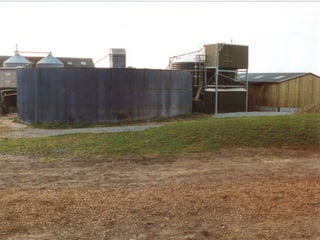
The Walford Digester
•   Life funding
•   Set up and operation
•   Problems
•   Benefits
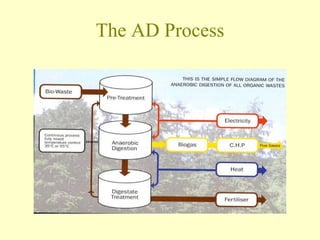
The AD Process
Why Install an AD Plant?
• Demonstrate the technology and the use of
  AD in Farm Waste management
• Maximise potential benefits of AD within a
  farm based system
• Maximise the use of the farm resources
• Evaluate the system and component parts
• Comment on costs, benefits and viability
• Reduces Methane emissions
The Installation

• Opportunity to apply for Life funding arose
  in 1993
• Shropshire County Council helped with
  grant application
• Planning Permission granted in 1993
• Site preparation and Anaerobic Digester
  installation started February 1994, took 8
  weeks
• CHP unit commissioned October 1994
The Process
•   Intake of chopped waste
•   Feedstock
•   Retention time
•   Temperature
•   End Product utilisation
The 5 Golden Rules
•   Temperature
•   Good diet
•   Temperature
•   Good mixing
•   Temperature
What Are The Benefits?
•   Manageability of products
•   Odour reduction
•   Simple technology
•   Small reduction in BOD
•   Energy production
•   Enhanced nutrient availability in separated
    liquid
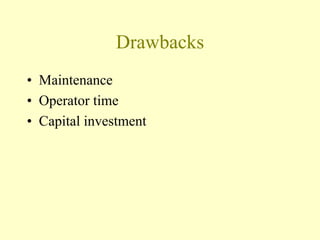
Drawbacks
• Maintenance
• Operator time
• Capital investment
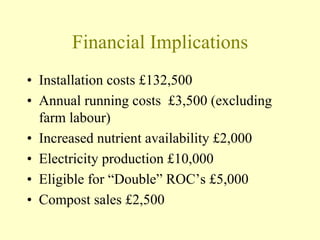
Financial Implications
• Installation costs £132,500
• Annual running costs £3,500 (excluding
  farm labour)
• Increased nutrient availability £2,000
• Electricity production £10,000
• Eligible for “Double” ROC’s £5,000
• Compost sales £2,500
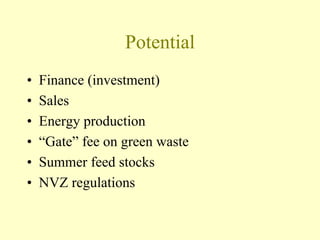
Potential
•   Finance (investment)
•   Sales
•   Energy production
•   “Gate” fee on green waste
•   Summer feed stocks
•   NVZ regulations

Anaerobic Digesters (a case study) - Adrian Joynt.pdf

  • 1.
    Anaerobic Digester’s -A case study Adrian Joynt Farm Manager Walford & North Shropshire College
  • 2.
    ANAEROBIC DIGESTION A simpleprocess first developed by the Chinese
  • 3.
    Walford Farm • 500 acres • 220 dairy cows, 100 followers • 300 Lleyn ewes • 155 acres Cereals • 75 acres Maize • 215 acres grass • 50 acres woodland • Environmental Stewardship
  • 5.
    The Walford Digester • Life funding • Set up and operation • Problems • Benefits
  • 6.
  • 7.
    Why Install anAD Plant? • Demonstrate the technology and the use of AD in Farm Waste management • Maximise potential benefits of AD within a farm based system • Maximise the use of the farm resources • Evaluate the system and component parts • Comment on costs, benefits and viability • Reduces Methane emissions
  • 8.
    The Installation • Opportunityto apply for Life funding arose in 1993 • Shropshire County Council helped with grant application • Planning Permission granted in 1993 • Site preparation and Anaerobic Digester installation started February 1994, took 8 weeks • CHP unit commissioned October 1994
  • 9.
    The Process • Intake of chopped waste • Feedstock • Retention time • Temperature • End Product utilisation
  • 10.
    The 5 GoldenRules • Temperature • Good diet • Temperature • Good mixing • Temperature
  • 11.
    What Are TheBenefits? • Manageability of products • Odour reduction • Simple technology • Small reduction in BOD • Energy production • Enhanced nutrient availability in separated liquid
  • 12.
    Drawbacks • Maintenance • Operatortime • Capital investment
  • 13.
    Financial Implications • Installationcosts £132,500 • Annual running costs £3,500 (excluding farm labour) • Increased nutrient availability £2,000 • Electricity production £10,000 • Eligible for “Double” ROC’s £5,000 • Compost sales £2,500
  • 14.
    Potential • Finance (investment) • Sales • Energy production • “Gate” fee on green waste • Summer feed stocks • NVZ regulations