Academic Writing – Jargon, Complex Writing,and “Difficult” Writing ENGL 100 – Mr. Ganter
Everyday Language and Academic Language“There are times when the more the authors explain [about ape communication], the less we understand.  Apes certainly seem capable of using language to communicate.  Whether scientists are remains doubtful.”	-- Douglas Chadwick, New York Times
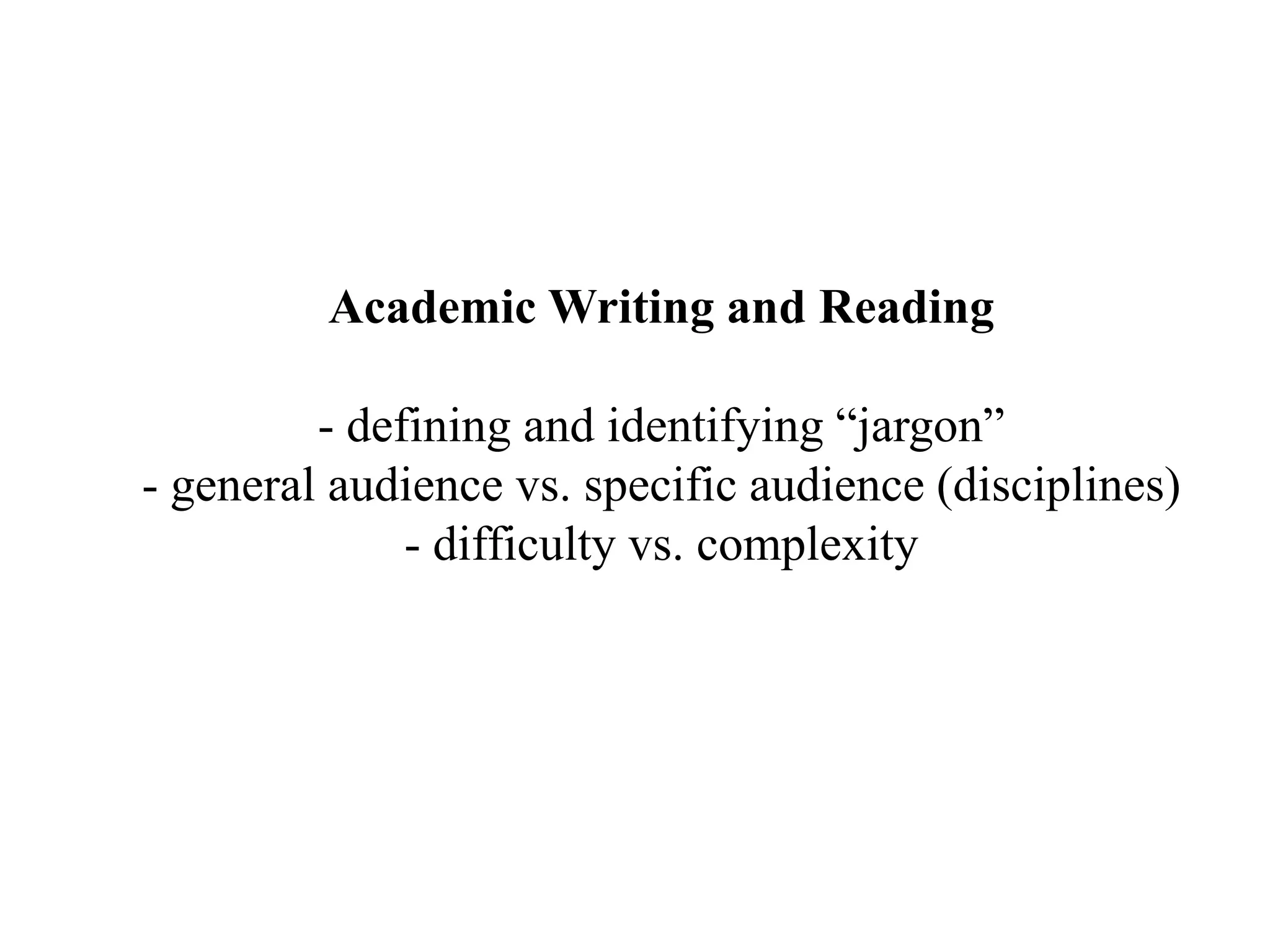
Academic Writing and Reading- defining and identifying “jargon”- general audience vs. specific audience (disciplines)- difficulty vs. complexity
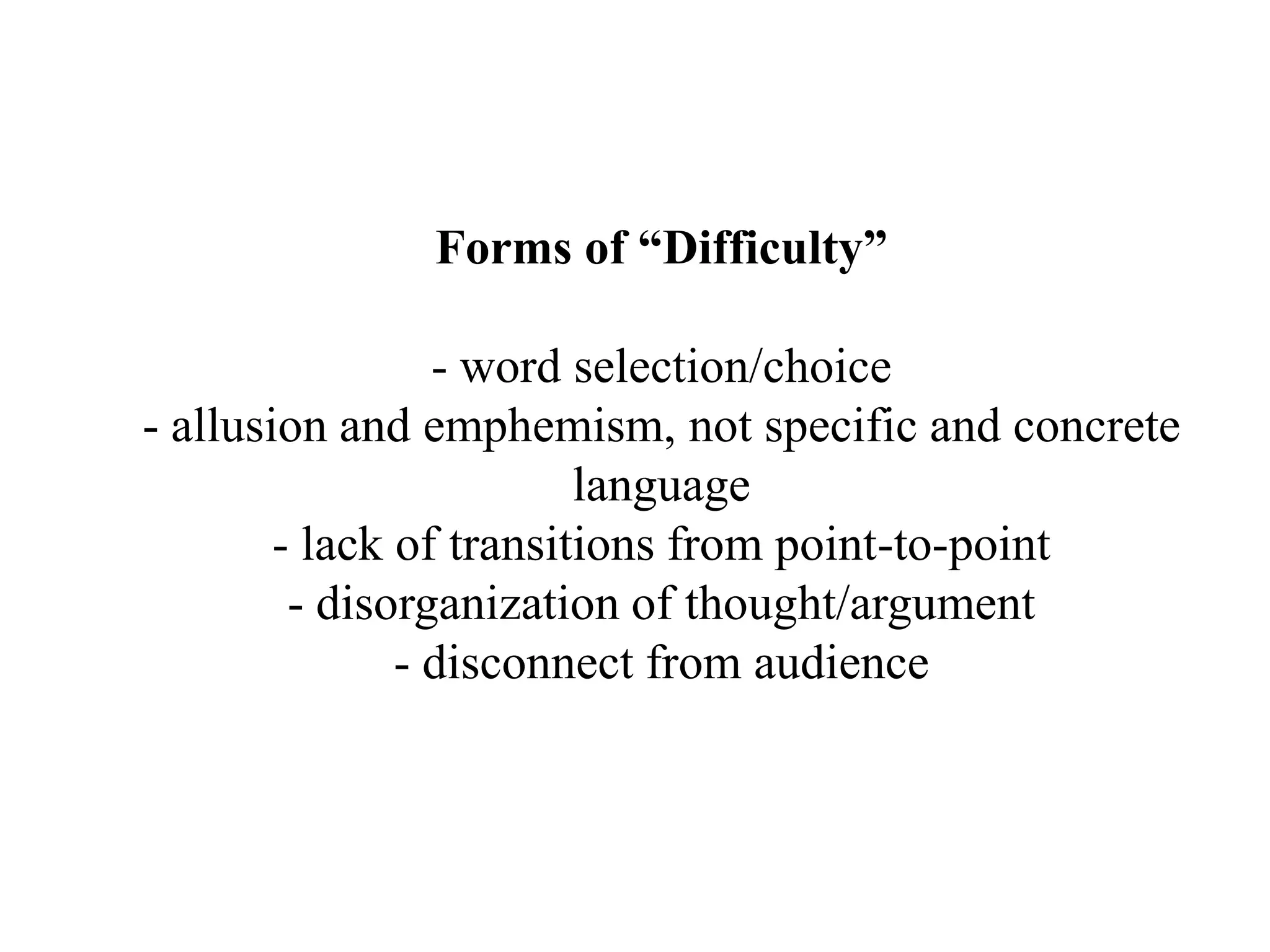
Forms of “Difficulty”- word selection/choice- allusion and emphemism, not specific and concretelanguage- lack of transitions from point-to-point- disorganization of thought/argument- disconnect from audience
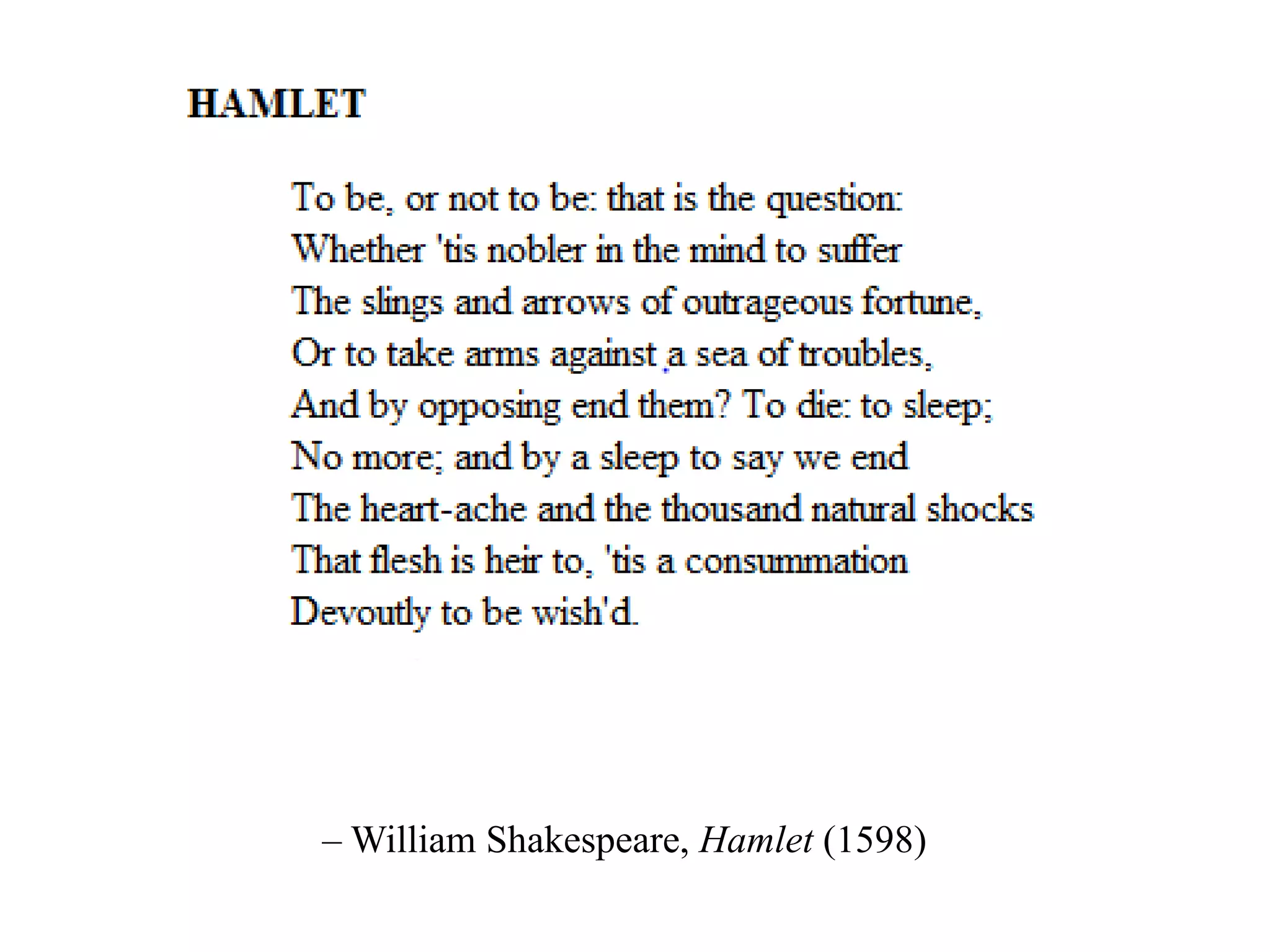
– William Shakespeare, Hamlet (1598)
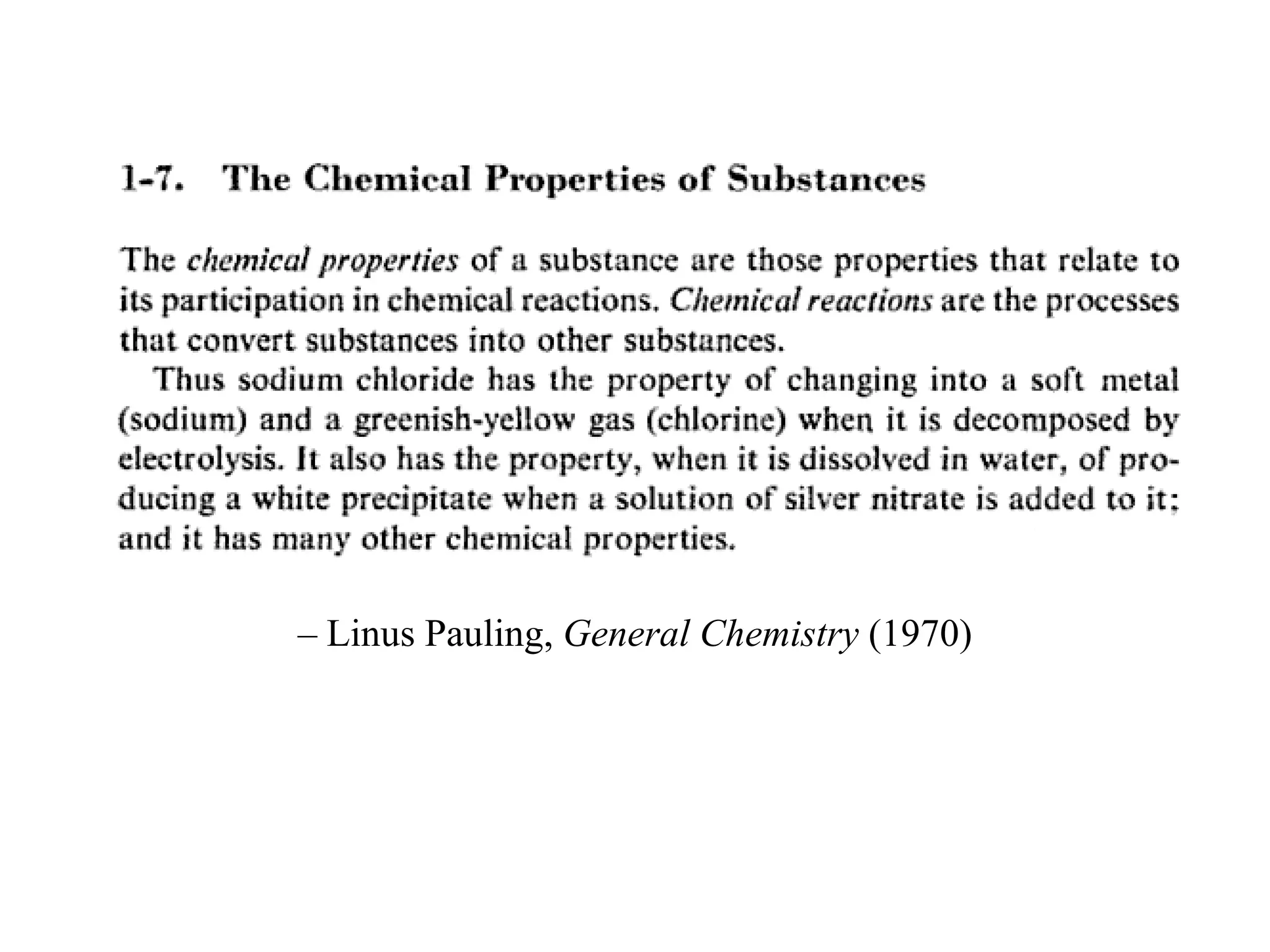
– Linus Pauling, General Chemistry (1970)
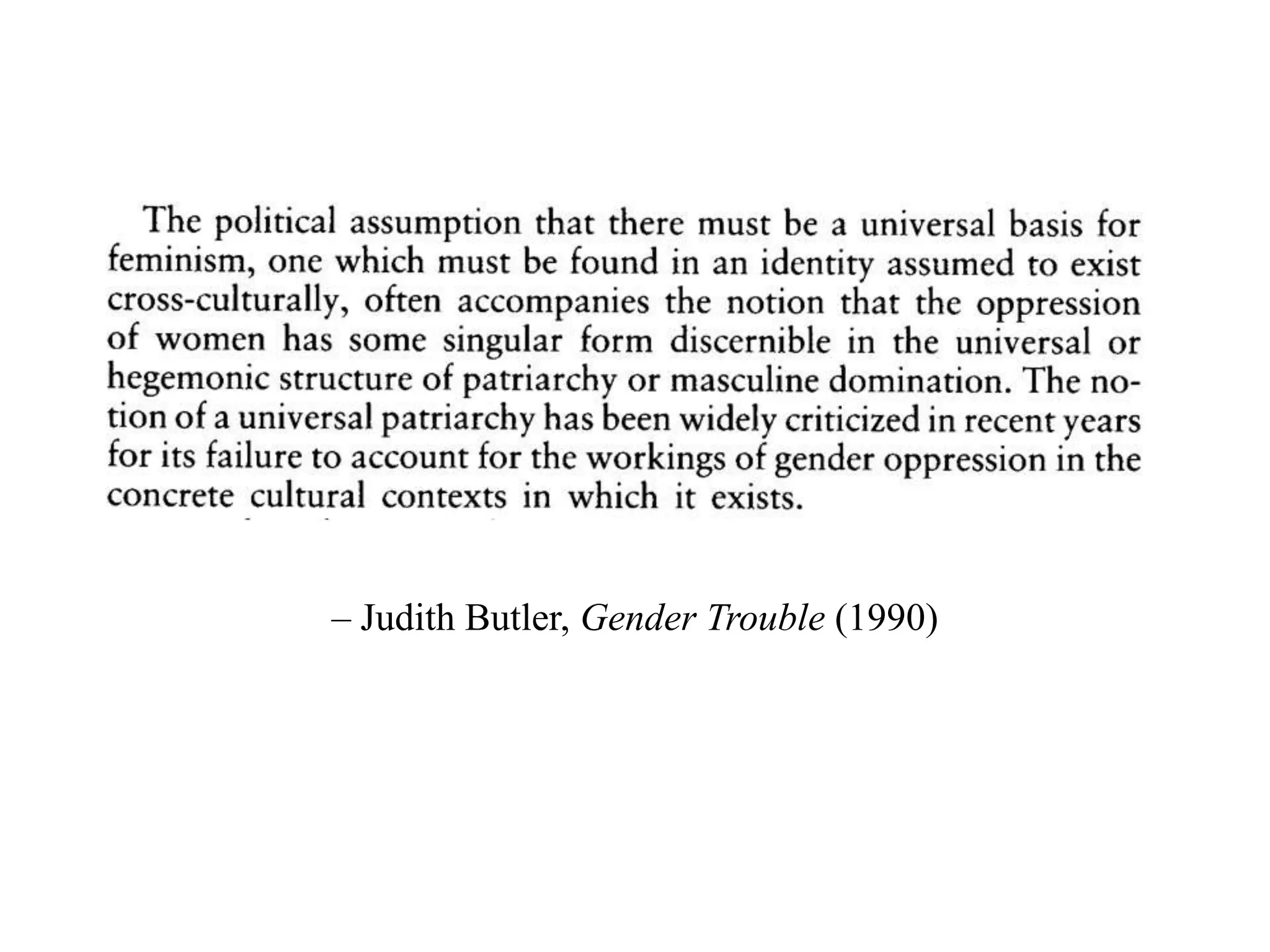
– Judith Butler, Gender Trouble (1990)
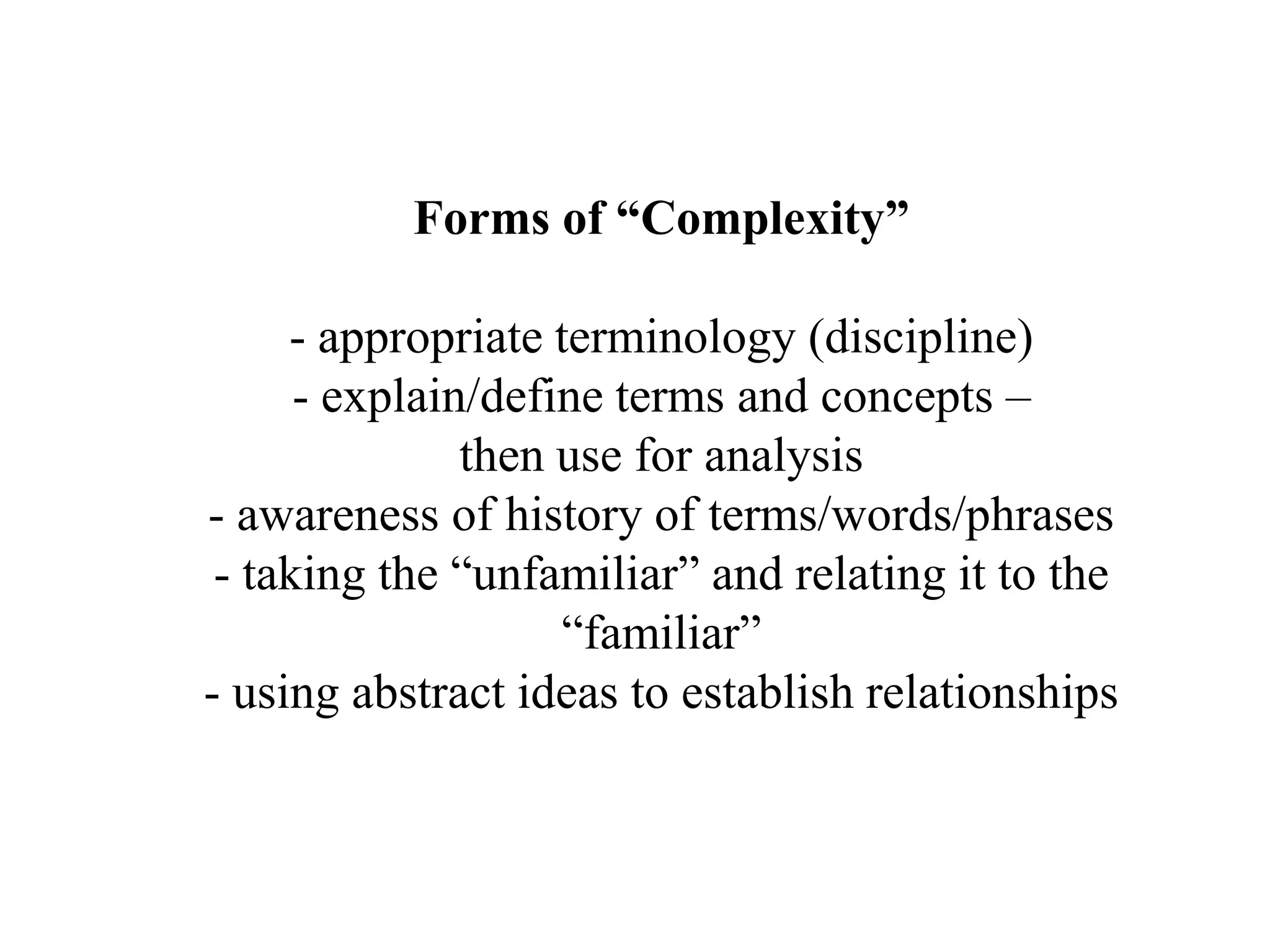
Forms of “Complexity”- appropriate terminology (discipline)- explain/define terms and concepts – then use for analysis- awareness of history of terms/words/phrases- taking the “unfamiliar” and relating it to the “familiar”- using abstract ideas to establish relationships

Academic Writingand Jargon

  • 1.
    Academic Writing –Jargon, Complex Writing,and “Difficult” Writing ENGL 100 – Mr. Ganter
  • 2.
    Everyday Language andAcademic Language“There are times when the more the authors explain [about ape communication], the less we understand. Apes certainly seem capable of using language to communicate. Whether scientists are remains doubtful.” -- Douglas Chadwick, New York Times
  • 3.
    Academic Writing andReading- defining and identifying “jargon”- general audience vs. specific audience (disciplines)- difficulty vs. complexity
  • 4.
    Forms of “Difficulty”-word selection/choice- allusion and emphemism, not specific and concretelanguage- lack of transitions from point-to-point- disorganization of thought/argument- disconnect from audience
  • 5.
  • 6.
    – Linus Pauling,General Chemistry (1970)
  • 7.
    – Judith Butler,Gender Trouble (1990)
  • 8.
    Forms of “Complexity”-appropriate terminology (discipline)- explain/define terms and concepts – then use for analysis- awareness of history of terms/words/phrases- taking the “unfamiliar” and relating it to the “familiar”- using abstract ideas to establish relationships