PRESENTED BY: KHUSHI CHOUHAN
URN:2022-B-16092004
SUBJECT: HIGHER ENGINEERING
MATHEMATICS -1
UNDER THE GUIDANCE OF DR.
SACHIN RAJAS
1.OVERVIEW
2.HISTRORY
3.APPLICATIONS
- DAY TO DAY LIFE
- ENGNEERING
- CAMPUTER SCIENCS
4. CERTIFICATE
 Vector calculus, also known as vector
analysis, is a branch of mathematics that
studies the differentiation and integration of
vector fields. Vector fields represent the
distribution of a vector to each point in a
subset of space. Vector calculus is usually
applied in three-dimensional Euclidean
space.
 Vector calculus has practical applications in
physics and engineering. Some applications
include: Electromagnetism, Fluid dynamics,
Structural analysis, Control systems etc
Vector calculus was developed from
quaternion analysis by J. Willard Gibbs
and Oliver Heaviside near the end of the
19th century, and most of the notation and
terminology was established by Gibbs and
Edwin Bidwell Wilson in their 1901 book.
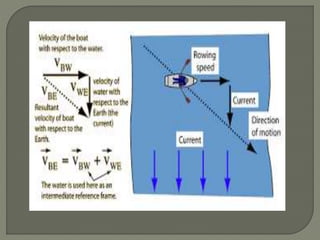
What are the applications of vectors in our
daily life?
Vectors have many real-life applications,
including situations involving force or
velocity. For example, consider the forces
acting on a boat crossing a river. The
boat's motor generates a force in one
direction, and the current of the river
generates a force in another direction.
is generally done using vectors. Planes
are given a vector to travel, and they use
their speed to determine how far they
need to go before turning or landing.
And there are many other example like
Flight plans are made using a series of
vectors. Sports instructions are based on
using vectors etc
 Vector calculus is a fundamental
mathematical framework widely utilized in the
field of engineering. It provides engineers with
a powerful set of tools for analyzing and
designing complex systems that involve
quantities with both magnitude and direction.
 For example, The velocity of an object is a
vector. The direction of the vector specifies
the direction of travel, and the magnitude
specifies the speed. The force acting on an
object is a vector
 structural analysis - Vector calculus is used
in structural analysis to determine the
deformations and stresses in various
structures under different loading conditions.
 control systems - Vector calculus is used in
engineering to analyze the stability,
performance, and behavior of feedback
control systems. It can also be used to design
control systems that maintain stability and
regulate desired output
signal processing
Electromegnatism - Vector calculus is used
to calculate electromagnetic phenomena,
such as the distribution of electromagnetic
fields, energy, and radiation.
Signal processing - Vector calculus is used
in signal processing to analyze and
manipulate multidimensional signals.
It is used in an array of computer science
areas, including creating graphs or visuals,
simulations, problem-solving applications,
coding in applications, creating statistic
solvers, and the design and analysis of
algorithms.
AAPPLICATION OF VECTOR CALCULUS (1).pptx

AAPPLICATION OF VECTOR CALCULUS (1).pptx

  • 1.
    PRESENTED BY: KHUSHICHOUHAN URN:2022-B-16092004 SUBJECT: HIGHER ENGINEERING MATHEMATICS -1 UNDER THE GUIDANCE OF DR. SACHIN RAJAS
  • 2.
    1.OVERVIEW 2.HISTRORY 3.APPLICATIONS - DAY TODAY LIFE - ENGNEERING - CAMPUTER SCIENCS 4. CERTIFICATE
  • 3.
     Vector calculus,also known as vector analysis, is a branch of mathematics that studies the differentiation and integration of vector fields. Vector fields represent the distribution of a vector to each point in a subset of space. Vector calculus is usually applied in three-dimensional Euclidean space.  Vector calculus has practical applications in physics and engineering. Some applications include: Electromagnetism, Fluid dynamics, Structural analysis, Control systems etc
  • 4.
    Vector calculus wasdeveloped from quaternion analysis by J. Willard Gibbs and Oliver Heaviside near the end of the 19th century, and most of the notation and terminology was established by Gibbs and Edwin Bidwell Wilson in their 1901 book.
  • 5.
    What are theapplications of vectors in our daily life? Vectors have many real-life applications, including situations involving force or velocity. For example, consider the forces acting on a boat crossing a river. The boat's motor generates a force in one direction, and the current of the river generates a force in another direction.
  • 6.
    is generally doneusing vectors. Planes are given a vector to travel, and they use their speed to determine how far they need to go before turning or landing. And there are many other example like Flight plans are made using a series of vectors. Sports instructions are based on using vectors etc
  • 8.
     Vector calculusis a fundamental mathematical framework widely utilized in the field of engineering. It provides engineers with a powerful set of tools for analyzing and designing complex systems that involve quantities with both magnitude and direction.  For example, The velocity of an object is a vector. The direction of the vector specifies the direction of travel, and the magnitude specifies the speed. The force acting on an object is a vector
  • 9.
     structural analysis- Vector calculus is used in structural analysis to determine the deformations and stresses in various structures under different loading conditions.  control systems - Vector calculus is used in engineering to analyze the stability, performance, and behavior of feedback control systems. It can also be used to design control systems that maintain stability and regulate desired output signal processing
  • 10.
    Electromegnatism - Vectorcalculus is used to calculate electromagnetic phenomena, such as the distribution of electromagnetic fields, energy, and radiation. Signal processing - Vector calculus is used in signal processing to analyze and manipulate multidimensional signals.
  • 11.
    It is usedin an array of computer science areas, including creating graphs or visuals, simulations, problem-solving applications, coding in applications, creating statistic solvers, and the design and analysis of algorithms.