2020
     A view to
CIVIL ENGINEERING
      IN INDIA


ASHWINI KUMAR
Dept. Of Civil Engg.
IIT Roorkee
DATE: 17th Feb 2012
SUMMARY

•   TRANSFORMATION: 2012 to 2020
•   ANALYSIS of DEMAND-SUPPLY of Engineers
•   COMPETENCY- Challenge or an Opportunity
•   REMEDY
•   NEED OF THE HOUR
INDIA’s POPULATION
•   1.22 Billion
•   Growth rate: 1.58%
•   Set to take Numero-Uno position by 2030
•   Rural Population: 72.2%
•   Urban Population: 27.8%
•   Projected Urban Population by 2020: 40%


INDIA’s ECONOMY
• Growth Rate: 8.2% of GDP (2011-2012)
• 9% projected by 2020
Two-Third of
   incremental
Growth is spent in
 development of
     Physical
  Infrastructure
Transforming
   INDIA
          2012
Transforming
   INDIA
          2020
CE | 2020             CE | 2012
Modern Architecture
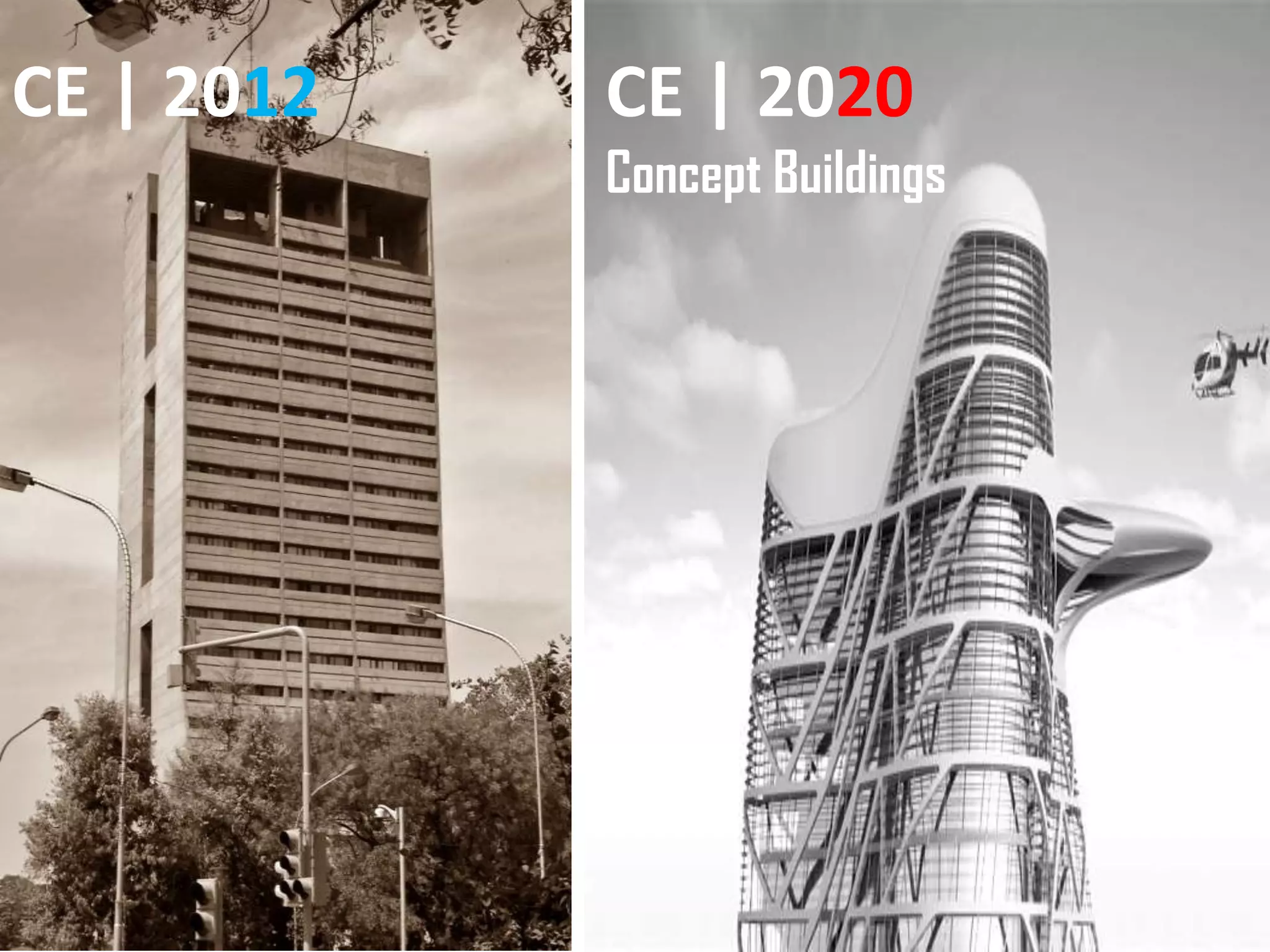
CE | 2012   CE | 2020
            Concept Buildings
CE | 2020          CE | 2012
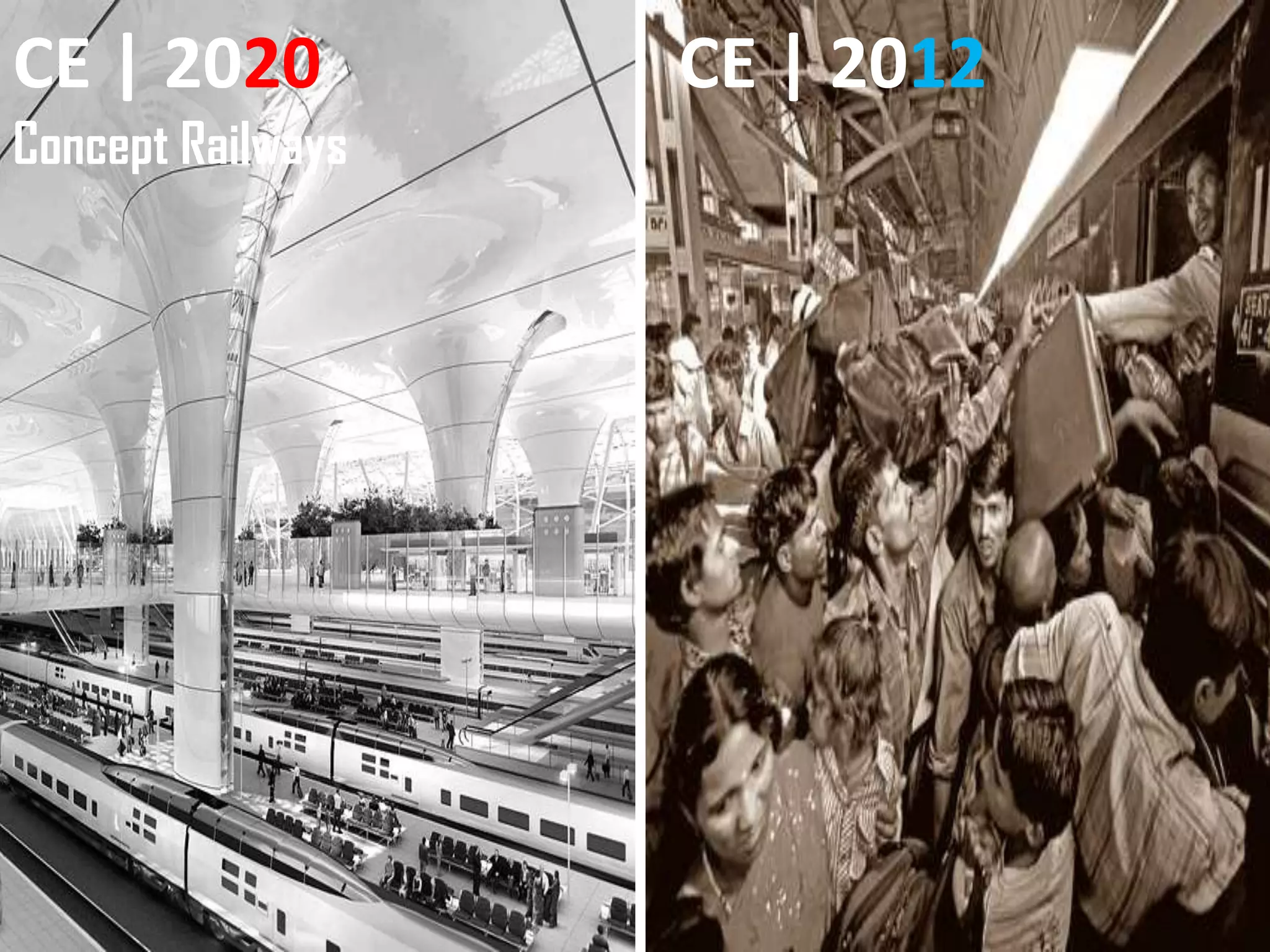
Concept Railways
CE | 2020           CE | 2012
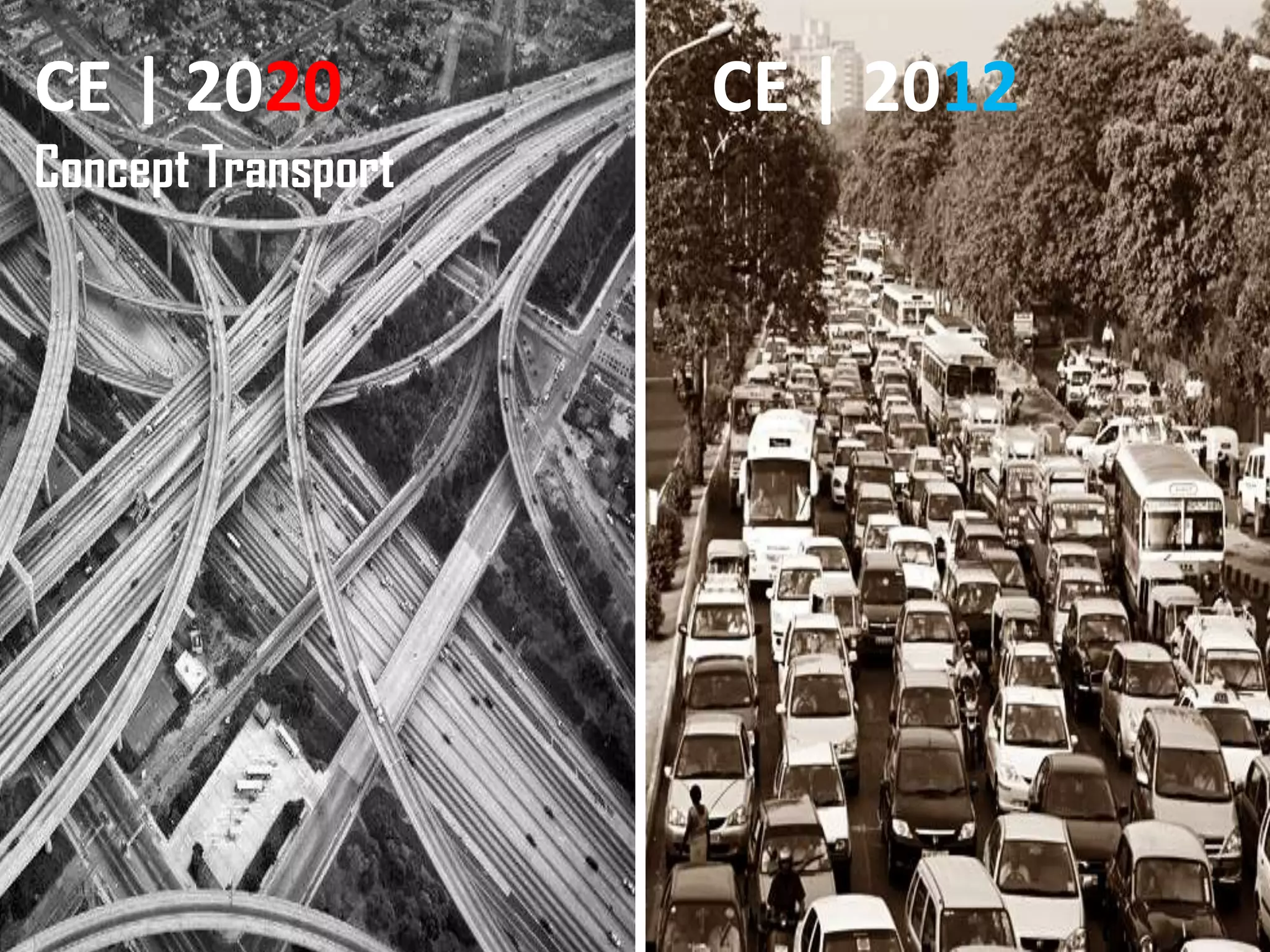
Concept Transport
CE | 2012   CE | 2020
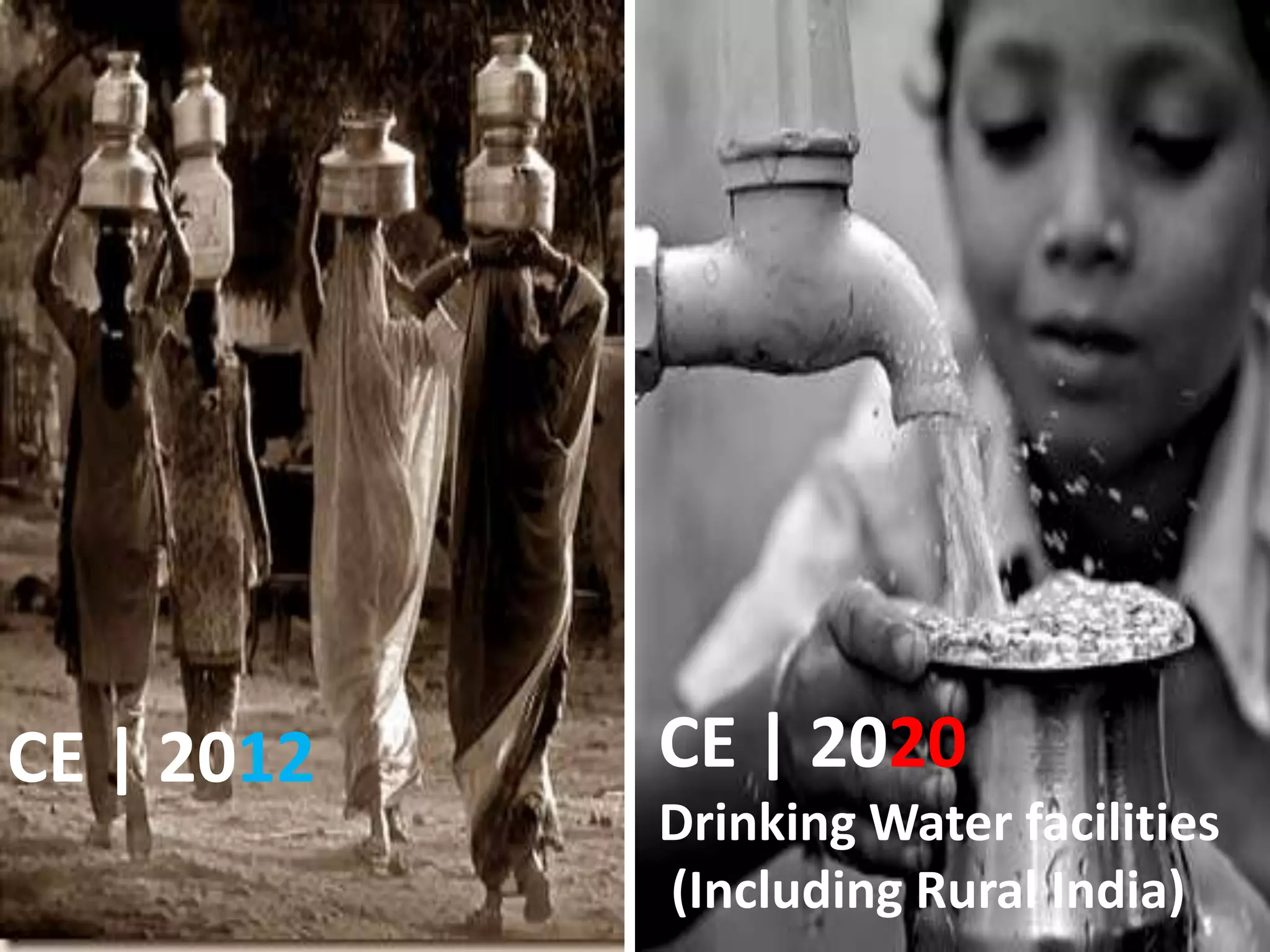
            Drinking Water facilities
            (Including Rural India)
CE | 2012   CE | 2020
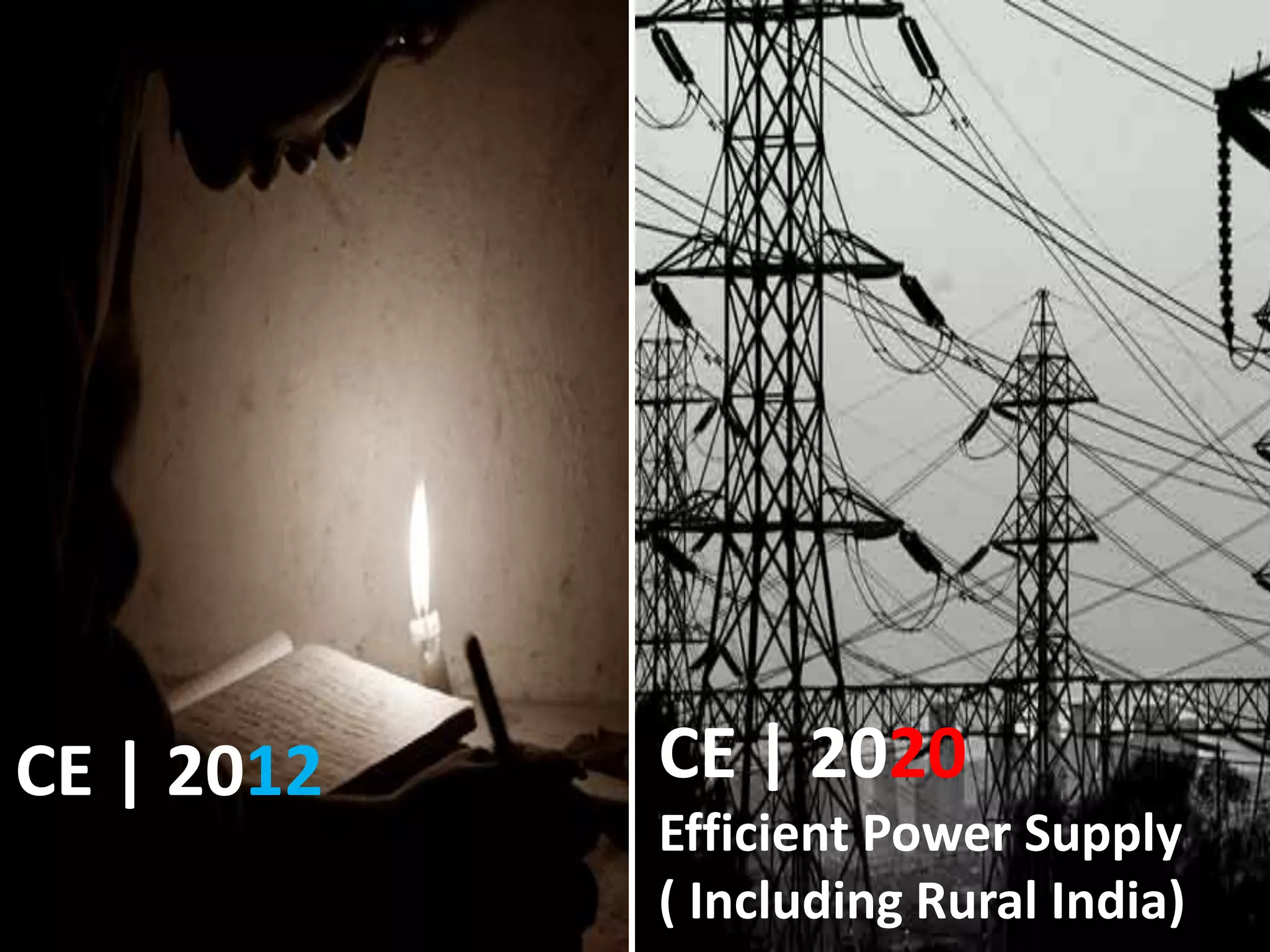
            Efficient Power Supply
            ( Including Rural India)
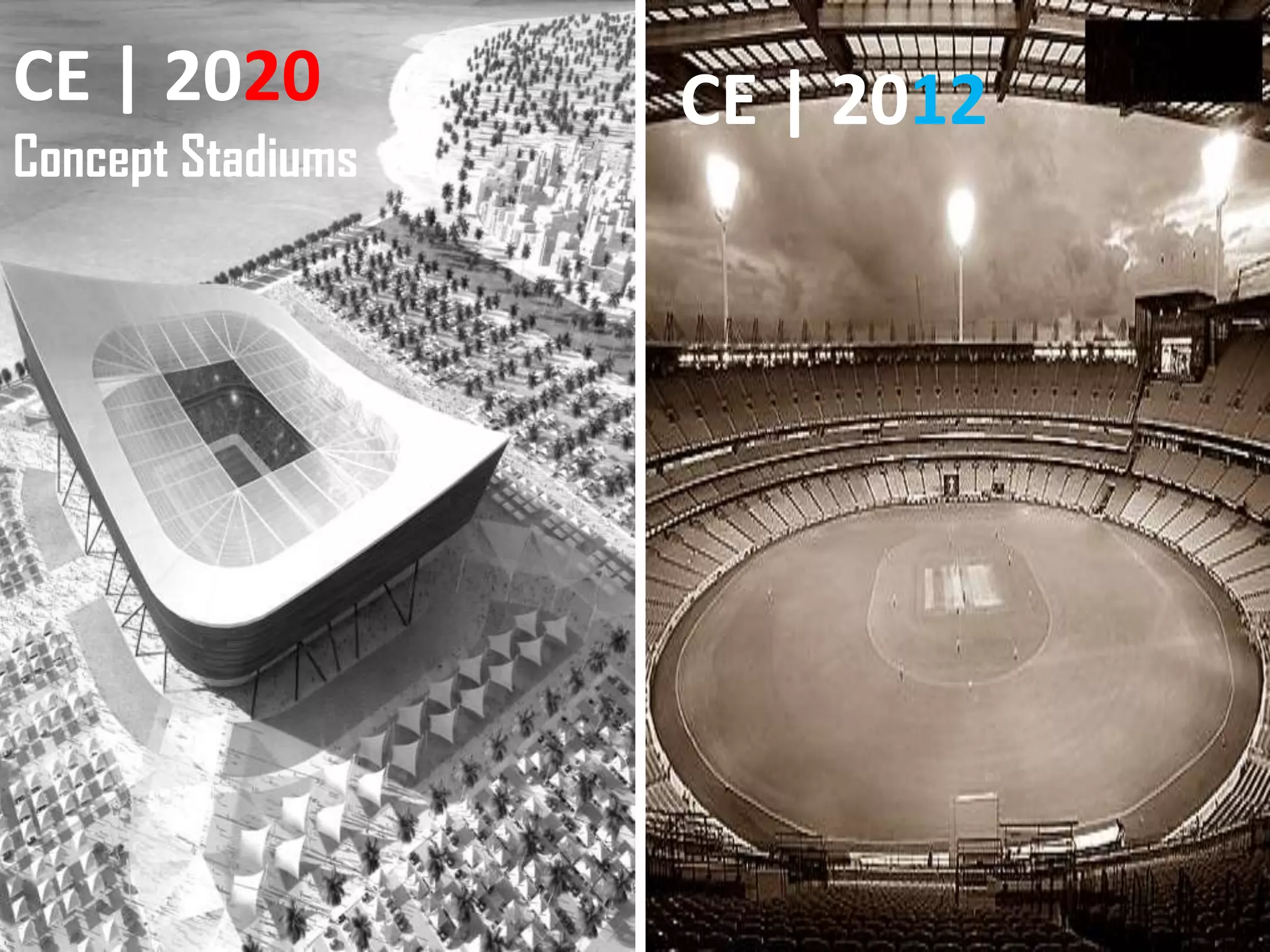
CE | 2020          CE | 2012
Concept Stadiums
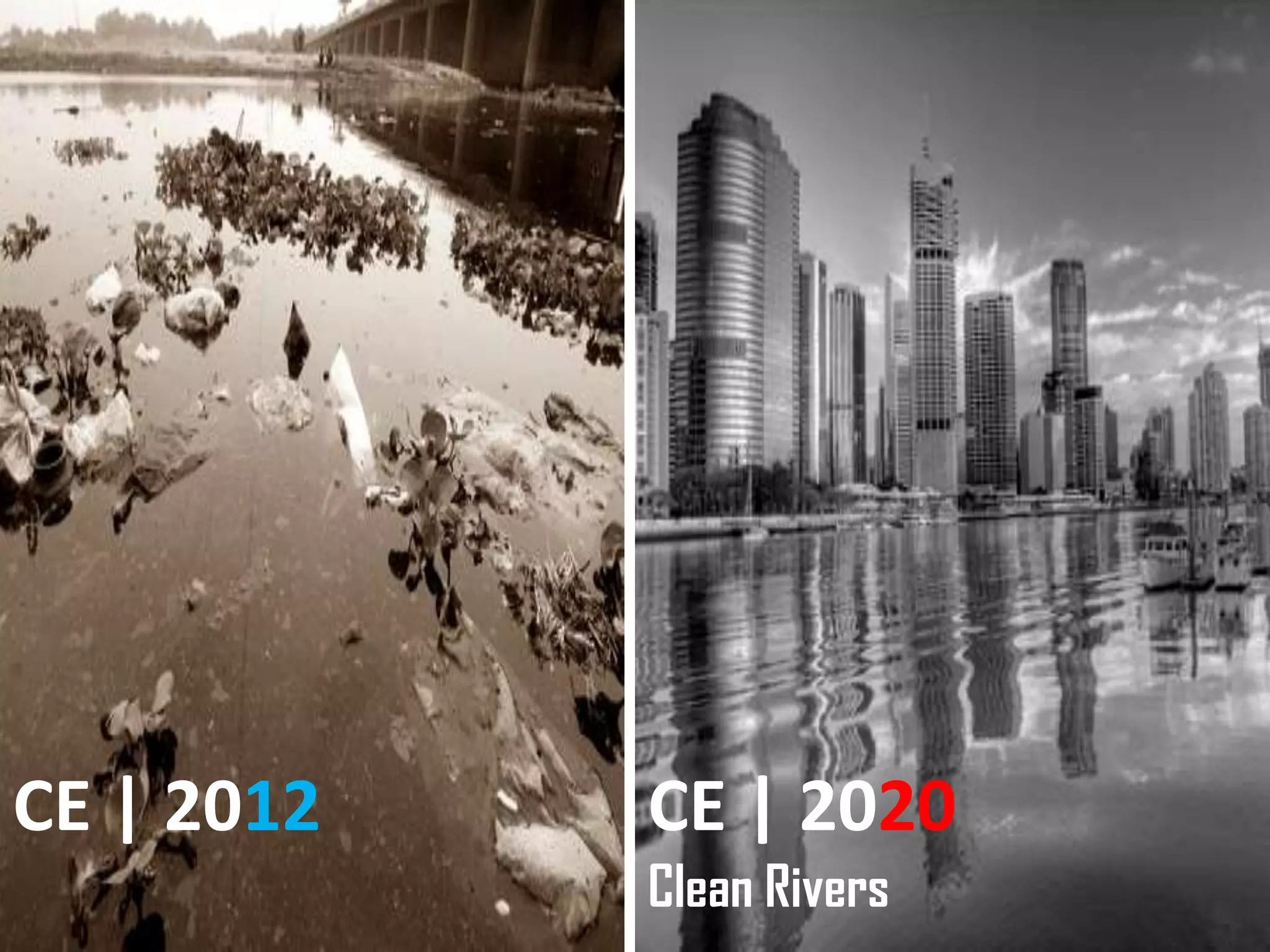
CE | 2012   CE | 2020
            Clean Rivers
CE | 2020
Dedicated and Competent
Core Professionals
Research Report:

  REAL ESTATE CONSTRUCTION
PROFESSIONALS IN INDIA BY 2020
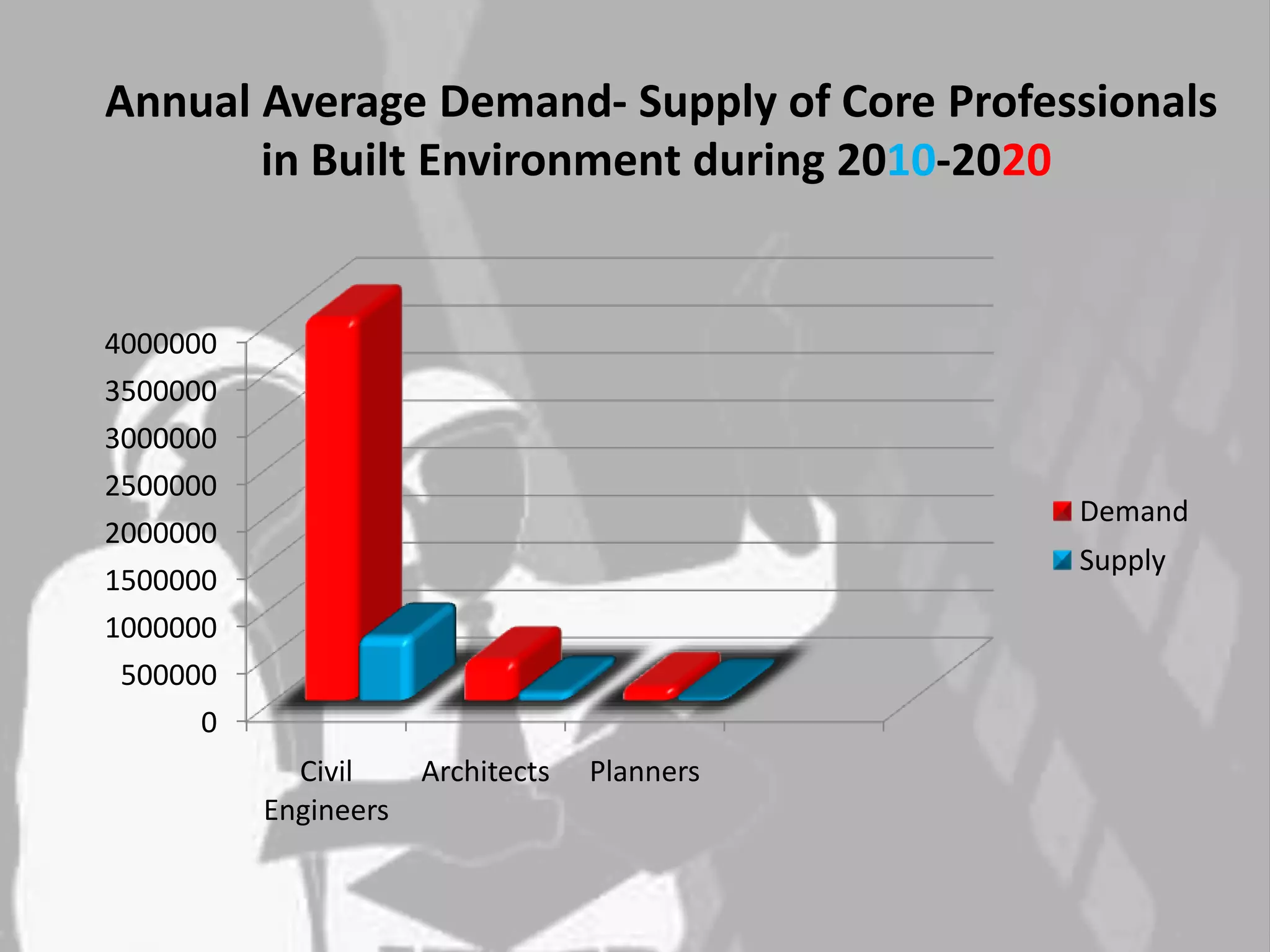
Annual Average Demand- Supply of Core Professionals
       in Built Environment during 2010-2020


4000000
3500000
3000000
2500000
                                              Demand
2000000
                                              Supply
1500000
1000000
 500000
      0
            Civil     Architects   Planners
          Engineers
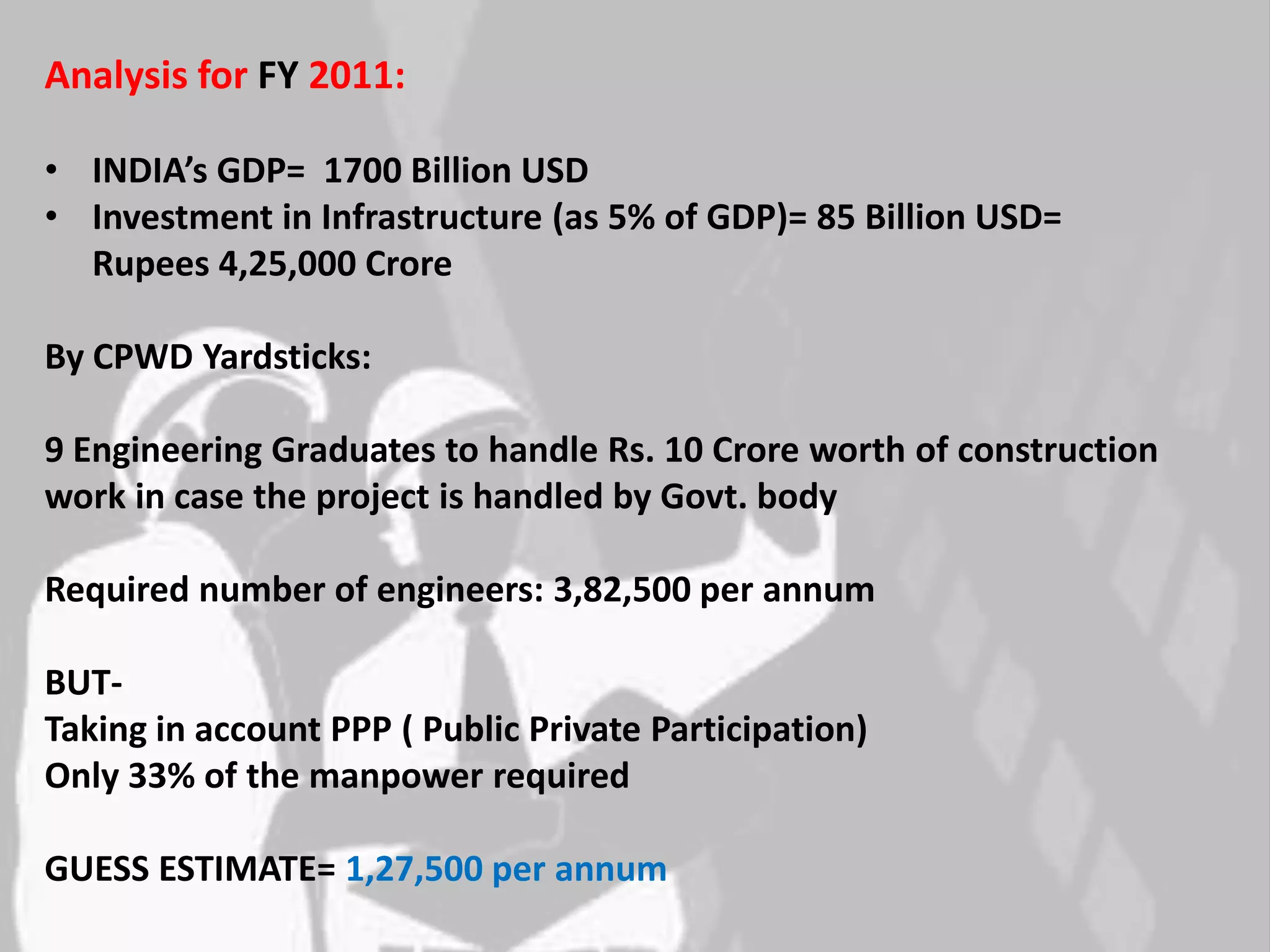
Analysis for FY 2011:

• INDIA’s GDP= 1700 Billion USD
• Investment in Infrastructure (as 5% of GDP)= 85 Billion USD=
  Rupees 4,25,000 Crore

By CPWD Yardsticks:

9 Engineering Graduates to handle Rs. 10 Crore worth of construction
work in case the project is handled by Govt. body

Required number of engineers: 3,82,500 per annum

BUT-
Taking in account PPP ( Public Private Participation)
Only 33% of the manpower required

GUESS ESTIMATE= 1,27,500 per annum
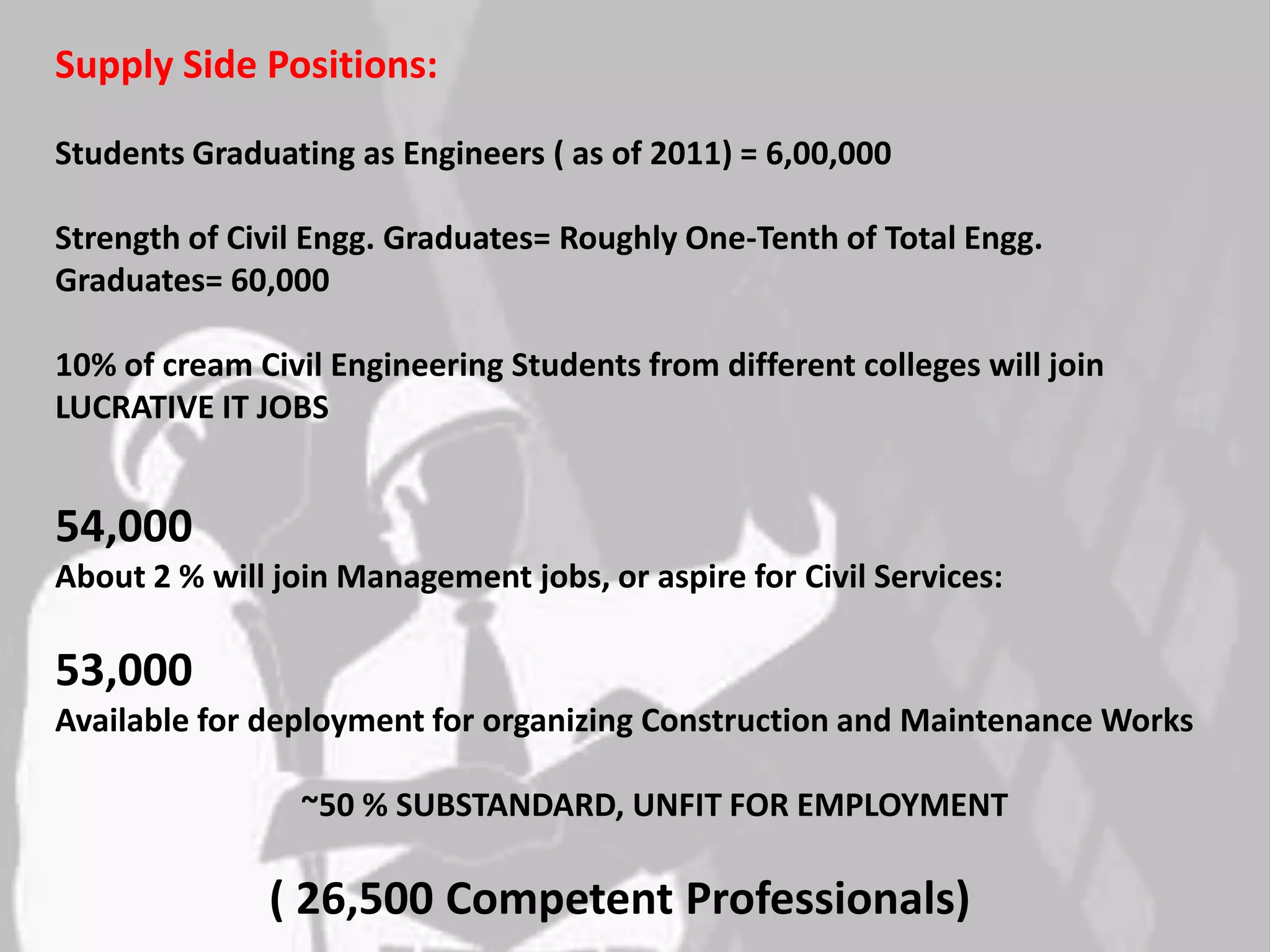
Supply Side Positions:

Students Graduating as Engineers ( as of 2011) = 6,00,000

Strength of Civil Engg. Graduates= Roughly One-Tenth of Total Engg.
Graduates= 60,000

10% of cream Civil Engineering Students from different colleges will join
LUCRATIVE IT JOBS


54,000
About 2 % will join Management jobs, or aspire for Civil Services:

53,000
Available for deployment for organizing Construction and Maintenance Works

                 ~50 % SUBSTANDARD, UNFIT FOR EMPLOYMENT

              ( 26,500 Competent Professionals)
DEMAND
127500

SUPPLY
26500
ISSUES:

•   Skill gaps in Domestic Manpower
•   Recruitment difficulties
•   Sub-standard construction
•   Task completion within Deadlines


INABILITY TO COPE WITH THE REQUIREMENTS OF
IMMEDIATE AND NECESSARY FACILITIES
WHY THIS GAP?

FOR GRADUATING ENGINEERS:
NO IMMEDIATE INCENTIVES


FOR INDUSTRY:
NO COMPETENCY
REMEDY
               Government


    Academia


                      Industry
INDUSTRY – ACADEMIA COLLABORATION TO MEET COMPTENCY


                                               Development
 Workshops                   Seminars


                                               Personality
                             Competitions

          Case-Studies


                                 Internships
           Real World Projects

Softwares
Field Trips


       MOTIVATION
OPPORTUNITY !!!
NEED OF THE HOUR
Creation a sufficient critical mass of educators and practicing engineers
who understand the complex systems nature of the problems we face as a
society, who share the same vision and have sufficient experience to
define the “new fundamentals” for educating the future civil engineers.

By encouraging these renaissance engineers to come together and to
construct model curricula, with a sufficient level of specificity and clear
standards of depth, rigor and quality of delivery, it can be ensured to
demonstrate how the future civil engineering students may be guided
through a properly balanced applied science, systems engineering
and, civil engineering arts and crafts education.
THANK YOU


 ???

A view to civil engineering in india by 2020

  • 1.
    2020 A view to CIVIL ENGINEERING IN INDIA ASHWINI KUMAR Dept. Of Civil Engg. IIT Roorkee DATE: 17th Feb 2012
  • 2.
    SUMMARY • TRANSFORMATION: 2012 to 2020 • ANALYSIS of DEMAND-SUPPLY of Engineers • COMPETENCY- Challenge or an Opportunity • REMEDY • NEED OF THE HOUR
  • 3.
    INDIA’s POPULATION • 1.22 Billion • Growth rate: 1.58% • Set to take Numero-Uno position by 2030 • Rural Population: 72.2% • Urban Population: 27.8% • Projected Urban Population by 2020: 40% INDIA’s ECONOMY • Growth Rate: 8.2% of GDP (2011-2012) • 9% projected by 2020
  • 4.
    Two-Third of incremental Growth is spent in development of Physical Infrastructure
  • 5.
    Transforming INDIA 2012
  • 6.
    Transforming INDIA 2020
  • 7.
    CE | 2020 CE | 2012 Modern Architecture
  • 8.
    CE | 2012 CE | 2020 Concept Buildings
  • 9.
    CE | 2020 CE | 2012 Concept Railways
  • 10.
    CE | 2020 CE | 2012 Concept Transport
  • 11.
    CE | 2012 CE | 2020 Drinking Water facilities (Including Rural India)
  • 12.
    CE | 2012 CE | 2020 Efficient Power Supply ( Including Rural India)
  • 13.
    CE | 2020 CE | 2012 Concept Stadiums
  • 14.
    CE | 2012 CE | 2020 Clean Rivers
  • 15.
    CE | 2020 Dedicatedand Competent Core Professionals
  • 16.
    Research Report: REAL ESTATE CONSTRUCTION PROFESSIONALS IN INDIA BY 2020
  • 17.
    Annual Average Demand-Supply of Core Professionals in Built Environment during 2010-2020 4000000 3500000 3000000 2500000 Demand 2000000 Supply 1500000 1000000 500000 0 Civil Architects Planners Engineers
  • 18.
    Analysis for FY2011: • INDIA’s GDP= 1700 Billion USD • Investment in Infrastructure (as 5% of GDP)= 85 Billion USD= Rupees 4,25,000 Crore By CPWD Yardsticks: 9 Engineering Graduates to handle Rs. 10 Crore worth of construction work in case the project is handled by Govt. body Required number of engineers: 3,82,500 per annum BUT- Taking in account PPP ( Public Private Participation) Only 33% of the manpower required GUESS ESTIMATE= 1,27,500 per annum
  • 19.
    Supply Side Positions: StudentsGraduating as Engineers ( as of 2011) = 6,00,000 Strength of Civil Engg. Graduates= Roughly One-Tenth of Total Engg. Graduates= 60,000 10% of cream Civil Engineering Students from different colleges will join LUCRATIVE IT JOBS 54,000 About 2 % will join Management jobs, or aspire for Civil Services: 53,000 Available for deployment for organizing Construction and Maintenance Works ~50 % SUBSTANDARD, UNFIT FOR EMPLOYMENT ( 26,500 Competent Professionals)
  • 20.
  • 21.
    ISSUES: • Skill gaps in Domestic Manpower • Recruitment difficulties • Sub-standard construction • Task completion within Deadlines INABILITY TO COPE WITH THE REQUIREMENTS OF IMMEDIATE AND NECESSARY FACILITIES
  • 22.
    WHY THIS GAP? FORGRADUATING ENGINEERS: NO IMMEDIATE INCENTIVES FOR INDUSTRY: NO COMPETENCY
  • 24.
    REMEDY Government Academia Industry
  • 25.
    INDUSTRY – ACADEMIACOLLABORATION TO MEET COMPTENCY Development Workshops Seminars Personality Competitions Case-Studies Internships Real World Projects Softwares Field Trips MOTIVATION
  • 26.
  • 27.
    NEED OF THEHOUR Creation a sufficient critical mass of educators and practicing engineers who understand the complex systems nature of the problems we face as a society, who share the same vision and have sufficient experience to define the “new fundamentals” for educating the future civil engineers. By encouraging these renaissance engineers to come together and to construct model curricula, with a sufficient level of specificity and clear standards of depth, rigor and quality of delivery, it can be ensured to demonstrate how the future civil engineering students may be guided through a properly balanced applied science, systems engineering and, civil engineering arts and crafts education.
  • 28.