1. Manpower
2. Material
3. Machine
4. Method
4 MS OF OPERATION
Talks about human labor force
involved in the manufacture of
products. It is measured as the most
serious and main factor of production.
The entrepreneur must determine,
attain and match the most competent
and skilled employees with the jobs at
the most appropriate time period.
1. MANPOWER
2. MATERIAL
 Talks about raw materials necessary in the
production of a product. Materials mainly
form part of the finished product. Just in
case the resources are below standard, the
finished product will be of unsatisfactory as
well. The entrepreneur may consider cost,
quality, availability, credibility of suppliers
and waste that the raw material may
produce
3. MACHINE
Discusses about manufacturing equipment used
in the production of goods or delivery of
services.
In the process of selecting the type of equipment
to purchase, the entrepreneur may consider
types of products to be produced, production
system to be adopted, cost of the equipment,
capacity of the equipment, availability of spare
parts in the local market, efficiency of the
equipment and the skills required in running the
equipment
This is the system used in the
operation. Every manager has its
own method on how to run the
business.
The resources undergo some
stages before it is finalized and
becomes set for delivery to the
target buyers.
4. METHOD
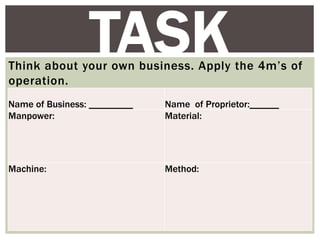
Think about your own business. Apply the 4m’s of
operation.
TASK
Name of Business: _________ Name of Proprietor:______
Manpower: Material:
Machine: Method:
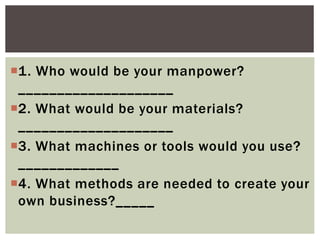
1. Who would be your manpower?
____________________
2. What would be your materials?
____________________
3. What machines or tools would you use?
_____________
4. What methods are needed to create your
own business?_____
It is the promotion that explains
what a product is and why it’s
worth buying? The purpose of a
product description is to provide
customers with details around
the features and benefits of the
product so they’re obliged to
buy.
PRODUCT DESCRIPTION
A duplication of a product as it will be
produced, which may contain such details
as color, graphics, packaging and
directions. One of the important early steps
in the inventing process is making a
prototype.
Benefits are the reasons why customers
will decide to buy the products such as
affordability, efficiency or ease of use.
PROTOTYPING
An entity that offers goods and
services to another business. This
entity is among of supply chain of a
business, which may offer the main
part of the value contained within its
products. Certain suppliers may even
involve in drop shipping, where they
ship goods directly to the customers of
the buyer.
SUPPLIER
is the process or activities by
which a company adds value
to an article, including
production, marketing, and
the provision of aftersales
service
VALUE CHAIN
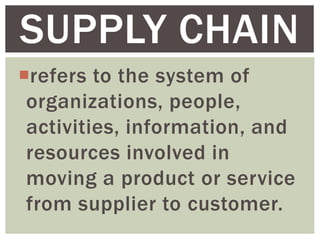
SUPPLY CHAIN
refers to the system of
organizations, people,
activities, information, and
resources involved in
moving a product or service
from supplier to customer.
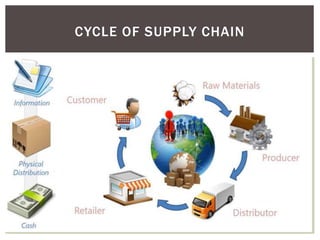
CYCLE OF SUPPLY CHAIN
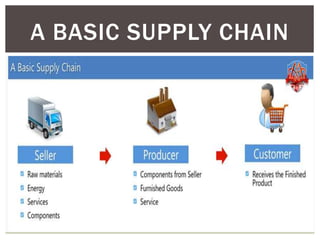
A BASIC SUPPLY CHAIN
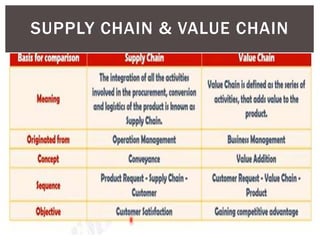
SUPPLY CHAIN & VALUE CHAIN
describes the reasons of
how an organization
creates, delivers, and
captures value in
economic, social, cultural
or other contexts.
BUSINESS MODEL
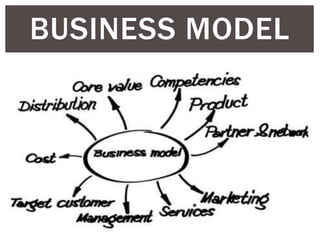
BUSINESS MODEL
is an important tool for you to
have an idea about the future of
your business. Your business
plan will be your guide in the
moment you will be
implementing and operating
your business proposal.
BUSINESS PLAN
 1. COVER PAGE
 2. Logo of Business
 3. TABLE OF CONTENT
I Introduction
II Executive Summary
III Management Section
IV Marketing Section
V Financial Section
VI Production Section
VII Competitive Analysis
VIII Market
IX Organizational chart
THE FOLLOWING ARE THE COMPONENTS
FOUND IN A BUSINESS PLAN.
[LOGO OF SCHOOL]
[NAME OF SCHOOL]
[ADDRESS OF SCHOOL]
A BUSINESS PLAN ON [INSERT NAME OF BUSINESS]
IN PARTIAL FULLFILLMENT OF THE COURSE
APPLIED ENTREPRENEURSHIP
SUBMITTED BY
[INSERT NAME OF GROUP MEMBERS ALPHABITICALLY]
[DATE (MONTH & YEAR]
This Business Plan is confidential & is the proprietary property
of [INSERT YOUR BUSINESS NAME HERE]. No reproduction of
any kind or release of this document is permissible without
prior written consent of [INSERT YOUR BUSINESS NAME HERE].
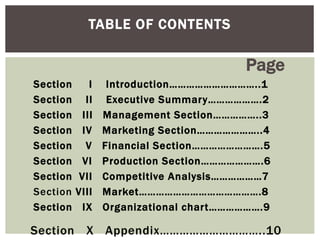
TABLE OF CONTENTS
Page
Section I Introduction…………………………..1
Section II Executive Summary……………….2
Section III Management Section……………..3
Section IV Marketing Section…………………..4
Section V Financial Section…………………….5
Section VI Production Section………………….6
Section VII Competitive Analysis………………7
Section VIII Market…………………………………….8
Section IX Organizational chart……………….9
Section X Appendix…………………………..10
I. Introduction- this
part discusses what
is the business all
about.
THE FOLLOWING ARE THE COMPONENTS
FOUND IN A BUSINESS PLAN.
I. INTRODUCTION
A. Company Overview
B. Nature of the Business
C. Key Characteristics of the Industry
D. Brief Financial Highlights
E. Strategic Management
F. Compelling, Market-Driven Reason
Why This Business Will Succeed
II. Executive Summary-
is part of the business
plan which is the first to
be presented but the last
to be made.
THE FOLLOWING ARE THE COMPONENTS
FOUND IN A BUSINESS PLAN.
III. Management Section-
shows how you will
manage your business and
the people you need to
help you in your
operations.
THE FOLLOWING ARE THE COMPONENTS
FOUND IN A BUSINESS PLAN.
III. MANAGEMENT SECTION-
A. Owner and Managers
B. Employees
C. Consultant and Advisors
D. Organizational Structure
E. Individual Duties & Responsibilities
F. Management Strategies
THE FOLLOWING ARE THE COMPONENTS
FOUND IN A BUSINESS PLAN.
IV. Marketing Section- shows
the design of your
product/service; pricing, where
you will sell and how you will
introduce your product/service
to your market.
IV. MARKETING SECTION-
A. Business, Industry, & Situation Overview
B. Target Market and Trade Area
C. Product/Services
D. Competitive Advantage
E. Marketing Strategies
F. Sales Forecast and Assumption
G. Measures of Success
H. Milestone and Measures
V. Financial Section- shows
the money needed for the
business, how much you
will take in and how much
you will pay out.
THE FOLLOWING ARE THE COMPONENTS
FOUND IN A BUSINESS PLAN.
VI. Production Section-
shows the area,
equipment and materials
needed for the business.
THE FOLLOWING ARE THE COMPONENTS
FOUND IN A BUSINESS PLAN.
A. Location
B. Materials
C. Tools
D. Equipment
VI. PRODUCTION SECTION-
VII. Competitive Analysis- is the strategy
where you identify major competitors and
research their products, sales and
marketing strategies.
VIII. Market- The persons who will buy the
product or services
IX. Organizational chart- is the diagram
showing graphically the relation of one
official to another, or others of a company
THE FOLLOWING ARE THE COMPONENTS
FOUND IN A BUSINESS PLAN.
X. Appendix
[ATTACH ANY SUPPORTING
INFORMATION SUCH AS
RESUMES, PROMOTIONAL
MATERIALS, CONTRACTS,
AND SO FORTH.]
THE FOLLOWING ARE THE COMPONENTS
FOUND IN A BUSINESS PLAN.
 1-15 T/F page 4
 1-10 q2m6 page15
 1-15 q2m6 page17
ASSESSMENT Q2M6

9.-Four-Ms-of-Operation.pptx

  • 1.
    1. Manpower 2. Material 3.Machine 4. Method 4 MS OF OPERATION
  • 2.
    Talks about humanlabor force involved in the manufacture of products. It is measured as the most serious and main factor of production. The entrepreneur must determine, attain and match the most competent and skilled employees with the jobs at the most appropriate time period. 1. MANPOWER
  • 3.
    2. MATERIAL  Talksabout raw materials necessary in the production of a product. Materials mainly form part of the finished product. Just in case the resources are below standard, the finished product will be of unsatisfactory as well. The entrepreneur may consider cost, quality, availability, credibility of suppliers and waste that the raw material may produce
  • 4.
    3. MACHINE Discusses aboutmanufacturing equipment used in the production of goods or delivery of services. In the process of selecting the type of equipment to purchase, the entrepreneur may consider types of products to be produced, production system to be adopted, cost of the equipment, capacity of the equipment, availability of spare parts in the local market, efficiency of the equipment and the skills required in running the equipment
  • 5.
    This is thesystem used in the operation. Every manager has its own method on how to run the business. The resources undergo some stages before it is finalized and becomes set for delivery to the target buyers. 4. METHOD
  • 6.
    Think about yourown business. Apply the 4m’s of operation. TASK Name of Business: _________ Name of Proprietor:______ Manpower: Material: Machine: Method:
  • 7.
    1. Who wouldbe your manpower? ____________________ 2. What would be your materials? ____________________ 3. What machines or tools would you use? _____________ 4. What methods are needed to create your own business?_____
  • 8.
    It is thepromotion that explains what a product is and why it’s worth buying? The purpose of a product description is to provide customers with details around the features and benefits of the product so they’re obliged to buy. PRODUCT DESCRIPTION
  • 9.
    A duplication ofa product as it will be produced, which may contain such details as color, graphics, packaging and directions. One of the important early steps in the inventing process is making a prototype. Benefits are the reasons why customers will decide to buy the products such as affordability, efficiency or ease of use. PROTOTYPING
  • 10.
    An entity thatoffers goods and services to another business. This entity is among of supply chain of a business, which may offer the main part of the value contained within its products. Certain suppliers may even involve in drop shipping, where they ship goods directly to the customers of the buyer. SUPPLIER
  • 11.
    is the processor activities by which a company adds value to an article, including production, marketing, and the provision of aftersales service VALUE CHAIN
  • 12.
    SUPPLY CHAIN refers tothe system of organizations, people, activities, information, and resources involved in moving a product or service from supplier to customer.
  • 13.
  • 14.
  • 15.
    SUPPLY CHAIN &VALUE CHAIN
  • 16.
    describes the reasonsof how an organization creates, delivers, and captures value in economic, social, cultural or other contexts. BUSINESS MODEL
  • 17.
  • 18.
    is an importanttool for you to have an idea about the future of your business. Your business plan will be your guide in the moment you will be implementing and operating your business proposal. BUSINESS PLAN
  • 19.
     1. COVERPAGE  2. Logo of Business  3. TABLE OF CONTENT I Introduction II Executive Summary III Management Section IV Marketing Section V Financial Section VI Production Section VII Competitive Analysis VIII Market IX Organizational chart THE FOLLOWING ARE THE COMPONENTS FOUND IN A BUSINESS PLAN.
  • 20.
    [LOGO OF SCHOOL] [NAMEOF SCHOOL] [ADDRESS OF SCHOOL] A BUSINESS PLAN ON [INSERT NAME OF BUSINESS] IN PARTIAL FULLFILLMENT OF THE COURSE APPLIED ENTREPRENEURSHIP SUBMITTED BY [INSERT NAME OF GROUP MEMBERS ALPHABITICALLY] [DATE (MONTH & YEAR] This Business Plan is confidential & is the proprietary property of [INSERT YOUR BUSINESS NAME HERE]. No reproduction of any kind or release of this document is permissible without prior written consent of [INSERT YOUR BUSINESS NAME HERE].
  • 21.
    TABLE OF CONTENTS Page SectionI Introduction…………………………..1 Section II Executive Summary……………….2 Section III Management Section……………..3 Section IV Marketing Section…………………..4 Section V Financial Section…………………….5 Section VI Production Section………………….6 Section VII Competitive Analysis………………7 Section VIII Market…………………………………….8 Section IX Organizational chart……………….9 Section X Appendix…………………………..10
  • 22.
    I. Introduction- this partdiscusses what is the business all about. THE FOLLOWING ARE THE COMPONENTS FOUND IN A BUSINESS PLAN.
  • 23.
    I. INTRODUCTION A. CompanyOverview B. Nature of the Business C. Key Characteristics of the Industry D. Brief Financial Highlights E. Strategic Management F. Compelling, Market-Driven Reason Why This Business Will Succeed
  • 24.
    II. Executive Summary- ispart of the business plan which is the first to be presented but the last to be made. THE FOLLOWING ARE THE COMPONENTS FOUND IN A BUSINESS PLAN.
  • 25.
    III. Management Section- showshow you will manage your business and the people you need to help you in your operations. THE FOLLOWING ARE THE COMPONENTS FOUND IN A BUSINESS PLAN.
  • 26.
    III. MANAGEMENT SECTION- A.Owner and Managers B. Employees C. Consultant and Advisors D. Organizational Structure E. Individual Duties & Responsibilities F. Management Strategies
  • 27.
    THE FOLLOWING ARETHE COMPONENTS FOUND IN A BUSINESS PLAN. IV. Marketing Section- shows the design of your product/service; pricing, where you will sell and how you will introduce your product/service to your market.
  • 28.
    IV. MARKETING SECTION- A.Business, Industry, & Situation Overview B. Target Market and Trade Area C. Product/Services D. Competitive Advantage E. Marketing Strategies F. Sales Forecast and Assumption G. Measures of Success H. Milestone and Measures
  • 29.
    V. Financial Section-shows the money needed for the business, how much you will take in and how much you will pay out. THE FOLLOWING ARE THE COMPONENTS FOUND IN A BUSINESS PLAN.
  • 30.
    VI. Production Section- showsthe area, equipment and materials needed for the business. THE FOLLOWING ARE THE COMPONENTS FOUND IN A BUSINESS PLAN.
  • 31.
    A. Location B. Materials C.Tools D. Equipment VI. PRODUCTION SECTION-
  • 32.
    VII. Competitive Analysis-is the strategy where you identify major competitors and research their products, sales and marketing strategies. VIII. Market- The persons who will buy the product or services IX. Organizational chart- is the diagram showing graphically the relation of one official to another, or others of a company THE FOLLOWING ARE THE COMPONENTS FOUND IN A BUSINESS PLAN.
  • 33.
    X. Appendix [ATTACH ANYSUPPORTING INFORMATION SUCH AS RESUMES, PROMOTIONAL MATERIALS, CONTRACTS, AND SO FORTH.] THE FOLLOWING ARE THE COMPONENTS FOUND IN A BUSINESS PLAN.
  • 34.
     1-15 T/Fpage 4  1-10 q2m6 page15  1-15 q2m6 page17 ASSESSMENT Q2M6