7 EFFECTIVE
STRATEGIES FOR
TEACHING
ELEMENTARY MATH
Ephril A. de Roma
1. Make it hands-on
Elementary math can be difficult
because it involves learning new,
abstract concepts that can be tricky for
children to visualize.
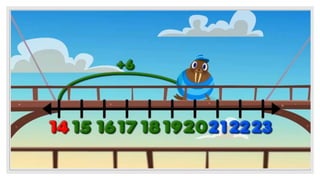
2. Use visuals and images
While students will come across countless
graphs and visuals in their math textbooks,
research shows this isn't the only place
they should be utilized.
3. Find opportunities to differentiate
learning
It's important that students feel comfortable
and are given the opportunity to learn new
math ideas at their own pace, without
feeling rushed. But while the idea that
'given enough time, every student will learn'
is nothing new, it's easier said than done.
4. Ask students to explain their ideas
Meta-cognition is the process of
thinking about your options, choices,
and results, and it has a big impact on
the way students learn.
5. Incorporate storytelling to make
connections to real-world scenarios
Incorporate story problems into your classroom
lessons allow students to see how certain math
concepts can apply to real life. Story problems
are also a good way to help students
understand how to use math in everyday life,
and see the relevance of math.
6. Show and tell new concepts
Elementary math teachers should normally
begin each lesson with a 'show and tell.'
Telling is the process of sharing
information and knowledge with students,
while showing involves modeling how to
do something.
7. Let your students regularly know how
they're doing
Let your students know how they
have performed on a specific task,
along with helpful ways that they
can further improve and extend
their skills.
“The growth mindset was intended to help close
achievement gaps, not hide them. It is about
telling the truth about a student's current
achievement and then, together, doing
something about it, helping him or her become
smarter.”

7 effective strategies for teaching elementary math

  • 1.
  • 2.
    1. Make ithands-on Elementary math can be difficult because it involves learning new, abstract concepts that can be tricky for children to visualize.
  • 3.
    2. Use visualsand images While students will come across countless graphs and visuals in their math textbooks, research shows this isn't the only place they should be utilized.
  • 5.
    3. Find opportunitiesto differentiate learning It's important that students feel comfortable and are given the opportunity to learn new math ideas at their own pace, without feeling rushed. But while the idea that 'given enough time, every student will learn' is nothing new, it's easier said than done.
  • 6.
    4. Ask studentsto explain their ideas Meta-cognition is the process of thinking about your options, choices, and results, and it has a big impact on the way students learn.
  • 7.
    5. Incorporate storytellingto make connections to real-world scenarios Incorporate story problems into your classroom lessons allow students to see how certain math concepts can apply to real life. Story problems are also a good way to help students understand how to use math in everyday life, and see the relevance of math.
  • 9.
    6. Show andtell new concepts Elementary math teachers should normally begin each lesson with a 'show and tell.' Telling is the process of sharing information and knowledge with students, while showing involves modeling how to do something.
  • 10.
    7. Let yourstudents regularly know how they're doing Let your students know how they have performed on a specific task, along with helpful ways that they can further improve and extend their skills.
  • 11.
    “The growth mindsetwas intended to help close achievement gaps, not hide them. It is about telling the truth about a student's current achievement and then, together, doing something about it, helping him or her become smarter.”

Editor's Notes

  • #2 Teaching in today's mixed-ability classroom can be a challenge. These days, it's not uncommon to find a wide range of abilities in the one classroom—from students struggling to grasp new concepts, to those who are way ahead of their peers from day one. This factor has contributed to a range of problems for early math learners, including a large achievement gap between students. While individual students do benefit from different learning styles, there are a range of effective strategies which can help all students to succeed. Additionally, the highly engaging, self-paced Mathseeds program offers a research-based solution for mixed-ability K–2 math classrooms, making math fun, interactive, and personalized for young learners.
  • #3 Try to imagine what it's like for a five-year-old to see an addition problem for the very first time. Since it's a totally new concept to them, it can be hard for them to visualize a scenario where one quantity is added to another. Manipulatives are hands-on tools that make math a lot easier for young children to understand. Tools like Lego, clay, and wooden blocks can all be used in the classroom to demonstrate how math ideas work. For example, Lego is a great way to demonstrate number building, operations, fractions, sorting, patterns, 3D shapes, and more.
  • #4 According to the National Council of Teachers of Mathematics, the most powerful way to use graphics in elementary math is in conjunction with specific practice or guidance, either from a teacher or another classroom tool.
  • #5 The Mathseeds online math program uses colorful visuals, graphics, and catchy songs to clearly demonstrate elementary math concepts in a fun and engaging way. Students can revisit lessons until they fully understand each topic
  • #6 Mastery learning is about giving students as much time as they need to grasp a specific skill or concept. It involves varying the time you give each student to succeed. Technology-based classroom tools offer a powerful way to differentiate learning while teaching elementary math, which is an effective way to help students in mixed-ability classrooms to succeed.
  • #7 Have you ever noticed how much more confident you feel about a concept after explaining it to someone else? Meta-cognition is the process of thinking about your options, choices, and results, and it has a big impact on the way students learn. Before assigning a math problem, ask students to brainstorm problem-solving strategies they can use. Encourage students to work together to suggest different strategies in a respectful way. This process can be carried out at every stage of problem solving when teaching elementary math. Once students have offered an answer, ask them to verbalize step-by-step how they got that answer.
  • #8 When it comes to igniting the interest of young minds, not much comes close to a good story. Incorporate story problems into your classroom lessons allow students to see how certain math concepts can apply to real life. Story problems are also a good way to help students understand how to use math in everyday life, and see the relevance of math.
  • #10 These days, teachers can really kick 'show and tell' up a notch with an interactive whiteboard, using animations, and videos to clearly show and tell specific math concepts in an engaging and interesting way.
  • #11 Feedback is an important part of teaching elementary math and improving students' results. Let your students know how they have performed on a specific task, along with helpful ways that they can further improve and extend their skills. Remember, feedback is different to praise. Focus your feedback on the task itself (rather than the student) and make sure they have a clear understanding of what they did well and how they can improve next time. In Carol Dweck's research around what's known as the 'growth mindset', she writes: