-Presented by:
Sampada Pandurang Zalte
Department of Electronics & Telecommunication Engineering
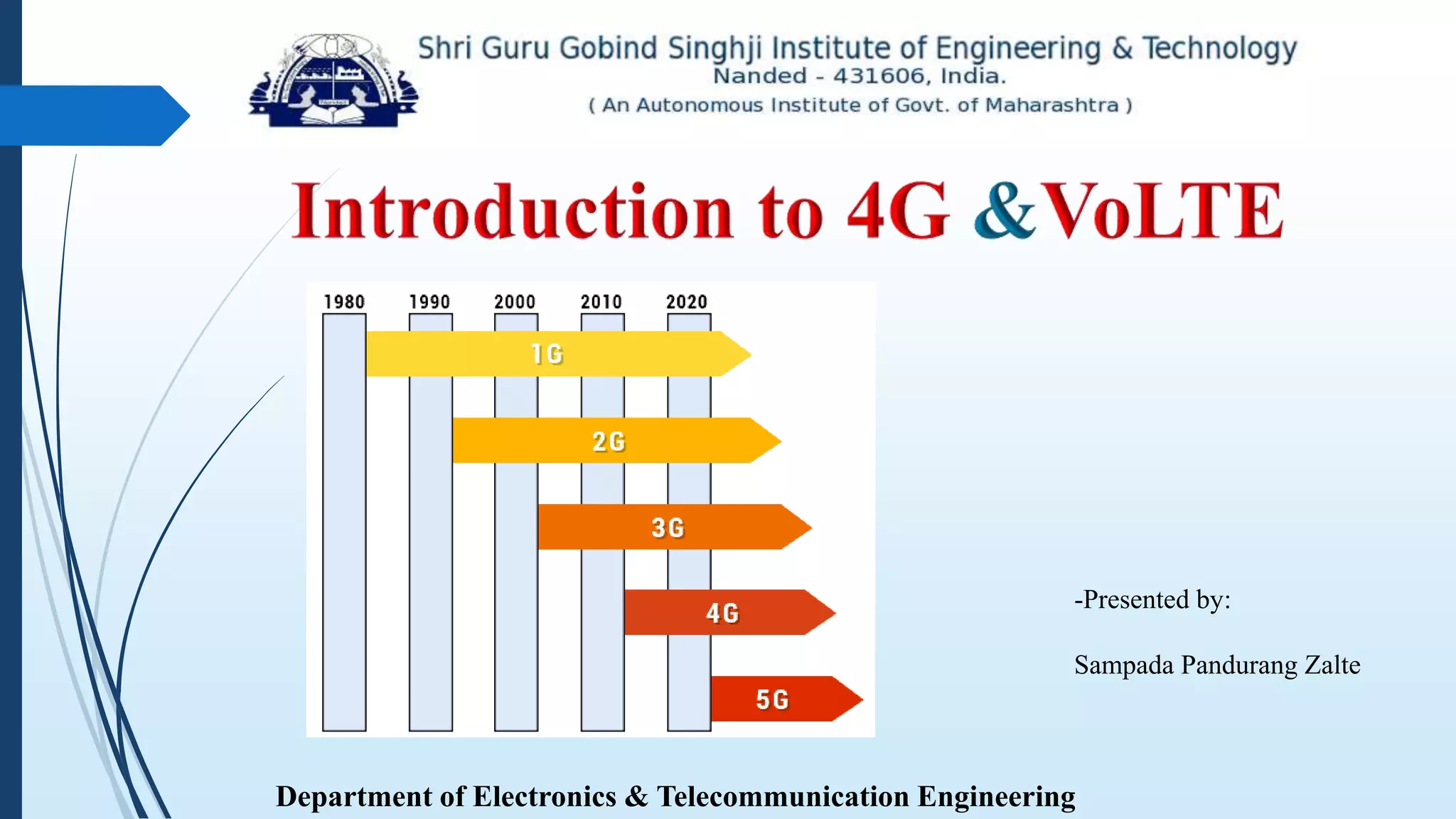
 Evolution of mobile communication
 Introduction to 4G and VoLTE
 Features of 4G
 Architecture of VoLTE
 Working model
 Merits & demerits
 Applications
 Conclusion
 References
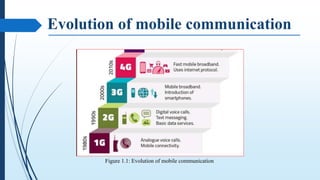
Figure 1.1: Evolution of mobile communication
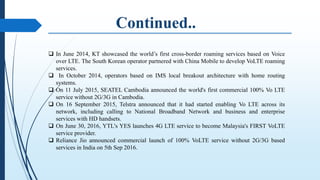
 In June 2014, KT showcased the world’s first cross-border roaming services based on Voice
over LTE. The South Korean operator partnered with China Mobile to develop VoLTE roaming
services.
 In October 2014, operators based on IMS local breakout architecture with home routing
systems.
 On 11 July 2015, SEATEL Cambodia announced the world's first commercial 100% Vo LTE
service without 2G/3G in Cambodia.
 On 16 September 2015, Telstra announced that it had started enabling Vo LTE across its
network, including calling to National Broadband Network and business and enterprise
services with HD handsets.
 On June 30, 2016, YTL's YES launches 4G LTE service to become Malaysia's FIRST VoLTE
service provider.
 Reliance Jio announced commercial launch of 100% VoLTE service without 2G/3G based
services in India on 5th Sep 2016.
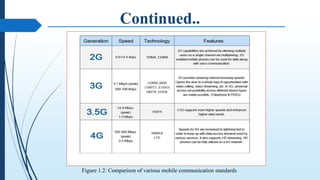
Figure 1.2: Comparison of various mobile communication standards
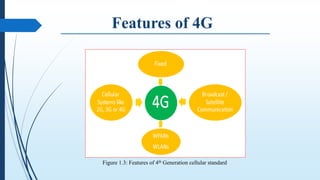
Figure 1.3: Features of 4th Generation cellular standard
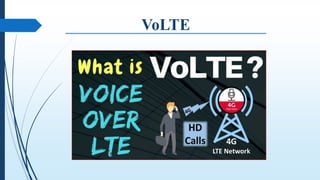
 Voice over Long-Term Evolution (Vo LTE) is a standard for high-
speed wireless communication for mobile phones and data terminals.
 This would lead to fragmentation and incompatibility not allowing
all phones to communicate with each other.
 VoLTE has up to three times more voice and data capacity than 3G
UMTS and up to six times more than 2G GSM. Furthermore, it frees
up bandwidth and this would reduce voice traffic.
 Voice calls over LTE are recognized as the industry-agreed
progression of voice services across mobile networks, deploying
LTE radio access technology.
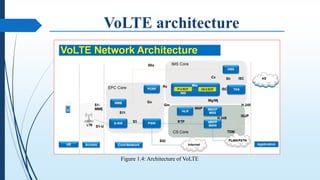
Figure 1.4: Architecture of VoLTE
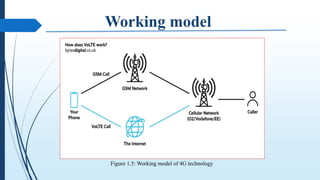
Figure 1.5: Working model of 4G technology
 Provides a more efficient use of spectrum than traditional voice
 Meets the rising demand for richer, more reliable services
 Eliminates the need to have voice on one network and data on another
 Unlocks new revenue potential, utilizing IMS as the common service platform
 Can be deployed in parallel with video calls over LTE and RCS multimedia
 services, including video share, multimedia messaging, chat and file transfer
 Increases handset battery life by 40 per cent (compared with VoIP)
 Delivers an unusually clear calling experience and
 Provides rapid call establishment time.
 New frequencies means new components in cell towers
 Higher data prices for customers
 It is not possible to make your current equipment compatible with 4G
 Customers are forced to buy new device to support the same
 Complicated hardware
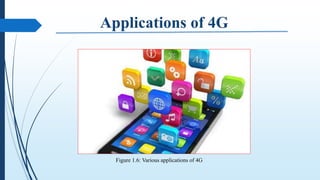
Figure 1.6: Various applications of 4G
 Evolution to LTE-Advance from LTE was done to meet the requirements set by IMT-
Advance
 LTE has approved a good foundation for an evolution in mobile radio communications
industry
 Attempt has been made to reduce a new technologies to a single global standard
 Mobile intelligent internet &multimedia applications
 4G is best as compared with its predecessors.
 http://www.infonetics.com/pr/2013/sdn-and-nfv-
survey-highlights.asp
 https://www.f5.com/services/resources/white-
papers/considerations-for-volte-implementation
4G & VOLTE : Introduction and Comparison

4G & VOLTE : Introduction and Comparison

  • 1.
    -Presented by: Sampada PandurangZalte Department of Electronics & Telecommunication Engineering
  • 2.
     Evolution ofmobile communication  Introduction to 4G and VoLTE  Features of 4G  Architecture of VoLTE  Working model  Merits & demerits  Applications  Conclusion  References
  • 3.
    Figure 1.1: Evolutionof mobile communication
  • 4.
     In June2014, KT showcased the world’s first cross-border roaming services based on Voice over LTE. The South Korean operator partnered with China Mobile to develop VoLTE roaming services.  In October 2014, operators based on IMS local breakout architecture with home routing systems.  On 11 July 2015, SEATEL Cambodia announced the world's first commercial 100% Vo LTE service without 2G/3G in Cambodia.  On 16 September 2015, Telstra announced that it had started enabling Vo LTE across its network, including calling to National Broadband Network and business and enterprise services with HD handsets.  On June 30, 2016, YTL's YES launches 4G LTE service to become Malaysia's FIRST VoLTE service provider.  Reliance Jio announced commercial launch of 100% VoLTE service without 2G/3G based services in India on 5th Sep 2016.
  • 5.
    Figure 1.2: Comparisonof various mobile communication standards
  • 7.
    Figure 1.3: Featuresof 4th Generation cellular standard
  • 9.
     Voice overLong-Term Evolution (Vo LTE) is a standard for high- speed wireless communication for mobile phones and data terminals.  This would lead to fragmentation and incompatibility not allowing all phones to communicate with each other.  VoLTE has up to three times more voice and data capacity than 3G UMTS and up to six times more than 2G GSM. Furthermore, it frees up bandwidth and this would reduce voice traffic.  Voice calls over LTE are recognized as the industry-agreed progression of voice services across mobile networks, deploying LTE radio access technology.
  • 10.
  • 11.
    Figure 1.5: Workingmodel of 4G technology
  • 12.
     Provides amore efficient use of spectrum than traditional voice  Meets the rising demand for richer, more reliable services  Eliminates the need to have voice on one network and data on another  Unlocks new revenue potential, utilizing IMS as the common service platform  Can be deployed in parallel with video calls over LTE and RCS multimedia  services, including video share, multimedia messaging, chat and file transfer  Increases handset battery life by 40 per cent (compared with VoIP)  Delivers an unusually clear calling experience and  Provides rapid call establishment time.
  • 13.
     New frequenciesmeans new components in cell towers  Higher data prices for customers  It is not possible to make your current equipment compatible with 4G  Customers are forced to buy new device to support the same  Complicated hardware
  • 14.
    Figure 1.6: Variousapplications of 4G
  • 15.
     Evolution toLTE-Advance from LTE was done to meet the requirements set by IMT- Advance  LTE has approved a good foundation for an evolution in mobile radio communications industry  Attempt has been made to reduce a new technologies to a single global standard  Mobile intelligent internet &multimedia applications  4G is best as compared with its predecessors.
  • 16.