Download free for 30 days
Sign in
Upload
Language (EN)
Support
Business
Mobile
Social Media
Marketing
Technology
Art & Photos
Career
Design
Education
Presentations & Public Speaking
Government & Nonprofit
Healthcare
Internet
Law
Leadership & Management
Automotive
Engineering
Software
Recruiting & HR
Retail
Sales
Services
Science
Small Business & Entrepreneurship
Food
Environment
Economy & Finance
Data & Analytics
Investor Relations
Sports
Spiritual
News & Politics
Travel
Self Improvement
Real Estate
Entertainment & Humor
Health & Medicine
Devices & Hardware
Lifestyle
Change Language
Language
English
Español
Português
Français
Deutsche
Cancel
Save
EN
Uploaded by
ripudamanr040308044
PPT, PDF
15 views
22_oil_gas_industry_guidelinesdddddd.ppt
description of guidelines
Business
◦
Read more
0
Save
Share
Embed
Embed presentation
Download
Download to read offline
1
/ 90
2
/ 90
3
/ 90
4
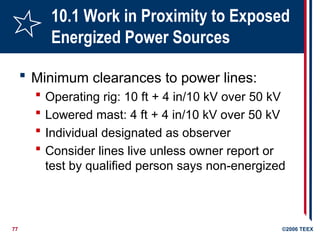
/ 90
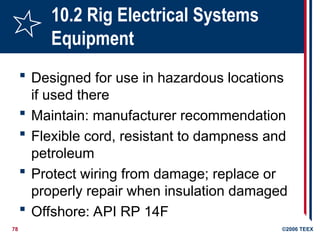
5
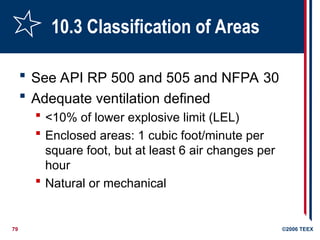
/ 90
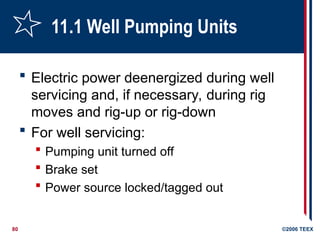
6
/ 90
7
/ 90
8
/ 90
9
/ 90
10
/ 90
11
/ 90
12
/ 90
13
/ 90
14
/ 90
15
/ 90
16
/ 90
17
/ 90
18
/ 90
19
/ 90
20
/ 90
21
/ 90
22
/ 90
23
/ 90
24
/ 90
25
/ 90
26
/ 90
27
/ 90
28
/ 90
29
/ 90
30
/ 90
31
/ 90
32
/ 90
33
/ 90
34
/ 90
35
/ 90
36
/ 90
37
/ 90
38
/ 90
39
/ 90
40
/ 90
41
/ 90
42
/ 90
43
/ 90
44
/ 90
45
/ 90
46
/ 90
47
/ 90
48
/ 90
49
/ 90
50
/ 90
51
/ 90
52
/ 90
53
/ 90
54
/ 90
55
/ 90
56
/ 90
57
/ 90
58
/ 90
59
/ 90
60
/ 90
61
/ 90
62
/ 90
63
/ 90
64
/ 90
65
/ 90
66
/ 90
67
/ 90
68
/ 90
69
/ 90
70
/ 90
71
/ 90
72
/ 90
73
/ 90
74
/ 90
75
/ 90
76
/ 90
77
/ 90
78
/ 90
79
/ 90
80
/ 90
81
/ 90
82
/ 90
83
/ 90
84
/ 90
85
/ 90
86
/ 90
87
/ 90
88
/ 90
89
/ 90
90
/ 90
More Related Content
PPT
oil gas industry guidelines | Michael Bowen
by
Michael Bowen oil and gas
PPT
22 oil fieldsafetyneo1
by
Martin Shija
PPT
22-OilFieldSafetyNEO1.ppt
by
Himanshu594872
PPT
Oil Field Safety.ppt Oil Field Safety Oil Field Safety
by
Ahlamsoliman2
PPTX
Oil_and_Gas_Safety_Topics_Presentation.pptx
by
5yt2mry5td
PPTX
Safety Requirement for Rigs.pptx
by
YaqoobIbrahim1
PDF
Section C, Exhibit 3 - General Work JHA.pdf
by
Piyush Borkar
PPT
fy06_46f6-ht30_04_intro_osha_standards2.ppt
by
GloriaBarrera20
oil gas industry guidelines | Michael Bowen
by
Michael Bowen oil and gas
22 oil fieldsafetyneo1
by
Martin Shija
22-OilFieldSafetyNEO1.ppt
by
Himanshu594872
Oil Field Safety.ppt Oil Field Safety Oil Field Safety
by
Ahlamsoliman2
Oil_and_Gas_Safety_Topics_Presentation.pptx
by
5yt2mry5td
Safety Requirement for Rigs.pptx
by
YaqoobIbrahim1
Section C, Exhibit 3 - General Work JHA.pdf
by
Piyush Borkar
fy06_46f6-ht30_04_intro_osha_standards2.ppt
by
GloriaBarrera20
Similar to 22_oil_gas_industry_guidelinesdddddd.ppt
PDF
Welding, Cutting, and Brazing Techniques
by
Thomas Riggleman
PDF
OCS Training Rig-Inspection--4days-Land-Rig-.pdf
by
Muanisa Waras
PPT
16 welding2
by
AirtonMarinho2
PPT
Excavation.ppt
by
SumanthGundeti2
PPT
Oil fieldsafetyneo1[1]
by
snakehips1
PPT
Welding safety
by
garfield Tulloch
PPT
OSHA welding cutting and brazing safety introduction
by
dilupa4
PPT
WELDING, CUTTING AND BRAZING SAFETY TRAINING
by
GilbertDanez
PPT
construc_hazards in construction area for reveiw
by
hamzaguerirem1
PPT
construction hazards and standards from OSHA
by
msiskenderoglu
PDF
Drilling Rig SMS Safety Presentation .pdf
by
MuhammadSaied3
DOCX
COSC2737 Assignment 2 IT Infrastructure in the Cloud. .docx
by
voversbyobersby
PPT
Excavation des remblai (domaine géotechnique)
by
TaRek568372
PPT
Excavation which helps you in understanding .ppt
by
ArshadMarwat2
PPT
study regrding trenching methods and rules which we need to know
by
HanuRJ
PPSX
Excavation safety
by
دكتور تامر عبدالله شراكى
PDF
Occupational Safety and Health Standards for the Oil and Gas Industry ( PDFDr...
by
HemanthKumarGovardha
PPTX
Personal and structural safety
by
Ravikiran Kattoli
DOC
Ma 001 tanks & preloads visual inspection
by
Yousif Fikry
DOCX
update 20feb1
by
CHRISTOPHER Rickie CHRISTIE
Welding, Cutting, and Brazing Techniques
by
Thomas Riggleman
OCS Training Rig-Inspection--4days-Land-Rig-.pdf
by
Muanisa Waras
16 welding2
by
AirtonMarinho2
Excavation.ppt
by
SumanthGundeti2
Oil fieldsafetyneo1[1]
by
snakehips1
Welding safety
by
garfield Tulloch
OSHA welding cutting and brazing safety introduction
by
dilupa4
WELDING, CUTTING AND BRAZING SAFETY TRAINING
by
GilbertDanez
construc_hazards in construction area for reveiw
by
hamzaguerirem1
construction hazards and standards from OSHA
by
msiskenderoglu
Drilling Rig SMS Safety Presentation .pdf
by
MuhammadSaied3
COSC2737 Assignment 2 IT Infrastructure in the Cloud. .docx
by
voversbyobersby
Excavation des remblai (domaine géotechnique)
by
TaRek568372
Excavation which helps you in understanding .ppt
by
ArshadMarwat2
study regrding trenching methods and rules which we need to know
by
HanuRJ
Excavation safety
by
دكتور تامر عبدالله شراكى
Occupational Safety and Health Standards for the Oil and Gas Industry ( PDFDr...
by
HemanthKumarGovardha
Personal and structural safety
by
Ravikiran Kattoli
Ma 001 tanks & preloads visual inspection
by
Yousif Fikry
update 20feb1
by
CHRISTOPHER Rickie CHRISTIE
Recently uploaded
DOCX
Best Place to Learn Old or Aged Verified Square Accounts in WWW.docx
by
TopSelleriT
DOCX
Buy Old Gmail Accounts_ Top Benefits and Legal Considerations.docx
by
pvasmmpath
DOCX
Buy Instagram Account Purchase_ A Safe and Secure Approach.docx
by
barbeymcdanielokczz
PPTX
Sewage Treatment Plant in Bangalore |Best STP Plant Manufacturers in Tamilna...
by
KemproPumps
PDF
Company Valuation webinar - Feb 2026.pdf
by
FelixPerez547899
PDF
Andria Sergio - Known For Her Accuracy And Professionalism
by
Andria Sergio
PDF
What Is the Fastest Way to Buy Facebook Accounts.pdf
by
Facebook Accounts
PDF
Kirill Klip GEM Royalty TNR Gold Presentation
by
Kirill Klip
PDF
Sylvester Konadu Worcester MA - A Trusted Worcester Tech Professional
by
Sylvester Konadu Worcester
PDF
𝐖𝐚𝐠 𝐂𝐥𝐨𝐧𝐞 𝐏𝐞𝐭 𝐂𝐚𝐫𝐞 𝐀𝐩𝐩 𝐃𝐞𝐯𝐞𝐥𝐨𝐩𝐦𝐞𝐧𝐭
by
V3CUBE TECHNOLABS
PDF
Guide to Safely Buying Gmail Accounts for Safely-Aged.pdf
by
smartusapva.com
PDF
How Oversize Embroidery Design Size Is Measured
by
Inkdnylon
PDF
How to Buy Verified Bybit Accounts in 2026.pdf
by
marketing
PDF
What Is Setup for Decoration | Machine Reality Explained
by
Inkdnylon
PDF
Intangible (Knowledge) Assets and Dynamic Capabilities: New Paradigms for Ana...
by
David Teece
PDF
Certification Training Course On New Skills Across Globe
by
Sprintzeal
PDF
rf_mccaffrey_stocksforthelongrun_revisited_online.v2 (1).pdf
by
Henry Tapper
PDF
Rami Tawasha - Specializes In High-Impact Work
by
Rami Tawasha
PPTX
Levels of Management: Top, Middle and Lower Management Explained
by
chrispshajugig
PDF
Your presence tells your story in real time
by
Patrice Bisiot
Best Place to Learn Old or Aged Verified Square Accounts in WWW.docx
by
TopSelleriT
Buy Old Gmail Accounts_ Top Benefits and Legal Considerations.docx
by
pvasmmpath
Buy Instagram Account Purchase_ A Safe and Secure Approach.docx
by
barbeymcdanielokczz
Sewage Treatment Plant in Bangalore |Best STP Plant Manufacturers in Tamilna...
by
KemproPumps
Company Valuation webinar - Feb 2026.pdf
by
FelixPerez547899
Andria Sergio - Known For Her Accuracy And Professionalism
by
Andria Sergio
What Is the Fastest Way to Buy Facebook Accounts.pdf
by
Facebook Accounts
Kirill Klip GEM Royalty TNR Gold Presentation
by
Kirill Klip
Sylvester Konadu Worcester MA - A Trusted Worcester Tech Professional
by
Sylvester Konadu Worcester
𝐖𝐚𝐠 𝐂𝐥𝐨𝐧𝐞 𝐏𝐞𝐭 𝐂𝐚𝐫𝐞 𝐀𝐩𝐩 𝐃𝐞𝐯𝐞𝐥𝐨𝐩𝐦𝐞𝐧𝐭
by
V3CUBE TECHNOLABS
Guide to Safely Buying Gmail Accounts for Safely-Aged.pdf
by
smartusapva.com
How Oversize Embroidery Design Size Is Measured
by
Inkdnylon
How to Buy Verified Bybit Accounts in 2026.pdf
by
marketing
What Is Setup for Decoration | Machine Reality Explained
by
Inkdnylon
Intangible (Knowledge) Assets and Dynamic Capabilities: New Paradigms for Ana...
by
David Teece
Certification Training Course On New Skills Across Globe
by
Sprintzeal
rf_mccaffrey_stocksforthelongrun_revisited_online.v2 (1).pdf
by
Henry Tapper
Rami Tawasha - Specializes In High-Impact Work
by
Rami Tawasha
Levels of Management: Top, Middle and Lower Management Explained
by
chrispshajugig
Your presence tells your story in real time
by
Patrice Bisiot
22_oil_gas_industry_guidelinesdddddd.ppt
1.
Oil and Gas
Industry Guidelines Module 22
2.
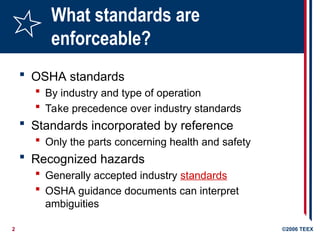
2 ©2006 TEEX What
standards are enforceable? OSHA standards By industry and type of operation Take precedence over industry standards Standards incorporated by reference Only the parts concerning health and safety Recognized hazards Generally accepted industry standards OSHA guidance documents can interpret ambiguities
3.
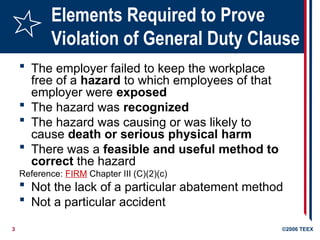
3 ©2006 TEEX Elements
Required to Prove Violation of General Duty Clause The employer failed to keep the workplace free of a hazard to which employees of that employer were exposed The hazard was recognized The hazard was causing or was likely to cause death or serious physical harm There was a feasible and useful method to correct the hazard Reference: FIRM Chapter III (C)(2)(c) Not the lack of a particular abatement method Not a particular accident
4.
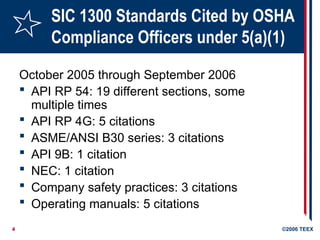
4 ©2006 TEEX SIC
1300 Standards Cited by OSHA Compliance Officers under 5(a)(1) October 2005 through September 2006 API RP 54: 19 different sections, some multiple times API RP 4G: 5 citations ASME/ANSI B30 series: 3 citations API 9B: 1 citation NEC: 1 citation Company safety practices: 3 citations Operating manuals: 5 citations
5.
Recommended Practice for
Occupational Safety for Oil and Gas Well Drilling and Servicing Operation API RP 54
6.
6 ©2006 TEEX 1
General 1.1 Purpose: recommend practices and procedures for promotion and maintenance of safe working conditions for personnel engaged in drilling operations and well servicing operations, including special services
7.
7 ©2006 TEEX 1
General 1.2 Scope: rotary drilling rigs, well servicing rigs, special services Operations on location Not seismic or water well drilling Not site preparation or site abandonment 1.3 Responsibility: Each employer trains own employees Operator and contractor share information Immediate supervision of authorized person with authority to commence, modify, cease or improve
8.
8 ©2006 TEEX 2
References API standards ACGIH TLVs ANSI standards ASME Boiler and Pressure Vessel Code NFPA standards Incorporated for special topics
9.
9 ©2006 TEEX 3
Definitions 3.1.88 shall: Recommended practice has universal application to specific activity 3.1.89 should: Recommended practice Safe comparable alternative available May be impractical or unnecessary under certain circumstances
10.
10 ©2006 TEEX 4
Injuries and First Aid 4.1 General – immediate reporting and treatment; follow-up reporting; cause investigation and prevention 4.2 Medical services – Information available and arrangements made 4.3 First aid – CPR trained individual and first aid kit at worksite 4.4 Emergency eye or body wash stations where exposed to injurious materials
11.
11 ©2006 TEEX 5
Personal Protective Equipment (PPE) 5.1 General: Wear PPE when there is reasonable potential for prevention of harm PPE only used when engineering or administrative controls impractical
12.
12 ©2006 TEEX 5.2
Wearing Apparel Hard hat: each person Eye protection where probable injury Safety-toe footwear Alternative practice for extreme cold Gloves, apron, boots, other appropriate PPE for chemical handling No loose or poorly fitted clothing
13.
13 ©2006 TEEX 5.2
Wearing Apparel Never work in clothing saturated with flammable, hazardous, or irritating substances Never wear jewelry that could be snagged or hung Keep hair contained if long enough to cause hazards Hair/beard must not interfere with PPE
14.
14 ©2006 TEEX 5
Personal Protective Equipment (PPE) 5.3 Hearing protection 5.4 Respiratory protection 5.5 Fall protection for work 10 feet above rig floor or other working surface Guardrail, net, or PFAS Alternative fall protection plan if infeasible
15.
15 ©2006 TEEX 6.1
Operations – General Well control maintained at all times Rig floor attended by person qualified in well control “Horseplay and careless acts” not permitted Training and safety program Unsafe conditions reported to supervisor and relayed between shifts
16.
16 ©2006 TEEX 6.1
Operations – General Pipe threads cleaned with brush to prevent finger wounds Hazardous substances properly labeled; users trained Blowout prevention where necessary; well control drills No field welding on tongs, elevators, bails, or heat treated rig equipment
17.
17 ©2006 TEEX 6.1
Operations – General Vehicles not involved in operations: at least 100 feet or derrick height away from wellbore, or other safety measures if not possible Ground rig substructure, derrick, mast, and other equipment as appropriate
18.
18 ©2006 TEEX 6.2
Over Water Operations Instruction in abandonment procedures, emergency signals, water entry 2 emergency escape means to water Personal flotation devices & ring buoys 2 life floats or alternatives Cold water attire Basket stretcher or litter, and instruction
19.
19 ©2006 TEEX 6.2
Over Water Operations Rules for crane transport of personnel API RP 2D for offshore pedestal cranes No crane operation during helicopter takeoff or landing Personal flotation devices for crane or swingrope transfer to/from boats Tag lines to steady all loads
20.
20 ©2006 TEEX 6.3
Preliminary Rig-Up Operations Review planned arrangement to avoid hazardous conditions Pipelines Utility lines Rig up safely before commencing well operations Locate change rooms and outbuildings far enough from boilers and fuel tanks
21.
21 ©2006 TEEX 6.3
Preliminary Rig-Up Operations Check well for pressure, and remove it or operate safely under pressure All personnel out of derrick or mast and cellar and stand clear when Subsurface pump is being unseated or Initial pull on tubing is made
22.
22 ©2006 TEEX 6.4
Blowout Prevention Equipment Blowout prevention equipment installed and tested where well might flow Install, operate, maintain: API RP 53 Rig personnel must understand and be able to operate blowout preventer Discuss in pre-job meeting Drills under variety of conditions Anchor choke and kill lines – prevent whipping
23.
23 ©2006 TEEX 6.5
Housekeeping Clean work areas; remove trip hazards Avoid / clean up wet floors (from leaks, spills, or pulling wet pipe) Keep cellar clear of fluids or loose equipment/material Keep egress routes unblocked Store tools & equipment to avoid falling Keep fire fighting equipment accessible
24.
24 ©2006 TEEX 6.6
Hydrogen Sulfide Environment Safety guidelines referenced API RP 49, 55, 68 Protect personnel and general public
25.
25 ©2006 TEEX 6.7
Confined Space, Excavations, or Hazardous Environments Where unusually hazardous gases present, advise employees, contractors, and service company supervisors of hazards Fill the cellar if it is not needed Definition of confined space Testing, permit system before entry Declassification of confined spaces
26.
26 ©2006 TEEX 6.7.5
Excavations If deeper than 4 feet and may contain a hazardous atmosphere: Test for oxygen, flammable gases/vapors, toxic air contaminants Evaluate whether excavation is a confined space, and permit if necessary Precautions to prevent exposures Emergency response procedures
27.
27 ©2006 TEEX 6.8
Machinery and Tools Personnel only operate machinery on which they are qualified Belts, drive chains, gears, and drives must have guards installed Except rotary table, catheads, kelly Guards in place and properly maintained for operation Maintenance: report to rig supervisor
28.
28 ©2006 TEEX 6.8
Machinery and Tools Moving parts guarded or stopped before cleaning, lubrication, or repair Maintain tools in safe condition Double insulate or ground tools; Use GFCI Electric or pneumatic tools: deadman switch or starting switch that cannot be locked in Secure materials to body when carrying them up a ladder
29.
29 ©2006 TEEX 6.9
Lockout/Tagout Locks/tags identify equipment or circuits being worked on Critical systems: include identity of worker Train and discipline personnel Lock/tag removed by person who installed it, or authorized replacement If neither available, supervisor may remove after ensuring no hazard created
30.
30 ©2006 TEEX 6.10
Auxiliary Escape Land rigs: derrick or mast must have auxiliary means of escape before work in the derrick Securely anchored escape line attached to derrick or mast for escape from derrickman’s platform (Geronimo line) Wire rope with safety buggy with braking or controlled descent device Safety buggy releases when weight is applied
31.
31 ©2006 TEEX 6.10
Auxiliary Escape Tension on escape line: Periodically checked and adjusted 6-12 feet of sag in middle Ground anchor point distance 2x height Ground anchor point should withstand 3000 lb pull Alternate fast escape if line is infeasible Training on use Never ride except in emergency
32.
32 ©2006 TEEX 6.11
Personnel Lifting Systems Never ride the elevators. Except in extreme emergency, as determined by supervisor, with full fall protection and no pipe or other equipment Bosun’s chair attached to traveling block or tugger line for inaccessible location Hydraulic or air winch lines allowable under certain conditions
33.
33 ©2006 TEEX 6.12
Racking Tubulars and Drill Collars Secure rods, tubulars, drill pipe, drill collars when racked or hung in derrick or mast to keep from falling Safety clamps removed before hoisting continues Use stops, pins, or chocks to keep round equipment from rolling off storage rack Prevent/remove ice plugs in tubulars
34.
34 ©2006 TEEX 6.13
Handling Drilling Fluid Chemicals and Additives Never use asbestos as additive Instruct personnel handling fluid and additives in handling, disposal, and PPE
35.
35 ©2006 TEEX 7.1
Fire Prevention Store combustible and flammable materials safely Prevent rubbish accumulation No smoking, or source of ignition, near operations that could cause fire hazard – signs necessary Change rooms in safe areas for smoking
36.
36 ©2006 TEEX 7.1
Fire Prevention Potential ignition sources located at safe distance from wellhead or flammable storage areas Only safety-designed heaters near rig floor, substructure, or cellar Do not allow oil and gas accumulations Store oily waste in covered metal containers
37.
37 ©2006 TEEX 7.1
Fire Prevention Never use natural gas or LPG to operate spray guns or pneumatic tools Cleaning solutions: flash point 100°F Conductive containers (e.g. metal) to handle, store, or transport flammable liquids Ground and bond any plastic containers NFPA 77 and API Publication 2003
38.
38 ©2006 TEEX 7.2
Fire Protection Fire fighting equipment not tampered with or removed Fire fighting water system may be used for wash down if capacity is not compromised Equipment accessible, plainly labeled Equipment inspected & maintained Crew familiar with location & use
39.
39 ©2006 TEEX 7.2
Fire Protection Drilling rigs: at least 4 20-pound BC extinguishers, depending on operation Well servicing rigs: at least 2 20-pound BC extinguishers, depending on operation Fire fighting equipment near all welding Fire watch for welding/cutting outside designated welding area
40.
40 ©2006 TEEX 8
Flammable Liquids Approved portable containers Tanks and Drums properly labeled Refueling operations: Procedures for over water transfers Shut down engines while refueling unless shutdown causes greater hazard Assign a person to monitor filling tank to prevent spillage Ground during refueling
41.
41 ©2006 TEEX 8.3
Liquefied Petroleum Gas (LPG) Follow NFPA 58 Ignition source control Protective caps on cylinders Usual cylinder precautions No temperatures >125°F, no direct heat Protective gloves for refilling or replacing bottles: freeze burns
42.
42 ©2006 TEEX 8.4
Flammable Liquid Storage Storage area requirements: ventilation, exits, housekeeping, warning, extinguishers, classification On land: Not within 50 feet of wellbore, or equivalent safety measures LPG tanks >250 gallons at least 150 ft from and parallel to closest side of rig; labeled Offshore: appropriate precautions
43.
43 ©2006 TEEX 9.1
Drilling and Well Servicing Rig Equipment – General Openings in rotary table kept covered when not occupied Rathole and mousehole openings kept covered when not occupied with equipment
44.
44 ©2006 TEEX 9.2
Derricks and Masts Substantial, well designed & maintained Permanent name plate: Manufacturer Model and serial number Rating including static hook load capacity with number of lines Recommended guying pattern if applicable If not noted, guy according to API 4G
45.
45 ©2006 TEEX 9.2
Derricks and Masts Raising and lowering masts: Not moved while raised (except for skidding) Visual inspection of raising/lowering mechanism before use Tools and unsecured materials removed from mast before raising/lowering Base level and positioned before raising, lowering or telescoping, or tightening guylines Qualified person in charge of raising/lowering
46.
46 ©2006 TEEX 9.2
Derricks and Masts Raising and lowering masts: Bolts, nuts and pins secured No extra personnel in/under mast unless fully raised or lowered Guylines tensioned before load applied During unusual loading: Only essential personnel on rig floor No one in derrick, mast, or cellar
47.
47 ©2006 TEEX 9.2
Derricks and Masts Platforms above rig floor maintained and secured to support stresses Materials not kept above rig floor unless in use and secured against falling No one on rig floor during overhead repair unless their help is needed No unguarded openings big enough for person to fall except ladder opening between supports of crown block
48.
48 ©2006 TEEX 9.2
Derricks and Masts Bumper blocks: Safety cable or strap along full length Prevent wood fragment falling with screen Counterweights: Safety line anchored to derrick/mast if not encased or in permanent guides Travel of tong counterweights limited to elevations needed for tongs Safety devices for jacks
49.
49 ©2006 TEEX 9.3
Ladders, Stairways, and Platforms Fixed ladder from rig floor to crown block and to each intermediate platform Ladders securely attached by manufacturer specifications Ladders must not lean back from vertical Minimum clearances for ladders Side rails extend 42 inches past landing
50.
50 ©2006 TEEX 9.3
Ladders, Stairways, and Platforms Cages and platforms not required if PFAS is used Platforms wherever ladders are offset, if PFAS is not used Open stairways >4 risers: Securely fastened Handrails and midrails over entire length Uniform, level stair treads
51.
51 ©2006 TEEX 9.3
Ladders, Stairways, and Platforms At least 2 stairway exits on drilling rigs from rig floor to ground level Rig floor, ramps, stairways, ladders, platforms kept free of slip/trip hazards Derrick platforms: Inside mast, except stabbing board, must completely cover space from edge to legs Secured to protect against dislodging
52.
52 ©2006 TEEX 9.3
Ladders, Stairways, and Platforms Well servicing rigs: Work not at ground level is on a working platform large enough for 2 people Safety fasteners when folded for storage Finger board fingers bolted, welded, hinged-and-pinned, or equivalent, to beam
53.
53 ©2006 TEEX 9.3
Ladders, Stairways, and Platforms Guardrails at outer edge 4 ft. above ground or other working level 42 inch top rail, intermediate rail, posts Except for Personnel exits and entrances Catwalk and V-door opening when being used Work station used to rack tubulars Alternate arrangements with equivalent safety 4 inch toe boards to prevent falling items
54.
54 ©2006 TEEX 9.3
Ladders, Stairways, and Platforms Floor and deck openings not left open Floor holes people may walk into: securely covered with no more than 1 inch opening
55.
55 ©2006 TEEX 9.4
Drawworks Visual inspection once per day Guard remains in place and in good condition during operation Do not lubricate during operation Do not leave brake without securing, unless equipped with automatic driller Shut-down switches at drum control console
56.
56 ©2006 TEEX 9.4
Drawworks Brake systems inspected and maintained per manufacturer recommendations Drilling rigs: Double (auxiliary) braking system Safety device to keep traveling block from striking crown block Tested before each trip and after drill-line slipping or cutting operation
57.
57 ©2006 TEEX 9.5
Catheads and Lines Powered by the Cathead Shaft head covered by a thimble a rope cannot wind around Rope guide for manually operated rope Check for grooves >1/4 inch; rebuild and turn to avoid fouling Keep lines from being entangled with cathead line No rope or line on unattended cathead
58.
58 ©2006 TEEX 9.5
Catheads and Lines Powered by the Cathead Drawworks control attended while manual cathead is in use No rope splices on cathead friction surface, except properly spliced endless rope Headache post or guard for drawworks control personnel when line is near operator
59.
59 ©2006 TEEX 9.5
Catheads and Lines Powered by the Cathead Training required before operation of cathead or lines Maintain lines and automatic catheads in safe working condition When lifting tubulars, use slings that will not slip off.
60.
60 ©2006 TEEX 9.6
Hoisting lines and other wire rope Visually inspect at least once per day; detailed inspection once per month Remove when too many broken wires Consider removal for corrosion Remove lines with corroded, cracked, bent, worn, improper end connections Remove for kinking, crushing, birdcaging, cutting, cold working
61.
61 ©2006 TEEX 9.6
Hoisting lines and other wire rope Hoisting line: End securely fastened; enough extra line on drum to avoid fastener strain Anchors at least as strong as line Ton-mile limits; see API RP 9B Moving hoisting line not to come in contact with anything stationary except crown block sheaves and traveling block sheaves
62.
62 ©2006 TEEX 9.6
Hoisting lines and other wire rope Hoisting line not removed from drum until traveling block rests on rig floor or is suspended separately Slings should be identified by size, grade, rated capacity, reach
63.
63 ©2006 TEEX 9.7
Hoisting Tools, Hooks, Bails, Elevators, and Related Equipment Good engineering practice; maintained safe. See API Spec 8A, 8B, 8C Never exceed design load Safety latch on hoisting hook to prevent accidental release Traveling blocks guarded properly Crown blocks secured to keep sheaves from jumping out of bearings
64.
64 ©2006 TEEX 9.7
Hoisting Tools, Hooks, Bails, Elevators, and Related Equipment Traveling blocks not moved while crown block is being lubricated Fasten pump end of rotary hose to derrick/mast by cable or chain Fasten swivel end of rotary hose to swivel with similar cable or chain Inspect elevators, latches, latch locks, pins, springs; replace if worn/damaged
65.
65 ©2006 TEEX 9.8
Rotary Only engage power when rotary table is clear of all people and materials Do not use rotary table for initial breakout of tool joints – only spinning out after initial breakout Use smooth kelly bushings to prevent catching of people, clothes or material
66.
66 ©2006 TEEX 9.9
Drill String Handling Equipment Manual drill pipe slip handles: Use manufacturer’s original or equivalent Short enough to not project beyond master bushing Lubricate tapered side of drill pipe slips Do not kick slips into place Attach tongs to fixed structure using wire rope or stiff arm
67.
67 ©2006 TEEX 9.9
Drill String Handling Equipment Maintain tongs properly Tong safety lines: long enough to use breakout cathead, but short enough to prevent complete rotation of tongs Power tongs: Pressure systems: safety relief valve Power input pressure line disconnected to work on tongs
68.
68 ©2006 TEEX 9.10
Weight Indicators Used for all rigs that manipulate tubulars Maintained to register within 5% Checked periodically for calibration Gauge visible to operator Protected from falling
69.
69 ©2006 TEEX 9.11
Drilling Fluid Tanks On land: Pits and tanks used to circulate flammables located 100 feet from well, or equivalent Drilling fluid tanks treated as confined spaces Ventilation, ventilation alarms, gas detectors Blowers with appropriate electrical classification
70.
70 ©2006 TEEX 9.12
Pipe Racks and Pipe Tubs Pipe handled at the ends while loading, unloading, or transferring Keep people out of the way during transfer or loading/unloading Prevent pipe from rolling off: Load and unload by layers, with each layer blocked at all 4 corners. Temporary supports to skid or roll pipe
71.
71 ©2006 TEEX 9.13
Pressure Equipment Pressure relief valve discharges located to prevent hazard with sudden discharge or piping movement Lines and hoses secured to prevent unsafe movement Never operate above rated pressure Hammer unions must be the same thread – some look alike but will fail
72.
72 ©2006 TEEX 9.13
Pressure Equipment Pressure relief devices to discharge at or below rated pressure of components Automatic air pressure controls for cleaning, sandblasting, etc. Pump houses with 2 exit doors in different directions to outside Shear-pin relief valves enclosed to prevent flying pins
73.
73 ©2006 TEEX 9.14
Generators, Motors, and Lighting Generators 100 feet upwind of wellhead or equivalent Overload safety device to protect from shorting and burnout Adequate illumination, by safe portable lights if necessary. Headlights are not sufficient. Extension cords insulated; plugs in good condition
74.
74 ©2006 TEEX 9.14
Generators, Motors, and Lighting Lighting and fixtures of appropriate electrical classification (RP 500 & 505) Enclosed and gasketed if not covered by 500/505 ANSI/IES RP7 1988: Industrial Lighting Class I, Division I safeguards for shale shaker motor and area within 5 feet Lockout/tagout before repairing electrical equipment Ground motors, generators, control panels
75.
75 ©2006 TEEX 9.15
Internal Combustion Engines Diesel engines require emergency shut- down devices to shut off air Actuation check the rig power emergency shut down devices 1x/week Check all other internal combustion engine shutdown devices 1x/30 days Spark arrestors or equivalent within 100 feet of wellbore
76.
76 ©2006 TEEX 9.16
Inspection of Critical Equipment Periodically inspected by manufacturer recommendation or good engineering practice Certified inspectors use recognized methods for nondestructive testing Qualified personnel for other inspection types
77.
77 ©2006 TEEX 10.1
Work in Proximity to Exposed Energized Power Sources Minimum clearances to power lines: Operating rig: 10 ft + 4 in/10 kV over 50 kV Lowered mast: 4 ft + 4 in/10 kV over 50 kV Individual designated as observer Consider lines live unless owner report or test by qualified person says non-energized
78.
78 ©2006 TEEX 10.2
Rig Electrical Systems Equipment Designed for use in hazardous locations if used there Maintain: manufacturer recommendation Flexible cord, resistant to dampness and petroleum Protect wiring from damage; replace or properly repair when insulation damaged Offshore: API RP 14F
79.
79 ©2006 TEEX 10.3
Classification of Areas See API RP 500 and 505 and NFPA 30 Adequate ventilation defined <10% of lower explosive limit (LEL) Enclosed areas: 1 cubic foot/minute per square foot, but at least 6 air changes per hour Natural or mechanical
80.
80 ©2006 TEEX 11.1
Well Pumping Units Electric power deenergized during well servicing and, if necessary, during rig moves and rig-up or rig-down For well servicing: Pumping unit turned off Brake set Power source locked/tagged out
81.
81 ©2006 TEEX 11.1
Well Pumping Units Prevent unintended counterweight movement Use strong enough sling to handle horsehead Installation: bolt or latch as recommended Maintain brake systems in safe working order Reinstall guards before startup
82.
82 ©2006 TEEX 12
Special Services General Equipment Communications Discharge Line (Temporary Treating or Cementing Lines) Lubricator operations
83.
83 ©2006 TEEX 13
Wireline Service General Placement and Handling of Wireline Service Units Gin Poles (Telescoping and Single Poles) Rope Falls (Block and Tackle) Wellheads, Wellhead Connections, and Adapters Lubricators and Wireline Blowout Preventer Equipment Wireline Operations Perforating Swabbing Bailing
84.
84 ©2006 TEEX 14
Stripping and Snubbing General Operations
85.
85 ©2006 TEEX 15
Drill Stem Testing General Preliminary to Drill Stem Test Performing the Drill Stem Test
86.
86 ©2006 TEEX 16
Acidizing, Fracturing, and Hot Oil Operations General Pumping Operations
87.
87 ©2006 TEEX 17
Cementing Operations General Pumping Operations
88.
88 ©2006 TEEX 18
Gas, Air, or Mist Drilling Operations General (All other requirements apply) Training Equipment Procedures Minimizing Sources of Ignition
89.
89 ©2006 TEEX 19
Hot Tapping and Freezing Operations General Hot Tapping Operations Freezing Operations
90.
90 ©2006 TEEX 20
Hotwork, Welding, and Flame Cutting Operations General Written safety work permit system Avoid being a source of ignition Certified welders for equipment whose primary function is to contain hydrocarbons Personal Protective Equipment (PPE) Fire Protection Equipment Welding Fumes and Ventilation
Download



![Oil fieldsafetyneo1[1]](https://cdn.slidesharecdn.com/ss_thumbnails/oilfieldsafetyneo11-101019040554-phpapp02-thumbnail.jpg?width=640&height=640&fit=bounds)


